Categories
Podcasts Skyscrapers

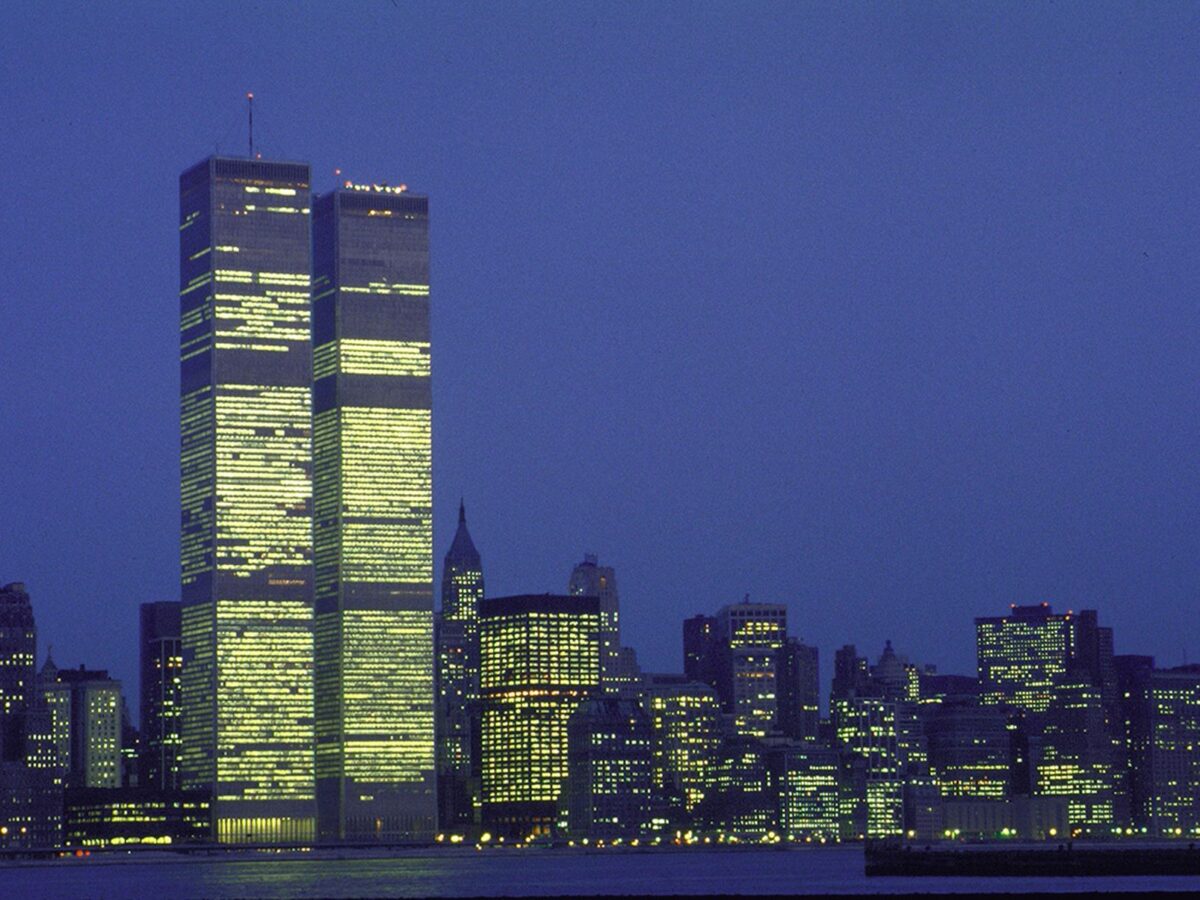
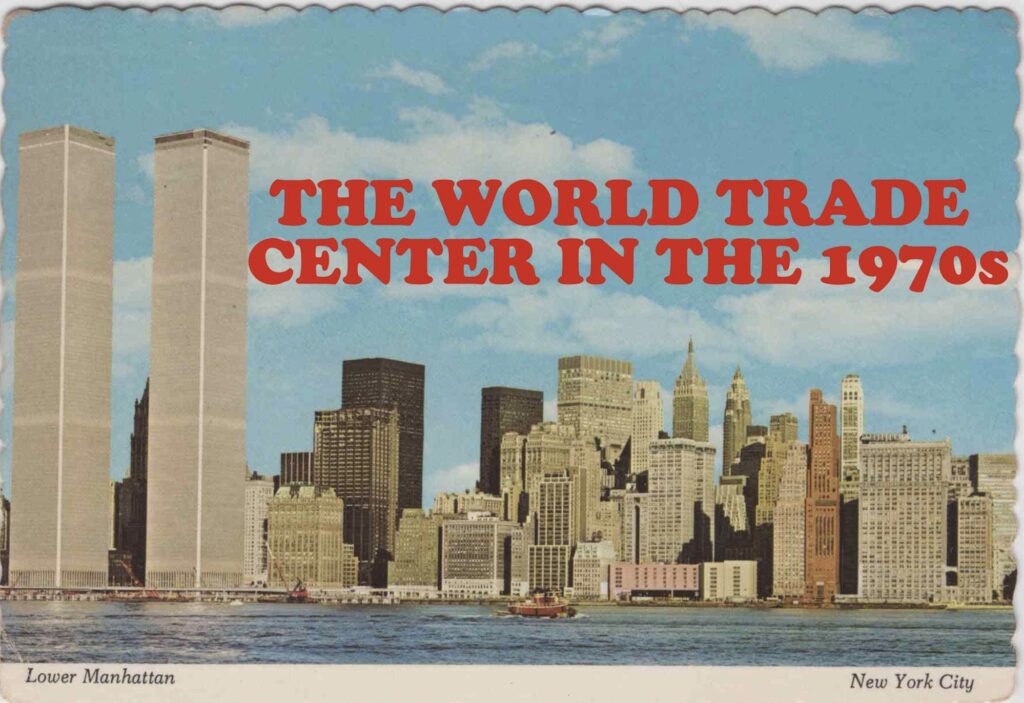
The World Trade Center in the 1970s

PODCAST The World Trade Center opened its distinctive towers during one of New York City’s most difficult decades, a beacon of modernity in a city beleaguered by debt and urban decay. Welcome to the 1970s.
EPISODE 350 This year, believe it or not, marks the 20th anniversary of the attacks on the Twin Towers on September 11, 2001.

Today there’s an entire generation that only knows the World Trade Center as an emblem of tragedy.

But people sometimes forget that the World Trade Center, designed by Japanese-American architect Minoru Yamasaki, was a very complicated addition to the New York skyline when it officially opened in 1973.

While it might be fun to think of New York City in the 1970s through the lens of places like Studio 54 or CBGB, it was really the Twin Towers that redefined New York.
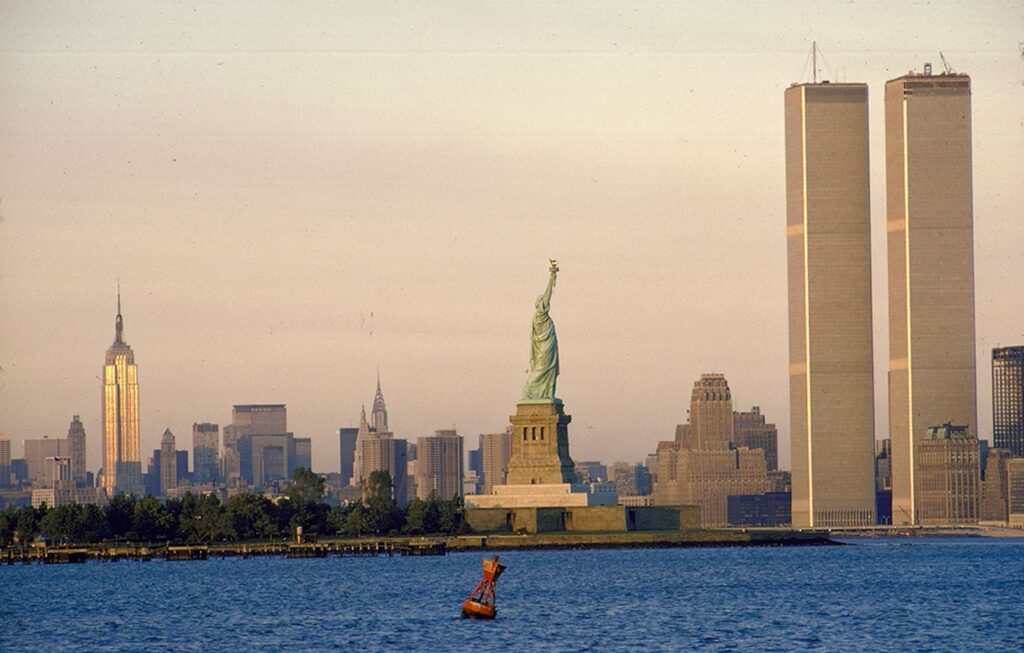
The journey to build the world’s tallest building and its expansive complex of office towers and underground shops began in an effort by David Rockefeller to stimulate development in Manhattan’s fading Financial District.

By the time Port Authority got onboard to fund the project, the Twin Towers were bonded together with another vital project — a commuter train from New Jersey.

The World Trade Center inspired strong opinions from critics and the public alike, but eventually many grew to admire the strange towers which marked the skyline.

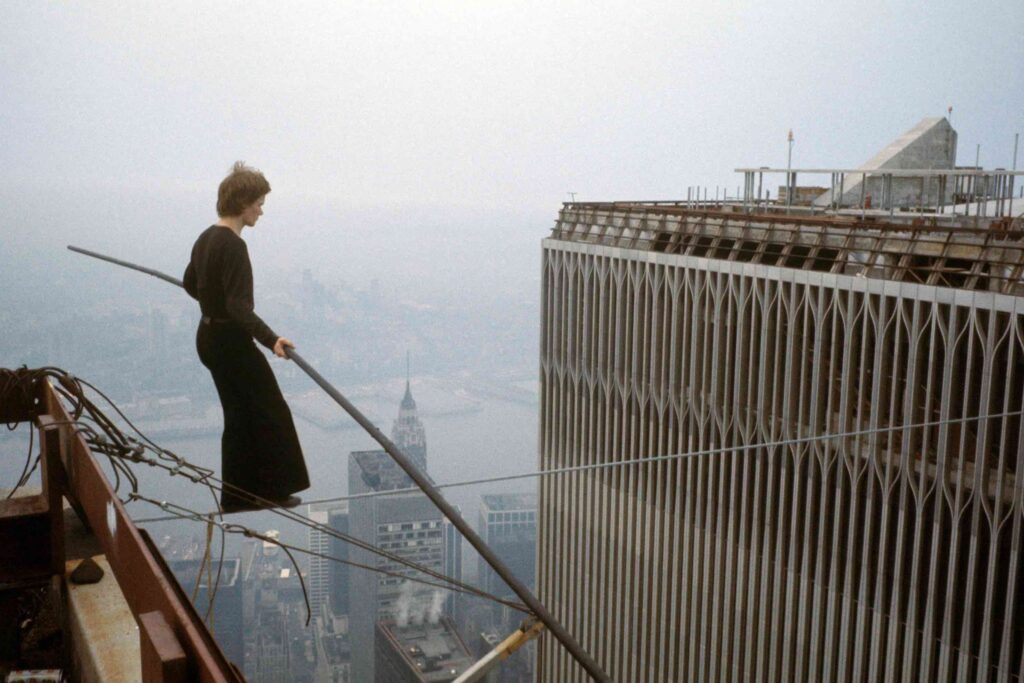
And for some, the Twin Towers became objects of obsession.
Jean-Louis Blondeau / Polaris Images

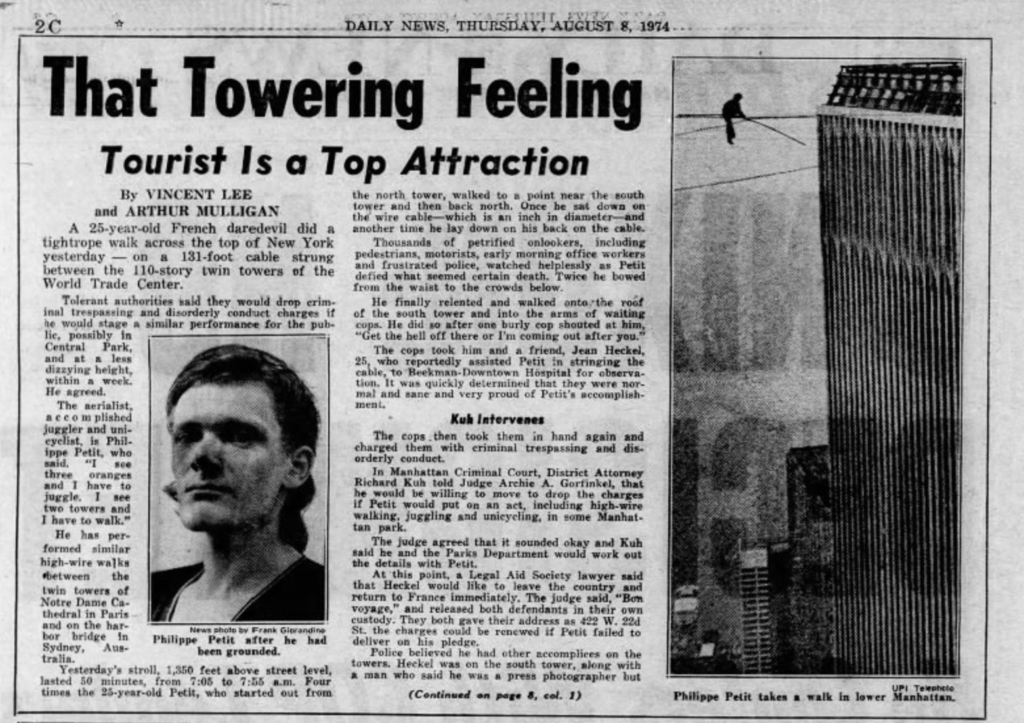
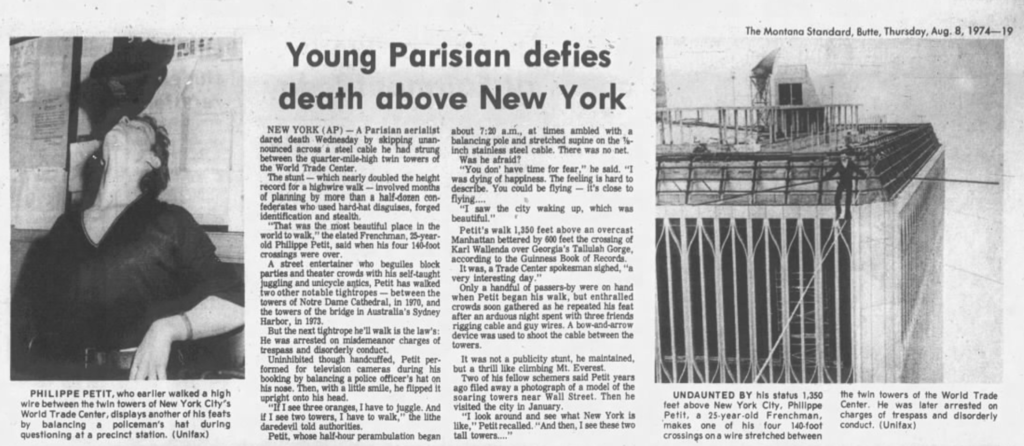
FEATURING: The insane, completely outlandish and ultimately successful feat of acrobatics by a very bold French tightrope walker.

PLUS: An interview with with Kate Monaghan Connolly of the National September 11 Memorial and Museum about how that institution memorializes those lost in the tragedy while still celebrating the technological marvels that once stood there.

Listen here or stream/download the episode from your favorite podcast player:


Go to websites for the National September 11 Memorial and Museum and One World Observatory for more information about visiting hours and COVID-19 safety precautions at each site.

Follow us on Instagram for more images of our adventures through New York City.


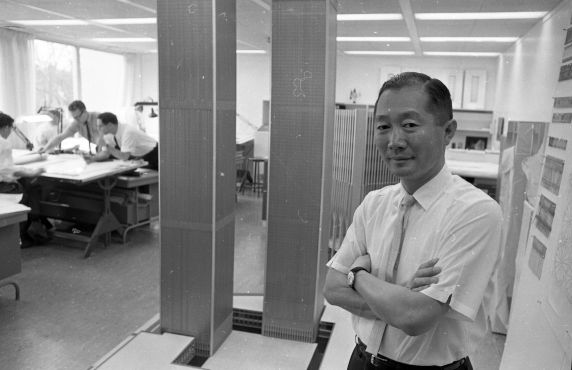
Architect Minoru Yamasaki with a model of this Twin Tower design for the World Trade Center, March 25, 1964
Photographer Tony Spina/Courtesy Walter P. Reuther Library

David Rockefeller with a model of the westside of lower Manhattan.
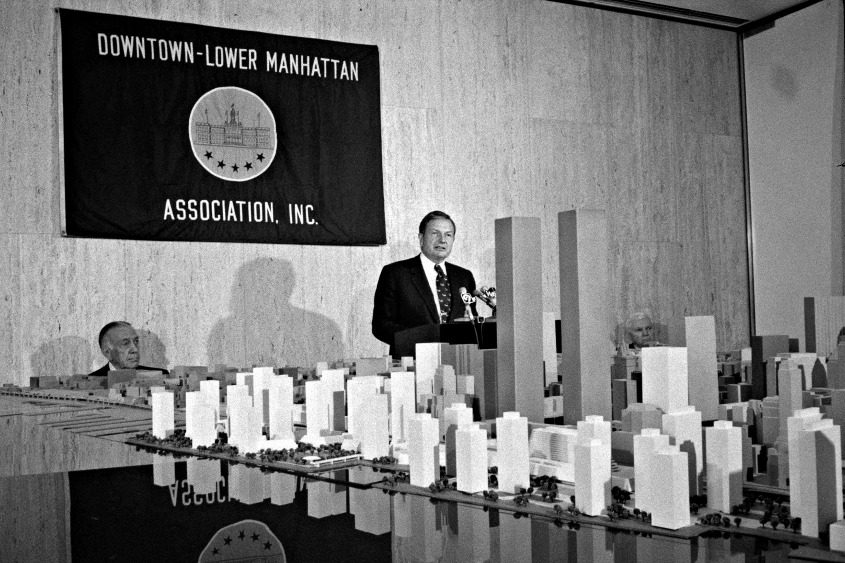
Courtesy John Duricka/Associated Press

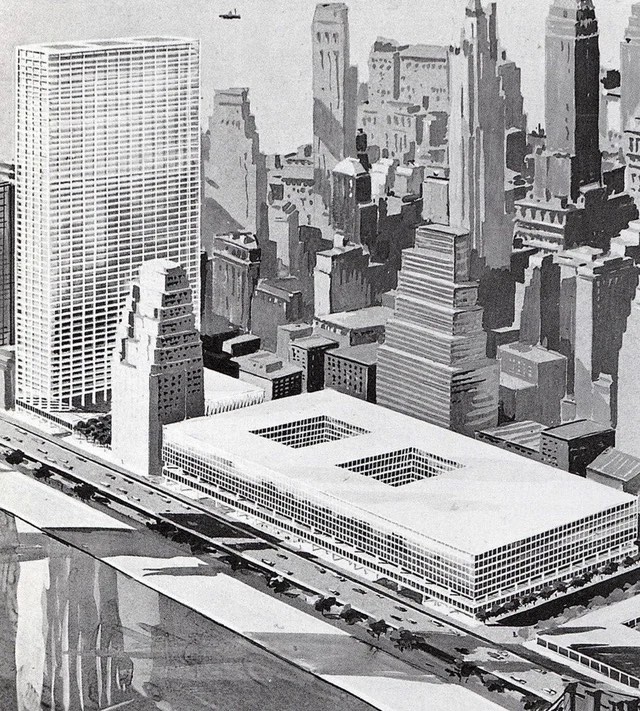
The first plan for the World Trade Center called for construction of a United Nations-inspired set of structures on the east side, most likely eliminating (or seriously reducing) the South Street Seaport.
Images of Radio Row, clearly showing a vibrant retail district that remained active over many decades. Had it remained, who knows how much larger it would have gotten with the advent of television?
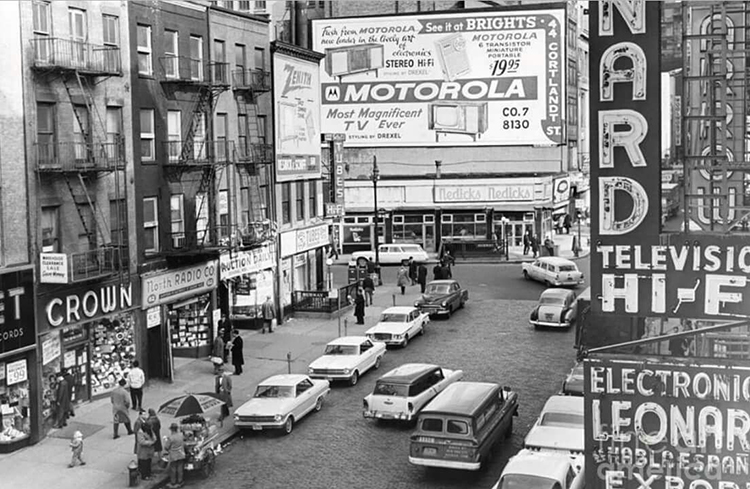
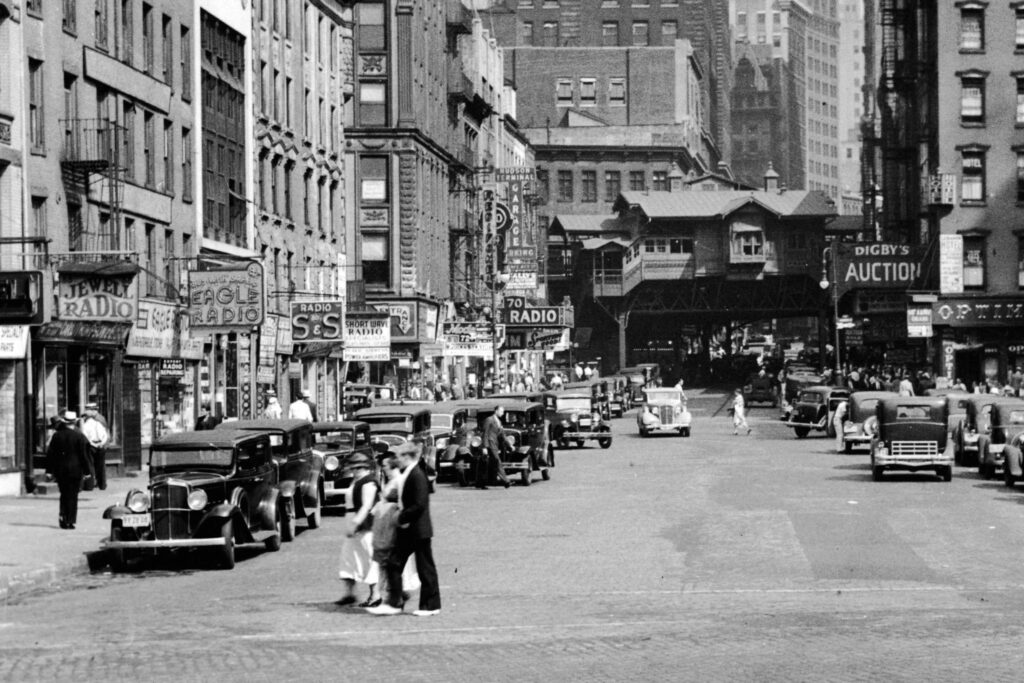
Hulton Archive/Getty Images

They were so prominent and tall that they become the world’s most observed construction project — for years.
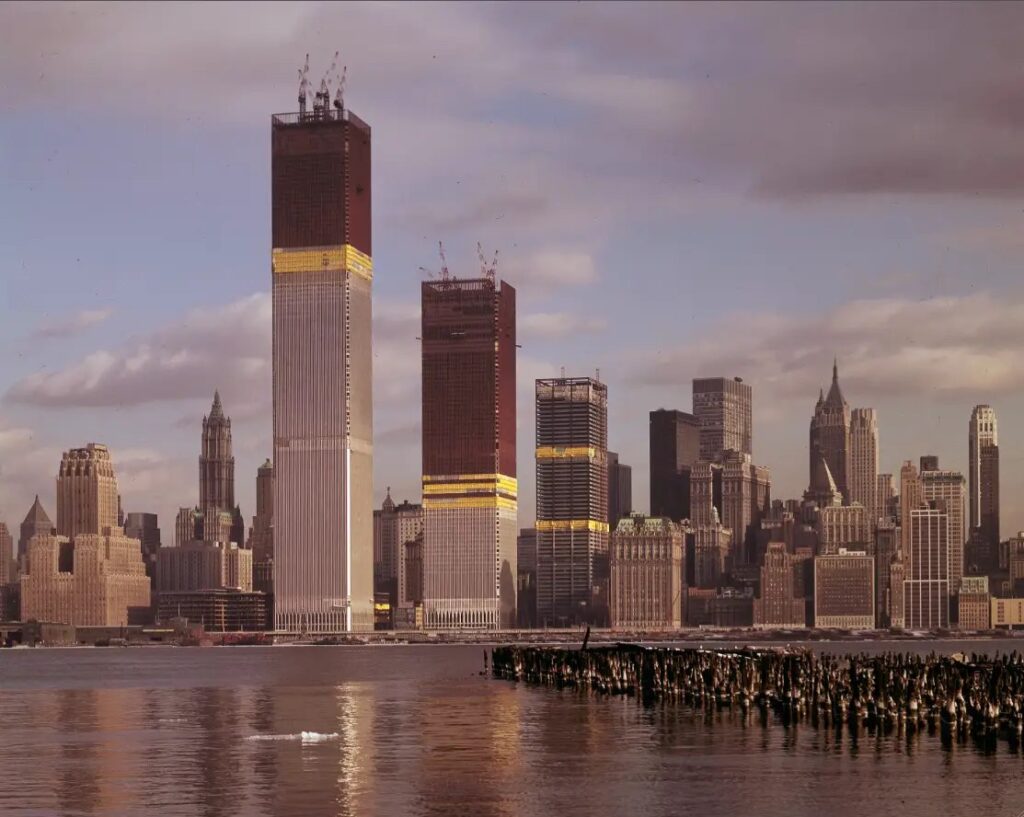
Courtesy AP

Over the years, the landfill site (and future home of Battery Park City) was used for performance art, musical performances and even circuses.
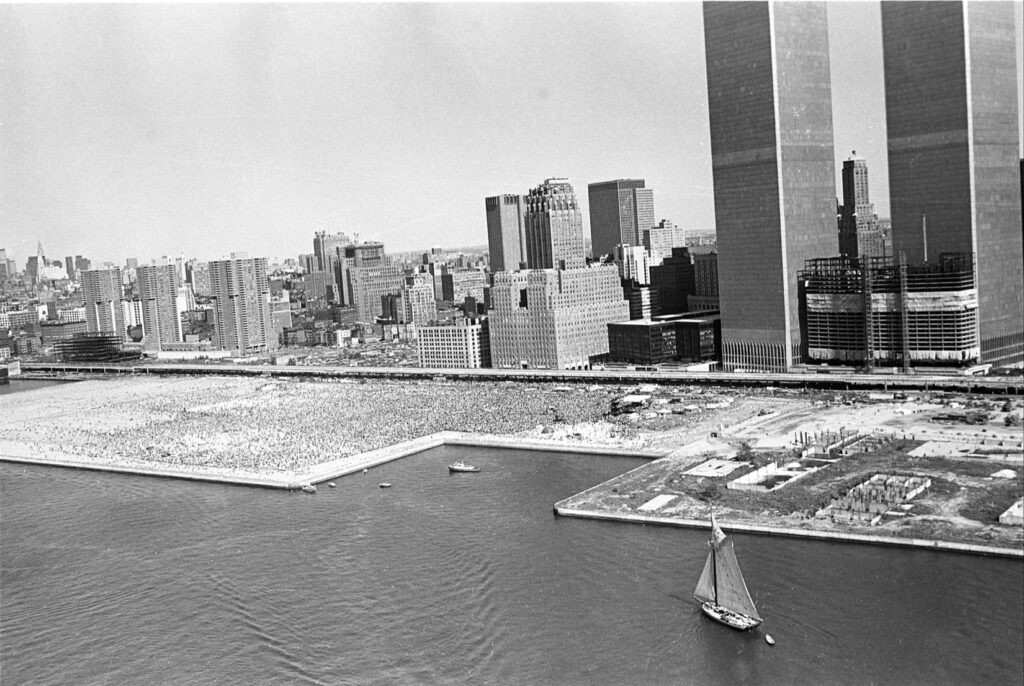
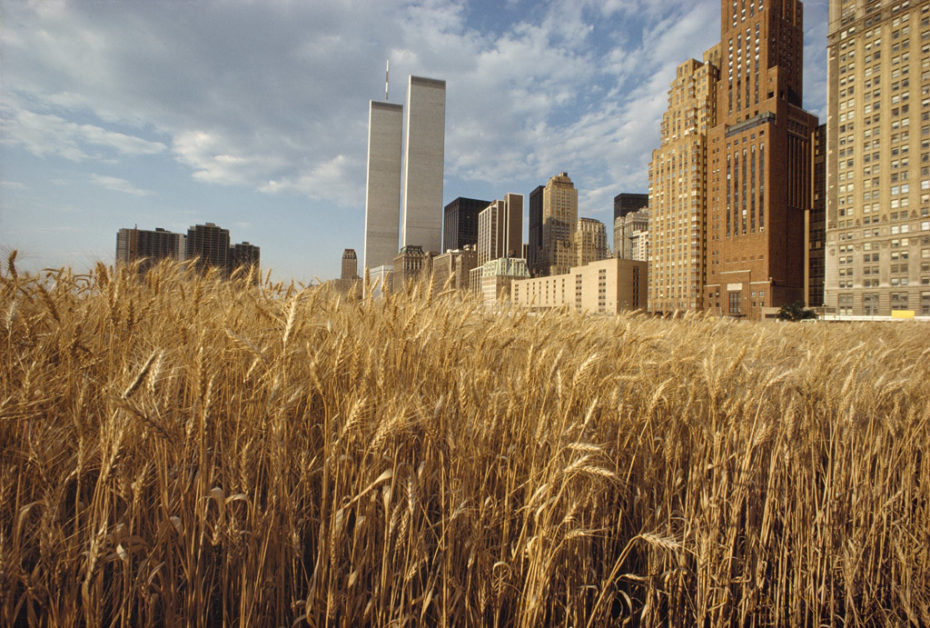
The wheat field (an art project by Agnes Denes), planted in 1982.
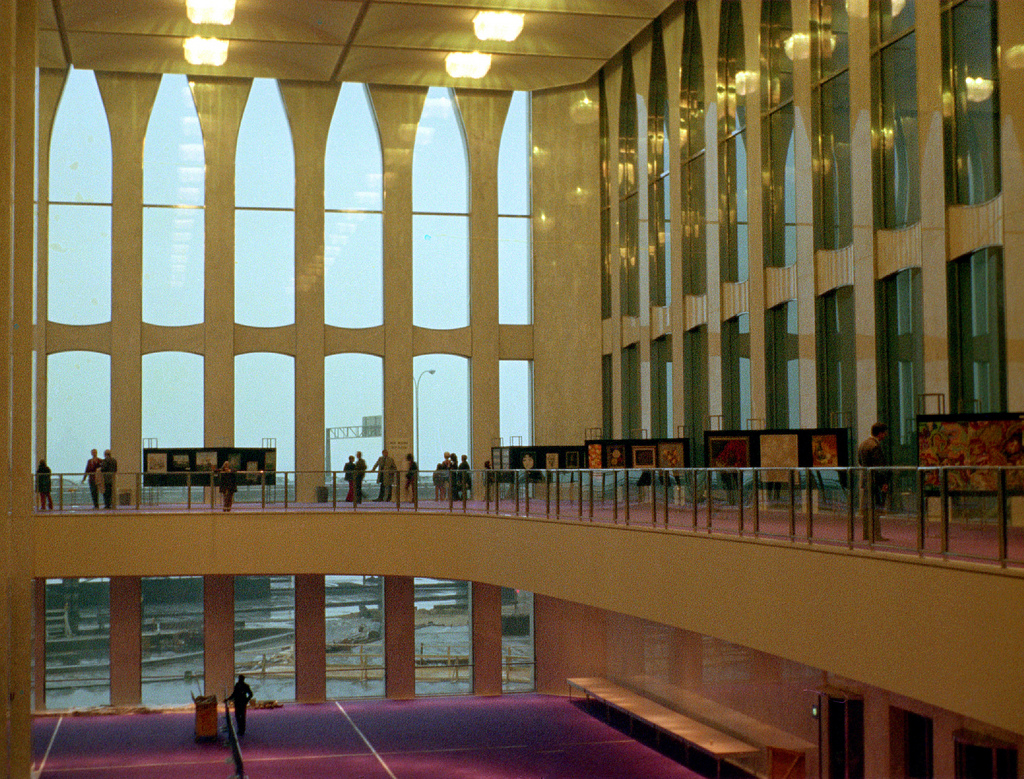
The lobby of one of the towers.
The Twin Towers from the film King Kong.

From the New York Daily News, August 8, 1974. For context, Richard Nixon resigned as President of the United States the following day (Friday, August 9).
Courtesy Newspapers.com

The Philippe Petit story made international news. Here’s one example — from Butte, Montana!
Courtesy Newspapers.com

From the Oscar-winning documentary Man On Wire:
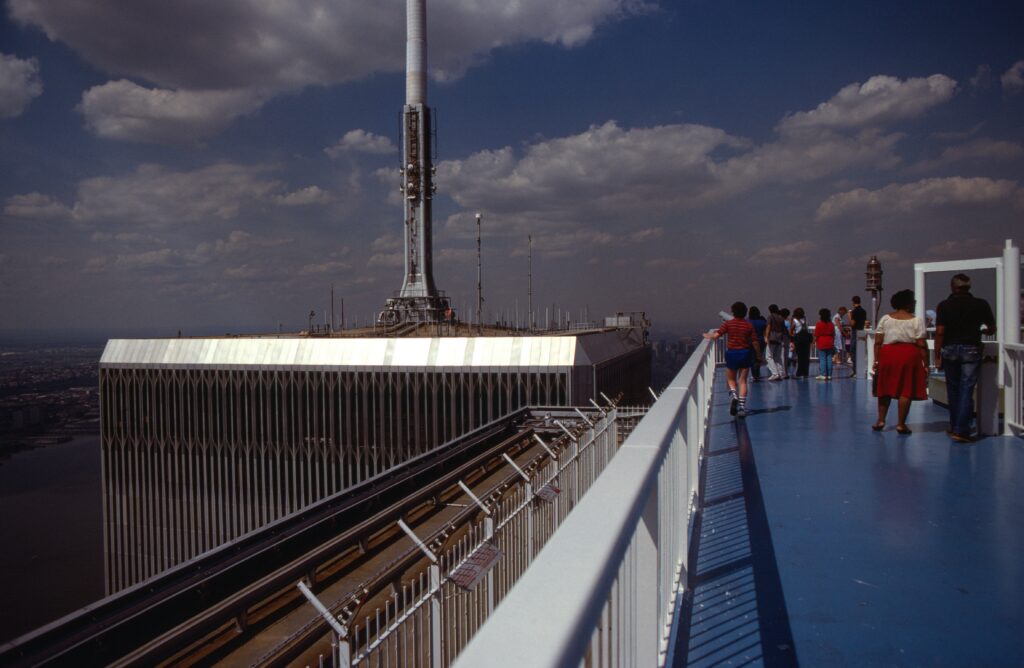

Photo by Lars Plougmann/Wikimedia Commons

Dolly Parton and Andy Warhol at Windows on the World, 1977.
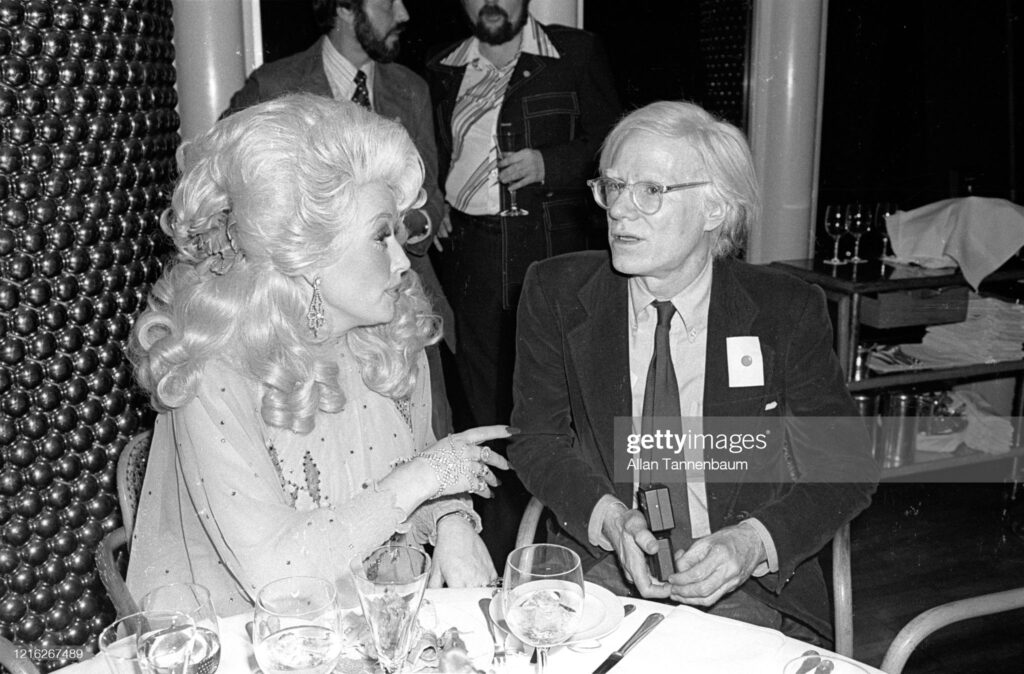
Photo by Allan Tannenbaum/Getty Images
FURTHER READING

City in the Sky: The Rise and Fall of the World Trade Center / James Glanz and Eric Lipton
Twin Towers: The Life of New York City’s World Trade Center / Angus Kress Gillespie
The World Trade Center: A Tribute / Bill Harris

FURTHER LISTENING

The Bowery Boys: New York City History podcast is brought to you …. by you!

We are now producing a new Bowery Boys podcast every other week. We’re also looking to improve and expand the show in other ways — publishing, social media, live events and other forms of media. But we can only do this with your help!

We are now a creator on Patreon, a patronage platform where you can support your favorite content creators.

Please visit our page on Patreon and watch a short video of us recording the show and talking about our expansion plans. If you’d like to help out, there are six different pledge levels. Check them out and consider being a sponsor.

We greatly appreciate our listeners and readers and thank you for joining us on this journey so far.
Categories
Podcasts

At The Ready: The History of the New York City Fire Department


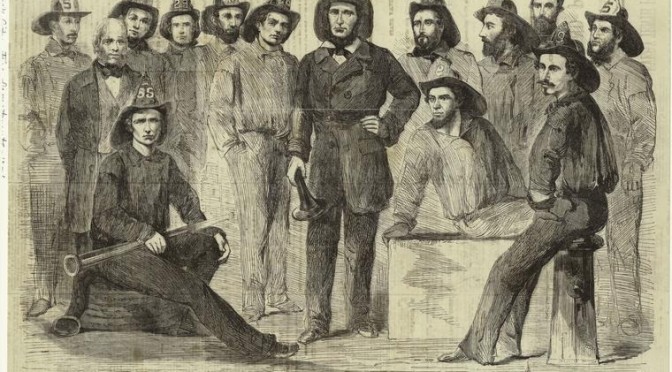
The distinguished members of New York’s various volunteer fire brigades, posing for the photographer Matthew Brady in 1858

PODCAST  The New York City Fire Department (or FDNY) protects the five boroughs from a host of disasters and mishaps — five-alarm blazes, a kitchen fire run amok, rescue operations and even those dastardly midtown elevators, always getting stuck!  But today’s tightly organized team is a far cry from the chaos and machismo that defined New York’s fire apparatus many decades ago.

New York’s early firefighters — Peter Stuyvesant‘s original ratel-watch — were all-purpose guardians, from police work to town timepieces.  Volunteer forces assembled in the 18th century just as innovative new engines arrived from London.

By the 19th century, the fire department was the ultimate boys club, with gangs of rival firefighters, with their own volunteer ‘runners’, raced to fires as though in a sports competition.  Fisticuffs regularly erupted.  From this tradition came Boss Tweed, whose corrupt political ways would forever change New York’s fire services — for better and for worse.

Volunteers were replaced by an official paid division by 1865.  Now using horse power and new technologies, the department fought against the extraordinary challenges of skyscraper and factory fires.  There were internal battles as well as the department struggled to become more inclusive within its ranks.

But the greatest test lay in the modern era — from a deteriorating infrastructure in the 1970s that left many areas of New York unguarded, and then, the new menace of modern terrorism that continues to test the skill of the FDNY.  From burning chimneys in New Amsterdam to the tragedy of 9/11, this is the story of how they earned the nickname New York’s Bravest.

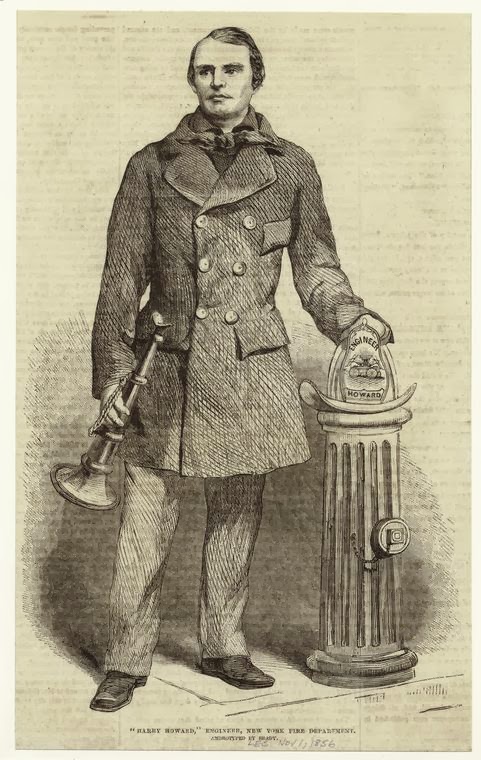
Above:  That’s Harry Howard, one of the FDNY’s greatest firemen and a former member of the Bowery Boys volunteer fire unit!


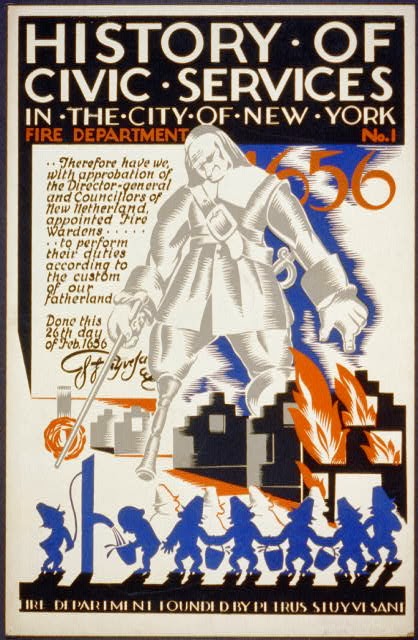
A poster by Vera Bock from 1936, created for a series by the Federal Art Project, touts the contributions of Peter Stuyvesant to the history of New York firefighting. (LOC)

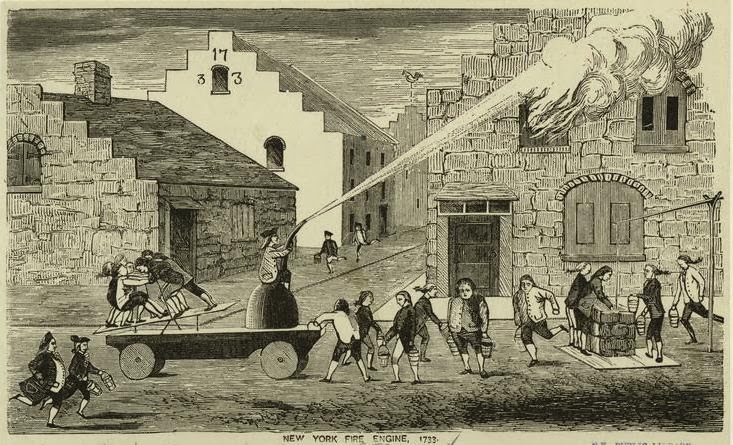
One of two fire engines first received by New York in 1733 (from an 1872 illustration) Courtesy NYPL

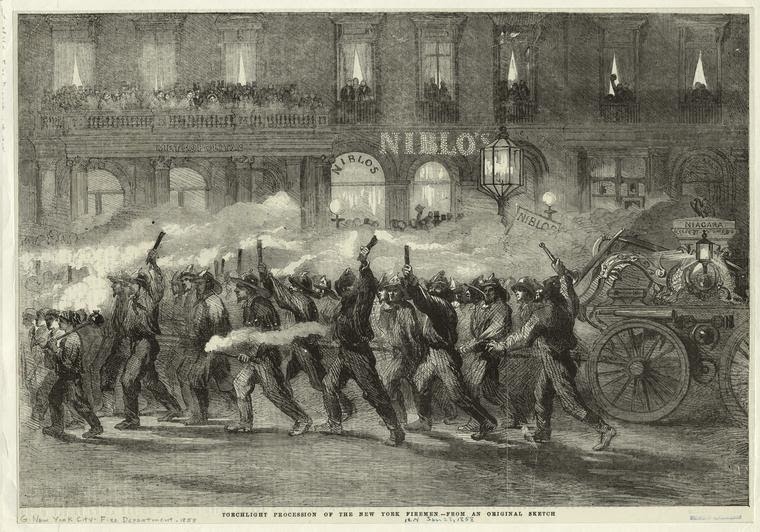
A firefighters’ procession at night, marching past Niblo’s Garden. 1858   Courtesy NYPL

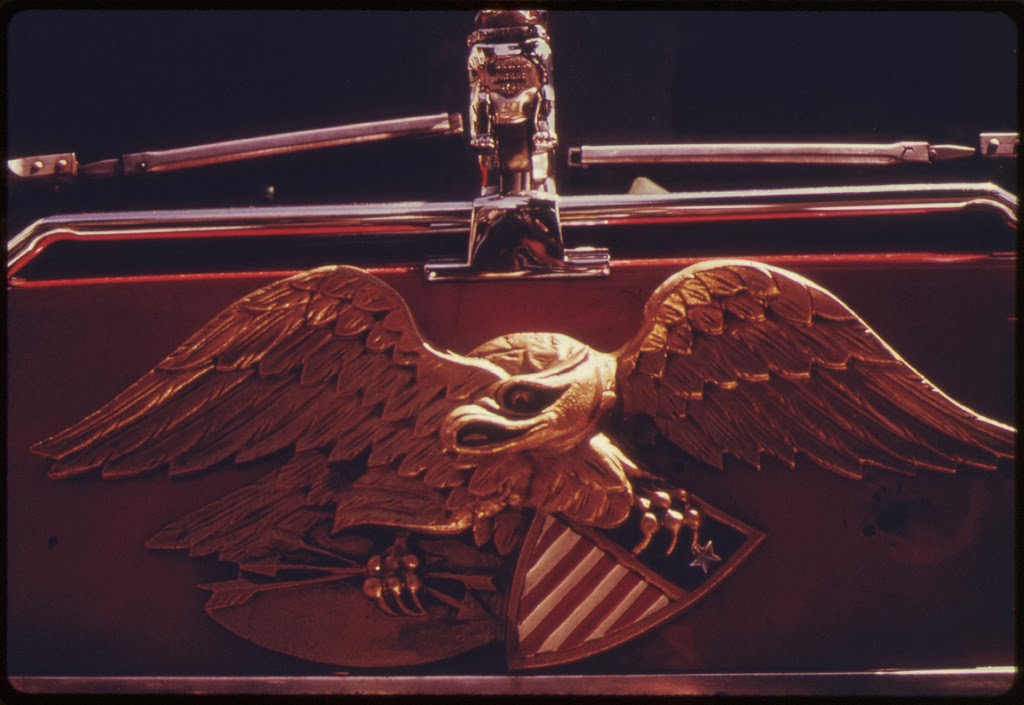
Eagle insignia from a New York fire truck, 19th century, courtesy the US National Archives

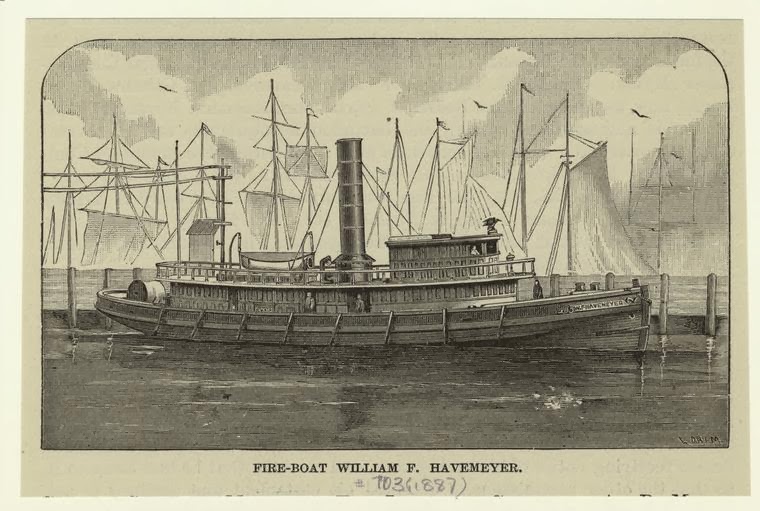
The first official fire boat of the FDNY (although others had been rented before this), named for former mayor William F. Havemeyer.


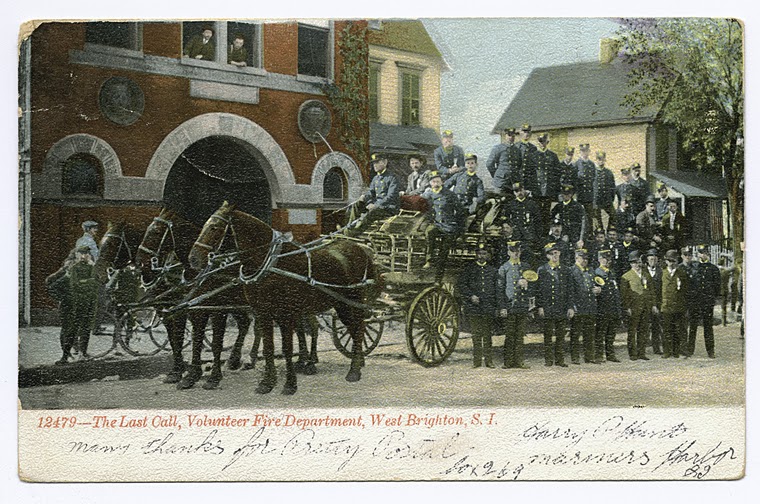
Volunteer fire divisions were slowly fazed out after the introduction of an official paid company.  This was expanded when the five boroughs were created in 1898.  This postcard commemorates the final run of a volunteer fire department in West Brighton, Staten Island. (NYPL)

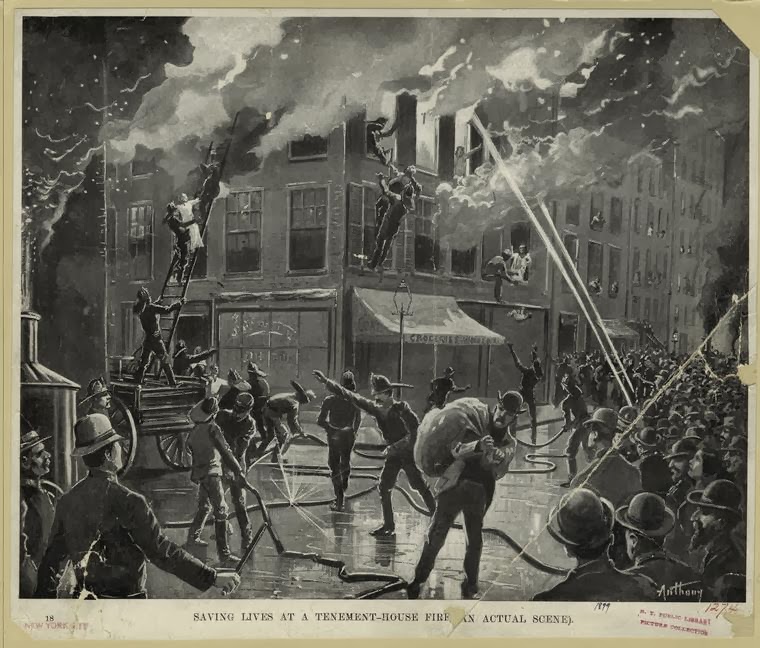
Firefighters battled a tenement blaze in this illustration from 1899, one of thousands that occurred in the poorer districts of town.  Improved fire regulations would ensure newer buildings were more fire proof. (Courtesy NYPL)

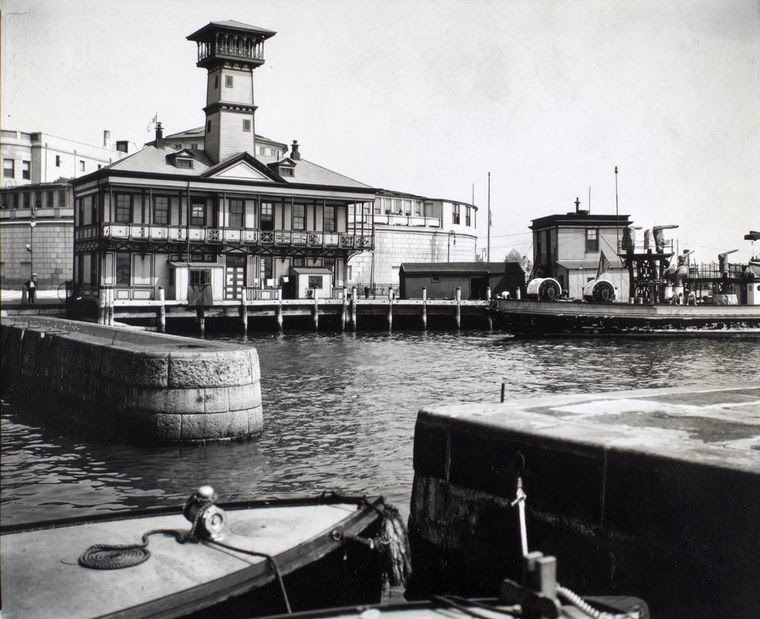
One of New York’s more interesting firehouses — the one for fireboats at the Battery. Photo by Berenice Abbott (courtesy NYPL)

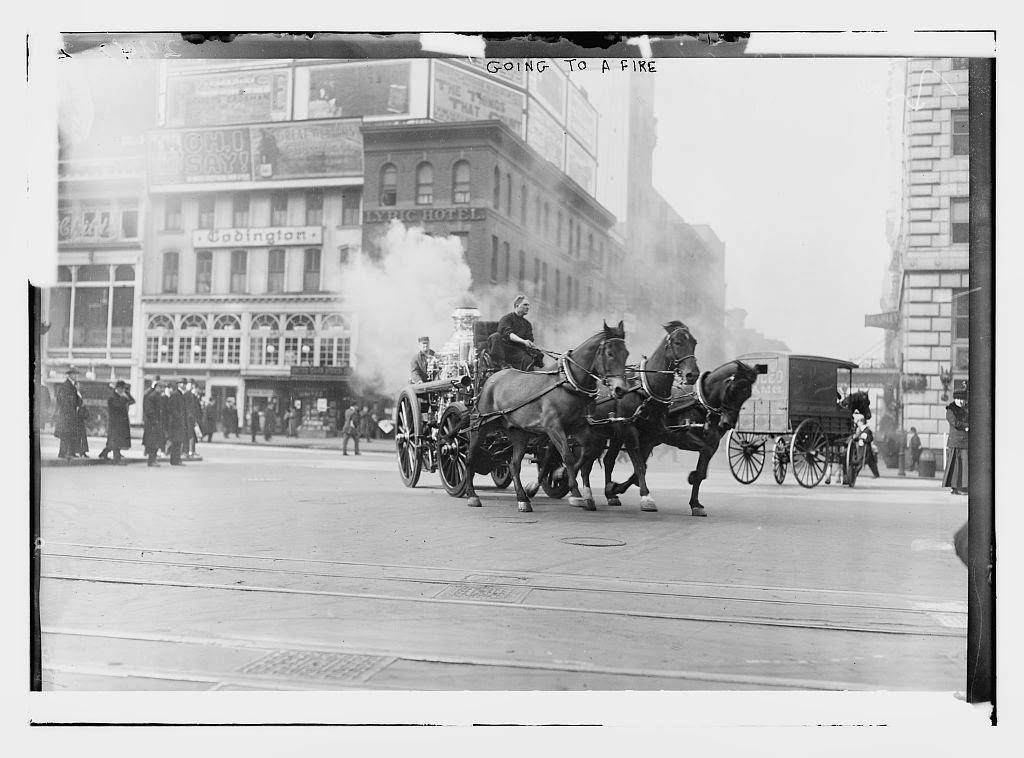
Horses were a hotly contested inclusion to the fire departments during the 19th century.  They were eventually banished during the volunteer years, but re-introduced after 1870 and soon became essential for getting quickly to fires.

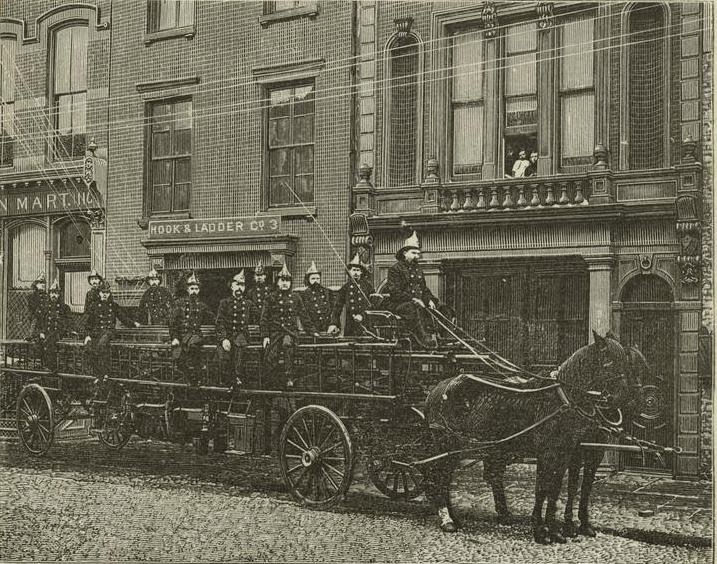
Hook and Ladder Co. No. 8, from 1887


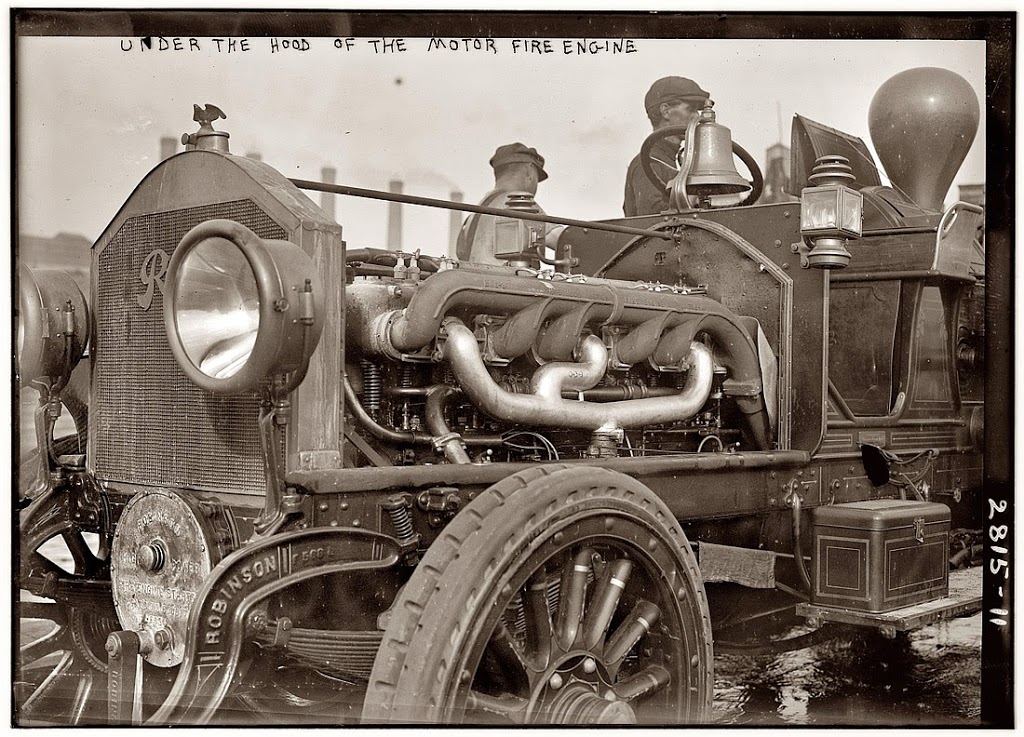
Motorized fire engines and trucks replaced the horse-drawn varieties in the 1910s.  Here’s one model that was used by the FDNY in 1913 (Courtesy Shorpy)

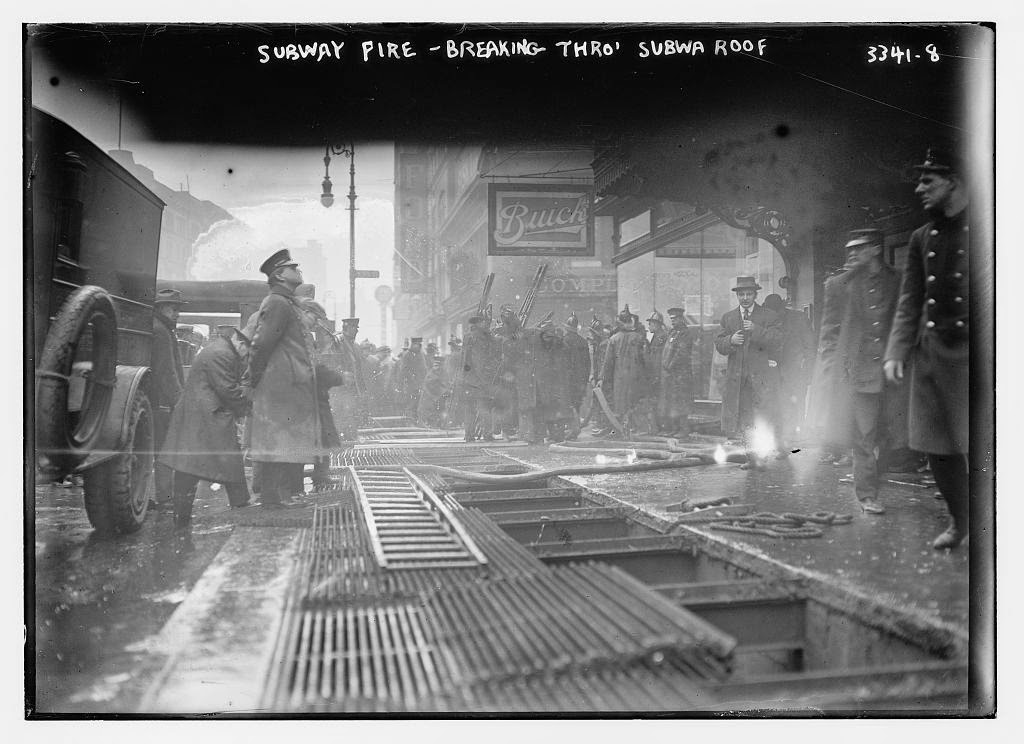
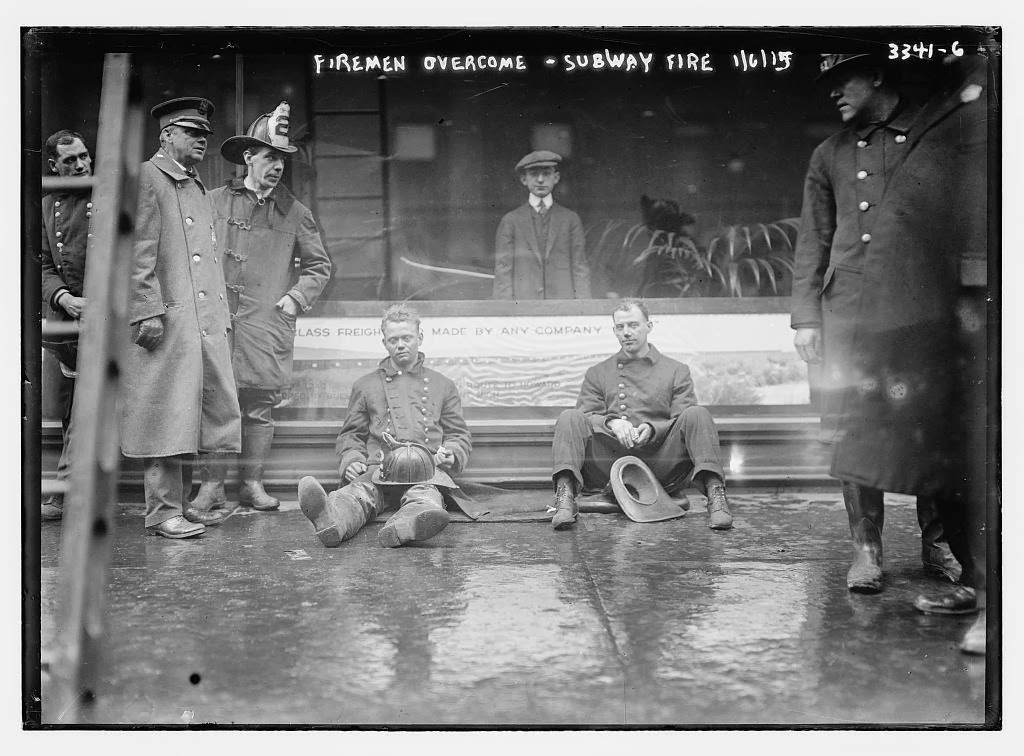
The city’s growth created new challenges for the FDNY.  With the new subway, there was the potential for dangerous fires underground.  Here a team of firefighters battle a subway fire in midtown in 1915, and a couple firemen who braved the inferno underfoot. (LOC)


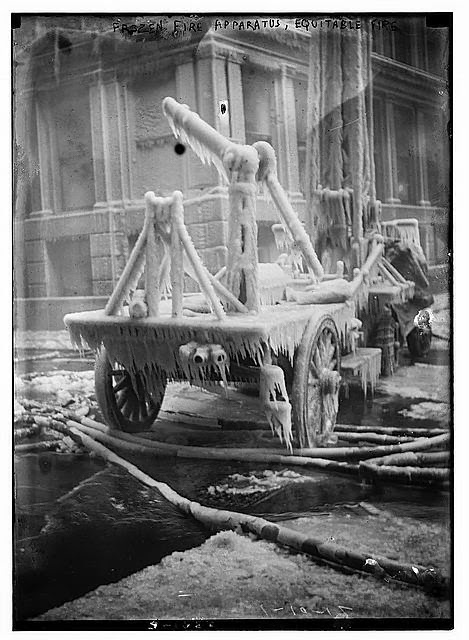
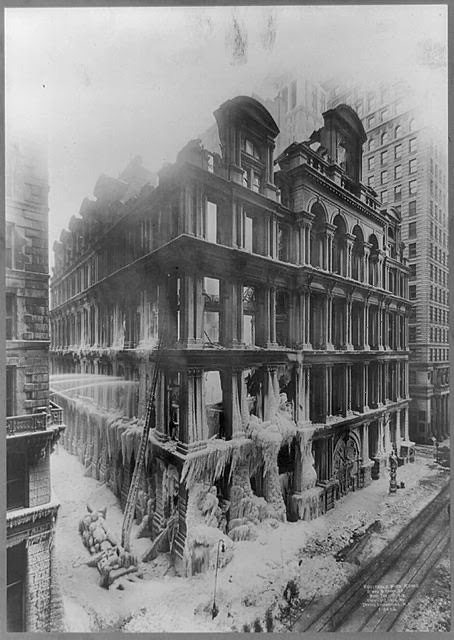
The difficult blaze at the Equitable Building in 1912 produced a bizarre aftermath of icy ruins.


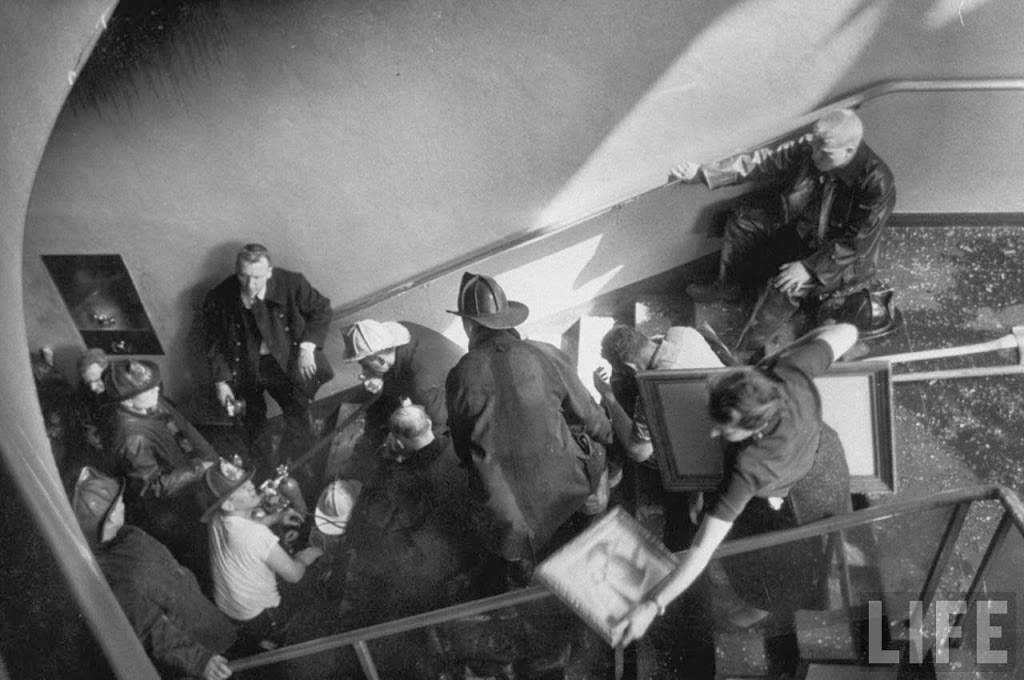
Firefighters rescuing people (and paintings!) from a fire at the Museum of Modern Art, 1958. (Courtesy Life)

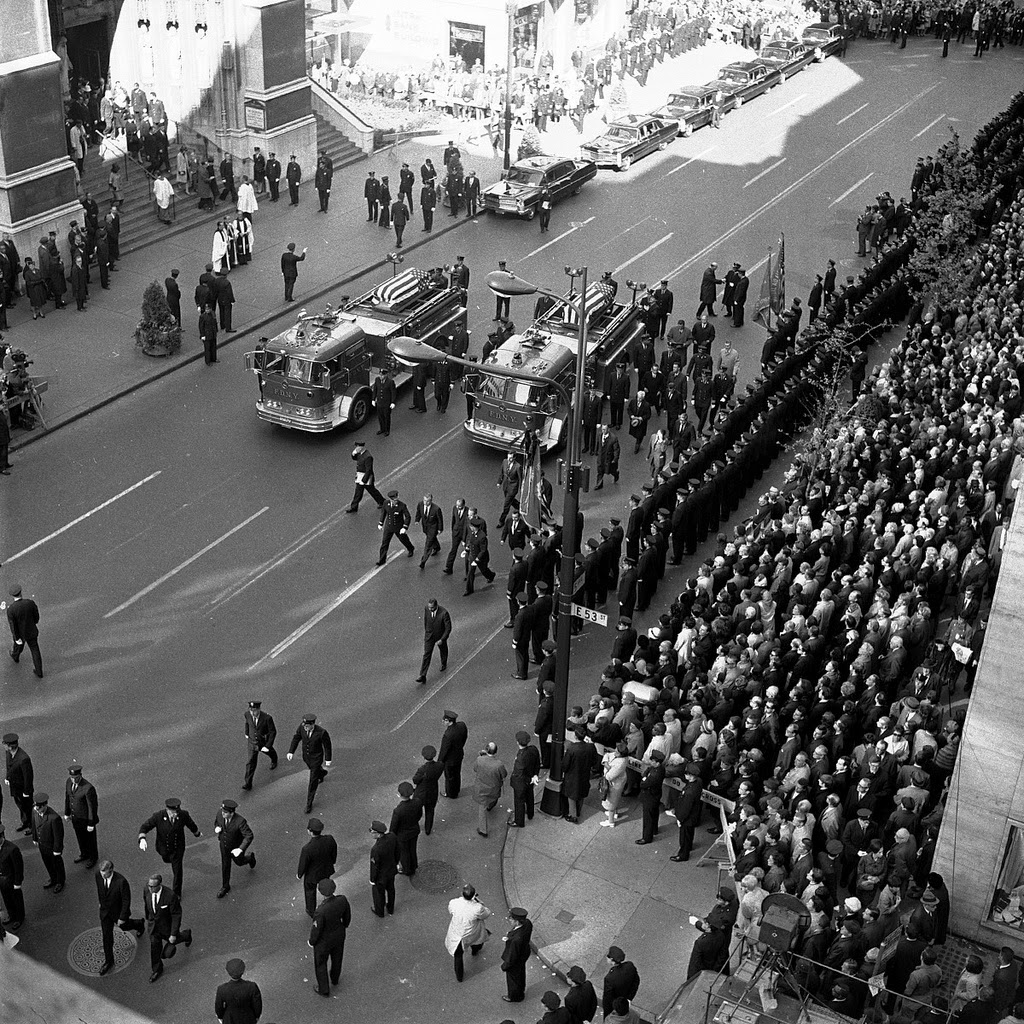
A sorrowful day:  Thousands come out to mourn the 12 firefighters who died fighting a terrible blaze that erupted across from the Flatiron Building on October 21, 1966. (Picture courtesy FDNY)

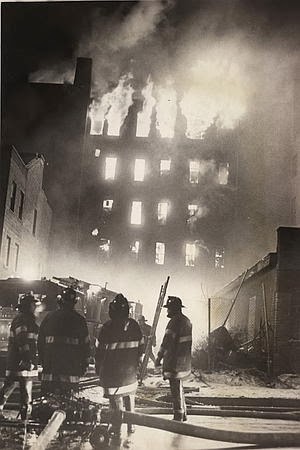
Total mayhem erupted in New York City in the 1970s, as whole districts like the South Bronx, Bushwick, Harlem and the Lower East Side saw a massive increase of fire-related disasters due to the city’s financial woes. (Photo courtesy New York Post/Vernon Shibla photographer)

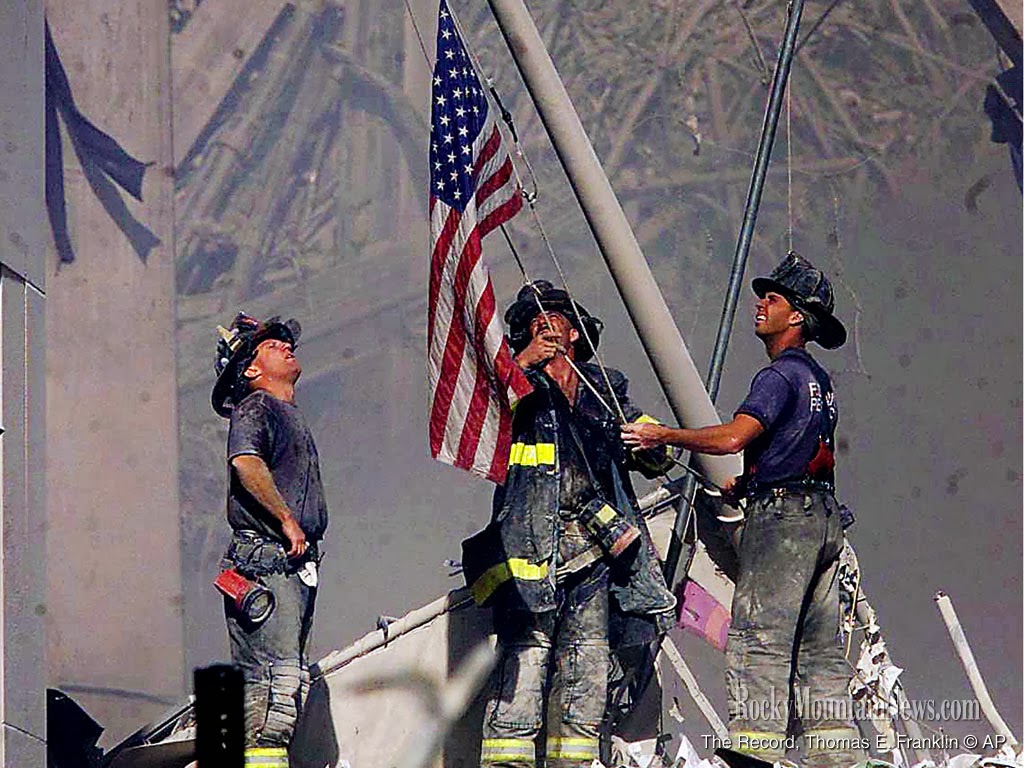
Three hundred and forty-three firefighters and FDNY paramedics died in the September 11, 2001, terrorist attack on the World Trade Center.  But the force, along with the police and other emergency workers, managed to save tens of thousands of people on that day, making one of the largest rescue operations in American history.  In total, 2,977 people were killed that day, 2,606 of them in New York, on the ground and in the towers.

And finally, a rather amazing film documenting the fire department’s emergency response process in 1926, with a breathless dash-cam vantage point!

“Not since the Great Blizzard!” “Bigger than 1821!” Hurricane Sandy inspires historical superlatives

When things get really, really bad, history provides validation and context.   The aftermath of Hurricane Sandy has already inspired newscasters, meteorologists and journalists to reach to the greatest disasters in New York City history for comparison.

These can seem very hyperbolic at times and even a little weird. (‘7 Devastating Hurricanes: Where Will Sandy Rank?‘ as though she were an American Idol contestant.)  It will be days before we really know if this was truly “the greatest disaster in New York history.”  But I do think the comparisons can not only bring home the severity of the current situation, they can also bring to life past traumas in a way that no faded black-and-white image ever could.

Here’s a few historical comparisons I’ve heard thus far, and I’m adding a couple of my own, events that popped into mind as I watched some of the terrifying images on television:

Worst Subway Shutdown Ever — The subways often flood after rainstorms, but snowstorms have also been a menace, particularly the blizzard of 1947 and one in 2006.  However, after Sandy, the MTA declared “The New York City subway system is 108 years old, but it has never faced a disaster as devastating as what we experienced last night.”  Last year’s Hurricane Irene was the first time the subway was ever preemptively shut down.  The decision this year proved wise indeed. [source]
 
Great Norfolk and Long Island Hurricane of 1821 — The Battery experienced high water levels of 11.2 feet during this 1821 event, still the only hurricane to ever directly hit New York. Last night, water levels surged to 13.88 feet, setting a new, disturbing record. Also known as the Great September Gale.

The Great New York Fire of 1835 — The images of runaway fires in Queens, mixed with the utter devastation of lower Manhattan, might remind you of the December blaze of 1835 which destroyed hundreds of buildings downtown. However, that exploding transformer on 14th Street — which caused a blackout to thousands of residents last night — also recall a series of explosions which occurred in New York in 1845, affectionately called the Great Explosion of 1845.  (Boy, they can really overuse a word like ‘great’.)

The Great Blizzard of 1888 — Sandy forced the shutdown of the New York Stock Exchange for a second day today, although the storm did not flood it, as rumors Monday night proclaimed. This was the first time the exchange has shut down for more than one day since the pulverizing snowstorm of 1888 paralyzed city transportation.

The Rockaway Fire of 1892 — One of the hardest hit areas in New York was Rockaway Beach, with its boardwalk destroyed and dozens of homes destroyed by fire over in Breezy Point.  The frightening images reminded me of something from our Rockaways podcast from this summer, a great fire which broke out in September of 1892 which destroyed most of the neighborhood of Seaside.

The Big Wind of 1912 — If contemporary sources are to be believed, the frozen windstorm which struck New York on February 22, 1912, blew at speeds more than double those of Sandy. The ‘giant among gales’ even stirred up a huge blaze in Red Hook, Brooklyn, and tested the steel of recently built skyscrapers.

The Long Island Express (New England Hurricane of 1938) — This powerful hurricane slammed into New England and Long Island in September of 1938.  It remains the most powerful storm to ever ravage the New England states.  According to Jeff Masters of Weather Underground, Sandy’s barometric pressure ties that of the Long Island storm, at 946 millibars.

The Ash Wednesday Hurricane of 1962 — Due to the ‘Frankenstorm‘ aspect to Sandy, another metric experts have used is the similarly formed, long-lingering March 1962 storm which hammered North Carolina, New Jersey and Long Island.

Hurricane Andrew 1992 —  Comparisons to this catastrophe are still out, as it’s mostly evoked due to the federal government’s poor disaster response. Another question left lingering is whether the cost of Sandy will rival that of Andrew, the third most expensive hurricane in American history (after Katrina and Ike).

September 11, 2001 — Then, of course, due to the shutdown of lower Manhattan, one can’t help but recall the attack on the World Trade Center, which actually was the worst thing to ever happen to New York City.

Crane Collapse at 303 East 51st Street 2008 — Anybody seeing the images of the broken crane which hung precariously at the construction site of One57 on West 57th Street might have remembered the horror which occurred at another midtown Manhattan site just four years ago, a crane collapse on East 51st Street which killed seven people. To this day, the uncompleted building stands as a reminder to this tragedy.

If you’ve heard any other historical comparisons used on your local newscast, please put them in the comments.

Rockefeller Center’s greatest art scandals!

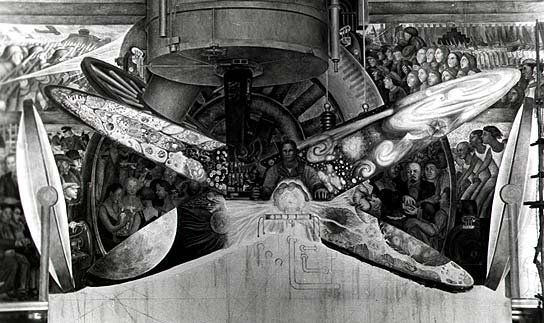
Above: Diego Rivera’s contentious creation

Despite JD Rockefeller Jr’s aversion to the ‘impropriety’ of modern art, Rockefeller Center has always been bursting with it, from the large outdoor installations sprouting up in the plaza to the gorgeous art deco blazing from its walls.

As with modern art for public display however, the Rock has sometimes riled the community with challenging and occasionally offensive art pieces.

The most famous of course is Diego Rivera’s Man at the Crossroads (pictured above), his epic mural created in 1933 with the supposed theme of ‘new frontiers’. Rivera was a favorite of Rockefeller’s wife Abby, having feted the artist in a show at the Museum of Modern Art in 1931. Rivera, however, was no tool of the rich. Amongst the many May Day figures depicted in Rivera’s expressive narrative mural is one Vladimir Lenin, communist leader and Marxist icon.

He was asked to repaint the Lenin figure but Rivera staunchly refused. The press had a field day, finding the depiction insulting and pressuring the Rockefellers to completely cover the mural, then a few months later, destroying it entirely. One photograph of the mural remains — and of course, a near exact copy that Rivera later painted in Mexico.

Yet another depiction of another controversial leader was allowed to stay.

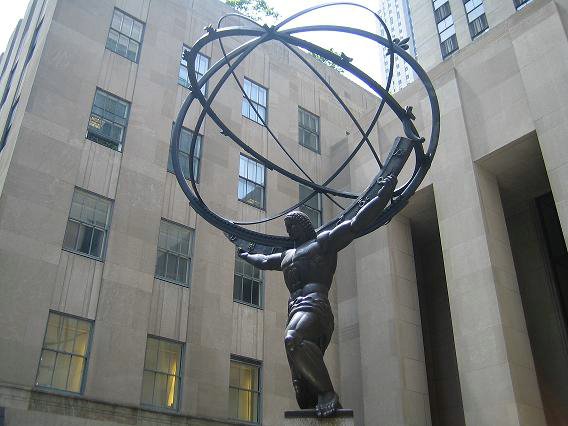
Just a few years later in 1936, art deco master Lee Lawrie created his mighty two-ton Atlas, probably one of the most recognizable pieces of artwork in the city of New York.

He currently stands directly in front of St. Patrick’s Cathedral, so you can imagine the surprise of many when it was rumored the face of Atlas was modelled after Italian dictator and all around bad guy Benito Mussolini. Although protestors picketed the statue, good Atlas was allowed to stay.

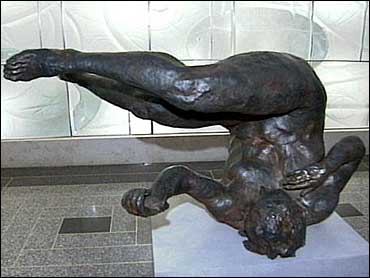
Flash forward a few decades to 2002 and a more modest piece that sat briefly in the Rockefeller Center concourse, not far from the skating rink — Erik Fischl’s Tumbling Woman. A bronze figure in the style of Rodin, this image of a falling woman installed as a Sept. 11 memorial on its first anniverary greatly disturbed passers-by.

After the New York Post threw the controversy on its front page, the figure was removed. Interestingly, the artist never intended the sculpture to be displayed publicly at all.

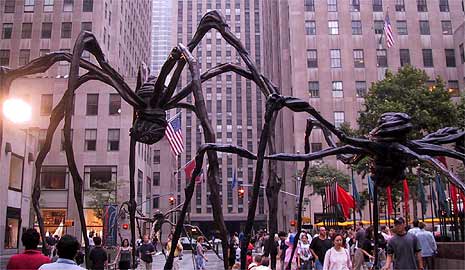
Then there were Louise Bourgeois’ gigantic spiders, which stood commanding the plaza for the entire summer in 2001.

As illustrated with all the previous art pieces discussed, timing (or rather, bad timing) is everything. These pieces might have been too disturbing for people had they been standing just a few months later, in the wake of Sept. 11. As they were only around for the summer, however, the only real controversy were several mild cases of nausea and probably a few panicked children.