Categories
Know Your Mayors Podcasts

The Boy Mayor of New York: John Purroy Mitchel and the shocking election of 1913

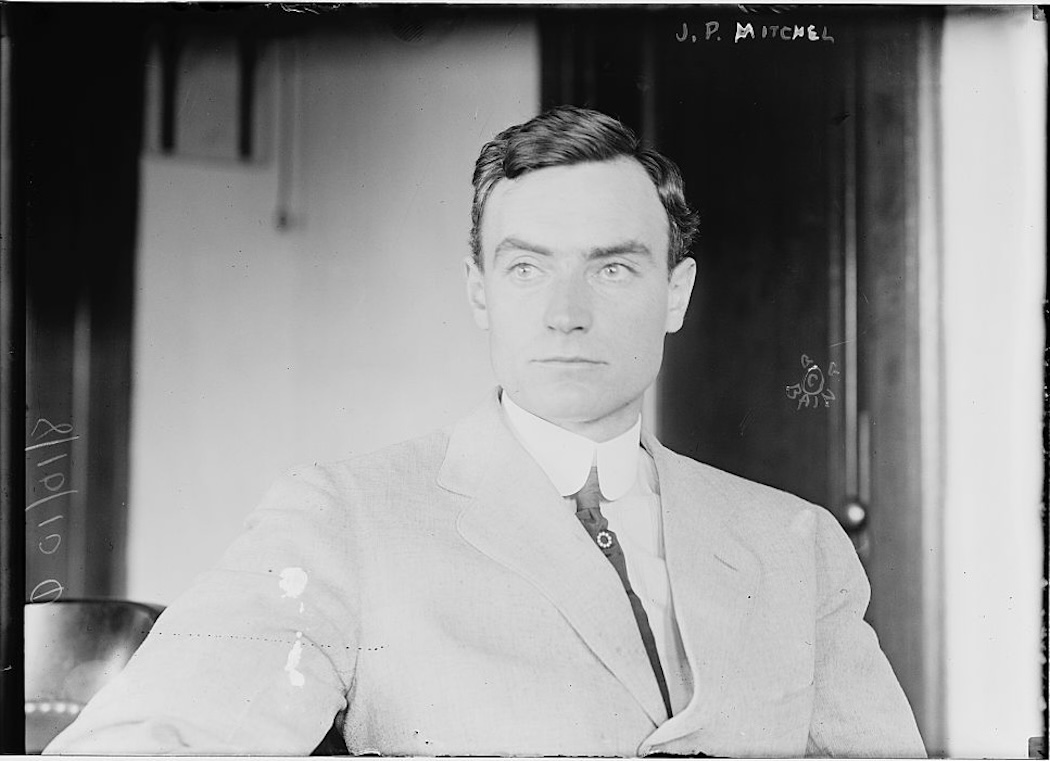
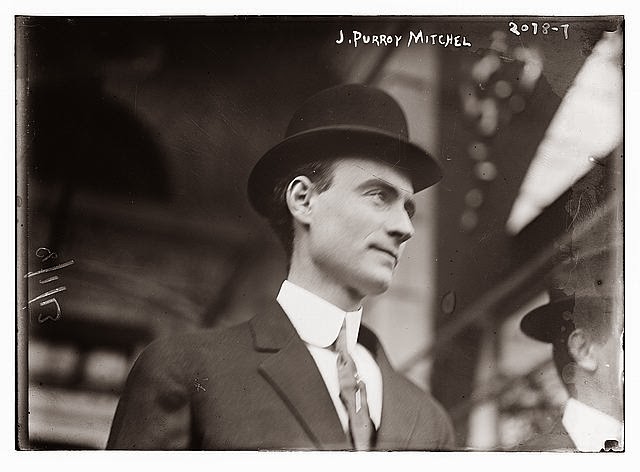
Above: John Purroy Mitchel, the ‘boy mayor’, in 1910

PODCAST
As New York City enters the final stages of this year’s mayoral election, let’s look back on a decidedly more unusual contest 110 years ago, pitting Tammany Hall and their estranged ally (Mayor William Jay Gaynor) up against a baby-faced newcomer, the (second) youngest man to ever become the mayor of New York City.

John Purroy Mitchel, the Bronx-born grandson of an Irish revolutionary, was a rising star in New York City, aggressively sweeping away incompetence and snipping away at government excess.  
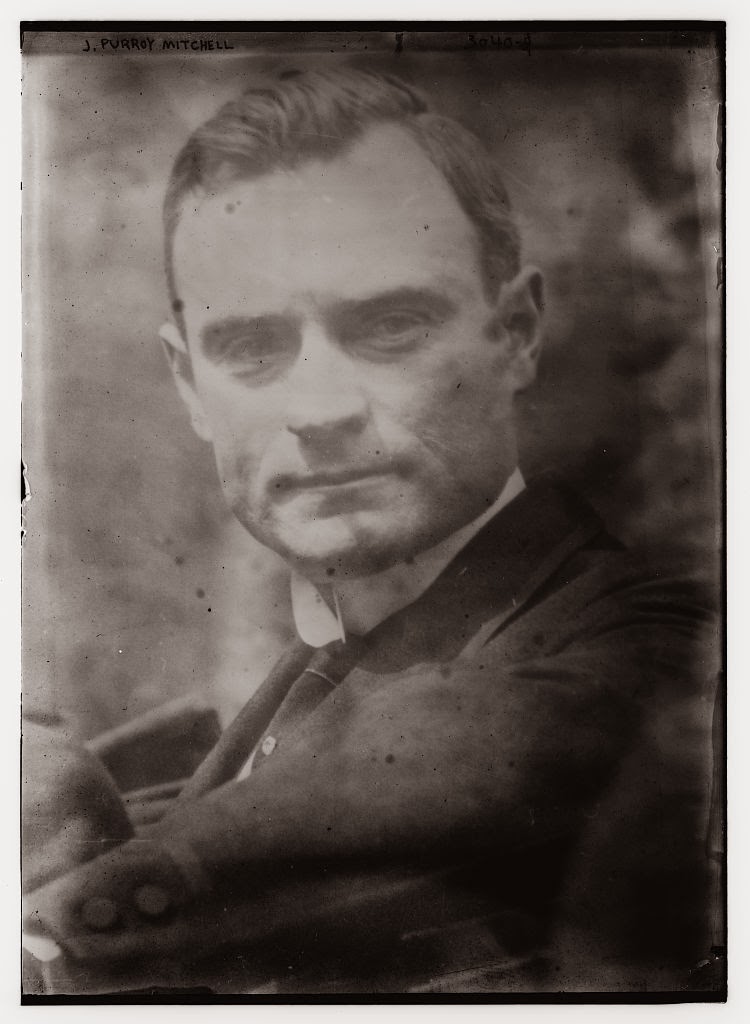
Under his watch, two of New York’s borough presidents were fired, just for being ineffectual!  Mitchel made an ideal candidate for mayor in an era where Tammany Hall cronyism still dominated the nature of New York City.

Nobody could predict the strange events which befell the city during the election of 1913, unfortunate and even bizarre incidents which catapulted this young man to City Hall and gave him the nickname “the Boy Mayor of New York“.

But things did not turn out as planned.  He won his election with the greatest victory margin in New York City history.  He left office four years later with an equally large margin of defeat.  

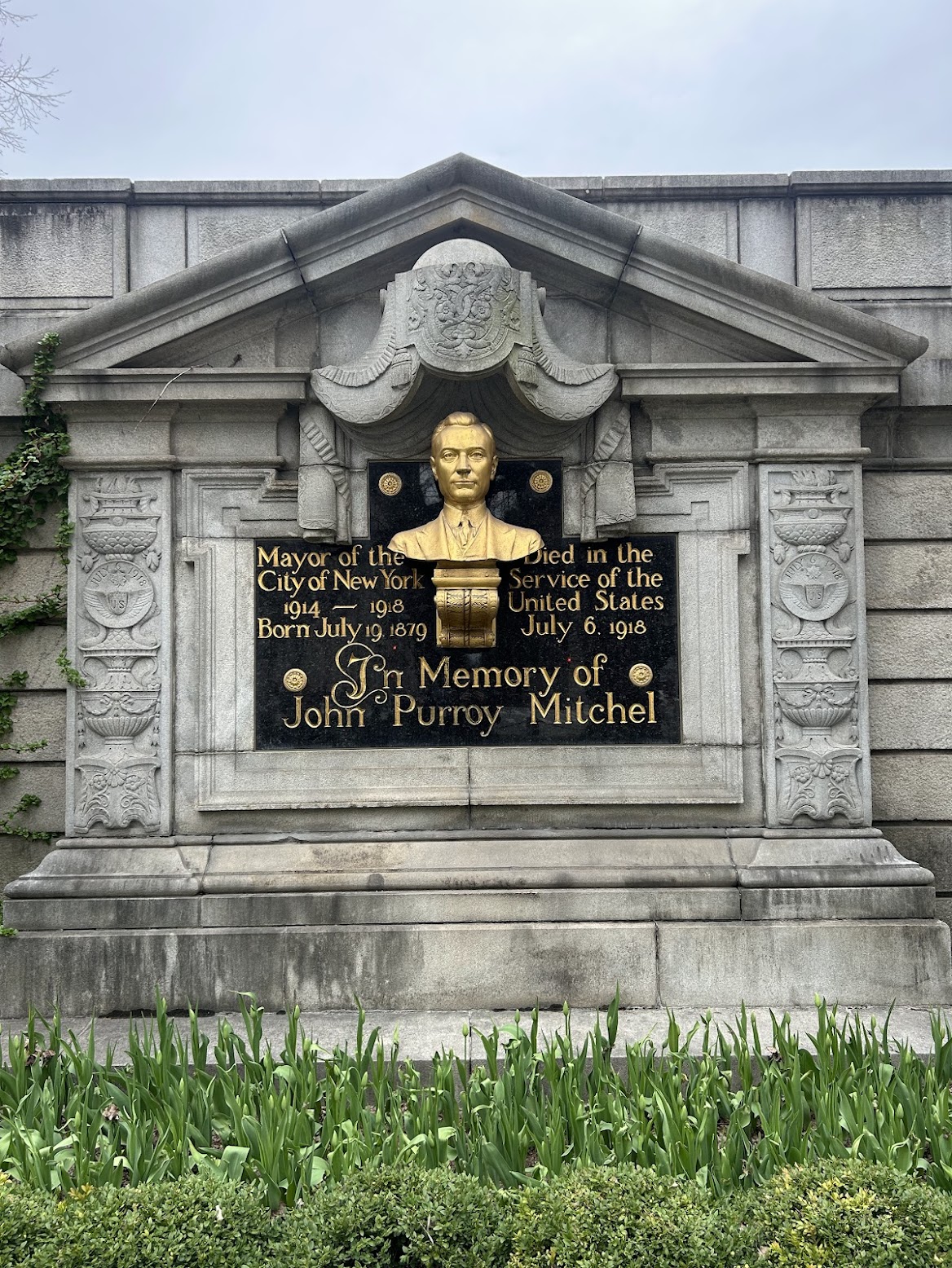
Tune in to our tale of this oft-ignored figure in New York City history, an example of good intentions gone wrong and — due to his tragic end — the only mayor honored with a memorial in Central Park.

PLUS: The totally bizarre death in 1913 of Tammany Hall’s most popular leader


The Bowery Boys Podcast is proud to be sponsored by Founded By NYC, celebrating New York City’s 400th anniversary in 2025 and the 250th anniversary of the United States in 2026.

Read about all the exciting events and world class institutions commemorating the five boroughs legacy of groundbreaking achievements, and find ways to celebrate the city that’s always making history at Founded by NYC.


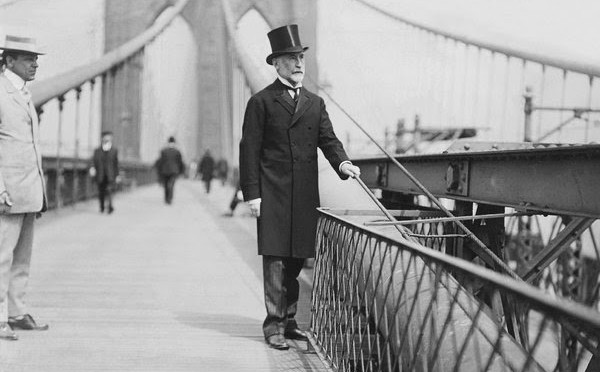
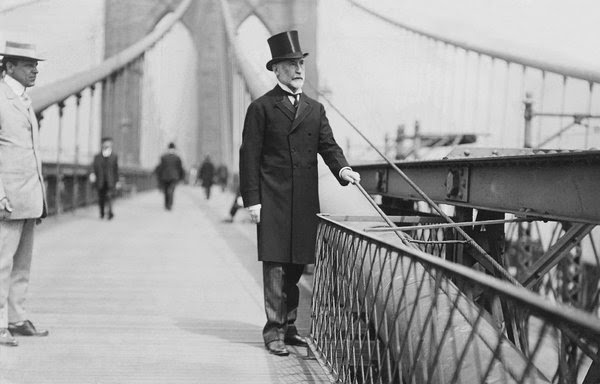
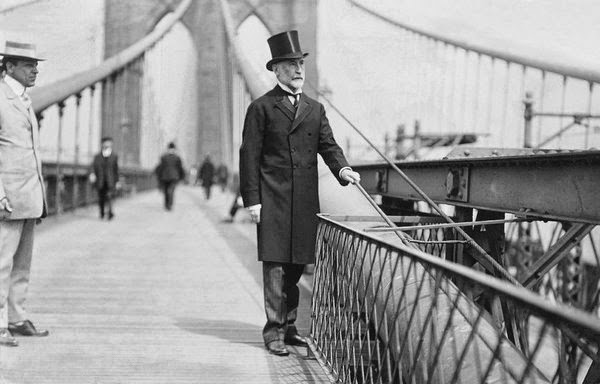
Mayor William Jay Gaynor on his inauguration day in 1909, walking across the Brooklyn Bridge to City Hall, from his home in Park Slope.
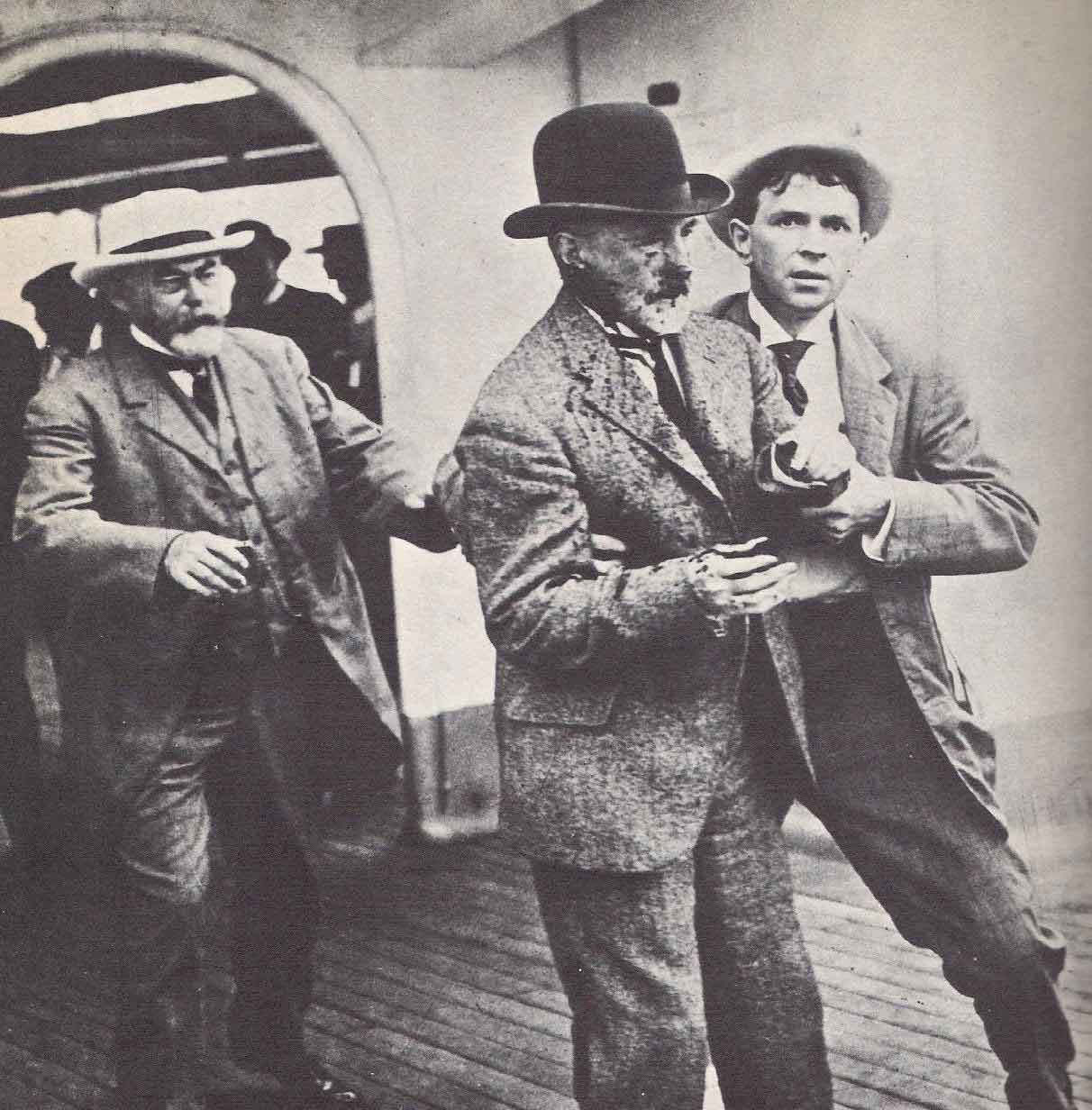
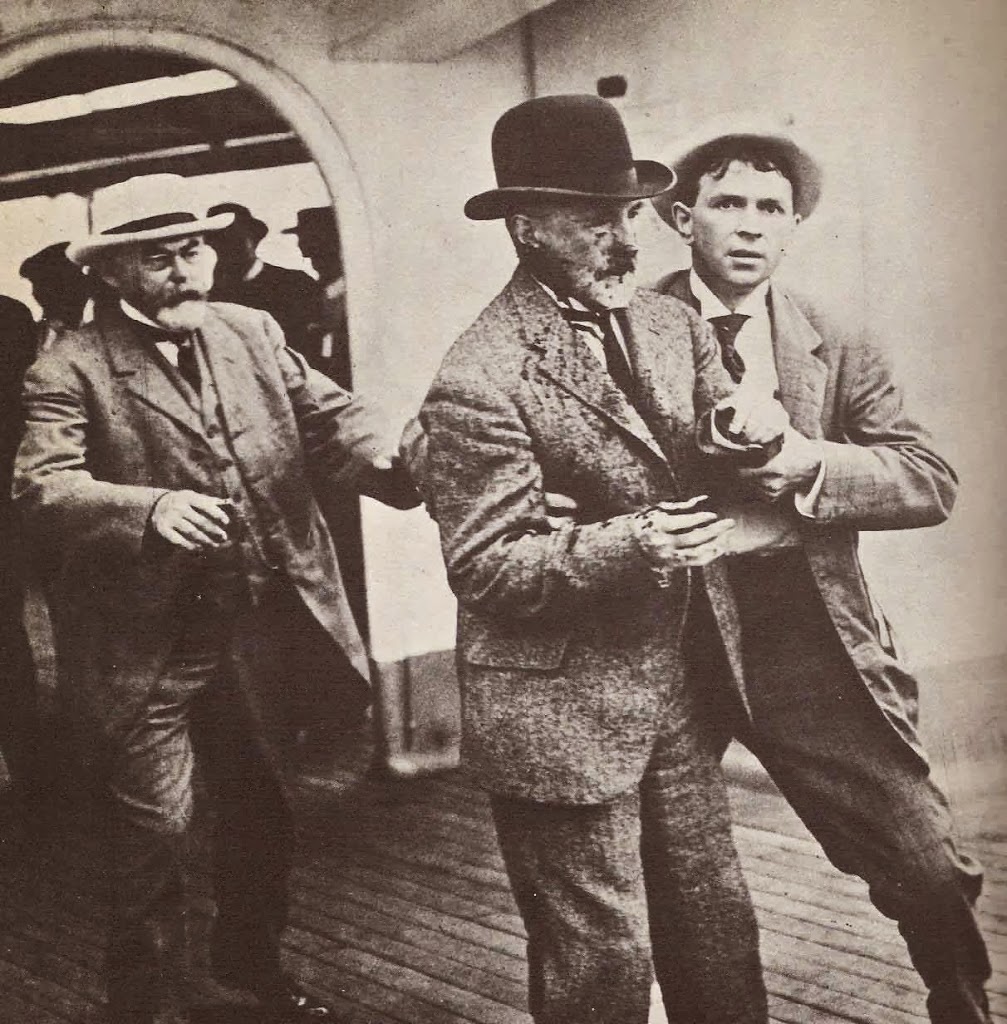
William Jay Gaynor at the very moment he was shot in 1910, on an ocean vessel docked in Hoboken.  This picture was taken by a New York World photographer, one of the most famous works of early journalism photography.
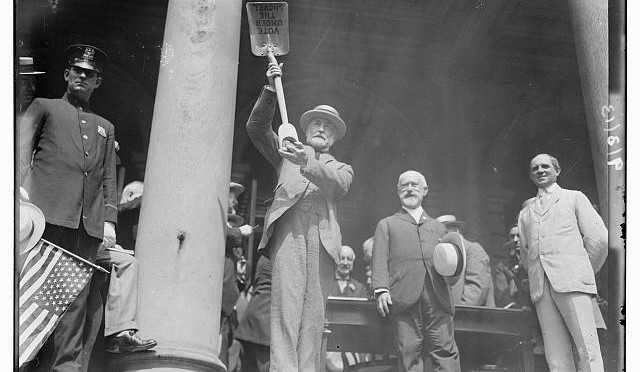
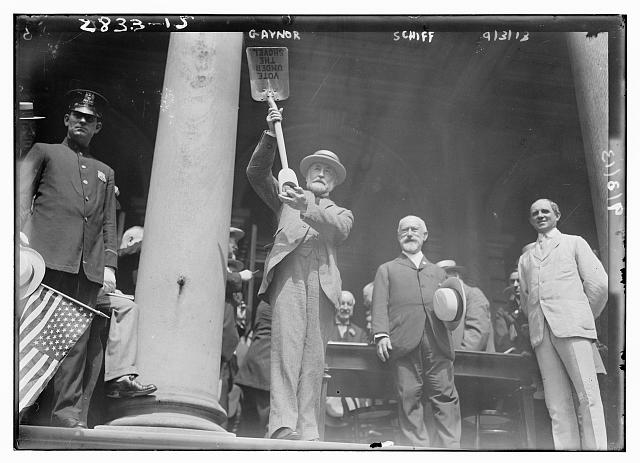
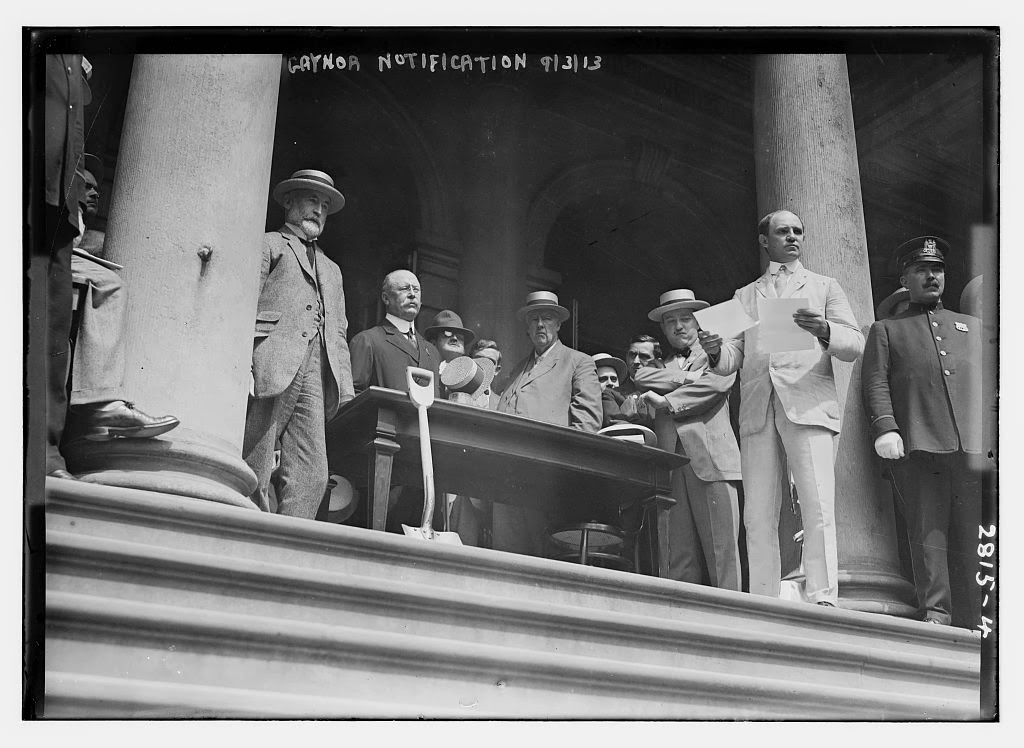
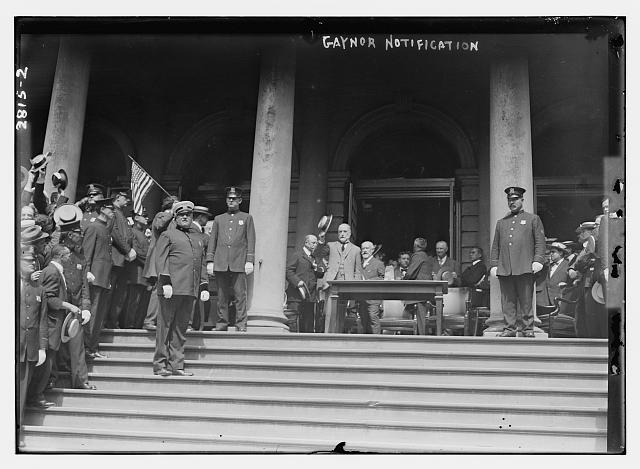
Gaynor (at left) attempted to stage a political comeback (after being by Tammany Hall) at the notification of his independent candidacy at City Hall in September 1913.  The shovel in front of him was his campaign emblem.  

Within a few days, he would be dead of the assassin’s bullet he received three years earlier.
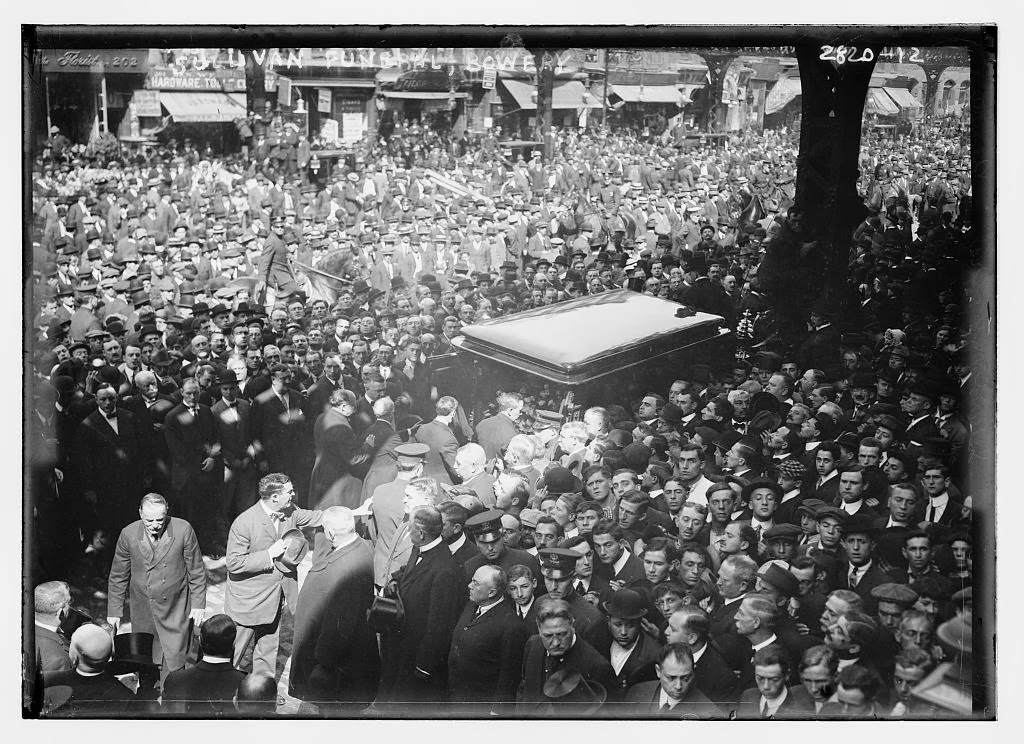
The death of Big Tim Sullivan also caused ripples in the mayoral election of 1913. The picture below is of the Bowery, overflowing with mourners.

While Sullivan was out of politics (and in an asylum) by 1913, his sudden and unusual passing had an effect on Tammany Hall supporters, throwing another strange event into an already tumultuous year.
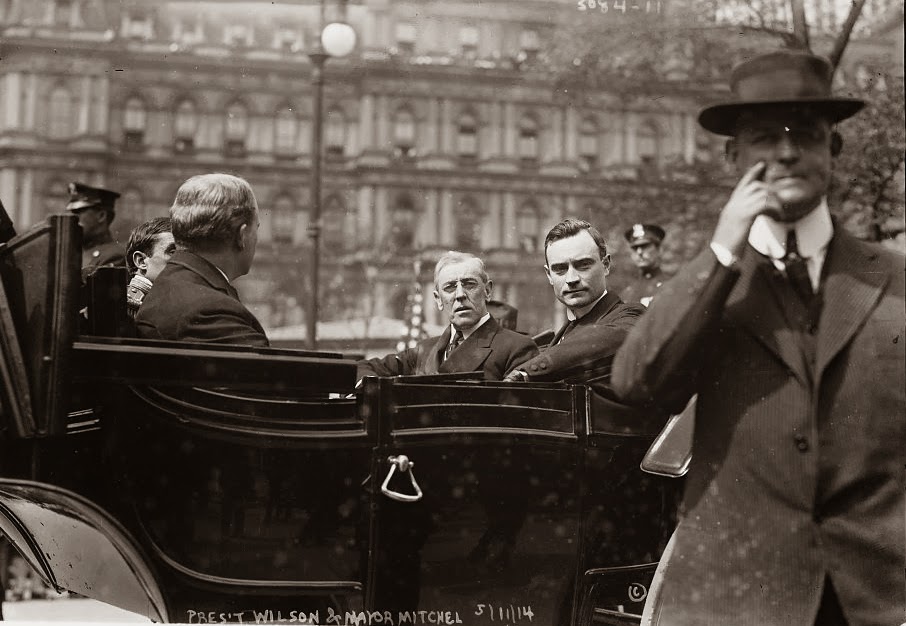
Mayor Mitchel with President Woodrow Wilson in May 1914, at a memorial service for American marines and seamen killed in Veracruz during the Mexican Revolution.
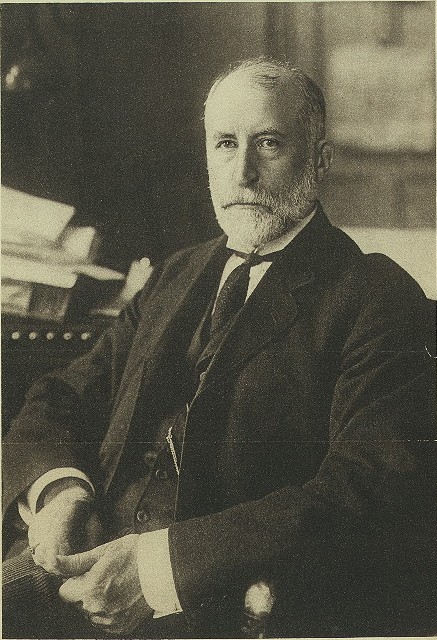
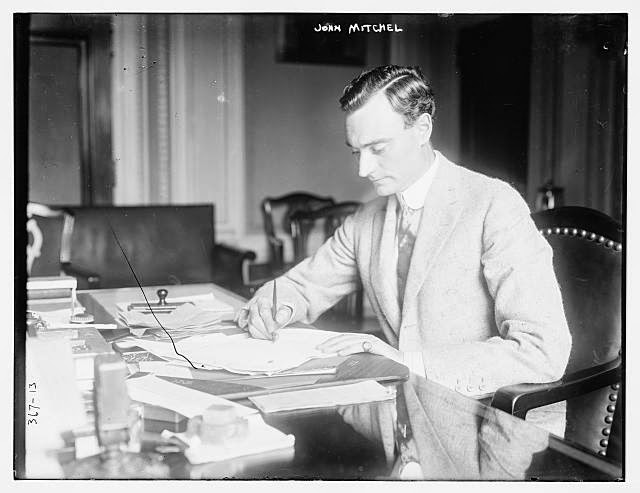
Mitchel at his desk at City Hall, presumably cracking down on some kind of over-expenditure or waste. Or possibly silently suffering from migraine headaches which plagued him during his entire term as mayor.
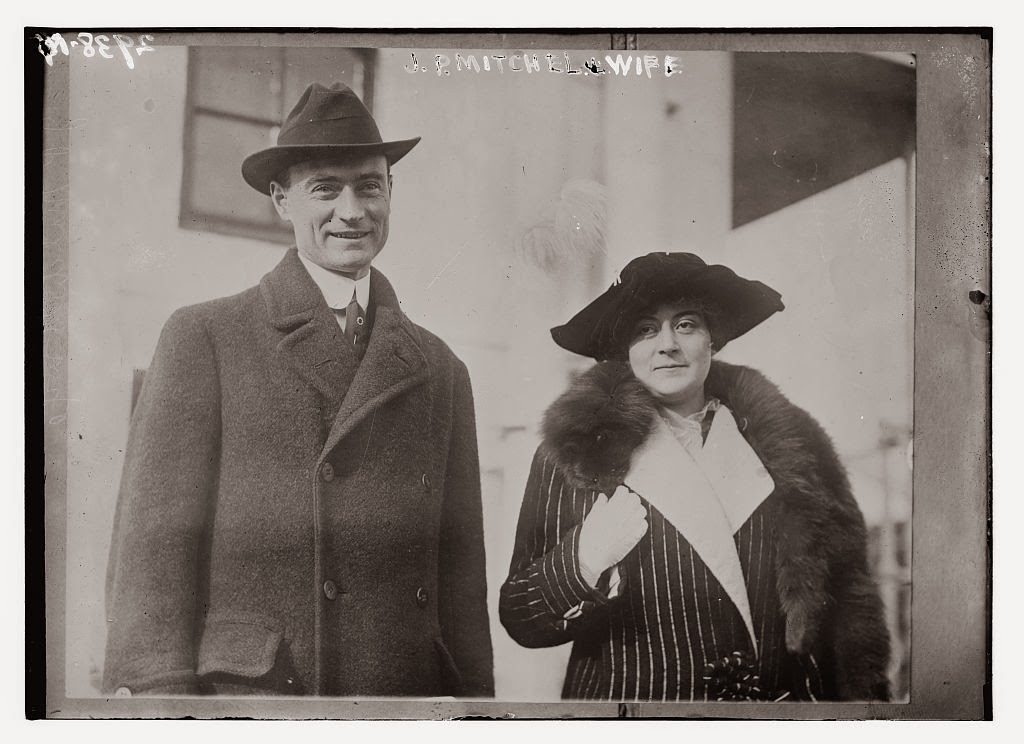
John with his wife Jane.
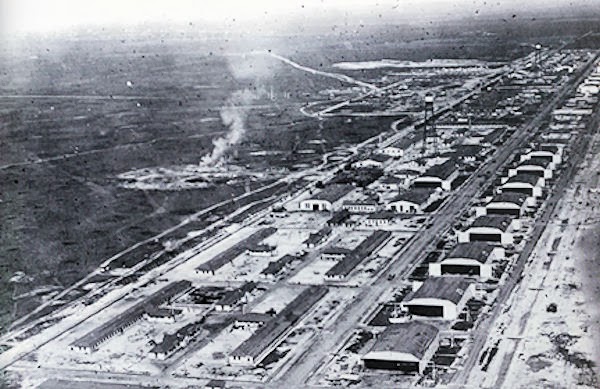
Gerstner Field in Louisiana, where Mitchel had his tragic airplane accident on July 6, 1918.
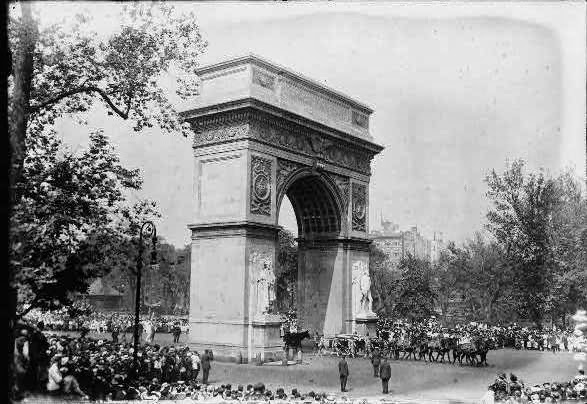
Another New York funeral: The body of John Purroy Mitchel is carried in a procession from City Hall, through the Washington Arch, and up to St. Patrick’s Cathedral.
Theodore Roosevelt, one of the pallbearers at Mitchel’s funeral, leaves St. Patrick’s in this short film by Edison.

The John Purroy Mitchel memorial, near the reservoir in Central Park.
Most pictures above are public domain, courtesy of the Library of Congress
Categories
Wartime New York

Voyage into war: New Yorkers enlist for France a century ago

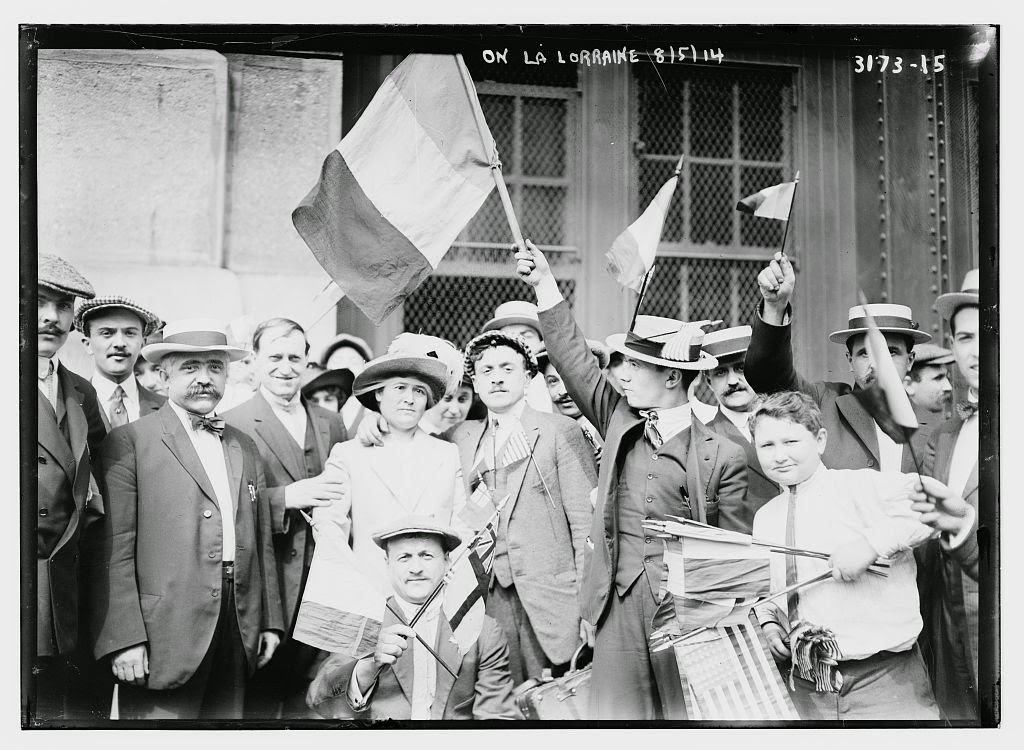
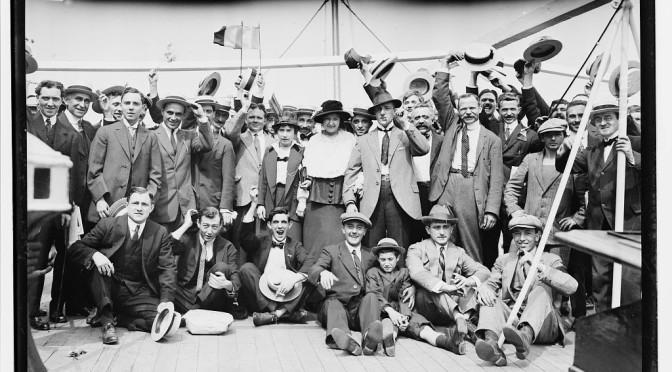
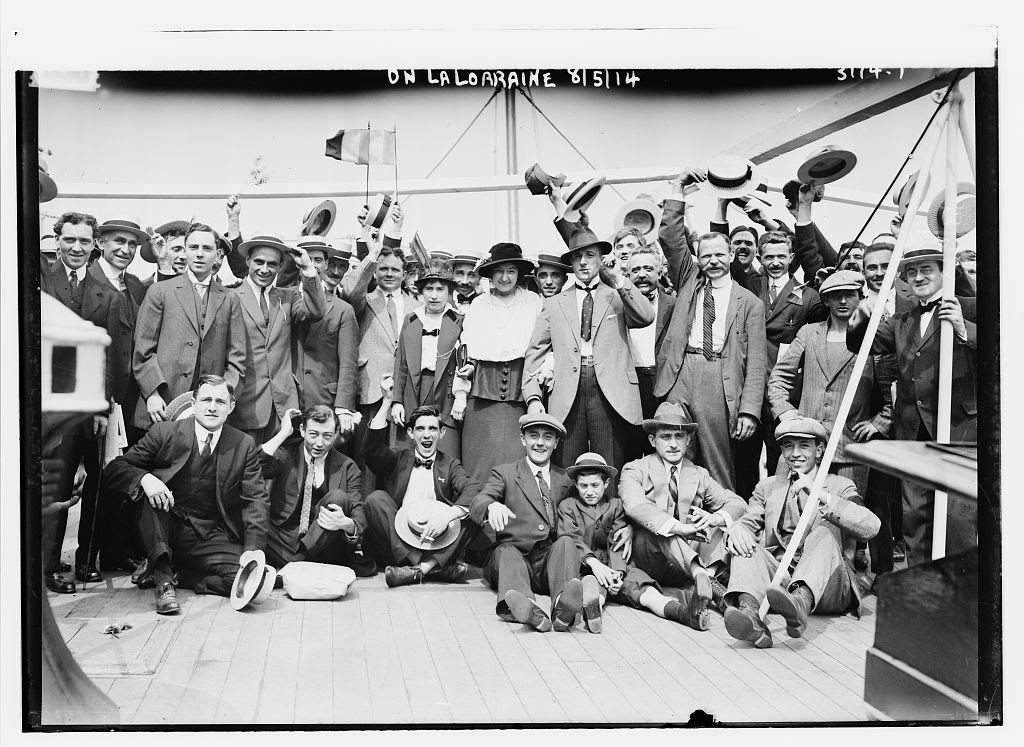
Men and women aboard La Lorraine, heading to France and the prospects of a grave war.

War was newly ablaze in Europe one hundred years ago today. A latticework of alliances was slowly drawing virtually country on the continent into a conflict which would rage for years and later become known as World War I.  Austria-Hungary and Germany had already declared war on Russia one century ago, and within the week, France and Britain would join in.

The effect on the streets of New York City was immediate.  Many had arrived from the warring countries via Ellis Island.  A great many New Yorkers with strong ethnic and regional ties either to Germany or Russia lived alongside each other.

A great many wished to return home and fight for their countries. Many men were reservists for their respective countries and rushed to their consulates in New York to enlist.  “Germans, Austrians and Hungarians paraded the streets singing the songs of their fatherlands,” said the New York Times. “The Russian, French and British reservists did not display their patriotism in the streets, but they registers it at their consulates and let it be known that they were eager to fight for their native land.”

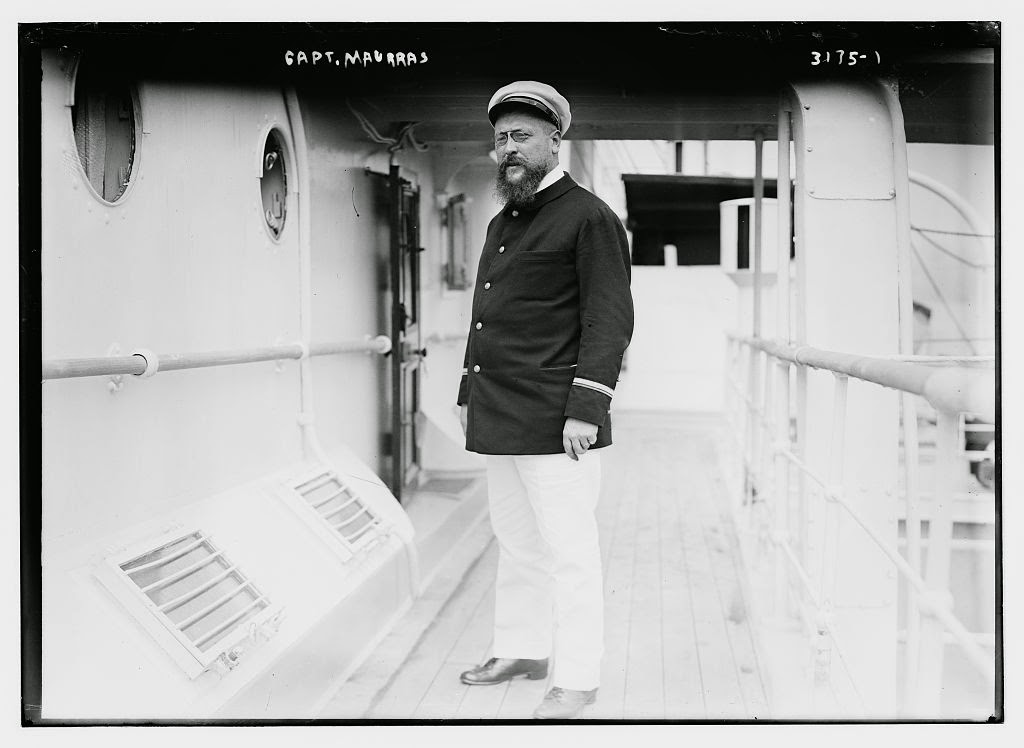
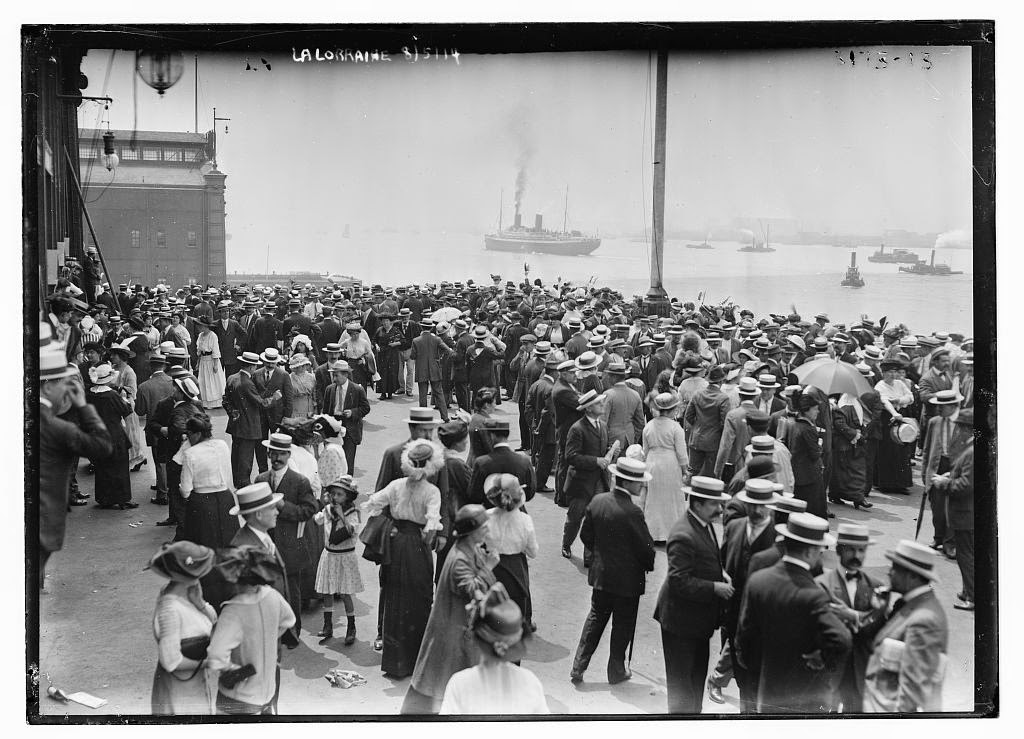
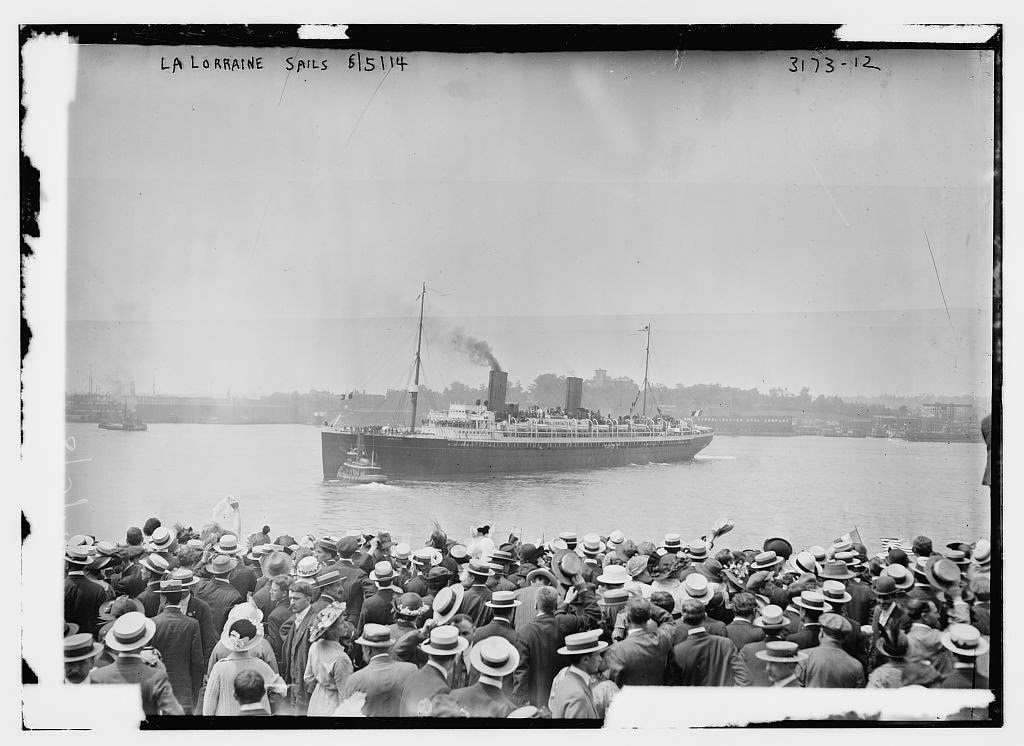
On the morning of August 5, 1914, the French steamship La Lorraine — fatefully named for a region which would much later be a scene of great warfare — left the dock of New York City with over 10,000 people, not only French reservists heading home to reenlist, but many Americans who volunteered to serve alongside them.  “Among the volunteers was an entire class of young engineer students from a school in Chester, Penn.”

“‘It made us all very grateful.’ said M. d’Anglade, the French Consul General, ‘for it made us think in offering their services to France these young Americas had remembered the Marquis de Lafayette.’ “
[source]

Even Mayor John Purroy Mitchel came by to wish the vessel a safe voyage.  As the boat sat at dock, reservists and other patriotic men and women aboard the vessel began singing “Marseillaise,” their friends and loved ones at the dock joining them in song — “the loudest and most enthusiastic demonstration that had been made on the waterfront in many months.” [source]

This voyage, believe it or not, had a deep impact on New York restaurant culture.  Aboard the ship were dozens of chefs, cooks and bakers, many employed by noted restauranteur Louis Mouquin, who tearfully bid adieu to his colleagues. “[H]e did not believe a French chef or waiter would be left in New York in another week,” said the Evening World.

Here are some moving pictures of these French volunteer bidding farewell to New York.  Many of them would never return. (Pictures courtesy Library of Congress)

Categories
Know Your Mayors

The mayoral inauguration 100 years ago was quite a headache — “the Most Cheerless Day Ever Known at City Hall”

On Wednesday, January 1, 2014, Bill de Blasio will be inaugurated at City Hall to become the 109th Mayor of New York City, sworn in by President Bill Clinton.  Mayoral inaugurations are never very exciting, but they’re often reflected upon later as setting the tone for an administration, a clue to a possible style of governance.

A fine, athletic example that Mayor-elect de Blasio might consider would be that of William J. Gaynor, who celebrated his inauguration on January 1, 1910, by walking from his home that day in Park Slope, over the Brooklyn Bridge to City Hall.  Brooklyn had been a part of Greater New York for only a decade by that point, and Gaynor one of its most esteemed residents.  Nobody doubted Gaynor’s pride that day in his home borough.  (De Blasio is also from Park Slope; his home is about ten minutes away from Gaynor’s residence on Eighth Avenue.)

Below: Mayor-elect Gaynor as he strolled across the bridge to City Hall

Four years later — after Gaynor died in office, from the internal injuries of an assassin’s bullet — New Yorkers elected the reformer John Purroy Mitchel.  He also made a bold statement during his inauguration on January 1, 1914, although one that cast a lingering pall over his subsequent accomplishments.

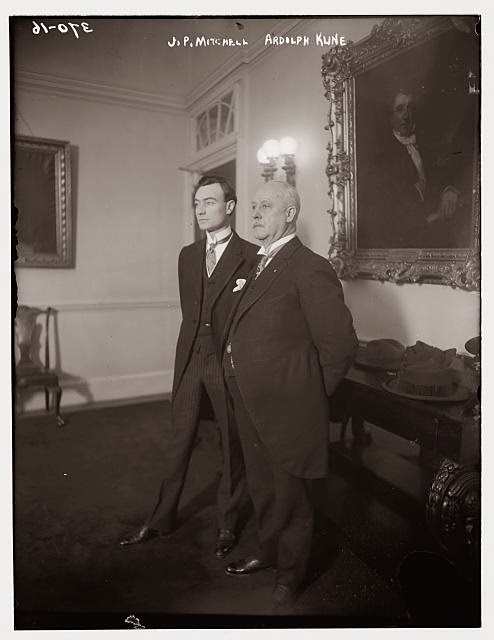
At right: Mayor-elect Mitchel with interim mayor Adolph Loges Kline, on inauguration day, 1914

Unfortunately for the young mayor-elect, he suffered from intensely painful headaches, and that morning, as he arrived at 9 a.m., Mitchel could barely withstand the pressure.

After greeting a few well-wishers and a brief meeting with reporters, he was sworn in during a private ceremony, made a five minute speech, then escaped into his private office, even as thousands lingered in the hallways and around City Hall for hopes of something — anything in the way of celebration — to occur.

Mitchel was noticeably aggravated and avoided any major announcements (such as the hotly contested job of Police Commissioner).

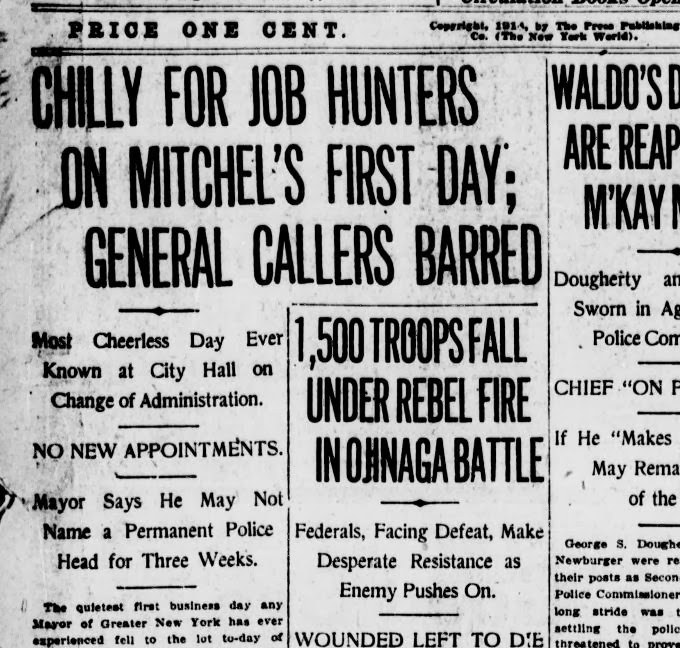
Early on, the police even dismissed the official receiving line of well-dressed politicians, the phalanx leaving with their hands unshaken.  This was a slight that many would never forget.  “[T]he reception room and corridor outside his office carried all the surging, bustling human exhilaration of Grant’s Tomb,” said the Evening World, who characterized the ceremony as “the most cheerless day ever known in City Hall.”

Many would consider this a hallmark of Mitchel’s style — distant and removed, hardly politic — a demeanor which would eventually label him as an elitist.

From the January 2, 1914, Evening World

For more on Gaynor, Mitchel and the tumultuous politics of 1914, check out our podcast on The Boy Mayor Of New York (Episode #156).

Categories
Know Your Mayors

One hundred years ago today, the mayor of New York died

Mayor William Jay Gaynor’s final appearance at City Hall was at a notification rally, declaring his independent candidacy.  He brandishes a shovel as a symbol of a new era of subway construction (the eventual fruits of the so-called ‘dual contracts’ which had finally be agreed to earlier that year.)

Today’s mayoral primary falls on a very grim anniversary in New York City political history.  One hundred years ago today, Mayor William Jay Gaynor collapsed and died while on a voyage to Europe, succumbing to an assassin’s bullet which had been lodged in his throat for over three years.

Gaynor was not in New York when he was shot, and he was not in New York when he finally succumbed to its effects years later.  On August 9, 1910, he boarded a German ocean liner in Hoboken, New Jersey, for a planned trip to Europe. A disgruntled dock worker James J. Gallagher approached and shot him through the neck.  The moment was gruesomely captured by a New York World photographer.

Although the injury derailed Gaynor’s presidential ambitions, it did not prevent him from leaving office.  The bullet remained stuck in his neck, slowly weakening his health and eventually deterioriating his ability to speak.

But he remained a feisty opponent of city corruption. So much so that corruption-fueled Democratic machine Tammany Hall refused to support his re-election bid in 1913, throwing their support to judge Edward E. McCall, a more pliant candidate to their whims.  McCall would run against Fusion candidate John Purroy Mitchel, the firebrand reformer and president of New York’s Board of Aldermen (city council).

Gaynor would not be sidelined.  On September 3, he announced an independent run for the mayor from the steps of City Hall.  To a crowd of 5,000 supporters, Gaynor’s secretary had to read his speech for him as he was unable to raise his voice due to his injuries.  At the very end, however, as his secretary declared the mayor’s intention to eradicate graft, Gaynor leaped to his feet and cried, “Yes, that is what we are going to do — shovel all those miserable grafters into the common dump!”

Gaynor at his candidacy announcement, buffered by supporters

The following day, he boarded another ocean liner with his son, intending to convalesce for two or three weeks.  It was unannounced voyage — Gaynor naturally wanted to keep his deteriorating condition quiet —  although the newspapers found out and splashed it upon their front pages.  “It was a feeble figure that went slowly up the gangplank leaning heavily on the arm of his son Rufus,” said the Evening World.

He was intending to return on September 21.  However, six days into his voyage, on September 10, the mayor finally succumbed to his wounds, aggravated by other afflictions in his stomach and lungs.

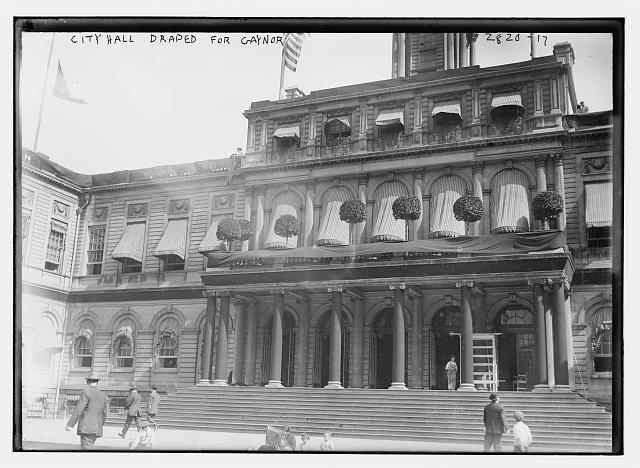
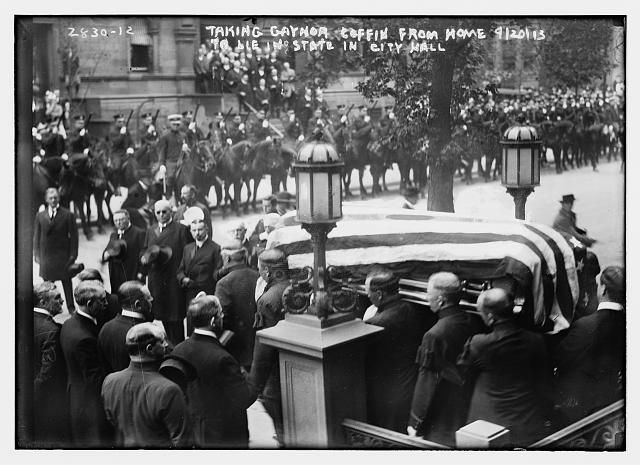
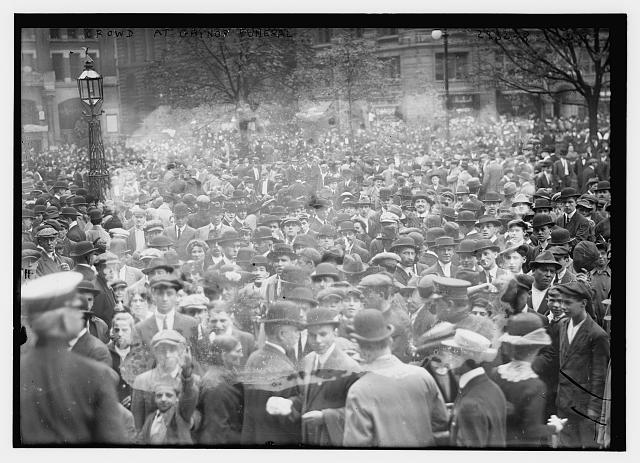
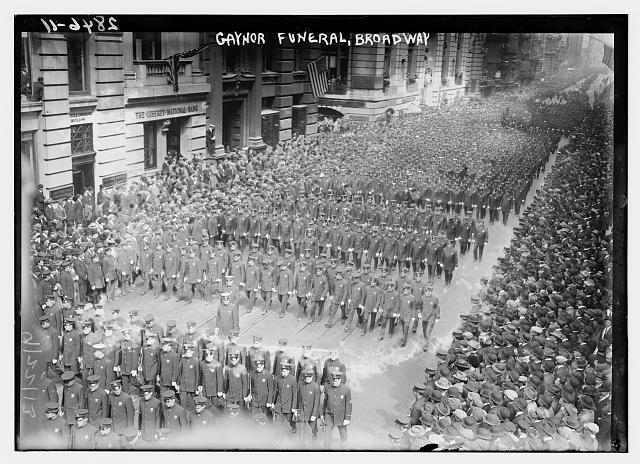
His body was returned to New York on the RMS Lusitania nine days later.  The following day, his body lay in state at City Hall as thousands of mourners paid their last respects.

Gaynor would be the second New York mayor to die in office — William Havemeyer died of a heart attack while in office in 1874 — and the fifth to die in office if you count those from before the Revolutionary War.

Gaynor’s passing turned the coming election into a free-for-all, with the remaining candidates scrambling to appeal to the former mayor’s moderate voting base.  In the end, Mitchel was elected that November, becoming the city’s second youngest mayor in history.

A memorial for Gaynor was placed in Cadman Plaza in Brooklyn in 1926, inscribed with the anti-corruption slogan “Ours is a government of laws not men.”  Gaynor lived in Park Slope at 20 Eighth Avenue.

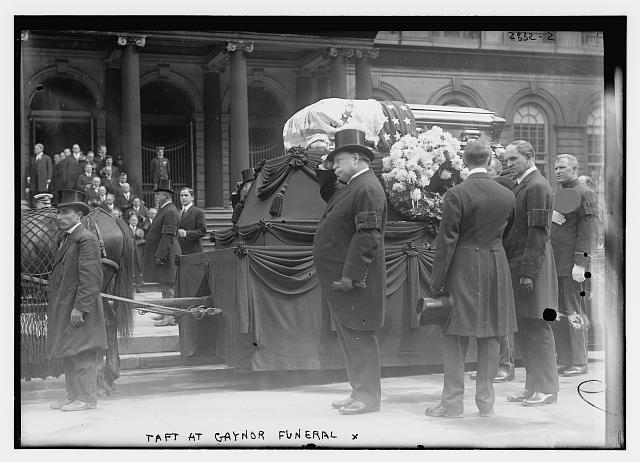
Below are some images from his funeral at City Hall, September 20, 1913

All images courtesy the Library of Congress
Mourners at City Hall (LOC)

Former president William Howard Taft at Gaynor’s funeral (LOC)