Categories
Planes Trains and Automobiles

New York City from the sky: The first aerial photographs

One hundred and nine years ago this month, a tiny airplane made history over the waterways of New York City.

These weren’t the first flights over the city — those had occured in the fall of 1909, during the Hudson-Fulton Celebration — or even the most daring or most publicized. (Aerial competitions like the Great Gimbels Air Race of 1911 might take those titles.)

These flights, which took place in February and March of 1912, were important not only due to the bravery and braggadocio of the pilot, derring-do Frank Coffyn, but because of his companion — American Press Association photographer Adrien C. Duff.

Duff is responsible the very first photographs and the first ever film of New York City — from overhead, taken by an airplane.*

And in taking these photographs, this also makes Duff the very first airplane passenger over New York Harbor.

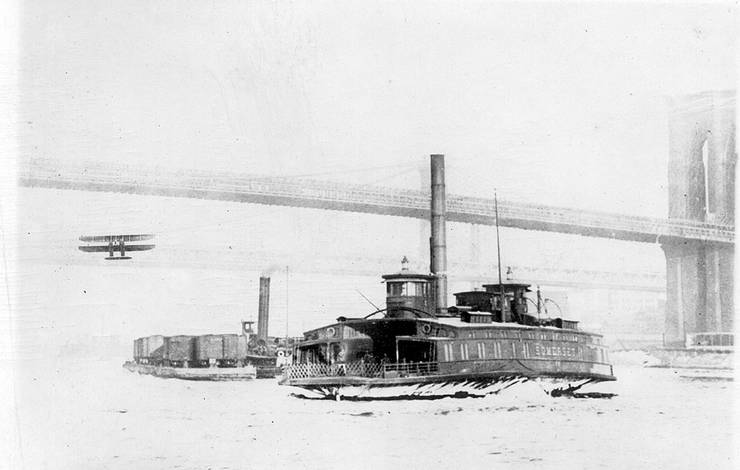
Frozen flight: Frank Coffyn sails underneath the Brooklyn Bridge and above the East River during the dead of winter. 
First In Flight

Coffyn, a former Wright Brothers employee, accepted the offer of Brooklyn film studio American Vitagraph to figure out a way of snapping images of New York from above.

This was a tricky task to be sure in 1912. Manned flights had only been invented by his former employers a few years previous. Planes had to be very light and until that moment could only carry the pilot and necessary equipment.

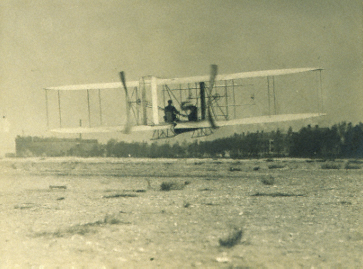
Below: Frank Coffyn, in a picture with a Wright Bros plane in 1911 (Photos courtesy Library of Congress)
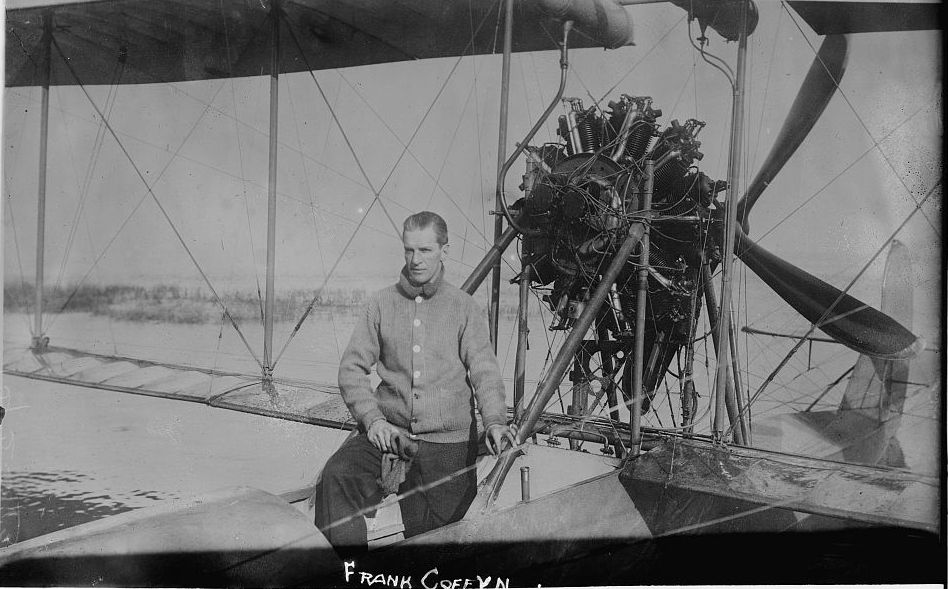
Even trickier, Coffyn wanted to lift off from the harbor directly and not from the icy landing strip based on Governors Island. To that effect, he furnished his plane with pontoons, allowing it to float upon the unfrozen shoreline.

The Sky’s The Limit

His first successful flight skimming off, and then above, the Hudson River was on February 6, 1912, “proving that the aeroplane …is also a near cousin of the mudhen or the duck,” according to the New York Times.
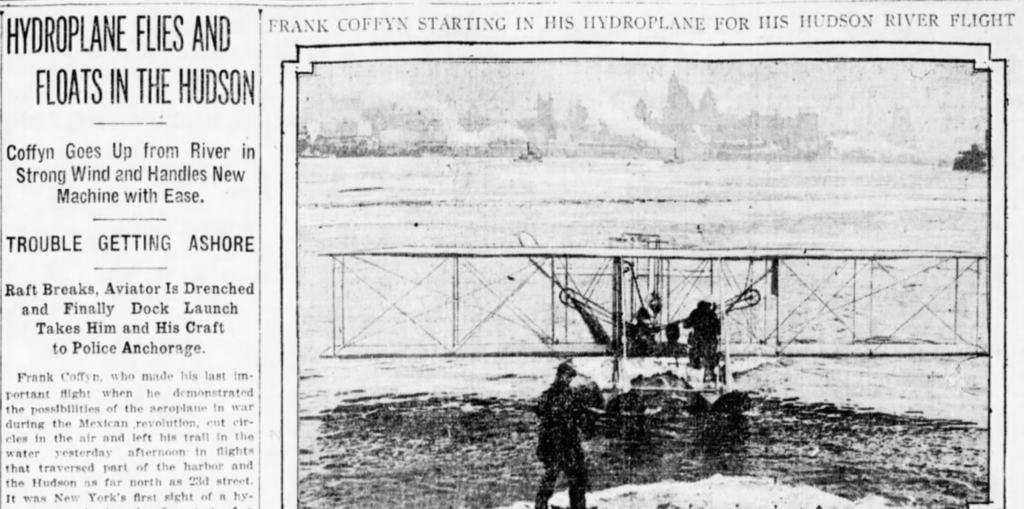
New York Tribune, Feb 7, 1912

He continued to make successive flights over the next few weeks, this time from the shore of the Battery and up the East River.

On February 13, 1912, he became the first pilot to fly underneath the Brooklyn Bridge, so low that he reportedly felt the smoke from a passing tugboat.

As a May 1912 edition of Metropolitan Magazine put it: “In February New Yorkers saw Frank T. Coffyn with his Wright hydro aero-plane travel over the surface of the half-frozen river, maneuvering in the water like a motor-boat, skating on the ice at top speed — then rise in the air over the ferryboats, under and over the bridges and around the Statue of Liberty.

Better Than A Postcard

But it was one particular flight on February 8th that is of historic significance.

For he was joined on this flight this time by Duff, the ‘swashbuckler of the camera’.

During the short flight, Coffyn took Duff from the Battery past Governors Island, over the ships of the harbor, around the Statue of Liberty, then back to Manhattan.
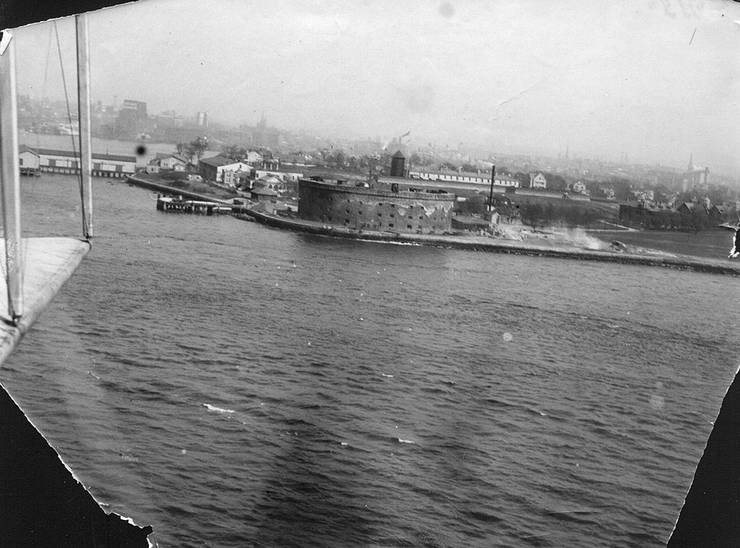
Duff was actually strapped onto the lower wing, with his legs dangling off the side of the plane! Both Coffyn and Duff were frozen to the bone by the time they landed.

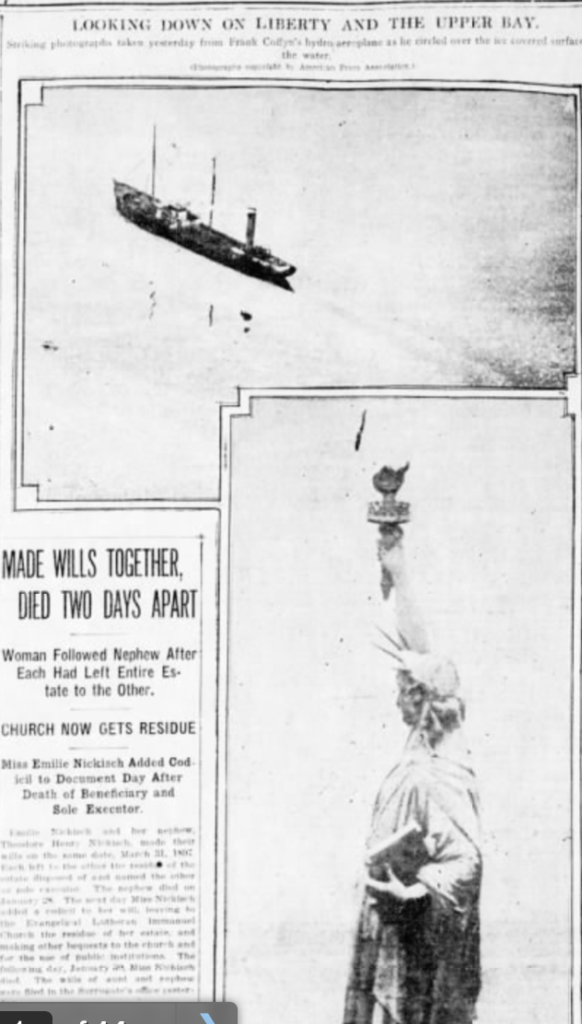
Duff took nine photographs in all, of which only a few were usable. This article features the best of Duff’s pictures, and the first ever taken of New York from the sky.
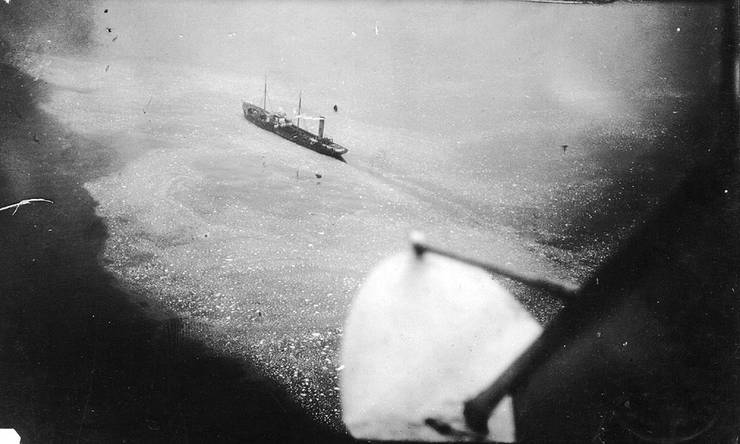
Below: The first appearance of the photo above in a newspaper, the New York Tribune, Feb 8, 1912. (courtesy Newspapers.com)
Coffyn eventually fulfilled his original mission with Vitagraph, bringing Duff back on his plane on February 12th to operate the moving-picture camera and making the very first film overhead New York.

The footage is not the most vivid, partially because Duff’s hands became so cold that he could barely operate the crank-operated camera.
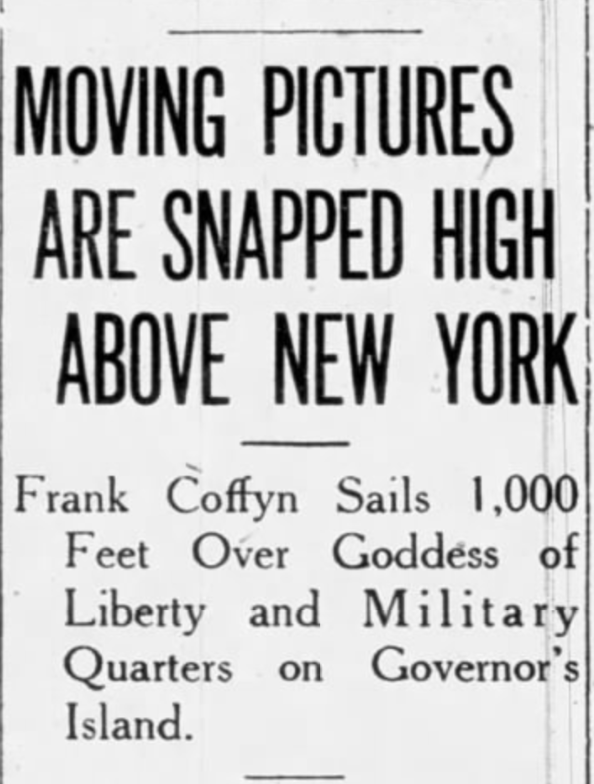
From the Buffalo Courier, Feb 13, 1912

Later on, Coffyn attempted to operate the camera himself. This proved to be less successful, as a couple days later, he dropped the camera into the East River. Vitagraph released the usable footage to theaters in April.

Here’s a newsreel incorporating some of Coffyn’s own footage and some great shots of him taking off from the Battery shore.

And whatever happened to Adrian C. Duff?

He took that sense of adventure, enlisted in the U.S. Army, and became a noted photographer during World War I. Here’s one of his more famous images.
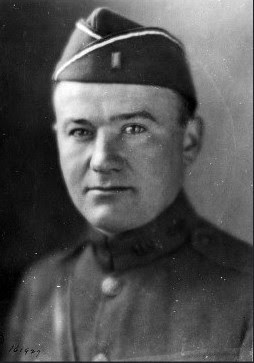
Duff in 1918

He wrote of his exploits in a 1918 article for the Fulton Evening News. 

He survived the rigors of war only to die in a grim taxicab accident in Brooklyn on March 7, 1920. From the New York Times:
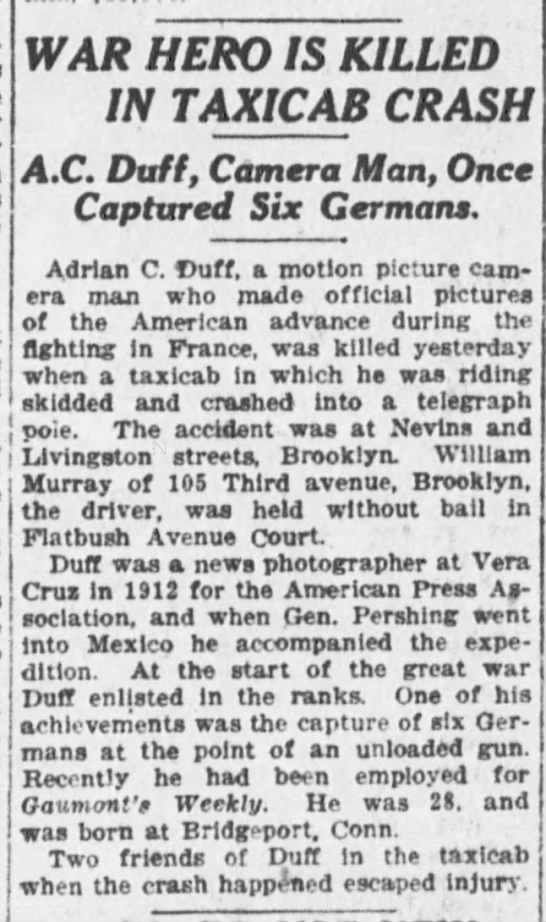
*There is actually ONE photograph older than 1912, taken from a hot air balloon in 1906. More about that here.

Read more about Duff’s life at Shooting The Great War. This article was originally published on this website on February 13, 2012.
Categories
Bowery Boys Bookshelf Wartime New York

The marks of World War I, scattered throughout the five boroughs

Echoes of the first World War, one hundred years behind us, can still be found in virtually every neighborhood of New York City.
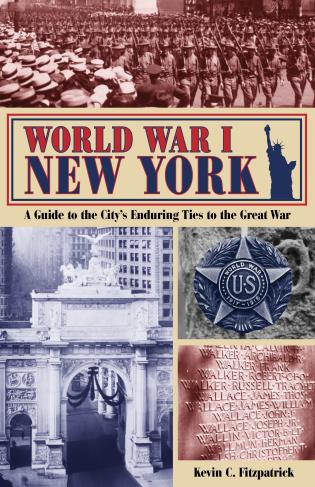
In Kevin C. Fitzpatrick’s revealing and compact guidebook World War I New York: A Guide to the City’s Enduring Ties to the Great War, these memories linger in familiar landmarks and obscure monuments alike. The effect of assembling these reminders in one book is eye-opening; collecting them brings a new sense of poignancy to markers often ignored.

Fitzpatrick organizes these marvelous finds by subject, but in my opinion the most helpful section is near the end, where all entries are arranged by borough and neighborhood.  It’s a book designed for American history buffs and locals who just want to make new connections with their neighborhoods. (There’s even a few maps for those who enjoy self-guided walking tours.)

A few of my favorite World War I related artifacts featured in the book:

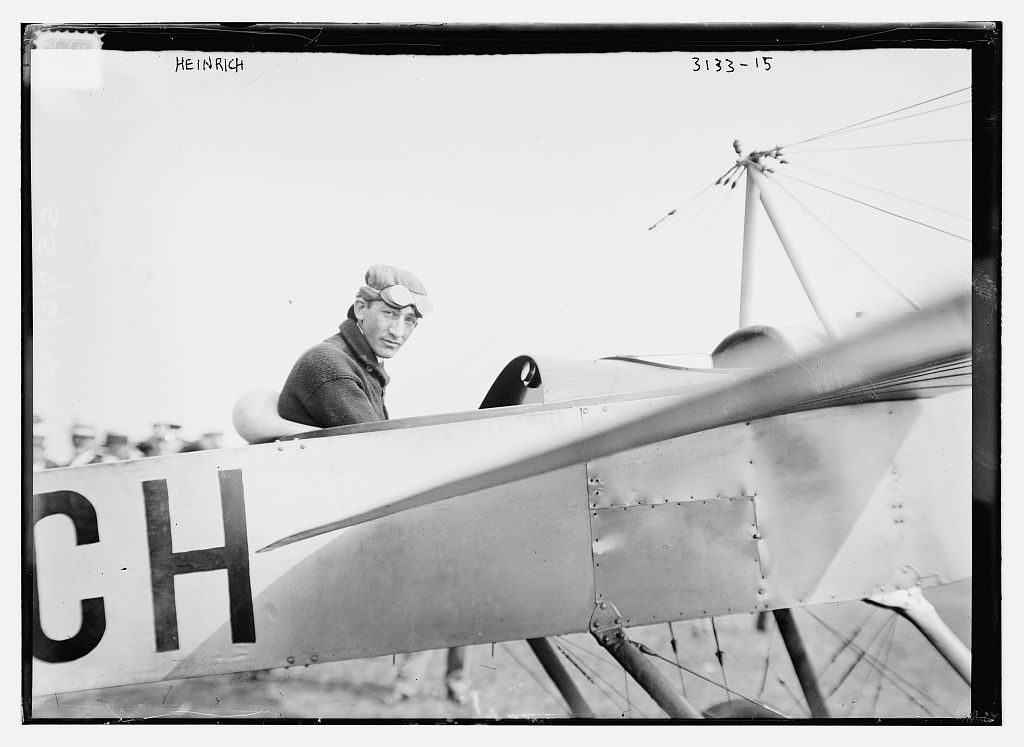
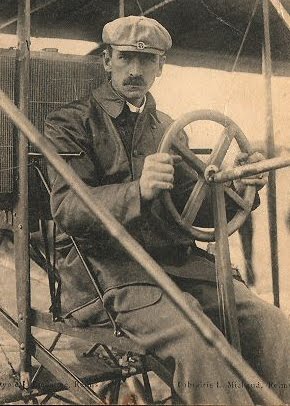
Pilot Albert S. Heinrich on Governors Island July 4, 1914. Heinrich built airplanes for the war effort during WWI. (Library of Congress)

Fort Jay Airfield and the Early Birds

Sure, Governors Island is a veritable pleasure garden now, but back in 1916-17, it was a pivotal location for wartime flight training, the spot of one of America’s first airfields.

Writes Fitzpatrick: “More than two dozen pioneer aviators trained here, and many shipped out as America’s first combat pilots.”

Library of Congress

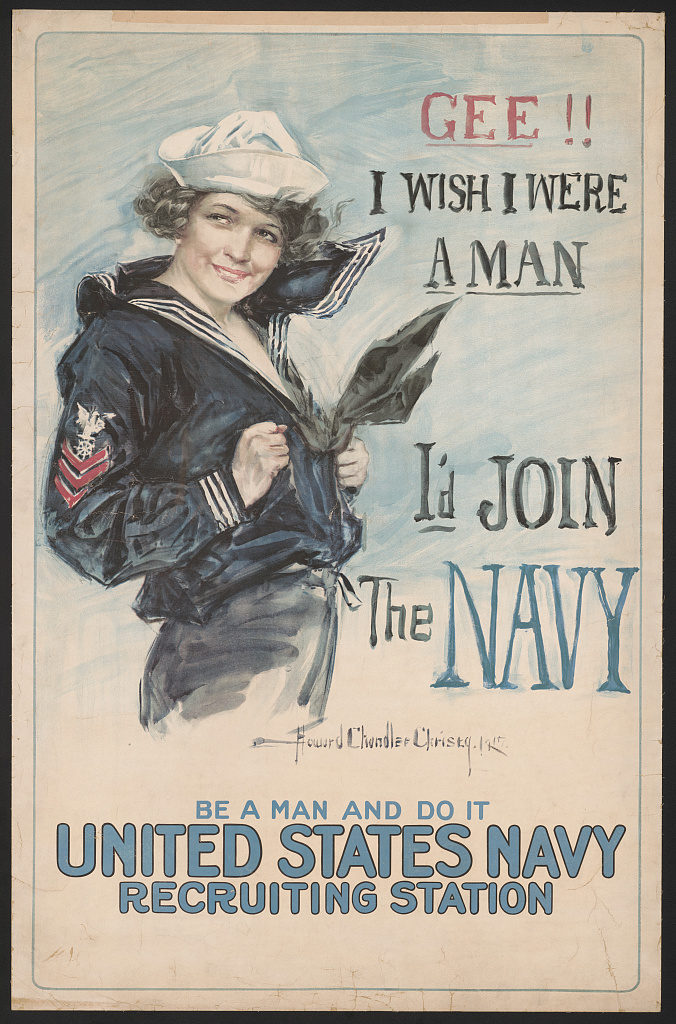
James Montgomery Flagg and Howard Chandler Christy Studios

Two artists most associated with the war propaganda effort worked and lived on the same block on the Upper West Side.

Fitzpatrick: “Christy is remembered for his luscious palette and fetching women, often dressed in men’s uniforms, next to slogans such as ‘Gee! If I Were A Man I’d Join The Navy.’ But Flagg created the real icon, instantly recognizable a century later: Uncle Sam pointing to the viewer over ‘I Want You.'”

Photo by Jim Henderson/Wikimedia

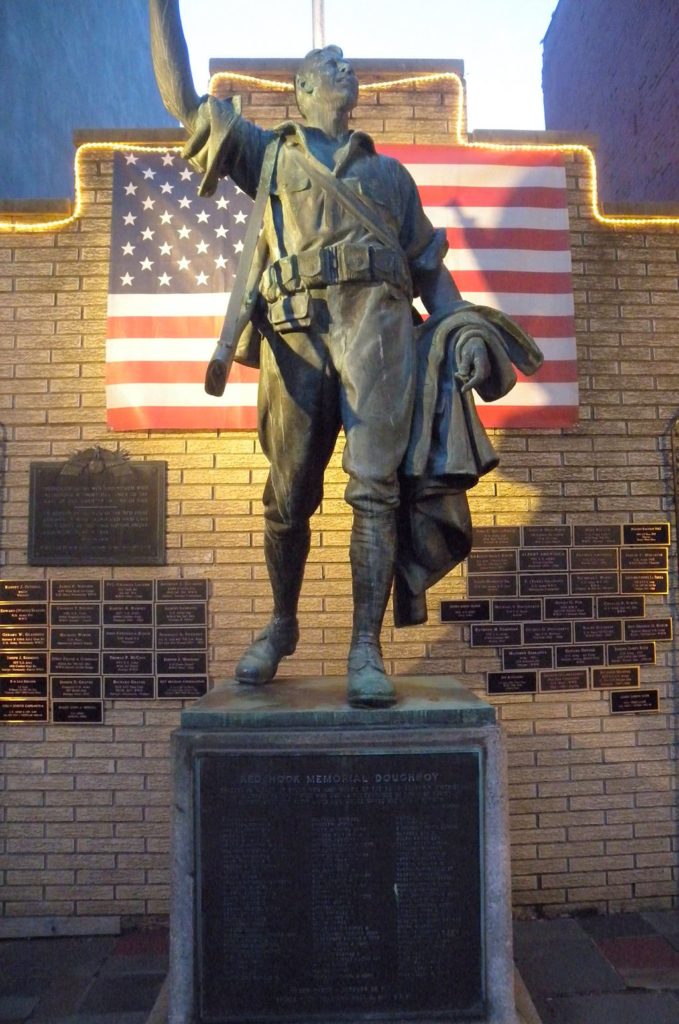
The Red Hook Doughboy

There are Doughboy statues all over New York but they are not always well highlighted. The Brooklyn neighborhood of Red Hook holds one of these treasures which once sat in a local park.

Fitzpatrick: “It was vandalized, the bronze plaques stolen, and the memorial ruined. In 1972 it was hauled to Veterans of Foreign Wars Post 5195, where today it is locked up behind a steel fence next to 325 Van Brunt Street. It was repaired and memorial plaques replaced.”

World War I New York:
A Guide to the City’s Enduring Ties to the Great War
Kevin C. Fitzpatrick
Globe Pequot Press


NOTE: Fitzpatrick also has a book on the Algonquin Round Table and joined us for our podcast on the subject back in March.

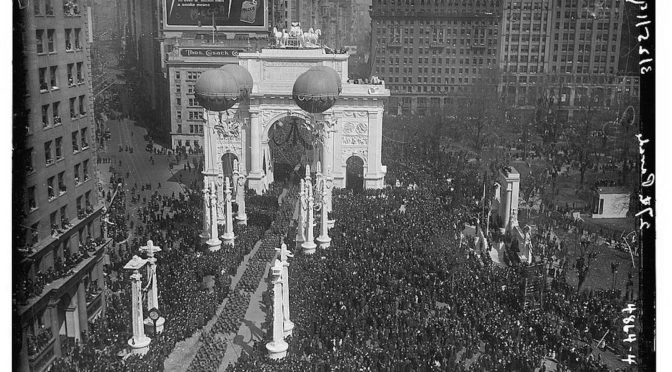
AT TOP: The Victory Arch which once sat astride Madison Square Park. While the arch is no longer there, dozens of other memorials still grace the streets of the city.

Categories
Podcasts Wartime New York

Adventures on Governors Island

PODCAST What can you find on Governors Island? Almost 400 years of action-packed history! This island in New York Harbor has been at the heart of the city’s defense since the days of the Revolutionary War, and its story takes us back to the very beginnings of European occupation in America.

Its two fortifications — Castle Williams and Fort Jay — still stand there today, evidence of a time when New York was constantly under threat of attack and invasion. During the Civil War, these structures served as prisons for Confederate soldiers.

The rest of the island was a base for the U.S. Army for almost 150 years before ceding to the Coast Guard in the 1960s. Their community transformed the island into a charming small town, quite the contrast with the city across the water!

Today Governors Island has become an exciting park ground and events area, hosting art, music festivals and Jazz Age picnics. But its history remains evident all around. In this show, we head out to Governors Island for an exploration of its magnificent story firsthand.


The Bowery Boys: New York City History podcast is brought to you …. by you!

Starting this month, we are doubling our number of episodes per month. Now you’ll hear a new Bowery Boys podcast every two weeks. We’re also looking to improve the show in other ways and expand in other ways as well — through publishing, social media, live events and other forms of media. But we can only do this with your help!

We are now a member of Patreon, a patronage platform where you can support your favorite content creators for as little as a $1 a month.

Please visit our page on Patreon and watch a short video of us recording the show and talking about our expansion plans. If you’d like to help out, there are five different pledge levels (and with clever names too — Mannahatta, New Amsterdam, Five Points, Gilded Age, Jazz Age and Empire State). Check them out and consider being a sponsor.

We greatly appreciate our listeners and readers and thank you for joining us on this journey so far. And the best is yet to come!


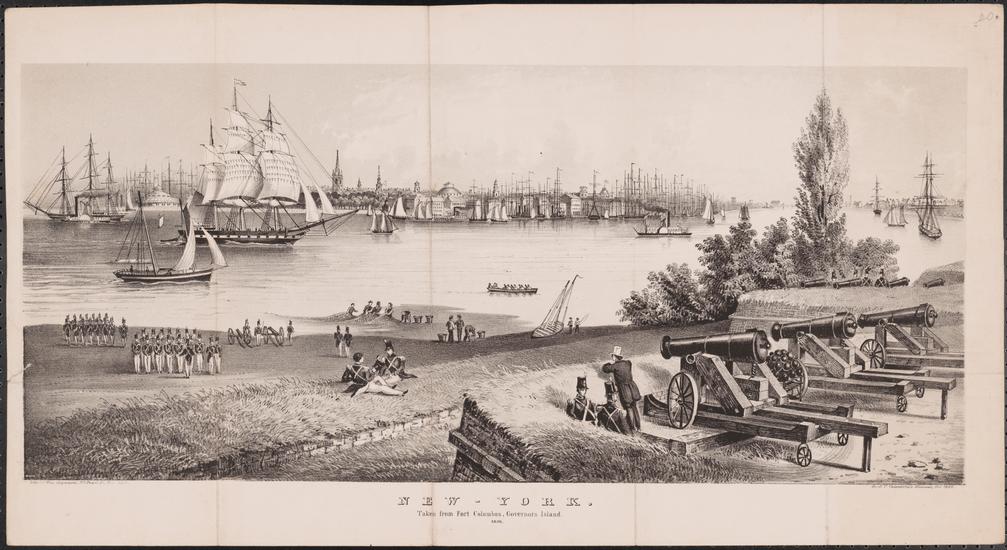
A depiction of Fort Columbus (Fort Jay) in 1816. Published in D.T. Valentine’s Manual, 1860.

Courtesy the Museum of the City of New York

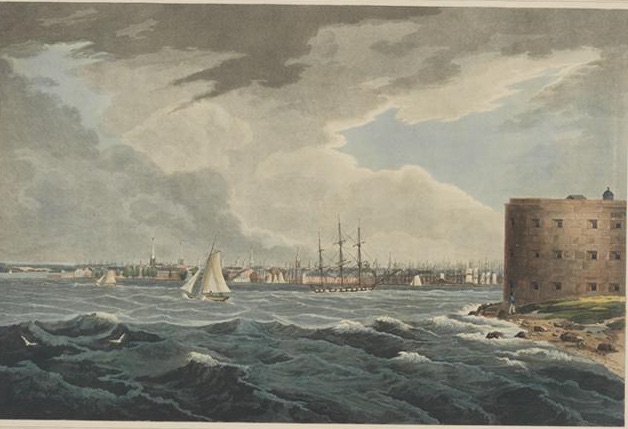
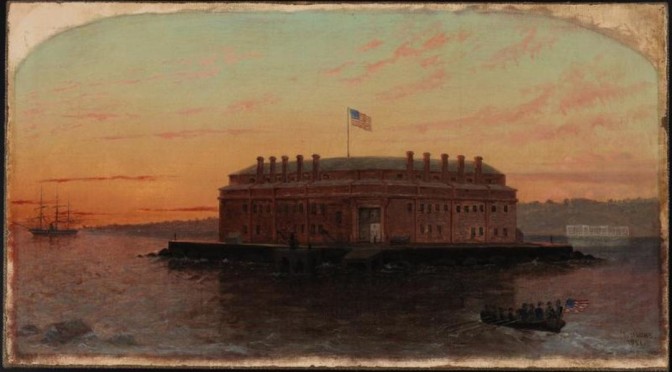
A view of Castle Williams and New York Harbor, painted in 1820

Courtesy Museum of the City of New York

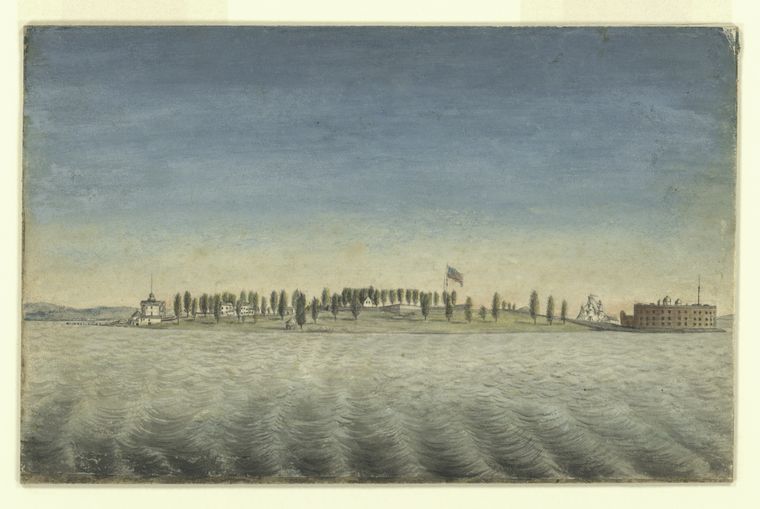
Another view of Governors Island, this time from Manhattan, a watercolor made in 1825

Courtesy New York Public Library

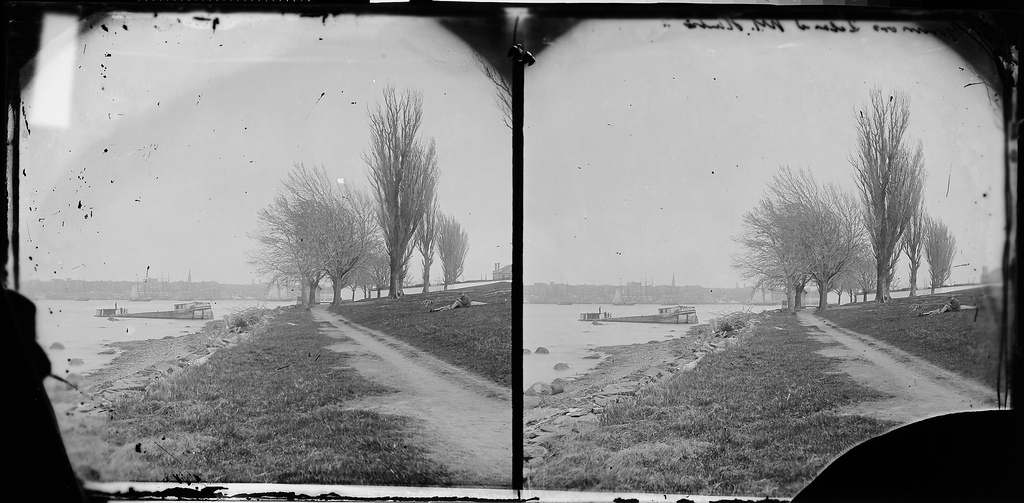
Governors Island in a photograph taken by Matthew Brady sometime during the Civil War.

Library of Congress
Library of Congress

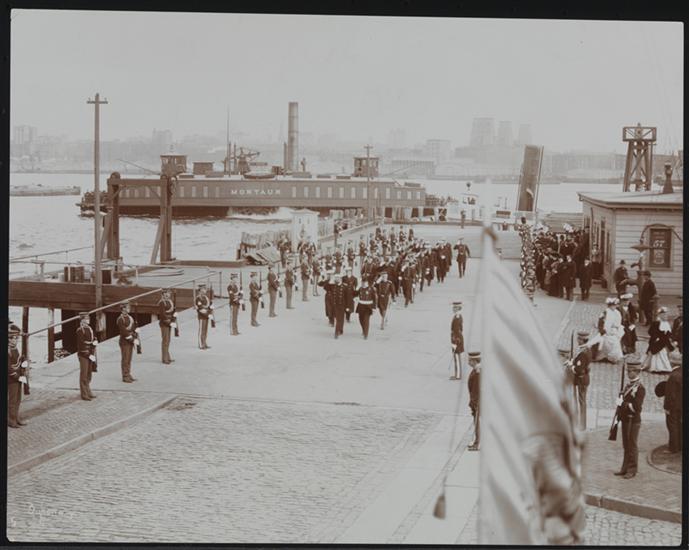
Prince Louis of Battenberg arriving at Governor’s Island with Rear admiral Robley Evans during his 1905 visit to New York.

Museum of the City of New York

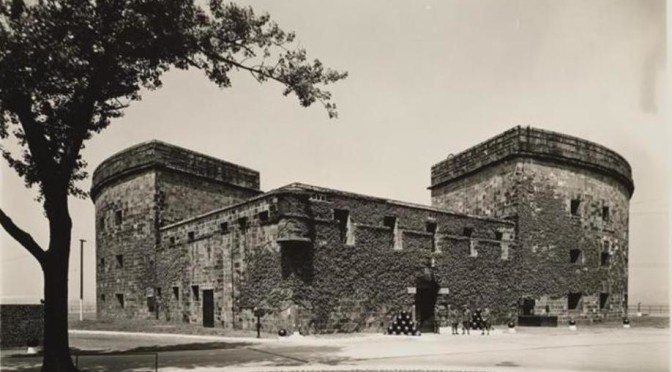
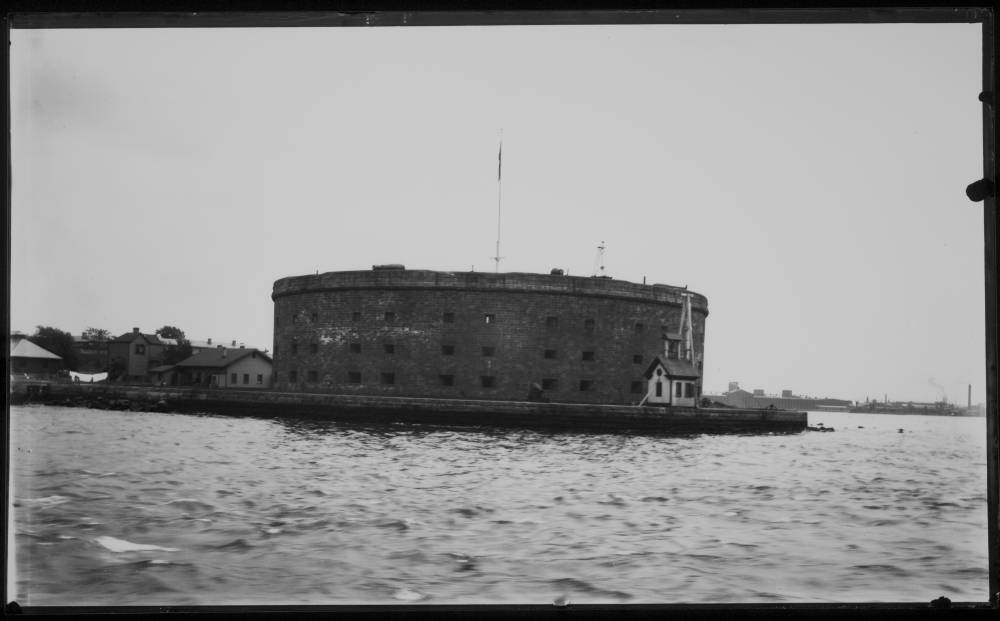
Castle Williams, seen in 1905

Photo by the George Eastman House, courtesy Library of Congress

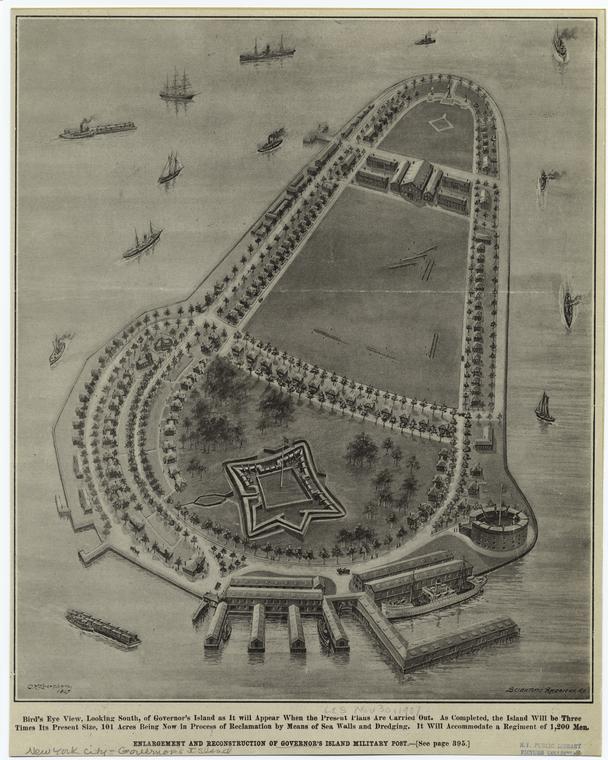
An illustration made in the 1910s laying out what Governors Island would look like after its landfill expansion. As you can see Liggett Hall has not yet been conceived!

New York Public Library

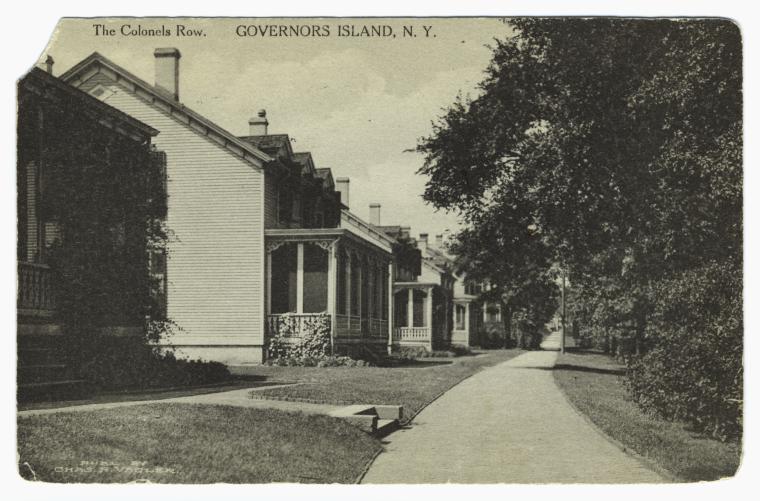
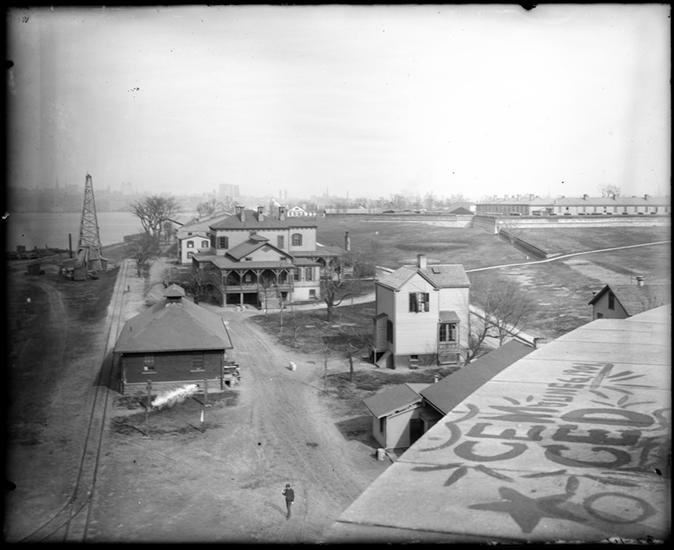
Colonels Row, photo taken in 1913. This area pretty much looks exactly like this today!

New York Public Library

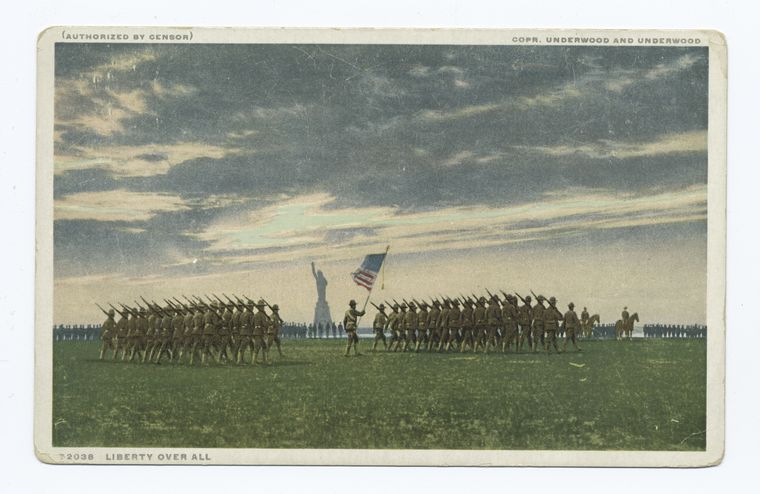
Troop training on Governors Island, with Lady Liberty positioned neatly in the background.

nypl.digitalcollections.510d47d9-9e65-a3d9-e040-e00a18064a99.001.w

Here’s an interesting view of the south side of island from 1924.

Museum of the City of New York

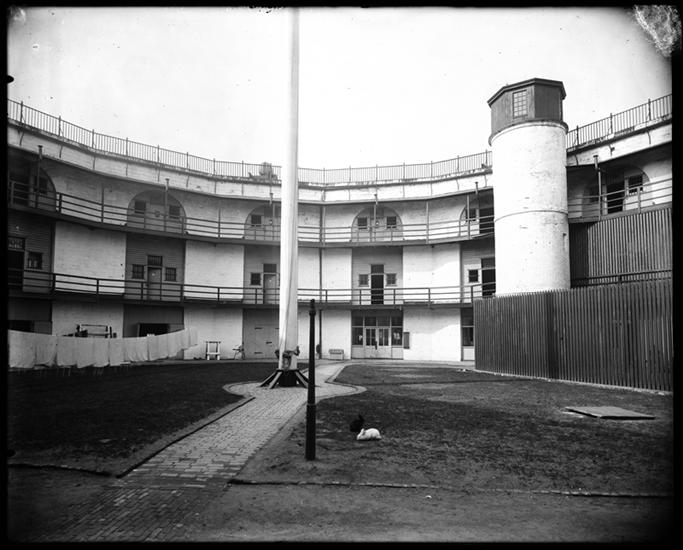
Inside Castle Williams in the 1920s

MNY203502

Governors Island made a striking contrast to the city even in the 1930s!

Museum of the City of New York
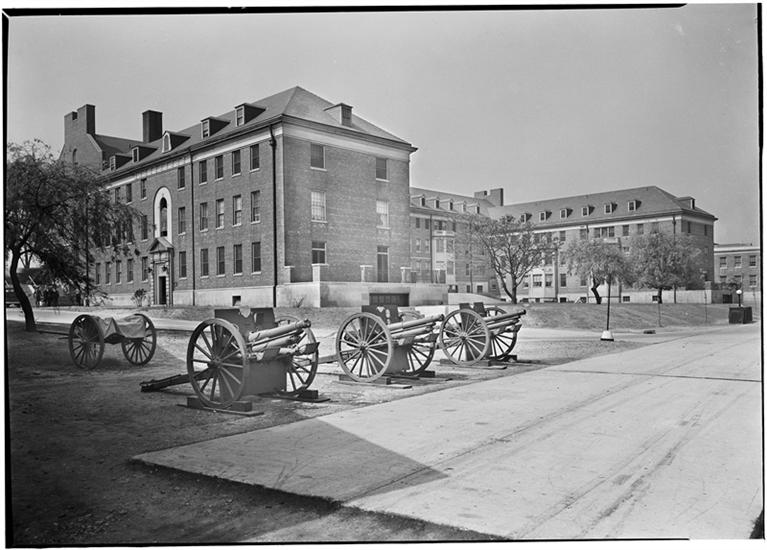
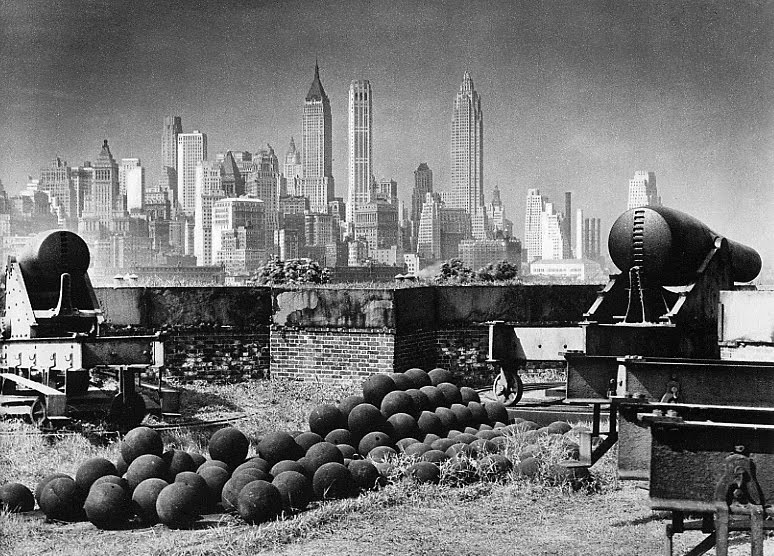
Photo by Samuel H. (Samuel Herman) Gottscho.  Officer's apartments, Governors Island, N.Y. 3/4 view cannon foreground. Courtesy Museum of the City of New York
Photo by Samuel H. (Samuel Herman) Gottscho.
Officer’s apartments, Governors Island, N.Y. 3/4 view cannon foreground. Courtesy Museum of the City of New York

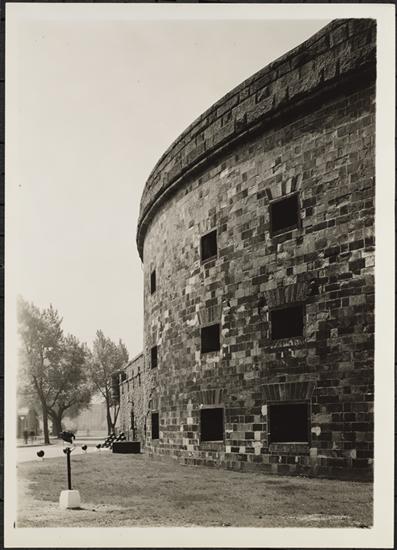
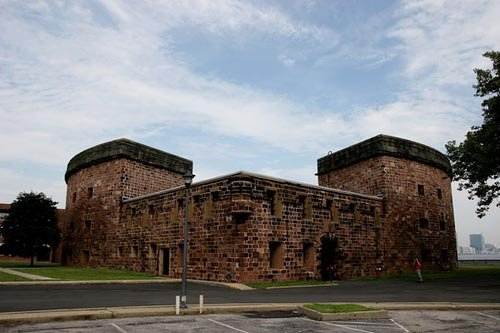
The exterior of Castle Williams in 1936, still serving as a disciplinary barracks at this time.

M2Y3062

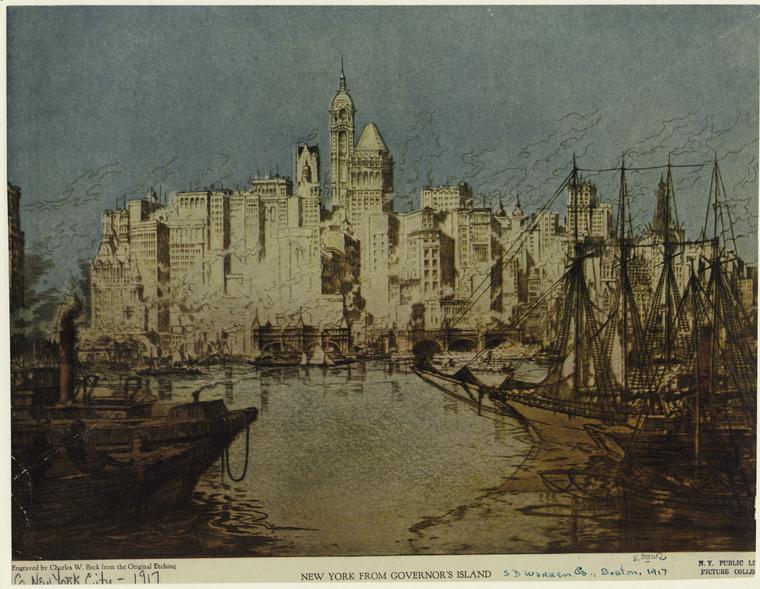
A beautiful engraving by Charles W. Beck of Manhattan from the vantage of the Governors Island shoreline (although it looks a bit too close if you ask me!)

New York Public Library

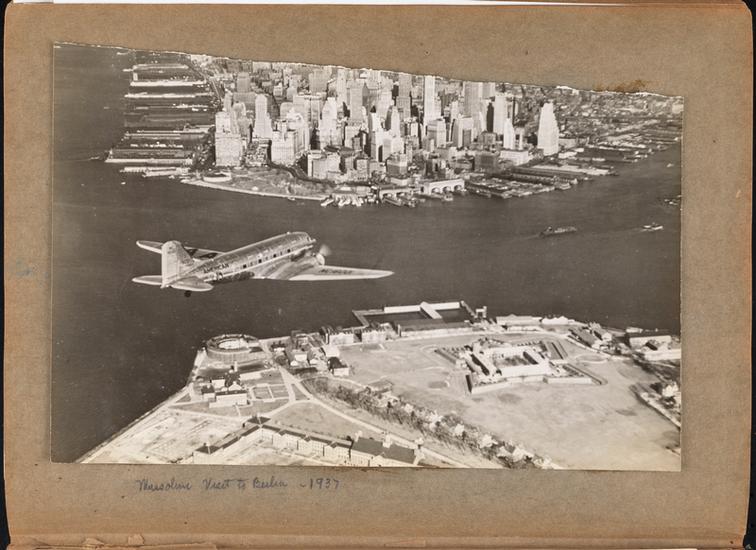
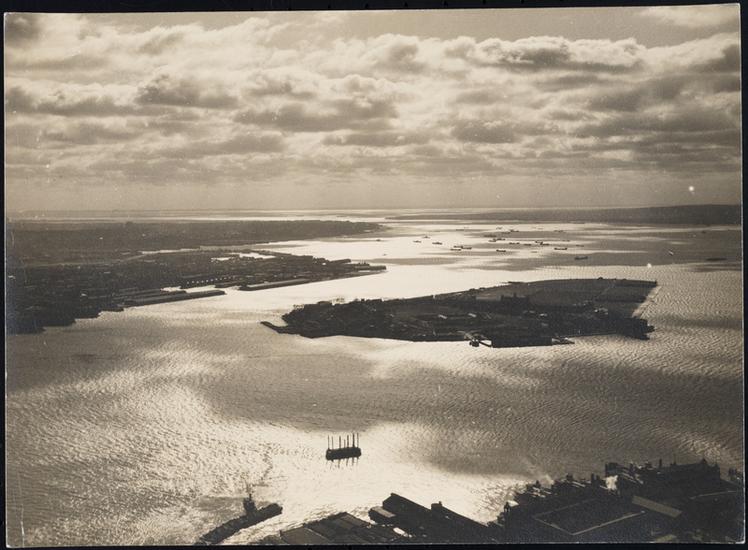
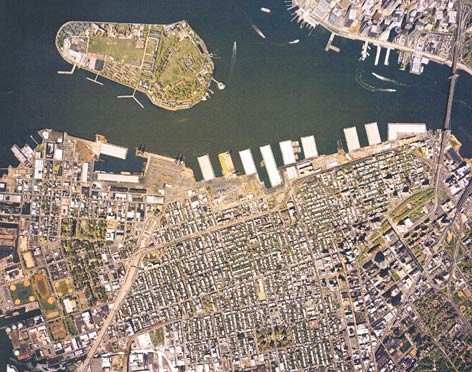
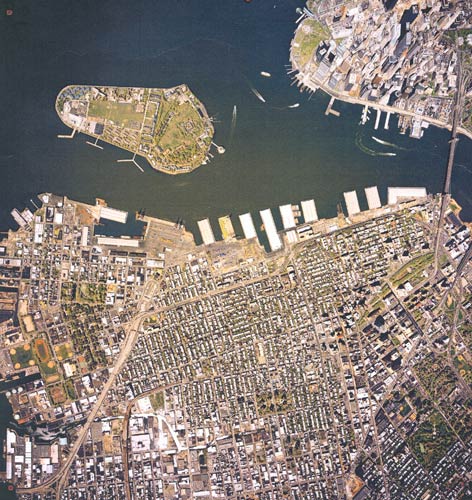
Flying over Governors Island in 1937, the two forts in view and a clear dividing line seen between the old section and the new section of the island.

MNY20716

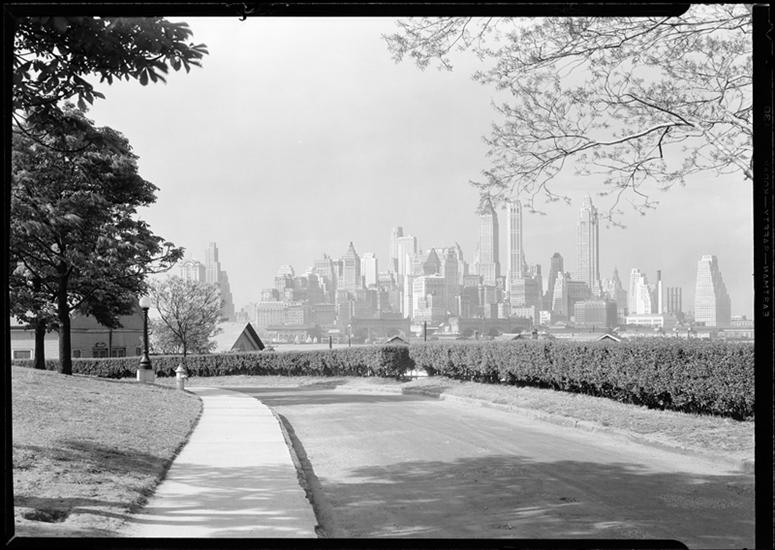
From the vantage of 60 Wall Street, looking south toward New York Harbor and Governor’s Island. Taken by the Wurts Brothers.

MN119265
Museum of the City of New York
Categories
Wartime New York

New York: The City of Forts

The vestiges of America’s oldest wars surround us to this day.

New York City has had more military fortifications contained within it than perhaps any other major American city. Part of this has to do with its roots in the American Revolution and the subsequent fears of a return invasion in the early 19th century.

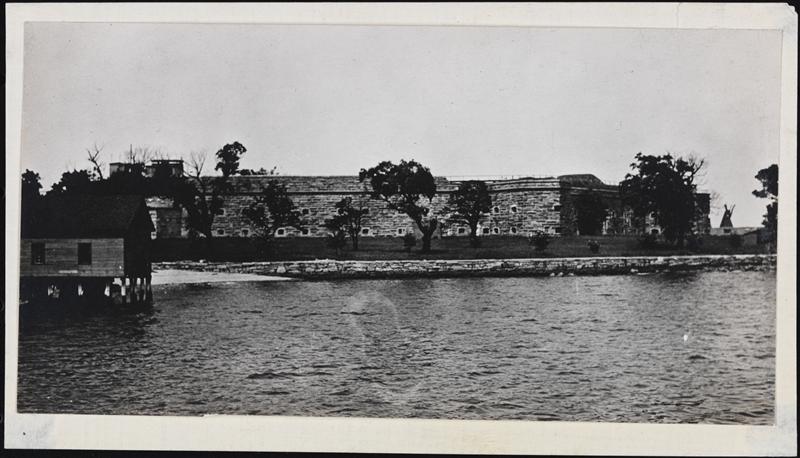
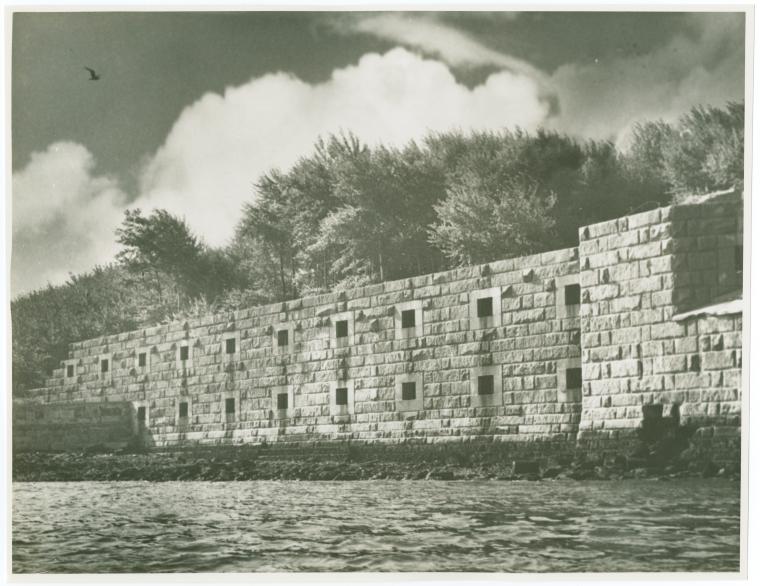
Today’s existing forts — and those that remain in part or in ruin — make for a stark architectural contrast to the modern city. Their walls of stone and brick may conjure up a history far older than New York’s or images of a made-up fantasy world. You could pretend, for a few moments, to be a character on Game of Thrones while exploring places like Fort Wadsworth or Castle Williams on Governors Island

Here’s a list of some of the best known forts in the New York City area. Most are still around in some form. Some exist only in commemorative markers.  Others are completely gone but they leave their names as a reminder of their existence.  How many of these have you seen in person?

1 Fort Wadsworth
Location: Staten Island
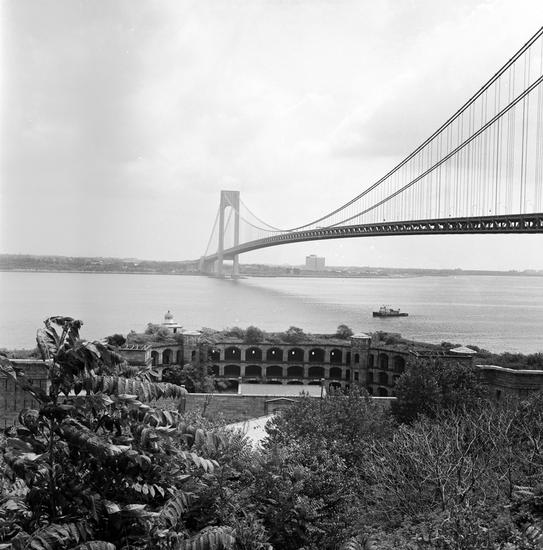
Placed at a strategic site on the Narrows, Wadsworth and its associated defense buildings are perhaps the most dramatic military remains in New York City. It traces to an old Revolutionary War-era fort called Flagstaff Fort.  While it serves minor military functions to this day, Wadsworth has become a popular Staten Island attraction.

1979, photographed by Edmund V. Gillon, Museum of the City of New York


2 Fort Jay (formerly Fort Columbus) 
Location: Governor Island
A star fort constructed from an original 1776 earthen defense. In 1806 its name was changed to Fort Columbus and changed back in the 20th century.

1


3 Castle Williams
Location: Governors Island
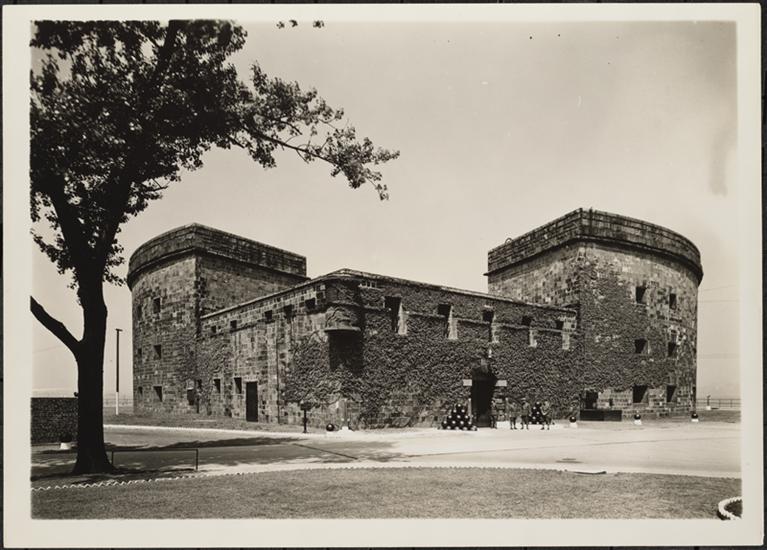
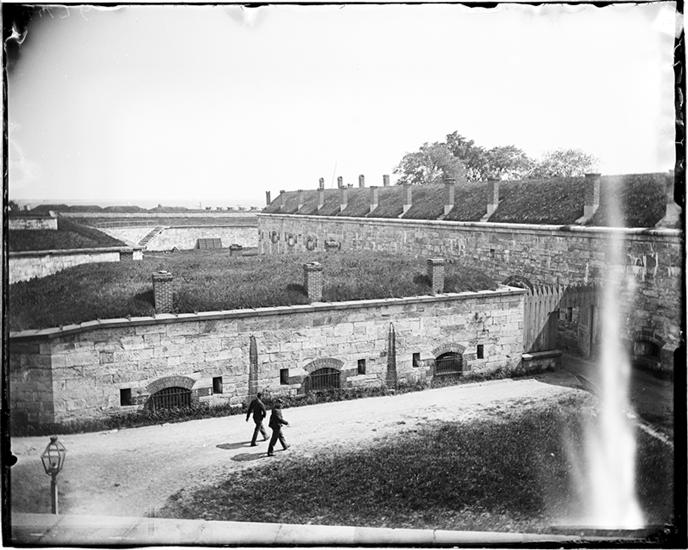
Specifically designed in 1807-1811 to defend the harbor from probable British invasion. While the British did invade America during the battles of the War of 1812, New York was spared. Today, its maintained by the National Park Service, as is Fort Jay.

1936, by Samuel Gottscho, courtesy Museum of the City of New York


4 Fort Gibson (or Crown Fort)
Location: Ellis Island
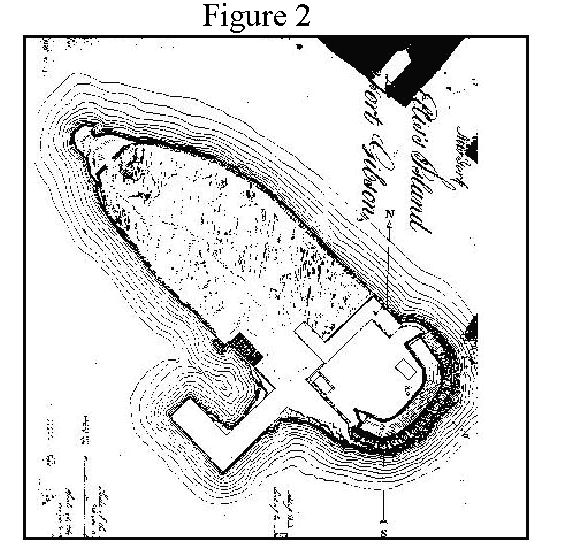
Built by the Army in 1795 and greatly upgraded in 1809 as part of the beefing up of harbor defenses. It was dismantled by the 1860s although the island was used to hold naval munitions for decades before its transformation into Ellis Island Immigration Station.  Today you can find exposed ruins outside the main building.

Courtesy NPS
Courtesy NPS

5 Fort Wood
Location: Liberty Island
This too was completed during the 1810s and was later named for Eleazer Derby Wood, an officer killed at a battle at the Battle of Lake Erie in 1814. Today the Statue of Liberty and her pedestal are affixed atop of the old fort. You can see a trace of the original brickwork on an exposed wall near the exit.

New York Public Library


6 Castle Clinton
Location: Manhattan (Battery Park)
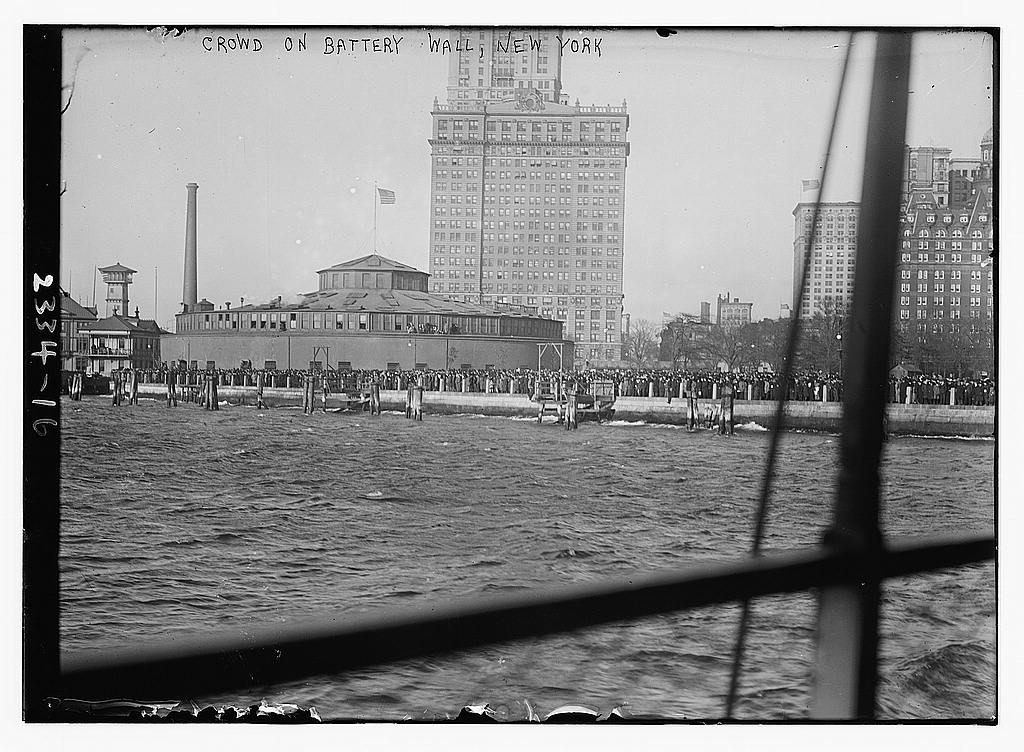
Lower Manhattan was formerly guarded by Fort Amsterdam/Fort George, but that had been dismantled in 1790. (It stood where the Alexander Hamilton U.S. Custom House is today.) Castle Clinton — named for Governor DeWitt Clinton — was built in 1808-1811 to protect lower Manhattan.  It was originally set into the water and connected with a footbridge.  After stints as the performance hall Castle Garden, New York’s pre-Ellis Island immigration station and New  York Aquarium, it sits today as a national monument in its own right.

Library of Congress
Library of Congress


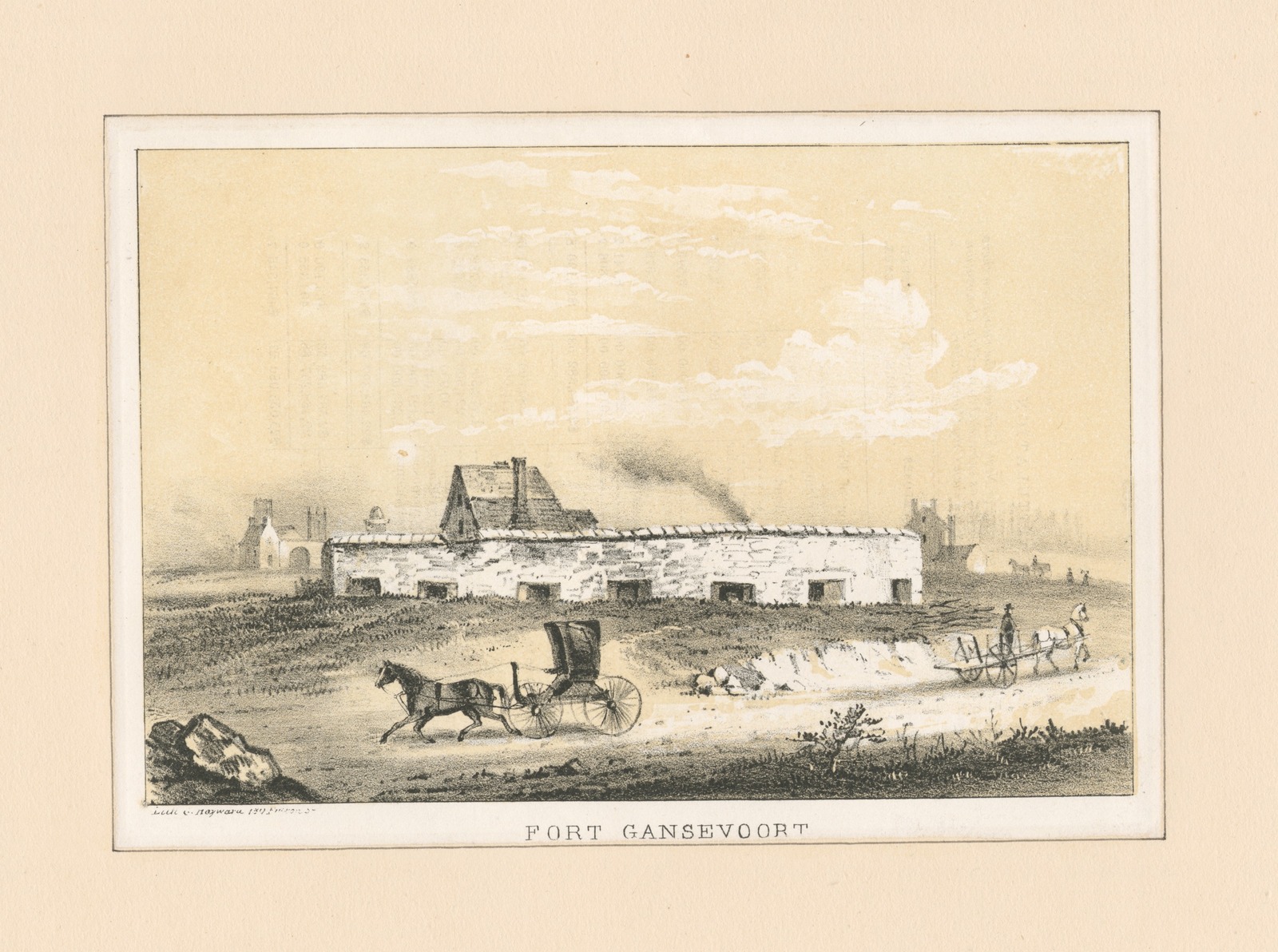
7 Fort Gansevoort
Location: Manhattan (Meat-Packing District)
Also called the White Fort, this forgotten redoubt once flanked the western waterfront, built at the same time as the harbor forts. It was named for General Peter Gansevoort (the grandfather of Herman Melville) and stood here until the 1850s. Nothing remains of this fort today but its name, found on the street which cuts through that area — Gansevoort Street.

New York Public Library


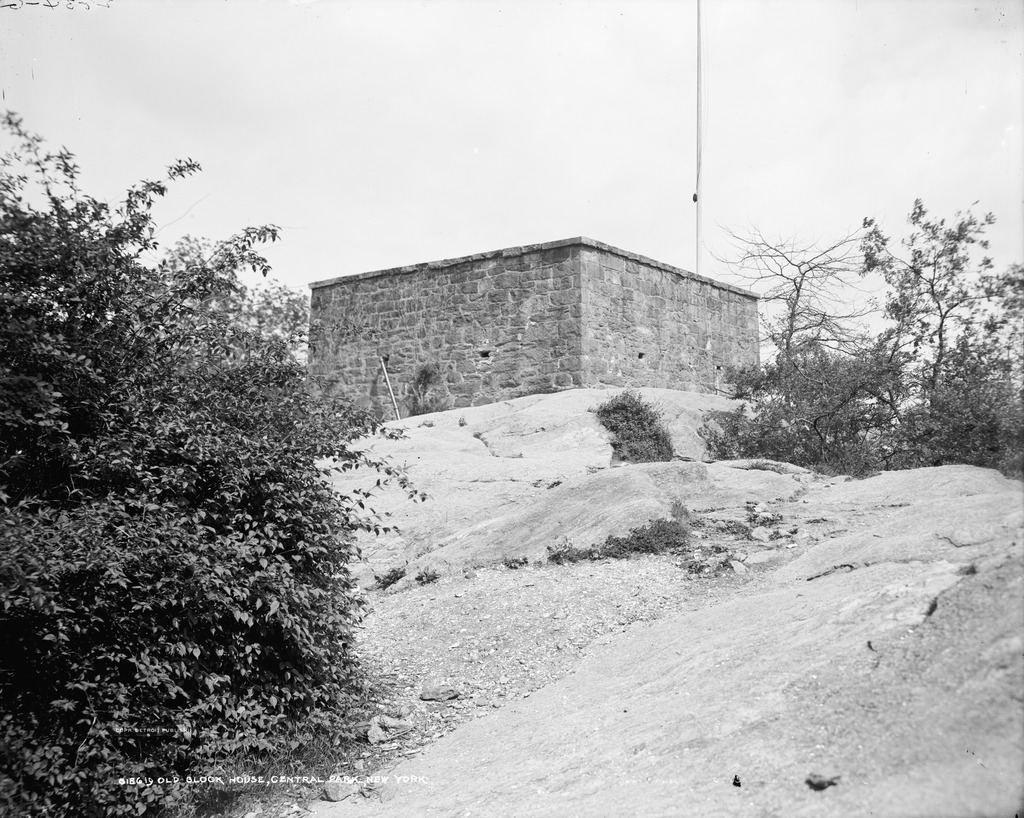
8 Blockhouse No. 1
Location: Manhattan (Central Park)
This curious little structure stands on the northern end of Central Park, a fortification almost two hundred years old.  Its the oldest structure contained within Central Park (although obviously Cleopatra’s Needle, which was moved here, is much, much older.)

Library of Congress
Library of Congress

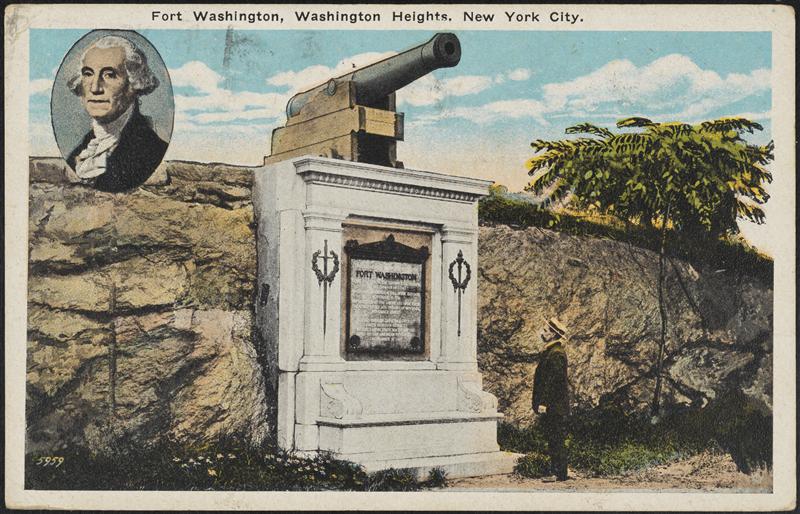
9 Fort Washington
Location: Manhattan (Washington Heights)
This fort predates most of the rest, built as a companion for Fort Lee on the New Jersey side. It was here that the Battle of Washington Heights was fought on November 16, 1776, and the fort was captured by the British. While this particular fort is no longer there, some stone walls and a plaque mark its former location. Fort Washington Avenue also pays tribute.

7

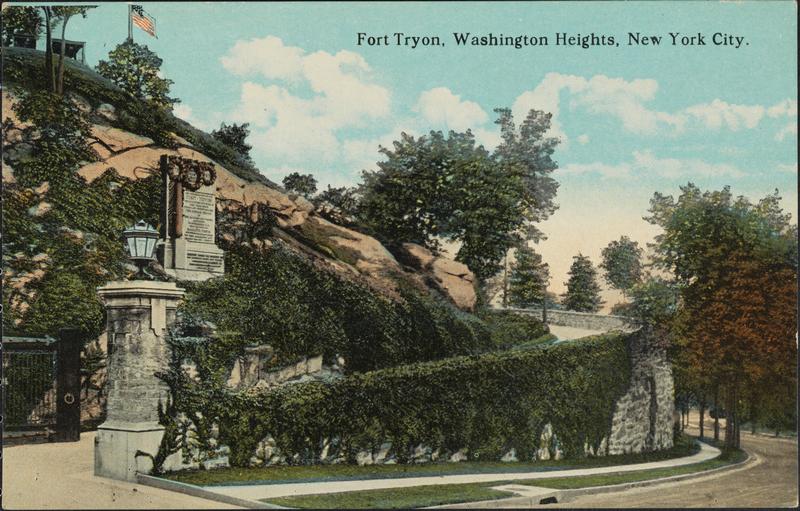
10 Fort Tryon
Location: Washington Heights
This was actually a northern redoubt that was an extension of Fort Washington. When the British took it over, they renamed it for William Tryon, New York’s last British governor. For some reason, the name just stuck! Its location in preserved in the breathtaking Fort Tryon Park, completed in 1935 and designed by the son of Frederick Law Olmsted.

1


11 Fort Sterling
Location: Brooklyn (Brooklyn Heights)
This fort, tracing to the Revolutionary Era, is unique it that it was almost immediately dismantled once the British left.  There was another fort nearby called Fort Brooklyn that lasted a bit longer,demolished by the 1820s to allow for the growth of Brooklyn’s first wealthy neighborhood. Today, near the Brooklyn Heights Promenade, stands small Fort Sterling Park, with a plaque and a flagpole commemorating the location of this critical defense.

12 Cobble Hill Fort
Location: Brooklyn (Cobble Hill neighborhood)
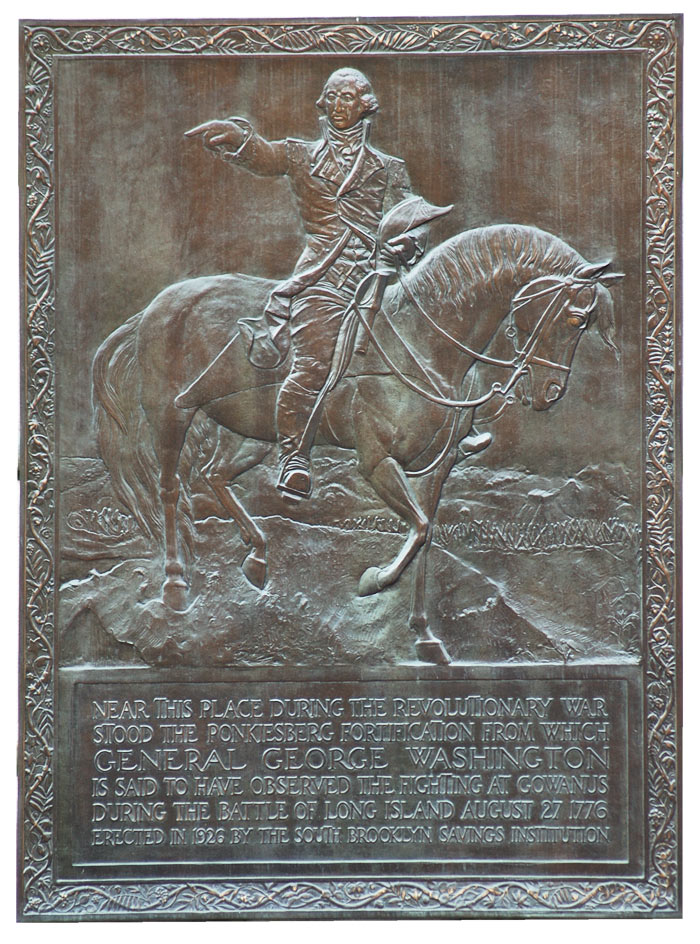
This unusual corkscrew shaped fort — which we talked about in one of our previous ghost story podcasts — is notable for receiving George Washington as he observed his troops during the Battle of Long Island in 1776.  A handsome plaque on the old bank-turned-Trader-Joe’s at Atlantic Avenue and Court Street marks the location of this forgotten fortification.

Courtesy the blog South Brooklyn

13 Fort Greene
Location: Brooklyn (Fort Greene neighborhood)
There really was a fort here in the area of Fort Greene Park today, on the highest point of the hill, a traditional five-point fortification similar to that on Governors Island. In the 1840s it was torn down to construct one of Brooklyn’s oldest parks — called Washington Park. Oddly enough, the original fort here was called Fort Putnam. There was a Fort Greene (named for Nathaniel Greene) but it was in another area of Brooklyn, closer to today’s area of Boerum Hill.

Museum of the City of New York

14 Fort Hamilton
Location: Brooklyn (Bay Ridge)
This is the last active military headquarters in the New York City area. Built in the late 1820s-30s, it was named for Alexander Hamilton who was an officer in the Revolutionary War. Although an active site, you can visit the Harbor Defense Museum which is housed here.

Robert Bracklow, Museum of the City of New York


15 Fort Lafayette

Location: Off the coast of Brooklyn (Bay Ridge)
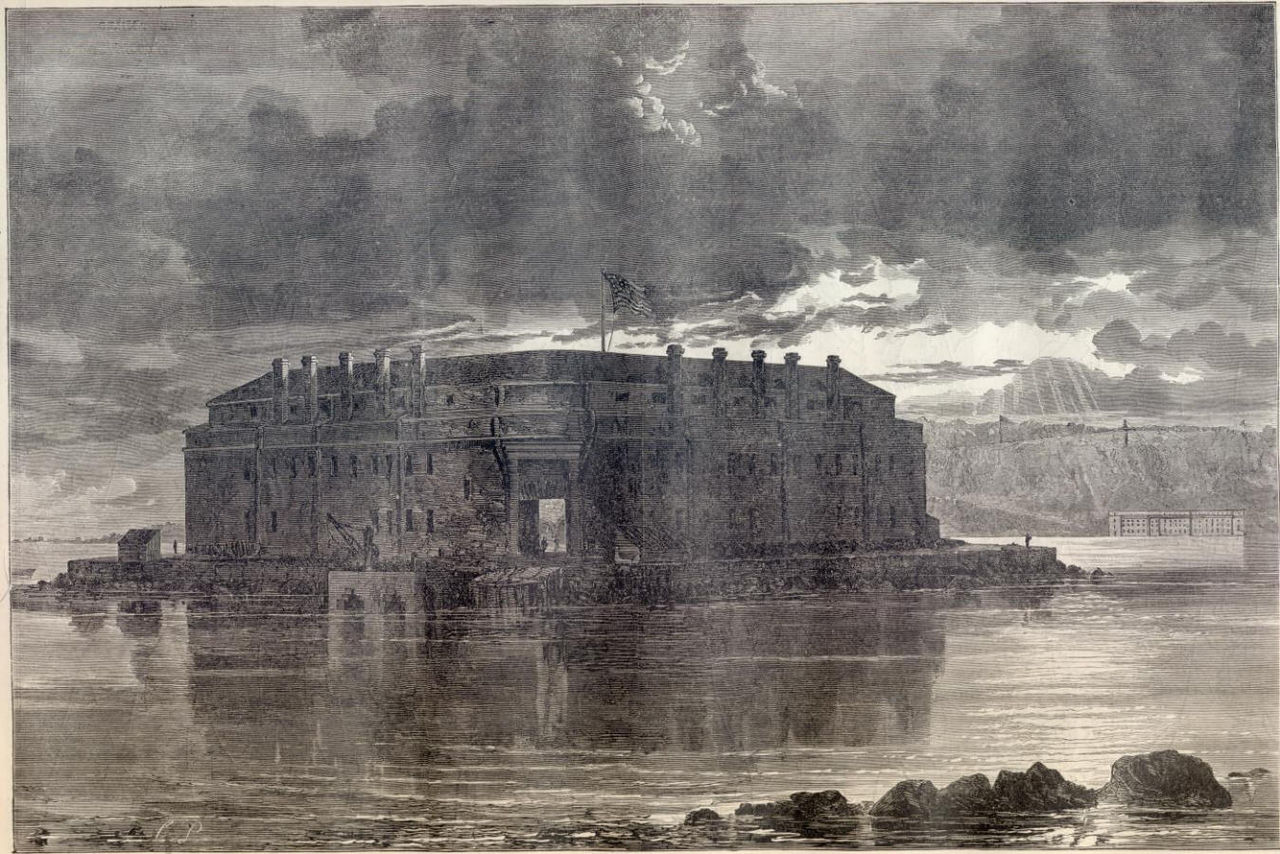
This imposing island fort was built in the 1810s and named for the Marquis De Lafayette. Like many of New York’s forts, it held Confederate and enemy prisoners during the Civil War. The fort was later dismantled for the construction of the Verrazano-Narrows Bridge. You can see where it would have stood as the bridge’s Brooklyn-side tower stands on the location today.

Fort-layafette


16 Fort Tilden
Location: Brooklyn (Rockaway Beach)
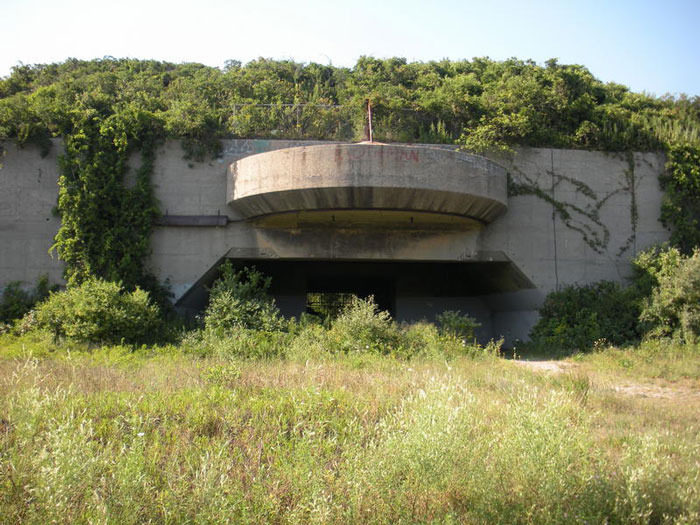
While defenses of various kinds have sat out on Rockaway Beach since the early 19th century, Fort Tilden was fully built up during World War I, named for Samuel J. Tilden. Today its ruins peering through overgrowth can be found near the beach as part of the Gateway National Recreation Area.

tilden


17 Fort Schuyler

Location: Bronx
Completed in the 1850s, this unique fortification protected New York for any possible attack from enemies approaching along the Long Island Sound. Abandoned for strictly military use in the 1920s, today it houses the State University of New York Maritime College and a maritime museum.

Museum of the City of New York


18 Fort Totten

Location: Queens
This fortification traces to worries relating to the Civil War. It was constructed in 1862 to protect the East River with its companion across the water Fort Schuyler.  You can still visit Fort Totten today as the area has been opened up as a public park with regular tours of the old buildings.

New York Public Library


At top: Fort Lafayette in a painting by Thomas Hicks (1861)

Categories
Brooklyn History On The Waterfront Podcasts

Red Hook, Brooklyn: A rich seafaring history, organized crime and the isolation of a beleaguered neighborhood

PODCAST Red Hook, Brooklyn, the neighborhood called by the Dutch ‘Roode Hoek’ for its red soil, became a key port during the 19th century, a stopping point for vessels carry a vast array of raw goods from the interior of the United States along the Erie Canal.

In particular, two manmade harbors were among the greatest developments in Brooklyn history, stepping in when Manhattan’s own decaying wharves became too overcrowded.

With these basins came a mix of ethnicities to Brooklyn, and along with new styles of row houses came the usual assortment of vices — saloons and brothels along Hamilton Avenue. This fostered the development of crime along the docks, and Red Hook soon witnessed firsthand the opening salvos of 20th Century organized crime.

How did the history-rich, nautical neighborhood go from a booming center of employment to one of the worst neighborhoods in the United States by the 1990s? And can some surprising twists of fate from the last twenty years help Red Hook return to its glory days?

Featuring: Revolutionary War forts, shantytowns, Vaseline factories, famous gangsters, the gateway to Hell, and cheap Swedish furniture!

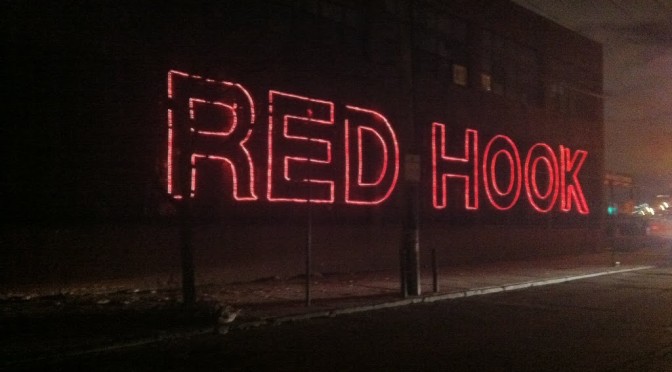
Photo above: Taken on Van Brunt street, 1/11/2012

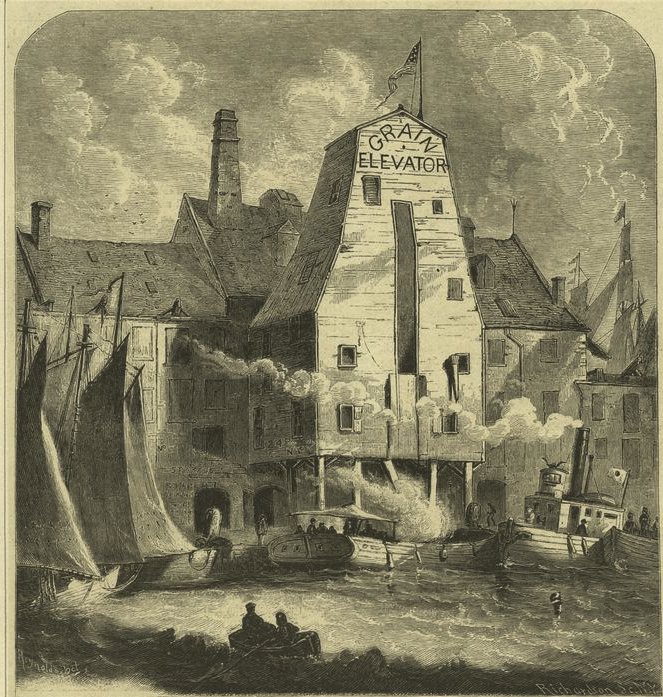
The Atlantic Docks, illustration taken from Booth’s History of New York. (care of NYPL)

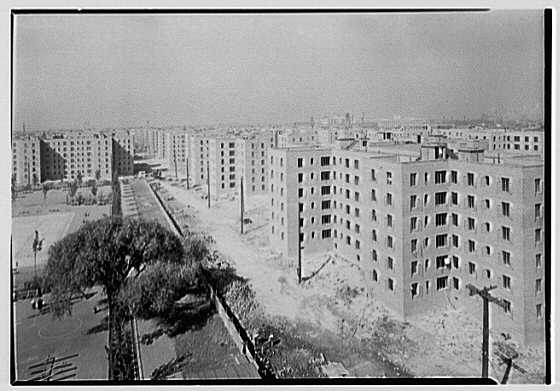
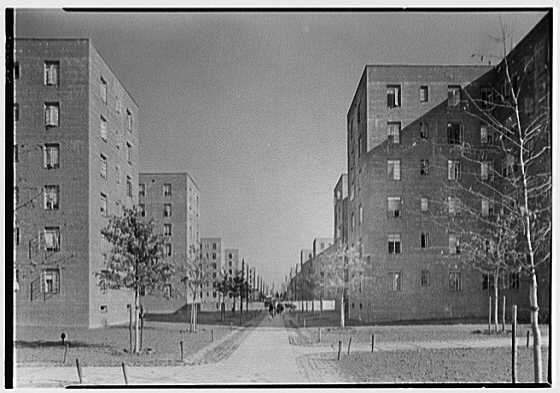
Modern living, circa 1939. The Red Hook Houses at their debut. Although the housing development cleared away a great many dilapidated homes — following a common model of urban redevelopment — the uninspired uniformity would put a dent in the neighborhood’s original character. (Courtesy LOC)

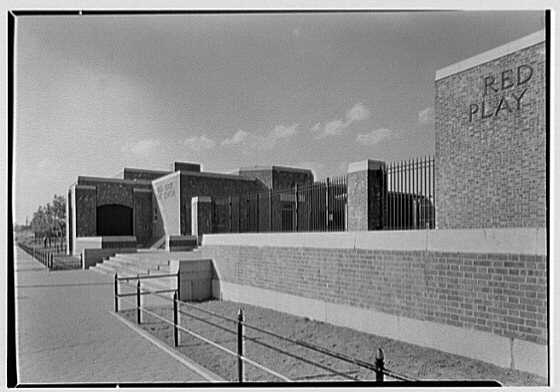
The Red Hook Play Center opened in 1936, the final of 11 swimming pools Robert Moses built during his early years as parks commissioner. Its Art Moderne style made it a beautiful if curious addition to the neighborhood.

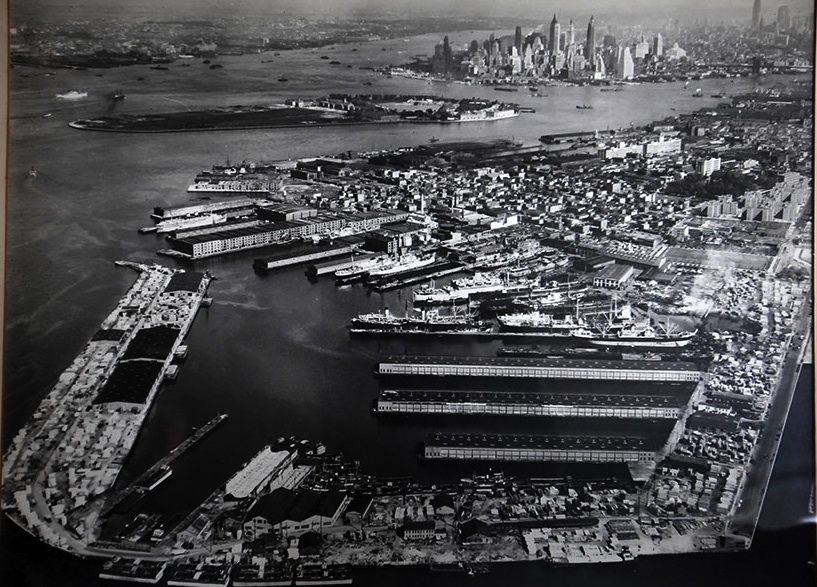
The Erie Basin, a clutter of vessels and piers, is strangely beautiful from overhead in relation to the Manhattan skyline. (Pic courtesy Wired NY)

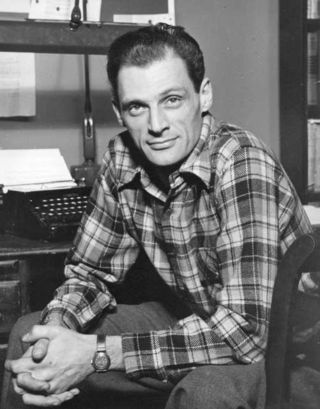
The crisis of organized crime and corruption within the longshoreman’s union along the Brooklyn waterfront was an inspiration for many writers, including Arthur Miller (below) in his unproduced screenplay ‘The Hook‘ — referring both to the neighborhood and the longshoreman’s “ever-present baling hook“. Later, Elia Kazan and screenwriter Budd Schulberg found similar inspiration for the Oscar winning film ‘On The Waterfront’, loosely basing events on situations that took place along the entire New York and Brooklyn waterfront. (The film was made in Hoboken, but there are of course famous shots of the Manhattan skyline.)

Categories
Sports

The New York Giants, before they were giants


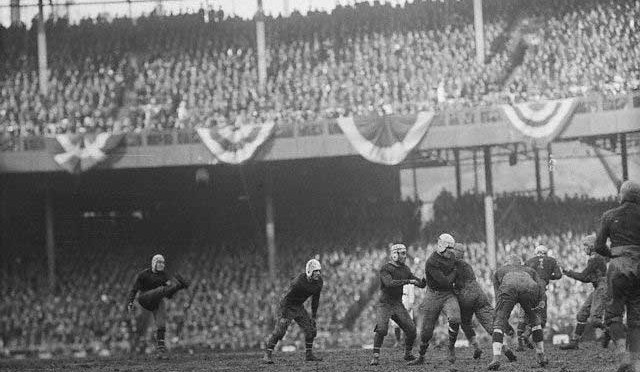
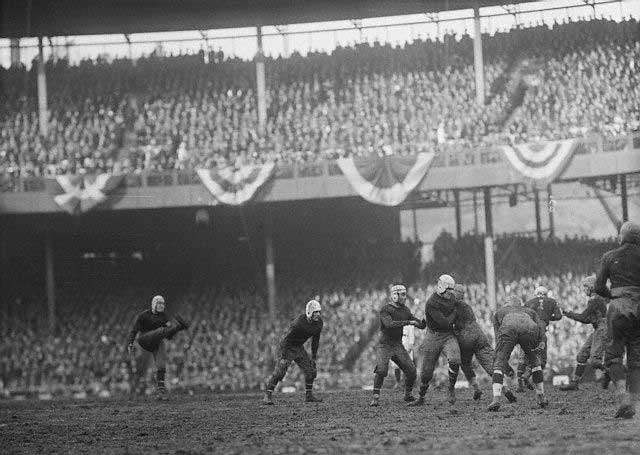
At the legendary Polo Grounds 1925, where the Giants football team (after a couple false starts) finally make their mark on the sport.


The New York Giants, currently in the playoffs and on their way to tackle the formidable Green Bay Packers this Sunday, are football’s oldest existing NFL team, and among its greatest — with seven total championship victories since their debut in 1925.  But that original team, dazzling with such stars as Jim Thorpe at their original home at the Polo Grounds, was not New York’s first professional football team. It wasn’t even New York’s first football team called the Giants!

The first try at a New York Giants football club came in 1919. They were a spin-off of the New York Giants baseball team*, a club considered the best of its day, dominating the sport from the late 19th century and into the 1910s.  Like the baseball franchise, the young Giants football team was to have played at the Polo Grounds as well, the location for many college football contests of the day. But those college games were played on Saturday, and on the month of October 1919, all Saturdays were fully booked.

So the Giants were scheduled to debut on a Sunday, against an Ohio team called the Massillon Tigers. This seemed possible, as team organizers understood that New York’s blue law, prohibiting Sunday play, had been removed from the books. But the city quickly clarified: the law had made way for Sunday baseball, not Sunday football.

Since football was more popularly considered a college pastime — many still questioned the validity of so-called ‘professional’ teams — nobody budged for the football Giants. And thus, the game was cancelled, and the team disbanded before they even hit the field.

The team’s coach, Harvard football star Charles Brickley, tried again two years later, managing to cobble together twenty-four players, a squad that is sometimes referred to as ‘Brickley’s Giants’ to distinguish them from the 1925 team. And people often choose to distinguish them, because Brickley’s Giants were a utter disaster. As one of 21 teams with the American Professional Football Association during its second season, Brickley’s team lost both its regular-season games. The Buffalo team actually destroyed them, 55-0.

During a bout with Jim Thorpe‘s Cleveland team, The New York Times noted, “The game was lopsided and had little to excite even the most rabid of rooters….[L]ittle can be said for the brand of football displayed.”

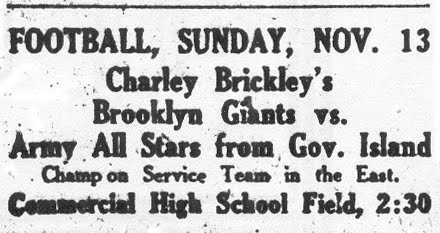
They were more successful at some exhibition games, such as the one advertised below in the Brooklyn Daily Eagle, Brickley’s ‘Brooklyn Giants’ (as they played at Ebbets Field by this time) against the Governors Island ‘Army All Stars’, whom they defeated. (Thanks to Paul Luchter for this image.) 

The following year, the American Professional Football Association changed its name to the National Football League, but Brickley’s team never made it that far, dropping out for good before the new season. They did continue to play exhibition games, but eventually disbanded by 1923. After these two disastrous attempts, nobody would attempt another Giants franchise for another couple years, when former newsie-turned-bookmaker Tim Mara joined the ascendant NFL with a third go at a New York team. And you know what they say about the third time.

By the way, the Maras have kept the Giants in the family since its 1925 debut. Tim’s grandson John Mara is an owner along Steve Tisch (whose last name should be familiar to any students at NYU’s Tisch School of the Arts).

*The original Giants baseball team now haunts and torments New York sports fans today in the form of the San Francisco Giants. The franchise moved to the West Coast in 1958.

Who won the Great Gimbels Air Race of 1911?

The place to be one hundred years ago today was Greeley Square, that bustling public space just south of 34th Street from Herald Square. Thousands of people crowded the sidewalks outside the department stores that afternoon, and many hundreds more shoved themselves into the elevated subway station.

These crowds were centered around Gimbels department store at 33rd and Broadway, but nobody was there to look for bargains. No, they were simply looking up.

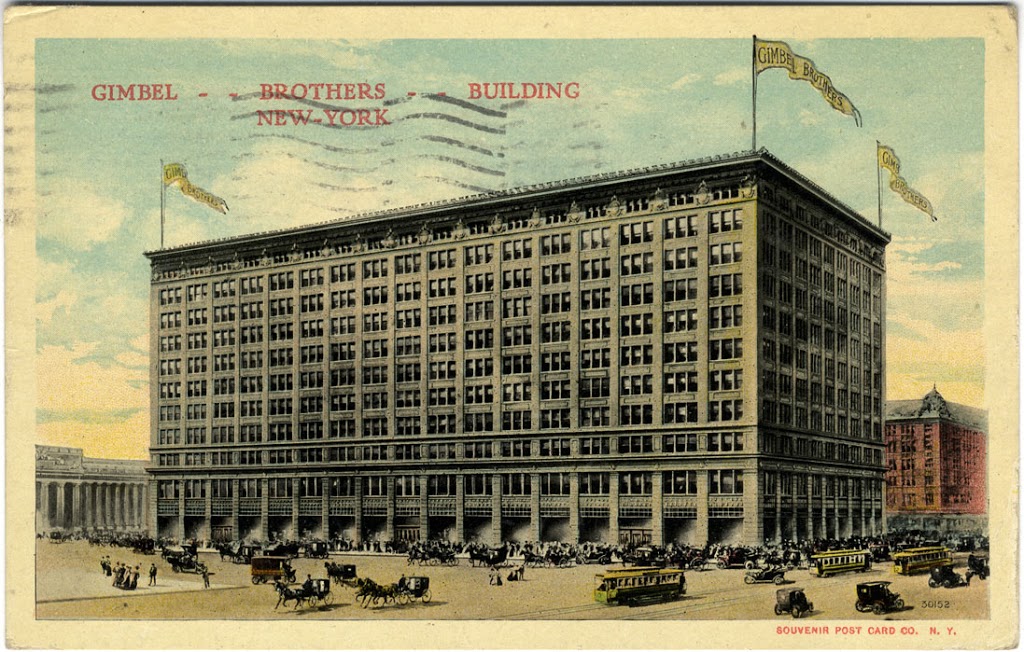
Below: Gimbels store on 33rd Street. Today the building houses the Manhattan Mall, but you can still see vestiges of the old store in its copper green traverse. Courtesy the CUNY archive.

Imagine a century ago when air flight was so novel that just the sight of a plane zipping through the heavens could elicit shock and amazement. Now imagine three aeroplanes racing across the sky, right over your head. Most buildings in midtown Manhattan were no more than a few stories tall in 1911, allowing crowds an unencumbered view of something historic.

In the early days of flight, pilots were often driven by cash rewards. The Gimbels Brothers, the chief rival of Macy’s department store across the street, had opened their new emporium here at 33rd Street just the year before. As a publicity stunt, they offered $5,000 to the pilot who could fly between their New York store and their Philadelphia location the fastest.

Three airmen took up the offer: Hugh Robinson, a young engineer working for early aviation pioneer Glenn Curtiss; Lincoln Beachey, a stunt flyer known for his dapper fashion sense, and another pilot, Charles Hamilton. On the morning of August 4th, 1911, the three pilots headed to the busiest air field in New York — Governor’s Island — to prep their new flying machines.

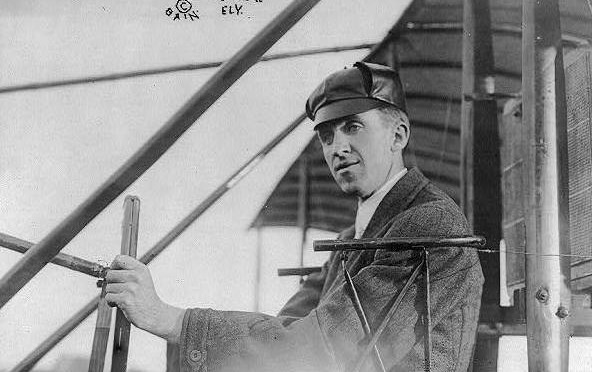
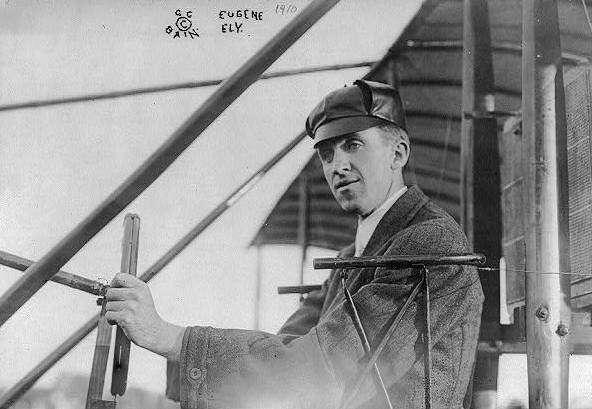
The Gimbels were not the only ones benefiting from publicity that day. All three men would be flying crafts made by Curtiss, who never missed a chance to grab headlines from his bitter rivals, the Wright Brothers. But as flight time approached, the skies above New York appeared overcast, and Hamilton — fearful of flying a new craft in windy conditions — dropped out. No matter! On hand to replace him was faithful Curtiss flyer Eugene Ely. (He’s the one pictured at top, pictured in 1911, photo courtesy LOC.)

At 2:30 that afternoon, the three planes lifted off from Governor’s Island and headed over Manhattan. All over the city, New Yorkers craned their necks to stare at the three specks streaking over the sky. According to the Evening World, “Every window of every hotel and office building which opened towards the route of the flyers were full of faces.” The best seats in the city were atop the Gimbels building itself, where VIPs sipped liquid refreshment and fanned themselves as studious members from the Aero Club of America timed the competitors.

The three planes flew over Manhattan then circled the Gimbels store, to the delight of the crowds, before heading off over the Hudson River and into New Jersey.

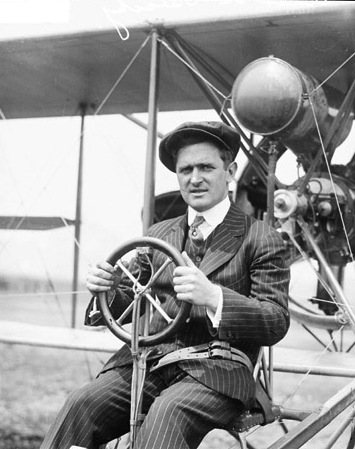
Only two planes made it to Philadelphia that day. At one point, Beachey (pictured at right, impeccably dressed) landed his craft in Trenton, becoming momentarily disoriented. He quickly made it back up in the air. Robinson ran out of gas around Princeton Junction; luckily for him, some cheerful motorists sped into town and retrieved additional fuel for the pilot. Robinson was back up in the air in less than 20 minutes.

Eugene Ely, the replacement derring-do, wasn’t as lucky. Having flown dangerously within feet of Beachey, Ely’s fuel tank began to leak, and he was forced out of the sky. 

The remaining two air crafts arrived in Philly a little over two hours after leaving Governor’s Island. It was raining, but the enthusiastic crowds still filled the streets. Lincoln Beachey got there first, encircling Philadelphia City Hall and the statue of William Penn before flying past the Gimbels store and landing in Fairmount Park. Robinson was close behind and both pilots “were drenched to the skin, having passed through thundershowers between Trenton, NJ, and Philadelphia.” [source]

‘Fringe’ benefits light up a forgotten New York fort

I’m an unabashed junkie of the sci-fi TV series ‘Fringe’, and the writers (or at one of them) seems to be a fan of New York history.

One of the conceits of the series involves an alternate universe with things are just slightly different from ours. Most notably, the World Trade Center was never attacked. And there are other changes to the skyline, one of which I wrote about last year — the construction of Antonio Gaudi’s comically absurd skyscraper.

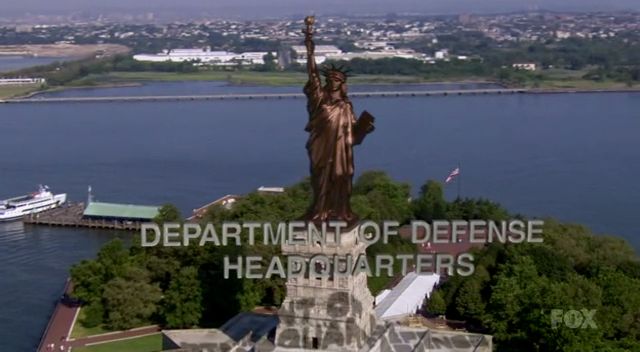
But in this bizarro world where Manhatan is spelled with a single ‘t’, a shining beacon still stands in New York harbor. The Statue of Liberty, ever in stark brown copper, stands in for the ominous “Department of Defense.” And considering that this world is constantly attacked by temporal warps — that’s why Madison Square Garden is encased in amber — this building has an elevated, even sinister purpose.

This correlation is a clever nod to the structure on which Lady Liberty currently stands, the star-shaped Fort Wood.

Many of the great forts that dot the New York harbor turn or will be turning 200 years old over the next year or so. Several fortifications, including Fort Wood, Castle Clinton and Castle Williams on Governor’s Island, were construction during the tense build-up of the War of 1812, anticipating that the city would need a tougher coastal defense. Older defenses, such as Staten Island’s Fort Wadsworth, were brought up to speed.

The fort on Bedloe’s Island, the original name of Liberty Island, was constructed like a starburst, a traditional 15th century European design and of the type one might build if your greatest enemy was a cannonball. This dynamic structure must have looked imposing sailing past, one of several a wary vessel would have see on its way into town.

Completed sometime in 1811, it was named after respected fort designer Colonel Eleazer Wood in 1814, the year he died in a battle against British forces near the Canadian Fort Erie.

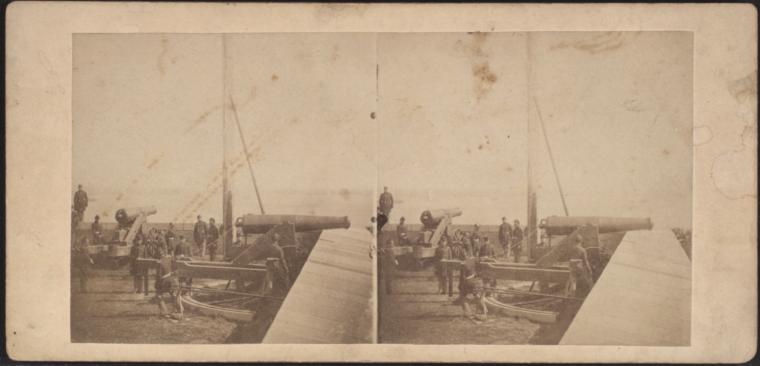
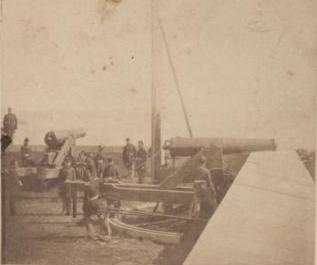
That intense conflict that re-matched the British with its young former colony never drifted into the harbor, and so the forts were thankfully never used. It and the forts on Governor’s Island prepared for battle again during the Civil War, holding ammunition and, on occasion, infirm Confederate prisoners. (At left, from a stereoscopic view of Fort Wood, equipt with manned cannons, most likely during the 1860s, pic courtesy NYPL)

With little need by the 1880s for so many fortifications, Bedloe’s Island prime location in the harbor made it an ideal home for Fredric Bertholdi’s elaborate piece of outdoor art, the Statue of Liberty. The fort was refitted for this new usage, and the statue of officially dedicated in 1886.

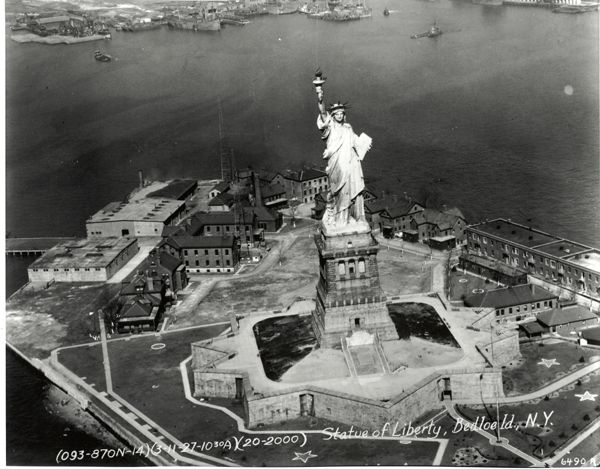
However, even after the statue arrived, the military remained on the island in new barracks, believe it or not, until 1937. (You can see them in the black and white photo above.) And in a sense, old Fort Wood has been besieged ever since, with millions of tourists, and has become central to an American icon, at least in our universe.

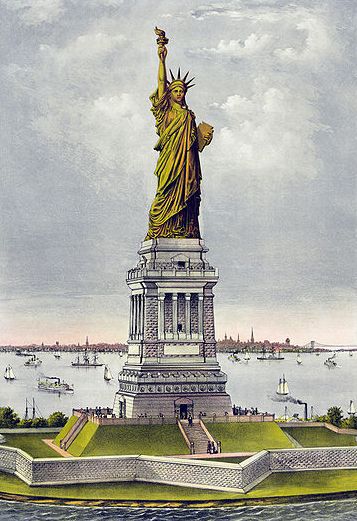
Below: Liberty as rendered by Currier & Ives, years before she went green

100 Years Ago: Curtiss and the first long-distance flight

Up In The Air: Glenn Curtiss and his Hudson Flyer
Picture courtesy glenncurtiss.com

In 2010, there will be well over 100 million passengers coming and going from the New York metropolitan area’s three principal international airports. In 1910, you could count the number of passengers on your hand. And the pilot and passenger of the very first long-distance flight to New York was professional aerial derring-do Glenn Curtiss.

There had not even been an airplane over New York skies until the previous year, when Wilbur Wright flew over the length of Manhattan in honor of the Hudson-Fulton Celebration. (Hear more about it in our LaGuardia Airport podcast.) Curtiss, who had proven himself earlier that year in the world’s first air meet in France. was also commissioned to fly alongside Wright in a separate plane from Governor’s Island that October 1909, but his craft barely made it off the ground. A crushing defeat, because he and the Wright Brothers were hardly friends.

In fact, the Wrights were suing Curtiss (and his collaborator, the phone man Alexander Graham Bell) for patent infringement in a New York court in 1910; his early flying machines were similar in design to the Wrights, they claimed. The nasty court proceedings would cost both parties thousands of dollars; Wilbur would even die in 1912 before the case resolved (eventually in the Wright’s favor).

Every flight Curtiss took cost him royalties to the Wrights. Luckily for the speedster, raising money wasn’t difficult for a young daredevil, as newspaper men of this time loved offering prize money for spectacular stunts. News moguls like Joseph Pulitzer and William Randolph Hearst just loved to pay people to create news.

In January, Curtiss would win a speed race in Los Angeles funded by railroad magnate Henry Huntington, who more than made up his $50,000 prize offering when 20,000 spectators took his train to the event. Pulitzer’s New York World would provide a smaller prize ($10,000), but it would have been of great appeal to Curtiss: the cash went to the first person to fly from Albany to New York, about 150 miles, essentially the first long-distance flight between cities ever made. Still smarting from Wilbur’s 1909 Hudson-Fulton victory, Curtiss wanted to make his mark over New York City.

On the morning of May 29, 1910, Curtiss and his newly named Hudson Flier took off from Van Rensselaer Island, just next to Albany, and glided above the Hudson, as a trainload of New York Central passengers (including Curtiss’s wife) followed from below. Pilots would not yet have the fuel capacity to make one continual flight; it was enough I suppose just to make it from one destination to the other in the same plane, in one piece! Curtiss stopped once for a fuel break in Poughkeepsie; an hour later, winds off of Storm King Mountain almost ripped his plane asunder.

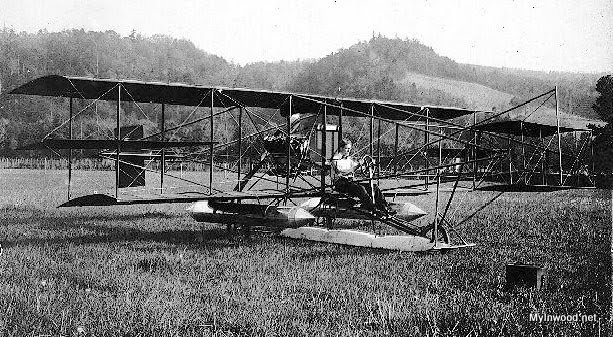
Right as Curtiss set his sights on the young Manhattan skyline, his plane began leaking oil and the pilot had to touch down again, unceremoniously landing in New York City — but in Inwood, not the finish line at Governor’s Island. He touched down unannounced on the estate of William B. Isham, where Isham’s daughter Flora and her husband Minturn Post Collins offered the pilot gasoline and oil.

By that time, a crowd of New Yorkers had descended onto the Isham estate to witness this incredible sight. Curtiss thanked Collins and his wife, rolled his plane off the estate and into the air. He coasted along Manhattan’s west side, over the harbor and around the Statue of Liberty, finally landing at Governor’s Island just in time for lunch.

Within the month, Curtiss’ amazing flight would be bested by his friend Charles Hamilton, flying round trip in June 1910 from New York to Philadelphia and also winning a $10,000 prize in the process.

You can read more about Curtiss’ time in Inwood at here.

Scary sculpture babies: JOIN US on Governors Island

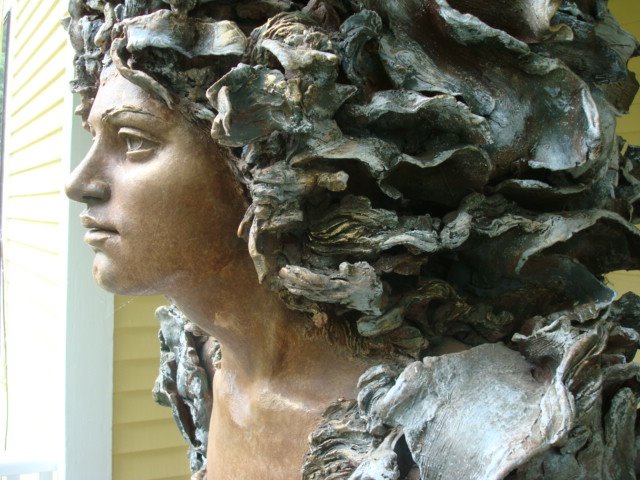
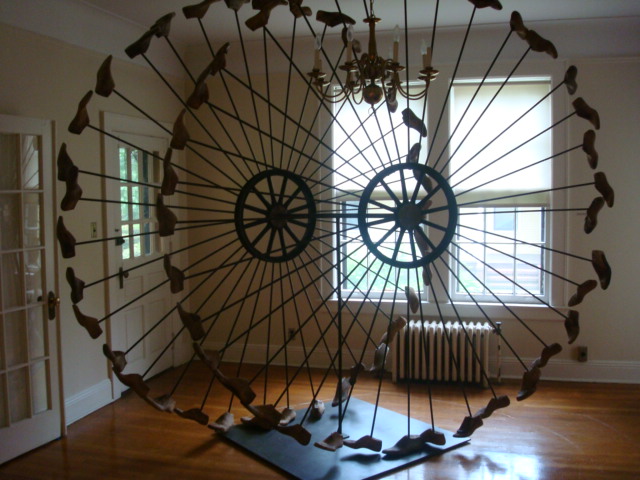
Governors Island has been open for a few weeks now and greeting people as they wander this historic military base are dozens of sculptures and installations, certainly the most comprehensive display of public art in the city outside a museum.

The Sculptors Guild takes to the grounds of Nolan Park on its 70th anniversary with a wide variety of unusual pieces. In ‘Building 408’, observe a group of artists as they make a collection of watercolors on site.

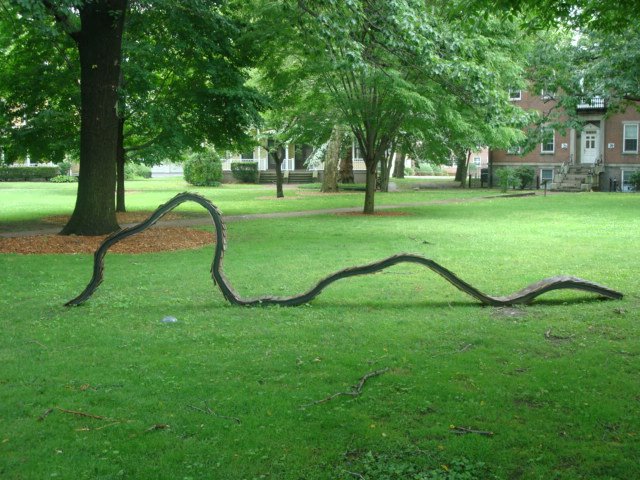
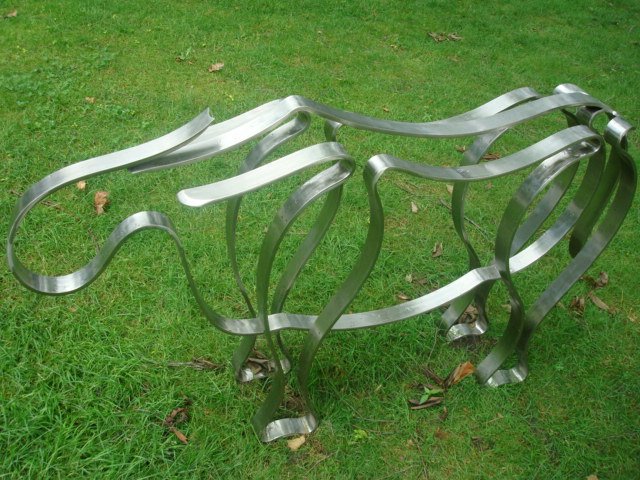
But the most spectacular concentration of artistic weirdness is in ‘Building 14’, where the Governors Island art collective Figment displays several installations alongside the building’s traditional room settings.

Nolan Park was for decades the quiet residence of military officers, living in rustic two-floor Victorian homes, a five minute ferry ride from downtown Manhattan. Nolan Park is already a rather surreal place to stroll around; you’re allowed to enter many of the empty homes and imagine who the people were who once lived here. Of course, the experience is intensified with the inclusion of modern art:

And of course, Governors Island joins the rest of the city next Friday as one of the four artificial waterfalls by Olafur Eliasson are finally switched on.

Governors Island: bits and pieces


Some tidbits we forgot to throw into our podcast on Governors Island….

Governors Island holds a special place in aviation history. When Wilbur Wright, he of the famous duo, lifted his small aircraft from the airfield at Governor’s Island to circle the Statue of Liberty and return, in Sept 1909 it was the first time a plane had flown over American waters.

Within a few years, a flying school was encamped on the island and was the busiest airfield in the US during the early days of aviation. You can find a memorial to this fantastic history in the form of a bronzed plane propeller, situated in the lawn of Liggett Hall, facing south.

Here’s a shot of Wilbur’s ride:

The Dutch, namely Wouter Van Twiller, purchased Governor’s Island in June 1637 from “the Native Americans of Manahatas for two ax heads, a string of beads, and a handful of nails.” New York State, namely governor George Pataki, symbolically purchased the island back from the US government in January 2003 for one dollar.

The Army built a railboard on the island, with the grand length of 1 3/4th milies of track, and was considered at the time to be ‘the world’s shortest railroad line’.

Fort Jay was named after John Jay, one of the authors of the Federalist and the first Chief Justice of the Supreme Court. However, do to a very unpopular treaty at the time that Jay had negotiated with the British — called the Jay Treaty — the name was changed to Fort Columbus, until it was changed back to Jay’s name in the 20th Century.

Technically, Governors Island belongs to no borough. Neither do Ellis Island, Riker’s Island, Randall’s Island, and Roosevelt Island. Although administration of the island’s business is naturally run through Manhattan. Its zip code, incidentally, is 10004, which it shares with other Battery Park business.

During the 1863 draft riot, Governors Island was actually stormed by rioters who wanted to get into the Army’s stockpile of weapons. They were held back by civilians on the island, because the Army soldiers were over guarding buildings in Manhattan!

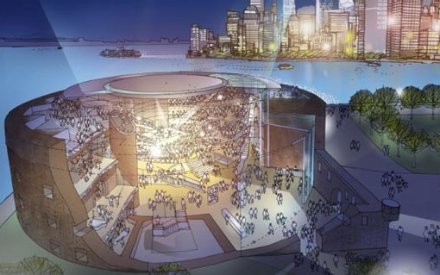
Some would like to see Castle William turned into the New Globe Theatre, a 21st Century homage to Shakepeare’s old stage. We see a structural resemblance, but frankly we’re not for this idea.

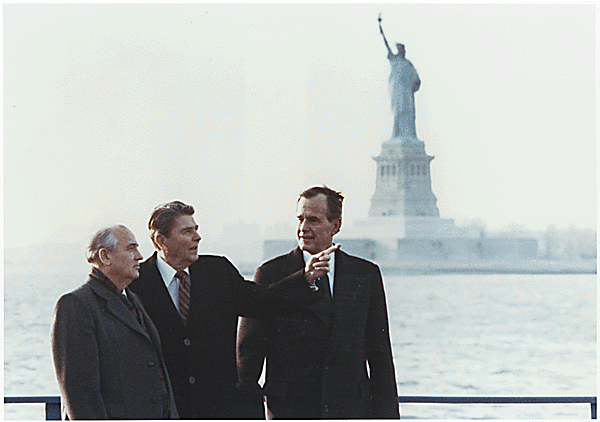
Reagan, Bush and Gorbechov came to the island in 1988 for a summit, a year before the fall of the Berlin Wall. Here’s the juicy details.

Categories
Podcasts

PODCAST: Governors Island

New York’s most underappreciated treasure gets the Bowery Boys treatment. Its Governors Island: a fort, a small town, a prison and a Burger King … all bought for one dollar.

Listen to it for free on iTunes or other podcasting services. Or you can download or listen to it HERE