Categories
Founded by NYC Podcasts The Immigrant Experience

Dominican New York: A History in the Heights

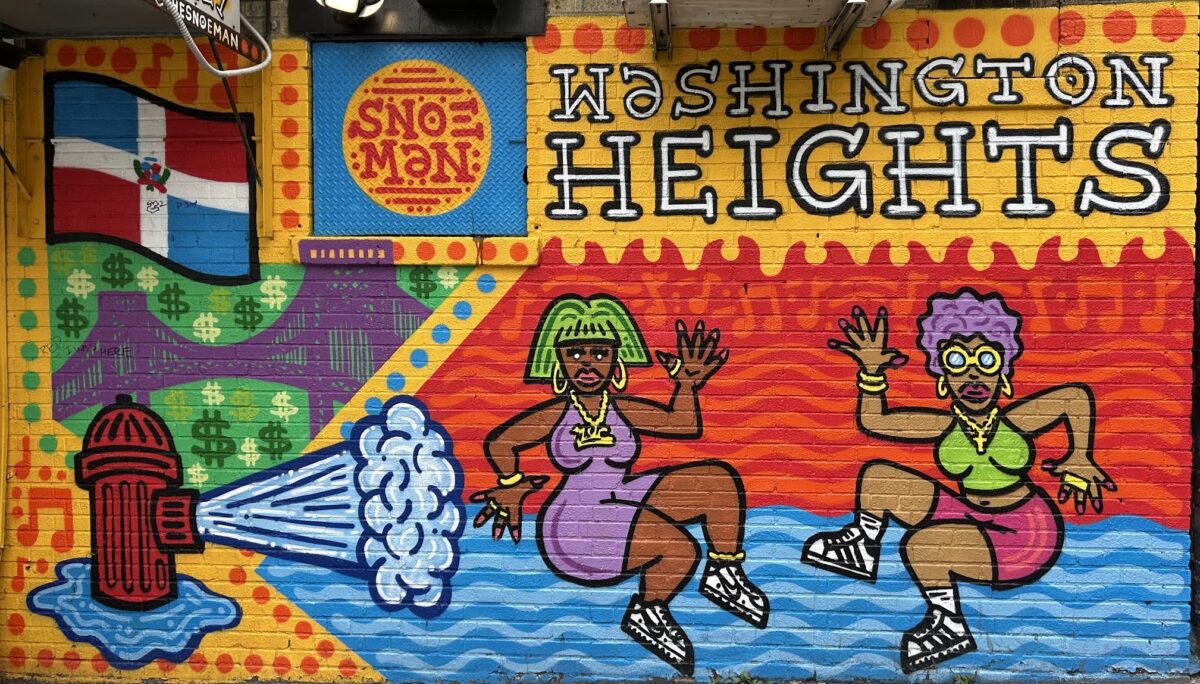
Dominicans comprise the largest immigration group in modern New York City, and Dominican culture has become embedded in the city’s rich fabric of immigrant history. And in one place in particular — Washington Heights.

This historic neighborhood of Upper Manhattan is named for George Washington, who led the Continental Army in an early, pivotal battle here during the Revolutionary War.

But this place is also named for its Heights, the highest elevation in Manhattan, which gives the modern neighborhood a unique feel, with rolling hills and avenues.
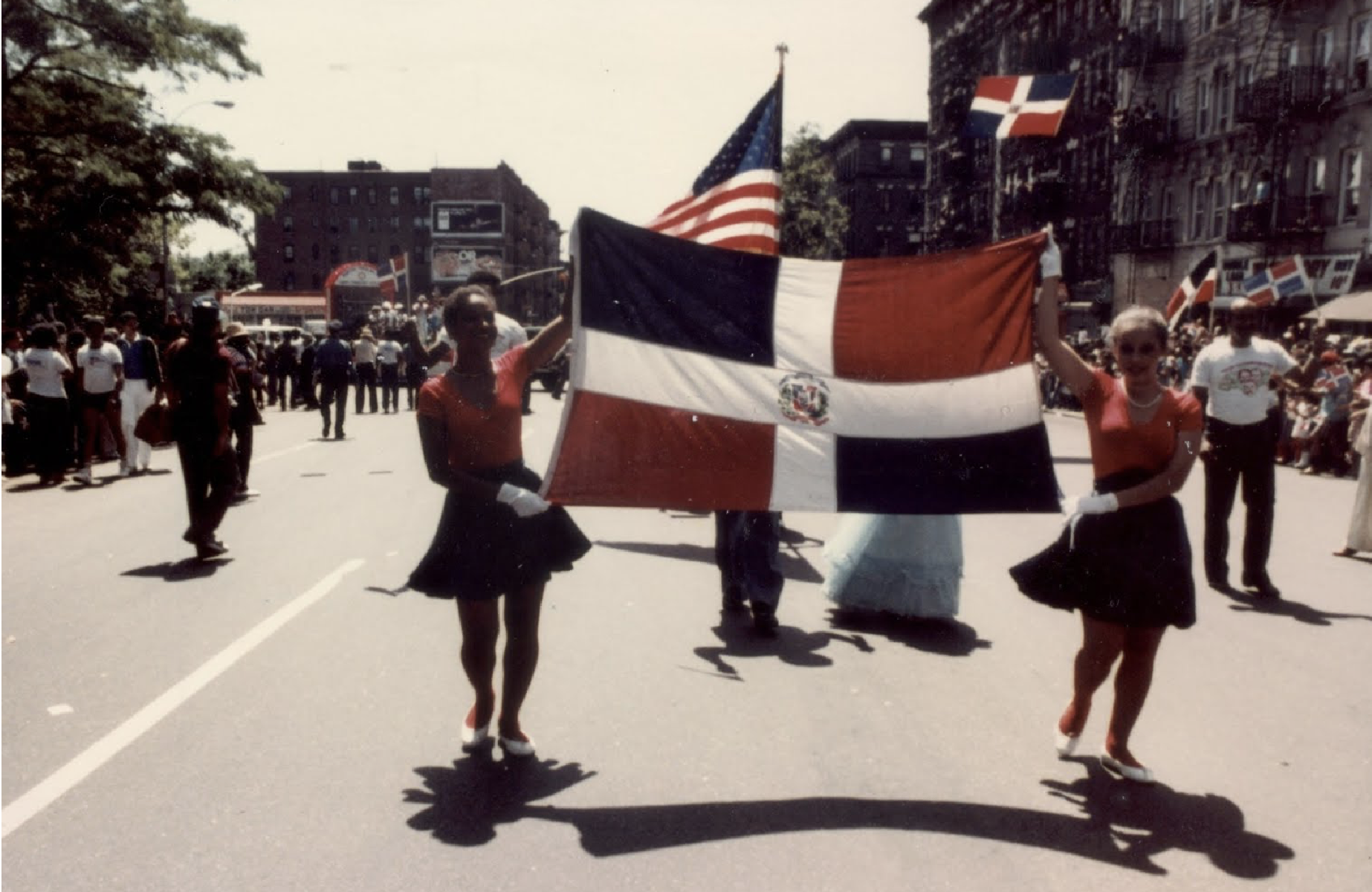
Image courtesy CUNY Dominican Studies Institute

Today, many call it “little Dominican Republic,” home to the largest Dominican neighborhood in the United States (although more Dominicans live in the Bronx overall).

It’s here that Dominican and Puerto Rican culture blend as well — from the shops and restaurants to the famous bodegas — alongside other Latin influences and the vestiges of groups who lived here before — Jewish, Irish, African-American.
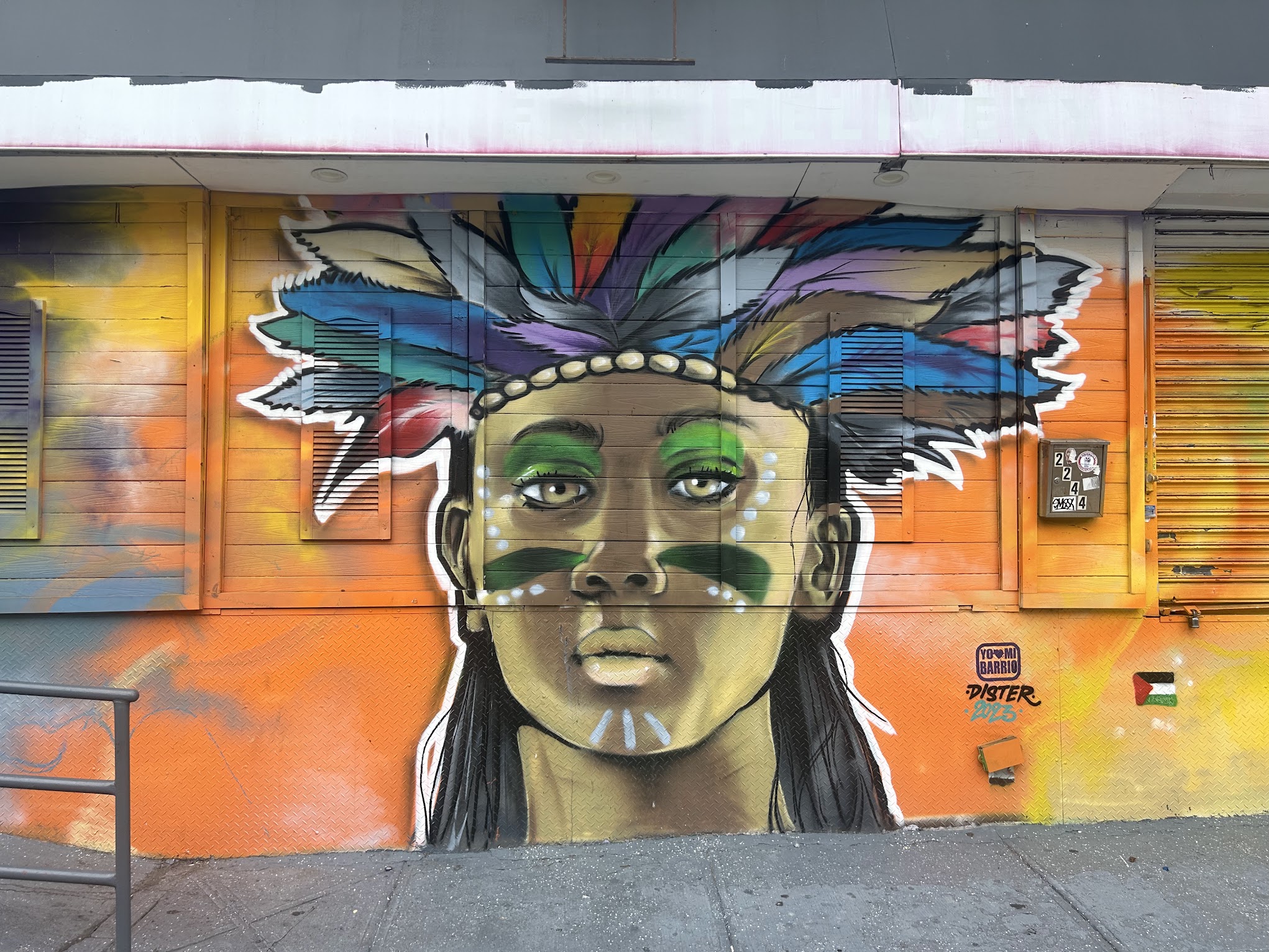
Taino mural by Dister Rondon

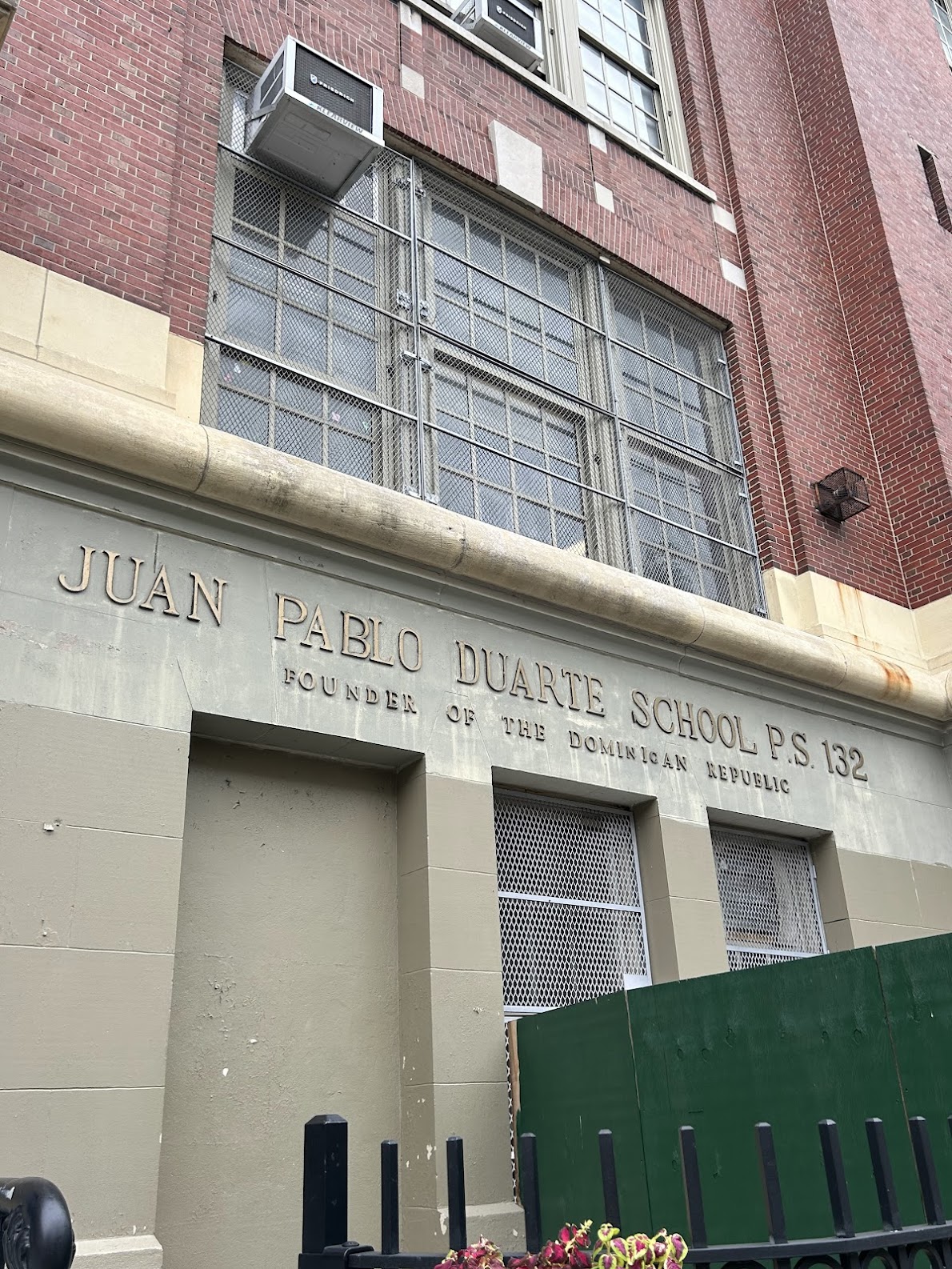
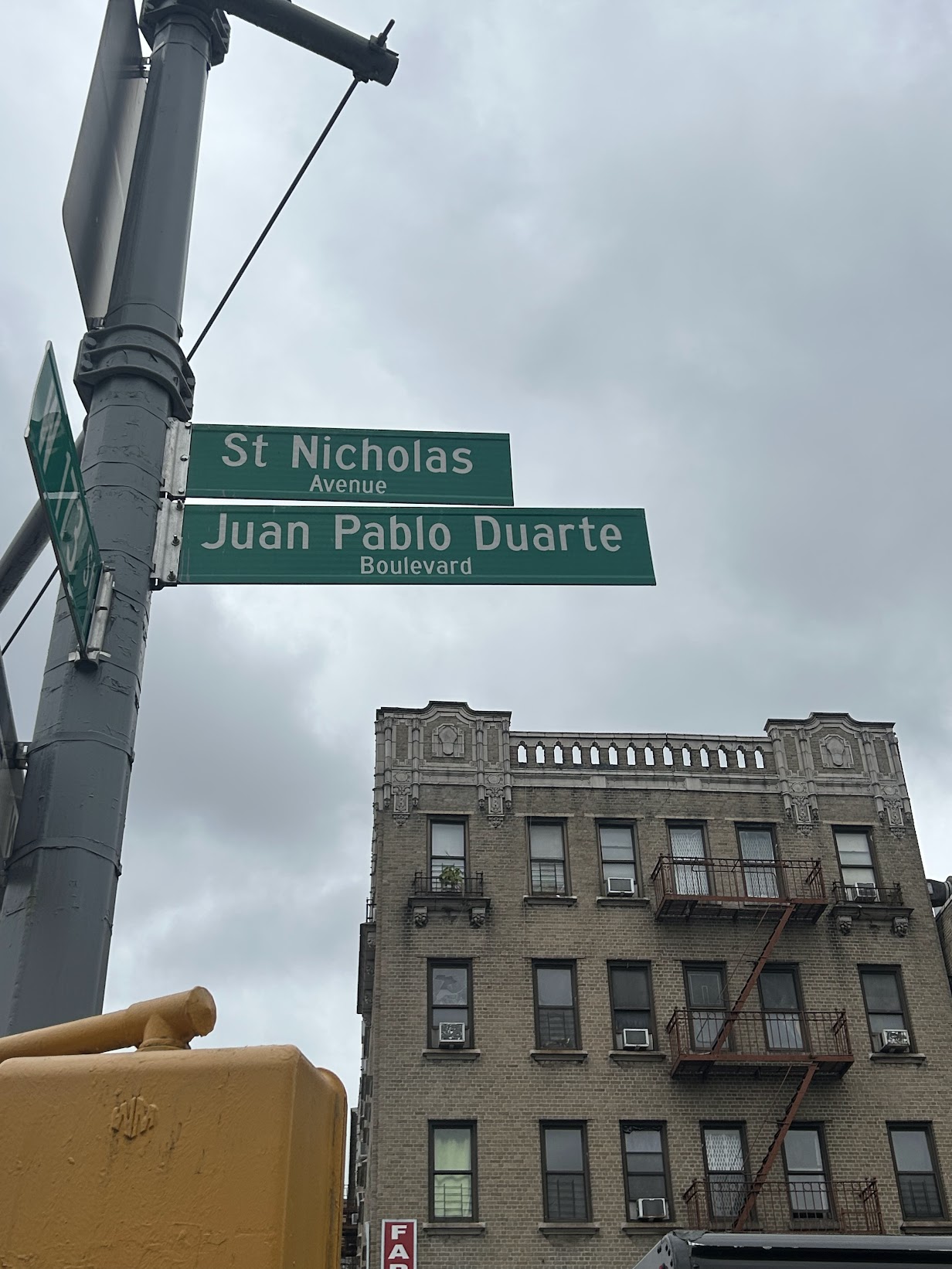
Greg and Tom explore the unique relationship between the Dominican Republic and New York City — and believe it or not, this story begins before the founding of New Amsterdam! It also includes the story of a particular plaza in lower Manhattan, dedicated to Juan Pablo Duarte, the ‘founding father of the Dominican Republic’.

Starting in the 1960s, thousands of Dominicans immigrated to the United States — and most to New York City. Special guest Dr. Ramona Hernández, the director of the CUNY Dominican Studies Institute, joins the Bowery Boys to discuss the extraordinary circumstances that led to this population influx and details the many reasons why Dominican culture still thrives in the Big Apple.

LISTEN NOW: DOMINICAN NEW YORK — HISTORY IN THE HEIGHTS
The Bowery Boys Podcast is proud to be sponsored by Founded By NYC, celebrating New York City’s 400th anniversary in 2025 and the 250th anniversary of the United States in 2026.

Discover the exciting events and world-class institutions that commemorate the five boroughs’ legacy of groundbreaking achievements, and find ways to celebrate the city that’s always making history at Founded by NYC.
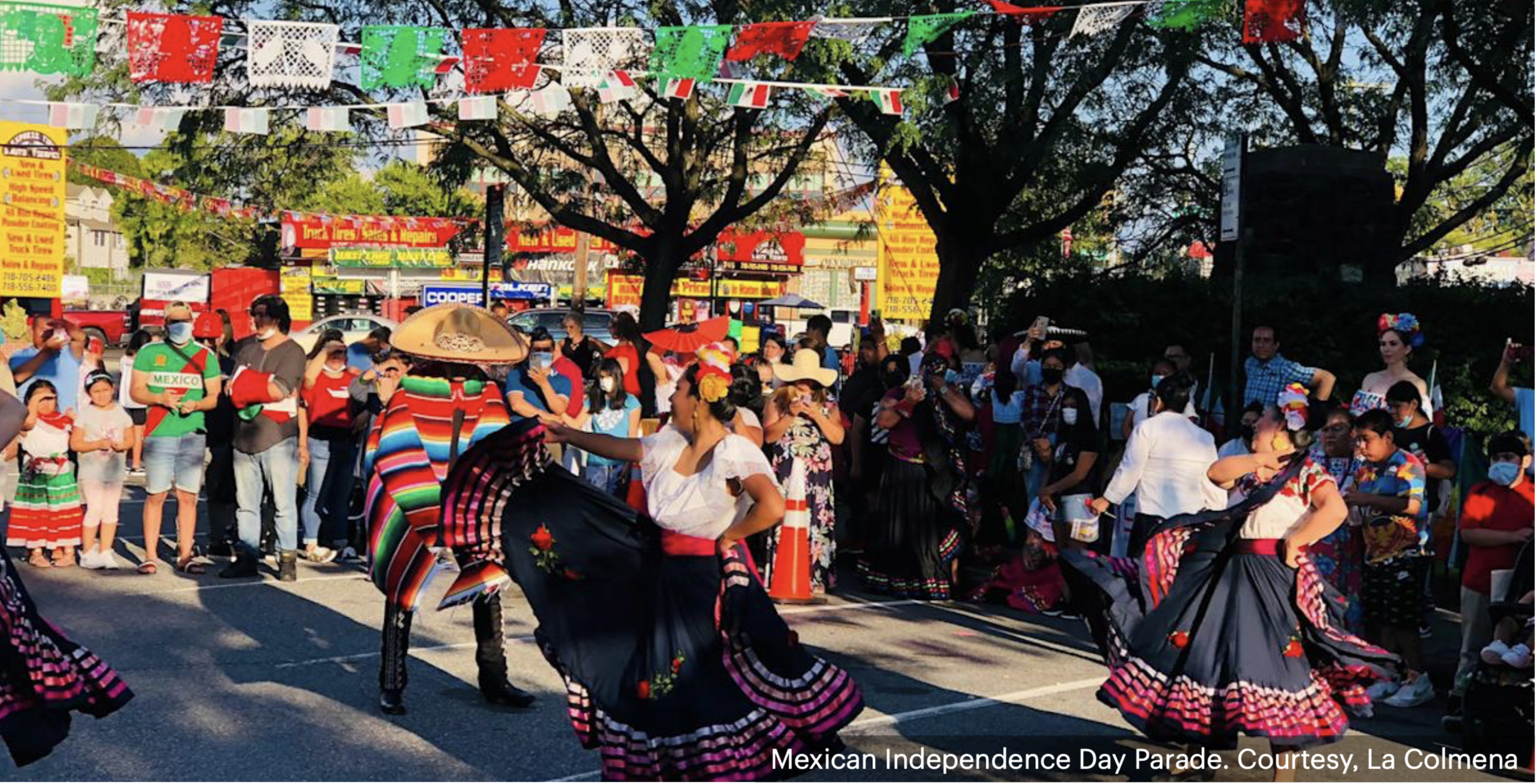

On behalf of Founded By NYC, we’d also like to invite you to celebrate Hispanic Heritage Month.

Through October 15th, cultural institutions and neighborhoods across the boroughs will be celebrating the contributions of Hispanic Americans and Latin American culture in New York City.

Check out the latest exhibitions at El Museo del Barrio, focusing on Cuban American and New York-born and based Coco Fusco, as well as new acquisitions for the permanent collection.

On September 21st, the Mexican Day Parade takes off down Madison Avenue toward Madison Square Park , while — the very same day! — The Hispanic Day parade proceeds through Jackson Heights, Queens, what a day.

The Center for Brooklyn History will host a two-day Afro-Latino film Festival on October 7th and 8th, focusing on Panama, highlighted by a documentary by musician Rubén Blades just a few days before the Panamanian Parade in Crown Heights.

And in late October, the Dominican Film Festival will be held at the United Palace and the Alianza Dominicana Cultural Center.

You can read about all of the other exciting events and world-class institutions that are commemorating the five boroughs’ legacy of groundbreaking achievements and find ways to celebrate the city that’s always making history at foundedbynyc.com.


Our thanks to Dr. Ramona Hernández for joining us on the Bowery Boys Podcast! Click here to see the interactive map showcasing the Geographic Boundaries of the Dominican Historic District 
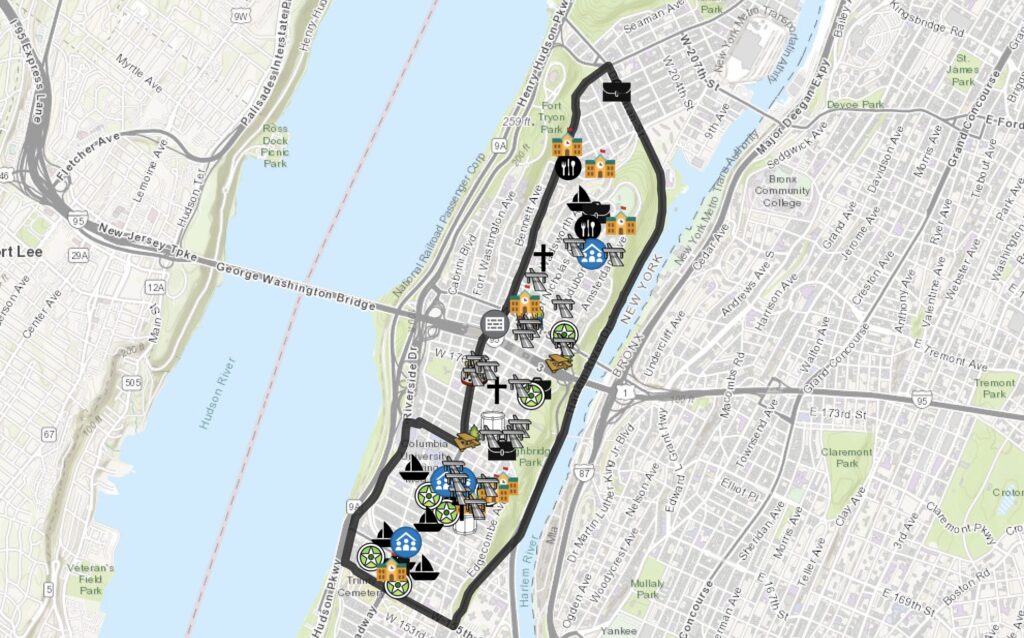
The Dominican Heritage District. Click this link to zoom in and read the listings.

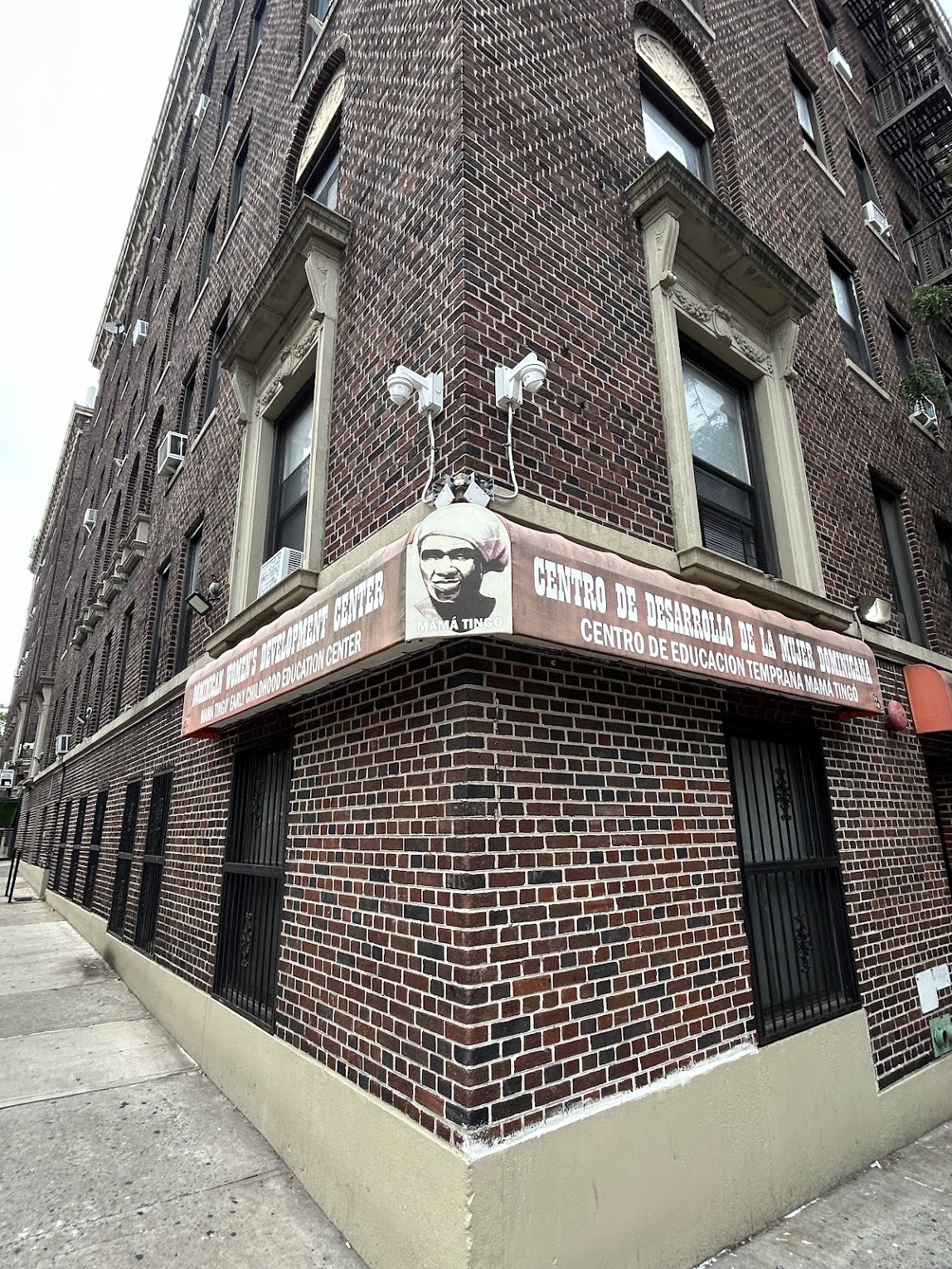
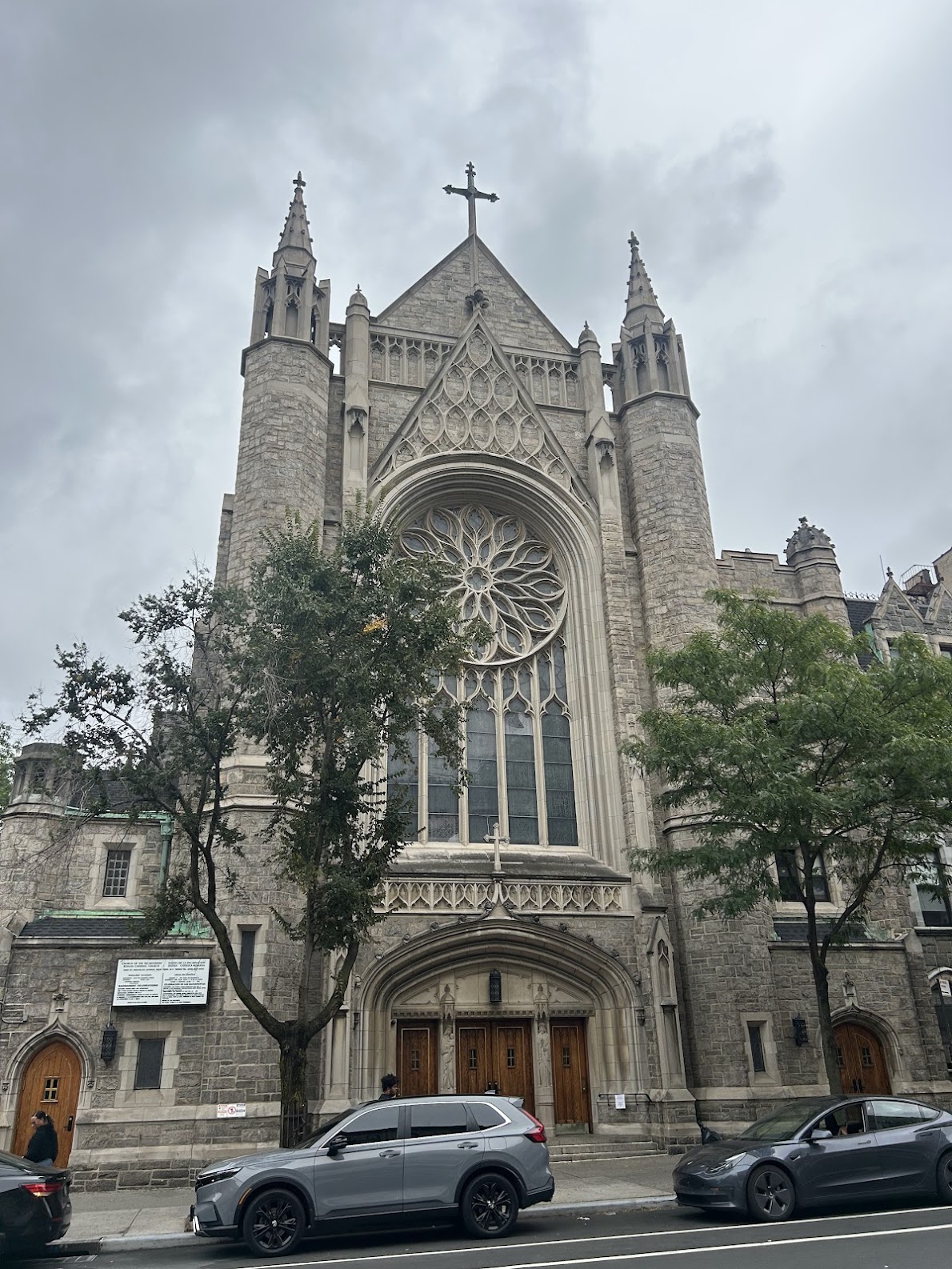
A few stops along the Dominican Heritage District:
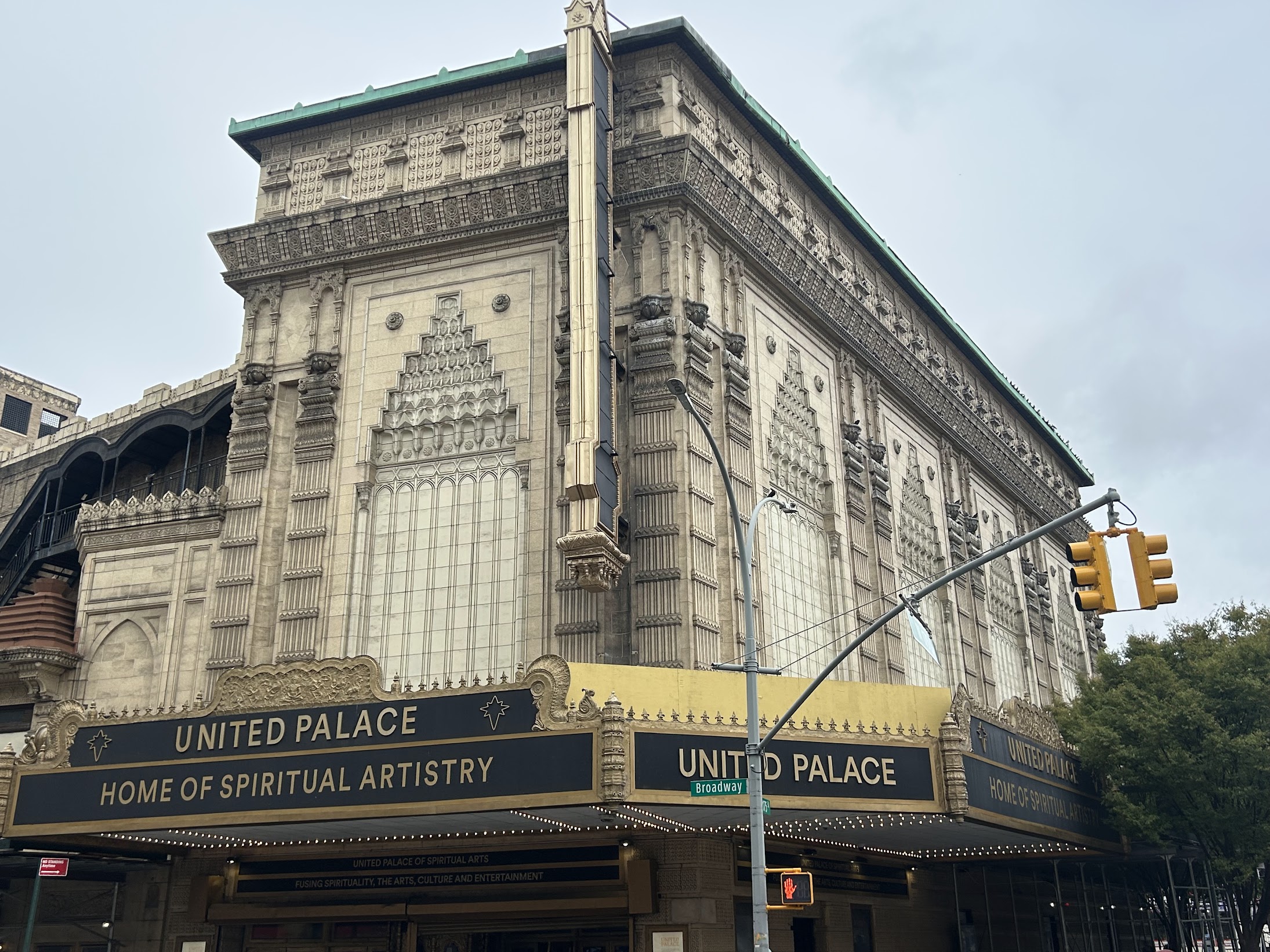
United Palace
Church of the Incarnation on St. Nicholas Avenue

Not on the map but a good place to stop while making your way through the neighborhood:
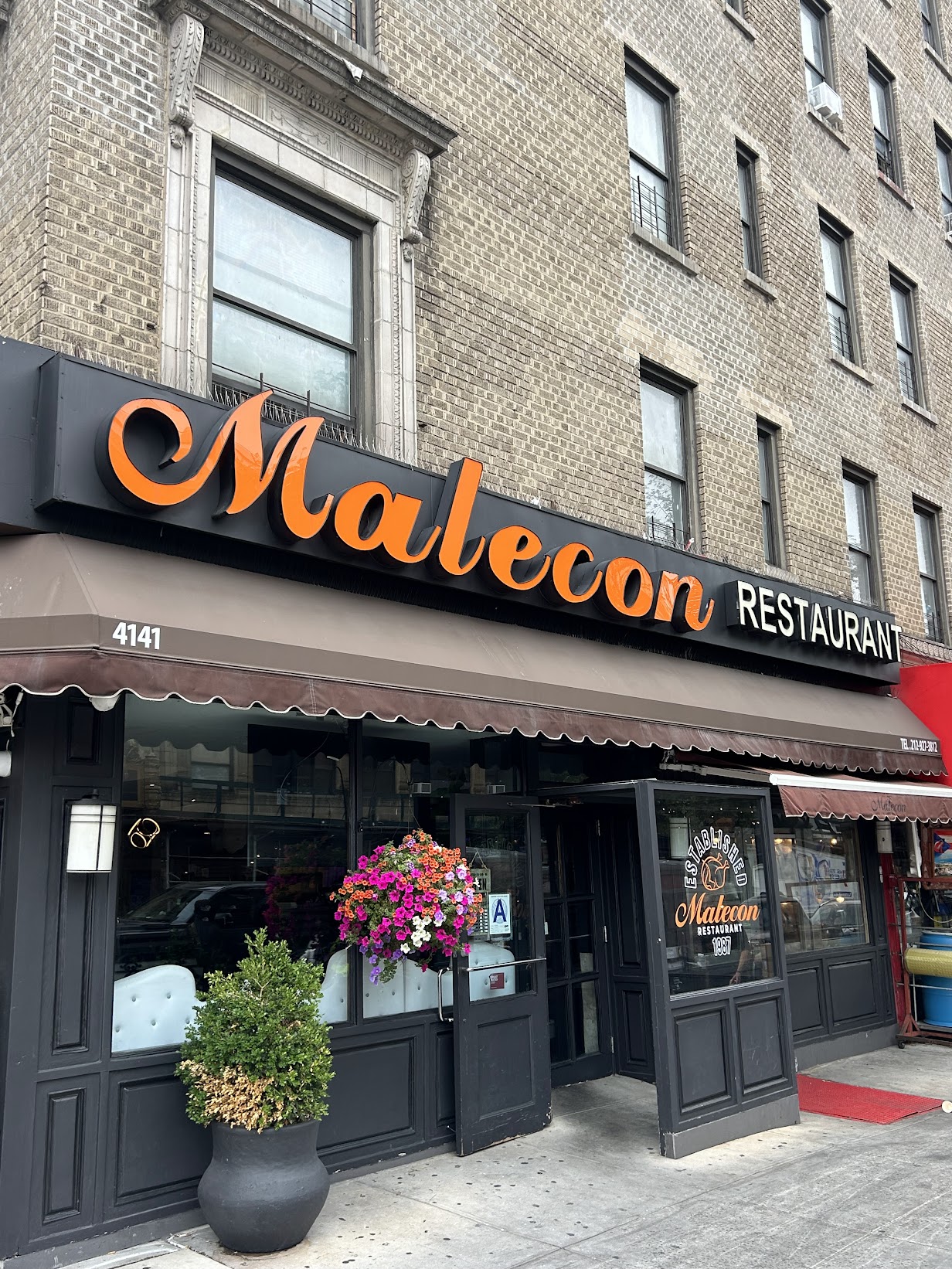
Malecon Restaurant (4141 Broadway) has been serving traditional Dominican food in Washington Heights since 1987

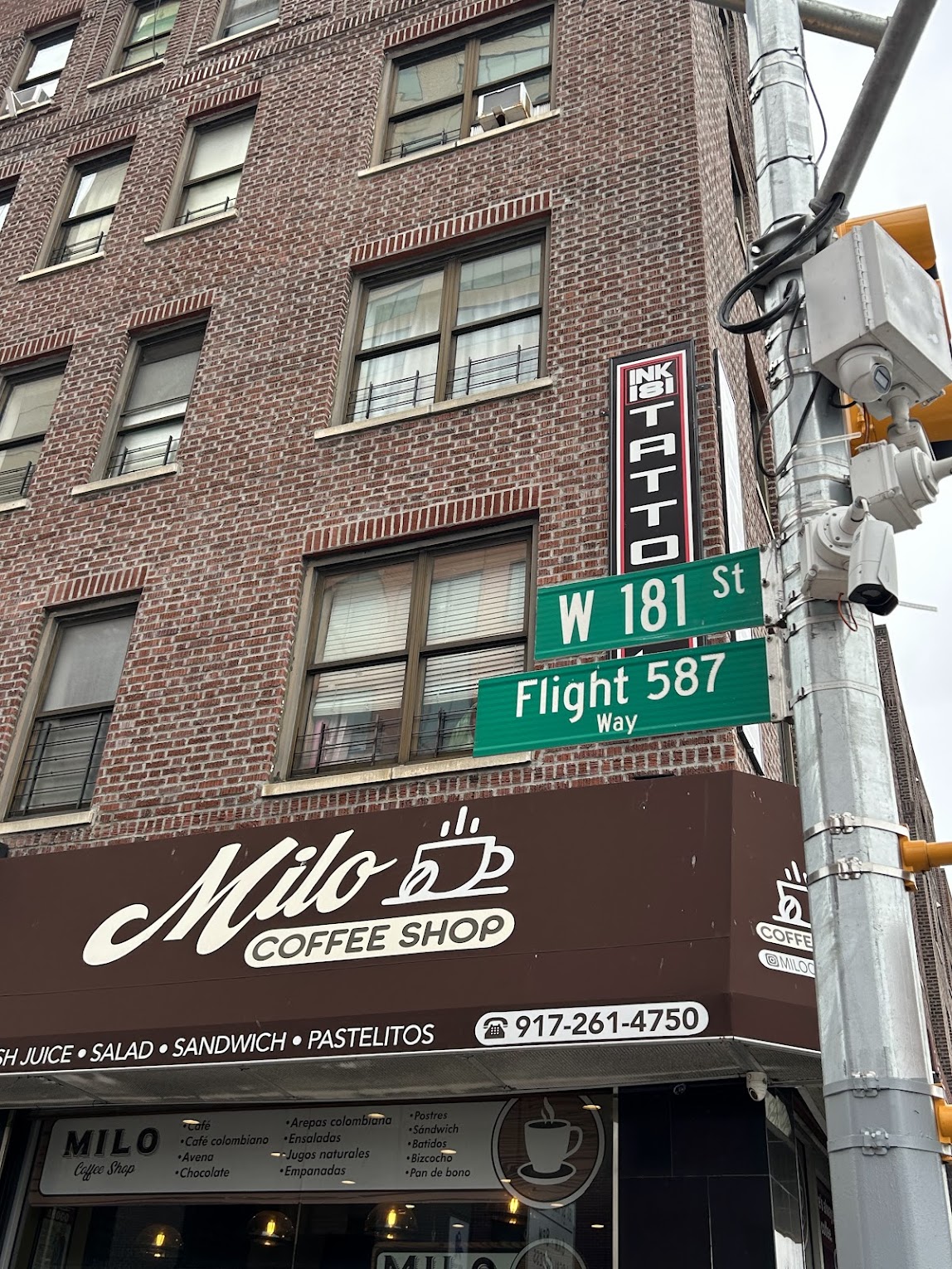
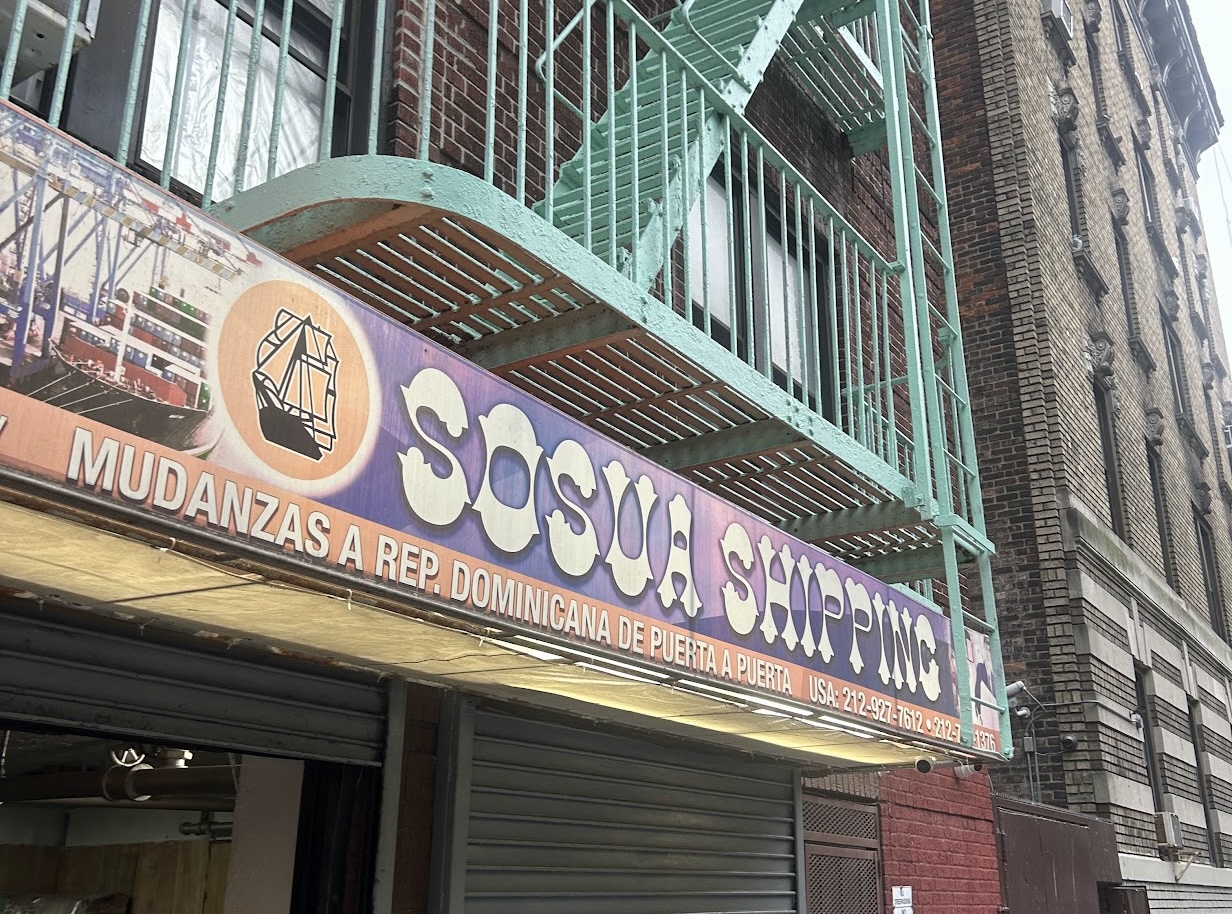
This shop also jumped out to me on my walk:

FURTHER LISTENING

After listening to this episode on Dominican New York, dive back into these episodes which share similar themes and locations.

Screenshot

TICKETS NOW ON SALE FOR

Founded by NYC: Historic Haunts of Lower Manhattan Walking Tour

As the leaves turn and October nights grow longer, there’s no better time to explore the ghostly side of New York City’s founding 400 years ago… with a haunted history walking tour!

The Founded by NYC: Historic Haunts of Lower Manhattan walking tour takes you on a spine-tingling journey through the very streets where our city began.

You’ll start at Bowling Green, where the spirits of Manhattan’s original inhabitants still wander, then venture to Fraunces Tavern, where Revolutionary War ghosts refuse to leave their posts.

Peek into Trinity Churchyard, where 120,000 bodies lie just 18 inches beneath your feet, and discover St. Paul’s Chapel, where ghostly actors search for their missing heads. You’ll encounter the corrupt spirit of Boss Tweed still haunting his courthouse… and wind up at one of the creepiest sites in the city, Blood Manor. 

This isn’t just any ghost tour – it’s a journey through 400 years of New York history, from Dutch New Amsterdam to the present day. 

Founded by NYC: Historic Haunts of Lower Manhattan runs select nights in September and October. Visit BoweryBoysWalks.com to book your spot on this limited edition walking tour before it sells out. That’s BoweryBoysWalks.com

Categories
Neighborhoods Podcasts

The Story of Inwood and Marble Hill: Tales of Caves, Old Mansions and Forgotten Amusement Parks

People who live in Inwood know how truly special it is. Manhattan’s northernmost neighborhood (aside from Marble Hill) feels like it’s outside of the city — and in some places, even outside of time and space.

Unlike the lower Manhattan’s flat avenues and organized streets, Inwood varies wildly in elevation and its streets wind up hills and down into valleys.

It’s a twenty minute walk from the mysterious “Indian caves” to some of the best Dominican food in New York City. You can experience the ghosts of Gilded Age mansions close to New York’s last remaining forest. Revolutionary War artifacts sit a few blocks away from vestiges of a 20th century Irish community.

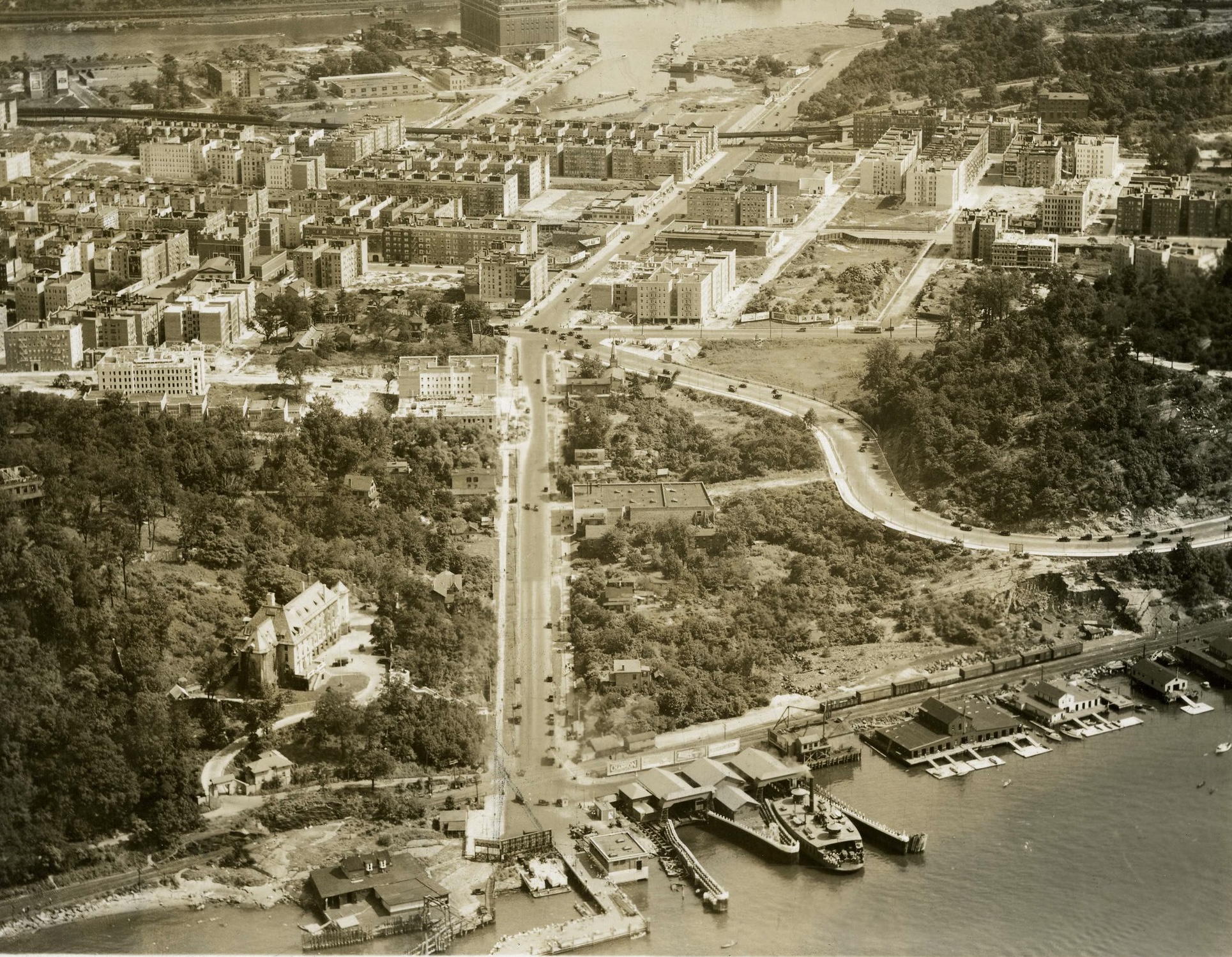
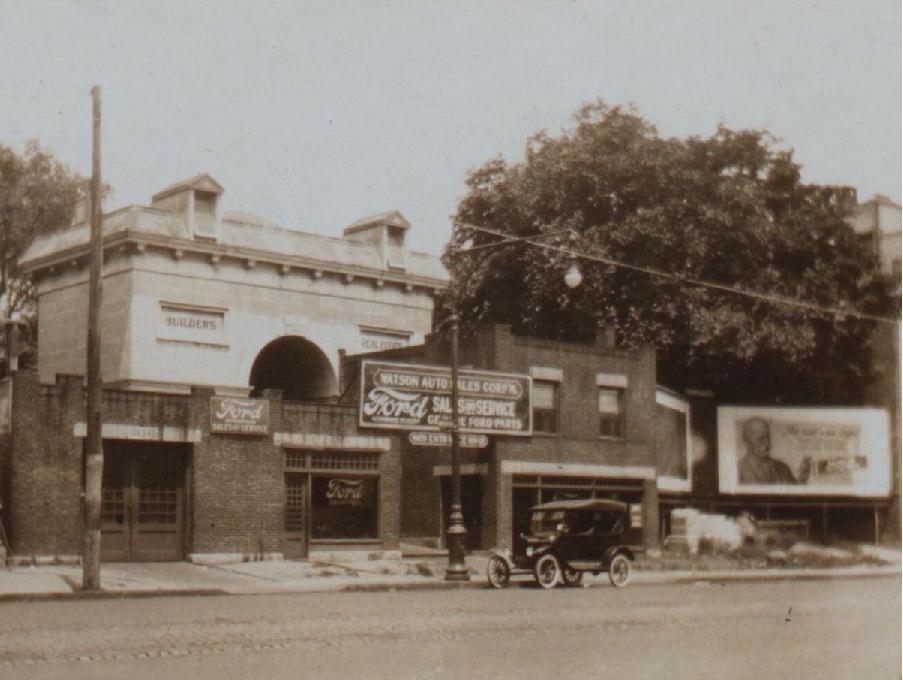
Below: Dyckman Street, date approximately 1930s? Note the mansion in the bottom left

In this special on-location episode, Greg Young and producer Kieran Gannon wind their way through the streets of Inwood and through (that’s right) thousands of years of history — from salt marshes to old amusement parks, from ancient arches to Broadway musicals, with ducks and egrets and dogs and beavers making guest appearances along the way.

And since we’re on the subject — what IS the deal with Marble Hill? What do you mean, it’s a Manhattan neighborhood?

Featuring special guests Melissa Kieweit (Dyckman Farmhouse), Cole Thompson (Lost Inwood) and Led Black (Uptown Collective)

This episode was produced and edited by Kieran Gannon.

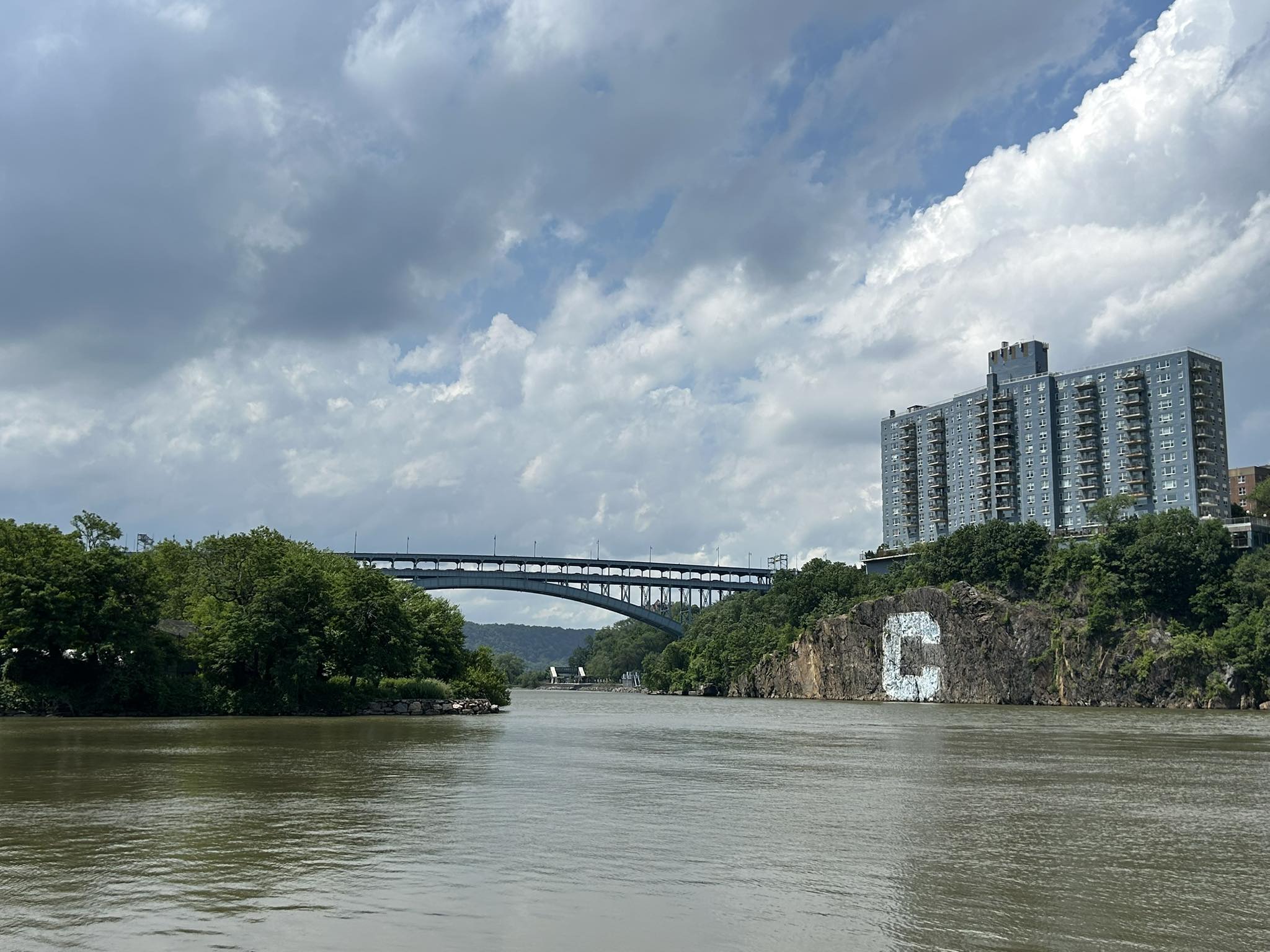
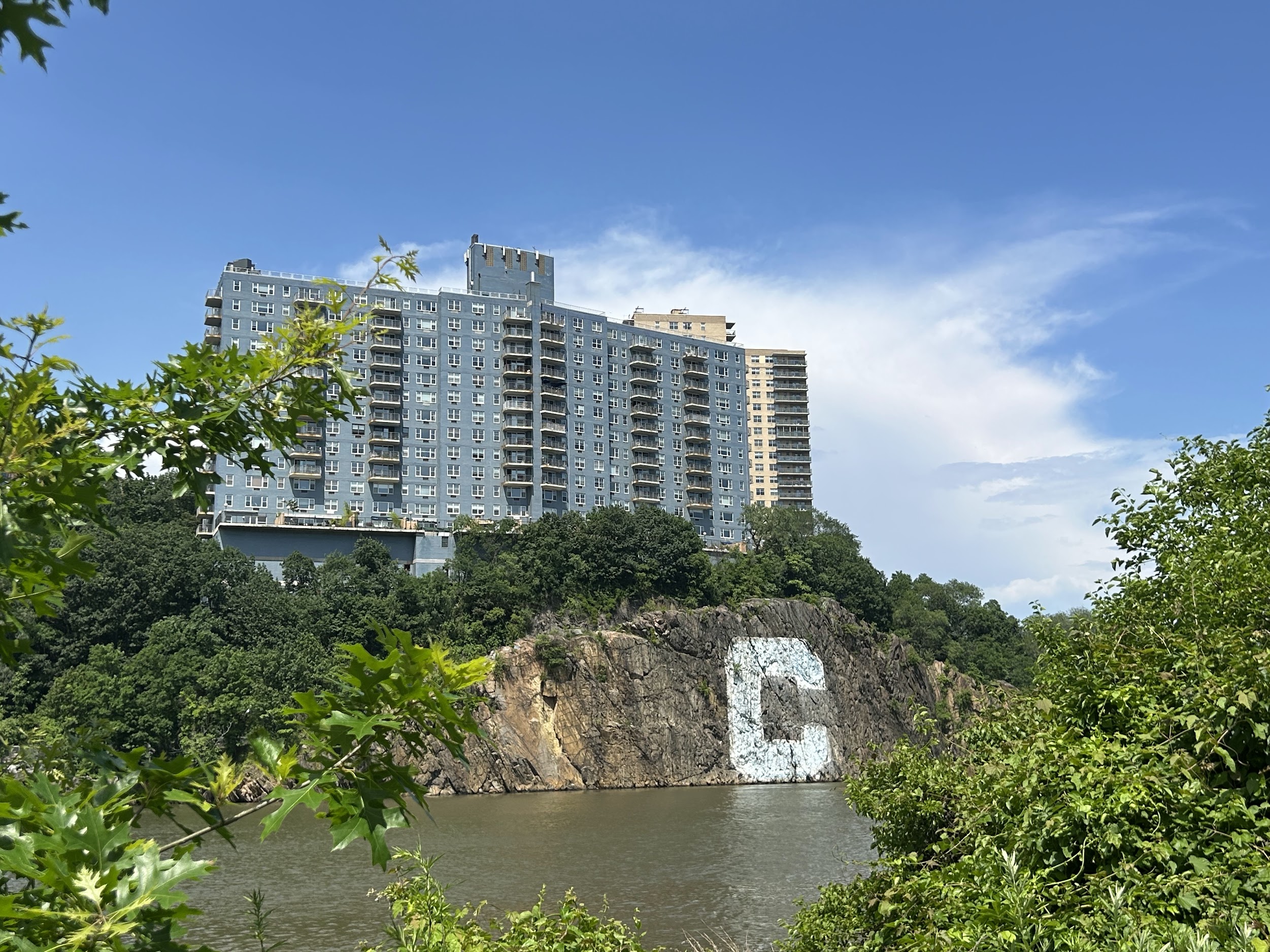
Below: The Henry Hudson Bridge and “the Big C”

LISTEN NOW: THE STORY OF INWOOD AND MARBLE HILL


Visit the Dyckman Farmhouse! Visit their website for information and a list of events.

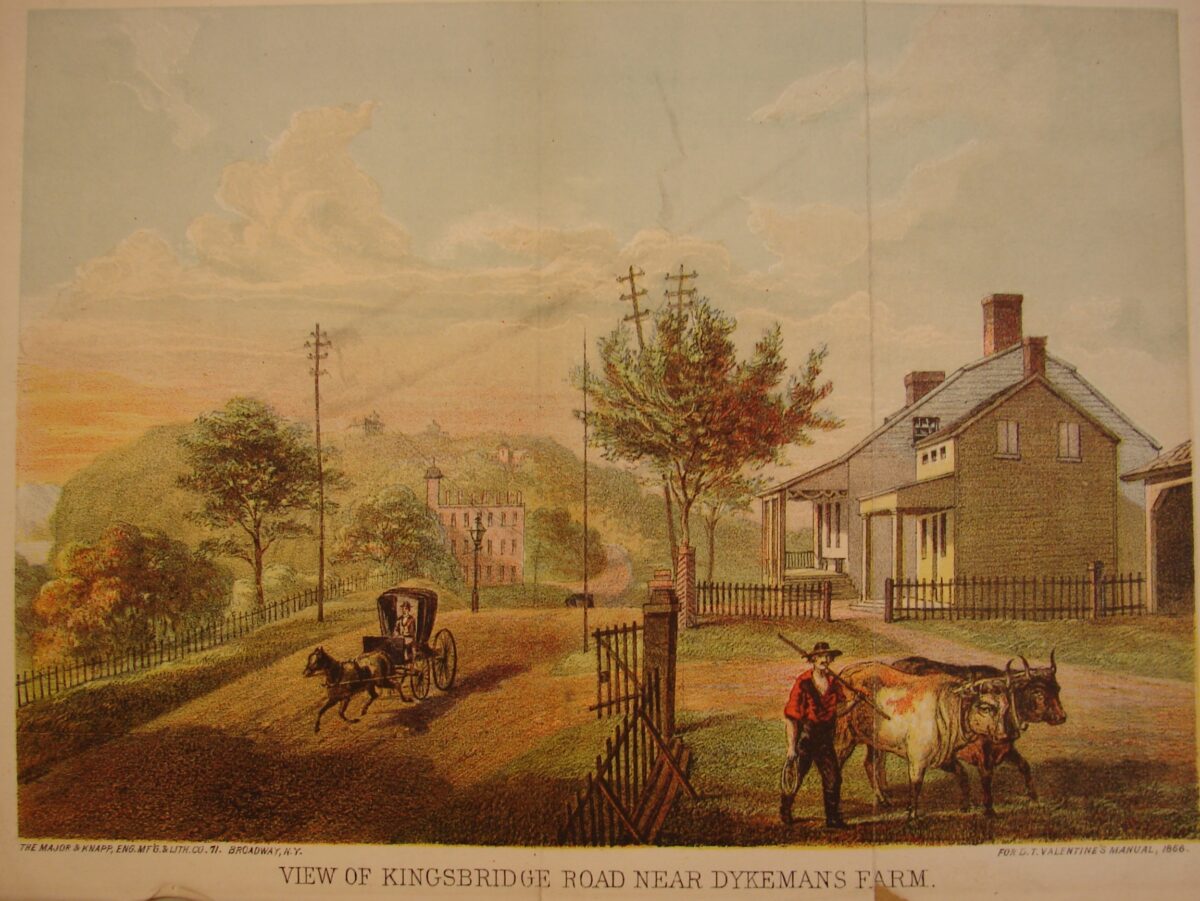
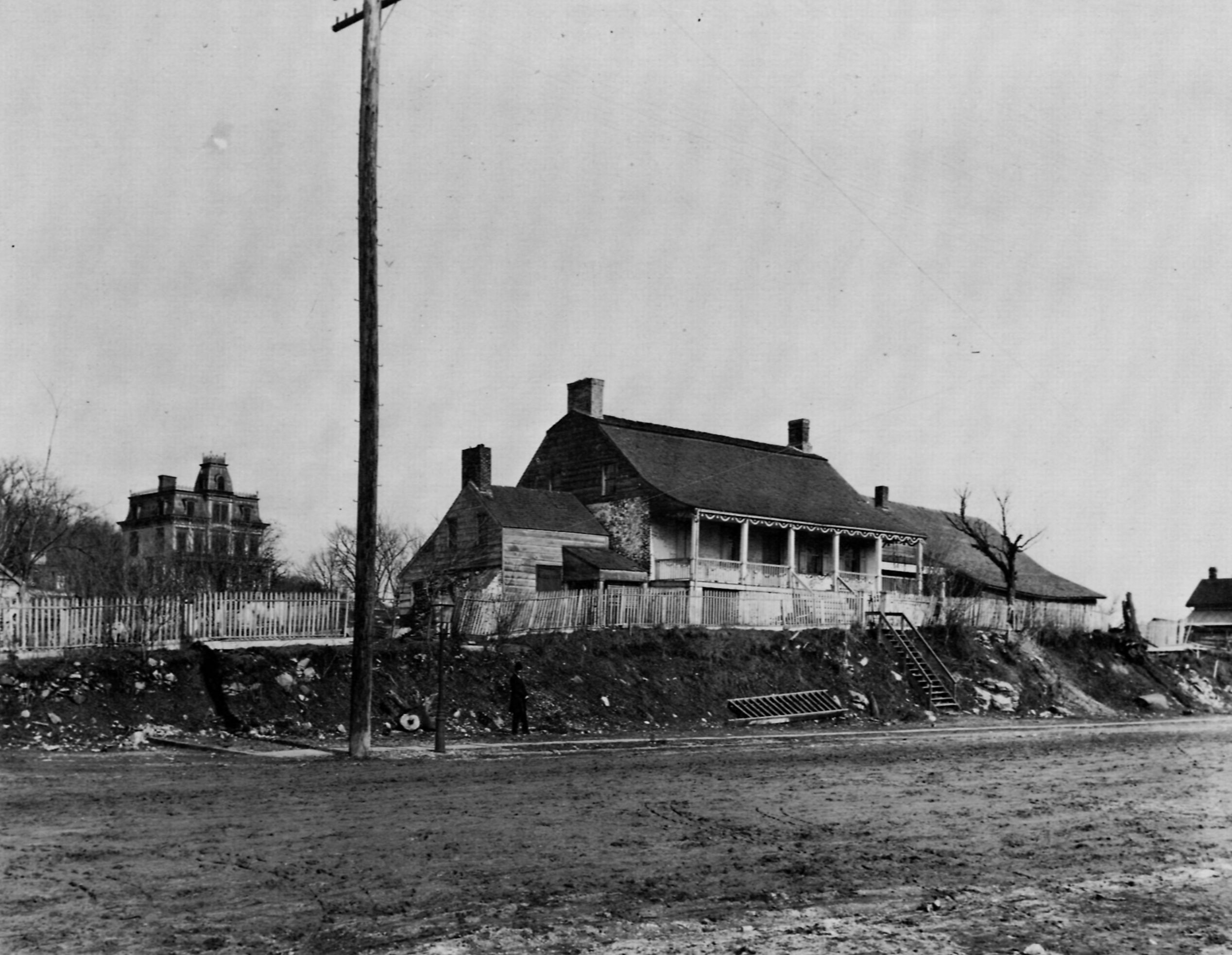
Dyckman Farmhouse and an unidentified mansion in the background. Wenzel, Edward, 1892

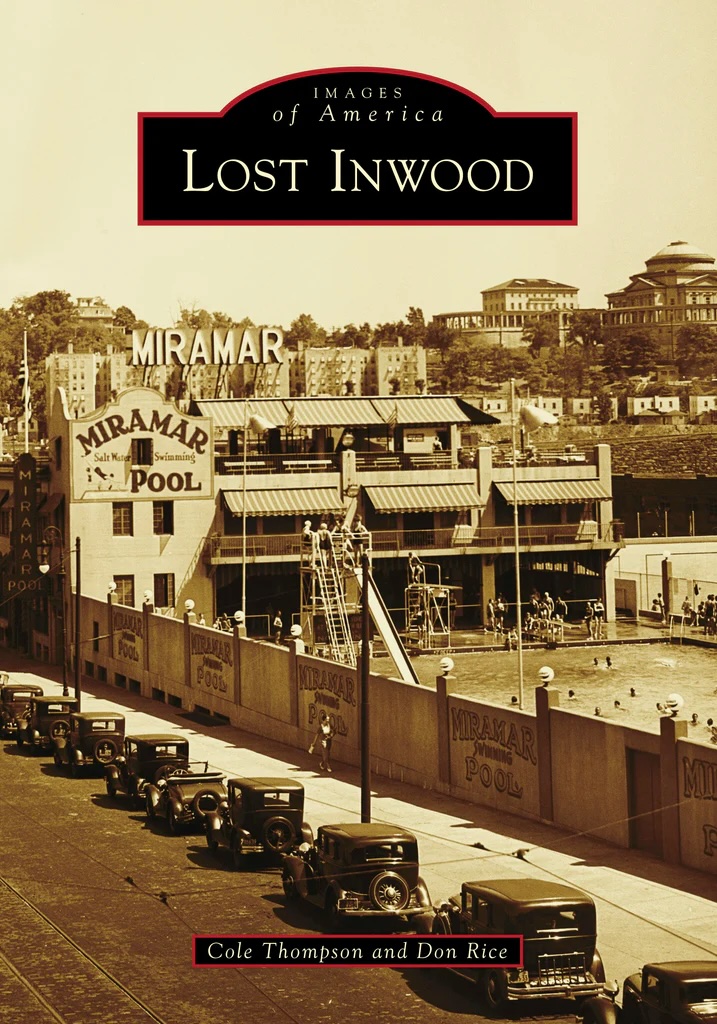
Cole Thompson and Don Rice leads monthly Lost Inwood talks at Inwood Farm, right off of Inwood Hill Park. In addition Thompson also operates the long running, deeply resource on Inwood history My Inwood. Their book on Inwood history is available in bookstores.

Led Black runs the Instagram account Uptown Collective and now records the new podcast Uptown Voices with Octavio Blanco.


The Bowery Boys Podcast is proud to be sponsored by FOUNDED BY NYC, celebrating New York City’s 400th anniversary in 2025 and the 250th anniversary of the United States in 2026. Read about all the exciting events and world class institutions commemorating the five boroughs legacy of groundbreaking achievements, and find ways to celebrate the city that’s always making history.  foundedbynyc.com


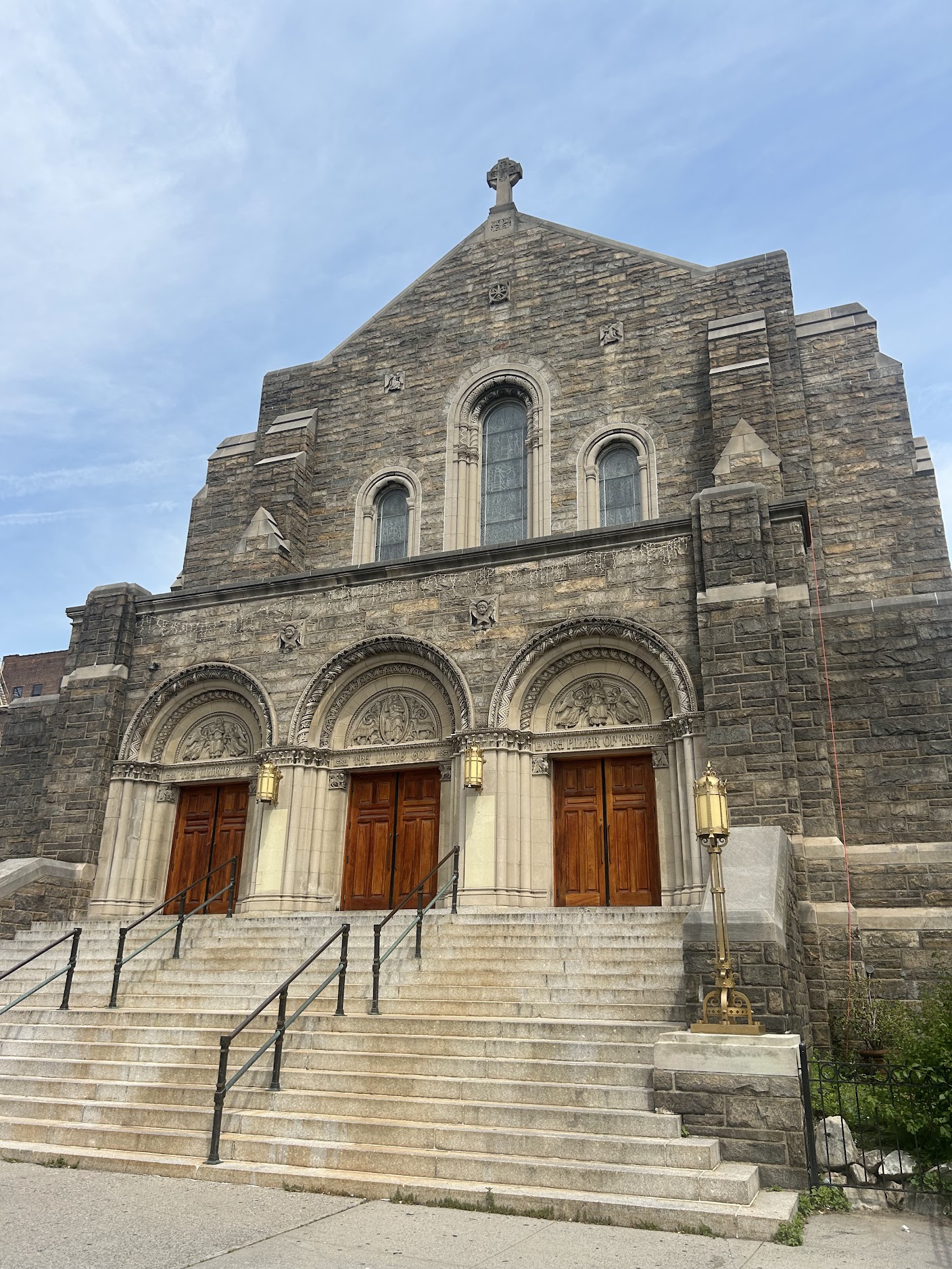
Chursh of the Good Shepherd, near Isham Park
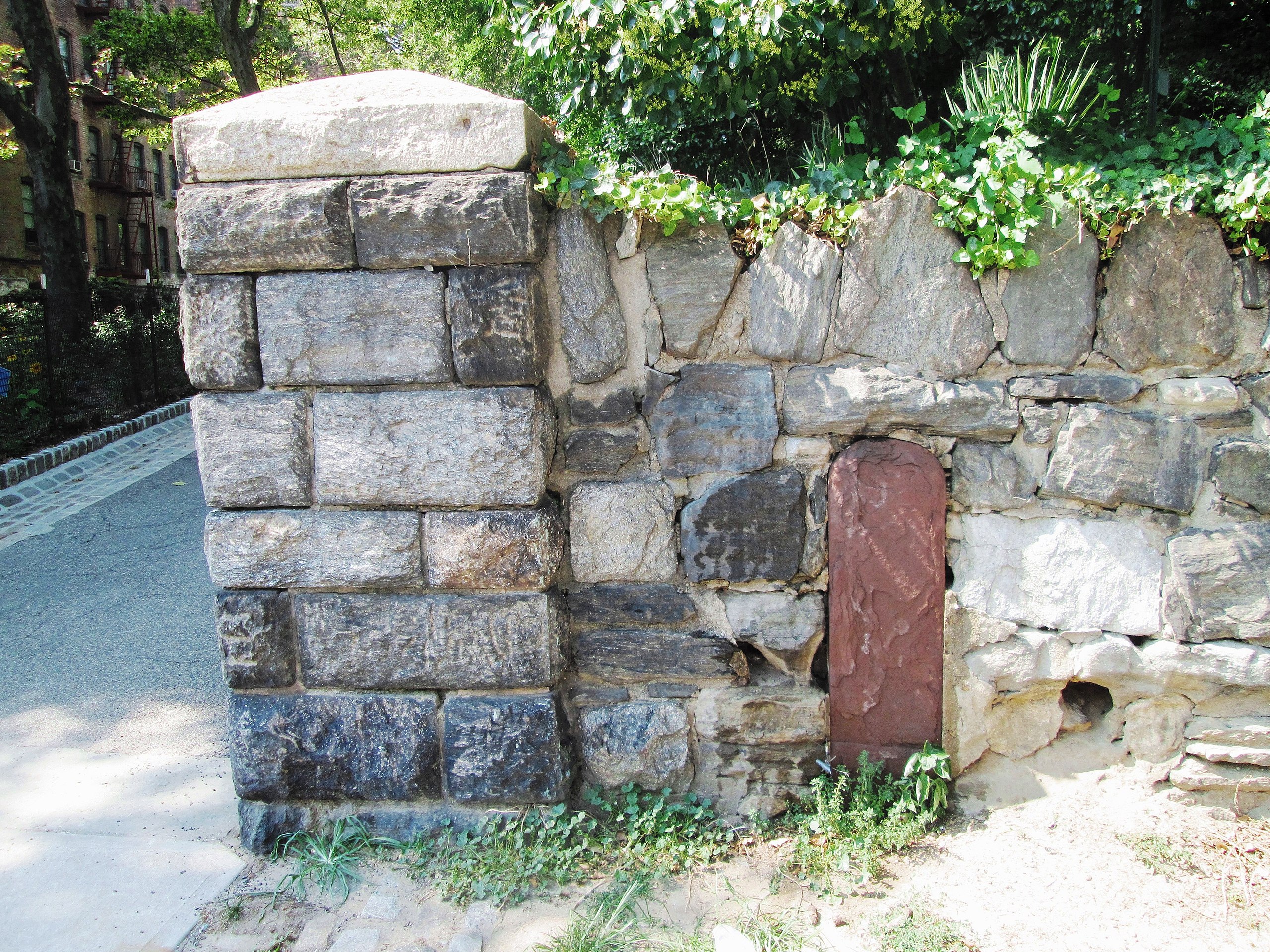
The Isham Park mile marker. Photo Beyond My Ken/Wikimedia
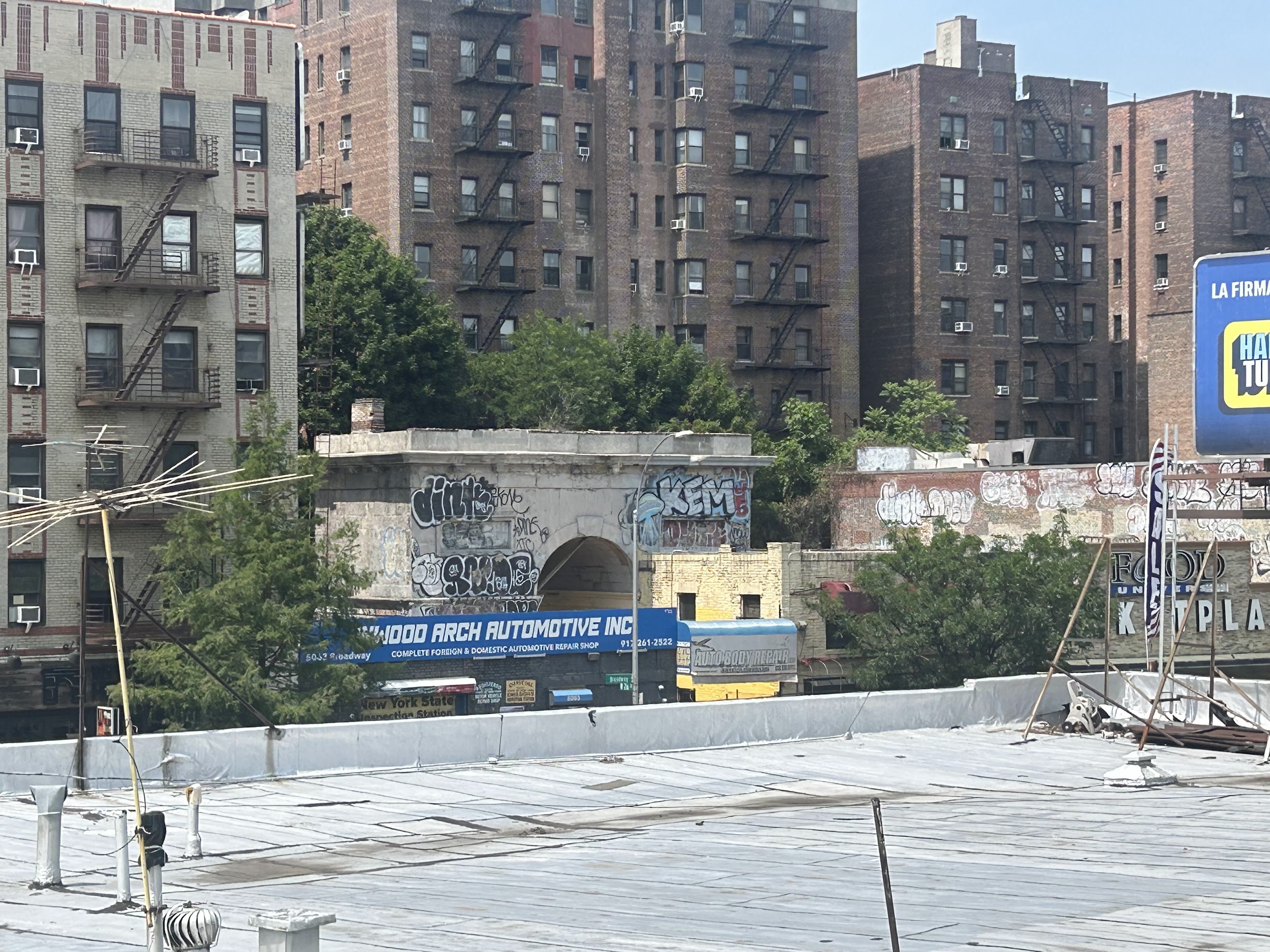
The Seaman Drake Arch, seen here in 1920s. Courtesy My Inwood where you can read an article on this remarkable artifact.
The arch today, as seen from the train.
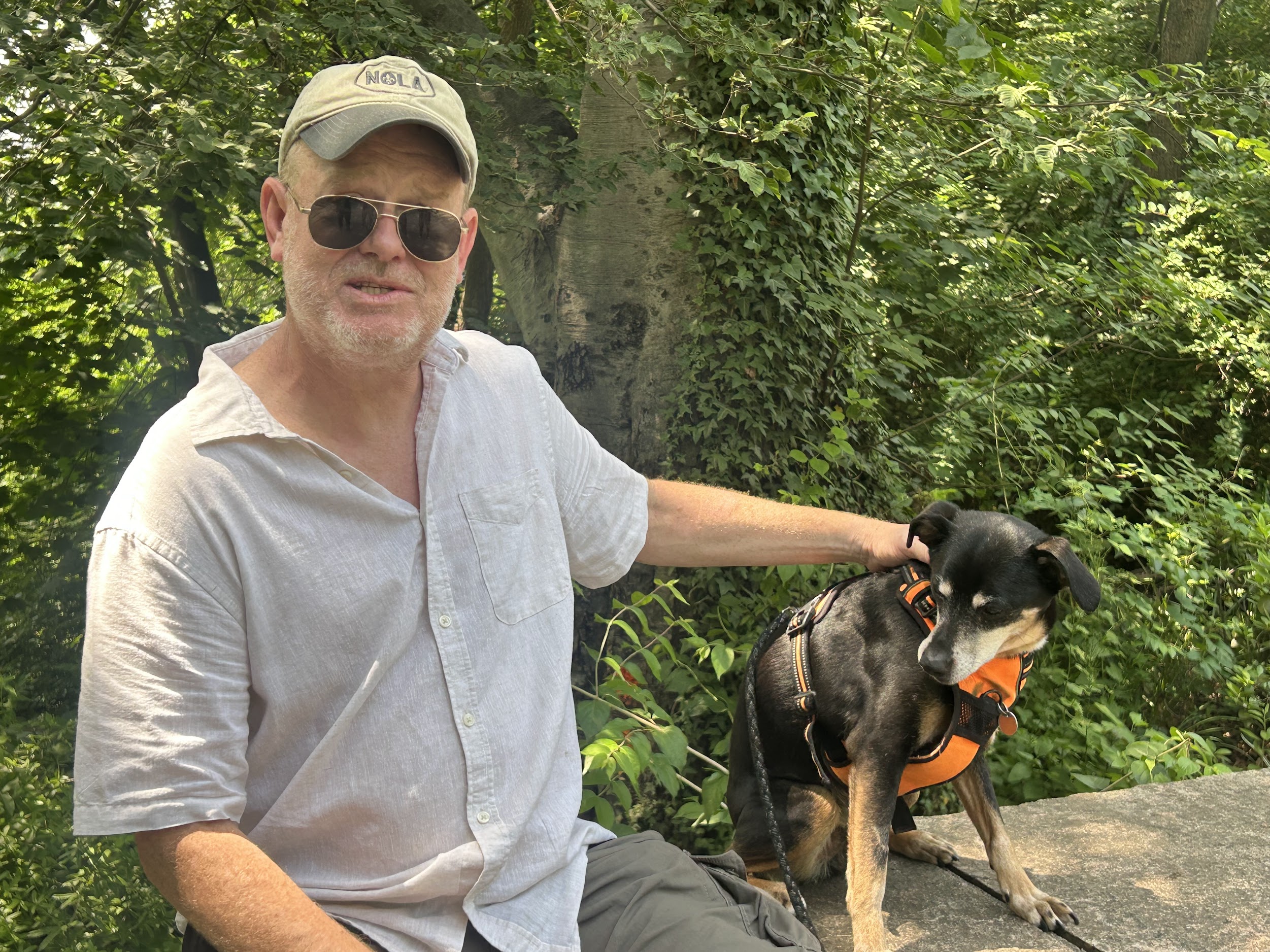
Inwood historians Cole Thompson and Billy
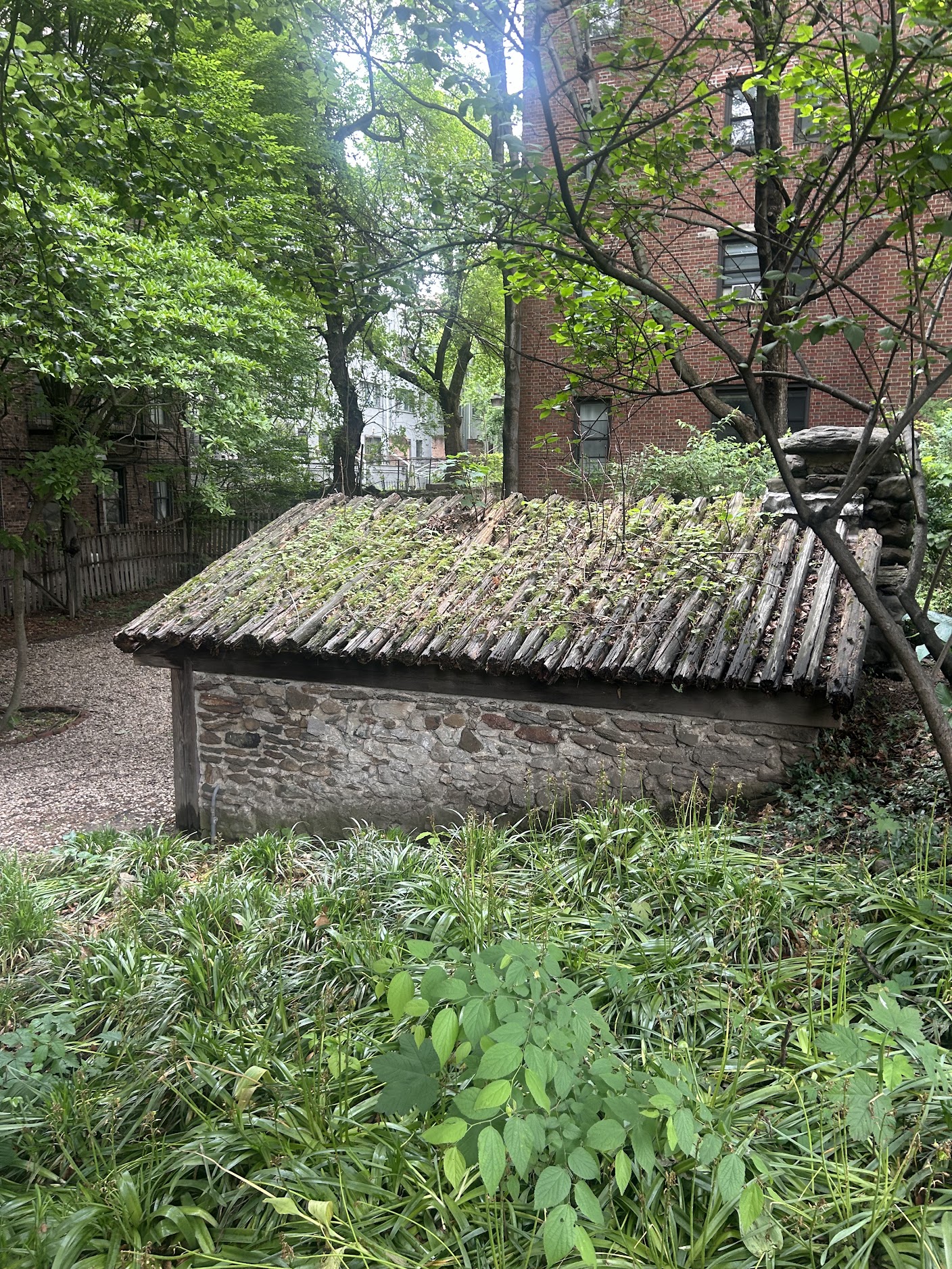
Queen Mallory on her roost atop the Hessian Hut.

FURTHER LISTENING

For more information on subjects discussed on this show, check out these past Bowery Boys podcasts


Categories
New Amsterdam Podcasts

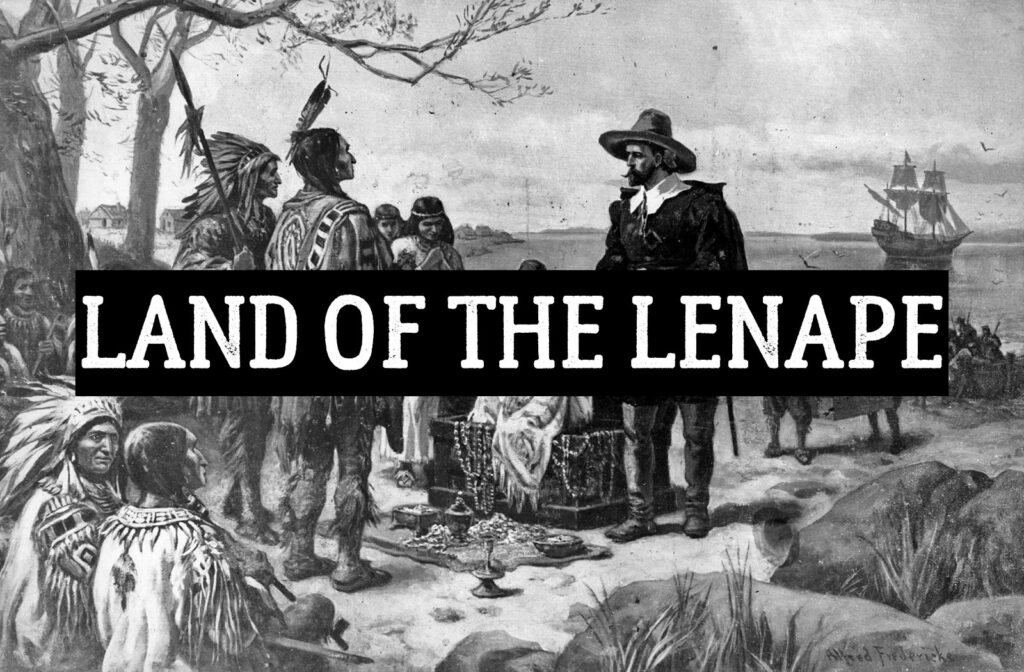
Land of the Lenape: A Violent Tale of Conquest and Betrayal

PODCAST The story of the Lenape, the native people of New York Harbor region, and their experiences with the first European arrivals — the explorers, the fur traders, the residents of New Amsterdam.

Before New York, before New Amsterdam — there was Lenapehoking, the land of the Lenape, the original inhabitants of the places we call Manhattan, Westchester, northern New Jersey and western Long Island.

This is the story of their first contact with European explorers and settlers and their gradual banishment from their ancestral land.

Fur trading changed the lifestyles of the Lenape well before any permanent European settlers stepped foot in this region. Early explorers had a series of mostly positive experiences with early native people.

With the Dutch settlement of New Amsterdam, the Lenape entered into various land deals, “selling: the land of Manhattan at a location in the area of today’s Inwood Hill Park.

But relations between New Amsterdam and the surrounding native population worsened with the arrival of Director-General William Kieft, leading to bloody attacks and vicious reprisals, killing hundreds of Lenape and colonists alike.

Peter Stuyvesant arrives to salvage the situation, but further attacks threatened any treaties of peace.  But the time of English occupation, the Lenape were decimated and without their land.

And yet, descendants of the Lenape live on today in various parts of the United States and Canada.  All that and more in this tragic but important tale of New York City history.

To get this week’s episode, simply download it for FREE from iTunes or other podcasting services or get it straight from our satellite site.

Or listen to it straight from here:

__________________________________________________________

The Bowery Boys: New York City History podcast is brought to you …. by you!

We are now producing a new Bowery Boys podcast every two weeks.  We’re also looking to improve the show in other ways and expand in other ways as well — through publishing, social media, live events and other forms of media.  But we can only do this with your help!

We are now a member of Patreon, a patronage platform where you can support your favorite content creators for as little as a $1 a month.

Please visit our page on Patreon and watch a short video of us recording the show and talking about our expansion plans.  

If you’d like to help out, there are five different pledge levels (and with clever names too — Mannahatta, New Amsterdam, Five Points, Gilded Age, Jazz Age and Empire State). Check them out and consider being a sponsor.

We greatly appreciate our listeners and readers and thank you for joining us on this journey so far. And the best is yet to come!

__________________________________________________________

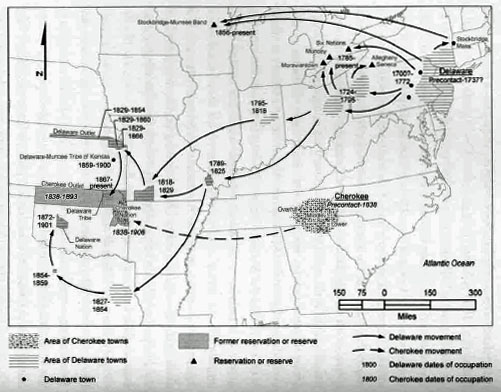
The long road of the Lenape. This 1978 map shows the path of their various relocations across the country in comparison with the relocation path of the Cherokee.

Ives Goddard, “Delaware,” in Handbook of North American Indians, vol. 15: Northeast, ed. Bruce Trigger and William Sturtevant (Washington DC: Smithsonian Institution1 1978)

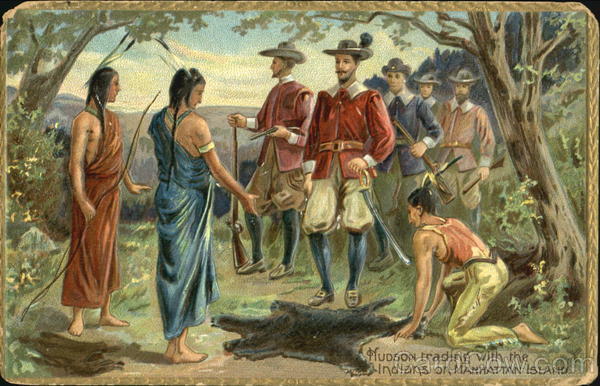
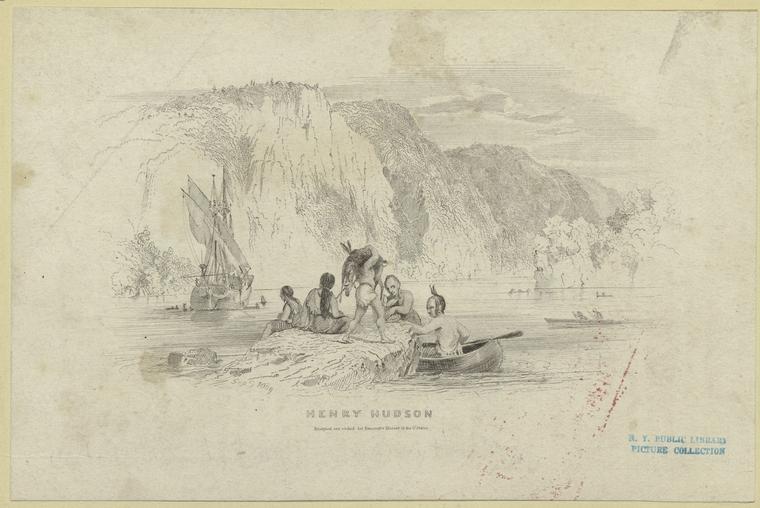
Henry Hudson’s interaction with the native people of the area would much later inspire a host of fanciful depictions.

From a 1909 postcard for the Hudson-Fulton Celebration

Hudson Trading With Indians On Manhattan Island

From an old textbook:

Courtesy The Baldwin Project

“‘Designed and etched for Bancroft’s History of the United States’ Written on image: ‘Sept. 7 1609’

Courtesy NYPL
Courtesy NYPL

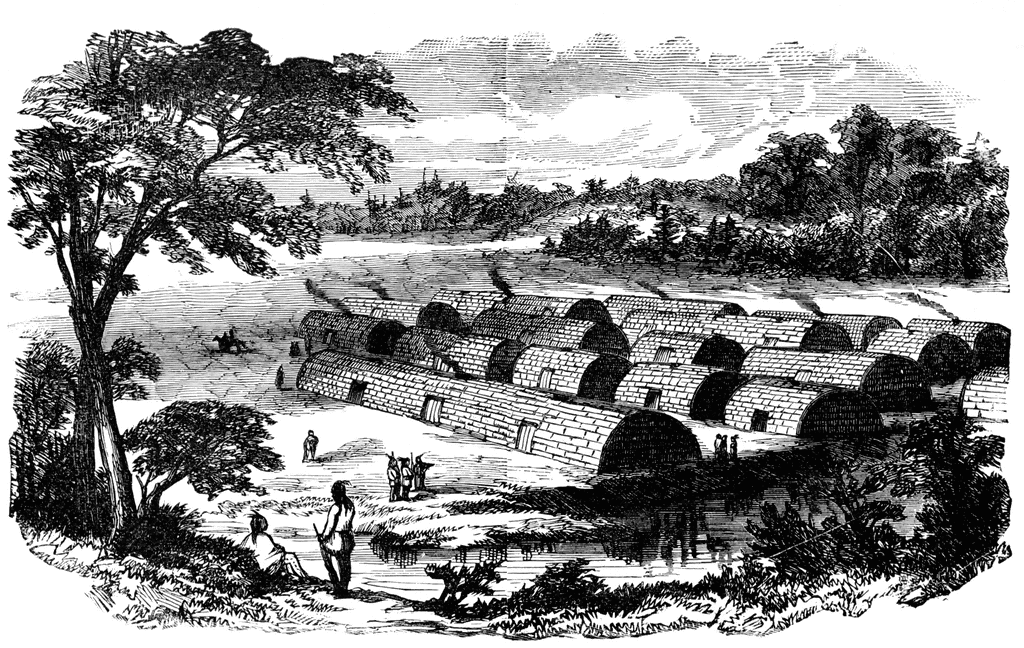
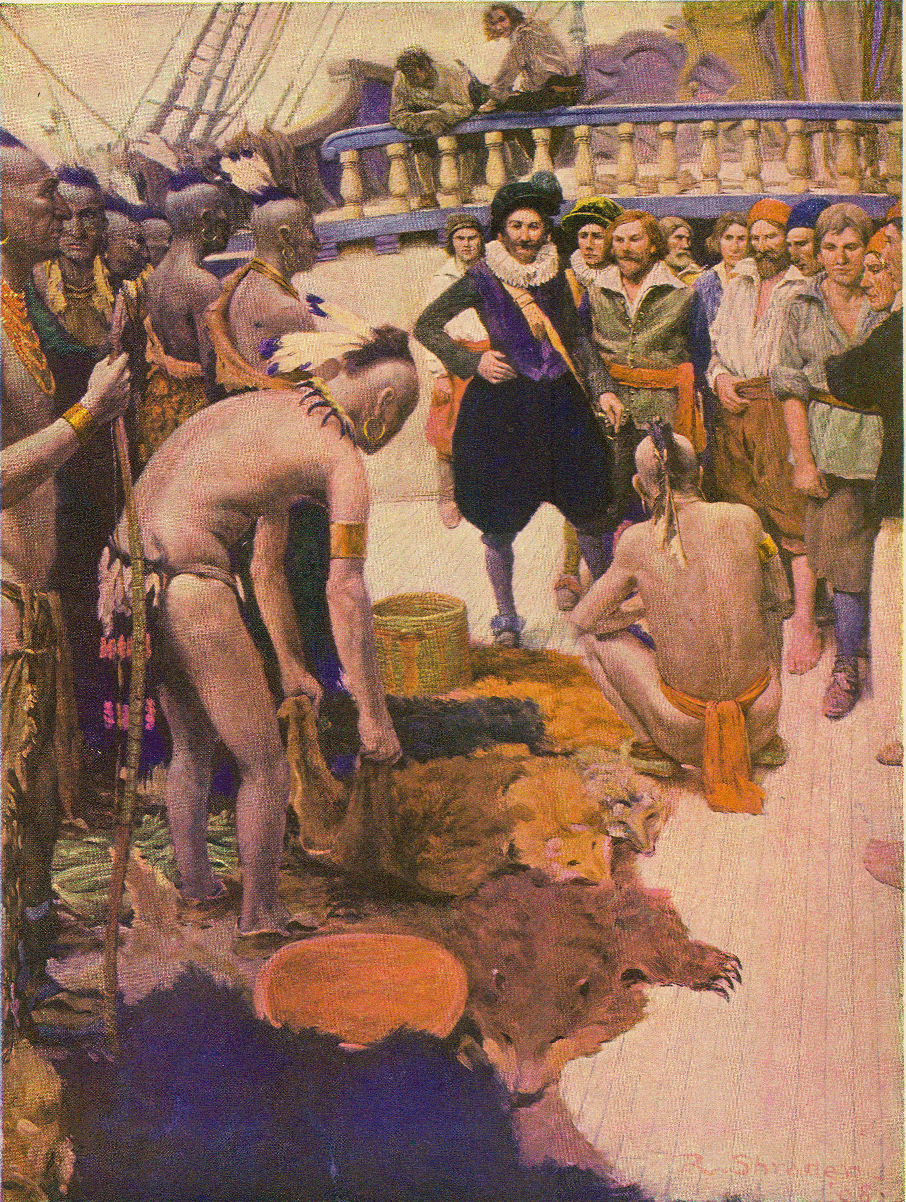
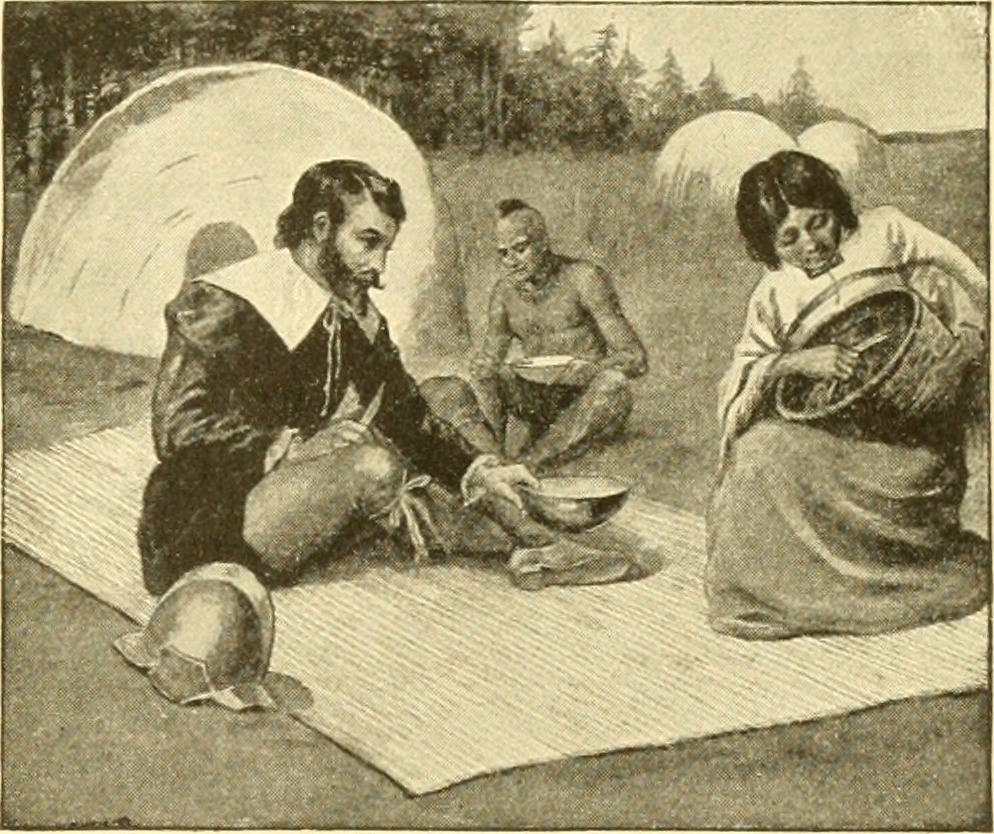
From a 1915 textbook ‘A First Book In American History’ — “Hudson’s ship anchored again opposite the Catskill Mountains, and here he found some very friendly Indians, who brought corn, pumpkins, and to-bacco to sell to the crew. Still farther up the river Hudson visited a tribe onshore, and wondered at their great heaps of corn and beans. The chief lived in around bark house. Captain Hudson wasmade to sit on a mat and eat from a red wooden bowl. The Indians wished him to stay all night; they broke their arrows and threw them into the fire, to show their friendliness.

Internet Archive Book Images

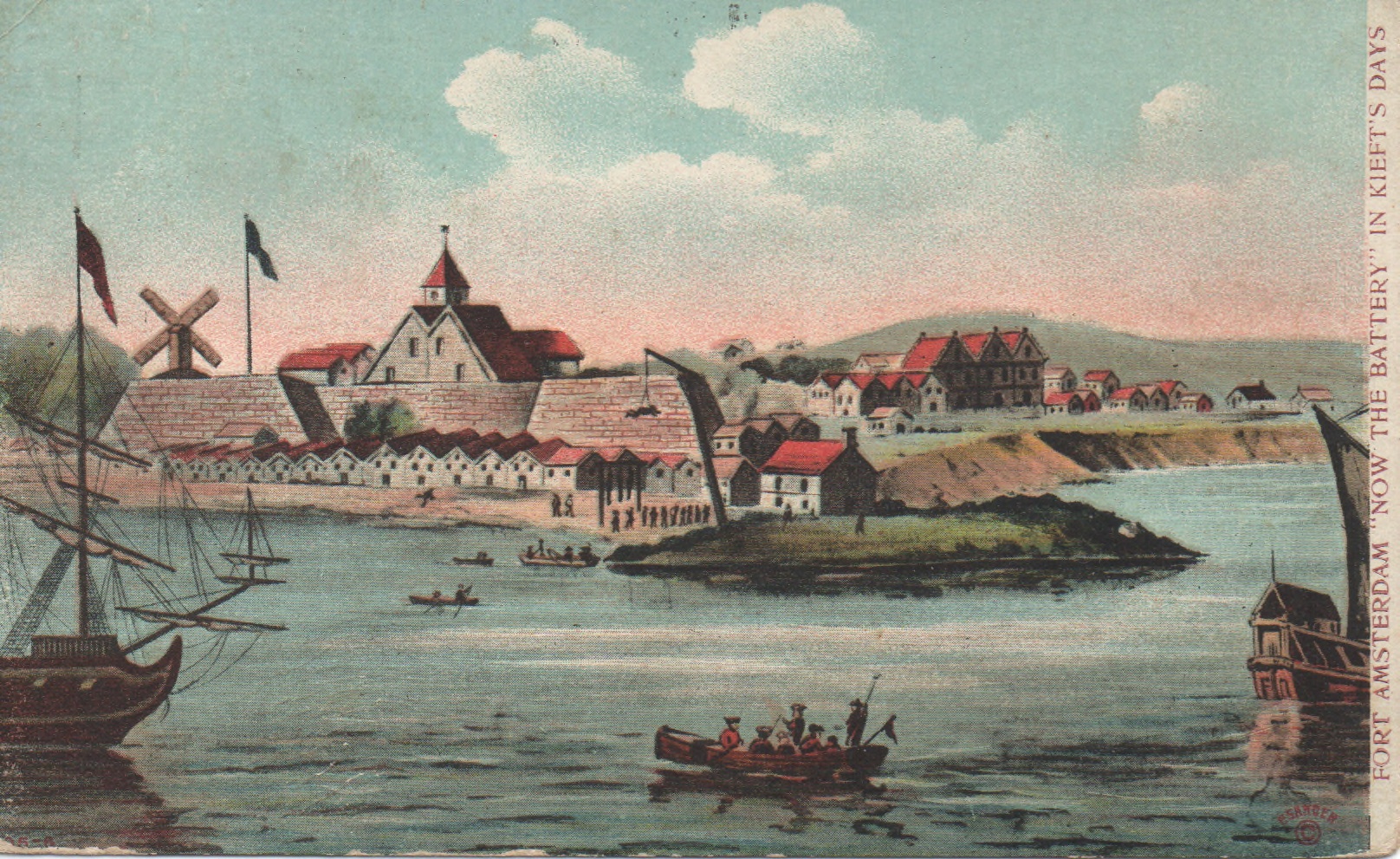
Behold New Amsterdam!

fortamsterdampostcard

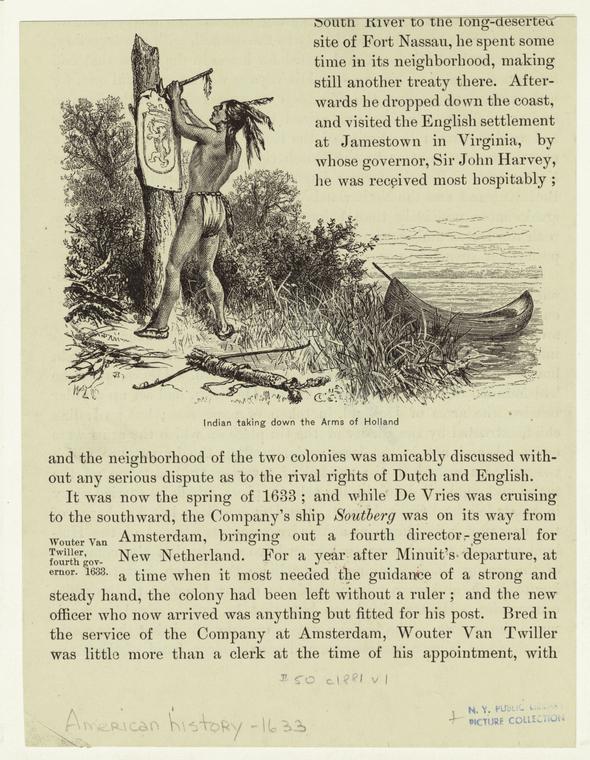
From another text book, this one from 1881:

New York Public Library

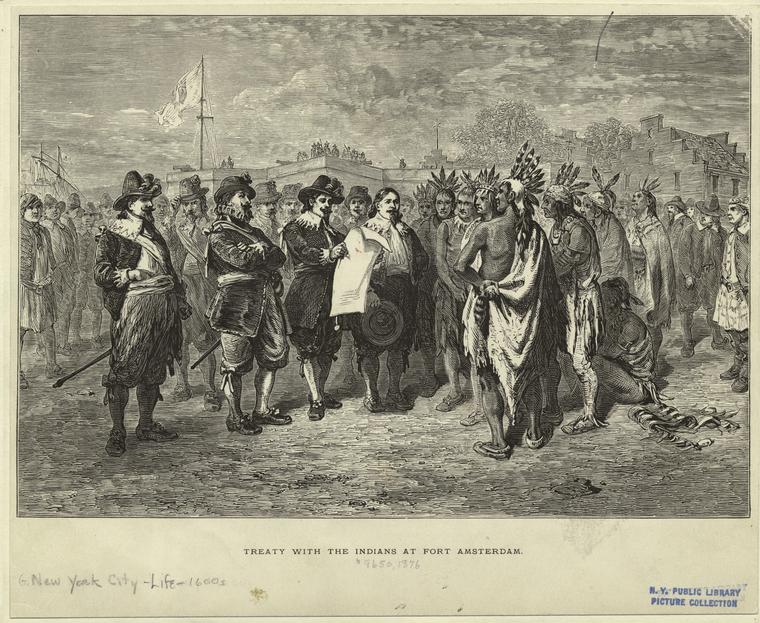
From an 1876 print: ‘Treaty with the Indians at Fort Amsterdam.” Not sure what year this picture depicts but everybody has two legs, so no Peter Stuyvesant!

NYPL
NYPL

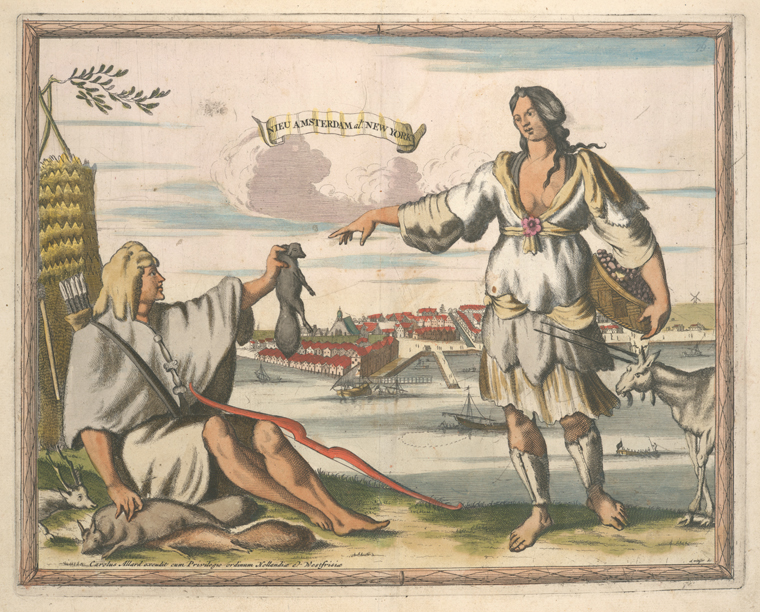
A well-known engraving by Aldert Meijer depicts New Amsterdam as being touched by the hand of providence.

NYPL
NYPL

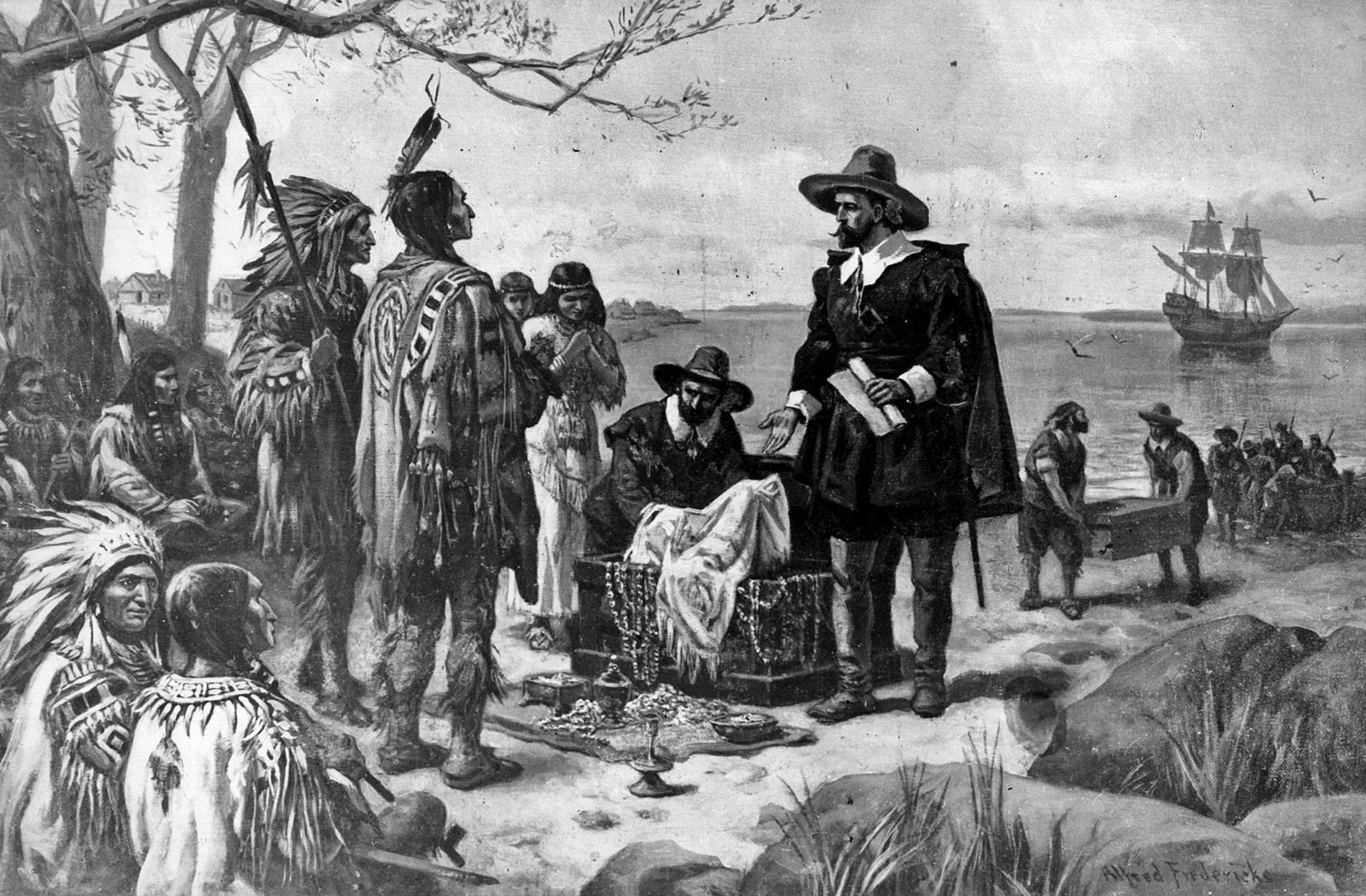
A drawing of the 1926 purchase of Manhattan between the native population and Peter Minuit. Image is from Popular Science Magazine, 1909.

NYPL
NYPL

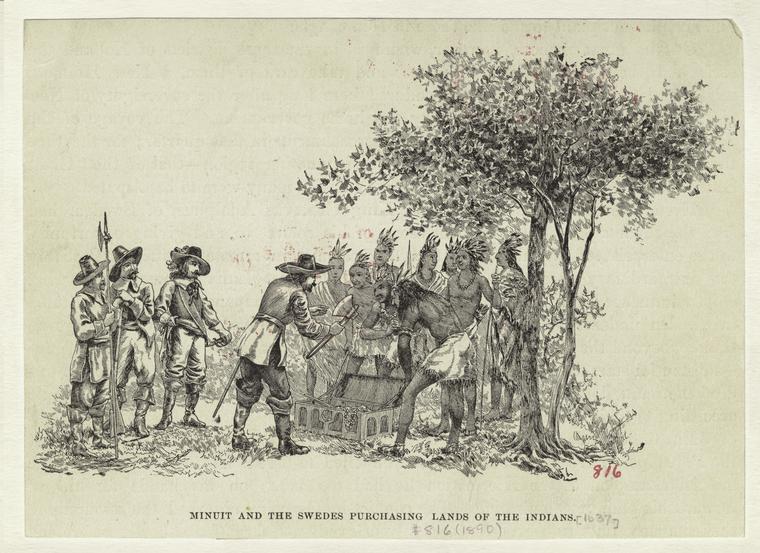
…clearly derived from

“Peter Minuit and the Swedes purchasing lands of the Indians.” Illustration dated 1890

NYPL
NYPL

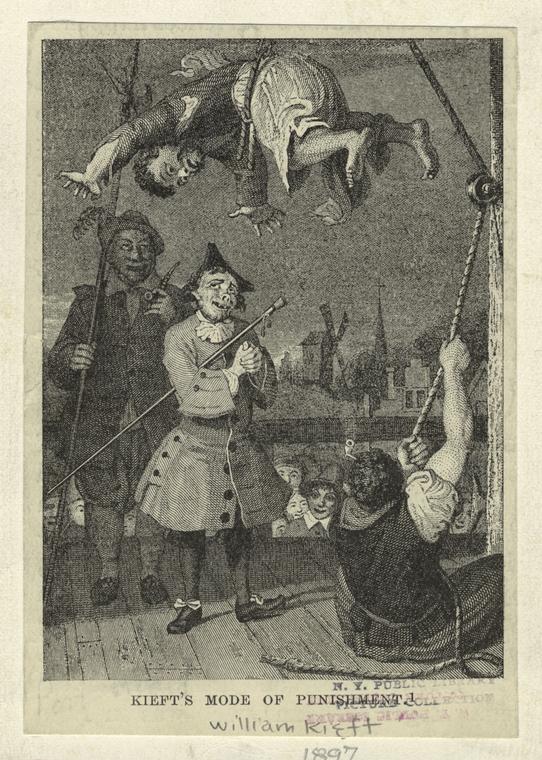
William Kieft’s reputation as a vicious tyrant is made apparent here in this 1897 illustration captioned ‘Kieft’s Mode of Punishment.’

NYPL
NYPL

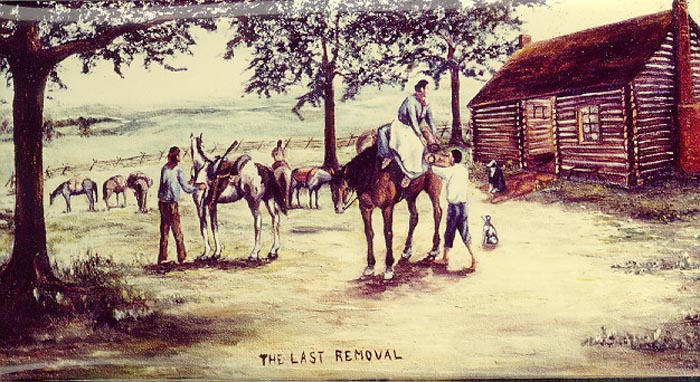
From the Delaware Indians website: “A painting by Lenape artist Jacob Parks (1890-1949), which depicts a Lenape family leaving their home on their reservation in Kansas in 1867. This area had been their home for over thirty-five years, and now the government told them they had to move to Indian Territory (now Oklahoma).”

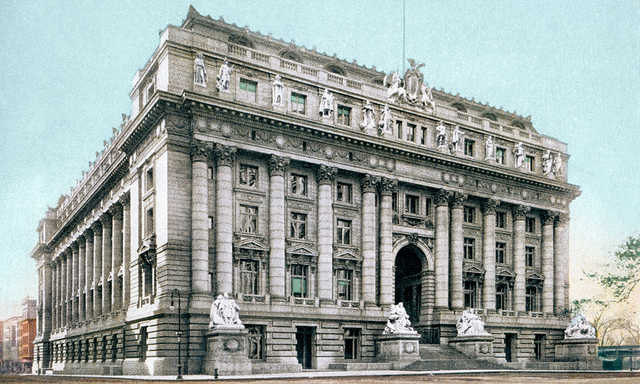
The Smithsonian National Museum of the American Indian is currently living in the Alexander Hamilton U.S. Custom House. It’s a FREE museum so you should stop in anytime you’re in the Battery Park area.

custom-house

FURTHER READING

The First Manhattans: A History of the Indians of Greater New York by Robert S. Grumet

The Island At The Center Of The World by Russell Shorto

The Delaware Indians: A History by  C.A. Westanger

Native New Yorkers: The Legacy of the Algonquin People of New York by Evan T. Pritchard

The Official Site of the Delaware Tribe of Indians

Lenape Lifeways: An overview of Lenape life and customs

Removal History of the Delaware Tribe

FURTHER LISTENING

After you’ve listened to this show on the history of the Lenape, check out other shows related to this episode:

100 Years Ago: Curtiss and the first long-distance flight

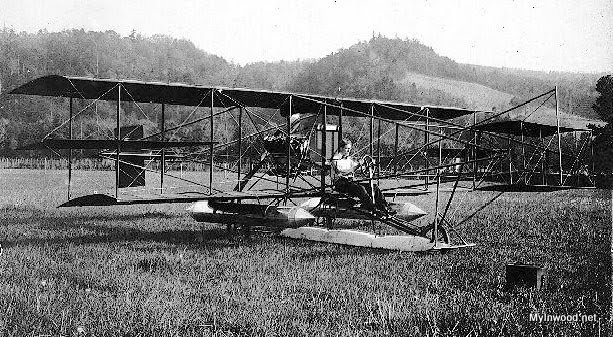
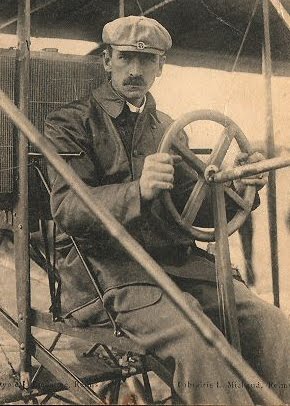
Up In The Air: Glenn Curtiss and his Hudson Flyer
Picture courtesy glenncurtiss.com

In 2010, there will be well over 100 million passengers coming and going from the New York metropolitan area’s three principal international airports. In 1910, you could count the number of passengers on your hand. And the pilot and passenger of the very first long-distance flight to New York was professional aerial derring-do Glenn Curtiss.

There had not even been an airplane over New York skies until the previous year, when Wilbur Wright flew over the length of Manhattan in honor of the Hudson-Fulton Celebration. (Hear more about it in our LaGuardia Airport podcast.) Curtiss, who had proven himself earlier that year in the world’s first air meet in France. was also commissioned to fly alongside Wright in a separate plane from Governor’s Island that October 1909, but his craft barely made it off the ground. A crushing defeat, because he and the Wright Brothers were hardly friends.

In fact, the Wrights were suing Curtiss (and his collaborator, the phone man Alexander Graham Bell) for patent infringement in a New York court in 1910; his early flying machines were similar in design to the Wrights, they claimed. The nasty court proceedings would cost both parties thousands of dollars; Wilbur would even die in 1912 before the case resolved (eventually in the Wright’s favor).

Every flight Curtiss took cost him royalties to the Wrights. Luckily for the speedster, raising money wasn’t difficult for a young daredevil, as newspaper men of this time loved offering prize money for spectacular stunts. News moguls like Joseph Pulitzer and William Randolph Hearst just loved to pay people to create news.

In January, Curtiss would win a speed race in Los Angeles funded by railroad magnate Henry Huntington, who more than made up his $50,000 prize offering when 20,000 spectators took his train to the event. Pulitzer’s New York World would provide a smaller prize ($10,000), but it would have been of great appeal to Curtiss: the cash went to the first person to fly from Albany to New York, about 150 miles, essentially the first long-distance flight between cities ever made. Still smarting from Wilbur’s 1909 Hudson-Fulton victory, Curtiss wanted to make his mark over New York City.

On the morning of May 29, 1910, Curtiss and his newly named Hudson Flier took off from Van Rensselaer Island, just next to Albany, and glided above the Hudson, as a trainload of New York Central passengers (including Curtiss’s wife) followed from below. Pilots would not yet have the fuel capacity to make one continual flight; it was enough I suppose just to make it from one destination to the other in the same plane, in one piece! Curtiss stopped once for a fuel break in Poughkeepsie; an hour later, winds off of Storm King Mountain almost ripped his plane asunder.

Right as Curtiss set his sights on the young Manhattan skyline, his plane began leaking oil and the pilot had to touch down again, unceremoniously landing in New York City — but in Inwood, not the finish line at Governor’s Island. He touched down unannounced on the estate of William B. Isham, where Isham’s daughter Flora and her husband Minturn Post Collins offered the pilot gasoline and oil.

By that time, a crowd of New Yorkers had descended onto the Isham estate to witness this incredible sight. Curtiss thanked Collins and his wife, rolled his plane off the estate and into the air. He coasted along Manhattan’s west side, over the harbor and around the Statue of Liberty, finally landing at Governor’s Island just in time for lunch.

Within the month, Curtiss’ amazing flight would be bested by his friend Charles Hamilton, flying round trip in June 1910 from New York to Philadelphia and also winning a $10,000 prize in the process.

You can read more about Curtiss’ time in Inwood at here.