Categories
American History Museums New Amsterdam Podcasts

Amsterdam/New Amsterdam: Empire of the Seas (New Bowery Boys Mini-Series)

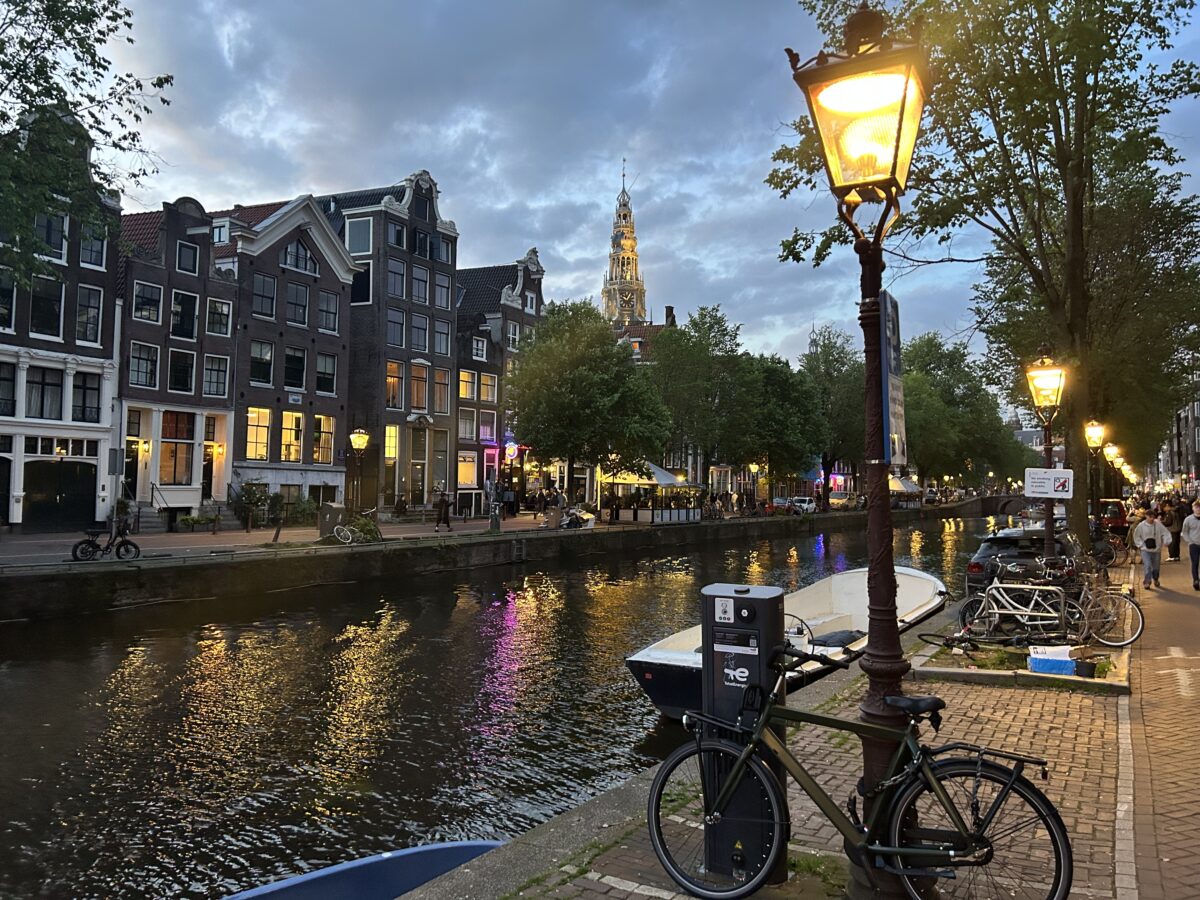
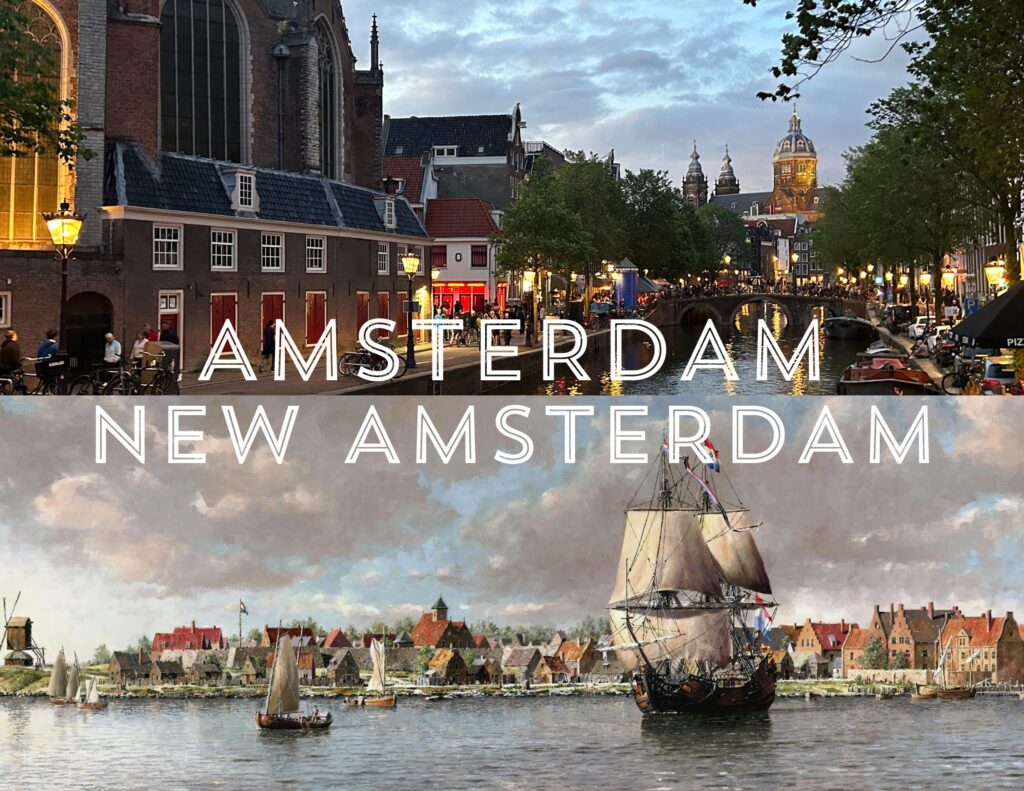
The epic journey begins! The Bowery Boys Podcast heads to old Amsterdam, the capital of the Netherlands, to find traces of New Amsterdam, the Dutch settlement which became New York.

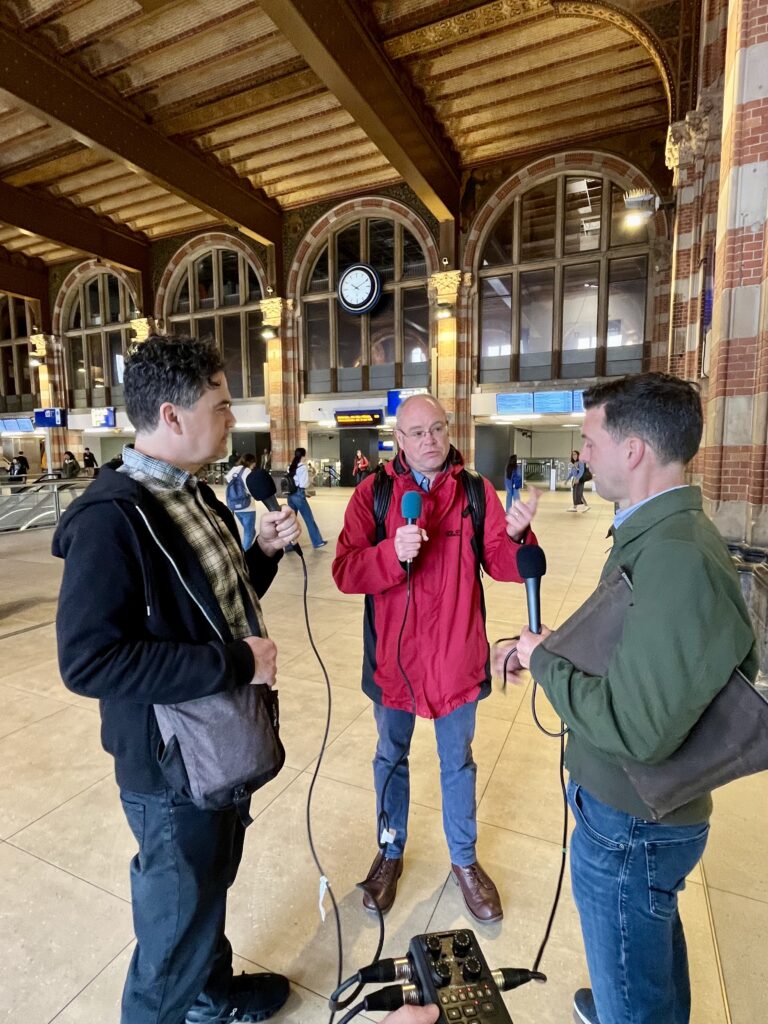
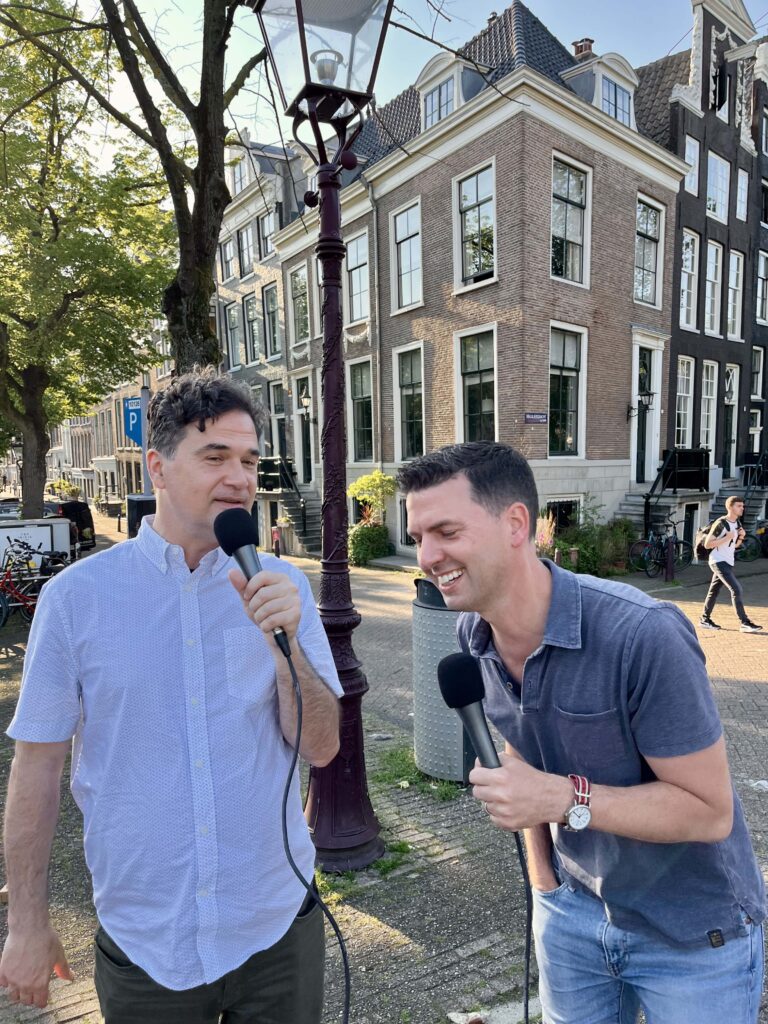
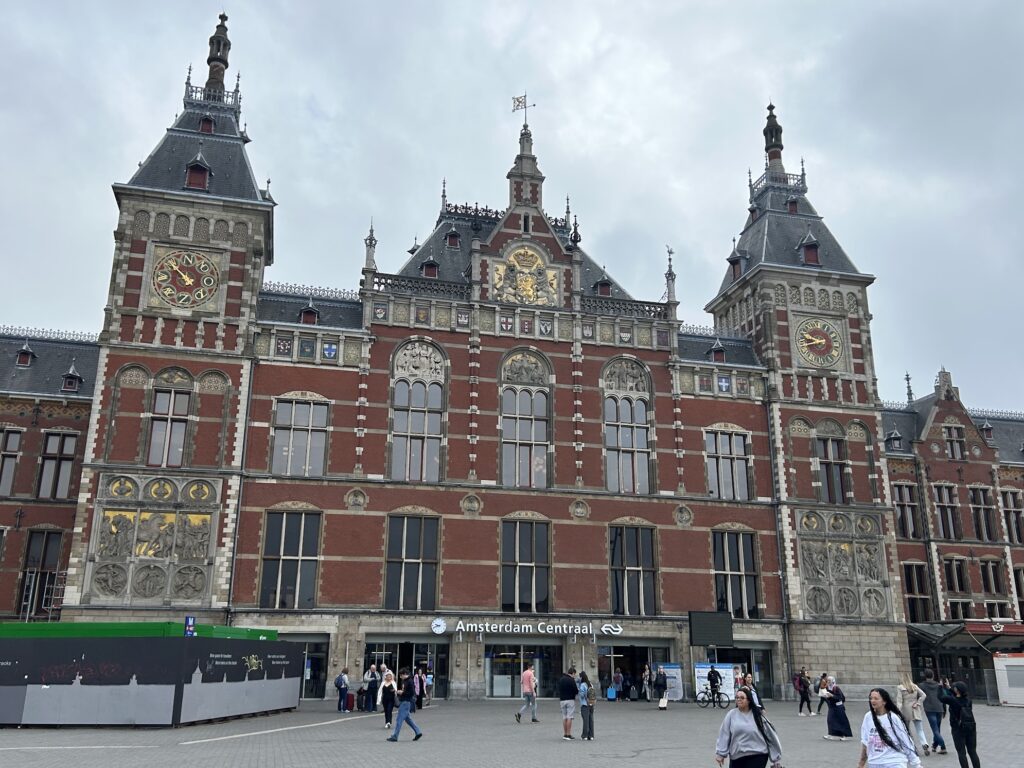
We begin our journey at Amsterdam’s Centraal Station and spend the day wandering the streets and canals, peeling back the centuries in search of New York’s roots.
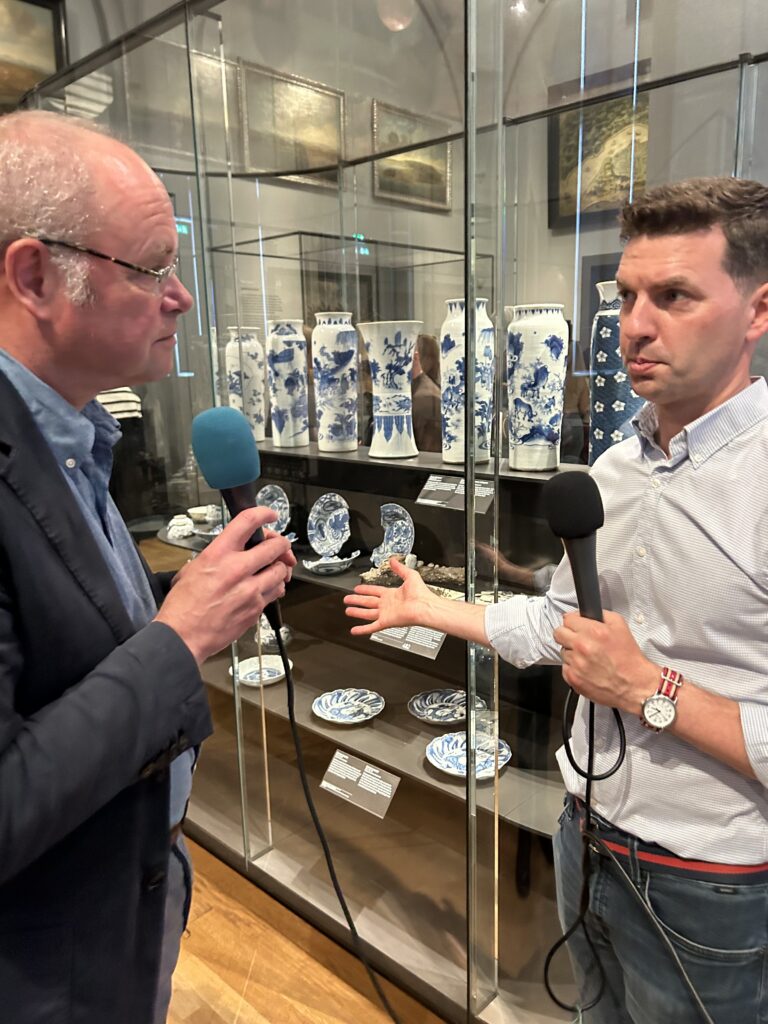
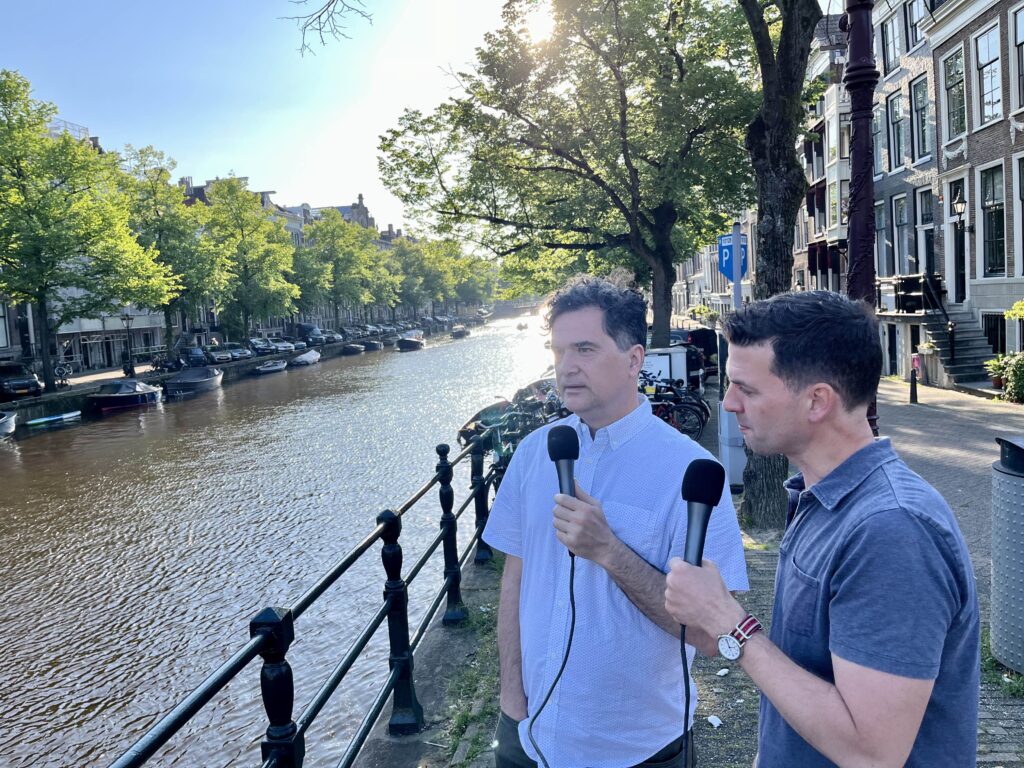
Our tour guide for this adventure is Jaap Jacobs, Honorary Lecturer at the University of St. Andrews in Scotland and the author of The Colony of New Netherland: A Dutch Settlement in Seventeenth-Century America.

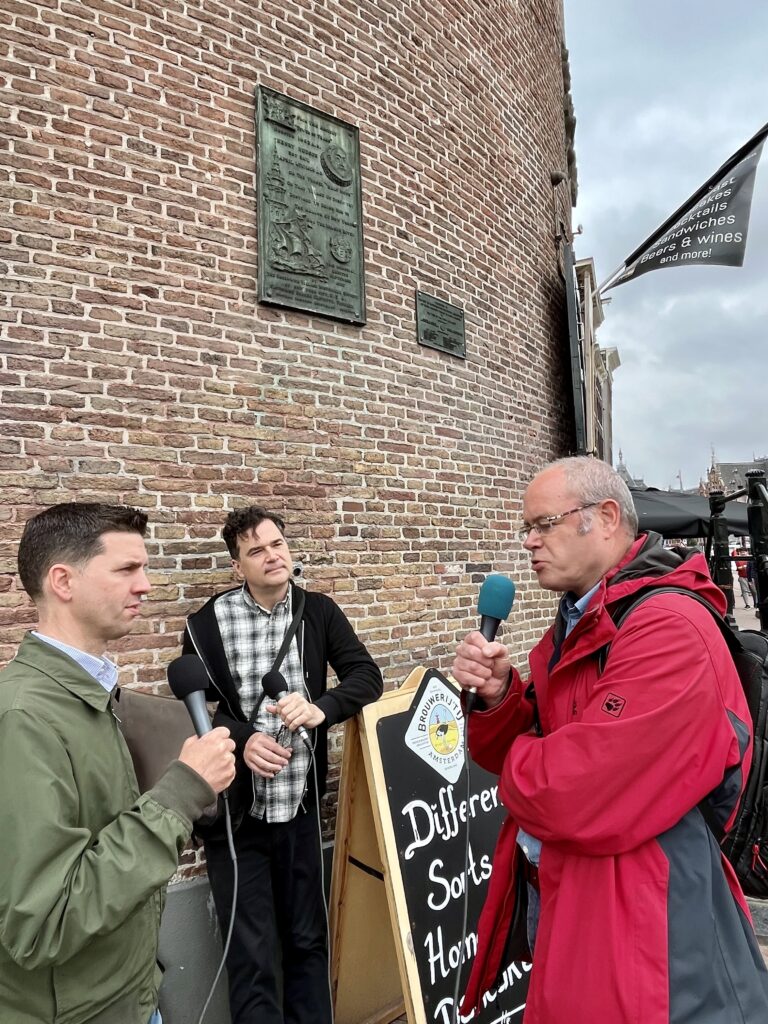
Jaap takes us around to several spots within the old medieval city — Centrum, including the Red Light District — weaving through the canals and along the harbor, in search of connections to New York’s (and by extension, America’s) past.
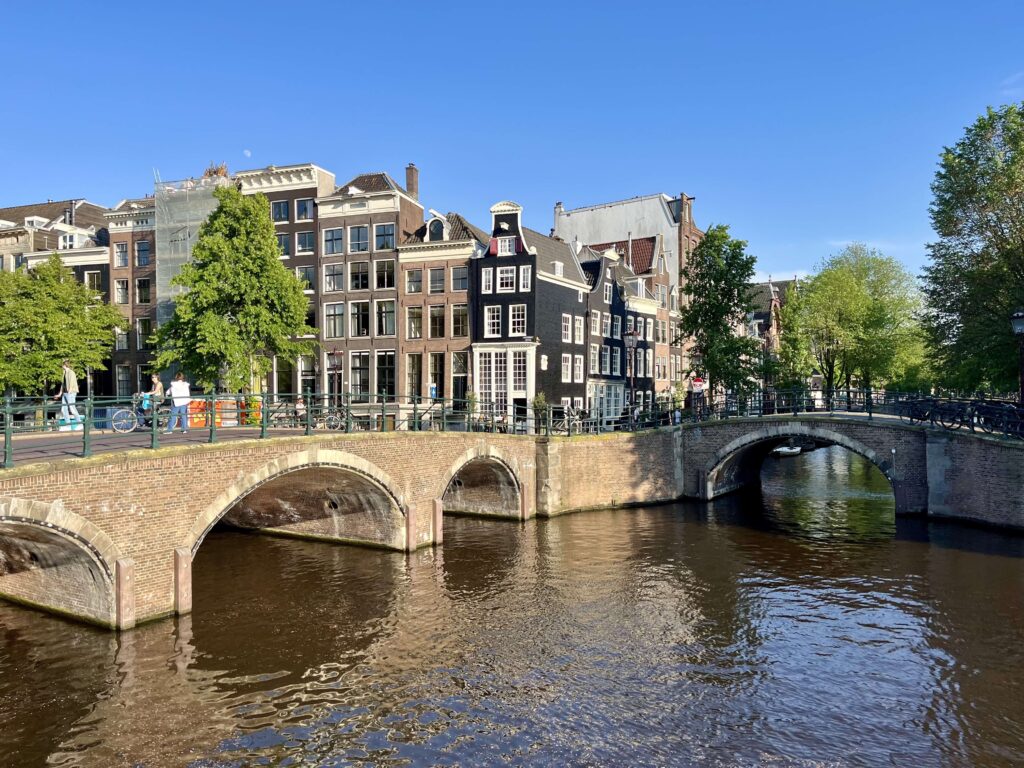
You might see hints of this architecture in New York City but back when it was New Amsterdam, it also had canals!

This year marks the 400th anniversary of Dutch settlement in North America, led by the Dutch West India Company, a trading and exploration arm of the thriving Dutch empire. So our first big questions begin there:

What was the Dutch Empire in 1624 when New Netherland was first settled? Was the colony a major part of it? Would Dutch people have even understood where New Amsterdam was?

— What’s the difference between the Dutch East India Company and the Dutch West India Company?

To what degree was New Amsterdam truly tolerant in terms of religion? Was it purely driving by profits and trading relationships with the area’s native people like the Lenape?

— The prime export was the pelts of beavers and other North American animals. What happened to these thousands of pelts once they arrived in Amsterdam?
— How central were the Dutch to the emerging Atlantic slave trade? When did the first enslaved men and women arrive in New Amsterdam?

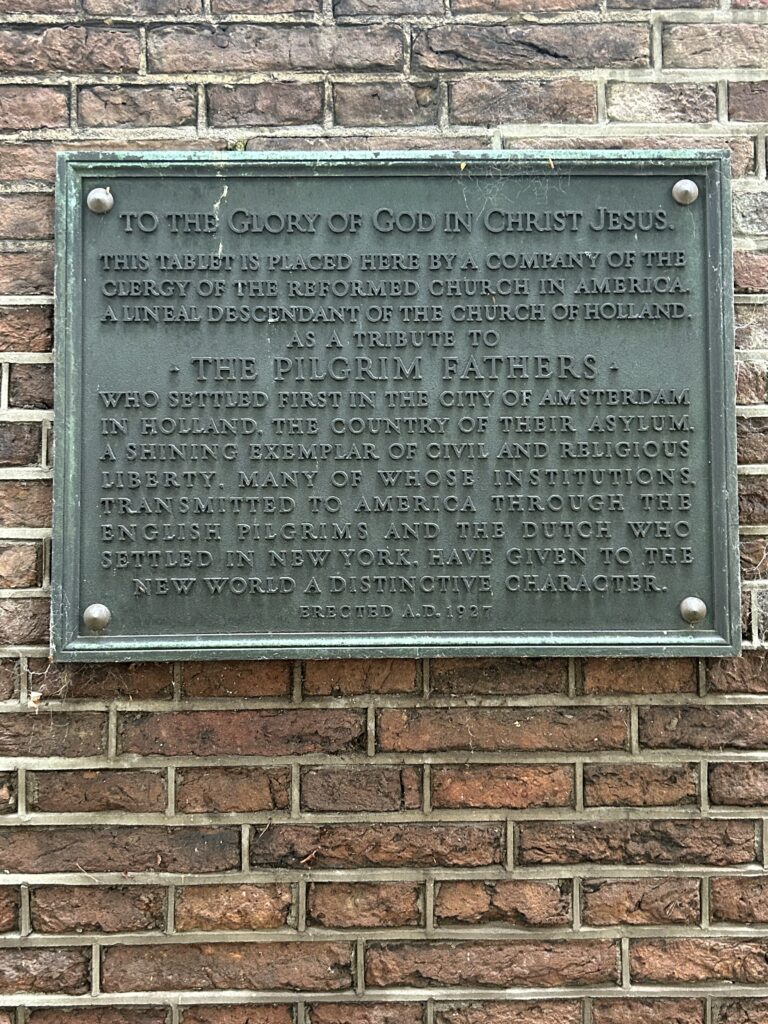
And how are the Pilgrims tied in to all of this? Had they always been destined for the area of today’s Massachusetts?

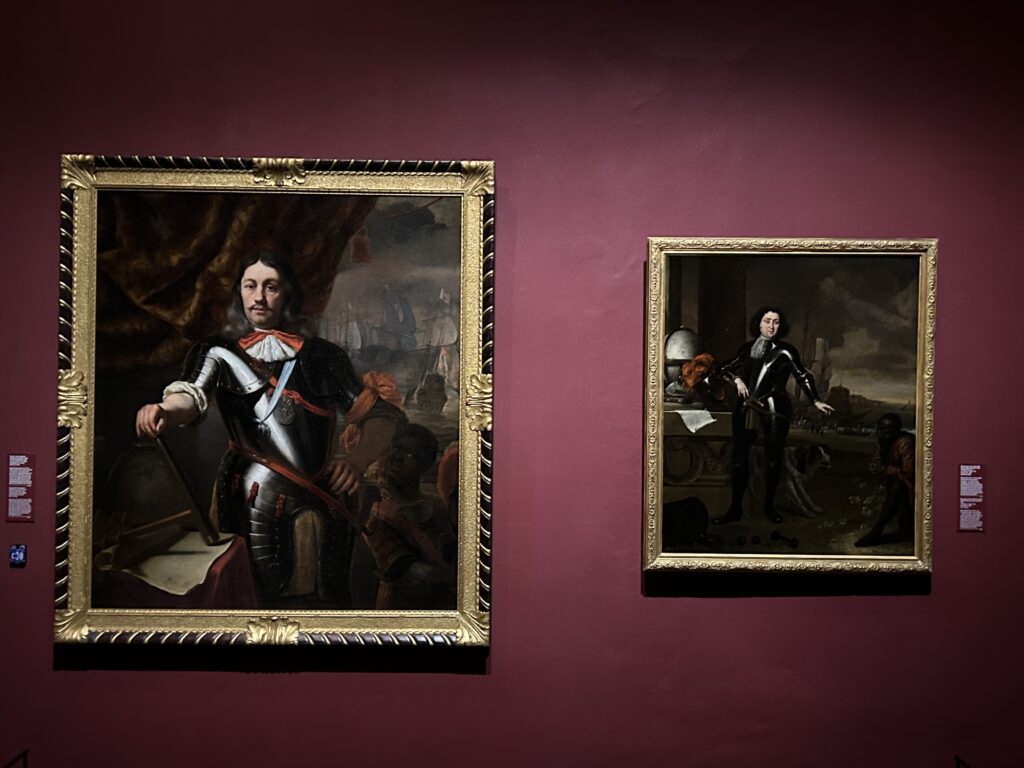
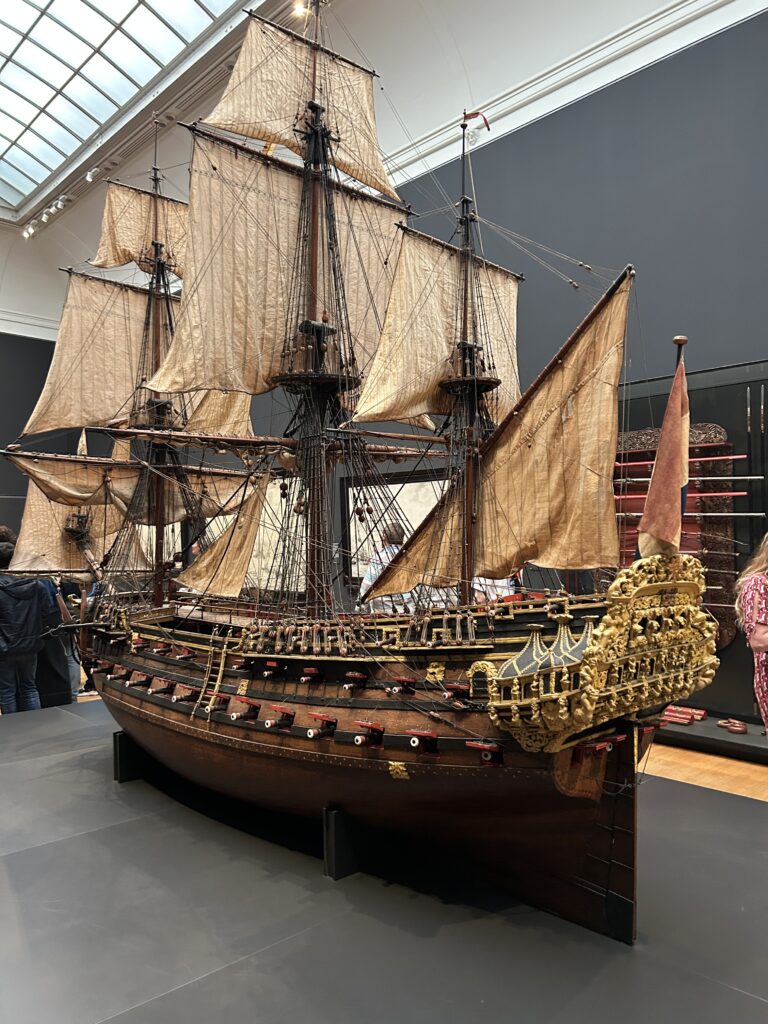
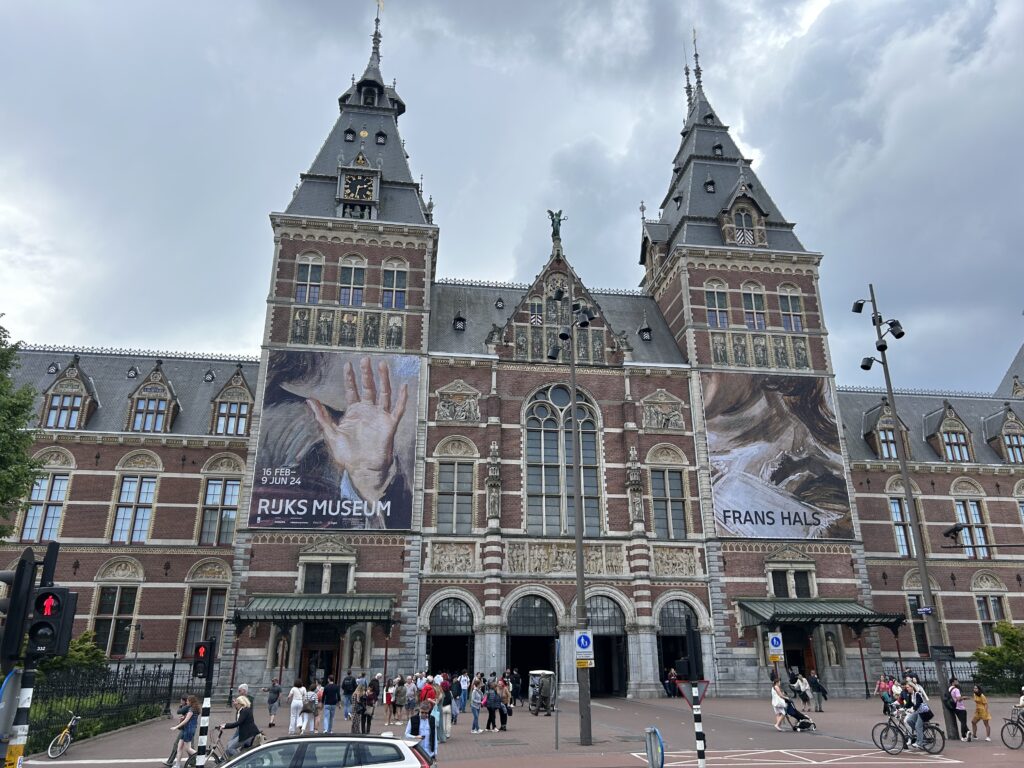
Among the places we visit this episode — the Maritime Museum, the Rijksmuseum, Amsterdam’s oldest building Oude Kirk, the Schreierstoren (the Weeping Tower) and many more

PLUS: We get kicked out of a convent! And we try raw herring sandwiches

LISTEN NOW — AMSTERDAM/NEW AMSTERDAM: EMPIRE OF THE SEAS


Our destinations in this episode:
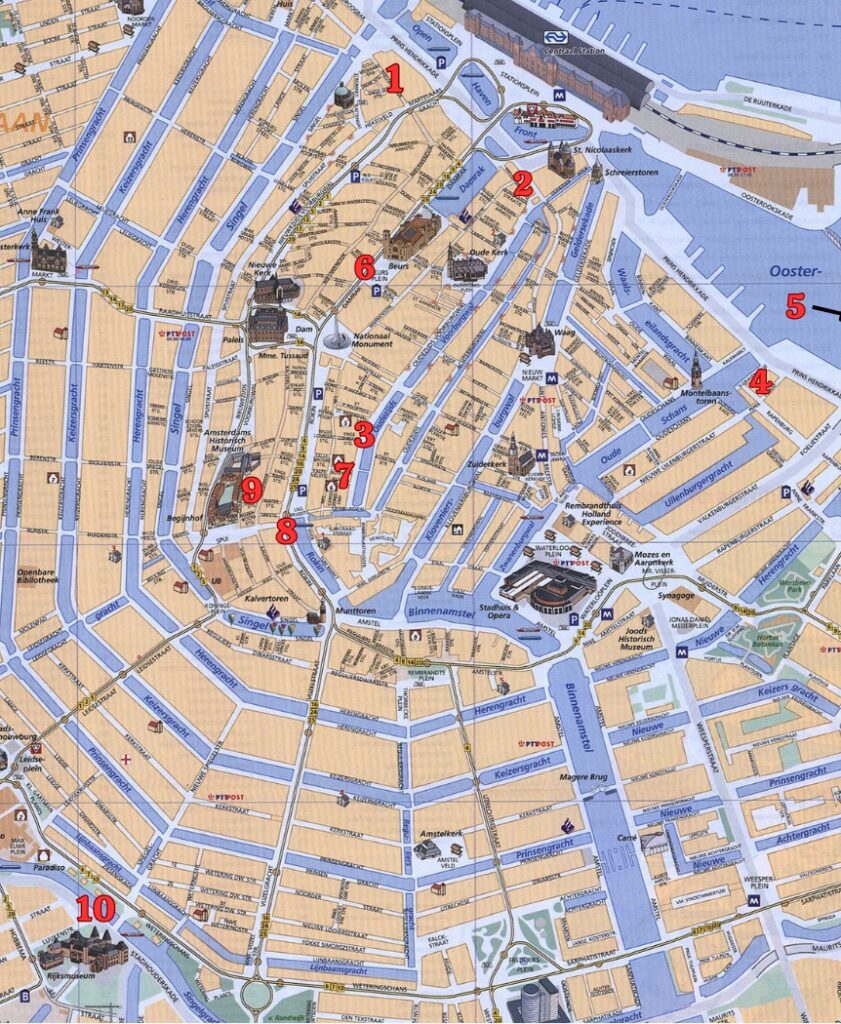
1 Centraal Station
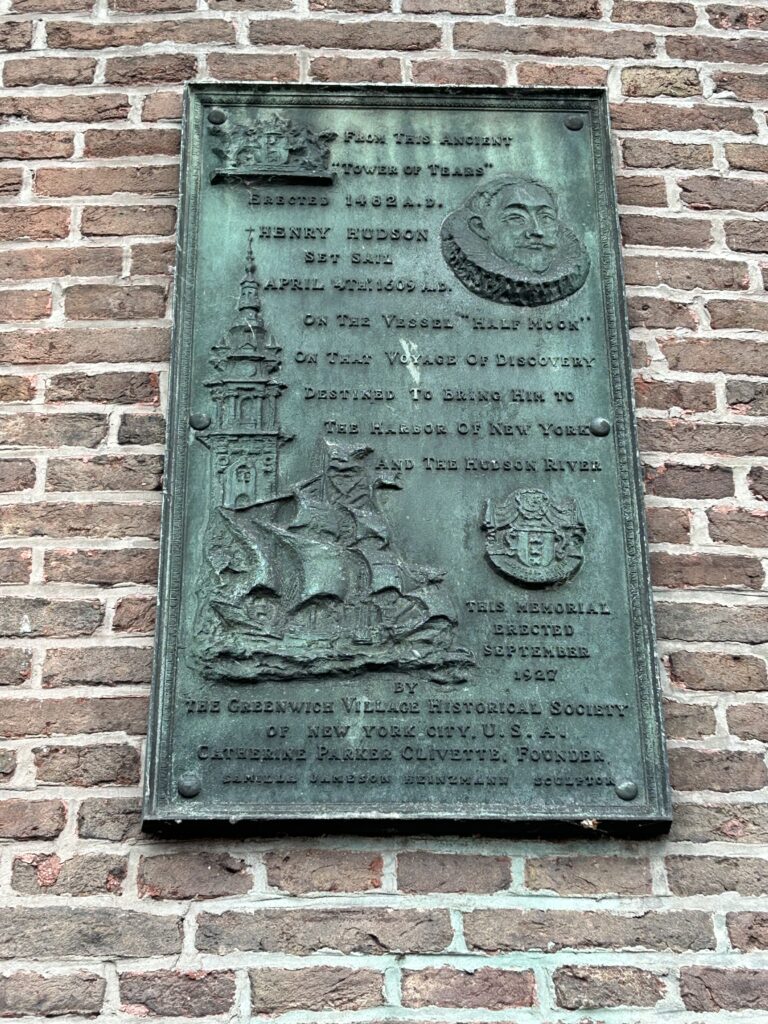
2 “The Crying Tower”
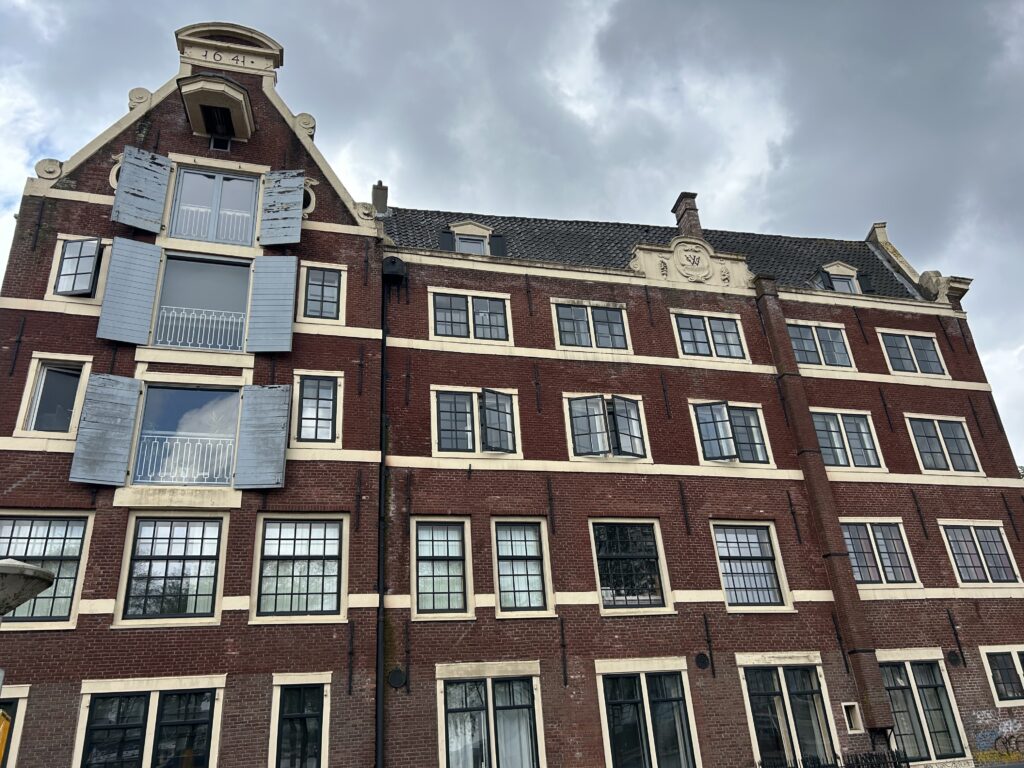
3 Oust East India House
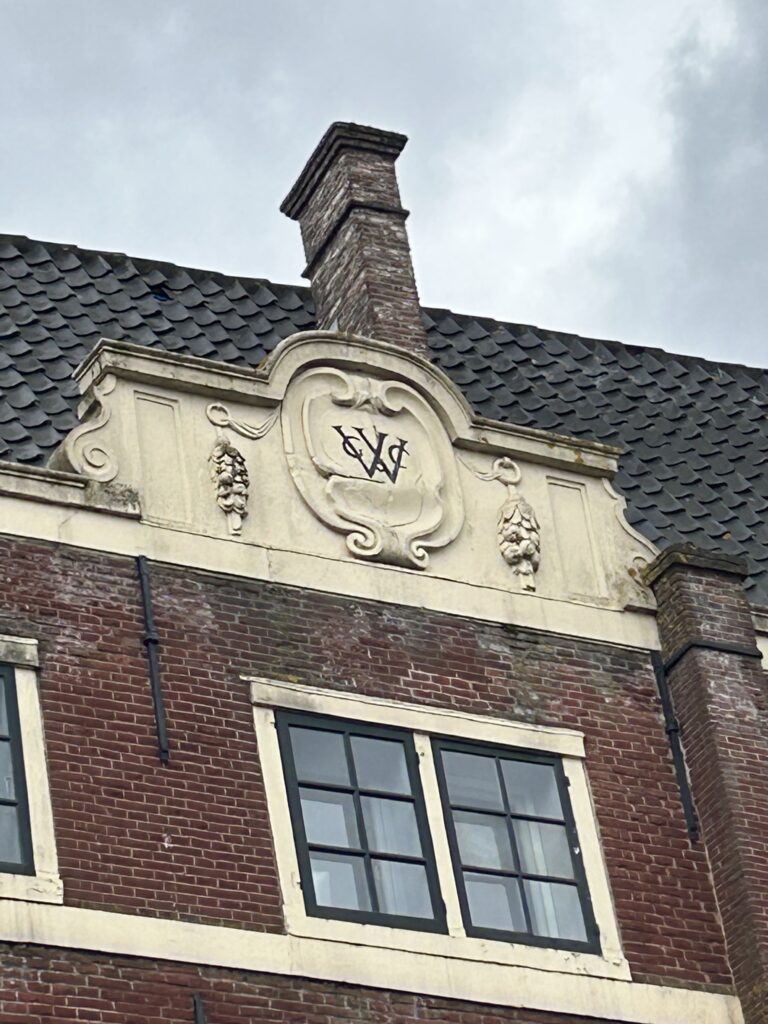
4 Dutch West India Warehouse
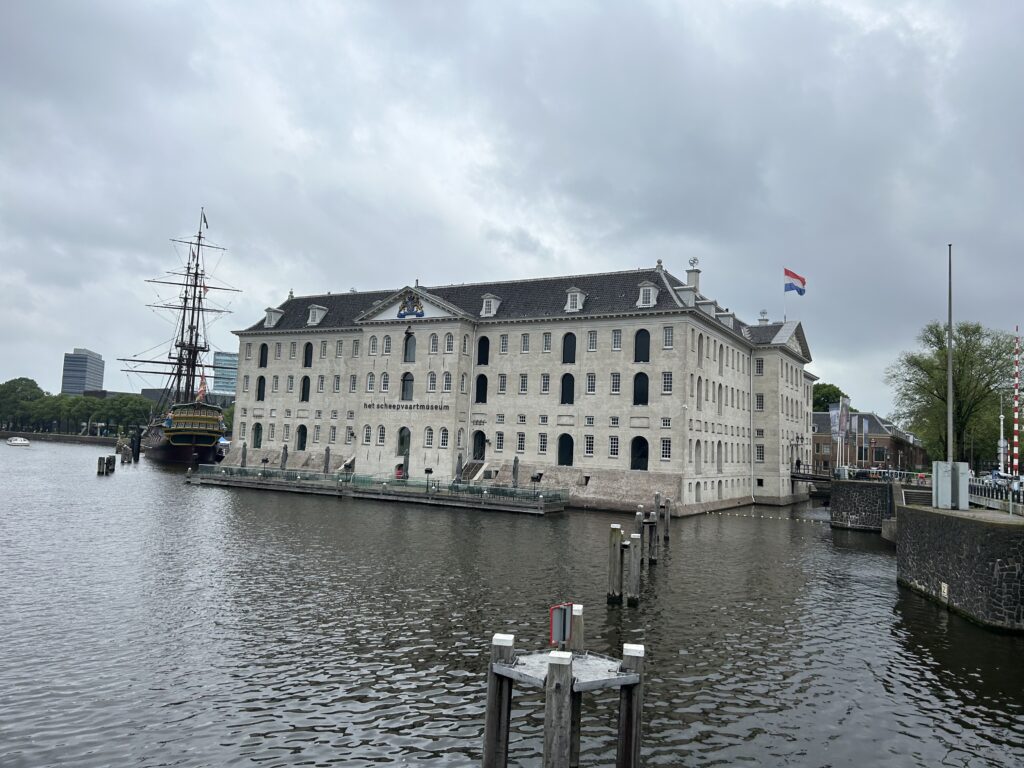
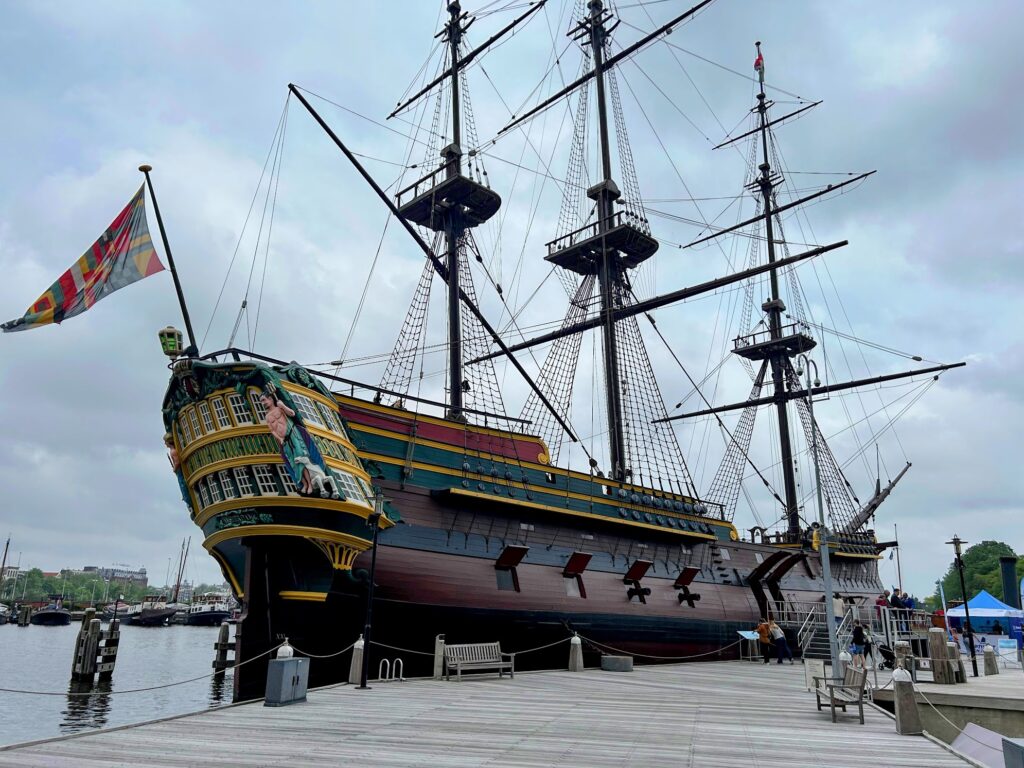
5 Maritime Museum
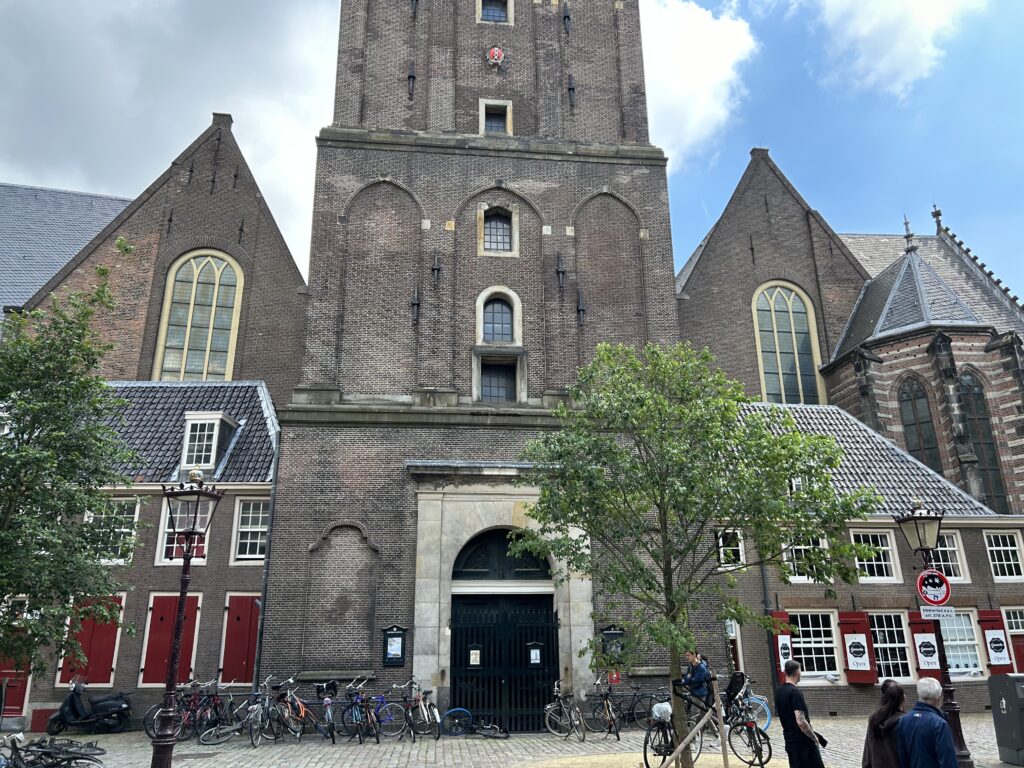
6 Oude Kirk
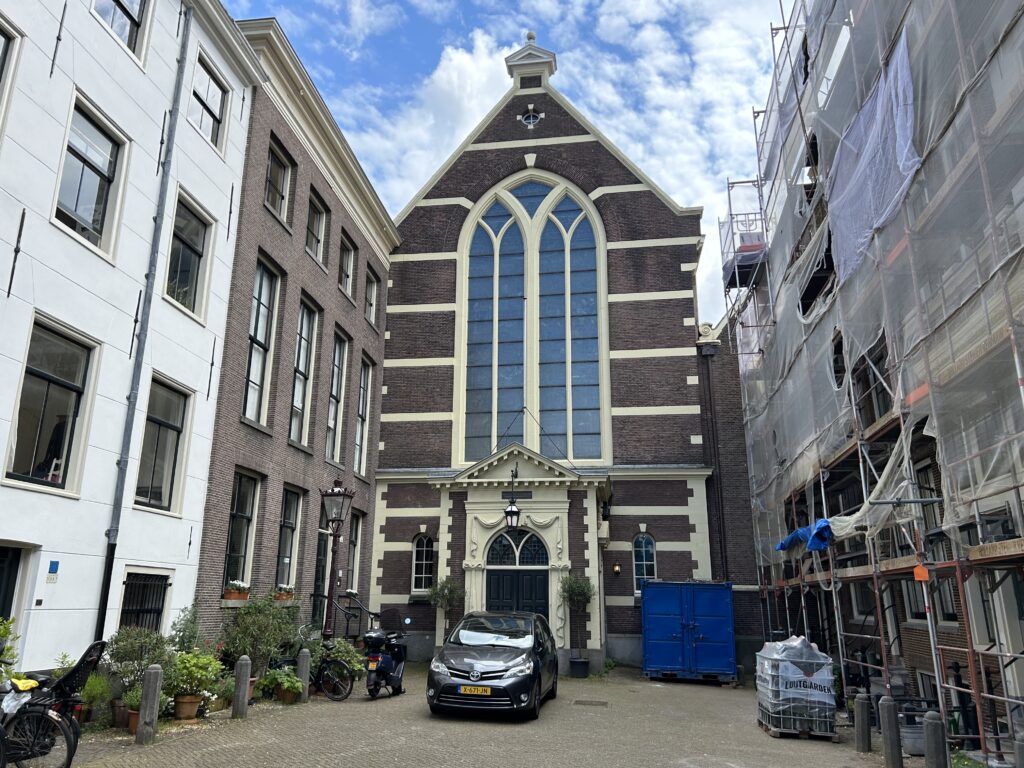
7 Walloon Church in Asmterdam
8 Frens Haringhandel
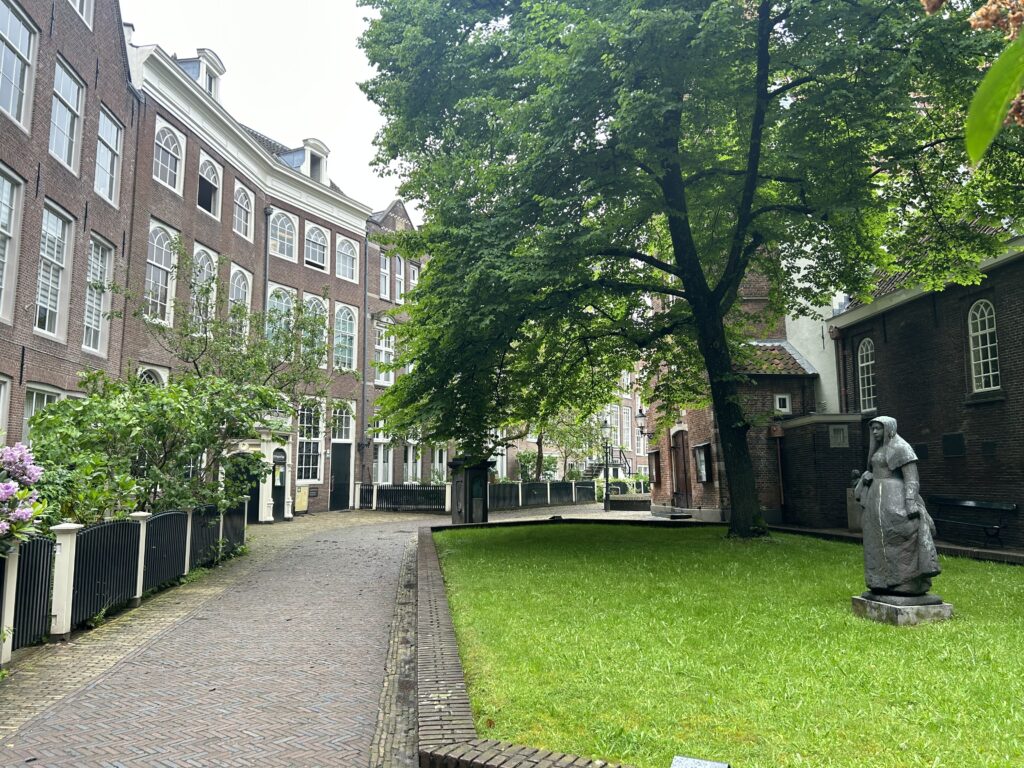
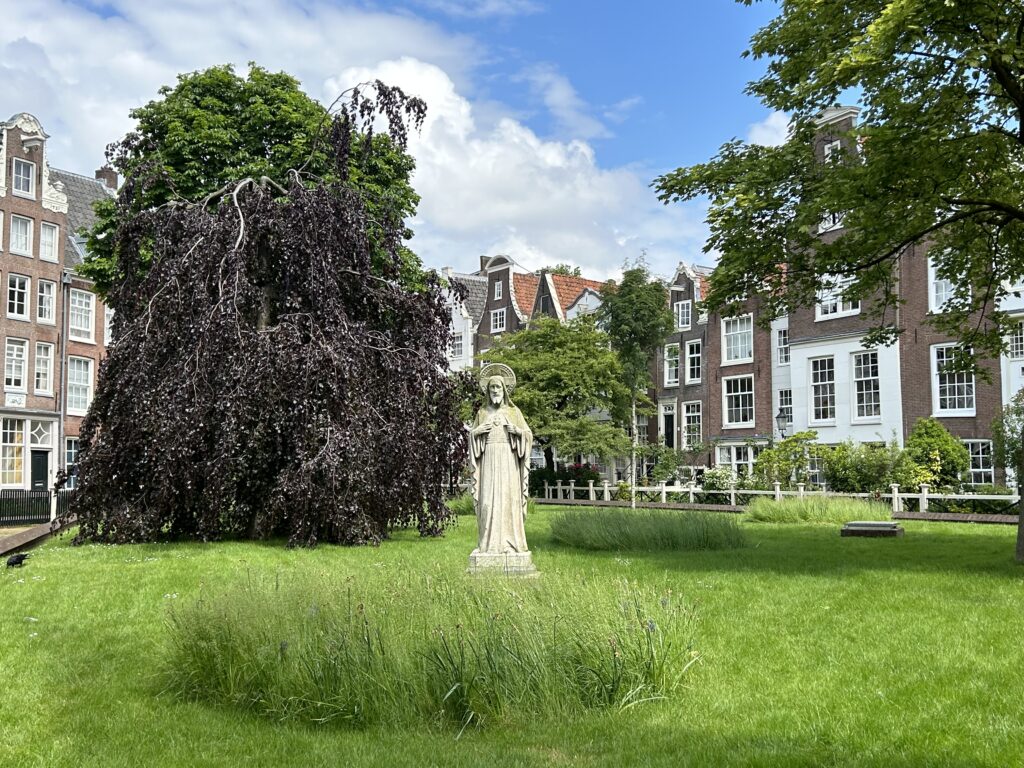
9 Begijnhoff/Cloister
10 Rijksmuseum

Among the historic places featured on this week’s show:

Amsterdam Centraal Station
Schreierstoren/The Crying Tower
Oust East India House (Oude Hoogstraat 24)

Dutch West India Company Warehouse
The Dutch National Maritime Museum
Oude Kirk in the Red Light District
Walloon Church in Asmterdam
Frens Haringhandel

Begijnhof
Rijksmuseum Amsterdam

Over on Patreon, we released a series of daily shows while on the streets of the Netherlands. You can check out those shows — and the many other benefits of being a Bowery Boys patron — by supporting the show at Patreon.


FURTHER LISTENING

Interview with Russell Shorto, author of The Island At The Center of the World

The Lenape and other native peoples of the New York/Hudson Valley region would be both trading partners and adversaries of the Dutch, who claimed to have ‘discovered’ the land those people already lived upon.

The story of religious freedom during the New Amsterdam/Peter Stuyvesant plays a major role in this episode which features a visit to the John Bowne House:

Our original two-part series on New Amsterdam:
Categories
New Amsterdam Podcasts

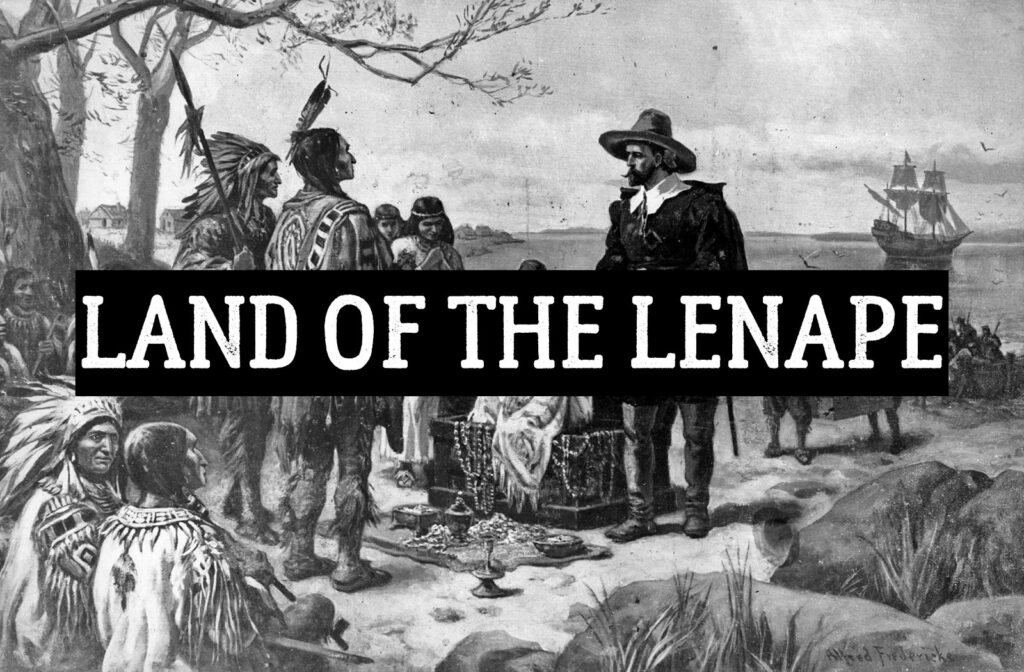
Land of the Lenape: A Violent Tale of Conquest and Betrayal

PODCAST The story of the Lenape, the native people of New York Harbor region, and their experiences with the first European arrivals — the explorers, the fur traders, the residents of New Amsterdam.

Before New York, before New Amsterdam — there was Lenapehoking, the land of the Lenape, the original inhabitants of the places we call Manhattan, Westchester, northern New Jersey and western Long Island.

This is the story of their first contact with European explorers and settlers and their gradual banishment from their ancestral land.

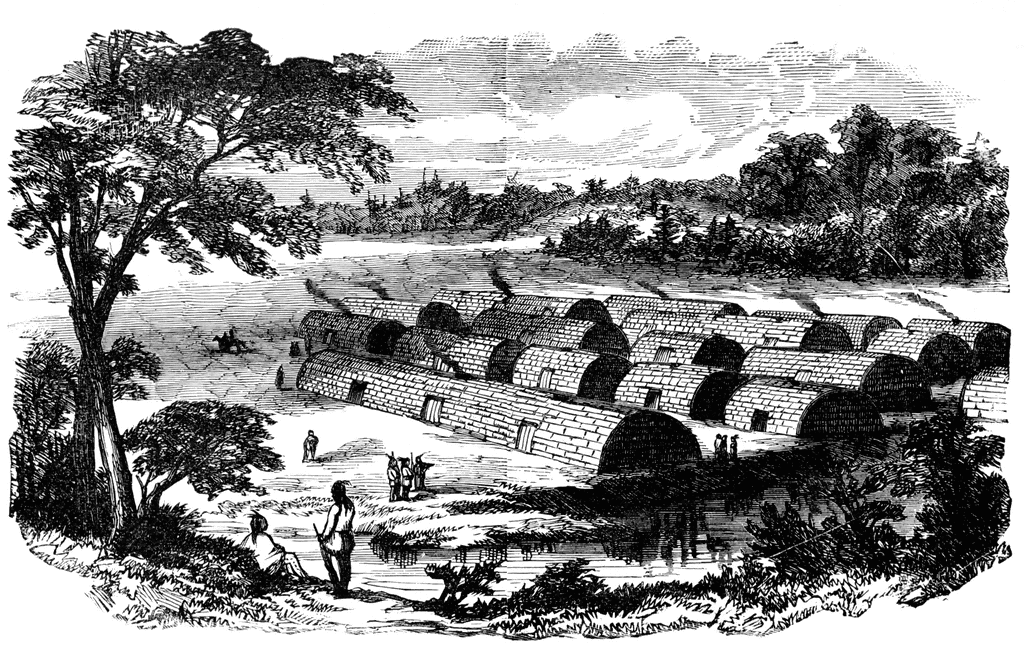
Fur trading changed the lifestyles of the Lenape well before any permanent European settlers stepped foot in this region. Early explorers had a series of mostly positive experiences with early native people.

With the Dutch settlement of New Amsterdam, the Lenape entered into various land deals, “selling: the land of Manhattan at a location in the area of today’s Inwood Hill Park.

But relations between New Amsterdam and the surrounding native population worsened with the arrival of Director-General William Kieft, leading to bloody attacks and vicious reprisals, killing hundreds of Lenape and colonists alike.

Peter Stuyvesant arrives to salvage the situation, but further attacks threatened any treaties of peace.  But the time of English occupation, the Lenape were decimated and without their land.

And yet, descendants of the Lenape live on today in various parts of the United States and Canada.  All that and more in this tragic but important tale of New York City history.

To get this week’s episode, simply download it for FREE from iTunes or other podcasting services or get it straight from our satellite site.

Or listen to it straight from here:

__________________________________________________________

The Bowery Boys: New York City History podcast is brought to you …. by you!

We are now producing a new Bowery Boys podcast every two weeks.  We’re also looking to improve the show in other ways and expand in other ways as well — through publishing, social media, live events and other forms of media.  But we can only do this with your help!

We are now a member of Patreon, a patronage platform where you can support your favorite content creators for as little as a $1 a month.

Please visit our page on Patreon and watch a short video of us recording the show and talking about our expansion plans.  

If you’d like to help out, there are five different pledge levels (and with clever names too — Mannahatta, New Amsterdam, Five Points, Gilded Age, Jazz Age and Empire State). Check them out and consider being a sponsor.

We greatly appreciate our listeners and readers and thank you for joining us on this journey so far. And the best is yet to come!

__________________________________________________________

The long road of the Lenape. This 1978 map shows the path of their various relocations across the country in comparison with the relocation path of the Cherokee.

Ives Goddard, “Delaware,” in Handbook of North American Indians, vol. 15: Northeast, ed. Bruce Trigger and William Sturtevant (Washington DC: Smithsonian Institution1 1978)

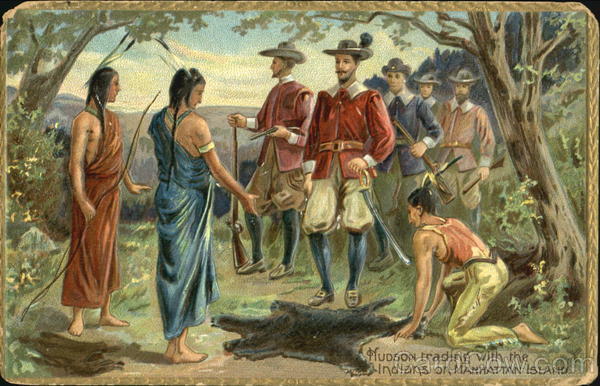
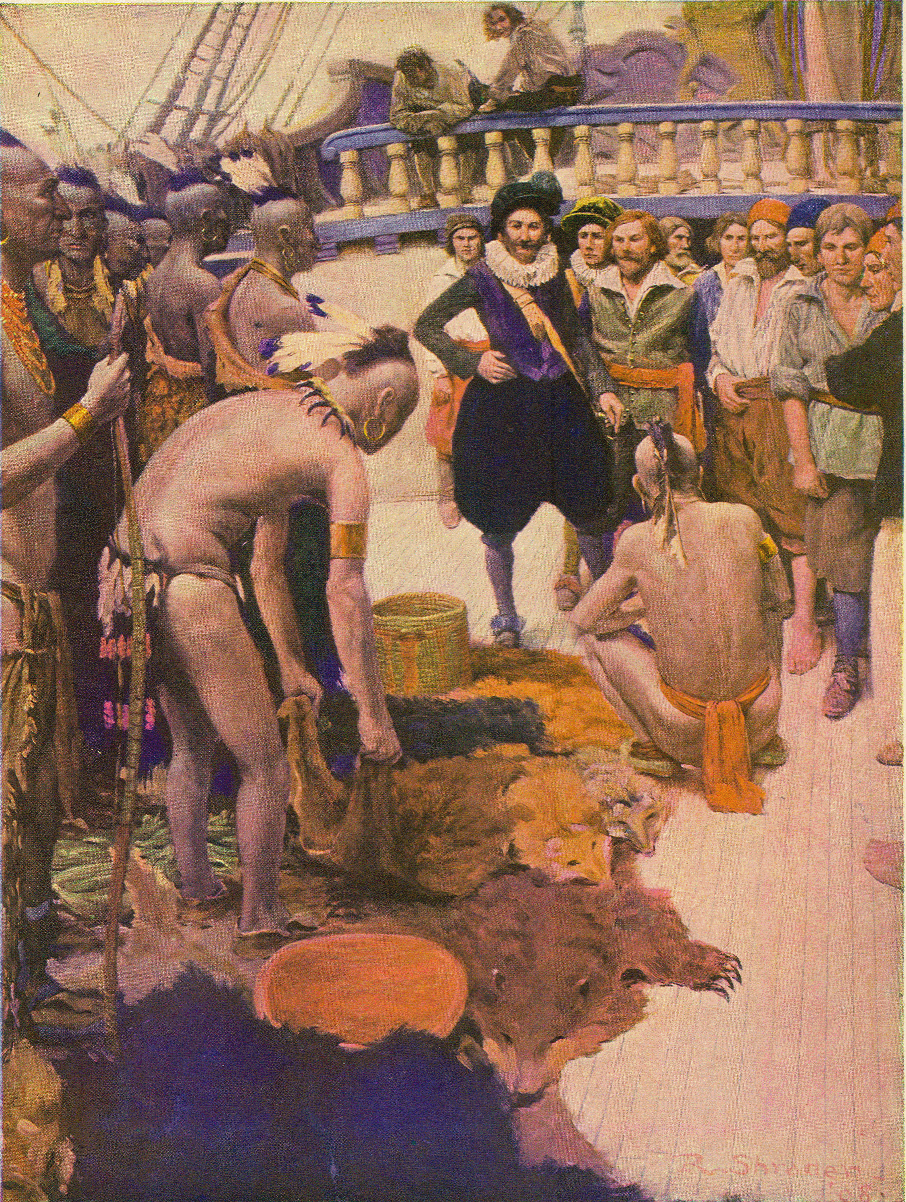
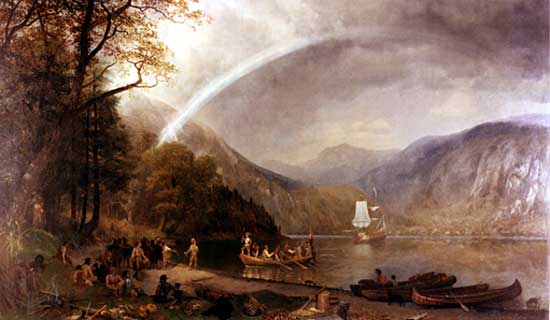
Henry Hudson’s interaction with the native people of the area would much later inspire a host of fanciful depictions.

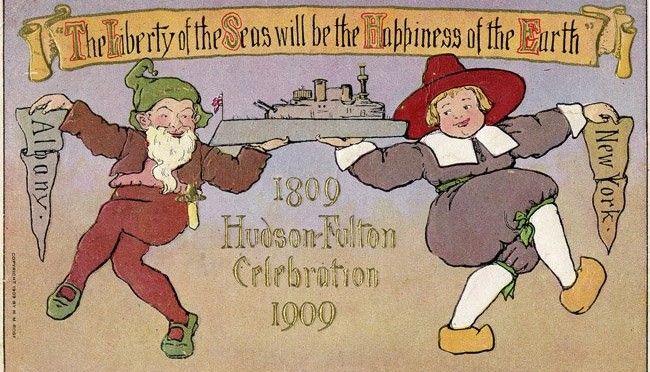
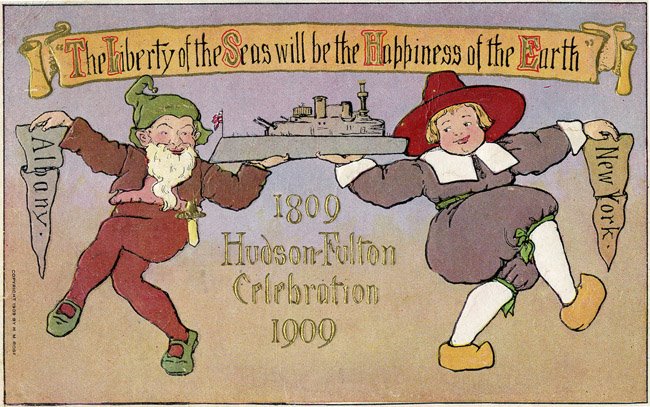
From a 1909 postcard for the Hudson-Fulton Celebration

Hudson Trading With Indians On Manhattan Island

From an old textbook:

Courtesy The Baldwin Project

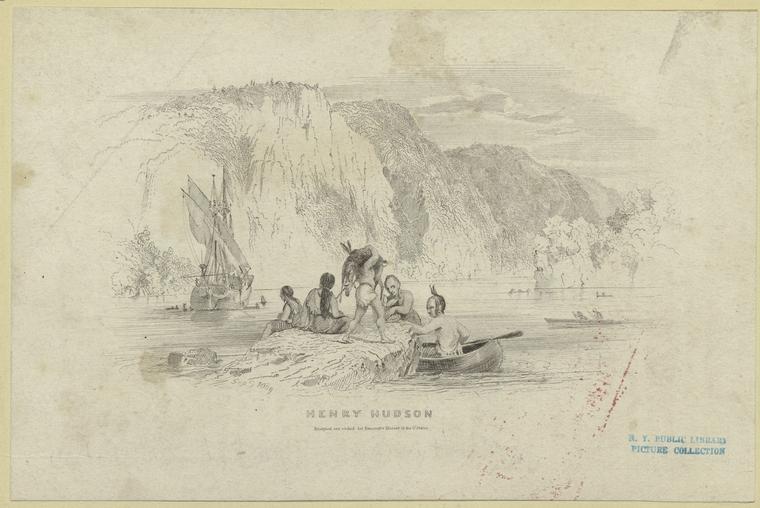
“‘Designed and etched for Bancroft’s History of the United States’ Written on image: ‘Sept. 7 1609’

Courtesy NYPL
Courtesy NYPL

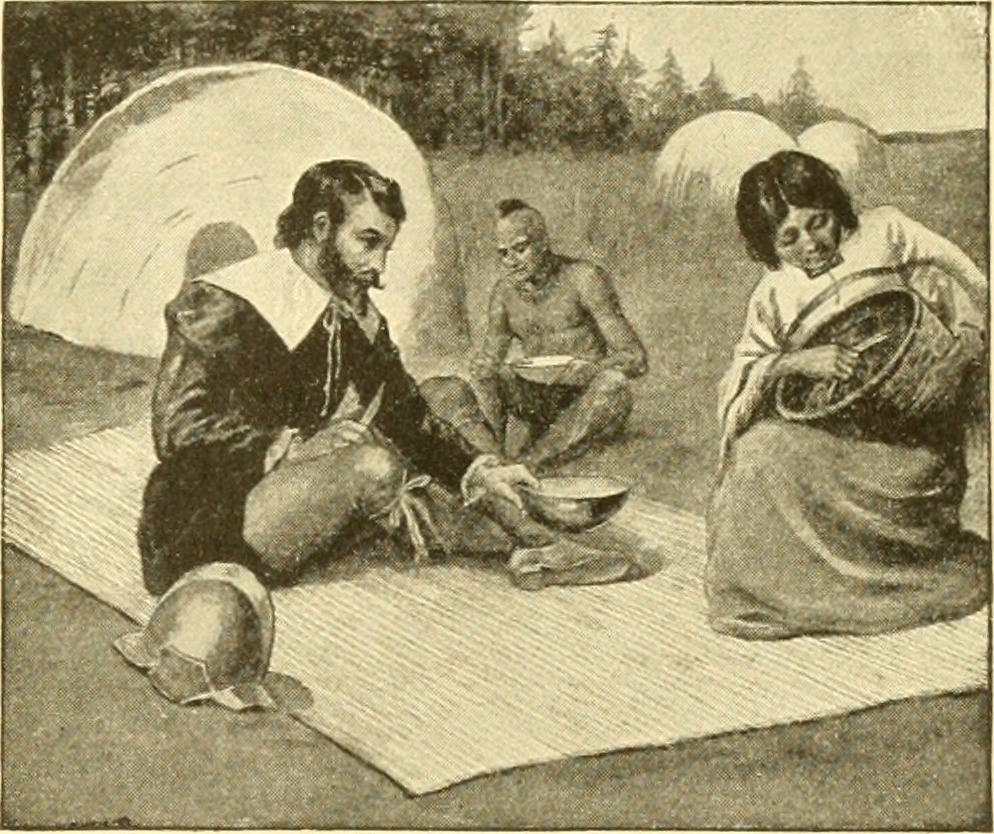
From a 1915 textbook ‘A First Book In American History’ — “Hudson’s ship anchored again opposite the Catskill Mountains, and here he found some very friendly Indians, who brought corn, pumpkins, and to-bacco to sell to the crew. Still farther up the river Hudson visited a tribe onshore, and wondered at their great heaps of corn and beans. The chief lived in around bark house. Captain Hudson wasmade to sit on a mat and eat from a red wooden bowl. The Indians wished him to stay all night; they broke their arrows and threw them into the fire, to show their friendliness.

Internet Archive Book Images

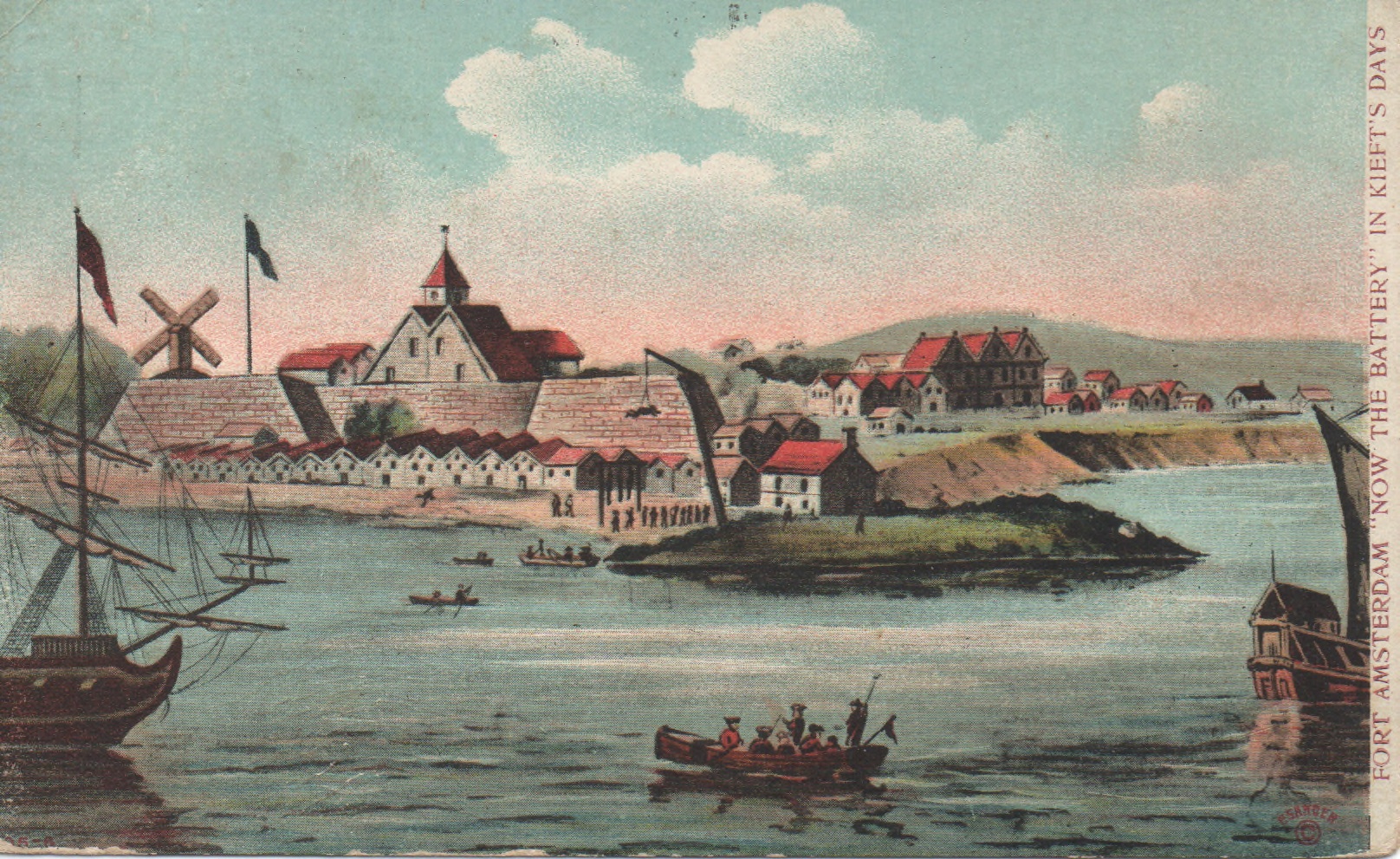
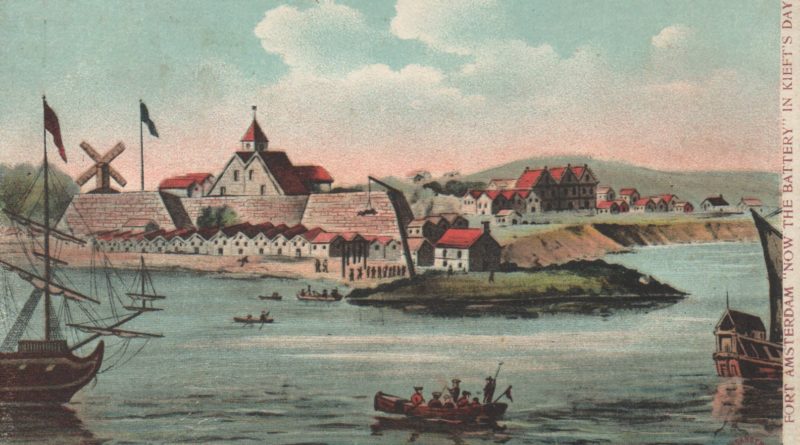
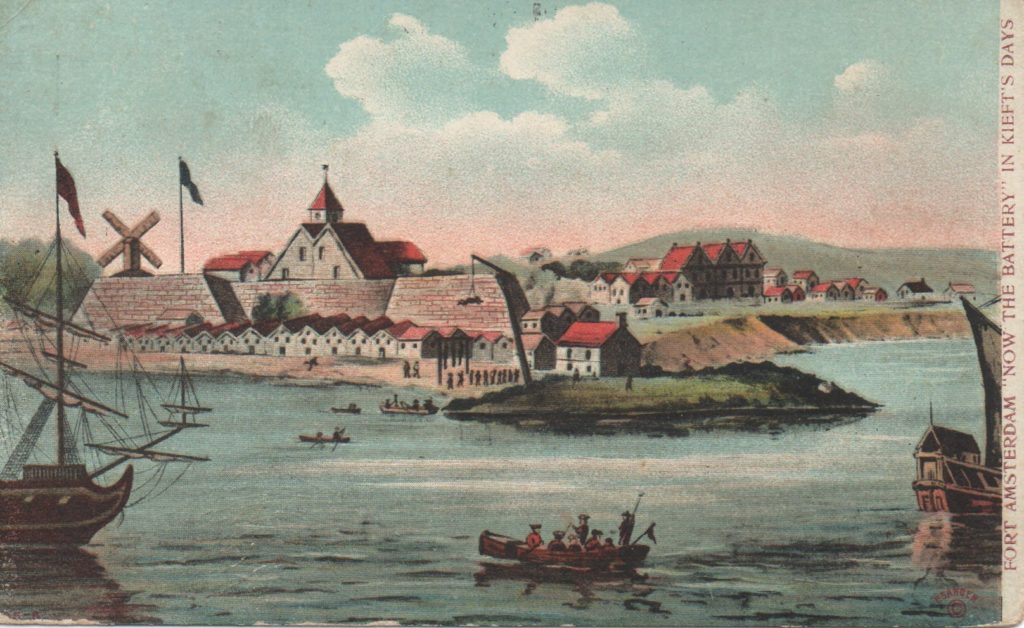
Behold New Amsterdam!

fortamsterdampostcard

From another text book, this one from 1881:

New York Public Library

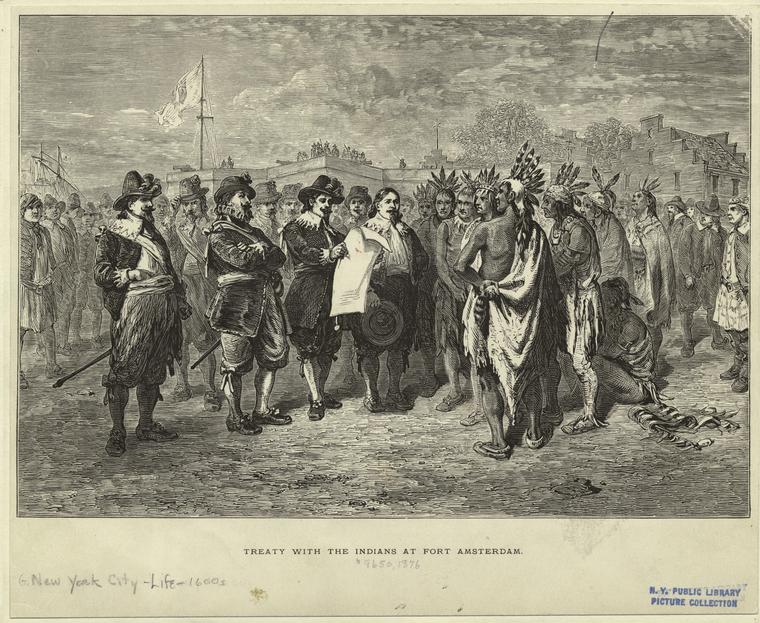
From an 1876 print: ‘Treaty with the Indians at Fort Amsterdam.” Not sure what year this picture depicts but everybody has two legs, so no Peter Stuyvesant!

NYPL
NYPL

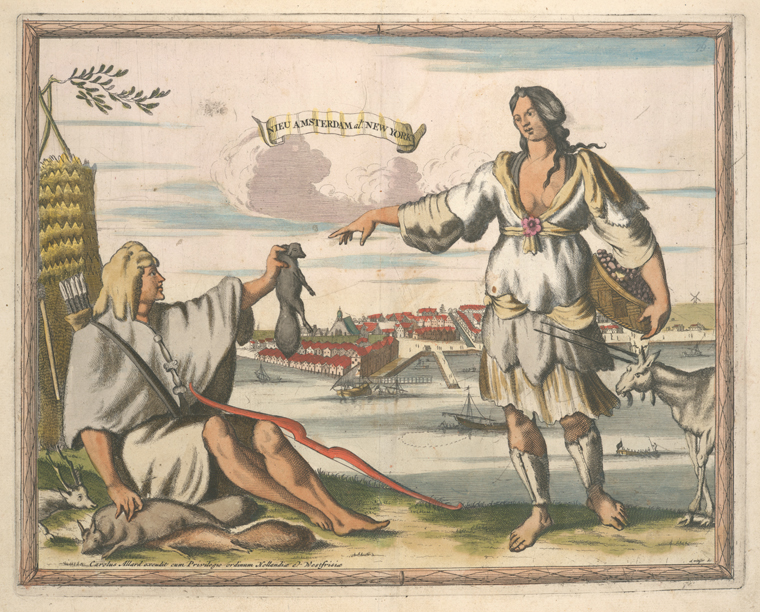
A well-known engraving by Aldert Meijer depicts New Amsterdam as being touched by the hand of providence.

NYPL
NYPL

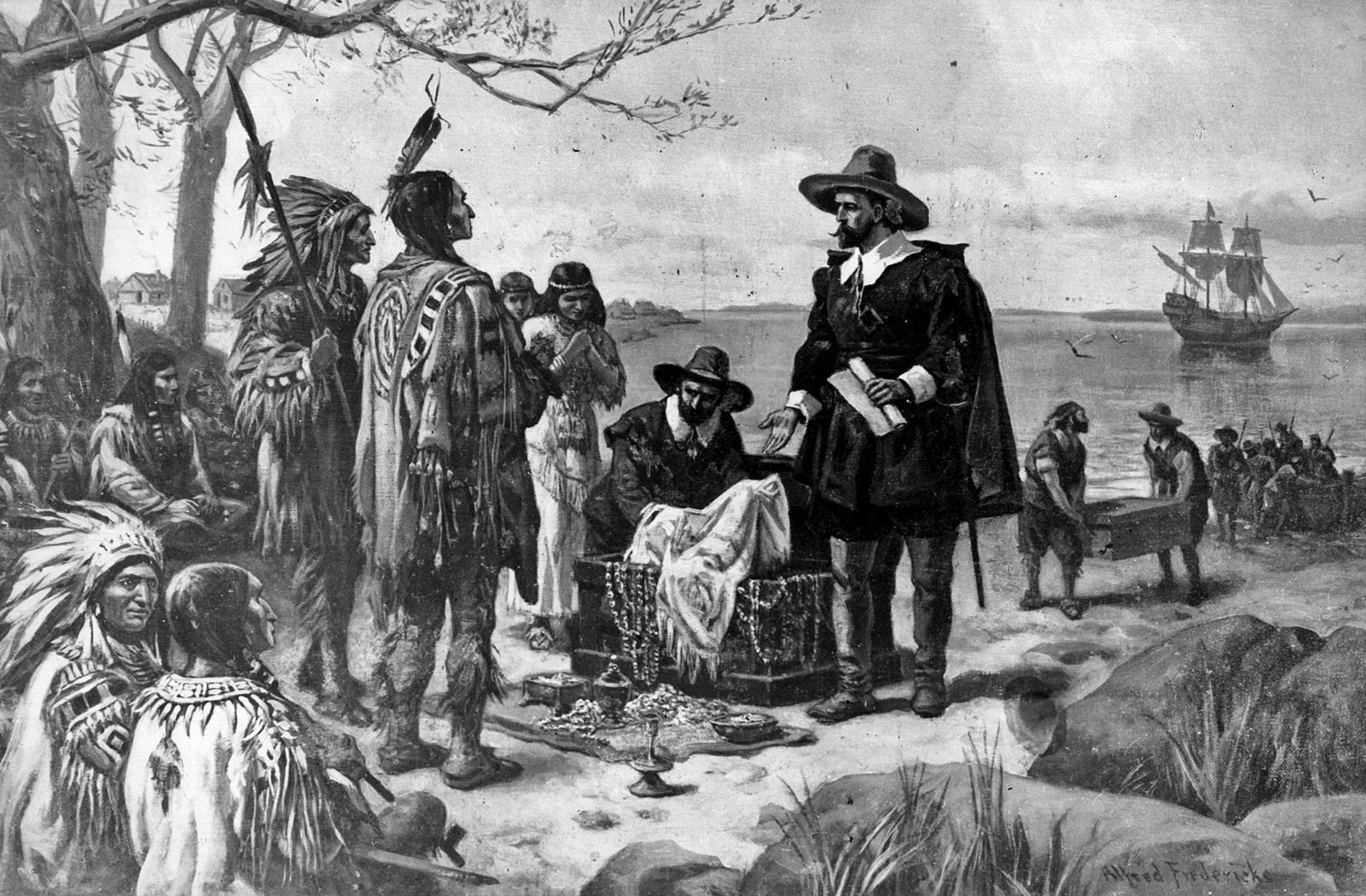
A drawing of the 1926 purchase of Manhattan between the native population and Peter Minuit. Image is from Popular Science Magazine, 1909.

NYPL
NYPL

…clearly derived from

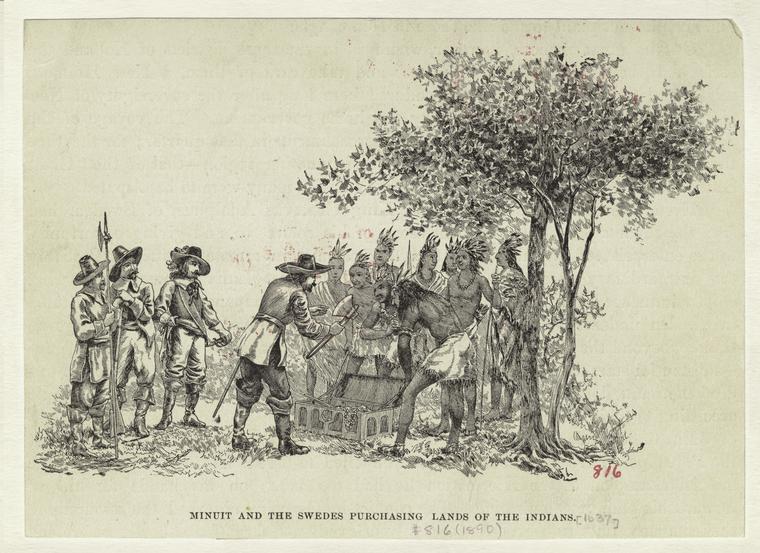
“Peter Minuit and the Swedes purchasing lands of the Indians.” Illustration dated 1890

NYPL
NYPL

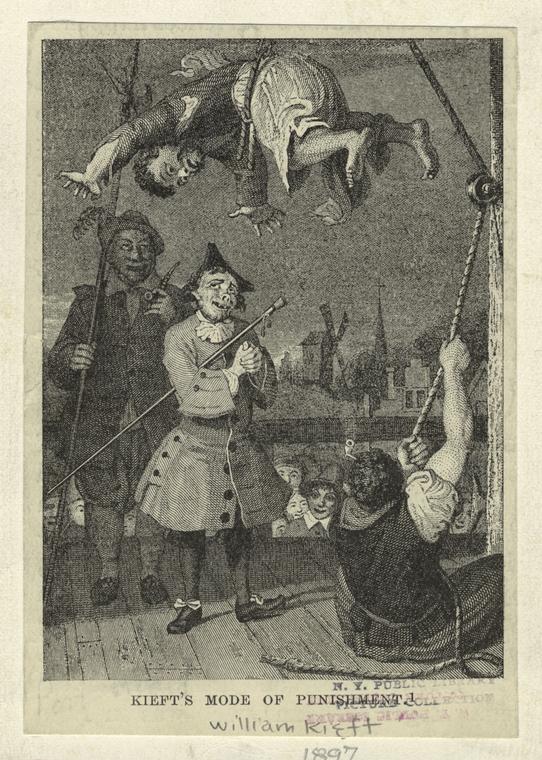
William Kieft’s reputation as a vicious tyrant is made apparent here in this 1897 illustration captioned ‘Kieft’s Mode of Punishment.’

NYPL
NYPL

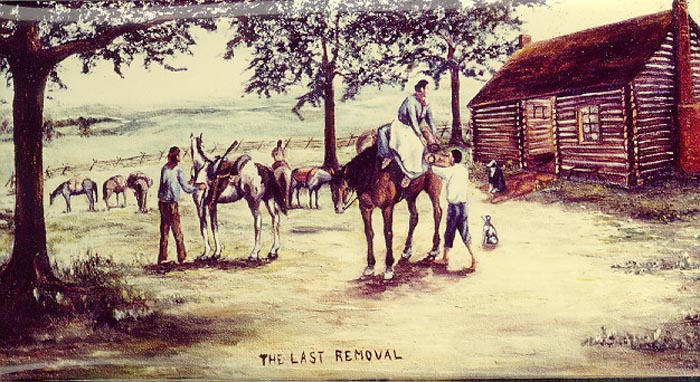
From the Delaware Indians website: “A painting by Lenape artist Jacob Parks (1890-1949), which depicts a Lenape family leaving their home on their reservation in Kansas in 1867. This area had been their home for over thirty-five years, and now the government told them they had to move to Indian Territory (now Oklahoma).”

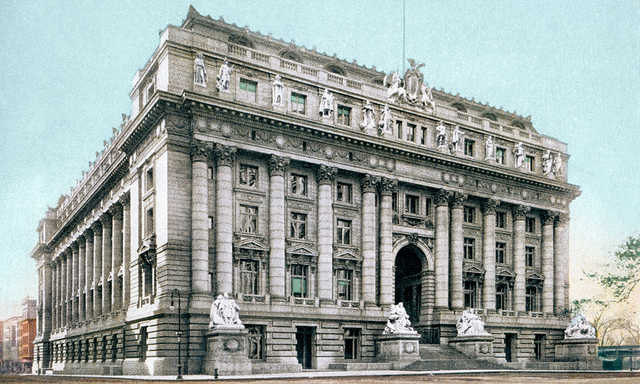
The Smithsonian National Museum of the American Indian is currently living in the Alexander Hamilton U.S. Custom House. It’s a FREE museum so you should stop in anytime you’re in the Battery Park area.

custom-house

FURTHER READING

The First Manhattans: A History of the Indians of Greater New York by Robert S. Grumet

The Island At The Center Of The World by Russell Shorto

The Delaware Indians: A History by  C.A. Westanger

Native New Yorkers: The Legacy of the Algonquin People of New York by Evan T. Pritchard

The Official Site of the Delaware Tribe of Indians

Lenape Lifeways: An overview of Lenape life and customs

Removal History of the Delaware Tribe

FURTHER LISTENING

After you’ve listened to this show on the history of the Lenape, check out other shows related to this episode:

Categories
New Amsterdam Podcasts

Life in New Amsterdam: How the Dutch helped build the foundations of New York City history
PODCAST Back when old New York was once New Amsterdam.

We are turning back the clock to the very beginning of New York City history with this special two-part episode, looking at the very beginnings of European settlement in the area and the first significant Dutch presence on the island known as Manhattan.

The Dutch were drawn to the New World not because of its beauty, but because of its beavers. Beaver pelts were all the rage in European fashion, and European explorers like Henry Hudson reported back that this unexplored land was filled with the animals and their beautiful coats.

Of course, people were already living here — the tribes of the Lenape — and the first settlers sent by the Dutch — French-speaking Walloons — encountered them in the mid 1620s. But relations were relatively good between the two parties at the beginning. Could the native Munsee-speaking people and the first Dutch settlers get along?

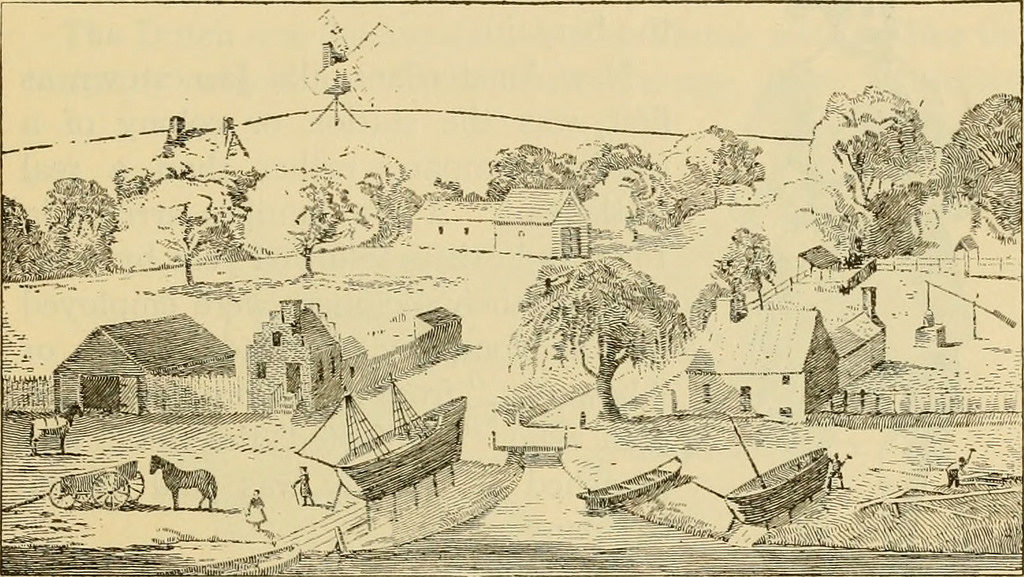
In this episode, we walk you through the first two decades of life in the settlement of New Amsterdam, confined to the southern tip of Manhattan. What was the island like back then? How did people live and work in a region so entirely unknown to its European inhabitants?

Listen Now: New Amsterdam History Podcast
___________________________________________________________________________

The Bowery Boys: New York City History podcast is brought to you …. by you!

We are now producing a new Bowery Boys podcast every other week. We’re also looking to improve the show in other ways and expand in other ways as well — through publishing, social media, live events and other forms of media. But we can only do this with your help!

We are now a member of Patreon, a patronage platform where you can support your favorite content creators for as little as a $1 a month.

Please visit our page on Patreon and watch a short video of us recording the show and talking about our expansion plans. If you’d like to help out, there are five different pledge levels (and with clever names too — Mannahatta, New Amsterdam, Five Points, Gilded Age, Jazz Age and Empire State). Check them out and consider being a sponsor.

And join us for the first ever Bowery Boys Movie Club, an exclusive podcast provided to our supporters on Patreon.

We greatly appreciate our listeners and readers and thank you for joining us on this journey so far.

________________________________________________________________________

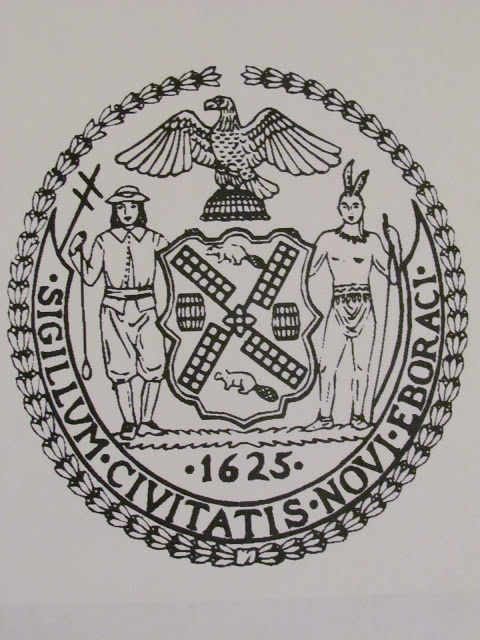
The official seal of New York City contains many clues to the city’s history. It also features not one, but two, beavers.

Manhattan Unlocked

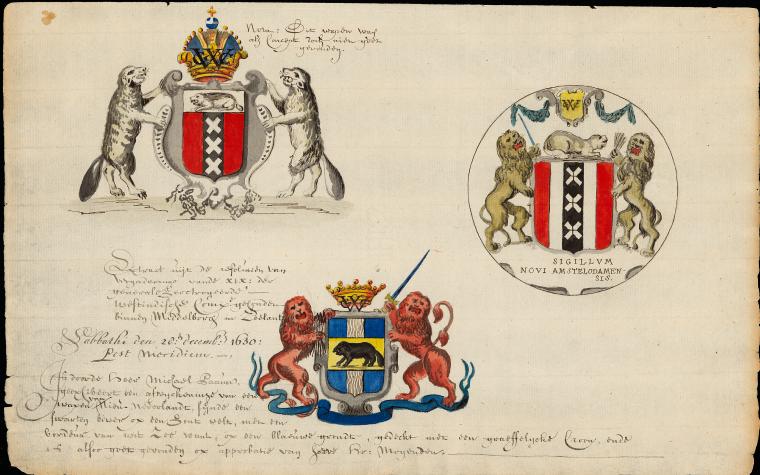
The original coat of arms for New Amsterdam and New Netherland.

New York Public Library

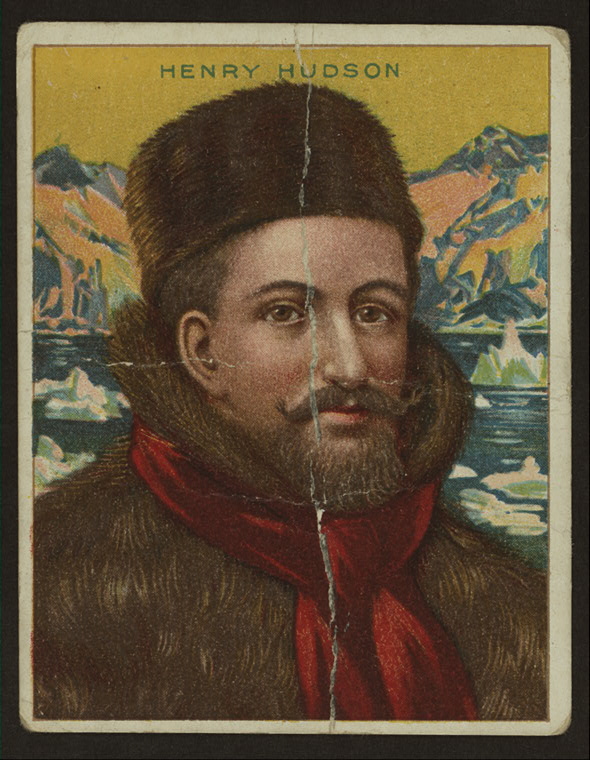
Henry Hudson on a vintage cigarette card.

George Arents Collection/New York Public LIbrary

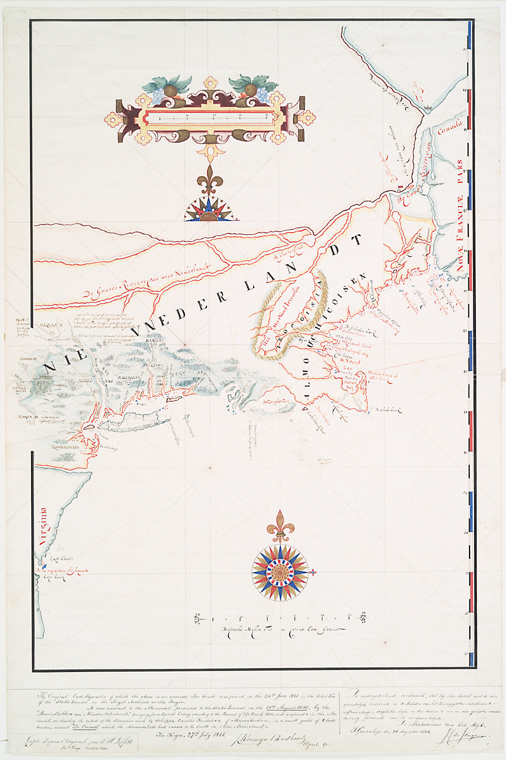
A 1614 map drawn by explorer Adriaen Block, labeling the entire place New Nederlandt!

I. N. Phelps Stokes Collection of American Historical Prints/ New York Public Library

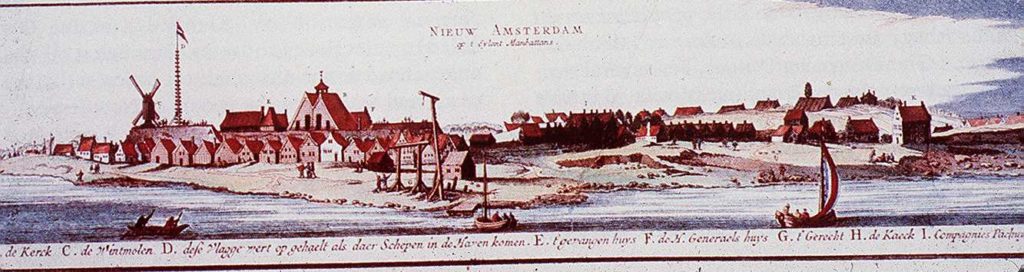
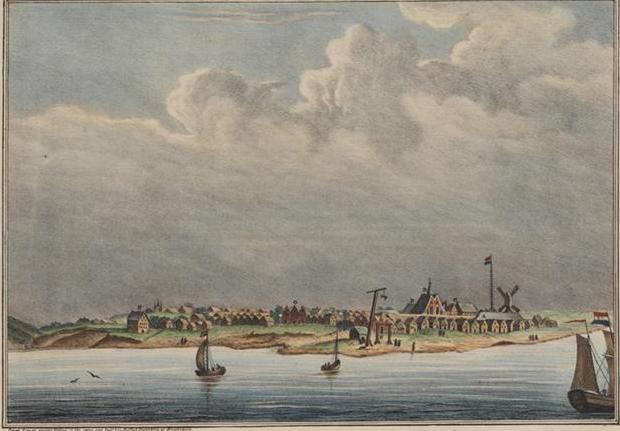
A look at New Amsterdam in it might have looked in 1640. Note the windmill in the background and gallows on Capske Hook!

New-York Historical Society
“As it appeared about the year 1640, while under the Dutch Government. Copied from an ancient Etching of the same size Publd. by Justus Danckers, at Amsterdam. Printed and Published by H. R. Robinson, 52 Courtlandt Street New York” Courtesy Museum of the City of New York

An illustration from the 1921 book A History of the United States by Henry Eldridge Bourne. A Dutch blacksmith shop and a farm scene, Manhattan Island, where a brookside path with the name of Maiden Lane followed a valley to the East River

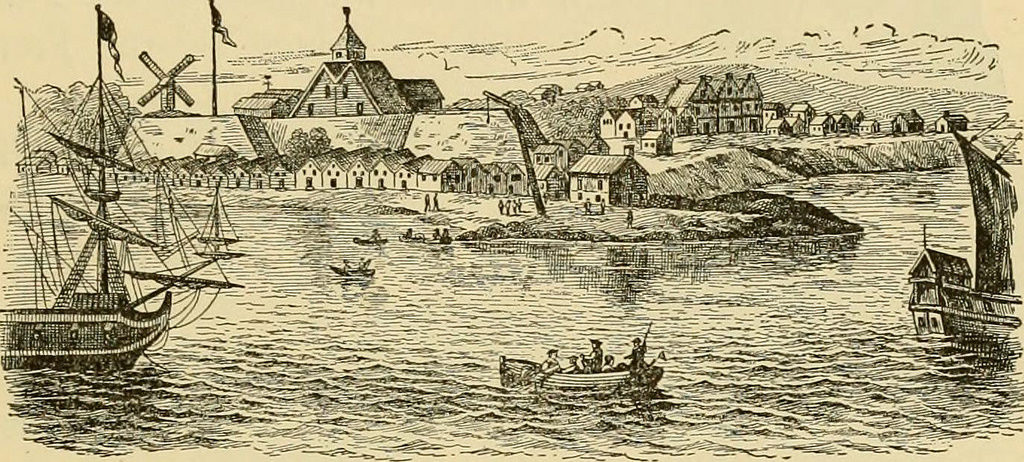
From the same book — a look at Fort Amsterdam and Capske Hook.

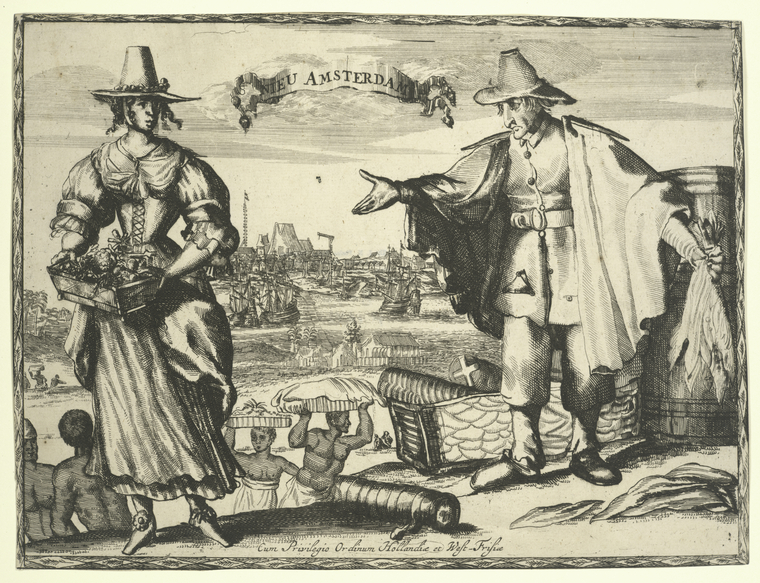
An illustration of New Amsterdam clearly depicts its placement in the larger scheme of the New Netherland territory (and, as the years went by, its increasing prominence as both a tobacco producer and a component of the Dutch transatlantic slave trade).

New York Public Library

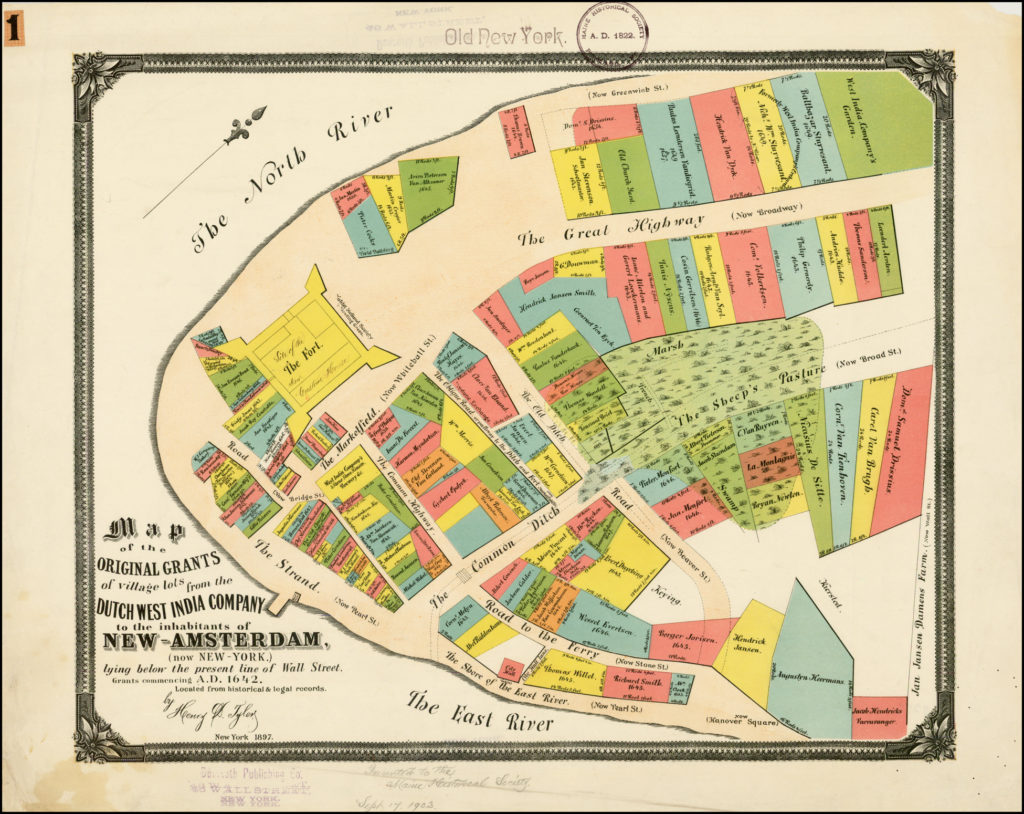
A look at New Amsterdam in the year 1642, dominated by the fort to the south and a sheep’s pasture and various farms to the north.

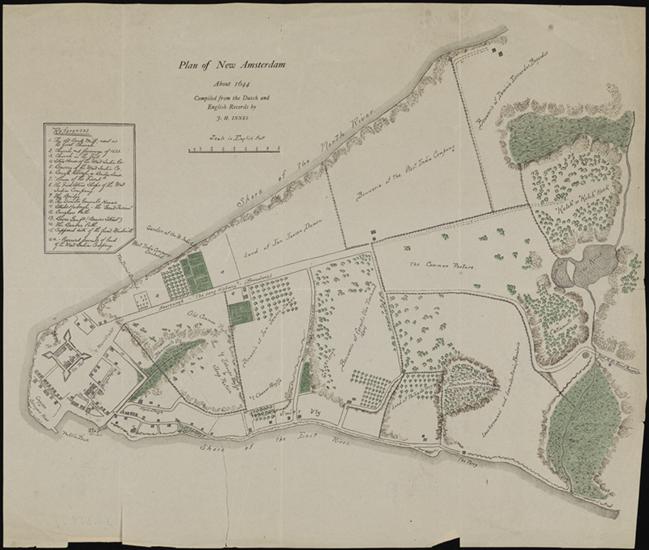
Plan of New Amsterdam About 1644, map dated 1902, compiled from the Dutch and English records by J. H. Innes.

Museum of the City of New York

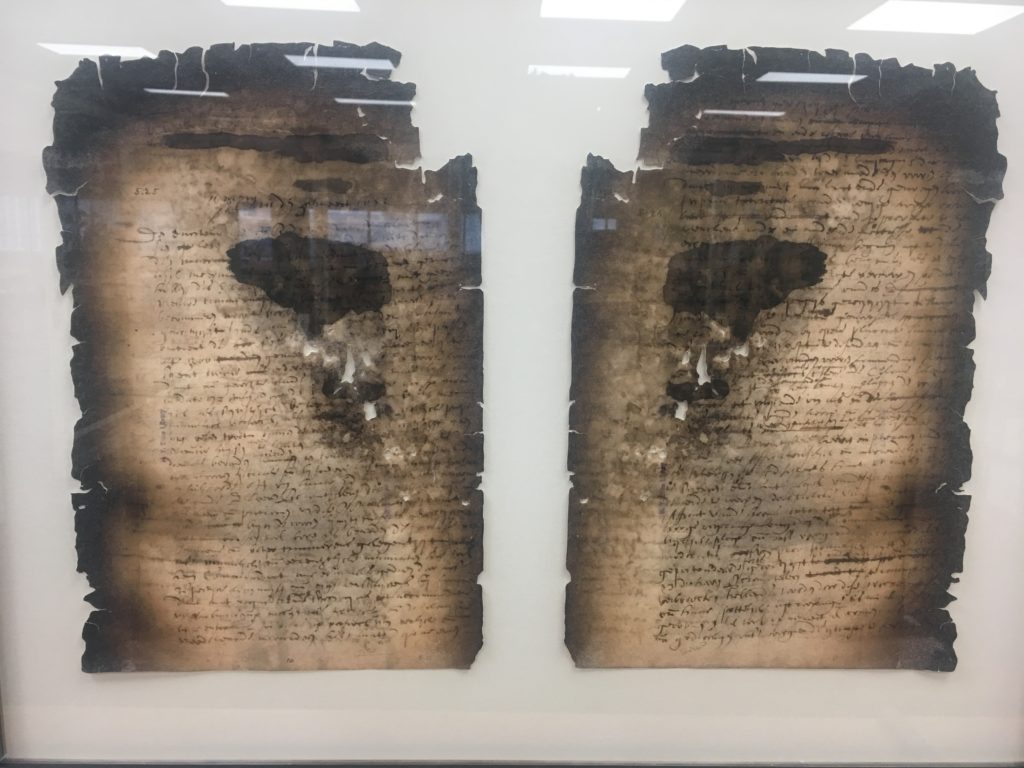
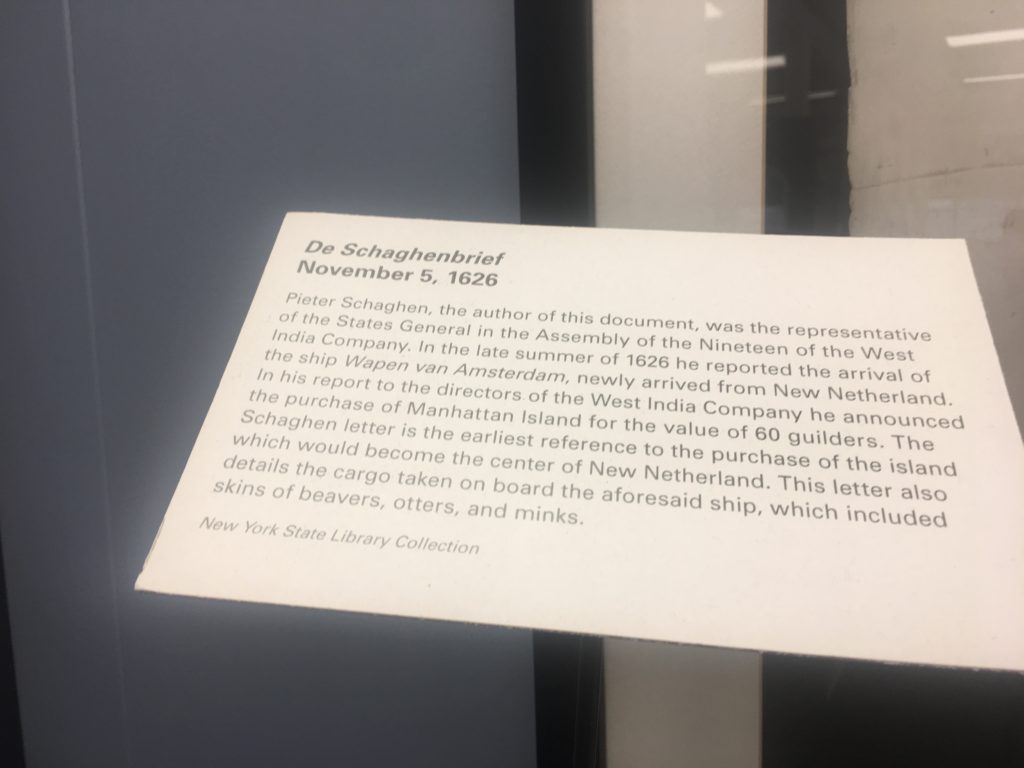
The Pieter Schaghen letter outlining the purchase of the island of Manhattan. This letter is located at the New Netherland Research Center.

FURTHER LISTENING

Listen to the podcasts

Looking for the latest episode of our podcasts? Listen now on iTunes to “The Bowery Boys” and “The First”.

Find recent podcast episodes here, and click to read more about listening options here.

Read the book

Bowery-Boys-Book-Cover-R6--revised

Our first-ever Bowery Boys book, “Adventures in Old New York” is now out in bookstores! A time-traveling journey into a past that lives simultaneously besides the modern city.

Bowery Boys Walking Tours

Are you ready to walk through time? We’re excited to announce Bowery Boys Walks, our new walking tours developed around our podcast. Join us in the streets — beginning in October 2018!

Categories
Podcasts

Henry Hudson and the European Discovery of Mannahatta

We turn the clock back to the very beginnings of New York history — to the European discovery of Manahatta and the voyages of Henry Hudson.

Originally looking for a passage to Asia, Hudson fell upon New York harbor and the Lenape inhabitants of lands that would later make up New York City. The river that was eventually named after Hudson may not have provided access to Asia, but it did offer something else (hint: PETA won’t be happy) that attracted the Dutch and eventually their very first settlement — New Amsterdam.

LISTEN NOW: Henry Hudson

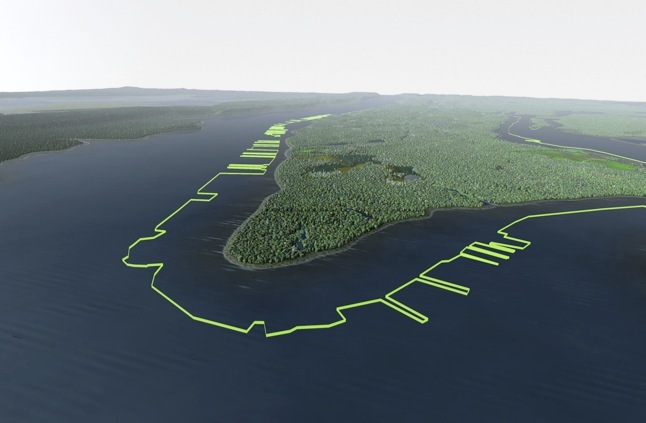
The island of Mannahatta in the days before the Dutch (courtesy the Mannahatta Project). Hudson would have anchored off the tip on the western side, his eyes on the river that stretched north.

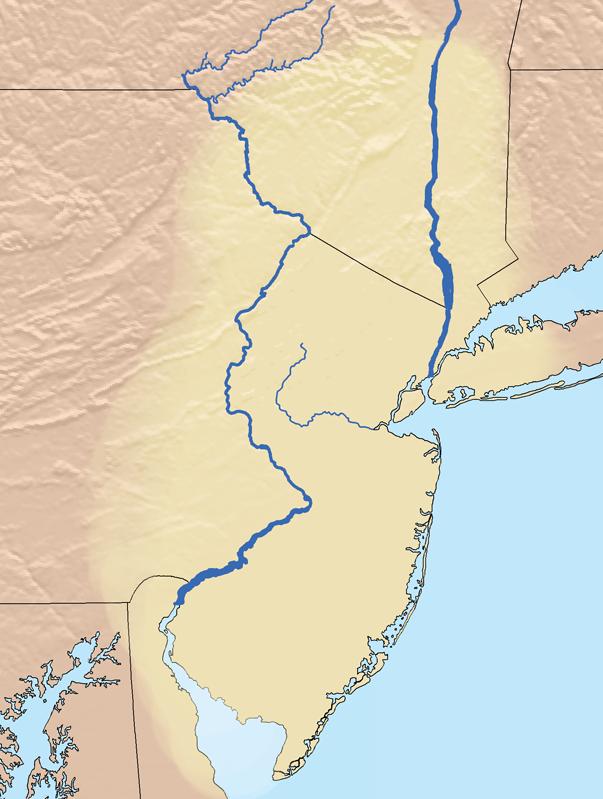
Lenapehoking: that’s what the original inhabitants of the area called the land that comprised the New York City metro area, New Jersey, western Long Island and surrounding areas (map courtesy wikimedia)

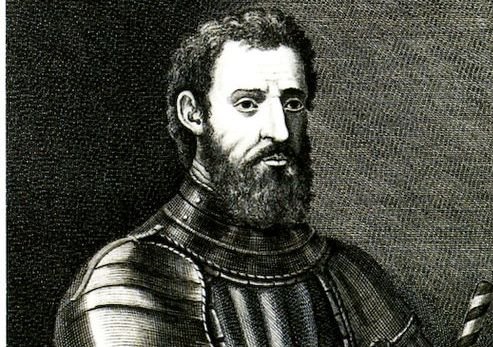
The first guy to arrive, Giovanni da Verrazano (or Verrazzano, depending on where you look), was greeted by the Lenape at the mouth of New York harbor. He touched down on today’s Staten Island but never ventured further into the harbor.

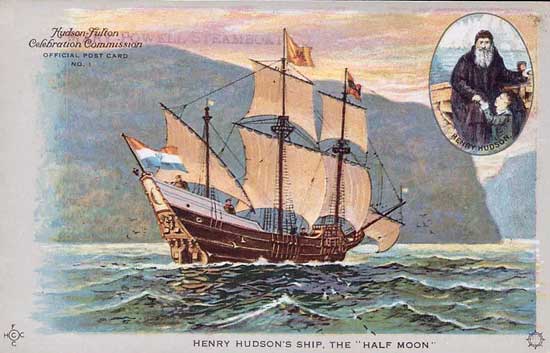
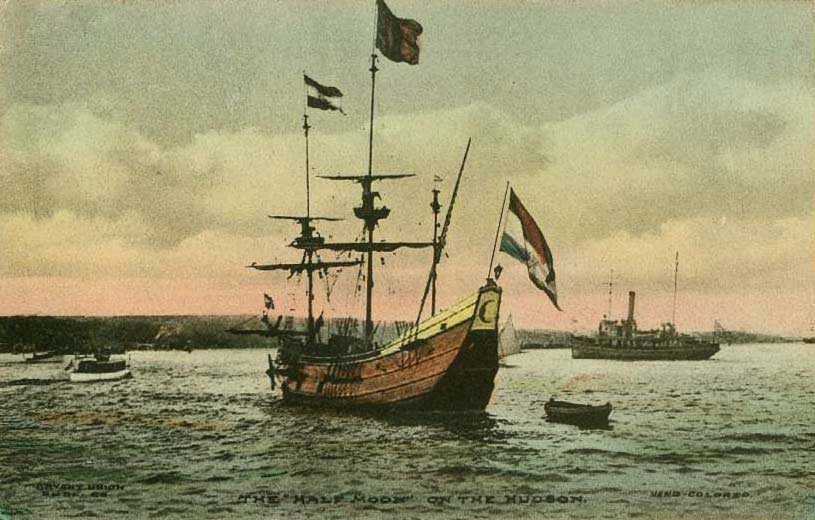
Hudson’s ship the Half Moon — or rather a replica that was launched for the 1909 Hudson-Fulton Celebration

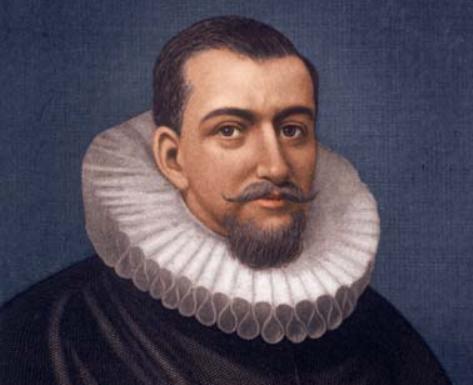
Henry Hudson, an Englishman who tried twice for his country to find a northern route to Asia before being enlisted by the Dutch East India Company. He never found a passage for them either, but he did find the river that today bares his name.

Hudson’s voyage up the Muhheakantuck (the Lenape name for the Hudson River) brought him into contact with several tribes, with encounters growing increasingly unfriendly. By the time he sailed back down the river to Mannahatta, they were flat out attacked by natives in canoes.

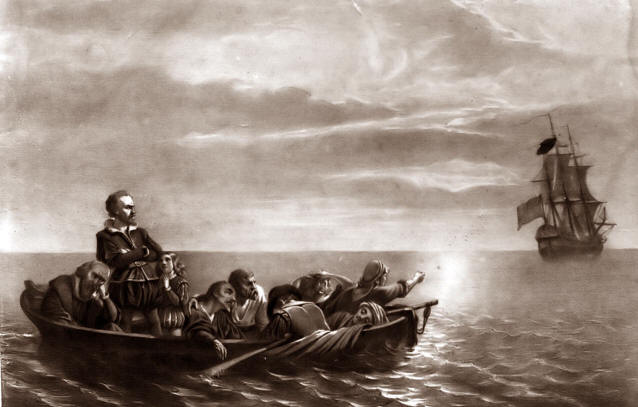
On his last voyage, Hudson’s crew mutinied, throwing the captain, his son and a few remaining loyal crewmen into a boat and setting it adrift in the Arctic.

With no alternate route to Asia, the map below illustrates the trade routes the Dutch East India Company had to eventually travel to build their empire. (map courtesy Hofstra)

There are lots of events planned to celebrate the 400th anniversary of Hudson’s discovery. NY400: Holland on the Hudson celebrates New York’s Dutch heritage. Hudson 400 focuses on the explorer himself, with a timeline of events. Meanwhile Explore NY 400 lists statewide celebration.

I wrote about some of the more curious events of the Hudson-Fulton Celebration in a prior blog posting.

And for your immediate gratification, check out Amsterdam/New Amsterdam, the well reviewed show at the Museum of the City of New York

Apparently, the replica of the Half Moon was in Poughkeepsie just yesterday!

The Hudson-Fulton Celebration: not just another party

Four hundred years ago, on September 12, Henry Hudson sailed into New York harbor and casually discovered the island of Mannahatta, the future home of New Amsterdam, Wall Street, and the New York Yankees.

Two hundred years later, ferry mogul Robert Fulton patented the steamboat, an engineering marvel he perfected, but did not invent. Fulton, a Pennsylvanian who originally tested his ship in Paris, became associated with New York with the development of the successful Clermont North River steamboat service in 1807.

Reason to party, right?

New Yorkers thought so 100 years ago, planning the official Hudson-Fulton Celebration in the fall of 1909, as a grand, showy pat on the back to America’s industrial might. A state-wide soiree, it was New York’s own unofficial world’s fair, a chance to trumpet its innovations and riches via a celebration of its history and the central role of the Hudson River.

Make no mistake: as much as this was a celebration of New York, it was also a celebration of New York’s wealthy. This was the height of the Gilded Age, after all. The original plan was forged by Theodore Roosevelt’s uncle Robert, and the planning committee included Andrew Carnegie, J.P. Morgan, former vice president Levi Morton, Macys co-owner Oscar Straus, and members of the Rockefeller and Van Rensselaer families. They were celebrating New York; by extension, they were celebrating themselves.

From September 25 to October 11, the river was clogged with shipping and military vessels festooned with electric lights, while overhead the skies were filled with nightly firework displays. Inaugeral nautical displays were capped with the ceremonial entry into the harbor of both Hudson’s ship the Half-Moone and Fulton’s Clermont, both re-created for the event. (The Half-Moone and Clermont unceremoniously collided into each other during the ceremony!)

Below: a postcard of the Half-Moone on its ‘revisit’ to New York harbor

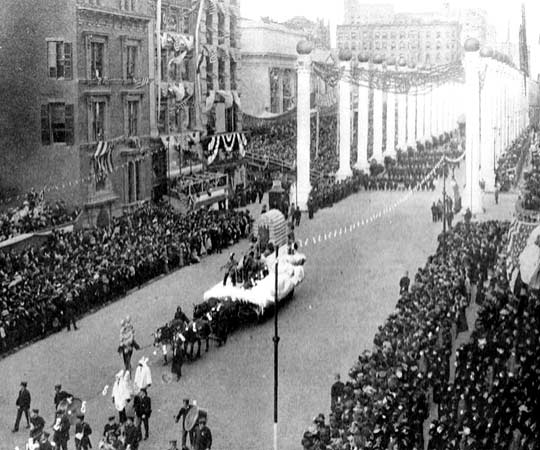
On land. it was a veritable history geek’s dream, with festivals and parades devoted to New York City’s past. Each day featured a different ‘historical pageant’ in each borough, culminating in two far livelier ‘carnival pageants’, one in Manhattan on October 2, and in Brooklyn one week later.

The historical pageant would be a six-mile, papier-mache Beaux-Arts extravaganza, striding from Central Park to Washington Square Park, displaying the political correctness of the day. The parade was led by a series of floats referred to as ‘the Red Man Band’, with such dioramas as ‘the Legend of Hiawatha’ and ‘the War Dance’, escorted by members of Tammany Hall.

Dutch-themed floats depicted Jonas Bronck, Peter Minuit’s purchase of Manhattan island, and a friendly game of bowling at Bowling Green. British and Revolutionary War floats followed, featuring the death of Nathan Hale and the legend of Rip Van Winkle. Peter Stuyvesant, Alexander Hamilton, the Statue of Liberty, the Marquis de Lafayette — they were all represented.

Below: part of the Hudson-Fulton history parade, 1909

Of course, that was nothing compared to the absolutely bizarre Carnival Pageant. Rather than represent anything relating to the celebration at hand, organizers chose to, according to official history, “recall the poetry of myth, legend, allegory and in a few cases of historic fact, which, while foreign in local origin, is an heritage of universal possession and belongs to all nation.”

Bafflingly, this led to a highly flamboyant parade with such European folklore themed floats as the “Crowning of Beethoven,” “Lohengrin,” “Walkure”, “Frost King”, “Orpheus Before Pluto” and “Elves of the Spring” — almost 30 in all. A couple sample descriptions:

Frost King — “This float represented the mythical Frost King, who has control over the snows and other elements of the winter. Around him were grouped his fairies, who have charge of the winds, the snows, the frost and the thaw. The Frost King was represented in his own directing the elements.”

Elves of the Spring — “This float represented the opening of the flowers and the fairies issuing therefrom, suggesting the magical change which comes over the face of nature with the retreat of winter.”

Keep in mind that many of the myths depicted in the carnival may have been quite familiar to New York’s new populations of European immigrants. Had such a procession sprouted up on the streets today, it might be mistaken for the Halloween parade.

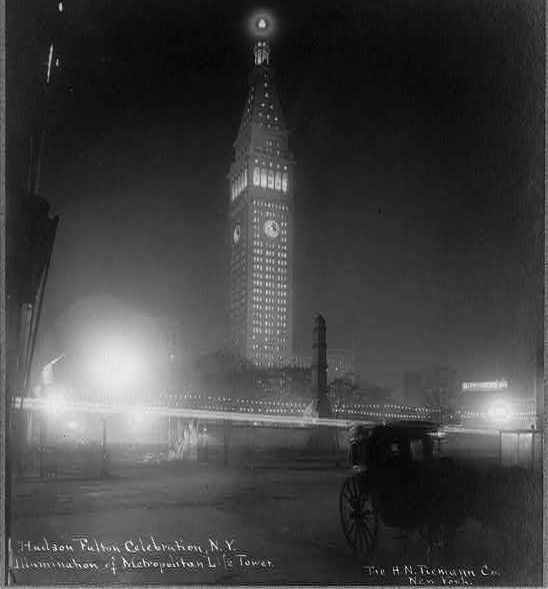
The Metropolitan Life Tower, the tallest building in New York, lights up the night sky during the 1909 Hudson-Fulton celebration

Meanwhile, mayor George McClellan Jr. and other city officials were busy elsewhere, as a flurry of monuments and plaques were dedicated that day. In fact, if you’re walking around the city and find any dedication related to the days of Dutch Manhattan, most likely it’s from the Celebration — from the marking of the old Dutch wall on Wall Street to the marker dedication to Dutch school teachers in Washington Square.

Strings of electric lights were hung from every available landmark and structure, in a sense creating the modern New York skyline that very day, as New Yorkers could now admire their city for the first time at night. Not just incidental illumination, but a decorative show that could be seen from miles away.

Thousands of lights were hung from the bridges and official buildings in all boroughs, paired with “elaborate private illuminations by the owners of large office buildings, stores and dwelling houses,” the lighted vessels in the harbor and the various pyrotechnics throughout the city to create “a veritable City of Light.”

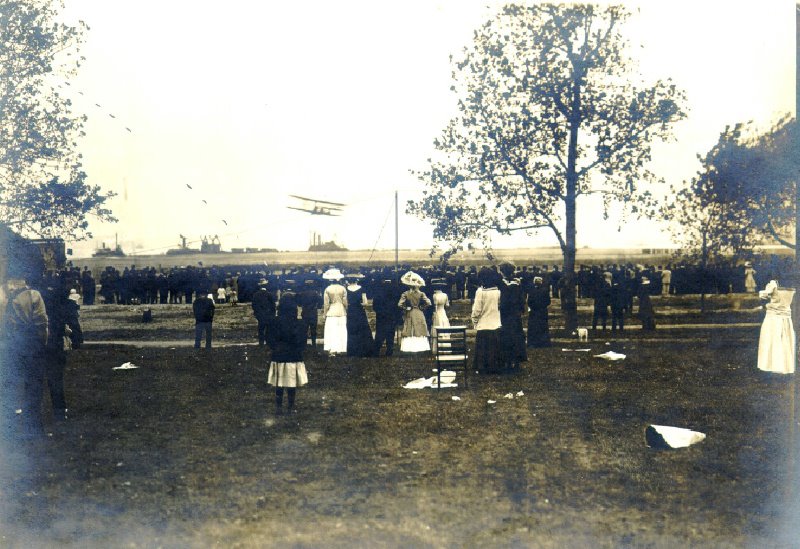
Of course, the most well-known — and most historically significant — event from the Hudson-Fulton Celebration was Wilbur Wright’s flight from Governor’s Island circling the Statue of Liberty, the very first flight over New York waters. (Check out our podcast on LaGuardia Airport and the history of flight for more information.)

Below: Amazed New Yorkers stare as Wilbur takes a second trip through New York skies, up the Hudson River to Grant’s Tomb, then back to Governor’s Island

This year we should be celebrating Hudson, Fulton and Wright, I guess. There are celebrations planned throughout the state, and we’ll hear more about them starting in June and continuing through the fall. Manhattan has already received a new commemorative flag in honor of the event.

And naturally, we’ll be alerting you to some of these events on this blog. Maybe we’ll even have our own. Anybody got a elf costume?

By the way, the official history of the Hudson-Fulton Celebration is worth a look, especially for its descriptions of regular events.