Categories
Amusements and Thrills Sports Those Were The Days

The New York Game: Baseball in the Early Years

Baseball, as American as apple pie, really is “the New York game.” While its precursors come from many places – from Jamestown to Prague – the rules of American baseball and the modern ways of enjoying it were born from the urban experience and, in particular, the 19th-century New York region.

The sport (in the form that we know it today) developed in the early 1800s, played in Manhattan’s many open lots or New Jersey public parklands and soon organized into regular teams and eventually leagues. The way that New Yorkers played baseball was soon the way most Americans played by the late 19th century.

But it wasn’t until the invention of regular ball fields – catering to paying customers – that baseball became truly an urban recreational experience. And that too was revolutionized in New York.
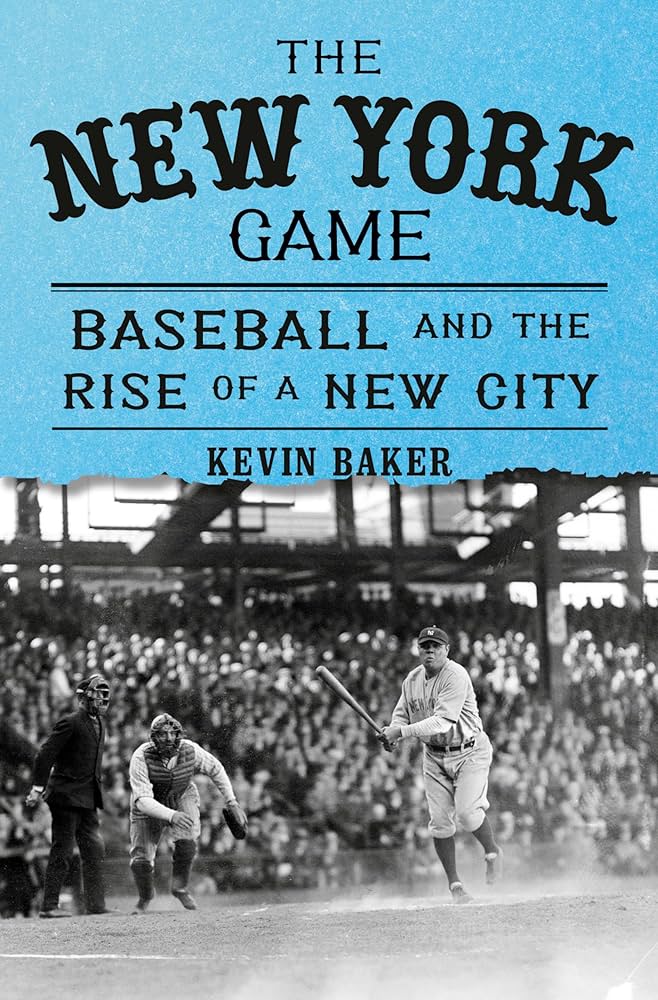
Just in time for spring and the new Major League baseball season, Tom and Greg are joined by the acclaimed Kevin Baker, author of The New York Game: Baseball and the Rise of a New City to discuss the early history of the sport and its unique connections to New York City.

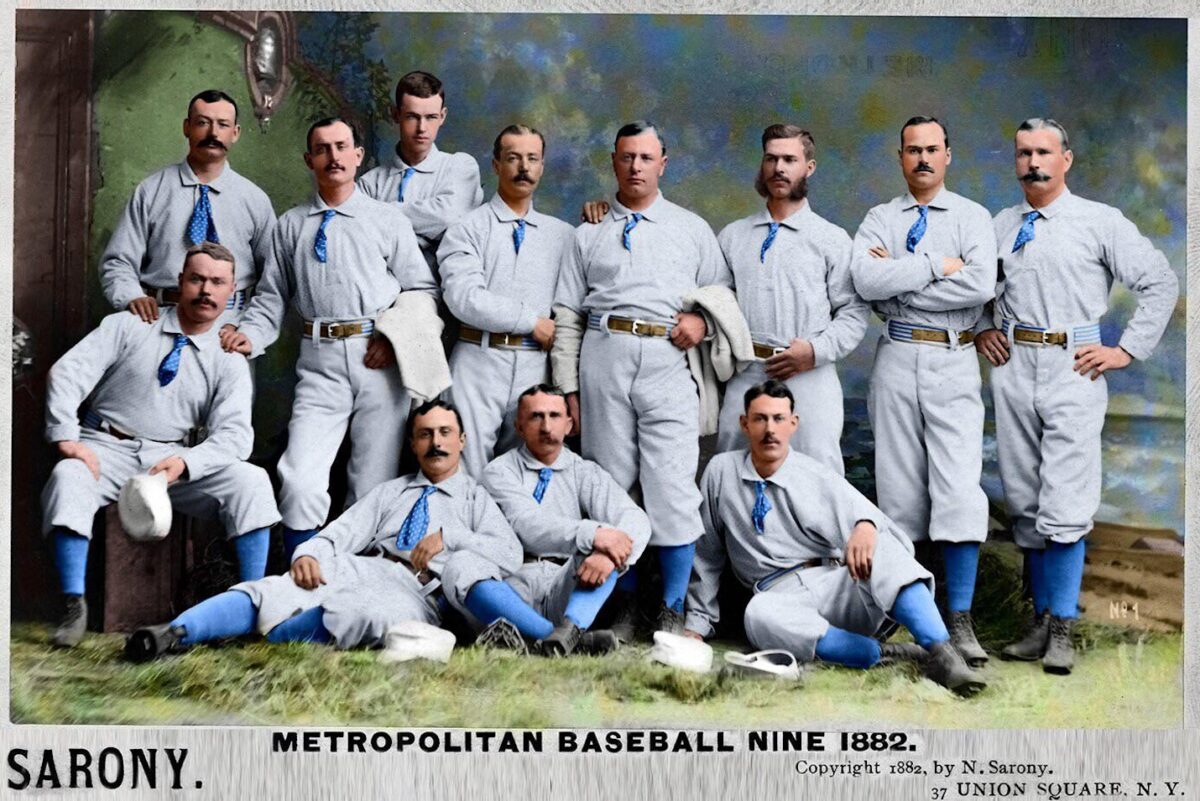
This show is truly the ultimate origin story of New York baseball, featuring tales of the city’s oldest and most legendary sports teams – the Yankees, the Dodgers, and the Giants. AND the New York Metropolitans – a different team than today’s Mets located in Queens.

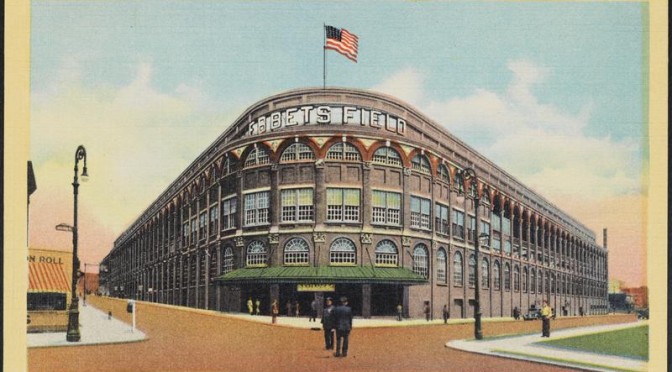
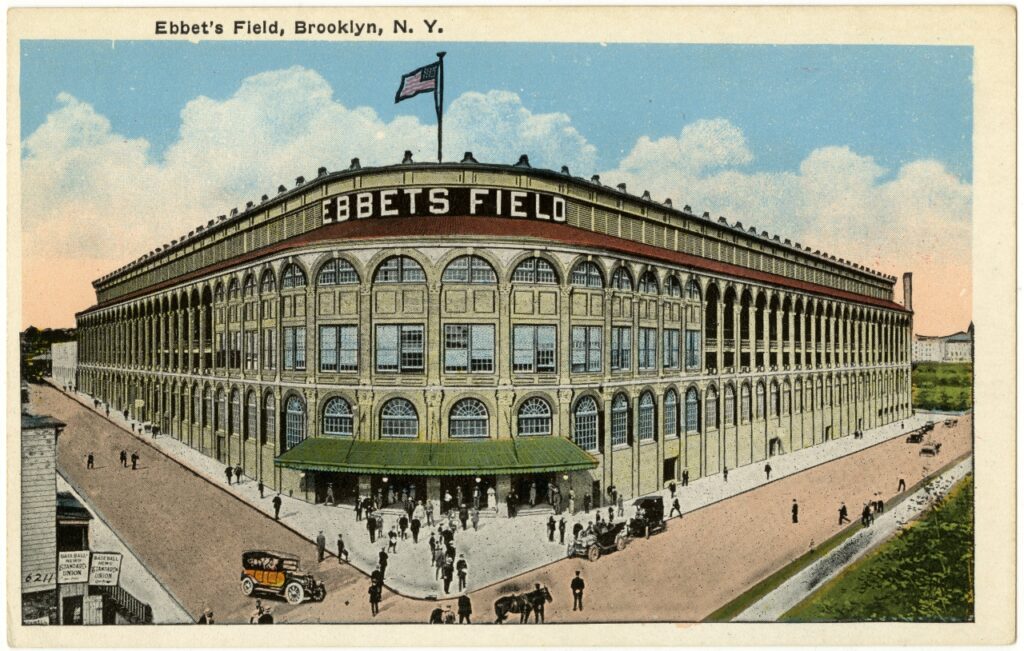
Where was baseball played? Kevin shares the secrets of New York baseball’s earliest venues – from the many Polo Grounds in upper Manhattan to Ebbets Field in Brooklyn

This is a true five-borough origin story! With stops at Hilltop Park (Manhattan), Yankee Stadium (Bronx), Fashion Race Course (Queens), Washington Park (Brooklyn), and St. George Cricket Grounds (Staten Island) among many other sites.
FEATURING the surprising link between baseball and Boss Tweed and his notorious political machine Tammany Hall

PLUS How did segregation distort the game and where did Black ballplayers play the sport? What was baseball like before Jackie Robinson?

LISTEN NOW: THE NEW YORK GAME
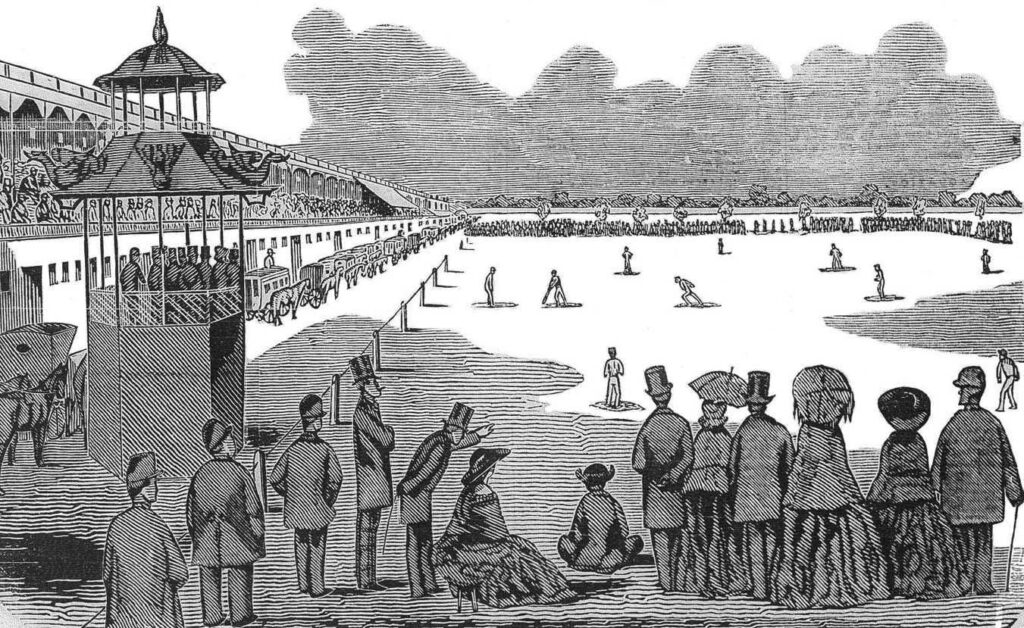

Fashion Race Course in Flushing, Queens, from The Clipper of July 24, 1858 (and via John Thorn/Our Game)
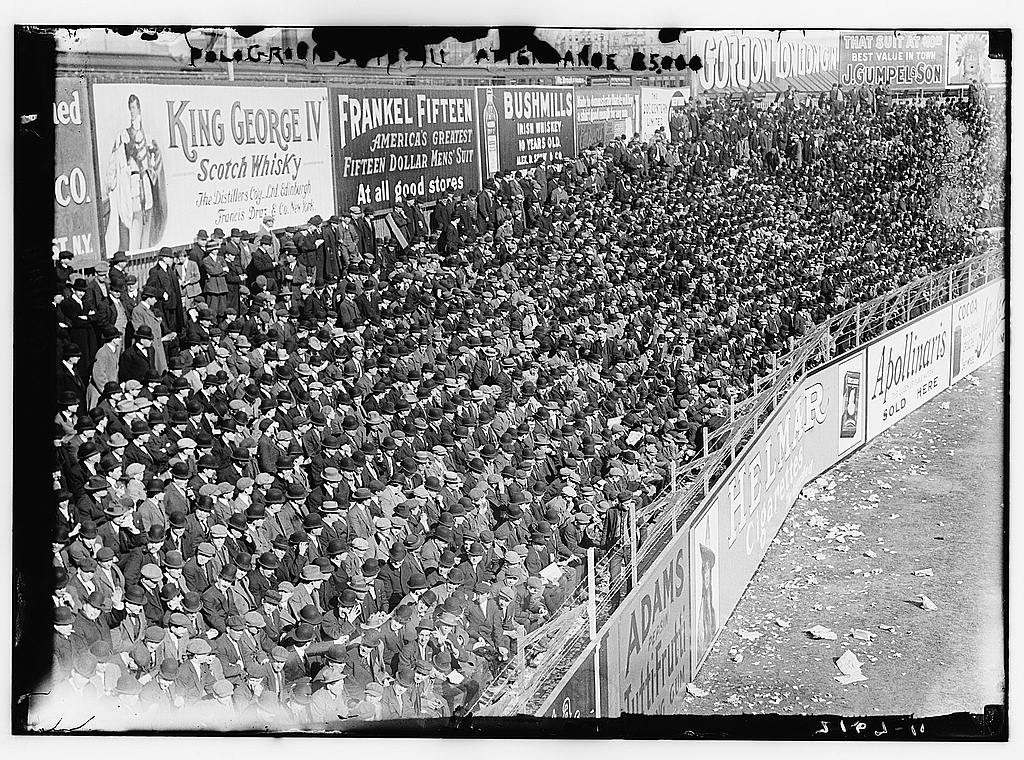
Many hatted men at the Polo Grounds, 1911 (Library of Congress)
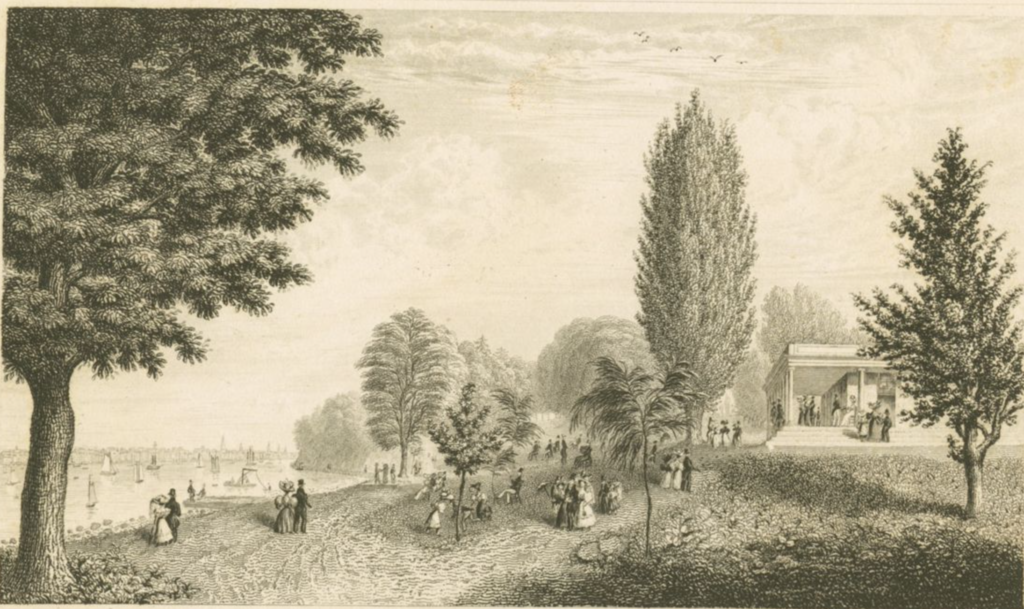
Elysian Fields in Hoboken, the site of America’s first baseball games (NYPL, image from Booth’s History of New York)
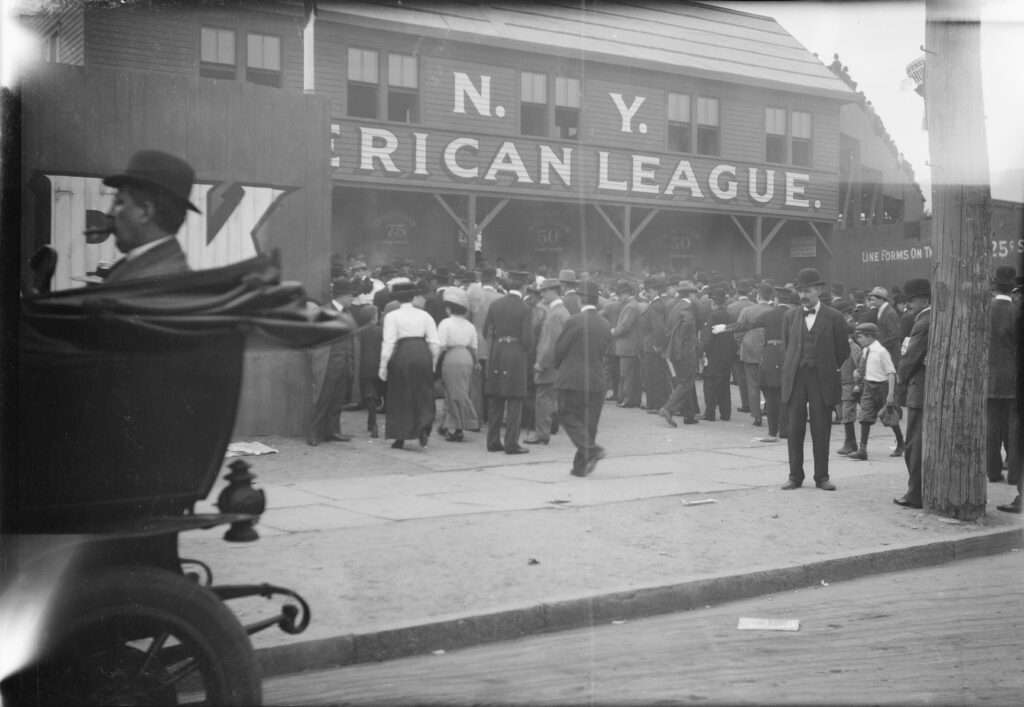
The entrance to Hilltop Park, 1912 (Library of Congress)
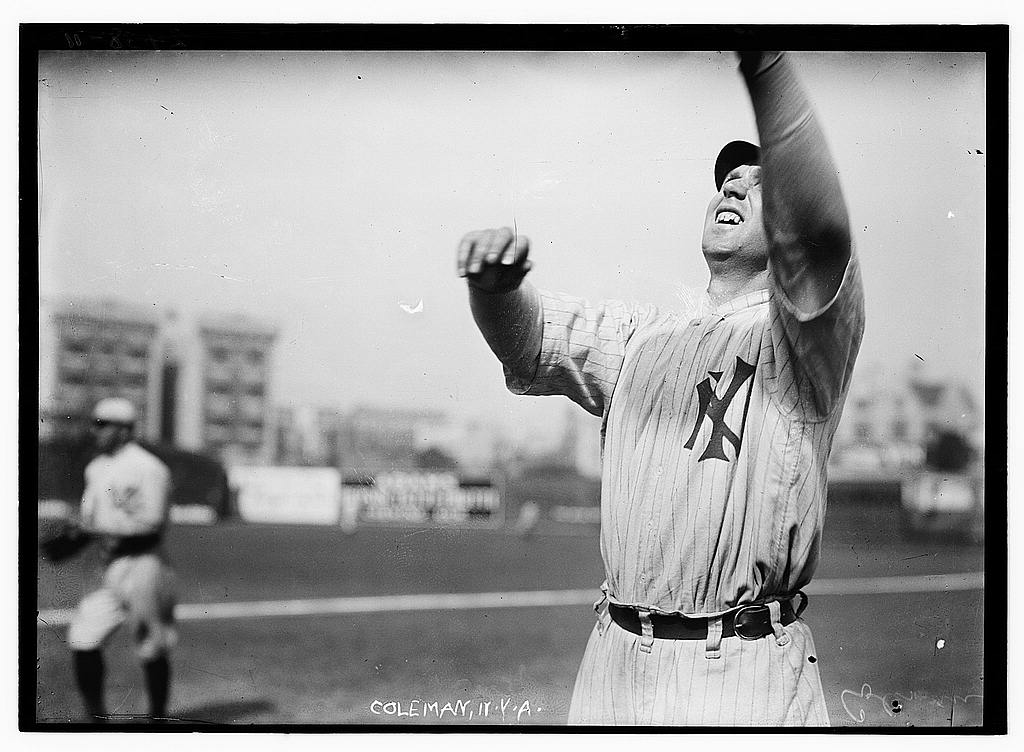
Curt Coleman at Hilltop Park, 1912
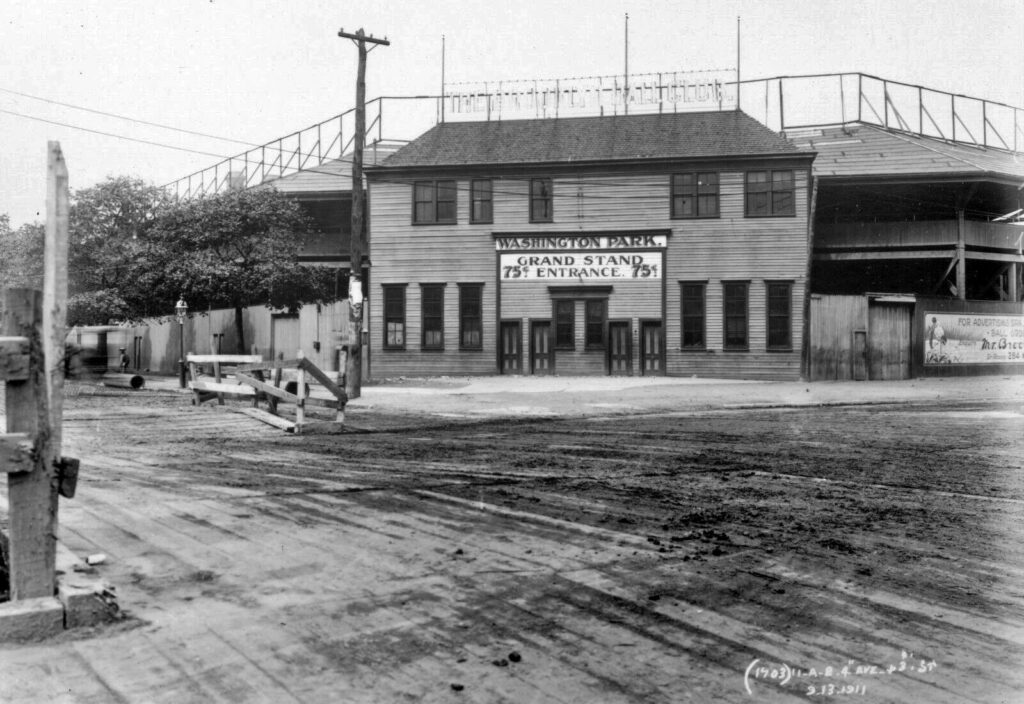
Washington Park taken September 13, 1911 from the intersection of 4th Avenue and 3rd Street in Park Slope, Brooklyn.
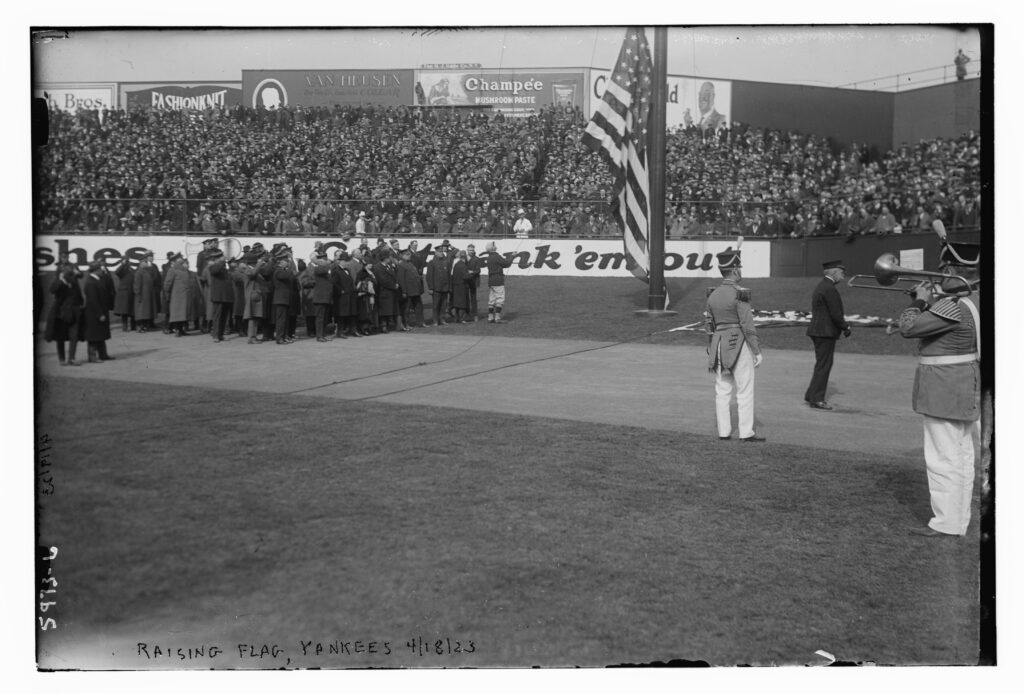
Opening Day at Yankee Stadium, 1923 (Library of Congress)
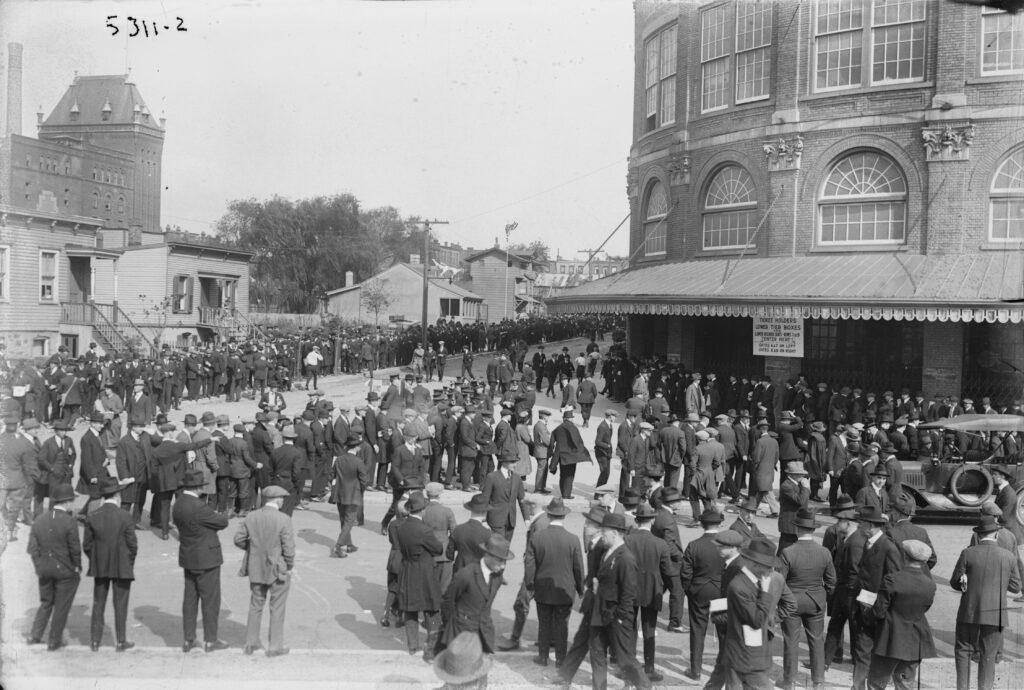
The crowd outside Ebbets Field for Game 1 of the 1920 World Series, the Brooklyn Dodgers against the Cleveland Indians.

FURTHER LISTENING

FURTHER READING

Brooklyn baseball: the Superbas and the worst batter ever

Brooklyn Dodgers vs. Cincinnati Reds at Ebbets Field — in the first Major League baseball game ever broadcast on television

Hilltop Park: home base for NYC’s premier baseball team

Meet the Mets! The Metropolitans, that is, an early NY baseball team

The short shelf life of the Tip-Tops, the Brooklyn baseball team situated near the Gowanus River and named for bread

Union Grounds: Baseball history in Williamsburg

The Wise Guy of Baseball: Getting To Know Leo ‘The Lip’ Durocher

100 years ago today, the Yankees played their first game at Yankee Stadium
Categories
Sports

The Wise Guy of Baseball: Getting To Know Leo ‘The Lip’ Durocher

BOOK REVIEW The history of sports is often written around its most revered role models, as though the noble character of the greatest players comes from the purest devotion to their game.

Leo Durocher, a sterling shortstop and manager for some of the greatest teams in baseball history, was no role model. In most ways, he was the very opposite, a combative player with a rock-star personality.  He’s famously attributed as saying “Nice guys finish last,” not because he actually said it, but because it seemed to be his life’s slogan.

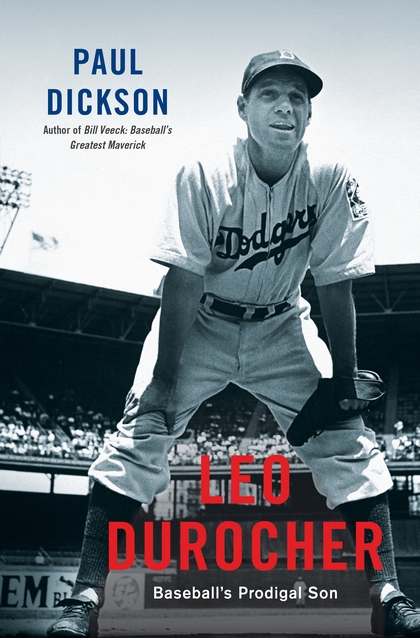
In Paul Dickson‘s fast-paced and often amusing biography, Durocher’s extraordinary accomplishments on the field battle for prominence with the player’s indulgent and never-ending quest for the good life. Along the way, he became an iconic New York sports hero. As a player for the New York Yankees (1925, 1928-29), the Brooklyn Dodgers (1938-48) AND the New York Giants (1948-1955), his story plays out in New York’s greatest ballparks, as well as its most glamorous nightclubs and hotels.

Leo Durocher: Baseball’s Prodigal Son
by Paul Dickson
Bloomsbury Publishing

Durocher, born in Massachusetts to French Canadian parents, has had many nicknames through his career — Frenchy, “the All-American Out,” and a great number of four-letter ones. But “Leo the Lip” seemed to fit him best. His quarrels with other players, umpires and sportswriters are the stuff of legends.

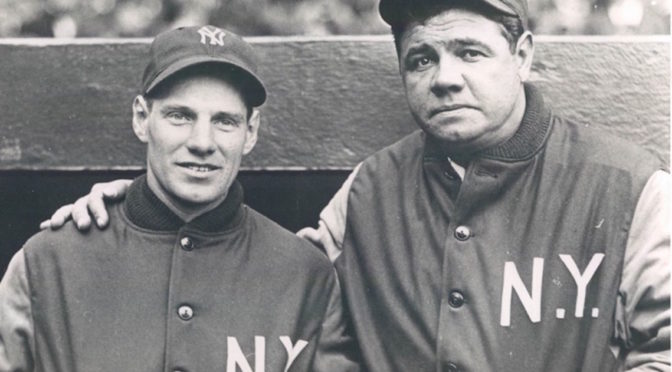
Babe Ruth famously couldn’t stand him. At one point, he accused Durocher of stealing his watch, an alleged theft that would follow the players from the Yankees to the Dodgers. Writes Dickson: “As Leo said, in a half-angry, half-mocking tone, ‘Jesus Christ, if I was going to steal anything from him I’d steal his god-damned Packard.”

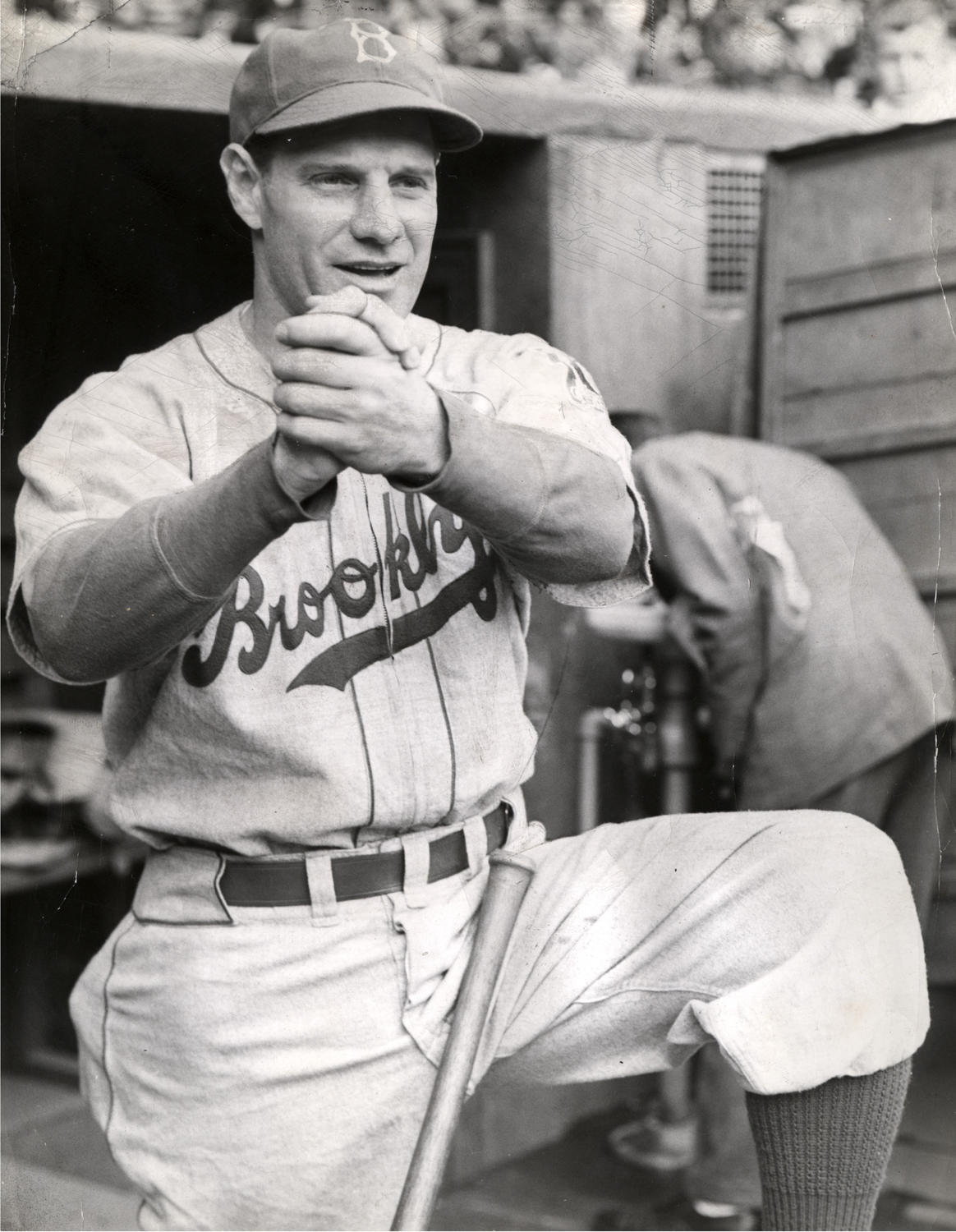
Brooklyn Dodgers Leo Durocher on dugout steps in 1939

His expletive-filled spats with teammates and managers tarred him early in his career; at one point, at age 24, Durocher was considered ‘washed out’, a toxic presence distracted by decadence and fame. As Dickson writes, “One rumored reason that all the teams in the American League passed on Durocher was that Babe Ruth let it be known he wanted Durocher out of the league.”

In New York, Durocher hops from the Cotton Club to the Stork Club in fancy suits, racking up debts at trendy hotels and acquiring a coterie of suspicious characters. His gambling addiction is now legendary; although many baseball players squandered their salaries this way, Durocher seemed to treat gambling as a second sport.

This led him into the circles of both mobsters and movie stars. And there, in the middle, was Durocher’s close friend George Raft, the Hollywood actor who frequently played gangsters on film. Durocher emulated Raft — often dressing and parting his hair in similar ways – and the actor, in turn, introduced the baseball player to the thrills of the entertainment world.

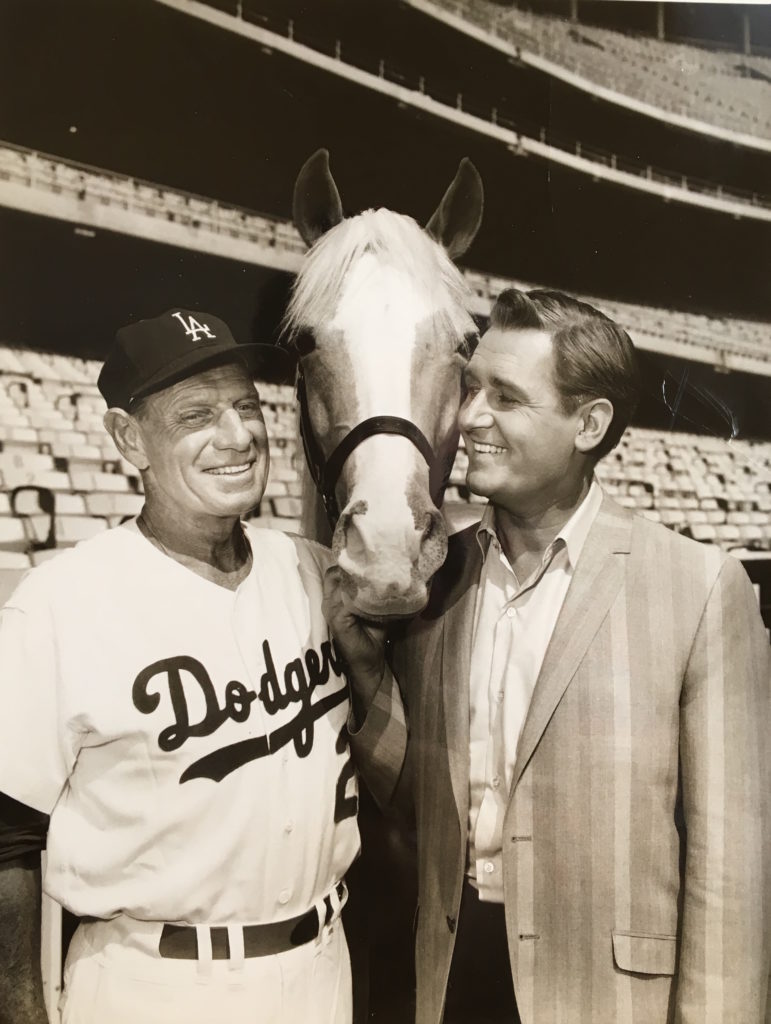
Below: Durocher with the stars of the TV show Mr. Ed

Courtesy Baseball Reliquary

Even during his greatest moments as a manager of the Dodgers, many believed Durocher might quit and become a radio comedian and actor. During World War II he even toured with the USO.

Yet he would always return to the game. With the Dodgers, he transitioned from player to manager, overseeing the team during some of its greatest moments. That included the years with Jackie Robinson, the first African-American player. (Of course, Robinson and Durocher would later public feud, almost a rite of passage for great baseball stars at this point.)

Dickson, a long-time chronicler of baseball history, finds a readable balance between Durocher’s on-field achievements and late-night scandals, revealing a charming and exceptionally scrappy, if not exactly likable, sportsman.

He’s harsh and mouthy to the end. But his talent was undeniable; the writer Bob Broeg, at Durocher’s death in 1991, said that “losing Leo Durocher was like losing either an old friend or an old enemy — you could take your pick.” Over the years, the writer had gotten into several fist-fights with Durocher.

Categories
Brooklyn History Sports

Brooklyn Dodgers vs. Cincinnati Reds at Ebbets Field — in the first Major League baseball game ever broadcast on television

Ebbets Field, Brooklyn, N. Y.

Seventy five years ago today, an extraordinary tradition began — televised Major League baseball!

The location was appropriately Ebbets Field, one of baseball’s legendary ‘field of dreams’. The home team, the Brooklyn Dodgers, was pitted against the Cincinnati Reds in a key National League match-up. Both teams were quite strong that year, although it was Cincinnati at the top of the standings.

Fans who packed the stands at Ebbets that steamy Saturday afternoon noticed some rather unusual contraptions had invaded the field — bulky television cameras.  “One ‘eye’ or camera was placed near the visiting players’ dugout,” reported the New York Times. “The other was in a second-tier box back of the catcher’s box and commanded an extensive view of the field when outfield plays were made.”

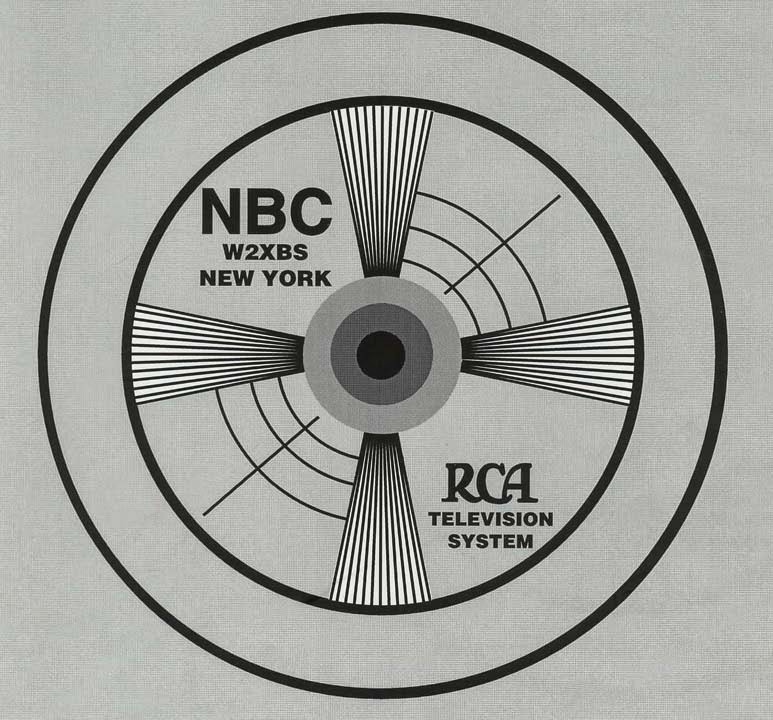
The experiment was inspired by the technological marvels at the 1939 World’s Fair in Flushing-Meadows.  In fact, since few people actually owned TVs then, it was in David Sarnoff’s RCA exhibition hall where most people saw the broadcast, courtesy W2XBS (a precursor to WNBC-TV).

Below: A view of one of the cameras broadcasting the game.  Ads for GEM Razor Blades and Calvert Whiskey can be seen across the field. They became the first sponsor of a televised baseball game, although it was purely accidental!

Up until that point, the 400-odd receivers throughout the city — owned mostly by RCA executives and technicians — received broadcasts from a studio in Rockefeller Center. (For more information, check our our New York and the Birth of Television podcast.)

This was not the first baseball game ever broadcast;  a college game between Columbia and Princeton was beamed out to the handful of received that May, near the opening of the World’s Fair.  But it attempting to broadcast a game with broader appeal, like the Dodgers-Reds face off, Sarnoff and his engineers invented a new way of interacting with major sport.

Sports of mass appeal had been heard on the radio for over 15 years by this point. Interestingly, New York teams originally blanched at the idea of radio broadcasts, thinking they would reduce stadium attendance.  Broadcasters were even banned from the field for a few years. [source]

Adding a live visual element was crucial not only in popularizing the game of baseball — uniting fans of a certain team beyond the borders of a stadium or a city — but in popularizing the idea of television itself.  Televised sports, invented here in 1939, had the unique potential of bringing together masses across the globe, as anybody caught up in this year’s World Cup hysteria or last year’s Summer Olympics fandom can attest.**

It’s to the credit of the television engineers that their feat seems not to have disrupted the game.  Coverage in the Brooklyn Daily Eagle neglects to mention the cameras*, and the New York Times mentions it only in a small article.

In the end, the teams split the two-game event — the Reds one the first (5-2), the Dodgers the second (6-1).  The Reds would eventually win the National League pendant and return to the New York for the World Series, facing (and eventually losing quite badly to) the New York Yankees.

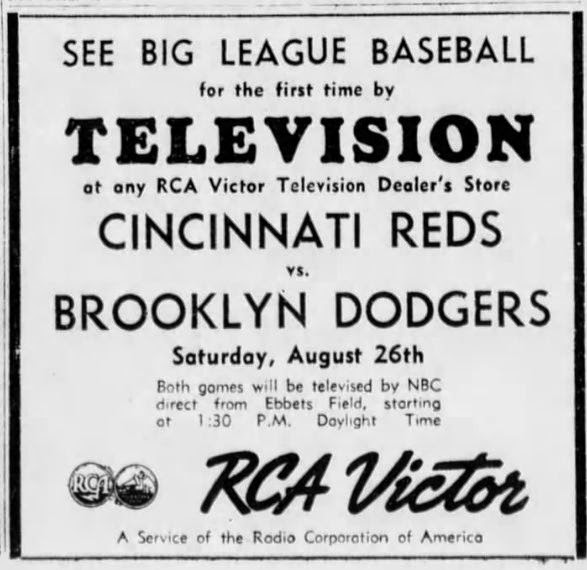
*However, RCA ran an advertisement in the Brooklyn paper on August 24, 1939, to drum up a big crowd for their inaugural broadcast:


**As commenter Andrew points out, portions of the 1936 Olympics in Berlin were also broadcast live to several countries.
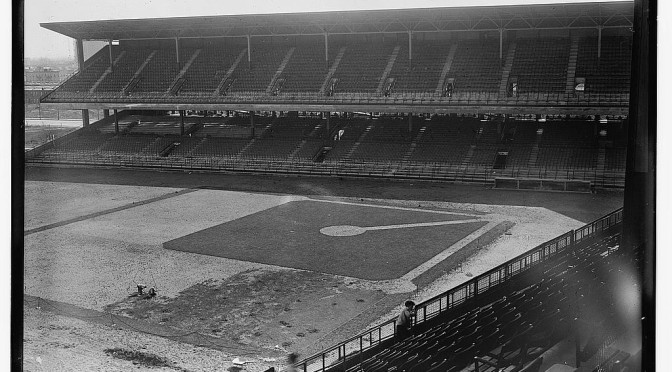
Top picture of Ebbets Field courtesy Museum of City of New York

Categories
Sports

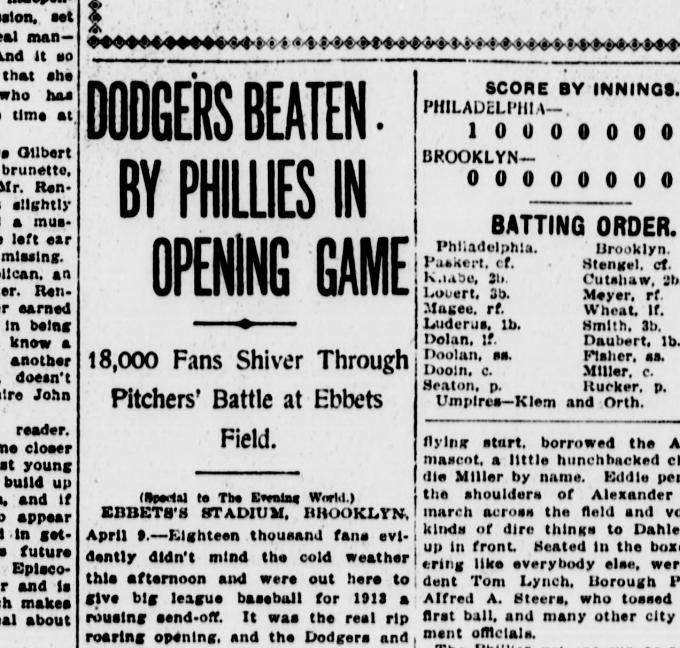
‘Arctic blasts’, union rousers and hunchbacks: Ten bits of trivia about Ebbets Field’s opening day, 100 years ago today


Inside Ebbets Field, 1913, Library of Congress

The first-ever regular season baseball game at Ebbets Field was played 100 years ago today.  The legendary field, once located in the Flatbush neighborhood of Brooklyn, was home to the Brooklyn Dodgers from 1913 until the team left for Los Angeles in 1958.

Here are ten interesting facts about the opening game, played on April 9, 1913:

1)  The Dodgers were thirty years old by the time their lavish new field opened. The team was originally formed under the name the Brooklyn Grays in 1883 by real estate speculator Charles Byrne.  Like many early ball fields, their first home, Washington Park in today’s Park Slope neighborhood, was frozen over during the winter to become Brooklyn’s leading skating rink.

2)  They were originally nicknamed the Brooklyn Trolley Dodgers, for the treacherous skill exhibited by their fans crossing rail-covered streets to get to the ball field.  There were still a great many streetcar lines near their new home of Ebbets Field, but by 1913 the team was more affectionately known as just ‘the Dodgers’.

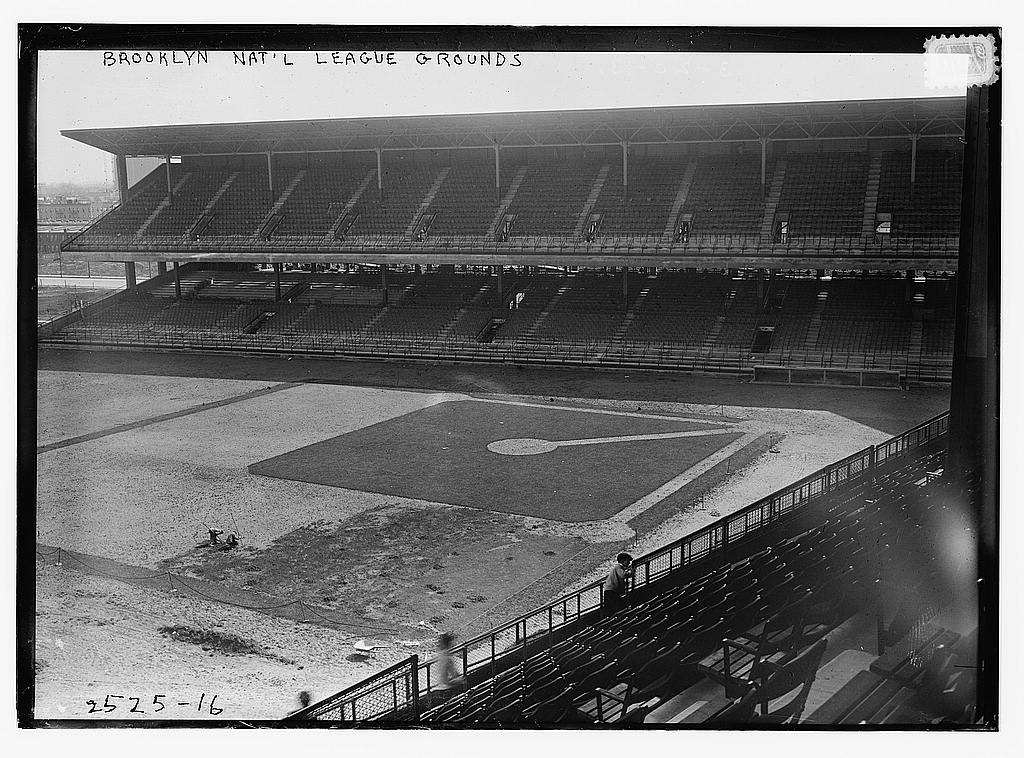
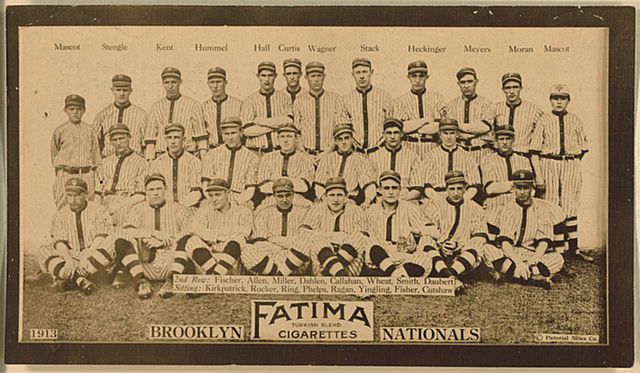
However several names would be casually attached to the team by fans and local journalists — the picture above calls them the Brooklyn Nationals — until 1933, when the name DODGERS would finally be added to both their home and road uniforms.

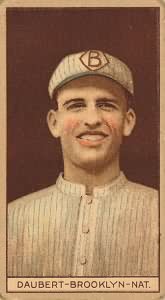
3)  As a nod to its first-ever day, Ebbets Field was allowed to open one day before everybody else in the National League.  One of their most popular players, first baseman Jake Daubert (at right), was presented with a golden bat and a floral horseshoe in a ceremony before the game and would, by season’s end, go on to win the league’s Most Valuable Player honor.

“Gentleman Jake,” as he was called, is better known today as being one of the founders of the baseball’s unionization movement.   This did not make him popular with the namesake of Ebbets Field, owner Charles Ebbet, who traded Daubert in 1917 after a salary dispute.   His union connection may also explain why this unique, well-liked and exemplary ballplayer is not currently listed within National Baseball’s Hall of Fame.

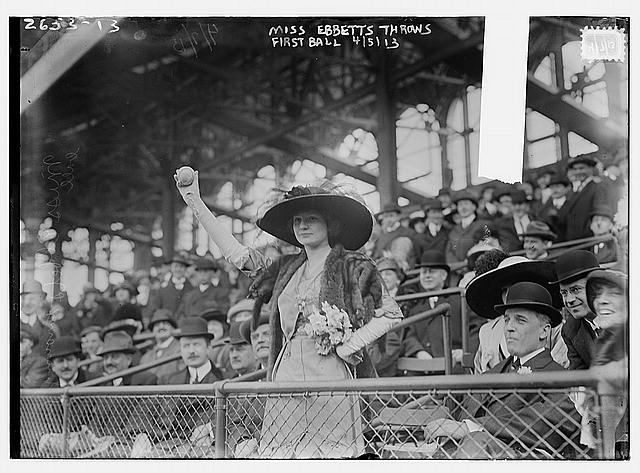
4)  The ceremonial first ball was thrown in by Brooklyn Borough President Alfred E. Steers, a resident of the neighborhood Ebbets Field made its home — Flatbush.   However, at an exhibition game played just a few days earlier, Ebbets’ lovely daughter Genevieve Ebbets tossed out the first pitch.


5) The Brooklyn Dodgers played the Philadelphia Phillies that day, which should have boded well for the team in their new home. The Phillies weren’t yet considered a formidable team and were more associated with constant injury. Despite this, the Phillies beat the Dodgers that day, 1-0.

6) Why did the Dodgers lose? Uh, it was unseasonably cold? The Tribune reported that the frightful chill kept the brand-new grandstand partially empty. From the New York Times, April 10, 1913: “It was so cold that the attendance was seriously affected, about 10,000 spectators braving the arctic blasts to see the Phillies win a well-played game by a score of 1 to 0.” [source]

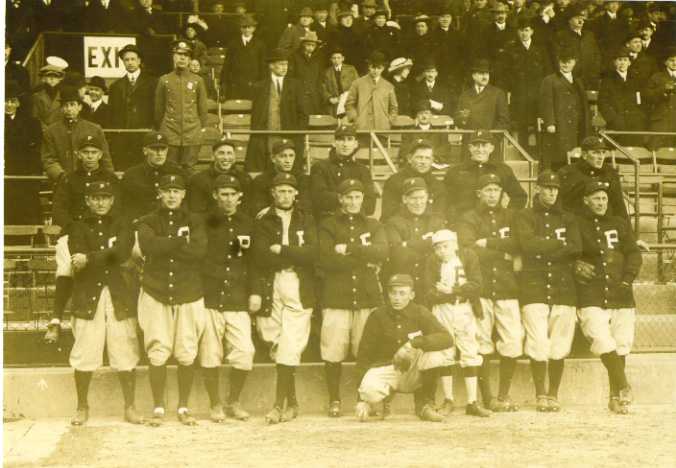
7) The Phillies also had with them an unusual mascot — a hunchback teenage dwarf.  The Phillies home rival the Philadelphia Athletics had a hunchback mascot of their own named Louis Van Zelst, and owner Connie Mack wanted to emulate their success. By, apparently, finding his own young man with a hunchback. Unfortunately, this boy’s name is unknown, but he appears in a 1913 picture with the team:

NOTE: The Tribune infers that this may have been Mr. Van Zelst himself and not another teenager. As the name of the boy in the picture above has not been reported, it’s quite likely that this is the Athletics ‘mascot’.  Note that in the article, the Dodgers are called by yet another name — the Superbas.  

Courtesy the Philadelphia Athletics Historical Society

8) As you could imagine with a 1-0 game, the first-day crowds at Ebbets Field were hardly cheerful.  One might even described them as bored.  The upper seats were barely filled, and the crowd didn’t exactly “wax enthusiastic until the eighth inning” when the Dodgers finally got somebody on base.

9) The first Dodger to ever score a hit in the new field was second baseman George Cutshaw who had only been with the team one year when he scored a single in the first inning.  Ironically, the second basemen was called out when he was caught trying to steal second base.

10) The Dodgers would fare poorly in their first season at Ebbets Field, eventually placing sixth out of eight teams. The winning team that season were their rivals across the East River — the New York Giants.  They would finally bring Ebbets its first pennant victory in 1916.

Brooklyn baseball: the Superbas and the worst batter ever

The New York Times this morning had an intriguing story about a unfortunate fellow who plays for the Chicago White Sox named Adam Dunn — nicknamed ‘the Big Donkey’.  This has been a banner year for Mr. Dunn as he is about to make the list as one of the worst players in the history of the sport.

It’s that list that brings the story back to New York. Dunn has a current batting average of .165. For you complete novices, that the number of hits Dunn has scored divided by the number of times he’s been at bat. (Ed.: I’m obviously one of those novices. Check the notes below for a clearer definition.) That is roughly my batting average when I played for my church softball team when I was nine years old.

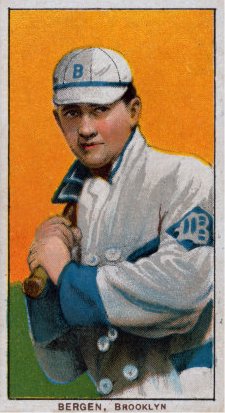
According to writer Sam Borden, “a number like .165 will put his name in the record books for the lowest single-season batting average by an everyday player since 1909, when Bill Bergen, a catcher, hit .139 for the Brooklyn Superbas.” With a basic average of almost 9 outs for every 10 at-bats, who is this Bill Bergen and why was he allowed to play at all?

The history of baseball would be nothing without Brooklyn. Not only were some of the first leagues formed in the former independent city, but perhaps the sport’s most legendary team (the Brooklyn Dodgers) played here at Ebbets Field. The first enclosed ballfield, the Union Grounds, was built in 1862 in today’s Williamsburg.

Brooklyn’s first professional National League team in the 1890s went by many unofficial names. At one point, they were called the Brooklyn Bridegrooms — not the most rousing name — then the Brooklyn Robins. By the time Brooklyn consolidated with New York in 1898, the team received a new nickname, and from a surprising source.

A couple weeks ago I wrote about the daredevil vaudevillian acrobats the Hanlon Brothers, known for extraordinary feats of human agility mixed into theatrical extravaganzas. They made their debut at Niblo’s Garden in 1858, and fifty years later, their sons were still carrying on the tradition of thrilling audiences with their mix of fantasy, theater and gymnastics.

In the 1890s, the Hanlon sons focused their energies on two popular traveling variety shows, elaborate productions akin to a stadium rock show, often employing revolving stages, costumed casts, and sophisticated harnesses and props. The first, Fantasma!, would later be the subject of Thomas Edison’s early films. Their second, Superba!, would accidentally inspire the world of baseball.

In 1899, scrappy baseball superstar Ned Hanlon — who made his career in the 1880s in Cleveland and Pittsburgh — moved to Brooklyn to manage the then-named Brooklyn Bridegrooms.  Ned Hanlon was not related to the flamboyant Hanlon brothers in any way.  However, simply by confusion or a cheeky name-play by journalists, the team was soon called the Brooklyn Superbas, borrowing the title of the popular theatrical show. (You pronounce it the Su-PER-bas.)  The name stuck until the early 1910s, when the borough’s primary form of transportation inspired another nickname — the Trolley Dodgers, soon shortened to just the Brooklyn Dodgers.

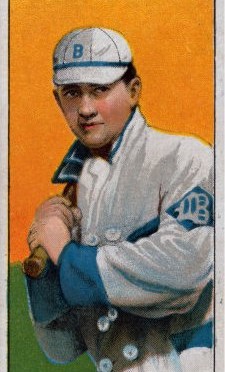
Bill Bergen (at left), the man with the lowest batting average in professional baseball history, was a catcher for the Brooklyn team during much of its Superbas era. Bill was a superb catcher — in fact, still considered one of the best by baseball historians — but a lousy batter. In 1909, he set that rather infamous batting average, and over the course of his entire eleven year career, he hit just two home runs.

Let us not criticize Bergen too harshly. Several years earlier, his big brother Marty Bergen, also a baseball star, suffered from devastating mental issues. In 1900, Marty murdered his own wife and kids with an axe, before taking his own life with a straight razor. That certainly makes a crappy batting average seem rather trivial.

And no, Brooklyn did not name its Bergen Street — which runs a dozen blocks north of Ebbets Field — after this early baseball star. The name of that lovely street has a far older history.

Categories
Podcasts

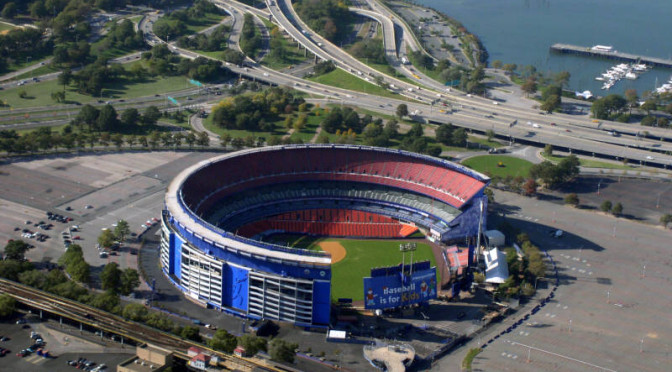
PODCAST: Shea Stadium
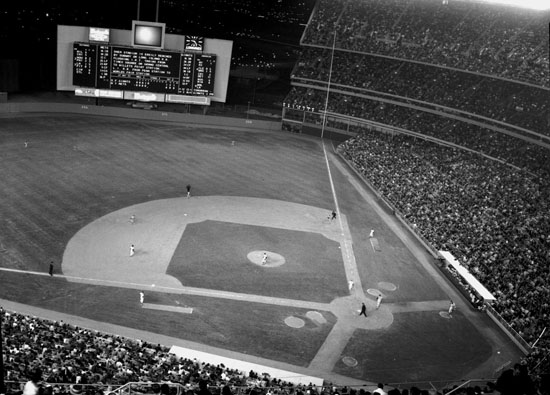
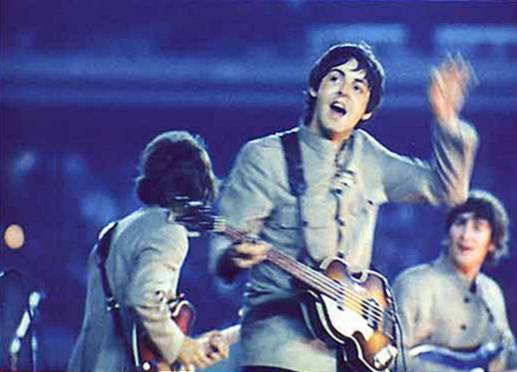
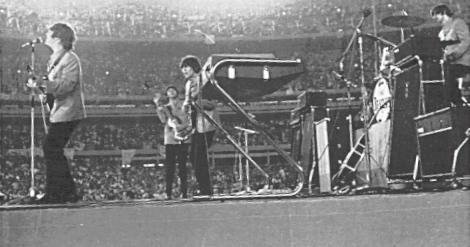
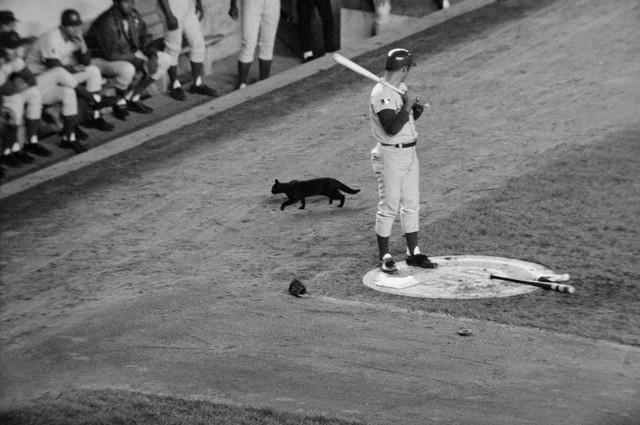
The Mets are movin’ out to Citi Field, but we can’t overlook the great stories contained in their old home, Shea Stadium, a Robert Moses project took years to get off the ground and has been populated with world class ball players, crazed Beatles fans, and one very mysterious black cat.

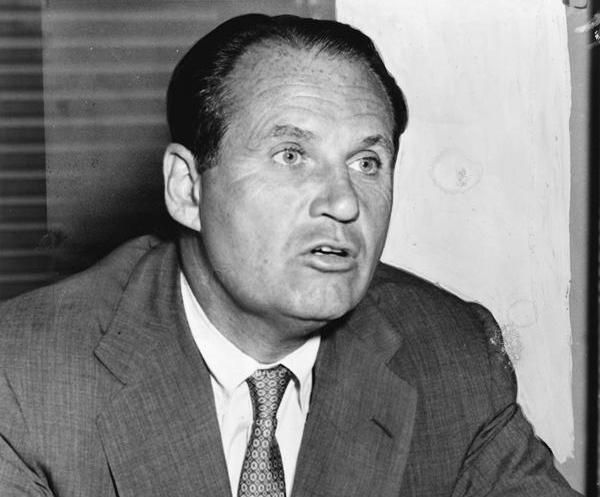
William Shea, who essentially bluffed the National League into creating a new team for the city — the New York Mets

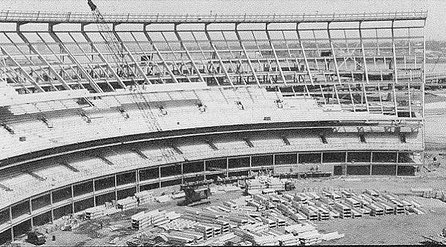
Shea under construction. Plans for a retractable done were abandoned, although many of the features that did make it were revolutionary at the time, including one of sports biggest scoreboards.

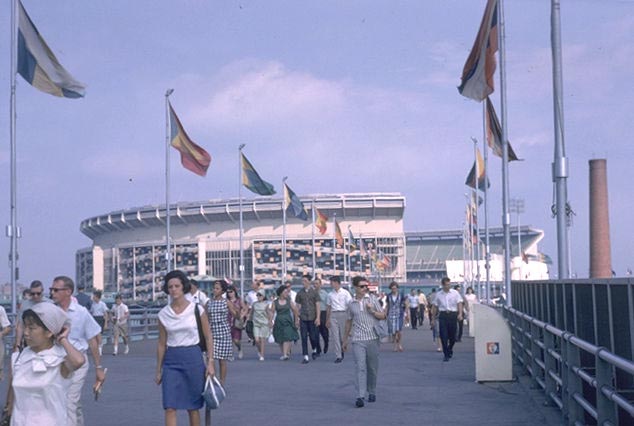
How the exterior of Shea Stadium looked back in 1964. (The photo above is from a great fan website from Carl Abraham, full of great old pictures. Check it out here.)
And inside, the same year.

The biggest stars to play in Shea Stadium in the 1960s weren’t sports figures, but music heartthrobs — the Beatles.
The infamous black cat from that acursed game in September 1969, jettisoning the hopes of the Cubs that year.

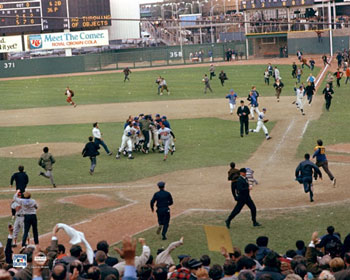
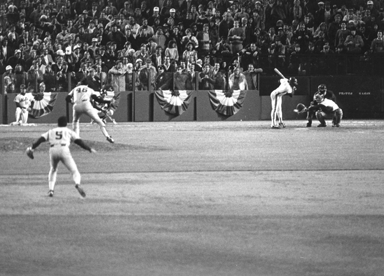
Fans literally stormed the field the moment the Mets clinched their very first Worlds Series title in 1969.

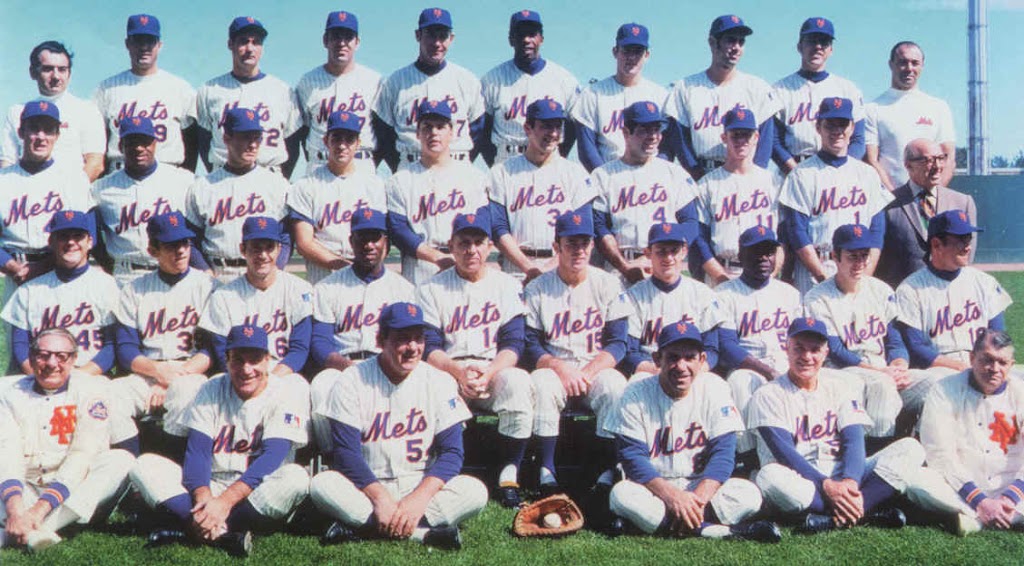
The proud lineup of the Miracle Mets of 1969.

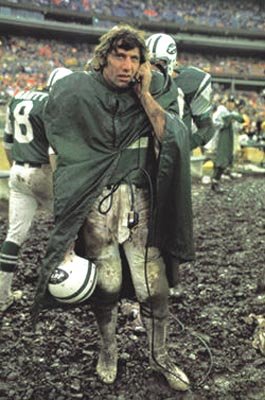
His notable performances and personal theatrics at Shea Stadium with the New York Jets turned quarterback Joe Namath (#12) into a Wheaties-box household name during the 1970s.
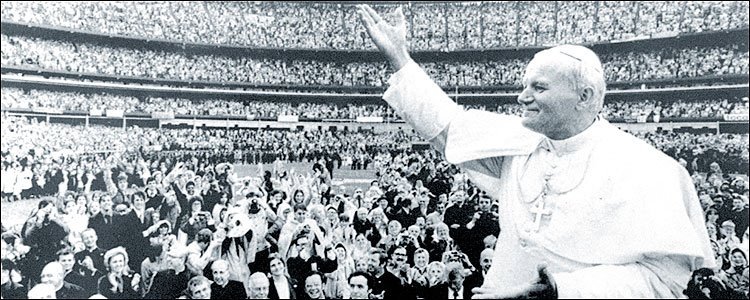
No less a star than Namath, Pope John Paul II finds a warm welcome for him at Shea in 1979.

One of the Mets biggest stars of the ’80s, cheerful center fielder Mookie Wilson, was instrumental in the Mets World Series win of 1986 over the Boston Red Sox.

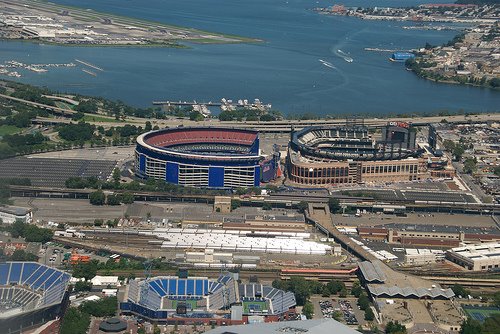
The new Citi Field sits within site of the stadium it will replace

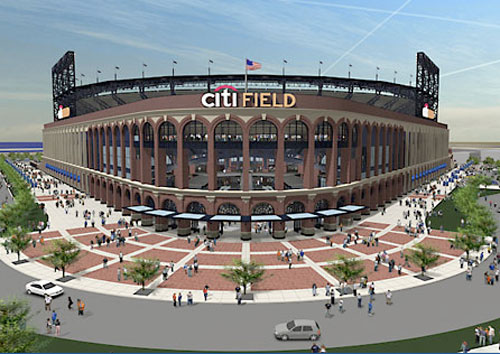
An illustration of what the new Citi Field will look like.

Ever wonder why the Mets team colors are blue and orange? Read one of our very early entries about it here.

However, a commenter below notes that the Mets website actually says: “The Mets’ colors are Dodger blue and Giant orange, symbolic of the return of National League baseball to New York after the Dodgers and Giants moved to California.” Which sounds very plausible — and amazingly coincidental, considering they’re also the official colors of New York. Perhaps the Giants and the Dodgers original sporting colors were based on the official colors, making both explanations correct?

Frankly there’s been no better tribute to Shea Stadium than the New York Post’s current countdown of the top 25 moments that occurred there over the years.