Categories
Friday Night Fever Music History

The return of Webster Hall: A tale of debauchery and activism in one of New York’s oldest clubs

The East Village nightclub Webster Hall reopens this evening with a concert by Jay-Z after an extensive interior renovation by new owner Barclays/Bowery Presents.

Have tickets to tonight’s show? Then you’ll be able to judge for yourself whether the storied venue retains its “idiosyncratic grandeur.

The hall has had many facelifts over the past 133 years, evolving to mirror the tastes of Greenwich Village residents. This latest upgrade is a belated reflection of the neighborhood’s various sleek changes. That said, the renovations as described seem positively mild in comparison to the blistering reinvention of neighboring Astor Place.

From the exterior, it appears absolutely nothing has changed. In 2008 Webster Hall was designated a New York City landmark for its impressive terra-cotta architecture and its status as a beacon of ethnic and social counter-culture during the late 19th and early 20th centuries.

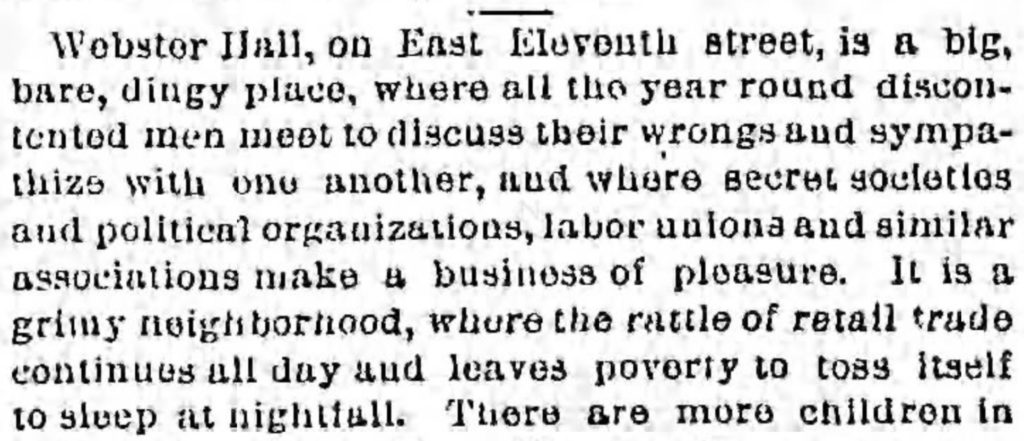
If I were the owner of this club, I would affix the following description (from an 1888 Brooklyn Daily Eagle article) in massive letters near the entrance:
As we wrote in our book Adventures In Old New York: “Opened in 1886, the hall hosted the annual Greenwich Village Ball from the 1910s to the 1930s, a bacchanalia where artists, bohemians, drag queens, and general reprobates of the best kind came to drink, dance, and seriously make merry until early morning. It worked hard to earn its nickname “the devil’s playhouse.”

Author Allan Church wrote, “So many dances-till-dawn and fancy dress balls were held there that one Villager said of himself and his wife: ‘We’ve sold our bed. Why sleep when there’s a dance every night at Webster Hall?’ ”

—————

In celebration of its new landmark status, we recorded a short episode on the history of Webster Hall back in January 2009.  

Here’s a few clippings from old newspapers, giving you a few additional insights into Webster Hall’s spectacular history:

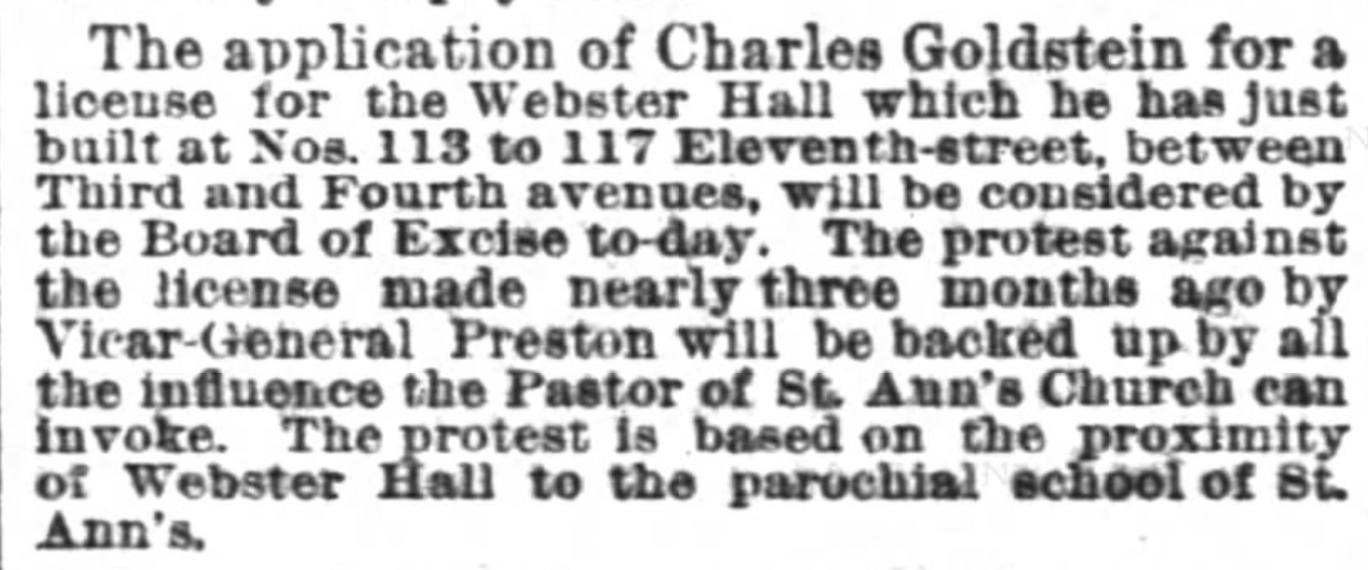
Webster Hall was rebellious before it even opened. St. Ann’s, the church which most vigorously decried its existence, has all been erased except for its entrance:
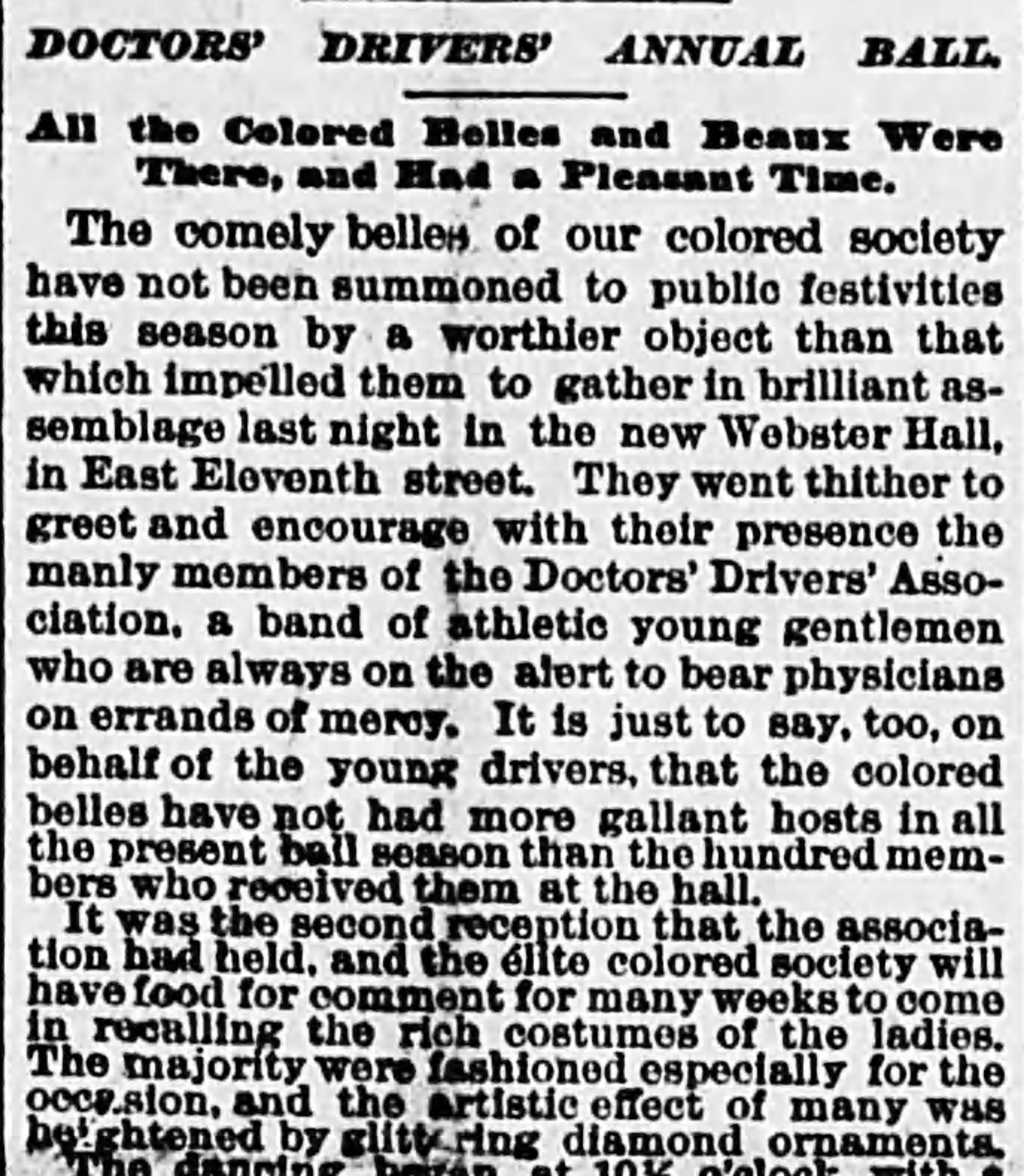
In 1887 Webster Hall played host to a private dance for wealthy black New Yorkers, members of the Doctors’ Drivers’ Association, “a band of athletic young gentlemen who are always on the alert to bear physicians on errands of mercy.”
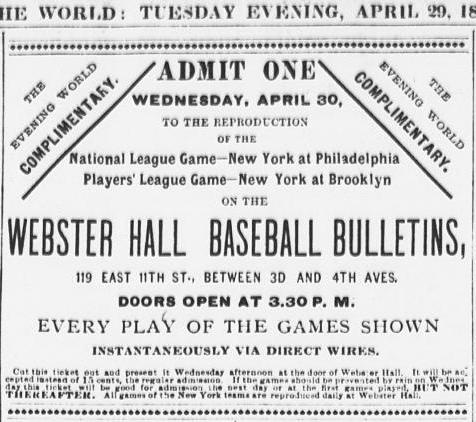
A depiction of the baseball scoreboard that was installed by the New  York Evening World to ‘instantaneously’ update baseball scores from Boston in 1890. [The complete article is here.]
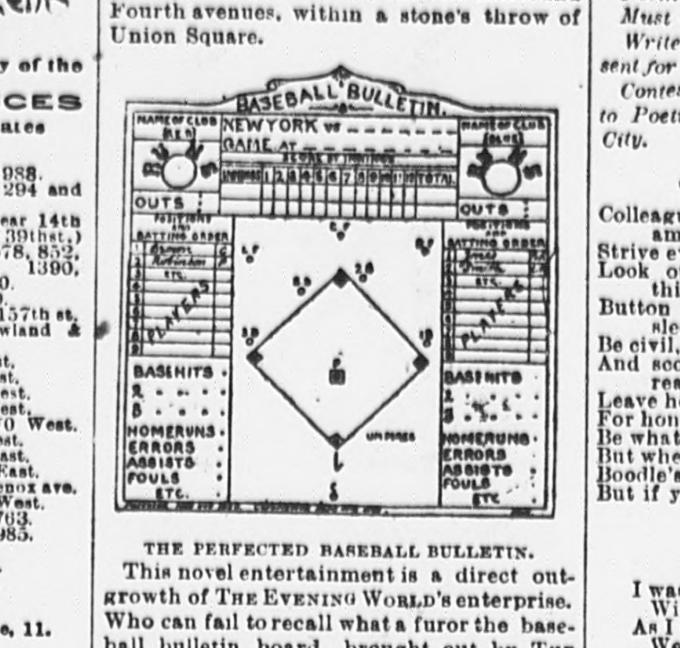
New York Evening World
1

The party rages at a Webster Hall artist costume ball, in a photo by the great Jessie Tarbox Beals (date unknown, most likely late 1910s).
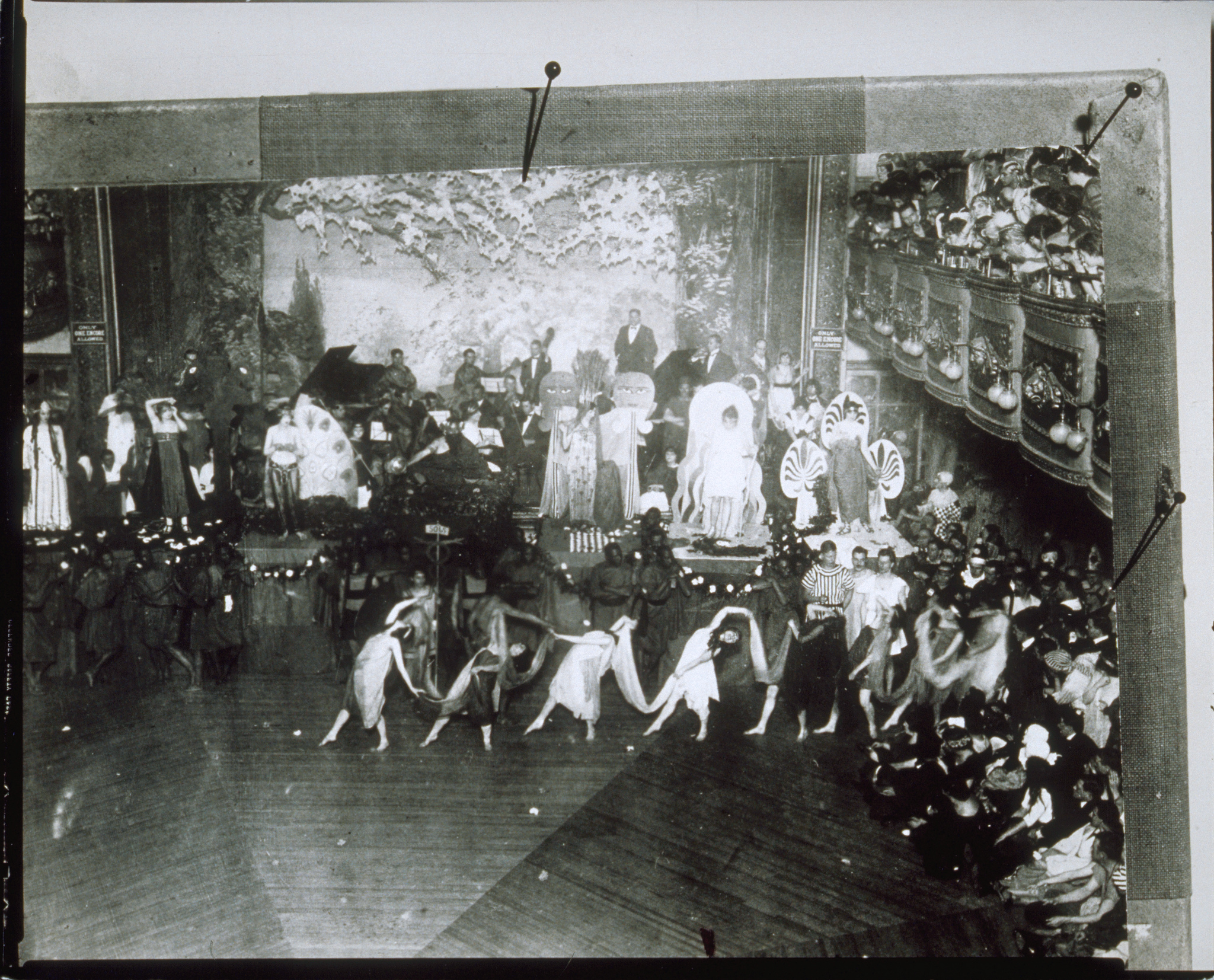
Courtesy Schlesinger Library

Garment workers meet out in front of Webster Hall, between 1910-1915.  The venue was a pivotal meeting spot for union groups, political activists and anarchist leaders like Emma Goldman.
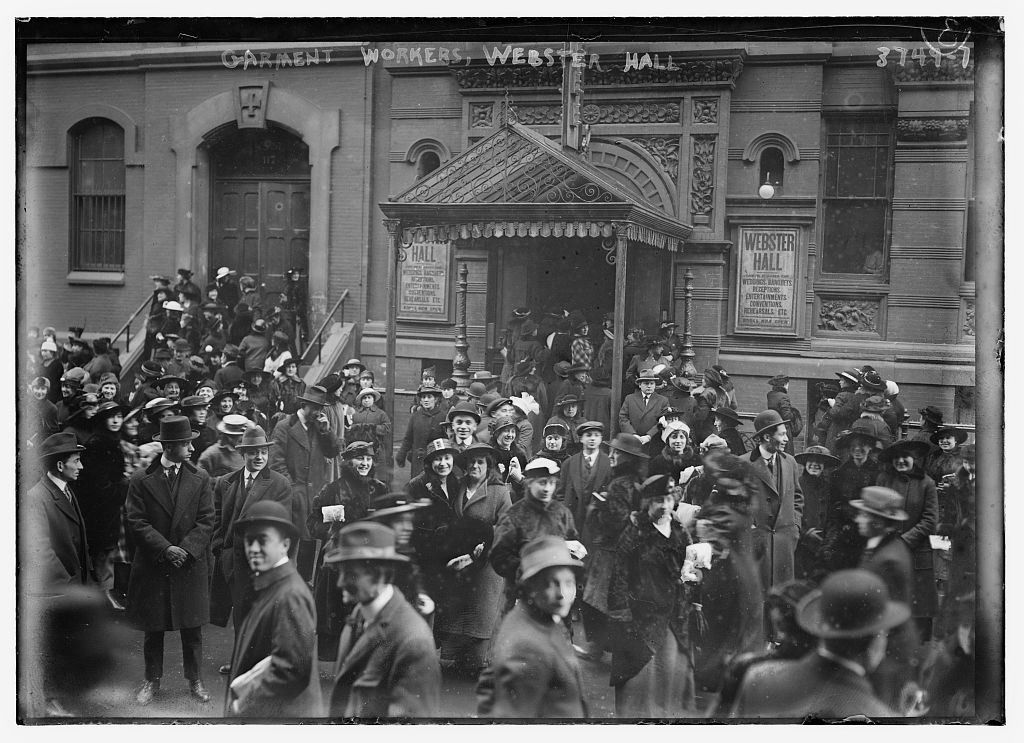
Courtesy Library of Congress

Greek immigrants gather in front of Webster Hall as they prepare to return to their country to engage in the first Balkan war (October 1912).
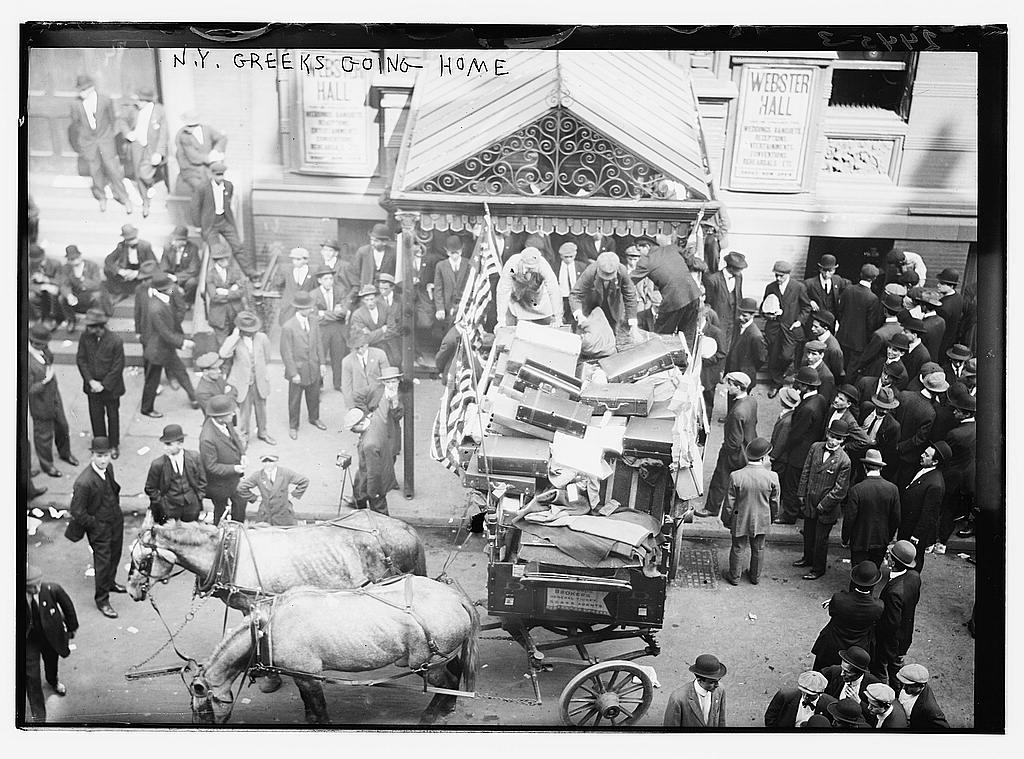
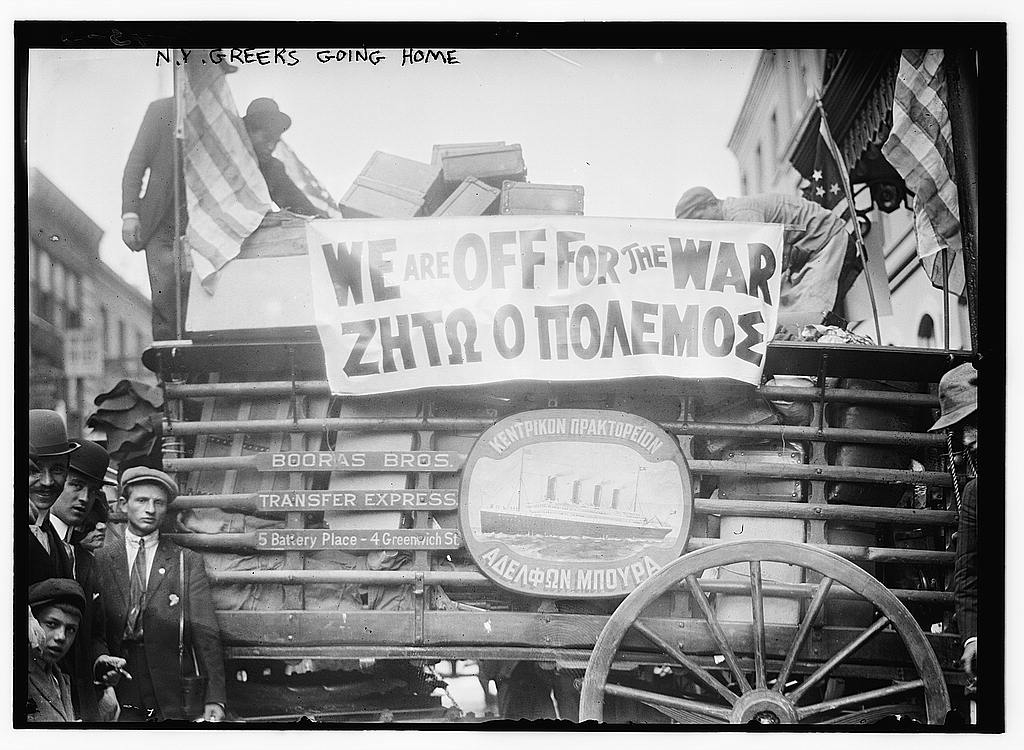
Courtesy Library of Congress

From a 1930 article:

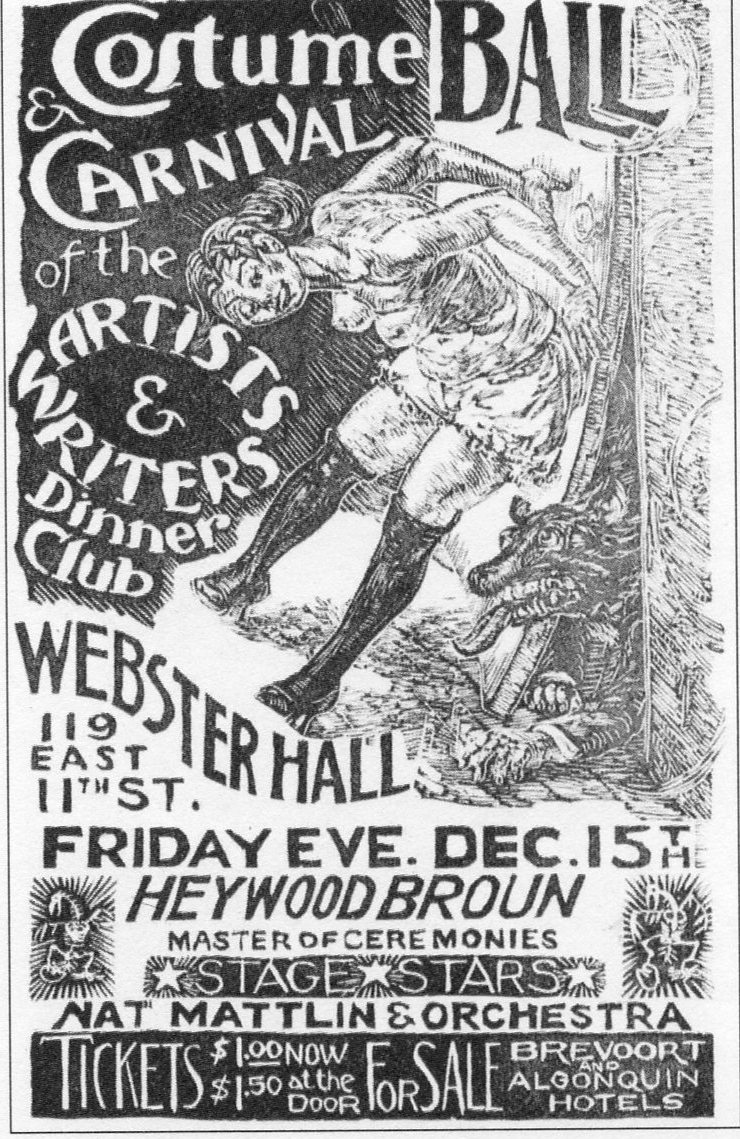
A 1933 poster advertising the annual Greenwich Village costume ball, designed by John Sloan
Courtesy Ephemeral New York
Courtesy Library of Congress

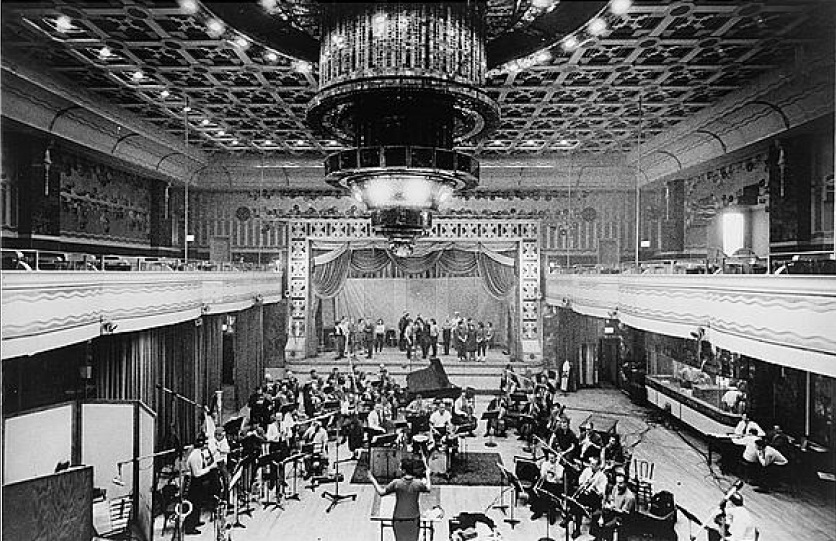
The cast of ‘How To Succeed In Business Without Really Trying’ recording the cast album at Webster Hall, 1961.
cast

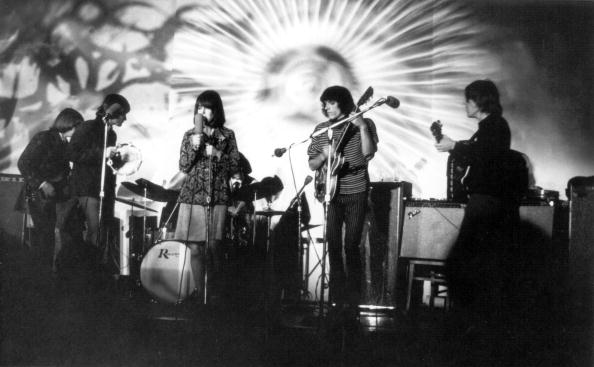
Jefferson Airplane’s first New York concert, January 8, 1967, at Webster Hall
(Photo by Michael Ochs Archives/Getty Images)

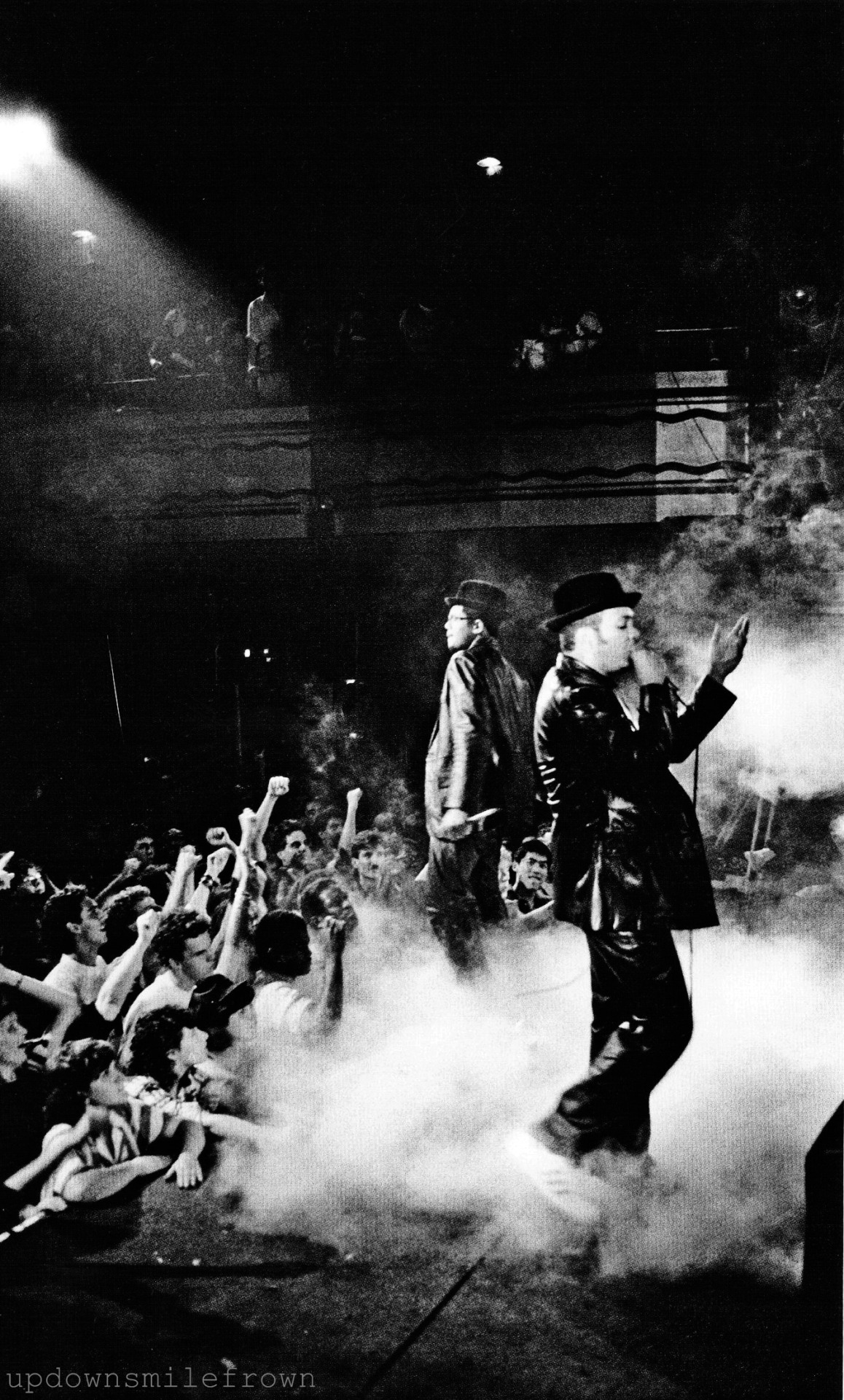
In the 1980s and early 90s, Webster Hall was known as The Ritz. Much of the scrappy charm of Webster Hall that people love derives from its years as this important rock venue. Here’s Run DMC performing at The Ritz, May 15, 1984
Photograph by Josh Cheuse/updownsmilefrown

In 1980, the young Irish rock band U2 had their American debut at The Ritz. Their second performance there, in March of 1981, was reviewed by the New York Times, and the original review — by Stephen Holden, no less — is worth a look if you’re a U2 fan. “Bono Hewson, U2’s lead singer, has a moderately strong voice that was partially drowned out at the Ritz. This was a shame, since the band’s material is of considerable interest.”
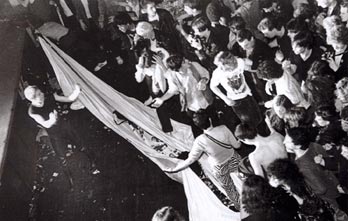
Later, on May 15, 1981, angry Public Image Limited fans, confused by a cheeky video projection, yanked down the screen and trashed the place in an event know as “the infamous Ritz Riot.”
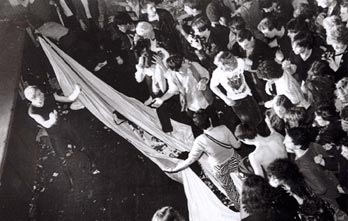
The Cro-Mags, performing at The Ritz in 1986:

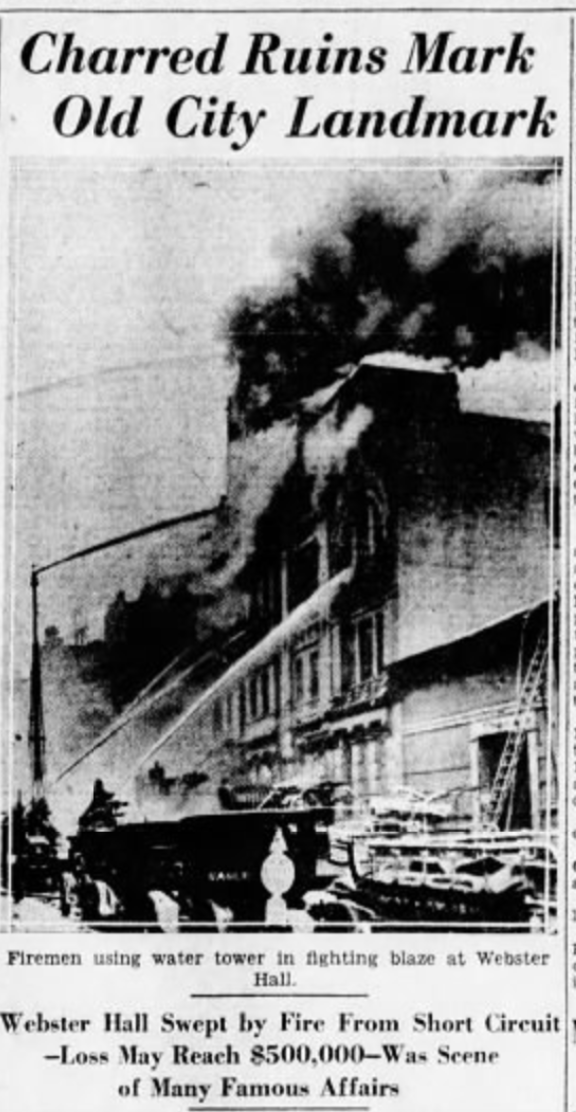
At top — Webster Hall in 1913
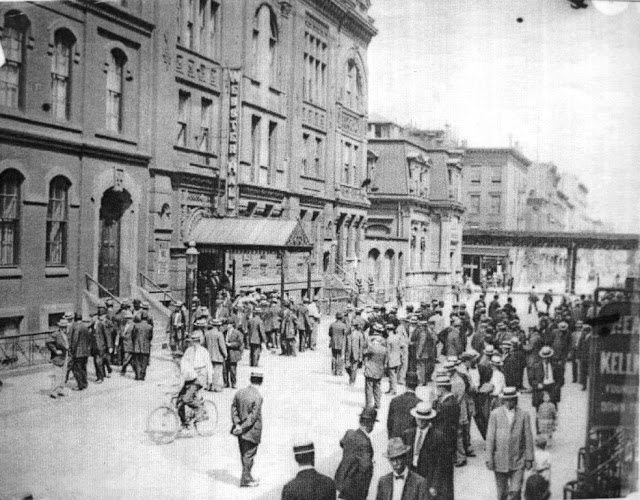
1913 courtesy International News Service
Categories
Brooklyn History Those Were The Days

The hottest place to listen to records in Brooklyn

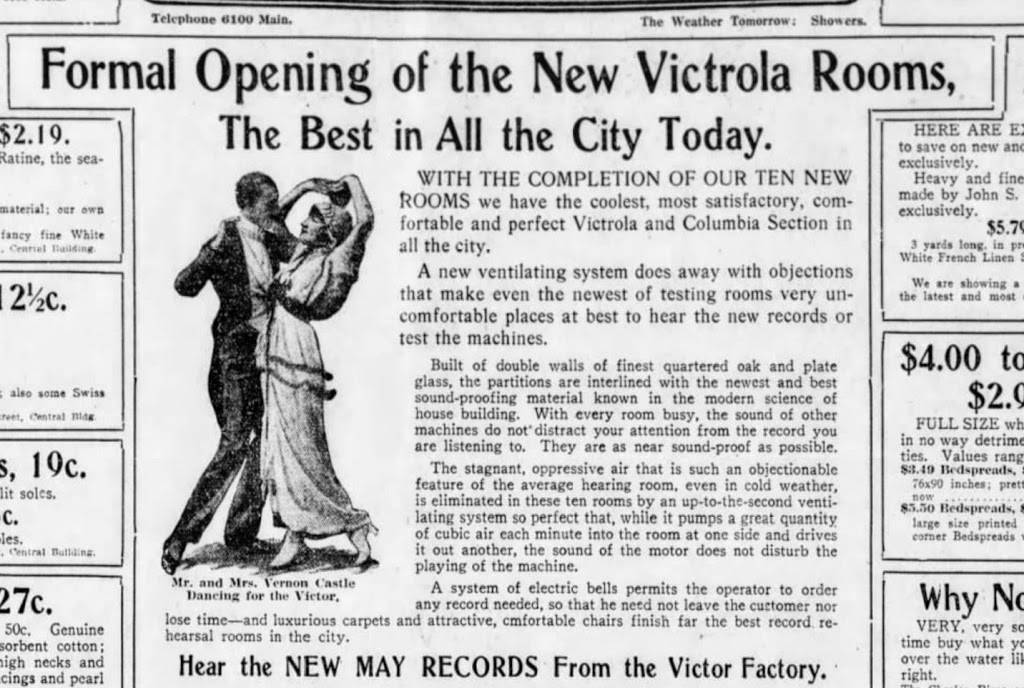
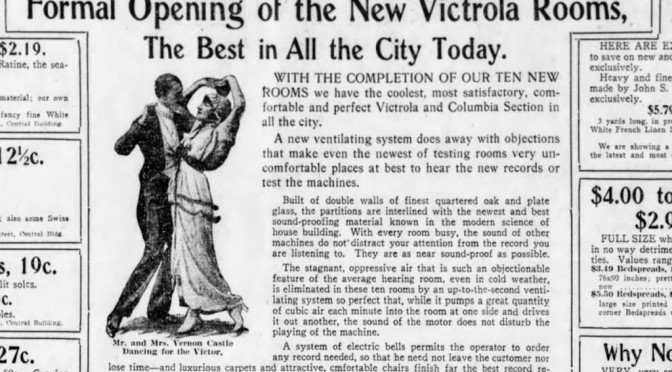
One hundred years ago today, the Abraham & Straus department store on Fulton Street (today’s Brooklyn Macy’s location) kicks off the borough’s deep affection for record albums with newly designed listening stations, touted in this Brooklyn Daily Eagle advertisement as the best in the city (and it probably was).

As the advertisement proclaims: “With the completion of our ten new rooms we have the coolest, most satisfactory, comfortable and perfect Victrola and Columbia Section in all the city.

A new ventilating system does away with objections that make every the newest of testing rooms very uncomfortable places at best to hear new records or test the machines.

Built of double walls of finest quartered oak and plate glass, the partitions are interlined with the newest and best sound-proofing material known in the modern science of house building….. They are as near sound-proof as possible.”

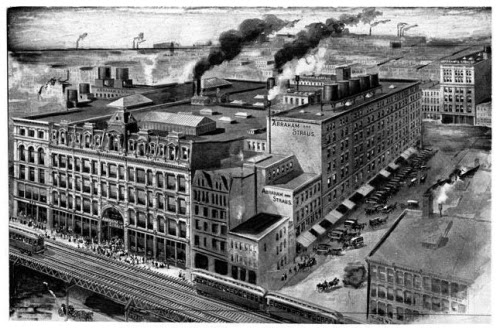
Below: Abraham & Straus on Fulton Street, 1904 (courtesy Brooklyn Public Library)

By 1914, many discs could be played on both Victor Talking Machines and Columbia Grafonolas, so no CD-vs-vinyl format decisions to make!

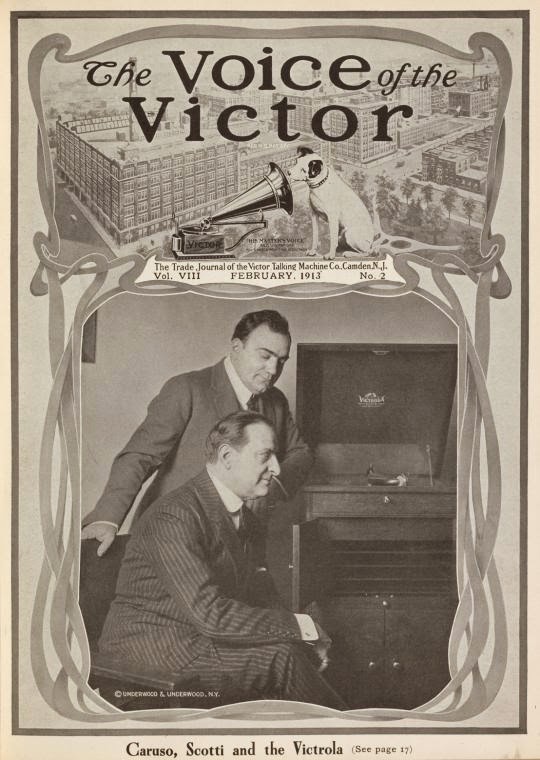
Among the newest album releases that month were instructional dance albums by Vernon and Irene Castle, starring later that year in the hit Broadway musical Watch Your Step, written by Irving Berlin.  There’s also a new album by Victor favorite Enrico Caruso (pictured below on the cover of a 1913 trade magazine):

You can find the advertisement above in the Brooklyn Daily Eagle (April 28, 1914 issue).

Categories
Friday Night Fever Podcasts

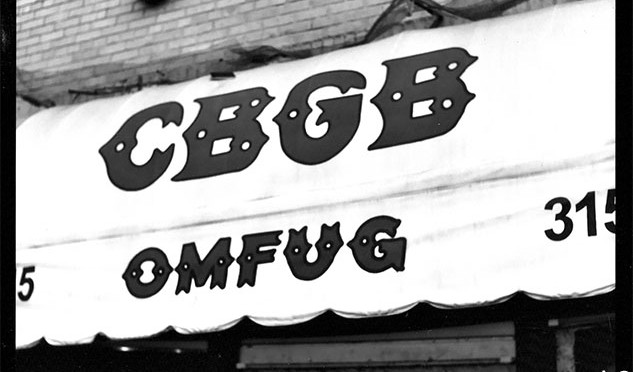
CBGB & OMFUG: Punk music history on the Bowery

Photo courtesy araceli.g, Flickr

PODCAST Modern American rock music would have been a whole lot different without the rundown dive mecca CBGB’s, a beat-up former flophouse bar that made stars out of young musicians and helped shape the musical edge of downtown Manhattan. Owner Hilly Kristal may have initially envisioned a place for ‘Country Blue Grass and Blues’, but the music spawned by this little hole in the wall would define the contours of American punk and new wave.

The Ramones, Blondie, the Talking Heads and hundreds of others bands would never have been the same without this dank little club with the most notorious bathroom stalls in New York. Tune in to hear a tale of the club’s rather inauspicious start and find out why, even as a venerated music icon, it was forced to close its doors.

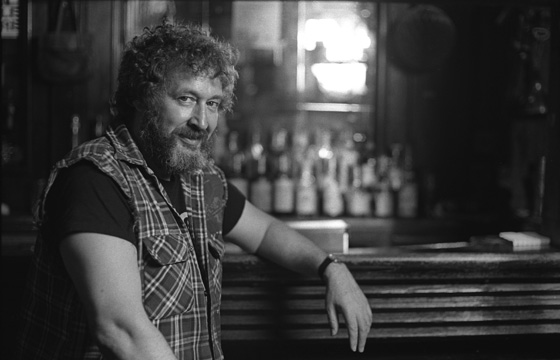
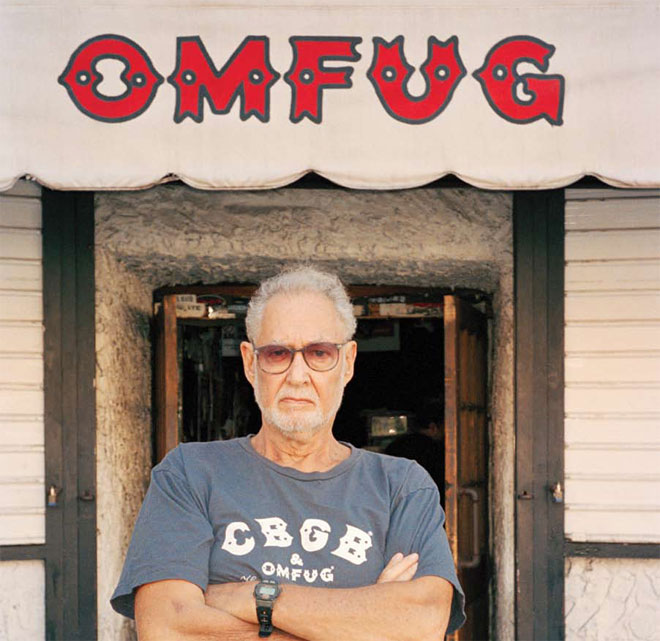
Hilly Kristal, back in the day. CBGB’s was originally Hilly’s On The Bowery, a spin-off of a far more successful West Village venue that frequently hosted performers like Bette Midler and Jerry Stiller. Hoping to draw a more music oriented crowd, Kristal changed the name to reflect broad tastes: Country Bluegrass Blues and Other Music For Uplifting Gormandizers.

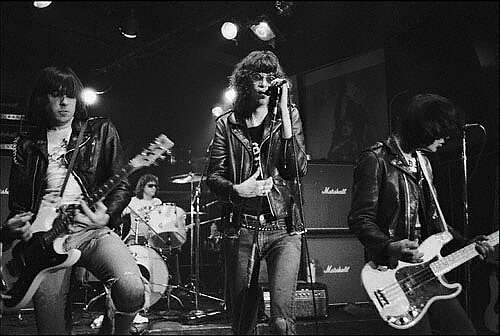
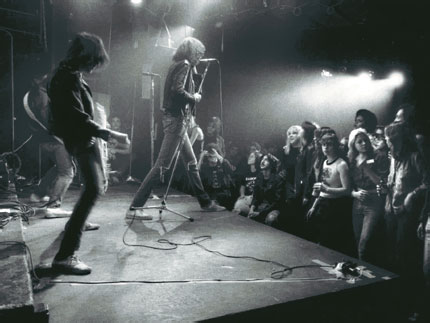
Initially unimpressive by any metric of musical quality, the scraggly group of guys from Forest Hills, Queens who formed The Ramones soon become a staple of the CBGB stage and the one of the most influential acts of the American punk style. If there’s a voice to 315 Bowery, most likely it’s that of Joey Ramone. (Photo by Allan Tannenbaum, from here)


(Photo from here)

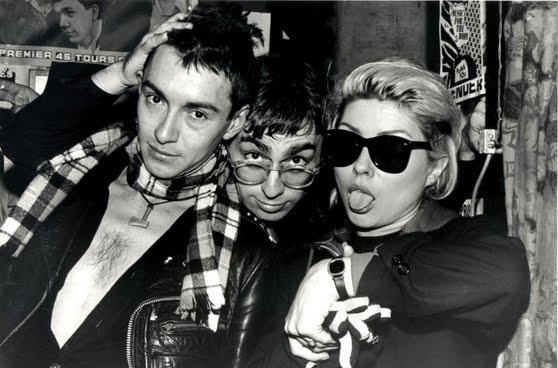
Deborah Harry and Chris Stein debuted on the CBGB stage as members of the Stilettos used the club to make their transformation into Blondie, the most successful group borne of Hilly’s Bowery club. Chris and Debbie are seen below with Arturo Vega, 1978. (Photo by Lisa J Kristal, photo from here)

Hilly in later years. The club become a high-profile victim of Bowery gentrification and had to shut its doors in 2006. It lived on briefly as a St. Mark’s clothing shop, even as its old location become home to a John Varvatos menswear boutique. Photo by Peter Sutherland (here)

Check out the official CBGB blog for lots of great stuff associated with the club, including lots of old photos and that full color ‘walk-through of the club. You might want to take a shower after viewing it.

Categories
Podcasts

Tin Pan Alley and the birth of modern popular music

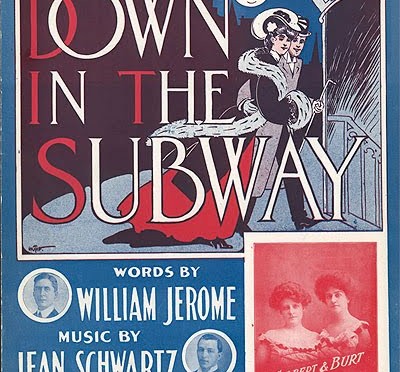
“Down In The Subway,” published in 1904 by one of Tin Pan Alley’s most successful music men Jerome Remick

___________________________________

PODCAST The modern music industry begins…. on 28th Street? A seemingly nondescript street in midtown Manhattan contains some of the most important buildings where early American pop music was created.

Tin Pan Alley was a bustling and frenzied area, the most creative area of the city, with songwriters — and song pluggers — churning out iconic music. Sing along as we talk about the greatest songwriters and the process they went through to create the most influential tunes of the century.

Download this show it for FREE on iTunes or other podcasting services. Click this link to download it directly from our satellite site. Or click below to listen here:

The Bowery Boys: Tin Pan Alley

___________________________________

This week’s show features actual music snippets, featuring “A Pretty Girl Is Like A Melody” by John Steel, “Toot-Toot-Tootsie” by Al Jolson, and “Grand Ole Flag” by Billy Murray.

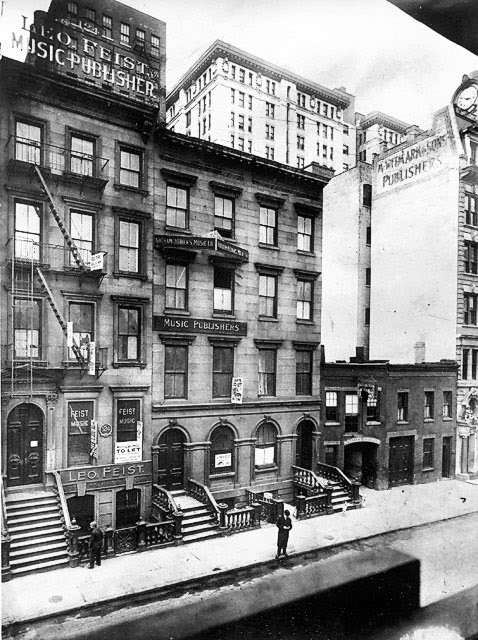
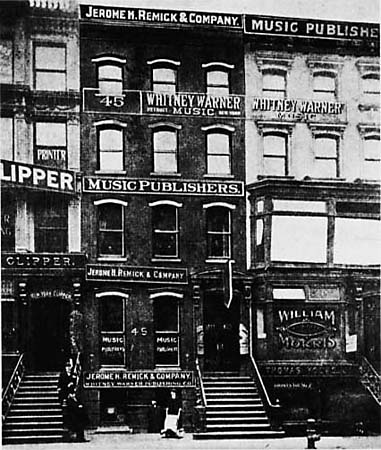
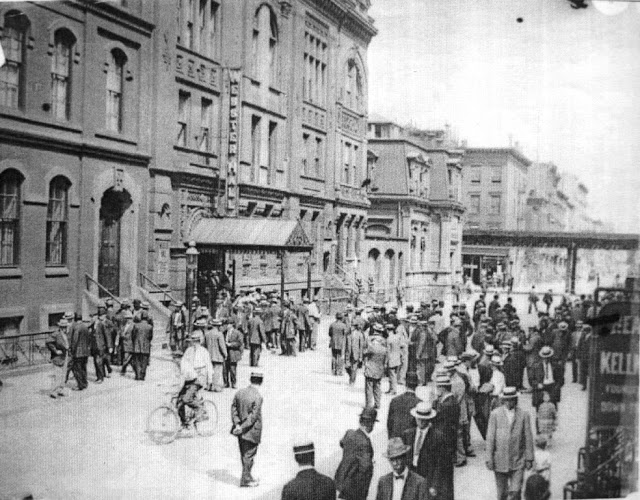
Music Row: Music publishers, once centered around Union Square, began collecting on 28th Street in the late 1880s and most of them stayed there until 1909. Leo Feist, seen in the first picture on the left, was probably the first to move onto the block.

___________________________________

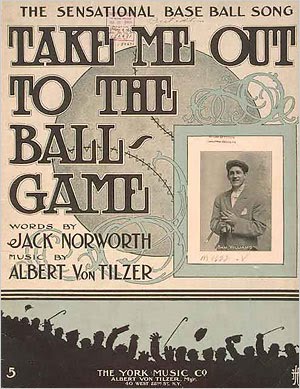
Grand Slam: One of the greatest hits to come out of 28th Street was Albert Von Tilzer’s Take Me Out To the Ballgame. The lyrics were written by vaudeville star Jack Norworth who popularized the song in his routines. Curiously, neither Von Tilzer nor Norworth had ever seen a baseball game at the time the song was written.

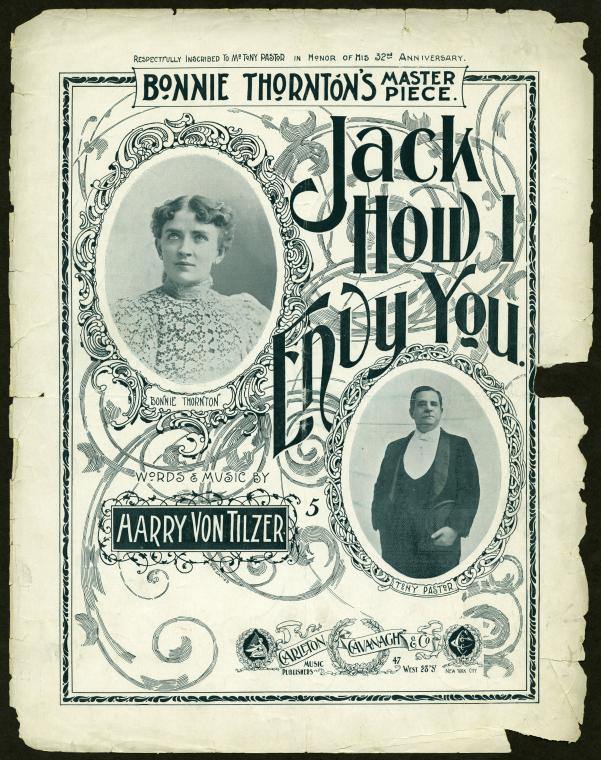
A song by Albert’s brother that is, needless to say, less famous. (Pic courtesy here)

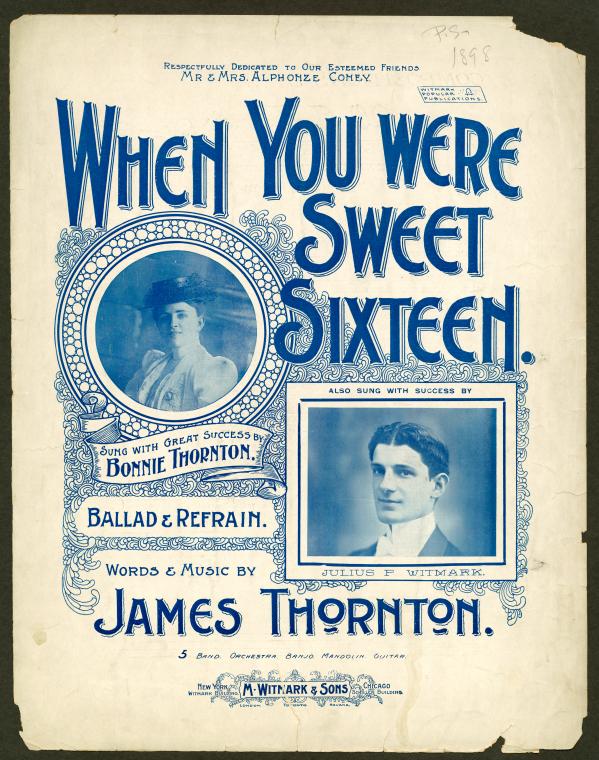
M. Witmark and Sons got their start selling their tunes straight from the vaudeville stage, later to become one of the most successful of the 28th Street firms.

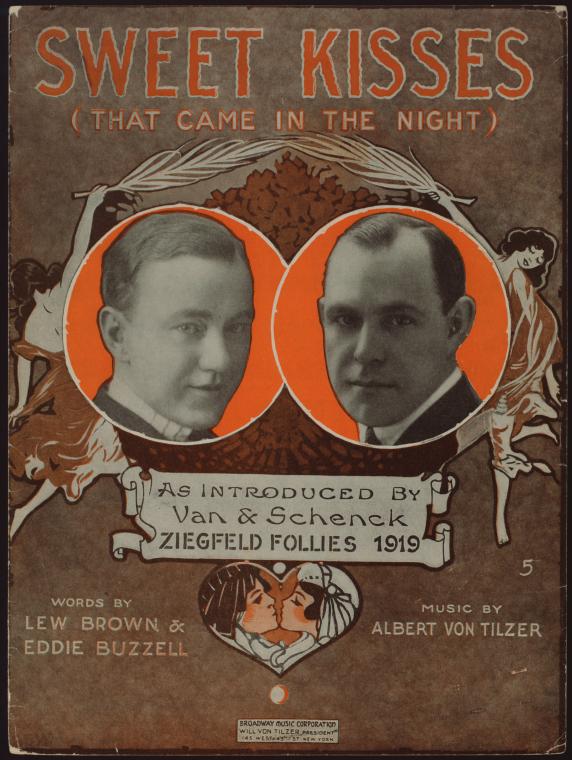
By 1909, most of the music houses had moved off the street into various locations throughout midtown, catering to the budding Broadway market. One of the most lucrative platforms of popularizing songs was the Ziegfeld Follies. (Pic)

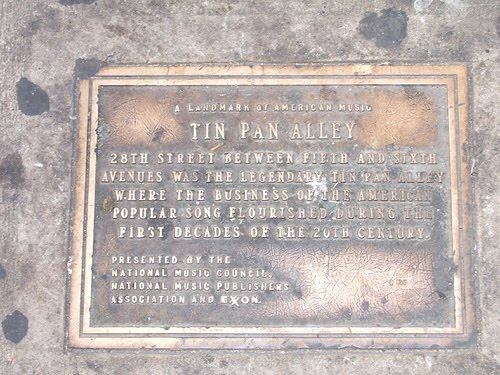
The only sign on 28th Street of its importance to the world of music is a small plaque on the sidewalk

The buildings of Tin Pan Alley are not landmarked, but there are some grassroots efforts underway to make sure the area is protected. In particular, the Historic Districts Council has a lovely writeup and features the addresses of many of Tin Pan Alley’s most successful music houses. No surprise that a website on collectable sheet music should also have a great writeup on the area.

Check out what Tin Pan Alley looks like today:

View Larger Map