Categories
Health and Living Podcasts

The Beauty Bosses of Fifth Avenue: Elizabeth Arden & Helena Rubinstein

PODCAST Fifth Avenue’s role in the ‘revolution’ of beauty, as led by Elizabeth Arden and Helena Rubinstein, New York’s boldest businesswomen of the Jazz Age.

The Midtown Manhattan stretch of Fifth Avenue, once known for its ensemble of extravagant mansions owned by the Gilded Age’s wealthiest families, went through an astonishing makeover one hundred years ago. Many lavish abodes of the rich were turned into exclusive retail boutiques, catering to the very sorts of people who once lived here.

Their products — beauty! Creams, lotions, ointments and cleansers. Then later: eye-liners, rouges, lipsticks, mascaras. On the forefront of this transformation were two women from very different backgrounds. Elizabeth Arden was a Canadian entrepreneur, looking to establish her business in the growing city of New York. Helena Rubinstein, from Poland by way of Australia, already owned an established company and looked to Manhattan as a way to anchor her business in America.

In this episode we observe the growing independence of American woman and the changing beauty standards which arose in the 1910s and 20s, bringing ‘the painted face’ into the mainstream.

And it’s in large part thanks to these two extraordinary businesswomen, crafting two parallel empires in a corporate framework usually reserved for men.

ALSO: Theda Bara, Estee Lauder, Max Factor and a whole lot of sheep and horses!


The Bowery Boys: New York City History podcast is brought to you …. by you!

We are now producing a new Bowery Boys podcast every two weeks. We’re also looking to improve the show in other ways and expand in other ways as well — through publishing, social media, live events and other forms of media. But we can only do this with your help!

We are now a member of Patreon, a patronage platform where you can support your favorite content creators for as little as a $1 a month.

Please visit our page on Patreon and watch a short video of us recording the show and talking about our expansion plans. If you’d like to help out, there are five different pledge levels (and with clever names too — Mannahatta, New Amsterdam, Five Points, Gilded Age, Jazz Age and Empire State). Check them out and consider being a sponsor.

We greatly appreciate our listeners and readers and thank you for joining us on this journey so far. And the best is yet to come!


FURTHER LISTENING — Check out our spin-off podcast The First: Stories of Inventions and their Consequences, in particular, the episode on the invention of the bikini — The Itsy Bitsy Teeny Weeny Revolution

FURTHER READING AND VIEWING: If you liked this episode, you might also like:

Hope In A Jar: The Making of America’s Beauty Culture by Kathy Peiss

Helena Rubinstein: The Woman Who Invented Beauty by Michèle Fitoussi

“The Powder and the Glory” Documentary produced, written, and directed by Ann Carol Grossman & Arnie Reisman

War Paint: Madame Helena Rubinstein and Miss Elizabeth Arden, Their Lives, Their Times, Their Rivalry by Lindy Woodhead


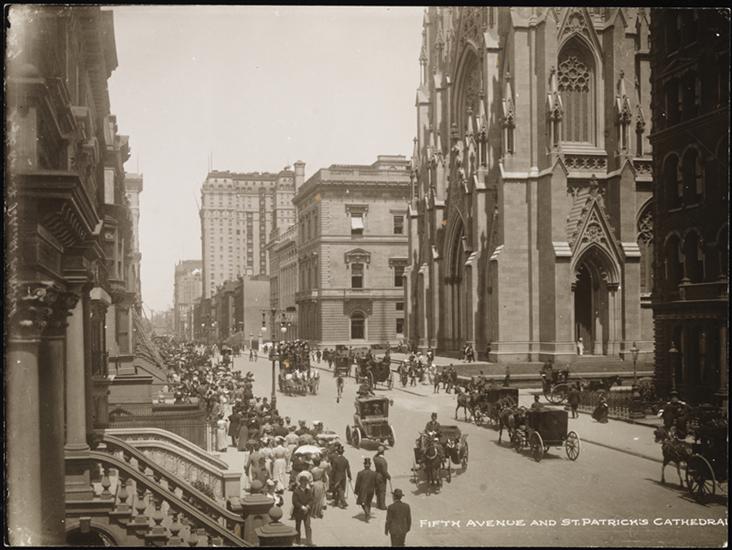
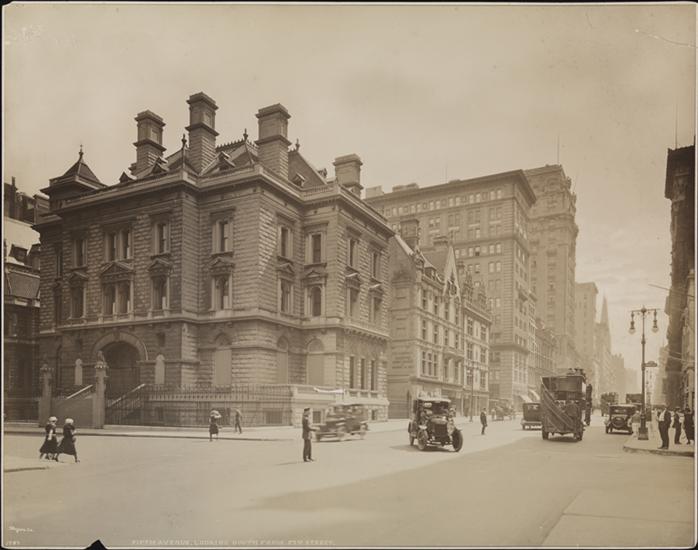
A few images of Fifth Avenue between 50th and 57th, in the years of transition — from residential to retail.

1898
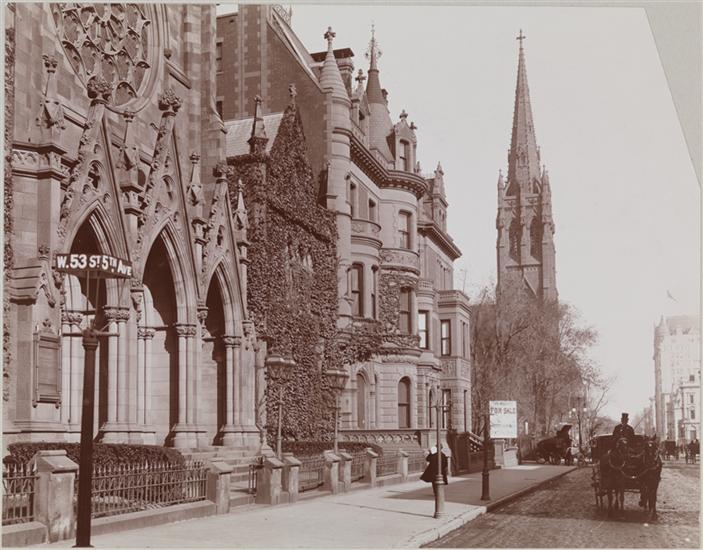
MCNY

1904

Museum of the City of New York

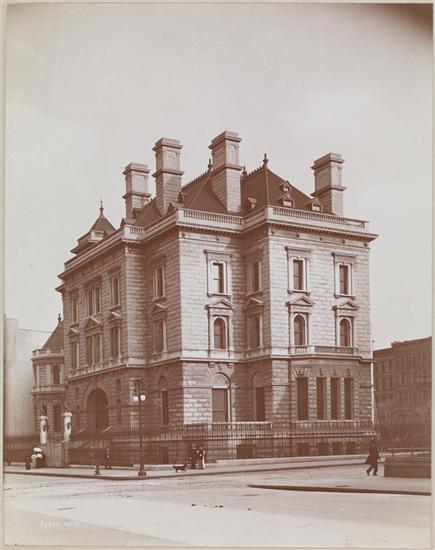
1922 — Fifth Avenue and 57th Street

The Collis Huntington mansion on 57th and Fifth Avenue. Helena Rubinstein moved her salon in here in the mid 1920s.
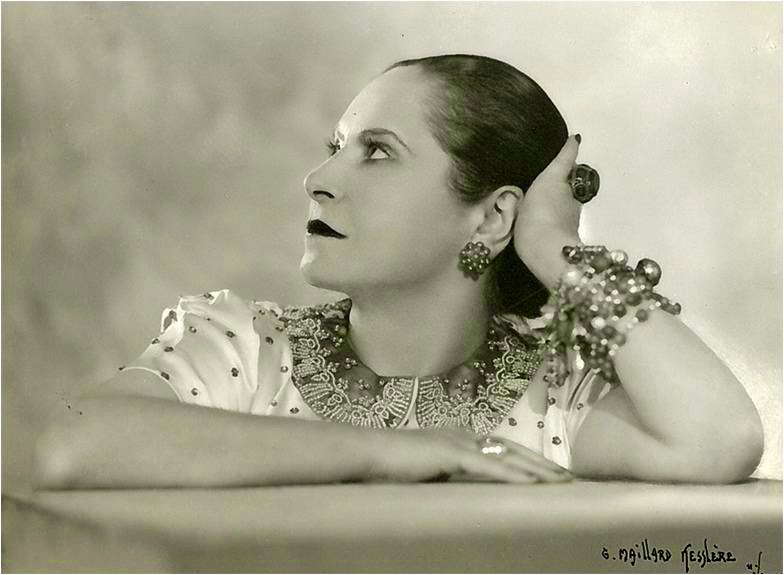
Helena Rubenstein, photo date 1924
An example of Helena’s Valaze cream, made from lanolin
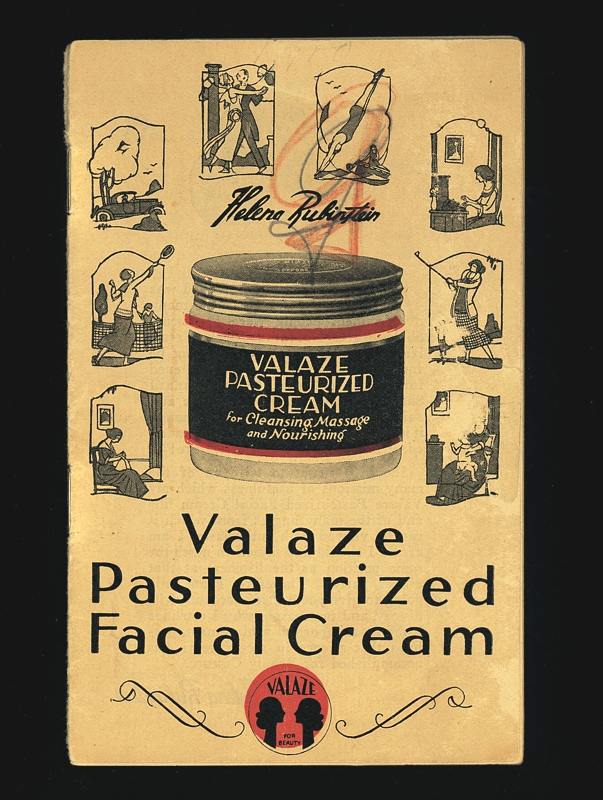
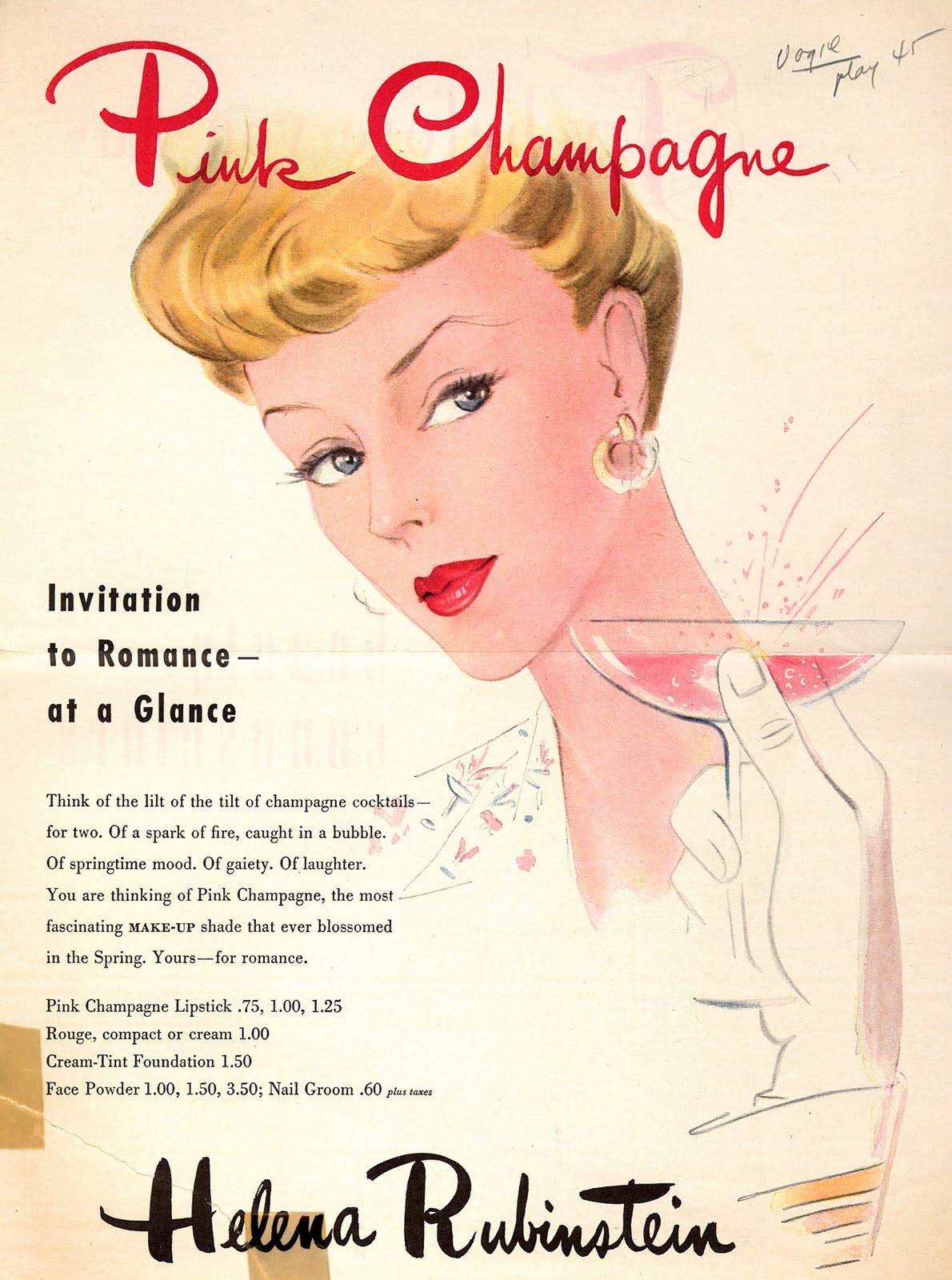
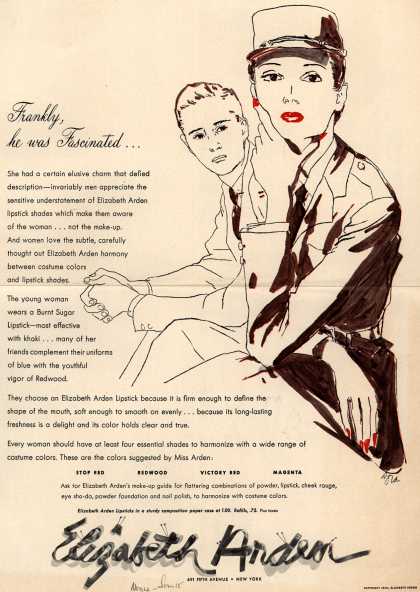
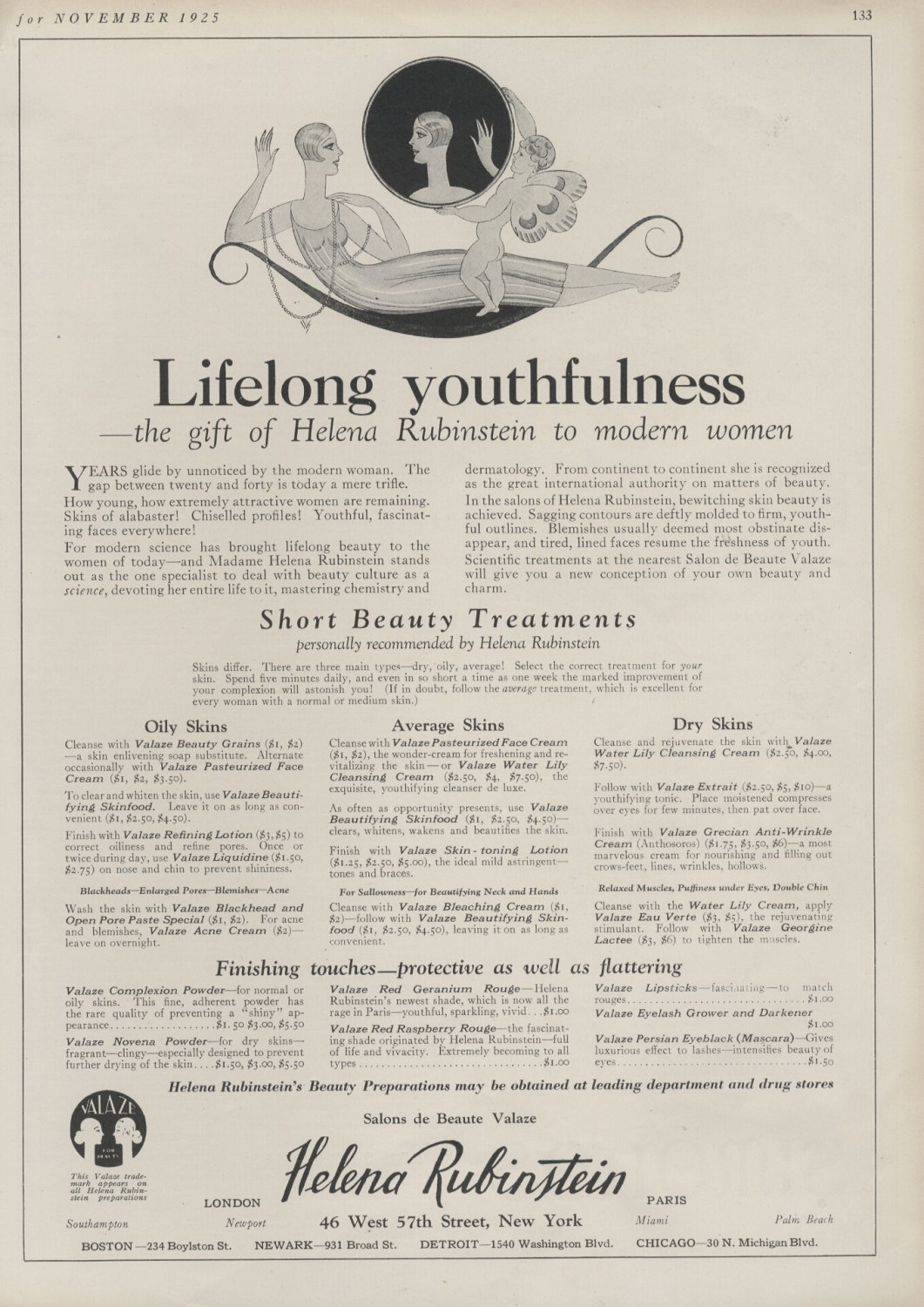
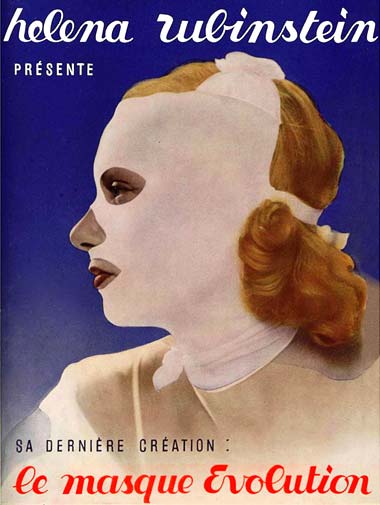
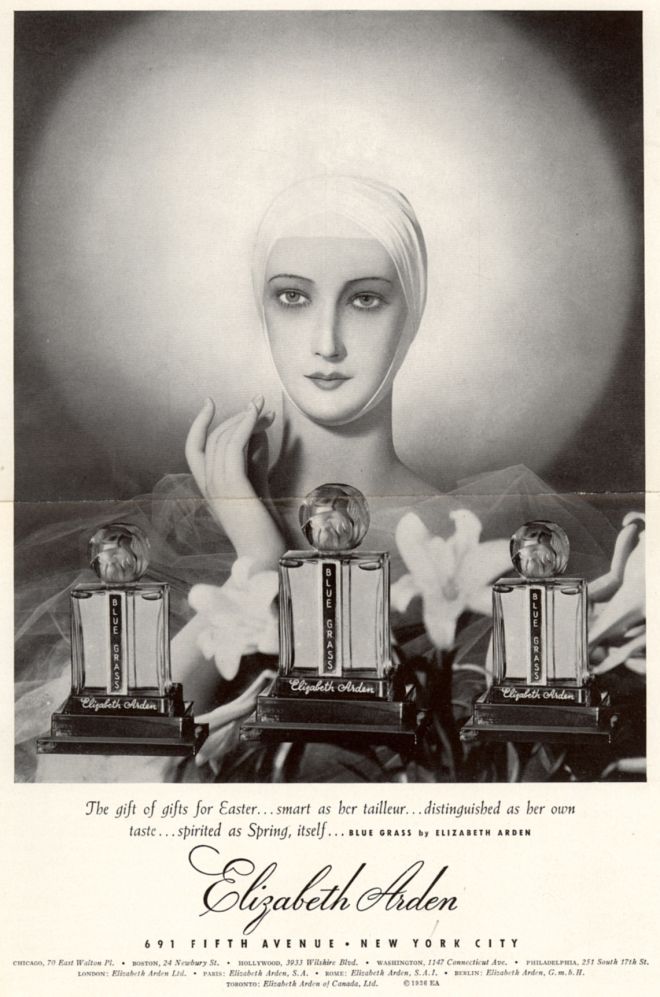
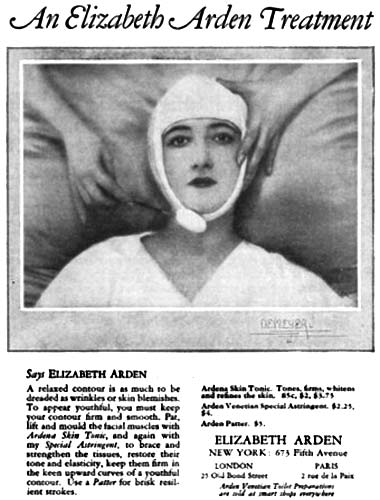
A selection of Elizabeth Arden and Helena Rubinstein vintage ads, courtesy Vintage Ad Browser
 

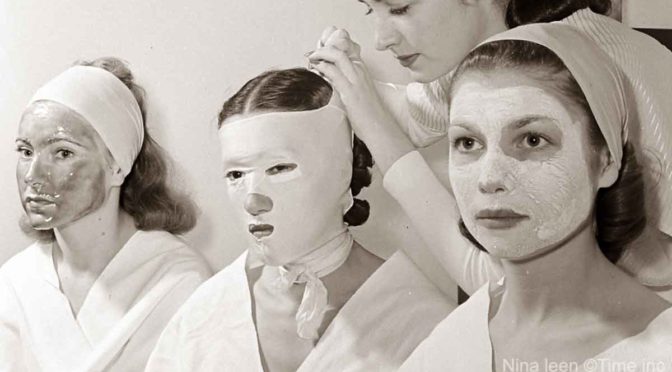
A variety of facial treatments from a Helena Rubinstein salon, circa 1941
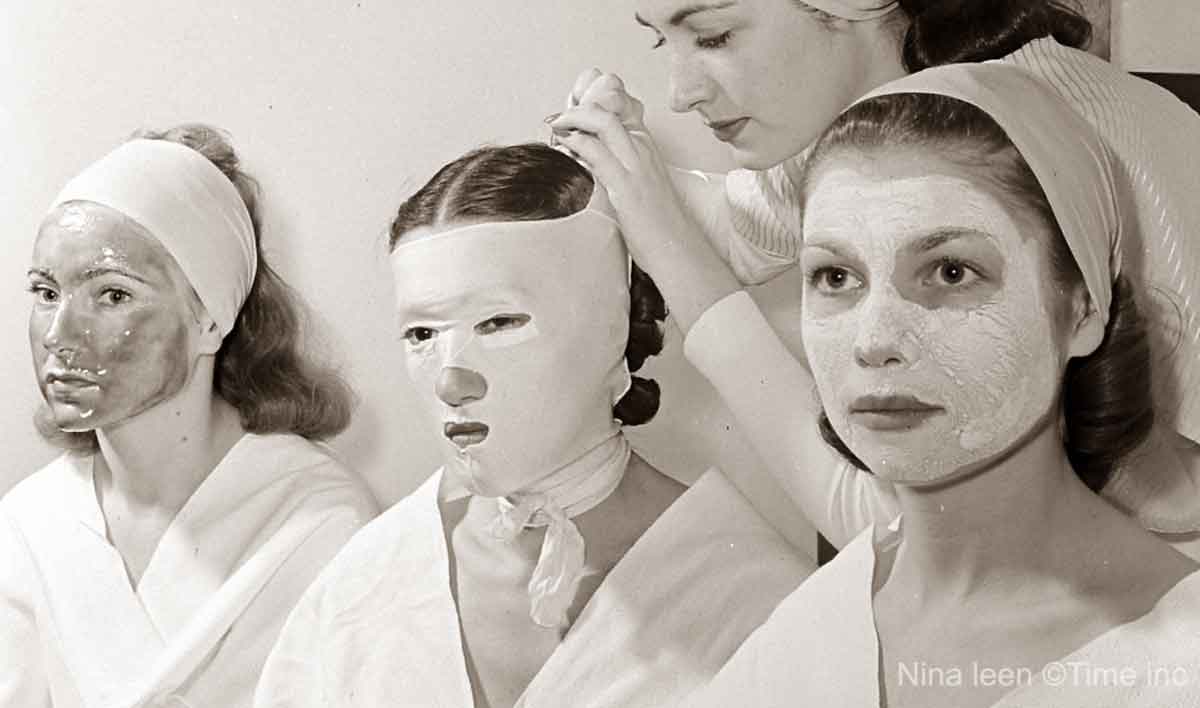
Nina Leen/Photography

Helena employed many of her family members. Mala Rubinstein, Helena Rubinstein’s niece, shows the ladies how beauty is done at the 715 Fifth Avenue salon
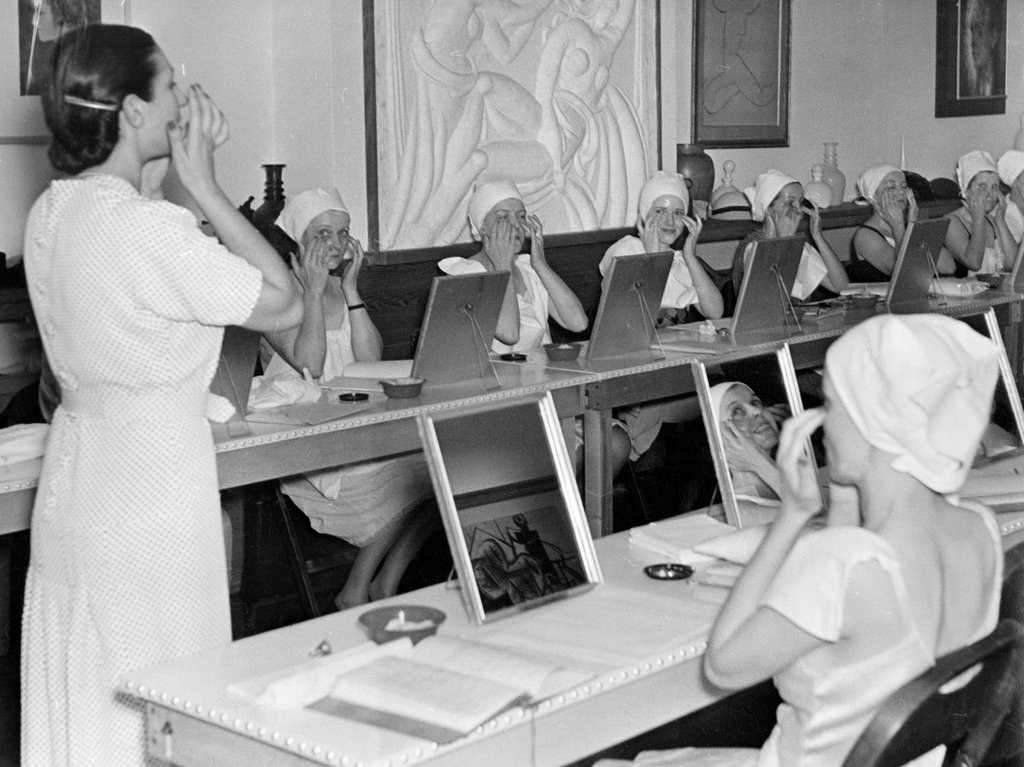
Courtesy NYT Photograph by Bradford Robotham

The commercial featured on this week’s show!

A very affected presentation, but this video does show Rubinstein in action!

The “beauty process” was in vogue by the 1930s as evidenced by this short film starring Hollywood film actress Constance Bennett.

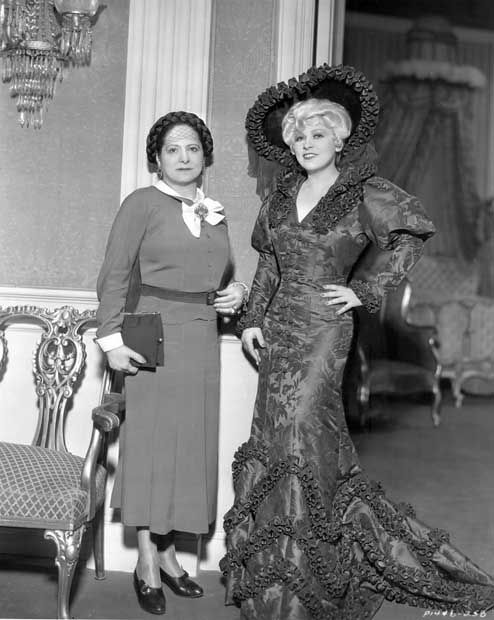
Helena Rubinstein latched onto Hollywood celebrities both as a way to inspire beauty regiment — and, of course, to sell more products.

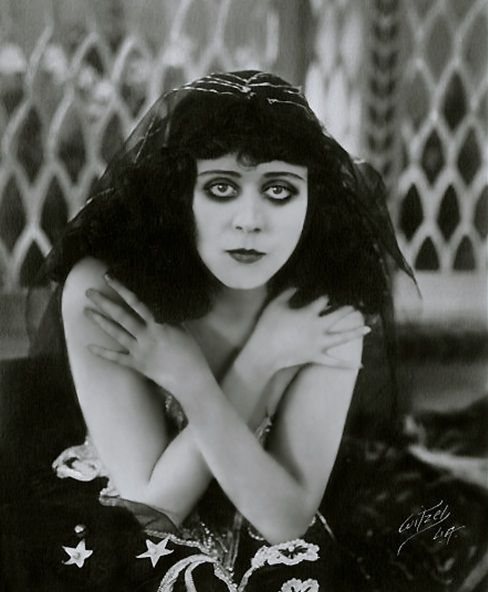
For Theda Bara, Helena even sold a line of ‘vamp’ make-up, tying into her scandalous reputation. (Read more about Theda Bara here.)
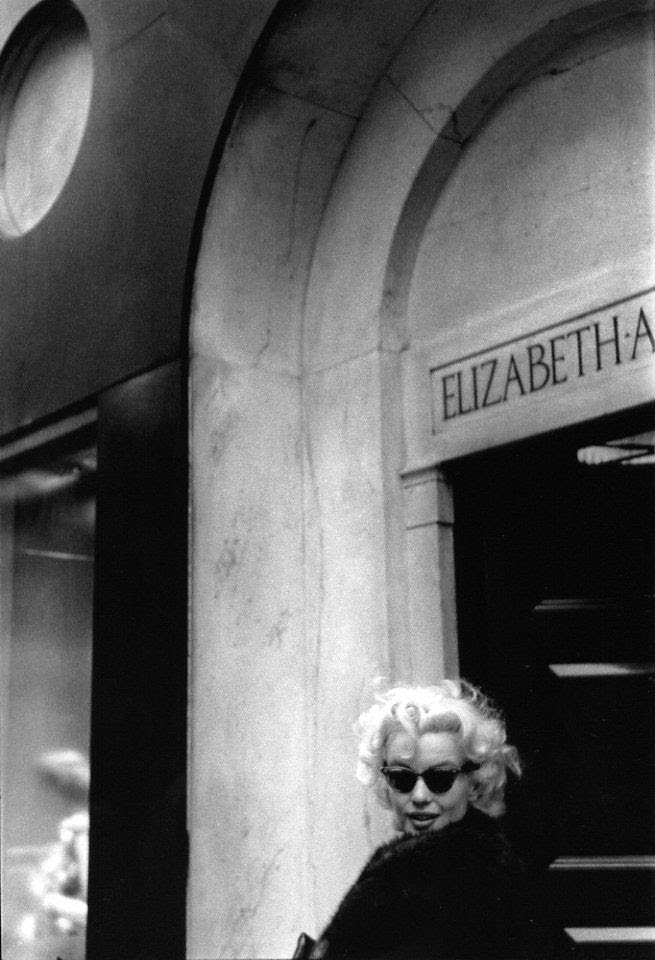
Even Marilyn Monroe was an Elizabeth Arden fan, frequently popping into the New York salon.
Categories
Neighborhoods Podcasts

The sumptuous story of Ladies’ Mile: Cast-iron grandeur and Gilded Age architecture


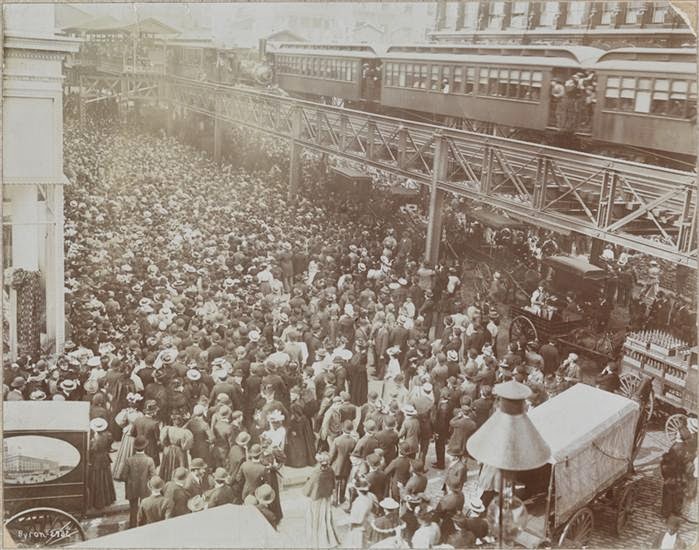
The opening of Siegel-Cooper department store, 1896, created one of the great mob scenes of the Gilded Age.  Today, TJ Maxx and Bed Bath and Beyond occupy this once-great commercial palace.  

PODCAST  Ladies’ Mile — the most famous New York shopping district in the 19th century and the “heart of the Gilded Age,” a district of spectacular commercial palaces of cast-iron. They are some of the city’s greatest buildings, designed by premier architects.

Unlike so many stories about New York City, this is a tale of survival, how behemoths of retail went out of business, but their structures remained to house new stores. This is truly a rare tale of history, where so many of the buildings in question are still around, still active in the purpose in which they were built.

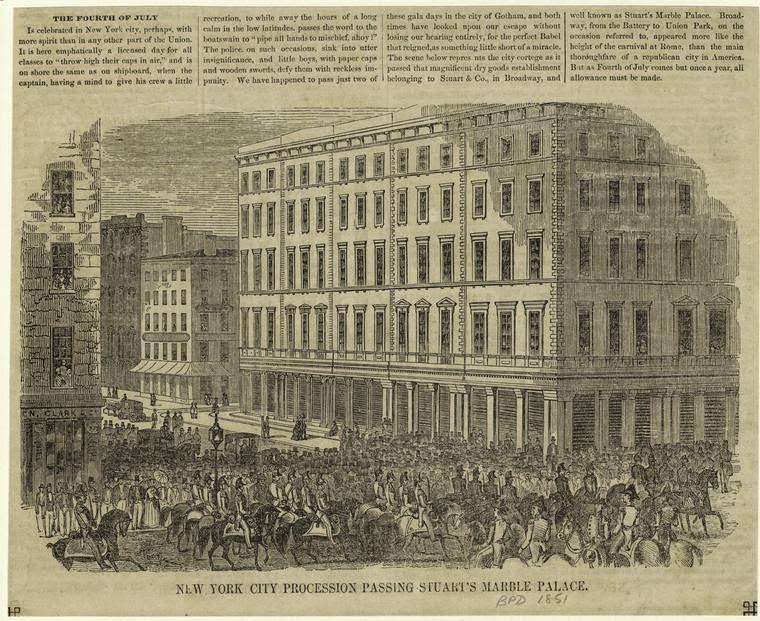
We start this story near City Hall, with the original retail mecca of A.T. Stewart — the Marble Palace and later his cast-iron masterpiece in Astor Place. Stewart set a standard that many held dear, even as his competitors traveled uptown to the blocks between Union Square and Madison Square.

Join us on this glamorous journey through the city’s retail history, including a walking tour circa 1890 (with some role play involved!) of some of the district’s best known buildings.

PLUS: Why is Chelsea’s Bed Bath and Beyond so particularly special in this episode? You’ll never buy towels there the same way again!


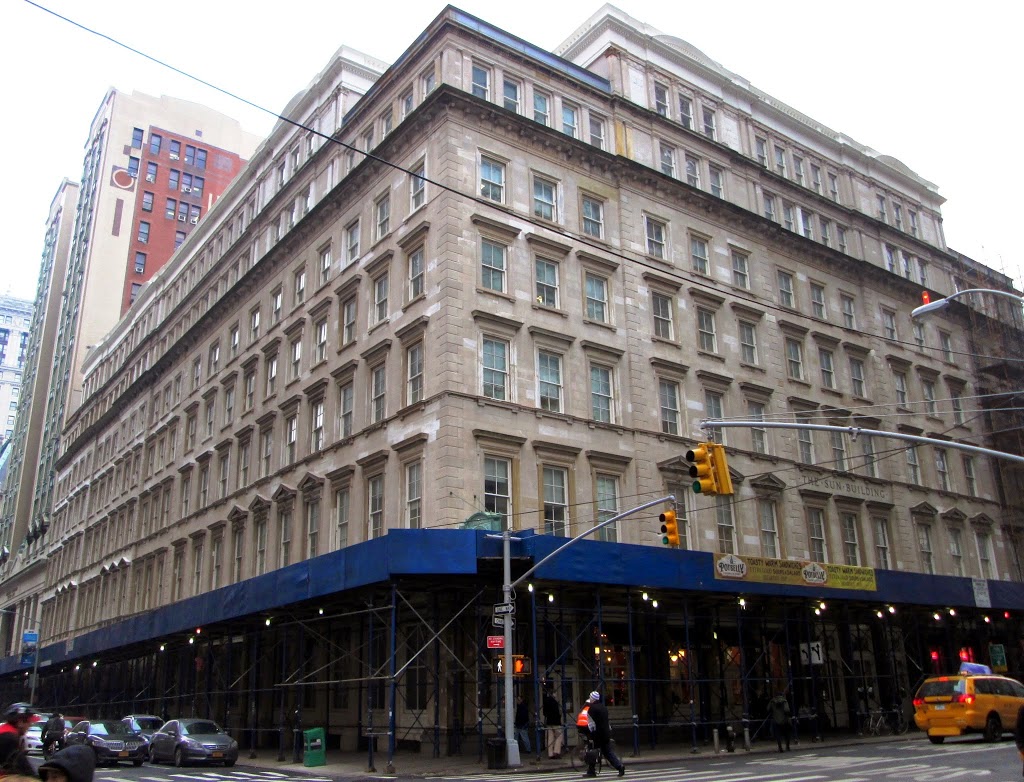
America’s first department store — A.T. Stewart’s Marble Palace, near City Hall. The building is actually still there today! The address is 280 Broadway. (Courtesy NYPL)

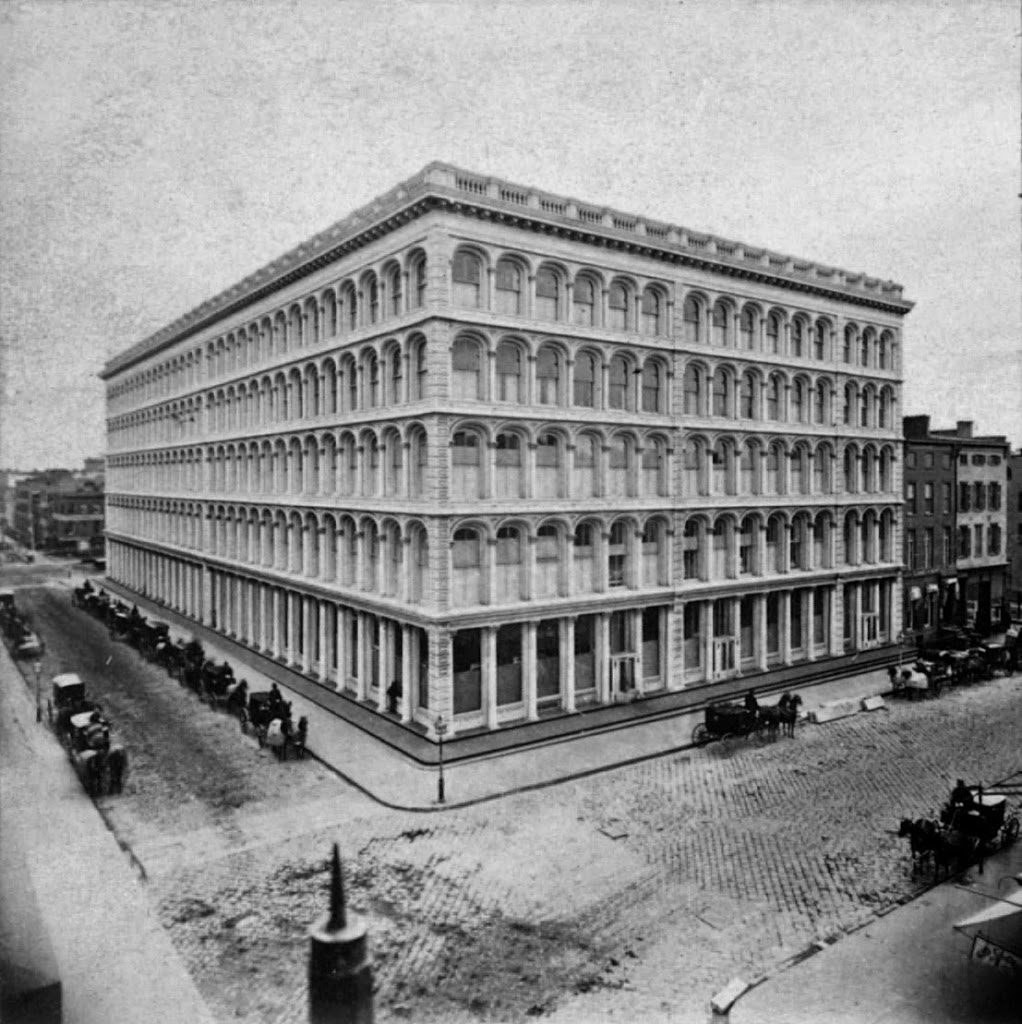
Stewart’s even more celebrated department store at Astor Place, nicknamed the Iron Palace with its cast-iron construction. Unlike Stewart’s first store, this one is no longer there. (NYPL)

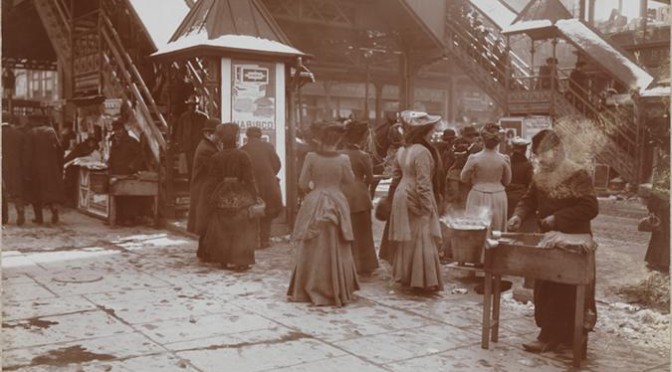
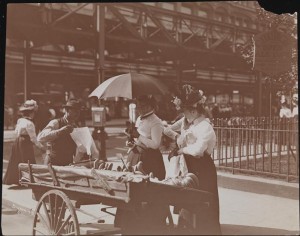
1903: Ladies on a freezing day, surrounding the 23rd Street entrance to the Sixth Avenue Elevated Railroad, placing them just a few blocks from the biggest department stores in the world. (Courtesy Museum of the City of New York)

6th Ave & 23rd St.

The entrance to Stein Brothers on 23rd Street. There’s a Home Depot in this building today, but you can still see the SB insignia over the door. And below, the street scene in 1908.(Photo: Edmond V Gillon, MCNY)

[32-46 West 23rd Street.]
[West 23rd Street from 6th Avenue East.]

Adams Dry Goods, decades after the shop at closed. In later years, it was a Hershey’s plants and a military storage space. Today, on the ground floor, there’s a Trader Joe’s grocery store. (Photo: Edmond V Gillon, MCNY)

[675 Sixth Avenue.]

1901: Women in front of the Church of the Holy Communion, the elevated train in back of them. (MCNY)

Street Scenes, Sixth Avenue at 20th Street.

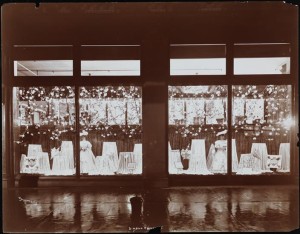
The windows at Simpson Crawford Co. at Sixth Avenue and 20th Street, 1904. (MCNY)

Simpson Crawford Co.

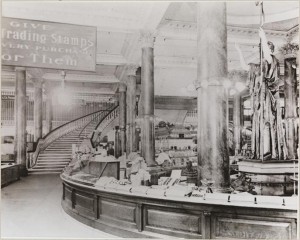
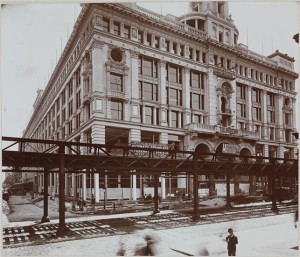
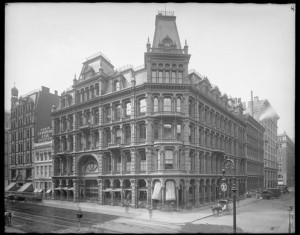
The Siegel-Cooper department store fountain, with a statue of Republic (by Daniel Chester French) and electric lights in a kaleidoscope of colors. And, below it, another view of Siegel Cooper from the opposite side of the tracks. (MCNY)

Siegel Cooper
Retail Trade - Dept. Store 1896. Siegel Cooper Co. (Exterior) 6th Ave at 18th St.

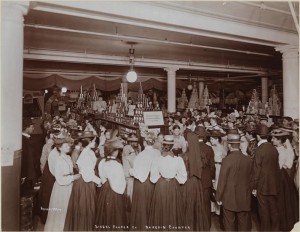
Ladies in the Siegel Cooper canned goods department. The store canned its own food. Very organic! (MCNY)

Retail Trade Dept. Store.

An overhead shot of Macy’s at 14th Street and the Sixth Avenue elevated railroad station. (MCNY)

[6th Avenue and 14th Street.]
Broadway and East 20th Street. Lord and Taylor, old building.

Lord & Taylor’s, at Broadway and 20th Street, 1904. (Wurts Brothers, MCNY)

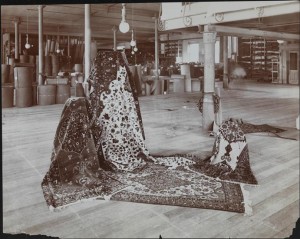
Inside WJ Sloane, Carpets Rugs and Furniture, at Broadway and 19th Street (MCNY)

W.J. Sloane, Carpets Rug & Furniture, 19th St. & Broadway.

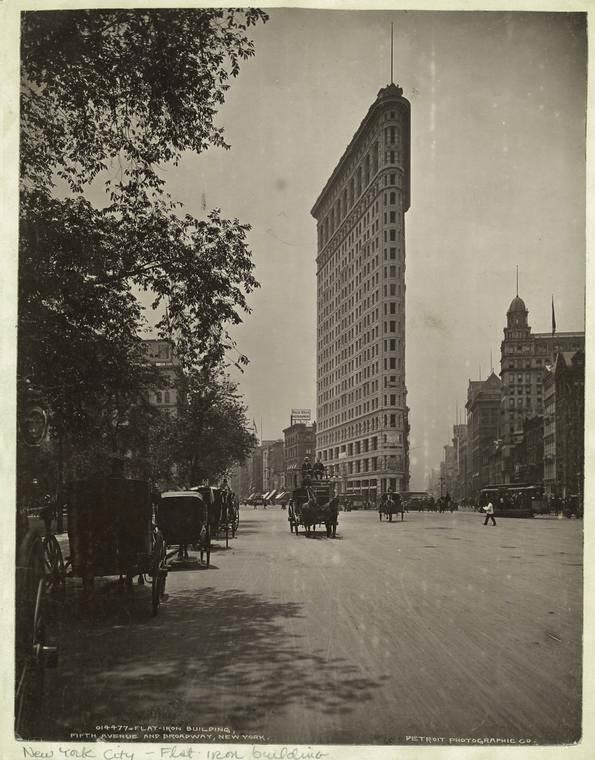
The Flatiron Building, completed in 1902, is considered part of the Ladies Mile Historic District, even though it was never a department store.

Categories
Brooklyn History Those Were The Days

The hottest place to listen to records in Brooklyn

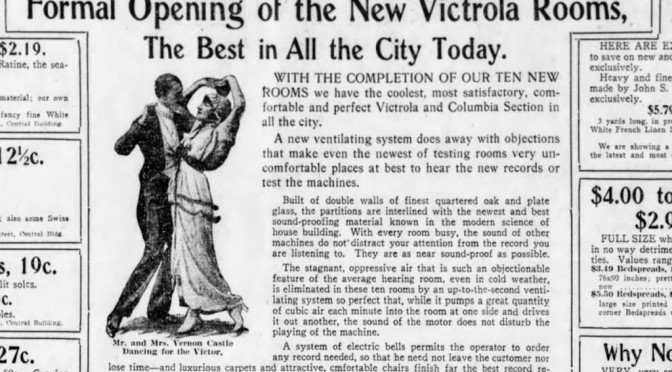
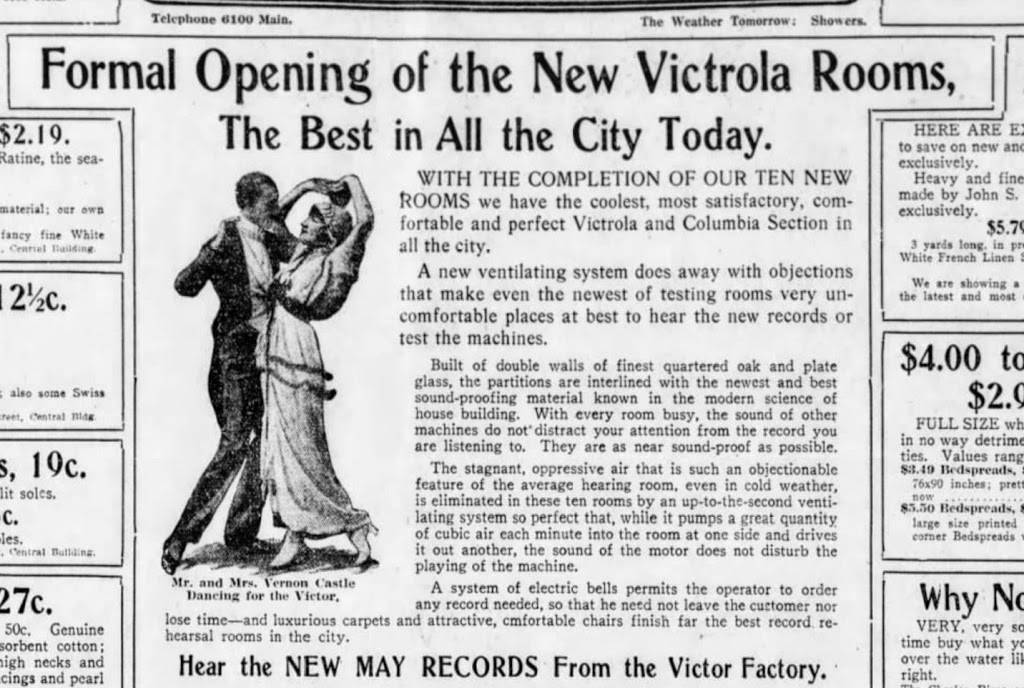
One hundred years ago today, the Abraham & Straus department store on Fulton Street (today’s Brooklyn Macy’s location) kicks off the borough’s deep affection for record albums with newly designed listening stations, touted in this Brooklyn Daily Eagle advertisement as the best in the city (and it probably was).

As the advertisement proclaims: “With the completion of our ten new rooms we have the coolest, most satisfactory, comfortable and perfect Victrola and Columbia Section in all the city.

A new ventilating system does away with objections that make every the newest of testing rooms very uncomfortable places at best to hear new records or test the machines.

Built of double walls of finest quartered oak and plate glass, the partitions are interlined with the newest and best sound-proofing material known in the modern science of house building….. They are as near sound-proof as possible.”

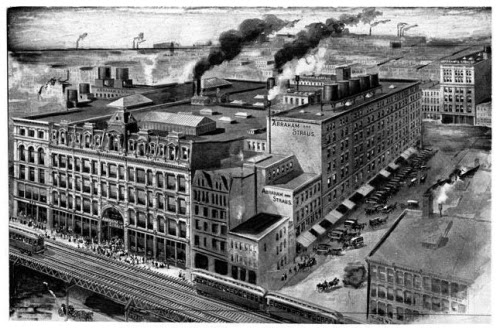
Below: Abraham & Straus on Fulton Street, 1904 (courtesy Brooklyn Public Library)

By 1914, many discs could be played on both Victor Talking Machines and Columbia Grafonolas, so no CD-vs-vinyl format decisions to make!

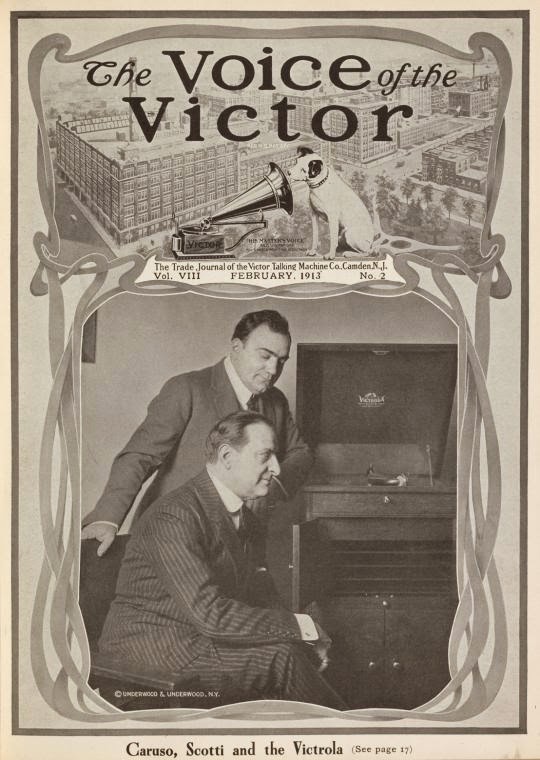
Among the newest album releases that month were instructional dance albums by Vernon and Irene Castle, starring later that year in the hit Broadway musical Watch Your Step, written by Irving Berlin.  There’s also a new album by Victor favorite Enrico Caruso (pictured below on the cover of a 1913 trade magazine):

You can find the advertisement above in the Brooklyn Daily Eagle (April 28, 1914 issue).