Categories
Music History Neighborhoods Podcasts Writers and Artists

Walking the East Village: Culture Among The Ruins 1976-1996

PODCAST The rebirth of the East Village in the late 1970s and the flowering of a new and original New York subculture — what Edmund White called “the Downtown Scene” — arose from the shadow of urban devastation and was anchored by a community that reclaimed its own deteriorating neighborhood.

In the last episode (Creating the East Village 1955-1975) this northern corner of New York’s Lower East Side became the desired home for new cultural venues — nightclubs, cafes, theaters, and bars — after the city tore down the Third Avenue Elevated in 1955.

But by the mid 1970s, the high wore off. The East Village was in crisis, one of the Manhattan neighborhoods hit hardest by the city’s fiscal difficulties and cutbacks. It had become a landscape of dark, unsafe streets, buildings demolished in flame.

But the next generation of creative interlopers (following the initial stampede of Greenwich Village beatniks and hippies) built upon the legacies of East Village counter-culture to create poems, music, paintings and stage performances heavily influenced by the apocalyptic situations around them.

This was something truly distinct, a creative scene that was thoroughly and uniquely an East Village creation — punk and hardcore, murals and graffiti, fashion and drag,

And much of that was created by people who did not fit in anywhere else in the world, whether that world which rejected them was a Queens suburb or New Jersey or the Midwest or well beyond. 
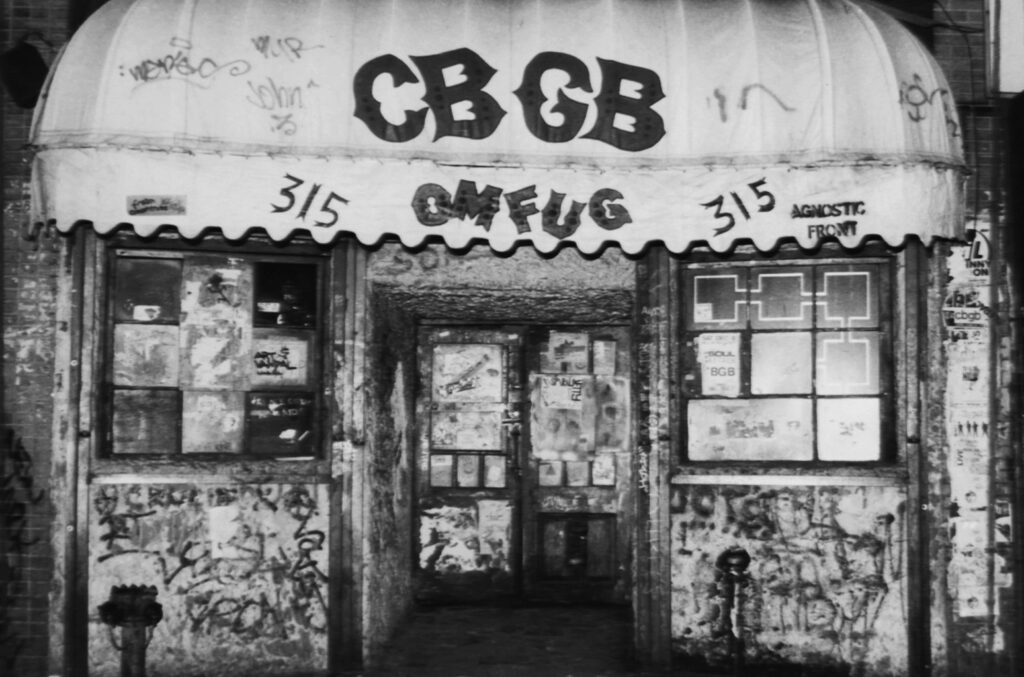
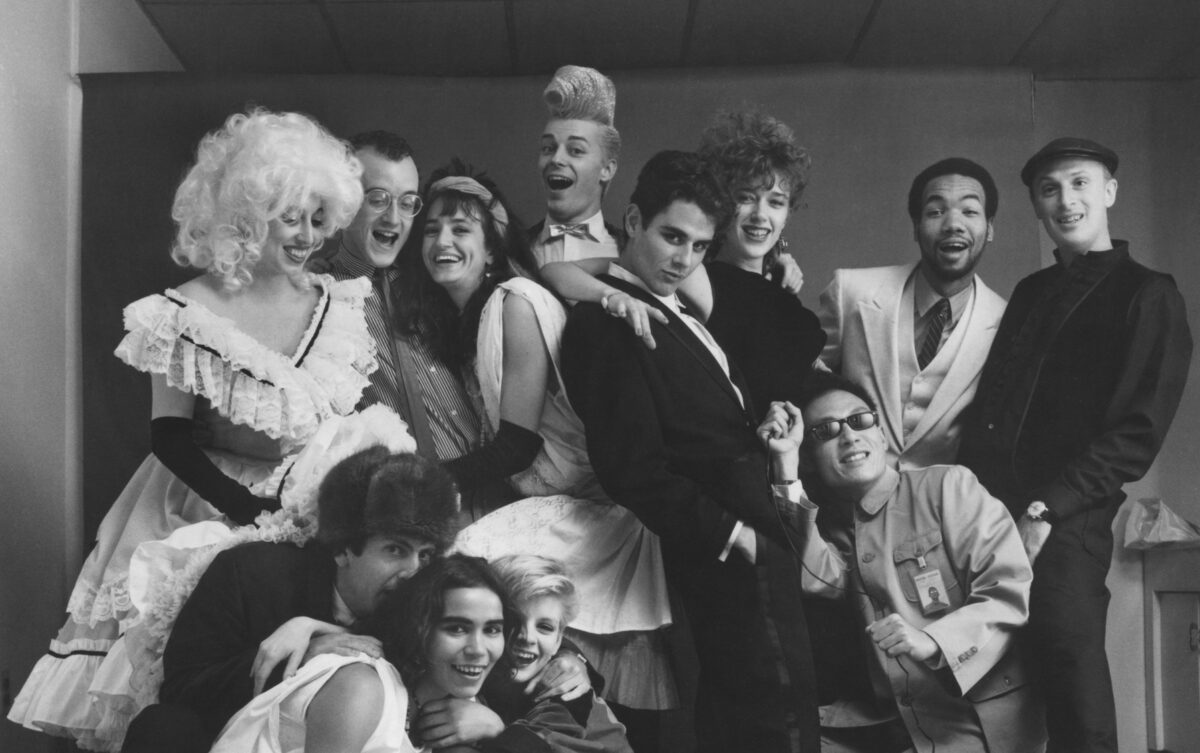
Photo: New York Daily News Archive

In this episode Greg hits the streets of the East Village with musician and tour guide Krikor Daglian (of True Tales of NYC), exploring the secrets of the recent past — from the origins of skateboarding to the seeds of the American alternative rock scene.

Follow along as they traipse to classic music venues and dive bars to uncover the special ingredients which made the East Village a most special place at the end of the 20th century.

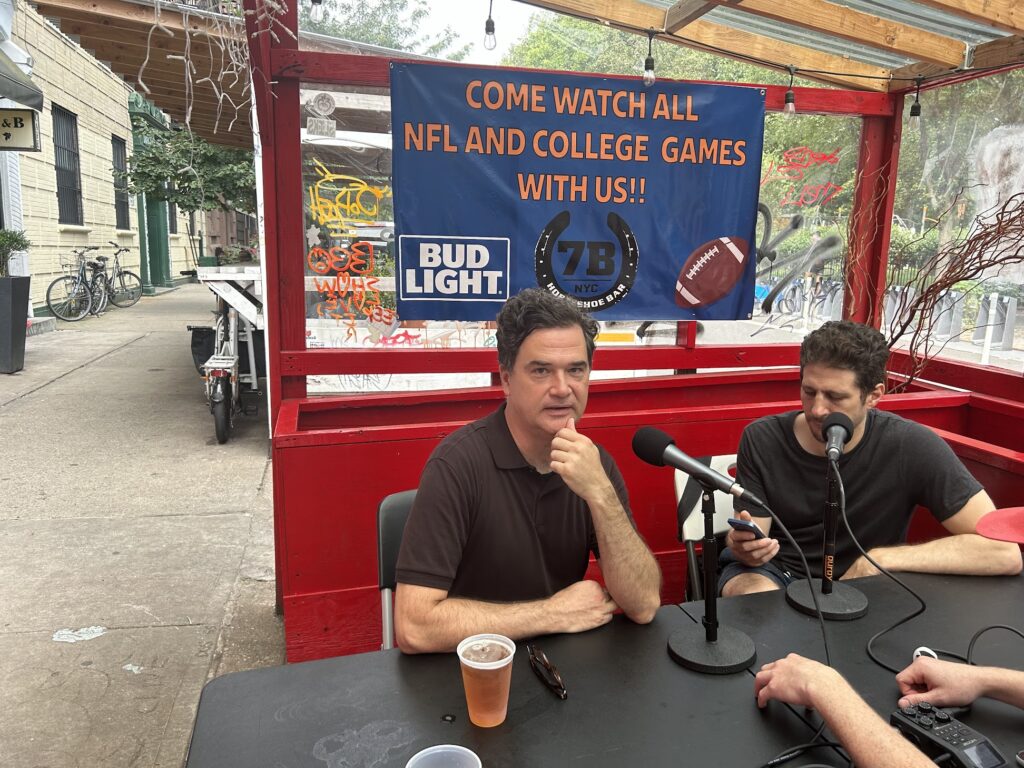
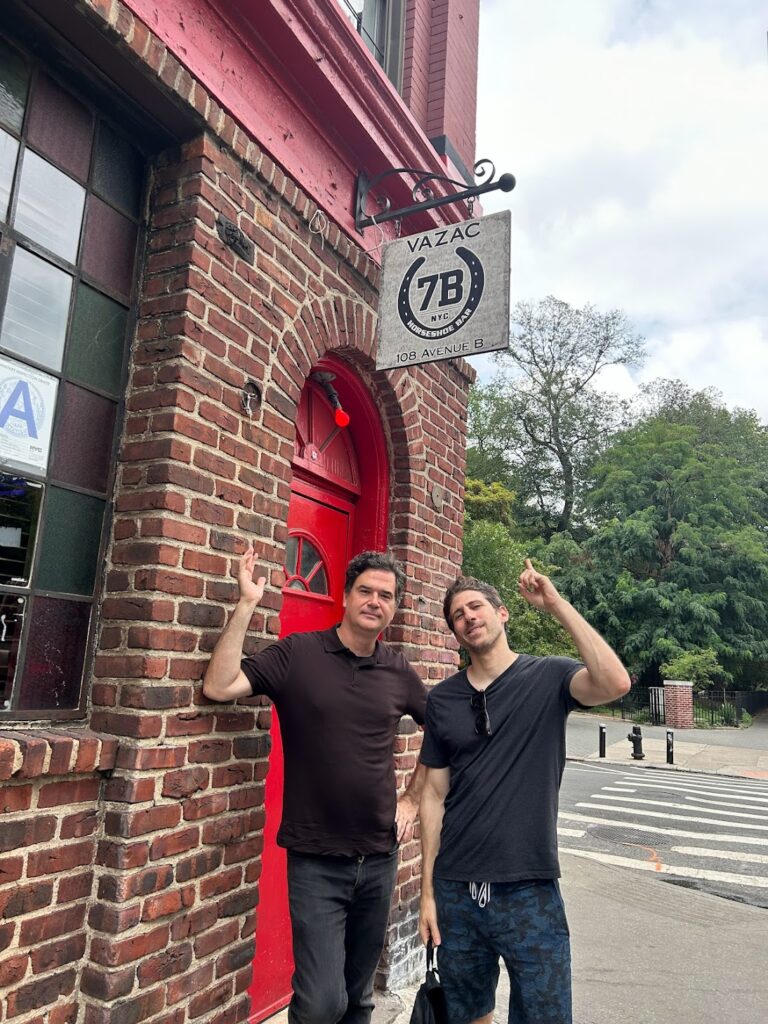
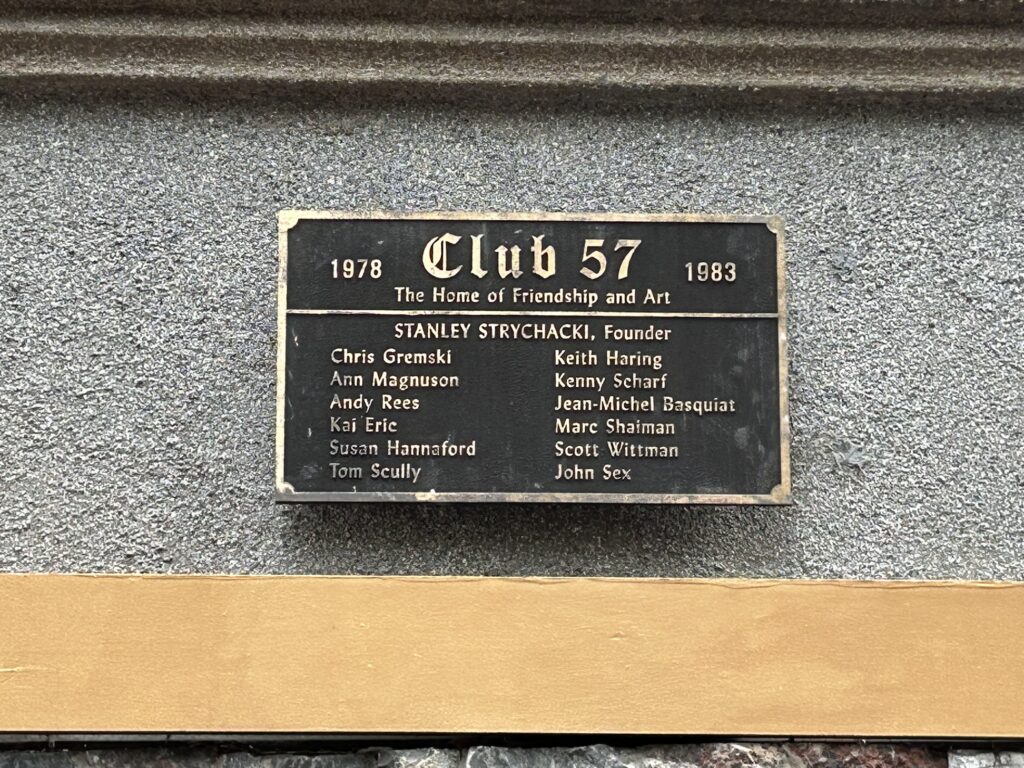
FEATURING: CBGB, Supreme, the Pyramid, Club 57, Niagara, 7B, Brownies and many others

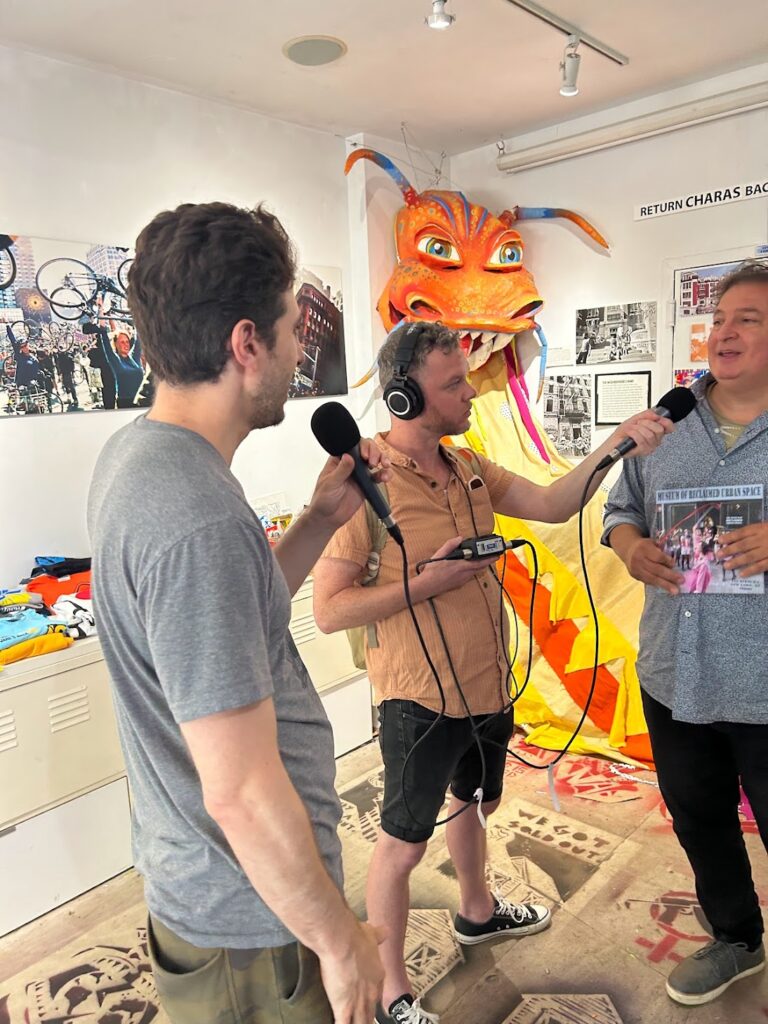
AND special guests Bill Di Paola from the Museum of Reclaimed Urban Space and Ramon ‘Ray’ Alvarez from Ray’s Candy Store

LISTEN HERE: WALKING THE EAST VILLAGE 1976-1996


When you’re done listening to this week’s show, check out our special Walking the East Village playlist, curated by Krikor and Greg:
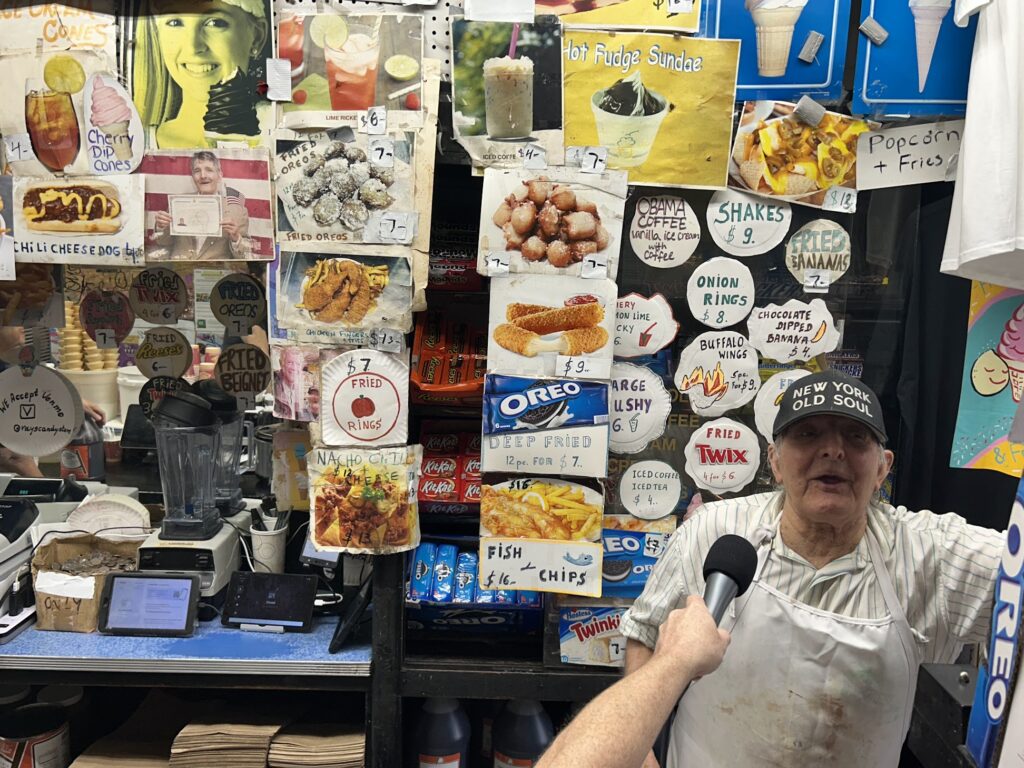
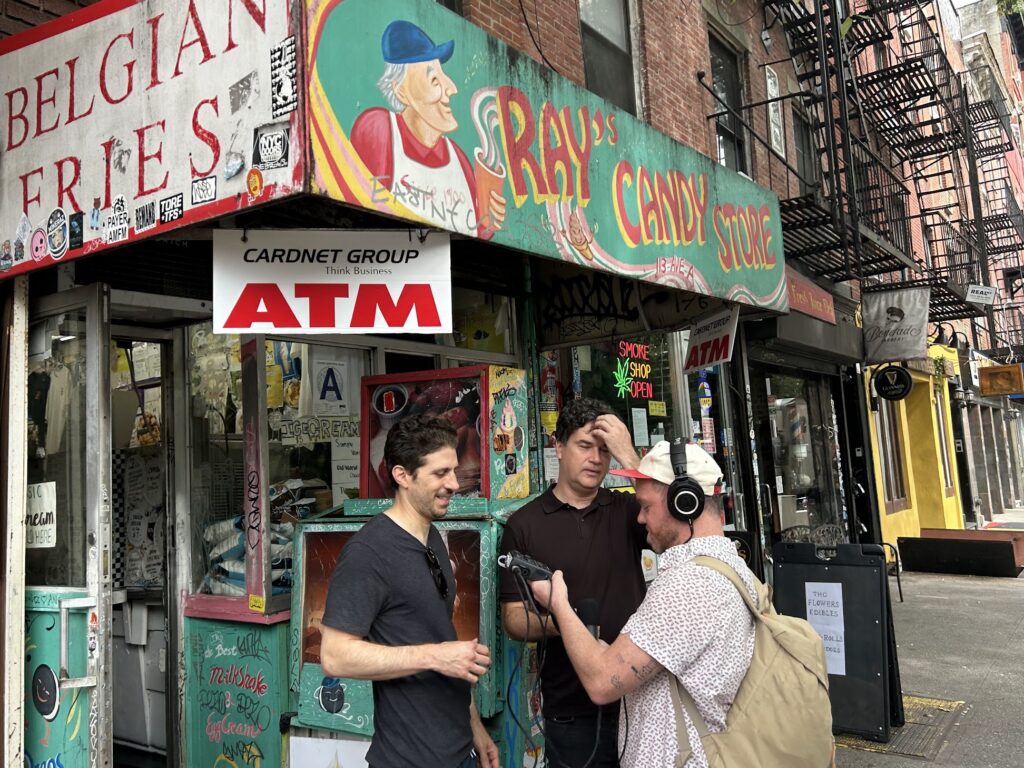
We love you Ray!

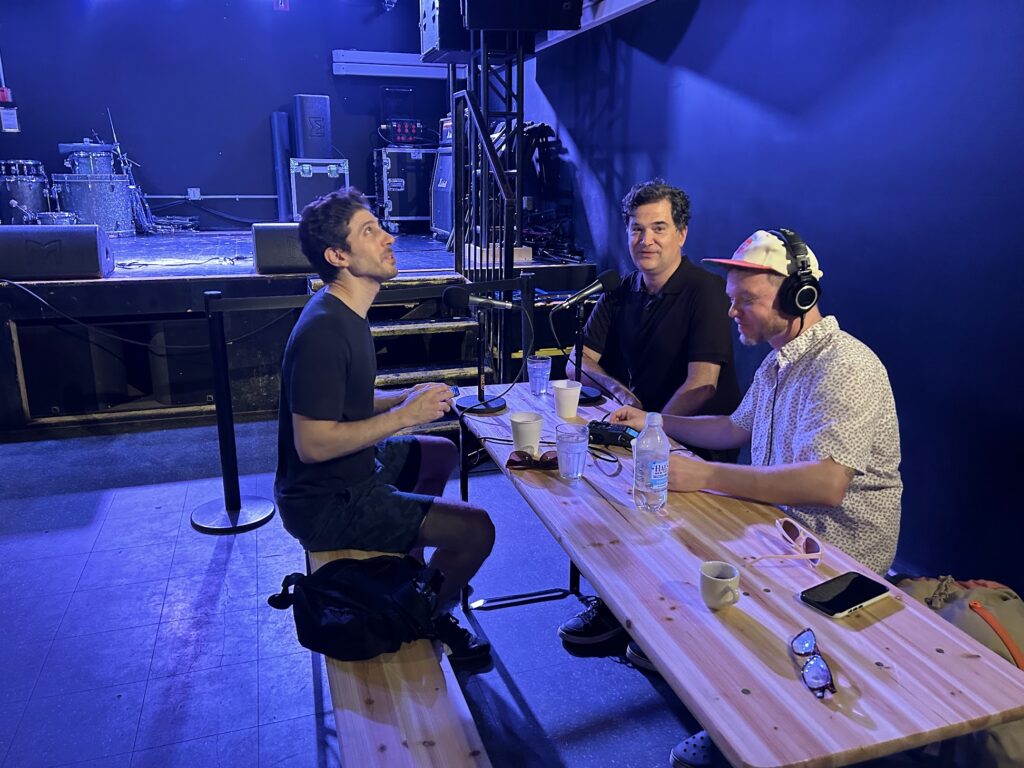
Krikor and Greg with producer Kieran Gannon

Book tours with this episode’s special guest Krikor Daglian here and with Bowery Boys Walks. Krikor’s next “Artists, Oddballs & Provocateurs: East Village Since the 1950s” tours are on Saturday, October 7th and Saturday, November 4th.
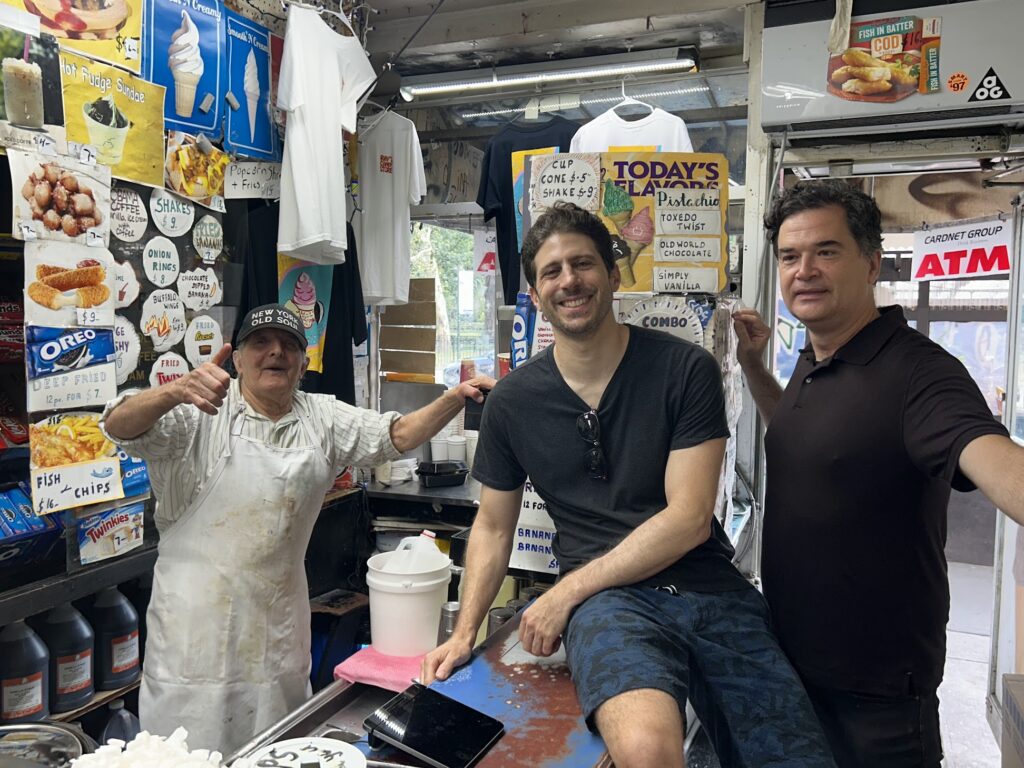
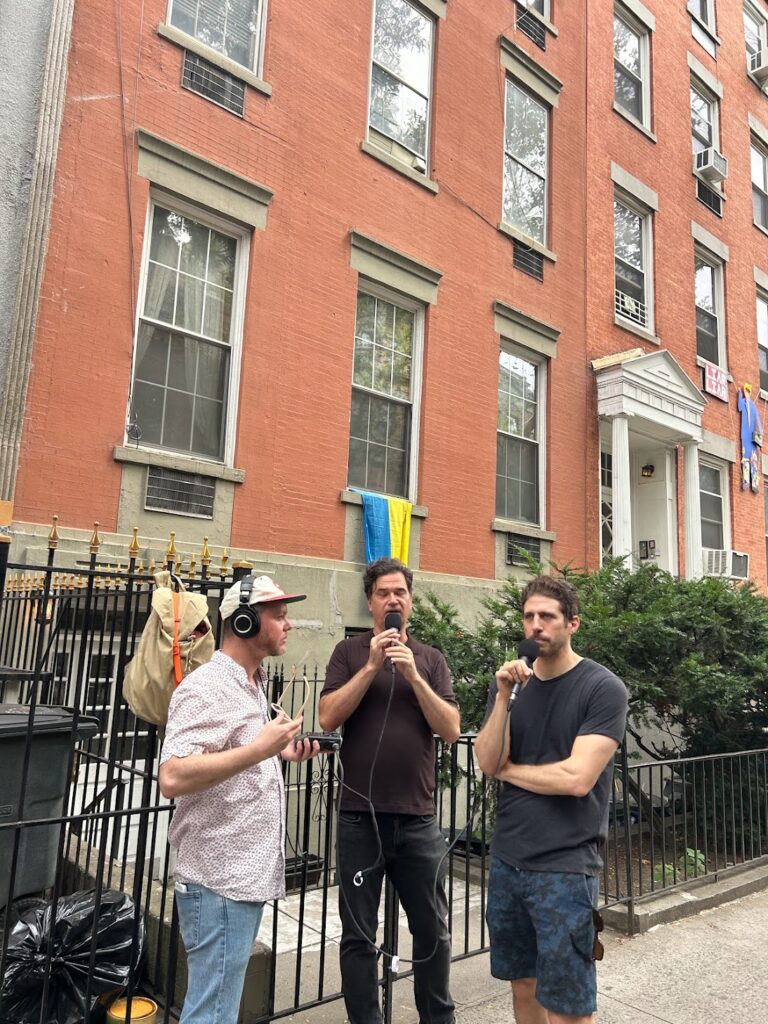
Producer Kieran Gannon with Krikor and Bill De Paola

FURTHER LISTENING

After you listen to this week’s episode, check out these episodes with related themes:


FURTHER READING

The Drag Explosion: New York City’s Drag Scene of the 1980s and 90s / Linda Simpson
From Urban Village to East Village / Janet L. Abu-Ludhod
New York Rock: From the Rise of the Velvet Underground to the Fall of CBGB / Steven Blush
St. Marks Is Dead: The Many Lives of America’s Hippest Street / Ada Calhoun
The Village: 400 Years of Beats and Bohemians, Radicals and Rogues / John Strausbaugh
This Must Be The Place: Music, Community and Vanished Spaces in New York City / Jesse Rifkin

By a very fun coincidence, our two time guest — the marvelous Hugh Ryan — just so happens to have written “The Trashy, Freaky, DIY East Village Scene That Birthed Modern Drag” for Curbed this week. Excellent article about the 80s East Village drag scene with a focus on the Pyramid — where Greg and Krikor recorded some of the show!
Before CBGB’s, parties at 315 Bowery were for the birds

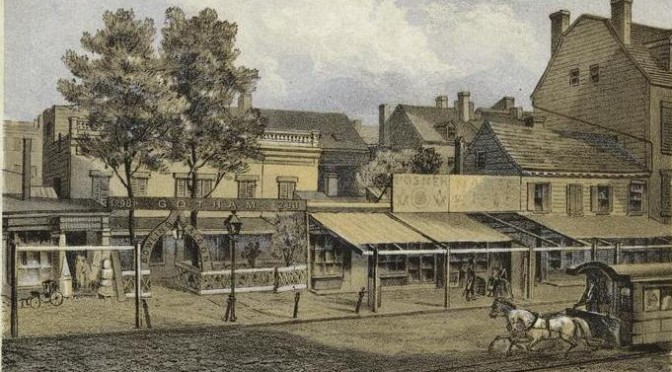
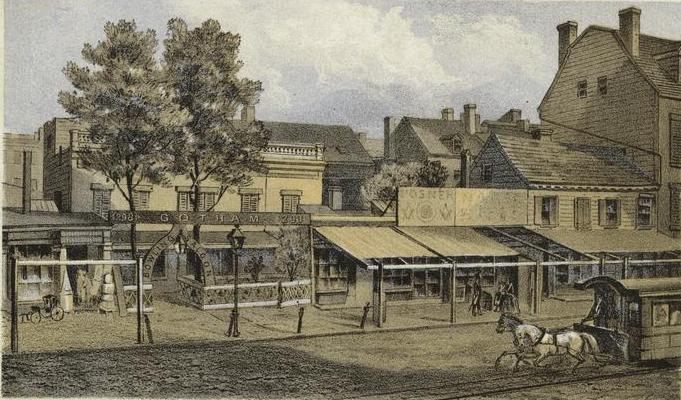
Above: The first of hundreds of Bowery hotels — the old Gotham Inn in 1862. The inn, which dated from the 1790s, sat quite close to where 315 Bowery is today, just north of Houston Street. (Pic courtesy NYPL)

The early history of buildings at 315 Bowery — the address that would later become the club CBGB’s — is spotty indeed, but some early references to the address reveal some rather odd events that took place here.

In the 1860s, the Bowery neighborhood would still have been a de facto theatrical district for the lower classes, “New York’s primary locale for down-market entertainment – saloons, beer gardens, amusement halls, dime museums, street vendors and oyster houses,” according to David Levinson. Not quite given over to the truly seedier elements which would define the street for over 100 years.

In the early 1860s, it appears a pet shop or bird supplier resided at the address 315 Bowery. One William F. Messenger, with profession listed only as ‘birds’, lived at this address in May 1861.

On January 31, 1862, the New York Times reported on a strange gathering at 315 Bowery and presumably at Messenger’s shop — the Bird Fanciers’ Third Annual Exhibition of prized fowl. Little is known of the group, which had reportedly been in existence over a decade by this time.

Prizes were awarded to bird lovers who kept roosters and hens, with a gentleman by the name of William Manson really cleaning up:

“First prize, yellow cock, WM. MANSON; second prize, yellow cock, JOHN WILLIAMSON; third prize, yellow cock, JOHN HIGGINBOTHAM. First prize, mealy cock and best bird exhibited, WM. MANSON; second prize, mealy cock, —- BAKER; third prize, mealy cock, —– BAKER. First prize, yellow hen, WM. MANSON; second prize, yellow hen, WM. MANSON; third prize, yellow hen, —-MURRAY. First prize, mealy hen, JOHN HIGGINBOTHAM; second prize, mealy hen, JOHN HIGGINBOTHAM; third prize, mealy hen, WM. MANSON.”

However, despite its avian beginnings, I was able to find mention of the address’s musical heritage during this period: a John Bogan is listed as living or working at the address in 1867-68 as a “banjoist”, a teaching instructor (and possible manufacturer) of banjos.

Categories
Friday Night Fever Podcasts

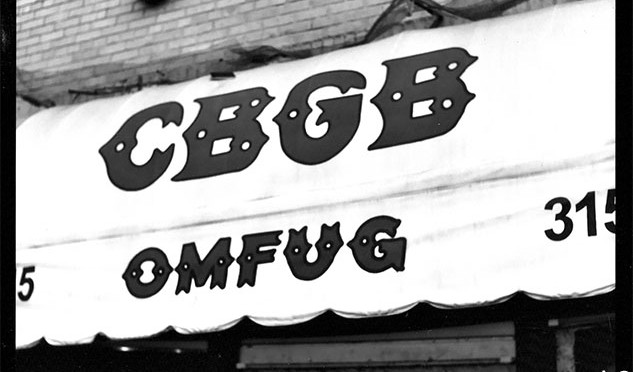
CBGB & OMFUG: Punk music history on the Bowery

Photo courtesy araceli.g, Flickr

PODCAST Modern American rock music would have been a whole lot different without the rundown dive mecca CBGB’s, a beat-up former flophouse bar that made stars out of young musicians and helped shape the musical edge of downtown Manhattan. Owner Hilly Kristal may have initially envisioned a place for ‘Country Blue Grass and Blues’, but the music spawned by this little hole in the wall would define the contours of American punk and new wave.

The Ramones, Blondie, the Talking Heads and hundreds of others bands would never have been the same without this dank little club with the most notorious bathroom stalls in New York. Tune in to hear a tale of the club’s rather inauspicious start and find out why, even as a venerated music icon, it was forced to close its doors.

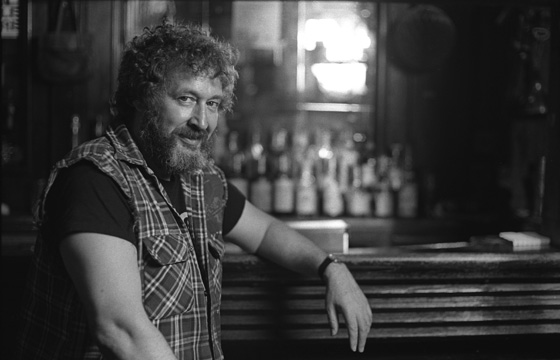
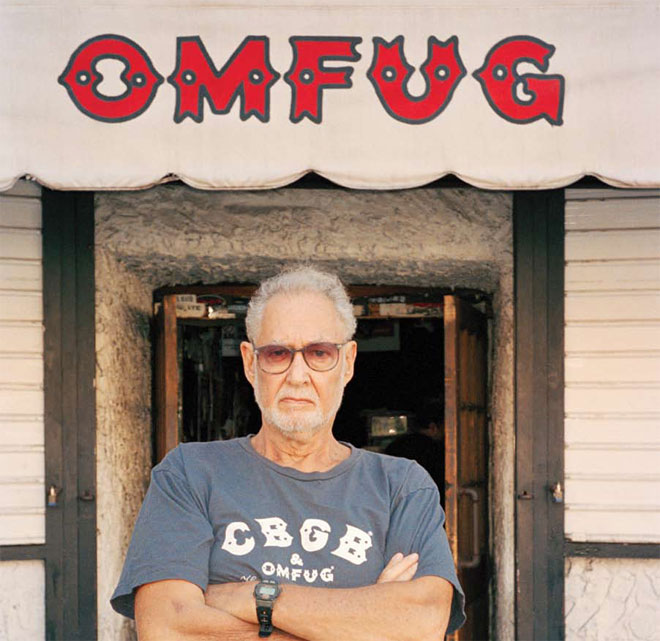
Hilly Kristal, back in the day. CBGB’s was originally Hilly’s On The Bowery, a spin-off of a far more successful West Village venue that frequently hosted performers like Bette Midler and Jerry Stiller. Hoping to draw a more music oriented crowd, Kristal changed the name to reflect broad tastes: Country Bluegrass Blues and Other Music For Uplifting Gormandizers.

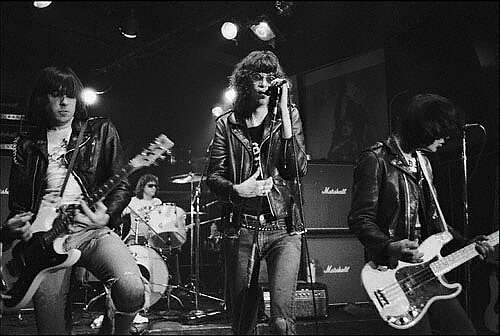
Initially unimpressive by any metric of musical quality, the scraggly group of guys from Forest Hills, Queens who formed The Ramones soon become a staple of the CBGB stage and the one of the most influential acts of the American punk style. If there’s a voice to 315 Bowery, most likely it’s that of Joey Ramone. (Photo by Allan Tannenbaum, from here)


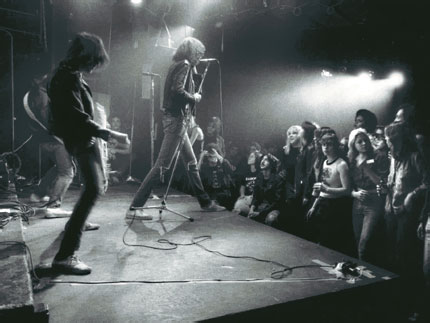
(Photo from here)

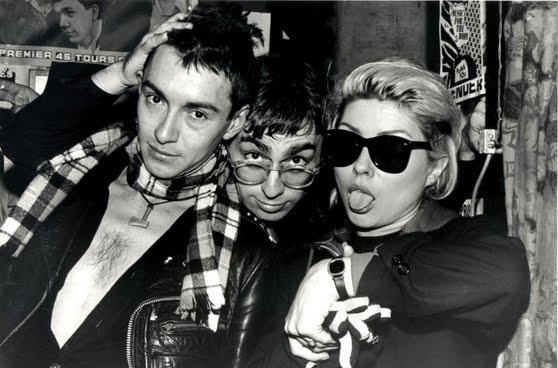
Deborah Harry and Chris Stein debuted on the CBGB stage as members of the Stilettos used the club to make their transformation into Blondie, the most successful group borne of Hilly’s Bowery club. Chris and Debbie are seen below with Arturo Vega, 1978. (Photo by Lisa J Kristal, photo from here)

Hilly in later years. The club become a high-profile victim of Bowery gentrification and had to shut its doors in 2006. It lived on briefly as a St. Mark’s clothing shop, even as its old location become home to a John Varvatos menswear boutique. Photo by Peter Sutherland (here)

Check out the official CBGB blog for lots of great stuff associated with the club, including lots of old photos and that full color ‘walk-through of the club. You might want to take a shower after viewing it.