Categories
Music History Podcasts

Scott Joplin in New York: A Ragtime Mystery

PODCAST How did one of the greatest composers of the 20th century end up buried in Queens in a pauper’s grave?
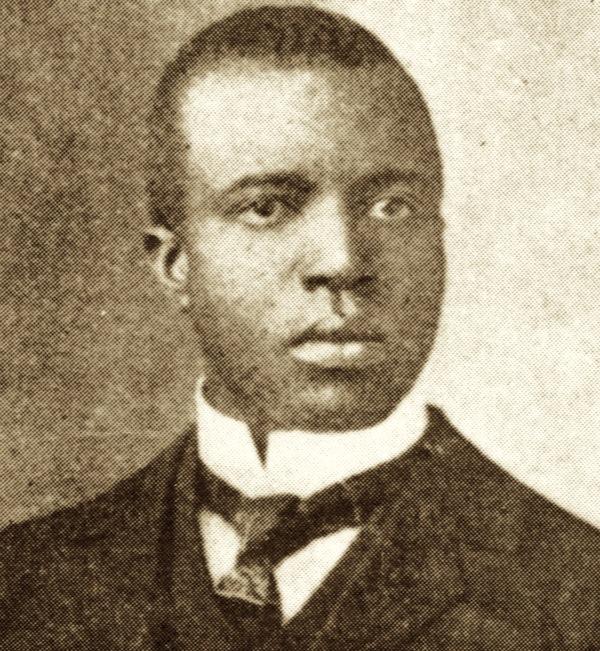
Scott Joplin, the “King of Ragtime”, moved to New York in 1907, at the height of his fame. And yet, he died a decade later, forgotten by the public.

He remained nearly forgotten and buried in a communal grave in Queens, until a resurgence of interest in ragtime music in the 1970s. How did this happen?

In today’s music-packed show, we travel to Missouri, stopping by Sedalia and St. Louis, and interview a range of Ragtime experts to help us understand the mystery of Joplin’s forgotten years in New York City.

Listen Now: Scott Joplin Ragtime Podcast

__________________________________________________________

The Bowery Boys: New York City History podcast is brought to you …. by you!

We are now producing a new Bowery Boys podcast every other week. We’re also looking to improve the show in other ways and expand in other ways as well — through publishing, social media, live events and other forms of media. But we can only do this with your help!

We are now a member of Patreon, a patronage platform where you can support your favorite content creators for as little as a $1 a month.

Please visit our page on Patreon and watch a short video of us recording the show and talking about our expansion plans. If you’d like to help out, there are five different pledge levels (and with clever names too — Mannahatta, New Amsterdam, Five Points, Gilded Age, Jazz Age and Empire State). Check them out and consider being a sponsor.

And join us for the next episode of the Bowery Boys Movie Club, an exclusive podcast provided to our supporters on Patreon.

We greatly appreciate our listeners and readers and thank you for joining us on this journey so far.

________________________________________________________

We’d like to thank the following guests for participating in this week’s show:

— Kathleen Boswell of the Scott Joplin International Ragtime Festival

— Bryan Cather from the Scott Joplin House State Historic Site and the organization Friends of Scott Joplin

— Edward A. Berlin, ragtime scholor and author of King of Ragtime: Scott Joplin and His Era

— Reginald R. Robinson, jazz and ragtime pianist and educator

— Richard Dowling who performed his album The Complete Piano Works of Scott Joplin at Carnegie Hall on the 100th anniversary of Joplin’s birth

Here are Reginald Robinson and Richard Dowling performing Scott Joplin:
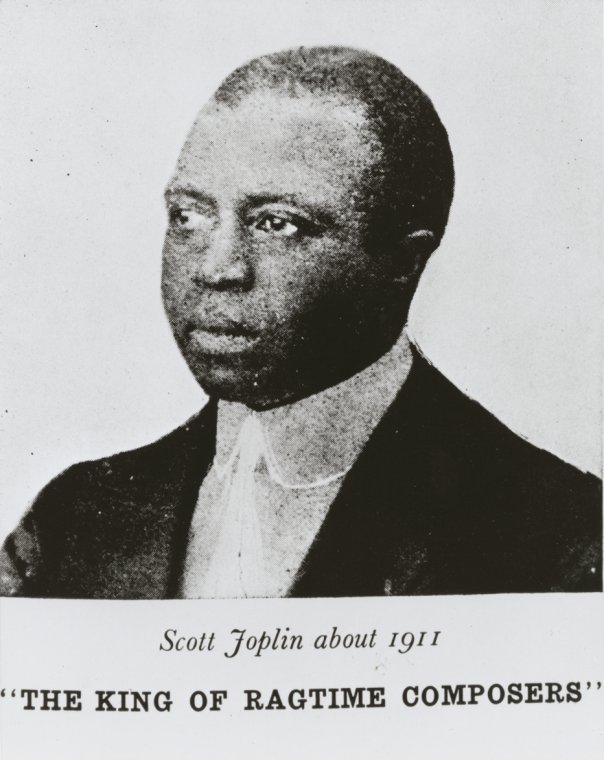
New York Public Library
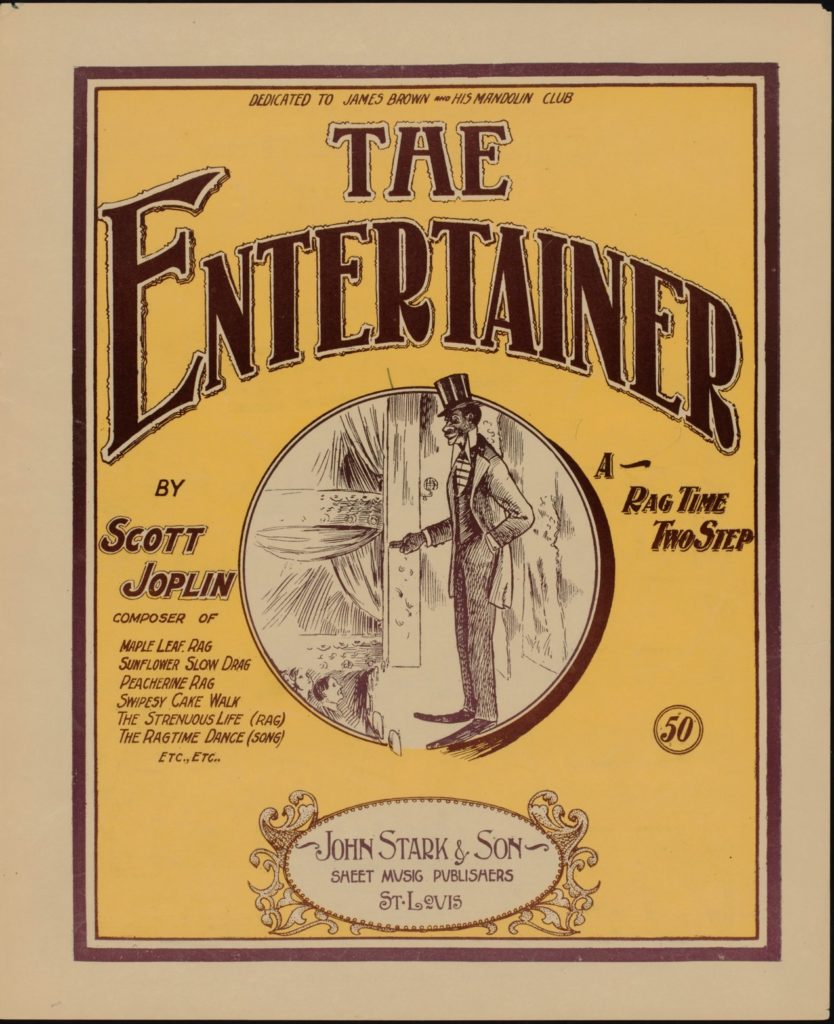
The Entertainer published 1902/New York Public Library


Tom’s images from Sedalia and St. Louis, Missouri:
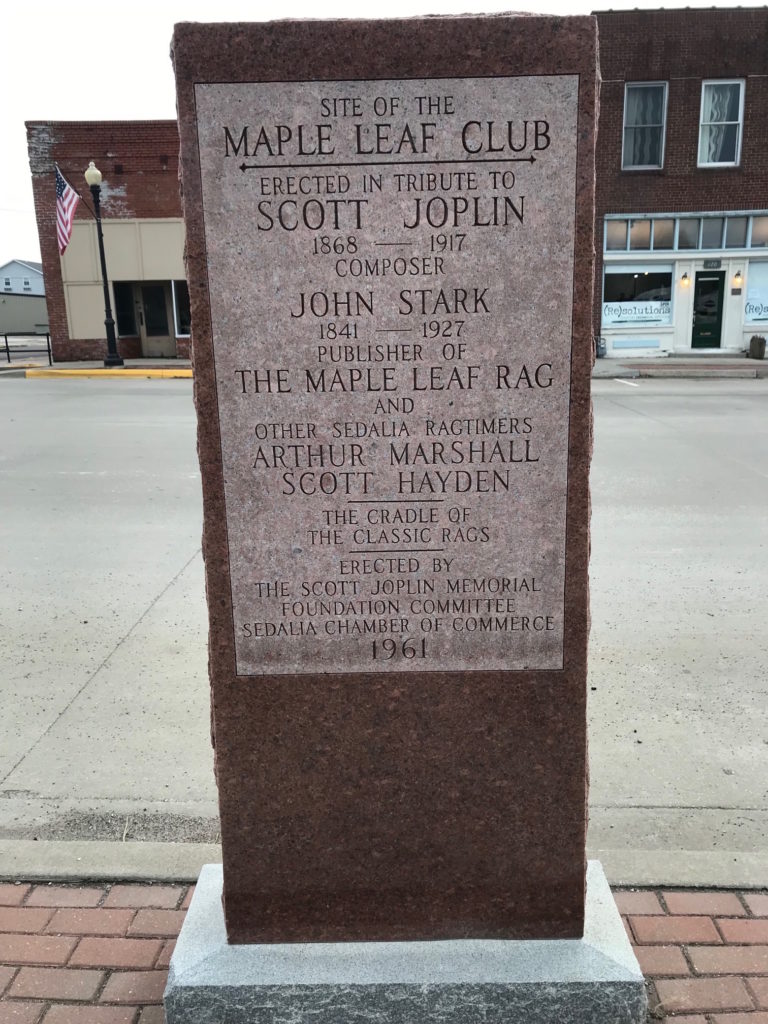
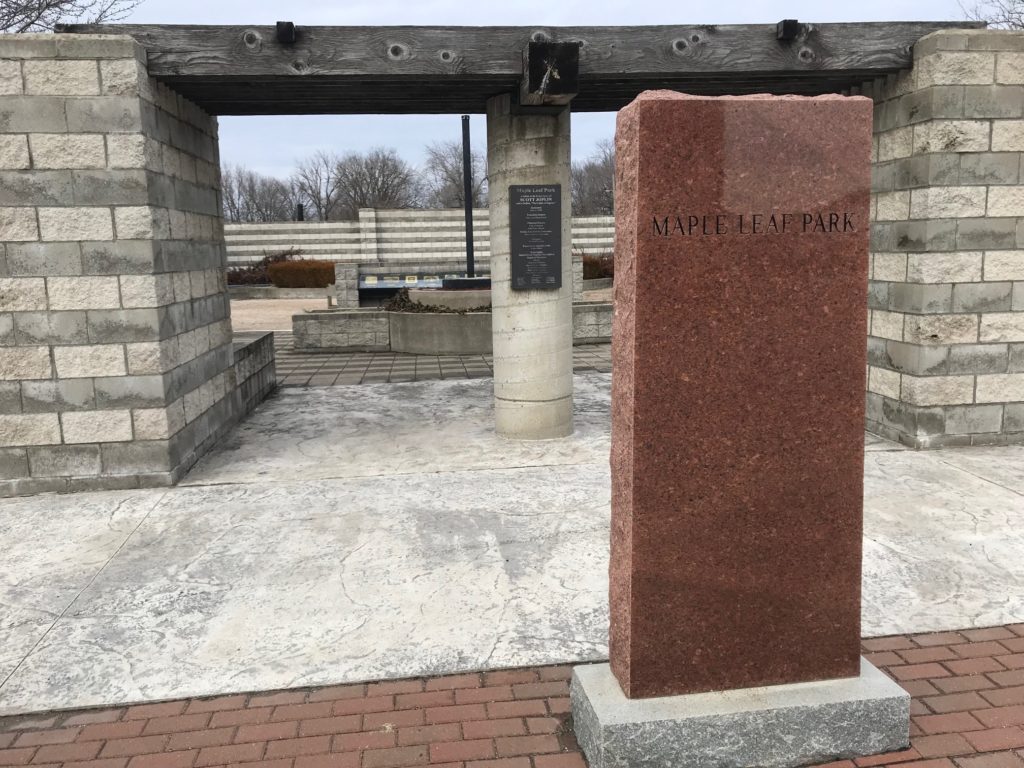
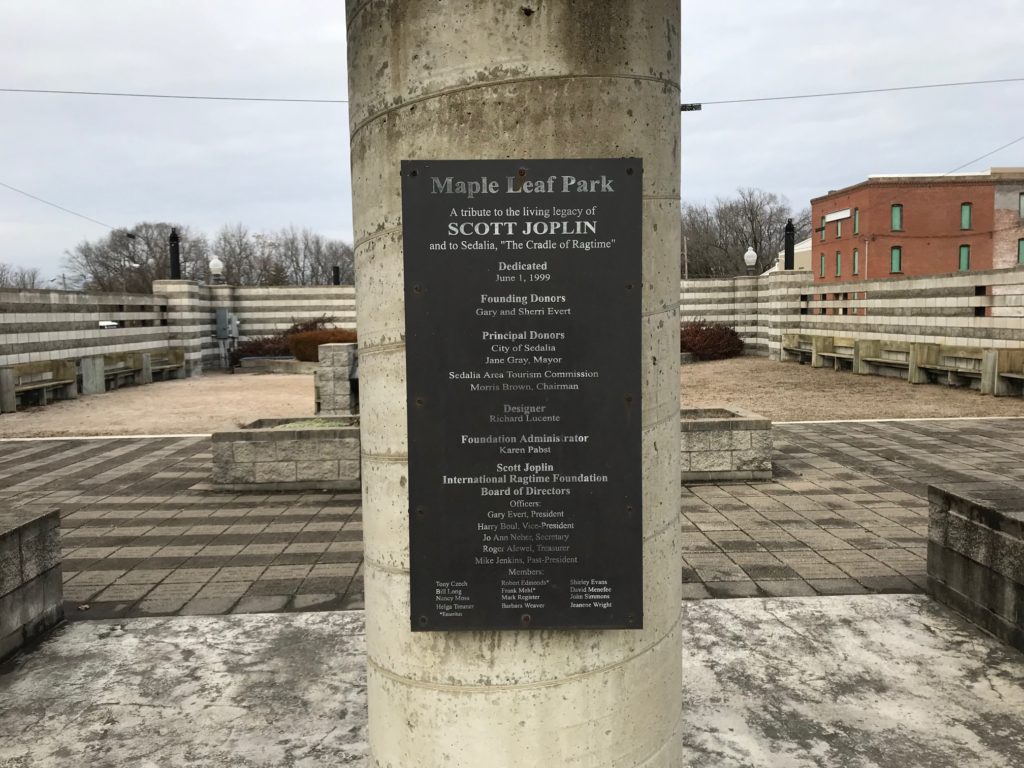
The historic marker outside the site of the Maple Leaf Club in Sedalia, Missouri.
Looking into Maple Leaf Park, on the site of the historic club.
Inside Maple Leaf Park
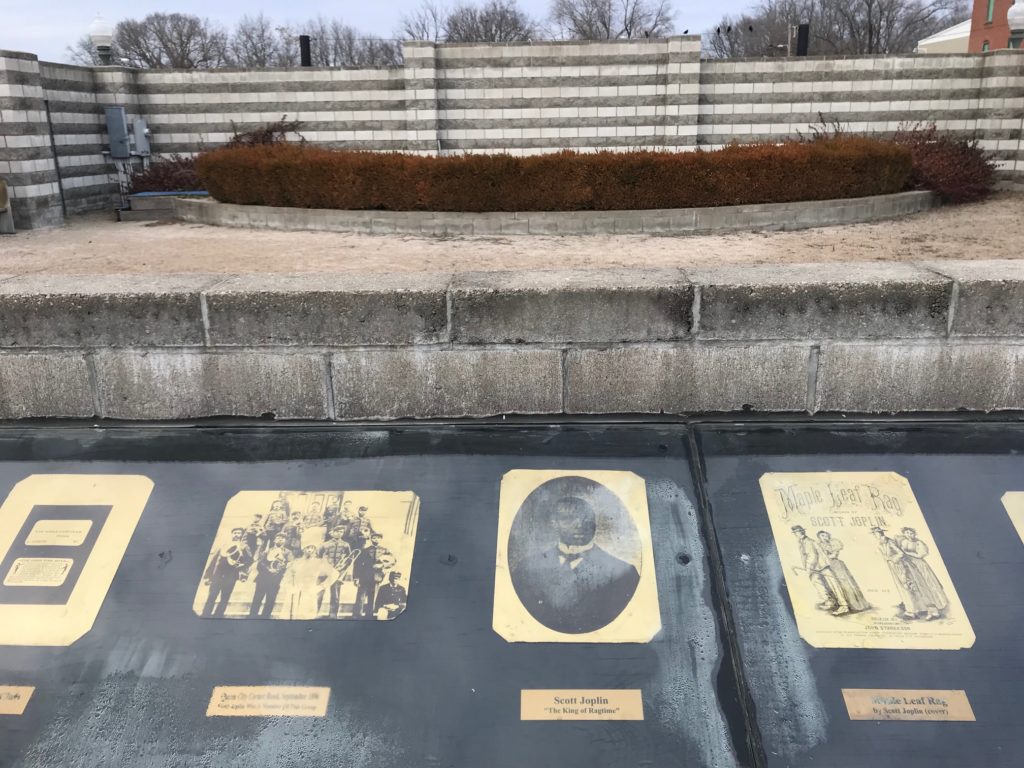
Maple Leaf Park contains a timeline of Joplin, the “Maple Leaf Rag” and the club.
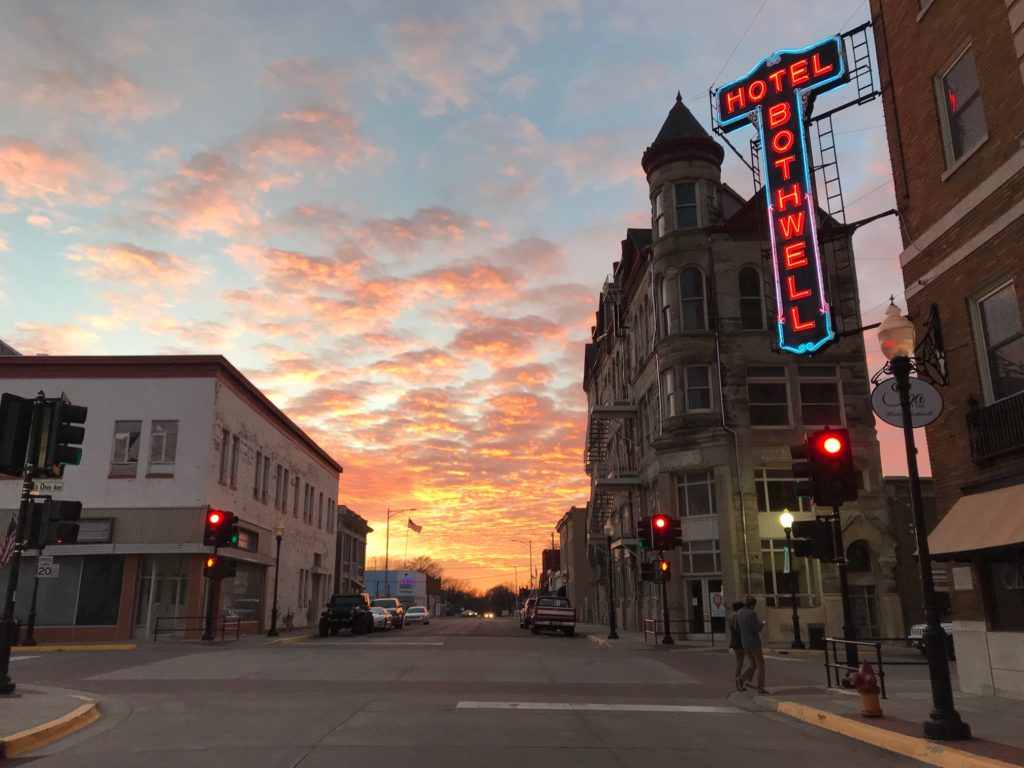
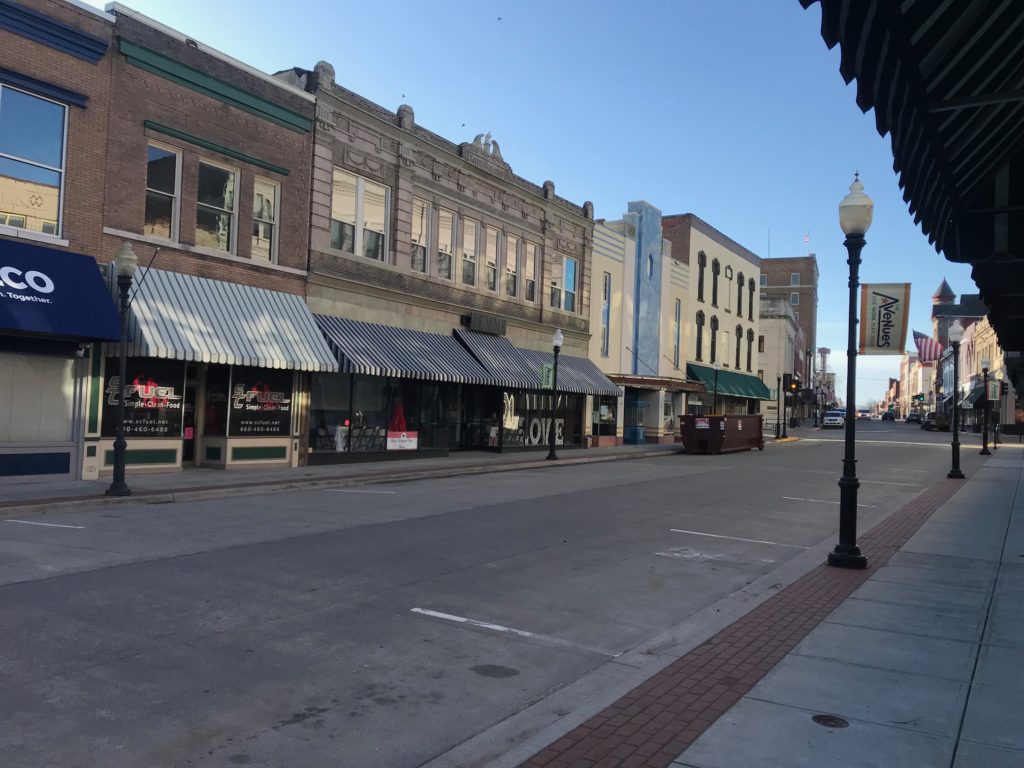
Downtown Sedalia at sunset, with the historic Hotel Bothwell, right.
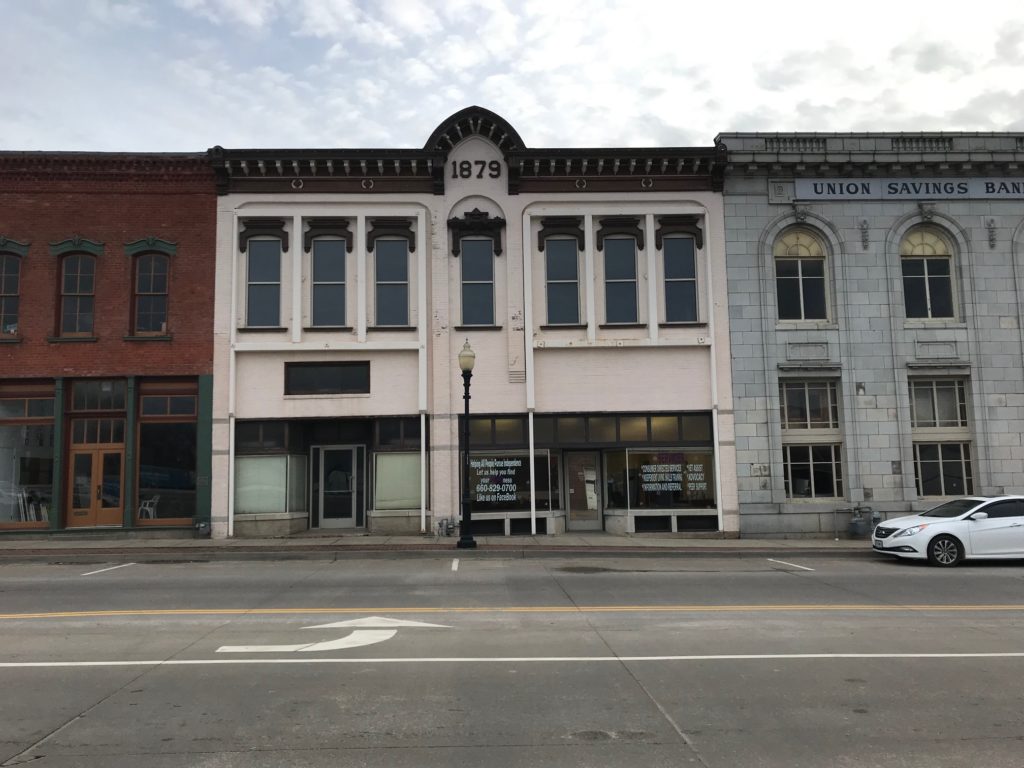
Historic downtown Sedalia. This is a shot on Main Street.
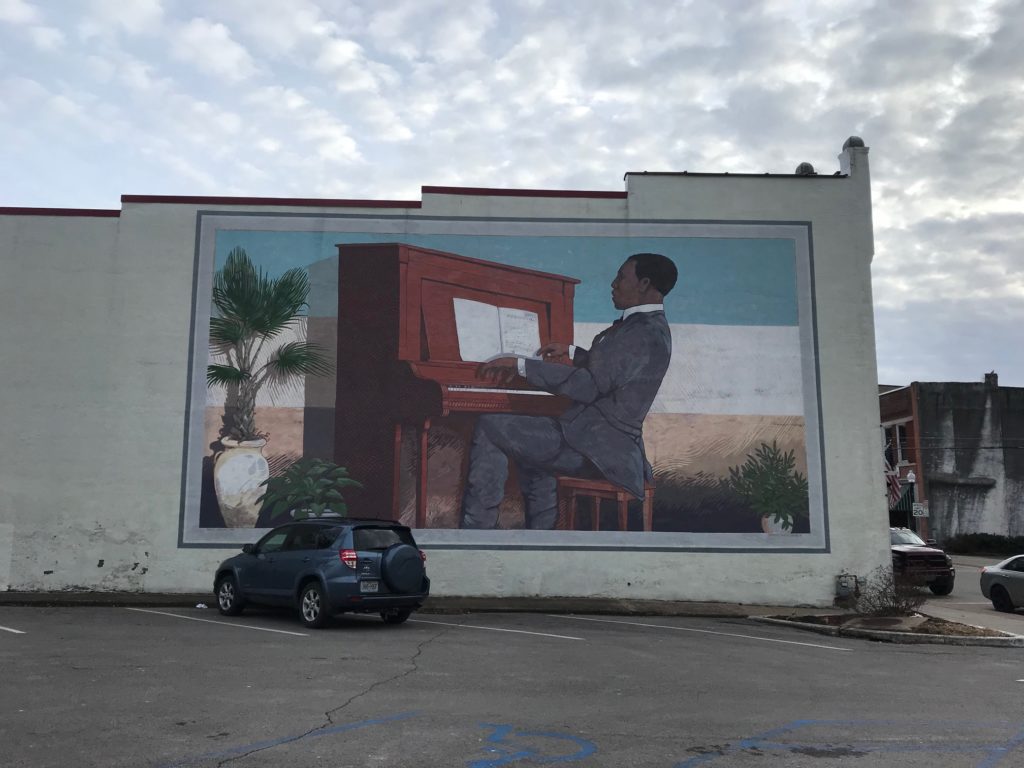
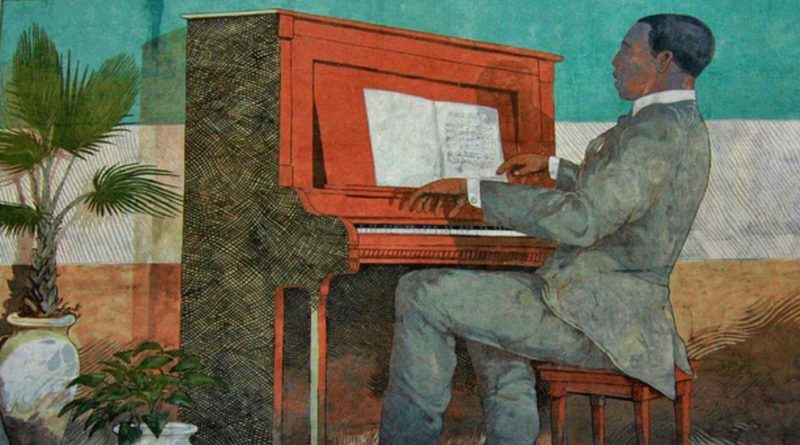
Sedalia’s mural dedicated to Scott Joplin.
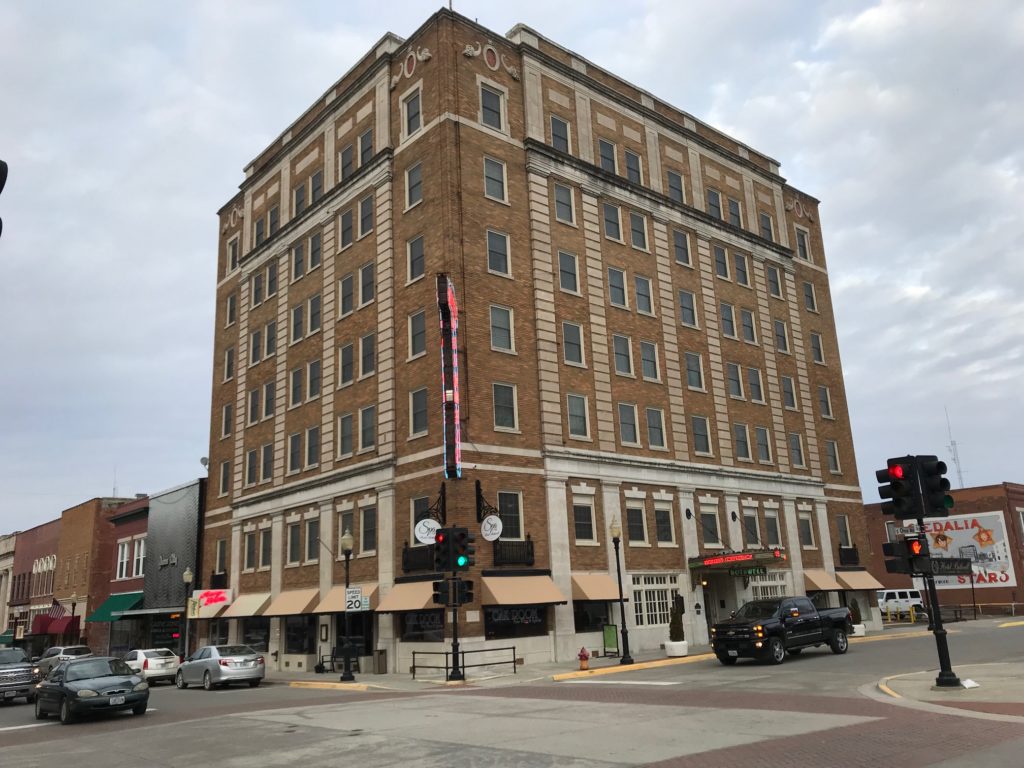
The Hotel Bothwell
Looking up Ohio Avenue in downtown Sedalia.
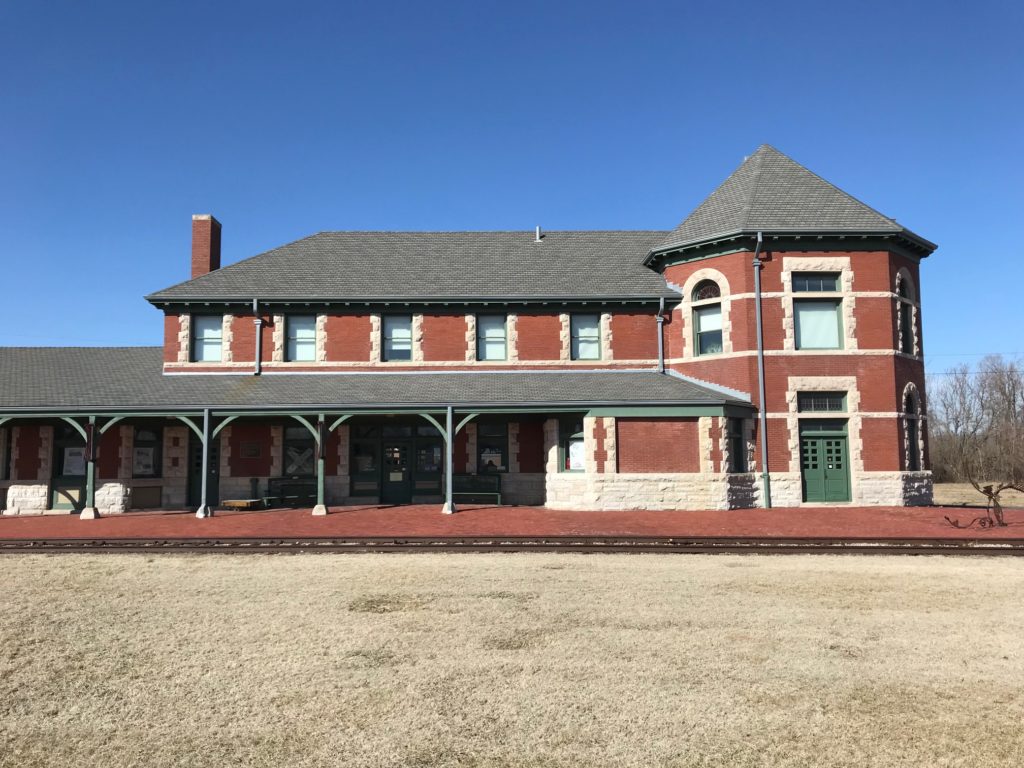
Sedalia’s former train station has been converted into a visitors center, with a museum that covers a lot of Ragtime, and Joplin, history.
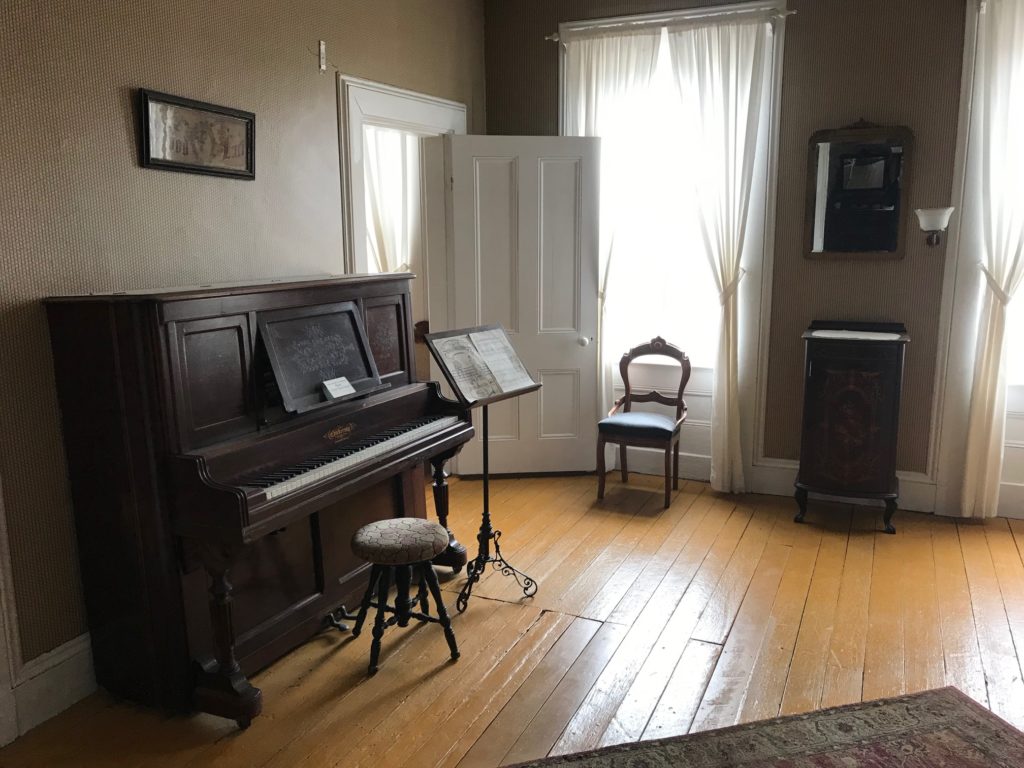
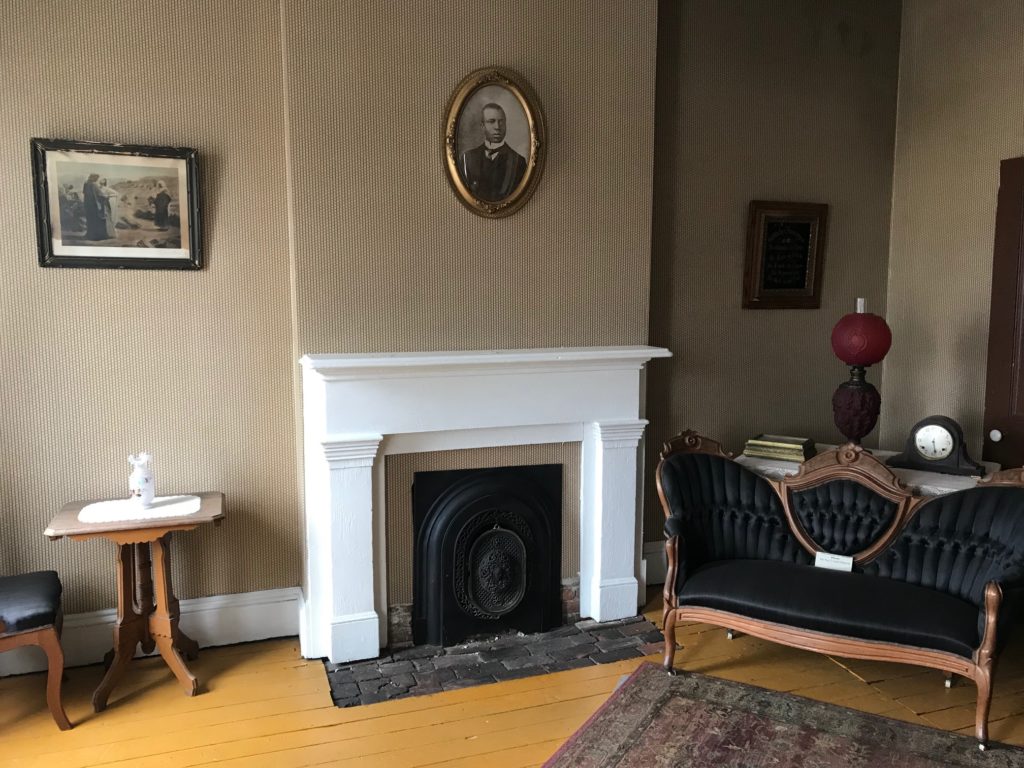
Inside the Scott Joplin House State Historic Site in St. Louis. This is the front apartment, where Joplin may have boarded.
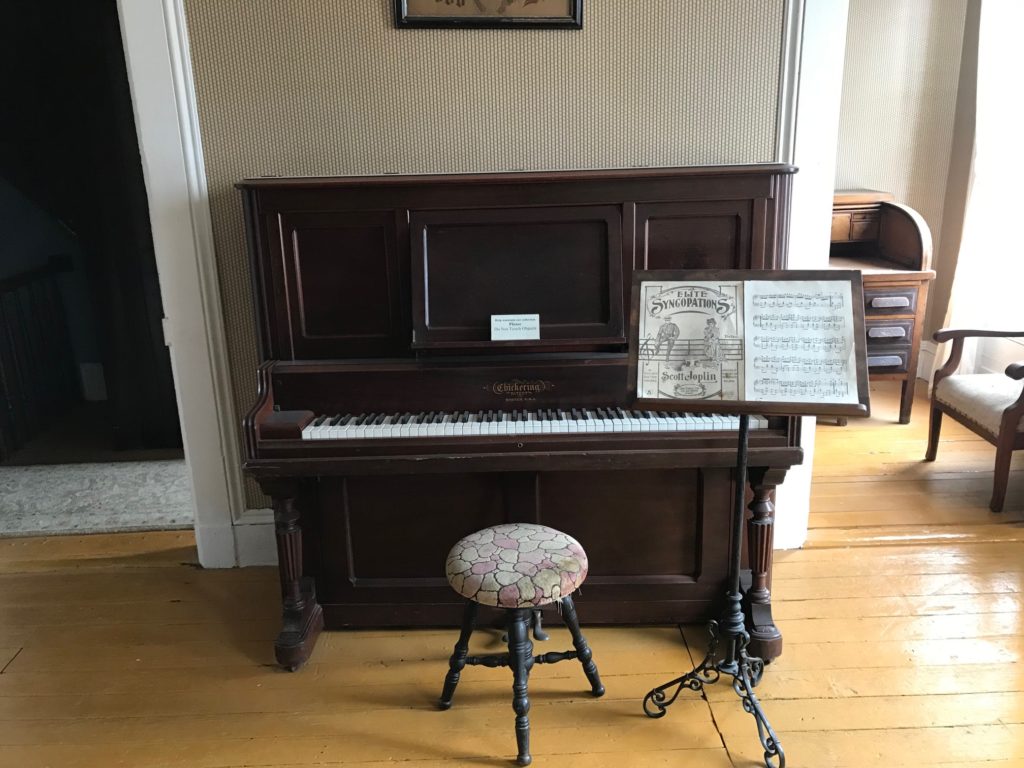
A piano with, of course, Joplin music ready to be played.
Joplin’s portrait hangs on the wall of the Scott Joplin House in St. Louis.
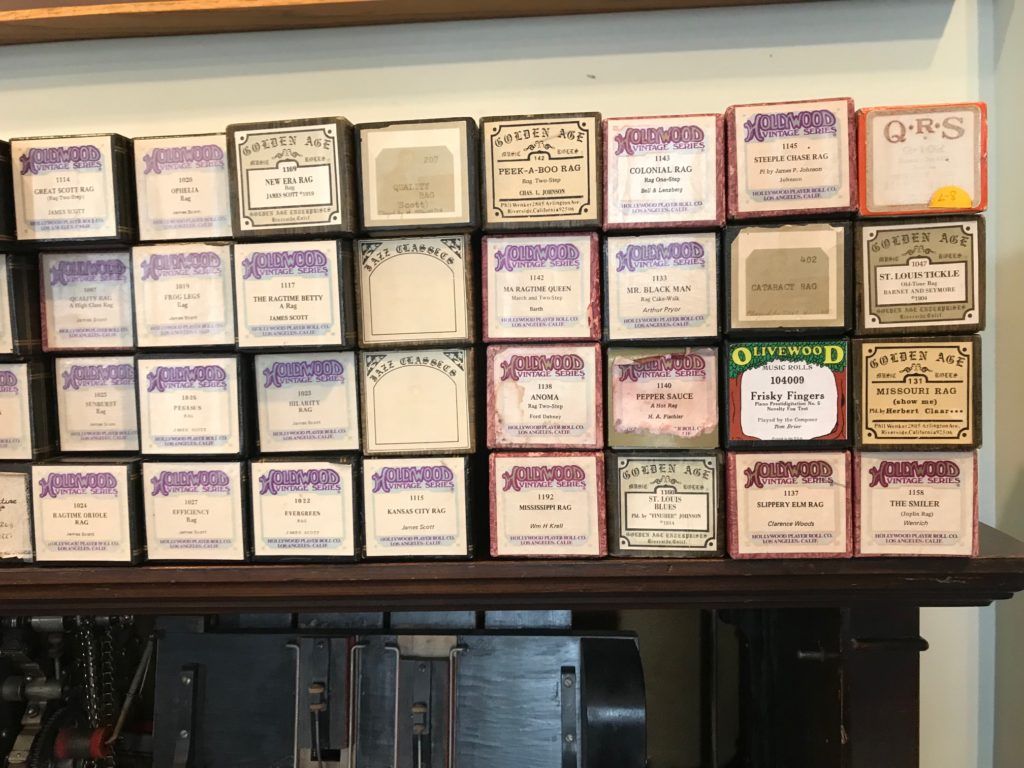
The piano room downstairs at the Scott Joplin House in St. Louis contains many piano rolls of Joplin compositions.
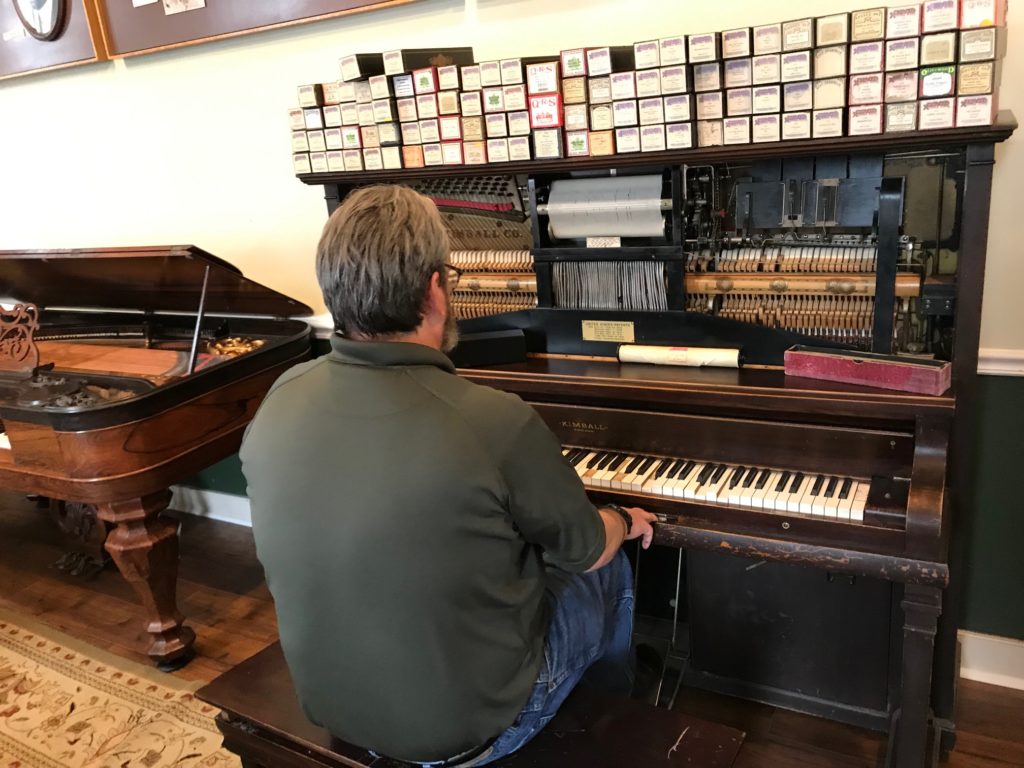
Bryan Cather, interviewed in the show at the Scott Joplin House, pumps away at the player piano.
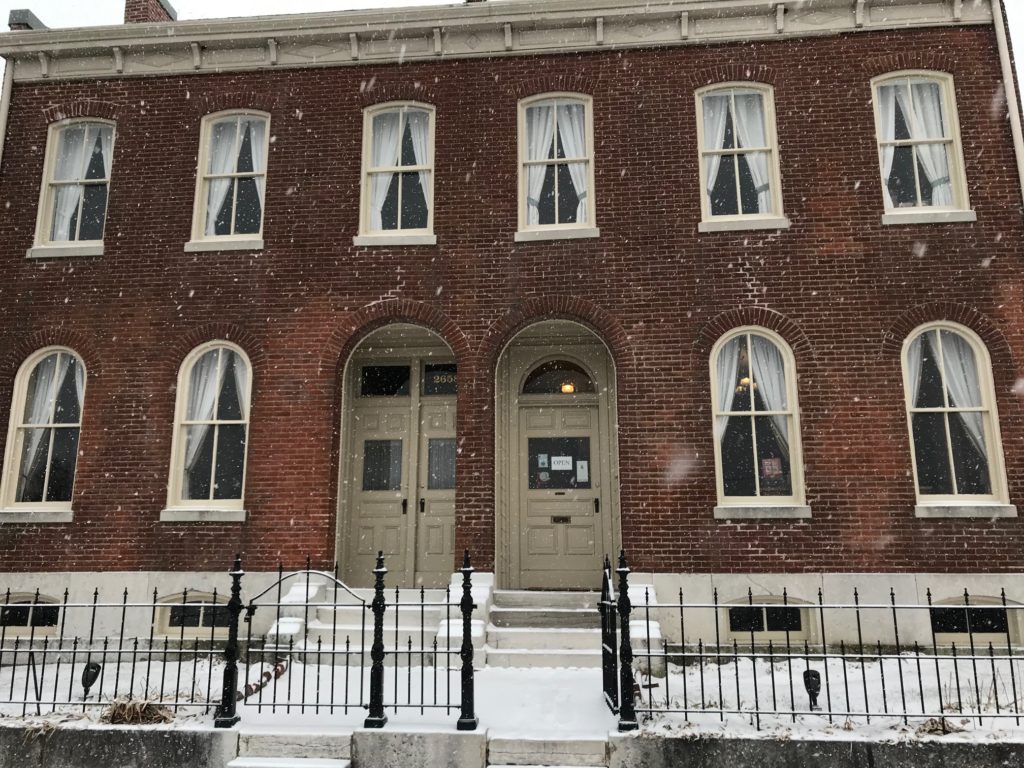
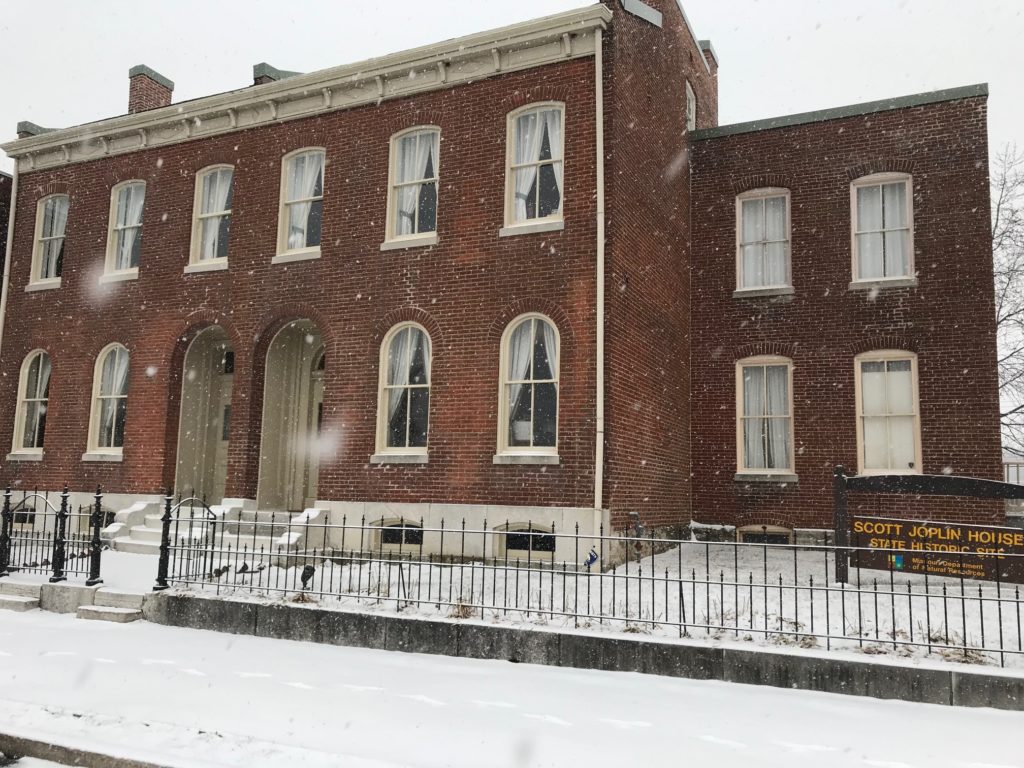
Outside the Scott Joplin House in St. Louis on a snowy February day.
Scott Joplin House, St. Louis.
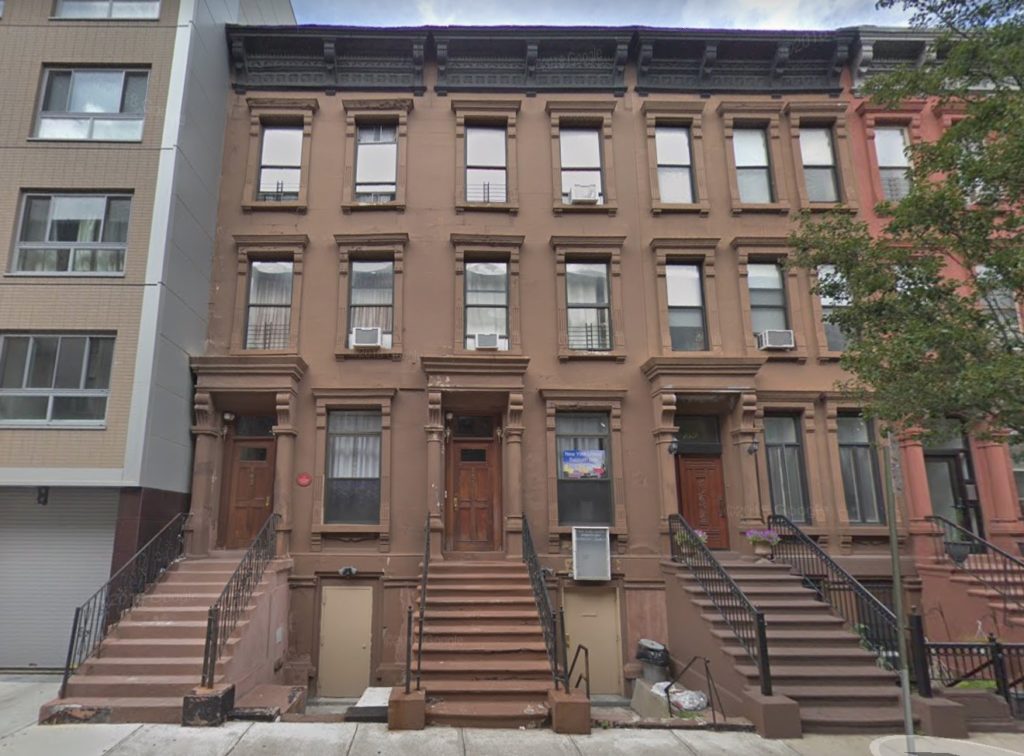
The last home of Scott Joplin at 163 West 131st Street in Harlem. Image courtesy Google Maps
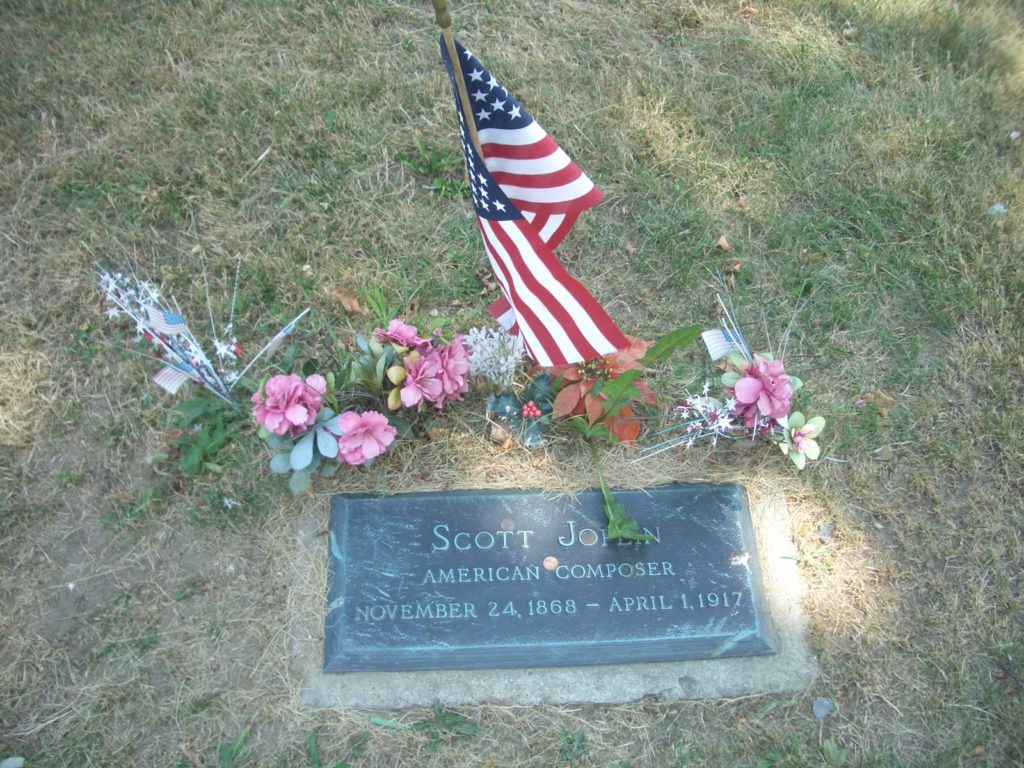
The grave of Scott Joplin at St. Michael’s Cemetery. Image courtesy Gardens of Stone.
The major reason for Scott Joplin’s resurgent popularity in the 1970s was the box office hit The Sting starring Robert Redford and Paul Newman.
The Maple Leaf Rag, Joplin’s most successful song in his lifetime.
A clip of the Houston Grand Opera’s version of Treemonisha, performed in 1976.

FURTHER LISTENING:

Get a background on the music scene of the early 1900s by listening to these two podcasts on New York’s early music heritage:

And for a look at early African-American neighborhoods in New York, check out this episode (with trips to Seneca Village and Weeksville):
Categories
The First

The First Song Ever Recorded (Was Never Meant To Be Played Back)

THE FIRST PODCAST Imagine if we could hear the voices of Abraham Lincoln, Queen Victoria or Harriet Tubman?

Believe it or not, somebody was making audio recordings as far back as the 1850s. Had these techniques been widespread, we might have had the words of those famous people preserved, as well as recordings from the Civil War, the Crimean War and other tumultuous events.

The only catch — Édouard-Léon Scott de Martinville, the inventor of this audio recording process, never meant for his recordings to be played back! And yet today, thanks to modern technology, we can hear his work from the 1850s for the very first time.

This is the story of the first audio recordings ever made and the oldest song recording to ever be heard today, thanks to an intrepid group of tech-savvy historians.

This important musical piece may not sound like much — in fact, it sounds downright creepy! — but it marks the beginning of music as a cultural force. One that can be replicated, replayed and enjoyed by those who were not in the room when it was first made.

To get this episode, simply download it for FREE from iTunes or other podcasting services.

Subscribe to The First here so that you don’t miss future episodes!

You can also listen to the show on Stitcher streaming radio from your mobile device.

Or listen to it straight from here:
THE FIRST SONG EVER RECORDED

Big thanks to First Sounds, the organization which helped bring the audio of Scott de Martinville to life. They have also generously offered their work for all to listen to on their website.


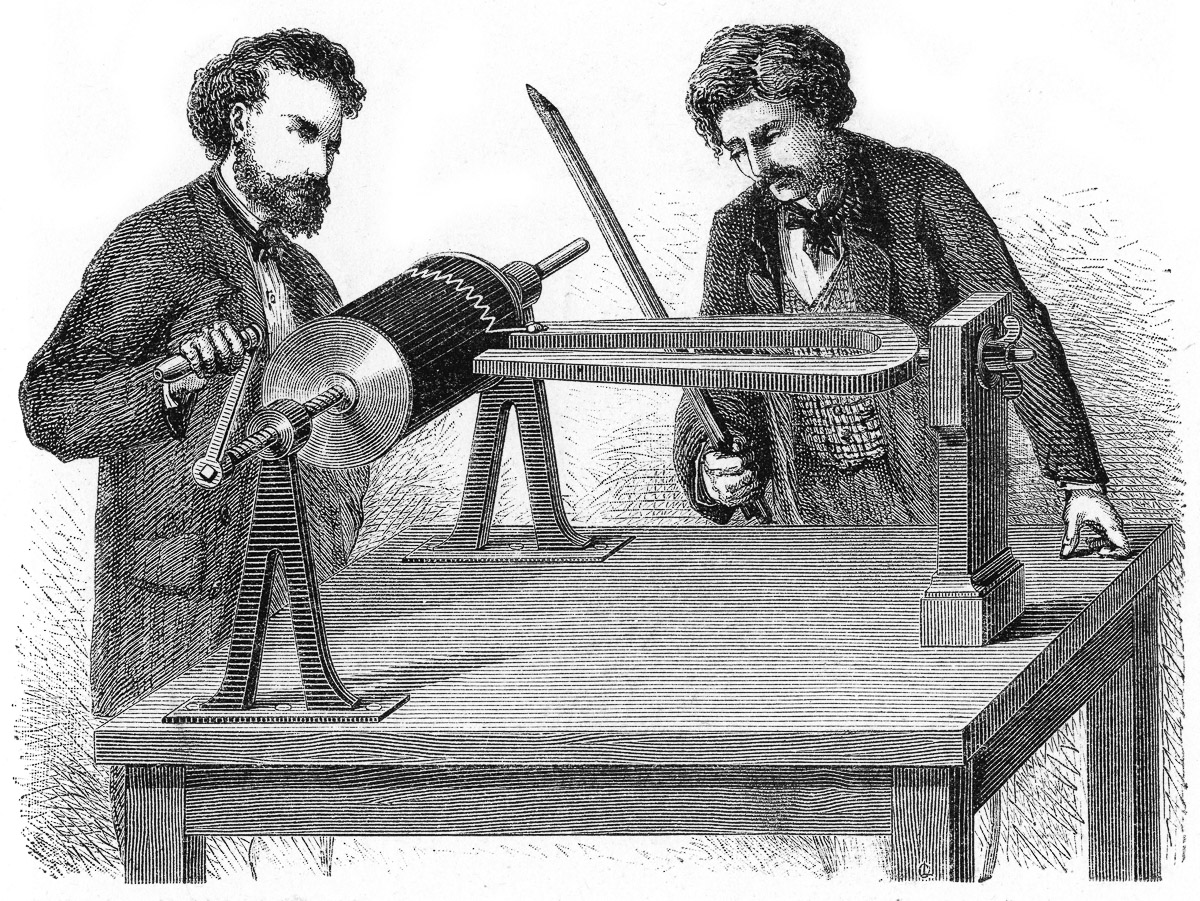
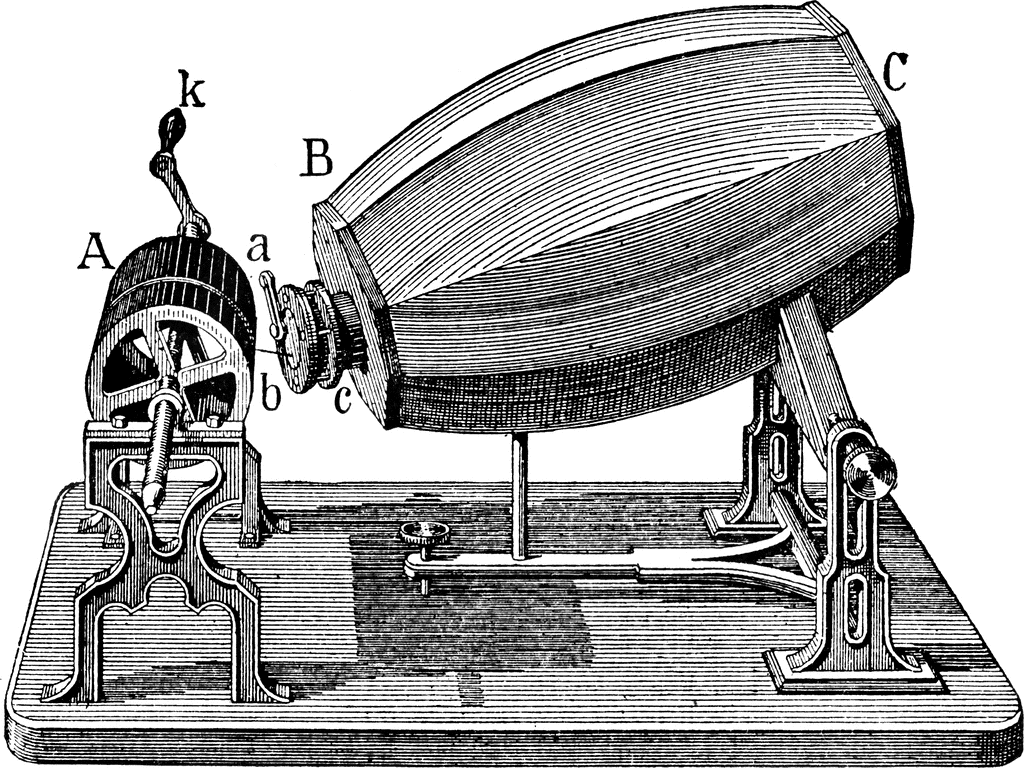
(Edouard) Leon Scott de Martinville’s invention went through several iterations. The image below illustrates one version from 1857. Tuning fork vibrated by bow or iron rod, and vibration traced on cylinder coated with lampblack (carbon). Engraving, 1872 (Photo by Universal History Archive/Getty Images)

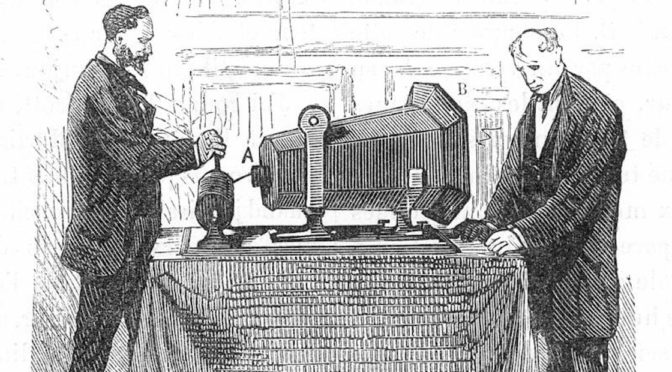
A later version of the so-called phonautograph


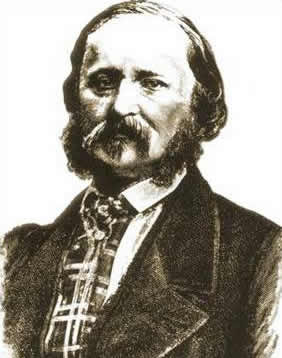
The inventor himself Edouard Leon Scott de Martinsville. Also the singer of the first song!

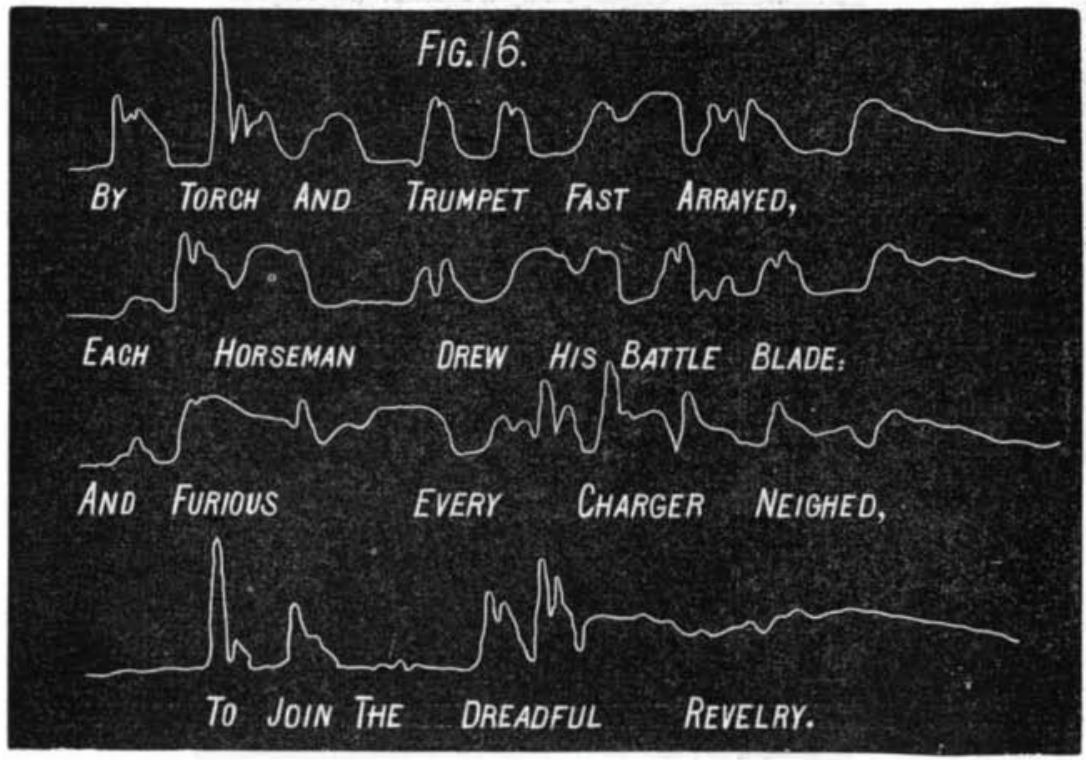
From Scientific American 1877 — an illustration of what the inventor hoped to achieve with his device. The noted vibrations could be translated into words. Thus the first audio recording device was really a dictation of machine of sorts.


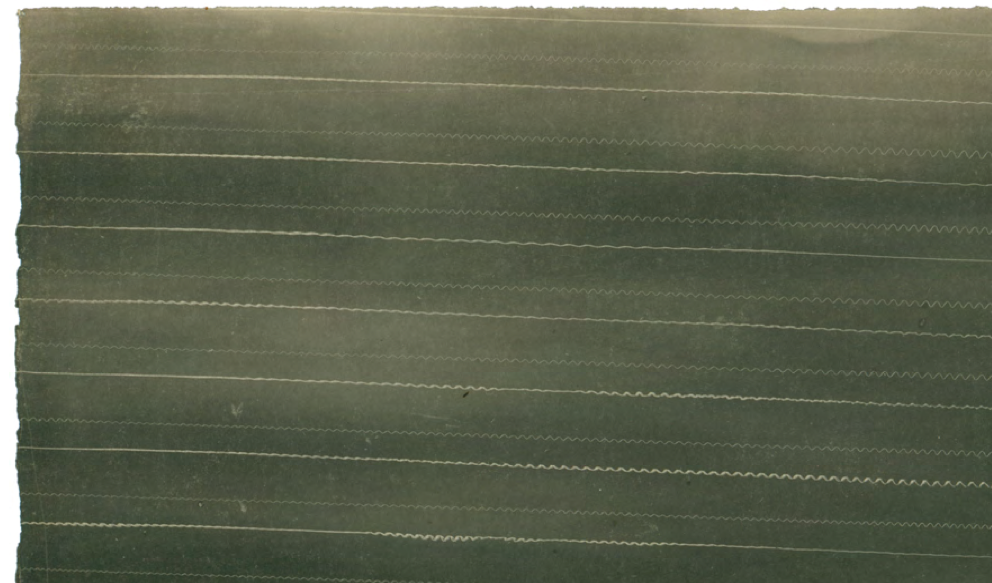
This is what First Sounds technicians were working with — a page from the inventor’s phonautograph. The vibrations proved too small to work with the human eye but a computer could identify the detailed ridges much more effectively.