Categories
Landmarks Music History Podcasts

The Treasures of Carnegie Hall

Carnegie Hall is one of America’s greatest and most enduring cultural landmarks, enchanting audiences and making history since its opening night on May 5, 1891, when Pyotr Ilyich Tchaikovsky appeared there in his first performance in the United States.

This groundbreaking performance space (originally known simply as “Music Hall”) is in fact a trio of distinct venues, all nestled within a single, opulent Italian Renaissance–style building.

Although its benefactor Andrew Carnegie and his fellow Gilded Age elites had moved their grand residences farther up Fifth Avenue, New York’s established cultural institutions, like the venerable Academy of Music, still lingered well to the south. Carnegie Hall helped shift that center of gravity uptown.

Yet the true history of Carnegie Hall lives inside its walls—within the experiences of the audiences and the artists, and, for this week’s show, within the archives themselves. Tom and Greg have been invited into the Carnegie Hall archives for an exclusive, unprecedented encounter with the story of American music.

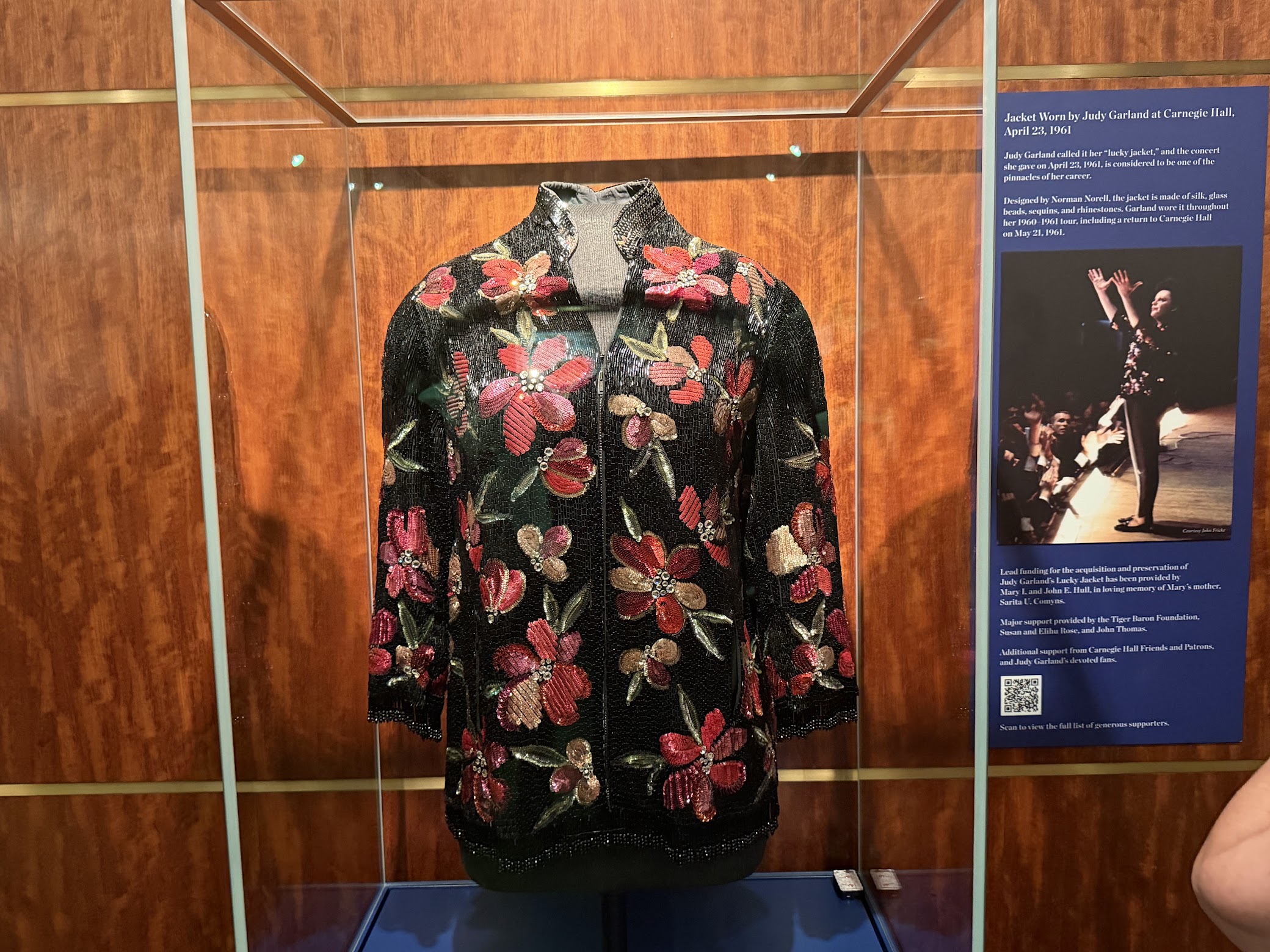
Kathleen Sabogal and Robert Hudson of the Rose Museum & Archives guide the Bowery Boys through the Hall’s past, using some of their collection’s most cherished artifacts: a clarinet, mysterious locks, ledger books, stickpins, suffrage buttons, beaded jackets, photographs, and autograph books that together bring the spirit of Carnegie Hall vividly to life.

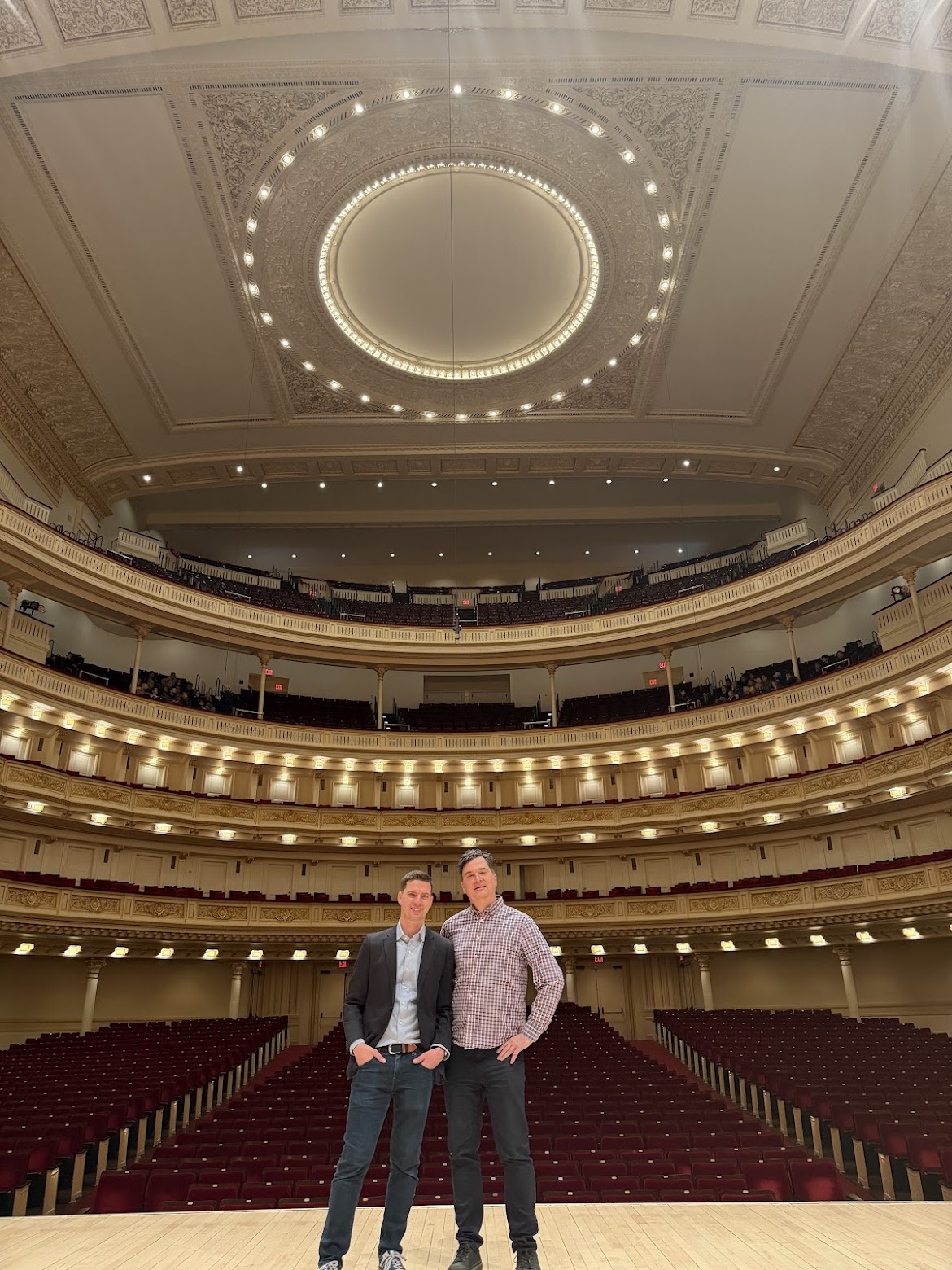
And in the end — they even take to the stage!

This episode was proudly sponsored by Carnegie Hall. Visit CarnegieHall.org for information on upcoming shows, including the United in Sound: America at 250festival, a multifaceted reflection of the United States 250 years since the signing of the Declaration of Independence.

LISTEN TODAY: THE TREASURES OF CARNEGIE HALL


United in Sound: America at 250

Carnegie Hall’s 2025–2026 season festival is a multifaceted reflection of the United States 250 years since the signing of the Declaration of Independence.

In more than 35 concerts at the Hall, audiences will experience Broadway, jazz, film music, rock ‘n’ roll, hip-hop, bluegrass, classical, and so much more, showcasing the very best of the American spirit through music.

Events at top cultural institutions across New York further expand the festival’s scope, offering new avenues for discovery as we explore our nation’s vibrant and complex past, present, and future.

Visit their website to find a list of current events and locations.

Carnegie Hall, 1891. Main entrance to Carnegie Hall on 57th street. The front stairs were removed in 1920 when 57th street was widened to add two additional traffic lanes.
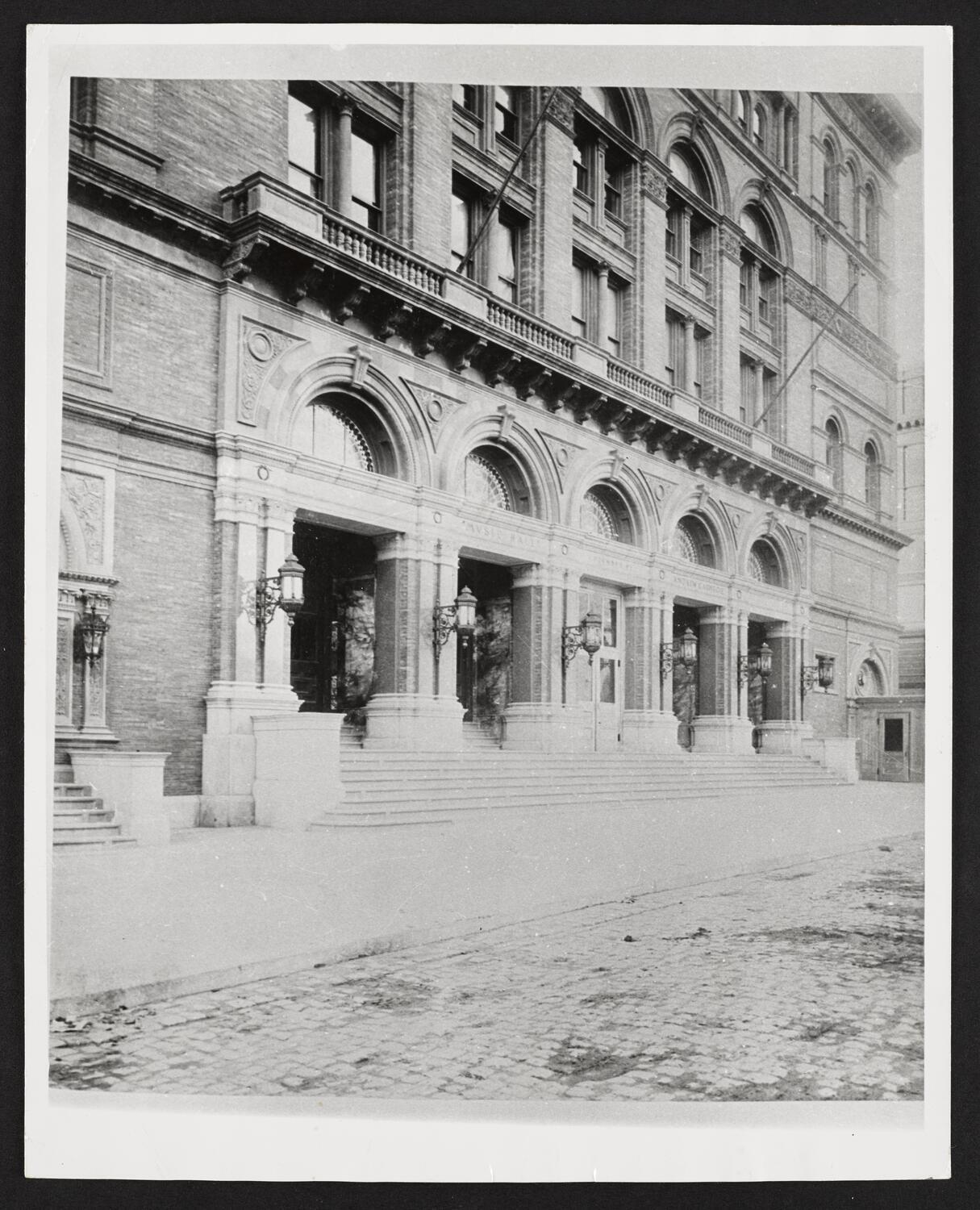
Courtesy Carnegie Hall Rose Archives

The speakeasy lock! Double-lock used to gain entry to Club Richman, a speakeasy located on the Carnegie Hall property, 1924
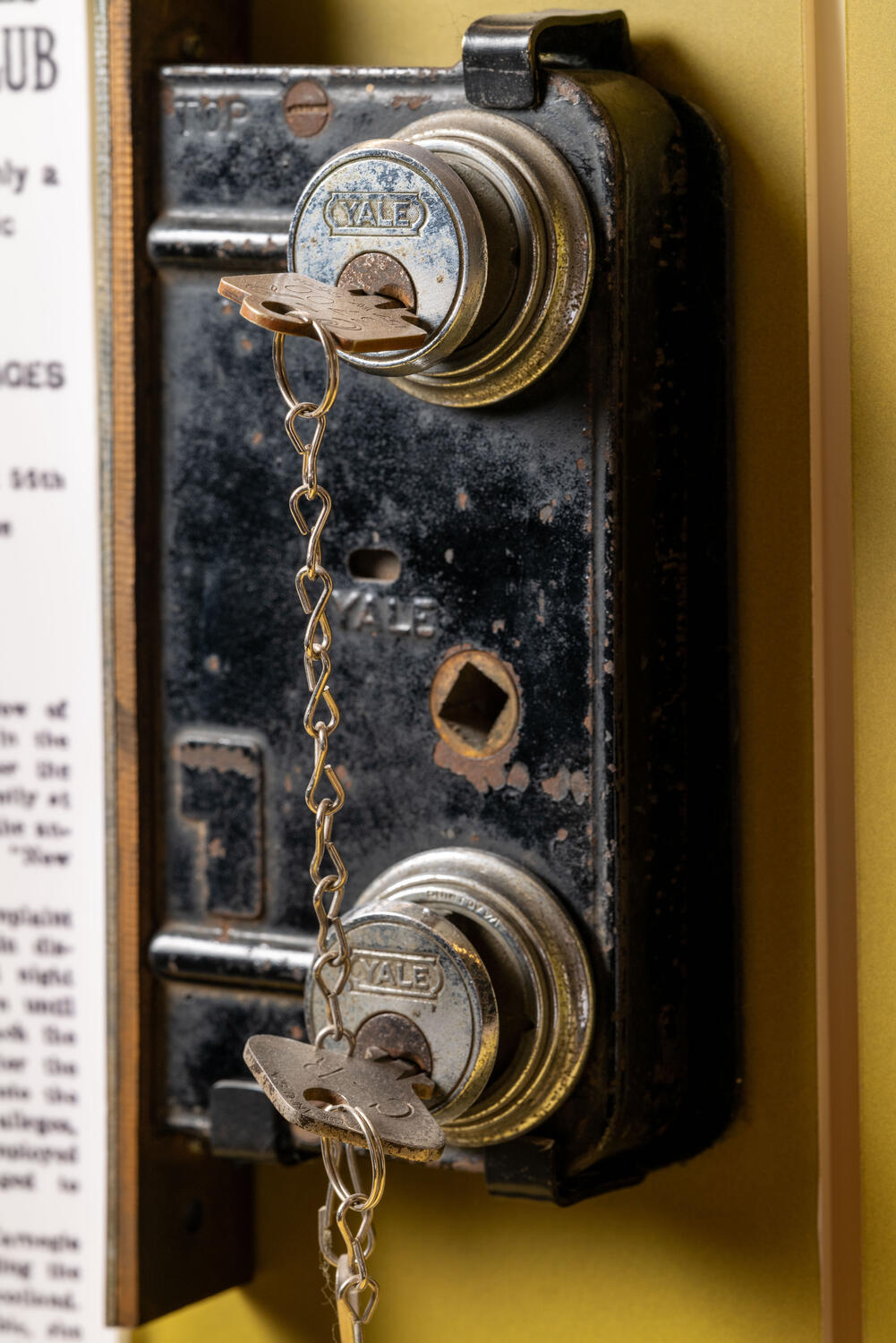
Courtesy of Carnegie Hall Rose Archives

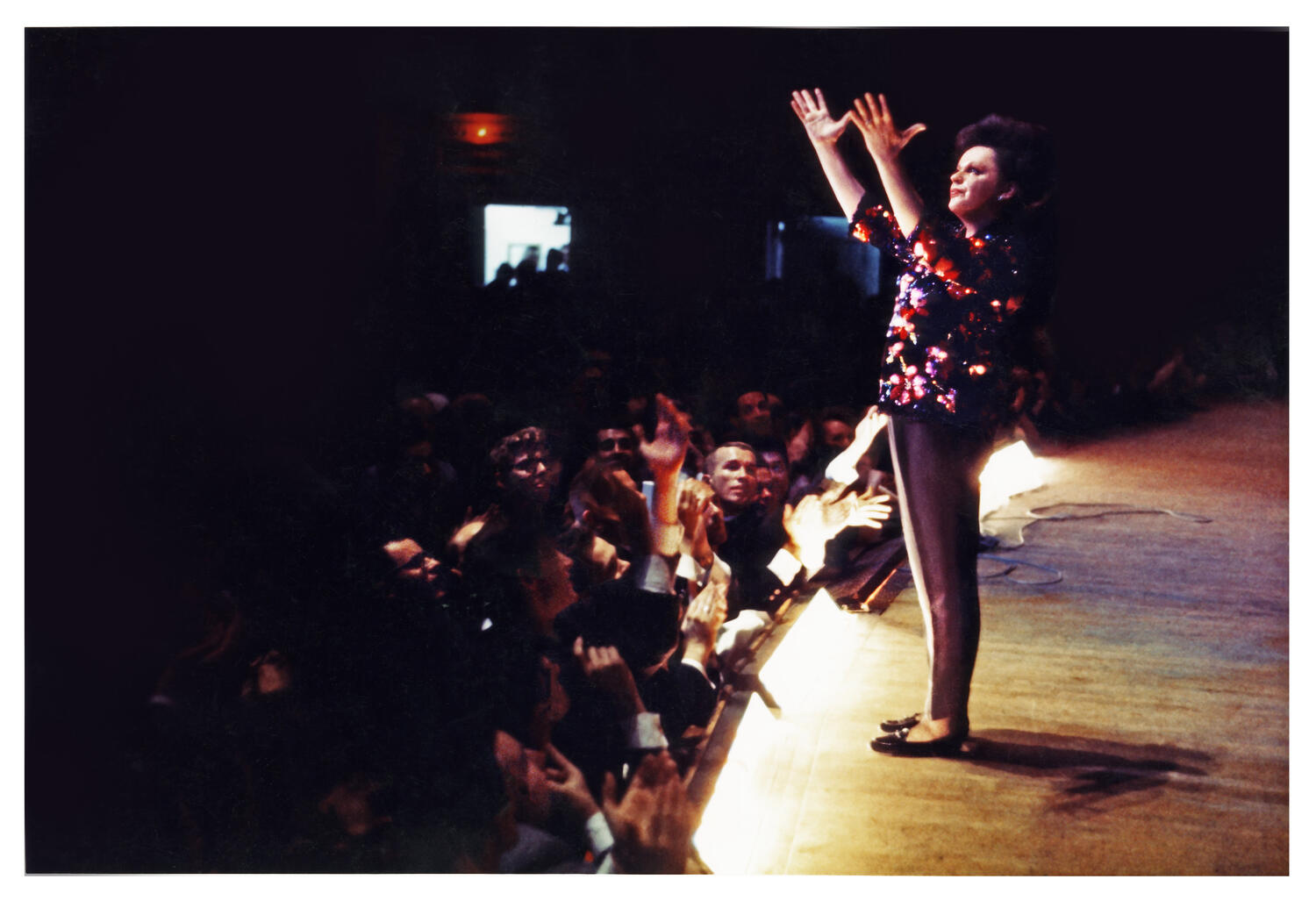
Judy Garland at Carnegie Hall 1961

Courtesy of John Fricke
Courtesy Bowery Boys

The Beatles at Carnegie Hall, February 12, 1964
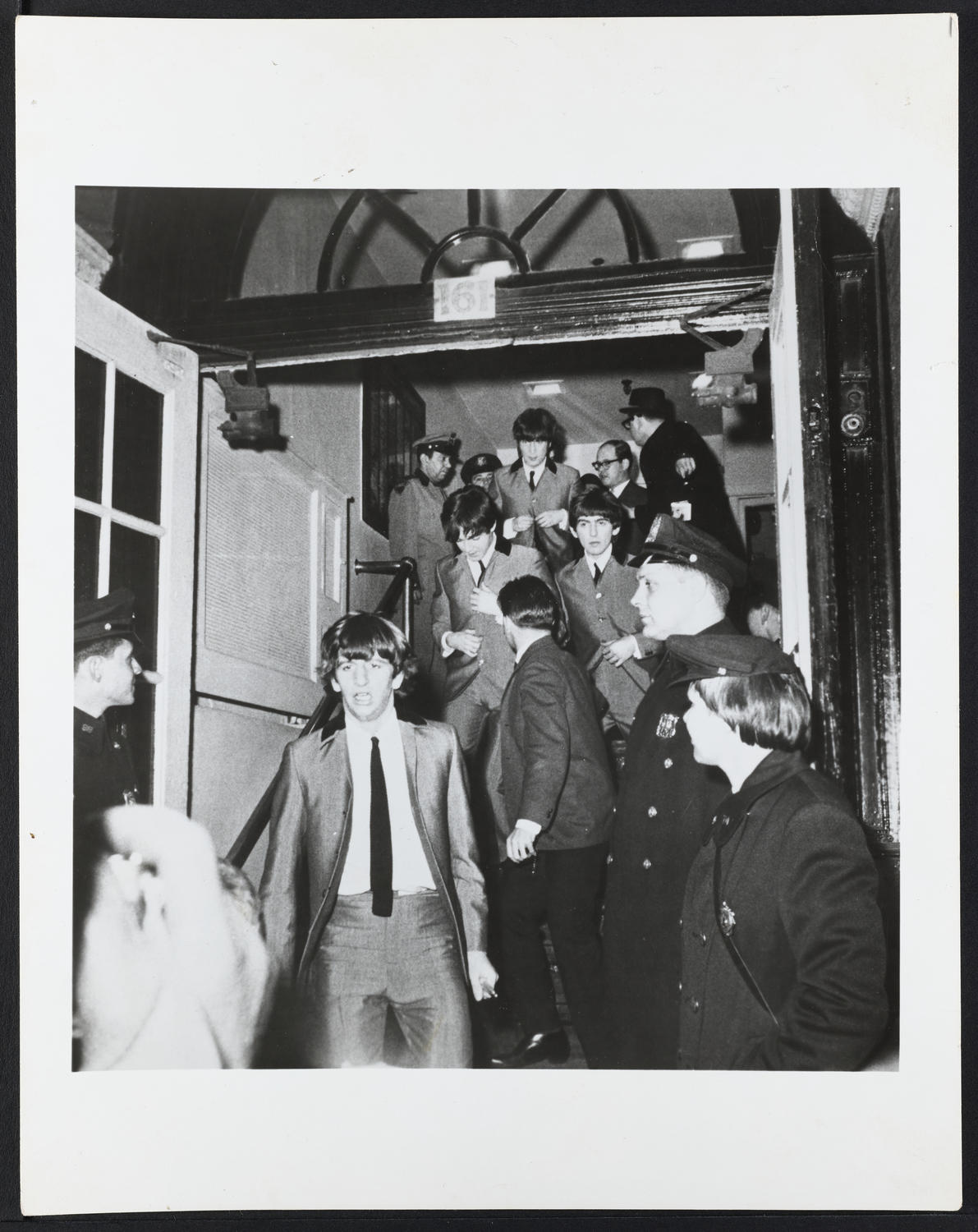
Courtesy of Carnegie Hall Rose Archives

FURTHER LISTENING

After taking in the story of Carnegie Hall, take a dive into these past Bowery Boys episodes to learn more about some of the topics mentioned in the show, including some forays into New York City musical history
Categories
Bowery Boys Bookshelf Sports

Opening Day at Shea Stadium: A nostalgic trip to the New York Mets’ beloved old home

Shea Stadium has been gone ten years now.

With mourning fans looking on, the final section of seats were torn out on the morning of February 18, 2009. Awaiting fans a short distance away was the sparkling new Citi Field which would open for business with a thrilling game between the San Diego Padres and the field’s home team the New York Mets.

Shea was not a perfect stadium. Neither was Ebbets Field, the former home of the Brooklyn Dodgers that has nonetheless entered into the realm of sports mythology. But nostalgia holds a special power in sports history, and the further we get from the classic moments which took place at Shea, the more remarkable it becomes in memory.

Quite frankly, Queens has not been quite the same.

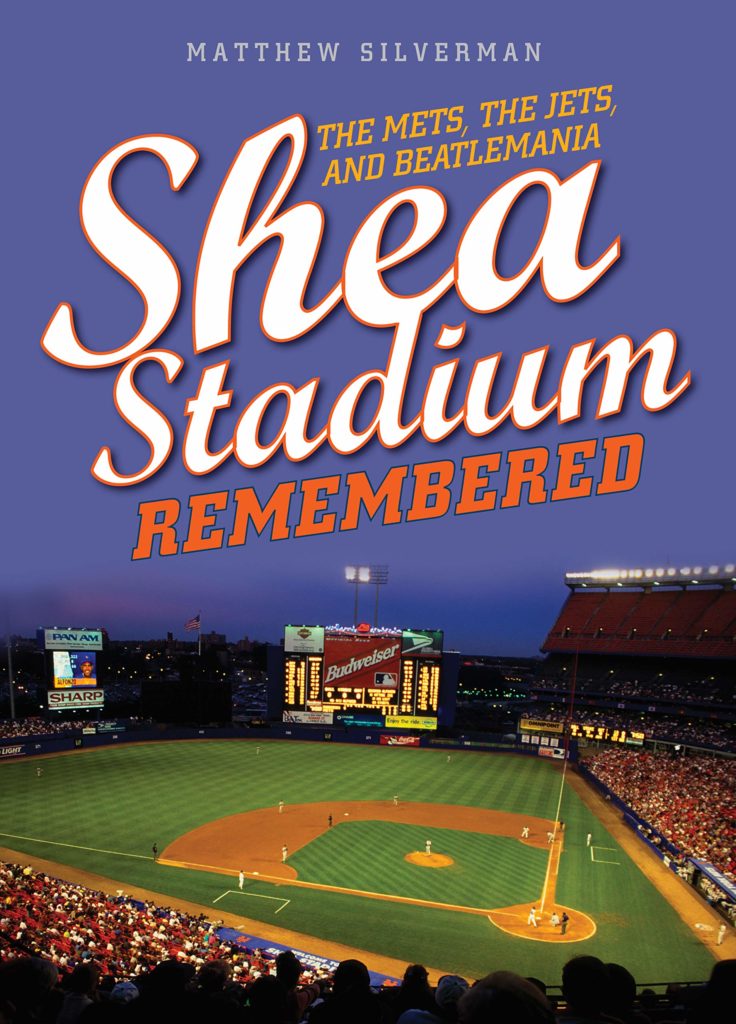
Shea Stadium Remembered:
the Mets, the Jets and Beatlemania
by Matthew Silverman
Lyons Press

Journalist Matthew Silverman is such an ardentMets aficionado — if you’ve read a book about the beloved Queens baseball team, he probably wrote it — that his official website is MetSilverman.com. And so of course Shea Stadium Remembered: the Mets, the Jets and Beatlemania, his tribute to the Met’s most famous home, has a breezy pitch-perfect charm to it.

Arranged in tiny chapters, little blips of history, Shea Stadium Remembered revels unashamedly in sweet nostalgia, recalling a place that matched the charisma of its underdog baseball team and a home for an accomplished football team back when it was actually situated within the city.

The birth of the Mets and their home for over 40 years begins in a moment of great turmoil in New York City sports history. In the 1950s, both the New York Giants and the Brooklyn Dodgers left New York City, the latter after a vicious public battle between Dodgers owner Walter O’Malley and New York power broker Robert Moses.

Moses wanted a team situated in Queens, in Flushing Meadows-Corona Park, an eventual companion to Moses’ pet project — the World’s Fair of 1964. With Ebbets growing inadequate for modern baseball crowds, O’Malley wanted a new stadium at Atlantic and Flatbush Avenues, keeping them in Brooklyn. (That’s near the spot of today’s Barclays Center.)

But nobody overpowered Robert Moses in the 1950s. The Dodgers split for Los Angeles.

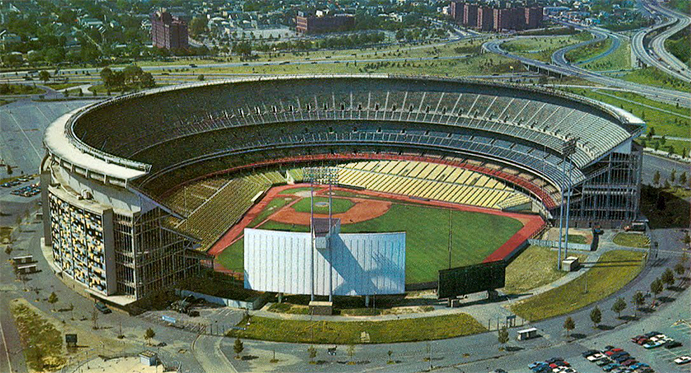
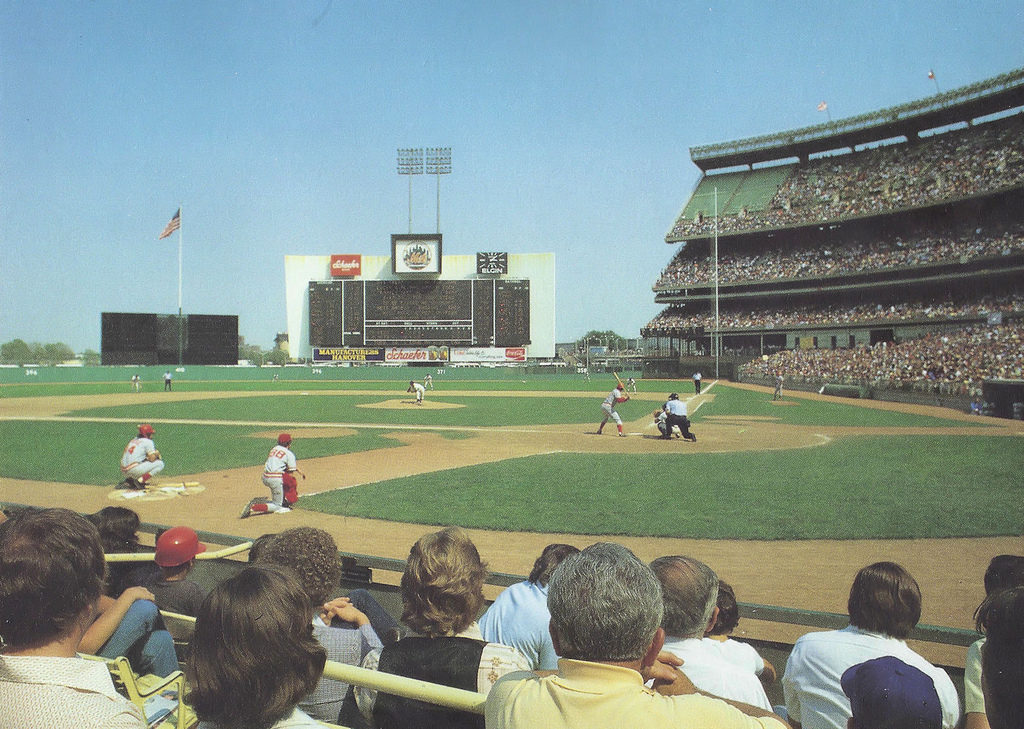
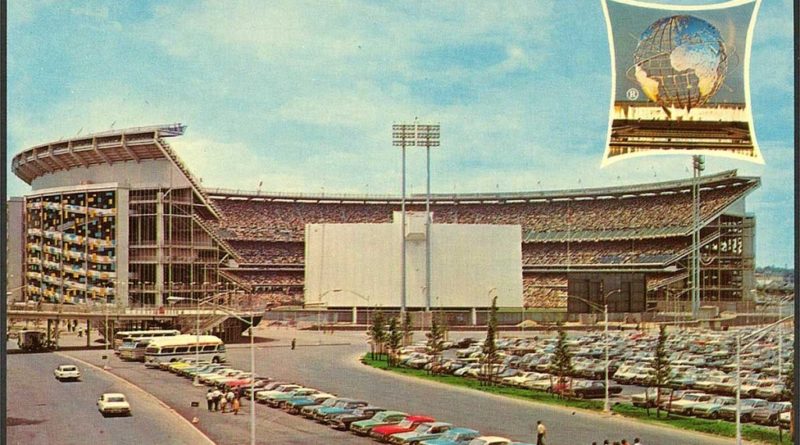
Shea Stadium, late 1970s — Sports Photo File/Mitchell Reibel

Fortunately, lawyer William Shea convinced the National League to expand their roster, leading to the creation of the New York Metropolitans, the name a nod to a 19th century baseball club and eventually shortened. After a short stint in the decrepit Polo Grounds, they moved to their new home — named in honor of a man who never played for them but was nonetheless instrumental to the history of New York City sports.

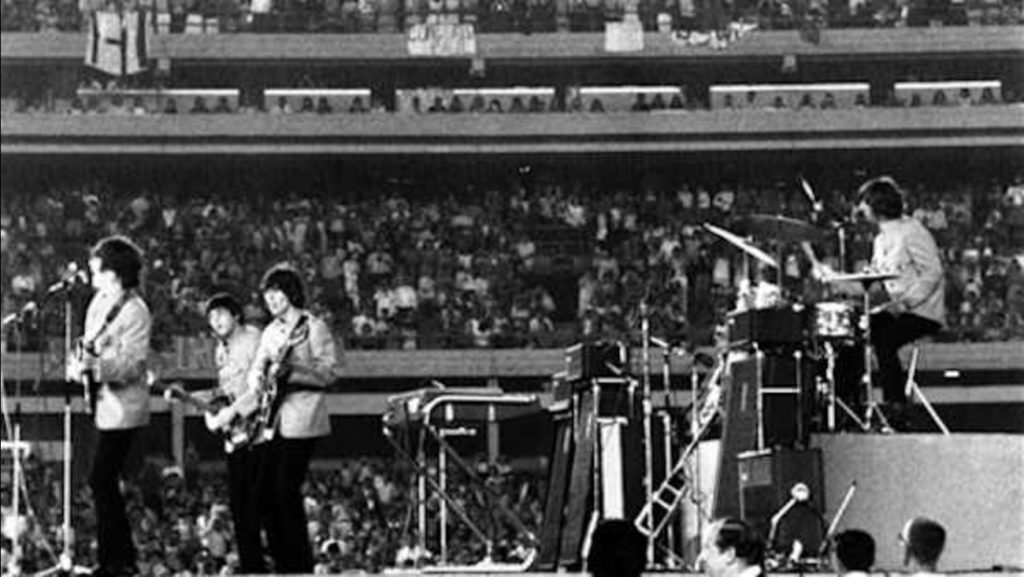
In Shea Stadium Remembered, Silverman gives us a compilation of the stadium’s greatest moments, weaving the Met’s history in with the other notable events at the stadium — from the Beatles to Pope John Paul II.

Not to say that the Jets aren’t prominently featured here as well — they played at Shea for almost twenty years — but the Mets were truly at home here, through thick and thin (often very thin). The Mets gave Shea some of its personality and Shea gave the Mets its hometown pride.

The Beatles at Shea Stadium, August 1965 (AP)

For more information, check out these catalog episodes of the Bowery Boys podcast:

Categories
Landmarks

The Plaza Hotel: From the Champagne Porch to the Black and White Ball

PODCAST REWIND  The Plaza Hotel has become one of the most recognizable landmarks in New York City, a romantic throwback to the last days of the Gilded Age. It epitomized the changes that were arriving on Fifth Avenue, steering away from the private mansions of the moneyed class and towards a certain kind of communal living that was increasingly being seen as acceptable and even preferable.

We take a look at the Plaza’s unusual history, from its days as an upper class “transient hotel” to a party place for celebrities.

Starring: John ‘Bet-a-Million’ Gates, Eloise, Truman Capote and of course the unflappable Mrs. Patrick Campbell.

NOTE: This show was originally recorded in November 2008. The Plaza is currently owned by Sahara India Pariwar.

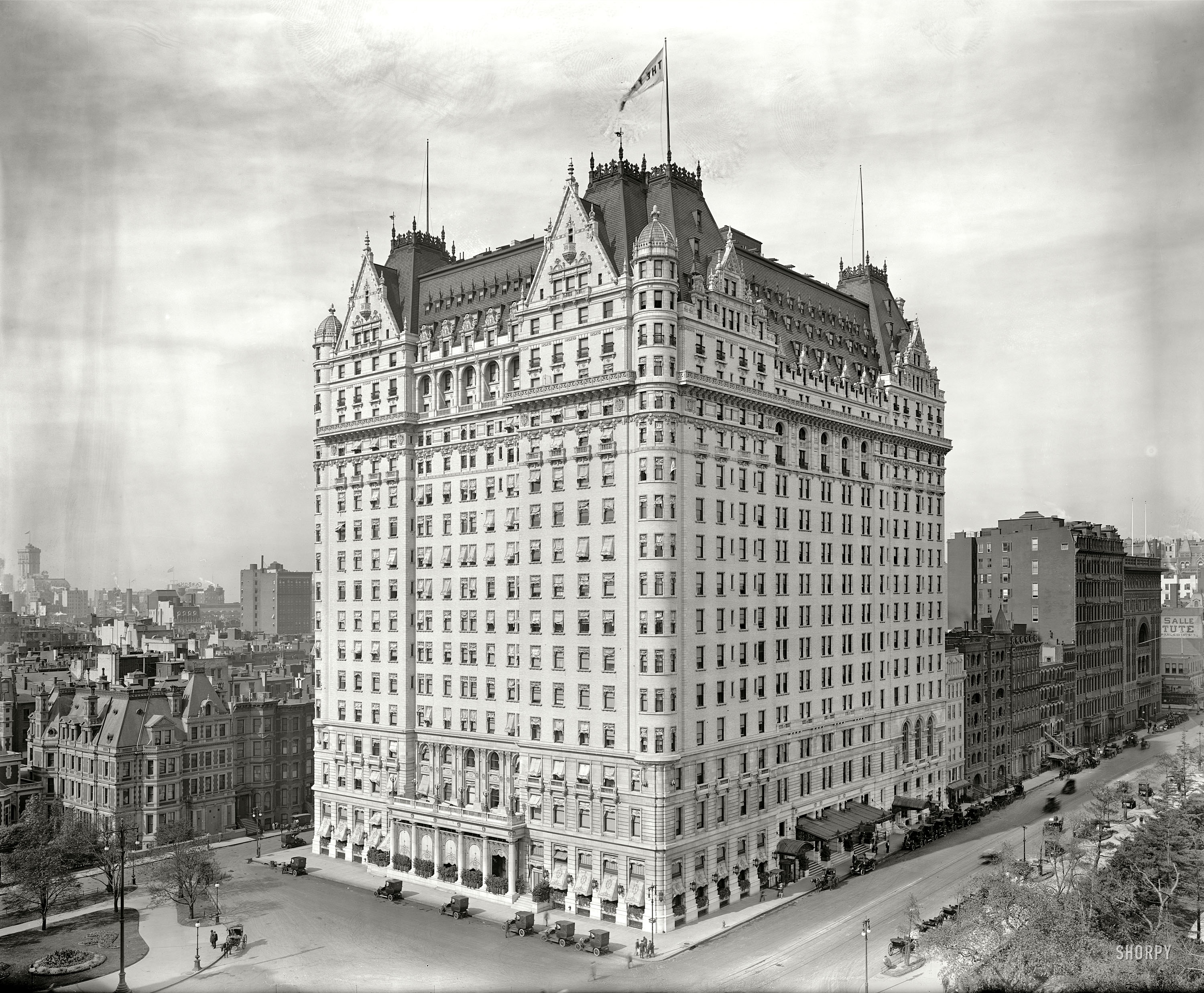
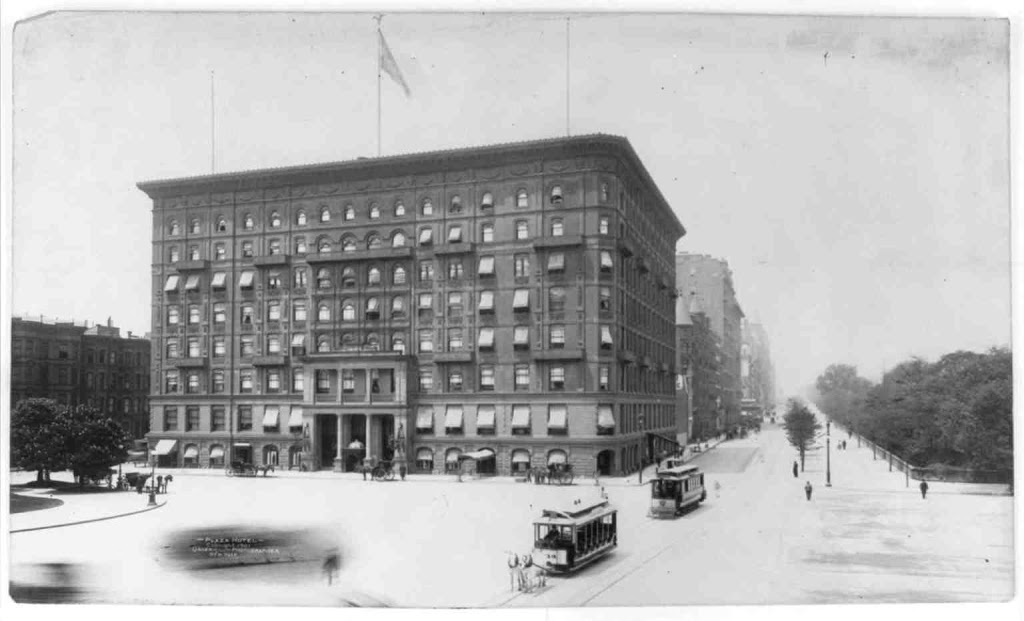
The Plaza Hotel in 1912. Its romantic exterior and sumptuous rooms eased New York's wealthiest class into the habit of hotel living. (Cleaned-up picture courtesy Shorpy)
The Plaza Hotel in 1912. Its romantic exterior and sumptuous rooms eased New York’s wealthiest class into the habit of hotel living. (Cleaned-up picture courtesy Shorpy)
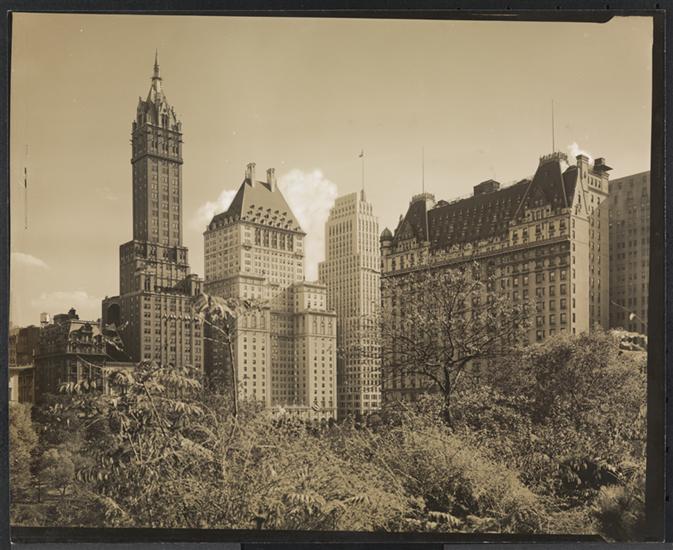
By the 1930s, the Fifth Avenue mansions below 59th Street were gone, and the Plaza was joined by other luxury hotels. (Picture courtesy Museum of the City of New York)
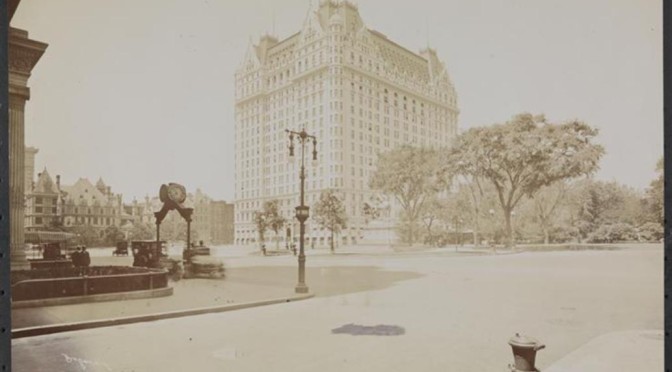
The first Plaza Hotel was deemed out of fashion and indeed looks quite plain in comparison to the building which would replace it.
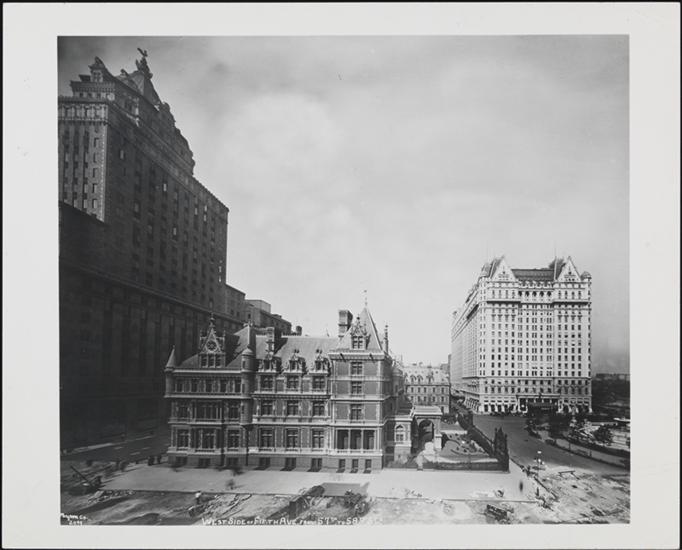
We're so used to the Plaza being surrounded by department stores and office buildings. But in fact its first neighbors were mansions as illustrated in this photograph from 1923 (Courtesy the Museum of the City of New  York)
We’re so used to the Plaza being surrounded by department stores and office buildings. But in fact its first neighbors were mansions as illustrated in this photograph from 1923 (Courtesy the Museum of the City of New York)
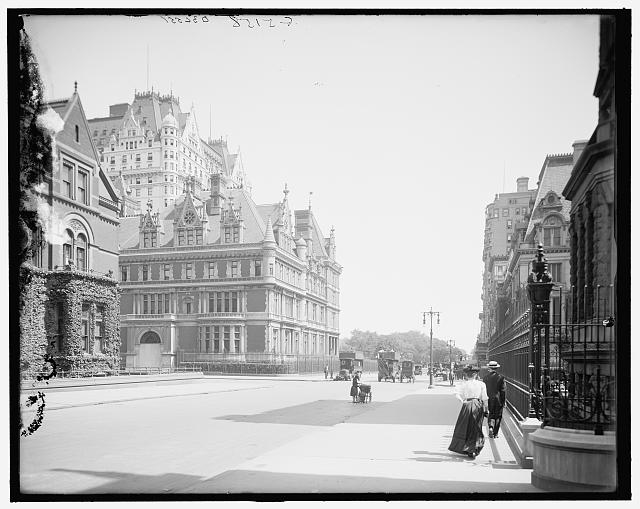
Looking up Fifth Avenue, taken sometime after 1907.  The Plaza peaks over the mansion of Cornelius Vanderbilt. (Courtesy Library of Congress)
Looking up Fifth Avenue, taken sometime after 1907. The Plaza peaks over the mansion of Cornelius Vanderbilt. (Courtesy Library of Congress)
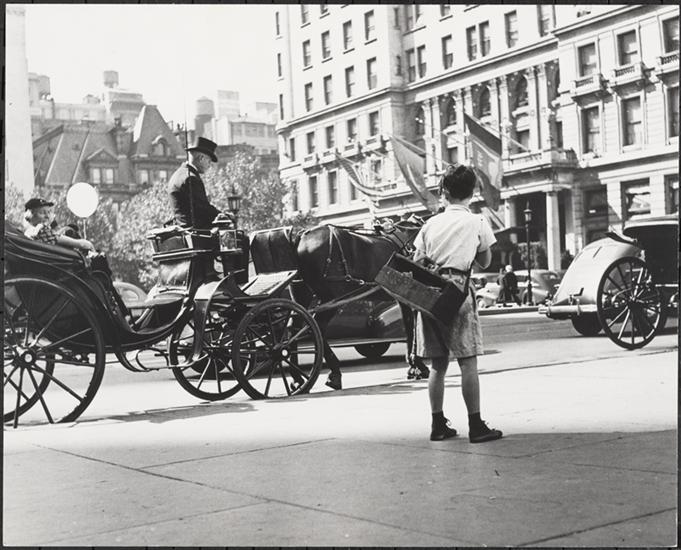
This picture was taken in 1940. Except for the shoe-shine boy and the automobile, it could have been taken yesterday. (Photograph by Roy Perry, courtesy the Museum of the City of New York)
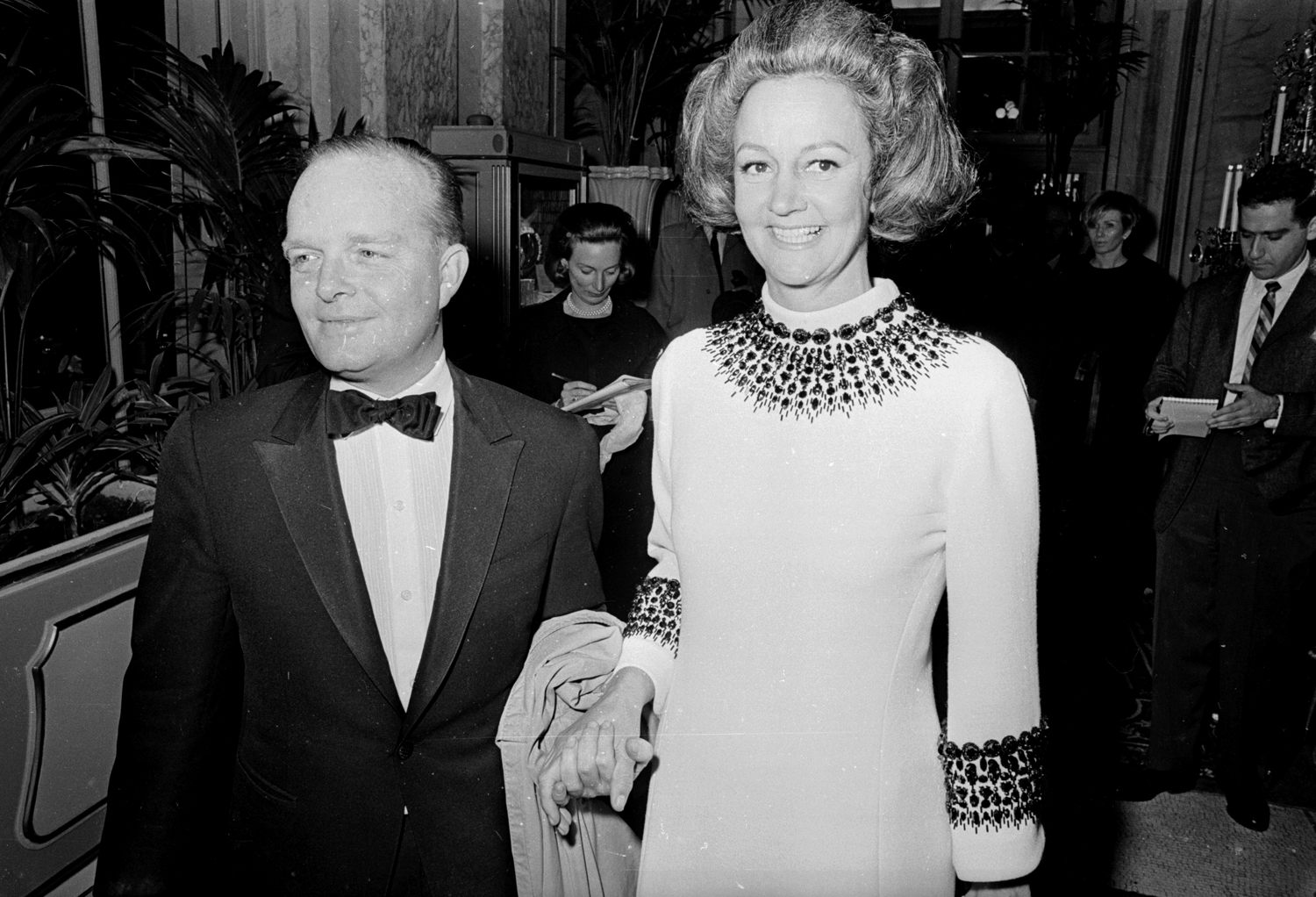
Truman Capote and Katherine Graham at the Black and White Ball, 1966
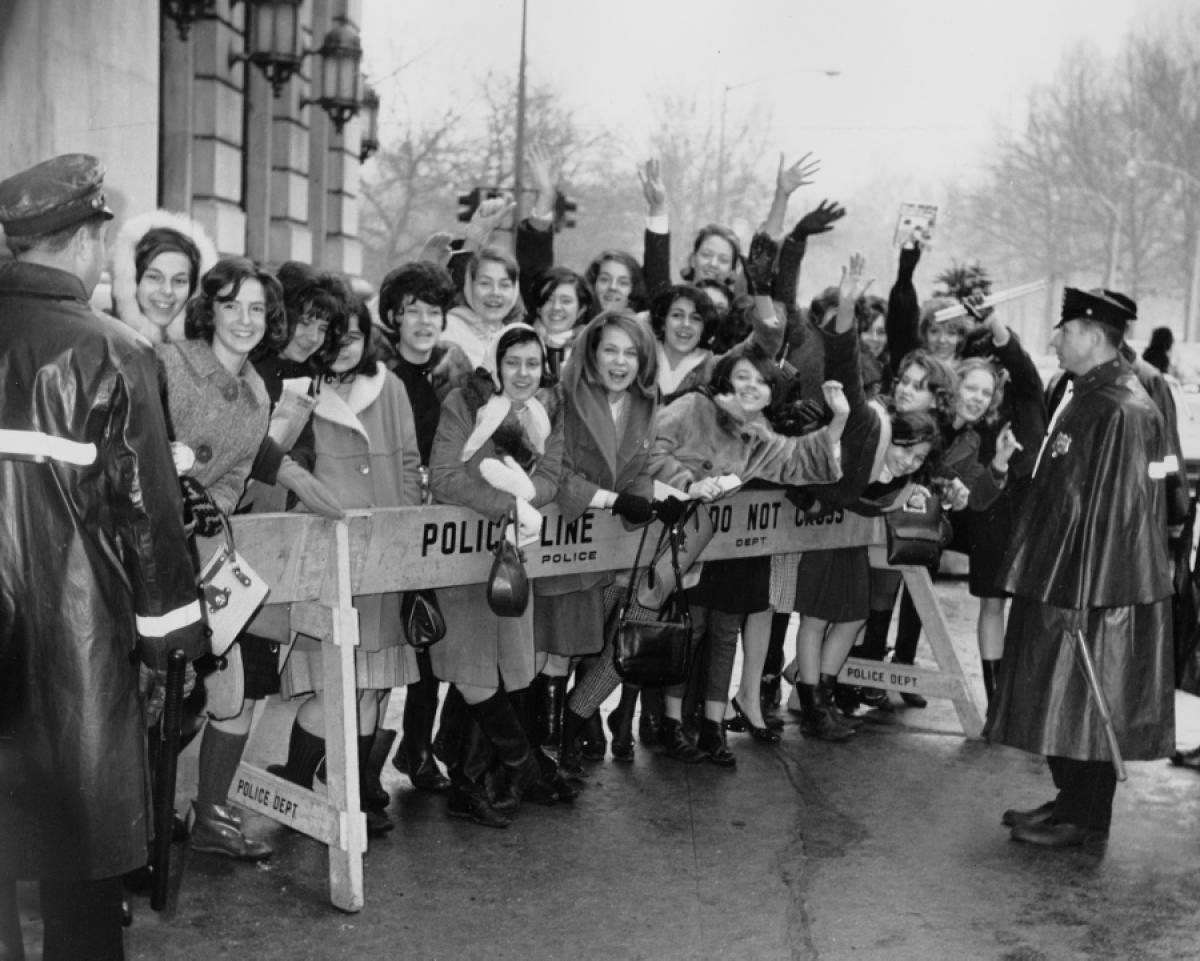
Fans await the Beatles outside the Plaza Hotel 1964 (Courtesy New York Daily News)
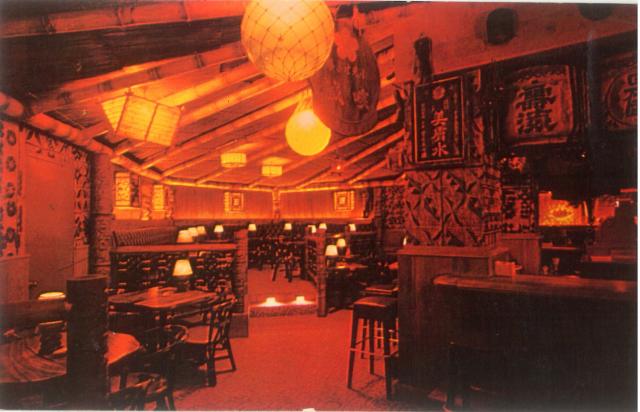
Trader Vic's in the basement of the Plaza (courtesy the blog TikiRoom)
Trader Vic’s in the basement of the Plaza (courtesy the blog TikiRoom)
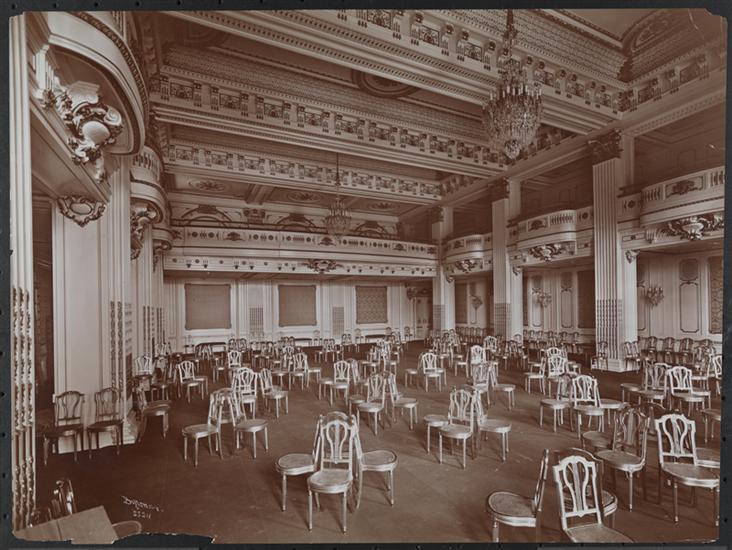
The ballroom of the Plaza, 1907 (Courtesy Museum of the City of New York)
Categories
Mad Men

‘Mad Men’ notes: The rock gods of Forest Hills, Queens


WARNING The article contains a few spoilers about last night’s ‘Mad Men’ on AMC, so if you’re a fan of the show, come back once you’re watched the episode.

Lusty groupies, ample drug intake, smoky hallways and deafening rock music. One might have thought last night’s ‘Mad Men’ — partially centered around the backstage antics of a Rolling Stones concert — was taking place at Shea Stadium, where the Beatles famously performed to their largest audience in 1965. Or maybe that was Madison Square Garden, the one on Eighth Avenue and 50nd Street, where Marilyn Monroe sang happy birthday to John F. Kennedy in 1962?

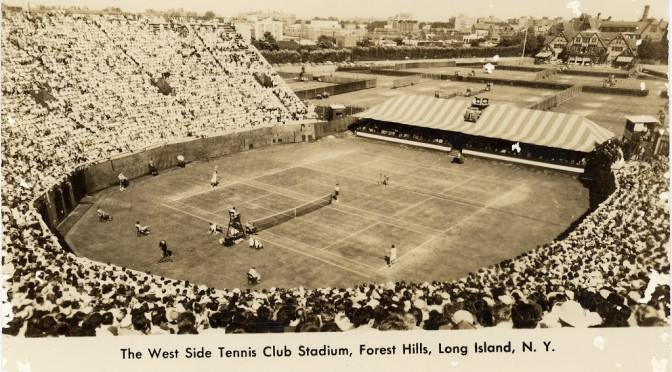
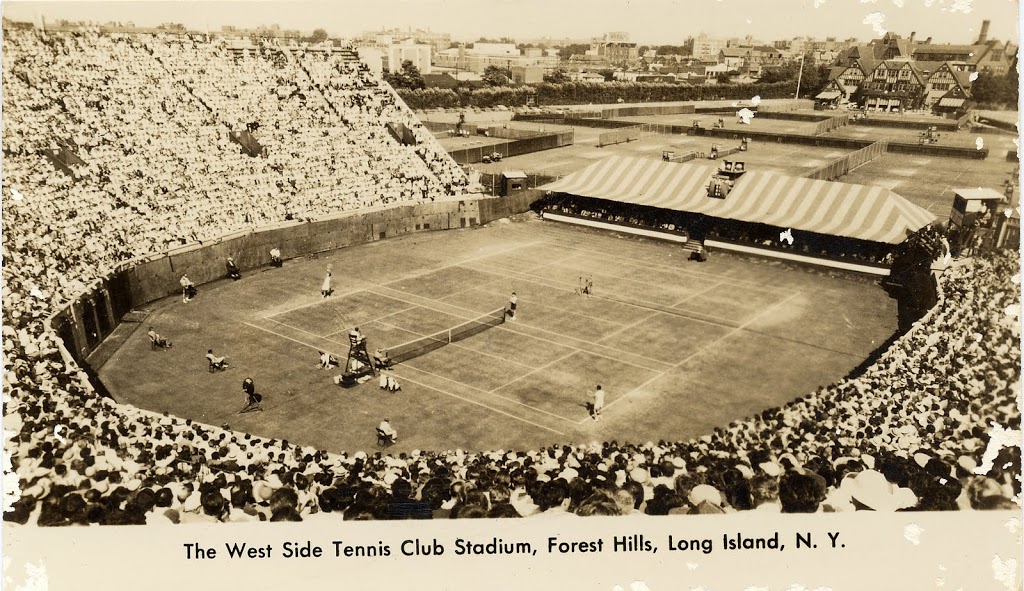
No, that mad, bacchanalian event took place at an esteemed tennis club — the West Side Tennis Club in Forest Hills, Queens.

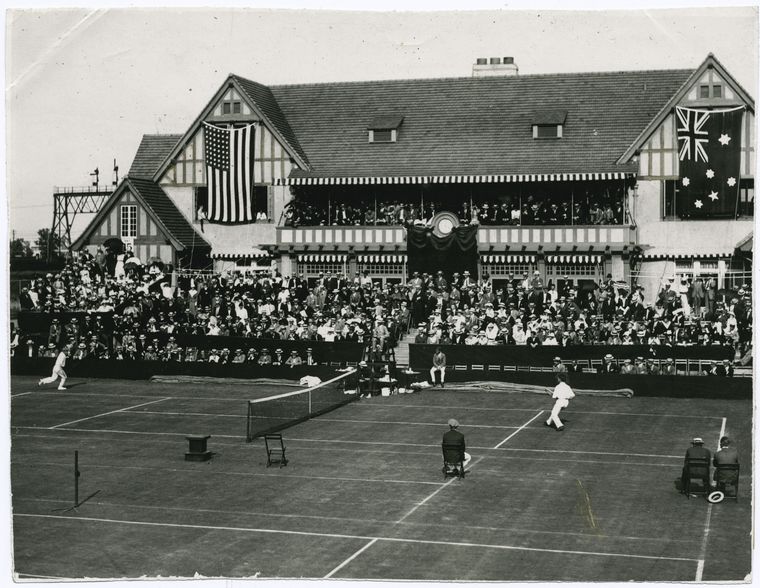
Organized in New York in the 1890s, the tennis organization and social club quickly outgrew various venues in Manhattan and made their way to Queens. The momentary inconvenience of relocating to an outer borough was swiftly forgotten when the venue opened in 1914, a sumptuous series of grand courts, manicured lawns and a spectacular Tudor-style clubhouse designed by Grosvenor Atterbury* and John Almay Tompkins. A later court addition would provide seating for 14,000 spectators.

The clubhouse reflected the style of  homes in nearby Forest Hills Gardens, also planned by Atterbury as a private, upper class community. To this day, the ‘cottage community’ is one of Queens most exclusive neighborhoods.

Below: A vigorous match between Maurice McLoughlin and Norman Brookes in 1914.  The larger court would not be built for several more years. Courtesy NYPL

The grounds were so abundant that it drew the U.S. Open from Newport, Rhode Island, in 1915, and they remained here until 1987. In fact, for most of the 20th century, the tennis club became the American capital for the sport, seeing victories by sports icons like Arthur Ashe, Jimmy Connors, Althea Gibson and Billie Jean King. Alfred Hitchcock even filmed a pivotal scene in ‘Strangers On A Train’ here.

Tying in some of these themes of this season of ‘Mad Men’, there was even a scandal involving the exclusion of black and Jewish members from the club in the 1959, a scandal that involved an under-secretary from the United Nations.

But the appeal of a large and vibrant permanent outdoor venue soon drew, shall we say, less buttoned-up events. The Forest Hills Music Festival was a weekend precursor to New York’s many outdoor concert events today, bringing modern stars to the courtyards and giving this upper crust cloister a taste of counter-culture and teen-fueled rock and roll. One of its organizers was Ron Delsener, later to become a renown concert promoter in the New York area.

Beginning in the late 1950s, concert events were staged on the court itself. At first, the venue drew acts like the Kingston Trio, Frank Sinatra, Harry Belafonte, Barbra Streisand, and even Woody Allen with a stand-up performance. But not of those performers brought the frenzy quite like the Beatles, who played two nights in late August 1964 and drew such passionate crowds that their helicopter had to land on the court itself, their fans separated from the performance area by an eight-foot fence.

Forest Hills was known for its ungainly crowds. Bob Dylan performed there in August 1965 and was booed by audience members outraged that he would deign perform with electric accompaniment, “betraying the cause of folk music,” according to music historian Tony Glover.

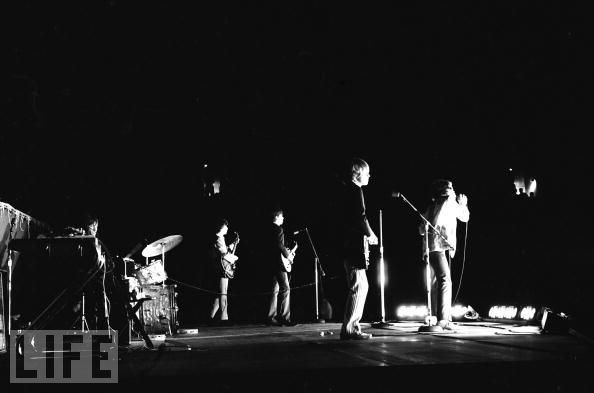
So with all that in mind, imagine the passionate crowds which awaited the shaggy ragamuffins from Dartford, the Rolling Stones, on July 2, 1966, appearing in the United States just as radio stations were buzzing with their number one song, ‘Paint It Black‘.

After three opening acts (including the Trade Winds), the Stones played ten songs at Forest Hills (pictured above), including ‘Lady Jane’, ‘Get Off My Cloud, and of course ‘Satisfaction’, to a crowd of 9,400 people.Yes, believe it or not, they didn’t sell out the venue, but that’s because the most expensive seats (an unheard-of $12.50!) went unsold, and the temperature for the outdoors concert was in the high 90s.

But those that were in attendance were frenzied enough that 250 cops were deployed to the show, armed with tear gas and nightsticks, holding back frothing audiences of young people sent “into peroxsyms” by the British stars. “A dozen youngsters willfully broke through the police line,” according to the Times. “Within seconds the park lights went up and the Rolling Stones’ helicopter took off into the night.”

Far from the maddening crowd, members of the band hit the club circuit in Manhattan, first Cafe Wha? in Greenwich Village, and then Ondine’s at 59th Street, where they were wowed by the energy of a young guitarist named Jimi Hendrix.**

And here’s some further context you should keep in mind. That was the summer of 1966. The biggest American musical artist that year was actually two young sons from Forest Hills, Queens — Paul Simon and Art Garfunkel — and their album The Sounds of Silence would become the biggest album of the year.

Believe it or not, the tennis club lost its bid recently to become a New York landmark.

Top picture courtesy the Rego-Forest Preservation Council

*Mr. Atterbury also played a significant role in the renovation of New York’s City Hall in the early 1900s. We have a ball with Grosvenor in our City Hall podcast from 2009


**There seems to be a little confusion here. Keith Richards bios recall Cafe Wha?, while the diary of Bill Wyman mentions Ondine’s. Hendrix played at both venues a few times, so either (or even both) is possible. Keep in mind, everybody was probably stoned.

FRIDAY NIGHT FEVER: Peppermint Lounge


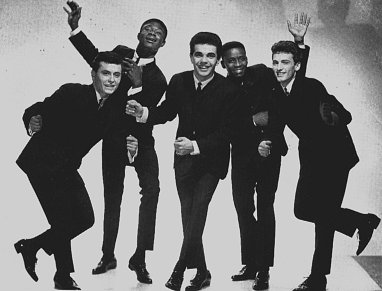
pictured: Joey Dee and the Starliters, who turned a small midtown gay hustler bar into a dance hit in 1961

To get you in the mood for the weekend, every Friday we’ll be celebrating ‘FRIDAY NIGHT FEVER’, featuring an old New York nightlife haunt, from the dance halls of 19th Century Bowery, to the massive warehouse spaces of the mid-90s. Past entries can be found HERE.

Like most things associated with popular music, the early 60s brought sea change to the very notion of nightlife. Clubs typified by the 21 Club and last weeks’ feature El Morocco were very much venues where you dressed up, not where you let your hair down. Harlem and Greenwich Village certainly catered to rowdier fare, but in midtown, things still held a pretense of glamour and society.

All that changed as rock and roll seeped into the streets. Such “naughty” music, inspiring amoral and sexual dancing, sprang first from the seediest places, with the sweetest being the Peppermint Lounge, also known as the home of the Twist. Although the Twist was actually born in Philadelphia, New York and the Peppermint sped it up and whipped it into a frenzy.

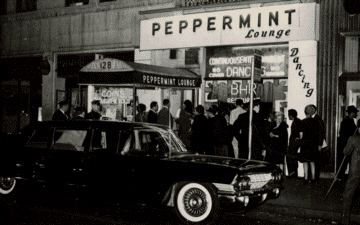
The ‘Pep’, as it was called, a hole in the wall at 128 West 45th Street, with a doorway into the adjacent Knickerbocker Hotel, might have remained a quiet gay hustler bar out of the way of the public consciousness had rock and roll not swept through. Vanity Fair calls it an “inauspicious dump destined to become a pop landmark.” The ruffians would soon share the floor with Marilyn Monroe and the Beatles.

With a capacity of 174 people (and often filled to just slightly over that amount), a tiny stage and even tinier dance floor, the Pep soon pulsed with dance-friendly rock music, featuring house band Jordan Christopher and the Wild Ones slinging R&B rhythms over guitars and marrying it with almost demonic body gyrations. The well kept secret was effectively spilled when frequent performer Joey Dee and the Starliters recorded their biggest hit ‘Peppermint Twist’, cementing the club’s lusty reputation into a hit record in 1961. (Watch a video here of the Starliters performing their hit.)

The Pep was sweaty raunch. It was white society dabbling into the rhythms of black music. Traditional society, leering over the edge of its dry martinis, thumbed up its nose. But like everything forbidden in this city, the Peppermint soon drew its admirers.

Or as Tom Wolfe explains it: “One week in October, 1961, a few socialites, riding hard under the crop of a couple of New York columnists, discovered the Peppermint Lounge and by next week all of Jet Set New York was discovering the Twist.”

The mystique of the Twist — and the dozens of other novelty dances that came afterwards — is that is was a solo dance. And as a result, according to the New York Social Diary, “It was the first time the general public saw men dancing with men and women dancing with women.” The Pep invited sexual intimacy and freedom. Perhaps not of the types we see on dancefloors today, but this was the first significant steps towards it.

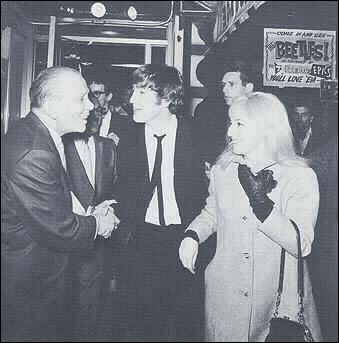
But while the floor of the Pep might have been filled with twisting, sexed up young adults, the allure soon drew icons. Marilyn Monroe, seen last week shimmying at El Morocco, found her way to the Peppermint, as did the Beatles during their legendary week in the city. (Pictured above: John Lennon is welcomed into the Pep.) As well as an odd assortment of celebs that I can’t imagine ever once did the Twist — Liberace, Tennessee Williams, Noel Coward, Norman Mailer, Judy Garland, Zsa Zsa Gabor, John Wayne (!).

According to Time Magazine (via the above Vanity Fair article), “Even Greta Garbo hauled herself out of her myth-lined cocoon and appeared, lank-haired and bone-pale, to snap her fingers and smile.” Even first lady Jackie Kennedy snuck in with her sister Lee.

The Pep made stars as well. Three of the Starlighters spun off into another band, the Rascals. And Phil Spector’s pet project the Ronettes, according to legend, got their unexpected big break there: “One night in 1961, the girls dressed in tight skirts and with their hair piled high, stood [outside] in line …. the manager mistook them for a singing trio that hadn’t arrived and took them inside. Ushered them on stage and they belted out a version of Ray Charles’ “What I Say,” … The girls took the club by storm and were signed to appear regularly for $10 a night.” (At right: Ronettes at the Pep)

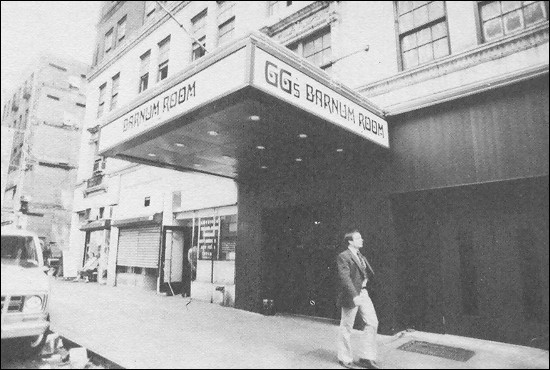
The Pep wouldn’t survive the 70s. The space on 45th street would become a couple different disco venues: a circus themed disco called GG’s Barnum Room (pictured below) and a glossier disco called Hollywood. The Pep would return in fits and starts in other locations, but nothing approaching the feral frenzy of its early days.

The address of the Peppermint, 128 West 45th Street, is completely gone, replaced with a parking garage, a Citibank and a luxury hotel. However, not more than a 100 feet from its original location was once another legendary rock venue, Bond International Casino.