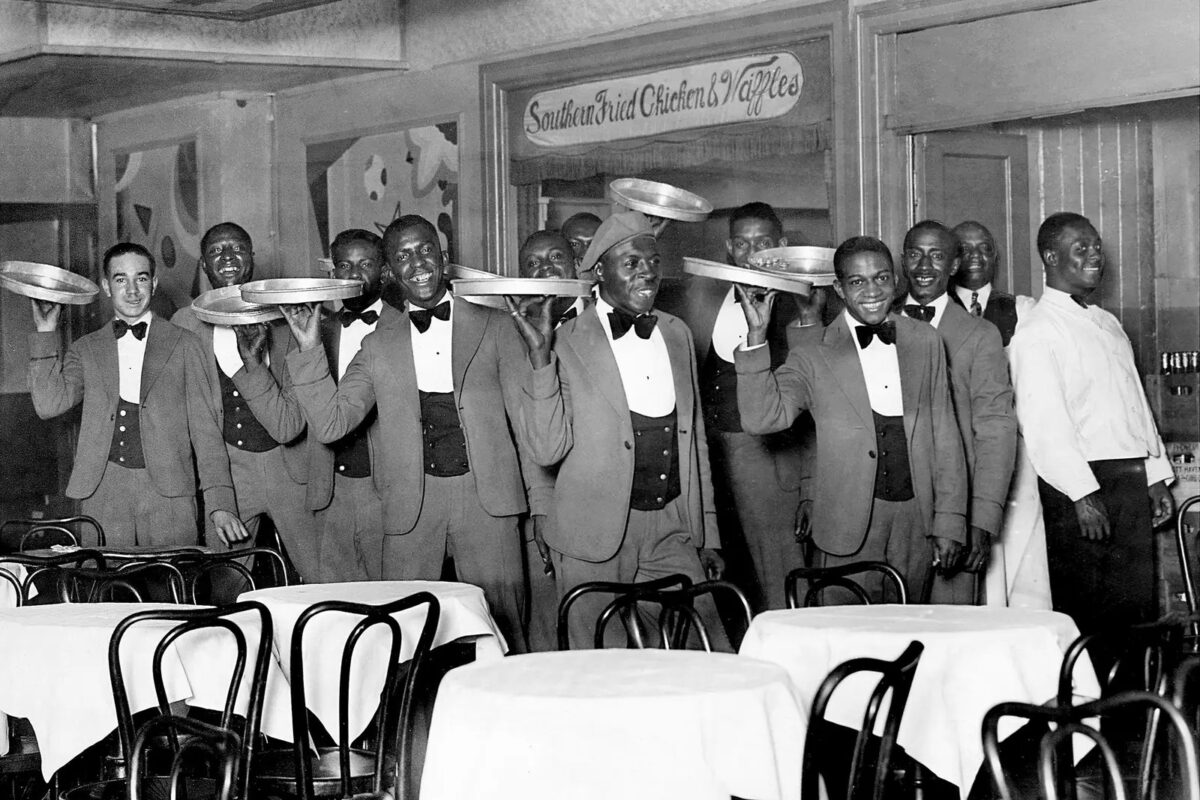
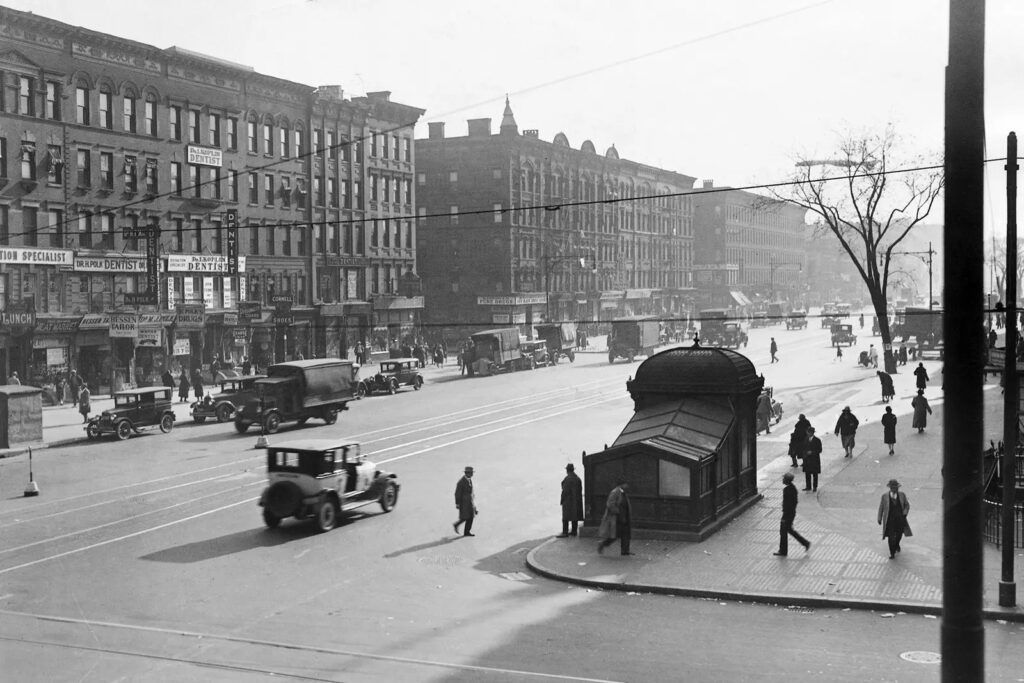
The wait staff at Small's Paradise, 1929. The venue, on 134th Street and today's Adam Clayton Powell Jr Boulevard, was the rare Black-owned nightclub that was integrated. It became one of Harlem's most enduring hot spots, closing in 1986. New York Daily News Archive / Getty Images
For the Bowery Boys episode number 450, we’re looking at the glamour and mystery of Harlem during the 1920s, a decade when the predominantly black neighborhood, in the words of Langston Hughes, “was in vogue.”
This year marks the 100th anniversary of Alain Locke’s classic essay “The New Negro” and the literary anthology featuring the work of Langston Hughes, Zora Neale Hurston, Countee Cullen and other significant black writers of the day.
The rising artistic scene would soon be known as the Harlem Renaissance, one of the most important cultural movements in American history.
And centered within America’s largest black neighborhood — Harlem, the “great black city,” as described by Wallace Thurman, with a rising population and growing political and cultural influence.
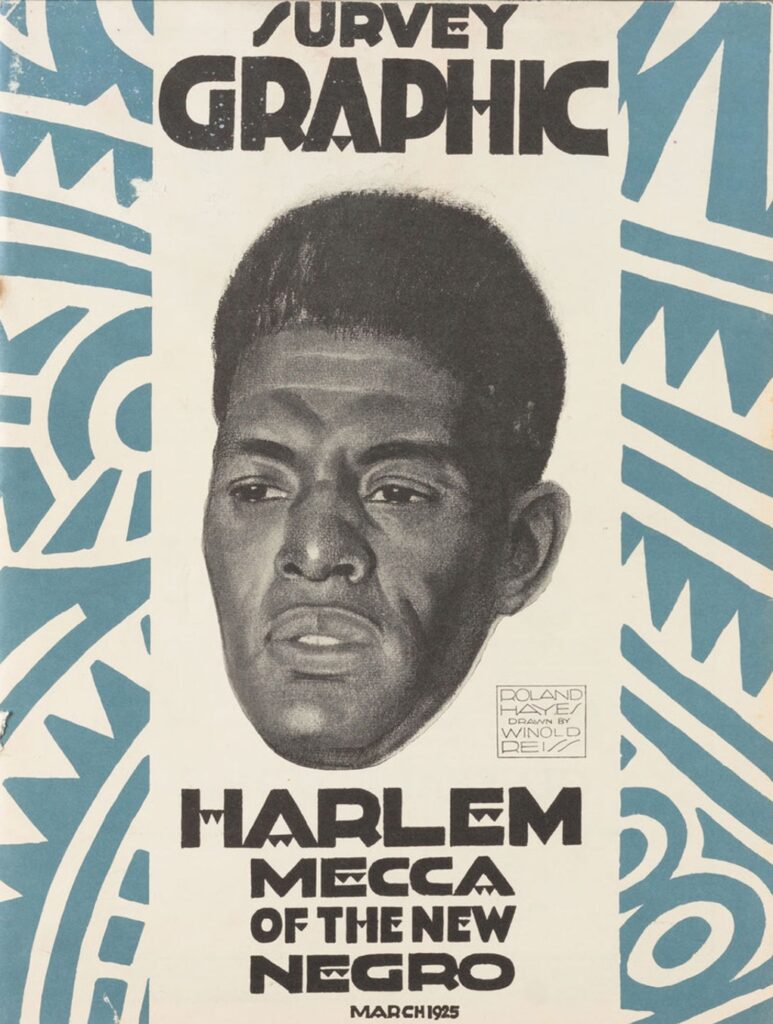
The Survey Graphic, published in March 1925, focusing on “Harlem: Mecca of the New Negro” and featuring the writing of Alain Locke.
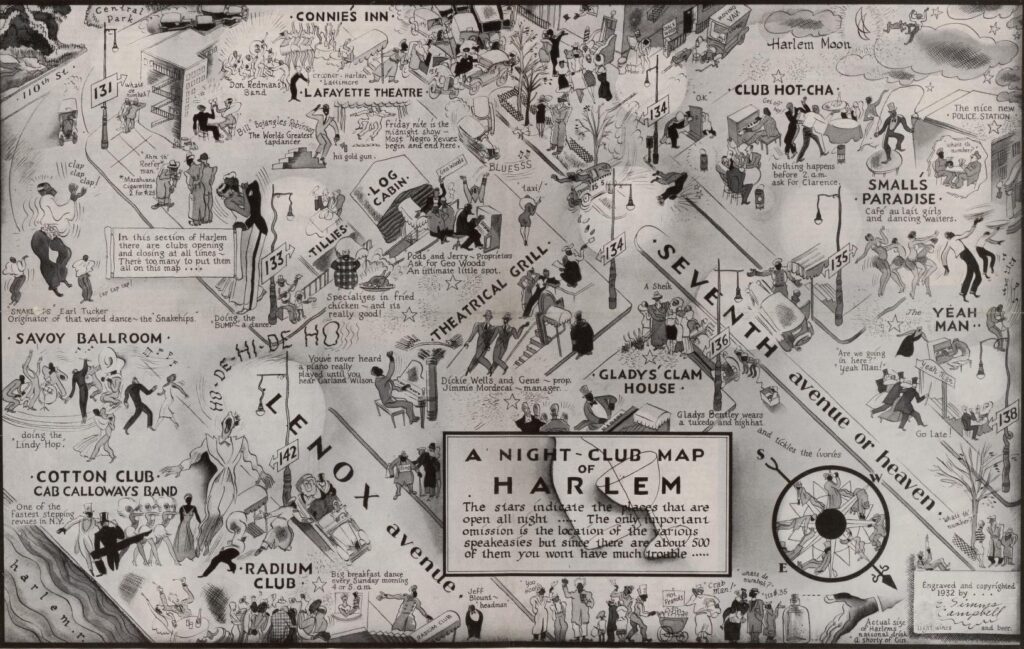
And during the 1920s, Harlem became even more. Along “Swing Street” and Lenox Avenue, nightclubs and speakeasies gave birth to American music and fostered great musical talents like Count Basie, Billie Holiday and Duke Ellington.
Ballrooms like the Savoy and the Alhambra helped turn Harlem into a destination for adventure and romance.
While Harlem was truly the largest and most prominent African-American neighborhood in America, it was still tied to — and even reliant upon — the white New Yorkers who became fascinated by black culture. Many Harlem nightclubs (notably The Cotton Club) were not open to the black residents who lived around them.
What were these two worlds like — the literary salons and the nightclubs? How removed were these spheres from the every day lives of regular Harlem residents? How did the neighborhood develop both an energetic and raucous music scene and a diverse number of churches — many (like the Abyssinian Baptist Church) still around today?
FEATURING the stories of Sugar Hill, the Dunbar Apartments, and Hamilton Club Lodge Ball
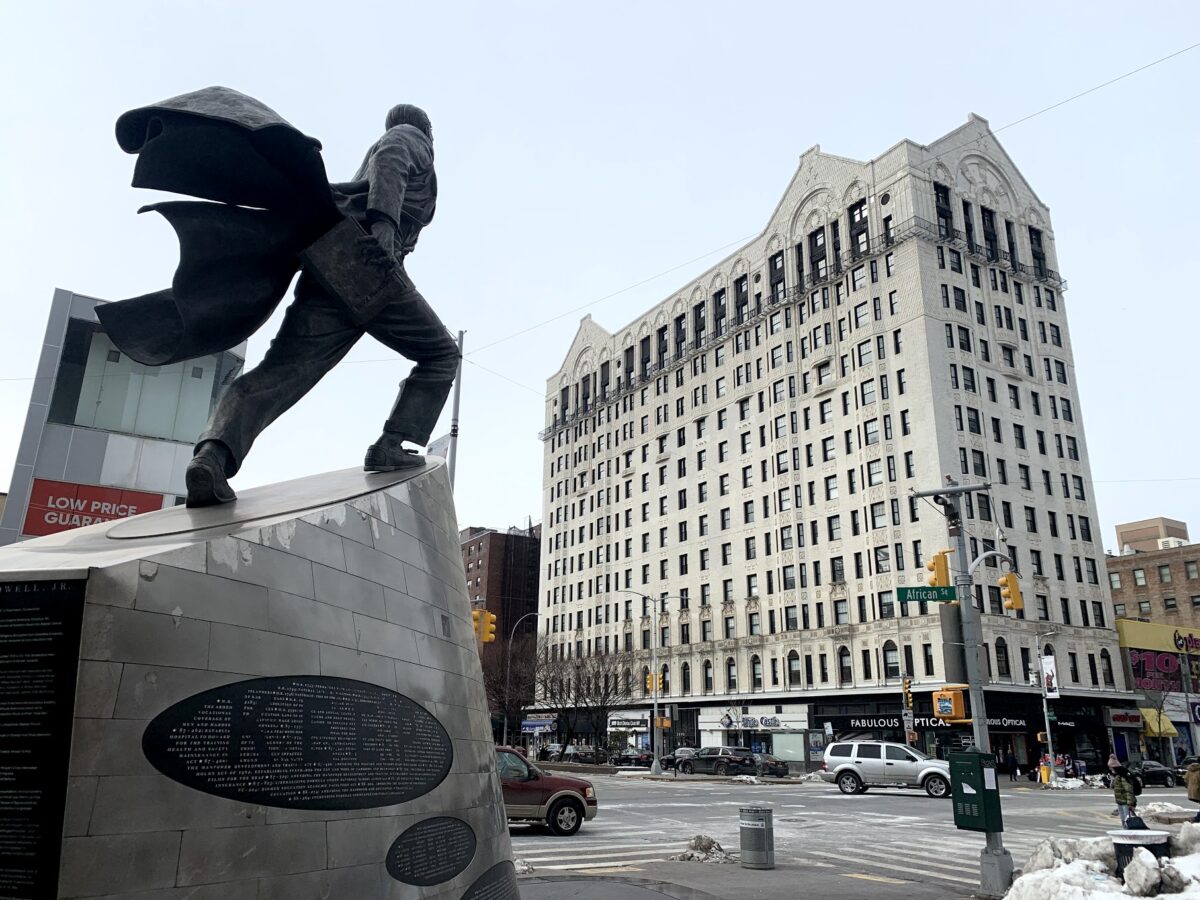
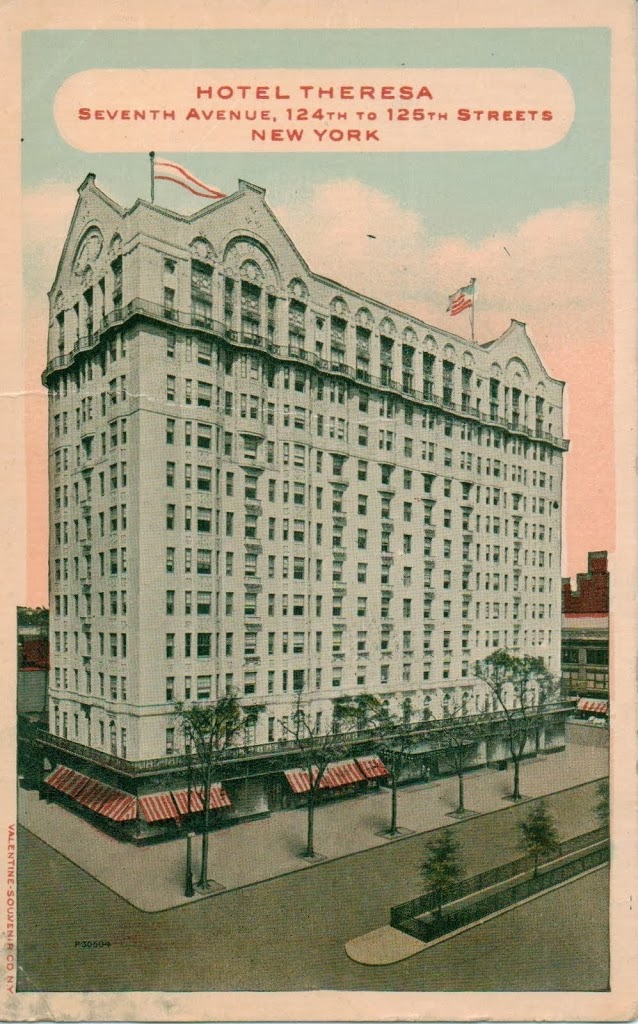
PODCAST The Hotel Theresa was once called the Waldorf of Harlem, a glamorous New York City accommodation known as a hub for Black society and culture in the 1940s and 50s — and for a few eyebrow-raising political moments in the 1960s.
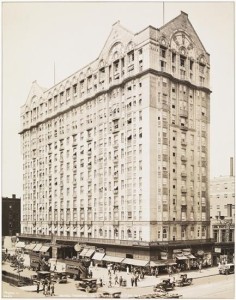
The luxurious apartment hotel was built by a German lace manufacturer to cater to a wealthy white clientele.
But almost as soon as the final brick was laid, Harlem itself changed, thanks to the arrival of thousands of new Black residents from the South.
Harlem, renown the world over for the artists and writers of the Harlem Renaissance and its burgeoning music scene, was soon home to New York’s most thriving Black community. But many of the businesses here refused to serve Black patrons, or at least certainly made them unwelcome.
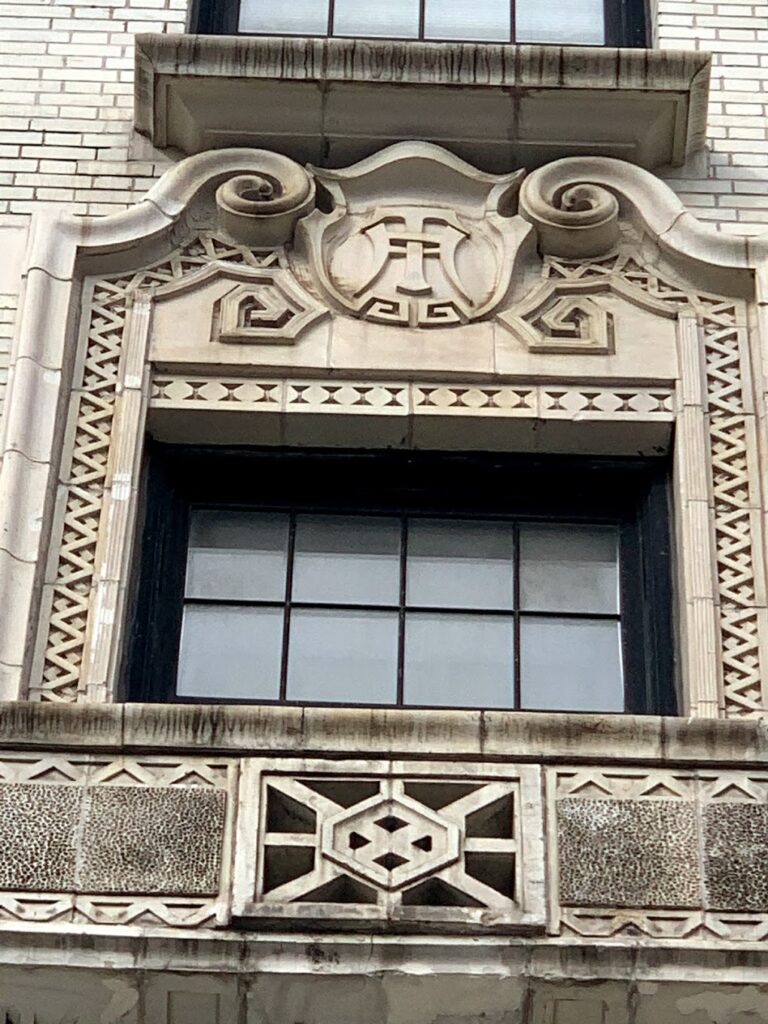
The TH initials over the windows. Photo courtesy Greg Young
The Theresa changed its policy in 1940 and soon its lobby was filled with famous athletes, actresses and politicians, many choosing to live at the Hotel Theresa over other hotels in Manhattan.
The hotel’s relative small size made it an interesting concentration of America’s most acclaimed Black celebrities. And an almost surreal backdrop for presidents and foreign leaders alike.
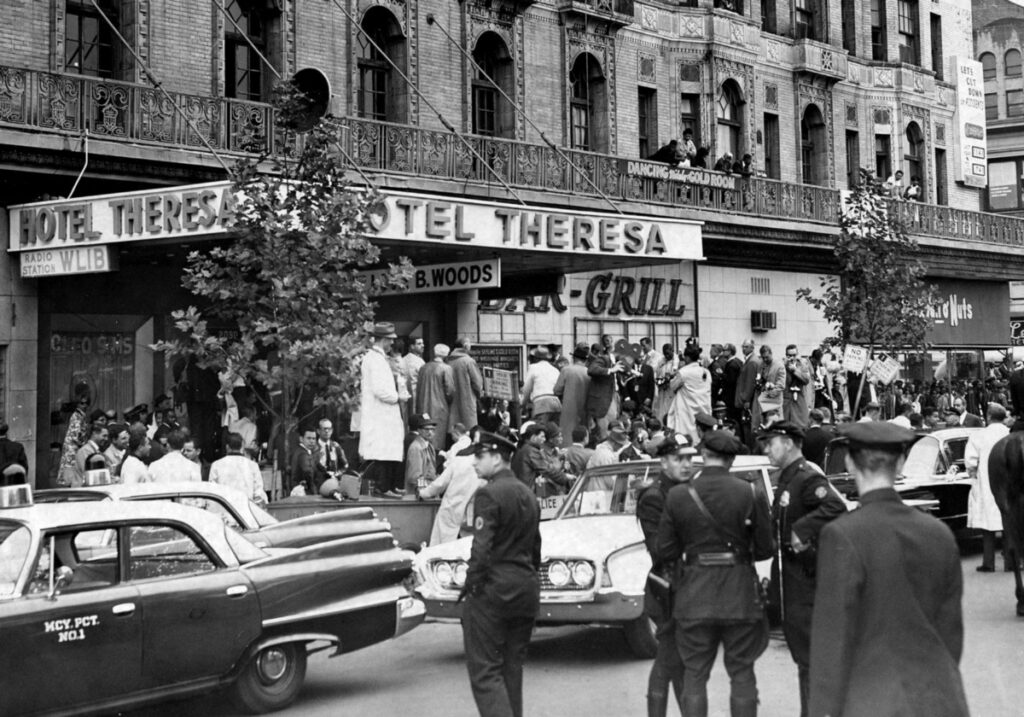
Media frenzy around the Fidel Castro’s stay at the hotel.
In this podcast, Greg gives you a tour of this glamorous scene, from the corner bar to the penthouse, from the late-night coffee shop to the crazy parties of Dinah Washington.
WITH: Martin Luther King Jr,Dwight D. Eisenhower, and Fidel Castro. And music by Sarah Vaughan, Billy Eckstine and Duke Ellington
ALSO: Who is this mysterious Theresa? What current Congressman was a former desk clerk? And what was Joe Louis’ favorite breakfast food?
Listen to Harlem Nights at the Hotel Theresa on your favorite podcast player or from the player below:
The first half of this show was originally released in 2013 (as Episode #158) but has been newly edited for this release. The second half of this show is ALL NEW.
MUSIC FEATURED: “Sophisticated Lady” by Duke Ellington and His Orchestra and “Dedicated To You” by Billy Eckstine and Sarah Vaughan.
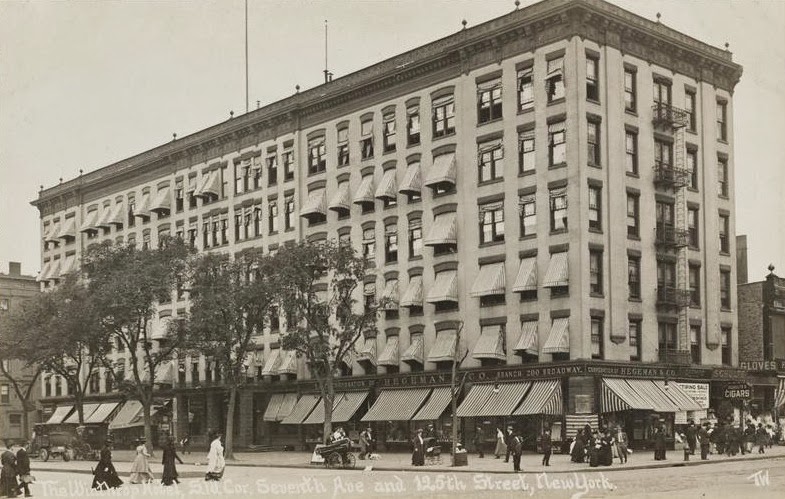
The Hotel Winthrop which sat on the spot of the Theresa before it was torn down in the early 1910s, deemed a bit inadequete for the growing neighborhood.
Museum of the City of New York
An early glimpse of the Hotel Theresa.
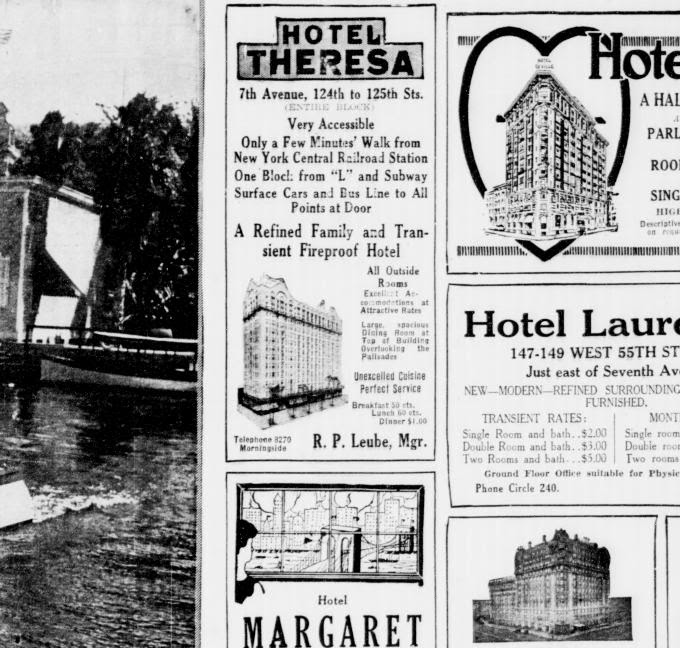
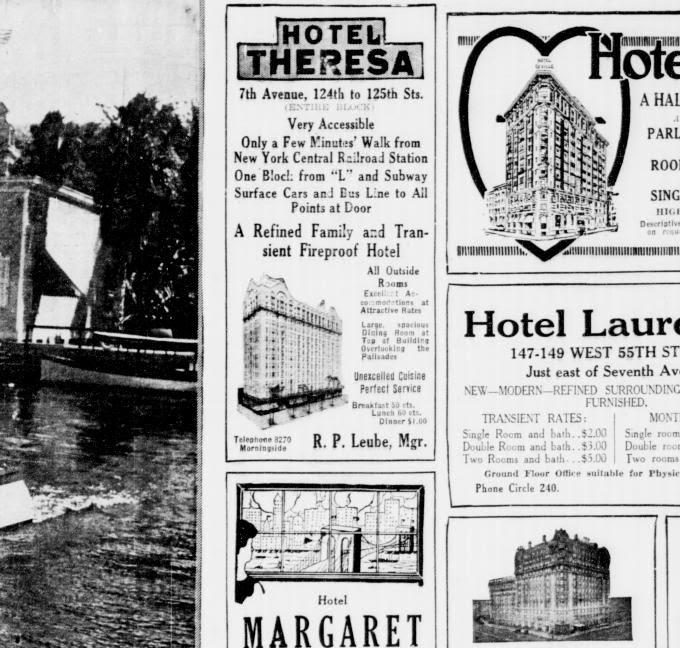
From the February 4, 1917, issue of the New York Tribune, making note of its “large spacious dining room overlooking the Palisades.”
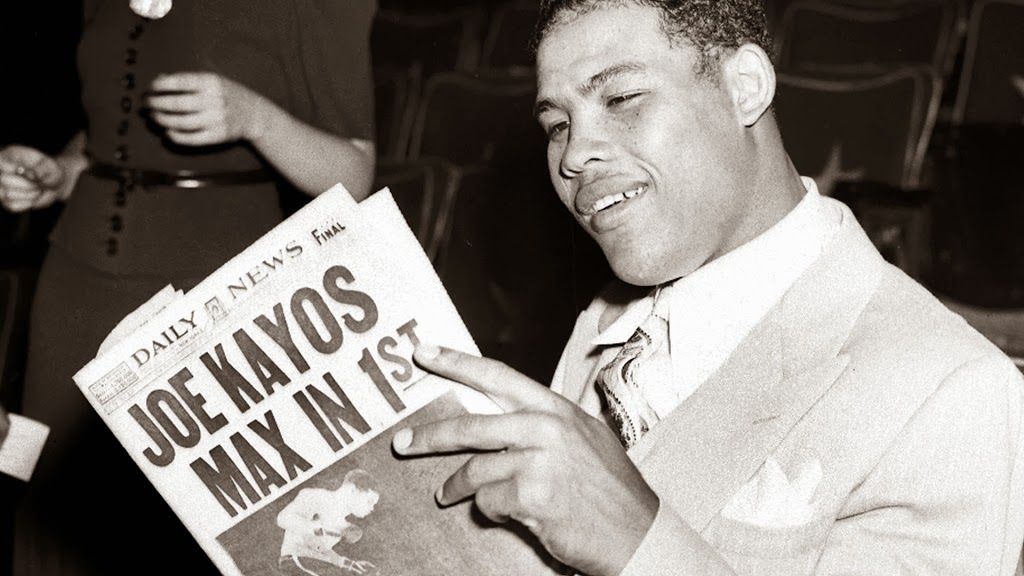
Boxer Joe Louis was one of America’s most famous athletes in the 1940s and a frequent guest at the Teresa. Joe fought the German boxer Max Schmeling twice, both times at Yankee Stadium.
Max bested Joe in the first match, but on the second go-around in 1938, Louis knocked out Schmeling in the first round.
He enjoyed his win that evening at the Theresa, as thousands of fans gathered in front of the hotel and throughout the city in celebration.
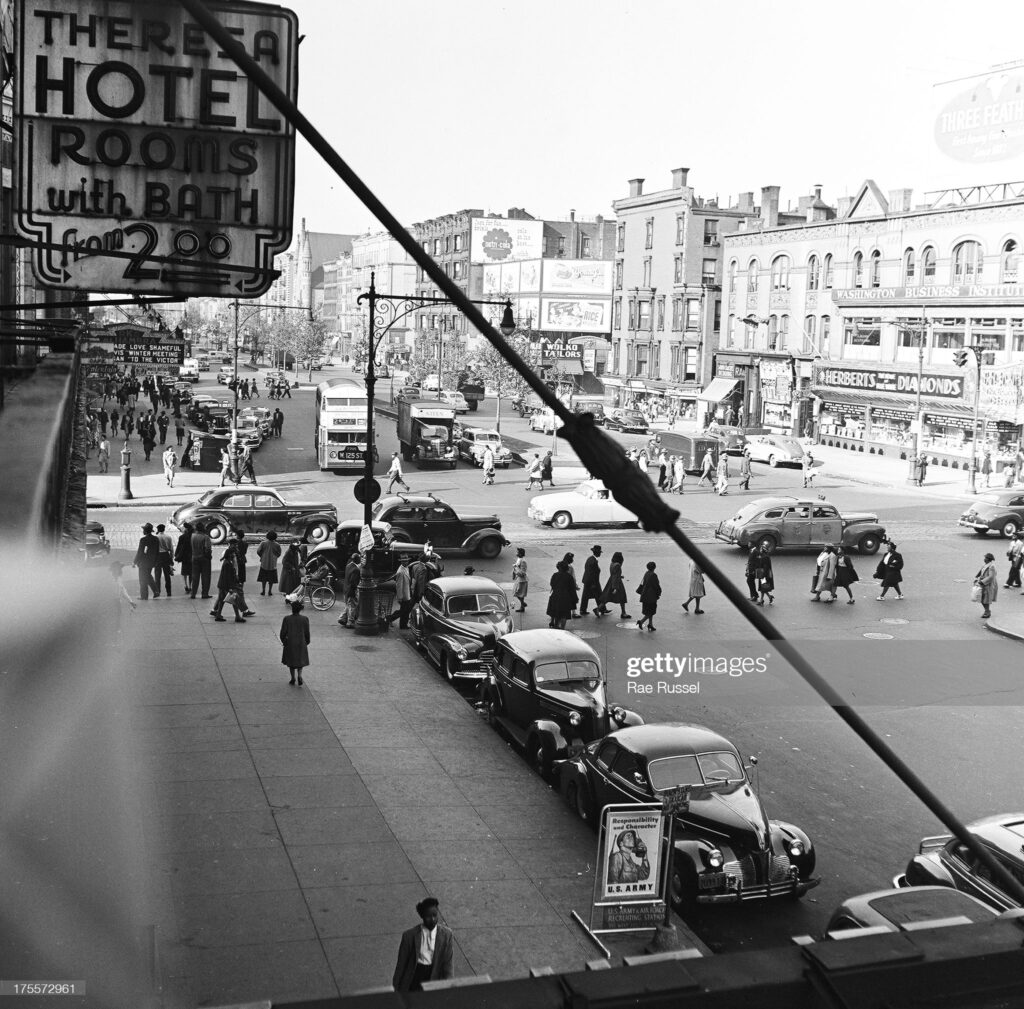
View of pedestrian and vehicular traffic at the corner of 125th Street and 7th Avenue in Harlem, New York, New York, 1948. The sign for the Theresa Hotel is visible on the left. (Photo by Rae Russel/Getty Images)
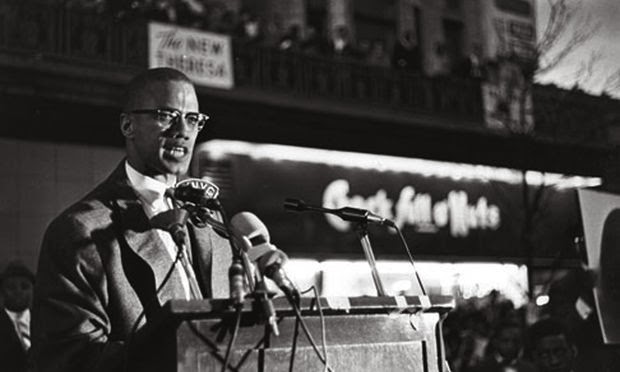
Malcolm X speaking to crowds in front of the Hotel Theresa — back when there was a Chock Full O Nuts on street level! Malcolm would be very associated with the hotel, headquartering here after his split with the Nation of Islam.
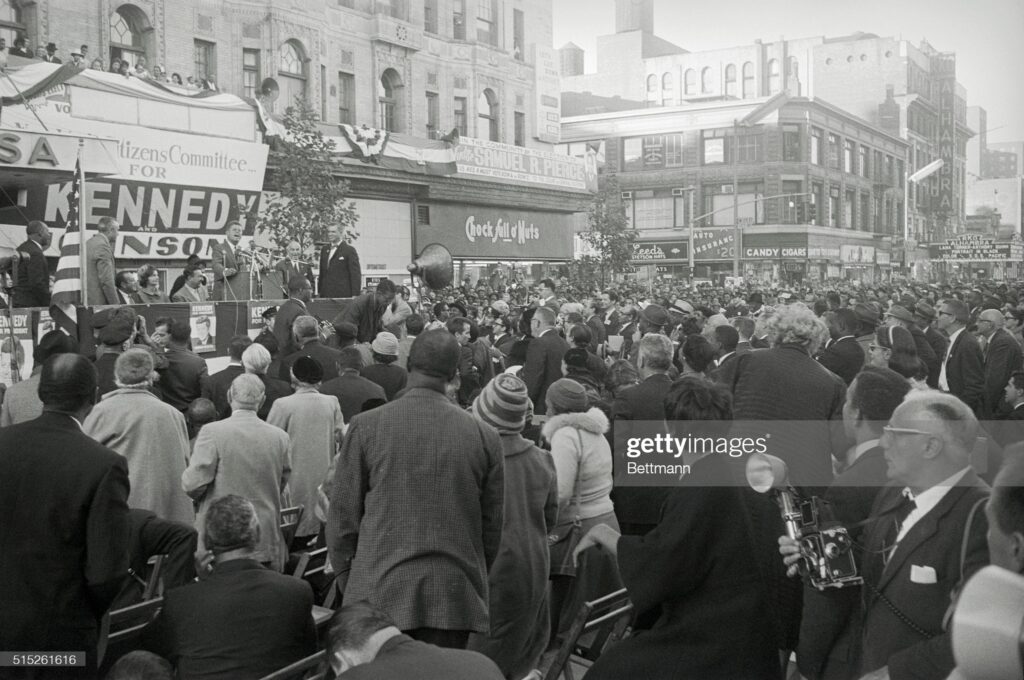
Photo by Larry Fink c/o WNYCSen. John F. Kennedy, Democratic presidential nominee, speaks at a rally in front of the hotel Theresa in Harlem. Kennedy made a half dozen speeches or appearances in and around the city during the second of a three-day bid for New York State’s 45 electoral votes. (Getty Images)
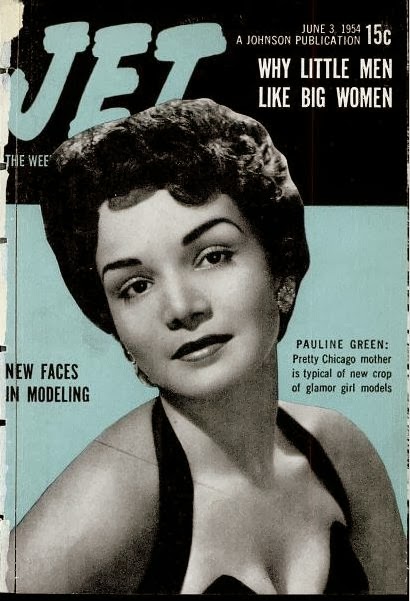
Jet Magazine and Ebony Magazine founder John J Johnson conceived the ideas for both magazine at the Hotel Theresa and frequently published articles about the Theresa.
A notice in a 1954 issue of Jet announcing the opening of the Hotel Theresa ballroom, called the Skyline.
The Bowery Boys: New York City History podcast is brought to you …. by you!
We are now producing a new Bowery Boys podcast every other week. We’re also looking to improve and expand the show in other ways — publishing, social media, live events and other forms of media. But we can only do this with your help!
We are now a creator on Patreon, a patronage platform where you can support your favorite content creators.
Please visit our page on Patreon and watch a short video of us recording the show and talking about our expansion plans. If you’d like to help out, there are six different pledge levels. Check them out and consider being a sponsor.
We greatly appreciate our listeners and readers and thank you for joining us on this journey so far.
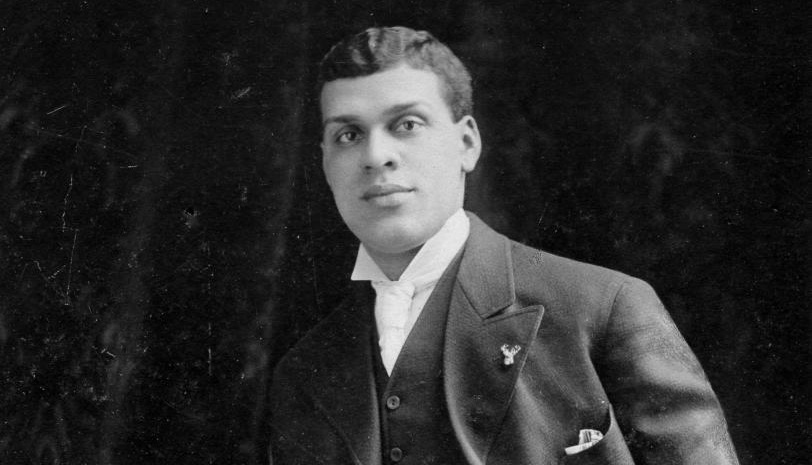
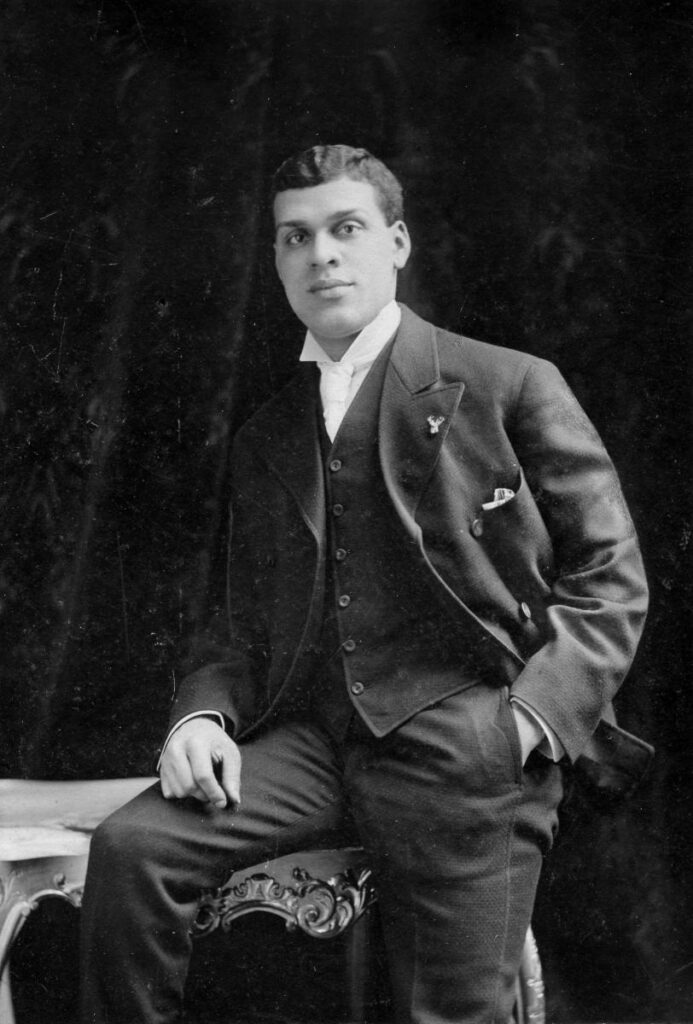
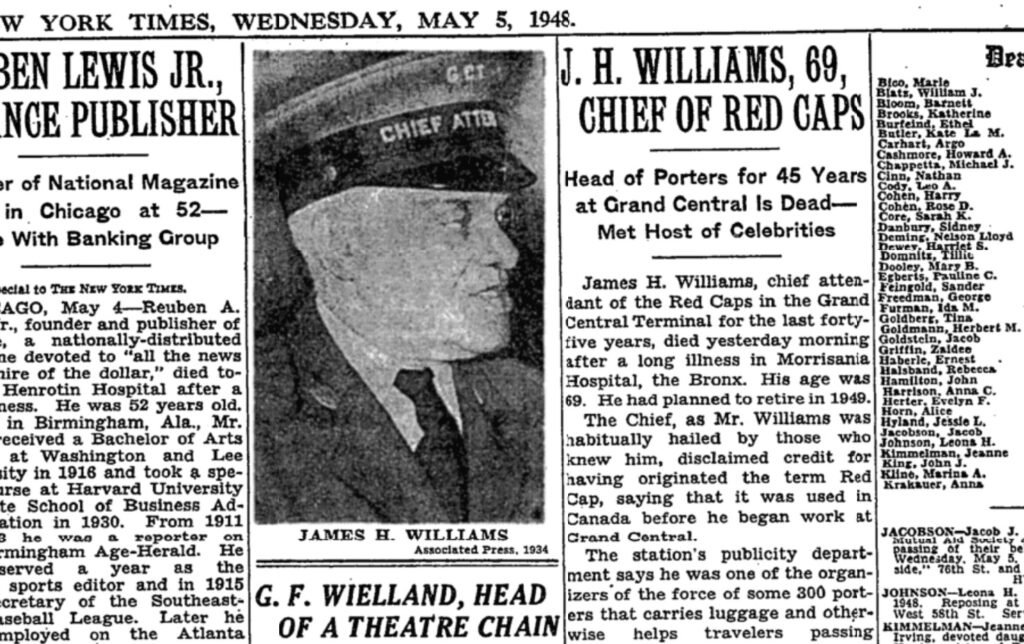
James H. Williams, here in 1905, would soon become the "Chief" of a force of hundreds of Red Caps at Grand Central, a post he'd keep for four decades.
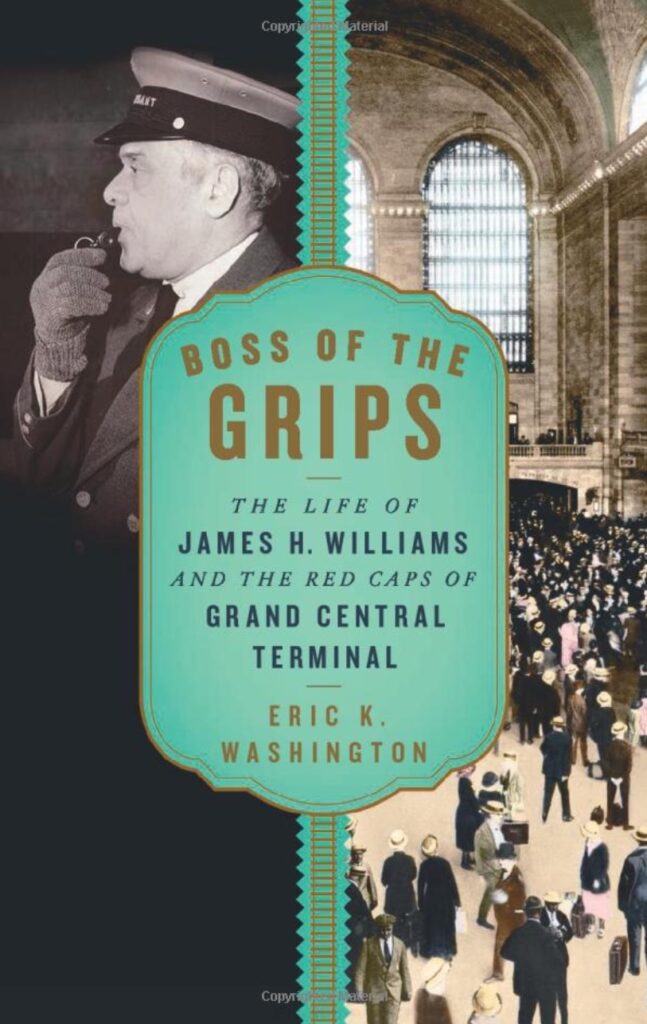
PODCAST EPISODE #339: An interview with author Eric K. Washington, author of “Boss of the Grips: The Life of James H. Williams and the Red Caps of Grand Central Terminal”.
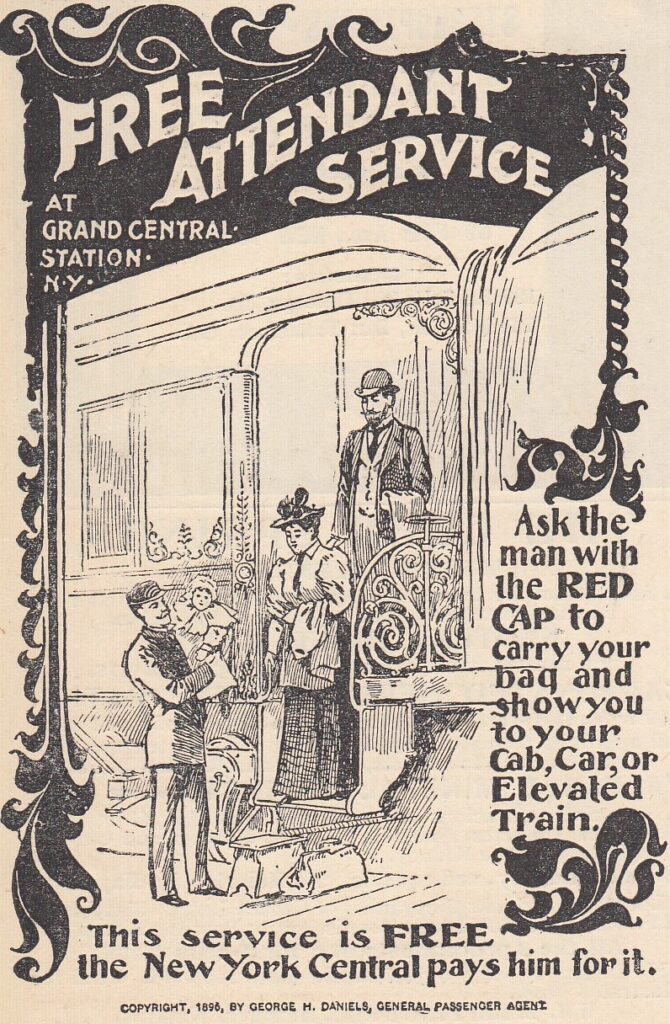
The Red Caps of Grand Central Terminal were a workforce of hundreds of African-American men who were an essential part of the long-distance railroad experience. Passengers relied on Red caps for more than simply grabbing their bags — they were navigators, they helped with taxis, offered advice, and provided a warm greeting.
He also tells the story of Grand Central Terminal, and specifically, of the Red Caps who worked here, especially during the Terminal’s heyday in the first half of the 20th century. And along the way, the book chronicles how New York’s African-American enclaves and communities developed and moved around the city.
That huge story is told through the lens of this one, often underappreciated, and yet instrumental man — James Williams. He was the chief of the Red Caps, but also an under-reported figure in the Harlem Renaissance.
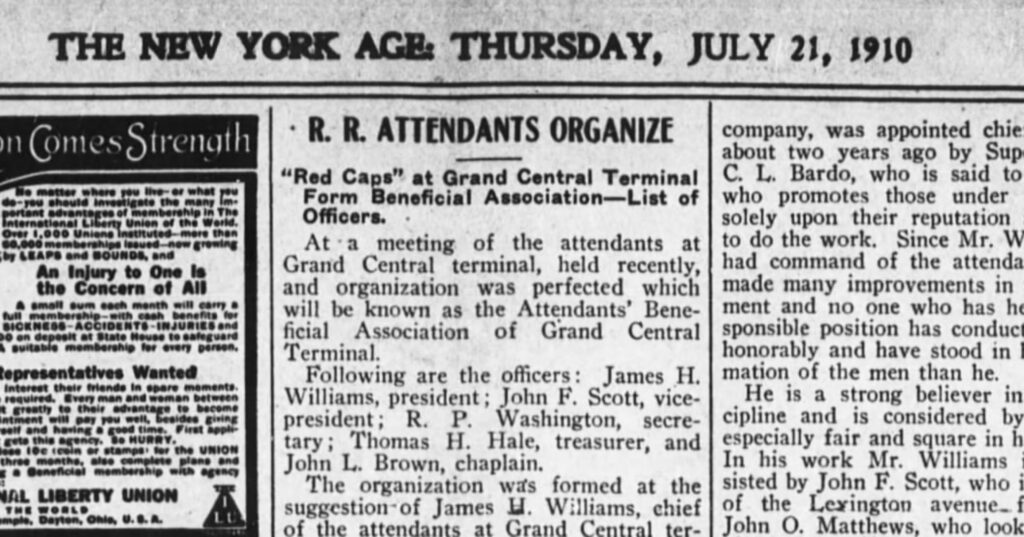
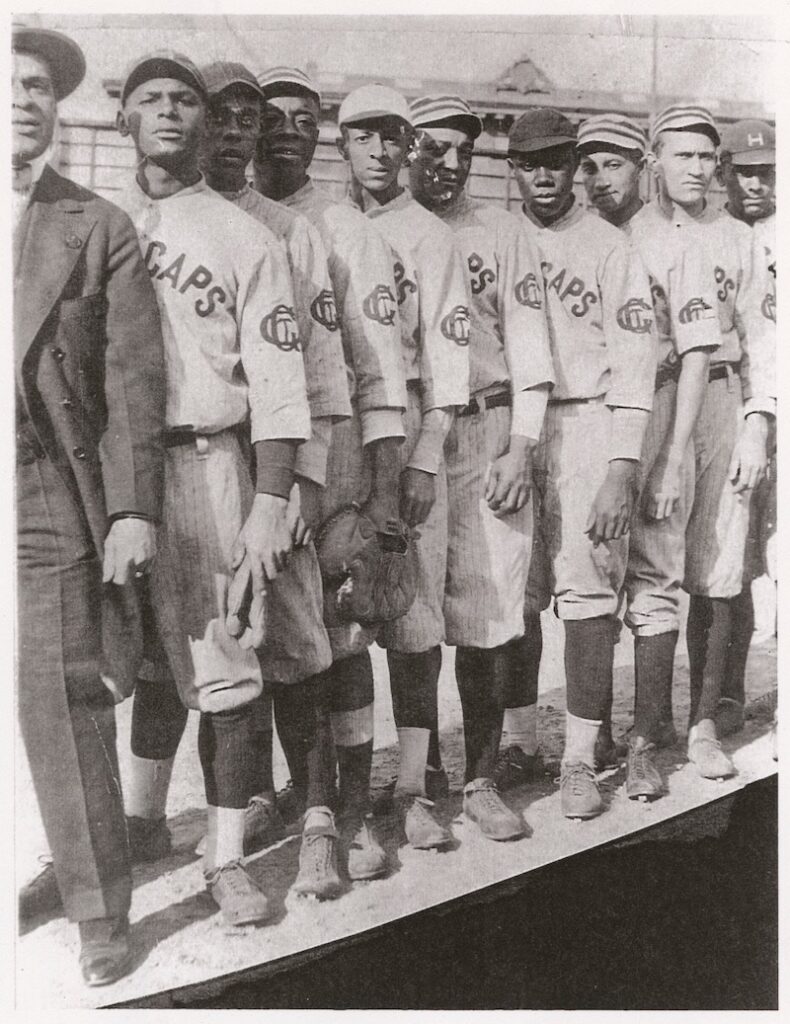
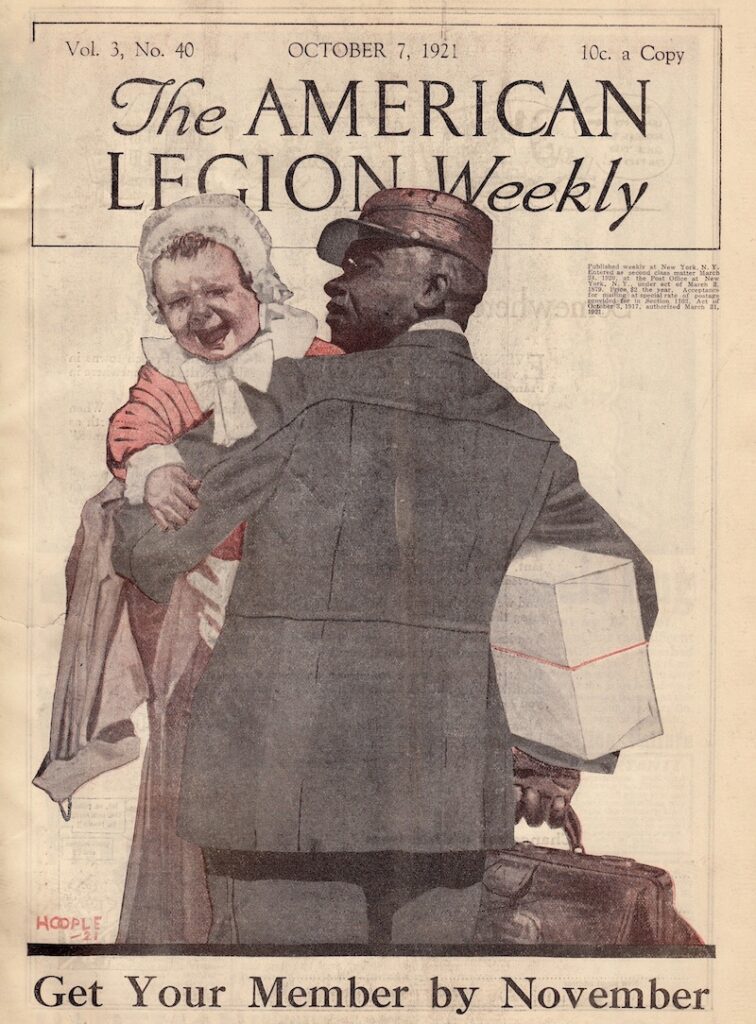
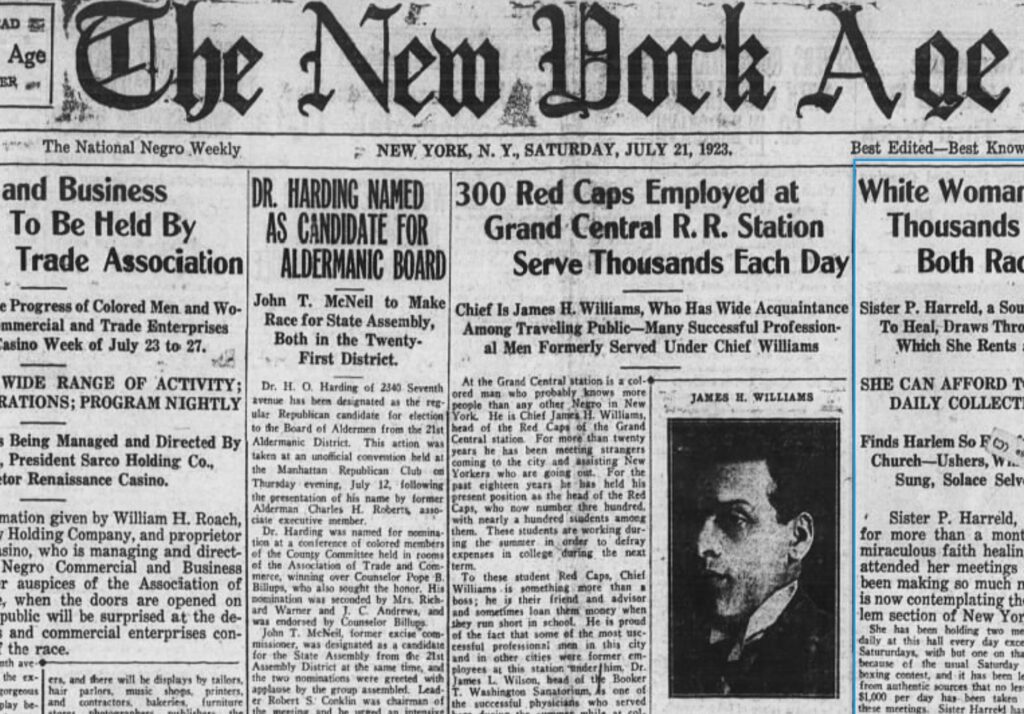
The New York Central launched its free Red Cap service in 1895, and promoted it widely in advertisements like this one, from 1896.When Williams sat for this portrait in 1905, he was working as a Red Cap, but had not yet been named Red Cap director, or “Chief”. Williams became the “Chief” of the Red Caps in 1909, and immediately got to work organizing a benevolent association for the Red Caps, covered here in the New York Age in 1910.Chief Williams posing with the Grand Central Terminal Red Caps baseball team in 1918. Red Caps carried hat boxes, valises… and sometimes even crying babies, too, as illustrated in this 1921 cover of The American Legion Weekly.James H. Williams was regularly covered in the local and national press. In 1923, the New York Age published a profile of Williams on its front page.
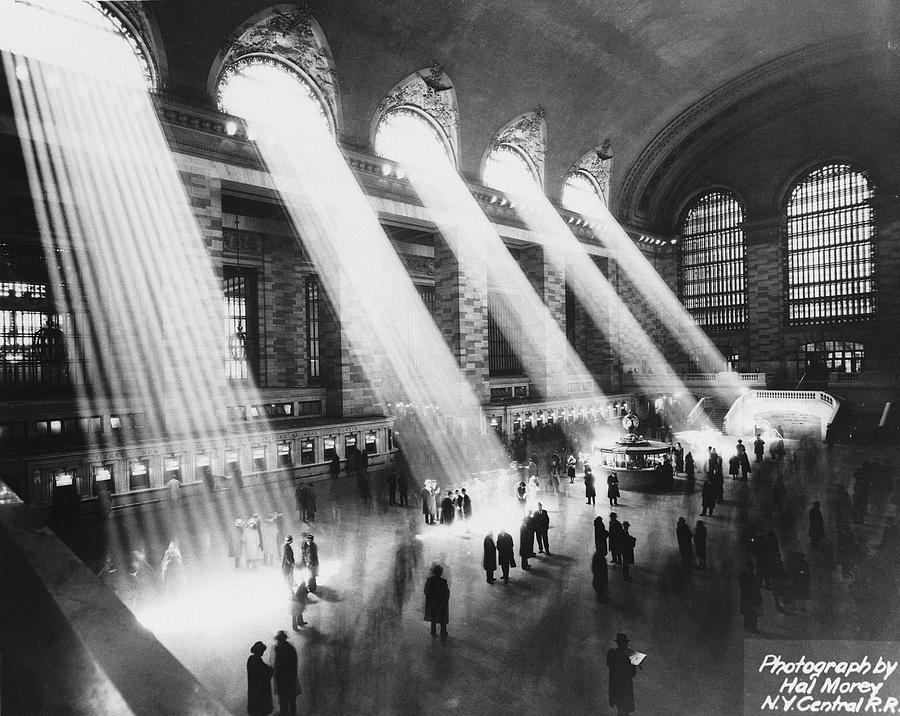
Hal Morey’s iconic shot of Grand Central from 1930 captures a blur of activity in the lower left corner. Could it be a Red Cap carrying a bag, drenched in sun?
The Grand Central Red Caps Orchestra perform “Nina”, under the direction of Russell Wooding, Frank Luther (vocals). RCA Victor, 1931
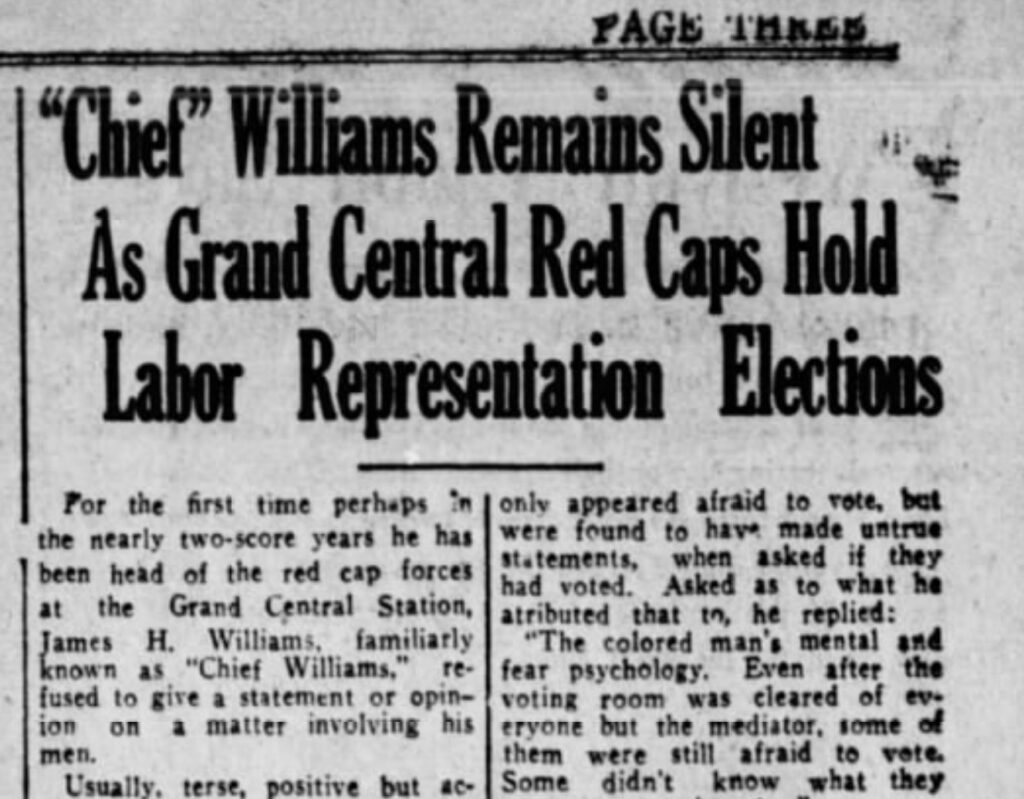
In 1939 as Red Caps around the country started organizing, Chief Williams remained strategically quiet. The formation of a Red Cap union was covered in this piece in the New York Age, September 16, 1939.Williams obit in the New York Times, May 5, 1948.
The Bowery Boys: New York City History podcast is brought to you …. by you!
We are now producing a new Bowery Boys podcast every week. We’re also looking to improve and expand the show in other ways — publishing, social media, live events and other forms of media. But we can only do this with your help!
We are now a creator on Patreon, a patronage platform where you can support your favorite content creators.
Please visit our page on Patreon and watch a short video of us recording the show and talking about our expansion plans.
If you’d like to help out, there are six different pledge levels. Check them out and consider being a sponsor.
We greatly appreciate our listeners and readers and thank you for joining us on this journey so far.
Sometimes an artist’s biography can work on two levels, providing both the sweep of history within the subject matter of the artist’s own output and a grand view of American art history in the artist’s working life.
In Mary Schmidt Campbell’s absorbing biography of the painter, illustrator and collagist Romare Bearden, we get to look at the New York City art world of the 20th century with insights into the life of an African-American painter who managed to remain relevant in a career of almost 60 years.
Campbell, currently the president of Spelman College, knew Bearden leading up to her role as executive director of the Studio Museum in Harlem in the 1970s and 80s. (The appendix features copies of handwritten letters from Bearden written on stationary from his Canal Street studio. That alone gave me chills.)
Bearden’s body of work is unique in that it reflects, in its longevity, both the changing tides of 20th century art and his own conflicts with depicting the American black experience on his canvas.
He came of age in Harlem in the 1920s, among the creative swirl of the Harlem Renaissance, even as his formal training came from the famed Art Students League in Midtown Manhattan. His mother Bessye Bearden was a noted journalist whose connections to such Harlem figures as Duke Ellington and A’Lelia Walker introduced Romare to a new world of possibilities for black creators. “She not only found her way into Harlem’s inner circle,” writes Campbell, “but she also helped define and expand its perimeter.”
Young Students – Romare Bearden, 1964 – Romare Bearden Foundation
Romare developed into both an renowned artist and an insightful critic of the art world, setting up a studio right above the most famous place in Harlem — the Apollo Theater. It was here that he later pivoted his style away from concrete representational forms, finding his own path into the world of abstract modernism.
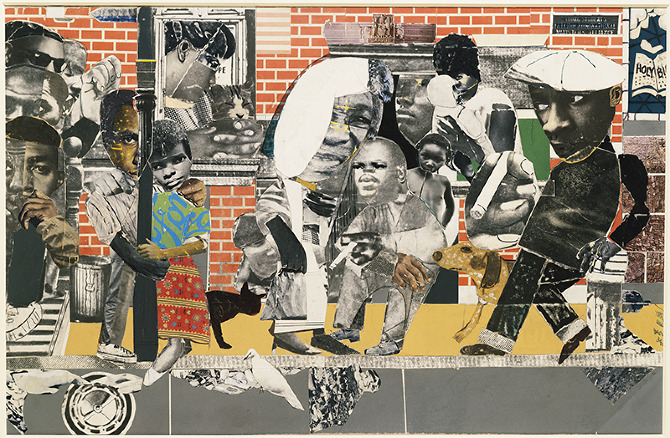
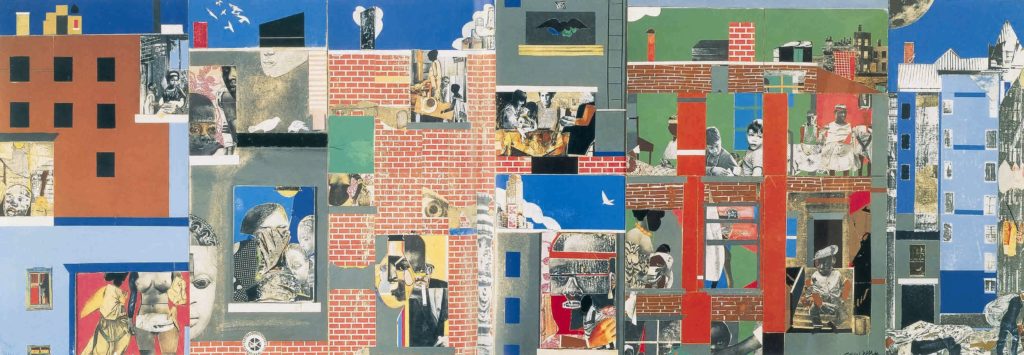
The Block by Romare Bearden, 1971 — Romare Bearden Foundation
By the late 1940s he oddly found himself an outsider — wanting to break out from shows that only featured black artists but eventually excluded from mainstream galleries for not being sufficiently abstract.
It took a revitalizing intellectual journey to Paris, a change of scenery within New York City (to the newly developed artists’ enclave in SoHo) and a shift to collage work to reinvent Bearden’s role in the art world. His groundbreaking 1964 show Projections also established him as an artist in conversation with the American civil rights movement.
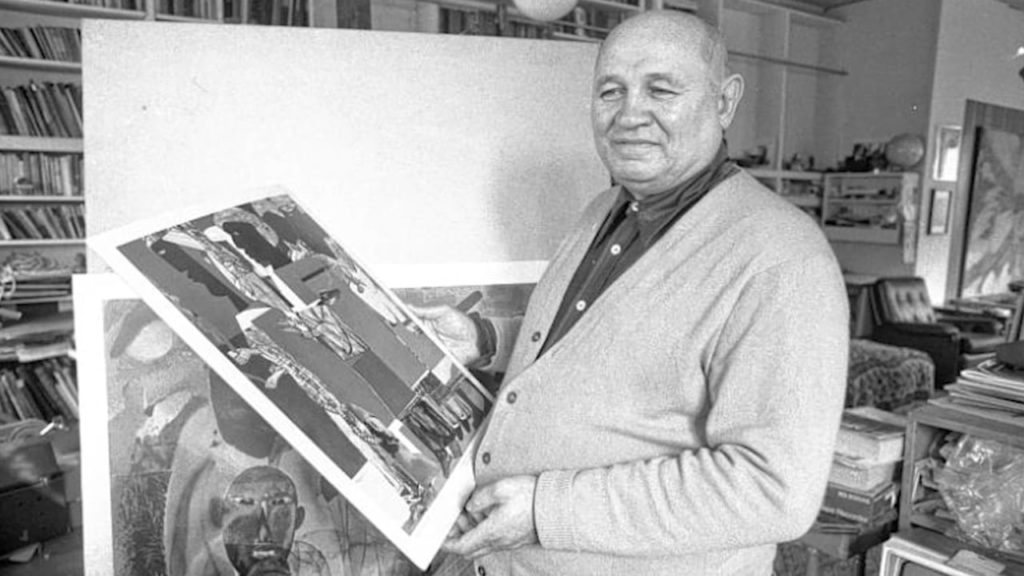
Bearden in his Long Island City studio
By 1987, when Ronald Reagan awarded Bearden the National Medal of the Arts, the artist had secured his legacy. Yet today his body of work — including some of his most profound collages — often remains unseen.
As Campbell explains, “Despite Bearden’s care in the assemblage of materials, his collages with their multitude of different materials are a preservationist’s nightmare. Major museums exhibit his works infrequently because they are so perishable.”
“Bearden’s legacy is as complicated as his art; he would become many things to many people — all at once.”
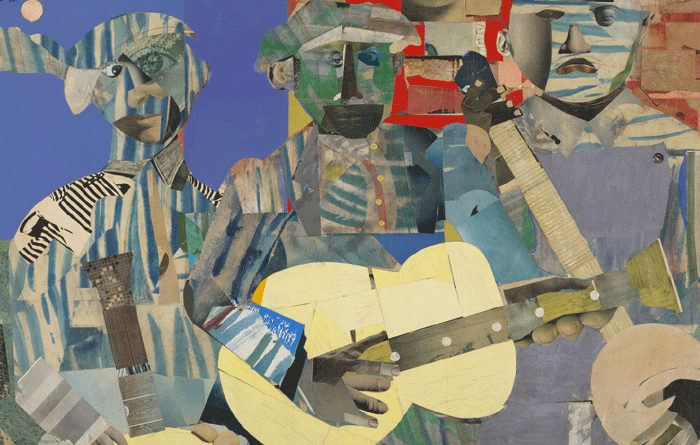
At top: Three Folk Musiciansby Romare Bearden / Virginia Museum of Fine Arts
PODCAST The story of Harlem’s hair care queen and her daughter A’Lelia, a patron of the Harlem Renaissance.
In 1867, Sarah Breedlove was born to parents who had once been enslaved on a Louisiana plantation. Less than fifty years later, Breedlove (as the hair care mogul Madam C.J. Walker) would be the richest African-American woman in the United States, a successful business owner and one of black America’s great philanthropists.
At her side was daughter Lelia (later A’lelia) Walker, guiding her mother’s company to great success despite extraordinary obstacles.
The Walkers moved to Harlem in the mid 1910s during the neighborhood’s transformation from a white immigrant outpost to a thriving mecca for African-American culture.
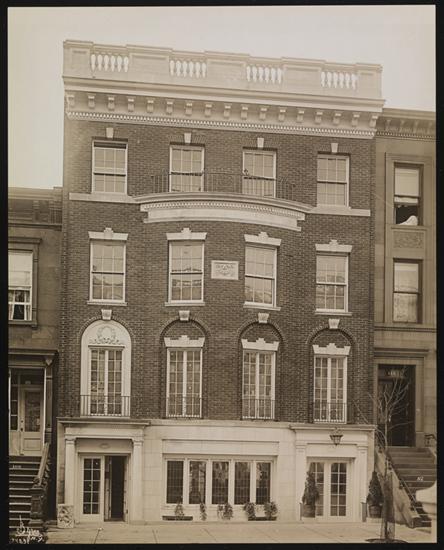
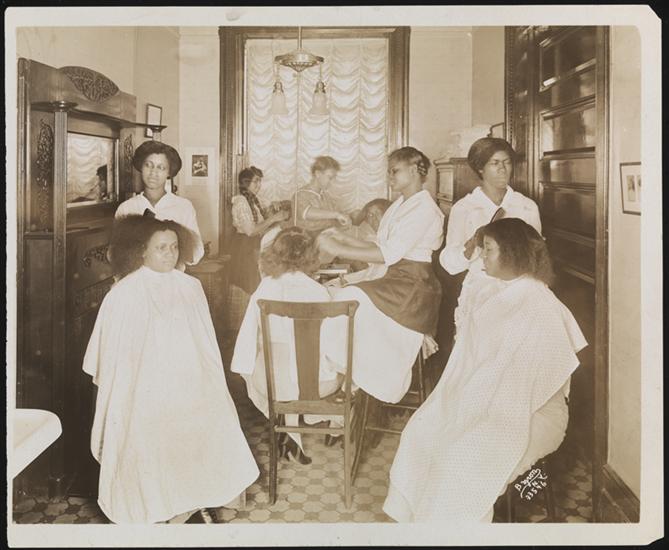
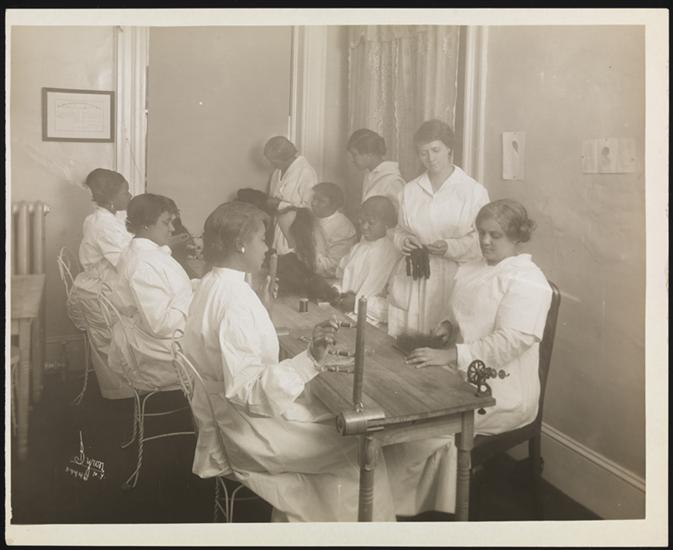
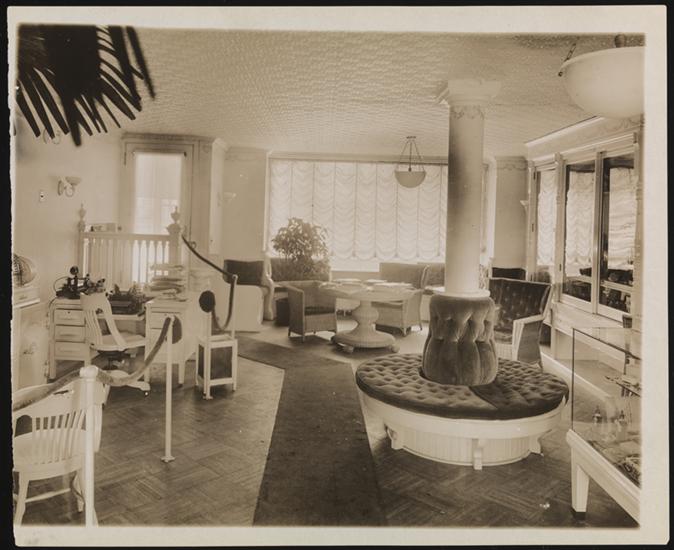
The ground floor of their spacious West 136th Street home was a hair salon for black women, opened during a contentious period when irate white property owners attempted to stem the tide of black settlement in Harlem.
The Walkers were at the heart of significant strides on African-American life. Madam used her wealth to support organizations like the NAACP push back against violence and racism.
A’lelia, meanwhile, used her influence to corral the great talents of the Harlem Renaissance. The two of them would positively influence the history of Harlem and black America forever.
FEATURING: The words of Langston Hughes, describing one of the most fabulous parties of the Jazz Age!
LISTEN HERE:
To download this episode and subscribe to our show for free, visitiTunesor other podcasting services or get it straight from our satellitesite.
The Bowery Boys: New York City History podcast is brought to you …. by you!
We are now producing a new Bowery Boys podcast every other week. We’re also looking to improve the show in other ways and expand in other ways as well — through publishing, social media, live events and other forms of media. But we can only do this with your help!
We are now a member of Patreon, a patronage platform where you can support your favorite content creators for as little as a $1 a month.
Please visitour page on Patreon and watch a short video of us recording the show and talking about our expansion plans. If you’d like to help out, there are five different pledge levels (and with clever names too — Mannahatta, New Amsterdam, Five Points, Gilded Age, Jazz Age and Empire State). Check them out and consider being a sponsor.
We greatly appreciate our listeners and readers and thank you for joining us on this journey so far.
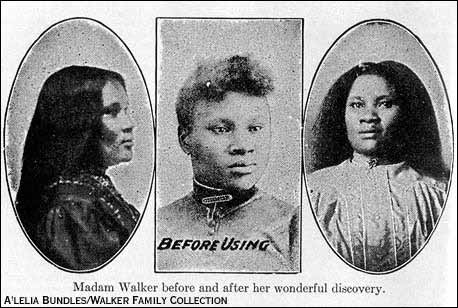
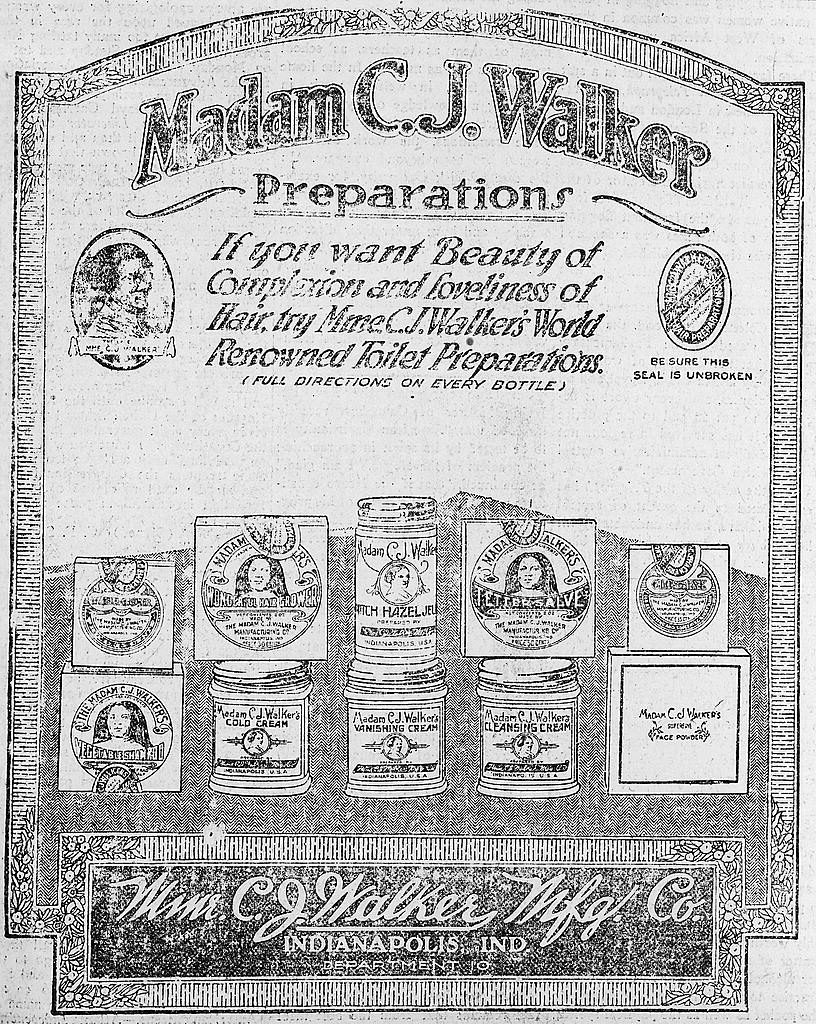
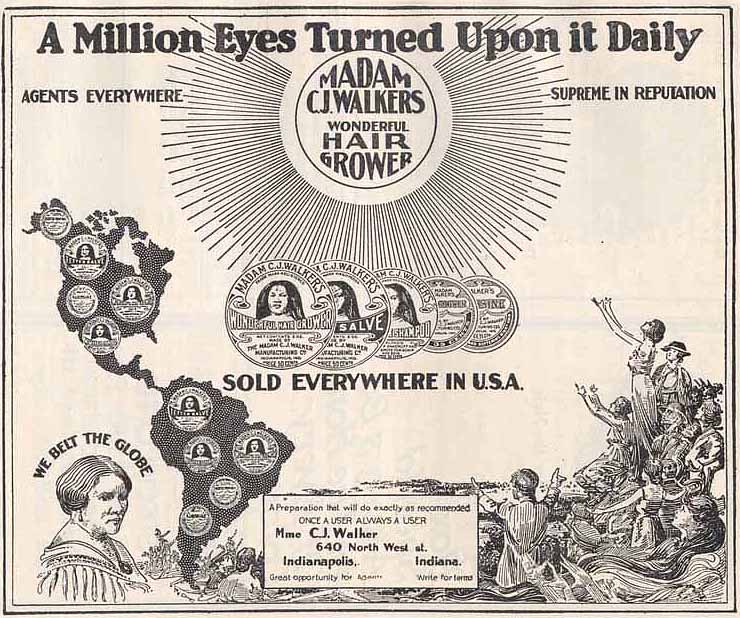
A selection of advertisements of Walker products. In most cases, her own image was use to sell the product. At the start of the century, it was still a new and extraordinary thing to even see the image of a black female face in print that was meant to convey beauty and confidence.
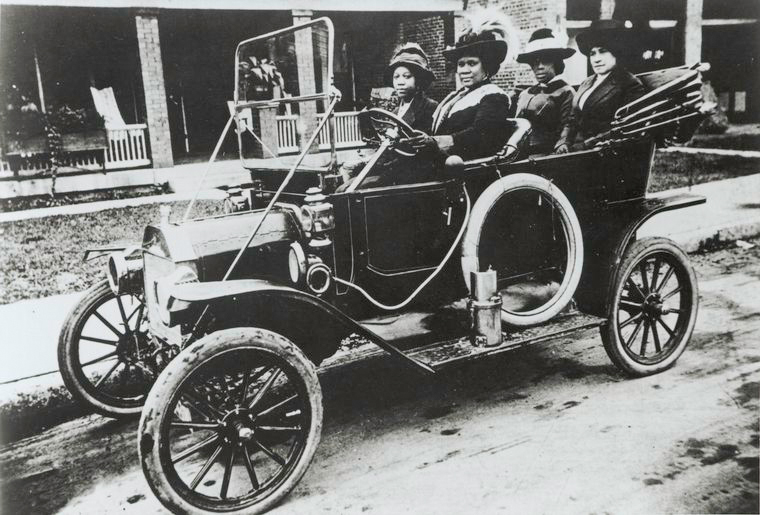
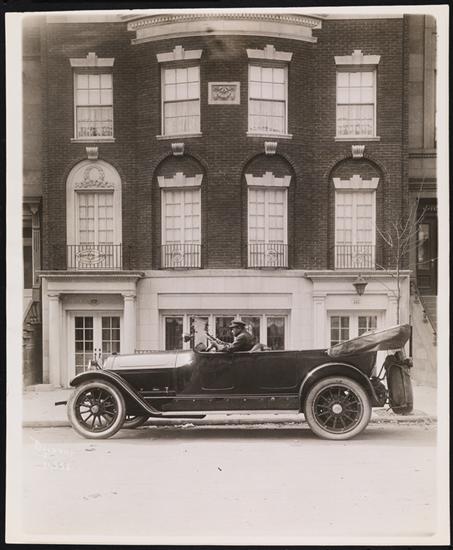
In the drivers seat: Madam C.J. Walker takes a road trip with (left to right) her niece Anjetta Breedlove; Madam C.J. Walker Manufacturing Company factory forelady Alice Kelly; and Walker Company bookkeeper Lucy Flint.
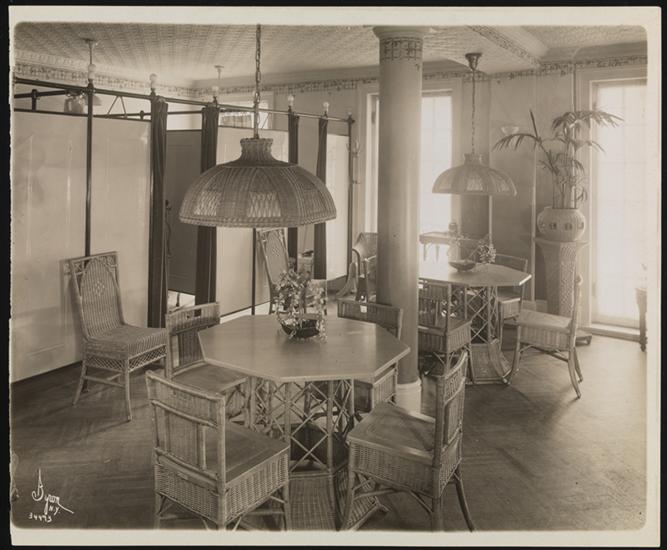
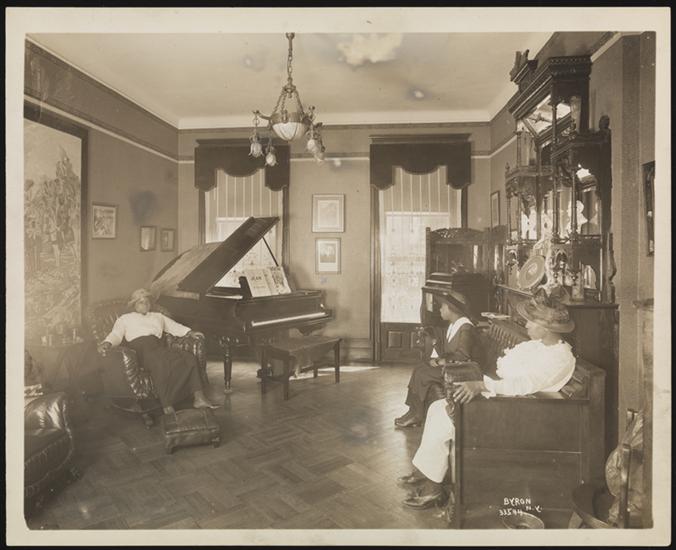
The training school, salon and townhouse of the Walkers, photographed in 1915/16.
Courtesy Museum of the City of New York
Byron Co./MCNY
Byron Co/MCNY
Byron Co/MCNY
Byron/MCNY
Byron Co/MCNY
MCNY
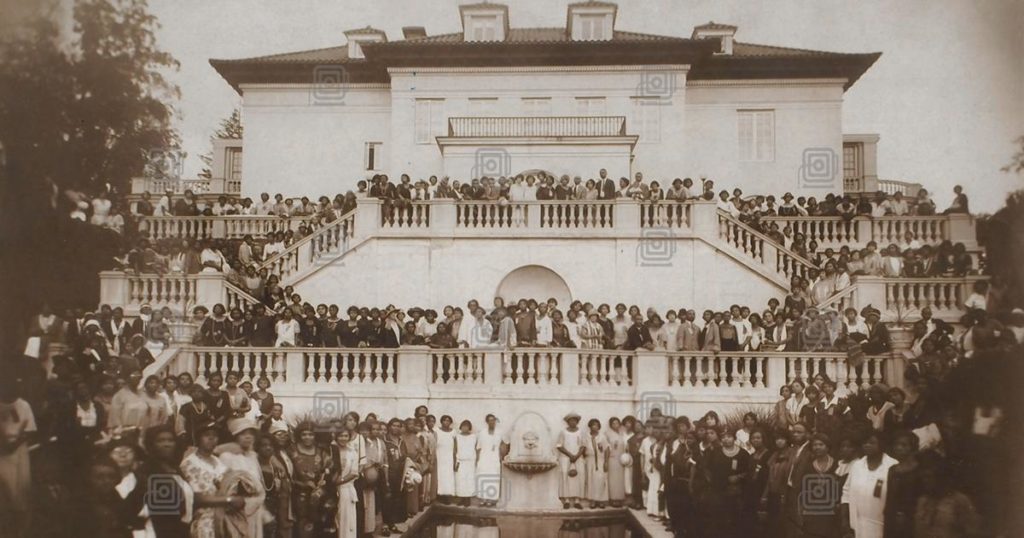
A gathering at Villa Lewaro in 1924, many years after the death of Madam C.J. Walker.
A’LELIA BUNDLES/MADAM WALKER FAMILY ARCHIVES
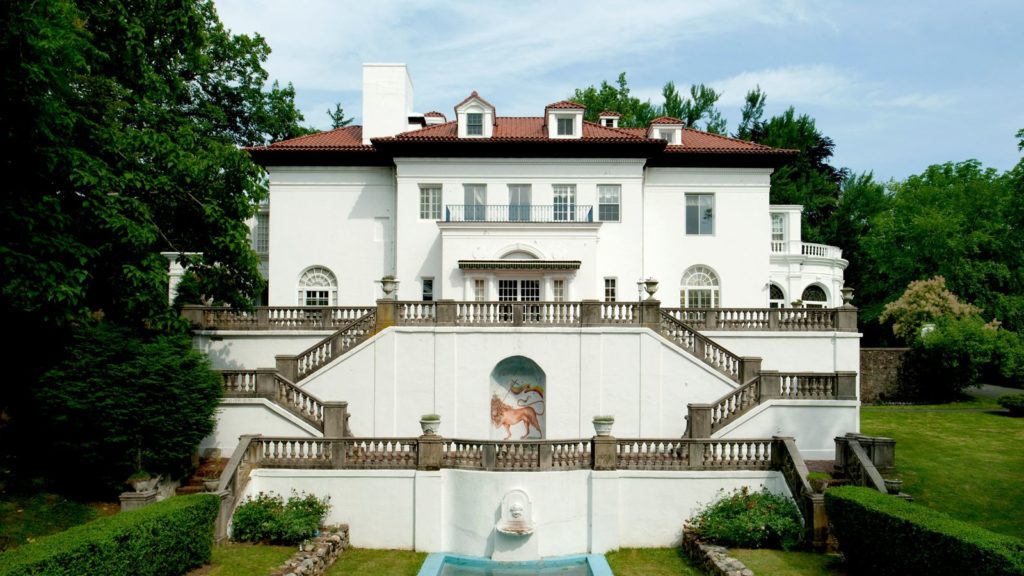
A look at the villa today….
Courtesy David Bohl/Curbed
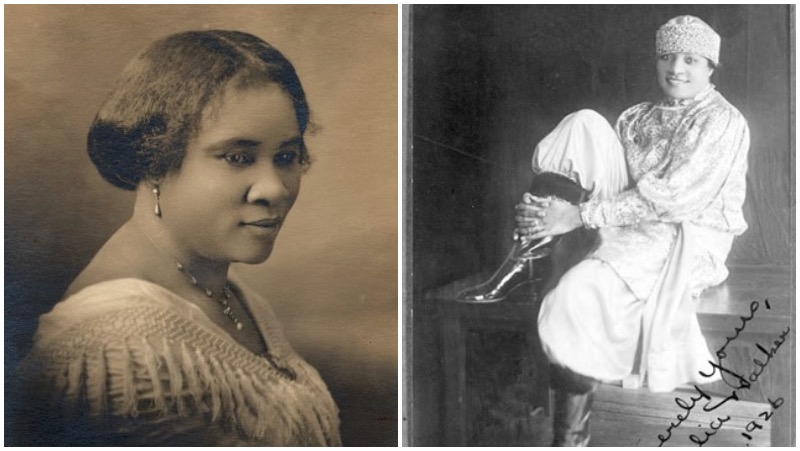
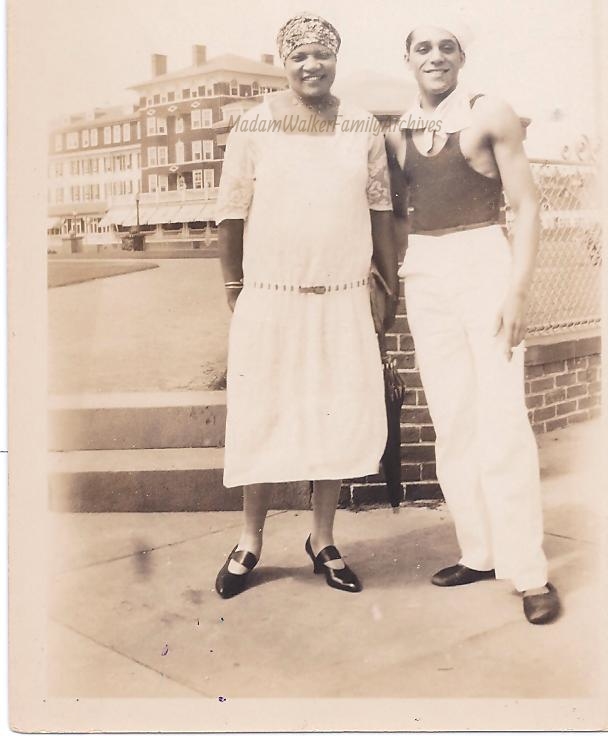
A’Lelia Walker, in the eyes of many, could not fill her mother’s shoes. So, in the 1920s, she decided to wear her own, becoming an impresario — empress-ario? — of the Harlem Renaissance, befriending and fostering the talents of America’s greatest black writers, artists and creators. Â She’s pictured here with dancer Al Moore who frequently performed with Fredi Washington.
Courtesy Madam Walker Family Archives
A’lelia Bundles, the great great granddaughter of Madam C.J. Walker
FURTHER LISTENING:
This episode of the Bowery Boys mentioned two earlier shows. After you’ve listened to the Madam C.J. Walker show, check these out —
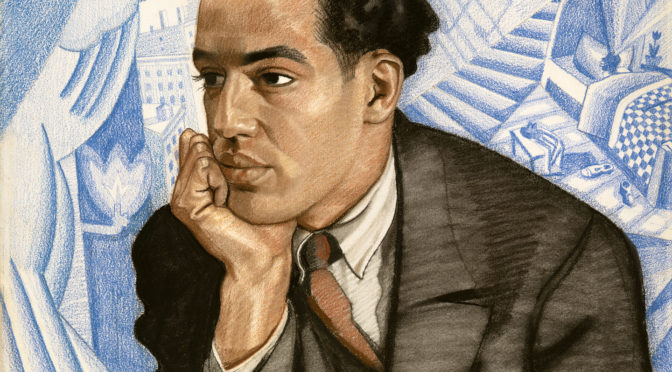
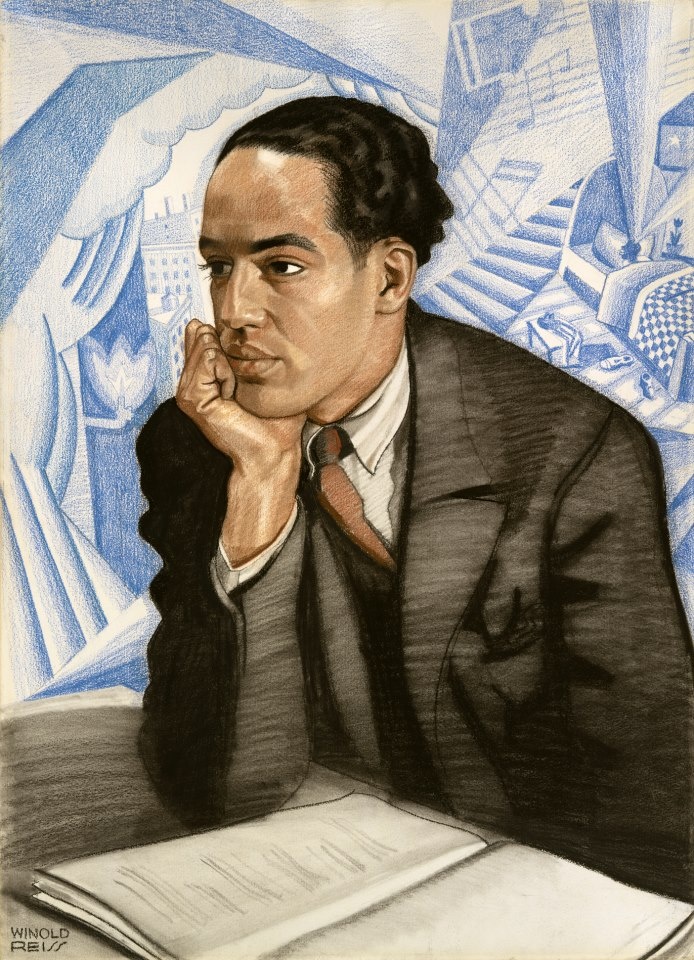
Portrait of Hughes by Winold Reiss (AP Photo/National Portrait Gallery)
Since I was a teenager, I’ve had an affinity for writer Langston Hughes, the revolutionary jazz poet who was born 115 years ago today in 1902. I grew up in Springfield, Mo., about an hour away from Langston’s birthplace in Joplin. One of the brightest lights of the Harlem Renaissance grew up here?, I frequently pondered in English class.  In fact, Hughes is considered Joplin’s most famous son.*
But you don’t need to follow Langston’s footprints back to the Ozarks. Celebrate his birthday with a mini-walking tour, four Manhattan addresses that were pivotal to Hughes’ development as an iconic African-American voice and a star of the Harlem literary scene–
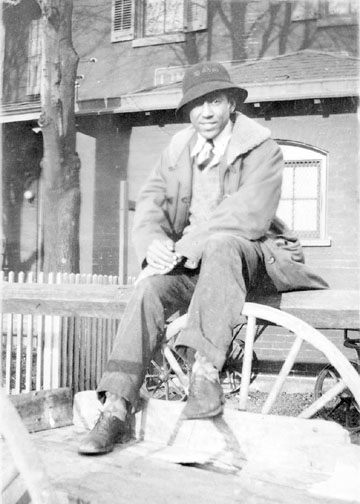
 Young Langston in college, 1928
Yale Collection of American Literature, Beinecke Rare Book and Manuscript Library
181 W. 135th Street  — Langston’s first exposure to Harlem’s creative energy was as a Columbia University student in 1921, wandering the street, hoping to see “Duke Ellington on the corner of 135th Street, or Bessie Smith passing by, or Bojangles Bill Robinson in front of the Lincoln Theatre, or maybe Paul Robeson or Bert Williams walking down the avenue.” [source]
Before moving into Columbia’s Hartley Hall (1124 Amsterdam Avenue), however, Langston took a room here at the YMCA, known for its live drama productions and art shows. He didn’t need to stroll around to find Robeson; he got his start acting in productions at the YMCA.
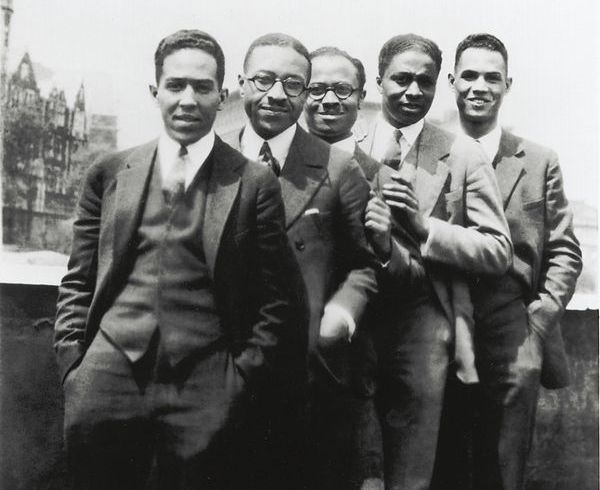
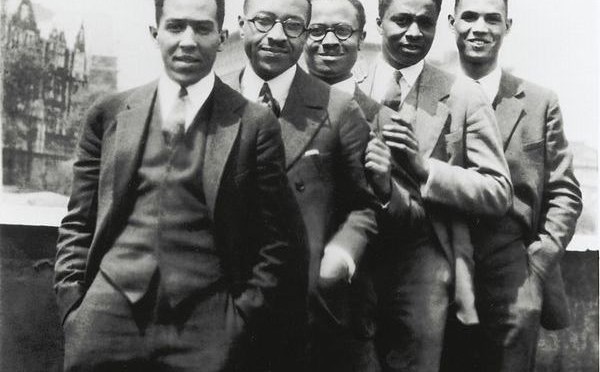
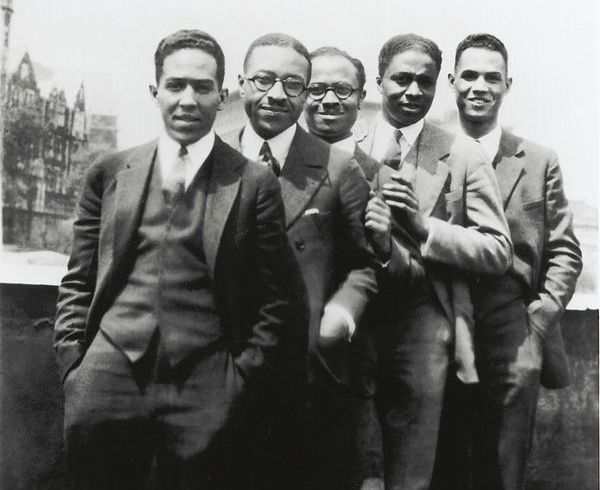
Dapper gentlemen: At a 1924 celebration in Langston’s honor, at the home of Regina Andrews on 580 St. Nicholas Avenue. The author is to the far left, followed by future sociologists Charles S. Johnson and E. Franklin Frazier; novelist and future doctor Rudolph Fisher; and Hubert T. Delany, who would become a New York justice in 1942, appointed by Fiorello La Guardia.
634 St. Nicholas Avenue — Although Langston would rent out a studio in 1938 down the street at 66 St. Nicholas Avenue, he frequently stayed at this address in the Sugar Hill area of Harlem, the home of his friends Toy and Emerson Harper. (He referred to them as ‘aunt’ and ‘uncle’.) Hughes later moved with the couple to another address…
 515 Malcolm X Boulevard (at W. 135th Street) – The Schomburg Center for Research in Black Culture, a branch of the New York Public Library, is Hughes’ final resting place. His ashes are contained underneath the foyer floor, beneath an inscription: “My soul has grown deep like the rivers.” But the library always had a long association with Hughes. His ‘poetry-play’ ‘Don’t You Want To Be Free‘ played to sold-out crowds in the basement of the library in 1938. The play co-starred Robert Earl Jones, the father of James Earl Jones.
You can find a far more in-depth walking tour of 1920s Harlem here.
*Another African-American cultural icon, George Washington Carver, was born in the town of Diamond, Mo., fifteen minutes southeast of Joplin. If you’re ever swinging through that area of the world, the George Washington Carver National Monument, where his home was located, is worth a stop.
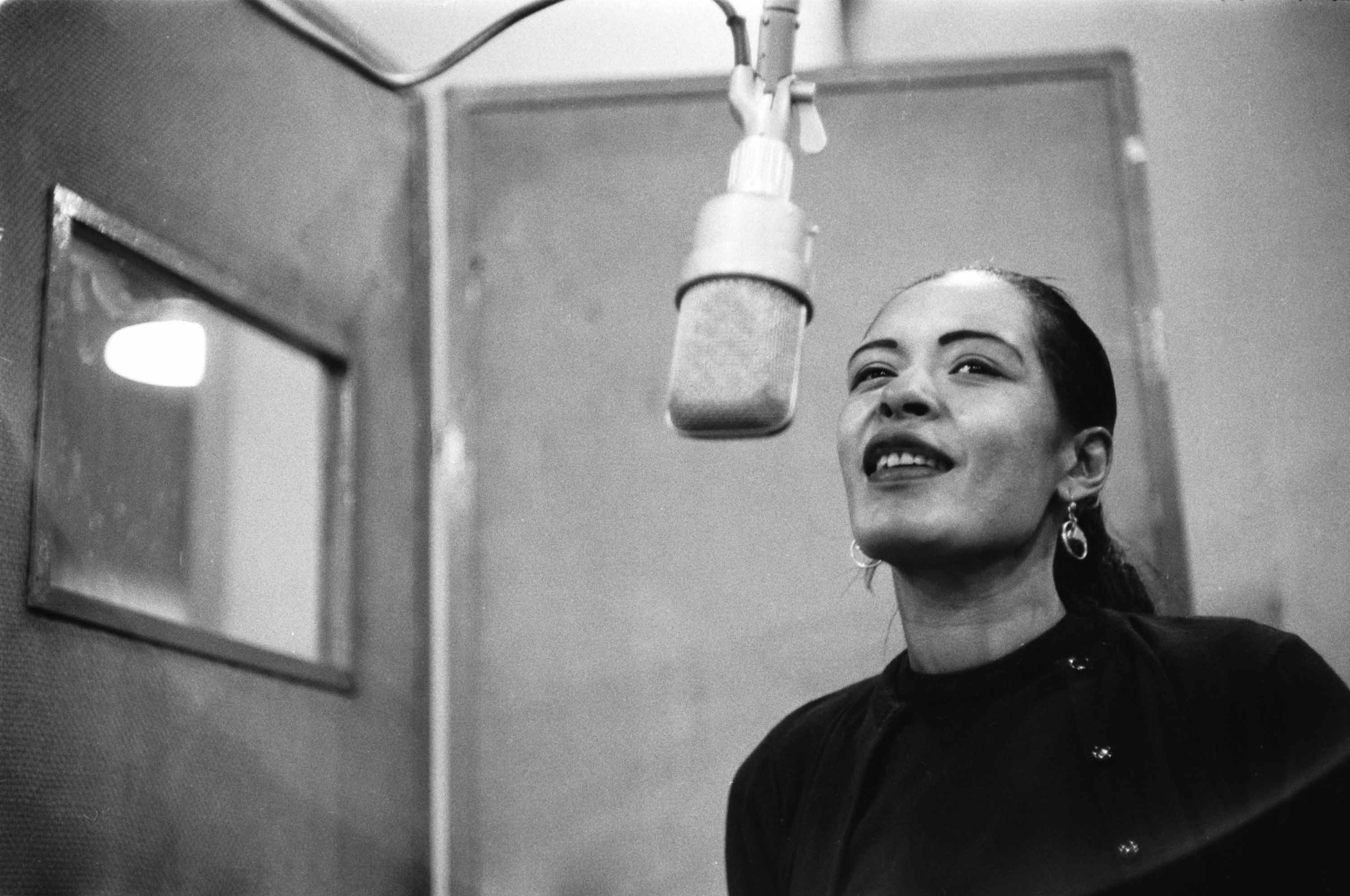
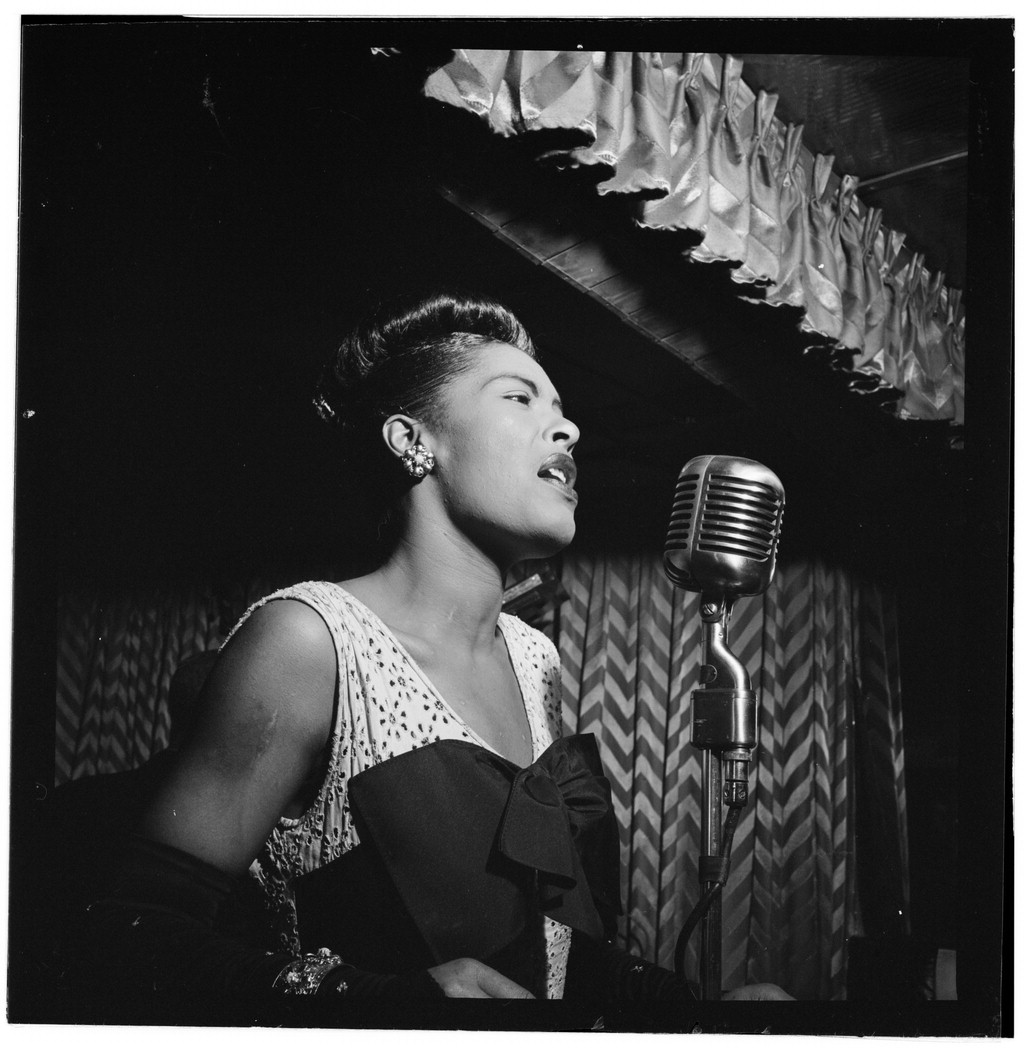
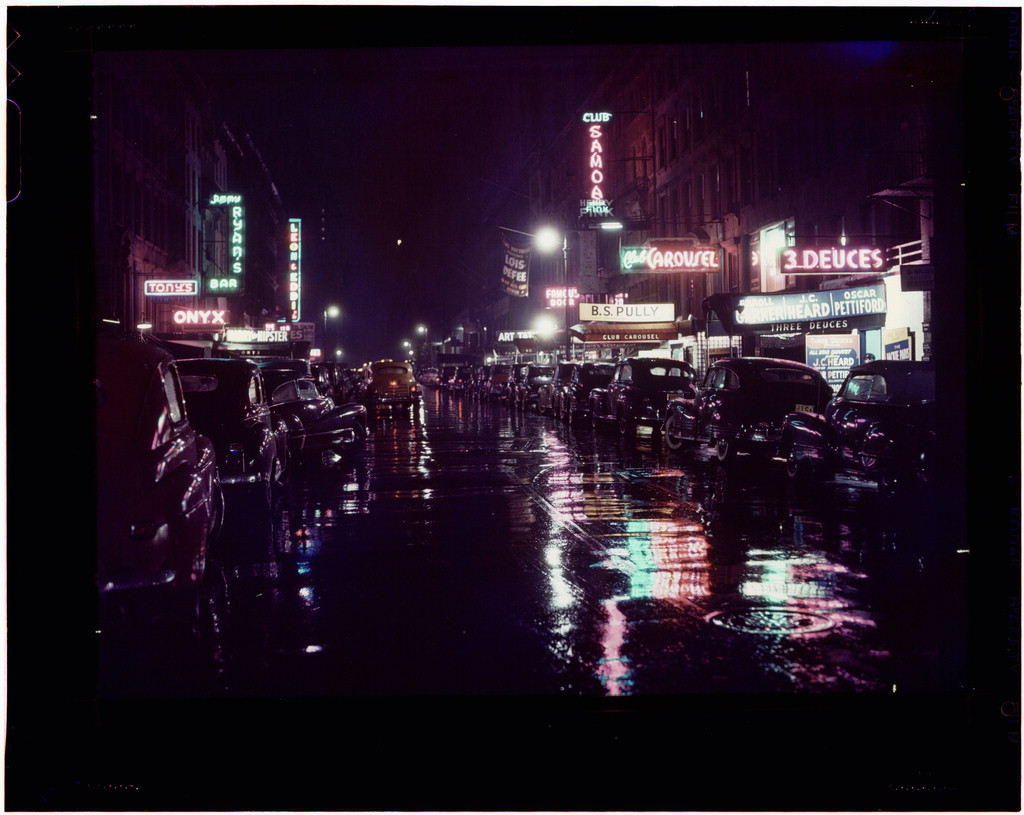
PODCAST Grab your fedora and take a trip with the Bowery Boys into the heart of New York City’s jazz scene — late nights, smoky bars, neon signs — through the eyes of one of the greatest American vocalists who ever lived here — Billie Holiday.
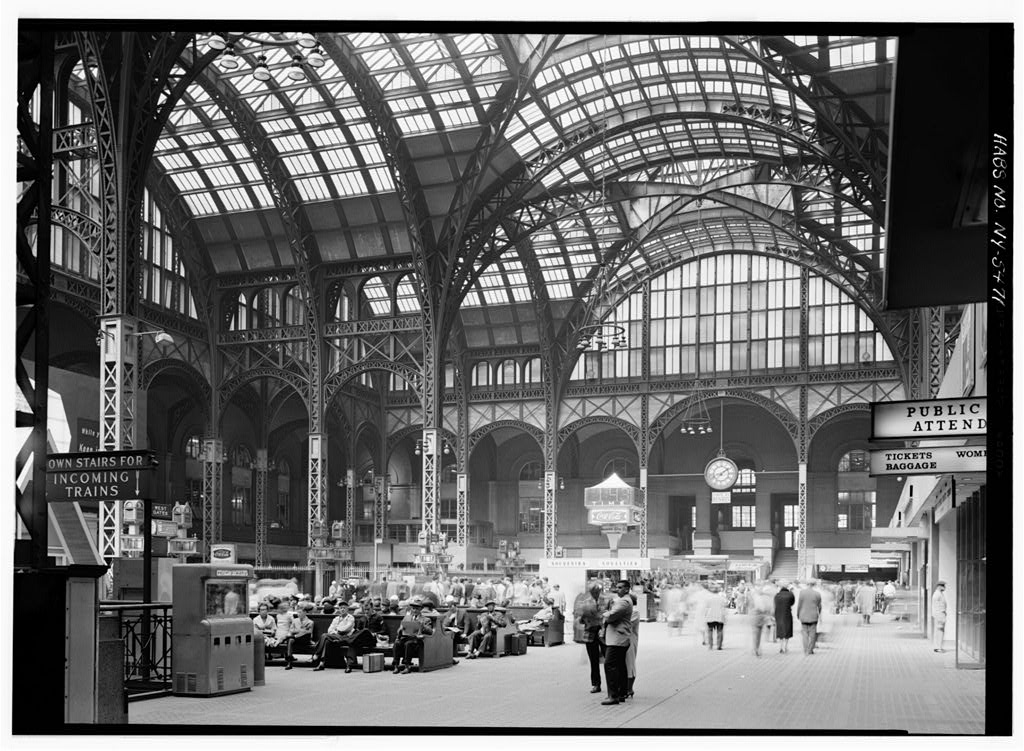
Eleanora Fagan walked out of Pennsylvania Station in 1929 and into the city that would help make her a superstar. Her early years were bleak, arrested for prostitution and thrown into the Welfare Island workhouse. But music would be her savior, breaking out in Harlem first in the nightclubs on 133rd Street, then in the basement clubs of ‘Swing Street’ on 52nd Street.
Her recordings make her an international star, but the venues of New York helped solidify her talents — from the Apollo Theater to Carnegie Hall. But one particular club in the West Village would provide her with a signature song, one that reflected the horrible realities of racism in the mid 20th century.
Billie Holiday at Club Downbeat, 1947
Locations featured in this episode:
1) Pennsylvania Station (circa 1930s-40s)
Courtesy Library of Congress
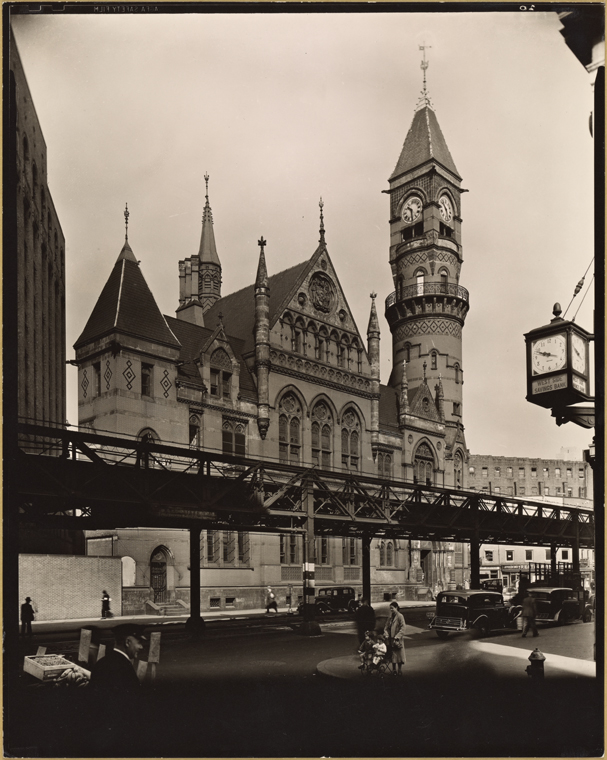
2) Jefferson Market Courthouse, pictured here in 1935
Photographed by Berenice Abbott, courtesy New York Public Library
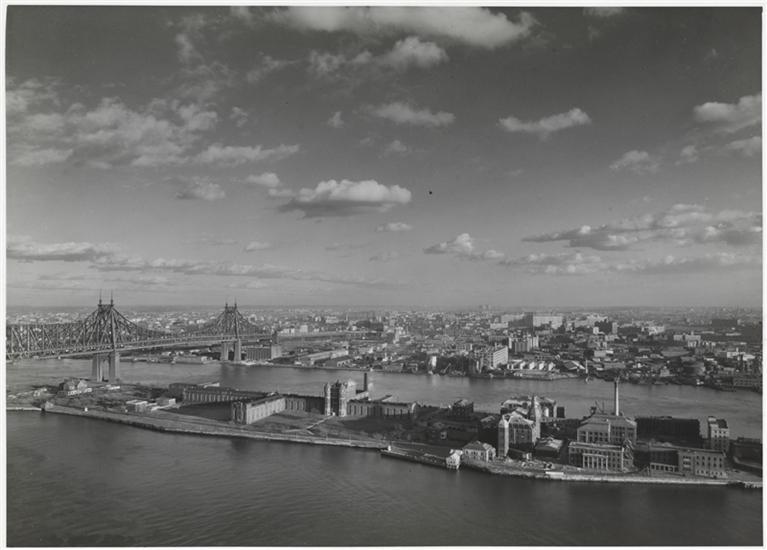
3) Welfare Island, pictured here in 1931
Photographed by Samuel H Gottscho, courtesy Museum of City of New York
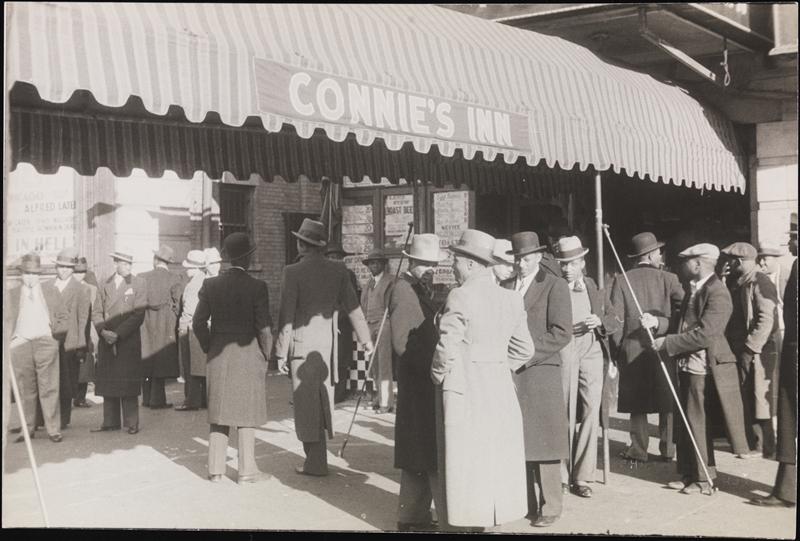
4) 133rd Street — “Jungle Alley” or The Street — outside Connie’s Inn
Courtesy Museum of the City of New York
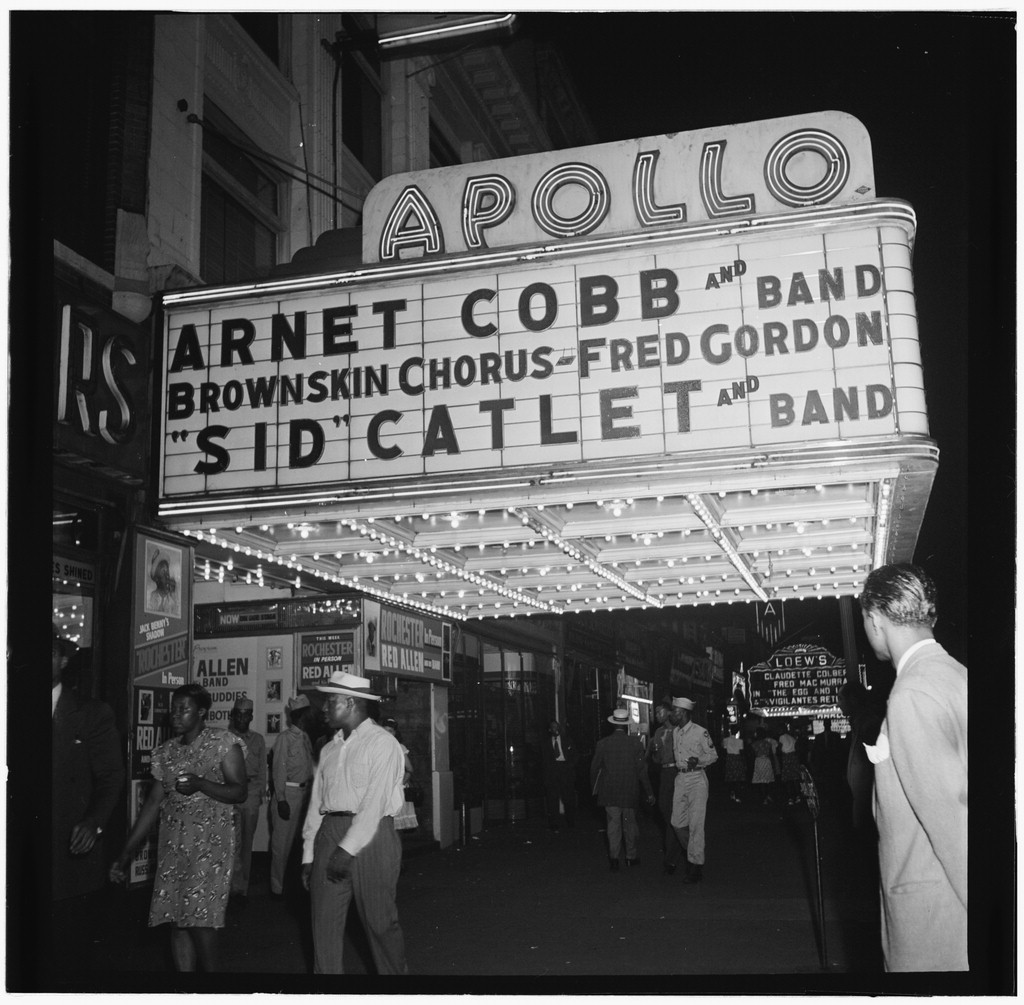
5) Apollo Theater, pictured here in the mid 1940s
Courtesy Library of Congress, photographer William Gottlieb
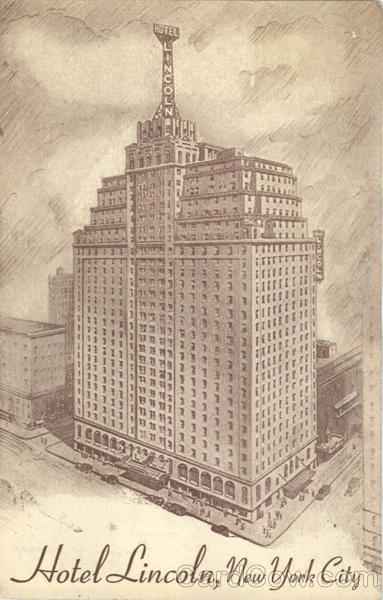
6) Lincoln Hotel
Hotel Lincoln, 44th to 45th Street at 8th Avenue New York City
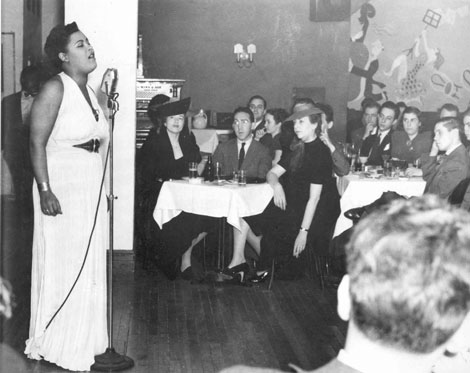
7) Billie Holiday at Cafe Society 1939
Photo by Charles B. Nadell
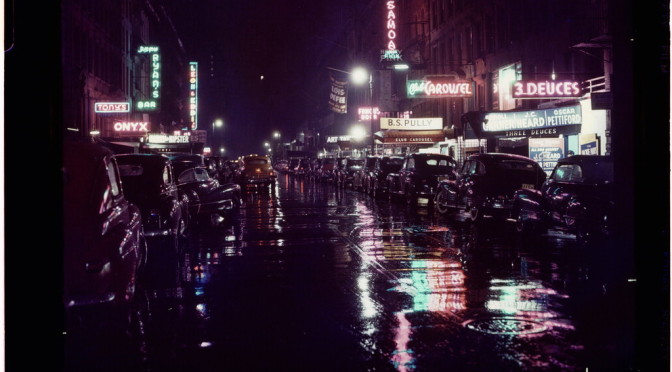
8) 52nd Street aka Swing Street
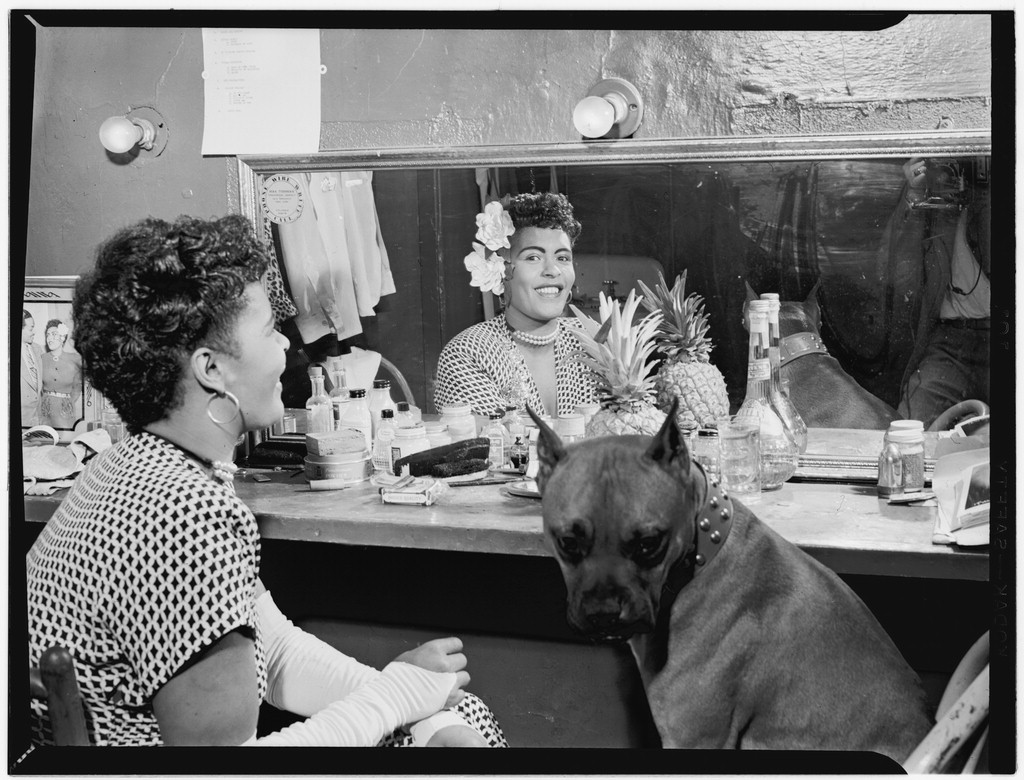
Billie at Club Downbeat (with her dog Mister) — June 1946
Courtesy Library of Congress
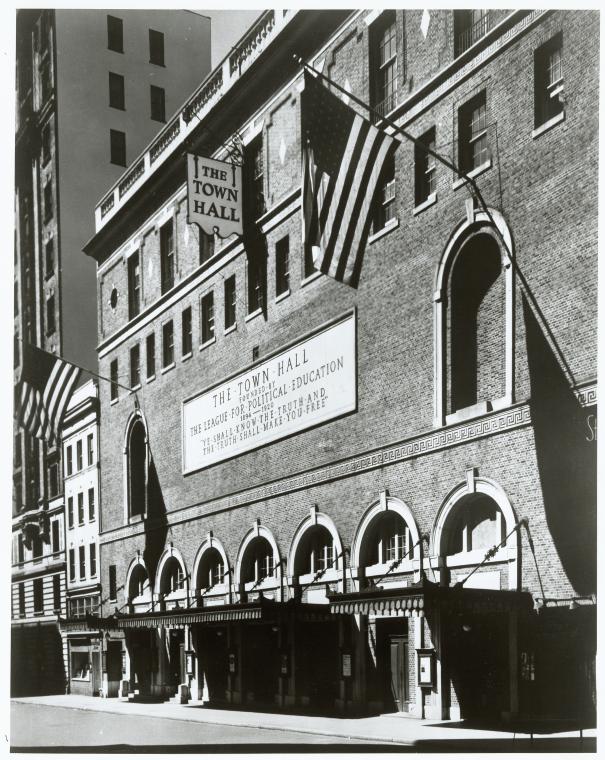
9) Town Hall, sometime in the 1940s
Exterior view of The Town Hall, courtesy New York Public Library
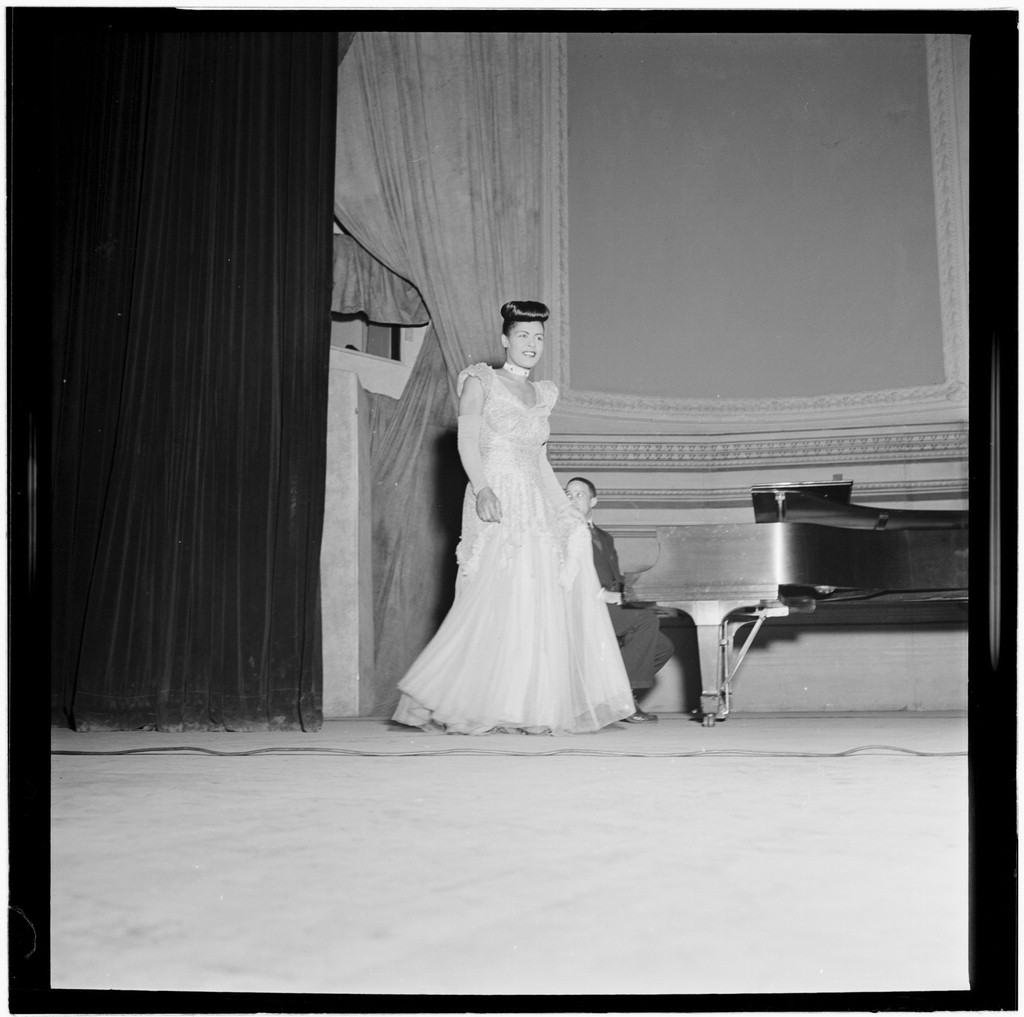
10) Billie Holiday at Carnegie Hall for her rave 1948 concert
Courtesy Library of Congress
An extraordinary performance of ‘Strange Fruit’, performed in February 1959, months before she died. This was recorded for a British television show called ‘Chelsea At Nine’.
Dapper gentlemen: At a 1924 celebration in Langston’s honor, at the home of Regina Andrews on 580 St. Nicholas Avenue. The author is to the far left, followed by future sociologists Charles S. Johnson and E. Franklin Frazier; novelist and future doctor Rudolph Fisher; and Hubert T. Delany, who would become a New York justice in 1942, appointed by Fiorello LaGuardia.
Since I was a teenager, I’ve had an affinity for writer Langston Hughes, the revolutionary jazz poet who was born 110 years ago today in 1902. I grew up about an hour away from Langston’s birthplace in Joplin, Mo. One of the brightest lights of the Harlem Renaissance grew up here?, I frequently pondered in English class. In fact, Hughes is considered Joplin’s most famous son.*
But you don’t need to follow Langston’s footprints back to the Ozarks. Celebrate his birthday with a mini-walking tour, four Manhattan addresses that were pivotal to Hughes’ development as an iconic African-American voice and a star of the Harlem literary scene:
181 W. 135th Street (corrected, see note) — Langston’s first exposure to Harlem’s creative energy was as a Columbia University student in 1921, wandering the street, hoping to see “Duke Ellington on the corner of 135th Street, or Bessie Smith passing by, or Bojangles Bill Robinson in front of the Lincoln Theatre, or maybe Paul Robeson or Bert Williams walking down the avenue.” [source] Before moving into Columbia’s Hartley Hall, however, Langston took a room here at the YMCA, known for its live drama productions and art shows. He didn’t need to stroll around to find Robeson; he got his start acting in productions at the YMCA.
NOTE: Thanks to Stephen Robinson for the following correction to the information above: “I’m afraid you’ve got the wrong address for the YMCA at which Langston Hughes would have stayed. From 1919-1933, the YMCA was located across the street from the current building, at 181 West 135th Street. You can see the footprint of this building on the 1930 map we use on our site Digital Harlem: Everyday Life, 1915-1930 , and find more information about it by doing a search for Places, location type=YMCA.“
634 St. Nicholas Avenue— Although Langston would rent out a studio in 1938 down the street at 66 St. Nicholas Avenue, he frequently stayed at this address in the Sugar Hill area of Harlem, the home of his friends Toy and Emerson Harper. (He referred to them as ‘aunt’ and ‘uncle’.) Hughes later moved with the couple to another address…
515 Malcolm X Boulevard (at W. 135th Street) — The Schomburg Center for Research in Black Culture, a branch of the New York Public Library, is Hughes’ final resting place. His ashes are contained underneath the foyer floor, beneath an inscription: “My soul has grown deep like the rivers.” But the library always had a long association with Hughes. His ‘poetry-play’ ‘Don’t You Want To Be Free‘ played to sold-out crowds in the basement of the library in 1938. The play co-starred Robert Earl Jones, the father of James Earl Jones.
You can find a far more in-depth walking tour of 1920s Harlem here.
*Another African-American cultural icon, George Washington Carver, was born in the town of Diamond, Mo., fifteen minutes southeast of Joplin. If you’re ever swinging through that area of the world, the George Washington Carver National Monument, where his home was located, is worth a stop.