And one of the guest voices through the series is Greg Young of the Bowery Boys podcast!
Here’s the trailer for the series:
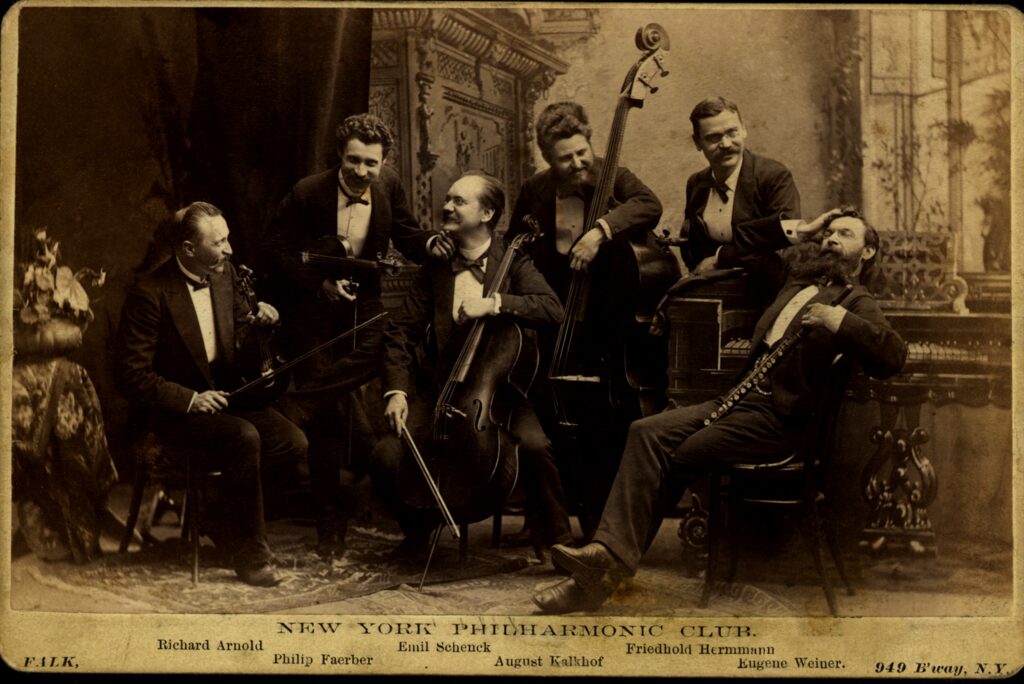
The New York Philharmonic Club, a chamber ensemble of Philharmonic musicians, clowning for their public-relations photograph in 1887: (left to right) Richard Arnold, Philip Faerber, Emil Schenck, August Kalkhof, Friedhold Hermmann, Eugene Weiner.
During New York City’s Gilded Age, the NY Philharmonic pushed the boundaries of American”classical music with the ground-breaking premier of Dvořák’s “New World Symphony.”
Over 100 years later, the NY Phil made it to Pyongyang, North Korea, revisiting those same questions of what it means to perform American music — and once again, making history.
Listen to the episodes here and on your favorite podcast players.
For more than 180 years, the New York Philharmonic has been making history here in the city we call home. The NY Phil Story: Made in New York is a podcast about the people, the music, and the city behind America’s oldest orchestra.
Host Jamie Bernstein (the daughter of Leonard Bernstein) takes you backstage and into the archives to hear the untold stories of the Philharmonic–right from the very beginning. Each episode, the show will go behind the scenes of an iconic performance, speak to current Philharmonic musicians about how they carry on the orchestra’s legacy, and hear the music that inspired it all.
Listeners will hear recordings from the NY Phil’s rich audio archives, including their broadcast in the aftermath of John F. Kennedy’s assassination, recordings of urban planner and city official Robert Moses discussing San Juan Hill’s destruction, Leonard Bernstein’s live radio debut, and other treasures from the archives.
The series features interviews with historians, scholars, and New York Philharmonic musicians, including:
Deborah Borda, President and CEO of the New York Philharmonic
Erica Buurman, director of the Ira F. Brilliant Center for Beethoven Studies at San JoséState University
Etienne Charles, performer, composer, and storyteller
Abraham Lincoln historian Harold Holzer
Alex Kaminsky, band director at Marjory Stoneman Douglas High School at the time of theParkland shooting
Virginia Sánchez Korrol, historian and professor emerita in the Department of PuertoRican and Latino Studies at Brooklyn College, CUNY
Doug Shadle, Dvořák scholar and chair of musicology and ethnomusicology at VanderbiltUniversity’s Blair School of Music
Beethoven scholar, author, and composer Jan Swafford
Shanta Thake, chief artistic officer for Lincoln Center
Jaap van Zweden, music director of the New York Philharmonic and the Hong KongPhilharmonic
TheBowery Boys podcast host Greg Young
Here’s the first episode but you can subscribe to The NY Phil Story at the same places you get the Bowery Boys Podcast:
PODCAST Steven Spielberg’s new version of West Side Story is here — and it’s fantastic — so we’re re-visiting our 2016 show on the history of Lincoln Center, with a new show introduction discussing the film and the passing of musical icon Stephen Sondheim.
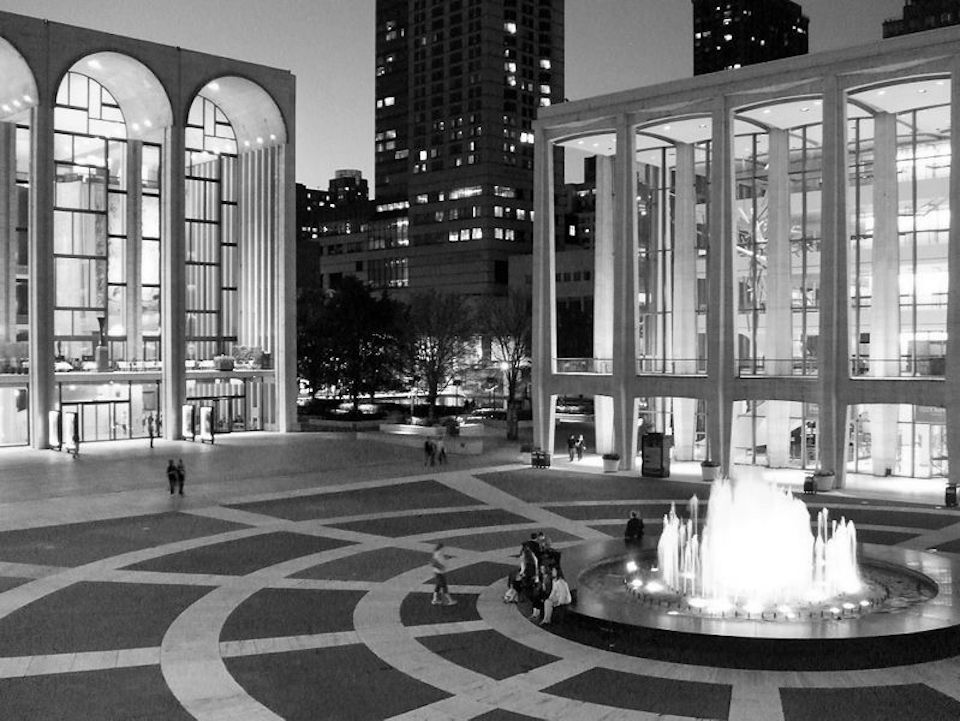
Warm up the orchestra, lace up your dance slippers, and bring the diva to the stage! For our latest show we’re telling the origin story of Lincoln Center, the fine arts campus which assembles some of the city’s finest music and theatrical institutions to create the classiest 16.3 acres in New York City.
However this tale of Robert Moses urban renewal philosophies and the survival of storied institutions has a tragic twist. The campus sits on the site of a former neighborhood named San Juan Hill, home to thousands of African American and Puerto Rican families in the mid 20th century. No trace of this neighborhood exists today.
Or, should we say, ALMOST no trace. San Juan Hill exists, at least briefly, within a part of classic American cinema.
The Oscar-winning film West Side Story, based on the celebrated musical, was partially filmed here. The movie reflects many realities of the neighborhood and involves talents who would be, ahem, instrumental in Lincoln Center’s continued successes.
FEATURINGLeonard Bernstein, Leontyne Price, James Earl Jones, Imelda Marcos, David Geffen and, naturally, the Nutcracker!
The Bowery Boys: New York City History podcast is brought to you …. by you!
We are now producing a new Bowery Boys podcast every other week. We’re also looking to improve and expand the show in other ways — publishing, social media, live events and other forms of media. But we can only do this with your help!
We are now a creator on Patreon, a patronage platform where you can support your favorite content creators.
Please visit our page on Patreon and watch a short video of us recording the show and talking about our expansion plans. If you’d like to help out, there are several different pledge levels. Check them out and consider being a sponsor.
We greatly appreciate our listeners and readers and thank you for joining us on this journey so far.
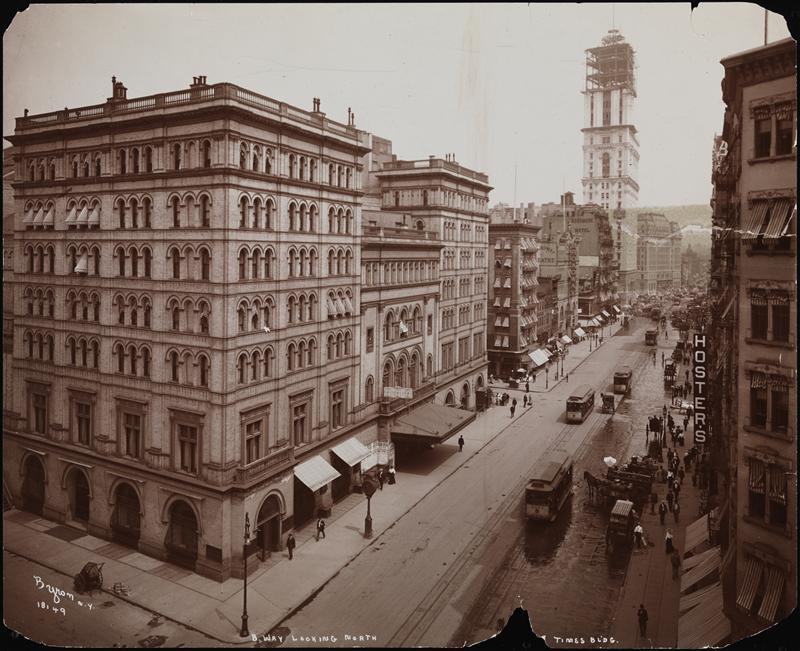
The Metropolitan Opera House, in 1904. In the far distance, you see One Times Square being constructed in Longacre Square.
Courtesy MCNY
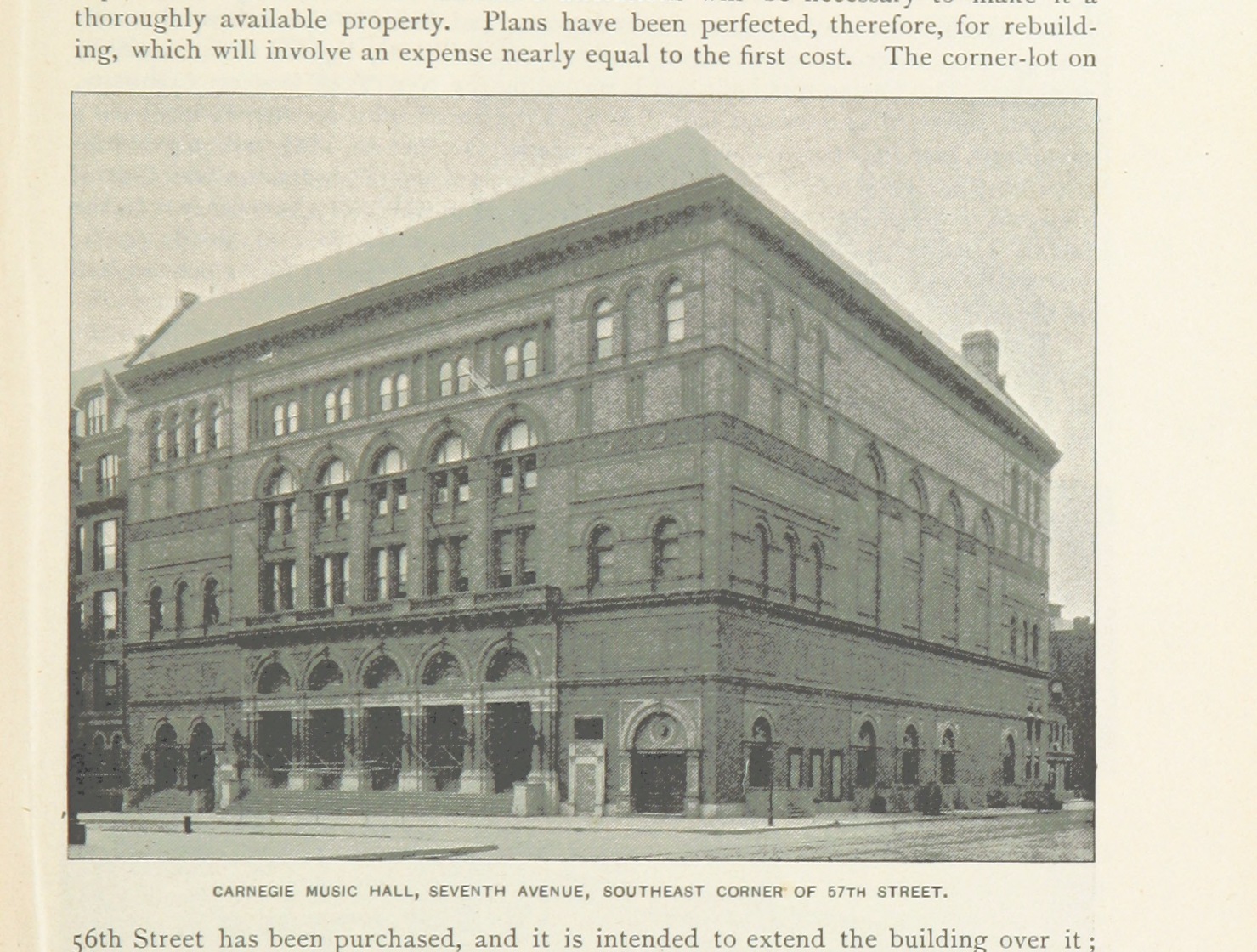
The New York City Ballet had its first home at City Center while the New York Philharmonic was housed for decades at Carnegie Hall.
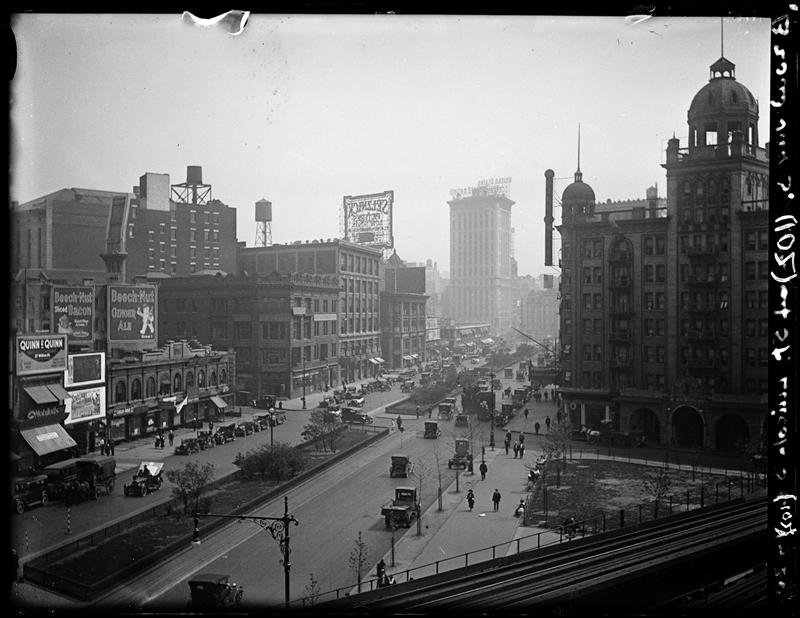
Below: Lincoln Square, 1920. This picture is actually taken from the spot where Lincoln Center stands today.
The triangular plaza pictured here would later be called Dante Park (a statue to the Italian writer would be placed here a year after this photo was taken). Take note of the 9th Avenue elevated streaking up Columbus Avenue at the bottom of this image.
Arthur Hosking/Museum of the City of New York
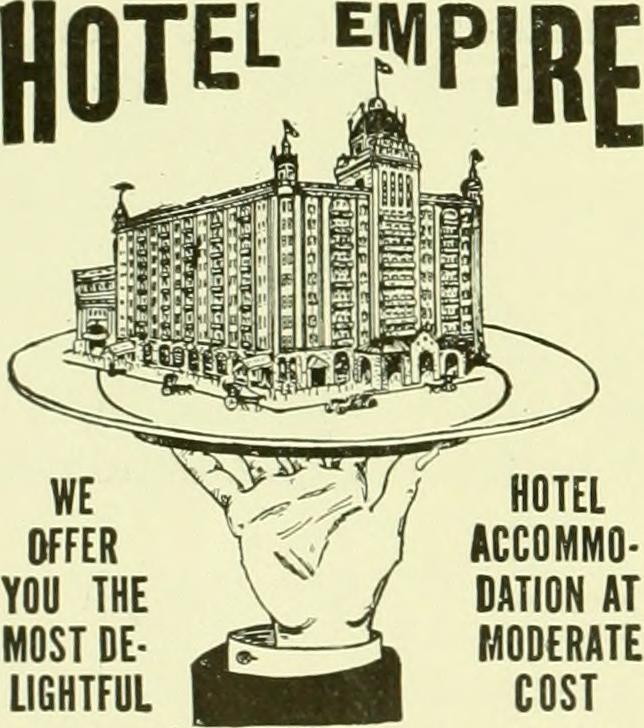
And that building to the right? That’s the Hotel Empire which is still standing there today (albeit in a greatly modified form). Here’s an ad for the Empire from 1909.
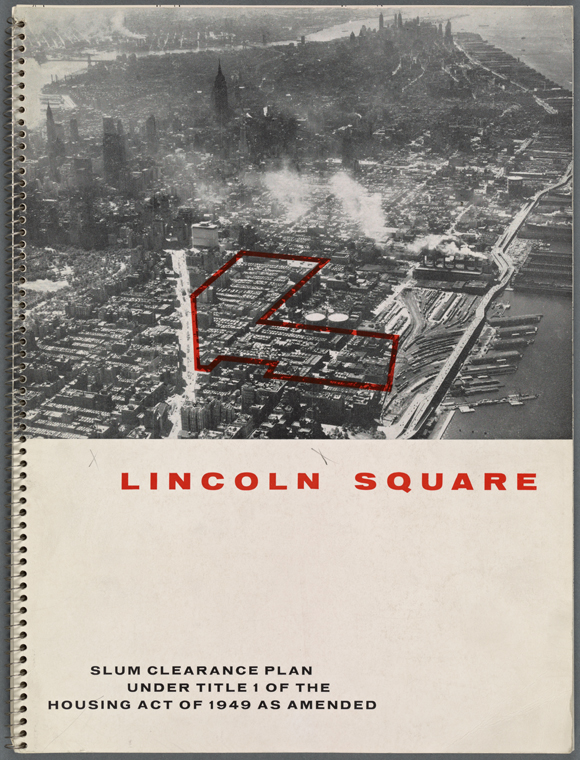
Robert Moses’ slum clearance plan for San Juan Hill, published in 1956.
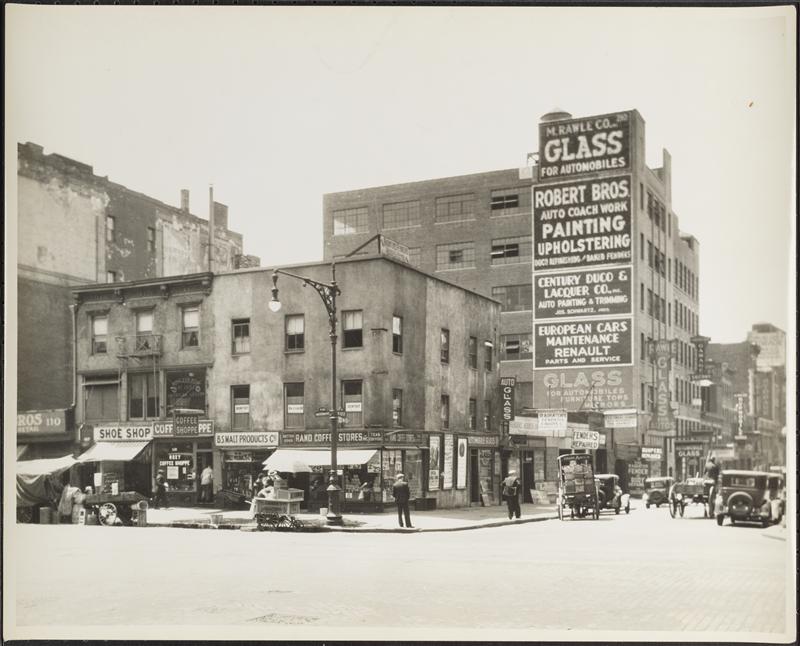
Scenes from old San Juan Hill — 1932, 65th Street and Amsterdam Avenue
Charles Von Urban/MCNY
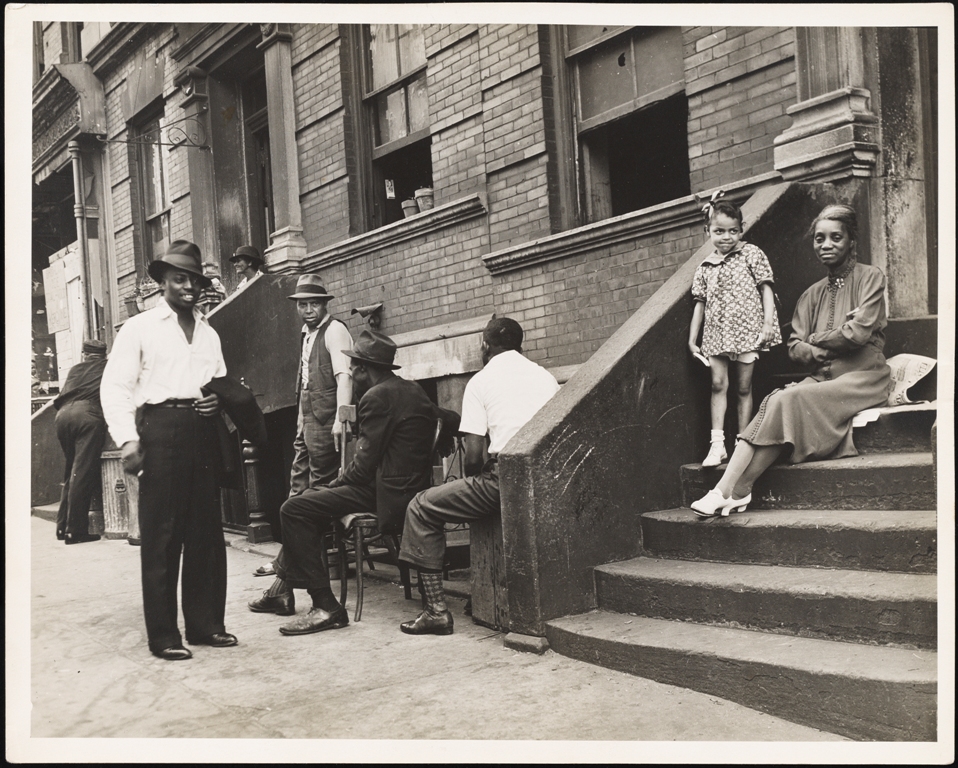
1939 — the stoop scene in San Juan Hill, street unknown
Courtesy MCNY Lee Sievan (1907-1990). San Juan Hill. 1939
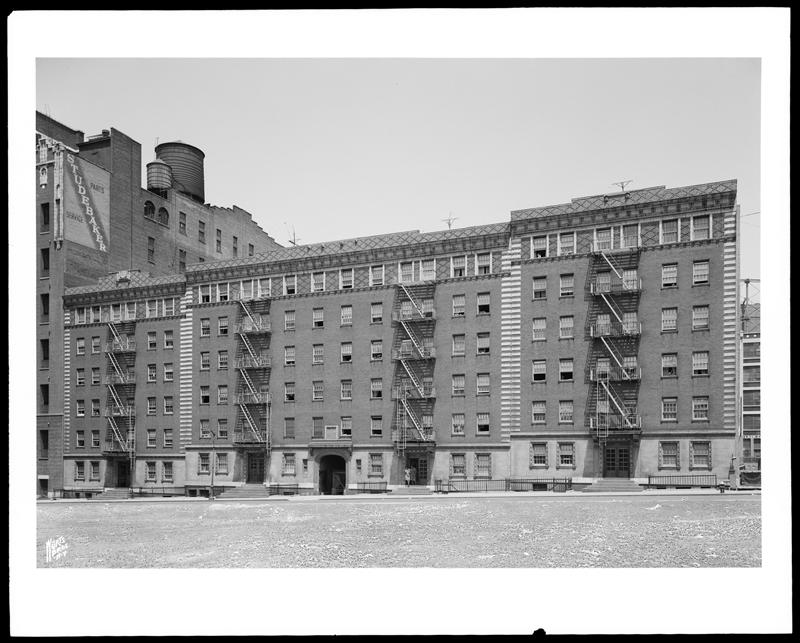
Below: An early effort to improve the housing quality in the neighborhood — the Phipps Houses, built in 1906.
An interesting New York Times article describes a few residents: “A typical tenant was the steamboat steward Joseph Craig, 36, classed as ‘mulatto’, who was born in Trinidad and arrived in the United States in 1891. Another was the horse breeder Daniel Moore, 43, born in Missouri and married for six years to Tilly Moore, 30, born in Cuba and in the United States since 1892; she worked as a domestic.”
MCNY
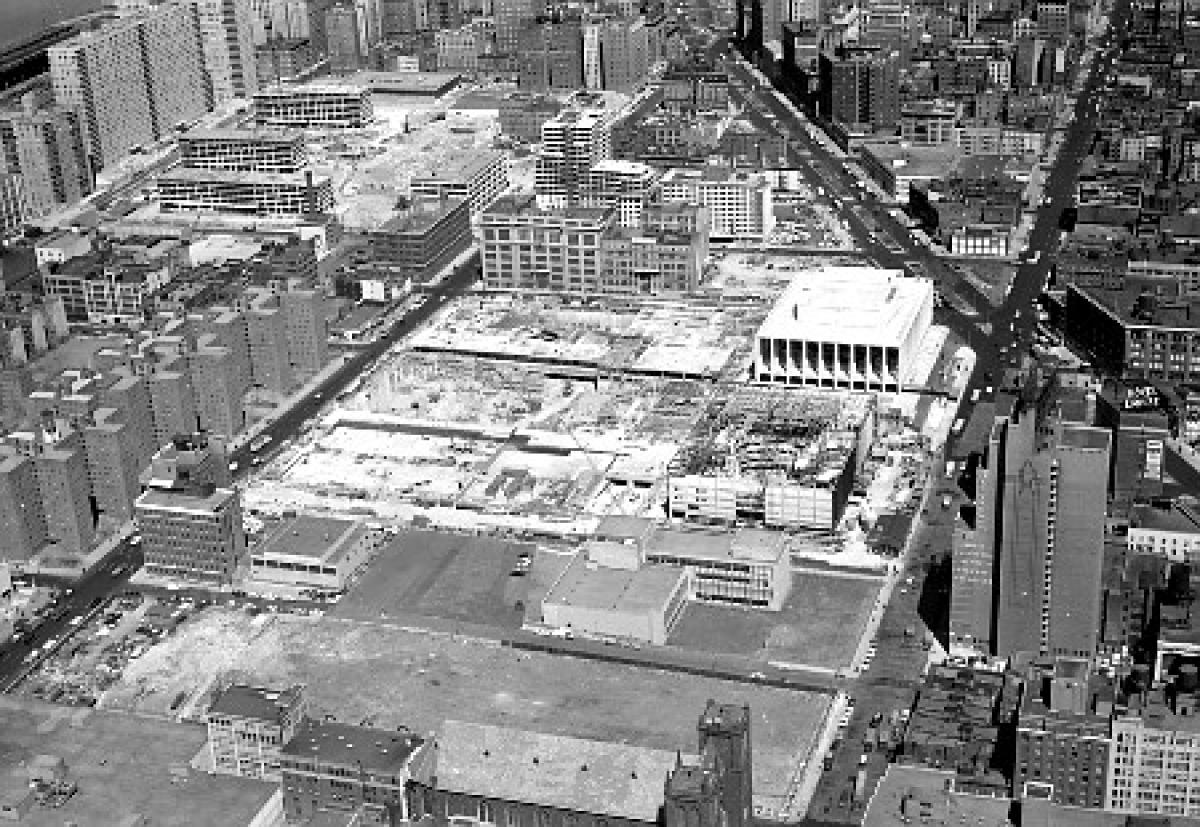
The scene in April of 1963. The Philharmonic Hall was already opened by this point. This really brings home the fact that there must have been so much noise pollution due to construction which must have perturbed the organizers of the Philharmonic greatly!
(MATTSON/DAILYNEWS)
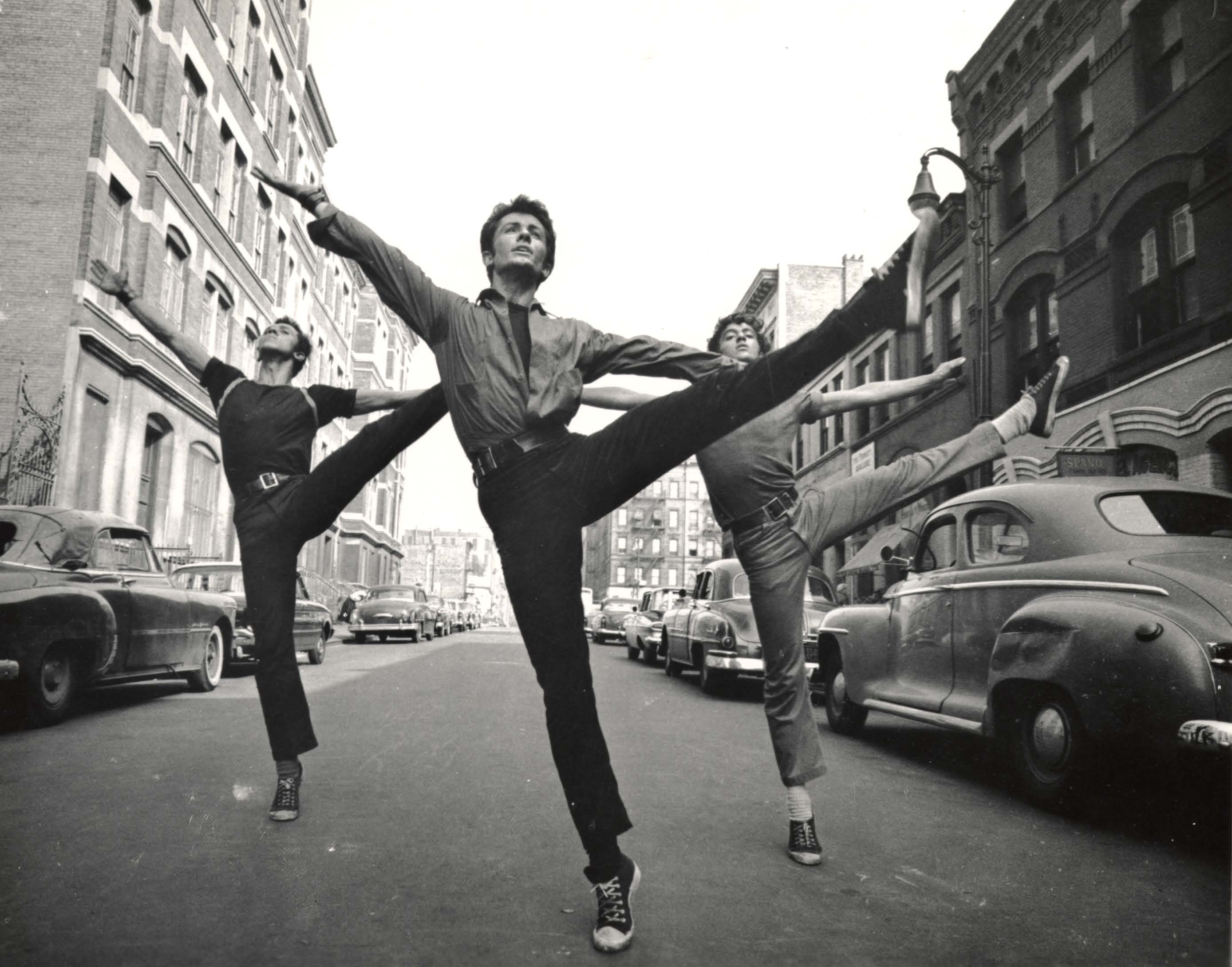
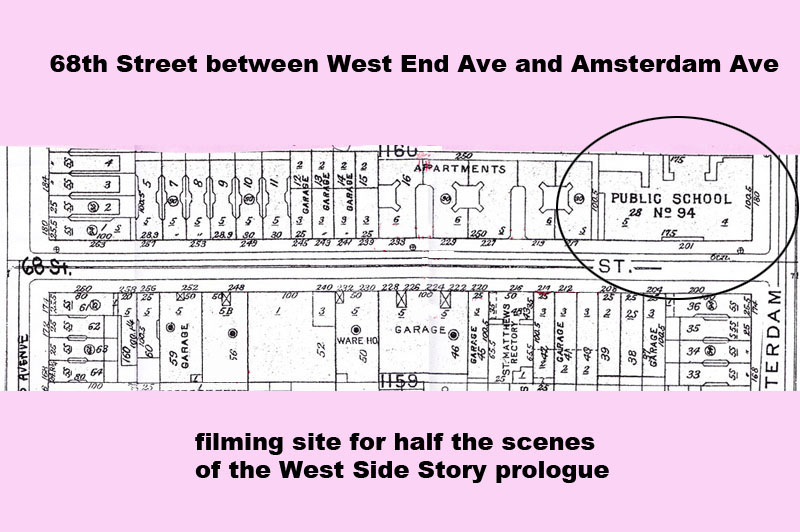
The opening sequence of the Oscar-winning film West Side Story was filmed on the streets of San Juan Hill, the structures around the actors clearly boarded up and ready for demolition.
(The website Tom mentioned on the show — Pop Spots NYC — shows a very detailed comparison of film scenes with maps and old photographs. Highly recommended!)
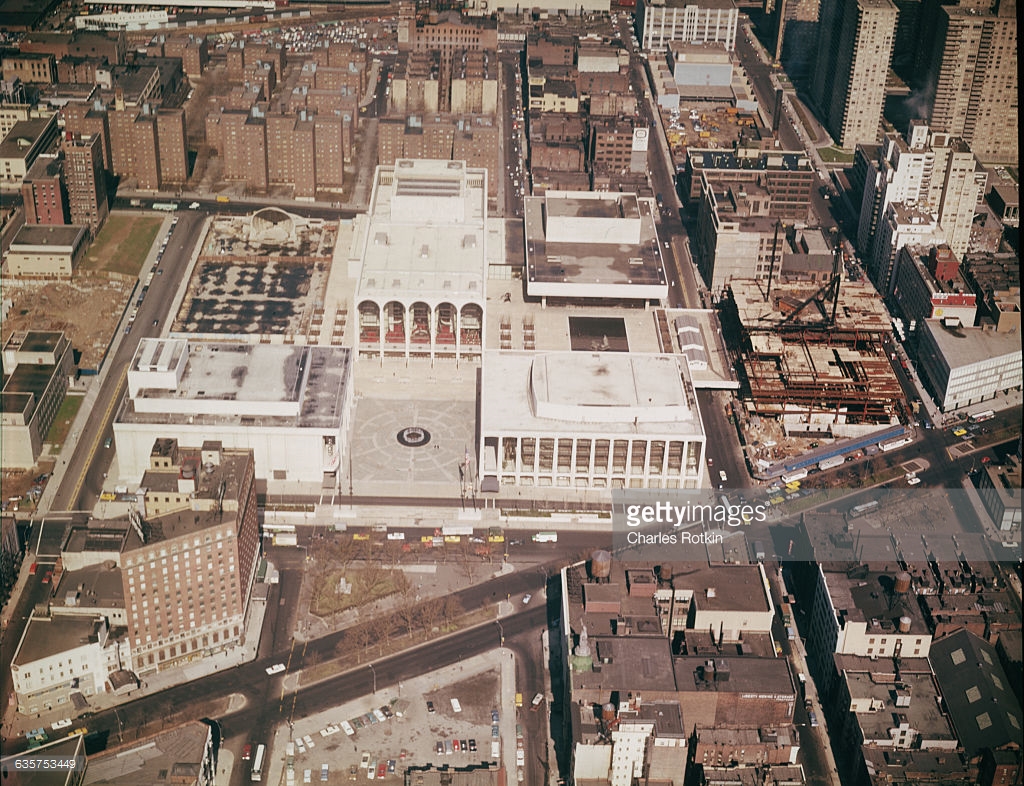
An overhead view of Lincoln Center in 1969 with most of the major venues completed by this point. At the bottom right you see the Empire Hotel, then (moving clockwise around the fountain): the New York State Theater, Damrosch Park, the Metropolitan Opera House, the library and the Vivian Beaumont Theater and Philharmonic Hall.
Getty Images
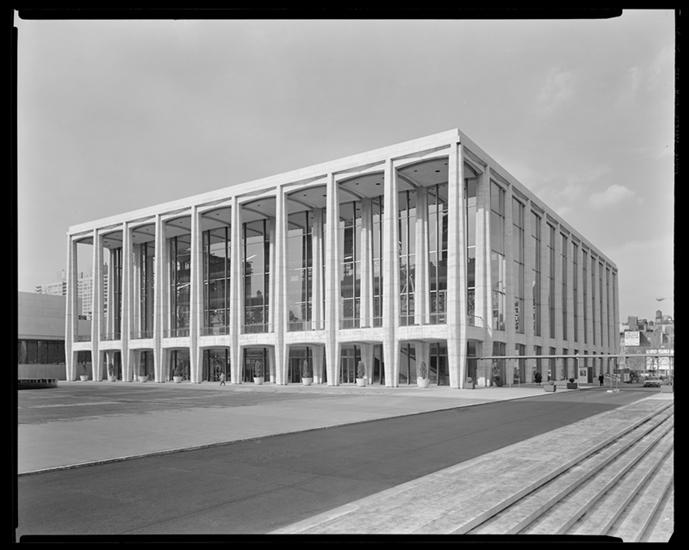
Philharmonic Hall, later Avery Fisher Hall, then David Geffen Hall — designed by Max Abramovitz.
MCNY
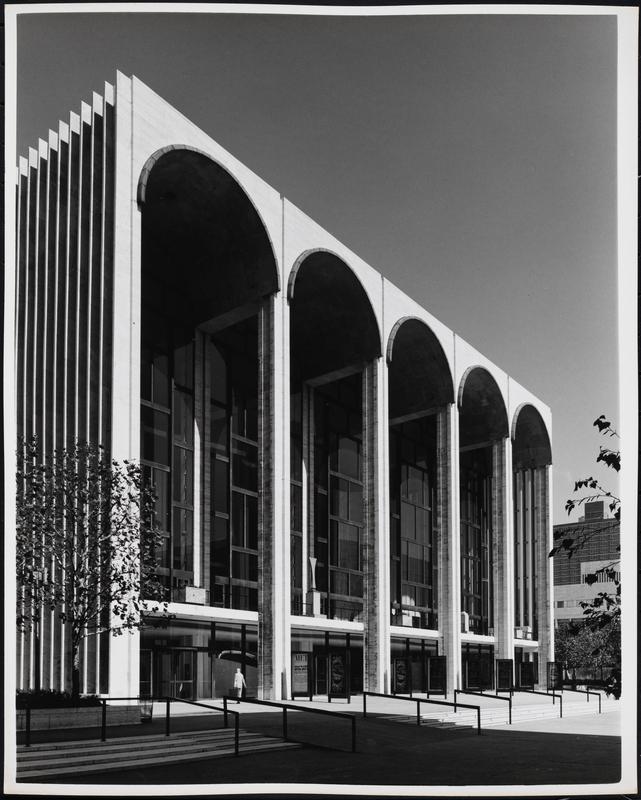
The Metropolitan Opera House, designed by Wallace Harrison.
MCNY/Edmund Vincent Gillon
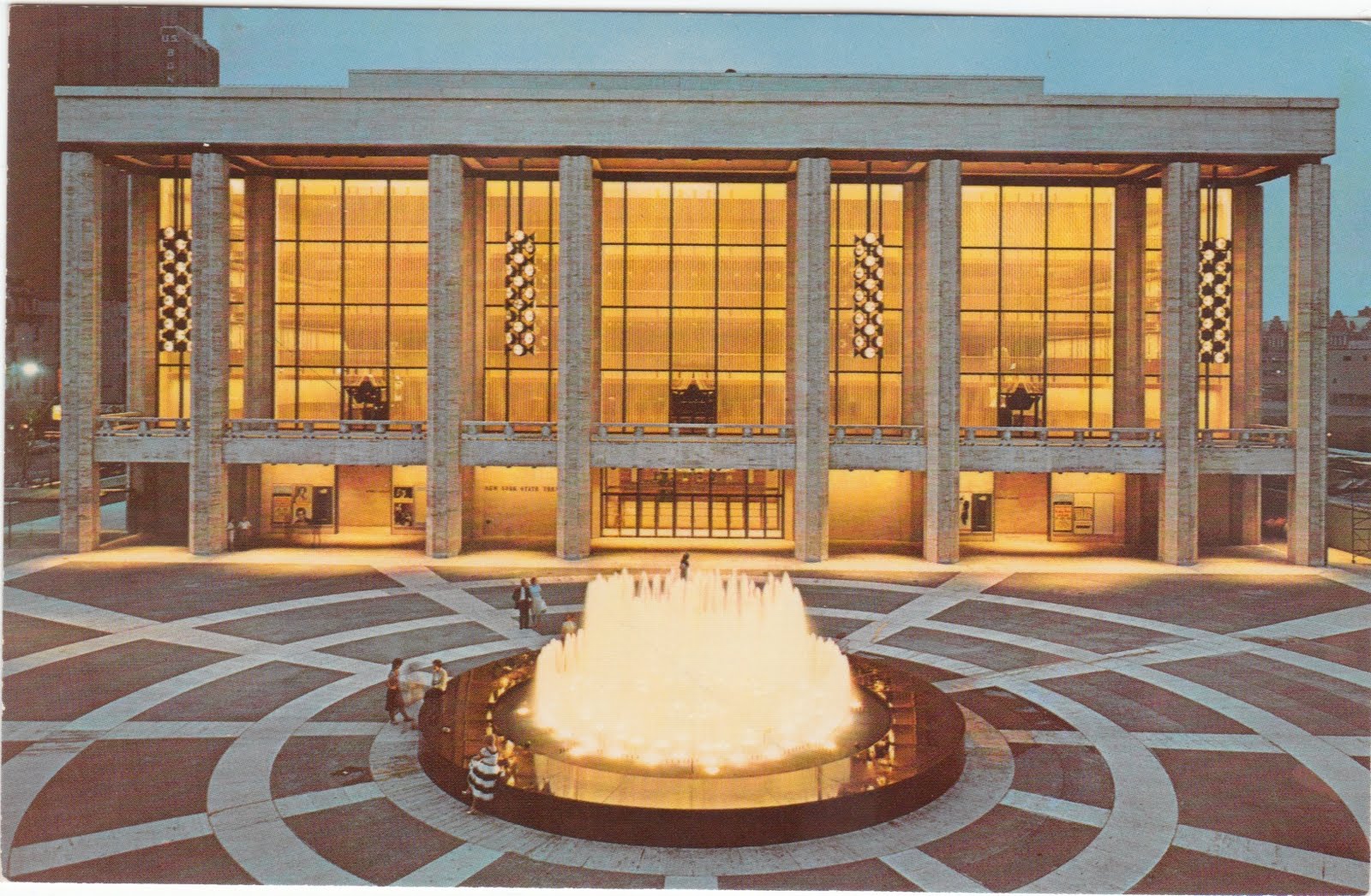
The New York State Theater, later the David H. Koch Theater.
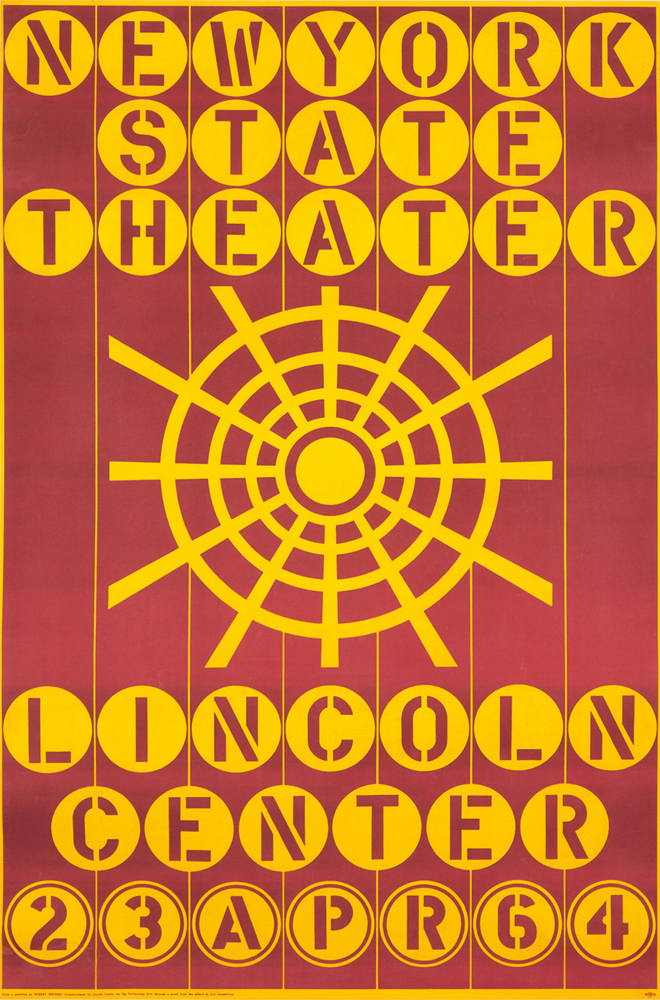
Opening night at the New York State Theater, April 24, 1964
Bettman/Corbis
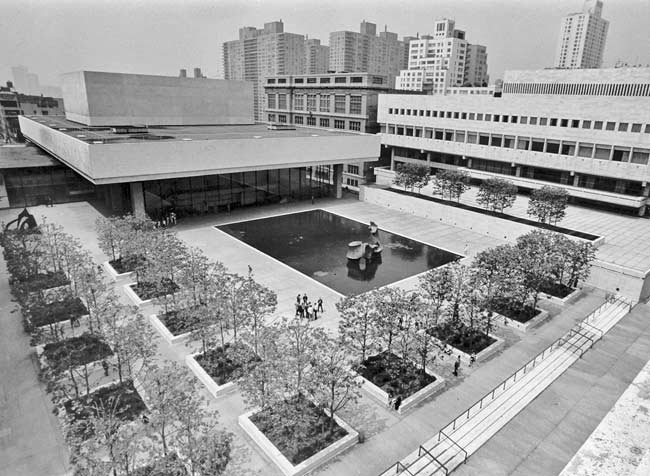
Eero Saarinen’s Vivian Beaumont Theater, the reflecting pool featuring a sculpture by Henry Moore, and the Julliard School, designed by Pietro Belluschi.
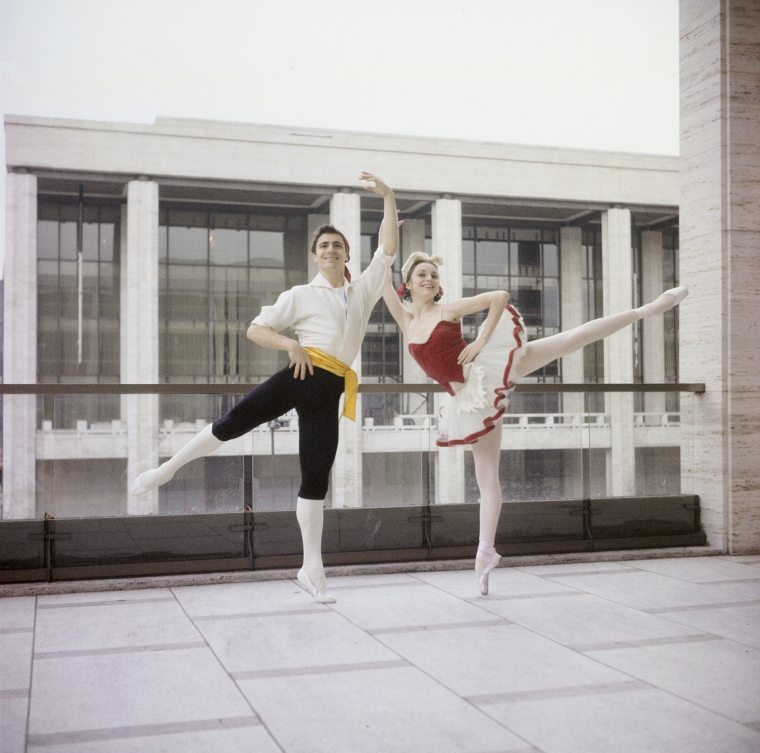
Patricia McBride and Edward Villella in front of the unfinished New York State Theater at Lincoln Center, in Tarantella costume, choreography by George Balanchine, 1964
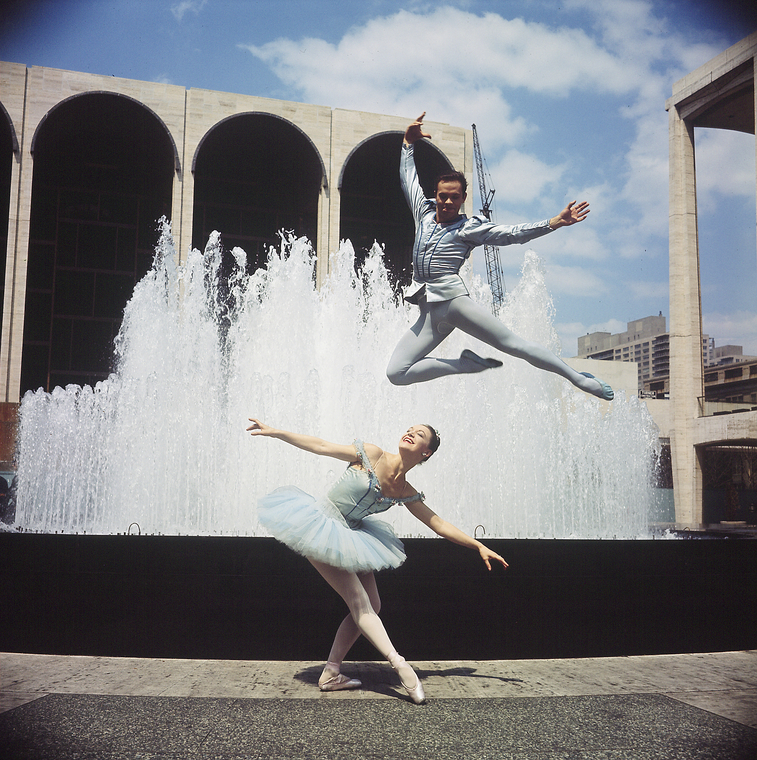
Patricia Wilde and Andre Prokovsky in Raymonda posing in front of fountain in plaza at Lincoln Center, choreography by George Balanchine, 1965
Courtesy NYPL
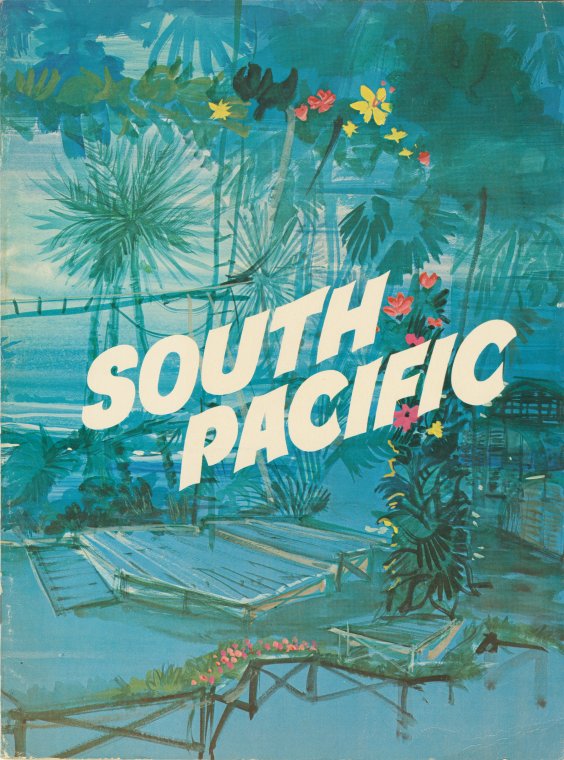
Program from the 1967 revival of South Pacific which played at the New York State Theatre……
NYPL
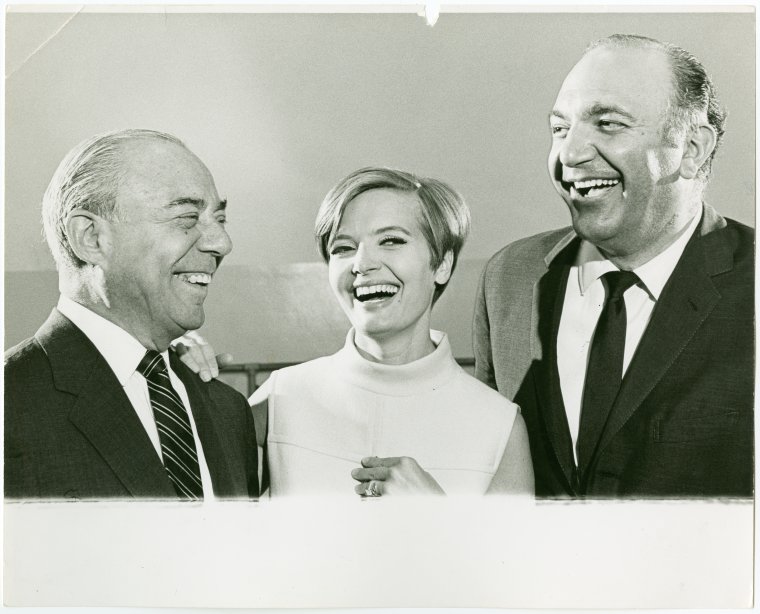
….starring Florence Henderson as Nellie Forbush! Here she is with Richard Rodgers and Georgio Tozzi (who played Emile de Becque).
NYPL
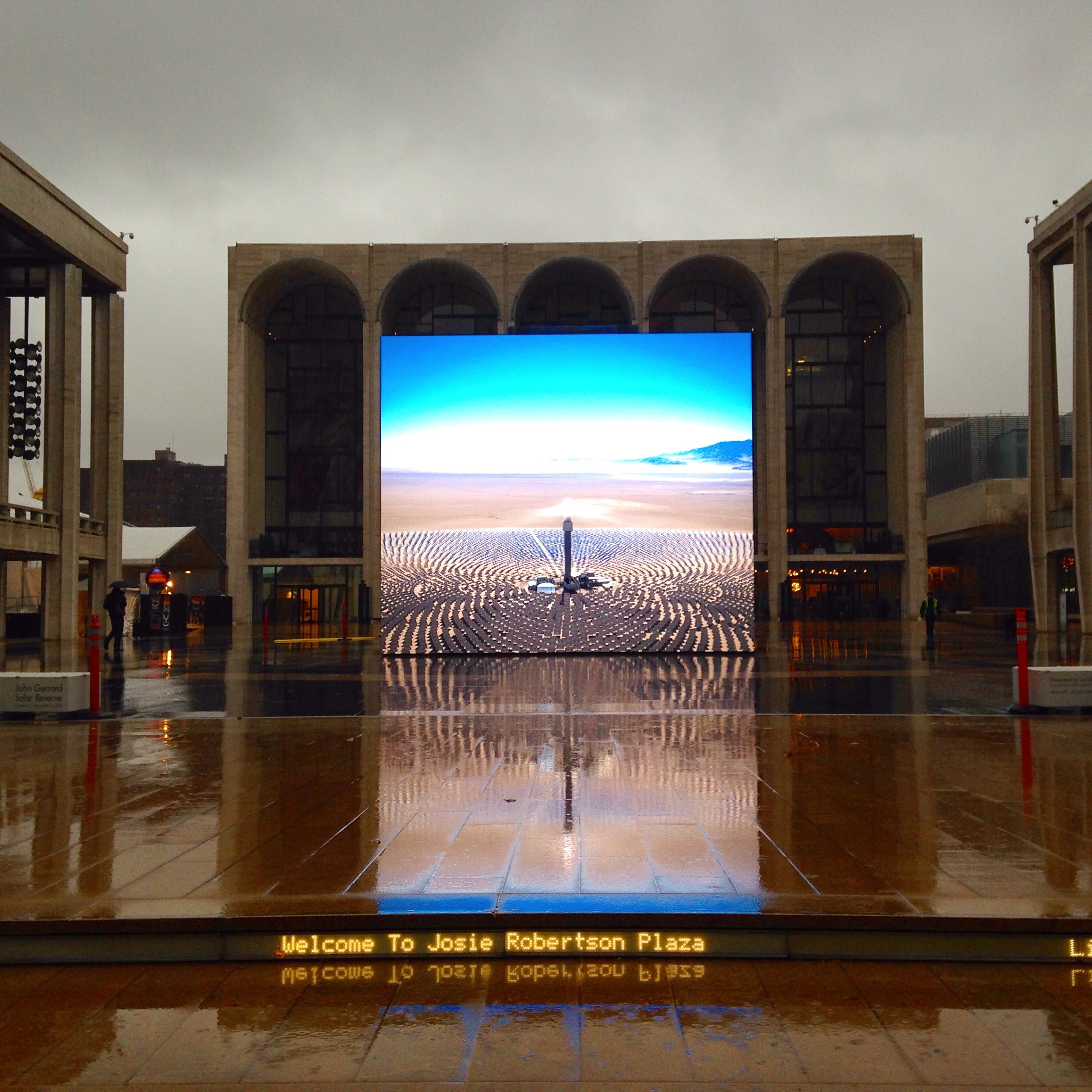
The plaza at Lincoln Center is always a place where surprises greet visitors. Here’s an image from a couple years ago of a video installation which sat in front of the fountain:
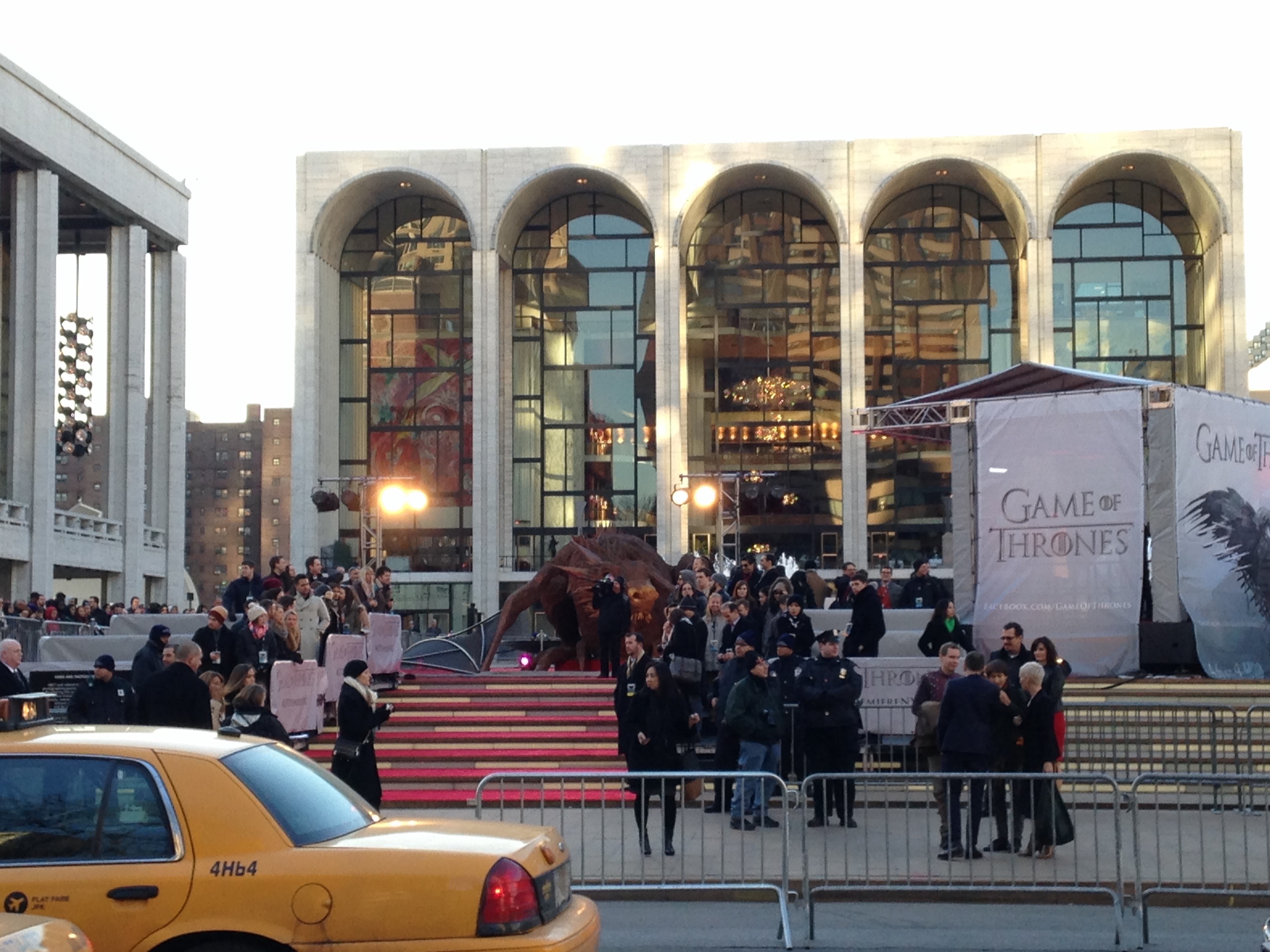
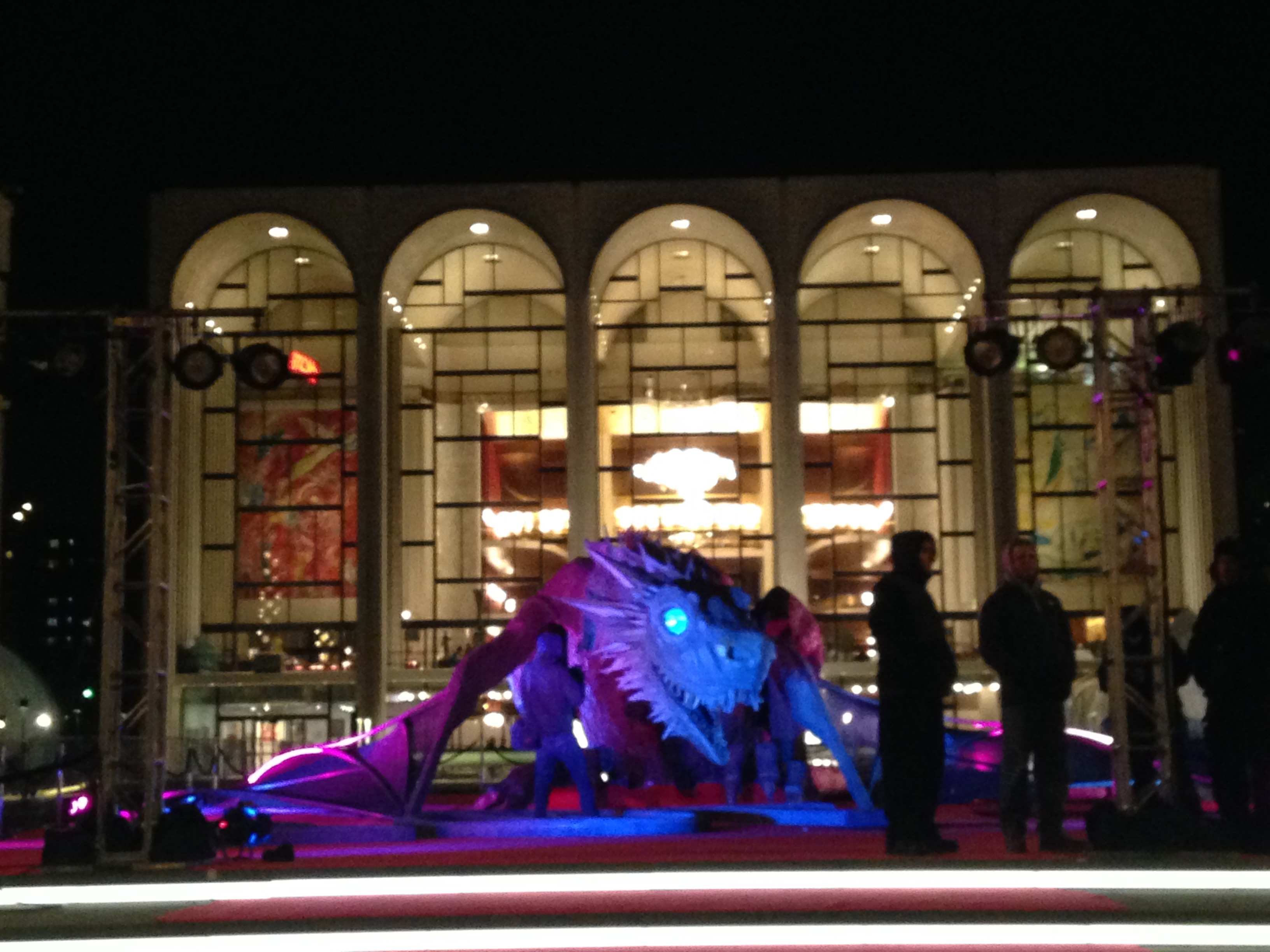
And 2019 when they hosted the premiere of Game of Thrones. With a life-size dragon!
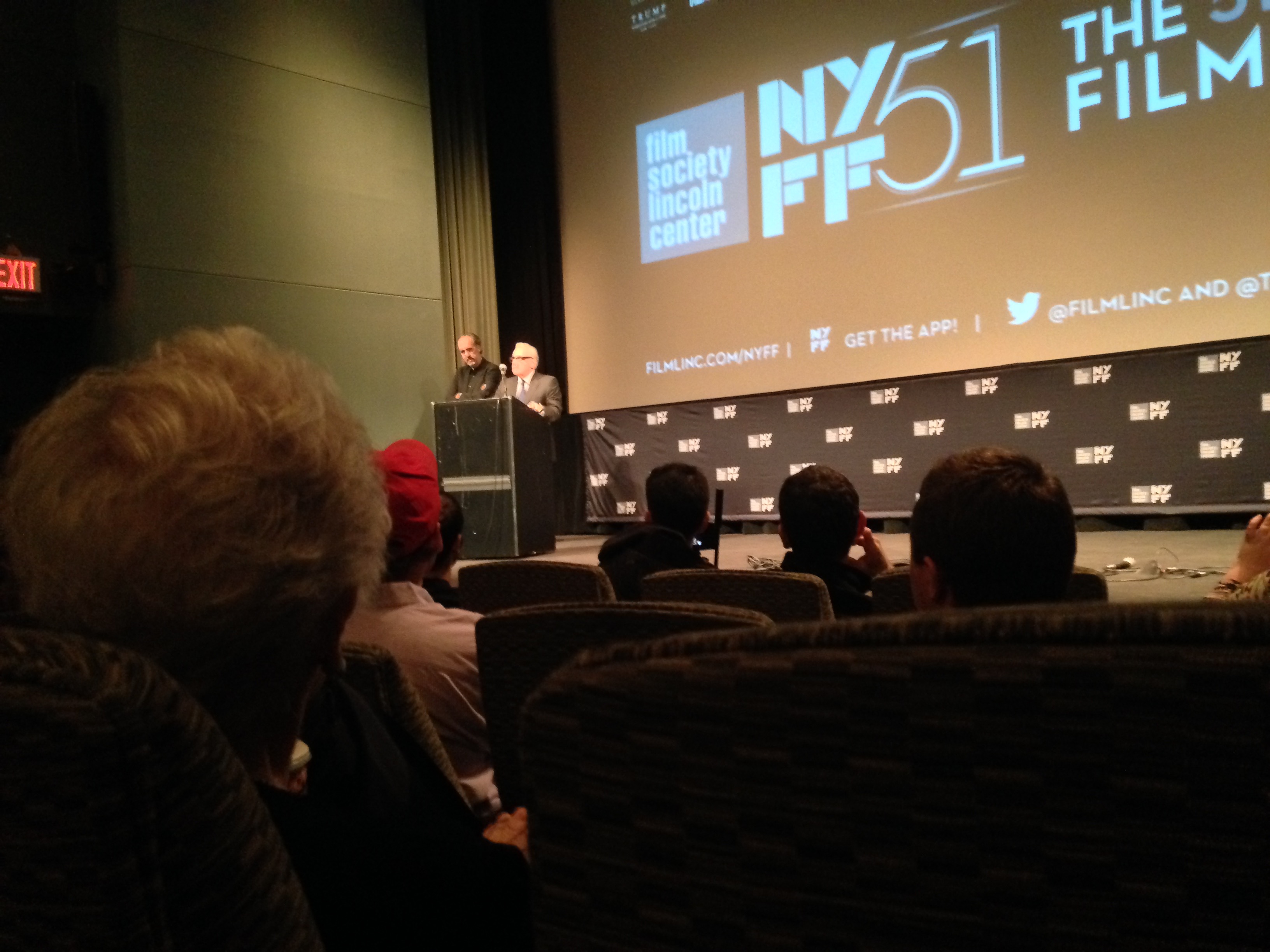
Martin Scorsese! He introduced a screening of his film The Age of Innocence at the New York Film Festival.
FURTHER LISTENING
Back catalog episodes mentioned on show or shows with similar themes that we think you’ll enjoy.
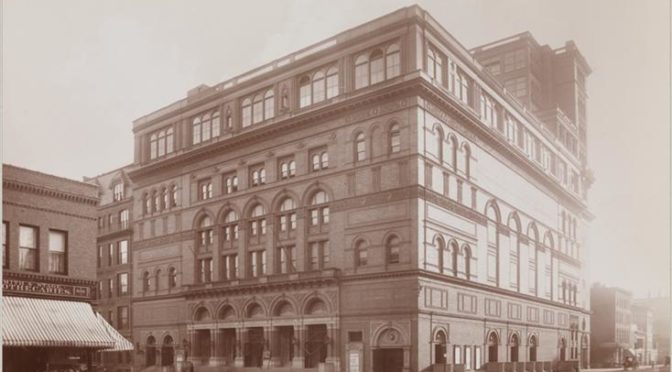
How do you get to Carnegie Hall? Well, we can at least show you the way through its tumultuous history, from a fortunate meeting on a Norwegian cruise ship, passed a symphonic rivalry, and into the 20th Century with some of the biggest names in classical and popular music.
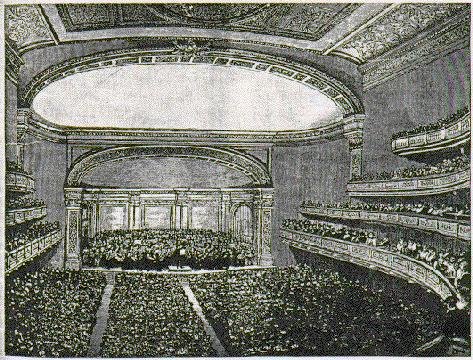
A crude sketch of Carnegie Hall on opening night, illustrating how simply packed it was
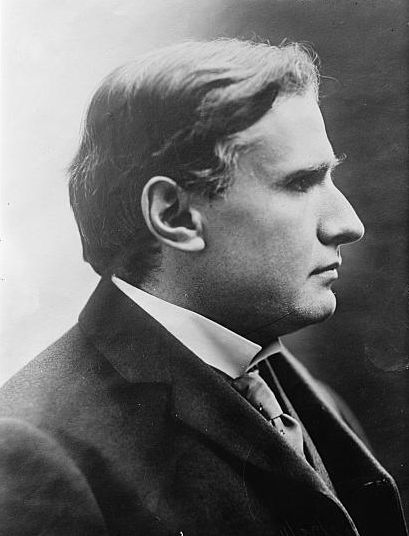
Walter Damrosch
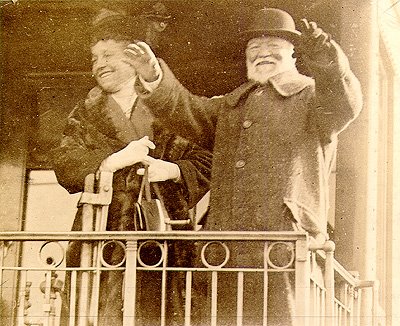
Andrew and Louise Carnegie in 1914
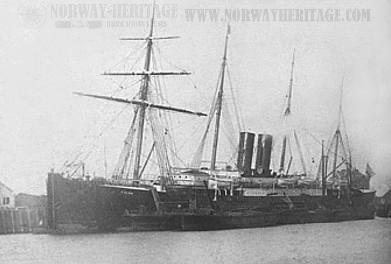
The steamship Fulda, where Damrosch and Carnegie had their fateful meeting
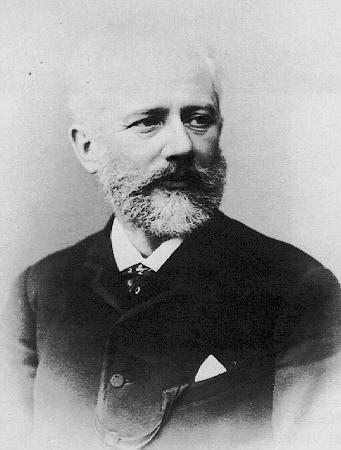
Pyotr Ilyich Tchaikovsky, ‘nervous’ but head intact, who gave one of his final performances on Carnegie Hall’s opening night
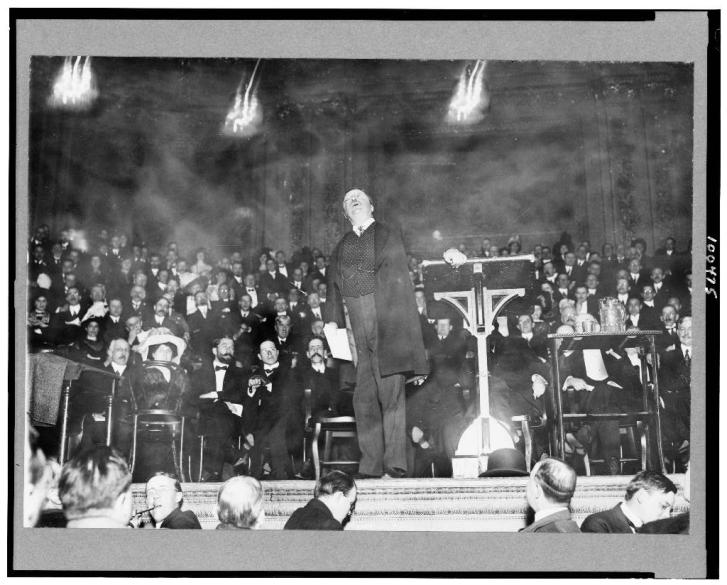
Teddy Roosevelt grandstands to a captive audience in 1912
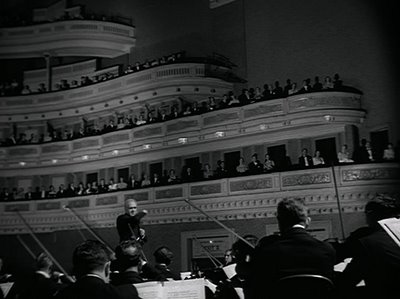
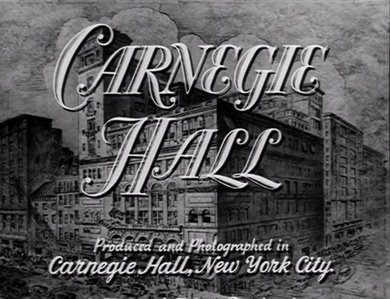
The interior, taken in 1947, for a feature film by Edgar G Ulmer titled Carnegie Hall, which featured performances by Artur Rubinstein and Lily Pons. Walter Damrosch makes a cameo in the film!
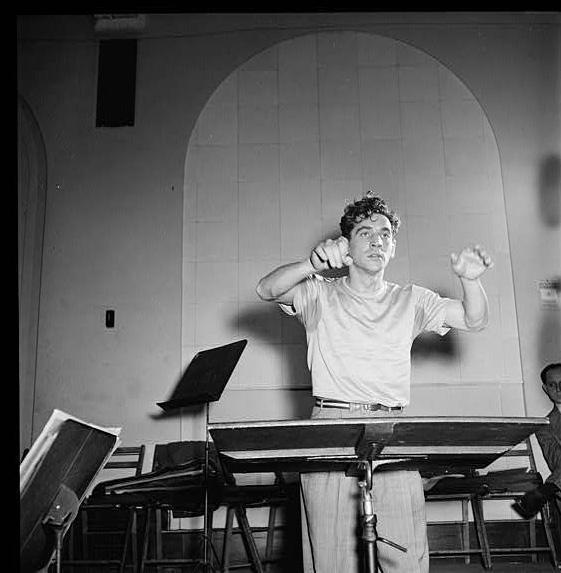
Leonard Bernstein, one of Carngie’s most enduring figures, seen here in a shot between 1946-48
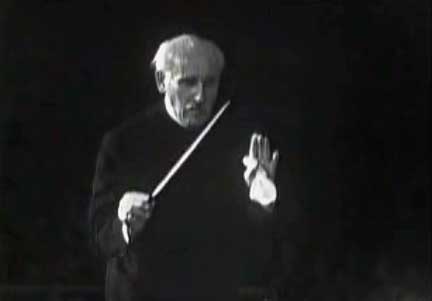
Arturo Toscanini was a regular here, in particular performing with the NBC Orchestra, bringing classical music to the new medium of television
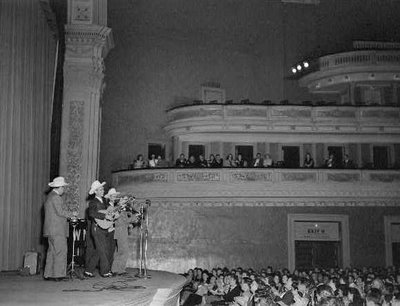
A long way from the Grand Ole Opry! Bob McCoy and Ernest Tubb brought country music to Carnegie back in 1947
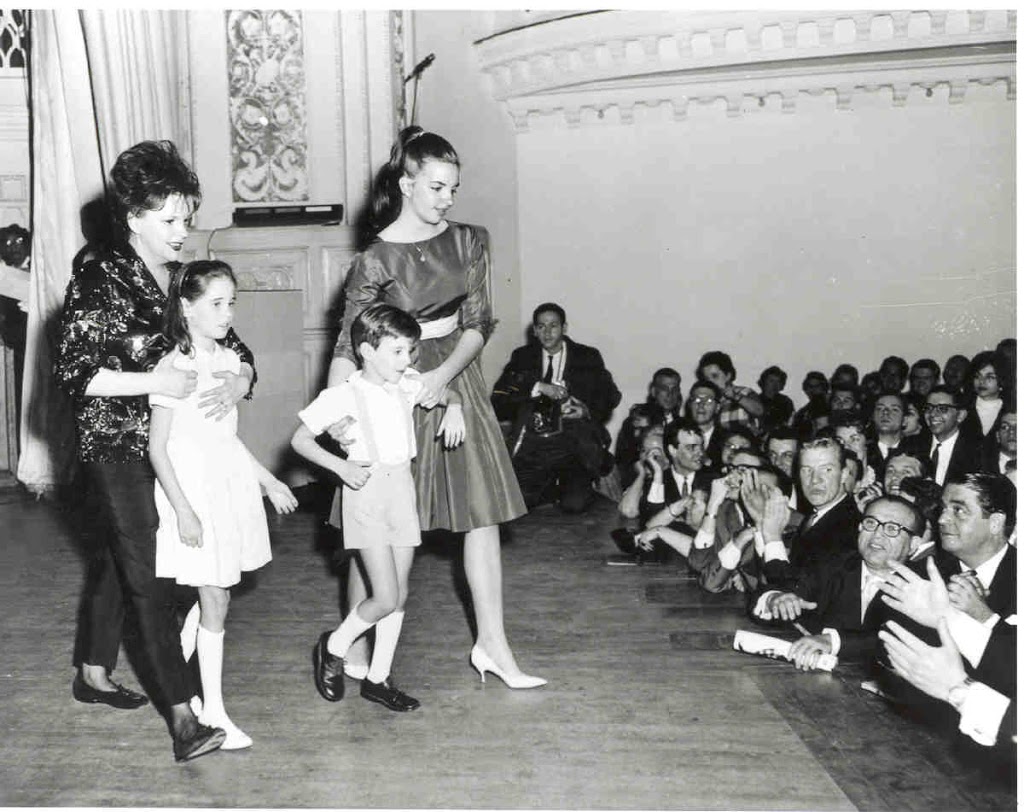
Judy Garland brings her family on stage. Young Liza would grow up and perform here as a superstar in her own right.
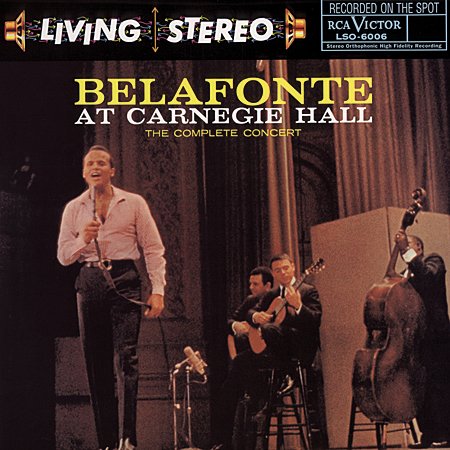
Dozens of performance have recorded live albums here, including Harry Belafonte, whose 1959 album (below) was such a success, he recorded another one the next year
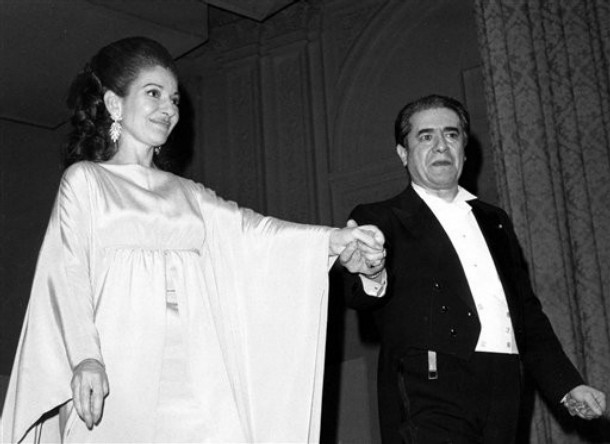
Maria Callas and Giuseppe di Stefano perform at a Carnegie Hall benefit in 1974. Callas would give a farewell performance on this stage.
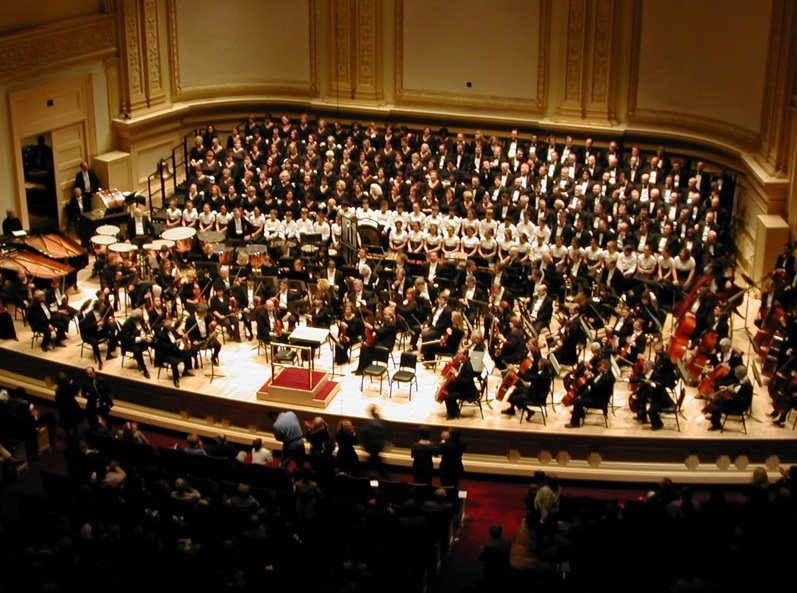
The Dallas Symphony and Chorus, in 2005. Most major-city symphonic and choral groups have made their way to the Carnegie Hall stage at one time or another
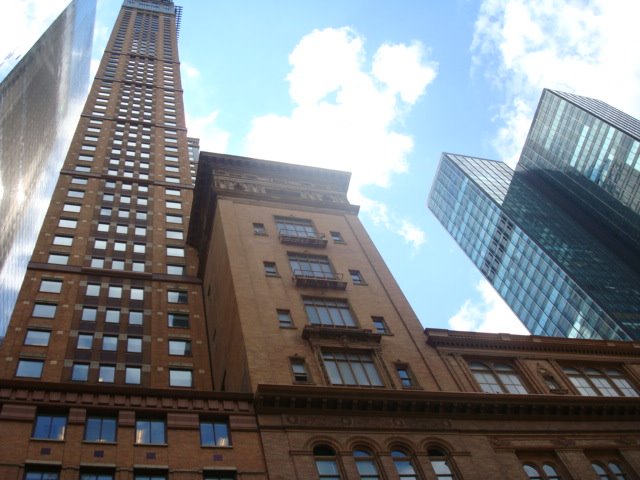
The Carnegie Hall Towers, rising nearby, were built in the late 1980s
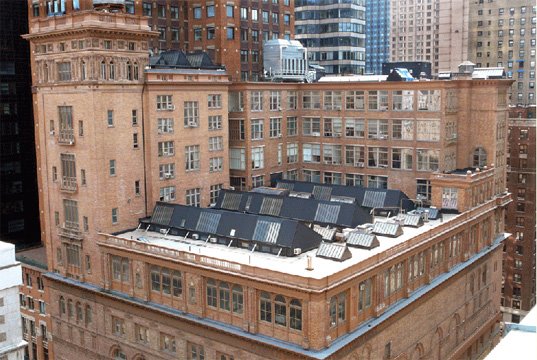
The top of the building, looking down at the famed Carnegie Hall Studios. A haven for artists, Carnegie Hall recently announced the studios were being transformed into music education facilities, an announcement not greeted kindly by some.