Categories
Health and Living Podcasts

The Curious Case of Typhoid Mary: The Race to Quell an Epidemic

PODCAST An account of a mysterious typhoid fever outbreak and the woman — Mary Mallon, the so-called Typhoid Mary — at the center of the strange epidemic.
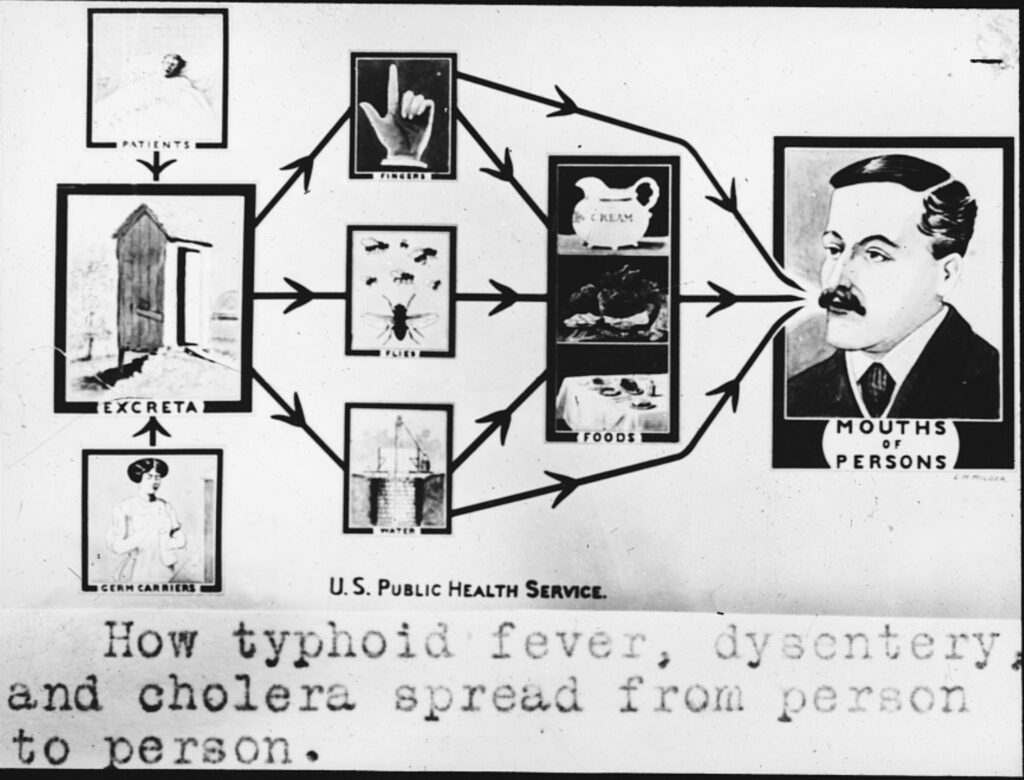
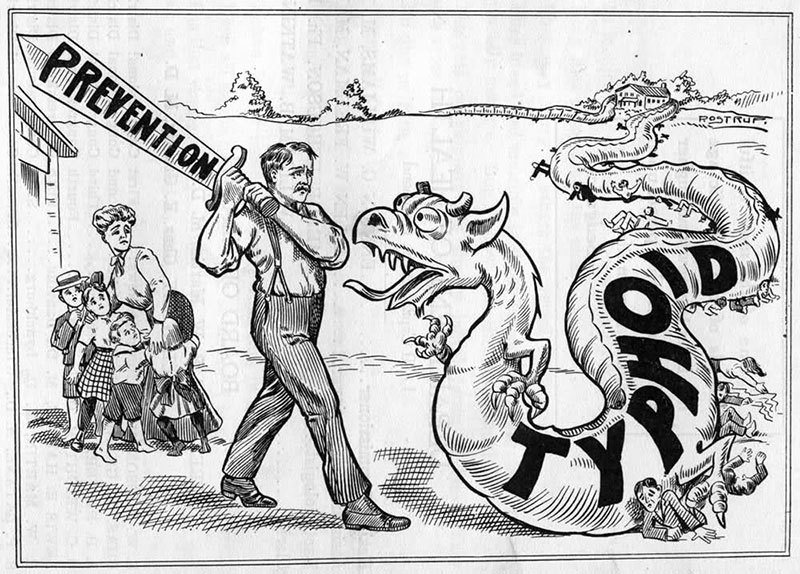
American Red Cross 1919, courtesy Library of Congress

The tale of Typhoid Mary is a harrowing detective story and a chilling tale of disease outbreak at the start of the 20th century.

Why are whole healthy families suddenly getting sick with typhoid fever — from the languid mansions of Long Island’s Gold Coast to the gracious homes of Park Avenue?

Can an intrepid researcher and investigator named George Soper locate a mysterious woman who may be unwittingly spreading this dire illness?

Mary Mallon — is she a victim or an enemy? One of the weirdest and divisive tales of the early 1900s. What side are you on?

Listen today on your favorite podcast player:

_________________________________________________________

The Bowery Boys: New York City History podcast is brought to you …. by you!

We are now producing a new Bowery Boys podcast every week. We’re also looking to improve and expand the show in other ways — publishing, social media, live events and other forms of media. But we can only do this with your help!

We are now a creator on Patreon, a patronage platform where you can support your favorite content creators.

Please visit our page on Patreon and watch a short video of us recording the show and talking about our expansion plans.

If you’d like to help out, there are six different pledge levels.Check them out and consider being a sponsor.

We greatly appreciate our listeners and readers and thank you for joining us on this journey so far.

________________________________________________________
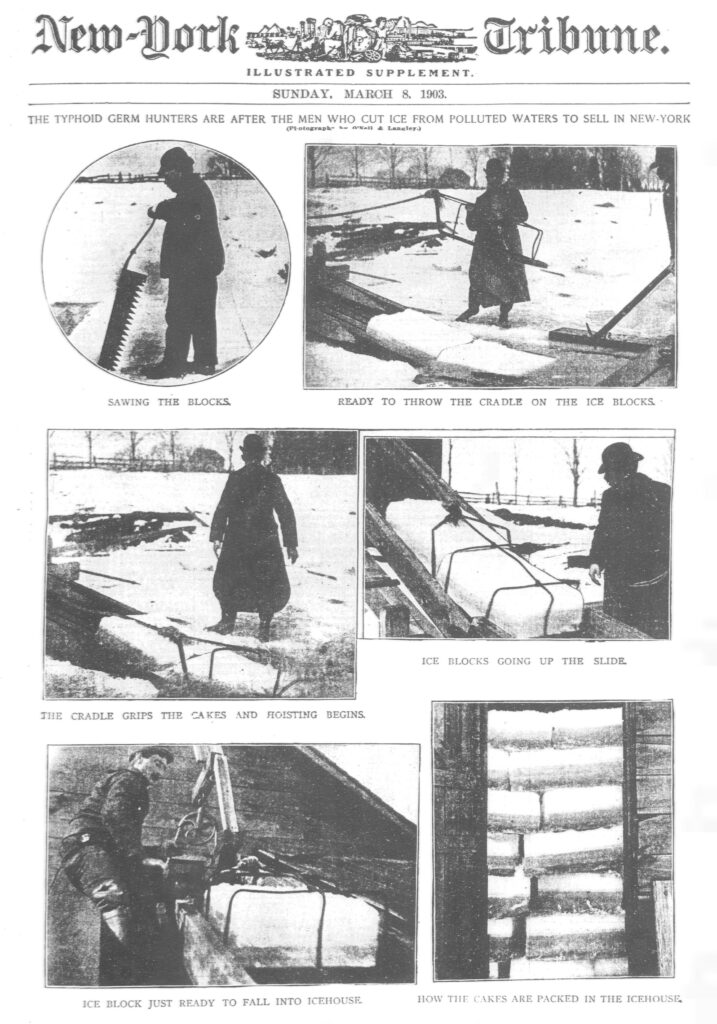
‘The typhoid germ hunters are after the men who cut ice from polluted waters to sell in New York.’ New-York Tribune, March 8, 1903,

The infamous newspaper article from the New York American (June 30, 1907) which depicts Mary literally seasoning her meals with death.
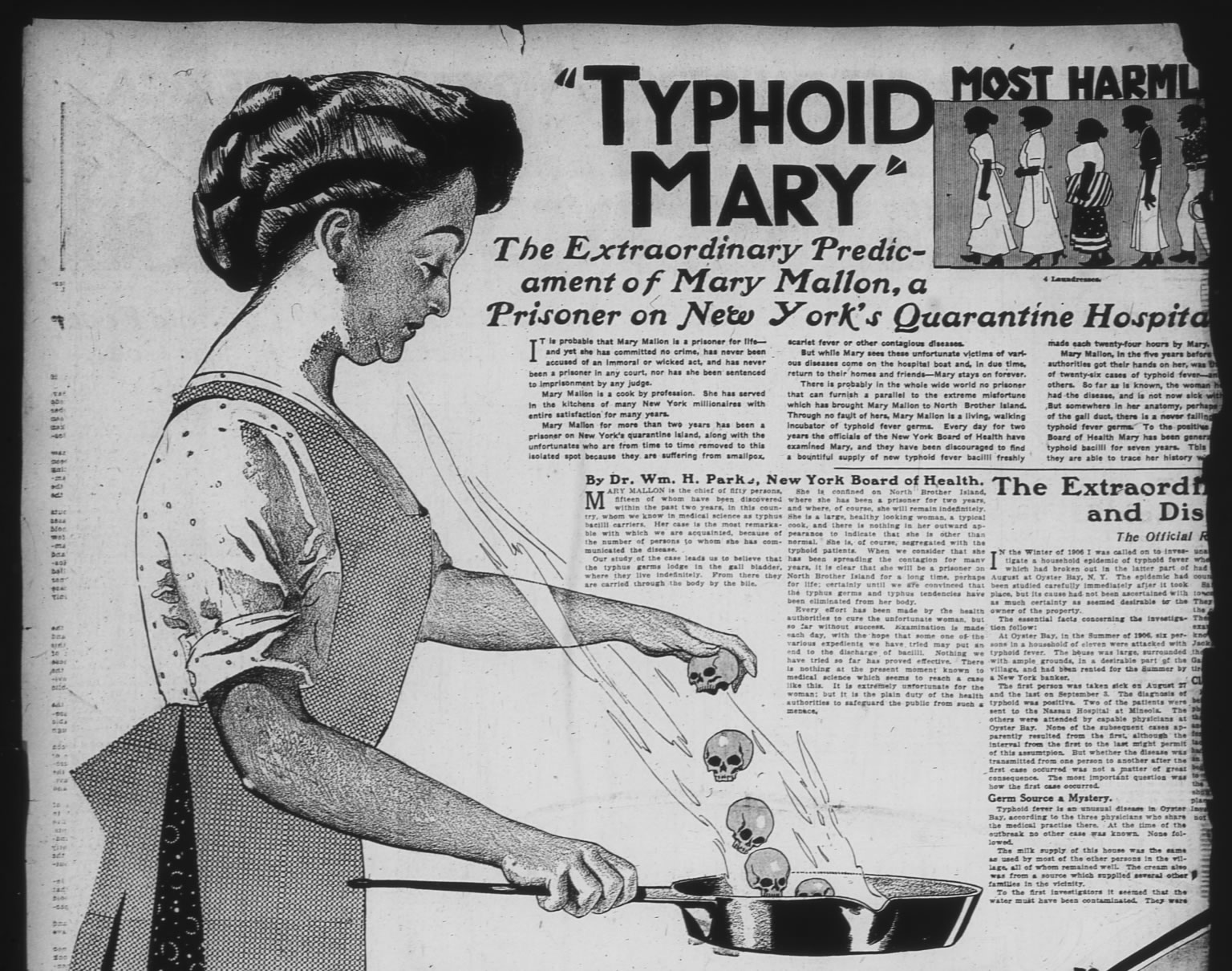
typhoid-mary-1

Another newspaper headline from the Evening World, April 1, 1097
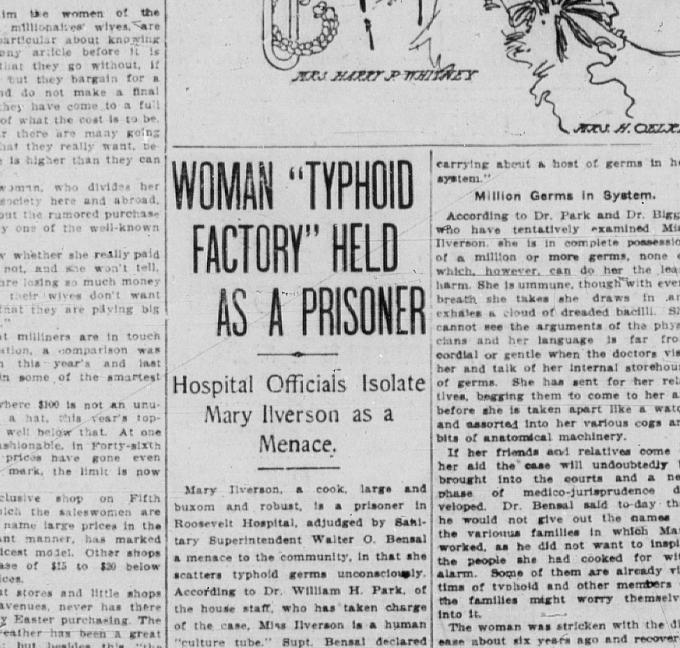
image_681x648_from_352,1448_to_1977,2995

Mary Mallon in a hospital bed at North Brother Island
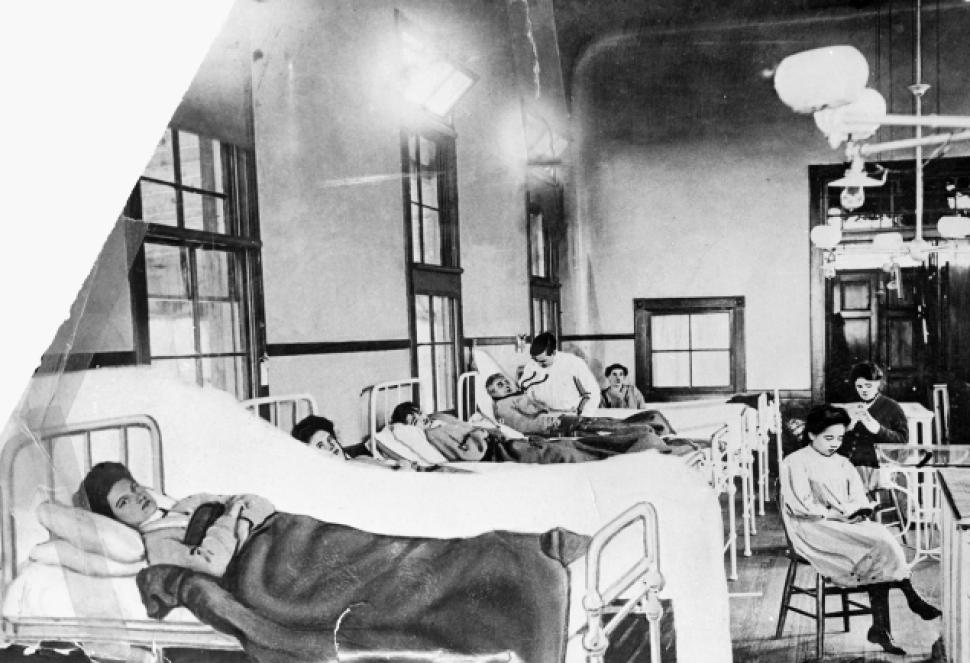
u1183097inp

Dr. Emma Sherman standing next to Mary Mallon in the early 1930s. Mary has already spent over 15 years on North Brother Island by this time.
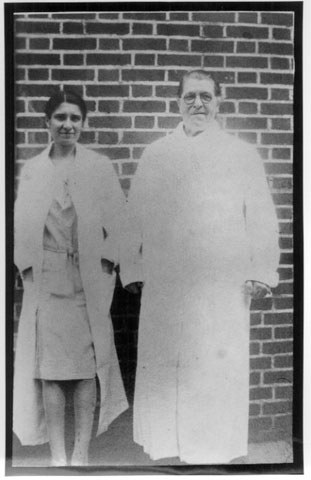
image-01-large

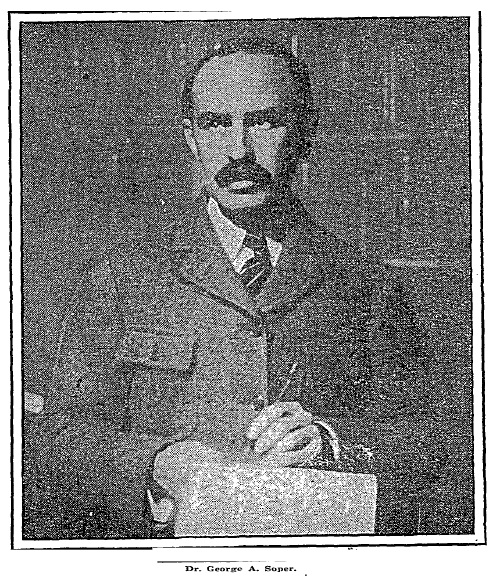
The sanitation engineer (and detective of our story) George Soper who relentlessly tracked down Mary.  (From the New York Times, April 4, 1915)
ny-times-dr-soper-april-4-1915

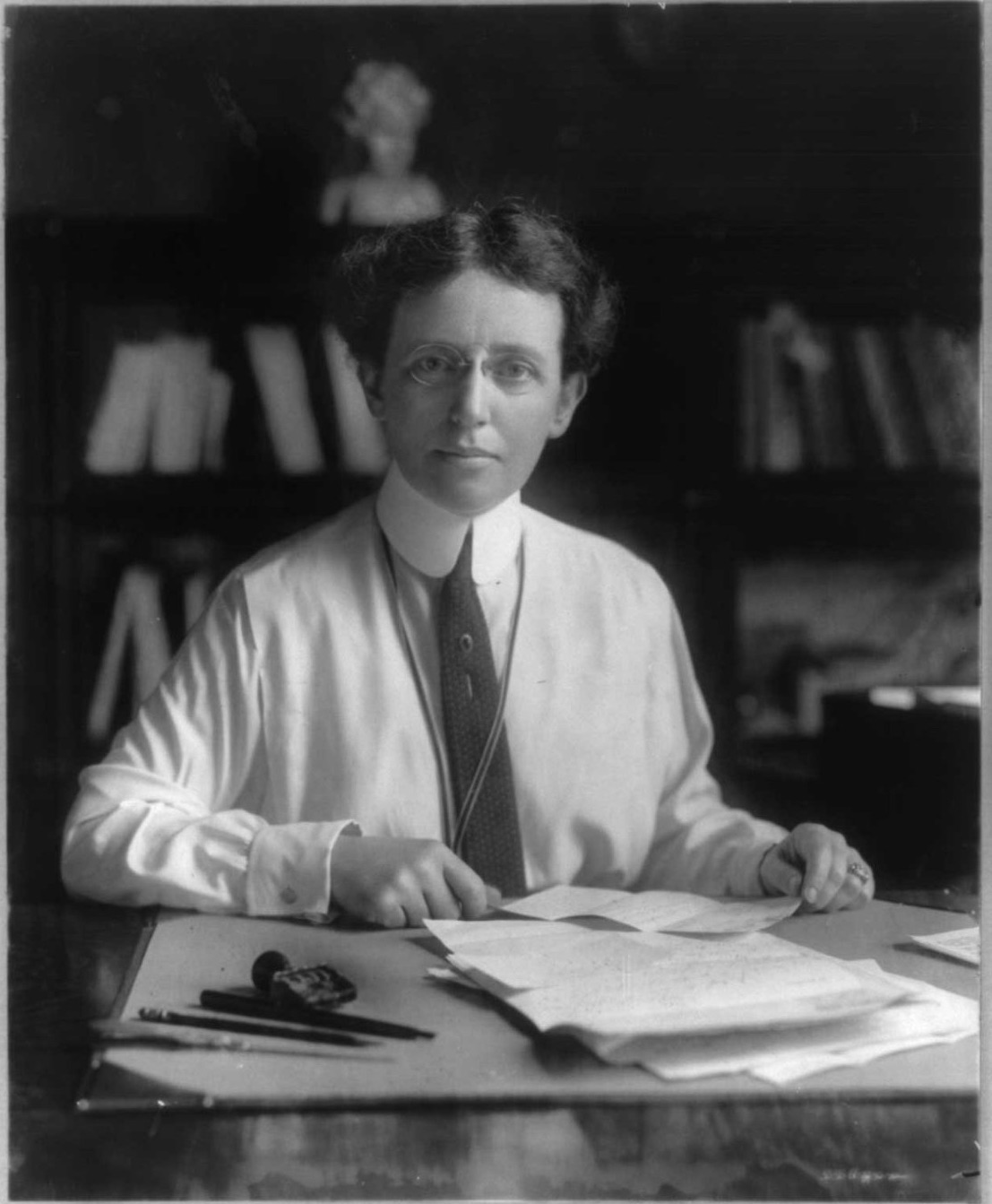
Sara Josephine Baker, the pioneering doctor who was brought in by Soper to (futilely) talk some sense into Mary.
1

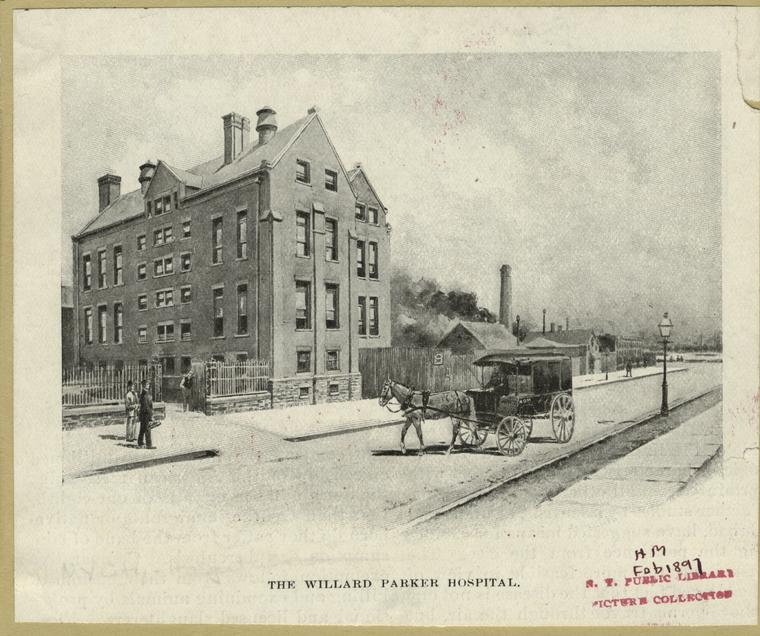
Willard Parker Hospital, formerly at East 16th Street along the East River in the old gashouse district.
Courtesy New York Public Library

The smallpox hospital on North Brother Island.
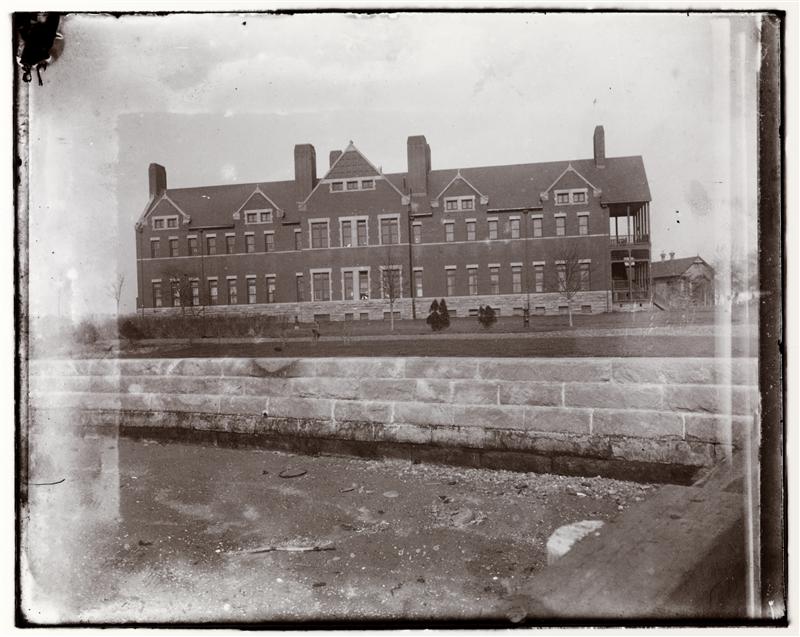
Photo by Jacob Riis, courtesy Museum of the City of New York

Mary Mallon’s cottage on North Brother Island where she spent the remainder of her life.
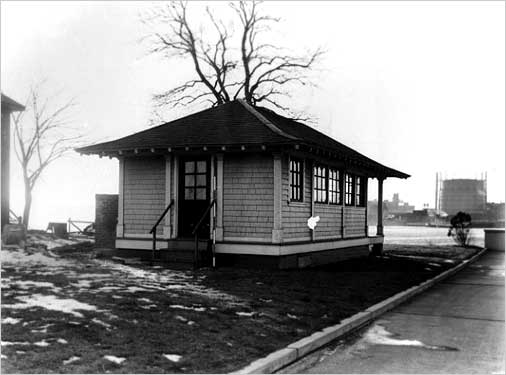
typhoid-marys-cottage

A poster hung in eating establishments following the whole Typhoid Mary fracas.
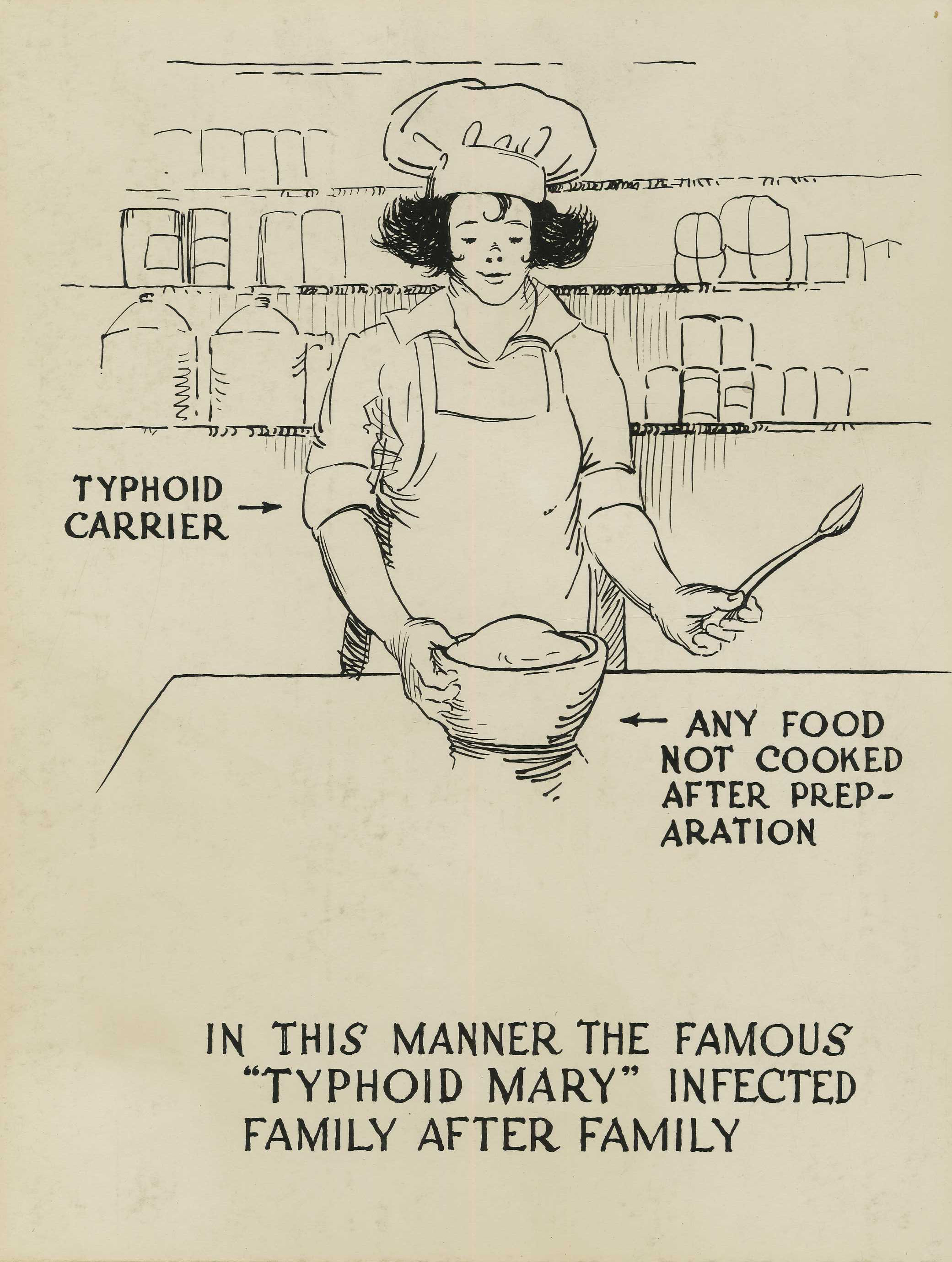
Otis Historical Archives Nat'l Museum of Health & Medicine
Otis Historical Archives Nat’l Museum of Health & Medicine

FURTHER LISTENING

After listening to this show, take a dive into previous episodes which relate to this subject —

Sara Josephine Baker also appears in this 2019 episode about women health care workers in the Progressive Era:

Many years before North Brother Island, America’s largest quarantine hospital was located on Staten Island. That is, until 1858 when the residents, endangered for decades and ignored by the state, finally took matters in their own hands

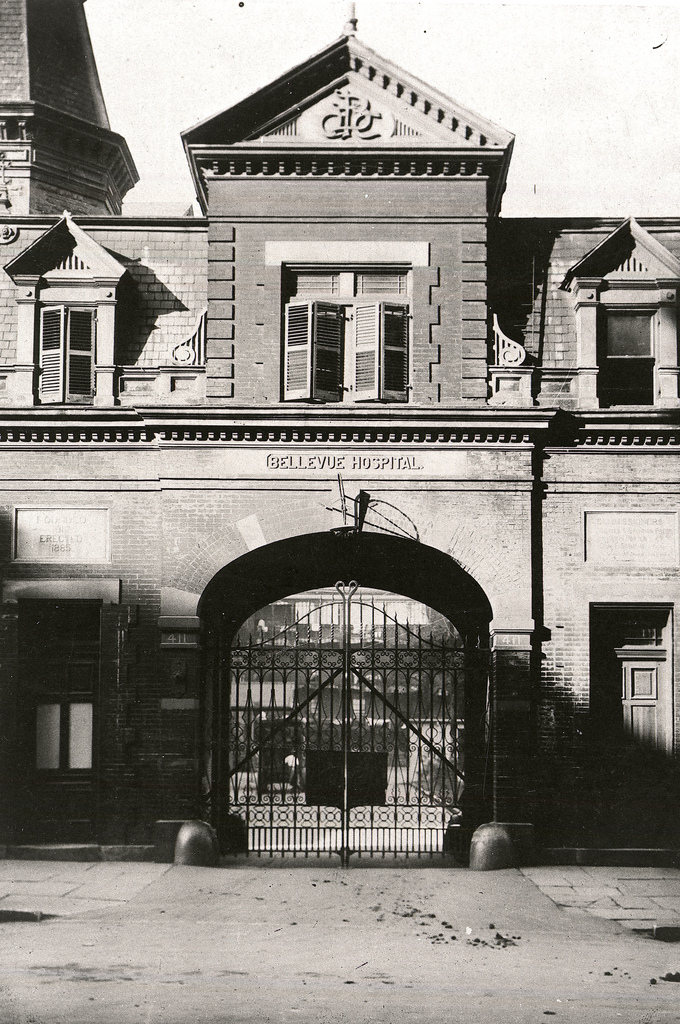
Welcome to Bellevue Hospital, New York’s most famous (and infamous) hospital — from ‘pest house’ to execution ground, from a Pathological Museum to New York’s first city morgue
Categories
Health and Living Podcasts

The startling history of Bellevue Hospital, beyond the horror stories, the last resort for the New York unwanted

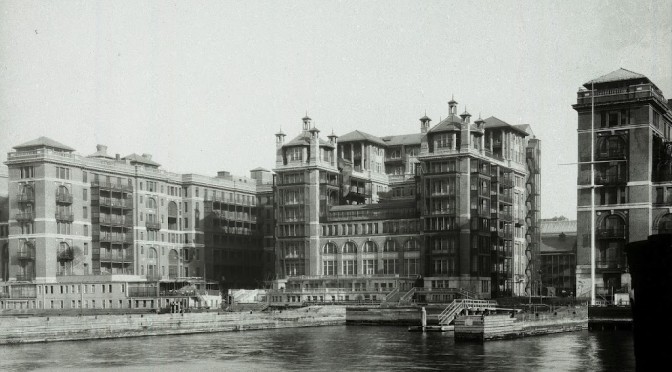
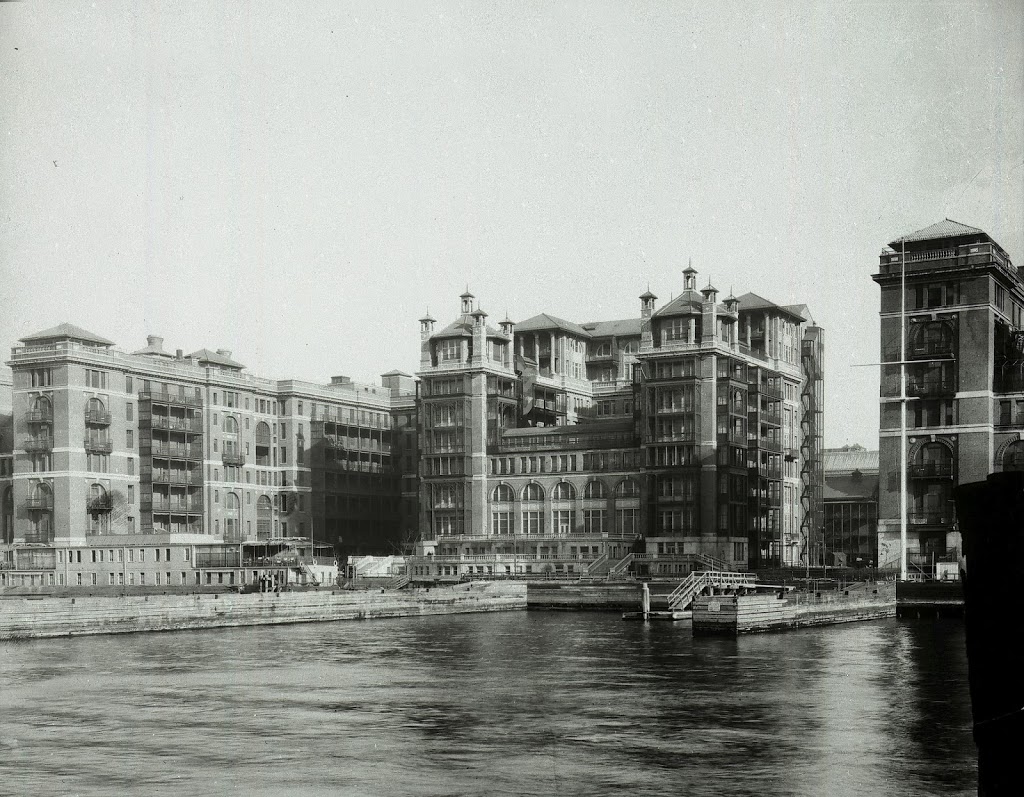
Bellevue from the waterfront, 1879.  Proximity to the shoreline — which once gave the original mansion here that ‘belle vue’ — was key in the early years of Bellevue, as sometimes it was the fastest way to get to the hospital when roads were less than ideal. (Courtesy NYC HHC)

PODCAST Bellevue Hospital, you might have heard, once had a very notorious psychiatric ward. But those horror stories have only distracted from the rather breathtaking — and heart-breaking — history of this historic institution, a lifeline not only for the sick, but for the poor, the incarcerated, the abandoned — even the dead!

The hospital traces its origins to a six-bed almshouse that once sat near the location of New York City Hall today. Despite its humble and (to the modern eye) confusing original purposes, the almshouse was miles better than the barbaric medical procedures of early New York, courtesy the ominous sounding ‘barber-surgeons‘.

A series of yellow fever epidemics moved care for the sick to a former mansion called Belle Vue near Murray Hill — and, in fact, with a strong connection to the Murray of said Hill.  Soon the institution fulfilled a variety of roles and in rather ghastly conditions, from ‘pest house’ to execution ground, from a Pathological Museum to New York’s first city morgue.

A great many medical advances came from Bellevue, not least of which the origins of the modern ambulance. But some of that progress has been obscured by the reputation of the Bellevue Psychiatric Hospital which opened in 1931 and ‘hosted’ a variety of famous people with disturbing issues.  And in the 1980s, Bellevue would take on another grim role — during the most distressing years of the AIDS crisis.

To get this week’s episode, simply download it for FREE from iTunes or other podcasting services, subscribe to our RSS feed or get it straight from our satellite site.

You can also listen to the show on Stitcher streaming radio and Player FM from your mobile devices.

Or listen to straight from here:

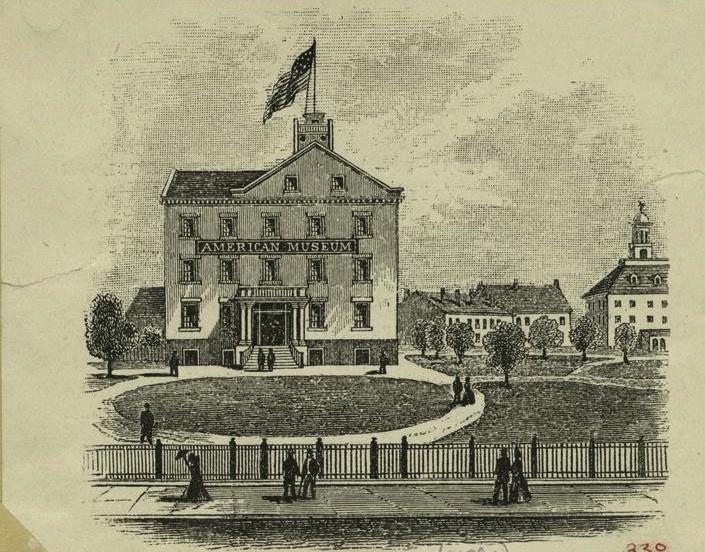
Bellevue traces its start to the original Almshouse which sat in the old common ground that is today City Hall and City Hall Park.  The first infirmary was on the second floor, a total of six beds and originally just one doctor.  When it moved to the Belle Vue mansion during the yellow fever years, this building became refashioned for several institutions, including (as seen below) Scudder’s American Museum, which became the basis for P. T. Barnum‘s museum of the same name. (Courtesy NYPL)

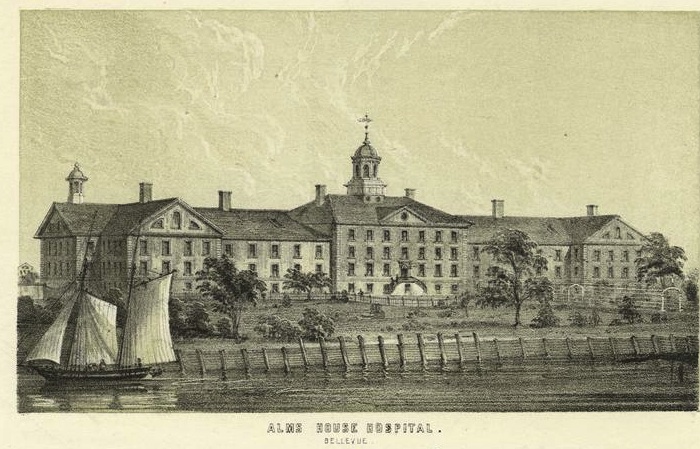
The first incarnation of the ‘almshouse hospital’ in 1852.  By this time, the city had expanded up to this area of Bellevue, and the hospital both farmed out services like its penitentiary and ‘pest-house’ to Blackwell’s Island and expanded its current site to serve the needs of thousands of newly arrived immigrants. (NYPL)

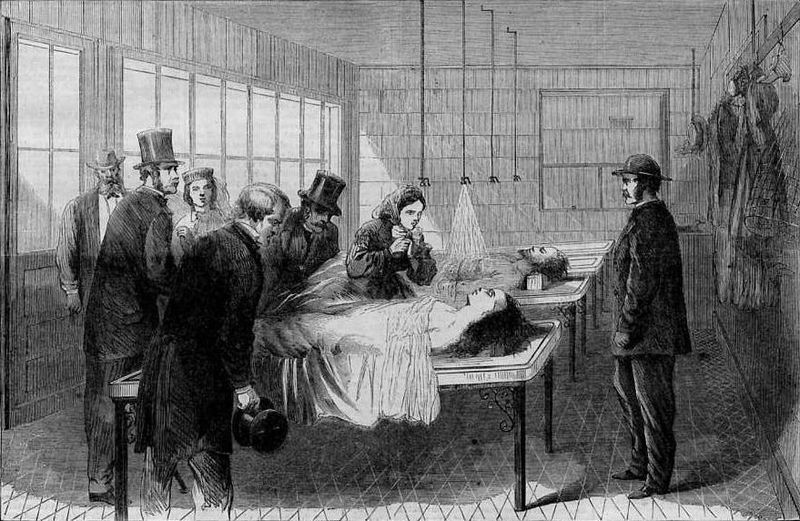
The hospital always had a morgue — its mortality rate, after all, was quite high in the 1830s-40s — but in 1866, it expanded to become New York City’s first city morgue.  Bodies had to be buried after a few days, but for identification and forensic purposes, clothing and other personal articles were kept on display for a month then put into storage.

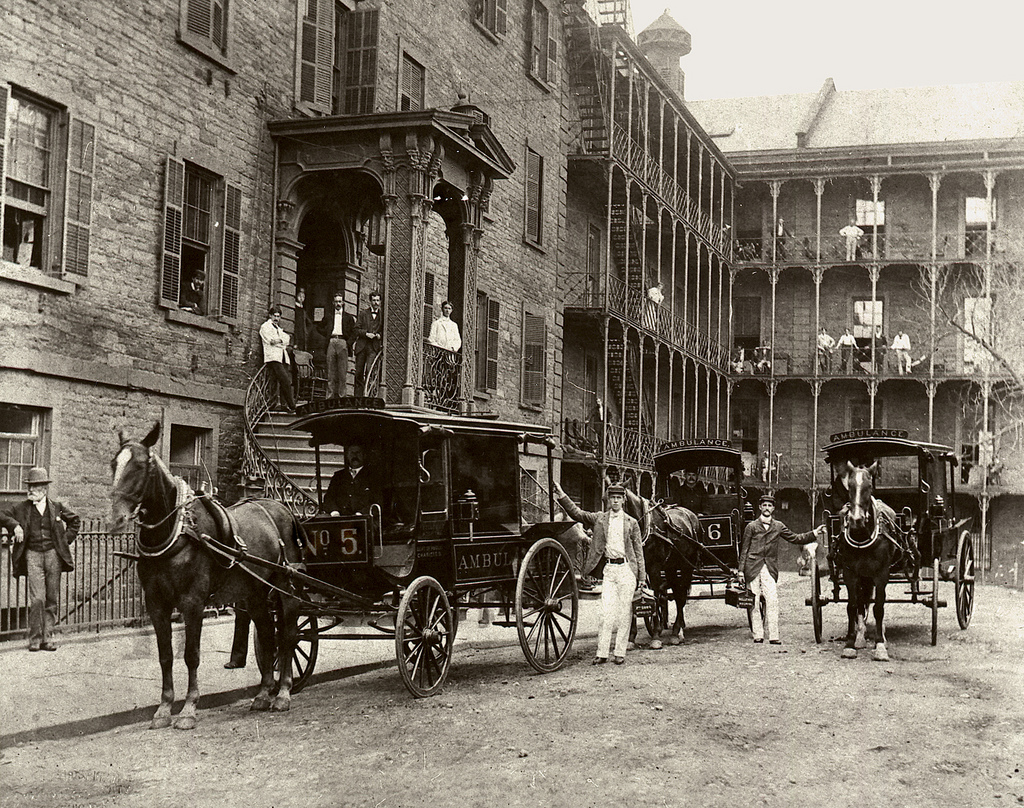
The first ambulance service ever started at Bellevue in 1869, thanks to the hospital’s connections to the Civil War. The fleet of horse-drawn ambulances features a gong to get through busy streets and a container of brandy as an early reliever of pain.

By the way, I read in one source that the railing of that spectacular entrance to the left was actually taken from the balcony of the demolished Federal Hall, where George Washington was sworn in as America’s first president! I’ll have to find out more about that…. (NYC HHC)

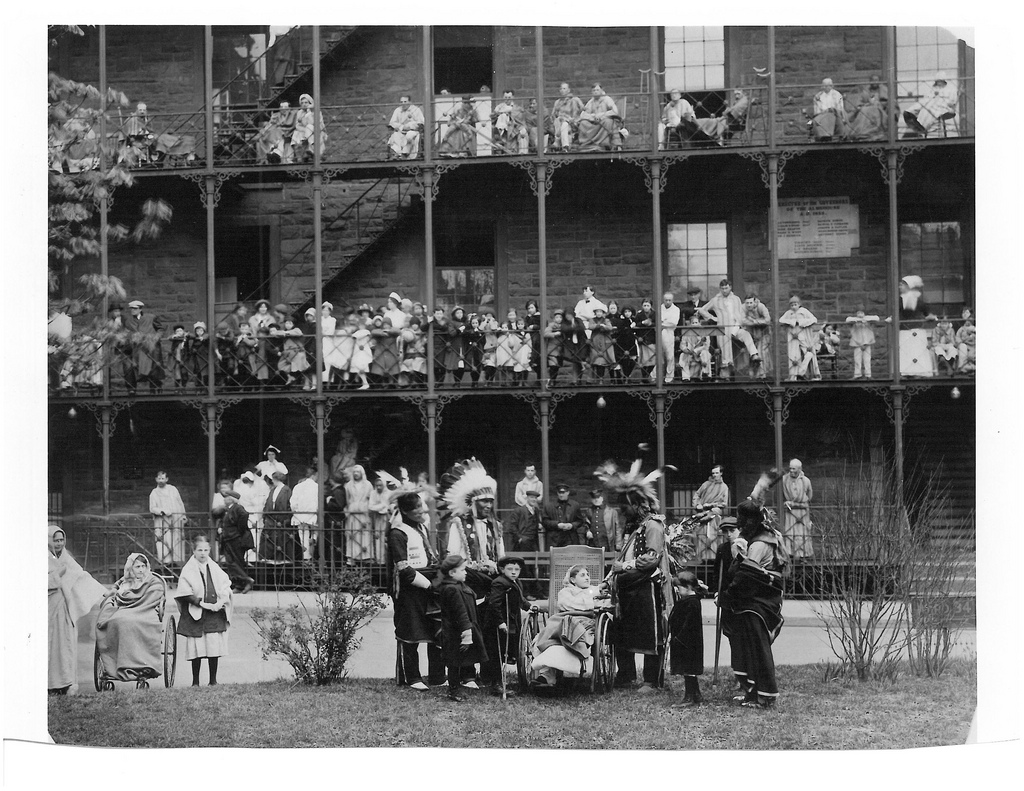
The circus of Barnum and Bailey annually visited the old hospital, entertaining the patients who watched from those glorious iron balconies.  This picture is from 1919 and featured some performers dresses as Indians. (Courtesy Bellevue Hospital Archives)

The hospital’s enduring reputation for treating alcoholics — and the less-than-glowing reputation of its psychiatric ward — were featured in the Billy Wilder film ‘The Lost Weekend‘, which won the Oscar for Best Picture.

Patients had to be evacuated in October 2012 during Hurricane Sandy and was only restored to full service in February of this year.

CORRECTION: In discussing early hospitals that moved into old mansions, I mention Long Island City Hospital, but meant Long Island College Hospital.

http://www.flickr.com/photos/hhcnyc/6507317011/