Categories
Gilded Age New York Podcasts

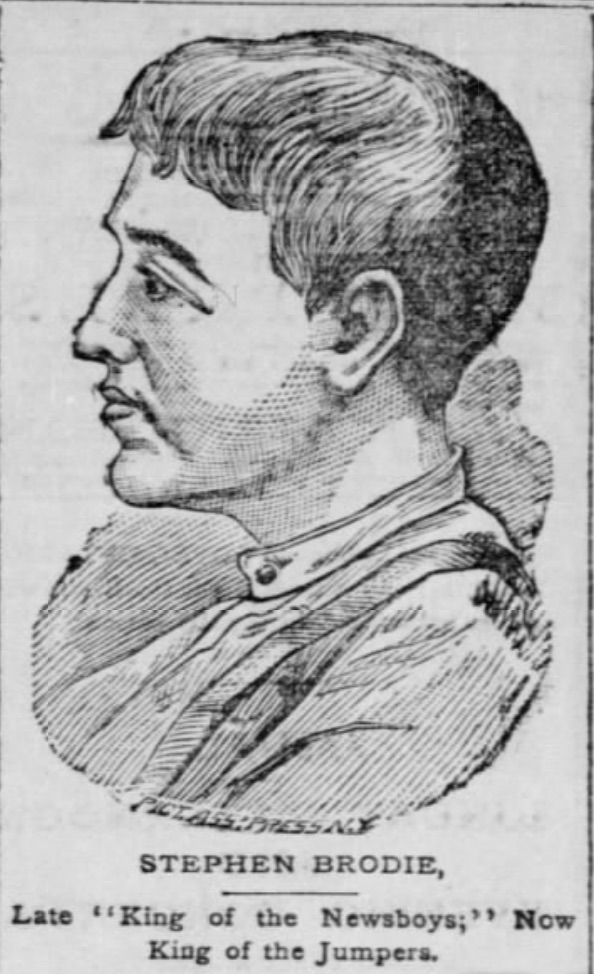
That daredevil Steve Brodie! Did the former newsboy really jump off the Brooklyn Bridge?

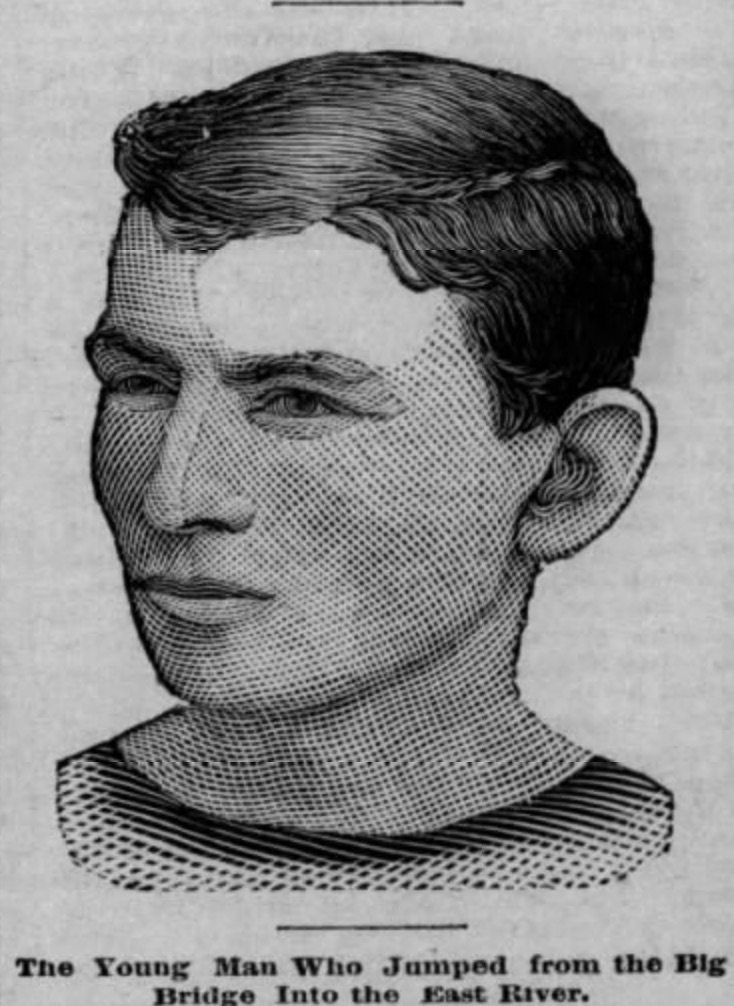
PODCAST A tale of the ‘sporting life’ of the Bowery from the 1870s and 80s. A former newsboy named Steve Brodie grabs the country’s attention by leaping off the Brooklyn Bridge on July 23, 1886. Or did he?
The story of Steve Brodie has all the ingredients of a Horatio Alger story. He worked the streets as a newsboy when he was very young, fighting the bullies (often his own brothers) to become one of the most respected newsies in Manhattan.

He experienced his first taste of adulation and respect as a minor sports celebrity, participating in pedestrian competitions across the country. Back in New York, Brodie started a family and promptly lost most of his money at the race track. He yearned to do something athletic and attention grabbing again.
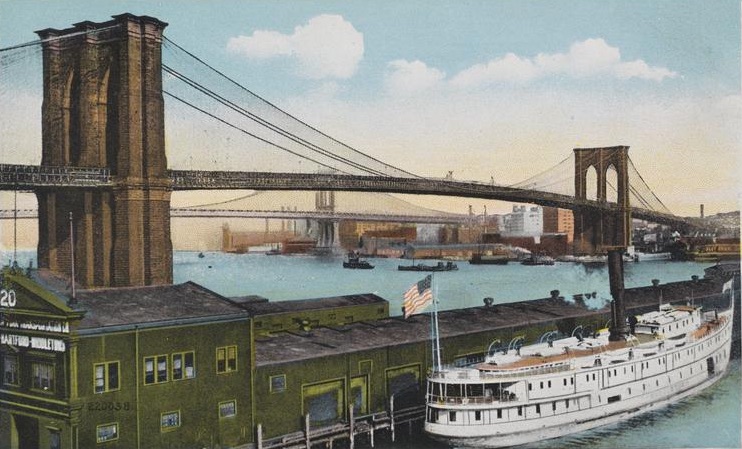
The Brooklyn Bridge, completed in 1883, was a crowning architectural jewel linking two major cities; Brodie witnessed much of its construction during afternoons diving from East River docks. He now proposed an outrageous stunt that would garner him instant fame and fortune.

He would jump off the Brooklyn Bridge!

Was Steve Brodie a hero or a fool? A daredevil or a con artist? His story provides a window into the ‘sporting men’ life of the Bowery and a look into what may possibly be the greatest hoax of the Gilded Age.
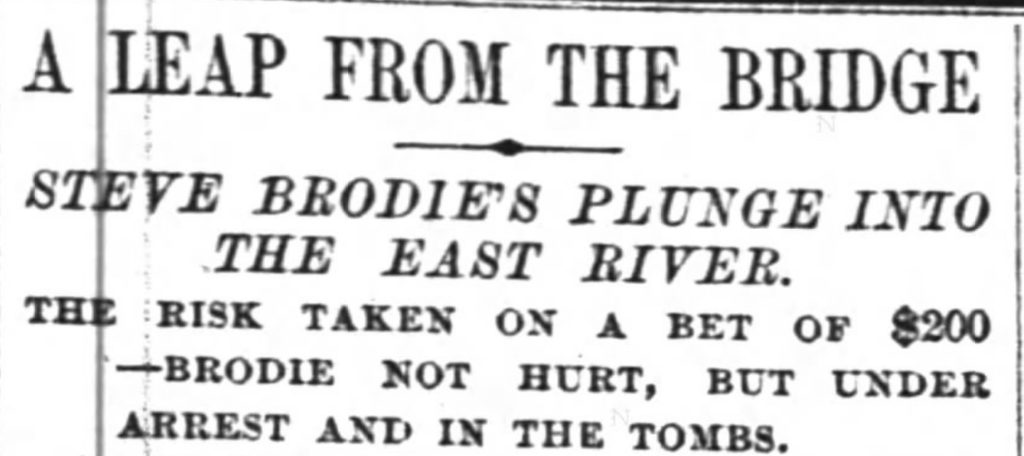
New York Times, July 24, 1886

Listen Now — That Daredevil Steve Brodie!

To get this week’s episode, simply download or stream it for FREE from iTunes, StitcherSpotify or other podcasting services. You can also get it straight from our satellite site.

Or listen to it straight from here:
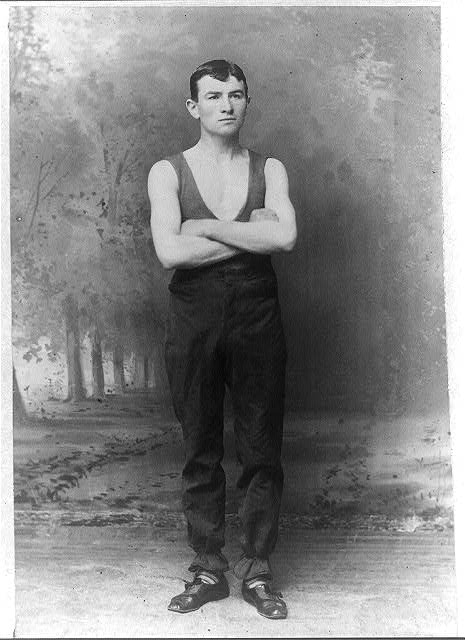
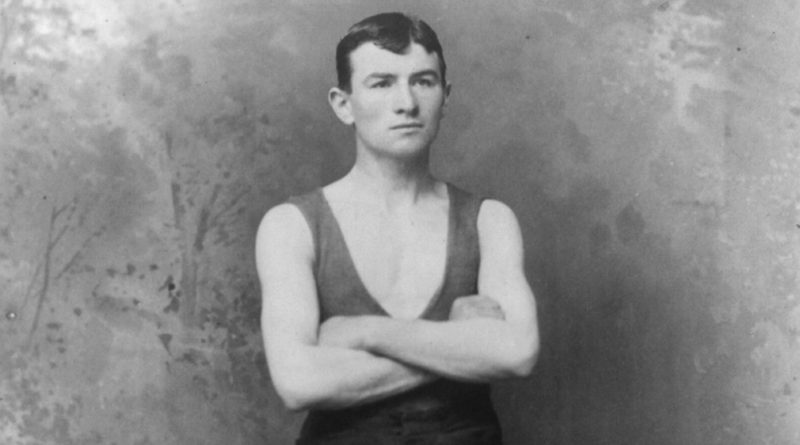
A photograph of Steve Brodie, taken on July 31, 1886, a week after his ‘jump’.
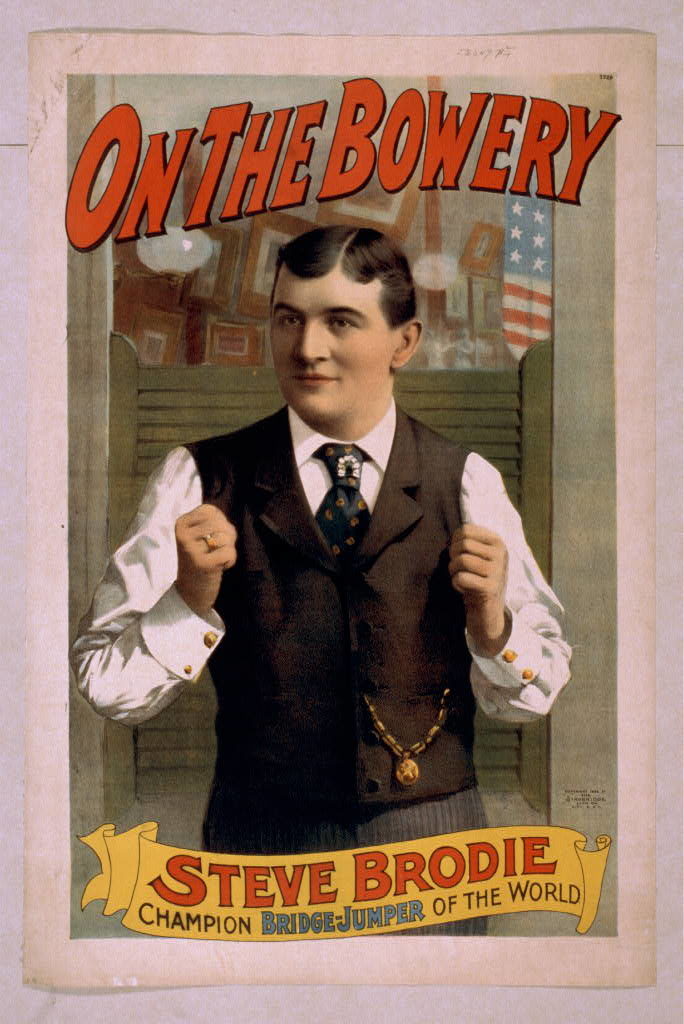
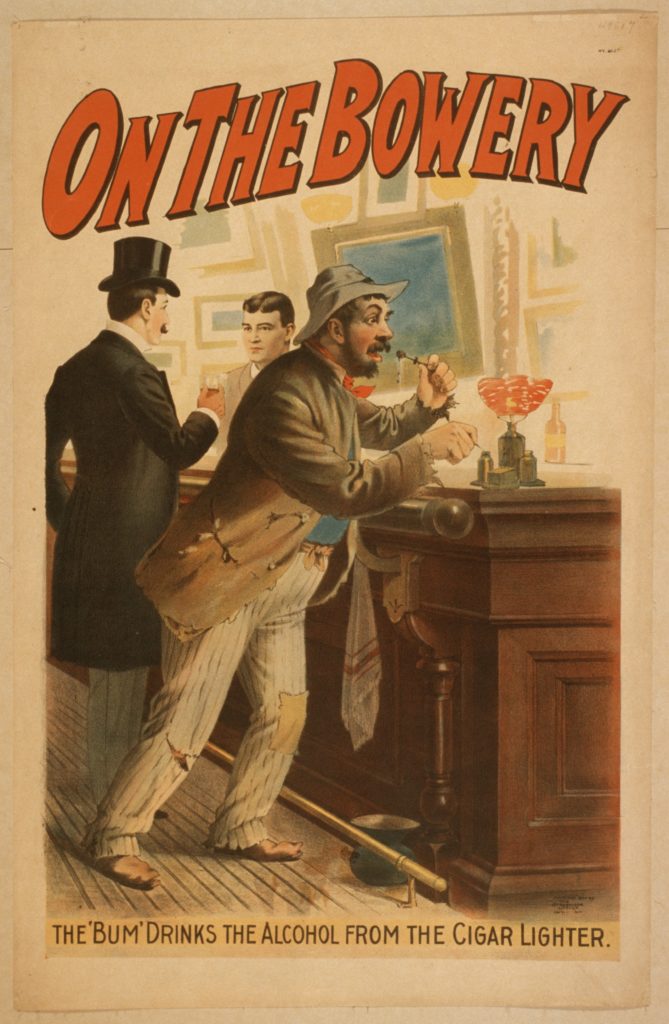
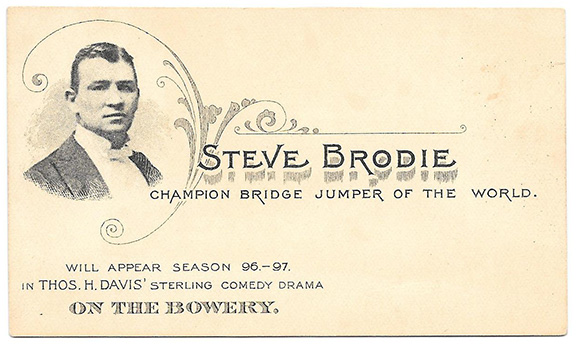
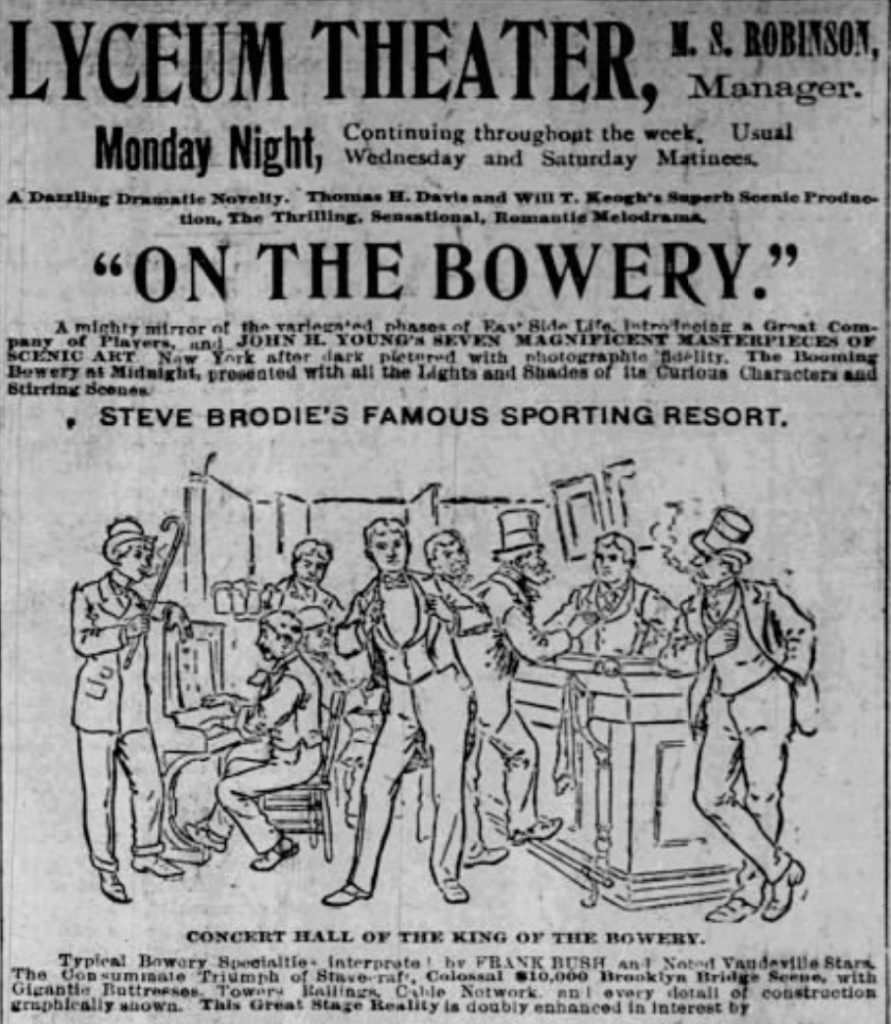
Advertisements for the show On The Bowery
Images courtesy Library of Congress
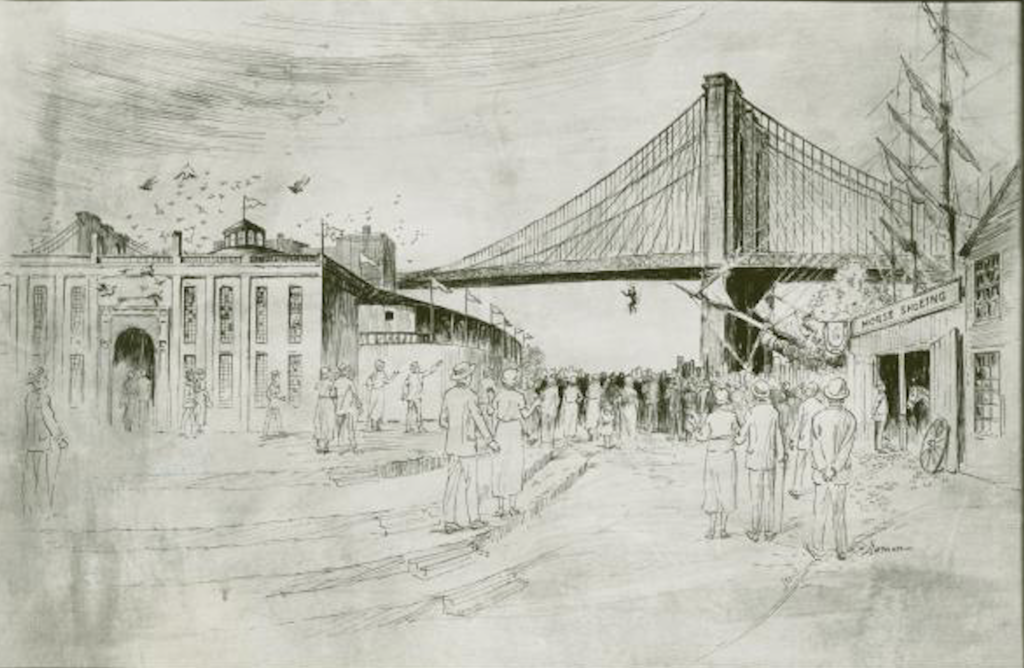
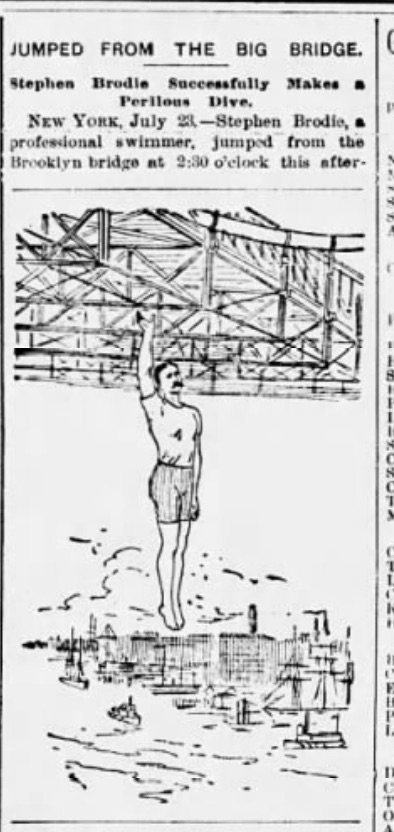
An illustration of Brodie’s jump made for the Old New York exhibition at the 1939 New York World’s Fair.

A few of the creative illustrations of Steve Brodie in the days and weeks following his stunt.
Here’s the Bugs Bunny cartoon Bowery Bugs (from 1949), courtesy the Internet Archive.

You can watch the 1933 film The Bowery on streaming services and even get the entire thing — in pieces — on YouTube. Here’s the section of the film featuring Brodie’s ‘brilliant idea’ (at around the 5:30 mark). By the way, this film is riddled with offensive stereotypes so be warned!

The actor Steve Brodie, who made his name in Western films and televisions shows, took his screen name from the Bowery’s Steve Brodie. You can also see Brodie in The Beast from 20,000 Fathoms!

My thanks to Grant Barrett for allowing me to use a clip from A Way With Words. Hopefully you’re all listeners of his excellent show with Martha Barnette about the history of language. Barrett and Barnette have been producing the show since 2007.


And here’s an article I wrote back in 2007 (!) about two saloons on the Bowery — including Brodie’s. This was written for our FRIDAY NIGHT FEVER series about the history of New York City nightlife. Past entries can be found here .

We’re going way, way, way back to New York’s seediest, filthiest and most notorious place — the Bowery in the late 19th century.

The nightlife of the old Bowery could have an entire blog in itself. It has been witness to some of the rowdiest, most shameless and debauched New Yorkers who have ever lived. They filled up dives and flophouses, brothels and saloons,  and catered to the poorest of immigrants and the richest of the upper class ‘slumming it’ for a real idea of fun unimagined in the drawing rooms of the elite.

The two saloons from the late 19th century featured here weren’t extraordinary places as we would consider today — they would both fit comfortably in the 20th century sin-den the Limelight — but they were run by extraordinary people, ‘heroes’ of the Bowery brawler set.

Geoghegan’s at 105 Bowery has been described as “a rendezvous for professional mendicants.” Often called the Bastille of the Bowery, it didn’t just spawn a few fisticuffs; it catered to them. Because this two-floor boiserie featured two boxing rings, and one of the men in the ring was often the bar’s owner.
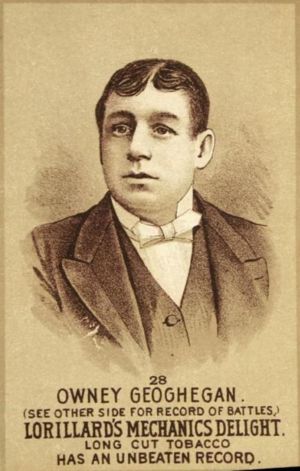
Owney’s boxing card.

Owney Geoghegan held the boxing distinction of Lightweight Champion of America from 1861 to 1964 when he retired to open his tavern/fight palace in the Bowery. His reputation naturally drew the crowds, and Geoghegan encouraged his patrons on to a little pugilism with the help of ample ales and whiskey. In 1891 the ‘Bastille’ even hosted a few rather fierce bouts of women’s wrestling, with the competitors required to cut their hair (to prevent pulling) and costume themselves wearing only tights.

Such a swarthy establishment was bound to attract the lowest elements and the most sinful gangs of New York. One journalist at the time describes it: “The faces around us are worse than those seen in a bench show of pugnacious dogs, and instinct teaches us to have a care for our nickels, for our pockets are in imminent danger.”

But perhaps the person the clientele should have feared the most was Geoghegan himself. A short but powerful Irish man, Geoghegan was known for his impressive, compact strength. And his penchant to cheat when needed.
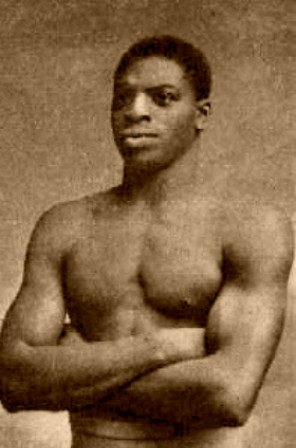
Viro Small, one of the Bowery’s most popular boxers.

Geoghegan was in the ring one night against Viro Small, a very popular black wrestler. Geoghegan was still in his prime but it was clear he was being bested in the ring by Small. The drunken crowd kept catcalling him, and he knew he couldn’t lose in his own establishment. So he had one of his henchmen hold a gun to the referee’s head and call the match for Geoghegan!

(Small didn’t hold a grudge. He later wrestled there again, with a man named Billy McCallum who afterward tried to murder him.)

As Geoghegan flexed his strength to his barflies, another Bowery saloon owner was busy displaying his gifts of agility. In 1886 Steve Brodie, on a bet, jumped off the Brooklyn Bridge, the bridge being only about three years old at the time. What was amazing was not the amount of stupidity that took, but the fact that he survived and claimed his $100 bet money.

His feat was celebrated at the time and from the fame of this simple act, he was able to open Steve Brodie’s Saloon, 114 Bowery, at Bowery and Grand Street (a couple of doors down from Geoghegan’s place).
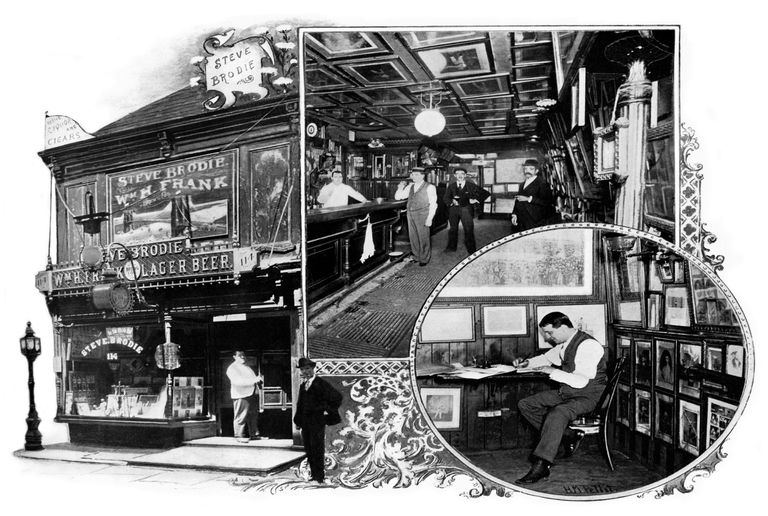
Brodie’s saloon. Note the Brooklyn Bridge mural above the bar entrance.

If Geoghegan’s dive was a celebration of his profession, Brodie’s was a celebration of his own personality. Behind the bar was an elaborate oil painting depicting Brodie bravely hurling off the bridge, along with a signed affidavit from the boat captain who fished him out of the water. The floor of the bar was inlaid with silver dollars to give it that wealthy feeling that money had been hurled to the floor.

For the cost of a drink, Brodie would gladly recount his tale. As silly as it seems today, he was able to pack in patrons, perhaps many from Geoghegan’s place, still drunk on booze and bloodletting.

Somehow he managed to turn his feat into a touring autobiographical performance entitled On The Bowery. Eventually, he tried to top his feat with a plunge down Niagara Falls in 1889. (It could never be proven that he actually went ahead with it!) He settled in Buffalo and opened another saloon there, but the enigma of his fame apparently didn’t carry that far. He moved to San Antonio and died at age 39.

Geoghegan had a similar short-lived fate. He lapsed into a severe depression at the death of his father and, traveling to Hot Springs, Ark., to try cure himself of his pain, actually died there, age 45.

As his obituary in the New York Times said: “There is mourning in the Bowery, sorrow on Houston and Bleecker streets, and desolation in the dance halls of the slums….. His career as a prizefighter, ward heeler and dive keeper was that of the typical New York rough, and is only interesting as it illustrates a phase of life little known to respectable people.”

Heirs to the vice of modern nightlife, take note.

_________________________________________________________

The Bowery Boys: New York City History podcast is brought to you …. by you!

We are now producing a new Bowery Boys podcast every other week. We’re also looking to improve and expand the show in other ways — publishing, social media, live events and other forms of media. But we can only do this with your help!

We are now a member of Patreon, a patronage platform where you can support your favorite content creators.

Please visit our page on Patreon and watch a short video of us recording the show and talking about our expansion plans. If you’d like to help out, there are six different pledge levels. Check them out and consider being a sponsor.

And join us for the next episode of the Bowery Boys Movie Club, an exclusive podcast provided to our supporters on Patreon.

We greatly appreciate our listeners and readers and thank you for joining us on this journey so far.

__________________________________________________________

Unable to load playlist: error

Not AvailableNot Available

 00:00 / 00:00

Sign up for our newsletter!

Email Address:

First Name:

Last Name:

Listen to the podcasts

Looking for the latest episode of our podcasts? Listen now on iTunes to “The Bowery Boys” and “The First”.

Find recent podcast episodes here, and click to read more about listening options here.

Read the book
Bowery-Boys-Book-Cover-R6--revised

Our first-ever Bowery Boys book, “Adventures in Old New York” is now out in bookstores! A time-traveling journey into a past that lives simultaneously besides the modern city.

Bowery Boys Walking Tours

Are you ready to walk through time? We’re excited to announce Bowery Boys Walks, our new walking tours developed around our podcast. Join us in the streets — beginning in October 2018!
Categories
Podcasts True Crime

The Murder on Bond Street: Who Killed Dr. Burdell?

PODCAST A gaslight murder mystery with more twists than an Agatha Christie novel!
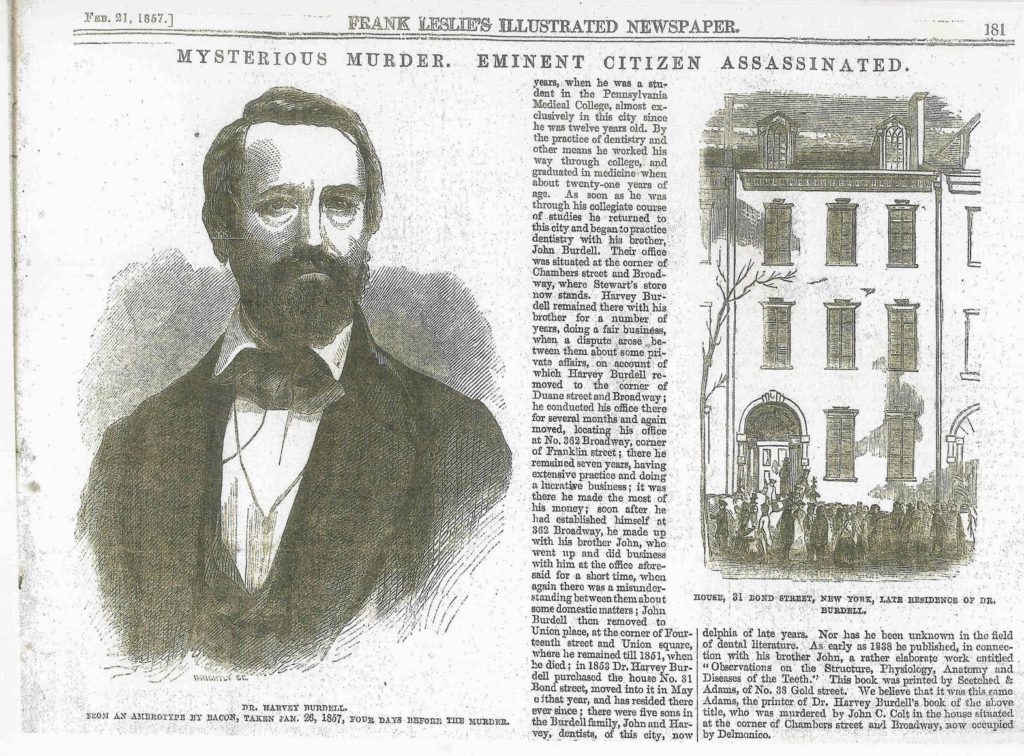
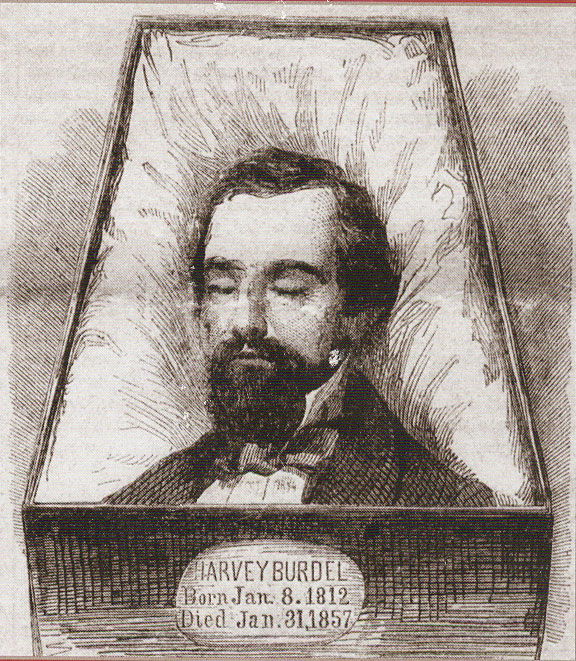
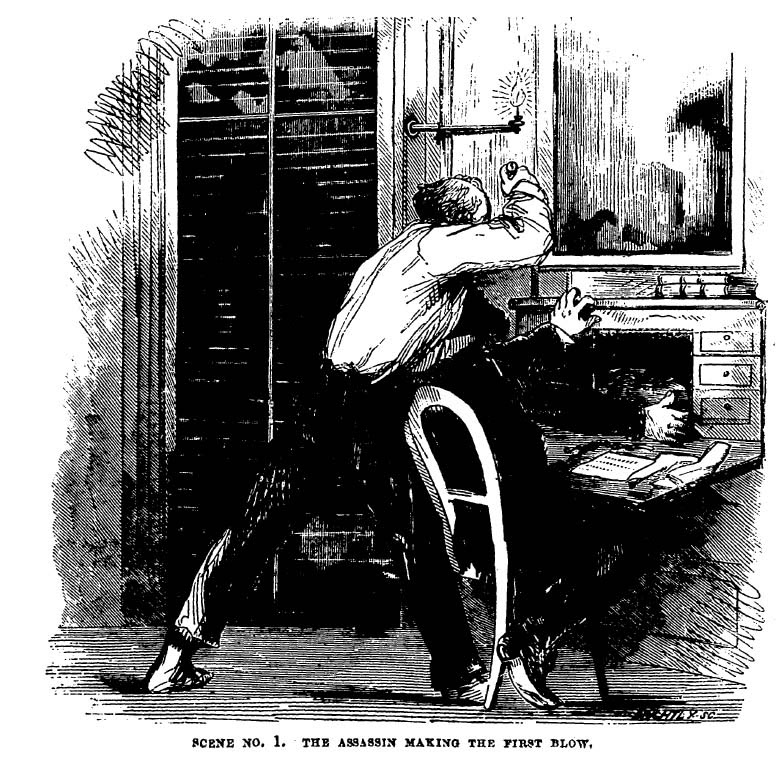
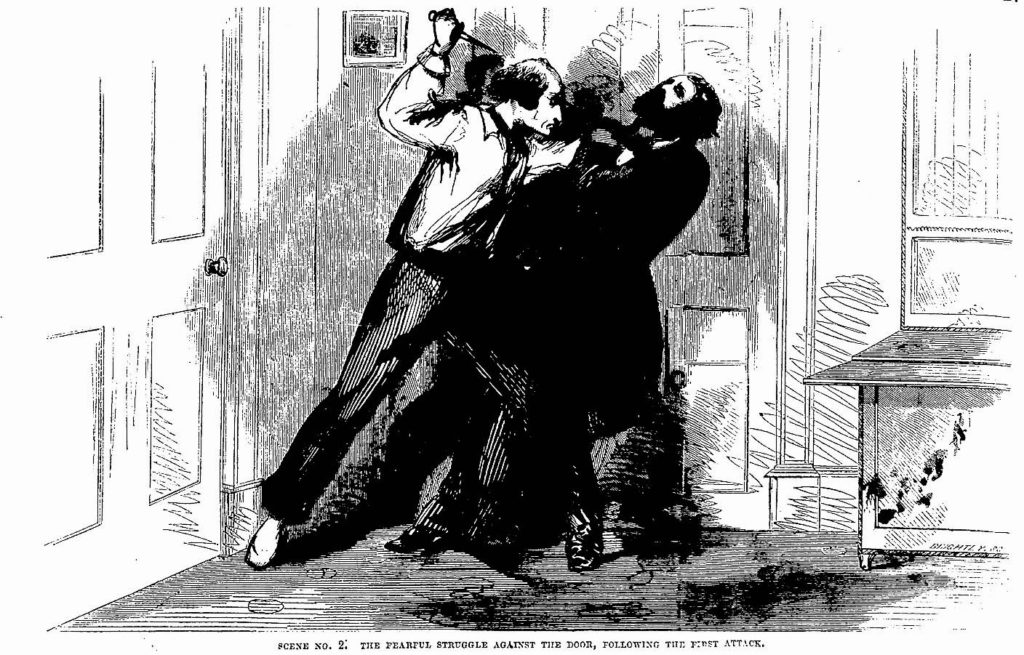
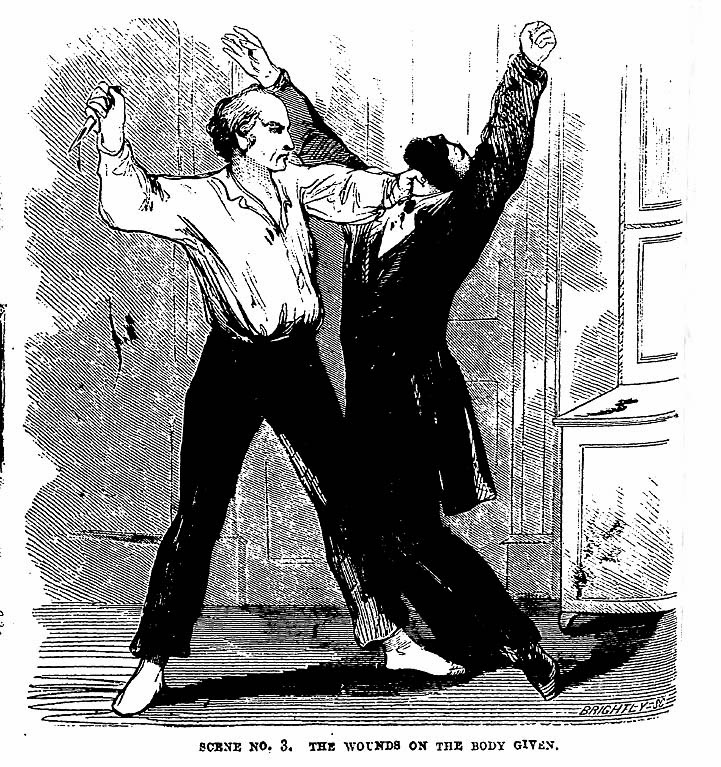
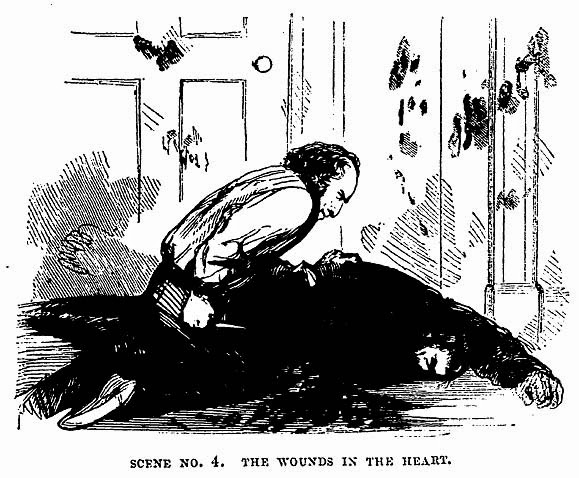
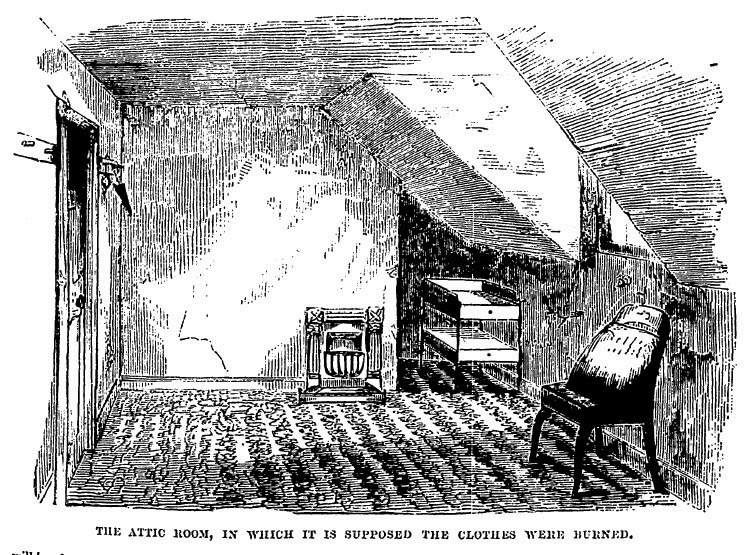
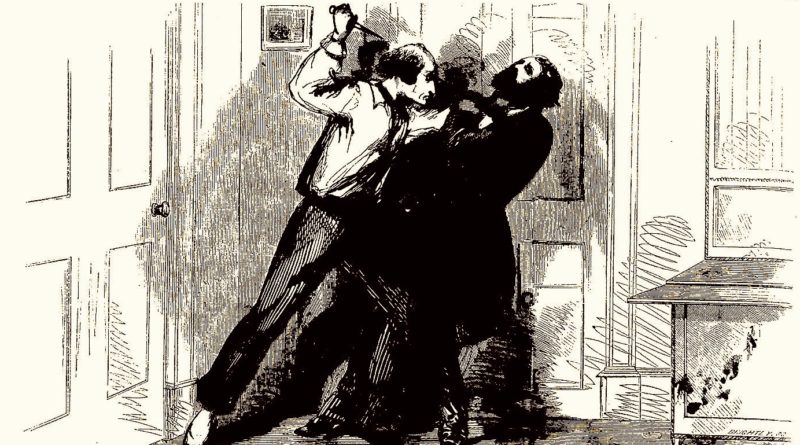
On January 31, 1857, a prominent dentist named Harvey Burdell was found brutally murdered — strangled, then stabbed 15 times — in his office and home and Bond Street, a once-trendy street between Broadway and the Bowery.

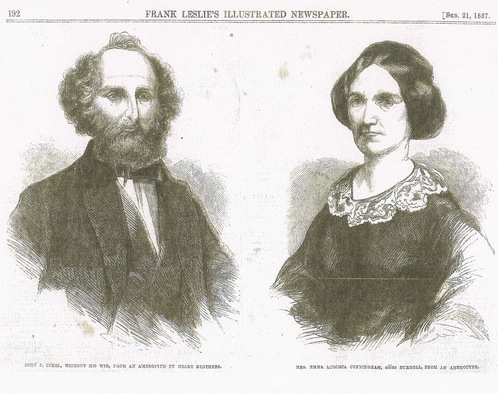
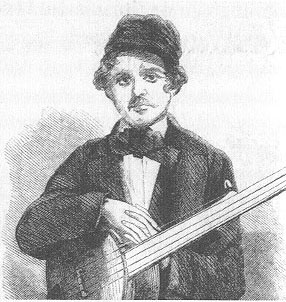
The suspects for this horrific crime populated the rooms of 31 Bond Street including Emma Cunningham, the former lover of Dr. Burdell and a woman with many secrets to hide; the boarder John Eckel with a curious fondness for canaries; and the banjo-playing George Snodgrass, whose personal obsessions may have evolved in depraved ways.

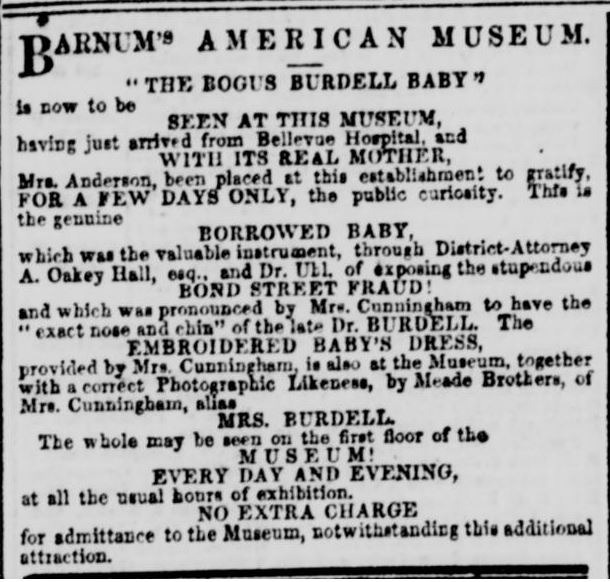
The mechanics of solving crime were much different in the mid 19th century than they are today, and the mysterious particulars of this investigation seem strange and even unacceptable to us today. A suspect would stand trial for Dr. Burdell’s death yet the shocking events which followed — including a sinister deception and a fake childbirth — would prove that truth is stranger than fiction.

Listen Here: Harvey Burdell Murder Podcast

___________________________________________________________

The Bowery Boys: New York City History podcast is brought to you …. by you!

We are now producing a new Bowery Boys podcast every other week. We’re also looking to improve the show in other ways and expand in other ways as well — through publishing, social media, live events and other forms of media. But we can only do this with your help!

We are now a member of Patreon, a patronage platform where you can support your favorite content creators for as little as a $1 a month.

Please visit our page on Patreon and watch a short video of us recording the show and talking about our expansion plans. If you’d like to help out, there are five different pledge levels (and with clever names too — Mannahatta, New Amsterdam, Five Points, Gilded Age, Jazz Age and Empire State). Check them out and consider being a sponsor.

And join us for the next episode of the Bowery Boys Movie Club, an exclusive podcast provided to our supporters on Patreon. This month’s selection — Ghostbusters!

We greatly appreciate our listeners and readers and thank you for joining us on this journey so far.

__________________________________________________________

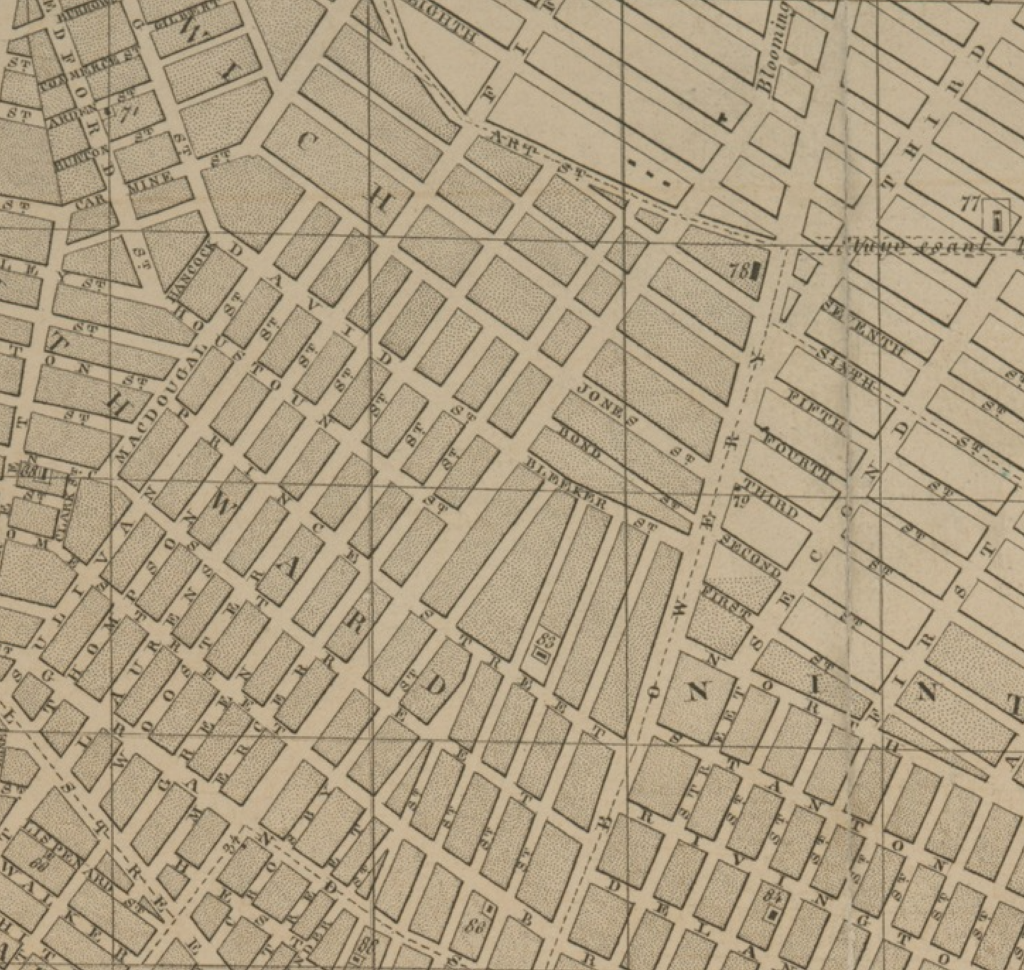
A look at Bond Street and the surrounding blocks in 1828. Lafayette Street/Lafayette Place did not yet exist then. In fact, Houston Street stops at Broadway. East of the Bowery runs North Street (which would be renamed Houston Street when it was extended through the block.) Great Jones Street is listed only as Jones Street here, and streets with names like David Street and Art Street also appear.

New York Public Library
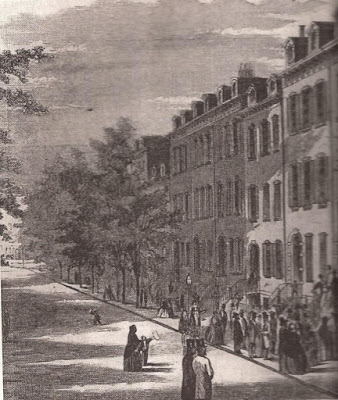
Dr. Harvey Burdell and 31 Bond Street, Leslie’s Illustrated Newspaper, Feb. 21, 1857 via Off the Grid

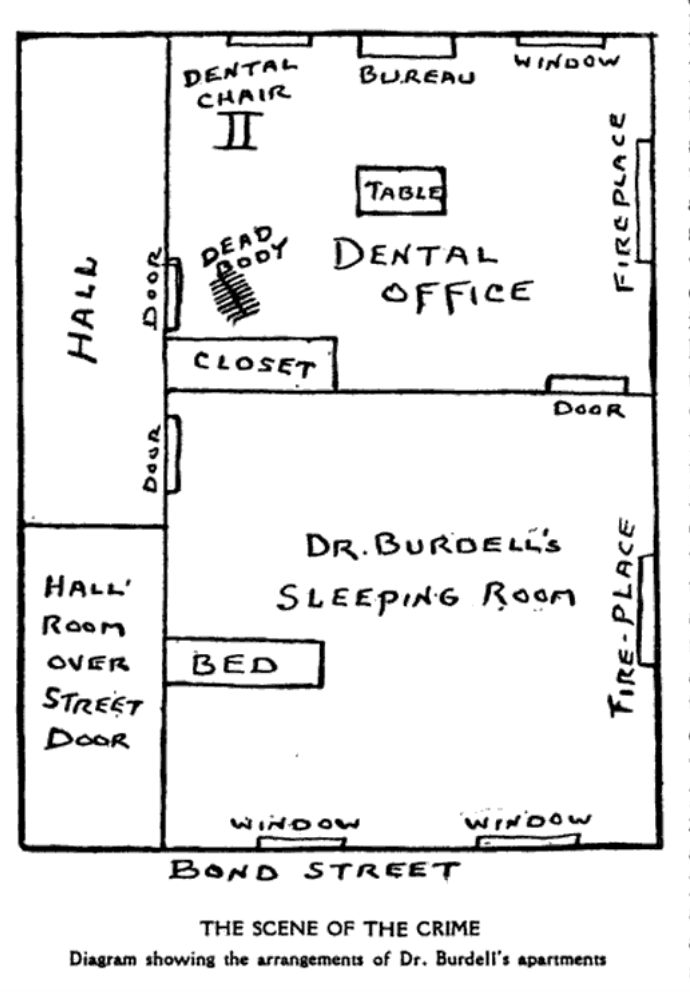
The layout of the murder scene on the second floor of 31 Bond Street

The Era Magazine, 1904

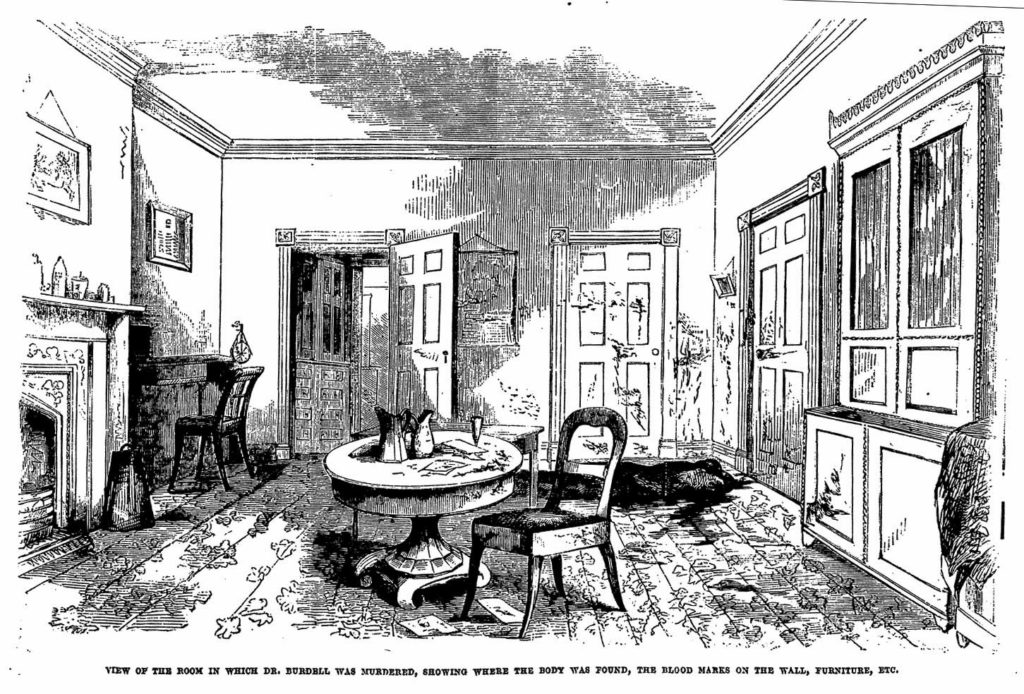
Images below are from Frank Leslie’s Illustrated Newspaper, Harper’s Weekly and other contemporary publications from 1857.

John Eckel, Emma Cunningham and George Snodgrass

An advertisement for the ‘bogus Burdell baby’, displayed at Barnum’s American Museum:

Via Strange Company blog

FURTHER READING

Butchery On Bond Street: Sexual Politics and the Burdell-Cunningham Case in Ante-Bellum New York by Benjamin Feldman — the definitive narrative of this crime story from 2007

Evil Emma, Down Mexico Way by Benjamin Feldman — a sequel of sorts, following the strange circumstances of Emma Cunningham’s time in Baja, California

31 Bond Street: A Novel by Ellen Horan — a fictionalized retelling of the story

FURTHER LISTENING

A few other murder mysteries in our back catalog that might interest you:

Categories
Gilded Age New York Podcasts

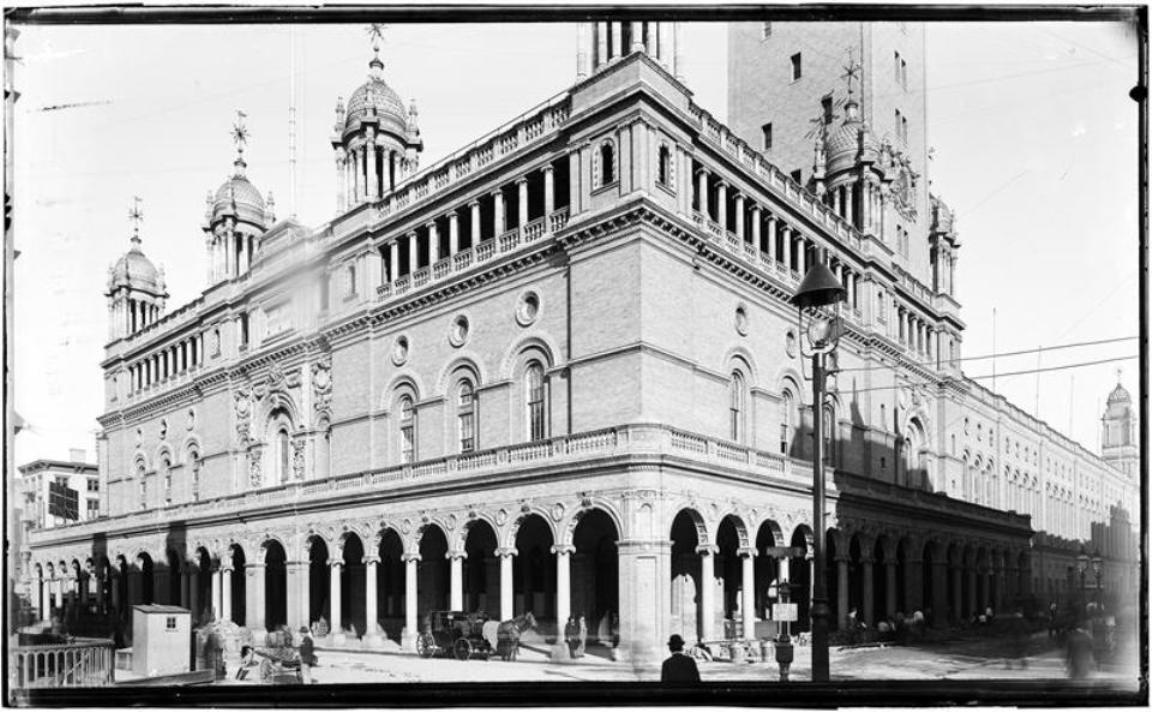
The Murder of Stanford White

PODCAST The tale behind the brutal murder of renown architect Stanford White on the roof garden of Madison Square Garden, the building that was one of his greatest achievements.

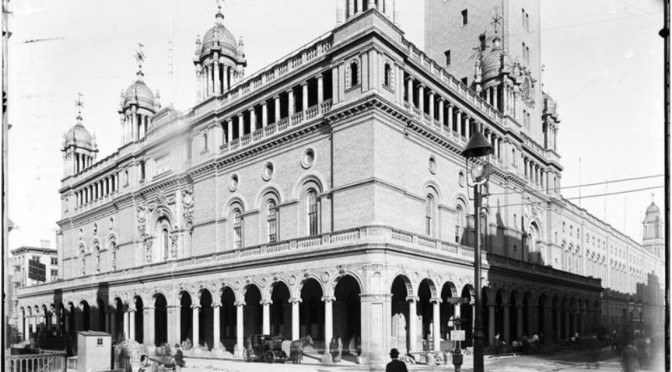
On the evening of June 25, 1906, during a performance of Mam’zelle Champagne on the rooftop of Madison Square Garden, the architect Stanford White was brutally murdered by Harry Kendall Thaw. The renown of White’s professional career — he was one of New York’s leading social figures — and the public nature of the assassination led newspapers to call it the Crime of the Century. But many of the most shocking details would only be revealed in a courtroom, exposing the sexual and moral perversities of some of the city’s wealthiest citizens.

White, as a member of the prestigious firm McKim, Meade and White, was responsible for some of New York’s most iconic structures including Pennsylvania Station, the Washington Square Arch and Madison Square Garden, where he was slain. But his gracious public persona disguised a personal taste for young chorus girls, often seduced at his 24th Street studio, famed for its ‘red velvet swing’.

Evelyn Nesbit was only a teenager when she became a popular artist’s model and a cast member in Broadway’s hottest musical comedy. White wooed her with the trappings of luxury and subsequently took advantage of her. The wealthy playboy Harry Thaw also fell for Nesbit — and grew insanely jealous of White. Soon his hatred would envelop him, leading to the unfortunate events of that tragic summer night.


The Bowery Boys: New York City History podcast is brought to you …. by you!

We are now producing a new Bowery Boys podcast every two weeks. We’re also looking to improve the show in other ways and expand in other ways as well — through publishing, social media, live events and other forms of media. But we can only do this with your help!

We are now a member of Patreon, a patronage platform where you can support your favorite content creators for as little as a $1 a month.

Please visit our page on Patreon and watch a short video of us recording the show and talking about our expansion plans. If you’d like to help out, there are five different pledge levels (and with clever names too — Mannahatta, New Amsterdam, Five Points, Gilded Age, Jazz Age and Empire State). Check them out and consider being a sponsor.

We greatly appreciate our listeners and readers and thank you for joining us on this journey so far. And the best is yet to come!


THE UNFORTUNATE TRIO

Stanford White

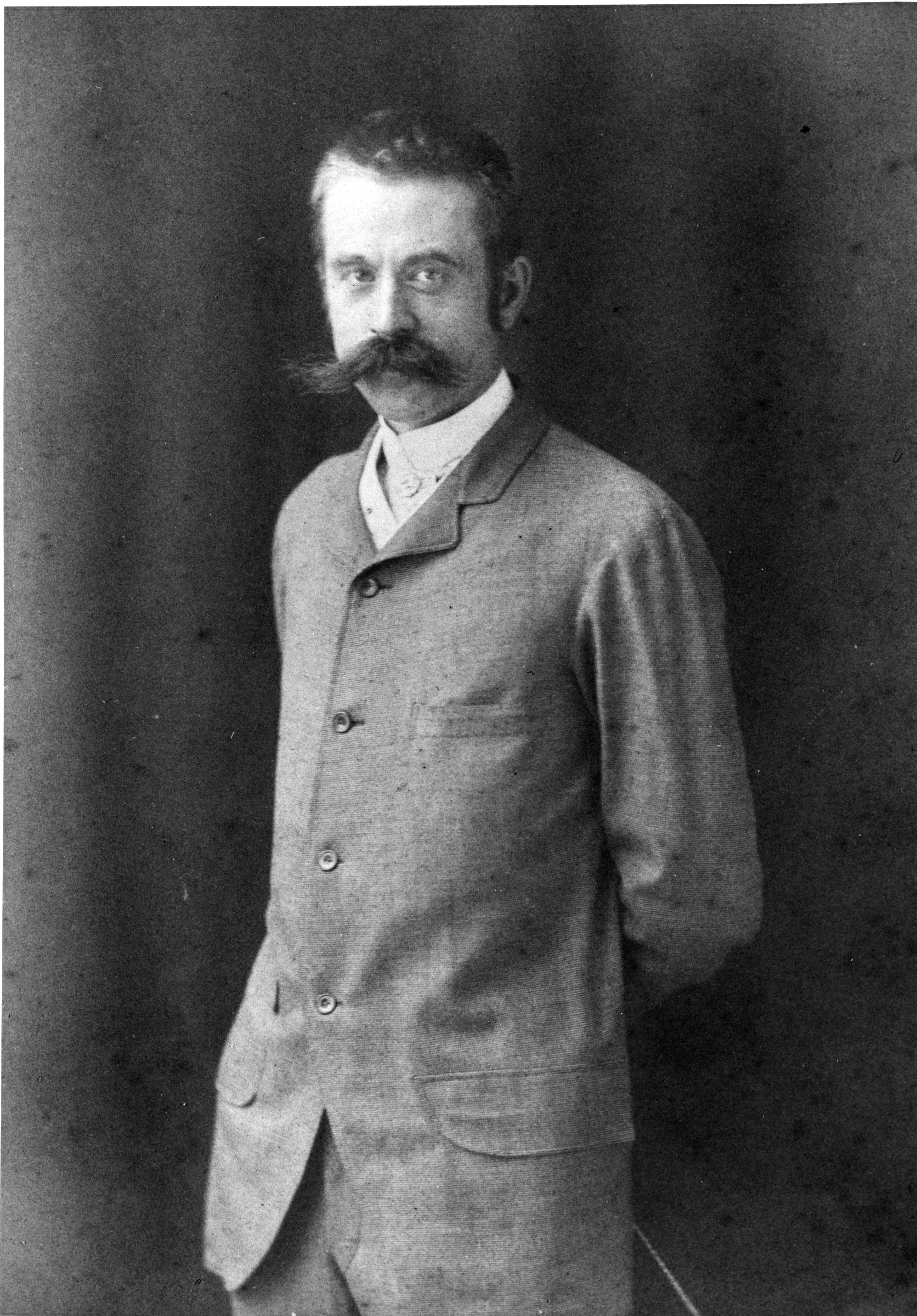
White as a young man (with an enormous mustache!)

9

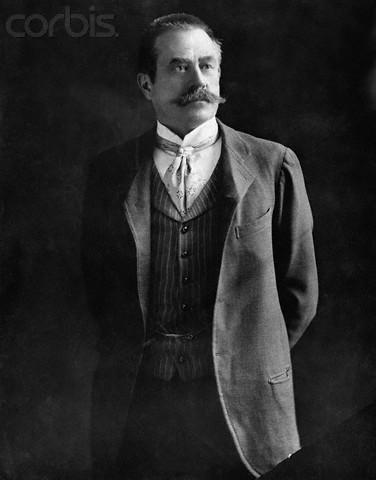
Stanford White — date unknown but presumed to be 1906, the year he died.

stanford_white_012

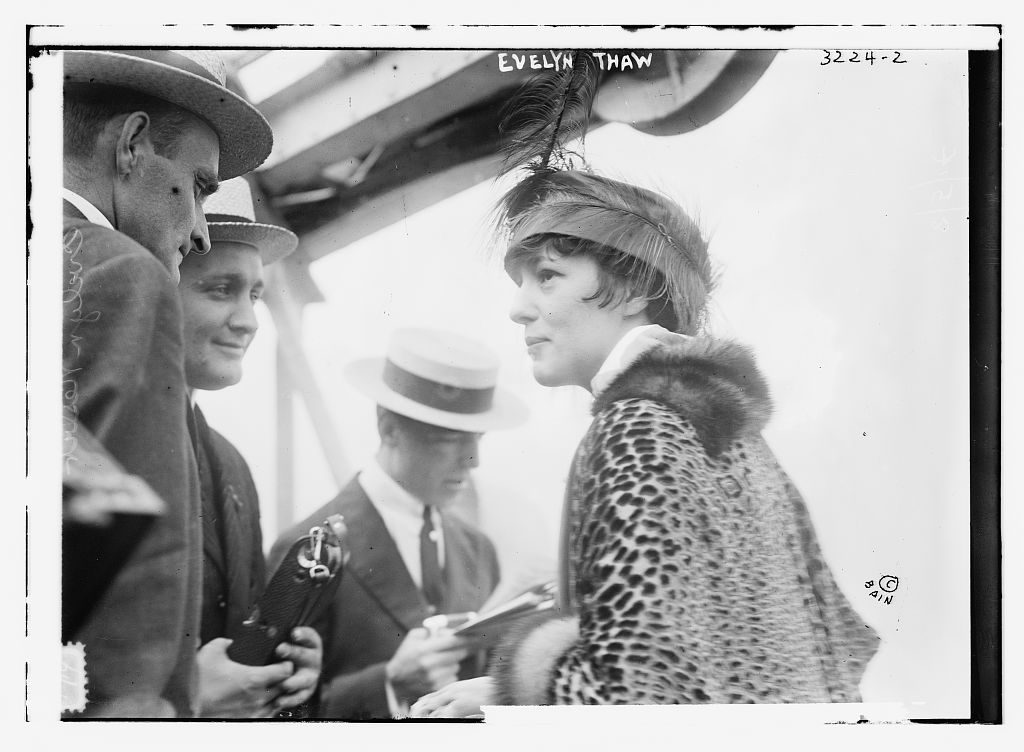
Evelyn Nesbit

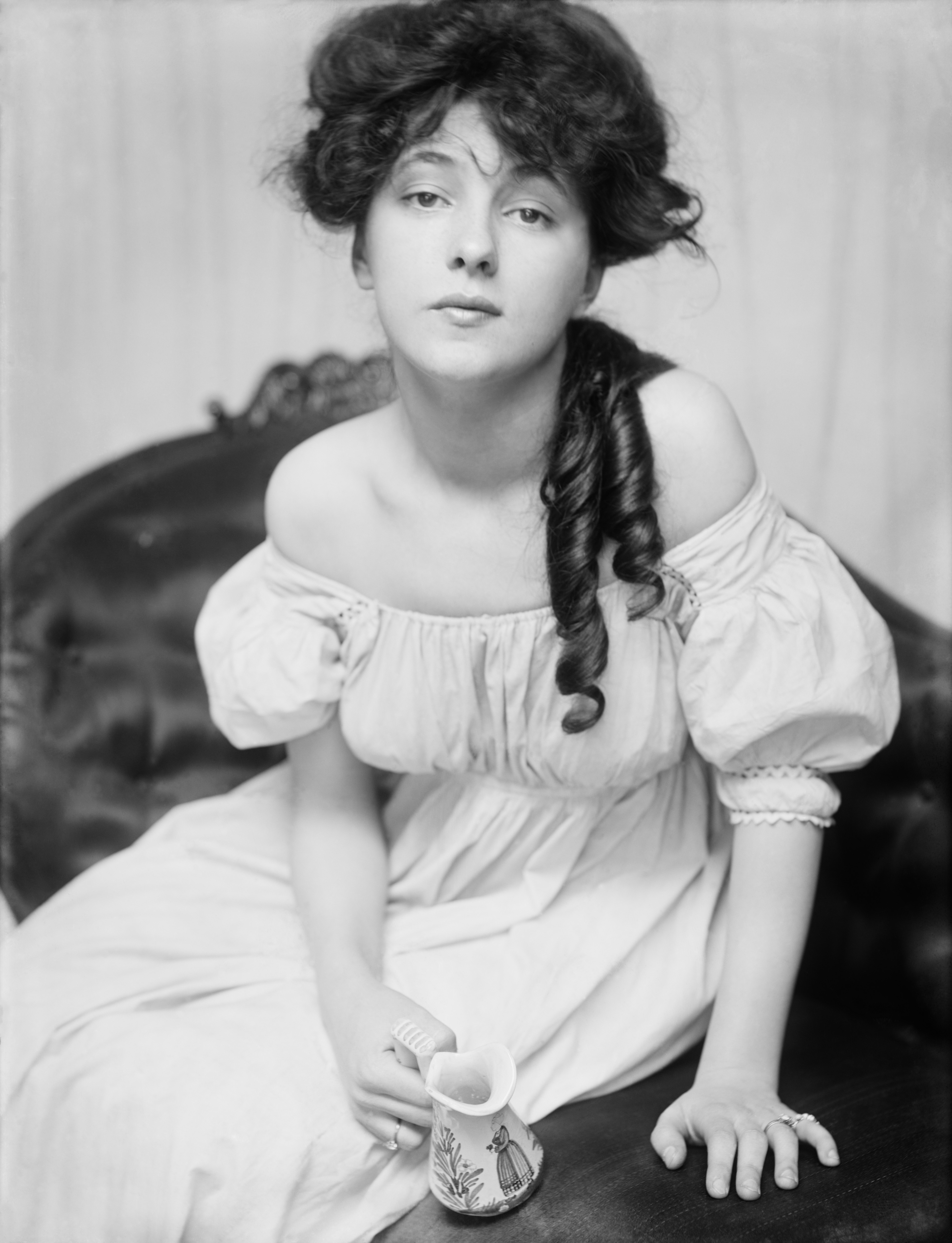
Evelyn in 1900, photo taken by Gertrude Käsebier.

Library of Congress
Library of Congress

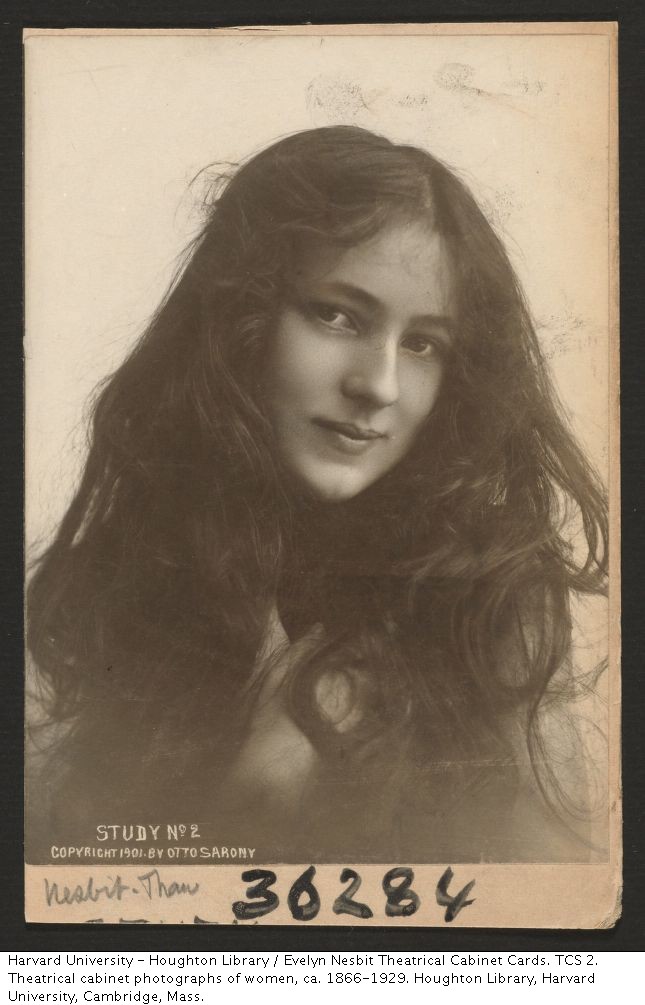
A 1901 theatrical card (possibly for Floradora?) taken by Otto Sarony

Harvard University - Houghton Library
Harvard University – Houghton Library

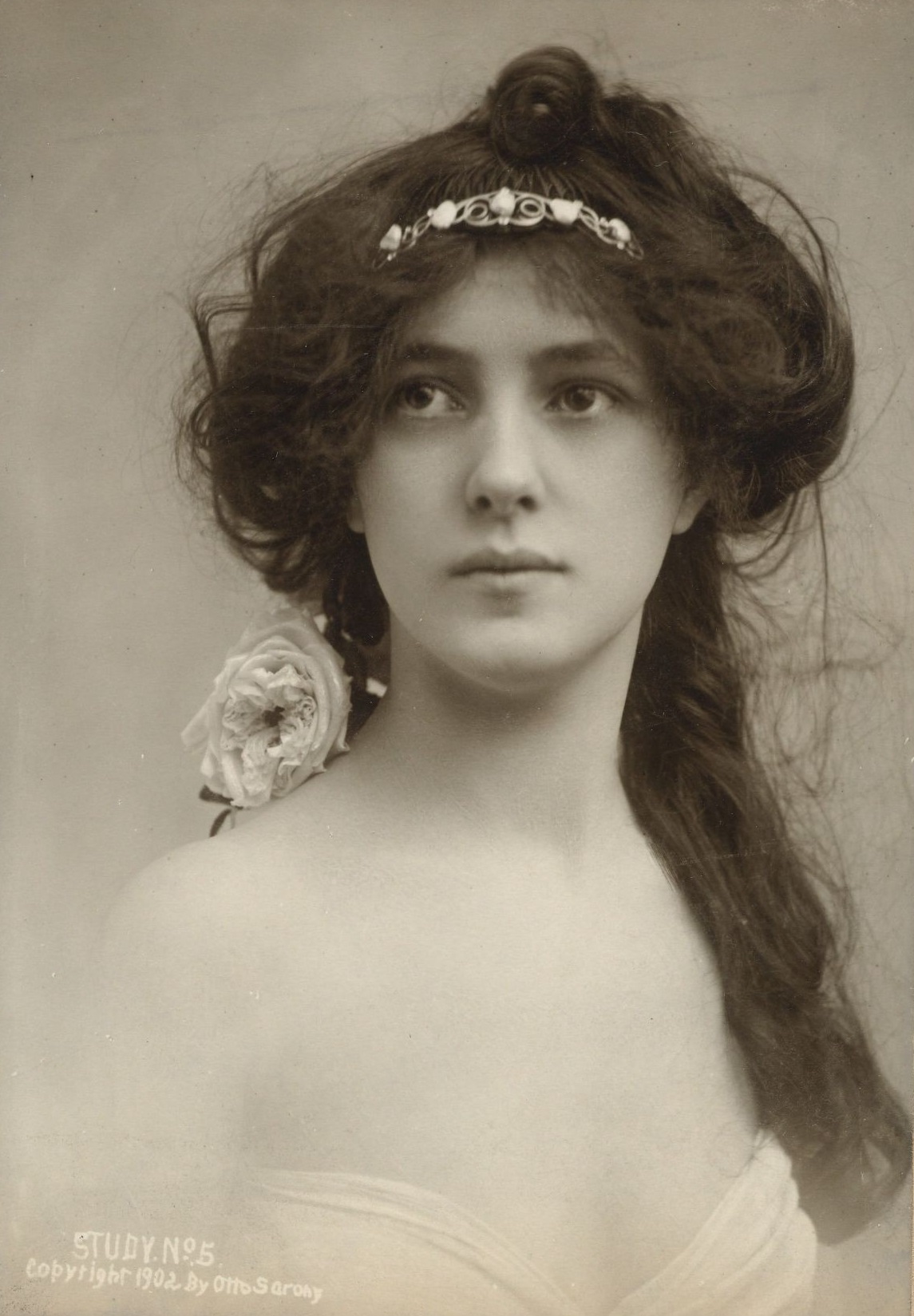
Evelyn in 1902, photo taken by Otto Sarony

Harvard Theatre Collection, Houghton Library, Harvard University

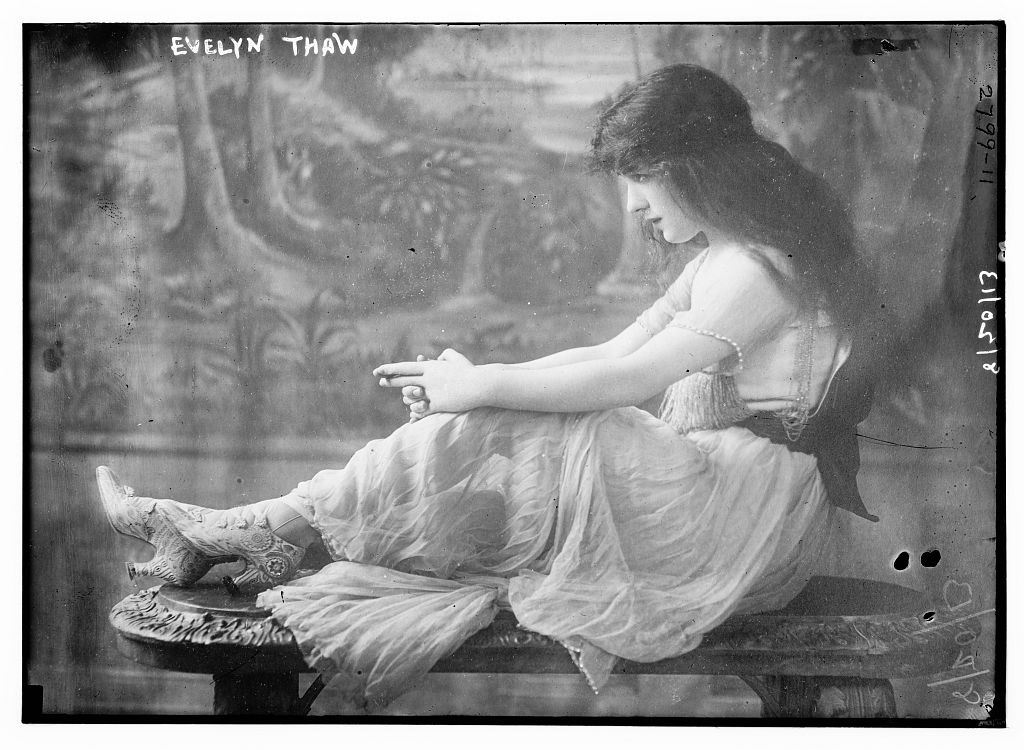
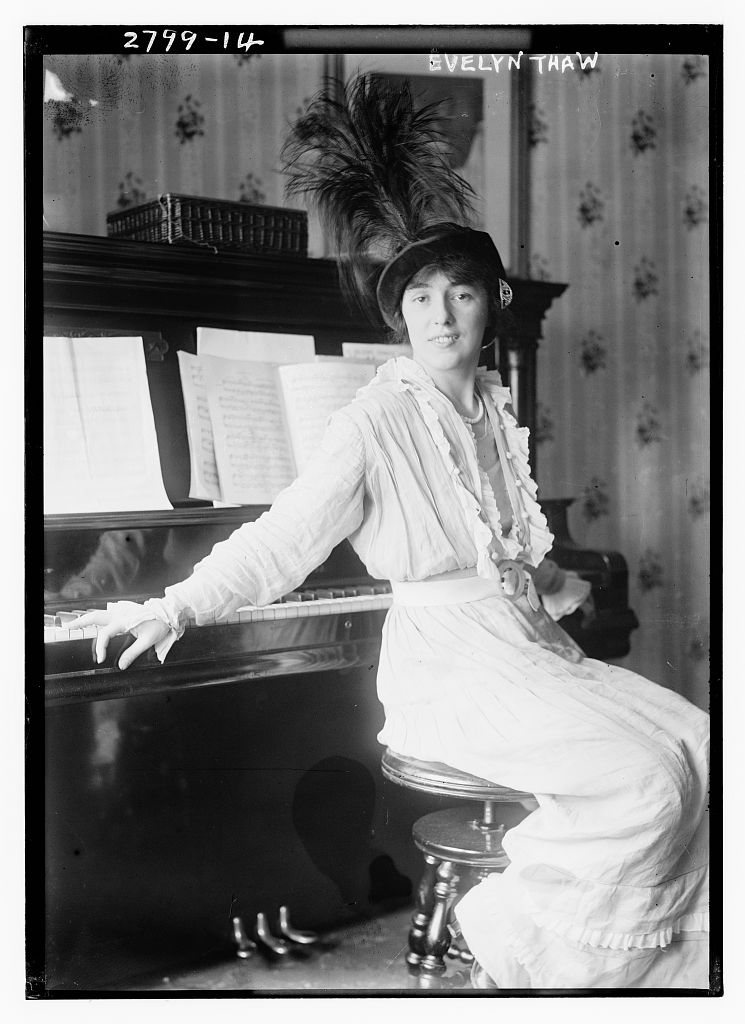
The following photographs of Evelyn Nesbit were taken in 1913. She would be divorced from Harry Thaw in less than two years.

1
Library of Congress
Library of Congress
Library of Congress
Library of Congress
Library of Congress

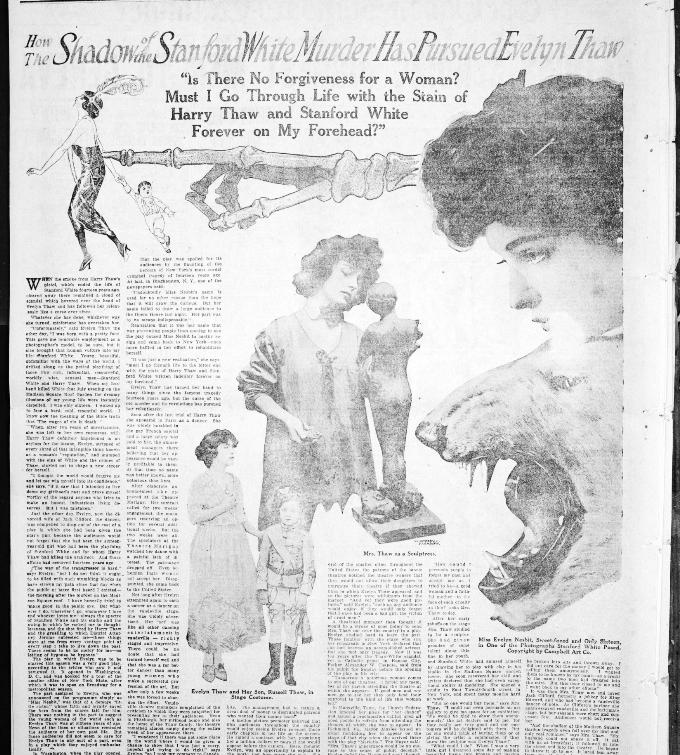
From the Ogden Standard-Examiner, November 14, 1920

ogden

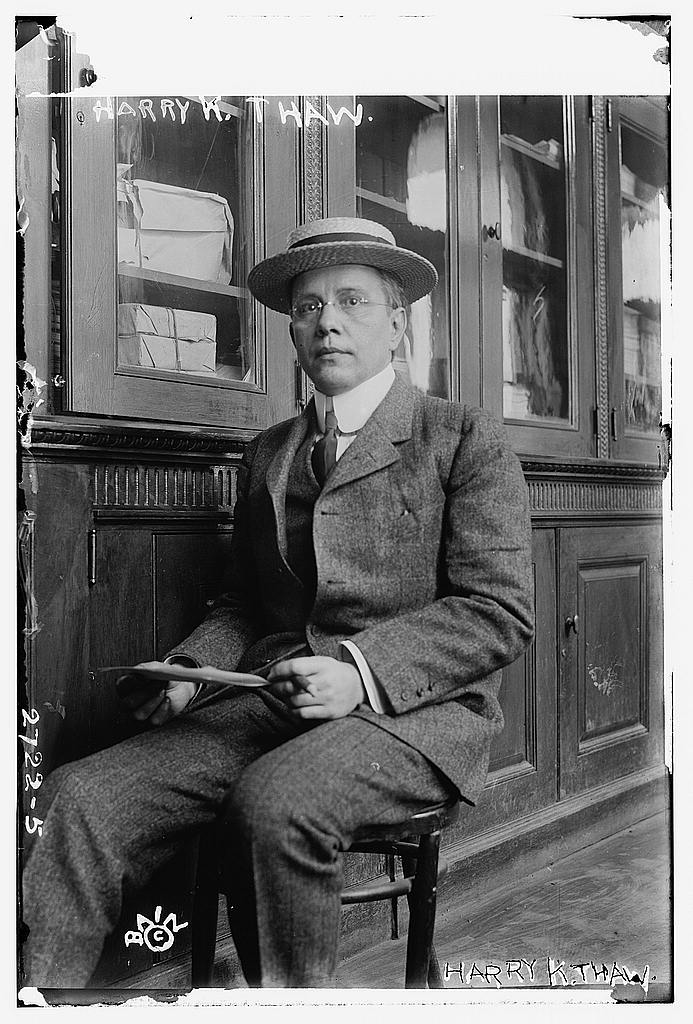
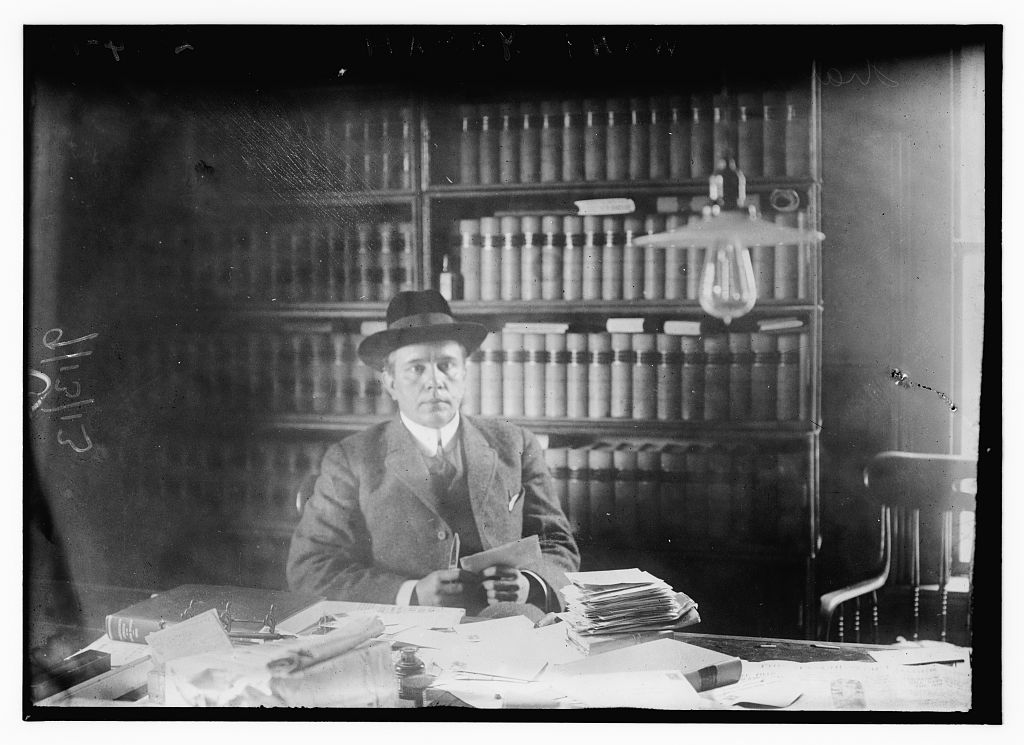
Harry Kendall Thaw

14

Thaw in 1910

jail

in September 1913, Thaw escaped from the institution to Canada. He was eventually captured and brought back to the states. Here he is in New Hampshire, awaiting transportation back to Matteawan.

Library of Congress
Library of Congress

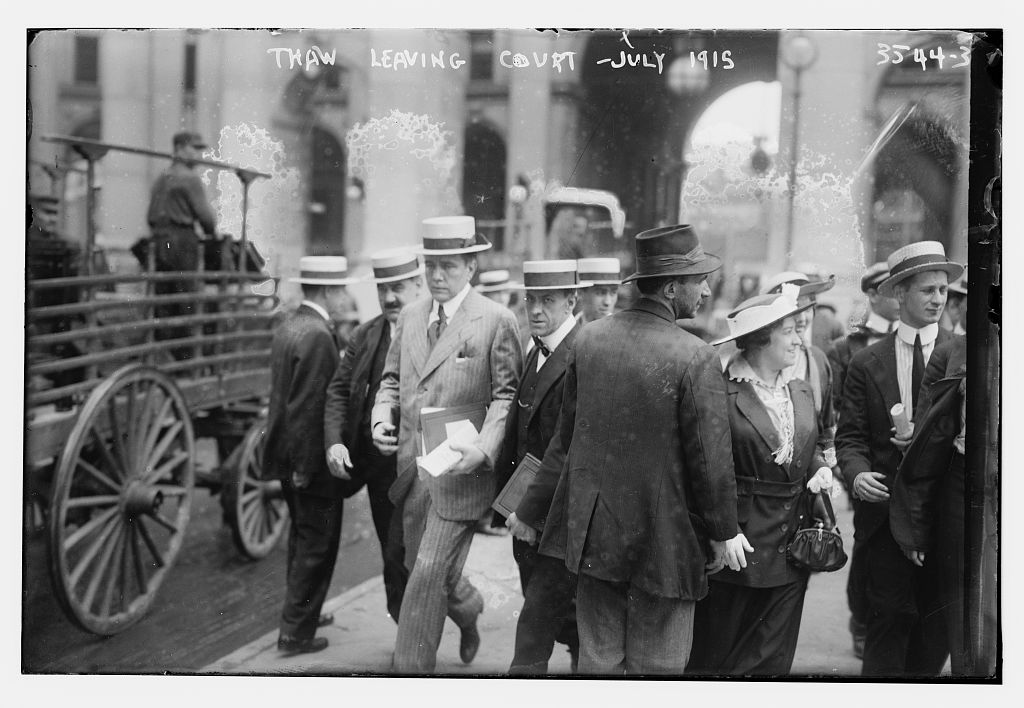
Thaw leaving court in July 1915 after he was declared mentally sane.

Library of Congress
Library of Congress

SCENE OF THE CRIME

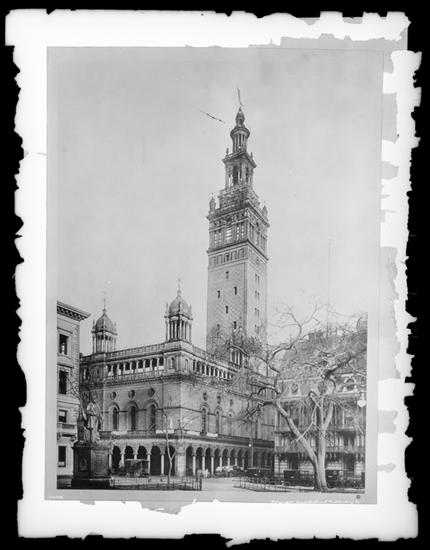
Madison Square Garden, taken in 1905 from inside the park

Museum of the City of New York

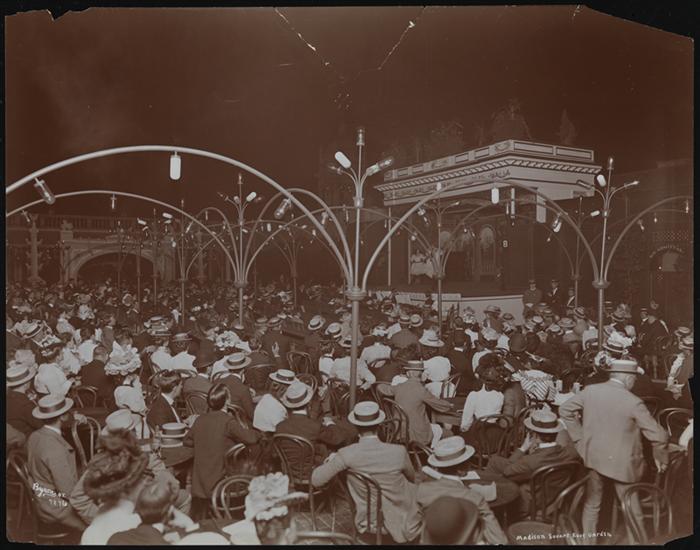
The rooftop theater at Madison Square Garden, pictured here circa 1900

Courtesy the Museum of the City of New York

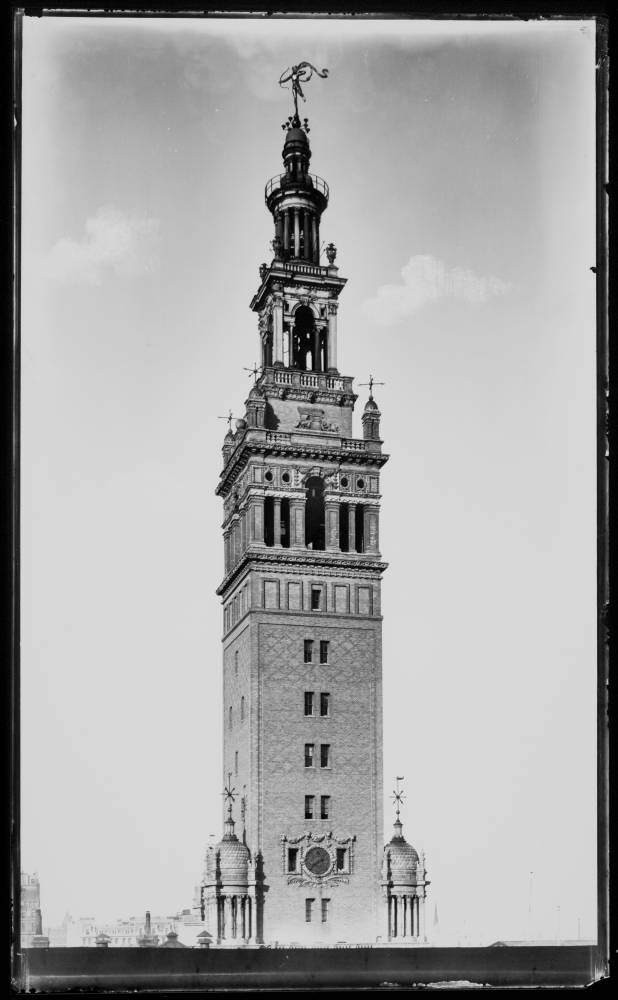
The tower at Madison Square Garden, topped with the scandalous Diana weather vane.

Courtesy George Eastman House

OTHER SETTINGS

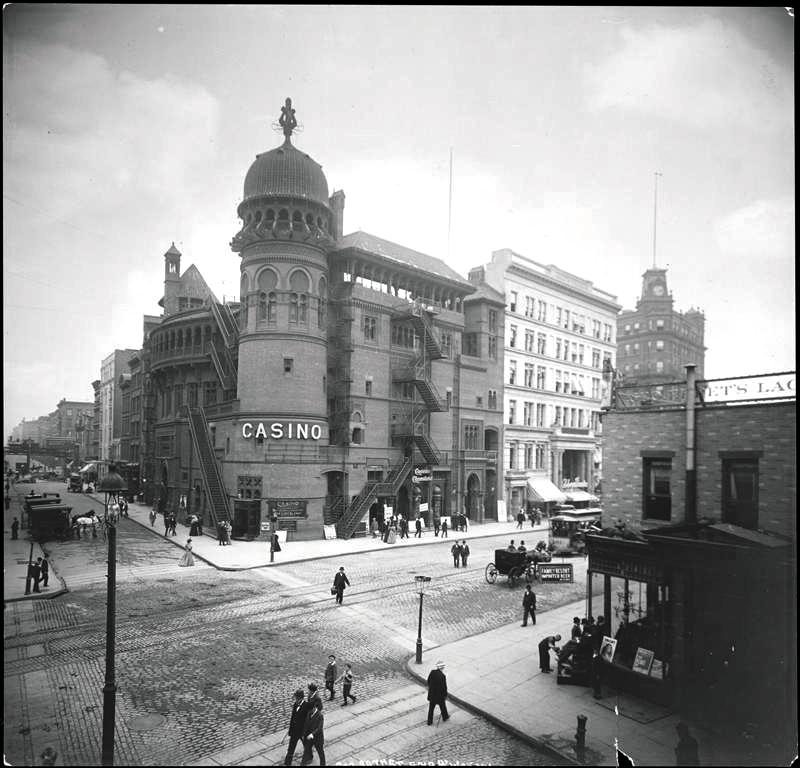
The Casino Theatre, home of the show Florodora, where Evelyn Nesbit was featured, despite her young age

casino theater 1896

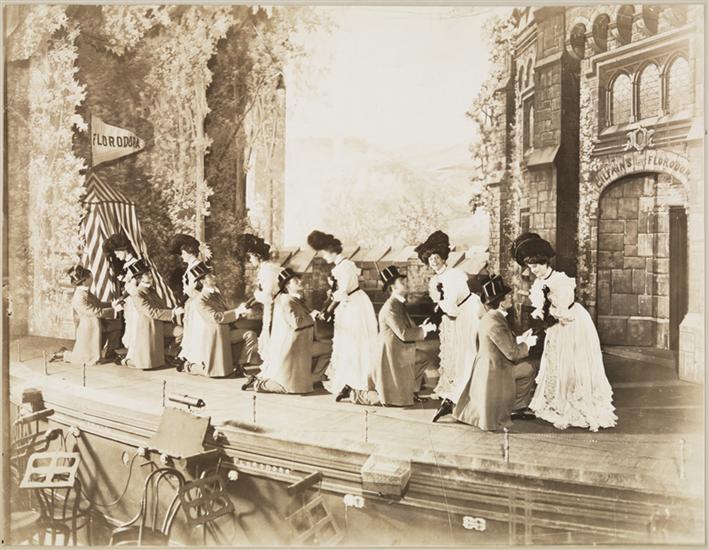
A scene from Florodora in 1900

floro

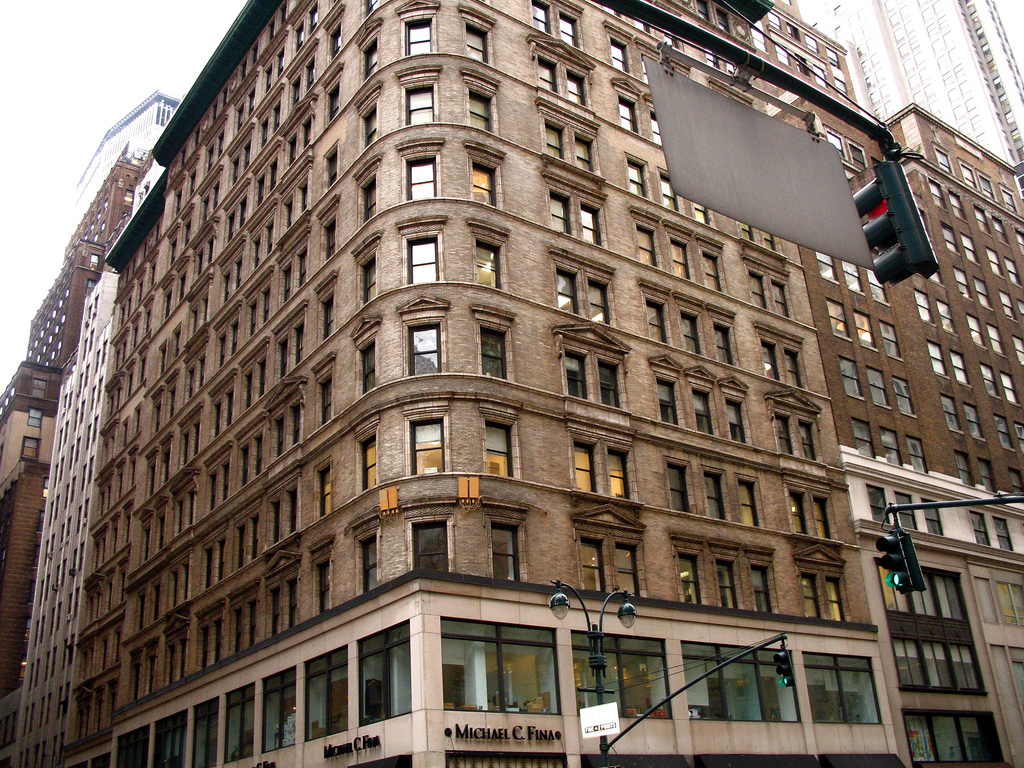
The former Hotel Lorraine, where Nesbit and Thaw were staying on the night of the murder. The address is 545 Fifth Avenue.

Courtesy Flickr/Anonymous A

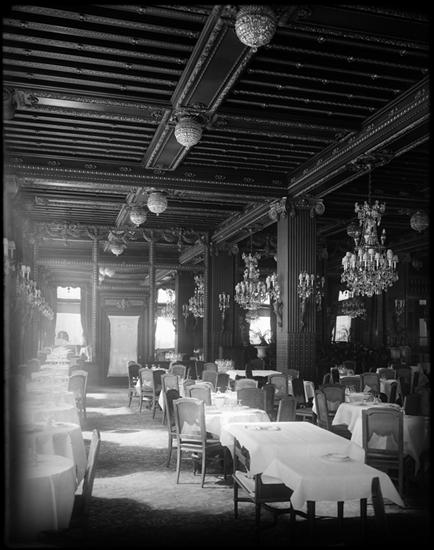
Inside the dining room of Sherry’s Restaurant (44th and 5th Avenue), where Harry Thaw got boozed up before meeting with Evelyn.

MNY210712
sherry

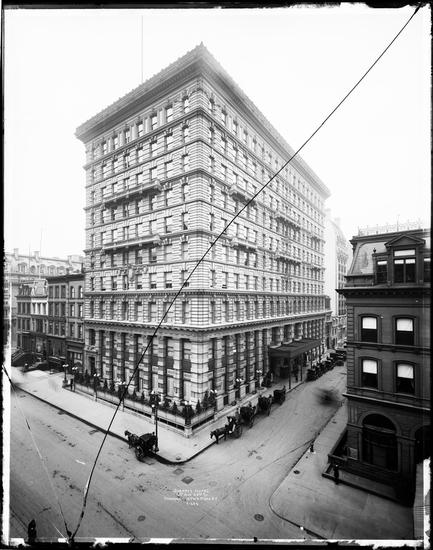
Sherry’s in 1905 — 44th Street and 5th Avenue

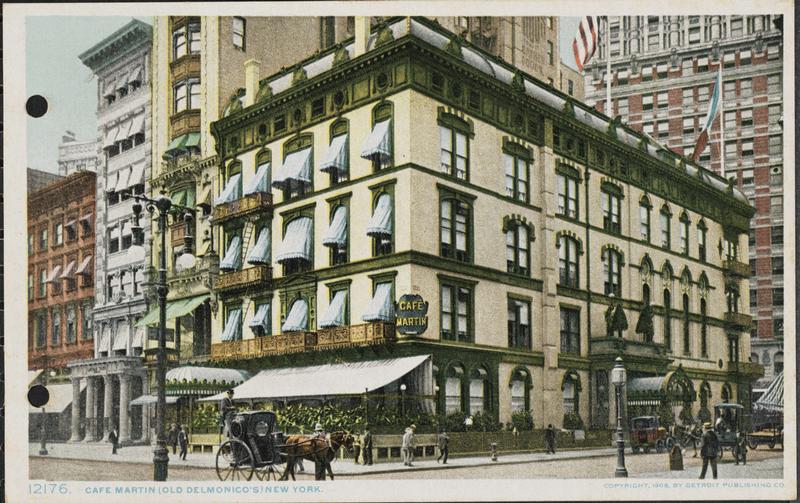
Cafe Martin in 1908, where Evelyn and Harry had dinner before the show

Museum of the City of New York

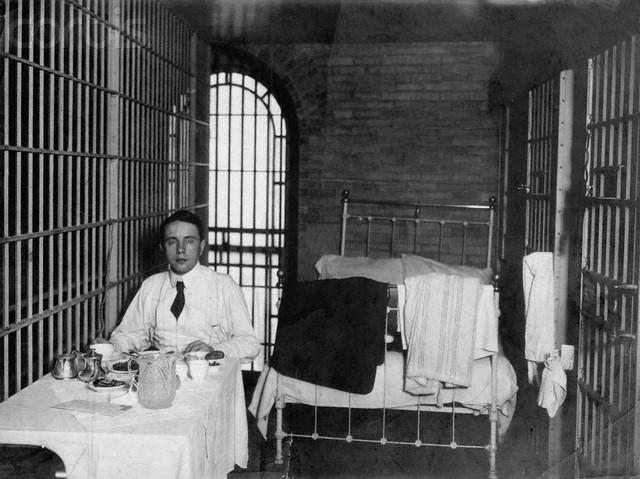
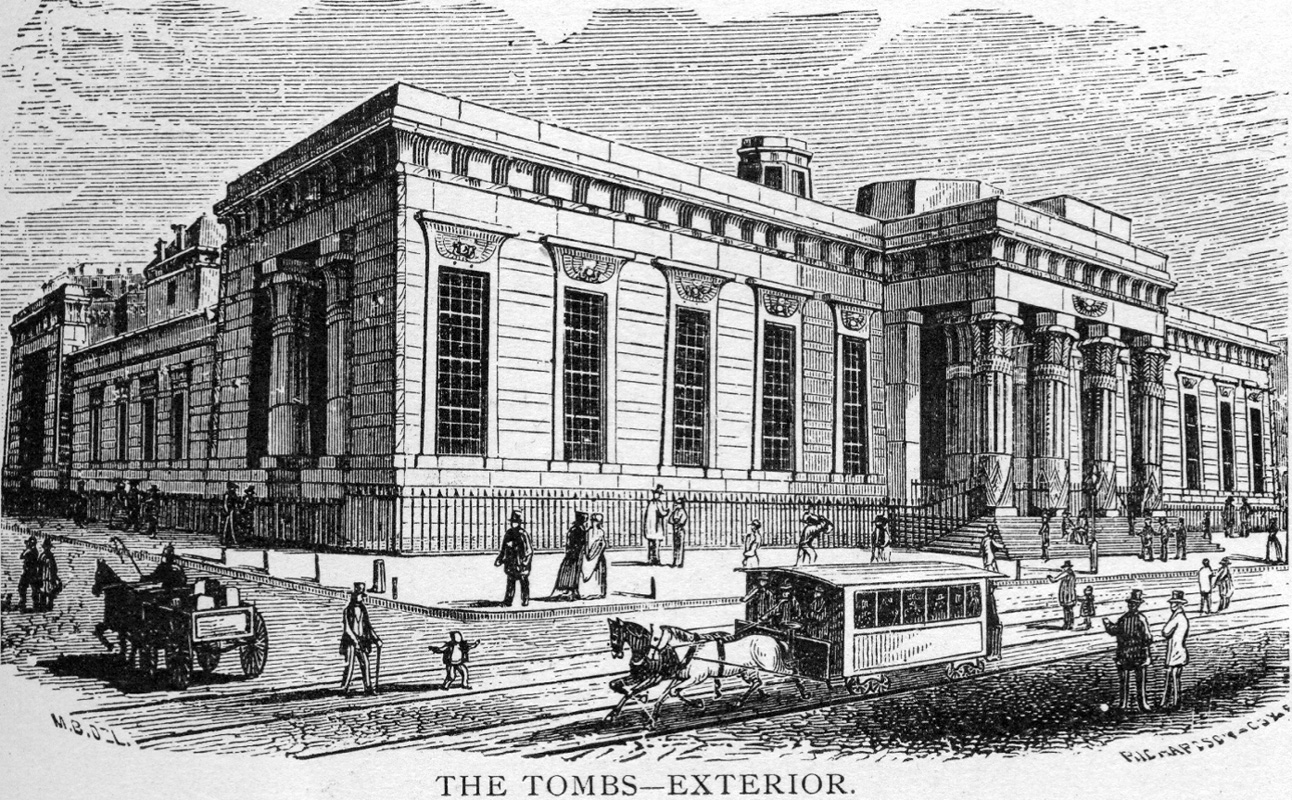
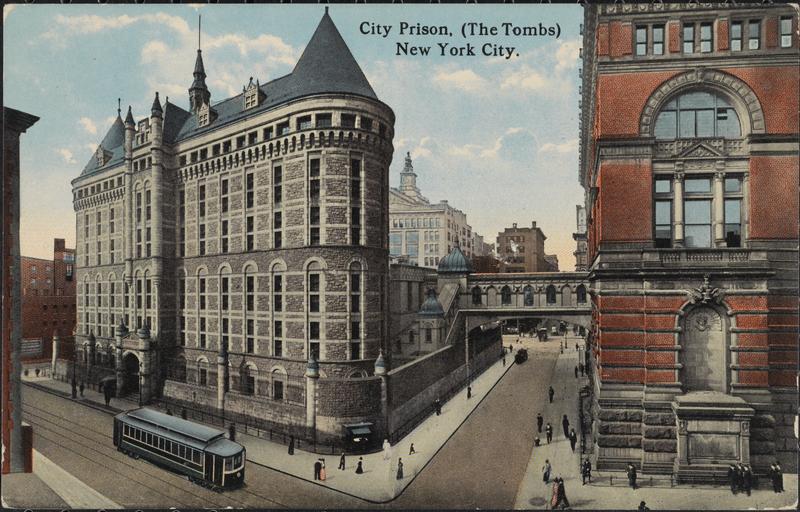
The Tombs — Where Harry Thaw was imprisoned during the original trial

tombs

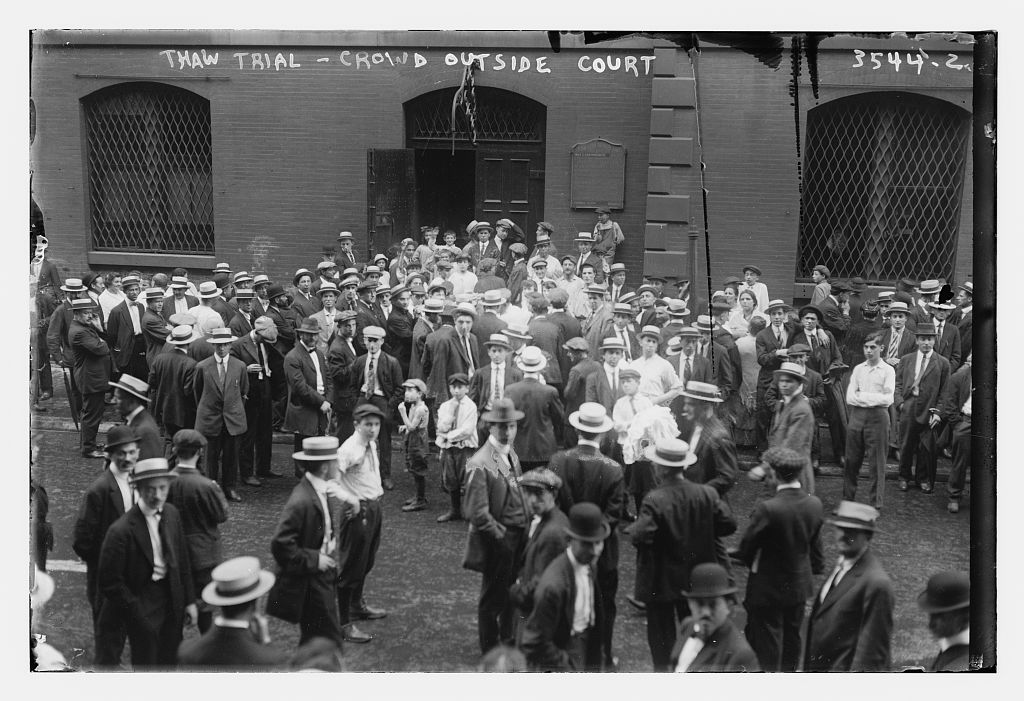
Ludlow Street Jail — Crowds linger outside during the last of the many Thaw trials. For most of his jail time, he was held in the Tombs. According to a Library of Congress commenter: “His lawyers successfully asked the court to move him from The Tombs to the Ludlow Street Jail, on the basis that he was not charged in a criminal matter, but that he was to have a jury trial only as to his present sanity.”

Library of Congress
Library of Congress

A 1907 nickelodeon film called The Unwritten Law about the crime.

https://www.youtube.com/watch?v=6rE2WjXqf7U

Newsreel footage from 1915 of Thaw’s release.

Evelyn Nesbit performing in a nightclub in the 1930s (not sure of the club). Start the video at around 2:15:

The trailer to The Girl In The Red Velvet Swing, a highly fictionalized account of the crime. Nesbit was a consultant for the film.

Categories
True Crime

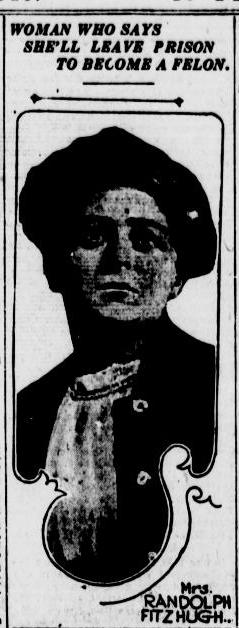
Presenting Mrs. Randolph Fitzhugh, Kaleidoscope woman, society church thief: “I am being hounded to prison by men”

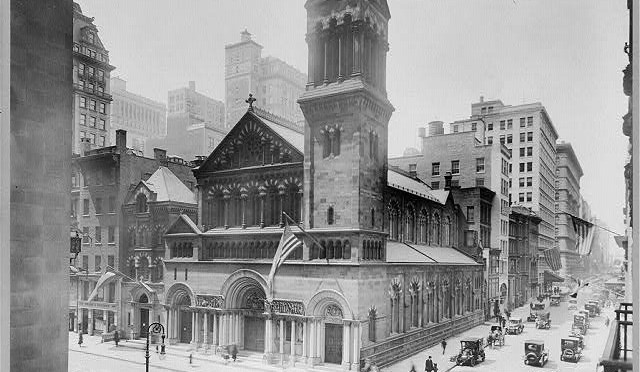
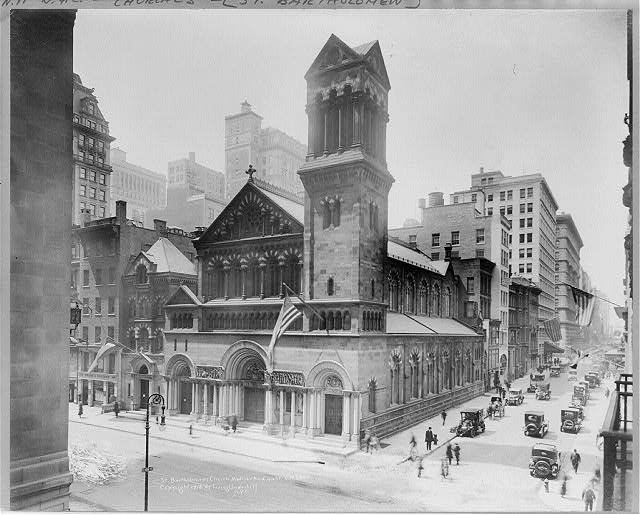
The former St. Bartholomew’s on Madison Avenue and 44th Street, burgled by one Mrs. Randolph Fitzhugh. [LOC]

NOTE: I revised this article this afternoon which some additional information just discovered, making this story ever stranger! New information includes Mrs. Fitzhugh’s real name, details about her baby, her length of stay in the Tombs, and information on another arrest at St. Patrick’s.

The papers called her ‘woman of mystery’ and a ‘woman enigma‘. Later on, she would garner a new nickname — the Kaleidoscope woman.

Rarely had a female criminal so confused New York law enforcement as the unusual Southern woman arrested in early 1913 for stealing from society ladies prominent New York churches.

She called herself Mrs. Randolph Fitzhugh, a Southern woman with a demeanor as such that she could spirit into any number of prominent churches and snatch up a host of items, including a diamond bracelet at the Church of the Transfiguration and a $500 gold mesh bag at St. Bartholomew’s (at its previous building on Madison and East 44th Street, see above).

The revelation of this crimes was most strange.  The owner of the bag received a letter from the Hotel Flanders (6th Ave/W.46th Street) claiming a woman carrying that bag was staying there. Fitzhugh was staying at the hotel with an infant; later witnesses claimed the hotel was holding the baby for an “unpaid rent bill.”

To those in the hotel, Mrs. Fitzhugh claimed she was only “renting the child” due to some troubles in Washington DC. The baby was taken to an acquaintance in Brooklyn, and Mrs. Fitzhugh arrested.

The story with Mrs. Fitzhugh (her real name was Catherine Fennell or Northrup) wasn’t her crime but her reaction to prosecutions.  She plead guilty to avoid a sentence at Auburn Correctional Facility.  But she didn’t stop with that.

A reporter from the New York Evening World interviewed the convicted from her cell at the Tombs where she had been a prisoner for almost seven months.

She told a remarkable tale of a runaway betrothed to the previously-named Randolph Fitzhugh.  It was apparently a controversial marriage, for when he died, her family rejected her. She was then arrested for stealing from a department store.  “All I had done is charge some goods to an intimate friend of mine who had an account at the store . I had often done it before and she gave me carte blanche.”

She then claimed to have married and had a child, although she “never bothered to take good care of our marriage certificate” and was later sued by the man.  Most likely the child was hers, but the ‘renting’ business is still a mystery.  She used the child in later testimony to claim that she took the solace of random churches because she believed somebody was trying to kidnap her baby.

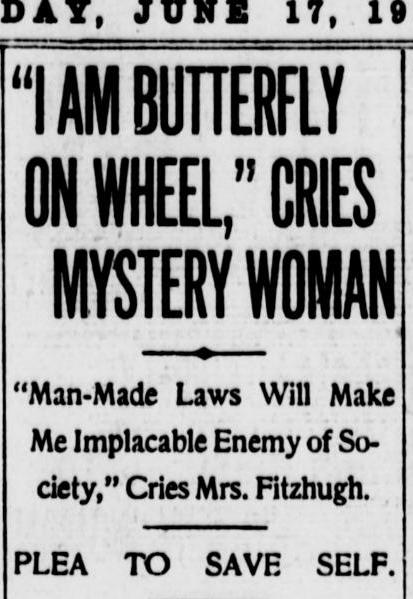
She then exploded with emotion at the Evening World reporter.  “I tell you I am being hounded to prison by men–men–men.  It is ‘The Butterfly on the Wheel’ all over again! I cannot get justice from men.”  The phrase ‘butterfly on the wheel’ is from Alexander Pope‘s ‘Epistle to Dr. Arbutnot’, meaning a concerted effort in appearance to break to the will of something insignificant.

Whatever is going on with Mrs. Fitzhugh — bad luck, desperation, mental illness — it’s easy to sympathize with her from our vantage a century later.  She feared the prison system, knowing it would change her forever, knowing she might never break from it.  She was instead put to a lighter sentence at Bedford Hills in Westchester County.  But she issued a grave warning.

“I am not a common woman.  I understand that almost every inmate of that Bedford place is such a woman. To be thrown with them may embitter me to such an extent that I shall ever after revenge myself on society and turn a really clever, unscrupulous thief.  I may and very likely shall become a professional thief.”

Indeed, she lived up to her word.  After she was released, she returned to a life of crime.  She was arrested once again in February 1915 in front of St. Patrick’s Cathedral.

And later that year, from her perch at the Holland House at 5th Avenue and 30th Street, Mrs. Fitzhugh again plundered neighborhood churches, stealing from the Catholic parish St. Leo’s Church on 28th Street.

To avoid suspicion — although this seems to have failed — Mrs. Fitzhugh changed costumes “six to eight times a day” and was known to hotel staff as the Kaleidoscope woman due to her ever-different garments.

Somehow, Mrs. Fitzhugh had befriended a film actress and was living in her flat at the Holland House.  Most likely, it was the clothing of this unnamed actress that Mrs. Fitzhugh was wearing.  “Her bills, according to the management of the hotel, had been always promptly paid.” [source]

From there I’m able to find anymore information about Mrs. Fitzhugh, the Kaleidoscope lady. She disappears from the criminal record under that name. But I’ll continue to look, because she strangely fascinates me.

Categories
Gangs of New York

Execution in Five Points: Piracy, slave trade and the Tombs

Sometimes you can look back at history and think that nothing ever changes. And sometimes you find something that makes New York seem extraordinary unrecognizable, a city besieged by near barbaric crises.

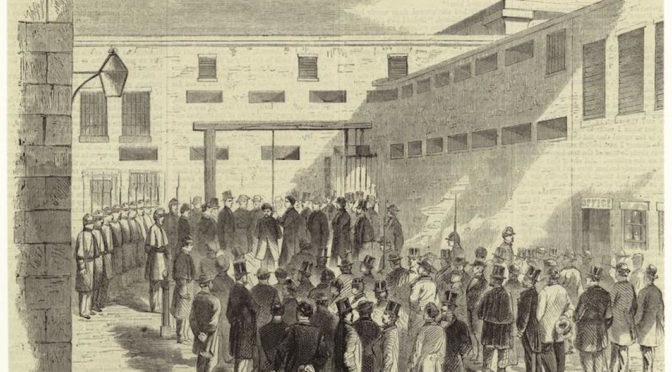
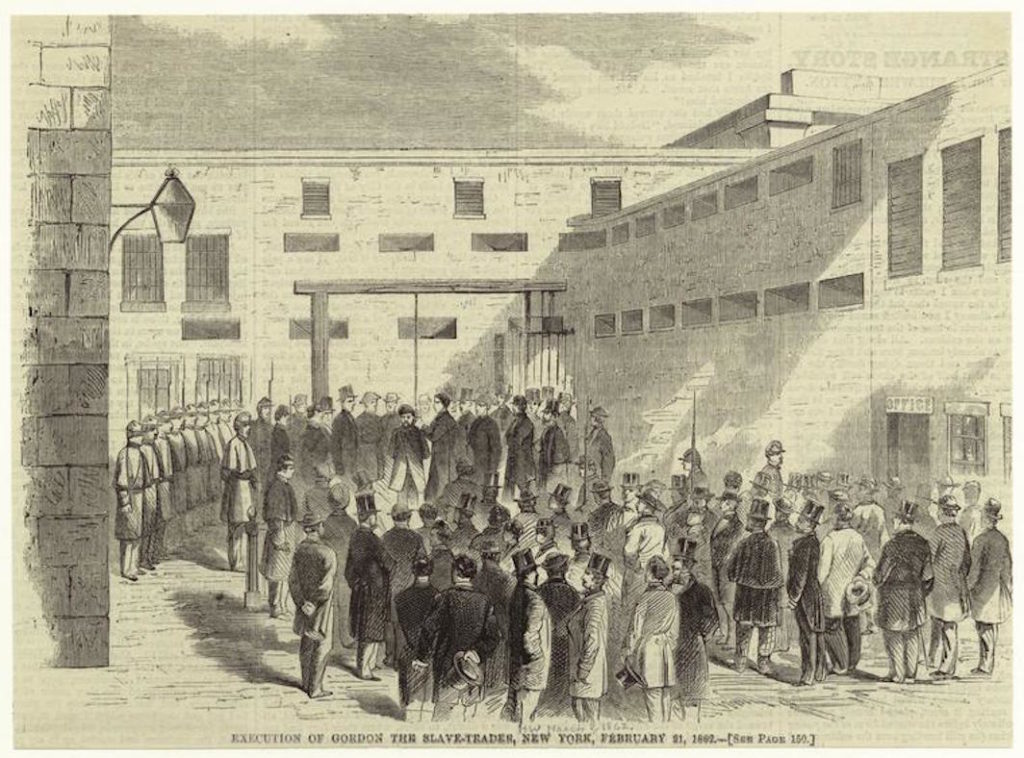
The image above depicts a scene from February 21, 1862, in the courtyard of the famous Tombs prison in the Five Points neighborhood.

The notoriously dank and foul-smelling complex was the scene of a great many public executions since its opening in 1838, but the one which took place on February 21 was particularly urgent, the crime cutting to the core of America’s central dilemma.

The man being hanged was Nathaniel Gordon, and his crime was international slave trade.

America was in the throes of a Civil War between the North and South, waged with slavery as its central issue. But the import and export of slaves into the United States has technically been banned decades earlier, and the U.S. Piracy Act of 1820 included human cargo in its definition of international piracy.

This did not deter Gordon, who sailed to North Africa in 1860 and loaded a boat with almost 900 people, intending to sell them to Southern plantations.

From a vivid description from Harper’s Weekly, the boat was overloaded with “eight hundred and ninety-seven (897) negroes, men, women, and children, ranging from the age of six months to forty years. They were half children, one-fourth men, and one-fourth women, and so crowded when on the main deck that one could scarcely put his foot down without stepping on them. The stench from the hold was fearful, and the filth and dirt upon their persons indescribably offensive.”

Gordon was caught just 50 miles offshore and brought to the United States for trial. He would have received a stern sentence even before the war, but with the conflict in full swing by the time of his trial in late 1861, Gordon’s defense team never stood a chance.

Despite pleas from wealthy supporters, Gordon was sentenced to die on February 7, 1862. President Abraham Lincoln commuted the sentence by two weeks, and Gordon’s supporters might have even convinced him to commute it further had Lincoln’s young son Willie not died of typhoid on February 20.


One notable fact about this execution is the Tombs (pictured above, in 1863) is a city prison, but the crime was a federal offense, the only such national execution to have taken place here.

Most federal executions took place at military installations. For instance ‘Pirate’ Albert Hicks was hanged on Bedloe’s Island, home of Fort Wood (and today the residence of the Statue of Liberty). Robert Cobb Kennedy, one of the Confederate conspirators who attempted to torch various New York hotels in November 1864, was executed at Fort Lafayette off the coast of Bay Ridge, Brooklyn.

Gordon was also the last person ever executed by the U.S. government for violations of the Piracy Act.

For more details on the execution, check out the great Corrections History blog which details the messy particulars of the execution.

Illustration above courtesy New York Public Library