Categories
Podcasts Religious History

The secrets of the Cathedral of St. John the Divine, the unfinished beauty of Morningside Heights

PODCAST The history of the Cathedral of St. John the Divine and a tour of its unique artistic treasures

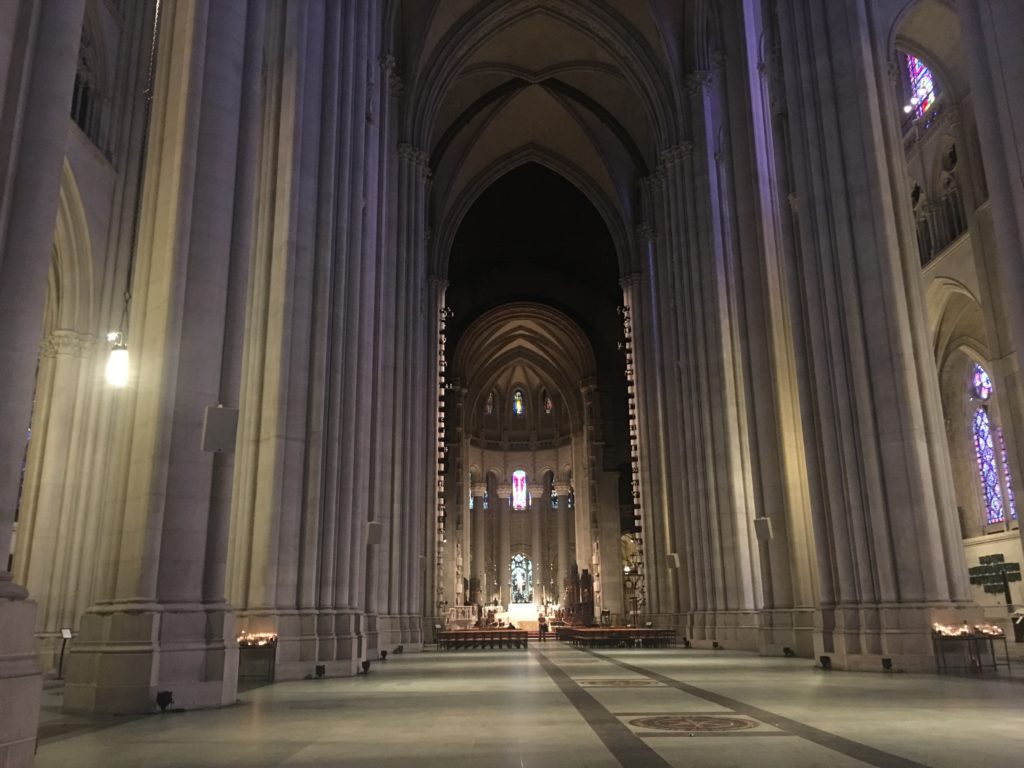
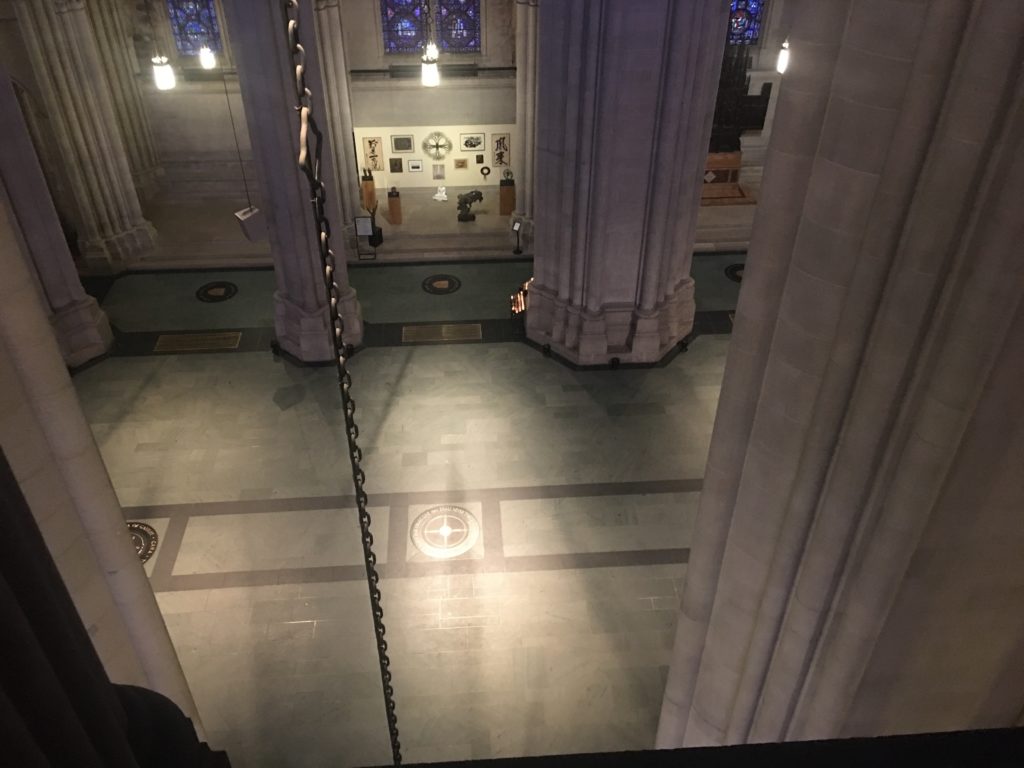
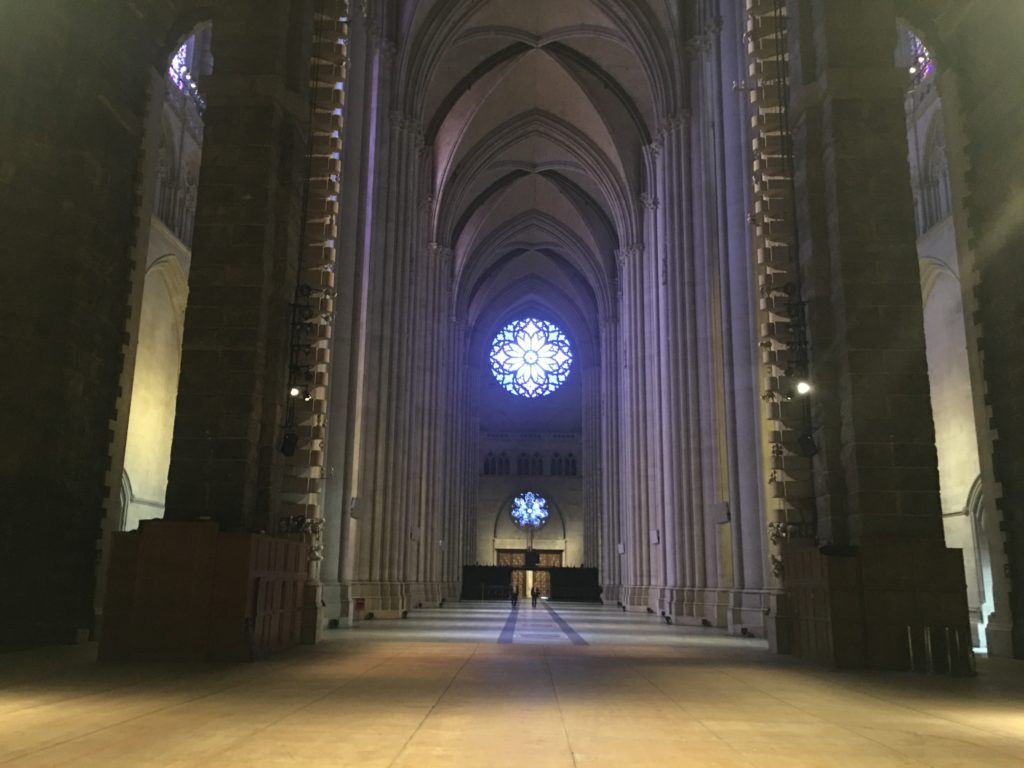
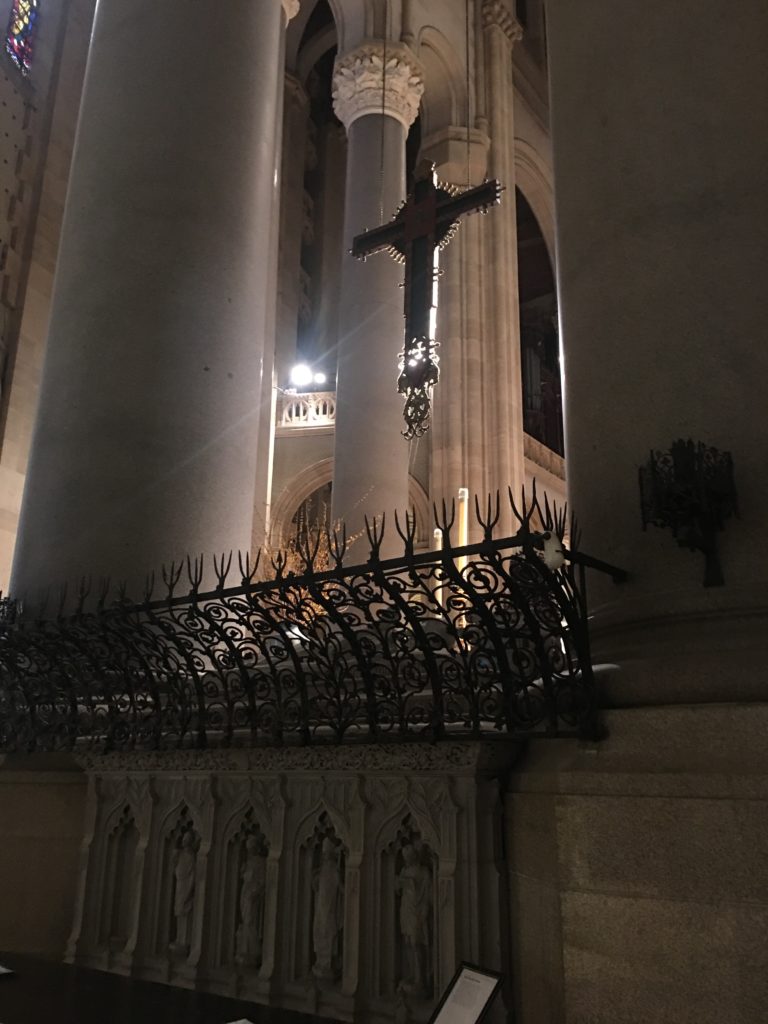
The Bowery Boys have finally made it to one of the most enigmatic and miraculous houses of worship in America – the Cathedral of St John the Divine. This Episcopal cathedral has a story like no other and a collection of eccentric artifacts and allegorical sculpture – both ancient and contemporary – that continues to marvel and confound.

Located in Morningside Heights in Upper Manhattan, St. John the Divine – named for the Apostle and author of the Book of Revelations — is no ordinary cathedral (if such a thing exists). Every corner seems to vibrate on a different frequency from other Christian churches.

Many ideas have gone into creating St. John the Divine’s unique personality – a quirky mix of architectural styles, some outside-the-box ideas about community outreach, its embrace of the unconventional. But one particularly striking detail sets it apart from the rest: the Cathedral remains unfinished.

FEATURING: Franklin Delano Roosevelt, Keith Haring, Duke Ellington, Martin Luther King Jr. and the high-wire antics of Philippe Petit

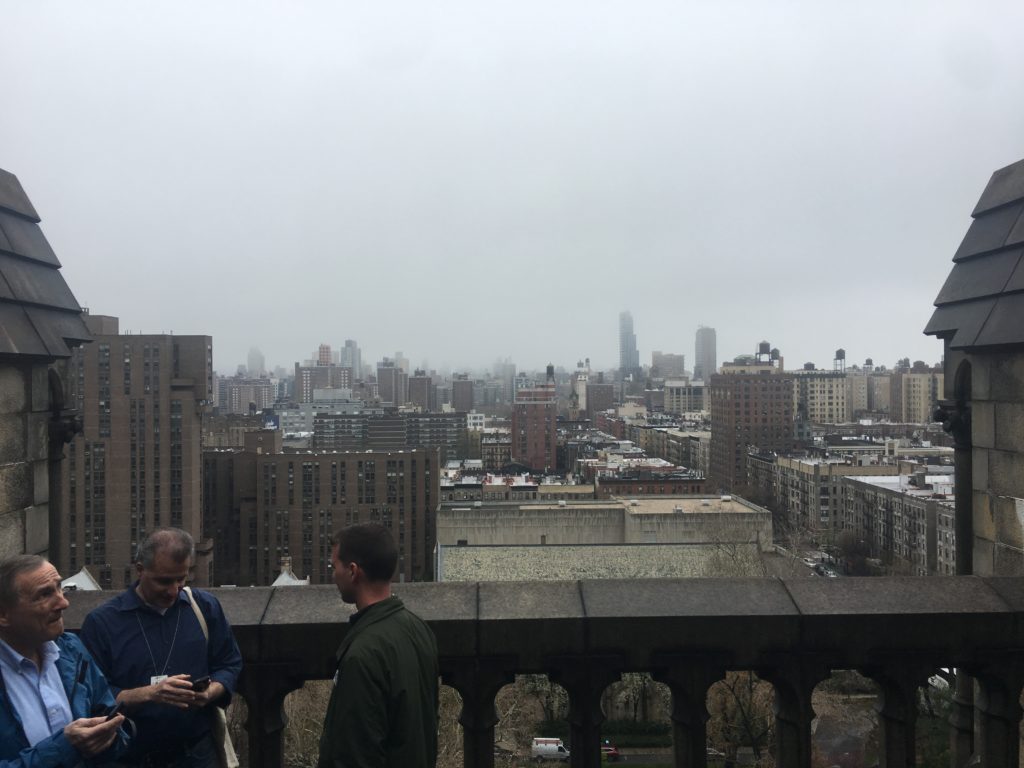
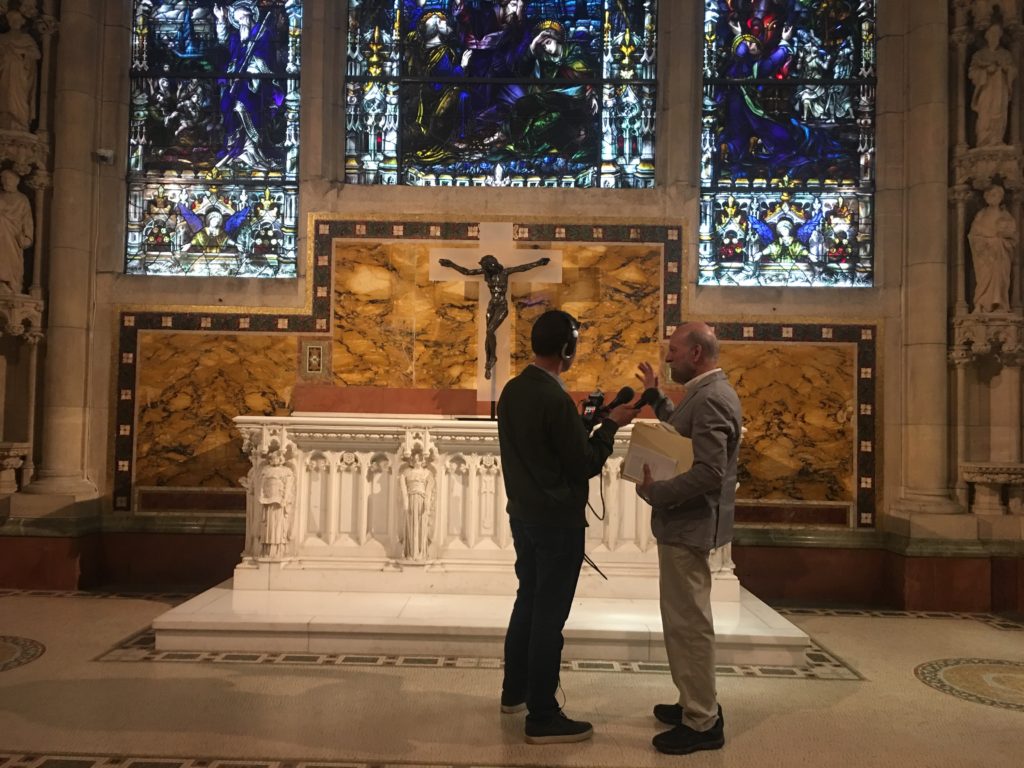
ALSO: Tom and Greg explore the Cathedral — from the crypt to the rooftop – with tour guide Bill Schneberger.

Listen Now: Cathedral of St. John the Divine Podcast

Or listen to it straight from here:

______________________________________________________

The Bowery Boys: New York City History podcast is brought to you …. by you!

We are now producing a new Bowery Boys podcast every other week.  We’re also looking to improve the show in other ways and expand in other ways as well — through publishing, social media, live events and other forms of media.  But we can only do this with your help!

We are now a member of Patreon, a patronage platform where you can support your favorite content creators for as little as a $1 a month.

Please visit our page on Patreon and watch a short video of us recording the show and talking about our expansion plans.  If you’d like to help out, there are five different pledge levels (and with clever names too — Mannahatta, New Amsterdam, Five Points, Gilded Age, Jazz Age and Empire State). Check them out and consider being a sponsor.

We greatly appreciate our listeners and readers and thank you for joining us on this journey so far. 

_______________________________________________________

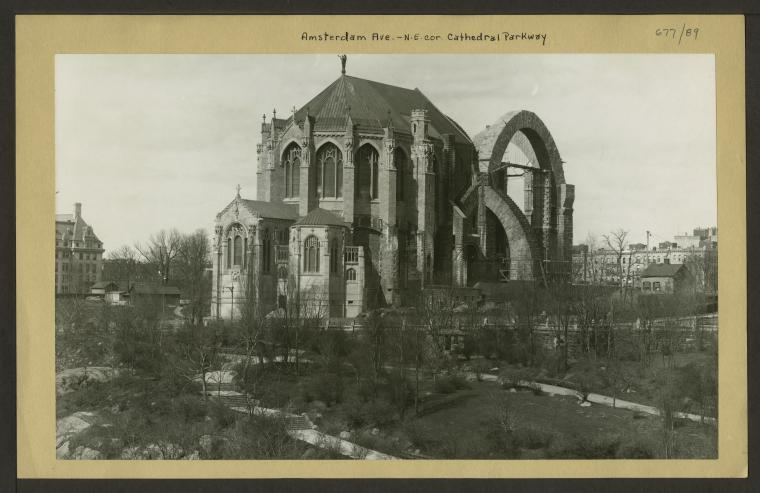
A postcard from 1902 with only a gigantic arch built. The nearby campus of Columbia University was only a few years old by this time.
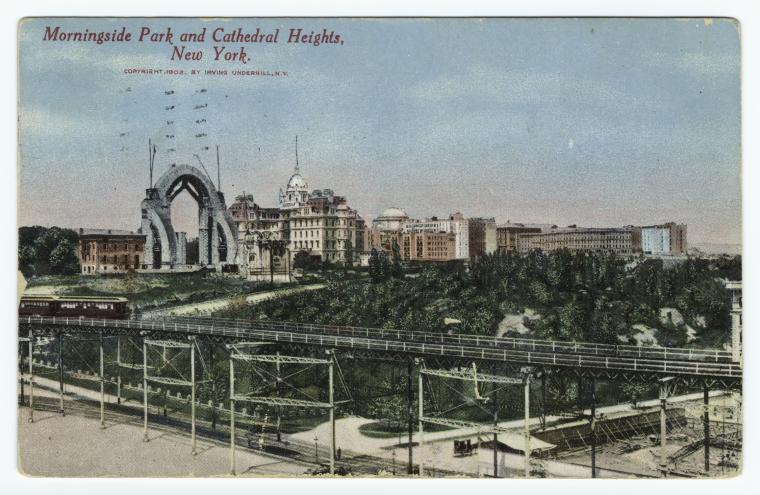
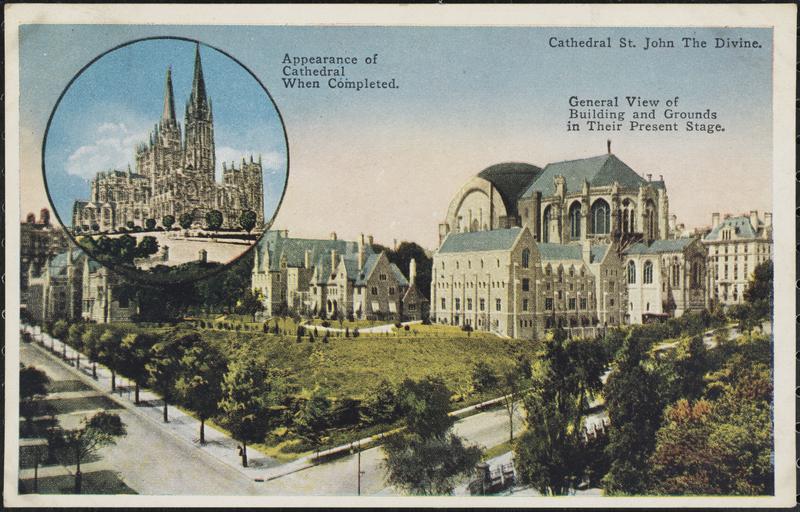
A postcard from 1910. Little did they know that it still would not be finished over a century afterwards.
Museum of the City of New York

What the church actually looked like in 1910.
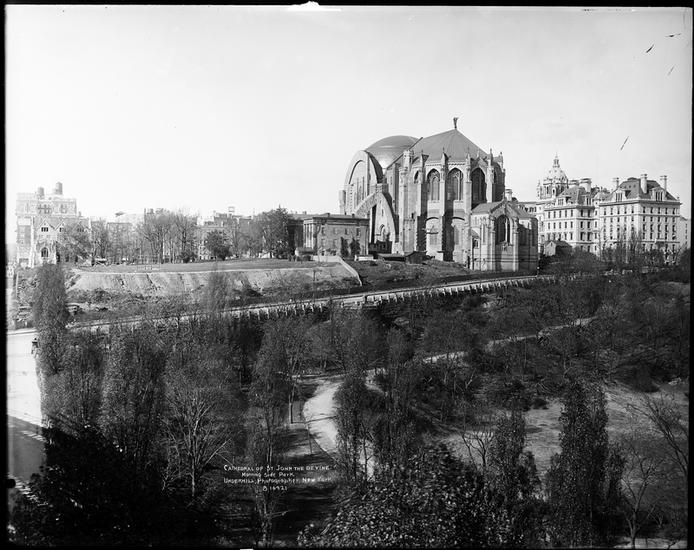
Irving Underhill/Museum of the City of New York
New York Public Library

Bringing the columns into the future nave of the church, 1904.
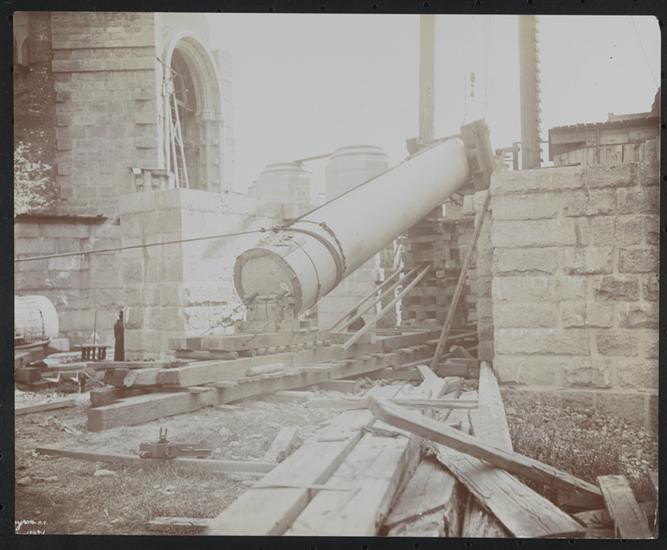
Museum of the City of New York

The first services were actually held in the crypt. Note the beautiful Guastavino tiling on the ceiling.
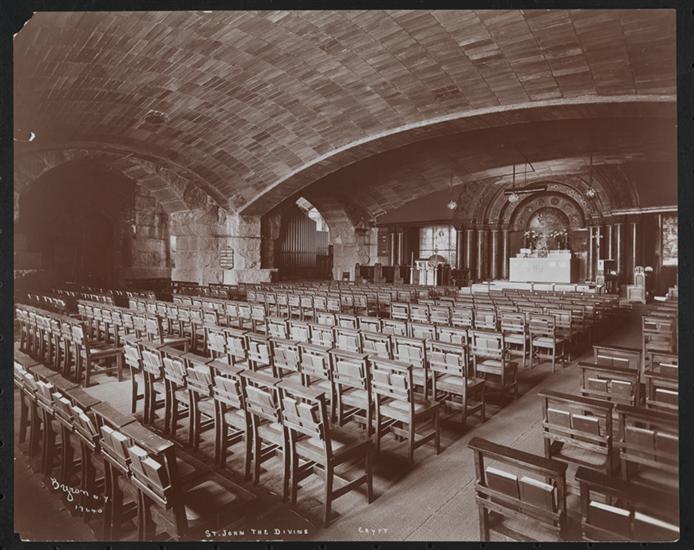
MCNY

Considerably more work has been done by 1934 as shown in this photograph.
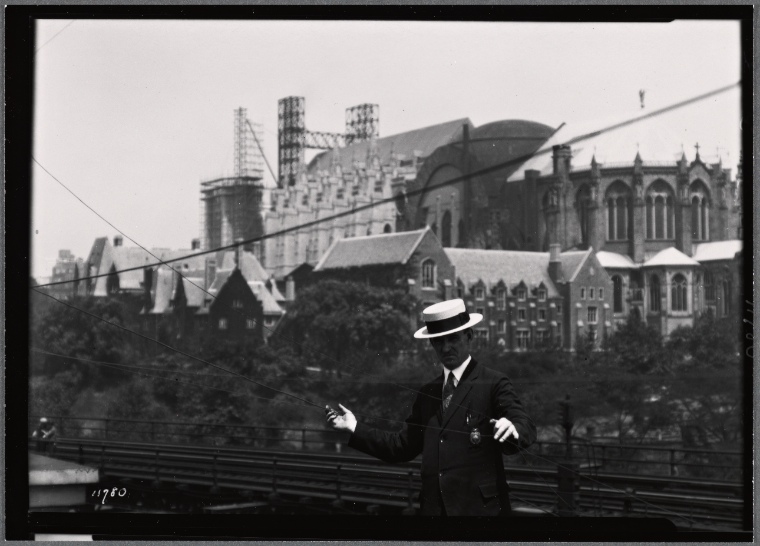
NYPL

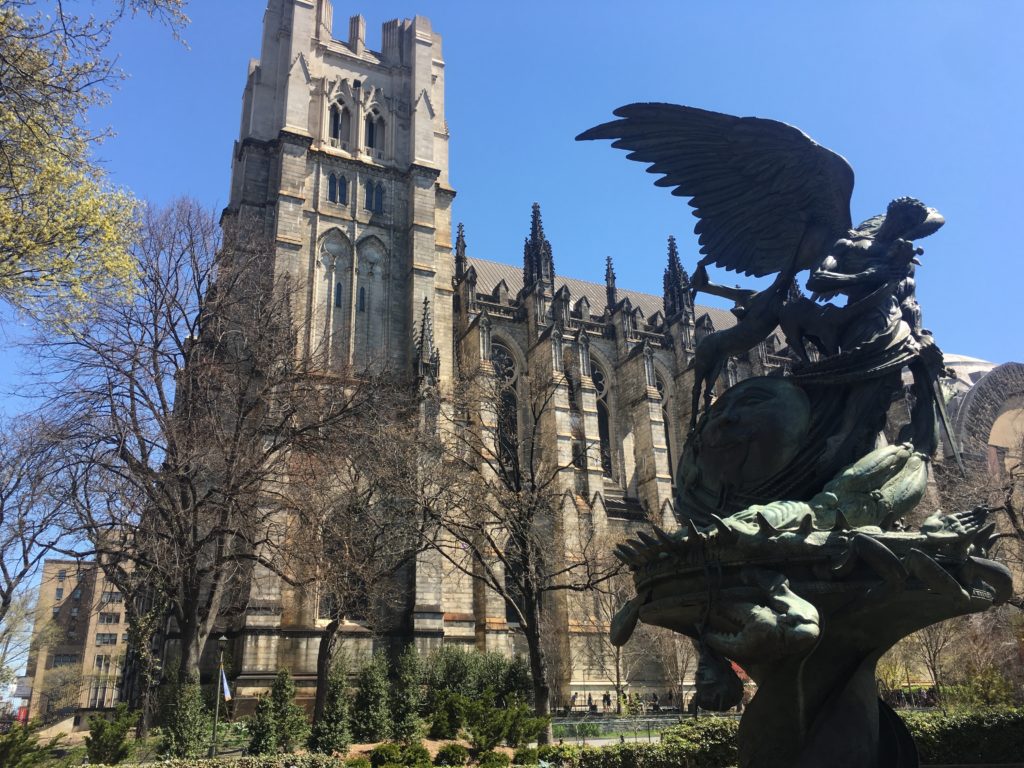
The western end of the cathedral as seen from the children’s garden at the foot of the REALLY weird Peace Fountain by sculptor Greg Wyatt.
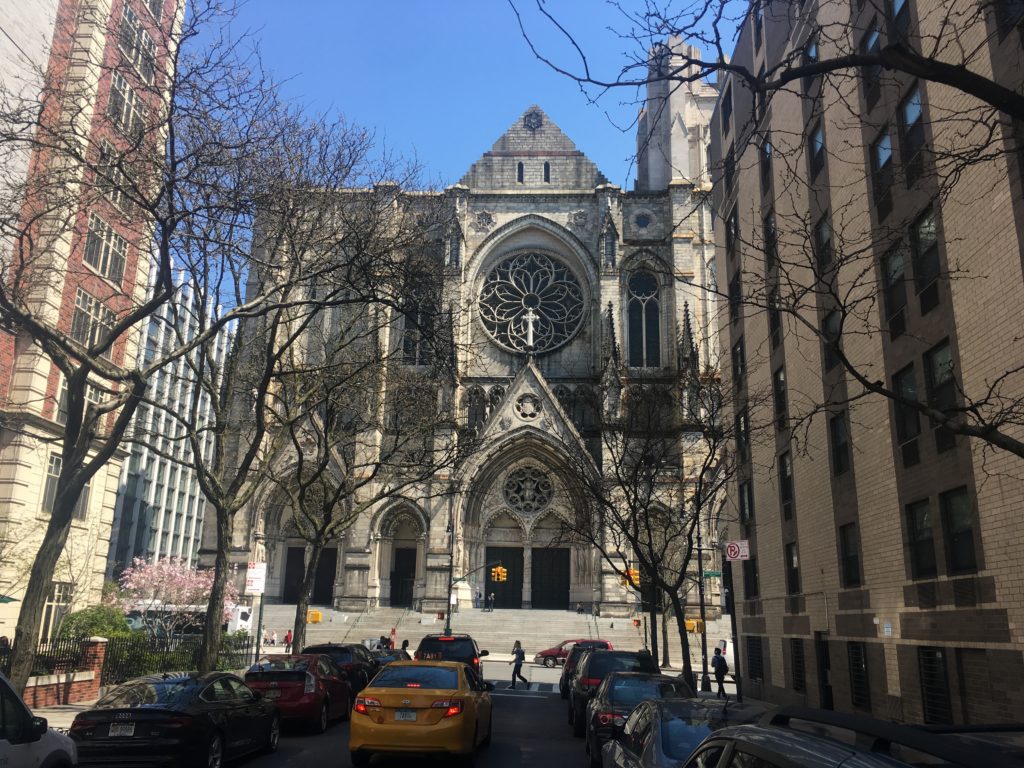
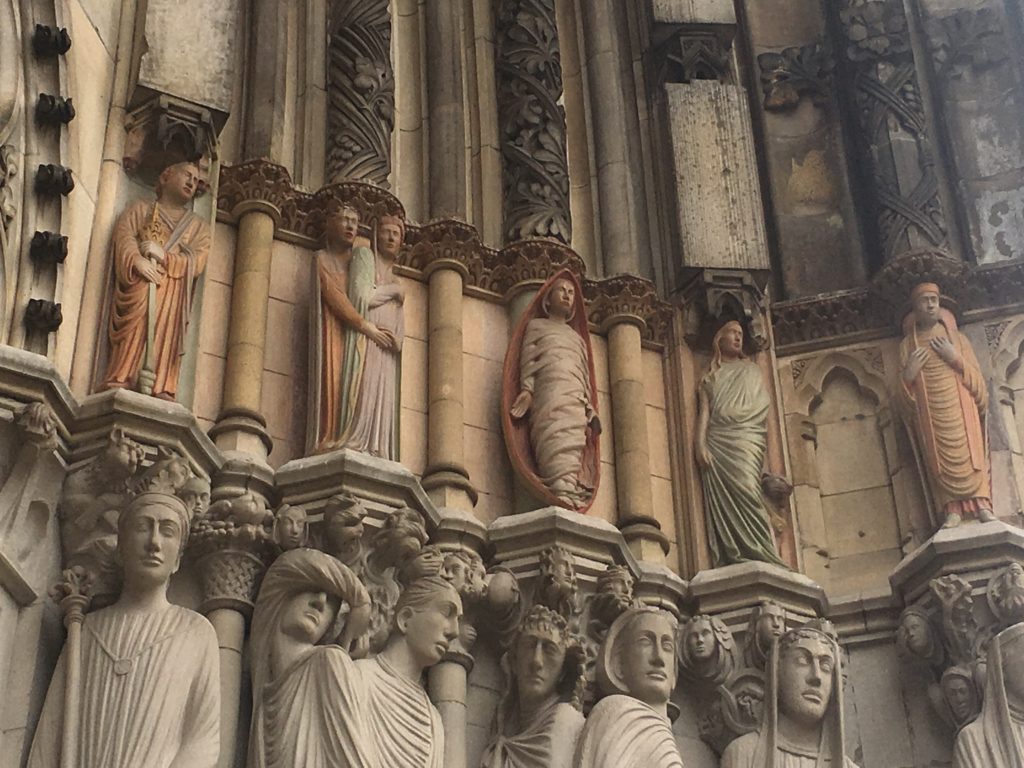
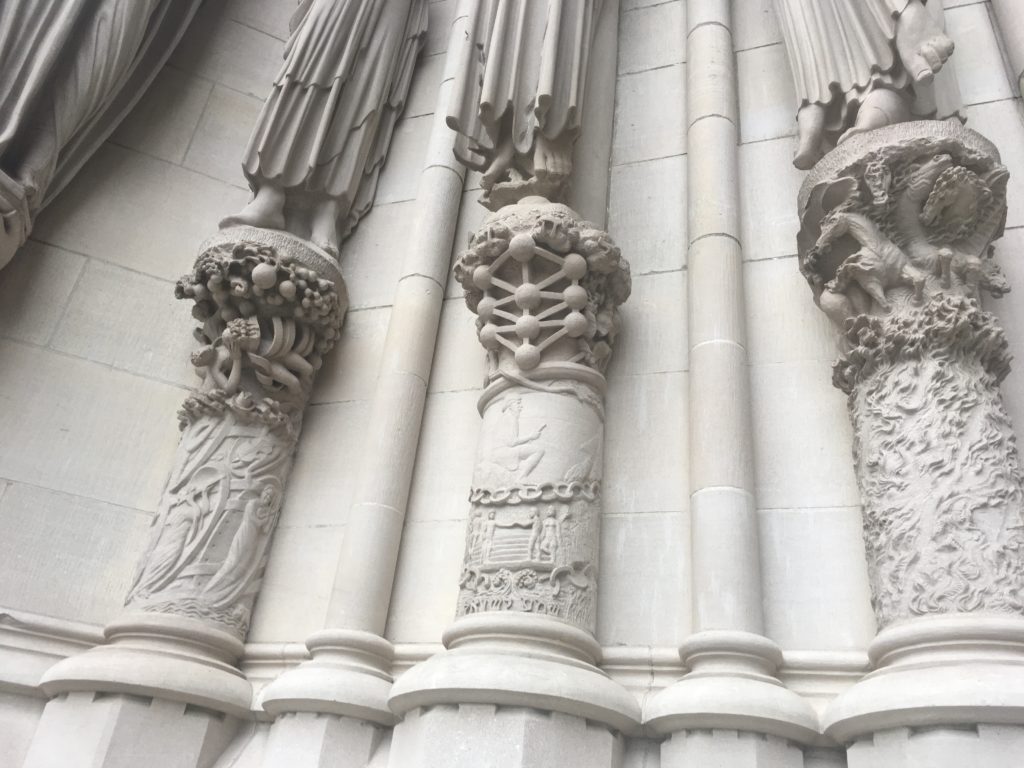
From the western entrance of the church, a collection of curious, strange and even unsettling carvings:
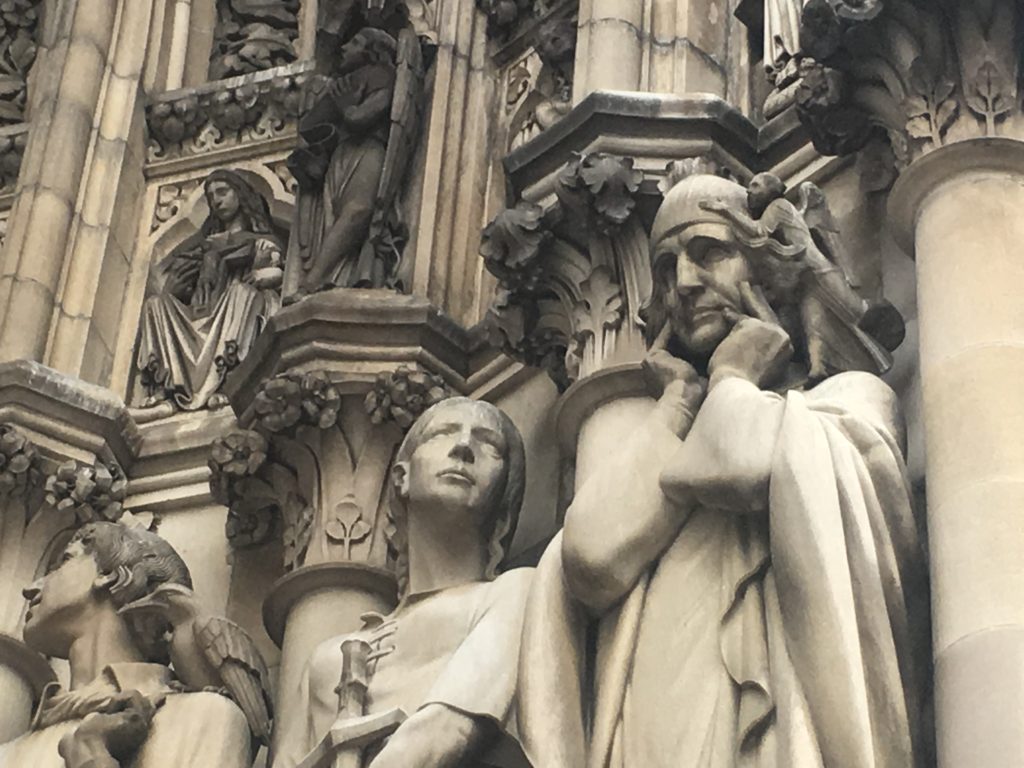
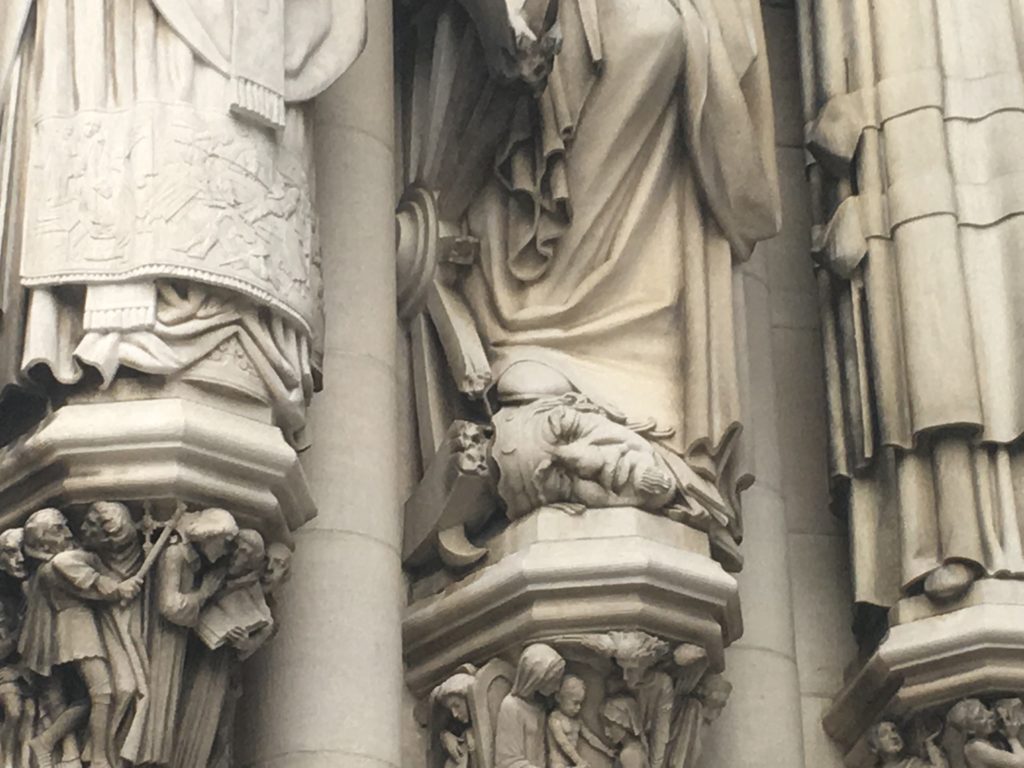
Befitting John’s authorship of the Book of Revelations, a grim depiction of the Apocalypse (and carved well before the events of September 11).
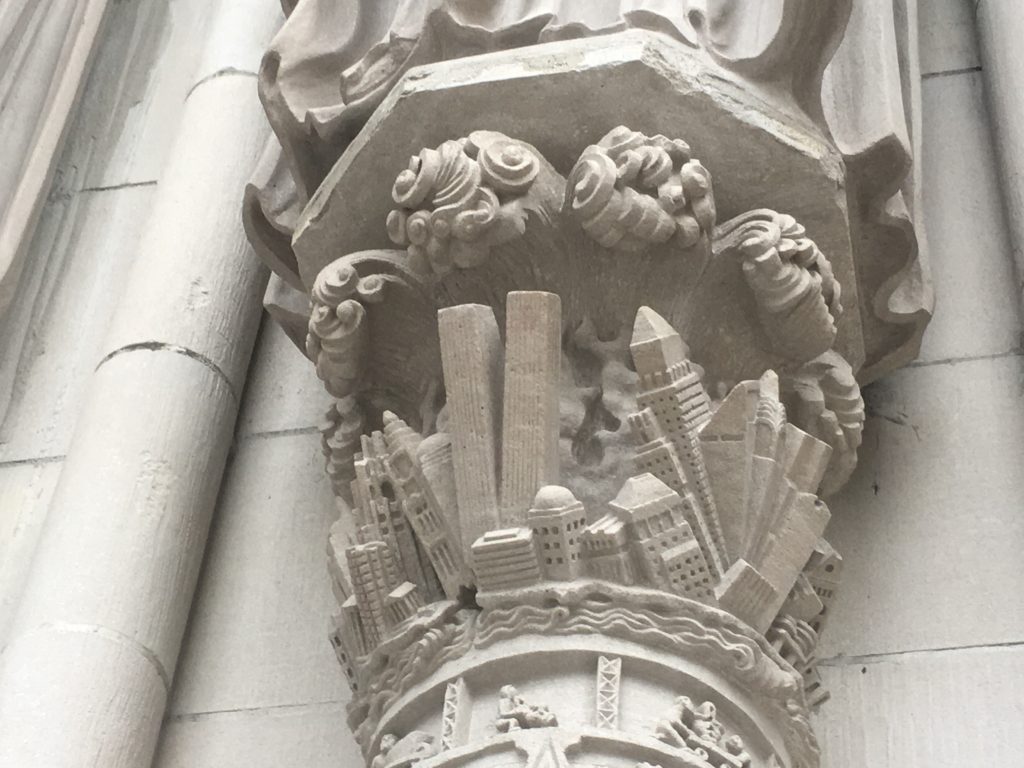
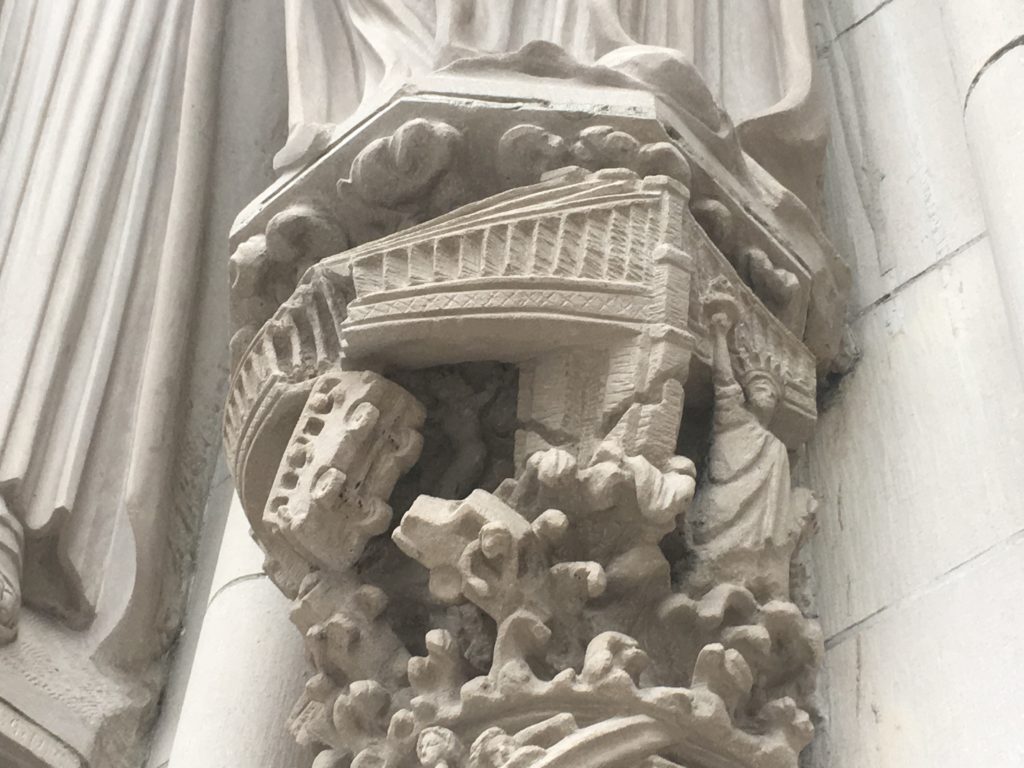
The southern archway had yet to be populated with statues.
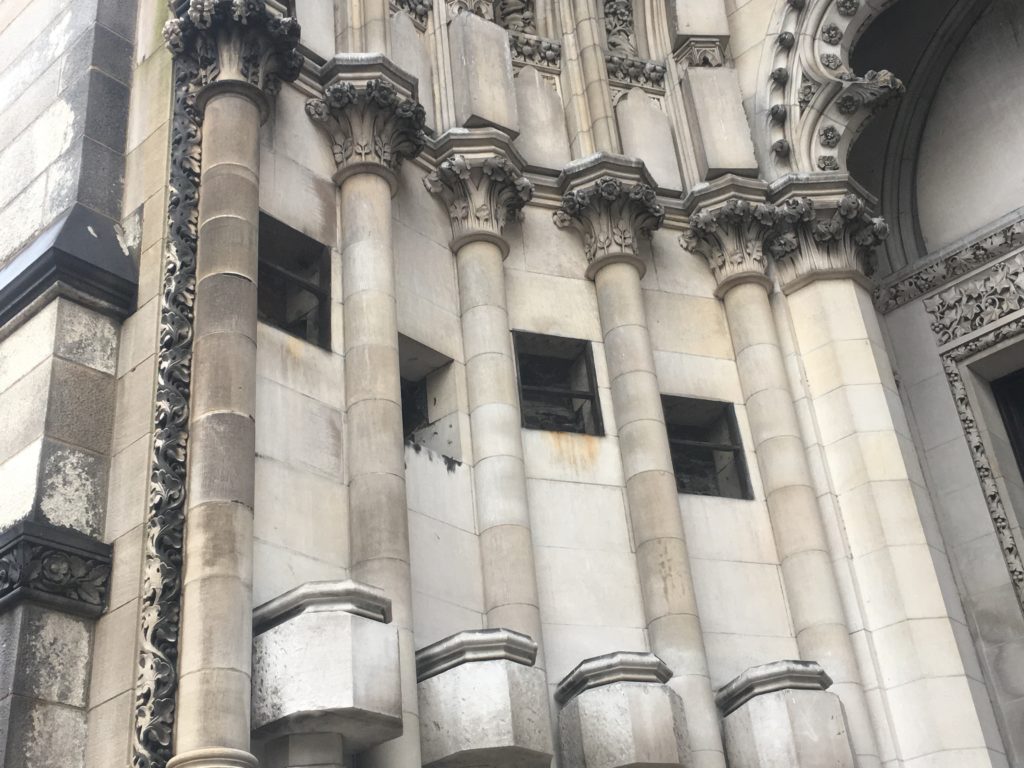
From its northern side, an excellent view of the diverse styles in their unfinished state.
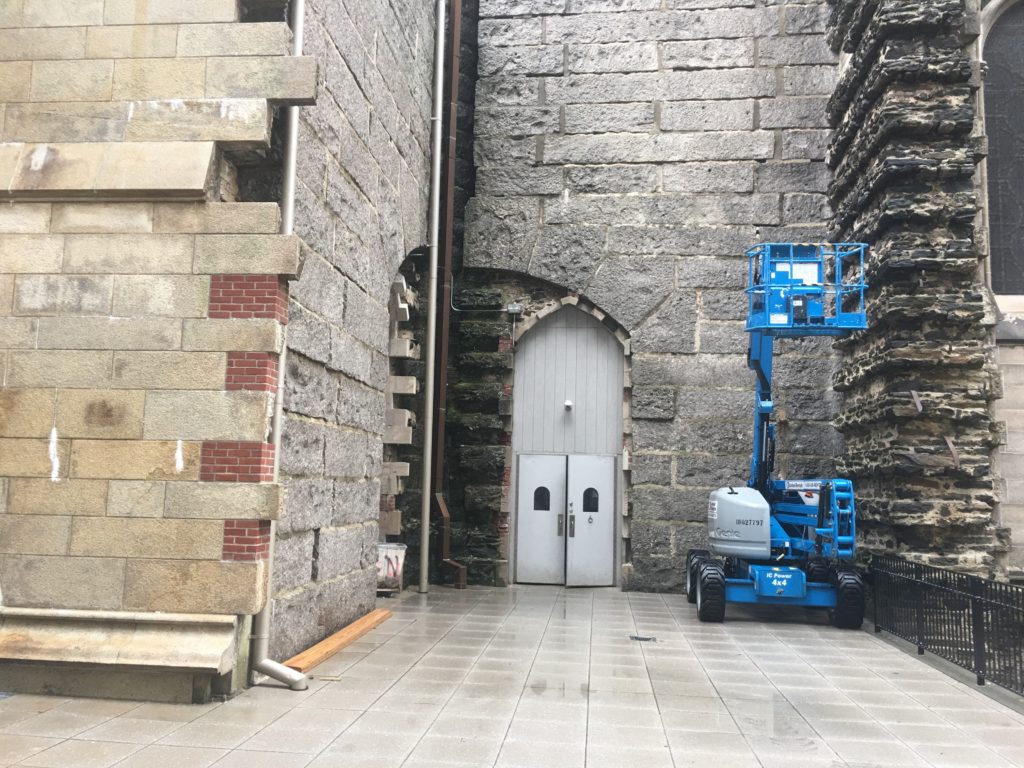
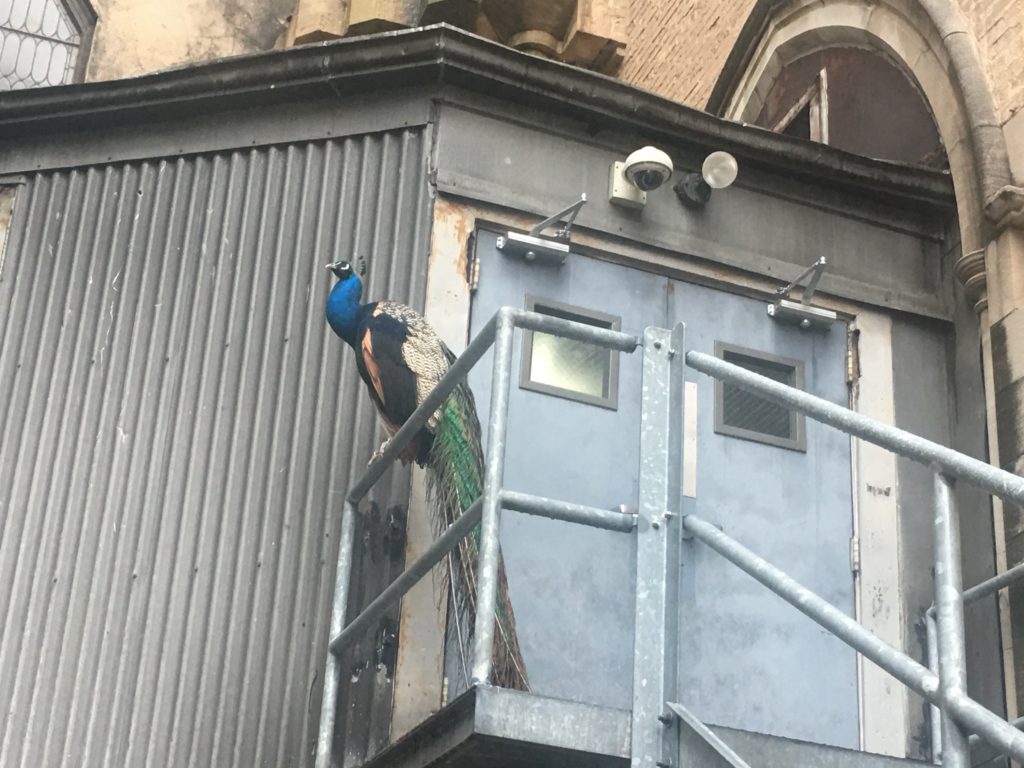
Don’t forget to look and listen for the peacocks which roam the cathedral grounds.

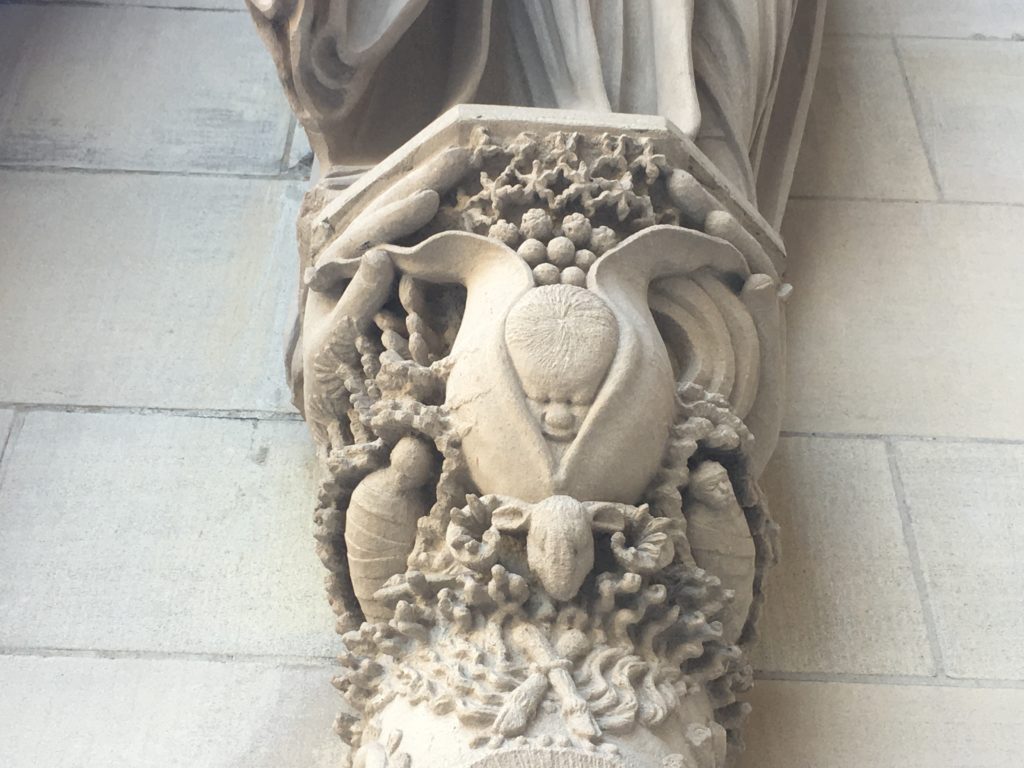
From the triforium, our tour guide Bill Schneberger points out a very bizarre detail, recently revealed. In a sea of flower decorations, one stone carver made the face of a boy. (Video is not great but trust us! It’s there.)Video Player00:0000:14

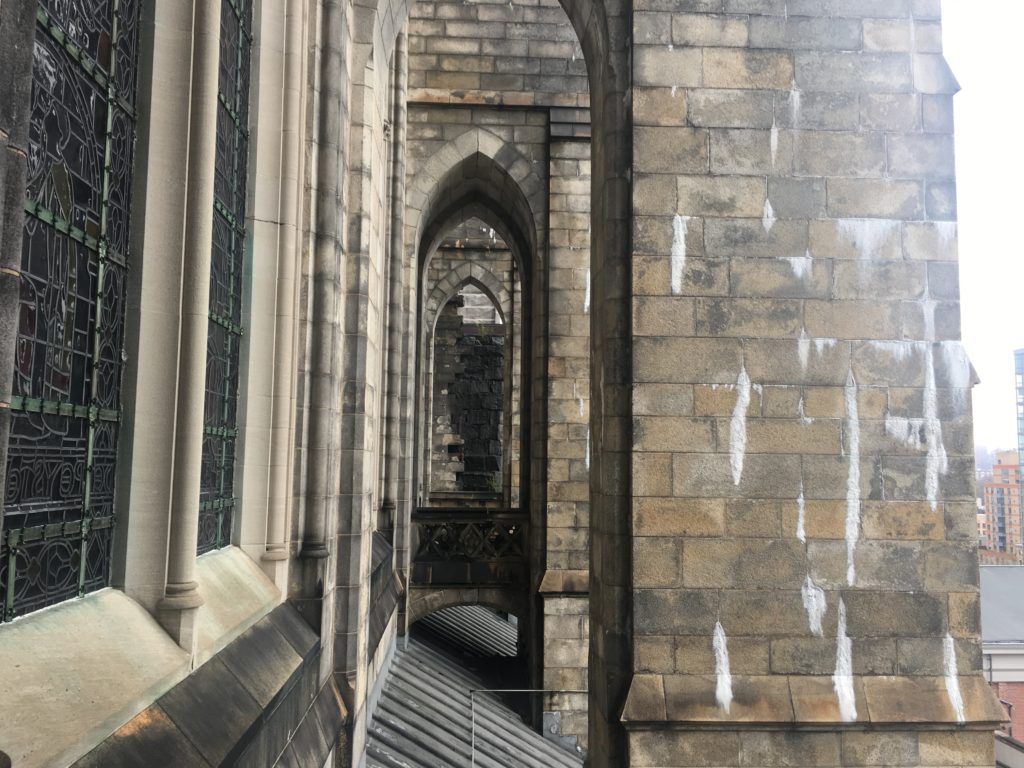
This video actually shows the very, very top of the church — the ceiling which is enclosed in a separate space, protected from the elements.Video Player00:0000:10

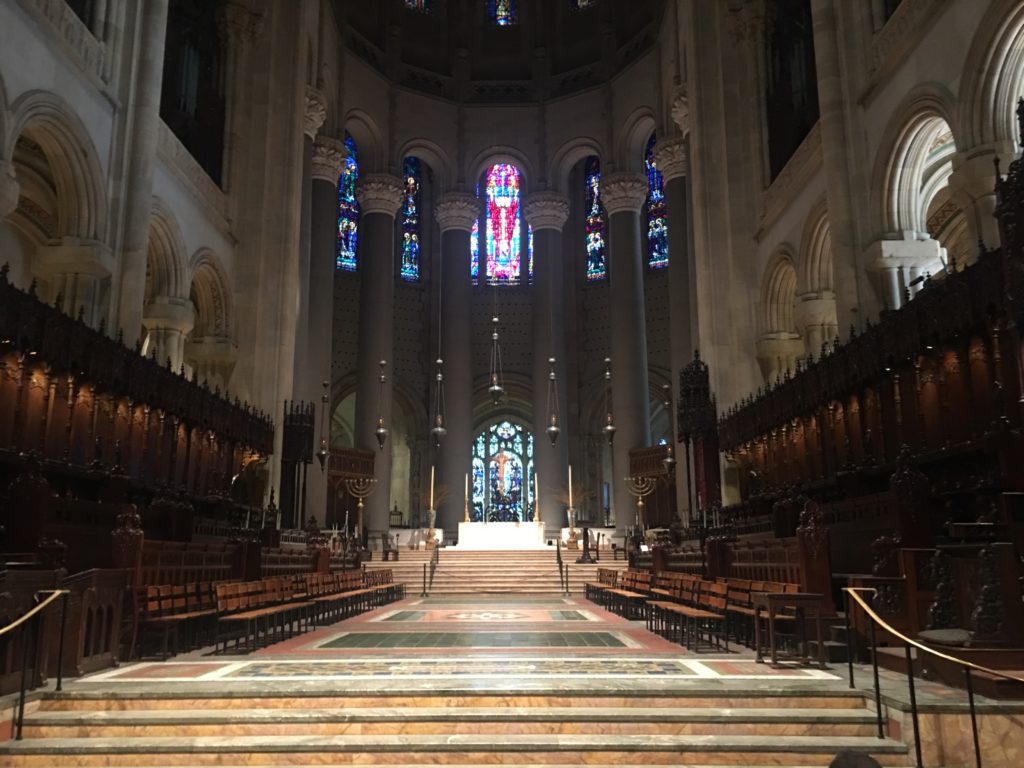
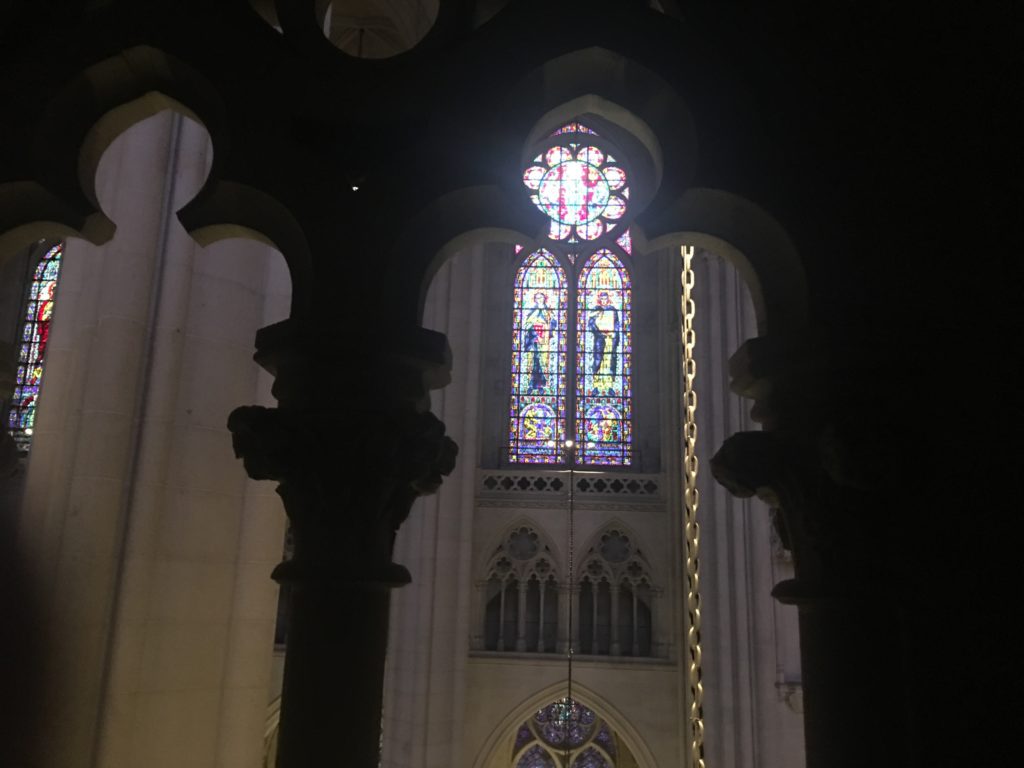
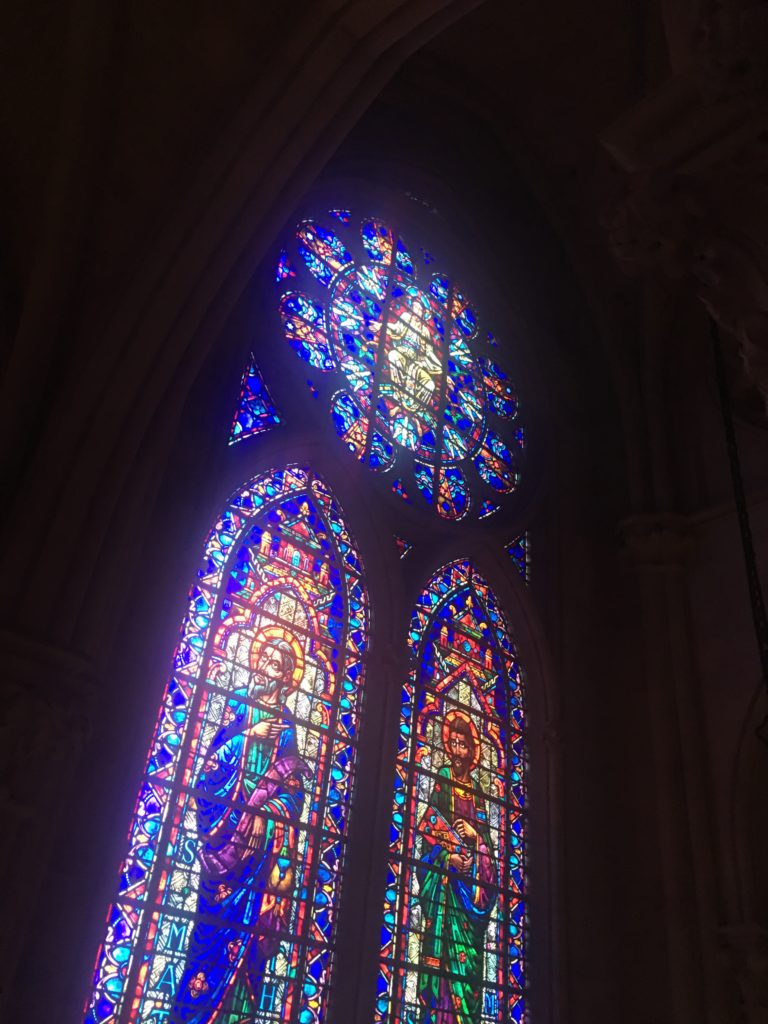
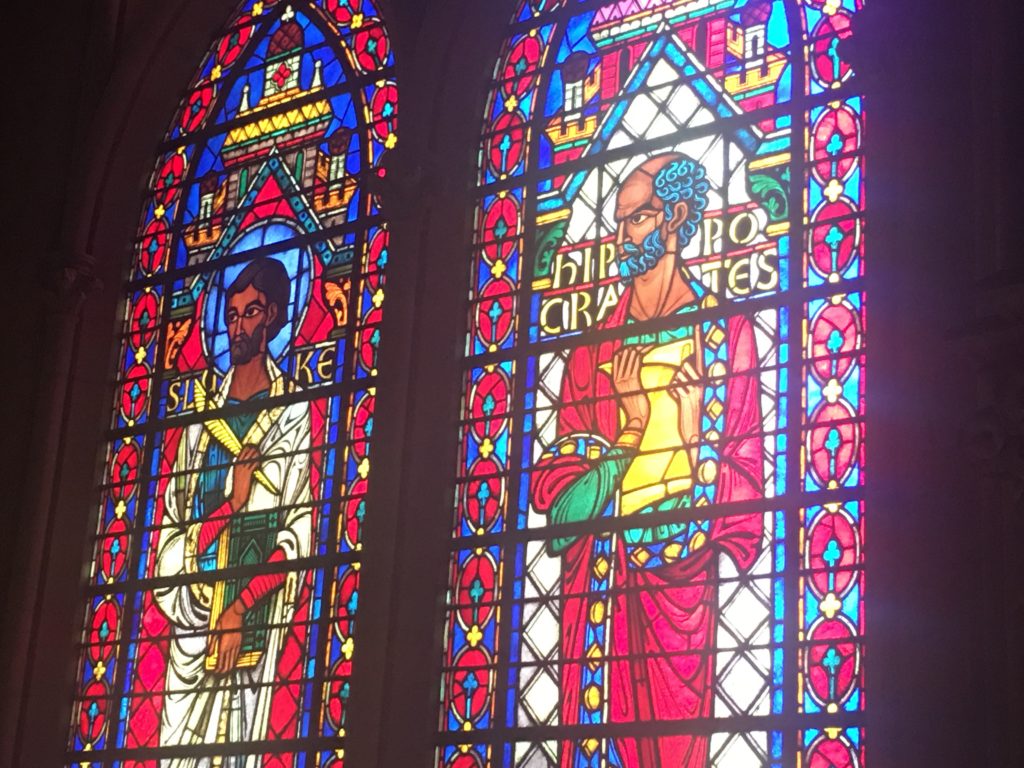
The Keith Haring triptych in contrast to the extraordinary patterned stained-glass window.
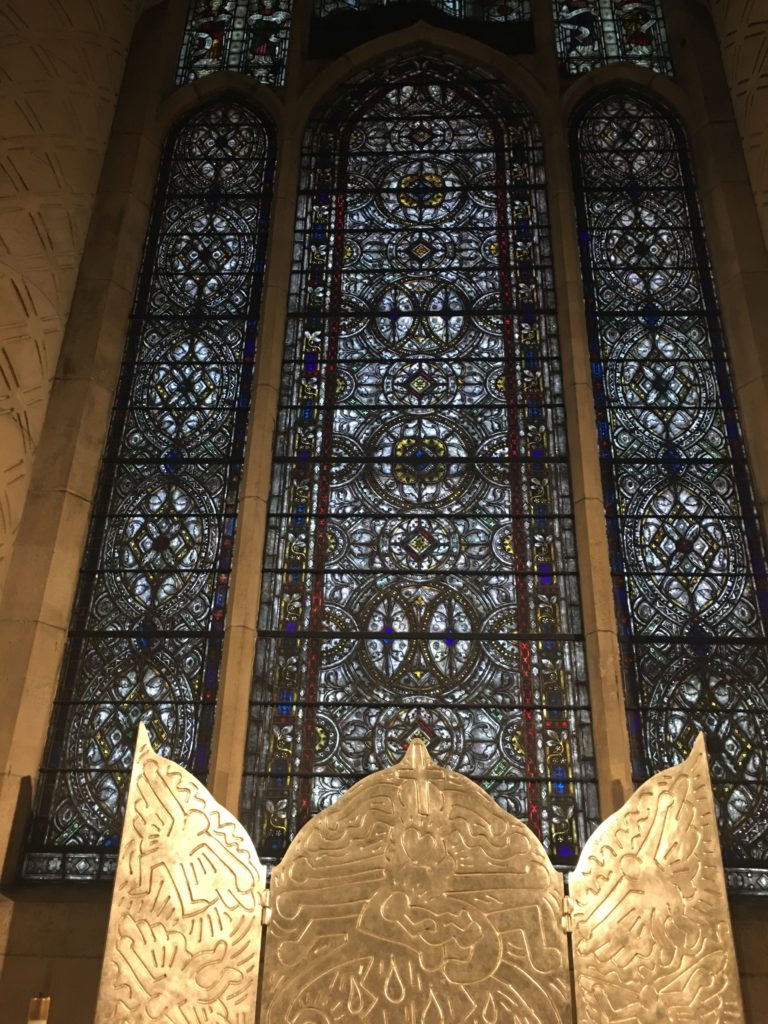
Video Player00:0000:41

And finally, we’re pleased to announce that we will emceeing a very special event at the Cathedral later this month — a party for its 125th birthday!

More details here and check this website in the coming days for even more information

The Cathedral Church of Saint John the Divine
invites you to
The 37th Annual Spirit of the City Gala
Celebrating 125 years of this historic landmark!
With a special tribute to José V. Torres and his leadership in the Cathedral’s education programs for children
on Wednesday, May 23rd

Dinner & Party Tickets
An exquisite buffet dinner featuring international foods in the chapels followed by drinks and live music at 6 pm

$1000 Regents Ticket
Includes annual membership in the Cathedral’s Society of Regents, invitations to Cathedral events, and recognition in the evening’s program.

$500 Supporting Ticket
Includes recognition in the evening’s program and invitations to Cathedral events.

After-Party Tickets
Featuring signature cocktails by Highland Park Whiskey along with beer, wine, and desserts and a performance by The Duke Ellington Legacy Band followed by a DJ

Doors open at 7:30 pm
$150 after April 30th

To reserve your ticket online, please click here.

Those who support the Bowery Boys on Patreon will receive a discount code later next week, so check your messages!

Proceeds from the evening benefit the Cathedral.
Categories
True Crime

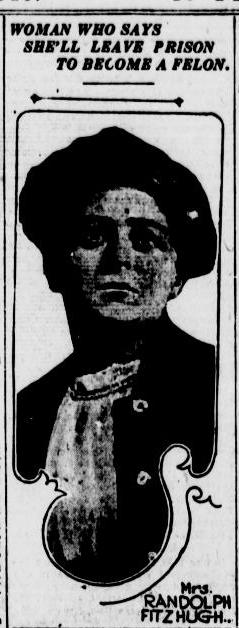
Presenting Mrs. Randolph Fitzhugh, Kaleidoscope woman, society church thief: “I am being hounded to prison by men”

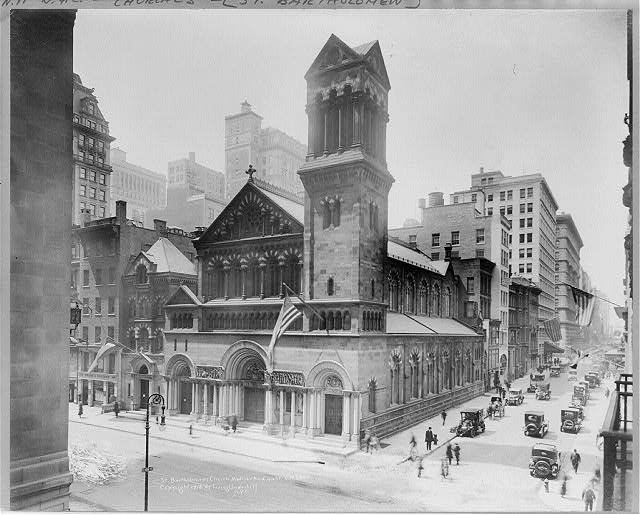
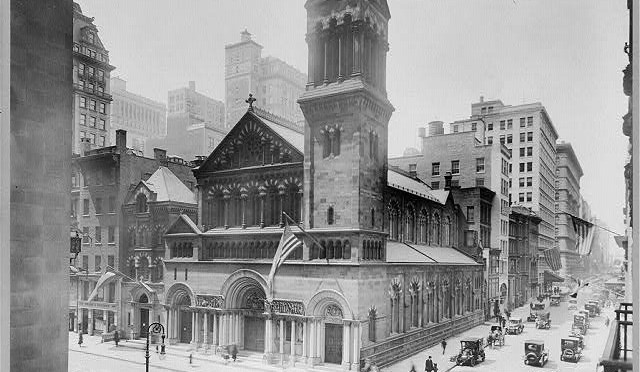
The former St. Bartholomew’s on Madison Avenue and 44th Street, burgled by one Mrs. Randolph Fitzhugh. [LOC]

NOTE: I revised this article this afternoon which some additional information just discovered, making this story ever stranger! New information includes Mrs. Fitzhugh’s real name, details about her baby, her length of stay in the Tombs, and information on another arrest at St. Patrick’s.

The papers called her ‘woman of mystery’ and a ‘woman enigma‘. Later on, she would garner a new nickname — the Kaleidoscope woman.

Rarely had a female criminal so confused New York law enforcement as the unusual Southern woman arrested in early 1913 for stealing from society ladies prominent New York churches.

She called herself Mrs. Randolph Fitzhugh, a Southern woman with a demeanor as such that she could spirit into any number of prominent churches and snatch up a host of items, including a diamond bracelet at the Church of the Transfiguration and a $500 gold mesh bag at St. Bartholomew’s (at its previous building on Madison and East 44th Street, see above).

The revelation of this crimes was most strange.  The owner of the bag received a letter from the Hotel Flanders (6th Ave/W.46th Street) claiming a woman carrying that bag was staying there. Fitzhugh was staying at the hotel with an infant; later witnesses claimed the hotel was holding the baby for an “unpaid rent bill.”

To those in the hotel, Mrs. Fitzhugh claimed she was only “renting the child” due to some troubles in Washington DC. The baby was taken to an acquaintance in Brooklyn, and Mrs. Fitzhugh arrested.

The story with Mrs. Fitzhugh (her real name was Catherine Fennell or Northrup) wasn’t her crime but her reaction to prosecutions.  She plead guilty to avoid a sentence at Auburn Correctional Facility.  But she didn’t stop with that.

A reporter from the New York Evening World interviewed the convicted from her cell at the Tombs where she had been a prisoner for almost seven months.

She told a remarkable tale of a runaway betrothed to the previously-named Randolph Fitzhugh.  It was apparently a controversial marriage, for when he died, her family rejected her. She was then arrested for stealing from a department store.  “All I had done is charge some goods to an intimate friend of mine who had an account at the store . I had often done it before and she gave me carte blanche.”

She then claimed to have married and had a child, although she “never bothered to take good care of our marriage certificate” and was later sued by the man.  Most likely the child was hers, but the ‘renting’ business is still a mystery.  She used the child in later testimony to claim that she took the solace of random churches because she believed somebody was trying to kidnap her baby.

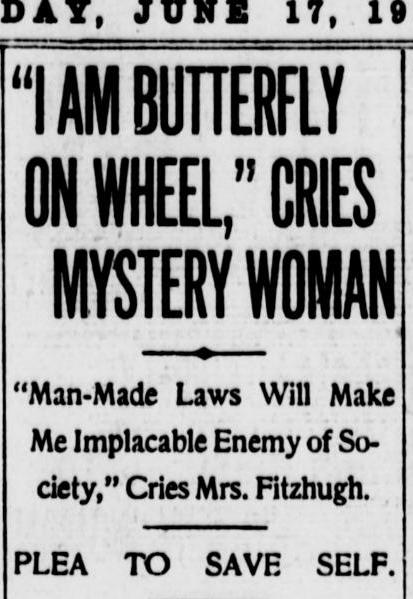
She then exploded with emotion at the Evening World reporter.  “I tell you I am being hounded to prison by men–men–men.  It is ‘The Butterfly on the Wheel’ all over again! I cannot get justice from men.”  The phrase ‘butterfly on the wheel’ is from Alexander Pope‘s ‘Epistle to Dr. Arbutnot’, meaning a concerted effort in appearance to break to the will of something insignificant.

Whatever is going on with Mrs. Fitzhugh — bad luck, desperation, mental illness — it’s easy to sympathize with her from our vantage a century later.  She feared the prison system, knowing it would change her forever, knowing she might never break from it.  She was instead put to a lighter sentence at Bedford Hills in Westchester County.  But she issued a grave warning.

“I am not a common woman.  I understand that almost every inmate of that Bedford place is such a woman. To be thrown with them may embitter me to such an extent that I shall ever after revenge myself on society and turn a really clever, unscrupulous thief.  I may and very likely shall become a professional thief.”

Indeed, she lived up to her word.  After she was released, she returned to a life of crime.  She was arrested once again in February 1915 in front of St. Patrick’s Cathedral.
And later that year, from her perch at the Holland House at 5th Avenue and 30th Street, Mrs. Fitzhugh again plundered neighborhood churches, stealing from the Catholic parish St. Leo’s Church on 28th Street.

To avoid suspicion — although this seems to have failed — Mrs. Fitzhugh changed costumes “six to eight times a day” and was known to hotel staff as the Kaleidoscope woman due to her ever-different garments.

Somehow, Mrs. Fitzhugh had befriended a film actress and was living in her flat at the Holland House.  Most likely, it was the clothing of this unnamed actress that Mrs. Fitzhugh was wearing.  “Her bills, according to the management of the hotel, had been always promptly paid.” [source]

From there I’m able to find anymore information about Mrs. Fitzhugh, the Kaleidoscope lady. She disappears from the criminal record under that name. But I’ll continue to look, because she strangely fascinates me.

Categories
Neighborhoods Podcasts

The many lives of the Limelight, aka the facade formerly known as the Church of the Holy Communion


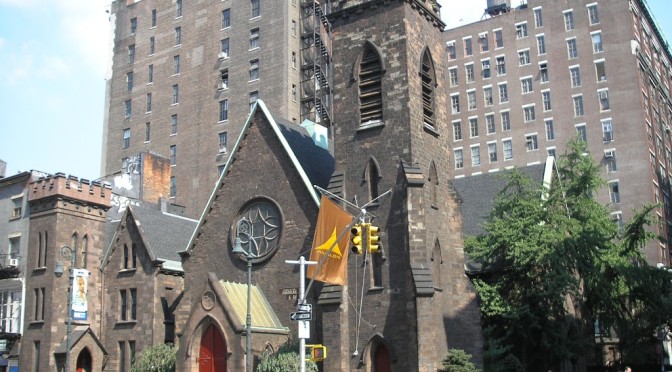
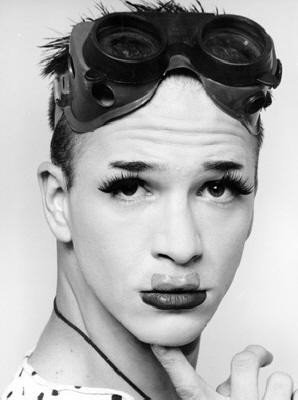
Above: The Church of the Holy Communion — and once the quite infamous nightclub Limelight — as the less lauded follow-up, called Avalon.  Within a couple years, the club would be transformed again — into a high-end retail experience.  Below: Michael Alig, one of its more notorious nightly residents. (source)

PODCAST
If you had told 1840s religious leader William Augustus Muhlenberg that his innovative new Church of the Holy Communion, designed by renown architect Richard Upjohn, would become the glittering seat of drugs and debauchery 150 years later, he might have burned it down then and there.

But thankfully, this lovely building is still with us, proving to be one of the most flexible examples of building use in New York City history. 

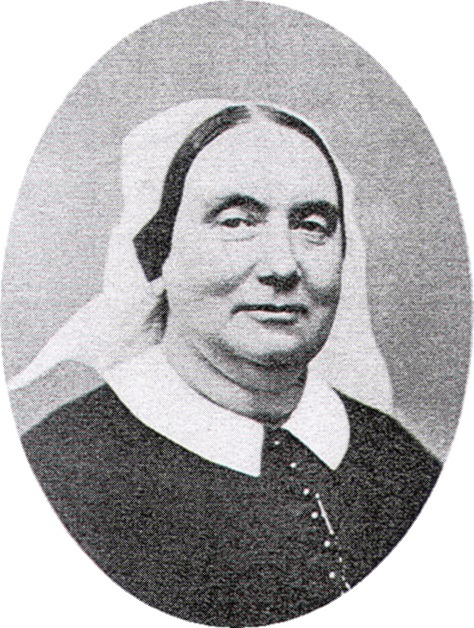
This unusual tale begins with the captivating relationship between Muhlenberg (the grandson of America’s first Speaker of the House) and Anne Ayres, the First Sister in charge of the Sisterhood of the Holy Communion. The two of them helped create one of New York’s great hospital centers. But was something else going on between them? 

The Church of the Holy Communion survives the elevated railroad and the fashionable stores of Ladies Mile, and weathers the various fortunes of the neighborhood.  When it is finally sold and deconsecrated, it briefly houses an intellectual collective and a drug rehabilitation center before being bought by Canadian club impresario Peter Gatien, who turns it into the Limelight, an iconic and sacrilegious symbol of New York nightlife.  And in recent years, the old church has morphed into a rather unique retail experience — shopping mall and department store!


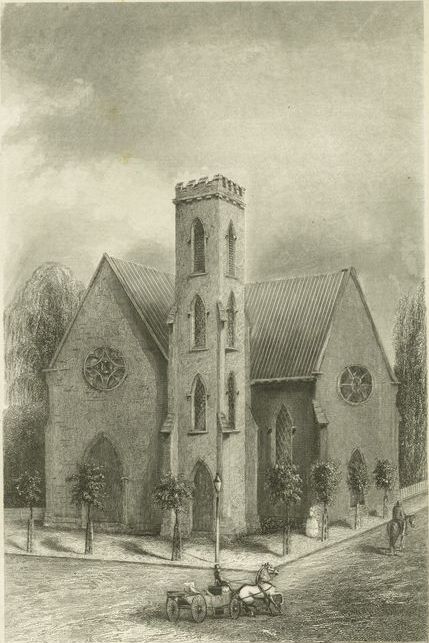
The Church of the Holy Communion in 1846, from an illustration by TD Booth.  The asymmetrical shape of the church was innovative for the time, as was the irregular position of the brownstone bricks along its walls. It had every indication of being a medieval country church, but for the fact of it being on a street corner at Sixth Avenue and 20th Street! (NYPL)

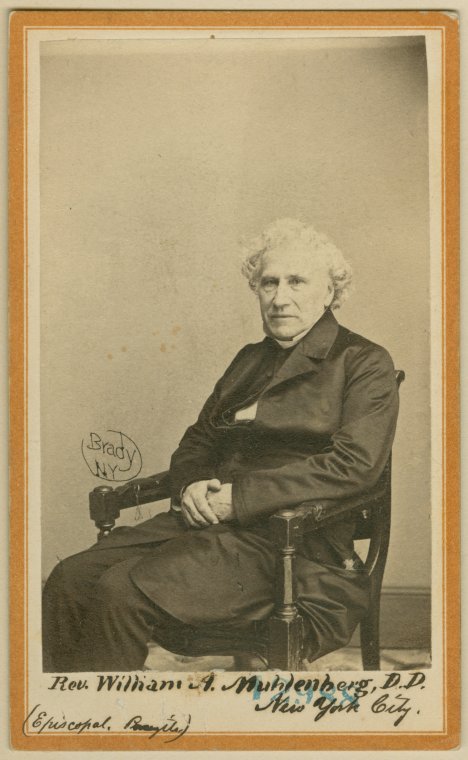
William Augustus Muhlenberg, grandson of Frederick Muhlenberg (America’s first Speaker of the House), was a visionary religious leader.  He opened Church of the Holy Communion as a way to further his progressive religious views.  Pictured below in a carte de visite, probably in the 1860s. (Courtesy NYPL)

Muhlenberg’s reputation was greatly bolstered by Anne Ayres, who became the leading sister as the Reverend’s  Sisterhood of the Holy Communion, the first Anglican convent of its kind in America.  Ayres helped Muhlenberg with most of the church’s major projects and penned an ecstatic biography after his death.  You can read Ayres’ biography of Muhlenberg here.

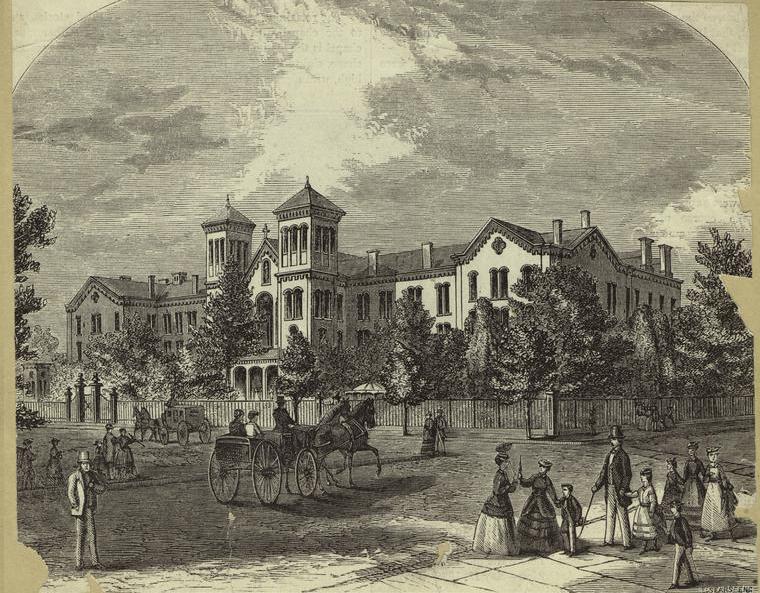
Muhlenberg and Ayres founded a small infirmary near the church, then later expanded it at Fifth Avenue and 54th Street, becoming the first location of St. Luke’s Hospital.  As you can tell from the original hospital building, it seems to reflect a bit of the architecture of the Church of the Holy Communion. (Pic courtesy NYPL)

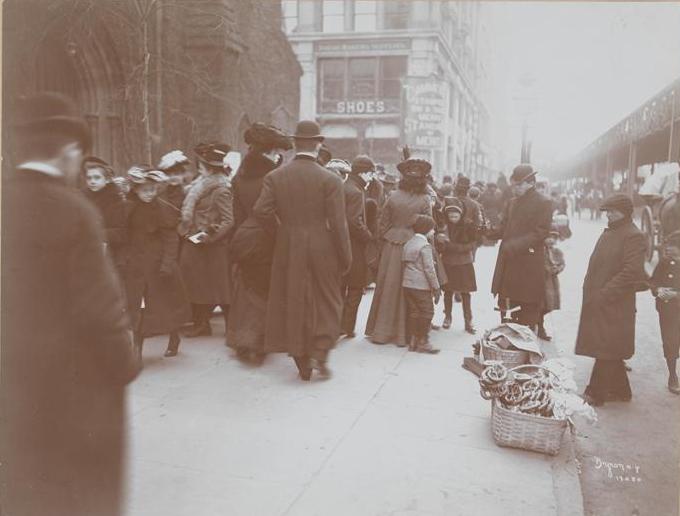
A view from 1895, possibly of a Sunday crowd leaving the church. Vendors like this pretzel seller gathered on the street below, selling treats to shoppers of Ladies Mile.  The church would have been in the heart of New York’s major shopping district during the Gilded Age, with grand department stores stretching on either  side of the street. (Courtesy the Museum of the City of New York)

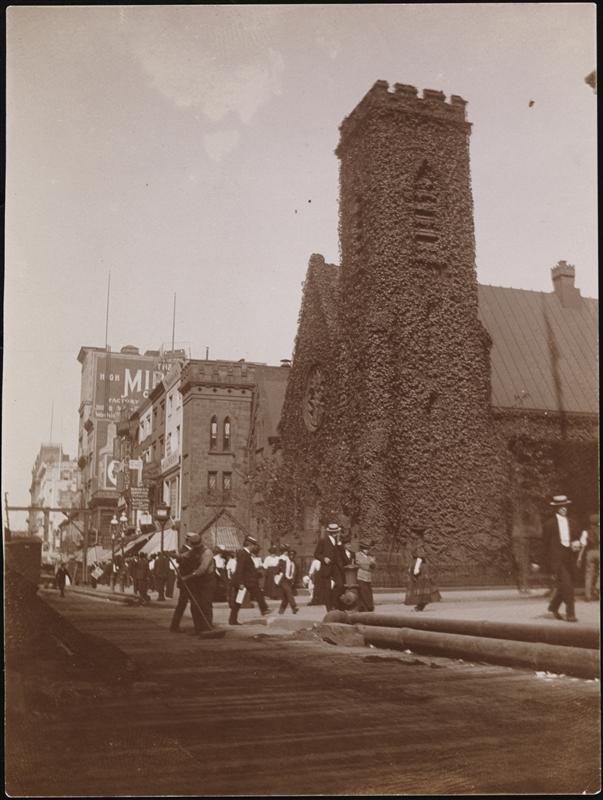
The Church of the Holy Communion, enveloped in thick ivy, as it looked in September 1907.  It also appears this photo was taken in the early afternoon, as the shadow of the elevated railroad begins to creep across the street. (Courtesy Museum of the City of New York)

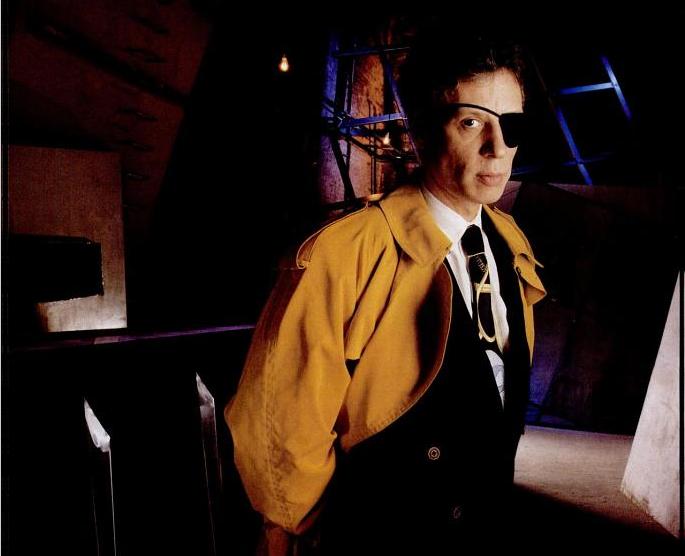
Peter Gatien, pictured here in a 1993 issue of New York Magazine. The Canadian club owner bought the old church and transformed it into a nightclub in 1983.

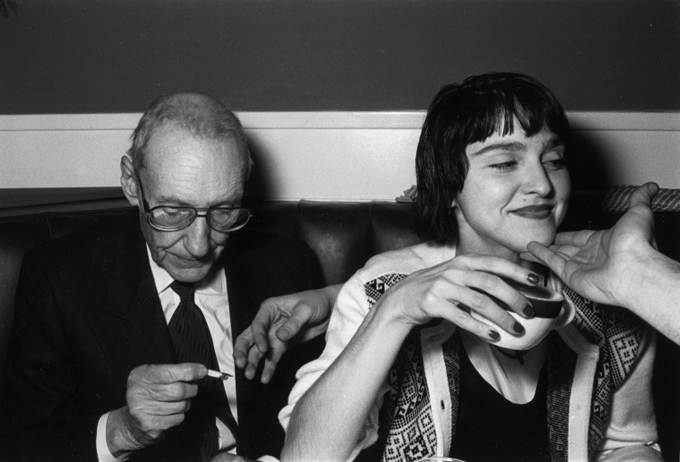
The Limelight was a celebrity hotspot from the very opening in 1983.  When William Burroughs had his 70th birthday at the club in 1984, the young new superstar Madonna came by to wish him well. (Photo by Wolfgang Wesener, courtesy here)

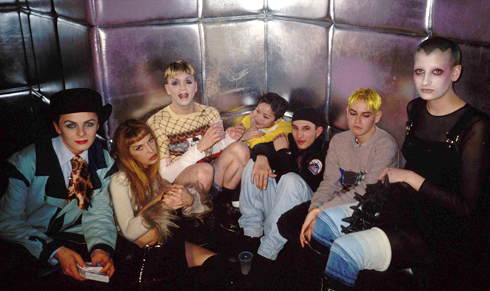
But why conjure real celebrities when you could make some yourself!  By the early 1990s, the club kid set the tone for the Limelight, further turning the old church of Muhlenberg into a surreal playground of music and drugs.

Categories
Landmarks Podcasts

Notes from the podcast (#134) St. Patrick’s Cathedral

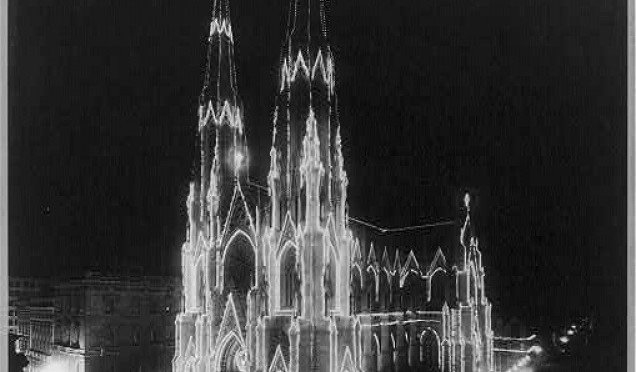
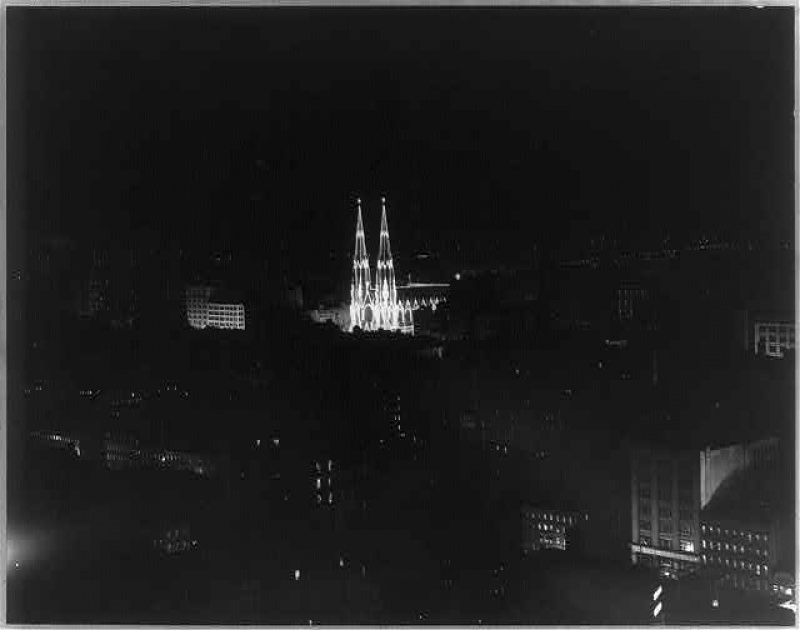
A spectacle from a hundred years ago: St. Patrick’s in 1912, in a gauze of electric lights. The picture below this post illustrates how this particular light performance made the church standout among the as-of-yet mild landscape of Midtown East. Pictures courtesy the Library of Congress

We hope you like our new podcast on St. Patrick’s Cathedral. Very odd timing to be releasing a Catholic themed podcast, given that Archbishop Dolan is set to turn Cardinal tomorrow and, oh right, the contraception controversy.
The church is closely linked to the history of early Irish New Yorkers. However there were obviously huge bodies of Catholics of other nationalities in the mid-19th century, particularly German Catholics. Archbishop John Hughes himself said that “people were composed of representatives from almost all nations.” That said, Germans Catholics opened their own churches, in particular the Roman Catholic Church of the Most Holy Redeemer, opening in the East Village in 1852, in the new German enclave of Kleindeutschland.

Here’s an interesting read about the 1989 ACT UP protest at St. Patrick’s, from a person who was actually arrested at the protest!

VISIT: The official site for St. Patrick’s has a historical timeline, a map, and information on tours.

MUSIC: The music in this week’s show is from the album ‘O Come Let Us Sing’, featuring the St. Patrick’s Cathedral Choir and St. Patrick’s organist Donald Dumler. You can find the album on iTunes.

CORRECTIONS: I made a big blunder in this episode. I’ve always prided myself in New York movie trivia, yet I flubbed it in this episode. ‘The Godfather III’ was filmed at St. Patrick’s Old Cathedral, not at the new one. Sorry for the error.

Speaking of the old cathedral, it’s now a basilica, if you haven’t heard. Although we speak about the original Mott Street cathedral in this episode, you might like to check out our old show (Episode #9). You can tell we’ve come a long way in this podcasting thing!


TIMELINE: We do things a bit out of order at the start of the show, so I thought I’d lay out some of the key dates for you for reference. St. Patrick’s website also has a historical timeline that you can use to follow along. But of the things we speak about:

1801 — David Hosack opens his Elgin Botanical Garden in the vicinity of today’s Rockefeller Center.
1808 — The Diocese of New York is created
1810 — The land where St. Patrick’s sits today is sold to an insurance company, the Eagle Fire Company. One of the trustees of the board is Archibald Gracie. By this time, the Jesuits had already constructed a building on this property.
1813 — Augustin De Lastrange arrives in New York. The following year, he bought the structure and, for a short time, sets up a Trappist monastery here.
1815 — St. Patrick’s Cathedral opens downtown at Mulberry Street.
1828 — The mid-Manhattan land is sold to Francis Cooper, on behalf of St. Peter’s and St Patrick’s, with the intention of building a cemetery
1838 — John Hughes is made a bishop
1850 — The Diocese of New York becomes an archdiocese
1858 — The cornerstone to St. Patrick’s new cathedral is laid. By this time, the controversial figure Madame Restell has already built her mansion across the street, and quite on purpose it seems.
1864 — John Hughes dies
1878 — The ‘Great Cathedral Fair’ is held, raising enough funds to finally complete the structure
1879 — The new Cathedral is officially dedicated
1888 — The cathedral’s distinctive spires are finally completed.

Categories
Landmarks Podcasts

St. Patrick’s Cathedral: Stately grace in bustling Midtown, thanks to a fiery archbishop and a venerable hairdresser

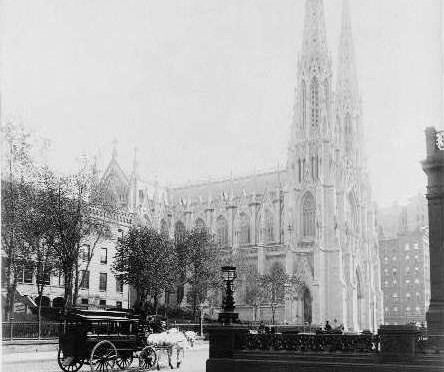
During its early years, St Patrick’s neighbors were luxurious mansions. Today the surrounding streets house retail and tourist attractions. (Picture courtesy Library of Congress)

PODCAST One of America’s most famous churches and a graceful icon upon the landscape of midtown Manhattan, St. Patrick’s Cathedral was also one of New York’s most arduous building projects, taking decades to build. An overflow of worshippers at downtown’s old St Patrick’s demanded a vast new place of worship, even as most Catholic New Yorkers were having an uneasy time due to religious prejudice by angry ‘nativists’.

 Enter ‘Dagger’ John Hughes, the relentless first Archbishop of New York, who hammered the city for equal treatment for Catholics and managed to construct several New York institutions still in existence. Many scoffed at his idea of building a gigantic cathedral so far north of town.

We explore the early years of this once-quiet piece of mid-Manhattan real estate and some of the notable events that have taken place at St. Patrick’s since its opening.

ALSO: The tale of the revered Haitian hairdresser in the crypt!


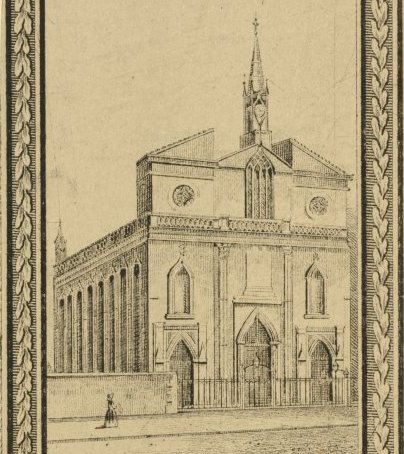
Before ‘uptown’ St. Patrick’s, there was downtown St. Patrick’s, the original cathedral which was consecrated in 1815. By the 1850s, with the number of Catholics growing due to immigration, a larger, grander structure was required, one that reflect the congregants’ growing influence. The image below is from St. Patrick’s before the 1866 fire. The facade was rebuilt with less ornamentation.

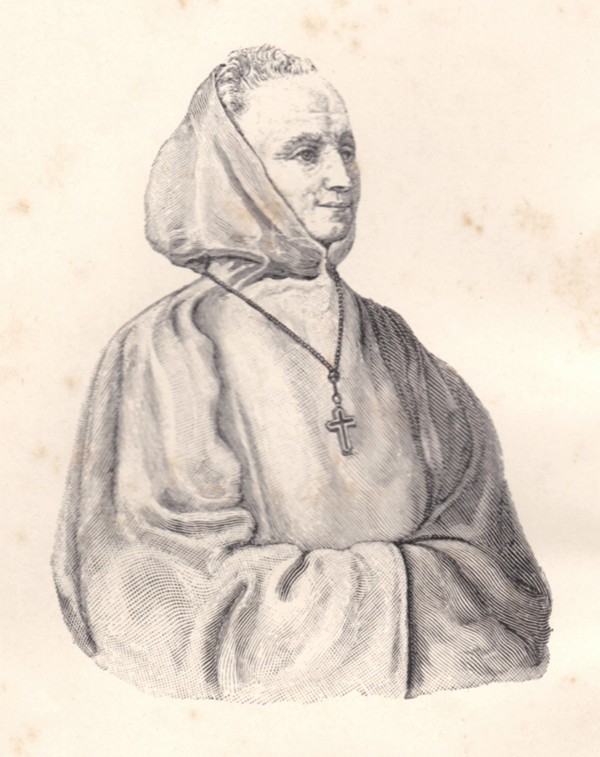
The land where St. Patrick’s sits today was wooded and sparsely populated 210 years ago. But for a short time, in 1814, a Trappist monastery sat here, the haven of French refugee Dom Augustin de Lestrange.

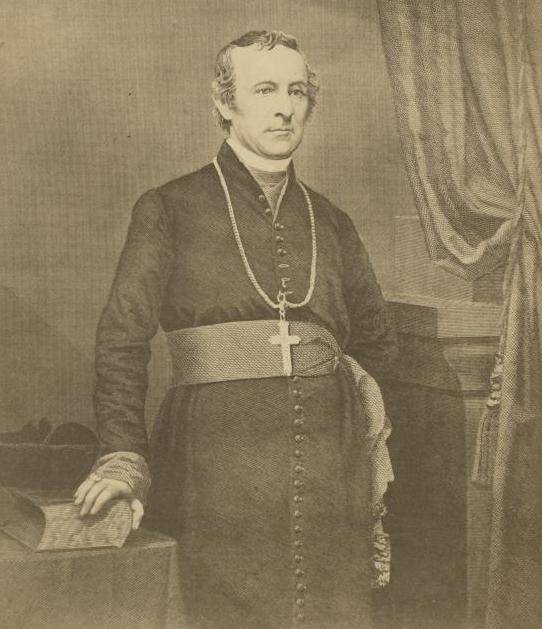
The undisputed religious leader of New York’s Catholic community was Archbishop John Hughes, whose fierce tenacity — and curious signature — earned him the nickname ‘Dagger John’. He spearheaded the construction of a new cathedral, in an area of town that, in the 1850s, was nowhere near the center of the city. ‘Hughes’ Folly’ would take two decades to build; by the time it was completed, Fifth Avenue had entirely transformed. The Archbishop’s risk had paid off. (courtesy NYPL)

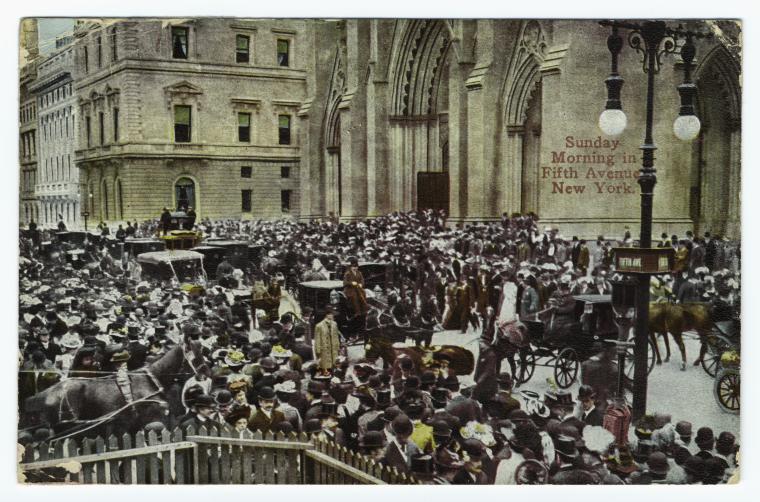
Sunday morning mayhem at St. Patrick’s Cathedral at the start of the 20th century. Fifth Avenue became a veritable procession of New York’s wealthiest residents. (NYPL)

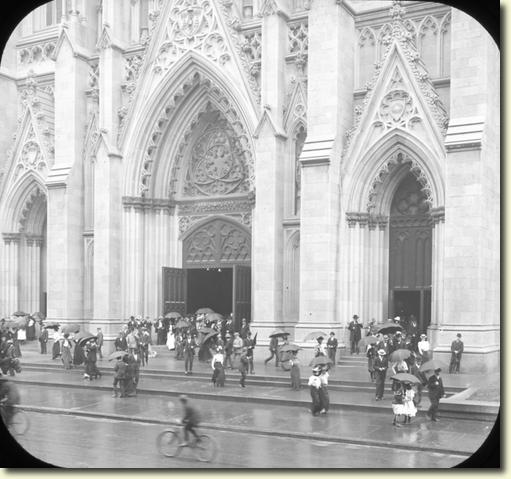
An image from the late 19th century. The famous 20,000-lbs. bronze doors, featuring three-dimensional sculptures of saints, would not be installed until a few decades later. (Courtesy NY State Archives)

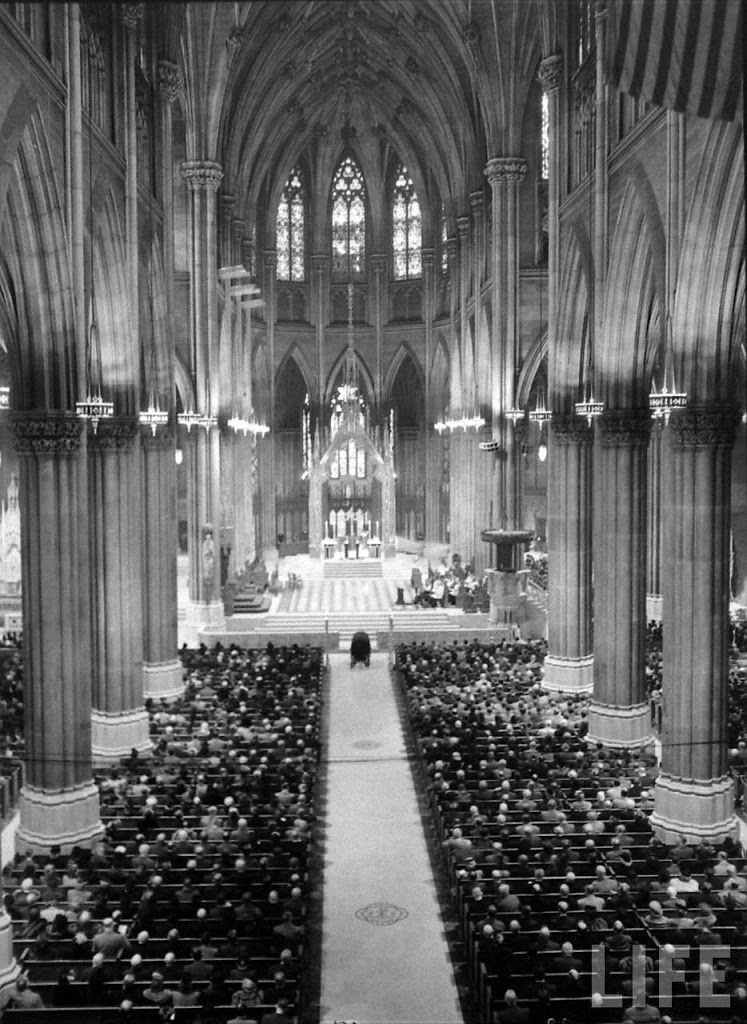
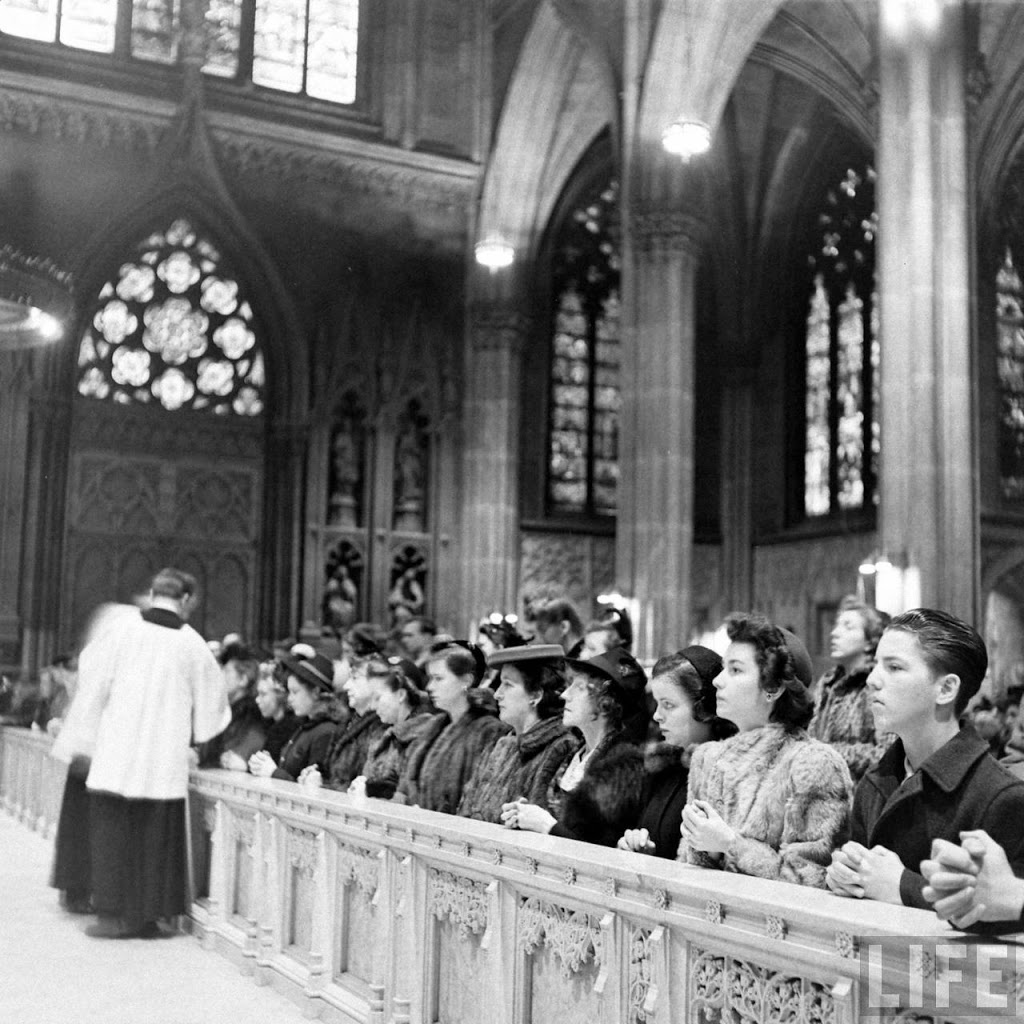
Inside St. Patrick’s Cathedral, during the funeral of former mayor Jimmy Walker, November 1946. (courtesy Life)

Worshippers in 1944, as photographed by Alfred Eisenstaedt for Life Magazine.

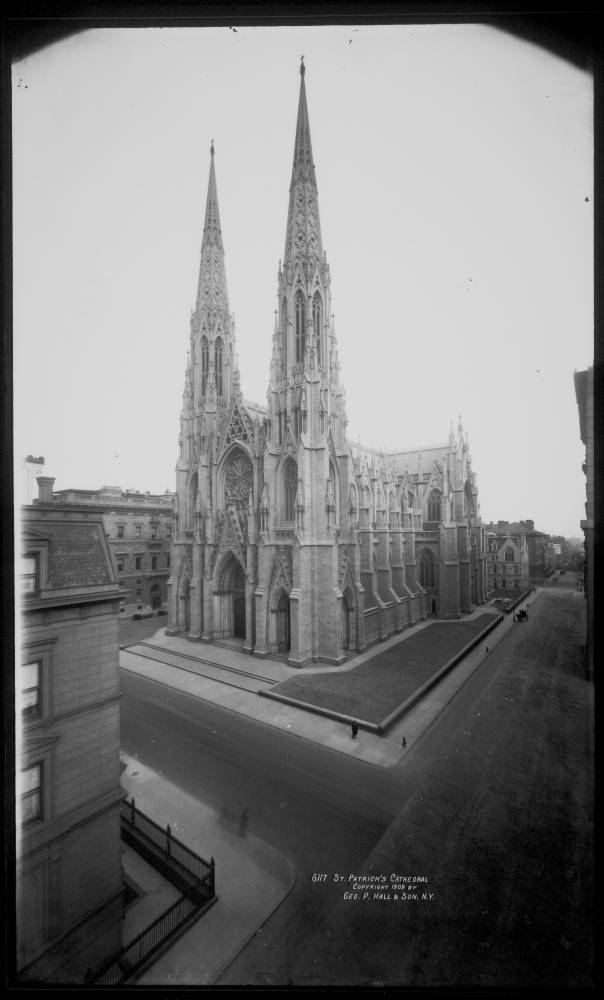
Another shot of St. Patrick’s in 1909, in one of the last years the cathedral would be surrounded with residential homes. By 1924 it would get its neighbor Saks Fifth Avenue. Fifteen years after that, Rockefeller Center would rise across the street.

Categories
Revolutionary History

From prison to post office: The odd fate of a Dutch church

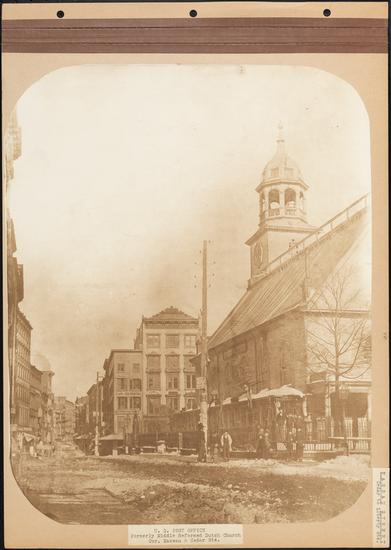
Say a prayer for the Middle Dutch Church (pictured here from sometime before the war) as things are about to get very ugly.

 One need only walk past the old Limelight in the neighborhood of Chelsea to understand the strange flexibility of church architecture.

This former Richard Upjohn-designed Episcopal church at West 20th Street and Sixth Avenue was transformed into a rehab center in the 1970s, then a notorious nightclub in the ’80s, then an upscale mall. And now a gym.

But the Limelight is only the most extreme example of church alteration in New York. Brooklyn Heights has so many churches that some have been turned into swanky loft apartments.

This is not a new trend. New York grew so rapidly in the 19th century that small stone and clapboard churches, once situated on the outskirts of town, found themselves surrounded. As population shifted, congregations left, and other civic services moved in.

The Middle Dutch Church was built between 1726 and 1731, a vestige of Manhattan’s Dutch Reformed community that traced itself back to New Amsterdam‘s very first house of worship.

Its location at Nassau Street and Cedar Street made it central to the lives of colonial New Yorkers, but a series of historical twists ensured a few less hallowed activities would take place here.

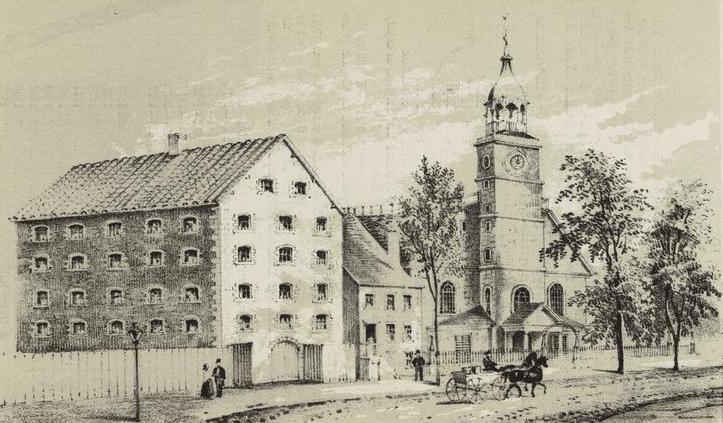
The church and the adjoining ‘sugar house’ in 1830, years after being turned into a horrifying prison complex.

During the Revolutionary War, the occupying British turned the damaged and deteriorating Middle Dutch and its neighboring sugar house into a prison for unruly rebels.

An old Times article estimates that up to 8,000 prisoners were held here in those years.  “When the victims confined to the Middle Dutch church crawled to the windows begging for food, a sentinel, pistol in hand, would turn back the gifts of the charitable.” [source]

“The whole floor of the Church was one caked mass of dead, dying, excrement and vermin,” reported the Times, “supernatural” conditions that probably echoed throughout the entire city, choked off during the occupation years between 1776 to 1783.

I’m grimly speculating that prisoners were transferred the prison ships of Wallabout Bay at some point, for the building was emptied, “the planking torn up, tan laid down, and a riding-school established for the recruits of the English riding-horse.”

When the British galloped out of New York entirely in 1783, the beat-up old building sat virtually unused — although Benjamin Franklin may have used the belfry for electricity experiments, according to one source — before being turned back into a church, re-opening on July 4, 1790.

It stayed as a church for 44 years, even as New York’s population migrated north. Finally, under a cloud of debt, the church permanently closed in 1844, with its final service symbolically held in both English and Dutch languages.

If Franklin (America’s first postmaster general) indeed practiced with electricity here, then the next transformation seems natural.

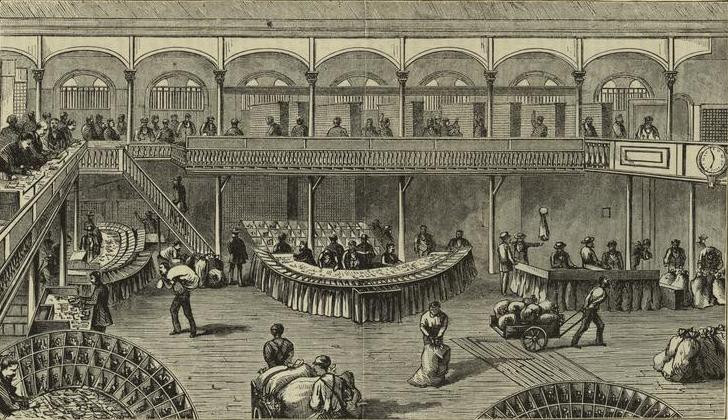
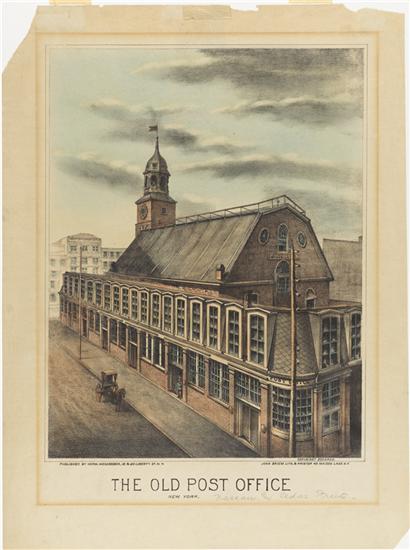
With the federal standardization of postal rates in 1845, New York found itself in need of a central post office. So the U.S. government leased the old church — buying it outright in 1861 — and radically transformed the building into New York’s central post office.

Special delivery: The interior of the Dutch church turned post office in 1871 (NYPL)

The poor building, renovated and stretched thin, could barely process the flow of mail coming through the city by the late 1860s, so a new central post office was built — the odd, greatly loathed City Hall Post Office building.

The old Dutch church, now 150 years old, was considered a city treasure, but real estate in downtown Manhattan was now being carved out for skyscrapers.

Below: The post office/church in an 1877 lithograph, courtesy the Museum of the City of New York

The church of a thousand faces, to the curiosity of “thousands of relic-hunters and citizens,” was finally torn down and replaced with the Mutual Life Insurance Building in 1882.

The ornate Mutual Life had a good run but was demolished — with a part of Cedar Street erased — to make room for One Chase Manhattan Plaza.

And finally — perhaps the only existing photograph of the old post office, dated 1890, Nassau Street – Cedar to Liberty Sts. (courtesy the Museum of the City of New York)

Stories from Midtown: The journey of an old church, surviving Civil War riots to become a garage


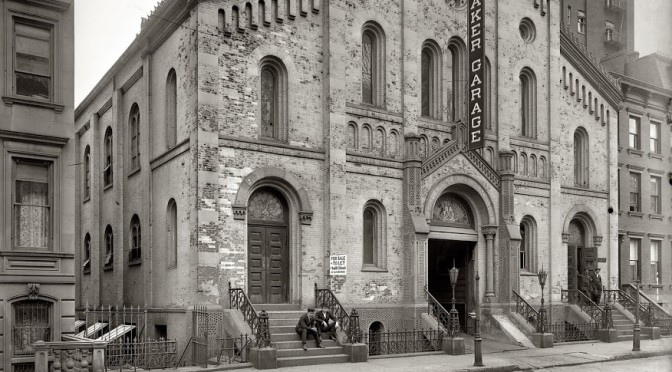
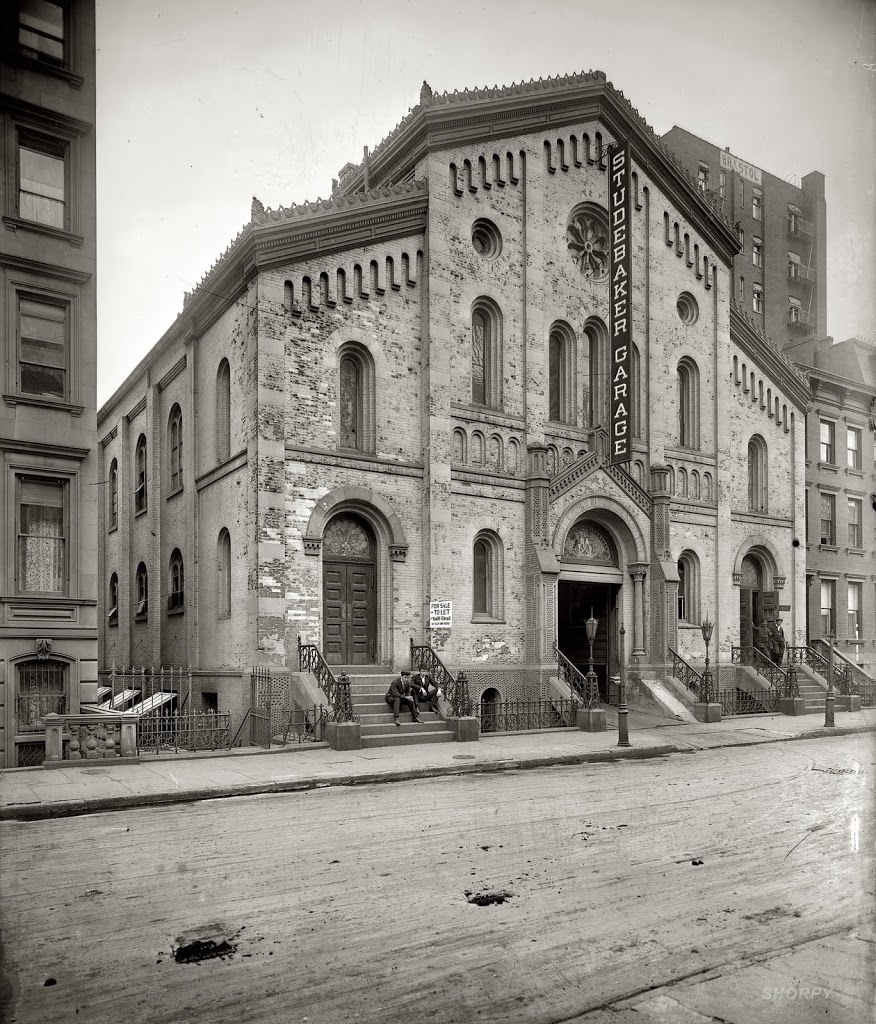
Drive-in salvation: the former All Souls church welcomed automobiles into the fold in 1908. (Courtesy Shorpy)

Another story of a long-gone, forgotten building and one that would have celebrated its dedication 150 years ago this week. This time the story has a strangely sacreligious twist!

It’s safe to say that most Americans were extremely anxious in April 1861. Even as a new president Abraham Lincoln settled into office, most of the Southern states had already seceded from the Union. One week later would begin the battle of Fort Sumter, commensing what would become the Civil War.

In a city of competing loyalties between its country and its rich Southern allies, it would have been difficult to get anything done in New York without lively debate on the matter. Newspaper were consumed with war talk. Irish and German workers excavating Central Park argued with each other about it; society was abuzz, from the Gramercy Park mansion of George Templeton Strong (a proponent for the Union) to the corridors of City Hall and the office of Mayor Fernando Wood (who was very much sympathetic to the South).

War consumed conversation; many New Yorkers feared the future. With everything going on, how can you possibly focus on anything else?

It was in this light, 150 years ago, that a simple little church, a Gothic brownstone structure of red and white brick, was dedicated on West 48th Street between Sixth and Seventh avenues. The All Souls Episcopal Church was nothing particularly fancy, “there were several oriel and oblong windows, not differing from those in churches generally,” the Daily Tribune said frankly.

All Souls would not have been terribly lonely in 1861, but West 48th Street was far from populated. Theaters wouldn’t make it up this far for decades, and nearby Long Acre Square was only now beginning to conjure the horse and buggy industries that would make its late 19th century reputation. Over on Fifth Avenue sat the new campus of Columbia College, its classrooms escaping the growing business district of lower Manhattan.

The congregants had much to pray about in its first years. Those competing loyalties and a conscription lottery that many thought targeted the city’s poor led to riots during the summer of 1863. Angry mobs stormed Columbia College and some nearby factories and residences, but All Souls was spared. Other Episcopal churches weren’t so lucky. (Harlem’s St. Philip’s, for instance was used as a barracks for police and Union soldiers fending off the rioters.)

All Souls survived the war and by the 1870s brandished a new name, the Memorial Church of the Rev. Henry Anthon. Rev. Anthon was a beloved leader from St. Mark’s-On-The-Bowery, and the building on 48th must have been closely connected to that congregation by this time. By the 1880s, it was also known as a charitable ‘bread and beef house’, “for the relief of worthy poor people between Thirty-second and Fifty-ninth streets.”

In 1889, the building went Methodist. Then for a time, in 1896, the church became ‘rented quarters’ for the New York City Christian Science Institute, one of the first New York headquarters for the fledgling religious practice and formed by Augusta Stetson on the orders of the church’s leader Mary Baker Eddy.

According to a 1904 issue of Architectural Record, the former All Souls building “was acquired and radically changed in structure, only the walls being left undisturbed.”

The Christian Scientists eventually moved out to much fancier digs (designed by the renown Carrere & Hastings) on the Upper West Side. But stripping out the detail of old All Souls Church may have ultimately doomed the structure. For in its next incarnation, it became a garage .

The carriage-industry district of Long Acre Square briefly became home to many of New York’s first automobile dealerships at the start of the 20th century.

The Studebaker company was among the most successful. Its main factory and showroom was just down the street at 48th Street and Broadway in what would now be called Times Square. By 1904 it began selling ‘horseless carriages’ that ran on gasoline. In that same year, the Studebaker company bought the old church and turned the former house of worship into a garage for its new vehicles.

The picture at the top of this posting shows the state of the building in 1908. In not a single way has the building’s original purposes been obscured, as though the owners wanted to make their automobiles new objects of worship. I do wonder if more religiously sensitive people thought this new purpose to be a bit blasphemous. What’s worse than turning a church into a garage? Turning a church into a nightclub, then a shopping mall, perhaps.

The garage was torn down one hundred years ago in 1911 and turned into a small theater, reflecting once again the changes of the neighborhood. It too was demolished and replaced — appropriately, with a garage — for the McGraw Hill building.

Photo above courtesy Shorpy

Old Swamp Church and the first U.S. Speaker of the House


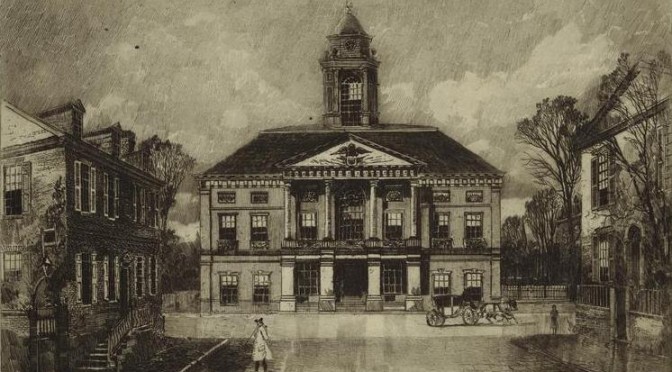
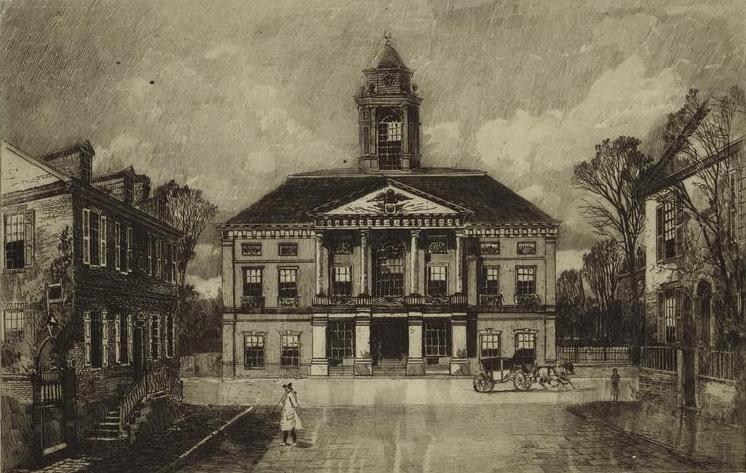
Federal Hall, home to the first House of Representatives 1789 [NYPL]

This week the United States got a new Speaker of the House of Representatives, John Boehner, and its first female ex-Speaker, Nancy Pelosi. This changing of the guard got me to wondering how many politicians representing New York had ever held this powerful job.

Surprise! No House representatives from the City of New York have ever been Speaker. The closest we’ve gotten is the otherwise unremarkable John W. Taylor, an upstate New Yorker from the Saratoga region, who briefly held the job in 1820-21. A central New York representative, Theodore Medad Pomeroy, held the post for exactly one day in 1869.

But never fear! America’s very first Speaker of the House, Frederick Muhlenberg, has a New York connection wholely unique and never to be repeated — he is the only Speaker to have served within that role in New York proper, in the months of 1789-1790 when the city was also the nation’s capital, and the center of government sat in Federal Hall on Wall Street.

And that was not Muhlenberg’s only tie to the city. Although he served in the House as a representative from Pennsylvania, he had previously lived in New York for two years during a truly volatile moment — the years before the Revolutionary War.

His name will probably sound familiar if you’re a Lutheran. His father Henry Melchior Muhlenberg is considered “the patriarch of the Lutheran Church in North America,” coming to the British colonies from Germany in 1742 by request of several American ministers in need of spiritual direction. Henry spread Lutheranism throughout the colonies, principally to German and Dutch settlers, and for a time in 1751 even lived in New York, uniting the Lutheran congregations here.

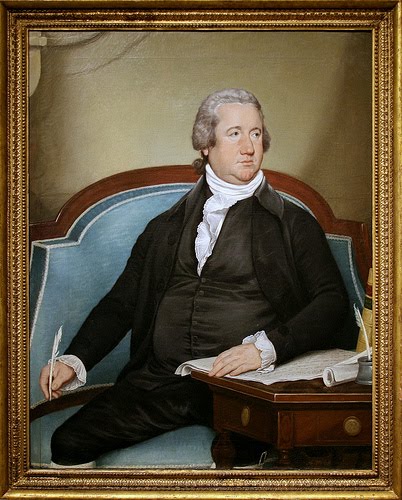
He spawned a true religious dynasty as three of his sons entered the ministry. Frederick (pictured below), born in 1750 in Trappe, Pennsylvania, trained at several small churches in the state before moving with his family to New York in 1774. Lutherans were by no means plentiful in New York during this period, but they worshipped in various small congregations throughout the city, including some services at Trinity Church.

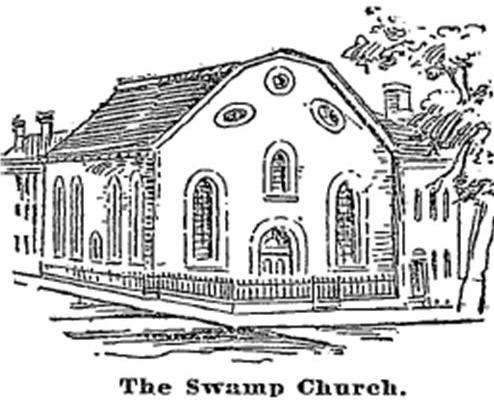
Young Muhlenberg, however, took up with a new church situated just east of the city commons, the newish stone Christs Church at the southeast corner of Frankfort and William streets, affectionately referred to as the Old Swamp Church.

When that house of worship was built in 1767, this area of the city, sparsely populated, was called the ‘swamp’, not so much for the topography perhaps as for the grim-smelling leather shops and tanneries that sat here. Collect Pond, which attracted these sorts of businesses, was but a stone’s throw away, and the area retained its air of industry even as the tanneries moved out and the presses (that would soon comprise Park Row’s newspaper district) moved in.

The congregation didn’t seem to mind however, especially now that they had a venerable Muhlenberg as their leader. And they certainly needed him by this time. In fact, he might had come to New York during this period specifically to reassure a tense congregation amid the tensions that were stewing within the city.

The city of over 22,000 inhabitants was being ripped apart with rebellion, as New Yorkers, caught in an increasing spirit of independence, fought back against British tyranny. From the steps of Old Swamp Church, members would have seen the ‘liberty poles’, hanging in the commons and festooned with banners, and heard (or participated in) regular rallies there. The clandestine Sons of Liberty would conduct secret meetings in nearby taverns, and services would have been interrupted with sounds of the Sons’ many retaliations against British officials.

Congregants felt the inevitability of war; it would surely dominate their prayers by 1774. Having the guidance of Muhlenberg, son of the colonies’ most prominent Lutheran, would certainly be of great relief.

It seems, though, that Muhlenberg himself was at odds with his role. He was not bold or rebellious himself and he initially believed the conflicts were none of his business. Even as his brother Peter Muhlenberg, a Virginian who embraced the rebel conflict, would join the fledgling Continental Army in 1775, Frederick himself was not yet convinced. He wrote his brother: “You have become too involved in matters with which, as a preacher, you have nothing whatsoever to do and which do not belong to your office.” [source]

Revolution was invitable. But Frederick was a theologian, cautious and steady, and he worried not only for his congregation but for his own family. This passivity would soon fall away. When actual bombs began reigning down on the city, he sent his pregnant wife and children away to Philadelphia. He remained for a few months to officiate over a dwindling flock but soon fled himself in the first months of 1776, looking over his shoulder at a city soon to be paralyzed by war.

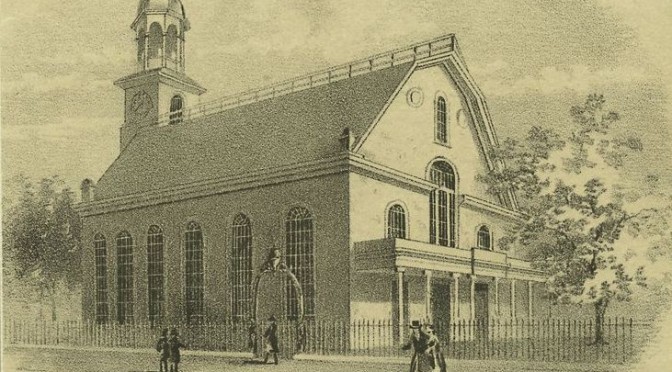
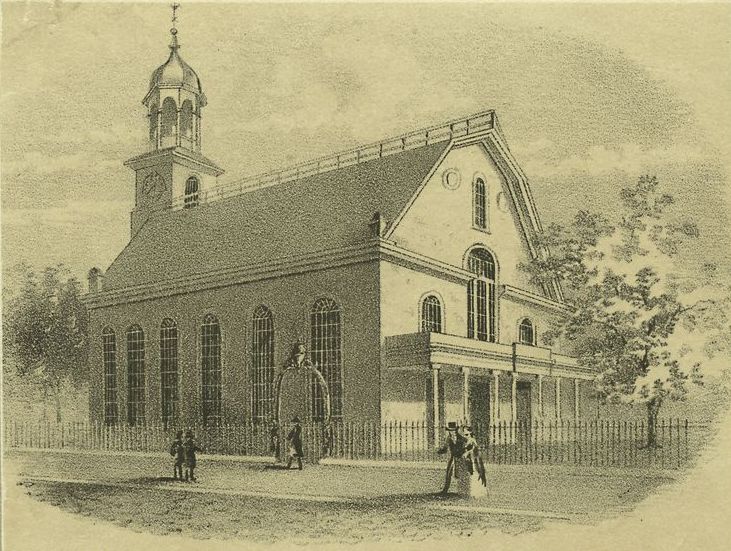
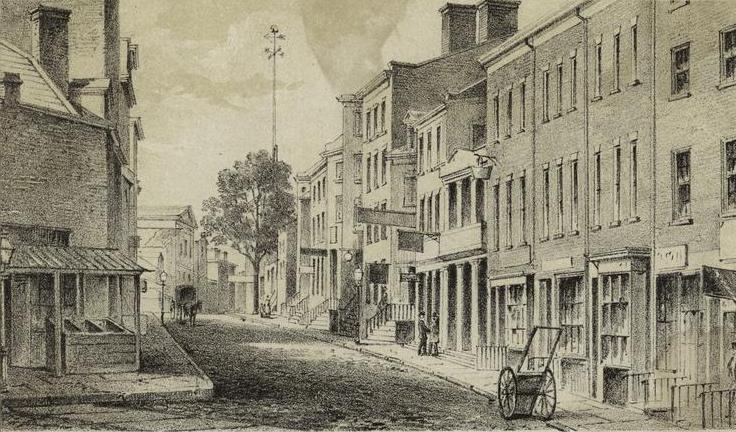
Below: An illustration from ‘D.T. Valentine’s Manual, 1859’, looking up from William Street from Frankfort. The building immediately to the left was the old Swamp Church, no longer in service and heavily redone by the mid-19th century.

He returned to New York in 1789 as one of the most powerful men in the new government of the United States. Muhlenberg spent the war in Pennsylvania and soon found his footing there as a political leader, becoming a member of the Continental Congress and later elected as speaker to Pennsylvania’s own state House of Representatives in 1780.

According to author Paul Wallace (in his excellent book ‘Muhlenbergs of Pennsylvania’), Frederick wasn’t merely heeding a patriotic call. He had grown a little exhausted of the pulpit and wanted to develop his new course, one of his very own.

Muhlenberg’s austere character and unblemished reputation served him well in politics. He led Pennsylvania’s ratification of the Constitution in 1787. When the first national Congress was formed, Muhlenberg represented his state at their first meeting in the new temporary capital and his old home — New York. His election as Speaker made perfect sense; he had a well-known last name that had helped define American spirituality, and he came from a state neatly between that of President George Washington (from Virginia) and Vice President John Adams (from Massachusetts).

The first House of Representatives met on April 1, 1789, at Federal Hall at the junction of Wall and Broad streets, just south of Old Swamp Church (which now thrived under new leadership). Muhlenberg would help shape the first traditions of the House and define the rules as dictated by the Constitution, its ink still dry and untested. Most notably, his was the first signature to grace the Bill of Rights.

He grew into a tolerant and jovial leader, best known for inviting fellow Congressmen over to his home for fairly elaborate ‘oyster suppers’. Muhlenberg would remain Speaker of the House for the entirety of the first Congress, even as they moved out of New York at the end of 1790. He stayed in the House through 1797, become Speaker again for the Third Congress in 1793.

Muhlenberg’s name has been attached to some rather scandalous events. He was one of three men brought into the confidence of Alexander Hamilton during a blackmail scandal involving his mistress Maria Reynolds. Muhlenberg was sympathetic to Hamilton’s predicament; one of the other three men, political enemy and future president James Monroe, was less so.

In 1796, during congressional battles over funding for the Jay Treaty, Muhlenberg broke a tie vote authorizing the highly controversial treaty to go forward. As a thank-you, his anti-treaty brother-in-law stabbed him in retaliation. He recovered, but family dinners must have been very awkward after that.

Muhlenberg retired shortly thereafter and died in his home in Lancaster, Pennsylvania, in 1801.

As for the Swamp Church, its members slowly drifted away, and the property was purchased by tobacco mogul George Lorillard. The Lorillards also have very deep scars due to the Revolutionary War, but that is another story.

Below: the location of Old Swamp Church

View Larger Map

Illustration of the Swamp Church from an 1894 New York Times article.

So, do we call it St. Patrick’s Old Basilica now?

New York’s original St. Patrick’s Cathedral located in Little Italy — or NoLIta, if you must– just got a serious upgrade yesterday, when the Pope deemed the old, revered Catholic church an officially sanctioned basilica.

A Catholic basilica is a church with ‘certain privileges’, an elite designation where various religious rituals can take place. This is Manhattan’s first basilica, although Brooklyn has two churches that have reached this distinction.

Our Lady of Perpetual Help in Sunset Park, which gathered its first small congregation in 1893, became the first on November 1, 1969. I don’t know the specific reason why it became New York’s first, but grandeur certainly helps, and Our Lady’s got it, a massive, Romanesque stone behemoth set back and towering above the intersection at 5th Avenue and 60th Street.

The Cathedral of St. James, designated the city’s second basilica in May 1982, is minuscule and modest in comparison, tucked back from the bustle of Flatbush Avenue. Its austerity lies in its history: it’s the first Catholic Church on Long Island, its cornerstone laid in 1822, just as the population of the young city of Brooklyn was exploding.

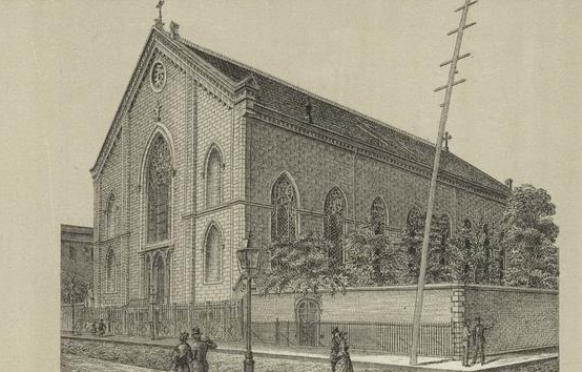
But the 1820s were not a welcoming era for Catholics in the United States, and a young Catholic Church in Manhattan, dedicated in 1818 for St. Patrick, bore the brunt of New York anti-Irish, anti-Catholic sentiment in its early years. Although its ornate, showier successor opened in 1879, St. Patrick’s Old Cathedral has weathered on. Its distinction as a basilica just underscores its value as one of New York’s most important historical structures still standing.

For more information, check out one of our early podcasts on the history of St. Patrick’s Old Cathedral. [You can download it directly from here.]
The website of Our Lady of Perpetual Help has a further, very heartfelt explanation of the importance of the basilica designation.
And thanks to our Facebook fan Jarrett Brown for inspiring this post!

Pic courtesy the NYPL digital gallery