Categories
Gilded Age New York Neighborhoods

Chelsea and the Chocolate Factory (or rather, Hershey and his Sixth Avenue chewing gum plant)

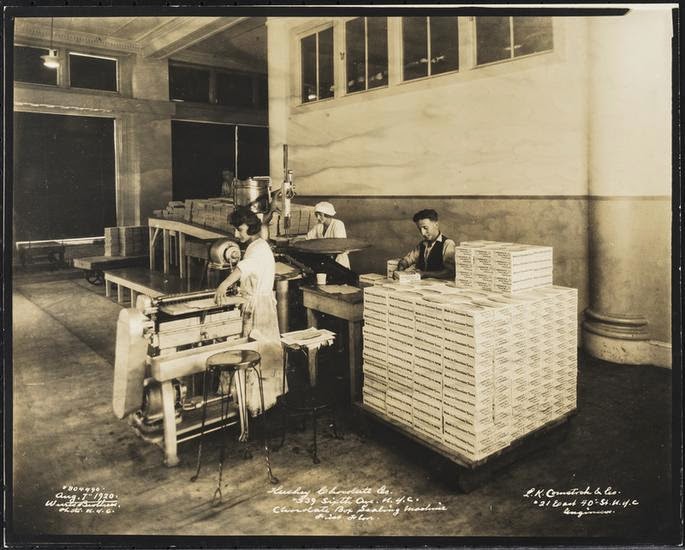
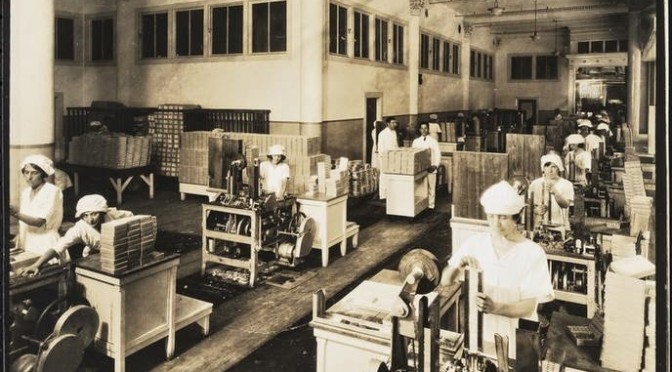
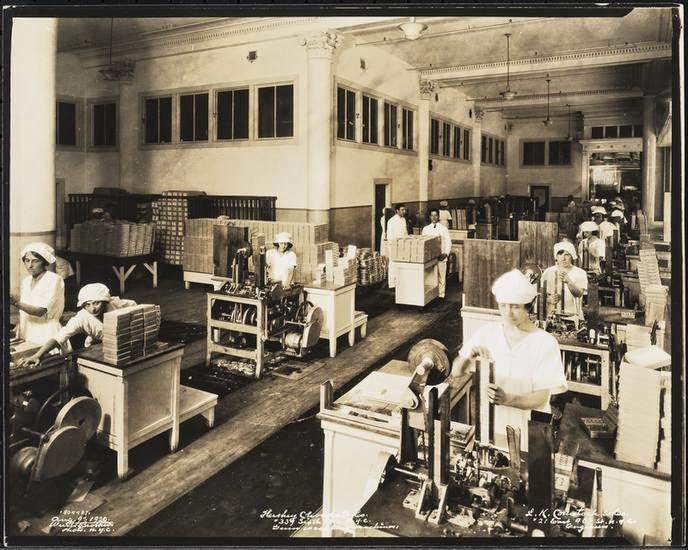
Hershey’s employees cut and pack chewing gum at Sixth Avenue and 21st Street.

For five glorious years in the early 1920s, Hershey’s Chocolate operated a candy plant at Sixth Avenue, in the neighborhood of Chelsea. While chocolate bars and chocolate coating for other candies were produced here, the Chelsea plant primarily focused on a new confection, one that ultimately failed — Hershey’s Chewing Gum.

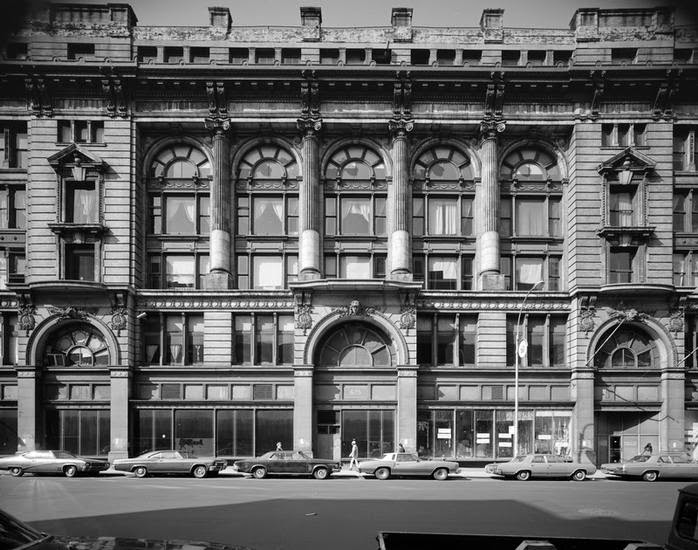
But let me back up. The grand building that sits there today — one of the prominent members of Ladies Mile Historic District and the current home of Trader Joe’s — was originally built for the department store Adams Dry Goods.  Founded in the mid-1880s, Adams Dry Goods had been slowly expanding along this block, enjoying a surge of business thanks to the Sixth Avenue elevated train.

Below: The Adams Dry Goods building in 1978 (photo by Edmund V Gillon, MCNY): 
Other department stores sprouted up along the street, most notably the Siegel-Cooper department store in 1896.  (That building is home today to Bed, Bath and Beyond.)  Siegel-Cooper was a sparkling Beaux-Arts treasure, 750,000 square feet with dozens of departments for shoppers, and its ambition and size drew headlines and the curiosity of New Yorkers.

Naturally, Samuel Adams, the proprietor of Adams Dry Goods, wanted to compete with this retail behemoth, so in 1899 he hired Siegel-Cooper architects DeLemos & Cordes to design a massive new store with an opulent interior central court.  Large second floor windows offered views to elevated train passengers of the store’s most notable trade — men’s clothing.  (Much of Ladies Mile, in contrast, catered to women.)

Below:  Adams Dry Goods today. After a period in the 1990s-2000s as a Barnes and Noble bookstore, today it holds a Trader Joe’s:
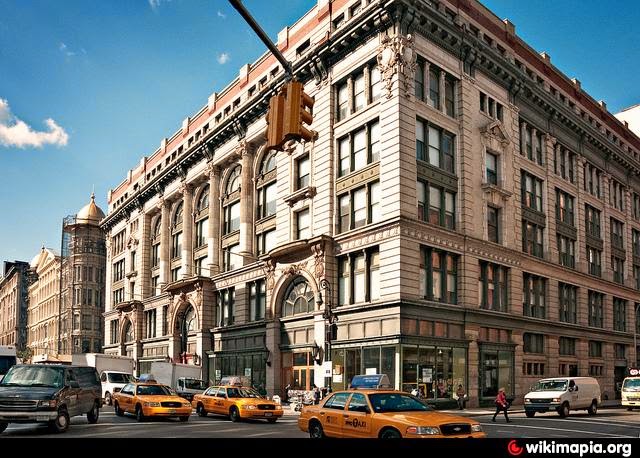
But Adams’ timing was rather poor.  For just a few years later, the more successful department stores (including Lord & Taylor and B Altman) fled to Herald Square and Fifth Avenue.  Hugh O’Neill’s, the department store one block south, bought Adams Dry Goods and prepared to merge the businesses, even planning an underground tunnel under West 21st Street to link to two large structures.  This never came to fruition, and both O’Neill’s and Adams Dry Goods went out of business for good.

The abandoned building was briefly used by the US Army for storage before being acquired by a most unusual new tenant — Hershey’s Chocolate.

Candy man Milton S. Hershey had been successfully manufacturing treats in his hometown of Derry Church, Pennsylvania (which now took the mogul’s name — Hershey) and was looking for a another hit after the success of the Hershey’s Kiss.  He thought chewing gum was the logical next step.

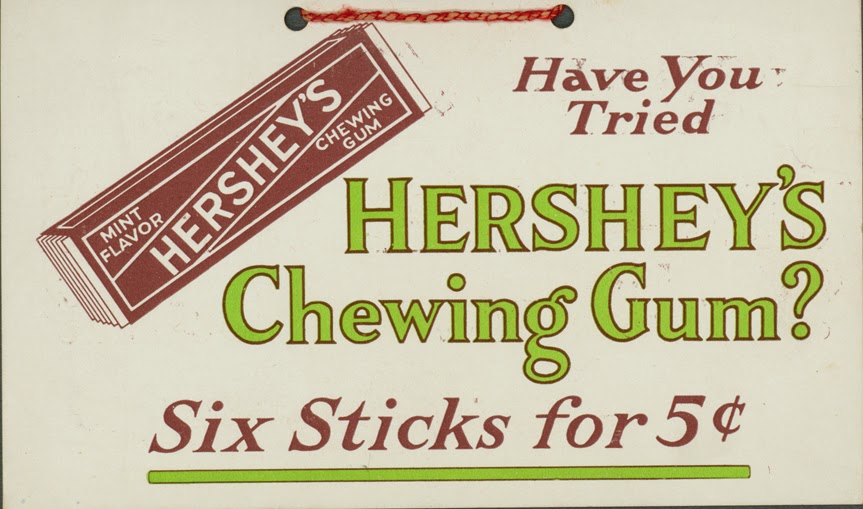
In New York he bought some gum-making equipment and had it shipped to his Pennsylvania plant where production began on Hershey’s Chewing Gum. “Six sticks for a nickel” went the slogan.

In January 1918, Hershey leased Adams’ former department store on Sixth Avenue and eventually moved elements of his candy production there, including his entire chewing gum business.

I haven’t been to locate the exact reason why.  Early in his career, Hershey operated a candy shop on Sixth Avenue and 42nd Street, and his wife had been a clerk at B Altman’s a few blocks down.  With his chief competitor Wrigley’s located in Chicago, perhaps his return to New York was his official stab at planting roots in an urban market.

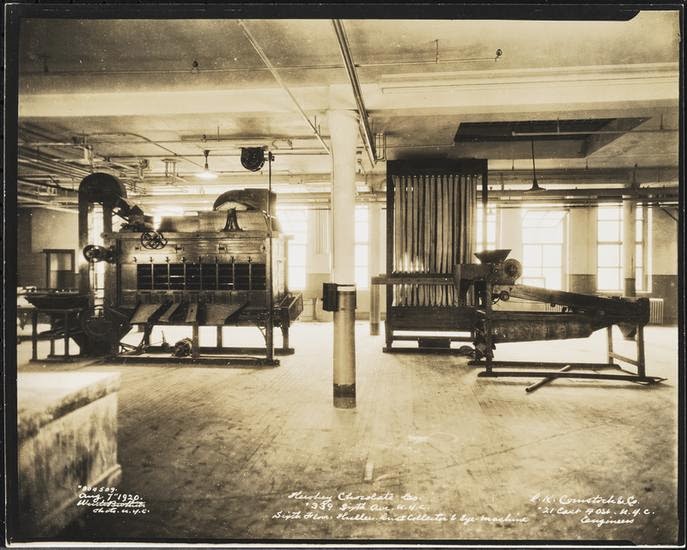
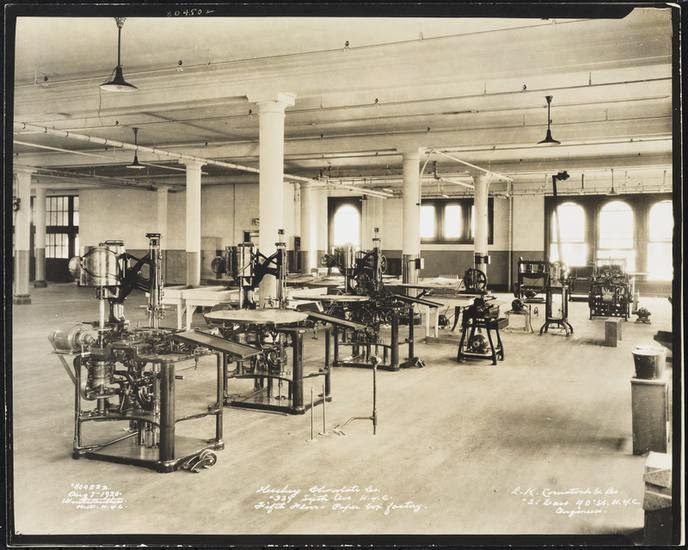
Soon the Sixth Avenue shop was whirring with the sound of boilers, mixers, candy presses and wrapping machines, sending out five thousand boxes of chewing gum a day, and a lesser amount of other candy items.  Wheat was carried in from the Pennsylvania plant and added to the gum to make it more chewy.

As you can see here, the implements of candy-making fit oddly into the cavernous Sixth Avenue department store:
Sadly, future residents of Chelsea would be robbed of the delightful aromas of chicle and chocolate, as Hershey’s chewy offering did not take off.  With raw ingredients being hard to obtain in the early 1920s, the product was discontinued, and Hershey eventually closed the plant in 1924.

However I’m sure you can buy gum at Trader Joe’s that currently occupies the building.

Hershey’s plant photographs courtesy the Museum of the City of New York (see originals here)
Categories
It's Showtime

Podcast Extra! The Hippodrome and its famous ice ballet

Our show on the Broadway musical was quite epic, and we ended up cutting out some interesting stories to make the show a reasonable length.  However I’ll leak out a couple of these ‘deleted scenes’ over the next couple weeks.

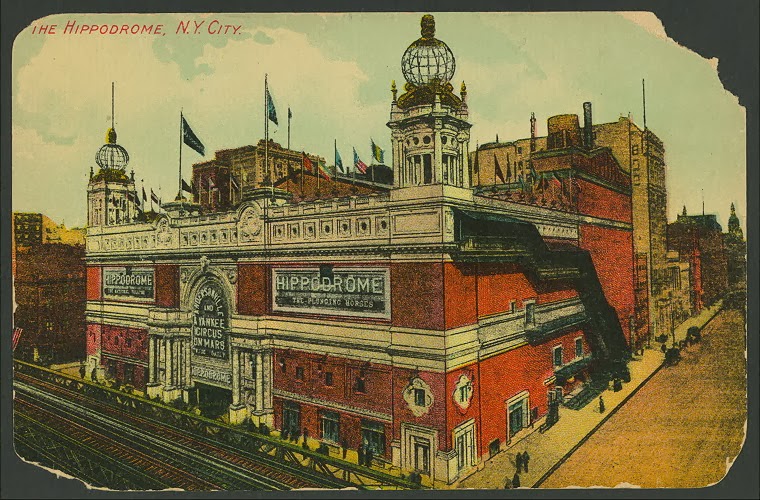
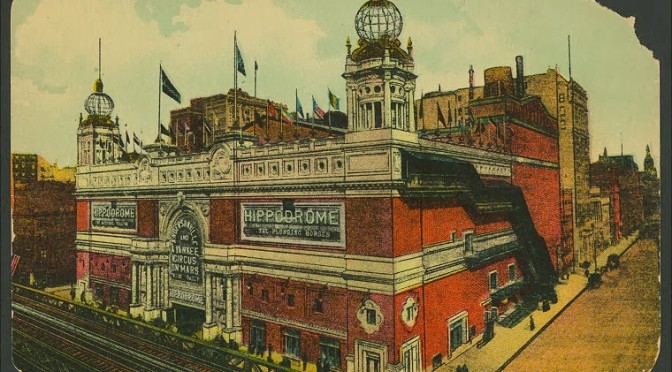
For instance, here’s a segment about another great Broadway theater. In fact, one of the biggest stages ever — the Hippodrome


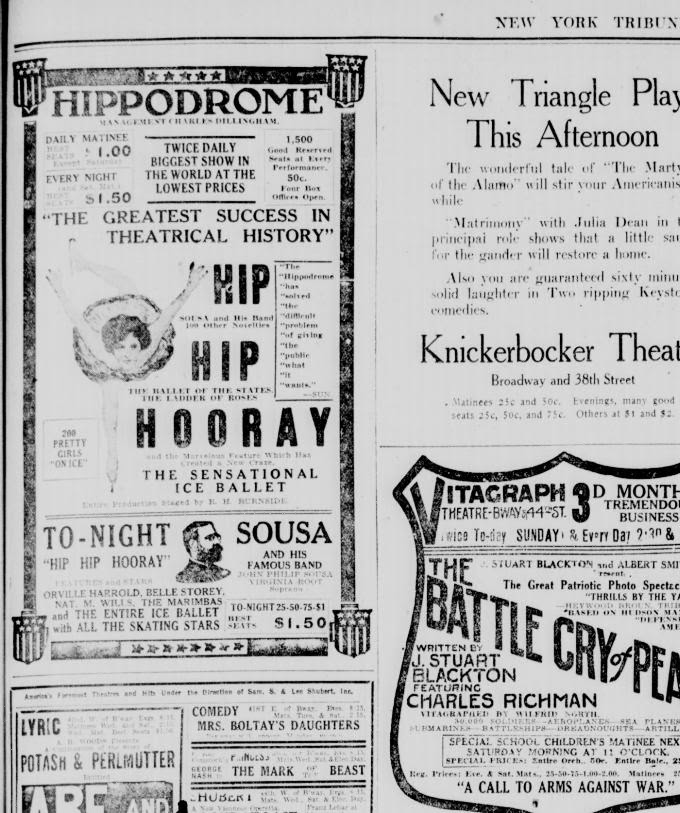
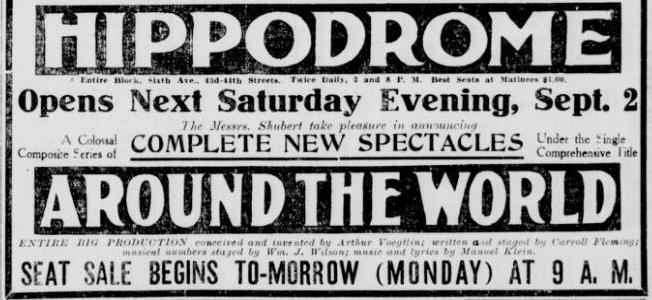
And, as I referenced in this segment, here’s the advertisement featuring John Philip Sousa.  “The Greatest Success in Theatrical History”!:

You can hear music that was performed at the Hippodrome by the Victor Military Band in a prior post.

Picture courtesy New York Public Library. Newspaper clipping from the New York Tribune, courtesy the Library of Congress.

Categories
Neighborhoods Podcasts

The many lives of the Limelight, aka the facade formerly known as the Church of the Holy Communion


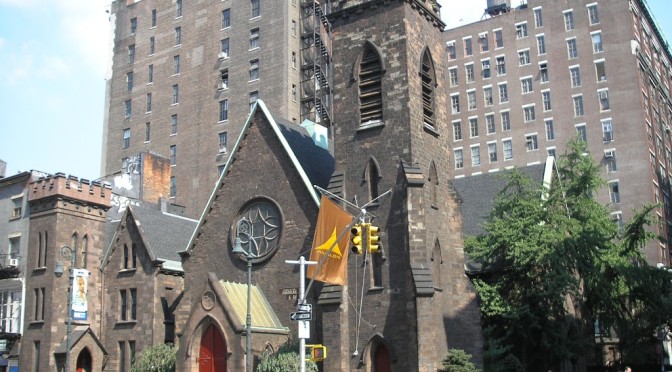
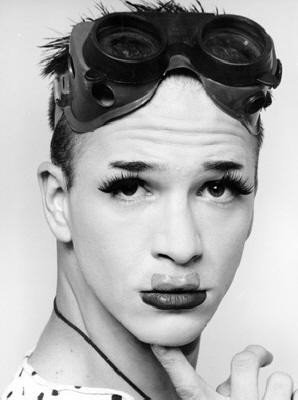
Above: The Church of the Holy Communion — and once the quite infamous nightclub Limelight — as the less lauded follow-up, called Avalon.  Within a couple years, the club would be transformed again — into a high-end retail experience.  Below: Michael Alig, one of its more notorious nightly residents. (source)

PODCAST
If you had told 1840s religious leader William Augustus Muhlenberg that his innovative new Church of the Holy Communion, designed by renown architect Richard Upjohn, would become the glittering seat of drugs and debauchery 150 years later, he might have burned it down then and there.

But thankfully, this lovely building is still with us, proving to be one of the most flexible examples of building use in New York City history. 

This unusual tale begins with the captivating relationship between Muhlenberg (the grandson of America’s first Speaker of the House) and Anne Ayres, the First Sister in charge of the Sisterhood of the Holy Communion. The two of them helped create one of New York’s great hospital centers. But was something else going on between them? 

The Church of the Holy Communion survives the elevated railroad and the fashionable stores of Ladies Mile, and weathers the various fortunes of the neighborhood.  When it is finally sold and deconsecrated, it briefly houses an intellectual collective and a drug rehabilitation center before being bought by Canadian club impresario Peter Gatien, who turns it into the Limelight, an iconic and sacrilegious symbol of New York nightlife.  And in recent years, the old church has morphed into a rather unique retail experience — shopping mall and department store!


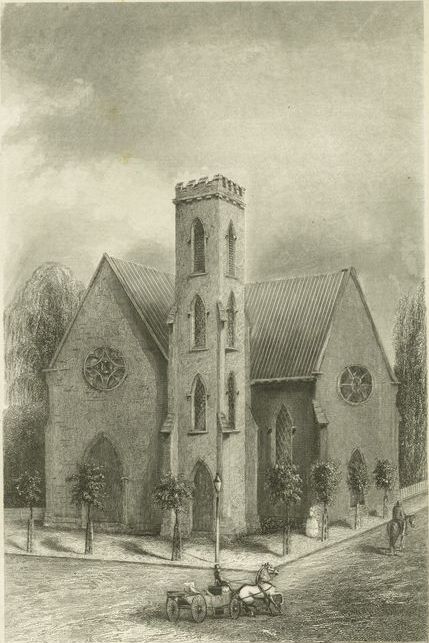
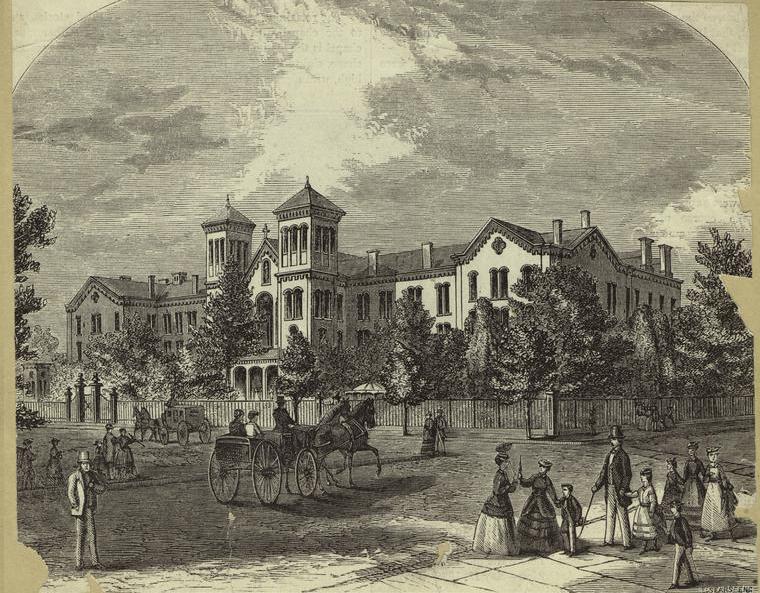
The Church of the Holy Communion in 1846, from an illustration by TD Booth.  The asymmetrical shape of the church was innovative for the time, as was the irregular position of the brownstone bricks along its walls. It had every indication of being a medieval country church, but for the fact of it being on a street corner at Sixth Avenue and 20th Street! (NYPL)

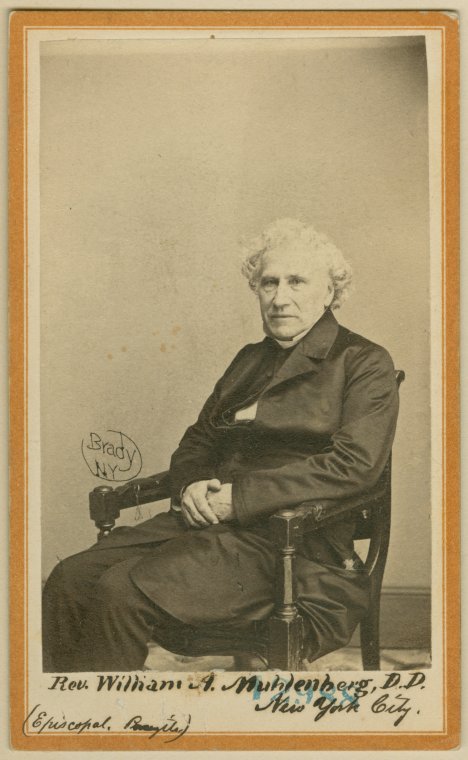
William Augustus Muhlenberg, grandson of Frederick Muhlenberg (America’s first Speaker of the House), was a visionary religious leader.  He opened Church of the Holy Communion as a way to further his progressive religious views.  Pictured below in a carte de visite, probably in the 1860s. (Courtesy NYPL)

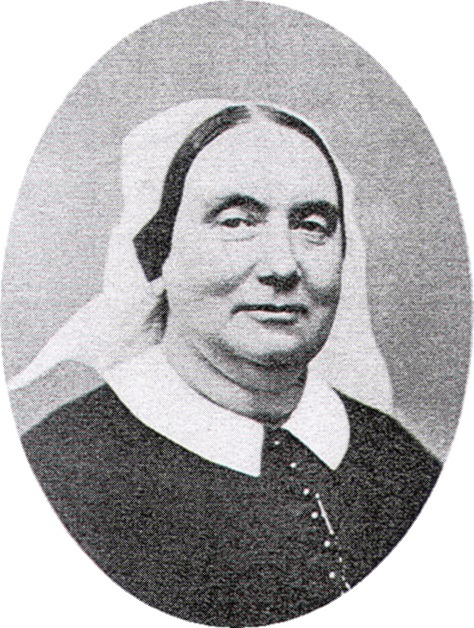
Muhlenberg’s reputation was greatly bolstered by Anne Ayres, who became the leading sister as the Reverend’s  Sisterhood of the Holy Communion, the first Anglican convent of its kind in America.  Ayres helped Muhlenberg with most of the church’s major projects and penned an ecstatic biography after his death.  You can read Ayres’ biography of Muhlenberg here.

Muhlenberg and Ayres founded a small infirmary near the church, then later expanded it at Fifth Avenue and 54th Street, becoming the first location of St. Luke’s Hospital.  As you can tell from the original hospital building, it seems to reflect a bit of the architecture of the Church of the Holy Communion. (Pic courtesy NYPL)

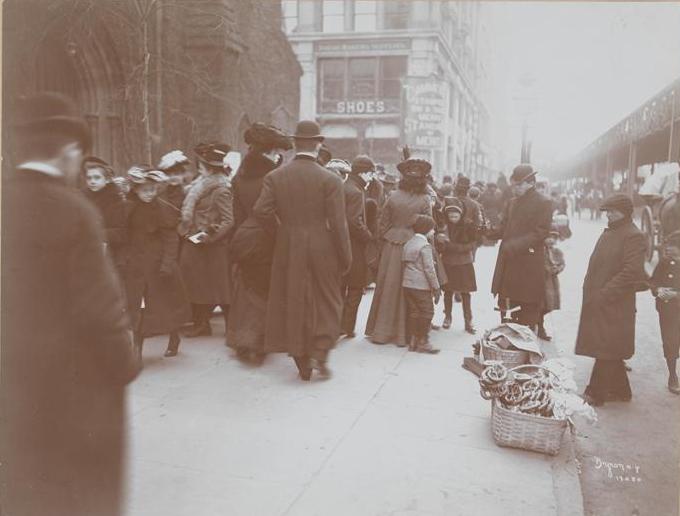
A view from 1895, possibly of a Sunday crowd leaving the church. Vendors like this pretzel seller gathered on the street below, selling treats to shoppers of Ladies Mile.  The church would have been in the heart of New York’s major shopping district during the Gilded Age, with grand department stores stretching on either  side of the street. (Courtesy the Museum of the City of New York)

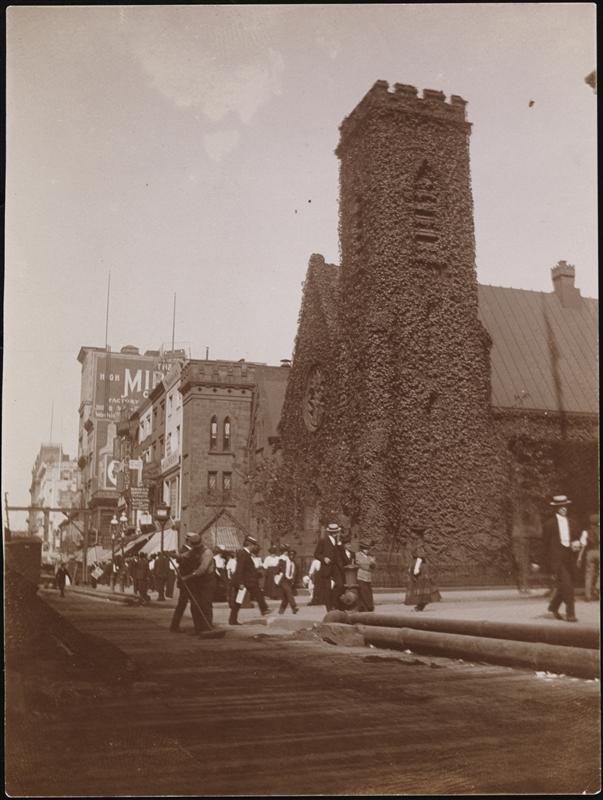
The Church of the Holy Communion, enveloped in thick ivy, as it looked in September 1907.  It also appears this photo was taken in the early afternoon, as the shadow of the elevated railroad begins to creep across the street. (Courtesy Museum of the City of New York)

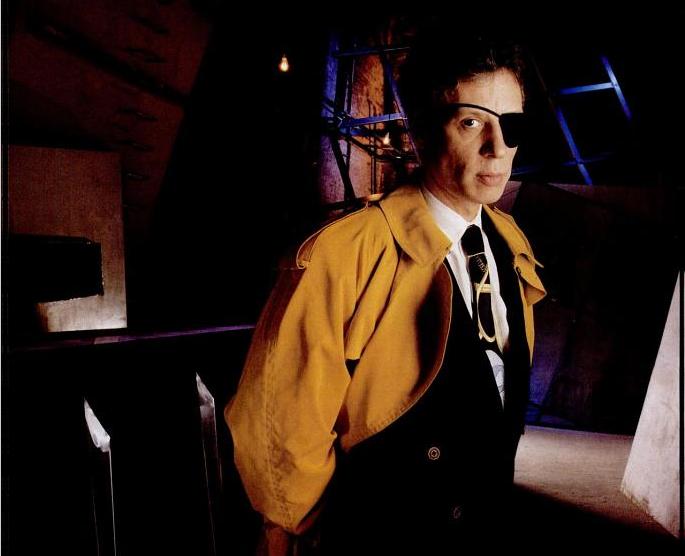
Peter Gatien, pictured here in a 1993 issue of New York Magazine. The Canadian club owner bought the old church and transformed it into a nightclub in 1983.

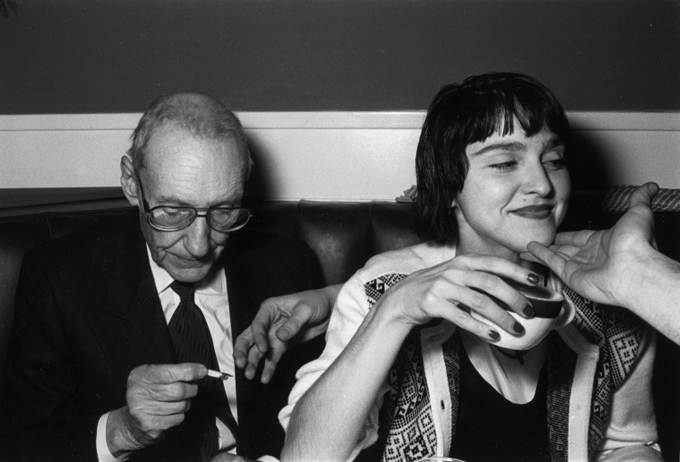
The Limelight was a celebrity hotspot from the very opening in 1983.  When William Burroughs had his 70th birthday at the club in 1984, the young new superstar Madonna came by to wish him well. (Photo by Wolfgang Wesener, courtesy here)

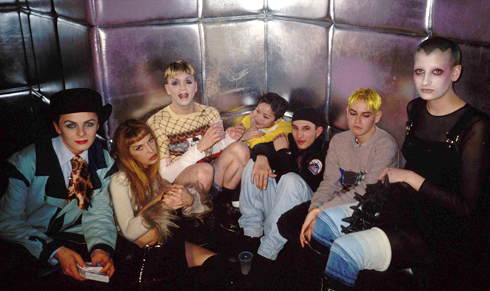
But why conjure real celebrities when you could make some yourself!  By the early 1990s, the club kid set the tone for the Limelight, further turning the old church of Muhlenberg into a surreal playground of music and drugs.

A ragtime tribute to the New York Hippodrome

I hope you’ve had a chance to play around in the Library of Congress’s National Jukebox was recently launched on their website. It’s an incredible catalog of old music, from a variety of genres, and could easily play as a soundtrack to many of the posts on this page.

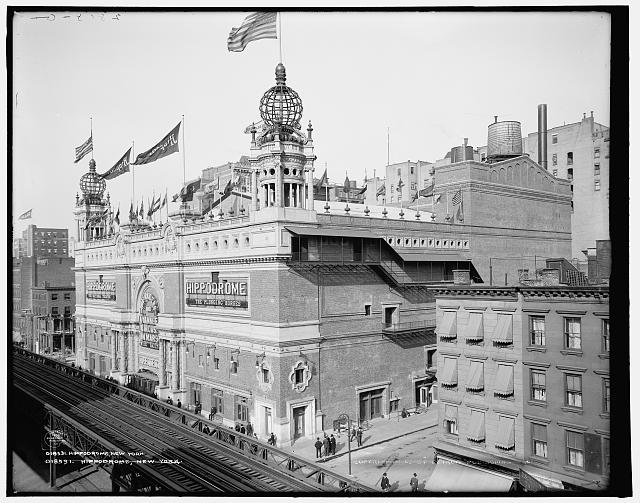
One old tune I happened to find is a medley of songs popularly performed at the New York Hippodrome, and performed here by the Victor Military Band. The Hippodrome, once located on Sixth Avenue and 44th Street, was one of New York’s largest and most popular live venues. It was among the most successful theaters owned by the Shuberts.

The Victor Military Band was a collection of musicians hired by the Victor Talking Machine Company, one of the earlier makers of phonograph records and later incorporated into RCA Records. The band was specifically formed to record dance records, a rarity in the early recorded music era, which was dominated by classical and opera.

The songs in the medley include these forgotten gems: The Girl In The Gingham Gown, Ragtime In The Air, Dark Eyes Are Now A-Shinin’ For You.

The Hippodrome opened its fall season in 1911 with the hugely successful musical extravaganza ‘Around the World’, which ran until 1913. The ambitious program featured numbers set in exotic destinations, including Egypt, Constantinople, Venice, India, Ireland and the islands of Hawaii (well before they joined the United States).

Both the song and the photo courtesy the Library of Congress