Categories
New York Islands Sports

The strange link between the New York Yankees and South Brother Island

This article is an excerpt of an entire mini-podcast on the history of South Brother Island, available to those who support the Bowery Boys Podcast on Patreon (at the Five Points level and above). Join us on Patreon to listen today!
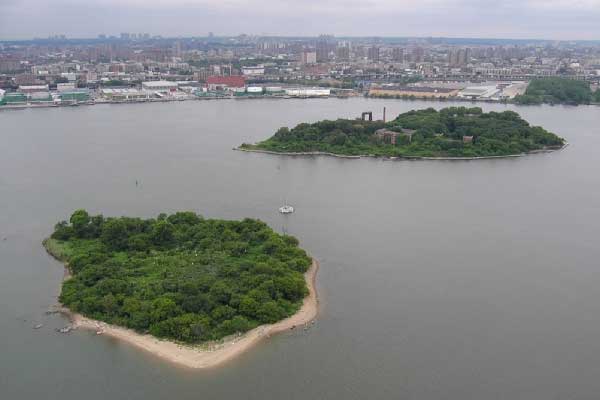

South Brother Island with North Brother Island behind it (Courtesy Harbor Lab)

This week’s latest podcast explores the dark and dramatic history of North Brother Island, the East River island home to the ruins of old Riverside Hospital.

But that’s only one-half of the story. For of course there’s South Brother Island, less than 900 feet away, a smaller island separating its brother from Rikers Island.

South Brother Island wasn’t used in the same way as North Brother Island. But it isn’t entirely devoid of any human history; its just sort of odd history. 
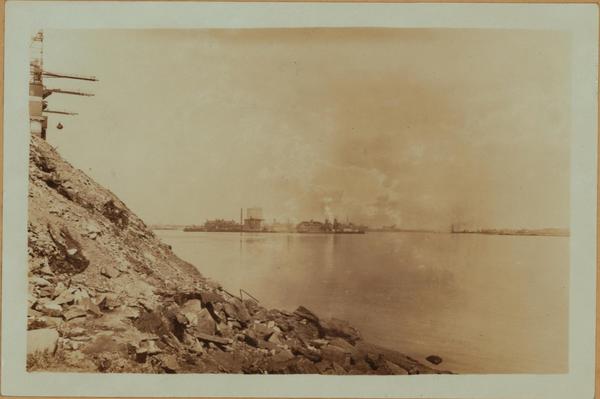
Looking east along the East River, from 132nd Street, Bronx, to South Brother Island. April 12, 1931. P. L. Sperr. Courtesy New York Public Library

During the Civil War it hosted military regiments and the island was often used in yachting competitions. There were small farm settlements here. And even a few bouts of river piracy.

But in the early 1890s something rather unusual came to this virtually abandoned place — baseball.

New ballfields would be constructed here for use by traveling ball teams, the opening innings of a true national baseball league. (For both white ball teams and those of the burgeoning Negro League.)

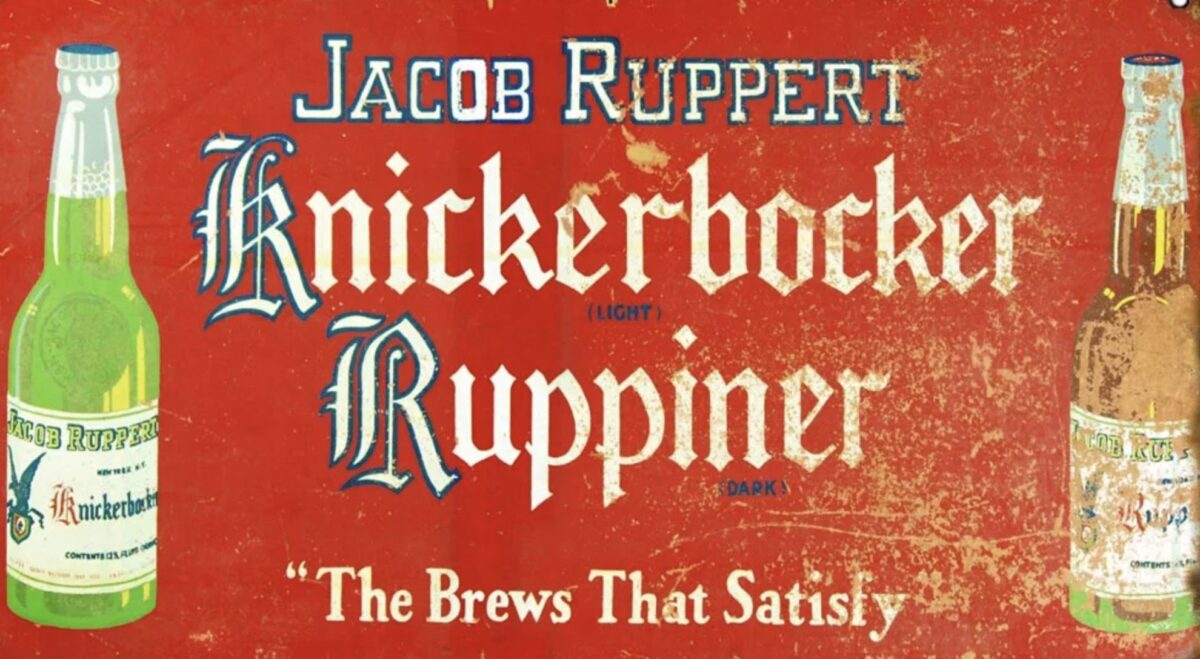
These fields would have a very fascinating pedigree for baseball historians for they were built by a man who would change the fate of the game forever — Jacob Ruppert Jr.

Ruppert, the son of a German brewer, was a decorated military man by this time and a prominent local politician, newly endorsed by Tammany Hall.

He had a lifelong obsession with baseball. In 1894 he purchased South Brother Island for the purposes of building baseball fields here. For many years Ruppert even lived on the island during the summer.

According to the New York Sun: “He intends to spend more than two million dollars on improvements on the island which is his property. He will have a trolly line running all over the island and a ferry of his own on 92nd Street. There will be a large building containing ballrooms and a German restaurant.”

Ruppert also reportedly wanted to build a brewery here. “He adds that everything on the island will be of a thoroughly German character.”

Now this is at the very same time — the 1890s — that neighboring North Brother Island was populated with epidemic patients afflicted with tuberculosis, smallpox, leprosy and more.

But the idea of an island sporting resort here would not actually be considered odd; in fact there were many such resorts along The Bronx and Queens waterfront back in the late 19th century, including College Point, Clason Point and Bowery Bay Beach (on the site of today’s LaGuardia Airport).
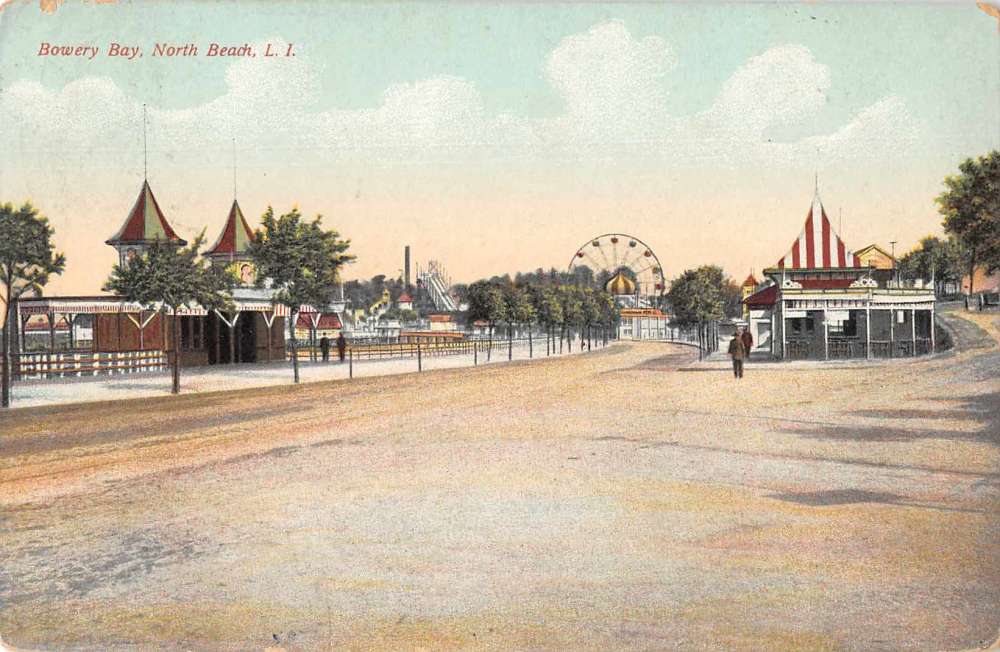
The amusement park at Bowery Bay/North Beach, on the site of today’s LaGuardia Airport.

So Ruppert had the right idea — although the project’s eventual execution was far less grandiose from his original designs. But by the early 1900s, Ruppert had turn South Brother into a sort of baseball fantasy island.

The baseball fields hosted a wide array of teams from several different leagues including one of the first and greatest black baseball teams: the Cuban Giants.

The Giants, one of the greatest African-American baseball teams from the era when the sport was highly segregated, first formed in 1885 in Babylon, Long Island.
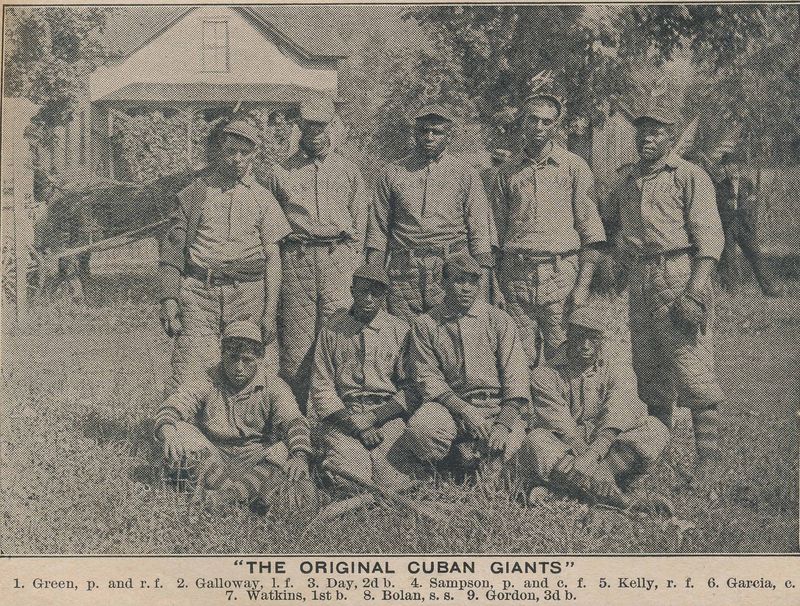
An image of the team in 1902. The team played at several ballfields in the region, including South Brother Island.

They were a big draw in their day, so if they played out on South Brother Island, I assume facilities were substantial enough to cater to large crowds. (Sadly I have not been able to find any photographs of the island from this period.)

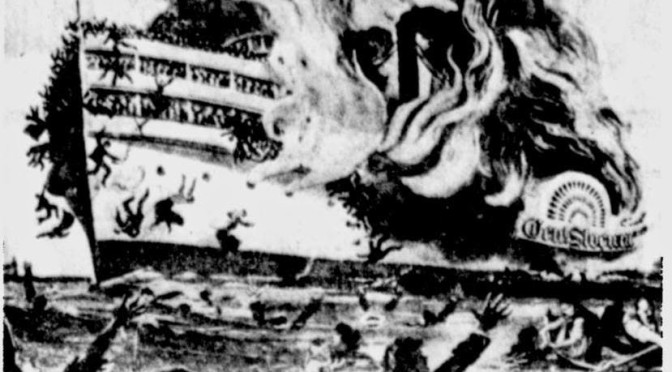
Since games were most likely played on the weekends, there were probably very few people on the island on June 15, 1904, to witness the disaster of the Gereral Slocum steamship fire, but the tragedy did comes to the shores of his island.
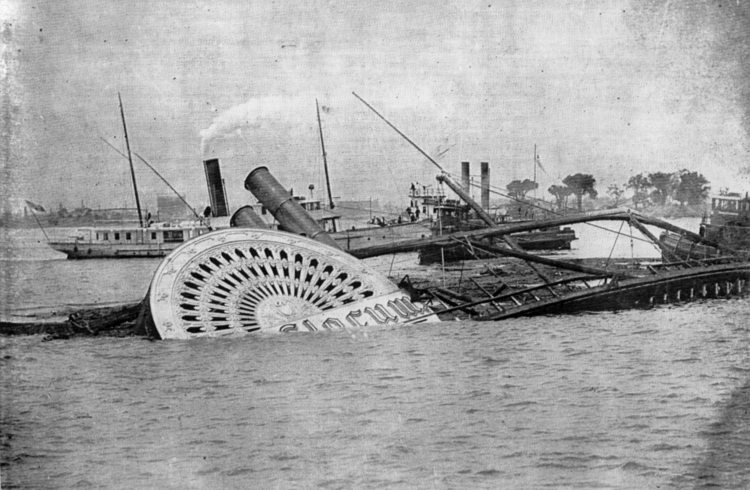
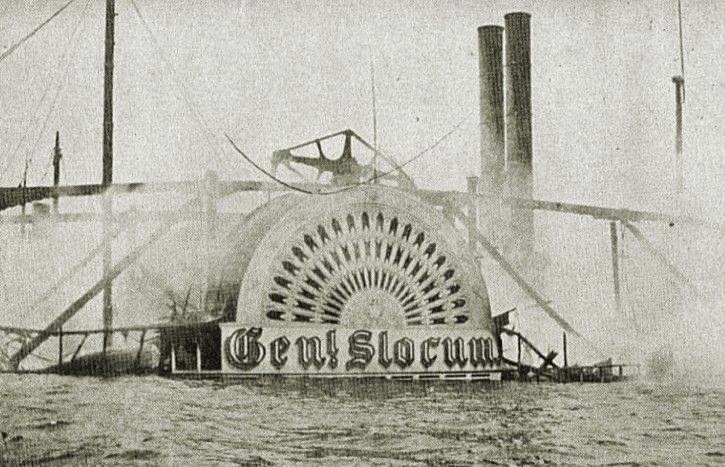
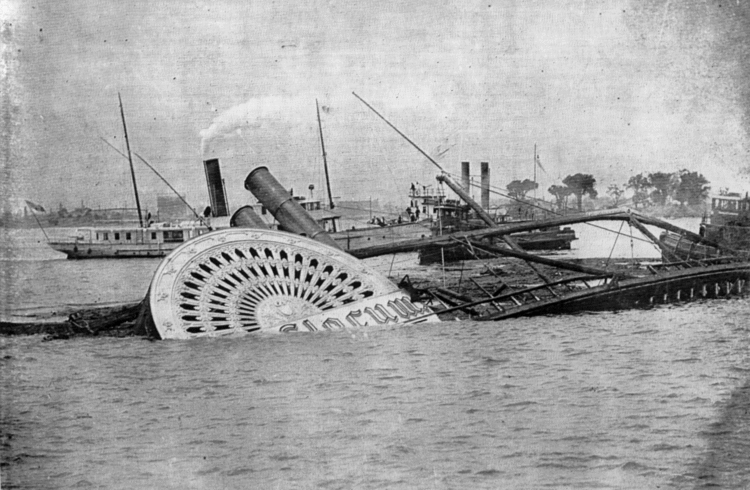
The sunken wreck of the General Slocum.

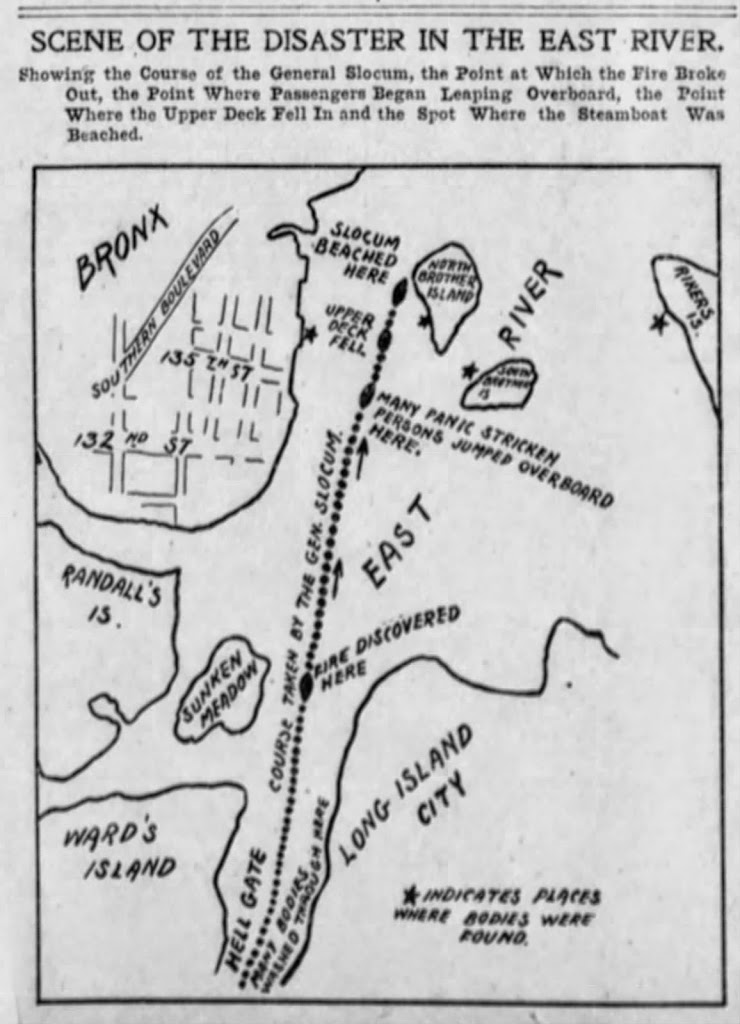
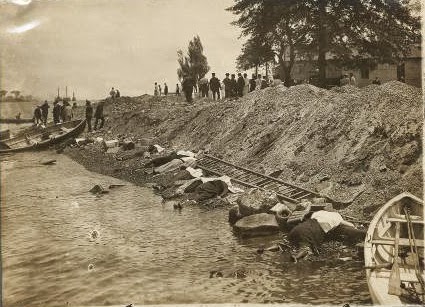
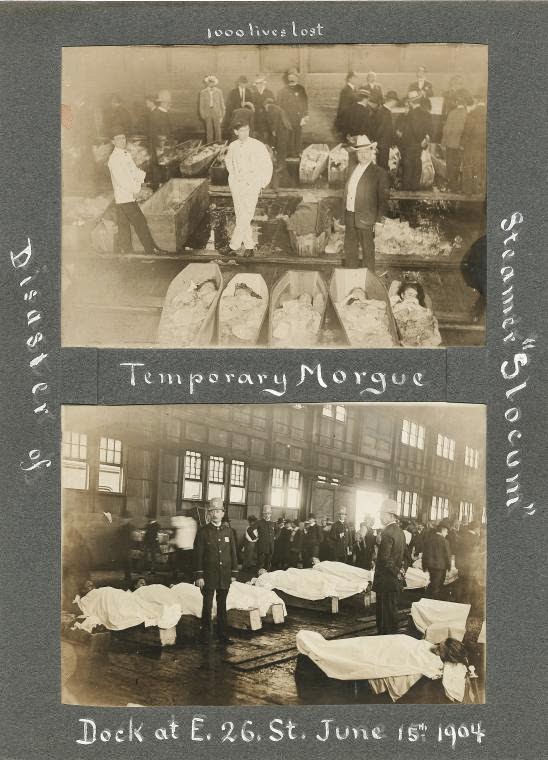
In fact there was so much calamity and chaos on North Brother island in the moments following the horrific tragedy that bodies of those who died and were found in the East River were taken to the shores of South Brother and from there transferred to the city morgue.

The captain of the General Slocum later said he considered running the ship aground at South Brother Island but decided against it due to its rocky shore. Thank goodness he did not, for it was the bravery of many nurses, doctors and patients on North Brother which saved so many that day.

In 1909 fire destroyed Jacob Ruppert’s summer house and it appears baseball moved off this island by this time. In fact, although the Ruppert estate would own the island for many decades, nobody would ever again LIVE on South Brother Island.
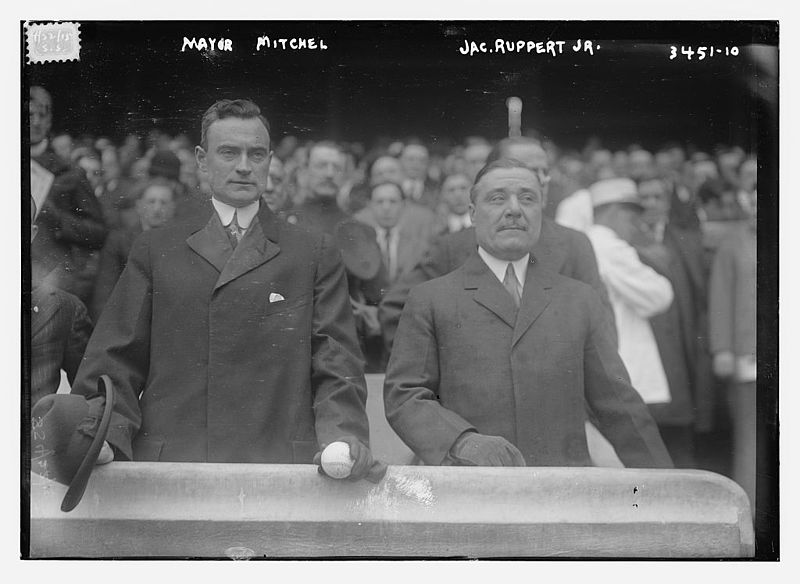
Ruppert with the mayor of New York — John Purroy Mitchel. April 1915. Library of Congress

In 1915, Ruppert became the president of his family’s beer empire. Then, partially to fuel beer sales but with a genuine love for the sport, he (and lifelong business partner Tillinghast Huston) purchased a failing baseball team named the New York Yankees.

Four years later he famously purchased the contract of Boston Red Sox player Babe Ruth. Some reports claim Ruth “spent his off days swatting balls into the East River from Ruppert’s island” however the island was mostly abandoned by the time Ruth was playing baseball. Perhaps it was a day excursion?
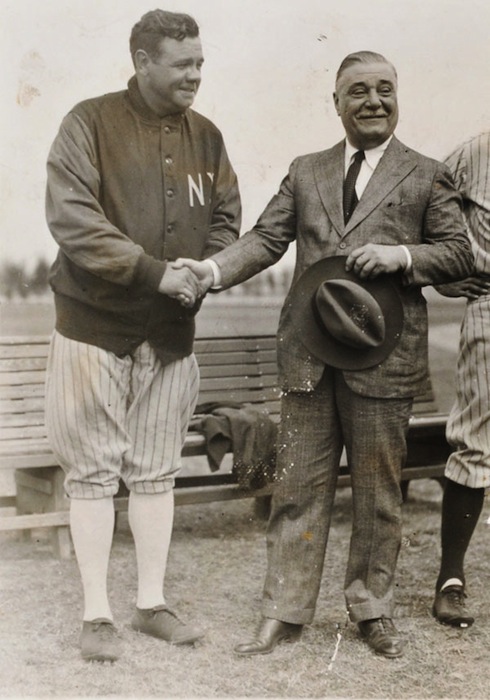
Babe Ruth and Jacob Ruppert, Jr., 1930. Photo via Legendary Auctions.

The island remained in the Ruppert family until it was sold in 1944 to a private businessman. Six decades later, a descendant of Ruppert visited the island, now an overgrown haven for wild birds. (The city officially purchased the island in 2007.)

According to Jacob Ruppert Jr’s great-great-grand nephew K. Jacob Ruppert, “There’s no beautiful lagoon. It’s a mound of bird poop. But there are beautiful birds. I never thought I could walk up to a swan on her nest. The ground is nothing but bird droppings and broken egg shells.”
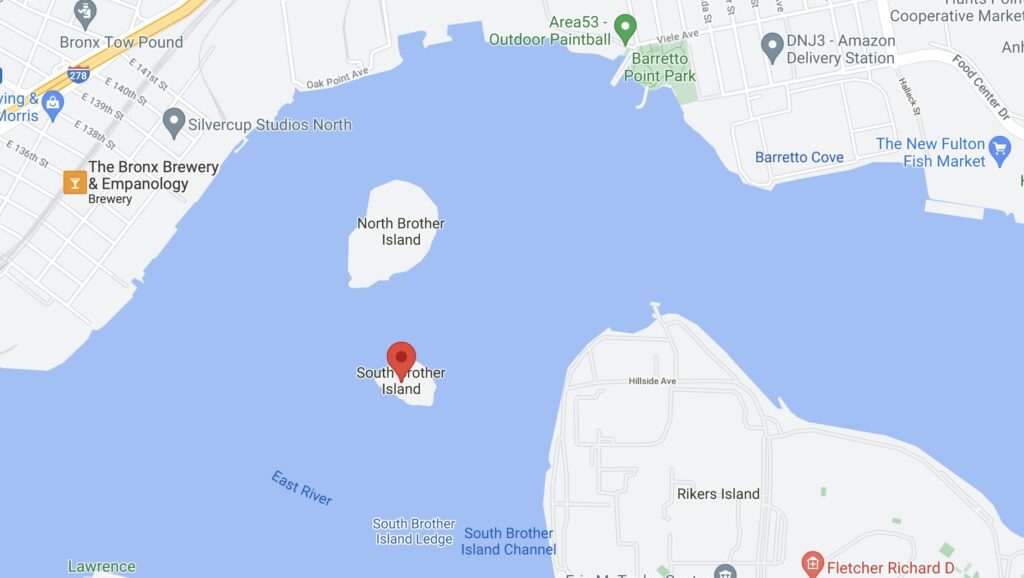
Map of South Brother Island

Categories
Mysterious Stories

The Mystery on North Brother Island: A story told in news clippings

A thousand unsolved mysteries live within a newspaper’s archives, little forgotten events that have faded into history. Sometimes you can search deeper, and the answers to those mysteries may emerge.

This is what happened in a series of three articles I found the other day while doing some research on North Brother Island (the fruits of which will be revealed in tomorrow’s new podcast!)

I present to you the three complete clippings as they provide a tragic tale told in a methodical manner. I have been able to find no further information about the central figure other than these three articles.

1
Courtesy Museum of the City of New York

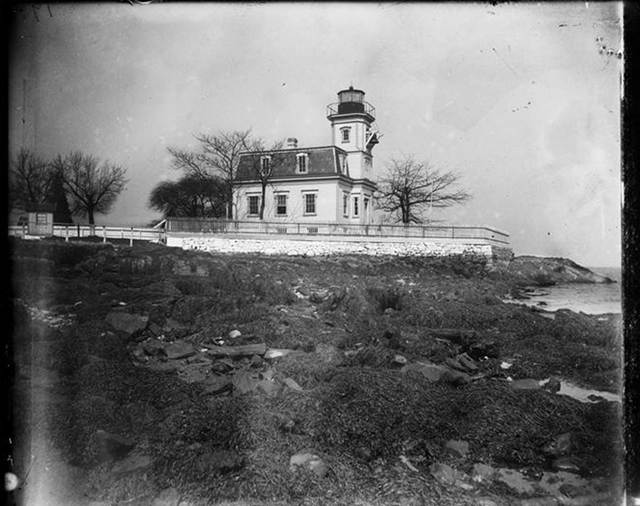
The Lighthouse

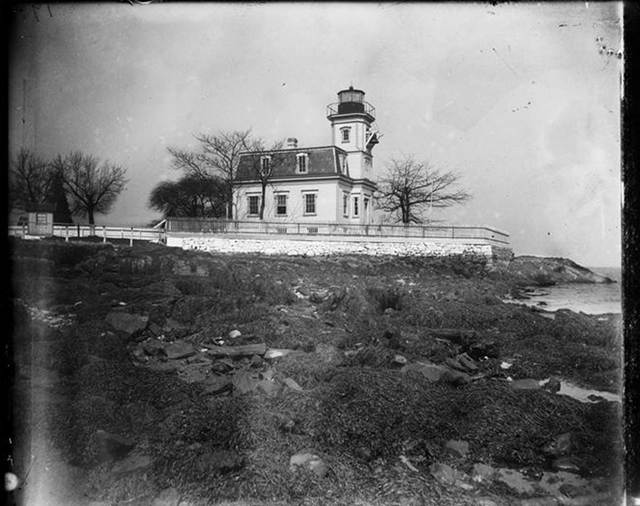
But first — Some context on North Brother Island, that little area of land (with its companion South Brother Island) between the Bronx and Riker’s Island. The island was uninhabited until 1869 when a lighthouse was built here to help navigate the traffic of the East River and Long Island Sound past the treacherous waters known as Hell’s Gate.

According to the book Lost Lighthouses, “The square, wooden residence contained a kitchen, pantry, dining room and sitting room as well as four bedrooms and an oil storage area. The 50-foot tower rose from the front of the building and was equipped with a fourth-order Fresnel lens.”

Courtesy Museum of the City of New York

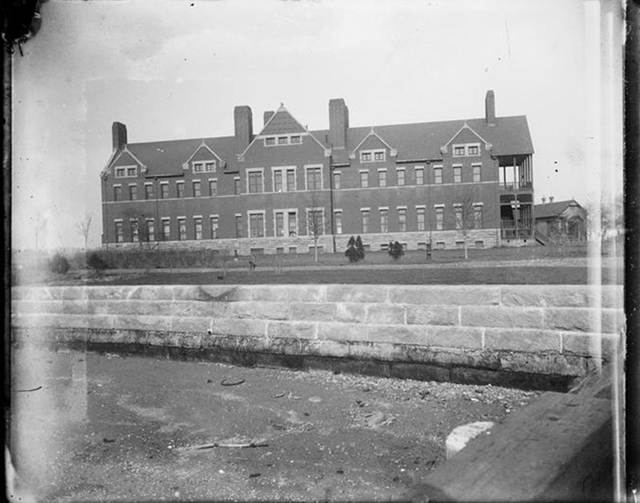
The Quarantine Station

The lonely lighthouse would soon be joined by a hospital specializing in smallpox and other serious diseases. It was to become, in essence, a quarantine station, operated by Riverside Hospital. “The reconstructed smallpox pavilion, on North Brother Island, is ready to receive about forty patients,” reported the New York Tribune in February 1881.

That August, as city officials visited the island to plan the construction, the Tribune reported on its present occupants. “[North Brother Island] has a surface area of about of about thirteen acres. It is at present occupied only by a lighthouse-keeper and his assistant, and by a woman who entertains occasional picnic parties.”

Courtesy Museum of the City of New York

The Lighthouse Operator

Flash forward to the cold winter of 1884 — January 2, 1884, in fact. The picnic woman was undoubtedly gone, and the hospital pavilions were newly completed. Administrators and patients may have just moved in by this time.  We do know, however, that the lighthouse operator was at his helm — a man named Daniel Kelly. I’ll let the news clippings now take over:

From the New York Sun, January 3, 1884:

1

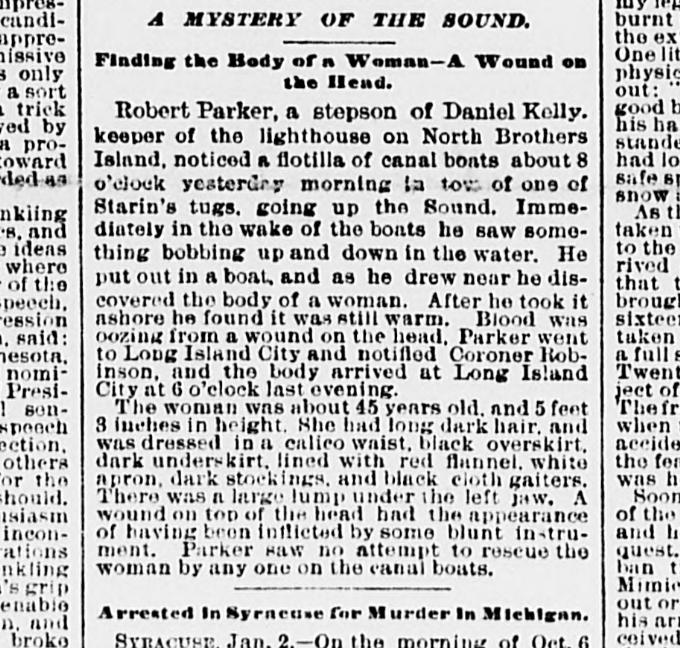
A MYSTERY OF THE SOUND

Finding the Body of a Woman — A Wound on the Head

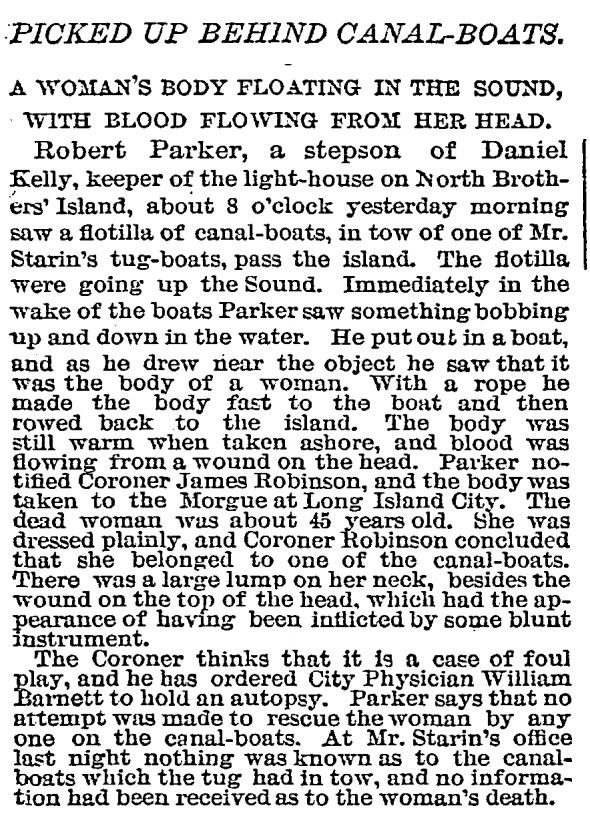
“Robert Parker, a stepson of Daniel Kelly*, keeper of the lighthouse on North Brother Island, noticed a flotilla of canal boats about 8 o’clock yesterday morning in tow of one of Starin’s tugs**, going up the Sound.  Immediately in the wake of the boats he saw something bobbing up and down in the water.  He put out in a boat, and as he drew near he discovered the body of a woman.  After he took it ashore he found it was still warm.  Blood was oozing from a wound on the head.

Parker went to Long Island City*** and notified Coroner Robinson, and the body arrived at Long Island City at 6 o’clock last evening.

The woman was about 45 years old, and 5 feet 3 inches in height. She had long dark hair, and was dressed in a calico waist, black overskirt, dark underskirt, lined with red flannel, white apron, dark stockings, and black cloth gaiters.

There was a large lump under her left jaw. A wound on top of the head had the appearance of having been inflicted by some blunt instrument.  Parker saw no attempt to rescure the woman by any one on the canal boats.”

*Not sure who this Daniel Kelly is. Any guesses?

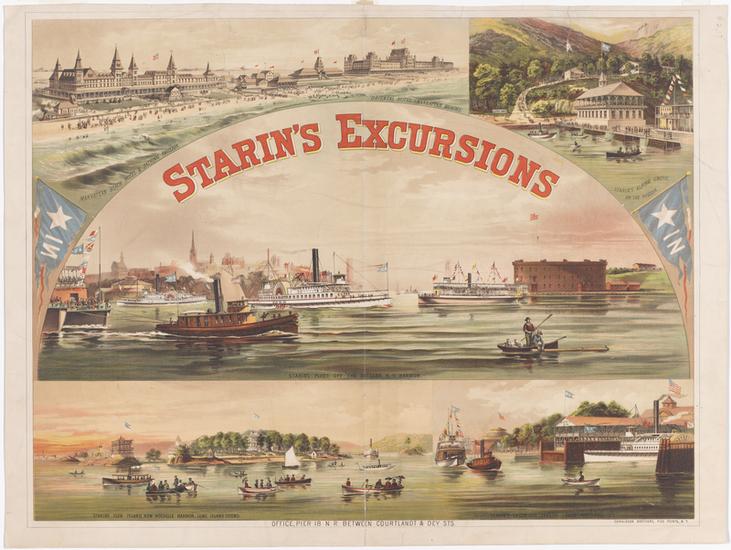
**The tug boat concern of John Henry Starin, a “leading marine operator in the United States,” owning everything from excursion boats to industrial barges. (Pictured above)

***Still an independent city within Queens County as the Queens borough was not yet created

1

Foul Play?

An article in the New York Times from the same day repeats most of the same information — including that thing about Daniel Kelly — but brings up the opinion of the coroner:

1

“The Coroner thinks that it is a case of foul play, and he has ordered City Physician William Barnett to hold an autopsy.  Parker says that no attempt was made to rescue the woman by any one of the canal-boats.  At Mr. Starin’s office last night nothing was known as to the canal-boats which the tug had in tow, and no information had been received as to the woman’s death.”

The Story of Matilda

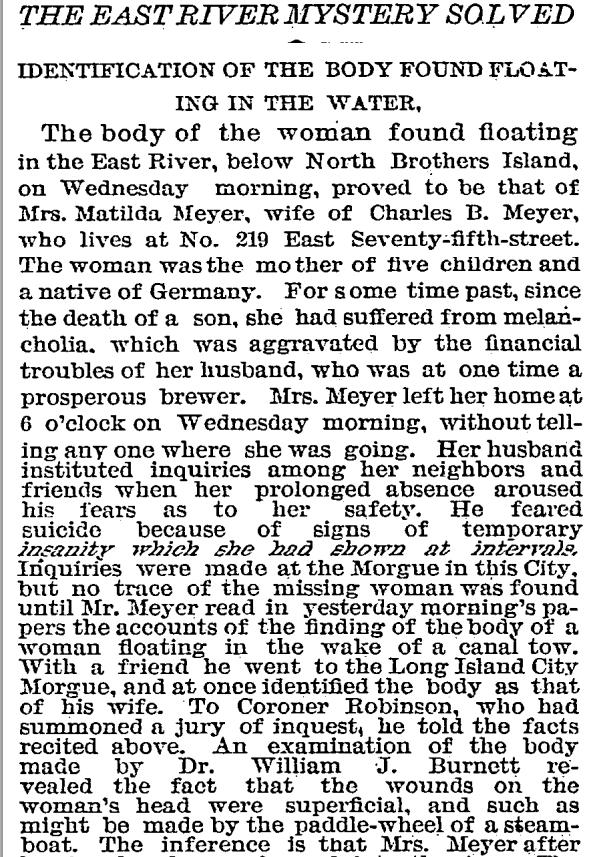
By the following day, the woman had been identified. Here is an excerpt from the article. (You can find the original here.) The entirety of the text is below.

1

THE EAST RIVER MYSTERY SOLVED

IDENTIFICATION OF THE BODY FOUND FLOATING IN THE WATER

“The body of a woman found floating in the East River, below North Brothers Island, on Wednesday morning, proved to be that of Mrs. Matilda Meyer, wife of Charles B. Meyer, who lives at No. 219 East 75th Street.*

The woman was a mother of five children and a native of Germany.  For some time past, since the death of a son, she had suffered from melancholia, which was aggravated by the financial troubles of her husband, who was at one time a prosperous brewer.

Mrs. Meyer left her home at 6 o’clock on Wednesday morning, without telling anyone where she was going.

Her husband instituted inquiries among her neighbors and friends when her prolonged absence aroused his fears as to her safety. He feared suicide because of signs of temporary insanity which she had shown at intervals.  Inquiries were made at the Morgue in this City., but no trace of the missing woman was found until Mr. Meyer read in yesterday morning’s papers the accounts of the finding of the body of a woman floating in the wake of a canal tow.

With a friend he went to the Long Island City Morgue, and at once identified the body as that of his wife. To Coroner Robinson, who had summoned a jury of inquest, he told the facts recited above.

An examination of the body made by Dr. William J. Burnett revealed the fact that the wounds on the woman’s head were superficial and such as might be made by the paddle-wheel of a steamboat.  The inference is that Mrs. Meyer after leaving her home plunged into the river.  The tide was running at the flood, and was about full flood when she was discovered.

Her clothing had served to buoy her up, and so she had floated out to the point where she was discovered by Robert Parker.”

*The building at that address is no longer there.

While the story deems the ‘mystery solved’, to me it opens so many more. Did Matilda really kill herself? What were the circumstances surround her husband’s failed financial fortunes, and those of her son’s death? What of the fate of the other children?

Unfortunately, the answer of these mysteries from the tragic tale of Matilda Meyers may forever be unanswered.

Categories
On The Waterfront Podcasts

American tragedy: The tale of the General Slocum disaster

PODCAST On June 15, 1904, hundreds of residents of Kleindeutschland, the Lower East Side’s thriving German community, boarded the General Slocum excursion steamer to enjoy a day trip outside the city. Most of them would never return home.

The General Slocum disaster is, simply put, one of the greatest tragedies in American history. Before September 11, 2001, it was the largest loss of life of any event that has ever taken place here.

This is a harrowing story, brutal and tragic. The fire that engulfed the ship near the violent waters of the Hell Gate gave the passengers a horrible choice — die by fire or by drowning.

In the end, over one thousand people would lose their lives in an horrific catastrophe that could have been easily prevented. But there are also some surprising and even shocking stories of human survival here, real tales of bravery and heroism.

PLUS: The extraordinary fate of little Adella Liebenow Wotherspoon (at right)


And we would like to thank a new sponsor Audible, the premier provider of digital audiobooks. Get a FREE audiobook download and 30 day free trial at www.audibletrial.com/boweryboys. Over 150,000 titles to choose from for your iPhone, Android, Kindle or mp3 player Audible titles play on iPhone, Kindle, Android and more than 500 devices for listening anytime, anywhere.


The General Slocum, in its glory days.  I believe this photograph was taken in the Rockaways.

A tugboat attempts to put out the remaining flames of the Slocum, now a burning husk in the water.


A make-shift map, from the Brooklyn Daily Eagle, June 15, 1904, late edition:

Bodies washed ashore on North Brother Island

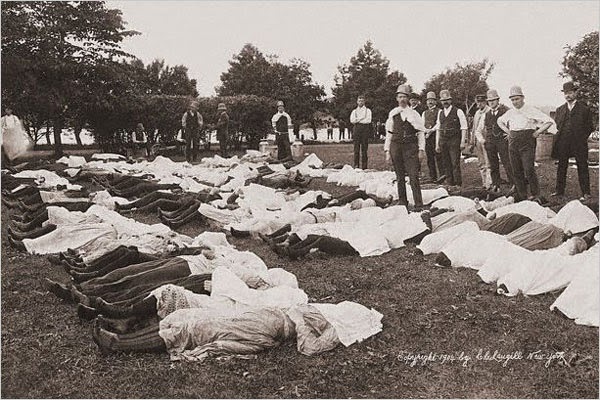
Two morbid photographs from Charities Pier:

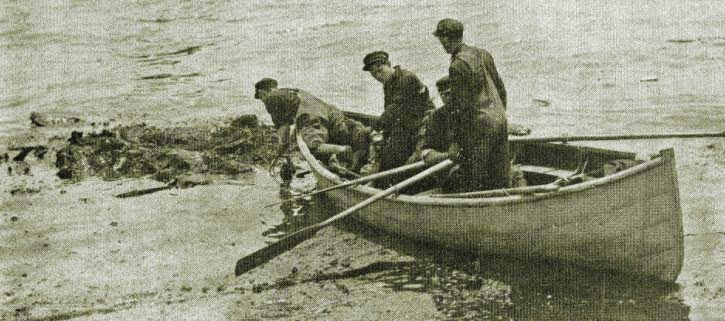
For days later, recovery workers sifted through East River debris, looking for additional bodies:

A funeral procession through the Lower East Side for some of the victims:

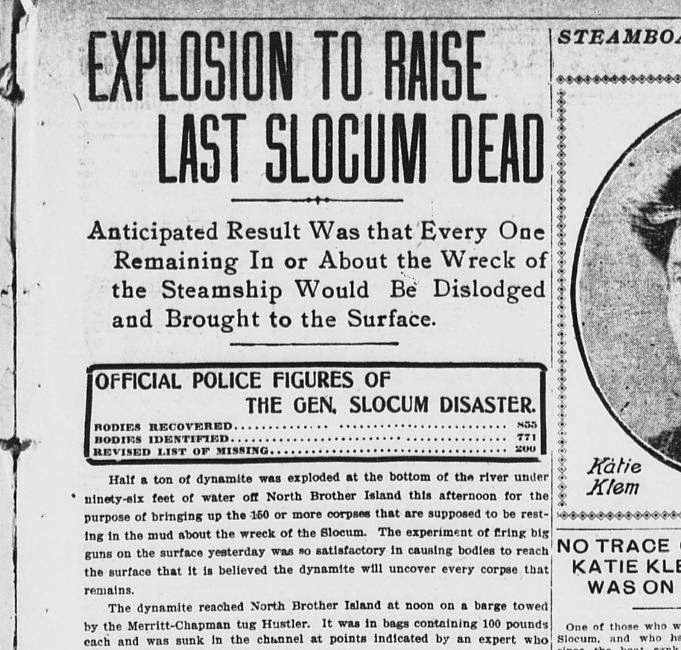
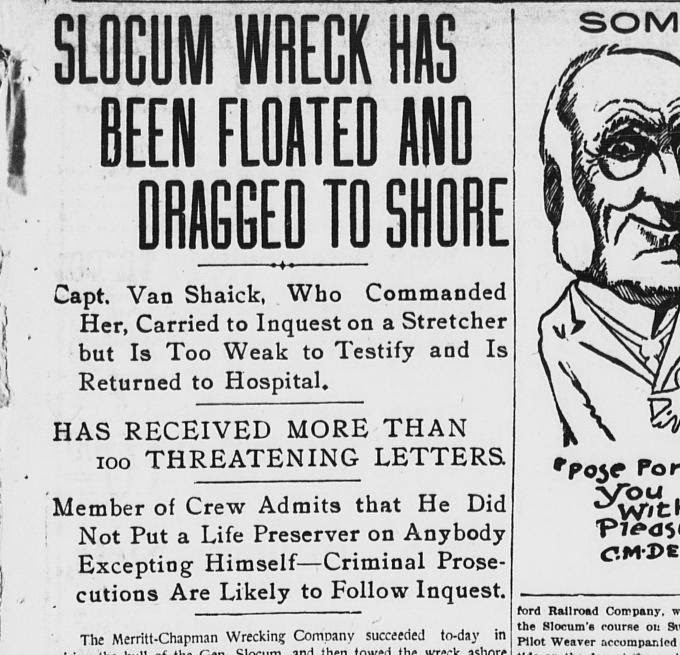
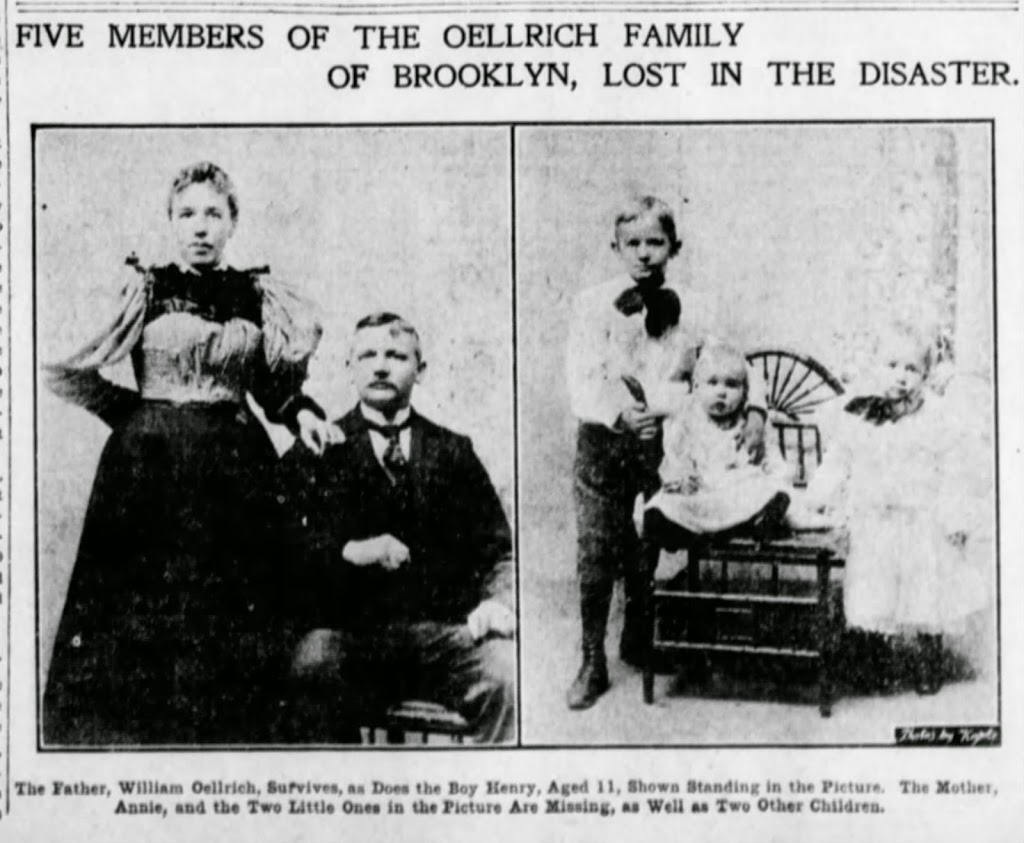
Two headlines from the New York Evening World, one week after the disaster:

The cover of Puck Magazine, one year after the disaster, wondering if justice would ever be served to those under indictment for the disaster. “Illustration shows an old and haggard “Justice” sitting in a chair on a rock in the East River, cobwebs have grown over her sword, scales, and an “Indictment” (Library of Congress)

From the Brooklyn Daily Eagle, the following day:

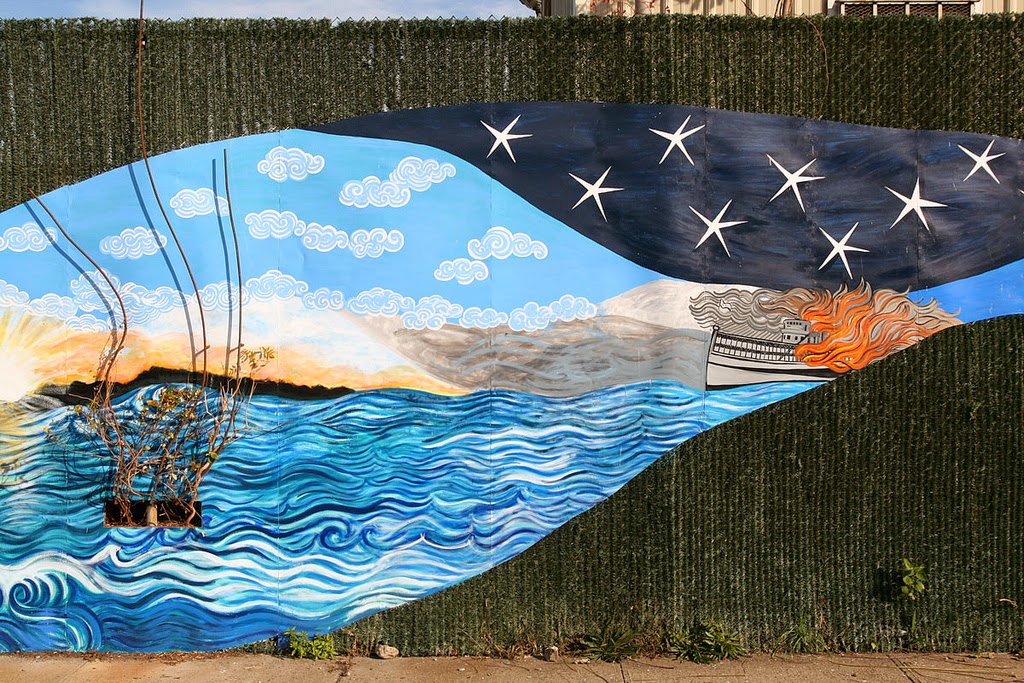
A mural in the Bronx that depicts the General Slocum disaster (courtesy Flickr/Joe Schumacher):

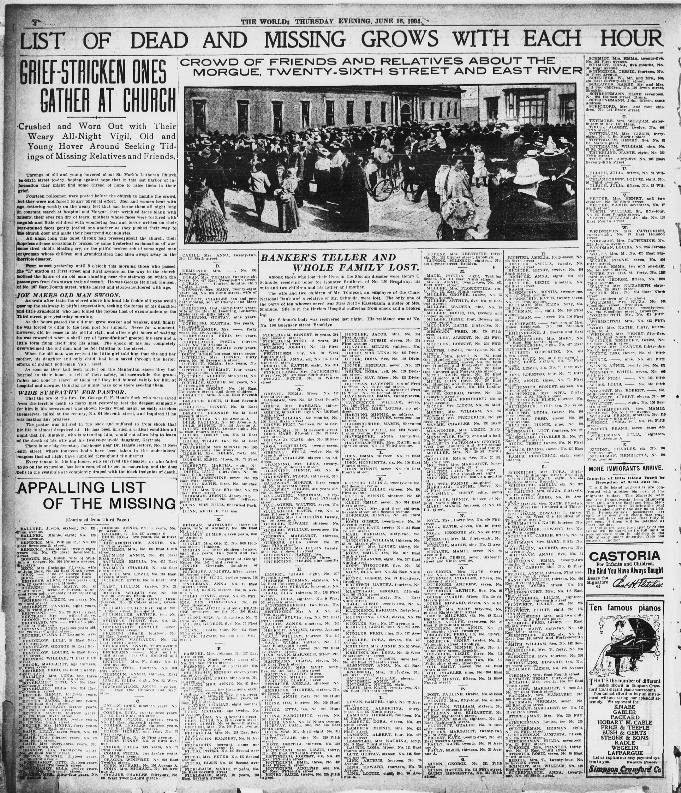
The initial list of the deceased, from the June 16, 1904 edition of the New York Evening World.  The number would increase over the coming days.