Categories
New York Islands Sports

The strange link between the New York Yankees and South Brother Island

This article is an excerpt of an entire mini-podcast on the history of South Brother Island, available to those who support the Bowery Boys Podcast on Patreon (at the Five Points level and above). Join us on Patreon to listen today!
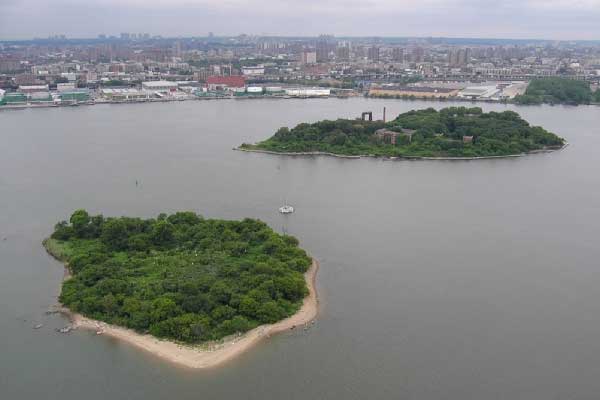

South Brother Island with North Brother Island behind it (Courtesy Harbor Lab)

This week’s latest podcast explores the dark and dramatic history of North Brother Island, the East River island home to the ruins of old Riverside Hospital.

But that’s only one-half of the story. For of course there’s South Brother Island, less than 900 feet away, a smaller island separating its brother from Rikers Island.

South Brother Island wasn’t used in the same way as North Brother Island. But it isn’t entirely devoid of any human history; its just sort of odd history. 
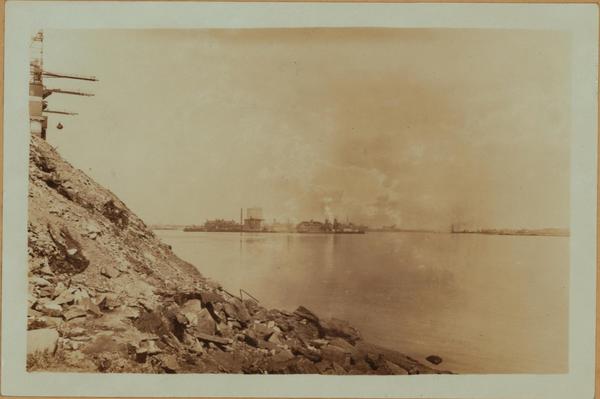
Looking east along the East River, from 132nd Street, Bronx, to South Brother Island. April 12, 1931. P. L. Sperr. Courtesy New York Public Library

During the Civil War it hosted military regiments and the island was often used in yachting competitions. There were small farm settlements here. And even a few bouts of river piracy.

But in the early 1890s something rather unusual came to this virtually abandoned place — baseball.

New ballfields would be constructed here for use by traveling ball teams, the opening innings of a true national baseball league. (For both white ball teams and those of the burgeoning Negro League.)

These fields would have a very fascinating pedigree for baseball historians for they were built by a man who would change the fate of the game forever — Jacob Ruppert Jr.

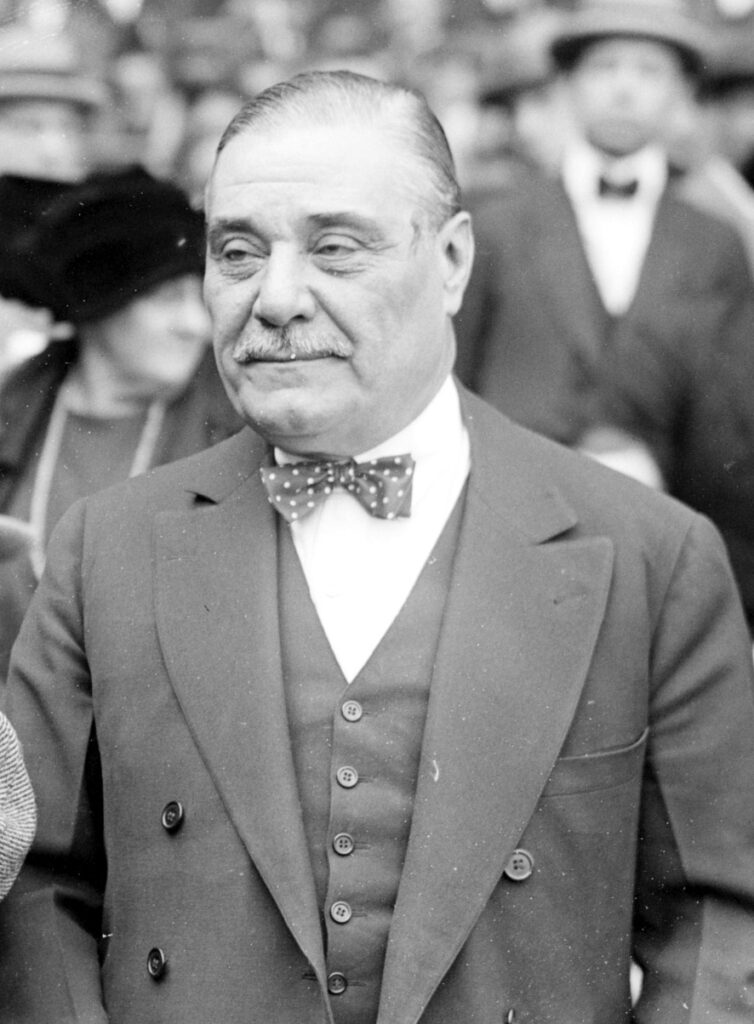
Ruppert, the son of a German brewer, was a decorated military man by this time and a prominent local politician, newly endorsed by Tammany Hall.

He had a lifelong obsession with baseball. In 1894 he purchased South Brother Island for the purposes of building baseball fields here. For many years Ruppert even lived on the island during the summer.

According to the New York Sun: “He intends to spend more than two million dollars on improvements on the island which is his property. He will have a trolly line running all over the island and a ferry of his own on 92nd Street. There will be a large building containing ballrooms and a German restaurant.”

Ruppert also reportedly wanted to build a brewery here. “He adds that everything on the island will be of a thoroughly German character.”

Now this is at the very same time — the 1890s — that neighboring North Brother Island was populated with epidemic patients afflicted with tuberculosis, smallpox, leprosy and more.

But the idea of an island sporting resort here would not actually be considered odd; in fact there were many such resorts along The Bronx and Queens waterfront back in the late 19th century, including College Point, Clason Point and Bowery Bay Beach (on the site of today’s LaGuardia Airport).
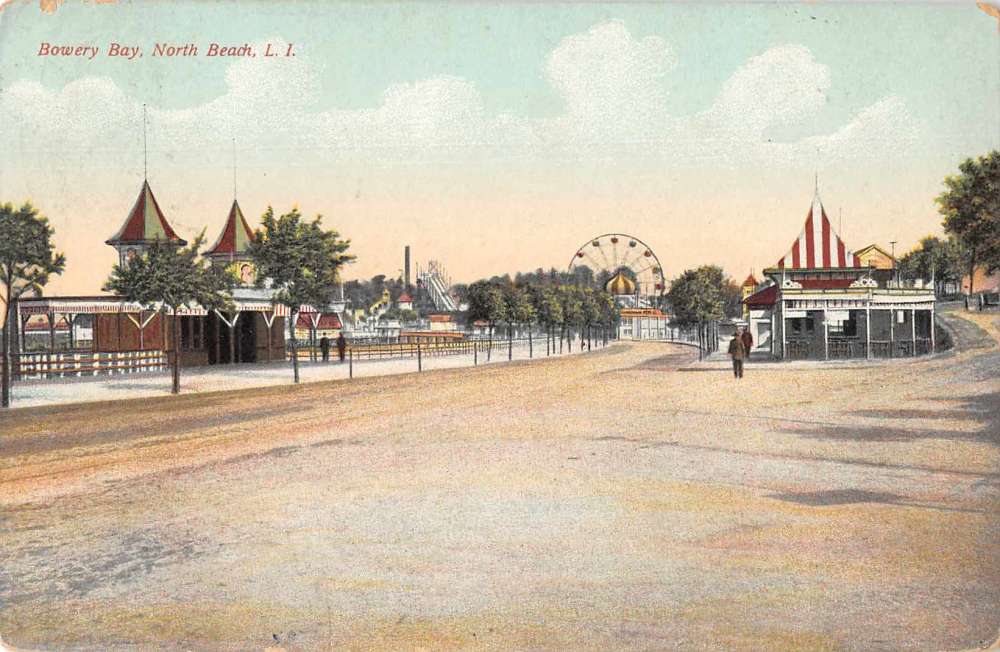
The amusement park at Bowery Bay/North Beach, on the site of today’s LaGuardia Airport.

So Ruppert had the right idea — although the project’s eventual execution was far less grandiose from his original designs. But by the early 1900s, Ruppert had turn South Brother into a sort of baseball fantasy island.

The baseball fields hosted a wide array of teams from several different leagues including one of the first and greatest black baseball teams: the Cuban Giants.

The Giants, one of the greatest African-American baseball teams from the era when the sport was highly segregated, first formed in 1885 in Babylon, Long Island.
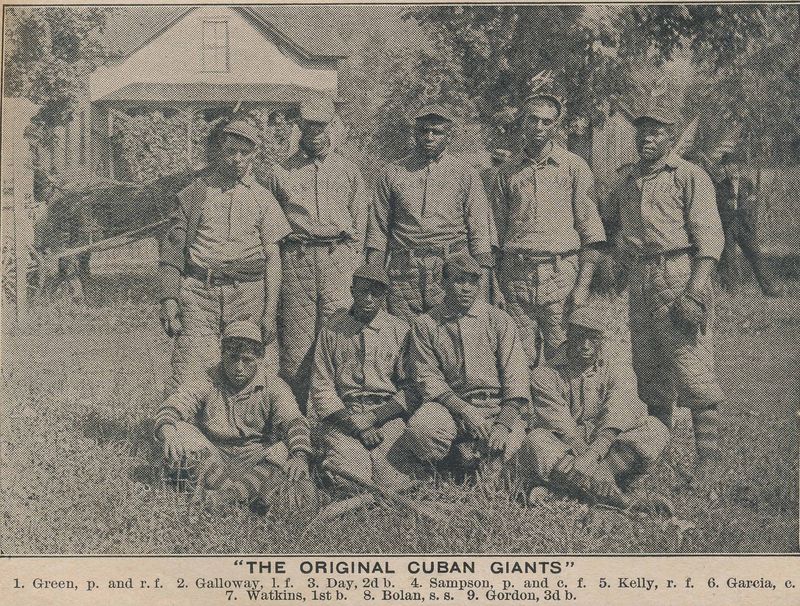
An image of the team in 1902. The team played at several ballfields in the region, including South Brother Island.

They were a big draw in their day, so if they played out on South Brother Island, I assume facilities were substantial enough to cater to large crowds. (Sadly I have not been able to find any photographs of the island from this period.)

Since games were most likely played on the weekends, there were probably very few people on the island on June 15, 1904, to witness the disaster of the Gereral Slocum steamship fire, but the tragedy did comes to the shores of his island.
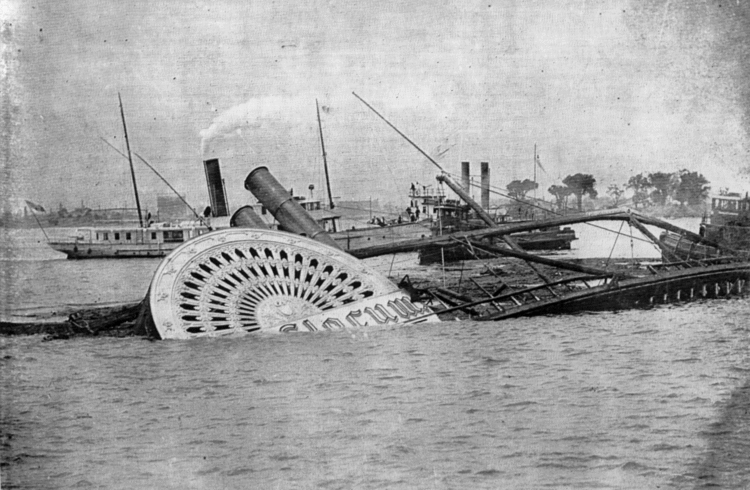
The sunken wreck of the General Slocum.

In fact there was so much calamity and chaos on North Brother island in the moments following the horrific tragedy that bodies of those who died and were found in the East River were taken to the shores of South Brother and from there transferred to the city morgue.

The captain of the General Slocum later said he considered running the ship aground at South Brother Island but decided against it due to its rocky shore. Thank goodness he did not, for it was the bravery of many nurses, doctors and patients on North Brother which saved so many that day.

In 1909 fire destroyed Jacob Ruppert’s summer house and it appears baseball moved off this island by this time. In fact, although the Ruppert estate would own the island for many decades, nobody would ever again LIVE on South Brother Island.
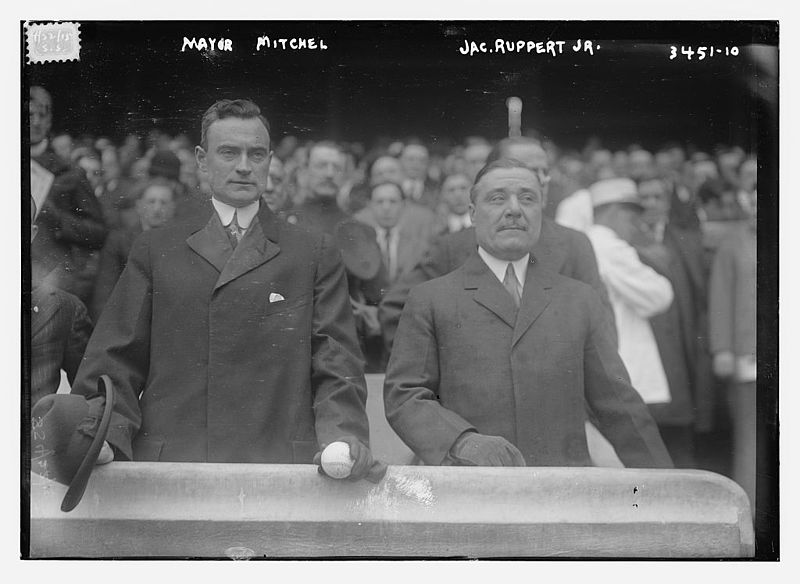
Ruppert with the mayor of New York — John Purroy Mitchel. April 1915. Library of Congress

In 1915, Ruppert became the president of his family’s beer empire. Then, partially to fuel beer sales but with a genuine love for the sport, he (and lifelong business partner Tillinghast Huston) purchased a failing baseball team named the New York Yankees.

Four years later he famously purchased the contract of Boston Red Sox player Babe Ruth. Some reports claim Ruth “spent his off days swatting balls into the East River from Ruppert’s island” however the island was mostly abandoned by the time Ruth was playing baseball. Perhaps it was a day excursion?
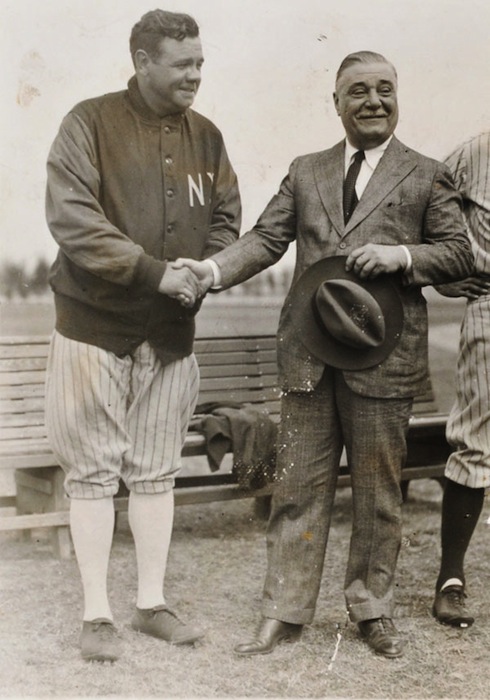
Babe Ruth and Jacob Ruppert, Jr., 1930. Photo via Legendary Auctions.

The island remained in the Ruppert family until it was sold in 1944 to a private businessman. Six decades later, a descendant of Ruppert visited the island, now an overgrown haven for wild birds. (The city officially purchased the island in 2007.)

According to Jacob Ruppert Jr’s great-great-grand nephew K. Jacob Ruppert, “There’s no beautiful lagoon. It’s a mound of bird poop. But there are beautiful birds. I never thought I could walk up to a swan on her nest. The ground is nothing but bird droppings and broken egg shells.”
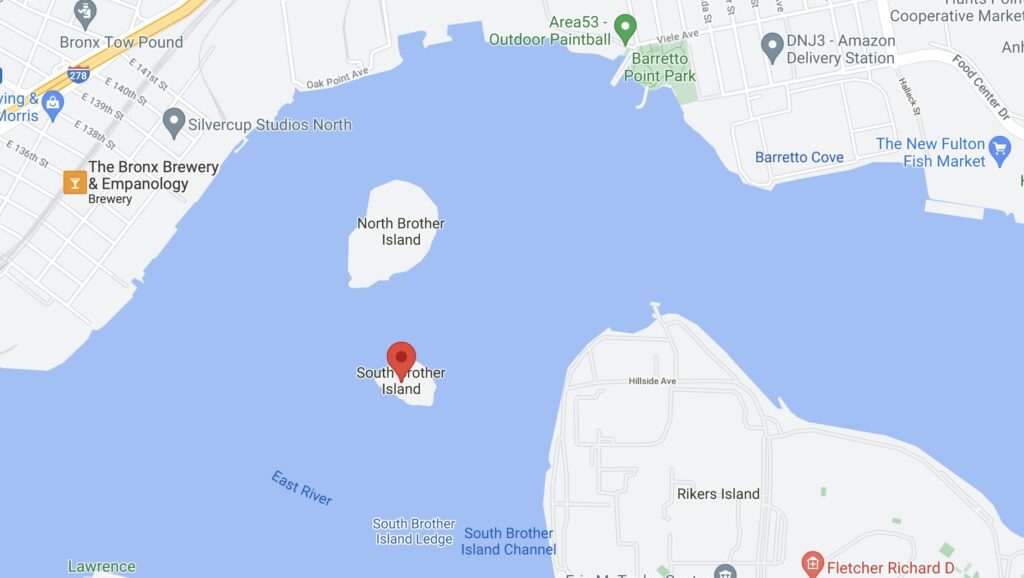
Map of South Brother Island

Categories
Neighborhoods Podcasts

Welcome to Yorkville: German life on the Upper East Side

EPISODE 332 The Manhattan neighborhood of Yorkville has a rich immigrant history that often gets overlooked because of its location on the Upper East Side, a destination usually associated with wealth and high society.

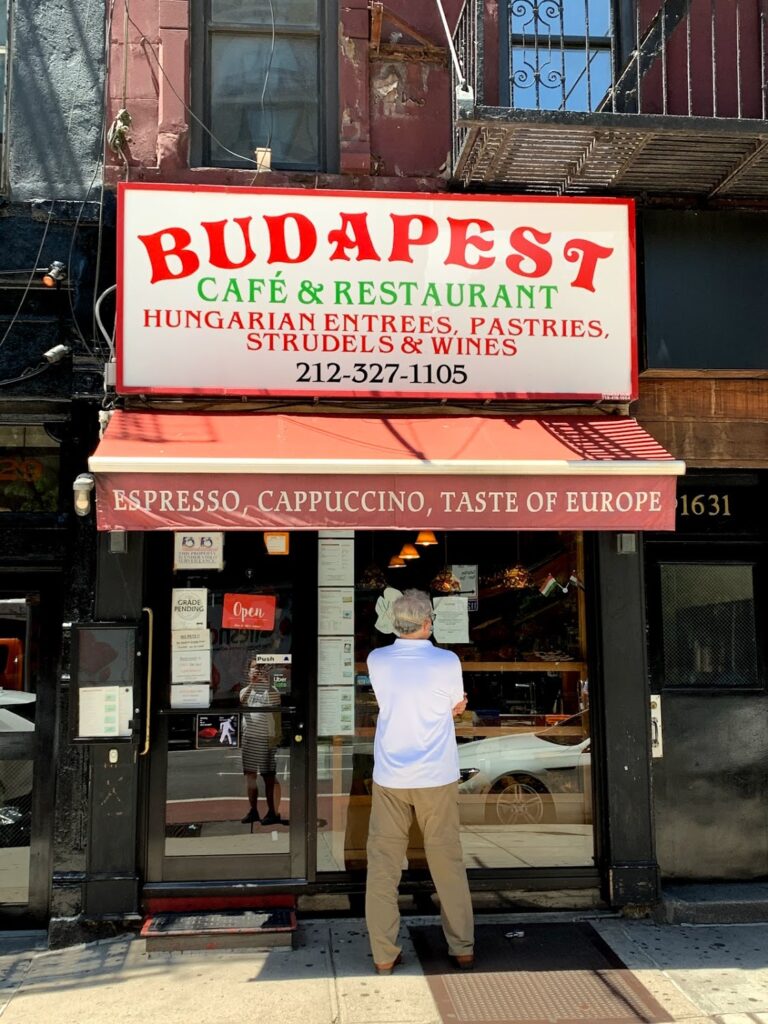
But Yorkville, for over 170 years, has been defined by waves of immigrant communities which have settled here, particular those cultures from Central and Eastern Europe — Germans, Austrians, Hungarians, Czechs and Slovaks. 

The neighborhood developed thanks to its location to various streetcar and train lines, but that proximity insured that Yorkville would evolve in quite a different way from the more luxurious Fifth Avenue just a few blocks away.

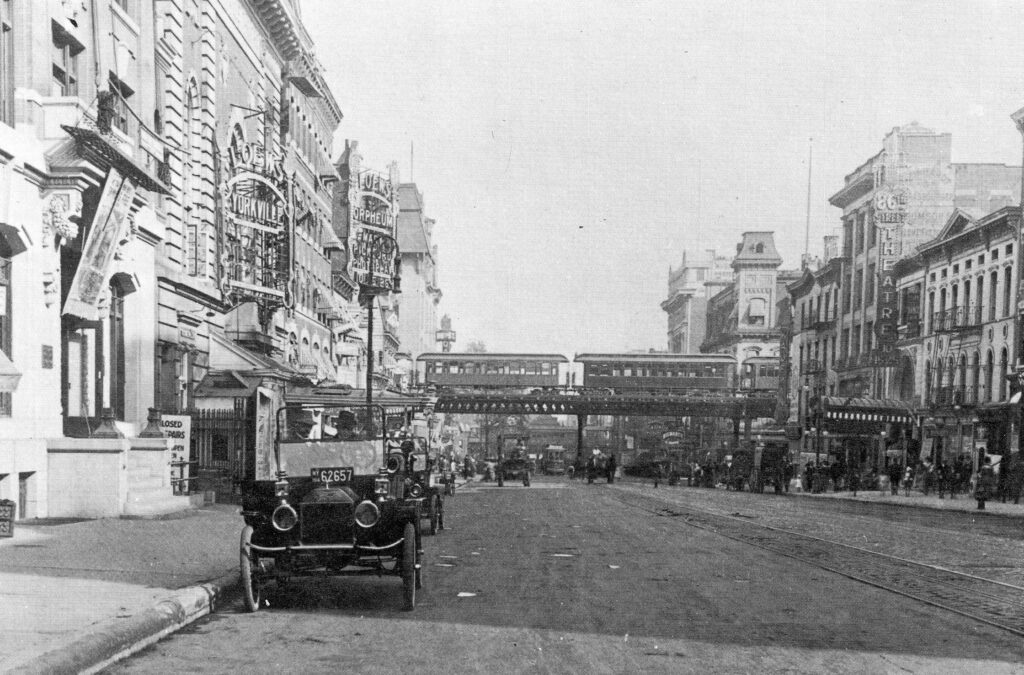
The corner of 86th Street and Second Avenue, 1916 — Library of Congress/Bain Collection

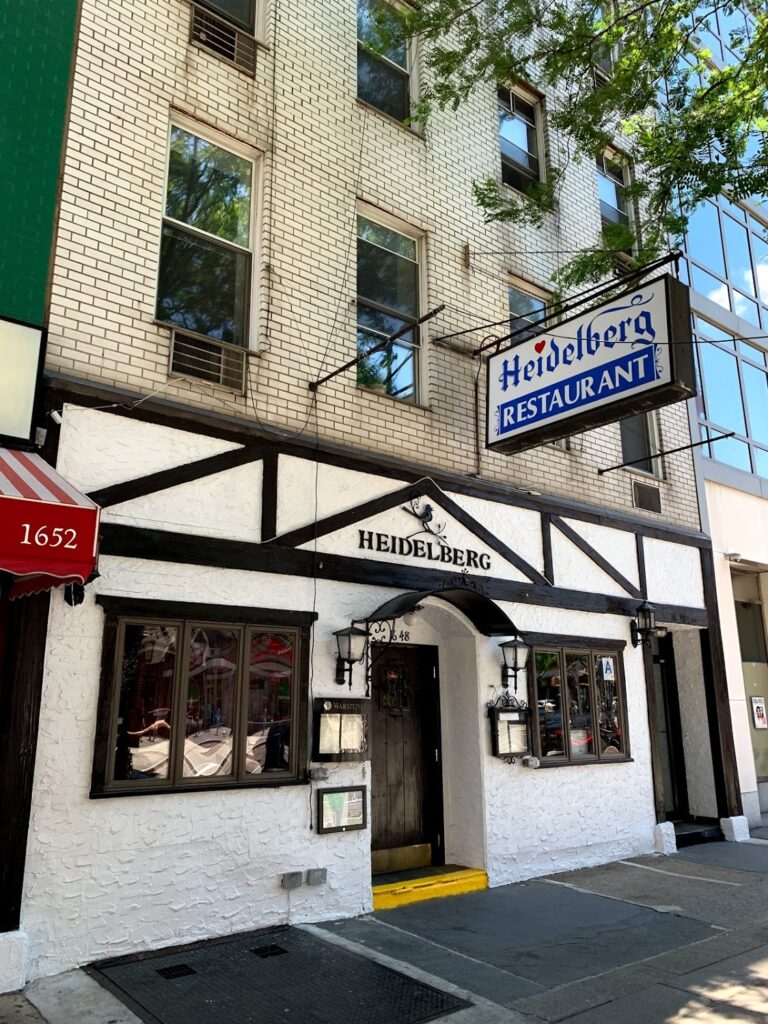
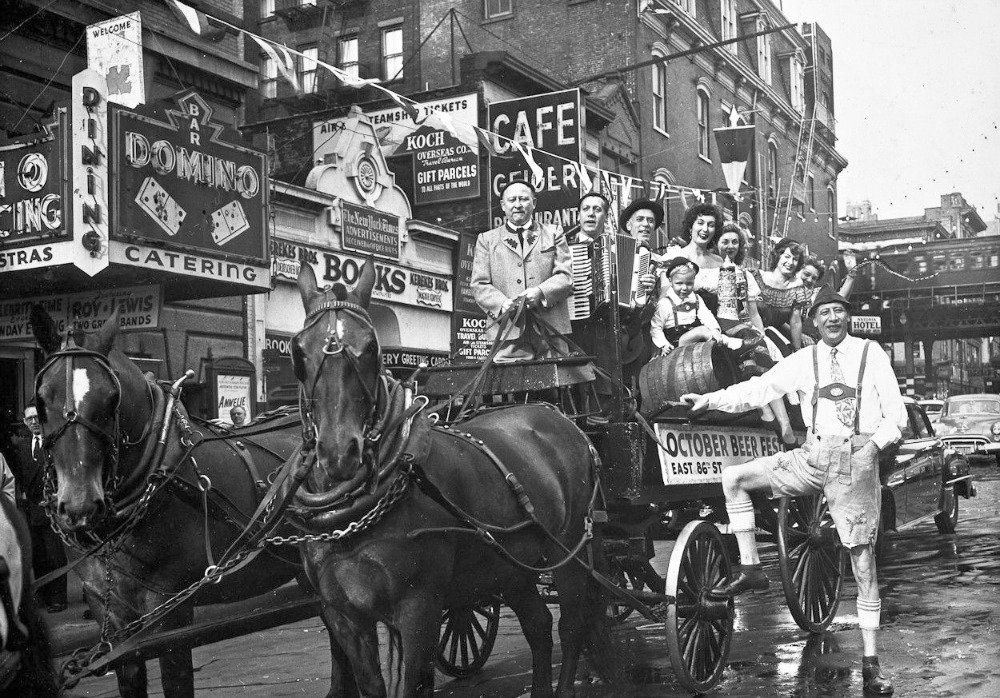
Yorkville’s German cultural identity was centered around East 86th Street — aka Sauerkraut Boulevard — where cafes and dance halls catered to the amusements of German Americans. The Yorkville Casino was a ‘German Madison Square Garden’, catering to those seeking cabaret, film and ballroom dancing.

Does the spirit of old Yorkville still exist today? While events in the early 20th century brought dramatic change to this ethnic enclave, those events didn’t entirely erase the German spirit from the city streets.

In this show, we tell you where can still find the most interesting cultural artifacts of this often overlooked historical gem.

This episode is brought to you by the Historic Districts Council. Funding for this episode is provided by public funds from the New York City Department of Cultural Affairs in partnership with the City Council and Council Member Benjamin Kallos.

This episode features an interview with Historic Districts Council executive director Simeon Bankoff and with Council Member Benjamin Kallos sharing his experiences in the neighborhood.


Listen to our podcast on the history of Yorkville here:

To get this episode, simply stream on Stitcher or your favorite podcast player

Or listen to it straight from here: WELCOME TO YORKVILLE: GERMAN LIFE ON THE UPPER EAST SIDE


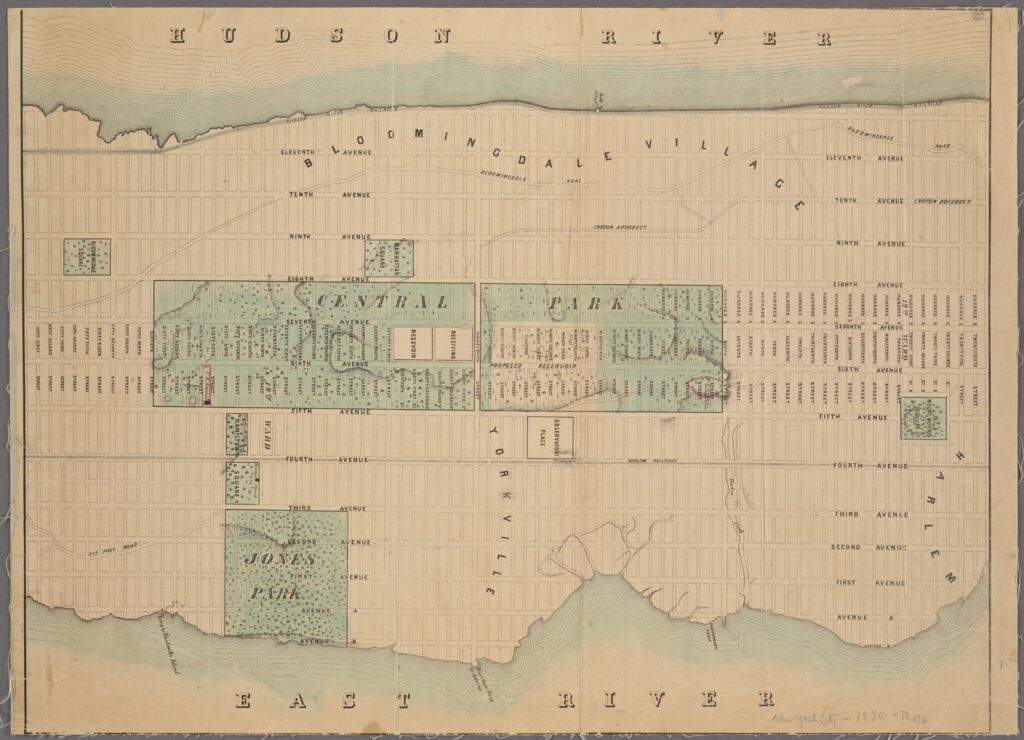
A map from 1870, showing Yorkville officially on the map. Interestingly this is a bit of a ‘ghost map’ as Jones Wood (pictured here as Jones Park) was never really developed as an official park.

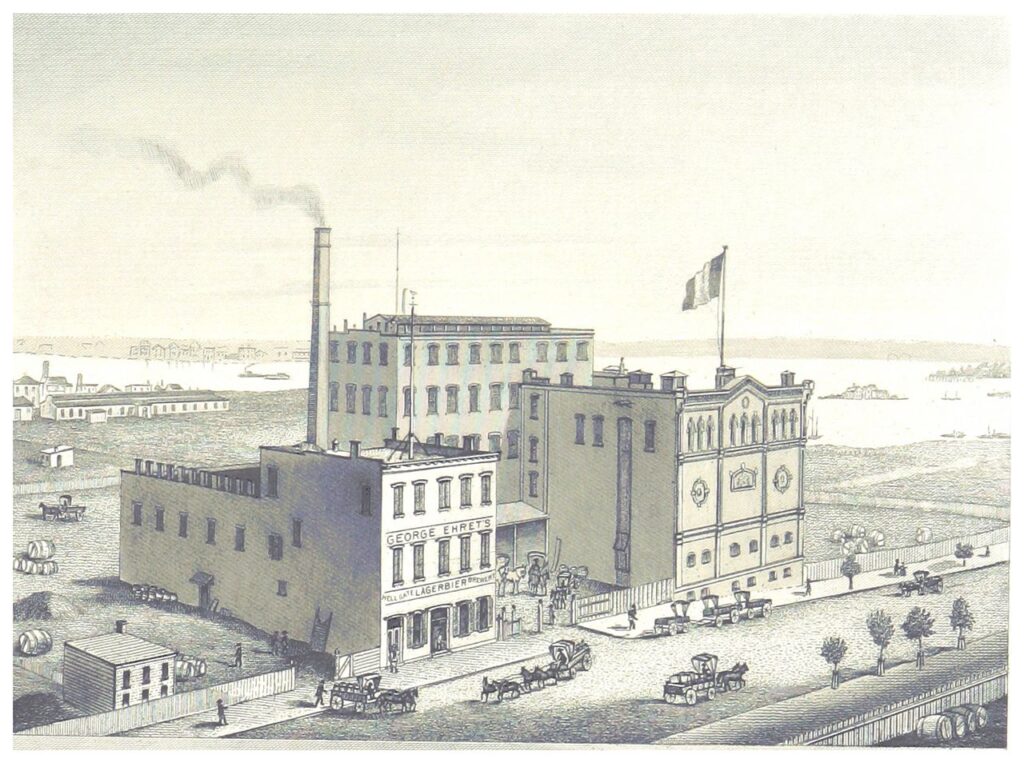
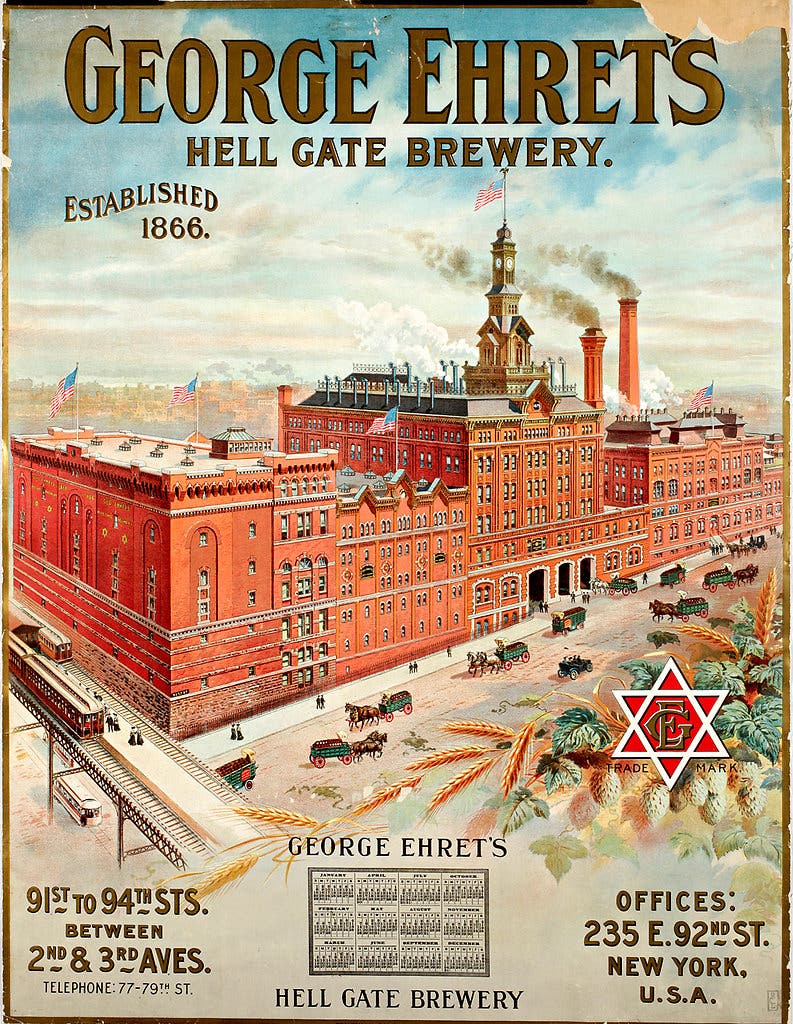
Ehret’s brewery in its early years, then in its grander days:

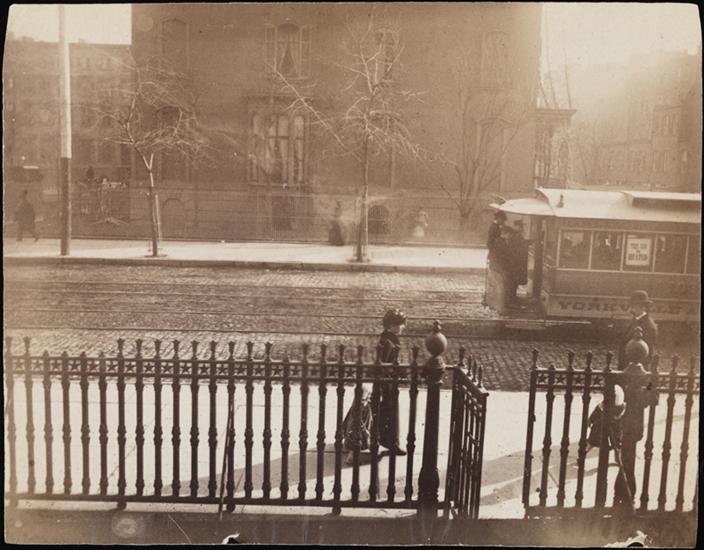
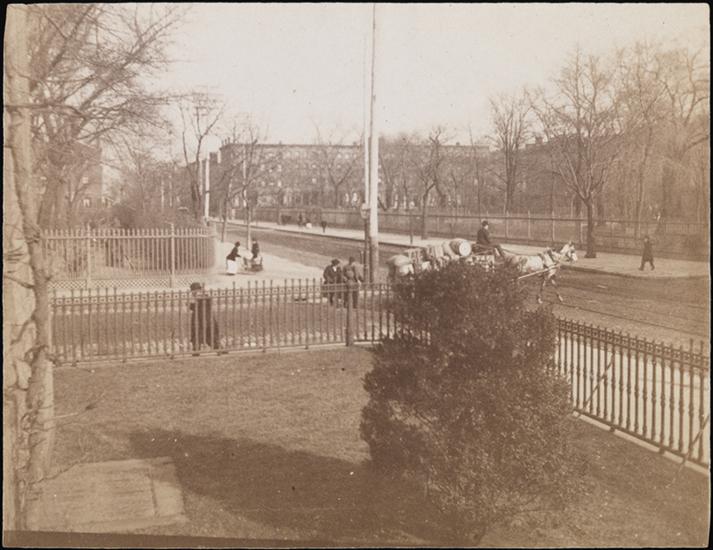
A couple interesting streetscapes of Yorkville from 1885 (courtesy the Museum of the City of New York) showing homes with large yards along a streetcar route:

Museum of the City of New York
East 86th Street in 1914 — Ephemeral New York
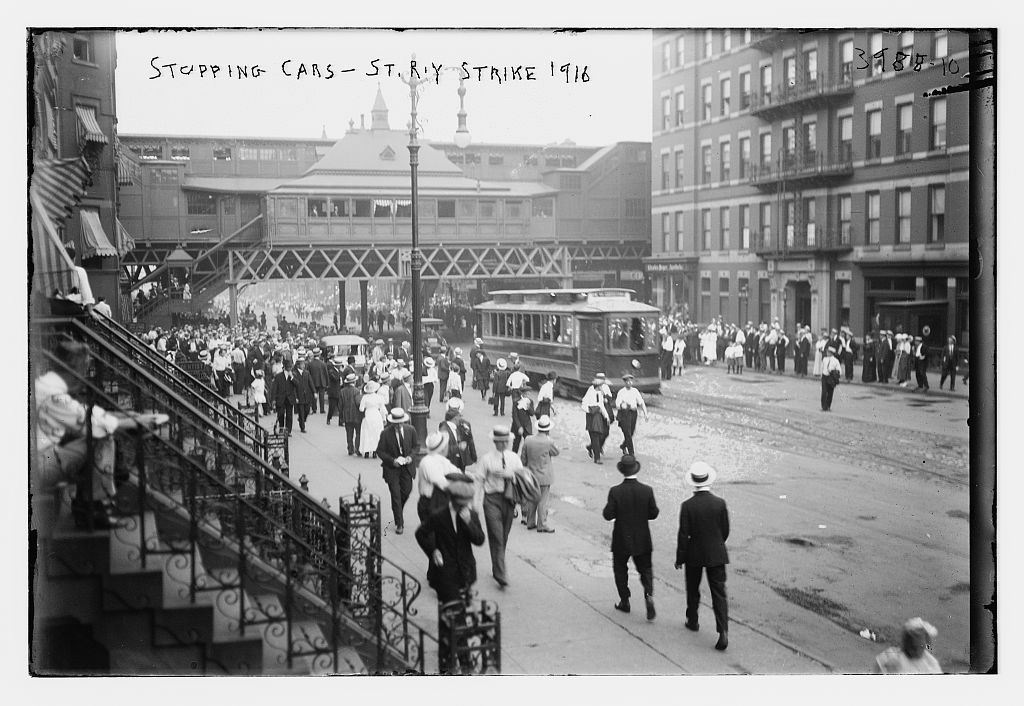
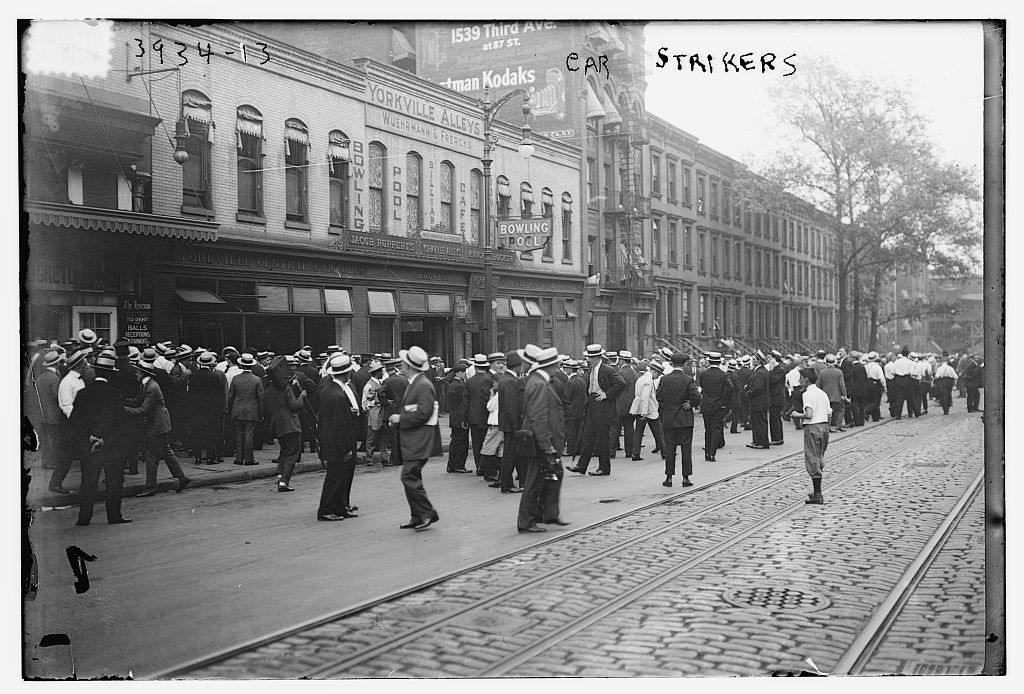
Gathering for a streetcar conductor’s strike in Yorkville on East 86th Street — Library of Congress/Bain Collection

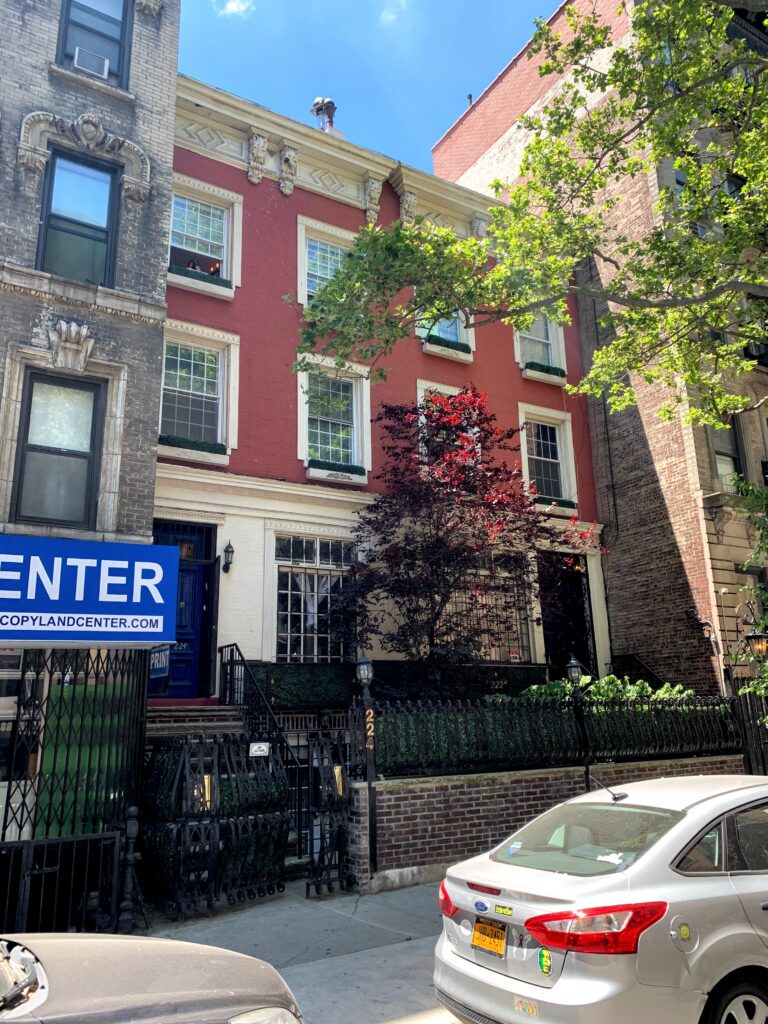
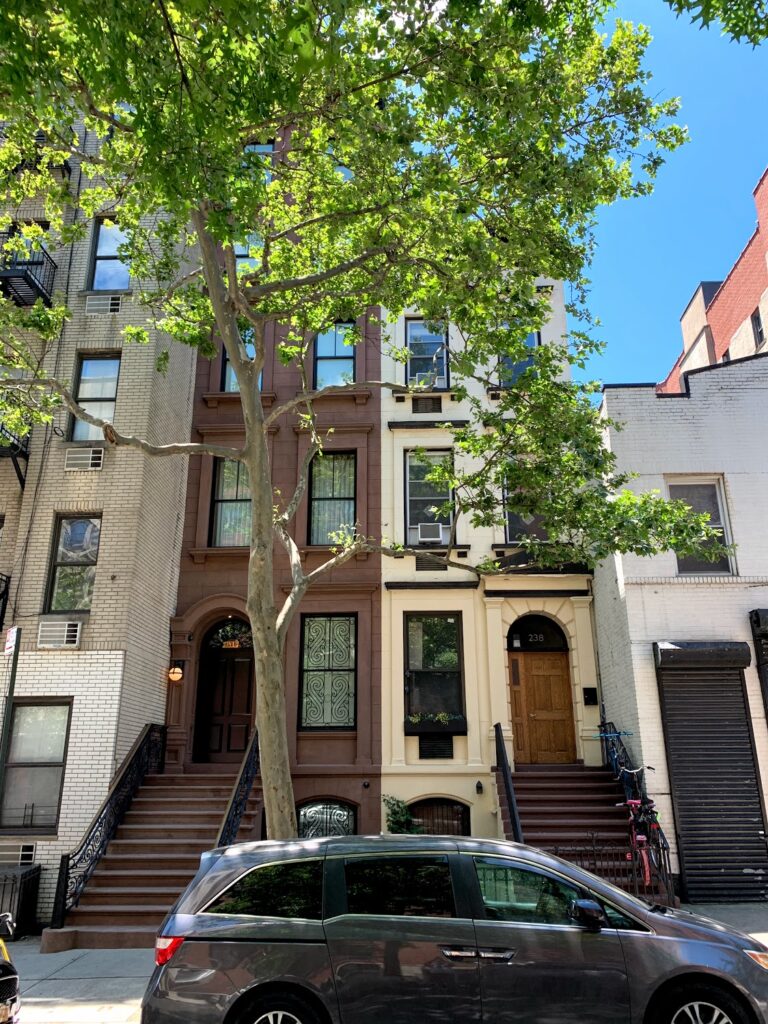
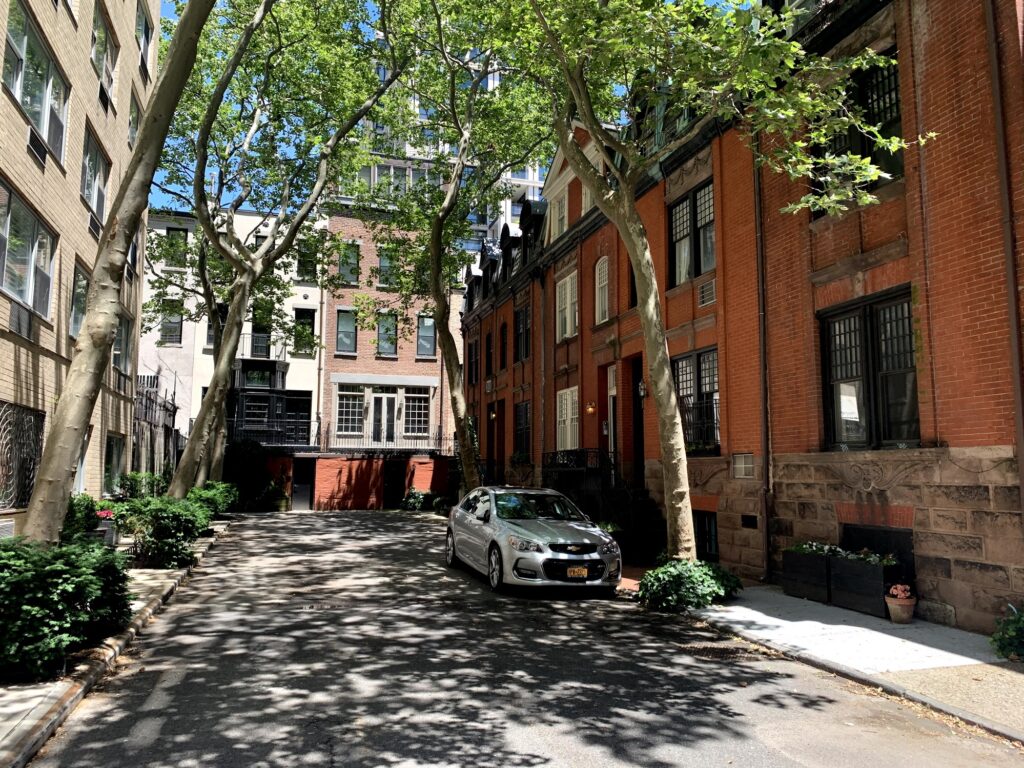
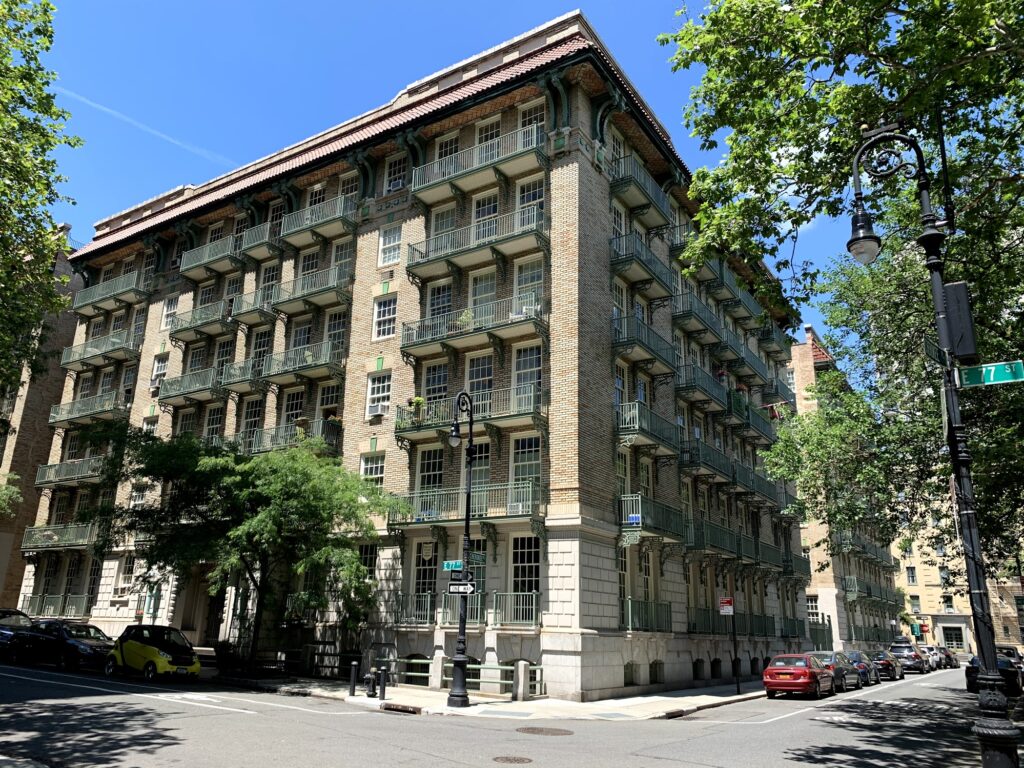
A diversity of housing in just a few blocks (photos by Greg Young):

Beautiful Henderson Place!
The Cherokee Apartments

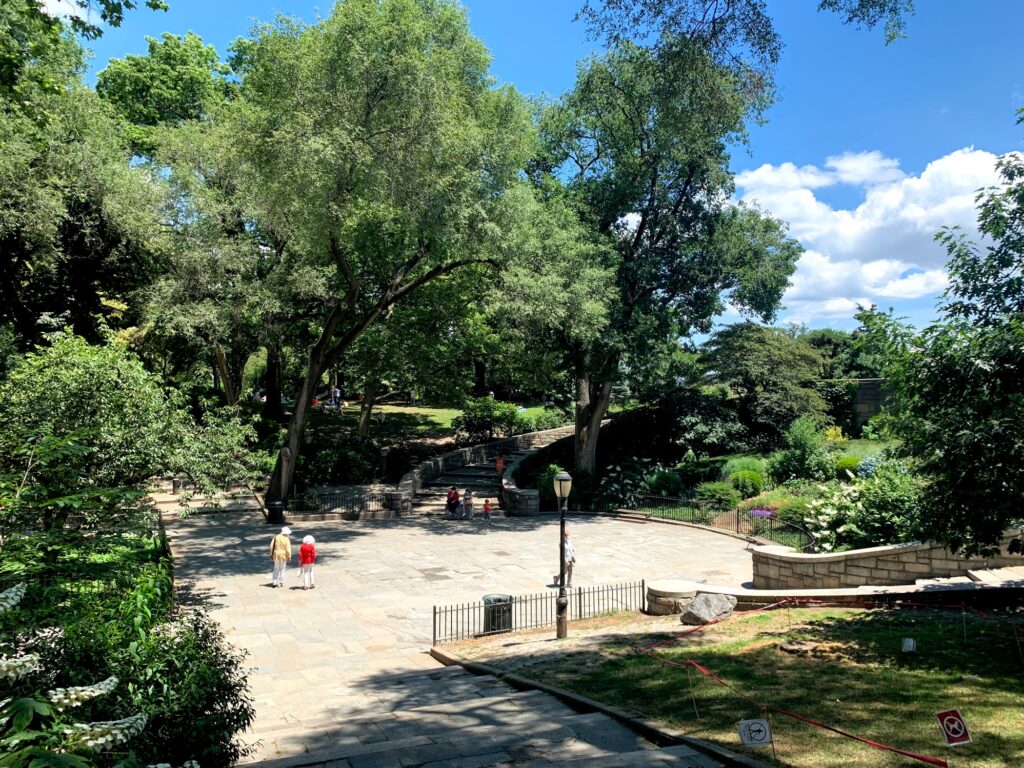
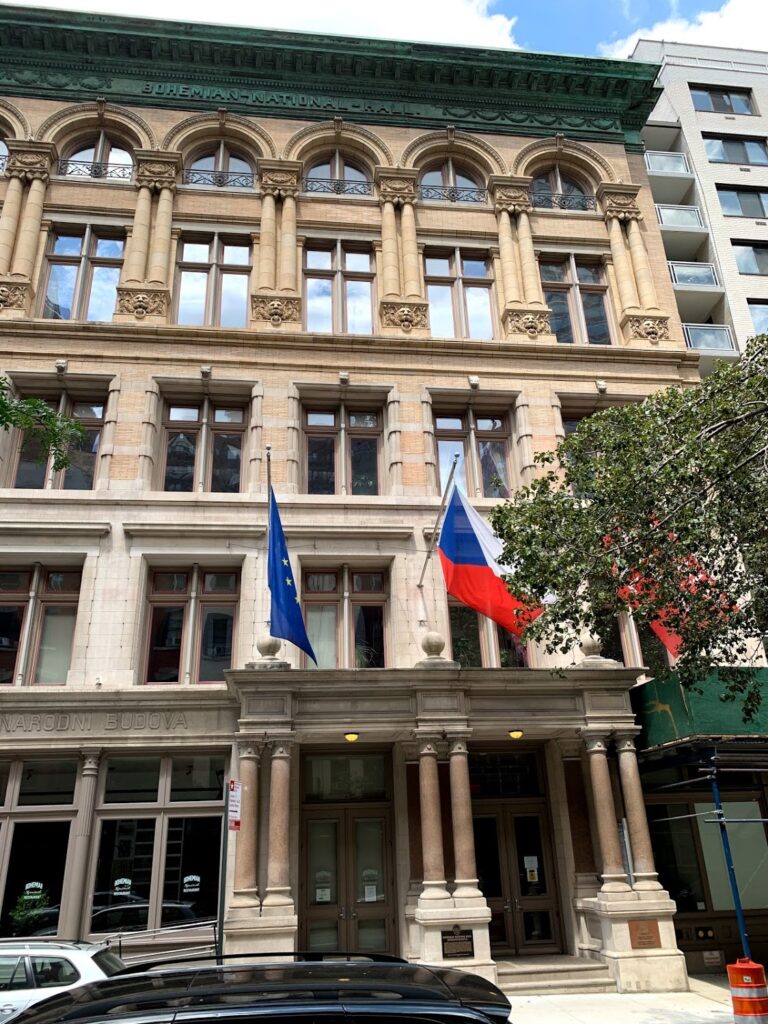
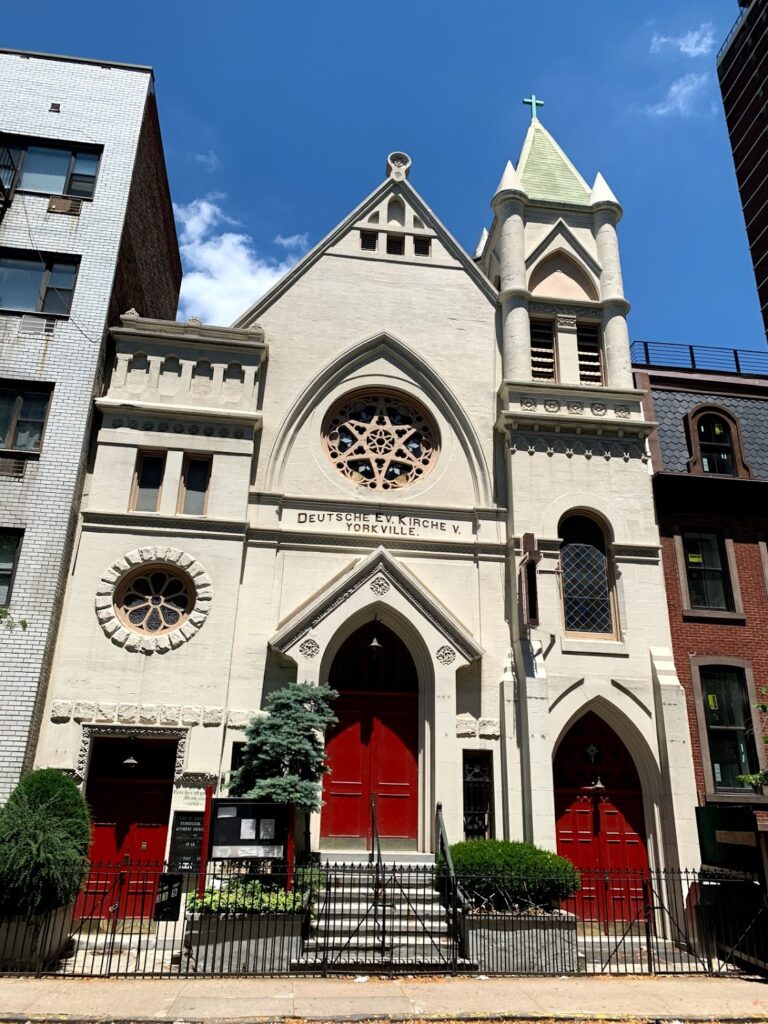
Some other sites of Yorkville (photos by Greg Young)

Carl Schurz Park
Bohemian National Hall
Zion-St. Mark’s Evangelical Lutheran Church ( 339—341 East 84th Street) which traces its congregation from the Lower East Side.

FURTHER VIEWING


An excellent short film about the history of Yorkville from the Friends of the Upper East Side

And a short introduction to Schaller & Weber:


FURTHER LISTENING

After listening to this show on the history of Yorkville, dive into our back catalog to check out shows on subjects mentioned in this show:

The East Side Elevated: Life Under the Tracks

The General Slocum Disaster 1904

Danger In The Harbor: The Black Tom Explosion

Archibald Gracie and His Mansion

Categories
Podcasts

On The House: A history of New York City beer brewing

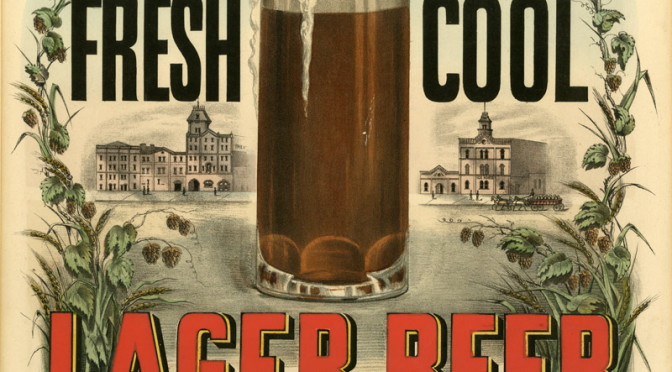
Behold the lager: A German variety of beer revolutionized American drinking, inspiring a new kind of drinking establishment (Courtesy the New-York Historical Society

Inspired by ‘Beer Here: Brewing New York’s History‘, the terrific summer show at the New-York Historical Society, the latest Bowery Boys podcast explores the story of one of America’s greatest, most treasured products– beer.

PODCAST New York City’s thriving craft brewing industry today hearkens to a time over a century ago when the city was one of America’s great beer-making capitals, the home to a robust industry of breweries and beer halls. In the 19th century, German immigrants introduced the lager to thirsty crowds, manufacturing thousands of barrels per year from breweries in Manhattan and Brooklyn’s ‘Eastern District’ (primarily Bushwick and Williamsburg). 

The top Manhattan brewers were Hell Gate Brewery and the Jacob Ruppert Brewing Company, situated right next to each other in the old German neighborhood of Yorkville. Both Ruppert and Hell Gate’s founder George Ehret rode the beer craze to become two of New York’s wealthiest businessmen. Meanwhile, out in Brooklyn, a phalanx of brewers clustered along Bushwick Avenue in fine red-brick factories.

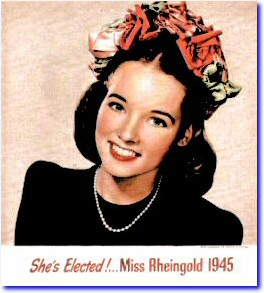
Following World War I and Prohibition, New York lost its hold over beer manufacturing to more savvy Midwestern beer makers. But a few local brands weathered the century with unusual marketing ploys — from sports sponsorships to the Miss Rheingold beauty pageant.

By the late 1970s, significant brewing had vanished from New York entirely. But somewhere in SoHo in the 1980s, a renaissance was about to begin…..

For a little extra ambiance, the show is recorded on location, live in Bushwick, Brooklyn, within a couple blocks of the original Brewers Row.


NOTE: It wouldn’t be a show without my vocal slipup o’ the month. Perhaps  I watched too much Buffy The Vampire Slayer when I was younger. I keep referring to Hell Gate as Hell’s Gate. Scott says it correctly. Both the turbulent confluence of waters and the brewery are called Hell Gate.  

Next Week: Some books, additional resources, a few more pictures and some more stories left out of this week’s podcast.

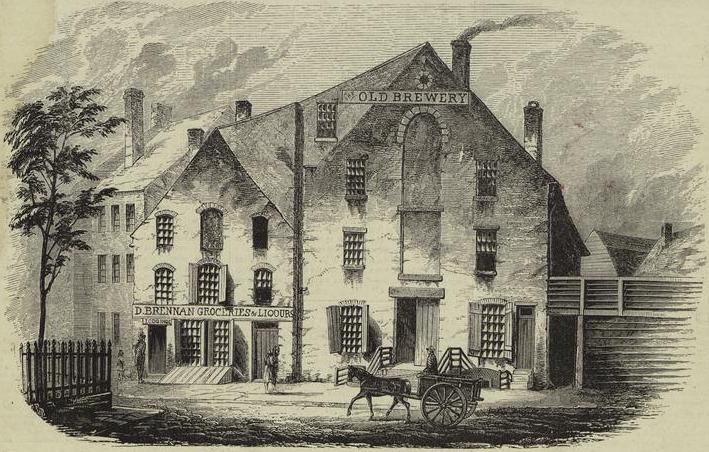
Perhaps the most notorious example of an early New York brewery was the Coulthard’s Brewery situated on the banks of Collect Pond. It survived the draining of that polluted body of water, only to survive as the center of the most disreputable elements of the Five Points neighborhood.  It was eventually demolished in 1853, replaced with a mission house.

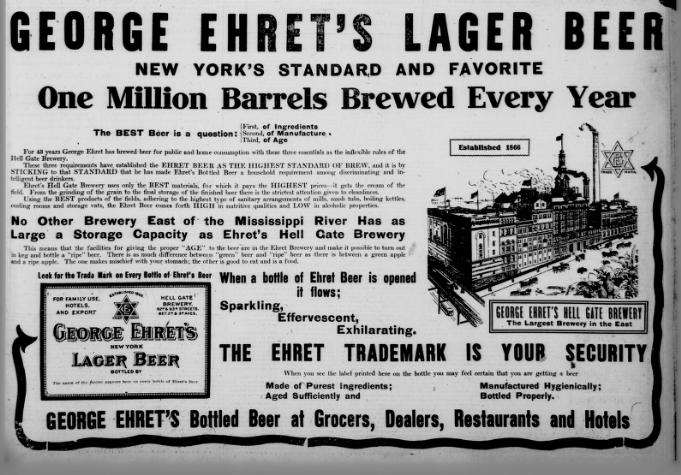
George Ehret was New York’s most successful brewer of the late 19th century. His assertion that ‘no other brewery east of the Mississippi River has as large a storage capacity as Ehret’s Hell Gate Brewery‘ was certainly accurate.  This ad from 1909 presents a company still at the top of its game. However Ehret would encounter serious opposition in the coming years, with both World War I and Prohibition cutting short the brewery’s meteoric success.

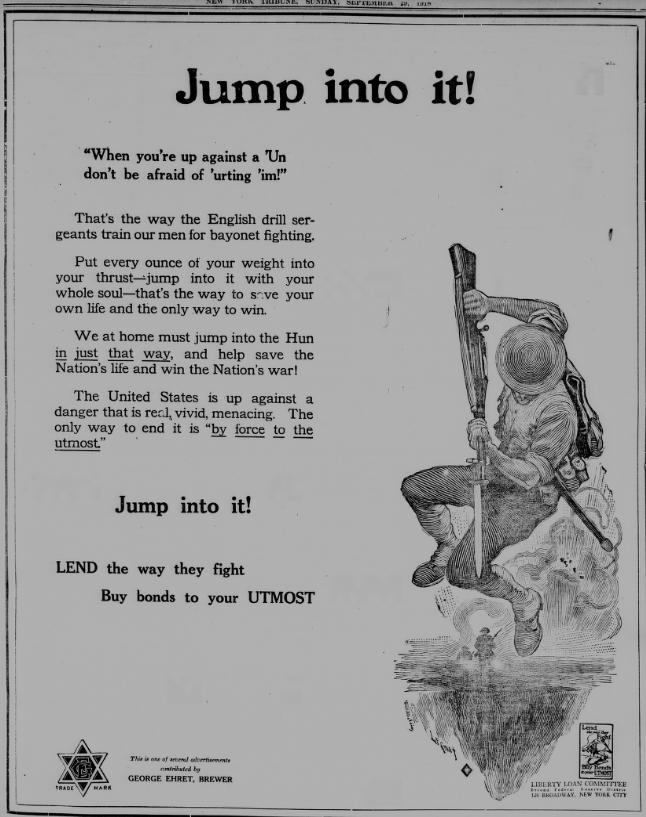
Ehret was stuck in Germany during World War I due to illness, not a great place to be during a war. His entire estate was seized by the government while he was away. When he finally returned, he threw his weight behind pro-American causes to banish any suspicions. This U.S bonds ad from 1918, the year Ehret returned to New York was one of many placed by the brewery.

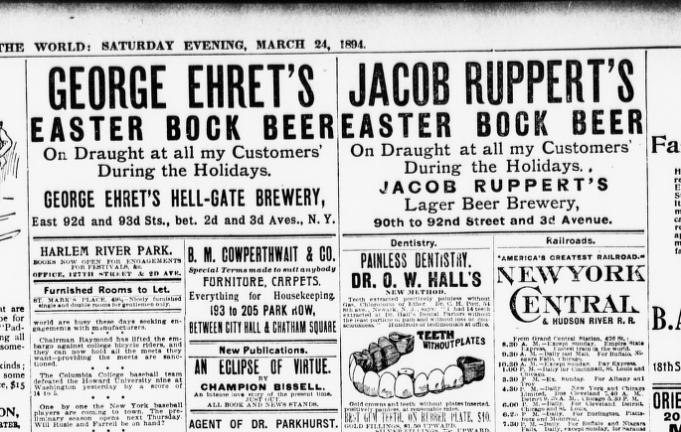
The brewery of Jacob Ruppert wasn’t just situated next to Ehret’s in this 1894 New York World newspaper; the buildings themselves were near one another, in the burgeoning neighborhood of Yorkville on the Upper East Side.  (Newspaper clippings courtesy the Library of Congress.)

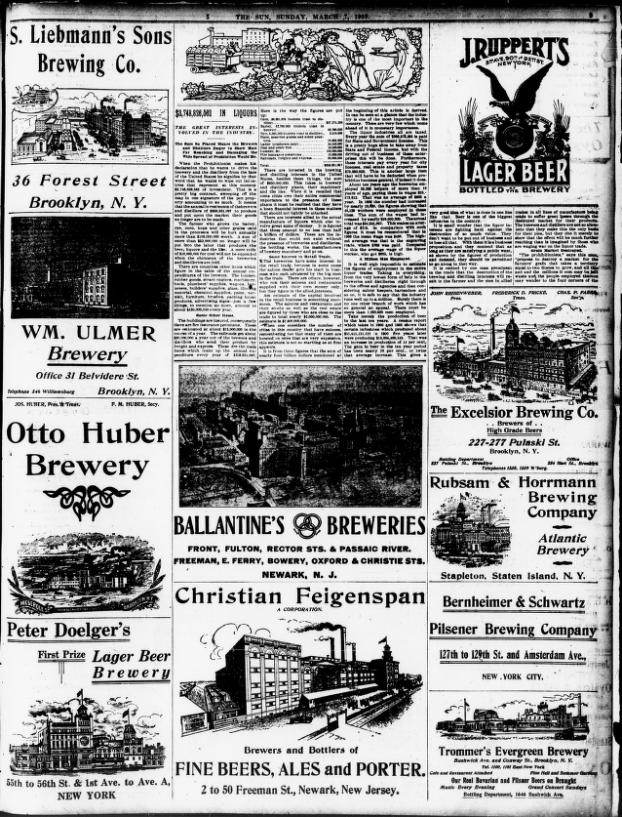
A sample page from a 1909 New York Sun newspaper illustrating some of the many breweries in the region.   Included here are the Liebmanns (who produced Rheingold Beer), the Otto Huber Brewery, William Ulmer, Trommer’s and the Excelsior Brewing Company — Brooklyn most prominent lager brewers.

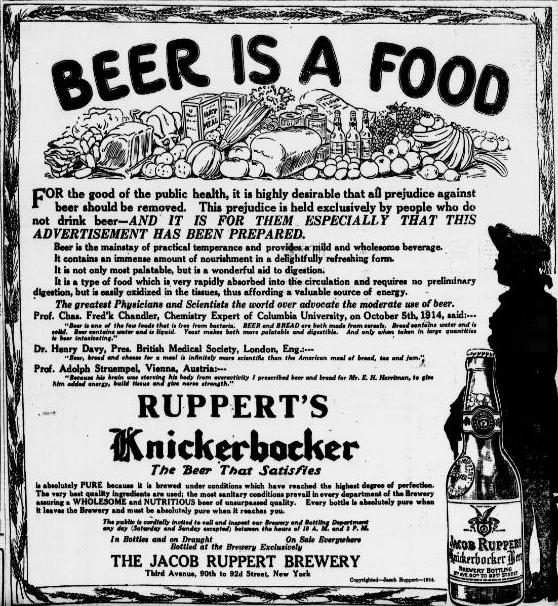
Temperance causes were greatly beginning to clamp down on the brewing industry, so beer makers attempted to market their product as true American beverages — with links to the Founding Fathers — or as products important to a person’s health. This Knickerbocker Beer ad from 1914 gamely attempts both.

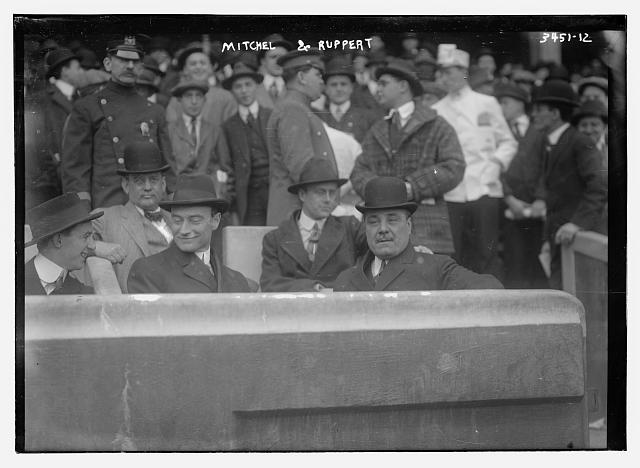
New York’s ‘boy mayor’ John Purroy Mitchell sits with Jacob Ruppert at the Polo Grounds in anticipation of a game by the team owned by the brew man, the New York Yankees. The Yankees would play at the Polo Grounds until 1923, when they moved to the newly built Yankee Stadium.

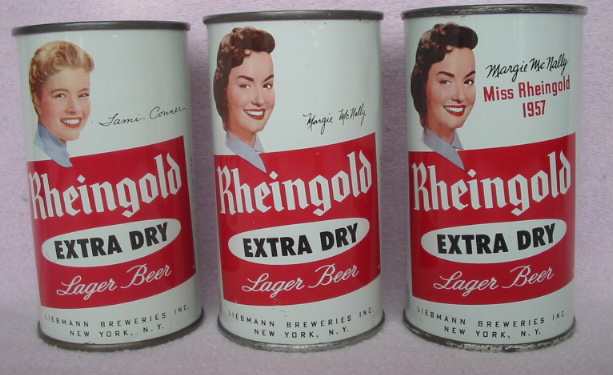
Rheingold Beer was one of the few remaining locally-based brewers to survive by the mid 20th Century, partially thanks to their annual Miss Rheingold beauty competition. [source]

This jingle, with true New York flavor, was featured in our podcast, but it really works better as a vintage television commercial!

And this Schaefer’s advertisement visualizes a world where robots are all-in-one bartenders.


I want to especially thank my guest host this week, Scott Nyerges, photographer, filmmaker and my old college friend! 

Oh, and do you need another reason to have a beer today? Well, it’s the birthday of Joseph Mitchell, born in 1908, the author of a great many profiles for The New Yorker. One of his best known collections is ‘McSorley’s Wonderful Saloon‘ from 1943, featuring a classic New York profile of the old ale house on East 7th Street.