Categories
Christmas Podcasts

The Radio City Rockettes: New York City’s Dancing Queens

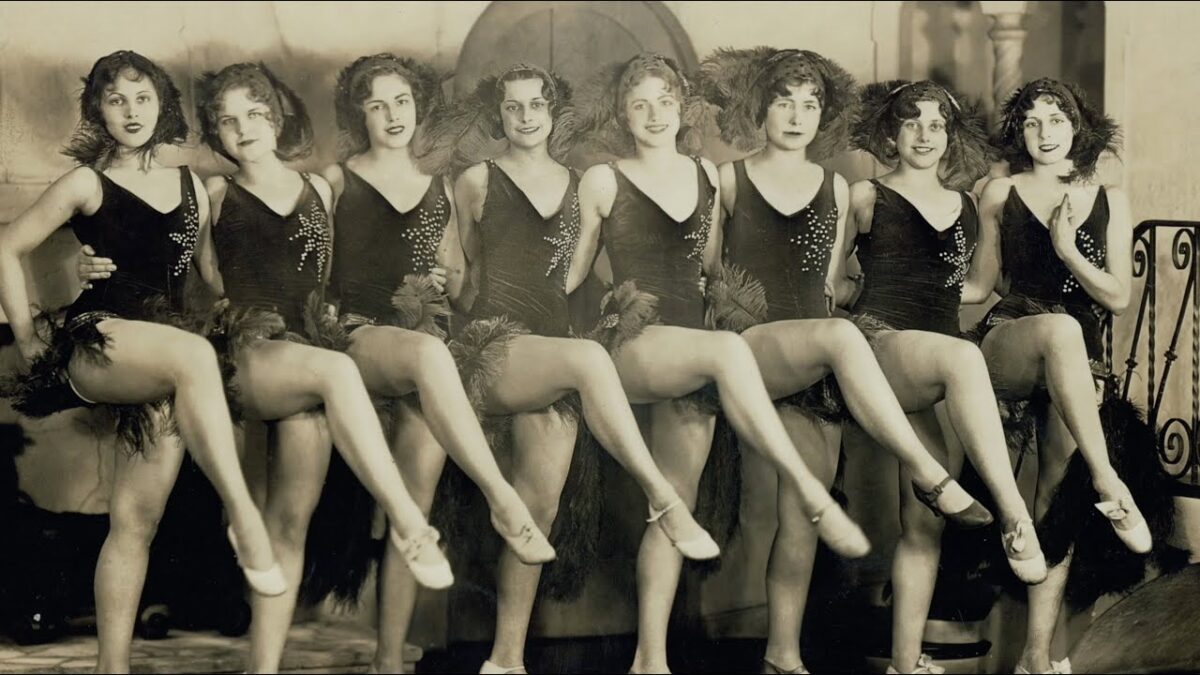
The Rockettes are America’s best known dance troupe — and a staple of the holiday season — but you may not know the origin of this iconic New York City symbol. For one, they’re not even from the Big Apple!

Formerly the Missouri Rockets, the dancers and their famed choreographer Russell Markert were noticed by theater impresario Samuel Rothafel, who installed them first as his theater The Roxy, then at one of the largest theaters in the world — Radio City Music Hall.

The life of a Rockettes dancer was glamorous, but grueling; for many decades dancing not in isolated shows, but before the screenings of movies, several times a day, a different program each week.

There was a very, very specific look to the Rockettes, a look that changed — and that was forced to change by cultural shifts — over the decades.

This show is dedicated to the many thousands of women who have shuffled and kicked with the Rockettes over their many decades of entertainment, on the stage, the picket line or the Super Bowl halftime show.

This show is a re-edited and remastered version of our 2014 show with a new introduction — in honor of the upcoming 100th anniversary celebration of the dance troupe which would become the Rockettes.

LISTEN NOW: THE RADIO CITY ROCKETTES


Join us on Patreon for extra podcasts and lots of other goodies

Share your love of the city’s history with a Bowery Boys Walks gift certificate! Our digital gift cards let your loved ones choose their perfect tour and date.

Grab a Bowery Boys tee-shirt, mug or water bottle at our merchandise store.


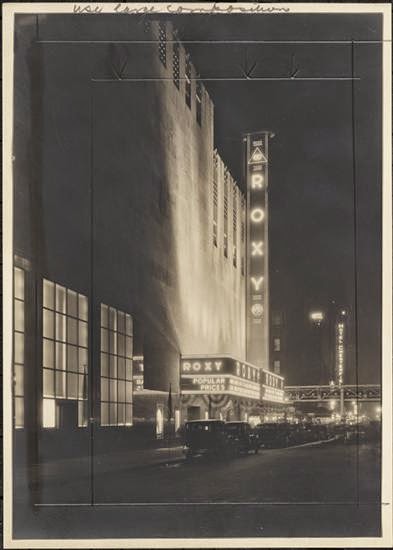
The first New York home of the Rockettes (as the Roxyettes) was the Roxy Theatre, almost as large as Radio City Music Hall and located just nearby. (MCNY)
MCNY

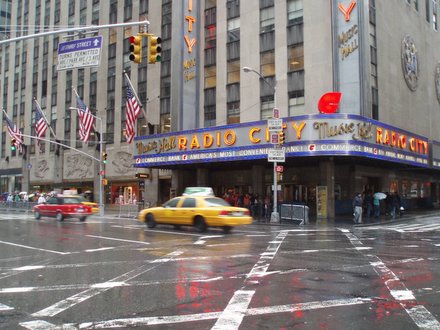
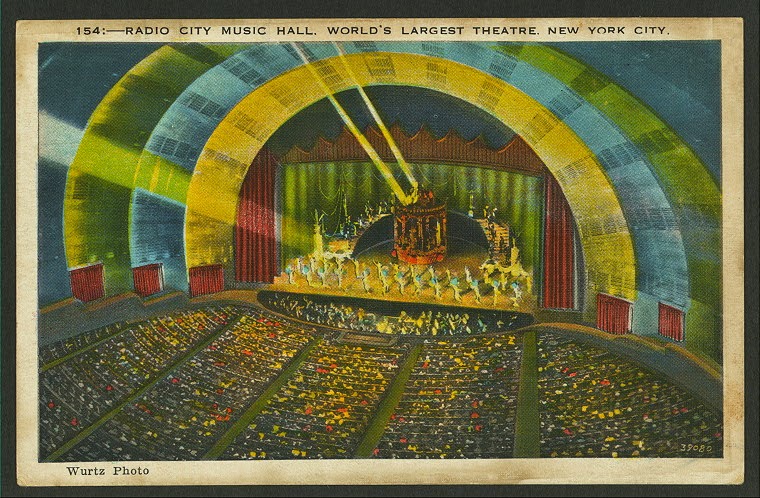
Radio City Music Hall, which opened in 1932, was quickly transformed into the world’s largest movie house after a notorious opening night. It would be here that the Rockettes would perform a few times a day, seven days a week, for over fifty years. (NYPL)
NYPL

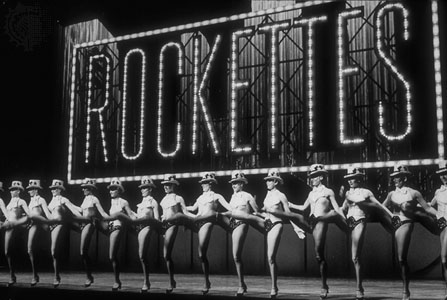
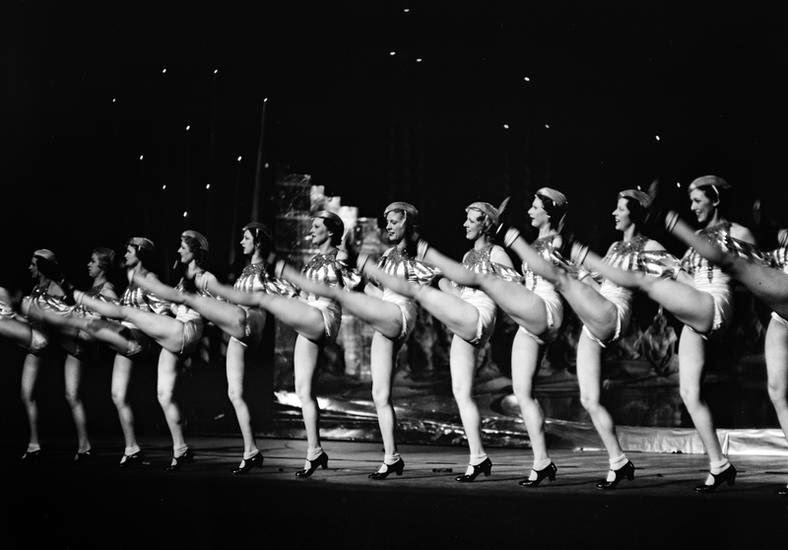
The Rockettes, 1935, in a ‘Cavalcade of Color,’ choreographed and directed by Leon Leonidoff. The constant high-kicking routines required great athleticism, precision and balance. (MCNY)
MCNY

The Rockettes in 1937, beauty in duplication. (Courtesy the Rockettes)
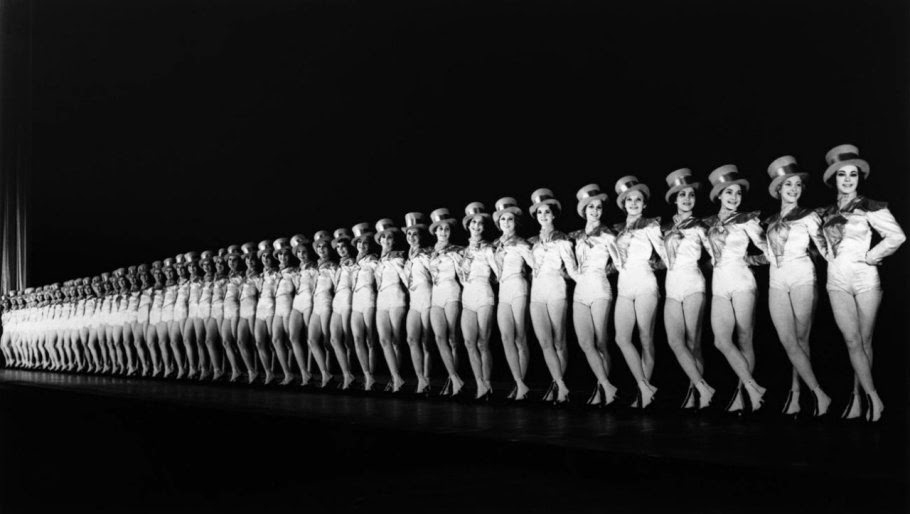
In 1939, the Rockettes gave salute to the Gay Nineties in these extravagant costumes. (Courtesy the Rockettes)

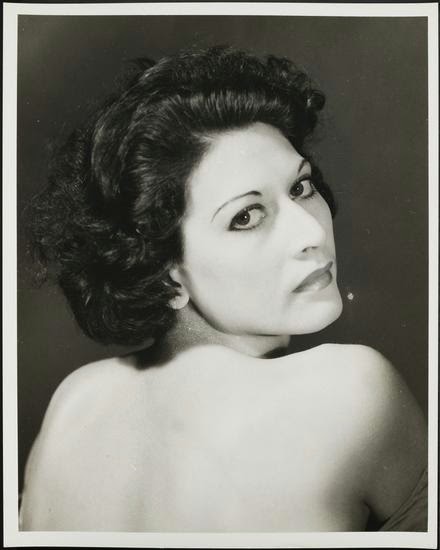
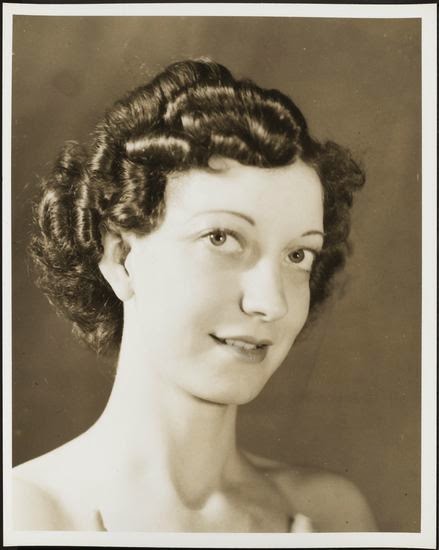
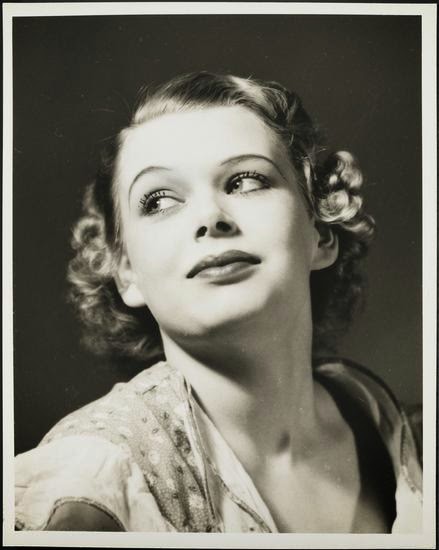
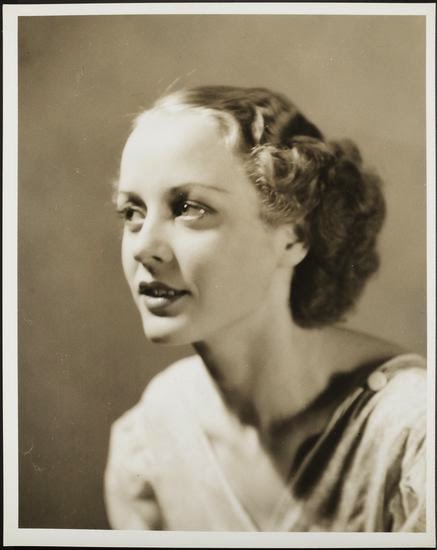
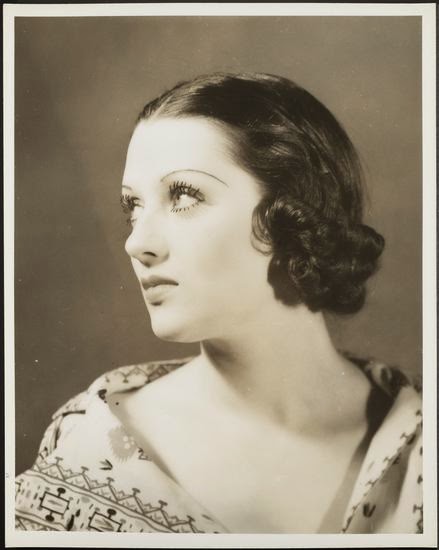
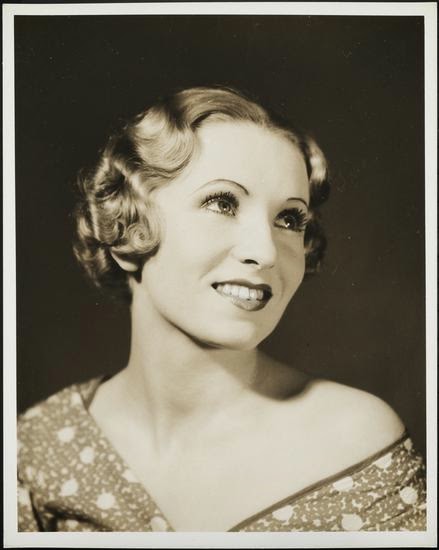
Faces of the Rockettes: A few of the dancers from the 1935 configuration.. These photos are by the Wurts Brothers, from the Museum of the City of New York Collection. You can see the complete group here. Unfortunately there are no names attached to the portraits but if any of these women look familiar, drop me their names in the comments section!
The Rockettes in the 1950s
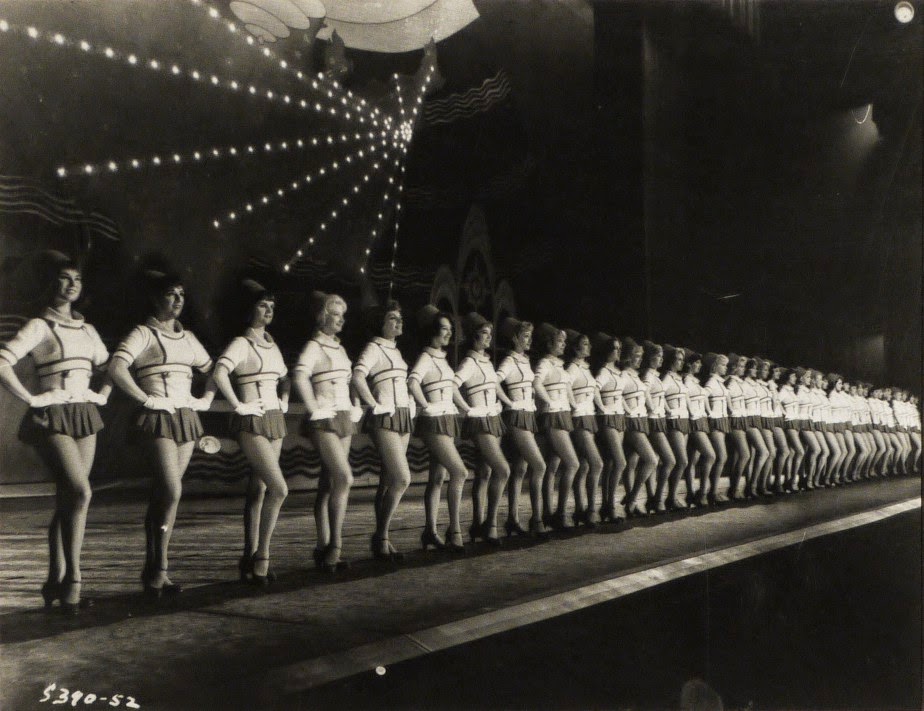
Courtesy the Rockettes

In 1967, many Rockettes went on strike for a month to demand better wages to compensate for their vigorous schedule and unpaid rehearsal time. Needless to say, they got everybody’s attention.
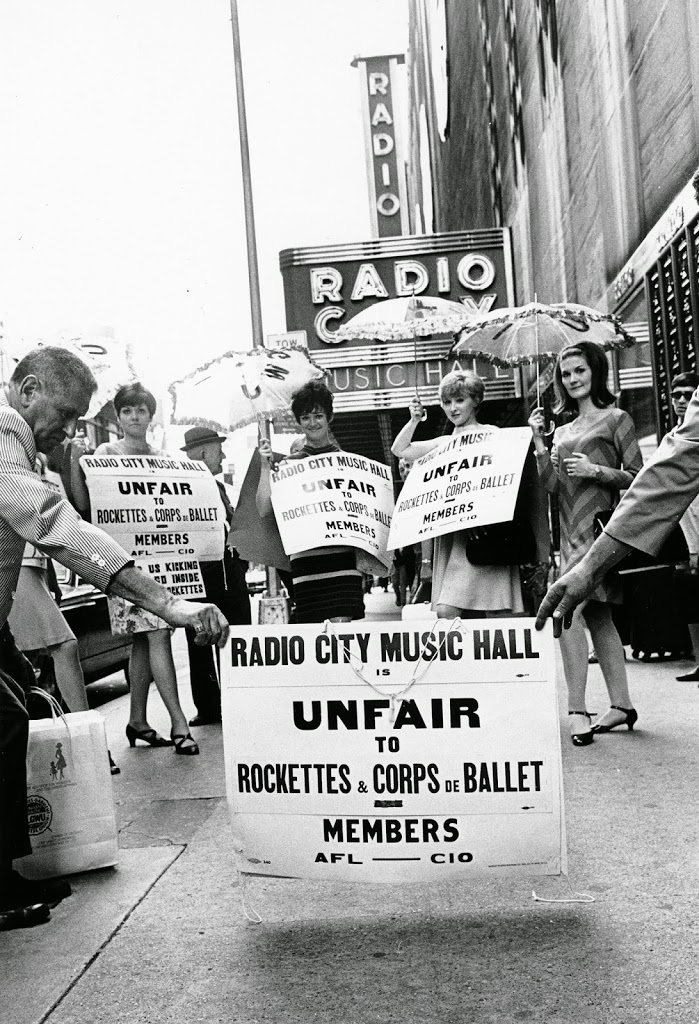
Kheel Center

Pam Palmer and Kim Heil, two Rockettes from the late 1970s. (Photo by Jay Heiser)
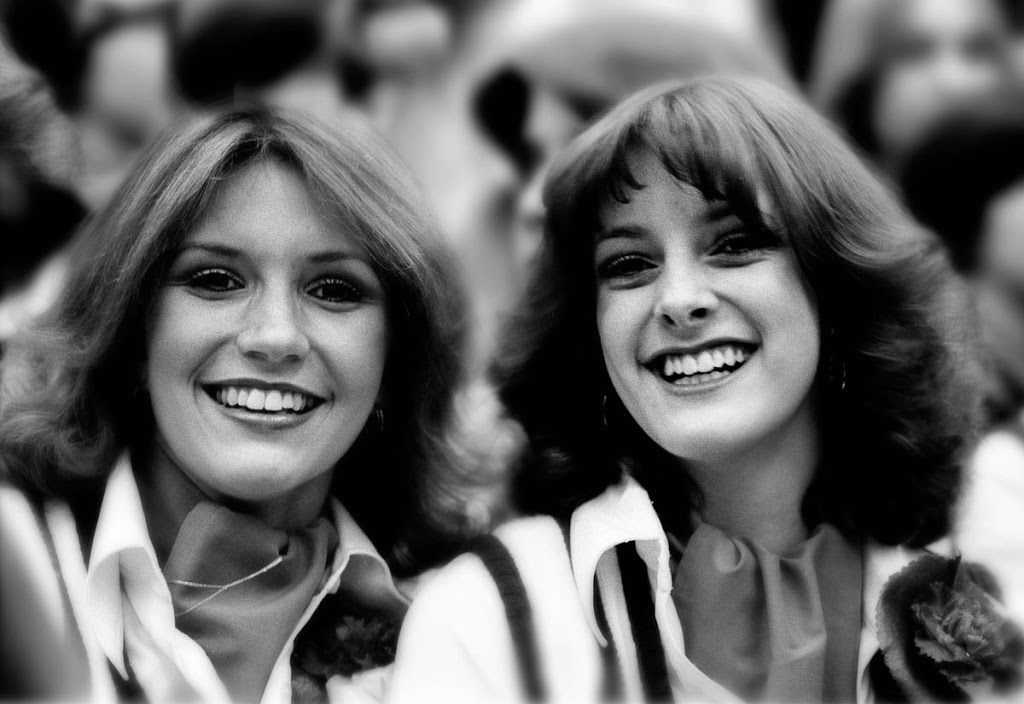
Photo by Jay Heiser

The Rockettes at a Fleet Week event in 2006. (Photo by Gabriela Hurtado)
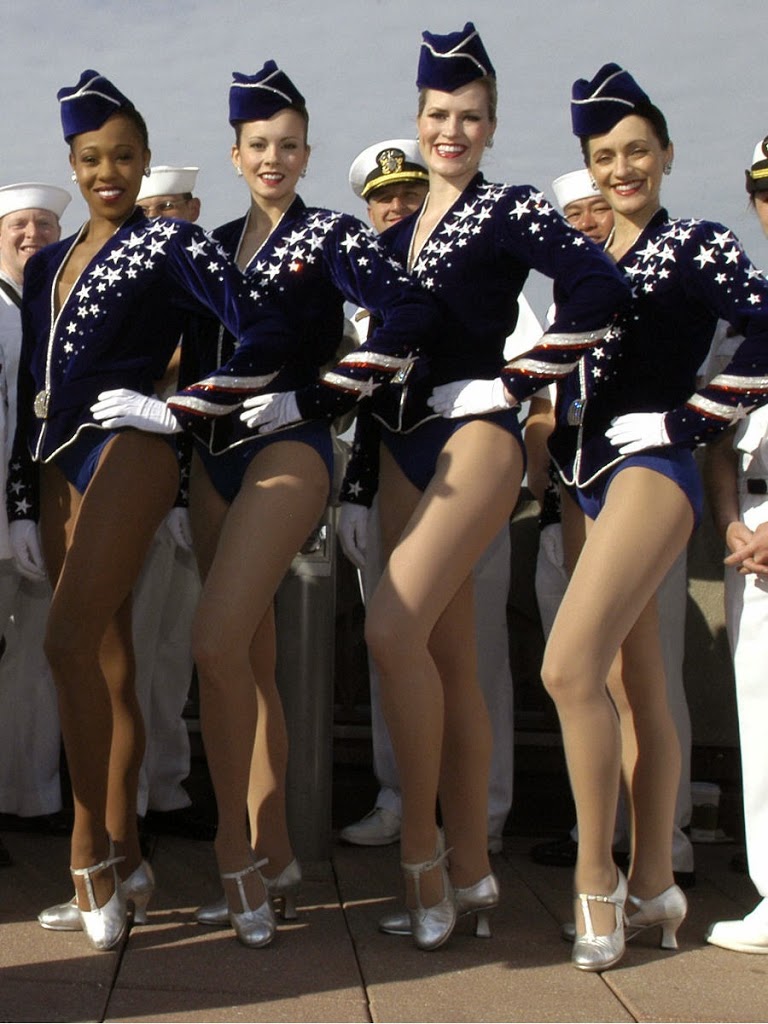
Photo by Gabriela Hurtado

Various newsreel footage of the Rockettes, including images of the troupe rehearsing on the roof of Radio City!

The Rockettes at the 1988 Super Bowl halftime show:
Categories
It's Showtime

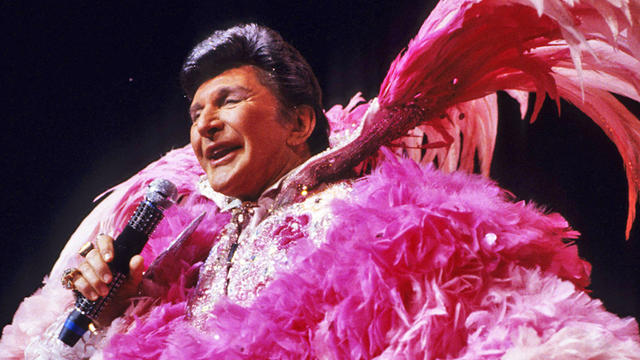
The Evangelist of Kitsch: Liberace’s final performances, with the Rockettes, at Radio City Music Hall 1986

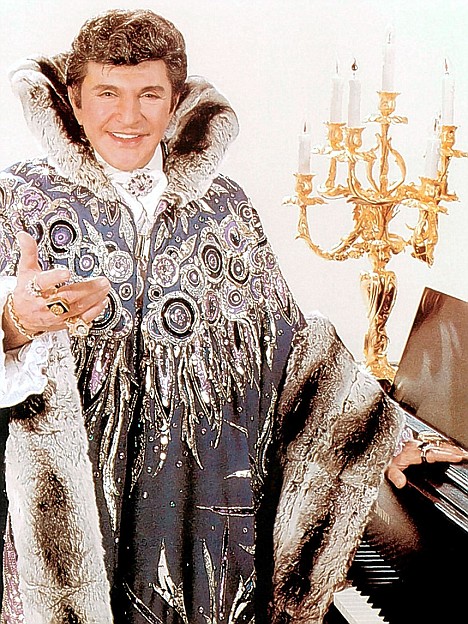
Liberace is the embodiment of a certain California flamboyance, but New Yorkers were as susceptible to his allure as anyone.

In fact, for this brightly-painted musical showman, Radio City Music Hall was a second home.  He continued to smash box office records here year after year as late as the 1980s, well past his prime as anything more than a jewel-encrusted artifact.  In 1985, his stint here grossed more than $2 million.

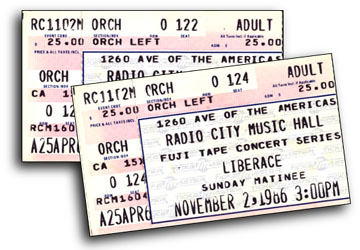
He went out, of course, in a blaze of glory and sequins.  His final live show anywhere was at Radio City on November 2, 1986, capping two weeks of consecutive shows at the venue. (Most stars have a hard time packing the house one night!)

The entertainer, with his flowing robes, acres of feathered frippery, furs and wires and “dancing waters,” was enough spectacle for any stage, but for this series of shows, he was also joined by the Rockettes and a gigantic simulation of the Statue of Liberty holding a candelabra. Photo of the tickets courtesy Bob’s Liberace

Time Magazine’s Richard Corliss, in a 1986 article called ‘The Evangelist of Kitsch, sets this scene:  “The lights go down in Manhattan’s deco dream palace, Radio City Music Hall, and Mr. Showmanship makes his entrance, flying across the huge stage in a cocoon of feathers, enough for a whole flock of purple ostriches.”

That’s right;  in a move that would inspire future boy bands, Liberace flew in, “attached to a wire like a puffed-up Peter Pan, in a hundred pounds of purple and white feathers,” according to the New York Times.

The audience lapped up every bon mot of coy comedy.  Corliss: “They laughed as he sat down on his studded coattails and remarked, ‘If the rhinestones are turned the wrong way it’ll kill ya.'”

Liberace was assisted on stage by his new handsome assistant Lee;  his last assistant and chauffeur — and not-so-secret lover — Scott Thorson had settled his palimony lawsuit out of court just earlier that year for $95,000. (This is the subject of Sunday night’s Behind the Candelabra with Michael Douglas and Matt Damon.)

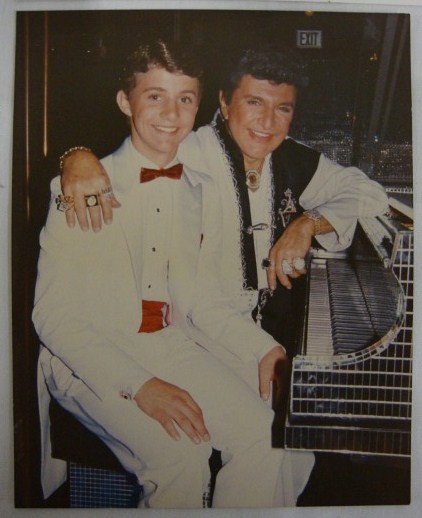
Believe it or not, it wasn’t Lee or the Rockettes that got the most stage time with Liberace during the Radio City Music Hall performances.  That honor belonged to 14-year old child pianist and “Liberace protege” Eric Hamelin, who performed a piano duet with the feather-frocked superstar (“Slaughter on Tenth Avenue”) and a couple other numbers. At right: the star and his protege (source)

Stephen Holden at the Times was understandably critical of the actual performance.  “His heavy-miked pianism is at once metallic sounding, exaggeratedly florid in ornamentation and unbendingly rigid in tone and phrasing,” said the critic.

But the audience lapped it up, as he buoyantly hopped from classic to classic with jokey classical trills linking the songs together.  His tribute to Chopin led right into “Mack the Knife.”  His mournful, dripping “Send In The Clowns” spiraled into the silly ’60s novelty song “Bumble Boogie.”

His final song that final evening was “I’ll Be Seeing You”.  The audience leaped to their feet as Liberace in his sumptuous robes and dazzling bejeweled rings gave his final bow.  Three months later, Liberace would be found dead of AIDS-related pneumonia in his Palm Springs home.

He left the stage with his personal charms intact even as his engineered facade had practically disintegrated.    “Too many young performers have forgotten that the most important part of show business is not the second word, it’s the first,” he was quoted as saying . “Without the show there’s no business.”

Believe it or not, video footage from those final Radio City Music Hall concerts.   While this footage is poor quality, the fact that it exists at all is extraordinary.  Pop open the champagne and enjoy!

Courtesy showmanlee on YouTube.

:

Top picture courtesy NBC/wire image

Categories
Podcasts

PODCAST: Radio City Music Hall & the Rockettes

Behind the glamour of New York’s greatest stage Radio City Music Hall is a story involving a toothpaste tube designer, an allergy to Brazil nuts, a hydraulic lift protected from the Nazis, and a man named Roxy. PLUS: The Bowery Boys go backstage (well, figuratively) with the Rockettes.

Listen to it for free on iTunes or other podcasting services. Or you can download or listen to it HERE

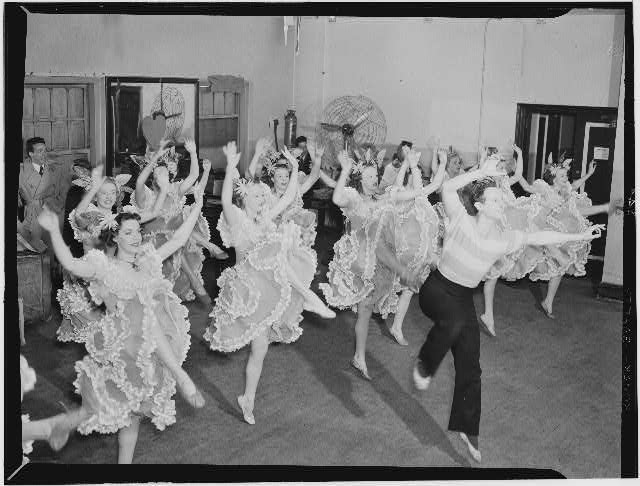
The Rockettes in practice:

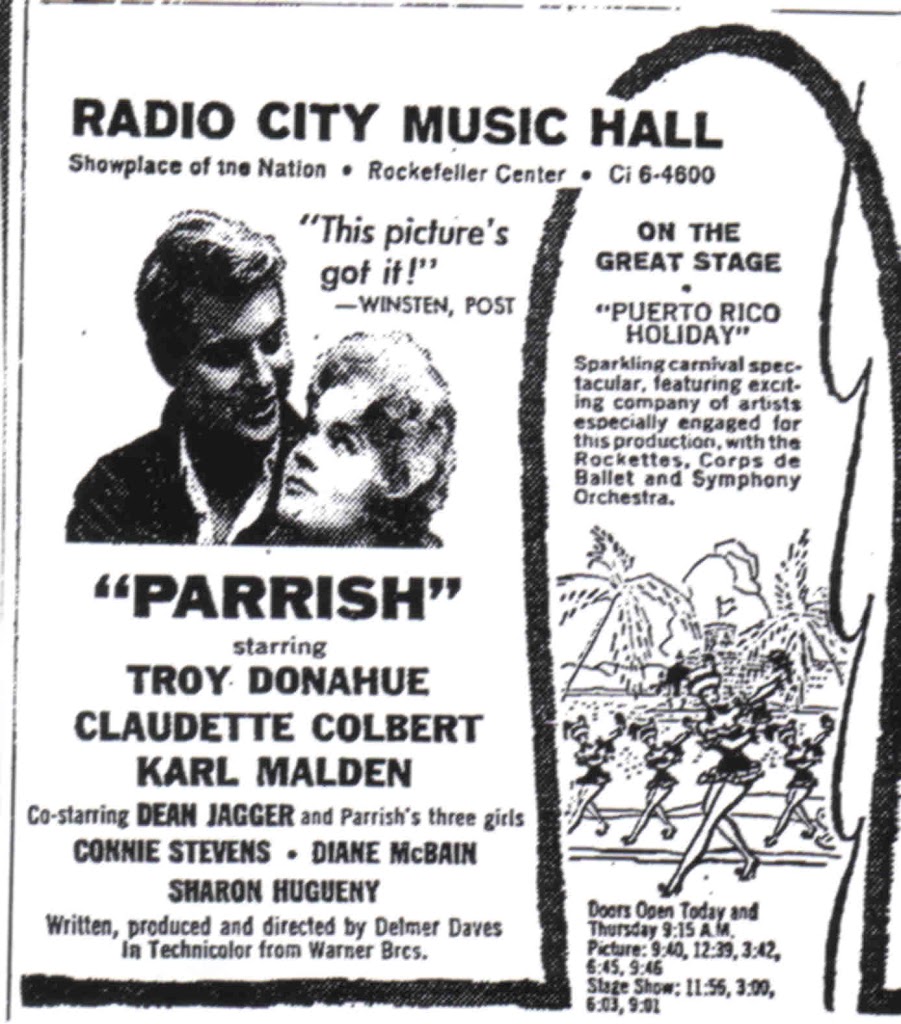
Radio City’s movie / stage extravaganza combo:

By the way, a couple of our richer anecdotes are from one of my favorite books about New York City — Great Fortune: the Epic of Rockefeller Center by Daniel Okrent. On top of being well written, Okrent gives delicious insight and lush description to a story that could have been bogged down in uninteresting details.