Categories
Health and Living Podcasts

The Ruins of Roosevelt Island: The macabre history of New York’s “city of asylums”

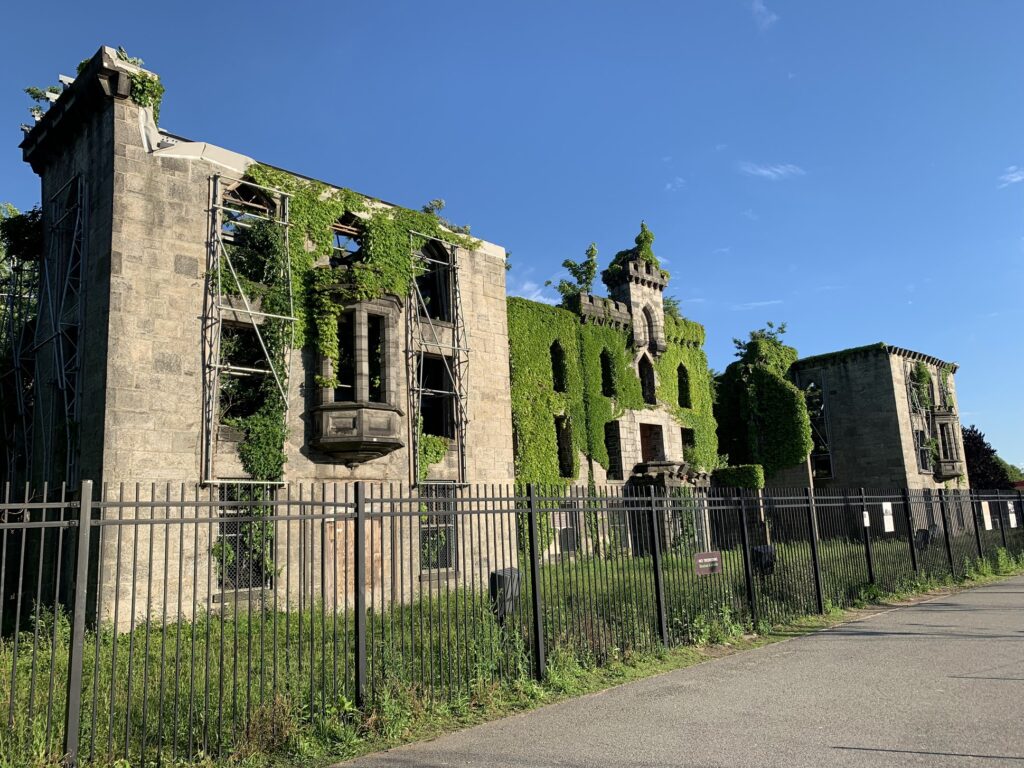
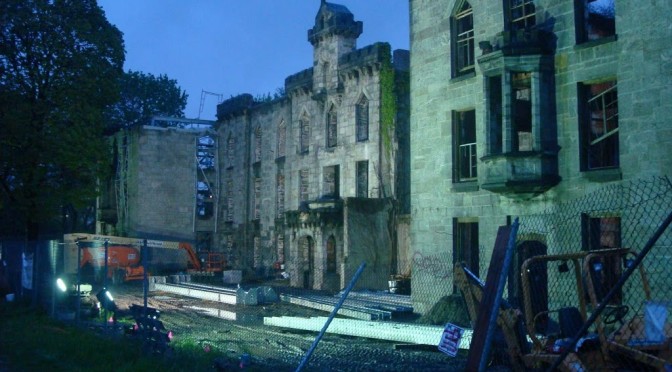
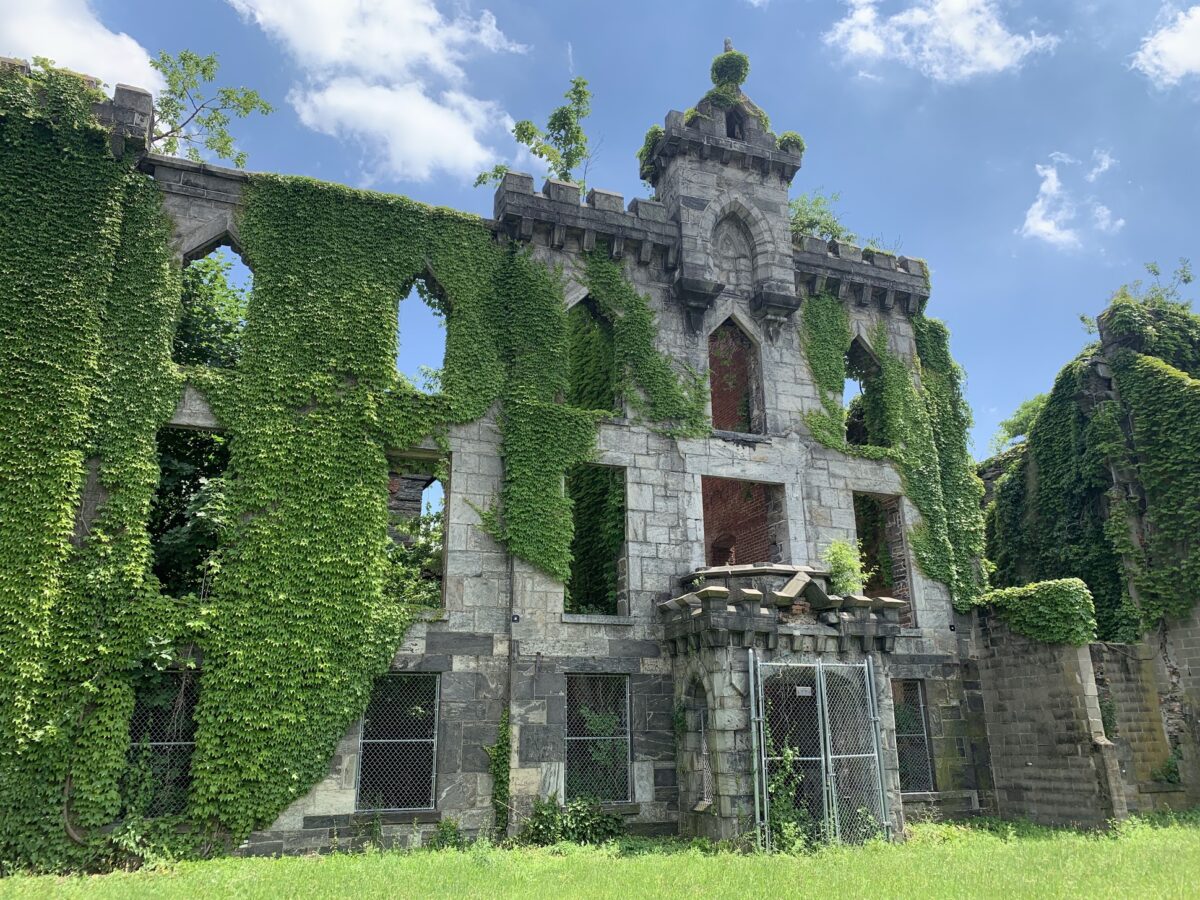
The Renwick Ruin, resembling an ancient castle lost to time, appears along the East River as a crumbling, medieval-like apparition, something not quite believable.

Sitting between two new additions on Roosevelt Island — the campus of Cornell Tech and FDR Four Freedoms Park — these captivating ruins, enrobed in beautiful ivy, tell the story of a dark period in New York City history.

The island between Manhattan and Queens was once known as Blackwell’s Island, a former pastoral escape that transformed into the ominous ‘city of asylums’, the destination for the poor, the elderly and the criminal during the 19th century.
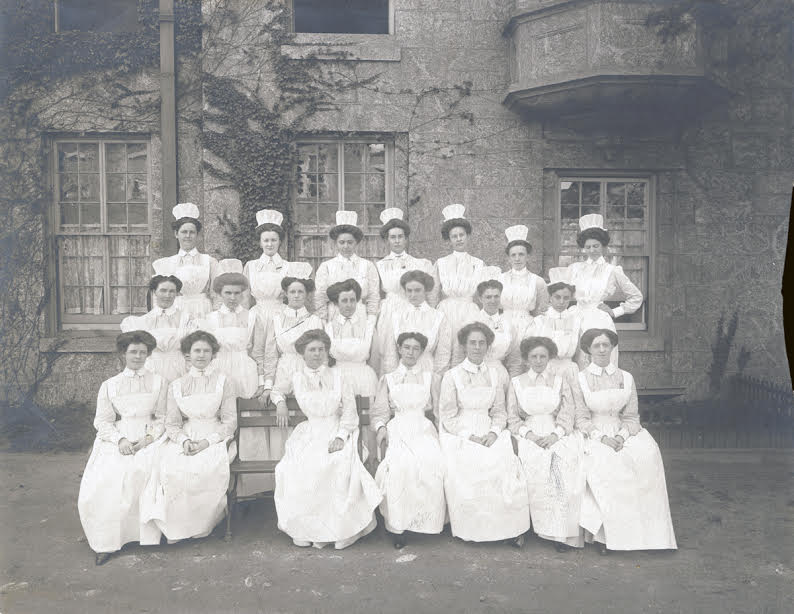
New. York Municipal Archives

During this period, the island embodied every outdated idea about human physical and mental health, and vast political corruption ensured that the inmates and patients of the island would suffer.

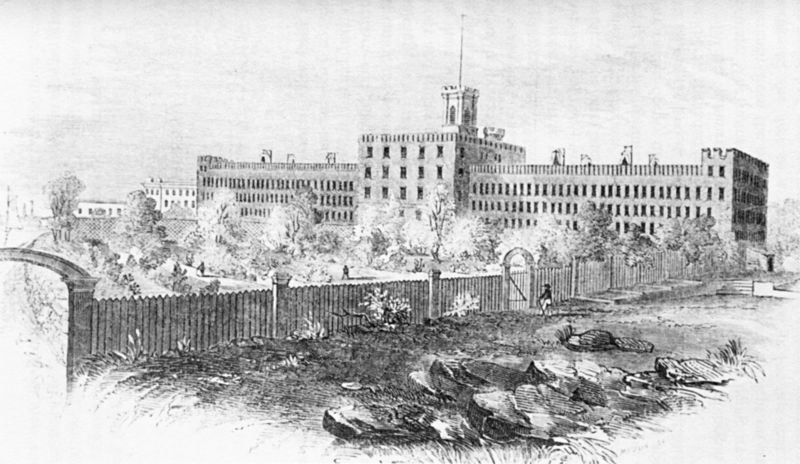
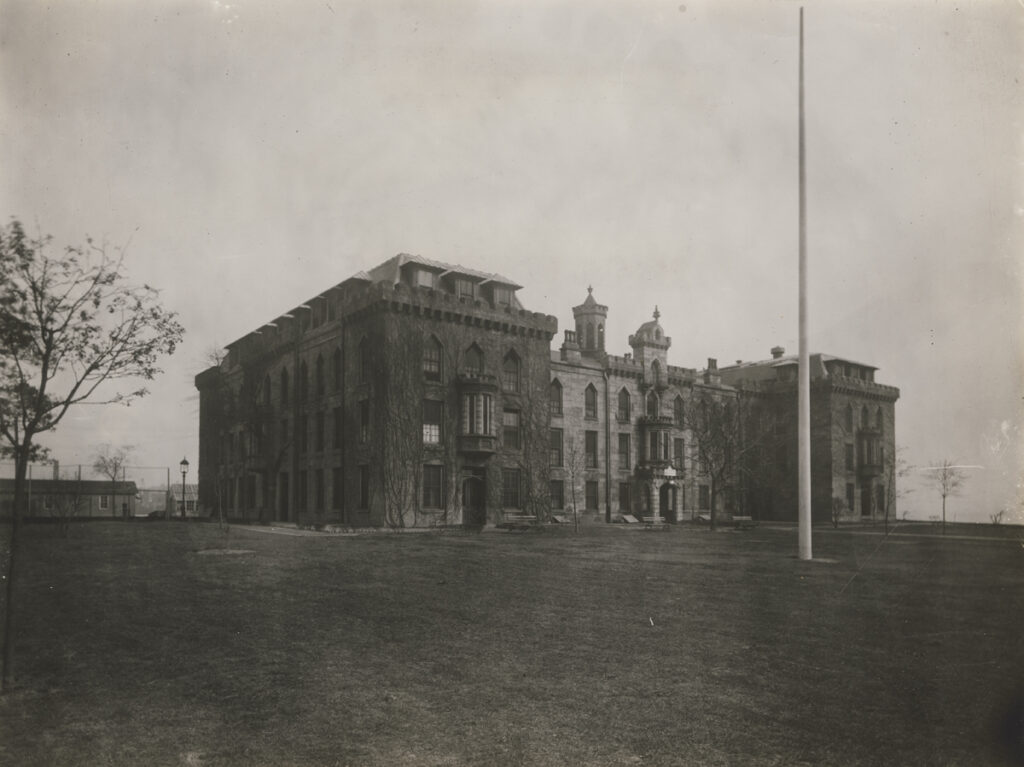
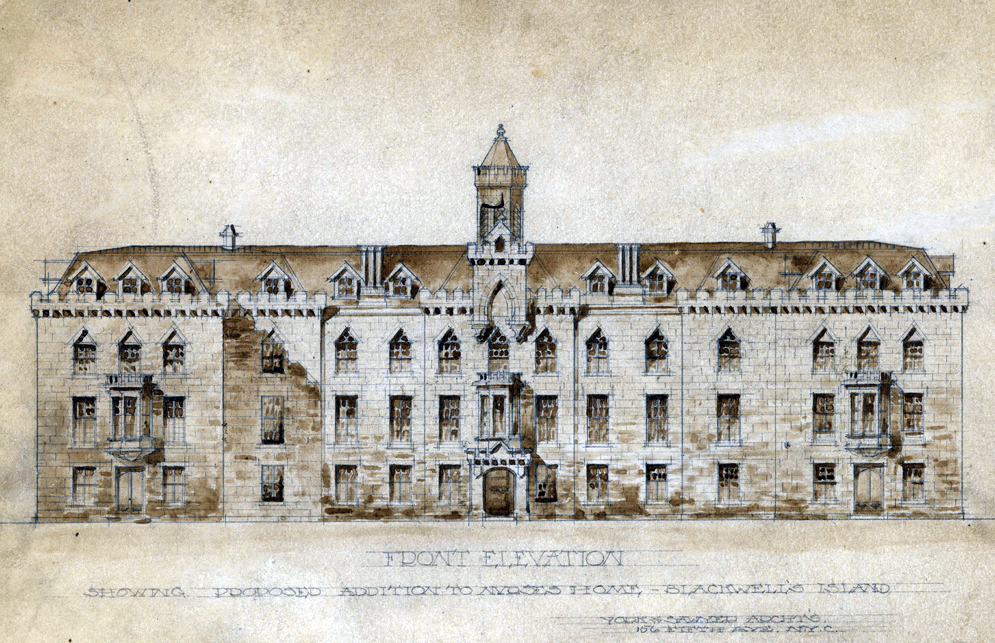
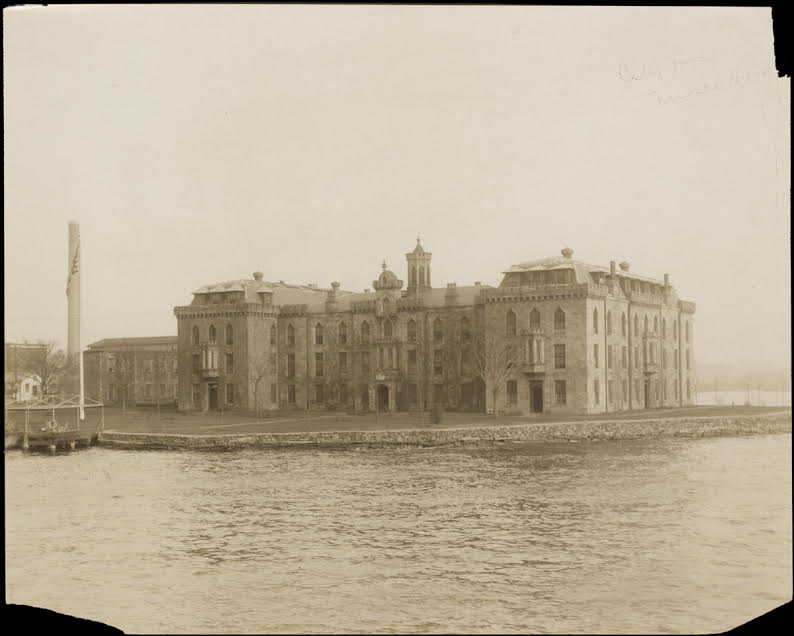
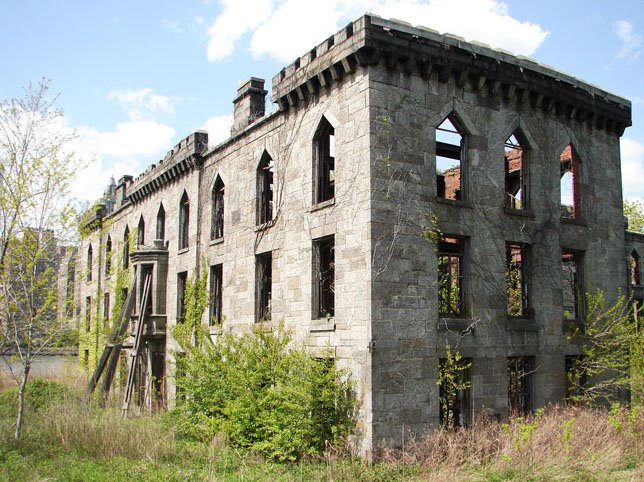
In 1856 the island added a Smallpox Hospital to its notorious roster, designed by acclaimed architect James Renwick Jr (of Saint Patrick’s Cathedral fame) in a Gothic Revival style that captivates visitors to this day — even if the building is in an advanced state of dilapidation.
New York City Municipal Archives

What makes the Renwick Ruin so entrancing? How did this marvelous bit of architecture manage to survive in any form into present day?

PLUS: The grand story of the island — from a hideous execution in 1829 to the modern delights of one of New York City’s most interesting neighborhoods.


For more information on Roosevelt Island history:

Friends of the Ruin

Roosevelt Island Historical Society

I also highly recommend the book Damnation Island: Poor, Sick, Mad, & Criminal in 19th-Century New York by Stacy Horn which tells the story of Blackwell’s Island, institution by institution.

And please check out this great video about Roosevelt Island from 1978:


Historic sites on Roosevelt Island to visit (from north to south):

Roosevelt Island Lighthouse

Nellie Bly Monument “The Girl Puzzle”

The Octagon

Chapel of the Good Shepherd

The Blackwell House

Historic Visitor Center Kiosk and Roosevelt Island Tram

Southpoint Park

Strecker Memorial Laboratory

Smallpox Hospital (aka Renwick Ruin)

FDR Four Freedoms State Park


The entire site of FDR Four Freedoms State Park is located on landfill. Want proof?
New York Municipal Archives
The Renwick Ruin
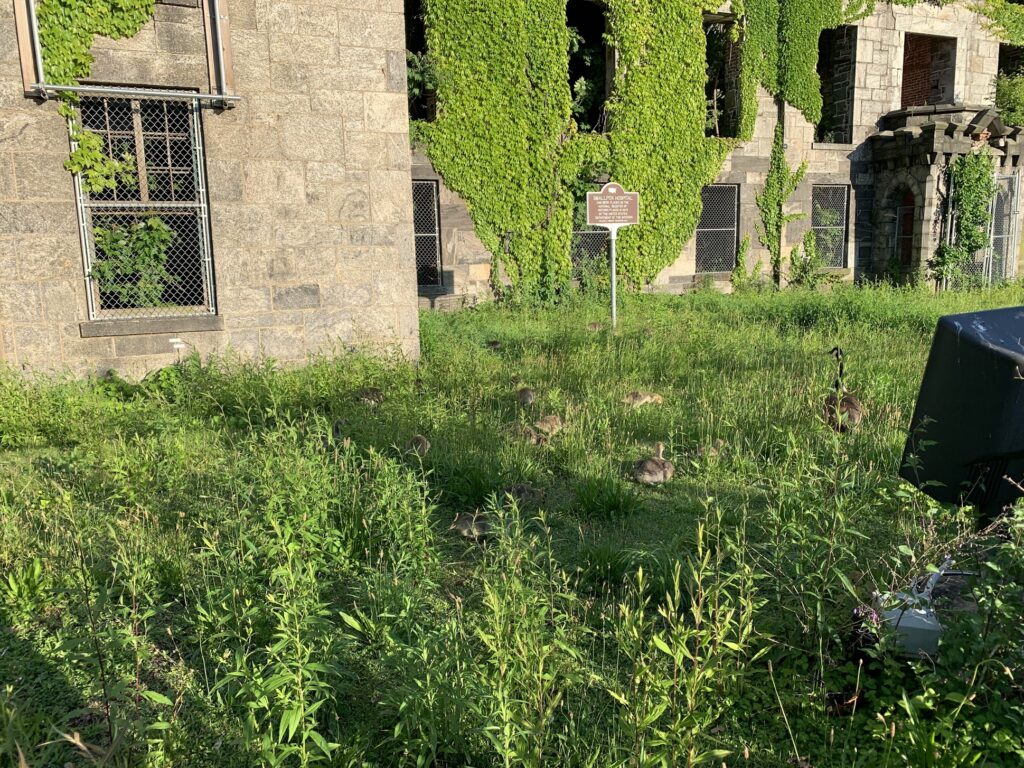
The Smallpox Hospital grounds with grazing geese.
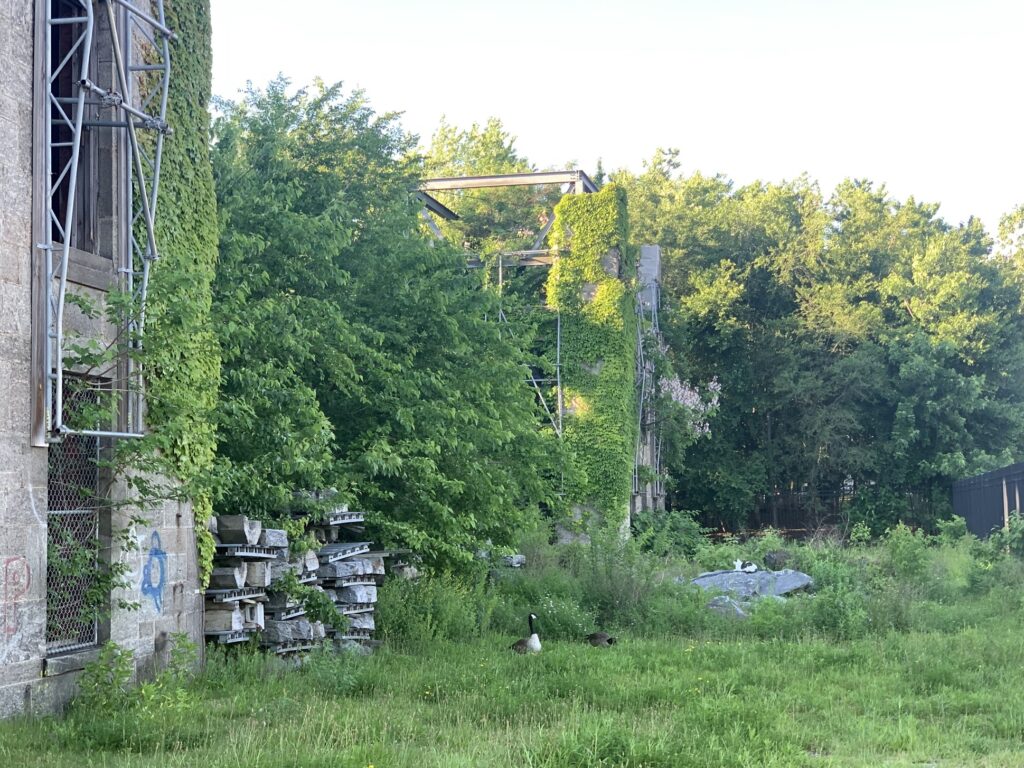
Behind the ruin, guarded by geese and cats.
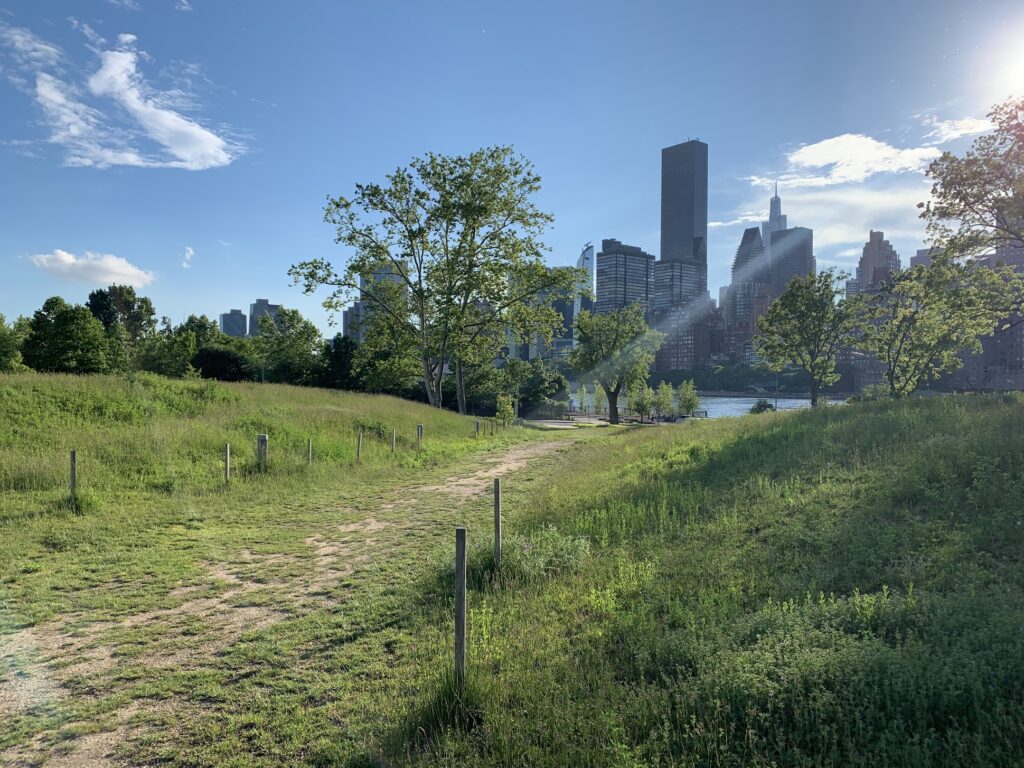
Southpoint Park, photo by Greg Young

FURTHER LISTENING

After listening to this episode on the Renwick Ruin on Roosevelt Island, jump back into these earlier Bowery Boys podcasts which discuss similar themes or situations from the show:


The Bowery Boys: New York City History podcast is brought to you …. by you!

We are producing a new Bowery Boys podcast every other week. We’re also looking to improve and expand the show in other ways — publishing, social media, live events and other forms of media. But we can only do this with your help!

We are creators on Patreon, a patronage platform where you can support your favorite content creators.

Please visit our page on Patreon and watch a short video of us recording the show and talking about our expansion plans. If you’d like to help out, there are several different pledge levels. Check them out and consider being a sponsor.

We greatly appreciate our listeners and readers and thank you for joining us on this journey so far.
Categories
Bridges Podcasts Queens History

The Queensboro Bridge and the Rise of a Borough

“The city seen from the Queensboro Bridge is always the city seen for the first time, in its first wild promise of all the mystery and the beauty in the world.” — F. Scott Fitzgerald

EPISODE 349 This is the story of a borough with great potential and the curious brown-tannish cantilever bridge which helped it achieve greatness.

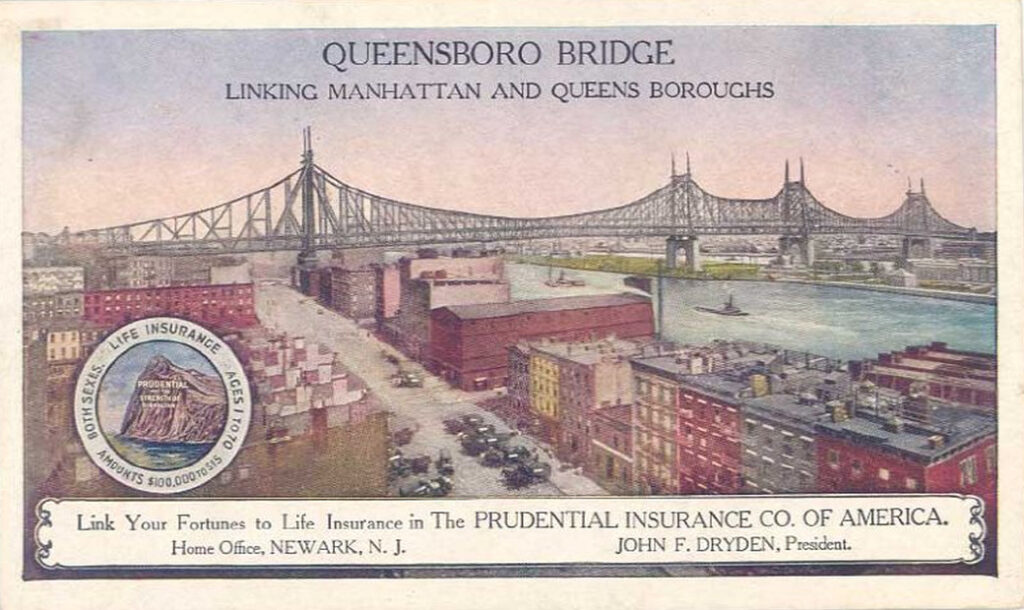
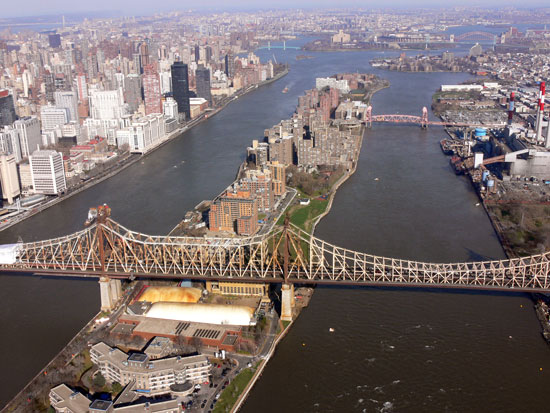
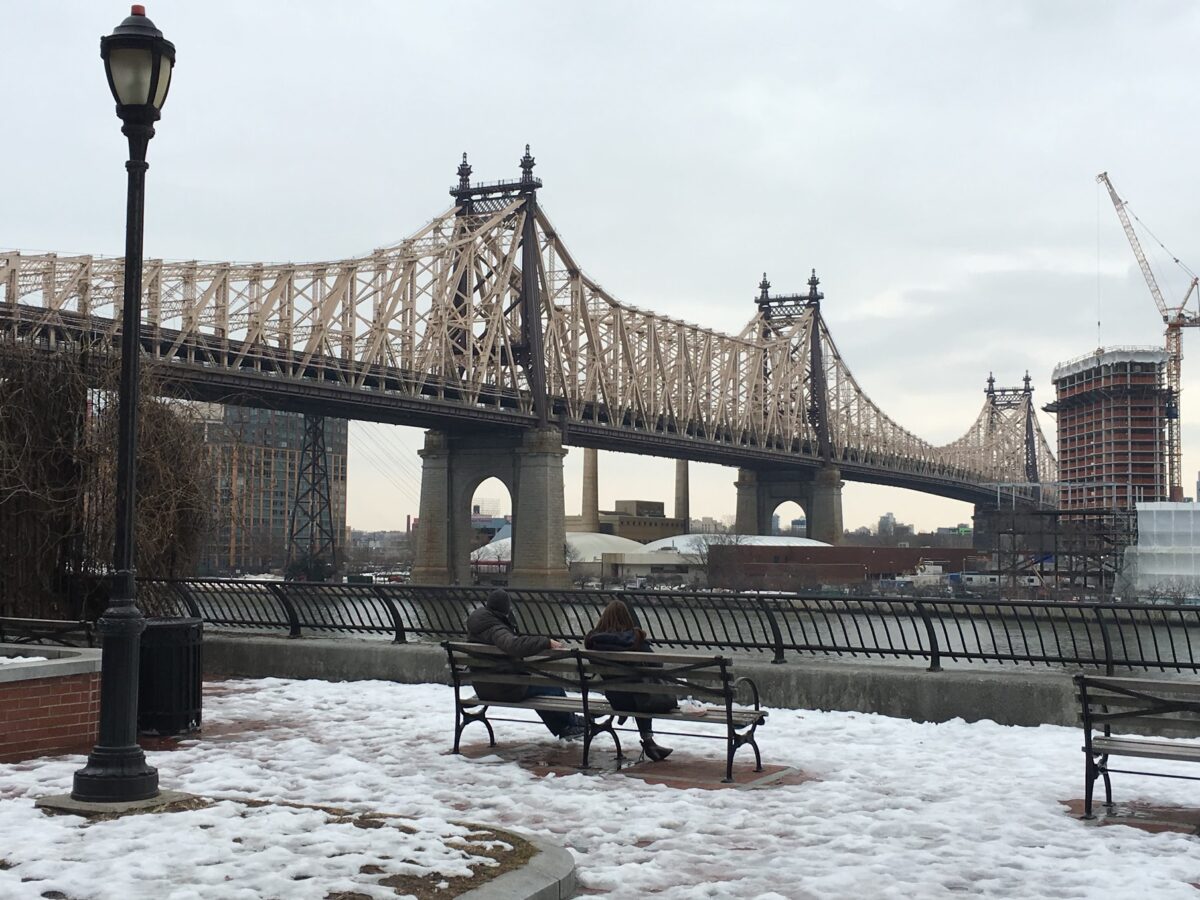
The Ed Koch Queensboro Bridge (sometimes known as the 59th Street Bridge) connects Manhattan with Queens by lifting over the East River and Roosevelt Island, an impressive landmark that changed the fate of the borough enshrined in its curious name.

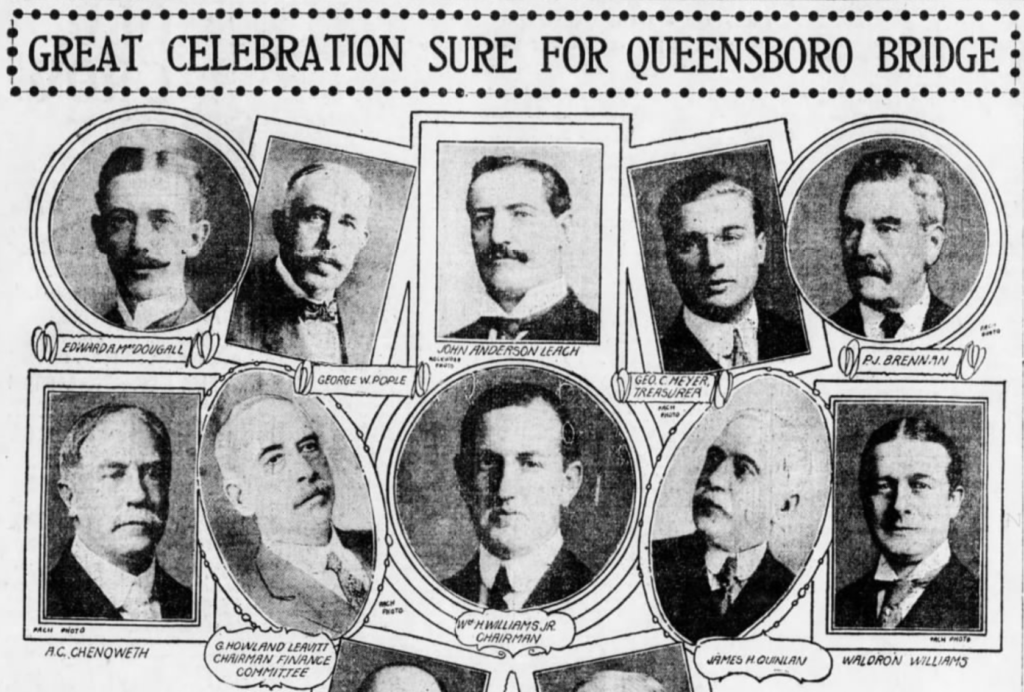
In 1898, before the Consolidation of 1898, which created Greater New York and the five boroughs, much of Queens was sparsely populated — a farm haven connected by dusty roads — with most residents living in a few key towns, villages and one actual city — Long Island City.

With Brooklyn and Manhattan already well developed (and overcrowded in some sectors) by the early 20th century, developers and civic leader looked to Queens as a new place for expansion. But in 1900 it had no quick and convenient connections to areas off of Long Island.

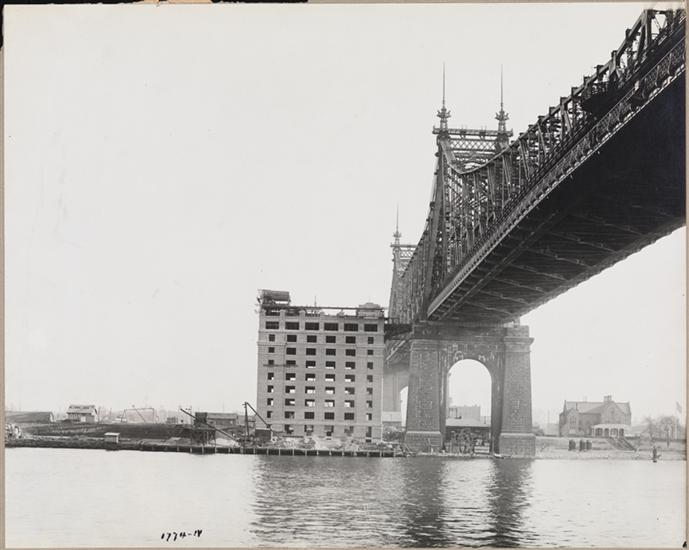
The bridge in 1917 with the elevator storehouse, Museum of the City of New York

With the opening of the bridge in 1909, rich new opportunities for Queens awaited. Communities from Astoria to Bayside, Jackson Heights, Flushing and Jamaica all experienced an unprecedented burst of new development.

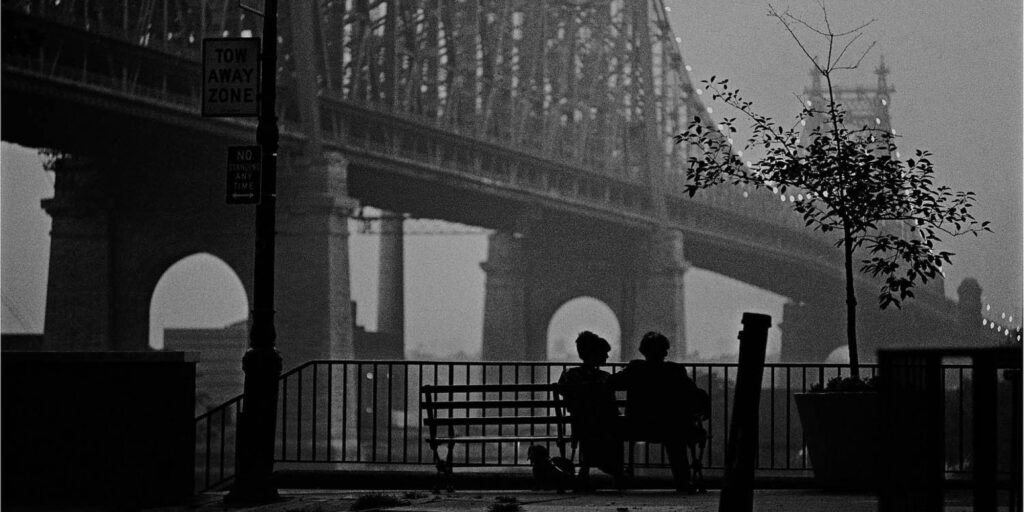
Thanks in small part to the bridge so famous that it inspired a classic folk song and became the cinematic backdrop of a 1970s film classic.

Listen here or from your favorite podcast player:


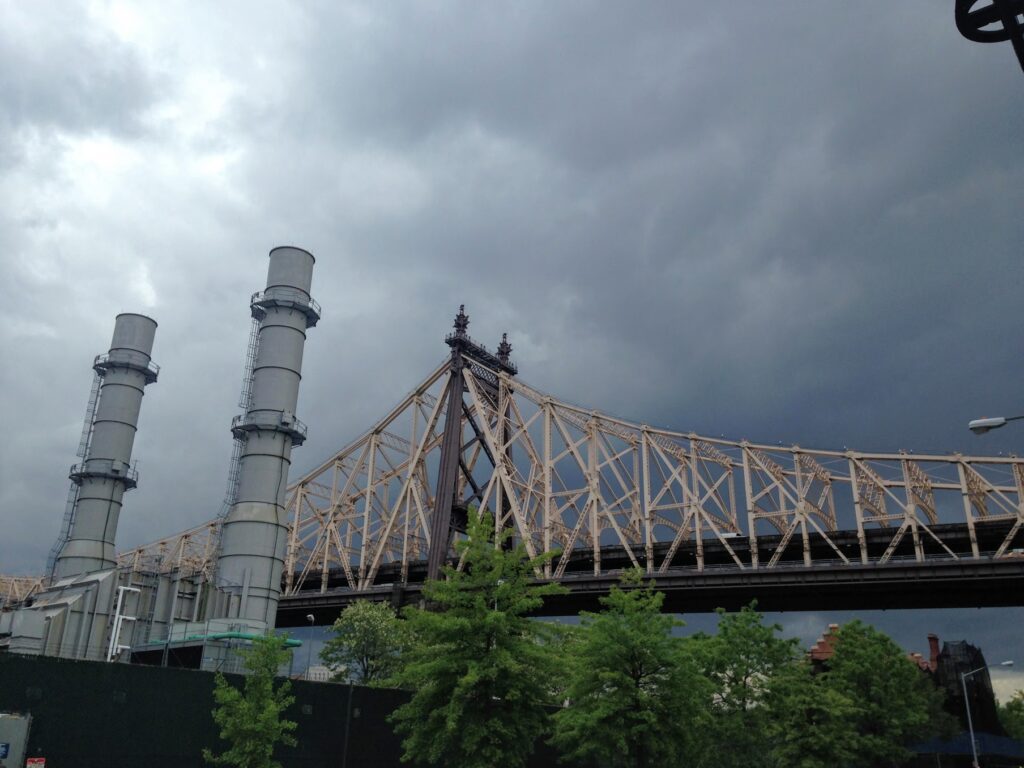
From a stormy Spring day in 2014. Photo by Greg Young
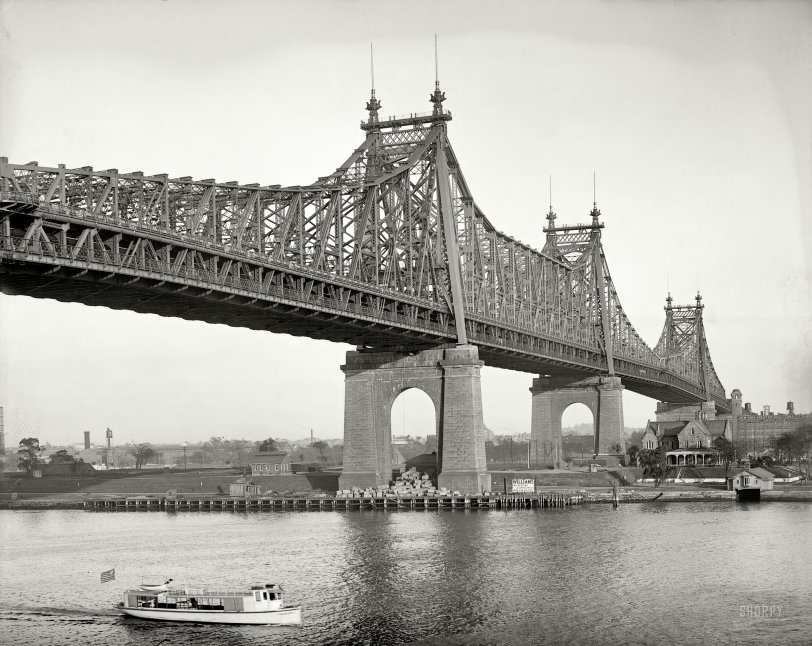
(Courtesy Shorpy)
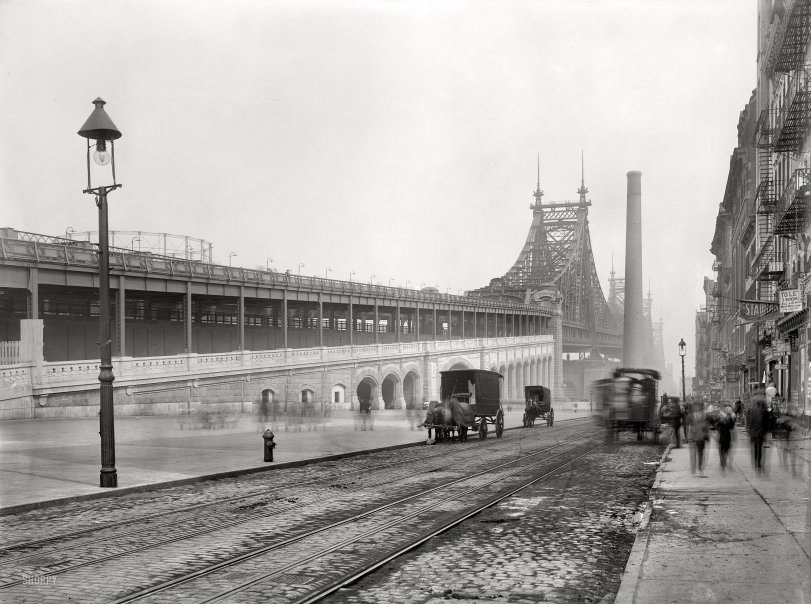
Courtesy Shorpy)
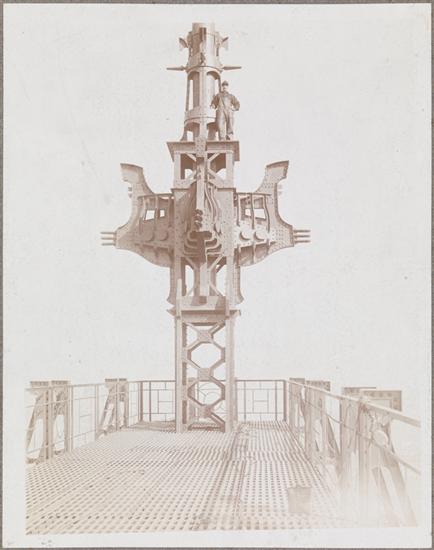
The unique finials at the top of the bridge, 1905. Courtesy Museum of the City of New York
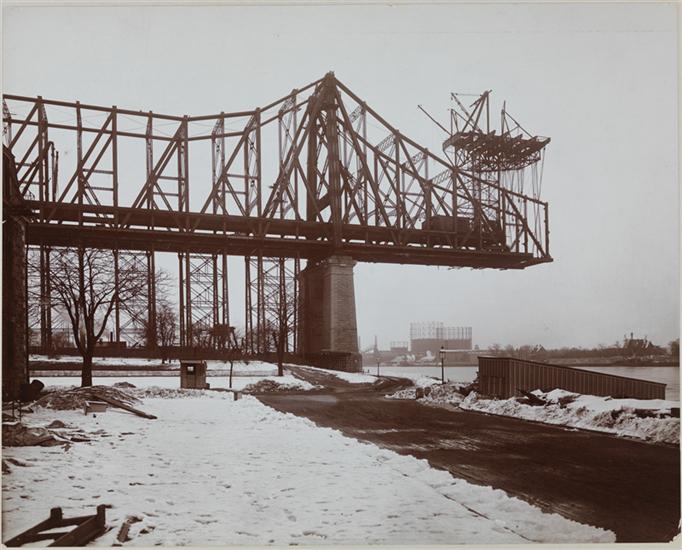
The bridge near complete, 1908. Courtesy the Museum of the City of New York
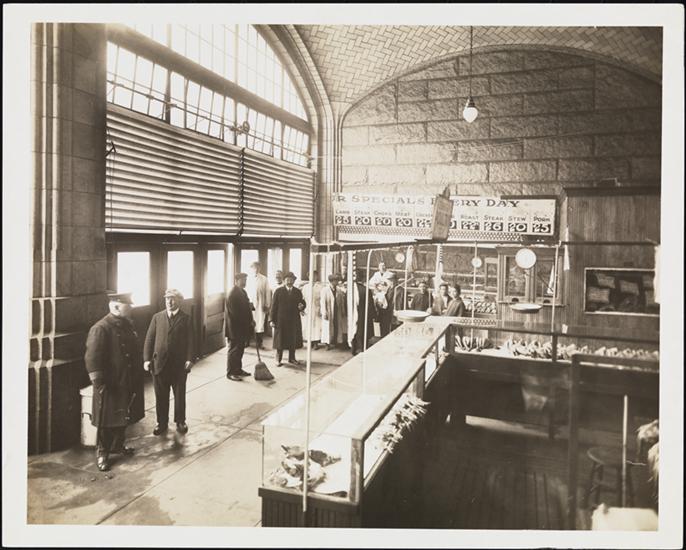
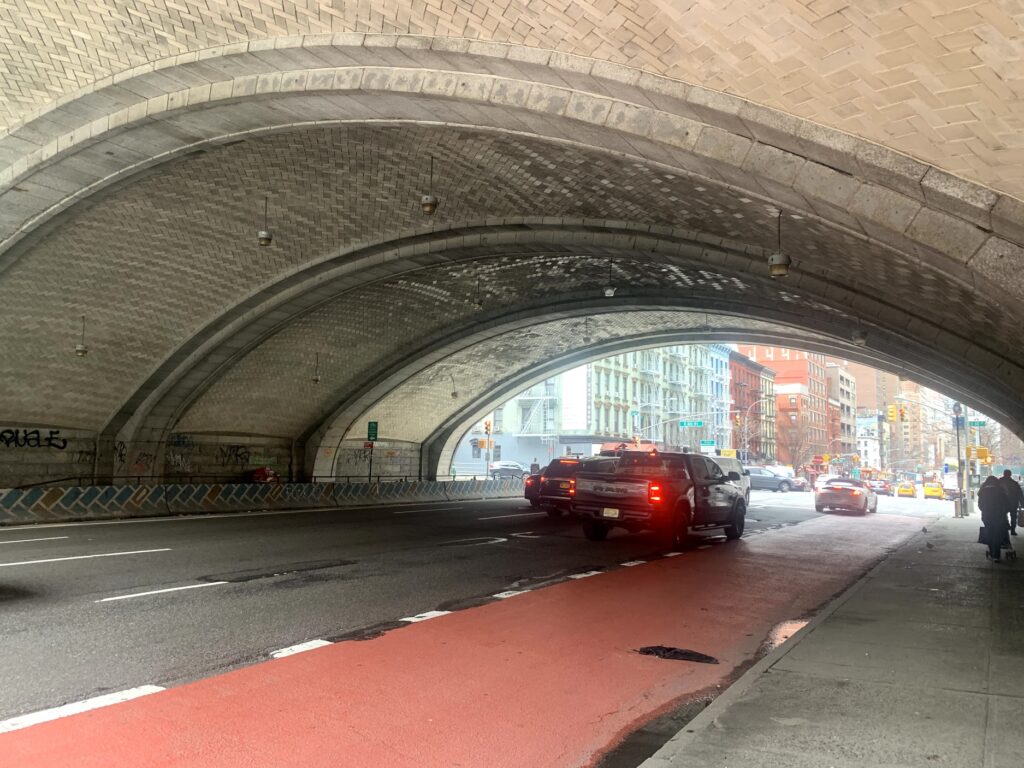
The marketplace with Guastavino tile, 1915. Courtesy Museum of the City of New York

The Bowery Boys: New York City History podcast is brought to you …. by you!

We are now producing a new Bowery Boys podcast every other week. We’re also looking to improve and expand the show in other ways — publishing, social media, live events and other forms of media. But we can only do this with your help!

We are now a creator on Patreon, a patronage platform where you can support your favorite content creators.

Please visit our page on Patreon and watch a short video of us recording the show and talking about our expansion plans. If you’d like to help out, there are six different pledge levels. Check them outand consider being a sponsor.

We greatly appreciate our listeners and readers and thank you for joining us on this journey so far.


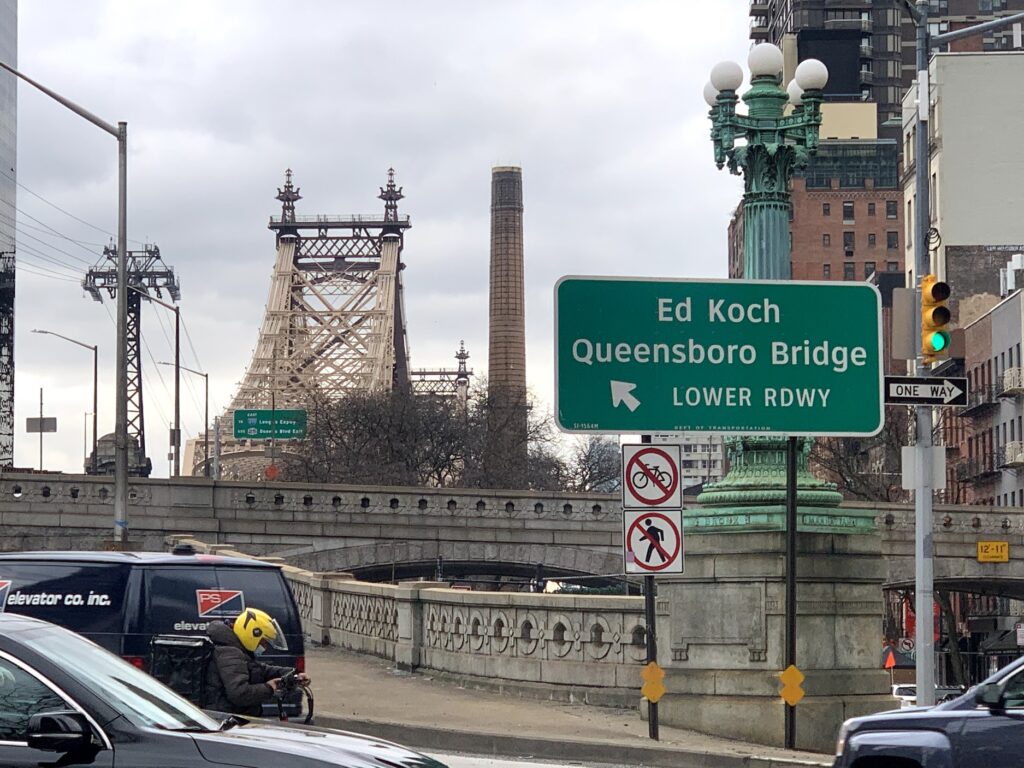
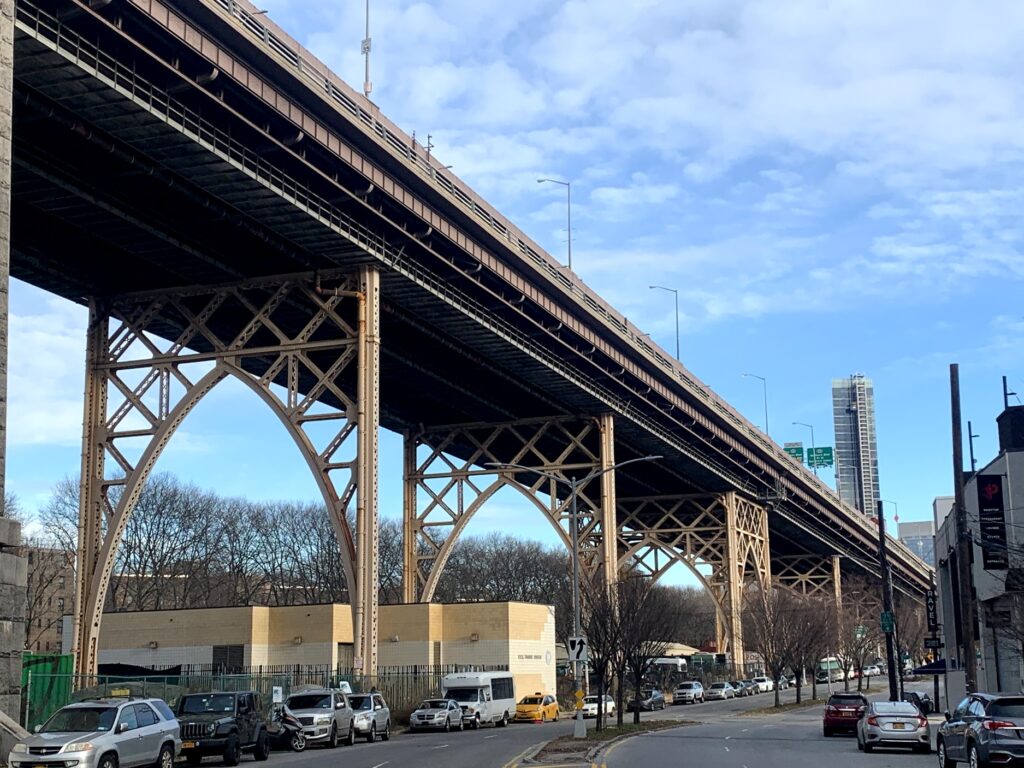
Approaching the bridge at street level on the Manhattan side. Photo Greg Young
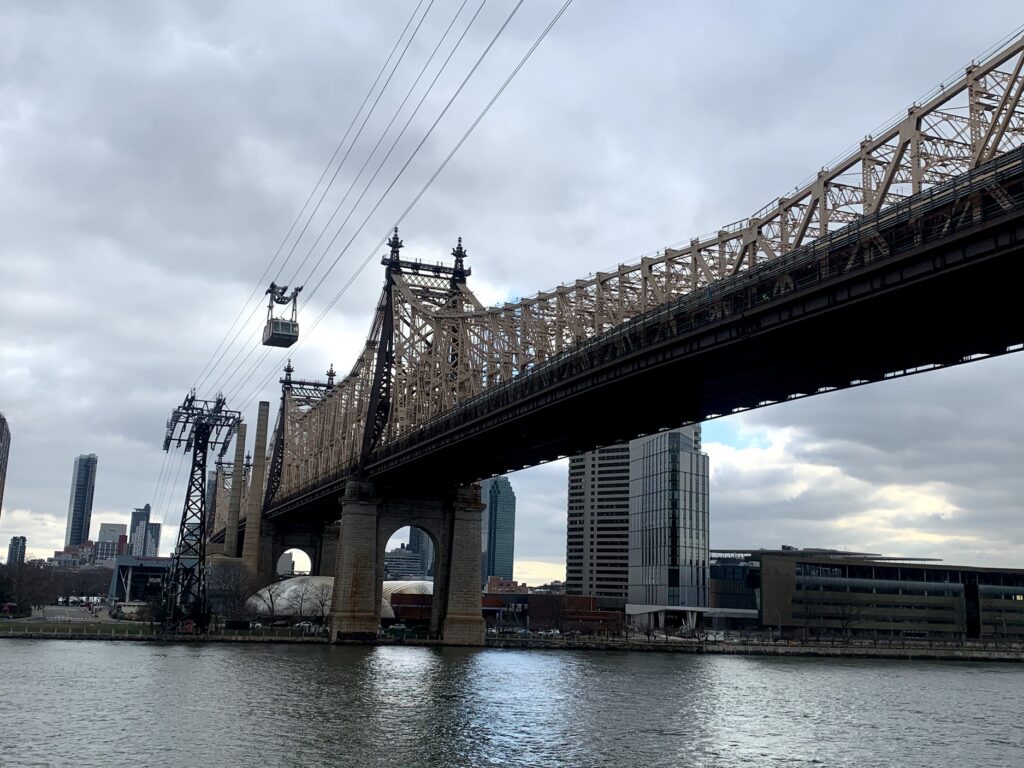
The bridge as the Roosevelt Island Tramway crosses. (GY)
Guastivino tile on the First Avenue archway beneath the bridge. (GY)
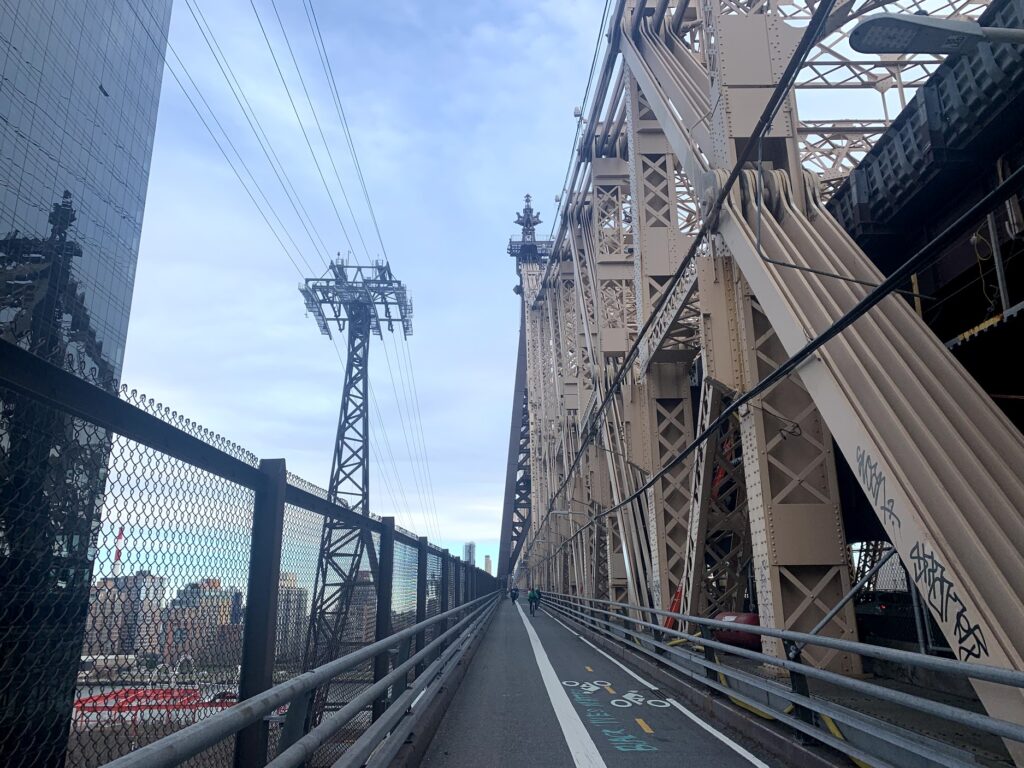
Across the bridge….. (GY)
On the Queens side, the bridge takes on a different character, dominating the waterfront blocks. (GY)
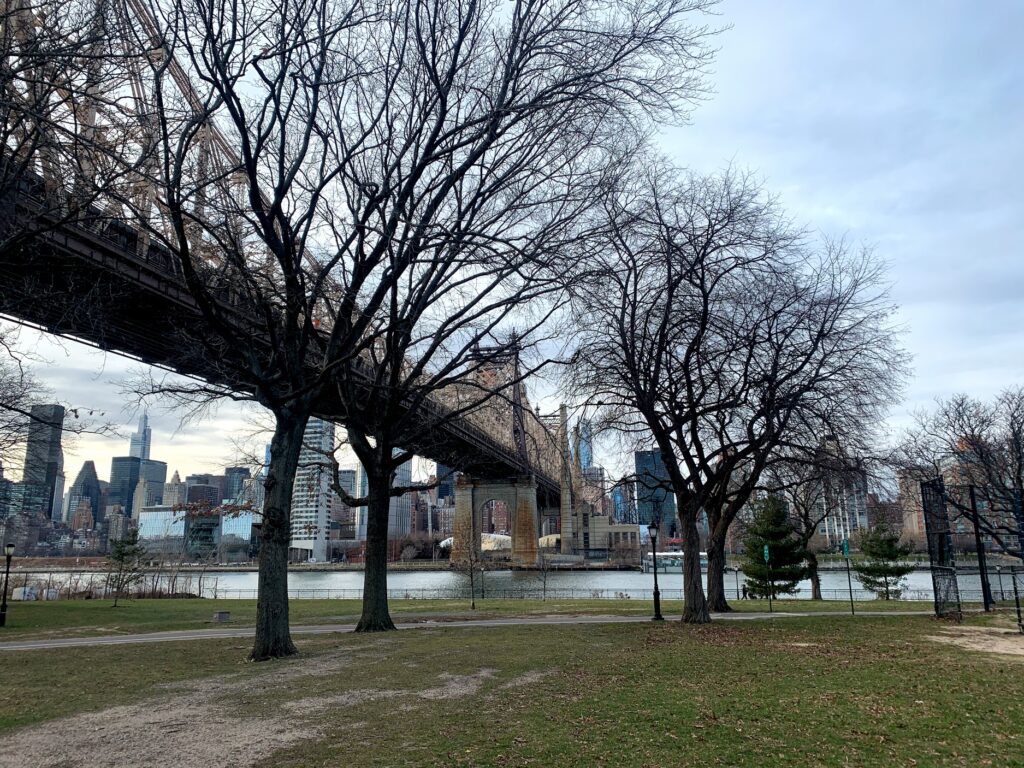
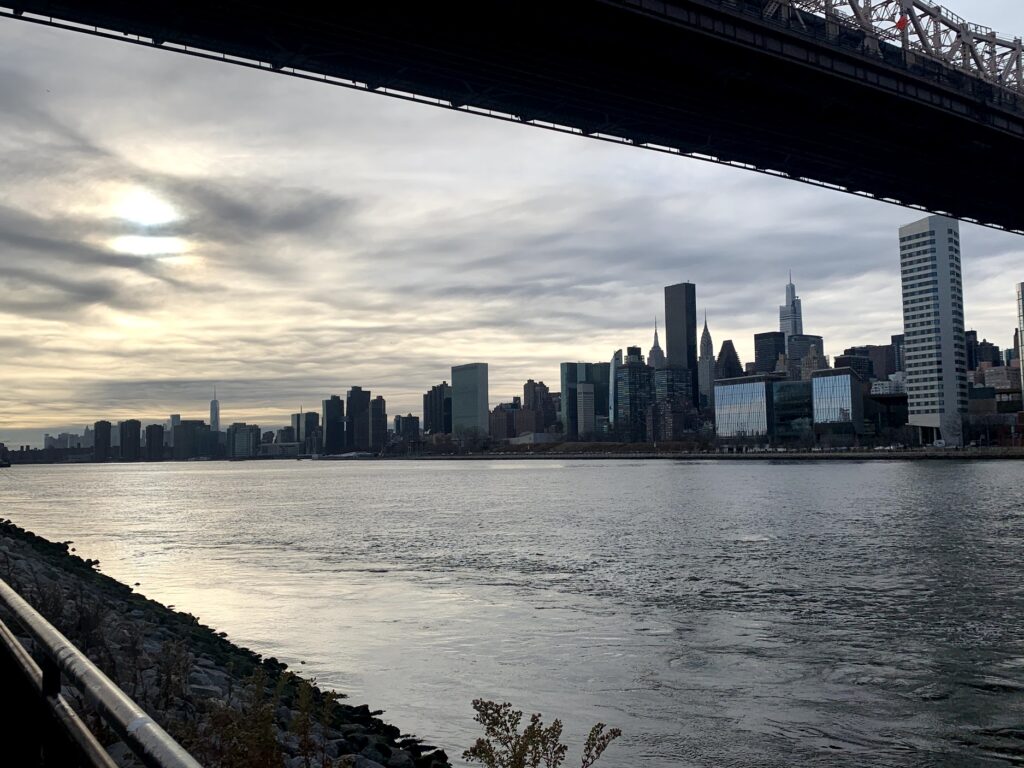
Views from Queensbridge Park. (GY)

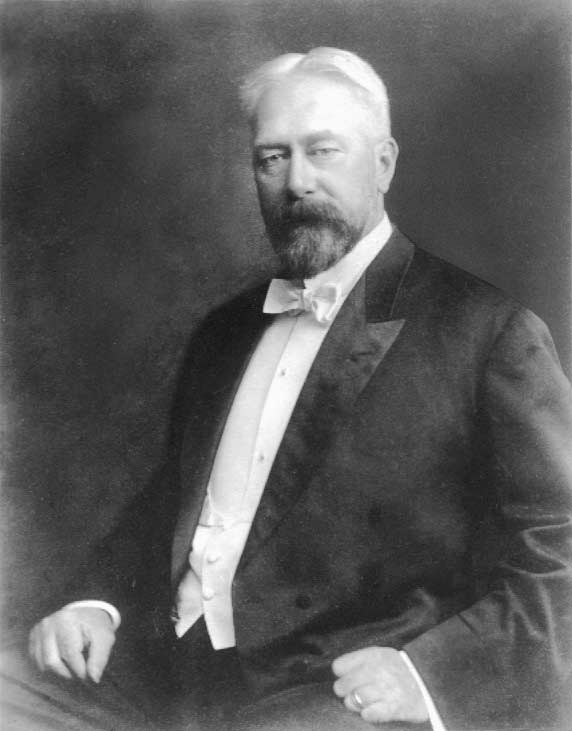
Gustav Lindenthal in 1909, the year the bridge opens.
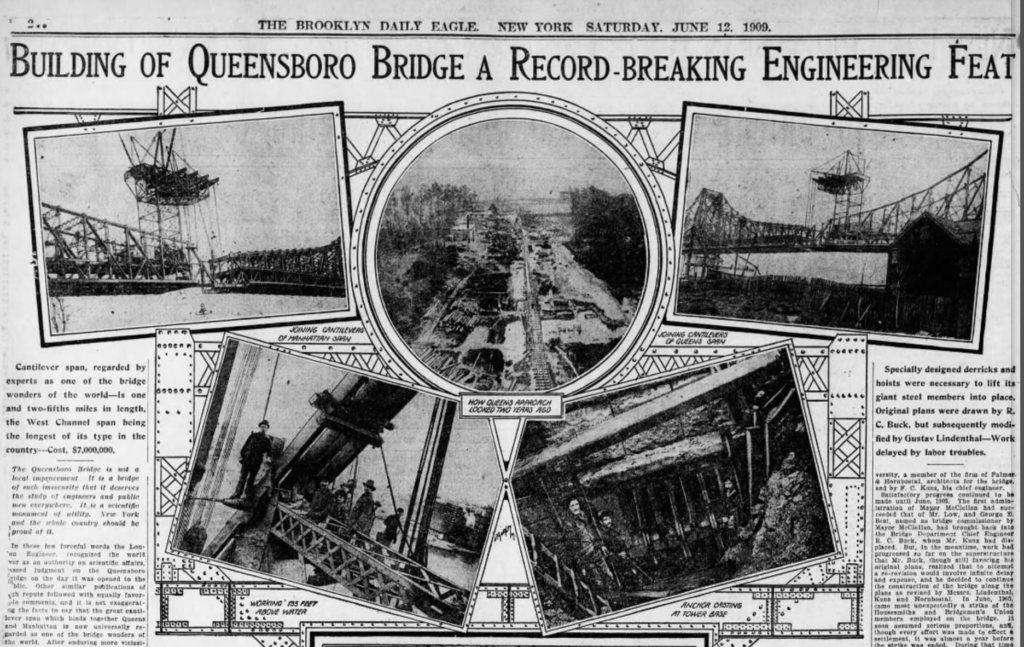
From the June 12, 1909 Brooklyn Daily Eagle

RELATED LISTENING

Categories
Podcasts

Roosevelt Island: New York’s former ‘city of asylums’

The original Smallpox Hospital, designed by James Renwick, still stands today thanks to diligent restoration. (Click pic for detailed view)

Looking north over Roosevelt Island, which cleanly splits the East River. Picture the buildings gone, the bridges wiped away, replaced with fruit trees and a small farm. The island has adopted several names over the years, including Minnahanonck (‘It’s Nice To Be Here’), Varkens Island (aka Hog’s Island), and Manning’s Island.

The penitentiary, opening on the now-named Blackwell’s Island in 1832, defined the next 100 years on the island — overcrowded, chaotic, inadequate facilities, grim and corrupted

Another illustration of the prison, this from 1853, showing a rather unusual feature to its side: a garden, which would be kept by inmates to feed themselves

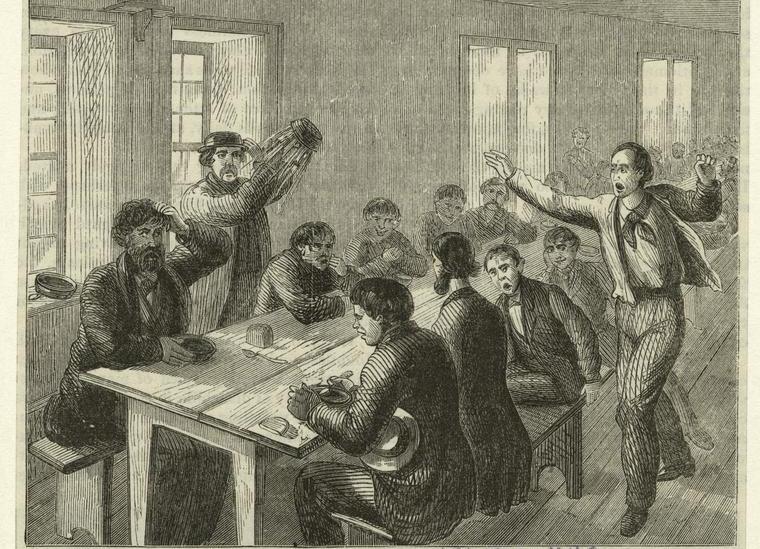
Food fight! Conditions inside the prison — as in most places on the island — were guided by mischief and chaos. Harpers Magazine 1860 (courtesy NY Public Library)

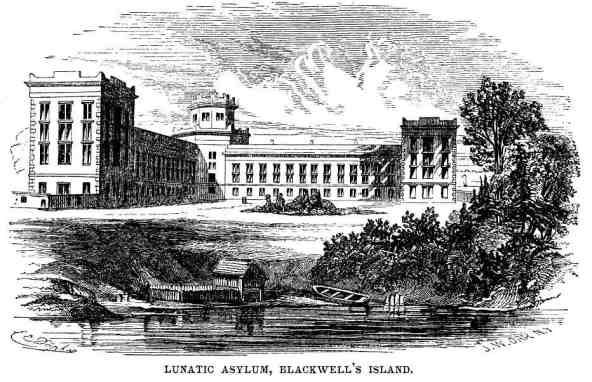
The Lunatic Asylum, aka ‘the Octagon’, became as overcrowded as the island’s prisons, often with people who would not have been considered ‘crazy’ today. Only two wings of the asylum were ever completed. Today, the Octagon is a luxury apartment complex.

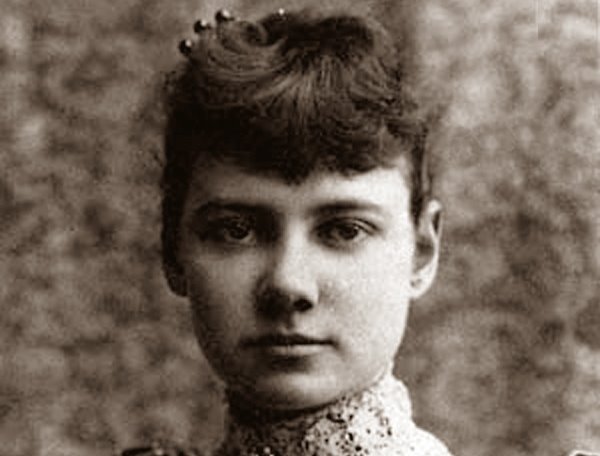
Intrepid reporter Nellie Bly exposed the wretched conditions within the asylum when she went undercover there in 1887.

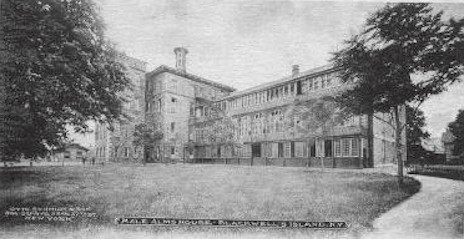
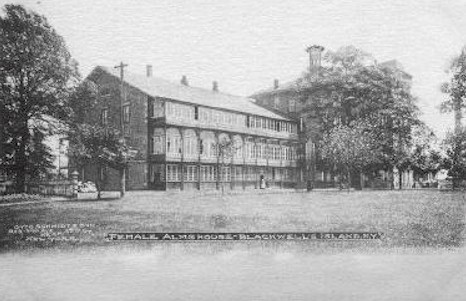
Male and female almshouses, catering to the homeless, the desperately poor and the elderly. Some residents would spend time at the penitentiary or work house, check out, and check back in here. (Images from here)

The Smallpox Hospital came to the island in 1856, a Gothic structure by James Renwick that saw thousands of diseased patients a year.
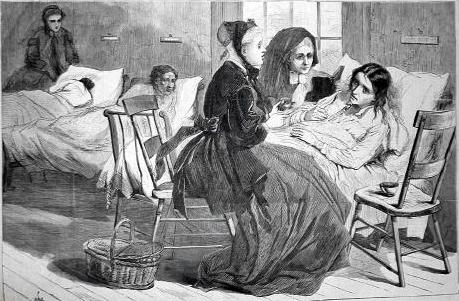
An illustration from 1868 expresses the dire scene at one of the island’s many hospitals. Confining all manner of sick and injured to one island might have been good for the general population, but was often a dangerous proximity for the sufferers, especially during epidemic time.

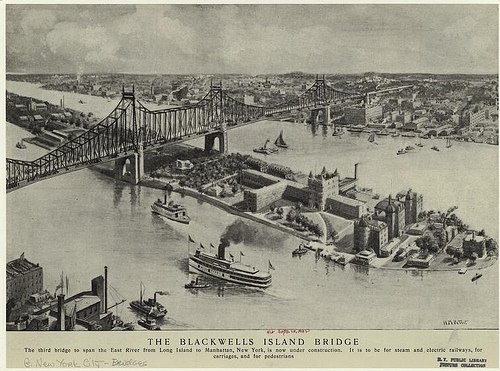
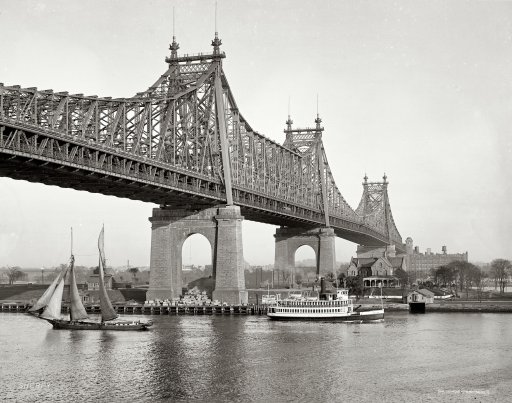
A dramatic change came in 1909 with the construction of the ‘Blackwell’s Island Bridge’, better known today as the Queensboro or 59th Street Bridge. A trolly stopped at the middle of the bridge, letting passengers off who then took an elevator down to the island. The elevator was dismantled by 1970.

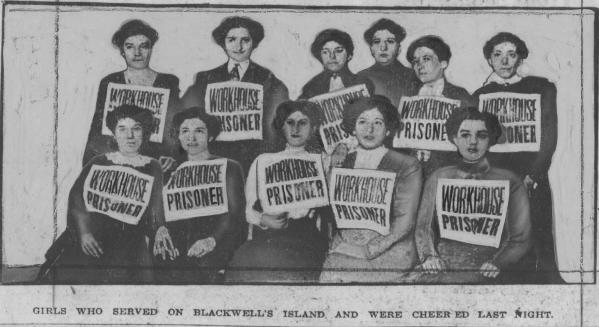
The workhouse, home to prostitutes and drunks, was also a popular place to dump protesters and labor reformers, as evidenced by this group of brave looking women.

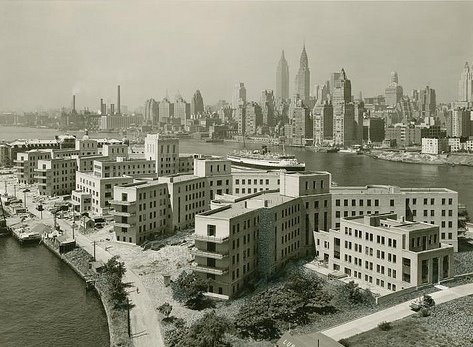
As Welfare Island, many of the major institutions would soon leave (to other New York islands) leaving on chronic care hospitals and a whole lot of abandoned property.

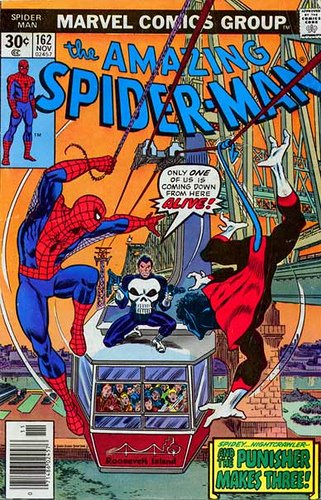
The Roosevelt Islamd Tram was an instant hit when it debuted in 1976, inspiring romantics and comic book writers alike.

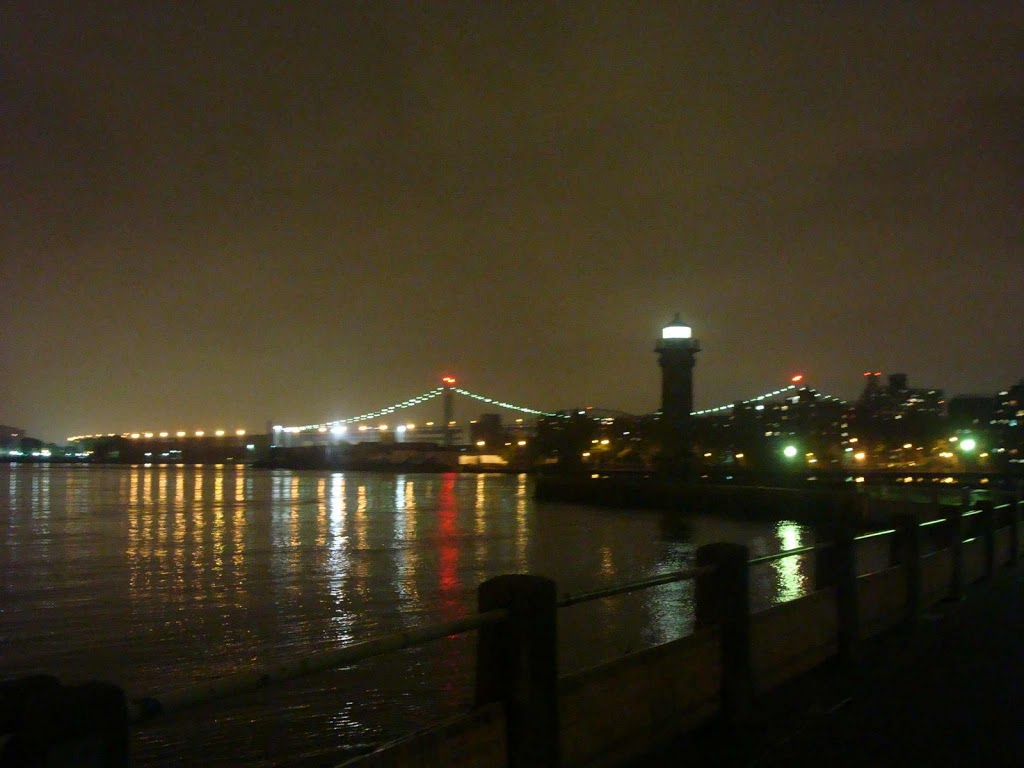
The haunting lighthouse at night, built by island inmates and still illuminating the East River, though the dangers of ships smashing against the rocks of Hell Gate are long gone.

The Renwick Ruins still stand at the south end of the island, the former smallpox hospital still managing to give people a bit of a chill when seen close up (and preferably at night).

An extraordinary look at the island: in 1903, Thomas Edison made a short film using the island as a backdrop. The views include the lighthouse, the Octagon, the penitentiary and the construction work of what would become the 59th Street Bridge

You can find anything you want to know about Roosevelt Island at two excellent blogs, Roosevelt Islander and Roosevelt Island 360. The Main Street Wire, the RI community newspaper, has a great website with an exhaustive history timeline. And naturally, the always reliable Correction History, for all you prison history buffs, has some great info as well.

Click here for some prior articles we’ve written on this blog about Roosevelt here, include Charles Dickens’ visit to the island and an article about the late godfather of RI, ‘Grampa Munster’ Al Lewis.

Sarah Jessica Parker: her New York City history


Above: the sun comes out for Sarah Jessica Parker

New York City usually spends the summer movie season being destroyed by aliens or scarred by car chases. So despite what you may think of the upcoming Sex And The City movie, consider this — not only does the Big Apple make it out alive, it actually transforms back into that place of fantasy and romance that made you fall in love with it in the first place.

All the Sex And The City actresses have New York connections, especially native New Yorker Cynthia Nixon. But lead star Sarah Jessica Parker developed her acting chops here and maneuvered through many notable Broadway and off-Broadway performances to somehow become the quintessential young New York actress.

Although Sarah was born in Nelsonville, Ohio, in 1965, her father was a Brooklyn native so the city was always in her blood. Even almost removing Sex And The City entirely from the equation, you can still trace her early history through the streets of the city at these sites:

Roosevelt Island
In 1977 Sarah’s family packs up a VW van and moves to the burgeoning social experiment known as Roosevelt Island. From here, she is able to go to performance schools in the city and audition for shows at an early age. The island had only been named after Roosevelt for four years and many were still calling it Welfare Island. Sarah most likely took the Roosevelt tram, which had just been built the year before.

Professional Children’s School (132 West 60th Street)
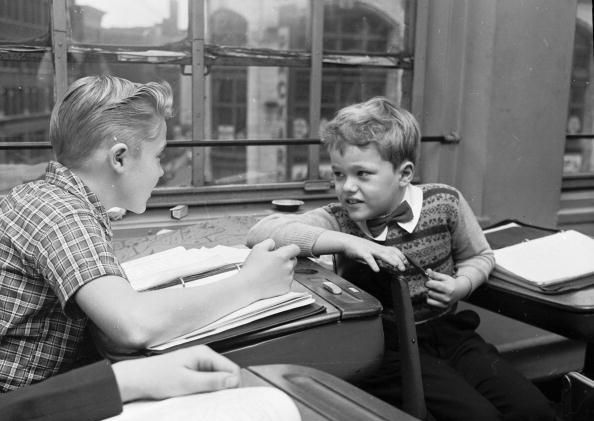
Sarah attended this performing arts school in her early years. The Professional School has fostered hundreds of precocious young performing arts students since 1914, including another famous Sarah (Michelle Gellar). The photo above is of PCS students in 1955. Sidenote: the Professional Children School spawned most of the Culkins (Macaulay, Rory, et al)

Neil Simon Theatre (W. 52nd Street)
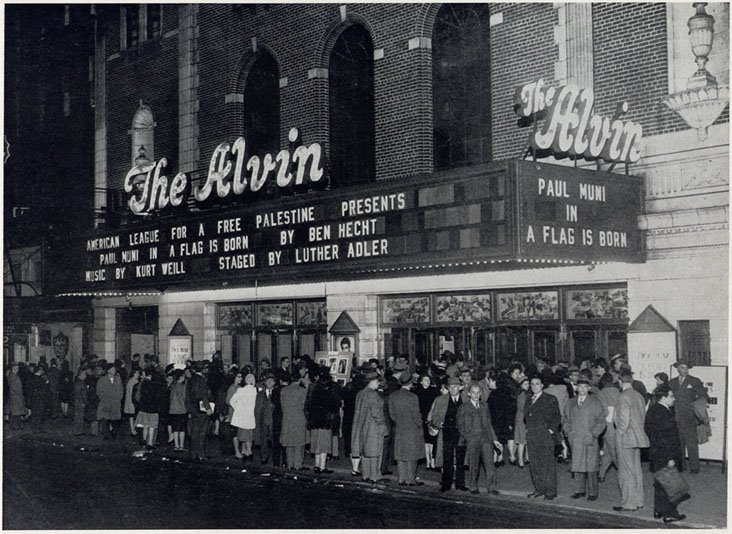
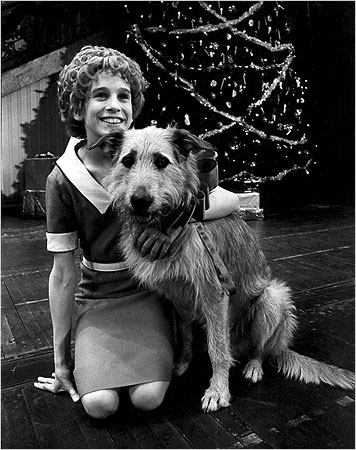
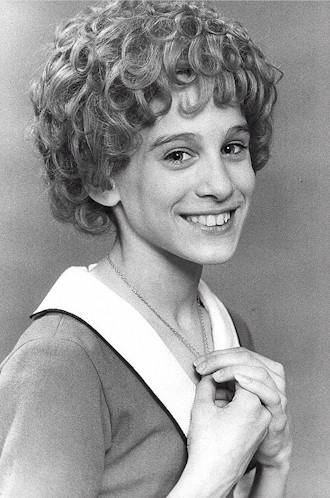
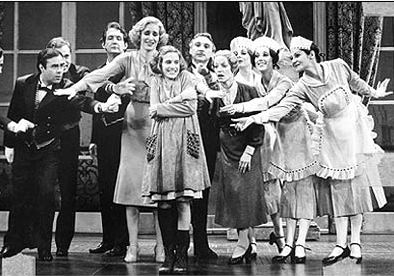
Formerly the Alvin Theatre (pictured above in 1947), this was where Annie made its Broadway debut, and from 1978-80 featured a young Sarah Jessica, in latter years as the title character (below), in what looks to be a horrendous fright wig. Four years later the Alvin would be renamed for playwright Simon, and its first production — Brighton Beach Memoirs — would star Sarah’s future husband Matthew Broderick.

Sarah performs a song from Annie in a 1982 television special here.


Manhattan Theater Club (at City Center, 131 West 55th Street)
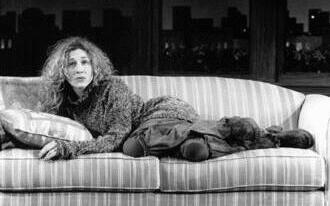
City Center, a former Shriners hall, welcomed the renown theater company to its location in the 1980s. Sarah spent many great years during the 90s on the stage of the MTC, most notably playing a dog in the 1995 comedy Sylvia. Her co-star Nixon frequented the stage many times as well.


Richard Rodgers Theatre (226 W 46th Street)
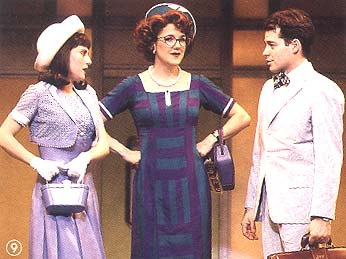
Sarah met her future husband Matthew Broderick (above) through her association with the Naked Angels theatre company, but the two would take to the big stage together in the revival of How To Succeed In Business Without Really Trying, a show which would garner Broderick a Tony Award. Sarah Jessica marries Broderick in 1997 in civil ceremony in a former Lower East Side synagogue.

66 Perry Street
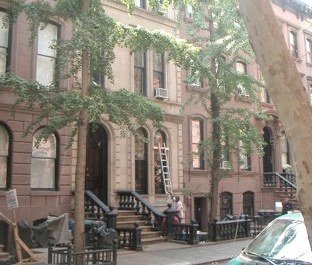
Sex And The City, which debuted in 1998 and scoured the city during its seven year run for trendy and romantic locations, placed Sarah’s character Carrie Bradshaw at the address 245 East 73rd Street, although the actual building where exteriors were shot was located at 66 Perry Street in the West Village, nearby her present home. (You may want to avoid this location for the next few weeks.)

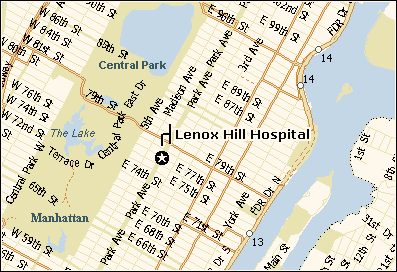
Lenox Hill Hospital (100 East 77th Street)
Sarah gave birth to her first child here, in one of Manhattan’s oldest hospitals, in 2002. The facility opened in 1857 as the German Dispensary but moved to its present location in 1862. In 1918 it was renamed after the Upper East Side neighborhood where it resides. Perhaps Sarah delivered her son James Wilkie Broderick in a room near where Winston Churchill was treated after he was hit by a car in 1931.

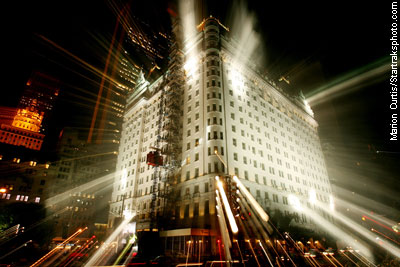
Plaza Hotel (5th Ave and 59th Street)
Turned 40 years old at a lavish birthday party at the Plaza Hotel, which was at the time 97 years old. The whole cast celebrated with her, as did that other New York City comedy icon — Jerry Seinfeld.

Below: Sarah as Annie

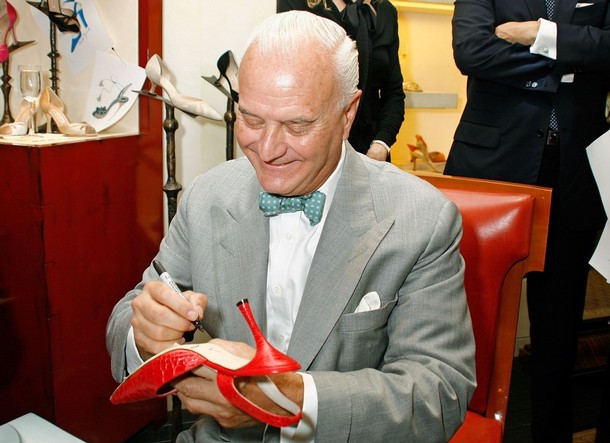
By the way, in 1971, when Sarah was only six years old, a young designer by the name of Manolo Blahnik came to New York City with his portfolio, looking for work. He met with the legendary Diana Vreeland at Vogue Magazine, who suggested he focus strictly on making shoes.

Your shoes in these drawings are so amusing,” she said as she thumbed through his sketches.

Less than 30 years later, Manolo’s shoes would become famous worn on the feet of the former child star.
Below: Manolo, signing a shoe in New York Fashion Week in 2006


Photo by Amy Sussman/Getty Images

Mysteries of Roosevelt Island: Terror on the tram!

We’ve got some more on that wacky, wonderful place called Roosevelt Island! We highlighted some of the spookier stuff last week. Read it all here.
One of the more intriguing aspects to Roosevelt Island is the notion of even getting there at all.

For most of its existence, people used ferries to get to and from Manhattan and Queens. Boatloads of prisoners, smallpox patients, the mentally insane, and, yes, residents of the island crossed the East River daily.

Later, when the Queensboro Bridge sprung up on its north side, a trolley would stop in the middle of the bridge, allowing people to then enter a small elevator which would take them down to the island. According to NY Roads, this was the only way for the public to get to Roosevelt (then Welfare Island) in the 50s. I can’t imagine this inconvenient form of commute brightened the island’s reputation any.

A lift bridge spanning 2,877 feet to Queens was opened in 1955, finally allowing automobiles on the island. Its also the only way you can walk there. Those odd Queensboro elevators were dismantled in 1970.

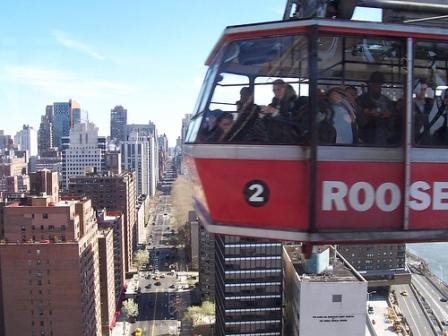
However Roosevelt Island is often defined by its most popular method of conveyance, the Roosevelt Island Tramway. This unique way of getting to and from home, taking less than five minutes one way, is a picturesque and perfectly European way of experiencing the city. The aerial tram, made by the Swiss company Vonroll, is the only one of its kind on North America to be used as actual mass transit. (Many vacation destinations obviously use trams, including mountains in Oregon and New Mexico.)

The Tram was built in 1976 as a temporary relief for residents impatient with the slow development of the subway out to the island. By the time the subway (now the F line) reached Roosevelt in 1989, the Tram had become such a signature of the midtown skyline that it was retained.

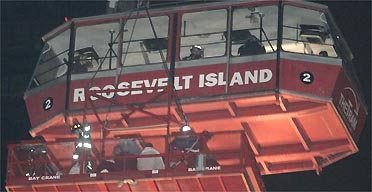
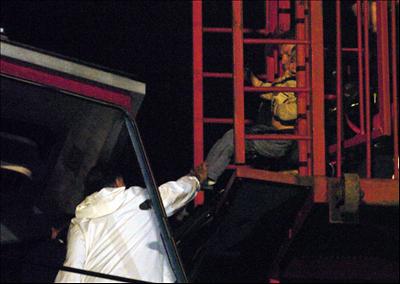
Some passengers in 2006 might have wished they had hopped on the subway. On April 18, 2006, the two operating cars abruptly stopped moving, leaving almost 70 people stranded above the East River. It took almost six hours, well into the early morning, for rescue workers to extract the passengers ten at a time using an industrial crane and rescue gondolas. According to a 12 year old passenger, who had to leap from the tram doorway to the gondola: “I was just a little scared because, one, what if I miss it; two, what if I slip, I might fall into the river.”

(Go to WNBC to see some of the vivid coverage.)

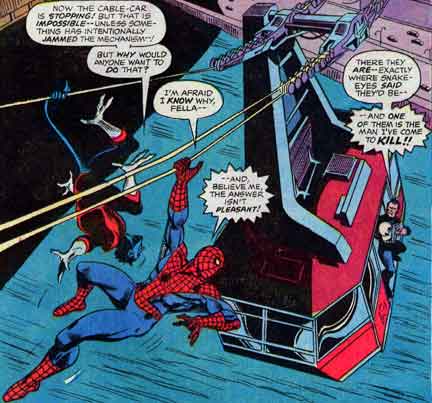
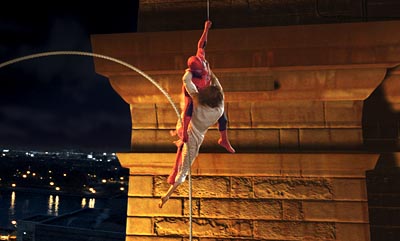
Of course the Tram isn’t foreign to use by malevolent types and rescues by bonafide heroes, at least in the fictional realm. Spider-man seems to be the tramway’s personal security guard, in comic books and in film.

You can take a far safer virtual tram ride with the Roosevelt Islander.

The subway seem to be the easiest way to travel, but even that has an odd distinction — at a little over 100 feet deep, its the second deepest subway stop in the entire city. (That’s still 80 feet shorter than the 191 Street station in Manhattan.) After a series of steps and escalators, it can seem like you’re emerging from a subterranean city.