Categories
Podcasts Revolutionary History

New York City during the Revolutionary War: Besieged and occupied by the British (1776-1783)

PODCAST What was life like in New York City from the summer of 1776 to the fall of 1783 — the years of British occupation during the Revolutionary War?

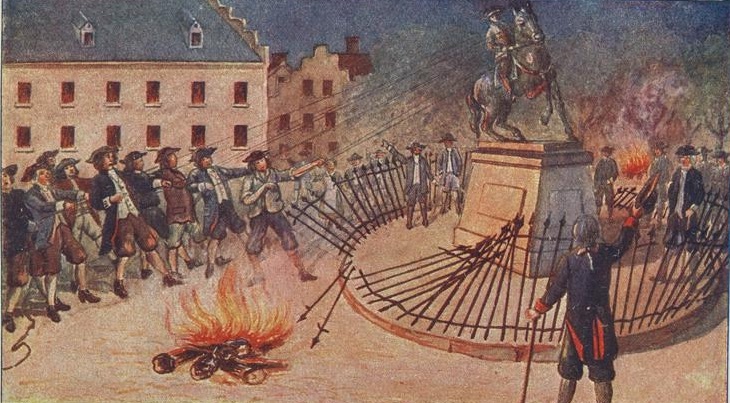
New York plays a very intriguing role in the story of American independence. The city and the surrounding area were successfully taken by the British by the end of 1776 — George Washington and the Continental Army forced to escape for the good of the cause — and the port city became the central base for British operations during the conflict.

While British officers dined and enjoy a newly revitalized theater scene, Washington’s spies on the streets of New York collected valuable intelligence. As thousands of soldiers and sympathizing Loyalists arrived in the city, hunger and overcrowding put the residents of the city in peril. When the sugar houses and churches became too filled with captured rebels, the British employed prison ships along the Brooklyn waterfront to hold their enemies.

This is a very, very special episode, a newly edited combination of two older shows from our back catalog.  PLUS several minutes of brand new material, featuring stories that we overlooked the first time.

Listen Now: Revolutionary War NYC Podcast

_________________________________________________________

The Bowery Boys: New York City History podcast is brought to you …. by you!

We are now producing a new Bowery Boys podcast every other week. We’re also looking to improve the show in other ways and expand in other ways as well — through publishing, social media, live events and other forms of media. But we can only do this with your help!

We are now a member of Patreon, a patronage platform where you can support your favorite content creators for as little as a $1 a month.

Please visit our page on Patreon and watch a short video of us recording the show and talking about our expansion plans. If you’d like to help out, there are five different pledge levels (and with clever names too — Mannahatta, New Amsterdam, Five Points, Gilded Age, Jazz Age and Empire State). Check them out and consider being a sponsor.

We greatly appreciate our listeners and readers and thank you for joining us on this journey so far.

_________________________________________________________

Since 2008, we’ve taken a deep dive into New York’s Revolutionary years with several shows focusing on many different aspects of these trying times. For more information, check out these shows from our back catalog:

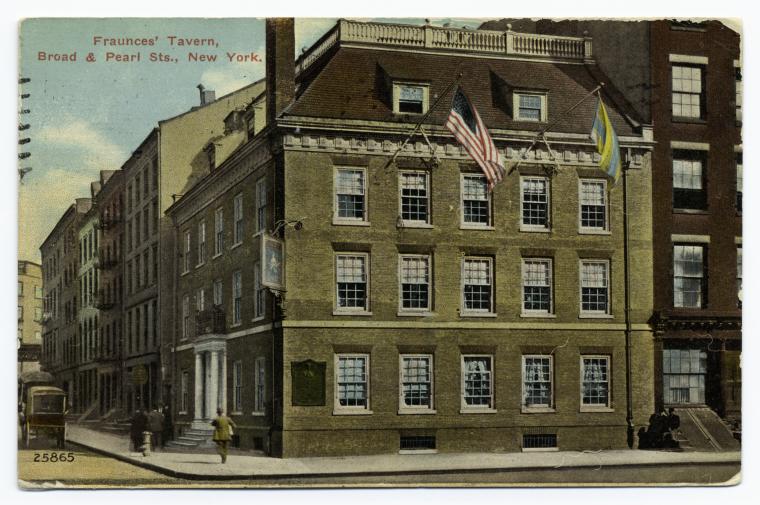
FRAUNCES TAVERN
Fraunces Tavern is one of America’s most important historical sites of the Revolutionary War and a reminder of the great importance of taverns on the New York way of life during the Colonial era.

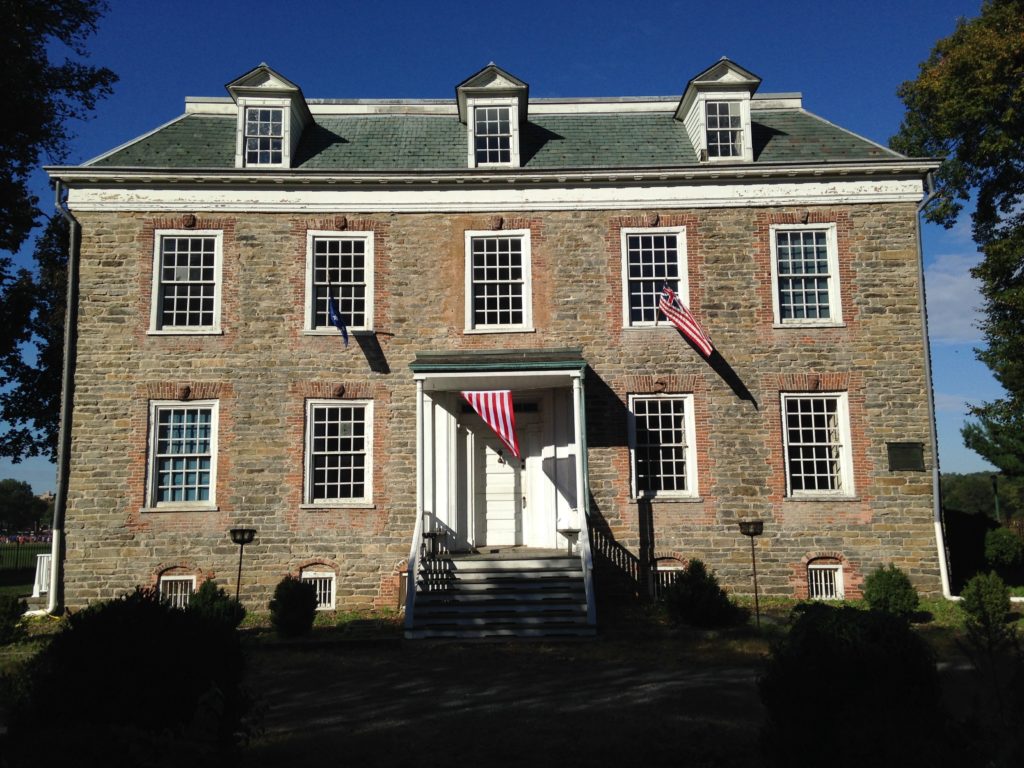
Van Cortlandt House Museum

BRONX TRILOGY (PART ONE): THE BRONX IS BORN
Before it was the borough of the Bronx, the southern portion of Westchester County was populated with wealthy, prominent British families who faced a tough choice during the Revolutionary War? Remain loyal to the Crown or support the rebels?

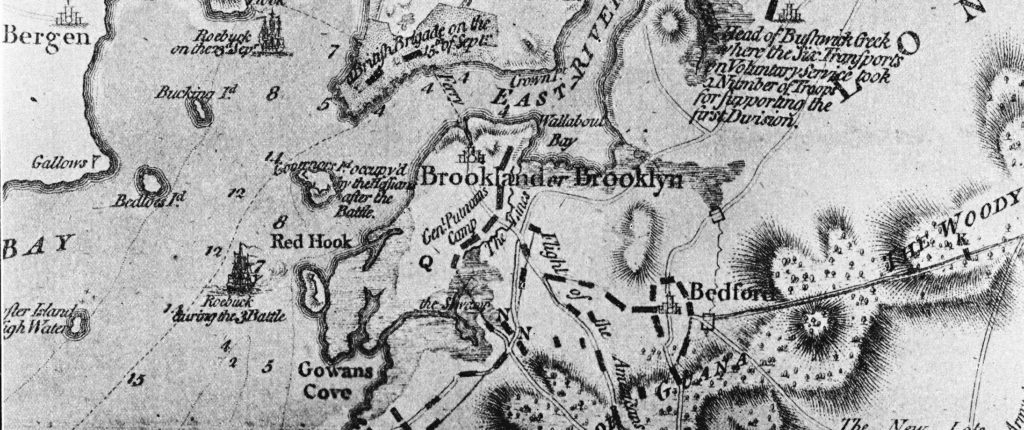
GOWANUS! Brooklyn’s Troubled Waters
Back when the Gowanus was a marshy creek, an early battle in the quest for American independence was fought here. The Old Stone House today pays homage to this pivotal skirmish.

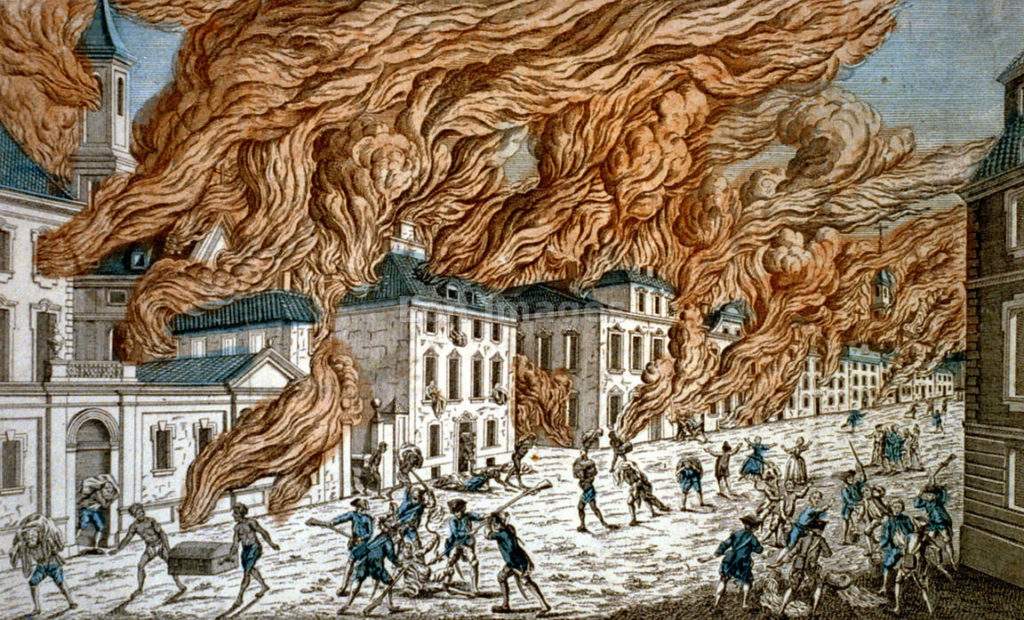
THE GREAT FIRE OF 1776
The circumstances surrounding the Great Fire of 1776, the events of the Revolutionary War leading up to the disaster, and the tragic tale of the American patriot Nathan Hale.

BEFORE HARLEM: NEW YORK’S FORGOTTEN BLACK COMMUNITIES
Featuring a chat with Kama’u Ware of Black Gotham Experience about the struggles of enslaved and free black people during the colonial period

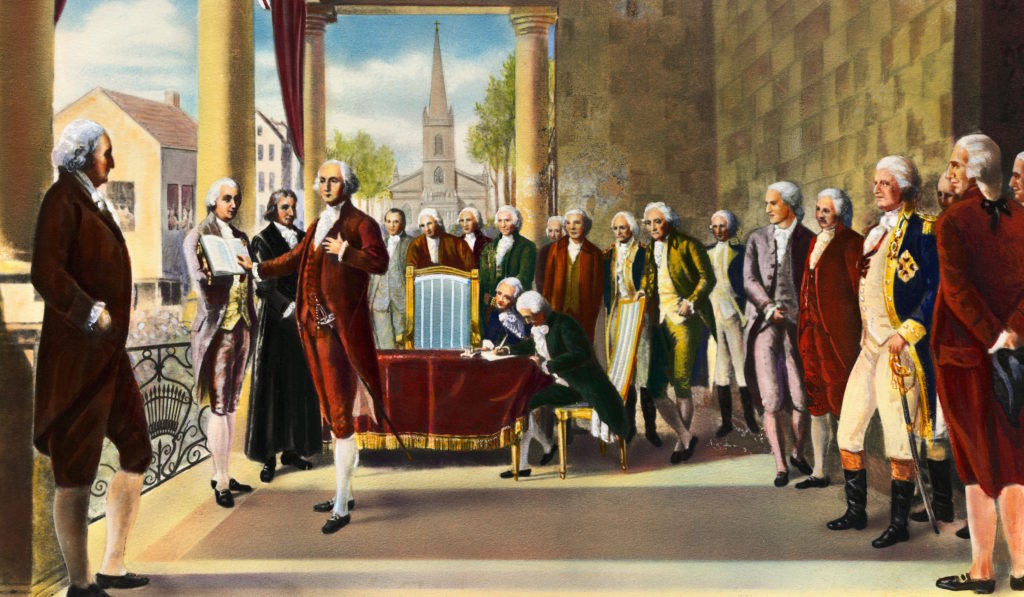
GEORGE WASHINGTON’S NEW YORK INAUGURATION
After Washington resigned as head of the Continental Army in 1783, many did not ever expect to see him back in New York. But providence — and a new nation — called.

Categories
Neighborhoods Podcasts

The Grand Tale of Orchard Street and Life on the Lower East Side

PODCAST The Lower East Side is one of the most important neighborhoods in America with a rich history as dense as its former living quarters. Thousands of immigrants experienced American life on these many crowded streets. In this podcast, we look at this extraordinary cultural phenomenon through the lens of one of those — Orchard Street.

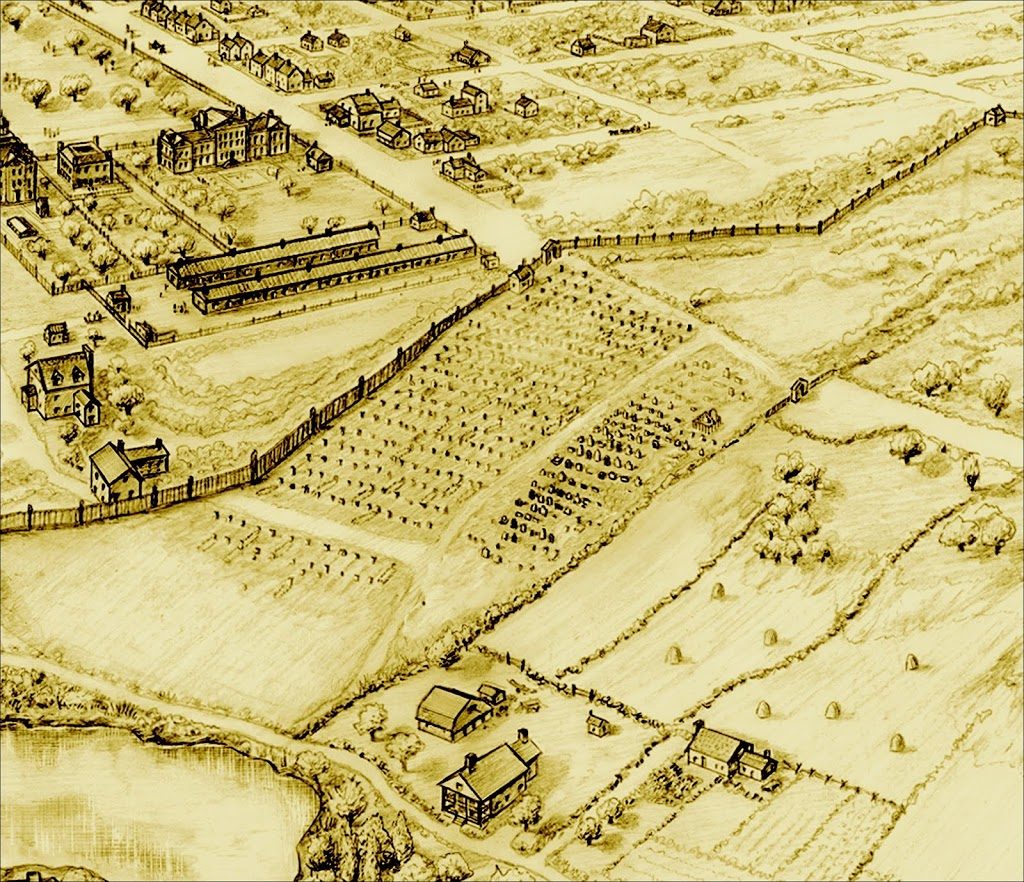
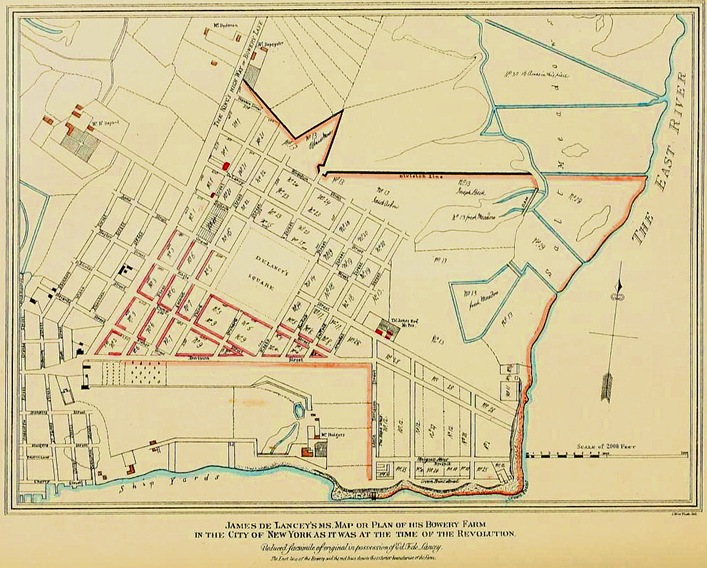
Its name traces itself to a literal orchard, owned by James De Lancey, a wealthy landowner and Loyalist during the Revolutionary War. By the 1840s the former orchard and farm was divided up into lots, and a brand new form of housing — the tenement — served new Irish and German communities who had just arrived in the United States.

A few decades later those residents were replaced by Russian and Eastern European newcomers, brought to the neighborhood due to its affordability and its established Jewish character.

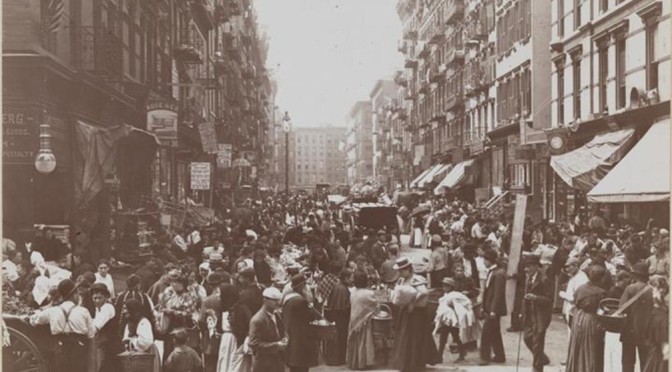
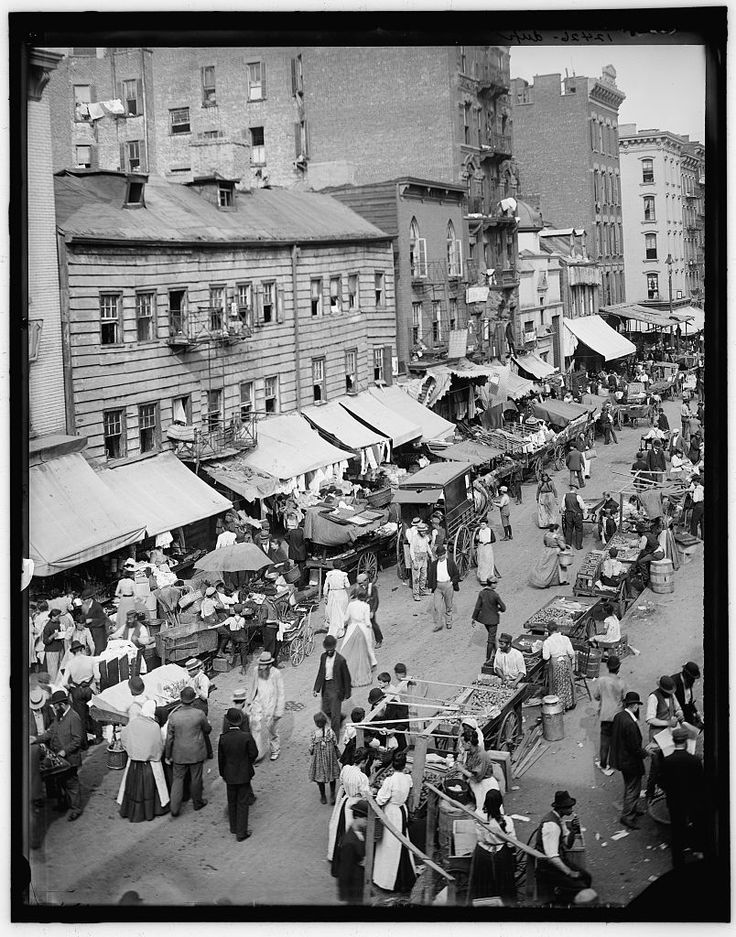
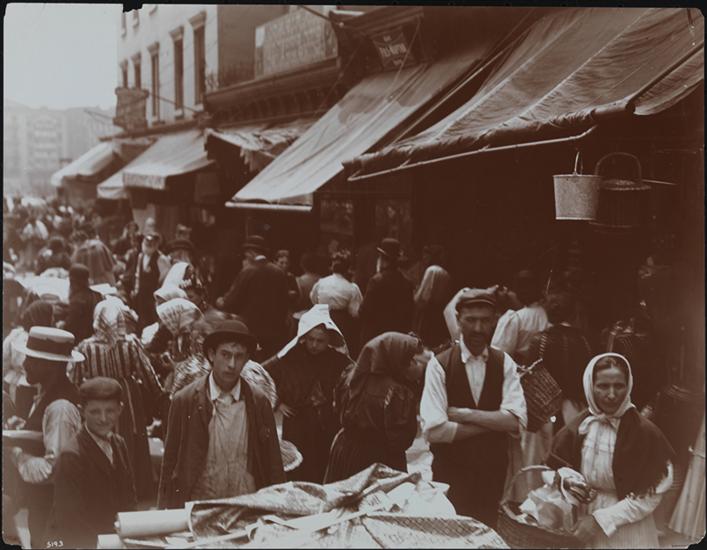
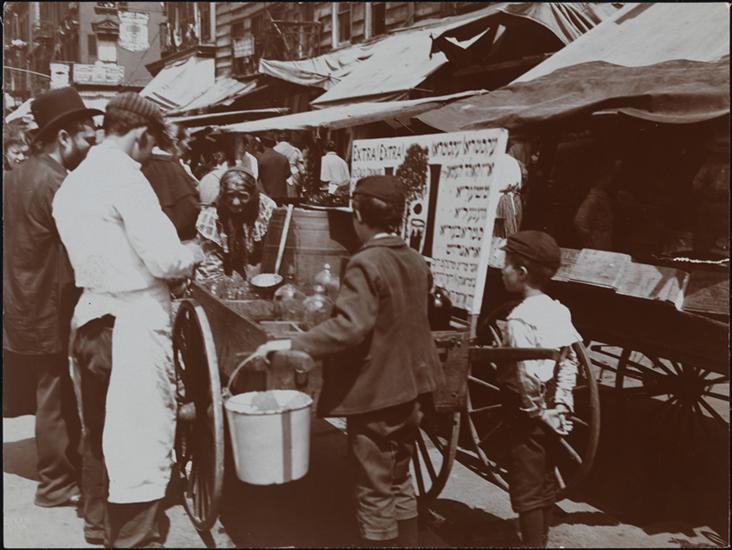
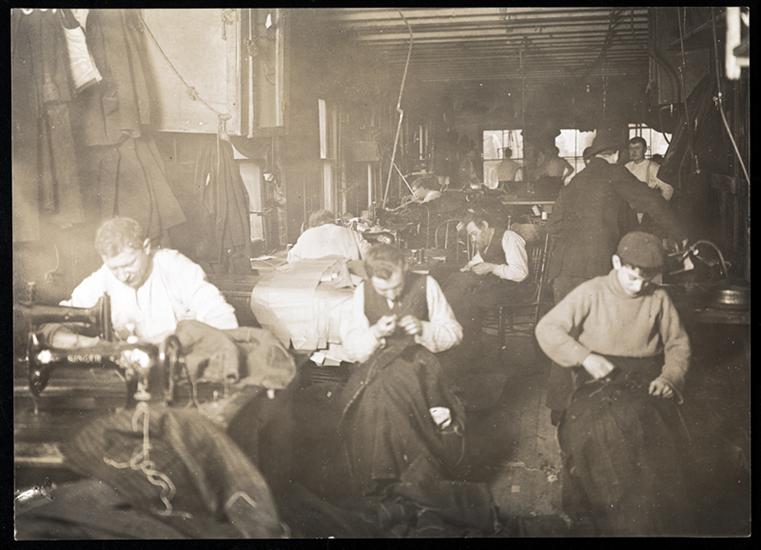
Living conditions were poor and most tenement apartment doubled as workspaces. Meanwhile, in the streets, tight conditions required a unique retail solution — the push cart, a form of independent enterprise that has given us some businesses that still thrive on Orchard Street today.

You can see this century-old life along Orchard Street today, if you know where to look. Luckily that’s what we’re here for! With some help from Adam Steinberg at the Tenement Museum, where the best place to interact with a preserved view of the old days.


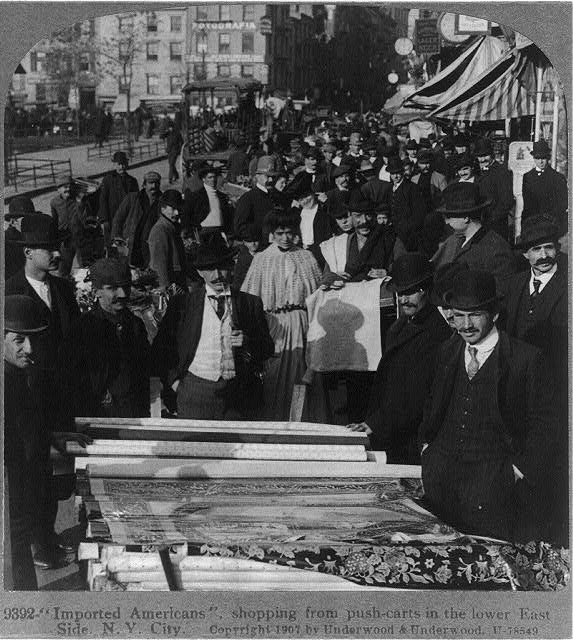
Below: “Imported Americans” — from a photo card, courtesy Library of Congress

imported

The Bowery Boys: New York City History podcast is brought to you …. by you!

Starting this month, we are doubling our number of episodes per month. Now you’ll hear a new Bowery Boys podcast every two weeks. We’re also looking to improve the show in other ways and expand in other ways as well — through publishing, social media, live events and other forms of media. But we can only do this with your help!

We are now a member of Patreon, a patronage platform where you can support your favorite content creators for as little as a $1 a month.

Please visit our page on Patreon and watch a short video of us recording the show and talking about our expansion plans. If you’d like to help out, there are five different pledge levels (and with clever names too — Mannahatta, New Amsterdam, Five Points, Gilded Age, Jazz Age and Empire State). Check them out and consider being a sponsor.

We greatly appreciate our listeners and readers and thank you for joining us on this journey so far. And the best is yet to come!


A look at the property of James De Lancey and his sophisticated plans to turn his farm into a wealthy neighborhood, probably in the spirit of St. John’s Park. The blog Manhattan Unlocked goes really deep into the story of De Lancey’s land holdings here.

1

I’m not sure where this picture was taken but it illustrates a cluster of buildings constructed before the advent of tenement construction.

11

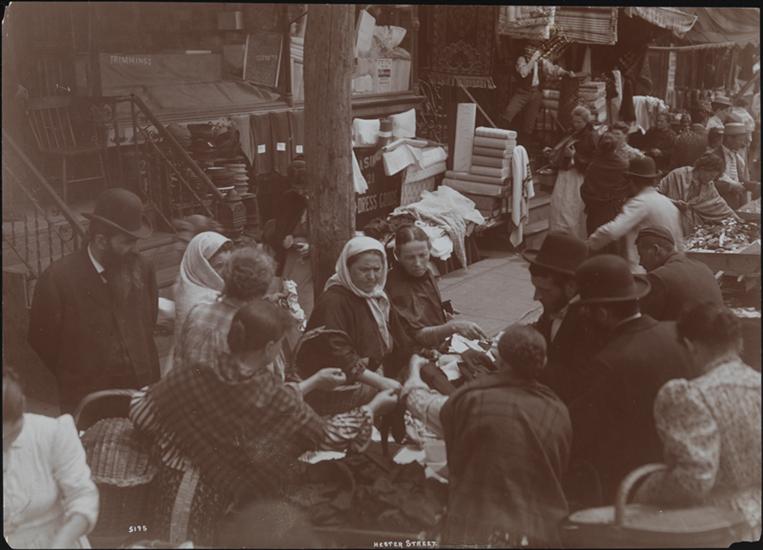
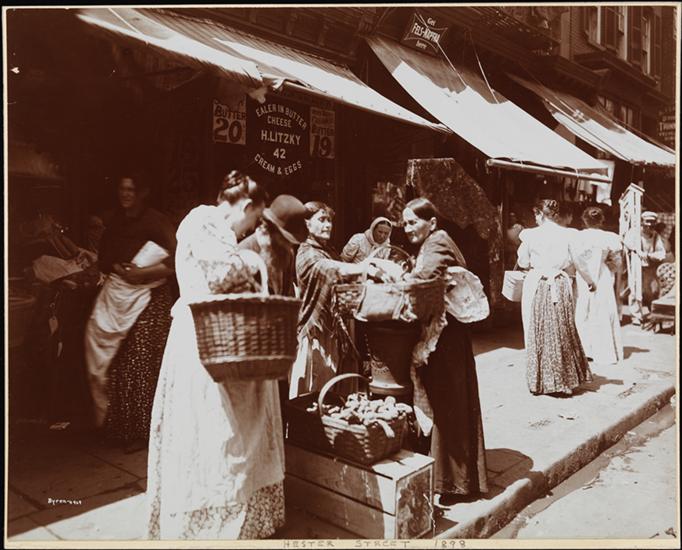
Here’s a selection of photographs from the archives of the Museum of the City of New York, illustrating the clogged streets of Orchard and Hester Streets, busy with the commerce of the day. All of these are from 1898.

1
2
3
5

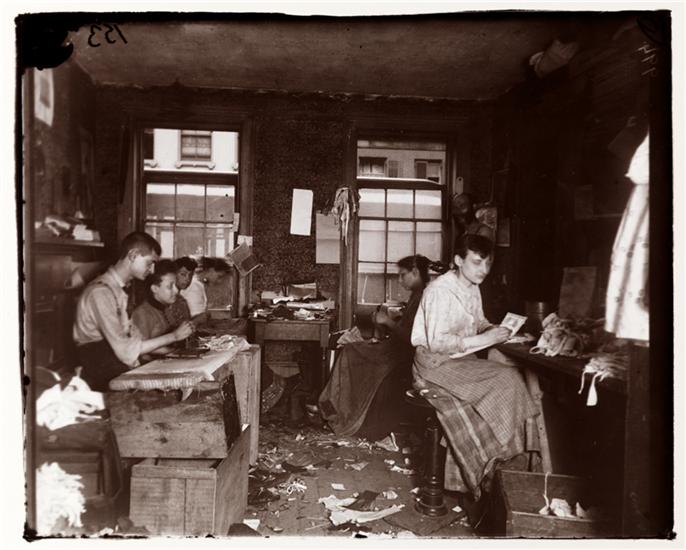
The home sweatshops, cramming an industry and several people into the parlor of a tenement building. Here’s a necktie ‘factory’ on Division Street in 1890.

Courtesy the Museum of the City of New York

And another from 1911. Child labor in full view!

MNY8435

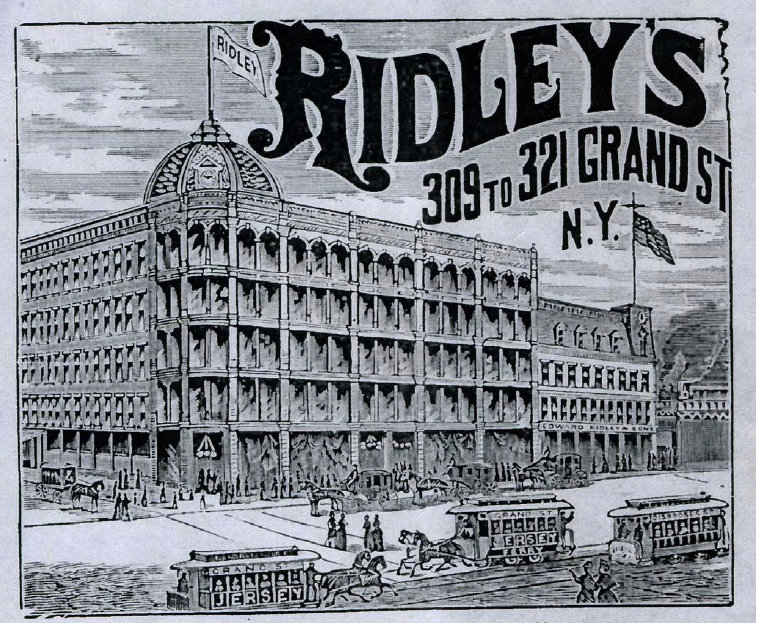
Ridley’s Department Store on the corner of Grand and Orchard Streets. They’ve really cleaned up the streets in this advertisement, haven’t they?

Courtesy the Tenement Museum

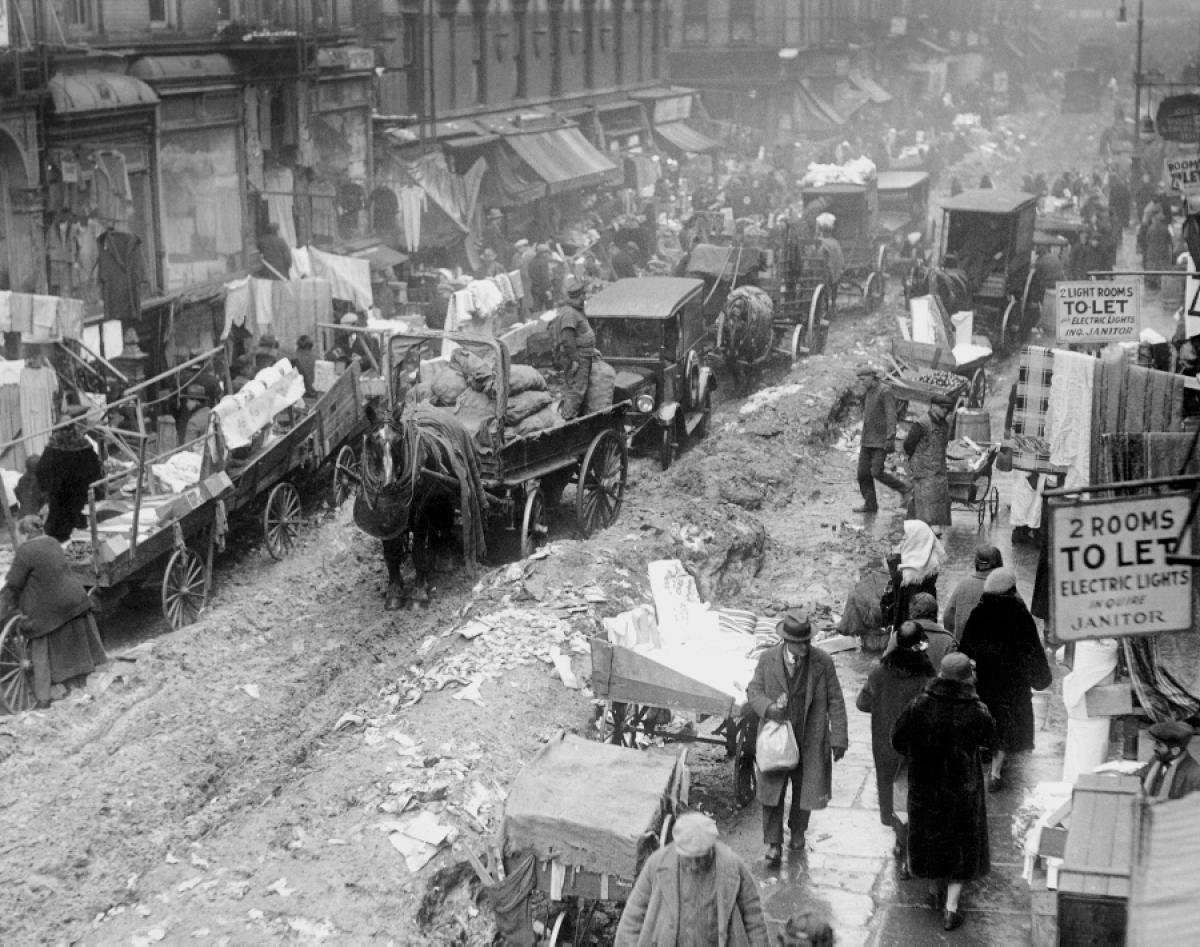
Here’s what all that mess on Orchard Street looks like in the winter! Pictured here in 1926.

Courtesy New York Daily News

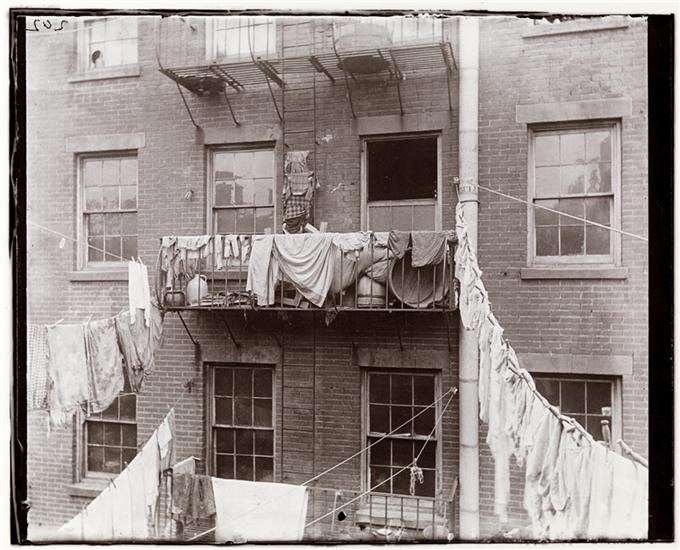
An Allen Street tenement fire escape from 1890, obviously used for more purposes than emergencies! [source]

Courtesy Museum of City of New York

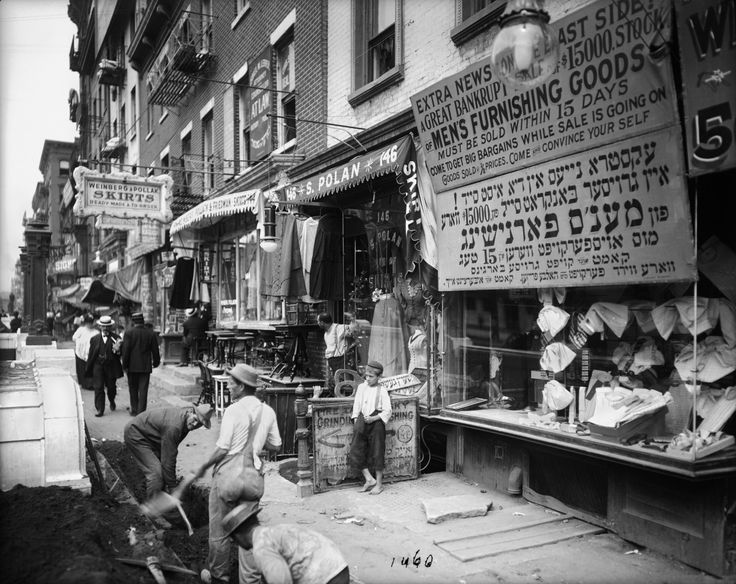
This photo was taken in 1908 (or somewhere around that date) showing a bit of the expansion of Delancey Street. Workers labor in the street while a Jewish boy looks on. (Department of Records)

12

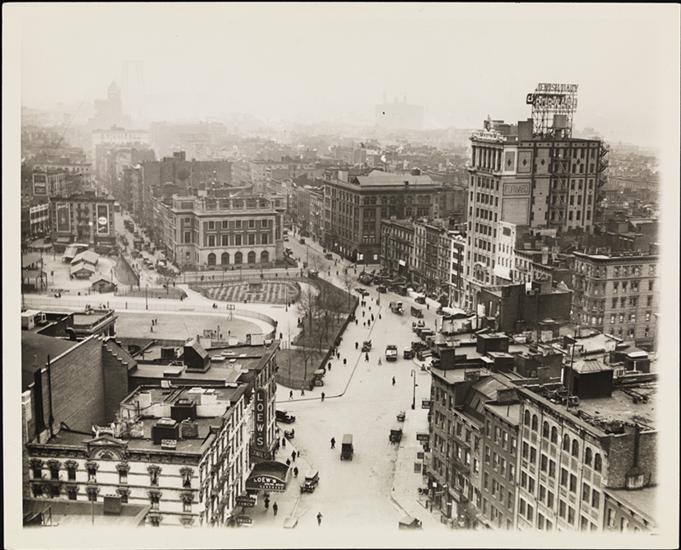
An overhead view of the intersection of East Broadway, Essex Street, Division Street and Canal Street, showing Seward Park and the library, both built to provide air and education to the Lower East Side. Photo is from 1928. [source]

9

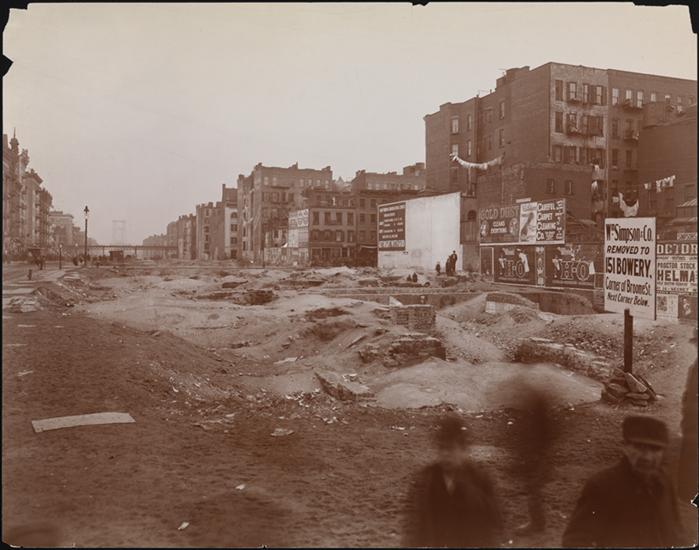
An extraordinary view of Delancey Street in 1904 during the widening process for access to the Wililamsburg Bridge.

Courtesy Museum of the City of New York

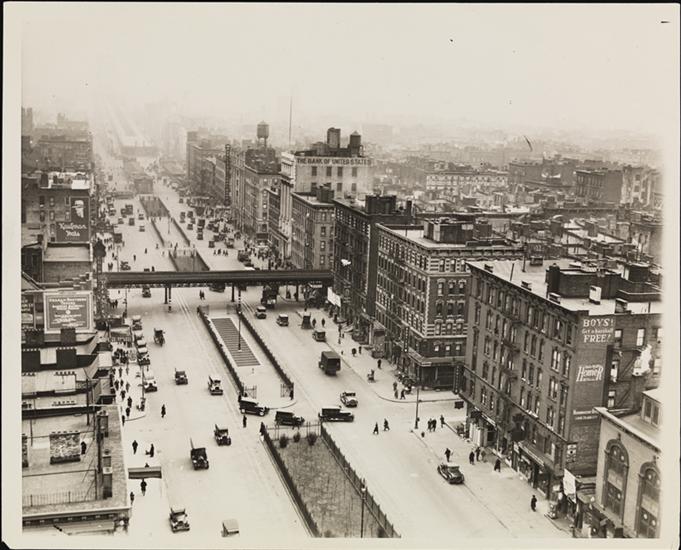
And here’s what Delancey looked like in 1928. This is from the top of a hotel from Delancey and Chrystie. You can see the elevated train that went down Allen Street. Orchard Street is the next block in the distance. Allen Street too was subject to expansion. And see the building labeled Bank of the United States? Here’s a little bit more about its fascinating history.

delancey

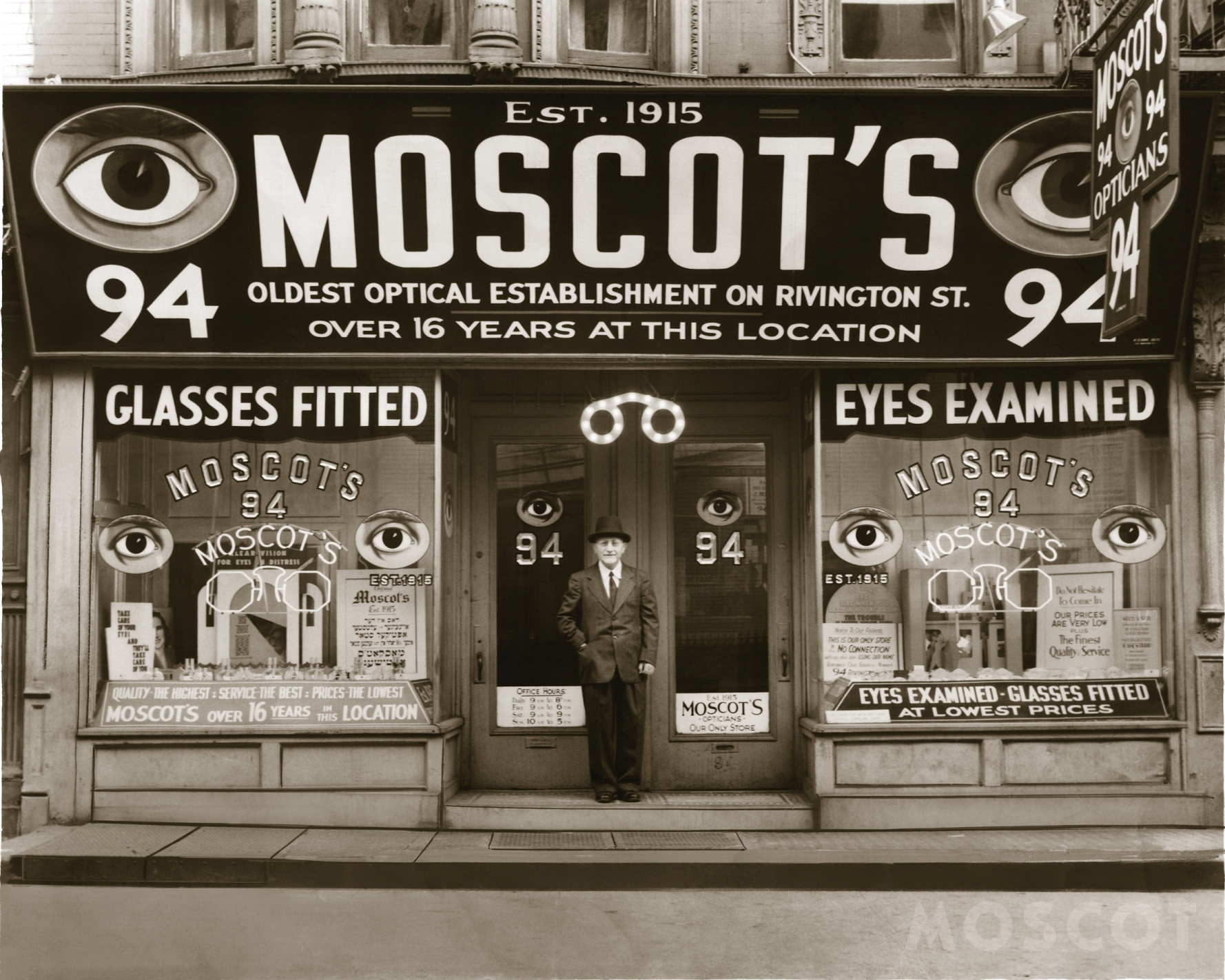
Hyman Moscot stands outside of his shop at 94 Rivington Street sometime in 1934. He began his business selling eyeglasses out of a pushcart.

Courtesy Sol Moscot
Courtesy Sol Moscot

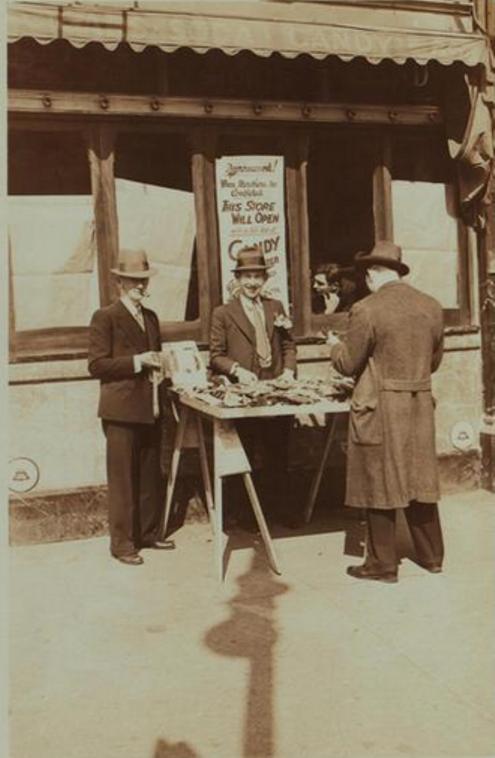
A men’s tie peddler has some success selling his ties on the street corner at Orchard Street and Delancey. Courtesy New York Public Library. Click here for more historic views of this corner.

Courtesy New York Public Library

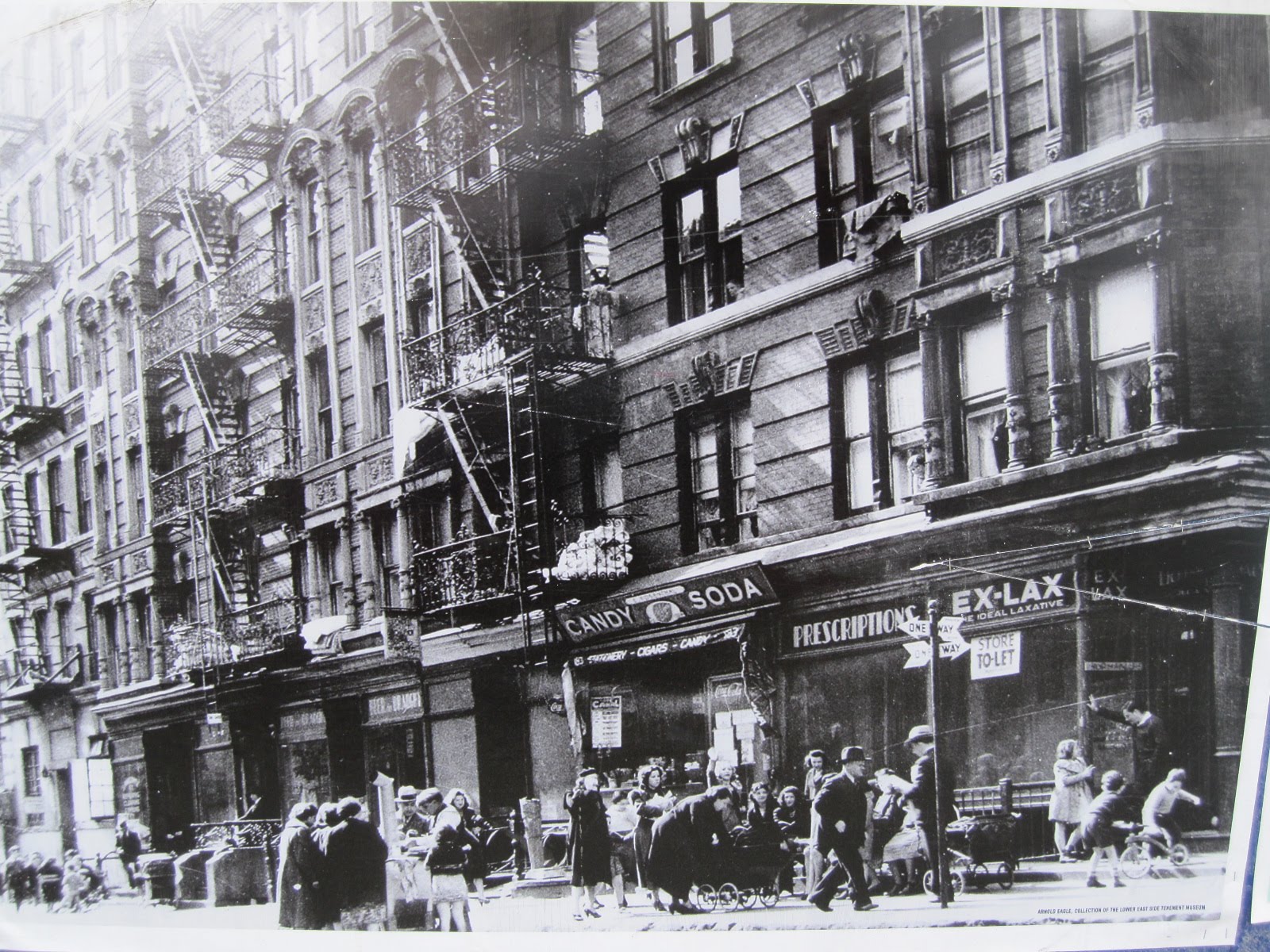
The Lower East Side in the 1930s — less crowded in the streets with very active storefronts.

Courtesy Trace Work
Courtesy Trace Work


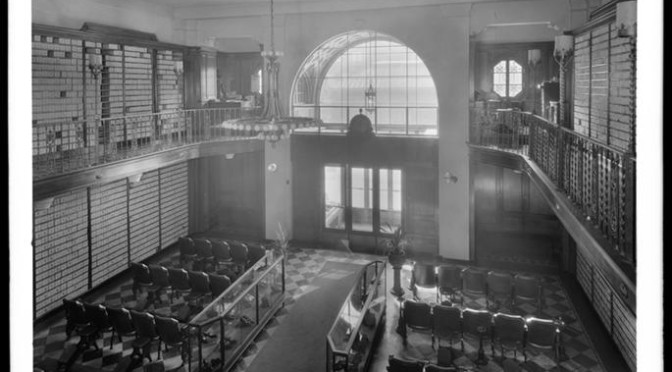
Jarmulowsky’s Bank at Orchard and Canal. The perch at top is no longer on the building. It was originally built there because Sender Jarmulowsky wanted to have the tallest building in the Lower East Side.

bank

The interior of 97 Orchard Street (today’s Tenement Museum) in 1988.

Courtesy the Tenement Museum

A big thanks to Adam Steinberg at the Tenement Museum! Visit their website for more information.

Categories
Planes Trains and Automobiles

New York City’s “stripped and abandoned” car crisis

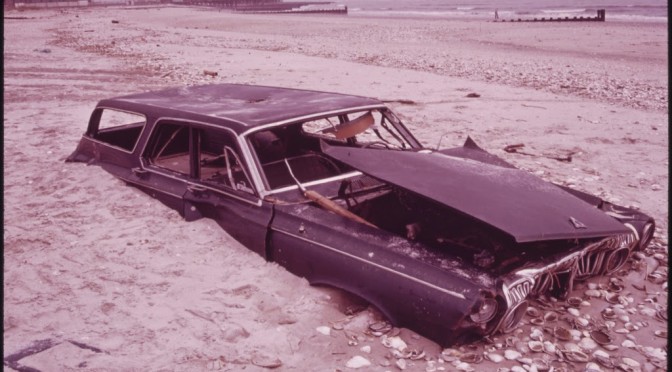
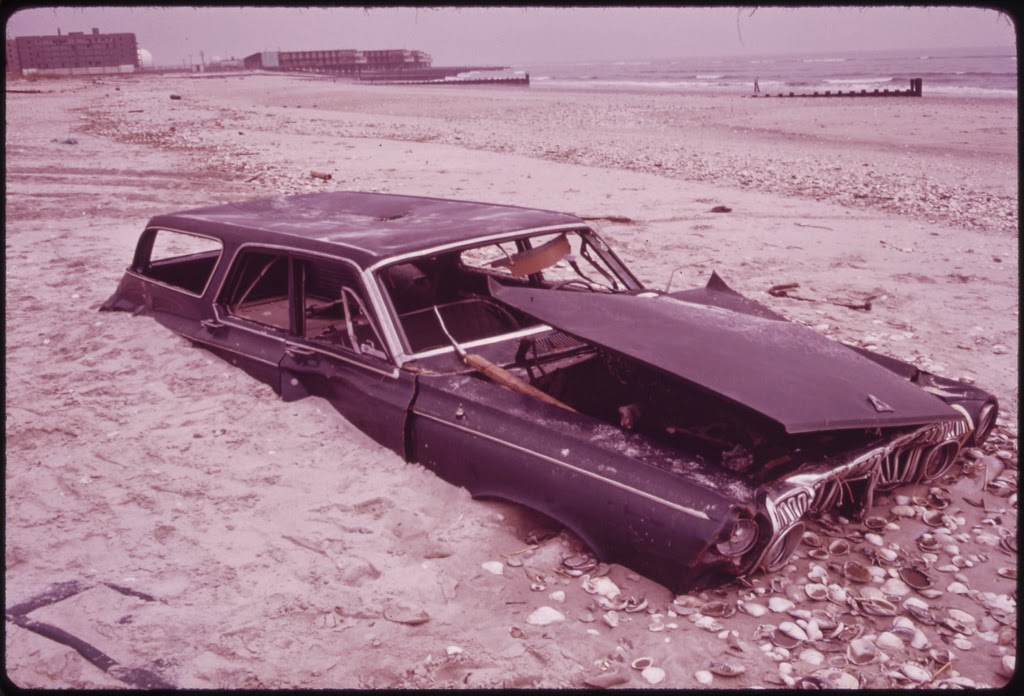
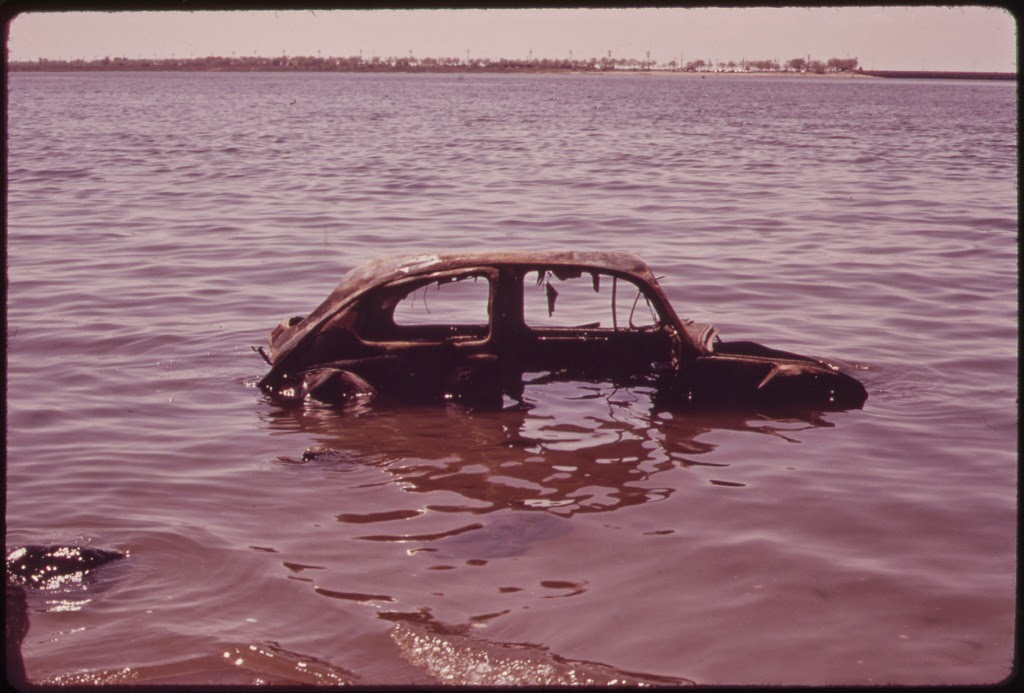
The fate of an automobile at Breezy Point, 1973 (Courtesy US National Archives)

The abandoned car, that most dramatic symbol of urban blight, is a sight that has pretty much vanished from most New York City streets. (Most, not all.)

In a city refitted for the automobile by the mid 20th century, people just began leaving their cars everywhere, either vandalized beyond repair or too expensive to tow when their vehicles became unusable. These husks of metal were scavenged for parts, then left to rust, the city’s sanitation crews unable to keep pace of the growing problem.

I recently found an intriguing article in New York Magazine from 45 years ago, titled “Stripped and Abandoned,” outlining the causes of the city’s sudden population of vehicular remains:

“Last year, by Department of Sanitation records, 31,578 cars were abandoned in New York City. Some were wrecks; some were stolen, then stripped; some were involved … in minor highway mishaps which caused their owners to leave them — to expert instant strippers, who evidently abound.”

By 1969, the problem had grown so unwieldy that the city hired third-party contractors to take care of most of it, but its budget for such removal would only shrink as the city entered the hard-knock 1970s.

Within a few years, the city would not even bother to remove such blight from certain neighborhoods.

“At any one time,” wrote author Fred Ferretti in 1969, “there are about 2,000 cars strewn about the highways and local streets.”

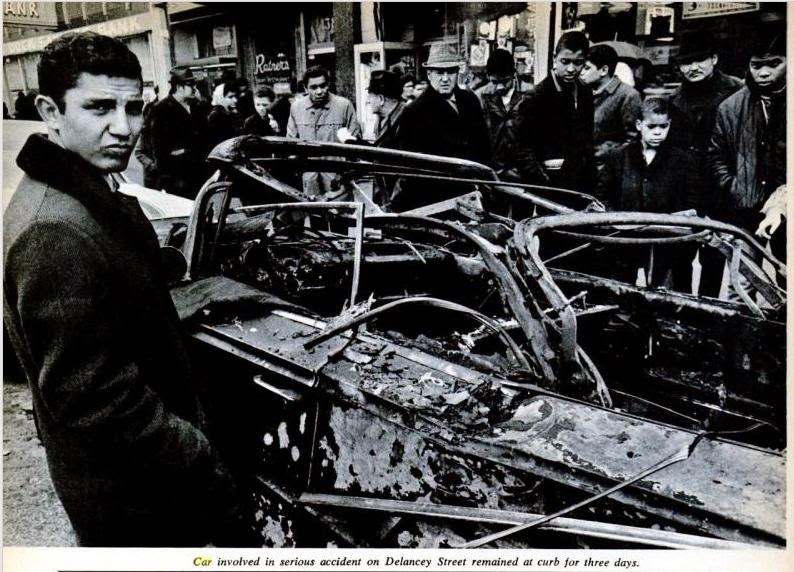
Below: From the New York Magazine article, the fate of a vehicle in Clinton Hill, Brooklyn, and on Delancey Street in the Lower East Side (photos by Robert D’Alessandro):

In 1970, standing in stark contrast to a city of polluted, automotive remains, one artist at the very first Earth Day celebration in Union Square attempted to address the problem.  A crushed sedan sat alongside the environmental merriment with a sign: “57,742 Cars Removed in 1969; 21,635 Removed in 1970, as of April 21.”  The New York Times would later note a total of 72,961 abandoned cars in 1970. [source] [source]

They weren’t just eye sores. What wasn’t pilfered or siphoned out was left to rot in the elements, leaking oil, attracting vermin.

New York City was only one problem spot within a new American crisis, with millions and millions of cars across the country already overfilling scrap yards. Here, however, it was a harbinger of hard times on the way.

“Everywhere you look, there are abandoned cars, stripped and junked,” said one resident of Brownsville, Brooklyn, returning to his deteriorating neighborhood in 1970.

A car almost completed ingested by Jamaica Bay, 1973  (Courtesy US National Archives)

Abandoned vehicles became the New York Sanitation Department’s biggest issue in the 1970s, although by the new decade, there was some improvement. According to a New York Times article from 1981:

“Total abandoned-car collections declined from more than 79,000 in 1978 to 33,112 last year and to 14,900 in the first half of this year, officials said. Robert Hennelly, chief of cleaning operations, said he thought the drop was ”perhaps because the cost of cars has gotten so high that people are holding on to them longer.”

Some cynically still considered the abandoned vehicle to be a recognizable mark of New York City, even in the 1980s, a sort of native animal.

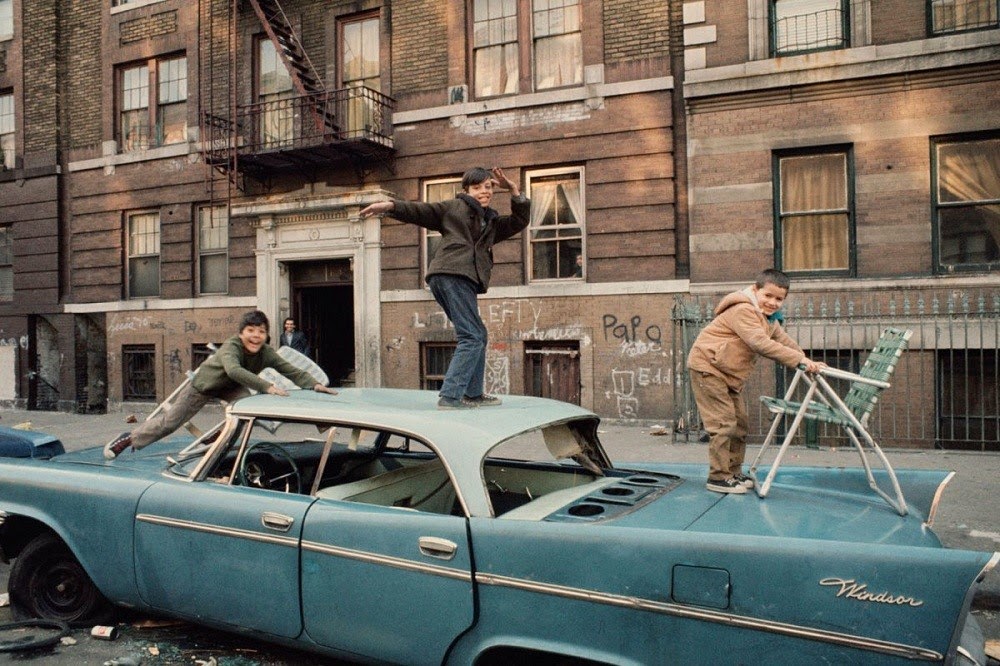
Not that an abandoned car couldn’t have some useful purpose, as this picture by Camily Jose Vergara illustrates. (Click here for more of his terrific photography)

With the general infrastructural improvement of the city during the 1990s, the beast had receded somewhat from view in most neighborhoods.

There are still abandoned cars galore — here’s the city’s current policy for reporting derelict vehicles — but few are so unscrupulously picked clean or left to decay into a rusty shell.

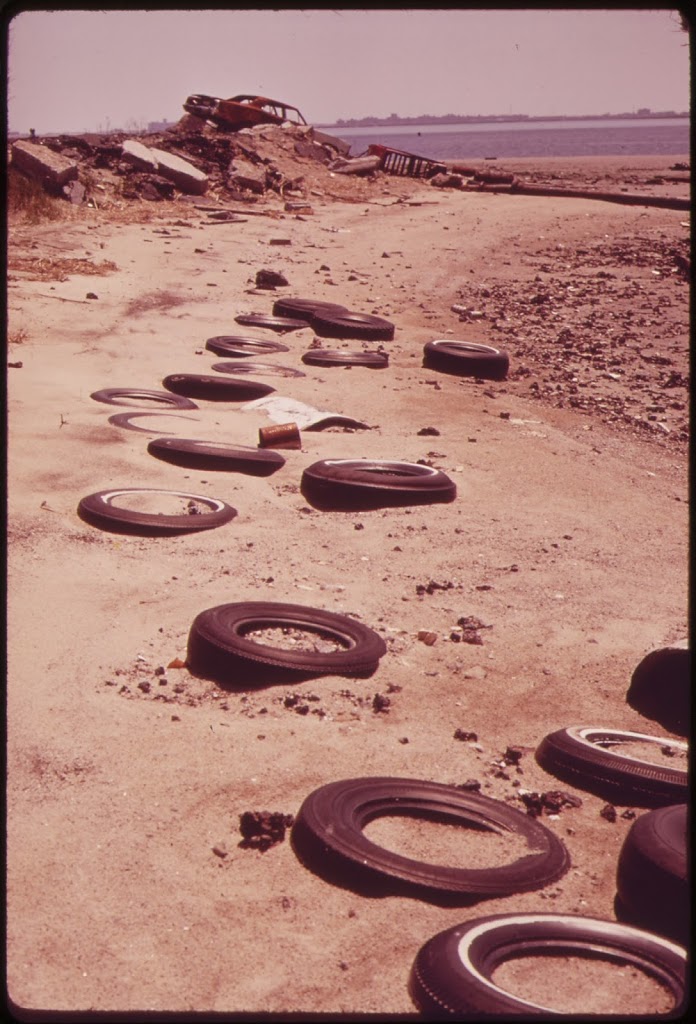
Below: As with the others above, Jamaica Bay 1973, near JFK Airport (US National Archives)

Categories
Gangs of New York

Who were the Short Tails? The crazy, violent habits of the real Lower East Side gang

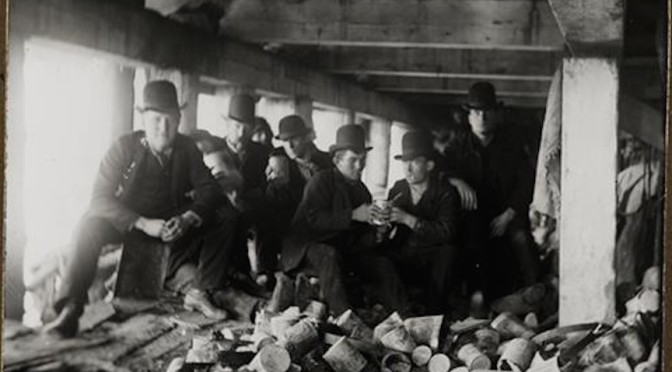
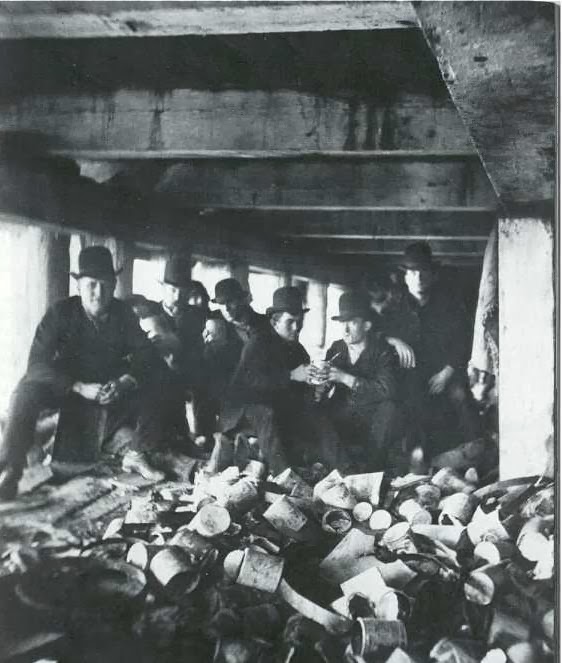
One of the few photos ever taken of any New York street gang was this image shot in 1887 by Jacob Riis of the Short Tails  under a pier in Corlears Hook. 

The Short Tails were a particularly nasty gang of criminals who terrorized the Lower East Side and the docks of Corlears Hook roughly during the period of the Gilded Age.

By the 1910s, this sinister assemblage had been absorbed into other street gangs — some say Monk Eastman‘s criminal organization is an off-shoot — and largely disappeared as a physical threat to innocent New Yorkers.

Then Herbert Asbury‘s Gangs of New York happened, vaulting a number of once-forgotten street gangs into a realm of historic romanticism. Even here, the Short Tails play second fiddle to more organized and mythic groups of young men such as the Dead Rabbits, the Whyos and, ahem, the Bowery Boys.

Confusingly, there was once a gang called the Shirt Tails who coexisted with other Five Points gangs, but this group of ruffians was long gone by the time the Short Tails terrorized neighborhoods to the east of their turf.**

The Short Tails feature as the principal villains in Mark Helprin’s New York fable Winter’s Tale, the film version of which opens today in movie theaters.

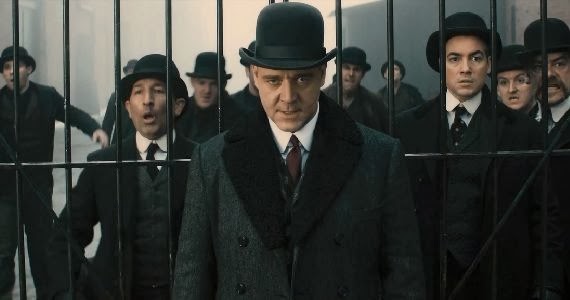
Their fictional leader, Pearly Soames (played by Russell Crowe), is a maniac with a penchant for gold and dangerous hideaways. He and his mob pursue the narrative’s hero Peter Lake (played by Colin Farrell) through the streets of a tinted-postcard New York that seems to shift like a kaleidoscope.
The original Short Tails were less romantic in nature, and less oppressive. (Helprin’s version: “Pearly and sixty of the Short Tails went marching through the street like a Florentine army.”)  Still, their scant appearance in newspapers of the era reveal a most malevolent group of men and boys. What were some of the traits of this menacing band?

They were headquartered at the corner of Rivington and Goerck Street. That’s around the area of Baruch Playground today. Back then, it was a stone yard. In 1882, these ‘East Side desperadoes‘ began terrorizing a German-owned saloon in the area, attacking the proprietor with a broken beer glass. In August, the leader of the Short Tails, Frank Nixon, was seriously injured in a shoot-out here and later arrested. [source]

Goerck Street from a much later period (1939) at Stanton Street, just a block from the gang’s headquarters. (NYPL)
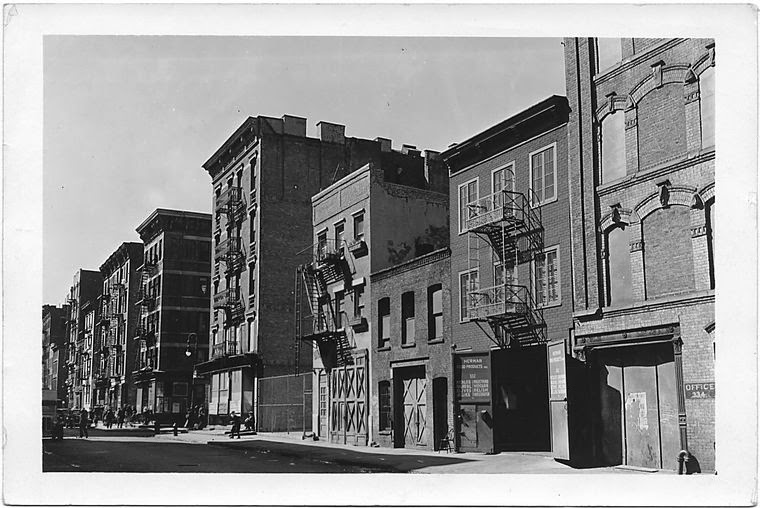
They were an outgrowth of another gang called the Border Gang, so named because they were on the border of two police precincts.

They loved beer. They loved it so much they were known for their habit of “rushing the growler,” filling up buckets of beer from local saloons and taking it back to headquarters. “The man who went for it would simply march out of the saloon with the filled receptacle [without paying for it], and if the barkeeper attempted to stop him, he would make a few remarks of a maledictory sort, interlarded with profanity and obscenity” and threaten to bring the wrath of the entire gang down on the saloon if he didn’t “hold his yawp.”  [source]

They were unrelenting murderers and thieves. The gang’s loathsome crimes seem especially brutal, even today.  From a report in 1884: “The members of the gang are known to the police as hard drinkers, thieves, pickpockets and highwaymen.” [source]

They were skilled at boat-related crimes. The Short Tails, being stationed near the piers along Corlears Hook, often committed crimes upon vessels along the water front. The unfortunate members of the Young Men’s Cathedral Association learned this the hard way during an river outing in 1886. “Some members of a notorious gang of desperadoes, calling themselves the Short Tails, smuggled themselves on the boat, got drunk and began to fight.” [source]

Corlears Hook in the 1870s, right before the era of the Short Tails. (NYPL)
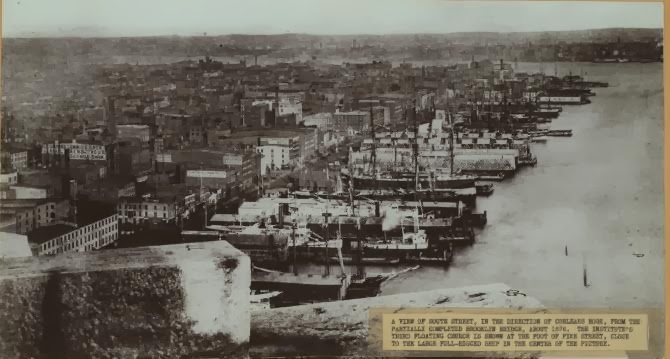
Their schemes could sometimes be quite dastardly and clever. They perfected a naughty little trick in 1896 involving wagons which lined up along the water’s edge. As some Short Tails pushed the wagons into the river, others would run to the owners and offer to rescue their drowning wagons for a fee of $3. This money would be used almost entirely on buying beer. (I guess saloon owners got a bit more aggressive by the 1890s!) “When the money was spent they returned and pushed two more trucks into the water.”

Some of them loved music. In fact, the earliest record (from 1881) that I could find of Short Tail-related violence involved an accordion! “Policeman Philip F. Mahoney … observed a crowd of forty young men last night … standing at the corner of Delancey and Sheriff Streets. One of the gang was playing an accordion and Mahoney directed them to move on, as it was 11:30 o’clock. The accordion player refused to stop playing, whereupon Mahoney attempted to arrest him. The gang set upon him and took his club away.” The accordion player and other members were later arrested. [source]

Delancey Street required extra police duty because of them. Officers of the NYPD wised up after the accordion incident, patrolling the area in pairs of two — “one to protect the other.” The gang was certainly no match for the most hearty of souls in the police force.

One officer in the 1880s, avenging a friend killed by a Short Tail, stormed right into their headquarters “without club or firearm of any kind” and personally throttled a great number of them, “grab[bing] two of the more notorious by their coat collars” and dragging them to jail.  [source]

** Neither the Short Tails nor the Shirt Tails are related to this group. (Courtesy Rob Starobin on Twitter )

Categories
Neighborhoods Those Were The Days

When the Bowery Ballroom was a shoe store and other scenes from Delancey Street in the 1930s

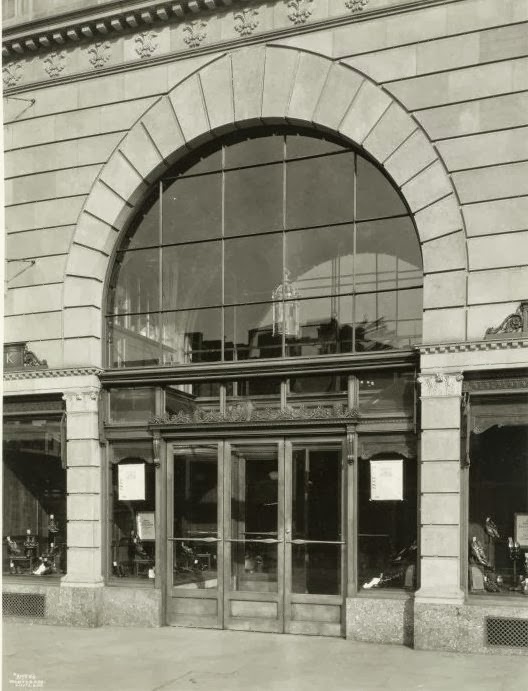
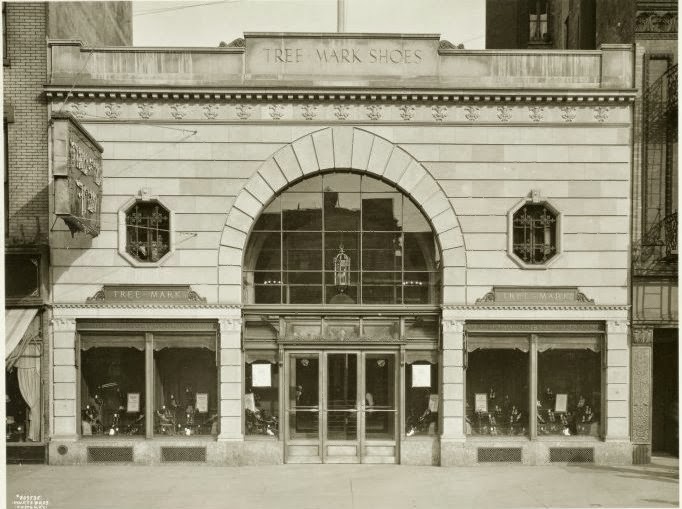
The Tree-Mark Shoe Store at 6-8 Delancey Street. You may know this building today as the Bowery Ballroom, a music venue since 1997. (Wurts Brothers, date unknown, both courtesy NYPL)

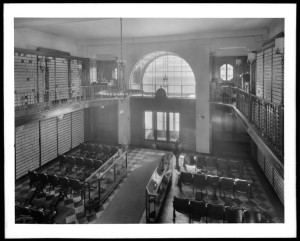
The interior of the shoe store, 1930 (Pic courtesy MCNY)

8 Delancey Street. Tree-Mark shoe store, interior.

This building has had a rocky history, according to historian Matthew Postal.  Using remnants of an old theater at this spot, the current building was constructed in 1928 as a retail store, but the stock market crash the following year ensured tenants never stayed for long.  Tree-Mark was home here the longest, almost thirty years.

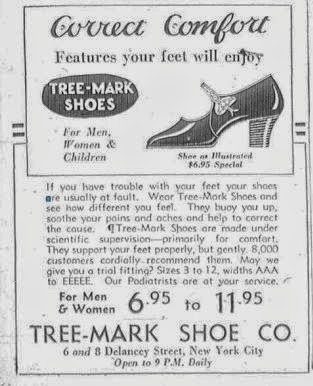
Tree-Mark Shoe Stores, a family-owned establishment since 1919, was an affordable shoe outlet with three locations in New York by the late 1950s — the original Delancey Street location, one off Herald Square and another on Kingsbridge Road n the Bronx.

“Comfort, rather than high style, is the goal,” the New York Times mentioned in a fashion write-up of the shoe franchise.  “However, it is possible to get a good-looking pump with a stacked heel for as little as $13.95.”  In a later article about the popularity of boots, Tree-Mark is mentioned as “specializ[ing] in boots for women with larger than average calves.”

The advertisement, at right, is from a 1934 issue of the Brooklyn Daily Eagle.  “8,000 customers cordially recommend them.”
On an unrelated note, in 1971, employees at the Herald Square location all chipped in to buy a lottery ticket and won $100,000.
_________________________________

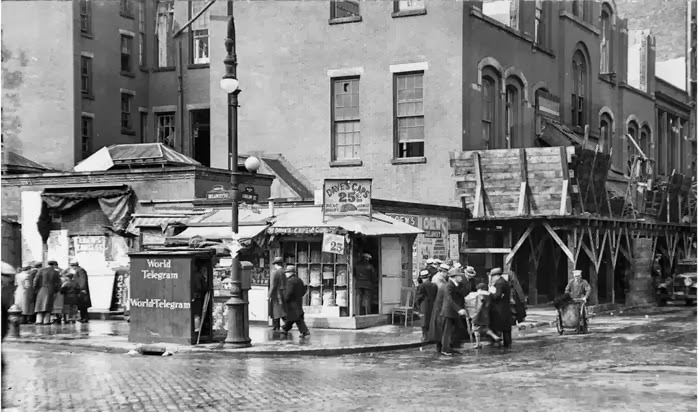
Here’s a couple bonus photos of life along Delancey Street in the 1930s. The first captures the southwest corner of Delancey and Ludlow. Judging from this 1929 picture of the same corner, that building being torn down is a public school.  Today that is the location of the swanky lounge The DL.

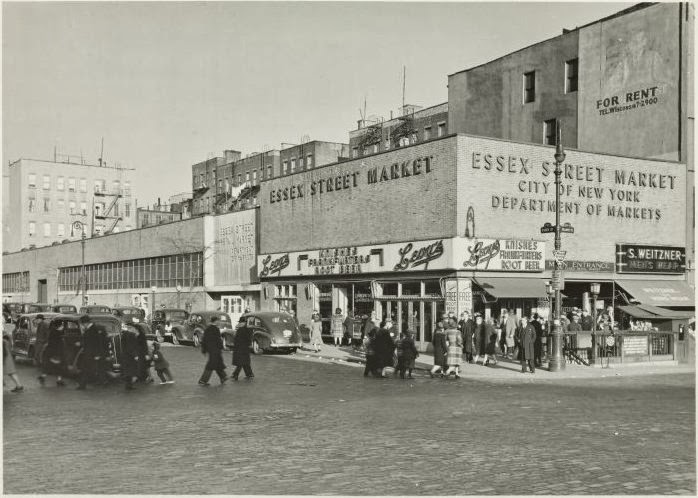
And here’s the northeast corner of Delancey and Essex, Wurts Brothers, date unknown (NYPL)  Outside of the Blue Building towering over it all, this street corner isn’t that much different today.