Categories
American History Bowery Boys Bookshelf

‘An Open Secret’: A gay life in Jazz Age Chicago

Robert Allerton lived without a care thanks to his family’s Gilded Age fortune, built from the stockyards of Chicago’s meat processing district. As a young man, Allerton used his inherited wealth to maintain the family estate near Monticello, Illinois, cultivating a garden escape where he could be left to his own devices.

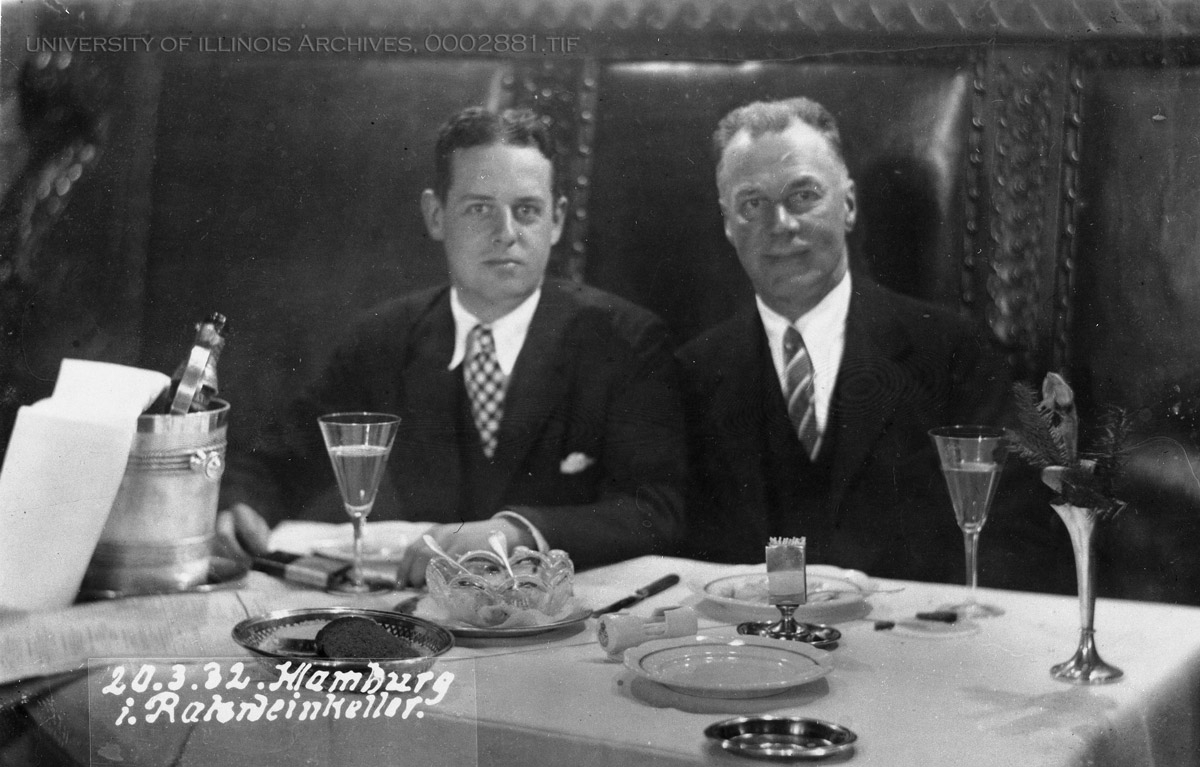
And then, in 1922, he met a handsome college student named John Gregg. They were separated in age by 26 years. They fell in love.
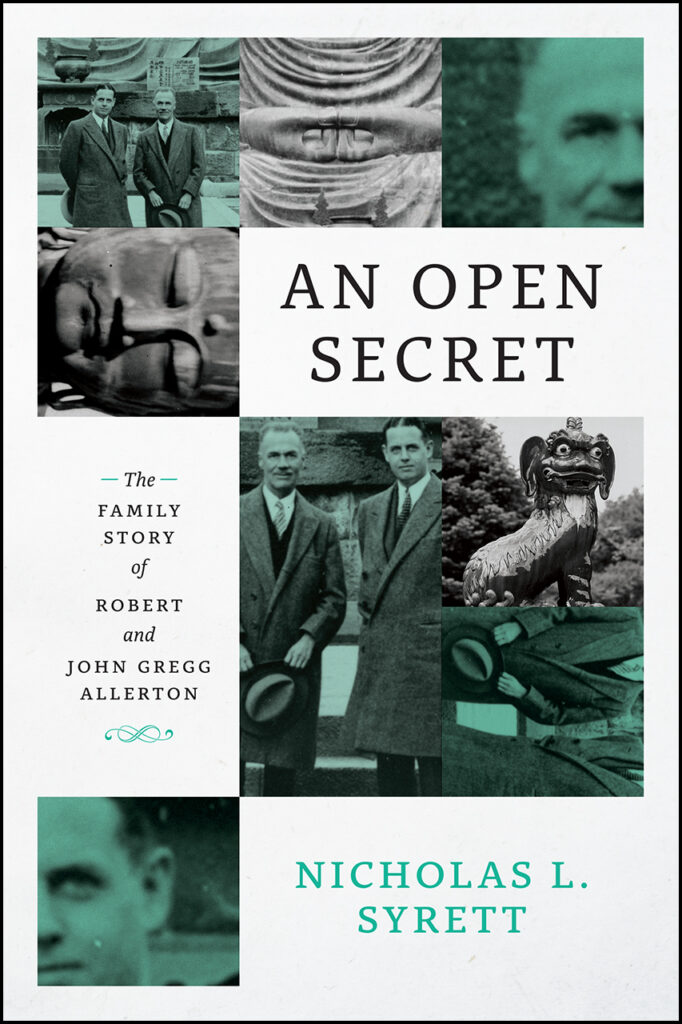
AN OPEN SECRET
The Family Story of Robert and John Gregg Allerton
Nicholas L. Syrett
University of Chicago Press

In An Open Secret, author Nicholas Syrett takes the reader into a maze of social norms redefined by the comforts of wealth and a collection of personal mysteries as well-kept as a display case of ancient art.

Robert Allerton is not an obscure figure. A building at the Art Institute of Chicago (one of America’s greatest art museums) is named for Allerton, one of Chicago’s great art collectors. And his estate on the island of Kaua’i is today a part of Hawaii’s National Tropical Botanical Garden.

But the parameters of Allerton’s personal life might be considered obscured today — concealed by the polite vestiges of post-Gilded Age social decorum, cushioned by the privilege of his vast wealth.

Or should I say — their vast wealth. Robert and John Gregg traveled the world together, living as a same-sex couple at a time when such romantic pairings were never seen or accepted.

They managed this unconventional life thanks to an intricate pantomime fueled by Allerton’s financial advantages and the vast age difference between the two men.

“By 1931,” writes Syrett, “the [Chicago] Tribune reported on the two traveling together, but the language of their relationship had become solidified as father and son, despite the fact that it was not legally so.”

They encouraged such language and eventually took it on themselves as a means to negotiate social spheres that would have otherwise shunned them.

“Calling John Gregg his son was a way of not talking about his actual role in Allerton’s life; even if Gregg’s relationship with Allerton was an open secret, calling him son allowed friends and acquaintances to avoid the awkwardness of having to discuss who he really was with Allerton.”
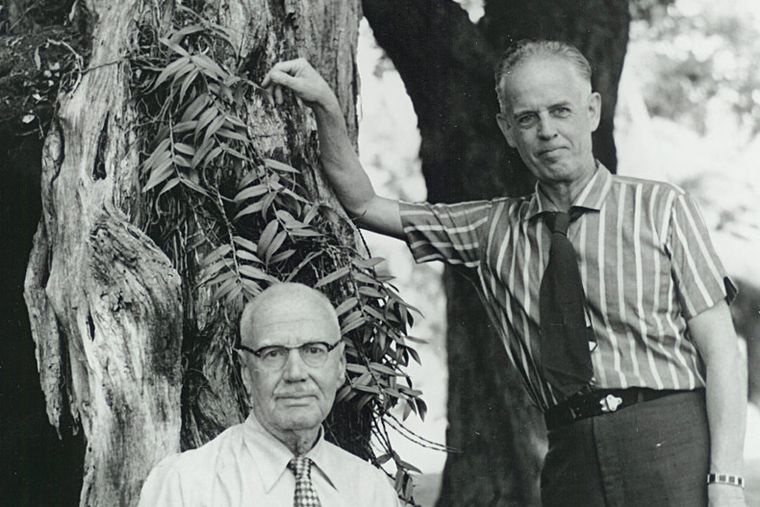
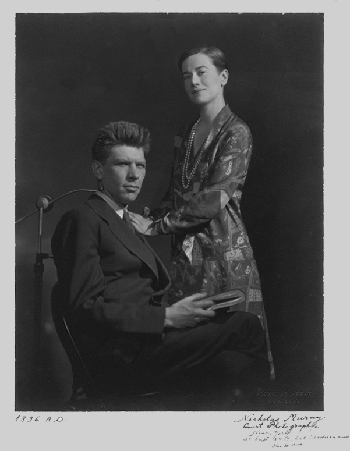
Robert and John Gregg Allerton in Hawaii, University of Illinois Archives

In 1960, near the end of elder man’s life, the pair made their charade official. John Gregg officially became John Gregg Allerton, the adopted son of Robert Allerton.

An Open Secret, with its daunting task of uncovering the secret world of two men who never left each other’s side (thus leaving no personal correspondence), succeeds as an x-ray into the procedures of living a closeted wealthy life, where clues of personal connections are scattered among the hydrangeas and exotic ornaments.


If the author’s name Nicholas Syrett sounds familiar to you, that’s because the author has been on our show! You can find him in our episode on Madame Restell, the ‘notorious’ abortionist of Fifth Avenue. Look for Syrett’s book on the life of Restell coming soon.
Categories
Podcasts The Jazz Age

Jimmy Walker, Mayor of the Jazz Age (NYC and the Roaring ’20s Part One)

PODCAST For the first part in our New York City in the Roaring Twenties summer mini-series, we’re hitting the town with “Beau James,” New York’s lively and fun-loving mayor Jimmy Walker.

And the king of it all was Jimmy Walker, elected mayor of New York City just as its prospects were at their highest. The Tin Pan Alley songwriter-turned-Tammany Hall politician was always known more for his grace and style than his accomplishments. His wit and character embodied the spirit (and the spirits) of the Roaring ’20s.

The 1920s were a transformational decade for New York, evolving from a Gilded Age capital to the ideal of the modern international city. Art deco skyscrapers reinvented the skyline, reorienting the center of gravity from downtown to a newly invigorated Midtown Manhattan. Cultural influences, projected to the world via radio and the silent screen, helped create a new American style.

Join us for an after-midnight romp with the Night Mayor of New York as he ascends to the most powerful seat in the city and spends his first term in the lap of luxury. What could possibly go wrong?

LISTEN NOW: KING OF THE JAZZ AGE


The Bowery Boys: New York City History podcast is brought to you …. by you!

We are now producing a new Bowery Boys podcast every two weeks. We’re also looking to improve the show in other ways and expand in other ways as well — through publishing, social media, live events and other forms of media. But we can only do this with your help!

We are now a member of Patreon, a patronage platform where you can support your favorite content creators for as little as a $1 a month.

Please visit our page on Patreon and watch a short video of us recording the show and talking about our expansion plans. If you’d like to help out, there are five different pledge levels (and with clever names too — Mannahatta, New Amsterdam, Five Points, Gilded Age, Jazz Age and Empire State). Check them out and consider being a sponsor.

We greatly appreciate our listeners and readers and thank you for joining us on this journey so far. And the best is yet to come!


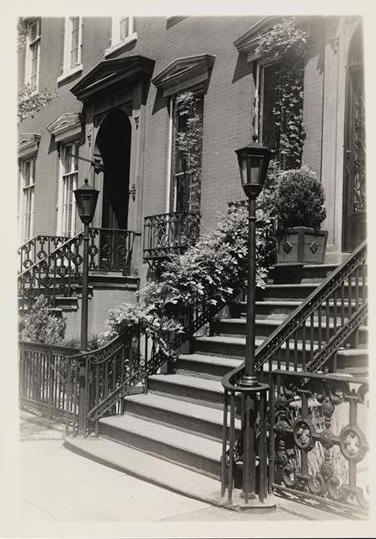
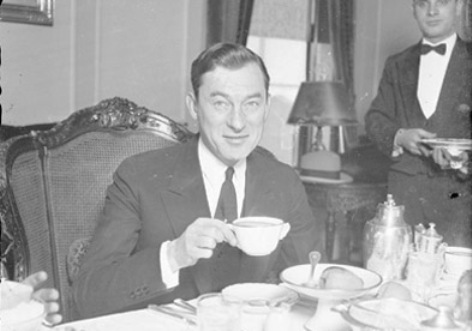
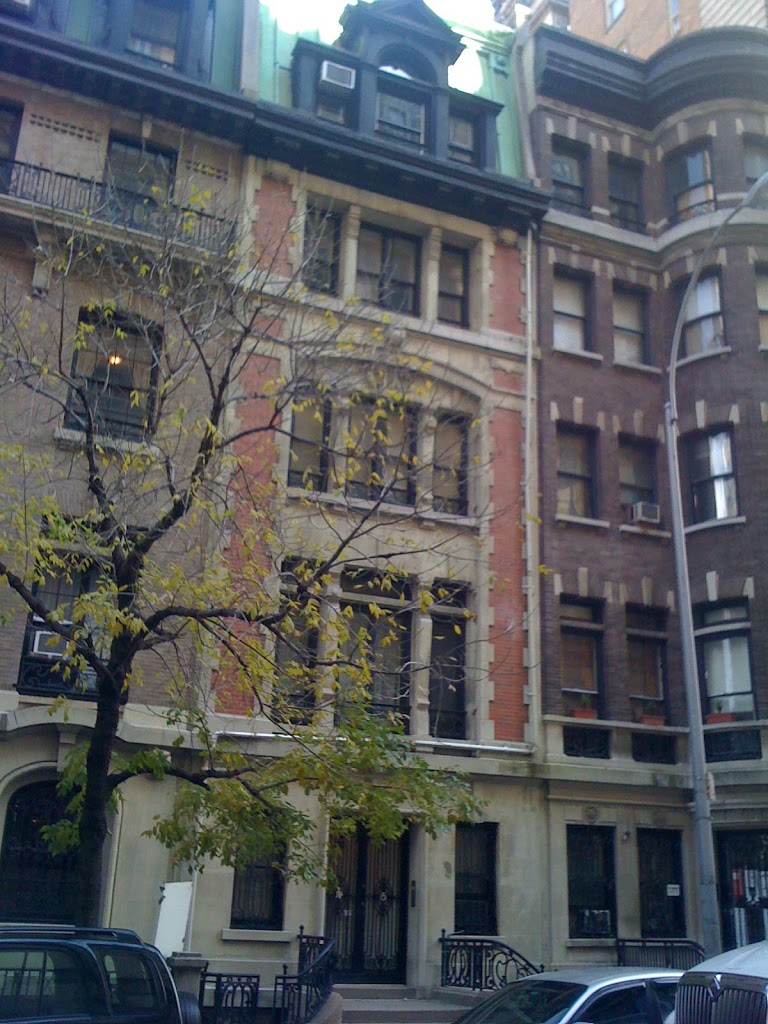
Walker having his morning coffee at his home on 6 St. Lukes Place (pictured below)

Courtesy MCNY

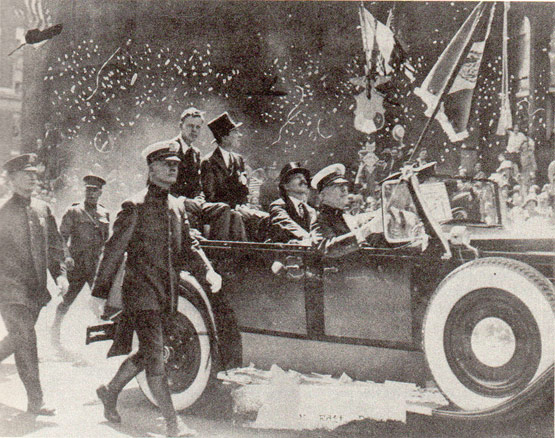
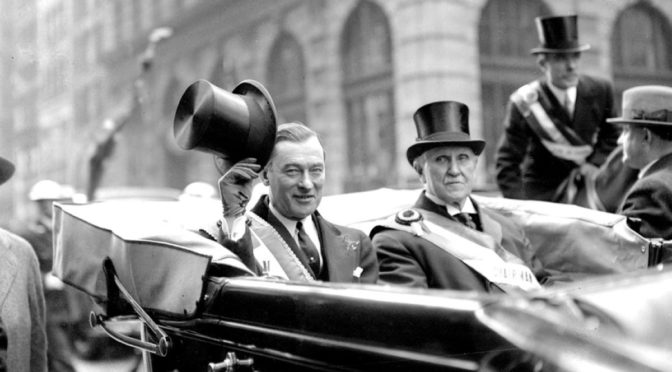
Jimmy Walker with Charles Lindbergh in 1927, in the midst of a ticker tape parade after his non-stop ride from Long Island to Paris.

Courtesy New York Social Diary

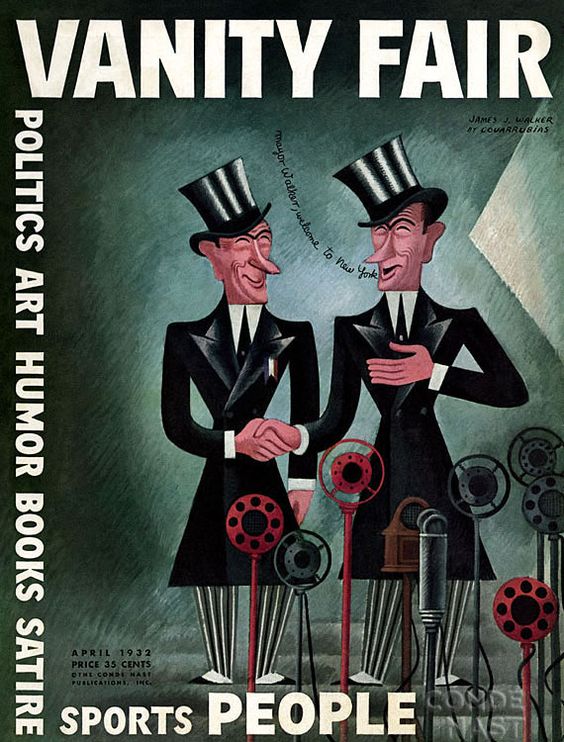
Walker so enjoyed throwing public events for famous people that he was frequently parodied for it. In 1932 Vanity Fair pictured him giving a lavish welcome — to himself.

Conde Nast

Harry McDonough with The Elysian Singers from 1905, singing Walker’s big hit “Will You Love Me In December As You Do In May.”

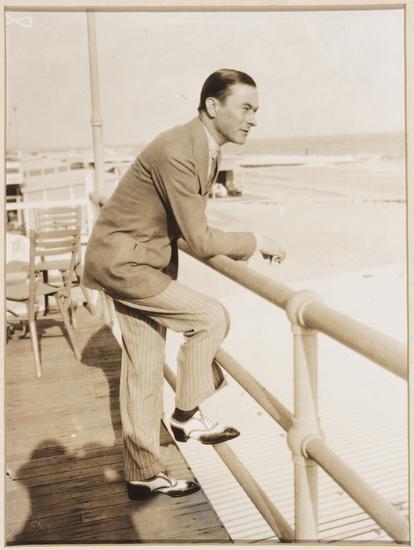
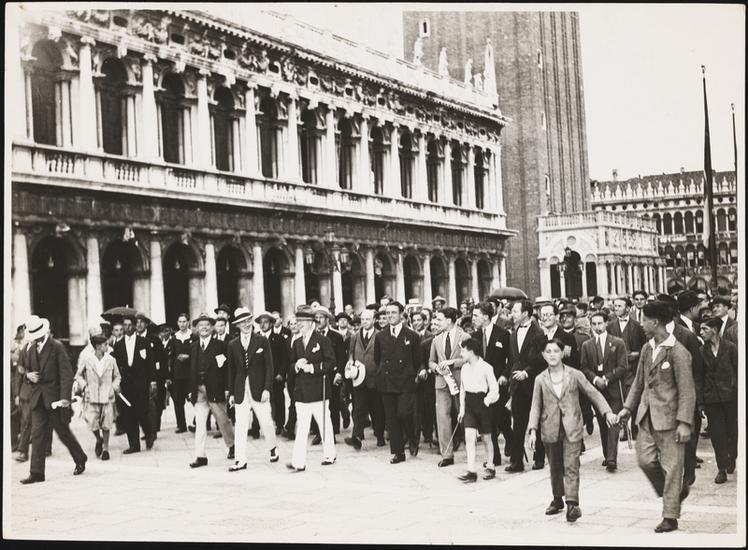
The dashing fashion plate, pictured here most certainly on his way to yet another vacation…..

….perhaps his European vacation! He’s pictured here in 1927, strolling the streets of Venice with a few hundred people behind him.

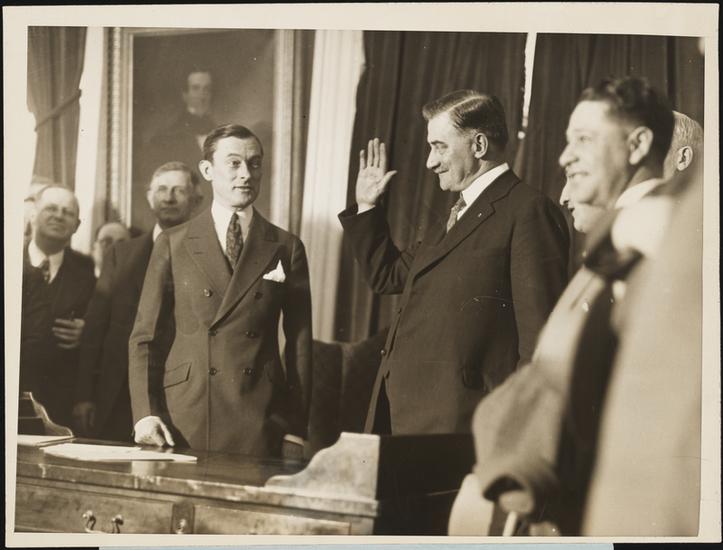
A picture of Jimmy, actually at work! He’s swearing in the new fire commissioner James J. Dorman in 1926.

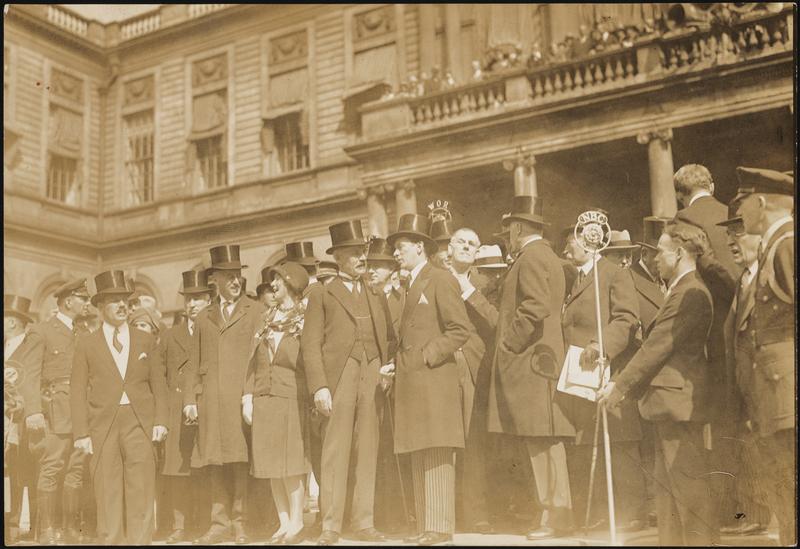
Mayor Jimmy Walker with British Prime Minister Ramsay MacDonald at yet another welcoming ceremony, broadcast on the radio.

MCNY

Another British visit, this time from Mrs Foster Welch, Mayor of Southampton.
In another Pathe video, Jimmy Walker visits Ireland and the former home of his father.

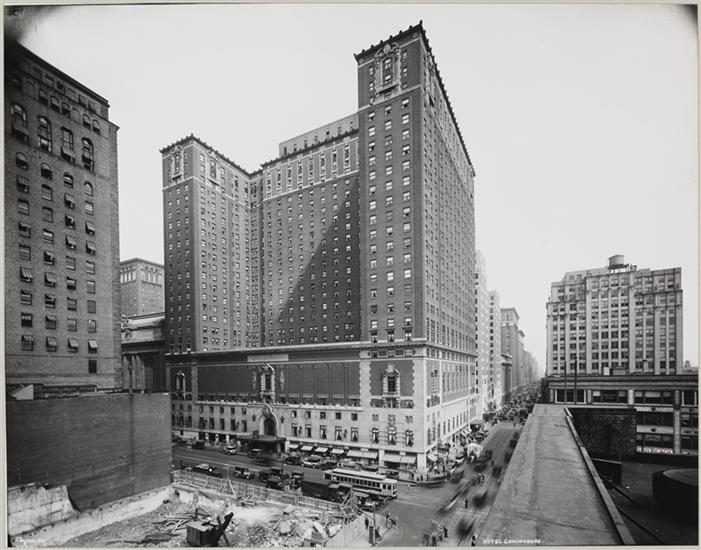
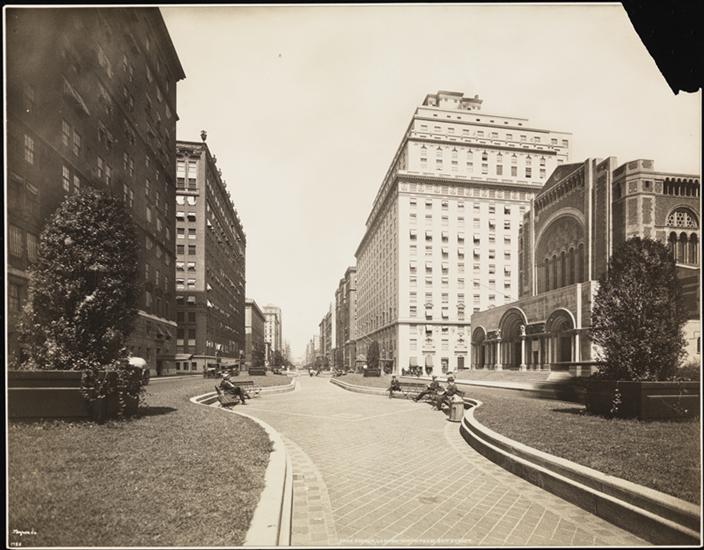
During Walker’s extraordinary rise, New York was becoming an entirely new city in the 1920s with construction projects on virtually on every block. Even in front of the Hotel Commodore (pictured here in 1927), which was, for a time, the home of Jimmy Walker.

Park Avenue (at 50th Street) in 1922.

MCNY

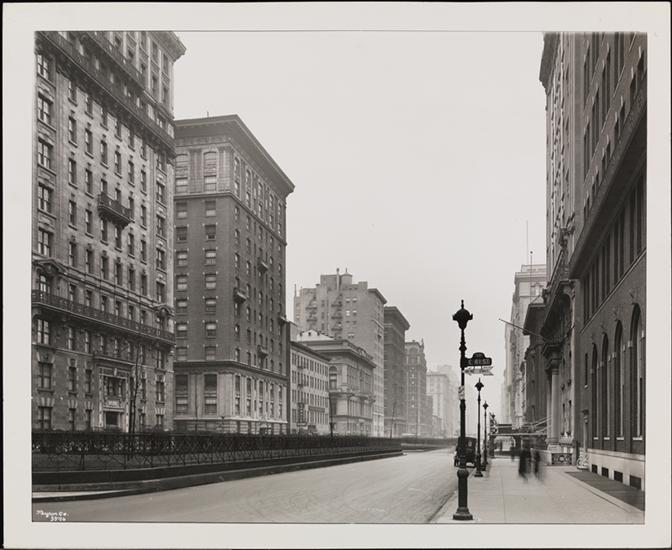
Park Avenue at 61st Street in 1922. The rich flocked to this newly developed street of apartment complexes, making it the new center of wealth.

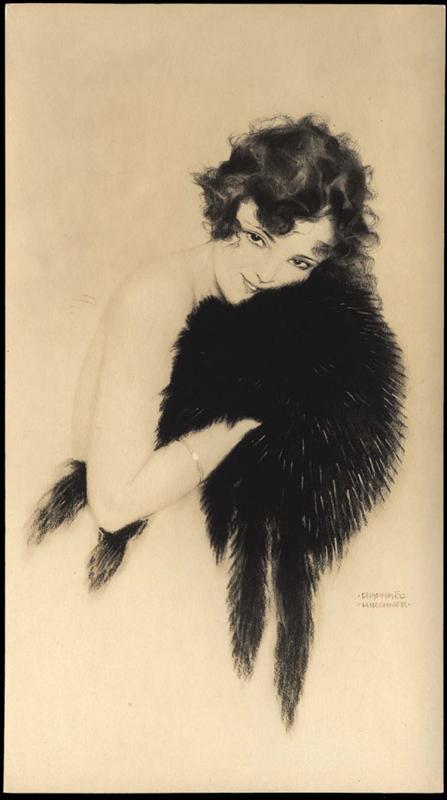
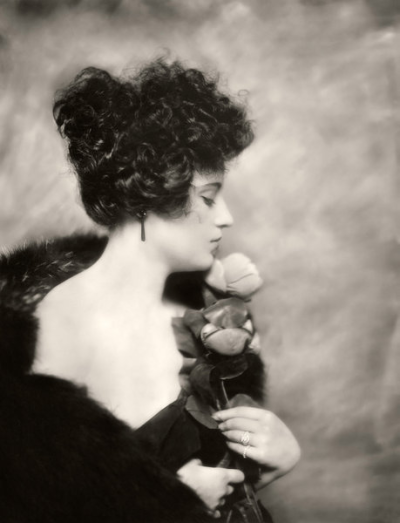
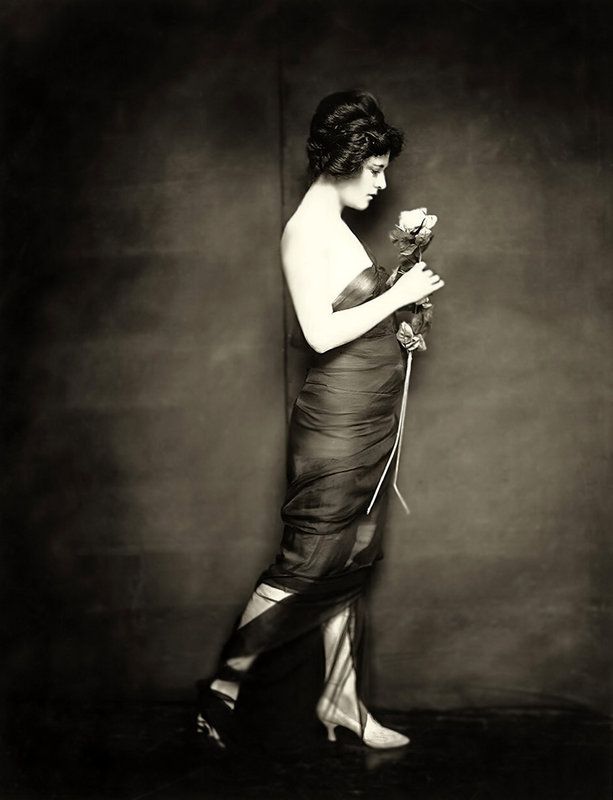
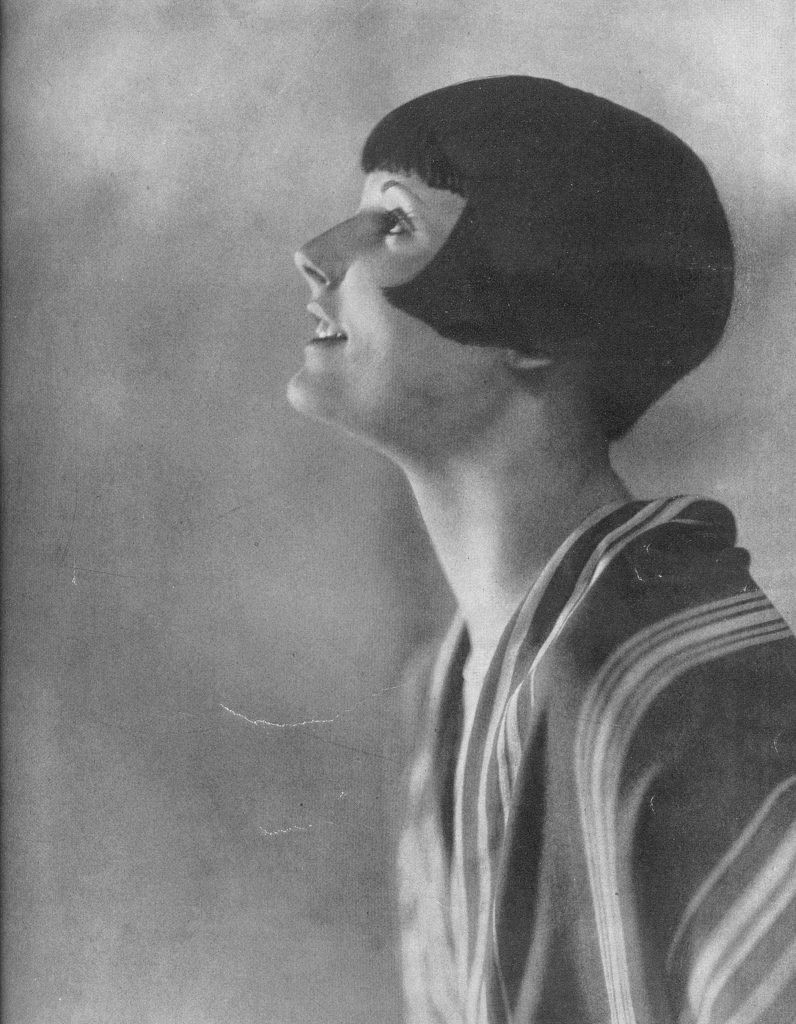
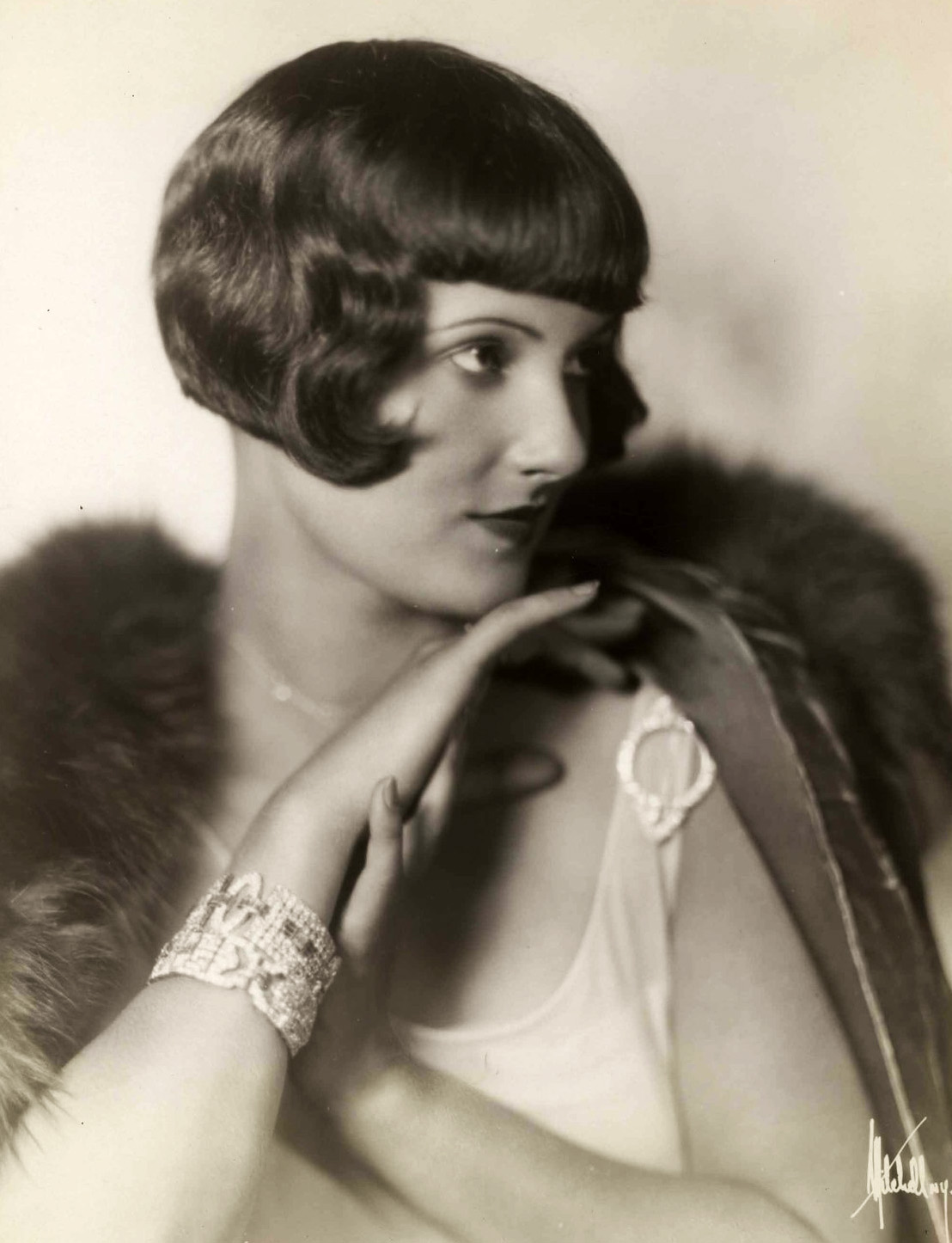
And now, for a little glamour, a few shots of Yvonne Shelton, then Betty Compton, Walker’s two most famous girlfriends (who he wooed while married to wife Janet).

wikiart
Courtesy Historial Ziegfeld
Photographs above by Alfred Cheney Johnston.
She most famously starred in 1927’s Broadway production of Oh Kay! starring Gertrude Lawrence. Here’s Lawrence singing a famous song from that show:
IN TWO WEEKS: Chapter Two of our series on the Roaring ’20s, rewinding back to the beginning of the decade and introducing you to another icon of the Jazz Age. Who will it be?
Categories
Podcasts Writers and Artists

Presenting the Algonquin Round Table: The wits of New York’s Jazz Age

PODCAST The enduring legacy of the Algonquin Round Table and the brilliant (and sometimes forgotten) people who made it famous.

One June afternoon in the spring of 1919, a group of writers and theatrical folk got together at the Algonquin Hotel to roast the inimitable Alexander Woollcott, the trenchant theater critic for the New York Times who had just returned from World War I, brimming with dramatically overbaked stories.

The affair was so rollicking, so engaging, that somebody suggested — “Why don’t we do this every day?”

And so they did. The Algonquin Round Table is the stuff of legends, a regular lunch date for the cream of New York’s cultural elite. In this show, we present you with some notable members of the guest list — including the wonderful droll Dorothy Parker, the glibly observant Franklin Pierce Adams and the charming Robert Benchley, to name but a few.

But you can’t celebrate the Round Table from a recording studio so we head to the Algonquin to soak in the ambience and interview author Kevin C. Fitzpatrick about the Jazz Age’s most famous networking circle.

Are you ready for a good time? The first thing I do in the morning is brush my teeth and sharpen my tongue. — Dorothy Parker


The Bowery Boys: New York City History podcast is brought to you …. by you!

We are now producing a new Bowery Boys podcast every two weeks. We’re also looking to improve the show in other ways and expand in other ways as well — through publishing, social media, live events and other forms of media. But we can only do this with your help!

We are now a member of Patreon, a patronage platform where you can support your favorite content creators for as little as a $1 a month.

Please visit our page on Patreon and watch a short video of us recording the show and talking about our expansion plans. If you’d like to help out, there are five different pledge levels (and with clever names too — Mannahatta, New Amsterdam, Five Points, Gilded Age, Jazz Age and Empire State). Check them out and consider being a sponsor.

We greatly appreciate our listeners and readers and thank you for joining us on this journey so far. And the best is yet to come!


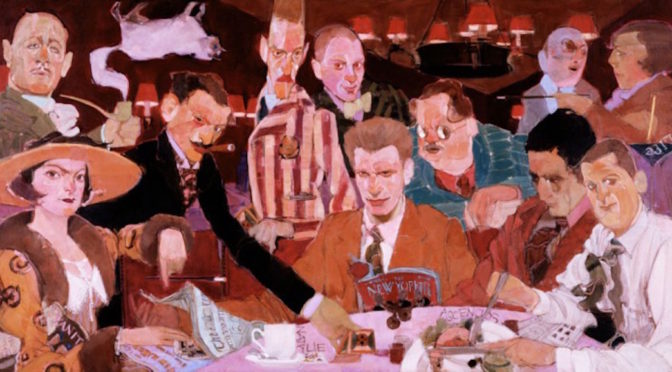
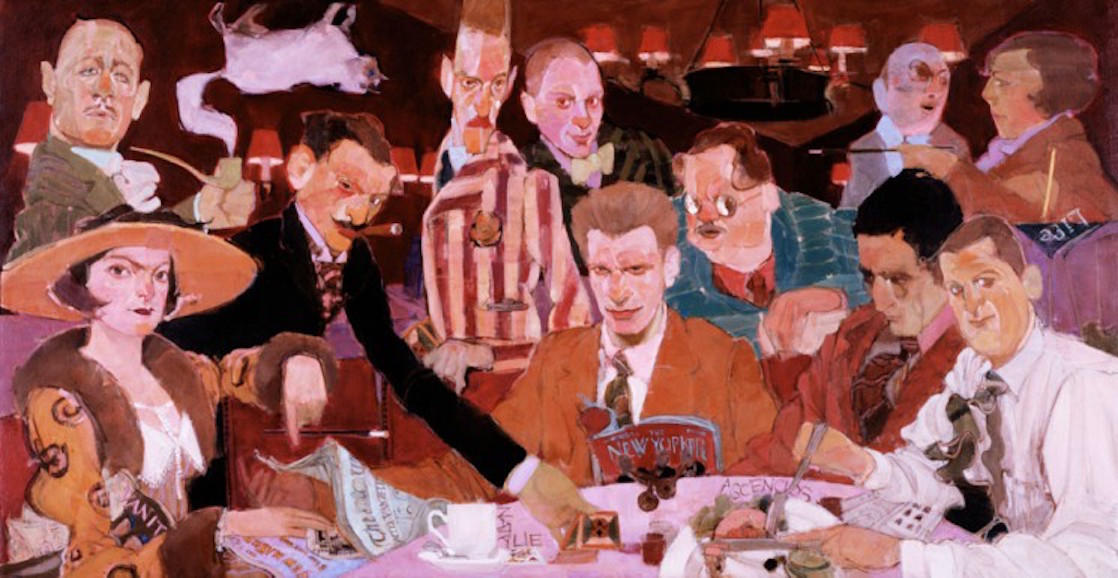
At top: The gorgeous modern painting by artist Natalie Ascencios which hangs over the spot where the original Round Table once sat.

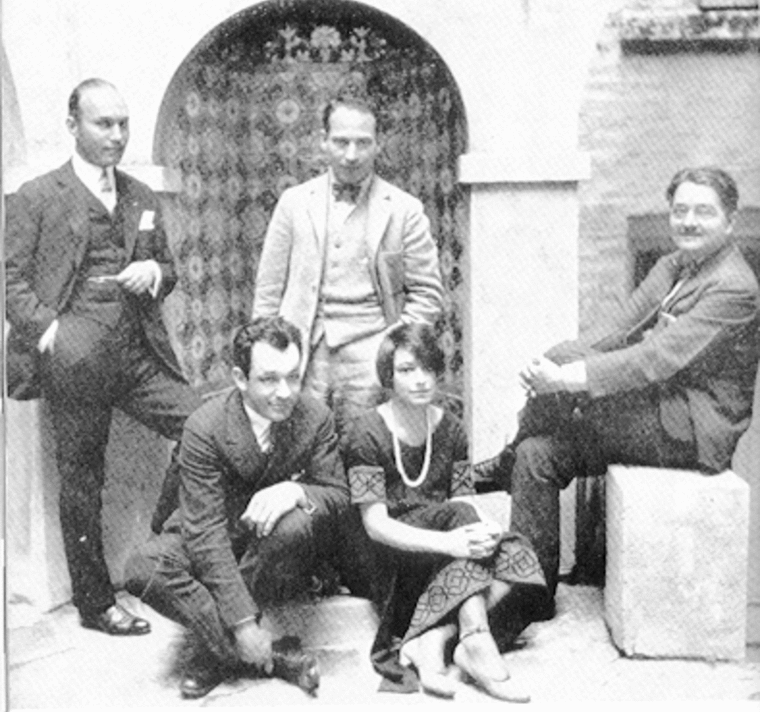
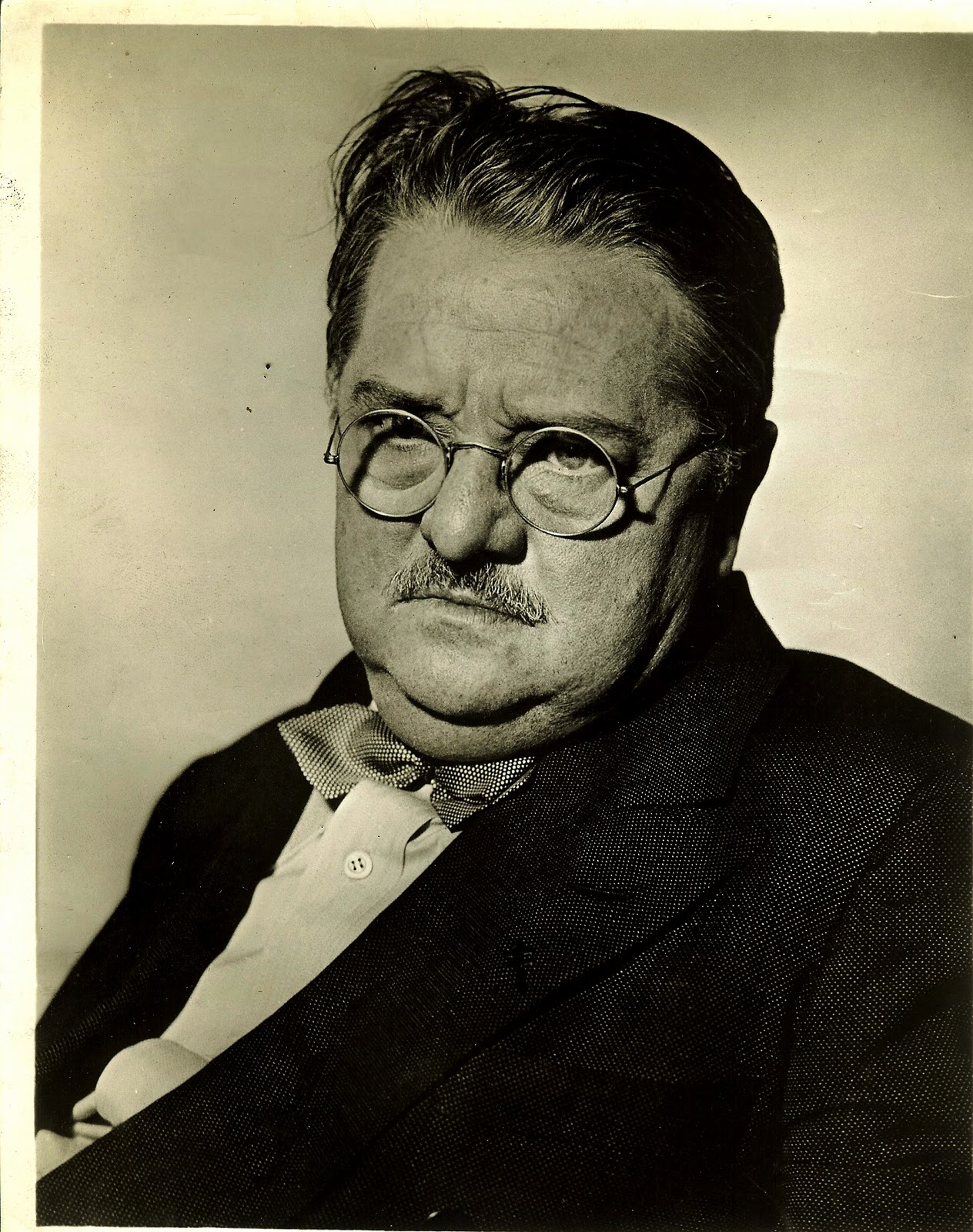
A few members of the Round Table including Art Samuels, Charles MacArthur, Harpo Marx, Dorothy Parker, and Alexander Woollcott

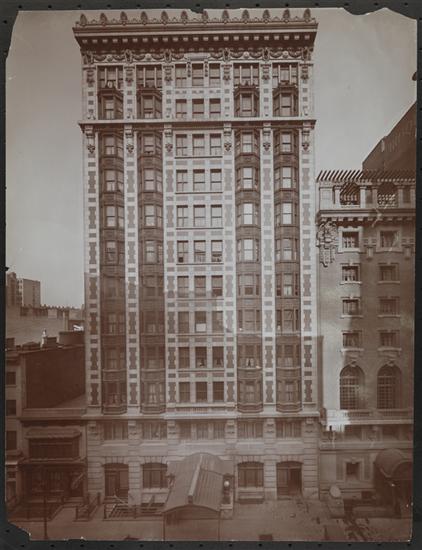
The Algonquin, as seen in the year 1907….

MCNY

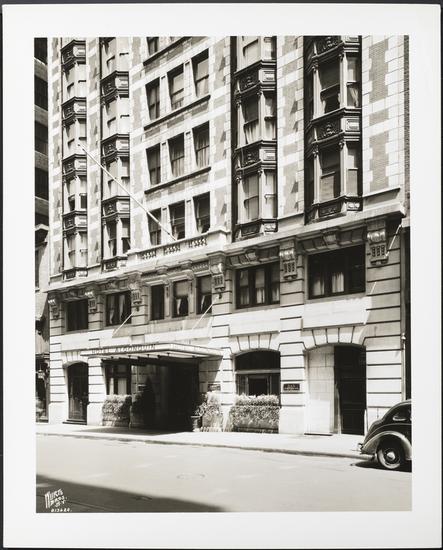
…..and 30 years later, in 1937.

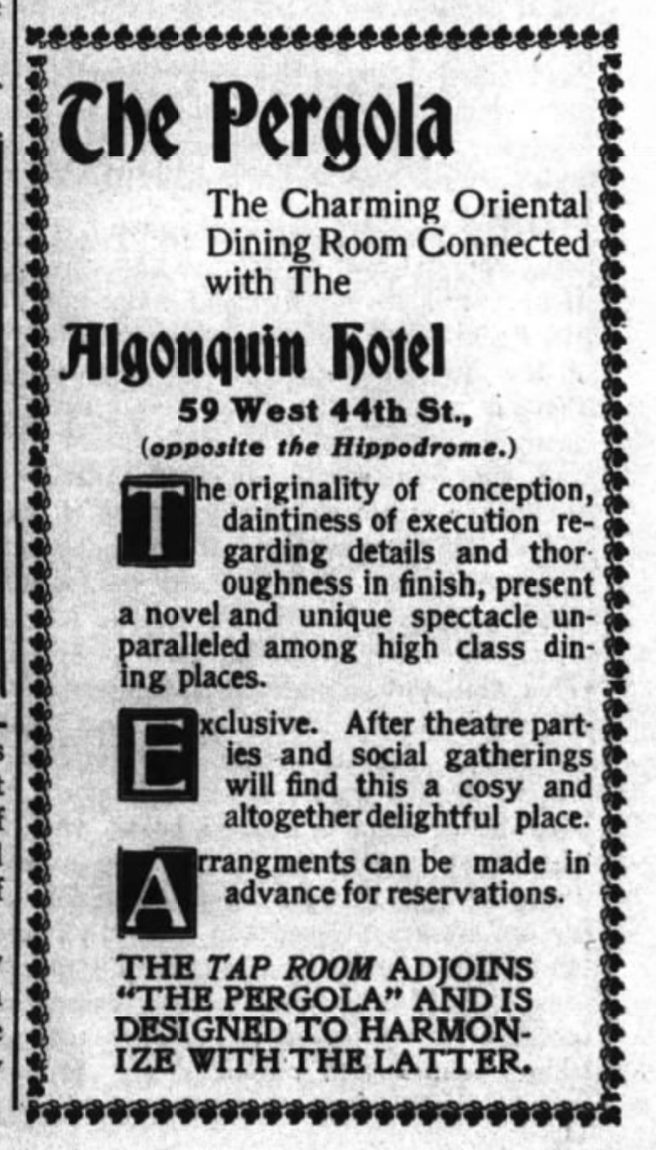
A 1906 advertisement in Brooklyn Life extolling the virtues of the Pergola Room (where the first group of Round Tablers first met) at the Algonquin Hotel.

Brooklyn Life, April 7, 1906

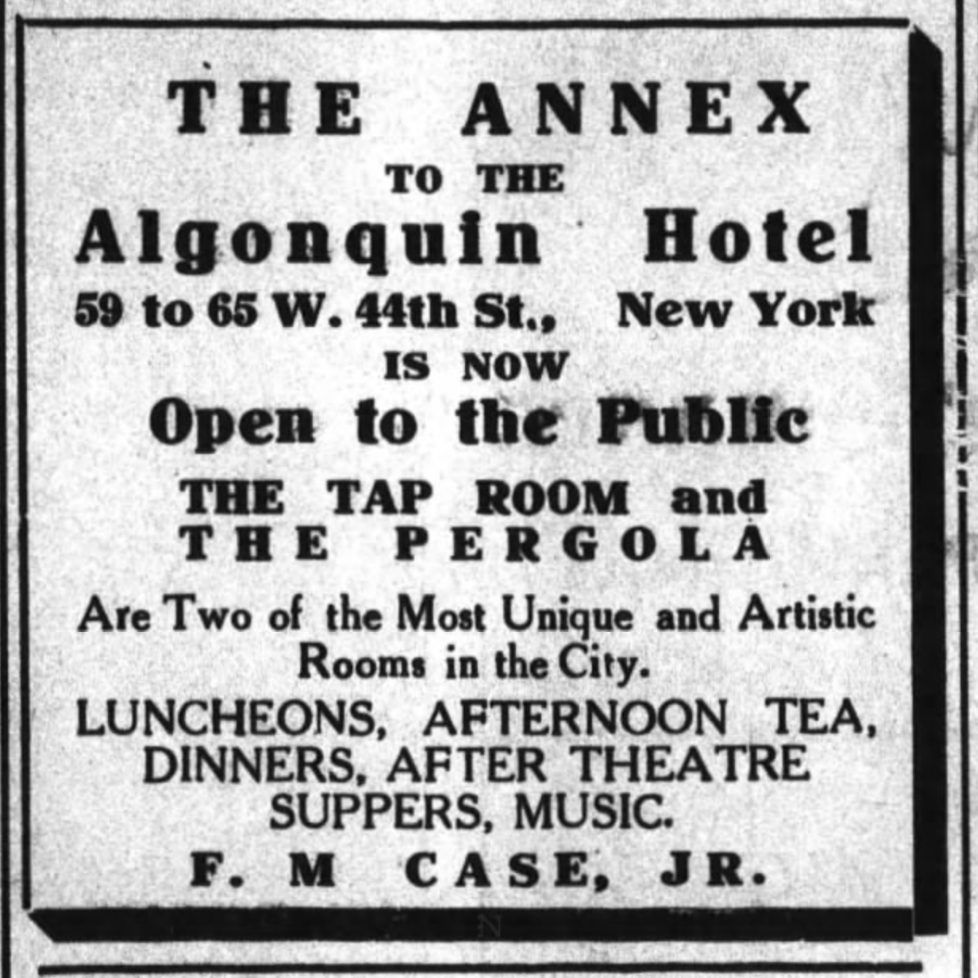
An ad featuring hotel manager Frank Case:

April 28, 1906

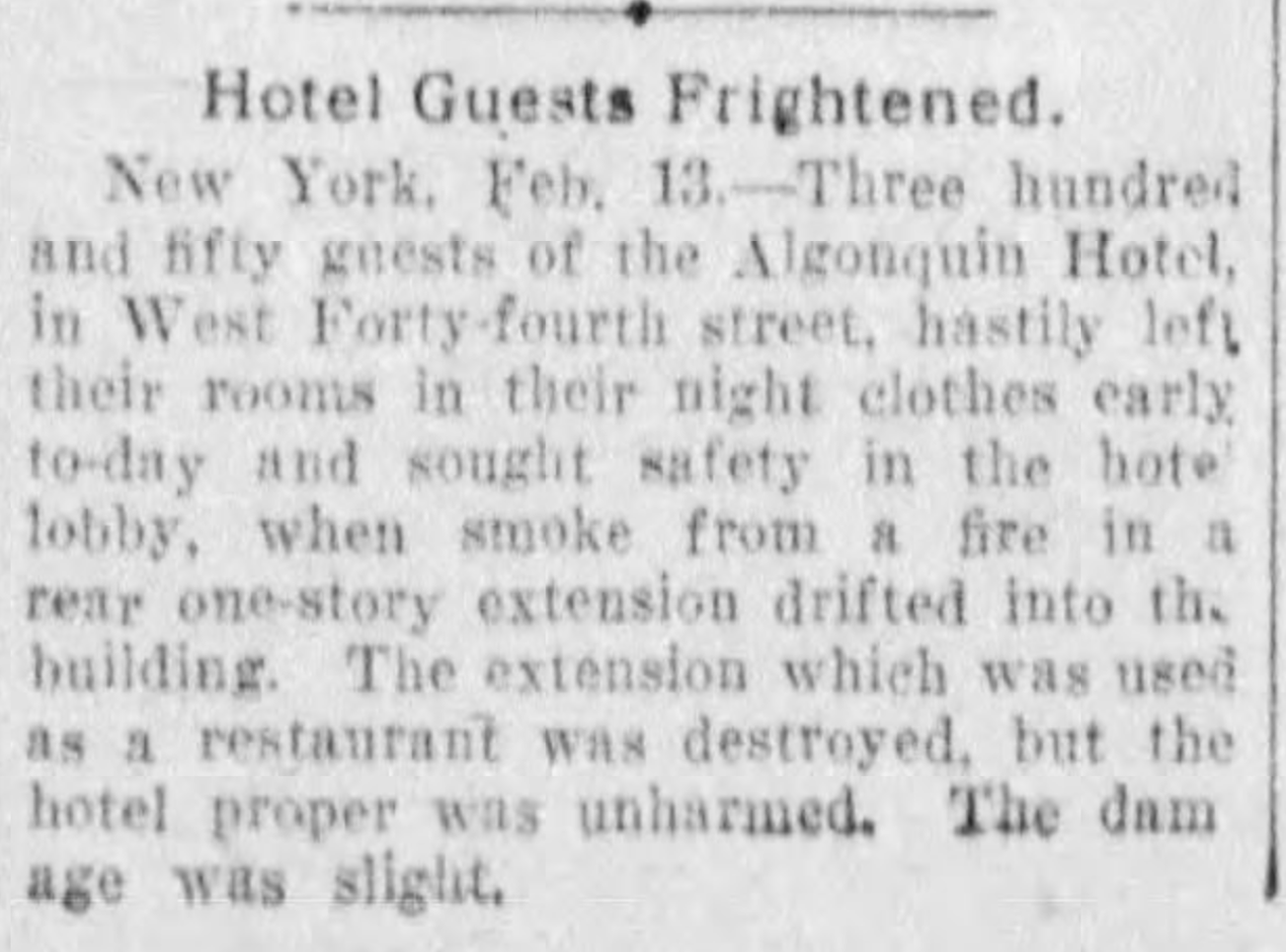
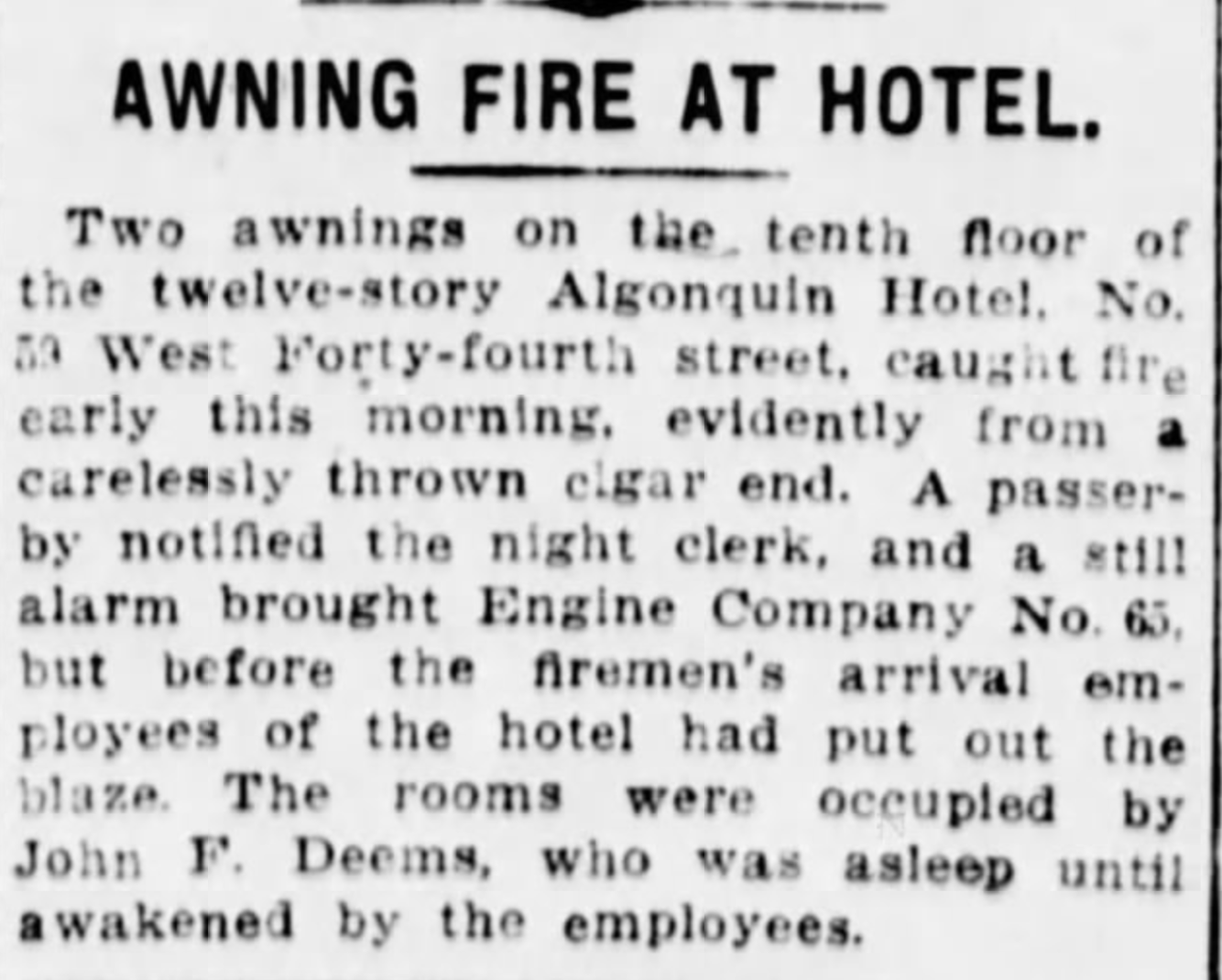
A couple stories of drama from the Algonquin’s early days:

Democrat and Chronicle, Rochester, NY, Feb 14, 1909

Evening World, August 5, 1911

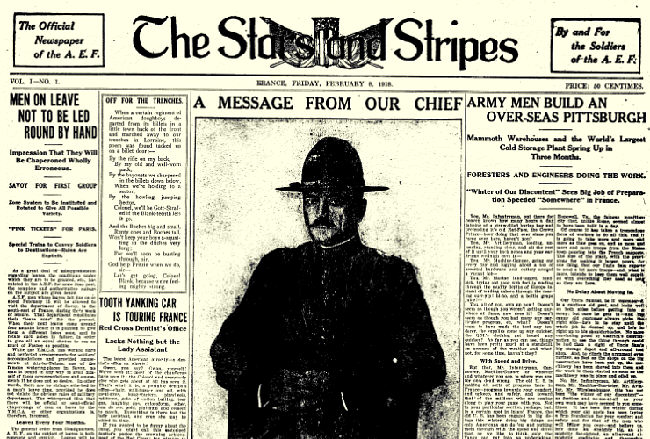
Stars and Stripes, the military newspaper which fostered the talents of several who would end up sitting around the Round Table.

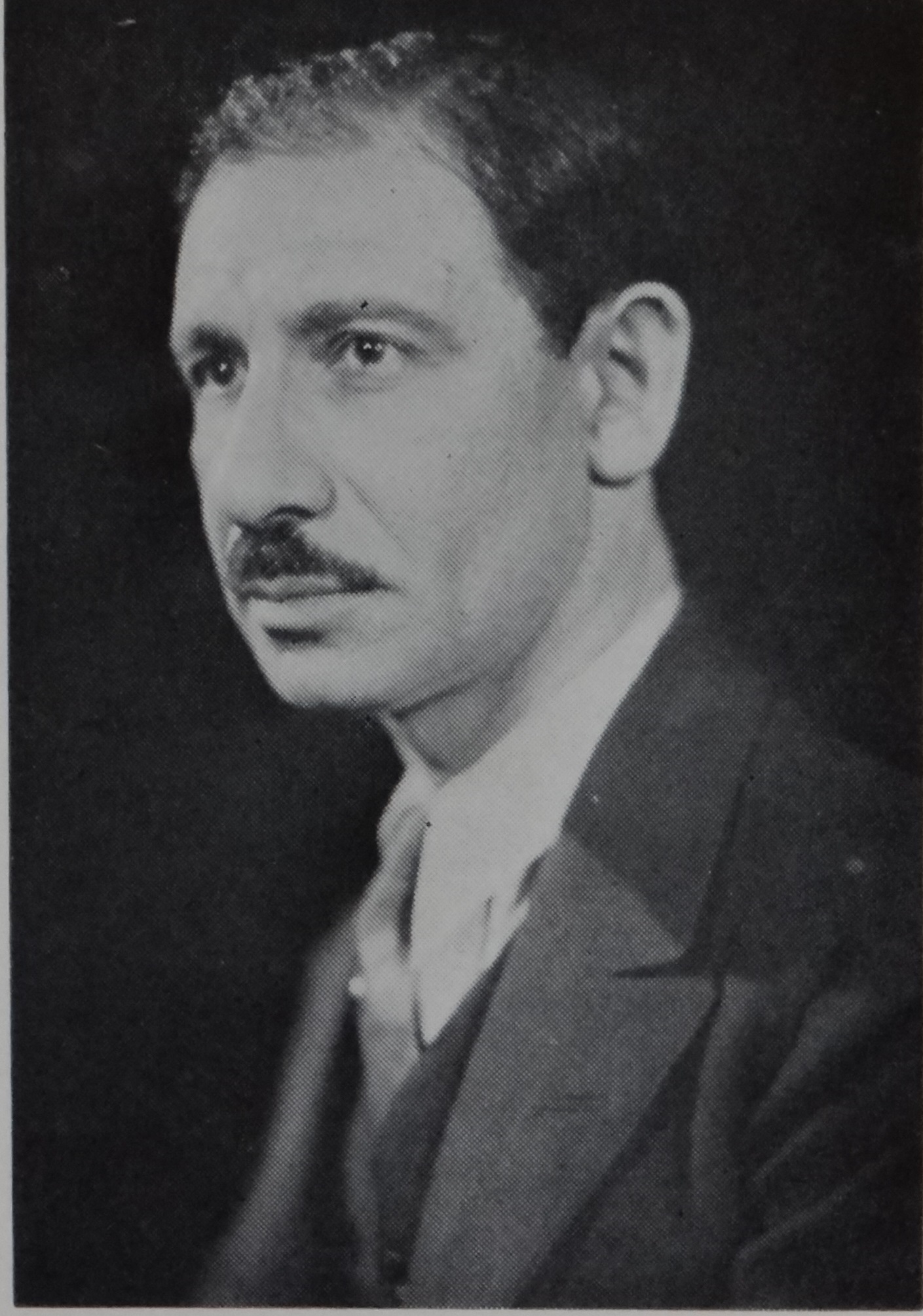
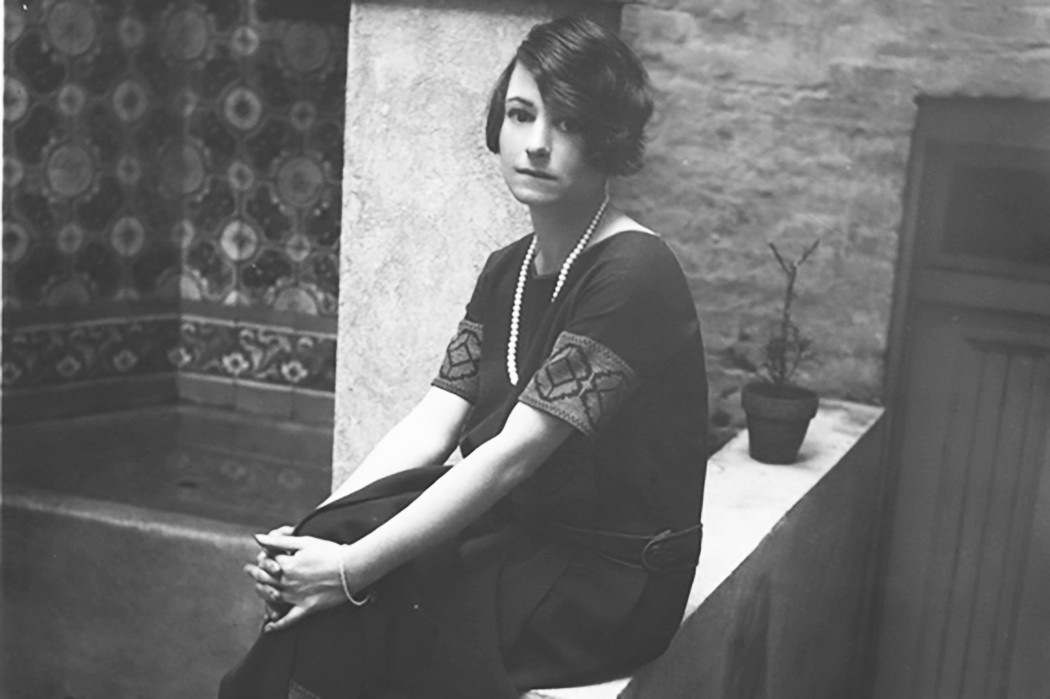
A few members of the Round Table, as featured on the show….

Alexander Woollcott

Franklin Pierce Adams

Dorothy Parker

NYPL

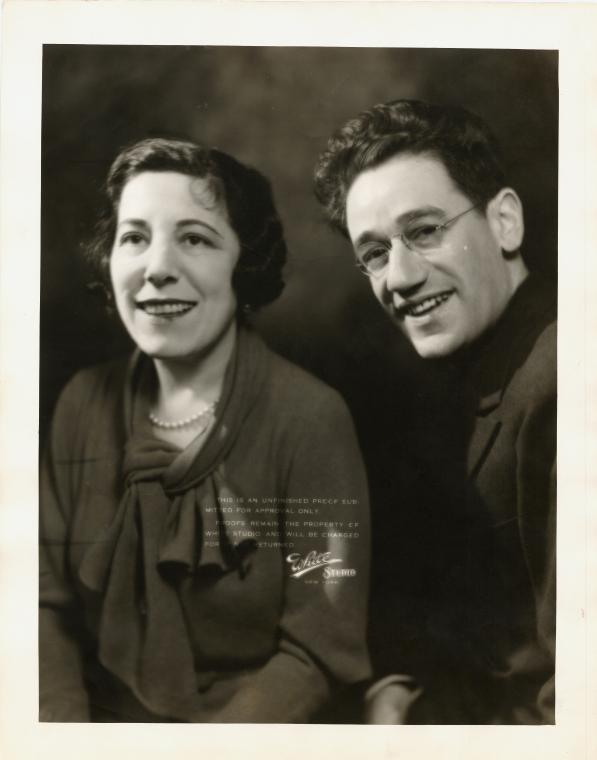
Edna Ferber and George F. Kaufman

NYPL

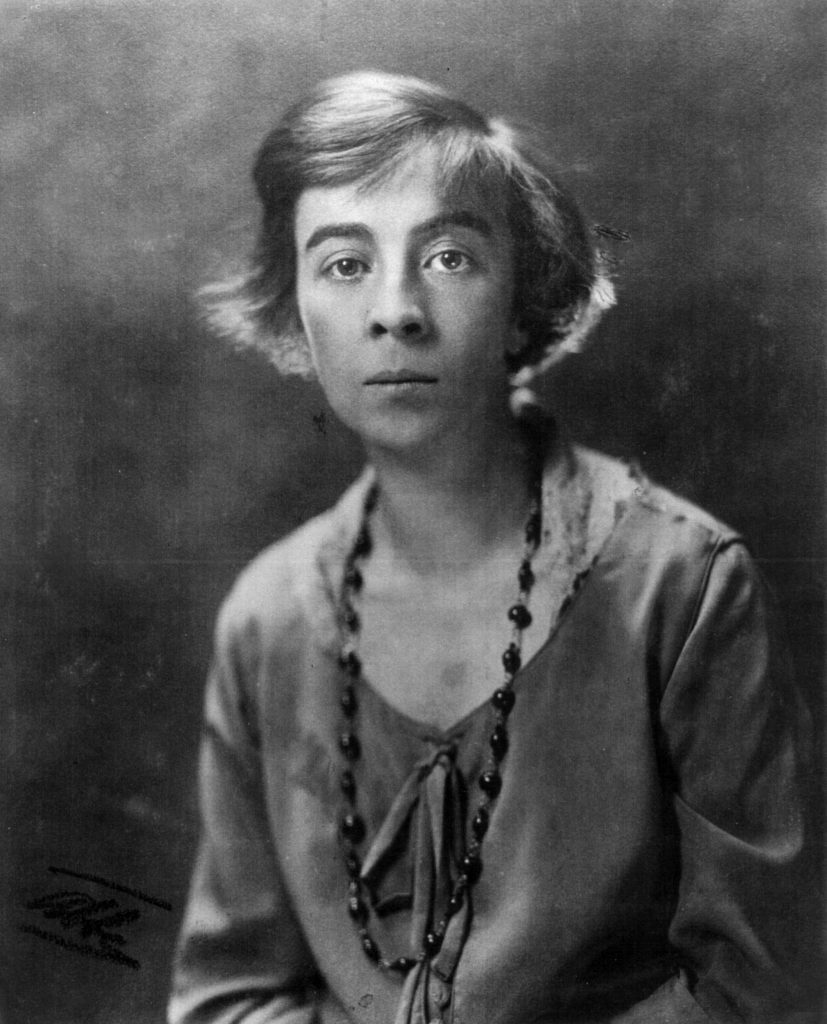
Ruth Hale

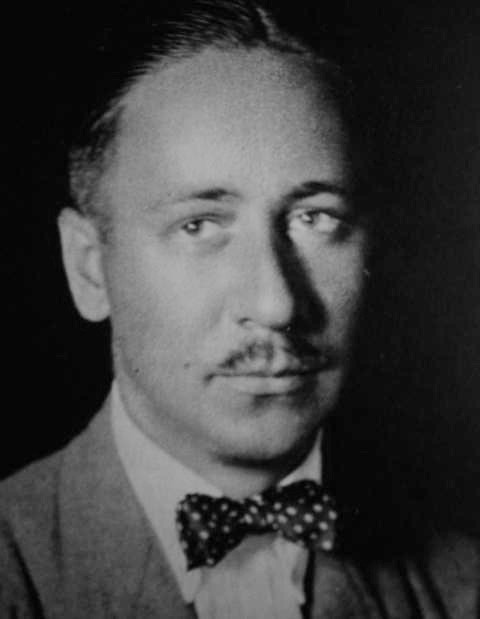
Robert Benchley

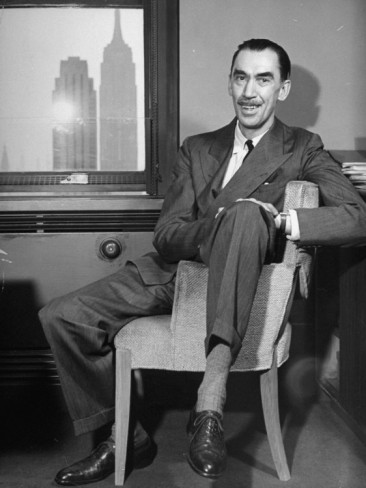
Robert Sherwood

Harold Ross and Jane Grant

Categories
Mysterious Stories Podcasts

Supernatural Stories of New York: spooky seances, violent Jazz Age ghosts and an island of despair

PODCAST It’s our fourth annual Halloween history special, and we’ve got four bloodcurdling stories for the season. The first three are spooky ghost tales — a haunted boardinghouse on 14th street with violent, vain spirits; a short history of New York’s seance craze and a man tormented by the spirit of a dead painter; and a glamorous pair of Jazz Age lovers whose angry spats in their midtown Manhattan penthouse kept up the neighbors, even beyond the grave.

ALSO: A tale with no ghosts at all, but a story with truly spine-tingling facts, featuring the eeriest island in New York and the final resting place for over 850,000 souls. If you ever make it to Hart Island, it means that things have gone very badly for you.

Home to the American Society of Psychical Research on W. 73rd Street, the organization headed by James Hyslop in the early 1900s. Hyslop led the investigation of dozens of reported cases of paranormal and supernatural activity.

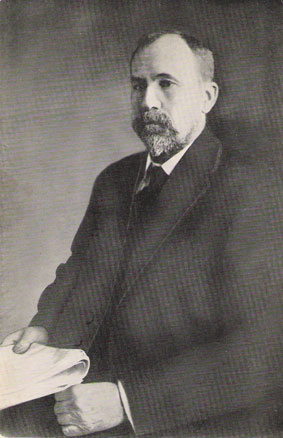
Hyslop, pictured below, believed that he spoke with famous philosopher William James through a medium, and he himself spoke to his secretary via this technique many months after he died.

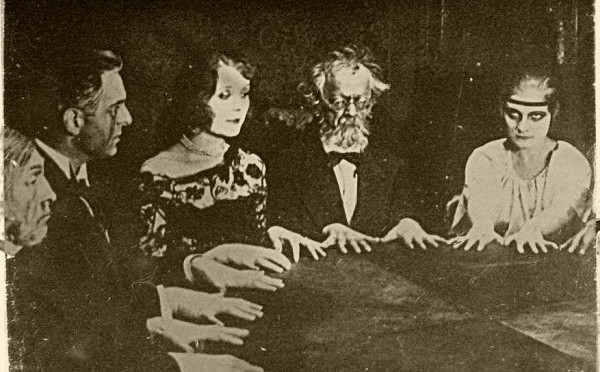
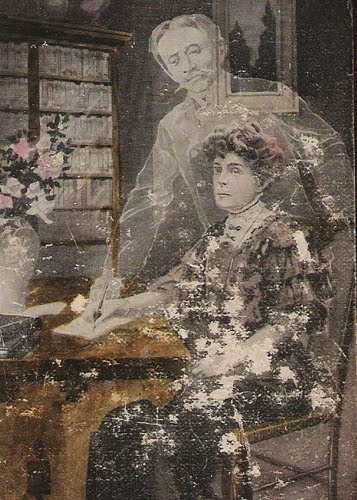
A bizarre image depicting medium Etta De Camp being visited by author Frank Stockton. Ms. De Camp believed her hand was being controlled by Stockton and even wrote a entire book under the control of Stockton.

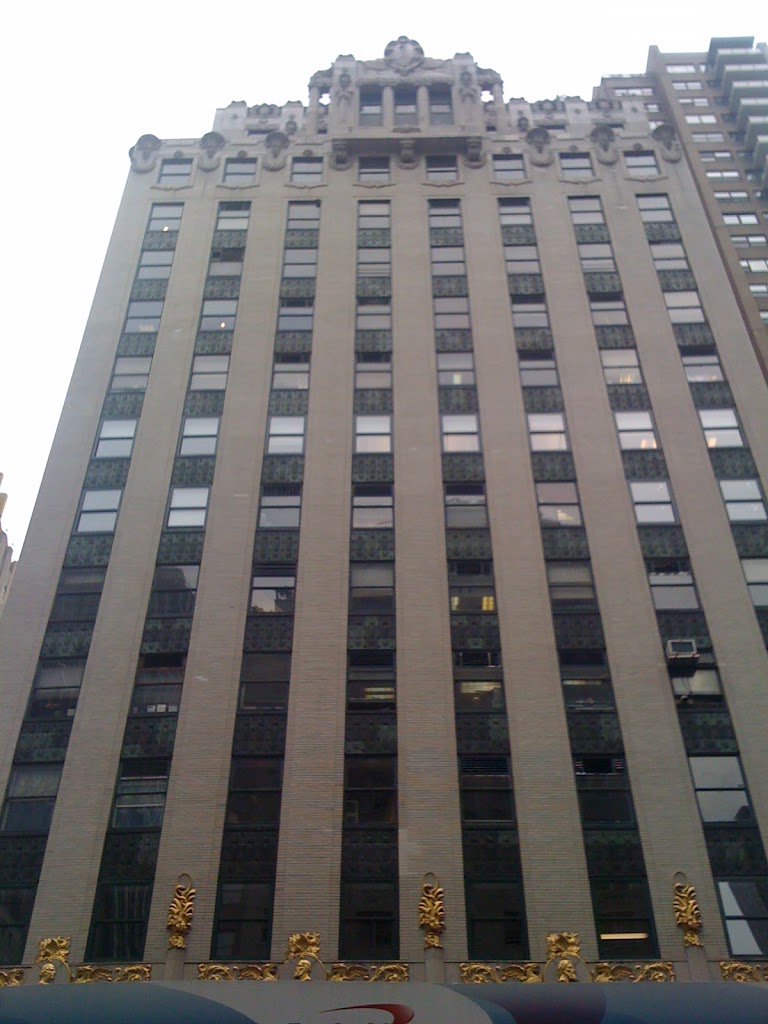
Looking up at the former penthouses of 57 W. 57th Street, where Edna Champion and her lover Charlie argued their way into the grave, then tormented the unfortunate tenants for many years later. Today, these formerly haunted floors are slated to be occupied by Ford Models.

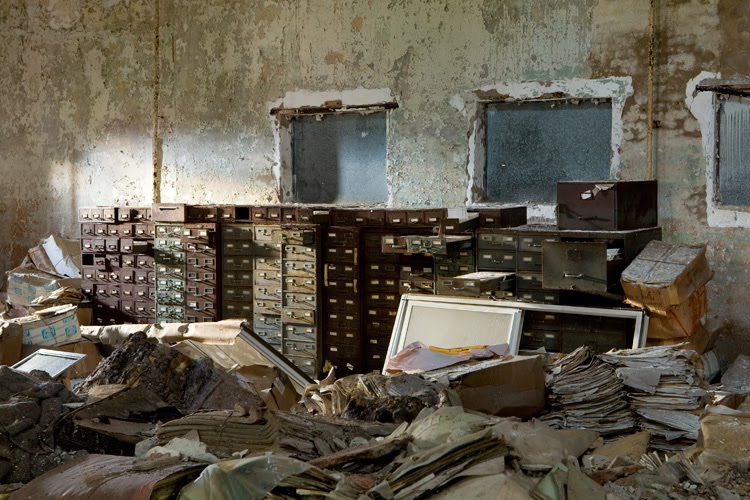
An abandoned records room on Hart Island. This and many other wonderful photographs of Hart Island can be found at Kingston Lounge, bravely venturing to the island in 2008 to witness the strange and forlorn island in person.

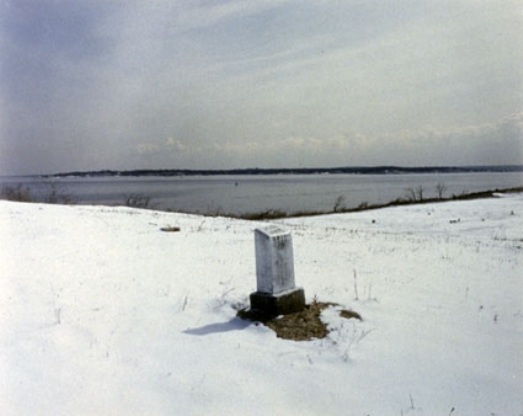
The Hart Island Project has been drawing needed attention the island for years, obtaining lists of people buried there and assisting in families looking for loved ones there. It’s also features a fantastic collection of photographs, such as the one below (of a lonely grave marker) by Joel Sternfeld.

And finally, a fascinating and priceless local news report from 1978 on Hart Island, looking a bit more populated than it is today. Unbelievably, there was talk of actually developing Hart Island for more than just the city’s potter’s field.

If you’re looking to craft your own personal ‘haunted’ walking tour, this map lists all the places we’ve talked about in prior ghost stories podcasts. Simply look up a location and download that particular episode:

View Bowery Boys Ghost Stories in a larger map

1 Ghost Stories of New York
2 Spooky Stories of New York
3 Haunted Tales of New York
4 Supernatural Stories of New York