Categories
It's Showtime

Joseph Papp vs. Robert Moses: The saga of Shakespeare in the Park

PODCAST The fascinating story of the Public Theater and Joseph Papp’s efforts to bring Shakespeare to the people. (Episode #88)

What started in a tiny East Village basement grew to become one of New York’s most enduring summer traditions, Shakespeare in the Park, featuring world class actors performing the greatest dramas of the age. But another drama was brewing just as things were getting started. It’s Robert Moses vs. Shakespeare! Joseph Papp vs. the city!

ALSO: Learn how the Public Theater got off the ground and helped save an Astor landmark in the process.

THIS SHOW WAS ORIGINALLY RELEASED ON JUNE 18, 2009 — MANY, MANY YEARS BEFORE LIN-MANUEL MIRANDA AND ‘HAMILTON’ HIT THE PUBLIC STAGE

__________________________________________________________

The Bowery Boys: New York City History podcast is brought to you …. by you!

We are now producing a new Bowery Boys podcast every week. We’re also looking to improve and expand the show in other ways — publishing, social media, live events and other forms of media. But we can only do this with your help!

We are now a creator on Patreon, a patronage platform where you can support your favorite content creators.

Please visit our page on Patreon and watch a short video of us recording the show and talking about our expansion plans.

If you’d like to help out, there are six different pledge levels.Check them out and consider being a sponsor.

__________________________________________________________

And now I present some of the fantastic photographs from the Billy Rose Division of the New York Public Library.

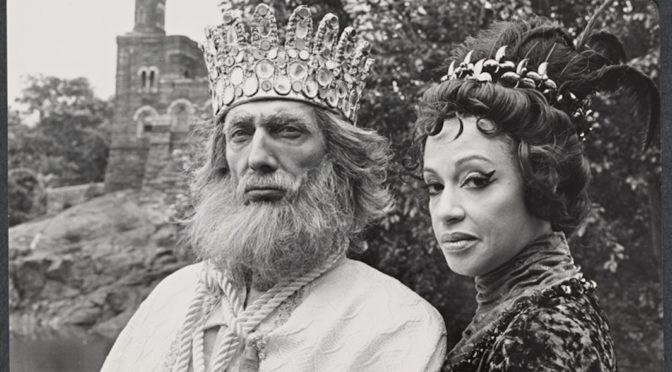
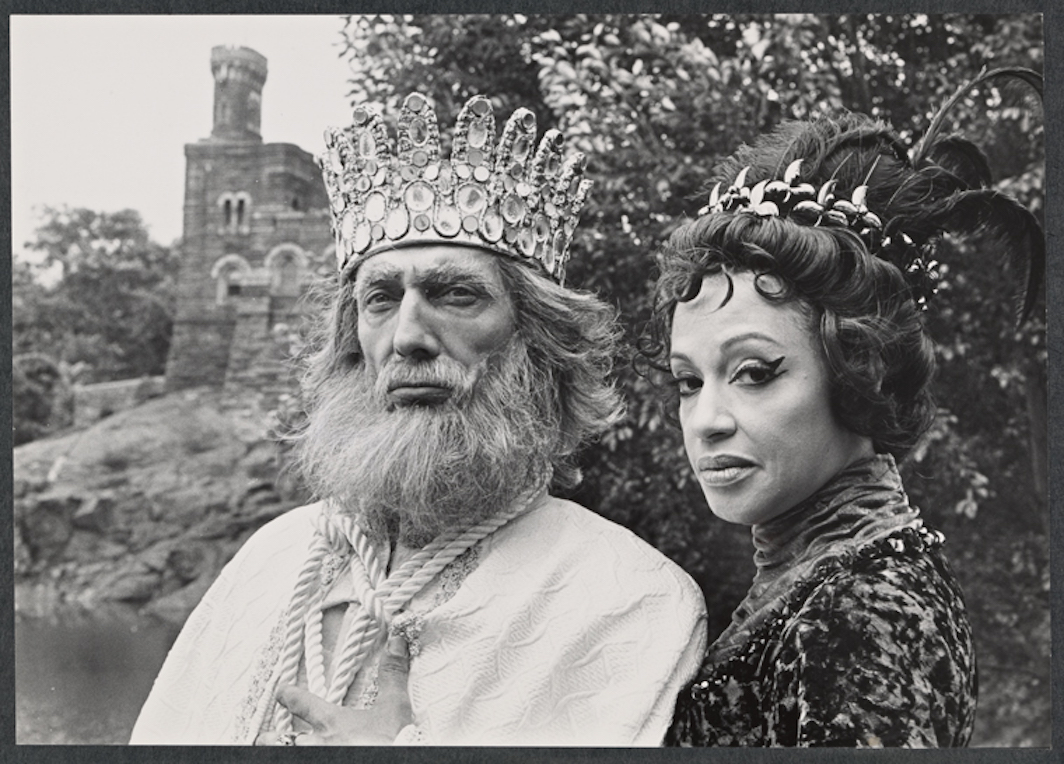
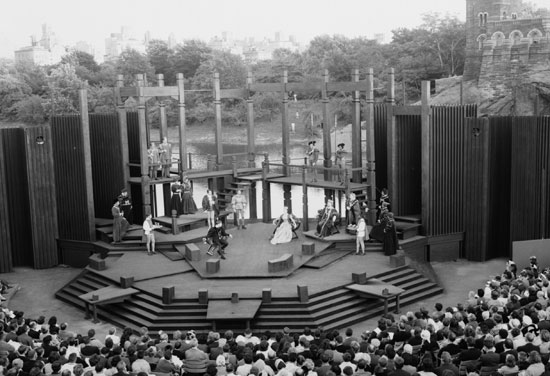
From the 1971 Shakespeare In The Park production of Cymbeline, with Belvedere Castle standing out in the background.

Courtesy New York Public Library

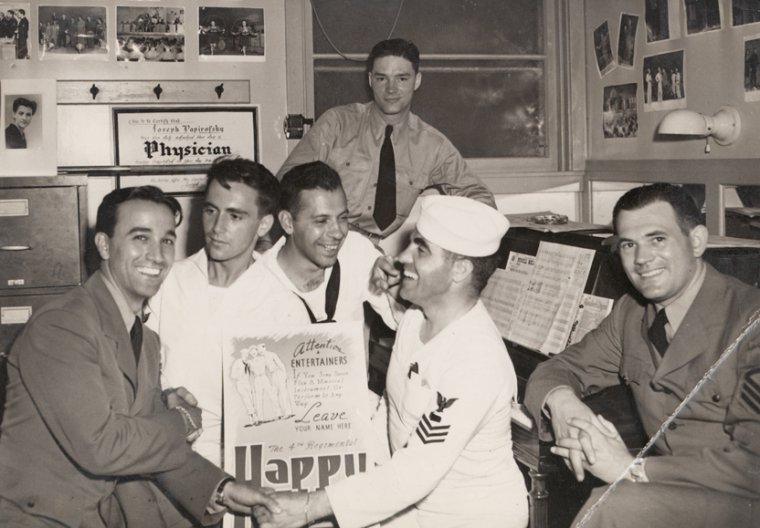
A photo of Joseph Papp in the Navy (he’s the second one from the left), 1942.

Courtesy New York Public Library

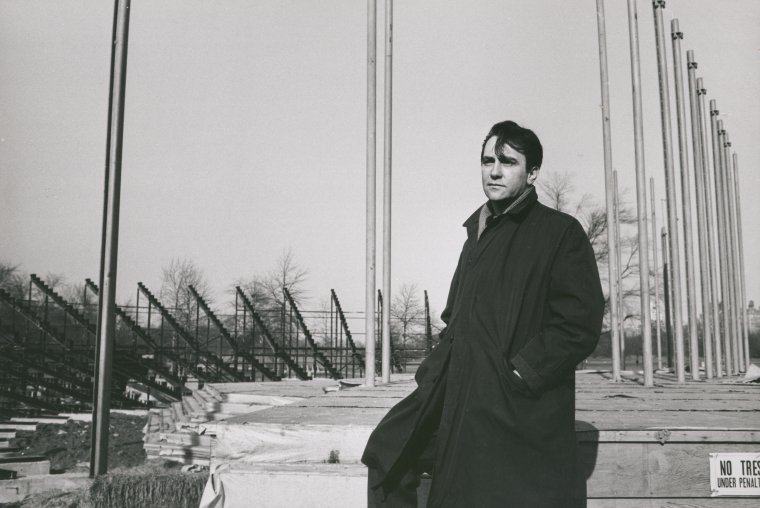
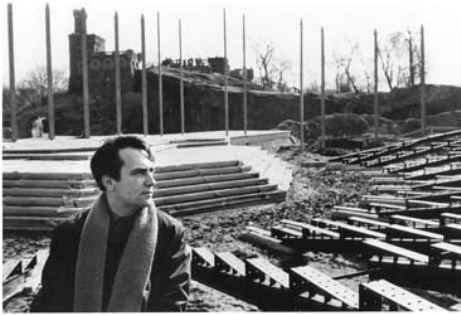
Papp in from of the Decorate Theater, under construction in 1960.

Courtesy New York Public Library

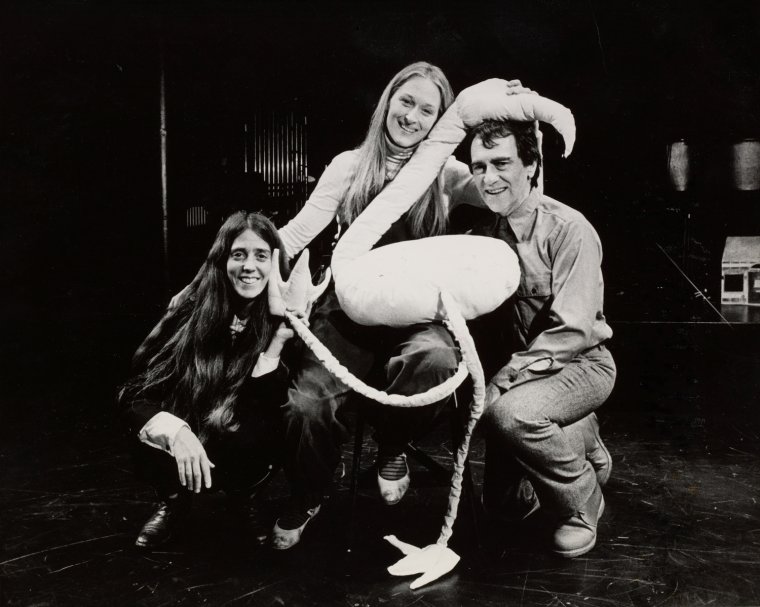
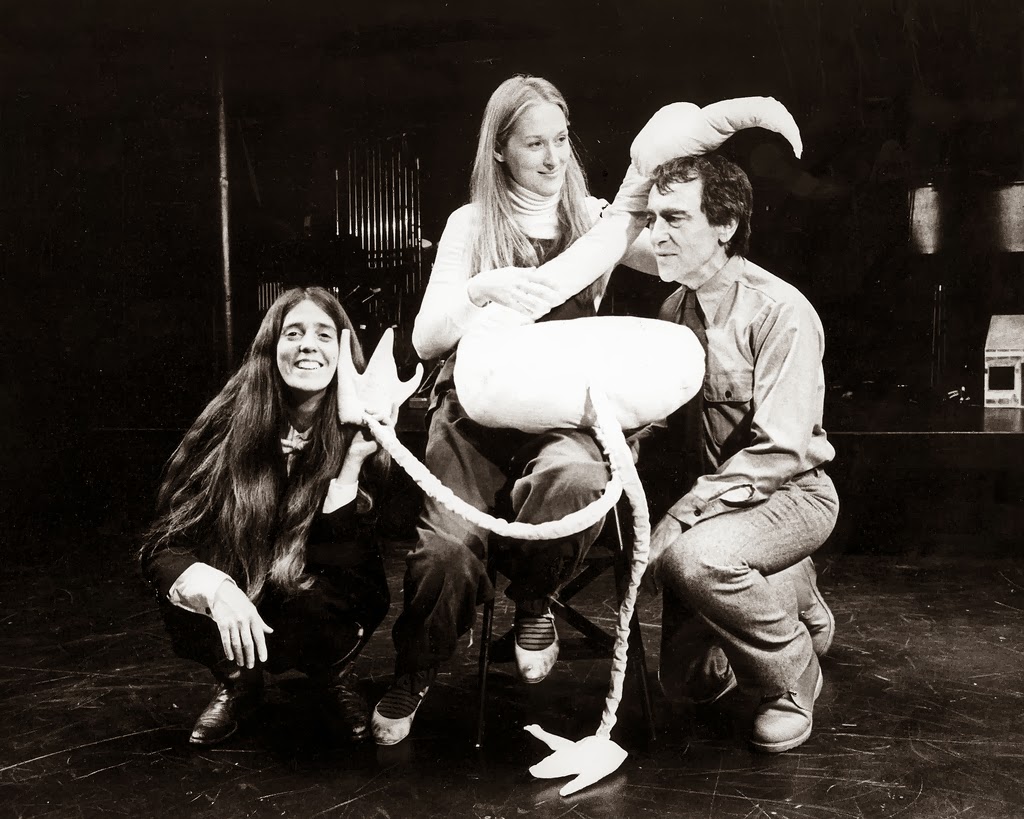
Joseph Papp with Elizabeth Swados and Meryl Streep in a Public Theater production of Alice In Concert.

Courtesy NYPL
Courtesy NYPL

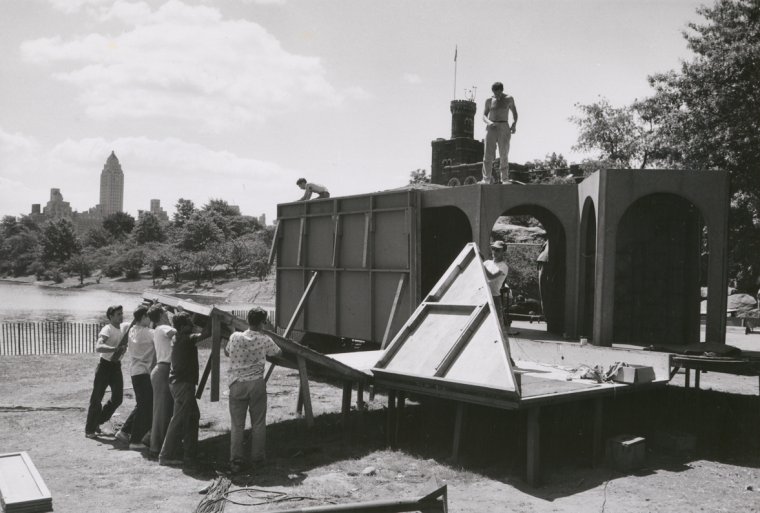
The ‘mobile theater’ of the New York Shakespeare Festival, pictured here in 1972.

Courtesy New York Public Library

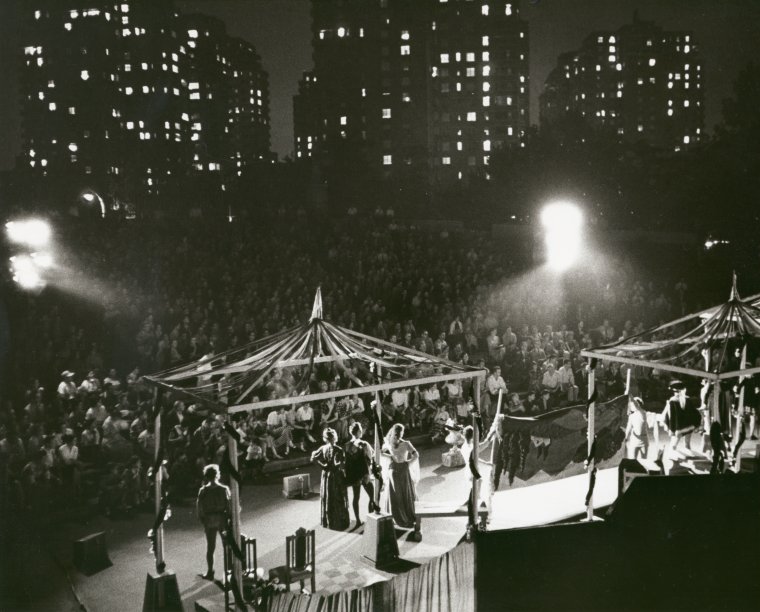
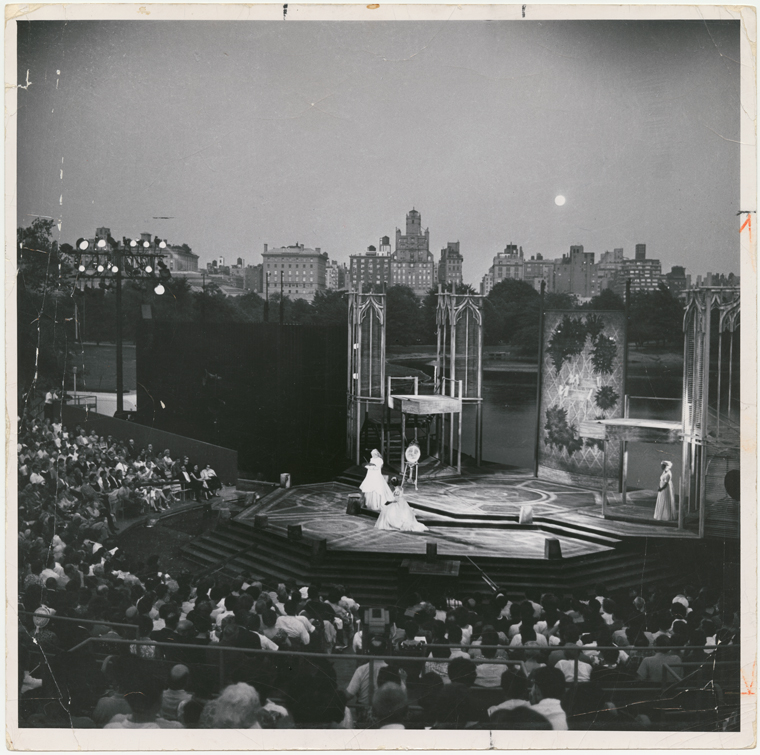
Theater at the East River Amphitheater: The Taming Of The Shrew with Colleen Dewhurst, 1956

nypl.digitalcollections.69d12b21-479a-3095-e040-e00a18061836.001.w
nypl.digitalcollections.69d12b21-4799-3095-e040-e00a18061836.001.w

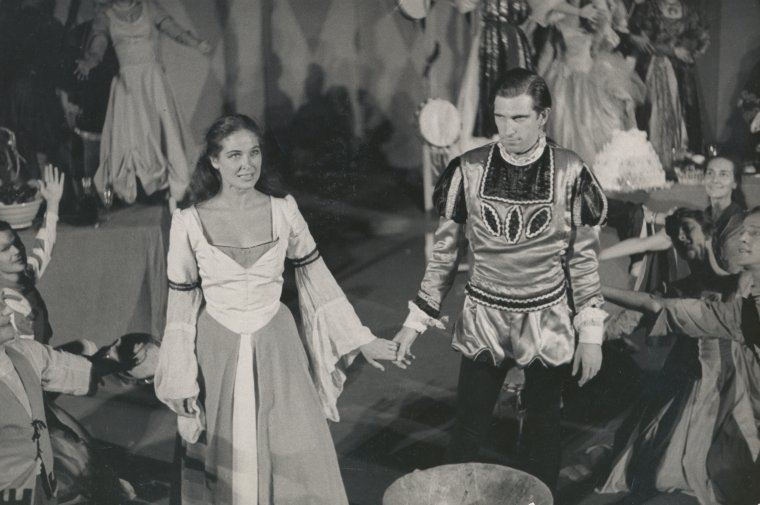
The Merchant of Venice, 1962

nypl.digitalcollections.d070fc30-1271-0131-6d3a-58d385a7bbd0.001.w

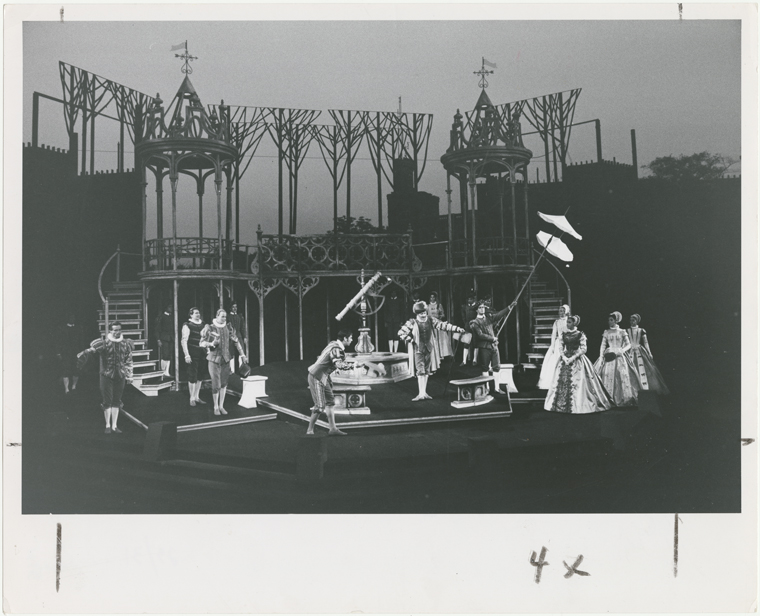
The set from Love’s Labours Lost, performed at the Delacorte in 1965:

nypl.digitalcollections.41a42a30-126b-0131-61d9-58d385a7bbd0.001.w

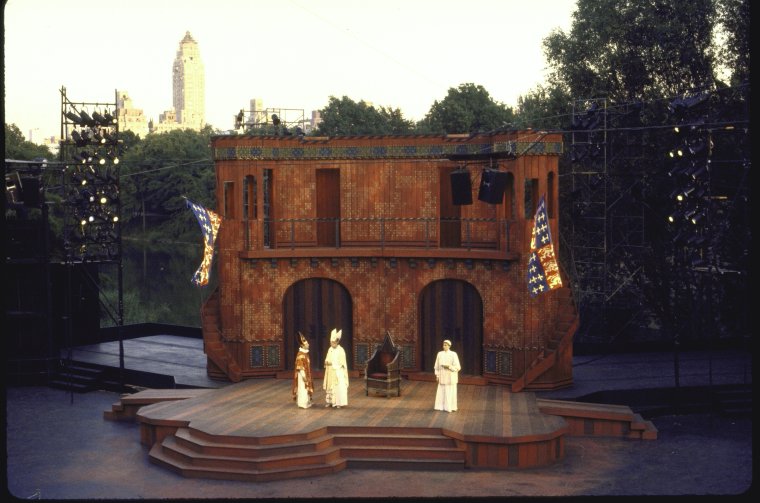
The city peeks over top of the sets of 1985’s Henry V.

Courtesy New York Public Library

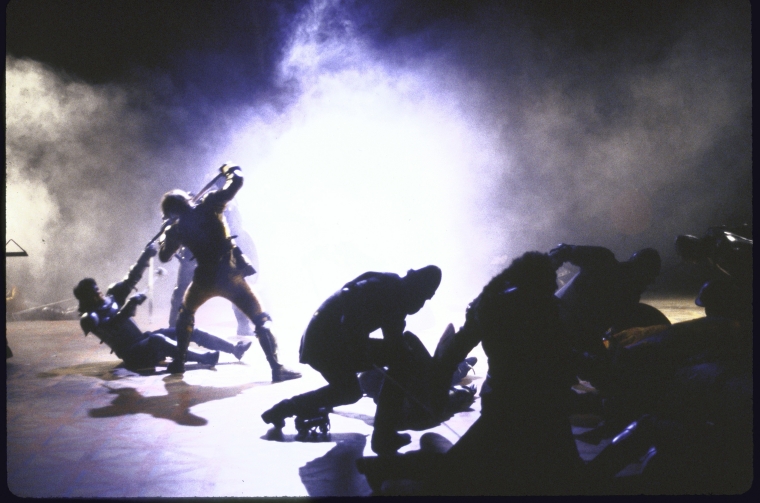
A vivid battle scene from 1991’s Henry IV Part 1.

Courtesy New York Public Library
Categories
Mysterious Stories Podcasts

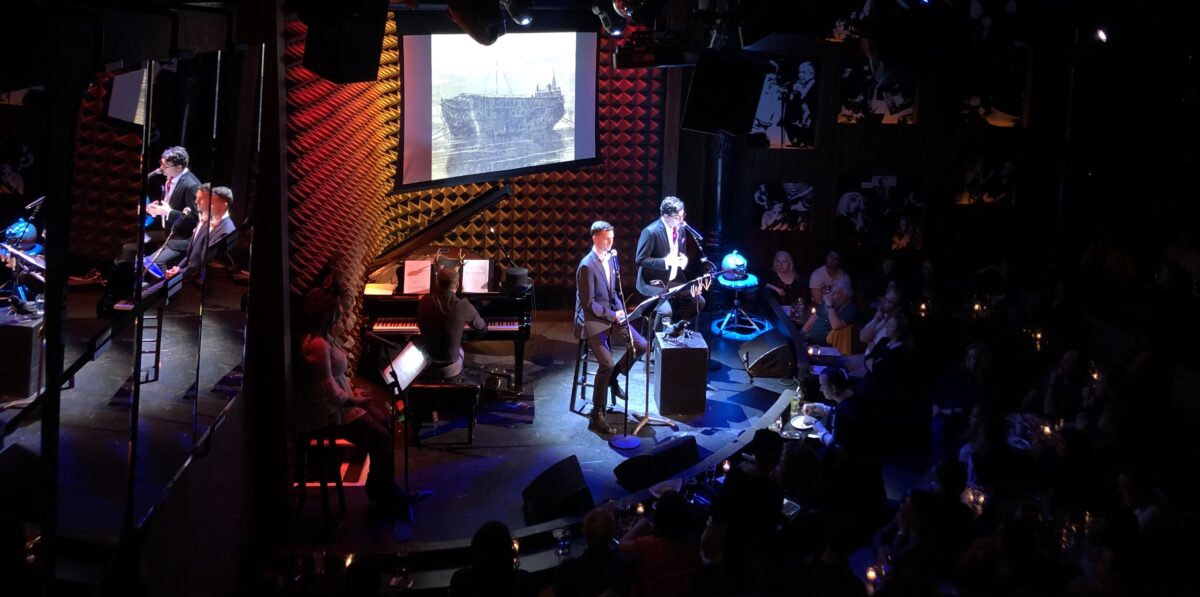
Ghost Stories of Old New York: ALIVE at Joe’s Pub

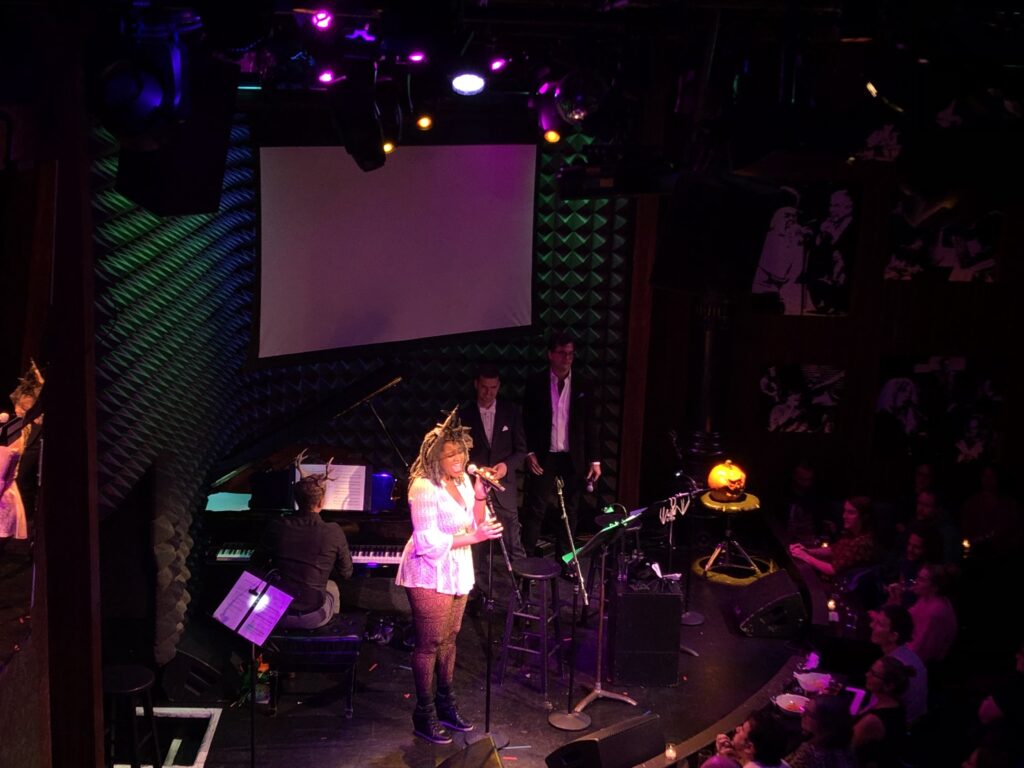
EPISODE 342 A very special Bowery Boys: New York City History podcast presentation, recorded live on Halloween Night 2019.


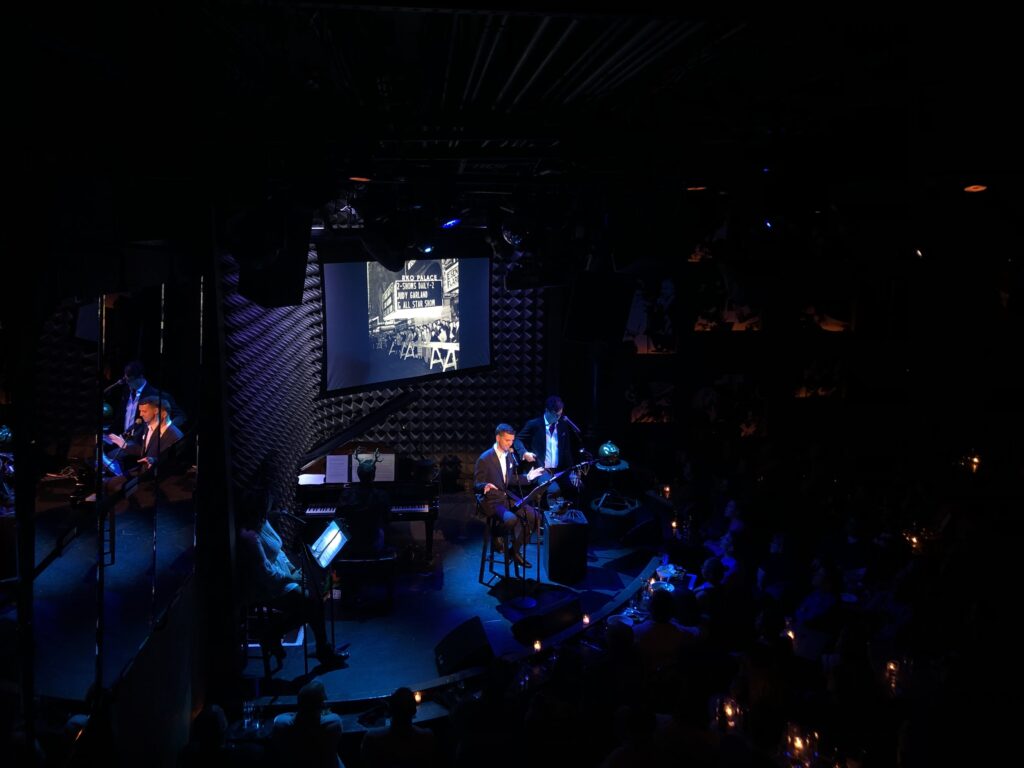
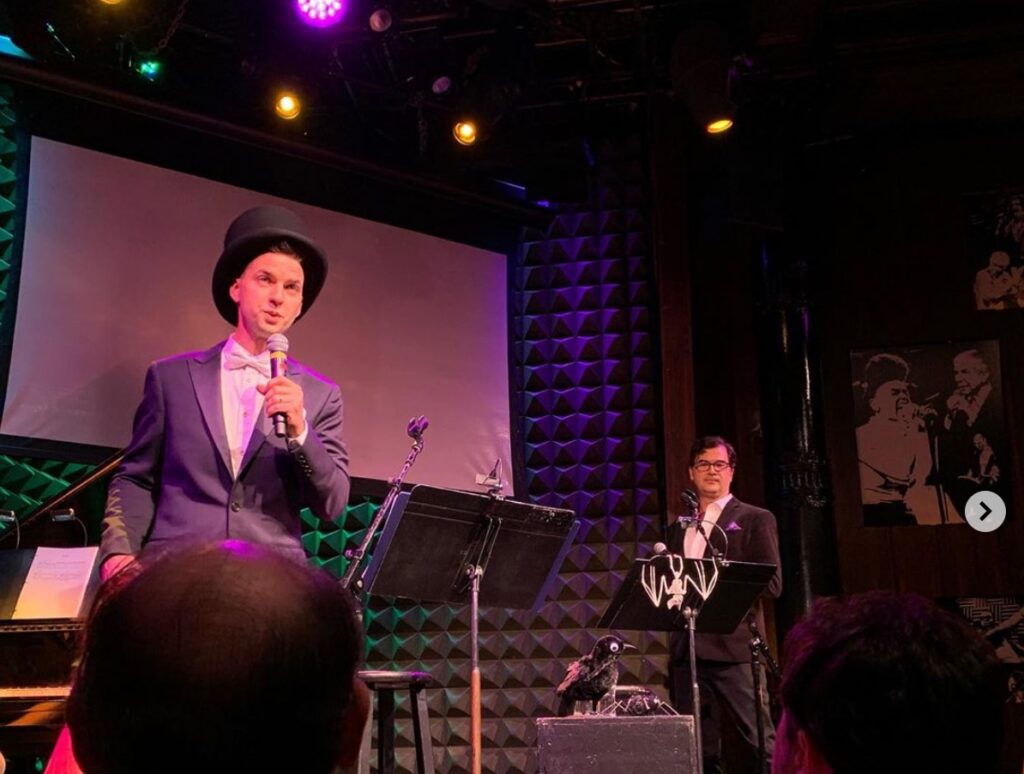
For the past couple years we have put on a LIVE cabaret version of our annual Ghost Stories podcast at Joe’s Pub at the Public Theater.

For reasons related to the fact that it’s the hellish year of 2020, we cannot bring you a live performance this year.

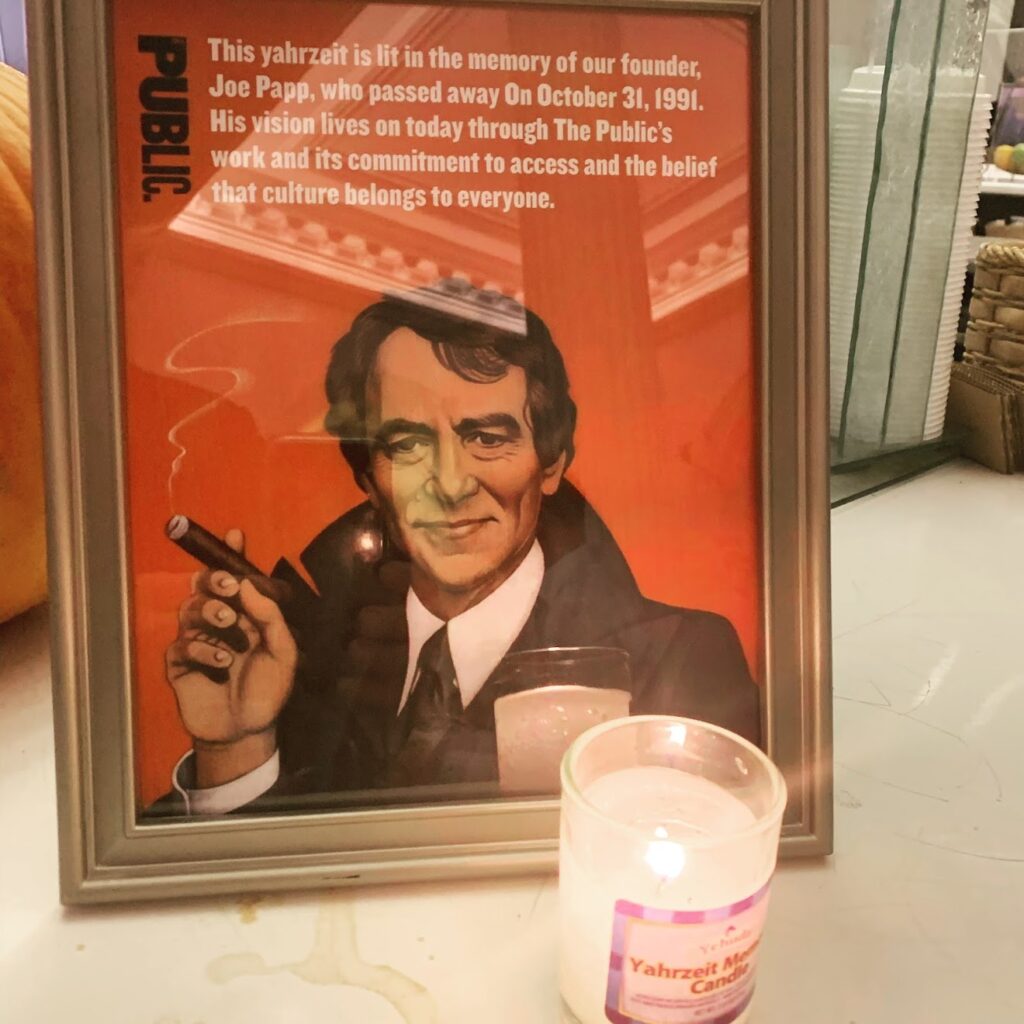
Every Halloween night, a candle is placed in the lobby of the Public Theater in honor of its founder Joseph Papp.

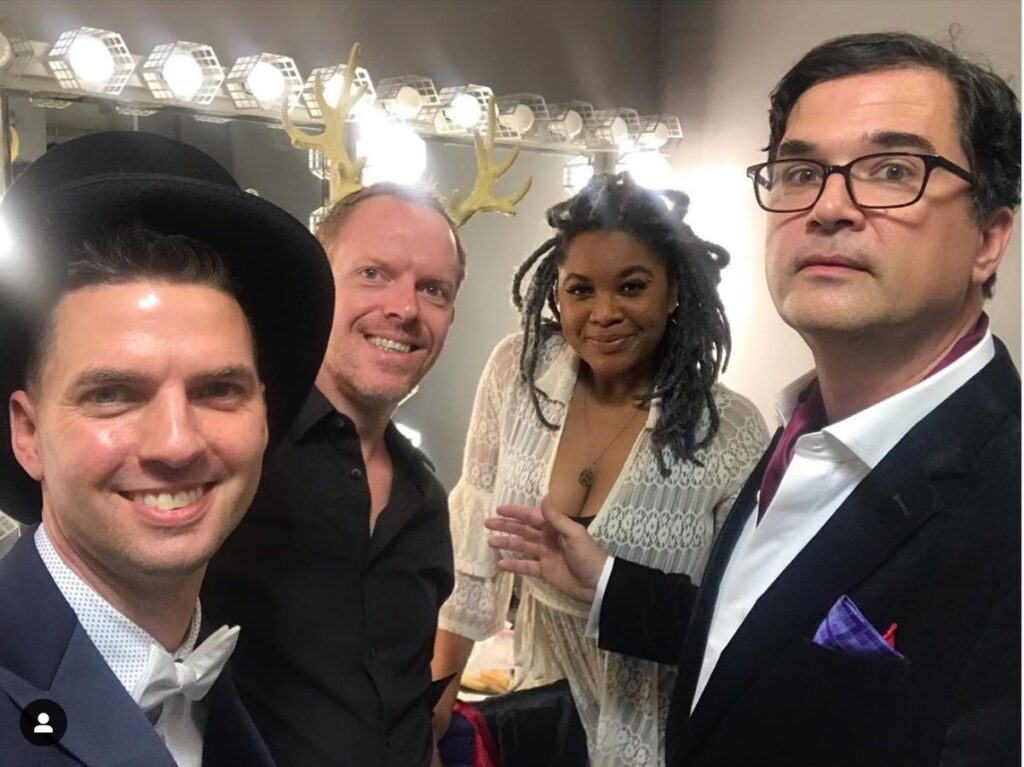
But we miss the wonderful Joe’s Pub so much – and we miss being with our listeners in a cabaret setting with cocktails – that we’re presenting to you a live recording of our last show at the storied venue, recorded on Halloween night 2019, featuring pianist and composer Andrew Austin and vocalist Bessie D Smith.

Prepare to hear new versions of your favorite ghost stories including:

— A Brooklyn house haunting that may be related to the spirits from a colonial-era prison ship;

— A famous murder trial from the year 1800 and a mysterious well which still stands in the neighborhood of SoHo;

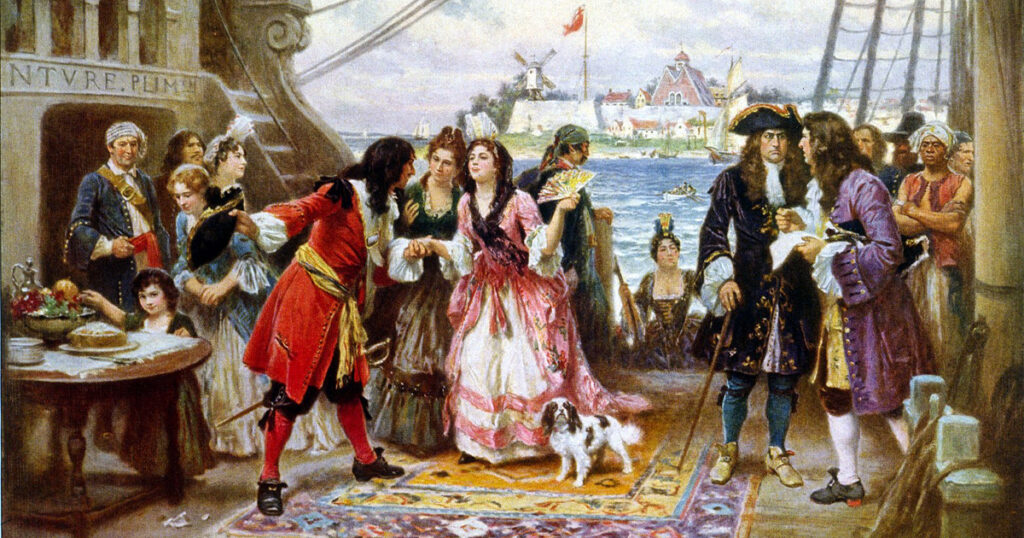
— The ghosts (or other supernatural entities) which guard the treasure of the famous Captain Kidd; and

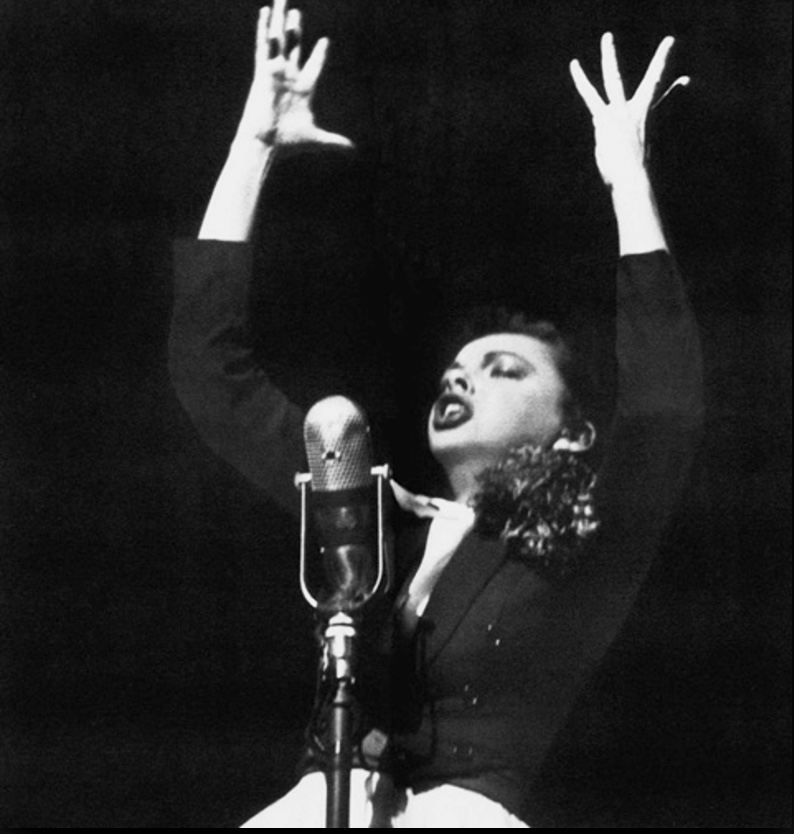
— The mournful secrets of a famed Broadway theater and the inner demons of a Hollywood icon.

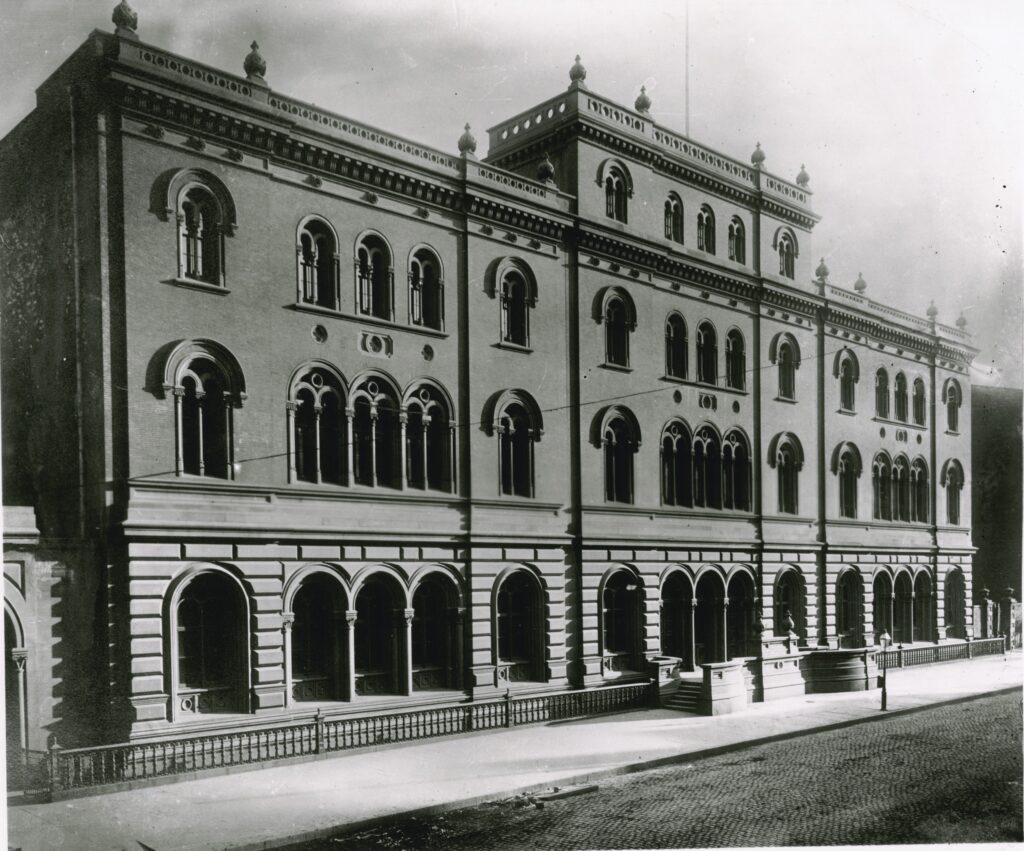
With an ALL NEW GHOST STORY — WHO HAUNTS THE FORMER ASTOR LIBRARY?

Listen today on your favorite podcast player:


Photos by Julia Press
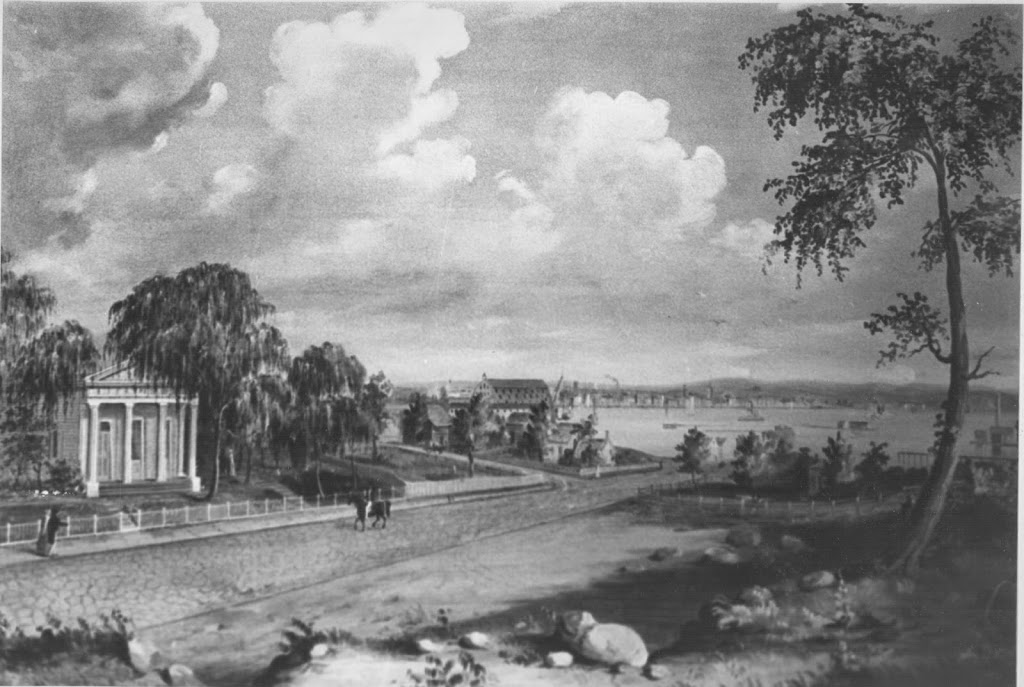
136 Clinton Avenue in Brooklyn back when it was very, very close to the shoreline.
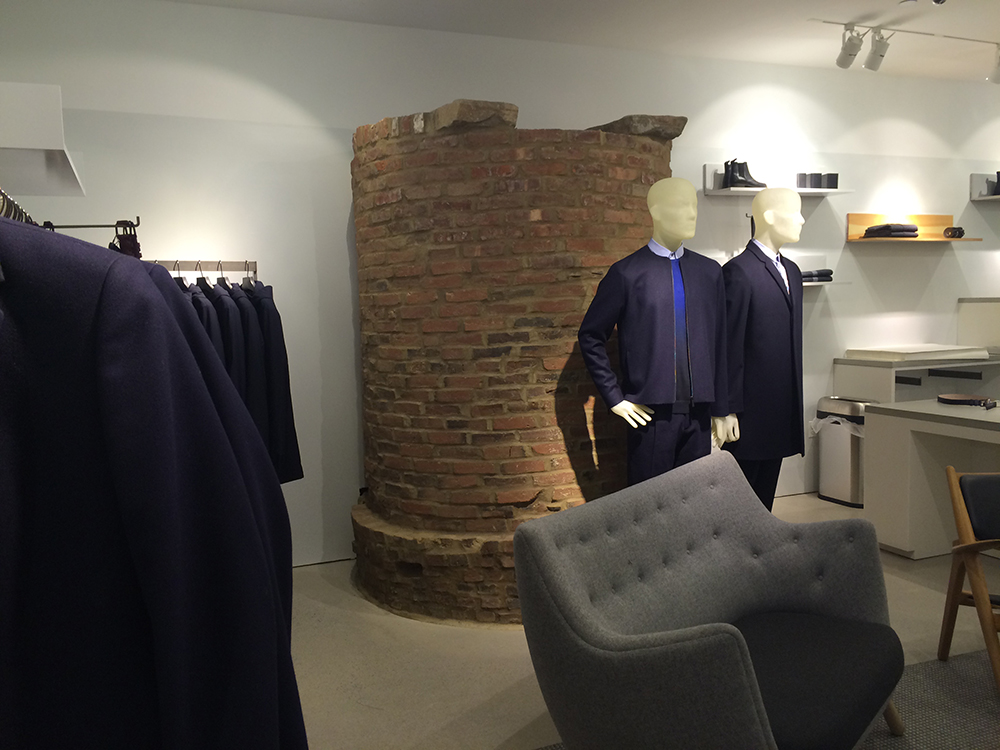
The remainder of old Manhattan Well. (Image courtesy Scouting NY)
Captain Kidd in early New York, depicted in a 1920 painting by Jean Leon Gerome Ferris
Judy Garland at the Palace Theater
Astor Library, later the Public Theater. Courtesy New York Public Library

The Bowery Boys: New York City History podcast is brought to you …. by you!

We are now producing a new Bowery Boys podcast every week. We’re also looking to improve and expand the show in other ways — publishing, social media, live events and other forms of media. But we can only do this with your help!

We are now a creator on Patreon, a patronage platform where you can support your favorite content creators.

Please visit our page on Patreon and watch a short video of us recording the show and talking about our expansion plans.

If you’d like to help out, there are six different pledge levels.Check them out and consider being a sponsor.

We greatly appreciate our listeners and readers and thank you for joining us on this journey so far.


Categories
Pop Culture

Meryl Streep, New York City and theater of the 1970s

Meryl Streep is one of New Jersey’s greatest natural resources. She was born in Summit, NJ, also the hometown of Ice-T, and grew up nearby in the town of Bernardsville.

You may not otherwise associate Streep with New Jersey (at least, not in the same way we look at Bruce Springsteen) because, in 1975, after graduating from Vassar and developing her dramatic skills at Yale, she moved to New York City to begin her career in theater. The Meryl we know, the movie star and acting icon, grew up here.

Almost forty years later, Streep is considered one of the world’s greatest and most accomplished living actresses.

She’s been nominated for more Academy Awards than any other actor. In fact, she’s considered a benchmark for many thespians to aspire to. She’s so revered that she’s occasionally a punchline. (The Onion: “Court Rules Meryl Streep Unable To Be Tried By Jury As She Has No Peers.”)

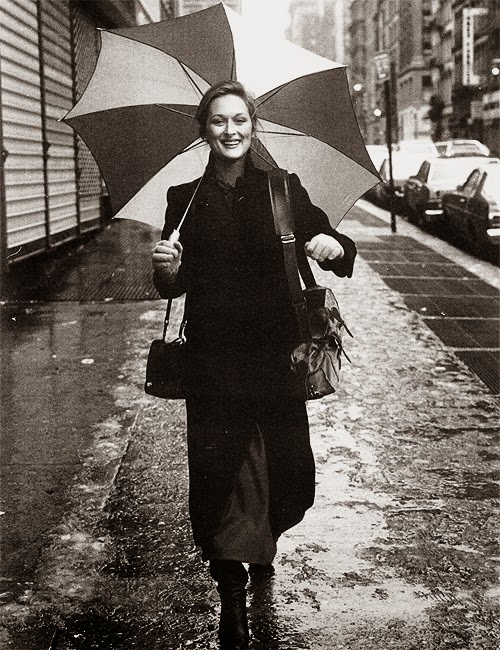
It’s Meryl in the rain, 1979! From the tumbler ingridsbergman (If anybody knows the name of the photographer, please let me know!)

But her early work on the New York stage — much of it with The Public Theater — cemented her reputation as a performer of uncommon ability. She became a fixture of both Broadway and off-Broadway at the moment when the creative revolutions of the 1960s were beginning to sink into mainstream productions.

She often worked in classical drama, retooled with unconventional direction.

Her formal training mixed with the spirit of off-Broadway innovators such as Joseph Papp.

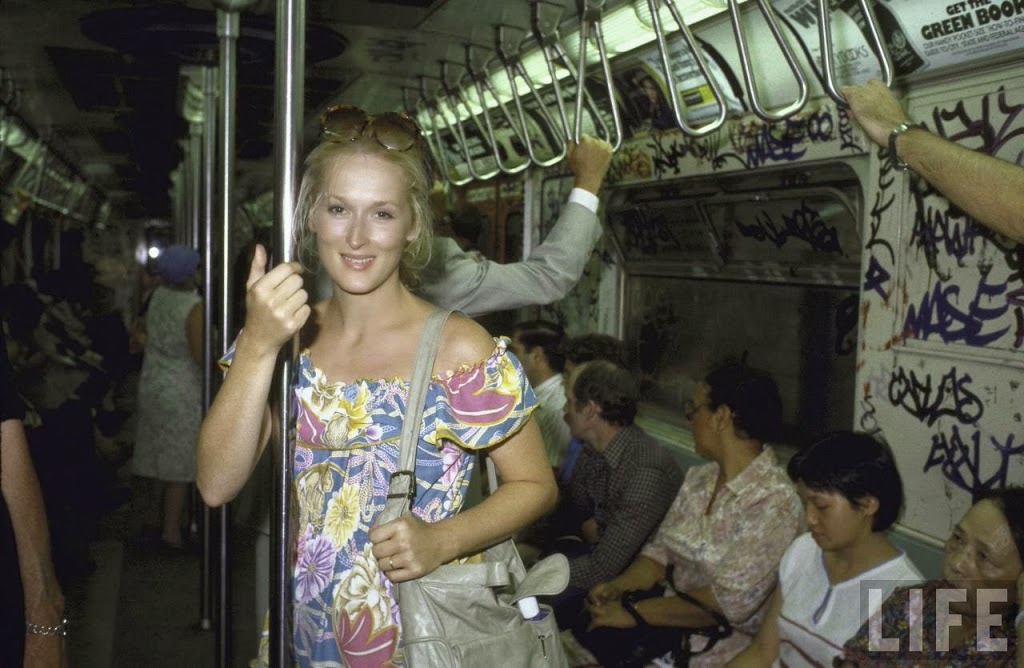
It’s hard to imagine Streep in a world parallel to that of A Chorus Line (which debuted the summer of her arrival in New York), hoofing it to Midtown auditions, cramming onto crowded subways to get to her performances in Shakespeare plays at the Delacorte Theater in Central Park.

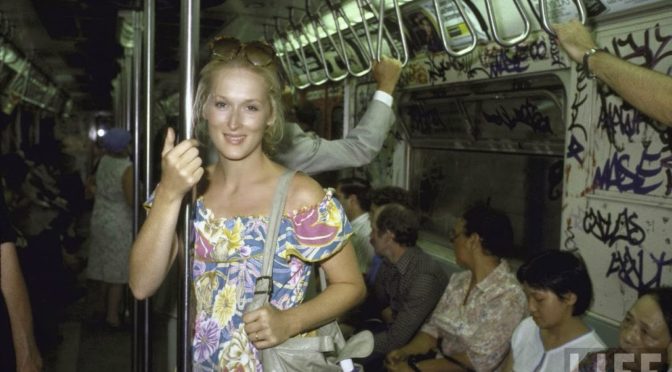
Below: Meryl on the subway, 1981 (Courtesy Google Life images)

“For those who believe that stars are born overnight only in old movies like Stage Door on the late, late show, let me present Meryl Streep.  She is on the threshold of stardom,” wrote the prescient Syracuse Herald-Journal in 1976.

Here is a look at some of her early New York stage successes from the 1970s, both off and on Broadway, accompanied by a few quotes from her first reviews:

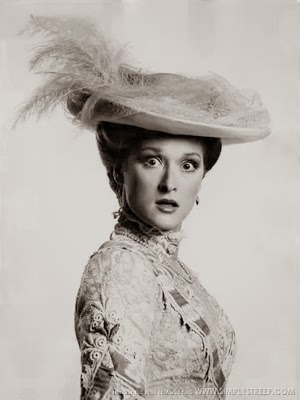
Trelawny of the Wells (October-November 1975)
Vivian Beaumont Theatre/Lincoln Center
Playing: Miss Imogen Parrott (at left)

In her professional stage debut, Streep was praised by the New York Times: “tart, level headed, stunningly decked out in salmon gown and white plumes.”  The play itself was only modestly received.  “A Chorus Line soars, Trelawny falls flat.” [source]

(The Times didn’t see the appeal in her early years. Her first mention there, for a play by the Yale Repertory Theater, described her performance as “perhaps too giddy and high strung.“)


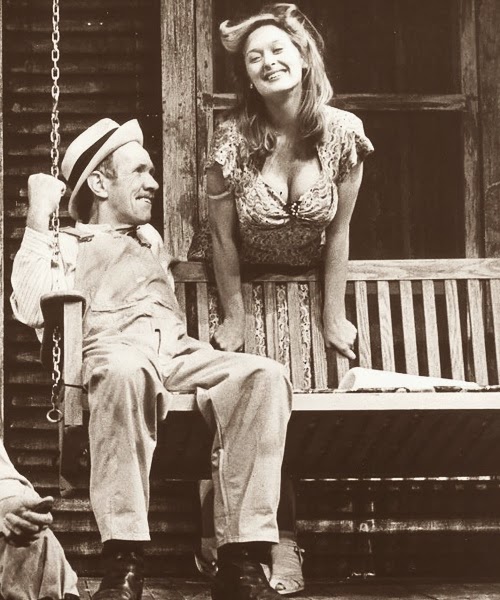
27 Wagons Full of Cotton by Tennessee Williams (January-March 1976)
performed with A Memory of Two Mondays by Arthur Miller
The Phoenix Theatre in the East Village (today the Village East Cinemas)
Playing Flora (pictured below)

Writes Walter Kerr: “We can settle down now, locked in the girl’s dilemma, to let actress Meryl Streep studiously slap away most believable mosquitoes, splay her legs like a rag doll, twist an evasive but sinuous toe to keep the porch swing rocking rhythmically, count her thoughts on her fingers, clutch her oversize white purse as she weighs inadvertent betrayal against what is happening to her flesh.” [source]

This was her breakthrough, and the very first of thousands of awards and nominations that would come her way for her work.

When it transferred to Broadway, she received a Tony Award nomination for Best Featured Actress In A Play. (She was nominated up against Mary Beth Hurt, her co-star from Trelawny. They both lost to Shirley Knight.)

Secret Service (April-May 1976)
The Playhouse Theater
Playing Edith Varnay
“Streep was all heaving anguish, startled eyes and passionate stances.” [review]

Henry V (June-July 1976)
Shakespeare In The Park
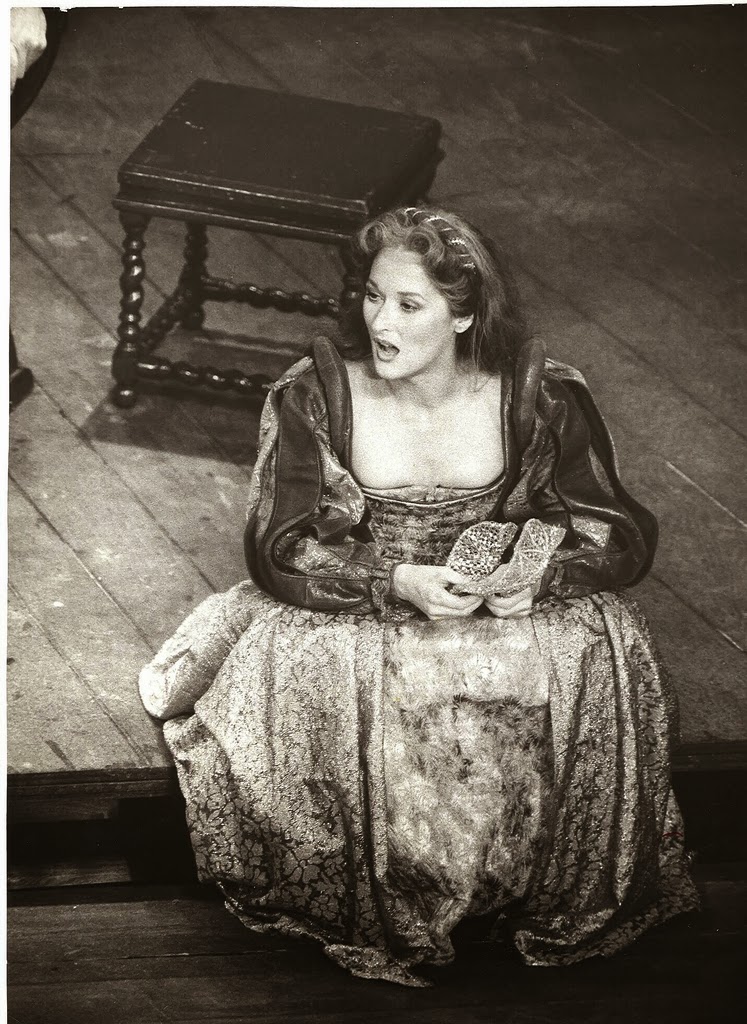
Playing French princess Catharine, pictured below (“I cannot tell vat is dat.”)

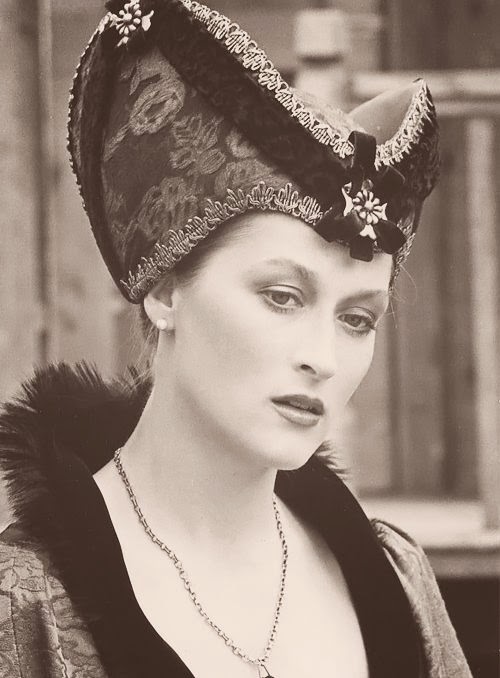
This is her first appearance in the New York Shakespeare Festival and the way she spent America’s Bicentennial. New Yorkers also got to hear her first non-English accent.  “[T]hough Meryl Streep tends to be stiff in her first scene –the English lesson — she displays lovely bite and timing when Mr. [Paul Ryan] Rudd courts her.” (Picture courtesy Public Theater)

Measure for Measure (August 1977)
Shakespeare In The Park
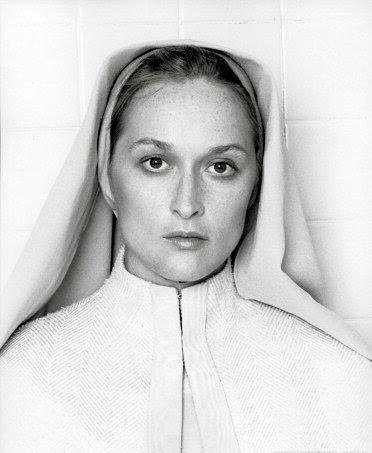
Playing: Isabella (“And have you nuns no farther privledge.“)

This is her for first nun role. She would return to the habit in the Oscar-nominated film Doubt. Reviews were mixed, the Times questioning the chemistry between Streep and her co-star John Cazale.  The reviewer Kerr suggests her timing is off.


She took a break from the theater to star in her first work for television and film.

From an interview in the New York Times: “Miss Streep, who was drinking a Heineken at the Algonquin, gestured with her hand…. ‘Last summer I did all those things in the Park … and then I went and made a movie in London — Julia. I were a red dress in every scene and I look bizarre.”

The Cherry Orchard (February-April 1977)
Vivian Beaumont Theatre/Lincoln Center
Playing: Dunyasha (“I must tell you at once, I can’t bear to wait a minute.“)

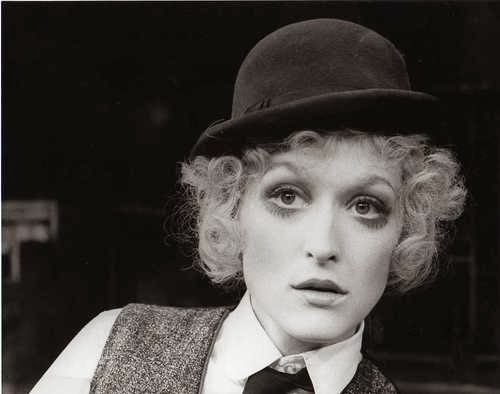
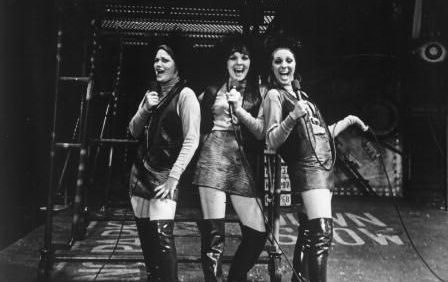
Happy End (May-July 1977)
Martin Beck Theater
Playing Lieutenant Lillian Holiday (“Hallelujah Lil”)

For this short-lived musical, Streep sang for the first time on the Broadway stage, and looking like a mix of Liza Minnelli and Charlie Chaplin:

Here’s an interview she did for that show:


The Taming of the Shrew (August-September 1978)
Shakespeare In The Park
Playing — who else? — but Katarina

She’s featured in this behind-the-scenes video with her co-star Raul Julia:

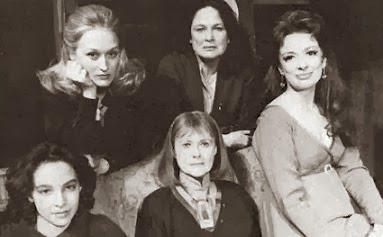
Taken In Marriage (February-April 1979)
The Public Theatre/Newman Theatre
Co-starring with Dixie Carter, Colleen Dewhurst, Kathleen Quinlan and Elizabeth Wilson

“Meryl Streep, as Andrea, is a series of prisms, breaking the character’s pale light into flashes of misery, remorse, frustrated love and self-hatred…..[S]he is the most wretched member of her family.” — Richard Eder. (Picture courtesy Public Theatre)

Below Meryl Streep in the rather unusual rendition of Alice In Wonderland, originally called ‘Alice In Concert’ (later retitled ‘Alice In The Palace’). According to the Public Theater, this was from an early 1978 showcase which ran for three performances. She’s pictured here with Elizabeth Swados and Joe Papp.

Most pictures here courtesy the Public Theater, unless otherwise noted. You can already visit their website for information about this season’s Shakespeare In The Park.

And thanks to Simply Streep for help on the dates of the productions.

Categories
Podcasts

Shakespeare in the Park: the drama behind the drama

What started in a tiny East Village basement grew to become one of New York’s most enduring summer traditions, Shakespeare in the Park, featuring world class actors performing the greatest dramas of the age. But another drama was brewing just as things were getting started. It’s Robert Moses vs. Shakespeare! Joseph Papp vs. the city! ALSO: Learn how the Public Theater got off the ground and helped save an Astor landmark in the process

PODCAST Listen to it for FREE on iTunes or other podcasting services. Or click this link to listen to the show or download it directly from our satellite site

___________________________________

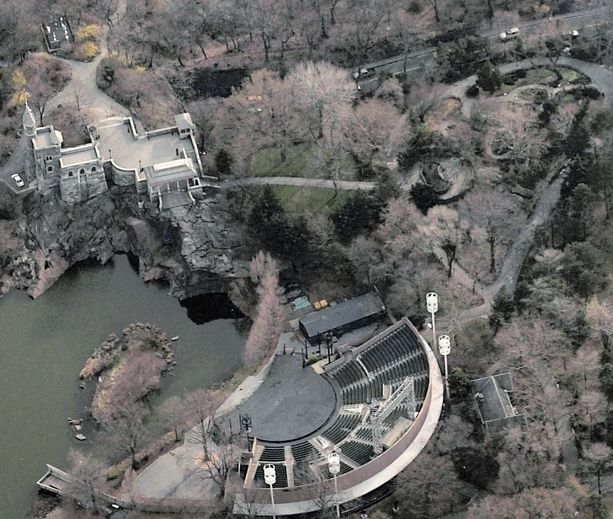
Looking down over both Delacorte Theater and Belvedere Castle. Joseph Papp didn’t have much say in the construction of the theater, but he probably couldn’t have asked for a more picturesque, more perfectly situation location.

Papp at the Delacorte: within a handful of years, he was able to tranport his vision from a basement in an East Village church to the world’s most famous park. Not without a few speedbumps, however…. (pic courtesy New York Public Library)

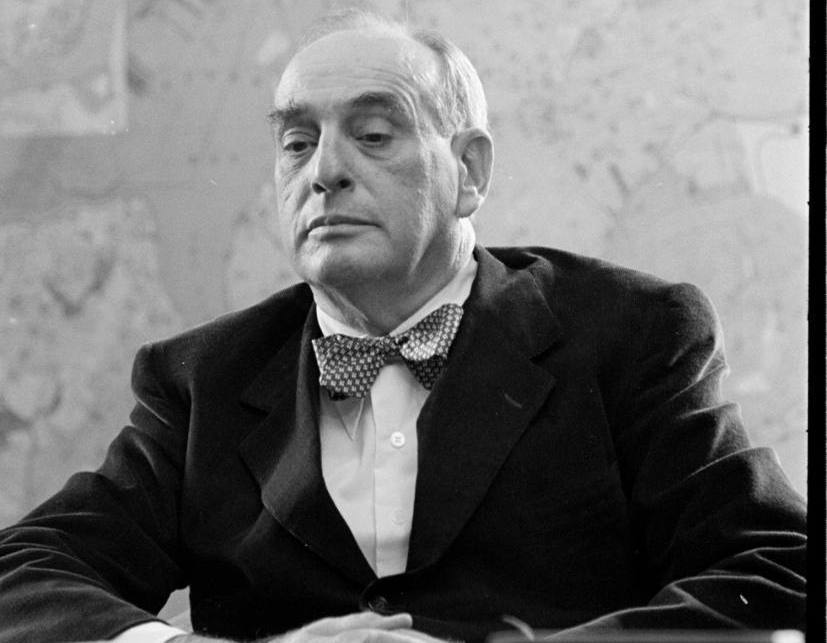
Robert Moses had been one of New York’s most powerful men for almost 30 years by the time he confronted the Shakespeare Festival. At first a supporter of the outdoor program, he soon turned on Papp and refused his permit to perform in Central Park.

One of several performances of Hamlet, this one from 1964, starring Julie Harris and Stacy Keach.

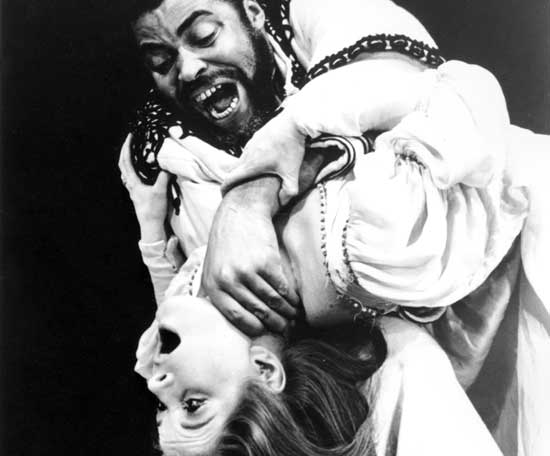
If I could take a time machine back to see one show, it would probably be the 1964 version of Othello with a spry James Earl Jones in the title role.

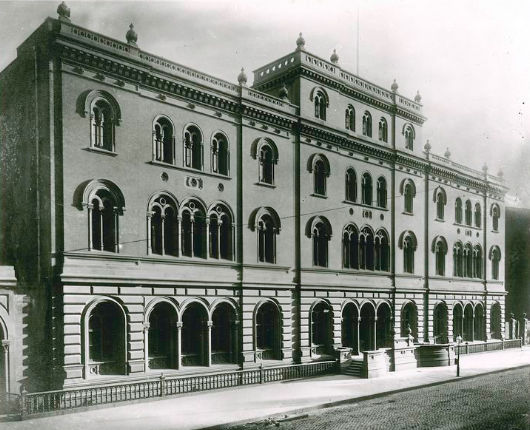
The old Astor Library, built over a hundred years before the Public Theater made it home. Our New York Public Library podcast details how the volumes once stored at this Astor institution were used to build the collection for the new public system.

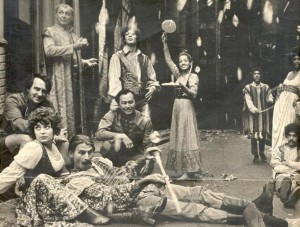
From the 1972 production of the musical version of Two Gentlemen Of Verona, starring Public Theater regular Raul Julia. Like many Delacorte productions, Verona went on to play Broadway and win Tony Awards. Papp is kneeling far left. (Pic courtesy

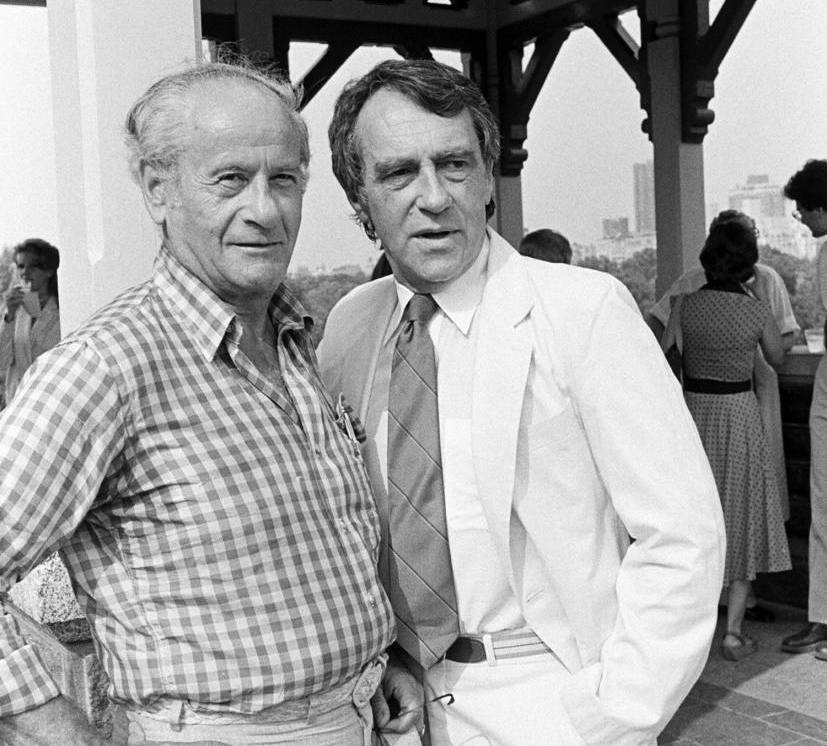
Papp with actor Eli Wallach in 1983. With the Shakespeare festival and later with regular programming at the Public Theater, Papp was able to draw New York’s finest actors and cultivate new stars in the process.

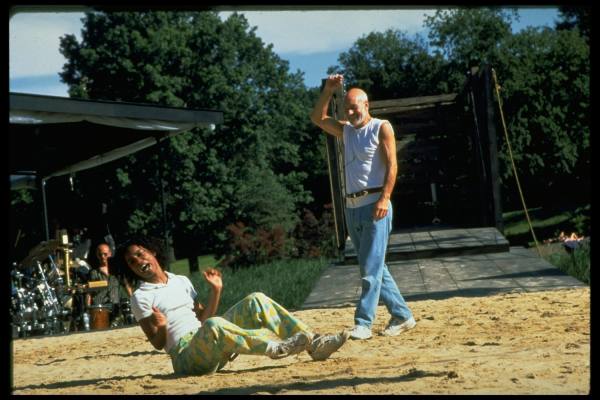
Patrick Stewart rehearses for the 1995 version of The Tempest.

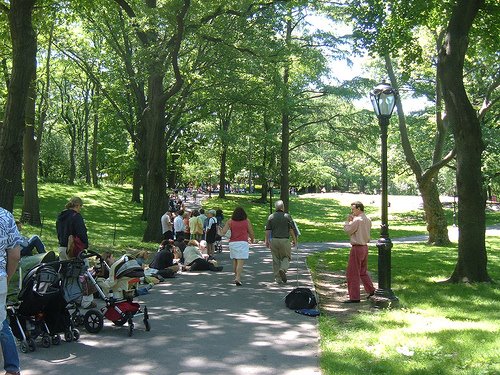
The winding ticket line, quite a treat on a lovely day (and less so when it’s not). These days, for those who can’t or don’t wish to wait, there’s a limited virtual line as well. (Pic courtesy Flickr)

Visit the Public Theater website for more information about upcoming shows and how to get tickets. They also have a nicely detailed section on all their past productions.
How Erin Brockovich saved the East River ampitheater

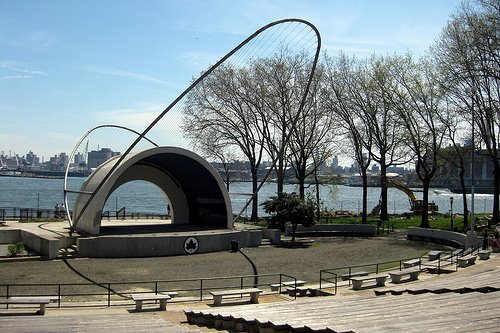
I’ve always been a little fascinated by that small ampitheatre that’s located in Manhattan’s East River Park (near Corlear’s Hook). For years it just seemed so hopelessly abandoned. In the past few years though it’s been making a comeback, featuring the occasional live concert and offering a unique, leafy respite for joggers.
The East River Park is a rather unusual thing, a Robert Moses original from 1939 that features 20 blocks of artificial concrete extension to connect the original land purchase (too narrow to be a useful park) with the East River shore. It’s the largest park in downtown Manhattan, larger in acreage than Battery, Thompkins Square or Washington Square parks.
Among its many Moses staples — ball fields, paved playgrounds and paved picnic areas — is the amphitheater constructed in 1941 as a nod to the neighborhood’s most famous former resident, New York governor Al Smith, who had pursued acting in his youth.

However, nothing much exciting blossomed from its curiously designed proscenium until the late 1950s, which Joseph Papp first launched his series of free Shakespeare performances. That’s right, the Public Theatre’s annual outdoor tradition of Shakespeare In the Park began here — at East River Park, not Central Park.

Once they left uptown for their permanent home, however, things became quite grim for the ampitheatre. By 1973, the city couldn’t even afford to keep it open. It was fenced up, closed down and heavily vandalized. For those living in the city at the time who came upon it, it did in fact seem like a modern ruin, Robert Moses’ very own Acropolis.

The park itself was slowly renovated throughout the 1990s, but relief finally came to the beleaguered stage in December 2001 thanks to, curiously enough, to reality television and Erin Brockovich — the real Brockovich, not the Julia Roberts version.

In the months following 9/11, many restorative projects began popping up throughout downtown. Brockovich, rising to national prominence thanks to the Roberts film, was filming an urban makeover program Challenge America for ABC. Brockovich and her producers chose the amphitheater for renovation, done over the course of a week, using the donated services of Tishman Construction and HLW Architects. Why this place exactly? I’m not sure, but Rudy Guiliani assigned the project to the program during a telecast of Good Morning America.

I didn’t catch the one-shot show, but I’m picturing Ms. Brockovich in one of her signature ensembles directing workman while standing on the stage. Truly one of the stranger stories of renovation that I’ve ever heard.

When Jupiter aligned with Mars: Hair on Broadway


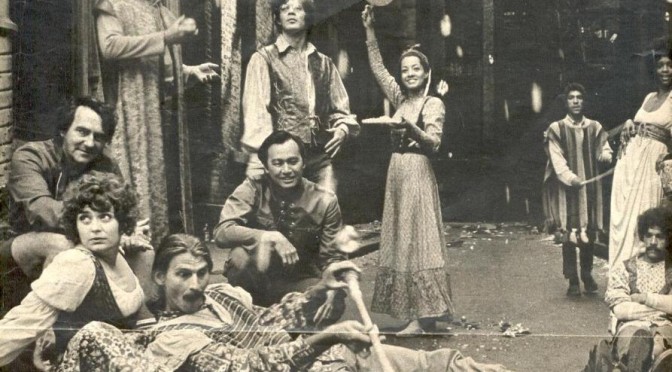
Forty years ago today, April 29, 1968, the musical Hair debuted on Broadway and basically changed New York’s theater industry — where shows come from, how they’re staged, what you can even doon stage.

Here’s ten reasons why Broadway’s first rock musical is so important, and why today you should probably fish out your Fifth Dimension CD or original cast album in tribute to this one of a kind groovy show:

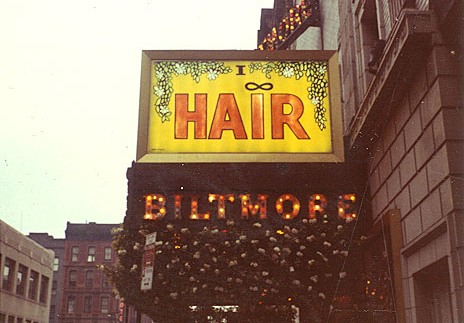
1) Hair made the Public Theater. The show made its debut on October 17, 1967 at the Public, which was itself making its debut. In fact, the theater in which is was being performed — in the former Astor Library — wasn’t even finished yet! The Public Theater would have course to go on to become off-Broadway’s leading theatrical producer.

2) After six weeks, Hair would foreshadow Studio 54’s own transformation into a Broadway house by moving the remainder of its off-Broadway run into the Cheetah discotheque.

3) Hair is the very first musical to be transferred from off-Broadway. At the time an extremely risky proposition, it’s today considered a logical move for the most critically popular of shows. Rent, Avenue Q and Spring Awakening — like Hair, all off-center shows with sexuality and rebellion at their core — also made the jump to the big stage and all won Tonys for Best Musical.

4) Hair brings Tom O’Horgan to Broadway. A regular at the off-off-Broadway La Mama — the East Village’s most venerated experimental theater — O’Horgan brought an uncompromising edge to his staging that was entirely shocking to mainstream theatrical audiences. O’Horgan would stay on Broadway throughout the 70s with pivotal work in Jesus Christ Superstar, Futz!, and Lenny.

5) Hair doubles the number of songs ‘allowed’ in a musical. The sheer number of songs in Broadway restaging made it unique, over thirty. The big musical from the previous year, Cabaret, barely featured half that number

6) O’Horgan also brings the nudity. The uptown redux features one of the most influential scenes in all of Broadway history — at the end of the first act, when the entire cast, in low lights, appear completely unclothed, the first stage nudity to hit the Great White Way.

7) A New York icon debuts. Diane Keaton (above, in the middle) becomes an understudy in the show but refuses to do the nude scenes. After several months with the cast, Keaton goes on to her next show — Play It Again, Sam — where she makes the acquaintance of a young director, Woody Allen.

8) Up for two awards (Best Director and Best Musical) at the 1969 Tony Awards, it lost both to the musical 1776. Interestingly, Diane Keaton is up for her Tony that year for Play It Again Sam and also lost.

9) Hair closes July 1, 1972 after 1,750 performances. It is the 38th longest running musical in Broadway history, between La Cage Au Folles (at 37) and The Wiz (at 39).

10) An unbelievable one-night revival of Hair, in 2004, for an Actors Fund benefit, mounted at the New Amsterdam and featured the following cast: JM J. Bullock, Harvey Fierstein, Ana Gasteyer, Annie Golden, Jai Rodriguez, RuPaul, Michael McKean, Laura Benanti, Adam Pascal and future Oscar winner Jennifer Hudson

Here’s about a comprehensive list of some of Hair ‘s original review. Both the New York Post and the New York Times gives the original off-Broadway production a condescendingly mixed review.

The Village Voice? Hated it. “As for Hair, I loathed and despised it. Described as ‘an American tribal love-rock musical’ it turned out to be all phony.” Wow, some things never change!

We’ll see how the critics like it this summer when the Public Theatre restages Hair for its Shakespeare In The Park program at Delacorte Theatre, from July 22 to August 17. Diane Keaton won’t be in it, but will there be nudity?