Categories
Mysterious Stories Podcasts

Ghost Stories of Old New York: ALIVE at Joe’s Pub

EPISODE 342 A very special Bowery Boys: New York City History podcast presentation, recorded live on Halloween Night 2019.


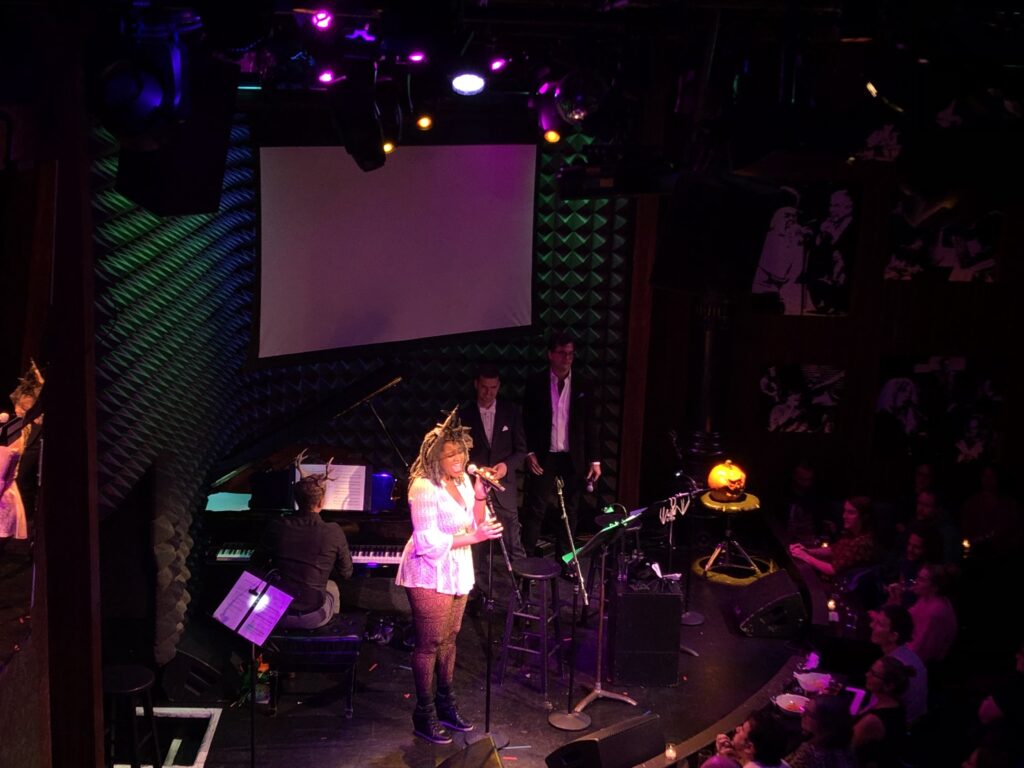
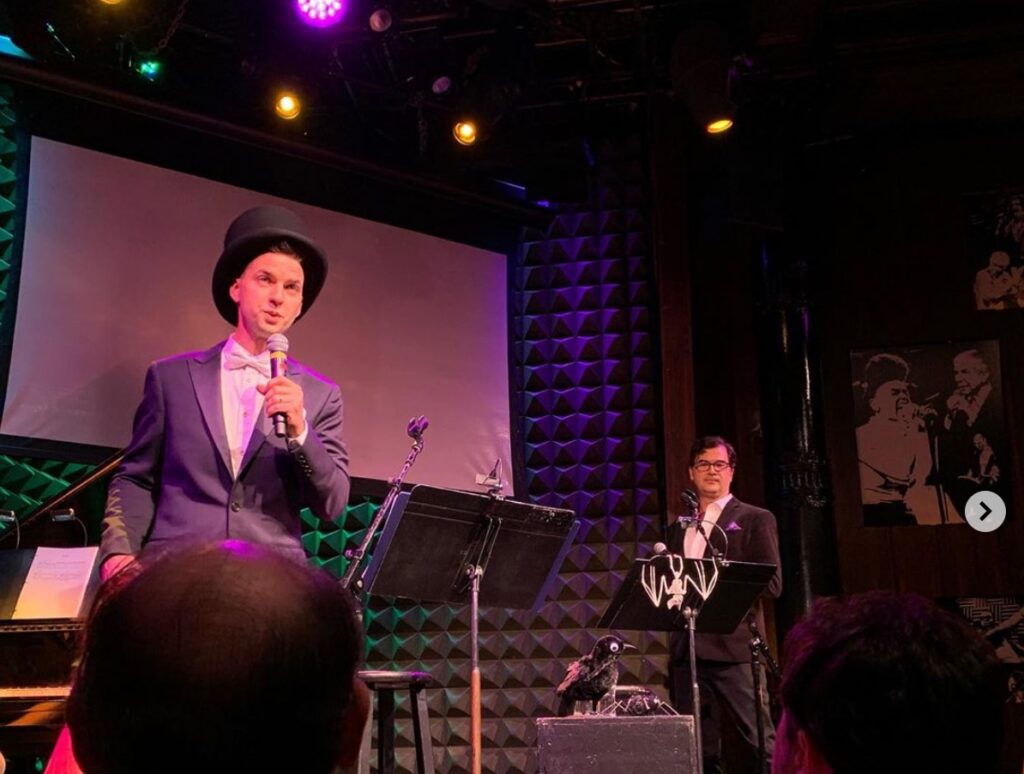
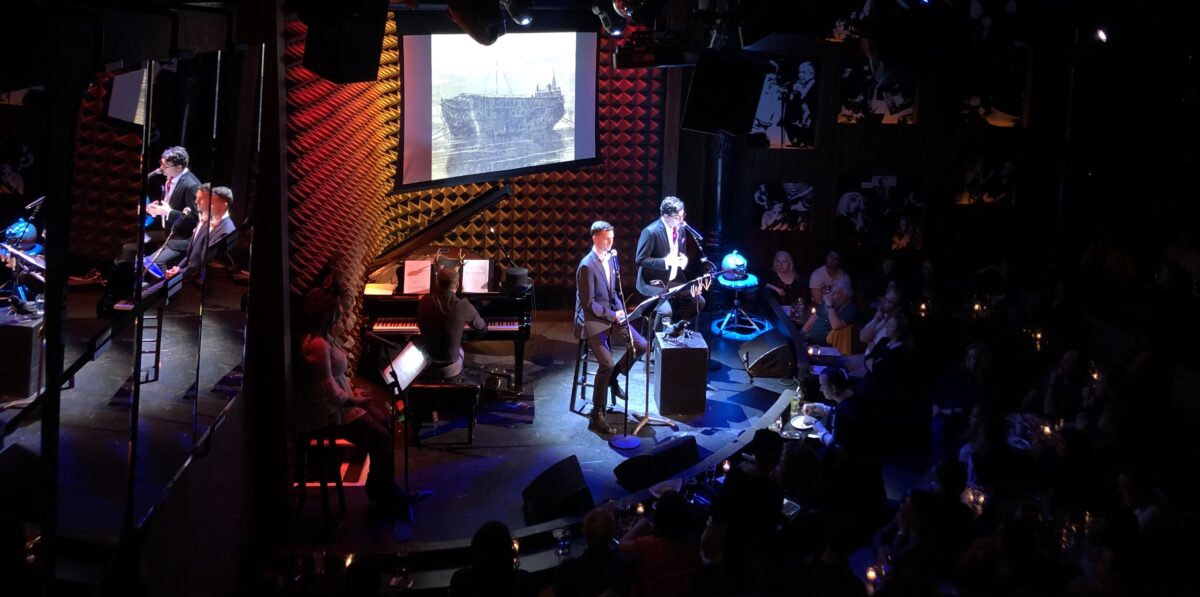
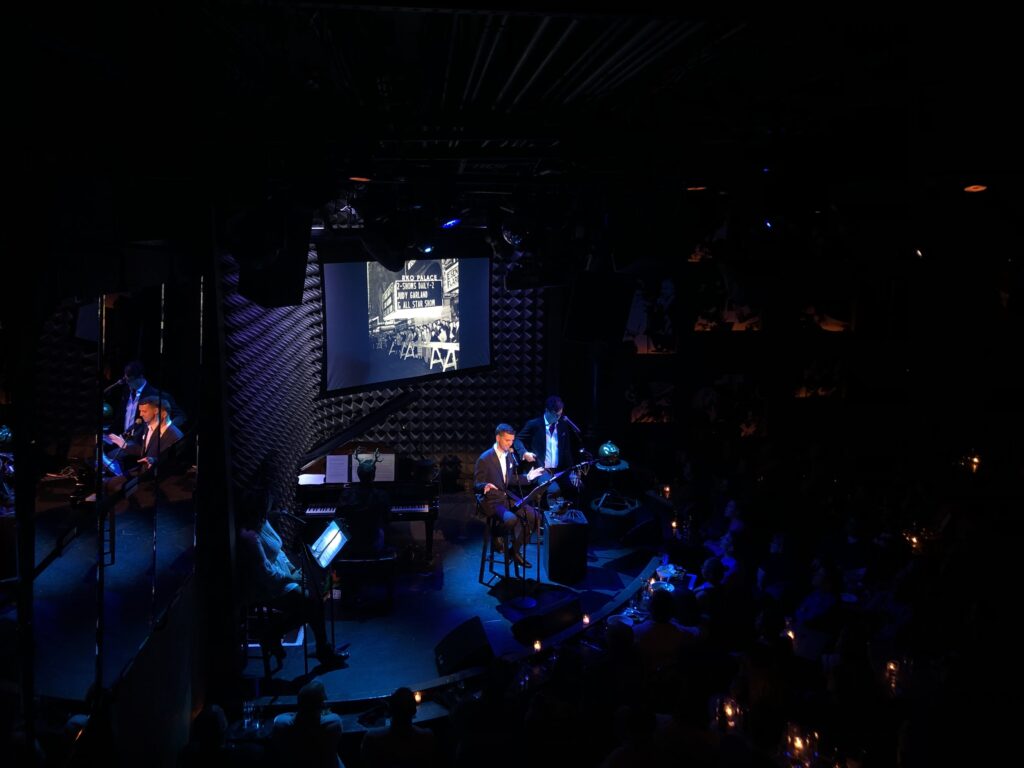
For the past couple years we have put on a LIVE cabaret version of our annual Ghost Stories podcast at Joe’s Pub at the Public Theater.

For reasons related to the fact that it’s the hellish year of 2020, we cannot bring you a live performance this year.
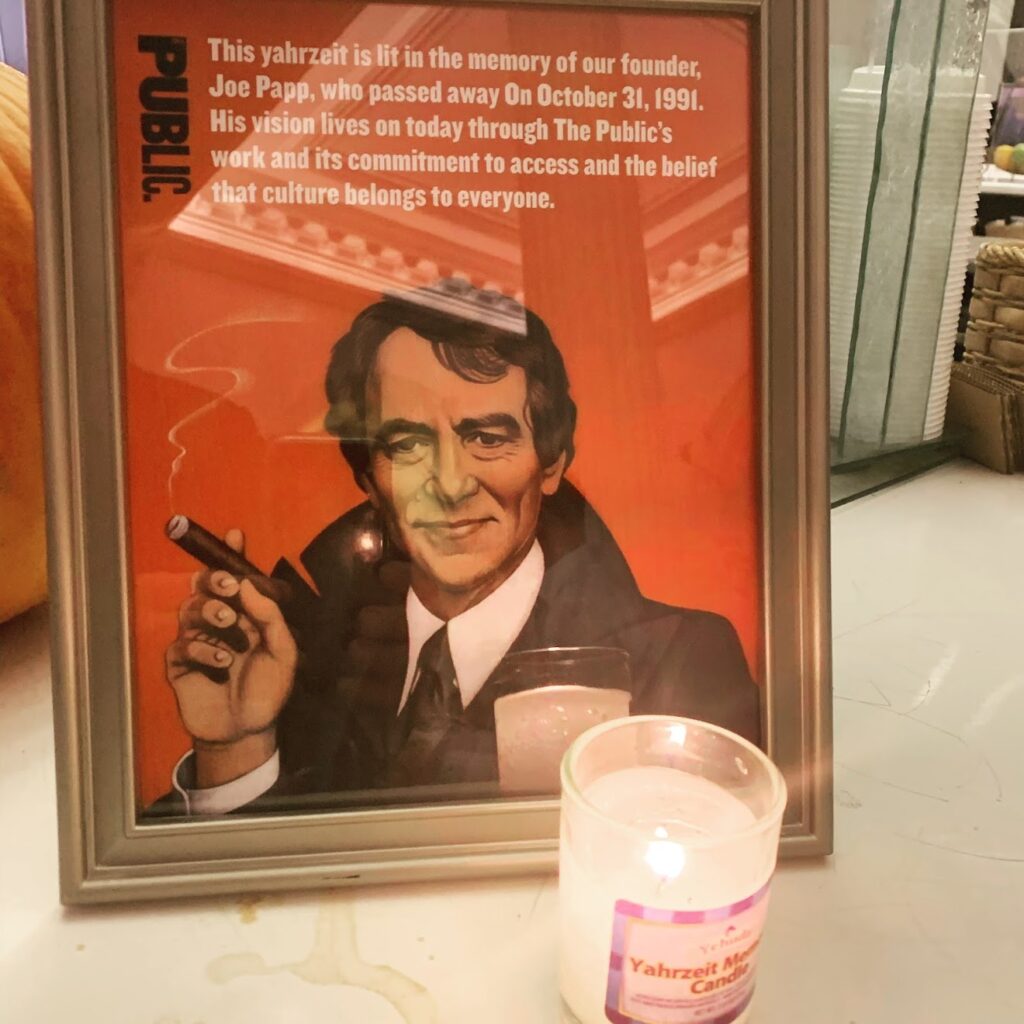
Every Halloween night, a candle is placed in the lobby of the Public Theater in honor of its founder Joseph Papp.

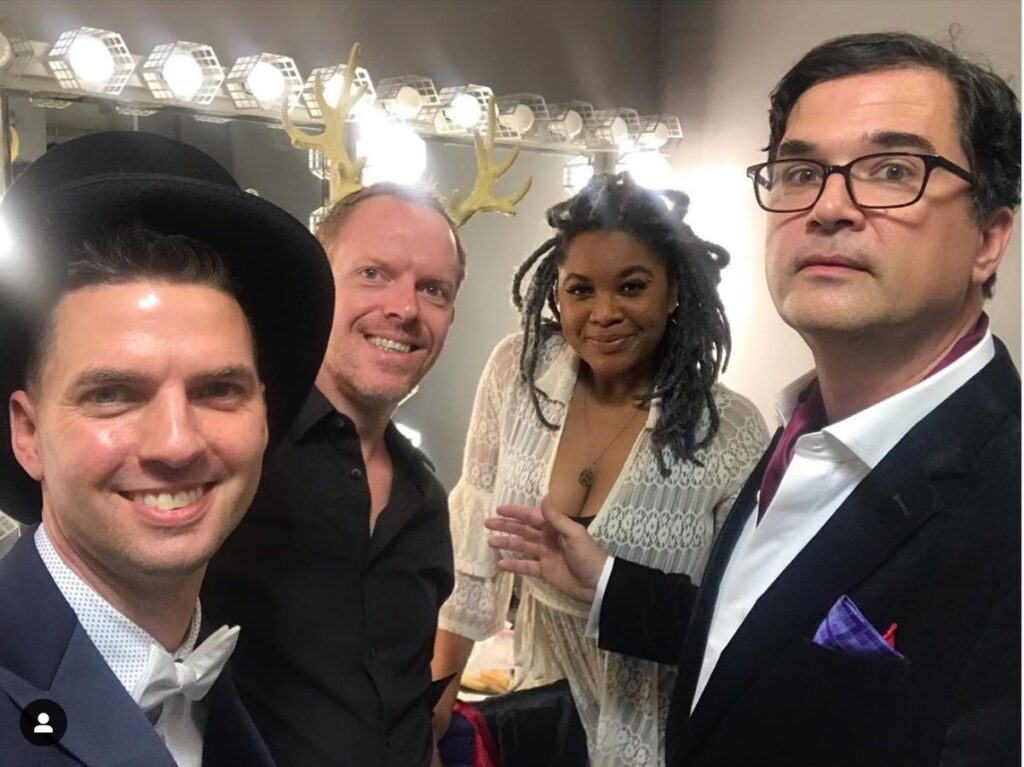
But we miss the wonderful Joe’s Pub so much – and we miss being with our listeners in a cabaret setting with cocktails – that we’re presenting to you a live recording of our last show at the storied venue, recorded on Halloween night 2019, featuring pianist and composer Andrew Austin and vocalist Bessie D Smith.
Prepare to hear new versions of your favorite ghost stories including:

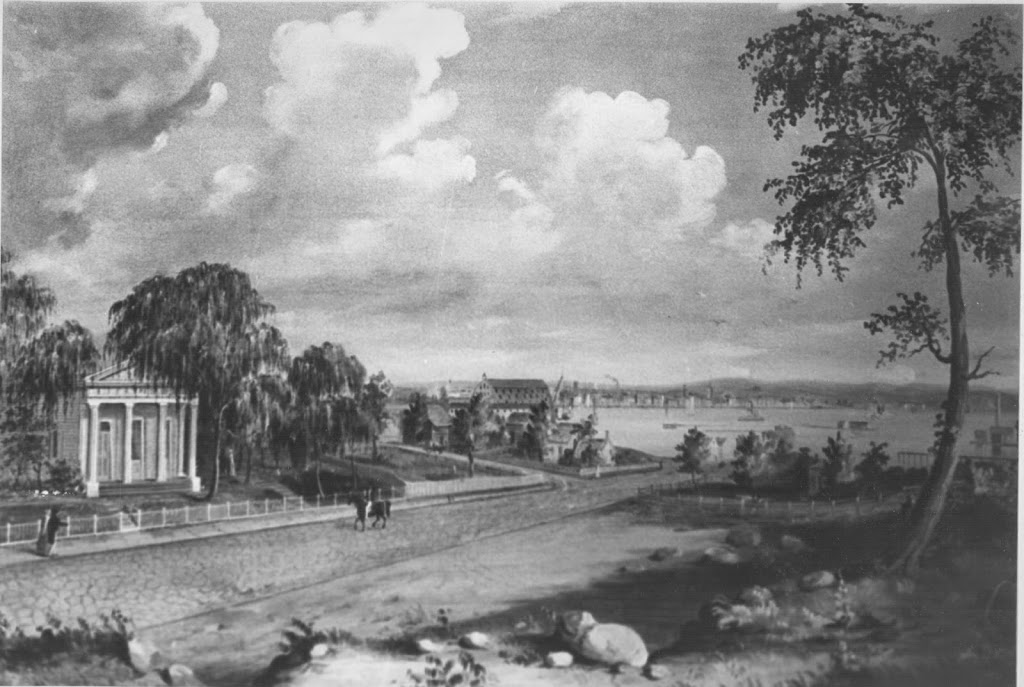
— A Brooklyn house haunting that may be related to the spirits from a colonial-era prison ship;

— A famous murder trial from the year 1800 and a mysterious well which still stands in the neighborhood of SoHo;

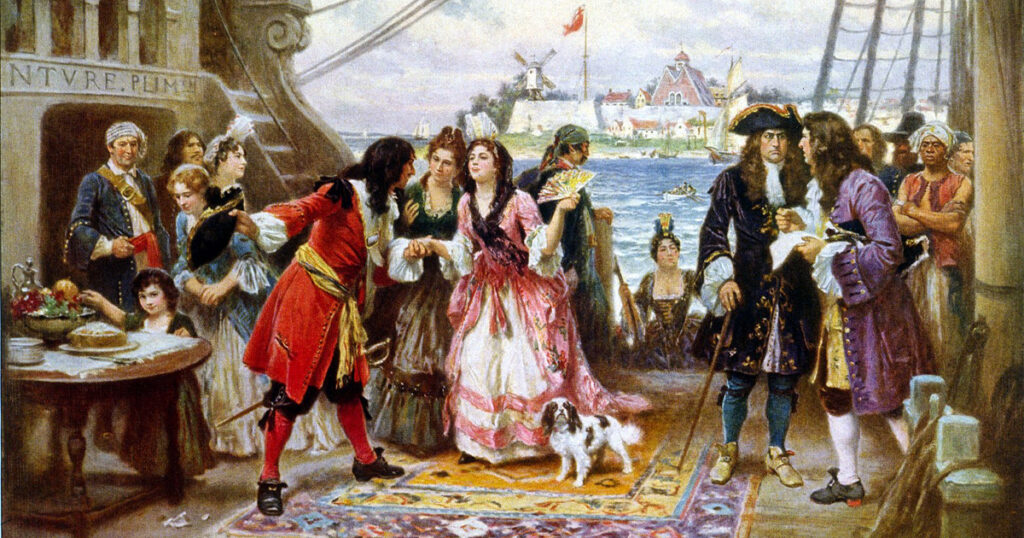
— The ghosts (or other supernatural entities) which guard the treasure of the famous Captain Kidd; and

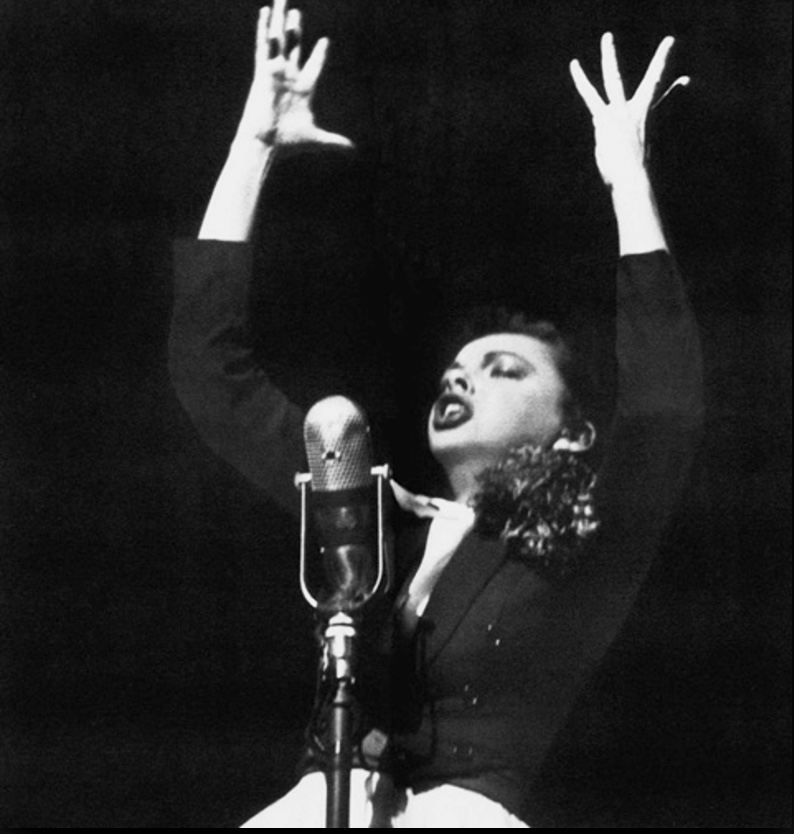
— The mournful secrets of a famed Broadway theater and the inner demons of a Hollywood icon.

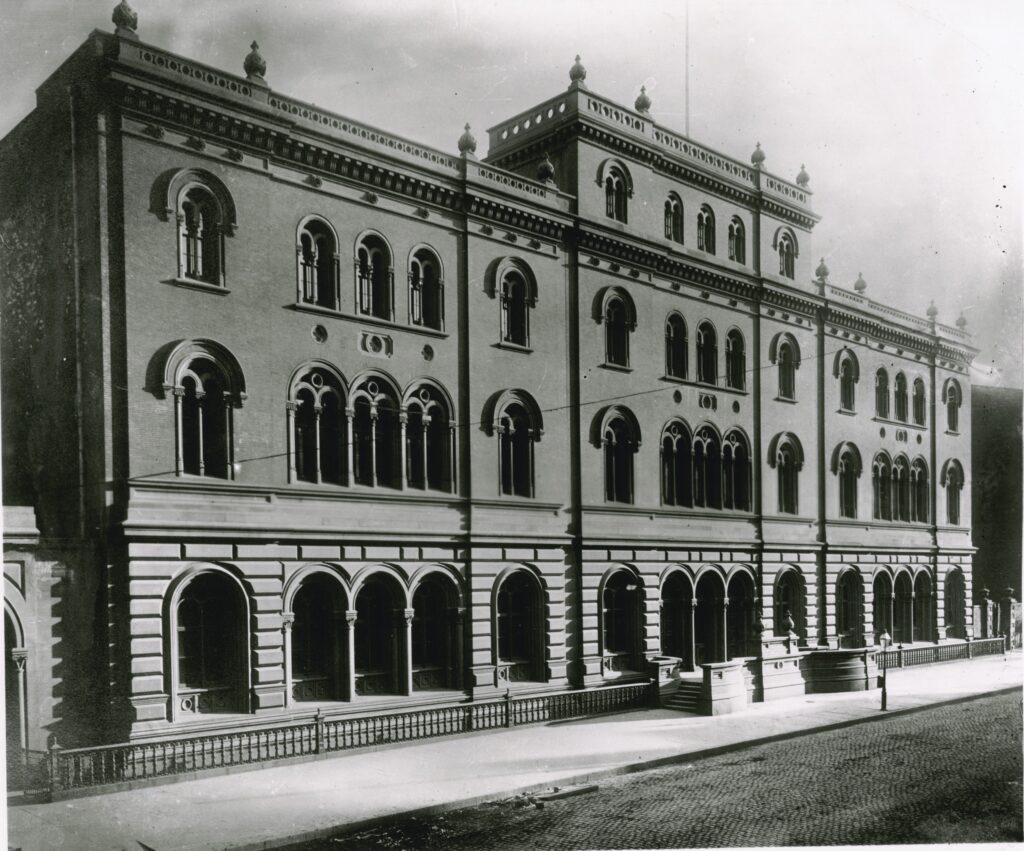
With an ALL NEW GHOST STORY — WHO HAUNTS THE FORMER ASTOR LIBRARY?

Listen today on your favorite podcast player:

Photos by Julia Press
136 Clinton Avenue in Brooklyn back when it was very, very close to the shoreline.
The remainder of old Manhattan Well. (Image courtesy Scouting NY)
Captain Kidd in early New York, depicted in a 1920 painting by Jean Leon Gerome Ferris
Judy Garland at the Palace Theater
Astor Library, later the Public Theater. Courtesy New York Public Library

The Bowery Boys: New York City History podcast is brought to you …. by you!

We are now producing a new Bowery Boys podcast every week. We’re also looking to improve and expand the show in other ways — publishing, social media, live events and other forms of media. But we can only do this with your help!

We are now a creator on Patreon, a patronage platform where you can support your favorite content creators.

Please visit our page on Patreon and watch a short video of us recording the show and talking about our expansion plans.

If you’d like to help out, there are six different pledge levels.Check them out and consider being a sponsor.

We greatly appreciate our listeners and readers and thank you for joining us on this journey so far.
Categories
Amusements and Thrills

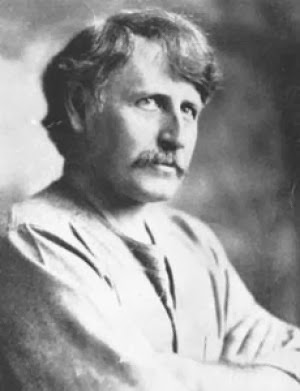
Charles Kellogg, the man who put out fires with his voice

New York has seen its share of bizarre entertainments, especially back in the days of vaudeville, when people would pay for almost anything that amused or titillated.  A few months ago, I wrote about the novelty star Don the Talking Dog, who allegedly spoke a handful of English and German words.

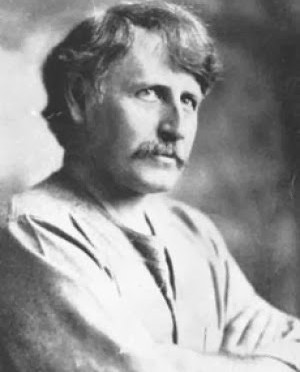
But another vocally talented star was the hot vaudeville ticket one hundred years ago — Charles Kellogg, the man who could extinguish fire with his singing voice.

Kellogg was an early environmentalist and promoter of California’s redwood forests.  He billed him as ‘California’s Nature Singer,’ known for his sterling emulation of bird song,  recording his aviary music for Victor. “He was born with the throat of a bird,” said the New York Times.  Imagine cranking up this record on your Victrola, his ‘duet’ with Romanian soprano Alma Gluck:

Kellogg voice was allegedly superhuman.  It could not only emulate the sounds of nature, but it could protect nature from devastating flame.

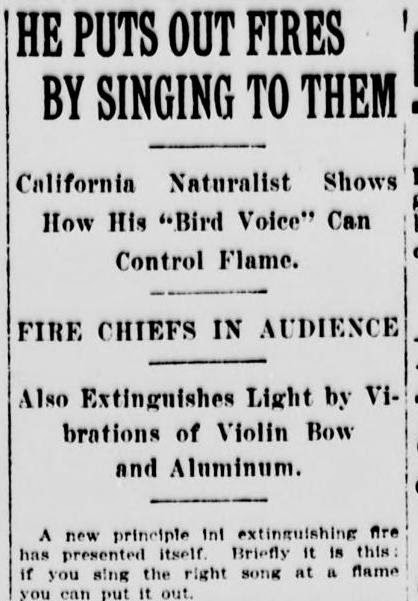
He performed this particular trick in New York on November 11, 1913, at the brand-new Palace Theater (Broadway/47th Street), performing for an audience which included various New York fire chiefs, several scientists, and an auditorium full of curiosity seekers.  Also on hand: William Temple Hornaday of the Bronx Zoo, his reputation recently sullied over the whole Ota Benga scandal.

During the demonstration, Kellogg proved he could affect the flickering flame on the other side of the stage by first aiming his ‘bird song’ at it, then by drawing a bow across a sheet of metal.  “He stood fifty feet away from the flame and drawing the bow across the metal and singing his bird song the flame acted the same way, finally going out.”

Kellogg continued his display of natural gifts by demonstrating a divining rod for finding water, then by dropping to the floor and “demonstrated the Indian way of making fire by friction with two pieces of redwood.”

Captivating, I’m sure, but not enough to convince New York’s fire chiefs.  “It has not yet reached a point where Fire Commissioner Johnson will put male quartets in the fire house ready to dash to a fire and render a popular ballad.” [source]

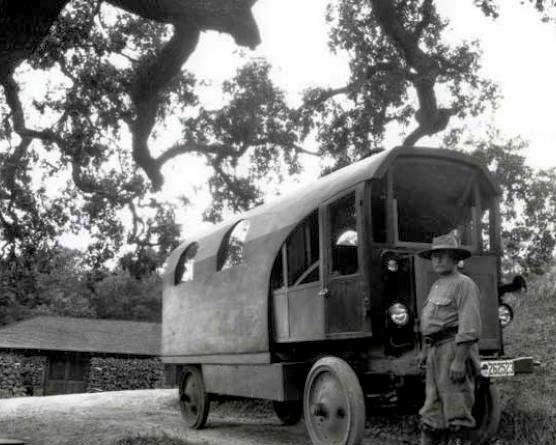
Kellogg returned to New York in 1917 with another redwood-inspired creation — his ‘redwood motor home’, called the Travel Log (pictured below), which he and his wife took cross-country.  The idea of a ‘mobile home’ was a true novelty for the day.  Kellogg’s Travel Log was briefly displayed at a motor car salesroom on Broadway and 57th Street to the delight of auto enthusiasts.

Picture courtesy NPR

By the way, Mythbusters recently took up Kellogg’s challenge as to whether the human voice could put out a fire.  The verdict — yes, it can, but not at any decibel Kellogg could have possibly been singing in. More information here.