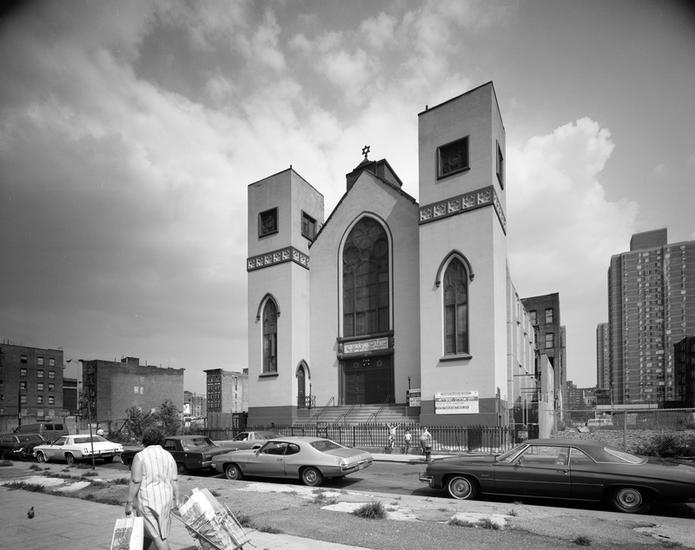
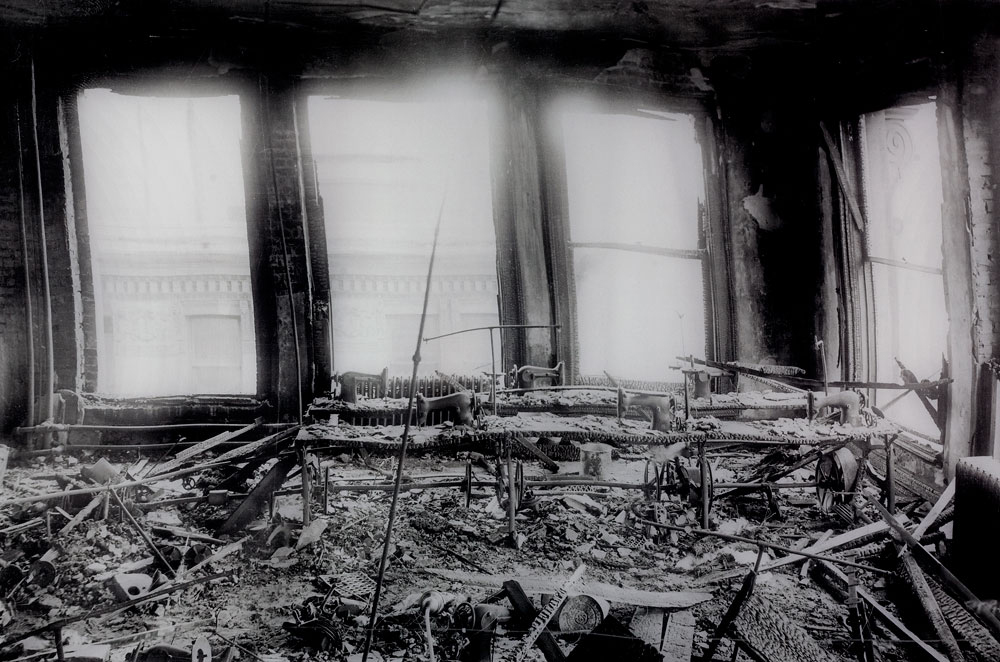
Today marks the 114th anniversary of the Triangle Factory Fire. For information on commemorations and other activities, visit Remember the Triangle Coalition.
For stories of the struggles faced by employees of the shirtwaist industry, check out our 2020 show on the Shirtwaist Strike of 1909:
And for more information on the Triangle Factory Fire itself, return again to one of our earliest shows:
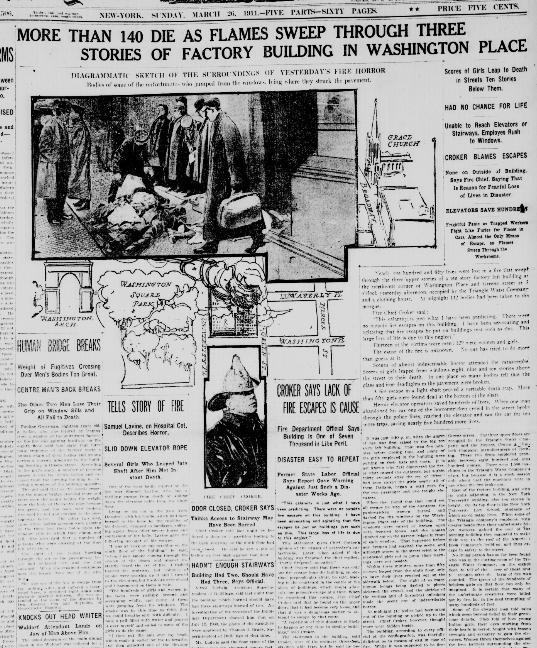
On this day in 1911, late in the afternoon, fire swept through the Triangle Shirtwaist Factory, located on the upper floors of a ten-story building near Washington Square Park.
Due to odious practices by the factory’s supervisors, the doorways were blocked and the fire escapes were in poor shape.
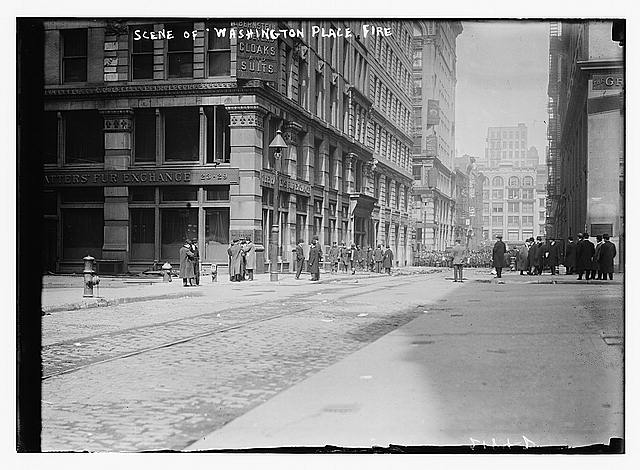
Hundreds of employees, mostly young immigrant women, scrambled to escape by any means necessary.
When the fire was finally extinguished, 146 workers had been killed in the blaze. Many, fearing death by the flames, leaped to the street below to the horror of onlookers who had stumbled over from the park.
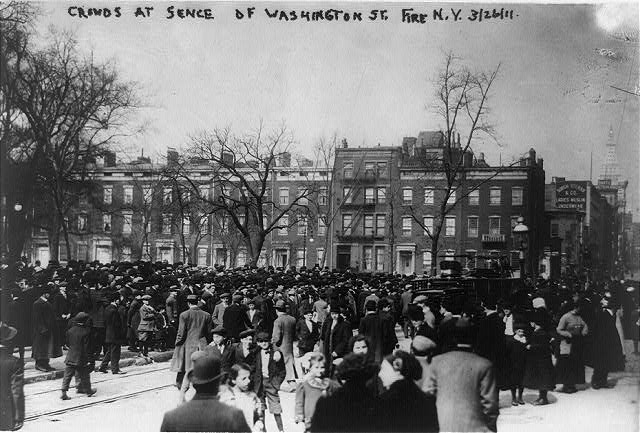
The Triangle Shirtwaist Factory Fire is one of the most horrible tragedies in American history, both an indictment on New York sweatshop industries and the lack of any oversight about safety in high rise buildings. Many building regulations that keep us safe today were directly put in place due to these events.
From the New York Tribune the following day:
——–
Remembering Them
But on this anniversary I wanted to focus on the people who died at the Triangle Factory that day. Can we imagine something about them by looking at where they lived?
Thanks to the research of Michael Hirsch and the Kheel Center at Cornell University [found here], it’s possible to actually come up with a map of the homes of all 146 victims of the Triangle fire.
It would look something like the map below. Just zoom into it to look at the individual sites and take a look at which neighborhoods and boroughs that were most affected:
NOTE: The addresses are accurate, but a few of the points are approximately placed. In a few cases, the streets no longer exist, so I placed the points in close vicinity.
A Lower East Side Tragedy
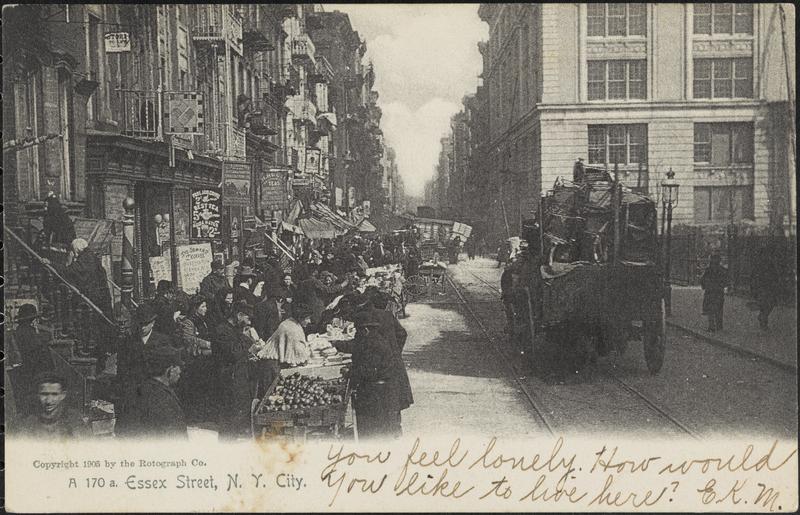
To nobody’s surprise, the neighborhood most devastated by the tragedy is the Lower East Side (The east side above Houston Street — i.e. today’s East Village — didn’t take that new designation until the late 1950s.) There doesn’t seem to be a block in the neighborhood with an empty home that day one hundred years ago.
A few years before the Triangle fire, the Lower East Side had experienced an even more ghastly tragedy — the explosion of the General Slocum paddle steamer on June 15, 1904.
Among the 1,021 victims of that horrific event, most lived in this neighborhood and specifically in the German area of Kleindeutschland. As the victims were mostly women and children, the disaster effectively marked the end of the German enclave here.
New York wouldn’t see such a large loss of life until September 11, 2001. [There’s a Bowery Boys podcast on this subject, recorded on its 110th anniversary.]
The deaths of the 146 garment workers on March 25, 1911, did not produce the same effect to the neighborhood, but certainly the loss was gravely felt in tenements and houses throughout the city. The map shows that the disaster’s immediate impact reverberated even into the other boroughs.
East vs. West
Of the 146, most all of them were born in three countries — Italy, Russia or Austria. A handful were born in the United States, presumably the children of first generation immigrants.
So it’s no surprise most of them found homes in the Lower East Side, still the heart of immigrant life in the early 20th century. But I really didn’t expect it to be so decisive.
Outside of a small cluster of people who lived in Greenwich Village close to the factory, there were no victims who listed addresses anywhere on Manhattan’s west side — not in Hell’s Kitchen, the Upper West Side, or anywhere else.
Yorkville and Beyond
I’m fascinated by those who lived further out, near the growing German neighborhood of Yorkville on the Upper East Side, for instance.
A great many took streetcars and elevated trains into work from Brooklyn and the Bronx, and some might even have taken advantage of the new subway (although in 1911, its route was very limited).
No surprise that none of them lived in Queens; the ethnic neighborhoods of that borough would really flourish after the 1920s.
And then there’s young Vincenza Billota, a 16 year old girl who lived out with her uncle in Hoboken, NJ — the only one of the victims to commute into the city.
Her uncle came in from New Jersey that night to identify Vincenza who burned alive inside the factory. He identified her because her shoes had recently been repaired; he recognized the cobbler’s work.
Missing Tenements
There’s something moving about finding and identifying the homes of the victims.
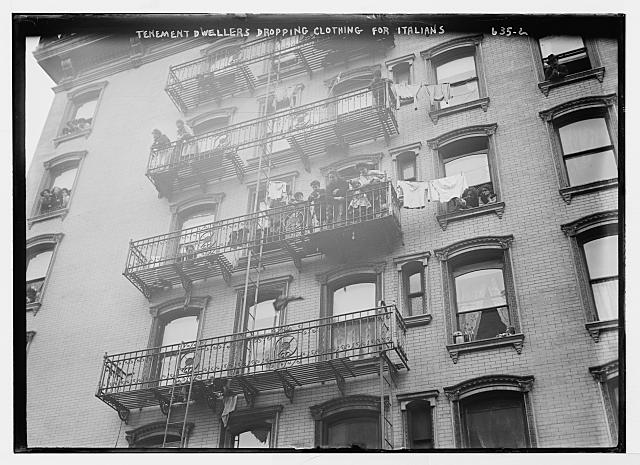
Most of these people had no solid roots, no property they owned. Only an address, a home they most likely shared with family members and other tenants.
Every year on the anniversary of the fire, the sidewalks outside these addresses are marked with chalk, the names and ages written on the ground as a yearly reminder. You can look at a photo array from the 2011 chalk excursions here.
They didn’t live in fabulous Beaux-Arts mansions or apartment buildings.
Their homes were tenements, most overcrowded and poorly maintained.
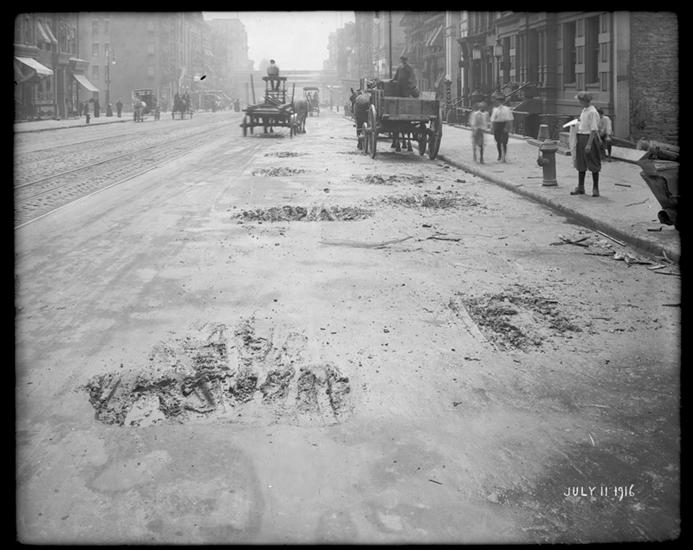
Thus, many of the actual buildings themselves are gone. In the cases of the victim’s homes on Monroe Street, even most of the street itself is gone, replaced with more modern housing projects.
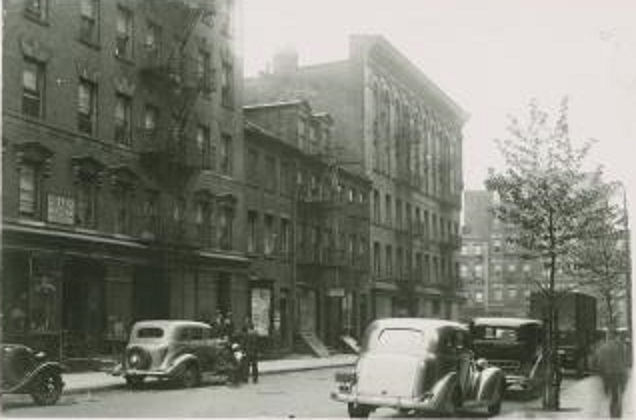
509 East 13th Street was the home to two Italian girls, Antonietta Pasqualicchio and Annie L’Abate, and an older Italian woman Annina Ardito, who all lost their lives that day. But that building has been replaced with a modern apartment.
Family and Friends
To grasp a disaster of this magnitude — at a vantage over one century later — you have to deal with it in generalities.
The victims were mostly girls, mostly immigrants, mostly uneducated.
However, by singling out a particular address, the individual tragedies come into focus. And oddly, you get to place that person’s life next to what inhabits that address today.
In the case of the Lower East Side, some of these places are now restaurants, bars and luxury condos.
143 Essex Street was the home of two victims — two teenage brothers Max and Sam Lehrer from Austria. Both had arrived in the United States via Ellis Island in 1909; another Austrian, Sigmund Freud, also arrived at Ellis Island that year.
Young Jennie Stellino had lived in New York since she was 12 years old; she died in the blaze at age 16. She walked to the factory every day from her home at 315 Bowery, one of the few with a fairly easy commute.
Jennie survived the blaze but died from her burns three days later. Decades later, the building at that address became internationally renown for the tenant at its ground floor, CBGB’s.
I’m not sure there’s even a 35 Second Avenue anymore. The street is inhabited by a diner and a few bars today; the Anthology Film Archives sits across the street.
But it was the home to three women who lost their lives that day — Catherine Maltese and her two daughters.
________________________________________________________
For stories of the struggles faced by employees of the shirtwaist industry, check out our 2020 show on the Shirtwaist Strike of 1909:
And for more information on the Triangle Factory Fire itself, return again to one of our earliest shows:
This is an expanded version of an article which ran on this website on the 100th anniversary of this Triangle Factory Fire.