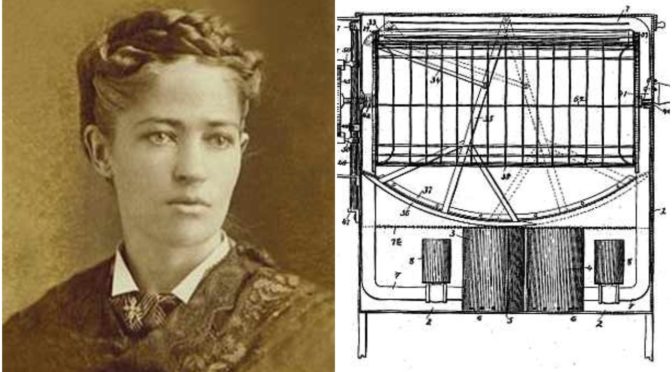
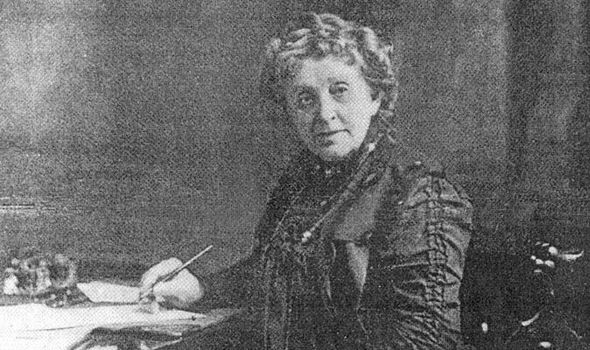
THE FIRST PODCAST Of the tens of thousands of U.S. patents granted in the 19th century, only a small fraction were held by women. One of those women — Josephine Cochrane — would change the world by solving a simple household problem.
While throwing lavish dinner parties in her gracious home in Shelbyville, Illinois, Cochrane noticed that her fine china was being damaged while being washed. Certainly there was a better way of doing the dishes?
Cochrane’s extraordinary adventure would lead to places few women are allowed — into gritty mechanical workshops and the exclusive corridors of big business. Nobody could believe a woman responsible for such a sophisticated mechanical device.
In her own words: I couldn’t get men to do the things I wanted in my way until they had tried and failed on their own. They insisted on having their own way with my invention until they convinced themselves that my way was the better.
FEATURING: The voice of Beckett Graham from the History Chicks podcast, portraying the actual quotes of Mrs. Cochrane (or shouldn’t that be Cochran)?
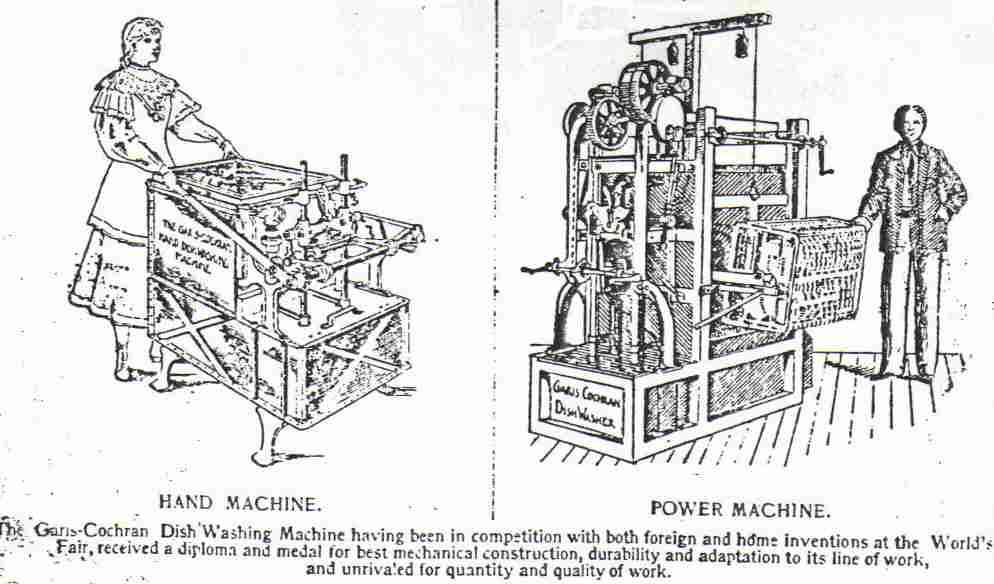
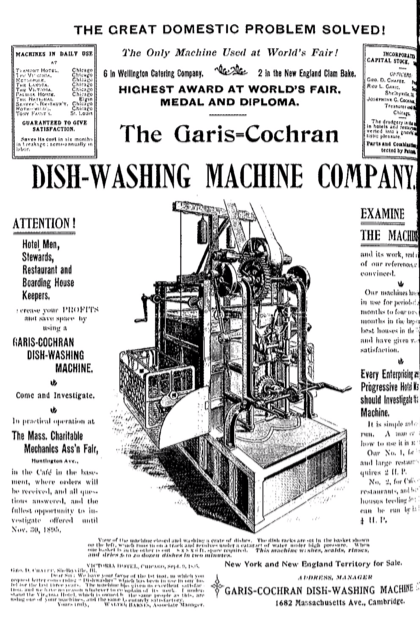
“The Garis-Cochran Dish Washing Machine having been in competition with both foreign and home inventions at the World’s Fair received a diploma and medal for best mechanical construction, durability and adaptation to its line of work and unrivaled for quantity and quality of work.”
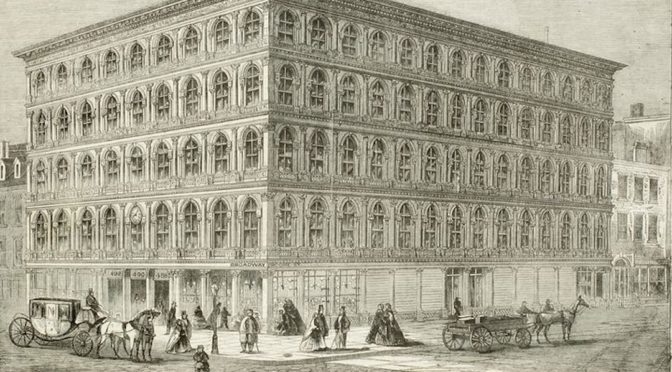
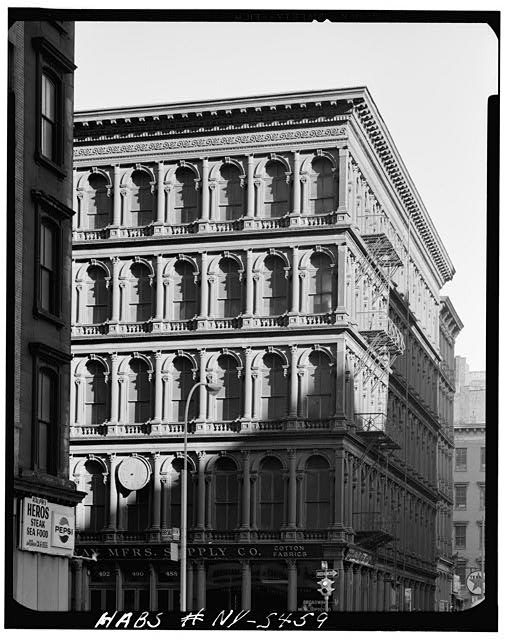
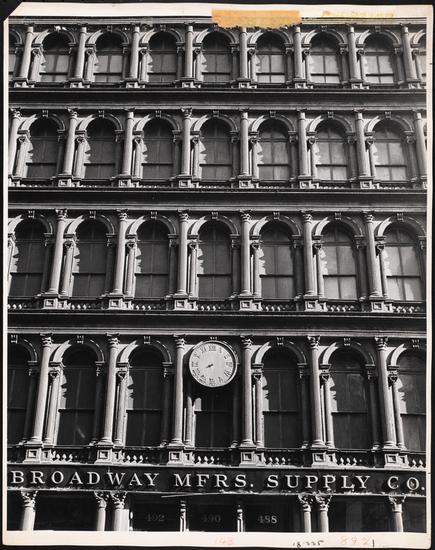
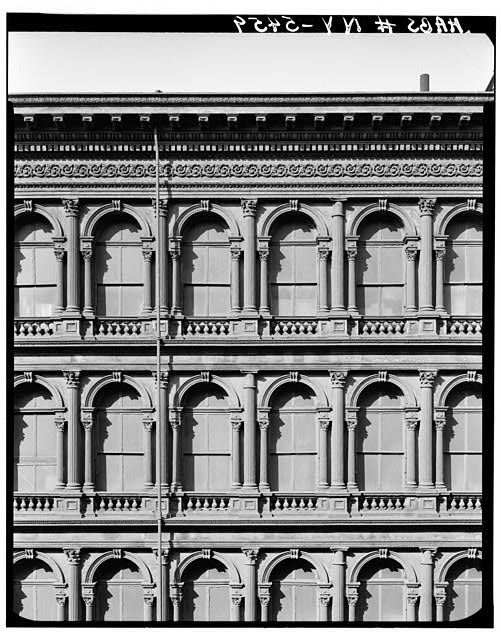
Cast-iron construction, pioneered in America by architect James Bogardus in the 1850s, became the preferred method of building large dry goods shops and department stores in the mid- and late nineteenth century, thanks to the speed with which these enormous buildings could go up and the savings they presented over heavier, more cumbersome construction methods.
Today SoHo contains the largest surviving collection of cast-iron buildings in the world. Wandering through these streets in the late afternoon, sun ignites their white- and cream-colored exteriors. It’s magical—and the stuff of a million postcards, album covers, and selfies.
But SoHo contains another secret. It’s the location of New York City’s very first commercial elevator.
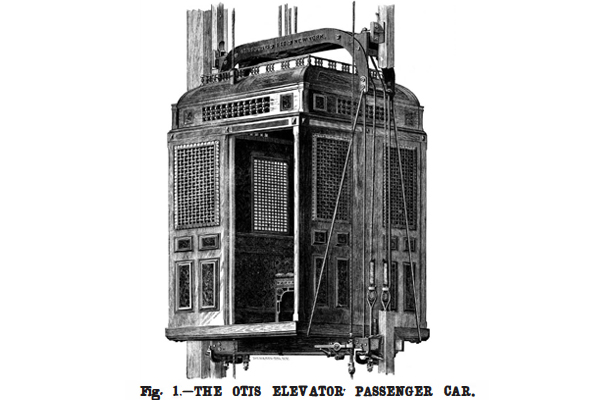
There had been so-called ‘hoisting elevators’ — crude platforms elevated by man power — but they were dangerous and their cords easily snapped. Elisha Otis, an inventor from Yonkers, New York, perfected the safety break which allowed a large containment to be moved up and down without fear of plummeting. He debuted this device to enthusiastic acclaim at the 1854 Crystal Palace Exposition. And soon, after some savvy newspaper advertisements, Otis finally found his first major client.
Library of Congress
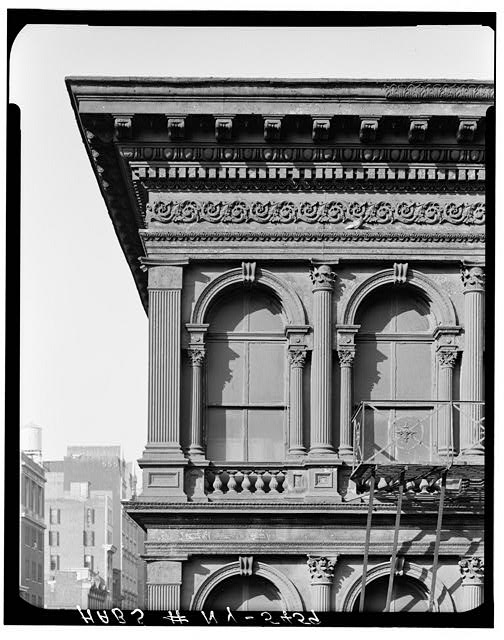
That would be the magical emporium of E. V. Haughwout, at Broadway and Broome Street, a luxury store which sold fine china and glassware. The corner building’s two-sided cast-iron construction and facade was the first of its kind when it was completed in 1857, and soon inspired blocks lined with similar construction throughout SoHo.
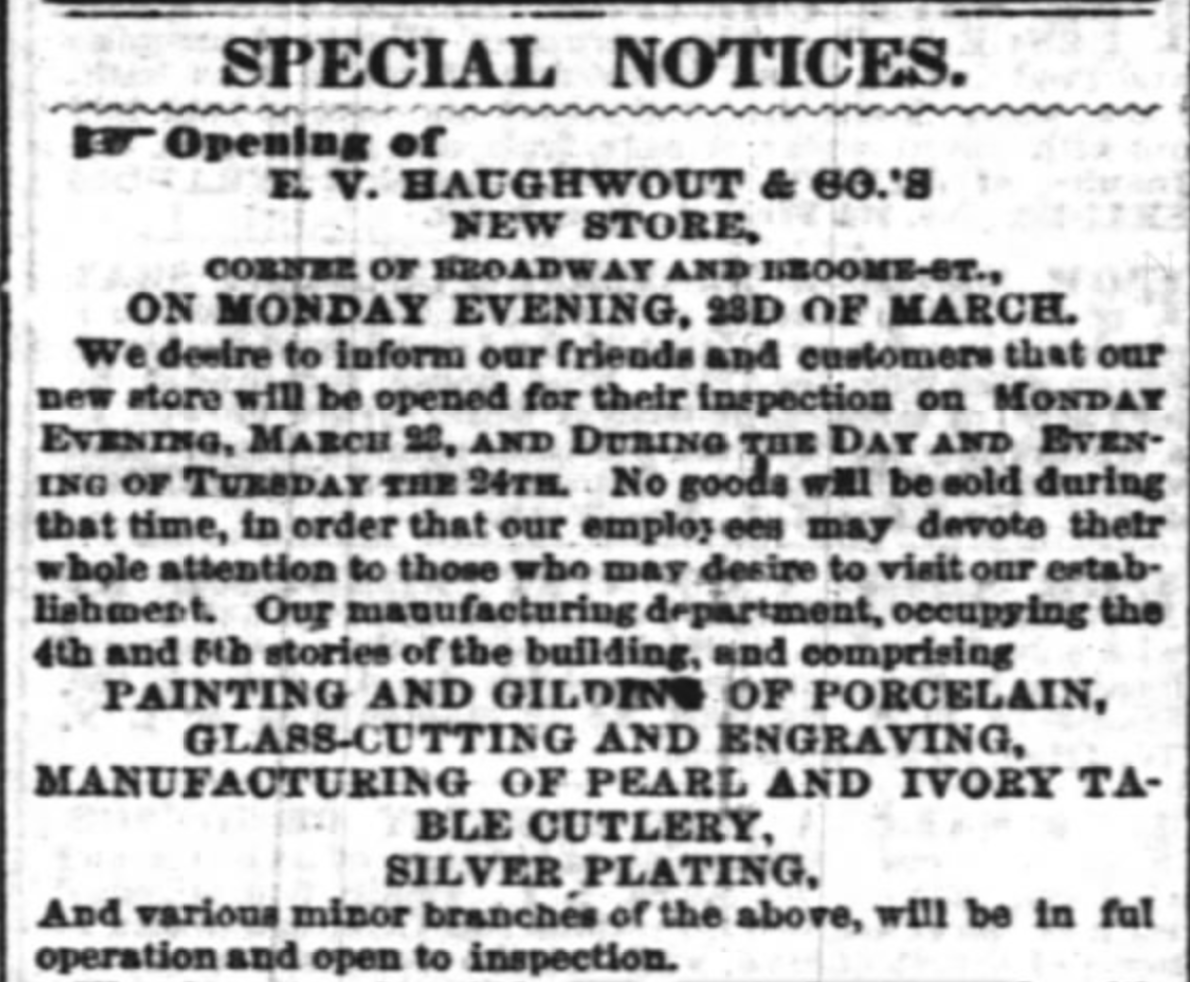
Below: The department store — and the elevator — were first opened ‘for public inspection’ on March 23, 1857.
New York Times
But its most important contribution was placed inside—a passenger elevator, installed the same year, which lifted and lowered its wealthy clients to its various exotic departments.
According to the website of OTIS elevators themselves: “On March 23, 1857, Otis’ first commercial passenger elevator was installed in the E.V. Haughwout and Company…….The price of the elevator was US $300. The unit rose at a speed of 40 feet per minute (0.2 meters per second).”
From the New York Tribune: “Among the novelties we noticed is an elevator to be worked by steam, which is to be furnished with a sofa and carriage to carry ladies from one floor to the other. The steam engine and boiler are located on the rear lot disconnected from the main edifice.”
Haughwout’s Emporium was also famed for its French champagne and for the fine flutes that it was drunk from. Surprised? While the neighborhood today still pops more than its share of bubbly, SoHo was never more glamorous than during the Haughwout years. And part of the reason for its acclaim was its marvelous, state-of-the-art elevator.
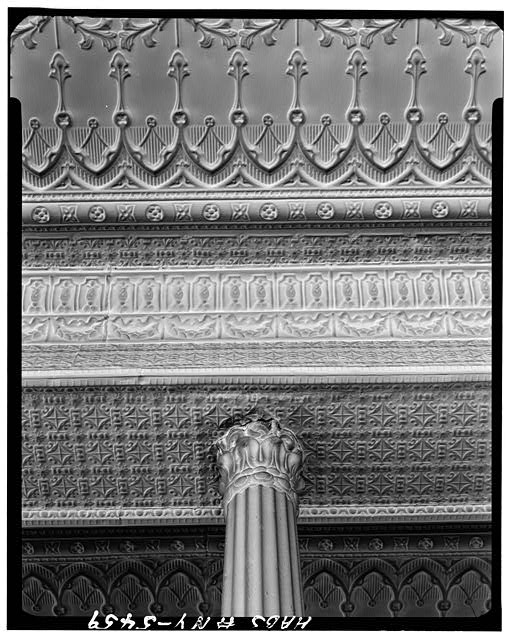
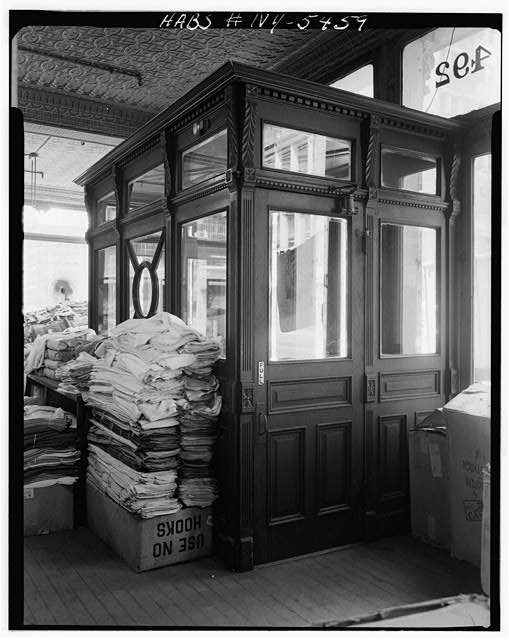
More pictures of the Haughwout Building, courtesy the Library of Congress, via the Historic American Buildings Survey, Cervin Robinson, Photographer March 1967.