Categories
Neighborhoods

A look back at Lord & Taylor’s splashy move to Fifth Avenue in 1914

UPDATE FOR 2020: It was announced today that Lord & Taylor, America’s first department store, has announced it will go out of business after 193 years. It began in 1826 as women’s clothing store in Lower Manhattan.

In tribute, we are bumping up this article from 1914, framed around its 1914 move to the Fifth Avenue shopping district.

Thank you Lord & Taylor — for the glamour, for the Christmas windows, for legacy that reaches back to the earliest year of New York retail history.
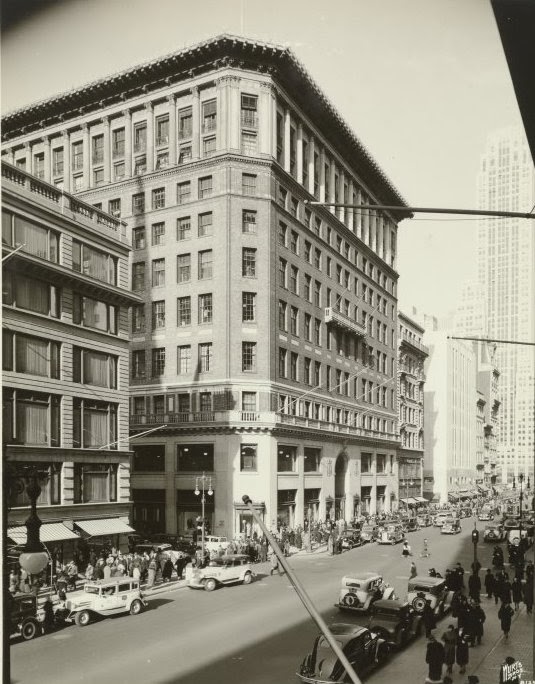

Lord & Taylor’s at Fifth Avenue and 38th Street, in the 1920s, photo by the Wurts Brothers (courtesy NYPL)

Loehmann’s, the once-great Brooklyn-based department store, closes all their locations for good tomorrow, another causality of the changing economy and people’s changing tastes in shopping.

But let’s not dwell on the decline of the department store. Let’s revisit the heyday, shall we?


Lord and Taylor Department Store opened the doors to their tony Fifth Avenue address one hundred years ago yesterday, on February 24, 1914.

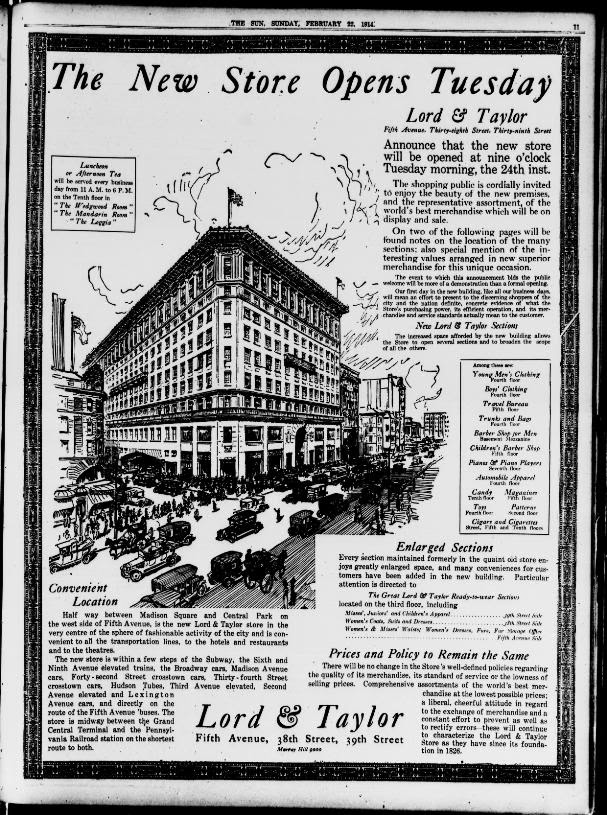
“Half way between Madison Square and Central Park on the west side of Fifth Avenue, is the new Lord & Taylor store in the very centre of the sphere of fashionable activity of the city and is convenient to all the transportation lines, to the hotels and restaurants and to the theatres.”
The store traces its lineage to a three-story women’s clothing store on 47 Catherine Street, which was opened in 1826 by Samuel Lord and George Washington Taylor.  Nearby, men could find equally fine fashions at the clothier of H & D.H.. Brooks (today Brooks Brothers) at Catherine and Cherry Streets.  Catherine Street is hardly a place where you would look for high-end brands today, located between the Manhattan and Brooklyn Bridges.

Lord & Taylor had subsequent locations in Manhattan at Broadway and Grand Street and, later, at Broadway and 20th Street on Ladies Mile.

Flash forward to 1914 — the new store was an automated wonder, according to the New York Sun, equipped with a system of conveyor belts.  “[T]he human equation has been eliminated wherever possible and machinery performs its part quietly and out of sight.”

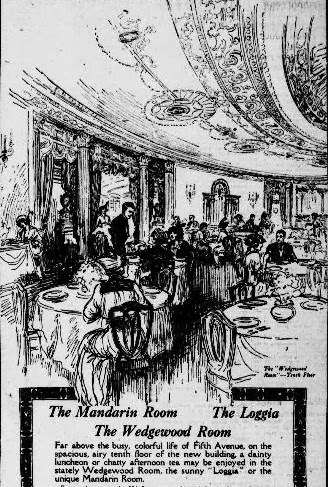
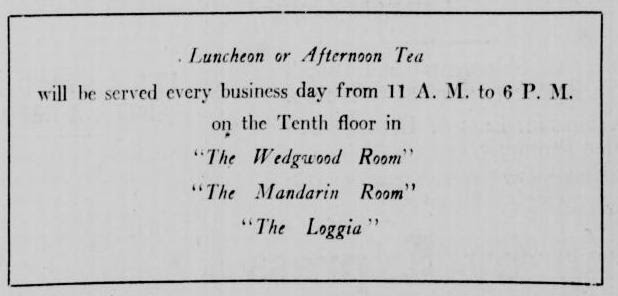
Shoppers could also escape to the tenth floor for “a dainty luncheon” or some afternoon tea:
The building is in the go-to architectural style for department stores — Italian Renaissance Revival — and, apparently, the go-to architectural firm for such places, Starrett and Van Vleck, also known for Bloomingdale’s and Saks Fifth Avenue.

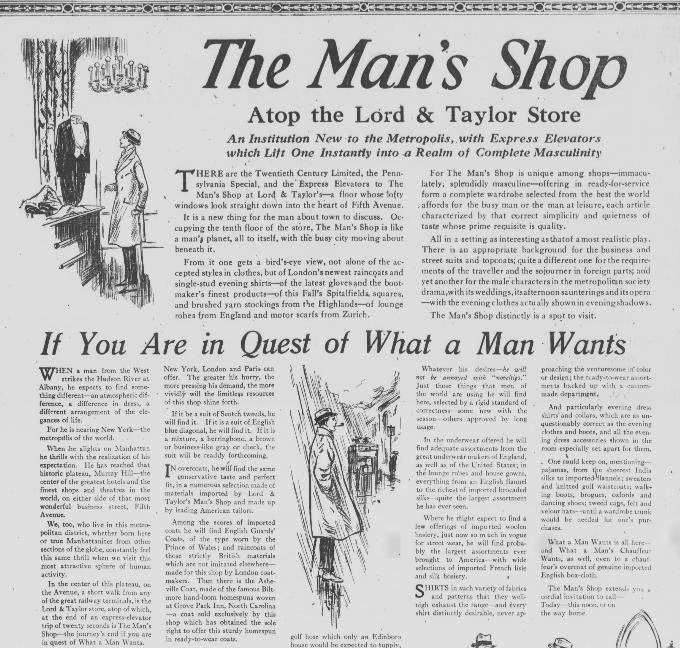
The new store made a unique appeal to the male shopper with its tailored men’s department, “a realm of complete masculinity”.  There was a men’s-only entrance on the 38th Street side where gentlemen could access the Manicuring Parlor.  “[M]ake your purchases, be shaved and manicured, change your clothing, if you like, and leave without passing through any of the departments where women’s goods are sold.”  In addition, the entire fourth floor was “devoted to men’s apparel and accessories for motoring.”
The store also had featured an Equestrienne Section, including “a mechanical horse, duplicating the actual motion of walking, trotting, or cantering.”

In 2007, the Lord & Taylor building was made an official New York landmark.
Categories
Landmarks

Going Up: New York got its first commercial elevator 160 years ago

Cast-iron construction, pioneered in America by architect James Bogardus in the 1850s, became the preferred method of building large dry goods shops and department stores in the mid- and late nineteenth century, thanks to the speed with which these enormous buildings could go up and the savings they presented over heavier, more cumbersome construction methods.

Today SoHo contains the largest surviving collection of cast-iron buildings in the world. Wandering through these streets in the late afternoon, sun ignites their white- and cream-colored exteriors. It’s magical—and the stuff of a million postcards, album covers, and selfies.

But SoHo contains another secret. It’s the location of New York City’s very first commercial elevator.

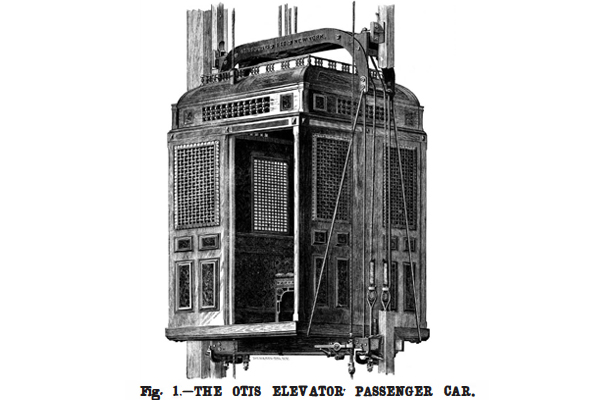
There had been so-called ‘hoisting elevators’ — crude platforms elevated by man power — but they were dangerous and their cords easily snapped. Elisha Otis, an inventor from Yonkers, New York, perfected the safety break which allowed a large containment to be moved up and down without fear of plummeting. He debuted this device to enthusiastic acclaim at the 1854 Crystal Palace Exposition. And soon, after some savvy newspaper advertisements, Otis finally found his first major client.

Library of Congress

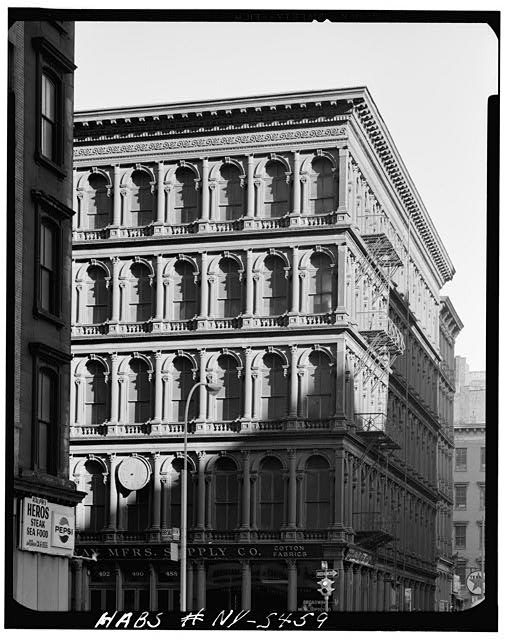
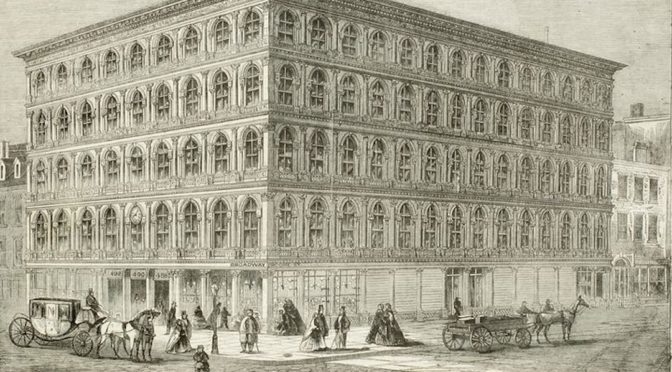
That would be the magical emporium of E. V. Haughwout, at Broadway and Broome Street, a luxury store which sold fine china and glassware. The corner building’s two-sided cast-iron construction and facade was the first of its kind when it was completed in 1857, and soon inspired blocks lined with similar construction throughout SoHo.

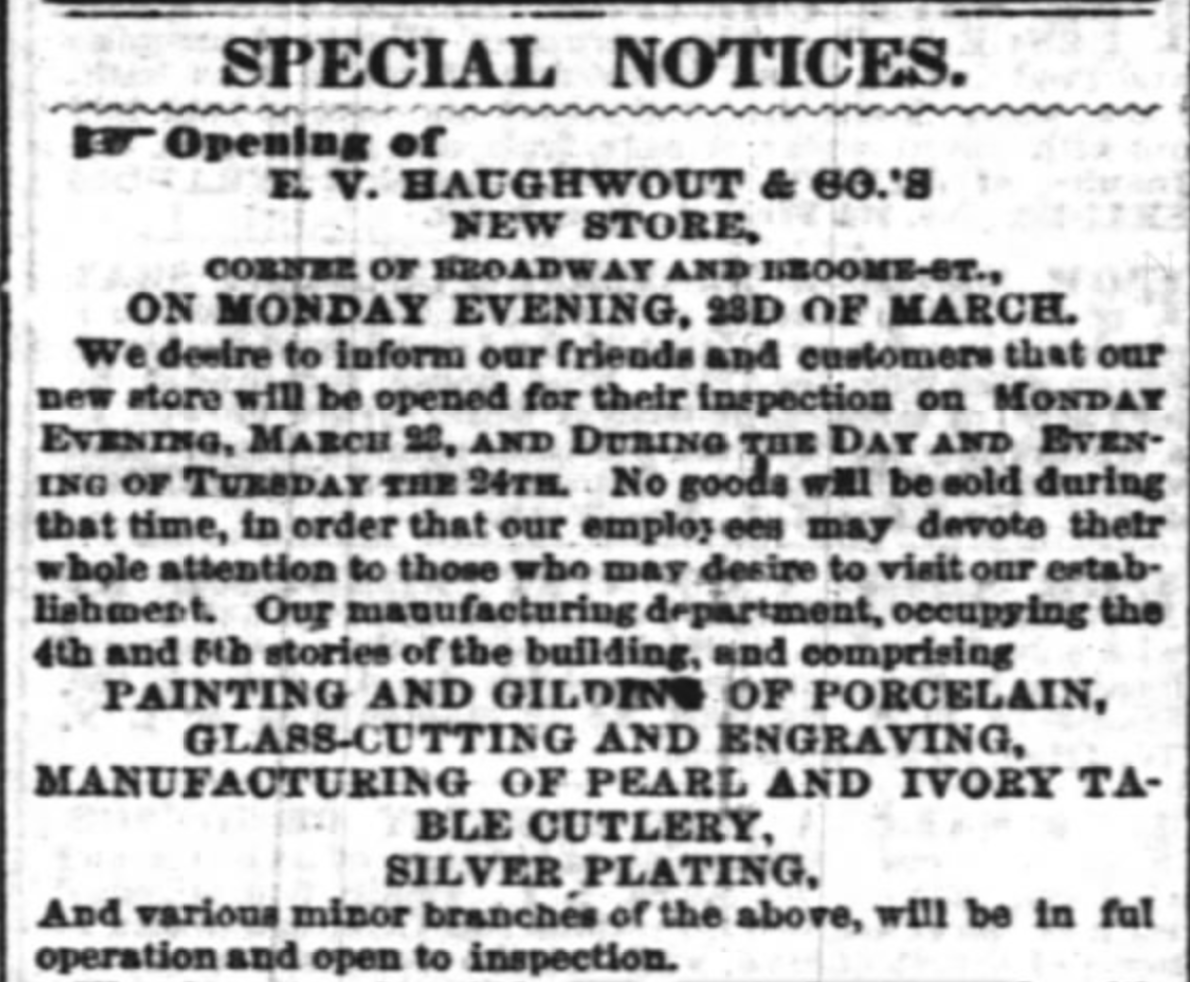
Below: The department store — and the elevator — were first opened ‘for public inspection’ on March 23, 1857.

New York Times

But its most important contribution was placed inside—a passenger elevator, installed the same year, which lifted and lowered its wealthy clients to its various exotic departments.

According to the website of OTIS elevators themselves: “On March 23, 1857, Otis’ first commercial passenger elevator was installed in the E.V. Haughwout and Company…….The price of the elevator was US $300. The unit rose at a speed of 40 feet per minute (0.2 meters per second).”

From the New York Tribune: “Among the novelties we noticed is an elevator to be worked by steam, which is to be furnished with a sofa and carriage to carry ladies from one floor to the other. The steam engine and boiler are located on the rear lot disconnected from the main edifice.”

Museum of the City of New York

The grand opening on March 23, 1857, drew thousands of curiosity seekers throughout the entire day. Although the time to visit would have been right around 7:30 when all the lights went on at once spontaneously, “in all the windows of the six stories. The view from lower Broadway and Broome Street will be truly grand.

Haughwout’s Emporium was also famed for its French champagne and for the fine flutes that it was drunk from. Surprised? While the neighborhood today still pops more than its share of bubbly, SoHo was never more glamorous than during the Haughwout years. And part of the reason for its acclaim was its marvelous, state-of-the-art elevator.

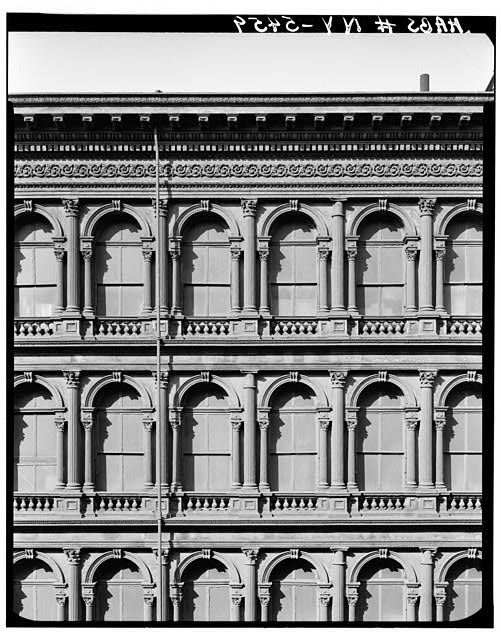
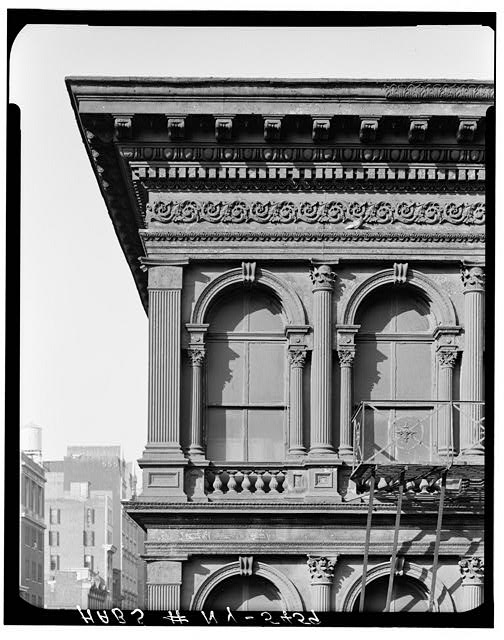
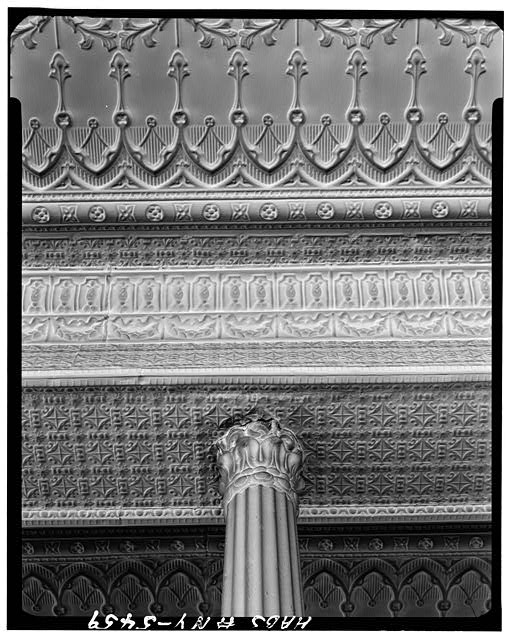
More pictures of the Haughwout Building, courtesy the Library of Congress, via the Historic American Buildings Survey, Cervin Robinson, Photographer March 1967.

The above is an expanded excerpt from our book The Bowery Boys Adventures In Old New York, now available at bookstores everywhere.