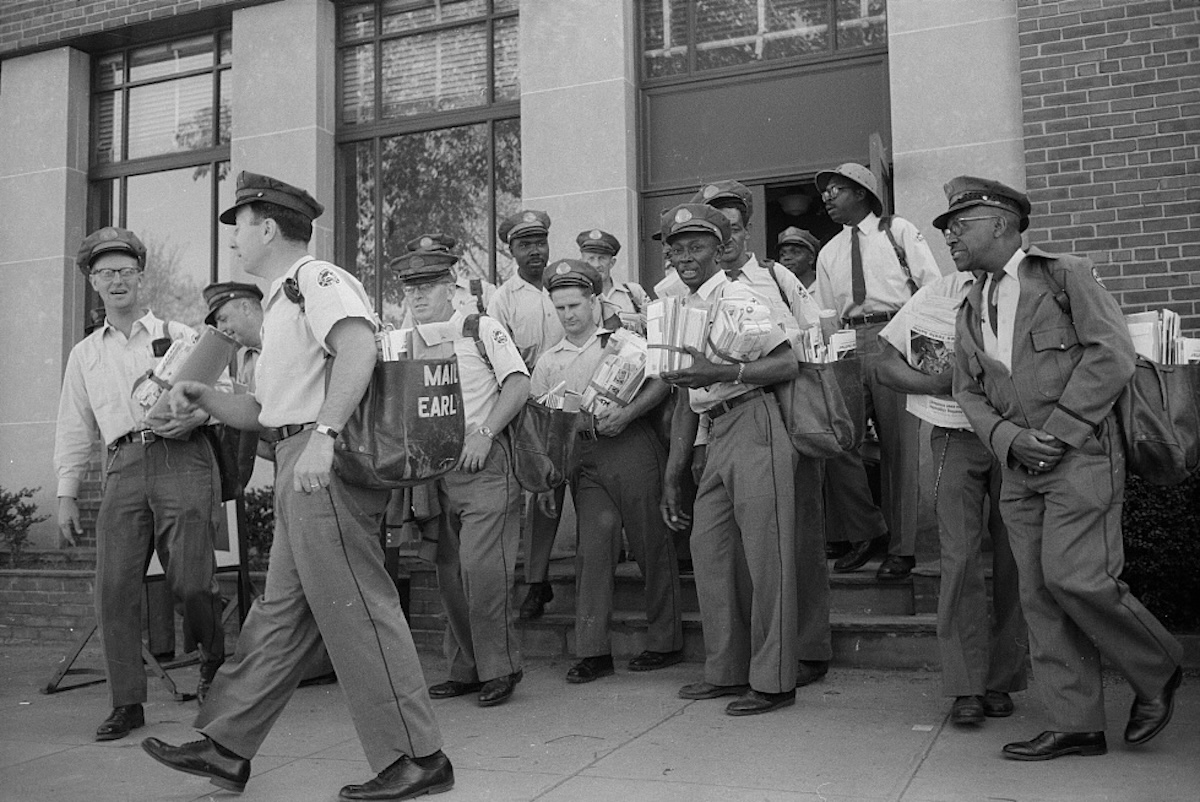
O'Halloran, Thomas J, photographer. New York Post Office. , 1957. Library of Congress
The history of the United States Postal Service as it plays out in the streets of New York City — from the first post road to the first postage stamps.
From the most beautiful post office in the country to the forgotten Gilded Age landmark that was once considered the ugliest post office.
The postal service has always served as the country’s circulatory system, linking the densest urban areas to the most rural outposts, a necessary link in moments when the country feels very far apart in other ways. The early American colonies knew this. Benjamin Franklin knew this The Founding Fathers who placed the postal service within the Constitution knew this.
And inventions such as the stagecoach, the steamship, the railroad, the pneumatic tube and even the electric car have helped keep the mail steadily flowing over the centuries.
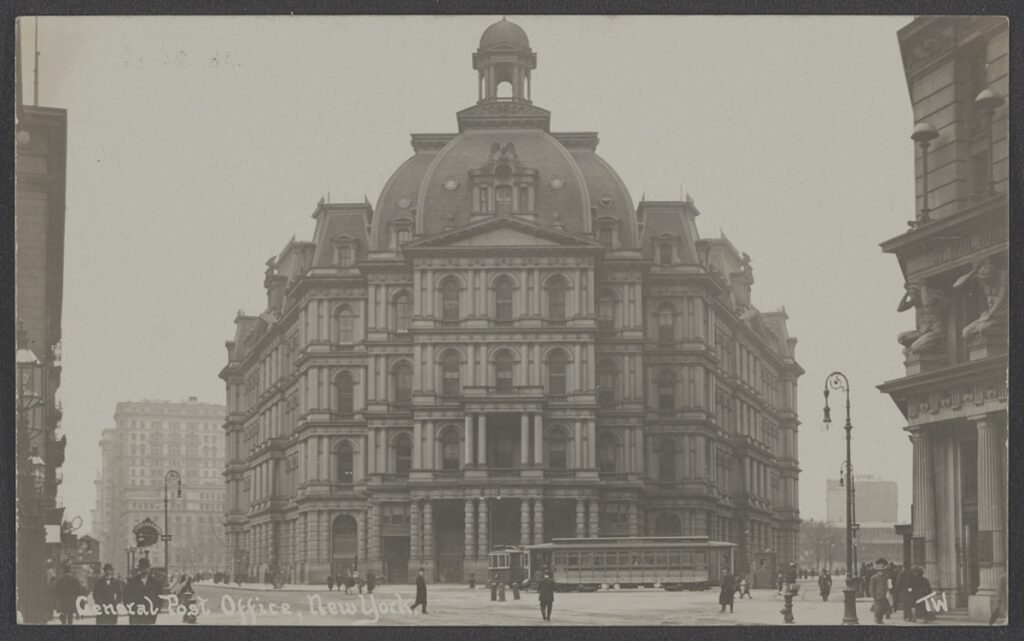
The City Hall Post Office at the southern tip of City Hall Park
New York has even played a pivotal role in the development of the American mail service, from the creation of the Boston Post Road (the first mail road which snaked through Manhattan and the Bronx) to the first mail boxes. Even the first postage stamps were sold in New York — within former church-turned-post office in lower Manhattan.
Why are there so many post offices from the 1930s? Why is New York’s largest post office next to Penn Station? And why does New York City have so many individual ZIP codes? And who, pray tell, is Barnabas Bates?
LISTEN NOW: A HISTORY OF THE POST OFFICE IN NEW YORK
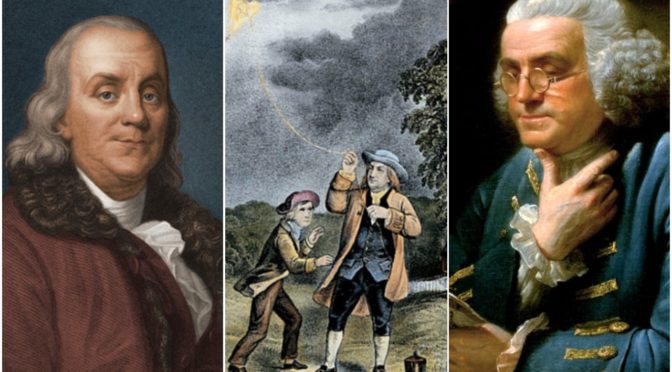
Benjamin Franklin helped to create the modern world. His legacy is all around you — from the electricity which powers and illuminates our homes to the ideas that form our system of government.
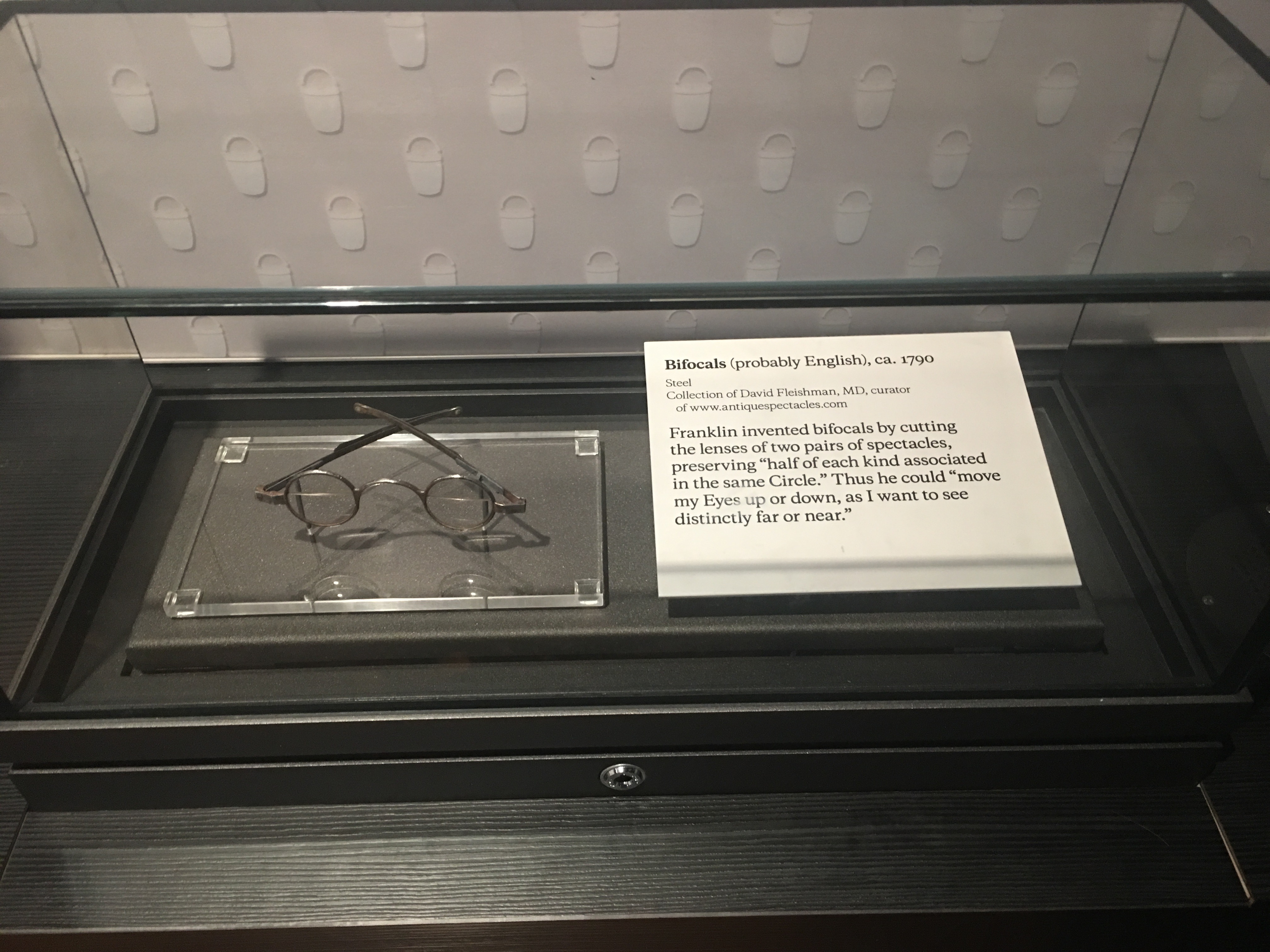
For the past three episodes of The First: Stories of Inventionsand their Consequences (the Bowery Boys spin-off podcast from 2016-2018), Greg Young has taken you through the story of the Founding Father’s extraordinary life by way of his inventions — printing innovations, the Franklin stove, the bifocals.
In his final years, as the most esteemed member of Congress, he brought his scientific mind into service to create a new country.
All three episodes of this series are now available. You can find The First: Stories of Inventions on iTunes, Stitcher, Spotify, Overcast or wherever you get your podcasts. (Just search for ‘The First Stories’.)
THE FIRST PODCAST The story of Benjamin Franklin at the end of his life — at the birth of a new nation.
Part Three of The Invention of Benjamin Franklin. Check Part One (FranklinGothic) and Part Two (LightningStrikes) to catch up on his extraordinary story!
Benjamin Franklin was the most famous American in the world by the time of the Revolutionary War, known as a writer, inventor and philosopher. But as an old man, he would earn another title — rebel.
By the time of the Boston Massacre, Dr. Franklin was already an elderly man, watching the early days of American unrest from his comfy home in London. His scientific experiments were eventually put on hold as he rushed back to the colonies to help set up the mechanism of independence.
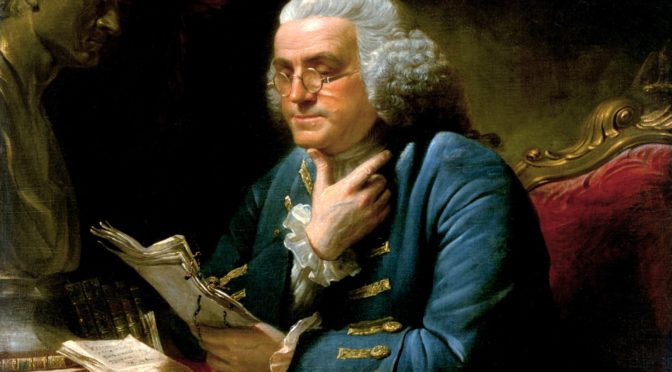
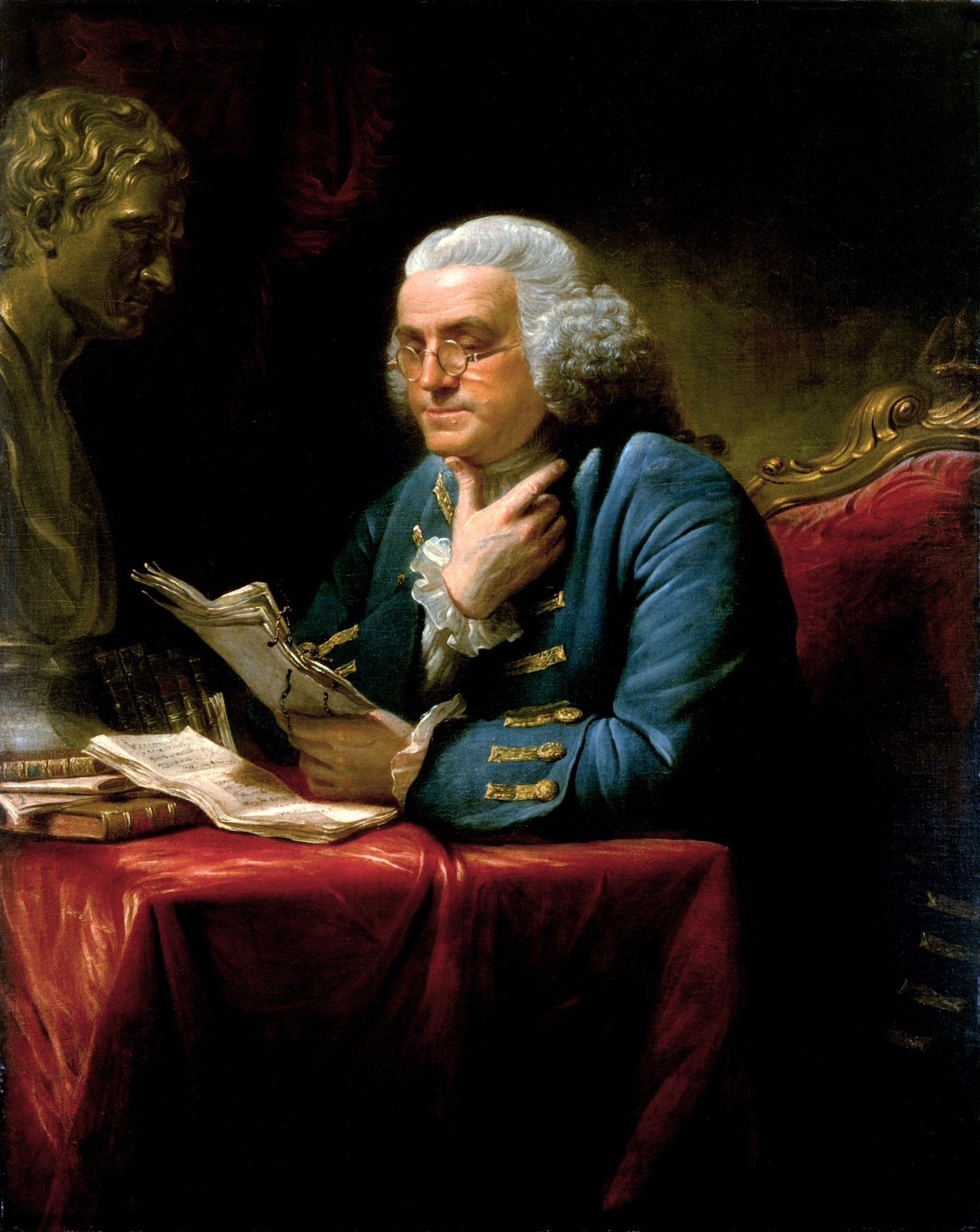
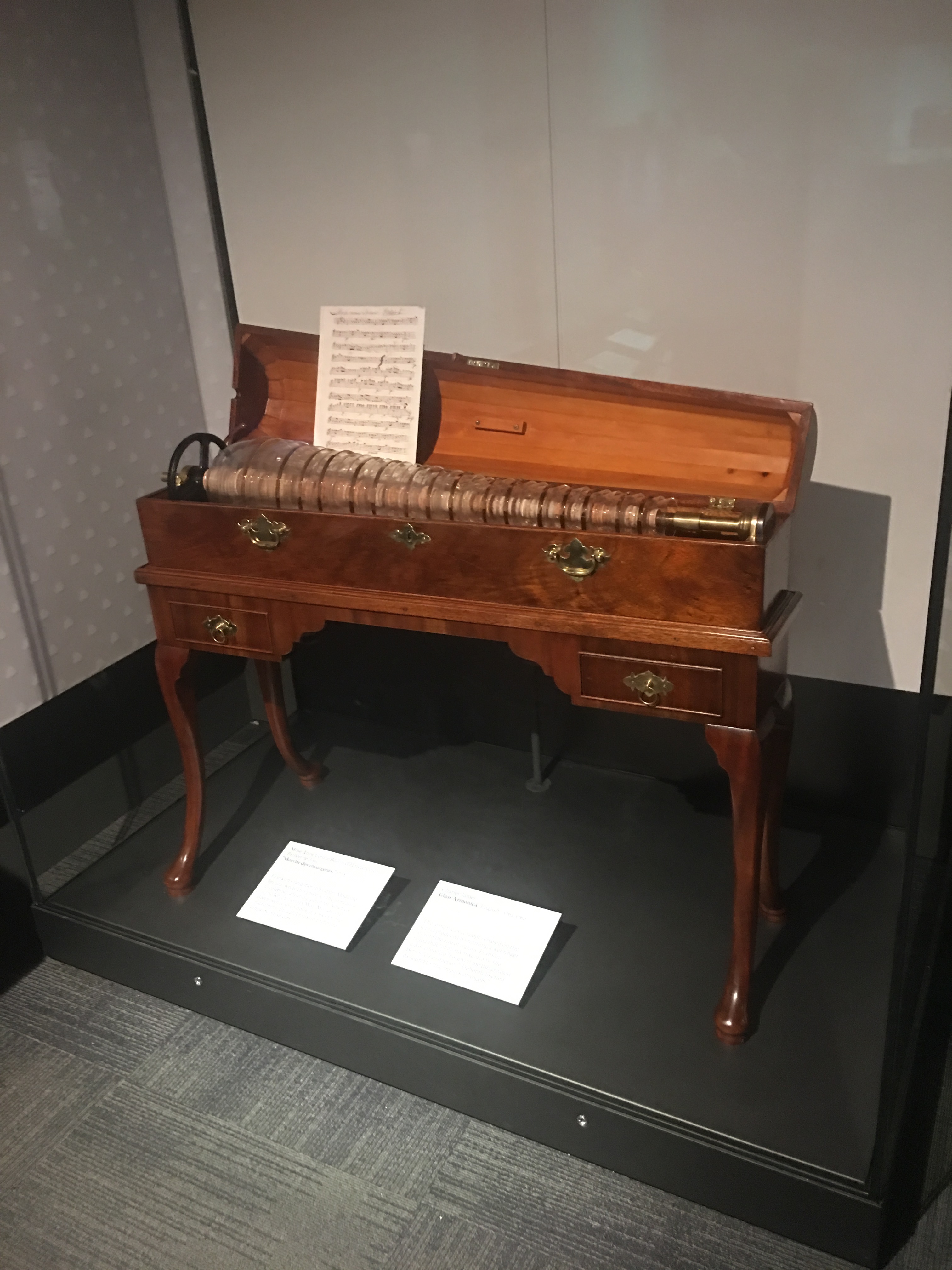
But while others went to war, Franklin went — to France? It was because of his great celebrity that he was deployed on an unusual mission to court an important ally for George Washington and his Continental Army. And it was in the banquet halls and libraries of Paris that Franklin would actually invent one of his useful creations.
STARRING: Mesmer, Marie Antoinette, Voltaire and all the Founding Fathers!
THE FIRST PODCAST How much do you know about one of the most famous scientific experiments in American history?
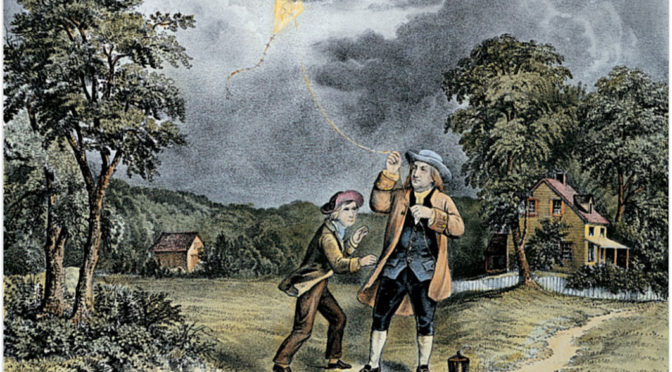
In 1752 Benjamin Franklin and his son William performed a dangerous act of experimentation, conjuring one of nature’s most lethal powers from the air itself. This tale — with the kite and the key — has entered American urban legend. But it did not happen quite the way you learned about it in school. (Did you know somebody died trying to duplicate Franklin’s astonishing feat?)
In this second chapter of The Invention of Benjamin Franklin, the inventor becomes an international celebrity thanks to his clear writing style and pragmatic outlook. Not only would he change the field of electrical sciences, he would even change the English language.
PLUS: London inspires the invention of a beautiful glass instrument, capturing the music of the 18th century.
THE FIRST PODCAST Â Benjamin Franklin did more in his first forty years than most people do in an entire lifetime. Had he not played a pivotal role in the creation of the United States of America, he still would have been considered an icon in the fields of publishing, science and urban planning.
How much do you know about Benjamin Franklin the inventor? In this podcast (the first of three parts), Greg takes a dive into his early years as a precocious young inventor and writer, a witty and determined publisher, and a great mind in search of the natural world’s great mysteries.
FEATURING: The origins of the lending library, the Franklin stove, swim fins and even kite-surfing!
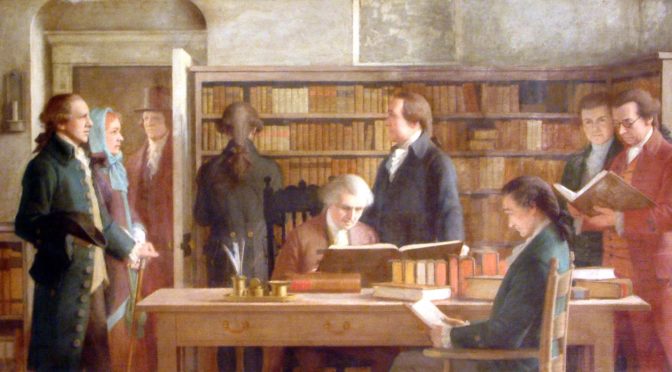
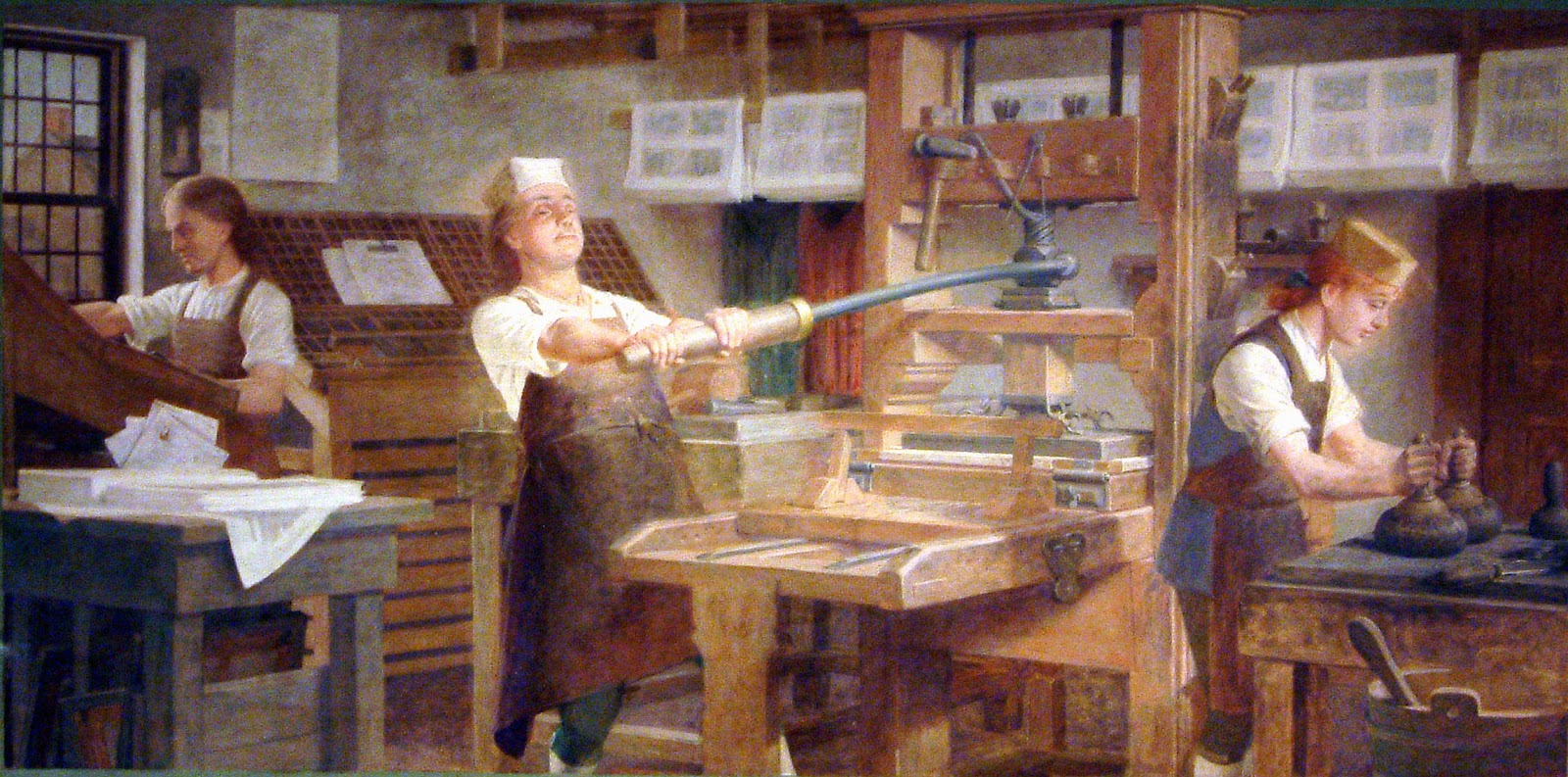
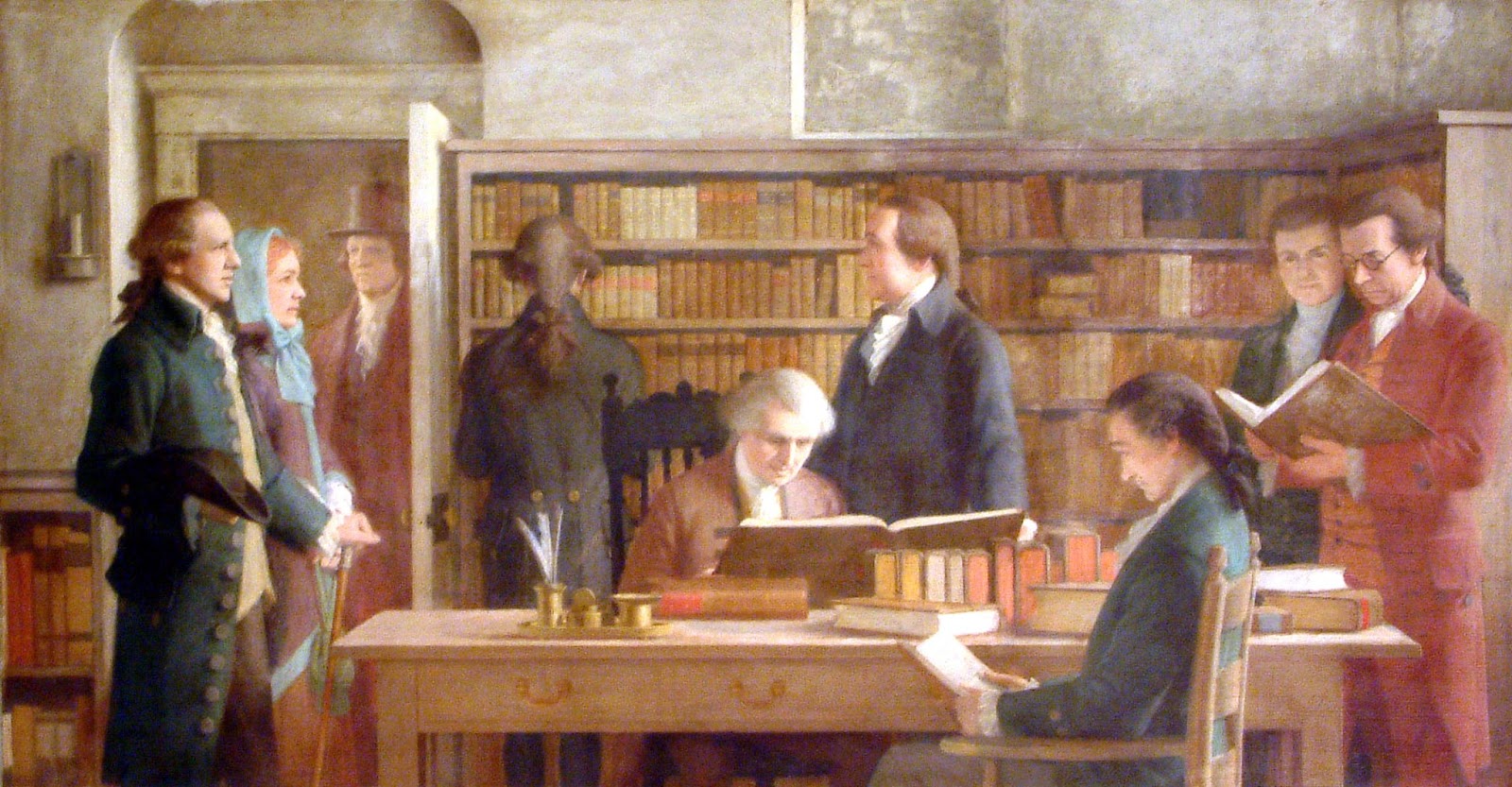
In a couple murals by Charles E. Mills, Benjamin Franklin 1) working hard at the printing press and  2) oversees the opening of the Library Company of Philadelphia.
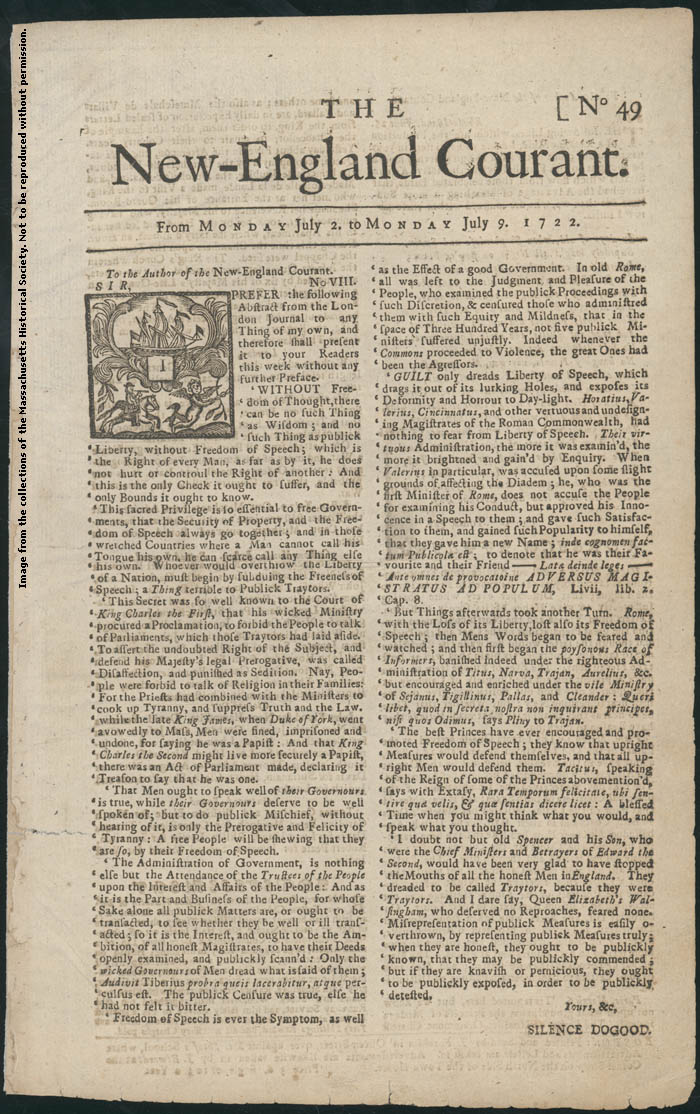
The New-England Courant, where Franklin wrote as a teenager under the name Silence Do-Good:
From the Massachusetts Historical Society. Not to be reproduced without permission.
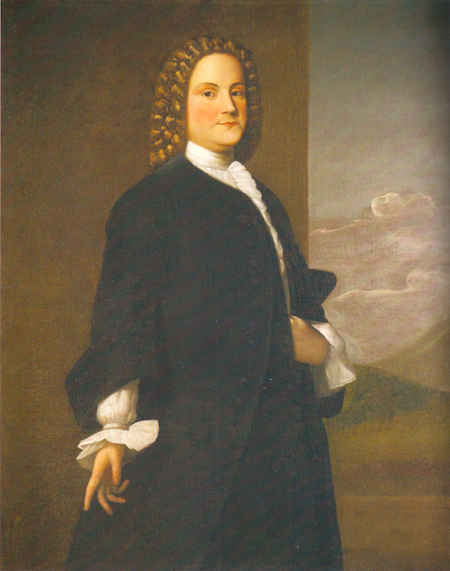
Ben Franklin in 1746 in a painting by Robert Feke. He’s very much emulating the style of a proper English gentleman in this image. He would later shed the finery and define his more personal, unwigged style.
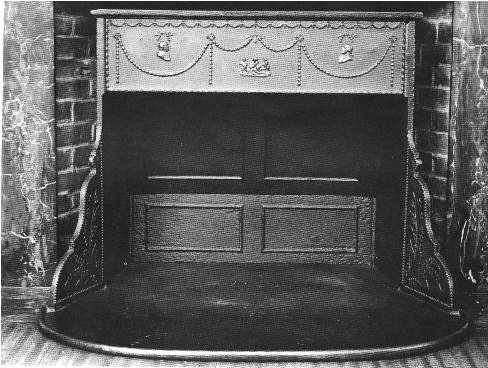
A large Franklin stove although they would develop into different shapes and sizes in the hands of other inventors.
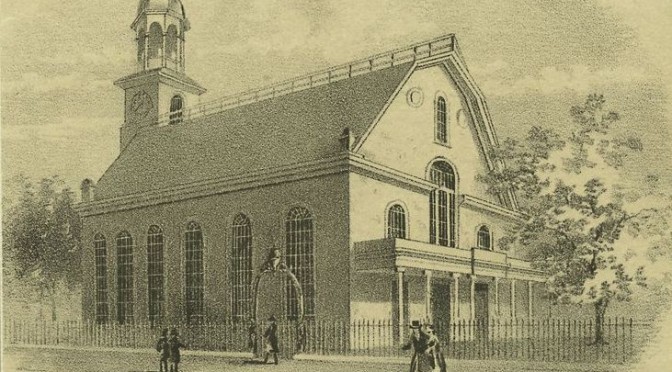
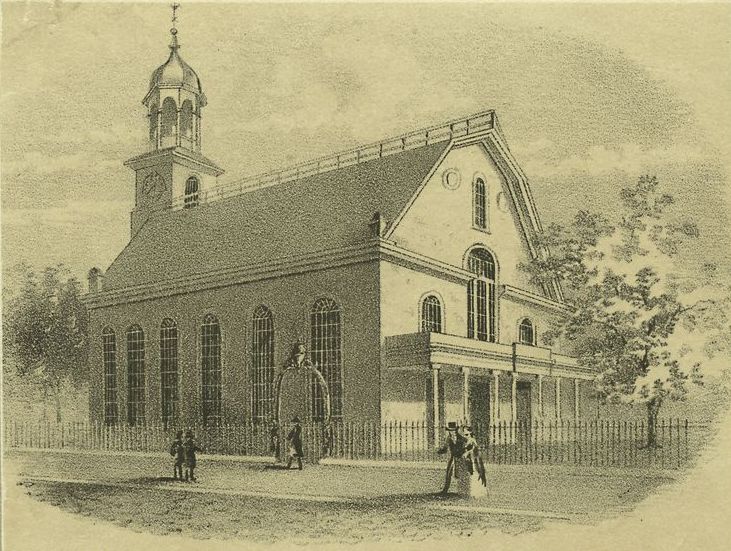
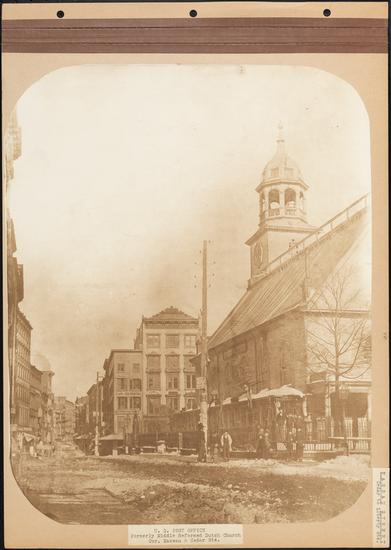
Say a prayer for the Middle Dutch Church (pictured here from sometime before the war) as things are about to get very ugly.
One need only walk past the old Limelight in the neighborhood of Chelsea to understand the strange flexibility of church architecture.
This former Richard Upjohn-designed Episcopal church at West 20th Street and Sixth Avenue was transformed into a rehab center in the 1970s, then a notorious nightclub in the ’80s, then an upscale mall. And now a gym.
But the Limelight is only the most extreme example of church alteration in New York. Brooklyn Heights has so many churches that some have been turned into swanky loft apartments.
This is not a new trend. New York grew so rapidly in the 19th century that small stone and clapboard churches, once situated on the outskirts of town, found themselves surrounded. As population shifted, congregations left, and other civic services moved in.
The Middle Dutch Church was built between 1726 and 1731, a vestige of Manhattan’s Dutch Reformed community that traced itself back to New Amsterdam‘s very first house of worship.
Its location at Nassau Street and Cedar Street made it central to the lives of colonial New Yorkers, but a series of historical twists ensured a few less hallowed activities would take place here.
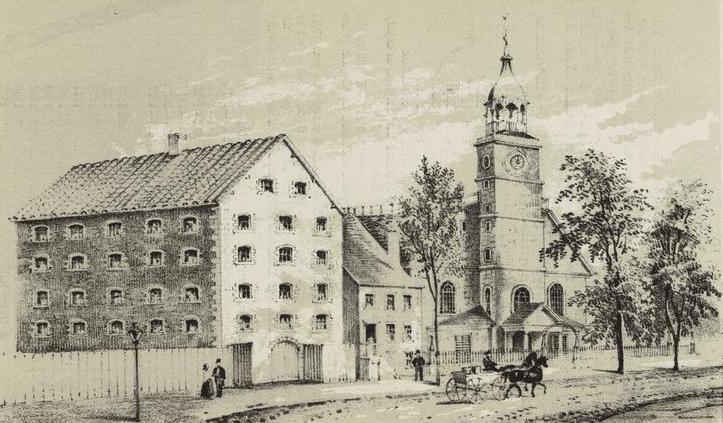
The church and the adjoining ‘sugar house’ in 1830, years after being turned into a horrifying prison complex.
During the Revolutionary War, the occupying British turned the damaged and deteriorating Middle Dutch and its neighboring sugar houseinto a prison for unruly rebels.
An old Times article estimates that up to 8,000 prisoners were held here in those years. “When the victims confined to the Middle Dutch church crawled to the windows begging for food, a sentinel, pistol in hand, would turn back the gifts of the charitable.” [source]
“The whole floor of the Church was one caked mass of dead, dying, excrement and vermin,” reported the Times, “supernatural” conditions that probably echoed throughout the entire city, choked off during the occupation years between 1776 to 1783.
I’m grimly speculating that prisoners were transferred the prison ships of Wallabout Bay at some point, for the building was emptied, “the planking torn up, tan laid down, and a riding-school established for the recruits of the English riding-horse.”
When the British galloped out of New York entirely in 1783, the beat-up old building sat virtually unused — although Benjamin Franklin may have used the belfry for electricity experiments, according to one source — before being turned back into a church, re-opening on July 4, 1790.
It stayed as a church for 44 years, even as New York’s population migrated north. Finally, under a cloud of debt, the church permanently closed in 1844, with its final service symbolically held in both English and Dutch languages.
If Franklin (America’s first postmaster general) indeed practiced with electricity here, then the next transformation seems natural.
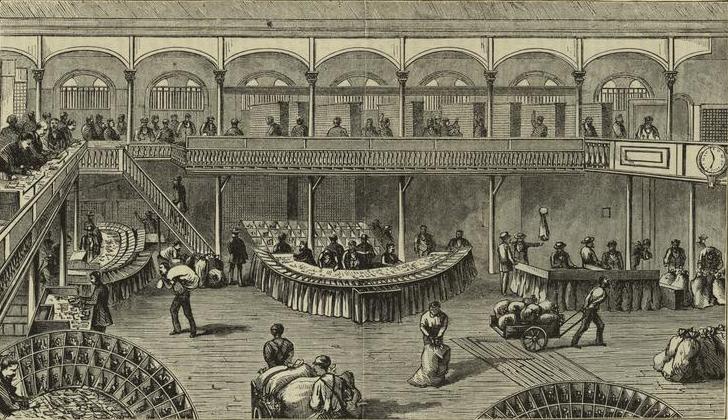
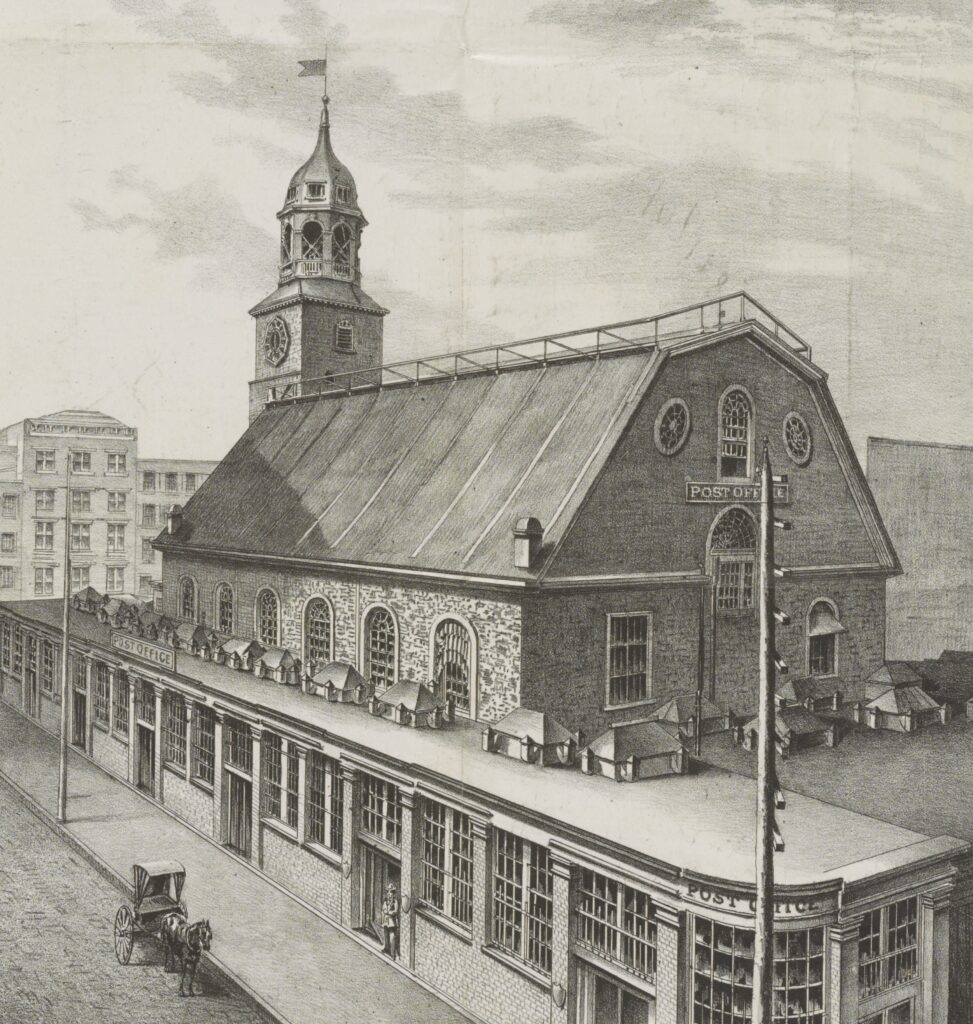
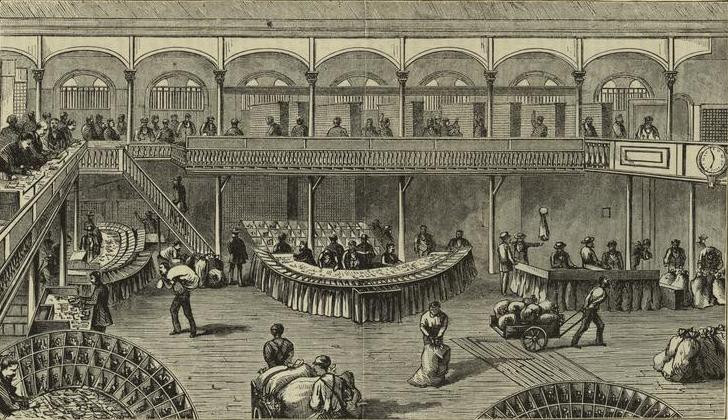
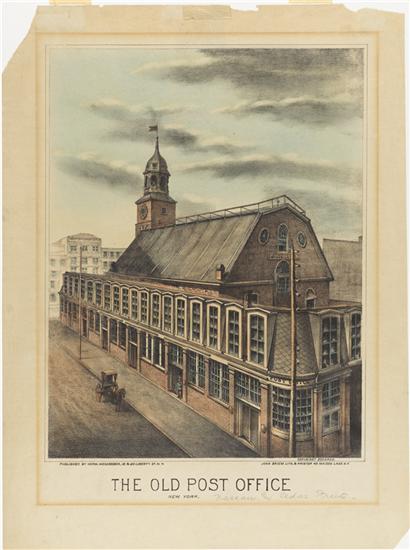
With the federal standardization of postal rates in 1845, New York found itself in need of a central post office. So the U.S. government leased the old church — buying it outright in 1861 — and radically transformed the building into New York’s central post office.
Special delivery: The interior of the Dutch church turned post office in 1871 (NYPL)
The poor building, renovated and stretched thin, could barely process the flow of mail coming through the city by the late 1860s, so a new central post office was built — the odd, greatly loathed City Hall Post Officebuilding.
The old Dutch church, now 150 years old, was considered a city treasure, but real estate in downtown Manhattan was now being carved out for skyscrapers.
The church of a thousand faces, to the curiosity of “thousands of relic-hunters and citizens,” was finally torn down and replaced with the Mutual Life Insurance Building in 1882.
The ornate Mutual Life had a good run but was demolished — with a part of Cedar Street erased — to make room forOne Chase Manhattan Plaza.
And finally — perhaps the only existing photograph of the old post office, dated 1890, Nassau Street – Cedar to Liberty Sts. (courtesy the Museum of the City of New York)