Categories
Holidays Neighborhoods Podcasts

The history of the Dyker Heights Christmas Lights: An electric holiday tradition illuminates Brooklyn

PODCAST: The history of the Dyker Heights Christmas lighting extravaganza, Brooklyn’s fabulous and flashy celebration of the holiday season.

EPISODE 305 There’s a special kind of magic to Christmas in New York City. From that colossal Christmas tree in Rockefeller Center to the fanciful holiday displays in department store windows.

But in the past three decades, a new holiday tradition has grown in popularity and in a surprising quarter — the quiet residential neighborhood of Dyker Heights in Brooklyn.

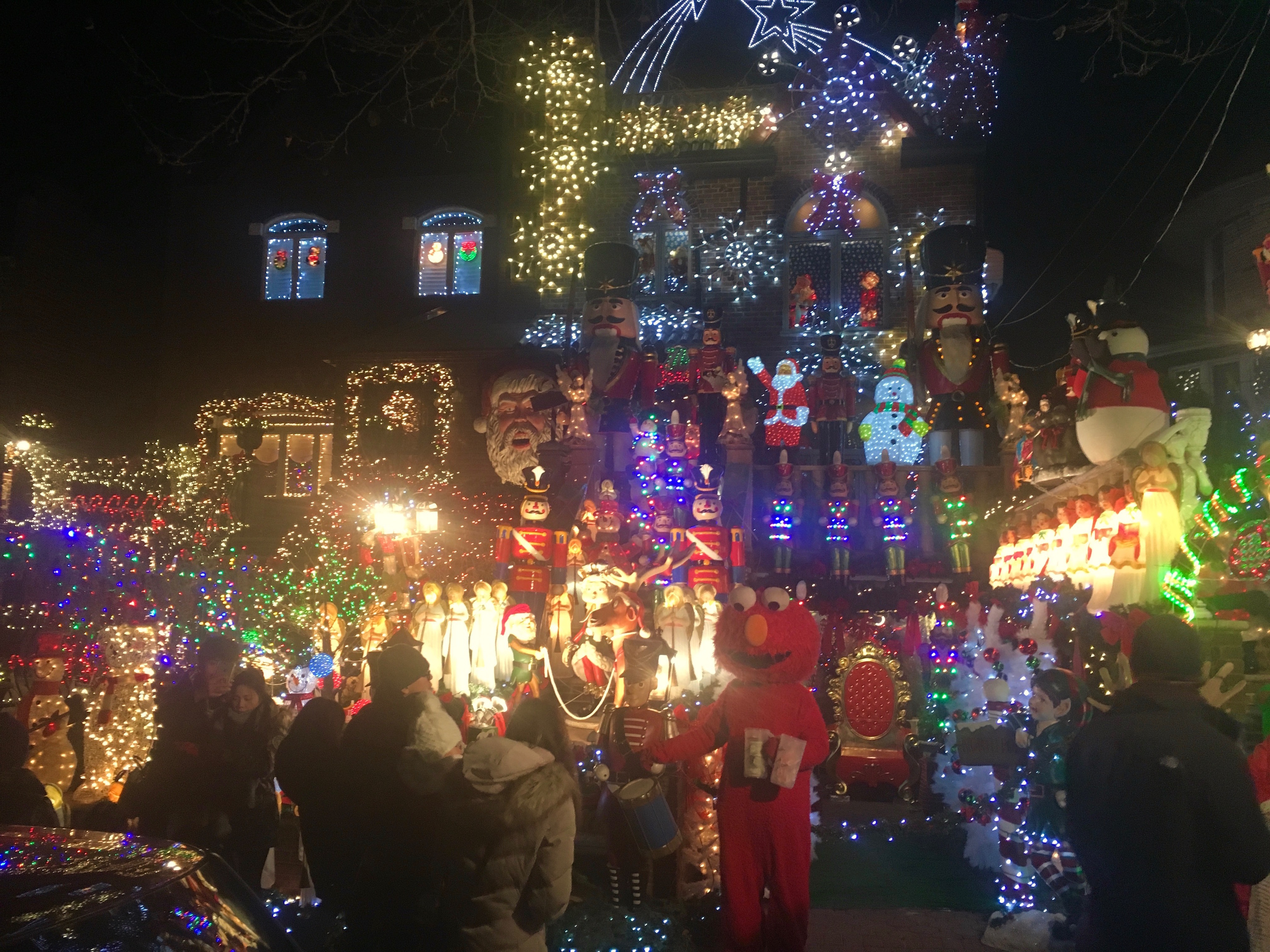
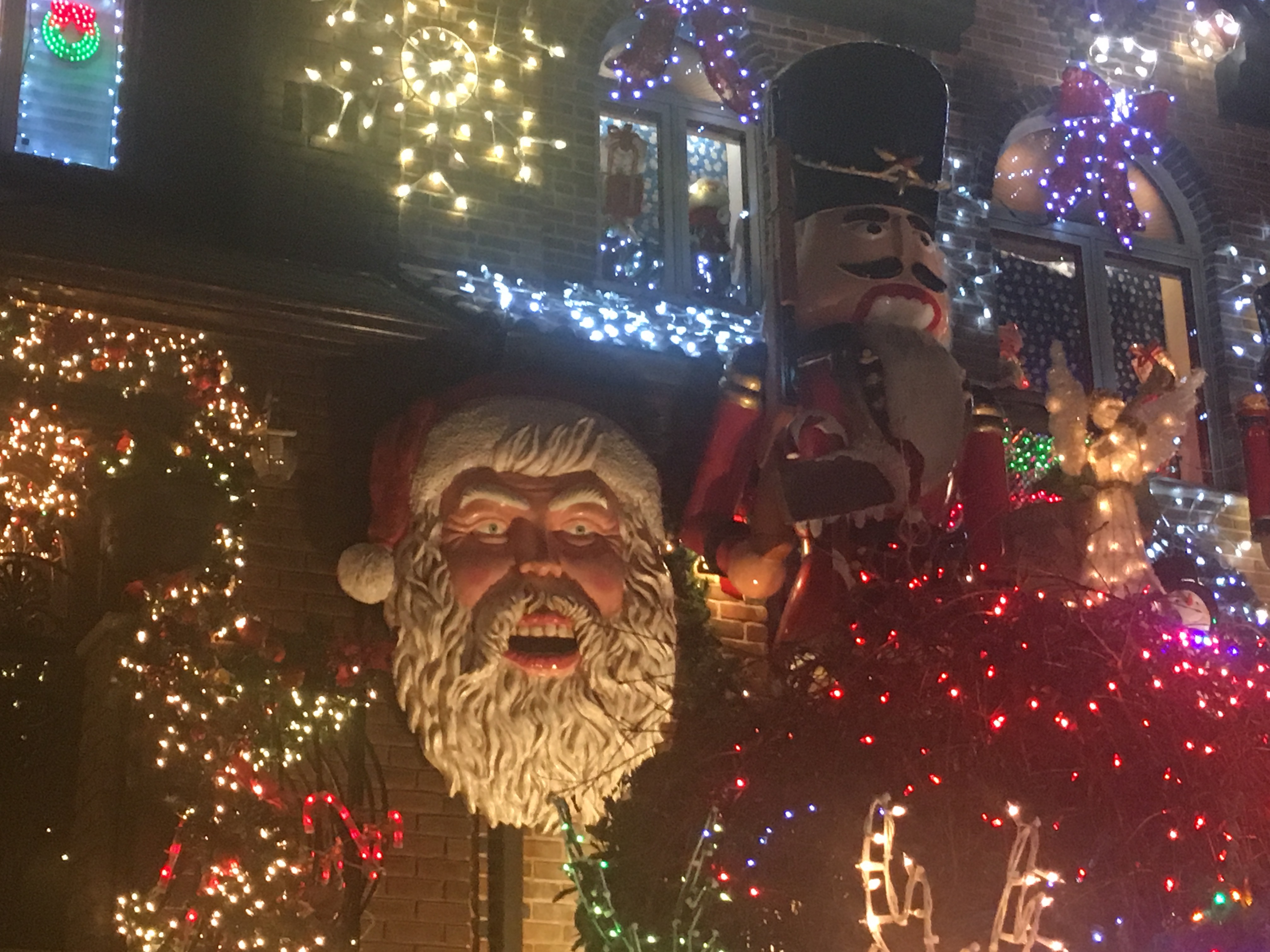
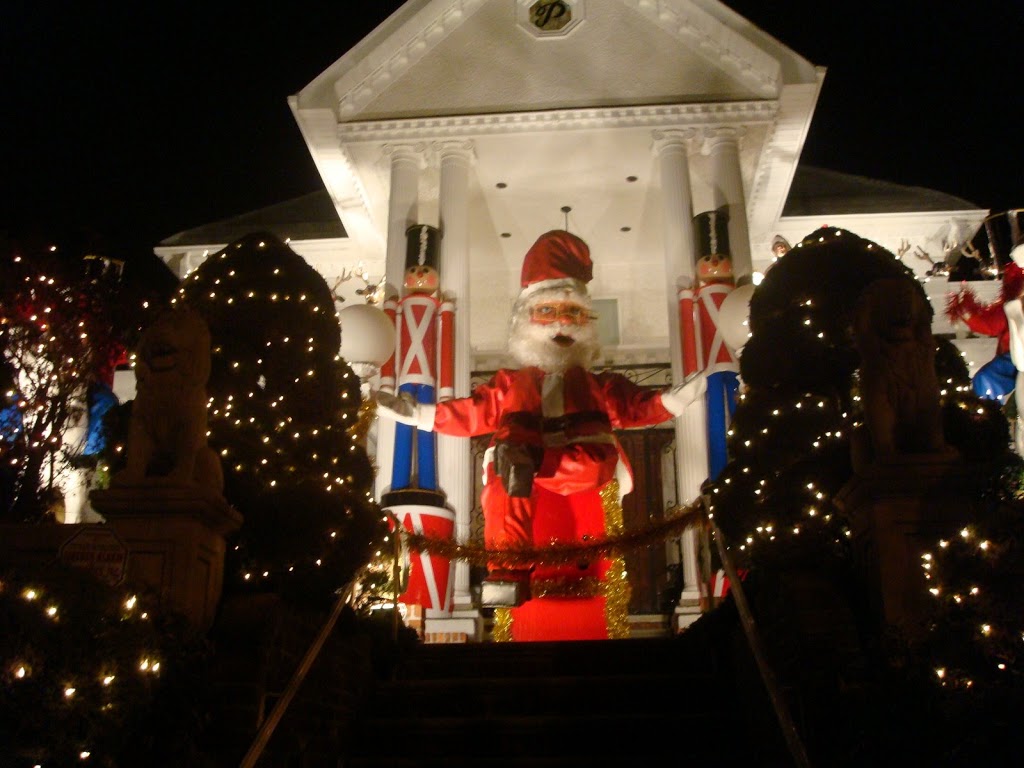
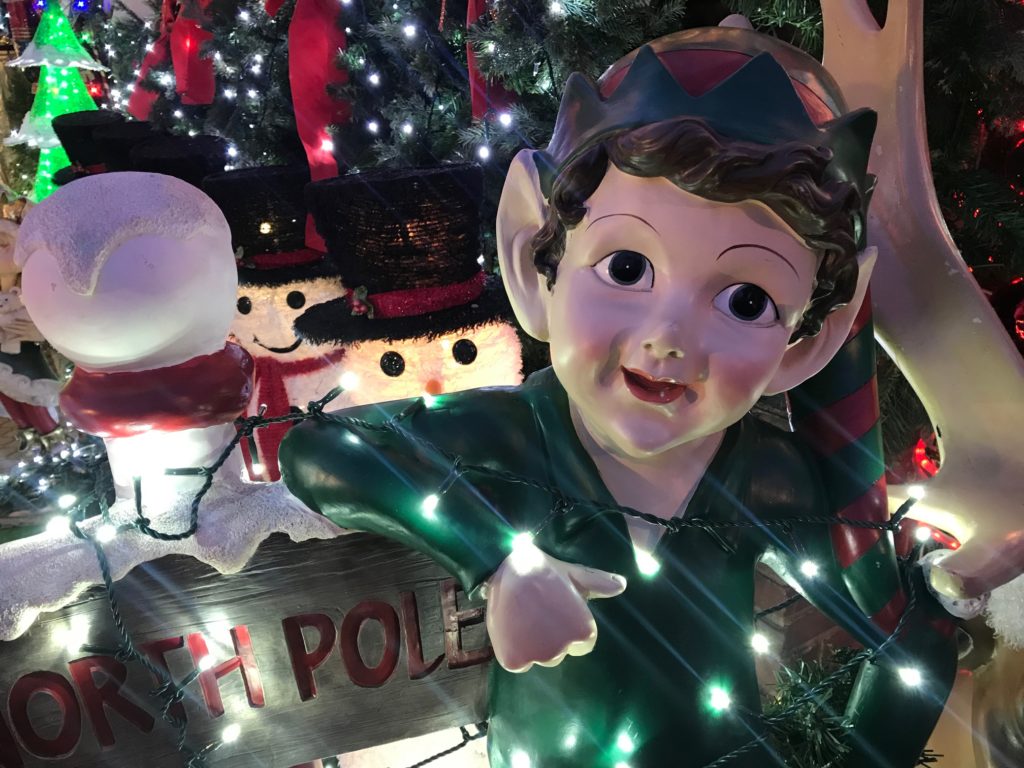
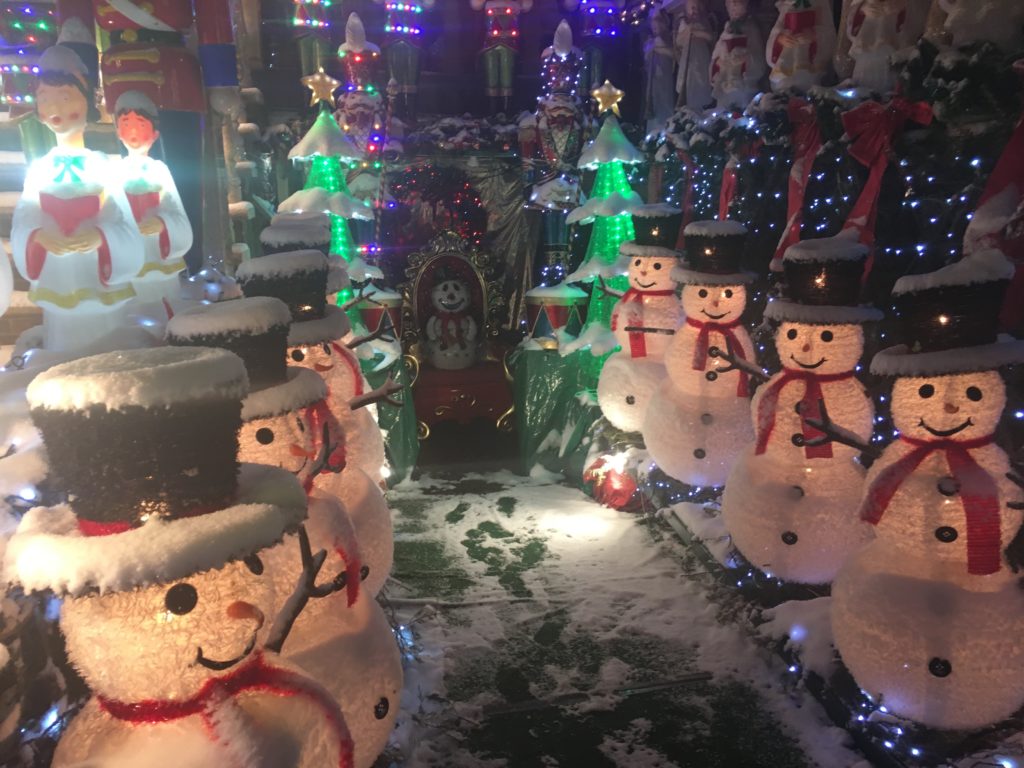
Every December many residents of this area of southwestern Brooklyn ornament their homes in a wild and brilliant parade of Christmas lights and decorations. From gigantic animatronic Santas to armies of toy soldiers!

This electrical spectacle draws thousands of tourists this year, attracted to this imaginative mind-blowing display of Christmas spirit.
In this episode, we look at the lights of Dyker Heights from a few angles. First we explore the history of Christmas lighting in New York City and how such displays brought Christmas into the secular public sphere.

Then we look at the history of Dyker Heights, tracing back to one of the first Dutch settlements and a neighborhood which has developed into a stable Italian community.

Finally, we send our researcher and producer Julia Press on an excursion into Dyker Heights to reveal the origin of the Christmas display extravaganza. Featuring an interview with one of the residents who started it all!

LISTEN NOW — CHRISTMAS IN NEW YORK: THE LIGHTS OF DYKER HEIGHTS

To get this week’s episode, simply download or stream it for FREE from iTunes, Stitcher, Spotify or other podcasting services. You can also get it straight from our satellite site.

Or listen to it straight from here:


THE TAKEOUT

A bonus after-show podcast for those who support us on Patreon. Greg and Tom (and Julia) continue their conversation about the story of the Dyker Heights Christmas tradition.


A big thank you to Lucy Spata and Tony Muia of A Slice of Brooklyn Bus Tours for allowing us to record at the synagogue. And of course HUGE THANKS to Julia Press for contributing to this show and helping up over the past few months. Please check out her website for more links to her past work.


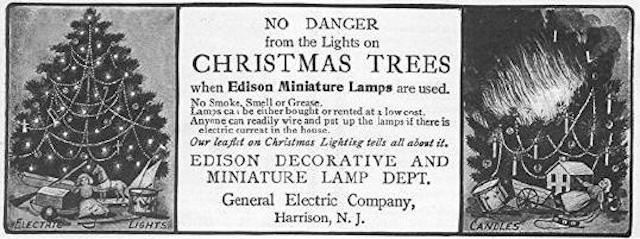
FURTHER LISTENING: This episode was partially inspired by Greg’s episode of The First podcast on the history of electric Christmas lighting. Makes great companion listening to this one:
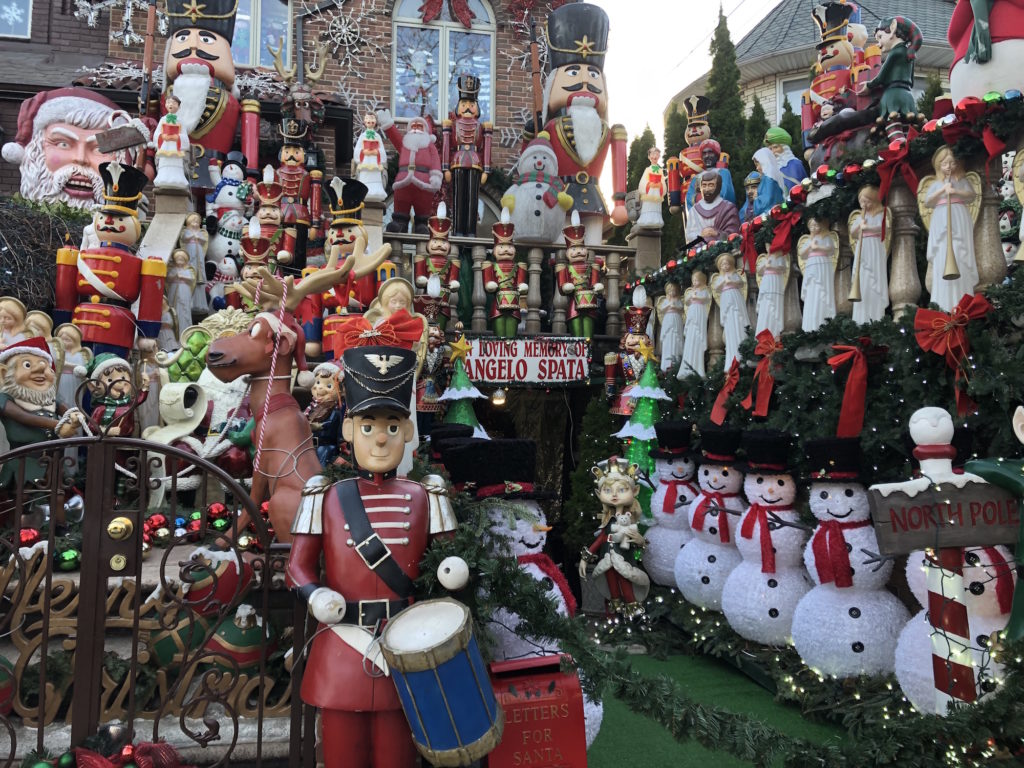


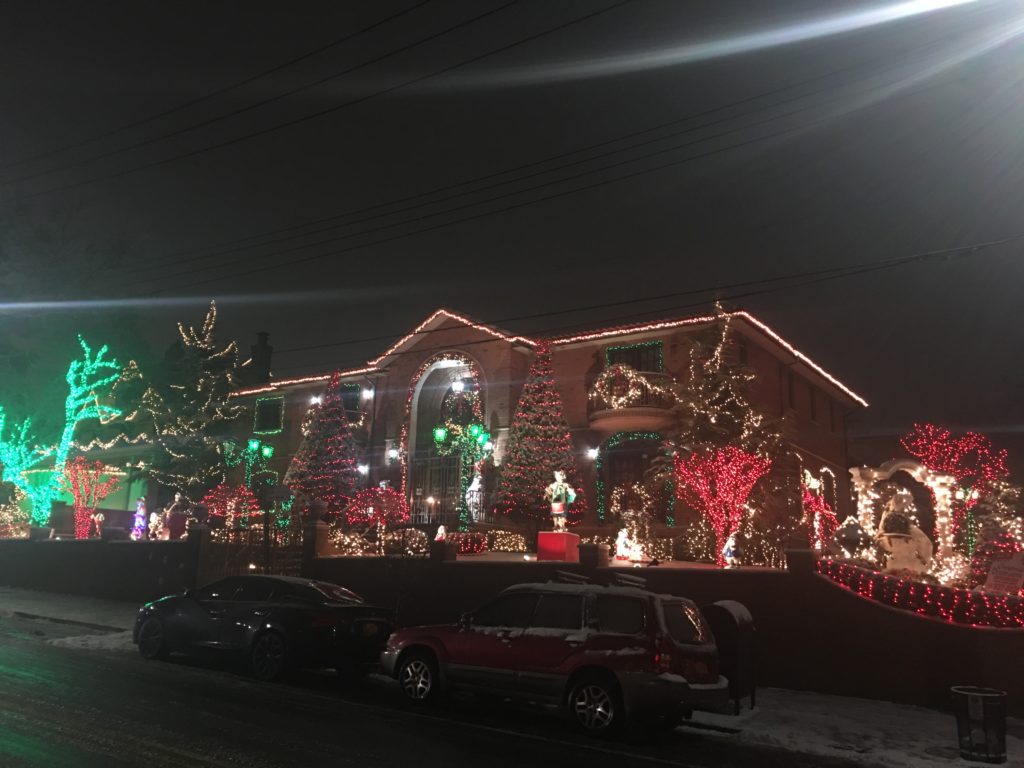
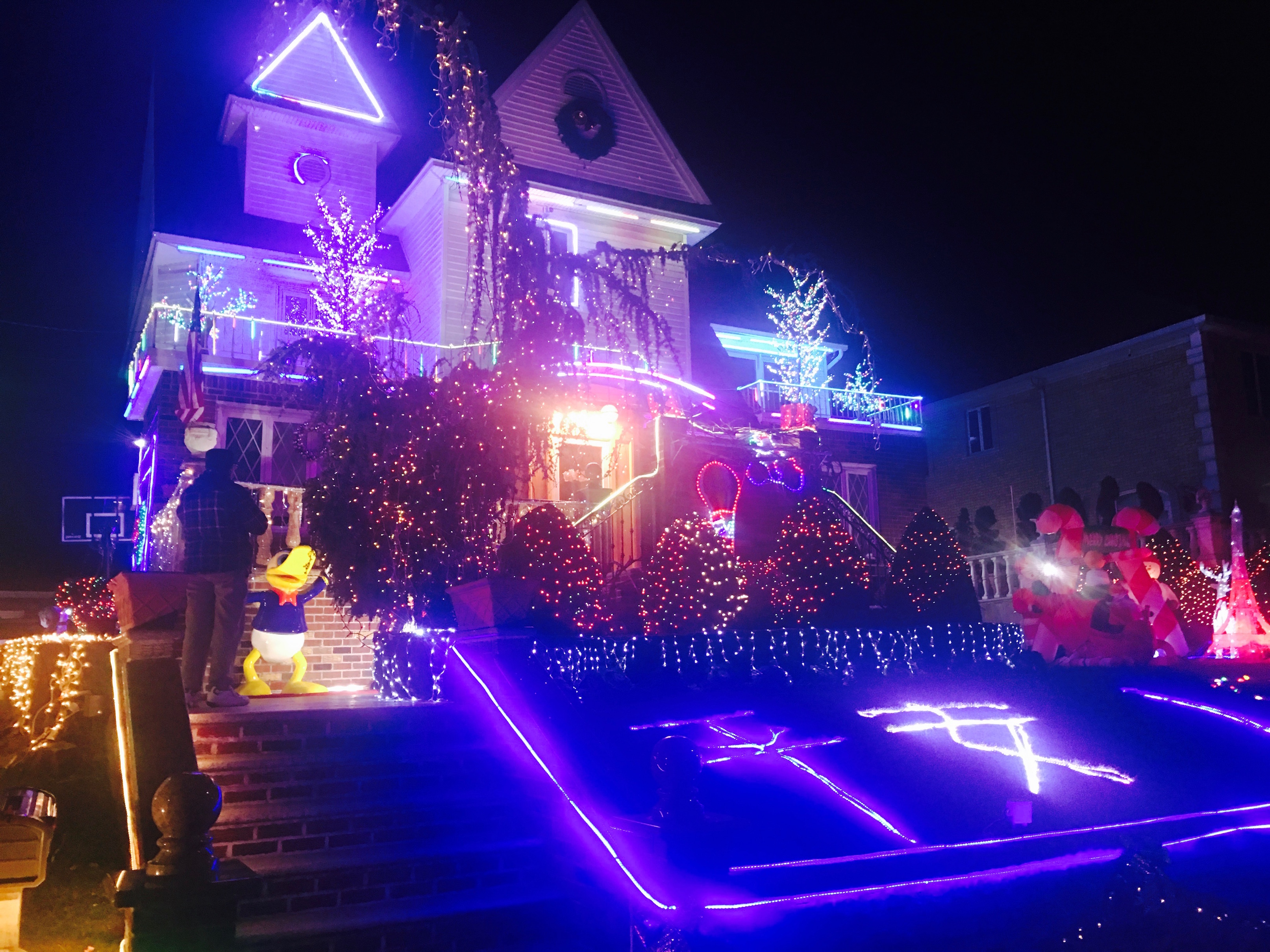
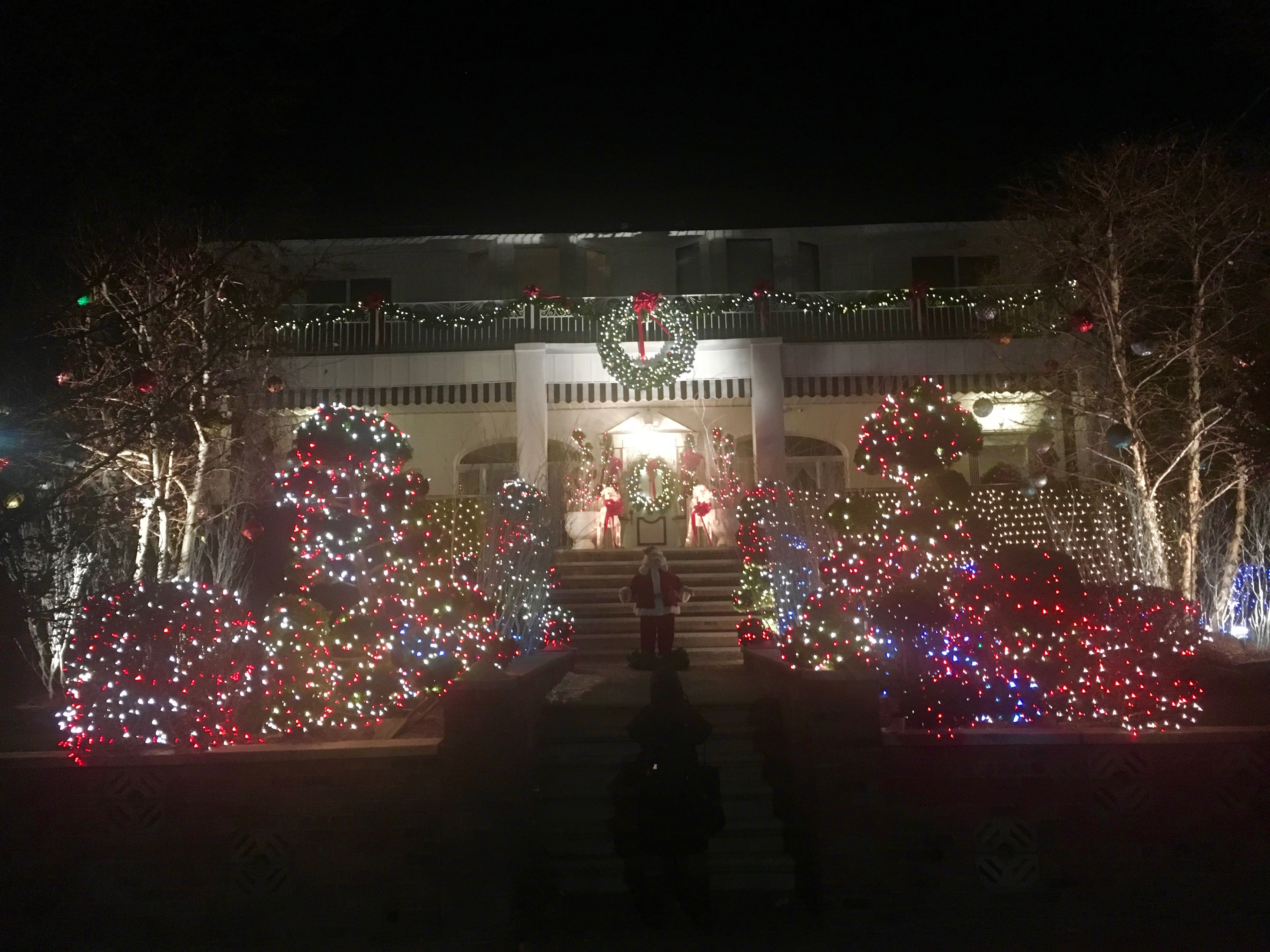
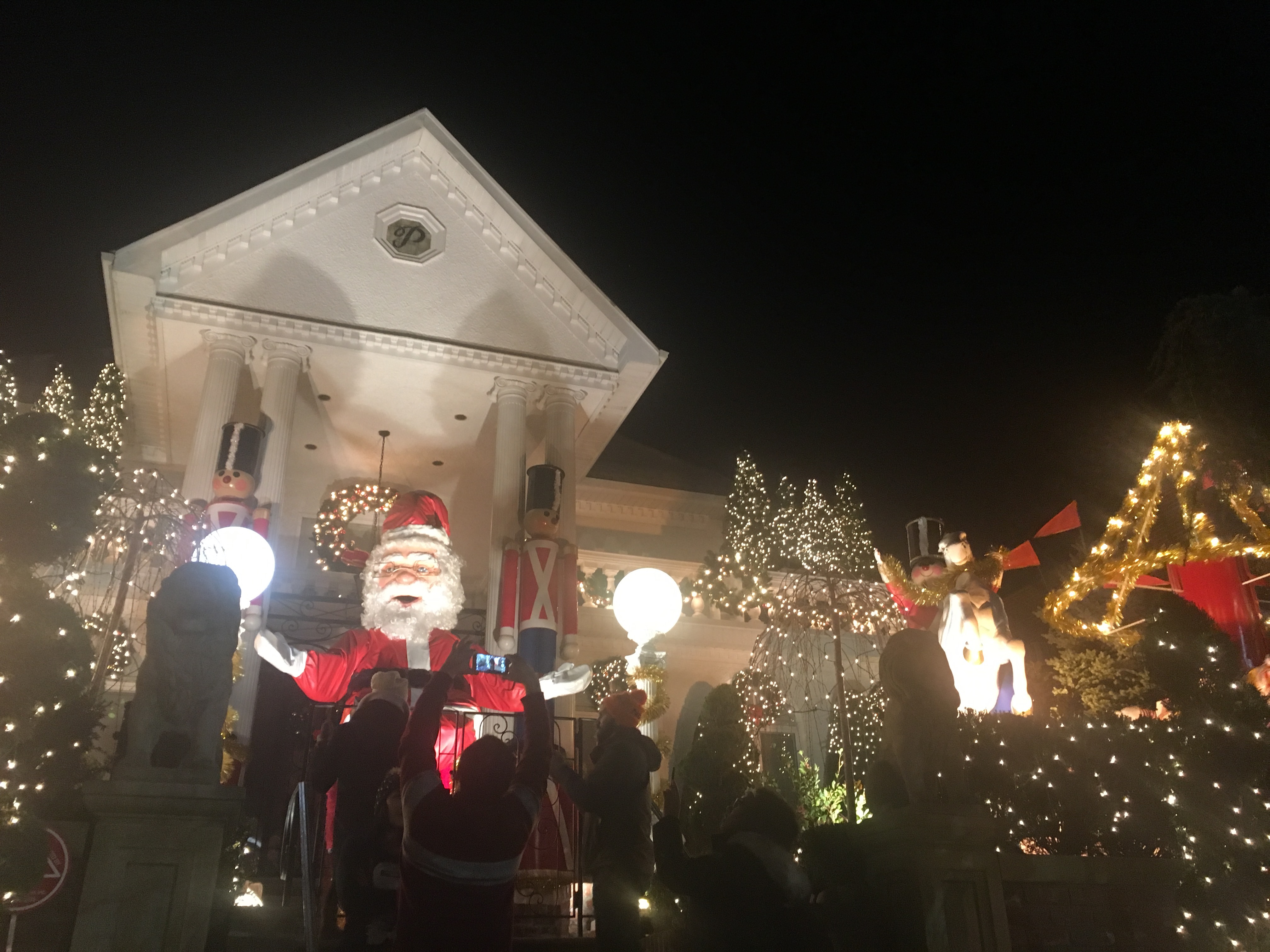
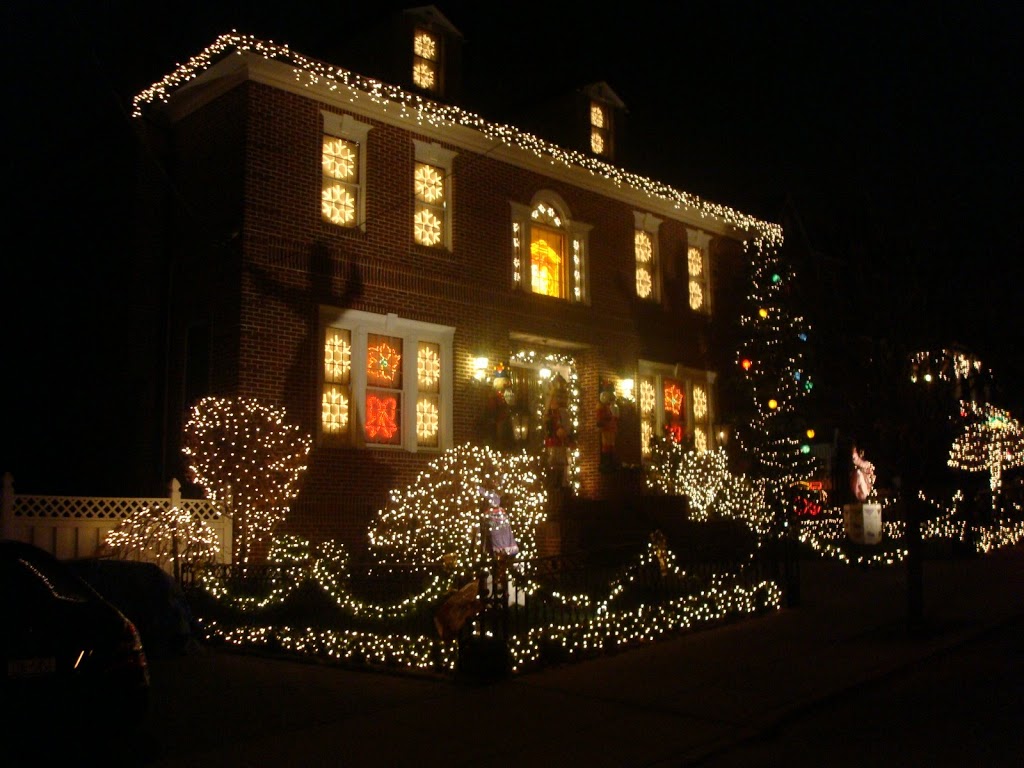
The home of the Spatas, photo by Julia Press
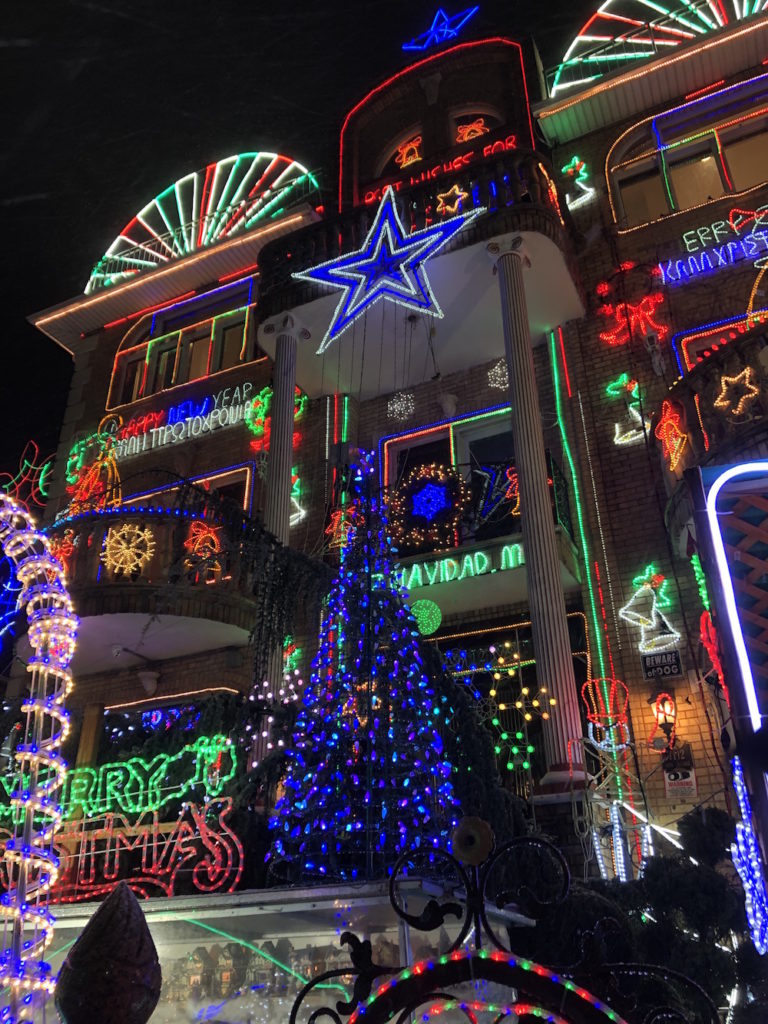
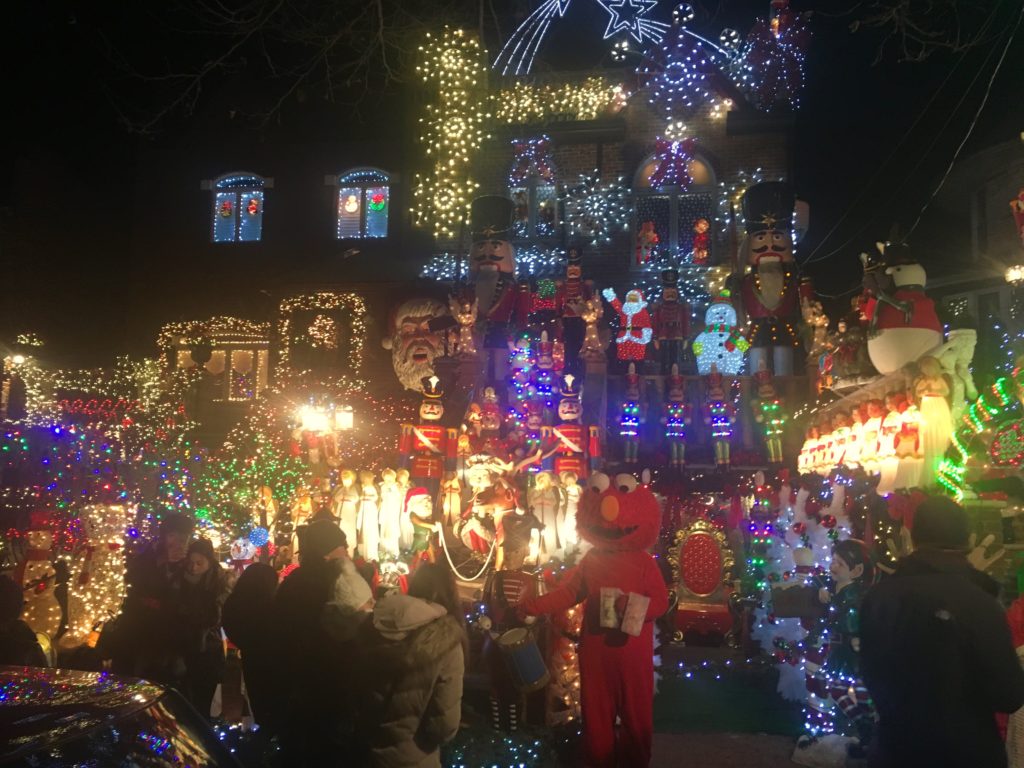
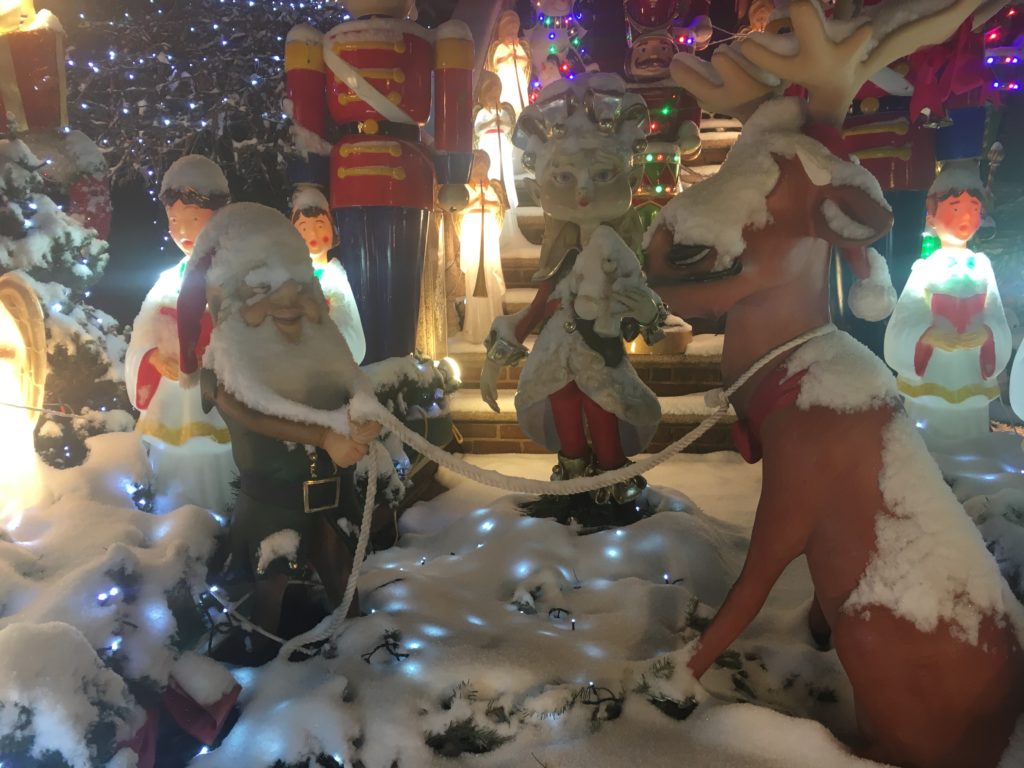
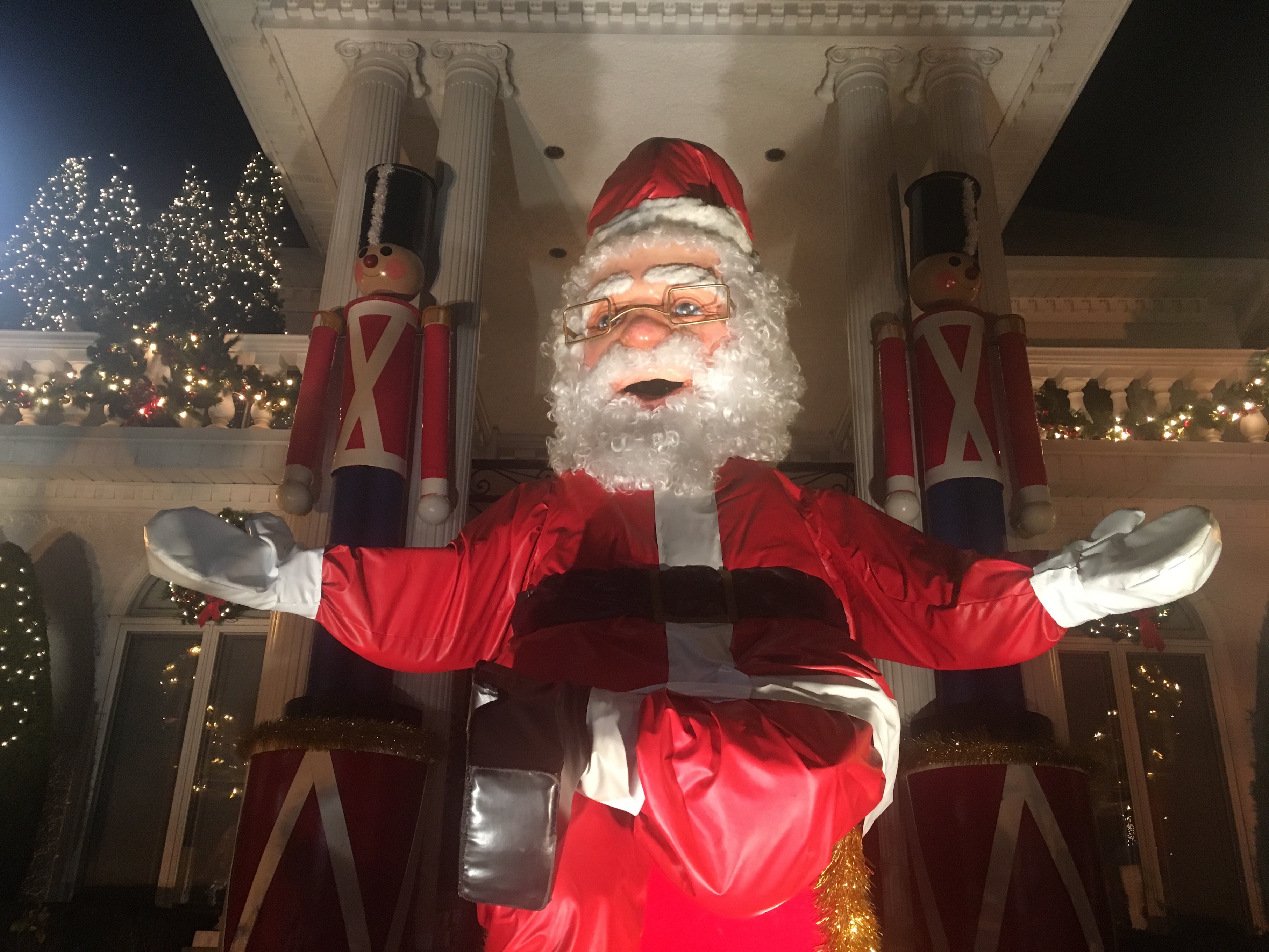
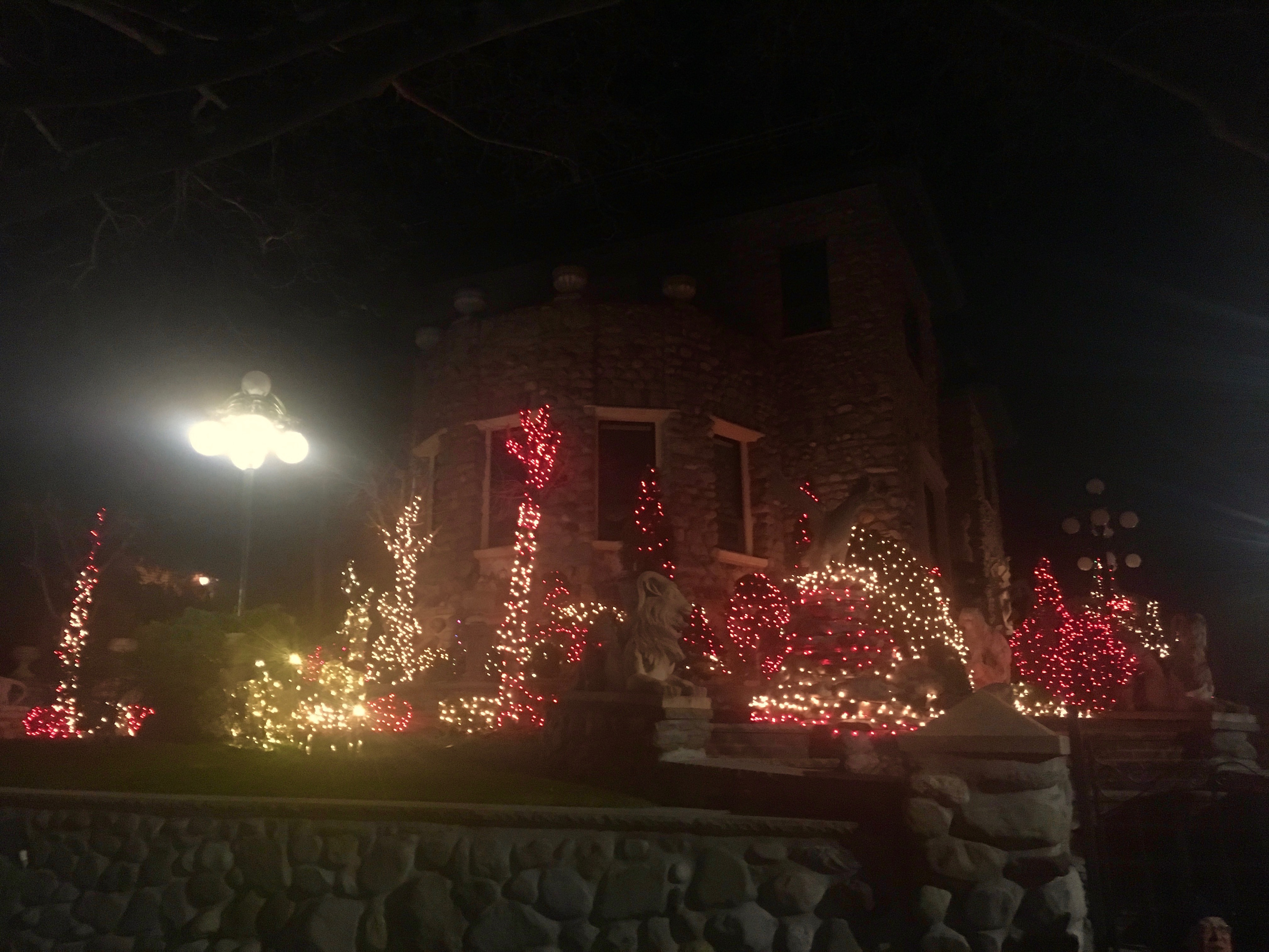
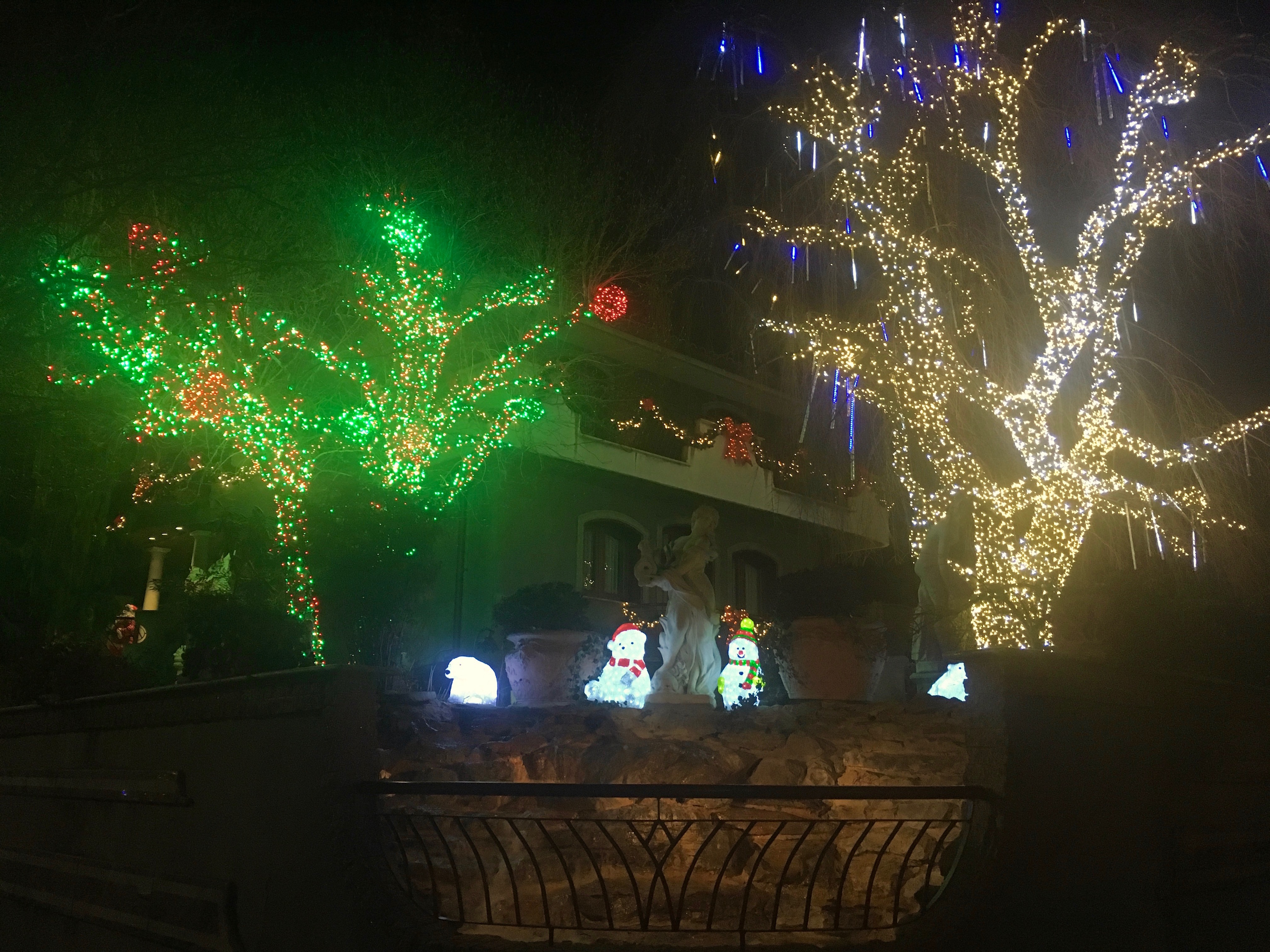
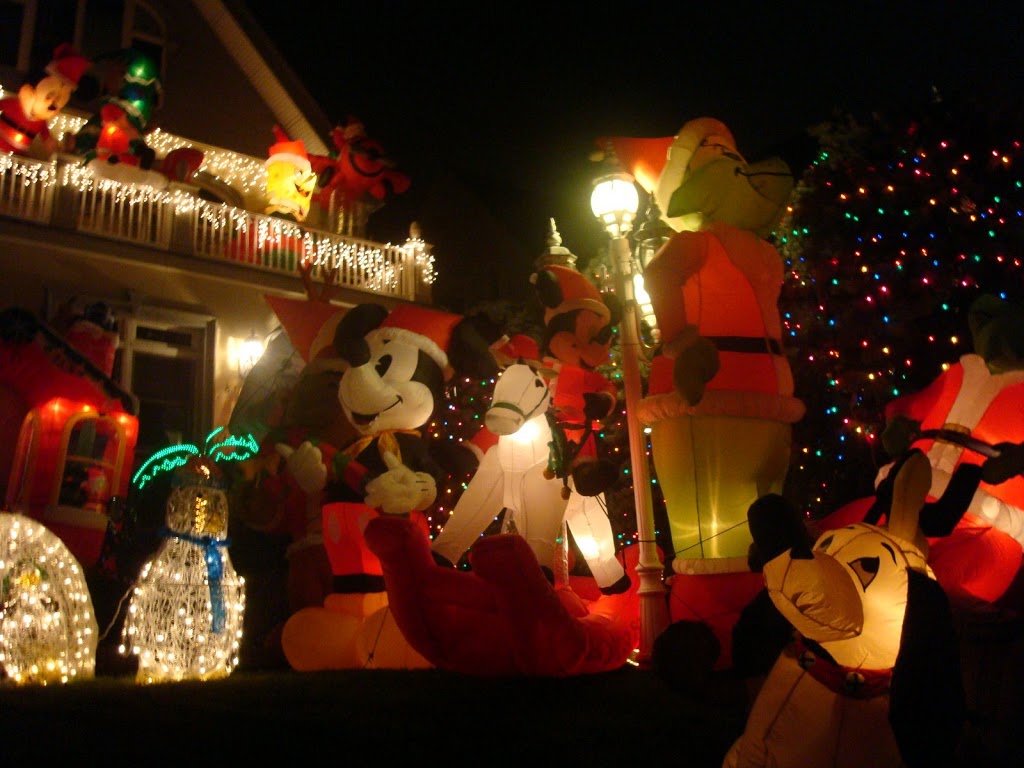
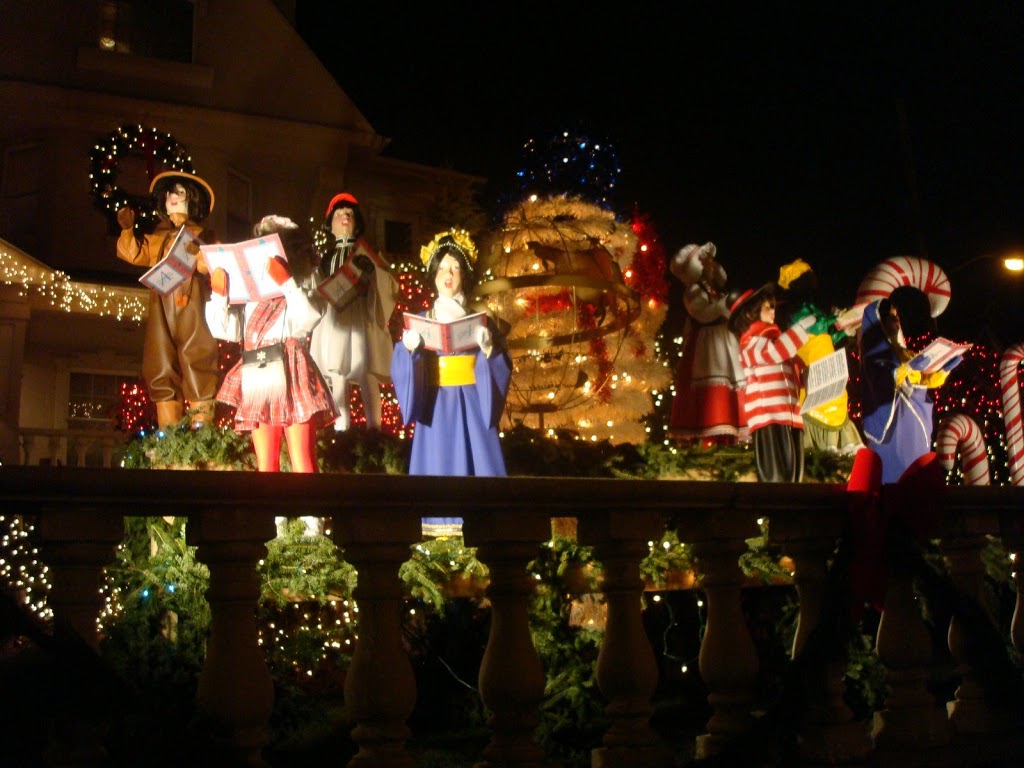
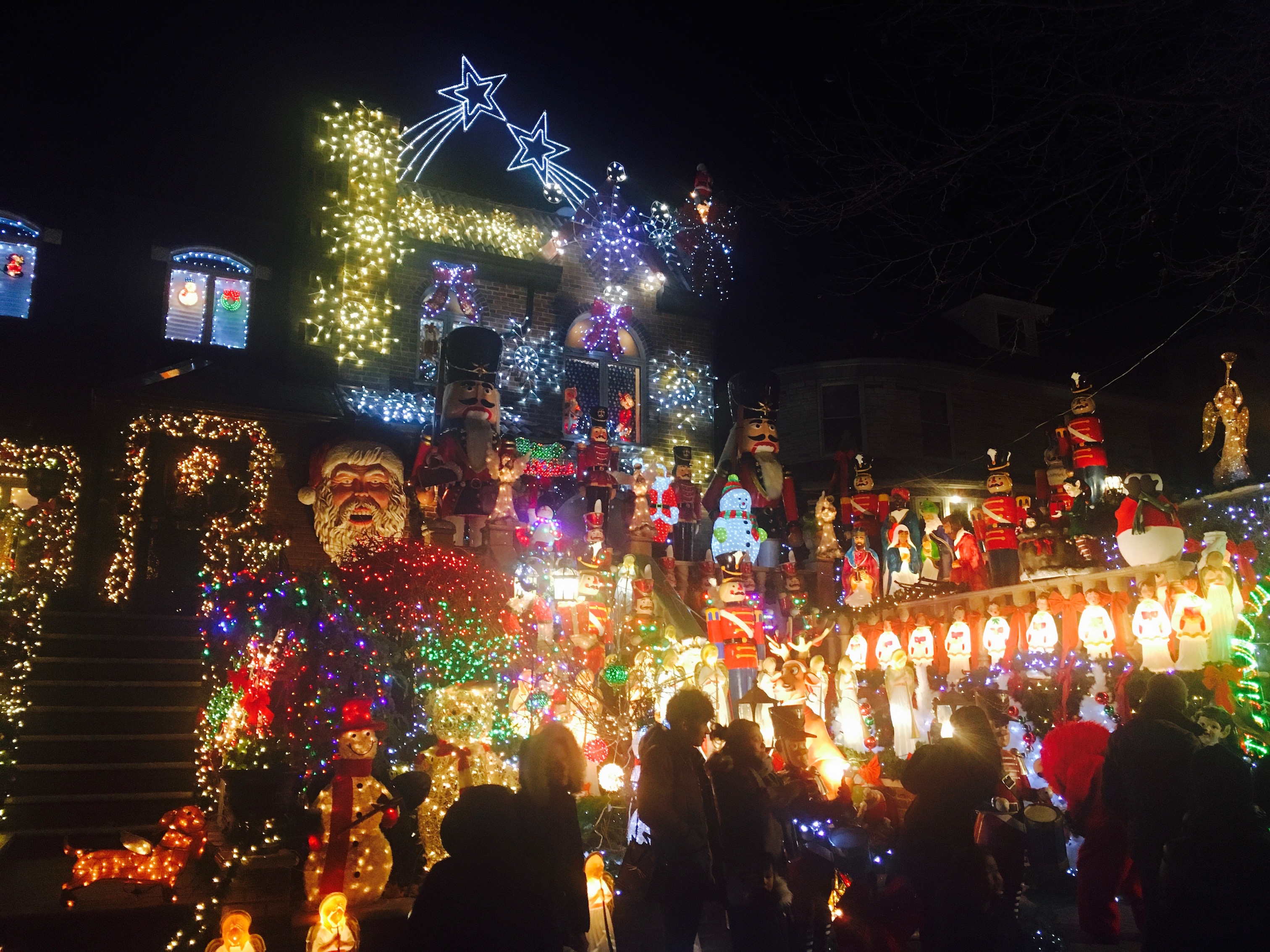
It’s like Las Vegas and Christmas — but in Brooklyn! Photo by Julia Press

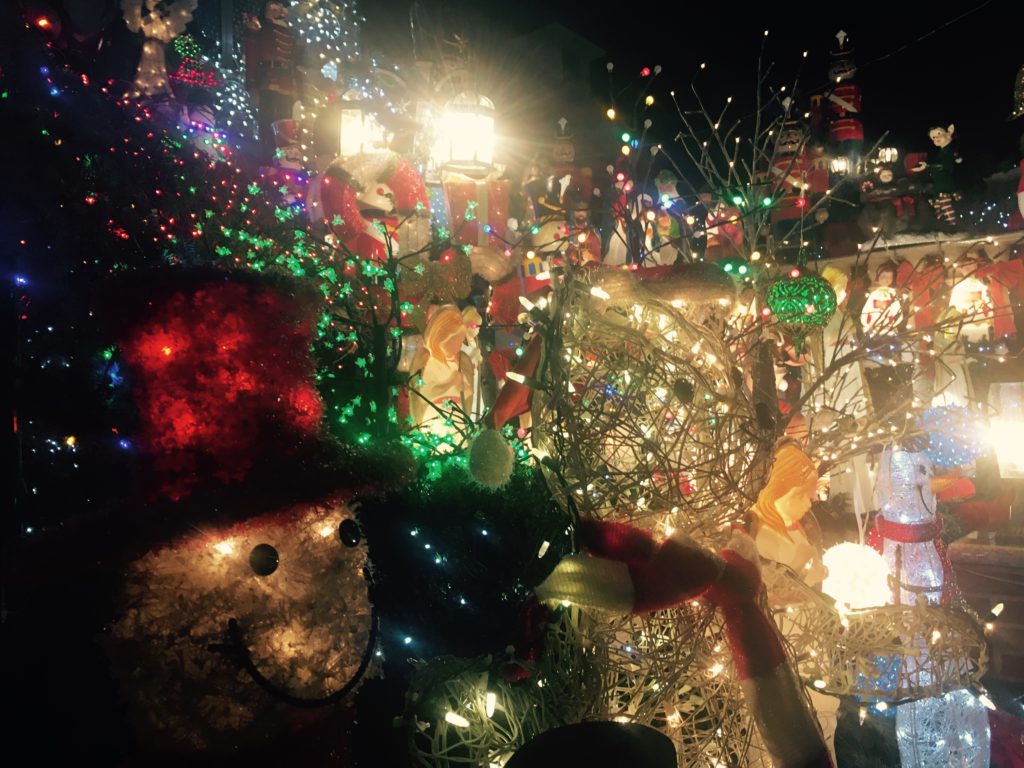
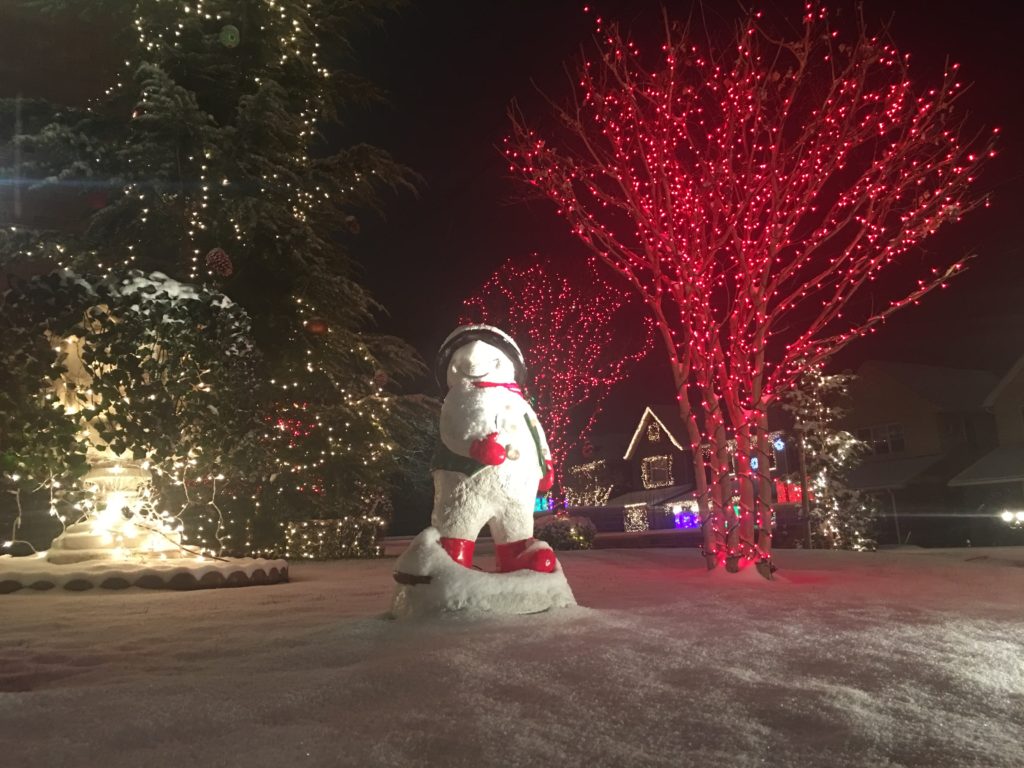
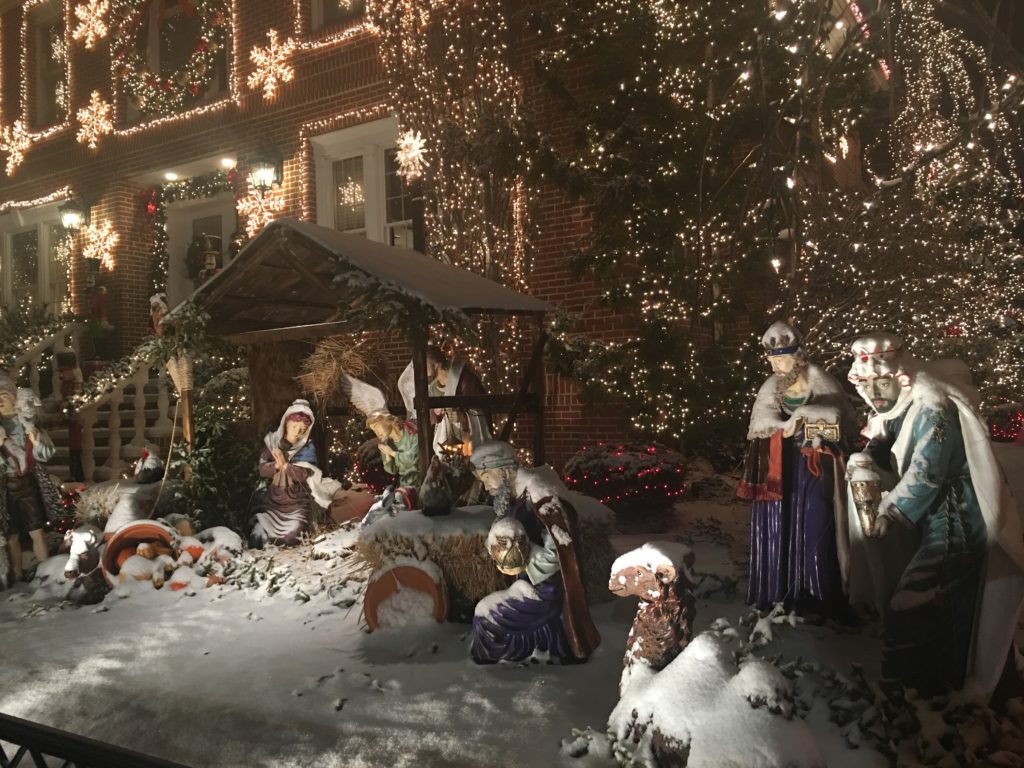
A few images from the 2017 extravaganza — when a nice layer of snow added to the festive spirit.
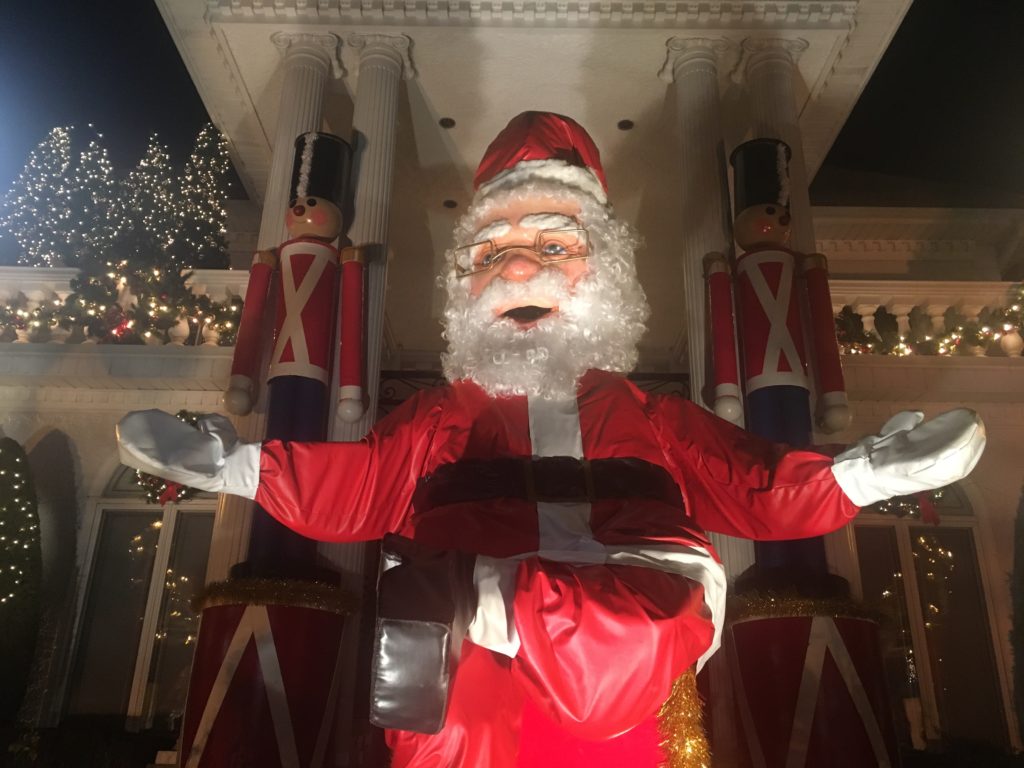
Further images from the podcast:

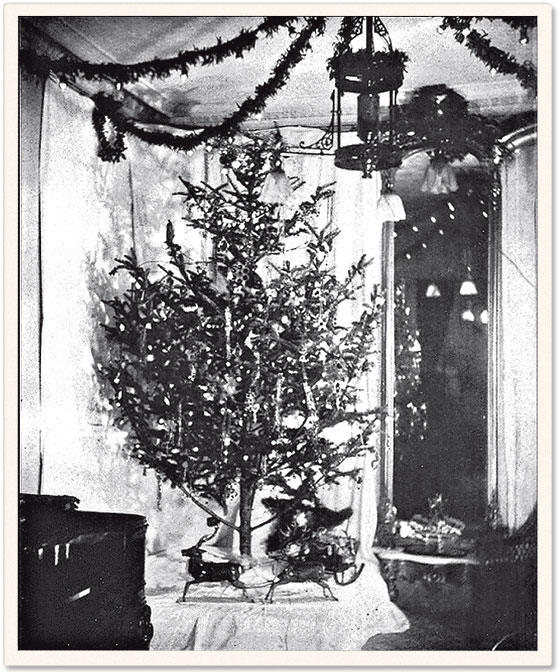
The marvelous rotating Christmas tree of Edward H. Johnson, the first tree with Christmas lights.
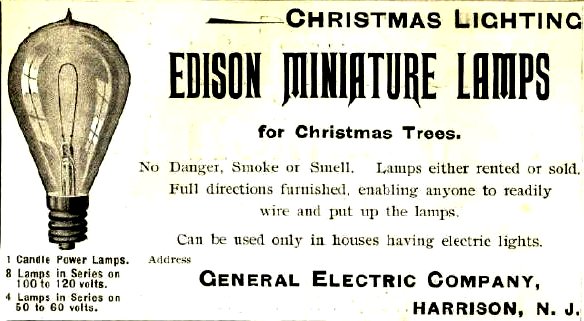
Thomas Edison Museum

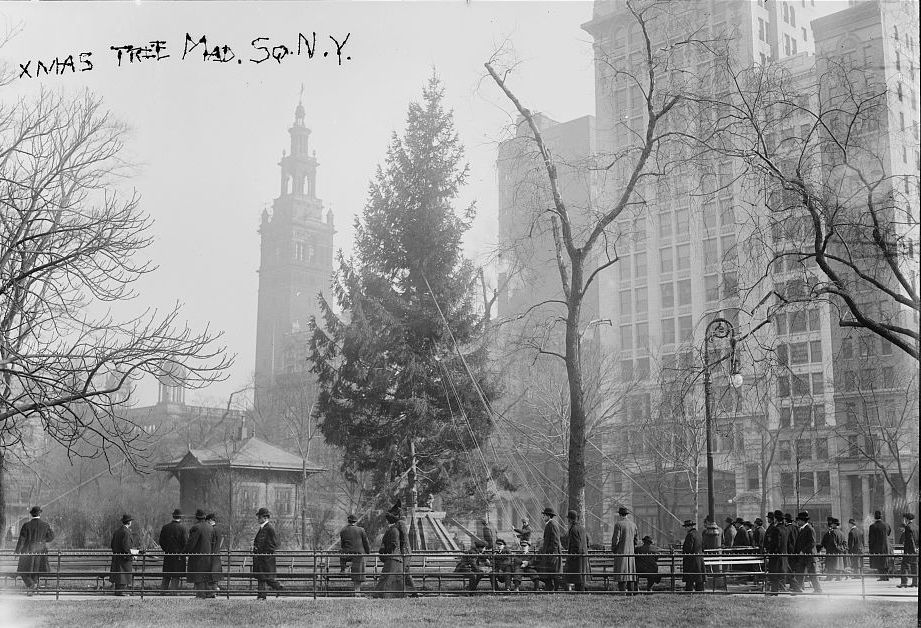
The nation’s first ‘community Christmas tree’ in Madison Square in New York City. Read more about it here.
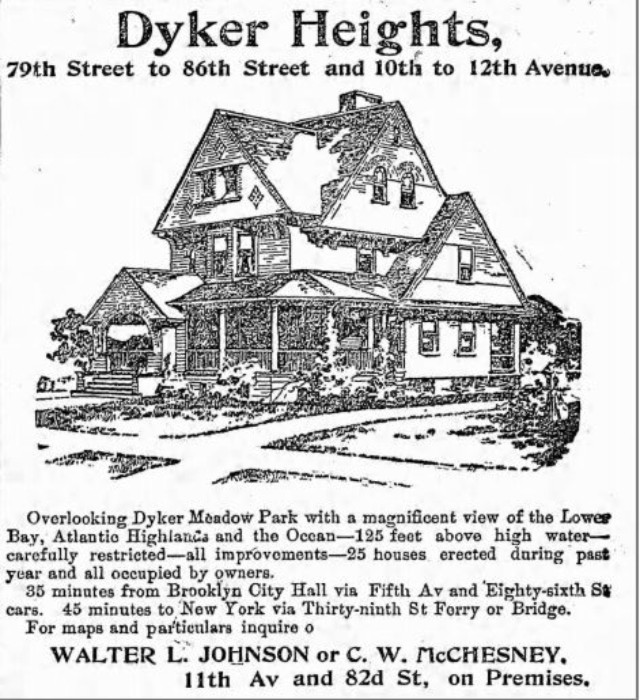
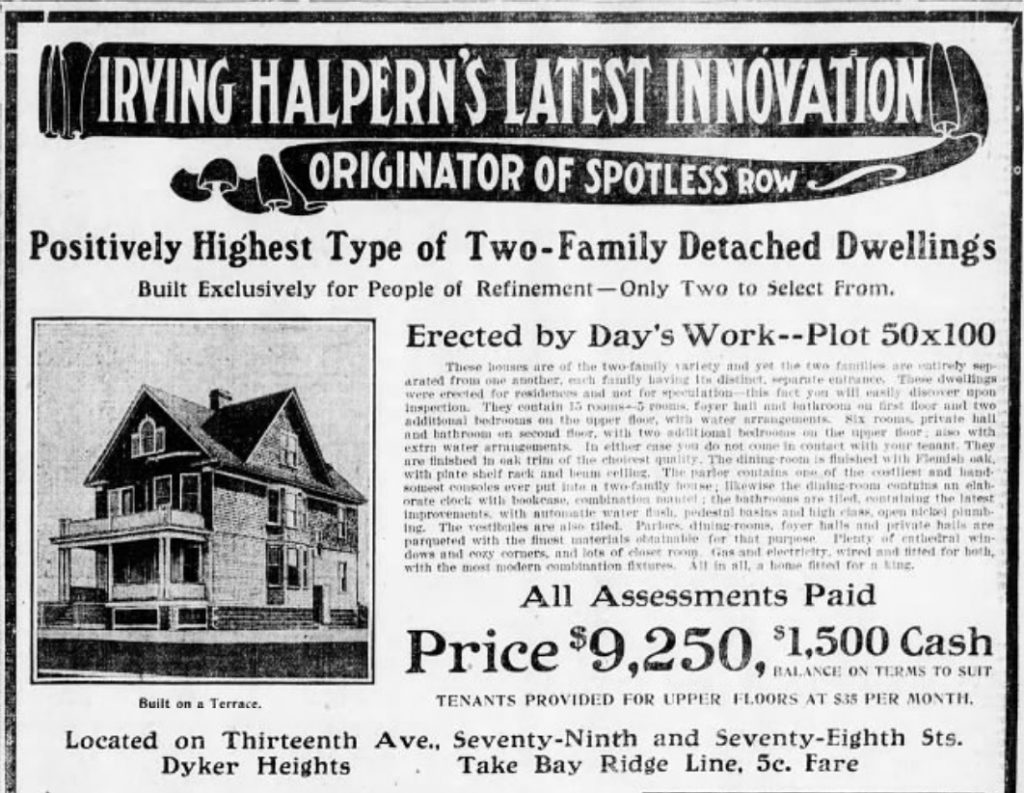
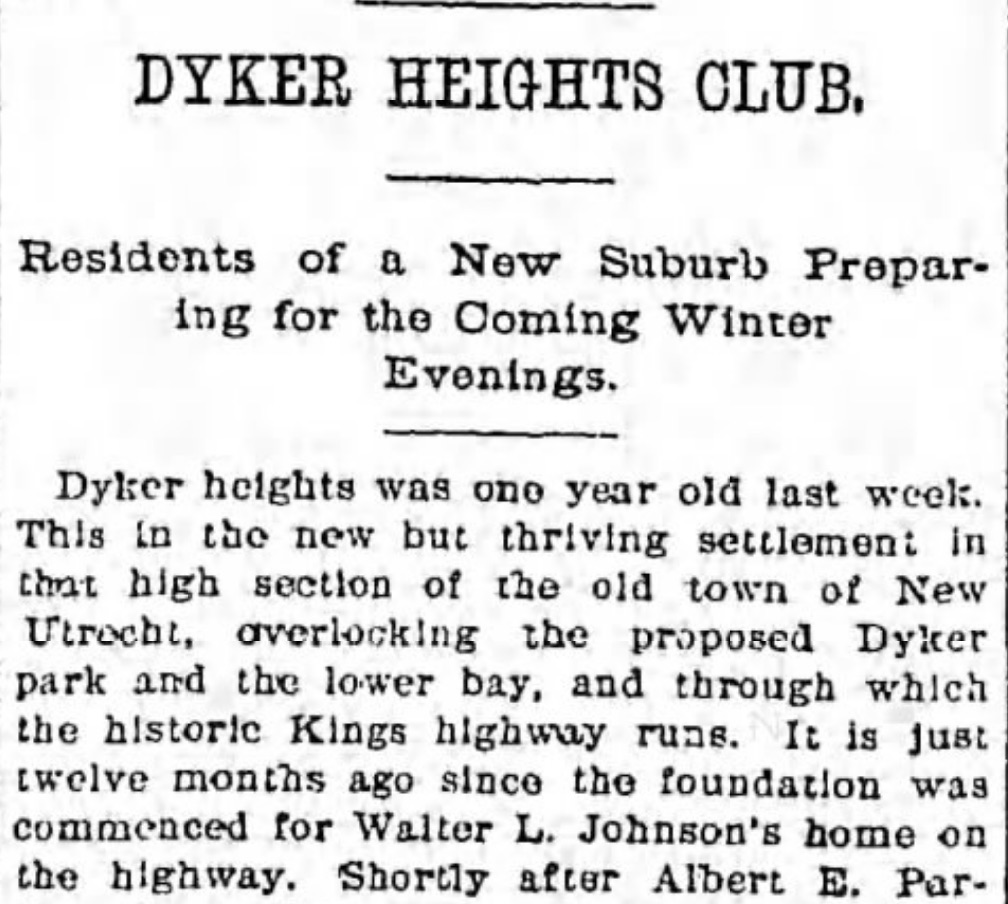
Ads from the early years of Dyker Heights development, Courtesy BrownstonerFrom April 1909 Brooklyn Daily EagleBrooklyn Daily Eagle, October 12, 1896

__________________________________________________________________________

The Bowery Boys: New York City History podcast is brought to you …. by you!

We are now producing a new Bowery Boys podcast every other week. We’re also looking to improve and expand the show in other ways — publishing, social media, live events and other forms of media. But we can only do this with your help!

We are now a creator on Patreon, a patronage platform where you can support your favorite content creators.

Please visit our page on Patreon and watch a short video of us recording the show and talking about our expansion plans. If you’d like to help out, there are six different pledge levels. Check them out and consider being a sponsor.

ALL patrons at all levels will receive many benefits include the next episode of the Bowery Boys Movie Club, an exclusive podcast (released every 6-8 weeks) celebrating New York City in the movies. And patrons at the Five Points ($5) level and up will get our other exclusive podcast — The Bowery Boys: The Takeout — released every two weeks.

We greatly appreciate our listeners and readers and thank you for joining us on this journey so far.
Categories
Holidays

Festively bonkers: Welcome to the Dyker Heights Christmas light show

Holiday traditions in Manhattan are of course known the world over, from the glowing light displays of Park Avenue to the Rockefeller Center Christmas tree. But they lack a certain human touch, spun from wealthy corporations and honored tradition.

Which is what makes Dyker Height’s annual lighting spectacular (festival? competition? freak show?) so fascinating. It’s Brooklyn’s biggest holiday event, run entirely by the community.

In the past two decades, the extravaganza has energized a normally quiet neighborhood few in New York know much about. For most of its history, Dyker Heights was virtually uninhabited, either by humans or two-story illuminated snowmen.

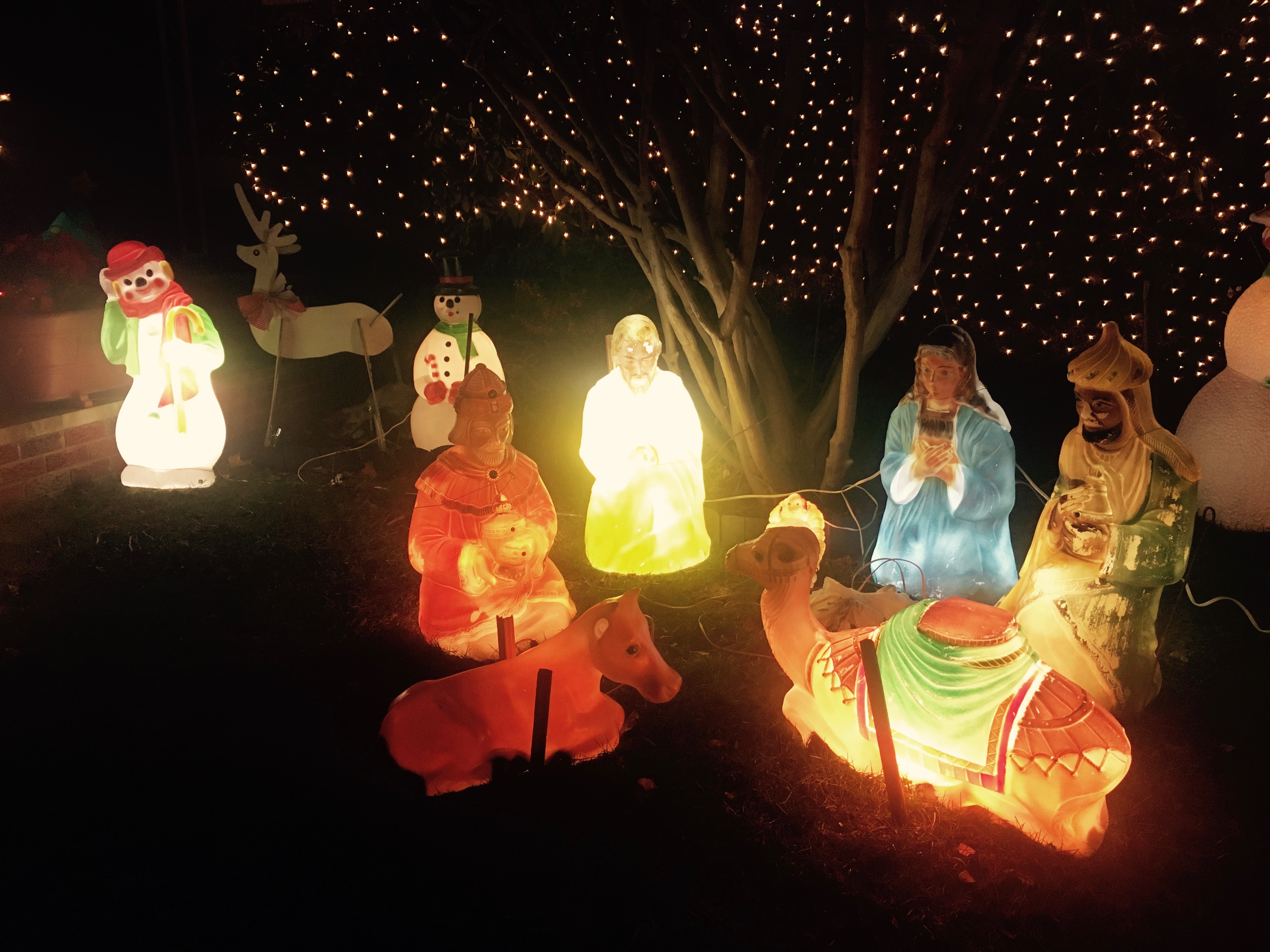
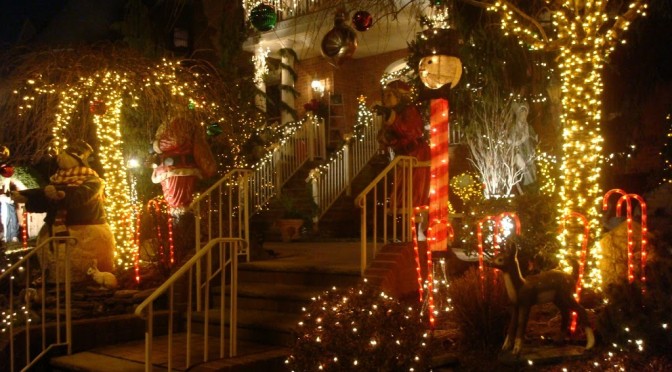
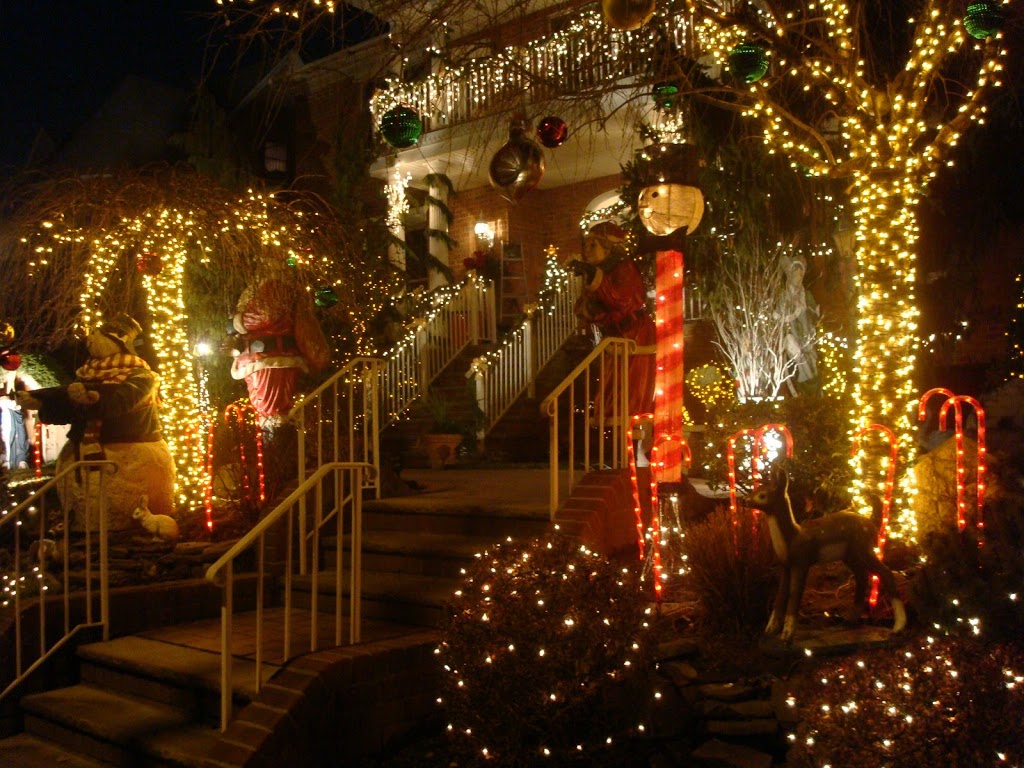
Below is a history of the  Dyker Heights neighborhood, interspersed with pictures I took of this year’s Christmas lights celebration:

Dyker Heights is named for an uninteruppted, sloping meadow which rolled down to the waters edge (today interuppted by the rushing traffic of Shore Parkway). Nobody’s certain where Dyker Meadow got its name, only that it originated from the days of Dutch occupation, either from a Van Dyke family which settled here, or, more generally, from actual dykes the family built to drain the meadow.

Tumuluous history springs up on either side of Dyker meadow and its small forests, as the British who land at nearby Denyce Wharf begin their invasion of Brooklyn in 1776, taking up battle with the Continental Army to the north and east. As part of the township of New Utrecht, the meadow was unsuitable for farming, but its forests were plenty suitable for firewood and materials for building homes.

For awhile, there was only a single dwelling here, atop a hill known as the Lookout, built by civil engineer René Edward De Russy.

Below: Not the home of René Edward De Russy

Development finally came to the area shortly before Brooklyn consolidated with New York. During the 1890s, the nearby area of Bath Beach was quickly becoming a resort getaway similar to Coney Island. Called Bensonhurst-by-the-Sea, the resort adhered to strict moral entertainments (i.e. no booze) and thus was destined to fail.

Luckily, by then, an elevated West End train line (the Brooklyn, Bath and Coney Island line) was attracting speculators eager to draw New Yorkers with residences built on old farmlands. By the late 19th century, the New York Times excitedly noted the saavy practices of land developers in this region of South Brooklyn.

The father of Dyker Heights is developer Walter L. Johnson, who in the 1890s scooped up the land, brought roads and utilities to this fairly remote part of Brooklyn, and quickly created a small community. He even named the area, the ‘Heights’ assumably tacked on to embue it was a cache similar to Brooklyn Heights. Johnson’s gamble paid off; in 1899, the Wall Street Journal proclaimed, “nowhere else in the consolidated city is there anything to compare it with. From here can be seen a marine panorama hard to beat.”


From the beginning, Dyker Heights was designed for home ownership — no tenements and few apartment complexes — and it’s a tradition which mostly lives on today. From an 1899 article: “Dyker Heights is carefully restricted, the restrictions running till 1915 and no building can be erected here on a plot of less than 60 by 100. Each building must cost at least $4.000 and stand well back from the street line.”

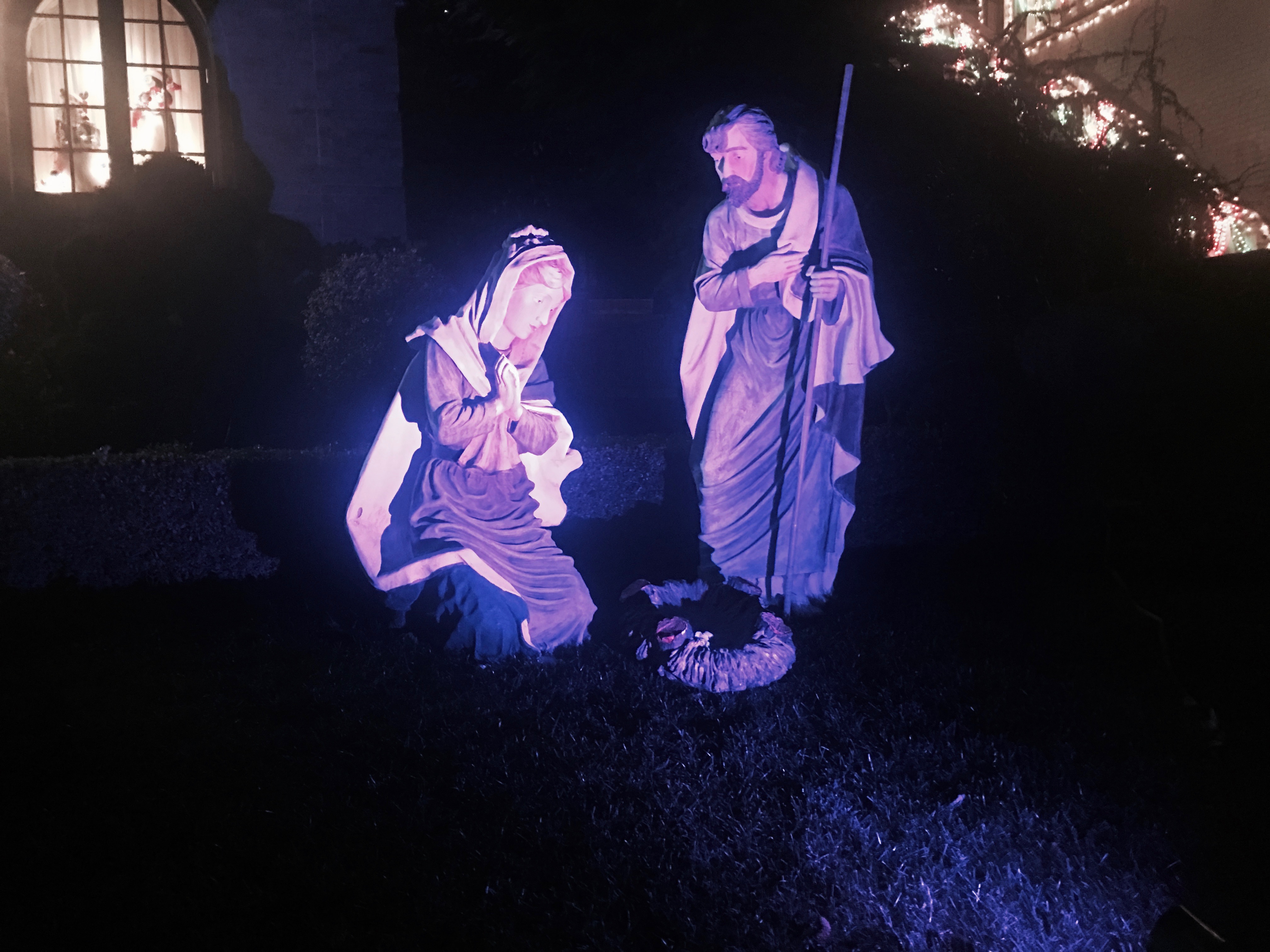
Below: A sampling of the dozens of electric manger scenes awaiting you in Dyker Heights.


Today Dyker Heights is a predominantly middle- to upper-middle class Italian neighborhood, anchored by the Dyker Heights golf course and sandwiched between Bay Ridge and Bensonhurst, with old Fort Hamilton to the southwest and what remains of the old Bath Beach resort area just southeast of here.

What Mr. Johnson could not have predicted — heck, what Thomas Edison, inventor of electric light bulb, could not have foreseen — is the annual holiday expression that occurs on the lawns of many Dyker Heights residences through December.

The neighborhood is already known for its unique, ornamented homes, front lawns festooned with fountains, animal statuary, ornate shrubbery, perfectly manicured grass and home waterfalls.

For the holidays, the busy lawns are then burdened with an abundance of lighted sculptures, animatronic dioramas, and every manner of festive lawn display imaginable. Dozens of trees of all varieties — from willows to even palm trees — are garbed in multi-colored lights.

Befitting an organic neighborhood celebration, the origins of this annual tradition are a bit hazy. Families began hosting displays as far back as the post-war years of the 1940s. An article from the New York Times  suggests that the neighborhood’s Italian leanings may have something to do with it.

The show is concentrated between 81st and 84th Street and between 10th and 13th Avenues, but in recent years, it easily spills over to other blocks and even into the borders of adjoining neighborhoods.

This is a curious tradition, as the best way to enjoy the show — on foot — is obviously the most uncomfortable, especially on brisk December evenings.  There are fine tour companies which present bus tours of the Christmas light show, and if you’re averse to chilly temperatures, they’re the best way to go. (Free Tours By Foot and A Slice of Brooklyn are two reliable tour operators which offer holiday bus tours well into the new year.)

But I prefer seeing the electric light madness on foot, soaking in the Christmas music that seems to emanate from every home. Just grab a giant coffee or cocoa and go! Most of the homes will be festively lit until at least New Year’s Eve.

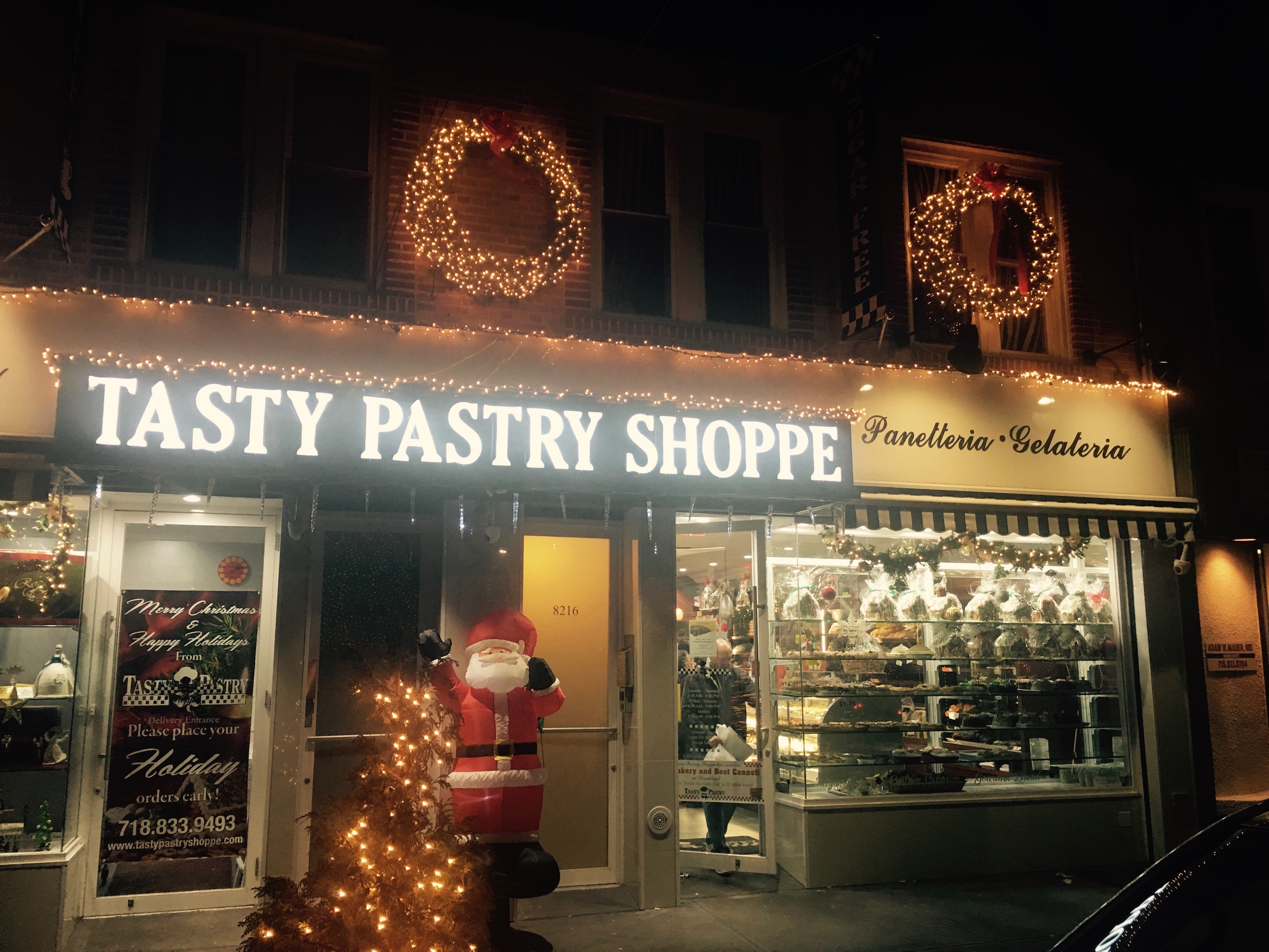
Better yet, before or after your stroll, head up to this amazing place on 13th Avenue and 83rd Street and fill your pockets with cannoli.


By the way, much of the history of Dyker Heights was unearthed several years ago in a thesis paper by then student Christian Zaino.

A model example of a budding New York historian, his research was so exhaustive that one of Dyker Heights’ more glamorous homes — the Saitta House — entered the National Register of Historic Places on the strength of his research. In fact, this is probably one of the few instances that you can use Wikipedia for a resource, as Zaino wrote the page. (In 2014, he also made an hour long documentary film about the history of Dyker Heights. You can watch it here.)


Portions of this article were taken from another Bowery Boys article Blinded By The Lights of Dyker Heights.


Blinded by the lights of Dyker Heights

Holiday traditions in Manhattan are of course known the world over, from the lights of Park Avenue to the Rockefeller Center Christmas tree. But they lack that human touch, spun from wealthy corporations and honored tradition. Which is what makes Dyker Height’s annual lighting spectacular (festival? competition? freakshow?) so fascinating. It’s Brooklyn’s biggest holiday event, run entirely by the community.

The extravaganza has energized a neighborhood few in New York know much about. For most of its history, Dyker Heights was virtually uninhabited, either by humans or two-story illuminated snowmen.

Dyker Heights is named for an uninteruppted, sloping meadow which rolled down to the waters edge (today interuppted by the rushing traffic of Shore Parkway). Nobody’s certain where Dyker Meadow got its name, only that it originated from the days of Dutch occupation, either from a Van Dyke family which settled here, or, more generally, from actual dykes the family built to drain the meadow.

Tumuluous history springs up on either side of Dyker meadow and its small forests, as the British who land at nearby Denyce Wharf begin their invasion of Brooklyn in 1776, taking up battle with the Continental Army to the north and east. As part of the township of New Utrecht, the meadow was unsuitable for farming, but its forests were plenty suitable for firewood and materials for building homes.

Development finally came to the area shortly before Brooklyn consolidated with New York. During the 1890s, the nearby area of Bath Beach was quickly becoming a resort getaway similar to Coney Island. Called Bensonhurst-by-the-Sea, the resort adhered to strict moral entertainments (i.e. no booze) and thus was destined to fail. Luckily, by then, an elevated West End train line (the Brooklyn, Bath and Coney Island line, back in the day) was attracting speculators eager to draw New Yorkers with residences built on old farmlands. By 1911, the New York Times excitedly noted the saavy practices of land developers in this region of South Brooklyn.

The father of Dyker Heights is developer Walter L. Johnson, who in the 1890s scooped up the land, brought roads and utilities to this fairly remote part of Brooklyn, and quickly created a small community. He even named the area, the ‘Heights’ assumably tacked on to embue it was a cache similar to Brooklyn Heights. Johnson’s gamble paid off; in 1899, the Wall Street Journal proclaimed, “nowhere else in the consolidated city is there anything to compare it with. From here can be seen a marine panorama hard to beat.”

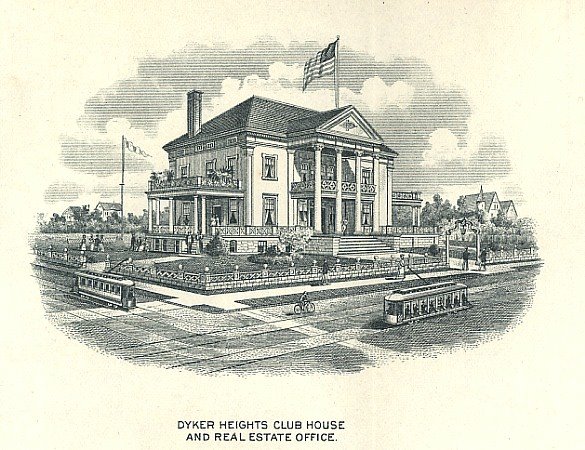
Below: the Dyker Heights Club House, built in 1898

Today Dyker Heights is a predominantly middle- to upper-middle class Italian neighborhood, anchored by the Dyker Heights golf course and sandwiched between Bay Ridge and Bensonhurst, with old Fort Hamilton to the southwest and what remains of the old Bath Beach resort area just southeast of here.

What Johnson could not have predicted — heck, what Thomas Edison, inventor of electric light bulb, could not have foreseen — is the annual holiday expression that occurs on the lawns of many Dyker Heights residences through December.

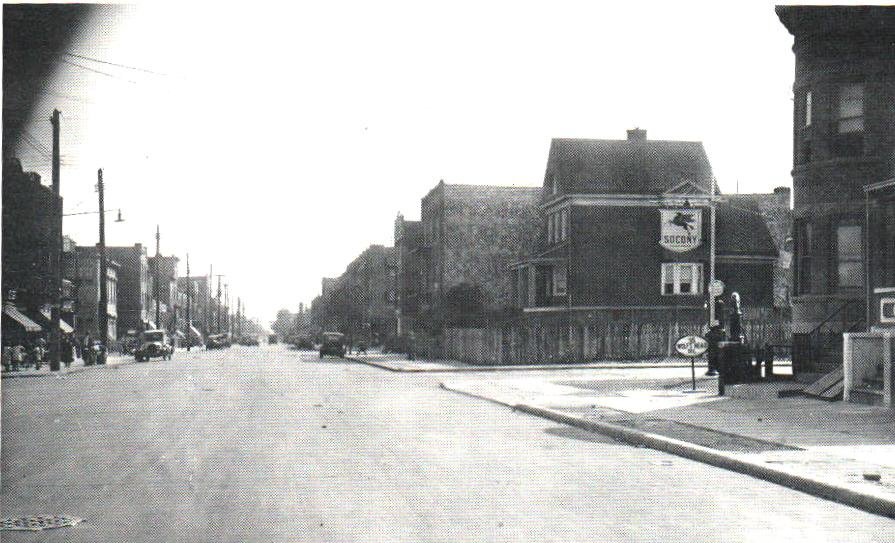
Below: 13th Avenue in Dyker Heights, 1934 (Pic courtesy Dyker Heights community website)

The neighborhood is already known for its unique, ornamented homes, front lawns festooned with fountains, animal statuary, ornate shrubbery, perfectly manicured grass and home waterfalls. For the holidays, the busy lawns are then burdened with an abundance of lighted sculptures, animatronic dioramas, illuminated trees, and every manner of festive lawn display imaginable. (You’re more likely to see a holiday-themed Mickey Mouse than a Santa Claus.) Imagine an eight-year-old child given a million dollars and a mandate for holiday landscaping.

Befitting an organic neighborhood celebration, the origins of this annual tradition are a bit hazy. Families began hosting displays as far back as the post-war years of the 1940s. An article from the New York Times last year suggests that the neighborhood’s Italian leanings may have something to do with it.

The show is concentrated on 84th Street between 10th and 13th Avenues but it easily spills over to other blocks and even into the borders of adjoining neighborhoods. I used to prefer seeing it from the luxury of an automobile, given the cold, but this year I went a bit early (some displays go on as soon as the sun sets) and hoofed it. It’s only a few blocks from a subway, and you get to interact with the various Santas and Elmos. With a good stroll, you can also soak in the Christmas music that seems to emanate from every home.

By the way, much of the history of Dyker Heights was unearthed a few years ago in a thesis paper by then student Christian Zaino. A model example of a budding New York historian, his research was so exhaustive that one of Dyker Heights’ more glamorous homes — the Saitta House — entered the National Register of Historic Places on the strength of his research. In fact, this is probably one of the few instances that you can use Wikipedia for a resource, as Zaino wrote the page.