Women received the right to vote 100 years ago today with the ratification of the Nineteenth Amendment to the U.S. Constitution.
Tens of thousands of women from all walks of life spent hard-fought decades working for this moment. Many of the most prominent suffragettes were wealthy white women of the Fifth Avenue set.
It was their influential voices — added to those of long-time activists, women and girls from the labor movement and women of color from all backgrounds — that convinced the nation that its institutionally ingrained discrimination should end.
Even circus women got into the act.
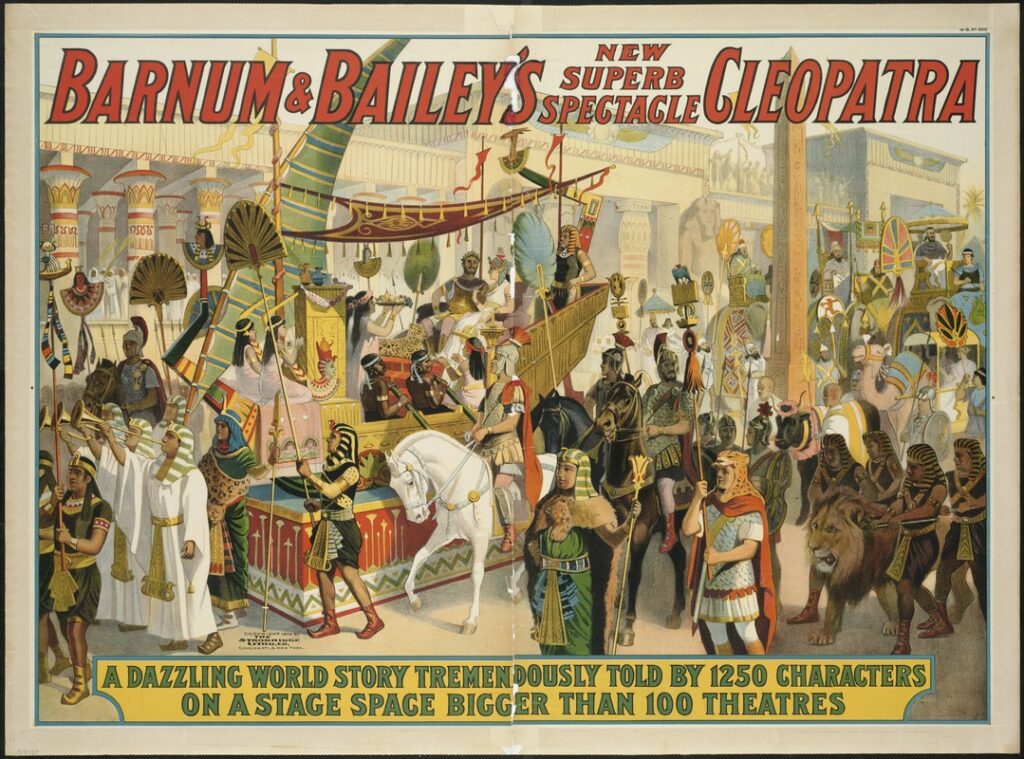
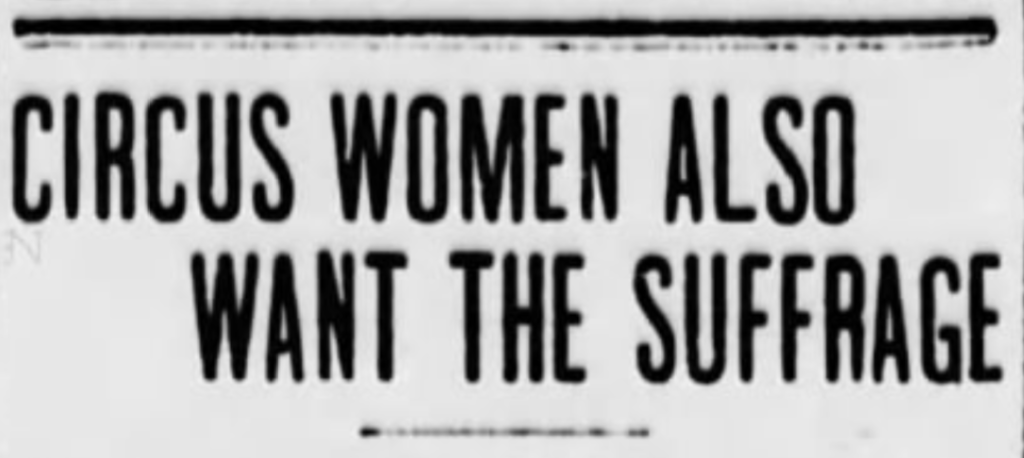
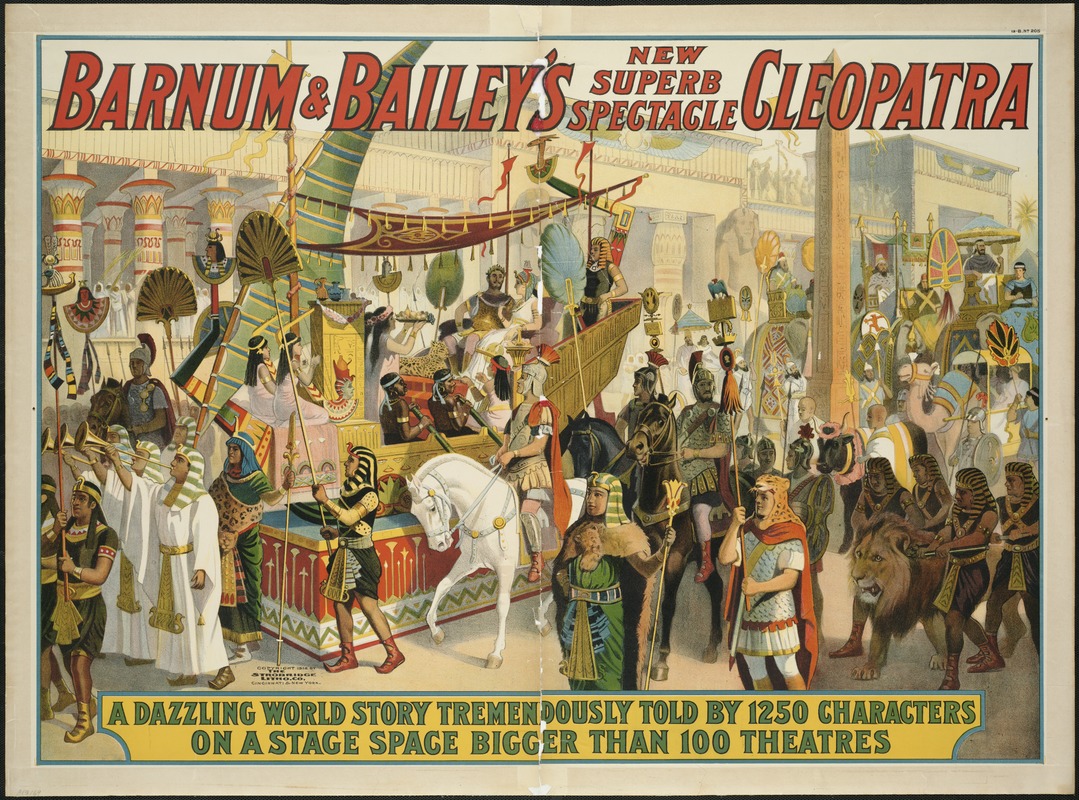
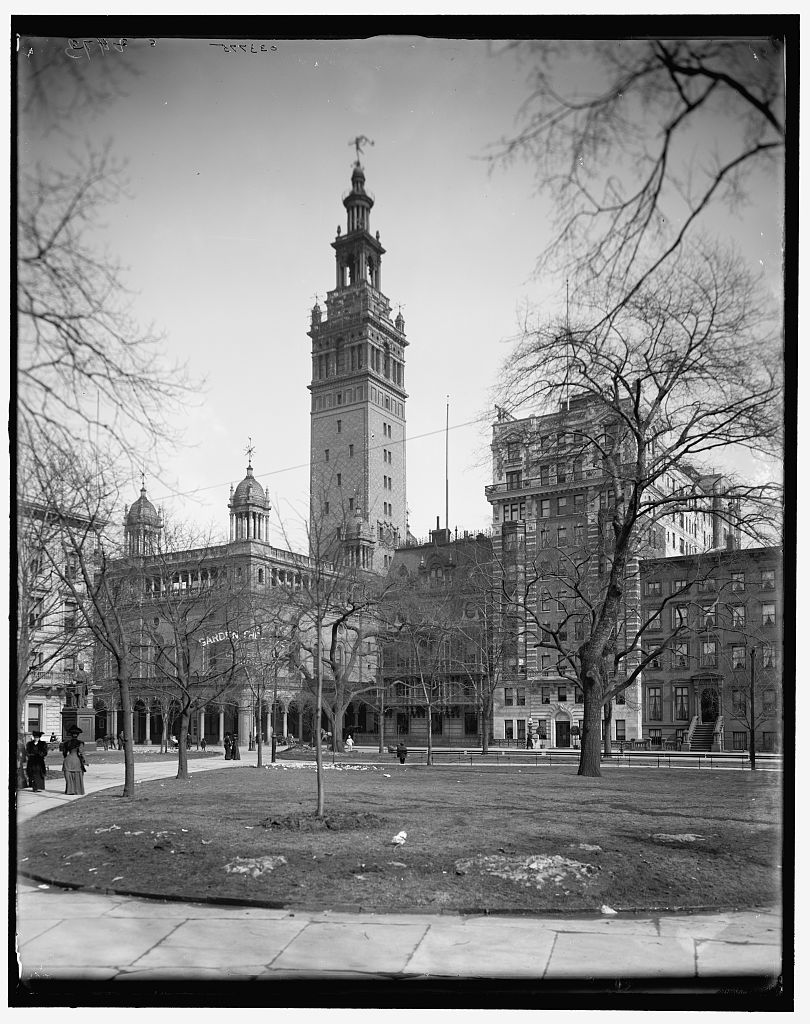
On March 31, 1912, members of the Barnum & Bailey circus troupe, in town to perform at Madison Square Garden (back in its Madison Square location), decided to put on a very different show.
The female stars of Barnum’s traveling show decided to throw their support behind the suffragist cause. Unfortunately they were not greeted with the praise they deserved — by either the newspapers or the other suffragists.
Modern women activists of the day were happy to see any headlines relating their cause, as long as the environment was a respectable one. The circus was not one of those environs.
Then consider that most newspapers were operated by men and read by men. While some progressive sheets supported suffrage, several chose to cast the cause in a satirical light where possible. The ladies of Barnum & Bailey gave reporters a particularly ripe opportunity for a little spoofing.
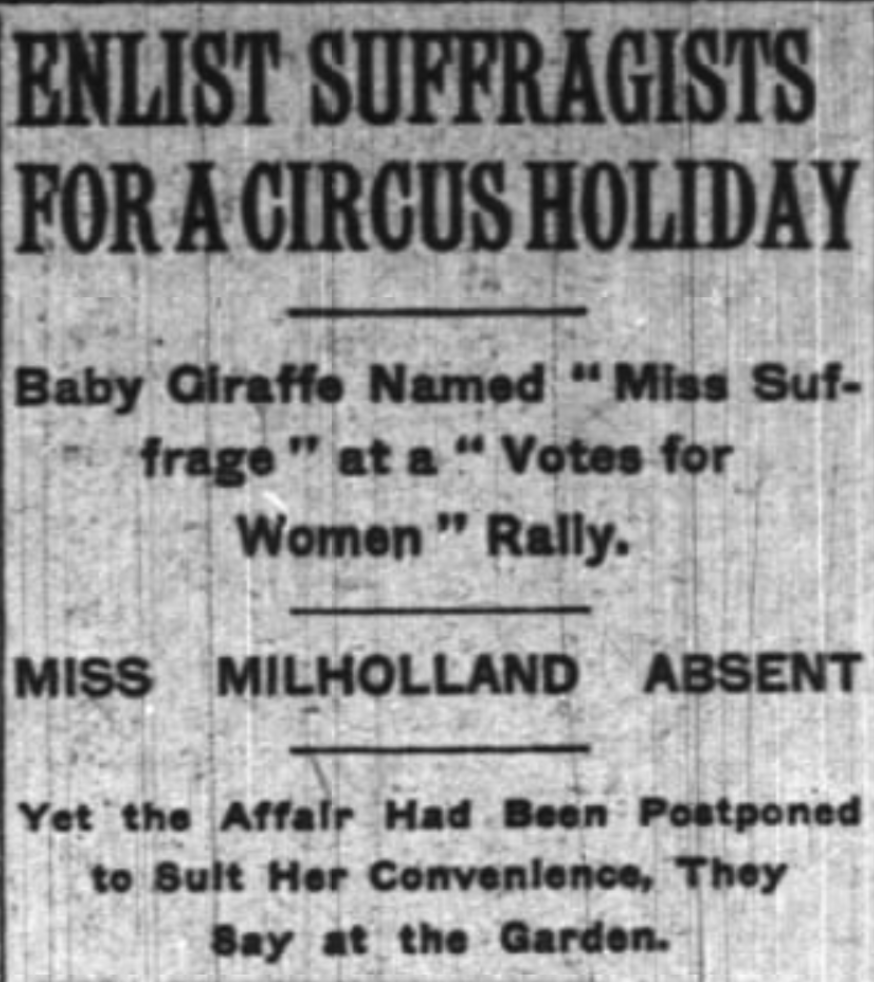
On March 31, seventy-five women employed by America’s most famous circus organized an afternoon suffrage rally and invited the press to the world’s first ‘circus suffrage society‘.
How indeed could reporters resist a group of daredevil acrobats and horse wranglers, presenting their cause on the site of caged animals?
It was meant as a solemn pronouncement; reporters mocked it. “They Organize As Man-Eating Hyena Grins, Elephants Trumpet‘, went the Tribune headline, as the circus’s publicity agent “solemnly swore last night with a hand on his heart that the meeting was a real, honest-to-goodness suffrage meeting.” [source]
This was Barnum territory, after all. Although the great showman had died many years earlier, perhaps after decades of chicanery and misdirection, nobody could take a Barnum photo opportunity with a straight face.
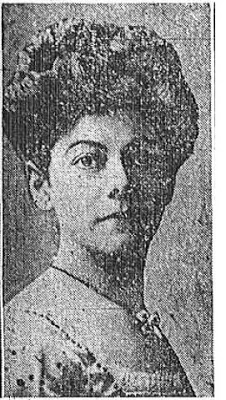
But it was a serious endeavor, led by petite circus rider Josie De Mott (pictured above) and acrobat Zella Florence.
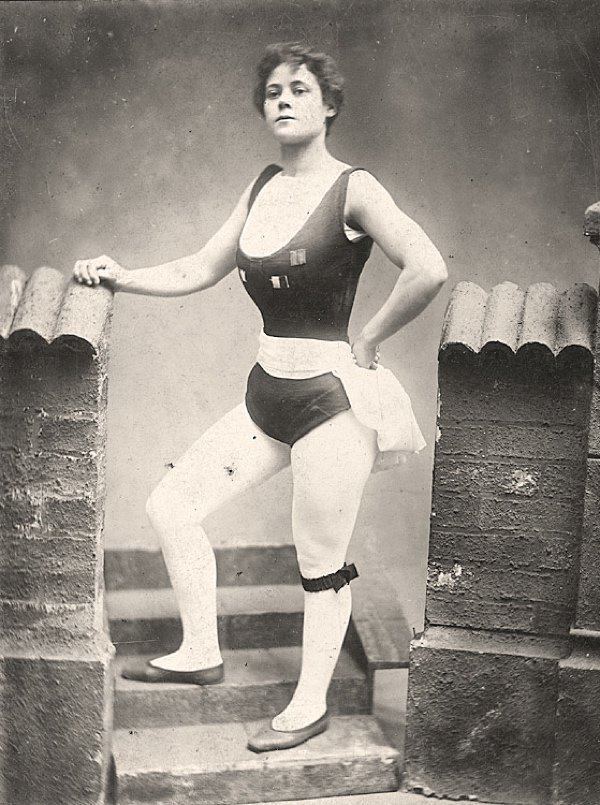
Included in the audience were animal trainers, wire walkers, ‘hand balancers’, dancers, acrobats and even a few strong ladies, including the renown Katie Sandwina, ‘the female Hercules’ (pictured below).
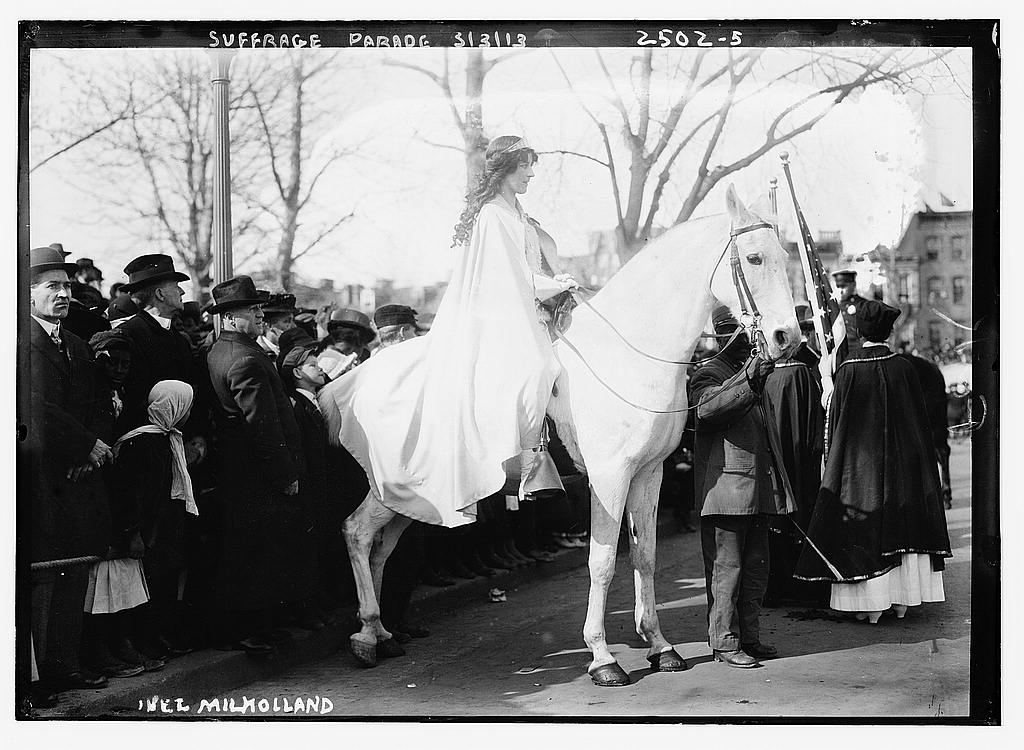
Not in attendance, however, were key members of the mainstream suffrage movement — notably Brooklyn socialite Inez Millholland and the movement’s de facto leader Harriet Stanton Blatch, the daughter of Elizabeth Cady Stanton.
Mrs. Blatch, the New York Times noted, was having tea with her fellow esteemed suffragists at their 46 East 29th Street headquarters. (It should be noted they were only a block away from Madison Square Garden!) However, perhaps recognizing the value of a traveling suffragist show, they did deign to send a representative named Beatrice Jones.
Clearly flustered by the appearance of the press — the society ladies of the suffrage movement did not consider a circus ring an appropriate political venue — Jones repeatedly asked the ladies if they were serious, then dispensed advice on how to conduct themselves as standard-bearers of the roving suffragist cause.
At one point, the male half of Barnum’s husband-and-wife riding act stormed in and dragged his partner from the meeting. The crowd assailed the interloper with boos and hisses.
After the meeting, De Mott and the other circus suffragists created a dandy of a photo op, moving to a cage and presenting the name of ‘Miss Suffrage’ to a young baby giraffe. The Times coyly suggested the animal was male: “[B]y nightfall he couldn’t abide even the sight of a suffragette.”
The ‘proper’ suffragists acquiesced and eventually did meet with their more flamboyant sisters over tea the following week. The society activists marveled at the vigor of the Barnum ladies.
“It is because they have so much exercise,” one exclaimed, all the while “looking envious at the at the smooth skins and rosy cheeks,” the Times condescendingly added.
Eight years later, however, all these women would earn the right to vote.