Categories
Gilded Age New York Podcasts

Birth of the Five Boroughs: 125 Years of Greater New York

On January 1, 2023, New York City will celebrate a special moment, the 125th anniversary of the formation of Greater New York and the creation of the five boroughs — The Bronx, Brooklyn, Manhattan, Queens and Staten Island.

In honor of this special moment in New York City history, we are celebrating a bit early, reissuing our episode (originally #150) on the Consolidation and the formation of the boroughs, with a new introduction.

And stay tuned for new episodes of the Bowery Boys Podcast for the rest of the year!
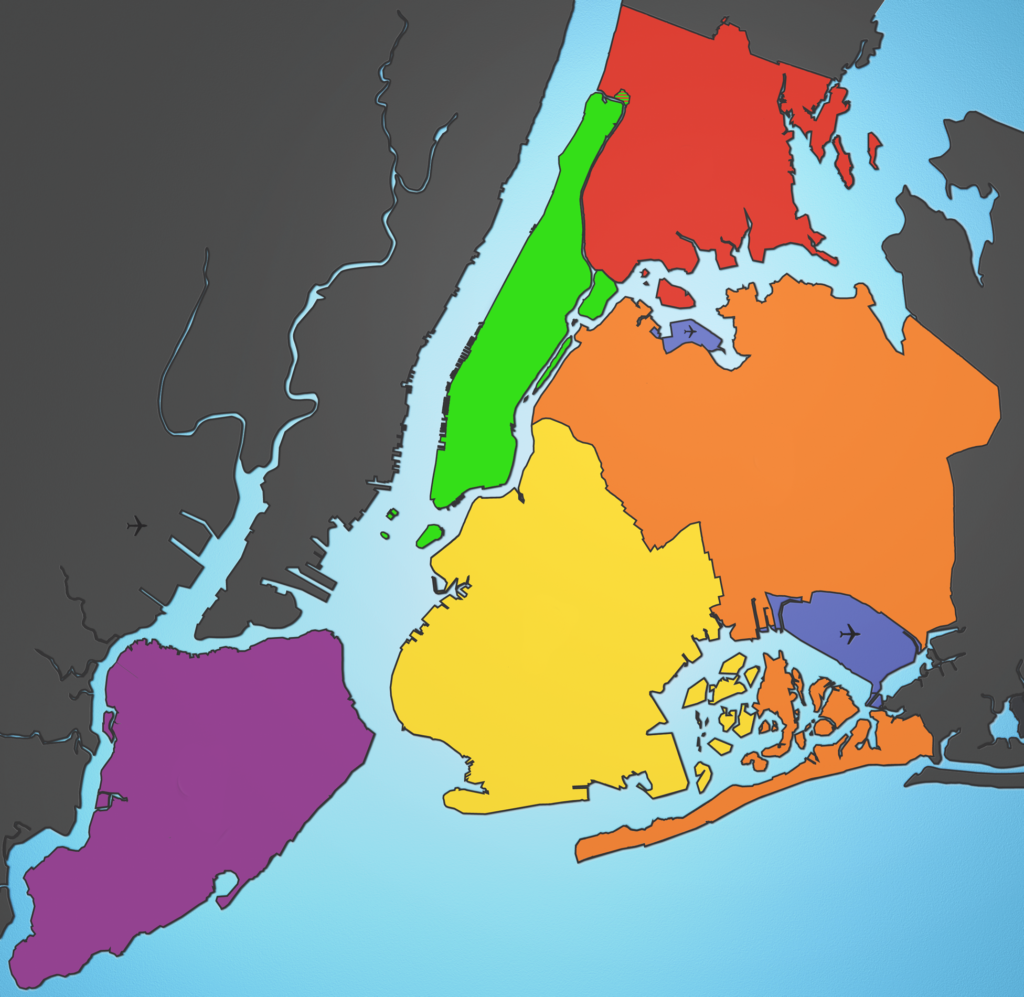

Artwork Julius Schorzman; modified by Astuishin, courtesy Wikimedia Commons

Here’s the story of how two very big cities and a whole bunch of small towns and villages — completely different in nature, from farmland to skyscraper — became the greatest city in the world.

This is the tale of Greater New York, the forming of the five boroughs into one metropolis, a consolidation of massive civic interests which became official on January 1, 1898. But this is not a story of interested parties, united in a common goal.

In fact, Manhattan (comprising, with some areas north of the Harlem River, the city of New York) was in a bit of a battle with anti-consolidation forces, mostly in Brooklyn, who saw the merging of two biggest cities in America as the end of the noble autonomy for that former Dutch city on the western shore of Long Island. You’ll be stunned to hear how easily it could have all fallen apart!

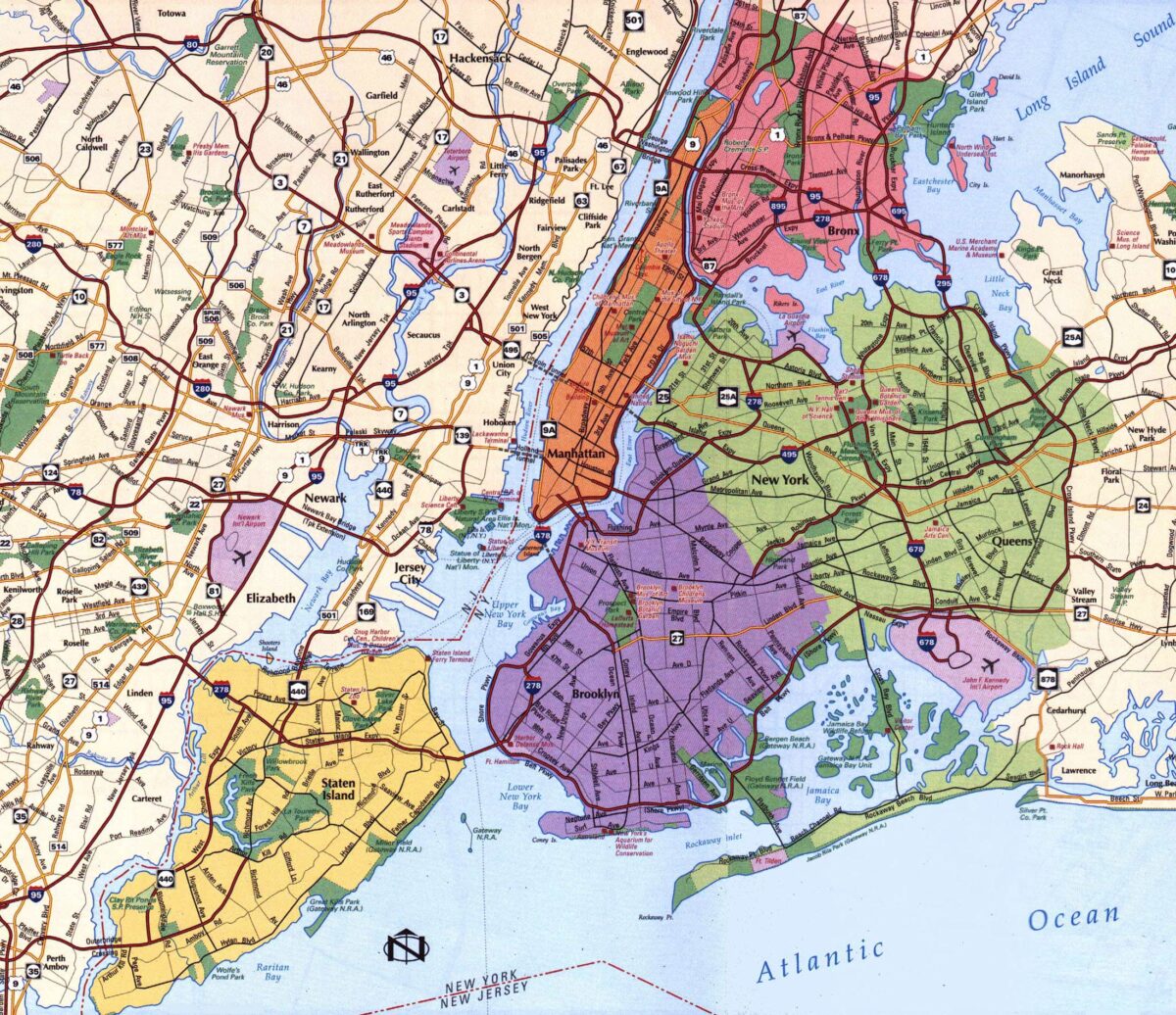
In this podcast is the story of Manhattan, Brooklyn, the Bronx, Queens and Staten Island (or Richmond, if you will) and their journey to become one. And how, rather recently in fact, one of those boroughs would grow uncomfortable with the arrangement.

LISTEN NOW: BIRTH OF THE FIVE BOROUGHS


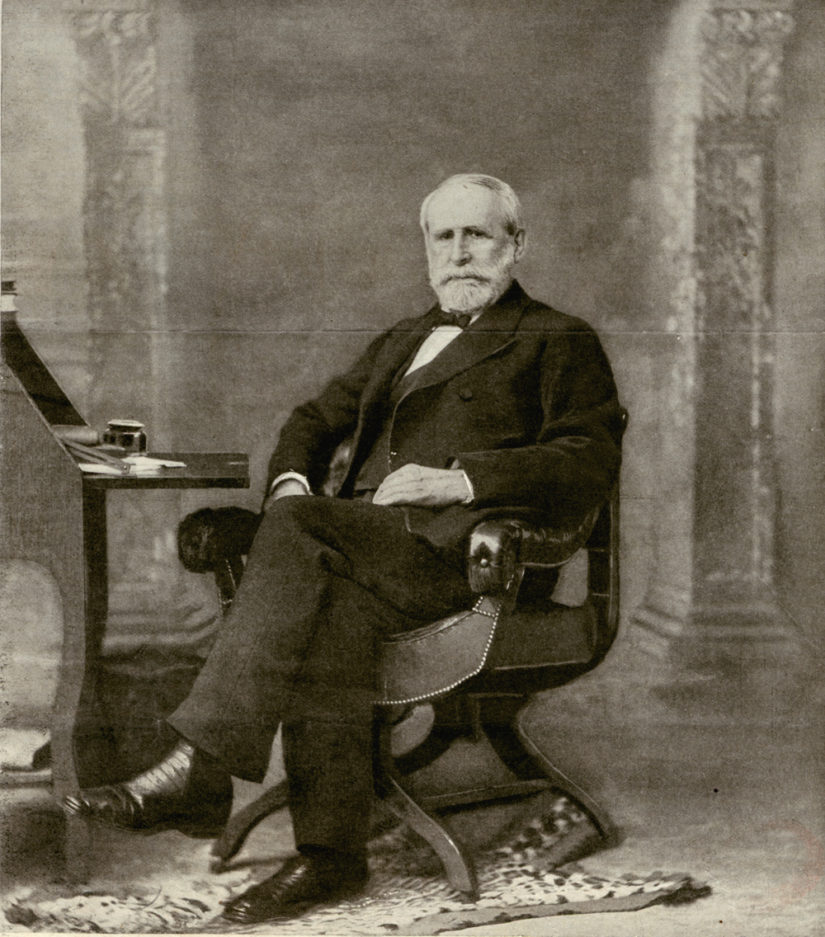
The hero of our story — Andrew Haswell Green
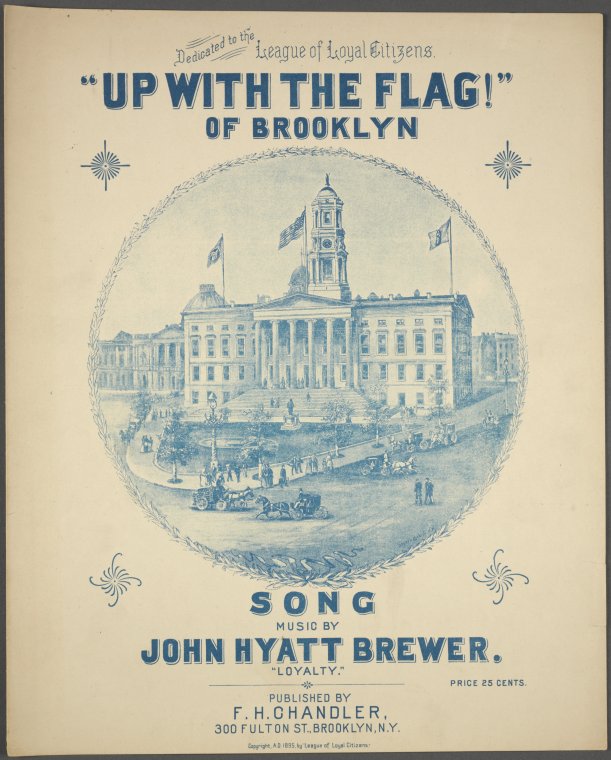
Below the prize-winning anti-Consolidation song mentioned in the podcast (courtesy NYPL):
Style: “Music_Sep4E”

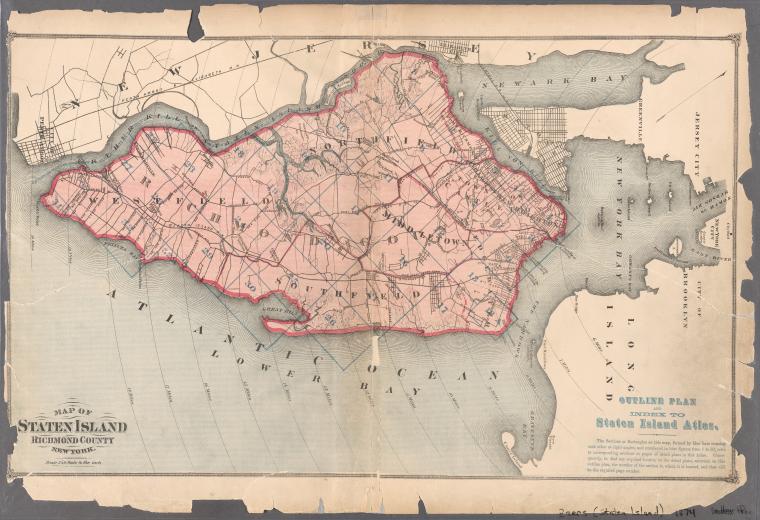
A map of Richmond from 1874


FURTHER LISTENING

This show was recorded in 2013 and since then, many aspects of this story have been turned into their own podcasts. After listening to this show, dive back into these episodes:
Categories
Mysterious Stories Newspapers and Newsies Podcasts

Strange Hoaxes of the 19th Century: Mischief from Manhattan to the Moon

PODCAST Two stories of outrageous hoaxes perpetrated upon New Yorkers in the early 19th century.

New Yorkers can be tough to crack, maneuvering through a rapidly changing, fast-paced city. But they can, at times, also be easily fooled.

In this episode, we explore two of the wackiest stories in early New York City history, two instances of tall tales that got quite out of hand.

While both of these stories are almost two centuries old, they both have certain parallels to modern-day hucksterism.


In the 1820s, the Erie Canal would completely change the fortunes of the young United States, turning the port city of New York into one of the most important in the world.

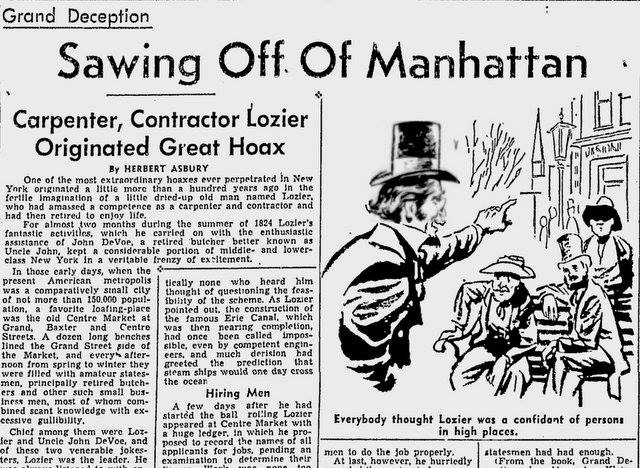
But an even greater engineering challenge was necessary to prevent the entire southern part of Manhattan from sinking into the harbor! That is, if you believed a certain charlatan hanging out at the market…..

One decade later, the burgeoning penny press would give birth to another tremendous fabrication and kick off an uneasy association between the media and the truth.

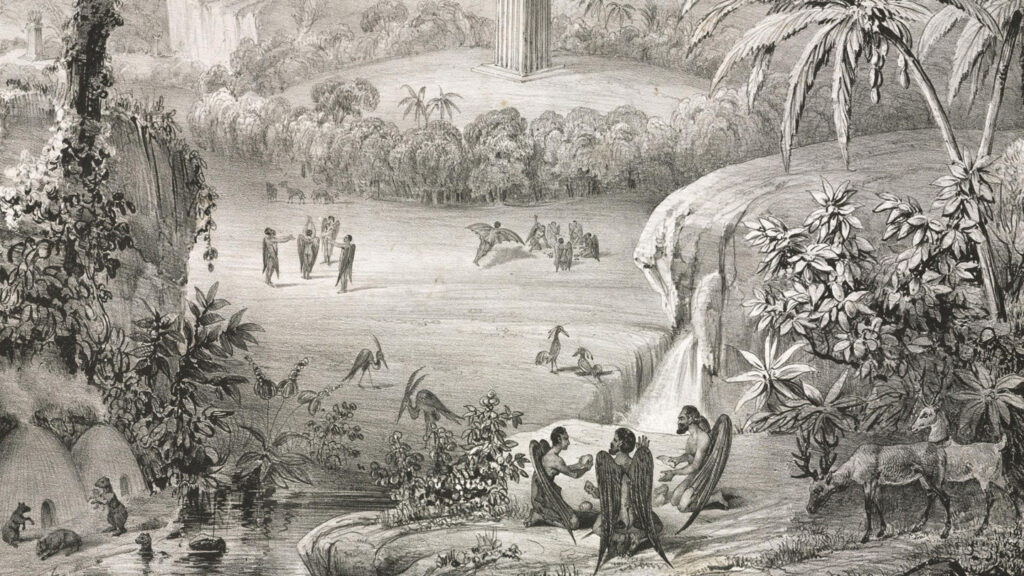
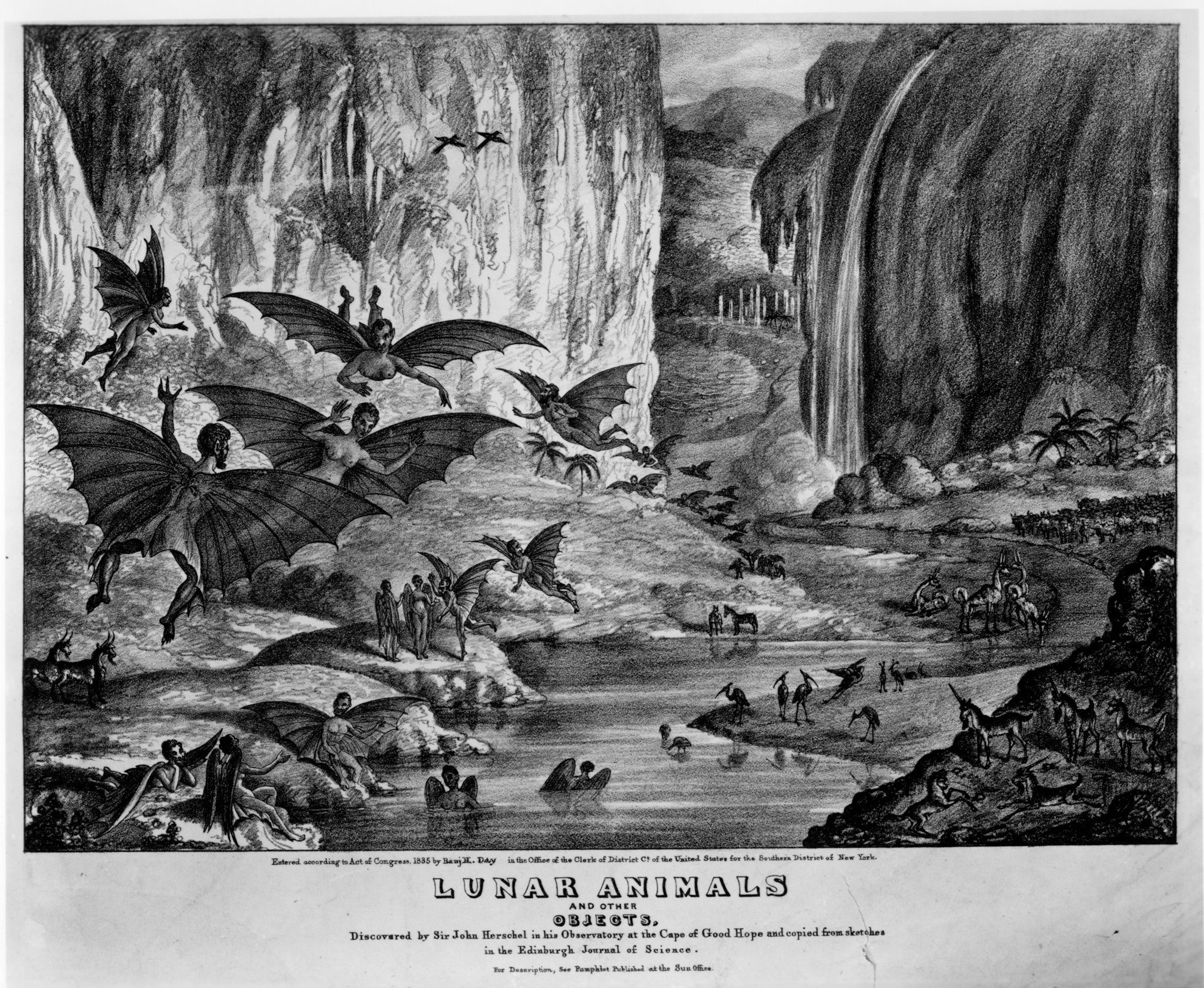
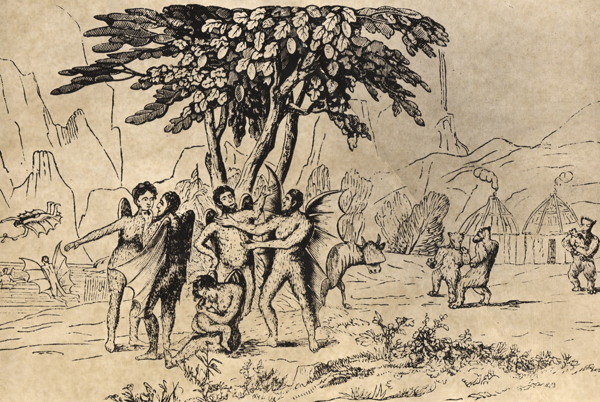
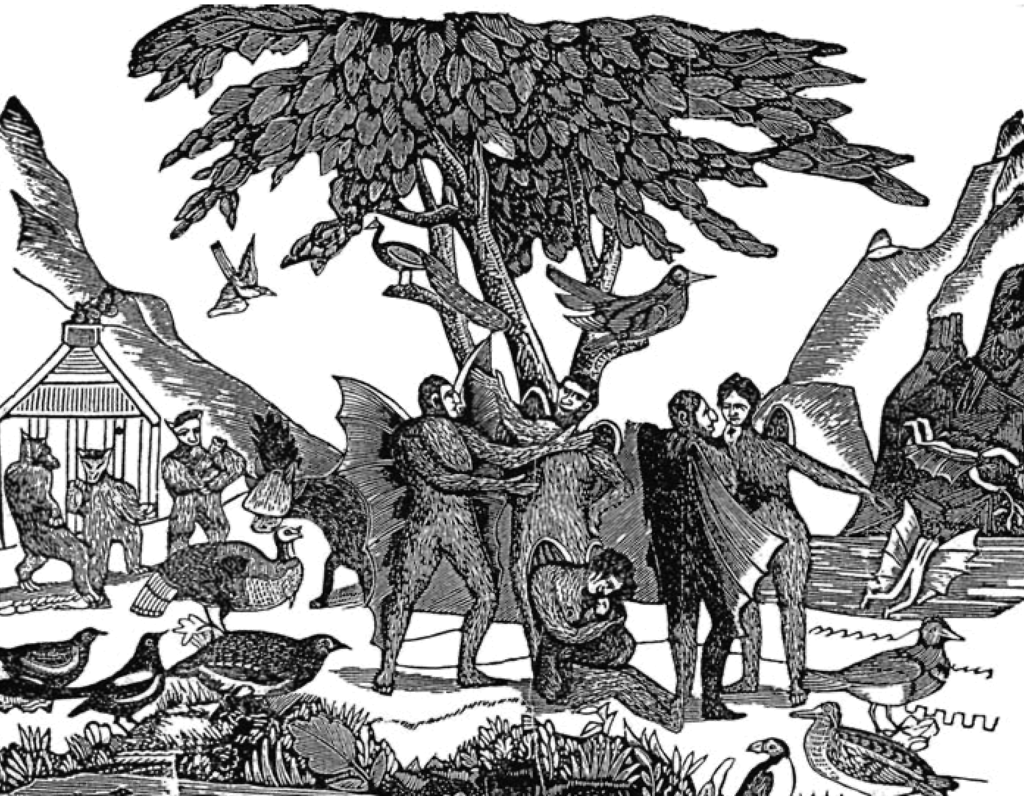
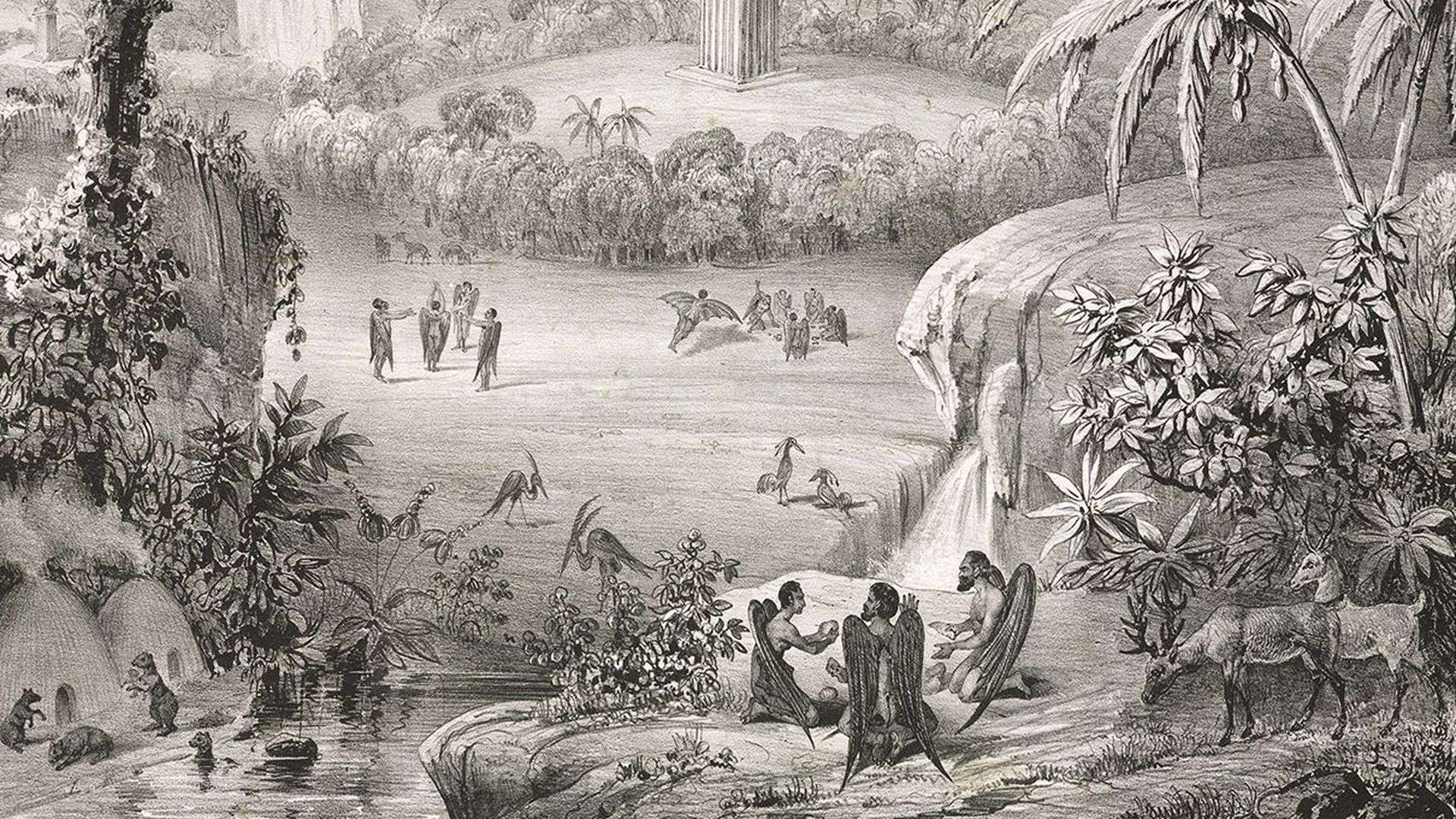
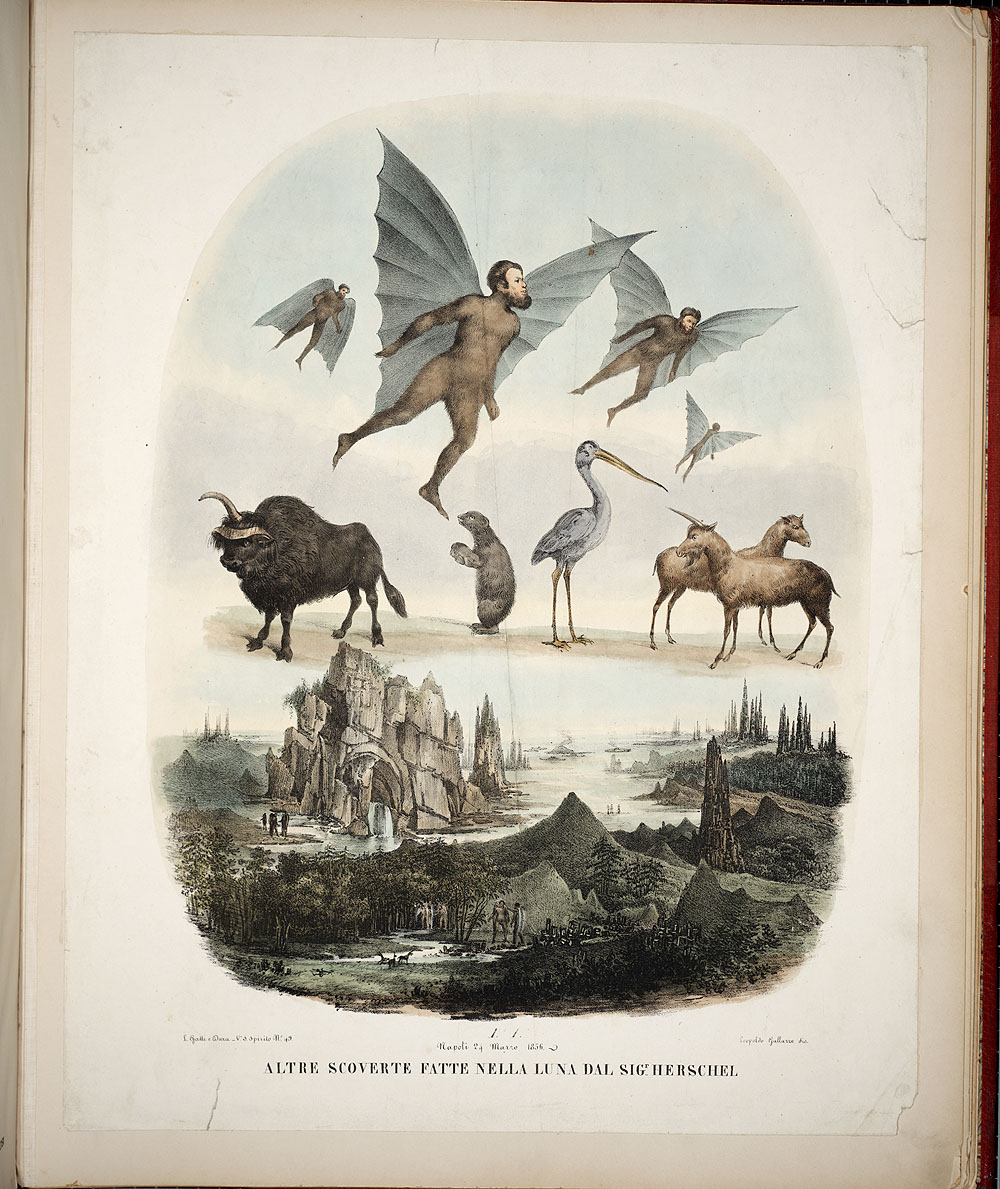
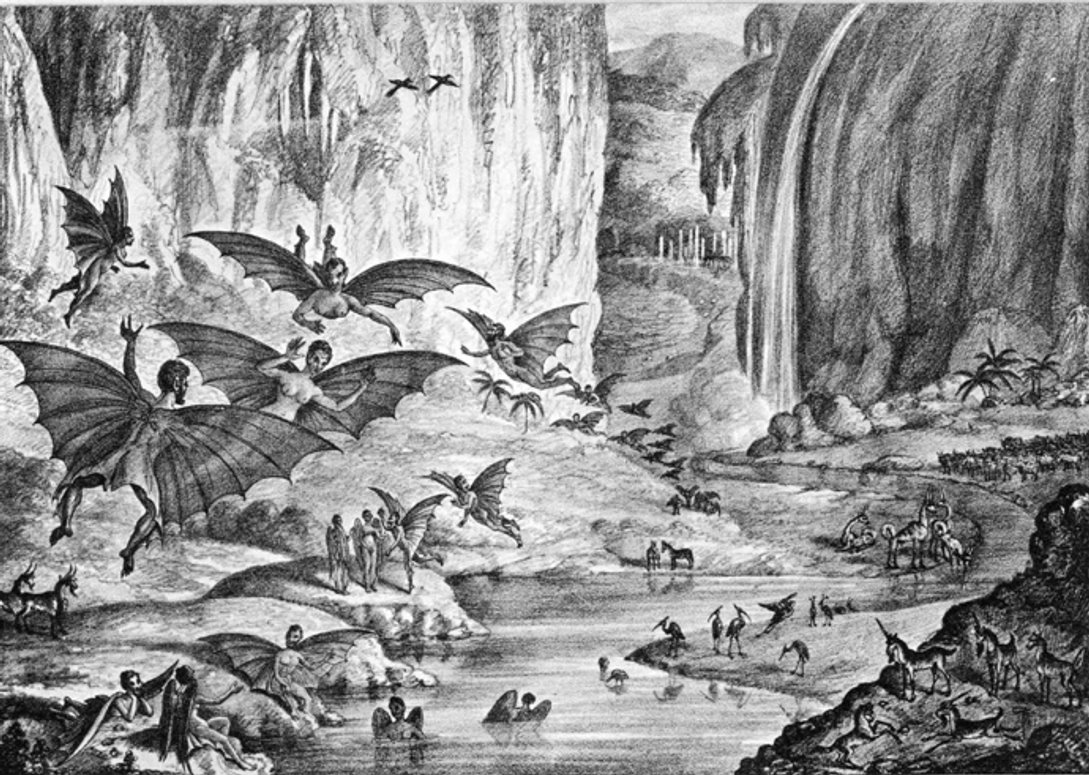
In the summer of 1835 the New York Sun reported on startling discoveries from one of the world’s most famous astronomers. Life on the moon! Indeed, vivid moon forests populated with a menagerie of bizarre creatures and winged men with behaviors similar those of men on Earth.

Listen here or stream/download the episode from your favorite podcast player:

The Bowery Boys: New York City History podcast is brought to you …. by you!

We are now producing a new Bowery Boys podcast every other week. We’re also looking to improve and expand the show in other ways — publishing, social media, live events and other forms of media. But we can only do this with your help!

We are now a creator on Patreon, a patronage platform where you can support your favorite content creators.

Please visit our page on Patreon and watch a short video of us recording the show and talking about our expansion plans. If you’d like to help out, there are six different pledge levels. Check them out and consider being a sponsor.

We greatly appreciate our listeners and readers and thank you for joining us on this journey so far.


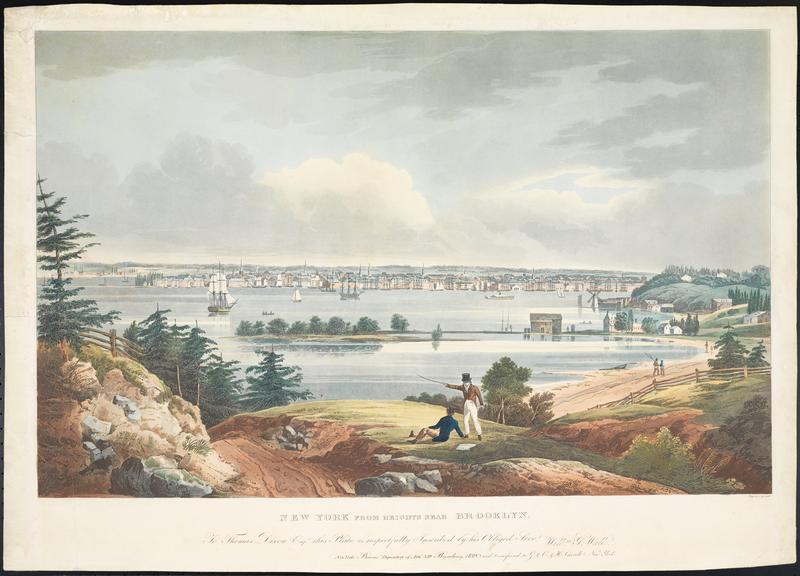
New York in 1823, as seen from Brooklyn. Does it look a little, uh, heavy to you, like it might be sagging into the harbor?

MNY7965

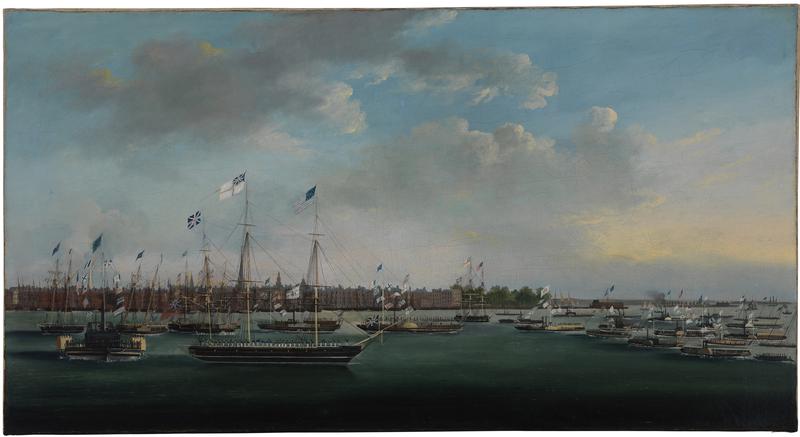
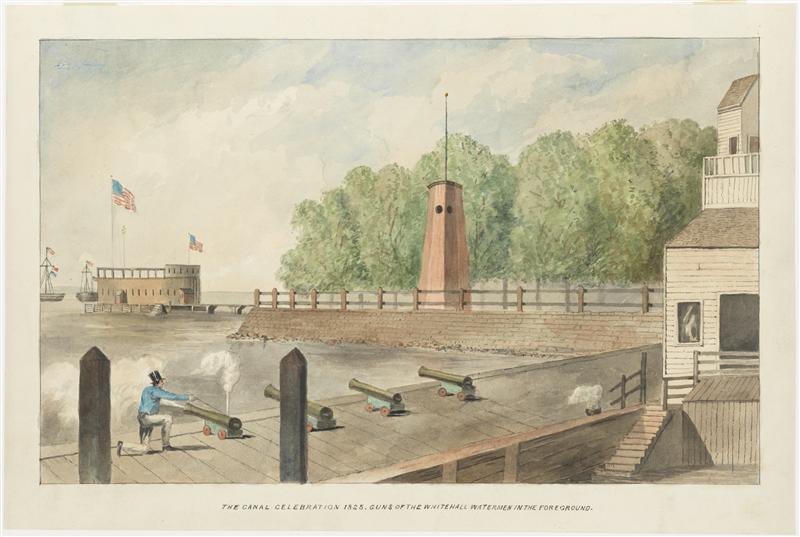
The harbor in 1825, at the opening of the Erie Canal, which changed the financial fortunes of New York and America in general. If man could carve a canal into the continent, couldn’t they also just move a little part of a island and move it around?

Courtesy Museum of the City of New York

A view of Castle Clinton and the Battery in 1825. Had the island been severed and moved around, what would have become of Manhattan’s most famous fort?

Courtesy Museum of City of New York

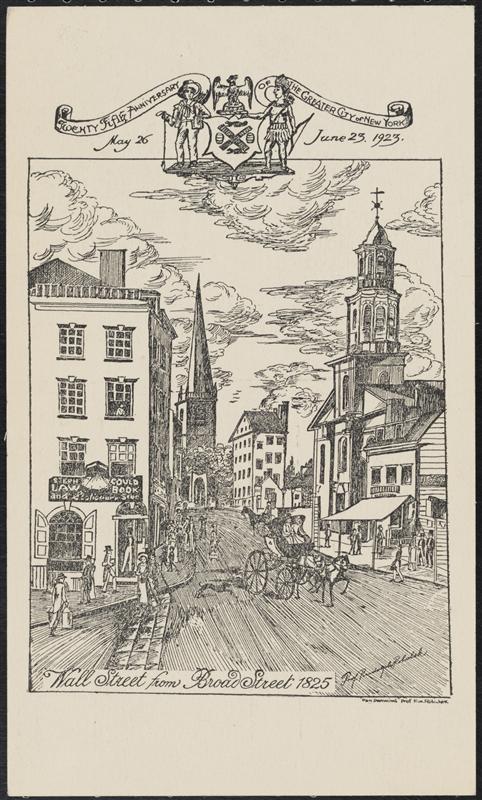
And here’s an illustration of Wall Street as it may have looked in 1825.

Courtesy Museum of the City of New York

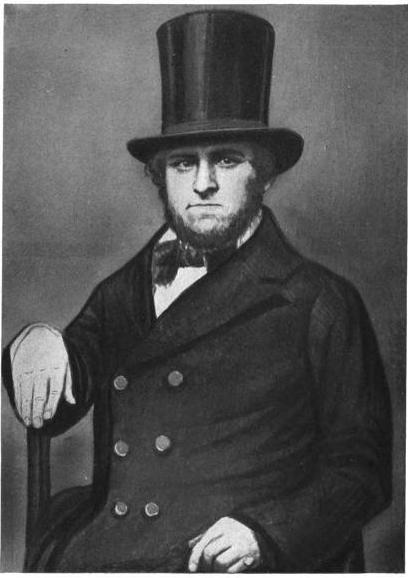
Benjamin Day, the publisher of the New York Sun, who literally opened up the pages of his newspaper to the heavens.

Benjamin_H_Day

The Moon Hoax articles of 1835 were reprinted in several papers, and the New York Sun even sold lithographs. Here are some images from those publications:

Animales-lunares
1835_sun_beavers
The_Inhabitants_of_the_Moon,_1836,_Welsh_edition

A 1838 print by the Thierry Brothers

2i0AS4wD-Moonhoaxcroppedjpg-1920-1080

An illustration featuring the moon bison!

leopoldo-galluzzo-moon-1

For more information on the Moon Hoax, visit the excellent presentation by the Museum of Hoaxes and of course Matthew Goodman’s The Sun and the Moon.

Categories
Podcasts

Brighton Beach and Manhattan Beach, at your leisure

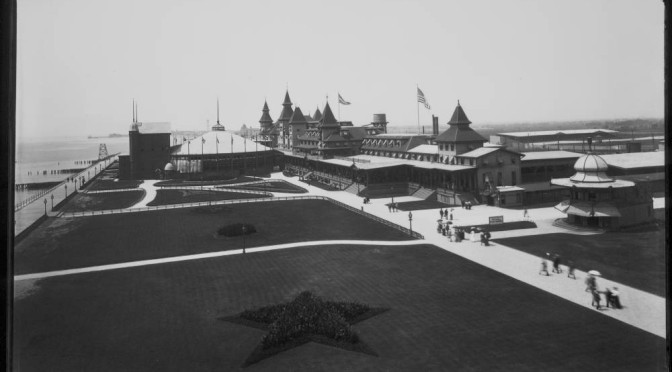
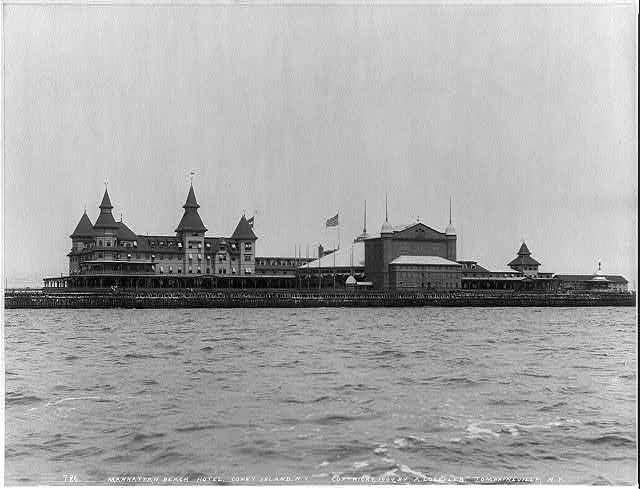
Above: Manhattan Beach Hotel

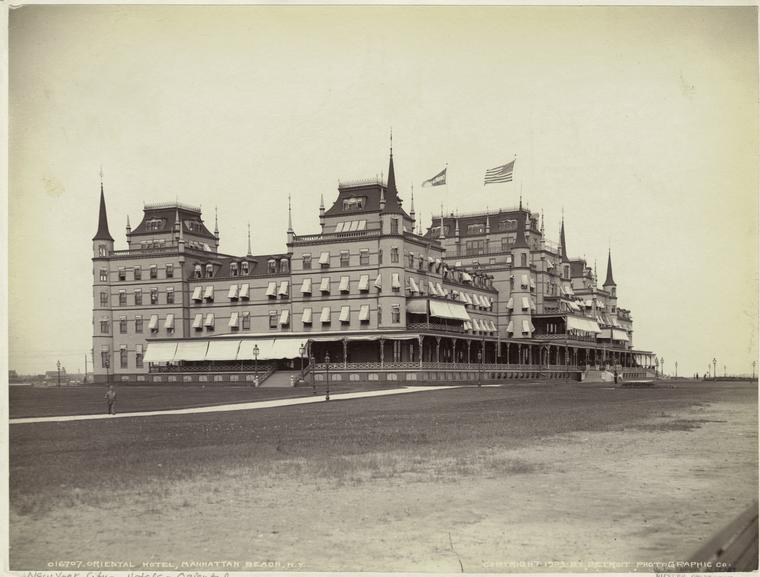
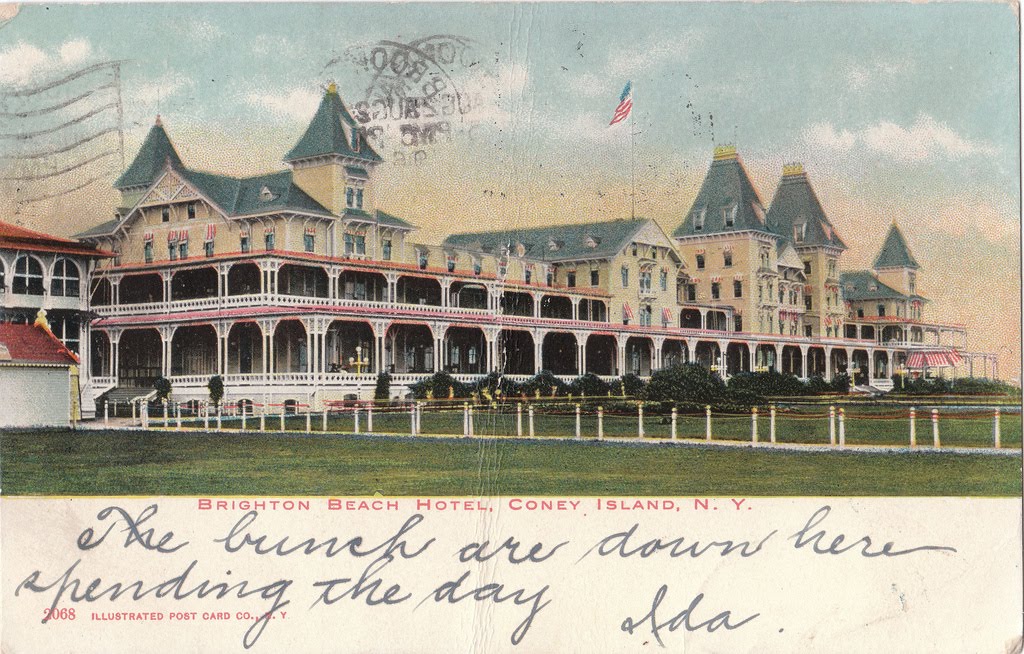
EPISODE 102 Today Brighton Beach is known for Brooklyn’s thriving Russian community, while its neighbor Manhattan Beach is calm and family oriented. But over a hundred years ago, these neighborhoods were the homes of giant, lavish hotels catering to the upper classes. While regular folk were playing at Coney Island’s Steeplechase Park, Dreamland and Luna Park, the wealthiest were enjoying ‘the tonic of sea bathing’ at three of the most toniest hotels on the East Coast — Brighton Beach Hotel, the Oriental Hotel and Manhattan Beach Hotel.

Find out the origins of these long-gone resorts and how they make their mark on the current neighborhoods of Brighton Beach and Manhattan Beach.

ALSO: Why should we care so much about one particular raging anti-Semite? And why did the Brighton Beach Hotel, several thousand tons of it, have to get dragged inland 500 feet?

Music in this episode is the “Manhattan Beach March” by John Philip Sousa!

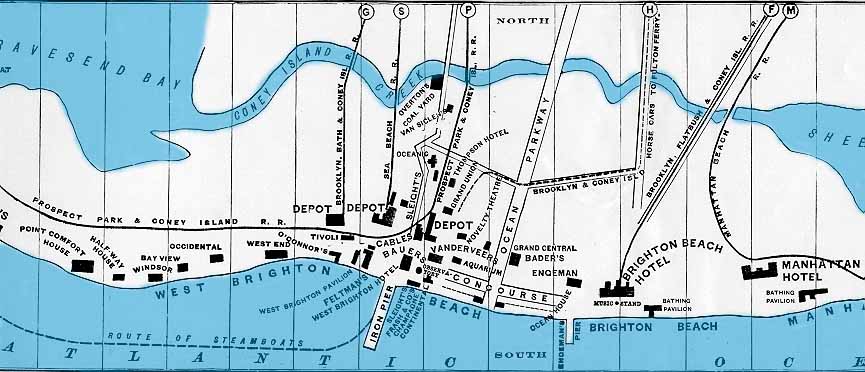
A map of Coney Island from 1879. Click into it to see the detail of the various train and horsecar lines traveling over bridges to the island. The Oriental Hotel was built in 1880 and is thus not listed. (Find the original here.)

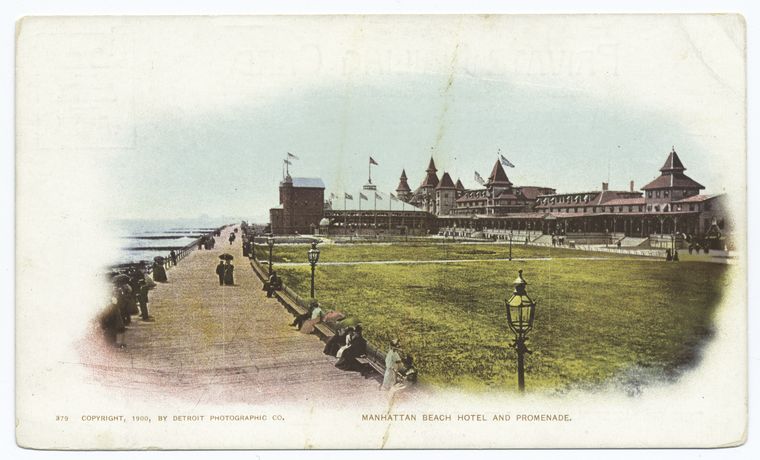
The Manhattan Beach Hotel by postcard

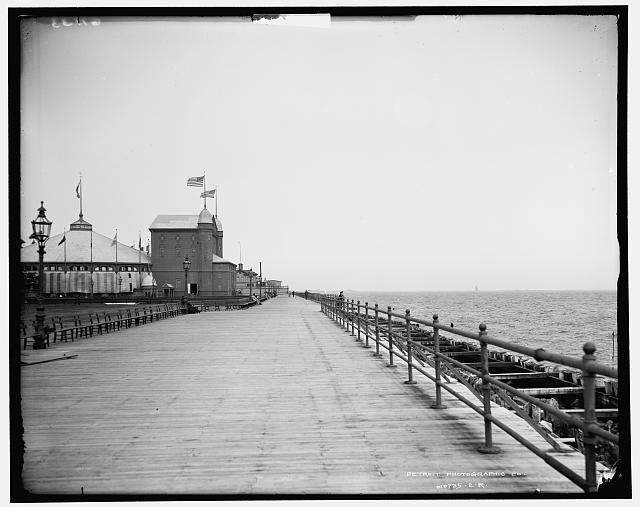
Facing the other way — the boardwalk of the Manhattan Beach hotel.

And from the water. The hotel was built in 1877 by railroad financier Austin Corbin. He would later scandalize progressive New Yorkers by prohibiting Jewish guests from staying at the resort.

The Oriental Hotel, built in 1880. Click here for another view by George Bradford Brainerd.

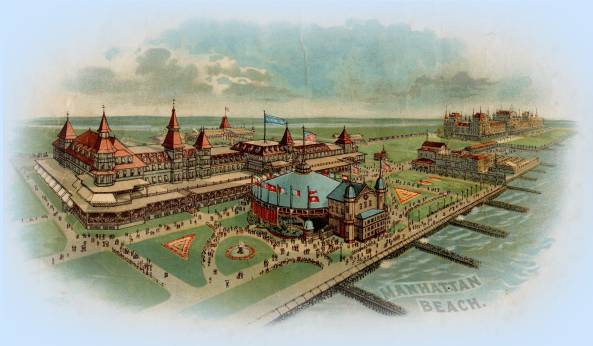
An illustration of the Manhattan Beach Hotel in the foreground, the Oriental in the distance. (Courtesy MMCSL)

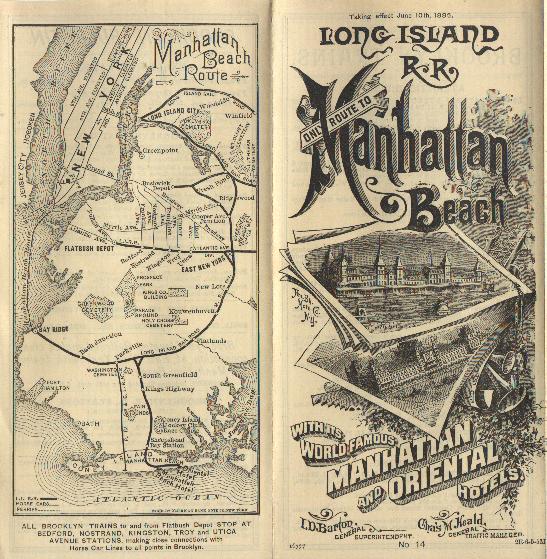
An illustrated train map for the New York and Manhattan Beach Railway, featuring the two Corbin hotels on the flap. (Courtesy LIRR history)

The Brighton Beach Hotel in 1906. Even as millions streamed into Coney Island to enjoy the frenetic rides and attractions, others could relax here, just a few hundred feet away.

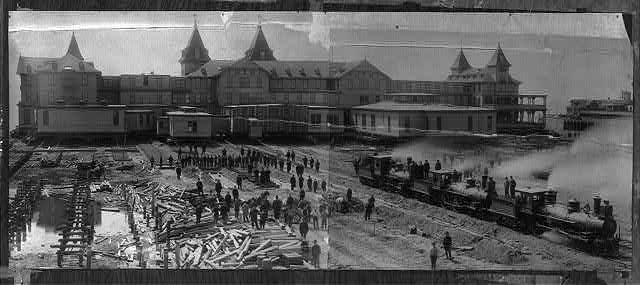
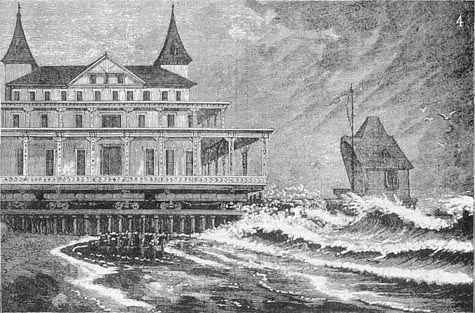
The Brighton Beach was moved — all 6,000 tons of it — in 1888 when the beach in front of it eroded. (Click into pic for better view.) Below it, an illustration of the hotel under siege by the sea. (Courtesy Weather blog)

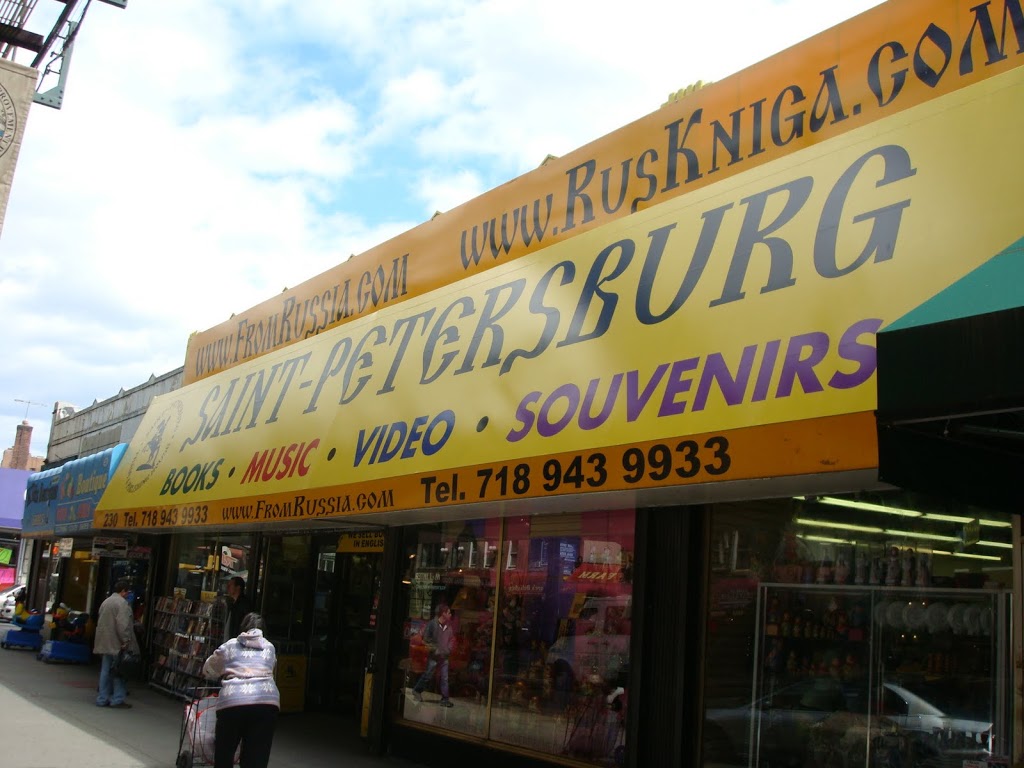
Along today’s Brighton Beach Avenue, you can find a host of shops and restaurants harkening to the tastes of old Russia.

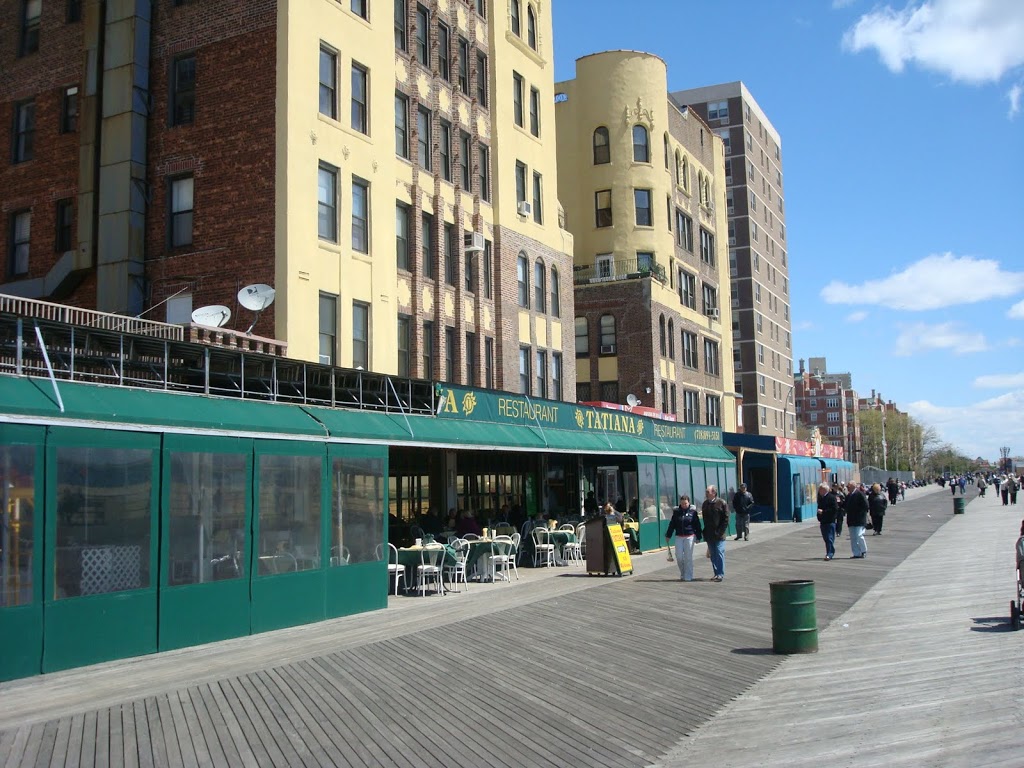
The real fun lies along the boardwalk at night, a string of Russian restaurants and clubs where the action sometimes spills out to the beach. Up the street at Brighton Beach Avenue, you can find The National restaurant, the closest a New Yorkern can come to finding Atlantic City style dinner entertainment.

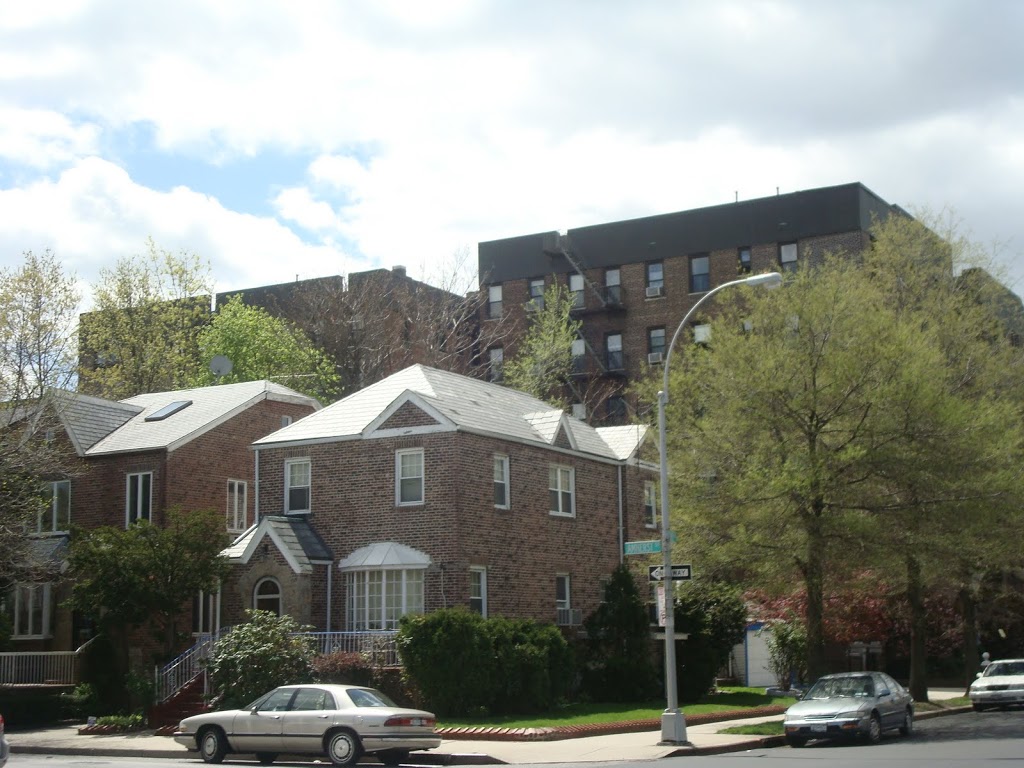
In places, you can almost see the line where William Engeman’s Brighton Beach property ends and Austin Corbin’s Manhattan Beach/Oriental Hotel property begins. Brighton Beach is distinguished by handsome pre-war apartment buildings; Manhattan Beach is more single-family homes, many recently built and some very ornate.

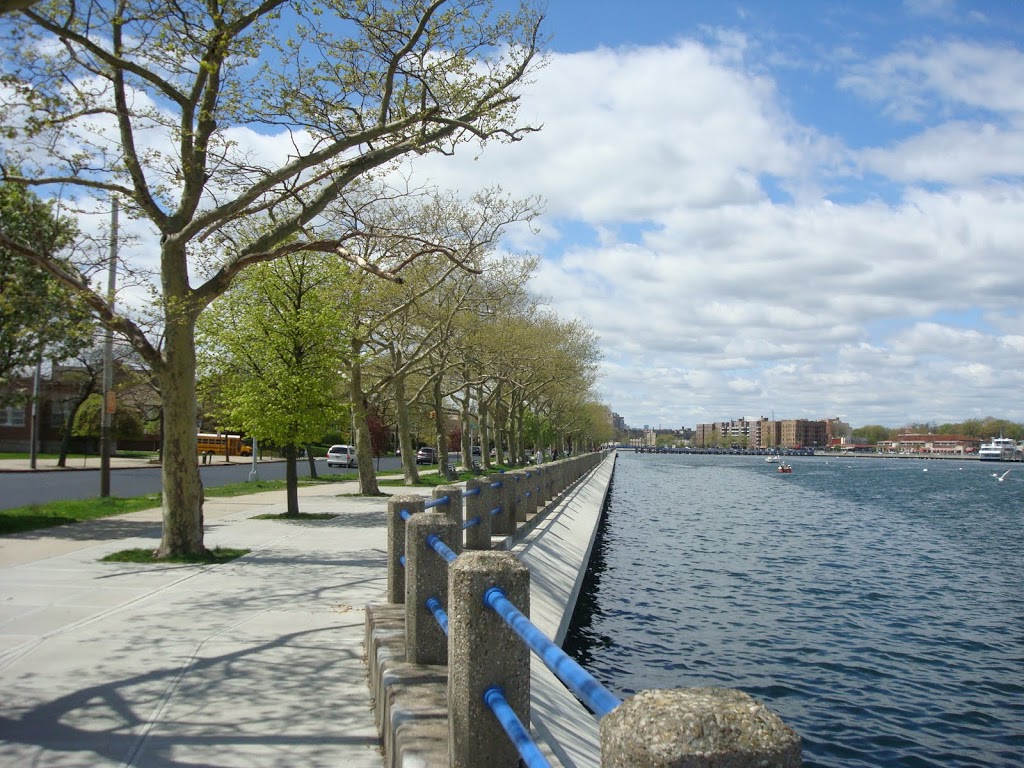
Sheepshead Bay, north of Manhattan Beach, is named for a fish which no longer swims here.

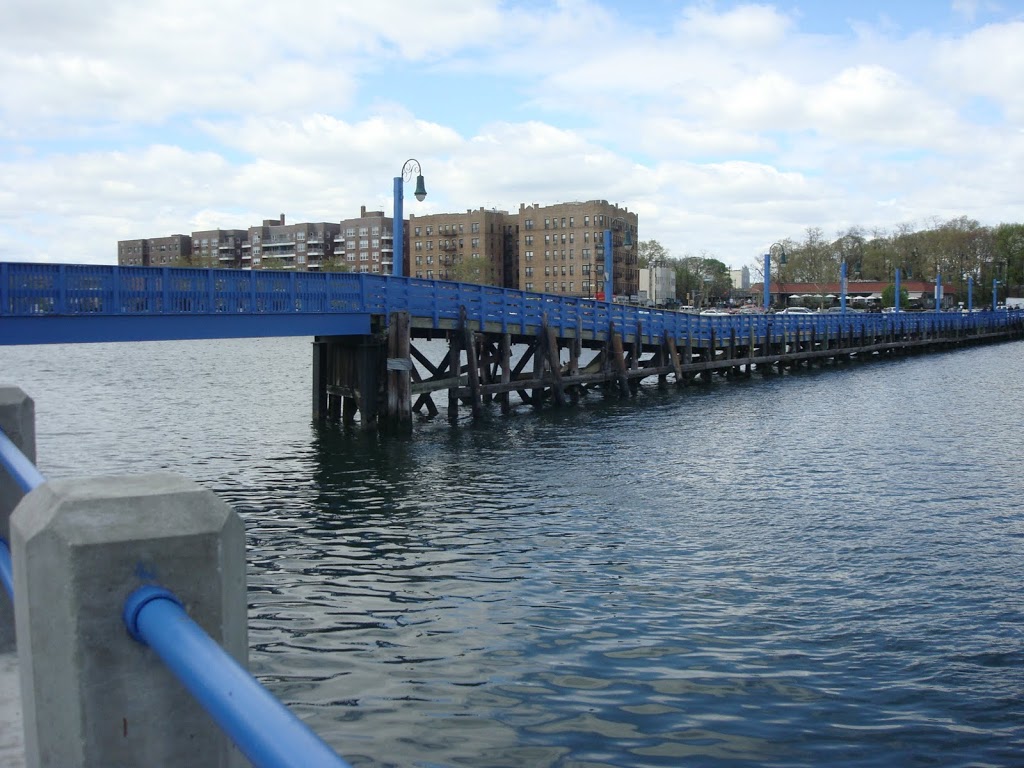
One of my favorite things in all of Brooklyn — the Ocean Avenue footbridge. Originally built in 1880, commissioned by Austin Corbin, the pedestrian bridge links the promenade in Manhattan Beach with the one in the neighborhood of Sheepshead Bay. According to Forgotten New York, Corbin kept closing the bridge, worried about ‘undesirables’ flocking to his precious upper-class hotel.

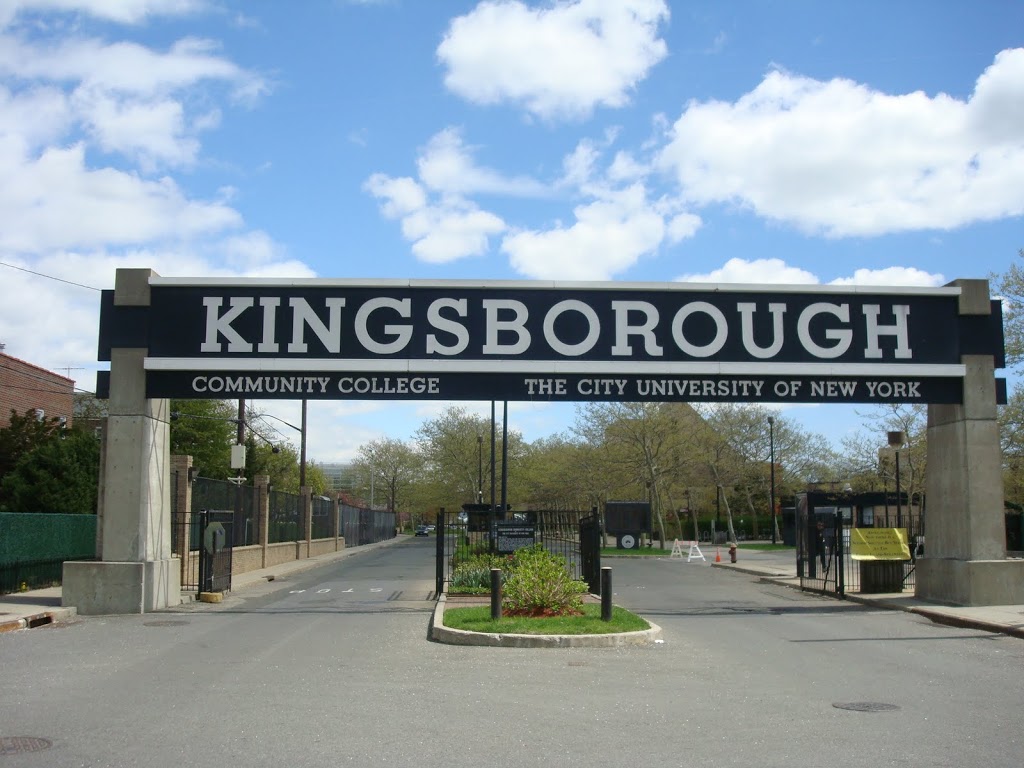
Kingsborough Community College at the far eastern end of the former island. If the college feels a bit like a military barracks, that’s because it was. After Corbin’s hotels were demolished, most of the land went to private home developments. But the far tip went to the Coast Guard and later served as a training base for the United States Maritime Service.


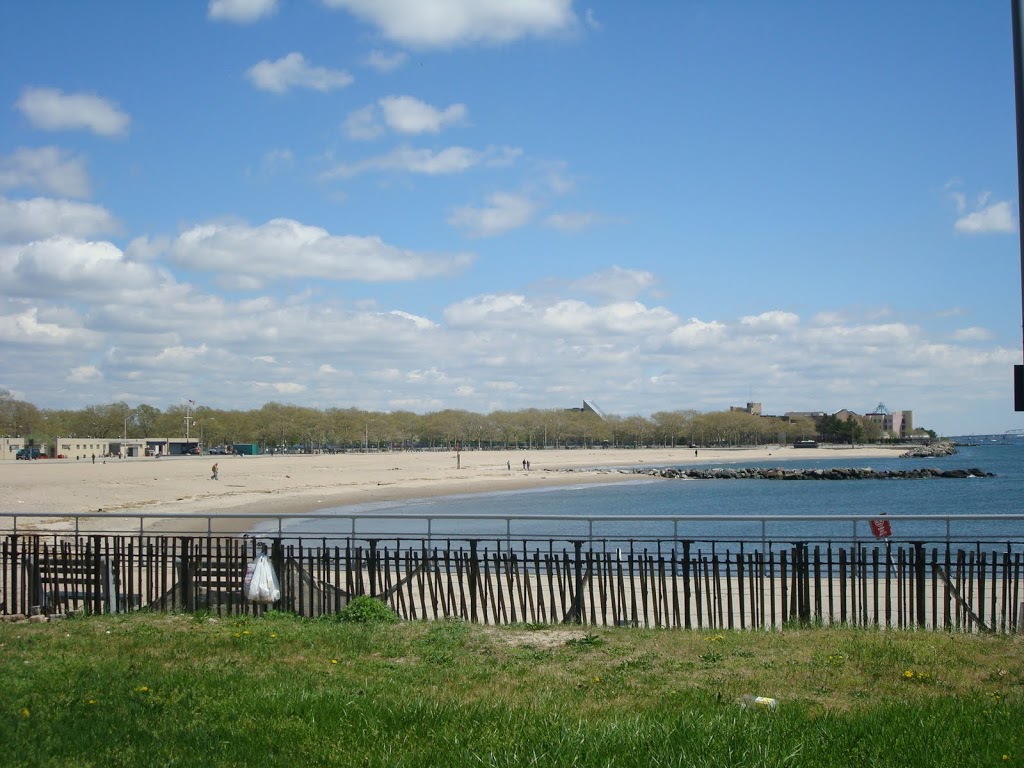
Manhattan Beach Park, a seemingly out of place sandy oasis in the quiet neighborhood of Manhattan Beach, is a remnant of the former resorts.