Categories
Amusements and Thrills Podcasts Writers and Artists

The Painter Who Brought The World To New York

Perched over the Hudson River near the city of Hudson sits Olana State Historic Site, once the wondrous home of painter Frederic Church.

This Gilded Age mansion is unlike any in the valley, mystical and imposing, evoking Persian and Moorish architectural styles and reflecting the art and ambitions of its former owner.

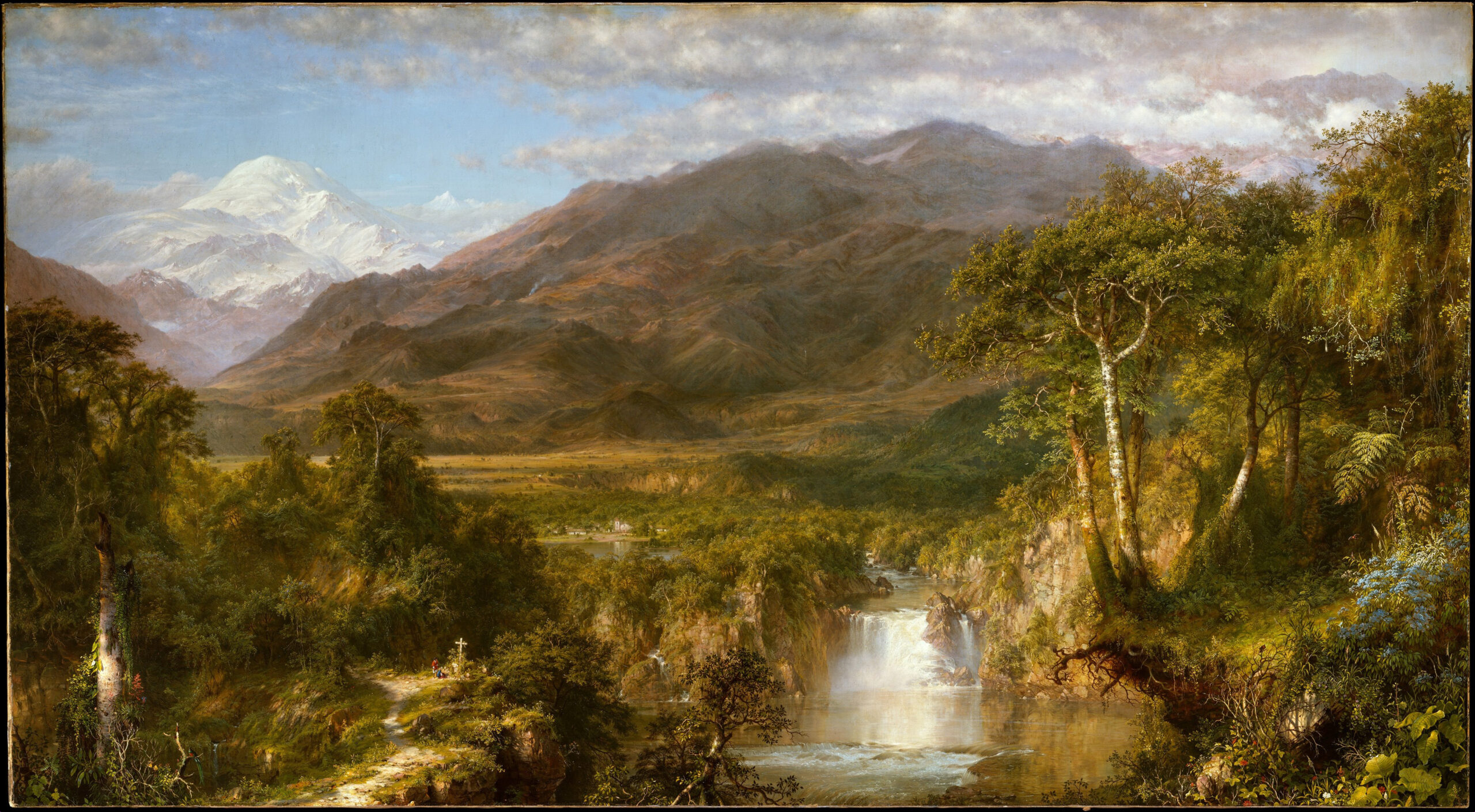
Church was more than a Hudson River School painter; he was an adventurer and dreamer, bringing the vistas of the world to America within his massive landscape creations. In 1859, when his Heart of the Andes made its New York debut, thousands lined up to soak in its impossible beauty.

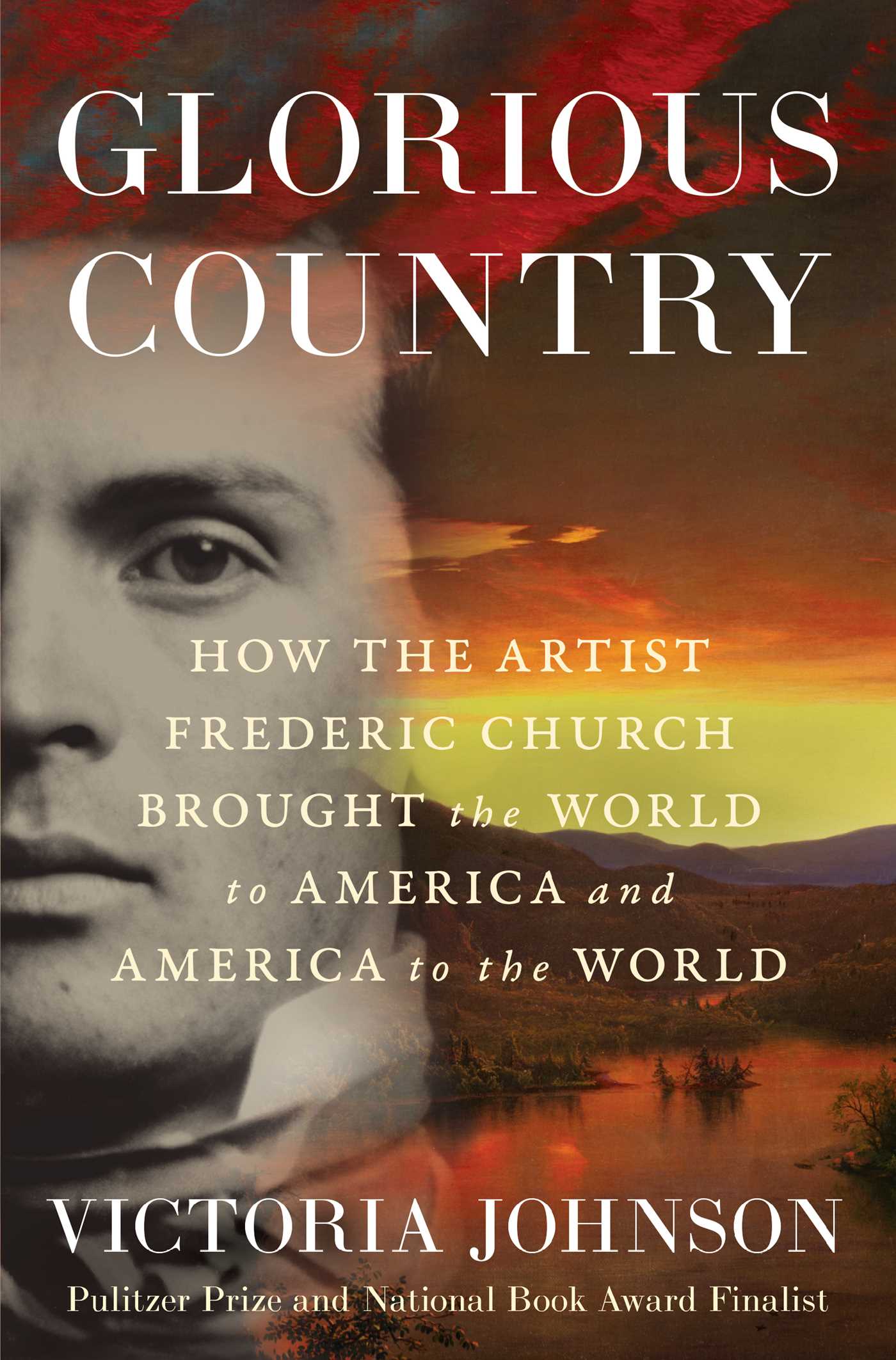
Victoria Johnson, author of the new biography Glorious Country: How the Artist Frederic Church Brought the World to America and America to the World, has walked in his footsteps — from the Ecuadorian volcano Cotopaxi to the heights of ancient Petra.

She joins Greg and Tom on the podcast this week to discuss Church’s unusual life — both as a New Yorker and as a daring traveler. After this show, you may never look at a landscape painting the same way again.

LISTEN HERE: THE PAINTER WHO BROUGHT THE WORLD TO NEW YORK

You can also find the podcast on Apple, Spotify, Overcast and YouTube.

We want to thank Victoria Johnson for joining us on the Bowery Boys Podcast. Her new book Glorious Country is available on Scribner.
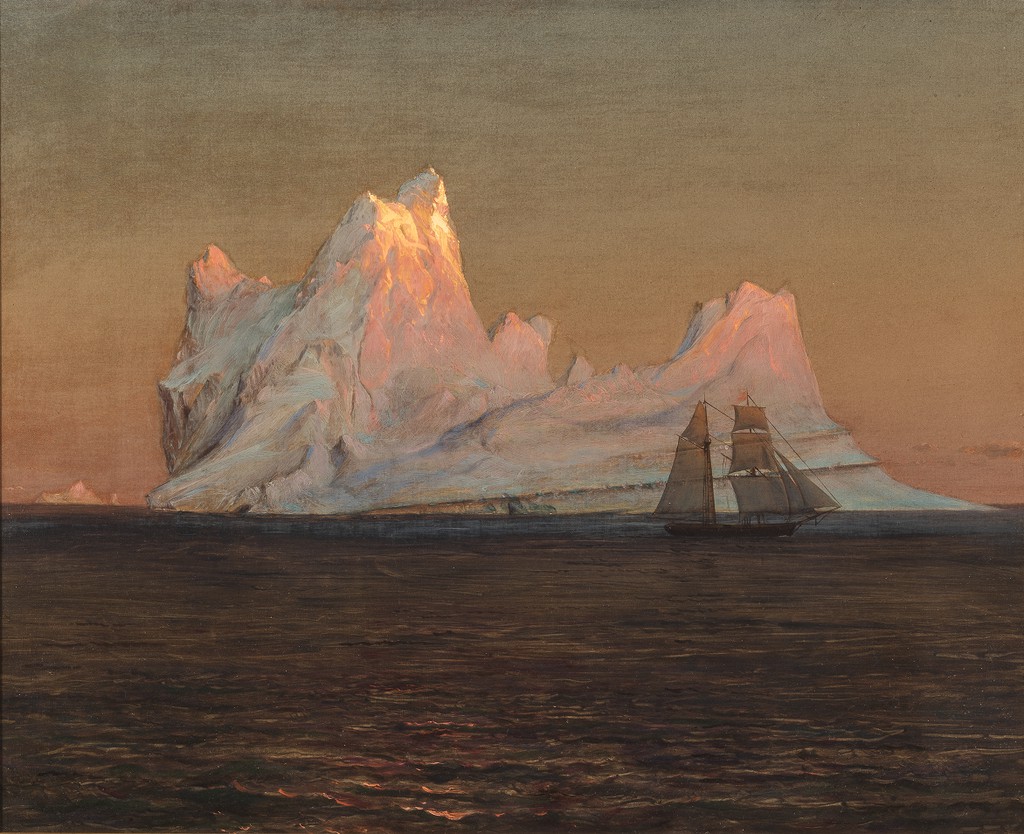
Floating Iceberg, Canada, June–July 1859, Cooper Hewitt, Smithsonian Design Museum
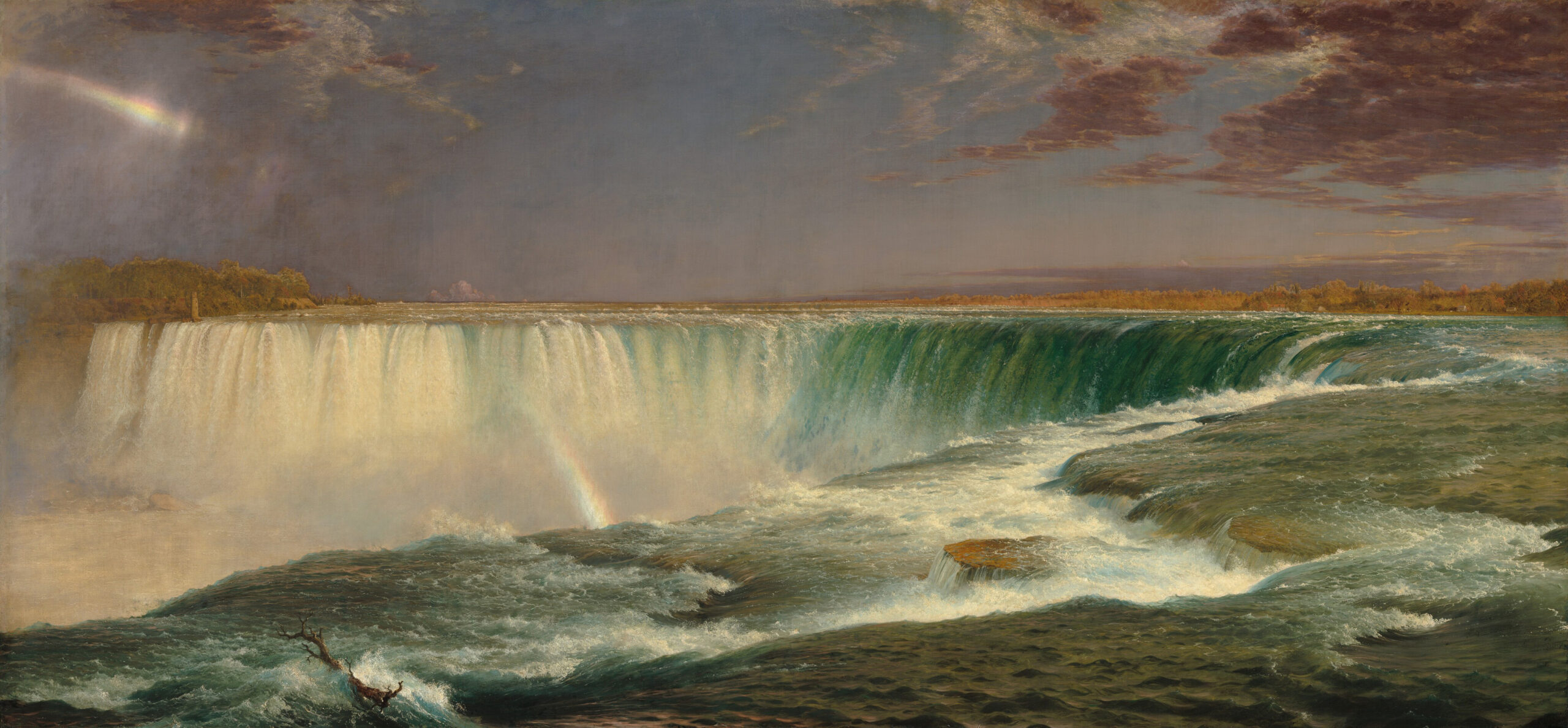
Frederic Edwin Church, Niagara Falls in Winter, March 1856, Cooper Hewitt, Smithsonian Design Museum
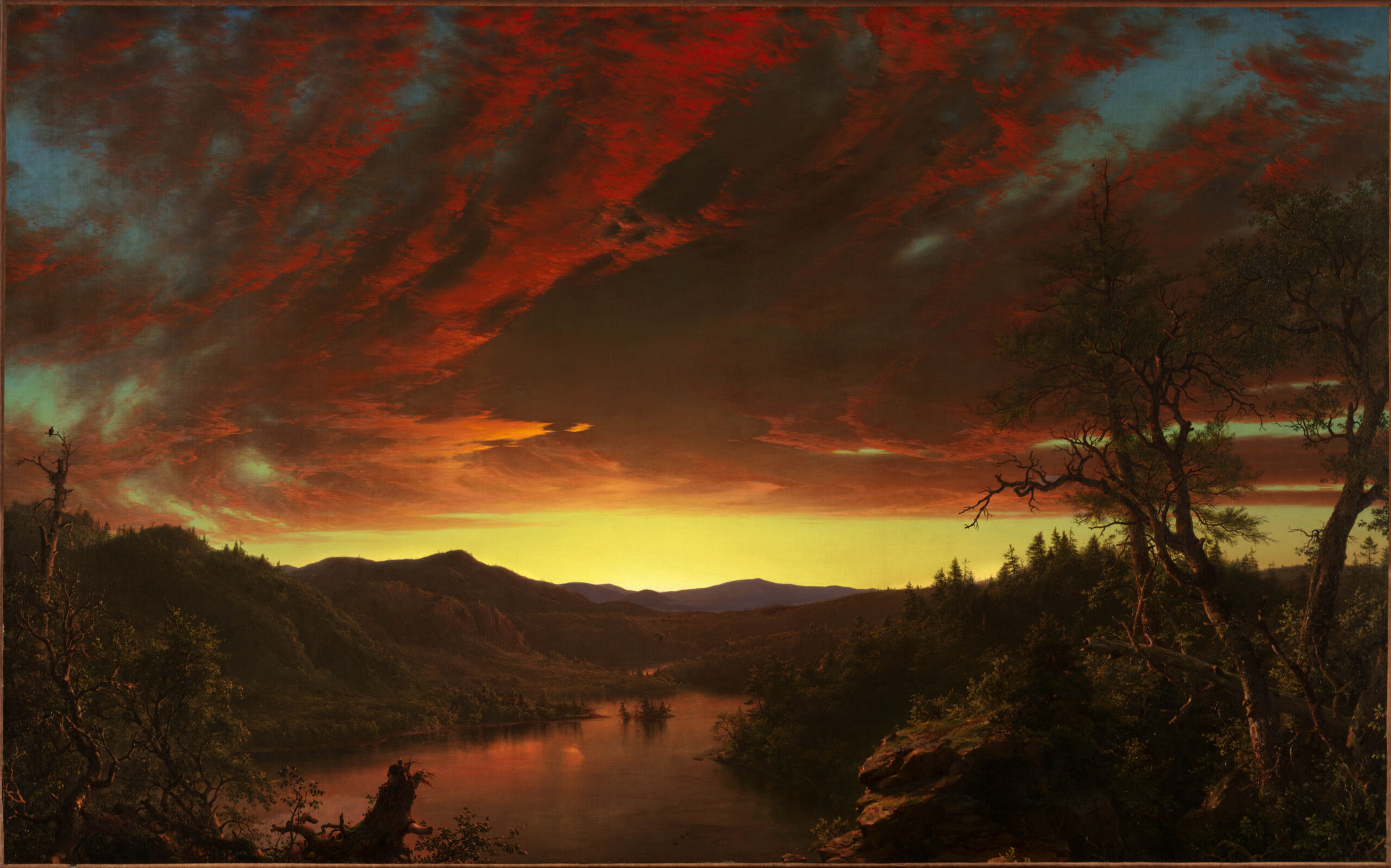
 Twilight in the Wilderness, 1860, The Cleveland Museum of Art
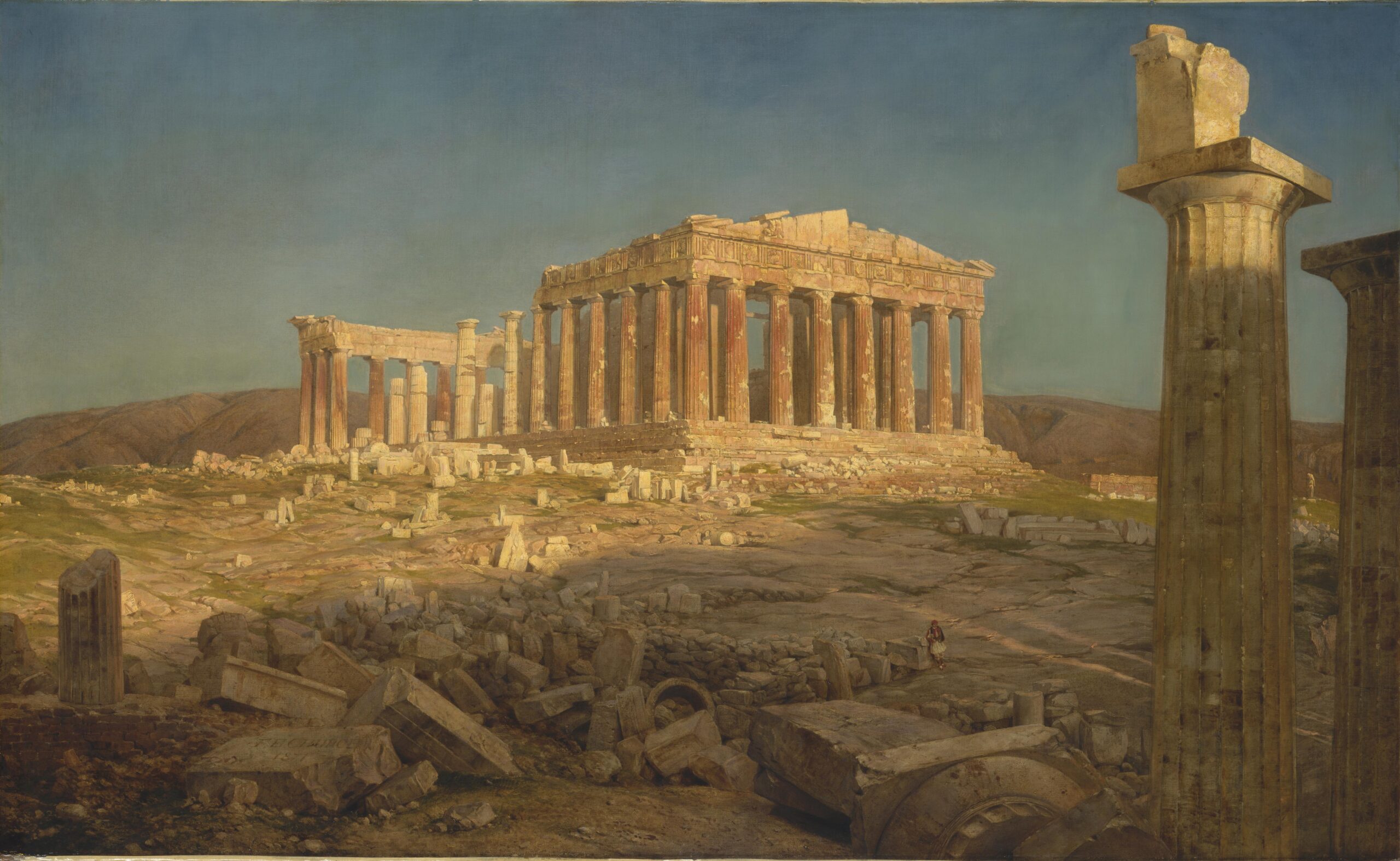
 The Parthenon, 1871, The Metropolitan Museum of Art
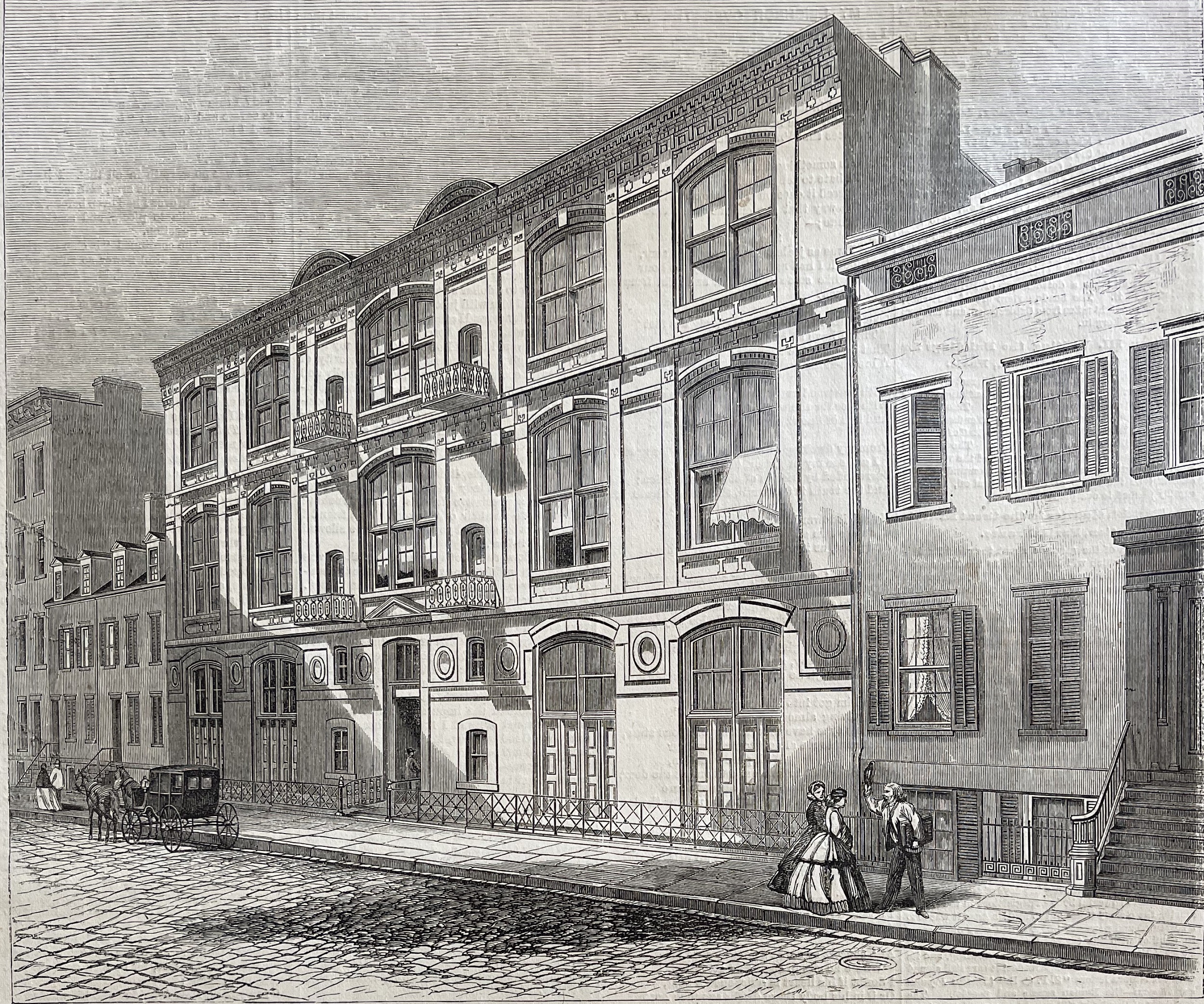
10th Street Studio, where Church’s studio was located
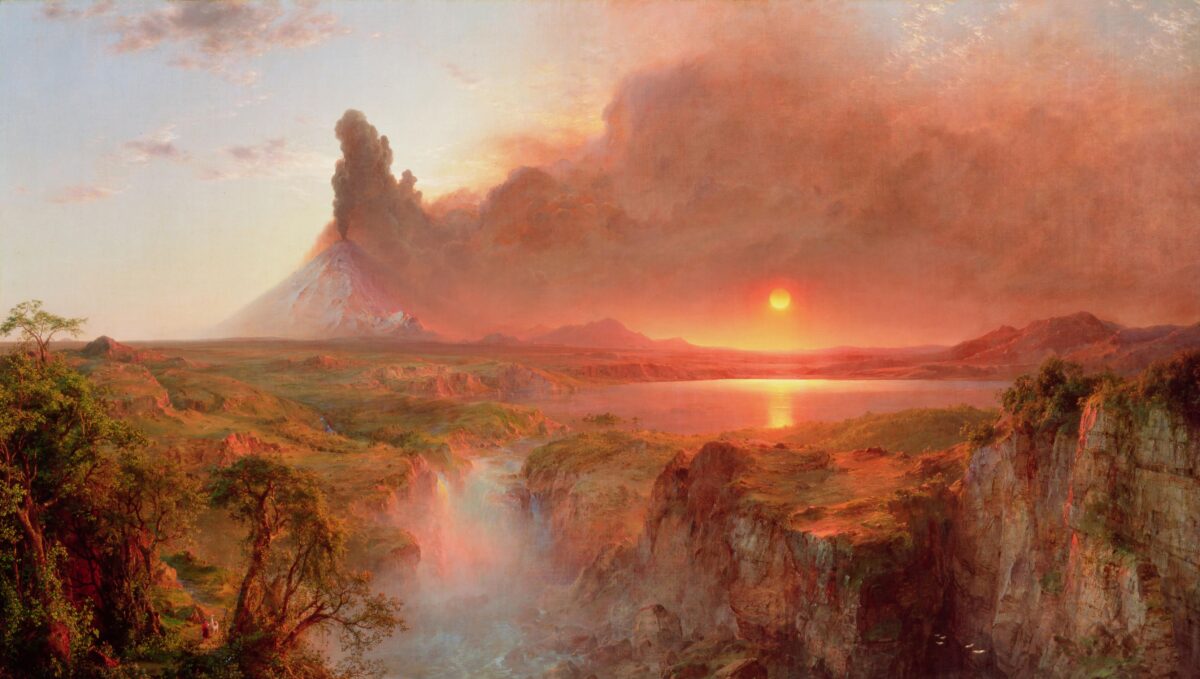
Frederic Edwin Church, The Heart of the Andes, 1859, The Metropolitan Museum of Art

FURTHER LISTENING

Some other shows from the Bowery Boys Podcast related to this week’s show. Give them a listen when you’re done with our interview with Victoria Johnson:
Categories
Podcasts Writers and Artists

Nighthawks and Automats: The New York City of Edward Hopper

Within the New York City of Edward Hopper‘s imagination, the skyscrapers have vanished, the sidewalks are mysteriously wide and all the diners and Chop Suey restaurants are sparsely populated with well-dressed lonely people.

In this art-filled episode of the Bowery Boys, Tom and Greg look at Hopper’s life, influence and specific fascination with the city, inspired by the recent show Edward Hopper’s New York at the Whitney Museum of American Art.

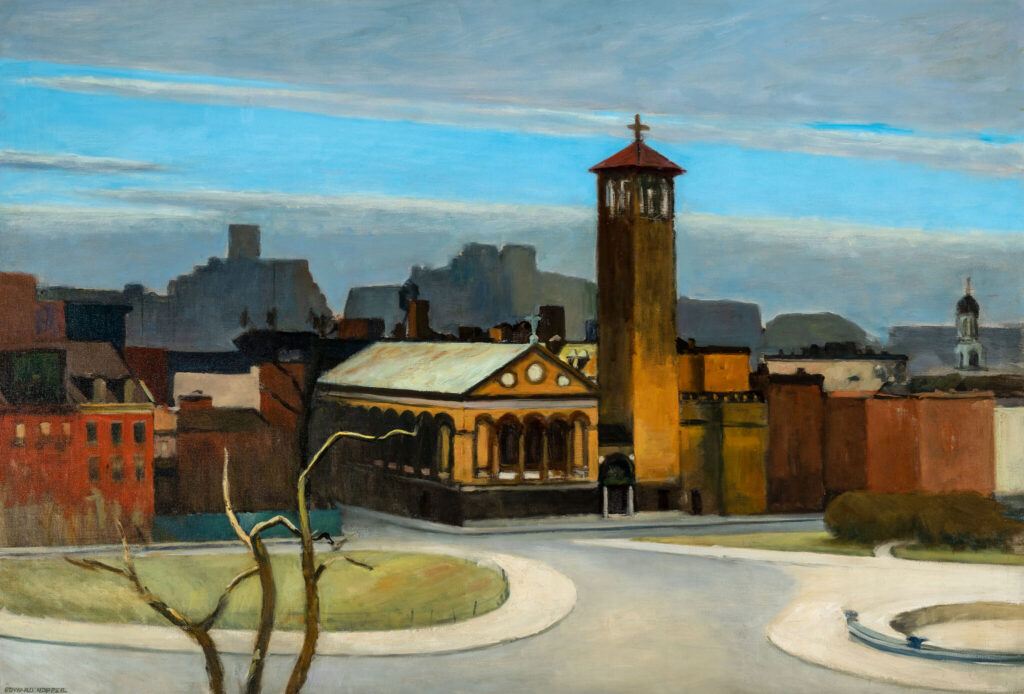
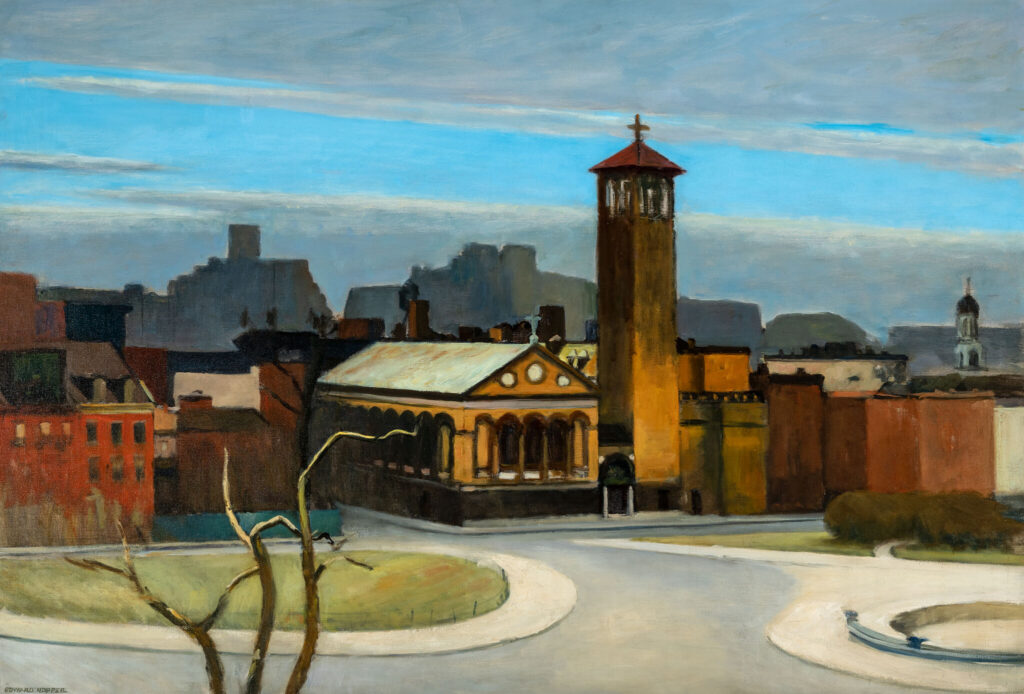
Edward Hopper, November, Washington Square,

Hopper, a native of the Hudson River town of Nyack, painted New York City for over half a decade. In reality, the city experienced Prohibition and the Jazz Age, two world wars and the arrival of automobiles. But not in Hopper’s world.

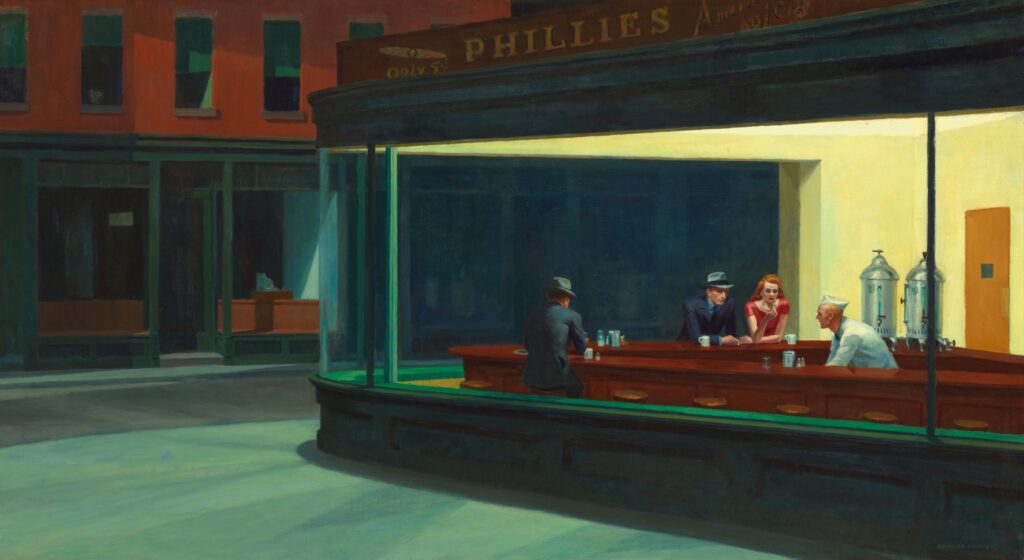
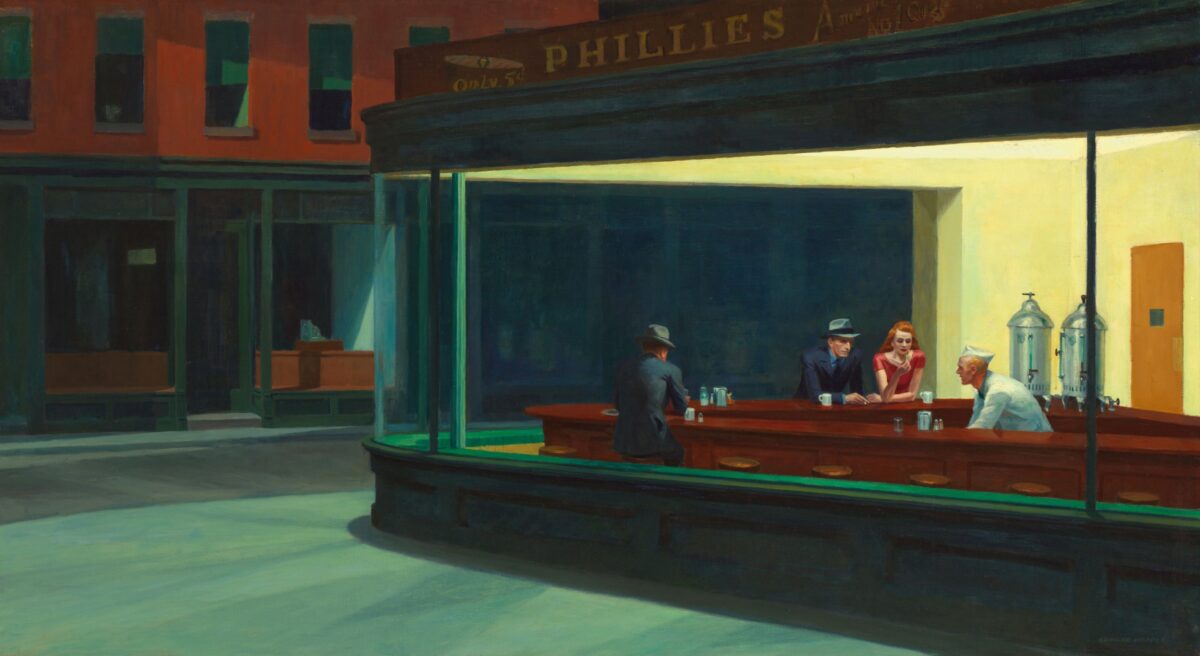
In his most famous work Nighthawks (1942), figures from a dreamlike film appear trapped in an aquarium-shaped diner. But Hopper has captured something else in this iconic painting: fear and paranoia. No wonder he’s considered a huge influence on Hollywood film noir and detective stories.

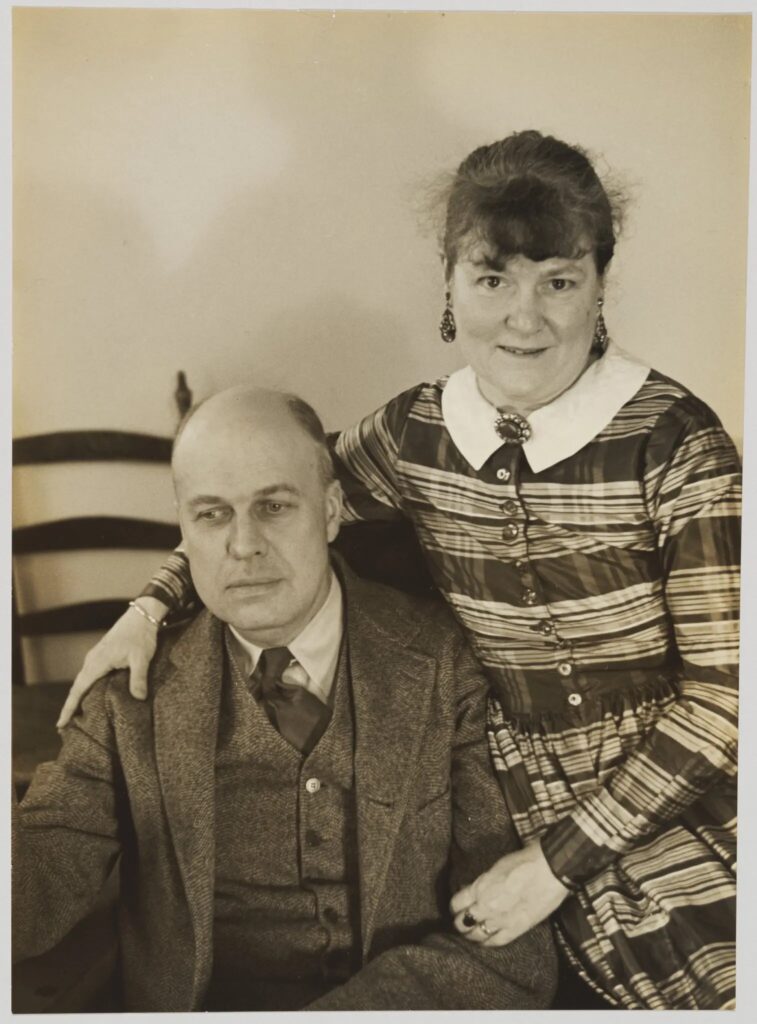
Hopper painted New York from his studio overlooking Washington Square Park, and both he and his wife Josephine Nivison Hopper would become true fixtures of the Greenwich Village scene.

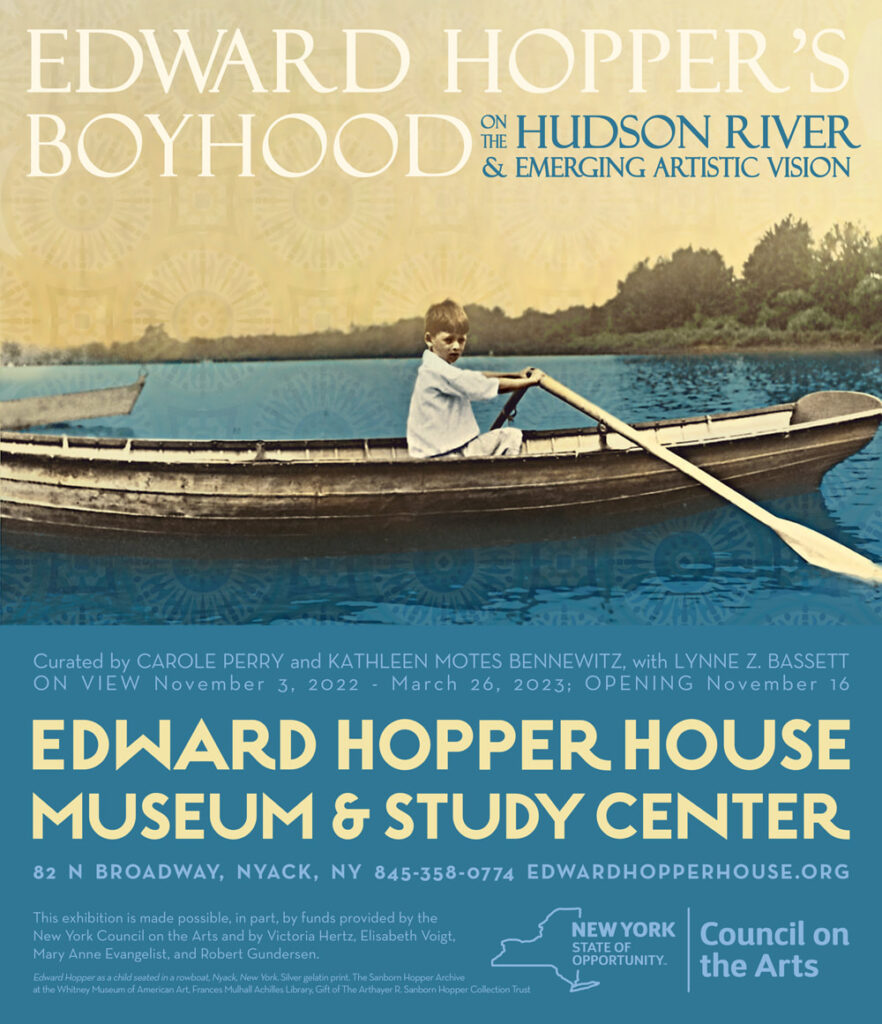
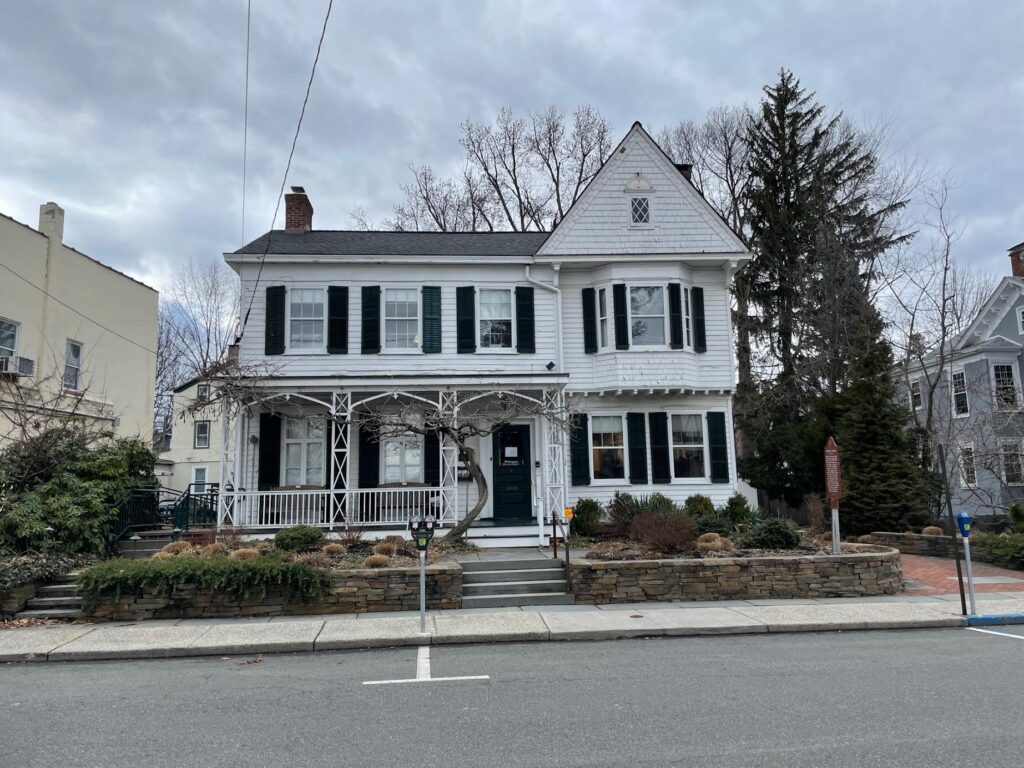
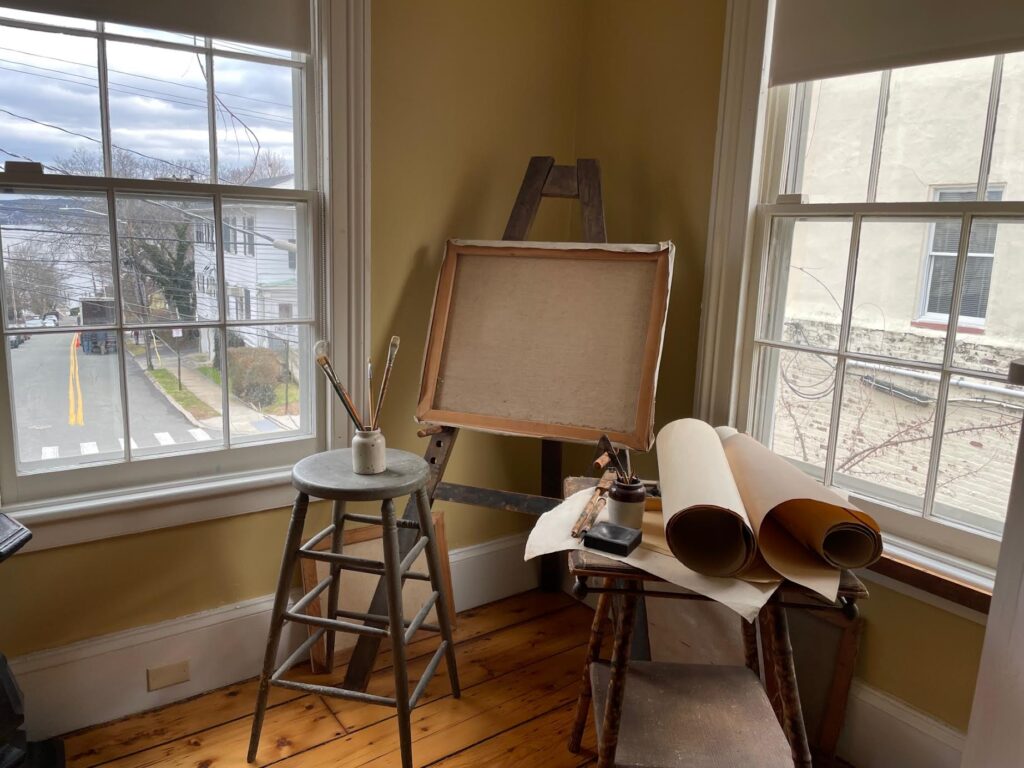
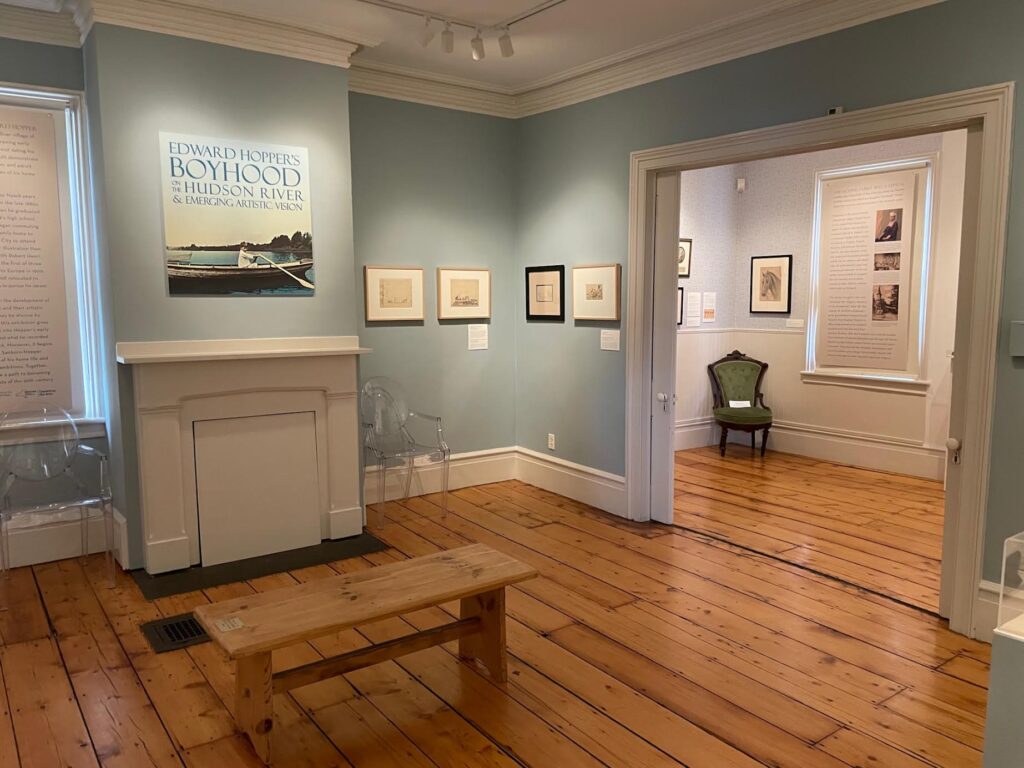
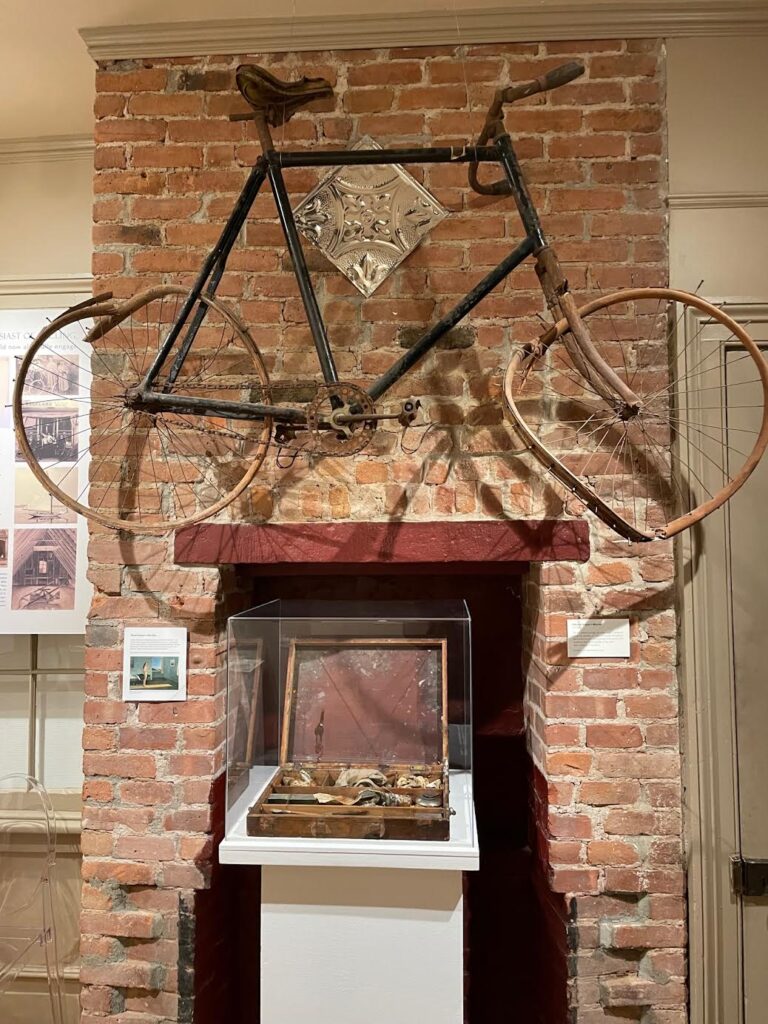
PLUS: Tom visits the Edward Hopper House Museum in Nyack, New York, to talk the artist’s early life with executive director Kathleen Motes Bennewitz. And Greg finds some of the hidden meanings in Hopper’s paintings thanks to American art historian Rena Tobey.

LISTEN NOW: NIGHTHAWKS AND AUTOMATS


Information on the Whitney Museum of American Art‘s show Edward Hopper’s New York can be found here.

And for some insight into his early years, visit the Edward Hopper House Museum in Nyack, New York. Info here.

And check out Rena Tobey’s website for upcoming news on her upcoming art talks. Her next art conversation:

Finding Her Way: Painting Urban Women’s Experiences 1840-1940
Tuesday, March 28, 2023, 2:00-3:00 p.m.
Online with the Manhattan JCC


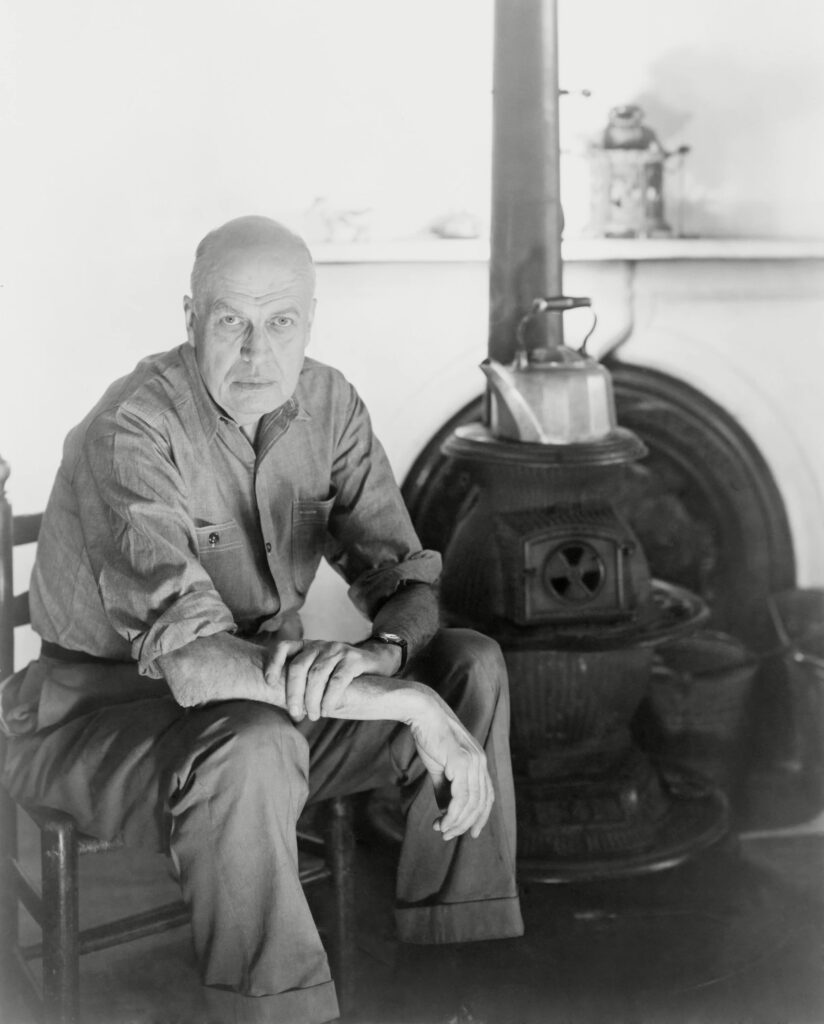
Edward Hopper in his studio. Courtesy Everett/Shutterstock
Circa 1947. Photo courtesy Whitney Museum of American Art

From the Edward Hopper House Museum in Nyack, NY:

Photos by Tom Meyers

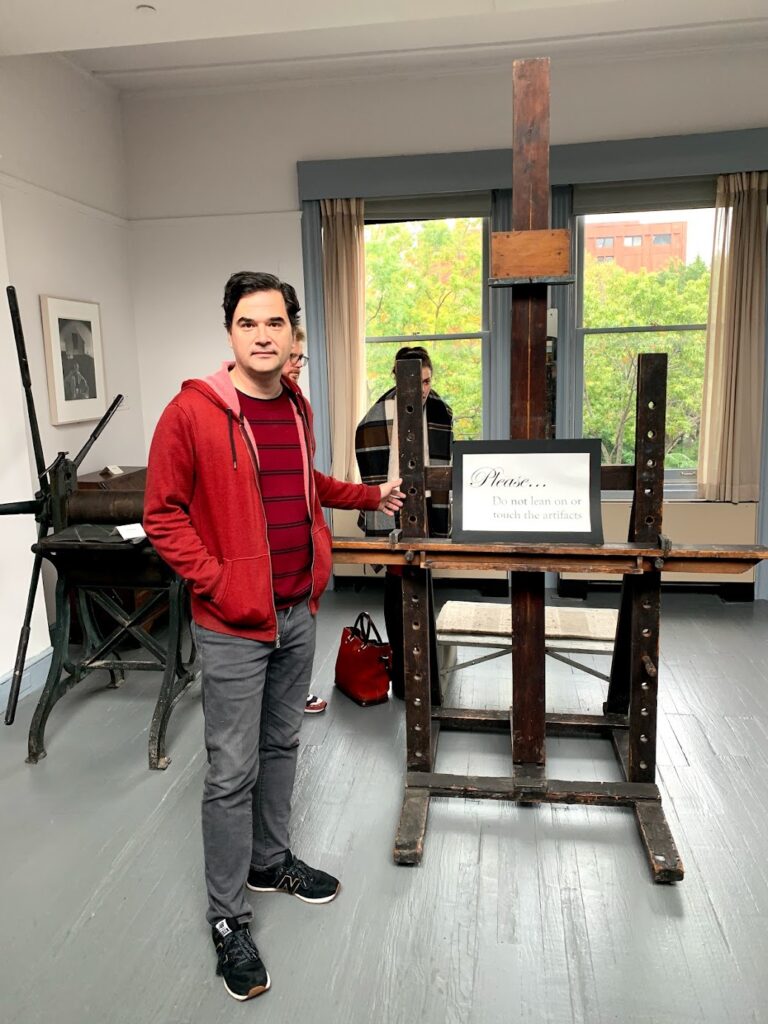
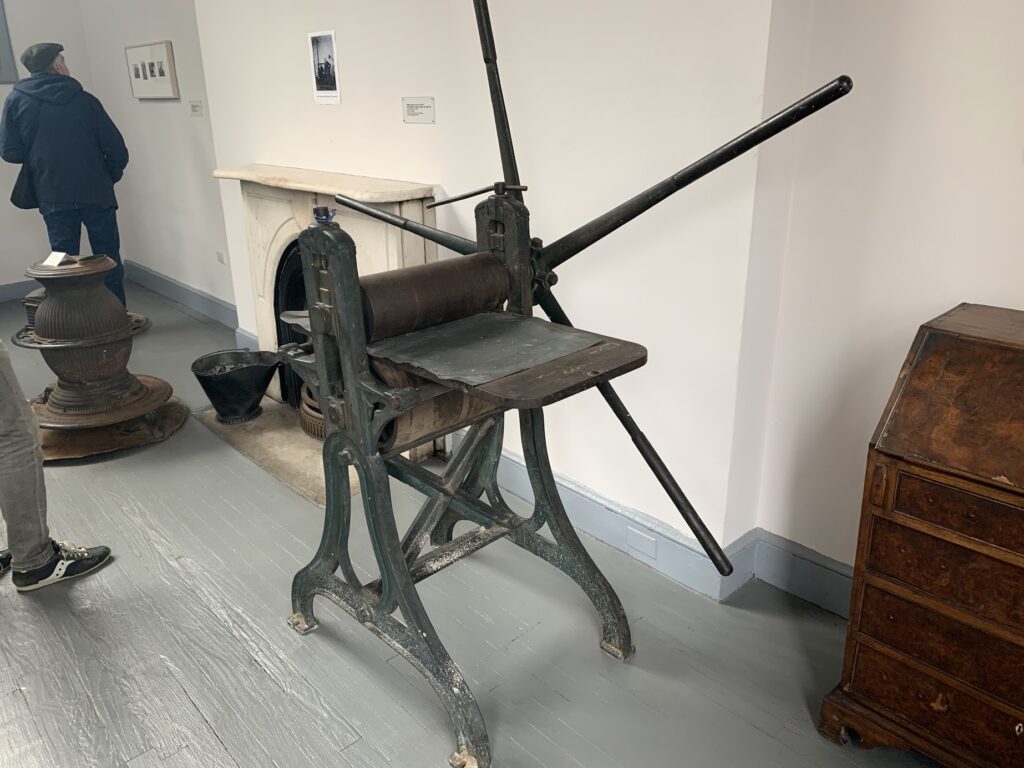
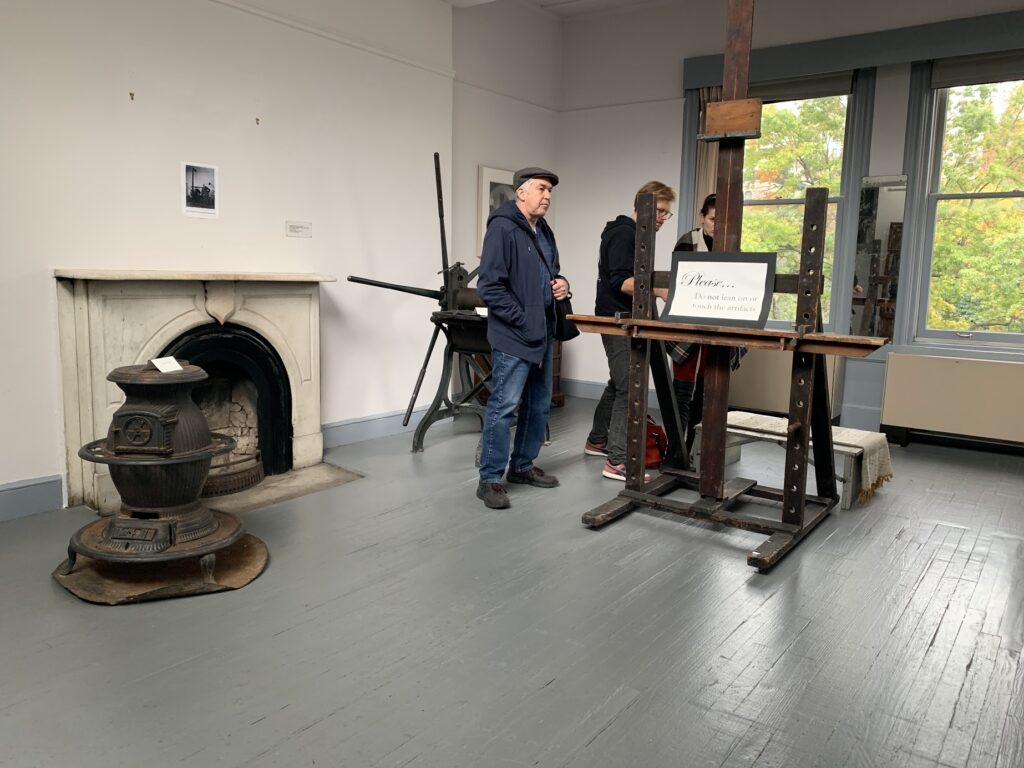
From inside Edward Hopper’s studio at 3 Washington Square North (from Open House NY 2019). Information on the studio here.


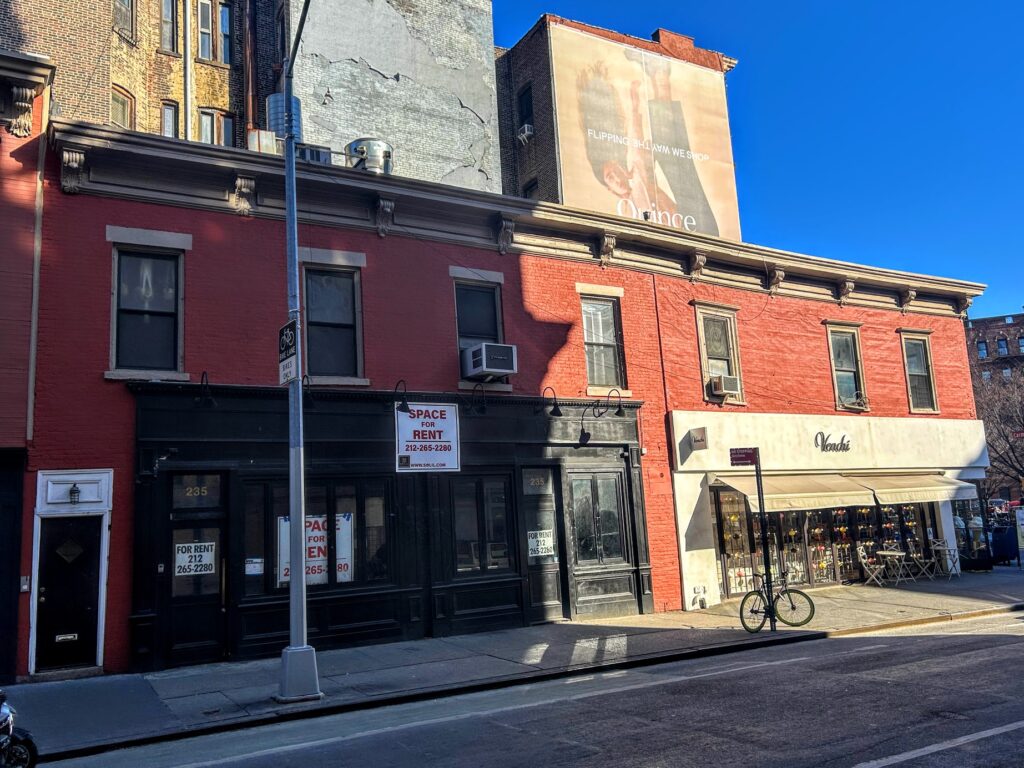
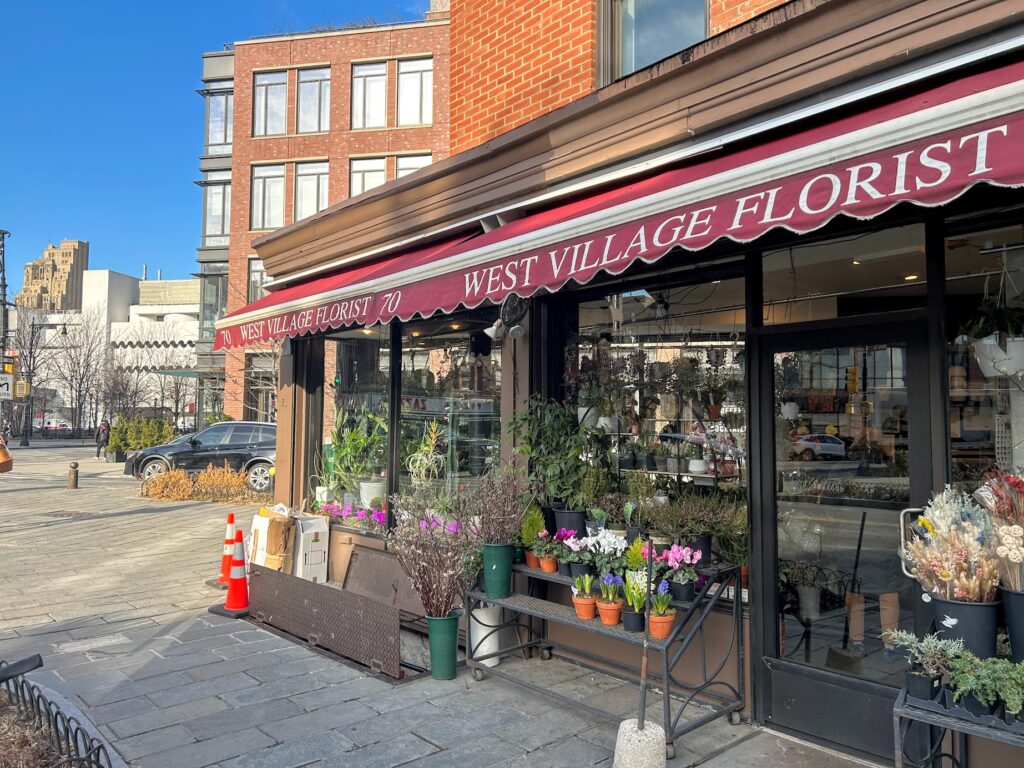
Although Hopper’s painting are mostly from the domain of his imagination, you can see some of his architectural subjects on the streets today. For more information, visit this interesting article posted at Village Preservation.

Bleecker and Carmine Street
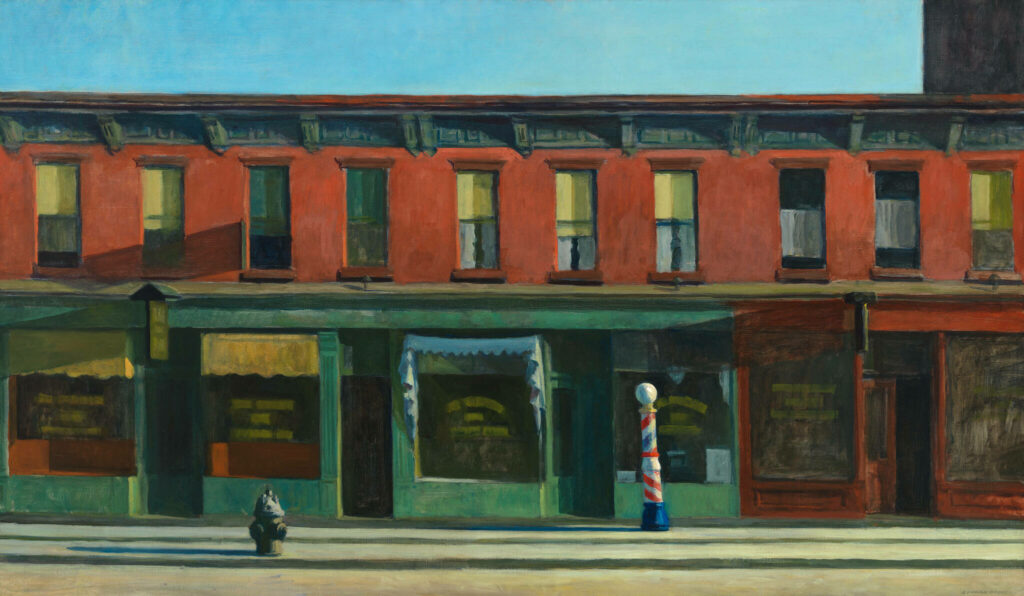
Early Sunday Morning, 1930
Greenwich Avenue and Seventh Avenue
Nighthawks, 1942
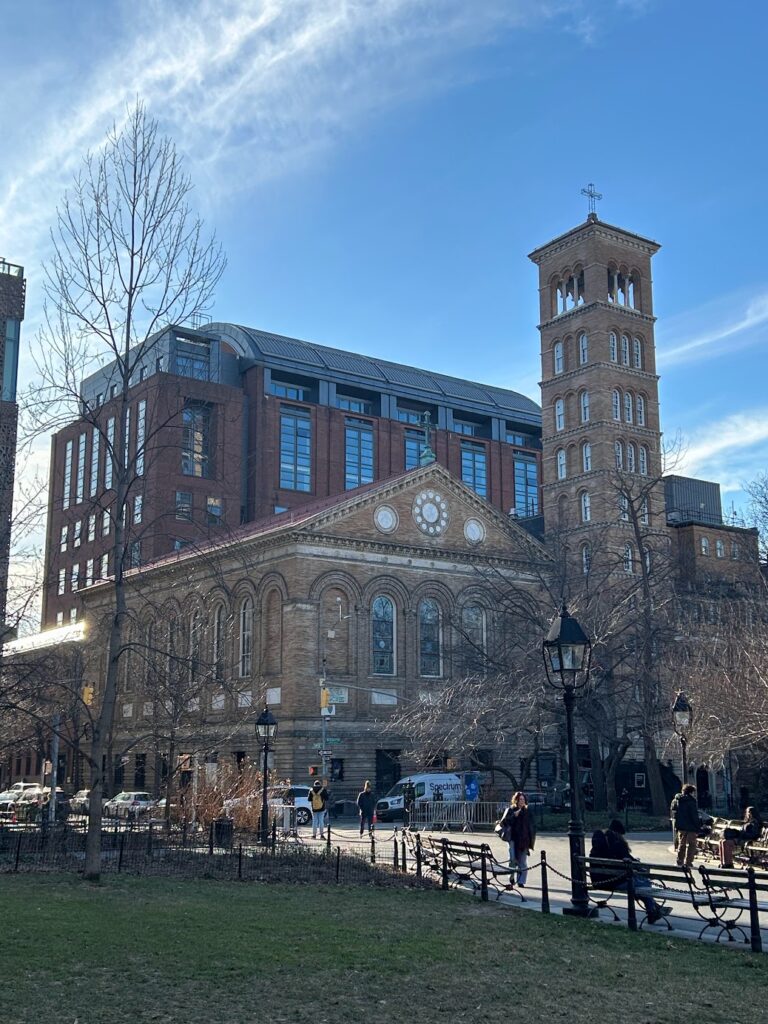
Judson Memorial Church
November, Washington Square

FURTHER LISTENING

After finishing this show on Edward Hopper, dive back into our back catalog and experience other shows related to Hopper and his subjects:

Art Insanity: The Armory Show of 1913

Jane Jacobs: Saving Greenwich Village

Tragic Muse: The Life of Audrey Munson

New York University: A School For The Metropolis