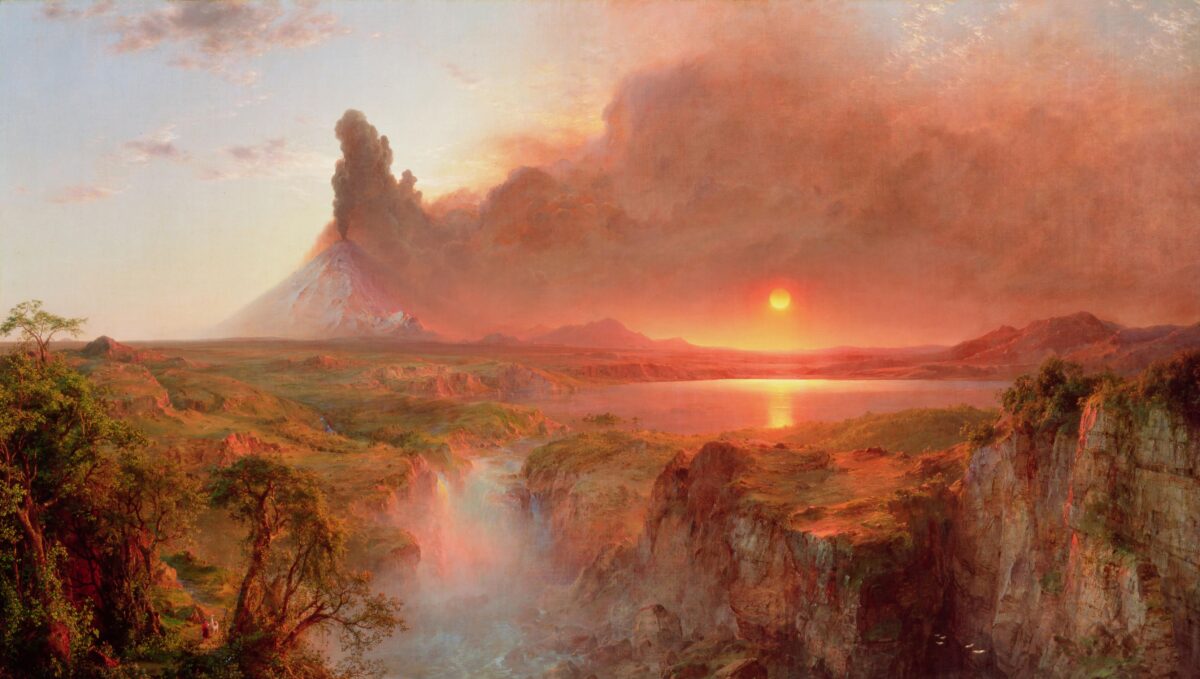
Cotopaxi, 1862, Detroit Institute of Arts, Michigan
Perched over the Hudson River near the city of Hudson sits Olana State Historic Site, once the wondrous home of painter Frederic Church.
This Gilded Age mansion is unlike any in the valley, mystical and imposing, evoking Persian and Moorish architectural styles and reflecting the art and ambitions of its former owner.
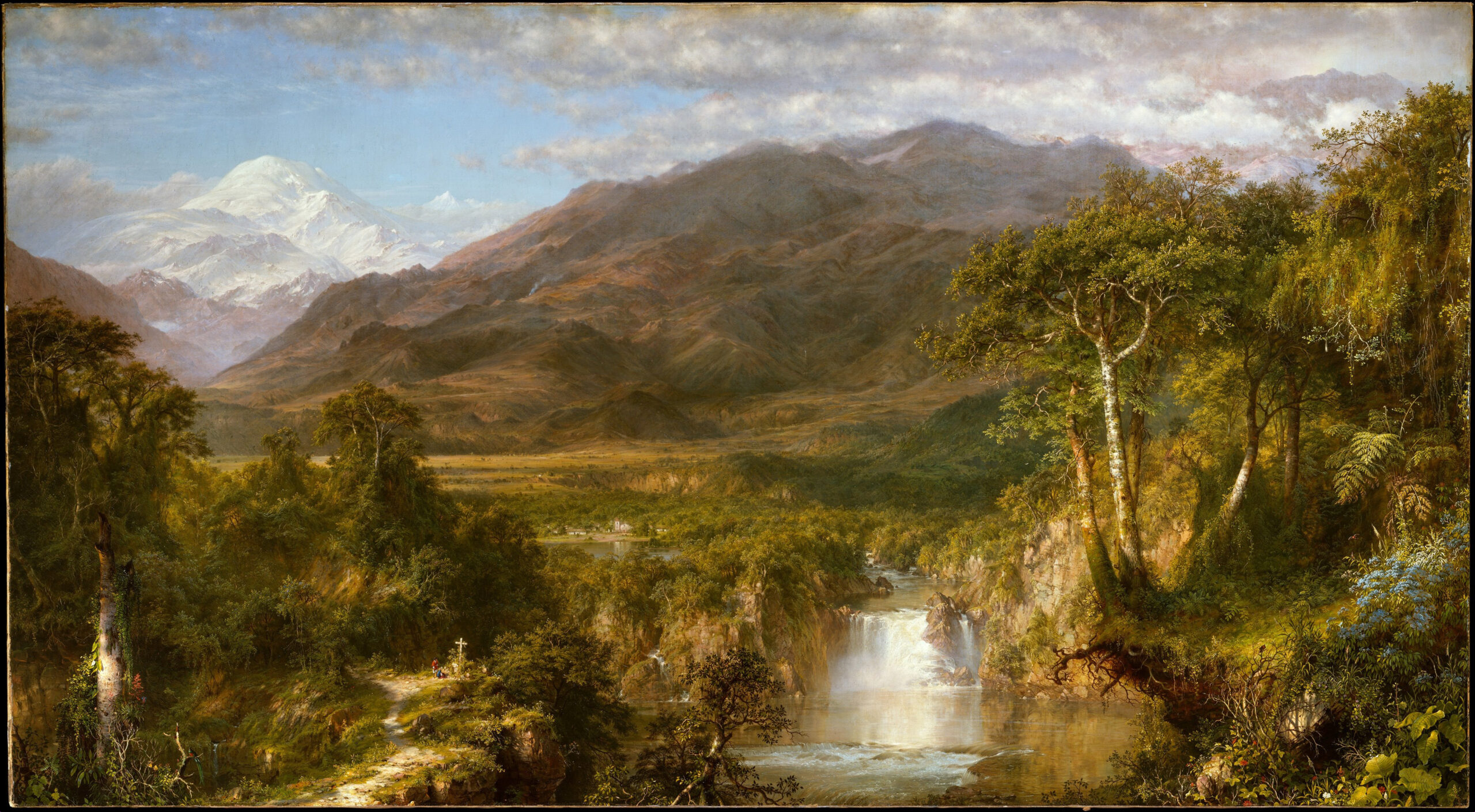
Church was more than a Hudson River School painter; he was an adventurer and dreamer, bringing the vistas of the world to America within his massive landscape creations. In 1859, when his Heart of the Andes made its New York debut, thousands lined up to soak in its impossible beauty.
She joins Greg and Tom on the podcast this week to discuss Church’s unusual life — both as a New Yorker and as a daring traveler. After this show, you may never look at a landscape painting the same way again.
LISTEN HERE: THE PAINTER WHO BROUGHT THE WORLD TO NEW YORK
You can also find the podcast on Apple, Spotify, Overcast and YouTube.
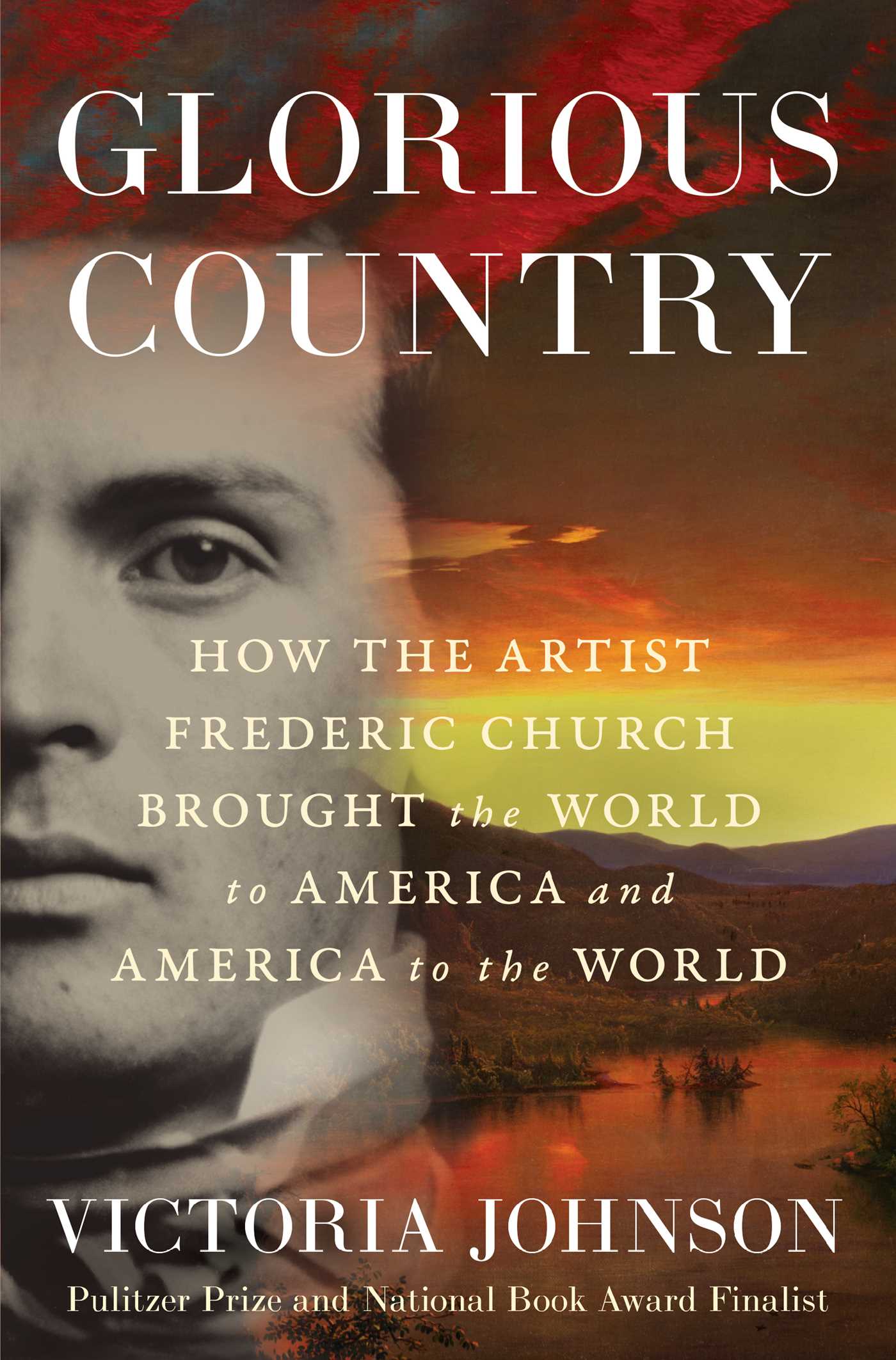
We want to thank Victoria Johnson for joining us on the Bowery Boys Podcast. Her new book Glorious Country is available on Scribner.
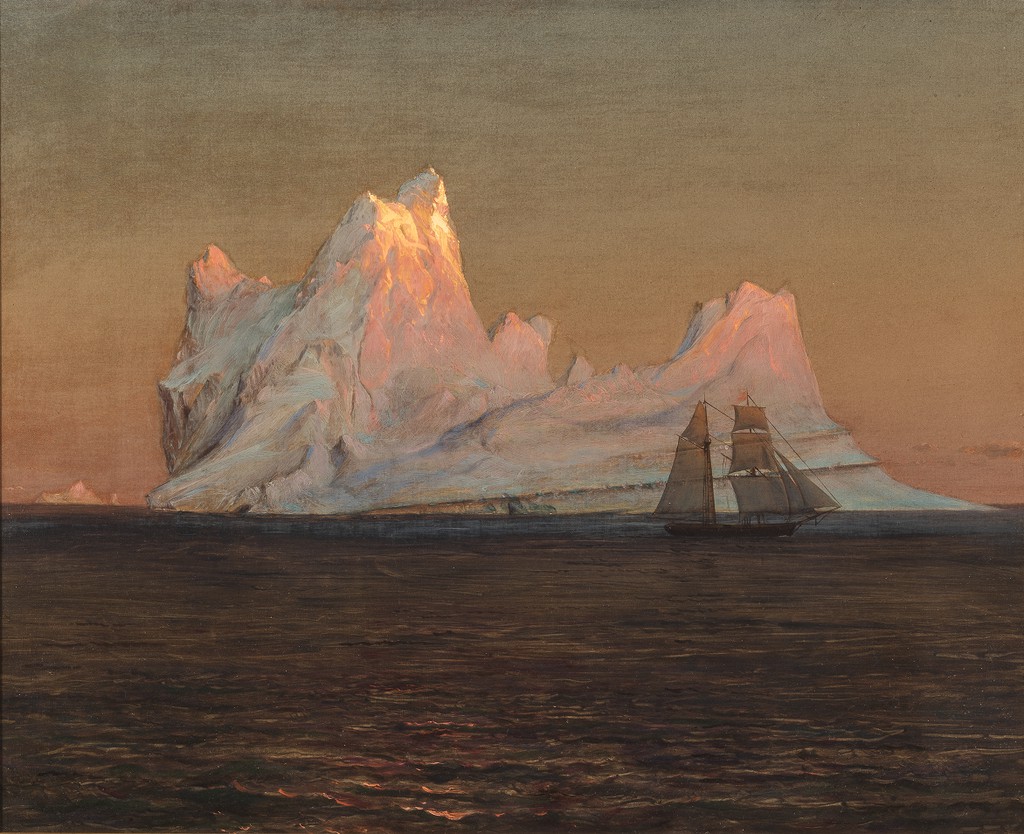
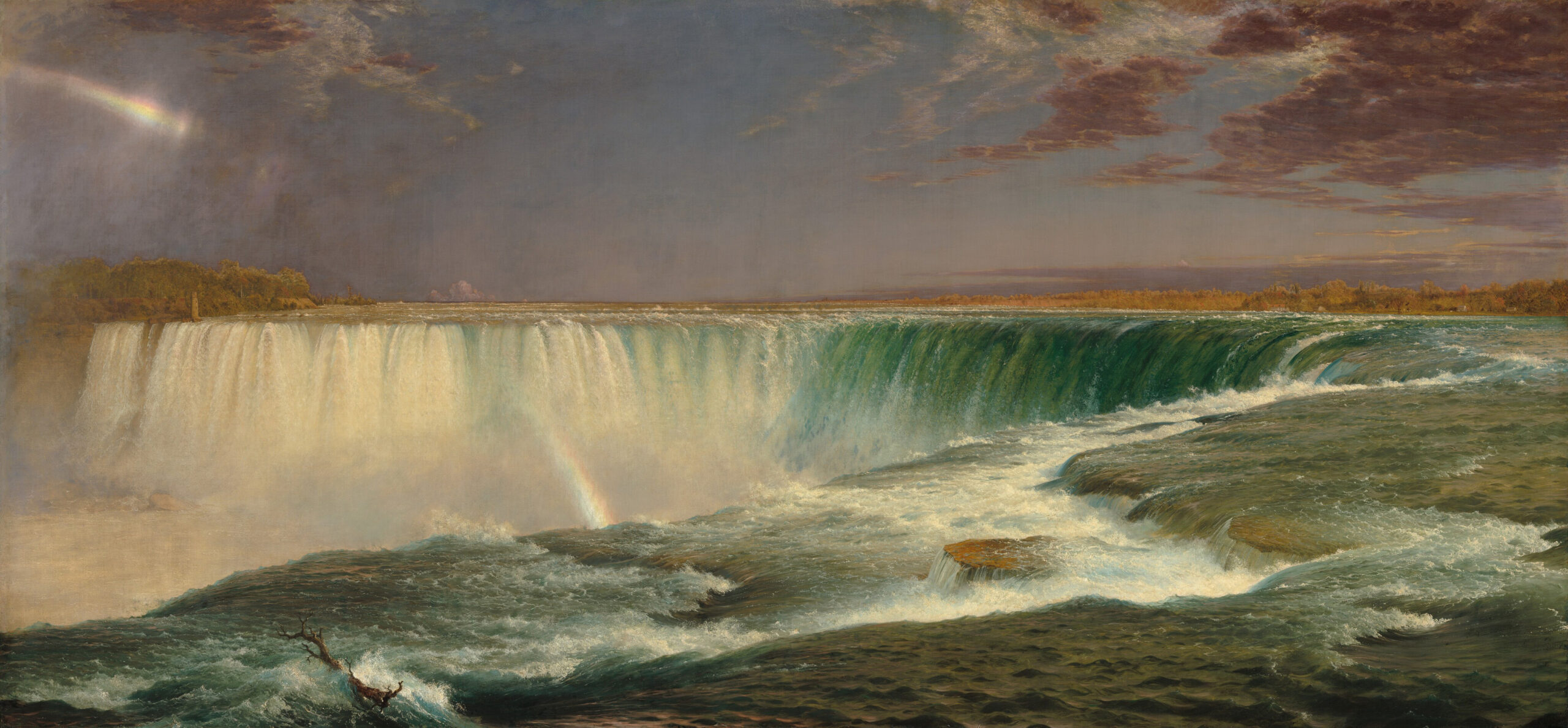
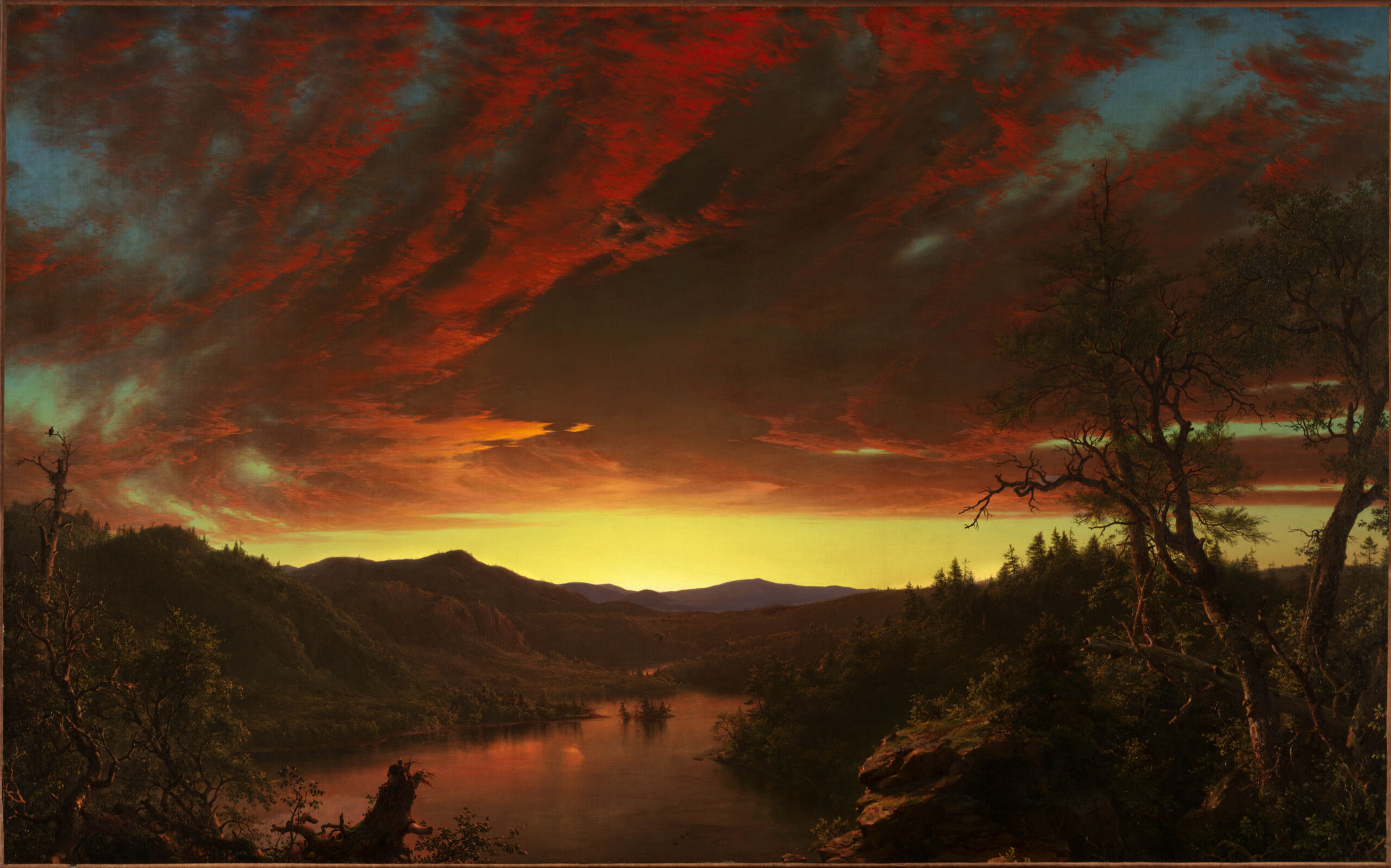
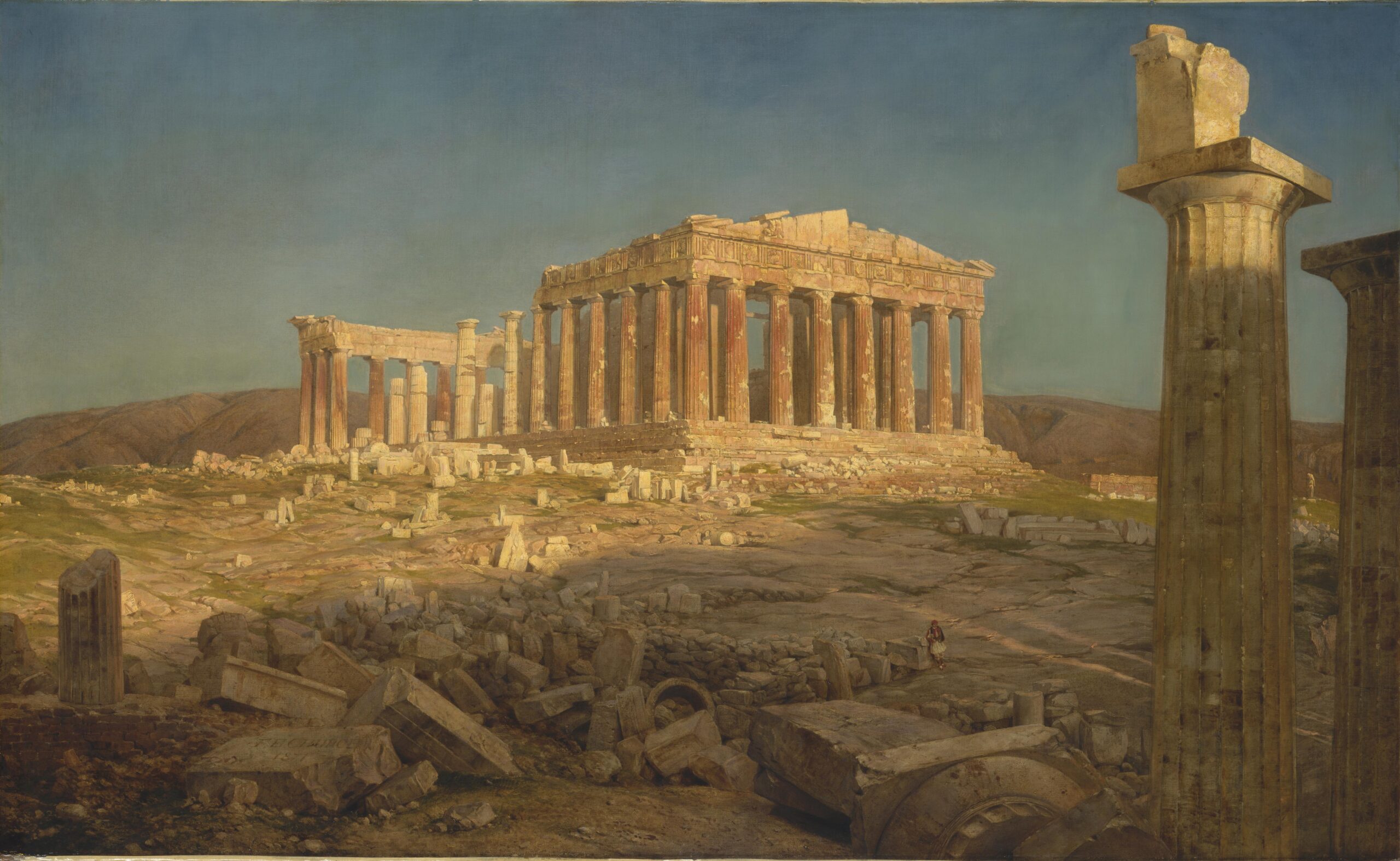
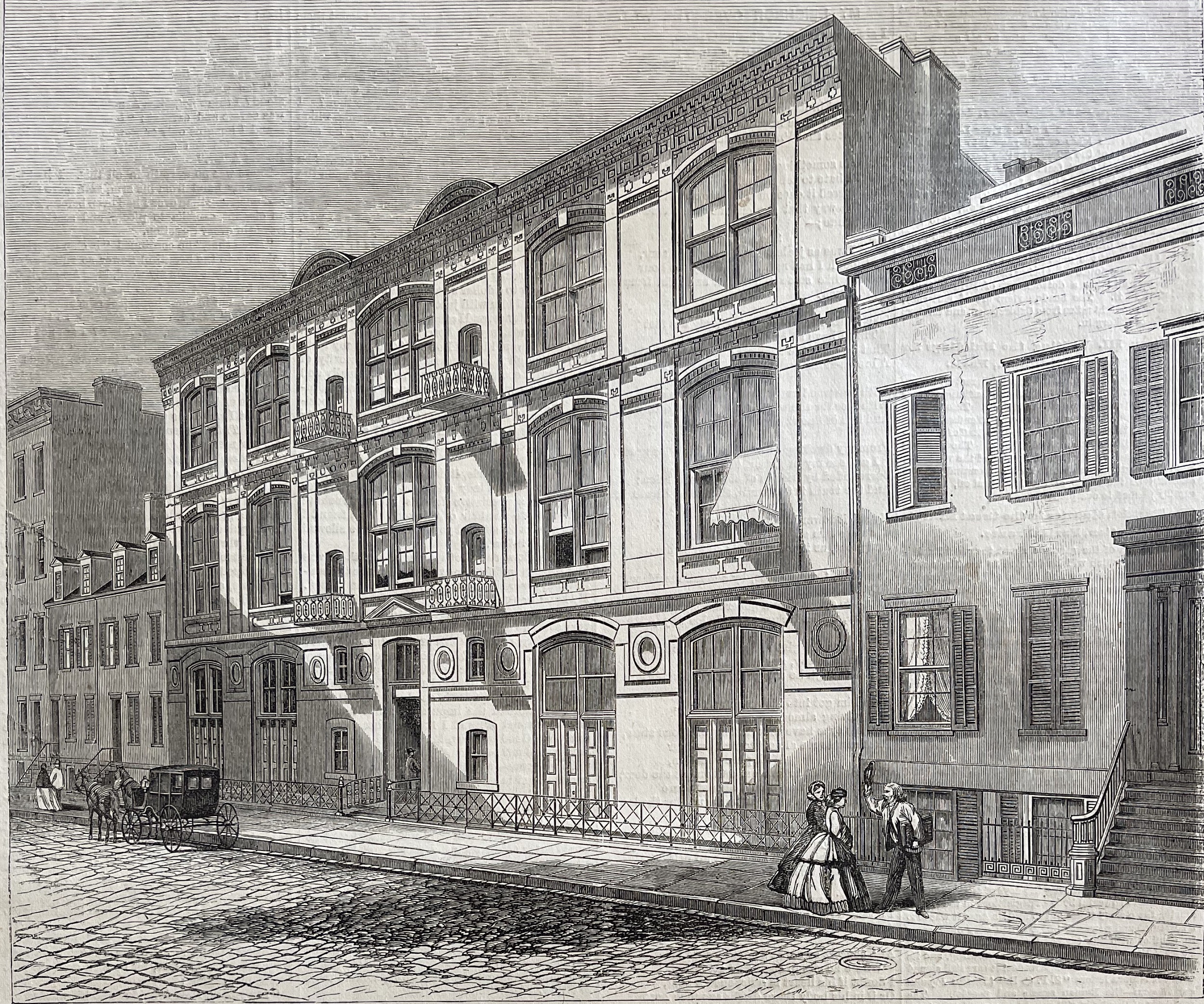
Floating Iceberg, Canada, June–July 1859, Cooper Hewitt, Smithsonian Design MuseumFrederic Edwin Church, Niagara Falls in Winter, March 1856, Cooper Hewitt, Smithsonian Design MuseumTwilight in the Wilderness, 1860, The Cleveland Museum of ArtThe Parthenon, 1871, The Metropolitan Museum of Art10th Street Studio, where Church’s studio was locatedFrederic Edwin Church, The Heart of the Andes, 1859, The Metropolitan Museum of Art
FURTHER LISTENING
Some other shows from the Bowery Boys Podcast related to this week’s show. Give them a listen when you’re done with our interview with Victoria Johnson:
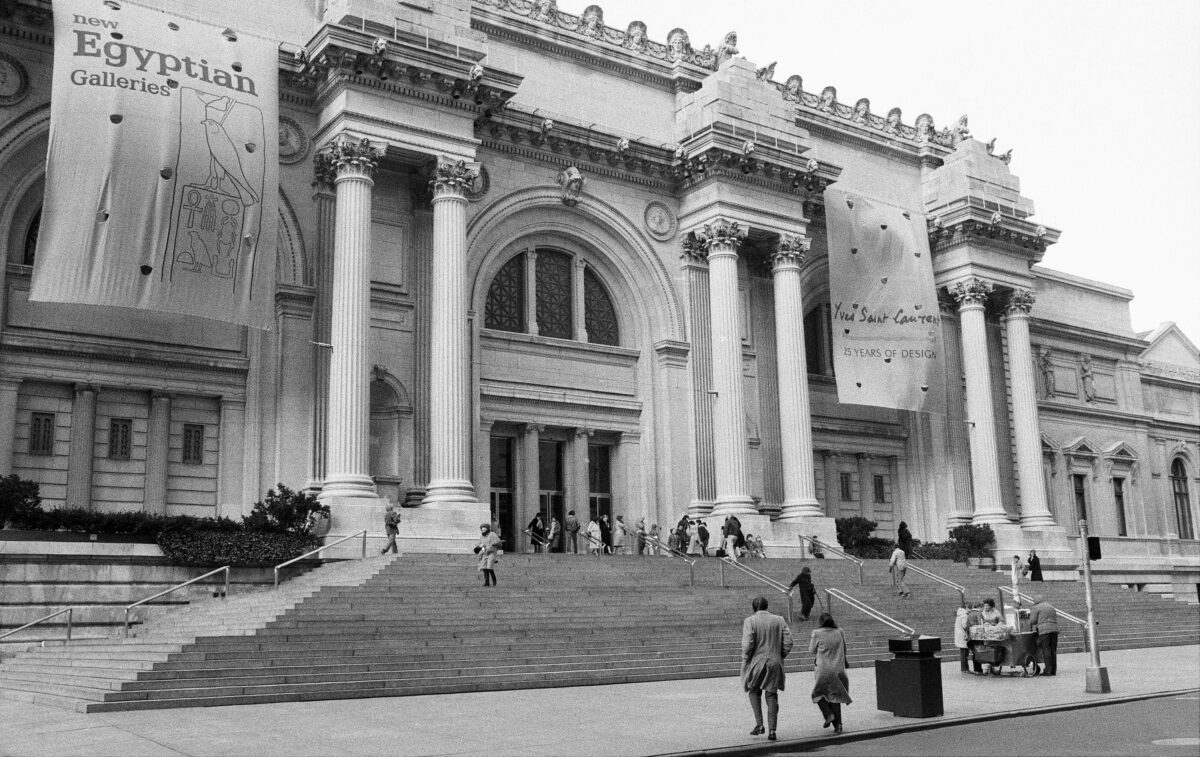
EPISODE 341 Celebrating the history of the Metropolitan Museum of Art in the 150th anniversary year of its founding — certainly one of the strangest years in its extraordinary existence.
The Met is really the king of New York attractions, with visitors heading up to Central Park and streaming through the doors by the millions to gasp at the latest blockbuster exhibitions and priceless works of art and history.
And who doesn’t love getting lost at the Met for an afternoon — wandering from the Greek and Roman galleries to the imposing artifacts within the Arms and Armor collection and the treasures of the Asian Art rooms?
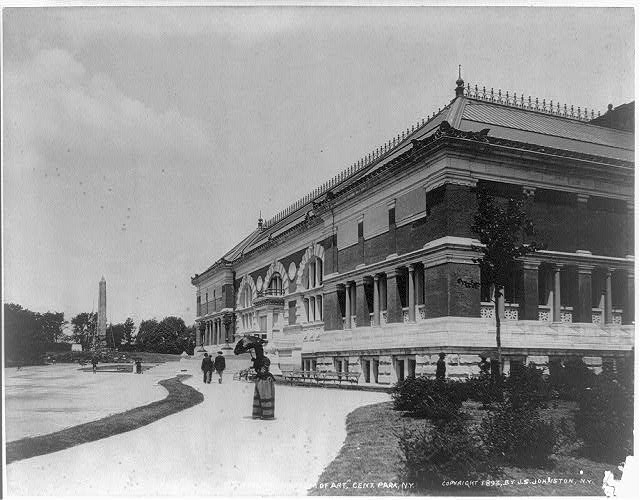
The Theodore Weston addition to the Met 1893, J.S. Johnston, Library of Congress
But this museum has a few surprising secrets in its history — and more than a few skeletons (or are those mummies?) in its closet.
WITH Ancient temples, fabulous fashions, classical relics, Dutch masters, controversial exhibitions and the decorative trappings of the Gilded Age.
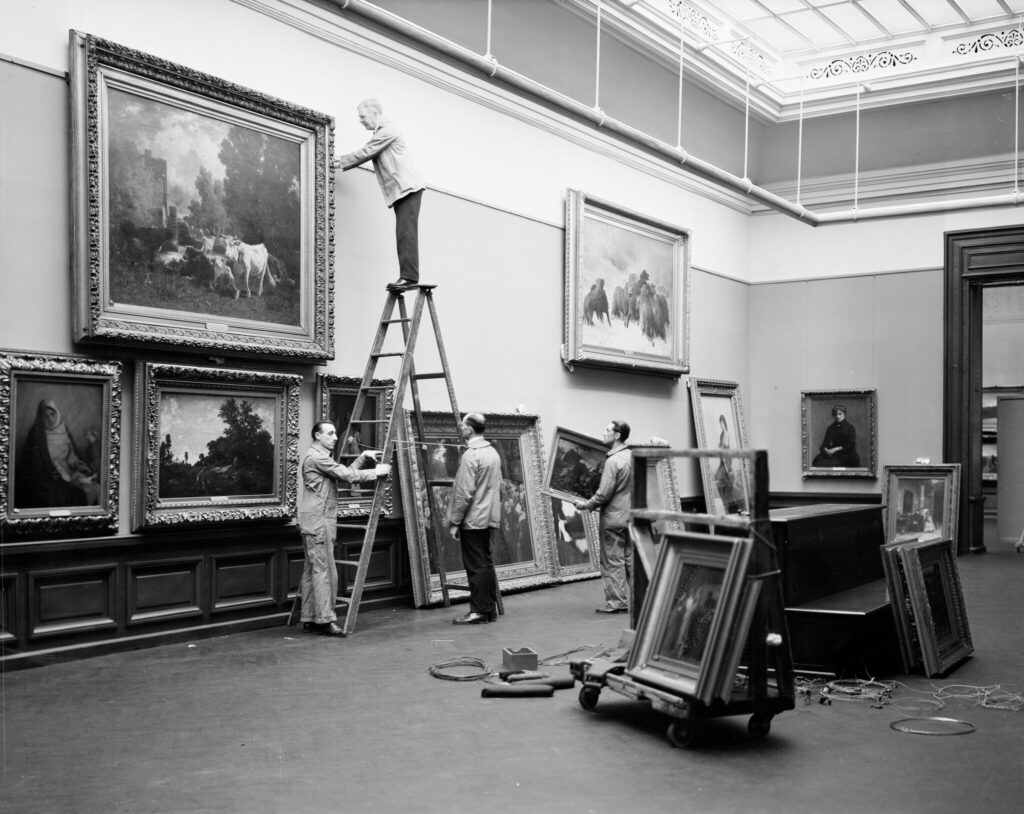
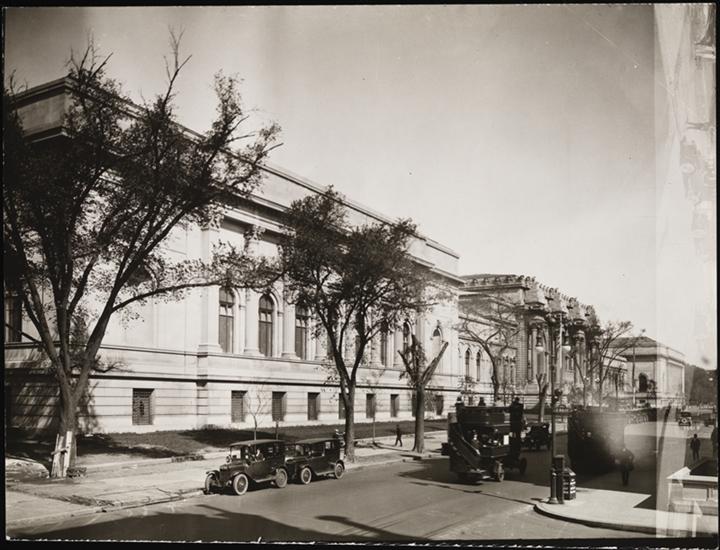
November 1928, photo courtesy The Metropolitan Museum of Art
AND Find out how the museum building has evolved over the years, employing some of the greatest architects in American history.
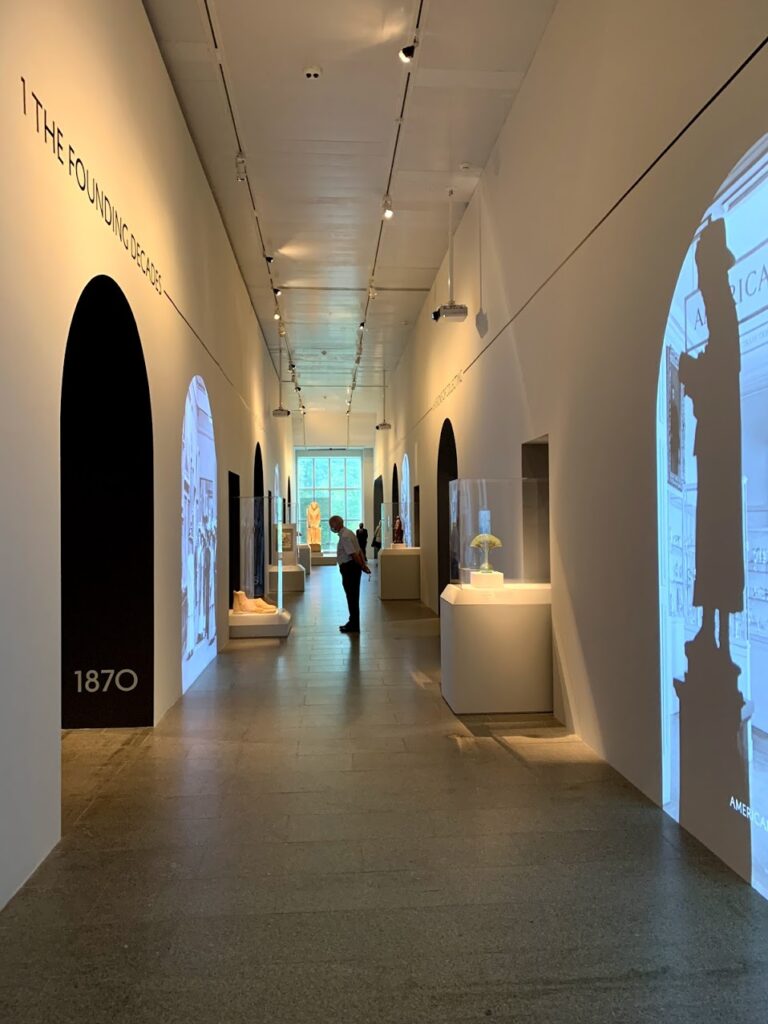
PLUS An interview with the Met’s Andrea Bayer, Deputy Director for Collections and Administration, on the museum’s celebratory exhibition Making the Met 1870-2020.
How do you launch an anniversary celebration during a pandemic and lockdown?
Listen today on your favorite podcast player:
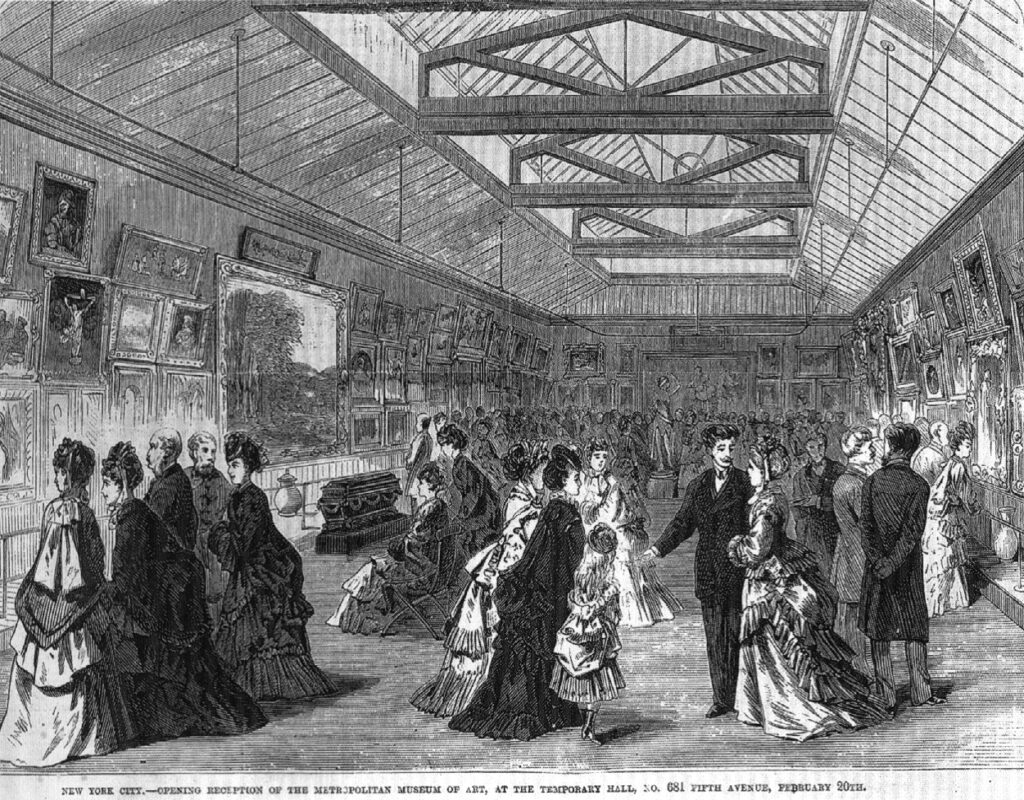
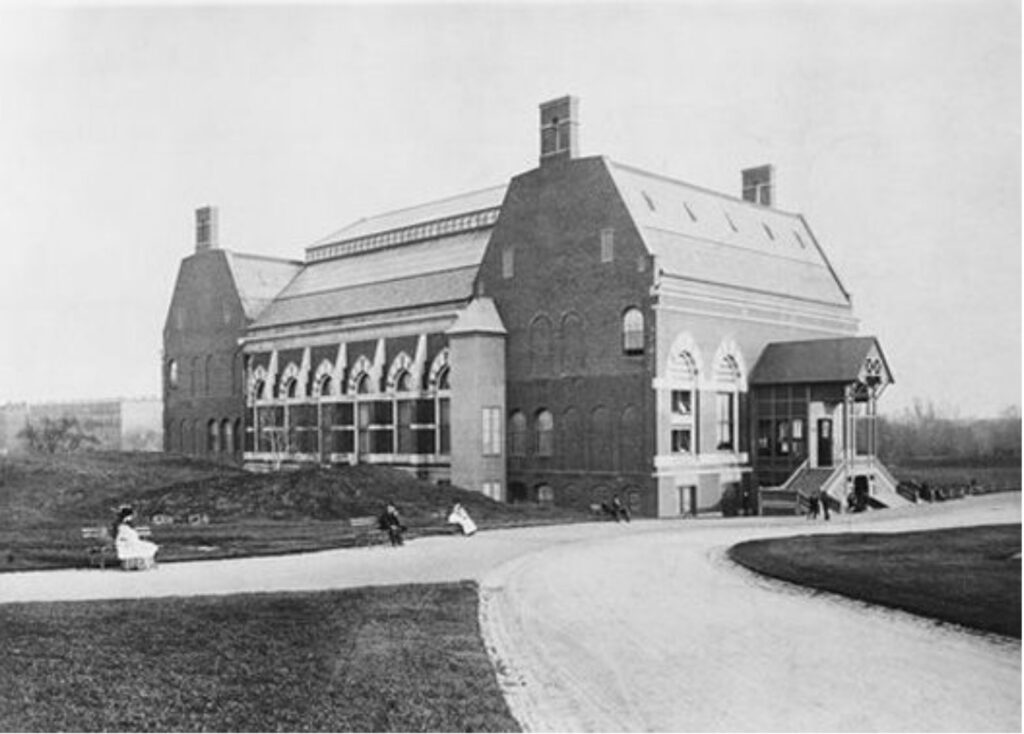
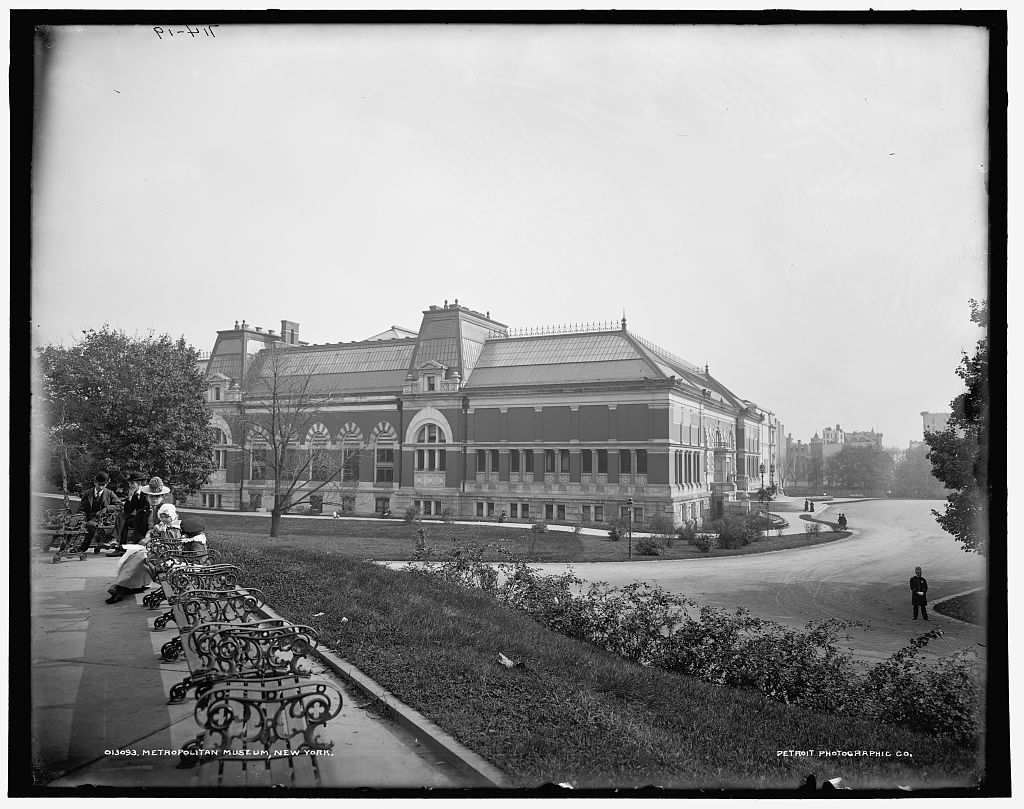
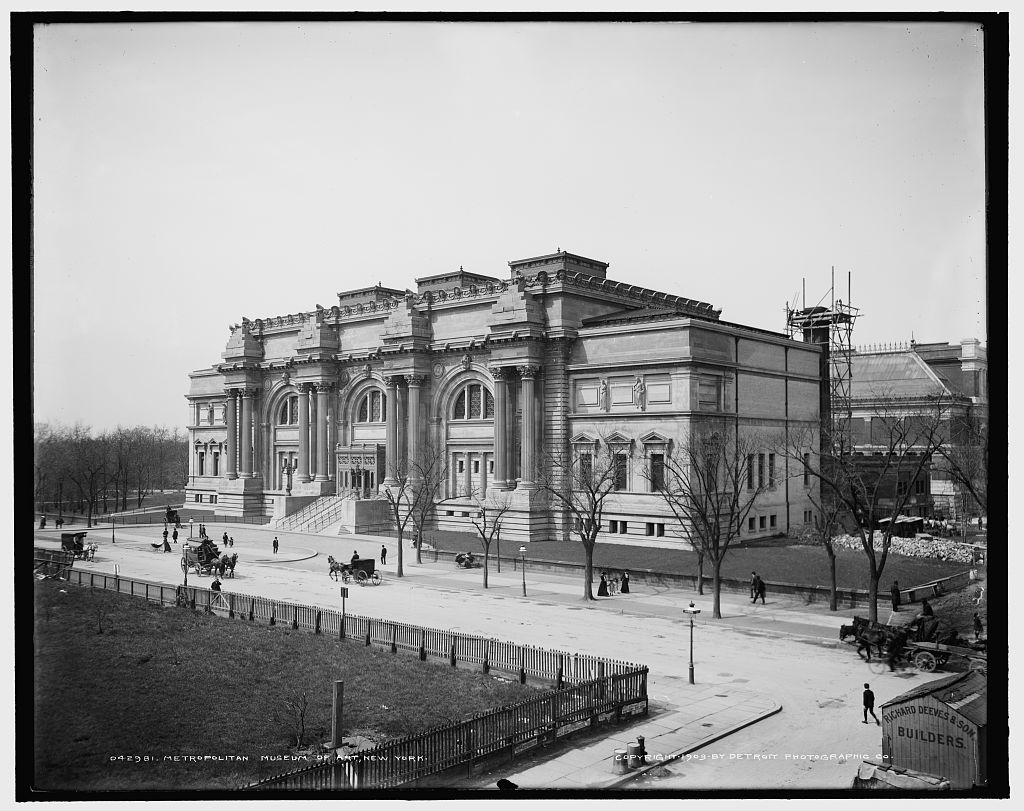
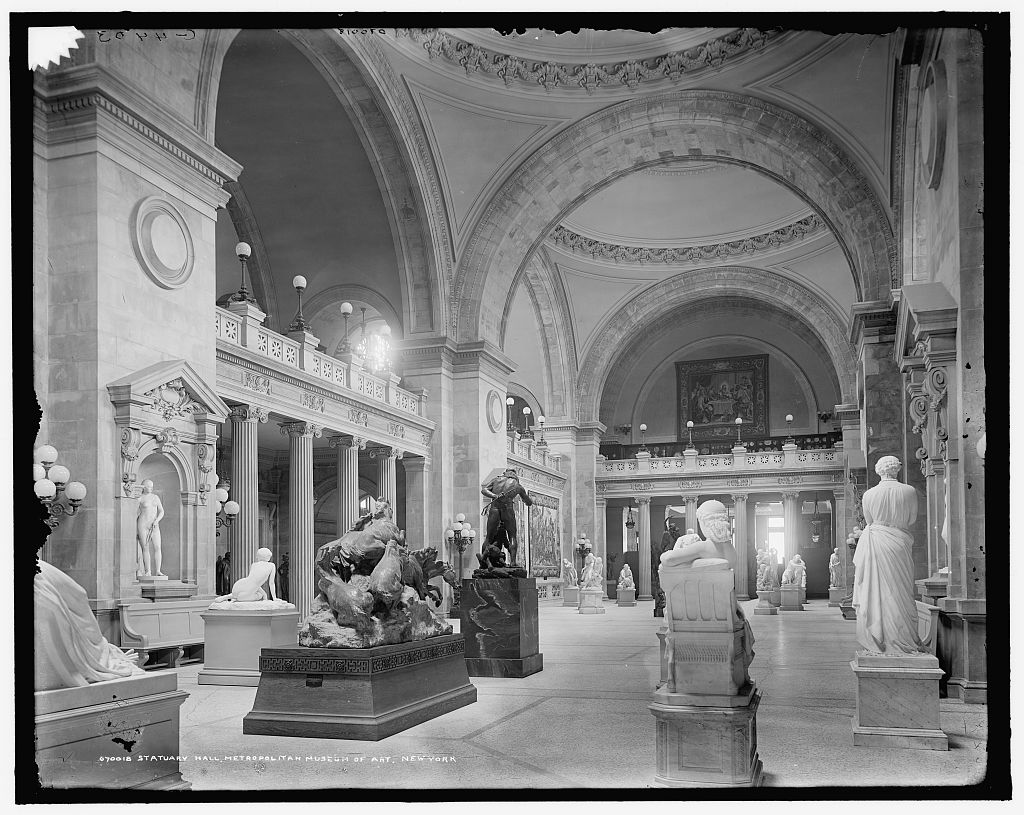
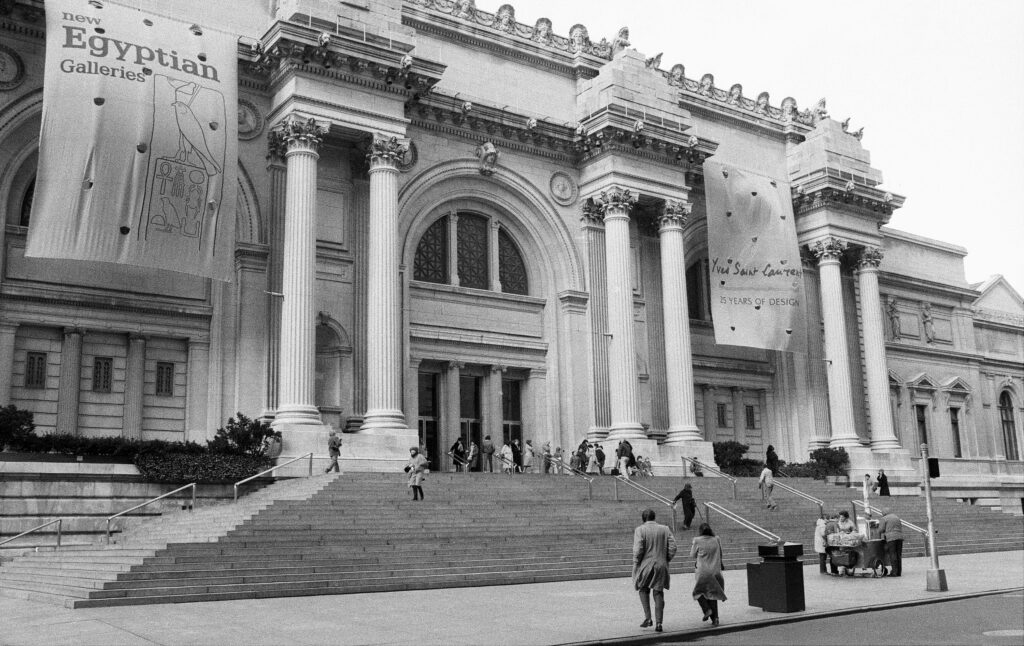
Opening reception in the picture gallery at 681 Fifth Avenue, February 20, 1872; wood-engraving published in Frank Leslie’s Weekly, March 9, 1872‘The Barn’, the original Met from Calvert Vaux and Jacob Wrey Mould, courtesy the Metropolitan Museum of Art1900, Detroit Pub Co, Library of CongressThe Richard Morris Hunt addition to the Met, 1903, Detroit Pub Co, Library of CongressThe Great Hall, 1907, Library of CongressThe Met in 1920, with the southern wing in place. Museum of the City of New YorkThe Met in 1983, Getty Images
Some excellent footage from the 1920s of the Met’s Egyptian excavations
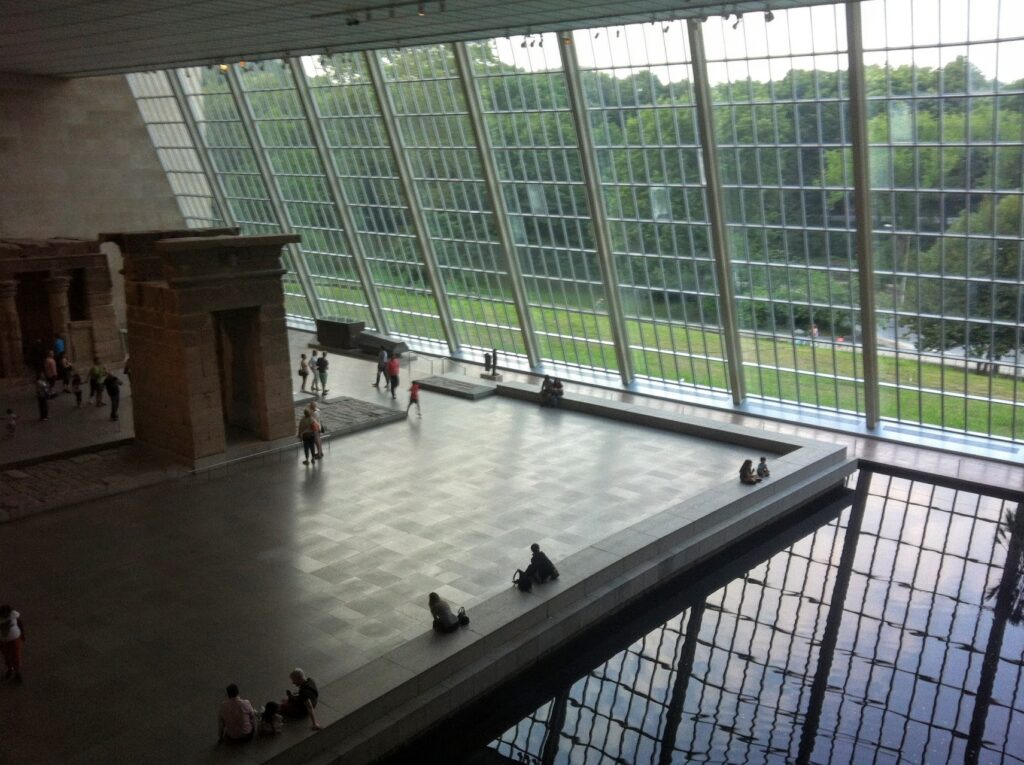
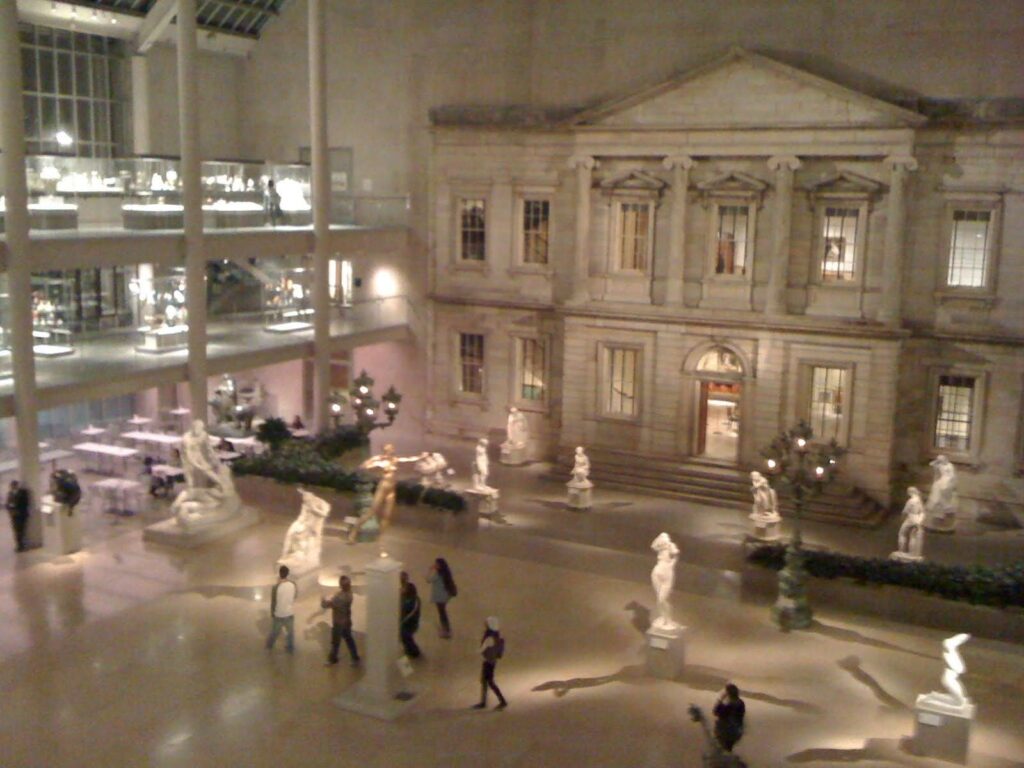
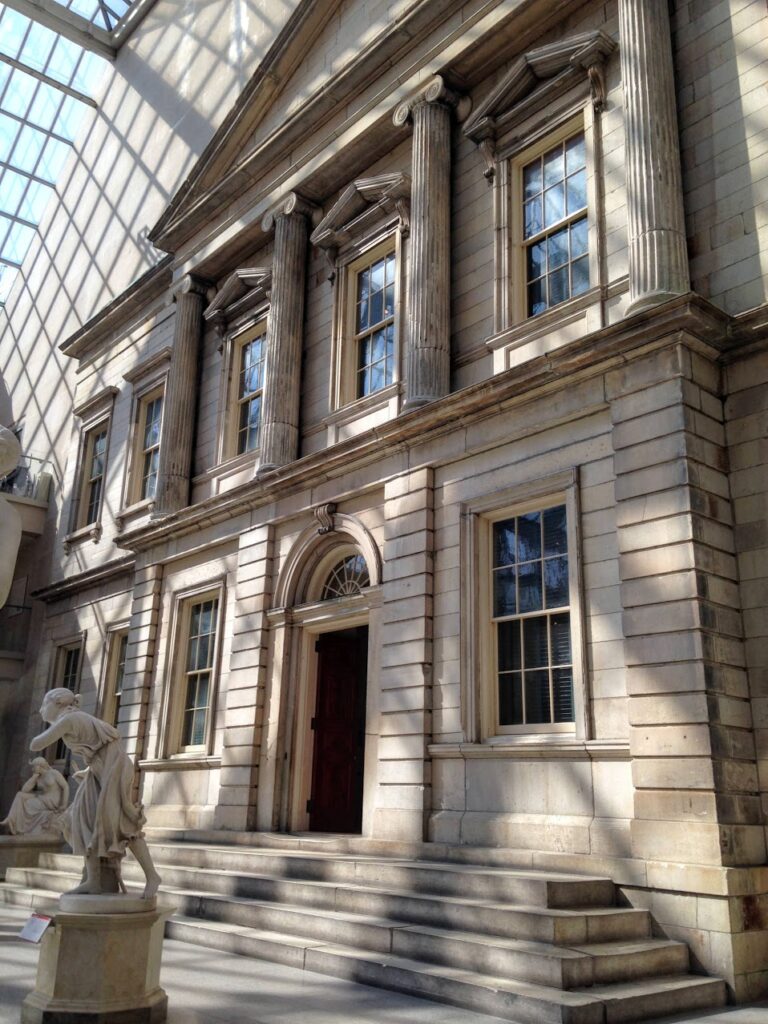
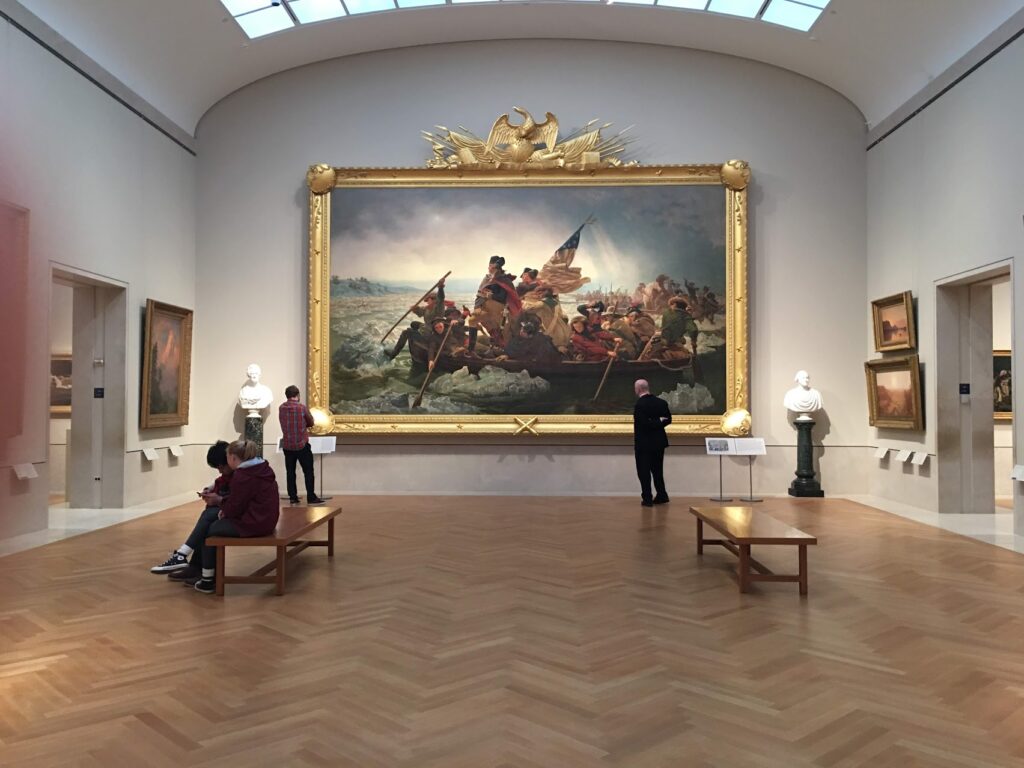
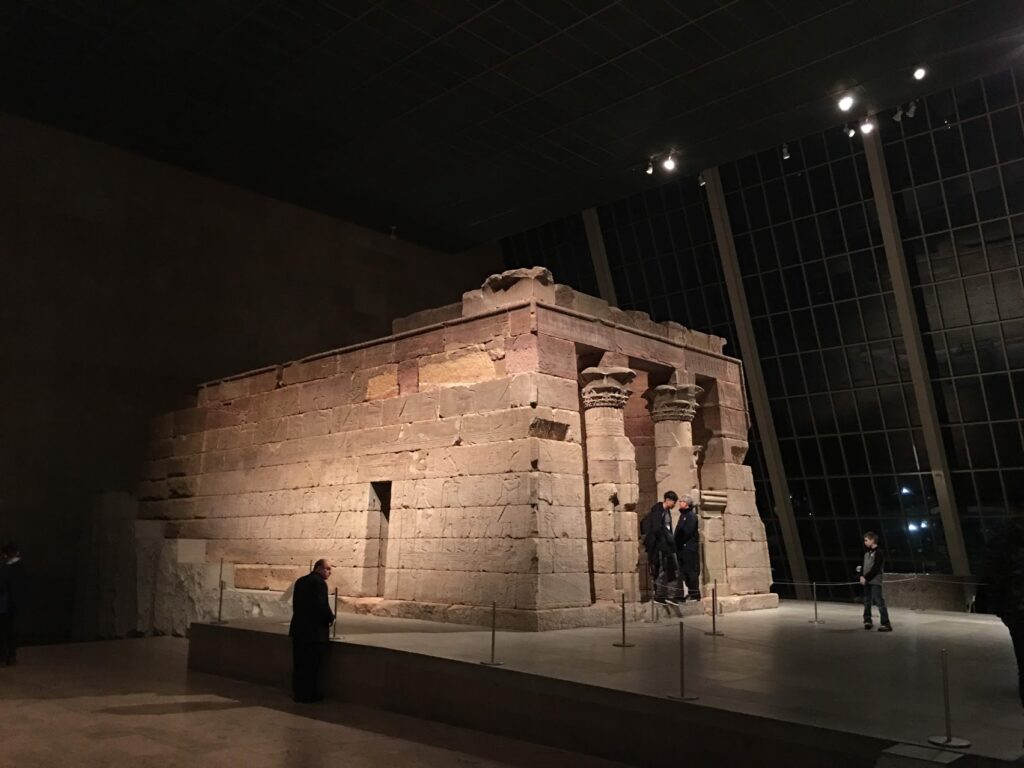
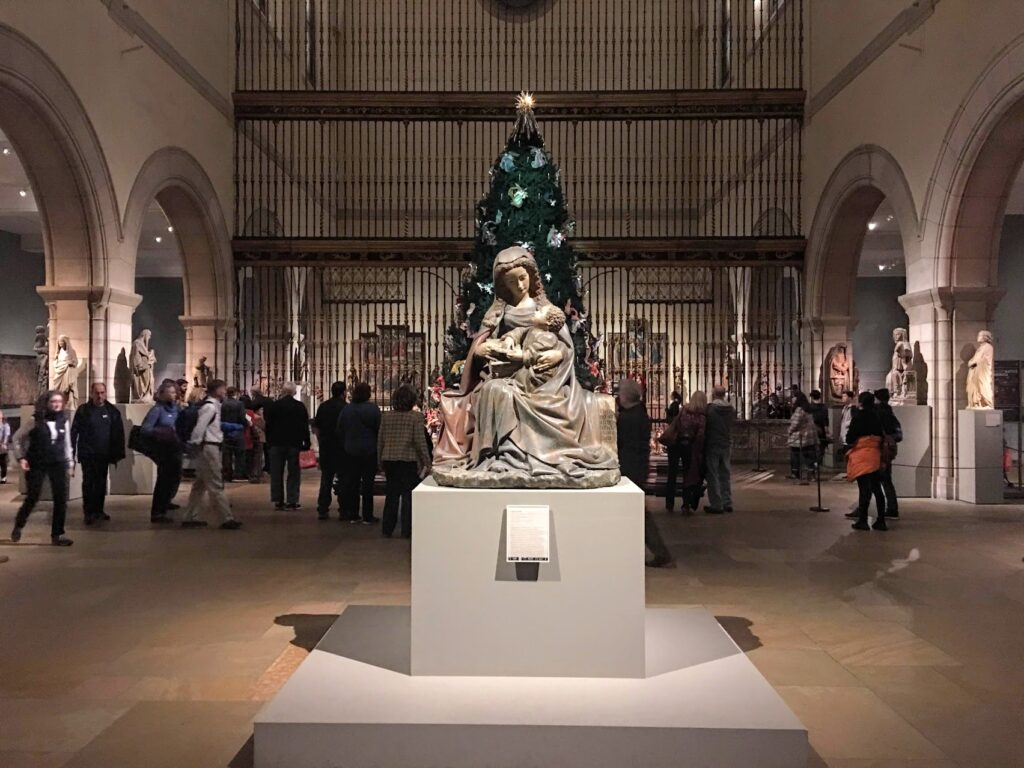
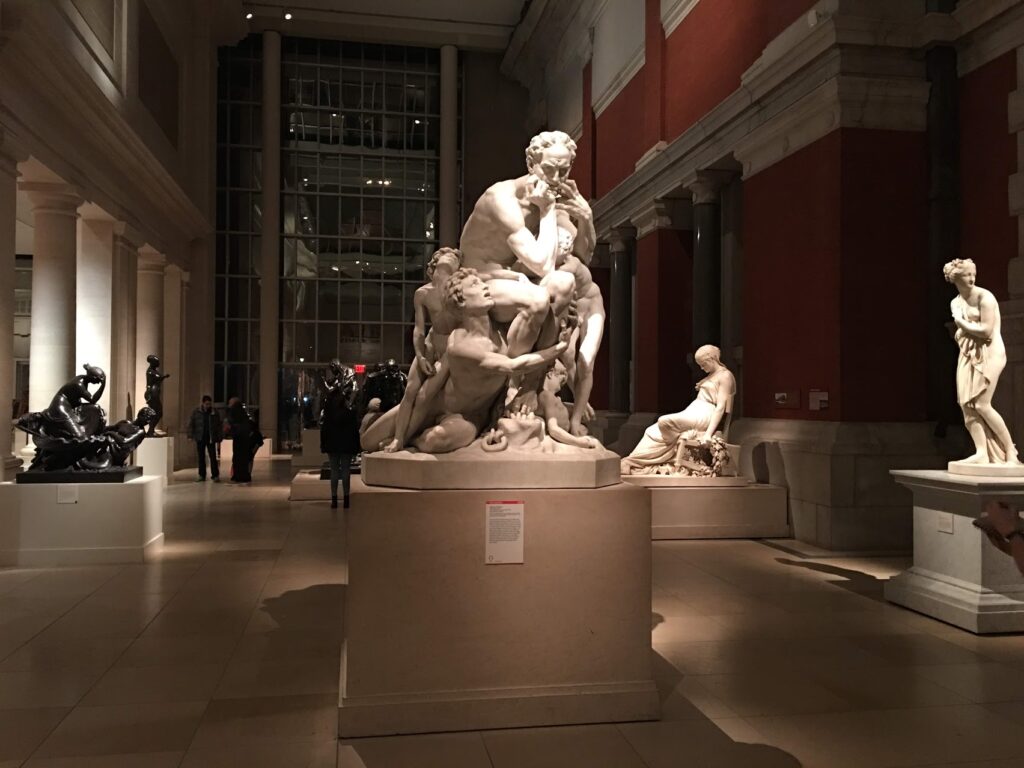
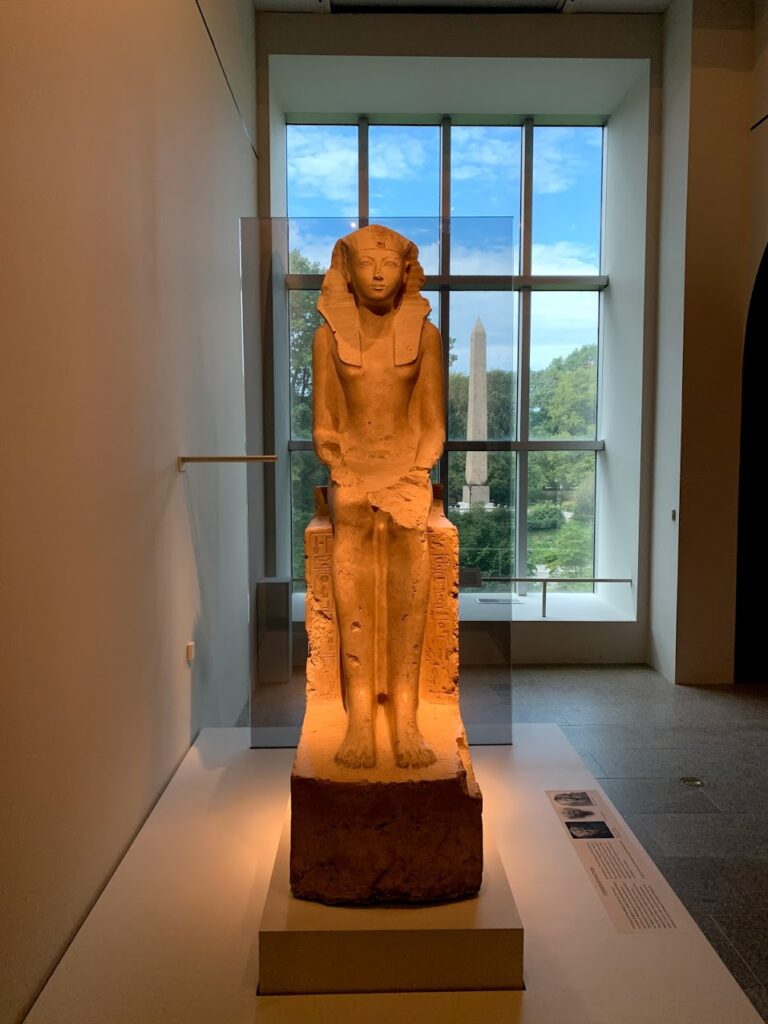
The Temple of Dendur. photo by Greg YoungThe American Wing sculpture garden at night, photo by Greg YoungBranch Bank entrance, 2012, photo by Greg YoungWashington Crossing the Delaware, taken 2017, photo by Greg YoungDendur at night, 2018, photo by Greg YoungThe Met at Christmas, 2018, photo by Greg YoungThe European sculpture garden at night, with views of the original 19th century facade in red brick. 2018, photo by Greg Young
Views from Making the Met (photos by Greg Young):
The Bowery Boys: New York City History podcast is brought to you …. by you!
We are now producing a new Bowery Boys podcast every week. We’re also looking to improve and expand the show in other ways — publishing, social media, live events and other forms of media. But we can only do this with your help!
We are now a creator on Patreon, a patronage platform where you can support your favorite content creators.
Please visit our page on Patreon and watch a short video of us recording the show and talking about our expansion plans.
If you’d like to help out, there are six different pledge levels.Check them out and consider being a sponsor.
We greatly appreciate our listeners and readers and thank you for joining us on this journey so far.
FURTHER LISTENING
The Met was a bit behind the times when it came to celebrating Impressionism but New Yorkers could take a gander at the ‘shocking’ output from Europe — as well as examples from the New York’ Ashcan School — at the Armory Show of 1913.
The Met is a twin institution to the American Museum of Natural History which shares a similar origin story.
In the second half of our Fifth Avenue Mansions series, we look at how the wealthy mansions of Fifth Avenue left midtown and headed to the Upper East Side.
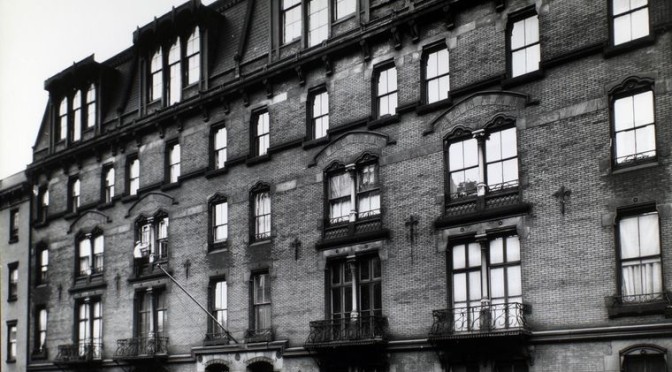
The creation of ‘acceptable’ communal living: The Stuyvesant Flats, at 142 East 18th Street, designed by Richard Morris Hunt, photographed by Berenice Abbott.
PODCASTWell, we’re movin’ on up….to the first New York apartment building ever constructed. New Yorkers of the emerging middle classes needed a place to live situated between the townhouse and the tenement, and the solution came from overseas — a daring style of communal and affordable living called the ‘apartment’ or ‘French flat’.
The city’s first was financed by Rutherford Stuyvesant, an old-money heir with an unusual story to his name. He hired one of the upper class’s hottest architects to create an apartment house, called the Stuyvesant Apartments, with many features that would have been shocking to more than a few New Yorkers of the day.
The building’s first tenants were sometimes well-known, often artists and publishers, and almost all of them with a fascinating story to tell. Listen in to hear about the vanguard first renters of this classic, long-gone building.
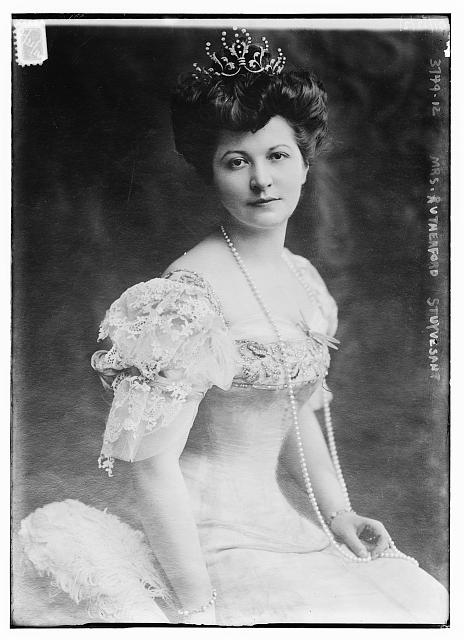
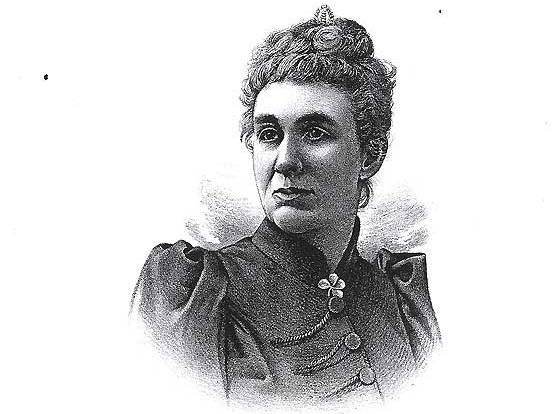
I have been unable to find any portraits of Mr. Rutherford Stuyvesant (aka Stuyvesant Rutherford), the man who financed the Stuyvesant for $100,000. However I have found a picture of Mrs. Rutherford Stuyvesant, who doesn’t look like the kind of lady to mettle around in her husband’s affairs. She would not have found the apartments which bore her name very accomodating. Many, many others did. (Courtesy LOC)
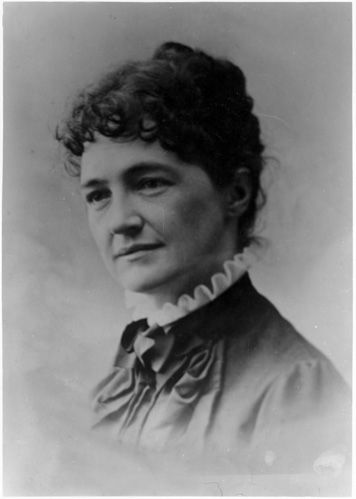
The tenacious Elizabeth ‘Libby’ Custer, photo taken in 1876, the year her husband was killed at the Battle of Little Bighorn. Mrs. Custer moved into Stuyvesant and successfully led her crusade to rehabilitate her husband’s reputation.
Maggie Custer Calhoun, younger sister to General Custer, lived with her sister-in-law at the Stuyvesant before embarking on a successful career as an elocutionist.
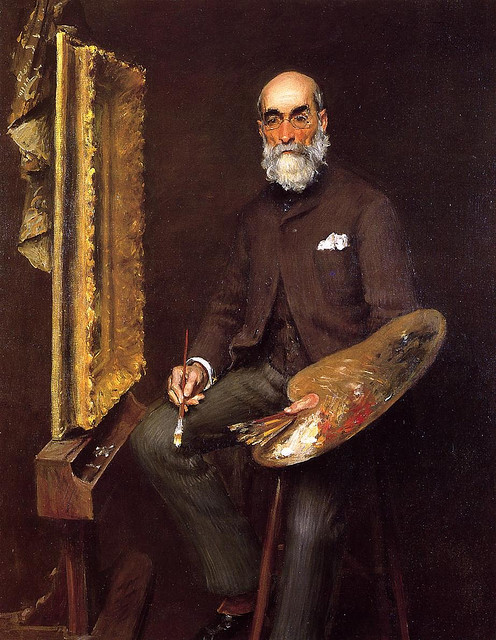
The landscape painter Worthington Whittredge also resided here. In fact, he beamed about it in his autobiography: “I was one of the first to subscribe for an apartment in this house, which was to be erected in 18th Street near Third Avenue and Stuyvesant Square.”
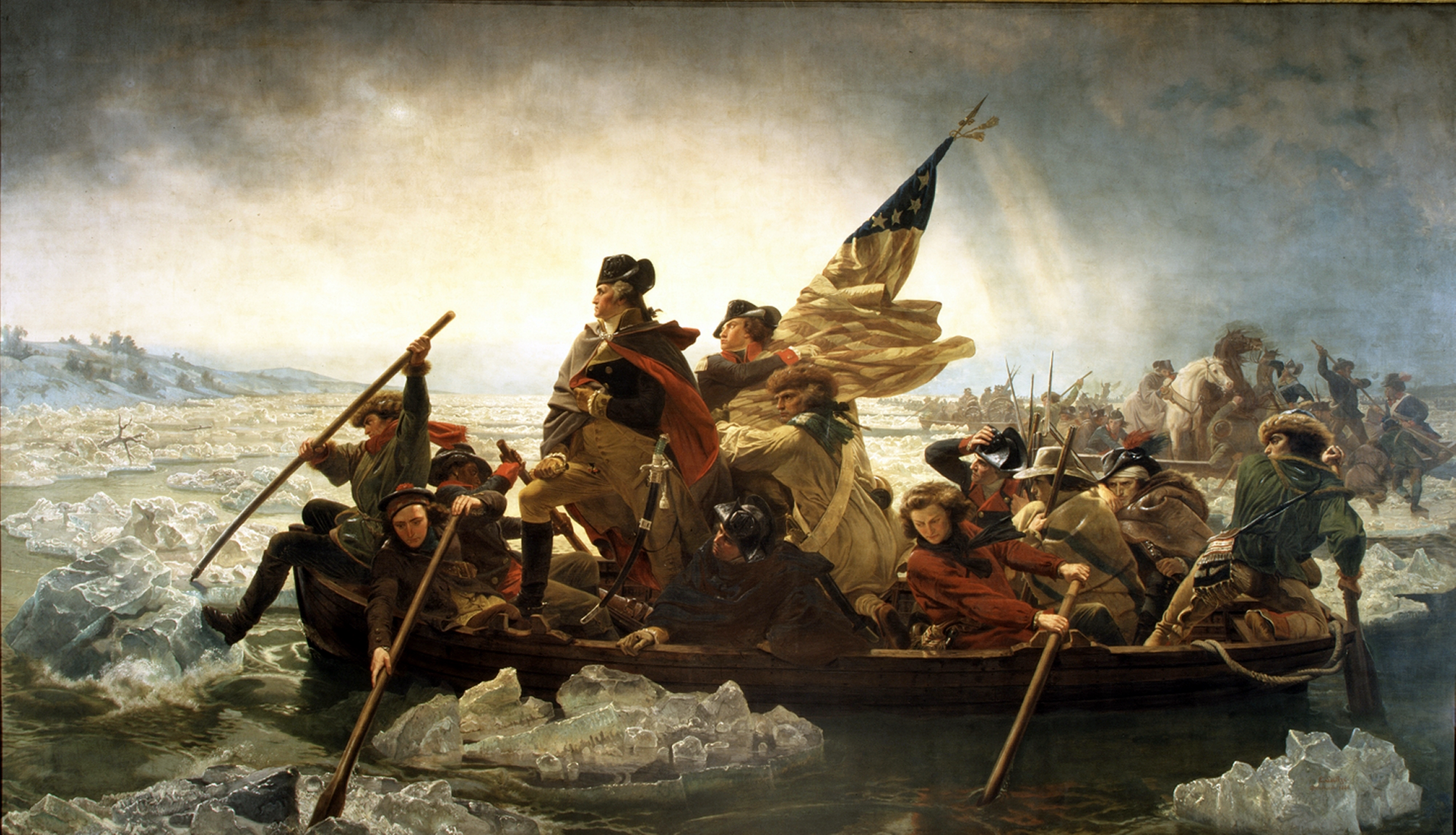
Earlier in his career, Whittredge posed as George Washington while Emanuel Leutze painted ‘Washington Crossing The Delaware’. (Worthington is quite comfortable on both sides of the easel The painting below is by William Merritt Chase.)
In its later years, the Stuyvesant was used as the set for a pivotal scene in the Oscar-nominated film noir ‘Kiss of Death’ starring Richard Widmark. Needless to say, this sort of activity very rarely went on at the Stuyvesant.