EPISODE 341 Celebrating the history of the Metropolitan Museum of Art in the 150th anniversary year of its founding — certainly one of the strangest years in its extraordinary existence.
The Met is really the king of New York attractions, with visitors heading up to Central Park and streaming through the doors by the millions to gasp at the latest blockbuster exhibitions and priceless works of art and history.
And who doesn’t love getting lost at the Met for an afternoon — wandering from the Greek and Roman galleries to the imposing artifacts within the Arms and Armor collection and the treasures of the Asian Art rooms?
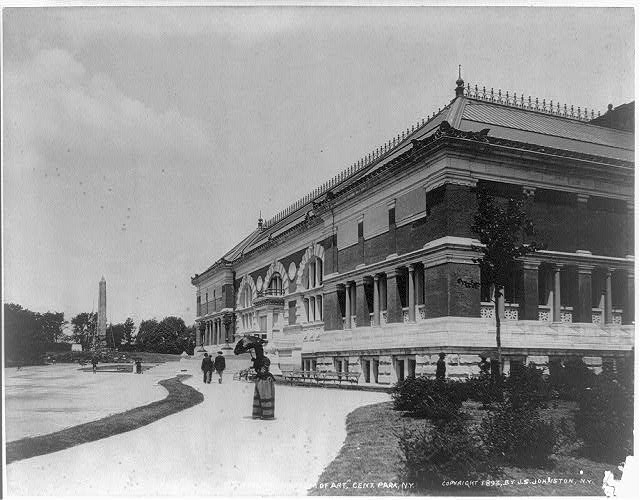
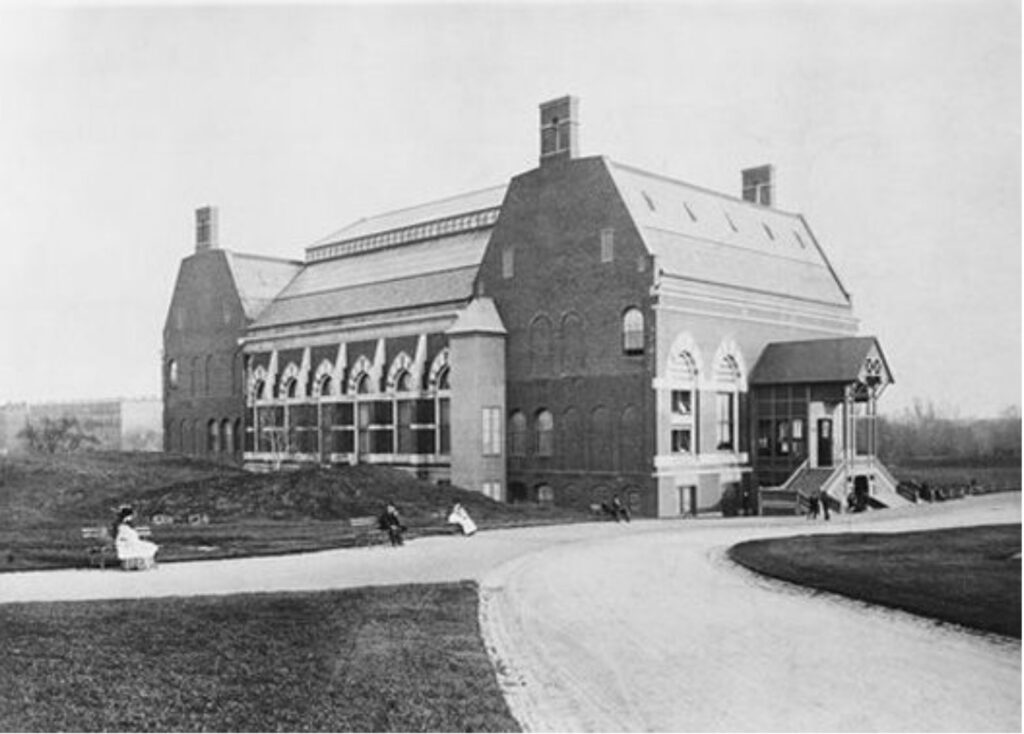
The Theodore Weston addition to the Met 1893, J.S. Johnston, Library of Congress
But this museum has a few surprising secrets in its history — and more than a few skeletons (or are those mummies?) in its closet.
WITH Ancient temples, fabulous fashions, classical relics, Dutch masters, controversial exhibitions and the decorative trappings of the Gilded Age.
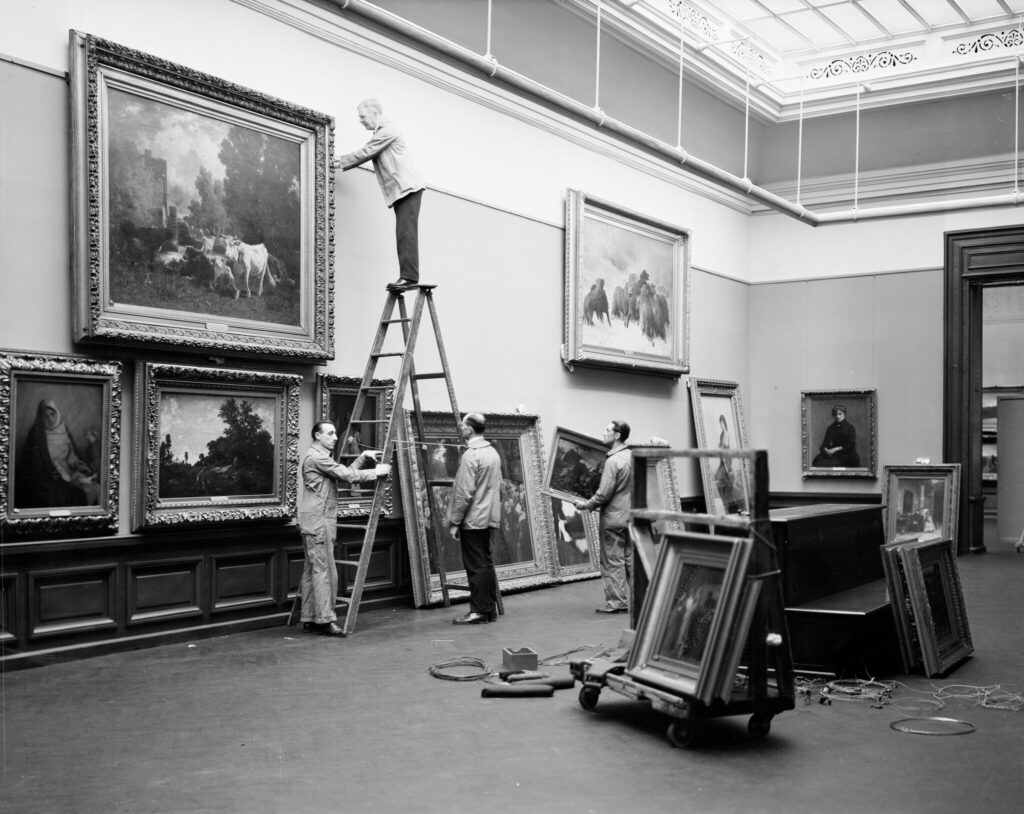
November 1928, photo courtesy The Metropolitan Museum of Art
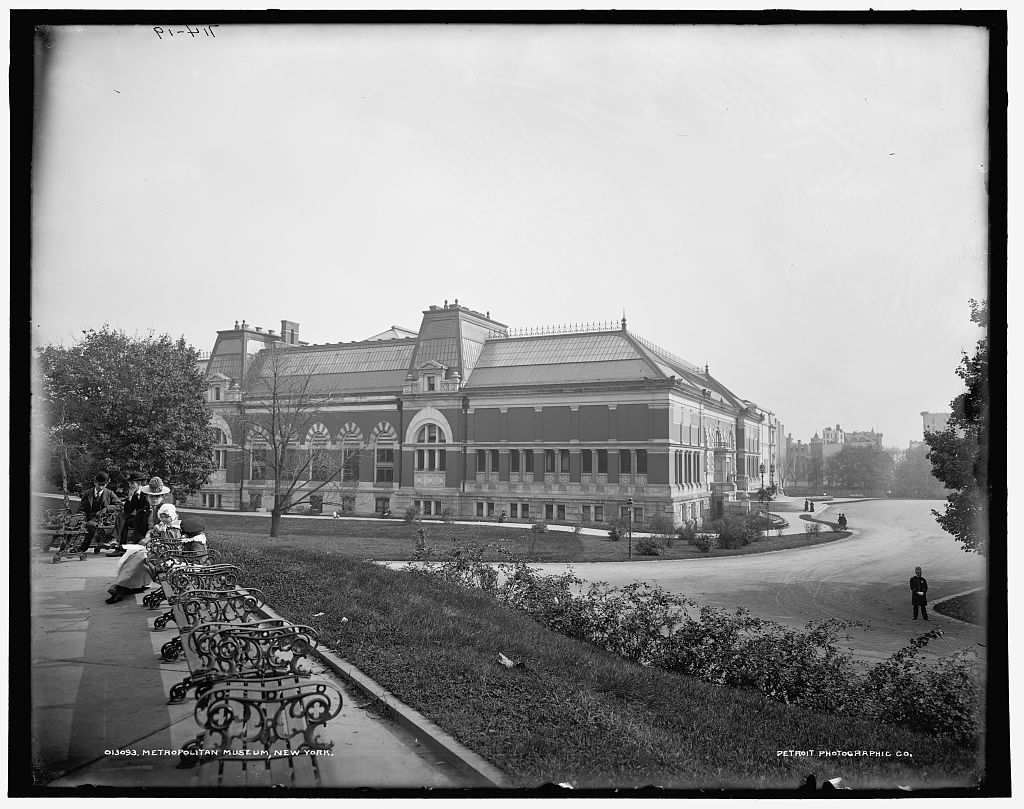
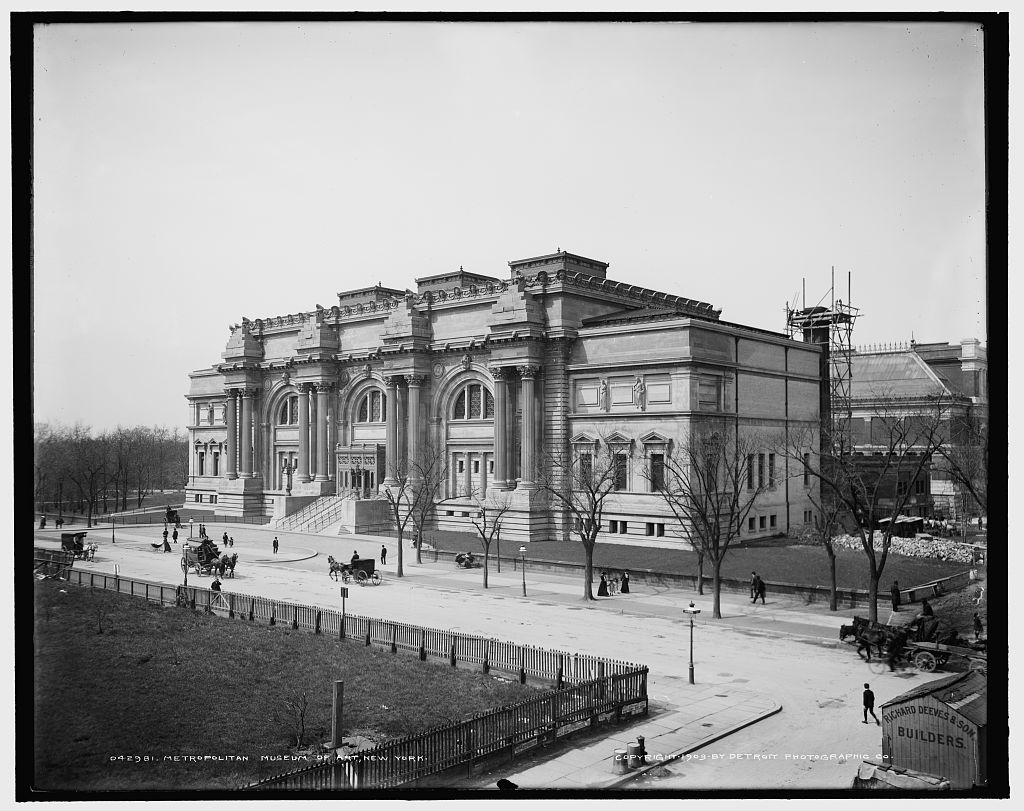
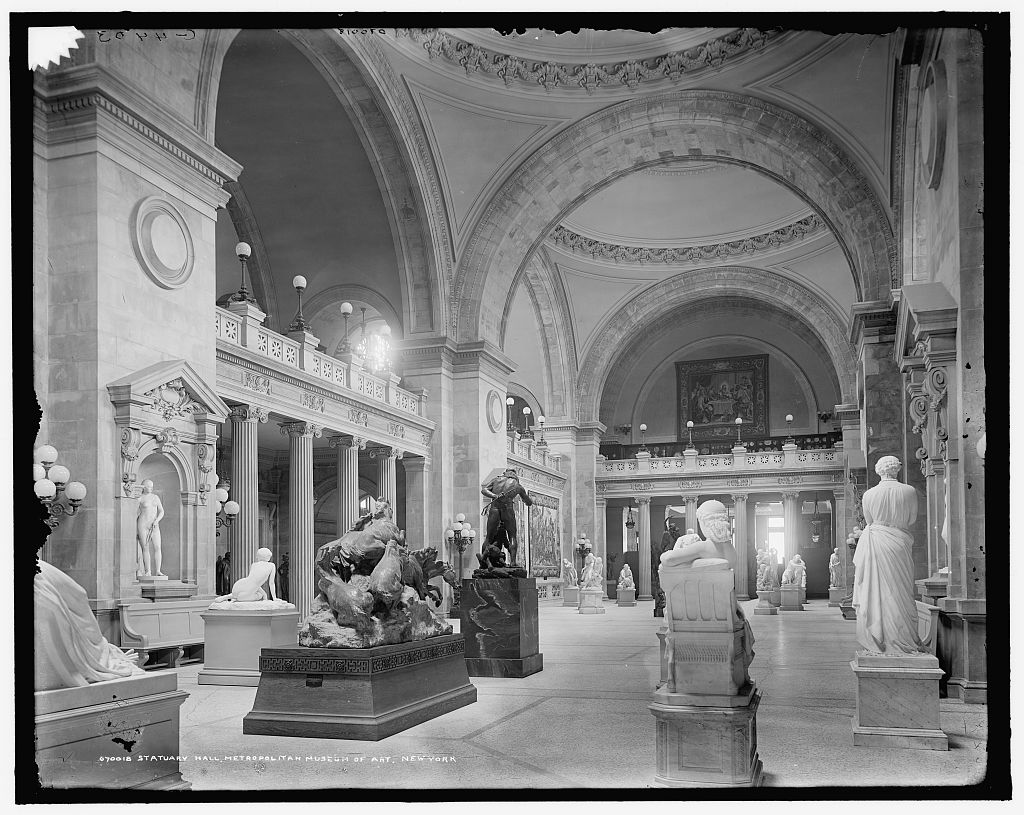
AND Find out how the museum building has evolved over the years, employing some of the greatest architects in American history.
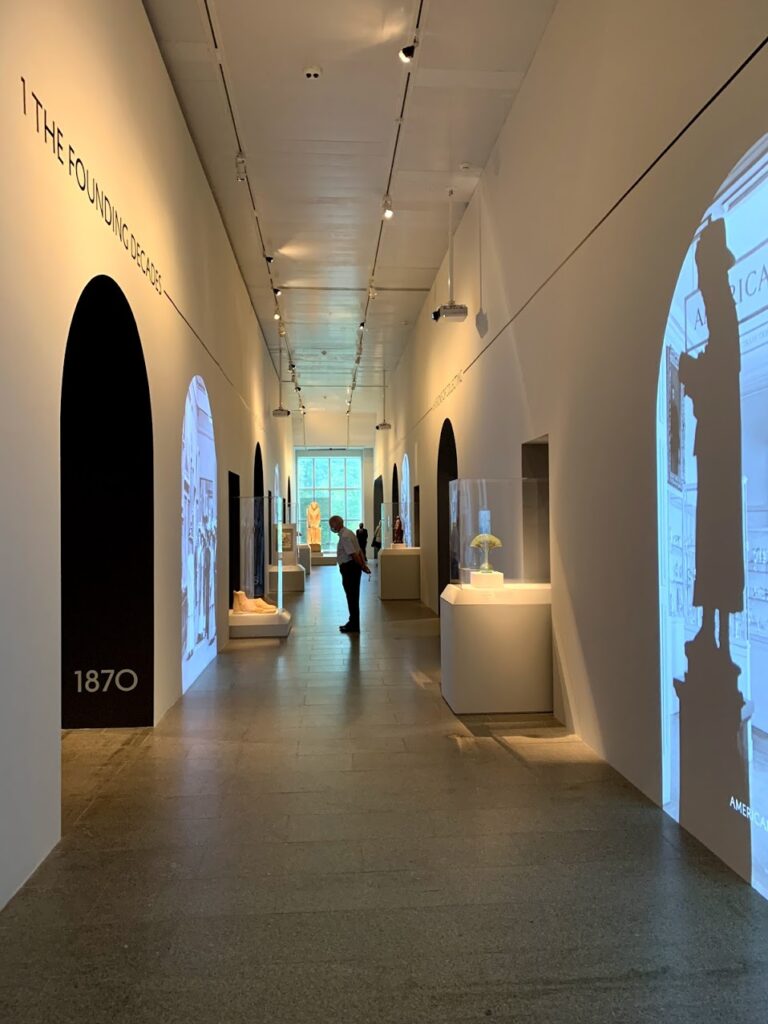
PLUS An interview with the Met’s Andrea Bayer, Deputy Director for Collections and Administration, on the museum’s celebratory exhibition Making the Met 1870-2020.
How do you launch an anniversary celebration during a pandemic and lockdown?
Listen today on your favorite podcast player:
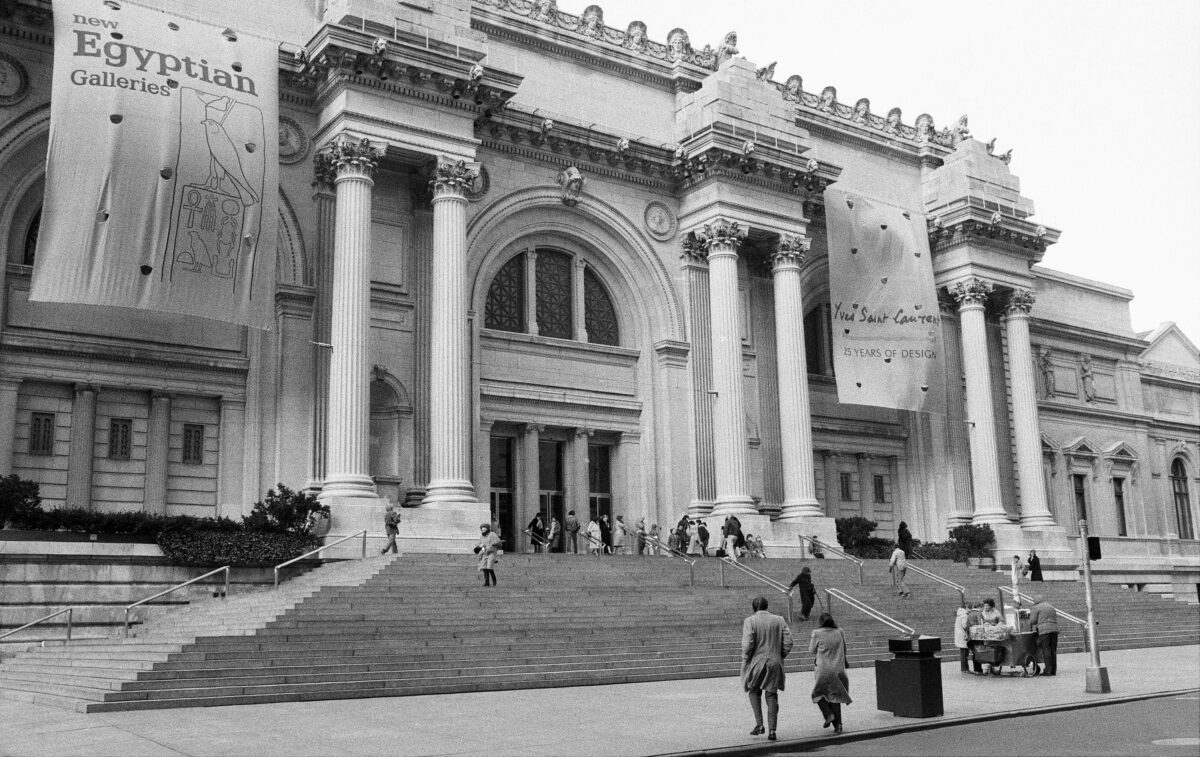
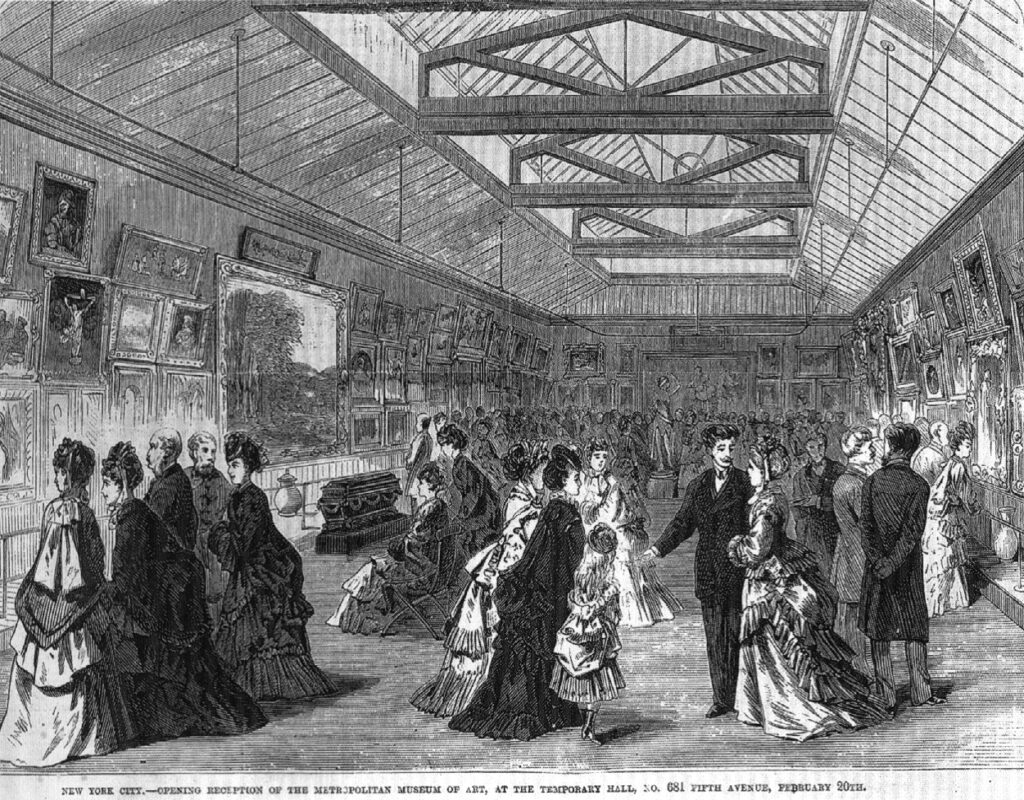
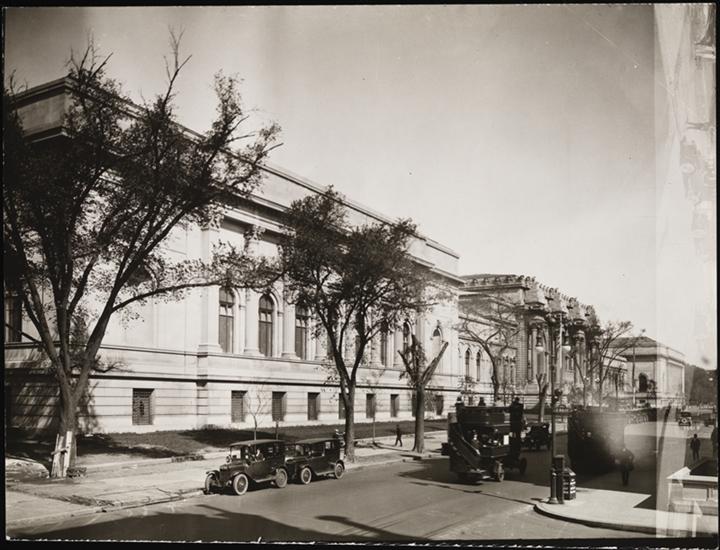
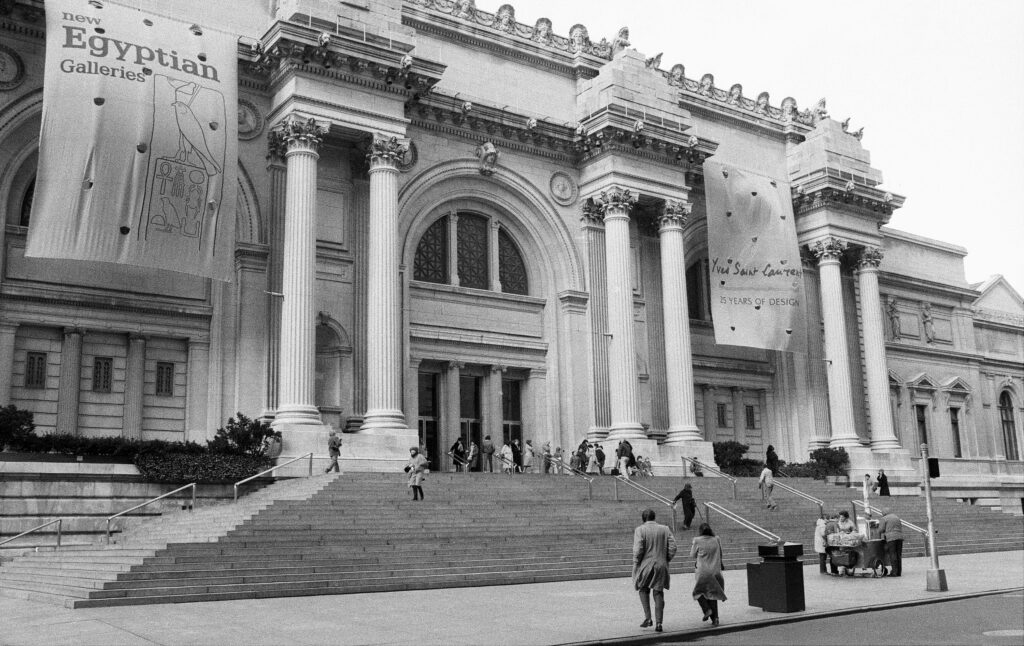
Opening reception in the picture gallery at 681 Fifth Avenue, February 20, 1872; wood-engraving published in Frank Leslie’s Weekly, March 9, 1872‘The Barn’, the original Met from Calvert Vaux and Jacob Wrey Mould, courtesy the Metropolitan Museum of Art1900, Detroit Pub Co, Library of CongressThe Richard Morris Hunt addition to the Met, 1903, Detroit Pub Co, Library of CongressThe Great Hall, 1907, Library of CongressThe Met in 1920, with the southern wing in place. Museum of the City of New YorkThe Met in 1983, Getty Images
Some excellent footage from the 1920s of the Met’s Egyptian excavations
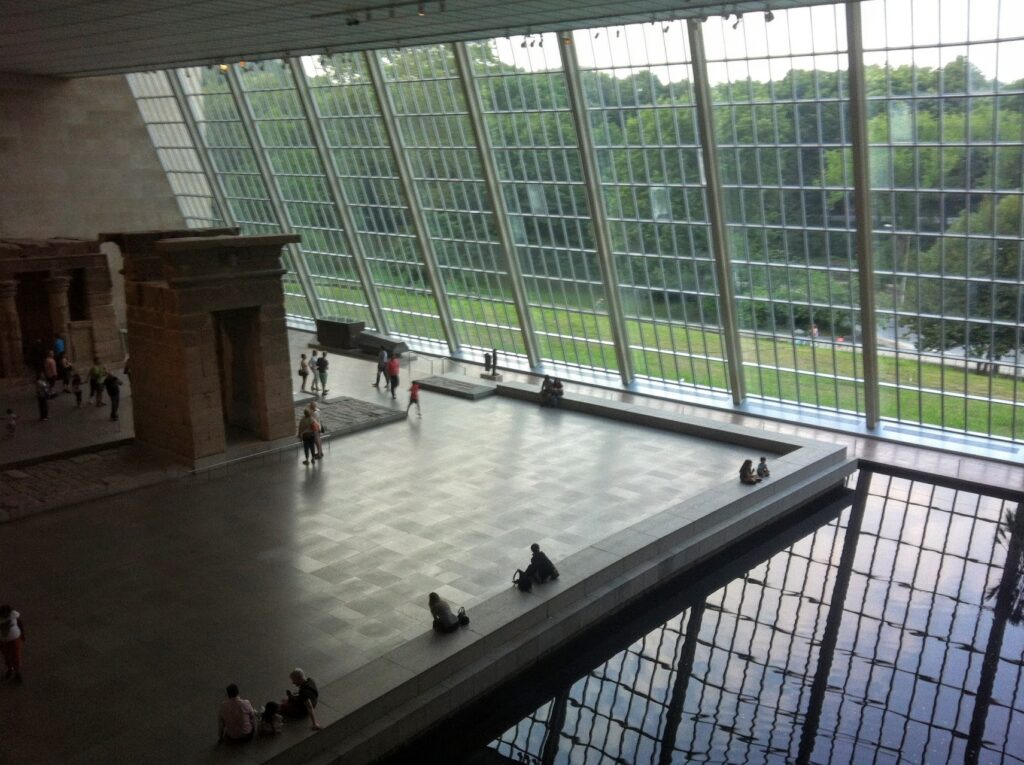
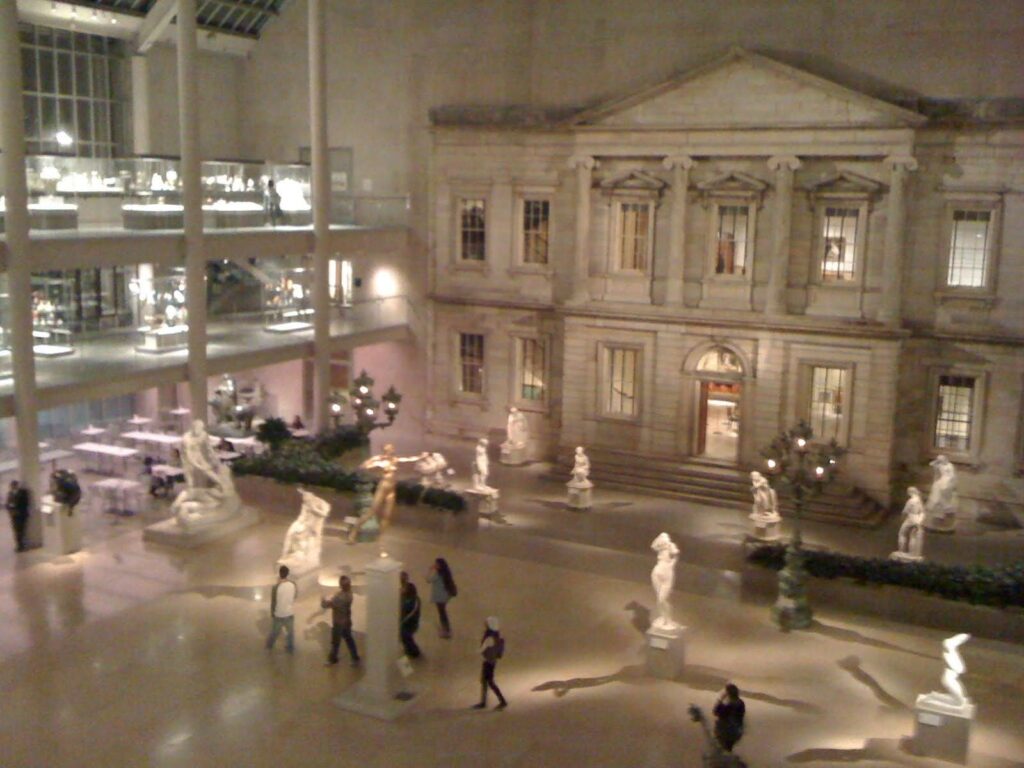
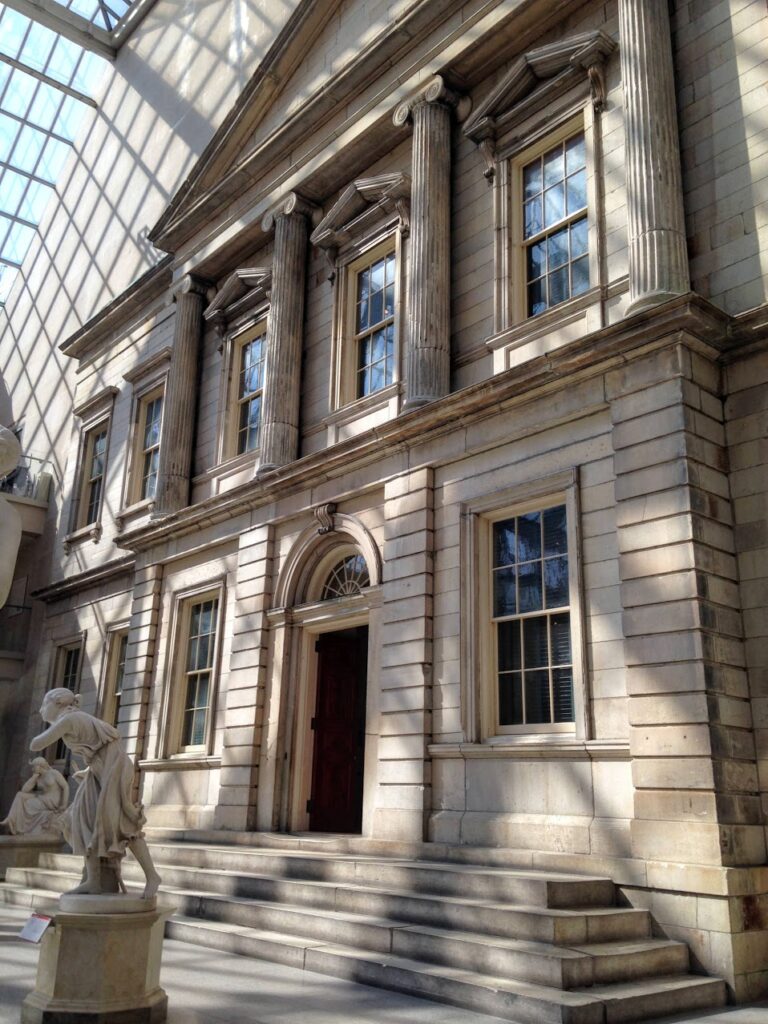
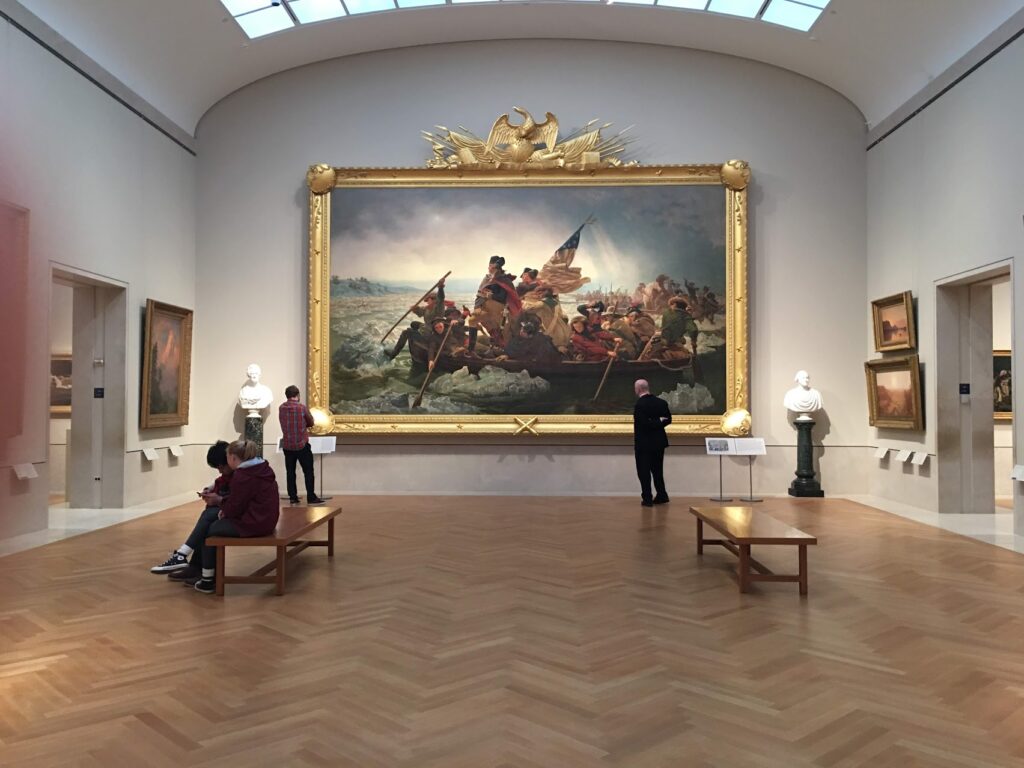
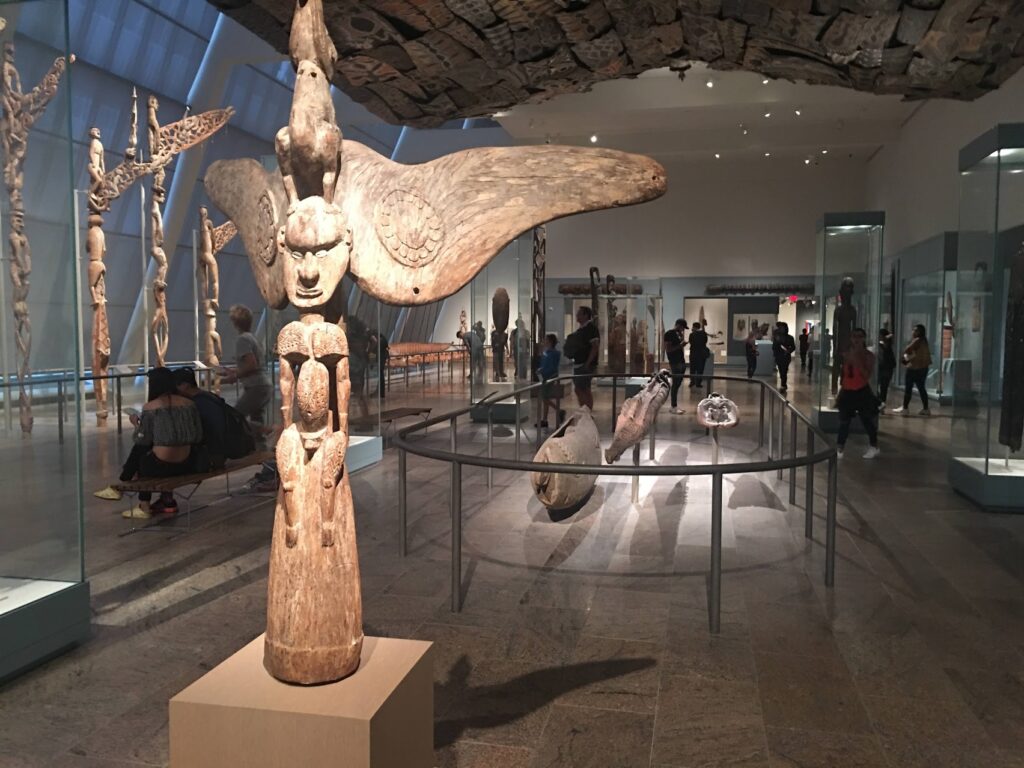
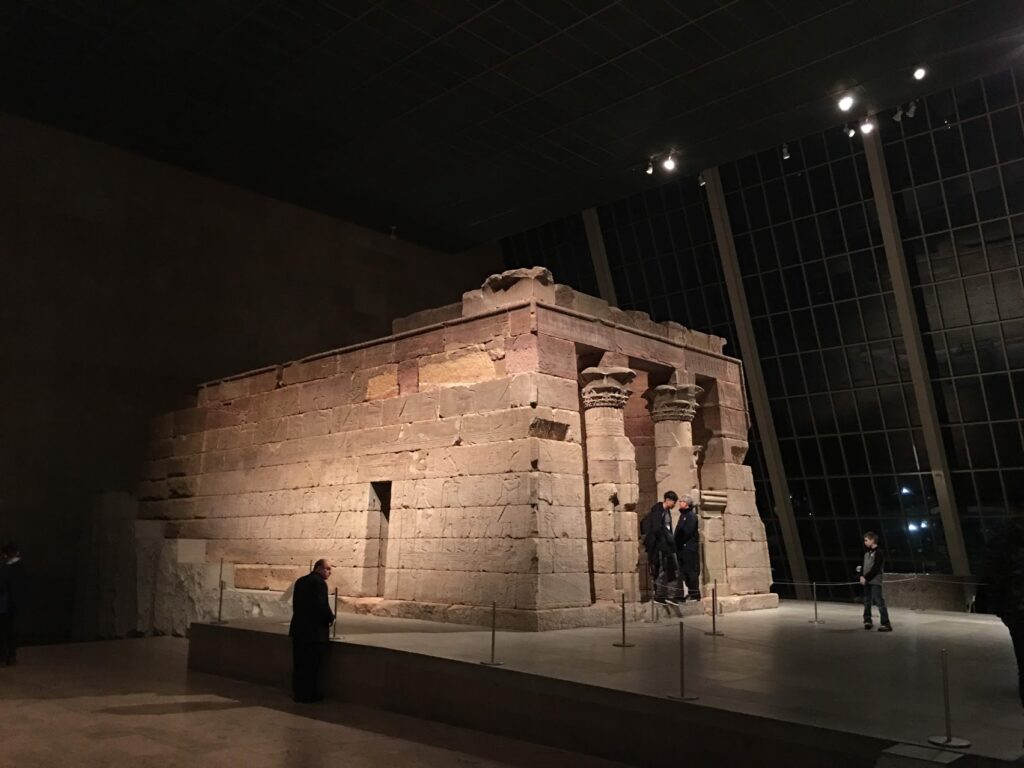
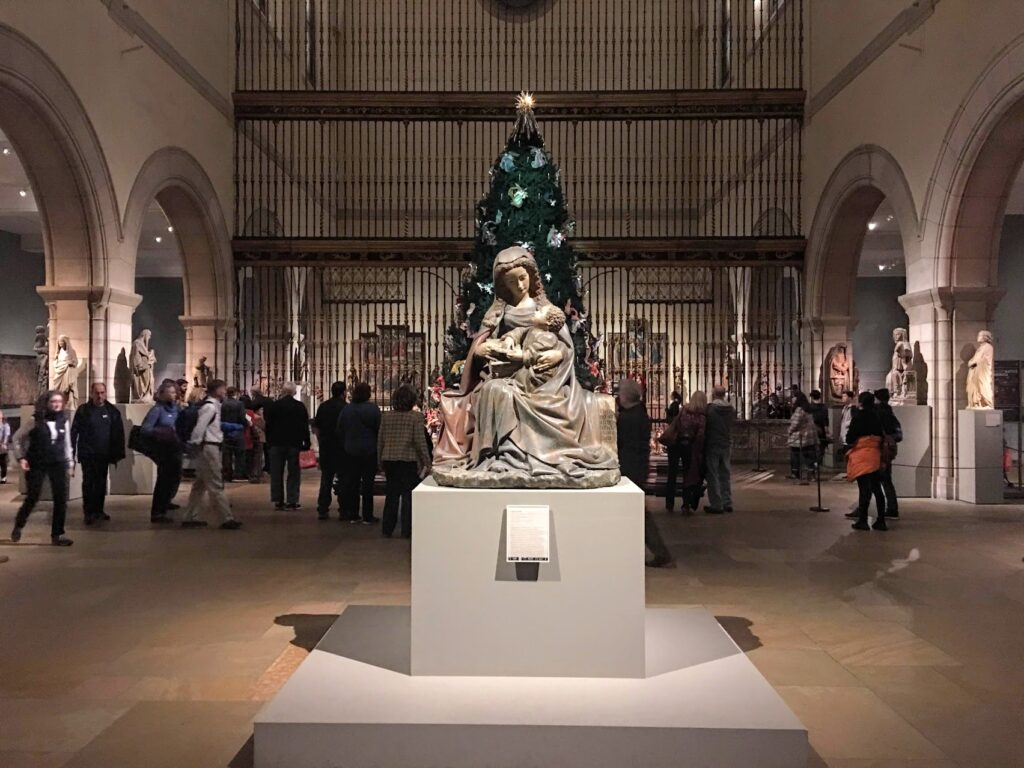
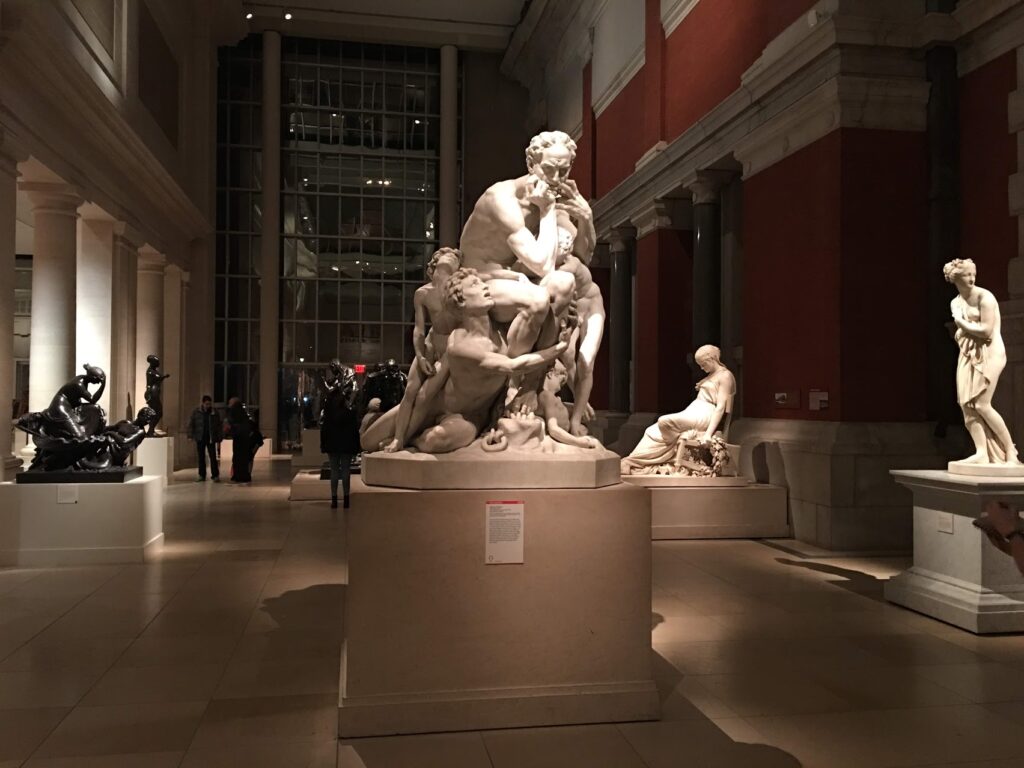
The Temple of Dendur. photo by Greg YoungThe American Wing sculpture garden at night, photo by Greg YoungBranch Bank entrance, 2012, photo by Greg YoungWashington Crossing the Delaware, taken 2017, photo by Greg YoungDendur at night, 2018, photo by Greg YoungThe Met at Christmas, 2018, photo by Greg YoungThe European sculpture garden at night, with views of the original 19th century facade in red brick. 2018, photo by Greg Young
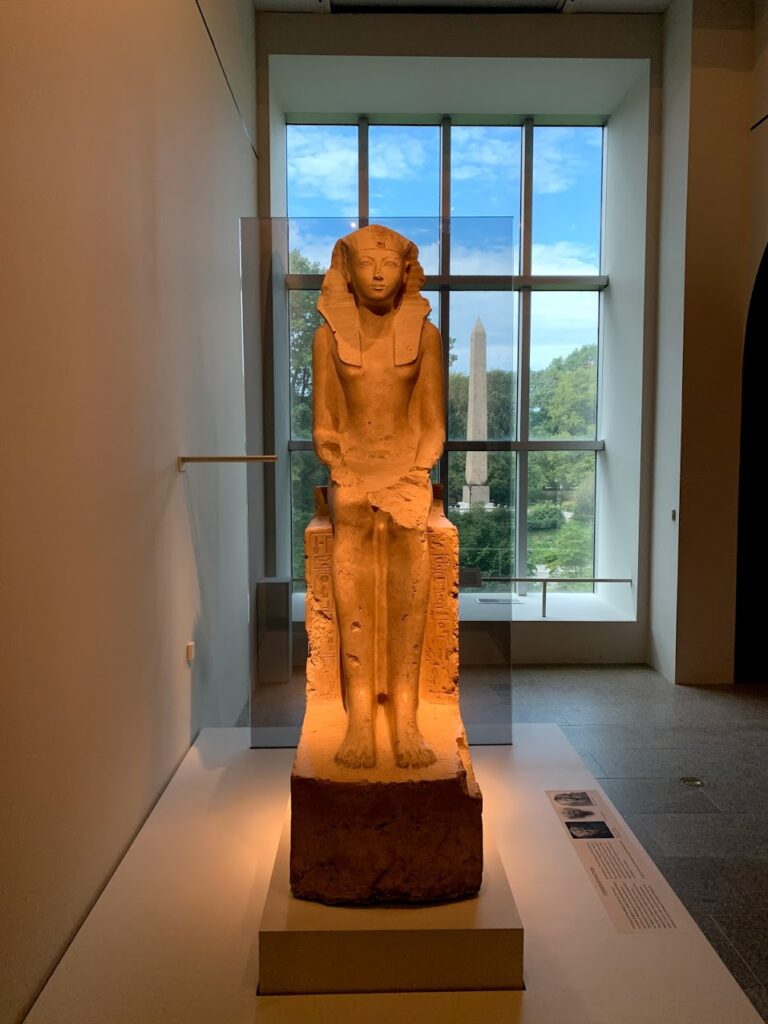
Views from Making the Met (photos by Greg Young):
The Bowery Boys: New York City History podcast is brought to you …. by you!
We are now producing a new Bowery Boys podcast every week. We’re also looking to improve and expand the show in other ways — publishing, social media, live events and other forms of media. But we can only do this with your help!
We are now a creator on Patreon, a patronage platform where you can support your favorite content creators.
Please visit our page on Patreon and watch a short video of us recording the show and talking about our expansion plans.
If you’d like to help out, there are six different pledge levels.Check them out and consider being a sponsor.
We greatly appreciate our listeners and readers and thank you for joining us on this journey so far.
FURTHER LISTENING
The Met was a bit behind the times when it came to celebrating Impressionism but New Yorkers could take a gander at the ‘shocking’ output from Europe — as well as examples from the New York’ Ashcan School — at the Armory Show of 1913.
The Met is a twin institution to the American Museum of Natural History which shares a similar origin story.
In the second half of our Fifth Avenue Mansions series, we look at how the wealthy mansions of Fifth Avenue left midtown and headed to the Upper East Side.
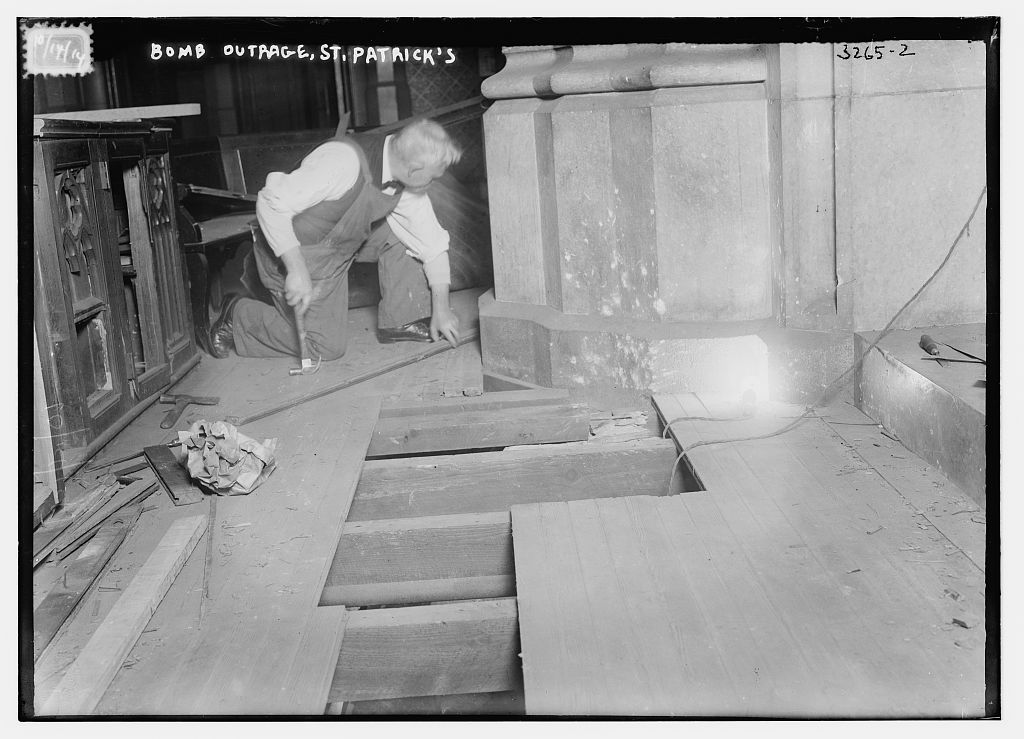
On the afternoon of October 13, 1914, a bomb exploded in the northwest corner of St. Patrick’s Cathedral, sending deadly iron shrapnel flying through the room.
A stained glass window was shattered and an 18-inch hole (shown in the picture below) was blown into the floor. While the pews were partially filled with worshipers, there was only a single injury, to a boy whose head was grazed by a piece of flying metal.
That was the second bomb of the day; another explosive, downtown at St. Alphonsus Church on West Broadway, detonated a little after noon.
Photograph shows damage after an anarchist bomb explosion at St. Patrick’s Cathedral on October 13, 1914. (Source: Flickr Commons project, 2011 and Washington Herald, Oct. 15, 1914) Â George Grantham Bain Collection (Library of Congress).
Such a disturbing attack in a public space would cause mayhem in the streets today. Yet this sort of terrorism was disturbingly frequent one hundred years ago, a tactic used by anarchist groups to sow discontent.
Many of the attacks were primarily aimed at New York’s financiers. For instance, on July 4, 1914, a brownstone exploded on the Upper East Side in the Yorkville neighborhood, killing members of the Anarchist Black Cross. The explosives had accidentally gone off and were intended for the home of John D. Rockefeller.
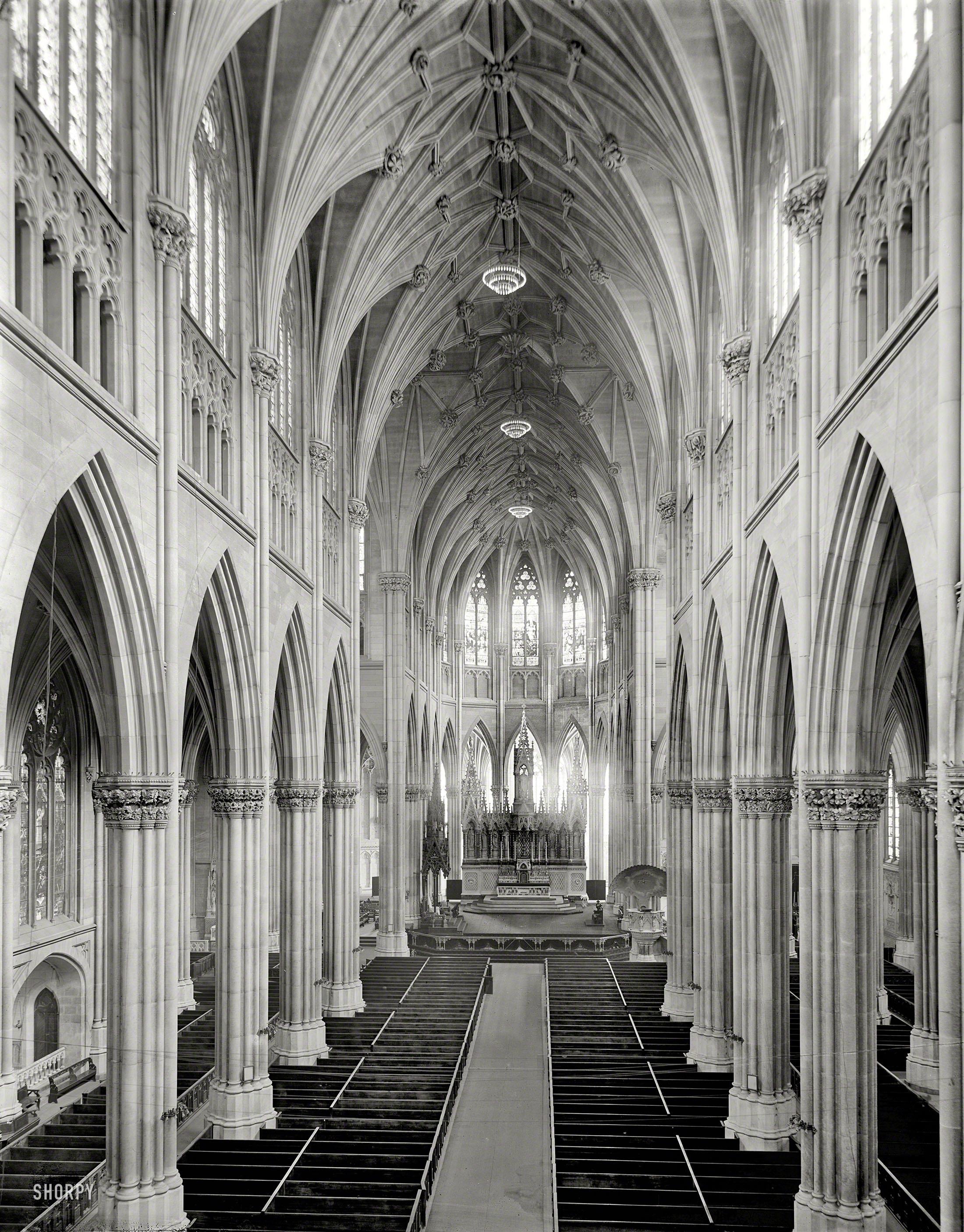
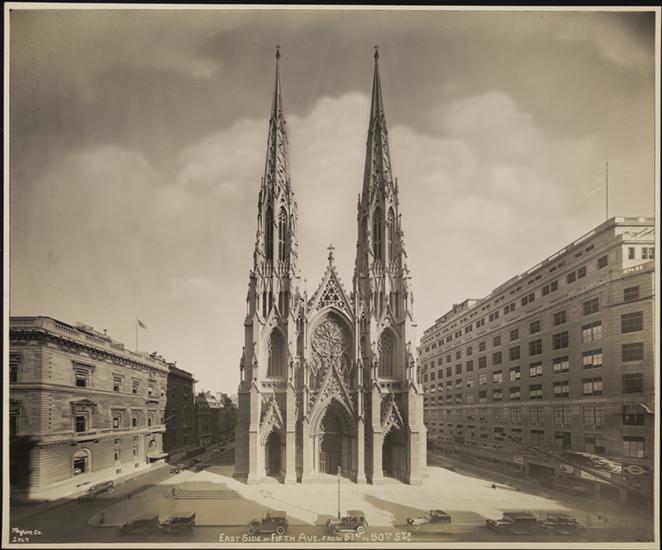
The interior of St. Patrick’s Cathedral, circa 1907 (Clean-up photograph courtesy Shorpy.com)
No arrests had been made in the St. Patrick’s attack. But detectives working with the New York Department of Combustibles were on the case, and, in March of 1915, they managed to thwart a second attack on St. Patrick’s with the help of a young detective named Emilio Polignani.
Polignani was only 25 years old. He had been a patrolman for only a few months when he was chosen in the fall of 1914 for a special assignment — to infiltrate anarchist circles and identify the perpetrators of the attack on St. Patrick’s.
His qualifications, according to the New York Times, were “his nationality, his newness to the force and most especially because Captain Tunney had decided that he had the nerve and the resource to carry him through tight places.”
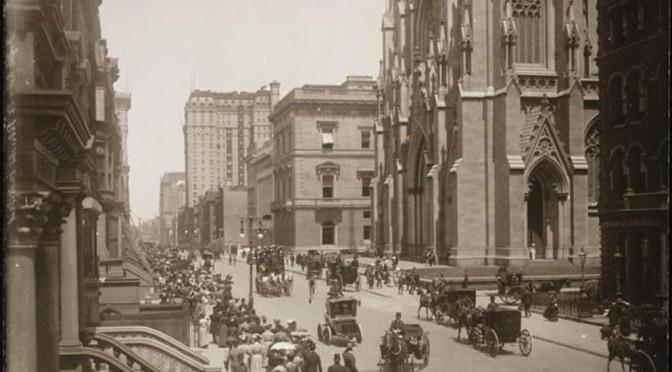
St. Patrick’s Cathedral 1923
For four months, Polignani lived under cover (possibly not even allowed to speak to his wife) as Frank Baldo, attending anarchist meetings throughout the city, becoming familiar with several of the more radical members. It was in Yorkville that he became friends with an 18-year-old named Charles Carbone.
From the New York Times: “Carbone and Polignani became intimate and used to take long walks together, in which Carbone, according to the detective, inveighed against the rich and suggested bombs as a means of readjusting social inequalities.”
Polignani was even initiated into an anarchist group by swearing an oath administered “on the cross hilt of a dagger to bind him … to his comrades.”
Carbone confided to Polignani details of the botched July 4th bomb meant for Rockefeller. “I am an expert,” he said. “Nothing like that could happen to me.”
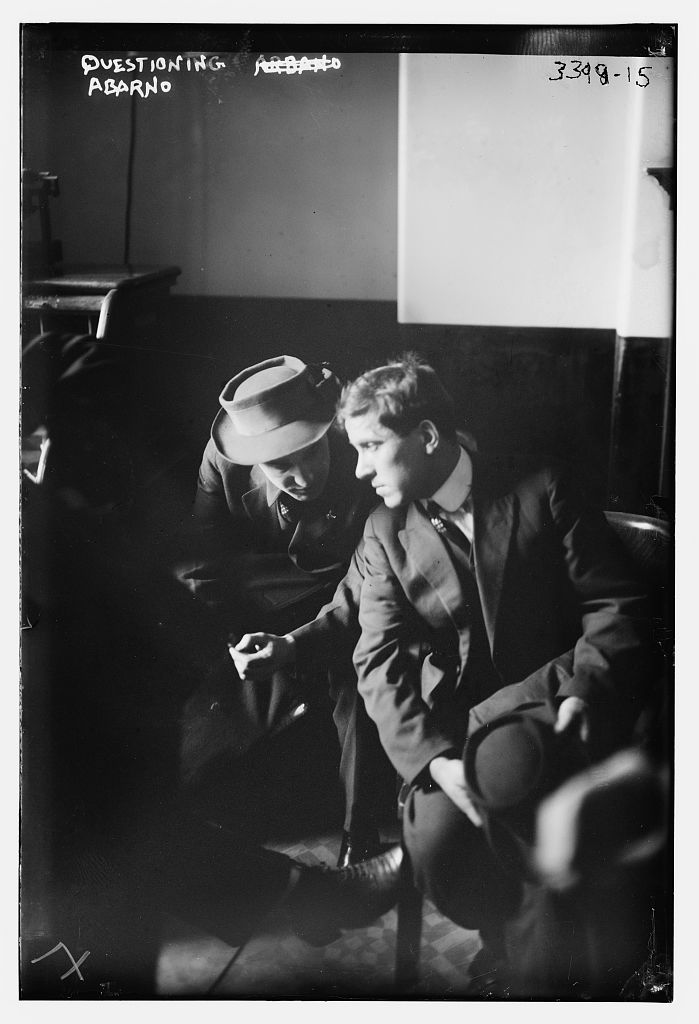
Frank Abarno, an Italian anarchist who was charged with planting a bomb in St. Patricks Cathedral, New York City, on March 2, 1915. (Source: Flickr Commons project, 2012) Forms part of: George Grantham Bain Collection (Library of Congress).
On Christmas the detective met another anarchist named Frank Abarno who later professed the wish to bomb St. Patrick’s.
Over the next two months, the three men walked along the East River and plotted a new attack at St Patrick’s, seen as the ultimate representative of both religion and wealth.
What Abarno and Carbone did not know was that Polignani sent pages from their bomb manual down to police headquarters.
Plans were finally hatched in late February to again bomb the cathedral. The men gathered explosive materials at a tenement on Third Avenue then wandering around the church the Saturday before, looking for a more effective spot in which to place an explosive. Their movements were closely followed by other disguised detectives, clued in by Polignani of the anarchist’s plans.
The new attack on St. Patrick’s Cathedral was planned for March 2nd. Abarno and Polignani left the Third Avenue tenement that morning with bombs placed under coats and armed with cigars to be used to light the fuses. (Curiously enough Carbone failed to show up; he was later arrested.) They headed towards the cathedral which was filled with hundreds of worshipers in the middle of morning Mass.
Luckily, Polignani had alerted his department of the details of the bomb attack. Waiting for them at St. Patrick’s were dozens of disguised detectives, so many that a Broadway theatrical costumer was employed to fashion the various false appearances.
“Of the fifty [detectives] stationed in the Cathedral,” said The Evening World, “[s]ome were disguised as women worshipers, two as scrubwomen, others as ushers.”
When Abarno prepared to light the fuse on the bomb with his cigar, one of the scrubwomen “suddenly straightened up and seized [Abarno] by the arm.” Another detective calmly strolled over to the lit bomb and pinched out the fuse. The Mass went entirely uninterrupted. (Read the breathtaking details of the capture here.)
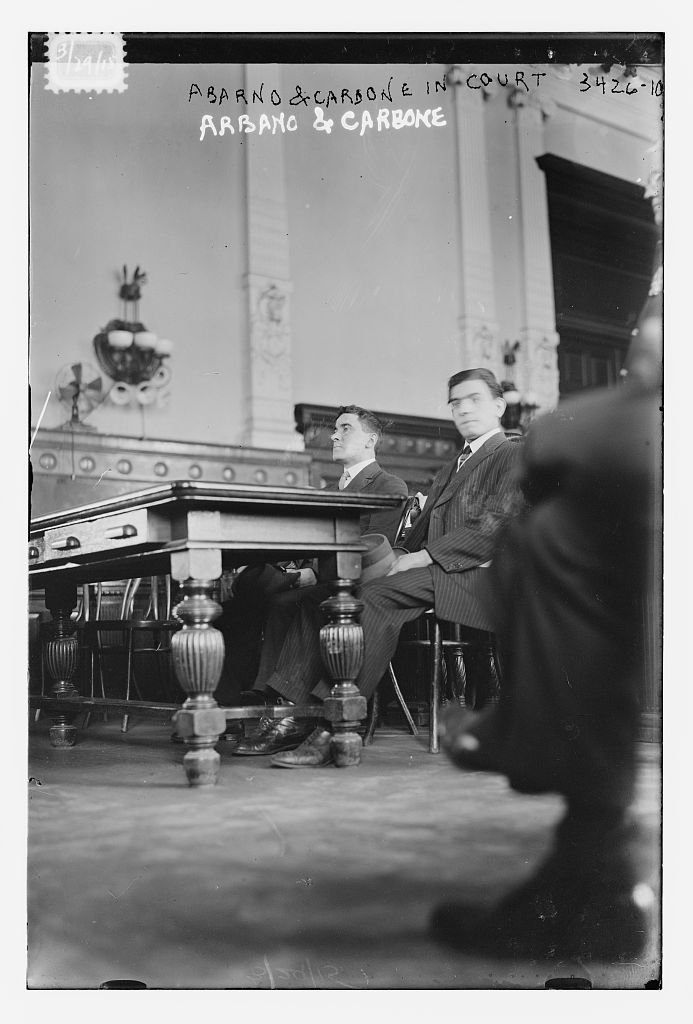
Photograph shows Frank Abarno and Carmine Carbone, who were accused and convicted of an anarchist plot to blow up St. Patrick’s Cathedral in March 1915. (Source: Flickr Commons project, 2012)Â Â George Grantham Bain Collection (Library of Congress).
Polignani kept up the facade for most of the interrogation, and his would-be conspirators were none the wiser. He argued with Abarno in jail, eventually getting him to talk openly about his involvement (to the delight of detectives who were listening in).
Abarno and Carbone both eventually broke down and were promptly convicted. They were both sent to Sing Sing in April where they both served six year terms.
Newspapers the following day declared “the episode was the culmination of one of the most intricate pieces of detective work ever achieved by the New York police.”
However the bombings would continue. The most dramatic incident would take place on September 16, 1920, with a bomb detonating on Wall Street, killing 30 people.
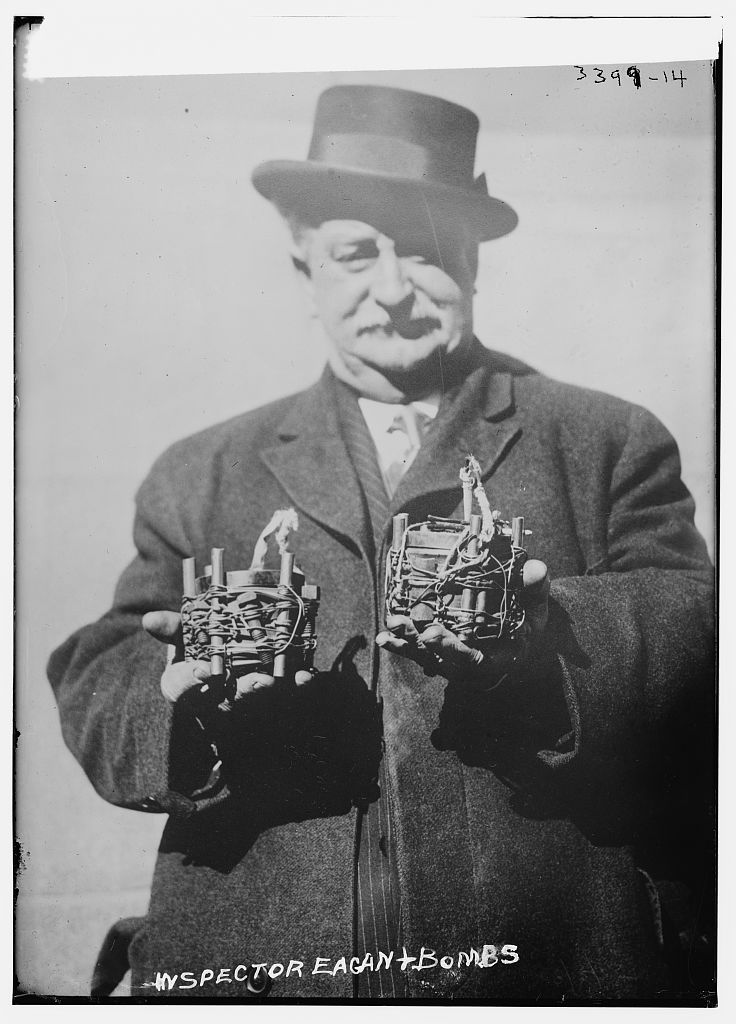
Owen Eagan (1957-1920), a bomb expert in the New York City Fire Department’s Bureau of Combustibles. He is holding a bomb recovered from an attempted anarchist bombing of St. Patrick’s Cathedral, New York City on March 2, 1915. (Source: Flickr Commons project and New York Times, March 3, 1915) Forms part of: George Grantham Bain Collection (Library of Congress).