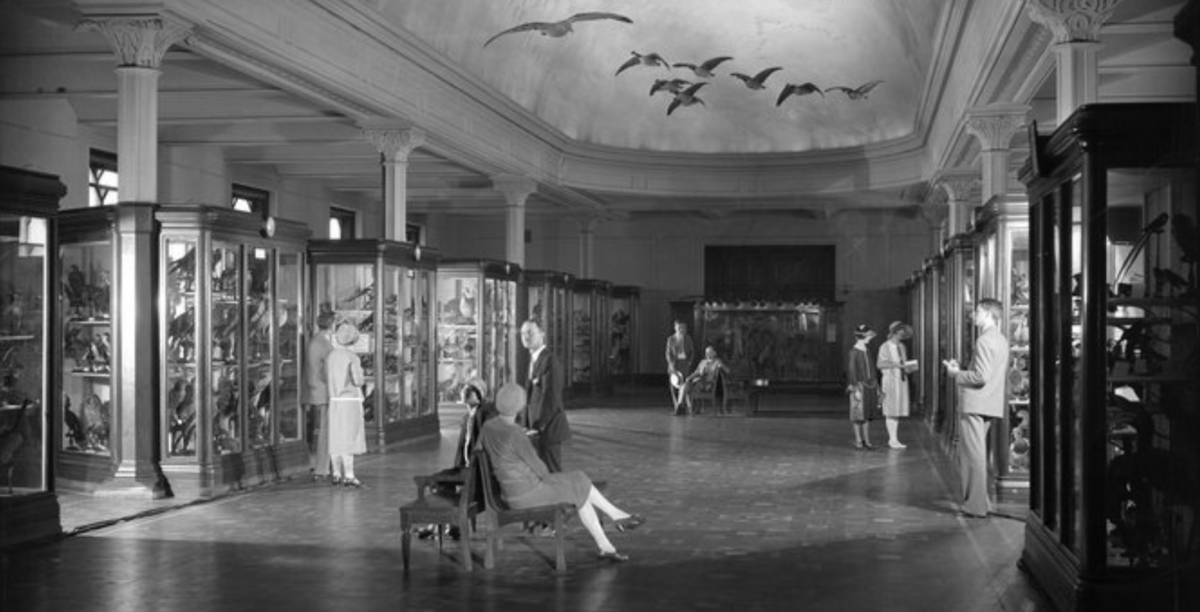
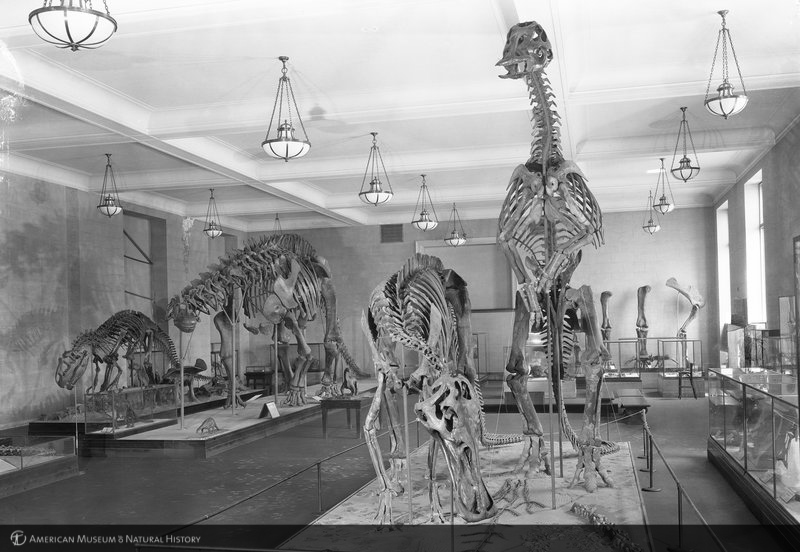
PODCAST Ancient space rocks, dinosaur fossils, anthropological artifacts and biological specimens are housed in New York’s world famous natural history complex on the Upper West Side — the American Museum of Natural History!
Throughout the 19th century, New Yorkers tried to establish a legitimate natural history venue in the city, including an aborted plan for a Central Park dinosaur pavilion.
With the creation of the American Museum of Natural History, the city finally had a premier institution that celebrated science and sent expeditions to the four corners of the earth.
Tune in to hear the stories of some of the museum’s most treasured artifacts and the fascinating folks behind the collection — including one explorer who might have inspired a famous movie hero.
But there’s also a dark side to the museum’s history, one that includes the tragic tale of Minik the Inughuit child, subject by museum directors to a bizarre and cruel lie.
PLUS: How exactly do you display a 68,100 lb meteorite?
AND: An update involving that rather controversial equestrian statue of Theodore Roosevelt.
This is a re-broadcast of a show originally released on November 24, 2010 with bonus material recorded in 2020.
Listen today on your favorite podcast player or just press play here:
The website of the American Museum of Natural History has all the details you need for your visit — including information on safety. On top of suggested admission, there are additional costs for the special exhibits, including the planetarium.
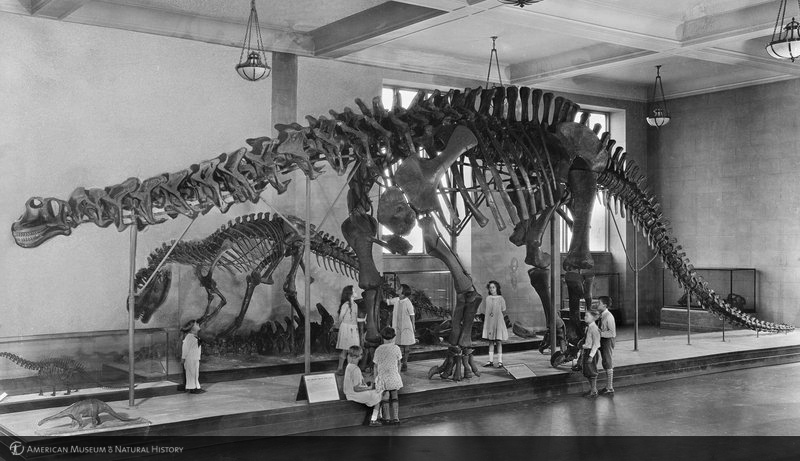
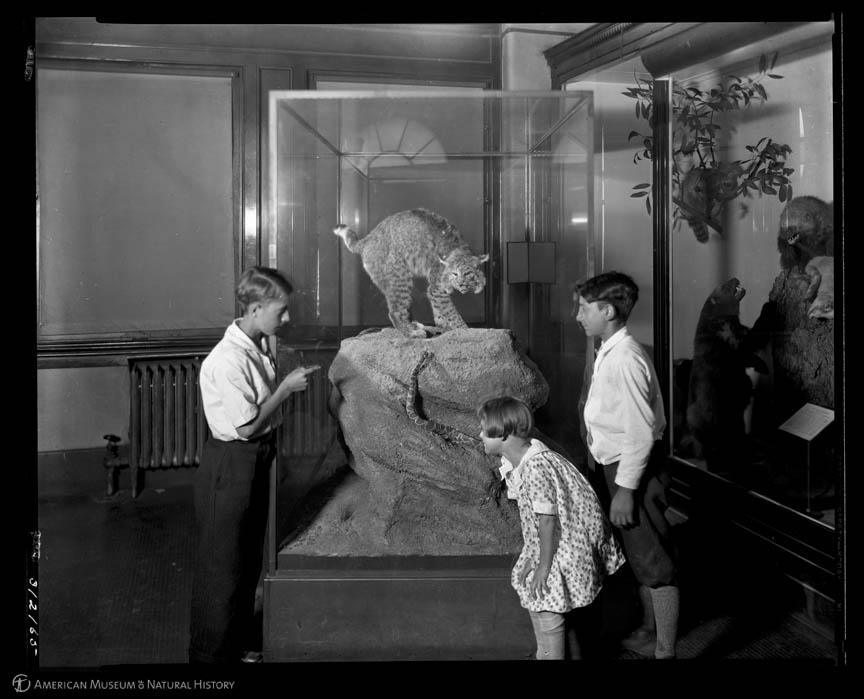
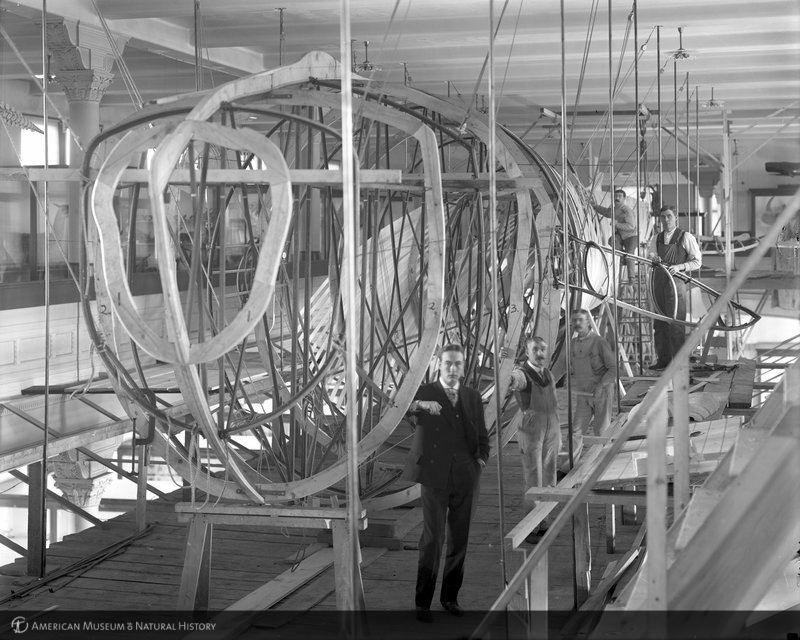
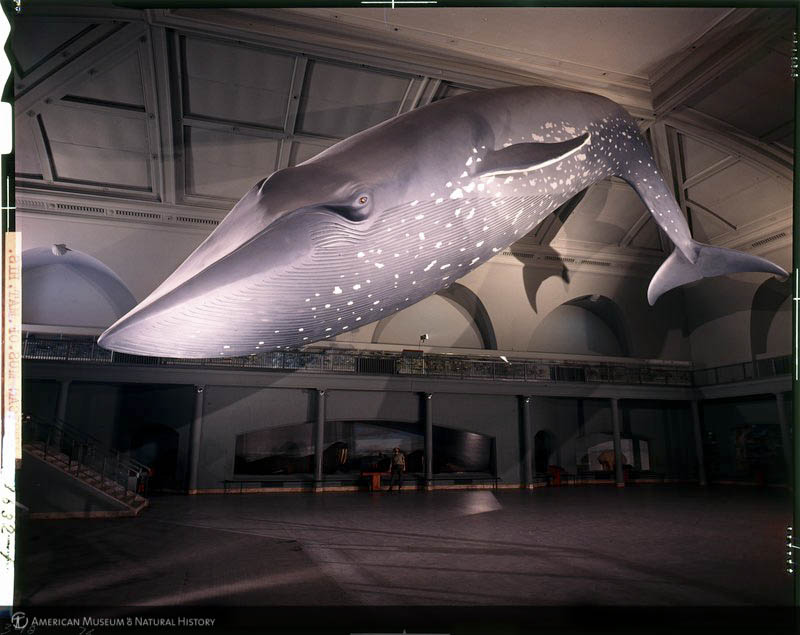
ALSO: You must check out their dazzling digital photography collection
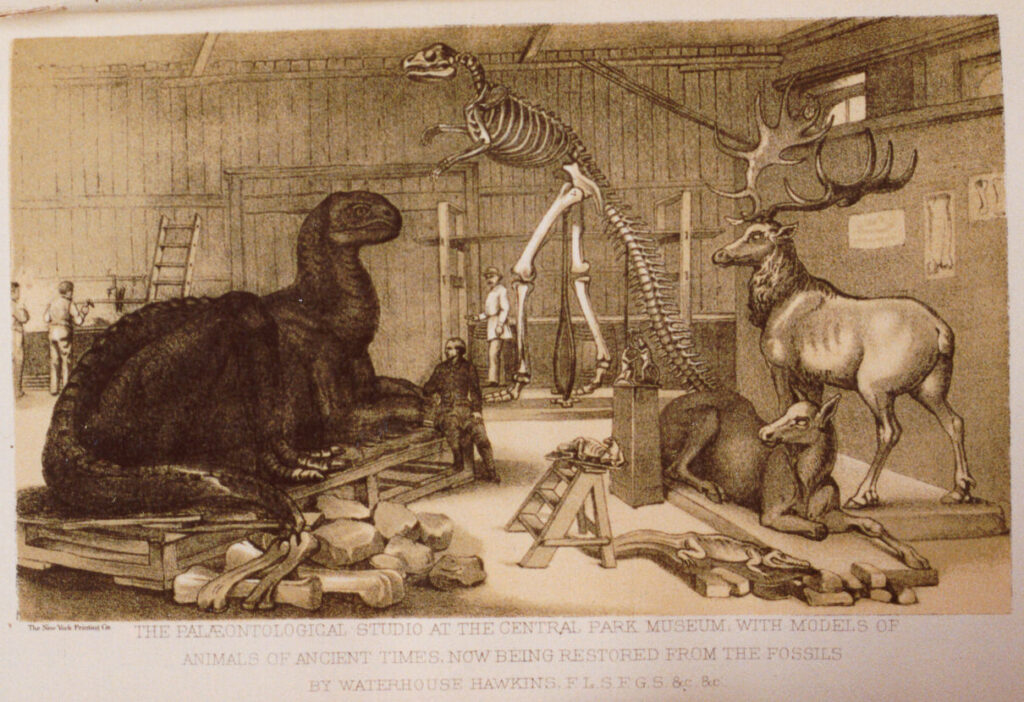
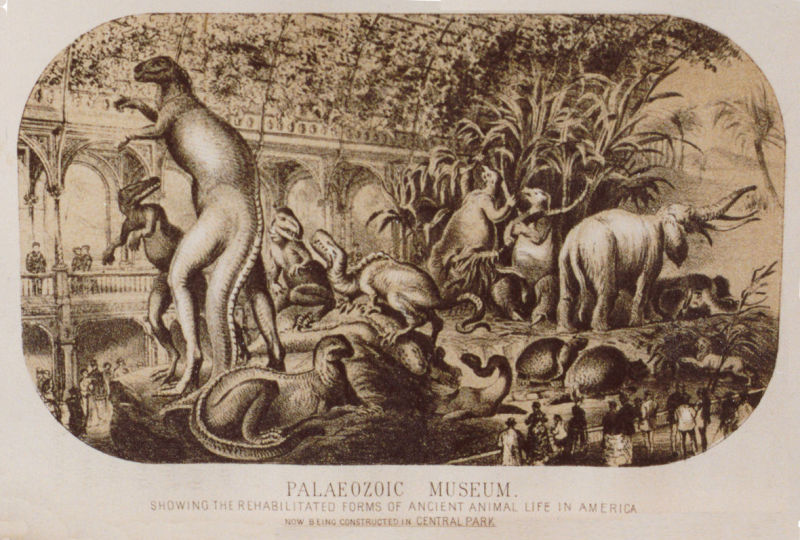
A sketch of what the Paleozoic Museum might have looked like, had construction not been stopped by the cronies of Boss Tweed.
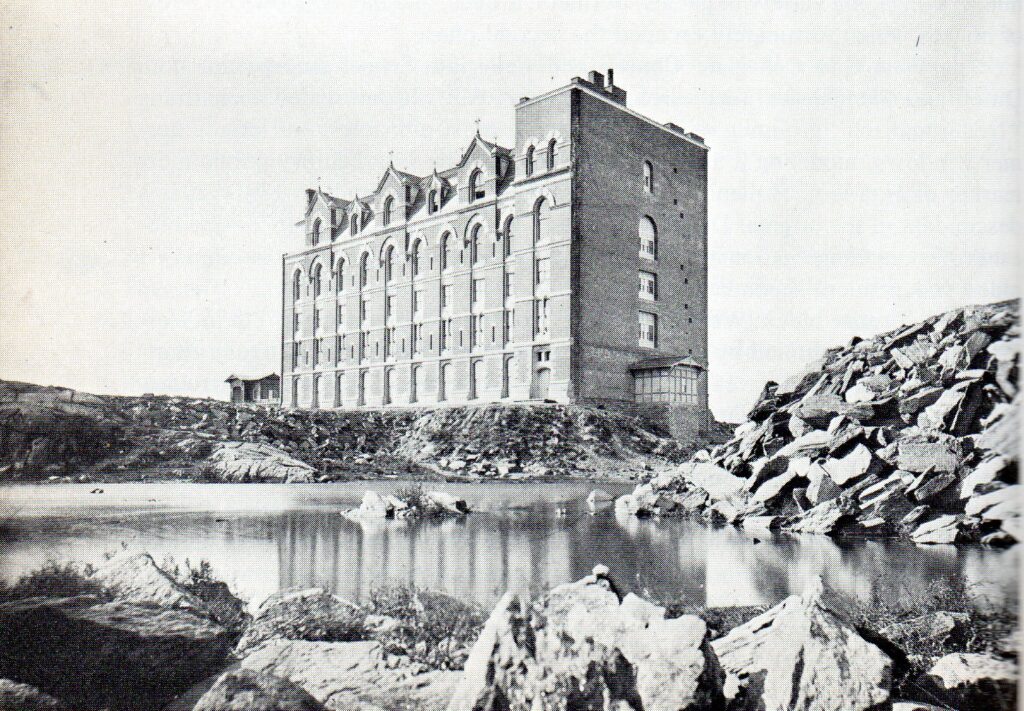
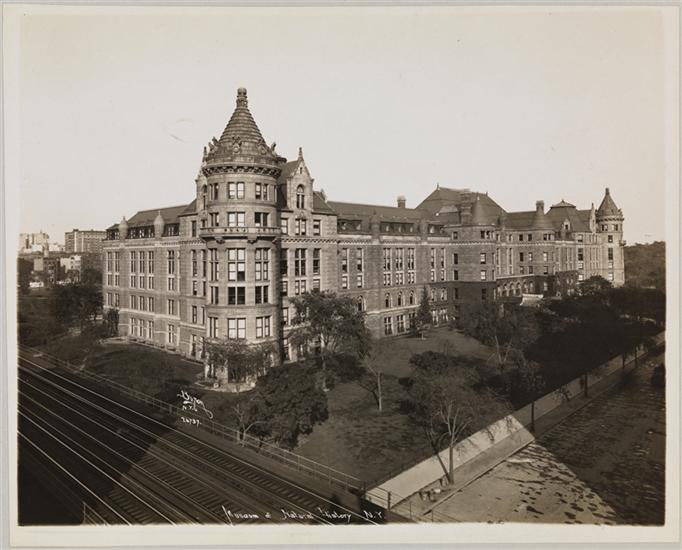
The lonely little first building of New York’s natural history museum, pictured in the early 1870s, placed on an unspectacular lot of land alongside Central Park called Manhattan Square.
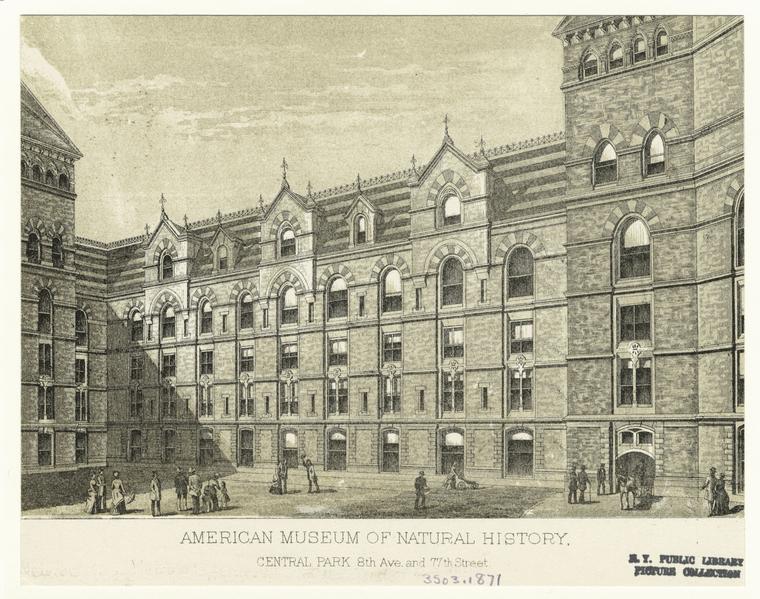
This illustration of the building from 1871 above displays the particular touches of Jacob Wray Mould, in the whimsical window design. What it doesn’t show is the vibrant, robust color of the building.
Although subsumed by later additions, some areas of the original walls are still peeking out within the larger structure today. [source NYPL}
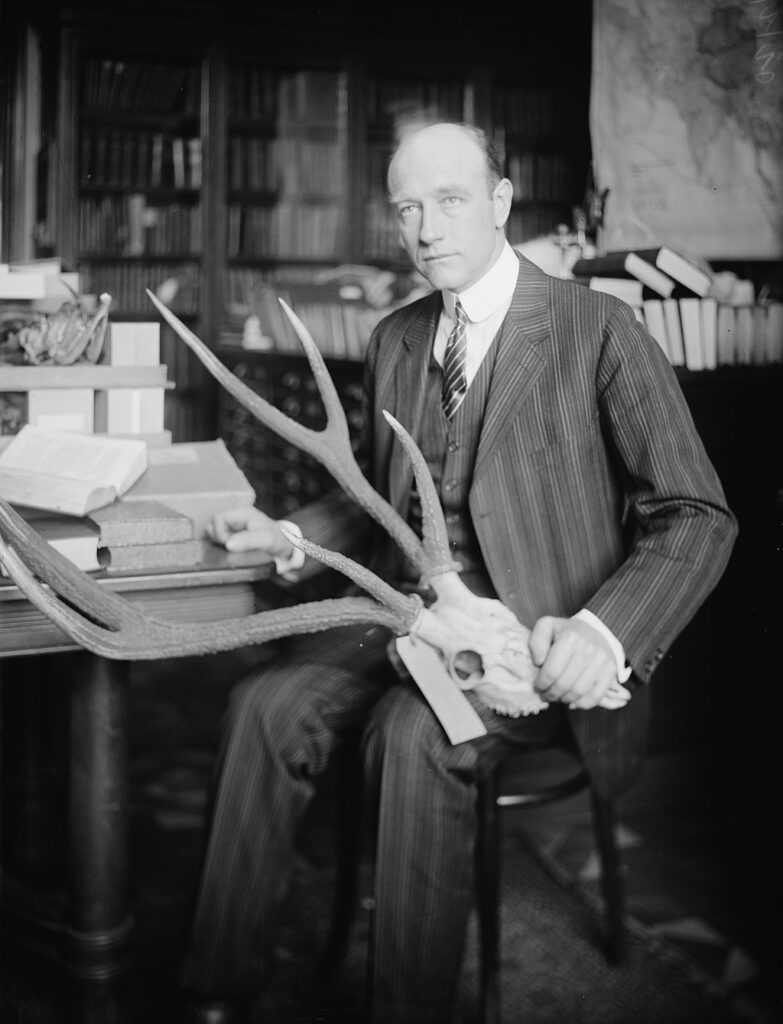
Roy Chapman Andrews, the dashing adventurer who became one of the museum’s most valuable explorers. It’s rumored that Andrews was the inspiration for the character of Indiana Jones.
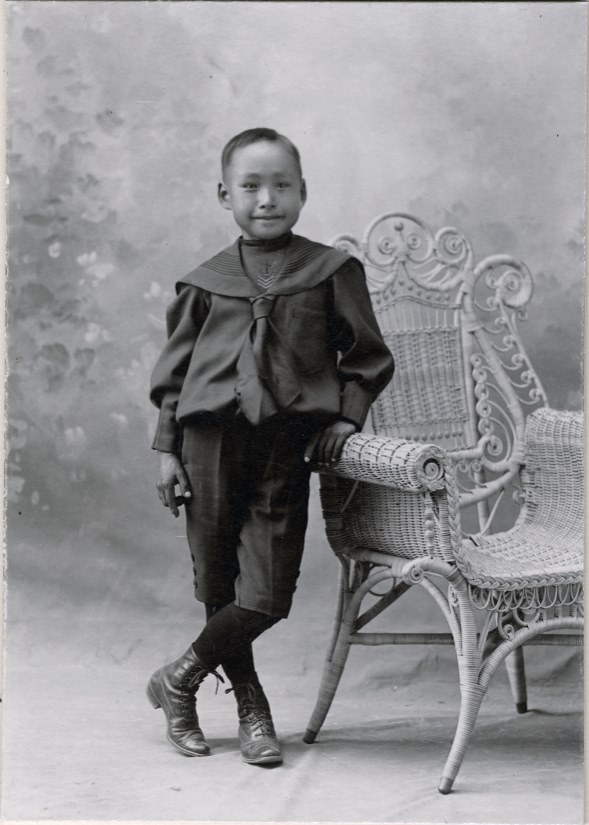
Minik Wallace, the Inuit boy brought to New York with his father in 1897. Minik was subject to one of the most bizarre and tragic cover ups in the museum’s history.
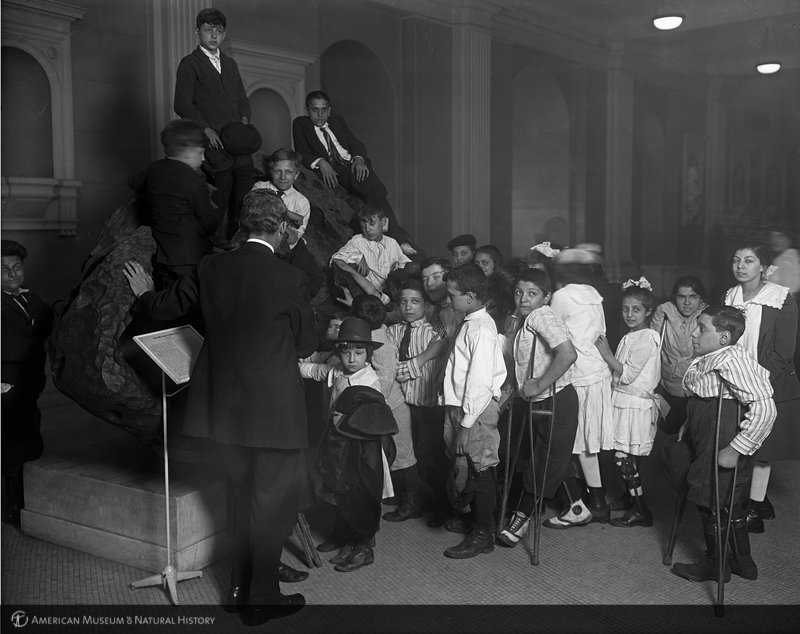
A little song and dance while you’re marveling at the natural marvels:
The Bowery Boys: New York City History podcast is brought to you …. by you!
We are now producing a new Bowery Boys podcast every week. We’re also looking to improve and expand the show in other ways — publishing, social media, live events and other forms of media. But we can only do this with your help!
We are now a creator on Patreon, a patronage platform where you can support your favorite content creators.
Please visit our page on Patreon and watch a short video of us recording the show and talking about our expansion plans.
If you’d like to help out, there are six different pledge levels.Check them out and consider being a sponsor.
We greatly appreciate our listeners and readers and thank you for joining us on this journey so far.