True fear on Wall Street: the terror bombing of 1920

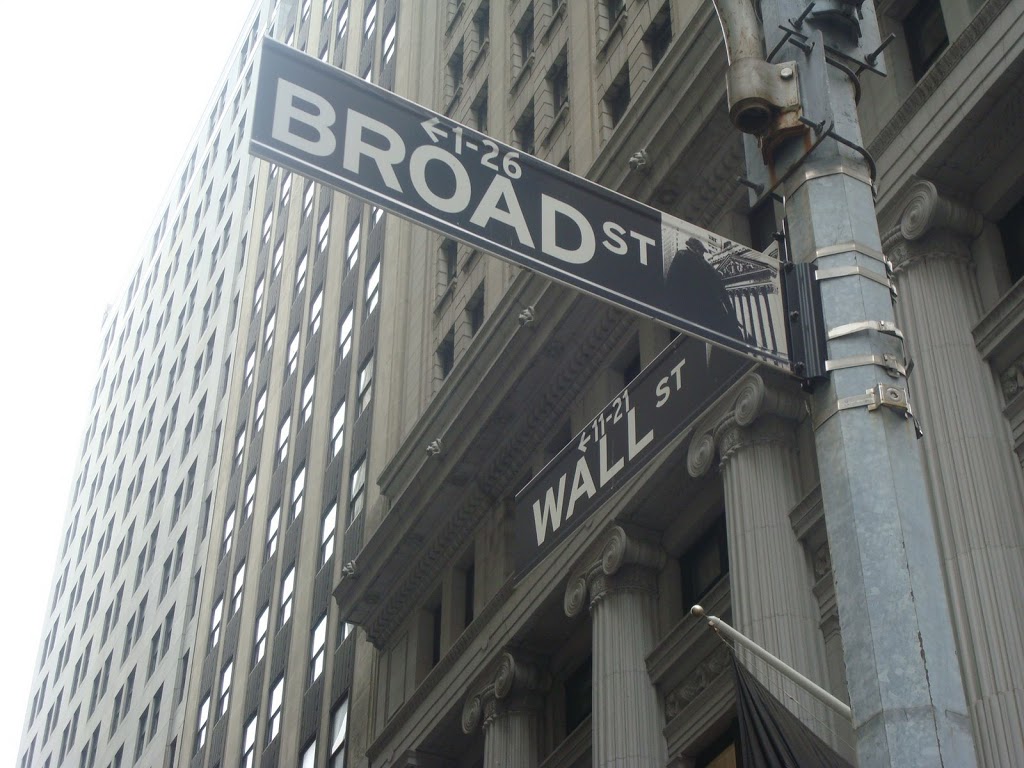
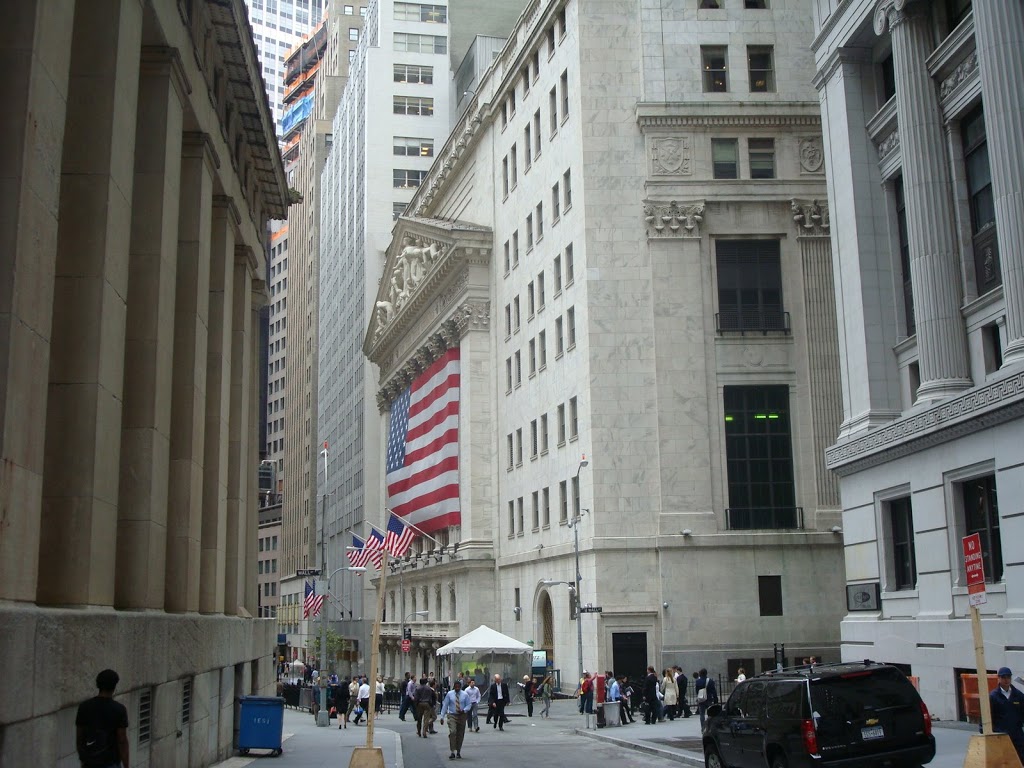
Lunchtime down on Wall Street today is chaotic mess of brokers and bankers on cell phones, tour groups, messengers on bikes, police, construction workers, people delivering lunch and the stray old lady walking her dog.

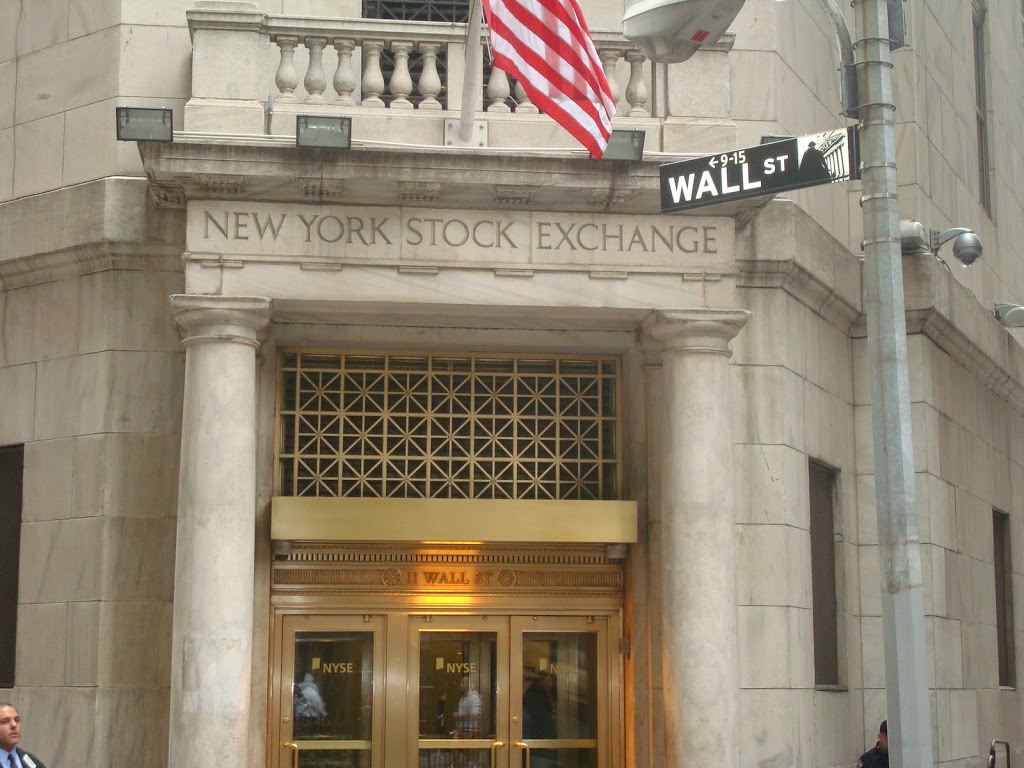
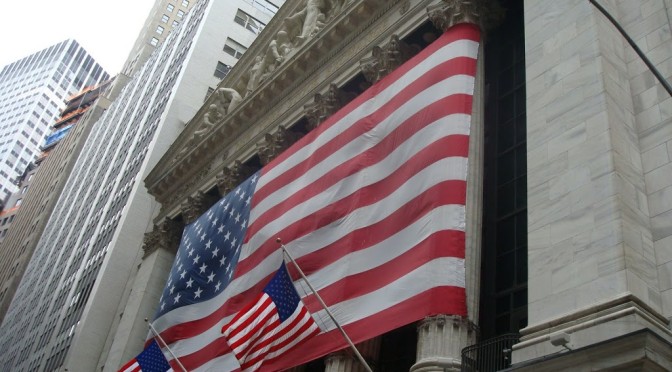
Eighty-eight years ago, in 1920, it would have practically been the same, sans the cell phones. So it’s particularly disturbing how easy it is to imagine the noontime scene on September 16, 1920. In fact, most of the surroundings — the Stock Exchange, the Sub-Treasury building (today’s Federal Hall), and most importantly J.P. Morgan’s headquarters on 23 Wall Street — are still very much active.

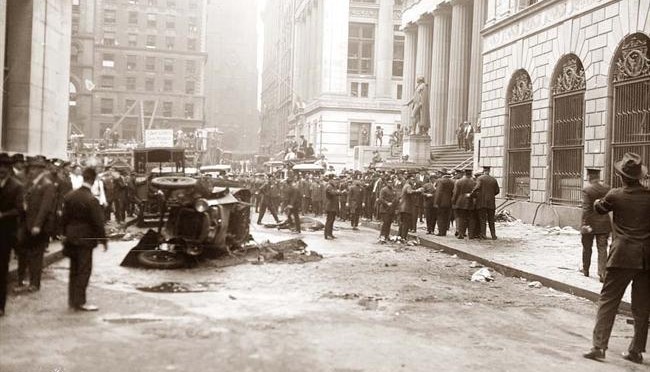
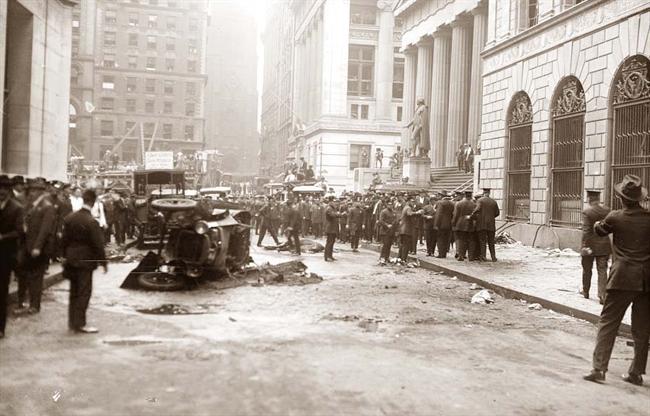
An unidentified man led a horse and carriage down the congested street, fighting to get past crowds, until it rested at the corner about 100 feet east of Broad. As the Trinity Church bells rang, the man dropped the reins and fled, never to be seen again.

One minute later, the wagon exploded with 100 pounds of dynamite, eradicating everything in its sphere, then sending dozens of iron slugs through the air to create a horrific scene of carnage.  I’ll let other sites outline some of the grimmer details, but by the end of the day, 38 people would be dead from the attack, many while sitting at their desks.  And over 400 more would be injured.
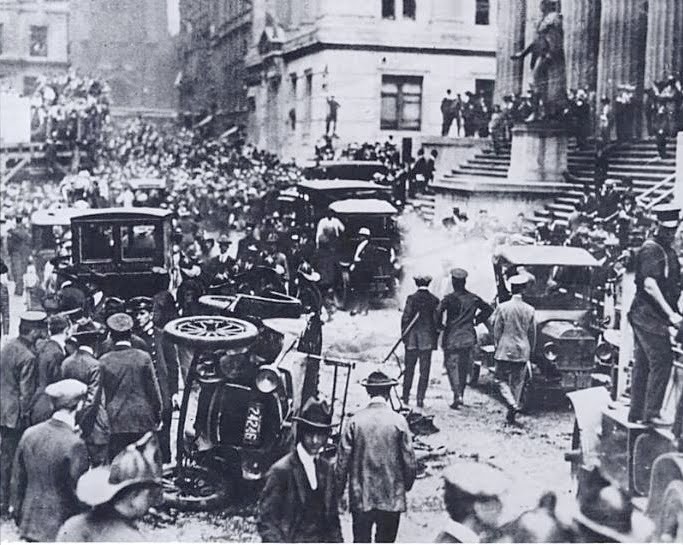
Believe it or not, evidence of this attack can easily be seen from the street today.  Morgan famously rejected repairs of his bank, preferring to leave the dents and pockmarks on the side of his building in a sign of defiance. With a little morbid imagination and some amateur CSI work, one can probably trace the trajectory of wall’s injuries to the very spot where the poor horse and wagon exploded.

Despite a federal investigation which led to dozens of arrests, in fact the culprits were never caught.  Largely assumed to be Italian anarchists, any evidence was unfortunately lost when, in an effort to appear unfazed, the city cleaned the street and kept Wall Street open for business the next day, even seeing a rally of thousands pour into the street that Friday.

I’ve just touched on the event, but there are several resources online that look into the potential perpetrators, the street scene and the tragic aftermath.
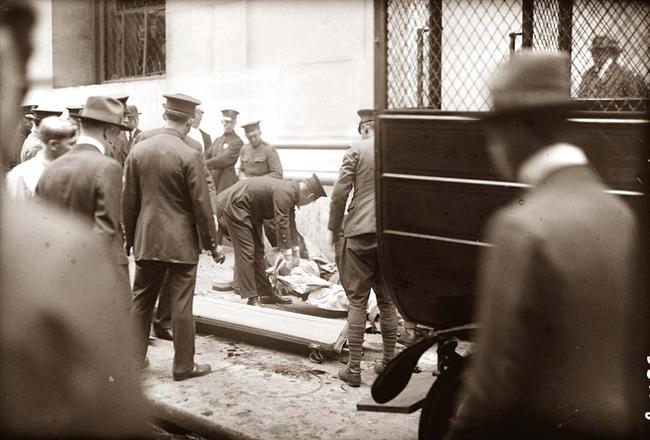
Photos courtesy Old Picture
Categories
Podcasts

PODCAST: New York Stock Exchange

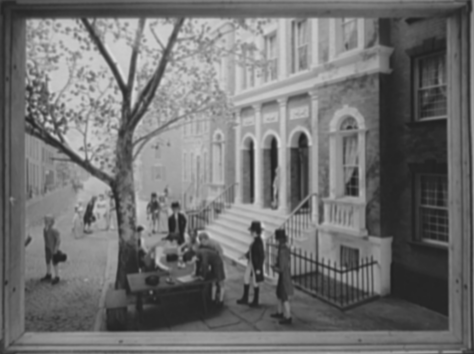
We steal this week’s topic straight for today’s headlines! We look at the early days of New York finance and the creation of the New York Stock Exchange, beginning with Alexander Hamilton, some pushy auctioneers, a coffee house and a sycamore tree.

And find how this seminal financial institution ended up in its latest home — that beautiful, classically designed George Post building, with a marble goddess on top who was almost too heavy for her own good.

Listen to it for free on iTunes or other podcasting services. Or you can download or listen to it HERE

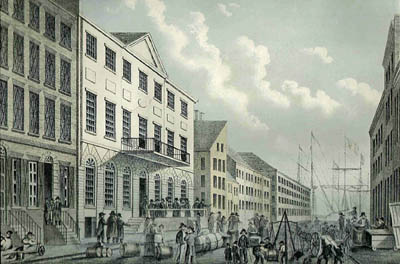
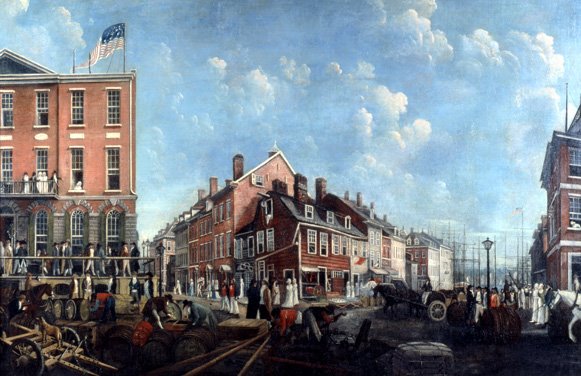
The streets and ports of New York in 1790s, setting for America’s first financial crisis and the birth of the New York stock trading system. At the far left is the Tontine Coffee House.

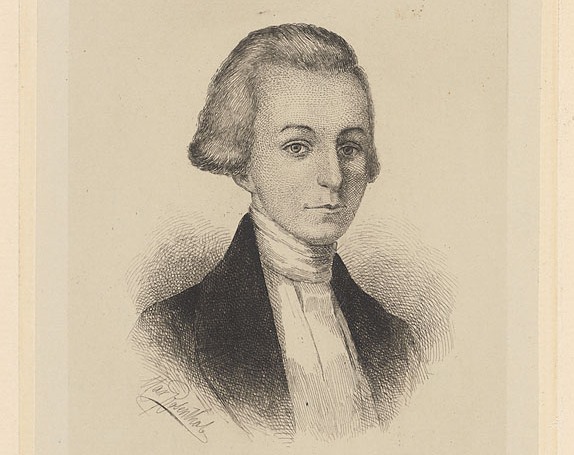
This slight little man is William Duer, former assistant secretary of the treasury, whose shiftless manipulation of the early American financial system got him thrown in debtors prison for life

An illustration of the Buttonwood Agreement, which formed the loose collection of brokers who would form the New York Stock Exchange

The Tontine Coffee House (that building with the balcony) where the stock market meets a good coffee bean

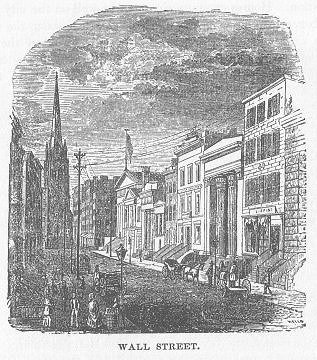
A sketch of Wall Street in the mid 19th century. (You can see Trinity Church and a hint of Federal Hall to your left.) The Stock Exchange headquarters floated around from place to place during this period until an elegant Italian Renaissance style building was built for it in 1863

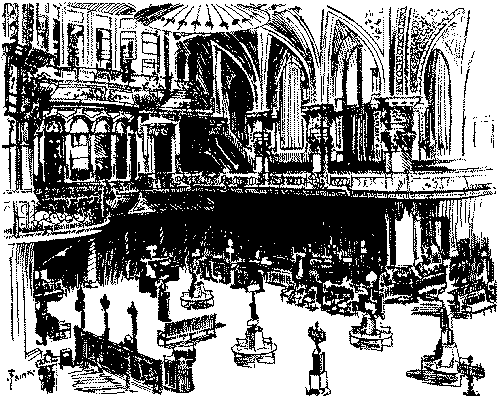
A kind of rough drawing to be sure, but this supposedly depicts the inside of the trading floor from the 1863 building. Sorry to say I couldn’t find any images of the outside, but the John Kellum designed building sounds like it was a beauty.

Another illustration of the new Exchange itself, taken from a membership note

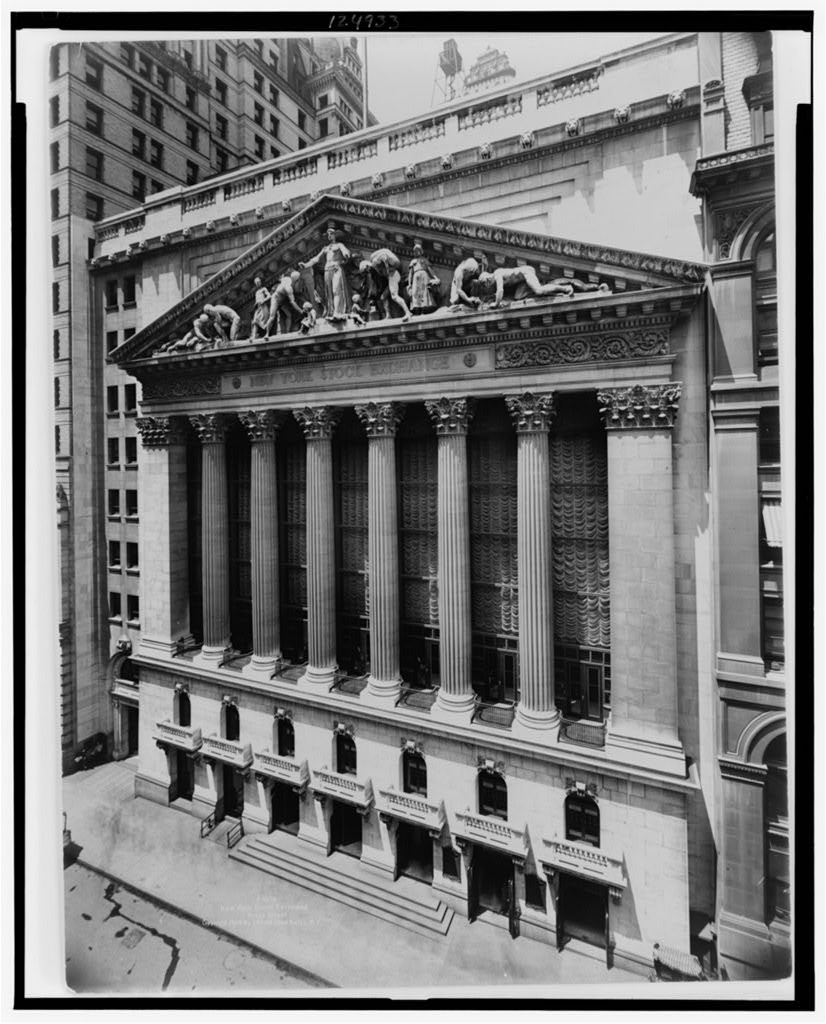
George Post’s masterful Stock Exchange building, mustering up his finest Beaux-Arts instincts in ways that created a solid, powerful structure for an institution sometimes without such stability

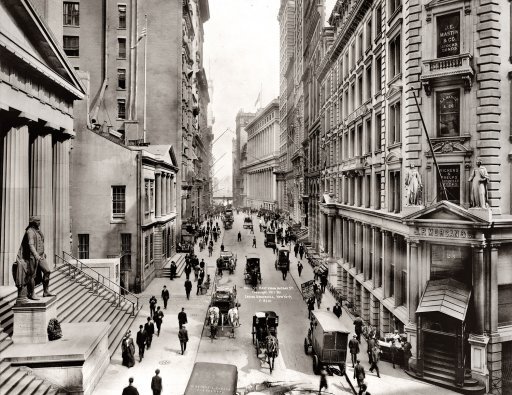
Looking down Wall Street in 1911. By this time a “financial district” was firmly in place as bank offices, brokerage firms and other moneyed interests flock around the Stock Exchange. (This awesome picture is courtesy Shorpy, quite possibly my favorite website in the world.)

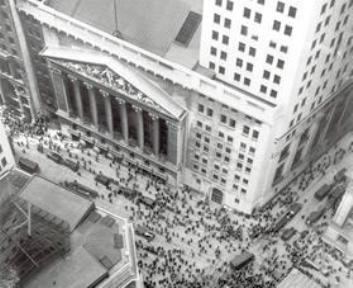
Looking down at the Stock Market as it was crashing in 1929.

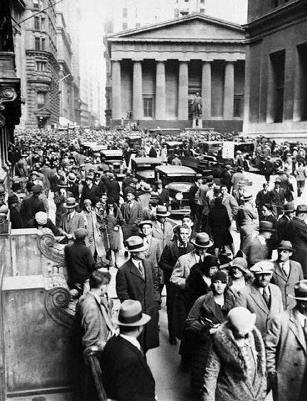
Crowds outside the Stock Exchange, with George Washington looking down from the steps of Federal Hall

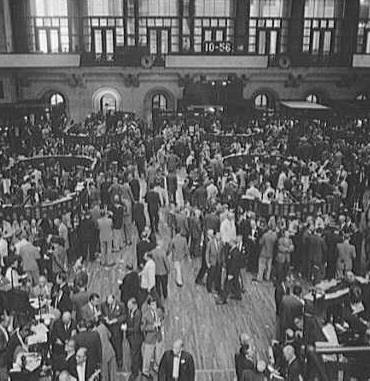
The trading floor from the 1950s

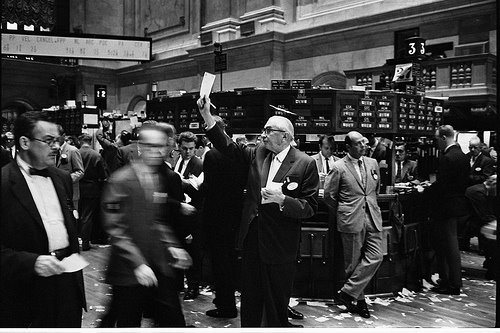
Crazed traders in 1963 (from photographer Thomas O’Halleran)

One of the most powerful street corners in the world

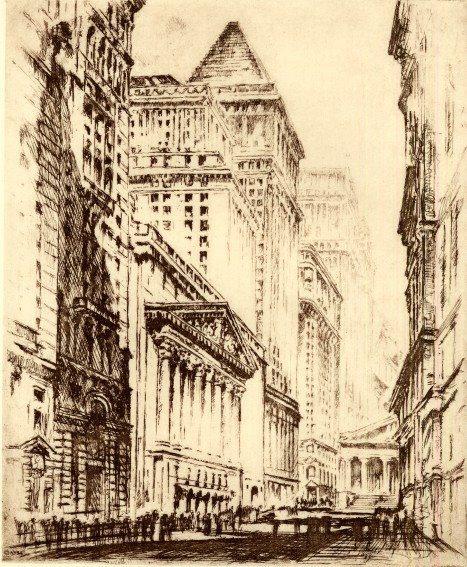
Due to the crush of monstrous buildings all around it, the Stock Exchange sits in a virtual canyon

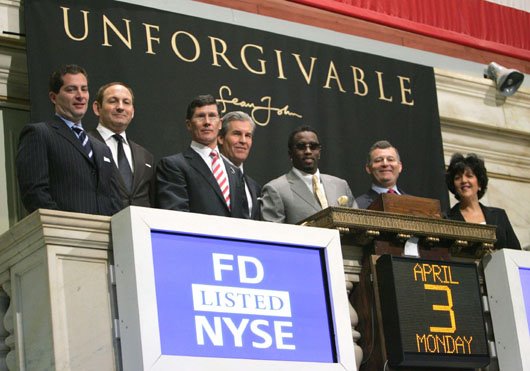
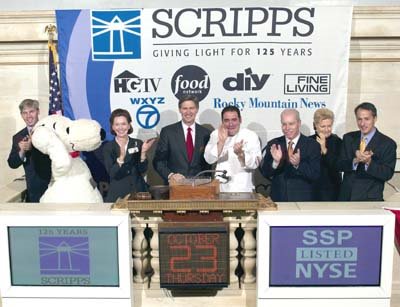
All sorts of people have rang the opening bell at the Stock Exchange, including P Diddy….

…Emeril and Snoopy

Where are you, George Post?

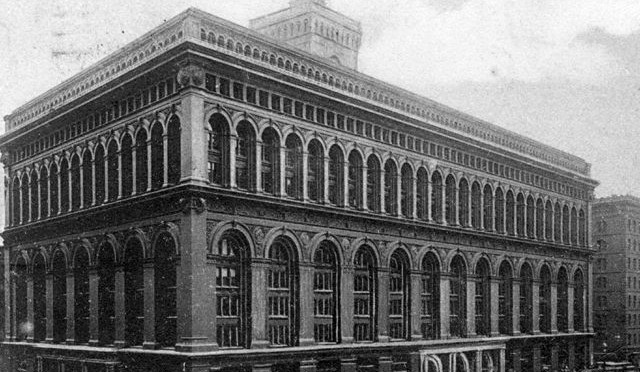
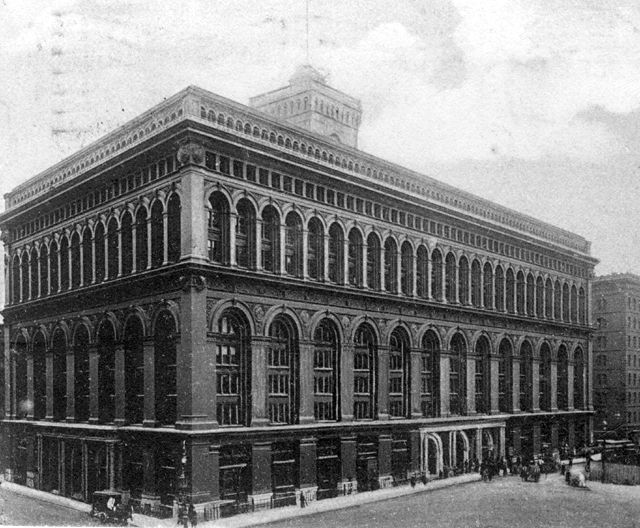
Who knew a produce exchange could look so elegant?

One of New York’s most important architects was George B. Post, but you would barely know it today.

Only a handful of his most important buildings — the New York Stock Exchange being the most famous — still stand, the victim of a rapidly changing city sweeping away the former glories of the Beaux-Arts style.

Post wasn’t your typical purveyor of the sometimes gaudy excesses of Beaux-Arts, that amalgam of classical and formal styles that dictated American architecture from the 1880s into the 1920s. He was known for making its particular beauty climb, refitting its graceful symmetry literally to new heights. Post proved that the merely traditional needn’t be staid and uninspiring. My two favorites of long-gone works:

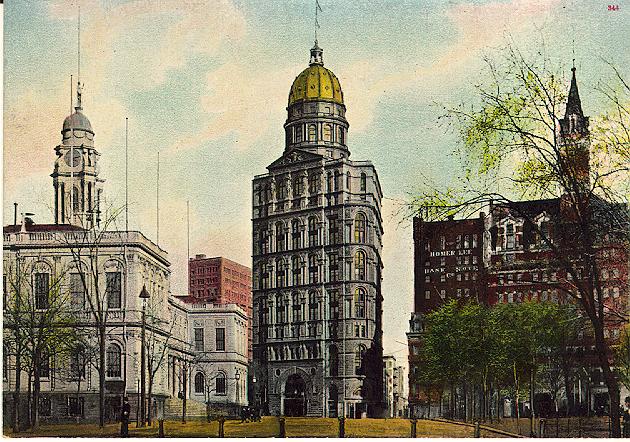
New York World Building

His best known building during his life was the New York World building on Newspaper Row, more appropriate referred to as the Pulitzer building after the paper’s imperious publisher Joseph Pulitzer. It was the tallest building in the world when it was completed in 1890 and was the first building to rise above the spire of Trinity Church.

This was demolished to make way for a car ramp for the Brooklyn Bridge:

(New York Architecture has some more beautiful pictures of this building)

New York Produce Exchange

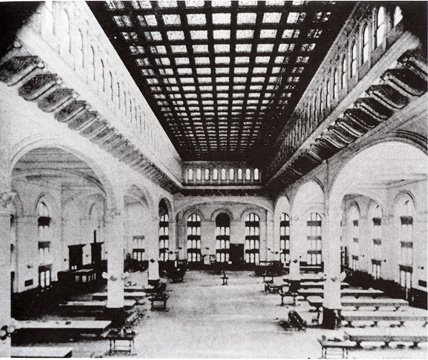
You wouldn’t expect a building made to hold produce to be an architectural marvel, but Post graceful talent at creating lively open spaces made this one, at 2 Broadway down at Bowling Green, a stunner and certainly must have recommended him as the ideal candidate to design the trading room floor at the New York Stock Exchange. The Produce Exchange was wiped out in 1957. (The exterior is shown up top.)

(Picture above, and others of Post’s work, can be found at City Review, reviewing a book of Post’s work by Sarah Bradford Landau.)

Go to New York Architecture to see a sampling of lost Post buildings.

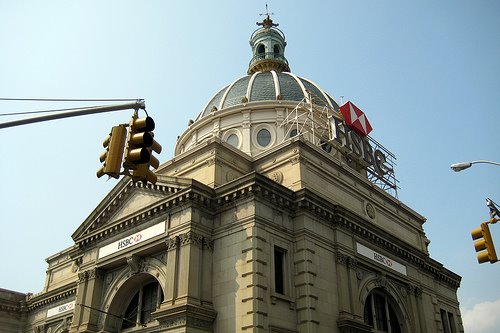
If you’d rather see one of his few existing ones, simply cross the Williamsburg Bridge over to the Brooklyn side, turn left and look for that beautifully domed and very out-of-place beauty that’s now an HSBC bank branch. That’s the Williamsburgh Savings Bank, the little brother of the Williamsburgh Savings Bank Tower and one of Brooklyn’s most beautiful buildings, built in 1875, many years before the bridge sprouted up in front of it: