Categories
On The Waterfront Podcasts

Chelsea Piers: New York City in the Age of the Ocean Liner

PODCAST The Chelsea Piers were once New York City’s portal to the world, a series of long docks along the west side of Manhattan that accommodated some of the most luxurious ocean liners of the early 20th century.
1

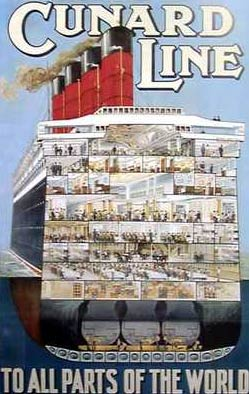
Passenger ocean travel became feasible in the mid 19th century due to innovations in steam transportation, allowing for both recreational voyages for the wealthy and a steep rise in immigration to the United States.

The Chelsea Piers were the finest along Manhattan’s busy waterfront, built by one of New York’s greatest architectural firms as a way to modernize the west side.  Both the tragic tales of the Titanic and the Lusitania are also tied to the original Chelsea Piers.

But changes in ocean travel and the financial fortunes of New York left the piers without a purpose by the late 20th century. How did this important site for transatlantic travel transform into one of New York’s leading modern sports complexes?

ALSO: The death of Thirteenth Avenue, an avenue you probably never knew New York City ever had!

__________________________________________________________

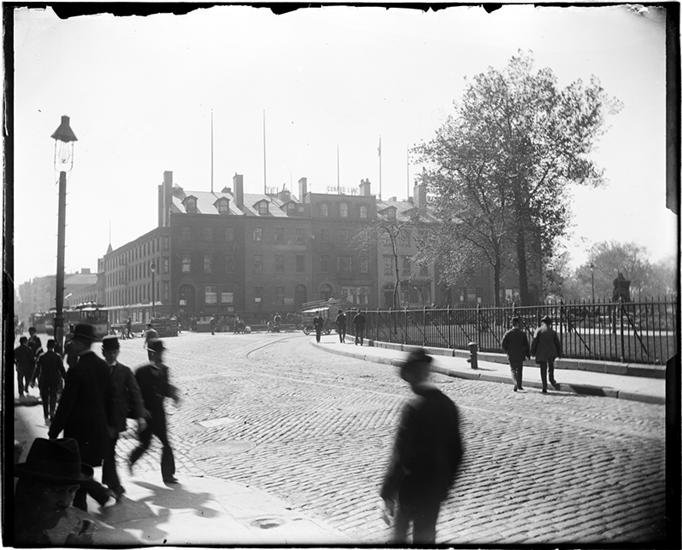
The offices of Steamship Row near Bowling Green and Battery Park. With the rise of ocean travel in the mid 19th century, passengers went to these buildings to make voyage accommodations.

These were later replaced with more lavish offices, many of which are still around in the neighborhood today.
Courtesy Museum of the City of New York
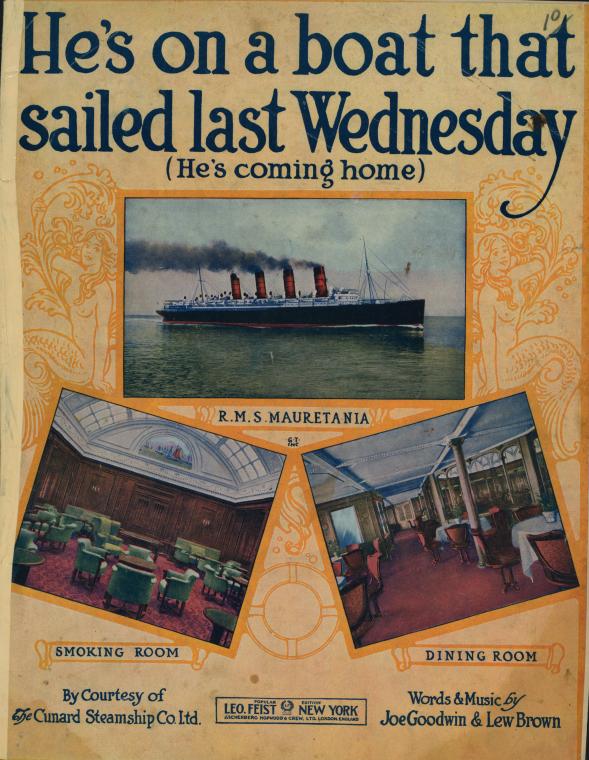
A jaunty song written for the Cunard ship Mauretania, sister ship of the Lusitania.

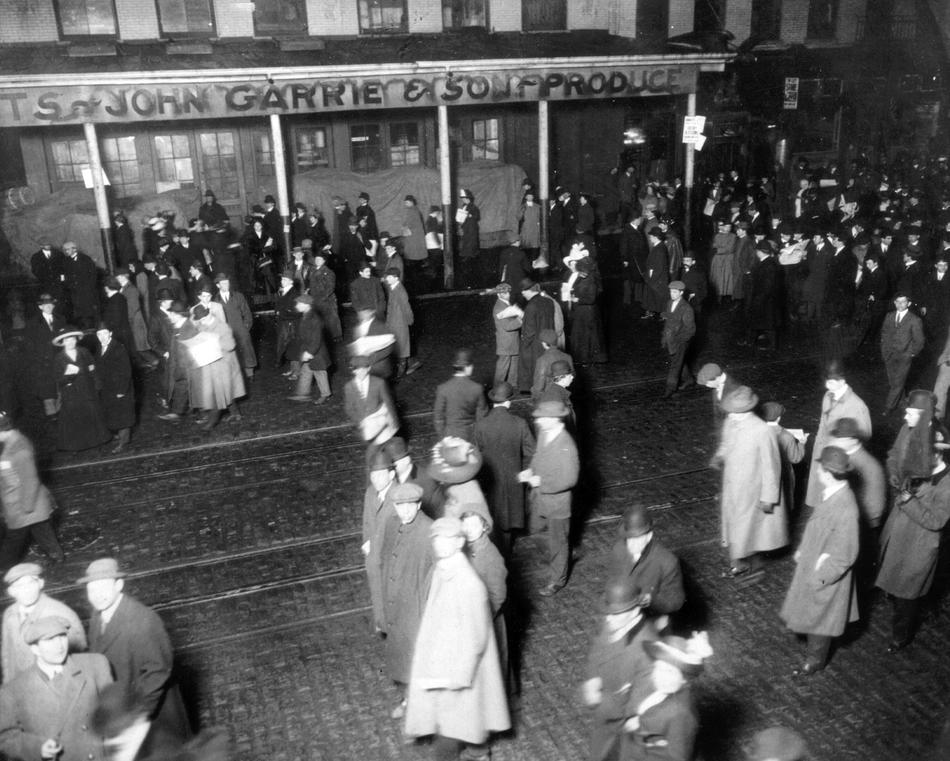
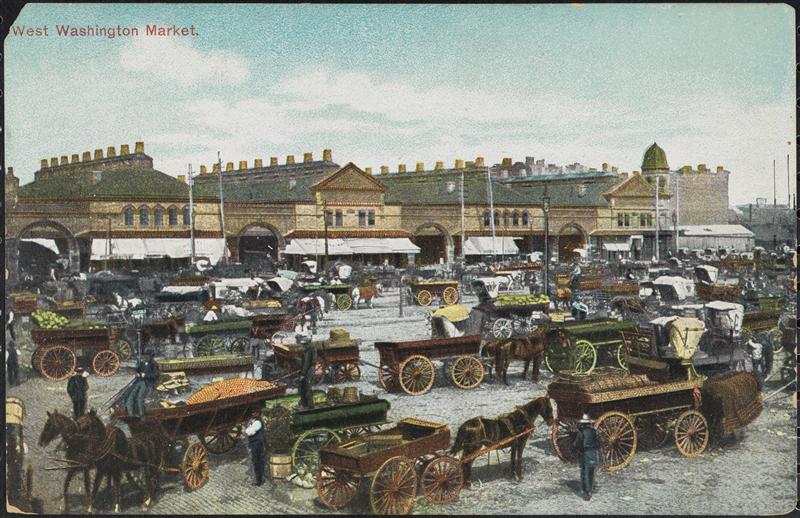
The crazy scene out in front of West Washington Market in 1905. The market was built well before the Chelsea Piers and helped preserve a bit of 13th Avenue when most of that street was eliminated for the Piers’ construction.
Courtesy Museum of the City of New York

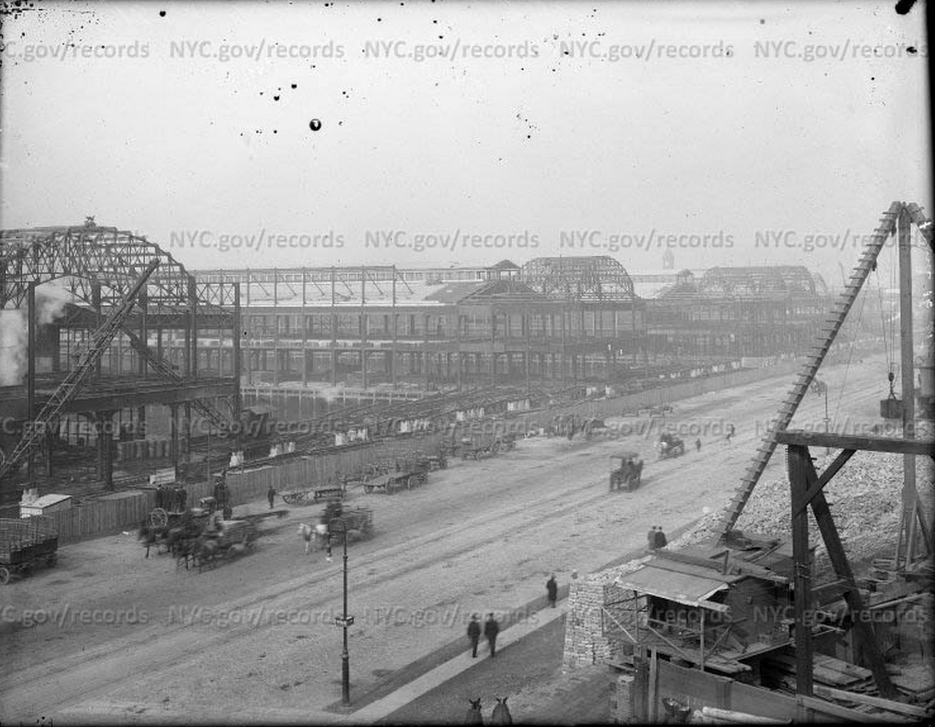
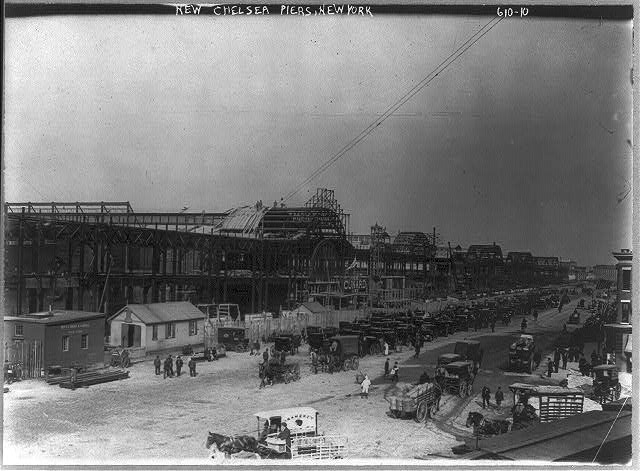
Construction of the Chelsea Piers complex in progress, looking northwest from 16th Street, 1910.
Courtesy New York Department of Records
Courtesy Library of Congress

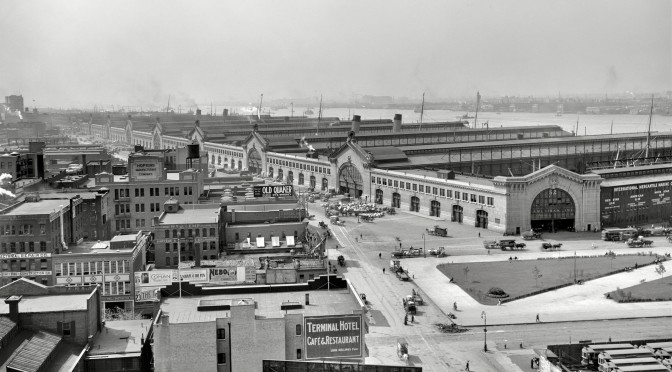
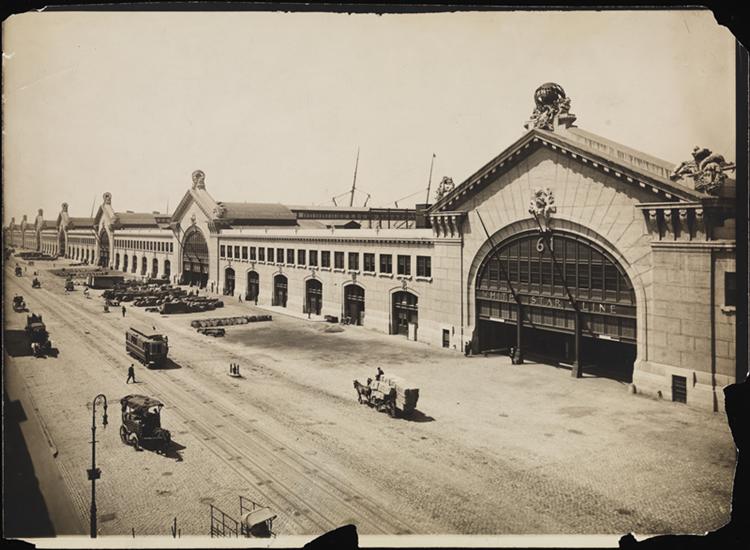
The lavish Chelsea Piers headhouse, designed by Warren and Wetmore of Grand Central Terminal. This picture was taken in 1910 at their completion. It looks very calm on the street in front, a rarity!
Courtesy the Museum of the City of New York

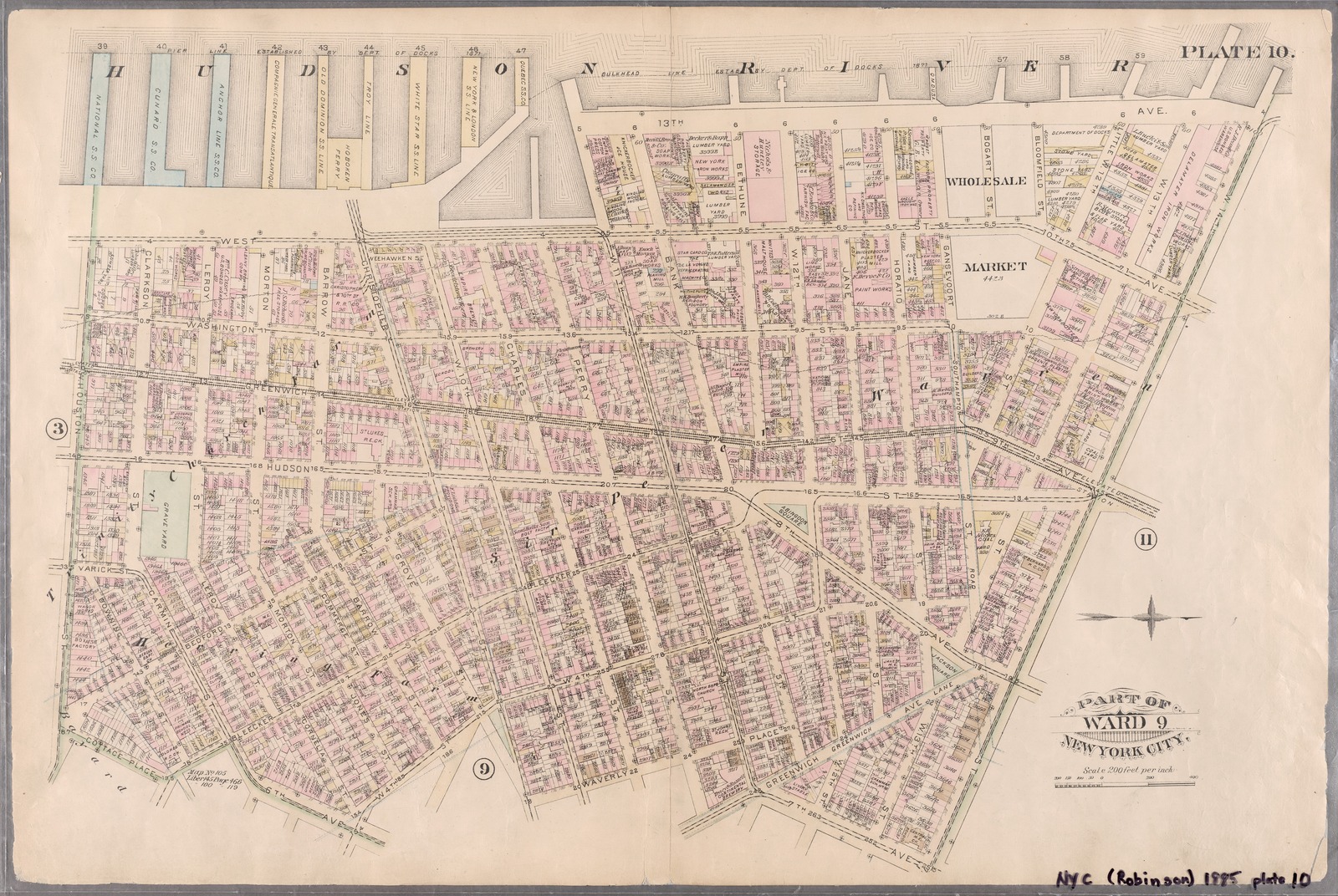
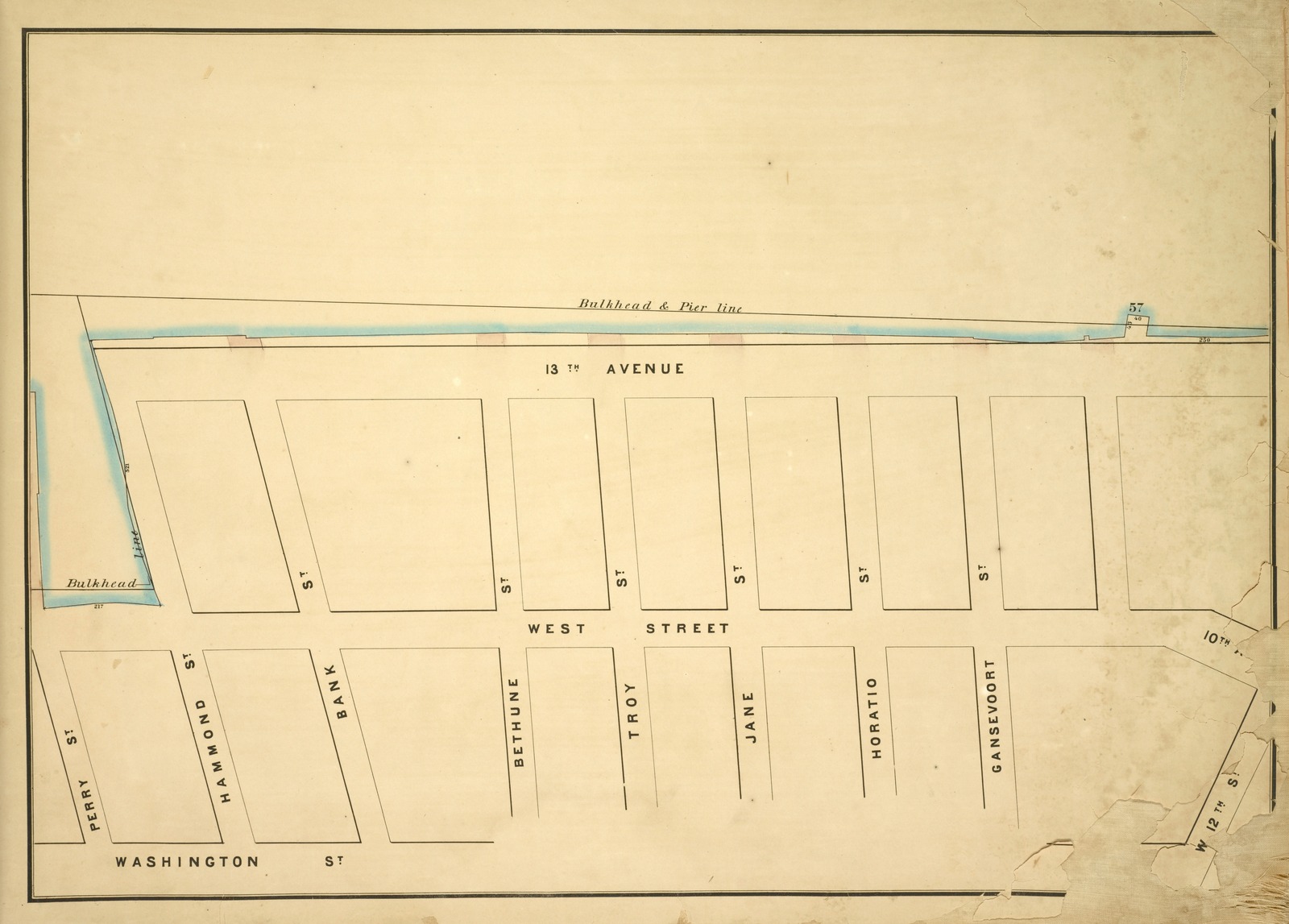
An insurance map from 1885, detailing the streets near the areas of waterfront along West Village and the Meat-Packing District. Note the location of 13th Avenue along the water, running along the top from center to right. Most of this was removed for the construction of the piers.
Courtesy New York Public Library

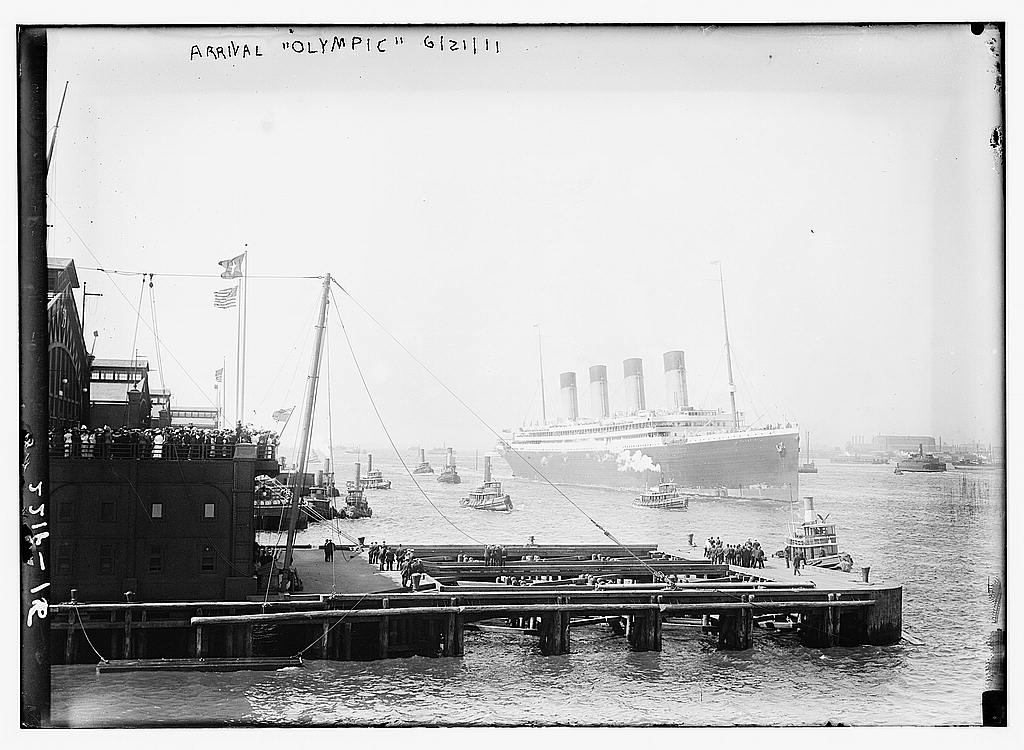
The arrival of the White Star ocean liner Olympic into New York harbor, 1911.
Courtesy Library of Congress

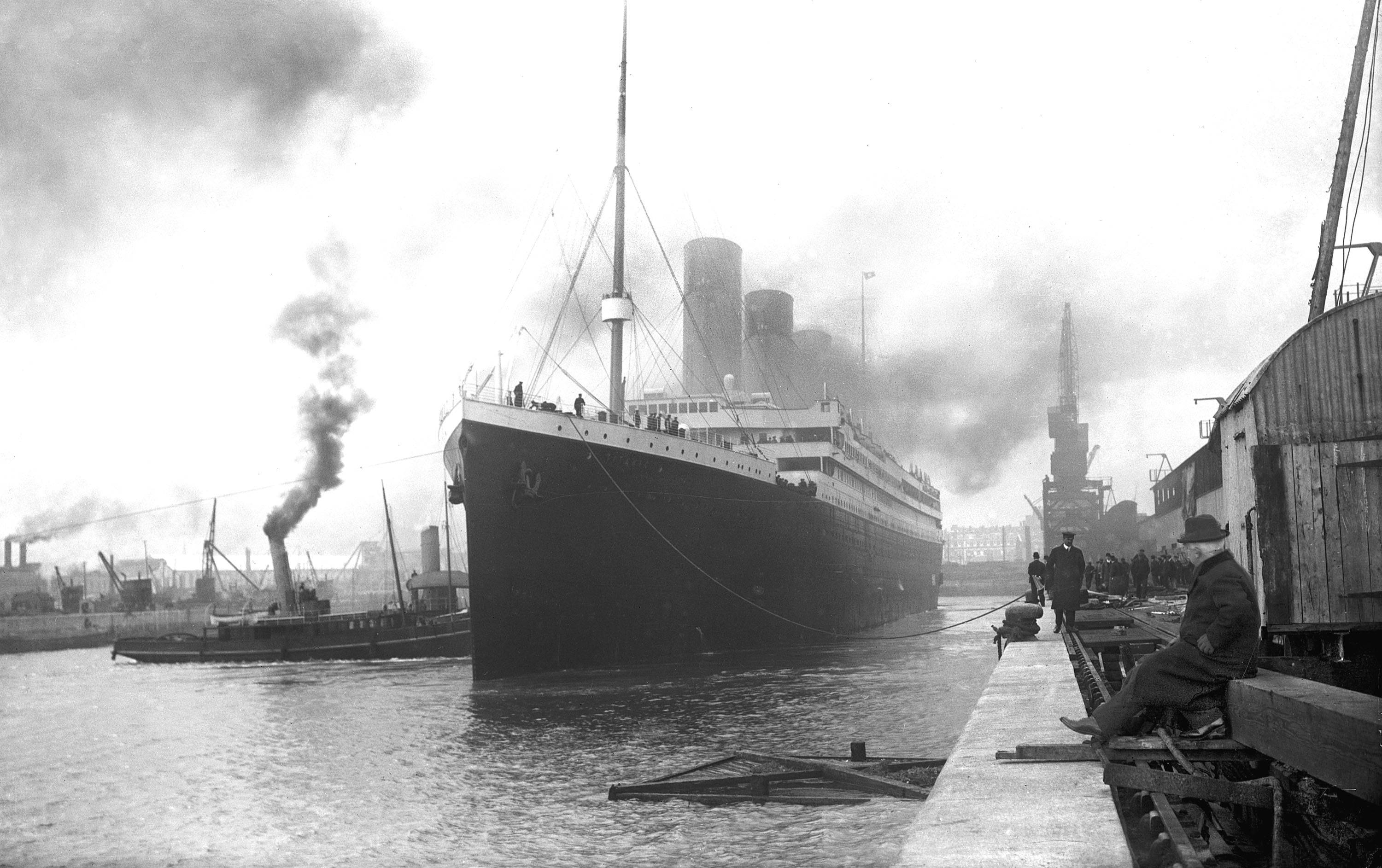
The Titanic on its maiden voyage on April 10, 1912. This was obviously taken from Southhampton where they had much more room for massive ocean vessels!
Titanic

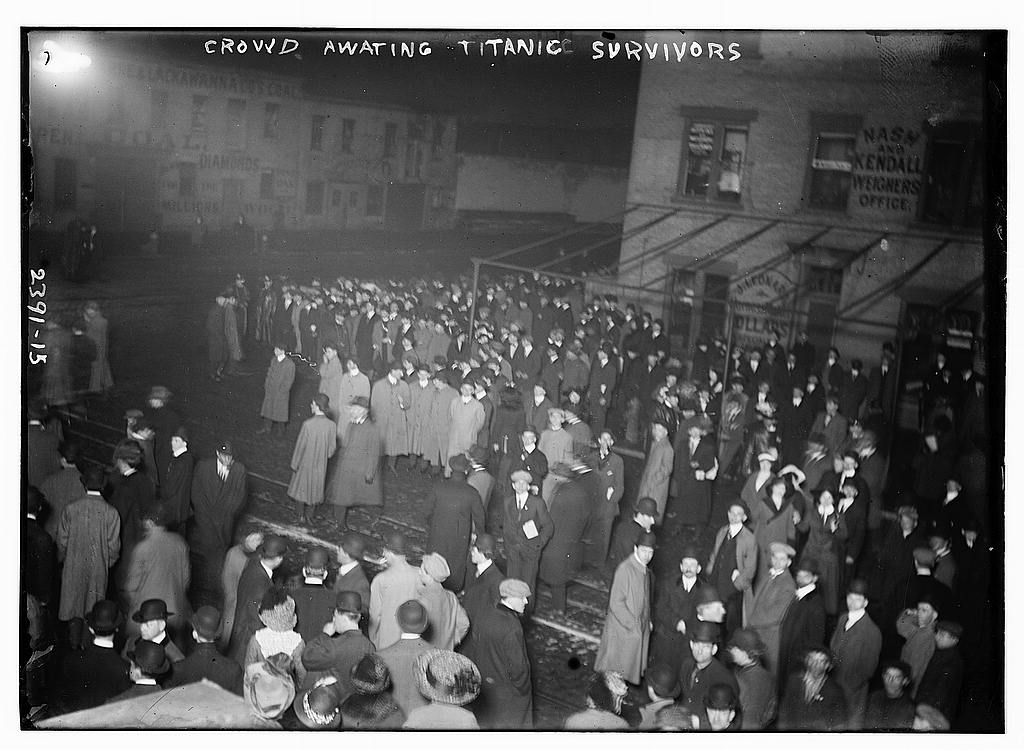
Crowds gather at a location near Chelsea Piers awaiting the survivors of the Titanic disaster.
Courtesy Library of Congress
People gather in New York to await the arrival of survivors of the sinking of the RMS Titanic aboard the RMS Carpathia

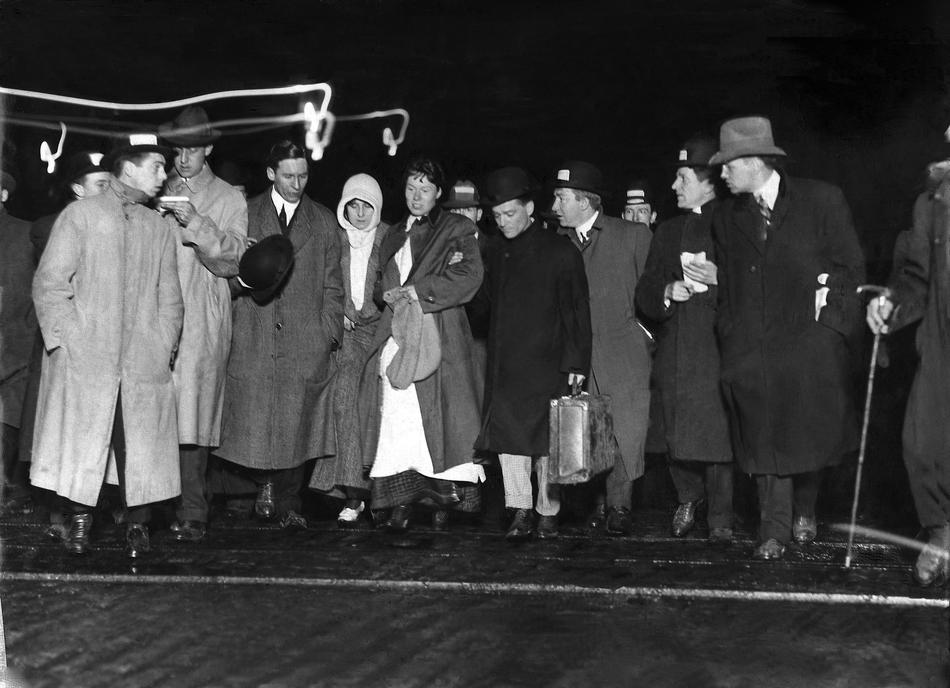
The RMS Carpathia arrives at Pier 54 on April 18, 1912.  Reporters scurry to interview survivors of the Titanic.
Courtesy New York Times

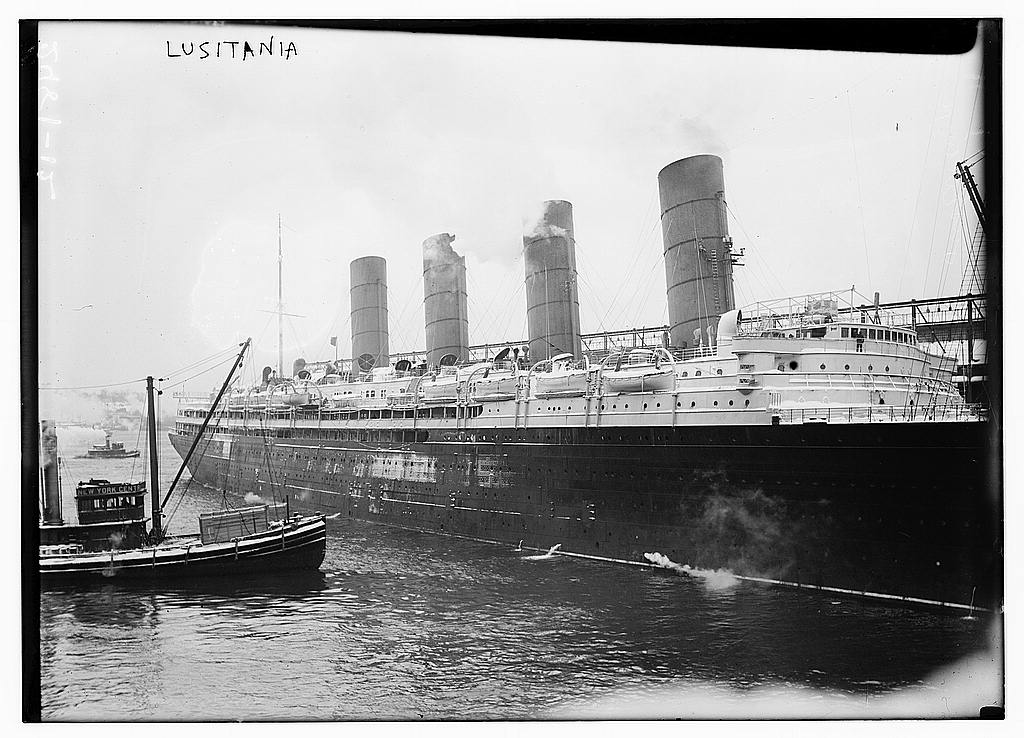
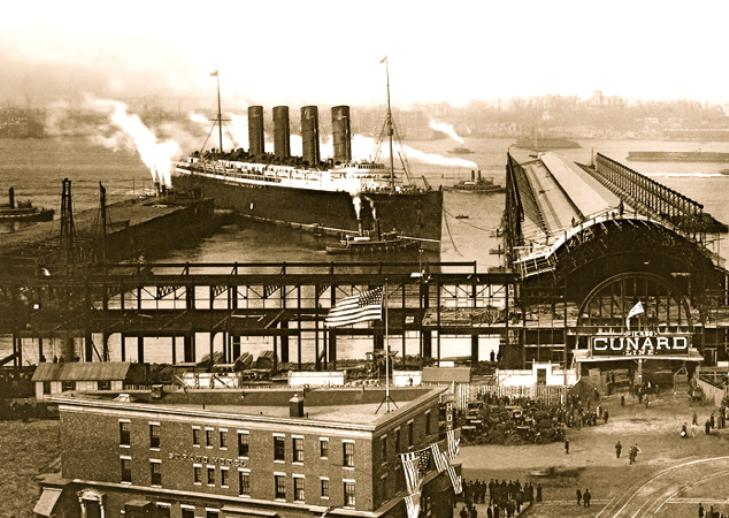
The Lusitania in New York Harbor, and other with the Lusitania at Pier 54 (date unknown but obviously before the Chelsea Piers were completed)
lusitania
pier54cunardlusitania

This striking image (cleaned-up photography courtesy of Shorpy) shows the Chelsea Piers in context with the streets of Chelsea in front of it. 1920
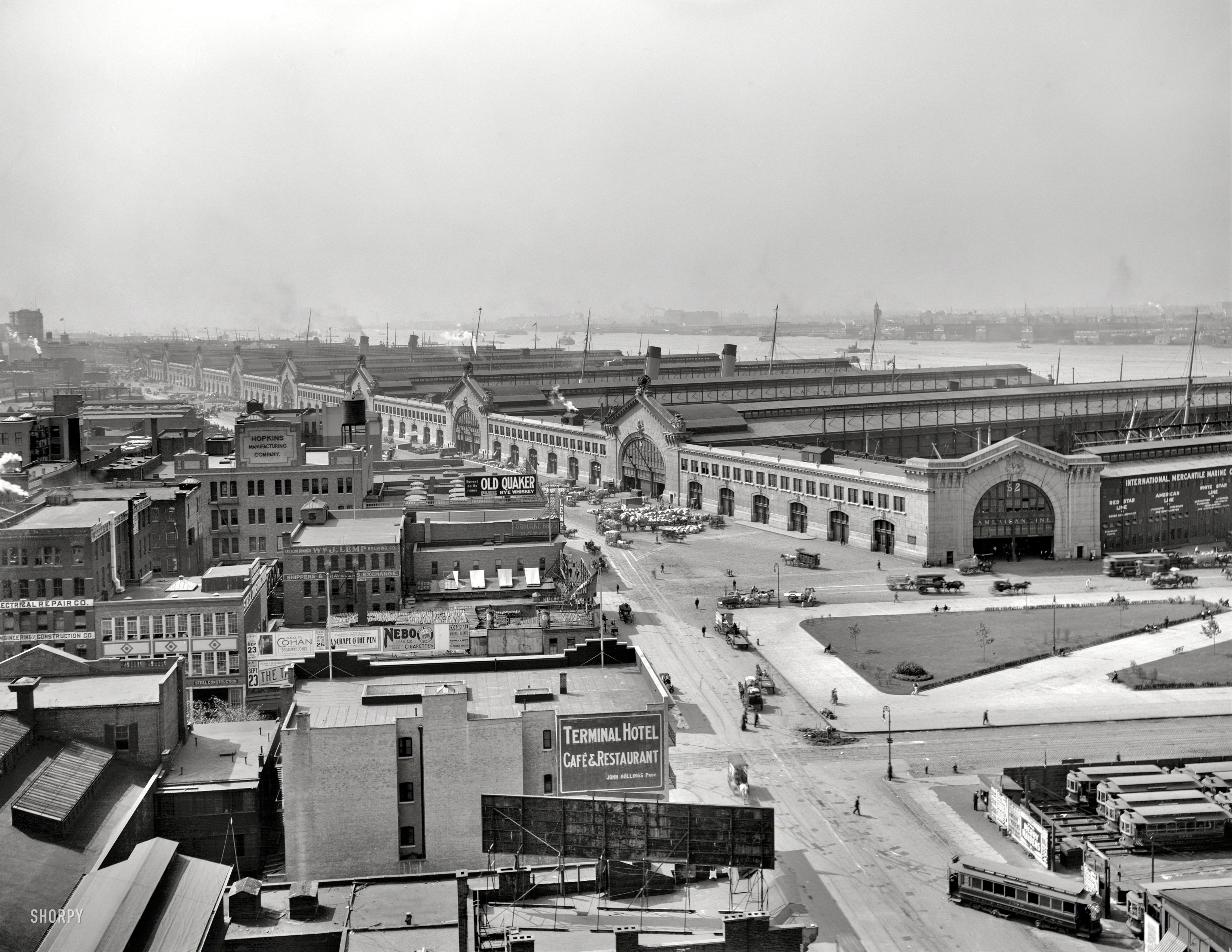
Courtesy Shorpy
Courtesy Shorpy

An excellent image of the crazy pier situation in lower Manhattan. This picture is from 1931. Chelsea Piers would be in the upper left-hand corner.
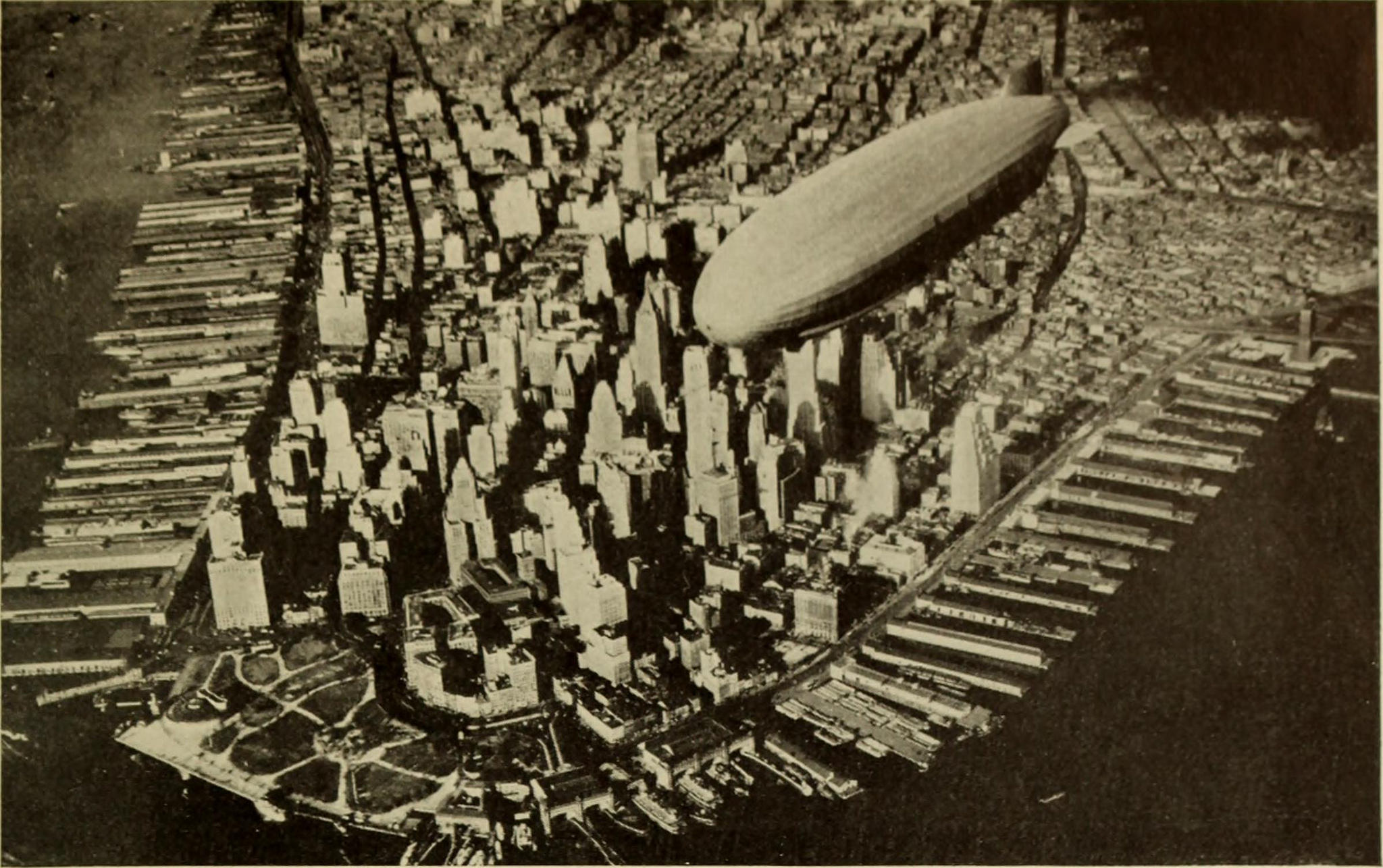
Courtesy Internet Book Image Archives

There were of course other pier structures running down the Hudson shoreline, many of them quite imposing such as this one at Pier 20 and 21 for the Erie Railroad Company at the foot of Chambers Street, picture taken in 1930.
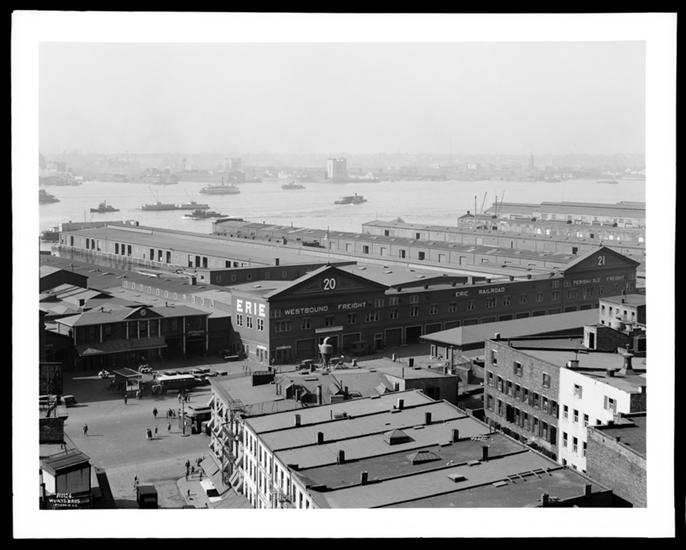
Wurts Brothers, courtesy Museum of the City of New York

A photomechanical postcard of the piers further south of Chelsea Piers, 1916.
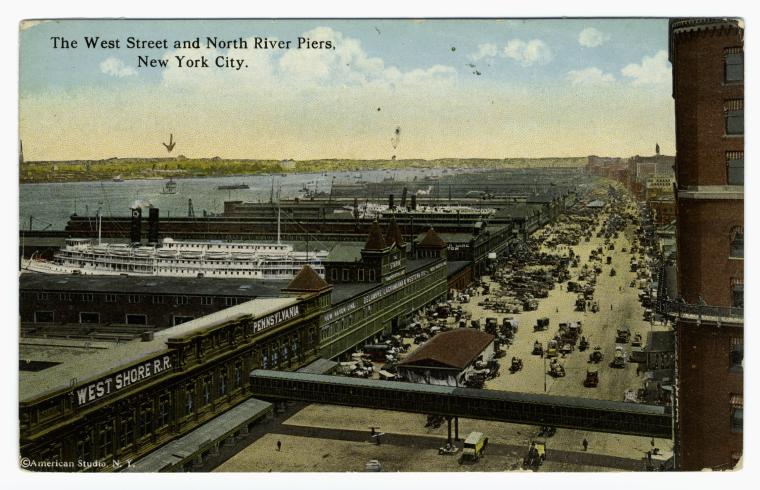
Courtesy New York Public Library

The three largest ships in the world in 1940, all docked in mid-Manhattan, not Chelsea Piers because it could not accommodate their size.
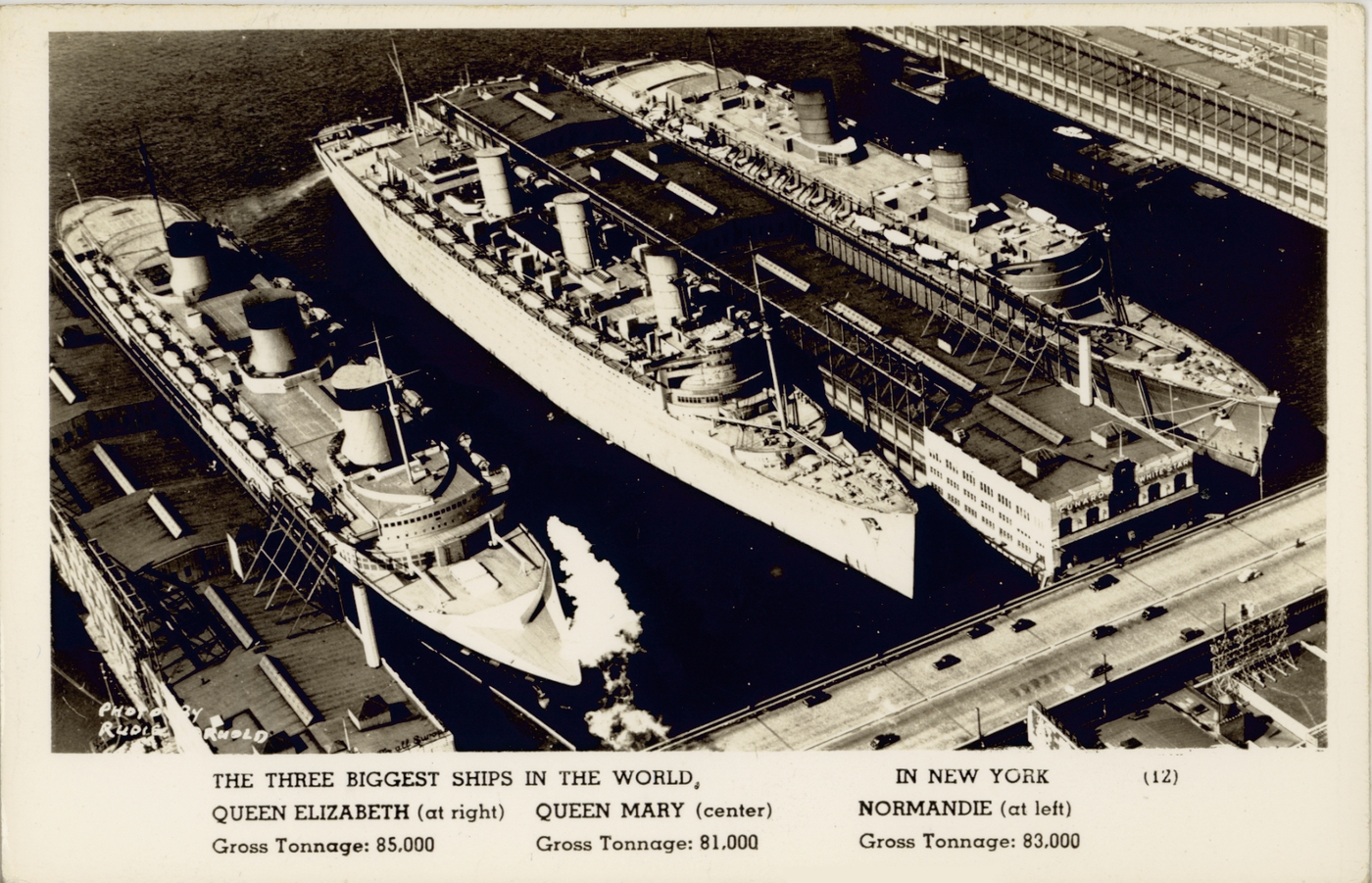
The three largest ships in the world, all docked in mid-Manhattan, not Chelsea Piers because it could not accommodate their size (Courtesy State Library of New South Wales)
(Courtesy State Library of New South Wales)

This is what Pier 54 looked like in 1951 after Cunard and White Star merged to become a single transatlantic company.
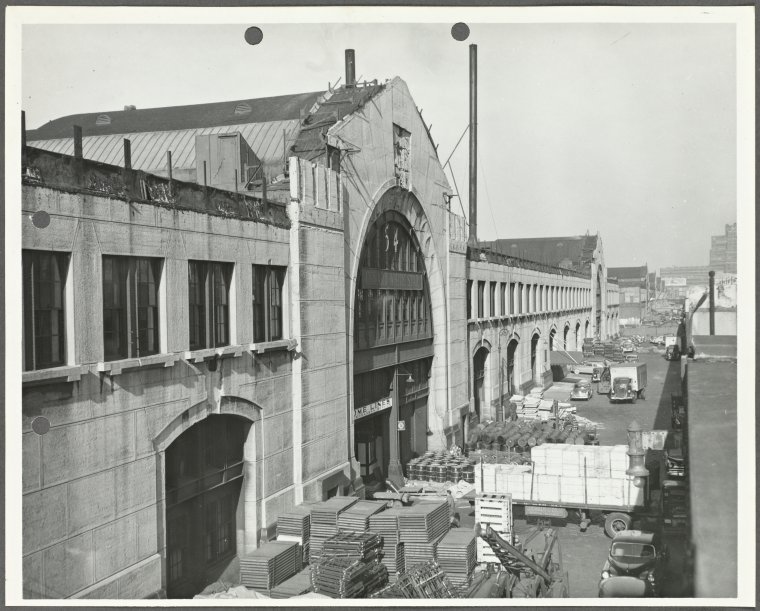
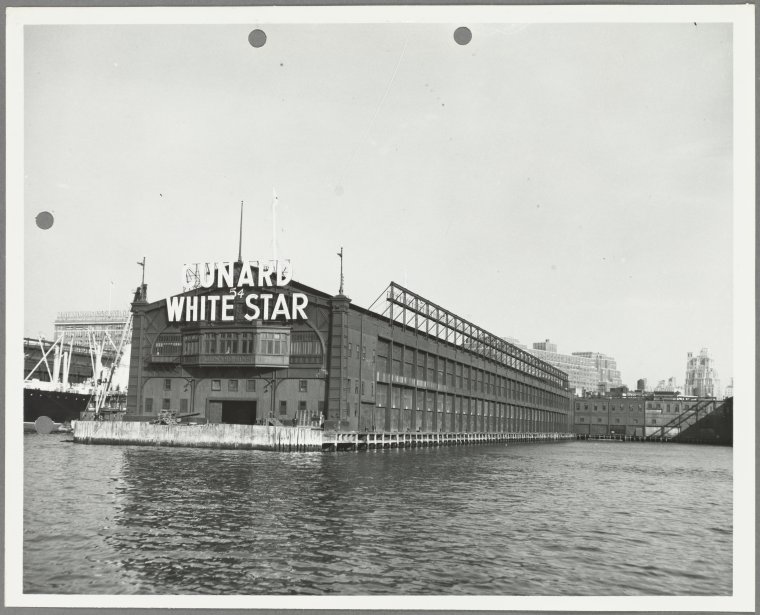
Courtesy New York Public Library

The piers of Washington Market in the 1970s. Most of the pier structures along the water had badly deteriorated by then.
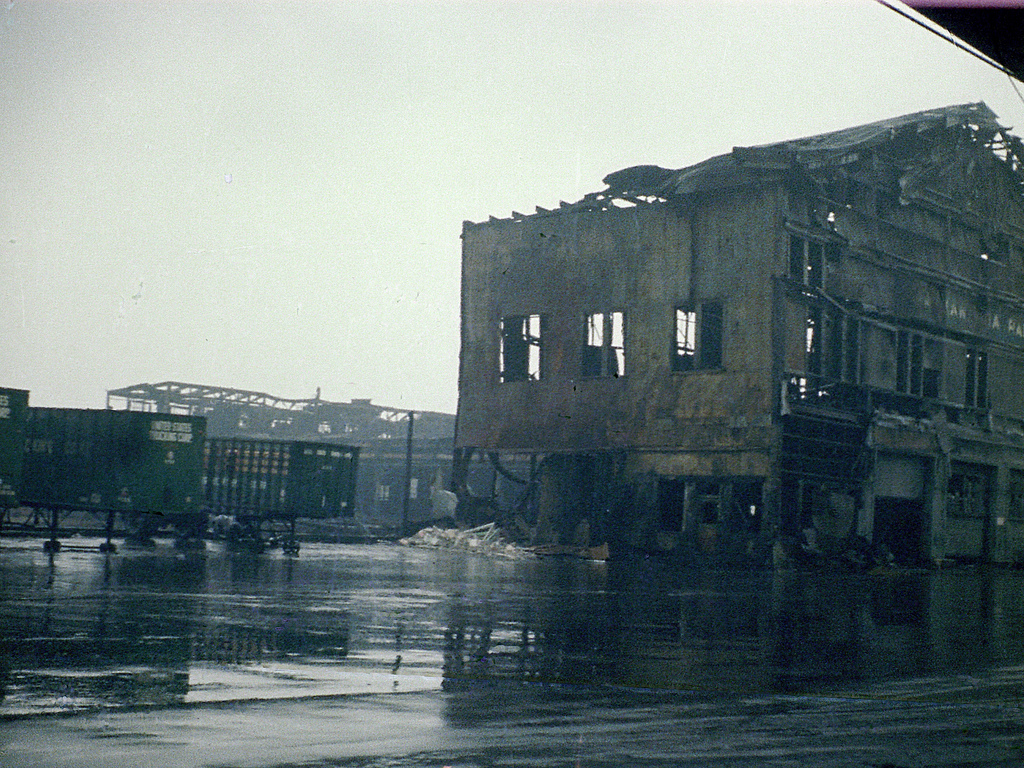
Courtesy Andy Blair/Flickr

The Elevated West Side Highway being torn down in front of Pier 62. The area looks quite different today. In fact Pier 62 is part of the Hudson River Park system.
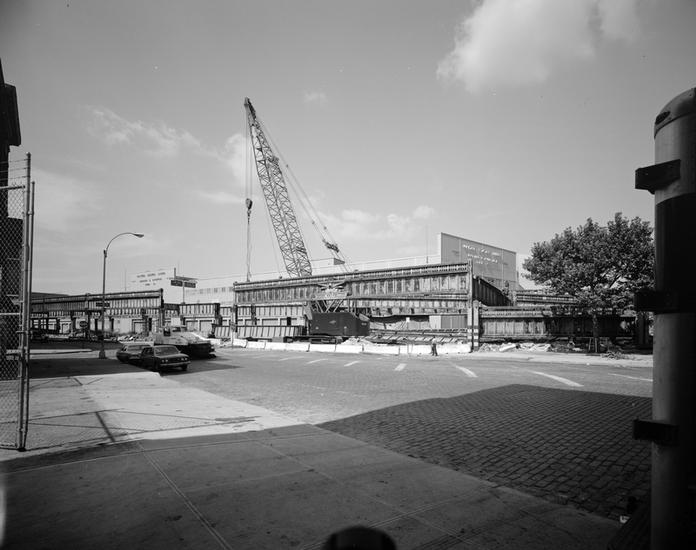
Photo by Edmund V. Gillon, courtesy the Museum of the City of New York

The Chelsea Piers sporting complex was constructed in the 1990s, saving a portion of the original Chelsea Piers from further deterioration. Although I think we can all agree the exterior could be a bit sexier.
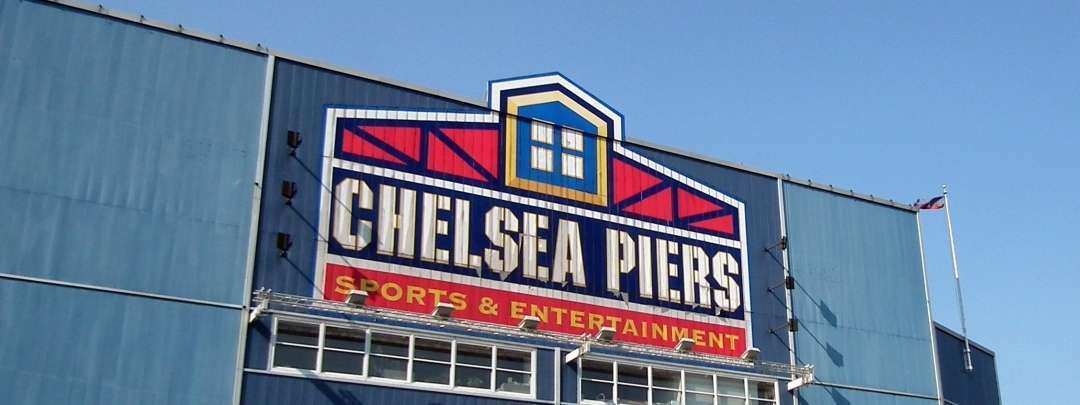
chelsea

Meanwhile Pier 54 continues to find a variety of new uses. Here’s a dance party deejayed by Paul Van Dyk from 2008.
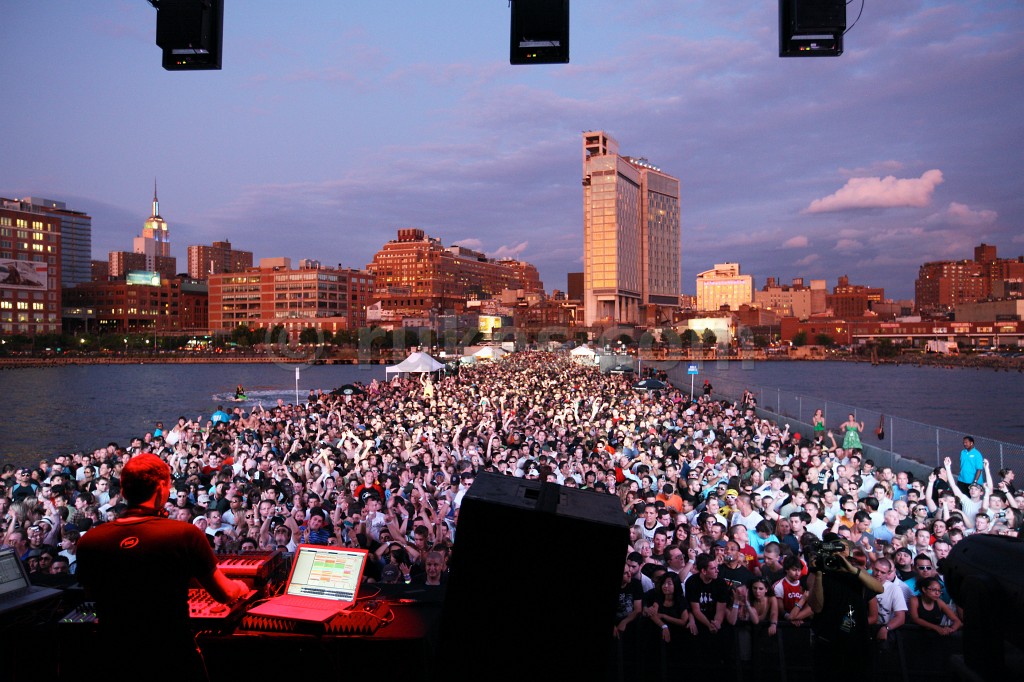
Courtesy Rukes/Paul Van Dyk Fan Board

And finally….

The complete words of Charles Dickens, describing his voyage over on the Cunard steamship Britannia to the United States in 1842 :

To say that she [the ship] is flung down on her side in the waves, with her masts dipping into them, and that, springing up again, she rolls over on the other side, until a heavy sea strikes her with the noise of a hundred great guns, and hurls her back — that she stops, and staggers, and shivers, as though stunned, and then, with a violent throbbing of her heart, darts onwards like a monster goaded into madness, to be beaten down, and battered, and crushed, and leaped on by the angry sea — that thunder, lightening, hail, and rain, and wind, are all in fierce contention for the pastry — that every plant has its grown, every nail its shriek, and every drop of water in the great ocean its howling voice — is nothing.  

To say that all is grand, and all appalling and horrible in the last degree is nothing. Words cannot express it. Thoughts cannot convey it. Only a dream can call it up again, in all its fury, rage and passion.

This is in describing his voyage to the United States. Horrible, to be sure. But given the thousands of people who involuntarily traveled across the Atlantic in the decades earlier, and the wretched conditions they faced, it’s hard to be overly sympathetic to Mr. Dickens’ inconvenience!
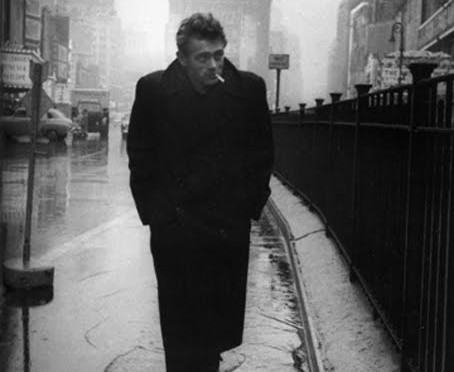
You’ve come a long way, baby! But now it’s over. Extinguishing 102 years of women’s public smoking rights

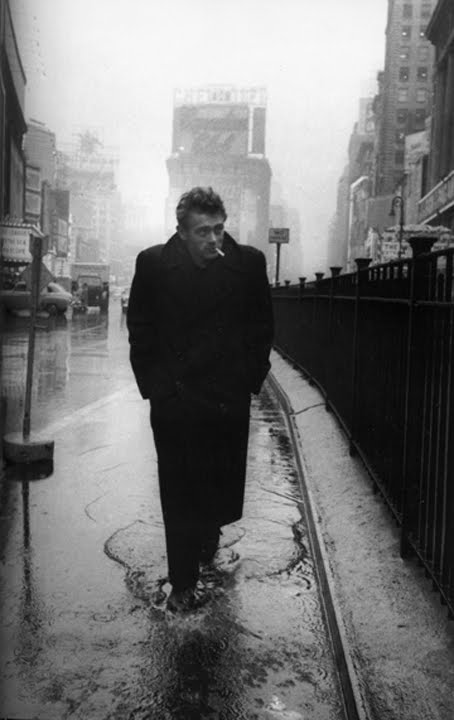
Write that man a ticket! This rebel might have had a different cause had he been at yesterday’s New York city council meeting.

The big news in the city yesterday was the massive smoking ban passed by the City Council that prohibits smoking in public places like Times Square and Central Park, a total of “1,700 parks and 14 miles of public beaches plus boardwalks, marinas and pedestrian plazas” in the city. [source]

Mark Twain, Humphrey Bogart and Fiorello La Guardia must surely be rolling in their graves today. This represents the most far-reaching ban on smoking that New York gentlemen have ever had to face.

New York ladies who smoke, on the other hand, have been down this path before. In fact, the new ban caps a period of roughly over 100 years of public smoking freedoms. Women who light up have been punished for it before.

Men have been legally allowed to smoke mostly where they like for much of the city’s history, and anybody who tried to stop them was met with resistance. Director-general Williem Kieft tried to outlaw the practice in New Amsterdam in the 1640s. As Washington Irving once colorfully described it: “He began forthwith to rail at tobacco as a noxious, nauseous weed, filthy in all its uses; and as to smoking, he denounced it as a heavy tax upon the public pocket, a vast consumer of time, a great encourager of idleness, and a deadly bane to the prosperity and morals of the people.” But nobody was going to give up their tobacco, and Kieft backed off.

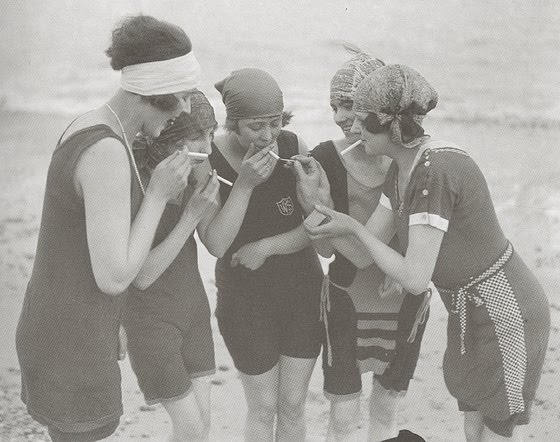
Below: Smoking in some sizzling swimwear, on a public beach, which in New York, will now get them arrested.

Smoking was a sign of prosperity in Gilded Age New York, the most common activity within the corridors of New York’s finest social clubs. Public transport was off limits, of course, but that didn’t stop everybody. (Lighting up a cigar in a streetcar, for instance, would earn you a hefty fine.) Posh restaurants in the late 19th century often required men to smoke in separate rooms. But with the rise of lobster palaces like Rector’s — rollicking, casual restaurants with a festive atmosphere — older restaurants like Delmonico’s had to loosen their policies.

Eventually men were allowed to smoke in the dining rooms. And sometimes, women would light up too, though such flagrant social rebellion was often met with polite shock. Places like the Plaza Hotel and Delmonico’s would put folding screens in front of tables that sat such bold women. It wasn’t the smoke itself that scandalized patrons. It was the sight of ladies enjoying such a male pastime. (Perhaps they should have done more; at least two members of the Delmonico clan died of smoking related illnesses.)

The sight of a woman enjoying a good cigarette flew in the face of proper etiquette, thus becoming a handy display of rebellion in a age when women were fighting for other rights, most notably the right to vote. From Meta Lander’s 1888 book-length tirade called ‘The Tobacco Problem’ :”On a crowded boat, between New York and Boston, a lady (?) passenger, unable to sleep, rose at three, virtuously mended her gloves, and then, O shade of Minerva! leaning back in her arm-chair, gave herself up to a cigarette; while, stretched on mattresses around her, many looked on with undisguised amazement and disgust.”

Indecent? Or independence? The debate came to a head in 1908 when, for two weeks at least, it was actually illegal for women to smoke in public. ‘NO PUBLIC SMOKING BY WOMEN NOW’ read the New York Times on January 21, 1908. “Will the Ladies Rebel? As the Ladies of New Amsterdam Did When Peter Stuyvesant Ordered Them To Wear Broad Flounces?”

The mayor, George McClellan, quickly revoked the unpopular law. Twelve years later, women would have the right to vote and the freedom to smoke. (But not to raise a toast; alcohol was prohibited by 1920.)

Smoking went relatively unabated until the 1989 Clean Indoor Air Act dictated that restaurants set aside “70 percent of the seating capacity as a nonsmoking area” and to designate a smoking section. Further restriction, such as the statewide ban from March 2003, eliminated smoking from restaurants and bars entirely.

This new law seriously undermines decades of accomplishments by beatniks, poets, film noir icons, jazz musicians and gang members who have worked tirelessly to make smoking cool.** James Dean, we have betrayed you!

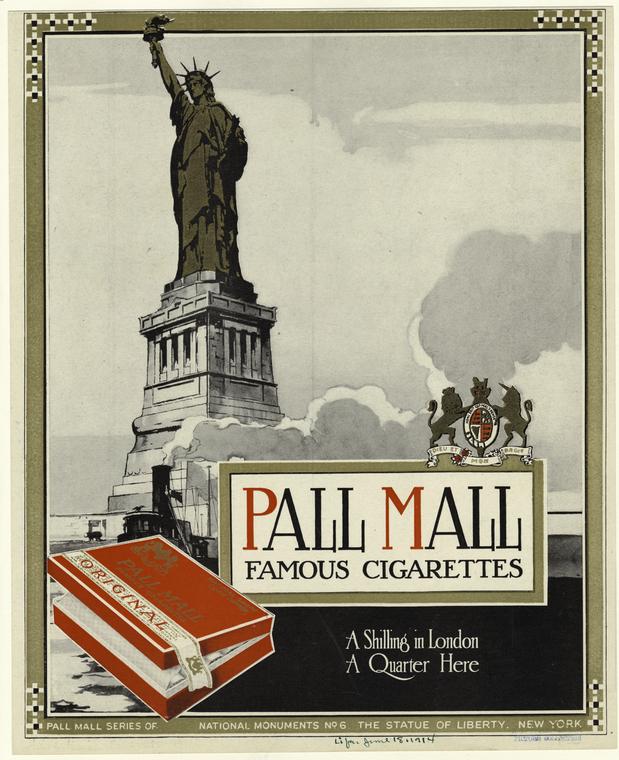
Above: a 1914 Pall Mall advetisement, using Lady Liberty to exemplify the American freedoms that smoking brings!

**Of course, many of them died of lung cancer.