New York City will be at the center of celebrations for the 250th anniversary of the United States, thanks to the largest-ever flotilla of tall ships to sail into New York Harbor — a reminder of the city’s storied maritime history. It will be like ghosts of the past returning from a long voyage.
But this is just the latest in a long line of patriotic parties that the city has hosted since the early 19th century, when citizens gathered in a former potter’s field (later renamed Washington Square) to mark the 50th anniversary of the nation’s birth.
The 100th birthday of the United States gifted New York the arm of the Statue of Liberty (a decade before she was fully assembled) and a treasured landmark located in Central Park today.
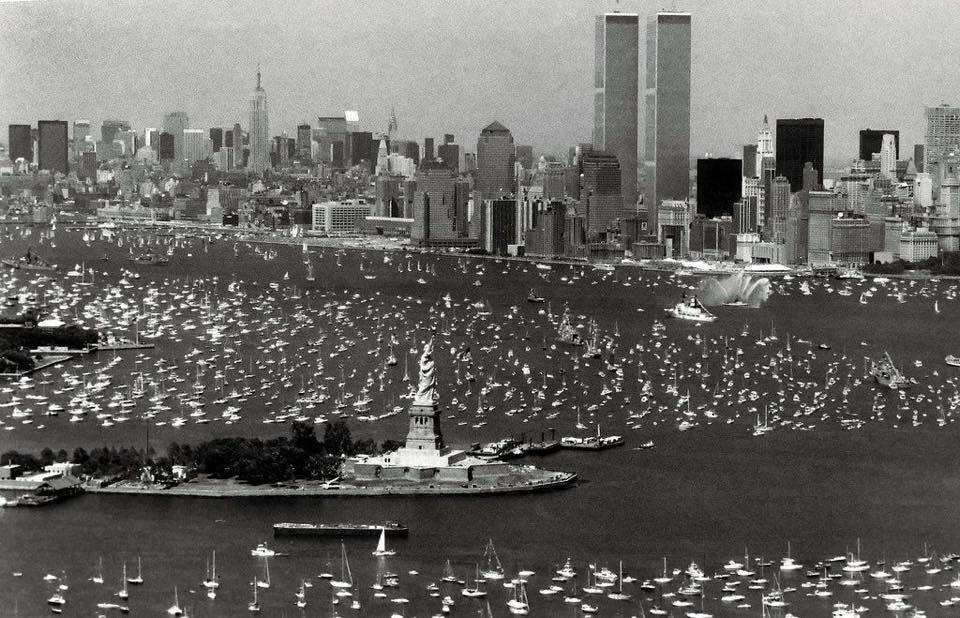
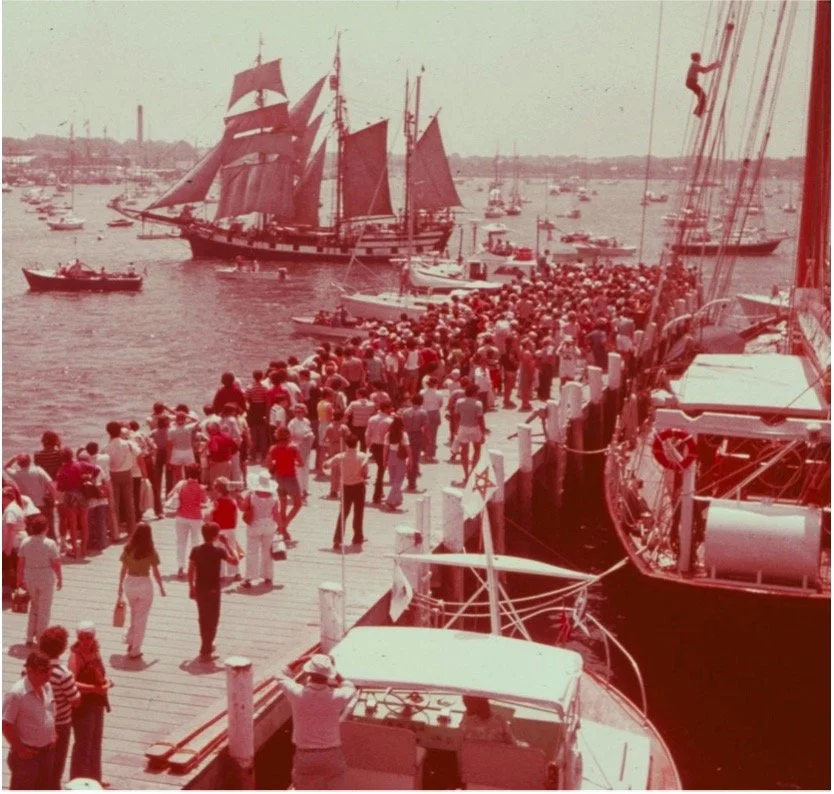
The parade of tall ships, known as Operation Sail, first assembled in New York waters for the 1964 World’s Fair, and later for the big Bicentennial of 1976.
The city had a lot going on that year, most notably a financial crisis and a public spat with President Gerald Ford.
But when television cameras turned to film the big event, they saw not just majestic ships, but a diverse array of New Yorkers, reinventing what it meant to be American.
Tom and Greg are joined on this show by Captain Jonathan Boulware, the President and CEO of the South Street Seaport Museum, to discuss the Seaport’s unique connection to Operation Sail and the museum’s latest exhibition, The Promise of Liberty: Words That Shaped a Nation, which places the nation’s most important documents in a unique waterfront context.
LISTEN NOW: PARTY LIKE IT’S 1976!
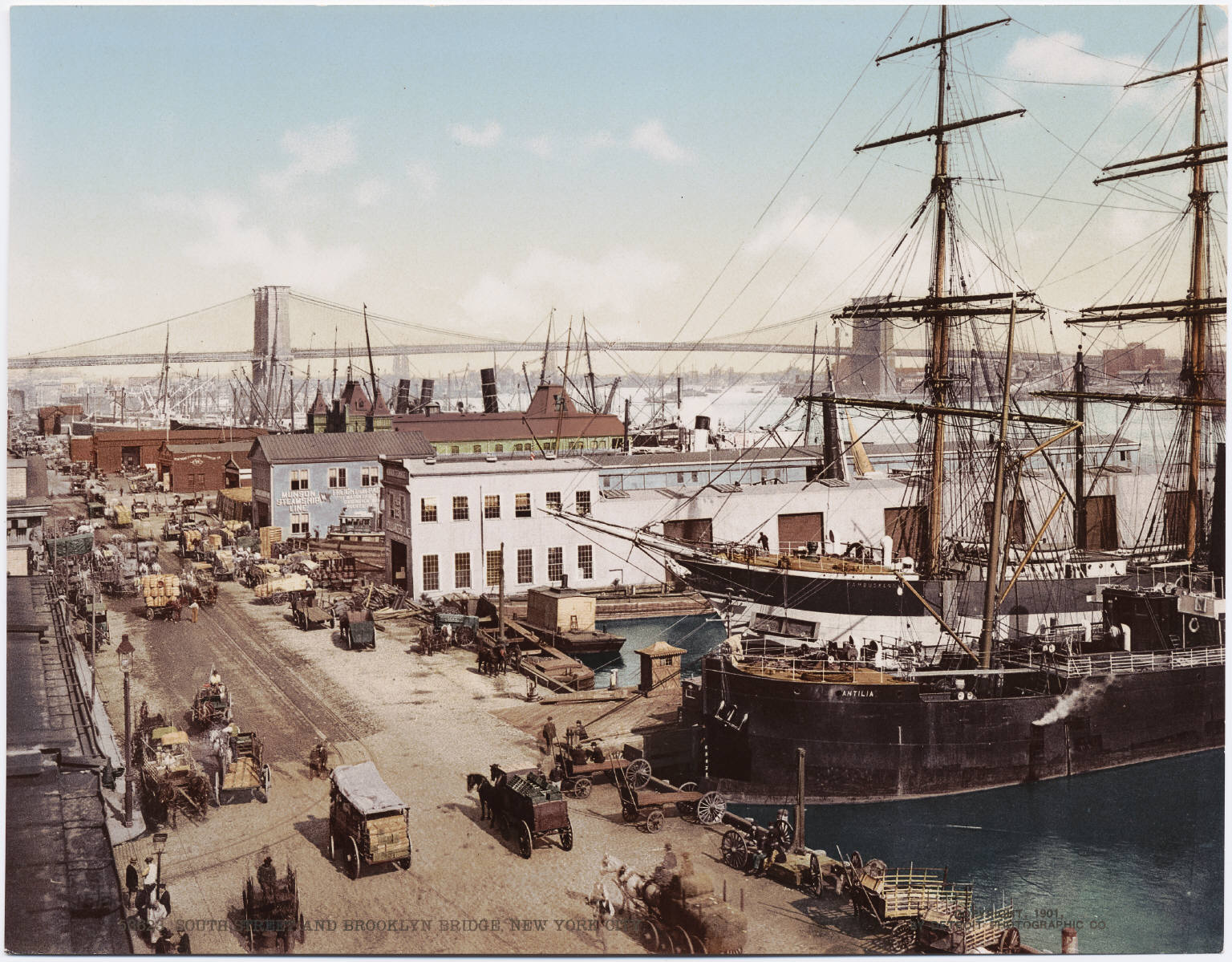
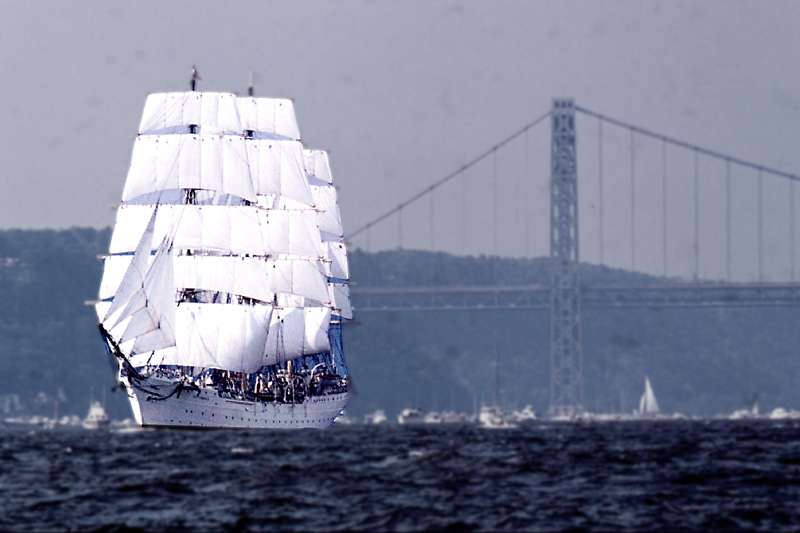
Courtesy South Street SeaportA photochrom postcard published by the Detroit Photographic Company. circa 1899-1924Square rigger during the Parade of Sail on 4 July 1976 (US Bicentennial). The ship is most likely the Polish schoolship Dar Pomorza. Wikimedia commons
If you want to walk the footsteps of New Yorkers during the American Revolution:
Echoes of the Revolution multimedia 90-minute walking tour in downtown Manhattan and will be a free city-scale augmented reality experience for mobile devices utilizing the detailed historical environments of Assassin’s Creed® III (set during the American Revolution).
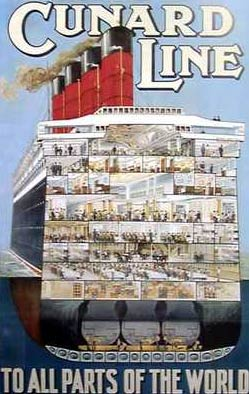
PODCASTThe Chelsea Piers were once New York City’s portal to the world, a series of long docks along the west side of Manhattan that accommodated some of the most luxurious ocean liners of the early 20th century.
Passenger ocean travel became feasible in the mid 19th century due to innovations in steam transportation, allowing for both recreational voyages for the wealthy and a steep rise in immigration to the United States.
The Chelsea Piers were the finest along Manhattan’s busy waterfront, built by one of New York’s greatest architectural firms as a way to modernize the west side. Both the tragic tales of the Titanic and the Lusitania are also tied to the original Chelsea Piers.
But changes in ocean travel and the financial fortunes of New York left the piers without a purpose by the late 20th century. How did this important site for transatlantic travel transform into one of New York’s leading modern sports complexes?
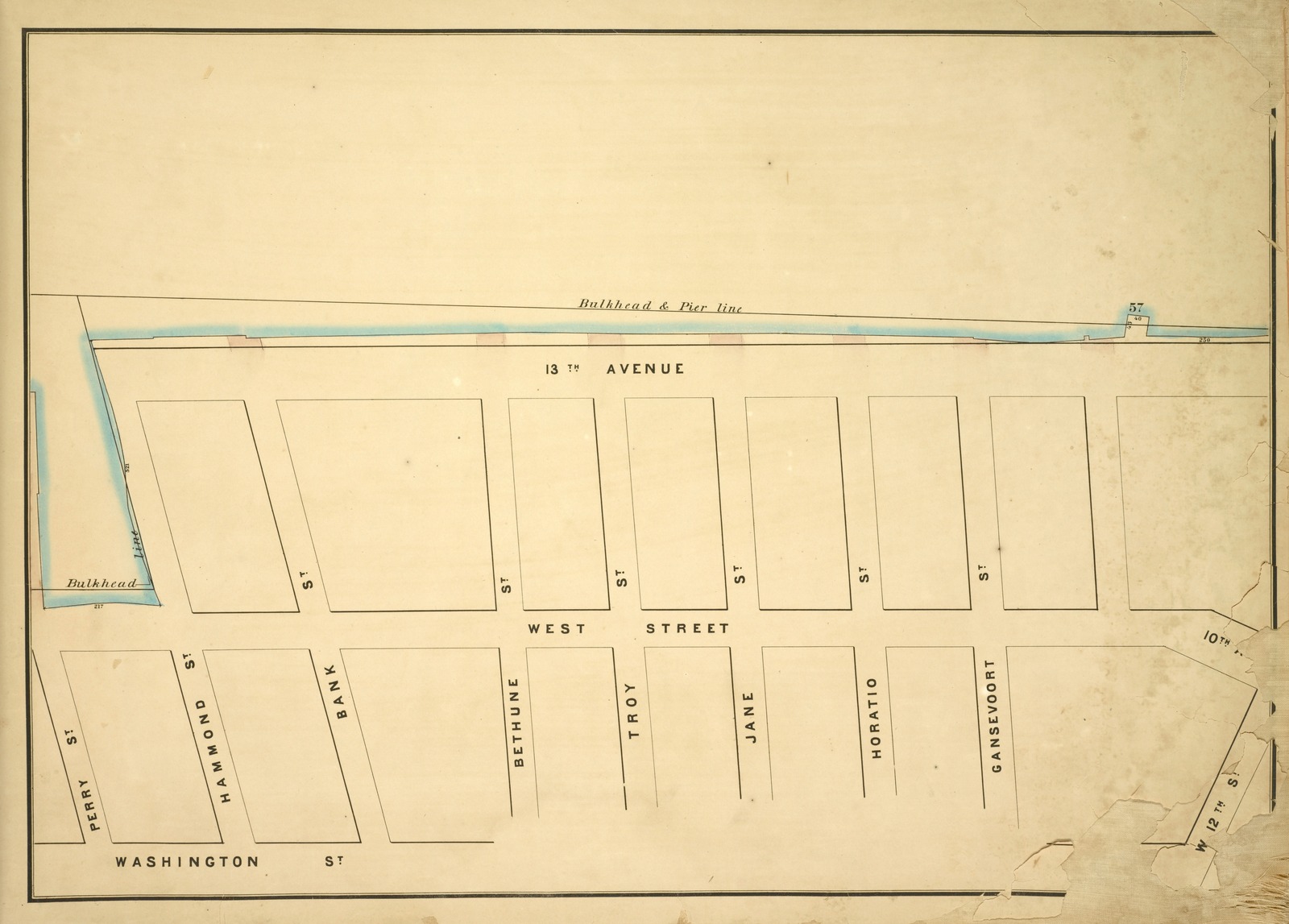
ALSO: The death of Thirteenth Avenue, an avenue you probably never knew New York City ever had!
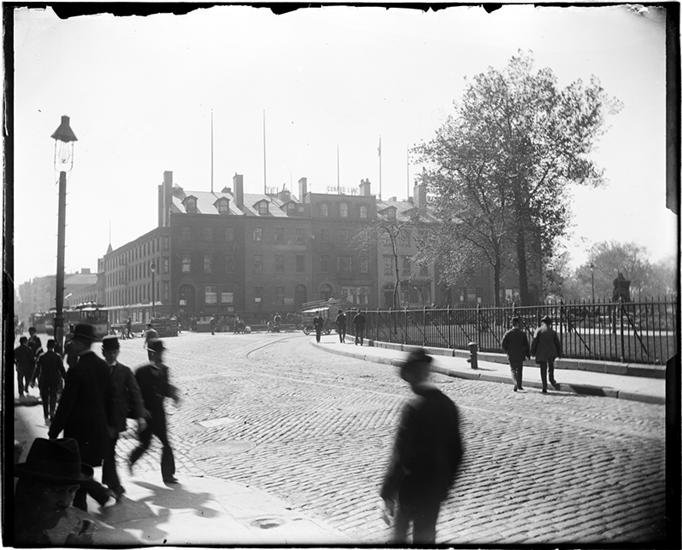
The offices of Steamship Row near Bowling Green and Battery Park. With the rise of ocean travel in the mid 19th century, passengers went to these buildings to make voyage accommodations.
These were later replaced with more lavish offices, many of which are still around in the neighborhood today.
Courtesy Museum of the City of New York
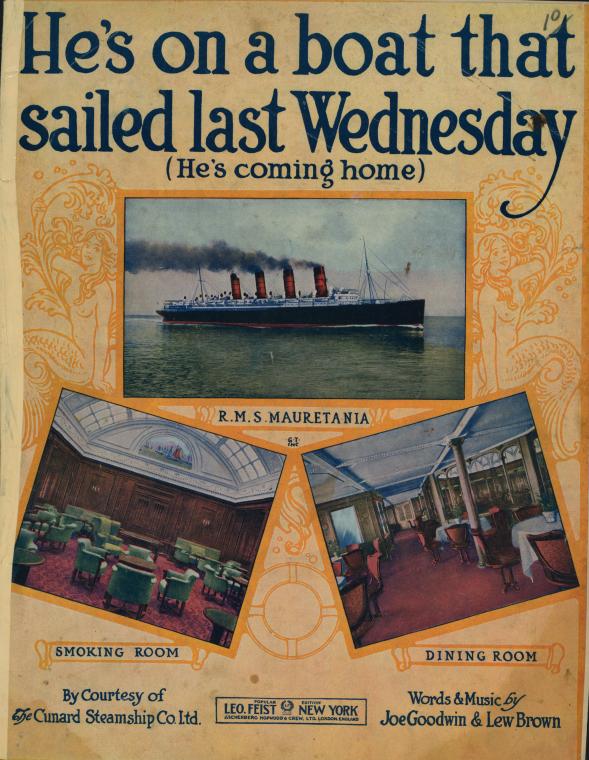
A jaunty song written for the Cunard ship Mauretania, sister ship of the Lusitania.
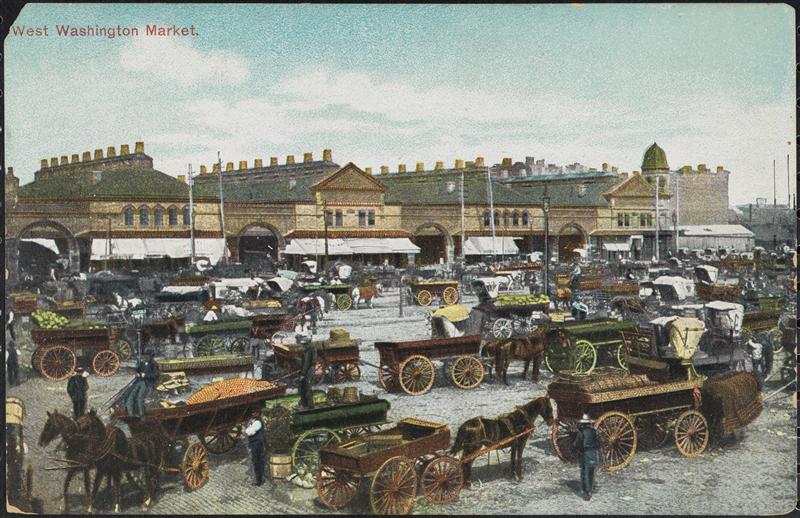
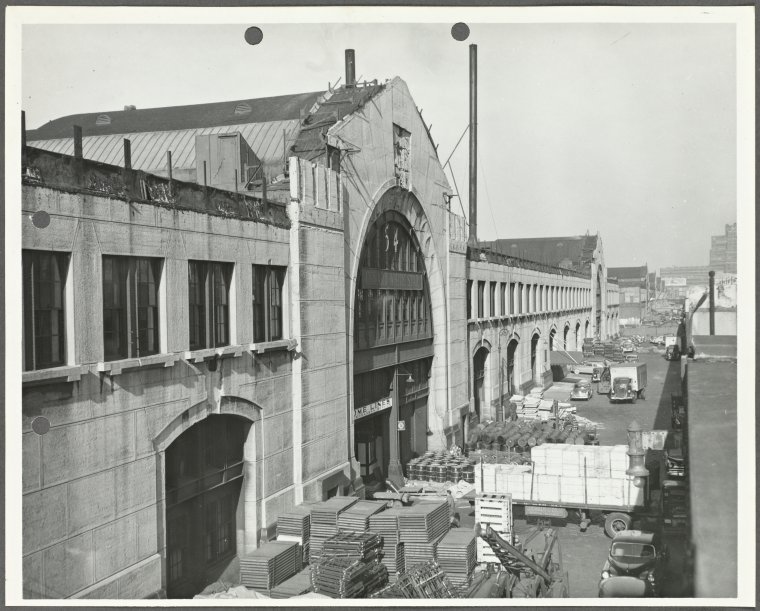
The crazy scene out in front of West Washington Market in 1905. The market was built well before the Chelsea Piers and helped preserve a bit of 13th Avenue when most of that street was eliminated for the Piers’ construction.
Courtesy Museum of the City of New York
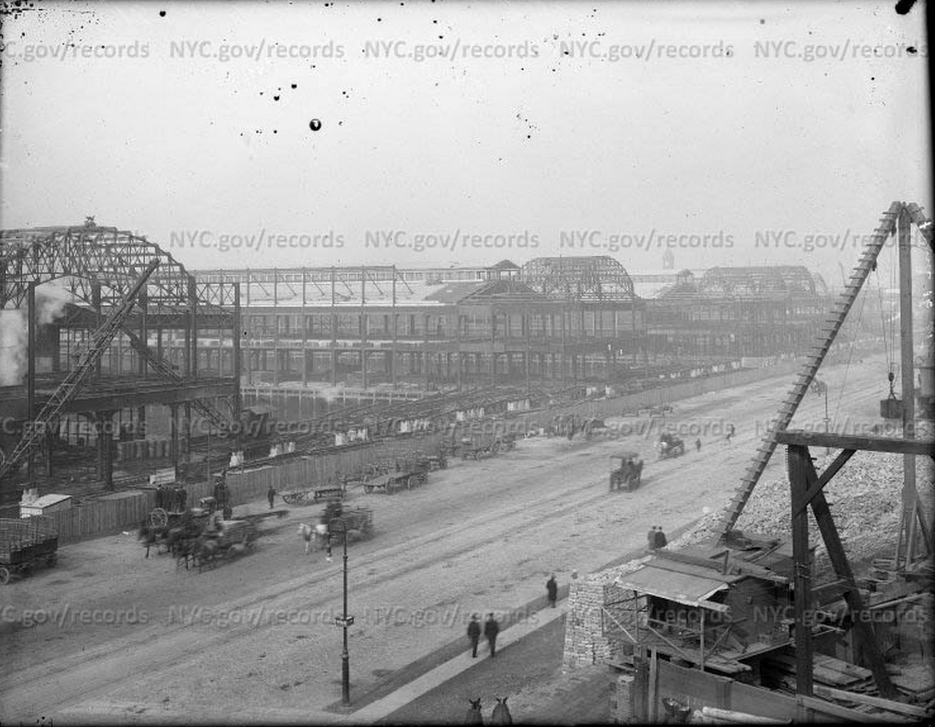
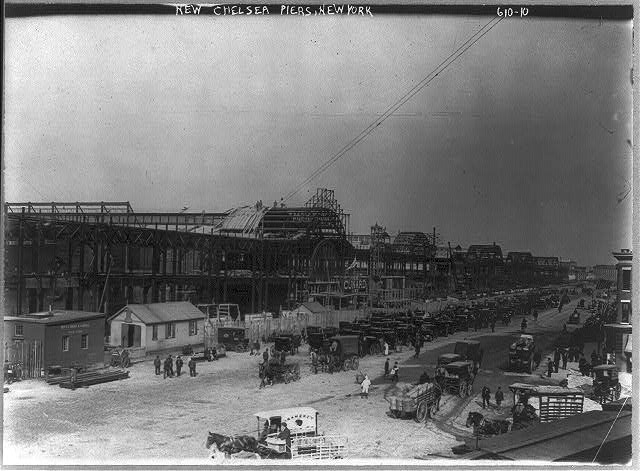
Construction of the Chelsea Piers complex in progress, looking northwest from 16th Street, 1910.
Courtesy New York Department of Records
Courtesy Library of Congress
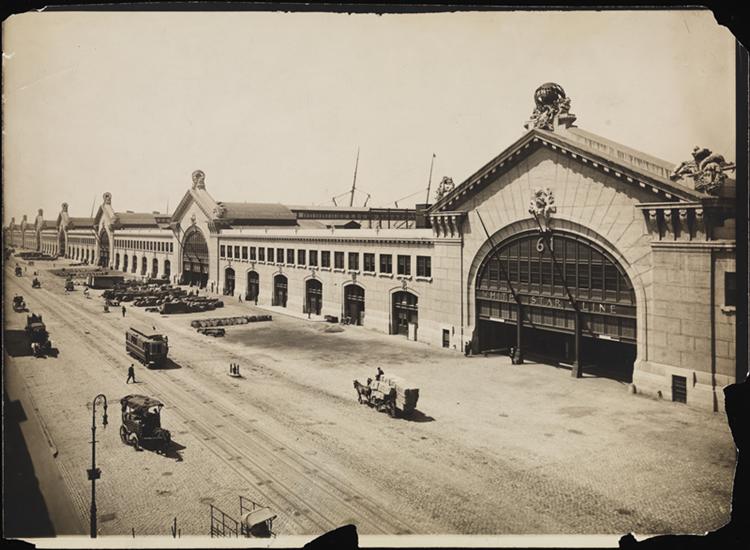
The lavish Chelsea Piers headhouse, designed by Warren and Wetmore of Grand Central Terminal. This picture was taken in 1910 at their completion. It looks very calm on the street in front, a rarity!
Courtesy the Museum of the City of New York
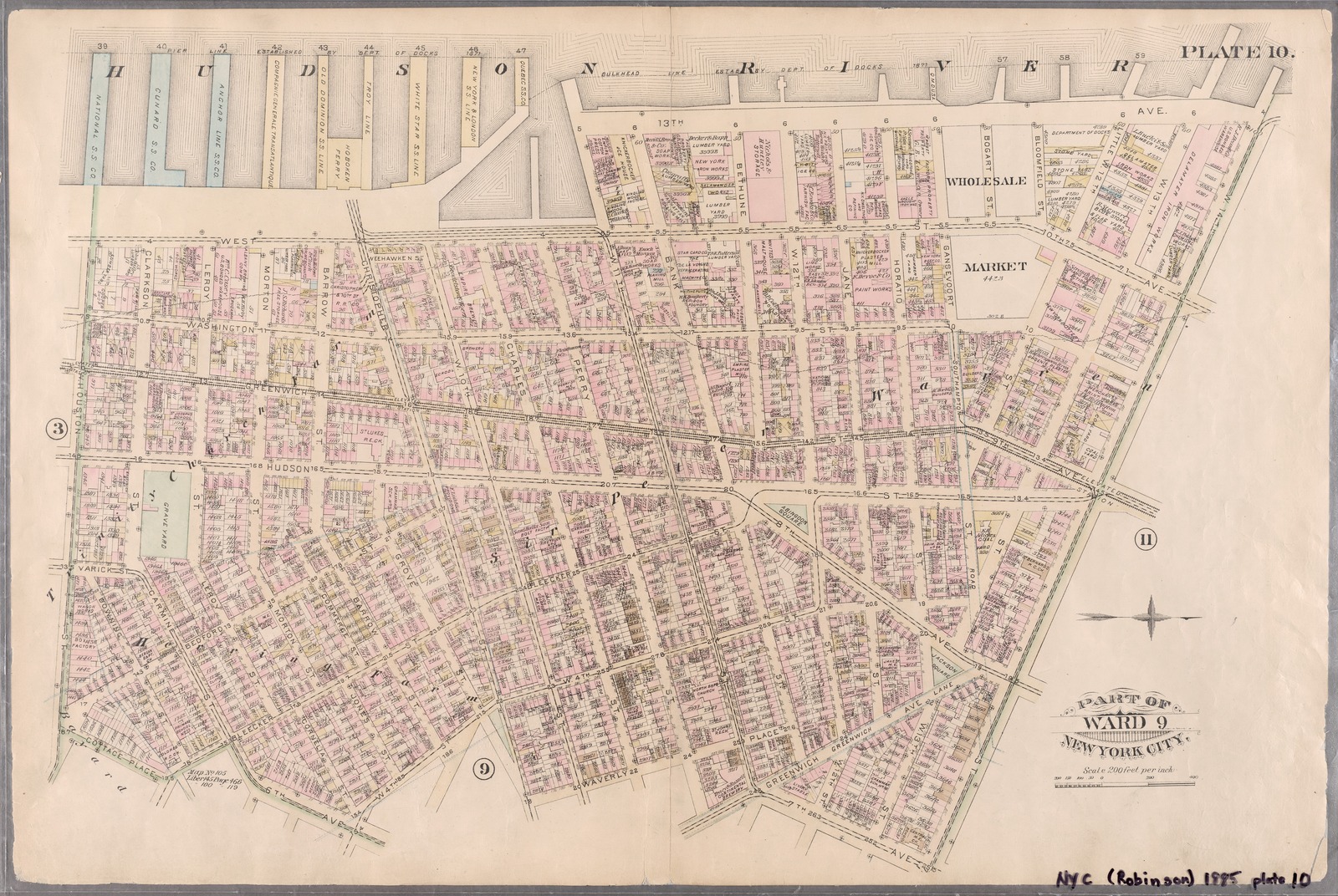
An insurance map from 1885, detailing the streets near the areas of waterfront along West Village and the Meat-Packing District. Note the location of 13th Avenue along the water, running along the top from center to right. Most of this was removed for the construction of the piers.
Courtesy New York Public Library
Courtesy New York Public Library
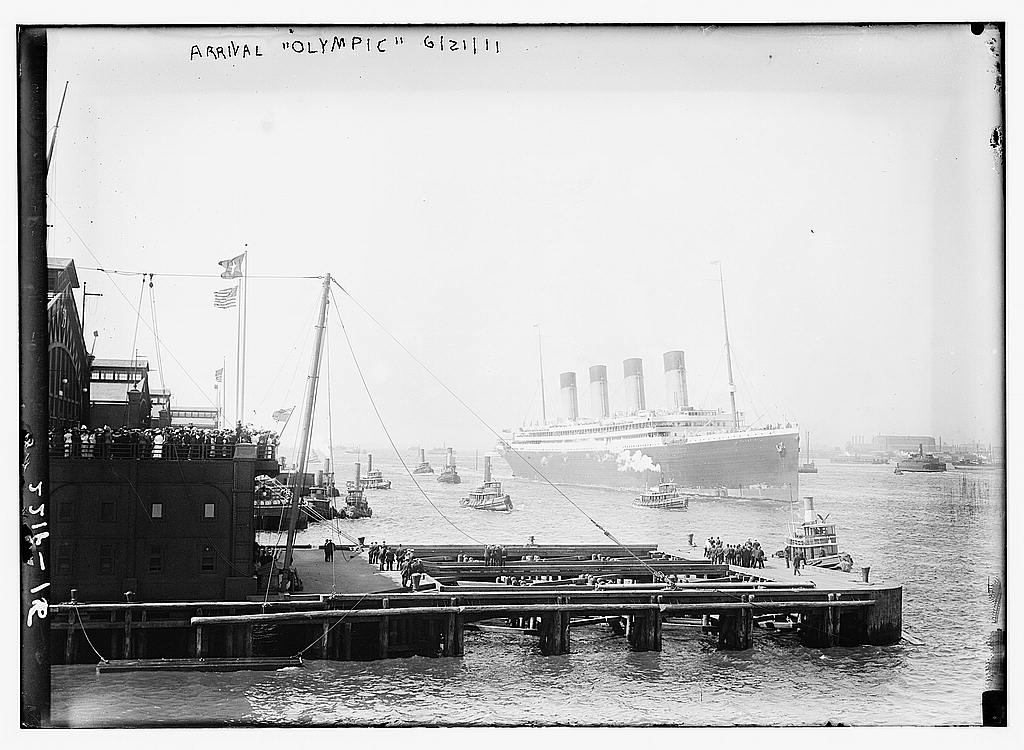
The arrival of the White Star ocean liner Olympic into New York harbor, 1911.
Courtesy Library of Congress
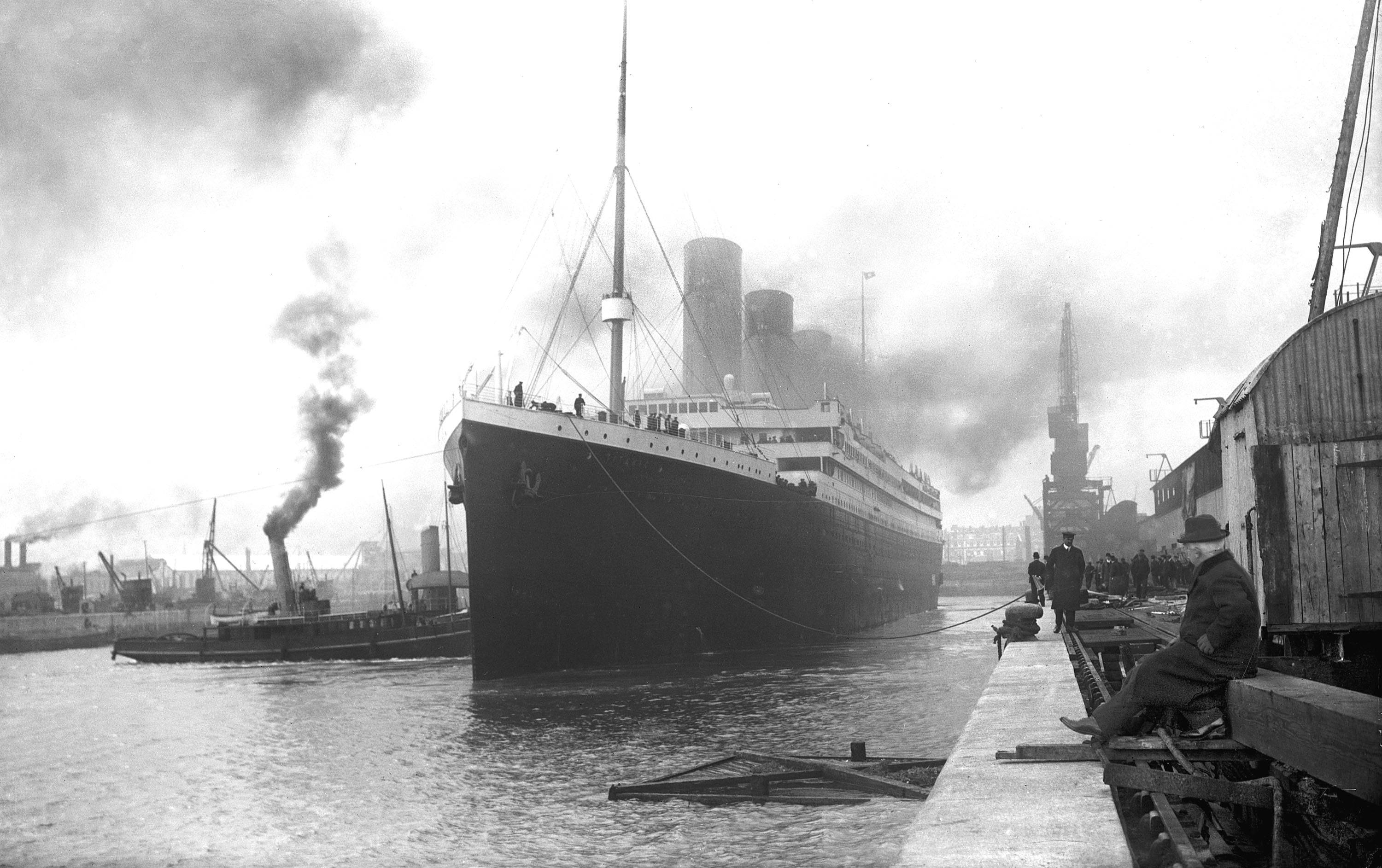
The Titanic on its maiden voyage on April 10, 1912. This was obviously taken from Southhampton where they had much more room for massive ocean vessels!
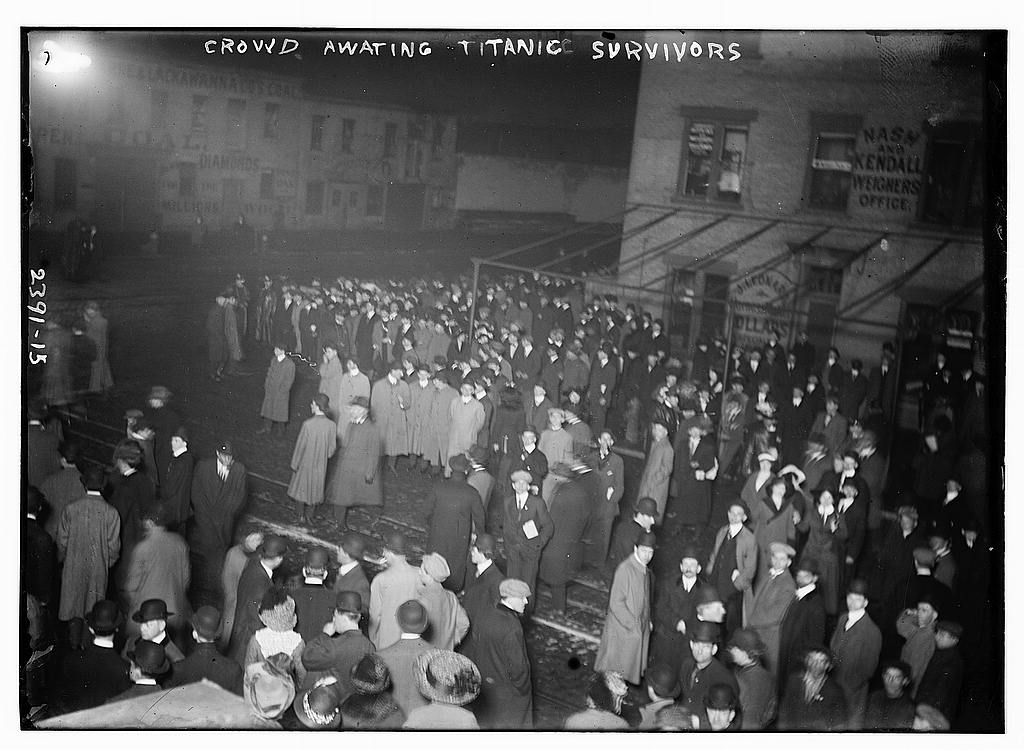
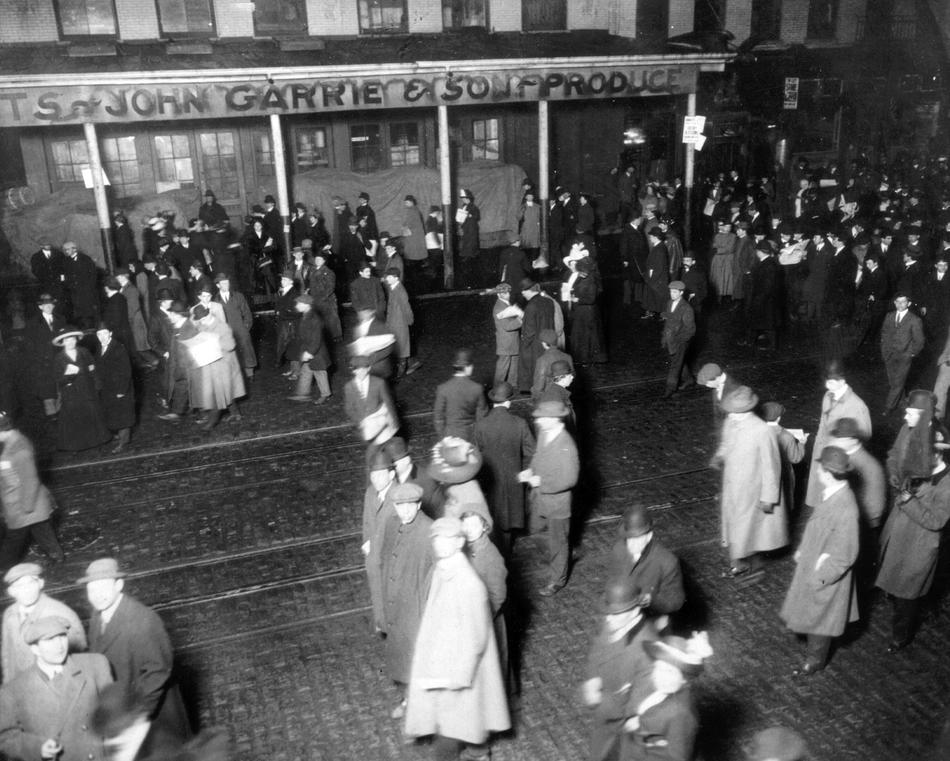
Crowds gather at a location near Chelsea Piers awaiting the survivors of the Titanic disaster.
Courtesy Library of Congress
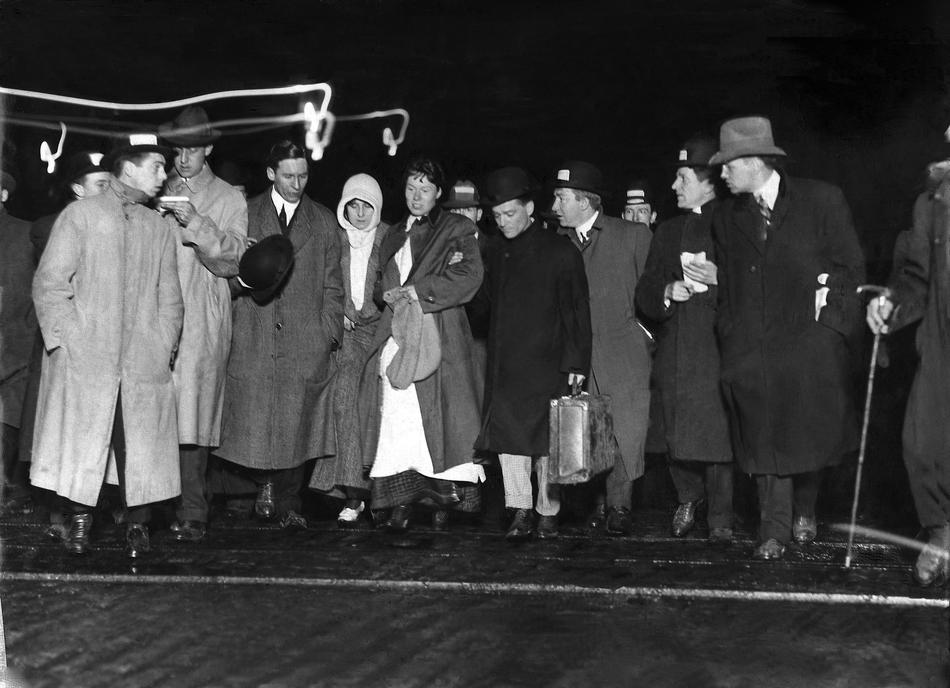
The RMS Carpathia arrives at Pier 54 on April 18, 1912. Reporters scurry to interview survivors of the Titanic.
Courtesy New York Times
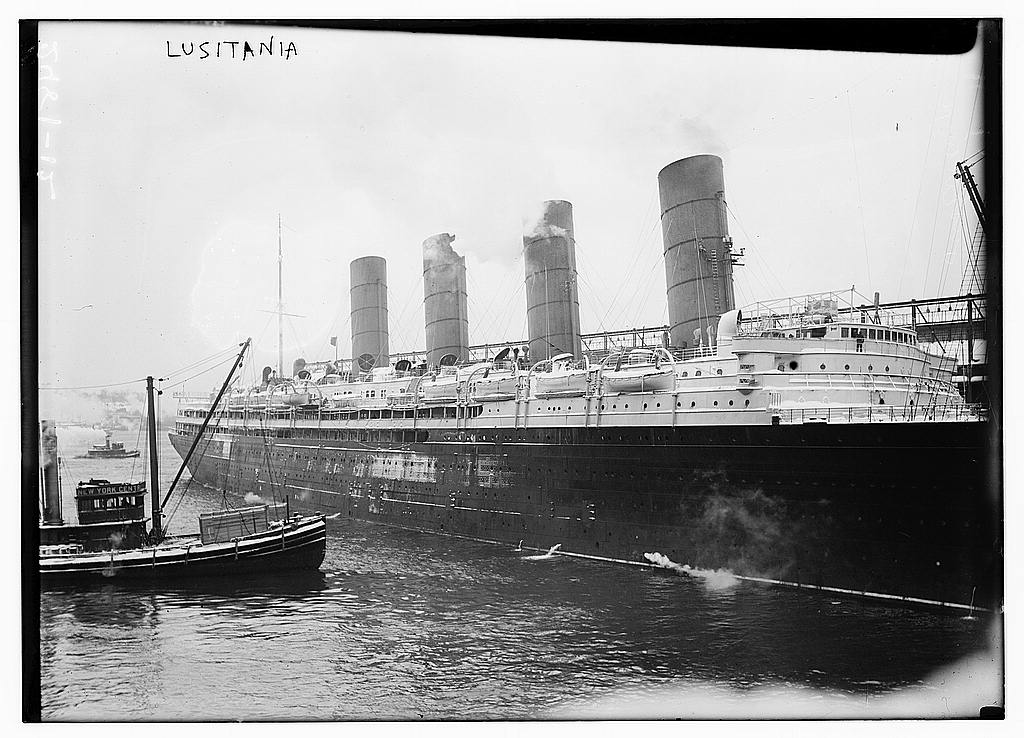
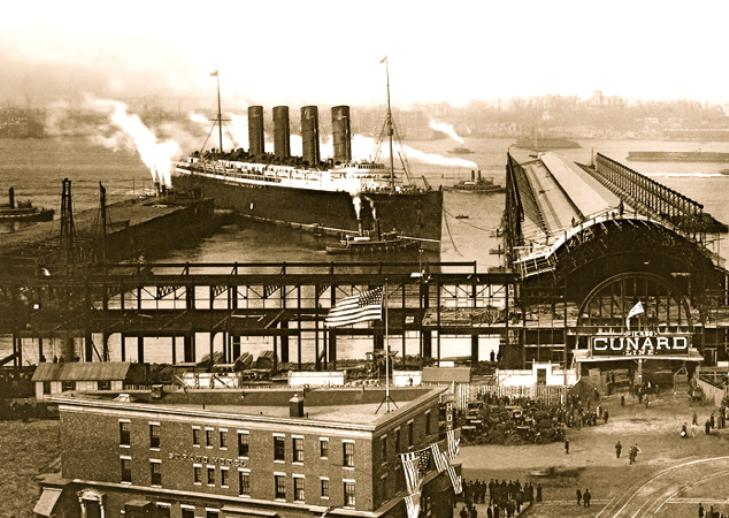
The Lusitania in New York Harbor, and other with the Lusitania at Pier 54 (date unknown but obviously before the Chelsea Piers were completed)
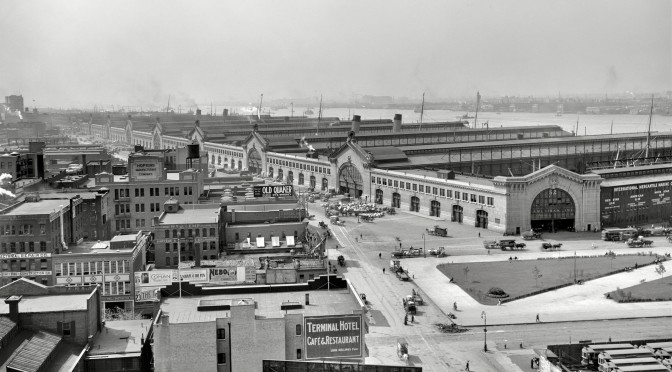
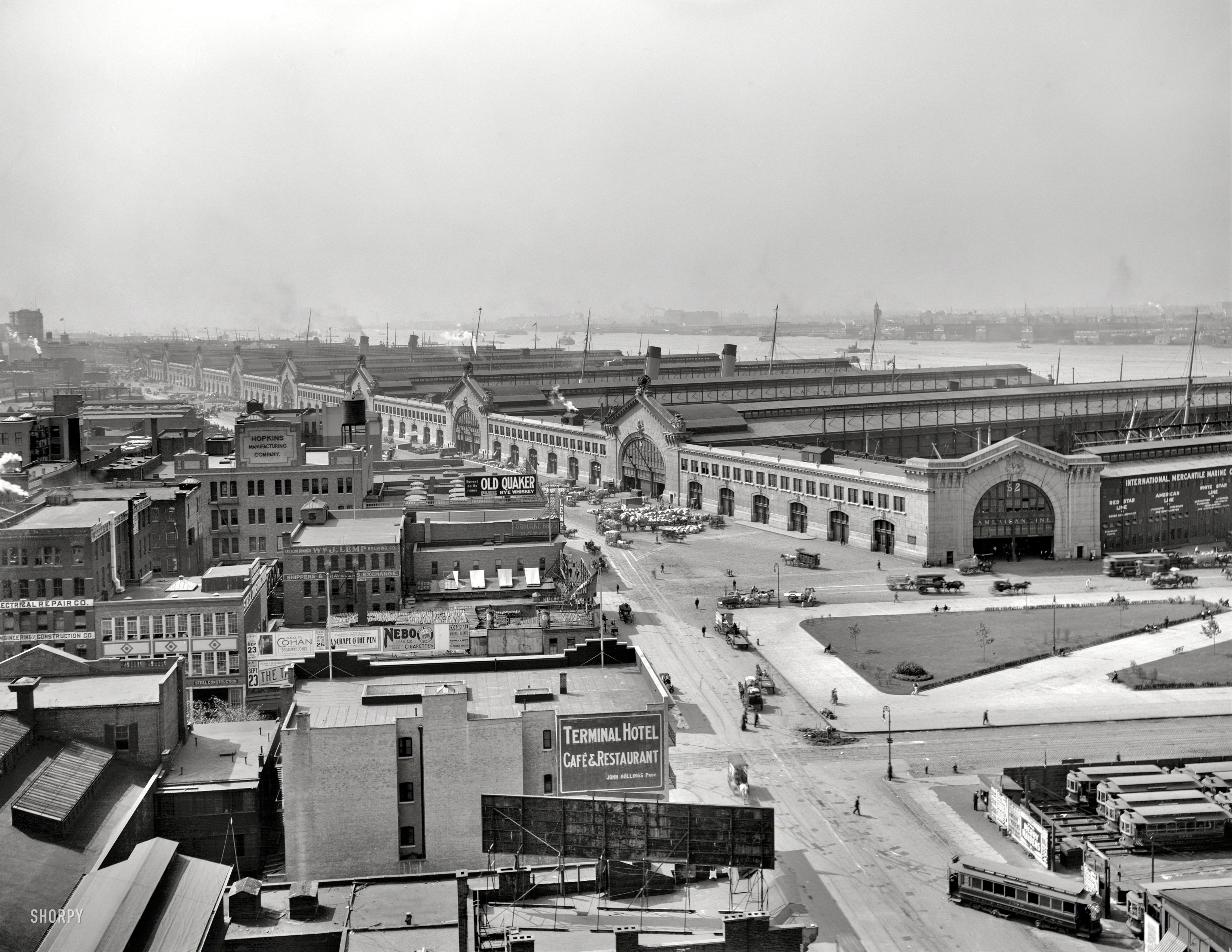
This striking image (cleaned-up photography courtesy of Shorpy) shows the Chelsea Piers in context with the streets of Chelsea in front of it. 1920
Courtesy Shorpy
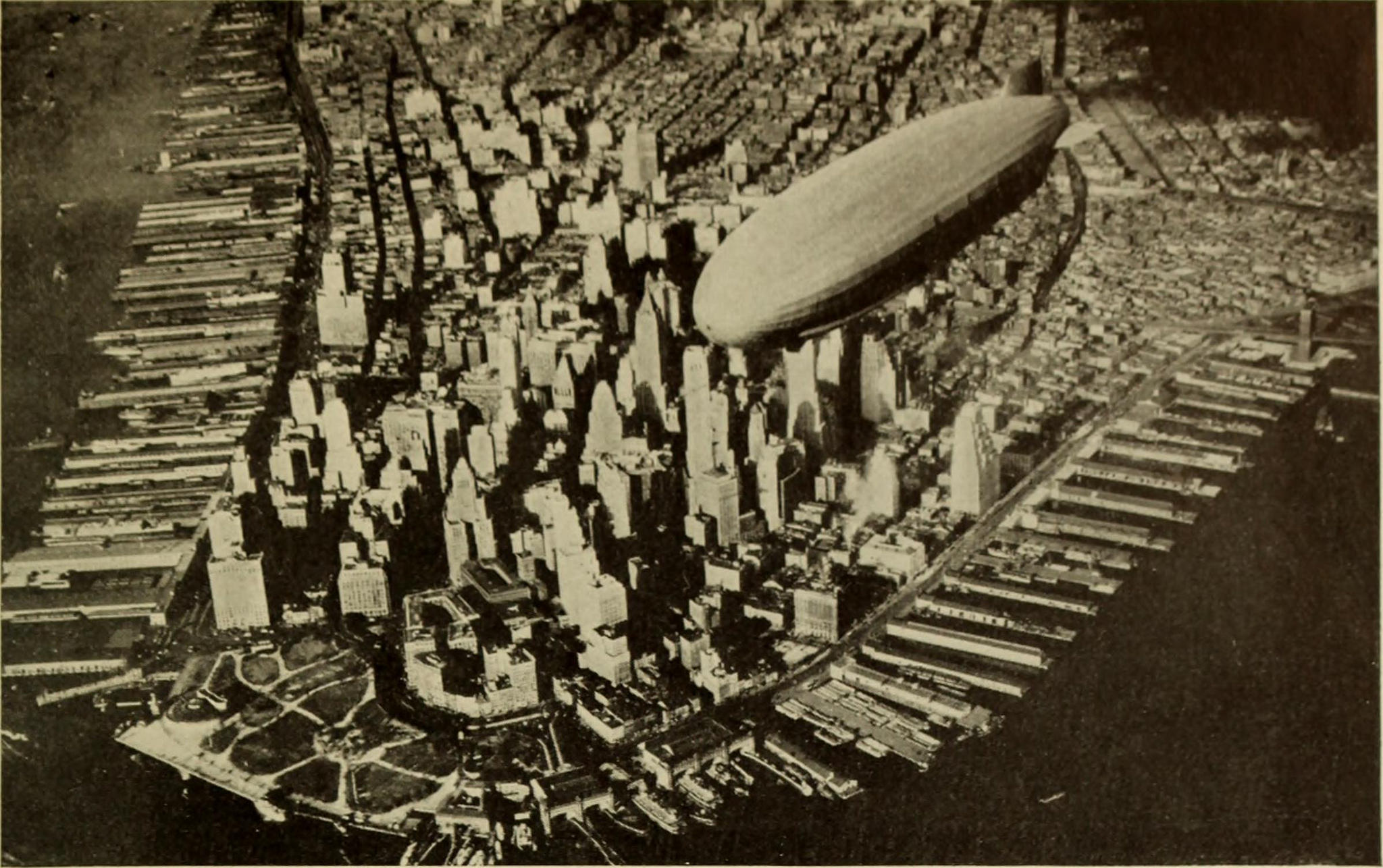
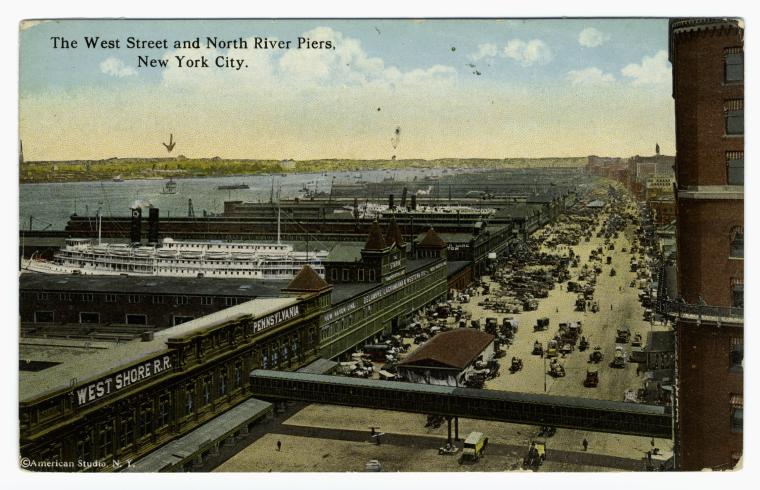
An excellent image of the crazy pier situation in lower Manhattan. This picture is from 1931. Chelsea Piers would be in the upper left-hand corner.
Courtesy Internet Book Image Archives
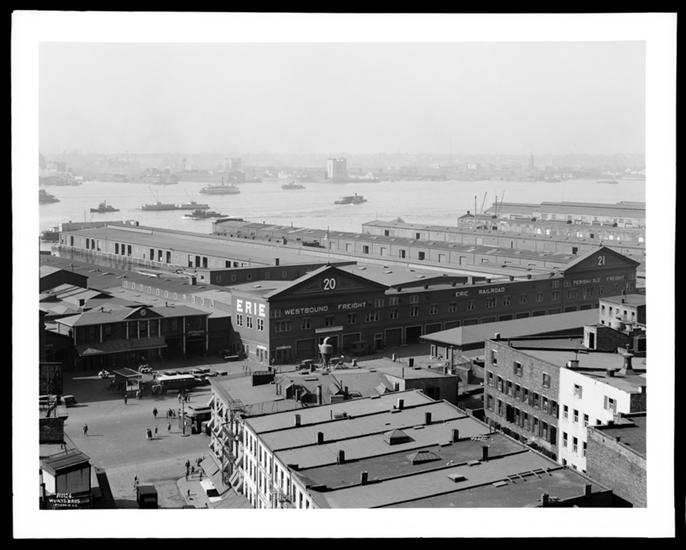
There were of course other pier structures running down the Hudson shoreline, many of them quite imposing such as this one at Pier 20 and 21 for the Erie Railroad Company at the foot of Chambers Street, picture taken in 1930.
Wurts Brothers, courtesy Museum of the City of New York
A photomechanical postcard of the piers further south of Chelsea Piers, 1916.
Courtesy New York Public Library
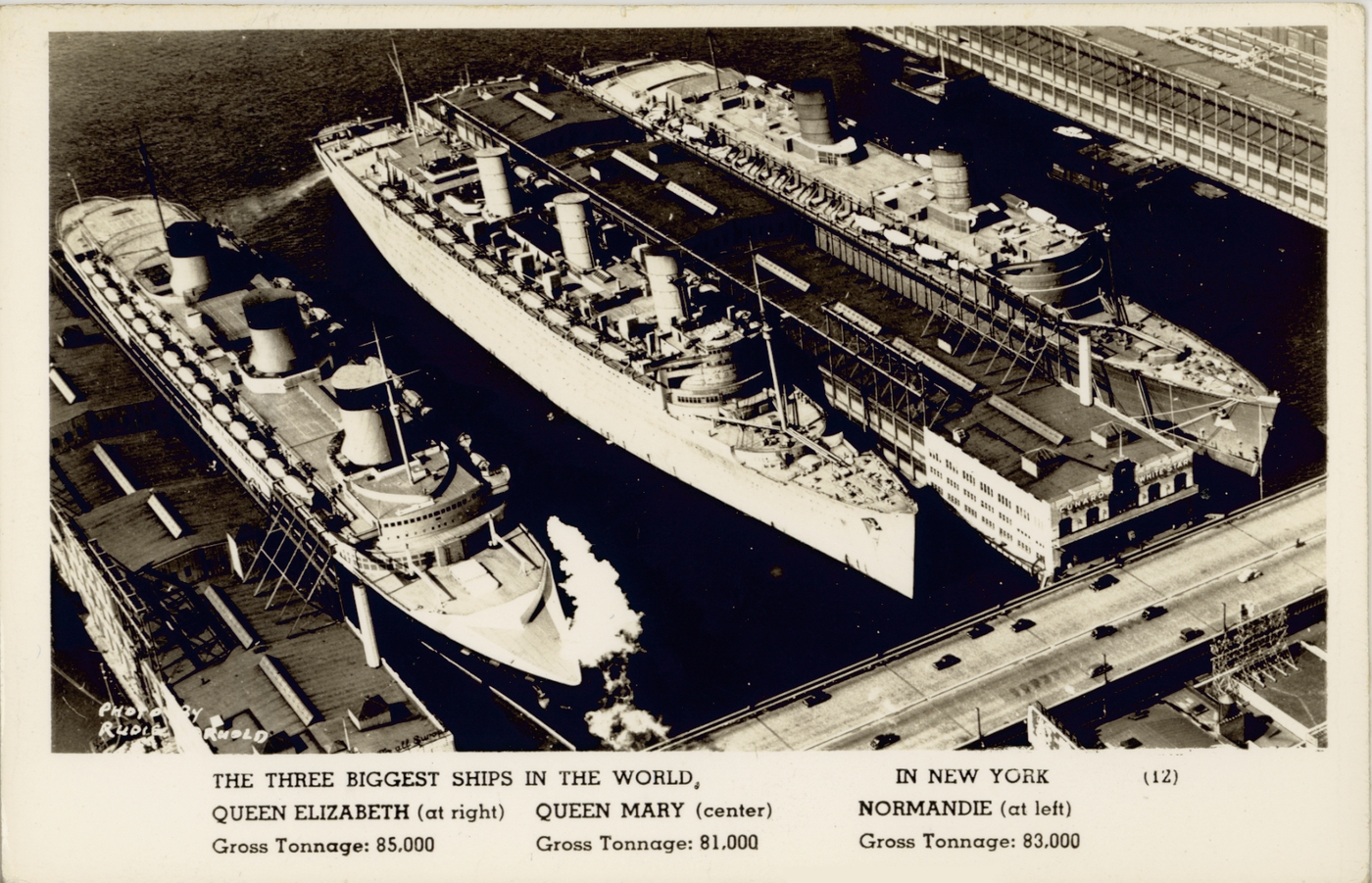
The three largest ships in the world in 1940, all docked in mid-Manhattan, not Chelsea Piers because it could not accommodate their size.
(Courtesy State Library of New South Wales)
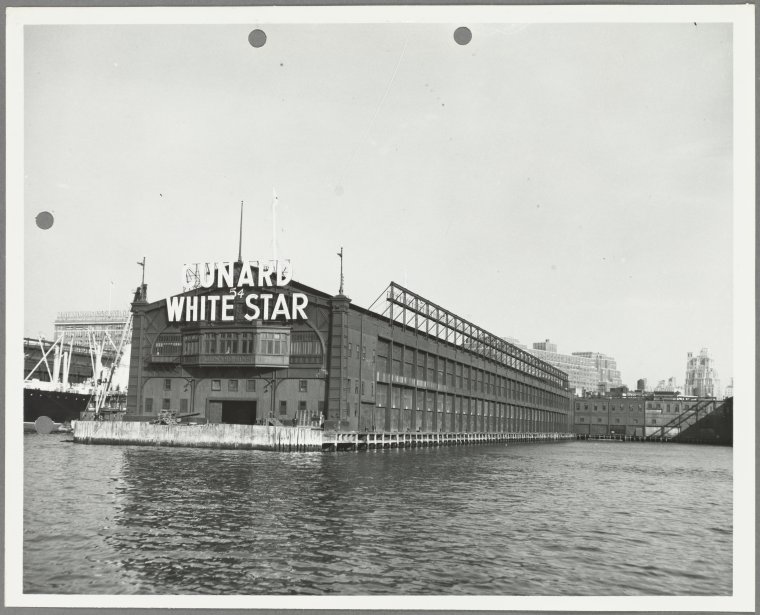
This is what Pier 54 looked like in 1951 after Cunard and White Star merged to become a single transatlantic company.
Courtesy New York Public Library
Courtesy New York Public Library
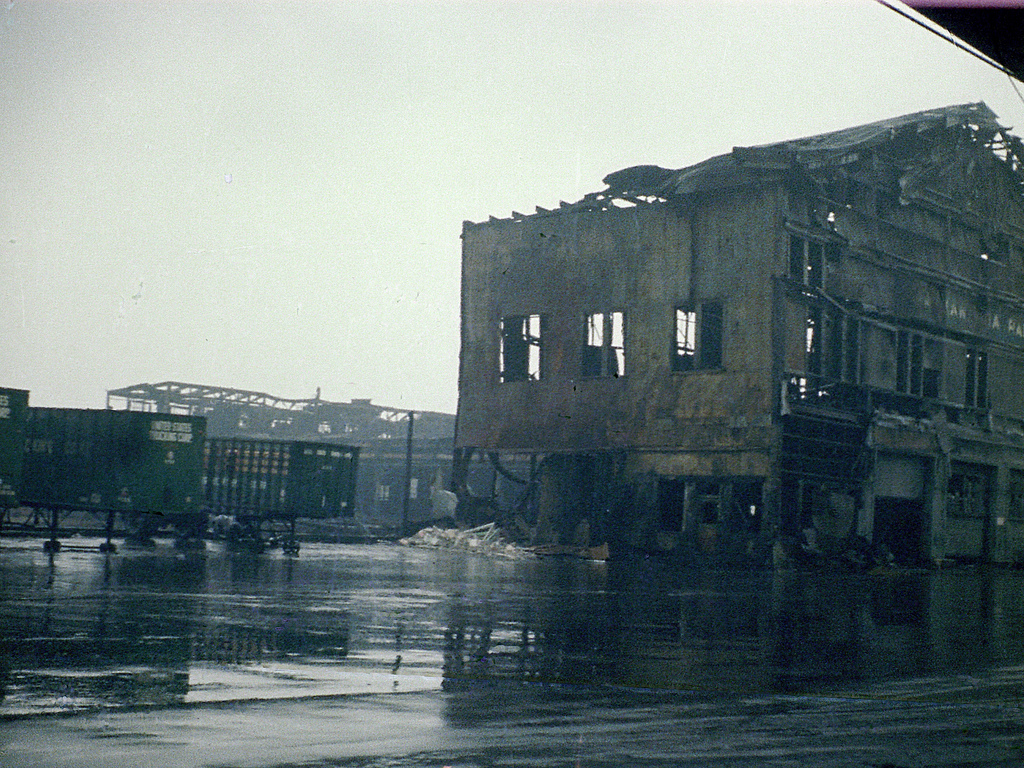
The piers of Washington Market in the 1970s. Most of the pier structures along the water had badly deteriorated by then.
Courtesy Andy Blair/Flickr
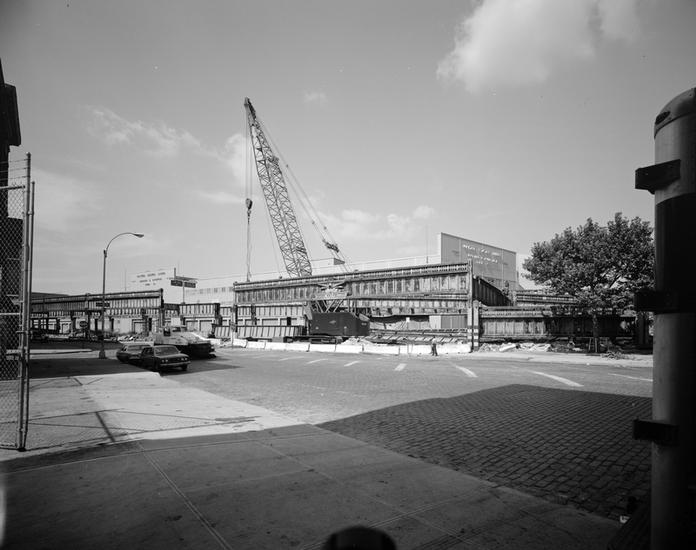
The Elevated West Side Highway being torn down in front of Pier 62. The area looks quite different today. In fact Pier 62 is part ofthe Hudson River Park system.
Photo by Edmund V. Gillon, courtesy the Museum of the City of New York
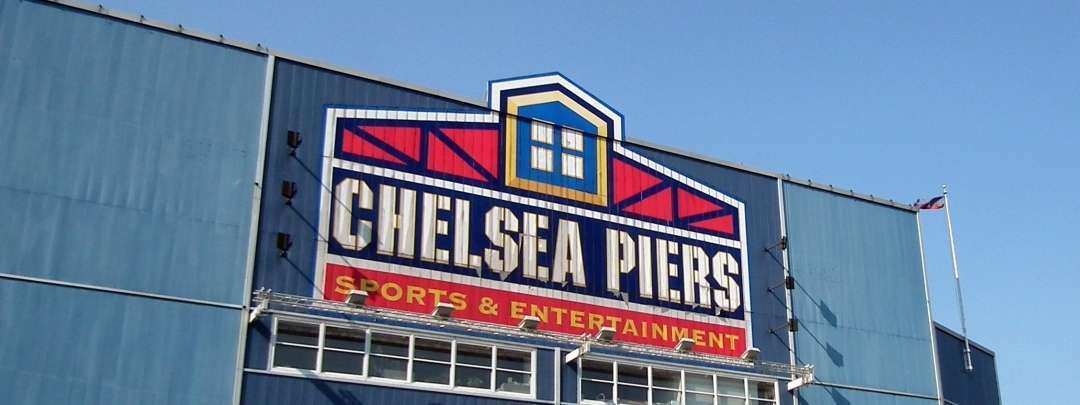
The Chelsea Piers sporting complex was constructed in the 1990s, saving a portion of the original Chelsea Piers from further deterioration. Although I think we can all agree the exterior could be a bit sexier.
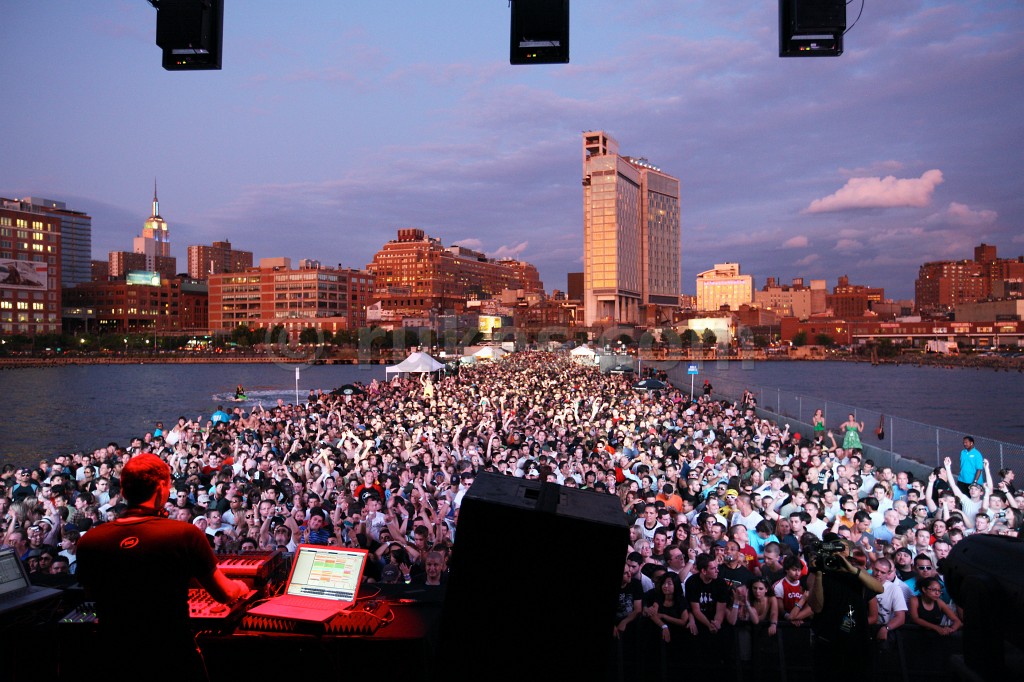
Meanwhile Pier 54 continues to find a variety of new uses. Here’s a dance party deejayed by Paul Van Dyk from 2008.
“To say that she [the ship] is flung down on her side in the waves, with her masts dipping into them, and that, springing up again, she rolls over on the other side, until a heavy sea strikes her with the noise of a hundred great guns, and hurls her back — that she stops, and staggers, and shivers, as though stunned, and then, with a violent throbbing of her heart, darts onwards like a monster goaded into madness, to be beaten down, and battered, and crushed, and leaped on by the angry sea — that thunder, lightening, hail, and rain, and wind, are all in fierce contention for the pastry — that every plant has its grown, every nail its shriek, and every drop of water in the great ocean its howling voice — is nothing. Â
To say that all is grand, and all appalling and horrible in the last degree is nothing. Words cannot express it. Thoughts cannot convey it. Only a dream can call it up again, in all its fury, rage and passion.“
This is in describing his voyage to the United States. Horrible, to be sure. But given the thousands of people who involuntarily traveled across the Atlantic in the decades earlier, and the wretched conditions they faced, it’s hard to be overly sympathetic to Mr. Dickens’ inconvenience!