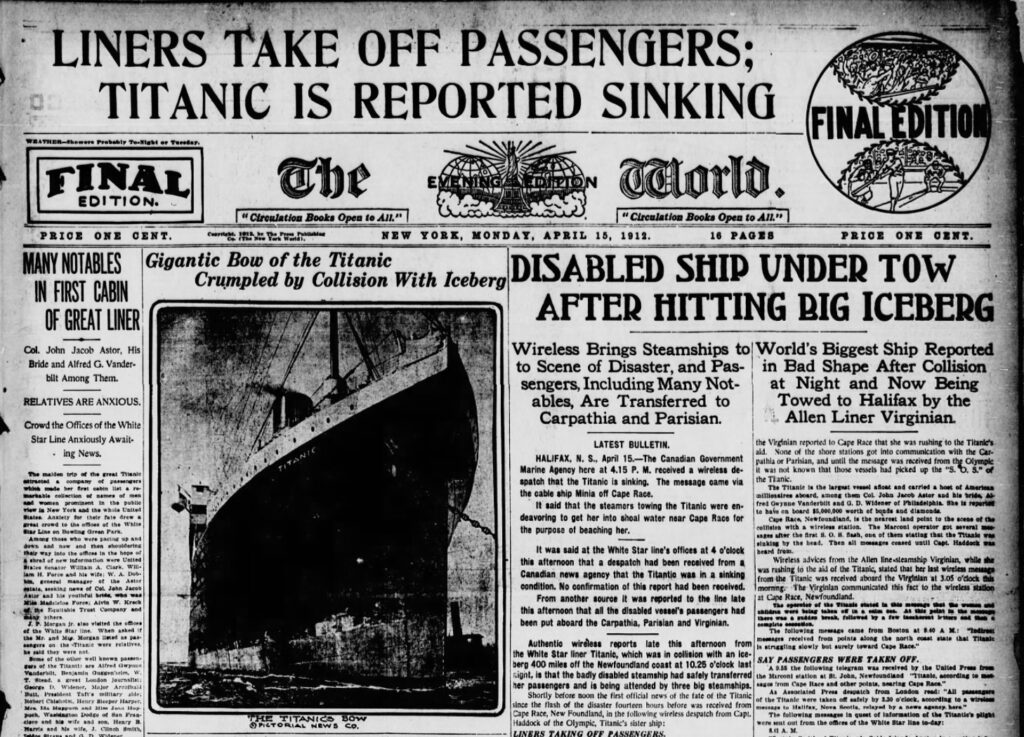
In the early morning hours of April 15, 1912. the White Star ocean liner RMS Titanic struck an iceberg en route to New York City and sank in the Atlantic Ocean.
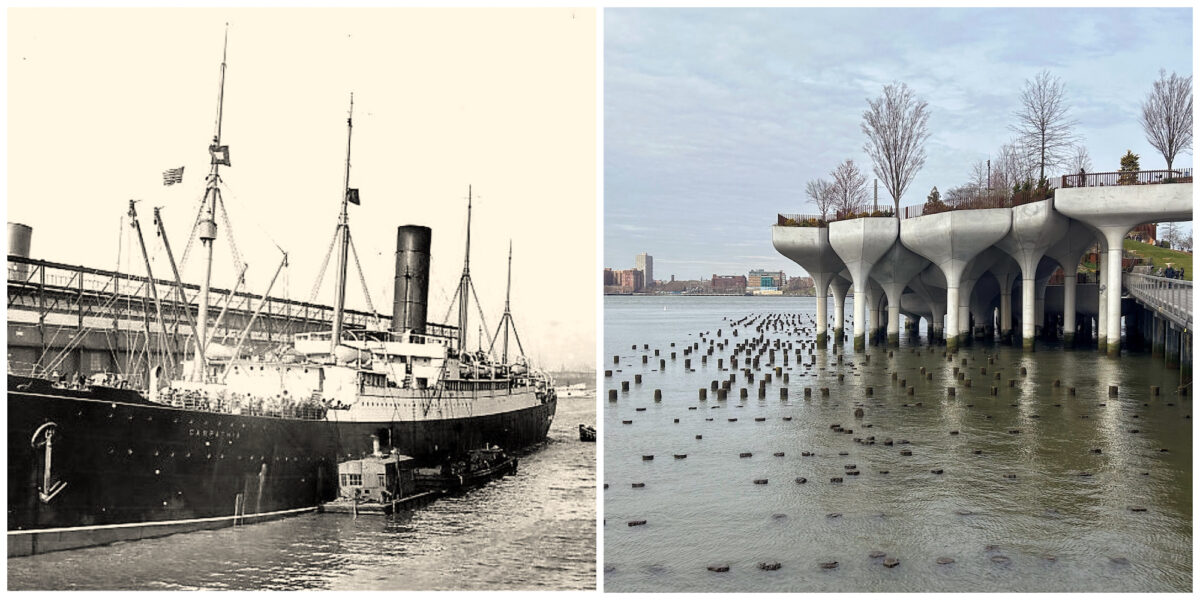
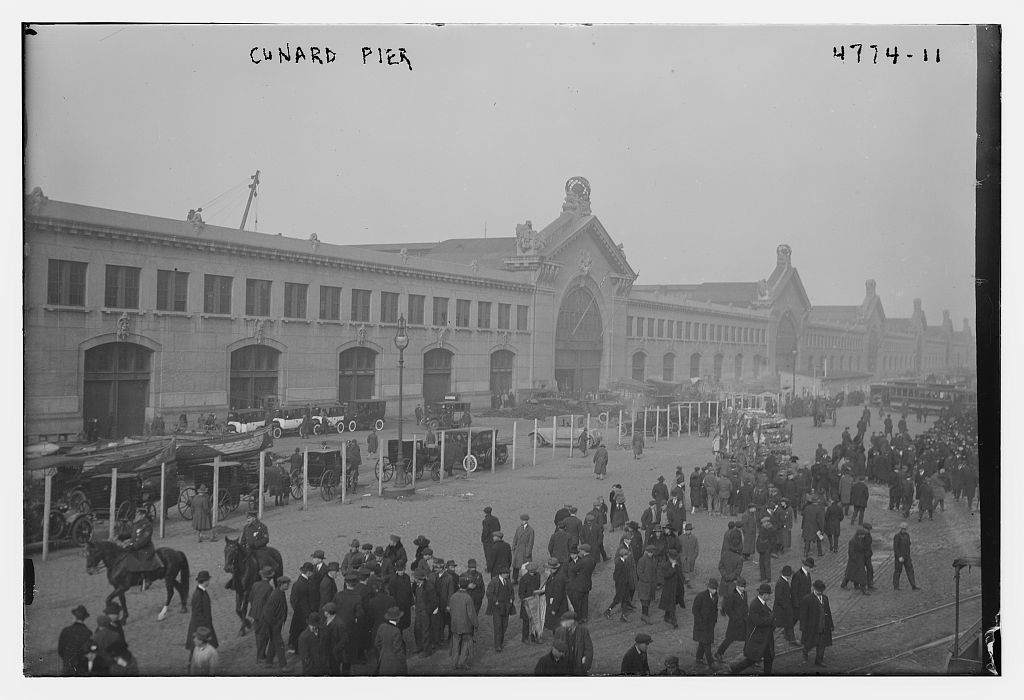
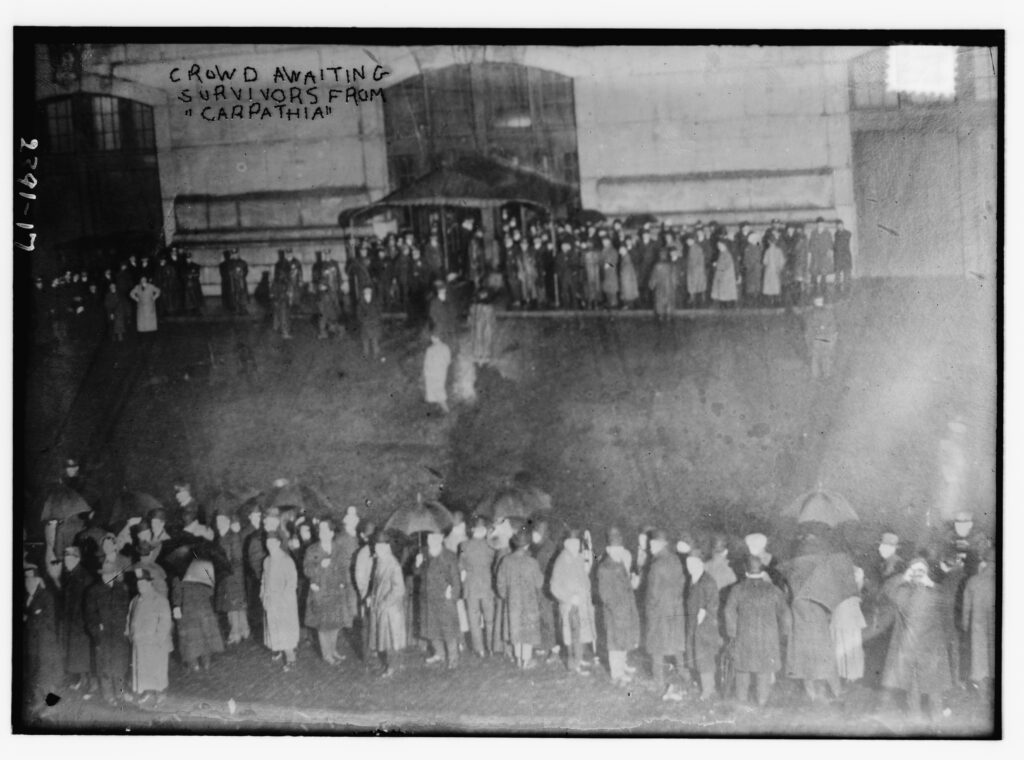
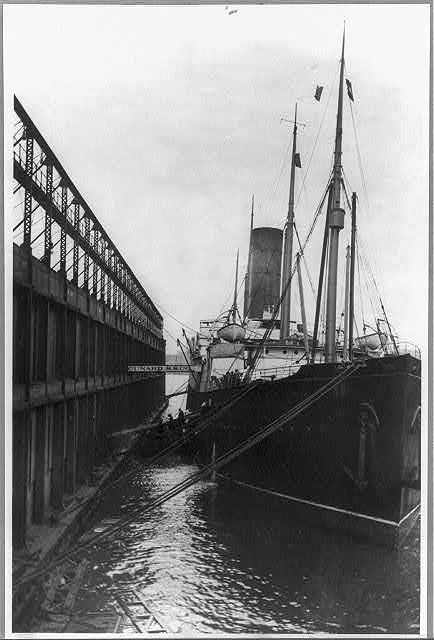
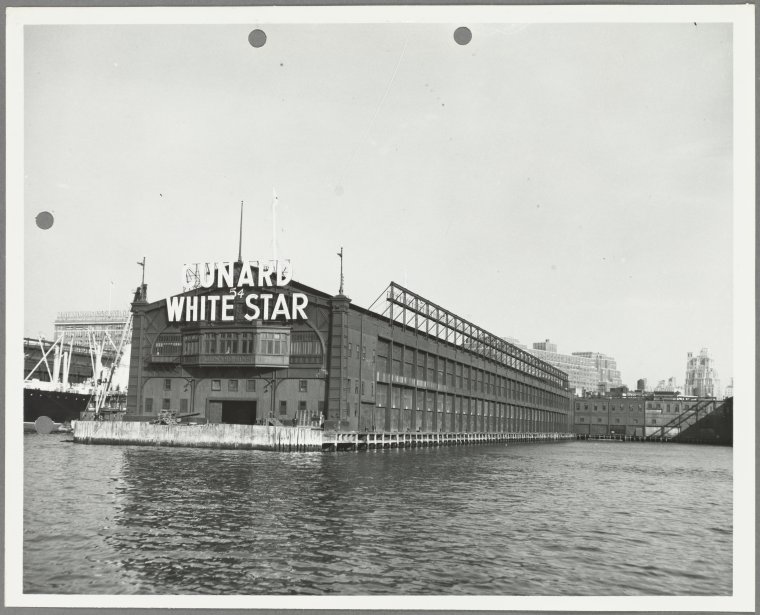
Survivors were rescued by the Cunard liner Carpathia and brought to their berth at Pier 54 at the Chelsea Piers.
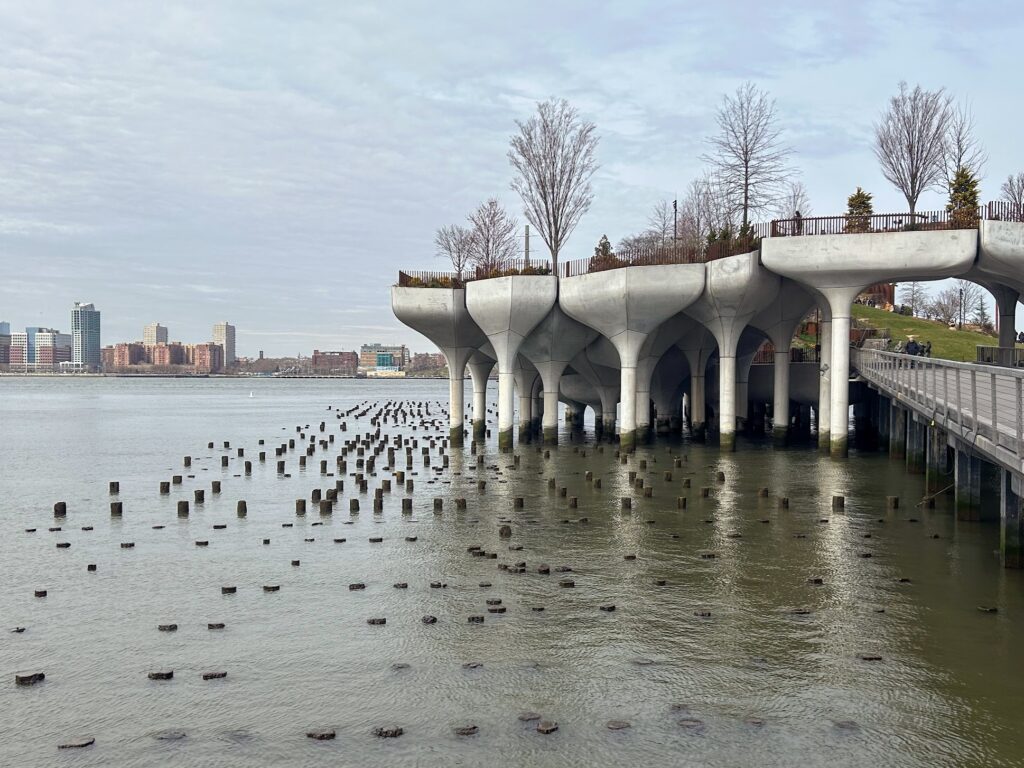
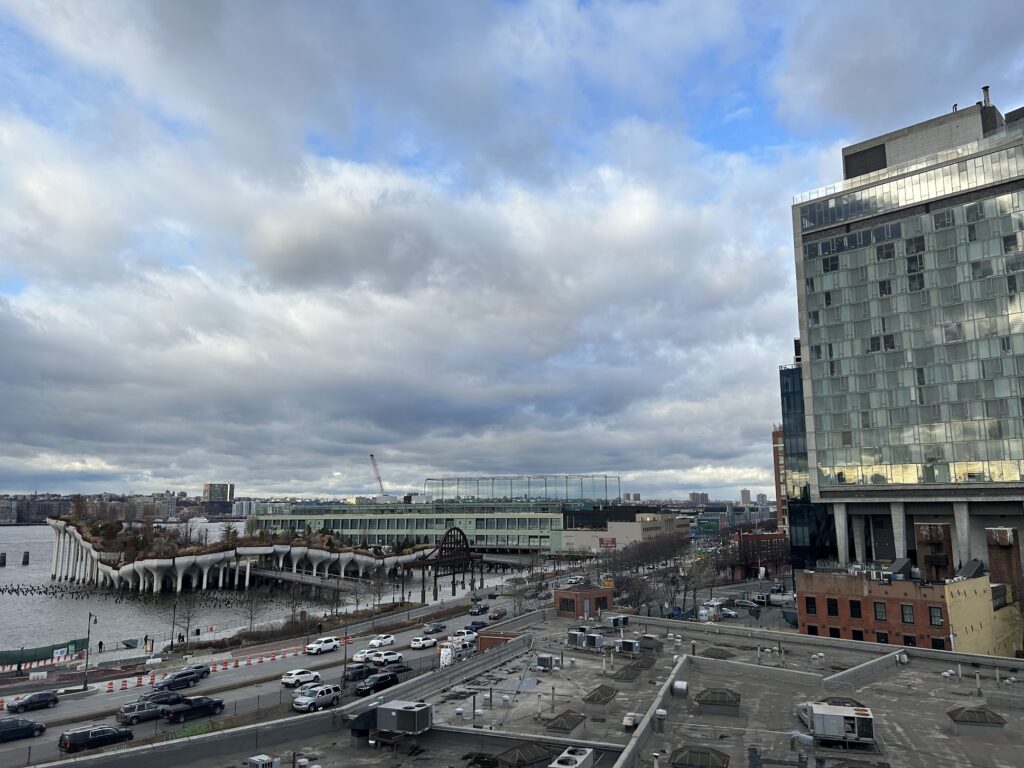
On that very spot today, a fanciful waterfront development juts out into the Hudson River, a place called Little Islandwhich opened in 2021. This recreational oasis will draw thousands of people, New Yorkers and tourists alike, this spring and summer.
But on the southern side of Little Island, peering out of the water, are dozens of wooden posts – these are the remains of the former Pier 54.
And it was on this pier, on April 18, 1912, that survivors of the Titanic disembarked and touched land.
The remains of Pier 54 jut out from the water on the southern side of Little Island. Photo by Greg Young
There are many, many books and documentaries on the subject of the Titanic’s sinking. (And of course a very popular movie.) But in this episode, Greg and Tom look at the story from the perspective of New York City – from the famous New Yorkers who were passengers to the experiences of New Yorkers anxiously awaiting news in those horrifying days following the ship’s sinking.
This is the story of the places that figured into the aftermath and the story of how New York memorialized those lost to the tragedy.
And in the end they return to Little Island and to the ghost of Pier 54, the place where this disaster became reality for most people.
Where survivors were greeted with joy and where many hundreds of people faced the reality that their loved ones were never coming home.
LISTEN NOW: THE TITANIC AND THE FATE OF PIER 54
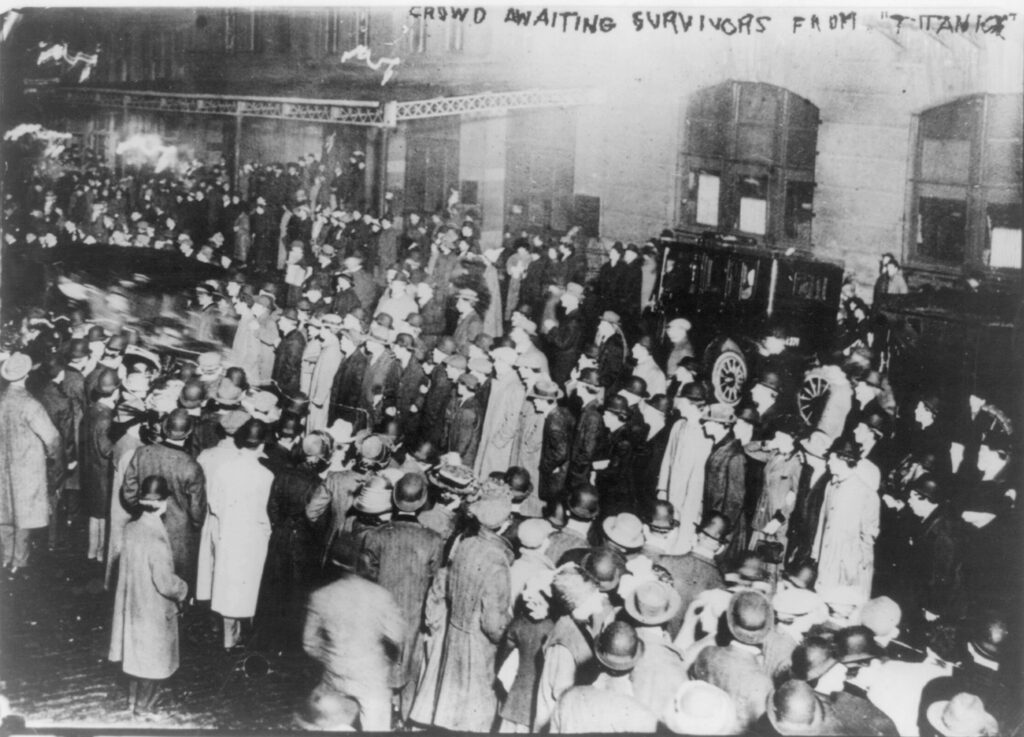
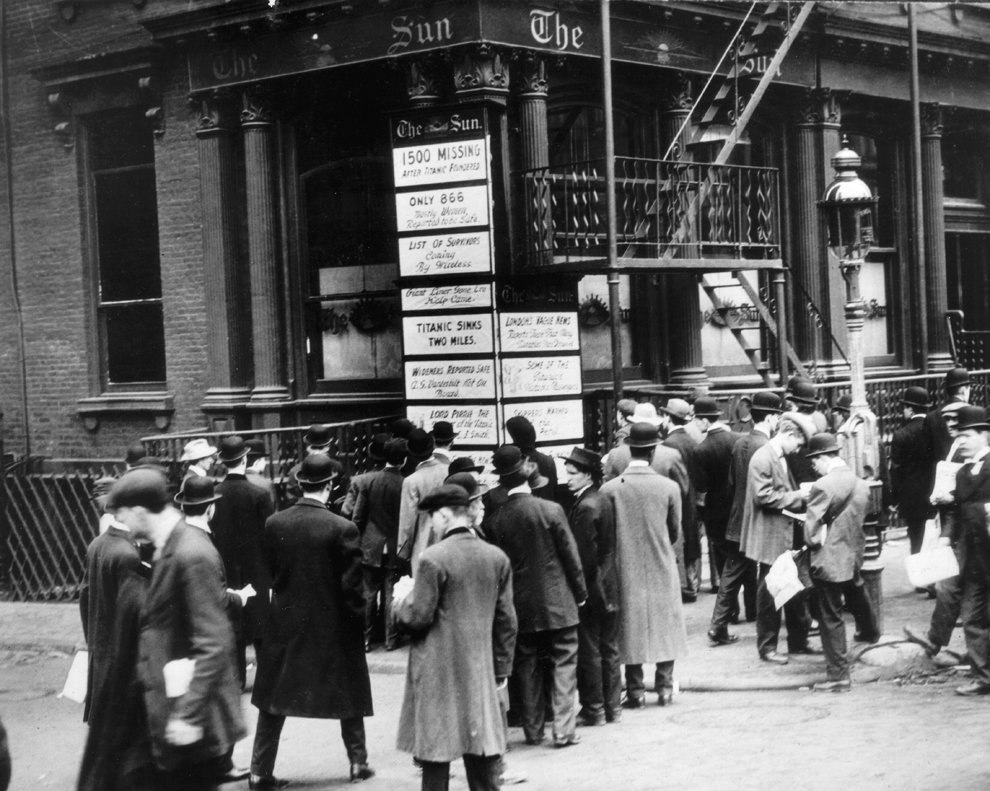
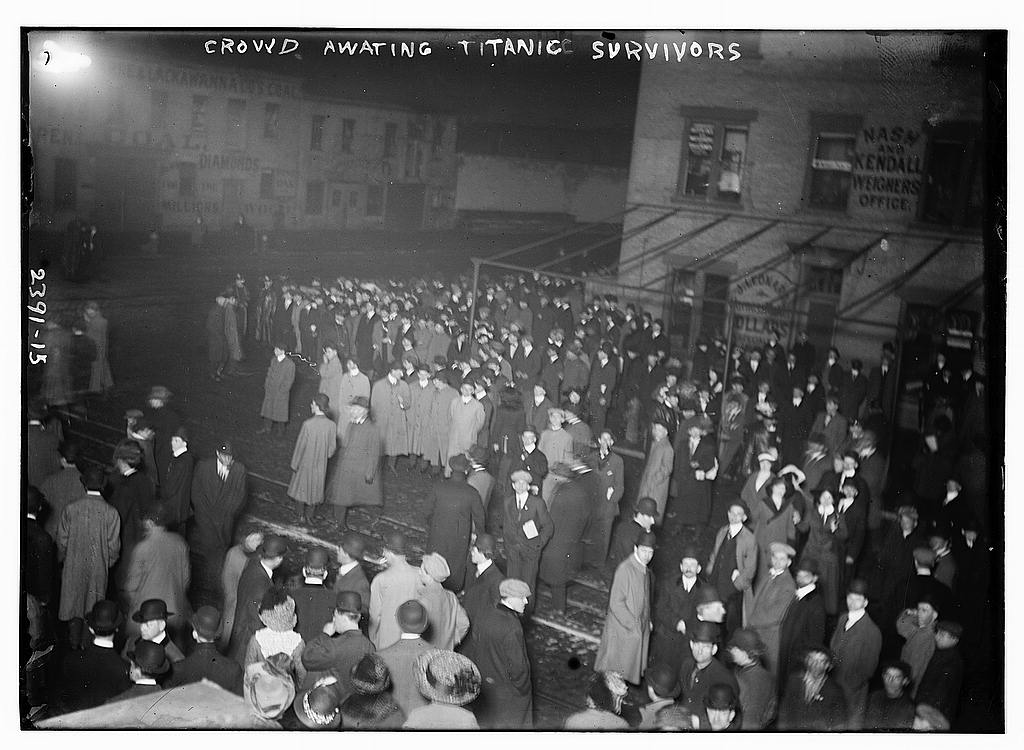
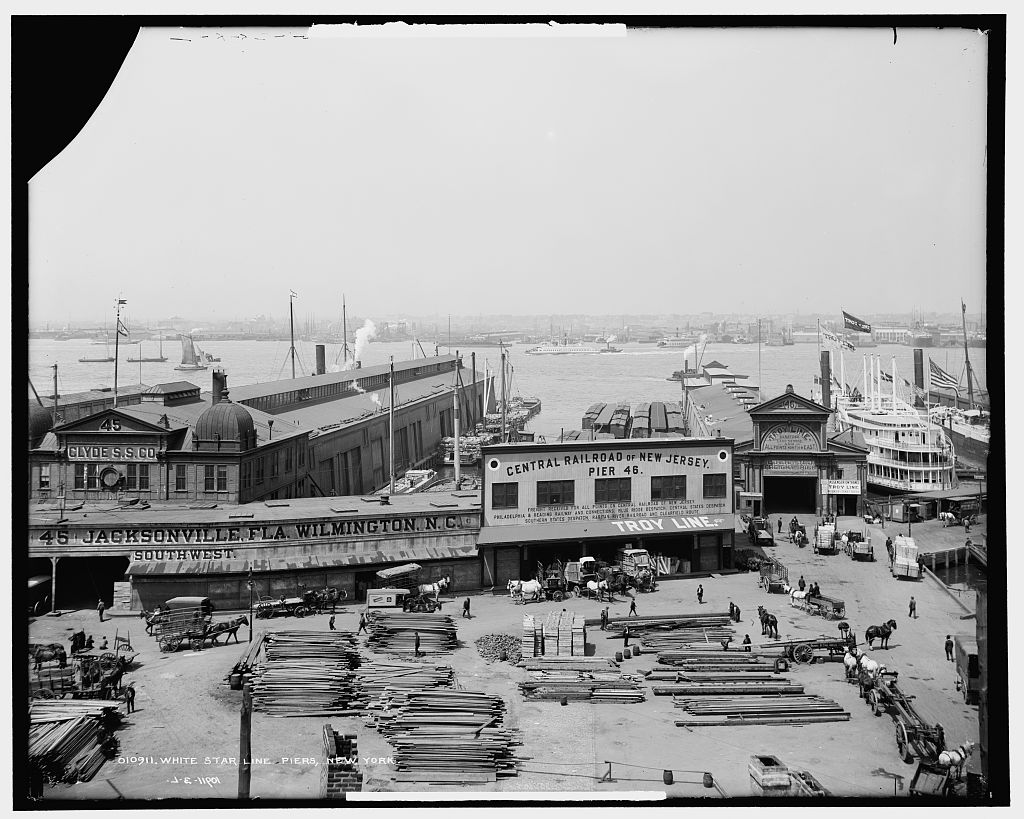
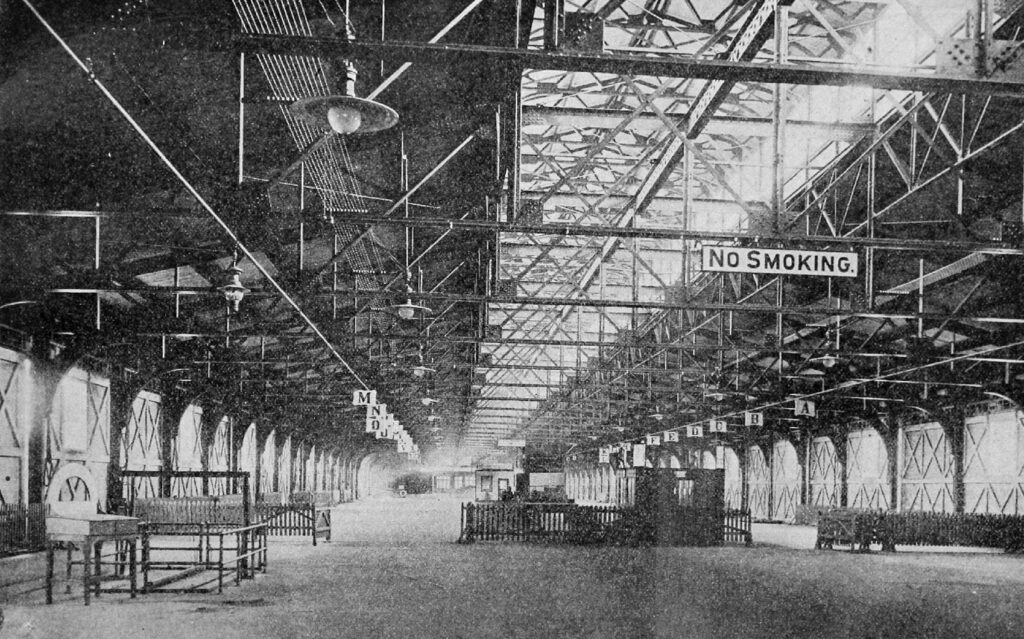
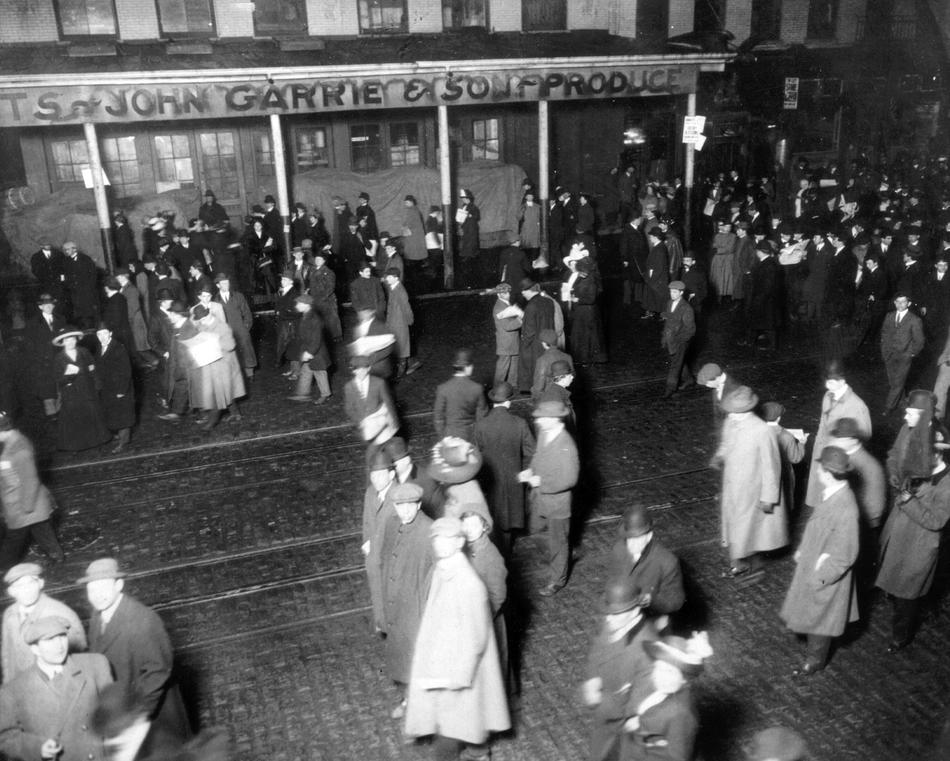
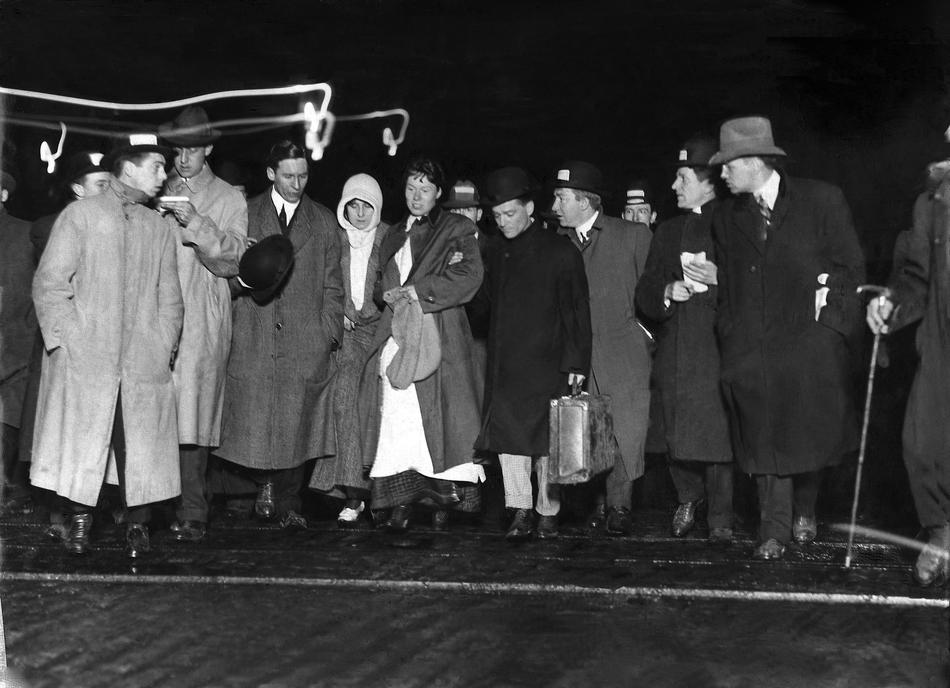
Little Island and the Meat Packing District. Photo by Greg YoungPier 54, 1912Many people found out about the Titanic disaster from newspaper bulletin boards where breaking news was posted.The streets were lined with people that night at Pier 54.The morning of April 19, 1912 — Crowds gather at the Cunard Pier 54 (at 14th Street) where the Carpathia landed with survivors of the Titanic disaster the previous evening. News accounts say there were up to 40,000 people gathered at the pier waiting for Carpathia on April 18. (Picture courtesy AP)The berth of the White Star lineInside Pier 54, the Cunard line, in 1912
The Carpathia at Pier 54
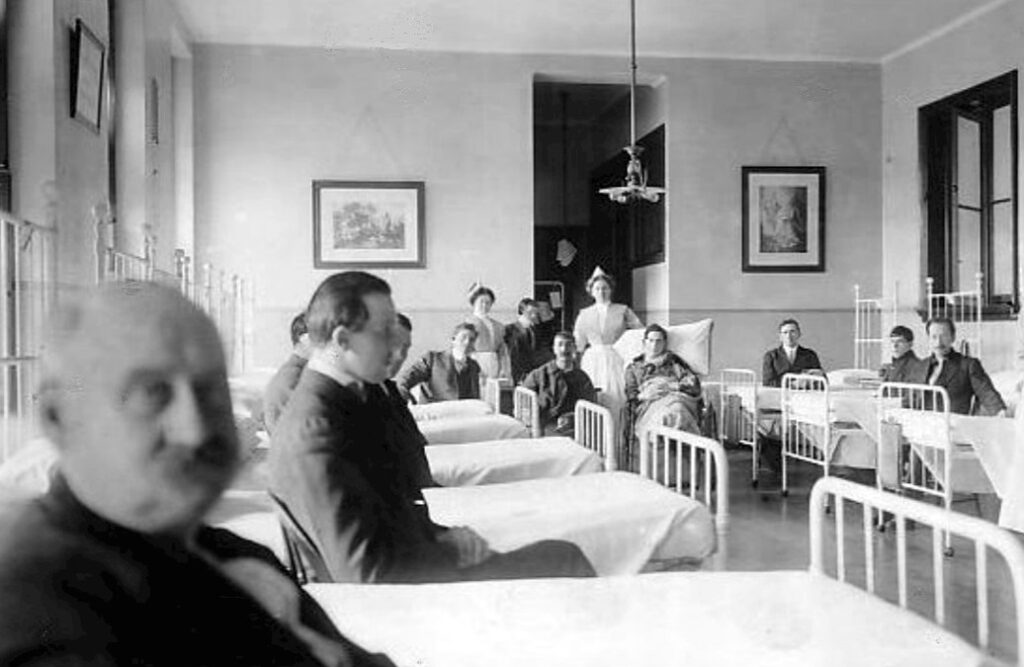
Titanic survivors are treated at St. Vincent’s Hospital (Picture courtesy AP)
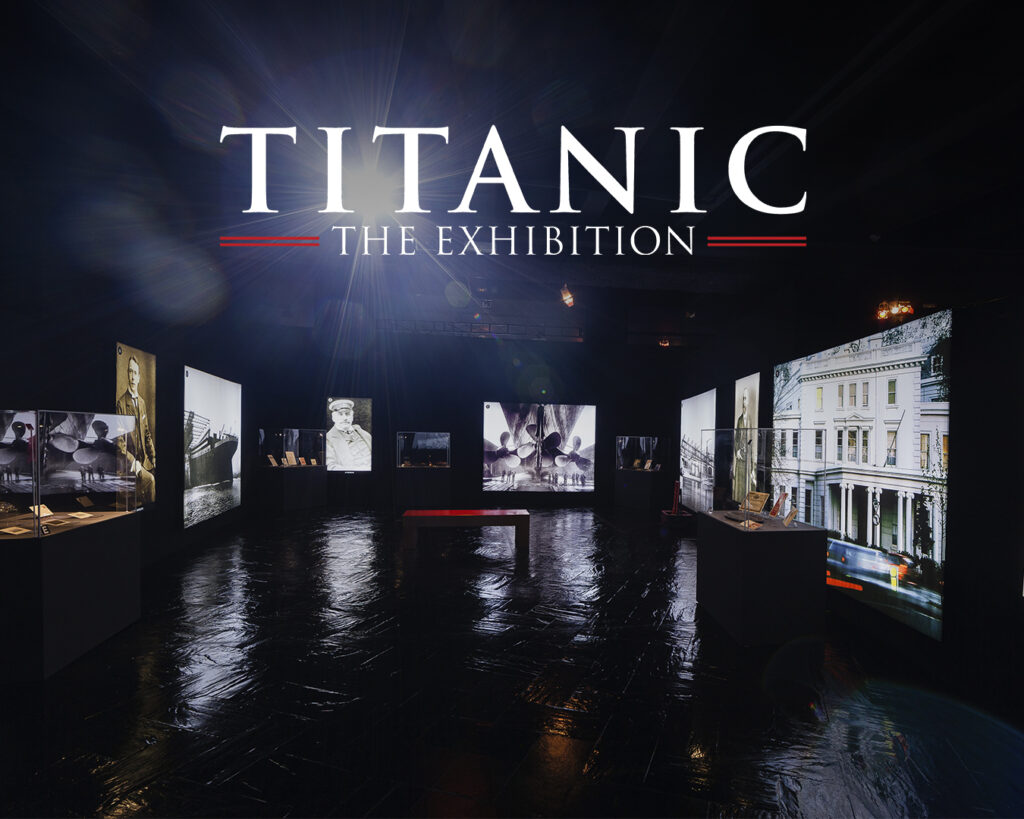
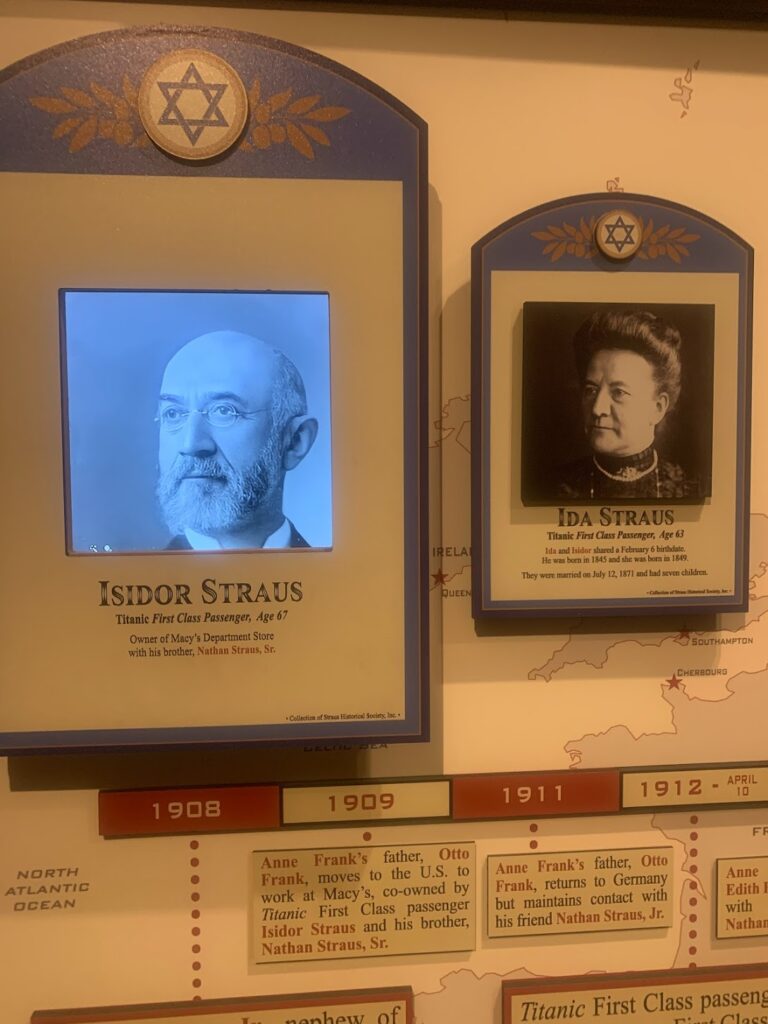
As Tom mentioned on the show, you can visit Titanic: The Exhibition in the same building where Macy’s opened and where Titanic passenger Isador Straus (with his brother Nathan) got their start with the department store. For more information, visit their website.
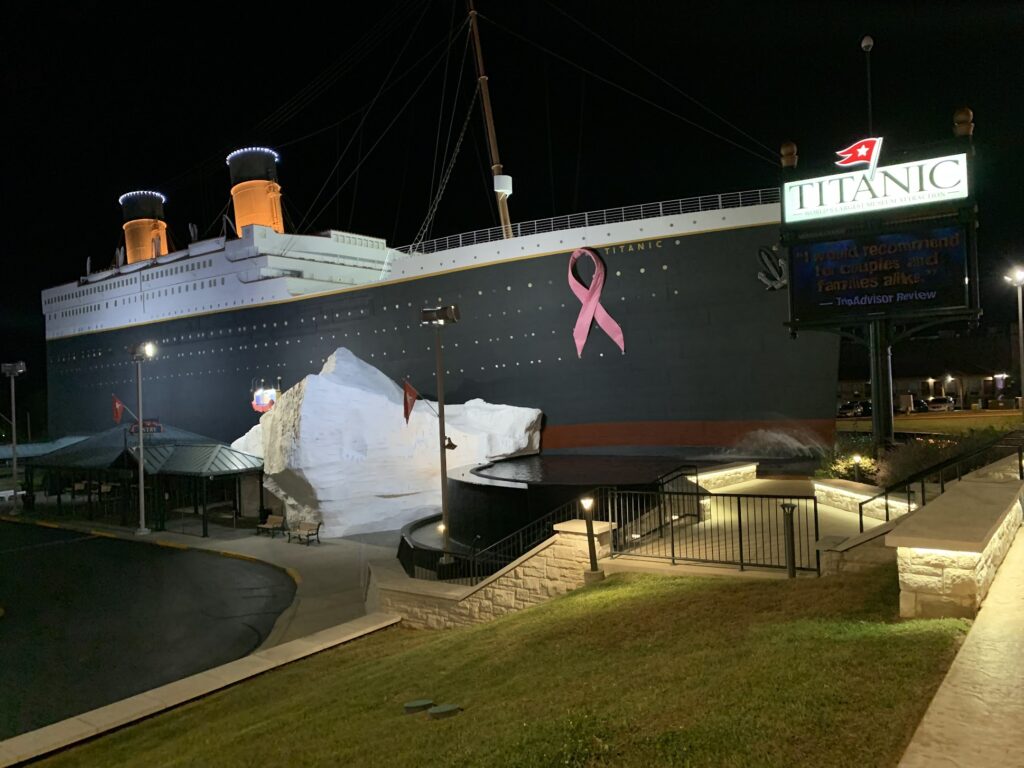
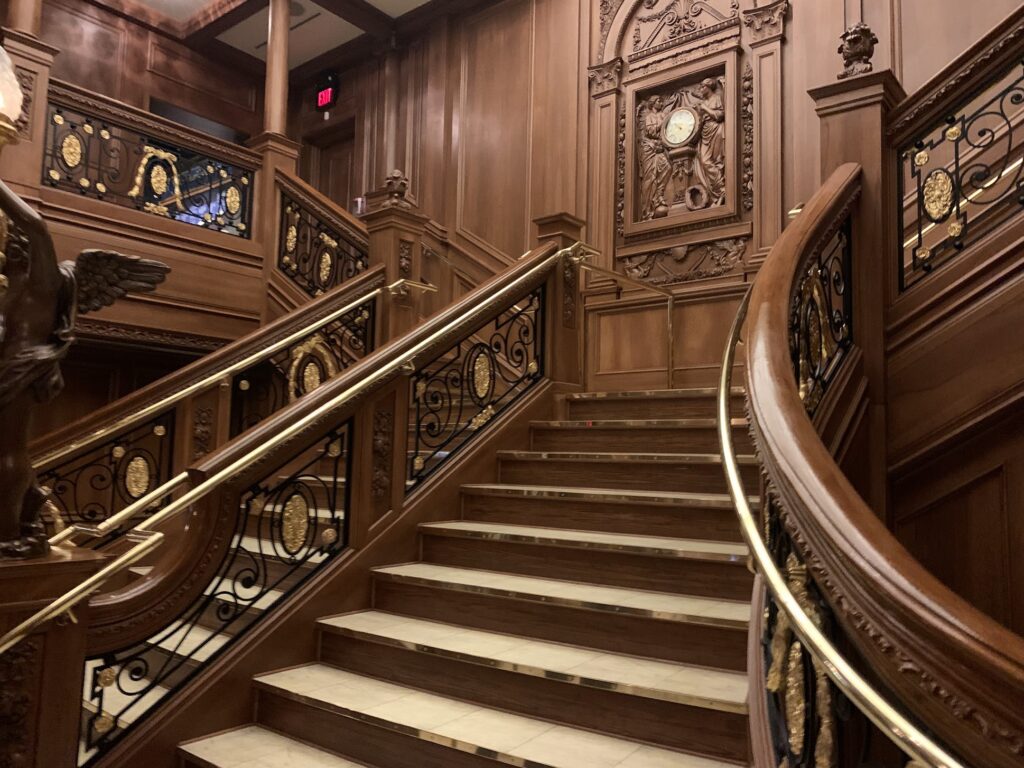
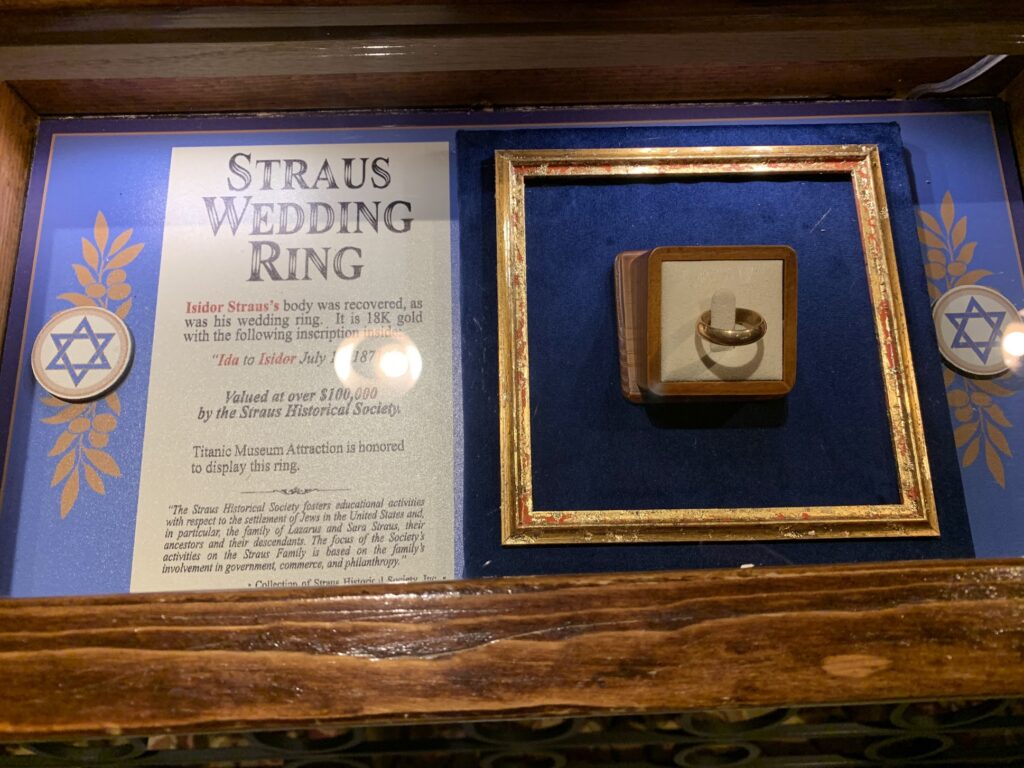
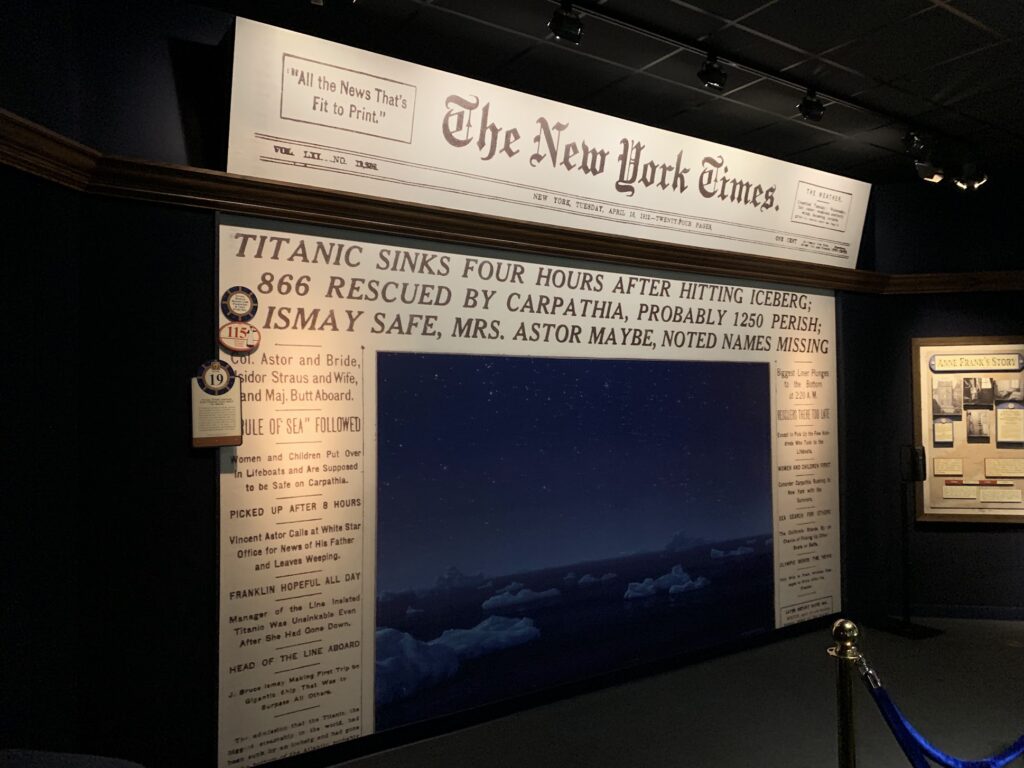
And for a more long distance experience, here are Greg’s pictures from the Titanic Museum in Branson, Missouri:
The South Street Seaport is the home for a great many nautical treasures. It’s also the location of a memorial to nautical tragedy.
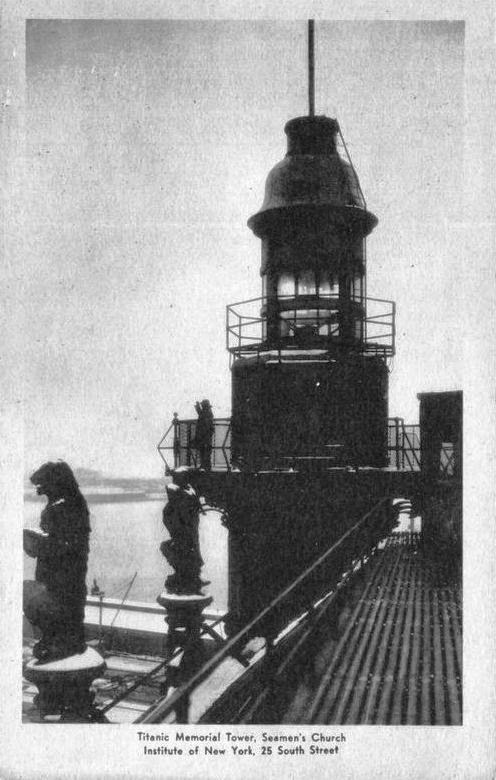
The Titanic Memorial, a 60-foot white lighthouse, sits in the little plaza at Fulton and Water Streets.
This was no mere decorative lighthouse as it seems today.
For much of its history, it was an operational light source, a beacon over the East River.
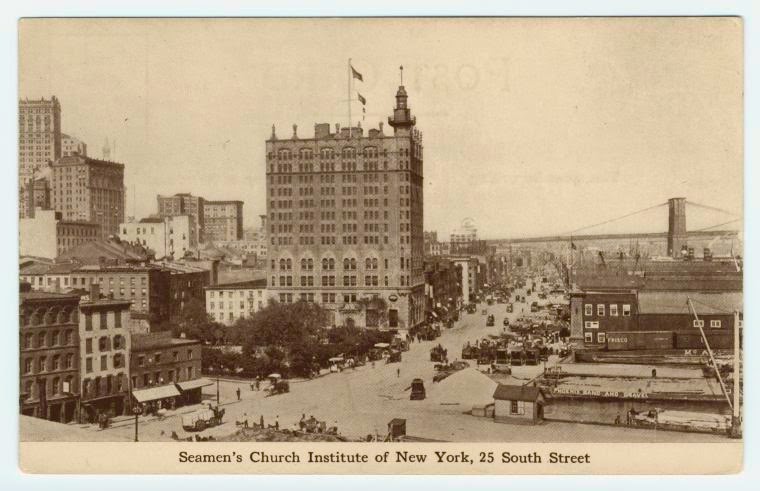
The memorial’s first home, atop the Seamen’s Church Institute (Courtesy NYPL)
The Titanic sank on April 15, 1912, killing more than 1,500 people from all social classes.
The loss shook society to its core. Among the victims were prominent New York businessmen and benefactors such as John Jacob Astor IV and Benjamin Guggenheim.
As New Yorkers mourned the loss of loved ones, they immediately funneled their grief into the building of memorials, the physical remembrance of a disaster that left virtually no trace behind.
Mayor William Jay Gaynor gathered community leaders to City Hall in May 1912 to solicit ambitious ideas of the new memorial.
The Evening World attributes one idea for a lighthouse to engineer Carroll Livingston Riker, who suggested “the lighthouse should be located at some perilous point on the coast, illuminated by a most powerful light and with a great fog horn that may be heard many miles as part of its equipment.”
Meanwhile, a less dramatic lighthouse memorial (pictured above) was funded by J.P. Morgan and planned for the top of the new Seamen’s Church Institute at 25 South Street.
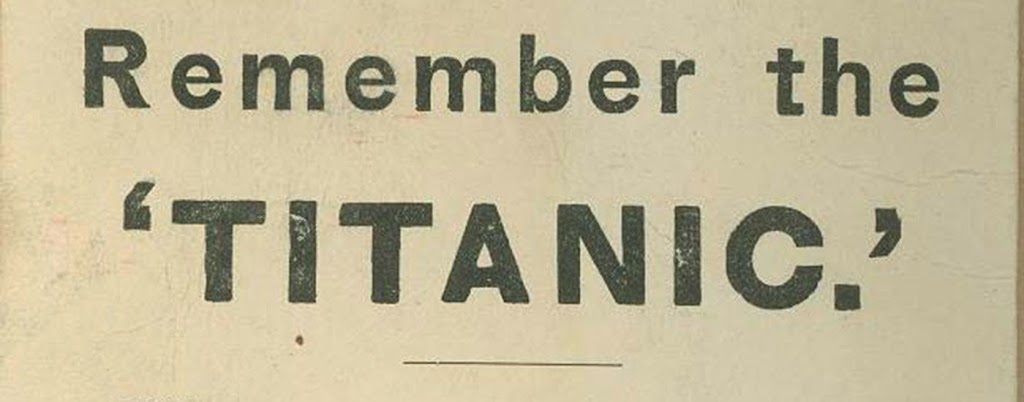
From a 1912 handbill, drumming up support for a proper memorial. (Courtesy Seaman’s Institute)
The lighthouse was equipped with a time ball which was lowered at noon to help distant sailors adjust their equipment. (This same sort of ball is affixed to the top of One Times Square in 1908, dropped every year at ring in the new year.)
The lighthouse memorial was dedicated on the first anniversary of the disaster with many family and friends of victims in attendance.
The New York Times claims the lighthouse and ball drop atop the Institute “were simply features of the existing plan, relabeled as a memorial.” [source]
However it became New York’s most prominent remembrance of the Titanic disaster after all when, over at City Hall, nobody could make up their mind on a truly grand memorial. (All you need to know about the city’s failed efforts is illustrated in this 1912 headline on one meeting — “One Man Made 18 Speeches.”)
Meanwhile, there were other Titanic memorials being planned in other parts of the city.
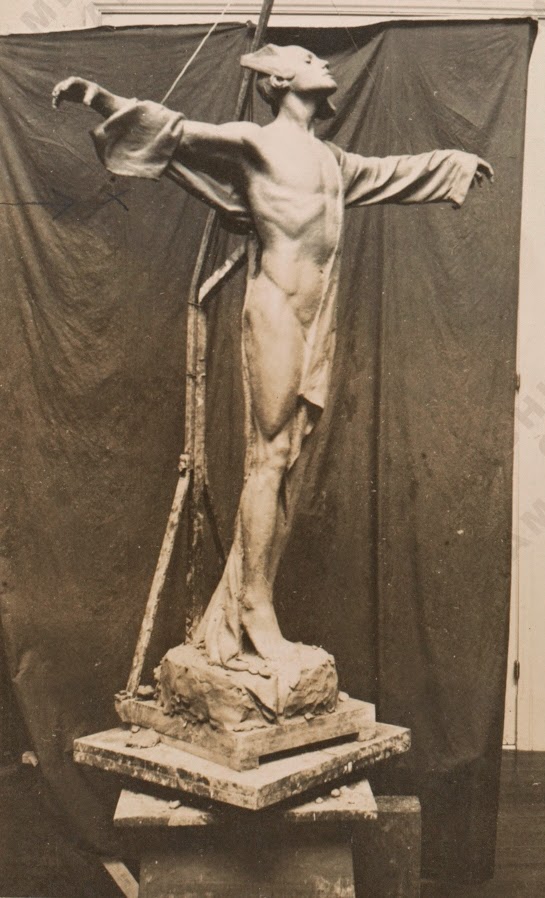
In Greenwich Village, in the Washington Square studios of Gertrude Vanderbilt Whitney, the artist began work on a sculpture for a national memorial in Washington D.C.
She displayed a model for the memorial in February 1916 that drew gasps from society women.
“[T]he present figure with its pedestal extends from floor to ceiling and catches interesting lights that add to the highly dramatic conceptions.” [source]
A study of the Titanic memorial which was displayed at Whitney’s Village studio. (Courtesy AAA/Whitney Museum)
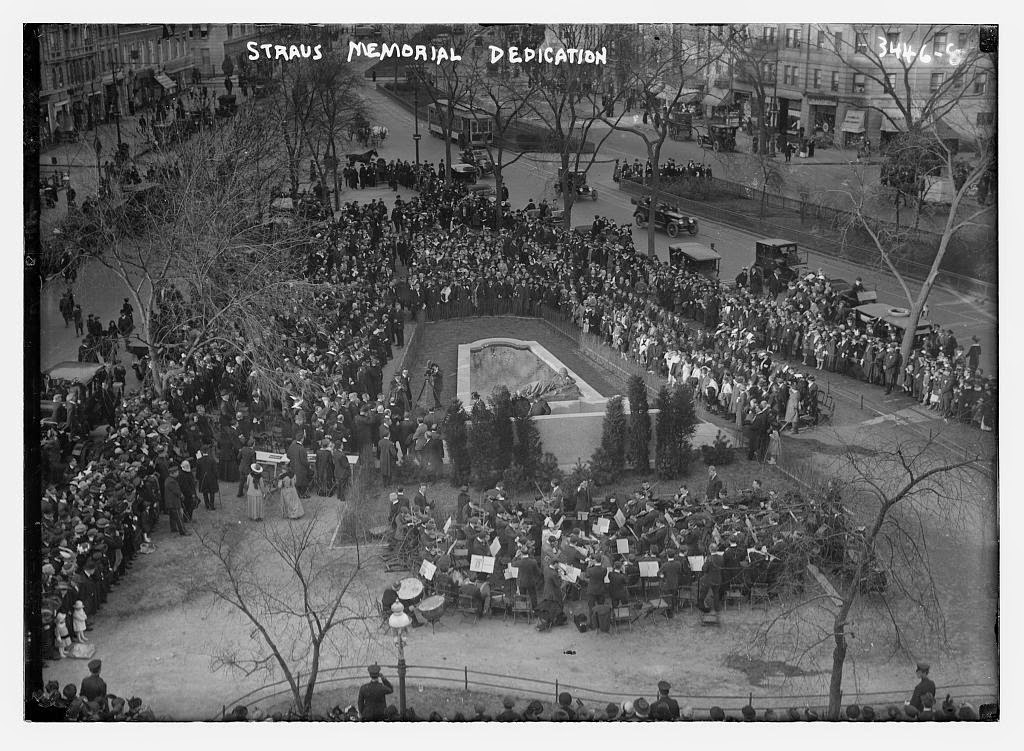
Yet another Titanic memorial was planned in June 1912 to honor philanthropists Isador and Ida Straus near their home on the Upper West Side. A competition was held in 1913 for aspiring sculptors, with Augustus Lukeman’s pondering nymph the eventual winner.
Featured at the dedication ceremony were 800 children who had been helped by Straus’ Educational Alliance on the Lower East Side.
Below: Dedication of Straus Square and its curious monument. (Courtesy Library of Congress)
As for the Titanic Lighthouse Memorial?
It sat dutifully atop the Seamen’s Institute for decades, its green light a welcome beacon to those entering the harbor.
By the 1950s, shipping no longer came through the area of New York’s waterfront, and the Institute eventually sold its building.
The lighthouse was donated to the South Street Seaport Museum in 1968, then a budding institution formed just a couple years prior to protect the historic structures of the area.
For a time, the lighthouse actually sat on the waterfront before relocating back to its present home in 1976, in a park partially funded by Exxon Oil.
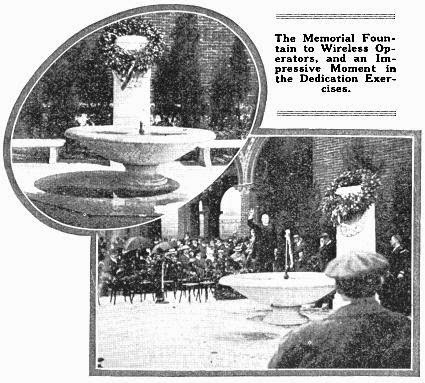
There was one other memorial to the Titanic disaster — the Wireless Operators Memorial at Battery Park. This bronze cenotaph and fountain was dedicated in 1915 to nine intrepid employees — “wireless heroes” — who died on the Titanic and in other ocean disasters.
Wrote J. Andrew White in 1915: “It is an eloquent reminder of a tradition that has grown out of the brand of courage which seeks no precedent, which, founded on the heroic action of a mere boy, has been written in the indelible annals of the men who go down to the sea in ships.”
After sitting in storage for many years, the memorial can once again be found in Battery Park.
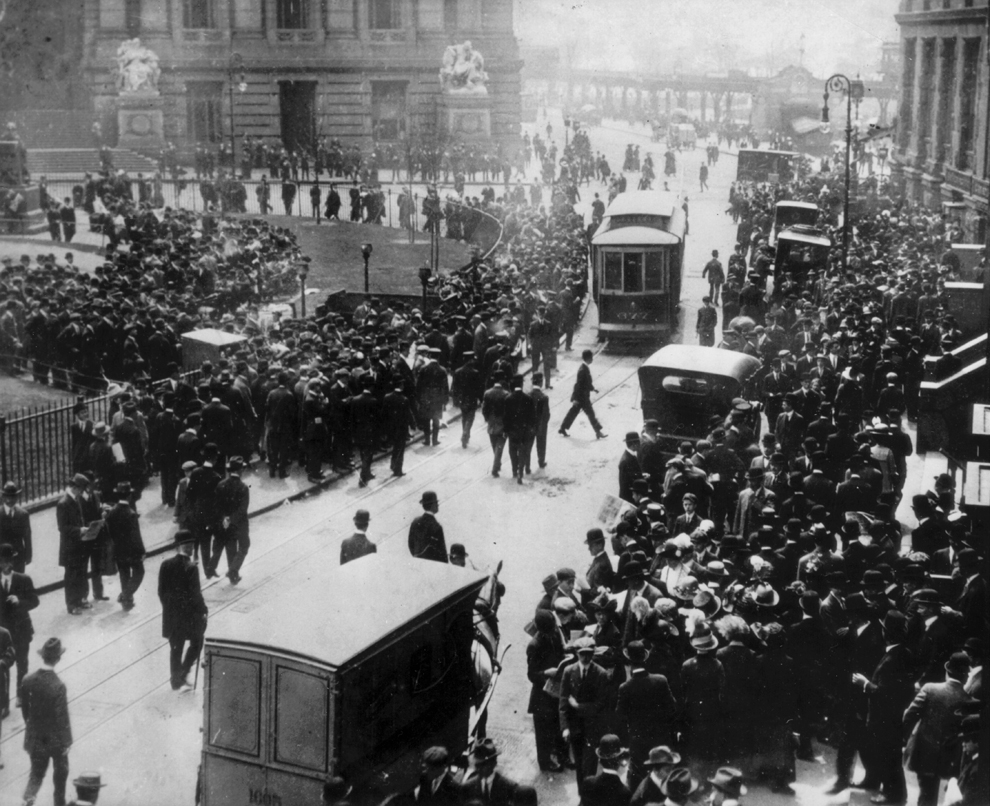
The Waiting Game: Down at the White Star Line's Broadway offices near Bowling Green, anxious New Yorkers line the streets waiting for news about the sunken vessel. 1912
Over fifteen hundred people died the night the Titanic sank, April 14-15, 1912. The early reports from the New York newspapers, of course, spent their time mourning the city’s most connected figures to society.
Even from some of the most obsessive sources on the Titanic, the details on the lives of dozens of men and women who died below deck are sometimes hard to locate.
There’s always been something slightly unsettling about using primary news sources for Titanic research. The bias towards wealthy lives over poor ones — and of American and British lives to all others — can be a little unsettling.
For instance, an anecdote from an April 20, 1912, article in the New York Times: “…[I]t became known among those saved from the Titanic were six or eight Chinamen who were among the steerage passengers on the big liner. It seems that they climbed aboard one of the lifeboats without anybody making objection, despite the fact that many of the women in the steerage of the Titanic went down with the ship.“
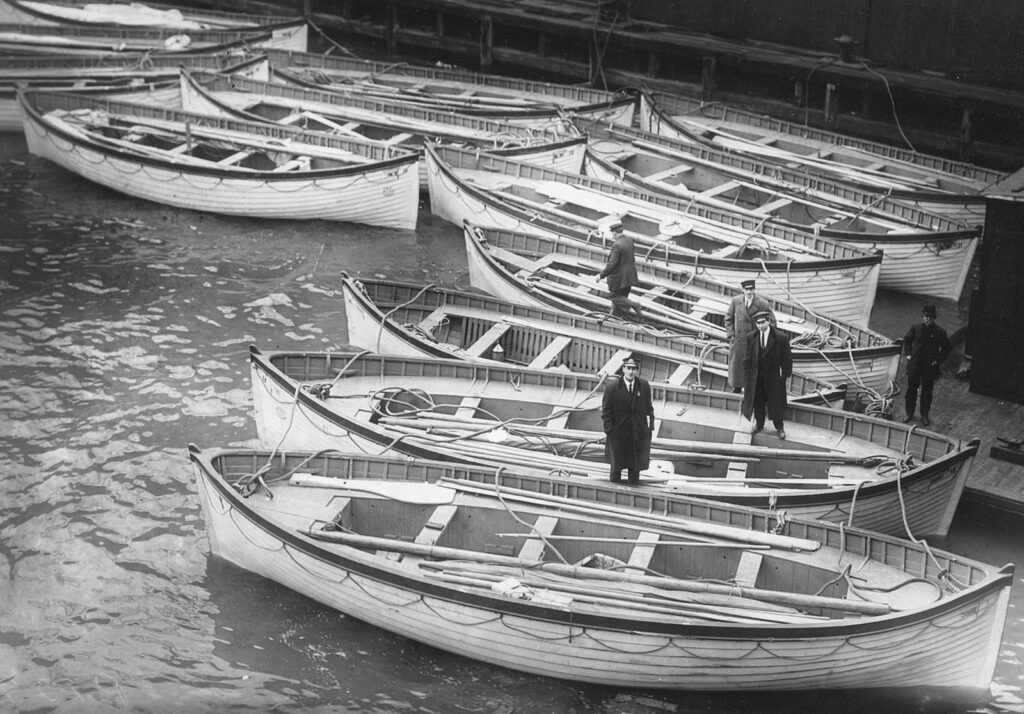
Titanic’s Lifeboats at The White Star Lines Pier 54 in NYC after Sinking. [source]
But this was indeed a tragedy that shook most of the entire world to its core and, in particular, changed the lives of many Americans, from tenements to townhouses.
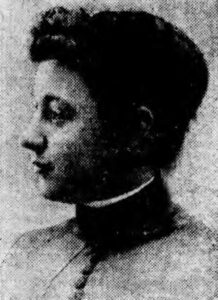
The old-family names and the wizards of business (Astor, Straus, Guggenheim) have been well documented. But here I present the fates of five well-off but perhaps lesser-known New York women who survived the sinking of the Titanic with intriguing stories of their own to tell:
Dr. Alice Farnham Leader Born in New York, May 10, 1862
Alice would have been among the second generation of women trained in medicine, and a career in pediatrics was one of the few that a women of her day could ably progress towards. As late as 1907 she was employed at Bellevue Hospital as ‘a social service nurse‘.
However she wasn’t a practicing doctor by the time she boarded the Titanic; the 49 year old had retired when her husband died in 1908.
She was rescued by lifeboat no. 8, commanded by one of the Titanic’s most famous names: Noël Rothes, the Countess of Rothes. “The countess is an expert oarswoman and thoroughly at home in the water,” Alice told the press, who sadly seemed more interested in the fate of the titled gentry than of this mysterious doctor who appears to have avoided the spotlight for the remainder of her life.
Afterwards: Dr. Leader is mentioned in a Utah newspaper in 1916, discussing the crisis of graying hair. Her solution: “A head exercise for circulation is to lie on the couch with the head projecting beyond the couch. Bend the head forward, backward, to each side, to each side, then rotate.” Died: April 20, 1944
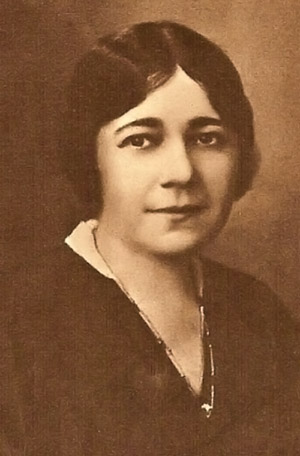
Irene (Rene) Harris Born: June 15, 1876
A New York stage actress with some considerable credits to her name, Harris boarded the Titanic with her husband Henry Birkhardt Harris, the theater impresario and partner (with Jesse Lasky) in the Folies Bergere, which has just opened in midtown the year before.
Irene made it to a lifeboat but her beloved husband perished on the Titanic. The Times recounts her cable to the Hudson Theater: “Praying that Harry has been picked up by another steamer.”
Afterwards: Returning to the New York theater in grief, she sued the White Star Line for a large petition of damages, and perhaps with good reason; she discovered when she got home that her husband was nearly bankrupt from the Folies Bergere venture and other flops.
So she decided to make her own money, soon becoming one of Broadway’s first female producers with such shows as ‘Lights Out’ and ‘The Noose’ and buying a Park Avenue apartment.
But her wealth didn’t make it out of the Great Depression, and she spent her last days living in Manhattan hotels. In 1958, she was subjected to a screening of the Hollywood film ‘A Night To Remember‘. “I think your film title is a mistake,” she said. “It was a night to forget.” Died: September 2, 1969
Margaret Hays Born: December 6, 1887
If not for the tragic sinking of the Titanic, Margaret Hays’ fate might have made a charming family comedy. The young woman lived at304 West 83rd Street and had gone to Europe with two school friends Olive and Lily.
And there was another lady with her on the Titanic that fateful night — Margaret’s Pomeranian dog.
All three friends and her little dog too made it to a lifeboat, but Margaret’s story was just beginning.
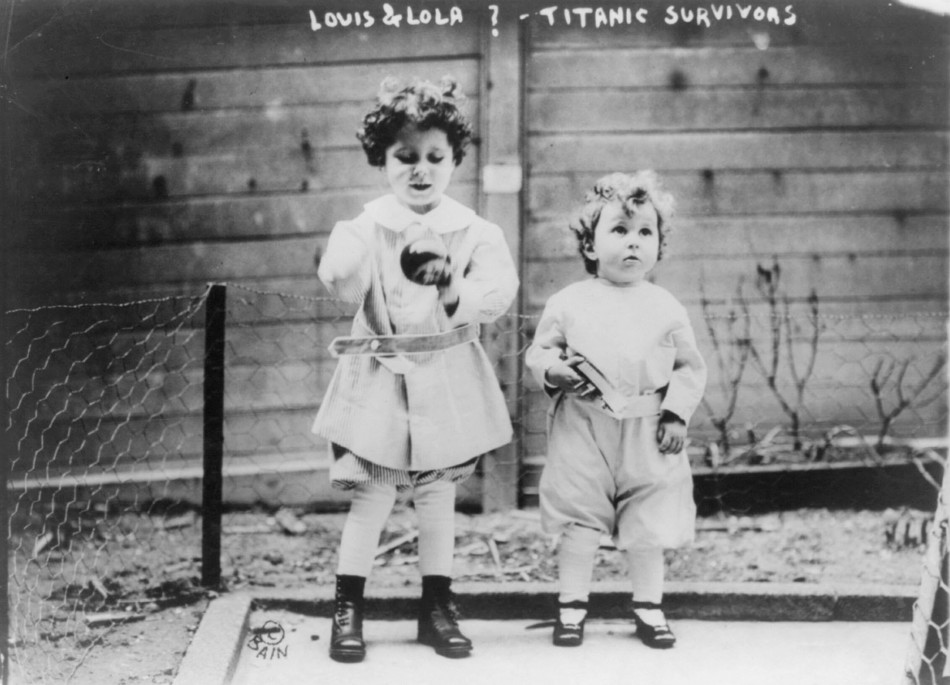
Onboard the rescue ship Carpathia were two small frightened French boys.
The ‘Titanic orphans’, named Michel and Edmond (not Louis & Lola!).
They had been separated from their father Michel who was never found. Hays, who spoke French, took the boys into her care during the somber voyage and well after they arrived in New York. They stayed at her home on West 83rd — she distracted the distraught boys with carriage rides up Riverside Drive — until their mother arrived from France.
On her arrival, it was revealed that their father had taken the two boys against their mother’s will during a bitter divorce battle.
Afterwards: Hays married a Rhode Island doctor and lived in relative comfort, dying during a vacation in Argentina. Died: August 21, 1956
Leila Meyer Born in New York, September 28, 1886
The young socialite and daughter of Andrew Saks (founder of Saks Fifth Avenue) met aspiring Wall Street broker Eugene Meyer and married him in 1909.
While traveling, Leila was wired the tragic news that her father had died. (Later, she discovered that a sizable part of their fortune had been willed to her.) Leila and her husband boarded the Titanic to return home. She made it to a lifeboat; her husband died aboard the ship.
Afterwards: She later remarried and lived the remainder of her life at 970 Park Avenue, rarely speaking to the press about her tragedy, although her spectacular jewelry collection was frequently remarked upon in women’s magazines. Died: November, 27, 1957
Mrs. Charlotte Appleton Born in New York, December 12, 1858
Charlotte was well versed in the thrill of ocean travel. Her father, once a well-known dry goods importer, worked for the firm which operated theBlack Ball Line, one of the oldest shipping companies in New York and no stranger to a few shipwrecks of its own.
She married into the prestigious Appleton publishing family and was on the Titanic with two sisters, returning from a funeral in England.
Afterwards: Mrs. Appleton’s name is familiar with Titanic buffs as she was an acquaintance of Col. Archibald Gracie IV, the great-grandson of the man who built Gracie Mansion and one of the more notable bold-faced names on the Titanic. Mrs. Appleton lived the remainder of her life at 214-33 33rd Road, the oldest house in Bayside, Queens.
Died: June 25th, 1924
Some pictures and many of the birth/death dates above are courtesy Encyclopedia Titanica. Top picture courtesy the Library of Congress.
This story was originally published on the 100th anniversary of the Titanic and refreshed the honor the 110th anniversary.
The Lusitania gets dwarfed by recollections of the Titanic. But in many ways, the destruction of the Cunard Line’s premier ocean liner on May 7, 1915, was a deeper tragedy than that of the White Star liner.
As a casualty of war — sunk by a German U-boat off the coast of southern Ireland — the Lusitania disaster began a slow but inevitable march towards the United States’ entry into World War I. Â Its destruction send a shockwave through Americans and Britons alike. Nobody sailing the Atlantic was safe.
Almost 1,200 people died that afternoon of May 7th. Among the deceased were millionaires (Alfred Gwynne Vanderbilt), impresarios (Charles Frohman), writers, scientists, nurses and soldiers.
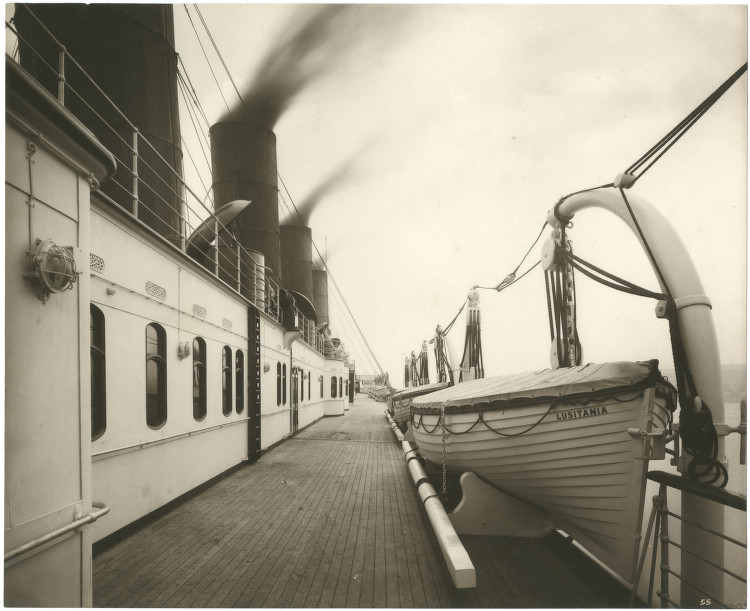
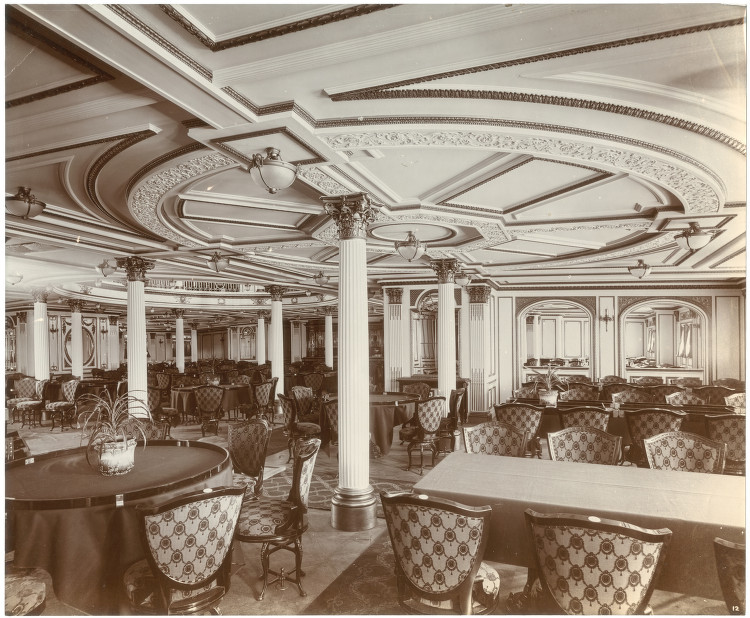
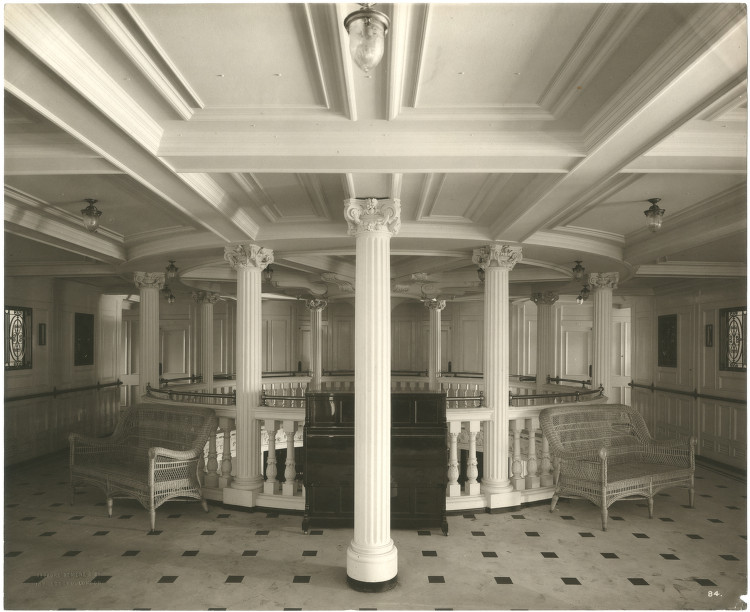
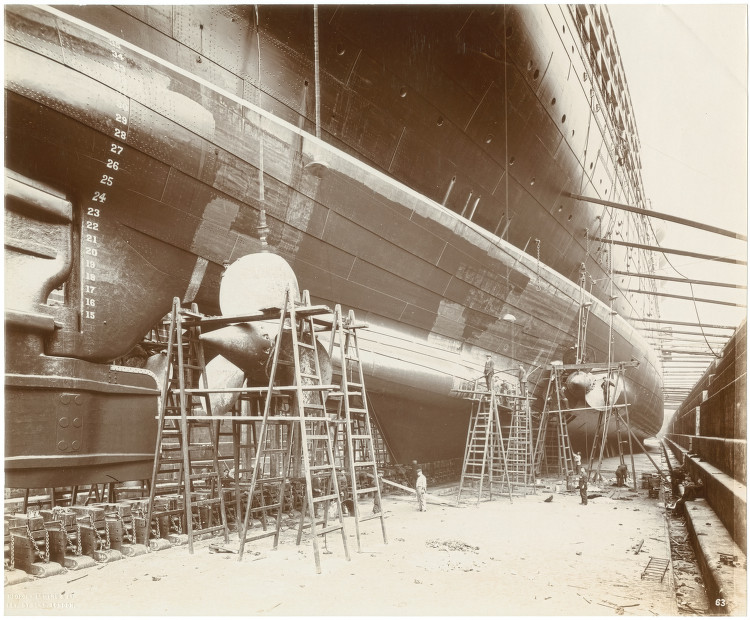
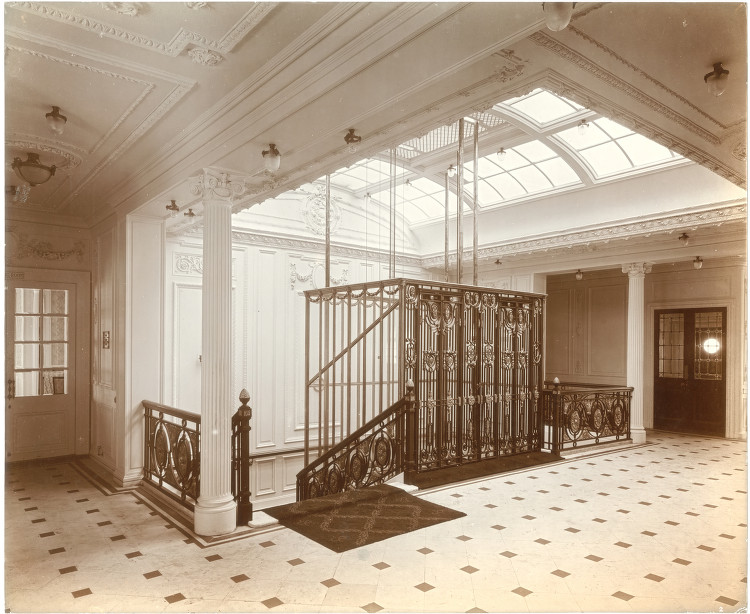
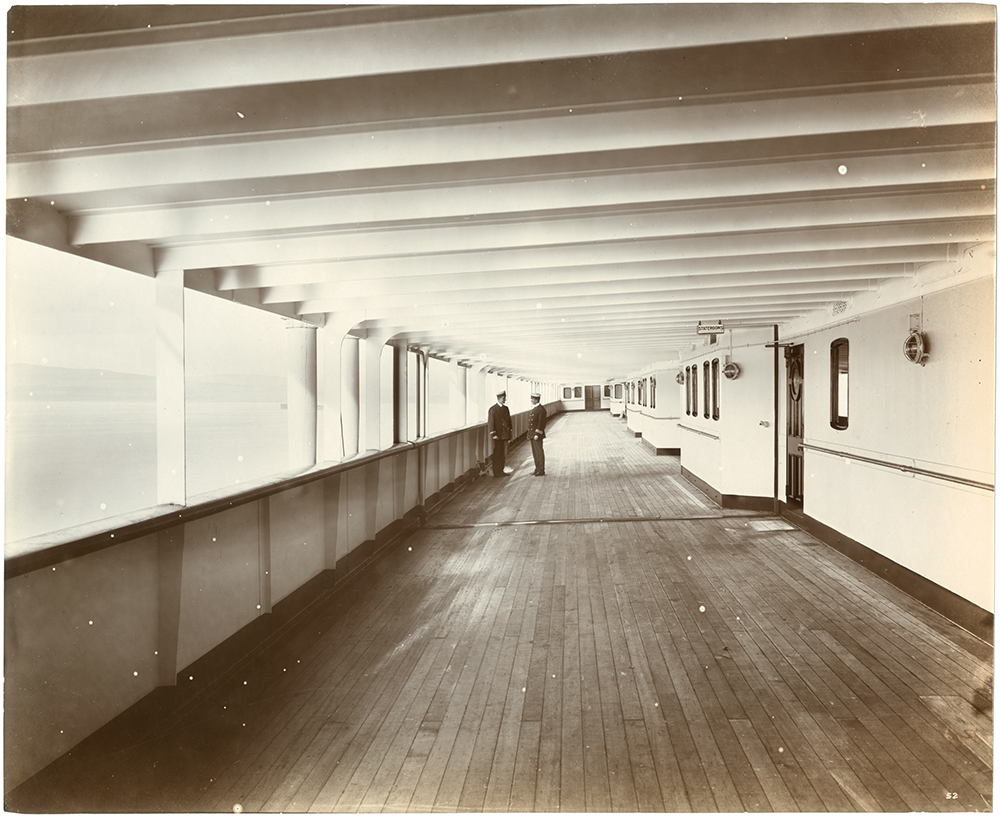
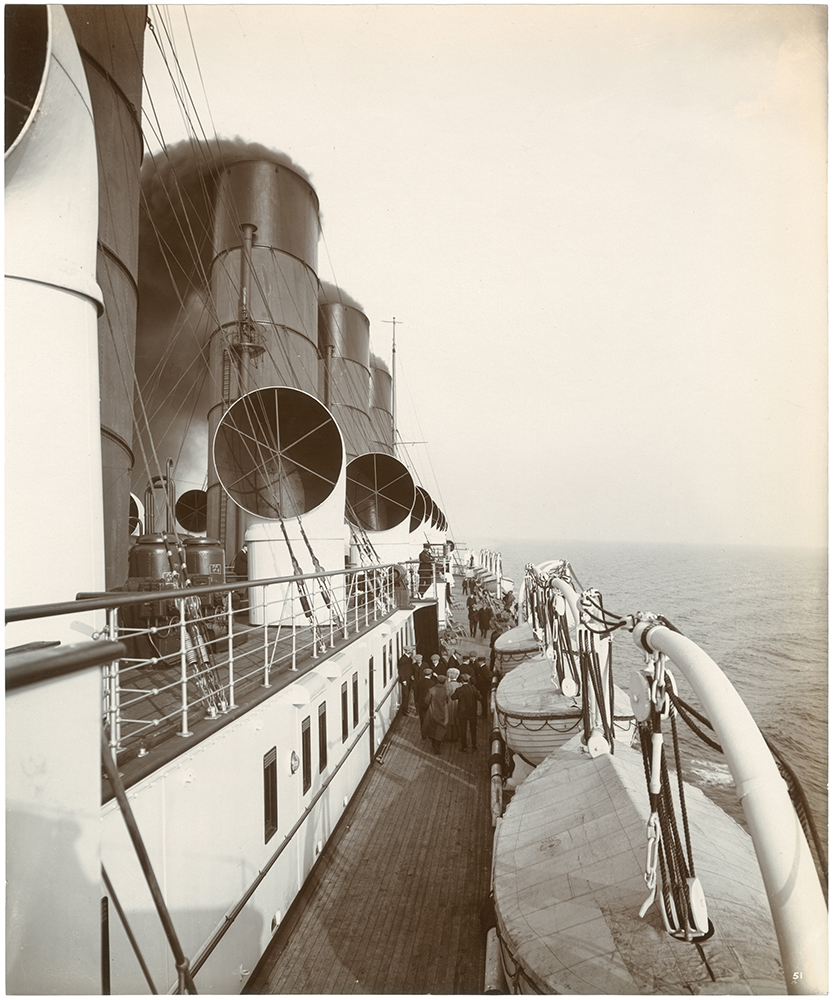
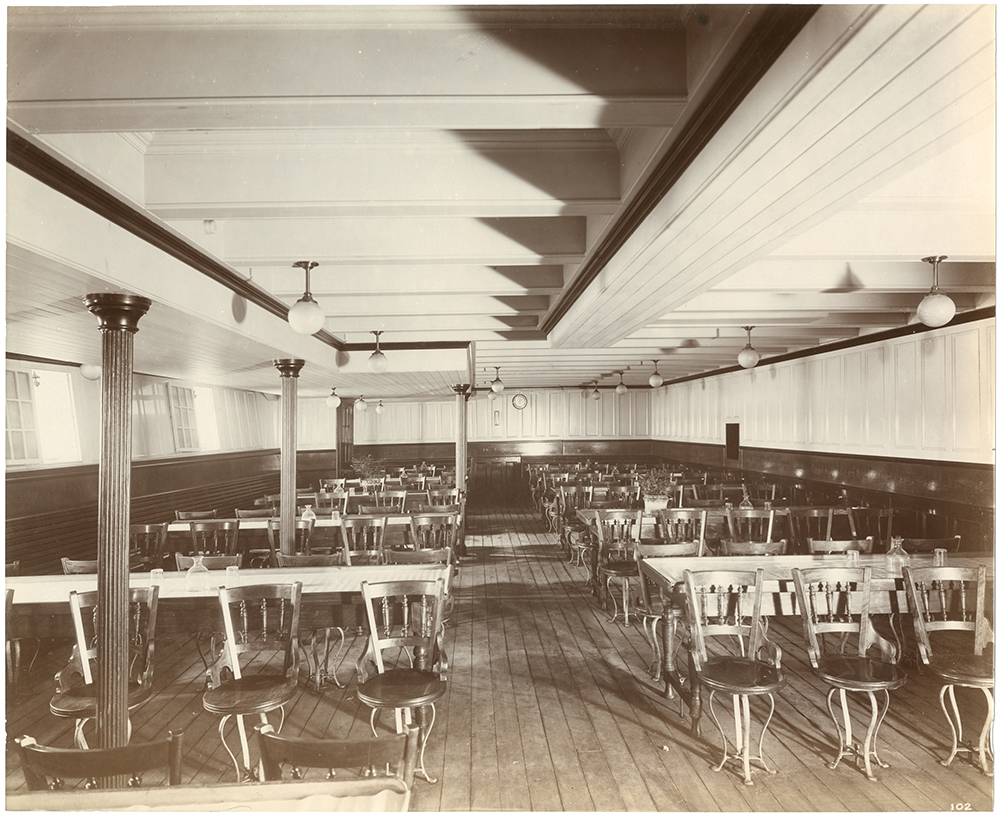
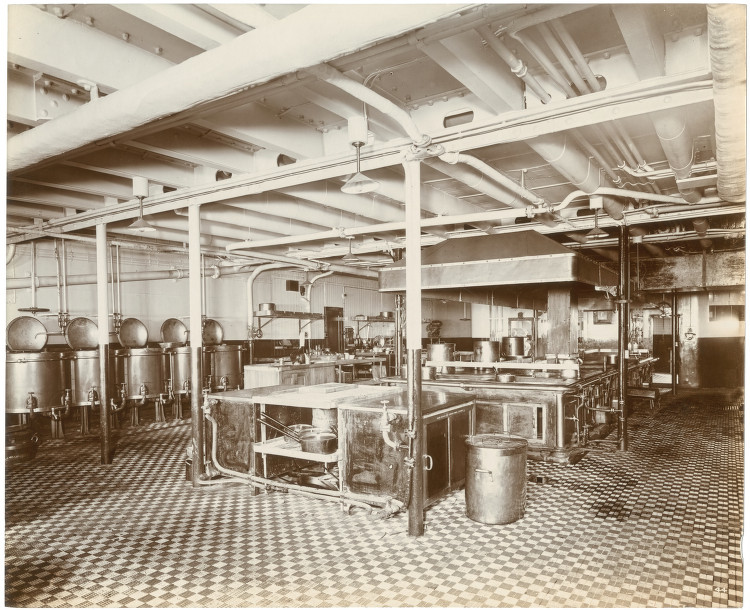
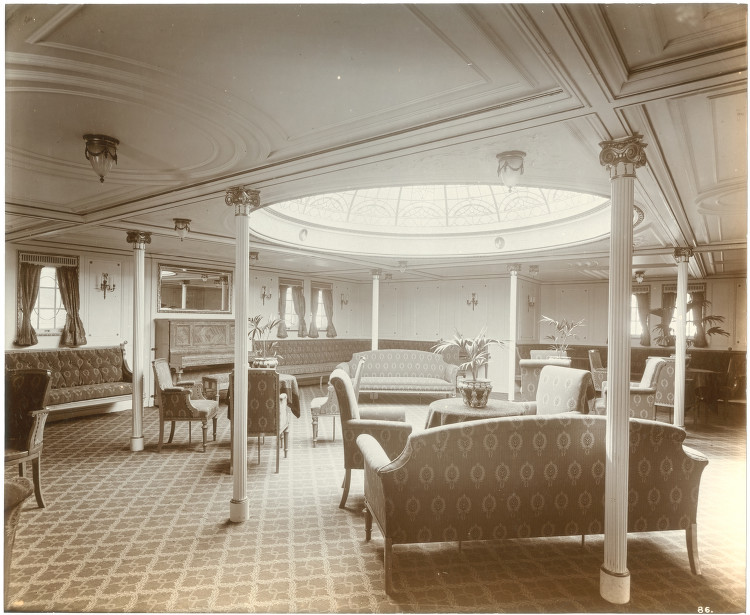
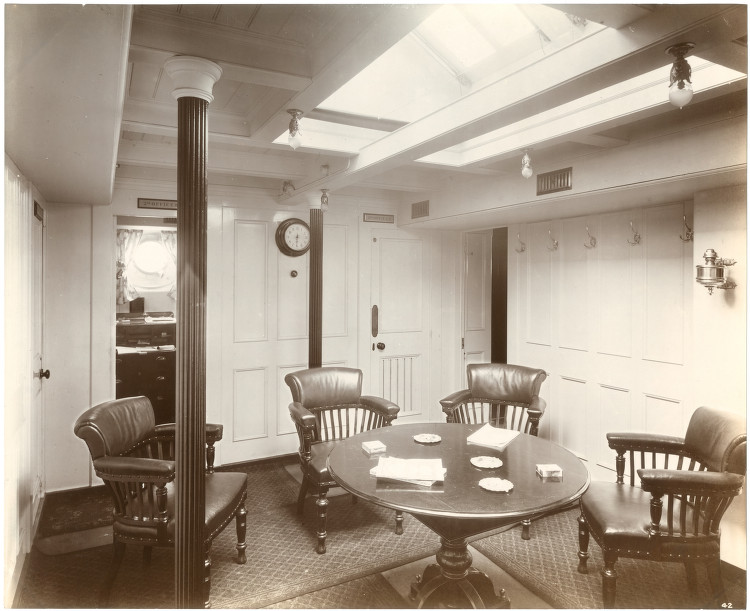
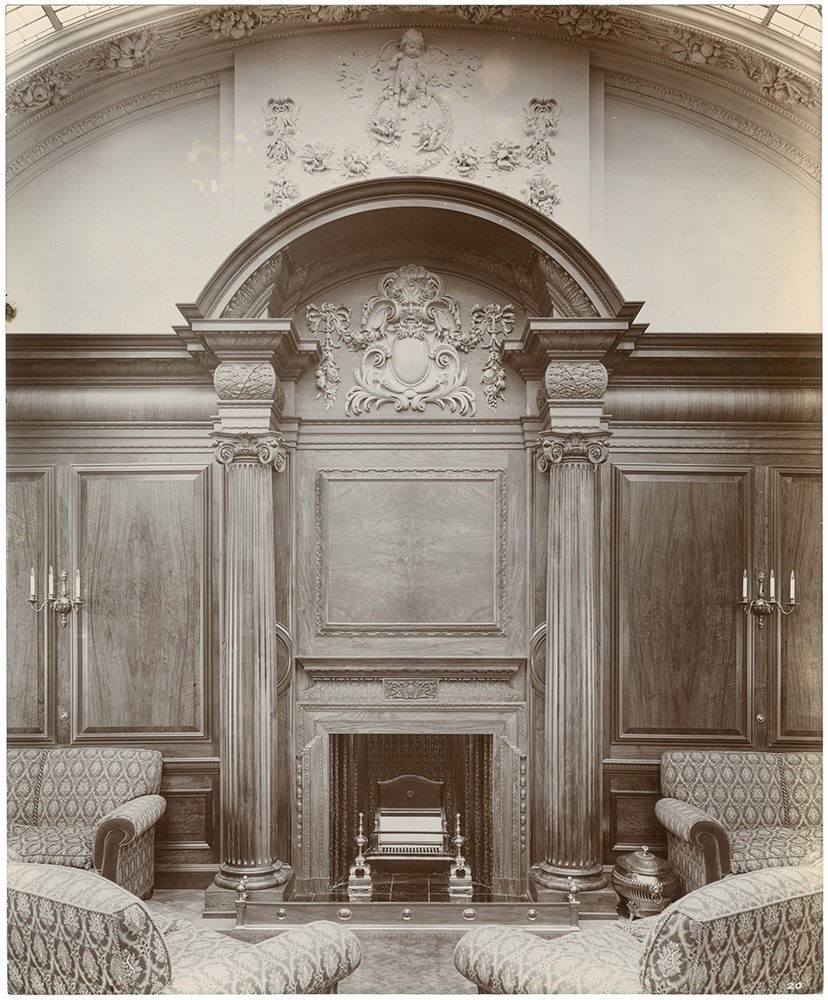
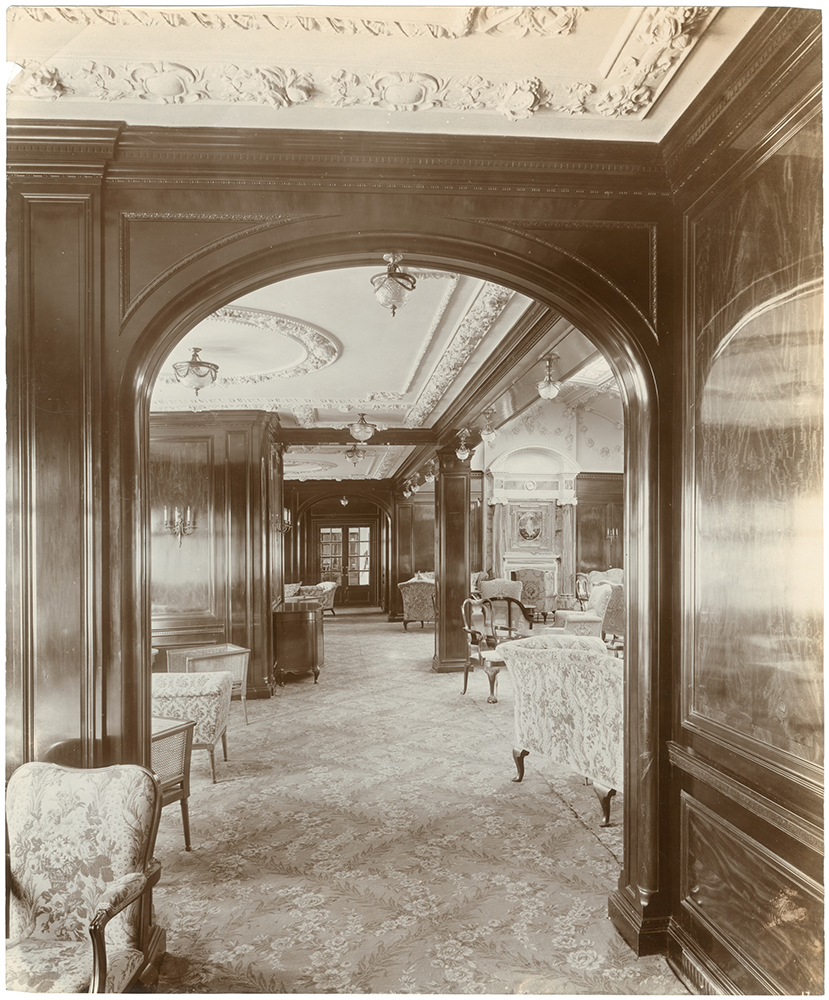
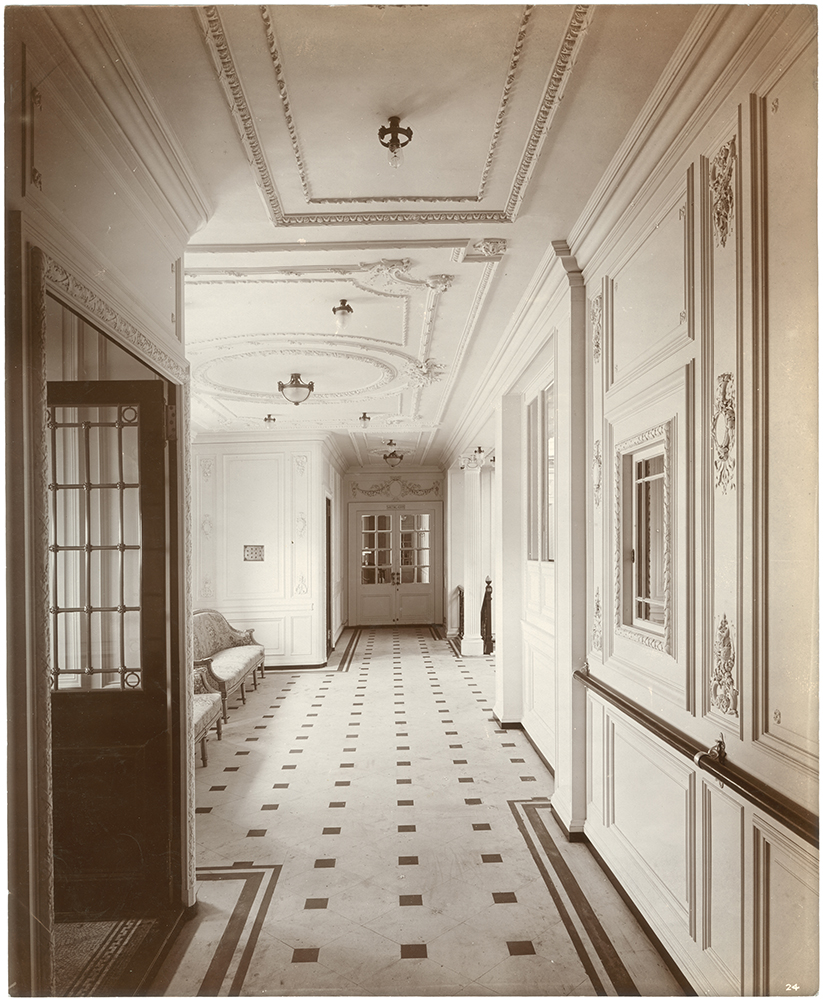
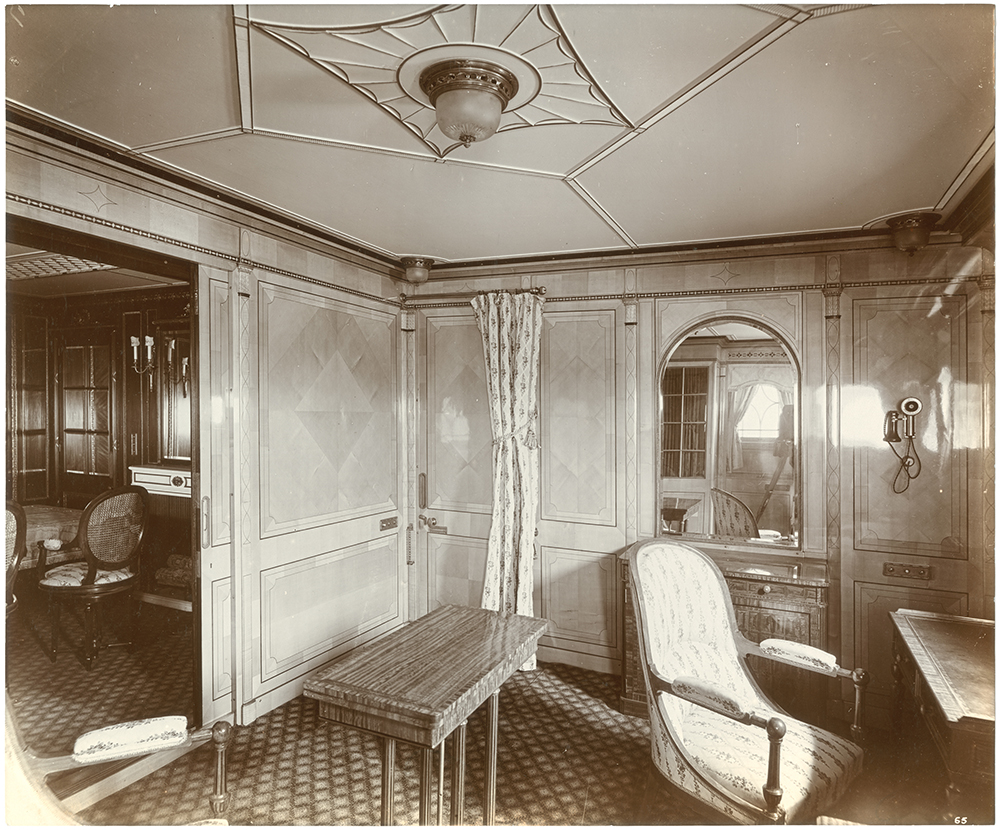
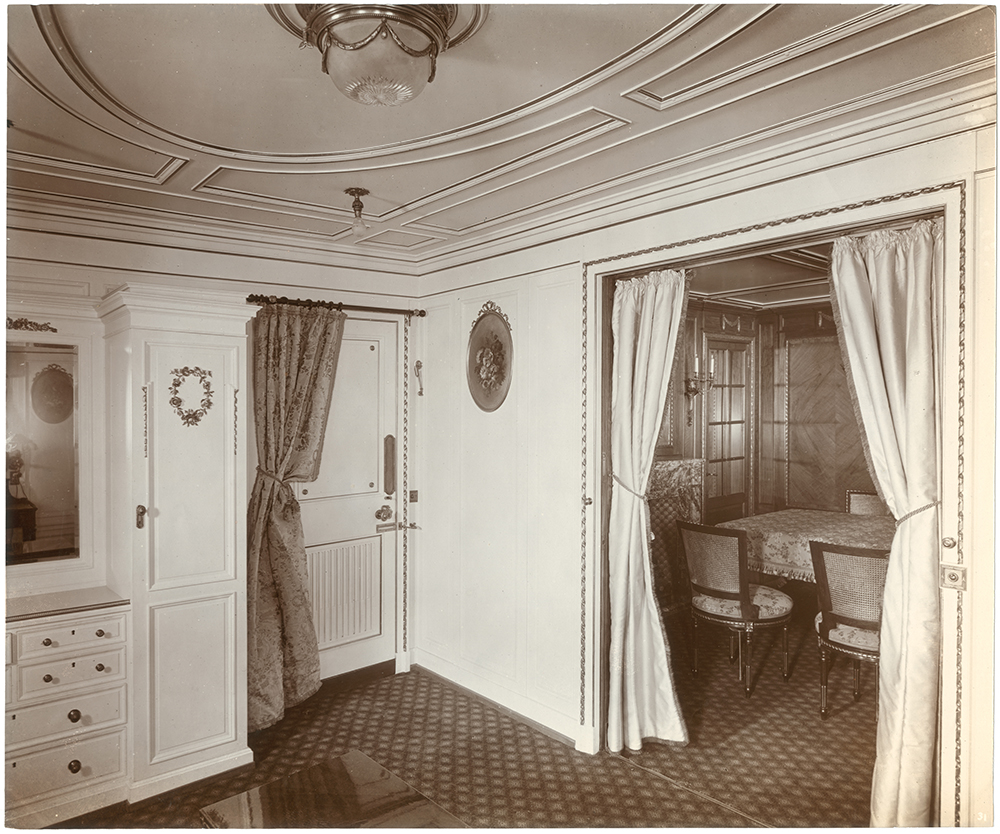
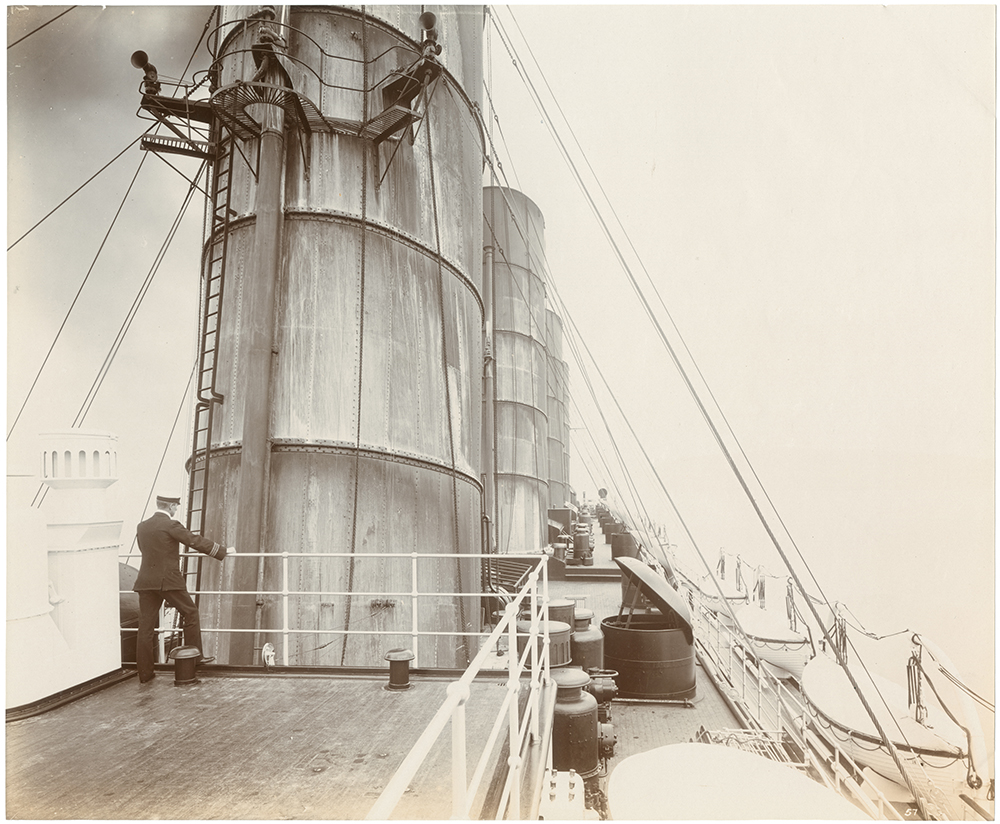
The ship itself was a major loss both for Cunard and the British military as the ship was fitted for active service. Here are a selection of images from 1905 (courtesy SMU Central University) of the Lusitania in all her glory, years before her demise.
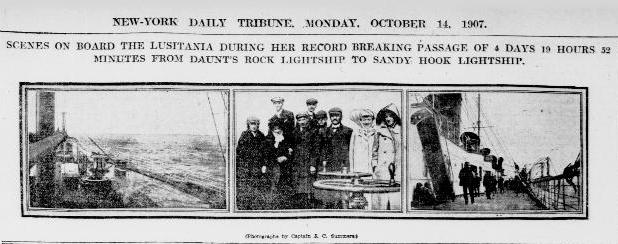
Interspersed are some newspaper clippings from its initial launch in 1906 and some from 1907, the year the vessel first sailed to New York.
From the Lusitania’s debut in Scottish waters, New York Times June 08, 1906:
“GLASGOW, Scotland, June 7. — The new Cunard Line steamer Lusitania, the world’s largest liner, was successfully launched at Clydebank to-day, and was named by Dowager Lady Inverclyde. Hundreds of visitors from all parts of the country, besides thousands of the local population, witnessed the ceremony.
The Lusitania is the first of the giant Cunarders to be launched, and her sister, the Mauretania, will follow her into the sea a month ago. The Lusitania is 790 feet long, and her greatest breadth is 88 feet, while her depth molded is 60 1/2 feet.”
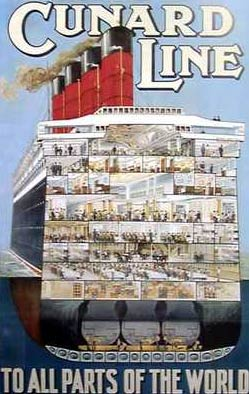
Cabin accommodations: 552 first class, 460 second class, 1,186 third class. 2,198 total
Second class entrance
NYT , July 31, 1907: “LUXURIOUS OCEAN TRAVEL. The new Cunarder Lusitania is now afloat, and will soon be on her way to New York. She is at the present moment the largest and most richly appointed ocean steamship in the world, though she may take second place within a year or so.”
Side view of Lusitania showing the launching cradle and the propellers
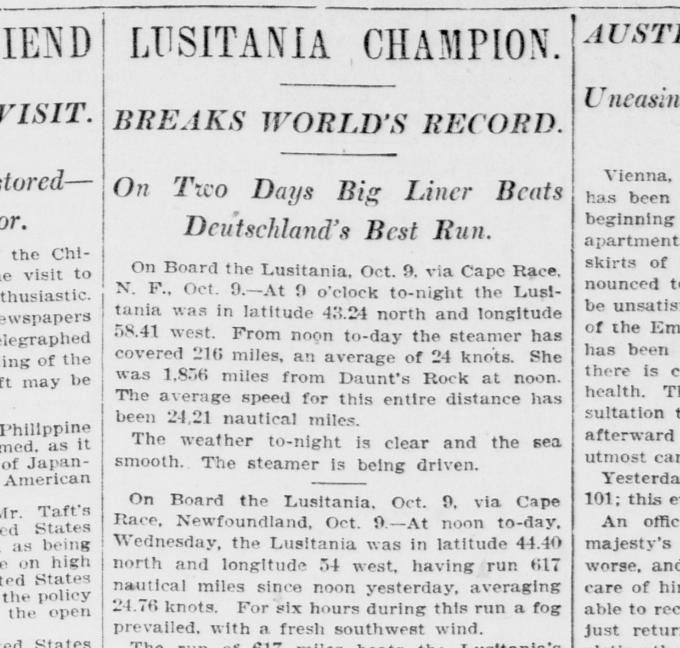
LUSITANIA STARTS FIRST TRIP TO-DAY; Will Race the Lusitania Across in an Effort for a New Record. BOTH BOATS ARE FULL Colossal Ferries Groomed for the Event — Lusitania Will Burn 1,000 Tons of Coal Daily.
First class promenade deck
From the New York Tribune, October 10, 1907
Third class:
The kitchen:
Second-Class Ladies Lounge:
Officers smoking lounge:
From the New York Tribune, October 14, 1907
First class smoking room, music lounge, and library entranceway:
And pictures of the ‘regal suite’, the nicest rooms on the boat:
An officer atop the navigation bridge:
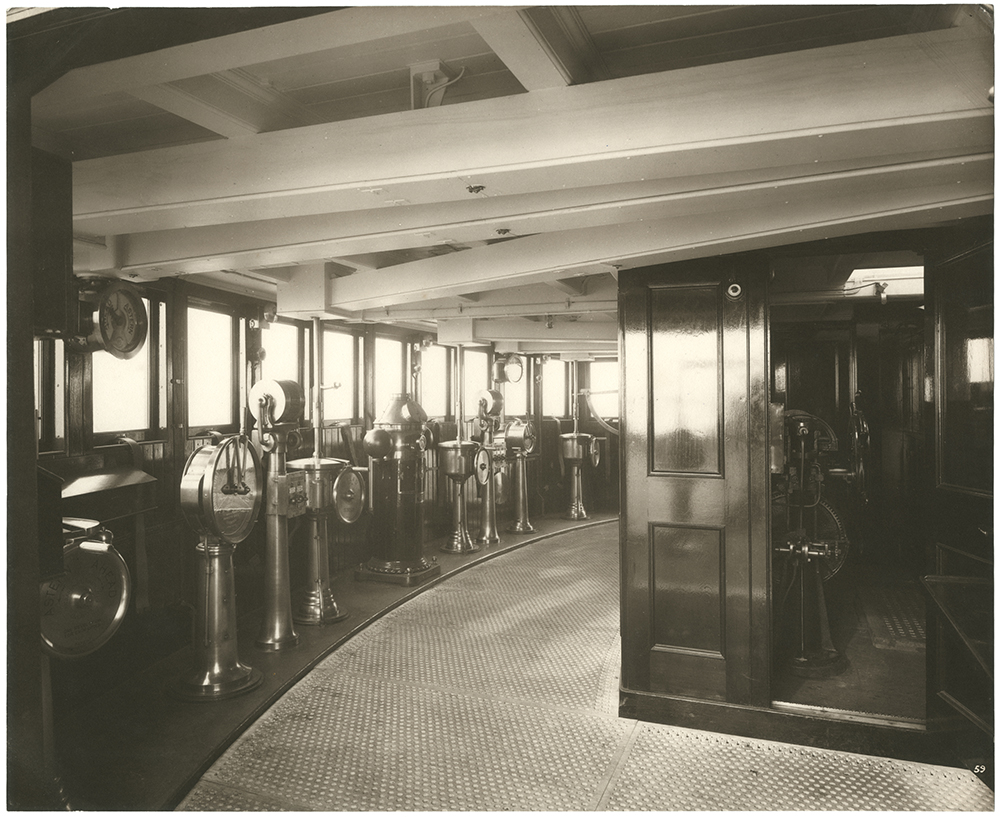
And finally — the navigation bridge
You can find many more images at Flickr Commons, courtesy Southern Methodist University, Central University Libraries, DeGolyer Library
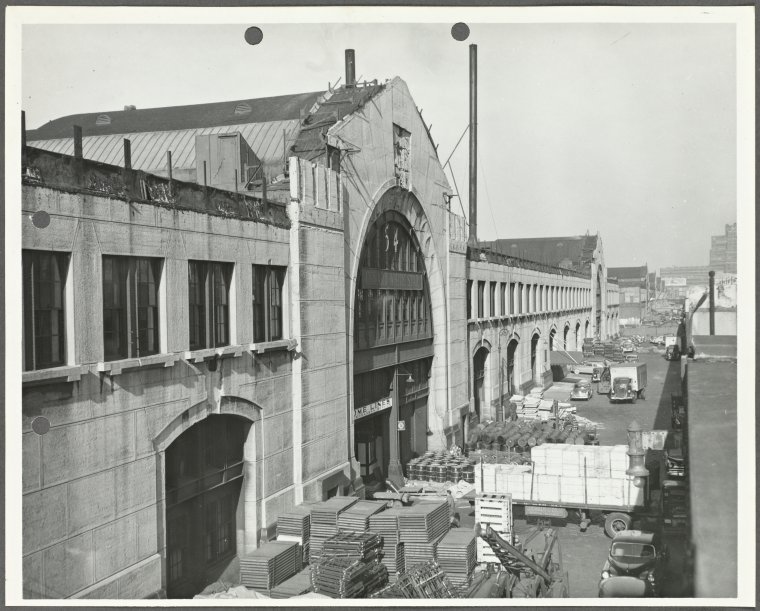
PODCASTThe Chelsea Piers were once New York City’s portal to the world, a series of long docks along the west side of Manhattan that accommodated some of the most luxurious ocean liners of the early 20th century.
Passenger ocean travel became feasible in the mid 19th century due to innovations in steam transportation, allowing for both recreational voyages for the wealthy and a steep rise in immigration to the United States.
The Chelsea Piers were the finest along Manhattan’s busy waterfront, built by one of New York’s greatest architectural firms as a way to modernize the west side. Both the tragic tales of the Titanic and the Lusitania are also tied to the original Chelsea Piers.
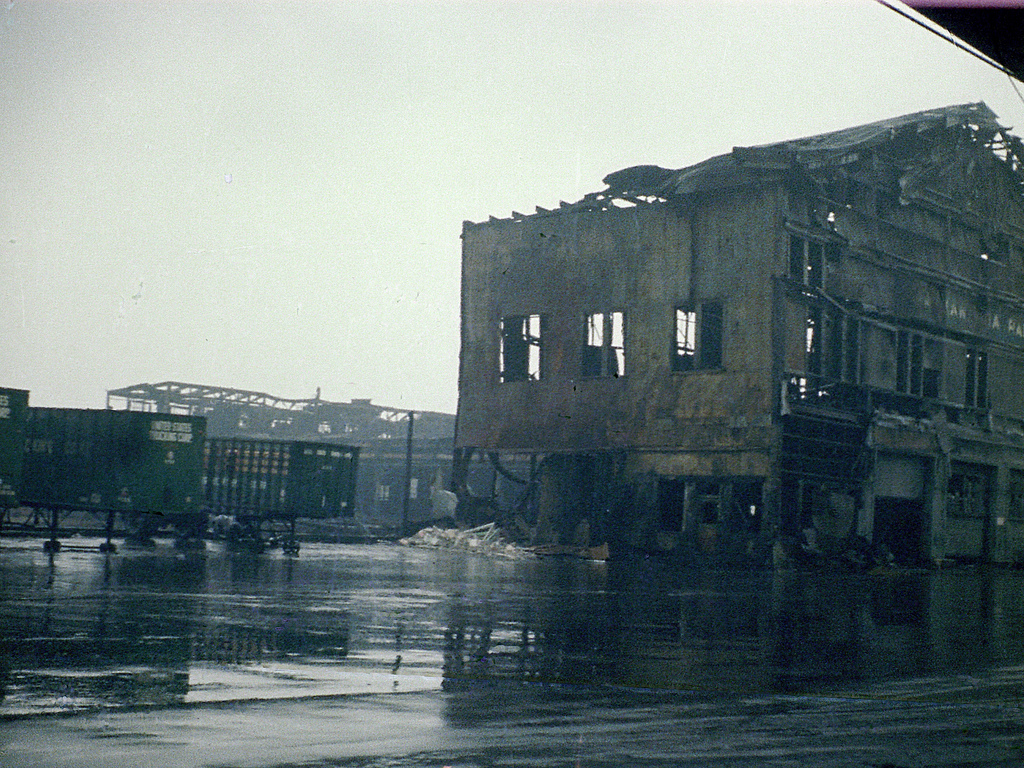
But changes in ocean travel and the financial fortunes of New York left the piers without a purpose by the late 20th century. How did this important site for transatlantic travel transform into one of New York’s leading modern sports complexes?
ALSO: The death of Thirteenth Avenue, an avenue you probably never knew New York City ever had!
The offices of Steamship Row near Bowling Green and Battery Park. With the rise of ocean travel in the mid 19th century, passengers went to these buildings to make voyage accommodations.
These were later replaced with more lavish offices, many of which are still around in the neighborhood today.
Courtesy Museum of the City of New York
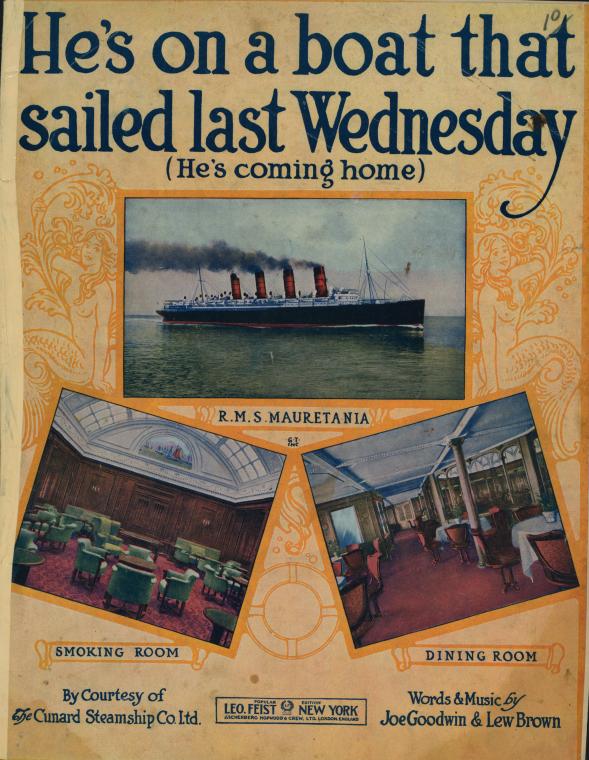
A jaunty song written for the Cunard ship Mauretania, sister ship of the Lusitania.
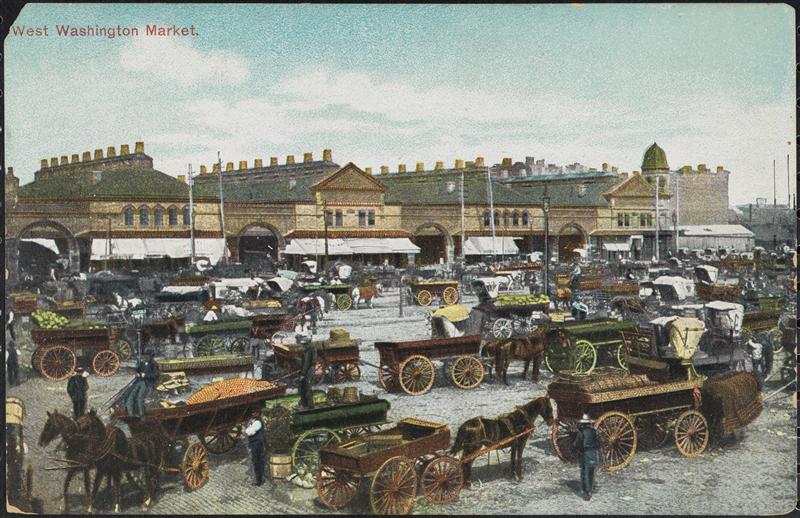
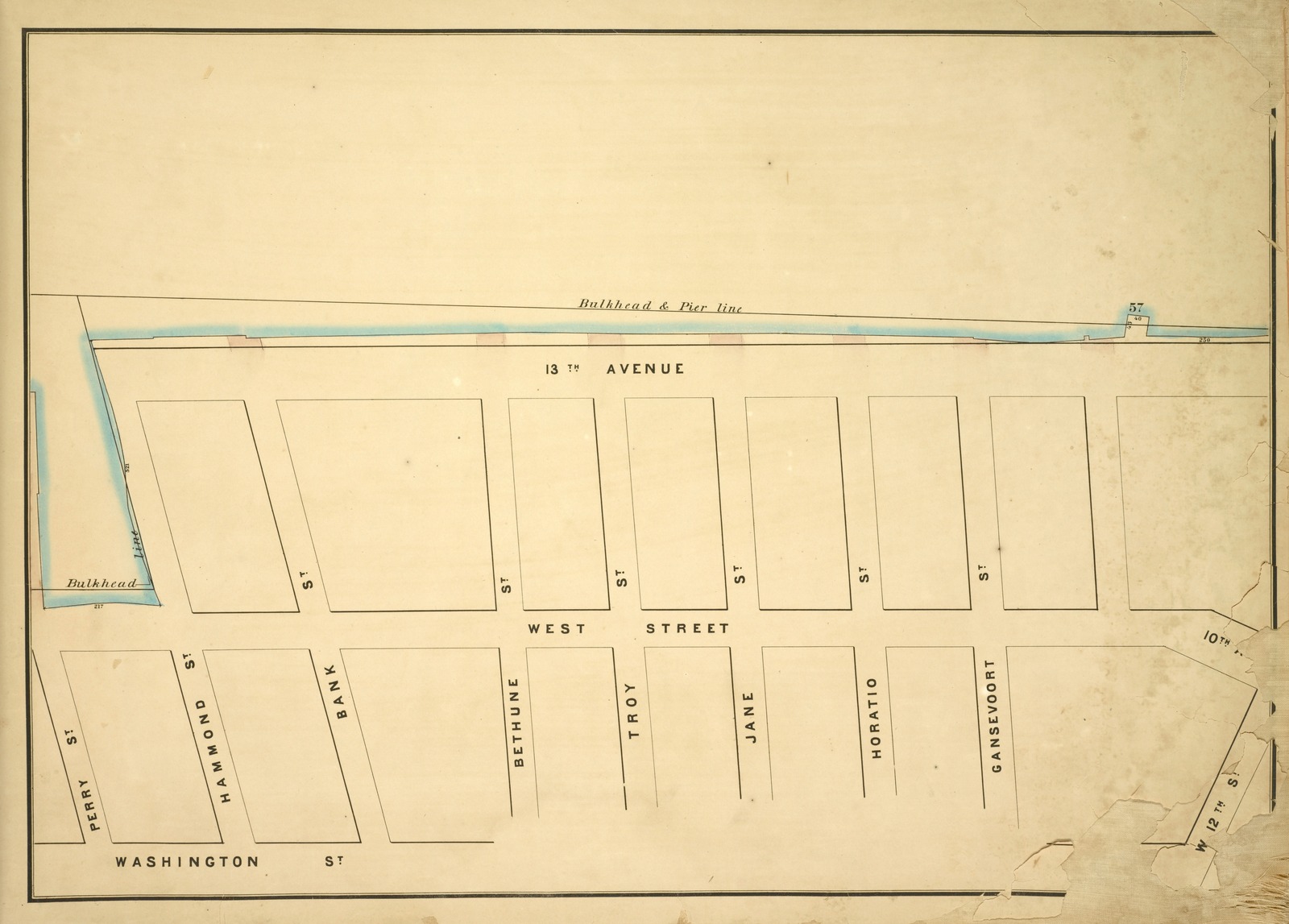
The crazy scene out in front of West Washington Market in 1905. The market was built well before the Chelsea Piers and helped preserve a bit of 13th Avenue when most of that street was eliminated for the Piers’ construction.
Courtesy Museum of the City of New York
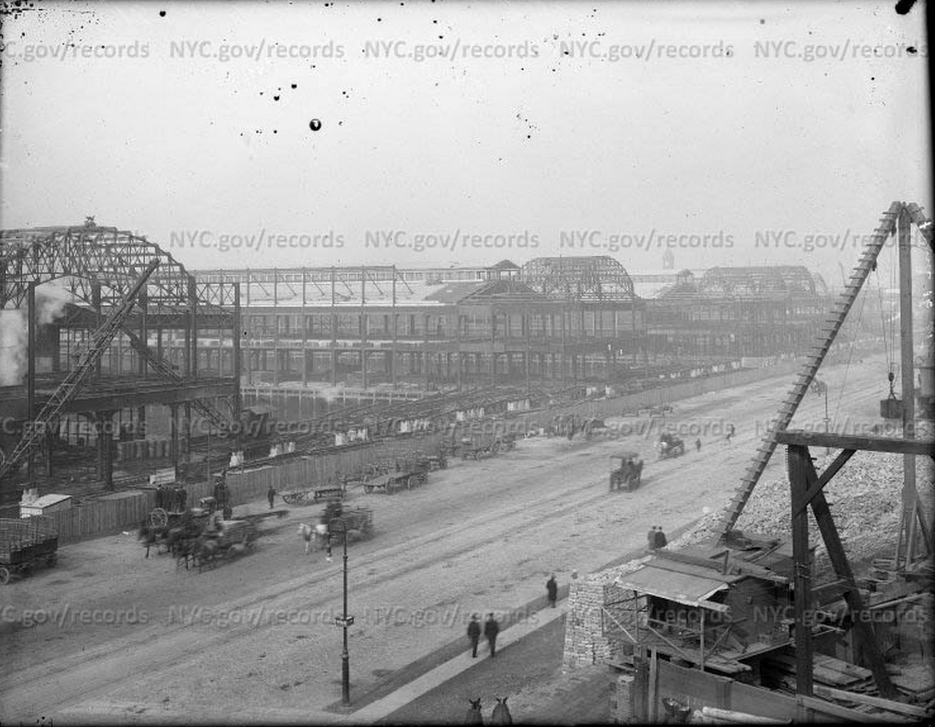
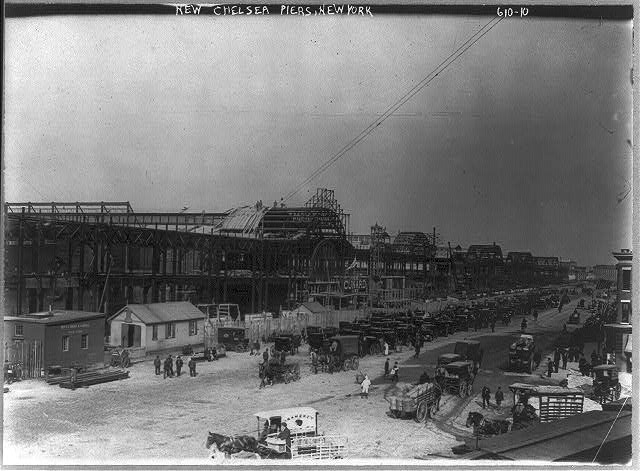
Construction of the Chelsea Piers complex in progress, looking northwest from 16th Street, 1910.
Courtesy New York Department of Records
Courtesy Library of Congress
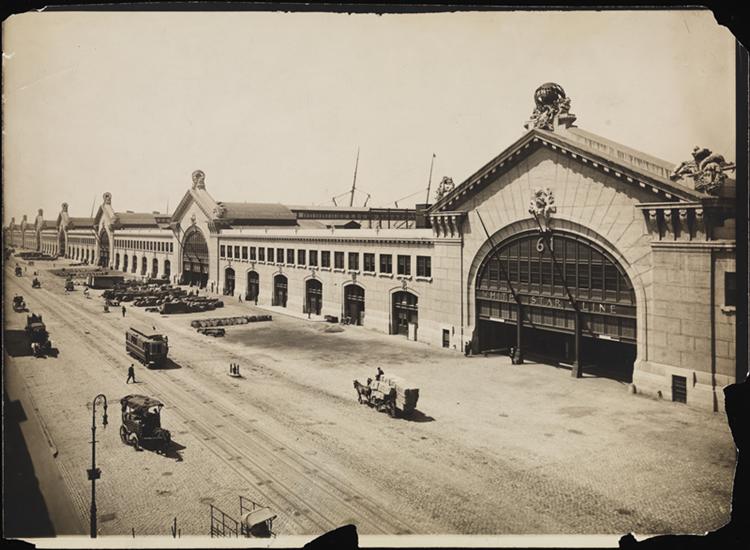
The lavish Chelsea Piers headhouse, designed by Warren and Wetmore of Grand Central Terminal. This picture was taken in 1910 at their completion. It looks very calm on the street in front, a rarity!
Courtesy the Museum of the City of New York
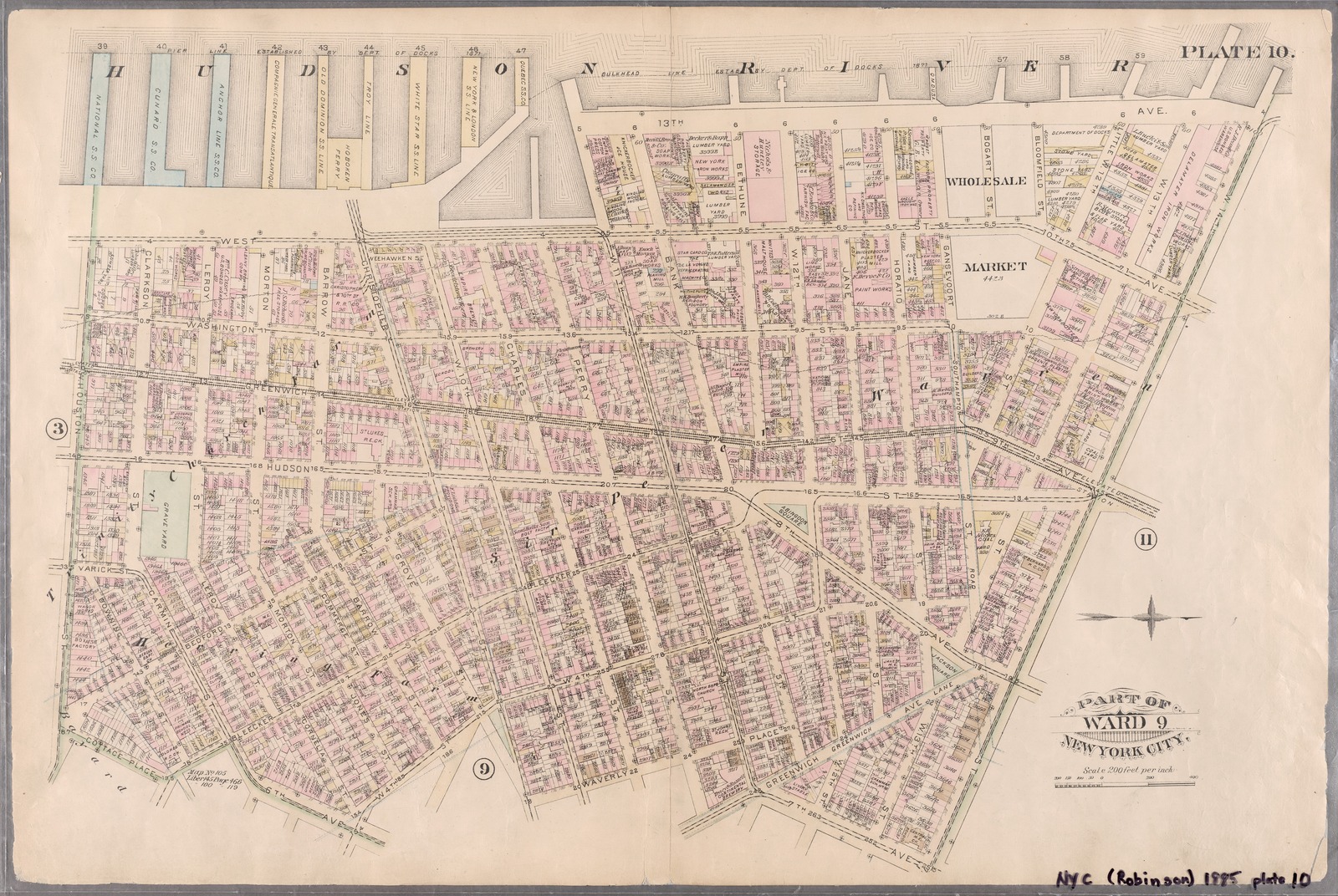
An insurance map from 1885, detailing the streets near the areas of waterfront along West Village and the Meat-Packing District. Note the location of 13th Avenue along the water, running along the top from center to right. Most of this was removed for the construction of the piers.
Courtesy New York Public Library
Courtesy New York Public Library
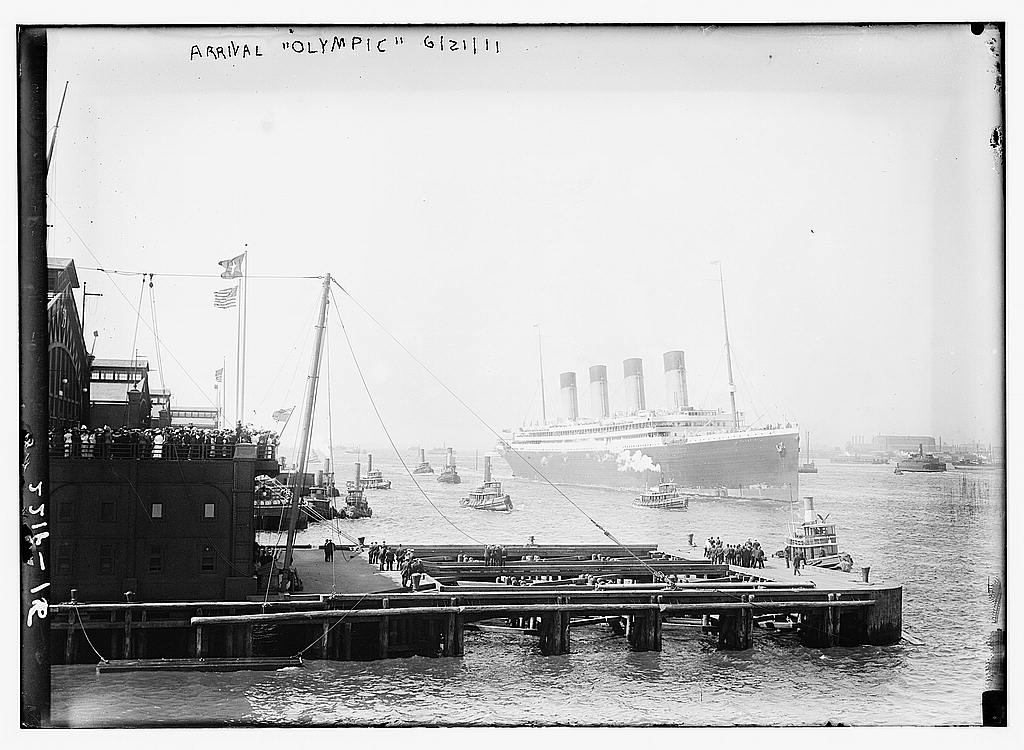
The arrival of the White Star ocean liner Olympic into New York harbor, 1911.
Courtesy Library of Congress
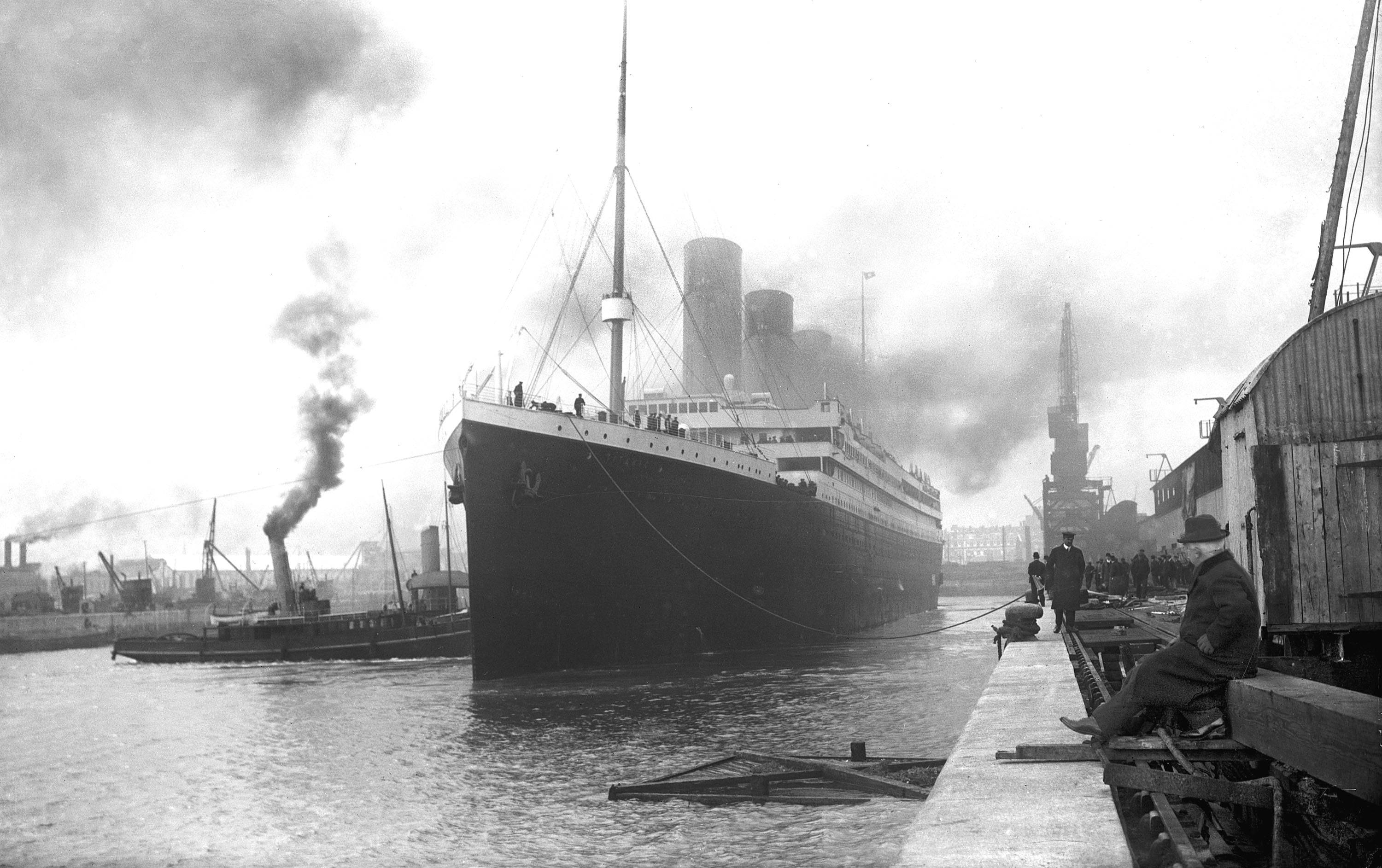
The Titanic on its maiden voyage on April 10, 1912. This was obviously taken from Southhampton where they had much more room for massive ocean vessels!
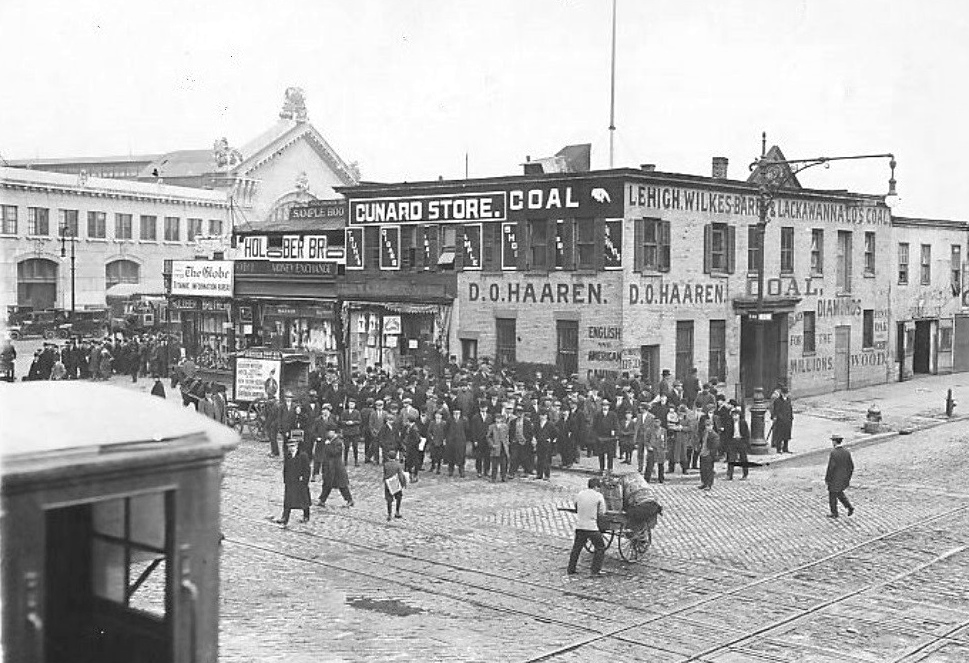
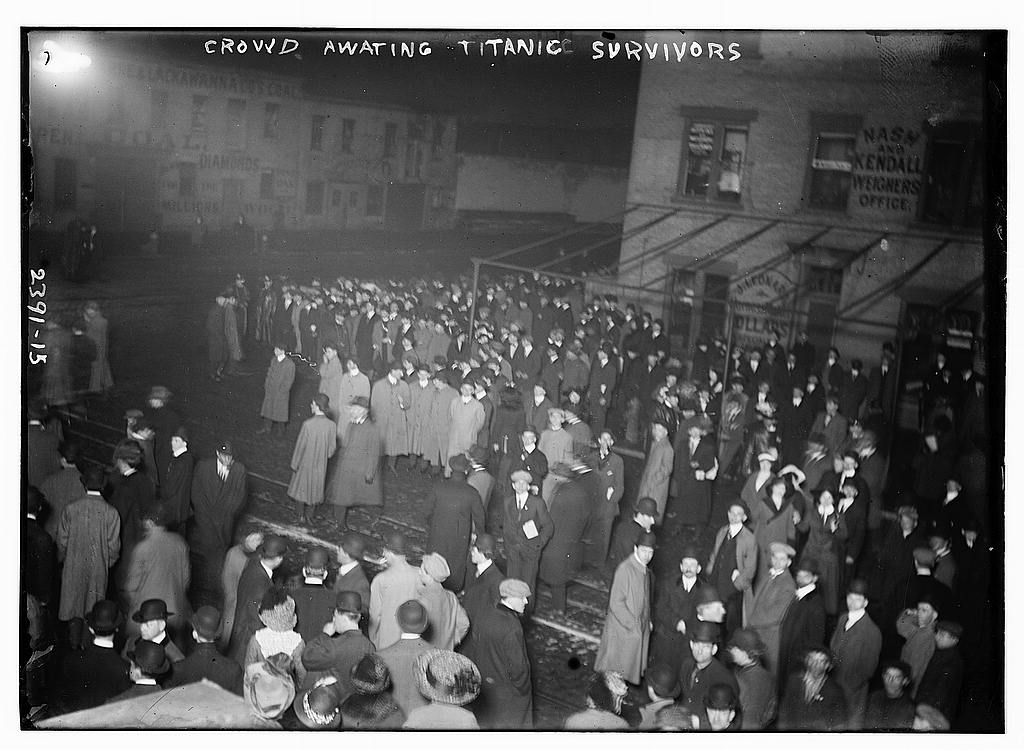
Crowds gather at a location near Chelsea Piers awaiting the survivors of the Titanic disaster.
Courtesy Library of Congress
The RMS Carpathia arrives at Pier 54 on April 18, 1912. Reporters scurry to interview survivors of the Titanic.
Courtesy New York Times
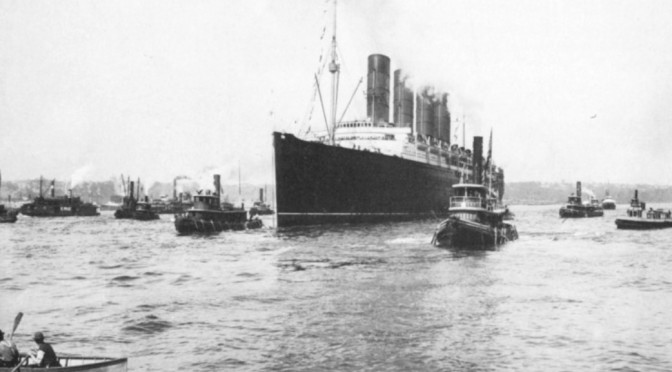
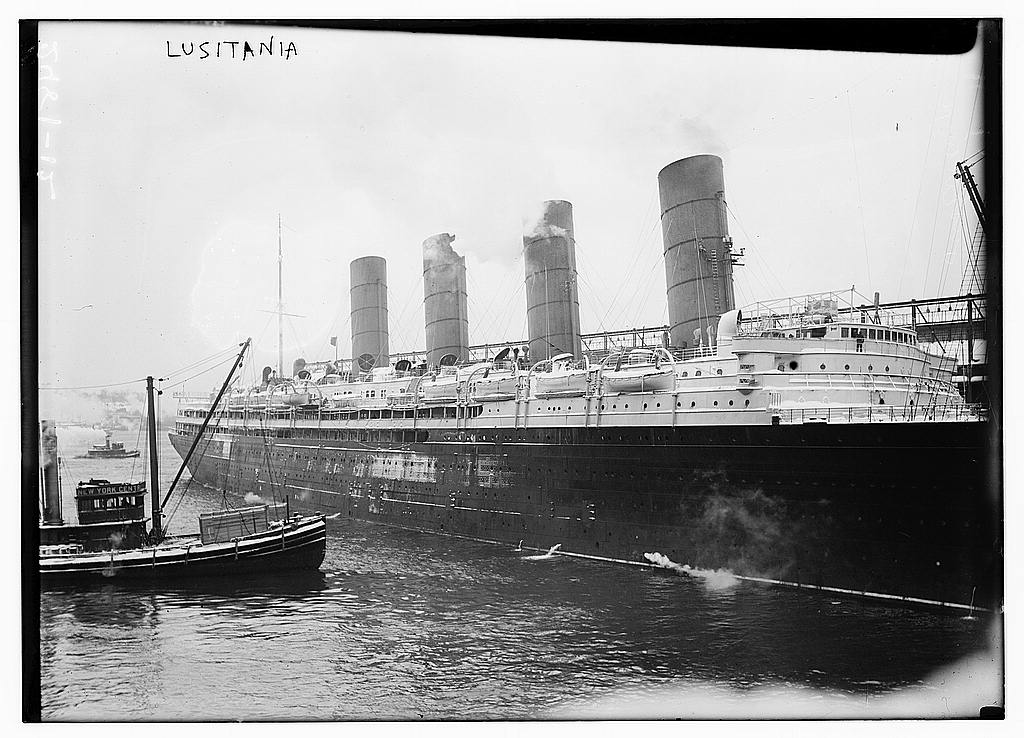
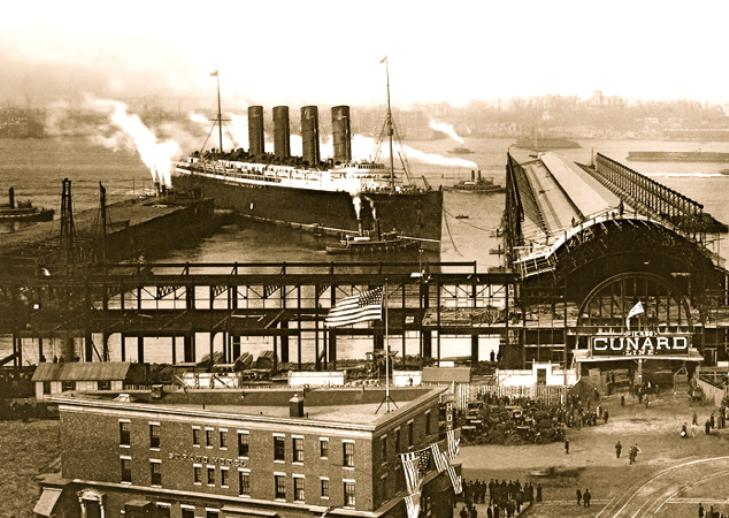
The Lusitania in New York Harbor, and other with the Lusitania at Pier 54 (date unknown but obviously before the Chelsea Piers were completed)
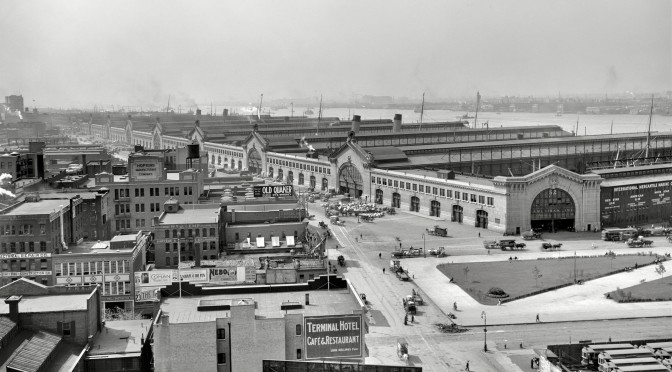
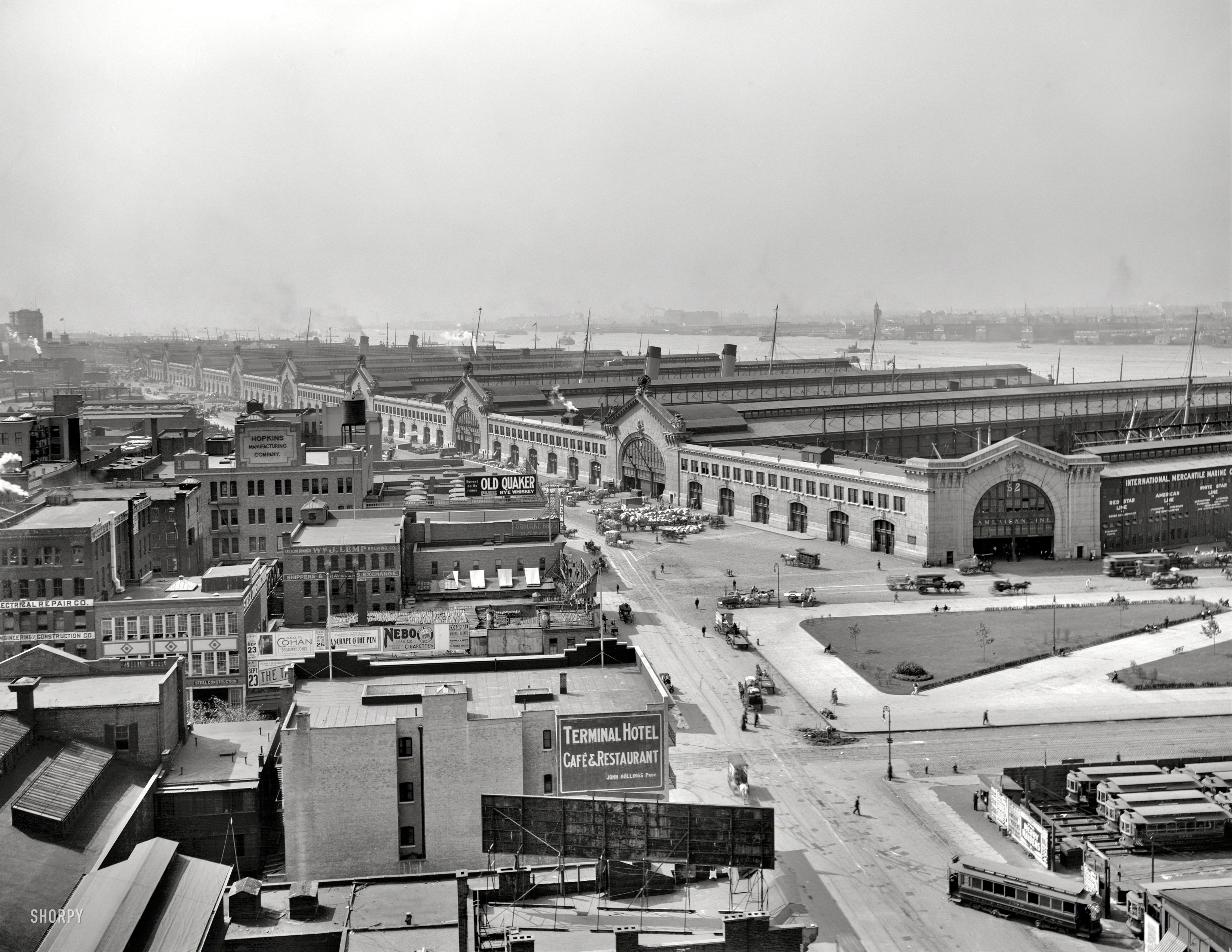
This striking image (cleaned-up photography courtesy of Shorpy) shows the Chelsea Piers in context with the streets of Chelsea in front of it. 1920
Courtesy Shorpy
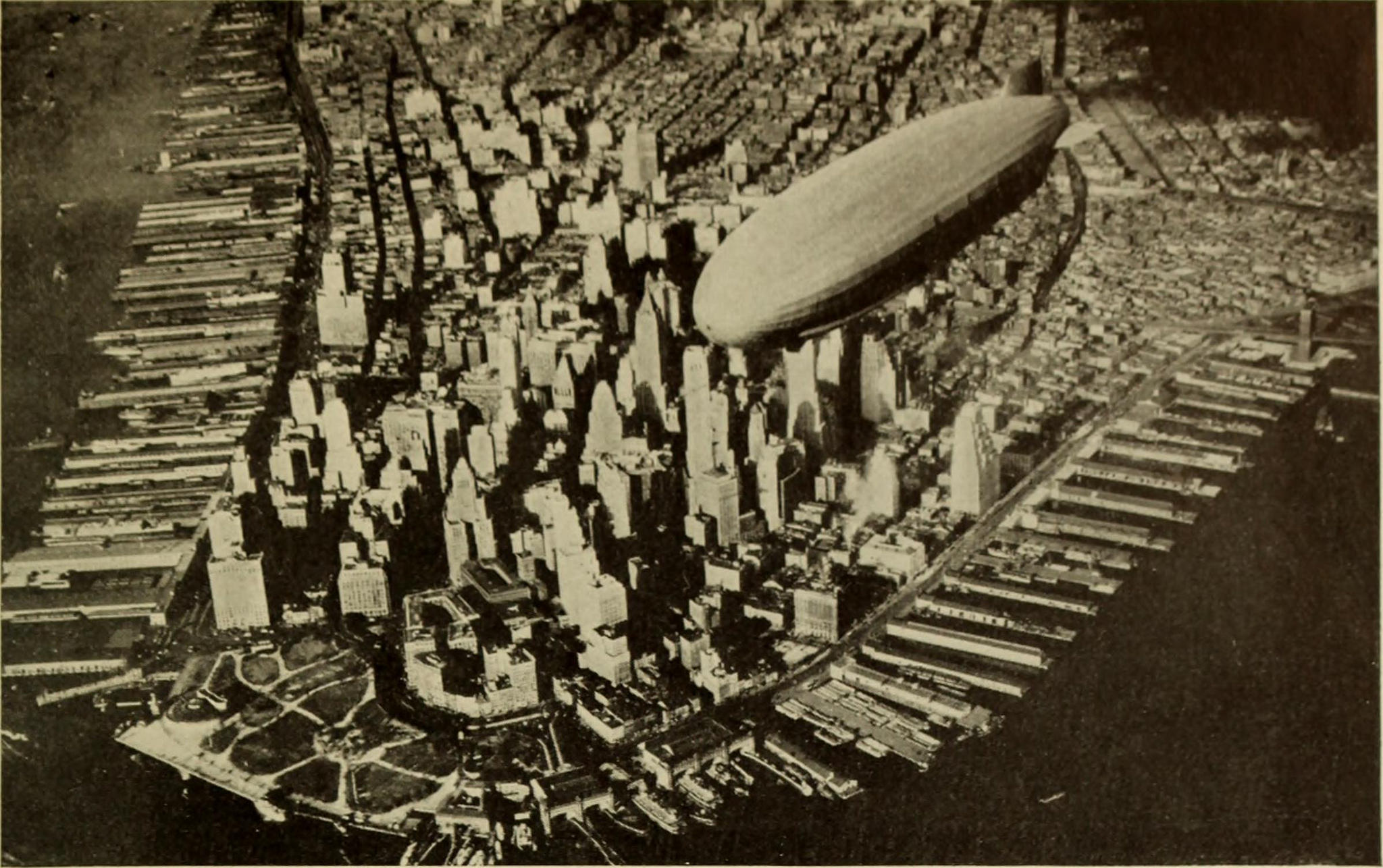
An excellent image of the crazy pier situation in lower Manhattan. This picture is from 1931. Chelsea Piers would be in the upper left-hand corner.
Courtesy Internet Book Image Archives
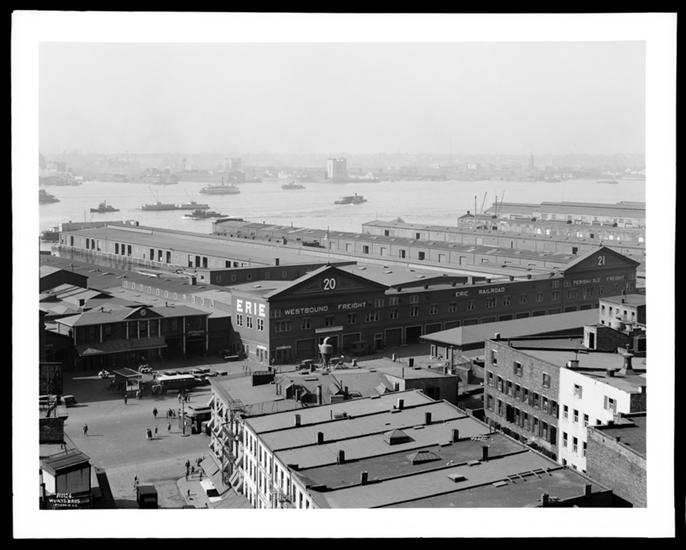
There were of course other pier structures running down the Hudson shoreline, many of them quite imposing such as this one at Pier 20 and 21 for the Erie Railroad Company at the foot of Chambers Street, picture taken in 1930.
Wurts Brothers, courtesy Museum of the City of New York
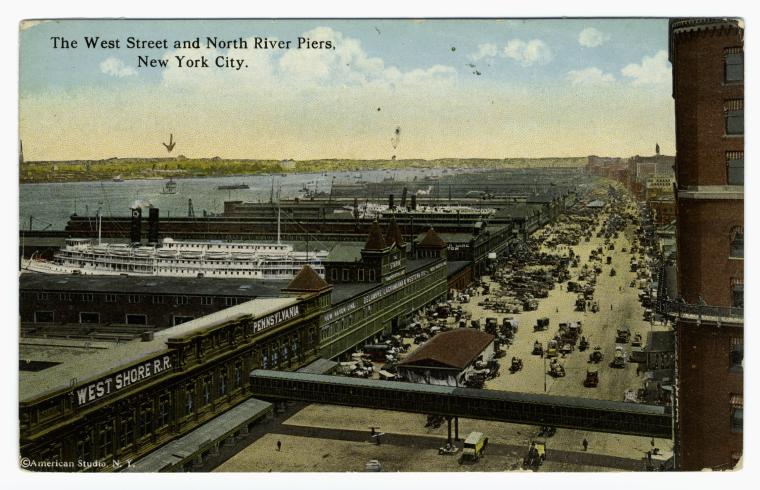
A photomechanical postcard of the piers further south of Chelsea Piers, 1916.
Courtesy New York Public Library
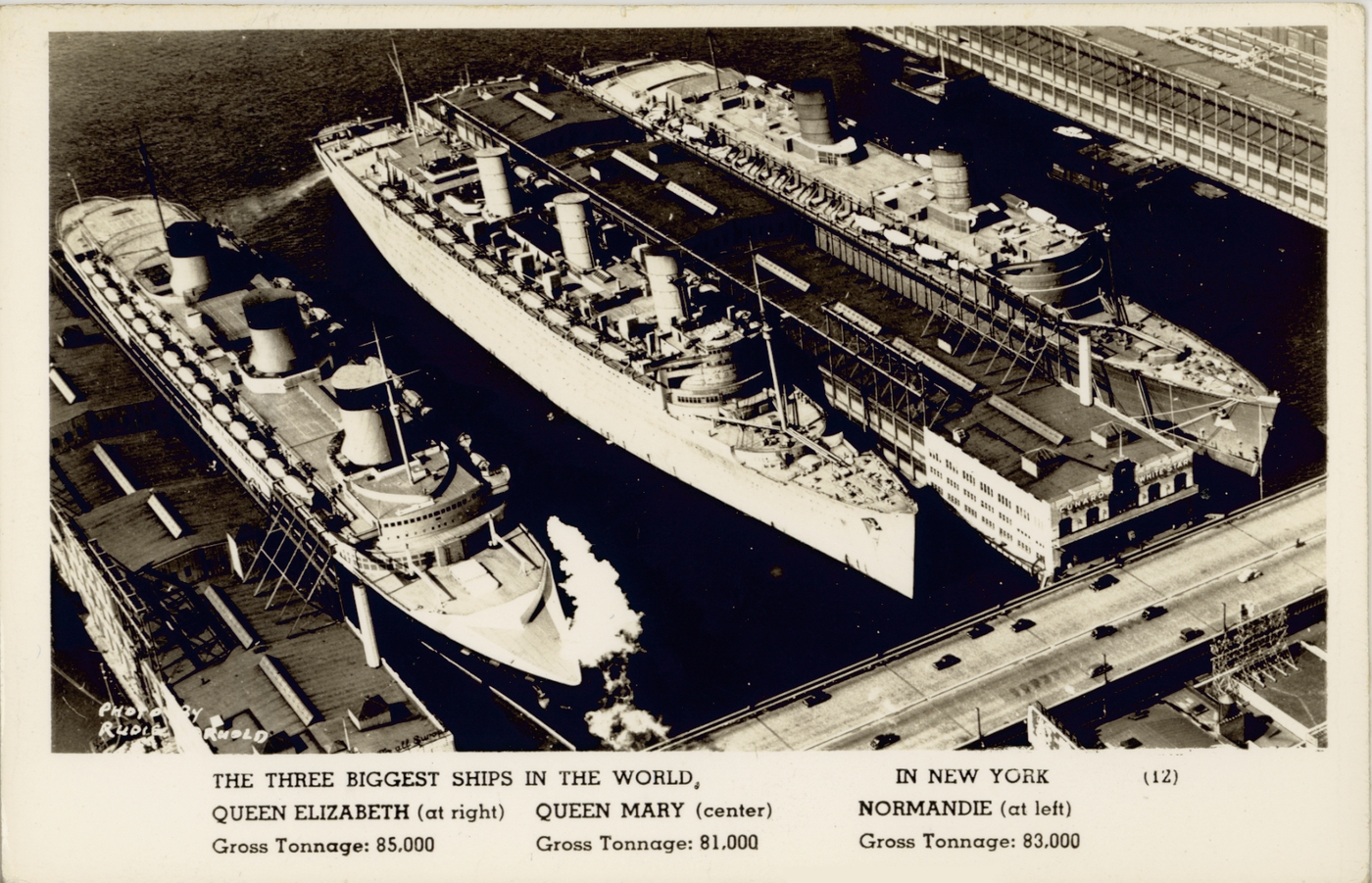
The three largest ships in the world in 1940, all docked in mid-Manhattan, not Chelsea Piers because it could not accommodate their size.
(Courtesy State Library of New South Wales)
This is what Pier 54 looked like in 1951 after Cunard and White Star merged to become a single transatlantic company.
Courtesy New York Public Library
Courtesy New York Public Library
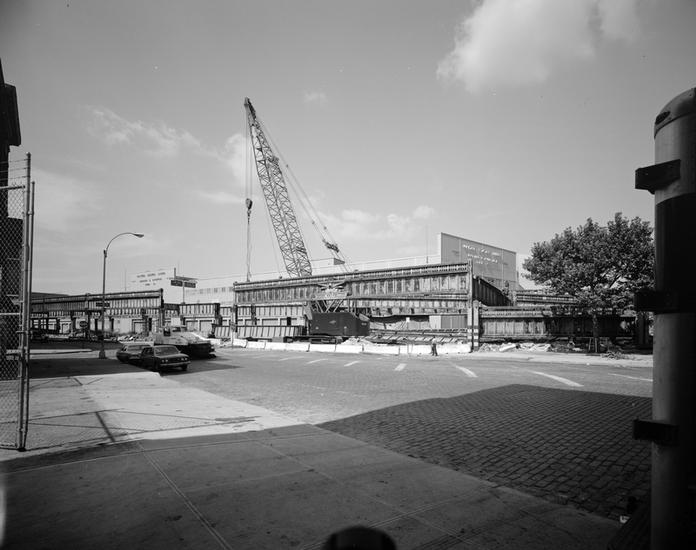
The piers of Washington Market in the 1970s. Most of the pier structures along the water had badly deteriorated by then.
Courtesy Andy Blair/Flickr
The Elevated West Side Highway being torn down in front of Pier 62. The area looks quite different today. In fact Pier 62 is part ofthe Hudson River Park system.
Photo by Edmund V. Gillon, courtesy the Museum of the City of New York
The Chelsea Piers sporting complex was constructed in the 1990s, saving a portion of the original Chelsea Piers from further deterioration. Although I think we can all agree the exterior could be a bit sexier.
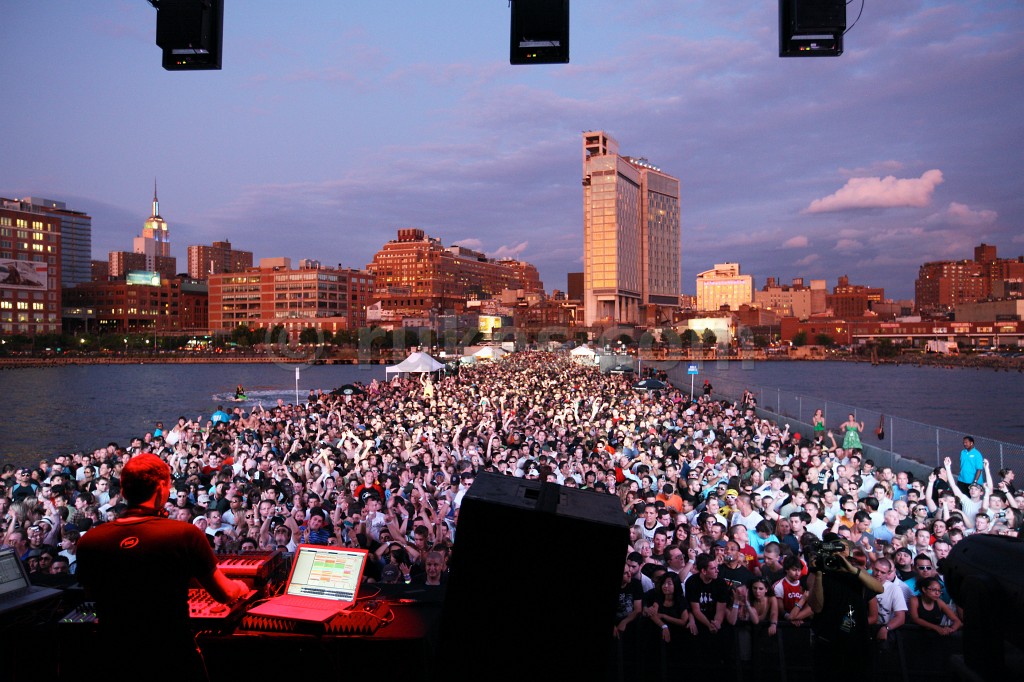
Meanwhile Pier 54 continues to find a variety of new uses. Here’s a dance party deejayed by Paul Van Dyk from 2008.
“To say that she [the ship] is flung down on her side in the waves, with her masts dipping into them, and that, springing up again, she rolls over on the other side, until a heavy sea strikes her with the noise of a hundred great guns, and hurls her back — that she stops, and staggers, and shivers, as though stunned, and then, with a violent throbbing of her heart, darts onwards like a monster goaded into madness, to be beaten down, and battered, and crushed, and leaped on by the angry sea — that thunder, lightening, hail, and rain, and wind, are all in fierce contention for the pastry — that every plant has its grown, every nail its shriek, and every drop of water in the great ocean its howling voice — is nothing. Â
To say that all is grand, and all appalling and horrible in the last degree is nothing. Words cannot express it. Thoughts cannot convey it. Only a dream can call it up again, in all its fury, rage and passion.“
This is in describing his voyage to the United States. Horrible, to be sure. But given the thousands of people who involuntarily traveled across the Atlantic in the decades earlier, and the wretched conditions they faced, it’s hard to be overly sympathetic to Mr. Dickens’ inconvenience!
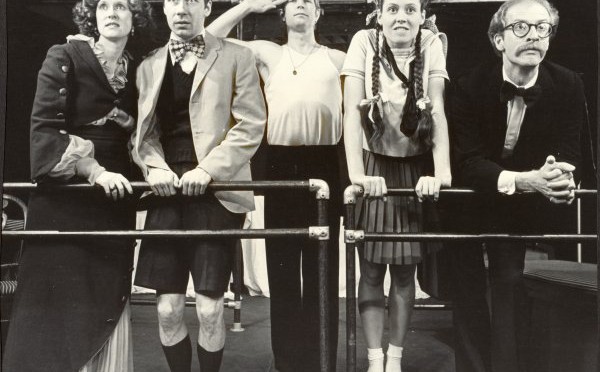
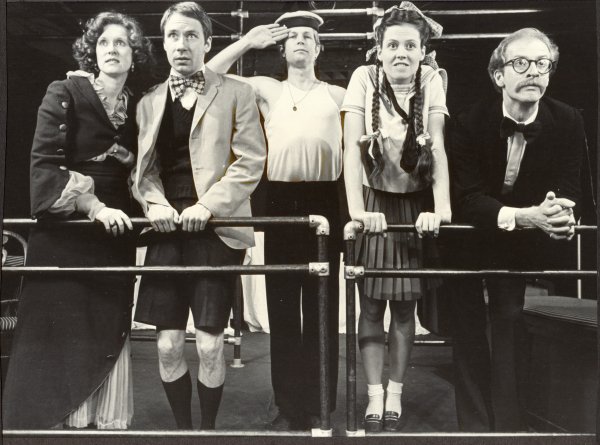
Queen of the world: Weaver sets an uncharted course on a small SoHo stage.
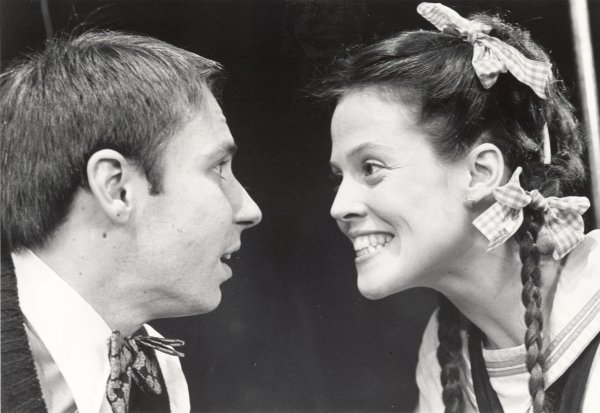
Perhaps you are as confused as I am by the picture above, one that appears to put the lovely young Sigourney Weaver‘s face upon the body of a child. Ah, the magic of the theater! The future film star was in her late 20s when she joined this peculiar production of the ‘Titanic‘ tragedy, written by her friend and frequent collaborator Christopher Durang.
The bizarre one-act made its debut at the tiny Midtown theater before making a proper off-Broadway launch at the Van Dam Theatre (today’s SoHo Playhouse) in May 1976. Far from concerning itself with the eventual tragedy, Durang’s comic-farce is a sex romp which eventually pairs up provocative combinations of the show’s cast, a ribald smorgasbord of sexual fluidity.
Weaver, playing the role of Lidia, transforms into a variety of different women, including the daughter of the captain of the Titanic. Critics proclaimed her the “principal attraction” of the unusual play. “She begins in pigtails and tiny skirt as a sexy Shirley Temple and ends as a predatory black widow in deep decolletage,” said Times critic Mel Gussow.
This was not the only doomed ocean liner lampoon by Weaver and Durang! Inserted astride ‘Titanic’ was a Brechtian cabaret co-written by the pair, called ‘Das Lusitania Songspeil‘. In 1980, an expanded version of this randy show made its debut on the boards of the Westside Theater in Hell’s Kitchen, a late-night wintertime smash that earned the pair Drama Desk nominations.
Keep in mind this is a few months after the release of her breakthrough film ‘Alien’, whose sequel (which she also starred in) was directed by James Cameron, who would also find later inspiration on sunken ships. Although I think most of us prefer her as a Hollywood star, Weaver’s off-Broadway credits were so impressive by this time that New York Magazine referred to her in 1981 as “just about the best all-purpose actress in town.”
Durang’s ‘Titanic’ — which he himself considers a “really difficult play” — is sometimes revived on college campuses. Broadway would eventually embark on its own ‘Titanic‘ in 1997, an expensive musical production by Maury Yeston and Peter Stone that would debut at the Lunt-Fontanne at 205 W. 46th Street*. Although dogged with early technical difficulties and critical skepticism that would parallel the issues faced by “Spider-Man: Turn Of The Dark,” it became a modest hit, thanks in part to the film version directed by James Cameron.
*Currently home to ‘Ghost’ a musical based on a film.
Pictures above are courtesy Christoper Durang, a website that has lots more information about this curious play.