Categories
American History On The Waterfront Podcasts

The Titanic and the Fate of Pier 54

In the early morning hours of April 15, 1912. the White Star ocean liner RMS Titanic struck an iceberg en route to New York City and sank in the Atlantic Ocean.

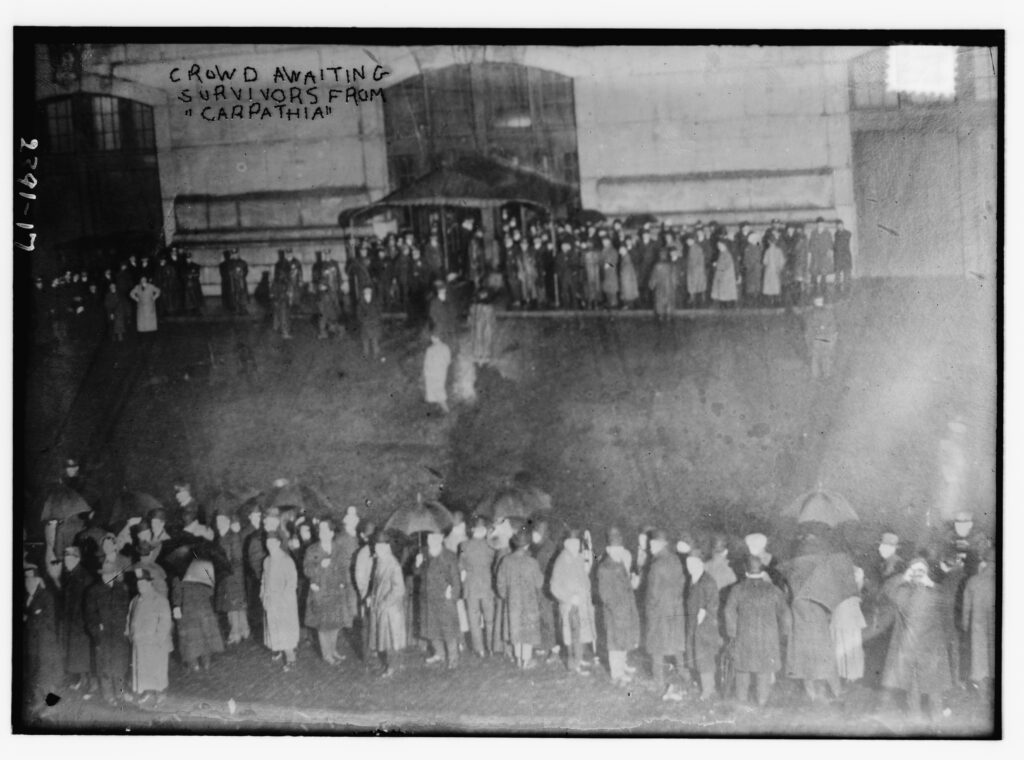
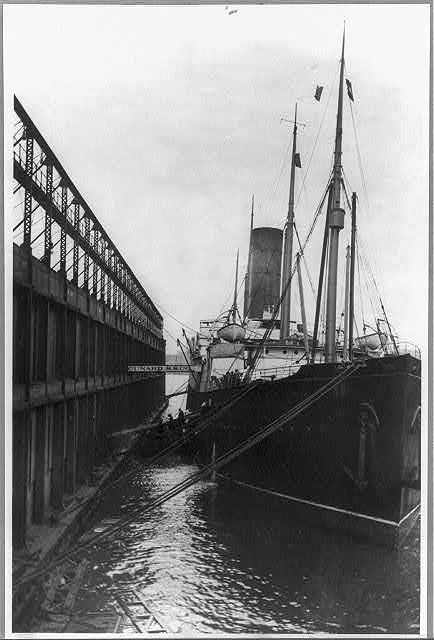
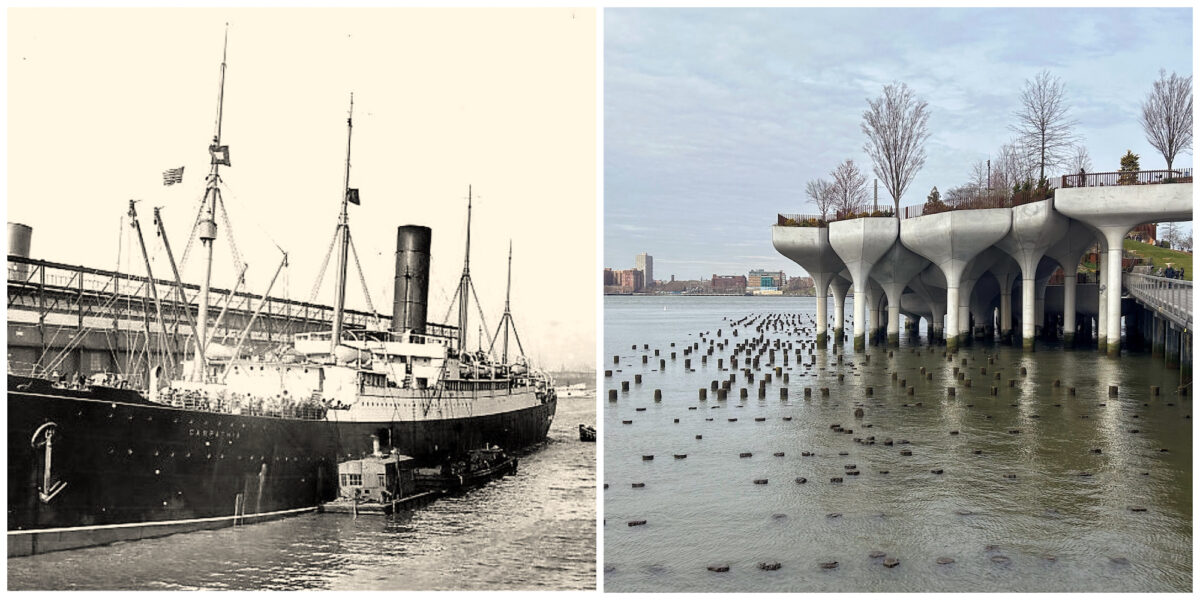
Survivors were rescued by the Cunard liner Carpathia and brought to their berth at Pier 54 at the Chelsea Piers.
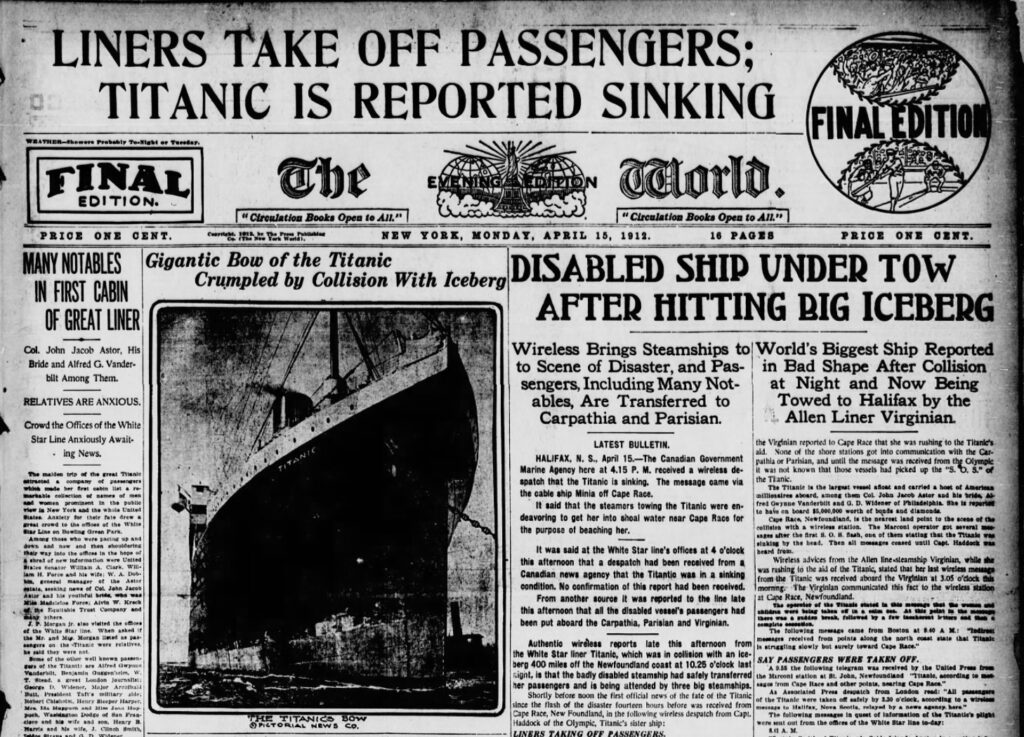
The earliest accounts of the Titanic sinking were filled with rumors.

On that very spot today, a fanciful waterfront development juts out into the Hudson River, a place called Little Island which opened in 2021. This recreational oasis will draw thousands of people, New Yorkers and tourists alike, this spring and summer.

But on the southern side of Little Island, peering out of the water, are dozens of wooden posts – these are the remains of the former Pier 54.

And it was on this pier, on April 18, 1912, that survivors of the Titanic disembarked and touched land.
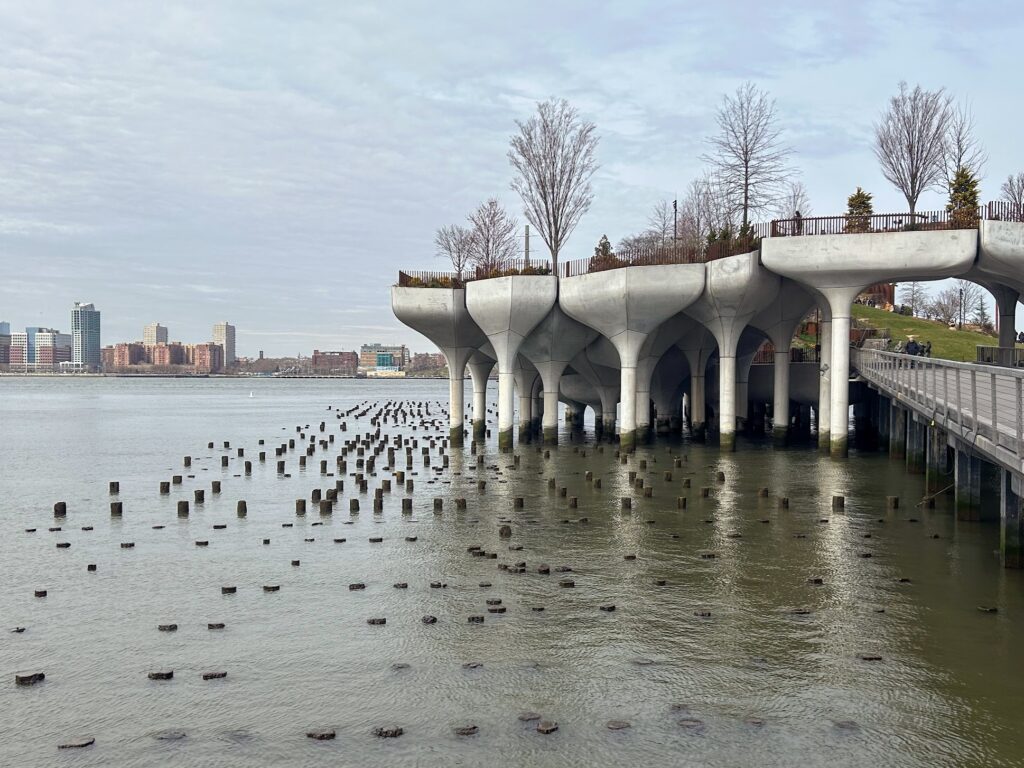
The remains of Pier 54 jut out from the water on the southern side of Little Island. Photo by Greg Young

There are many, many books and documentaries on the subject of the Titanic’s sinking. (And of course a very popular movie.) But in this episode, Greg and Tom look at the story from the perspective of New York City – from the famous New Yorkers who were passengers to the experiences of New Yorkers anxiously awaiting news in those horrifying days following the ship’s sinking.
This is the story of the places that figured into the aftermath and the story of how New York memorialized those lost to the tragedy.

And in the end they return to Little Island and to the ghost of Pier 54, the place where this disaster became reality for most people.

Where survivors were greeted with joy and where many hundreds of people faced the reality that their loved ones were never coming home.  

LISTEN NOW: THE TITANIC AND THE FATE OF PIER 54

Little Island and the Meat Packing District. Photo by Greg Young
Pier 54, 1912
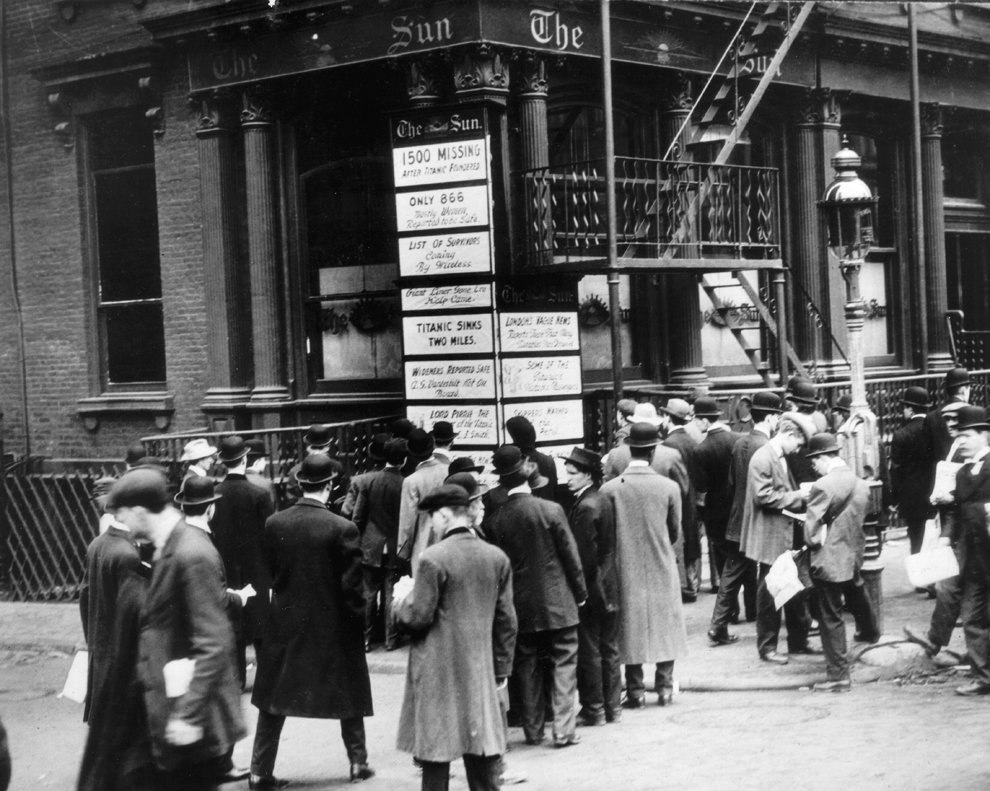
Many people found out about the Titanic disaster from newspaper bulletin boards where breaking news was posted.
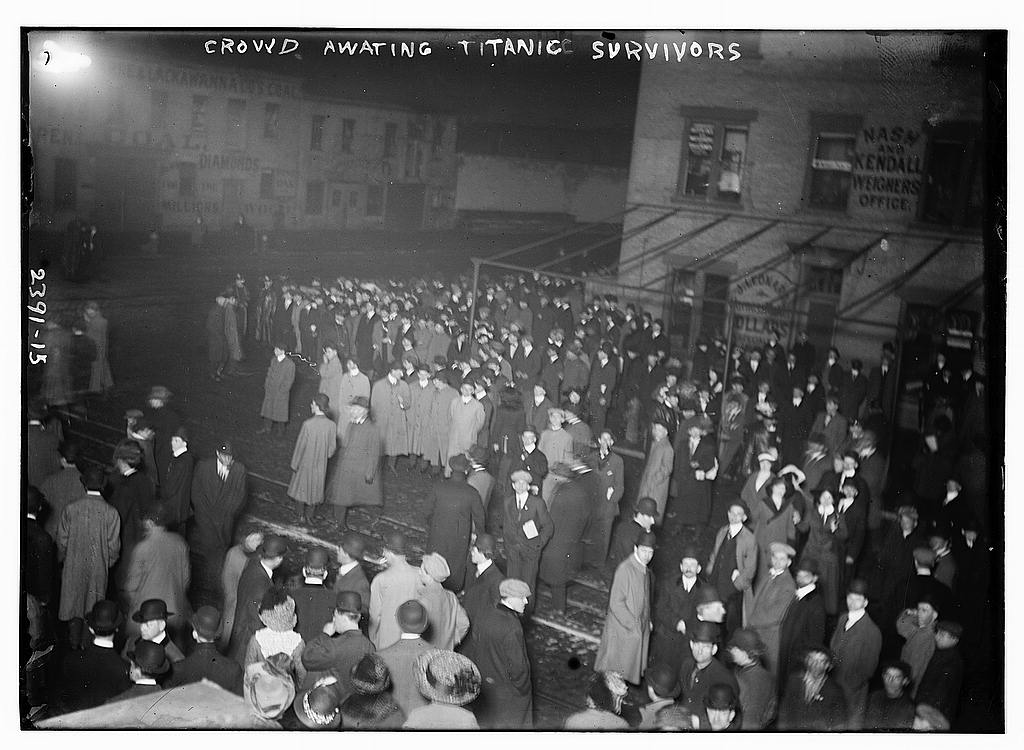
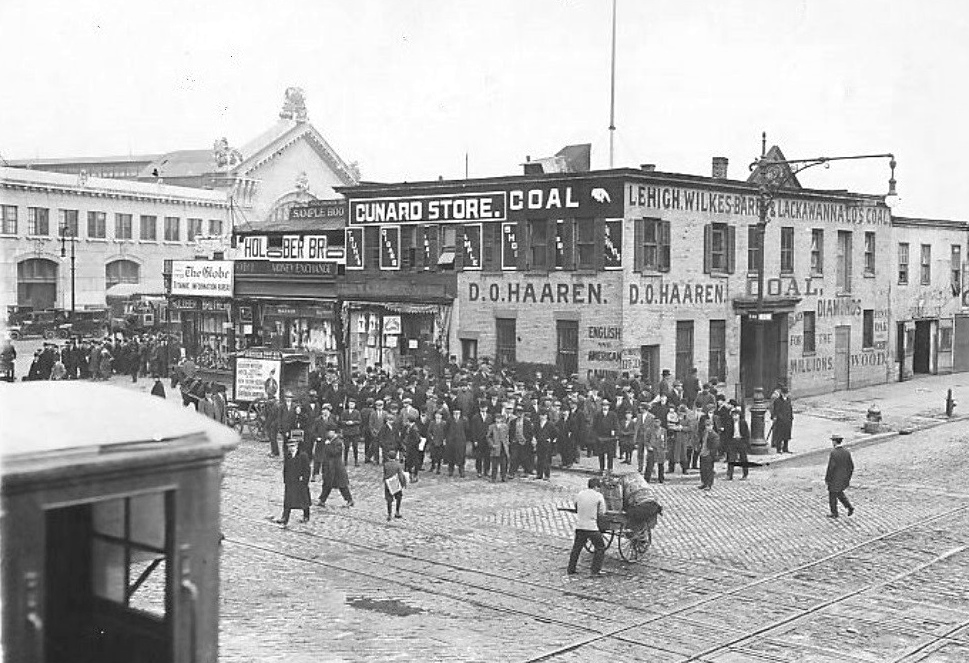
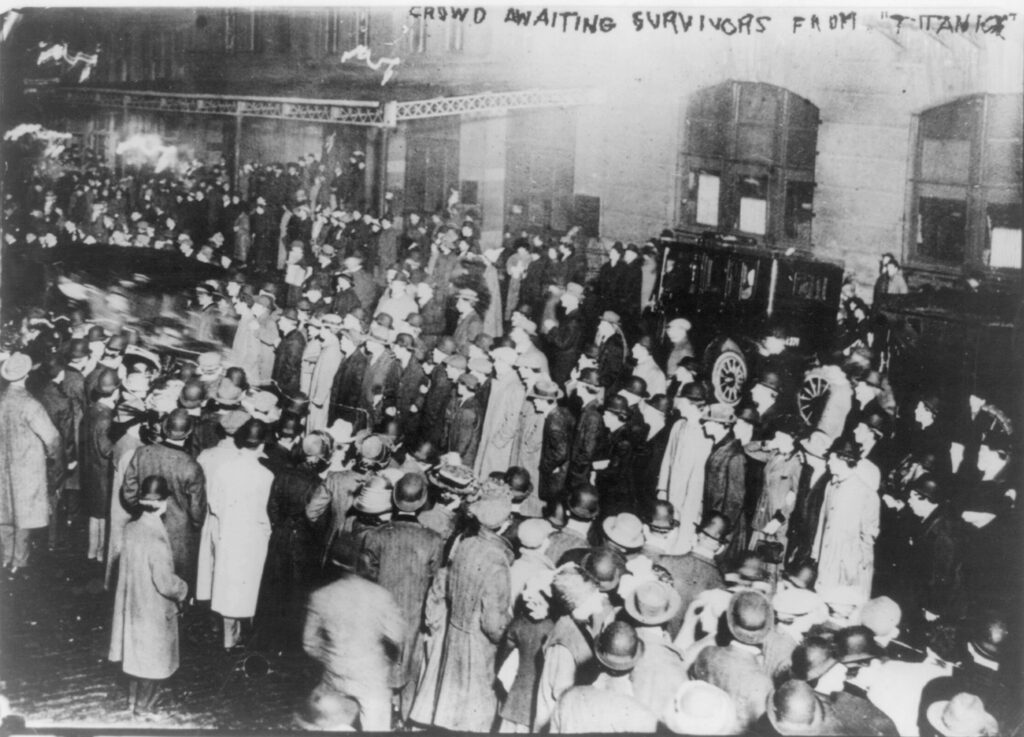
The streets were lined with people that night at Pier 54.
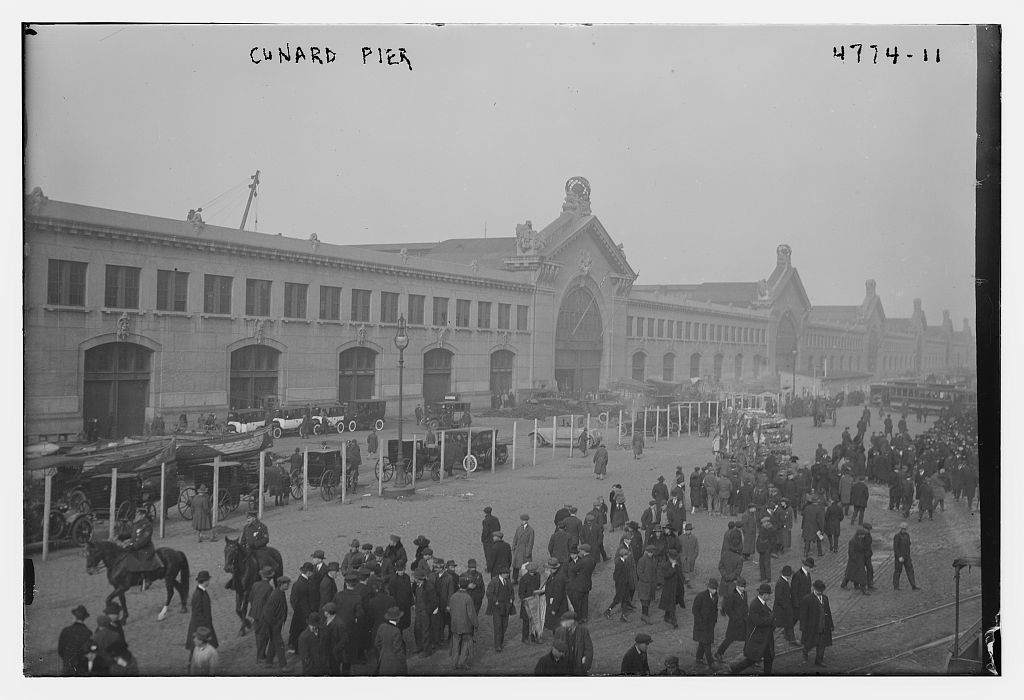
The morning of April 19, 1912 — Crowds gather at the Cunard Pier 54 (at 14th Street) where the Carpathia landed with survivors of the Titanic disaster the previous evening. News accounts say there were up to 40,000 people gathered at the pier waiting for Carpathia on April 18. (Picture courtesy AP)
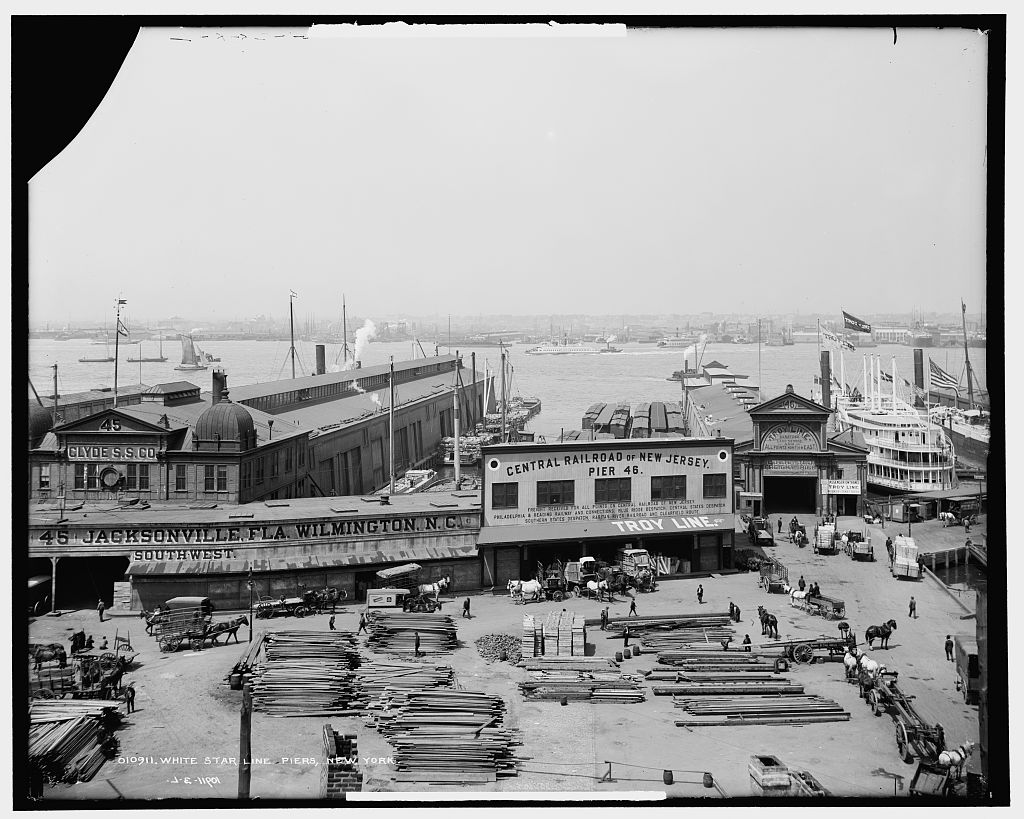
The berth of the White Star line
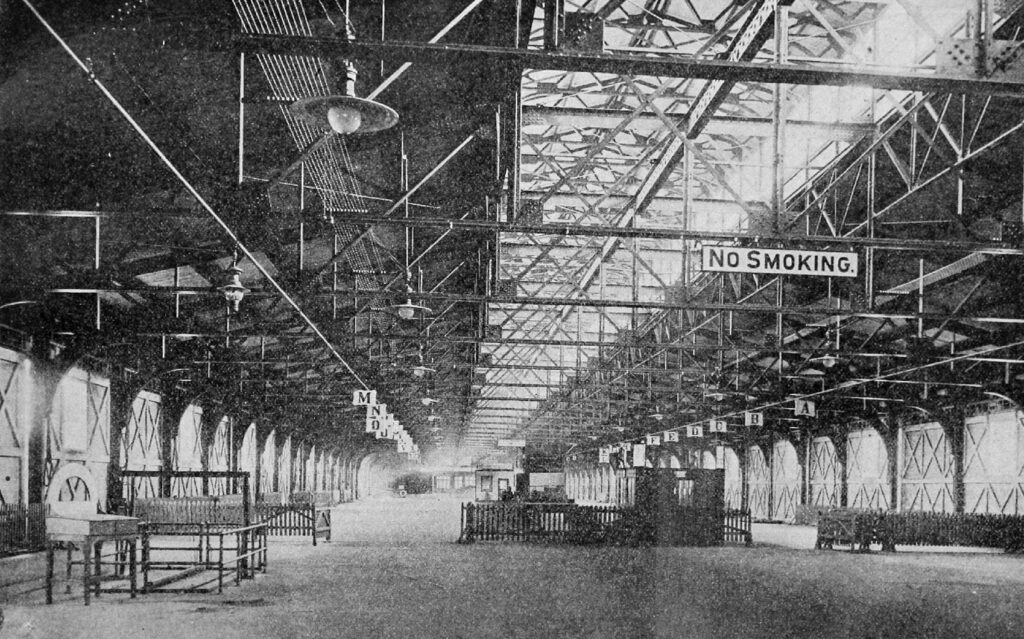
Inside Pier 54, the Cunard line, in 1912
The Carpathia at Pier 54
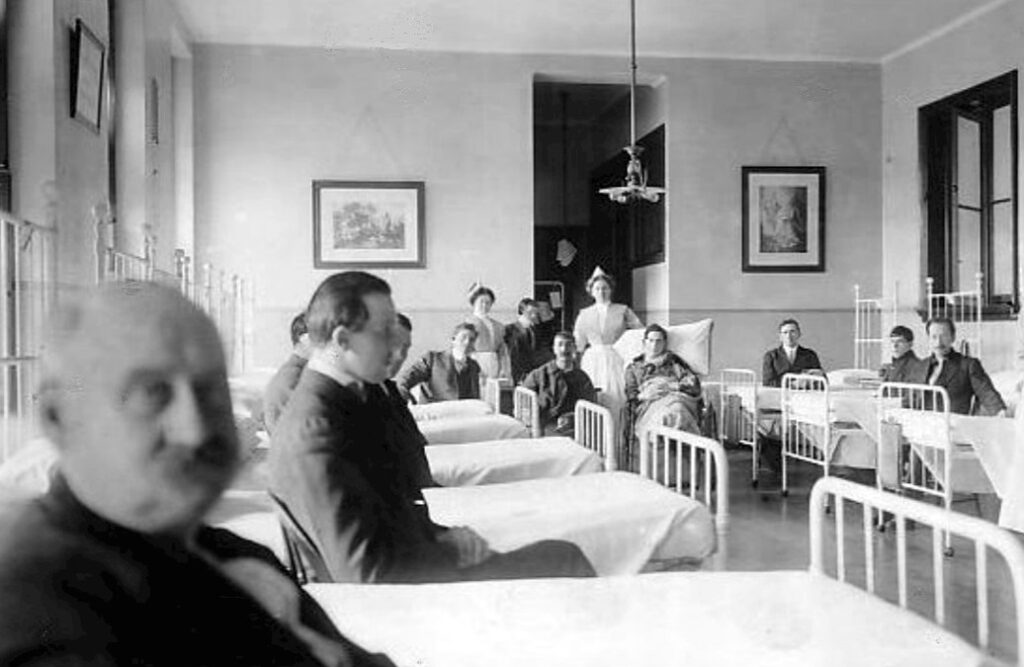
Titanic survivors are treated at St. Vincent’s Hospital (Picture courtesy AP)

As Tom mentioned on the show, you can visit Titanic: The Exhibition in the same building where Macy’s opened and where Titanic passenger Isador Straus (with his brother Nathan) got their start with the department store. For more information, visit their website.


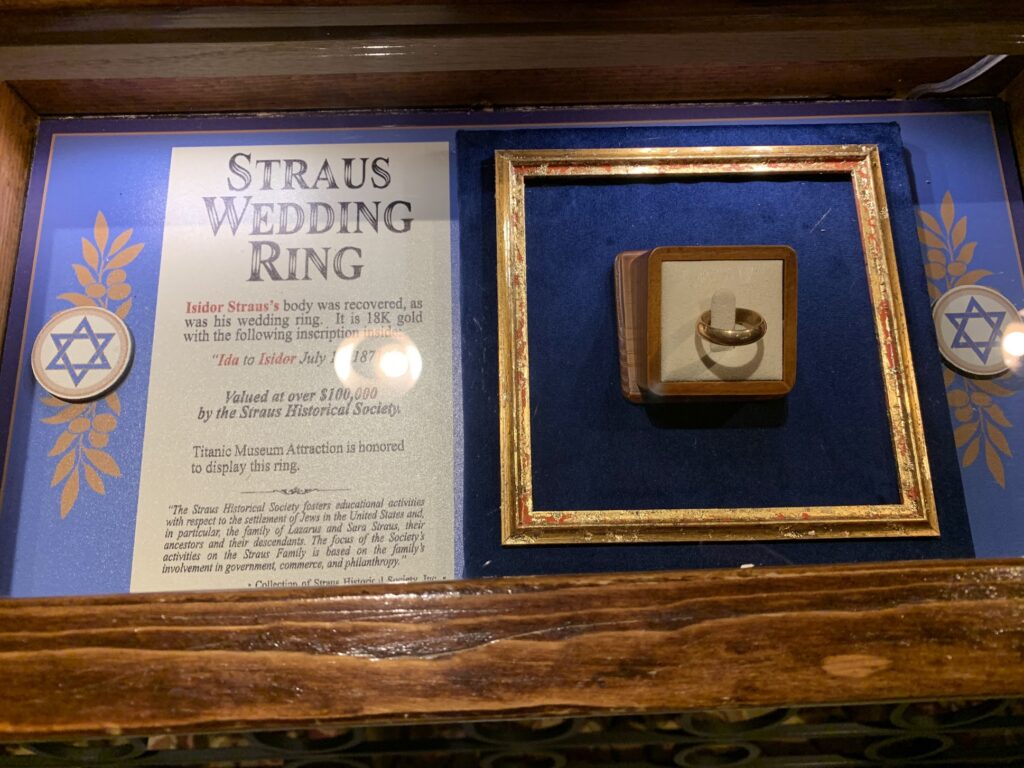
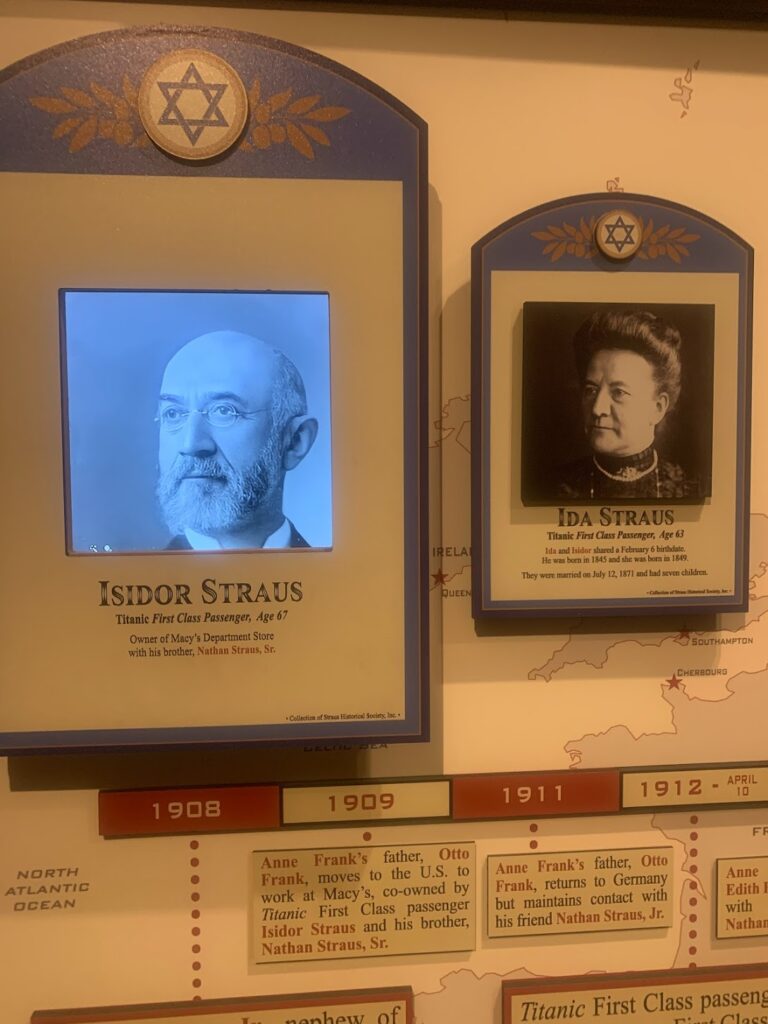
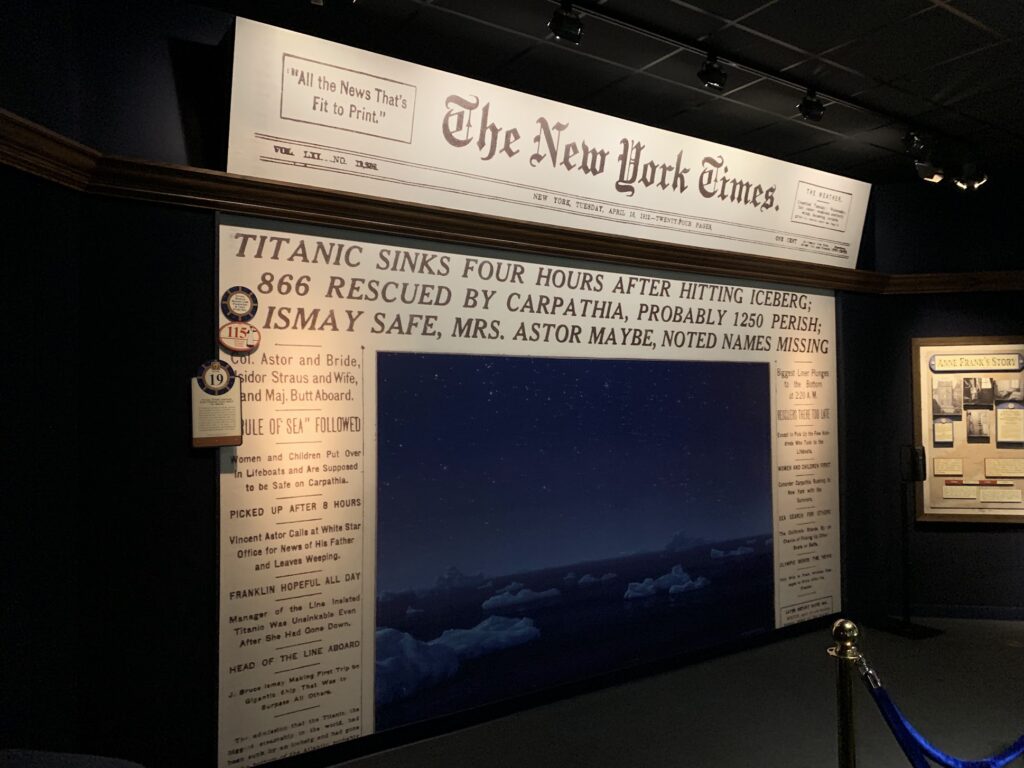
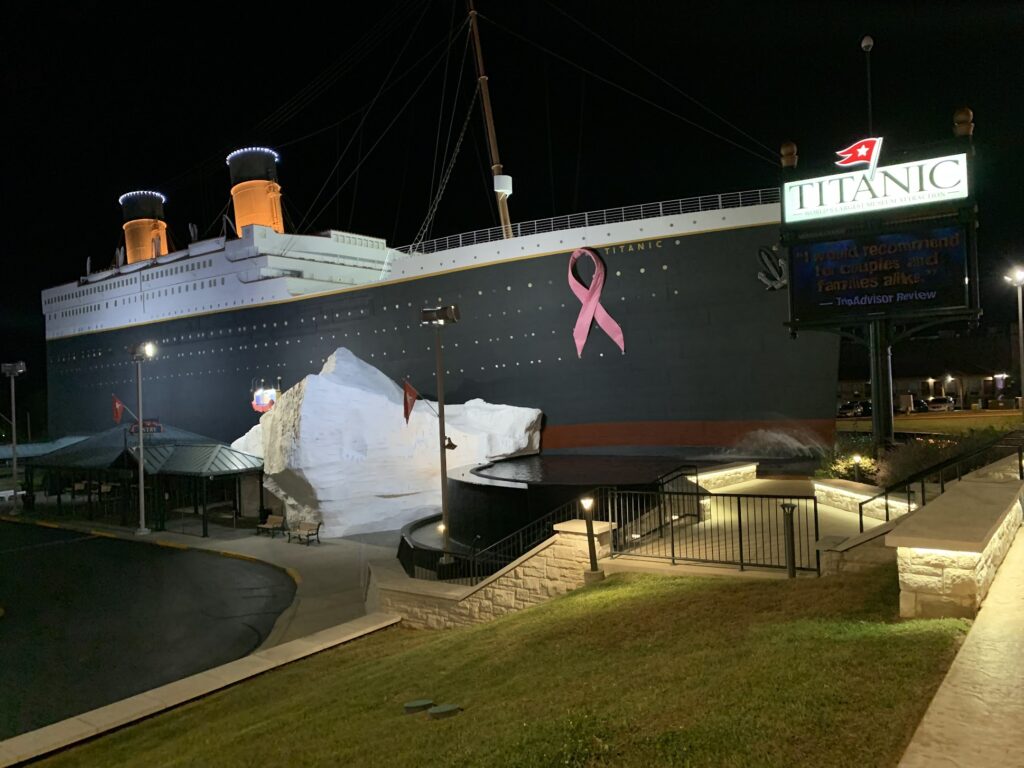
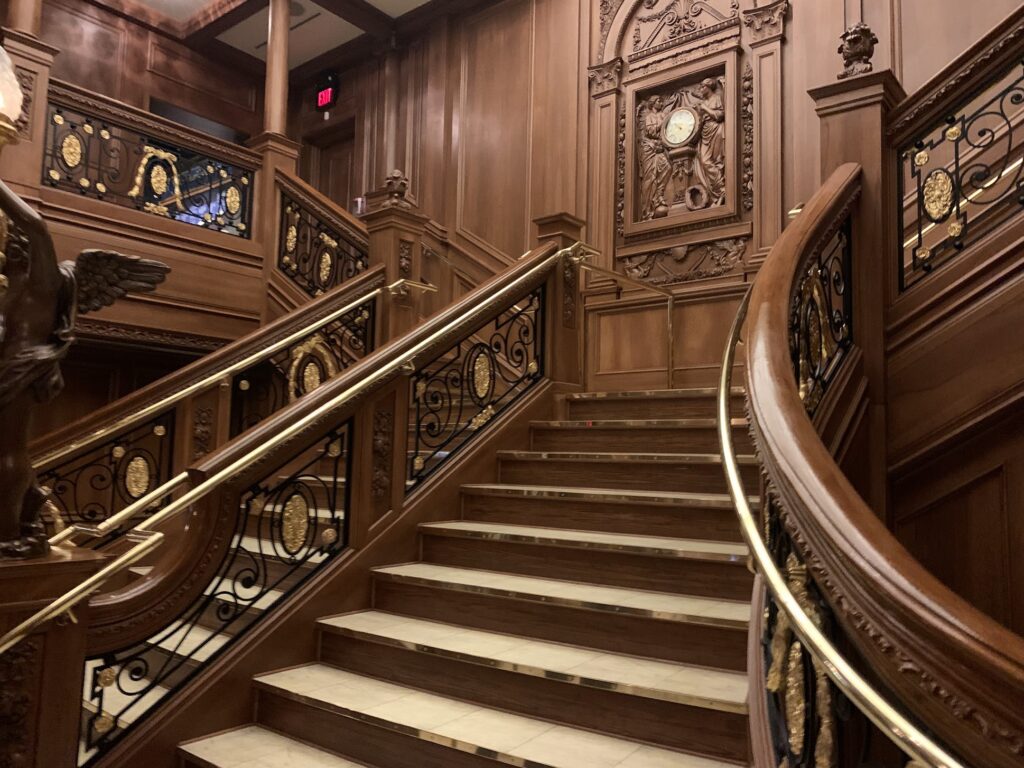
And for a more long distance experience, here are Greg’s pictures from the Titanic Museum in Branson, Missouri:
FURTHER READING:

A short history of New York City’s various Titanic memorials

The doctor, the heiress and the accidental nanny: New York women who survived the Titanic

A Haunting Look Inside the Lusitania

The Lusitania’s final voyage, breathlessly told

Sigourney Weaver boards an off-Broadway ‘Titanic’ in 1976

FURTHER LISTENING:

After listening to this tale of New York City and the Titanic disaster, check out these shows with similar themes:
Categories
Podcasts

Gracie Mansion: How a bucolic summer home survived a couple wars, a society feud and a few live-in mayors

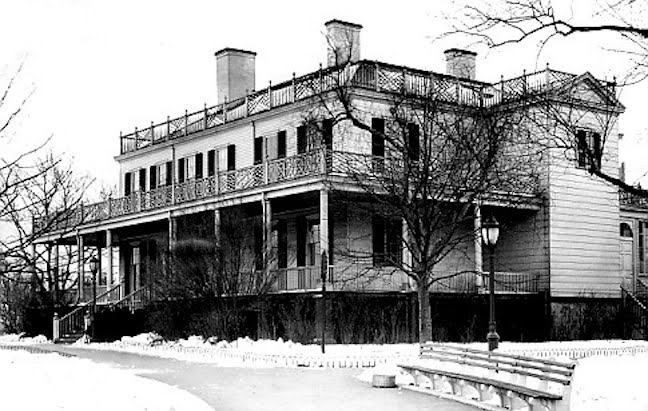
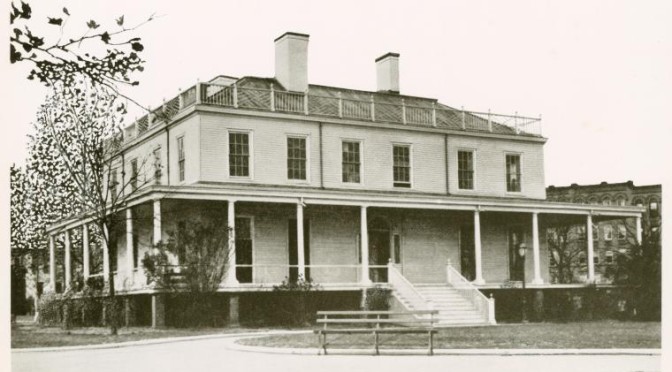
Photo by the Wurts Brothers, date unknown. Courtesy NYPL

Archibald Gracie admired the extraordinary vistas at Horn’s Hook — overlooking the East River and the churning waters of Hell’s Gate — and decided to build a house here. Little did he know what an extraordinary journey this comfy little Federal home would take over the next two hundred years.

After seeing a lamentable period as a refreshment stand and a place for sewing classes, Gracie Mansion became the first home for the Museum of the City of New York. Then, one day, Robert Moses came along and fell in love with it. Find out how the waterfront mansion became New York City’s defacto White House for over 70 years. And why our current mayor chose NOT to live here.

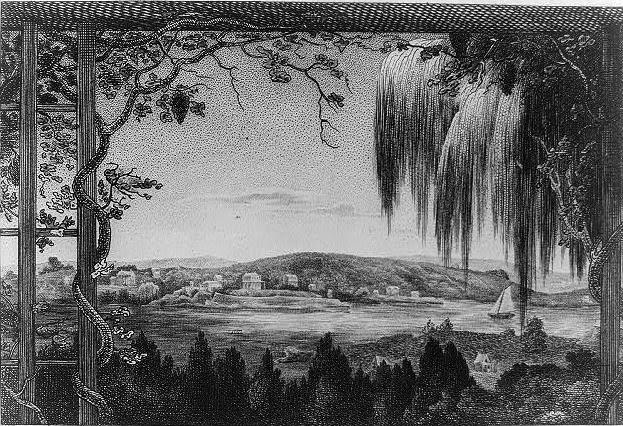
An illustration from May 1808, looking across the waters at Gracie’s mansion, newly built, and other country homes along the shorefront. In between them sits Hell’s Gate, the treacherous confluence of waters that often sank vessels and made travel quite difficult. (Courtesy LOC)


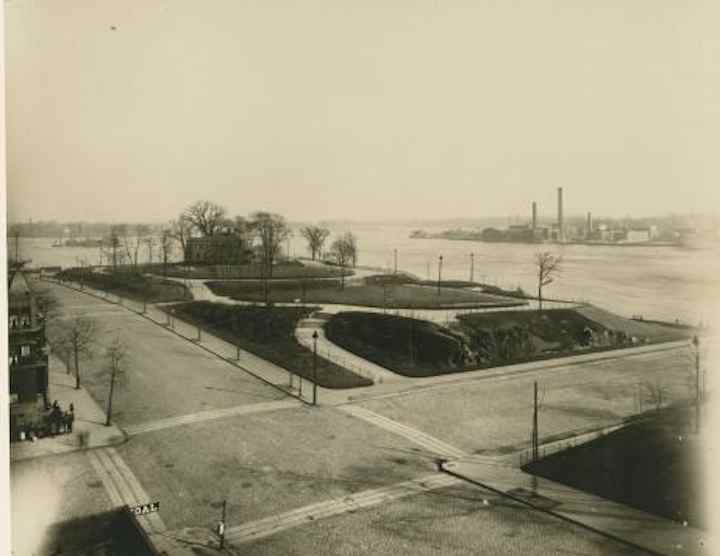
The land around the Gracie property was whittled away during the 19th century, and what remained was turned into Carl Schurz Park. The mansion, however, sat in disrepair and hardly of much use outside of storage and a basement refreshment stand. (Courtesy NYPL)

How it looked in 1942, before the mayors moved in…

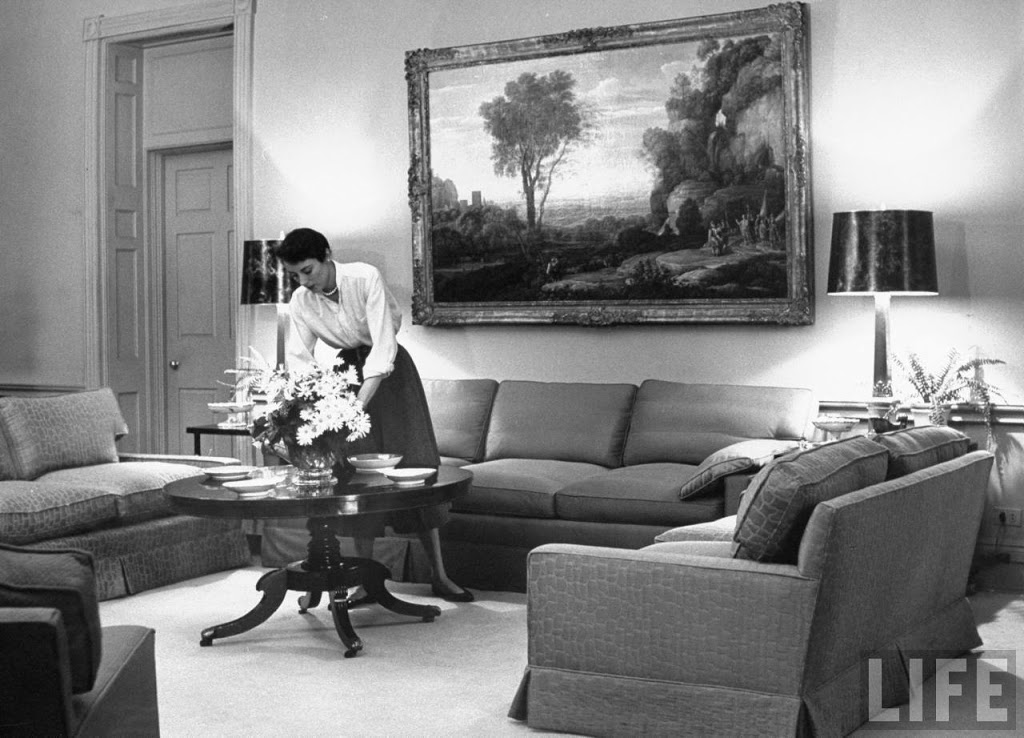
William O’Dwyer‘s new wife Sloan Simpson readies the Gracie Mansion living room for an event, or at least poses for a photo op. O’Dwyer was the second of nine mayors to live at Gracie.
Photo by Alfred Eisenstaedt, May 1950 (courtesy Life images)

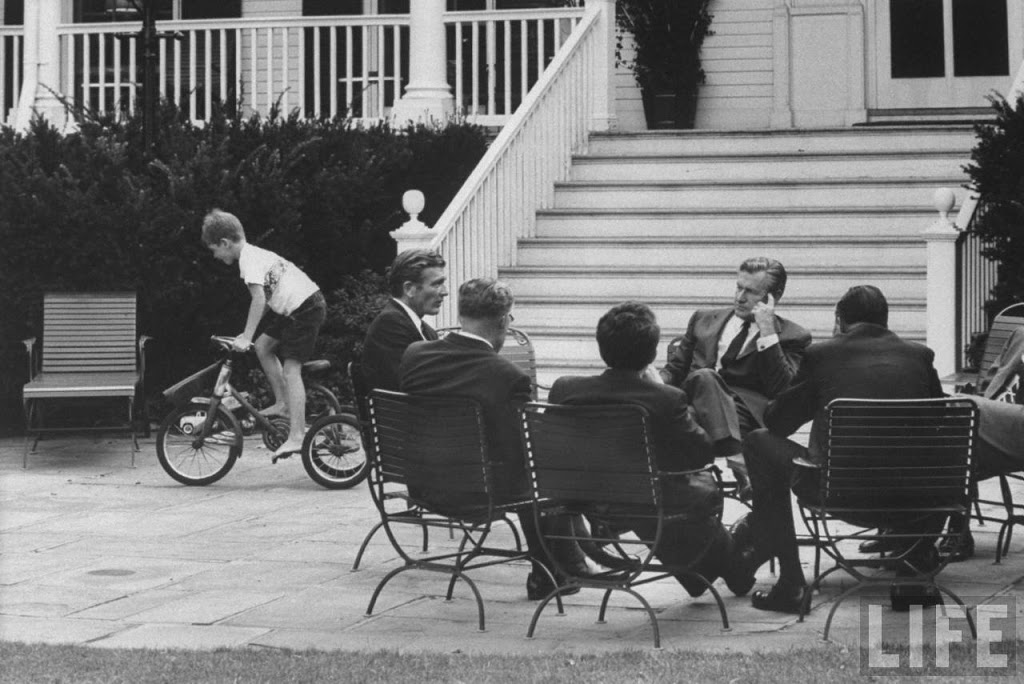
Certainly looks homey from here! A Federalist home is not complete without John Lindsay, G E chairman Gerald Phillippe, and Gov. Nelson Rockefeller sitting on the lawn. John’s son ride by without notice. Photo by John Dominis, May 1968 (courtesy Life images)

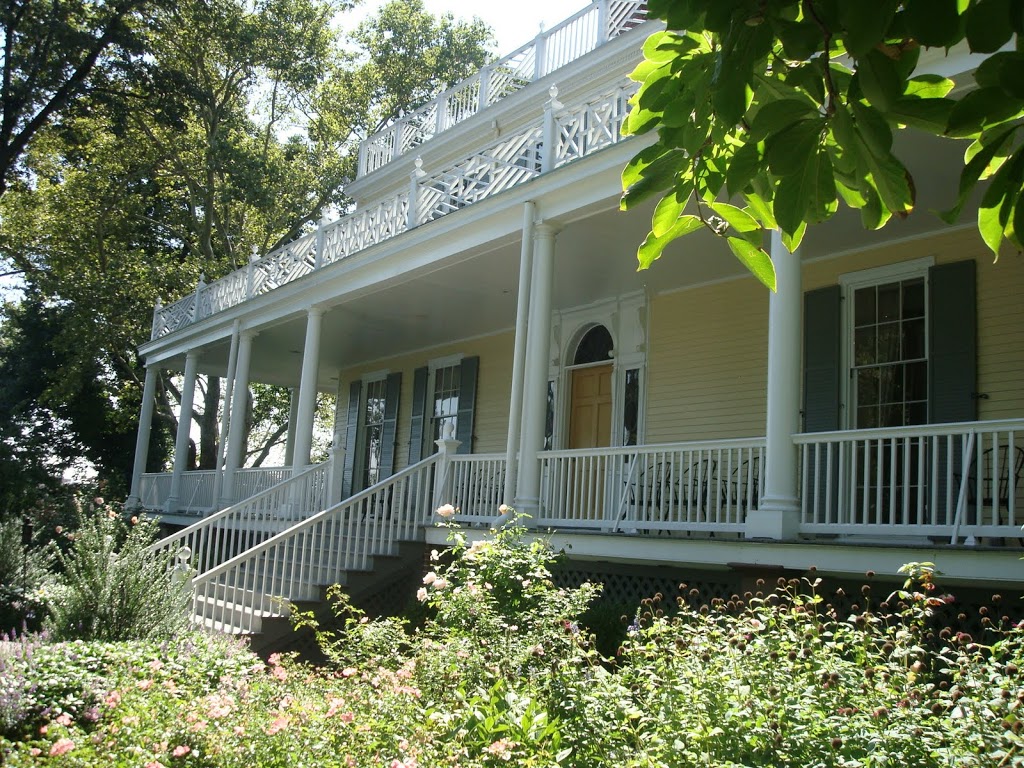
The front of Gracie Mansion today, although most guests use the side entrance. Gracie’s still faces into lovely vista overlooking the East River, but it mostly obscured today by trees.

Visit NYC.GOV’s website about Gracie Mansion to inquire about tours for individuals or small groups. If you have more than 25 people, you can actually have tea at Gracie Mansion. May King Van Rensselaer would have been proud. Our current mayor, by the way, lives here.