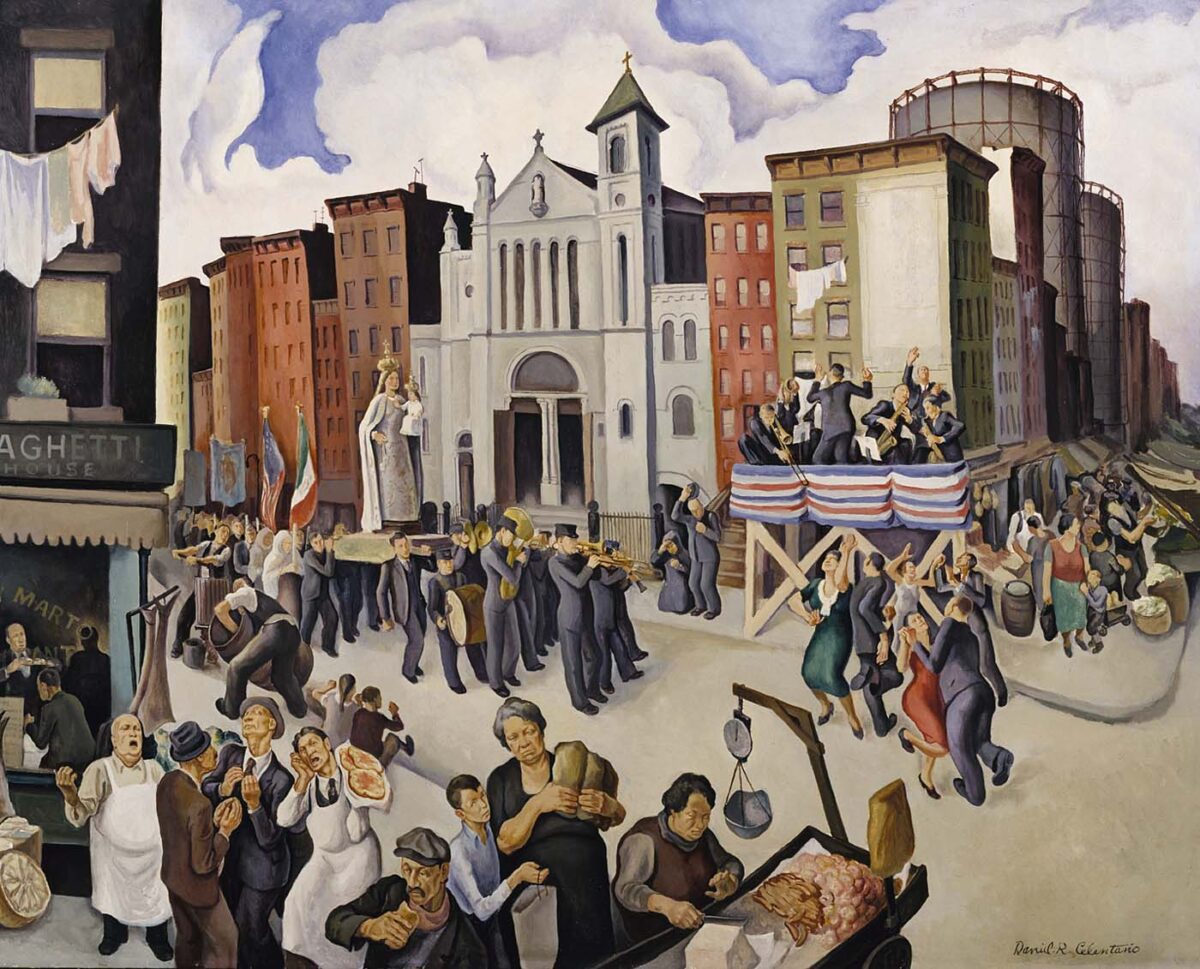
Daniel Celentano, Festival, 1934. Celentano was born and raised in East Harlem.
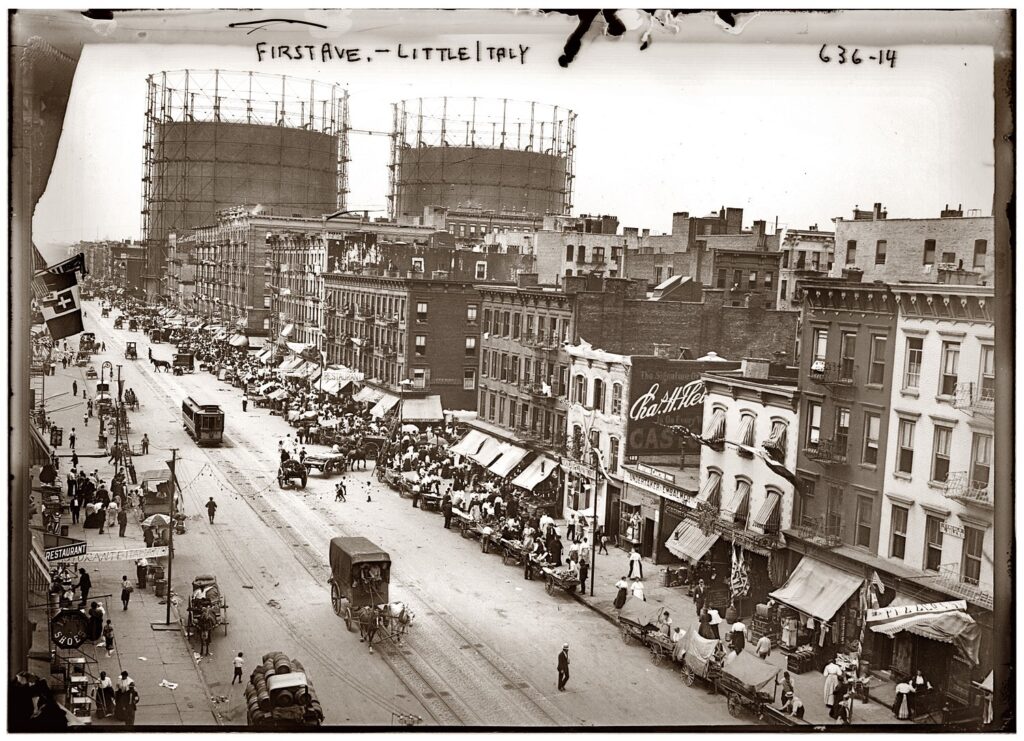
One of America’s first great Italian neighborhoods was once in East Harlem, populated with more southern Italians than Sicily itself, a neighborhood almost entirely gone today except for a couple restaurants, a church and a long-standing religious festival.
This is, of course, not New Yorks’ famous “Little Italy,” the festive tourist area in lower Manhattan built from another 19th-century Italian neighborhood on Mulberry Street. The bustling street life of old Italian Harlem exists mostly in memory now.
If you wander around any modern American neighborhood with a strong Italian presence, you’ll find yourself around people who can trace their lineage back through the streets of Italian Harlem. Perhaps that includes yourself.
But it’s not all warm nostalgia and fond recollections. Life could be quite hard in Italian Harlem, thanks to the nearby industrial environment, the deteriorating living conditions and the street crime, the early years of New York organized crime.
So who were these first Italian settlers who left their homes for what would become a hard urban life in upper Manhattan? What drew them to the city? What traditions did they bring? And in the end, what did they leave behind, when so many moved out to the four corners of the United States?
Find the episode wherever you listen to podcasts or listen right here:
LISTEN NOW Italian Harlem: New York’s Forgotten Little Italy
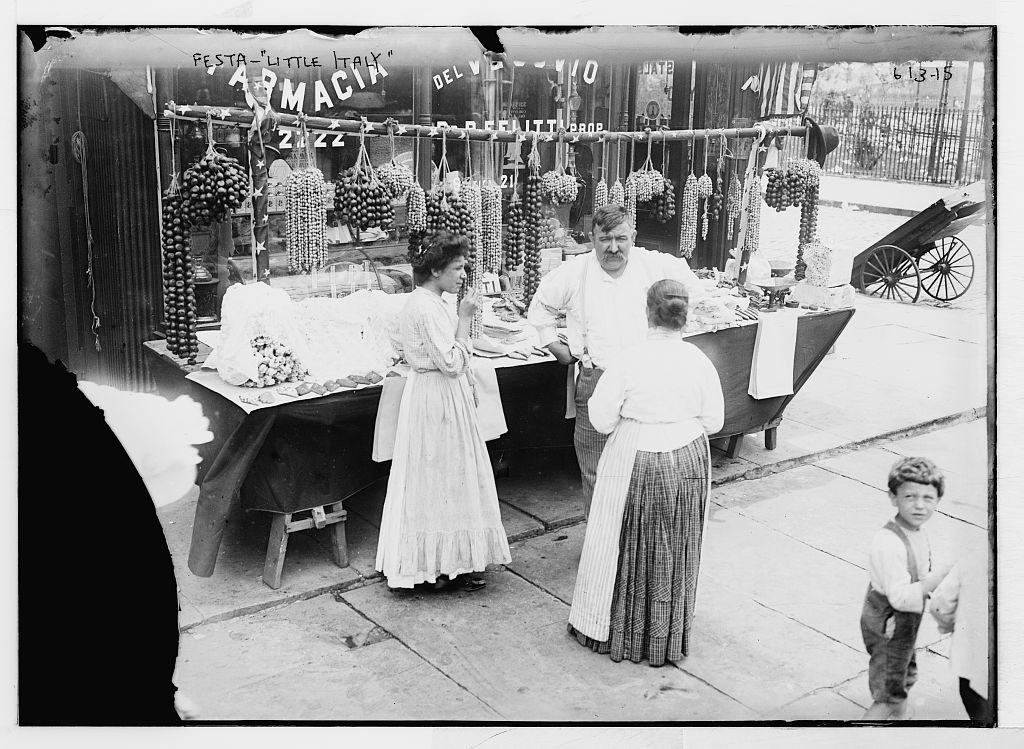
a street vendor with wares displayed, during a festival in Italian Harlem. 1915, Bain Services/Library of Congress
We’re not done with Harlem! In fact we’re building up to an epic new 450th episode for our next show.
FURTHER LISTENING:
Past Bowery Boys episodes with close links to this current show:
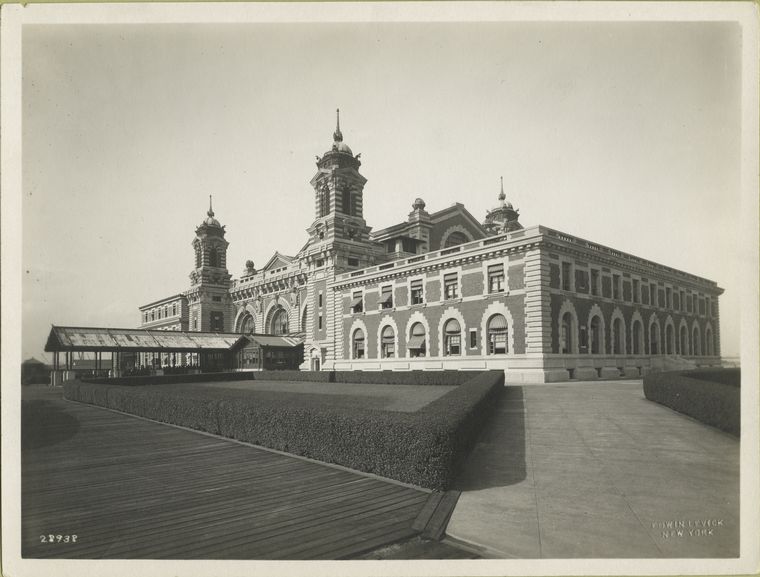
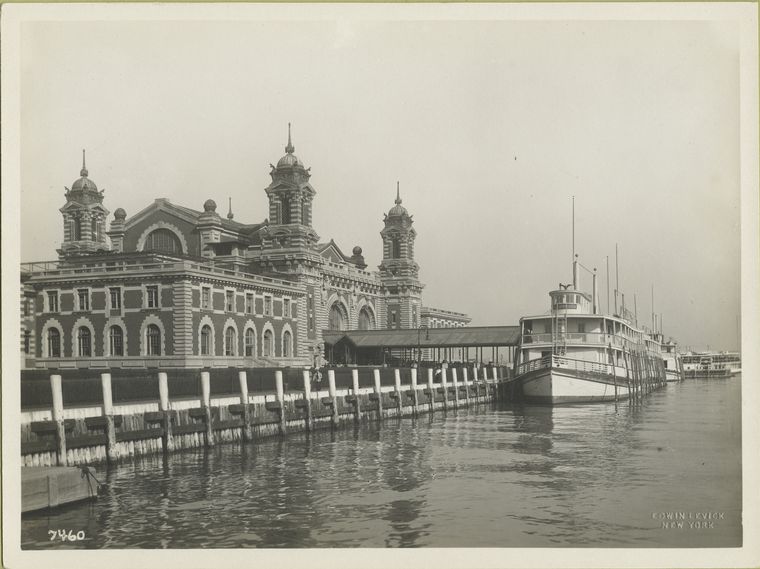
PODCAST The epic tale of Ellis Island and the process by which millions of new immigrants entered the United States.
For millions of Americans, Ellis Island is the symbol of introduction, the immigrant depot that processed their ancestors and offered an opening into a new American life.
But for some, it would truly be an ‘Island of Tears’, a place where they would be excluded from that life.
How did an island with such humble beginnings — ‘Little Oyster Island’, barely a sliver of land in the New York harbor — become so crucial? Who is the ‘Ellis’ of Ellis Island? And how did it survive decades of neglect to become one of New York’s most famous tourist attractions?
FEATURING our special guest Tanya Bielski-Braham (currently of the Holocaust Center of Pittsburgh) who walks us through her own family’s immigration experience over a century ago — from Eastern Europe to America.
THIS SHOW WAS ORIGINALLY RELEASED TEN YEARS AGO THIS MONTH ON JULY 31, 2009!
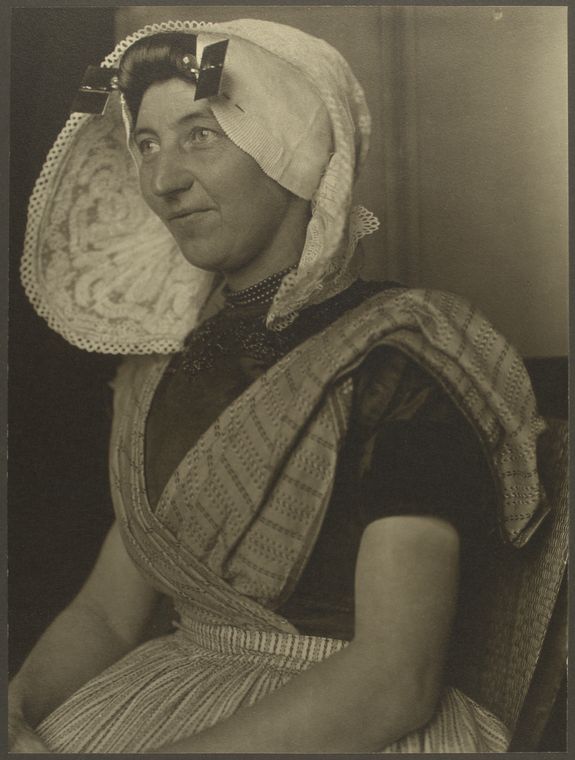
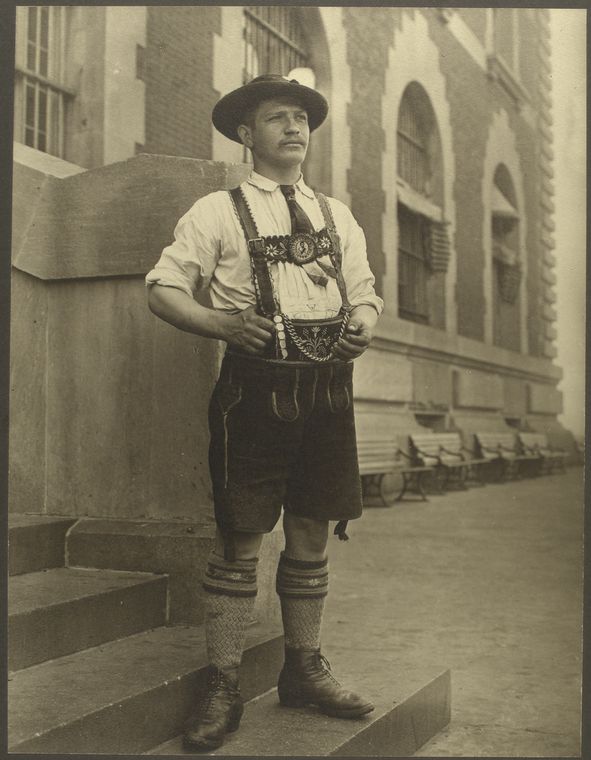
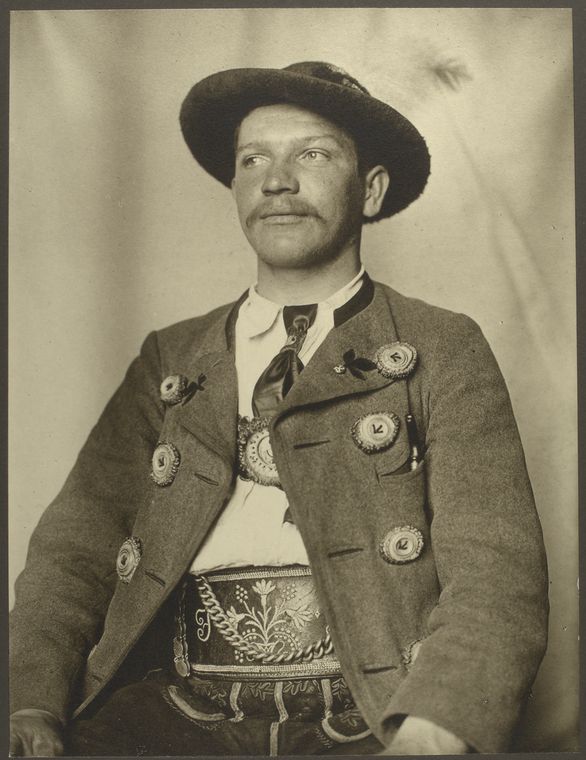
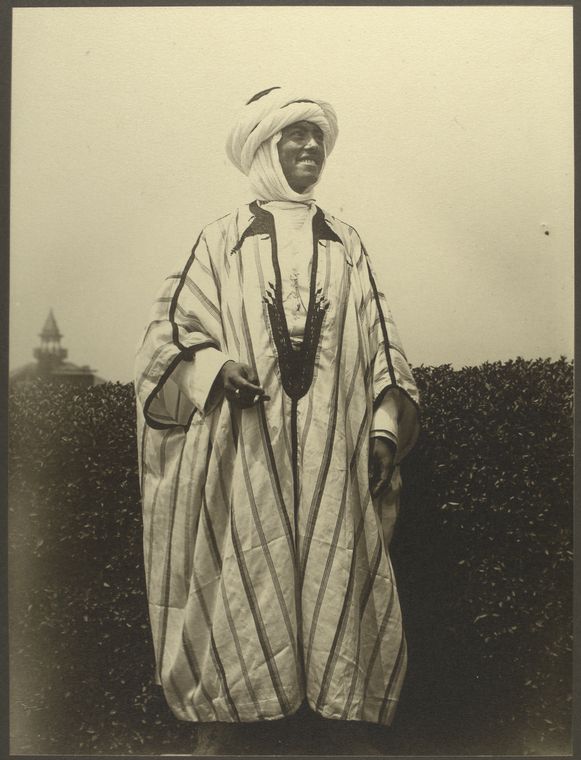
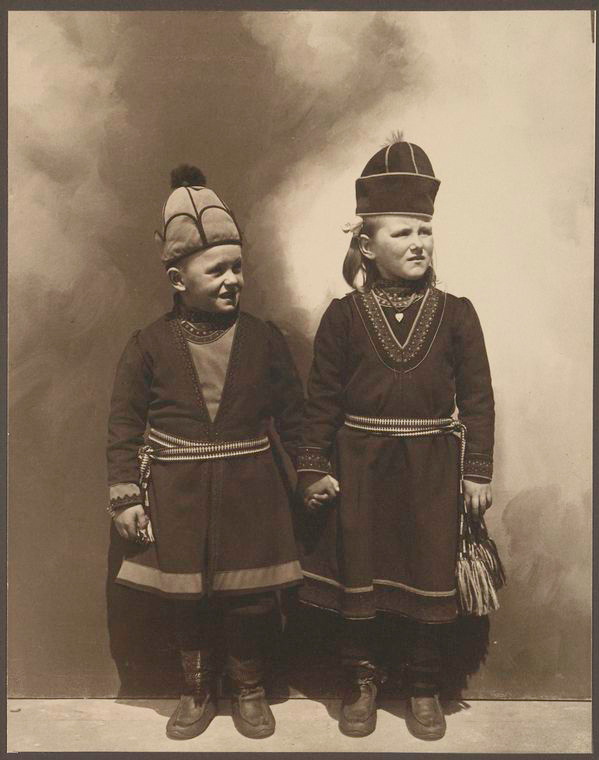
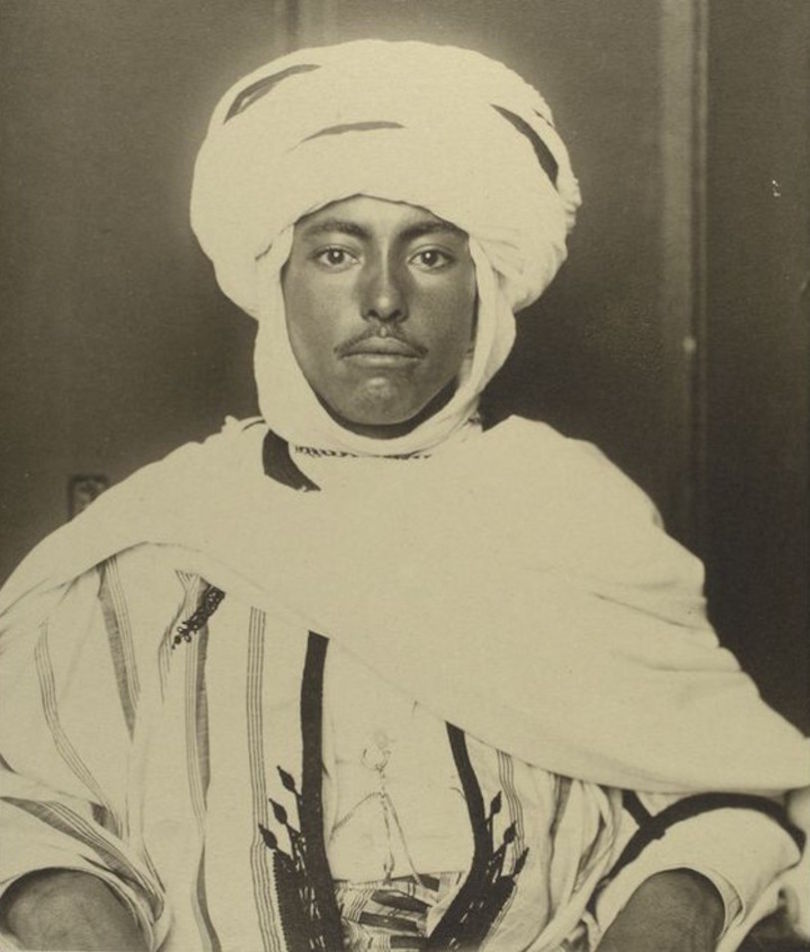
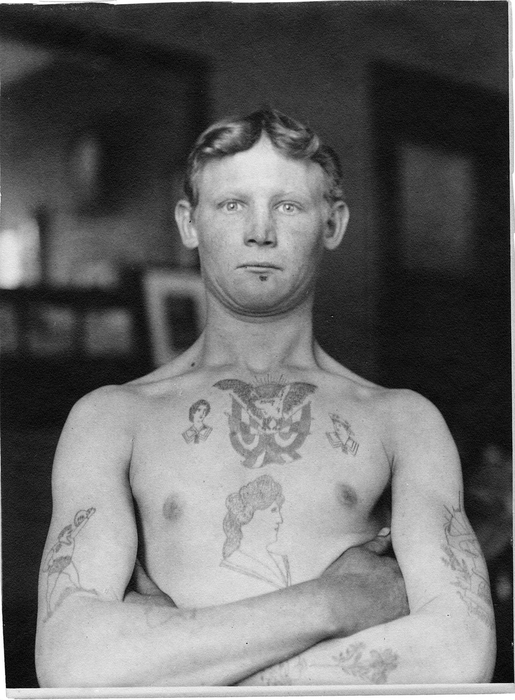
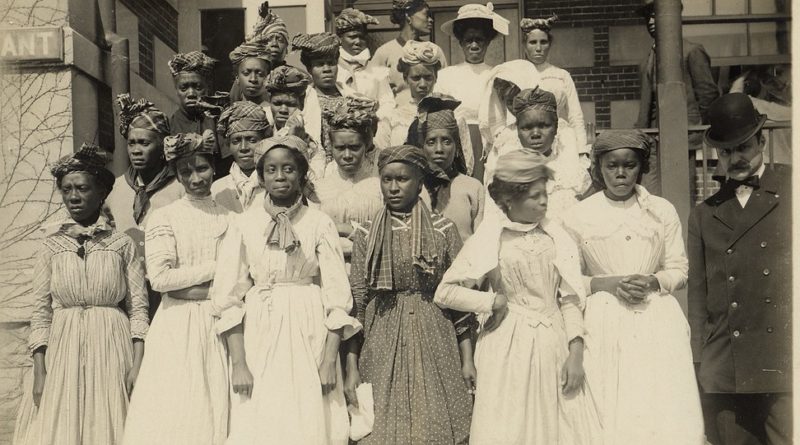
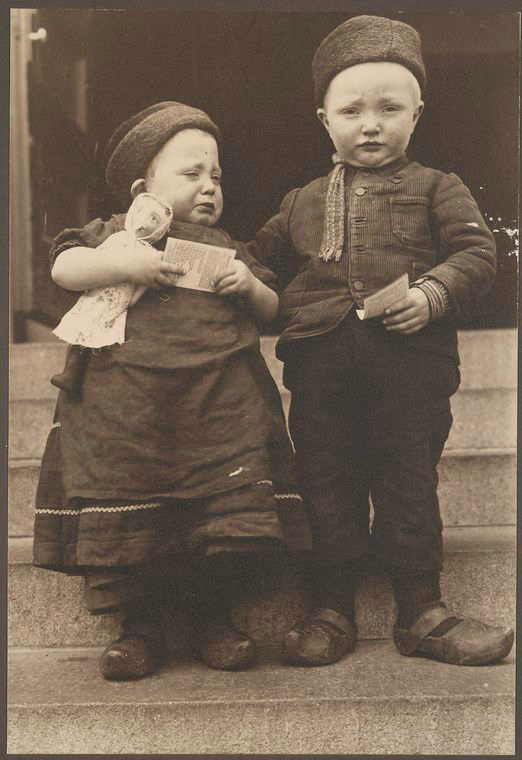
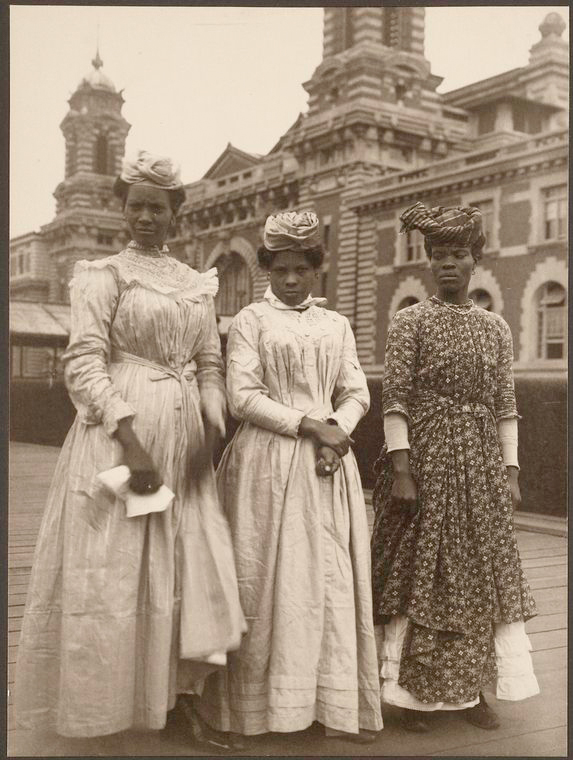
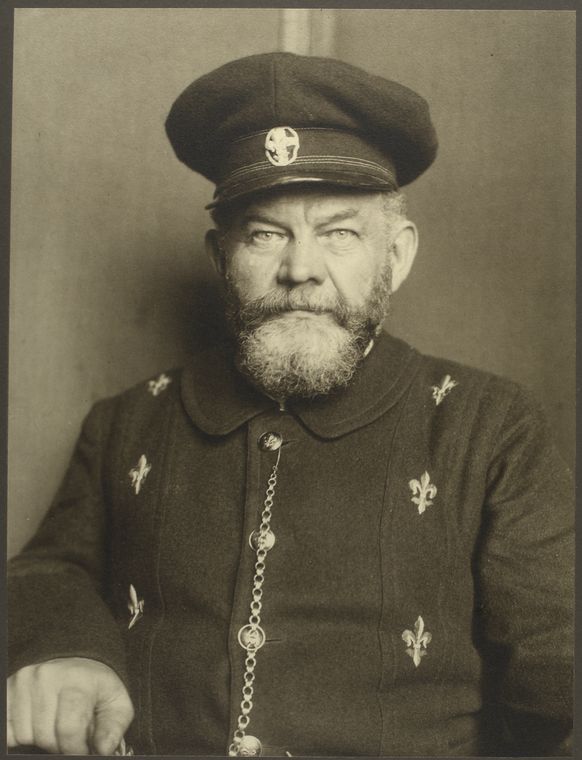
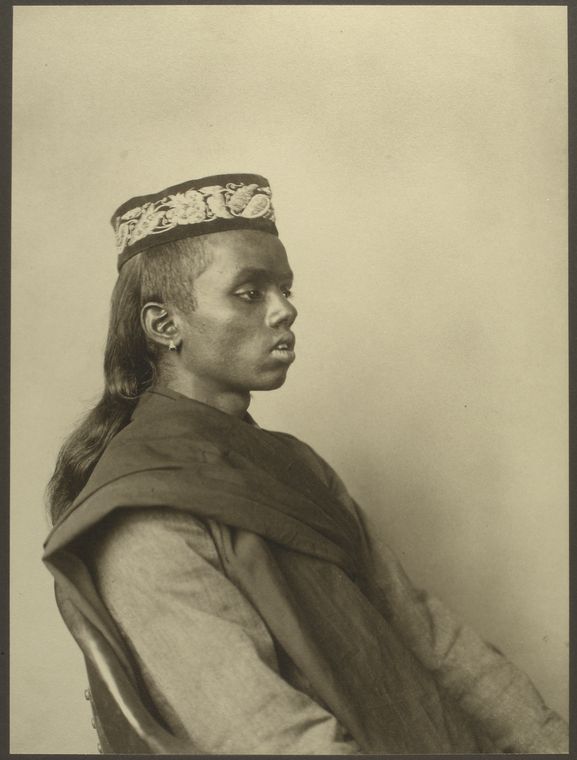
Here’s a look at many of the faces of newly arriving immigrants from between the years 1904 and 1924, photos byAugustus Frederick Sherman, a clerk on Ellis Island.
Interestingly these are not ‘official’ photographs. Sherman himself was particularly interested in national costume and mostly chose subjects who happened to be wearing the most flamboyant apparel from their respective countries. You can see more pictures from this series at the National Park Service website on Ellis Island. The particular images below are courtesy New York Public Library
PODCAST The words of “The New Colossus,” written 135 years ago by Jewish poet Emma Lazarus in tribute to the Statue of Liberty, have never been more relevant — or as hotly debated — as they are today.
What do they mean to you? “Give me your tired, your poor/Your huddled masses yearning to breathe free/The wretched refuse of your teeming shore.”
In this episode, Tom and Greg look at the backstory of these verses — considered sacred by many — and the woman who created them.
Emma Lazarus was an exceptional writer and a unique personality who embraced her Jewish heritage even while befriending some of the greatest writers of the 19th century. When the French decided to bestow the gift of Liberty Enlightening the World to the United States, many Americans were uninterested in donating money to its installation in New York Harbor. Lazarus was convinced to write a poem about the statue but she decided to infuse her own meaning into it.
This icon of republican government — and friendship between France and America — would soon come to mean safe harbor and welcome to millions of new immigrants coming to America. But are Lazarus’ words still relevant in the 21st century?
The Bowery Boys: New York City History podcast is brought to you …. by you!
We are now producing a new Bowery Boys podcast every other week. We’re also looking to improve the show in other ways and expand in other ways as well — through publishing, social media, live events and other forms of media. But we can only do this with your help!
We are now a member of Patreon, a patronage platform where you can support your favorite content creators for as little as a $1 a month.
Please visit our page on Patreon and watch a short video of us recording the show and talking about our expansion plans. If you’d like to help out, there are five different pledge levels (and with clever names too — Mannahatta, New Amsterdam, Five Points, Gilded Age, Jazz Age and Empire State). Check them out and consider being a sponsor.
We greatly appreciate our listeners and readers and thank you for joining us on this journey so far.
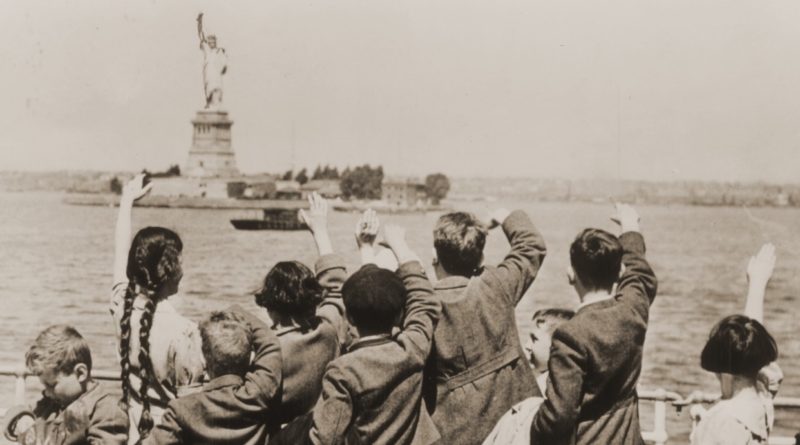
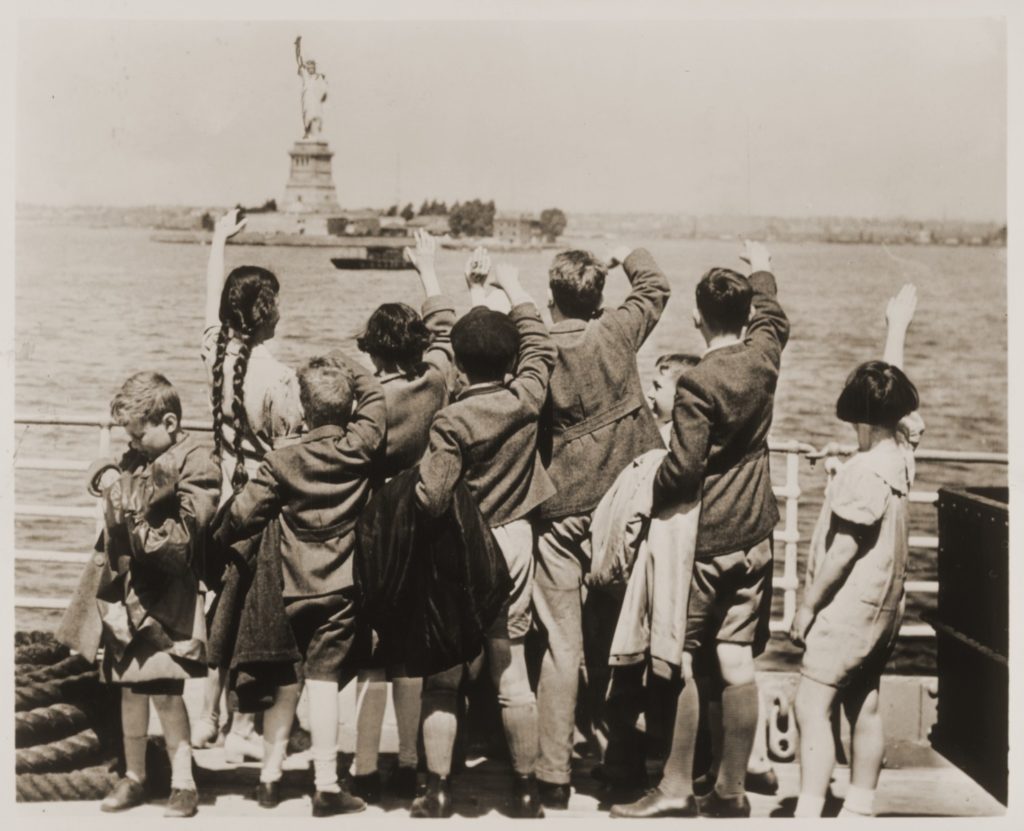
A group of fifty Jewish children, en route to Philadelphia in 1939, were placed into foster homes.
United States Holocaust Memorial Museum, courtesy of Anita Willens
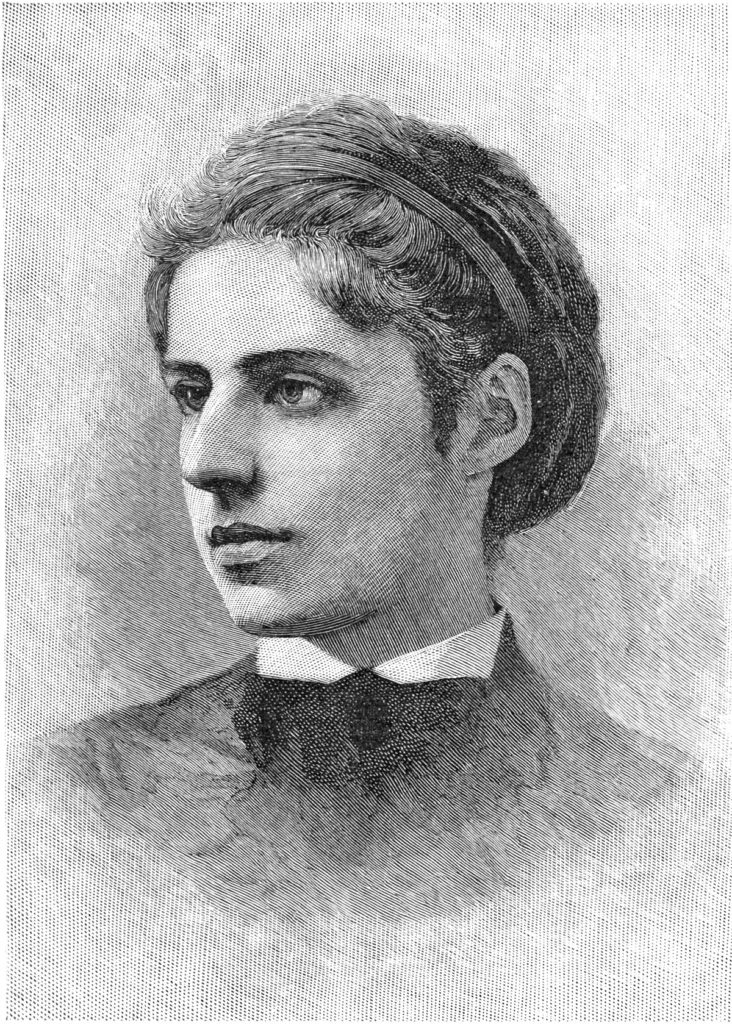
Emma Lazarus (1849-1887), a woman of exceptional writing skills who eventually embraced her Jewish heritage and worked to bridge the divide between settled Americans and newly arriving immigrants in need of assistance.
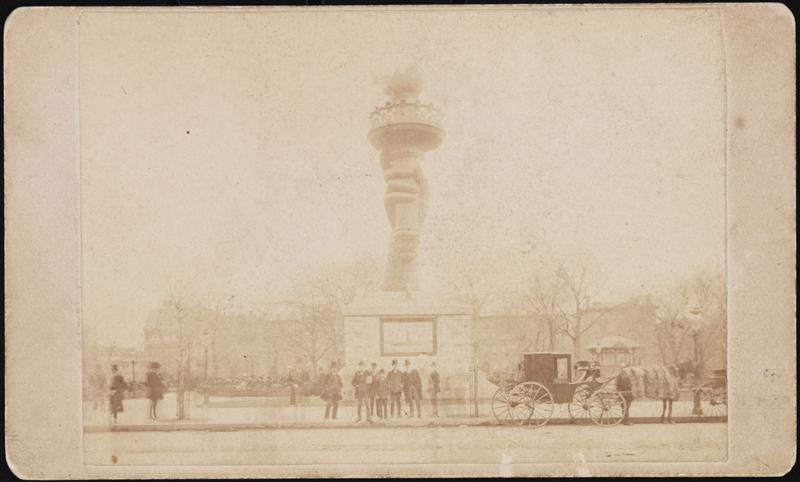
New Yorkers first saw a small portion of Lady Liberty — her arm and torch, displayed in Madison Square Park in an effort to raise money for her installation in New York Harbor.
Museum of City of New York
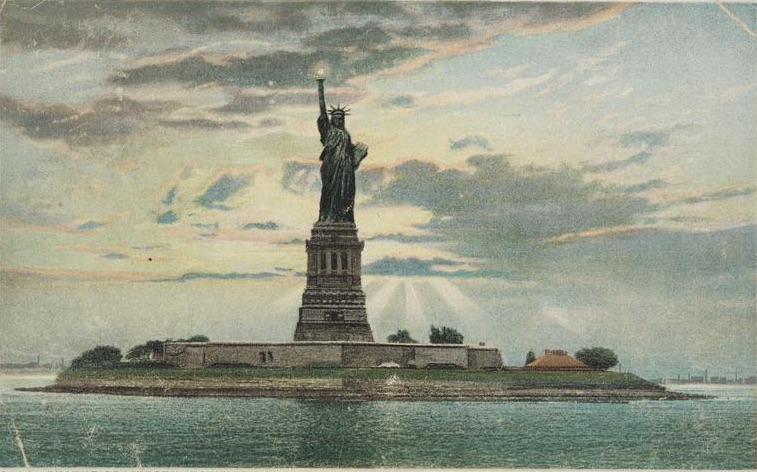
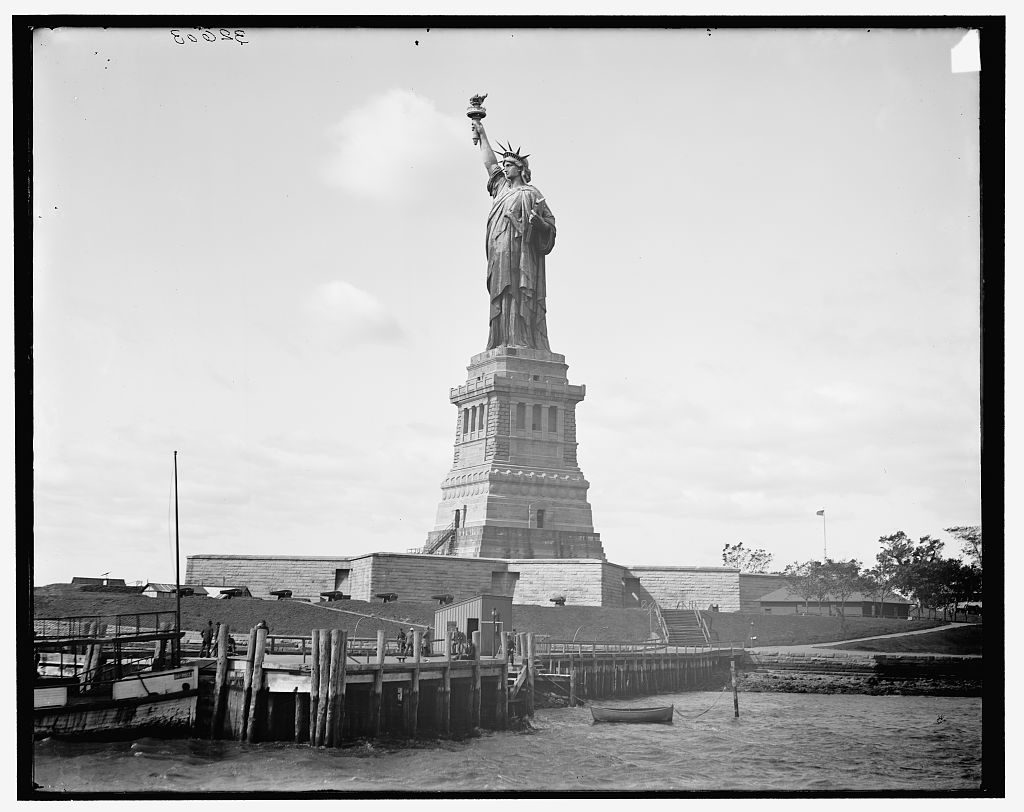
Liberty in 1890, prepared to welcome millions of new immigrants in the harbor. She’s actually copper at this time, not green.
Library of Congress/Detroit Publishing Co
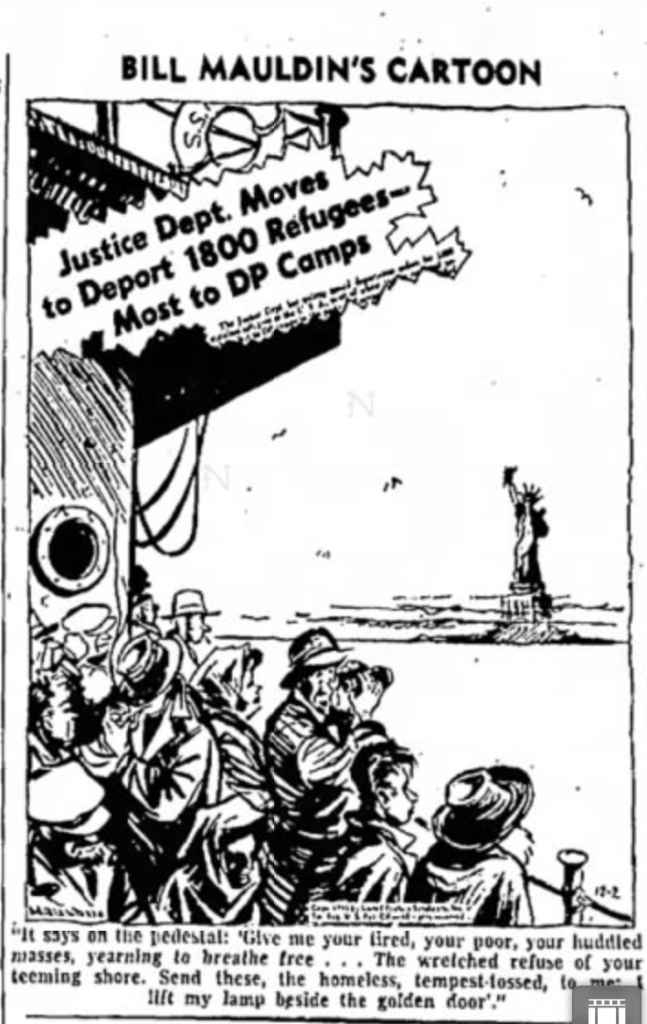
From a 1946 newspaper:
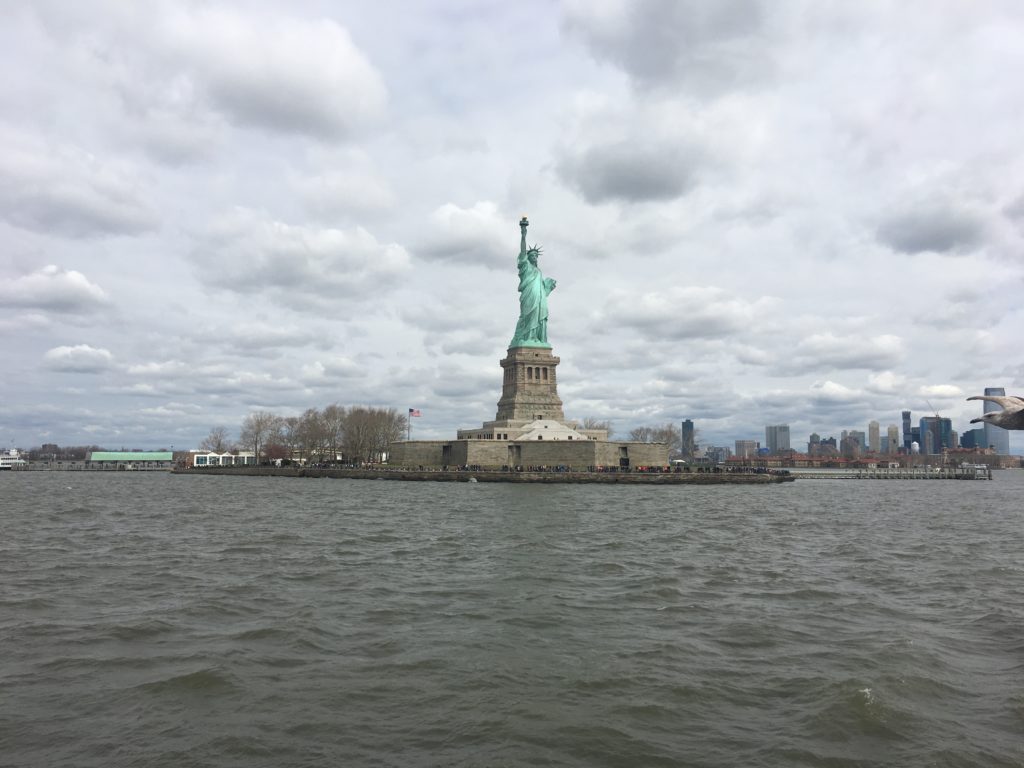
From our recent trip to the statue:
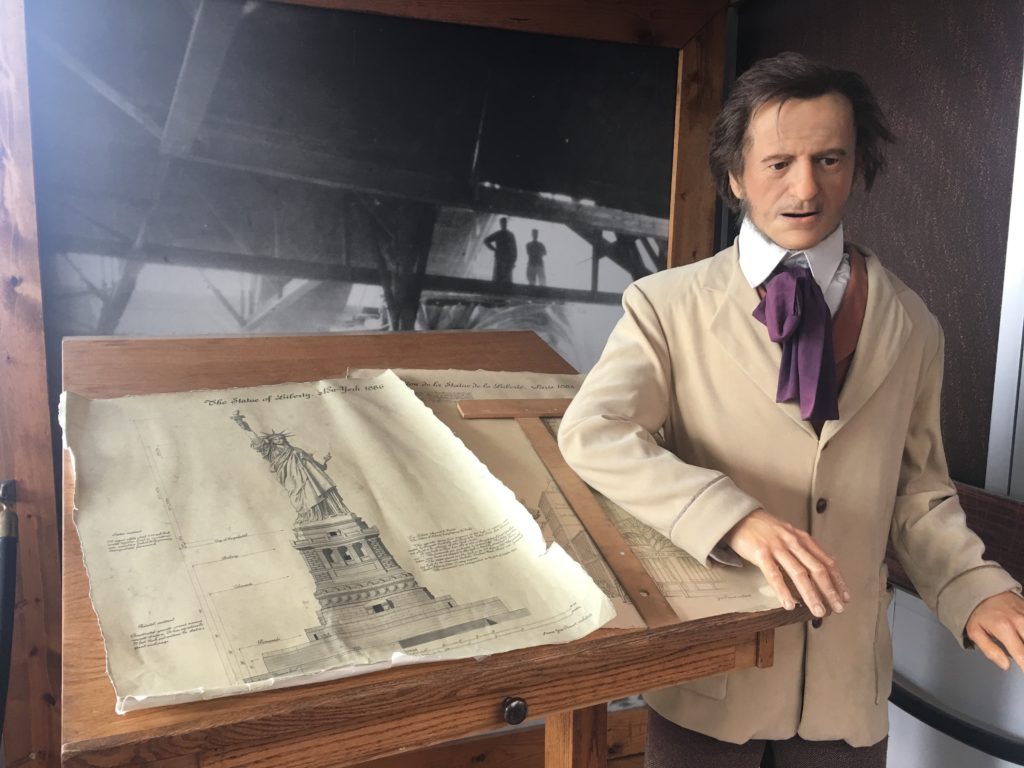
A waxen replica of Bartholdi in the gift shop:
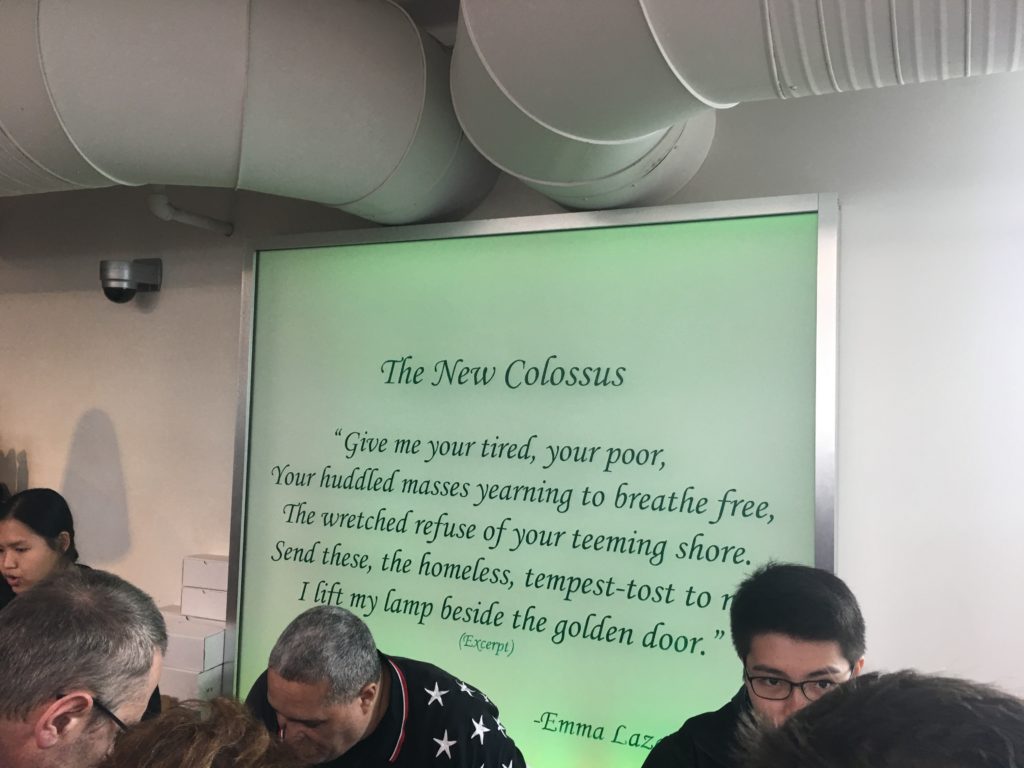
The words of Emma Lazarus, at gift shop checkout:
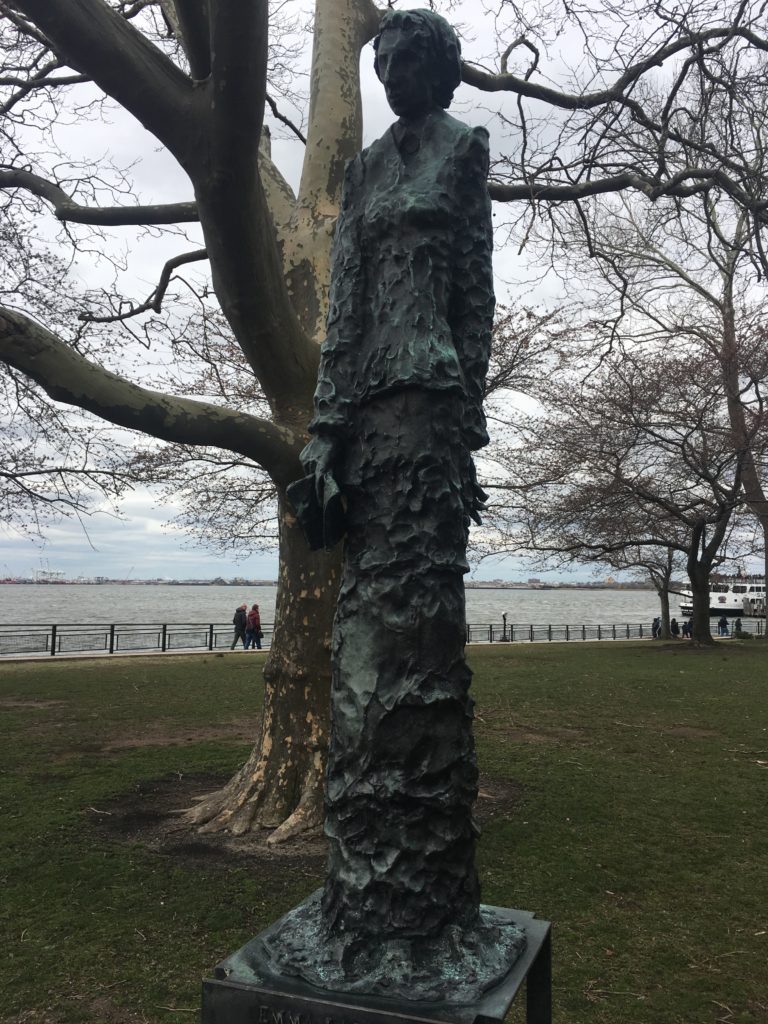
A statue of Lazarus herself, in the shadow of Lady Liberty:
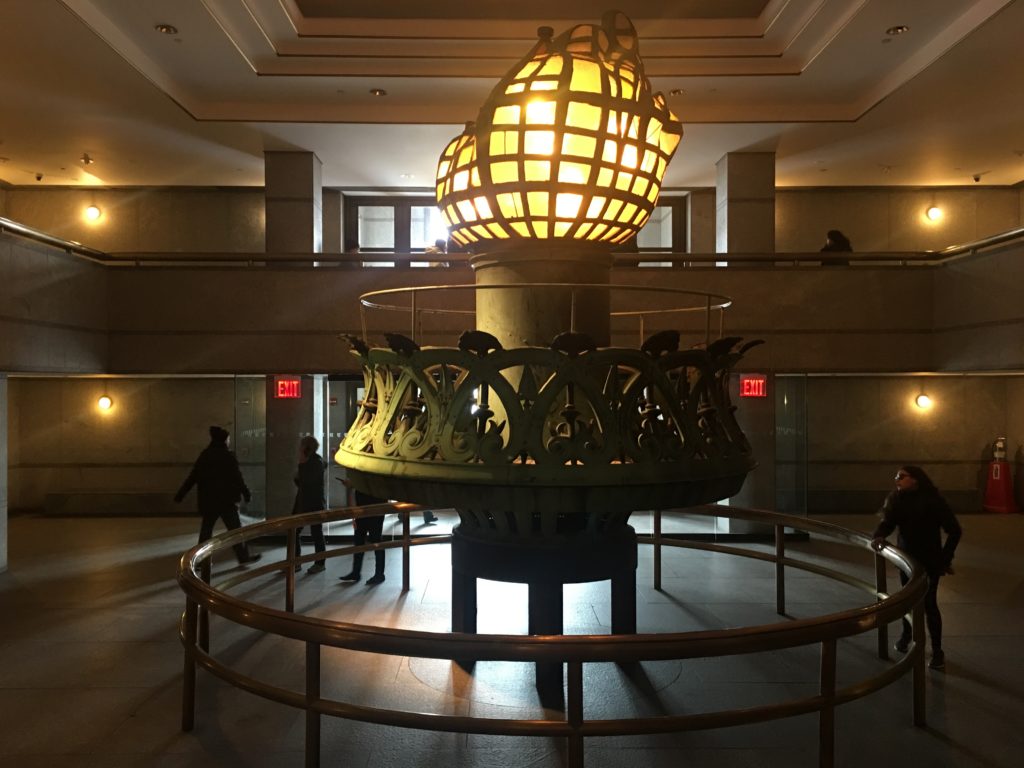
The statue’s original torch, which leaked and had to be replaced:
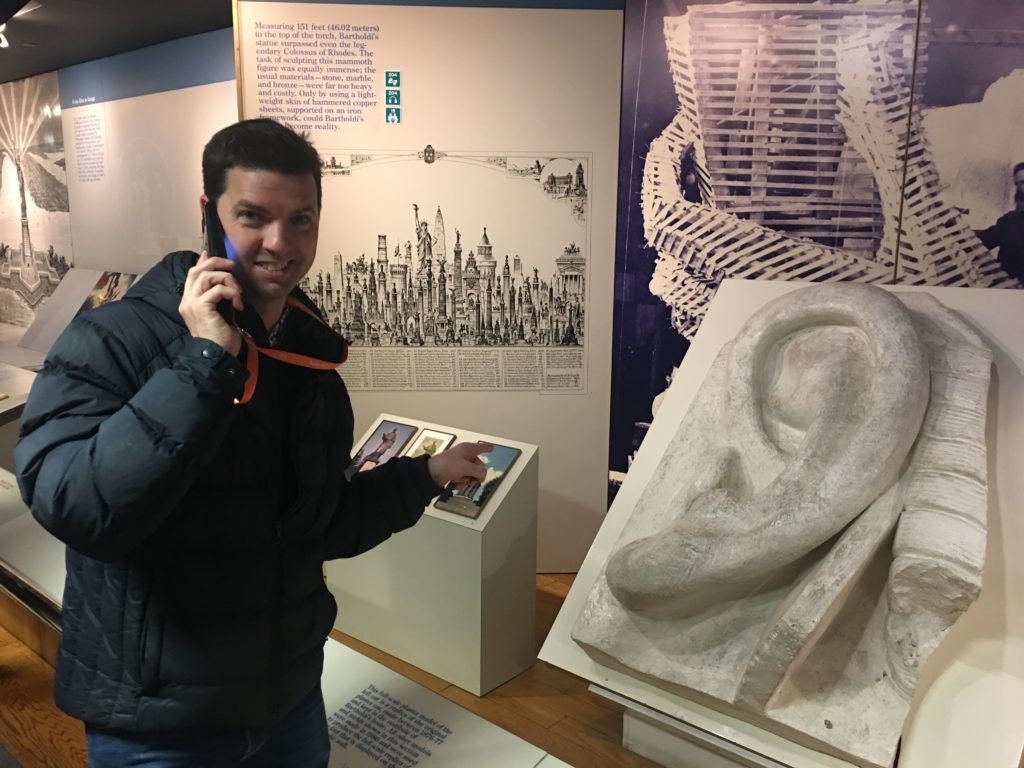
Tom enjoying the museum audio tour:
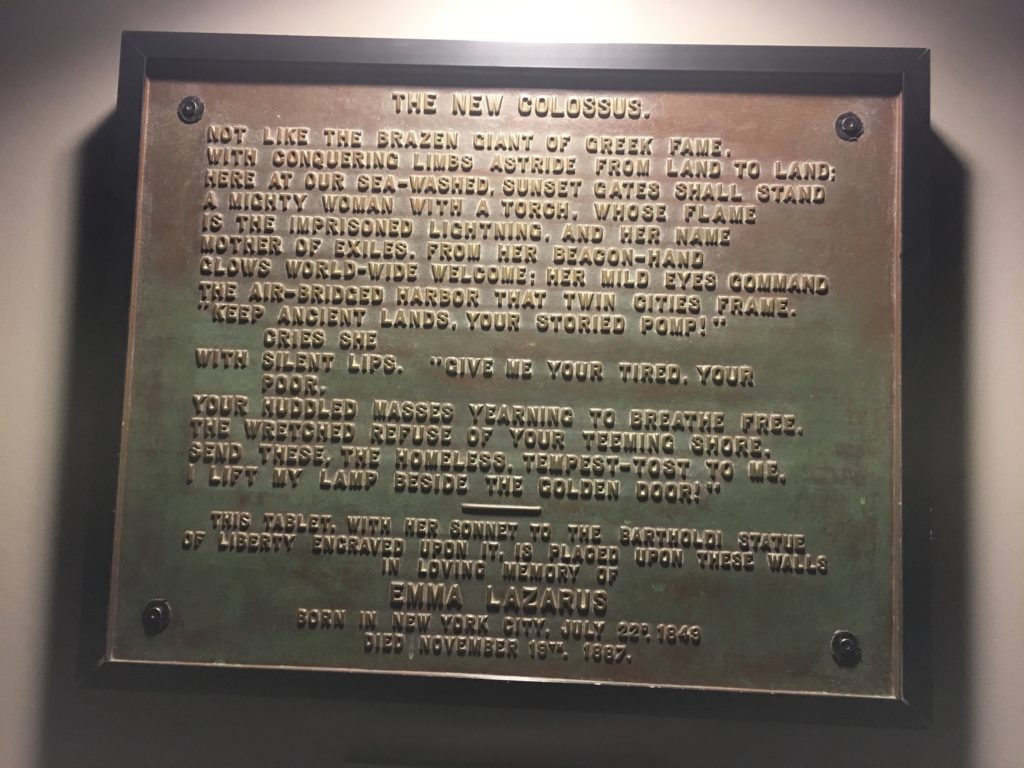
The original Emma Lazarus plaque which once sat just inside the pedestal. Today its home is in the Statue of Liberty museum:
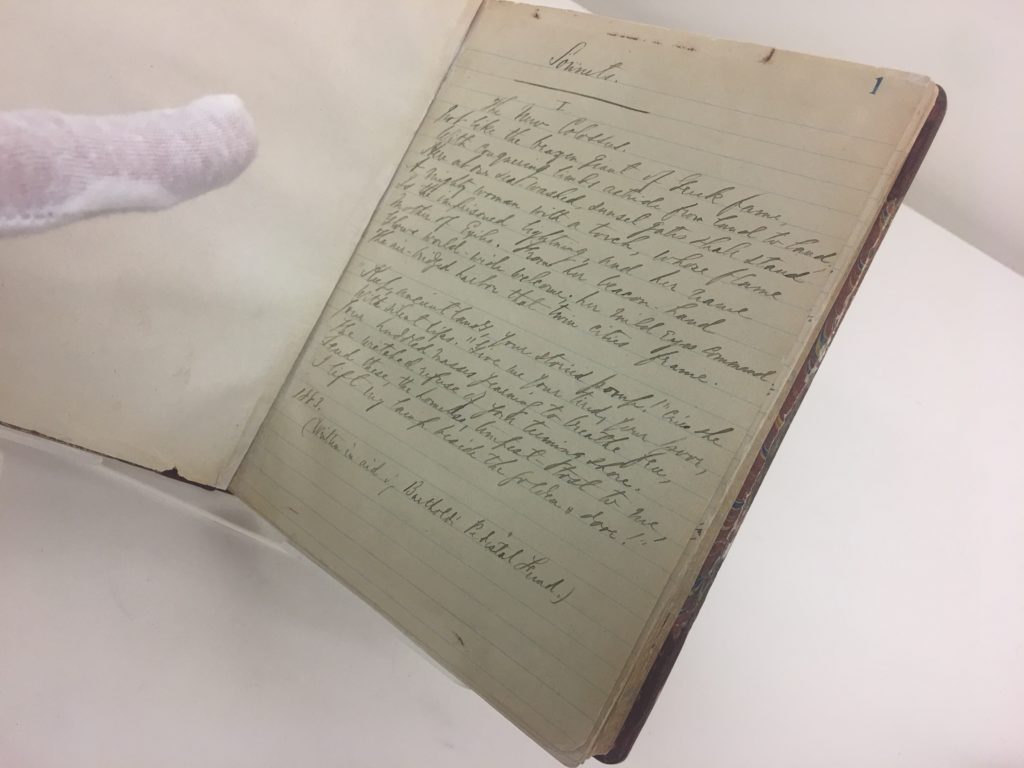
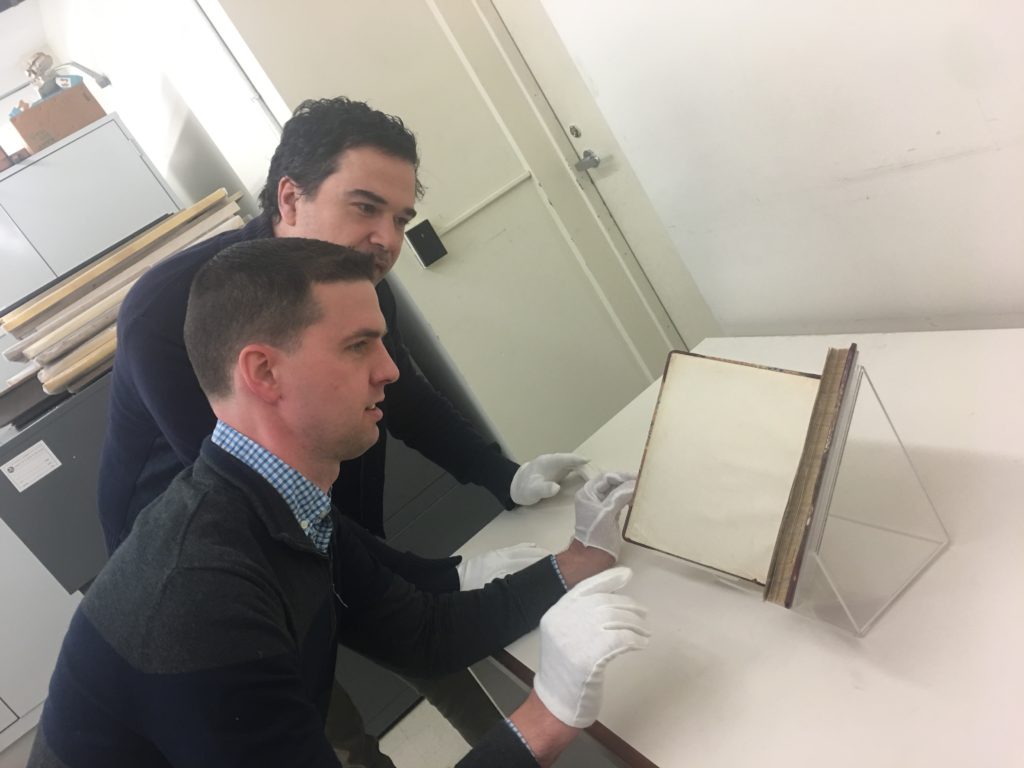
At the American Jewish Historical Society, a peak into Lazarus’ handwritten journal, piecing together some of her favorite poems. She placed “The New Colossus” in the very front:
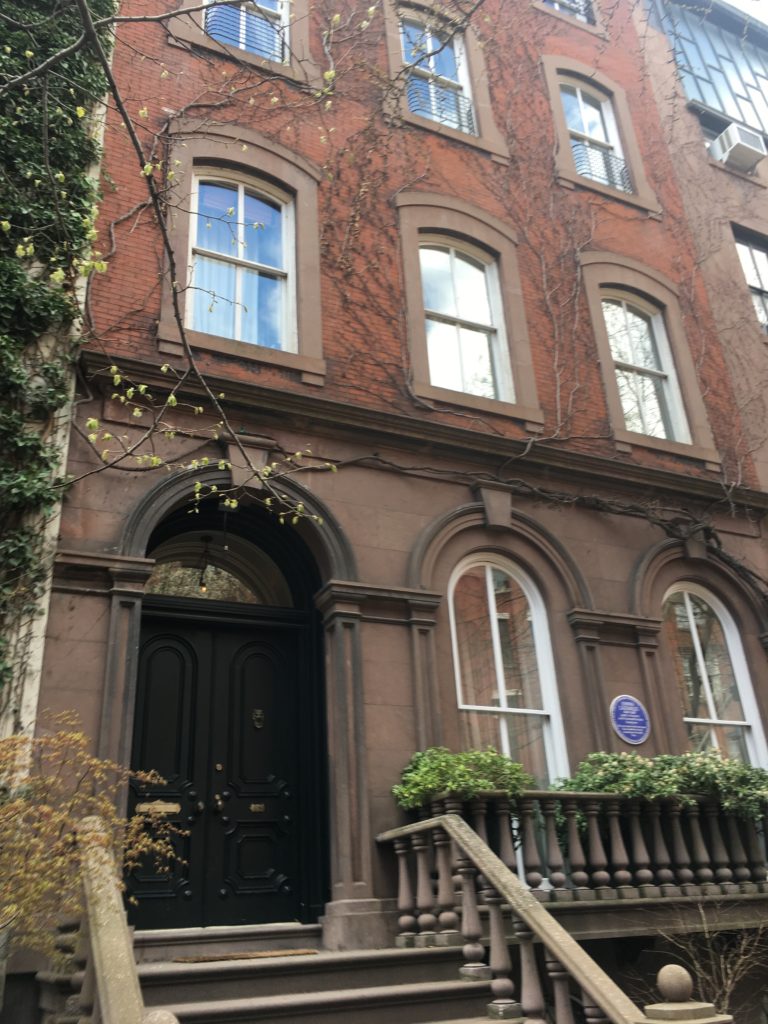
Emma’s Greenwich Village home on West 10th Street:
FURTHER READING Enlightening the World: The Creation of the Statue of Liberty by Yasmin Sabina Khan Liberty’s Torch: The Great Adventure to Build the Statue of Liberty by Elizabeth Mitchell Emma Lazarus by Esther Schor Emma Lazarus in Her World: Life and Letters by Bette Roth Young
FURTHER LISTENING After listening to our show Mother of Exiles, check out these podcasts from our back catalog with similar themes:

![Sherman, Augustus F. (Augustus Francis) -- Photographer. [1911]](https://www.boweryboyshistory.com/wp-content/uploads/2016/10/3095766125_40d61a3130_o.jpg)
![NYPL, Sherman, Augustus F. (Augustus Francis) -- Photographer. [ca. 1906]](https://www.boweryboyshistory.com/wp-content/uploads/2016/10/3110164652_4ac26f22a0_o.jpg)
![Sherman, Augustus F. (Augustus Francis) -- Photographer. [ca. 1906]](https://www.boweryboyshistory.com/wp-content/uploads/2016/10/3110163346_d342440914_o.jpg)
![Courtesy NYPL. Augustus F. Sherman [ca. 1906-1914]](https://www.boweryboyshistory.com/wp-content/uploads/2016/10/3110164858_d11ce4843f_o.jpg)
![Courtesy NYPL, Sherman, Augustus F. -- Photographer. [ca. 1906]](https://www.boweryboyshistory.com/wp-content/uploads/2016/10/3109330325_550cd50284_o.jpg)
![Sherman, Augustus F. -- Photographer. [ca. 1906]](https://www.boweryboyshistory.com/wp-content/uploads/2016/10/3110162400_ec91ca2fda_o.jpg)

![NYPL, Sherman, Augustus F. (Augustus Francis) -- Photographer. [ca. 1906]](https://www.boweryboyshistory.com/wp-content/uploads/2016/10/3109331119_1de4d7edb5_o.jpg)
![NYPL Sherman, Augustus F. (Augustus Francis) -- Photographer. [ca. 1906-1914]](https://www.boweryboyshistory.com/wp-content/uploads/2016/10/3110163692_f8c66c0f5a_o.jpg)
![Sherman, Augustus F. (Augustus Francis) -- Photographer. [ca. 1906]](https://www.boweryboyshistory.com/wp-content/uploads/2016/10/3109329865_acba999d7b_o.jpg)
![Sherman, Augustus F. (Augustus Francis) -- Photographer. [ca. 1906]](https://www.boweryboyshistory.com/wp-content/uploads/2016/10/3110163440_f861bca66d_o.jpg)