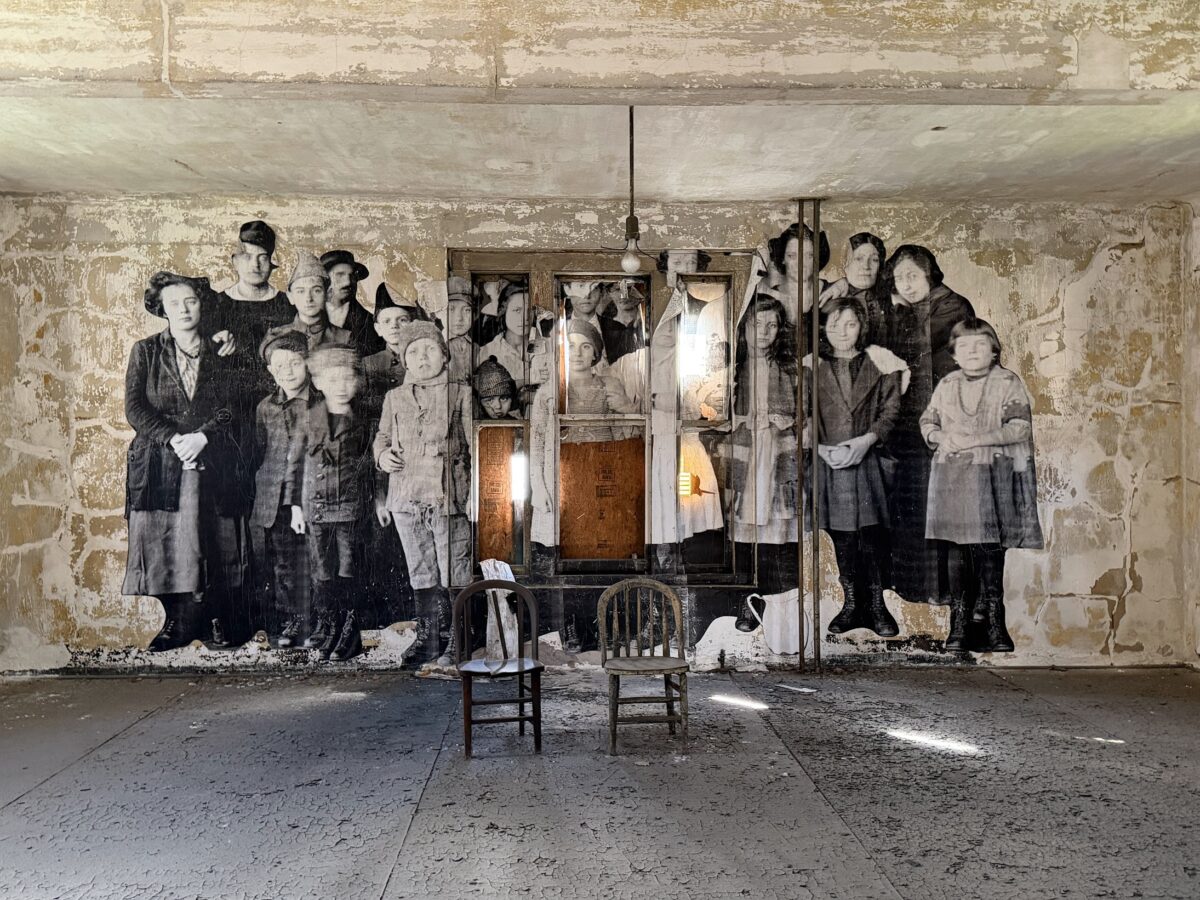
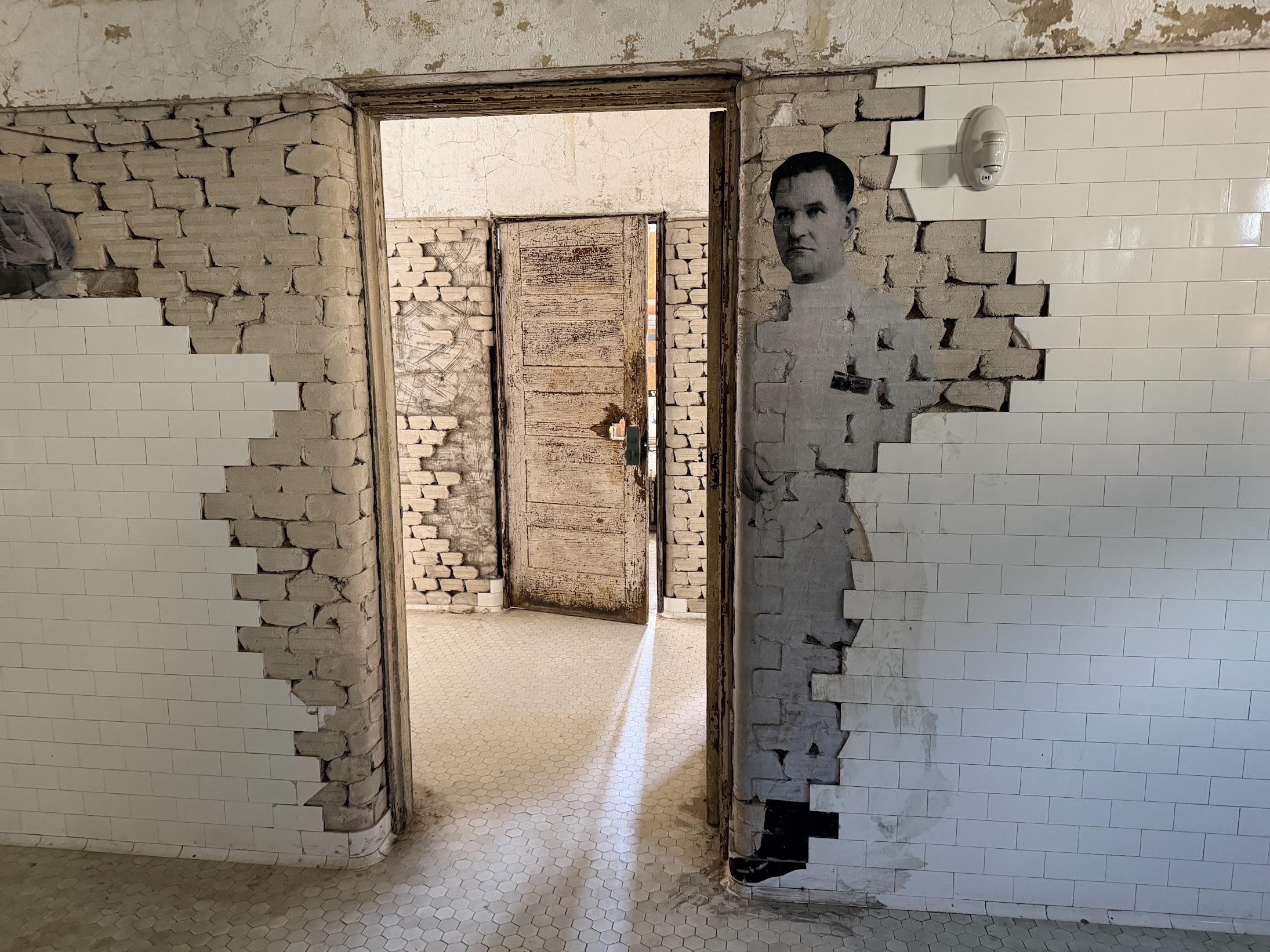
Inside the Measles Ward at the Ellis Island Immigrant Hospital, with a haunted wheat-paste mural by JR
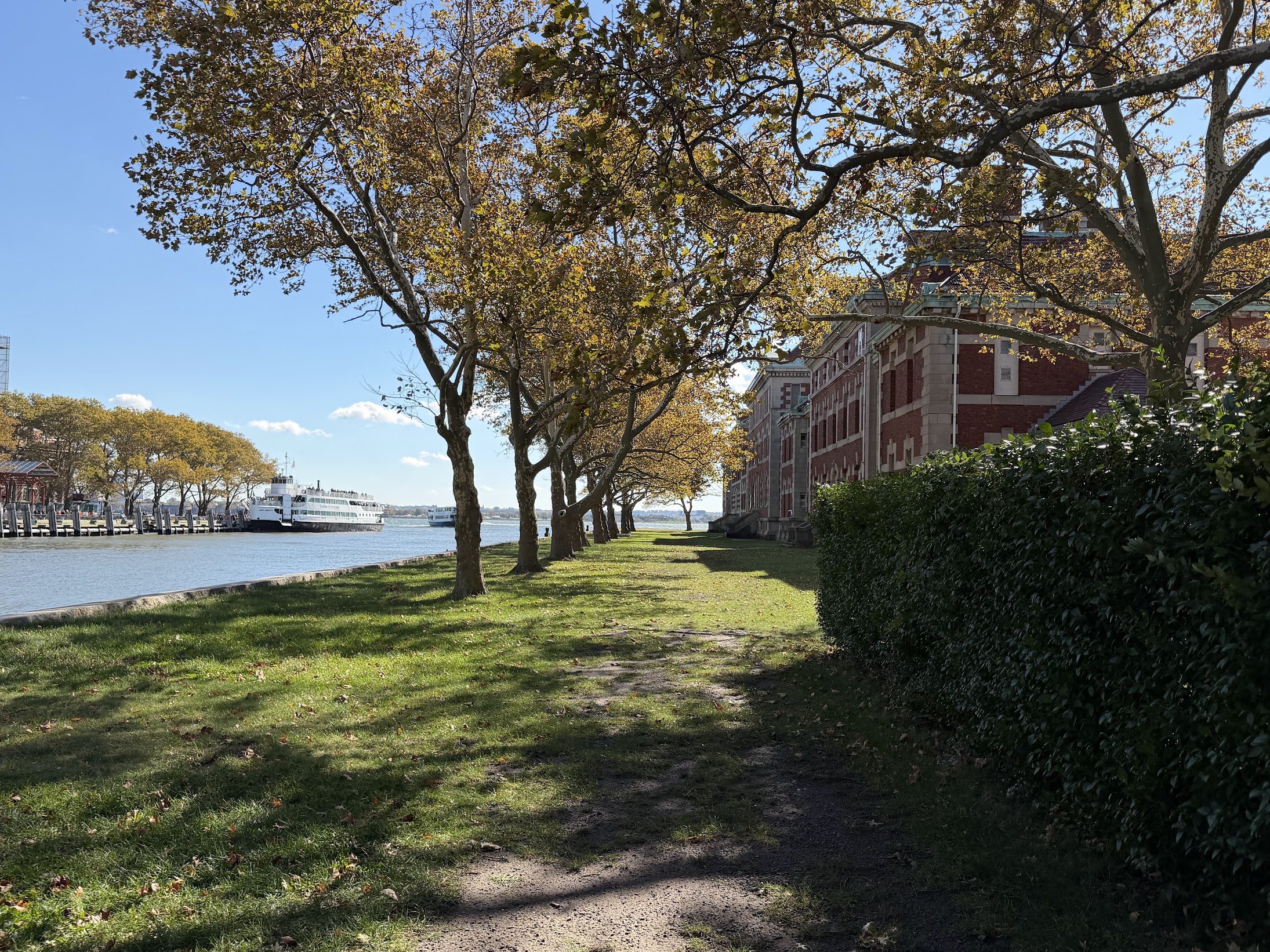
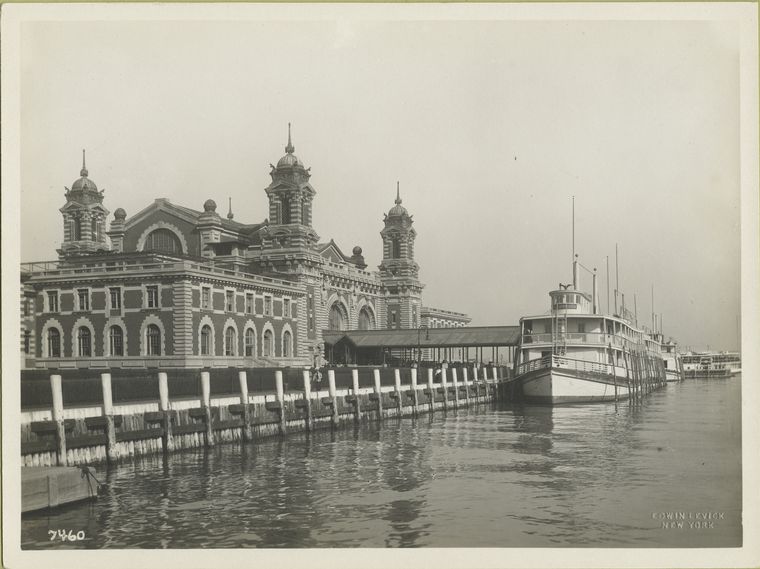
Thanks to its immigration history, Ellis Island is one of America’s great landmarks, a place in New York harbor that represents the millions of people who arrived in this country during the late 19th and early 20th centuries.
Once processed here, a new arrival could head out to their new home — one of New York’s five boroughs or some other destination in the United States.
Part of the “‘processing”’ involved medical and mental health tests. Most people passed successfully, then boarded a ferry to the mainland — and a new life.
But some were kept behind, those who did not pass those tests. They were then sent to the other side of Ellis Island.
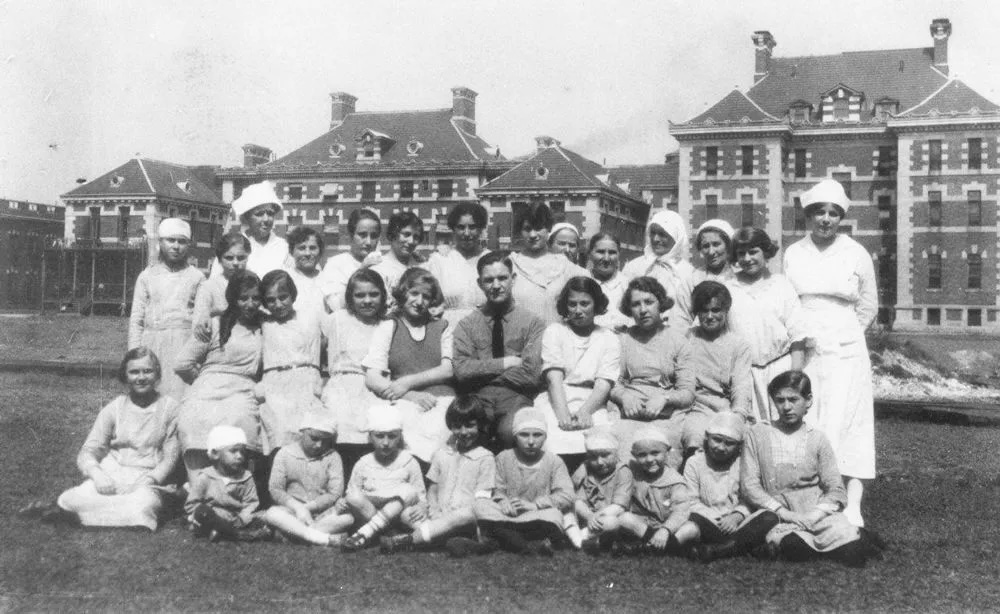
A set of patients at the Ellis Island Immigrant Hospital. It appears these may be children with favus, a fungal scalp infection.
In this special episode, sponsored by Founded By NYC, Greg and Tom recount the history of immigration into New York during the 19th century and the founding of Ellis Island in the 1890s.
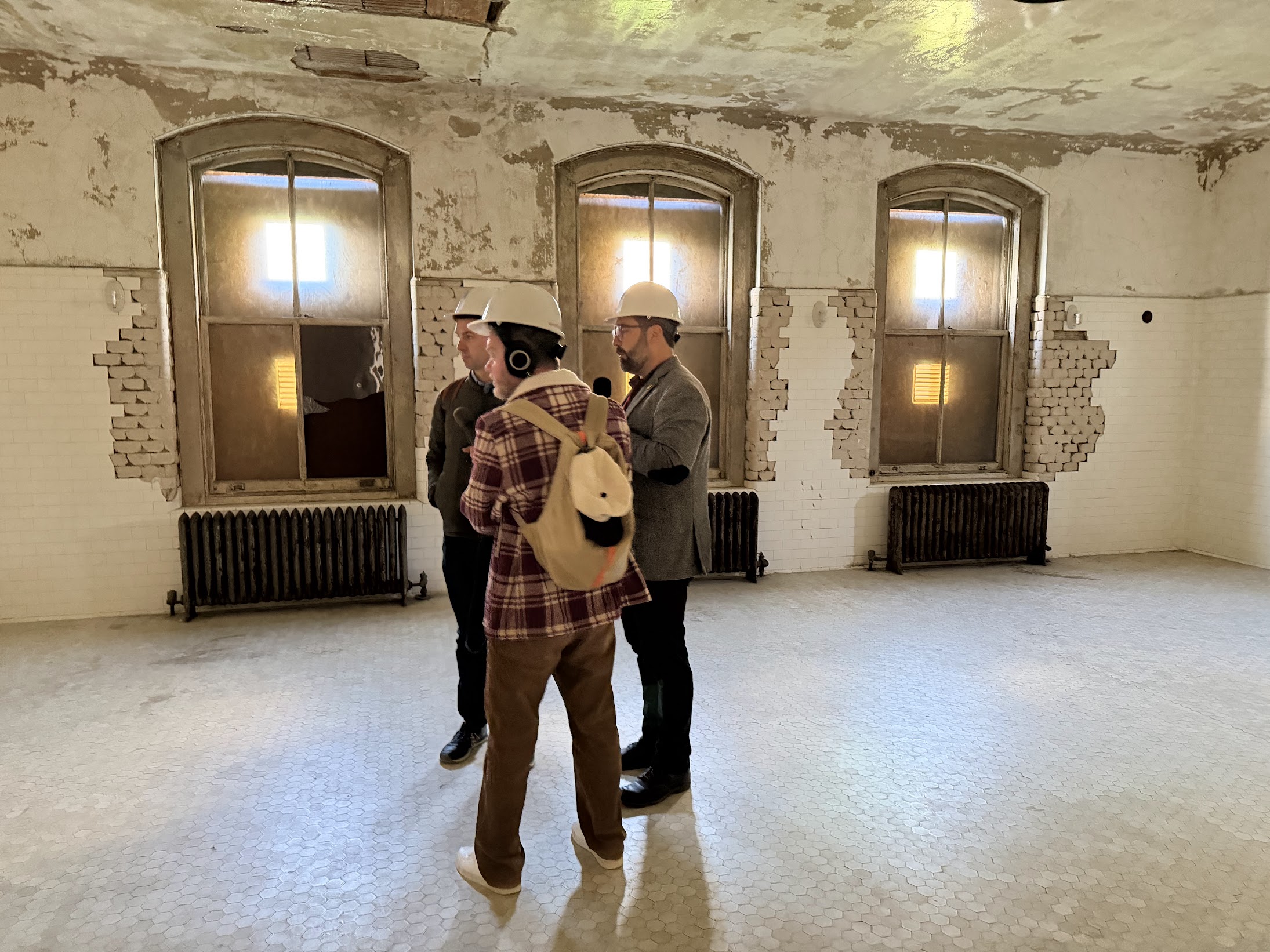
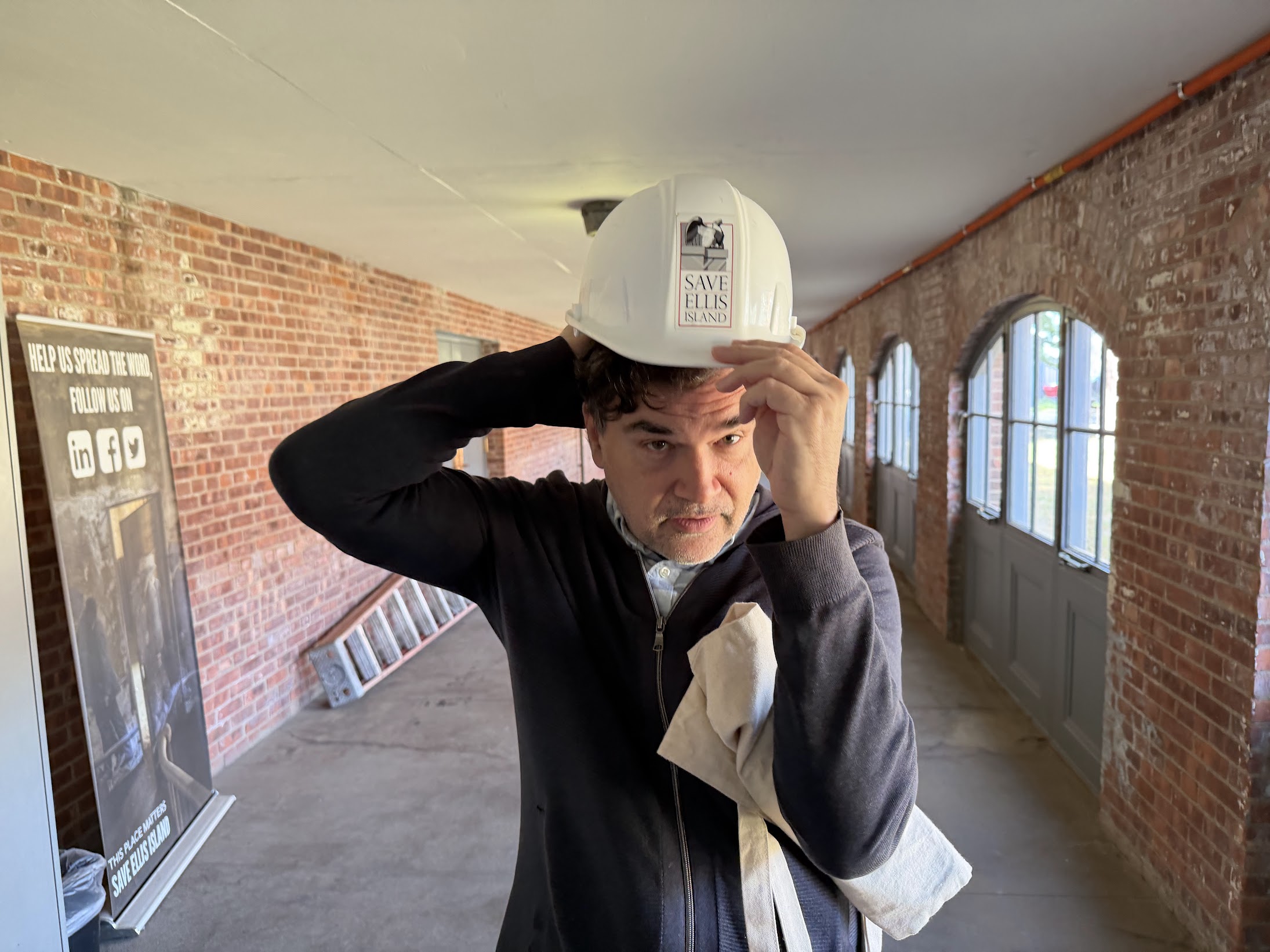
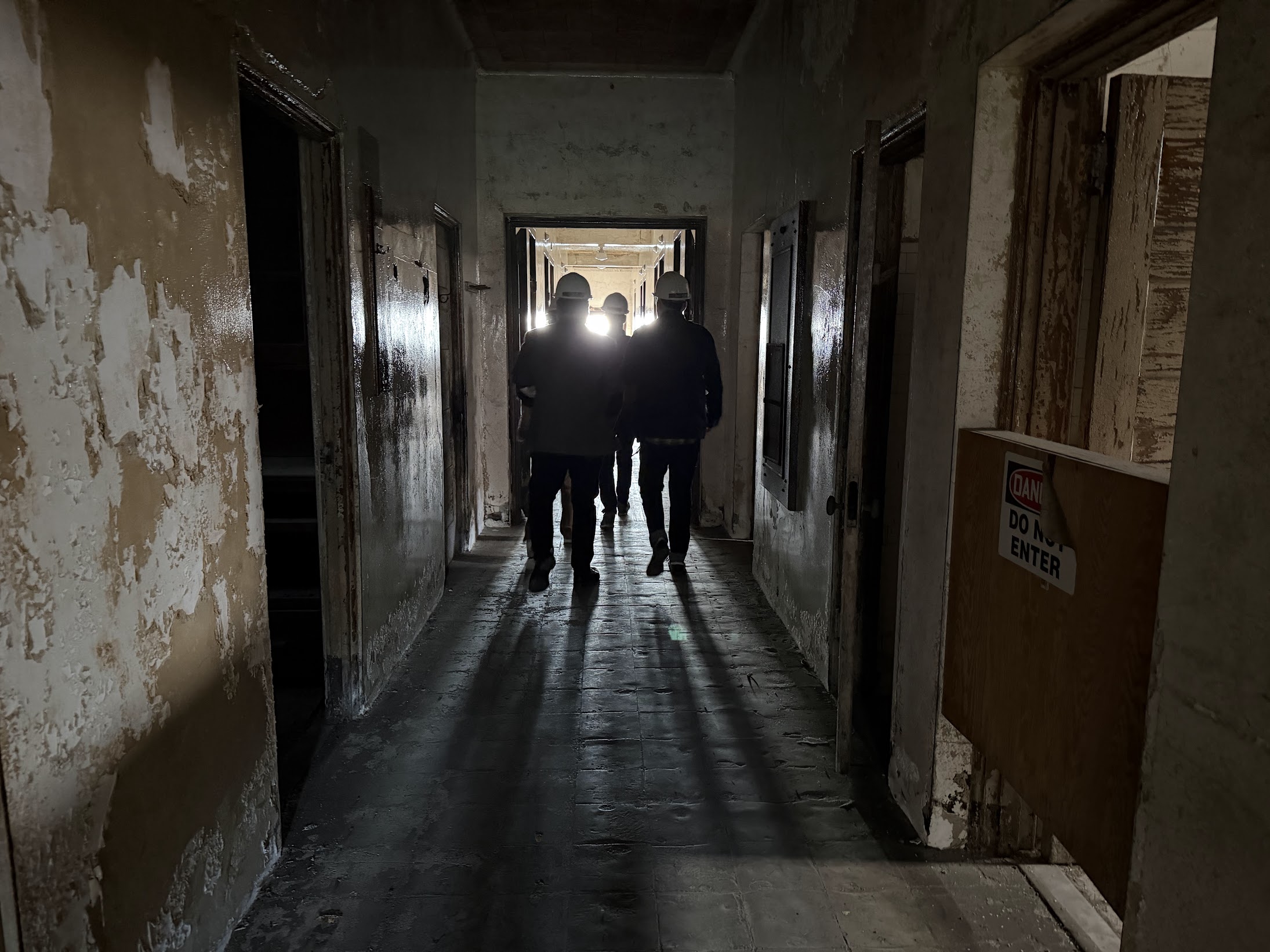
Then they pay a visit to “‘the other side”’ — the Ellis Island Immigrant Hospital — with Justin Southern and Jim Dessicino of Save Ellis Island.
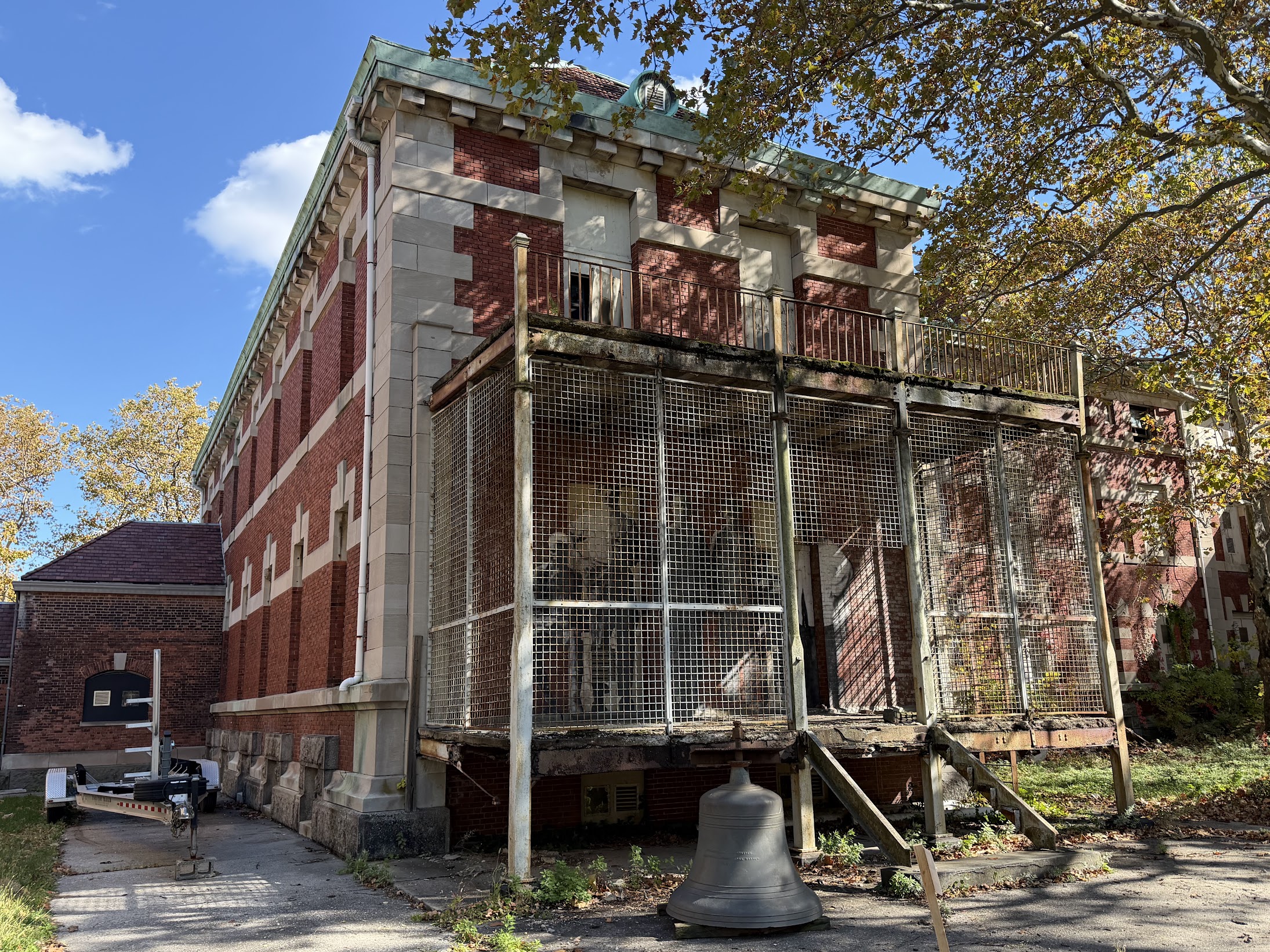
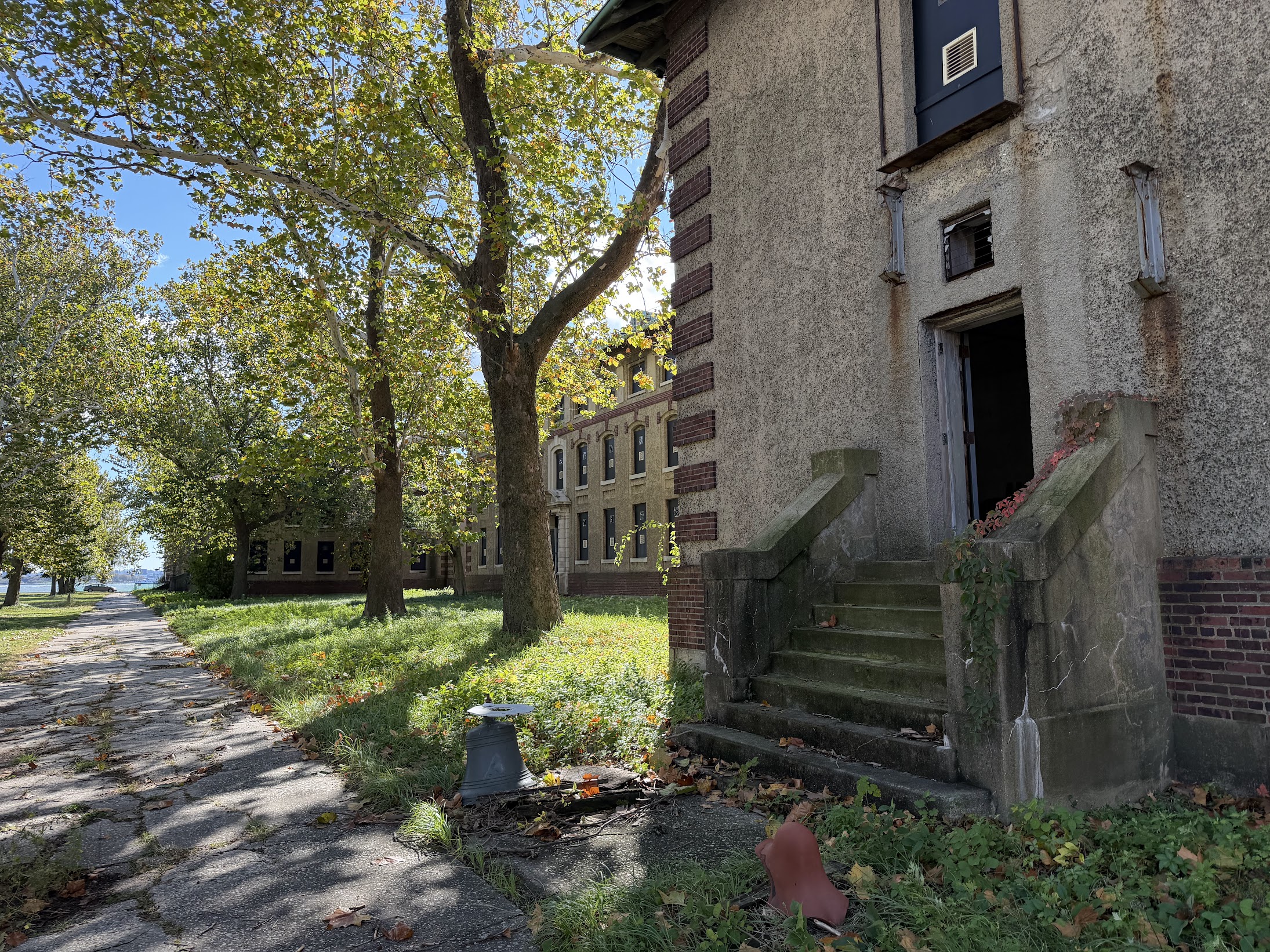
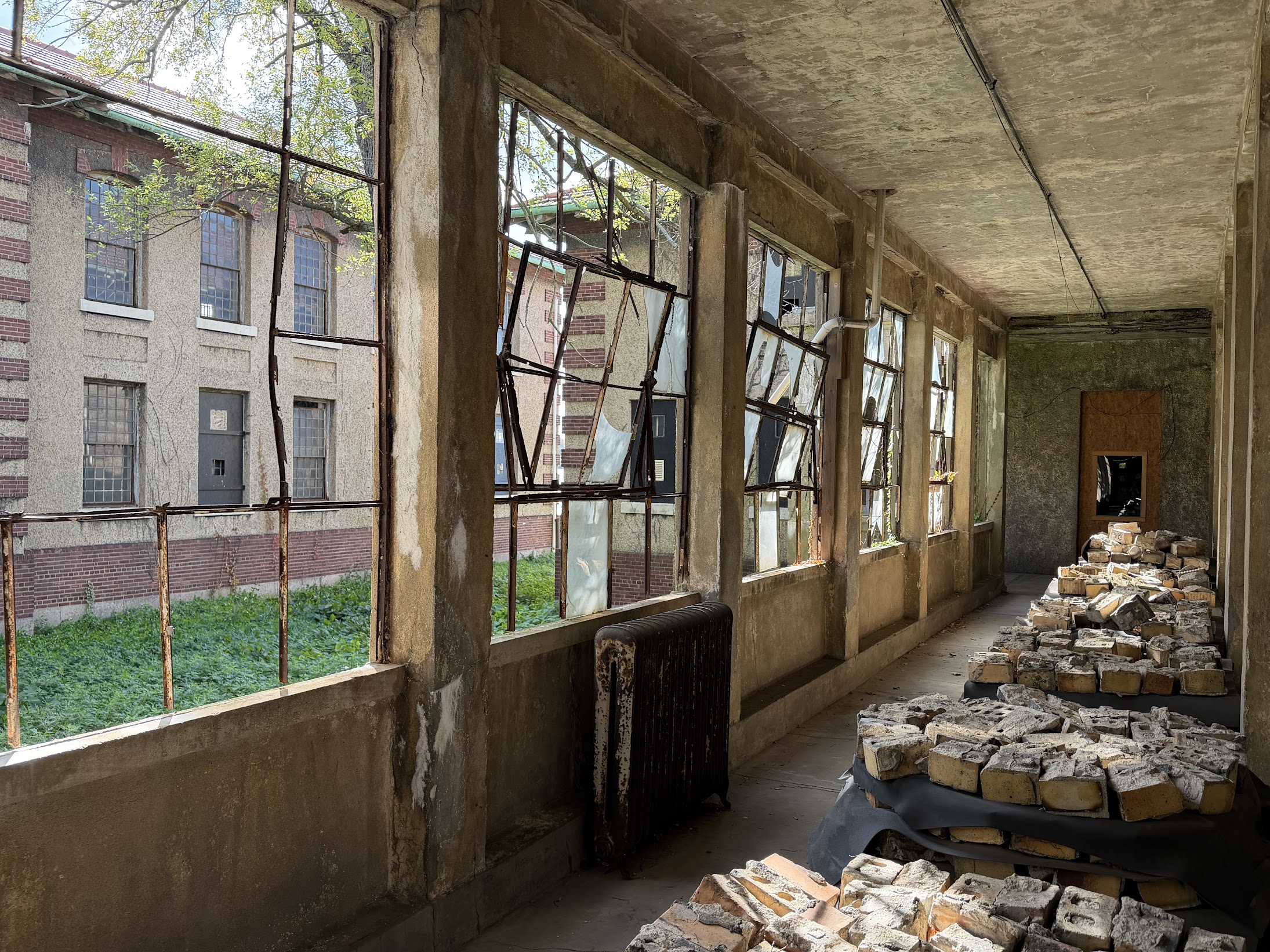
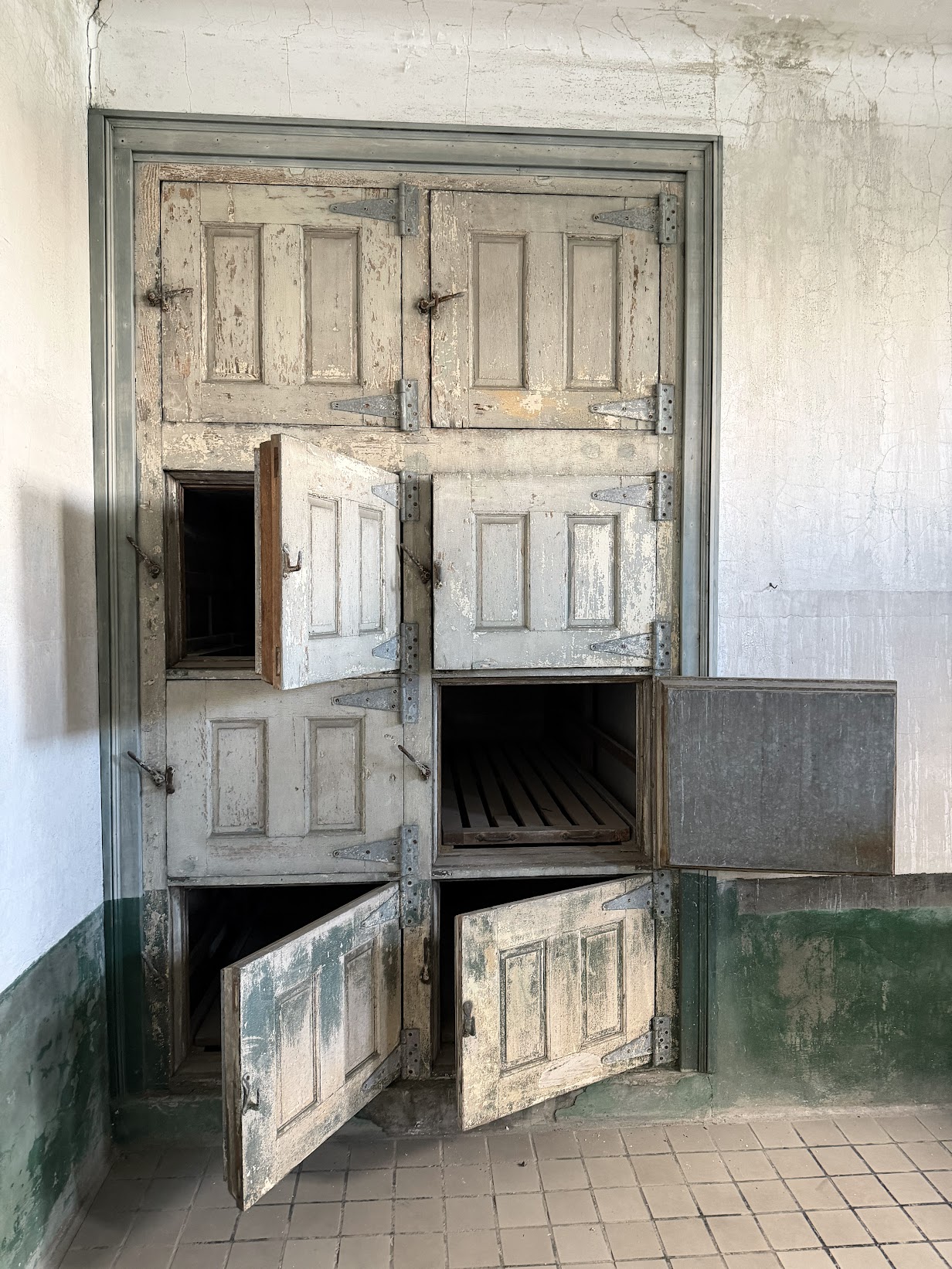
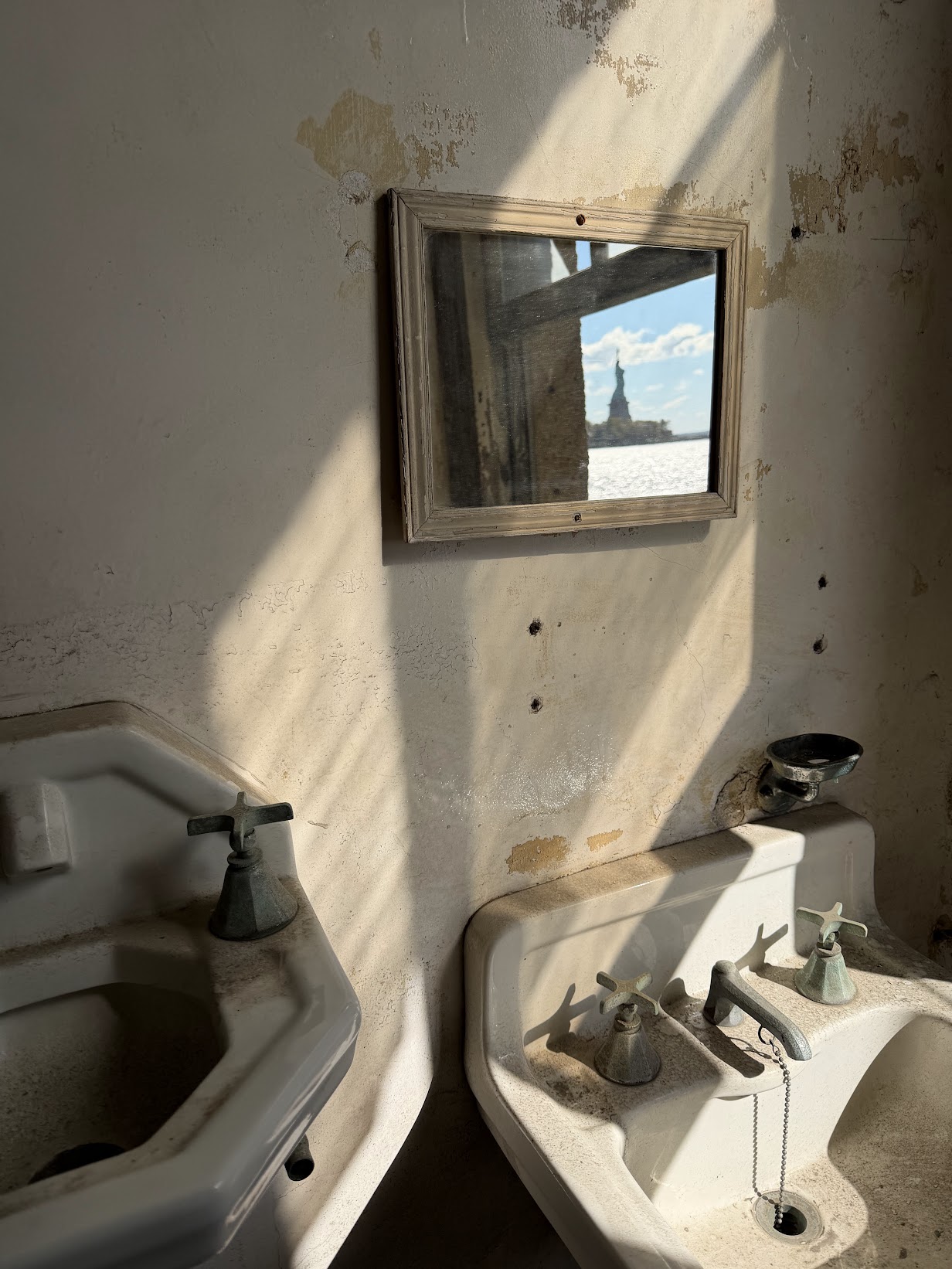
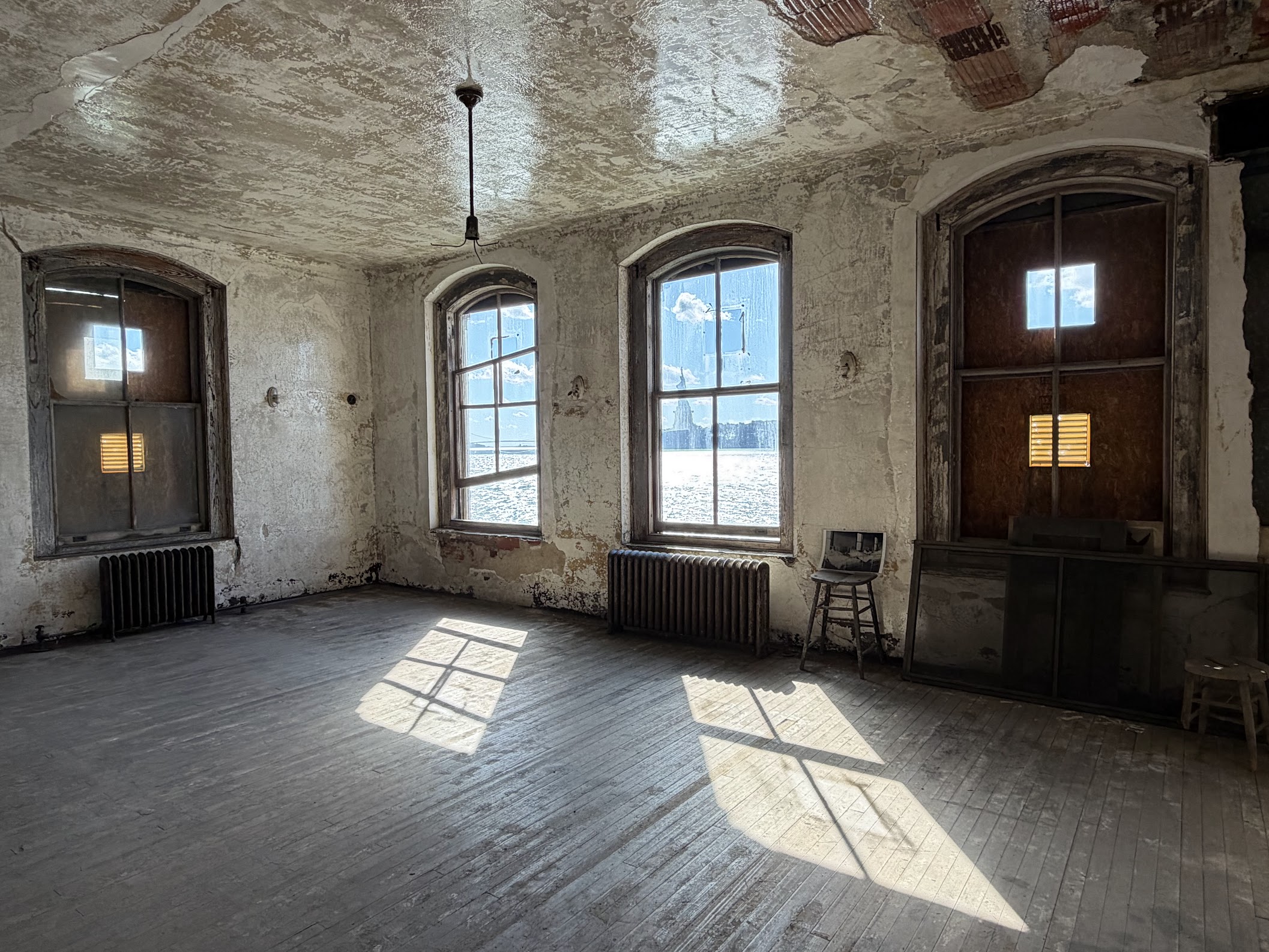
This non-profit leads hard-hat tours through these spectacular and unique ruins. And they are, in fact, ruins. Once a state-of-the-art health care unit, the hospital (and the rest of the island) was abruptly abandoned in 1954 and left to the elements.
Today, these buildings resemble something from an apocalyptic film with only haunted pieces of artwork — derived from images of the people who came through here — as the only evidence of the modern world.
What do these ruins mean to the story of immigration today? And can these memorable landmarks be saved?
LISTEN NOW: THE OTHER SIDE OF ELLIS ISLAND
The Bowery Boys Podcast is proud to be sponsored by Founded By NYC, celebrating New York City’s 400th anniversary in 2025 and the 250th anniversary of the United States in 2026.
Read about all the exciting events and world-class institutions commemorating the five boroughs’’ legacy of groundbreaking achievements, and find ways to celebrate the city that’s always making history at Founded By NYC.
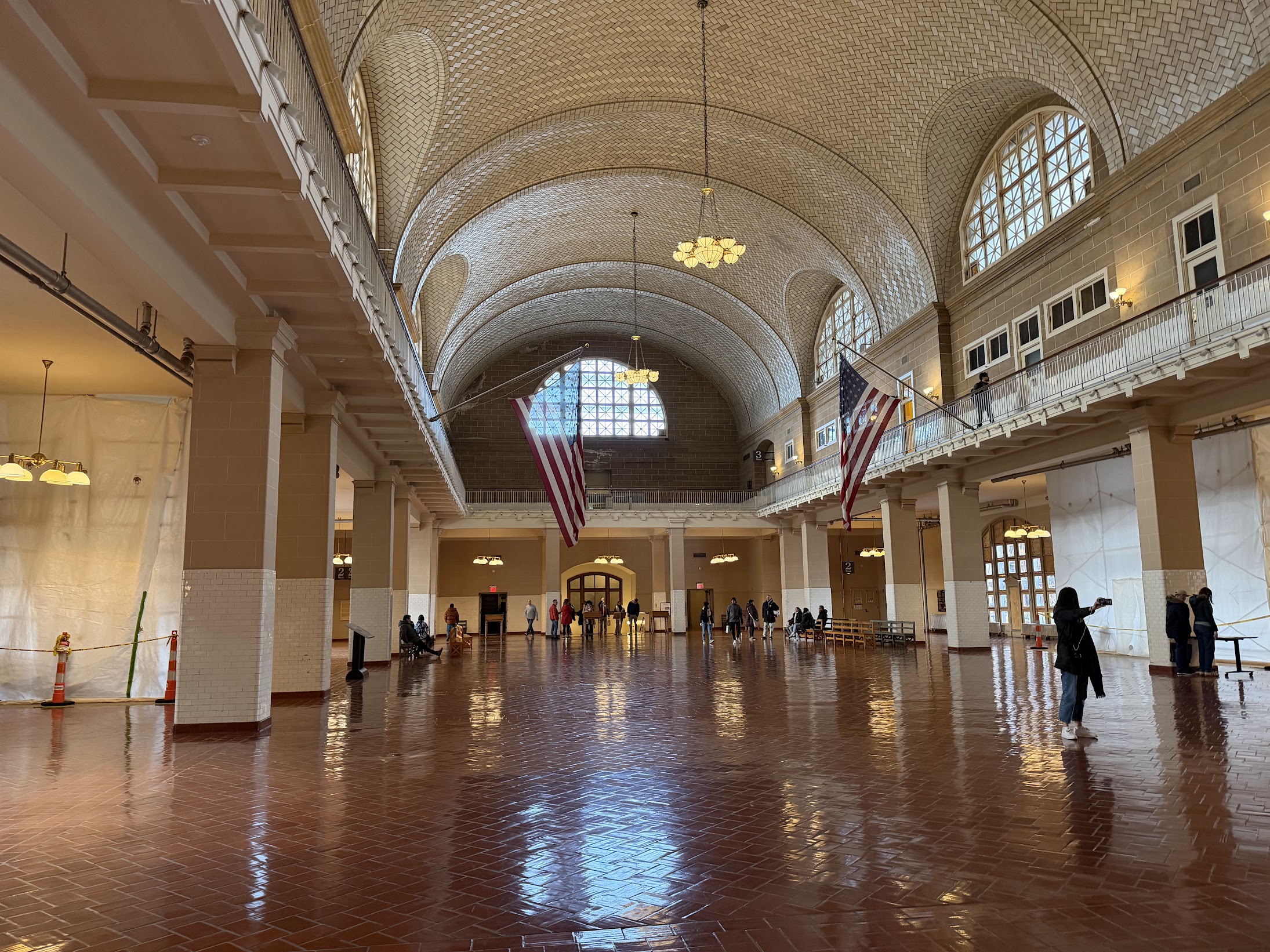
Inside the Ellis Island Immigrant MuseumThe Ellis Island Registry Room
FURTHER LISTENING
After listening to this episode, dive back into our catalog to learn more about some of the subjects from this week’s show.
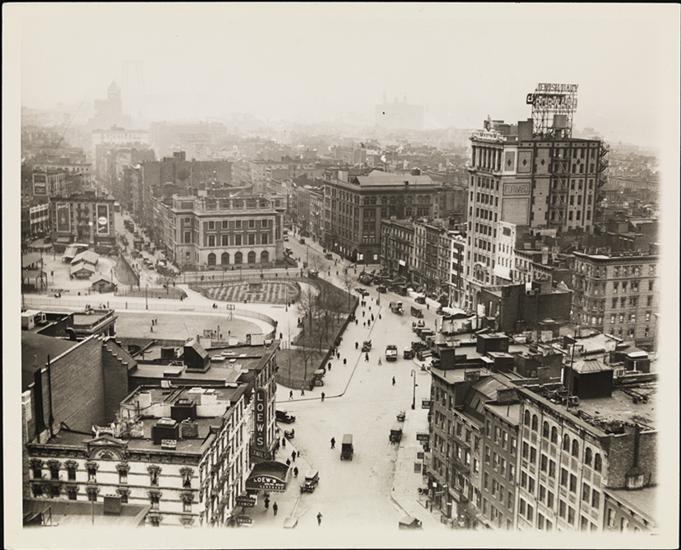
The neighborhood converging at the intersections of Essex Street, Rutgers Street, Canal Street and East Broadway on the Lower East Side — officially called Straus Square** — somehow seems exactly as it might have looked 125 years ago.
Anchored by Seward Park and its beautiful Carnegie library, it retains some of its turn-of-the-century character, while allowing for both Chinese-run restaurants and bakeries and trendier spillover in the form of designer restaurants and music lounges. There’s even a church from the 1840s (St. Teresa’s, at Rutgers and Henry Streets)
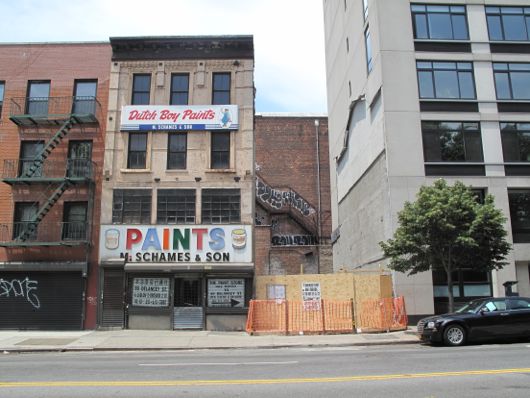
But one building that was once in the center of it all harbors a secret — 5 Essex Street.
It was at this address in the winter of 1892 that dozens of victims of the dreaded typhus disease were quarantined.
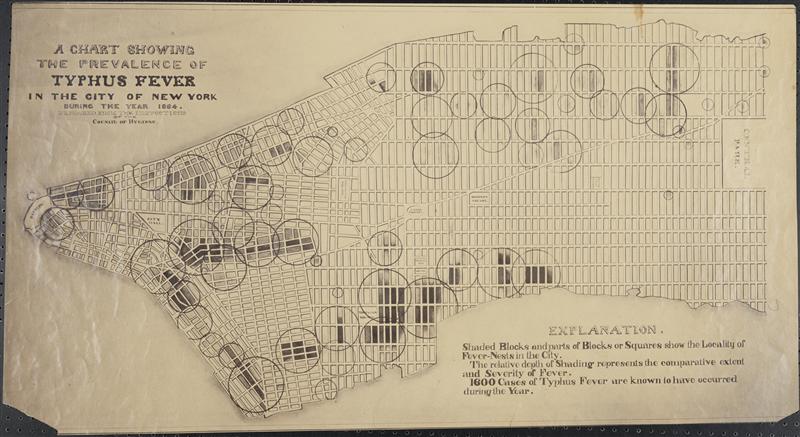
A map of typhus outbreaks from the year 1864. Courtesy the Museum of the City of New York
Thousands of immigrants were arriving in New York harbor by the late 19th century and making their home here on the Lower East Side, where aid organizations would often house families without means to support themselves. By 1892, the Lower East Side had become one of the most densely populated places on earth.
These were also the opening days of Ellis Island, and the strict examination that would make the immigrant center infamous had not yet been established. New York had safeguards in place to stop the spread of diseases, but they weren’t perfect.
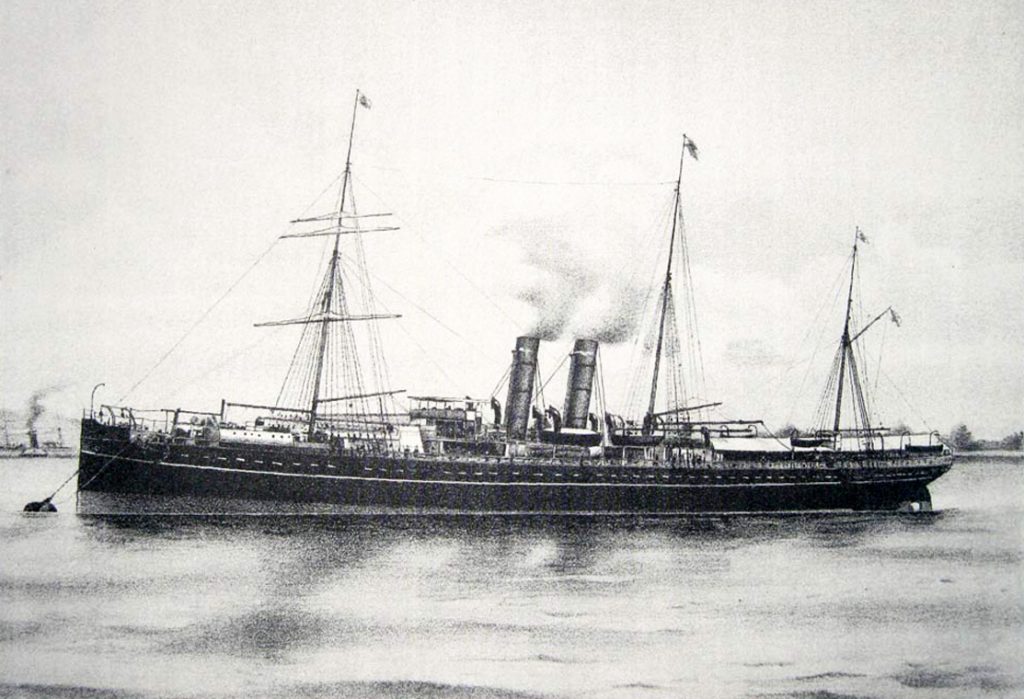
Courtesy Clyde Ships
The steamship Massilia (pictured above) arrived during Ellis Island’s first month of operation, January 1892, carrying over 700 hopefuls, most of them Italians and Russian Jewish immigrants escaping persecution.
Most of them ended up on the Lower East Side, including members of the Mermer family, who the United Hebrew Charities organization arranged to live in the small tenement at 5 Essex Street.
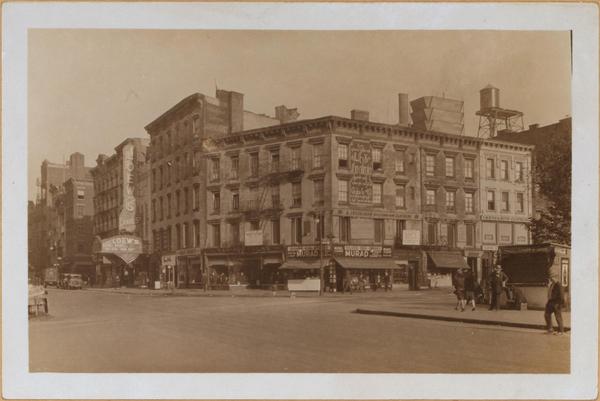
1 Essex, 3 Essex and 5 Essex, seen from Straus Square, 1927. (Courtesy New York Public Library)
The passengers had not been properly checked for various diseases, including typhus, a devastating affliction that had swept through America during much of the 19th century. It would reach its height of destruction in Europe during World War I, where it would kill millions.
This horrifying sickness, spread by fleas or mites, was on the Massilia. And its passengers were now spread throughout the Lower East Side.
The condescending press of the day described the ship’s passengers as “the impoverished, unkempt class that usually comes from that land, and of the kind that such a scourge as typhus would be likely to mark as its own.”
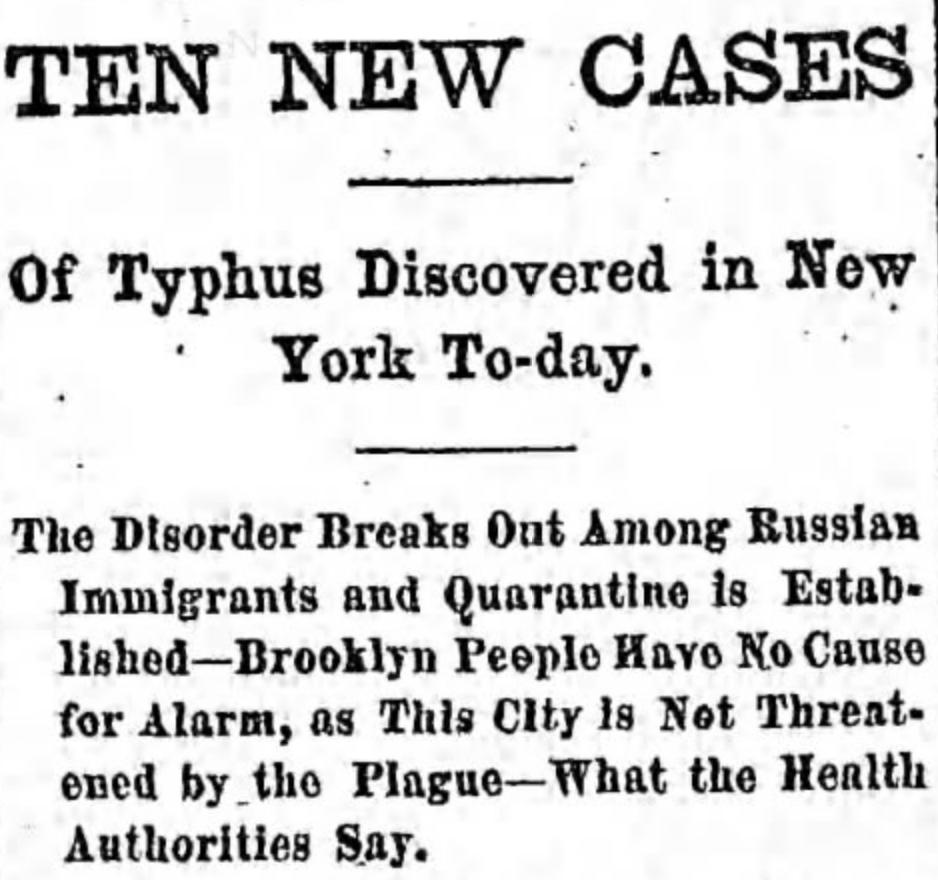
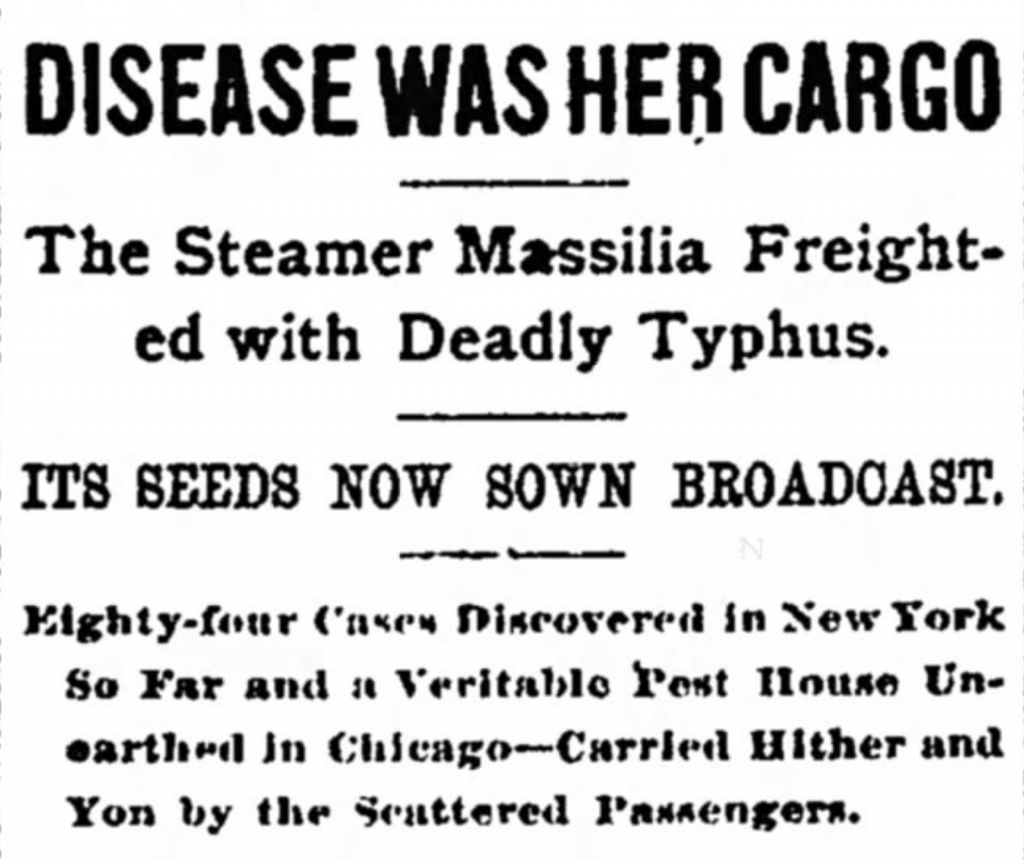
Headline from the Brooklyn Daily Eagle, Feb. 12, 1892
It was first noticed among 15 Massilia passengers at another address, 42 East 12th Street. The city and the United Hebrew Charities scoured the city for all the remaining Massilia immigrants and found out to their horror that over 70 of them had typhus, including members of the Mermer family at 5 Essex.
Those with symptoms of the disease were transported out to North Brother Island. However all other passengers were forced into the two addresses — 5 Essex Street and 42 East 12th Street — and quarantined there, with police guarding the doors to make sure that nobody could go in. Or escape.
The remaining members of the Mermer family were now trapped at 5 Essex.
A melodramatic headline from the Middleton Times-Press, Feb 16, 1892. (Newspapers.com)
The mother Fayer was dead and two symptomatic children (who would later survive) were taken away. They were now quarantined in their home with dozens of others, unsure if they would all succumb to the same fate.
Even with increased precautions, the disease still found its way out. There had been little spread of typhus in the 1890s; now, with the arrival of the Massilia, dozens of cases were reported up and down the major cities of the East Coast.
Fearing a new outbreak, city officials did something drastic. In March, they emptied the two quarantined buildings and placed everybody who lived there on North Brother Island, whether they had the sickness or not.
It would be a nerve-racking month, a disturbing introduction to America. After a few weeks, if patients were without symptoms, they would finally be allowed to leave.
The quarantine seemed to do the trick; less than 50 people died from this potentially disastrous outbreak that struck the heart of the most densely populated neighborhood in New York.
Image courtesy the Lo Down
UPDATE: When I first published a version of this article back in 2008, 5 Essex Street was still standing. But the building was not landmarked and this area of the Lower East Side is not contained in a historic district.
Further contemporary news reports of the quarantine house at 5 Essex can be found here.
Picture at top (of Straus Square in 1928) courtesy the Museum of the City of New York
**Straus Square is named for Nathan Straus, the philantropist and co-owner of Macy’s Department Store. Coincidentally, Nathan’s brother Oscar would become Secretary of Commerce under Theodore Roosevelt and oversee the administration of Ellis Island. Nathan’s other brother Isidor would die on the Titanic.
PODCAST The epic tale of Ellis Island and the process by which millions of new immigrants entered the United States.
For millions of Americans, Ellis Island is the symbol of introduction, the immigrant depot that processed their ancestors and offered an opening into a new American life.
But for some, it would truly be an ‘Island of Tears’, a place where they would be excluded from that life.
How did an island with such humble beginnings — ‘Little Oyster Island’, barely a sliver of land in the New York harbor — become so crucial? Who is the ‘Ellis’ of Ellis Island? And how did it survive decades of neglect to become one of New York’s most famous tourist attractions?
FEATURING our special guest Tanya Bielski-Braham (currently of the Holocaust Center of Pittsburgh) who walks us through her own family’s immigration experience over a century ago — from Eastern Europe to America.
THIS SHOW WAS ORIGINALLY RELEASED TEN YEARS AGO THIS MONTH ON JULY 31, 2009!
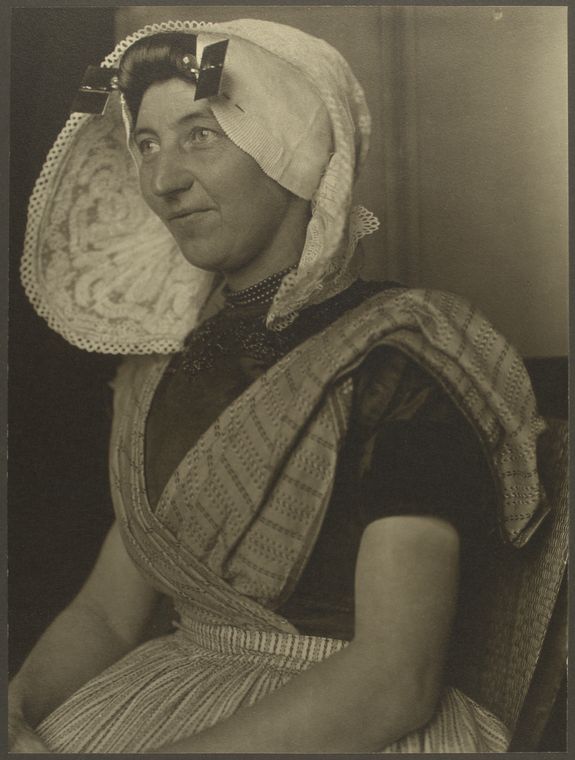
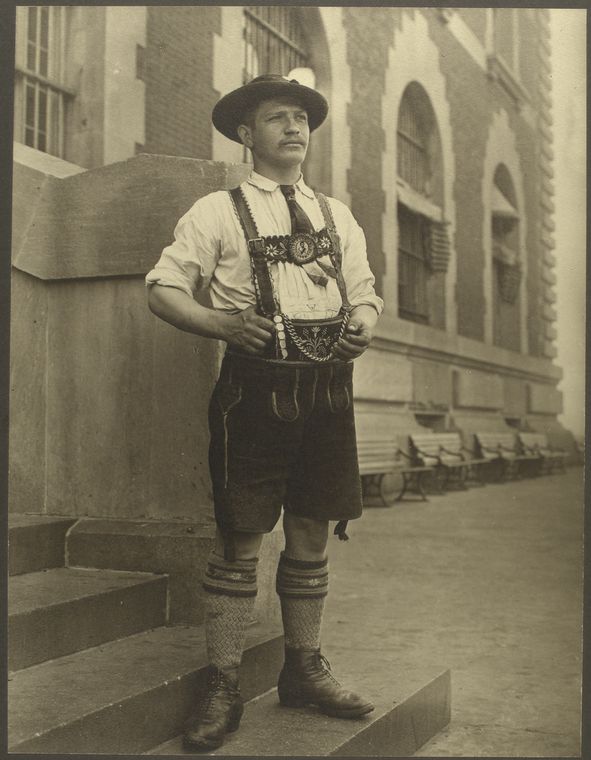
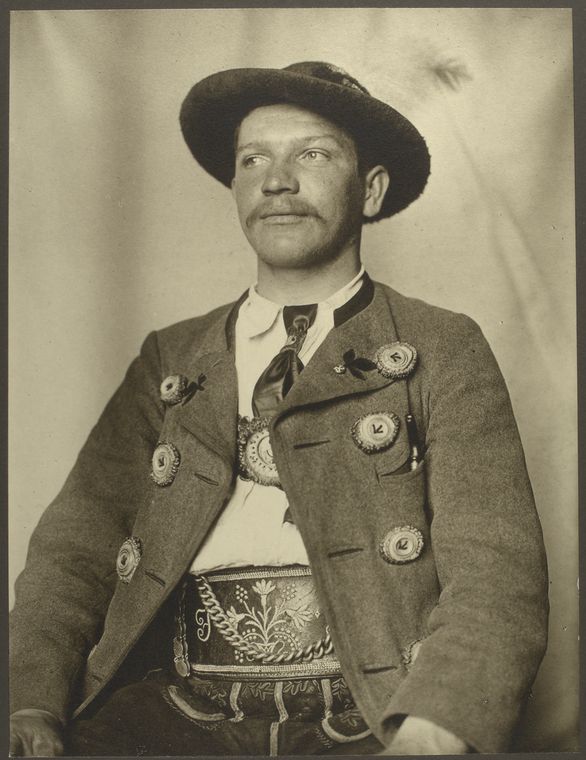
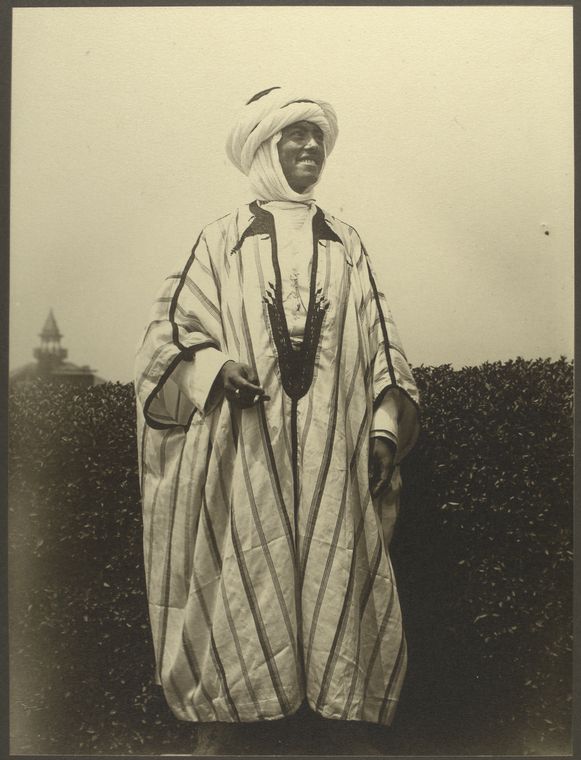
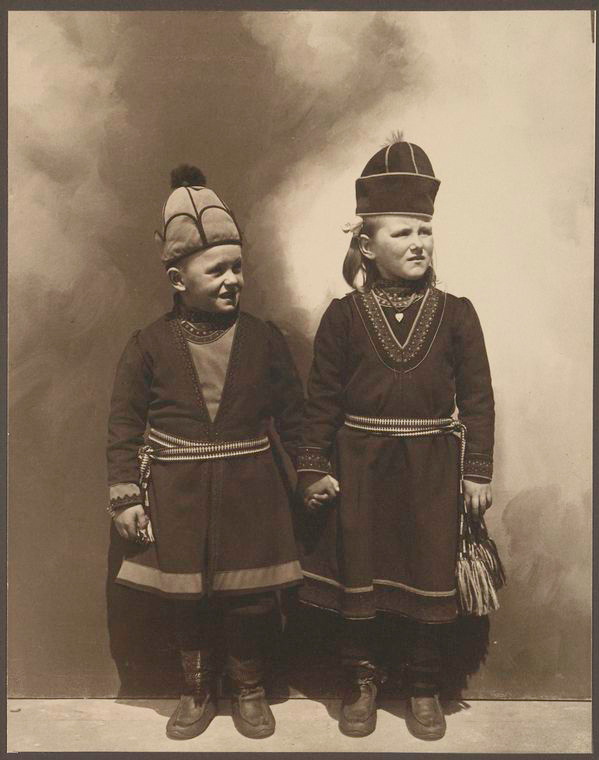
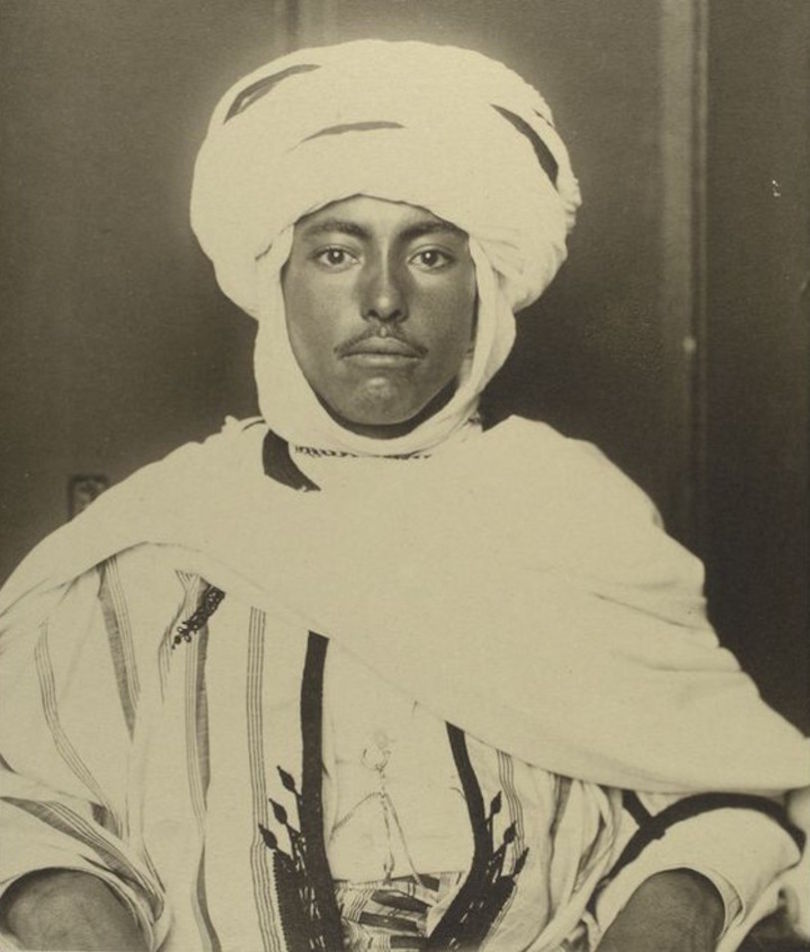
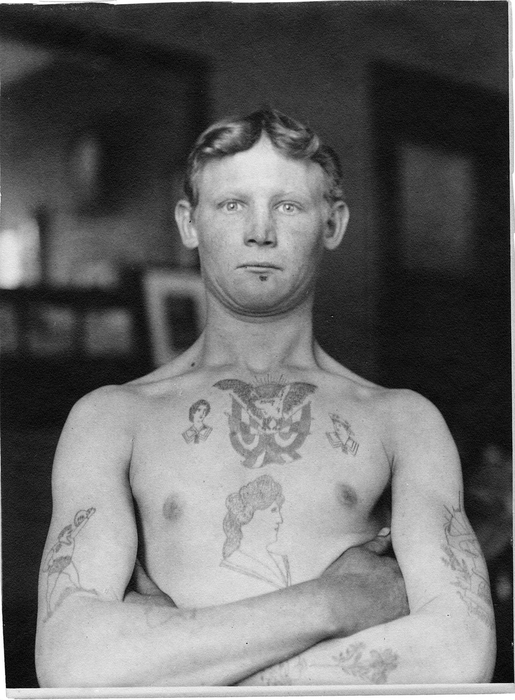
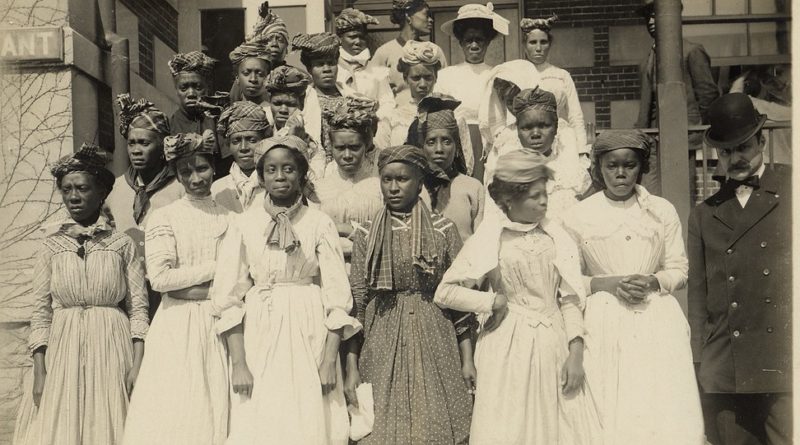
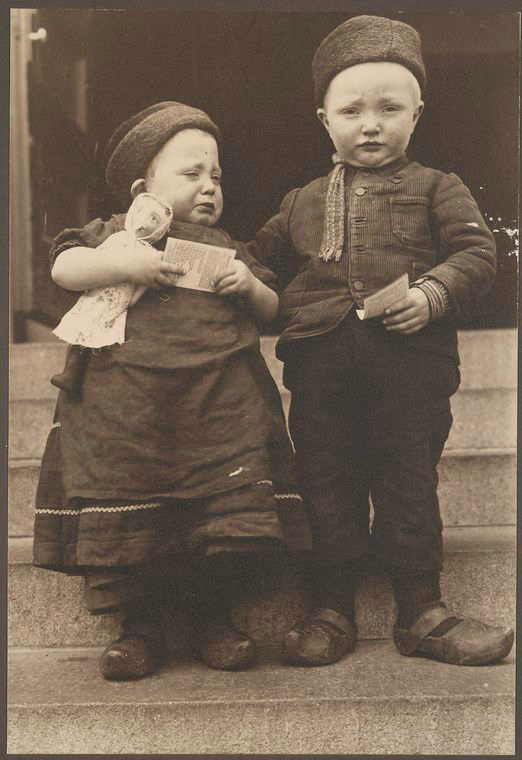
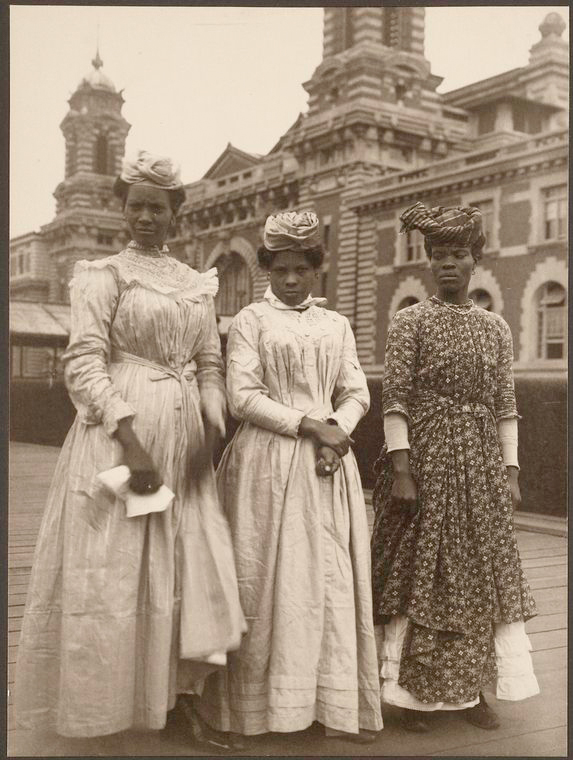
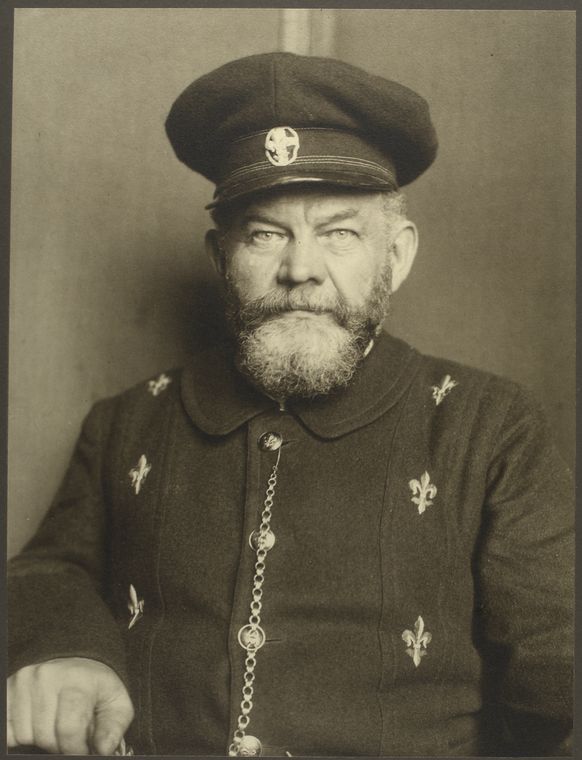
Here’s a look at many of the faces of newly arriving immigrants from between the years 1904 and 1924, photos byAugustus Frederick Sherman, a clerk on Ellis Island.
Interestingly these are not ‘official’ photographs. Sherman himself was particularly interested in national costume and mostly chose subjects who happened to be wearing the most flamboyant apparel from their respective countries. You can see more pictures from this series at the National Park Service website on Ellis Island. The particular images below are courtesy New York Public Library
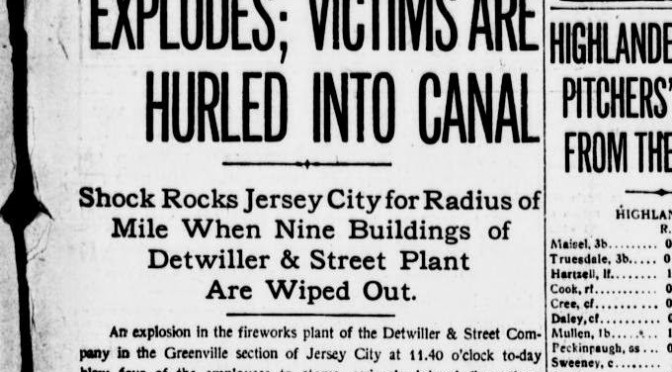
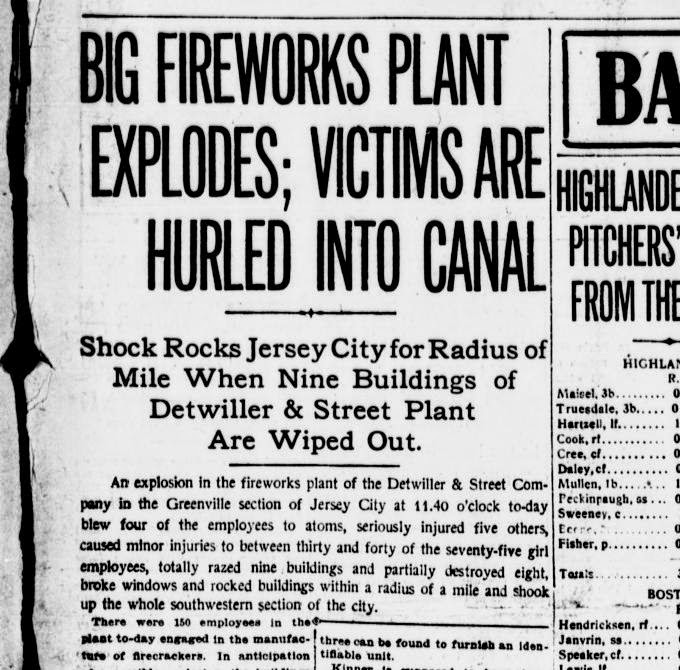
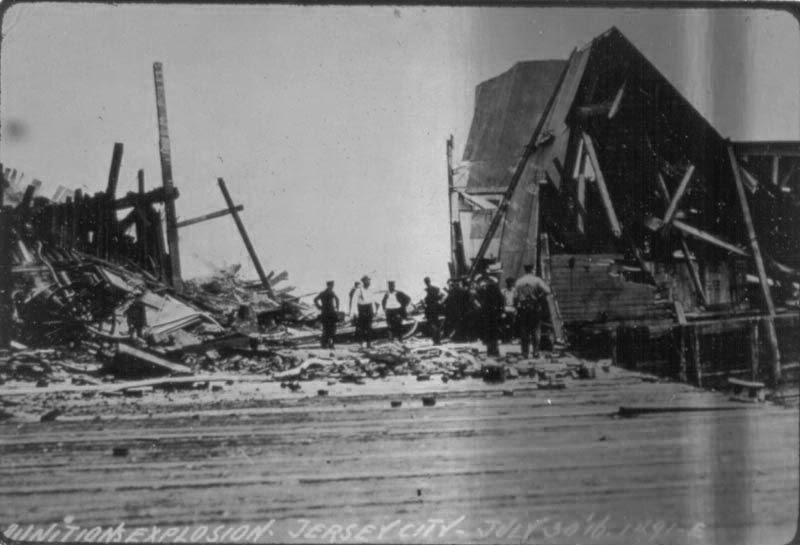
One hundred years ago today, the Detwiller & Street fireworks plant, located in the Greenville section of Jersey City, exploded in a horrible shower of fire and glass. Â Four men were killed instantly and dozens of employees were injured. Â Several surrounding buildings “fell to pieces like houses of cards.” Â The rumble shook buildings throughout the city, up to Weehawken and even into Manhattan and Staten Island. [sources]
This was the sad, weird reality of munitions plants in the New York metropolitan area. Â Staten Island was one of America’s largest producers of fireworks and saw its share of disasters, including a 1907 explosion in Graniteville.
But there was one huge difference between the 1907 Graniteville disaster and the 1914 Jersey City explosion — World War I. Â Fireworks manufacturers during the war also produced munitions. Â As the United States wasn’t yet engaged in the European conflict, some manufacturers were hired directly by the Allied nations.
The New York Tribune notes the unwillingness of executives to talk about the blast, and eventually the plant’s superintendent was eventually charged with “violations of the Crimes act, which makes it unlawful to store high explosives within 1,000 feet of a  highway unless in a fireproof vault.”
From the Evening World, October 3, 1914:
While the press reports of the day never explicitly mention Detwiller & Street’s munitions productions, it’s clear from later incidents that this was probably at least part of the plant’s output that year. Â Another explosion at the very same plant in 1917 killed nine, all women. Â A safety report clearly indicates then that “[t]he company is engaged in the manufacture of munitions for the Russian government.” Â On hand to rescue some of the women was a Russian munitions inspector. [source]
This naturally leads to a more disturbing question — was the 1914 explosion sabotage by the German?
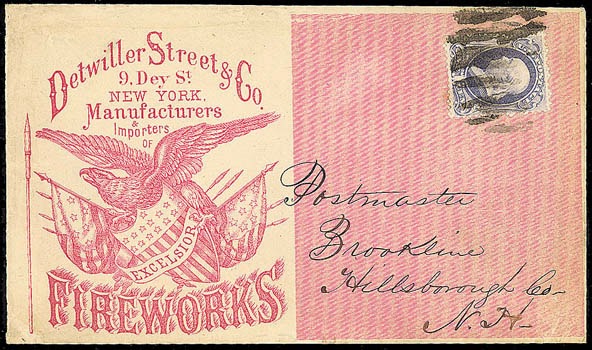
An early postcard from 1873. Â The New York based Detwiller & Street specialized in “fireworks, time danger signals, railroad track torpedoes, etc.” Â They were also responsible for the spectacular fireworks display at the opening of the Brooklyn Bridge.
That’s one suggestion according to a 1918 book The German Secret Service In America 1914-1918, listing a set of suspicious fireworks accidents in New Jersey before Oct. 3, 1914, Jersey City disaster. While these early accidents may have been due to increased munitions contracts in the hands of inexperienced employees, the authors admit ominously, “These explosions were the opening guns.”
German orders from that year make clear the focus on American targets. Â From the German Secret Service book: “[A] circular dated November 18, issued by German Naval Headquarters to all naval agents throughout the world, ordered mobilized all ‘agents who are overseas and all destroying agents in ports where vessels carrying war material are loaded in England, France, Canada, the United States and Russia.”
This had horrible consequence for the United States and those plants in New Jersey, New York and Pennsylvania in particular, leading to the greatest act of sabotage prior to America’s involvement in World War I — the Black Tom Explosion. (Pictured above: Aftermath of the Black Tom Explosion, courtesy Liberty State Park)
On July 30, 1916, a munitions depot on Black Tom pier in Jersey City was set ablaze by German agents.  The resulting explosion killed seven people on neighboring Ellis Island in Jersey City and ricocheted through the metropolitan area, shattering windows in Times Square and over at St. Patrick’s Cathedral and shaking people from their beds in Brooklyn.  The Statue of Liberty also suffered damage from this act of sabotage.
And so it’s hard to read accounts of the Jersey City explosion from one hundred years ago and not imagine the possibility of sinister intention.
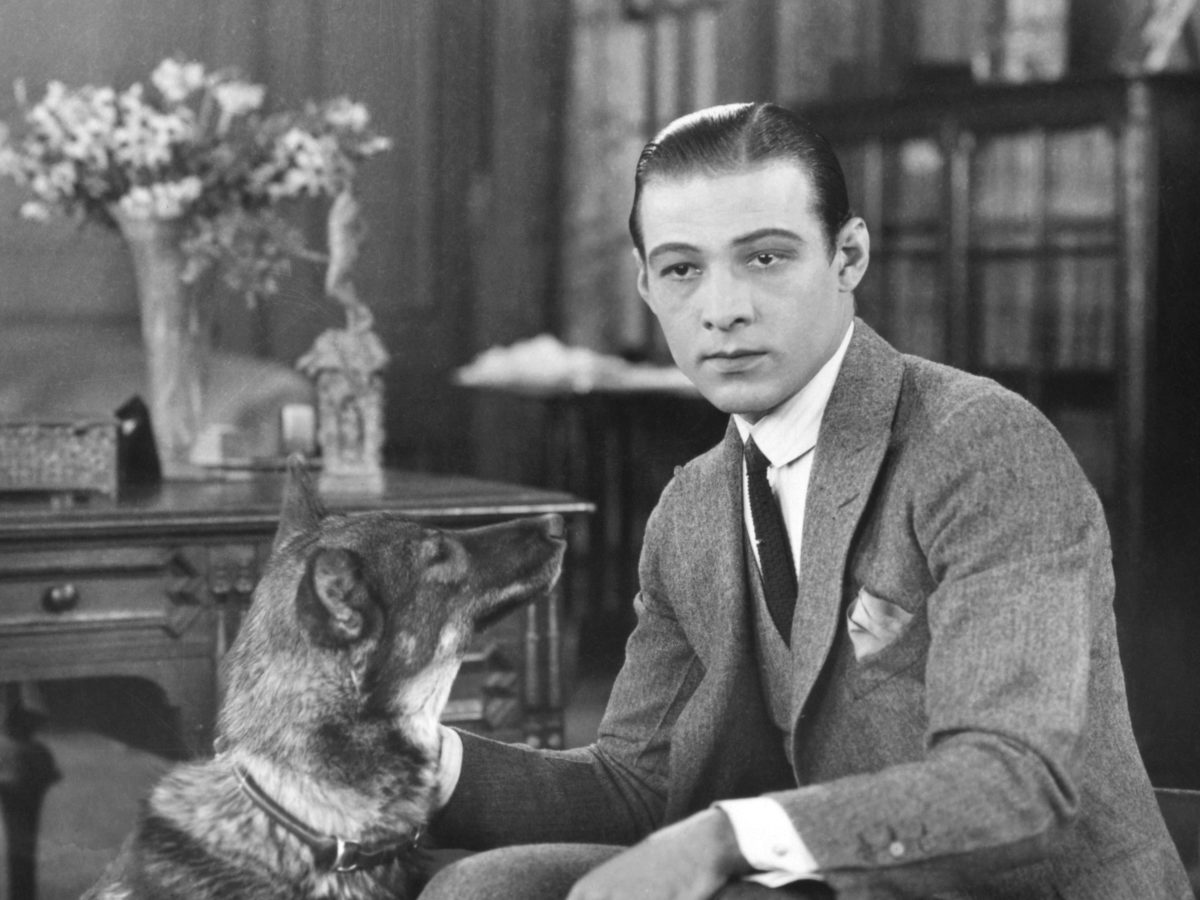
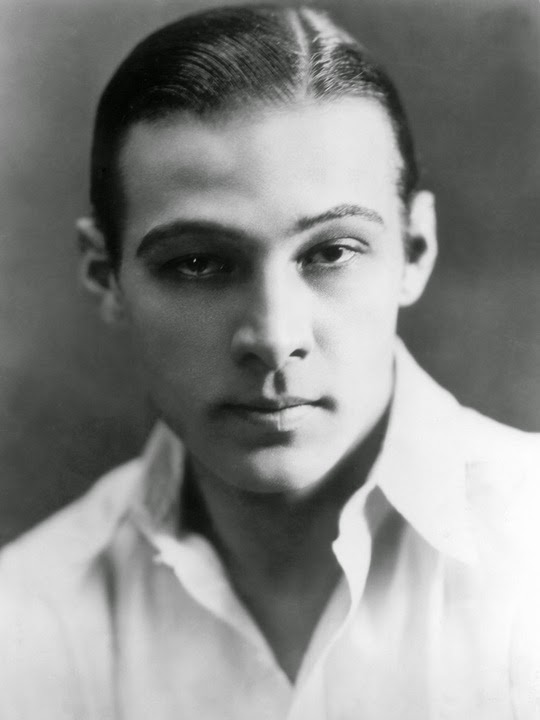
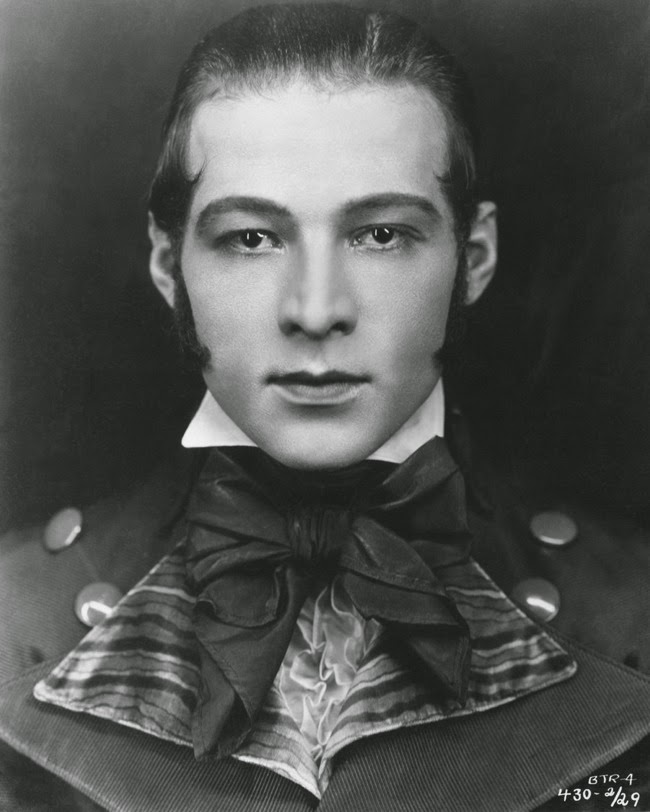
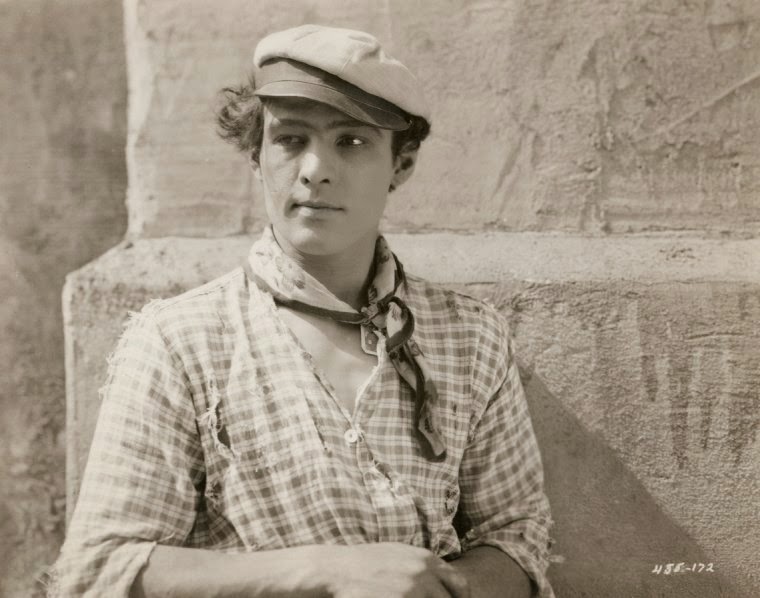
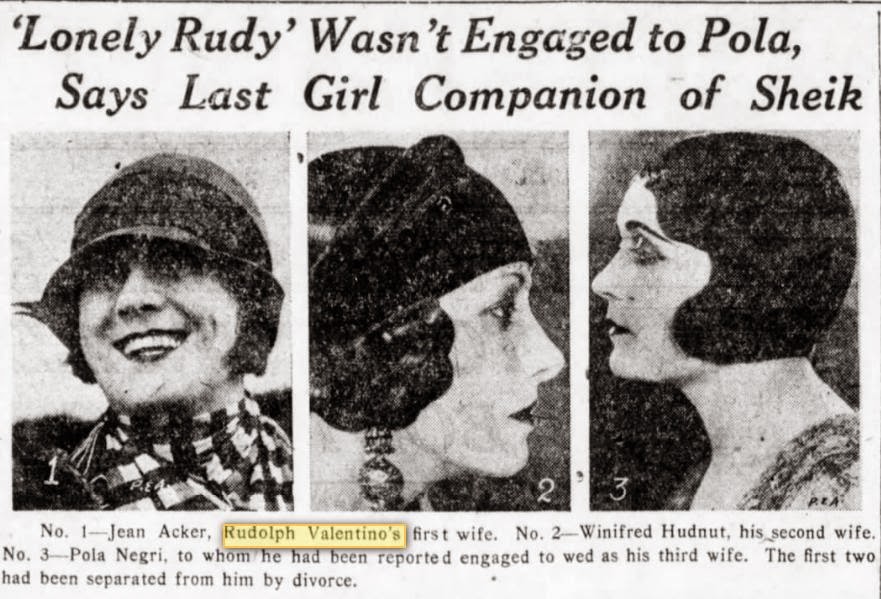
PODCAST Rudolph Valentino was an star from the early years of Hollywood, but his elegant, randy years in New York City should not be forgotten. They helped make him a premier dancer and a glamorous actor. And on August 23, 1926, this is where the silent film icon died.
Valentino arrived in Ellis Island in 1913, one of millions of Italians heading to America to begin a new life. Â In his case, he was escaping a restless life in Italy and a set of mounting debts! But he quickly distinguished himself in New York thanks to his job as a taxi dancer at the glamorous club Maxim’s, where he mingled with one particular Chilean femme fatale.
He headed to Hollywood and became a huge film star in 1921, thanks to the film The Sheik, which set his reputation as the consummate Latin Lover. Â Throughout his career, he returned to New York to make features (in particular, those as his Astoria movie studio), and he once even judged a very curious beauty pageant at Madison Square Garden.
In 1926, he headed here not only to promote his sequel Son Of The Sheik, but to display his masculinity after a scathing article blamed him for the effeminacy of the American male!
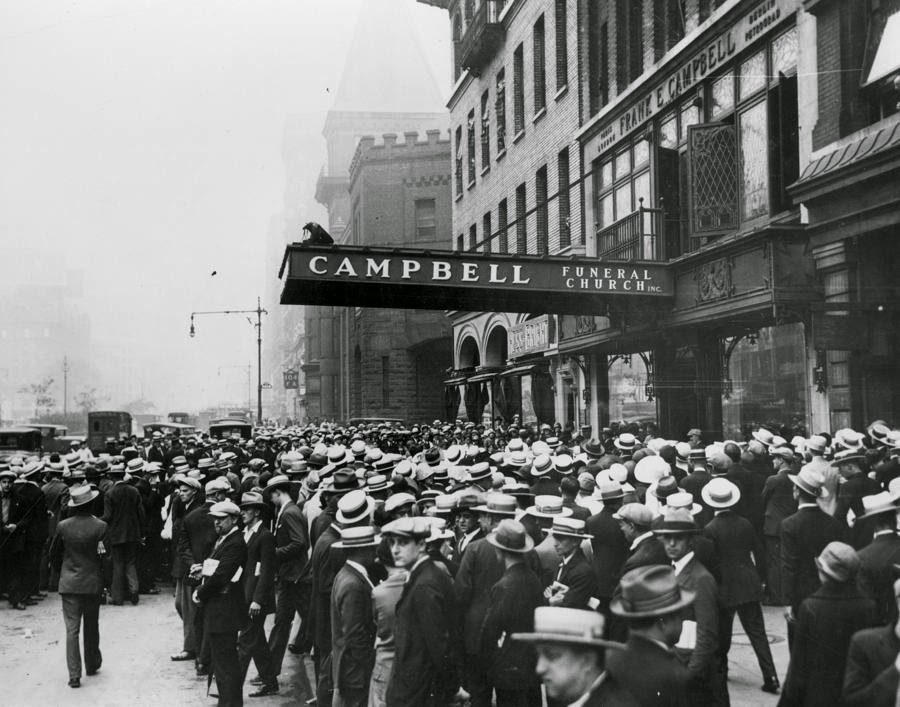
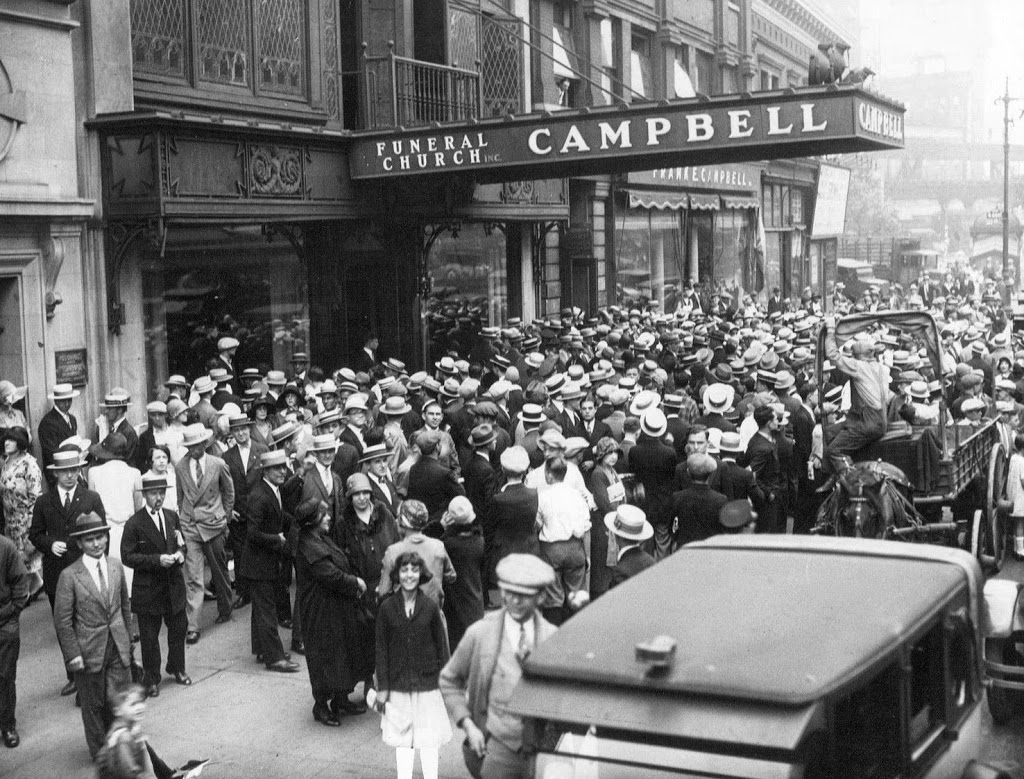
Sadly, however, he tragically and suddenly (and, some would say, mysteriously) died at a Midtown hospital. Â People were so shocked by his demise that the funeral chapel (in the area of today’s Lincoln Center) was mobbed for almost a week, its windows smashed and the streets paralyzed by mourners — or where those people paid by the film studio?Here are the details of the tragedy that many consider one of the most important cultural events of the 1920s.
ALSO: We are proud to introduce to you — POLA!
To get this week’s episode, simply download it for FREE from iTunes or other podcasting services.
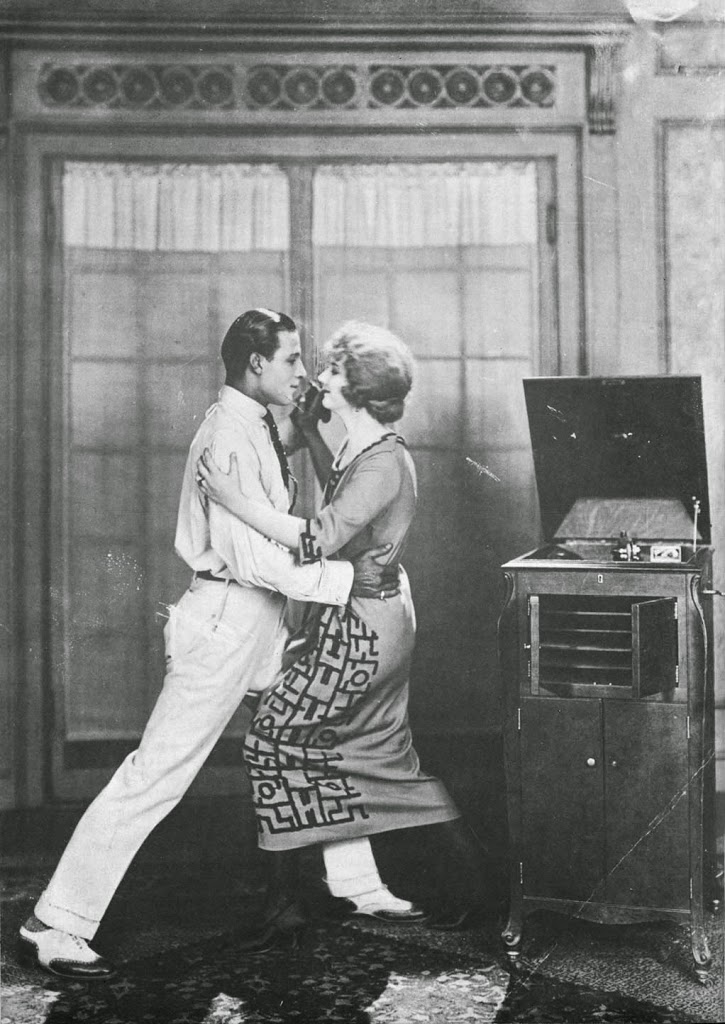
The young dancer was employed at Maxims on 110 West 38th Street. From a 1916 guidebook: “A famous ‘smart’ restaurant. A la carte. Music, dancing, cabaret, from 6:30 to close. High prices. Special ladies luncheon at noon.” Valentino would use his skills as a struggling actor in Los Angeles and incorporate it into his film work. Below: Valentino with Alice Terry
Valentino’s breakthrough film — The Four Horsemen of the Apocalypse. “He paints the town red!” “Each kiss flamed with danger!” Like many of his movies, the plot seems taken from his life. Valentino spent some time as a youth in Paris, dancing and dining his way through the city (and into debt). (NYPL)
The Sheik, the film that made his reputation:
From Blood and Sand (1922) — In this one, the Italian Valentino plays a Spanish toreador. (NYPL)
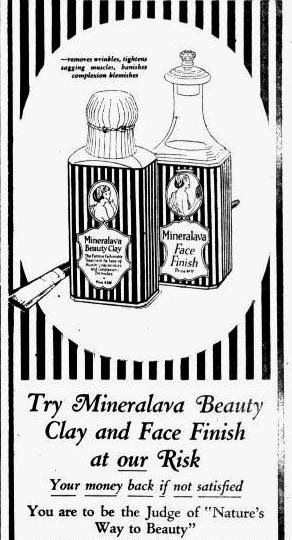
Mineralava Beauty Clay, the sponsor of Valentino and Rambova’s cross-country tango trip:
Newsreel footage of Valentino at Madison Square Garden judging the Mineralava Beauty Clay competition:
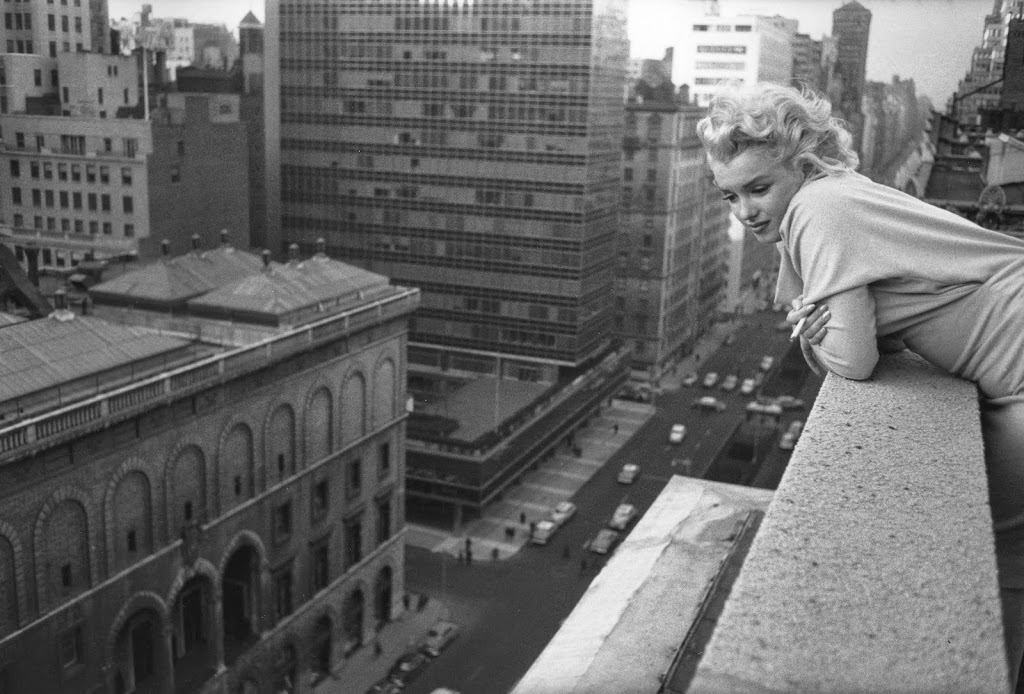
The Hotel Ambassador at Park Avenue and 51 Street. This is where Valentino boxed the reporter (on the rooftop) to defend his masculinity and where he was staying on August 15, 1926, when he collapsed.
Most people are familiar with the Ambassador due to another iconic film star and her memorable photo shoot (by Ed Feingersh) on the rooftop:
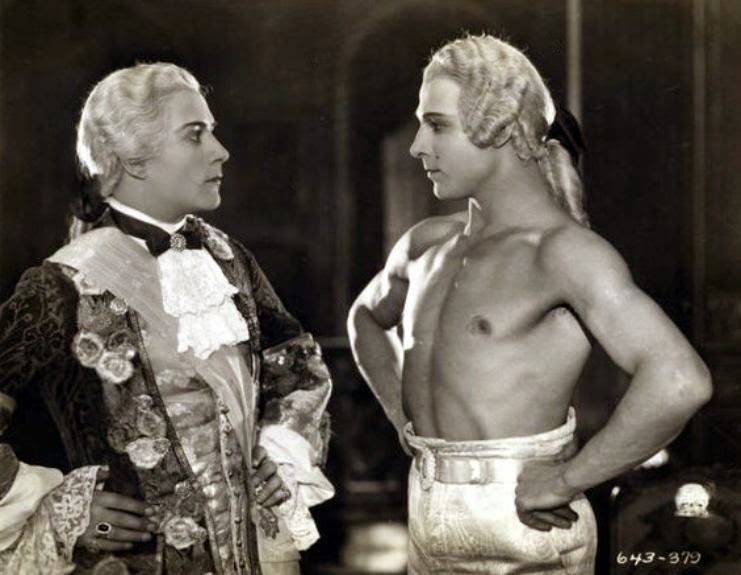
Rudolph in Monsieur Beaucaire, filmed at the Famous Players (later Paramount) studio in Astoria, Queens:
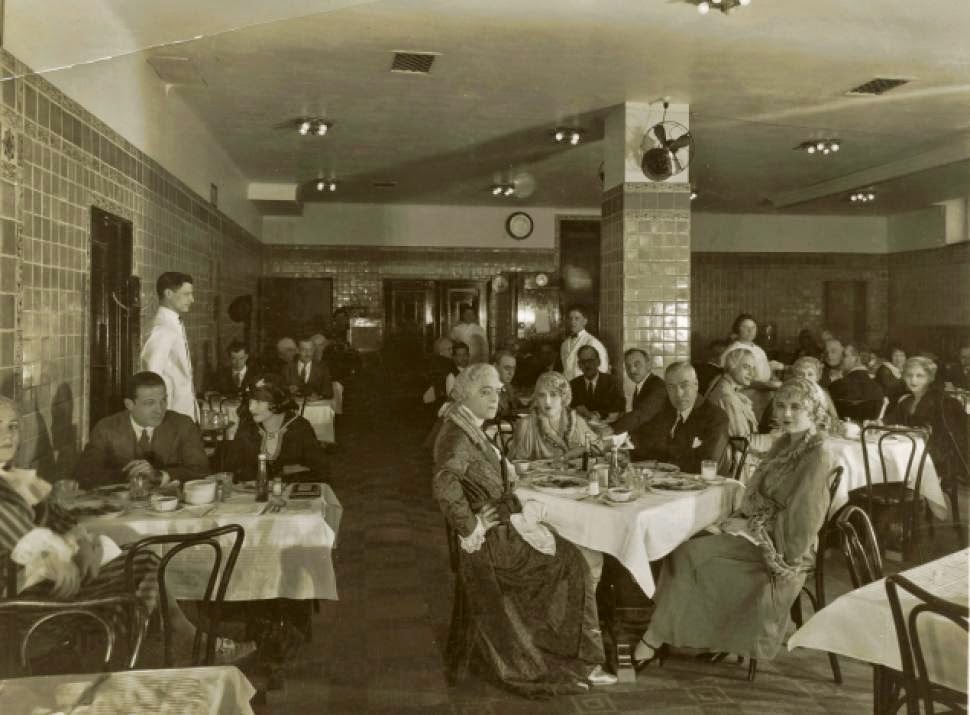
Downstairs, in the studio commissary, with Valentino (at left) and the cast of the film. Today this room is a restaurant named The Astor Room, which features cocktails named for silent film stars. There’s even a Valentino-themed cocktail called Blood and Sand!
Polyclinic Hospital at 345 West 50th Street, where Valentino died on August 23, 1926. The building still exists today as an apartment complex. (Picture courtesy Museum of the City of New York)
Pictures of the mad, chaotic crowds outside Frank Campbell’s Funeral Church during the week of August 23-30, 1926:
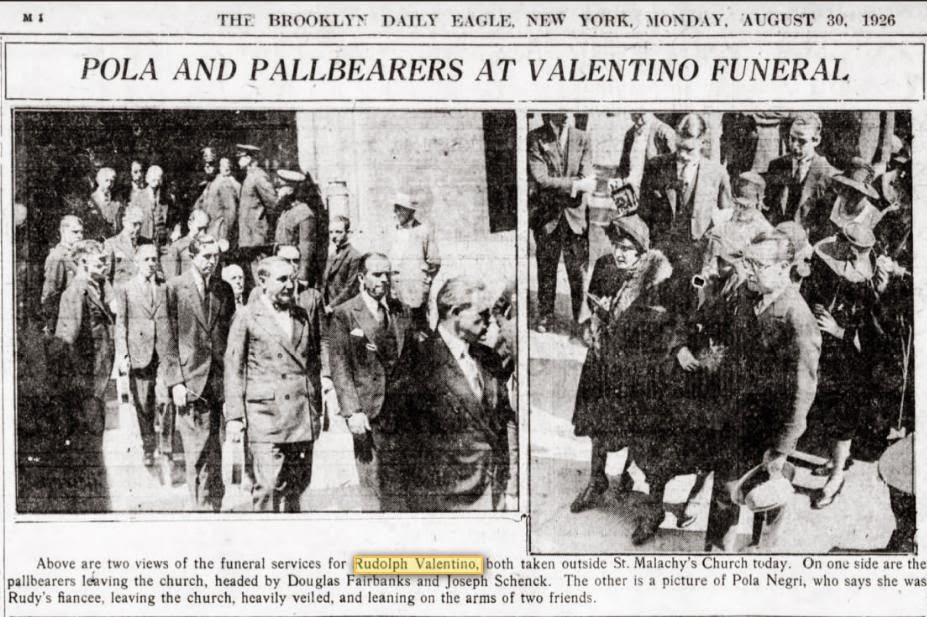
Pola Negri, who made quite a scene at the funeral of Valentino (NYPL):
From the Brooklyn Daily Eagle, August 30, 1926
Newsreel footage of his funeral in Midtown Manhattan — from Frank Campbell’s (in today’s Lincoln Center area) to St Malachy’s on West 49th Street:
SOURCES AND SUGGESTED READING: Note: Don’t say we didn’t warn you! There’s a lot of material that seems to be based on speculation. Thoughts of possible sexual adventures have sent many authors into wild fits of imagination. ( Â Enter the back catalog of Valentino at your own risk:
Rudolph Valentino: A Wife’s Memories of an Icon by Natacha Rambova and Hala Pickford The Valentino Mystique: The Death and Afterlife of a Silent Film Idol by Allen R Ellenberger and Edoardo Ballerini Dark Lover: The Life and Death of Rudolph Valentino by Emily W. Leider The Valentino Affair: The Jazz Age Murder Scandal That Shocked New York Society and Gripped The World by Colin Evans The Intimate Life of Rudolph Valentino by Jack Scagnetti Falcon Lair— an indispensable online resource for all things Valentino Publications sited: New York Times, New Yorker, Newark News, Brooklyn Daily Eagle, New York Sun
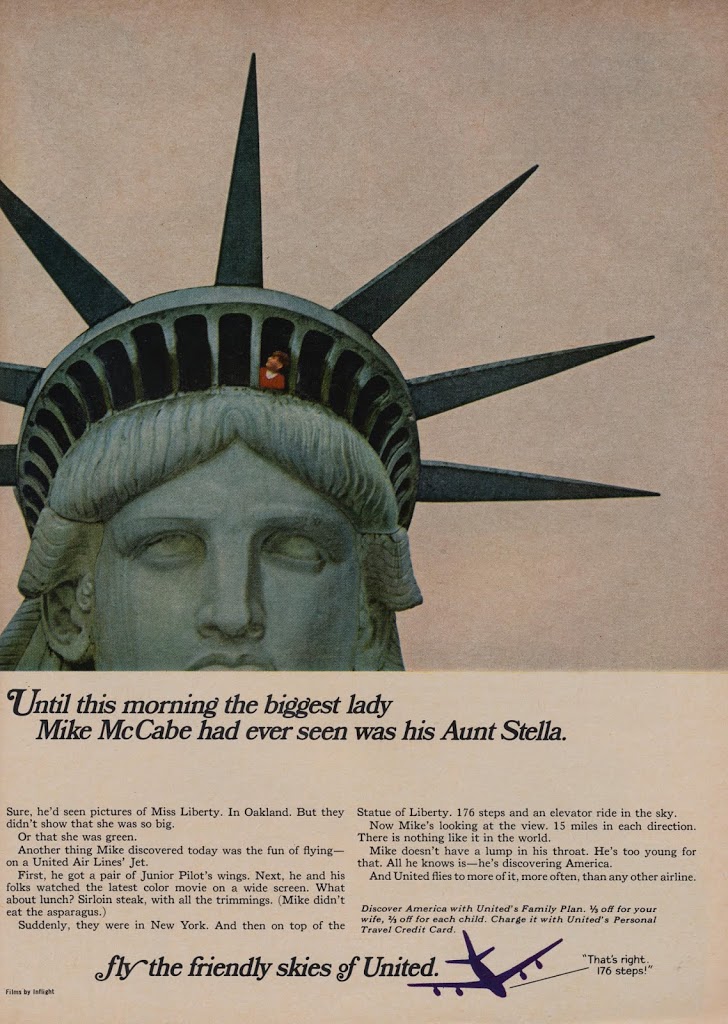
The lady of Liberty Island makes an appearance in a 1965 United Airlines ad campaign. Don Draper, of course, prefers American Airlines. (Courtesy Flickr/What Makes The Pie Shop Tick)
WARNING The article contains a few spoilers about last night’s show, so if you’re a fan of the show, come back once you’re watched the episode.
‘Mad Men’ returned to AMC last night, ramping up its regular displays of well-primped, misogynistic Madison Avenue ambition. On Mondays here on the blog, I’ll drill down for inspiration into the smaller details from the show that deal specifically with New York City history. And on Sundays, during the show itself (when possible), I’ll beplaying along on Twitter, throwing out little trivia tidbits as quickly and accurately as humanly possible.
Everybody seems to be talking about the slinky performance of Gillian Hill‘s ditty ‘Zou Bisou Bisou‘ — or ‘Zoo Be Zoo Be Zoo’ if you prefer the Sophia Loren version — by Don Draper’s new wife Megan. And civil rights issues finally begin to bubble to the surface when a nasty water-balloon incident by a rival firm (based upon a real event, down to the dialogue!) somehow ends with Sterling Cooper Draper Pryce possibly hiring their first African-American secretary.
But I was struck by a throwaway line uttered early in the episode by Don’s son Bobby Draper — played by yet another young actor, the fourth Bobby in the show’s five seasons. With the children over at Don and Megan’s Manhattan apartment for the Memorial Day holiday, Don emptily suggests this will be the day they go visit the Statue of Liberty. Bobby shrugs and says, “We always say that, but we never do.”
The remark is meant to imply all the cheerful, all-American things that the Draper family never seem to do together anymore. When Don drops the kids off at the home of ex-wife Betty and her new husband, he refers to the couple inside as ‘Morticia and Lurch‘. (Did Don know that ABC had just cancelled The Addams Family the month before?)
Oh, but I do wish the Drapers had gone to the Statue of Liberty at that moment, in late May 1966, as they might have witnessed a rather remarkable sight — the virtual invasion of Liberty Island by stolid representatives from Jersey City!
Once called Bedloe’s Island, the alleged hiding place of pirate’s treasureand the home of Frederic Bertholdi‘s statue since 1886, Liberty Island actually sits within the state line of New Jersey, as does its partner Ellis Island. In fact, some of Ellis Island’s reclaimed land is still considered part of New Jersey. However, Bedloe’s has been within the jurisdiction of New York since a compact between the two state governments was signed in February 1834.
New Jersey has not always been happy with this arrangement. On the afternoon of May 23, 1966, a group of over four dozen Jersey City Chamber of Commerce members stormed across the water and ‘conquered‘ Liberty Island, pressing their contention that the island should be part of their state.
With ‘the Federal Government cooperating as a friendly non-belligerent’, the New Jersey businessmen, joined by Jersey City mayor Thomas J. Whelan in a ‘festive, bloodless invasion’, rattled off their demands, including equal recognition of Jersey City and New York, direct access to Circle Line boat service from the island, and even a change to Liberty Island’s postal address.
Don could have even brought his new bride Megan — of ‘French extraction’ as she might say — as a representative of the French government was also on hand to confirm friendly relations between the two parties. (I assume he meant between America and France.) Afterwards, Air France even provided a box lunch to the Jersey City aggressors!
The event was, of course, mostly for show, for greater plans were already in play. In the previous year, the Statue of Liberty and Ellis Island were enjoined as a national monument under one administrative entity, the National Park Service. By October 1966, they were also listed as inaugural members of the U.S. National Register of Historic Places.
The Statue of Liberty often served as a complicated symbol for 1960s political debate, a touchstone for civil rights activists and an ironic construct for many antiwar protesters embittered by the Vietnam War.
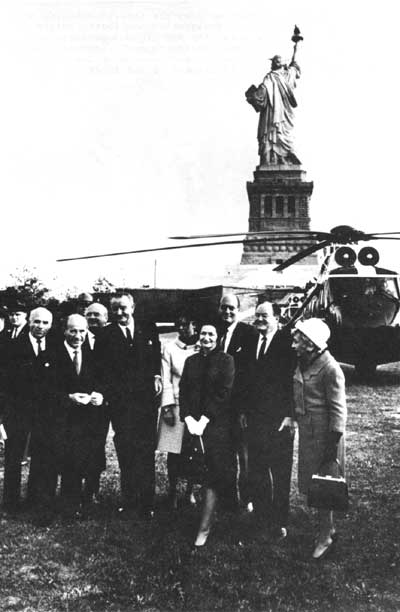
In 1965, the FBI and New York police snuffed out an attempt by the Black Liberation Front to smuggle dynamite onto the island and blow up the statue. That same year, President Lyndon B. Johnson (at right) traveled to Liberty Island to sign into law the Immigration and Naturalization Act, a pivotal and far-reaching change to American policy that essentially eliminated immigration quotas.
A few years later, antiwar activists staged a Christmastime demonstration here, barricaded themselves inside the statue for almost two days. In sad need of disrepair by the late 60s, Lady Liberty even represented a certain dislodging of the American dream to many, a sentiment strongly recognized by the 1970s which led to the statue’s rehabilitation for her 1986 centennial celebration.
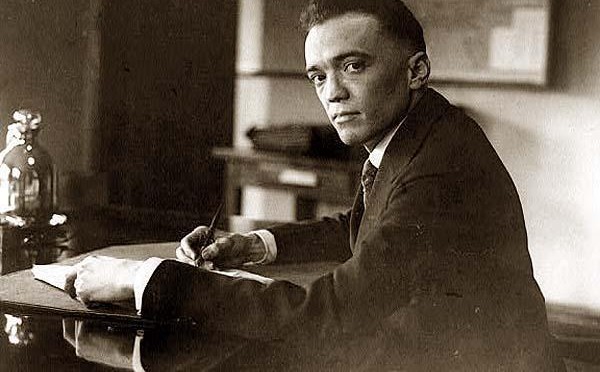
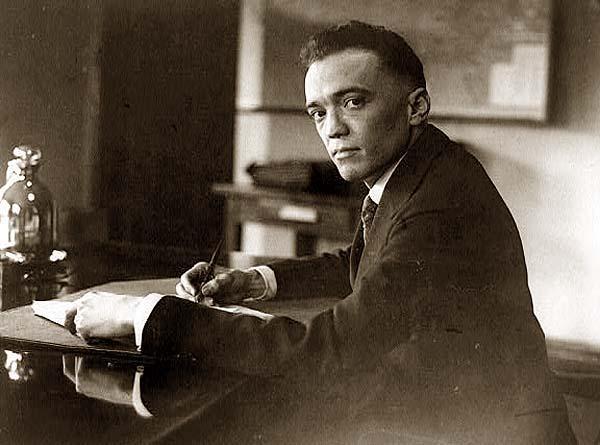
Work hard, play hard: The FBI director in his early days
There are at least three scenes in the new Clint Eastwood-directed J. Edgar Hoover biopic‘J. Edgar’ set in New York, one of which might surprise you.
The first features Hoover on Ellis Island, but he’s hardly there to greet new arrivals. The FBI director’s early career was spent ferreting out and deporting anarchists, and his biggest target was Emma Goldman. On October 27, 1919, Goldman was put on trial at Ellis — in the film, the Statue of Liberty stands at odds in the background — and she was eventually expelled from the United Statues using a tenuous interpretation of the status of her American citizenship.
The second scene, depicting the rural Bronx of 1933, typified Hoover’s career in the 1930s as a stiffly facaded embodiment of law enforcement. Here the movie envisions the arrest of Bruno Hauptmann, accused kidnapper of the child of Charles Lindburgh. Hoover’s interest in the case represented an expansion of federal powers for the agency, even if Hoover’s actual involvement is questionable.
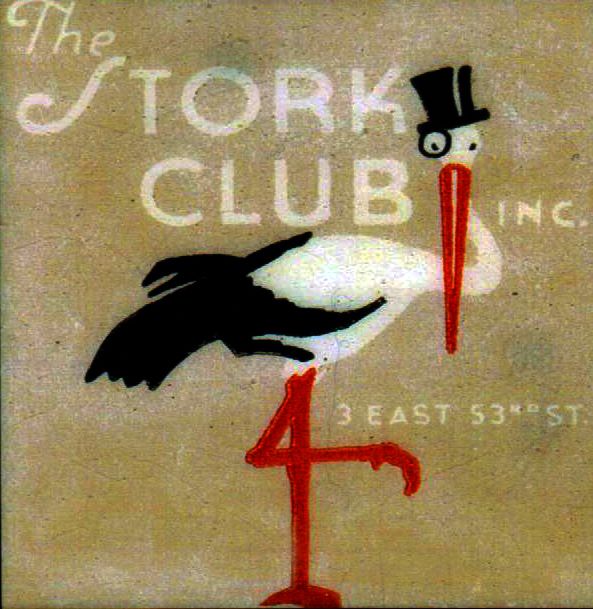
But it’s the third view of old New York that I found more intriguing. Hoover was a teetotaler early in life and demanded his agents aspire to clean, moral living. So its interesting that he — and his companion Clyde Tolson — were regular habitues at New York’s hottest nightclub of the 1930s — the Stork Club.
Sherman Billingsley, a former bootlegger, would have been made Hoover’s enemy list during Prohibition. Instead, he regularly hosted the FBI director as his swanky club at 3 East 53rd Street (at Fifth Avenue).
Hoover schmoozed here with people who were useful to him, journalists like Walter Winchell who assisted with the capture of most-wanted criminals from his banquette in the Cub Room. The unscrupulous columnist was instrumental in the surrender of Louis “Lepke” Buchalter, leader of the mob’s assassination unit Murder Inc., and helped play up the image of Hoover’s G-Men to his millions of readers. In return, Hoover sometimes provided Winchell with FBI employees as bodyguards or drivers.
Winchell and others considered the Stork Club an invaluable nexus of social connections, and Hoover too made it his hangout when he was in town, often downing champagne and chatting with glitterati. The director was so associated with the nightclub in the 1930s, Tolson at his side, that adversaries sometimes called him ‘the Stork Club detective’.
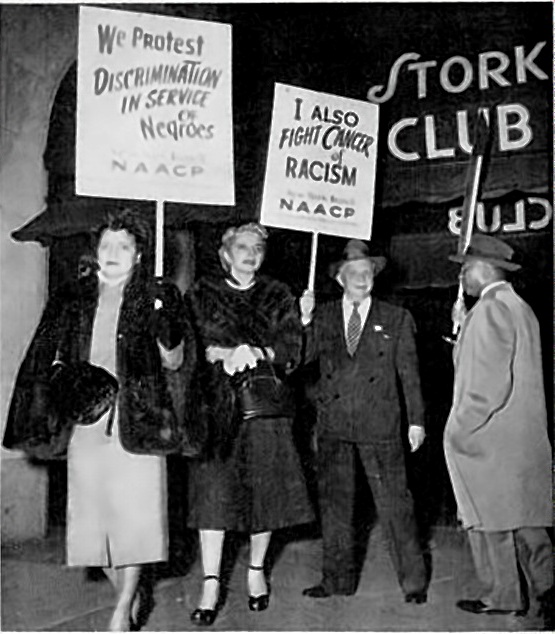
In a telling incident a few years later, in 1951, iconic entertainer Josephine Baker was denied service at the Stork Club. She filed a complaint with the police department, and supporters organized a protest outside the nightclub (pictured at right). When it was recommended that Hoover intervene on the behalf of Baker, he replied, “I don’t consider this to be any of my business.” [source]
Here’s a collection of photos of the Stork Club with musical accompaniment. Mr. Hoover appears in one image around minute 2:40:
For millions of Americans, Ellis Island is the symbol of introduction, the immigrant depot that processed their ancestors and offered an opening into a new American life.
But for some, it would truly be an ‘Island of Tears’, a place where they would be excluded from that life. How did an island with such humble beginnings — ‘Little Oyster Island’, barely a sliver of land in the New York harbor — become so crucial? Who is the ‘Ellis’ of Ellis Island? And how did it survive decades of neglect to become one of New York’s most famous tourist attractions?
Dedicated to my niece Courtney, who specifically suggested this episode.
PODCAST Listen to it for FREE on iTunes or other podcasting services. Or click this linkto listen to the show or download it directly from our satellite site
CORRECTION: In the show, we mention that island namesake Samuel Ellis bought Little Oyster Island in 1784. In fact, it’s possible he owned the island well before that, possibly by 1770.
___________________________________ As always, click on pictures for a bigger view
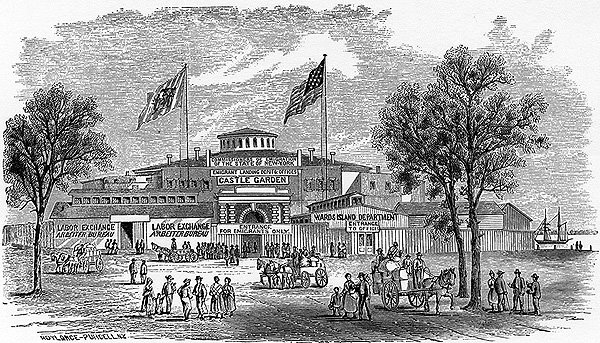
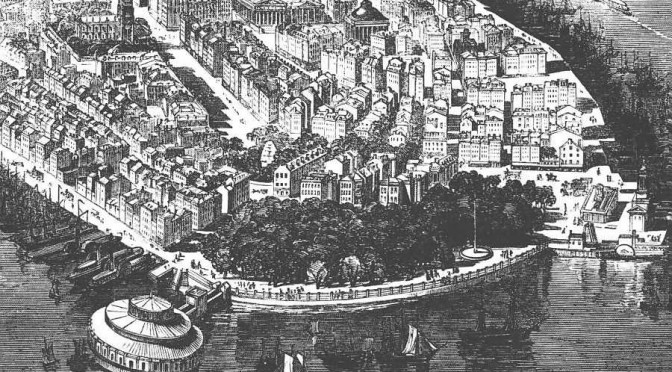
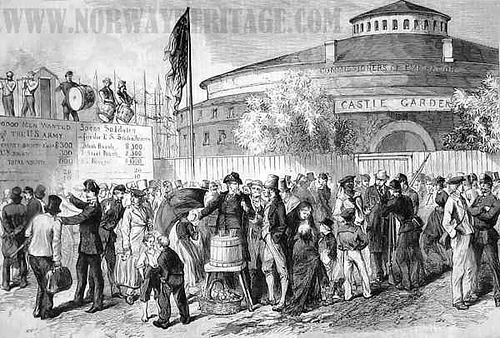
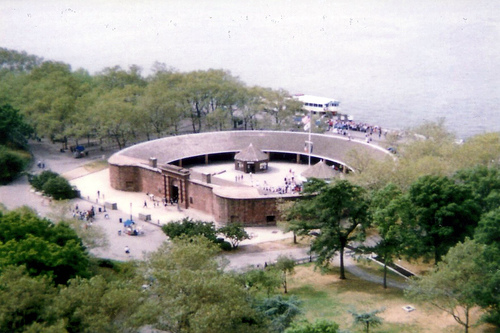
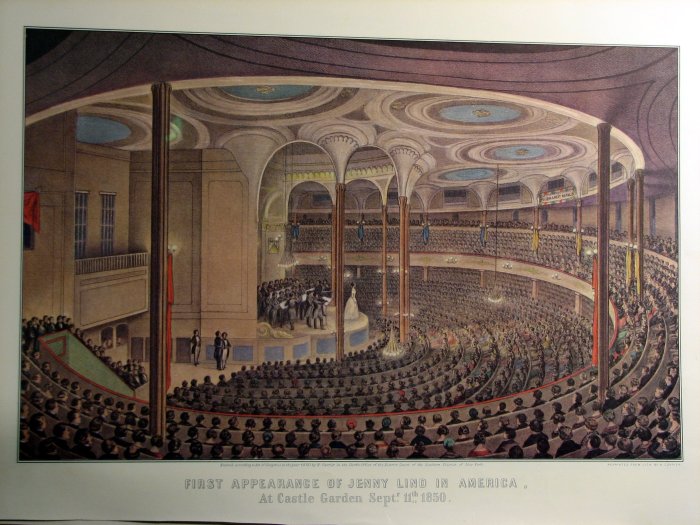
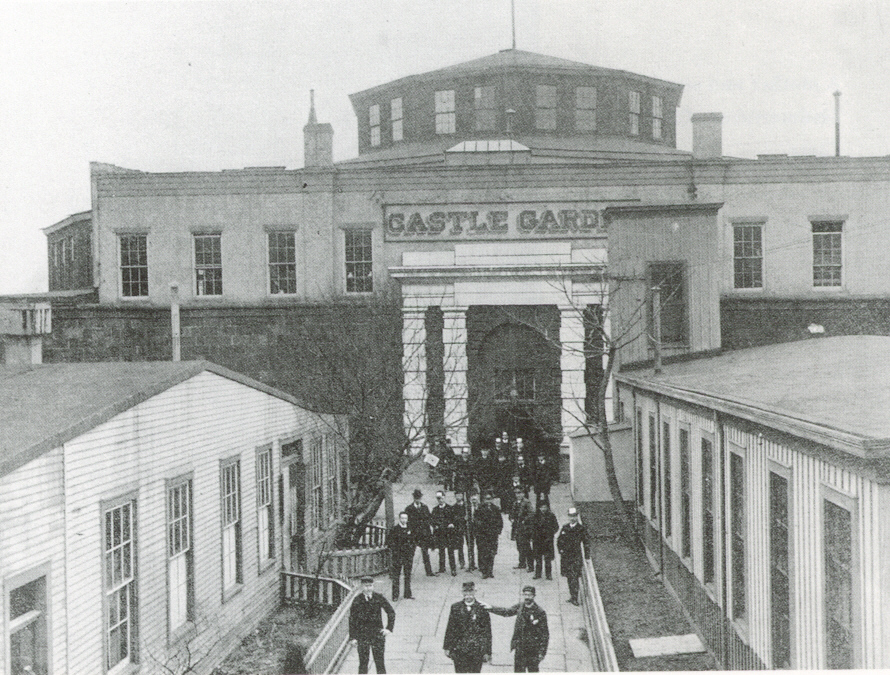
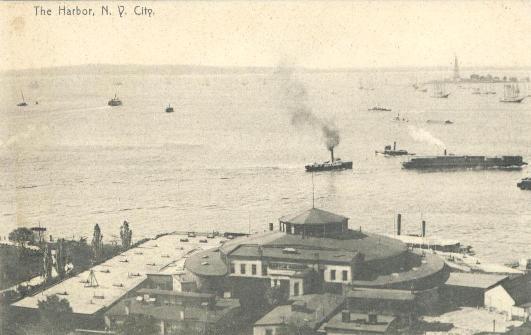
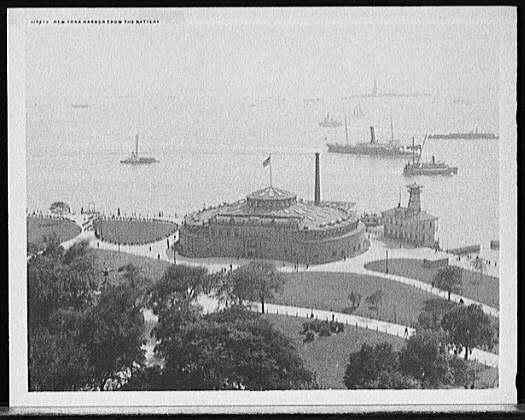
Before Ellis, there was Castle Garden, the former performance hall that became New York’s immigration depot from 1855 to 1890. The building bore witness to a great influx of German and Irish immigrants, however the facilities were seen as inadequate and unsafe.
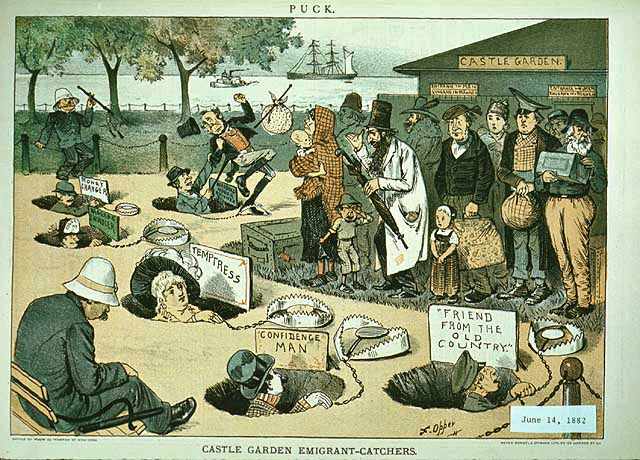
New immigrants emerging from Castle Garden would find themselves beseiged by grifters, runners and utter chaos, as evidenced by this 1882 illustration from Puck Magazine.
___________________________________
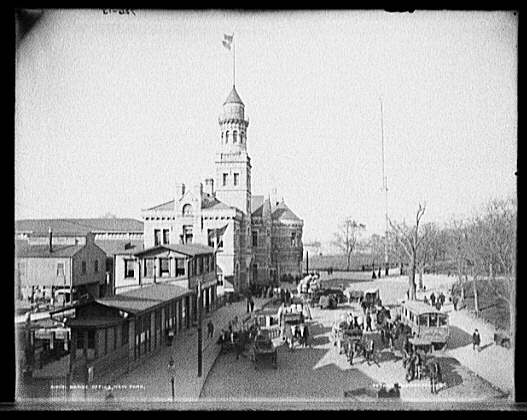
Temporary Digs: For four non-consecutive years, the Barge Office nearby Castle Garden would serve as New York’s immigration depot. It would serve first in 1890-92 when the state government closed Castle Garden and the federal government was still getting Ellis Island ready. Later, after the original structured on Ellis Island burned down, immigration would return here, from 1898-1899.
___________________________________
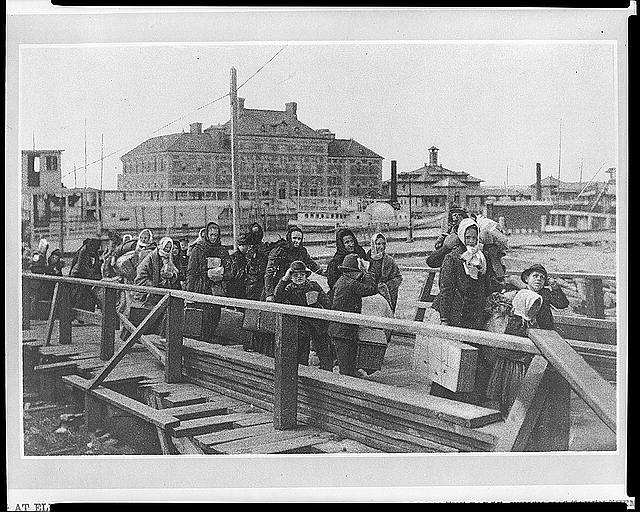
The Long Way Around: New immigrants unload in front of the doors of the main Ellis Island building in 1902. Steamships would coast into New York harbor, arrive at their Manhattan dock to release their first class passengers, then pack the steerage people into a barge which would take them to Ellis. (Pic courtesy here)
___________________________________
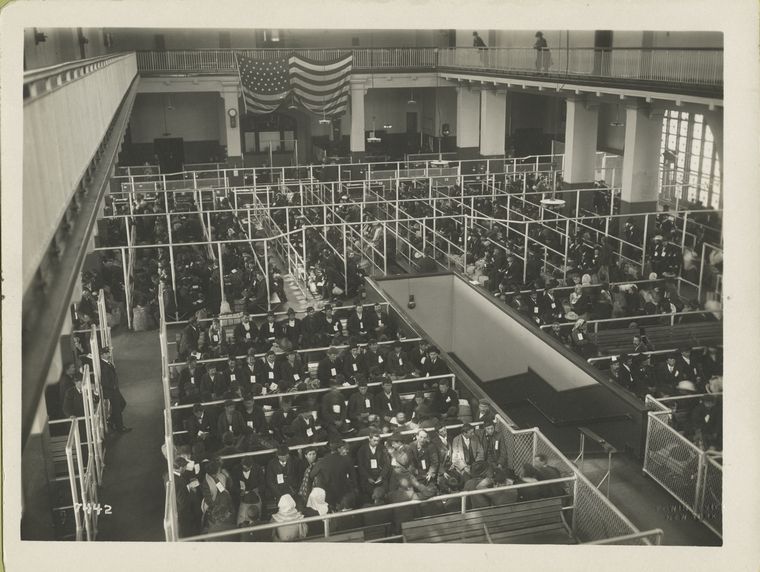
Penned In: See, it really was like cattle! The registry room of Ellis Island would keep people at close quarters as officiates began the arduous process of examining everyone.
___________________________________
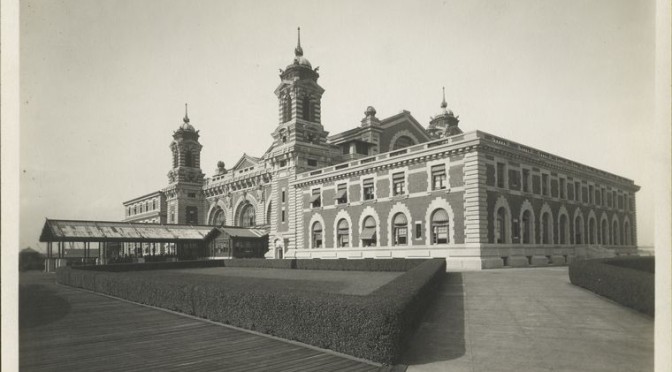
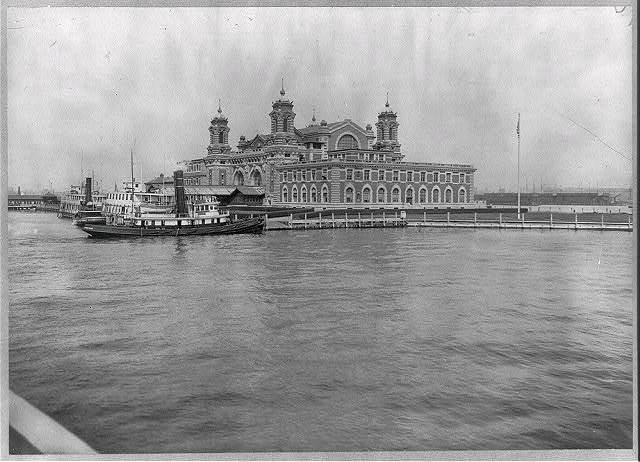
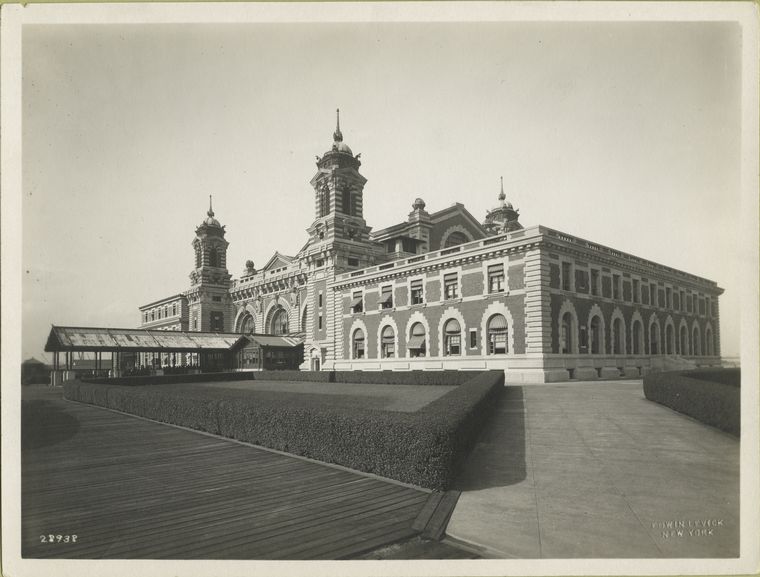
OVERDRESSED? William A. Boring and Edward Lippincott Tilton gave the new Ellis Island center an elegant Beaux-Arts touch with exotic towers and limestone ornamentation. Immigrants would be greeted with a building that resembled European structures back home.
___________________________________
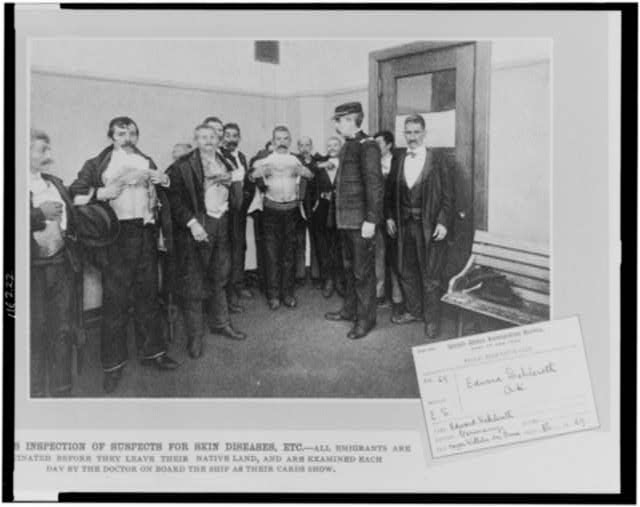
Revealing: Some unfortunates who were pulled aside for further evaluation, this time for potential skin diseases. The room they are standing in is now one of several museum displays detailing the grueling experience of those who were ‘pulled aside’. (Pics courtesy here.)
___________________________________
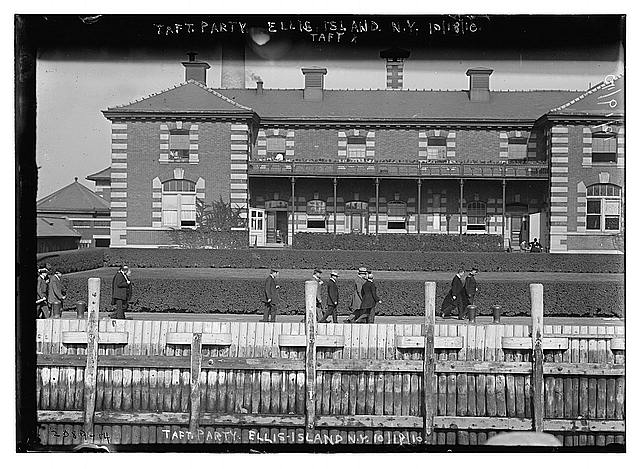
The Grand Tour: President William Howard Taft goes on an inspection tour of the Ellis Island facility. The immigration center was frequently a sore spot politically, a lightening rod for restrictionists and immigrant aid agencies alike. (Pic courtesy here)
___________________________________
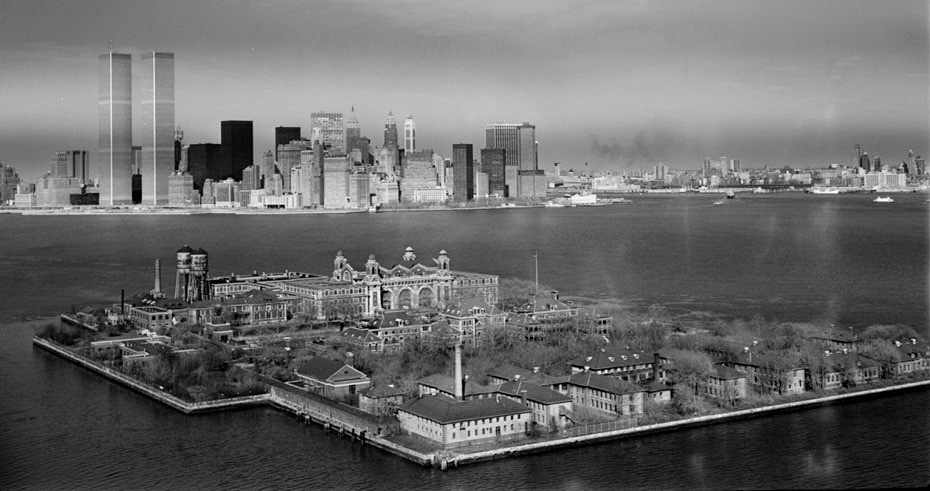
Itself Excluded: Ellis Island was a mess of ruins and overgrowth by the 1970s, a victim of decades of neglect. Even the National Parks service failed to do much with it before Lee Iacocca and the Statue of Liberty-Ellis Island Foundation came along to save it.
The picture below is from 1978. Most of the island is created from landfill. The buildings to the front of the image were not only hospital facilities, many of them specifically for the care of measles, a common malady of immigrant children. (Courtesy here.)
You can visit the Ellis Island website to check to see if any of your family members happened their way through the island.
And finally, Thomas Edison’s 1906 silent footage of immigrants arriving at the island.
A famous depiction in its own right, this is of Jenny Lind inside the Castle Garden auditorium:
Castle Clinton as Emigrant Depot
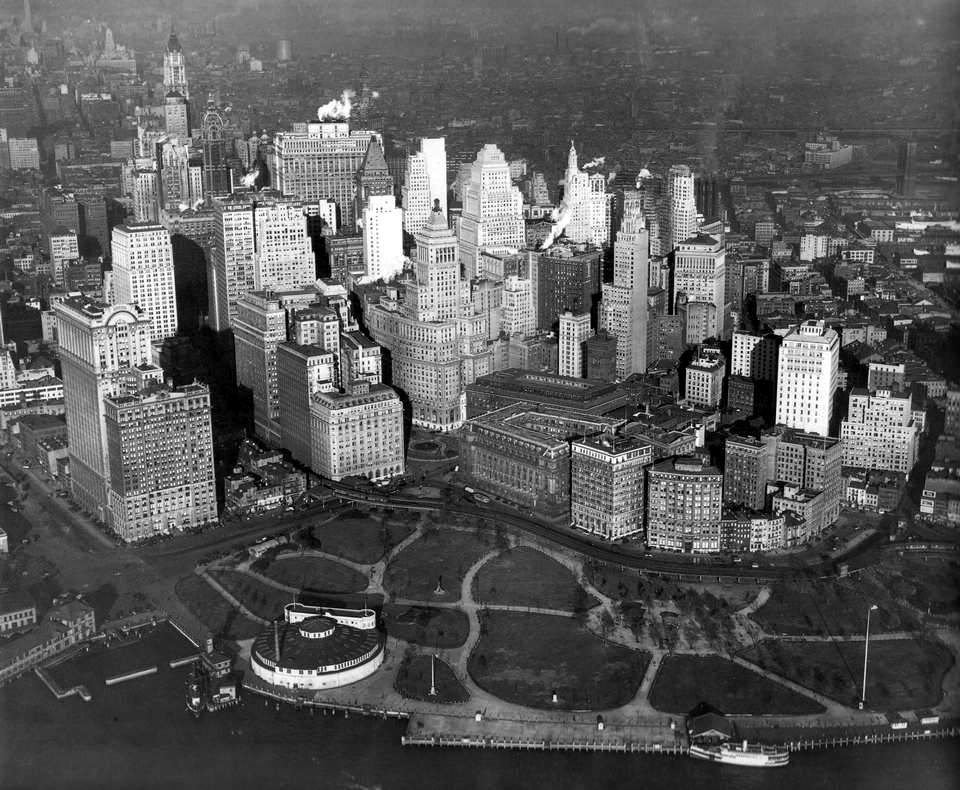
Castle Clinton as the New York City Aquarium in 1906
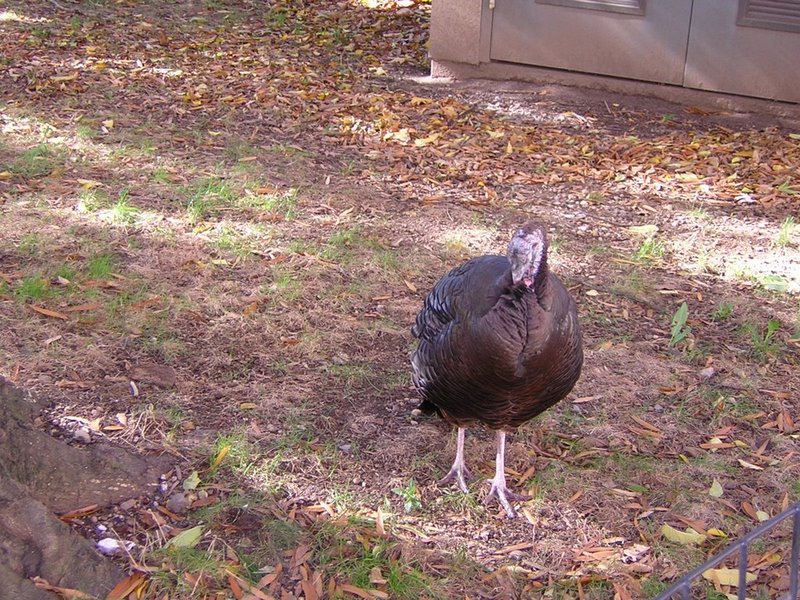
In our podcast, we mention many of the great monuments and statues of Battery Park. What we failed to mention is one of Battery Park’s most treasured features … Zelda the turkey!
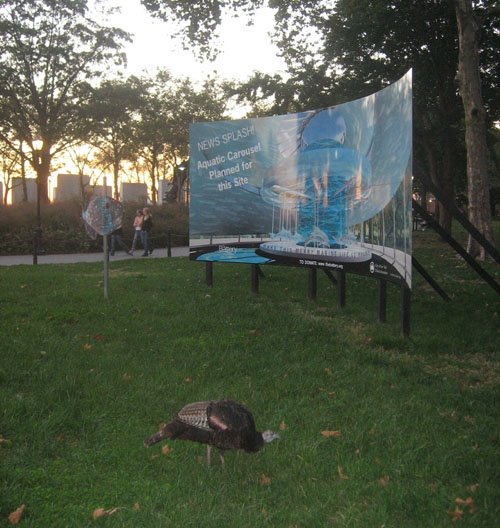
Yes, that’s right, a turkey named Zelda lives in Battery Park and freely roams the lawn. She’s still there as far as I know (I last saw Zelda about four months ago). Hopefully she’s keeping warm for the winter.
(Above photo courtesy of Curbed)
A fixture of future Battery Park — if the Battery Conservancy gets its way — will be a swanky new aquatic themed carousel, paying tribute to the former aquarium there.





![Sherman, Augustus F. (Augustus Francis) -- Photographer. [1911]](https://www.boweryboyshistory.com/wp-content/uploads/2016/10/3095766125_40d61a3130_o.jpg)
![NYPL, Sherman, Augustus F. (Augustus Francis) -- Photographer. [ca. 1906]](https://www.boweryboyshistory.com/wp-content/uploads/2016/10/3110164652_4ac26f22a0_o.jpg)
![Sherman, Augustus F. (Augustus Francis) -- Photographer. [ca. 1906]](https://www.boweryboyshistory.com/wp-content/uploads/2016/10/3110163346_d342440914_o.jpg)
![Courtesy NYPL. Augustus F. Sherman [ca. 1906-1914]](https://www.boweryboyshistory.com/wp-content/uploads/2016/10/3110164858_d11ce4843f_o.jpg)
![Courtesy NYPL, Sherman, Augustus F. -- Photographer. [ca. 1906]](https://www.boweryboyshistory.com/wp-content/uploads/2016/10/3109330325_550cd50284_o.jpg)
![Sherman, Augustus F. -- Photographer. [ca. 1906]](https://www.boweryboyshistory.com/wp-content/uploads/2016/10/3110162400_ec91ca2fda_o.jpg)

![NYPL, Sherman, Augustus F. (Augustus Francis) -- Photographer. [ca. 1906]](https://www.boweryboyshistory.com/wp-content/uploads/2016/10/3109331119_1de4d7edb5_o.jpg)
![NYPL Sherman, Augustus F. (Augustus Francis) -- Photographer. [ca. 1906-1914]](https://www.boweryboyshistory.com/wp-content/uploads/2016/10/3110163692_f8c66c0f5a_o.jpg)
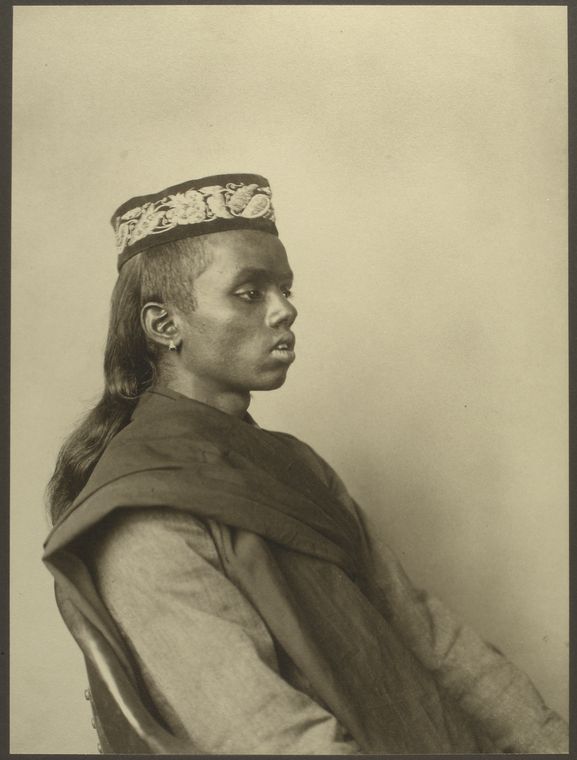
![Sherman, Augustus F. (Augustus Francis) -- Photographer. [ca. 1906]](https://www.boweryboyshistory.com/wp-content/uploads/2016/10/3109329865_acba999d7b_o.jpg)
![Sherman, Augustus F. (Augustus Francis) -- Photographer. [ca. 1906]](https://www.boweryboyshistory.com/wp-content/uploads/2016/10/3110163440_f861bca66d_o.jpg)