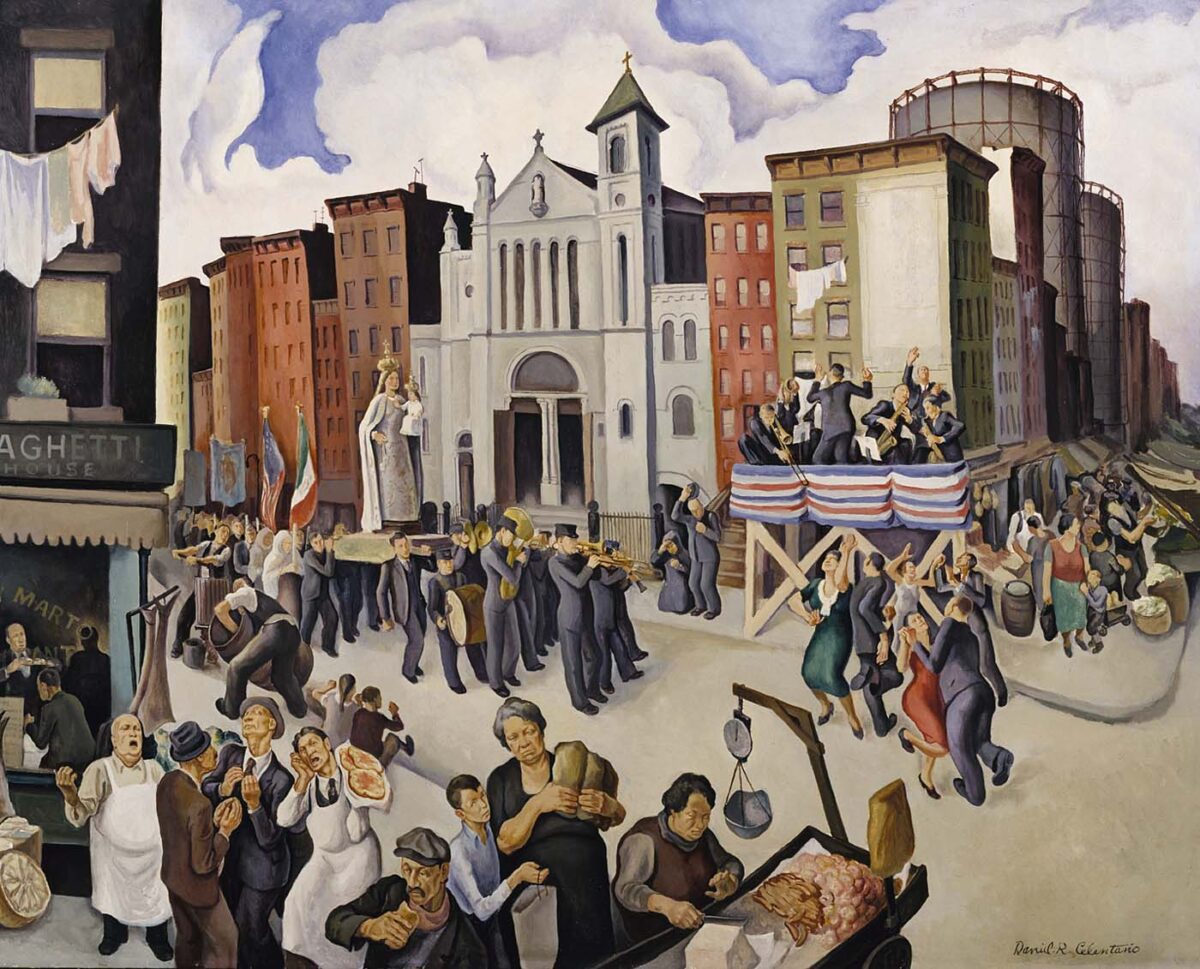
Daniel Celentano, Festival, 1934. Celentano was born and raised in East Harlem.
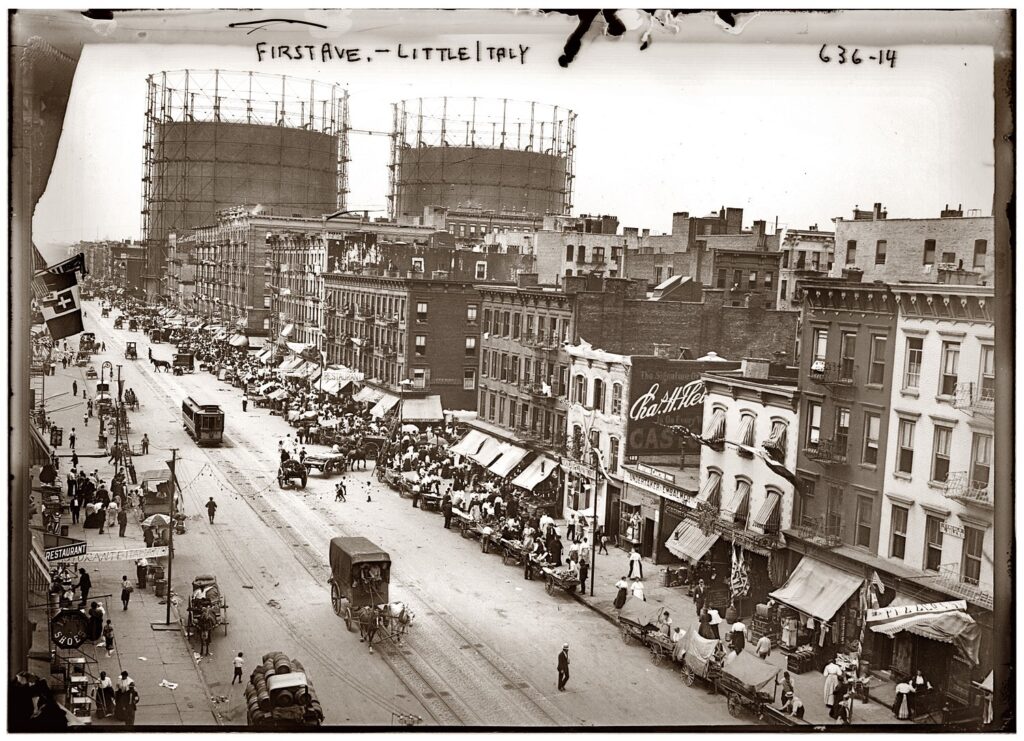
One of America’s first great Italian neighborhoods was once in East Harlem, populated with more southern Italians than Sicily itself, a neighborhood almost entirely gone today except for a couple restaurants, a church and a long-standing religious festival.
This is, of course, not New Yorks’ famous “Little Italy,” the festive tourist area in lower Manhattan built from another 19th-century Italian neighborhood on Mulberry Street. The bustling street life of old Italian Harlem exists mostly in memory now.
If you wander around any modern American neighborhood with a strong Italian presence, you’ll find yourself around people who can trace their lineage back through the streets of Italian Harlem. Perhaps that includes yourself.
But it’s not all warm nostalgia and fond recollections. Life could be quite hard in Italian Harlem, thanks to the nearby industrial environment, the deteriorating living conditions and the street crime, the early years of New York organized crime.
So who were these first Italian settlers who left their homes for what would become a hard urban life in upper Manhattan? What drew them to the city? What traditions did they bring? And in the end, what did they leave behind, when so many moved out to the four corners of the United States?
Find the episode wherever you listen to podcasts or listen right here:
LISTEN NOW Italian Harlem: New York’s Forgotten Little Italy
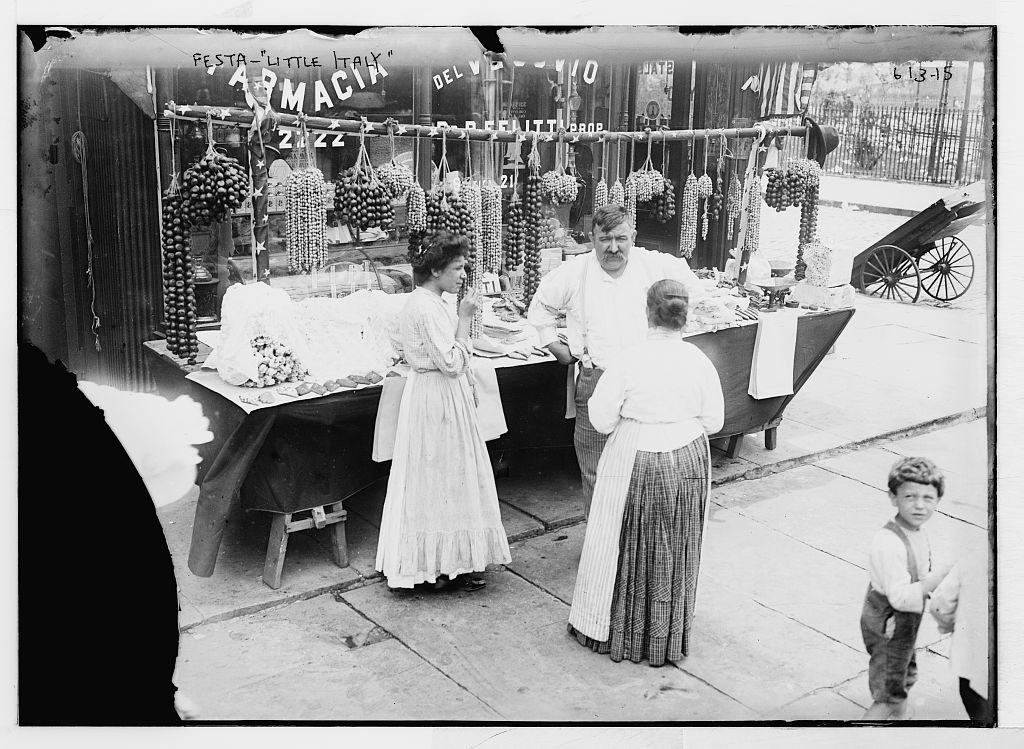
a street vendor with wares displayed, during a festival in Italian Harlem. 1915, Bain Services/Library of Congress
We’re not done with Harlem! In fact we’re building up to an epic new 450th episode for our next show.
FURTHER LISTENING:
Past Bowery Boys episodes with close links to this current show:
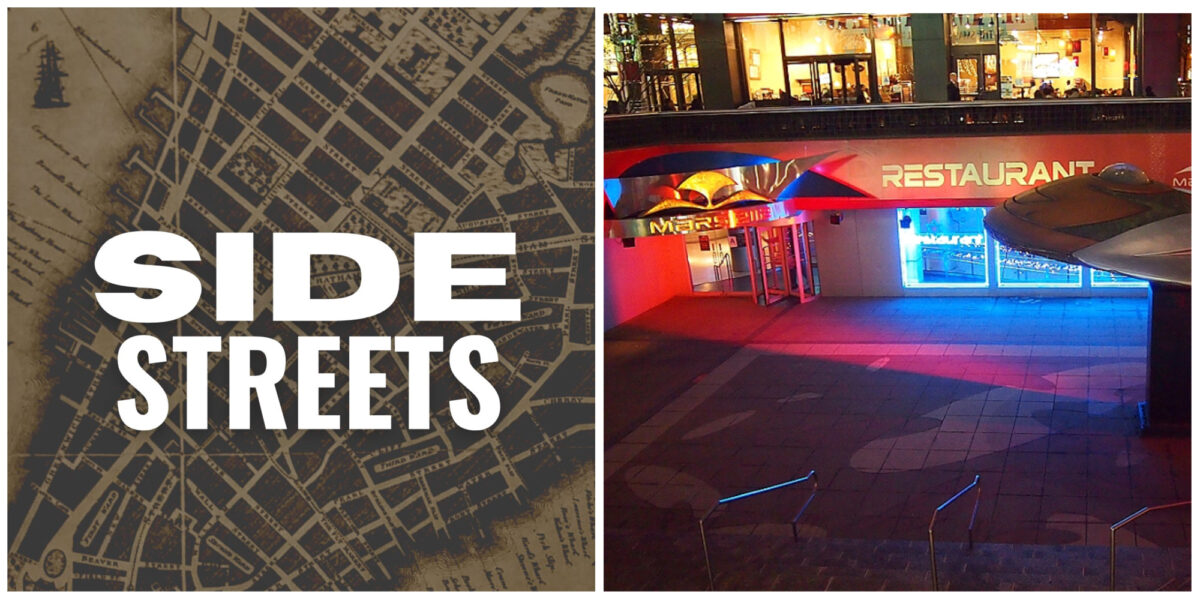
We’ve just debuted a new podcast series — Side Streets, available only to those who support the Bowery Boys Podcast on Patreon, featuring conversation about all sorts of New York City related subjects.
And the first episode is all about food!
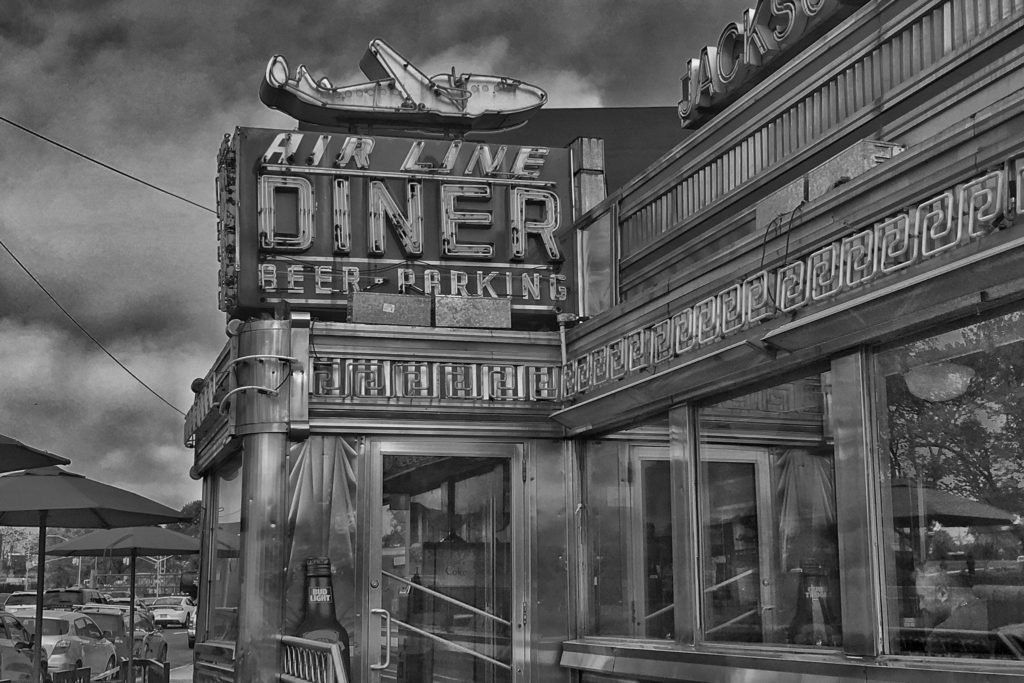
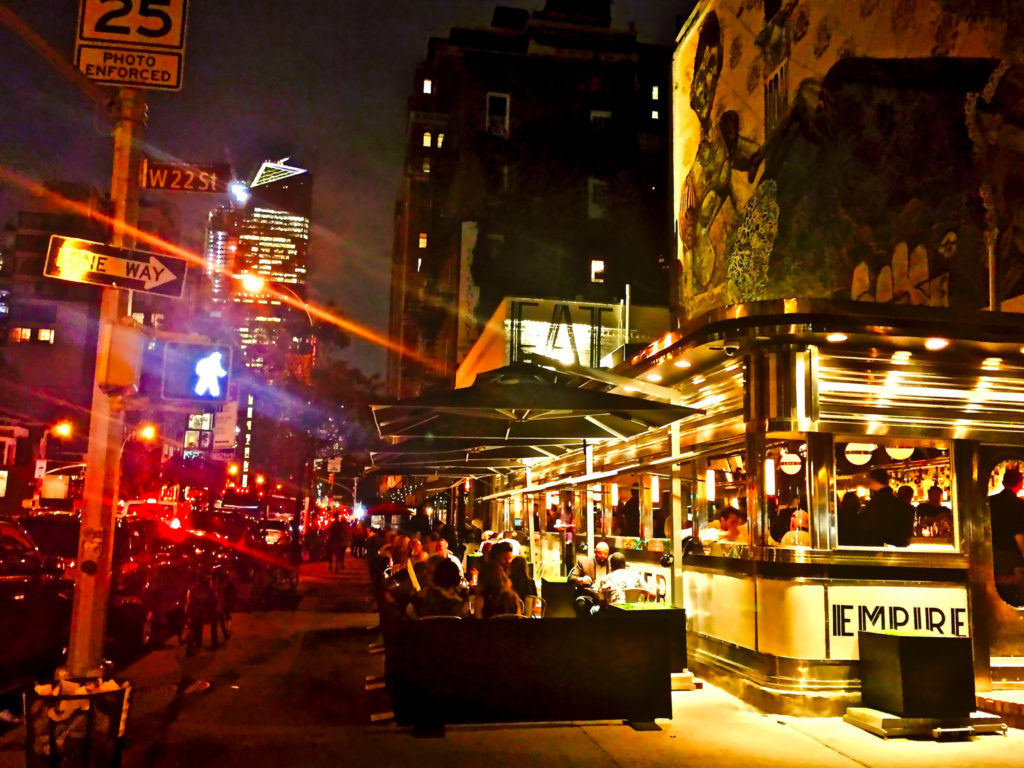
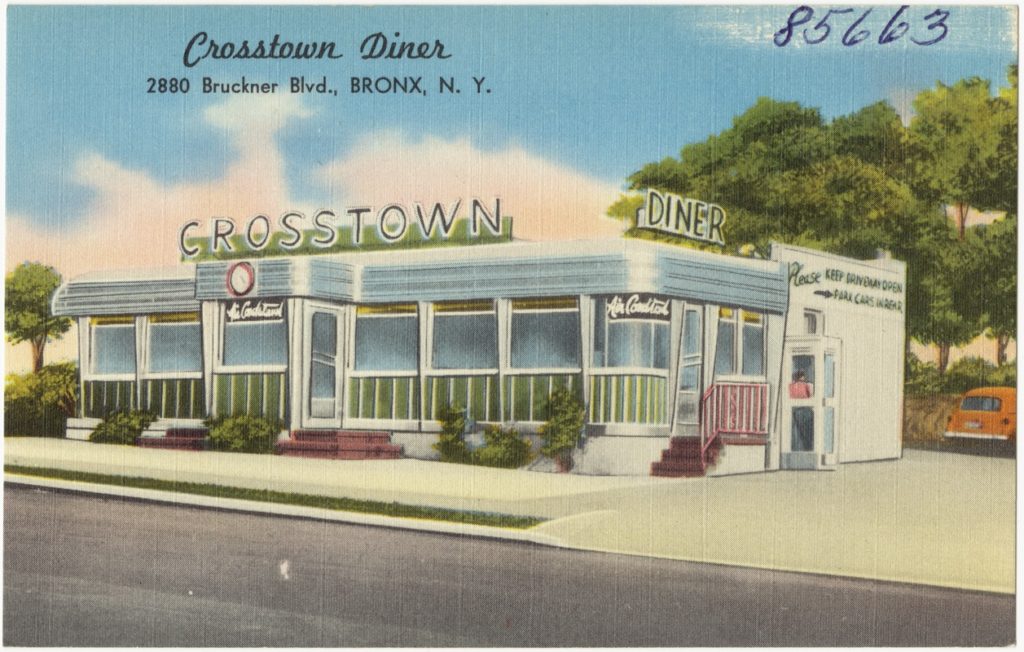
Greg and Tom — with some help from producer Kieran Gannon — reflect nostalgically upon old New York City restaurants from the 1990s (Mars 2112, anyone?), wonder what it was like to eat at a chop suey restaurant, praise the strange wonders of Chez Josephine and Congee Village and reveal their favorite diners in the city.
PLUS: Where do the Bowery Boys go to have a delicious slice of pizza? (Hint: Head to Brooklyn.)
Photo by Greg Young
Side Streets will be an every-other-week show, available to patrons at any level. To listen to the show and support the Bowery Boys podcast, just sign up at Patreon.
And check out the various Patreon support tiers for additional benefits such as ad-free episodes, patron-only merchandise, early notice of live events and other fun things.
PODCAST The evolution of affordable dining — from oyster houses to lunch counters.
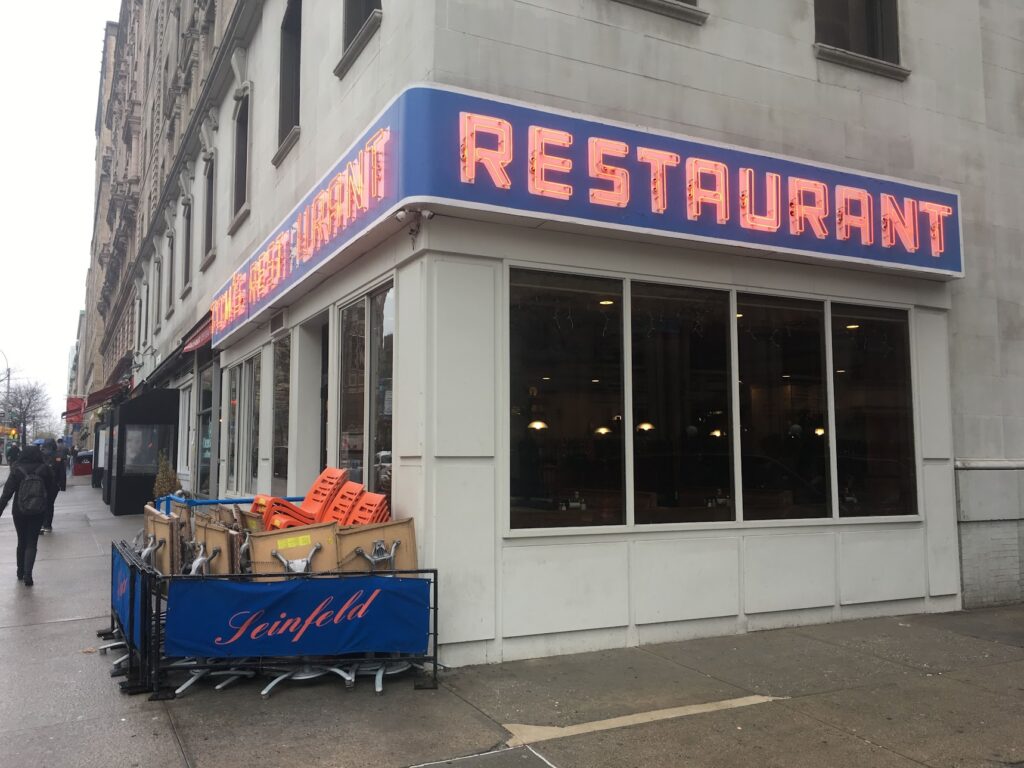
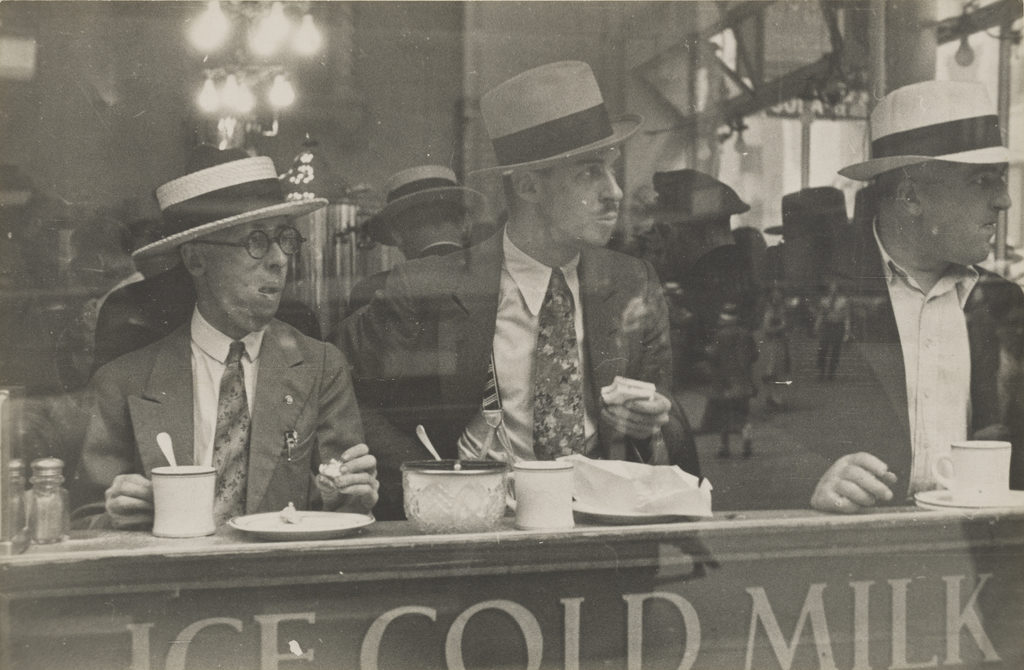
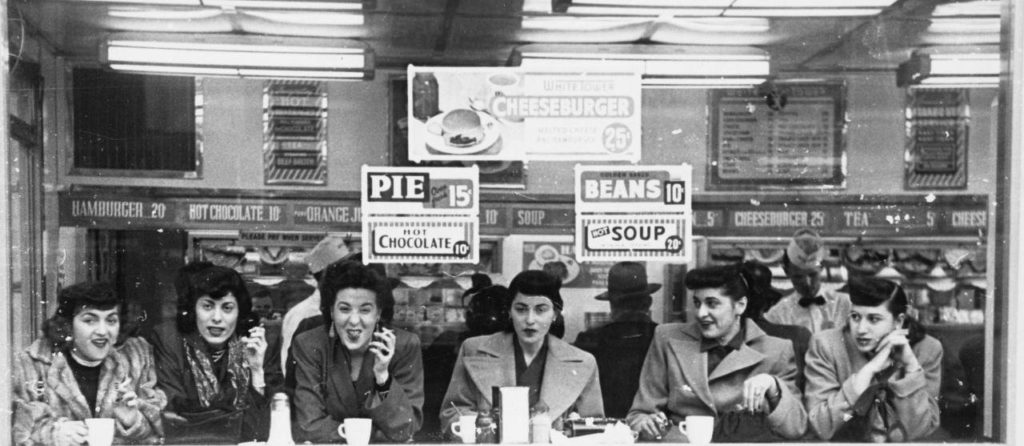
The classic diner is as American as the apple pie it serves, but the New York diner is a special experience all its own, an essential facet of everyday life in the big city. They range in all shapes and sizes — from the epic, stand-alone Empire Diner to tiny luncheonettes and lunch counters, serving up fried eggs and corned beef.
In this episode, the Bowery Boys trace the history of the New York diner experience, a history of having lunch in an ever-changing metropolis.
There were no New York restaurants per se before Delmonico’s in 1827, although workers on-the-go frequented oyster saloons and bought from street vendors and markets. Cellar establishments like Buttercake Dicks served rudimentary sustenance, and men often ate food provided by bars.
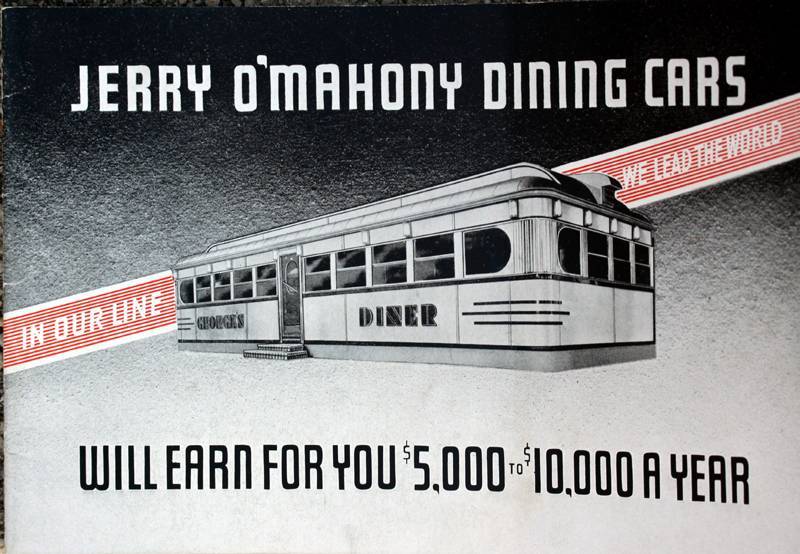
But once women entered the public sphere — as workers and shoppers — eating houses had to evolve to accommodate them. And thus was born the luncheonette, mini-lunch spaces in drug stores and candy shops. Soon prefabricated structures known as diners — many made in New Jersey — moved into vacant lots, streamlining the cheap eating experience.
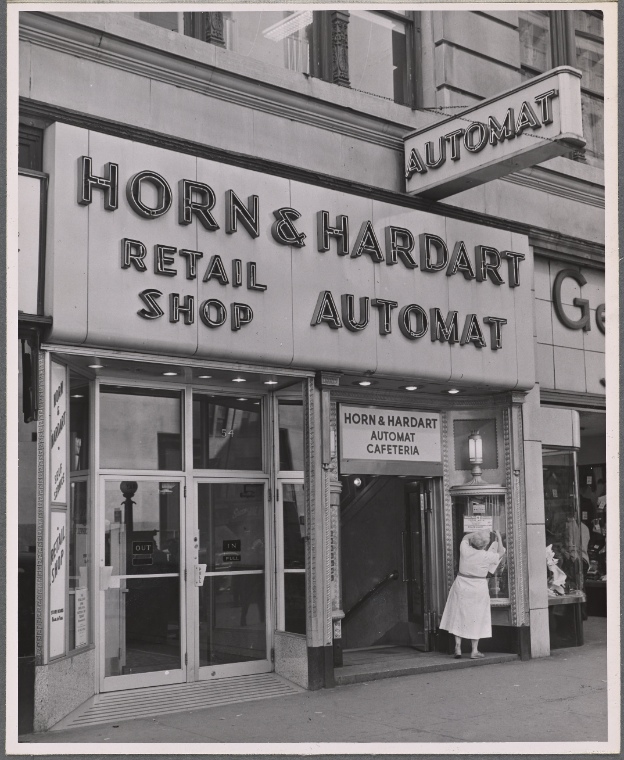
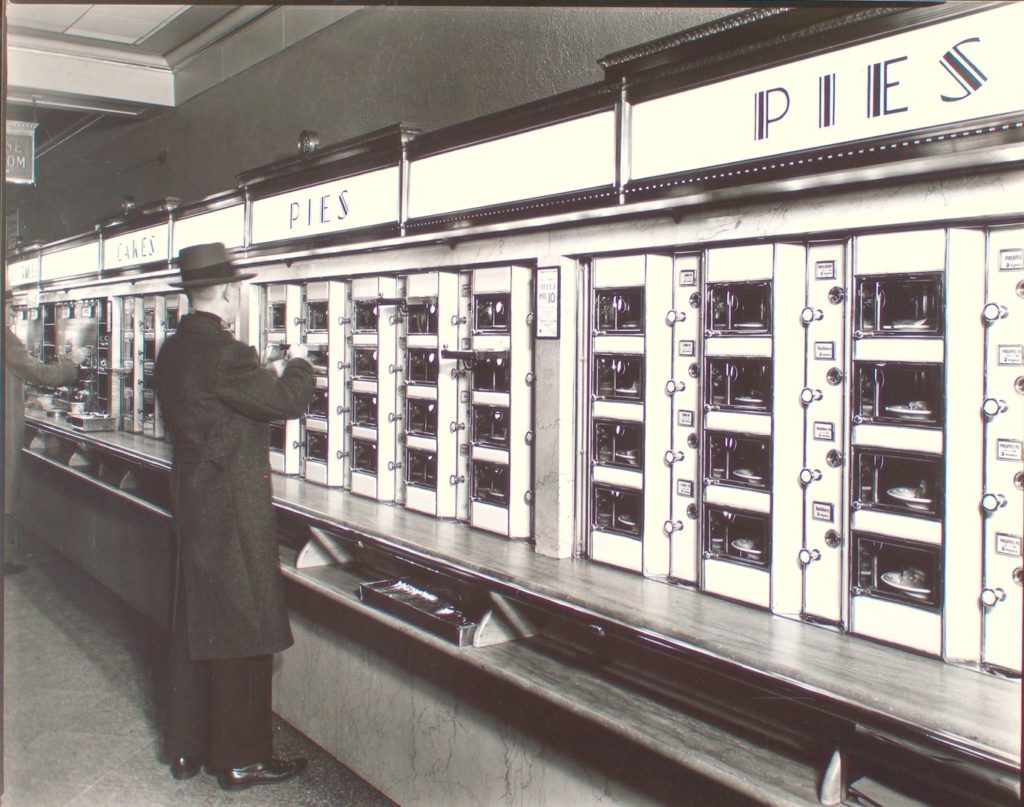
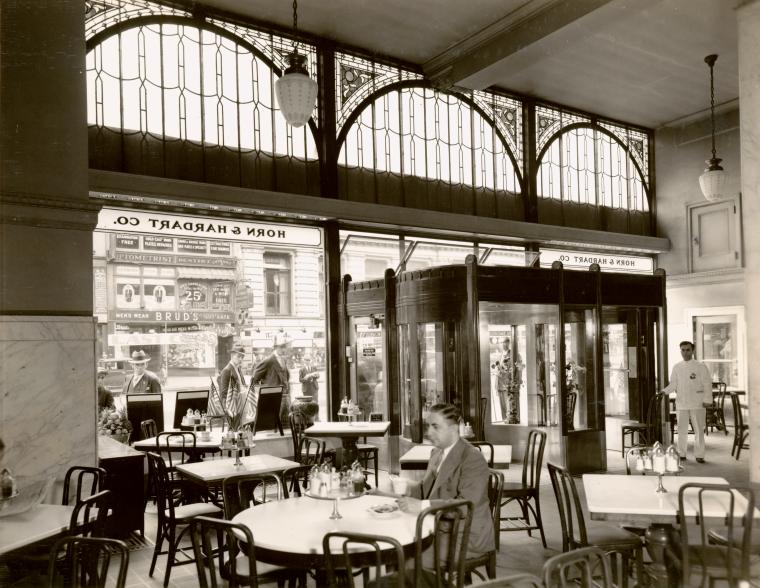
Cafeterias appealed to New Yorkers looking for cleanliness, and those looking for an inexpensive, solitary meal turned to one unusual restaurant — the automat. Horn & Hardarts’ innovative eateries — requiring a handful of nickels — were regular features on the New York City streetscape.
How did all these different types of eating experiences culminate in the modern New York diner-counter experience? For that, you can thank the Greeks.
The Bowery Boys: New York City History podcast is brought to you …. by you!
We are now producing a new Bowery Boys podcast every other week. We’re also looking to improve the show in other ways and expand in other ways as well — through publishing, social media, live events and other forms of media. But we can only do this with your help!
We are now a member of Patreon, a patronage platform where you can support your favorite content creators for as little as a $1 a month.
Please visit our page on Patreon and watch a short video of us recording the show and talking about our expansion plans. If you’d like to help out, there are five different pledge levels (and with clever names too — Mannahatta, New Amsterdam, Five Points, Gilded Age, Jazz Age and Empire State). Check them out and consider being a sponsor.
We greatly appreciate our listeners and readers and thank you for joining us on this journey so far.
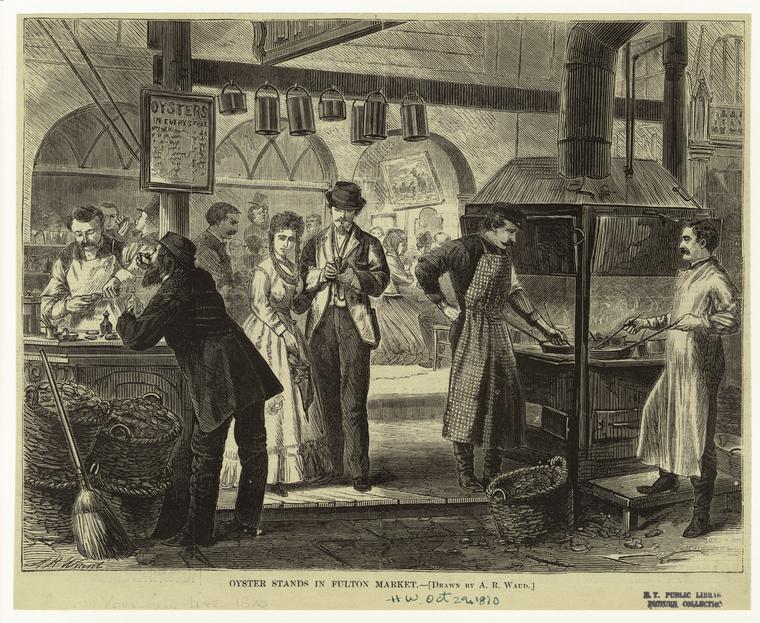
Like oysters? They were the easiest way to grab a quick bite on the go in the 19th century. You could find oyster sellers at markets (pictured here: the scene at a mid-19th century oyster stand at Fulton Market) or…..
New York Public Library
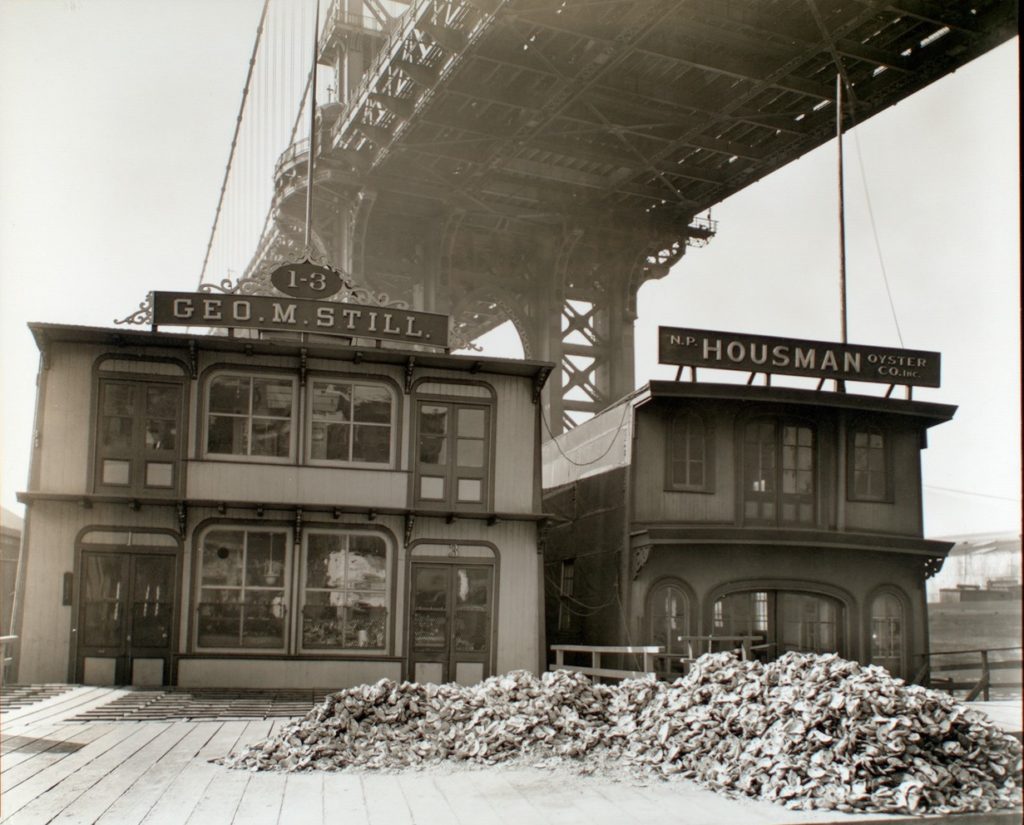
…head over to the many oyster saloons or houses along the waterfront. Believe it or not, many oyster places remained opened well into the 20th century. The ones pictured here were photographed by Berenice Abbott in 1937!
Berenice Abbott/1937
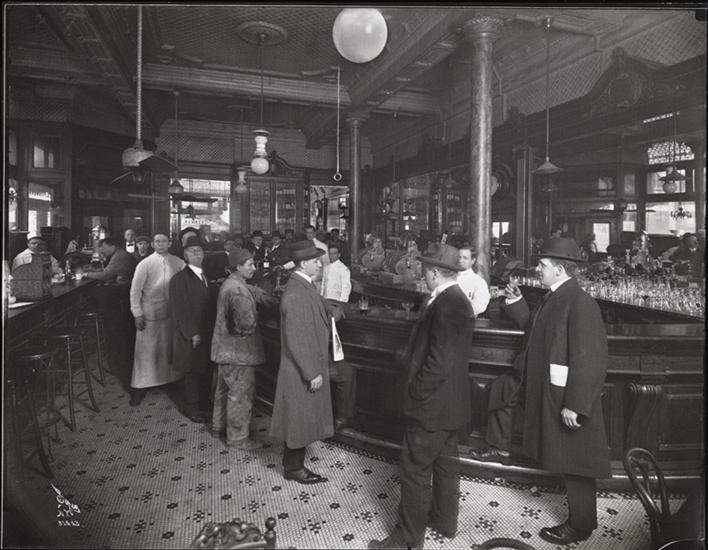
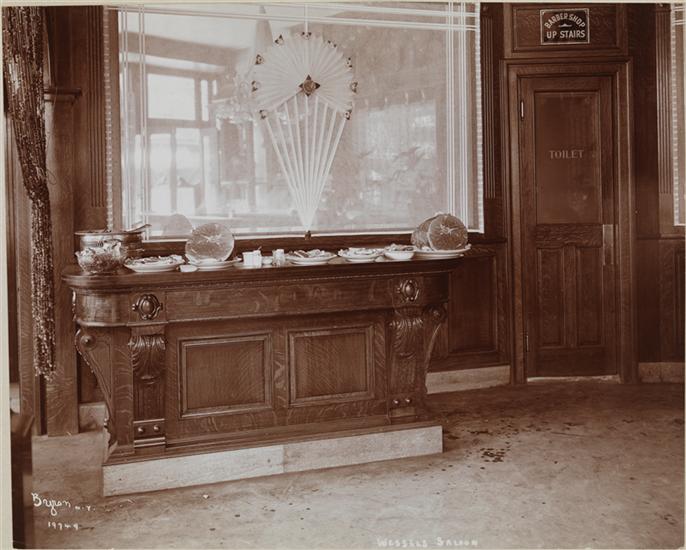
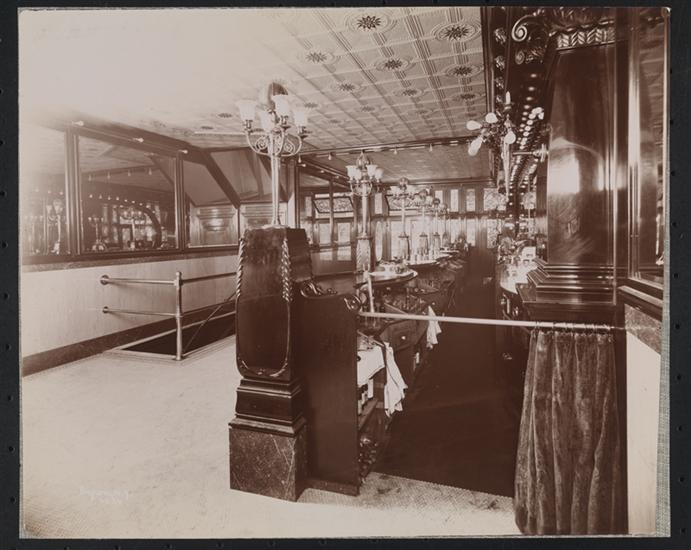
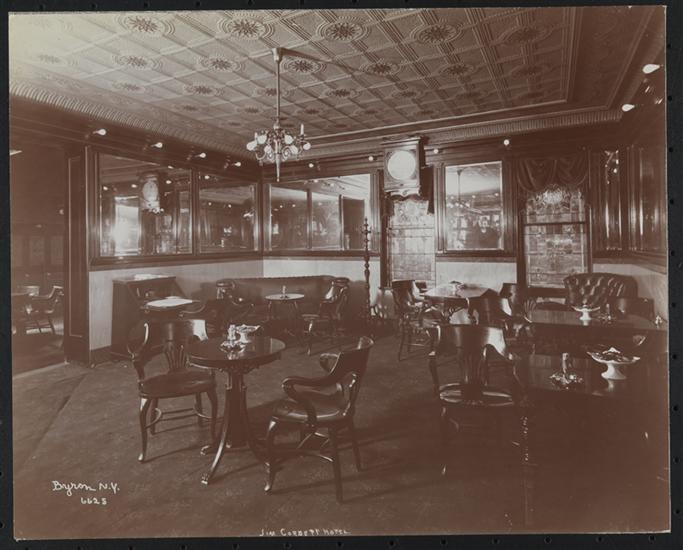
This scene at T.E. Fitzgerald’s Bar, taken in 1912, reflects the typical bar and saloon scene of the 19th century. A food bar is at the left, liquor on the right. Below that, a picture from a bar in Jersey City, New Jersey, with a scenario that was probably more standard — help-yourself food heaped on a bar in the corner.
Museum of the City of New YorkByron Company/Museum of the City of New York
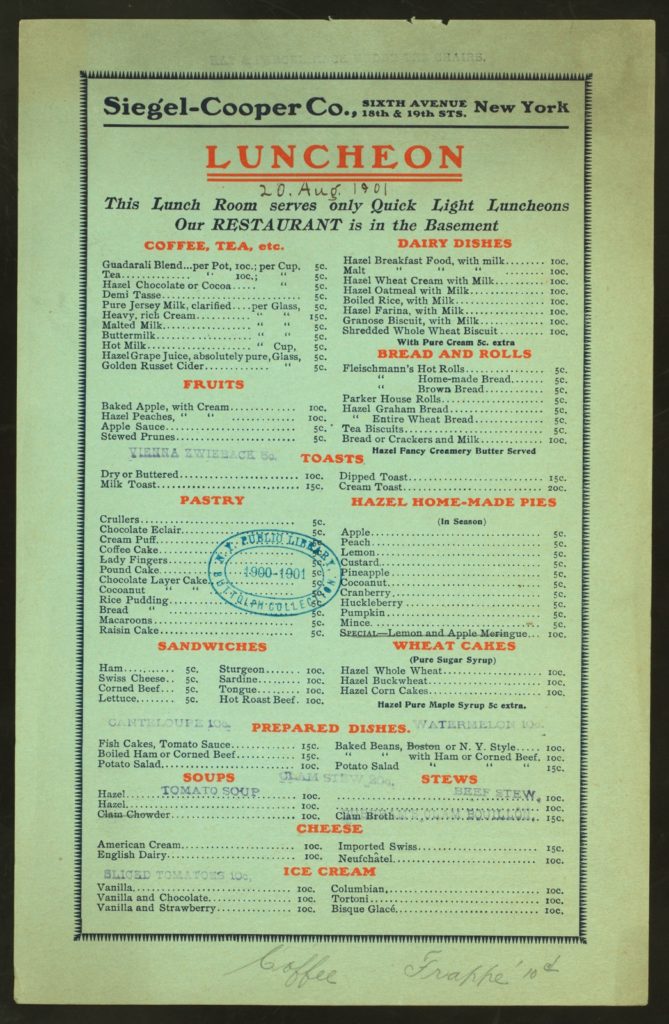
A luncheon menu at Siegel-Cooper Department Store on Ladies Mile, 1901.
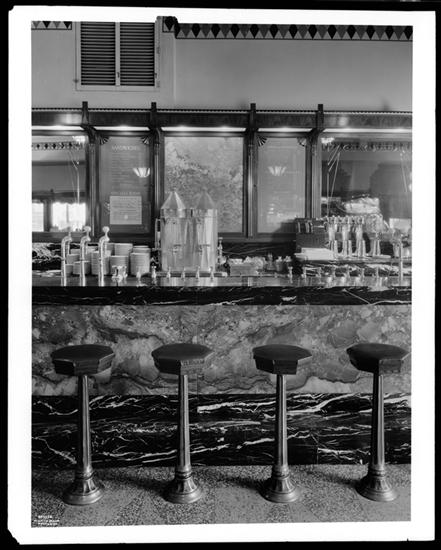
The Arcadia Luncheonette Soda Fountain at 45th Street and Vanderbilt Avenue, 1930.
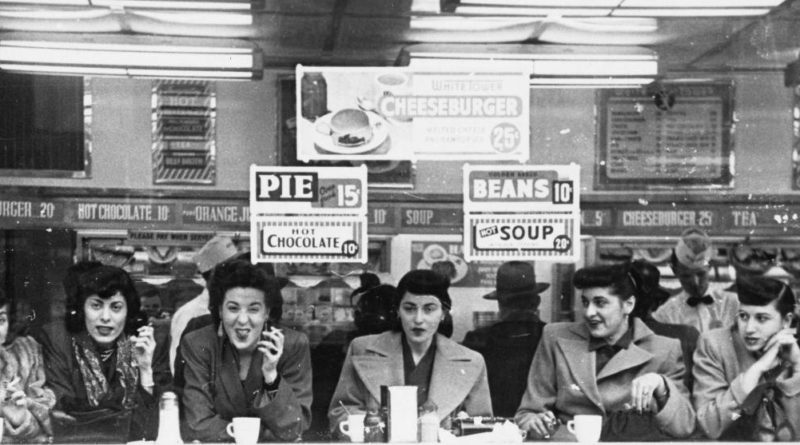
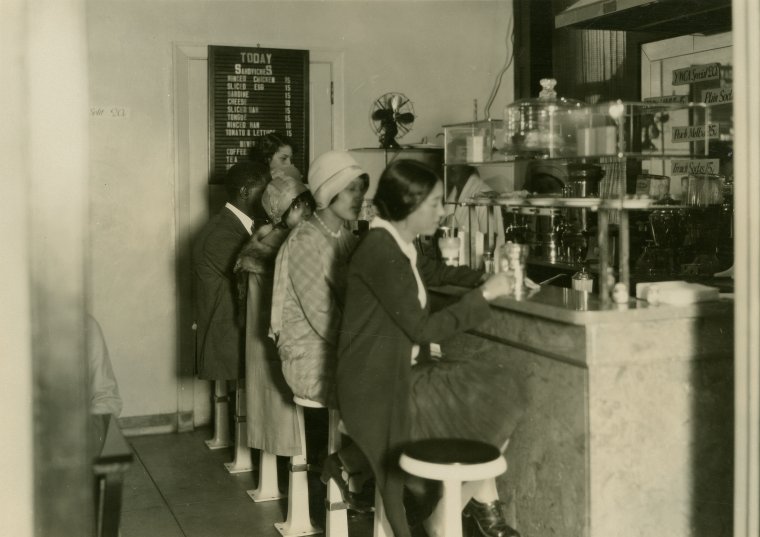
Customers crammed in at a restaurant counter, 1920s.
NYPL
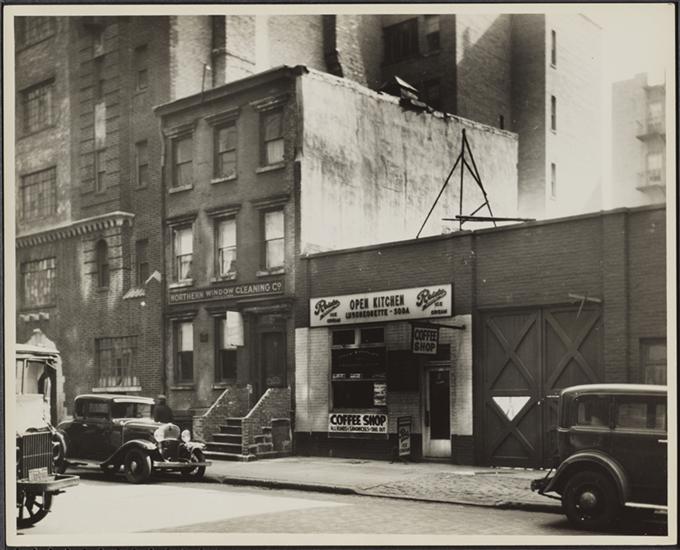
Rela’s Open Kitchen Luncheonette & Coffee Shop at 252-254 West 17th Street, 1932
Charles Von Urban / Museum of the City of New York
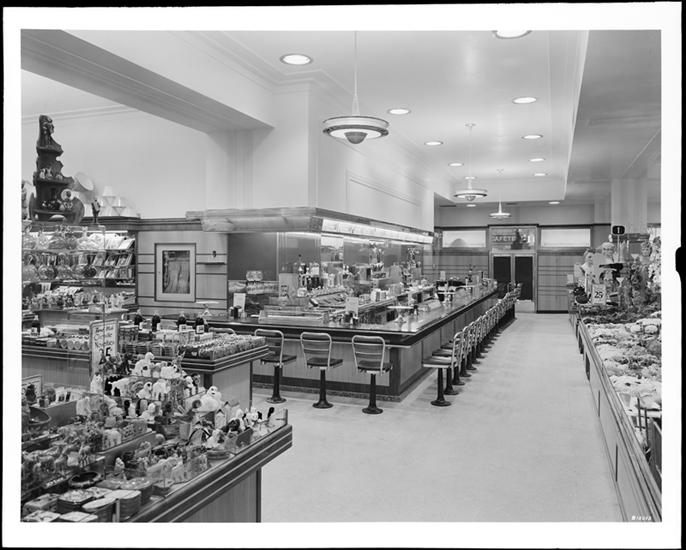
Lamston 5 & 10 Cent Store, lunch counter, 45th Street and Lexington Avenue, 1940
One hundred years ago, an aspiring New York entrepreneur could have a O’Mahony dining car (or diner) shipped to your lot. And voila! Your new restaurant was ready to serve hungry customers.
Images of automat goodness from the New York Public Library:
1936, Berenice Abbott/NYPL115 East 14 St. automat, 1935.
A transfixing little film about dining in an automat.
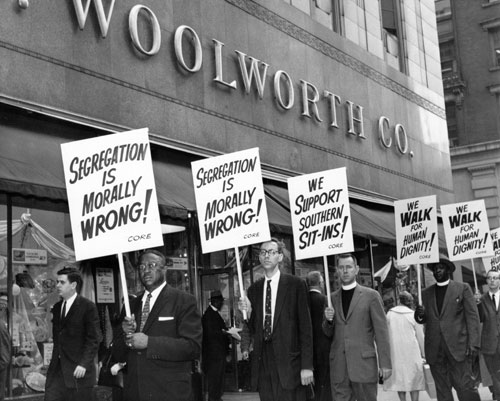
1960: Religious leaders protest outside a New York Woolworth location in solidarity with protesters in the South.
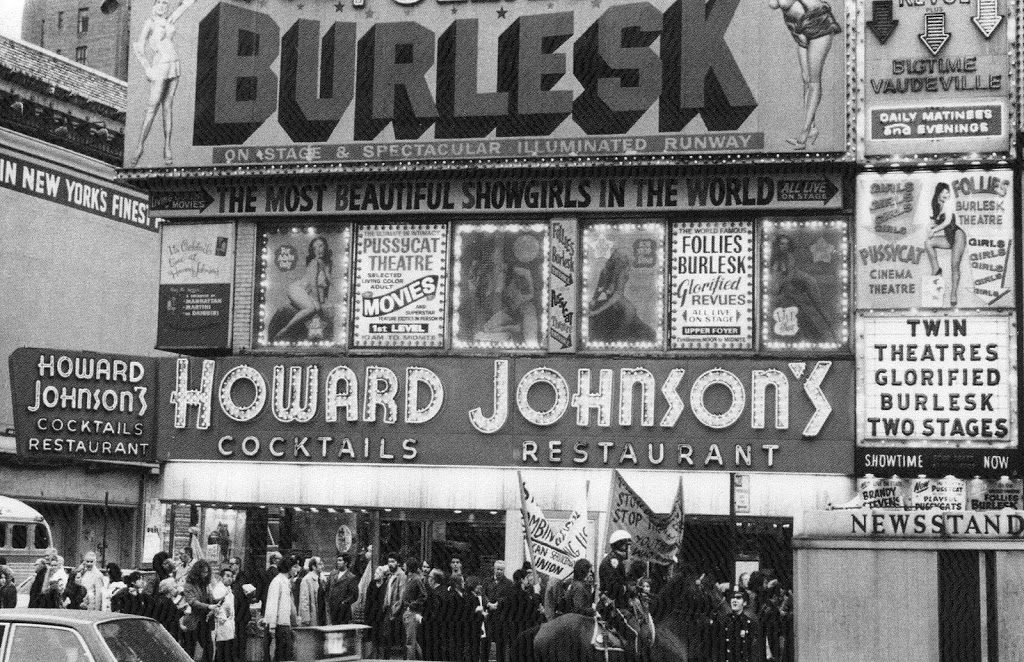
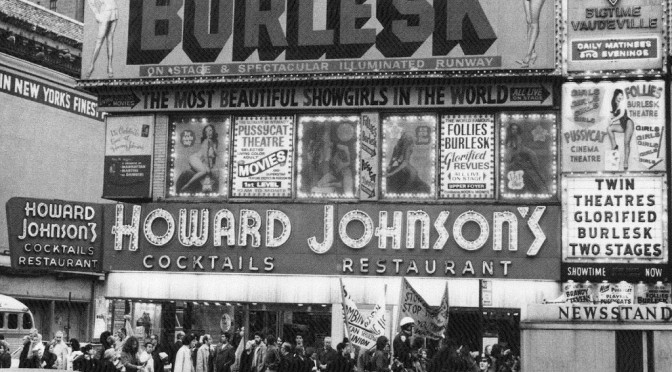
Howard Johnson’s Restaurants were another ubiquitous sight on the streets of New York during the 1970s.
Photo by Bob Gruen, taken 1972, courtesy Ephemeral New York
Many stand-alone diners have closed in New York City, but there are plenty still in New Jersey and on Long Island. These New York classics are still open for business:
Carlos Escobedo/FlickrAndreas Komodromos/FlickrNYC Corners
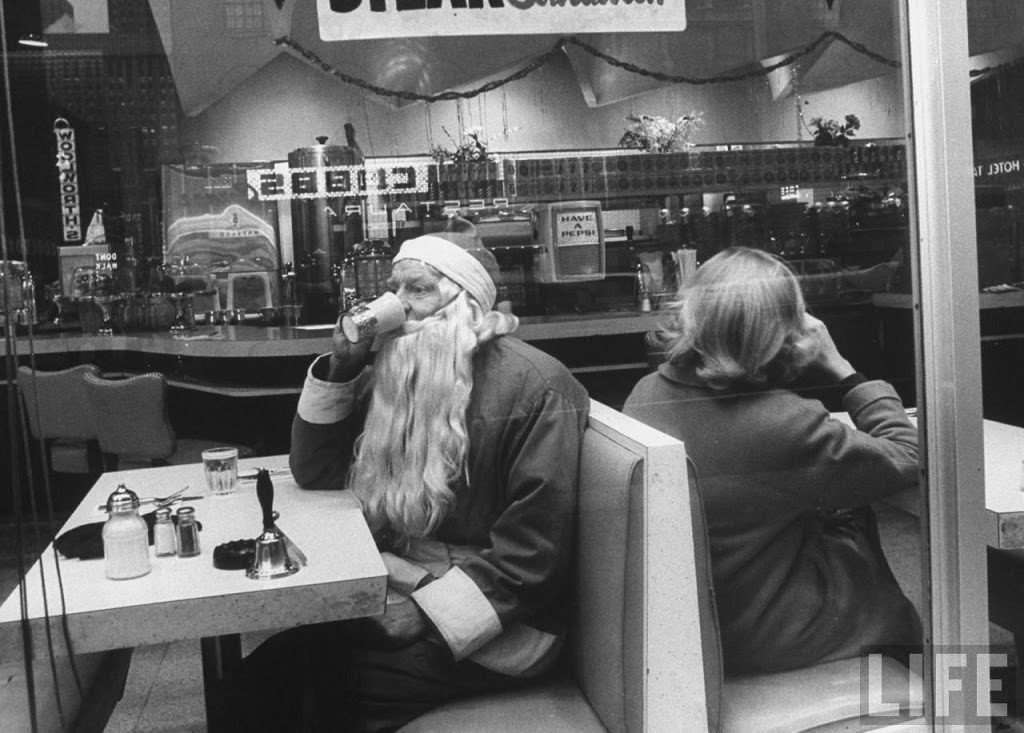
Who knows who’ll meet in a New York City diner?
FURTHER EXPLORING
Please visit the New York Public Library’s wonderful resource called What’s On The Menu?, a searchable database of thousands of old menus. As of this date, they have 1,333,481 dishes transcribed from 17,545 menus!
Our first-ever Bowery Boys book, “Adventures in Old New York” is now out in bookstores! A time-traveling journey into a past that lives simultaneously besides the modern city.
Bowery Boys Walking Tours
Are you ready to walk through time? We’re excited to announce Bowery Boys Walks, our new walking tours developed around our podcast. Join us in the streets — beginning in October 2018!
In this blog roundup, a Bowery Boys appearance in Vice, a threat to preservation, a classic restaurant closes, the story of two hotels with very different histories and more!
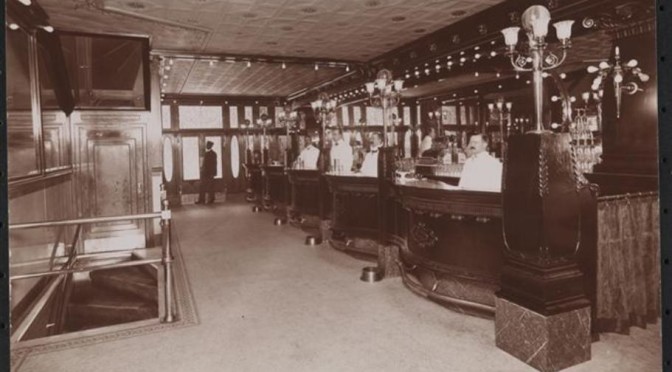
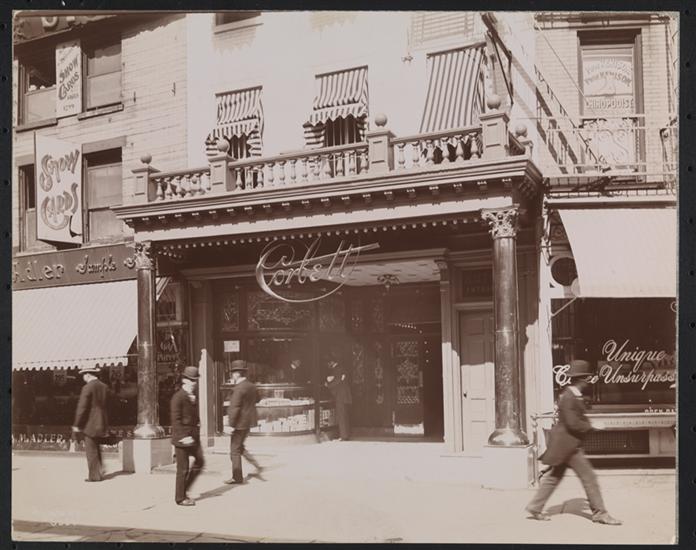
In the photo above and below — From the Museum of the City of New York collection, some images of the so-called Prize Fighters Saloon (at Sixth Avenue and 33rd Street) owned by boxer James J. Corbett.
LINKS OF INTEREST
— Vice Magazine’s John Surico wrote a great piece called ‘Why New Yorkers Love New York” and interviewed the Bowery Boys for it! Also — if you want to see us dressed in ridiculous Mermaid Parade costumes, you should definitely check this out. [Vice Magazine]
— An inconceivable and dangerous threat to New York landmark preservation is being debated at City Hall today.  “Intro. 775 would for the first time impose ‘do-or-die’ timeframes for buildings and neighborhoods being considered for landmark designation. If the deadlines are not met, buildings and neighborhoods, no matter how worthy or endangered, would automatically be disqualified for designation.” [Greenwich Village Society for Historic Preservation]
—  Destruction update! The beloved original location ofThe Palm restaurant — with its quirky wall of murals — has been closed for good. “The beloved hand painted caricatures were housed on walls made of plaster, which made it impossible to remove the caricatures for preservation purposes.” [Vanishing New York]
Below: The exterior of Corbett’s Prize Fighters Saloon:
Courtesy Museum of the City of New York
— The spectacular tale of thePierrepont Hotel in Herald Square, built in 1898 as a rare residential hotel for unmarried men.   “It is not so very long ago that the bachelor was not considered to be entitled much consideration; any old thing was good enough for him….” [Daytonian In Manhattan]
— That rather strange, kinda seedy, little-Flatiron hotel in Chelsea called the Liberty Hotel? Â That building has actually been standing there for well over one hundred years. Oh if only those walls could speak! [Ephemeral New York]
— Some rather sweet and amusing images pop up in this New York Times photo essay on the first day of schoolthrough the years. [New York Times]
— “The coolest place to eat is outside a smallpox hospital.” [New York Post]
TICKETS ARE GOING FAST for our live event with The Ensemblist this Sunday, September 13th, at 54 Below. Â Click herefor more information or go directly to 54 Below’s websiteto get your tickets!
Below: Another look at the interior of Corbett’s fancy saloon.
Sbarros Pizzais a fixture of shopping malls and roadside traffic stops across the nation. In fact, “across 30 countries” according to the website. In many of these countries, Sbarros is most likely introducing the actual concept of pizza, much less its modified ‘New York style’ offering.
I was surprised to learn that Sbarros actually got its start in Brooklyn, over 50 years ago, and in a fashion similar to Lombardi’s Pizzeria, the tourist-heavy pizzeria in Little Italy.
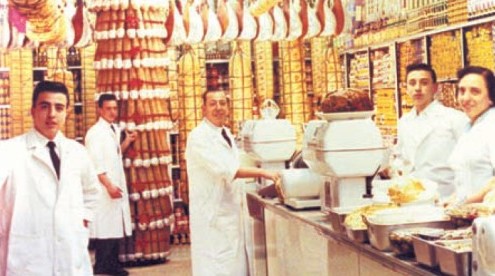
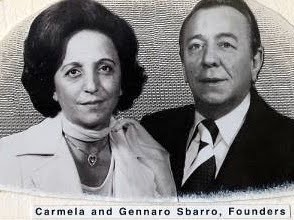
It too was started up by a Neapolitan named Gennaro — the highly alliterative Gennaro Sbarro, to be exact — with his wife Carmela and their three sons. Like Gennaro Lombardi, the Sbarros didn’t start off selling pizza either. Their original salumeria (delicatessen) in Bensonhurst, Brooklyn, was located at 1701 65th Street and 17th Avenue, opening in 1959 and serving the usual Italian-style deli fare, eventually incorporating pasta and pizza onto the menu — and sit-down service along with it.
The similarities to Lombardi’s stop there. The Sbarros had a mind to expand, keeping a tight reign on their operation as they opened 14 additional New York locations well into the 1970s, with all the food made at the original Bensonhurst location. Carmela even continued to personally make the cheesecake.
They could have been content to stop there, but keep in mind that the 1970s was the age of the shopping mall, and the lure of the food court greatly appealed to the Sbarros. Their first experimental pizza outlet was at the King’s Plaza mall in Marine Park. It was here that Sbarros became a counter fast-food restaurant, shedding its salumeria image for a bright, uniform place with a set menu of popular Italian standards.
Needless to say, it was a successful experiment. Incorporating the family business in 1977 and opening the brand up for potential franchises, the Sbarro sons took their restaurant chain national by the 1980s after their father’s death, and rolled it out to international locales by the 1990s.
The original Bensonhurst Sbarros was closed a few years ago, and it’s difficult to find the inherent Brooklyn-ness in a standard-issue Sbarros restaurant today. But if you look carefully, you might find some dusty, fake-looking meats hanging in the window, harkening back to its early Bensonhurst roots. It’s definitely the closest you’re ever going to find New York-style pizza in, say, Salt Lake City or even Kazahkstan. (Picture courtesy PMQ Pizza magazine)
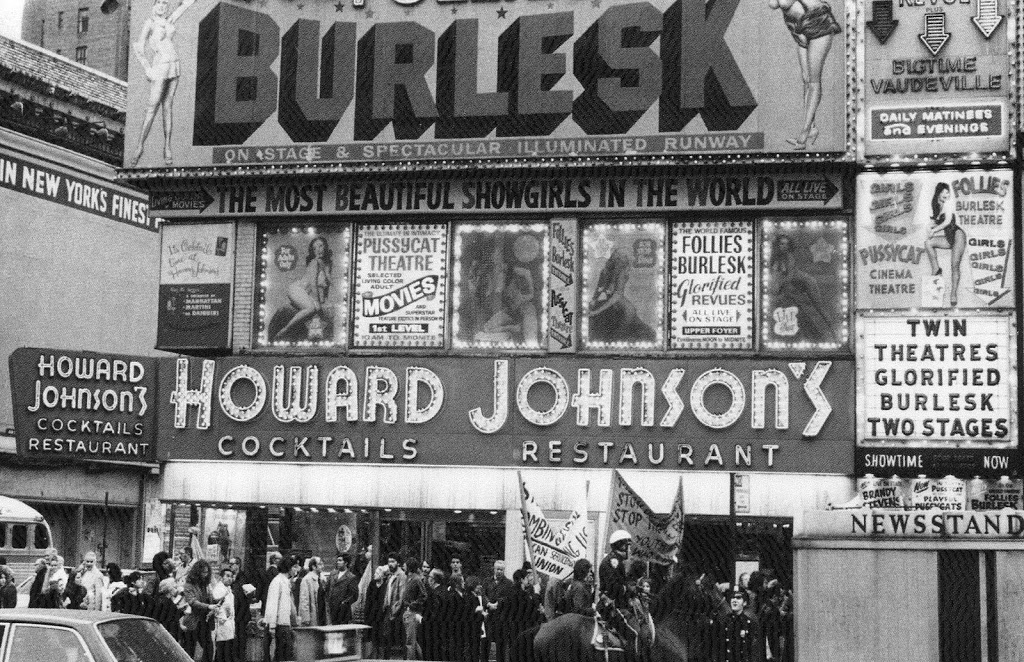
Howard Johnson at 46th Street: Dinner and a movie, all in one corner! There’s even Vietnam war protesters outside. (Photo by Bob Gruen, taken 1972, courtesy Ephemeral New York)
Every Monday I’ll try and check in with the Mad Men episode from the night before and focus in on one or two historical references made on the show. Spoilers aplenty, so read no further if you don’t want to know….
I was disappointed with last night’s season finale of Mad Men, not because of the out-of-nowhere shenanigans of Don Draper, but because a full half of the show took place in Los Angeles, leaving precious little opportunity for historical references. In fact, the two big references were L.A. originals, Disneyland and Whisky-a-Go-Go, which would have been only a year old in 1965.
But thankfully there was a brief mention (via Peggy’s hipster friend Joyce) of a treasured Times Square staple, and a place that most New Yorkers think of with great fondness — the Howard Johnsons restaurant at 46th and Broadway.
Nowhere on the planet could you find a more delicious plate of cheese fries or a dirtier martini. It stood for many years as the last remaining relics of the Times Square’s transitional period between glitz and grit, a stubborn throwback of authentic diner glamour. When it closed in 2005 — replaced with an American Eagle Outfitters — I’m was shocked that Time Square didn’t cave in on itself, as though HoJo’s and its greasy, glorious food were all that was holding it in place.
By the 1950s, the chain of hotels and restaurants founded by Massachusetts entrepreneur Howard Deering Johnson had spread throughout the United States, providing hearty and wholesome sustenance to mainstream, middle-class Americans. It was as ubiquitous and as recognizable with its orange roofs and friendly signage as McDonalds. So much so that Time Square alone had three of them, the first here at 49th and Broadway, a hole in the wall that had once employed up-and-coming actors Lily Tomlin and Gene Hackman. The HoJos here at 46th and Broadway, surviving the others, opened in 1955.
Nothing reflected the changes of Times Square more than this corner. Above the HoJo had been the glorious Orpheum Dance Palace, a once popular and rowdy dance hall that soon offered patrons their very own ‘private dancers’ and was closed down in 1964 for prostitution. It then became a porn theater called the New Paris — described as smelling “like decayed flesh in there, a lot of bodily fluids” — and later was later split into two spaces, housing a small legit theater (where A Perfect Crime ran for years) and the Gaiety male strip club.
And all the while, the Howard Johnsons below it retained its glittered-tile elegance, refusing to update their signs or menus. In the 1980s, it was an ideal spot to watch theater-goers and prostitutes. Penn Gillete (of Penn and Teller fame) had Friday night meet-ups here before heading off with a crowd for a weekly midnight movie screening.
In the ’90s, the now beaten but still thriving diner stood in contrast to the changing fortunes of Times Square, dwarfed by the multi-million dollar makeover. Eventually its corner real estate became too valuable for it to survive and it closed in 2005 — one of the last Howard Johnson’s restaurants in America. I miss it very much.
HoJoLand has a lovely tribute — full of photographs — of several former New York HoJos, including the Times Square locations.
ALSO: You might have heard a character mention the name Abe Beame, the city comptroller who ran for mayor in 1965, losing to John Lindsay (who’s also been name dropped on the show). Abe of course would get his chance to rule New York nine years later.
That’s it for Mad Men this year. Please go here if you’d like to go back and read prior articles based on references made on the show.
Every Monday I’ll try and check in with the Mad Men episode from the night before and focus in on one or two historical references made on the show. Spoilers aplenty, so read no further if you don’t want to know….
New York’s fascination with Japanese culture has never been because of a particularly large population, especially compared to the city’s other Asian communities. A hearty cluster of Japanese establishments in St. Mark’s in the East Village notwithstanding, there has never been a neighborhood of the size and shape of Chinatown or Koreatown. According to the 2000 census, just over 26,000 people identified as Japanese American, with less than 20,000 foreign-born Japanese residing here.
Instead, Japanese influence in the city has been felt through its wealth and through the success of individual businessmen and women. That’s where wrestler Hiroaki ‘Rocky’ Aoki comes in.
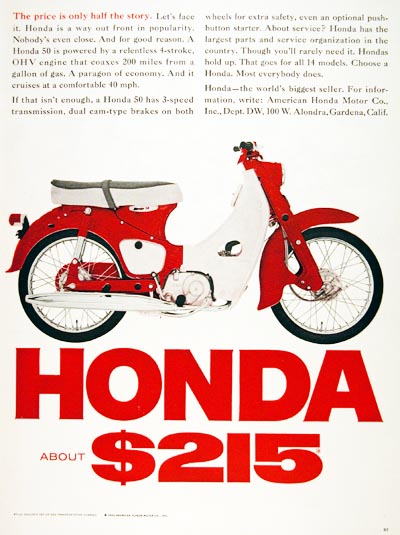
On last night’s ‘Mad Men’, Don Draper must weather some peculiar cultural differences and the prejudices of his own associates to snag a new account, the Japanese motorcycle maker Honda. (See the bottom of this post for an authentic 1965 advertisement for a Honda motor scooter.) In that frame of mind, he takes his date to one particular new midtown restaurant, Benihana, where Japanese food is prepared on grills in front of the patrons by daredevil chefs. A lively and noisy atmosphere, hardly romantic, his date notes.
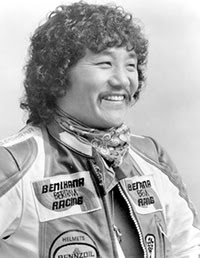
Benihana was the brainchild of Aoki (at right), a wrestler who qualified for Japan’s 1960 Olympic wrestling team (he didn’t compete) and came to America in his early 20s touring the wrestling circuit. He expressed a decidedly entrepreneurial streak, moving to New York in 1963 and he paying his way through business school by, among other jobs, operating a Mister Softee ice cream truck in Harlem.
His curious idea for an eatery — which brought the chef and steel grill into the dining room, preparing steaks and seafood for dizzied diners — was named after his parent’s own restaurant in Tokyo (Benihana, meaning red safflower). He bought out the lease of an unsuccessful Chinese restaurant at 61 West 56th Street* and opened Benihana Of Tokyo on May 1964.
The first restaurant was a tiny affair, much too small — four tables — for the theatricality he envisioned. And New Yorkers were at first confused, even intimidated. Of the few New York Japanese dining spots that existed, they were mainly for Japanese people; the embrace of sushi culture was many years in the future. Here, however, was a bold, dramatic and certainly exotic display of Japanese pomp, serving dishes that seemed somewhat ordinary.
It might had faded like so many midtown culinary novelties if not for the New York Herald-Tribune popular food writer Clementine Paddleford who, late in her career, threw Aoki a rave review. Within months, those four tables were hardly enough to meet demand, and Aoki opened a second location a few blocks east.
Benihana, of course, would be a concept suited for expansion, hitting Chicago and San Francisco before the end of the decade and soon swelling to dozens of locations all over the United States.
Aoki, who died in 2008, was quite an extravagant character, a Lothario (throughout his life, he famously had numerous wives, mistresses and girlfriends) and an avid adventurer, racing speedboats and reportedly even flying a hot air balloon over the Pacific Ocean in the early 1980s. He and Don Draper would have gotten along famously.
*The restaurant moved down the street to its present location at 47 W. 56th Street in 1973.
Pic above courtesy Benihana
For more on New York’s curious history with the Japanese, you might like to check out the brand new exhibit at the Museum of the City of New York called Samurai In New York: The First Japanese Delegation, 1860, taking a look at an entourage of 70 samurai who held court in the city 150 years ago.
And finally, courtesy of ADclassix (visit their page to order a print):
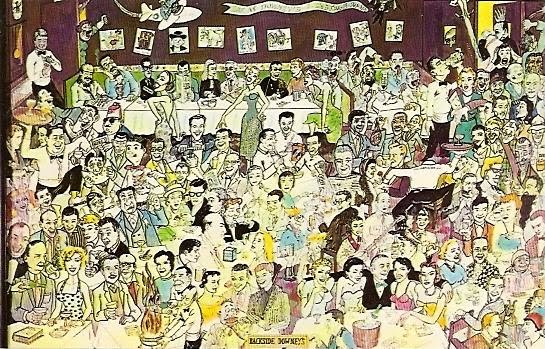
A postcard from Jim Downey’s showing a plethora of theatrical faces who frequented the place.
Every Monday I’ll try and check in with the Mad Men episode from the night before and focus in on one or two historical references made on the show. Spoilers aplenty, so read no further if you don’t want to know….
There were two long-gone destinations used in last night’s episode of ‘Mad Men’ to delineate the old and the new, contrasting the square with the hip.
Two former ad rivals Pete Campbell and Ken Cosgrove bury the hatchet over a meal at Jim Downey’s Steak House, a dapper theater-district hangout at 705 Eighth Avenue (at 44th Street), started in the late 1950s by an Irish immigrant who won big at the horse races one day and decided to open a restaurant (as the legend goes).
Downey’s, very much in the mold of classic midtown eateries like Sardi’s and Toot Shor’s, was considered more a destination for theater crowds than the professional set, so much so that its dining rooms had theatrical names (like the Backstage Room) and you could frequently find a theater star or two having Irish coffees at the bar, possibly standing by writer Brendan Behan, also a regular. Dustin Hoffman and Robert Duvall sat at a booth very much like the one depicted on the show, discussing women and literature.
The restaurant was closed by the early ’80s, taken over by a Cajun restaurant, although Downey’s sons opened steak houses in other parts of the city.
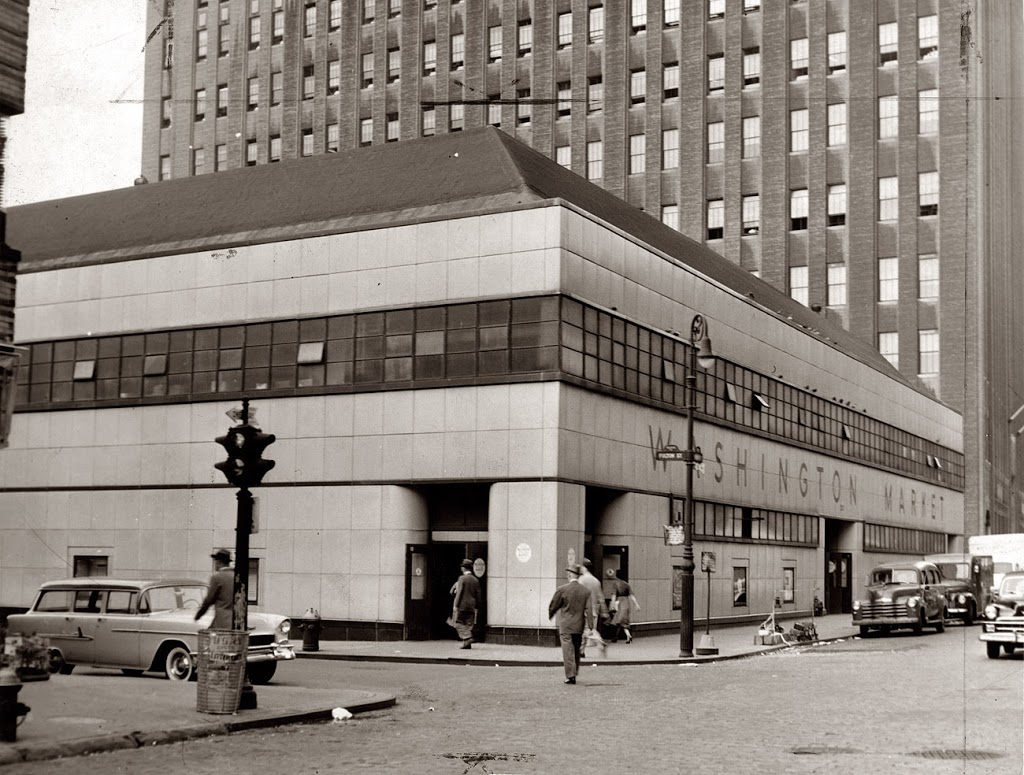
Meanwhile, Peggy Olsen got herself invited to a happening, or rather, an “I don’t even know what to call it” at old Washington Market (pictured below), the once lively indoor marketplace downtown. By 1956, however, the vendors — at one time, over 800 of them — had moved out (most up to the Hunts Point in the Bronx) and the forlorn shell of the building sat abandoned. It was eventually ripped down in 1967 to build the World Trade Center.
FRIDAY NIGHT FEVERTo get you in the mood for the weekend, on occasional Fridays we’ll be featuring an old New York nightlife haunt, from the dance halls of 19th Century Bowery, to the massive warehouse clubs of the mid-1990s. Past entries can be found here.
LOCATIONBohemian Hall Opened: 1910-still open! Astoria, Queens
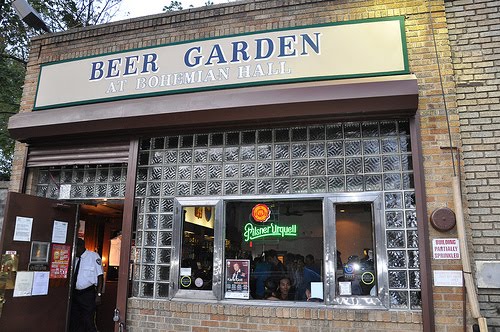
How about a story on the positive effects of alcohol on New Yorkers? This year is the 100th anniversary of the city’s oldest beer garden, Bohemian Hall, an understated, well-worn treasure in Astoria, Queens, which belies its importance to the borough’s Czech community. It may also be the only place in the New York City that sells liquor in the same building as a school.
These aren’t bohemians of the floaty literary 19th–Century (or 60s groovy) stripe, but an actual culture who trace their lineage to the sizable region of Bohemia, located in the modern Czech Republic today. Sandwiched between the Bohemian Forest and the Ore Mountains, this ancient area of Central Europe was part of the Austro-Hungarian empire and would, later in the 20th century, become the heart of the newly formed Czechoslovakia.
In 1910, New York City is at the tail end of the massive immigration boom hurtling through Ellis Island, with 6 million people processed through the center in the prior decade. Bohemians were among the great throng of new Americans, although not at a rate comparable with other nationalities. According to the US Census, by 1910, 200,000 first generation Czechs lived in the United States, up from about 10,000 total in the 1850s.
There was a sizable Czech community in New York during the late 19th century; one source claims that almost 95 percent of Czech working adults and children were employed in the cigar business. “The factories in the regions of Seventieth street, New York, are filled with Bohemian women and girls employed in the making of cigars,” according to Jane Robbins.
Like other national groups, the Czechs and Slovaks of New York had their own support groups and newspapers (the first two: New YorskeListy, founded in 1879 and Slovak v Amerike, in 1889) and developed small enclaves throughout the city, including the old Czech neighborhood in Manhattan’s Upper East Side in Yorkville and out in Astoria, among others.
It was in Astoria in 1892 that the Bohemian Citizens’ Benevolent Society was formed to help the transition for new immigrants and provide a community bond for everybody else. In fact, the society is still around today, with purposes that certainly sound very similar to old objectives: “to encourage, support and maintain Schools, Dramatics, Lectures and Libraries for Czech and Slovak children …. [and] to maintain a nonprofit making social home for people of Czech and Slovak ancestry, in which the Czech and Slovak culture may be taught and blended with American traditions and culture, thereby tending to make the members better Americans.”
By 1910, the society would raise funds to open a community center and buy up some available lots in Astoria, some on former farmland. The cornerstone for the modest brick Bohemian Hall was laid October 1, 1910, and the original building swiftly constructed by volunteers in the community.
Selling beer was merely one function of the new building; a meeting hall was constructed soon after, hosting political functions and family functions, and by 1919 an outdoor seating area was completed, in the style of many German outdoor drinking and eating located throughout the city for years. The Society’s enthusiasm to capture the beer garden spirit was felled only by the coming of Prohibition. When legal drinking returned, the Hall in 1933 received a new fence to wrap out the vast yard (200-by-125 feet) and some scattered linden trees, the national tree of the Czechs.
The Hall was more than a place to toss back a few PilsnerUrqells. The Hall provided (and, in fact, still provides) Czech and Slovak language courses specifically for children and once even offered Sokol gymnastic courses, essentially an old-school form of calisthenicsdating back to 1862.
Time has pretty much stopped at Bohemian Hall; like any bar, televisions have been added and the patrons are young locals and beer lovers, but I imagine that the vibe is almost identical to what it might have been like 70-80 years ago. Like McSorley’s Old Ale House, the focus is beer — all day, every day — but bolstered with a menu of traditional dishes and (during the summer) barbecue.
In a city were beer gardens once flourished — thanks to the millions of Germans and German-Americans who have lived and worked here — Bohemian Hall is now the last remaining vestige. (Obviously there are many brand-new beer gardens scattered throughout today.)
For some more information on Bohemians, Chechs and Slovaks in New York, check out the blog Slavs of New York. Bohemian Hall’s official website has more information about their hours and other services.
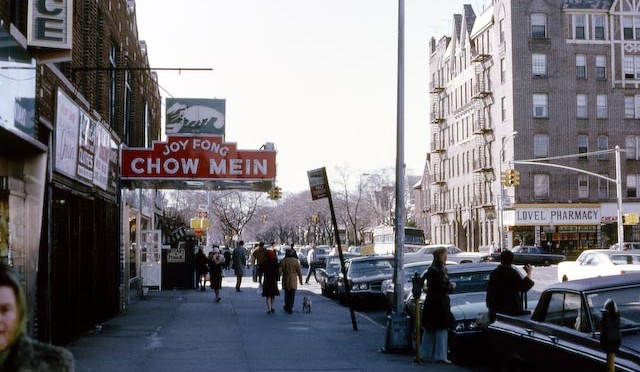
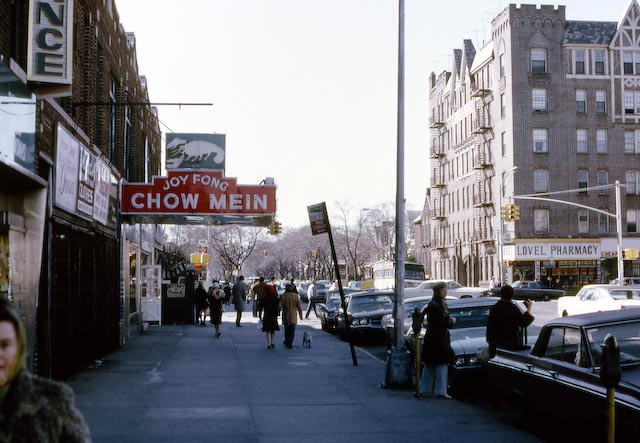
I have this thing for kitschy Chinese restaurant design, so this picture from 1971 made my day. Joy Fong Chow Mein was located on Avenue J and Coney Island Avenue in the Midwood neighborhood of Brooklyn nearby Di Fara’s Pizza and the old Midwood movie theater (which closed in the early 80s). Joy Fong is also long gone, including this massive sign.
Writer Pete Cherches has a wonderful recollection of the restaurant and eating Chinese food in Brooklyn in the 1960s. He says of Joy Fong: “a now-defunct place that retains an almost holy status in the memories of Brooklyn Jews of a certain age. I wouldn’t be surprised if people visit the site of the former restaurant and wail against the wall.”
Sbarros Pizza is a fixture of shopping malls and roadside traffic stops across the nation. In fact, “across 30 countries” according to the website. In many of these countries, Sbarros is most likely introducing the actual concept of pizza, much less its modified ‘New York style’ offering.
I was surprised to learn that Sbarros actually got its start in Brooklyn, 50 years ago, and in a fashion similar to Lombardi’s Pizzeria.
It too was started up by a Neapolitan named Gennaro — the highly alliterative Gennaro Sbarro, to be exact — with his wife Carmela and their three sons. Like Gennaro Lombardi, the Sbarros didn’t start off selling pizza either. Their original salumeria (delicatessen) in Bensonhurst, Brooklyn, was located at 1701 65th Street and 17th Avenue, opening in 1959 and serving the usual Italian-style deli fare, eventually incorporating pasta and pizza onto the menu — and sit-down service along with it.
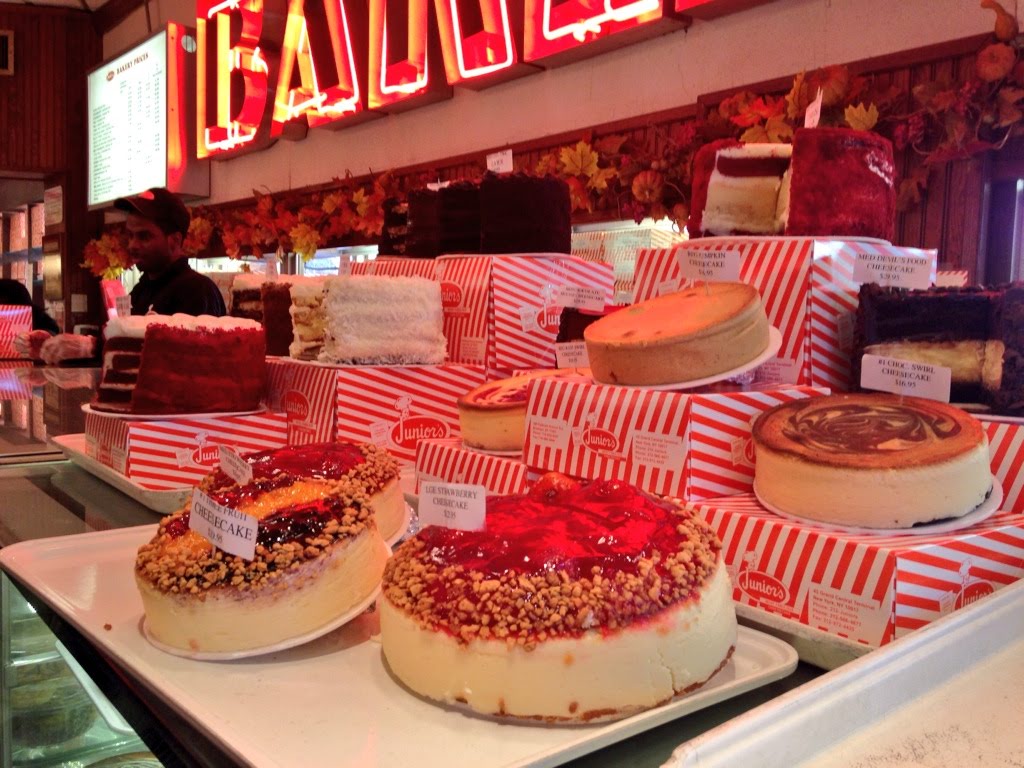
The similarities stop there. The Sbarros had a mind to expand, keeping a tight reign on their operation as they opened 14 additional New York locations well into the 1970s, with all the food made at the original Bensonhurst location. Carmela even continued to personally make the cheesecake.
It could have stopped there, but keep in mind that the 1970s was the age of the shopping mall, and the lure of the food court greatly appealed to the Sbarros. Their first experimental pizza outlet was at the King’s Plaza mall in Marine Park. It was here that Sbarros became a counter fast-food restaurant, shedding its salumeria image for a bright, uniform place with a set menu of popular Italian standards.
Needless to say, it was a successful experiment. Incorporating the family business in 1977 and opening the brand up for potential franchises, the Sbarro sons took their restaurant chain national by the 1980s after their father’s death, and rolled it out to international locales by the 1990s.
The original Bensonhurst Sbarros was closed a few years ago, and it’s difficult to find the inherent Brooklyn-ness in a standard-issue Sbarros restaurant today. But if you look carefully, you might find some dusty, fake-looking meats hanging in the window, harkening back to its early Bensonhurst roots.
It’s definitely the closest you’re ever going to find New York-style pizza in, say, Salt Lake City or even Kazahkstan.
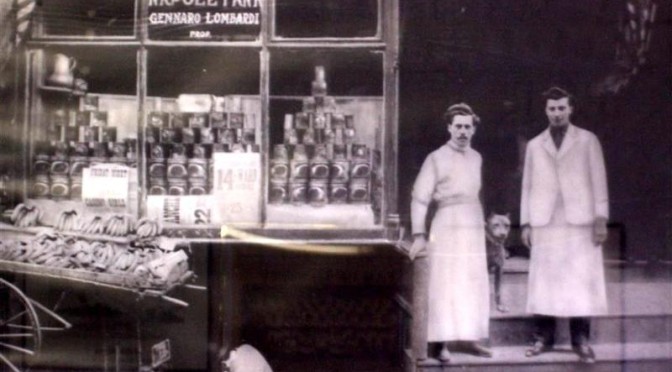
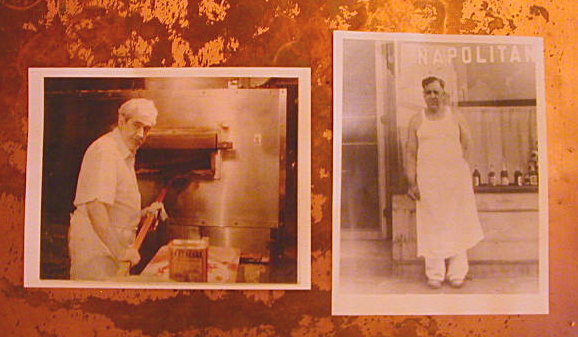
Gennaro Lombardi and (I believe) Antonio Totonno Pero with a dog who must have been fed very well. You’ll notice that Lombardi’s is still a grocery store in this picture. Some bananas with your pizza? Although Gennaro is credited with opening New York’s first pizzeria, it may have been Antonio who came up with the pizzas.
___________________________________
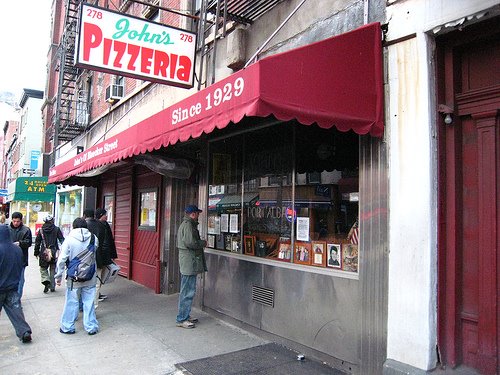
New Yorkers are serious about their pizza, and it all started with a tiny grocery store in today’s Little Italy and a group of young men who became the masters of pizza making. In this podcast, you’ll find out all about the city’s oldest and most revered pizzerias — Lombardi’s, Totonno’s, John’s, Grimaldi’s and Patsy’s, in all its variations.
But if those are the greatest names in New York-style pizza, then who the heck is Ray — Original, Famous or otherwise?
___________________________________
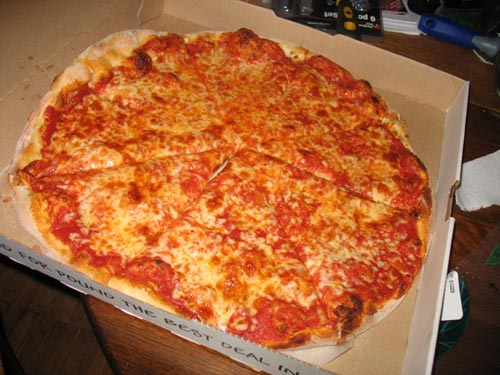
New York-style pizza, in its purest form. Lombardi’s pizza was also sold by the slice back in the day, though today its strictly whole pies. And they no longer don’t wrap them up in paper and tie them with string like they used to!
Although John Sasso had the great misfortune of opening his small pizzeria just as the Great Depression was getting started, it managed to survive through hard times to become the West Village’s go-to destination for classic slices.
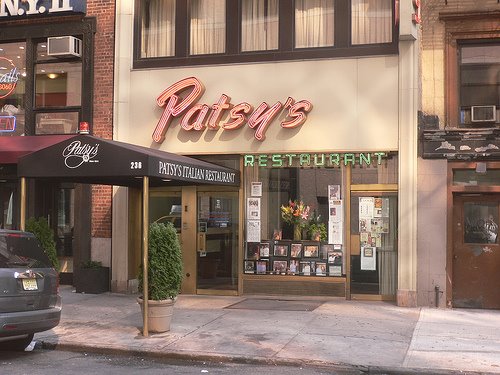
NOT to be confused with this place — the venerable Patsy’s Italian Restaurant in midtown. This Patsy’s does not sell pizza.
To make sure you don’t confuse the two, why don’t you read a U.S. District Court document ‘Patsy’s Italian Restaurant v Patsy’s Pizzeria‘. The words ‘Sauce Litigation’ are actually used.
___________________________________
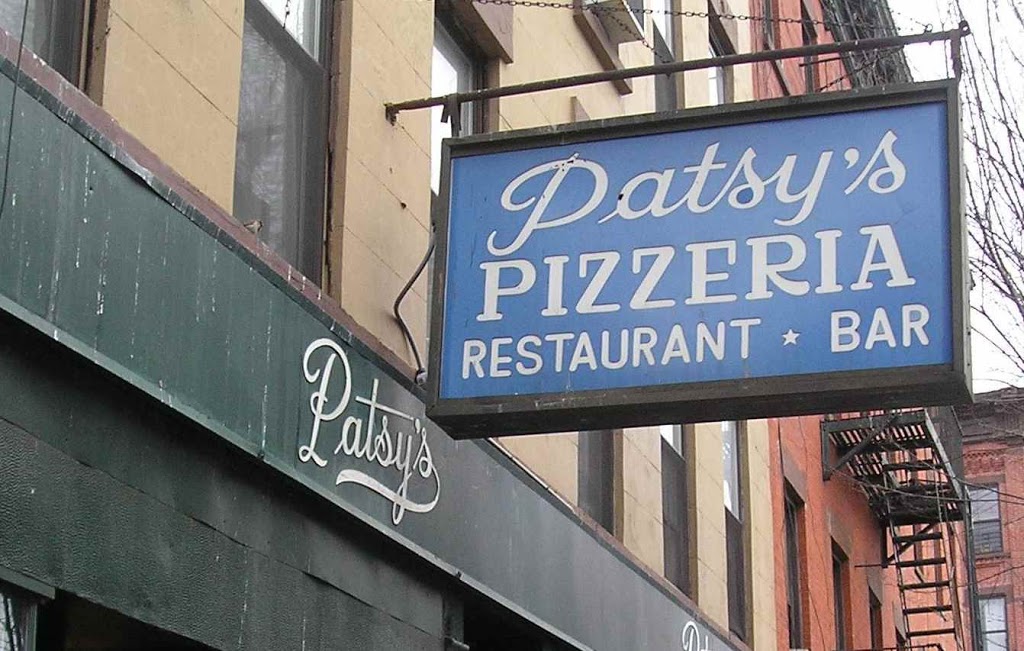
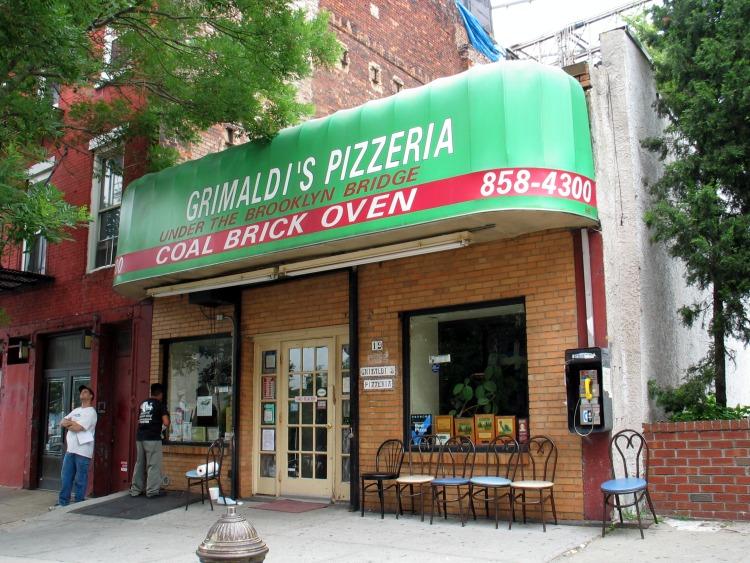
Grimaldi’s “under the Brooklyn Bridge” used to also be a Patsy’s. Today it’s your surest bet for a long line, reportedly still worth the wait.
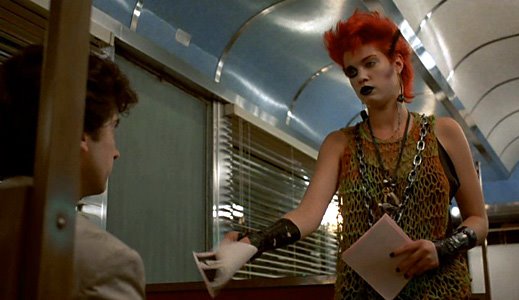
Laura is disturbed “I’m completely out of control!”
BOWERY BOYS RECOMMEND is an occasional feature where we find an unusual movie or TV show that — whether by accident or design — uniquely captures an era of New York City better than any reference or history book. Other entrants in this particular film festival can be found HERE.
The New York Times had an intriguing piece last Sundayon modern “fetishizing” of New York in the 1970s, as popularly depicted in the TV show “Life on Mars.” This blog is probably as guilty as any at looking at this crime-riddled, bankrupt period of New York’s history and seeing only a glossier rendition. The article suggests people may fear this view as the economic crisis begins to transform the city; I personally suggest it appeals to people as a flipside to New York’s current crawl towards homogeny and total gentrification.
Two vastly different 1970s movies I recently re-watched suggest that the city’s combination of grit and glamour were already being analyzed and parodied before the decade was even finished.
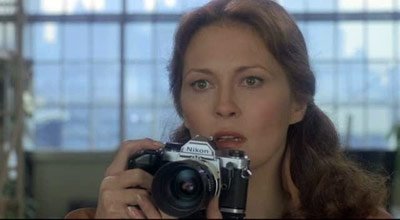
In the silly thriller The Eyes of Laura Mars, Faye Dunaway stars as a downtown fashion photographer who can somehow see through the eyes of a serial killer who wrecks havoc among New York’s stylistas. The plot is preposterous, aching for some legitimacy, either a setting at the Mudd Club or a cameo from Halston or Bianca Jagger maybe. Or Andy Warhol: the idea of framing death for pop photography was nothing new to him.
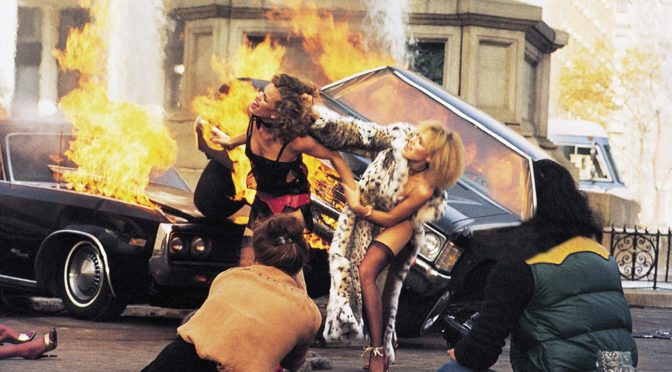
As such, it seems a thin but playful satire of downtown New York decadence. Manhattan looks unusually great for such a commonplace horror flick. The best set is easily Mars’ studio, in one of the Chelsea warehouses piers overlooking the Hudson River, just steps from the West Side elevated highway. The most notable — and campy scene — erupts at Columbus Circle, at a ridiculous fashion shoot involving burning cars and models in lingerie and fur coats. Oh Columbus Circle! Were you ever so fun?
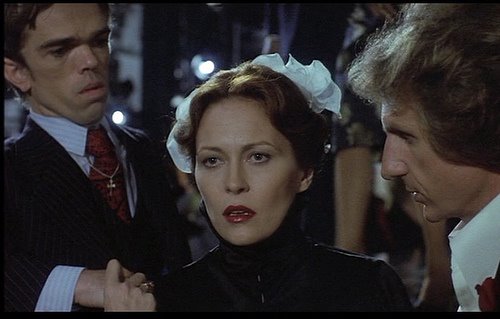
You get a taste of Hell’s Kitchen in a brisk chase scene involving Tommy Lee Jones’ cop character, his feathered hair flapping in the wind. But seeing Soho was more striking to me, devoid of shopfronts, mysterious flat warehouses during the day that open to become large, disco-thumping galleries at night. There are still galleries in Soho, of course, but the one in ‘Laura Mars’ is a big, hokey circus. (The director even condescendingly throws in a dwarf, to get the point across.)
The secrets of late 70s Soho art and fashion worlds are expanded and distorted in Martin Scorsese’s masterpiece AfterHours, one of my absolute favorite New York movies ever. The director doesn’t intend reality, but his movie shaped the perspective of Soho culture for those of us who weren’t in it.
Like ‘Laura Mars’, but far more intentional, the plot conceit involves absurd artwork — in this case a “Plaster of Paris bagel and cream cheese” sought out by hapless computer geek Paul (Griffin Dunne). He is an uptown exaggeration, even though he works at the not-too-uptown Metropolitan Life Tower. No matter; he descends into Soho and its late-night collection of kooks almost get him killed.
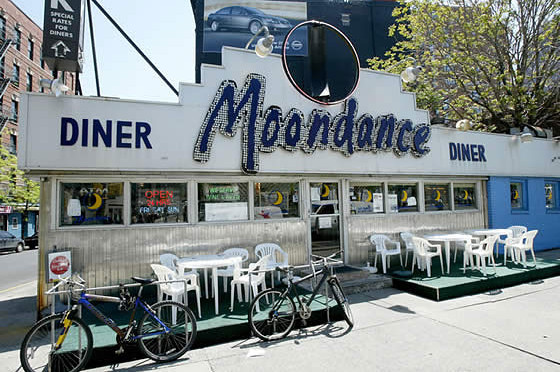
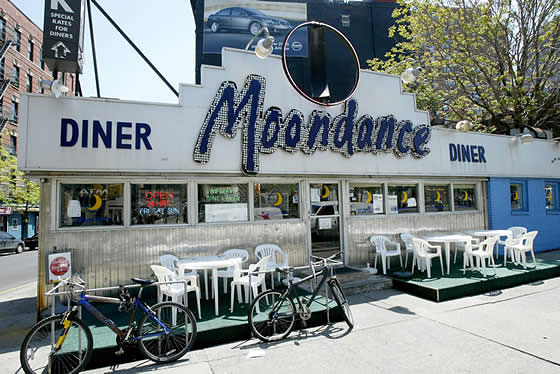
Did New Yorkers really see Soho as otherworldly like this? Despite the surreal plot and vast, empty streets, ‘After Hours’ is filled with identifiable places, including the Emerald Pub (subbing as the ‘Terminal Bar’) and the Spring Street subway station. But the Moondance Diner (seen below) is long gone. From Scorsese to Wyoming.
Both are on DVD, both are must-sees for New York lovers. I wouldn’t exactly call ‘Laura Mars’ a conventional ‘classic’ unless you love thrillers you can also laugh unintentionally at.
Before Delmonico’s, New Yorkers ate in taverns or oyster houses. But the city caught the fine dining bug at this family-owned business, which standardized everything you know about restaurants today. Find out about “menus”, “fresh ingredients”, “dining rooms for ladies” and other unusual and exotic Delmonico innovations.
Listen here:
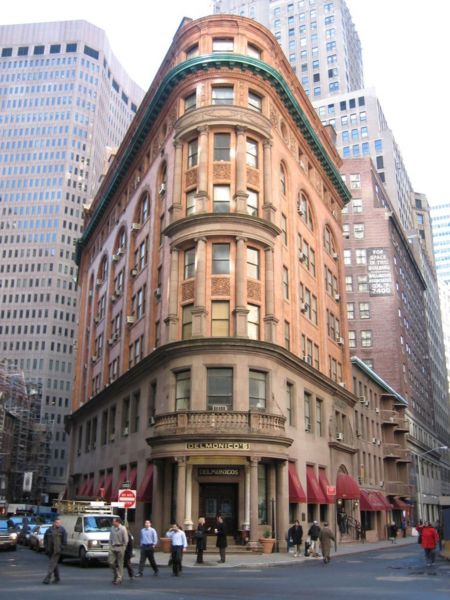
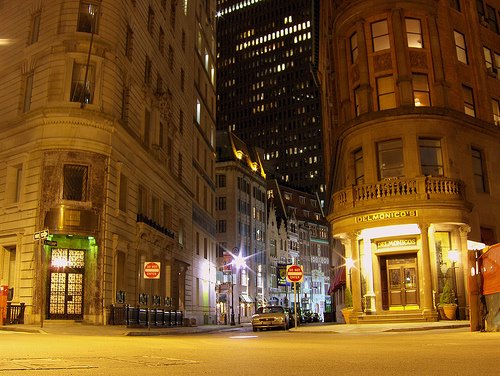
The Delmonico building today, with alleged Pompeiian column intact. Although the current incarnation has nothing to do with the original, but you can still get a few of the famous Delmonico dishes there.
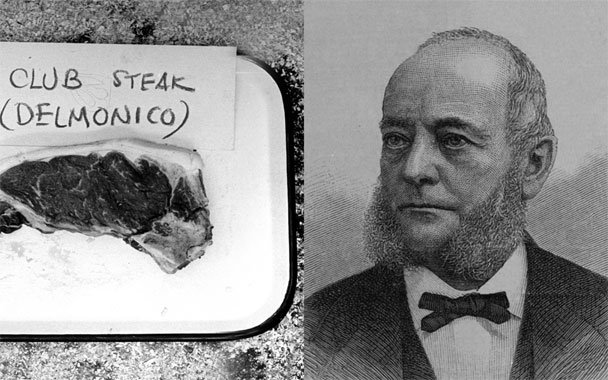
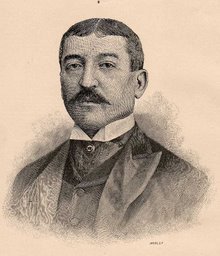
Lorenzo Delmonico, the inspired and flamboyant owner during the restaurant’s heyday
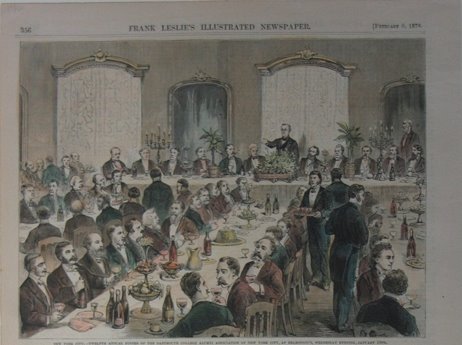
A dinner at Delmonico’s from 1876, in this case the “Twelfth Annual Dinner of the Dartmouth College Alumni Association of New York City” Fancy!
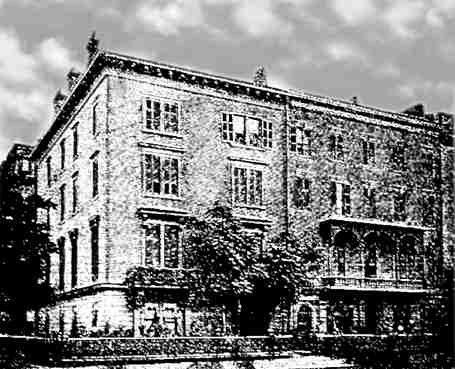
The location at 1 E. 14th Street
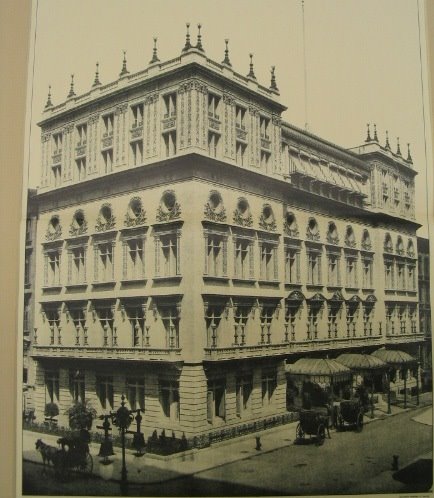
The ‘uptown’ location at Fifth Avenue and 44th Street
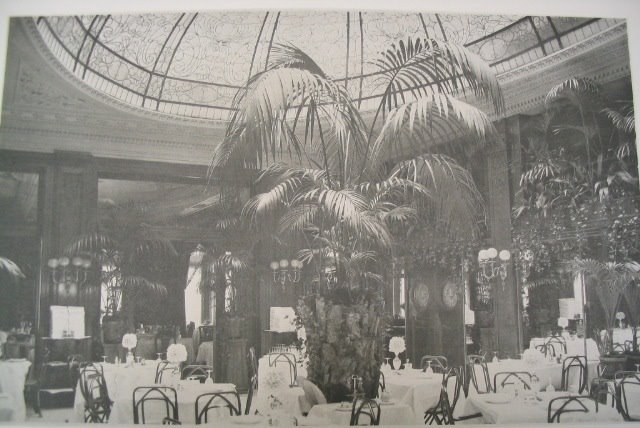
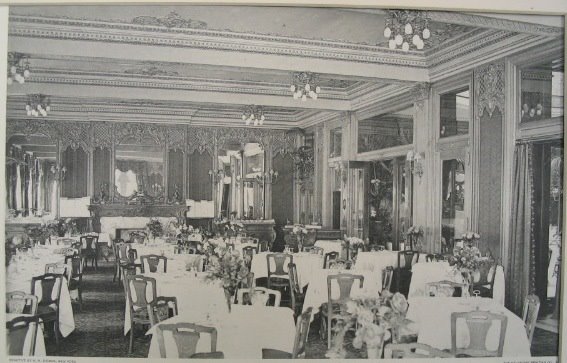
Inside the ‘Palm Garden’ dining room, at the Fifth Avenue location, upstairs…
…and downstairs
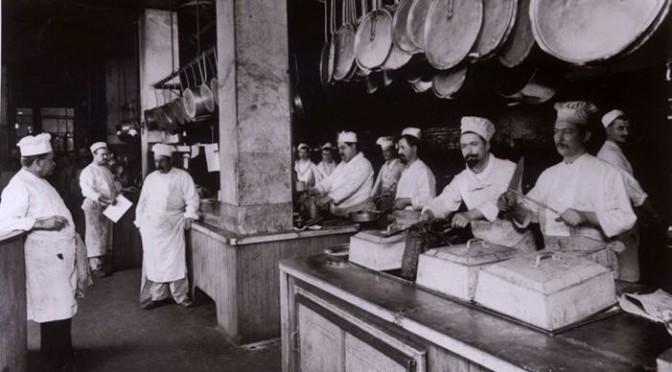
Alessandro Filippini, head chef of Delmonico’s during the 1850s
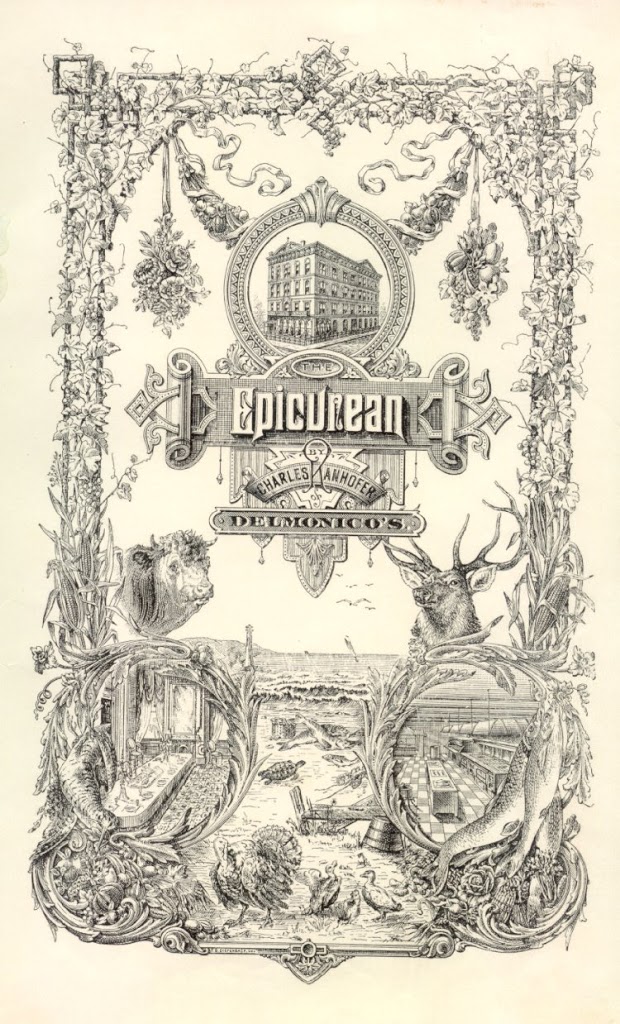
Chef Charles Ranhofer, in the kitchen of Delmonico’s from 1862 to 1896, threw 3,500 of his favorite recipes into his seminal 19th Century cookbook The Epicurean
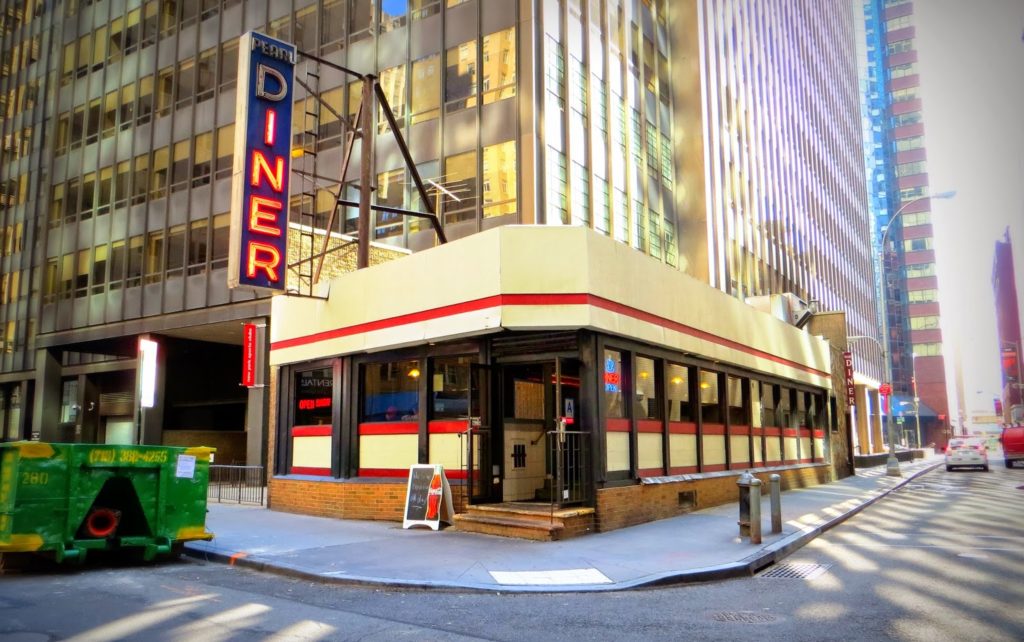
There are very few ‘real’ diners left in Manhattan. My personal favorites still in existance are the Pearl Street Diner in the financial district, the Square Diner in tribeca (order the onion rings, trust me on this), and the far less endangered Empire Diner up in Chelsea
But mention of the words ‘Manhattan’ and ‘diner’ in a sentence always used to conjure up one image to me: the Moondance diner, deep in Soho off 6th Ave, with its beat-up interior and spectacular, spectacular glittery, swivelling moon sign.
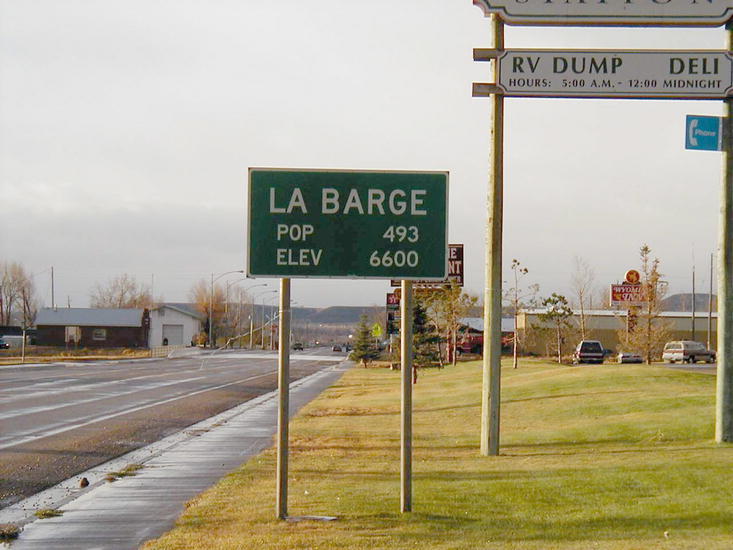
However, the sun now sets on the Moondance, at least for the New York eater. The restaurant, a scrappy fixture of the 30s, finally closed up this year and, in an unusual move, will be transported 2,100 miles to La Barge, Wyoming. Yes, that’s right. Placed on a semi tractor-trailer, and driven across country, to the middle of the least populated state in the nation.
Like an abused hand-me-down at a thrift shop, the restaurant was sold for $7,500 to a La Barge couple who plan to reopen to feed the town’s hungry 493 residents, who at the moment have NO restaurant at all in town.
They should be lucky the restaurant was around at all. *Surprise* the restaurant was closed to make way for luxury condos. But the Extell Development corporation, who bought the land, made a cursory gesture to history by donating the restaurant shell and ubiqitous signage to the American Diner Museum, based in Rhode Island.
It was the Diner Museum that found a new home for the Moondance. The Museum also has other classic East Coast diners for sale if you’d care to purchase one for your backyard.
The removal of the Moondance is a blow for theatre fans, as the restaurant once employed the late Jonathan Larsen, creator of ‘Rent’. It was also the location for several films and TV sows, most recently “Sex and the City” and the first ‘Spider-man’. The Moondance also played a jokey 50s diner in an episode of ‘Friends’ where Monica was employed wearing a blonde wig and fake breasts.
We’ll leave it to the sardonic response of Brooks of Sheffield at Lost City to explain how we really feel about this.
So long, little doggie!
UPDATE: Eater reports that the city is inquiring a little further into just how exactly they plan to uproot the building from its foundation and transport it. Why do I get a weird feeling this thing’s going to end up in the middle of the highway somewhere in Ohio?