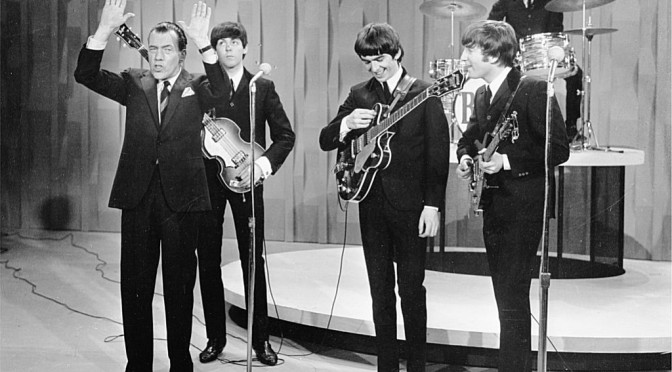
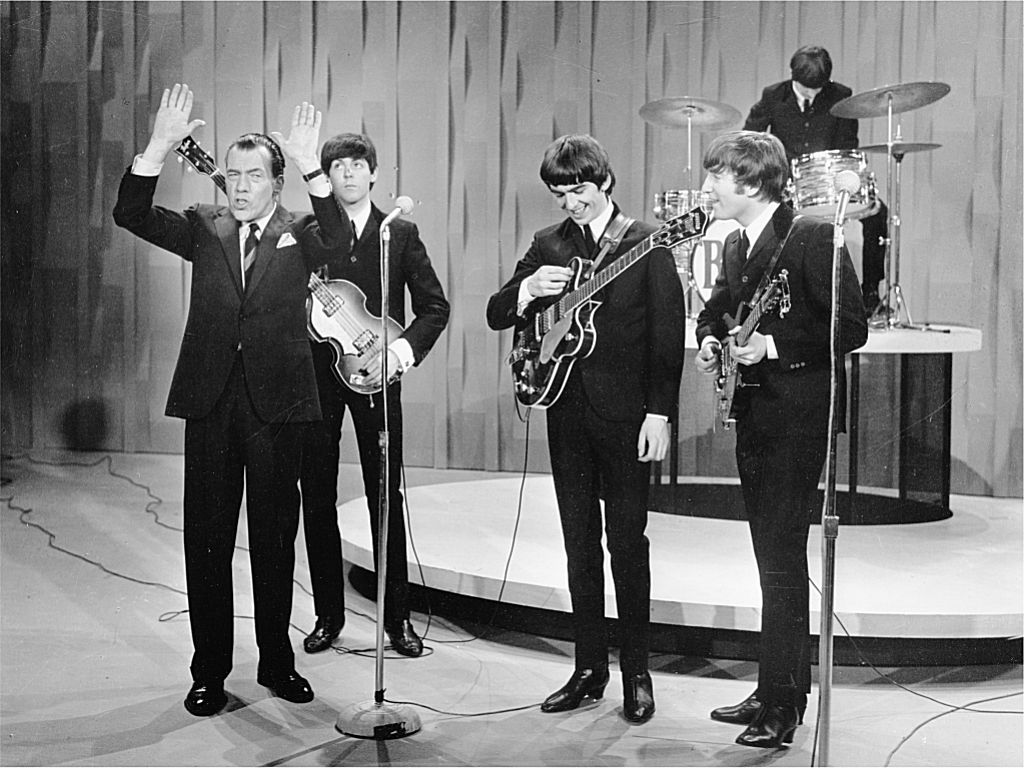
The Beatles in one of their many appearances on the Ed Sullivan Show. [source] PODCAST This is the second part of the Bowery Boys TV Mini-Series, covering the years of New York City television production from the late 1940s to the 1960s. Some of the most classic television shows ever made — and many still around today — were filmed from various locations in midtown Manhattan.
The insatiable appetite for television programming in the United States after the war created a new industry out of the roots of radio, with the television networks NBC, CBS, Dumont and ABC trying out almost every conceivable form of entertainment. Their efforts in the late 40s and 1950s created many standard forms of programming — the morning show, the late show, the situation comedy and the game show.
This podcast is arranged a little bit like a leisurely Midtown walking tour, taking you past four of the greatest locations in NYC television history. We give you the back story behind nine television shows that were filmed in New York City in this period — Howdy Doody, Texaco Star Theater, the Today Show, the Tonight Show, What’s My Line?, The $64,000 Question, Life Is Worth Living, The Honeymooners and the Ed Sullivan Show.
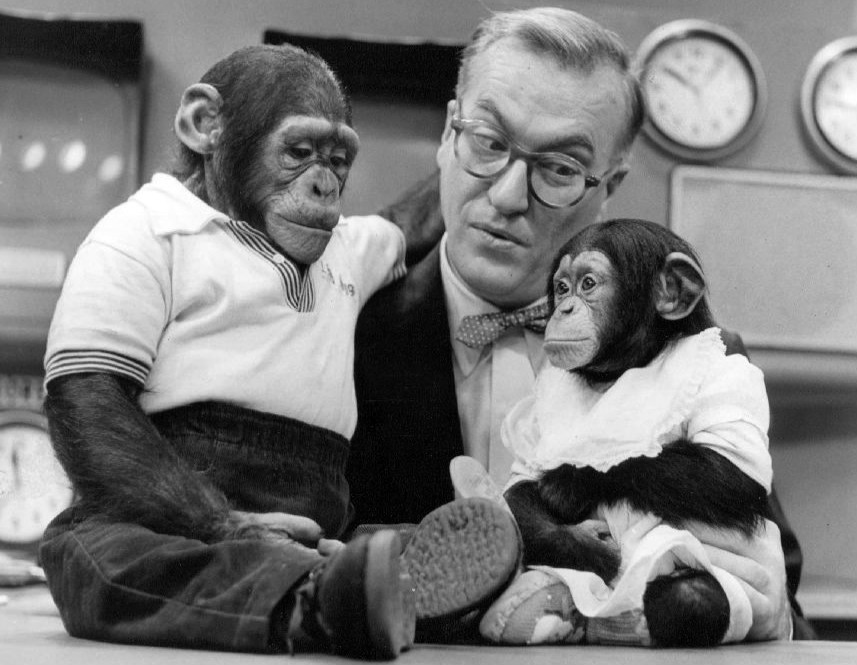
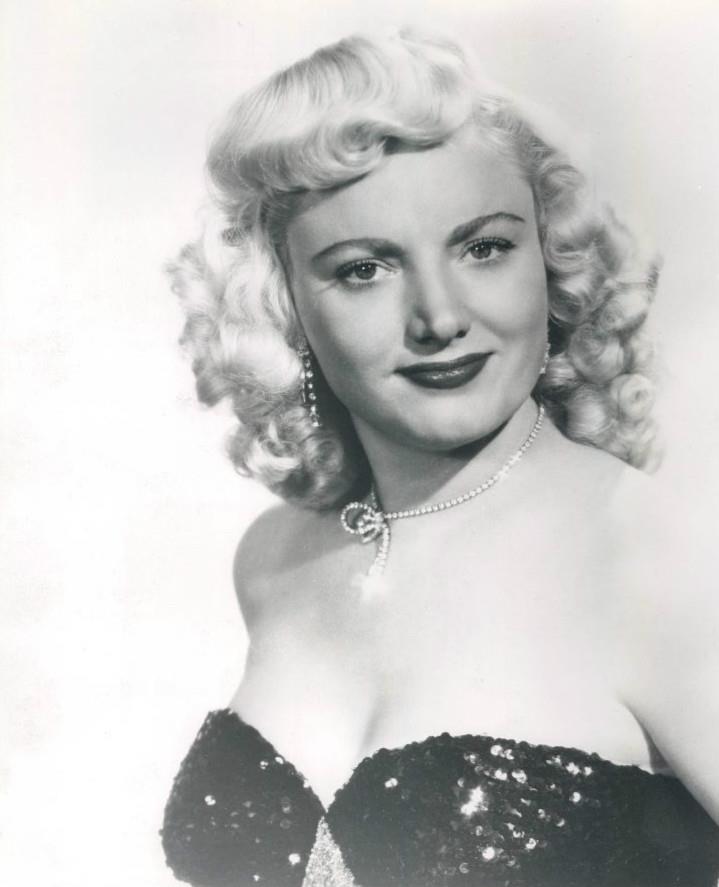
This show definitely features the strangest cast of characters we have ever discussed — television’s most influential chimpanzee, a regal bishop superstar, a freckled marionette, a buxom blonde, and the father of Sigourney Weaver!
LISTEN HERE: THE GOLDEN AGE OF TELEVISION
_____________ CORRECTION: In this week’s show, I say that the Blizzard of 1947 occurred on the exact date as the debut of Howdy Doody (December 27, 1957). The storm actually hit in the two days before that date — December 25-25. But the city was a total mess for days after. _____________
J. Fred Muggs, Dave Garroway and Phoebe B. Beebe on the Today Show. Courtesy NBC Television
The glorious Dagmar from ‘Broadway Open House’! [source]
A few episodes of some of the show’s we talked about in the podcast:
The $64,000 Question
Life Is Worth Living with the Bishop Fulton Sheen
Texaco Star Theater from November 1949
What’s My Line? — with an episode featuring Eleanor Roosevelt!
The Honeymooners — the episode called “The Bensonhurst Bomber”
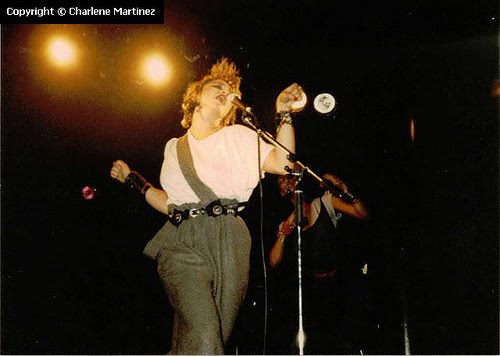
And you can dance: Madge performs Borderline at Danceteria Photograph by Charlene Martinez
FRIDAY NIGHT FEVERTo get you in the mood for the weekend, every other Friday we’ll be featuring an old New York nightlife haunt, from the dance halls of 19th Century Bowery, to the massive warehouse clubs of the mid-1990s. Past entries can be found here.
Scrappy nineteen-year-old Michigan teen Madonna Louise Ciccone arrived in New York the same year as Studio 54 — 1977.
“It was the first time I’d ever taken a plane, the first time I’d ever gotten a taxi cab. I came here with $35 in my pocket. It was the bravest thing I’d ever done,” she says (in a UK Mirror interview) with her usual reserve.
She dabbled in contemporary dance with Alvin Ailey, becames employed in a potentially lucrative career at Dunkin Donuts, filmed a provocative movie, and soon began dabbling in the nightclub circuit with the rock groups Breakfast Club and Emmy. She began making dance records of her own with help from her boyfriend Stephen Bray and by spring 1982 had herself a recording contract with Sire Records.
On her way to superstardom, she performed all over town during the early 1980s — the Roxy, the Pyramid, the Mudd Club — but perhaps no club in the city was more influential to her career than Danceteria. Although this staple of 80s New York nightlife moved all over town during its tenure, its most recognized location is the one which saw the birth of Madonna’s career — a four-story building at 30 West 21st Street (now a swank condo!).
“I met her at Danceteria when she was sitting on [a friend’s] lap. She was really, really foxy. She was really glamorous,” says Thurston Moore of Sonic Youth.
She was also apparently such a fixture of the club that the resident DJ, Mark Kamins, even dated the singer. (That’s getting your foot in the door.) Says Kamins: “Madonna was a regular at Danceteria. She had great style and had to be the center of attraction. She always hung out in the booth, one day she gave me a demo to play.” That demo, for the song ‘Everybody’, eventually got her signed to a major label.
Below: Madonna debuts her future hit ‘Everybody’ on the stage at Danceteria
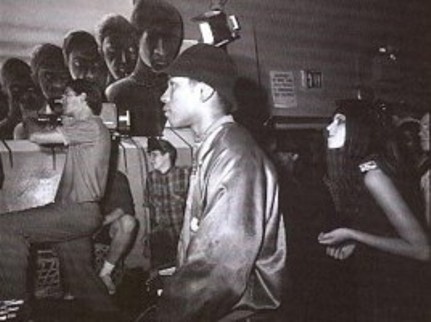
But Madonna was certainly not the only future music star to use the club to her advantage. Many started as routine employees. LL Cool J was the elevator operator, and members of the Beastie Boys were busboys. (Both LL and the Beasties are pictured below at the club, photo by Dorothy Low) Keith Haring worked at coat check, while both Karen Finley and Sade was briefly employed behind the bar.
Everybody — everybody hip— eventually showed up on the dance floor of Danceteria. The after-hours club originally opened in 1980 at West 39th Street, a project of club impressario Rudolf Pieper and promoter Jim Fouratt. “We put it together for $25,000. We rented everything,” Pieper said in a New York Magazine interview.
The club, dramatically put, was “a dreamworld of mysterious souls, sidelong glances, and the perfume of ruin.” (No, I didn’t write that, they did.) Its admission policy was reputedly tight and exclusionary, but not so elitist that a trendy and fashionable nobody couldn’t pass muster; only the most fabulous got to experience this stark, winding little club.
However problems with the law — the neighborhood, after all, the Tenderloin — forced the club to move. Several times it seems. In 1982, it eventually landed at the 21st Street location, adding John Argento as promoter. Believe it or not, Argento would later spin off Danceteria to another location — the Hamptons.
You never knew what you were getting on any random night. Russell Simmons hosted talent showcaseson some Wednesdays, while other days might feature more eclectic nights with Philip Glass or Diamandas Galas. Ann Magnuson might be hosting a barbeque, or you might stumble into a ‘rubber and leather’ party.
With new wave music as its soundtrack, Danceteria seemed to dip its toes in both the East Village art scene and the Studio 54-style celebrity, employing video installations (Kamins claims they were the first to employ videos) and go-go dancers to entertain the throngs of fashionistas, artists and wanna-bes.
Like so many buzzkills, Danceteria lost its lease at 21st Street and eventually closed in 1986. It appears that another Danceteria briefly opened in the 1990s, at 29 East 29th St. (between Madison and Park).
But while we have no more Danceterias — we hardly have any dancing at all — the club provided the world (and its most famous material ingenue) with a glamorous film moment: this scene from ‘Desperate Seeking Susan’
NOTE: I know I just touched on some of Danceteria’s greatest moments and its most fascinating characters. (I didn’t even mention Johnny Dynell, Anita Sarko, and Michael Alig!) Please add your memories below and if you have corrections to any information, I’d be grateful. With the type of press that Danceteria received in the early 80s, its difficult to seperate truth from the hyperbole!
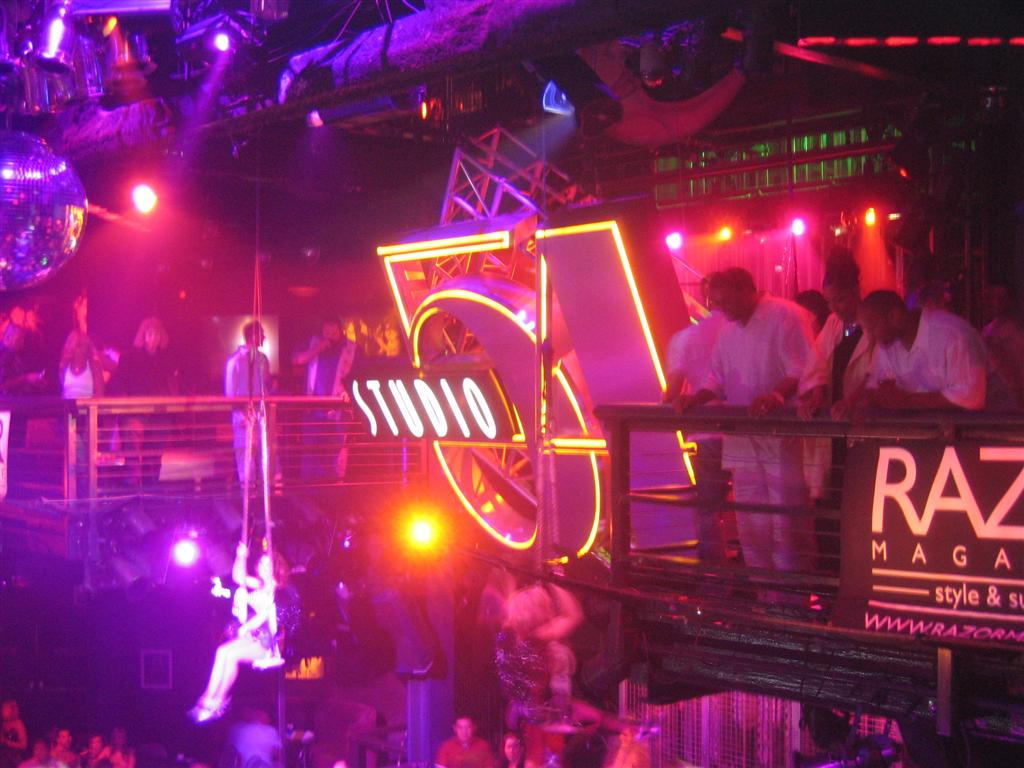
April 26 marks the 31st anniversary of the opening of Studio 54
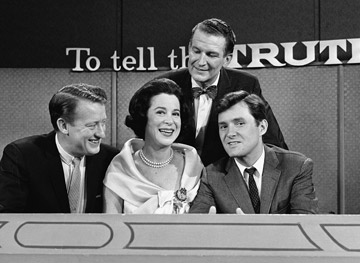
Before it was Studio 54, Studio 52 was one of CBS’s premier recording studios for a wide variety of programs. It was the home of such shows as Password, To Tell the Truth and the soap Love Of Life.
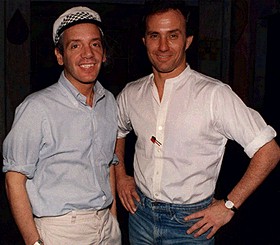
Steve Rubell and Ian Schrager
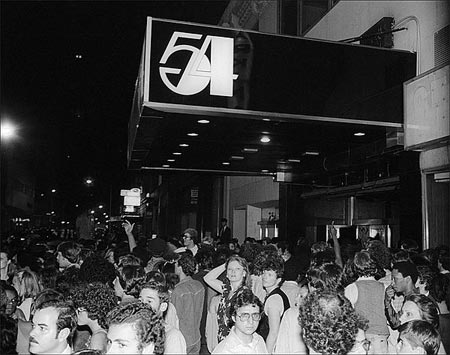
A typical scene outside the club
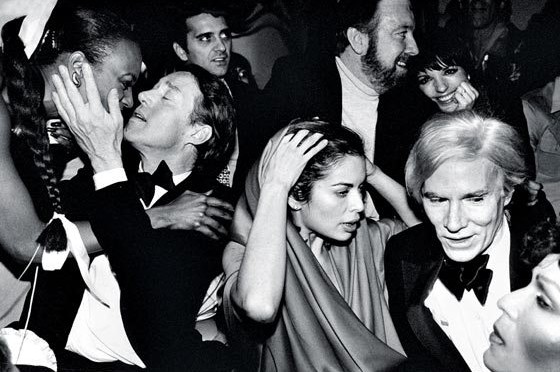
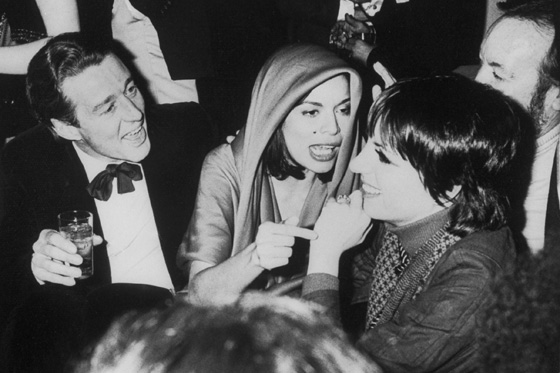
Halston, Bianca Jagger and Liza Minelli at 54
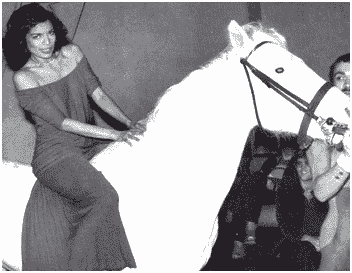
Bianca … on horseback!
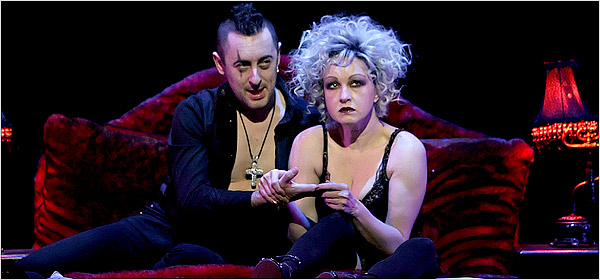
A different Studio 54 as the Roundabout Theatre moves in. Here’s Alan Cumming and Cyndi Lauper from the edgy production of Threepenny Opera
(Photo Sara Krulwich/The New York Times)
An entirely different Studio 54, this time in Las Vegas
To get you in the mood for the weekend, every Friday we’ll be celebrating ‘FRIDAY NIGHT FEVER’, featuring an old New York nightlife haunt, from the dance halls of 19th Century Bowery, to the massive warehouse spaces of the mid-90s. Past entries can be found here .
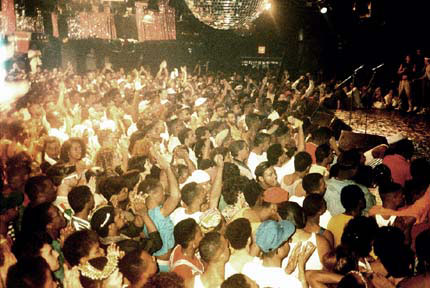
There are few nightclubs in the modern history of New York City that have as much good will attached to them than the Paradise Garage. While other clubs burn out or die, the “Garage” as it came to be referred is spoken about in reverent terms, almost as if it’s still open. The reason is simple — for better or for worse, it’s the birth of the modern nightclub.
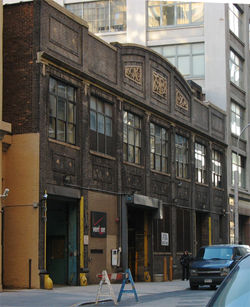
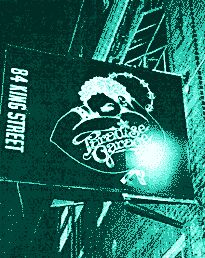
Born from a parking garage on 84 King Street, south of SoHo, in an area still festooned with warehouses, the Garage formed out of the early attempts of a disco called the Chameleon. Owner Michael Brody spent months retooling it as a vast heavenly warehouse and would often host ‘construction parties’ to generate buzz. By the opening on February 17, 1978, he was ready to greet the city.
Unfortunately, so was a devastating blizzard. The sound system was in boxes stranded at the airport while hundreds of partiers were outside, stranded in the snow. It could have been over before it began.
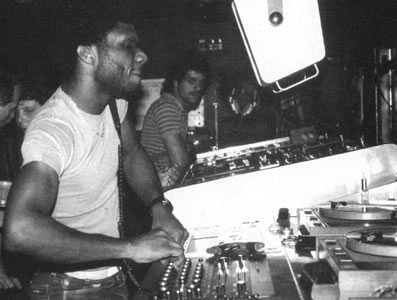
If not for the master of ceremonies — Larry Levan. The Garage was front and center about the music, and Levan, who has since become the patron saint of deejays, was the one who put it there. His music style would smoothly transport disco into the ’80s, and in the process helping popularize a new style of dance music called house — electronic infusions into soul, funk and disco. In fact, ‘garage music’ is a specific type of house, giving what would become house a raw, ‘big room’ urban quality. And named, of course, after the Paradise Garage.
The seeds of the Paradise Garage philosophy were planted in the mid 70s with roving parties under the banner called The Loft. Before then, New York nightclubs still had a primary focus, held over from the ’50s and ’60s, of being social gathering places, where people — often famous people — met other people, lubricated by booze. The music itself was often wallpaper.
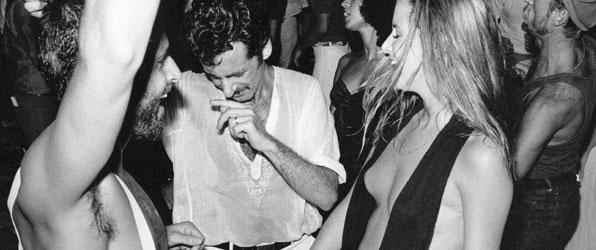
The Garage essentially refocused the nightclub experience from meeting places to houses of music worship. The club served no liquor and, mostly notably, was a dancefloor for regular people in an era where locales were eagerly trying to attract celebrities and press. It was also ‘members only’, which served not to create an elitist exclusivity, but rather to ensure that every there was ‘all about the music’.
It’s no surprise that the Garage had a superb sound system, reputedly the best in New York, created by Levan and Richard Long to make the new sounds of house literally rumble underfoot, not to mention those murals on the walls by Keith Haring. Not to be outdone, the dazzling strobe and effects were courtesy of almost 730 lighting features, grown from just a dozen or so from the first days of the club.
According to A Garage Tribute, a heartfelt recollection site : “thunderous audio would burst through your heart like a bolt of lighting. . . the warm base vibration would lift you from the floor suspending you weightless, your heart would race and senses would tingle.” Its design has literally influenced every major dance club in the world, from New York to Europe and beyond.
Notably, the Garage clientele was black and Latino, mostly gay, in stark contrast to uptown’s whiter, straighter crowd. But as the club’s reputation grew, so did the makeup of the revelers. That was reflected in the talent that would occasionally arrive on stage — Madonna, Loleatta Holloway, New Order, Phyllis Hyman and Taana Gardner (whose song ‘Heartbeat’ might be considered the ultimate Paradise Garage tune).
Levan would lord over the proceedings in a deejay tower high above, a sort of musical wizard. According to Disco Disco, Steve Rubell of Studio 54 even attempted to lure Levan away from Garage. Larry’s response: “They’re not ready for me yet.”
A familiar enemy ended the Garage September 1987 — high rent and gentrification. Levan himself died in 1992, having literally partied himself out, according to In Da Mix Worldwide. A beautiful look into the Garage years can be found on CD — “Journey into Paradise: The Larry Levan Story“, a highly infectious time-capsule of some of the Garage’s greatest hits.