Categories
It's Showtime Podcasts

West Side Story: The Making of Lincoln Center

PODCAST Steven Spielberg’s new version of West Side Story is here — and it’s fantastic — so we’re re-visiting our 2016 show on the history of Lincoln Center, with a new show introduction discussing the film and the passing of musical icon Stephen Sondheim.

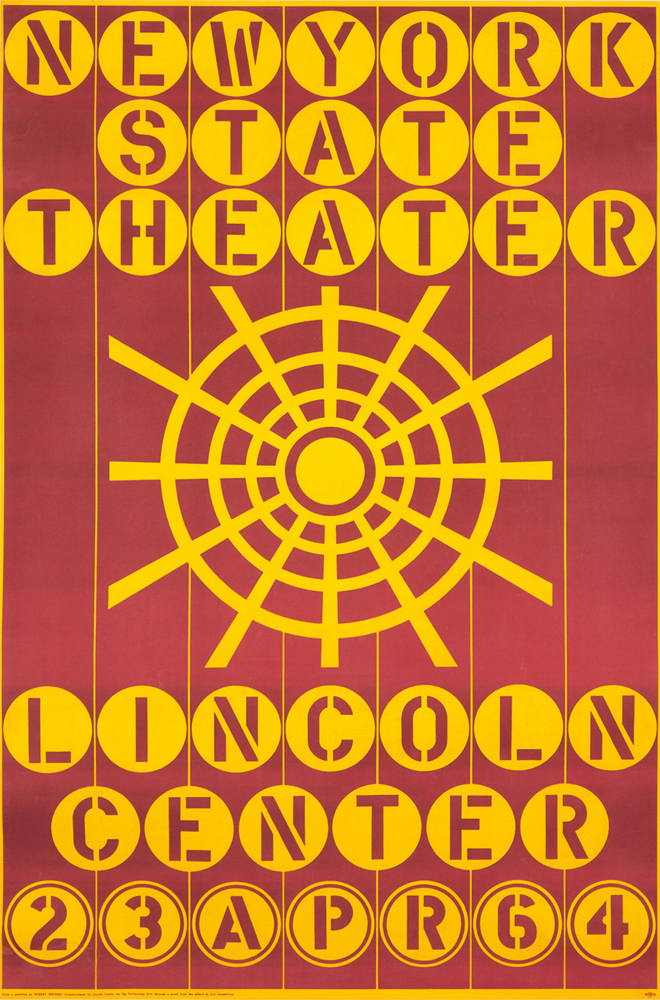
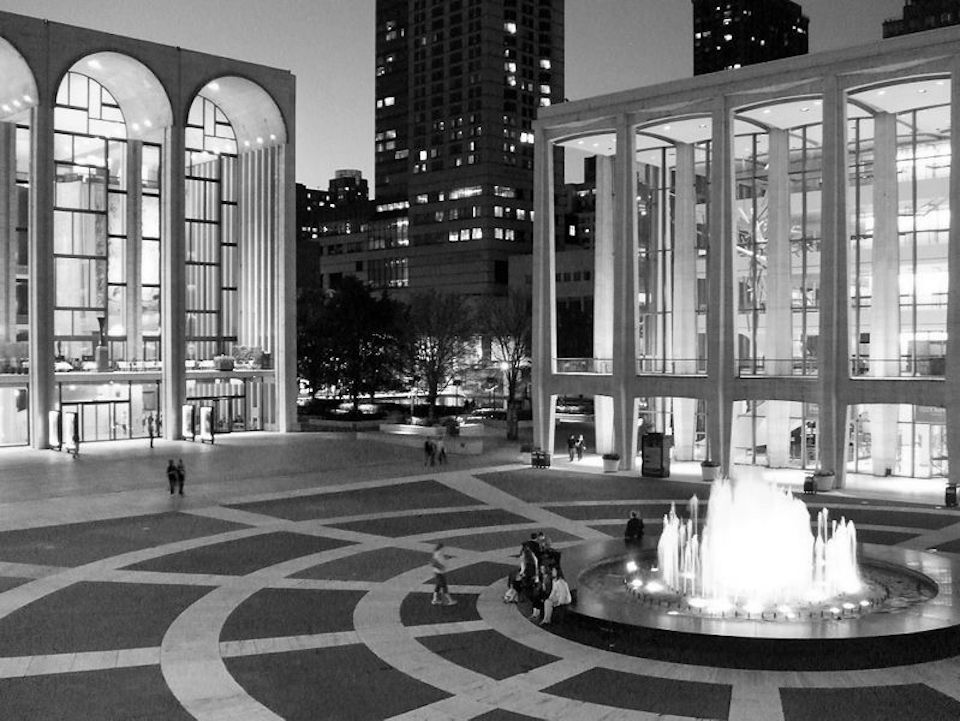
Warm up the orchestra, lace up your dance slippers, and bring the diva to the stage! For our latest show we’re telling the origin story of Lincoln Center, the fine arts campus which assembles some of the city’s finest music and theatrical institutions to create the classiest 16.3 acres in New York City.

Lincoln Center was created out of an urgent necessity, bringing together the New York Philharmonic, the New York City Ballet, the Metropolitan Opera, the Julliard School and other august fine-arts companies as a way of providing a permanent home for American culture.

However this tale of Robert Moses urban renewal philosophies and the survival of storied institutions has a tragic twist. The campus sits on the site of a former neighborhood named San Juan Hill, home to thousands of African American and Puerto Rican families in the mid 20th century. No trace of this neighborhood exists today.

Or, should we say, ALMOST no trace. San Juan Hill exists, at least briefly, within a part of classic American cinema.

The Oscar-winning film West Side Story, based on the celebrated musical, was partially filmed here. The movie reflects many realities of the neighborhood and involves talents who would be, ahem, instrumental in Lincoln Center’s continued successes.

FEATURING Leonard Bernstein, Leontyne Price, James Earl Jones, Imelda Marcos, David Geffen and, naturally, the Nutcracker!


The Bowery Boys: New York City History podcast is brought to you …. by you!

We are now producing a new Bowery Boys podcast every other week. We’re also looking to improve and expand the show in other ways — publishing, social media, live events and other forms of media. But we can only do this with your help!

We are now a creator on Patreon, a patronage platform where you can support your favorite content creators.

Please visit our page on Patreon and watch a short video of us recording the show and talking about our expansion plans. If you’d like to help out, there are several different pledge levels. Check them out and consider being a sponsor.

We greatly appreciate our listeners and readers and thank you for joining us on this journey so far.


The Metropolitan Opera House, in 1904. In the far distance, you see One Times Square being constructed in Longacre Square.
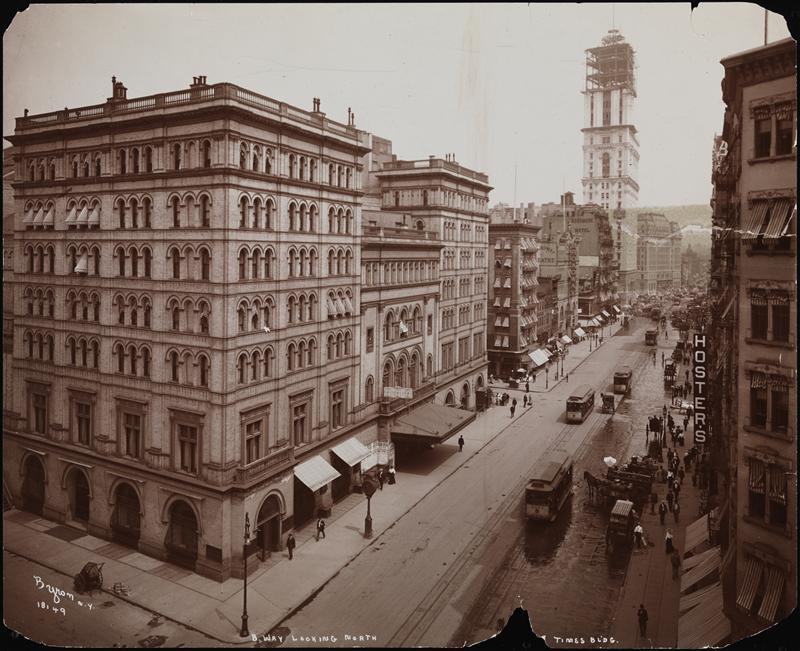
Courtesy MCNY
Courtesy MCNY

The New York City Ballet had its first home at City Center while the New York Philharmonic was housed for decades at Carnegie Hall.
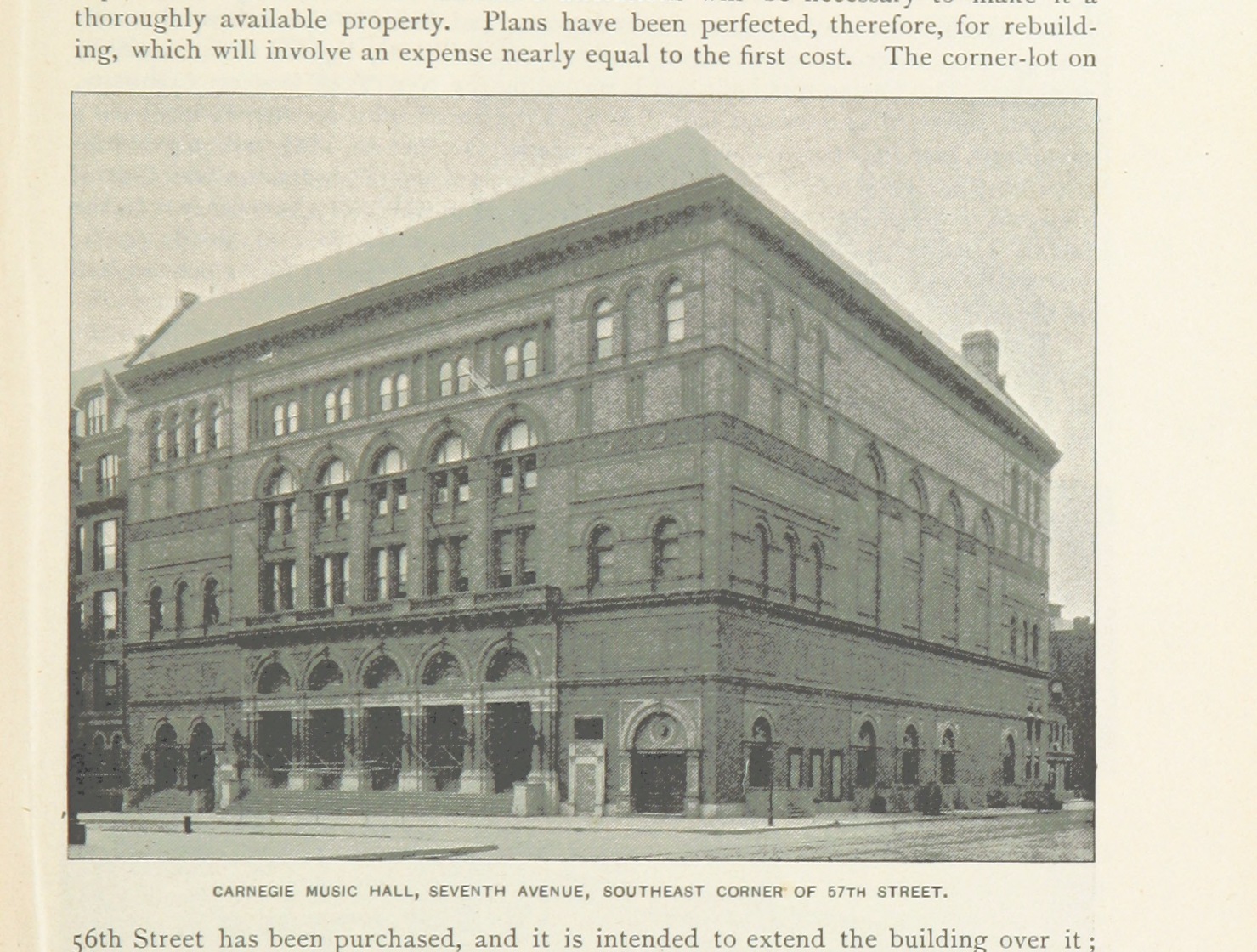
11303276133_bde1420a1a_o

Below: Lincoln Square, 1920. This picture is actually taken from the spot where Lincoln Center stands today.

The triangular plaza pictured here would later be called Dante Park (a statue to the Italian writer would be placed here a year after this photo was taken). Take note of the 9th Avenue elevated streaking up Columbus Avenue at the bottom of this image.
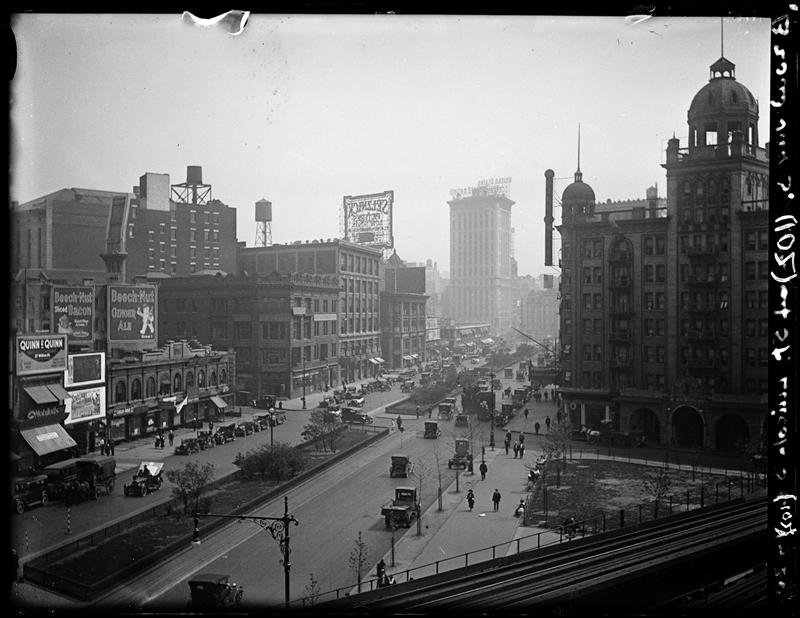
Arthur Hosking/Museum of the City of New York

And that building to the right? That’s the Hotel Empire which is still standing there today (albeit in a greatly modified form). Here’s an ad for the Empire from 1909.
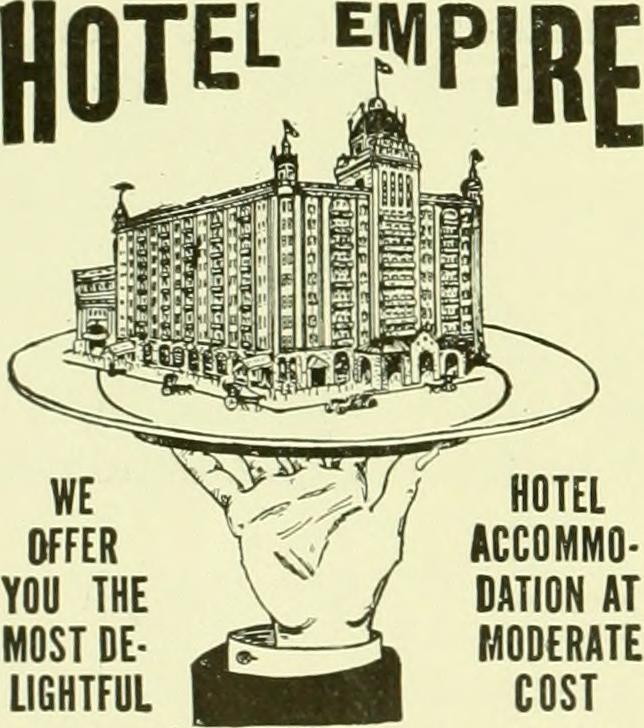
14781036403_17fd94f41a_o

Robert Moses’ slum clearance plan for San Juan Hill, published in 1956.
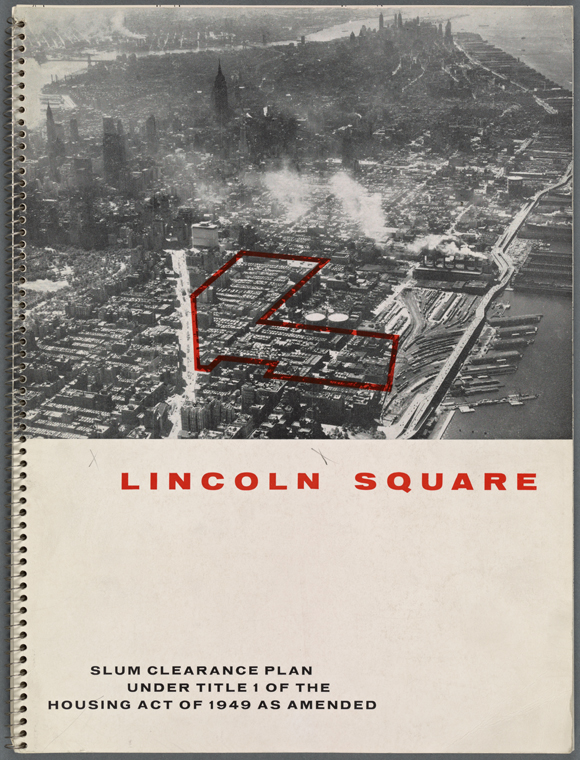
nypl-digitalcollections-99407f80-9ef0-0130-f139-58d385a7bbd0-001-w

Scenes from old San Juan Hill — 1932, 65th Street and Amsterdam Avenue
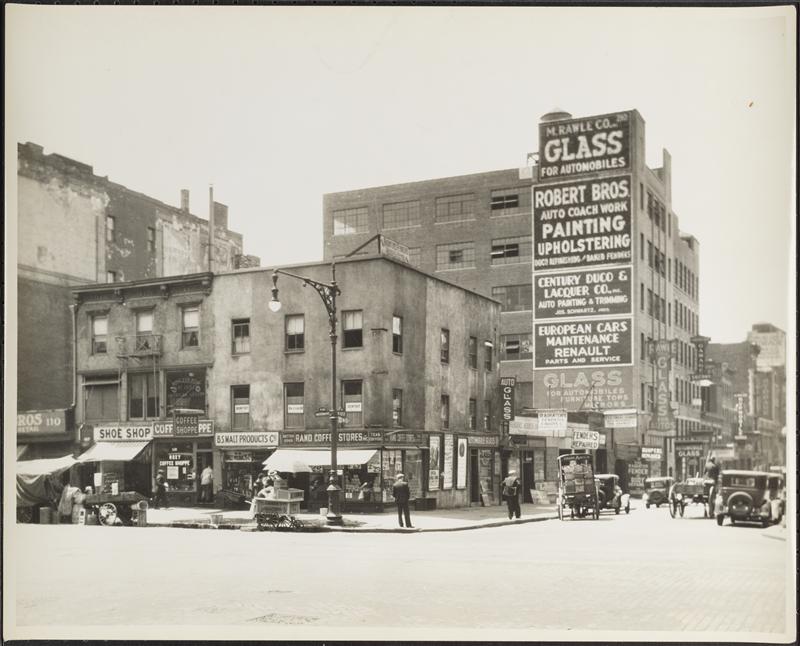
Charles Von Urban/MCNY

1939 — the stoop scene in San Juan Hill, street unknown
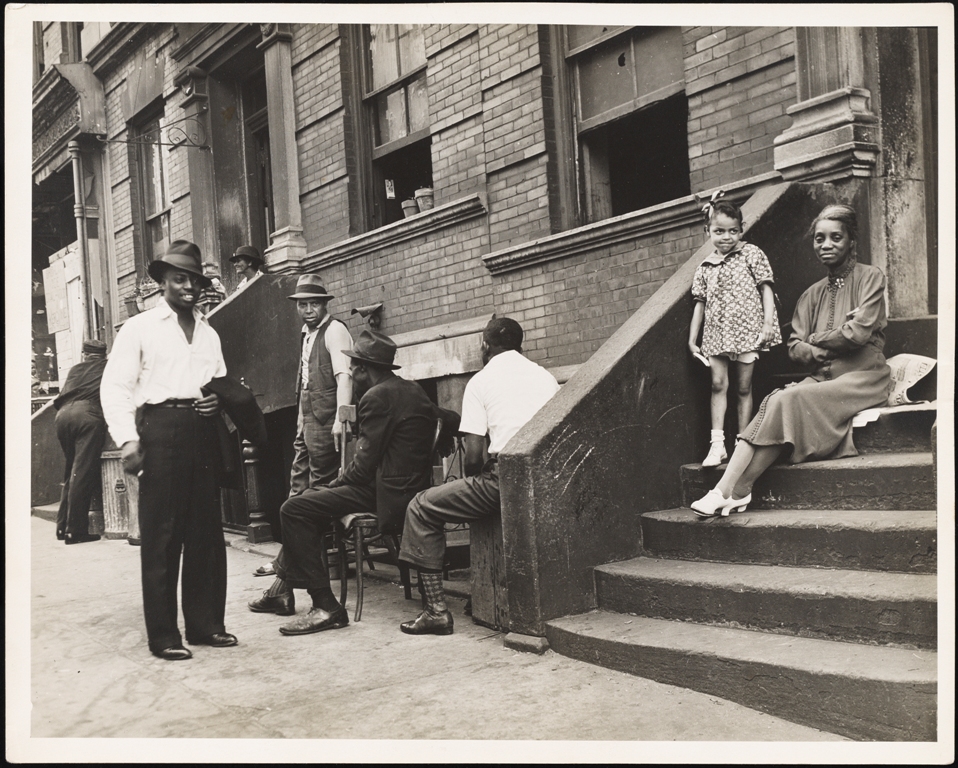
Courtesy MCNY Lee Sievan (1907-1990). San Juan Hill. 1939

Below: An early effort to improve the housing quality in the neighborhood — the Phipps Houses, built in 1906.

An interesting New York Times article describes a few residents: “A typical tenant was the steamboat steward Joseph Craig, 36, classed as ‘mulatto’, who was born in Trinidad and arrived in the United States in 1891. Another was the horse breeder Daniel Moore, 43, born in Missouri and married for six years to Tilly Moore, 30, born in Cuba and in the United States since 1892; she worked as a domestic.”
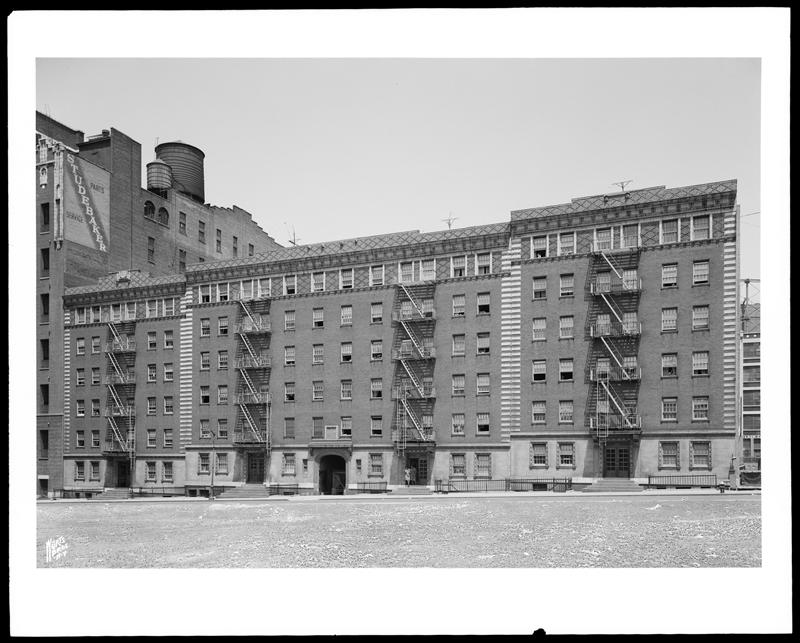
MCNY
MCNY

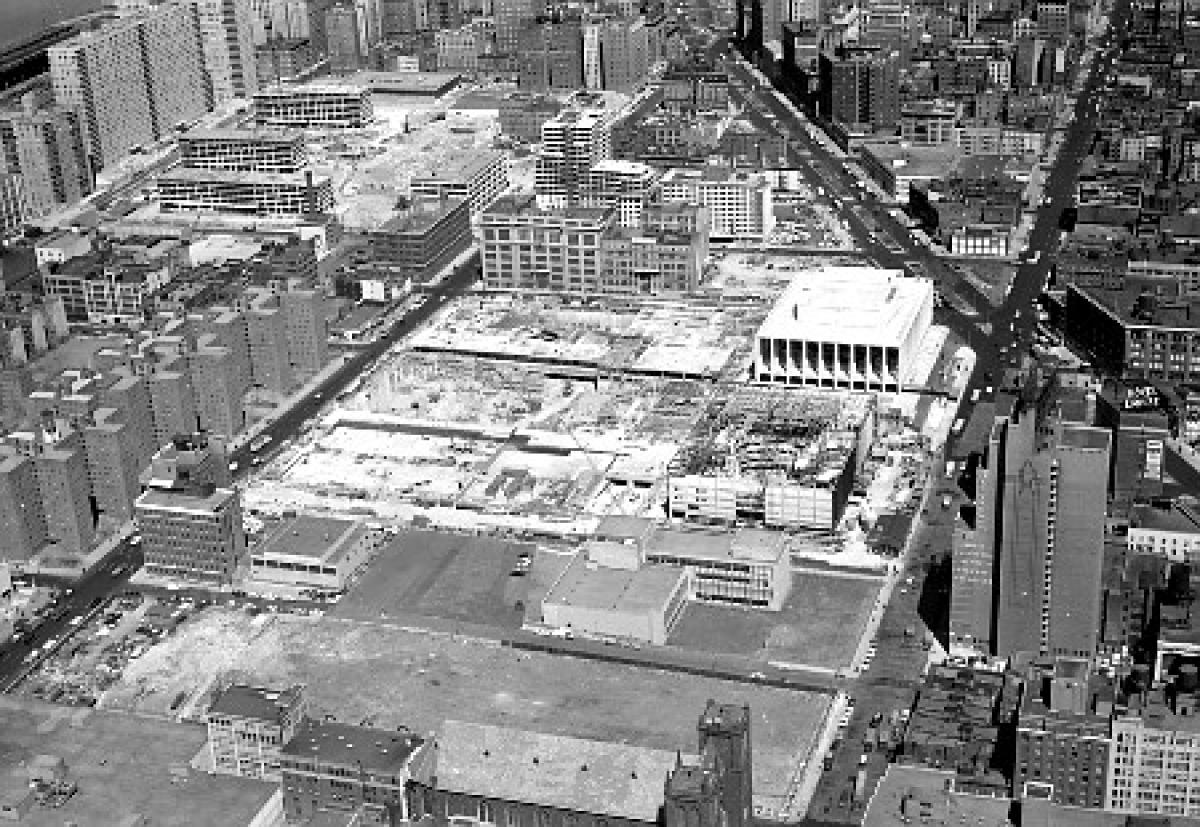
The scene in April of 1963. The Philharmonic Hall was already opened by this point. This really brings home the fact that there must have been so much noise pollution due to construction which must have perturbed the organizers of the Philharmonic greatly!
(MATTSON/DAILYNEWS)
(MATTSON/DAILYNEWS)

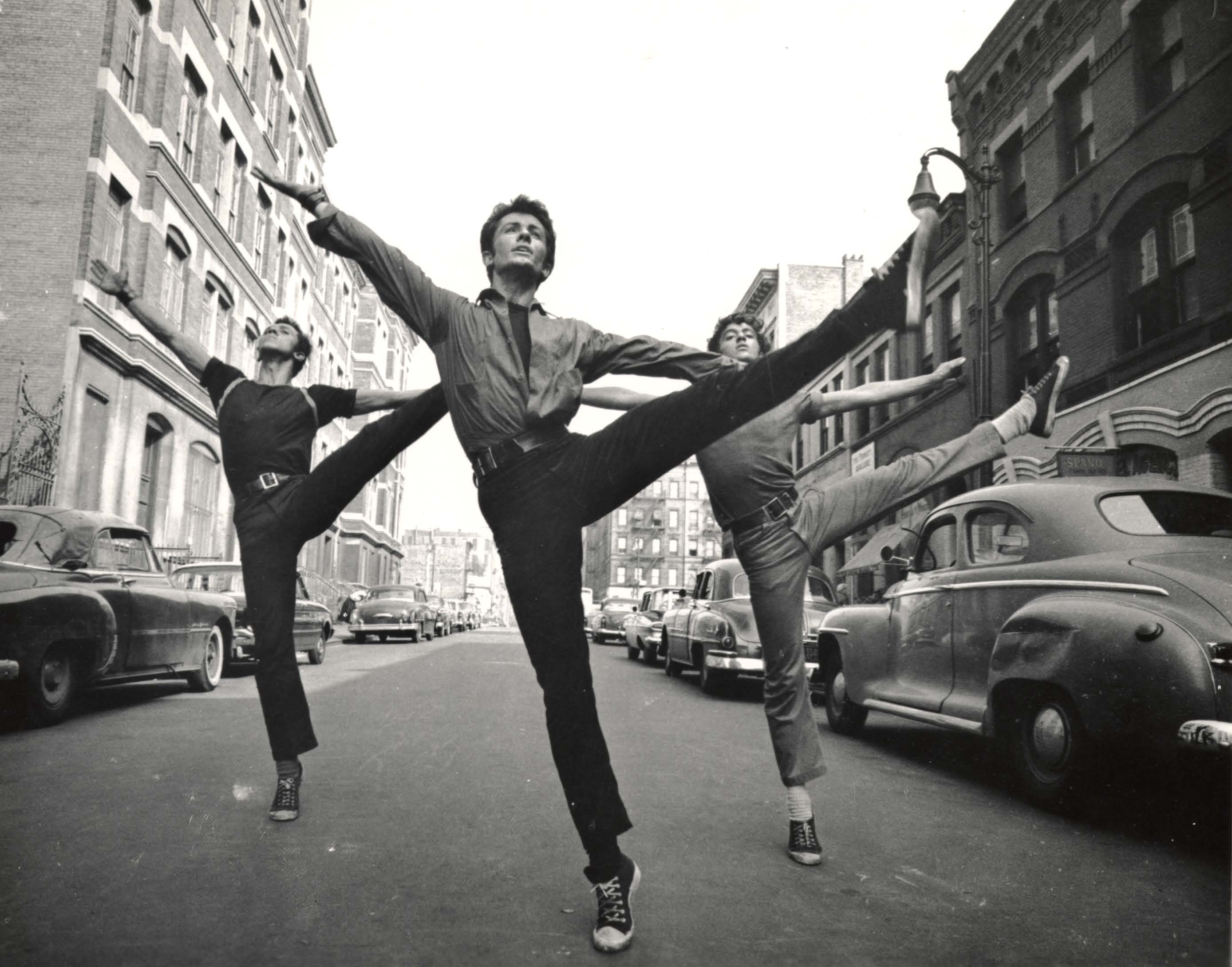
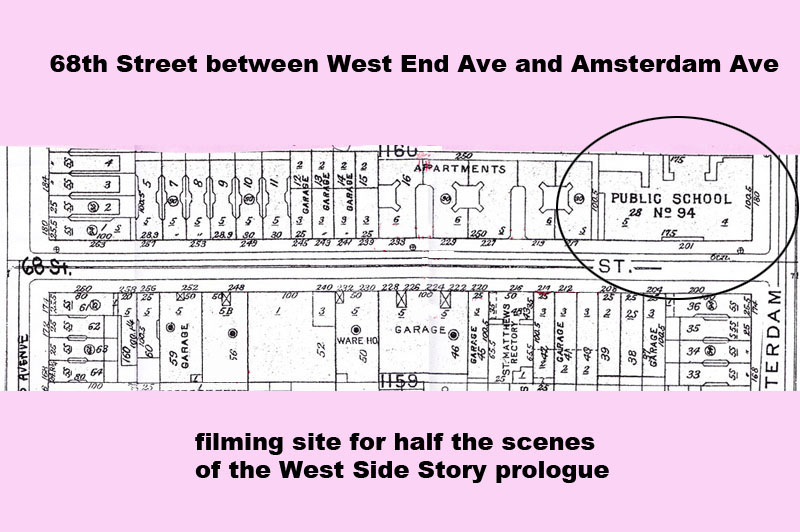
The opening sequence of the Oscar-winning film West Side Story was filmed on the streets of San Juan Hill, the structures around the actors clearly boarded up and ready for demolition.
west-side-story-1961

(The website Tom mentioned on the show — Pop Spots NYC — shows a very detailed comparison of film scenes with maps and old photographs. Highly recommended!)
wide_map_68th_3

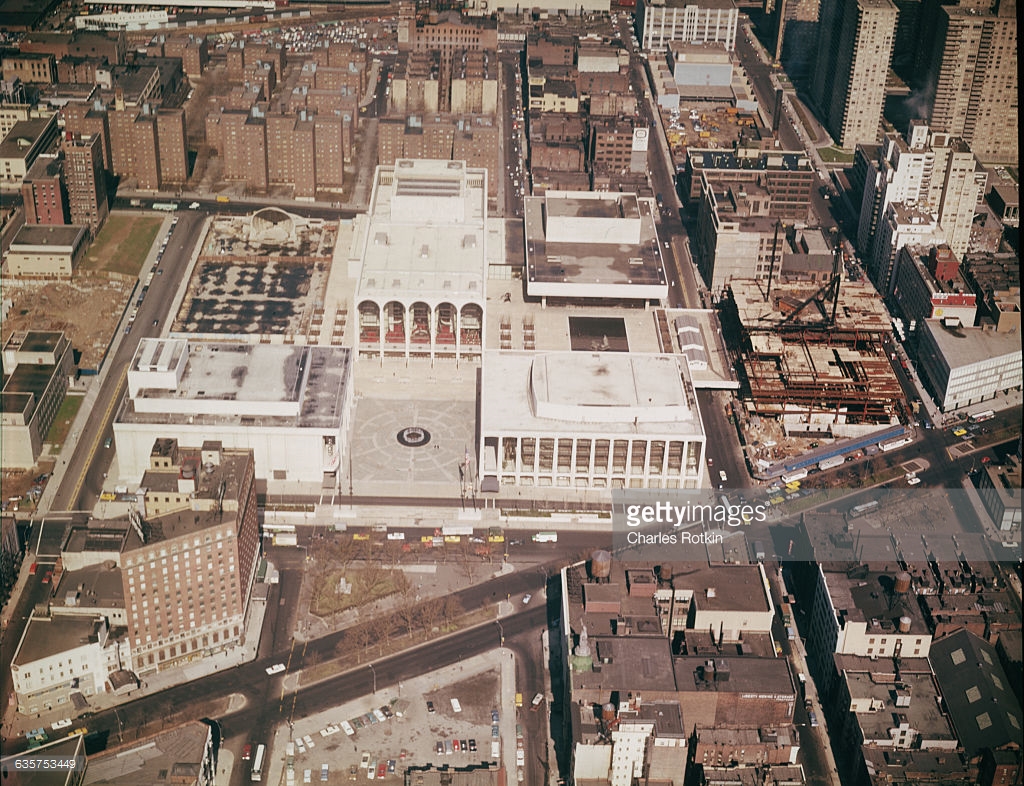
An overhead view of Lincoln Center in 1969 with most of the major venues completed by this point. At the bottom right you see the Empire Hotel, then (moving clockwise around the fountain): the New York State Theater, Damrosch Park, the Metropolitan Opera House, the library and the Vivian Beaumont Theater and Philharmonic Hall.
Getty Images
Getty Images

Philharmonic Hall, later Avery Fisher Hall, then David Geffen Hall — designed by Max Abramovitz.
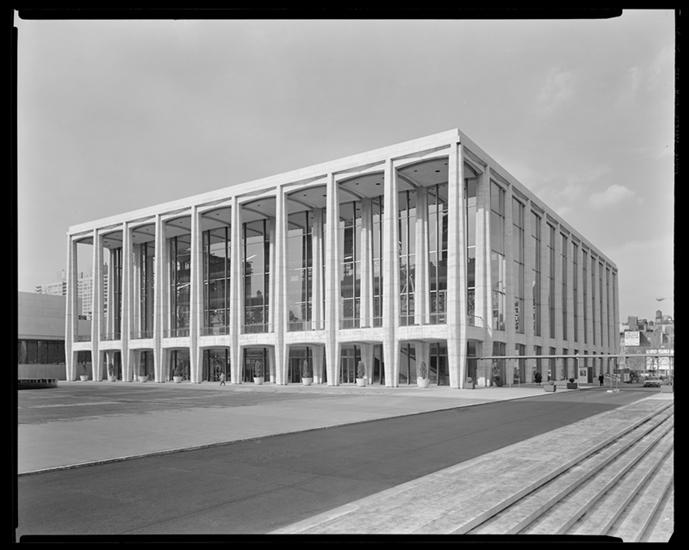
MCNY
MCNY

The Metropolitan Opera House, designed by Wallace Harrison.
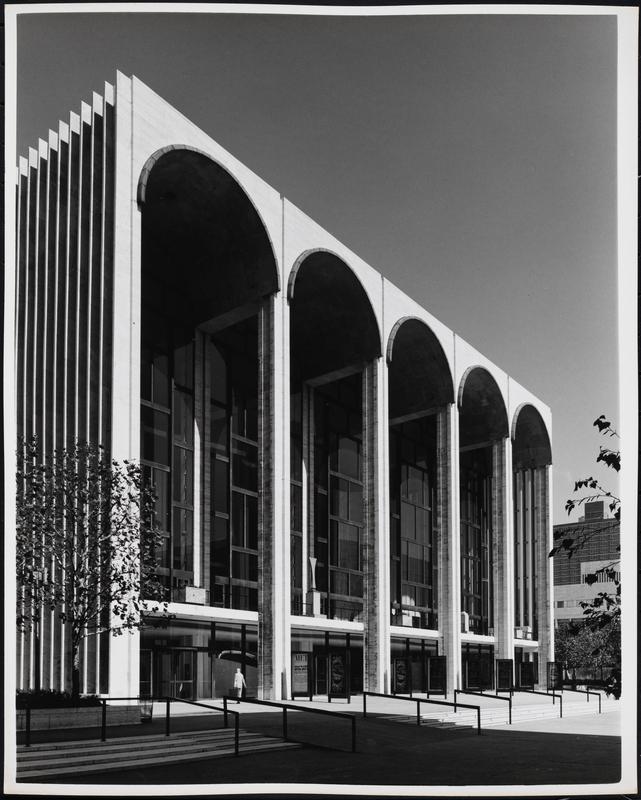
MCNY/Edmund Vincent Gillon

The New York State Theater, later the David H. Koch Theater.
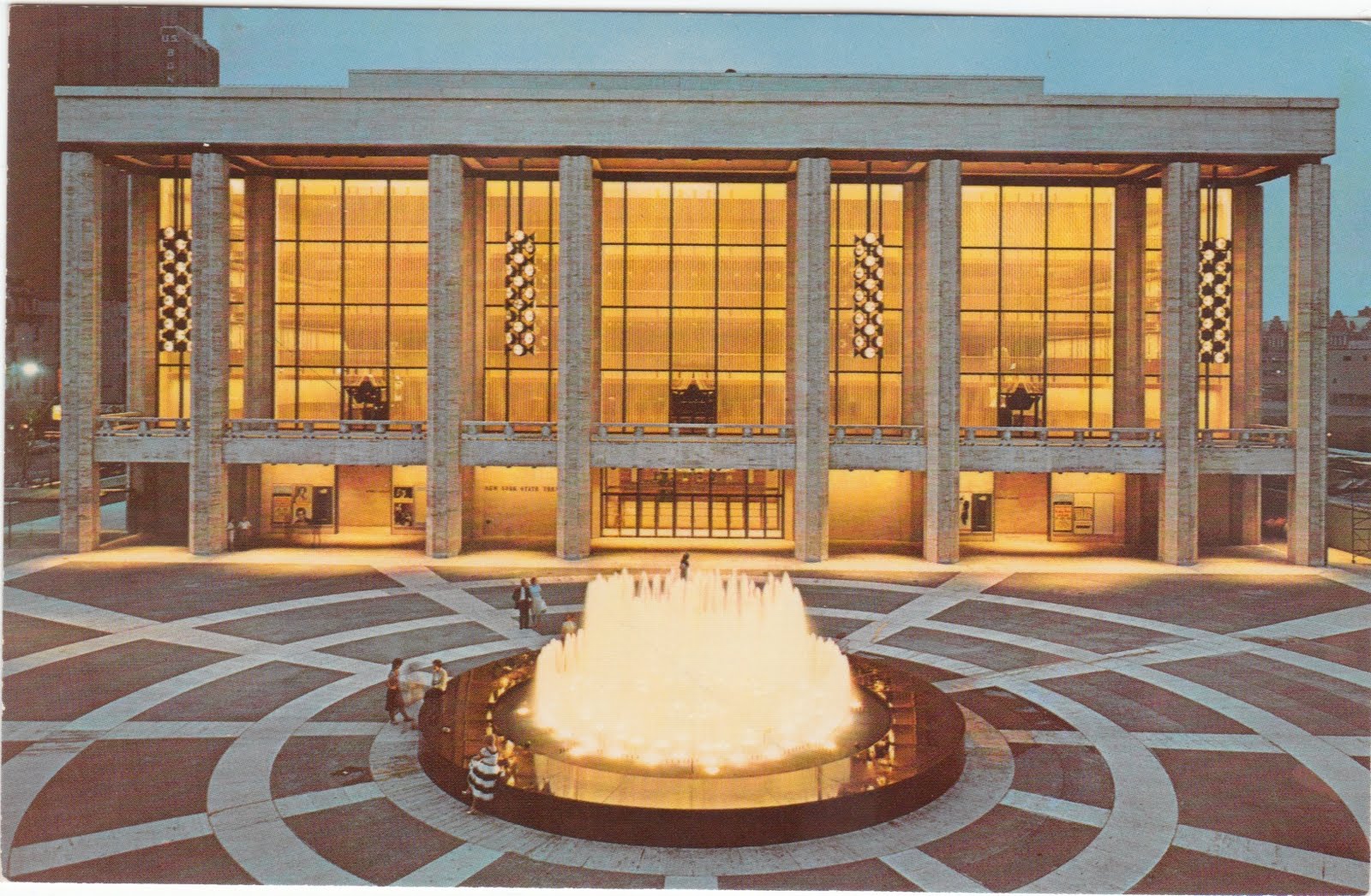
lincolncenter2

Opening night at the New York State Theater, April 24, 1964
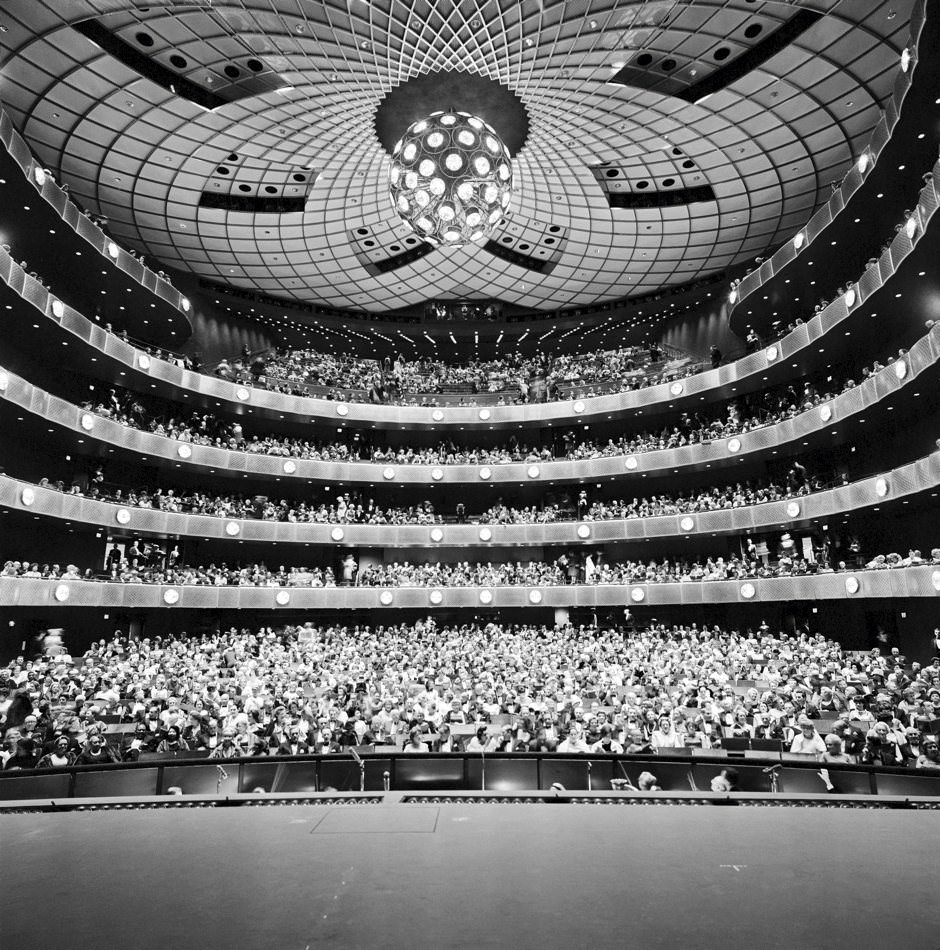
Bettman/Corbis
Bettman/Corbis
h0849-l103763137

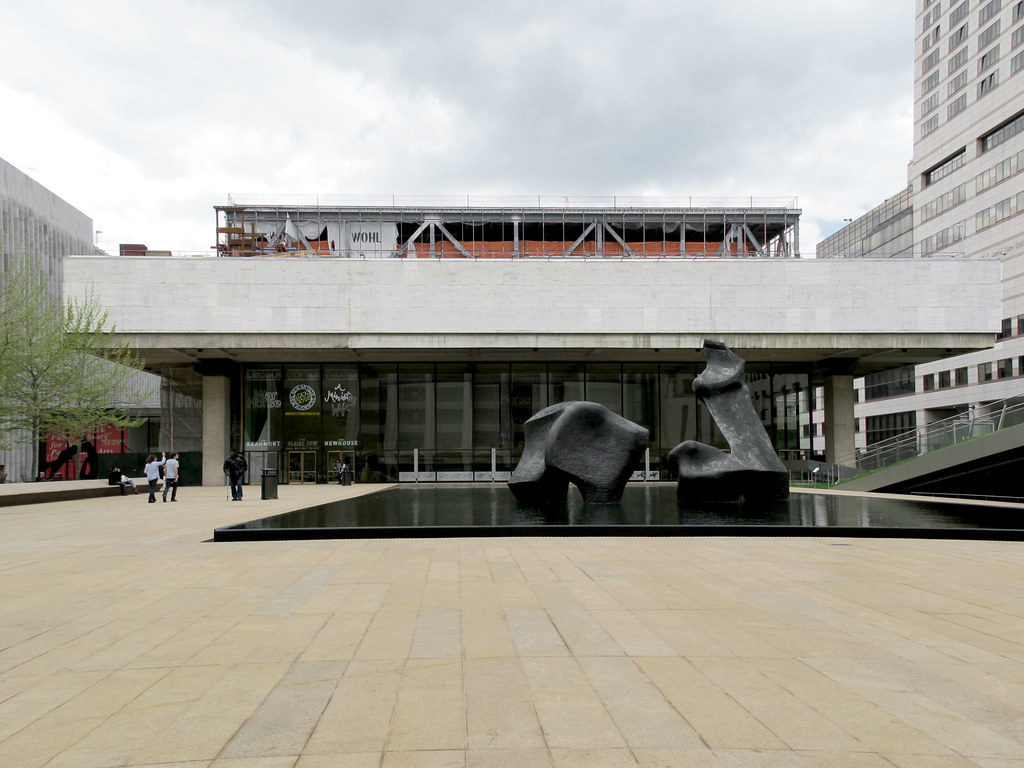
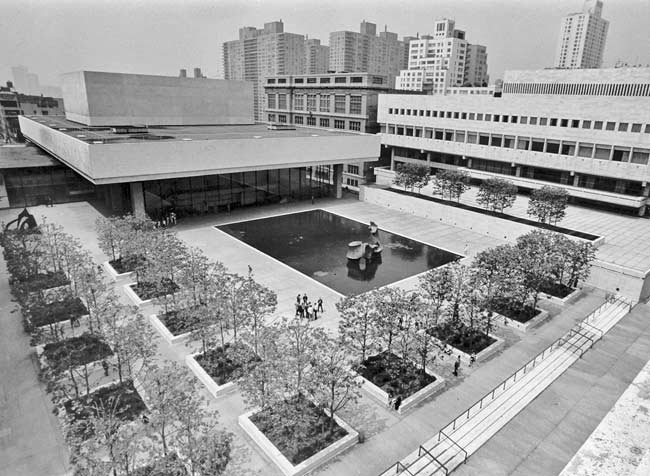
Eero Saarinen’s Vivian Beaumont Theater, the reflecting pool featuring a sculpture by Henry Moore, and the Julliard School, designed by Pietro Belluschi.
juilliard

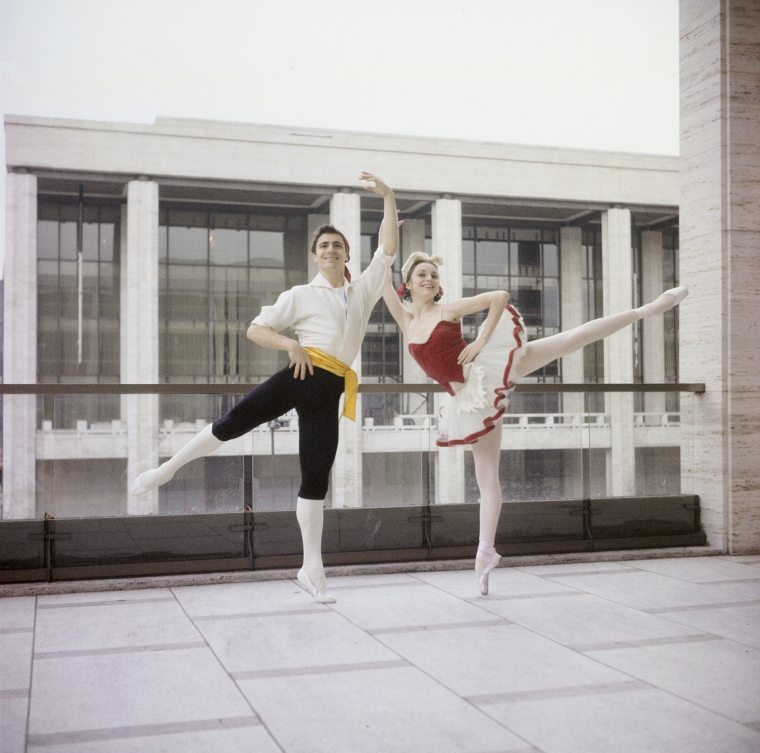
Patricia McBride and Edward Villella in front of the unfinished New York State Theater at Lincoln Center, in Tarantella costume, choreography by George Balanchine, 1964
nypl-digitalcollections-543f7340-2565-0132-6514-58d385a7b928-001-w

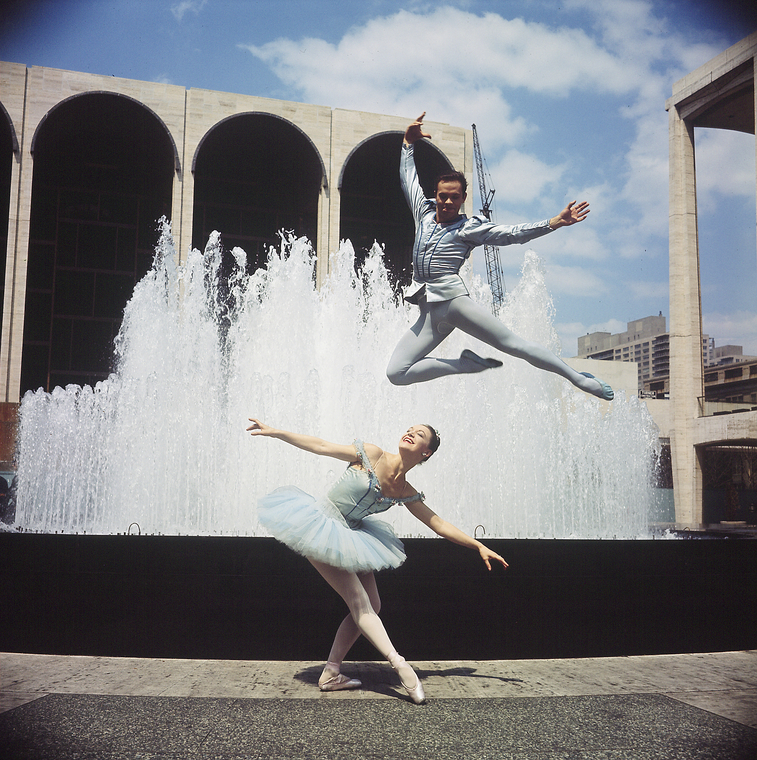
Patricia Wilde and Andre Prokovsky in Raymonda posing in front of fountain in plaza at Lincoln Center, choreography by George Balanchine, 1965
Courtesy NYPL
Courtesy NYPL

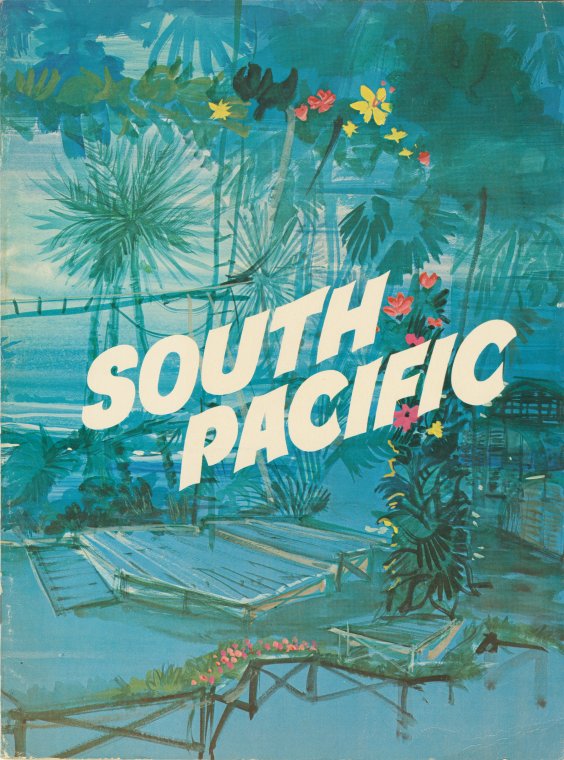
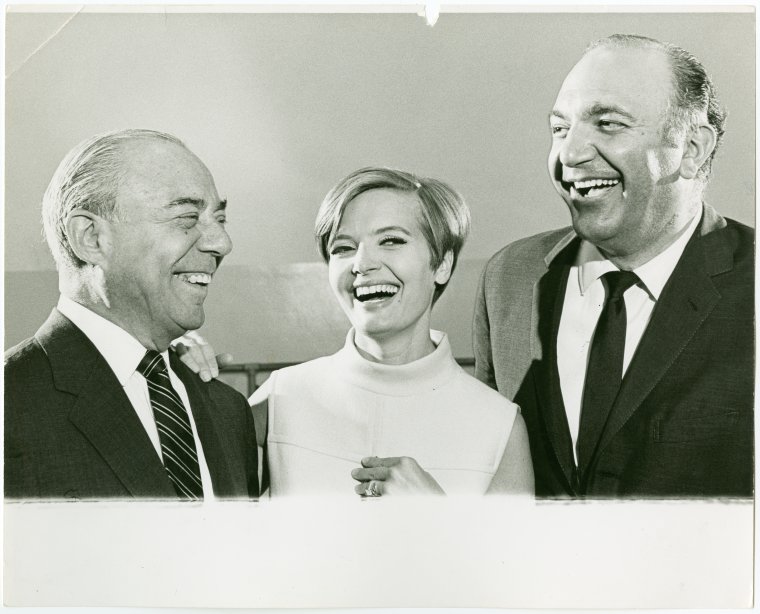
Program from the 1967 revival of South Pacific which played at the New York State Theatre……
NYPL
NYPL

….starring Florence Henderson as Nellie Forbush! Here she is with Richard Rodgers and Georgio Tozzi (who played Emile de Becque).
NYPL
NYPL

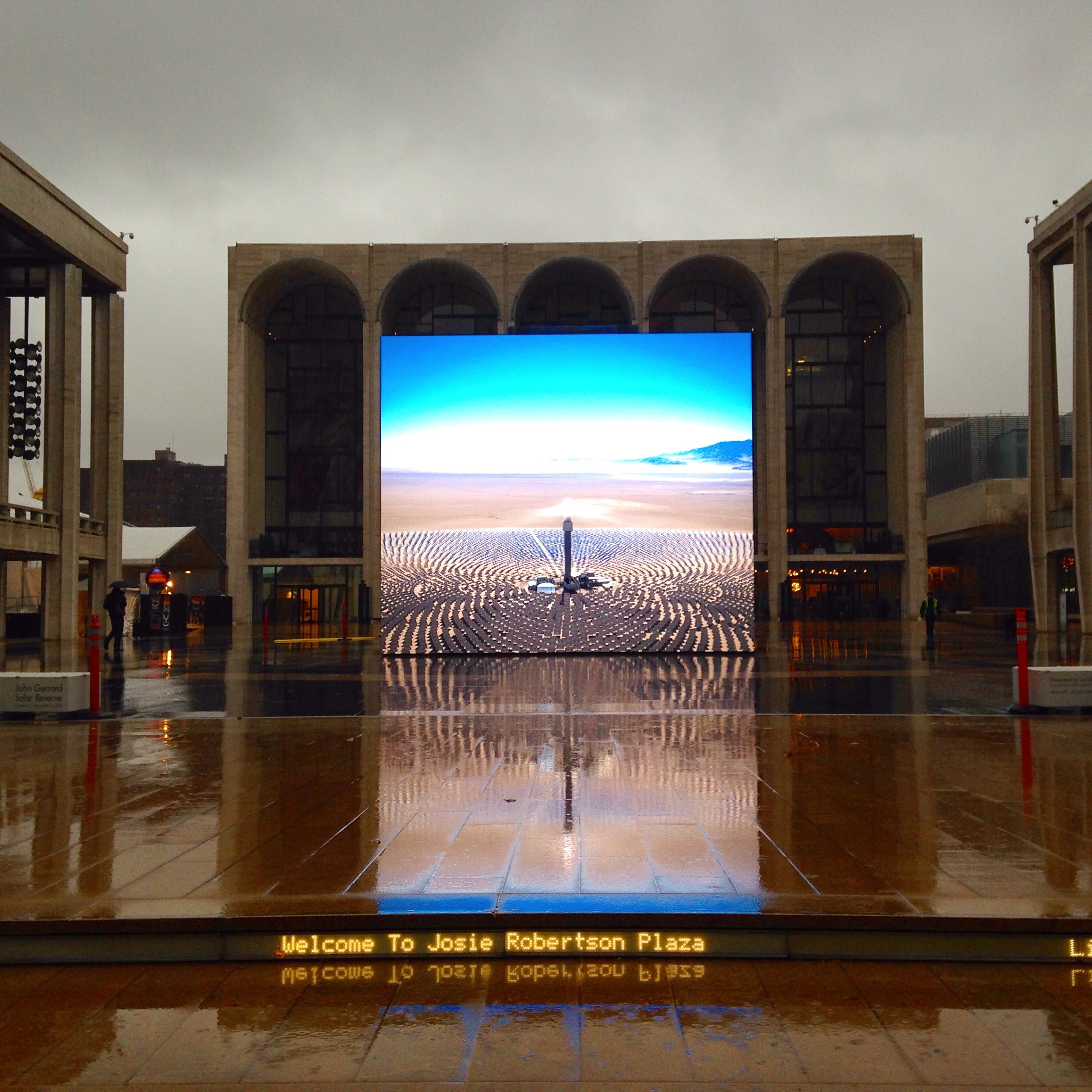
The plaza at Lincoln Center is always a place where surprises greet visitors. Here’s an image from a couple years ago of a video installation which sat in front of the fountain:
img_6357

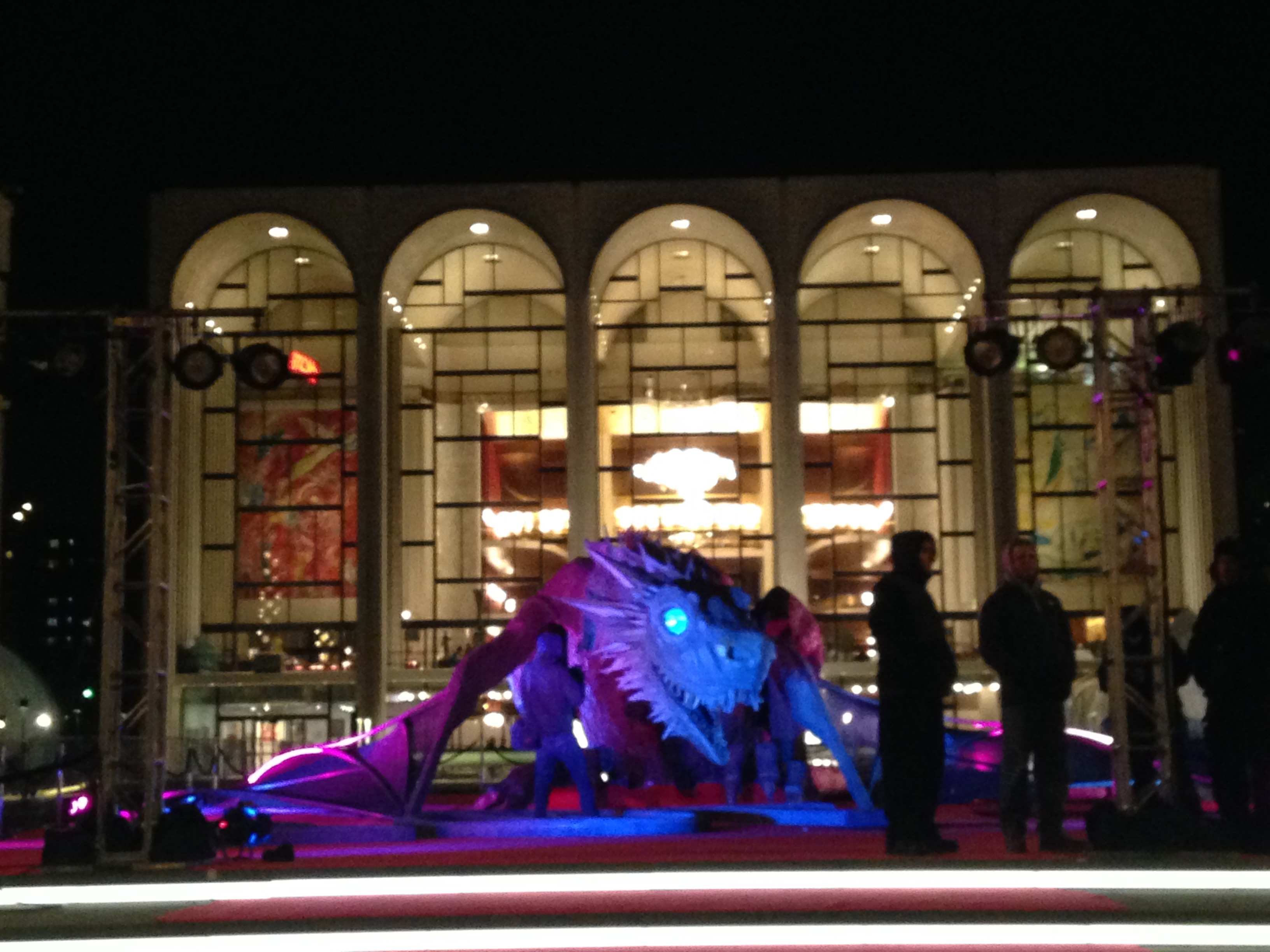
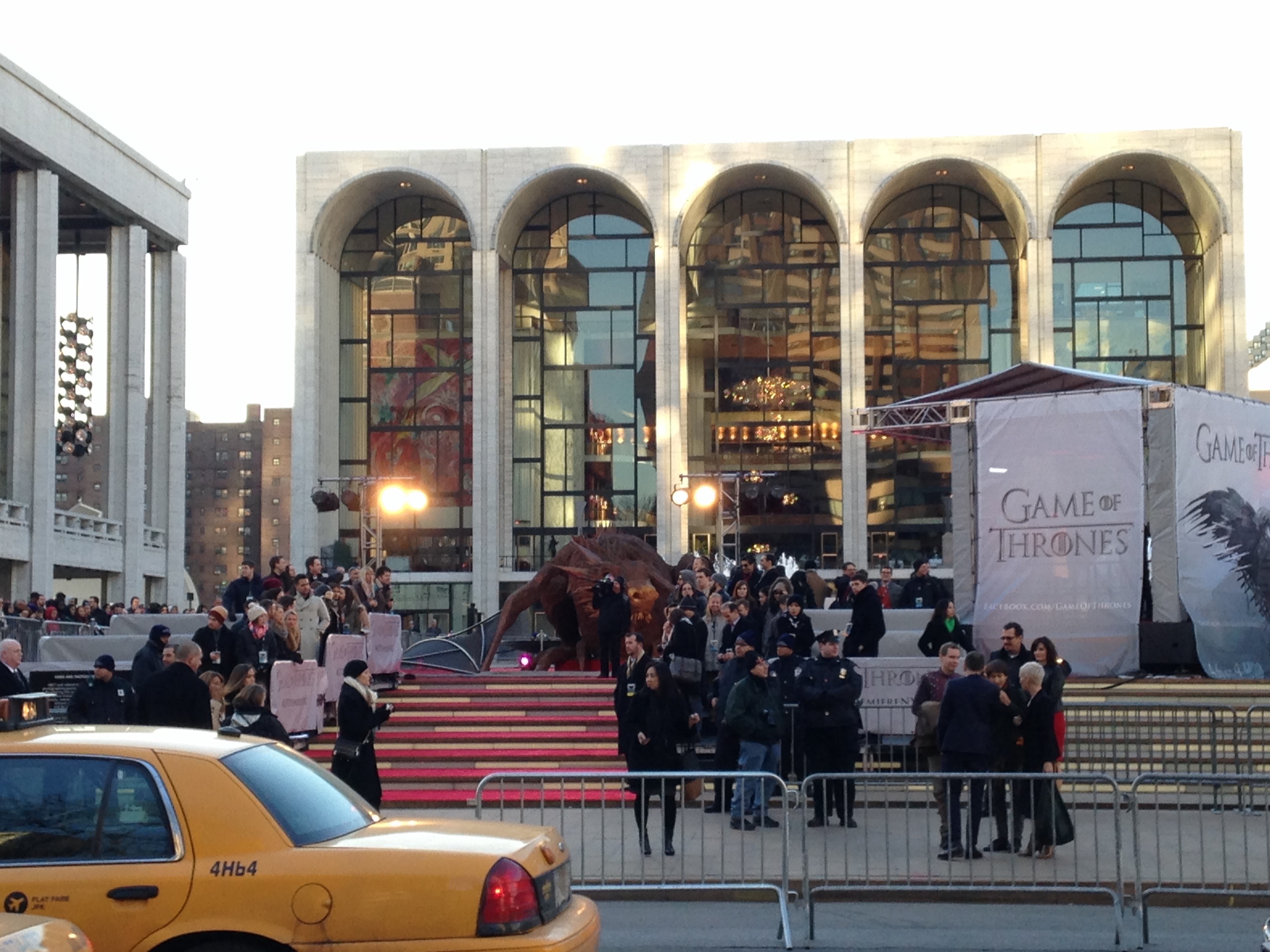
And 2019 when they hosted the premiere of Game of Thrones. With a life-size dragon!
img_3689
img_3701

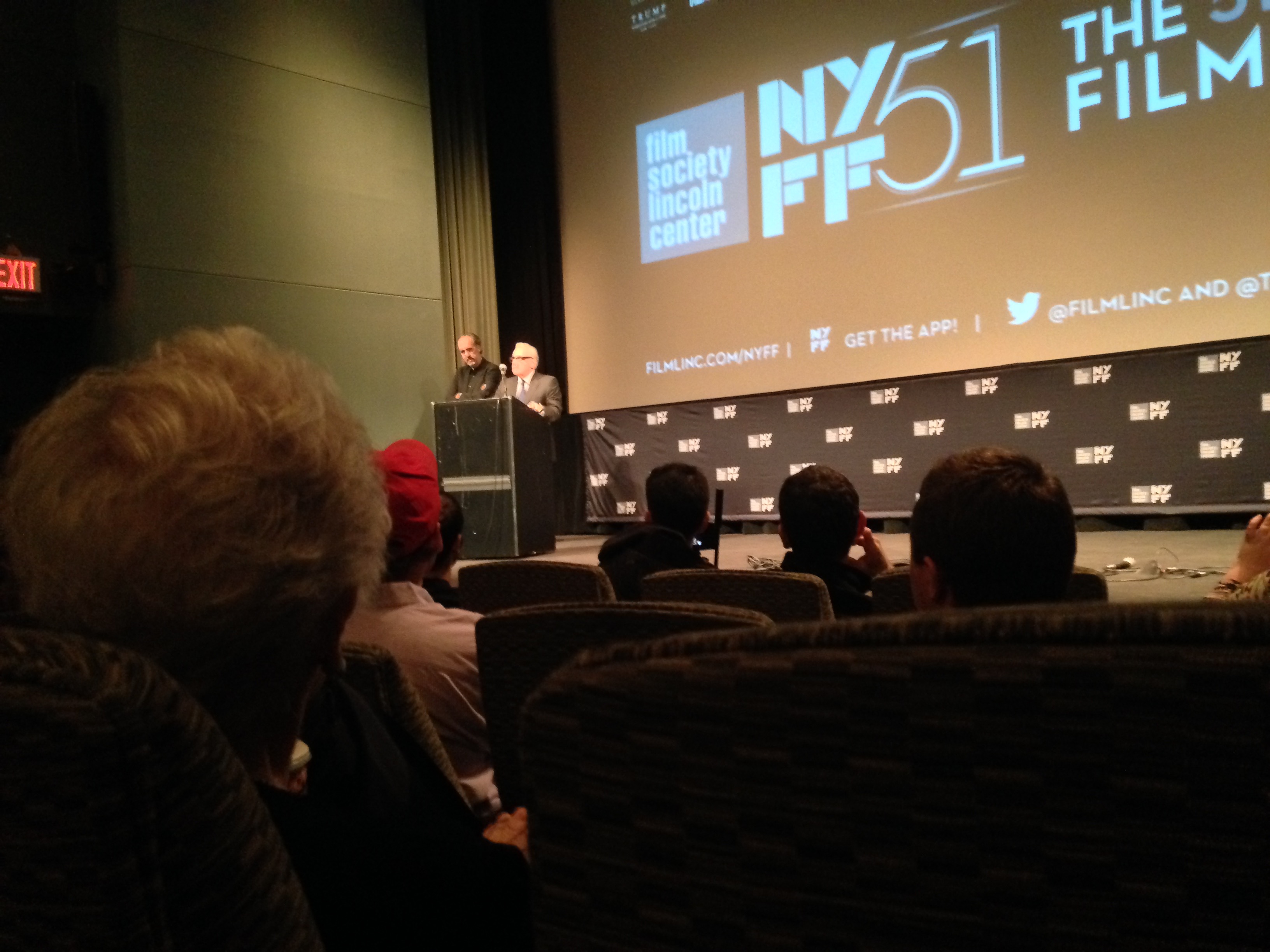
Martin Scorsese! He introduced a screening of his film The Age of Innocence at the New York Film Festival.
img_2993

FURTHER LISTENING

Back catalog episodes mentioned on show or shows with similar themes that we think you’ll enjoy.
Categories
Uncategorized

Eero Saarinen and his three gifts to New York

A toast to the great 20th-century architect Eero Saarinen! The Modernist icon was born on this date in 1910 in Finland. He immigrated to the United States with his parents when he was thirteen years old. His father Eliel Saarinen was himself a brilliant architect; his son would learn from the best.

Eero Saarinen was a versatile furniture designer and prolific architect, perhaps best known in the states as designer of the St. Louis Gateway Arch, an ambitious and even surreal monument that has come to define the city of St. Louis — and the American Midwest in general. When the Arch opened in 1965, it automatically entered the pantheon of great works of American art.

Saarinen was known as an architectural chameleon of sorts, shifting styles to fit the project. Although he died relatively young, at age 51 of a brain tumor, he gave New York City three very memorable, completely different buildings.

Sadly he did not live to see any of them completed (nor the Gateway Arch for that matter). Work was completed by his firm Eero Saarinen and Associates.

Carlo Fumarola/Flickr

Vivian Beaumont Theater (150 West 65th Street, at Lincoln Center)

Completed four years after Saarinen’s death, the Vivian Beaumont was designed as part of the Lincoln Center complex, thus its concrete and glass containment works in sync with the other buildings in the plaza.

Friendly but formal, this massive theater remains as the only Broadway house outside the traditional Broadway district and has a notable thrust stage that gives performances a virtual in-the-round feel. Last year, New York Magazine ranked the Vivian Beaumont as the second best Broadway theater in New York (after the Richard Rodgers Theatre).

There’s are also two other theaters in the building — the Mitzi E. Newhouse Theater (for off-Broadway productions) and the Claire Tow Theater for off-off productions.

We talked about Saarinen’s involvement with this project in our podcast on Lincoln Center:

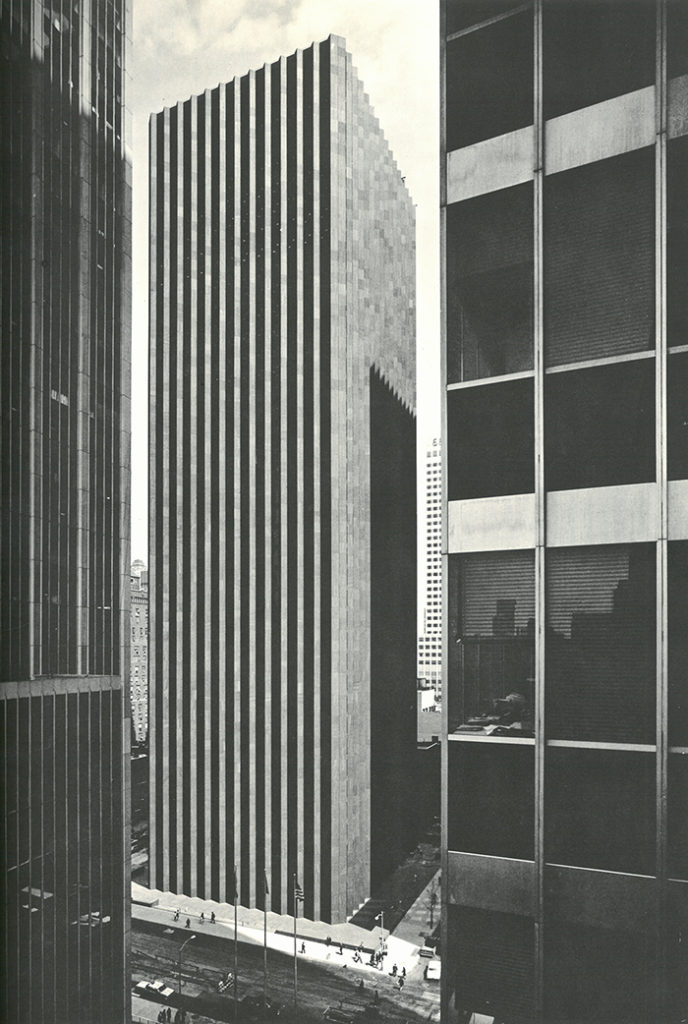
CBS Building (51 West 52nd Street)

Saarinen’s critics accused him lacking a defining aesthetic, something you might believe comparing the Lincoln Center playhouse to this lurching, severe structure on Sixth Avenue, affectionately nicknamed Black Rock.

Both the Vivian Beaumont and the CBS Building opened the same year, 1965. The CBS Building employs a moat of public space, and the building springs out of the crevice like an ominous plant.

On an avenue of steel, the rather scary CBS Building was the first to use reinforced concrete, although it’s draped in black granite.

It remains the headquarters of the CBS Corporation to this day. Black Rock was designated a New York City landmark in 1997.

From its landmark designation report: “When seen directly, the tower’s bays appear open, with relatively narrow granite piers alternating with relatively narrow window bays of single sheets of plate glass, but when viewed from afar and necessarily at an angle, the V-shape of the piers effectively eclipses the view of the glass, creating the effect of a gray granite slab.”

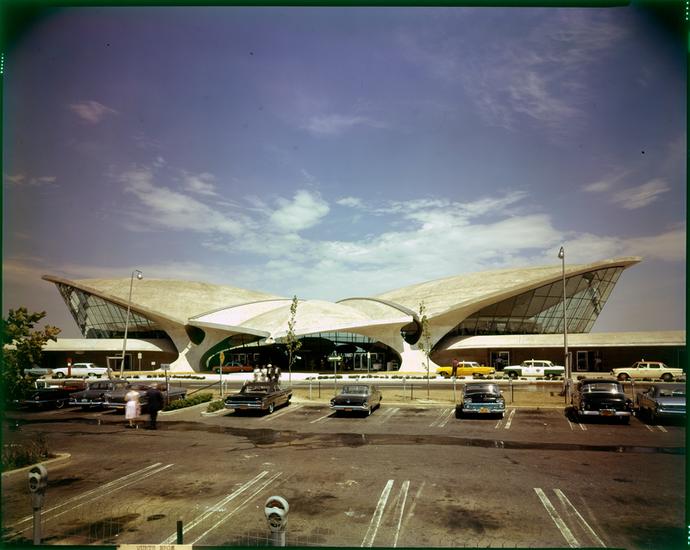
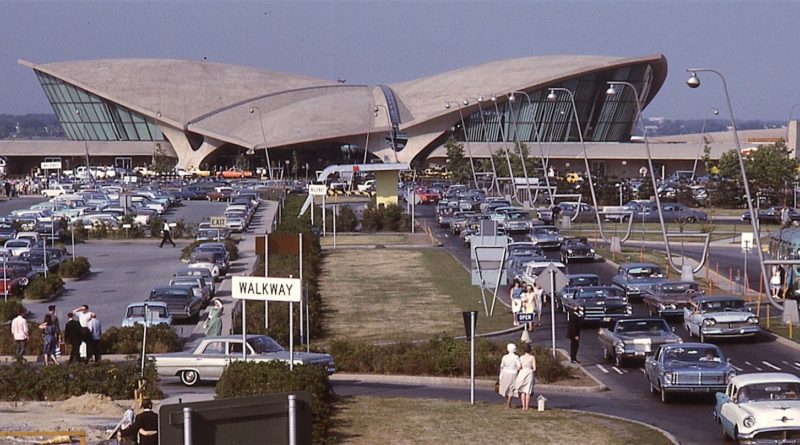
The TWA Terminal in 1962, photographed by the Wurts Brothers. Museum of the City of New York

TWA Flight Center (JFK Airport, Queens)

If you’re gonna write home about a Saarinen building in New York, make it the kooky, sometimes foolish, always imaginative terminal he designed for TWA that was completed in 1962.

It’s a tragedy that he never saw any of his New York buildings — not to mention the Arch itself — in final form. The terminal is so exotic and loopy that it energized arriving passengers.

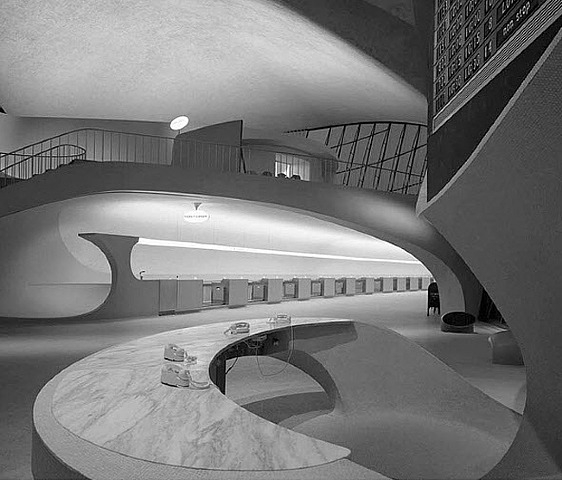
It has the unity of some organic space being, retro-futuristic down to its benches. Or as Saarinen describes: “All the curves, all the spaces and elements right down to the shape of the signs, display boards, railings and check-in desks were to be of a matching nature.”

It outlived TWA, which was bought out in 1991. Thankfully landmarked in 1994 — saving it from any potential urges to demolish its now-dated, spacy halls — it has recently reopened as the swanky retro TWA Hotel at JFK.

To hear more about the details of the TWA Flight Center — and Idlewild/JFK in general — listen to our show on the history of the airport.

Notes from the podcast (#124) Idlewild/JFK Airport

If Barbarella were an airport terminal, certainly she would be this one. A traveller’s dilemma: what destination could possibly be as exotic as the airport from which you were leaving?

Scandals: We had a blast talking about JFK Airport this week, and it’s always funny seeing something we just talked about popping up in a major news event the weekend of release. Had we recorded the show this week, perhaps we have mentioned disgraced French politician and International Monetary Fund director Dominique Strauss-Kahn, who was pulled off his flight at JFK Airport and arrested in connection with a sexual assault at a Times Square hotel.

Strangely enough, Tom (a superb French speaker) was walking around with his family in downtown Manhattan this past weekend, and they were interviewed about the scandal by several international news teams, including TV5MONDE, RFI (Radio France International) and TF1. So if you live in France or a French-speaking nation, you probably saw Tom and his family on your national news yesterday!

Correction: I put Roosevelt Field in Hempstead, Long Island, when it’s actually in nearly Garden City. I wasn’t really so far off; Garden City is located in the region once called the Hempstead Plains, which I discussed last week as the location of America’s first racetrack.

Eero Saarinen: Our show was running long, so some of our praise of Saarinen’s other work got left on the cutting room floor. But there are two other Saarinen buildings in New York, and both prominently placed — the monolithic CBS Building on Sixth Avenue and the Vivian Beaumont Theatre at Lincoln Center. You can read more about them here.

Pretty pictures: If you’d like to look at a lot more fantastic pictures of Idlewild’s glory days, visit the forum at Wired New York with lots of postings from airplane buffs. The image above is from there.

The mystery of Idlewild: One of the more frustrating aspects of doing research was the utter lack of information about Idlewild Golf Course, which was purchased by the city to construct the airport. Taking some golf enthusiasts at their word, it appears to have opened in 1930 and remained open for over a decade. But what was that named after? There’s a Idylwylde golf course in Ontario, Canada, that was constructed in 1922. Any connection?

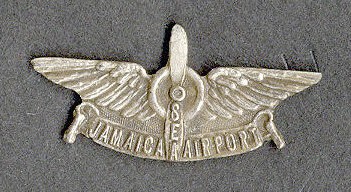
Jamaica Sea-Airport: Some of the acreage LaGuardia bought up by the city to construct Idlewild was actually already being used as a landing strip. The Jamaica Sea-Airport was a tiny airfield off the bay that opened in 1927, using three runways and a small tin hangar. At right: An antique lapel pin from this long forgotten airstrip.

For More Information: Some key books we used for this show include Airports: A Century of Architecture by Hugh Pearman, Naked Airport by Alastair Gordon/ and John F. Kennedy International Airport by Joshua Stoff, from the Images of Aviation series. And I highly recommend the petite photography book The TWA Terminal by acclaimed architectural photographer Ezra Stoller. I’ve put another one of his images below, but the whole book is a perfect capsule history of this strange building.