Categories
On The Waterfront

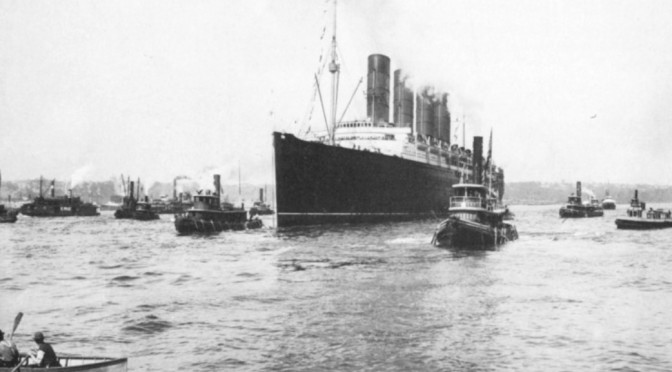
A Haunting Look Inside the Lusitania

The Lusitania gets dwarfed by recollections of the Titanic.  But in many ways, the destruction of the Cunard Line’s premier ocean liner on May 7, 1915, was a deeper tragedy than that of the White Star liner.

As a casualty of war — sunk by a German U-boat off the coast of southern Ireland — the Lusitania disaster began a slow but inevitable march towards the United States’ entry into World War I. Â Its destruction send a shockwave through Americans and Britons alike. Nobody sailing the Atlantic was safe.

Almost 1,200 people died that afternoon of May 7th. Among the deceased were millionaires (Alfred Gwynne Vanderbilt),  impresarios (Charles Frohman), writers, scientists,  nurses and soldiers.

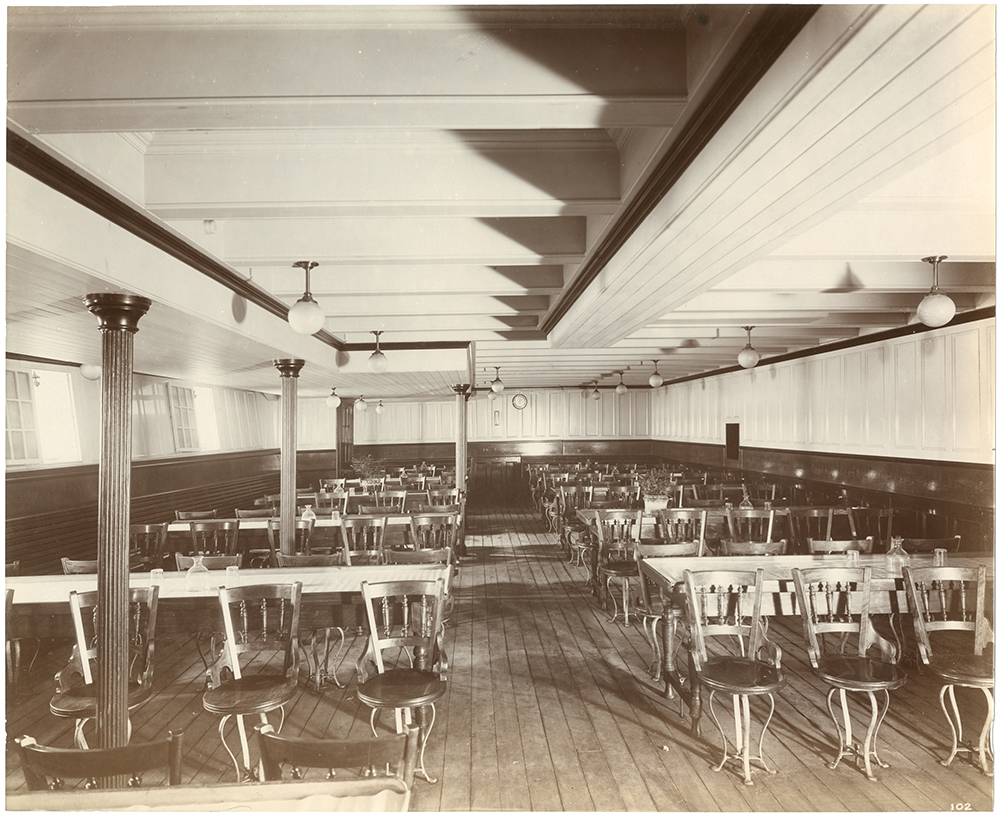
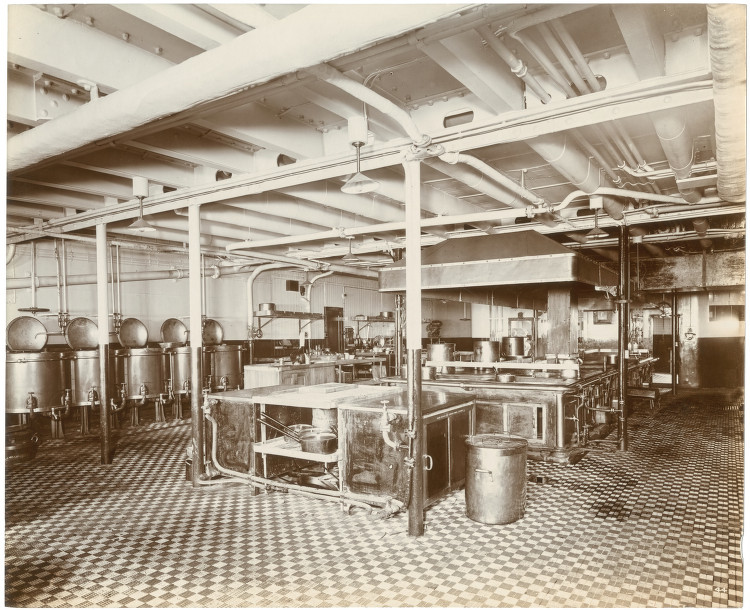
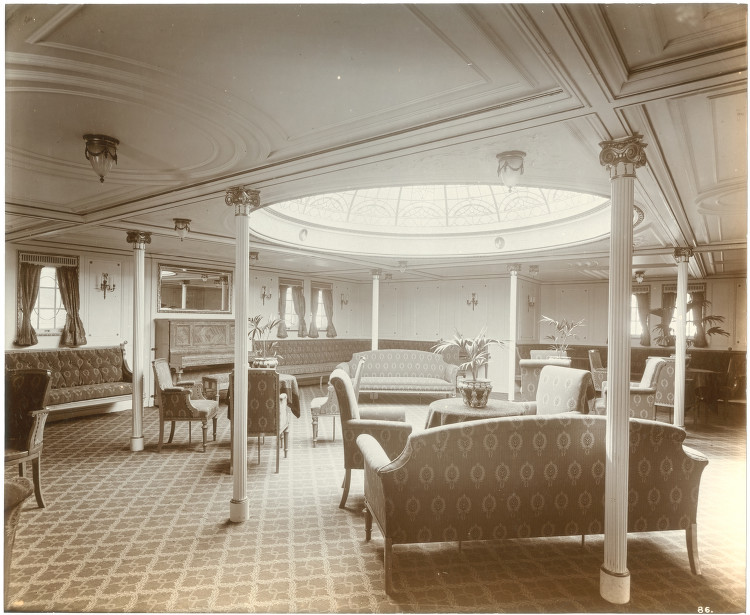
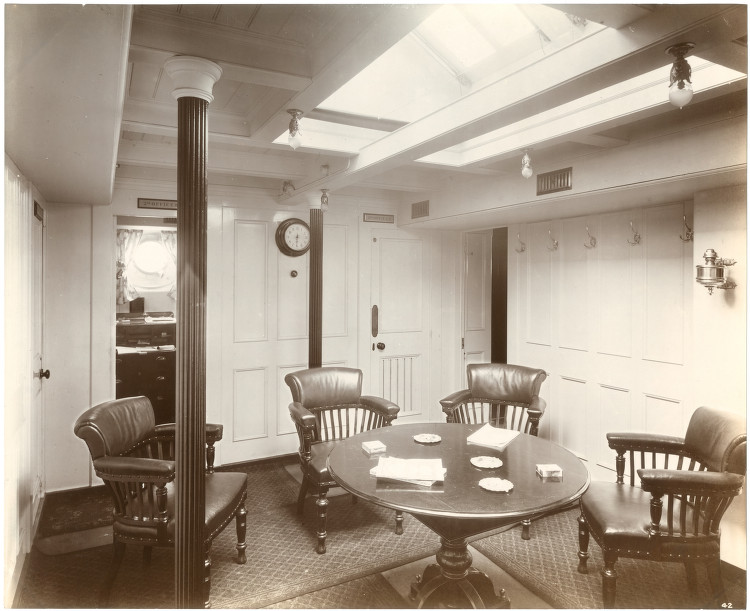
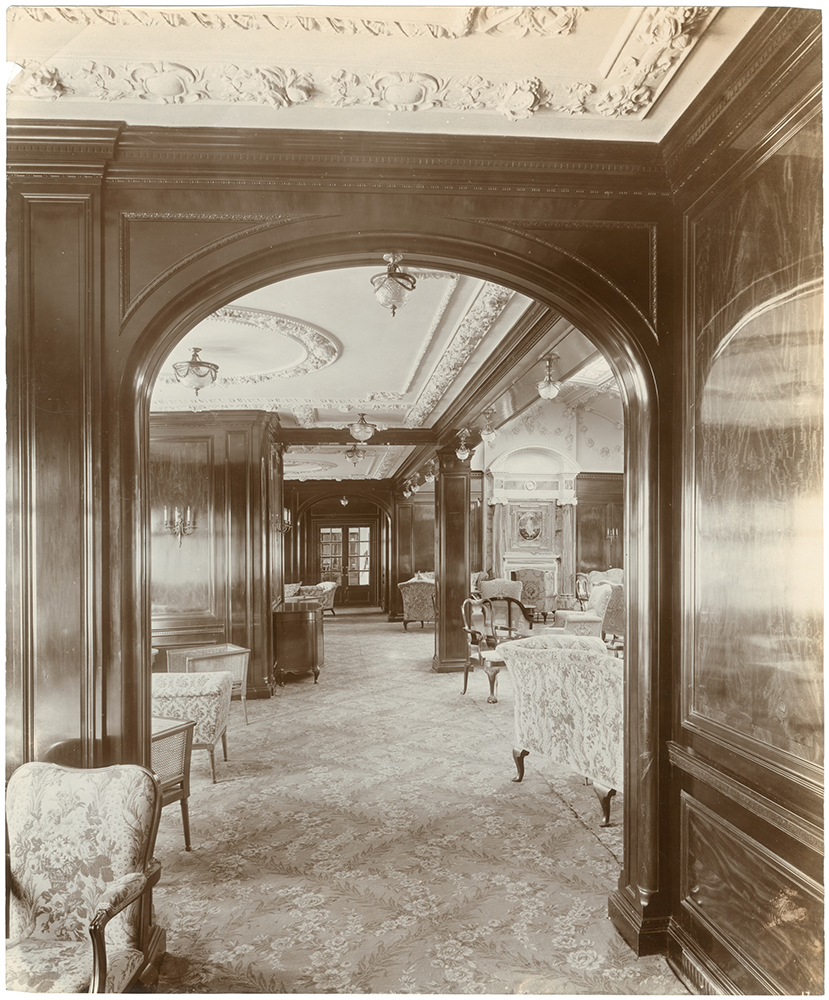
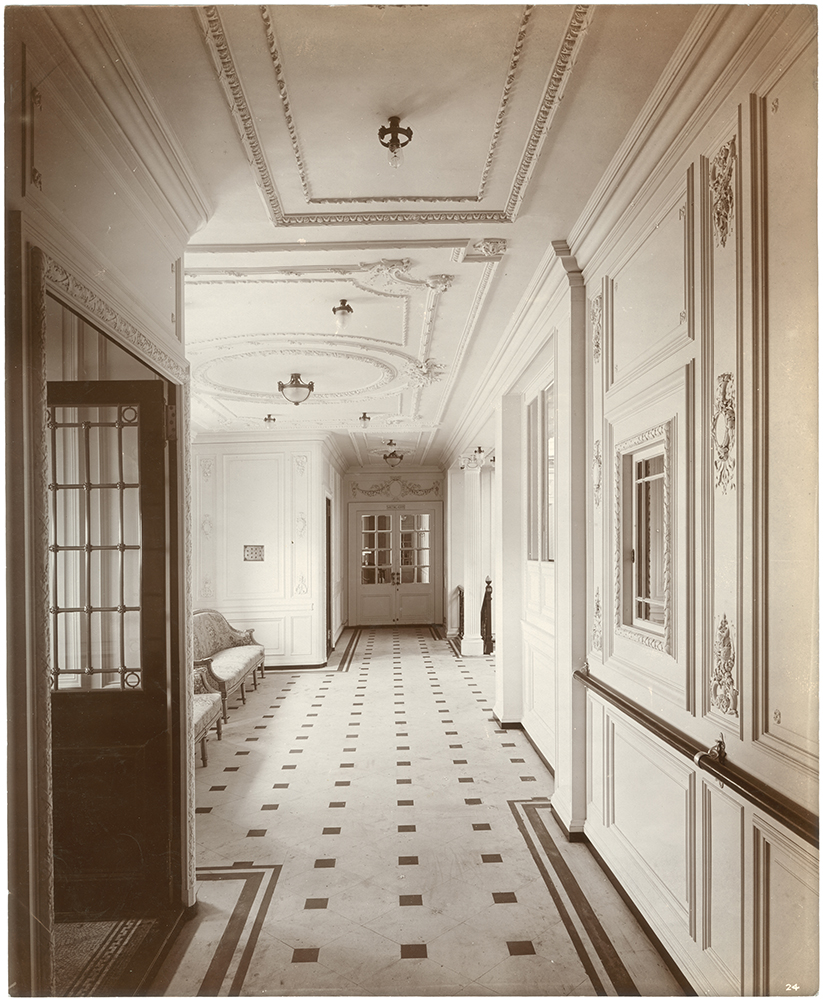
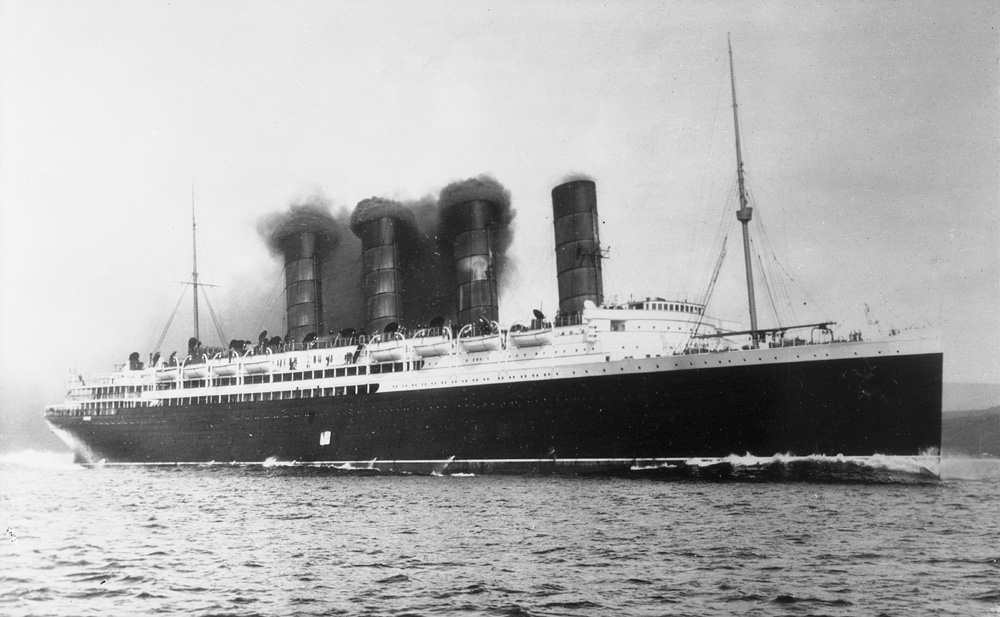
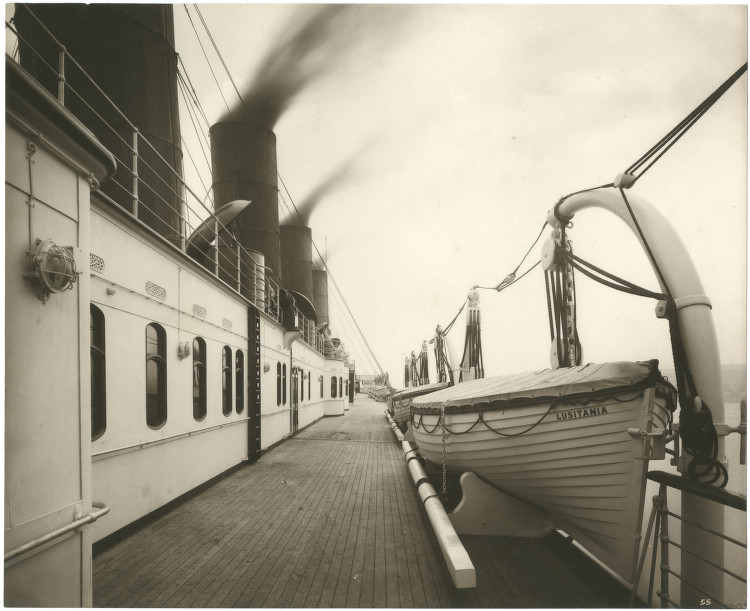
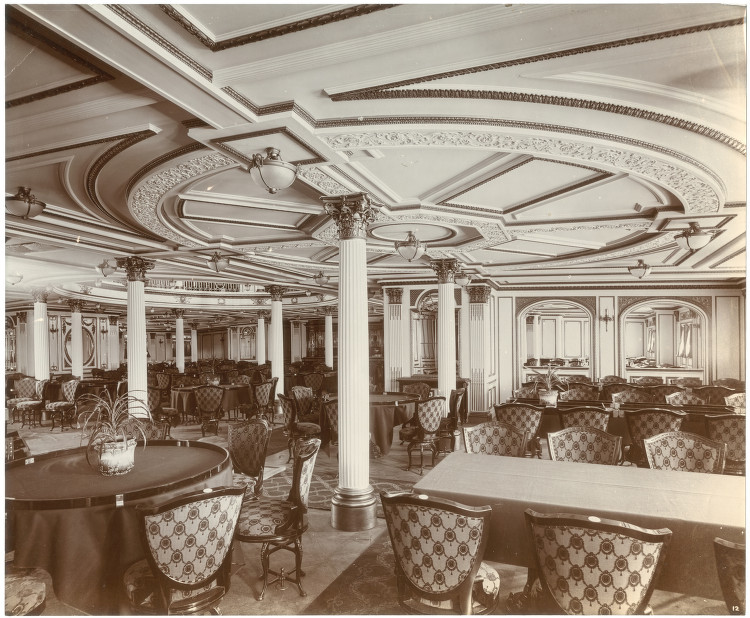
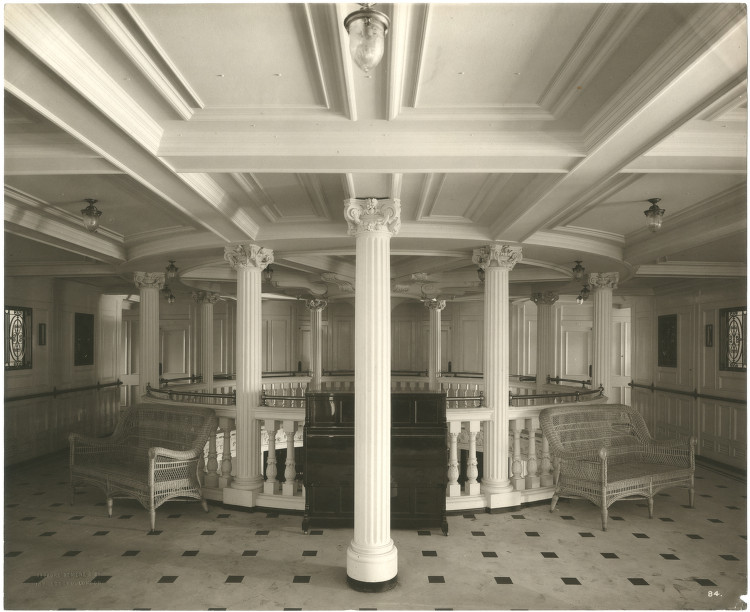
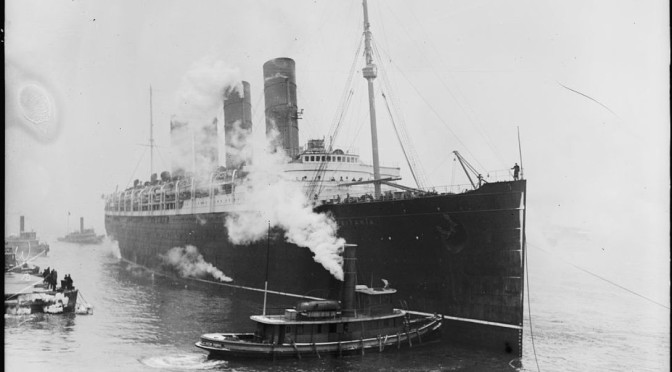
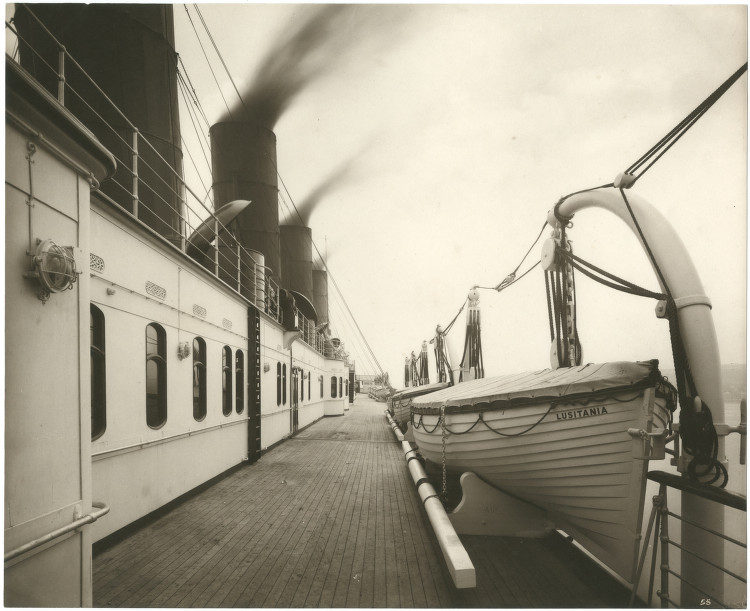
The ship itself was a major loss both for Cunard and the British military as the ship was fitted for active service. Here are a selection of images from 1905 (courtesy SMU Central University) of the Lusitania in all her glory, years before her demise.

Interspersed are some newspaper clippings from its initial launch in 1906 and some from 1907, the year the vessel first sailed to New York.

For more information on the Lusitania, check out our podcast on the Chelsea Piers or read my book review of Dead Wake, the latest by Erik Larson.
1

“GLASGOW, Scotland, June 7. — The new Cunard Line steamer Lusitania, the world’s largest liner, was successfully launched at Clydebank to-day, and was named by Dowager Lady Inverclyde. Hundreds of visitors from all parts of the country, besides thousands of the local population, witnessed the ceremony.

The Lusitania is the first of the giant Cunarders to be launched, and her sister, the Mauretania, will follow her into the sea a month ago.  The Lusitania is 790 feet long, and her greatest breadth is 88 feet, while her depth molded is 60 1/2 feet.”
2

Cabin accommodations:  552 first class, 460 second class, 1,186 third class. 2,198 total
Second class entrance

NYT , July 31, 1907:  “LUXURIOUS OCEAN TRAVEL. The new Cunarder Lusitania is now afloat, and will soon be on her way to New York. She is at the present moment the largest and most richly appointed ocean steamship in the world, though she may take second place within a year or so.”
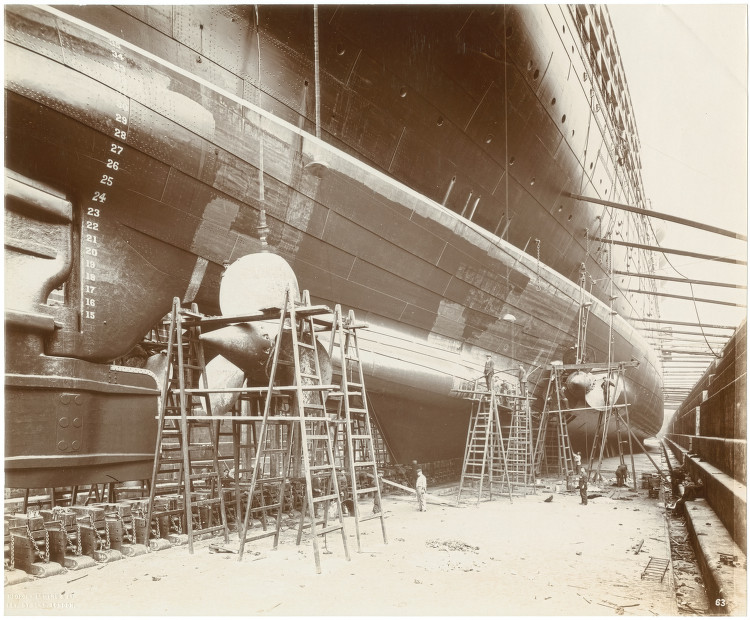
Side view of Lusitania showing the launching cradle and the propellers
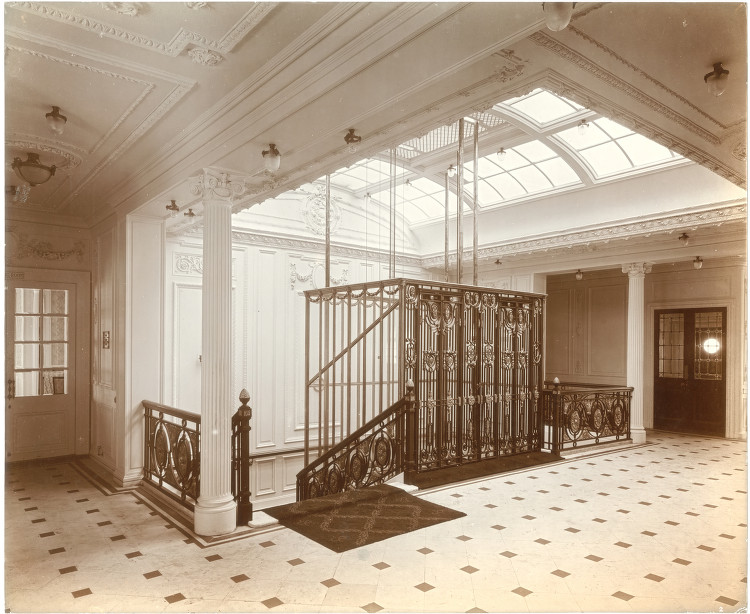
Interior staircase and elevator

Headline from the New York Times, September 7, 1907:

LUSITANIA STARTS FIRST TRIP TO-DAY; Will Race the Lusitania Across in an Effort for a New Record. BOTH BOATS ARE FULL Colossal Ferries Groomed for the Event — Lusitania Will Burn 1,000 Tons of Coal Daily.
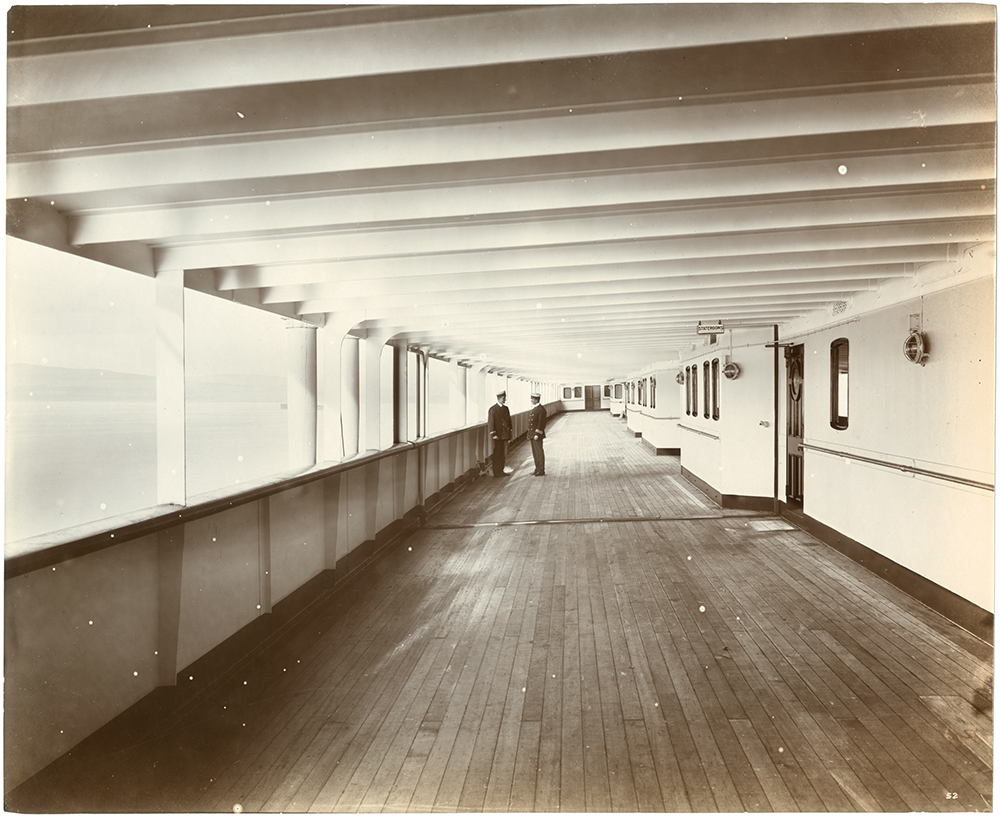
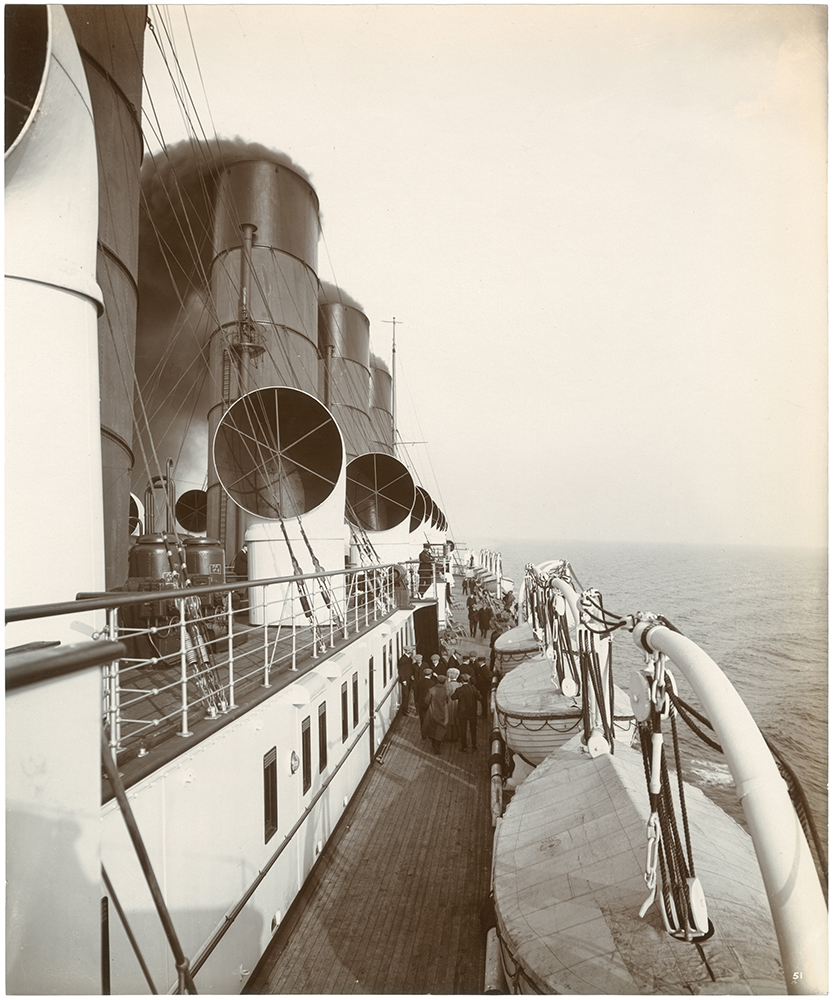
First class promenade deck
2

From the New York Tribune, October 10, 1907
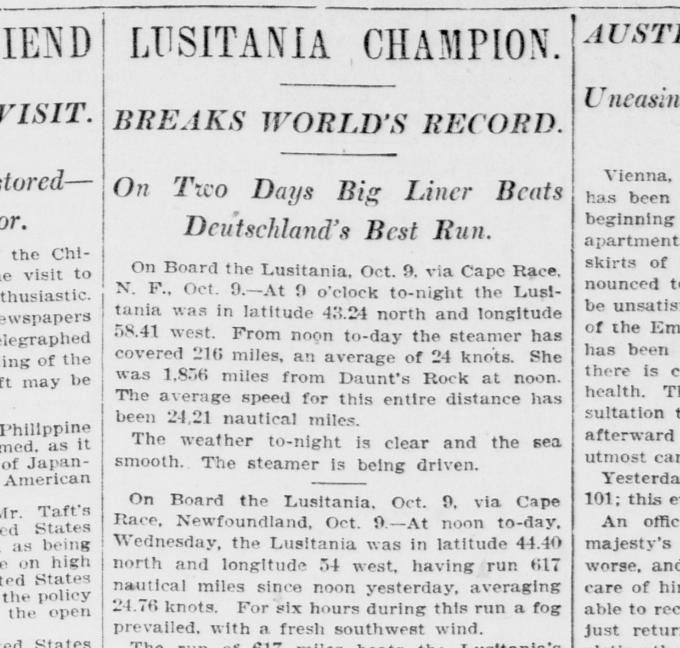
1

Third class:

1

The kitchen:

2

Second-Class Ladies Lounge:

3

Officers smoking lounge:

4

From the New York Tribune, October 14, 1907
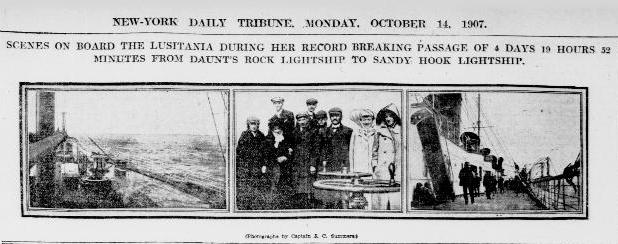
1


First class smoking room, music lounge, and library entranceway:
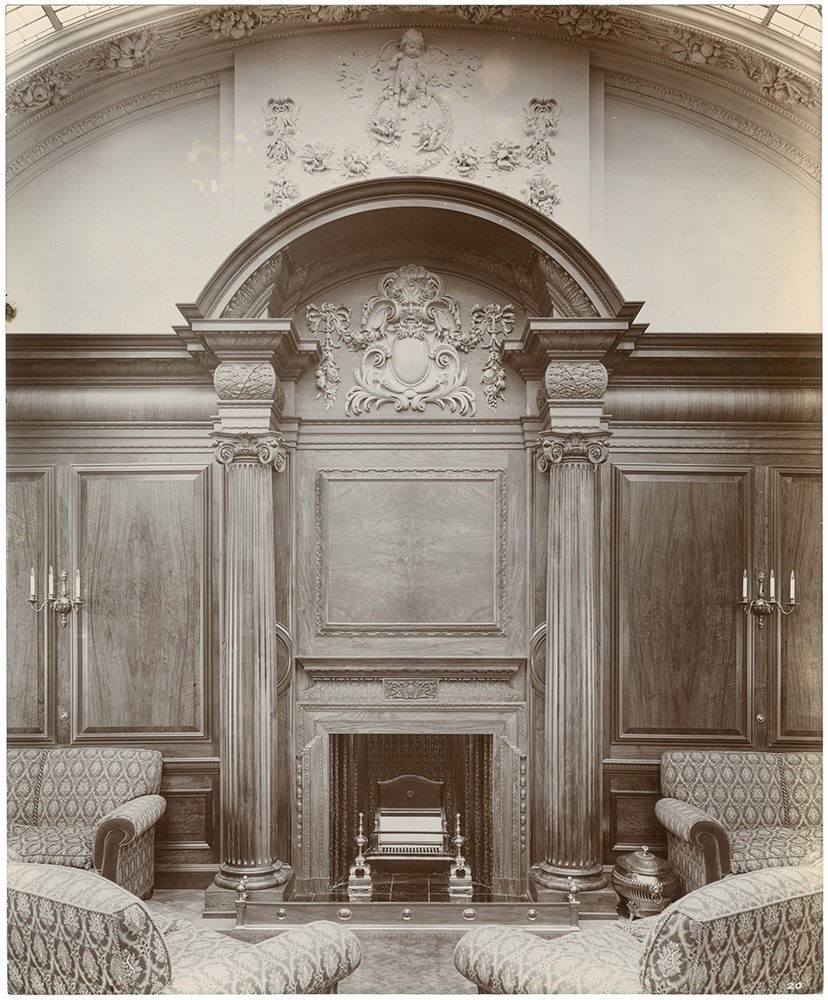
5
6
7

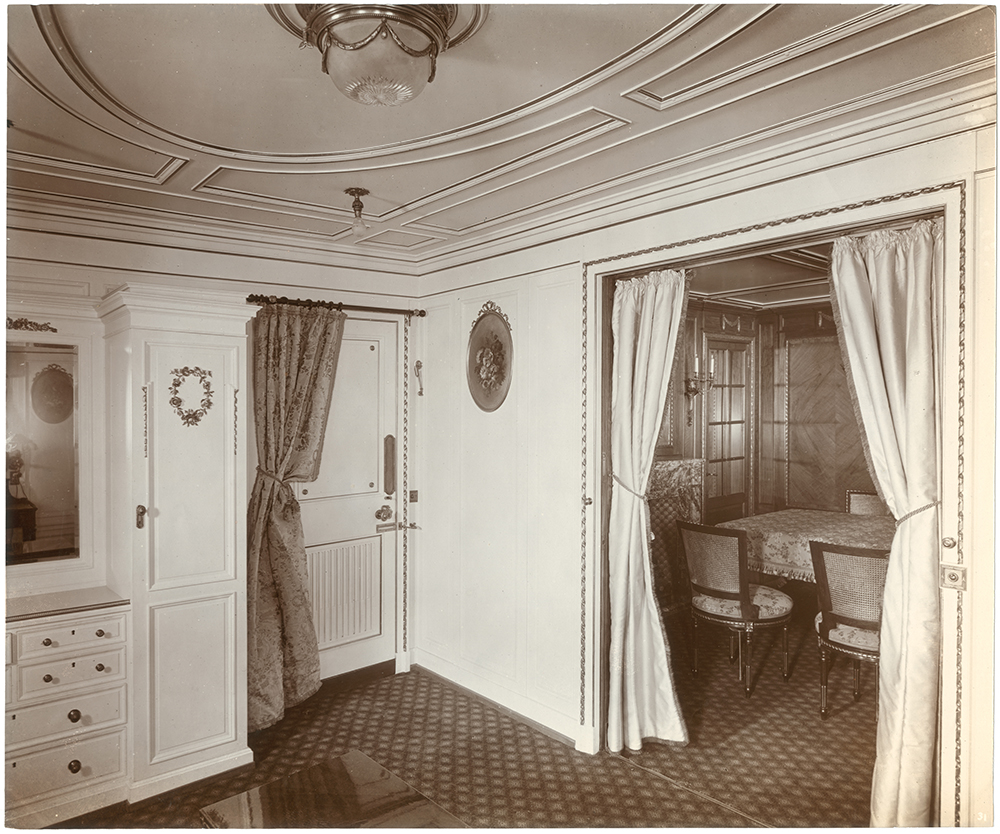
And pictures of the ‘regal suite’, the nicest rooms on the boat:
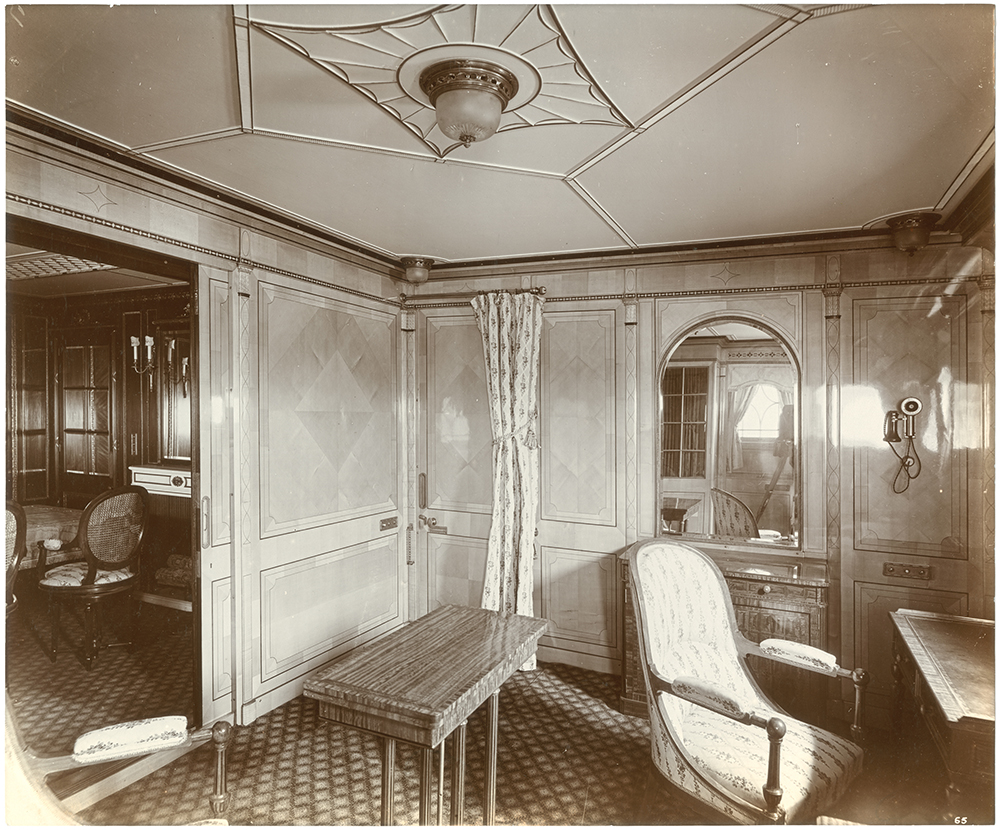
1
2

An officer atop the navigation bridge:
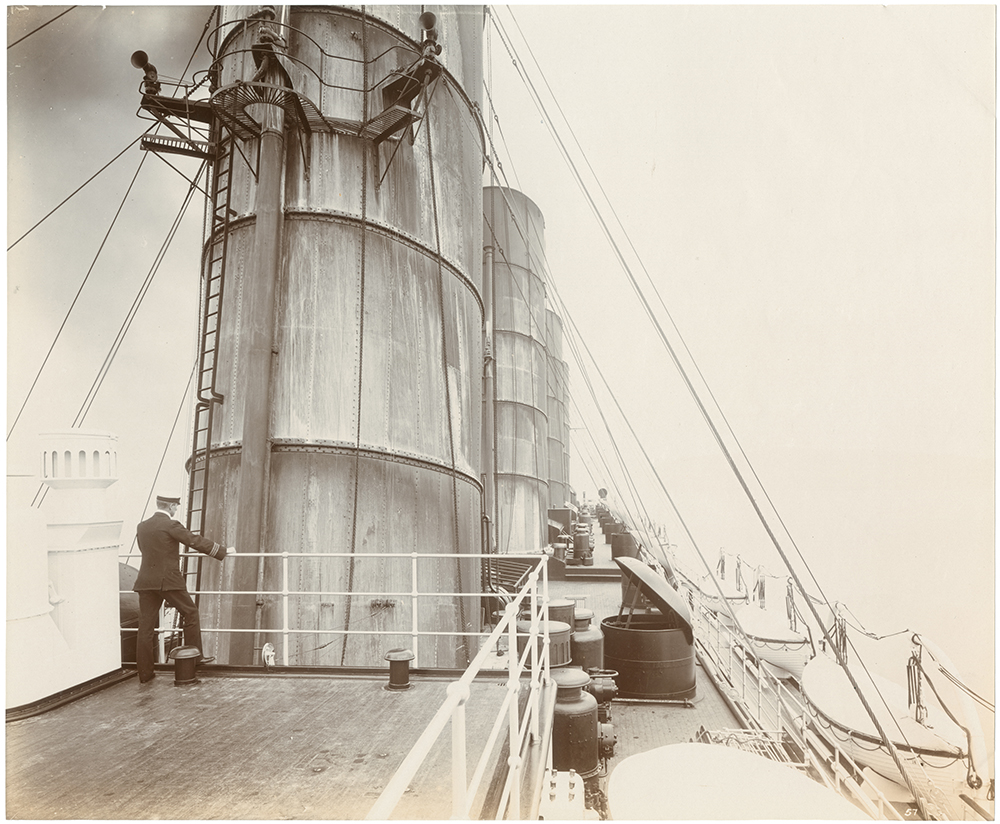
1

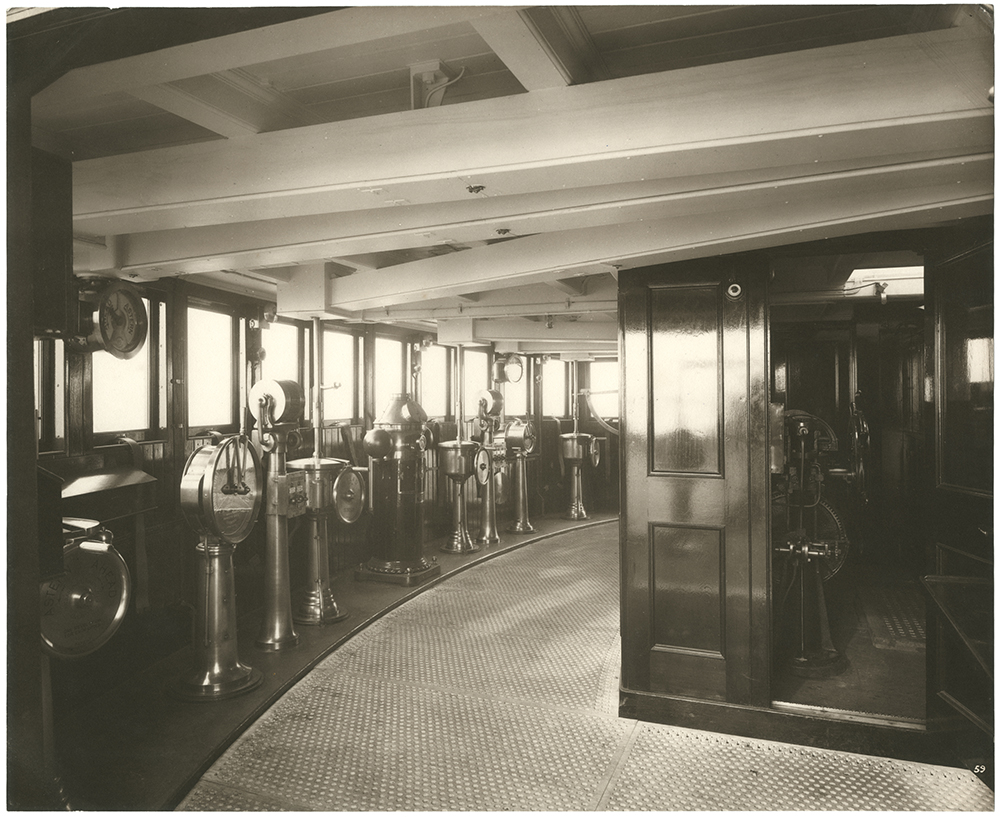
And finally — the navigation bridge

bridge

You can find many more images at Flickr Commons, courtesy Southern Methodist University, Central University Libraries, DeGolyer Library
Categories
Bowery Boys Bookshelf

The Lusitania’s final voyage, breathlessly told

They said the Lusitania couldn’t be sunk. The German telegrams to the contrary were merely cheap scare tactics. Besides, England will provide protection once in their heavily guarded waters. The boat is simply too big to sink. There are plenty of lifeboats, enough for the entire passenger list. Even those in steerage!

And the best one — there are Americans on board. Germany wouldn’t risk dragging her into war.

The excuses made by the passengers and crew of the Lusitania seem strikingly naive now, almost 100 years to that May 7th afternoon when the premier vessel of the Cunard fleet was taken down — by a single German torpedo — and brought to the bottom of the ocean in all of 18 minutes.

The deck of the Lusitania, 1905-07, courtesy SMU Central University

Dead Wake, the captivating new narrative non-fiction by Erik Larson, follows the tragic fate of the Lusitania from four sectors.

In England, a group of cryptoanalysts in shadowy Room 40  attempt to crack German messages as their U-boats began prowling through British-controlled waters. Meanwhile, President Woodrow Wilson, still mourning the loss of his wife, attempts to keep American neutrality intact in the face of growing threats.

But the two central perspectives are what grant Dead Wake its lurching, inevitable dread.  And Larson switches between them like the dance of predator and prey in a nature documentary.

The Lusitania on one of its early voyages, 1906, courtesy Royal Museum Greenwich

In New York, docked at Chelsea Piers, passengers from all walks of life board the Lusitania, ready for leisure and occupied with trivial affairs of the day. The bookseller Charles Lauriat Jr. boards with a valise of valuable literary works.

Theodate Pope, the spirited, independent woman who’s clearly Larson’s favorite, hits the decks with her mysterious male companion Edwin Friend. A pregnant Bronx woman named Margaret Kay boards with her young son Robert, destined to get the measles. An entire family with the last name of Luck boards the ship, never a good sign in these kinds of books.

And then there’s the enigmatic Preston Prichard, a Canadian medical student described in such striking, beatific terms that it spells doom for him almost immediately.

Meanwhile, thousands of miles away, the other narrative course follows the U-20 submarine captained by Walther Schwieger, a stern and sometimes unforgiving man in charge of a lonely vessel cutting through the waters of the Irish Sea.

Submarine warfare was primitive by nature and callous by design. Captains gauged the success of a mission not by numbers of ships sunk, but the amount of tonnage destroyed. Human lives were lightly considered.

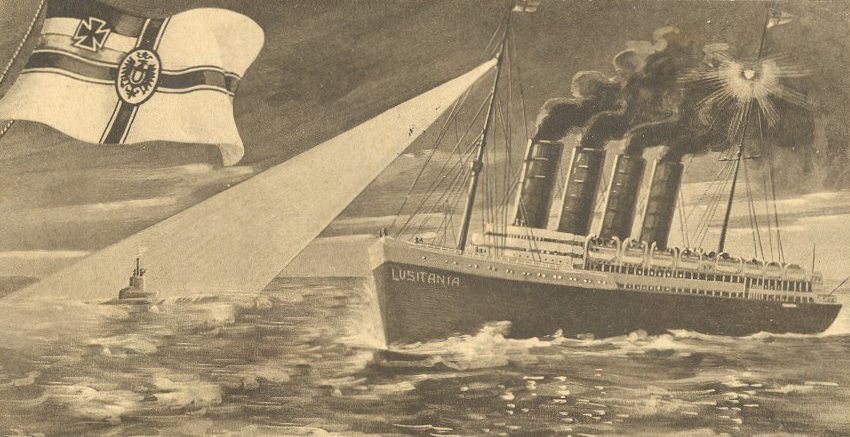
Sinking of the Lusitania, European postcard

Larson is best known for a certain flamboyant style of storytelling, meshing two or more sometimes unrelated story arcs to create a swelling crescendo of melodrama. His books bristle with energy even when artificially cultivated. His best known book, The Devil In the White City, works entirely because of this particular narrative mechanism, weaving together the tales of the Chicago World’s Fair and a ruthless serial killer

But in Dead Wake, it’s the inevitable confrontation between the Lusitania and the U-20 that drives the story, and Larson finely manages the tension.

He prefers to spend time with lesser known people aboard the Lusitania and barely looks at its most famous passengers — Alfred Gwynne Vanderbilt or the Broadway impresario Charles Frohman. Once the torpedo hits, you’re genuinely invested in situations all throughout the boat.

The book has a cinematic feel and comparisons with the film Titanic will surely be made. You can almost feel the urge to transform passengers like Pope or Prichard into the next Rose or Jack.

But the story never lapses into phoniness or boisterous, over-descriptive speculation for long. There are thankfully few of those artificial “she felt the wind in her hair” moments that hamper other narrative non-fiction book events. Larson is the master of this particular genre, and once the torpedo hits the ocean liner on that fateful May afternoon, he’s in full control of the story.

When you get to Dead Wake‘s halfway point, prepare to keep your afternoon open, because you won’t want to put it down.

Dead Wake:  The Last Crossing of the Lusitania
By Erik Larson
Crown Publishers

Categories
Know Your Mayors

One hundred years ago today, the mayor of New York died

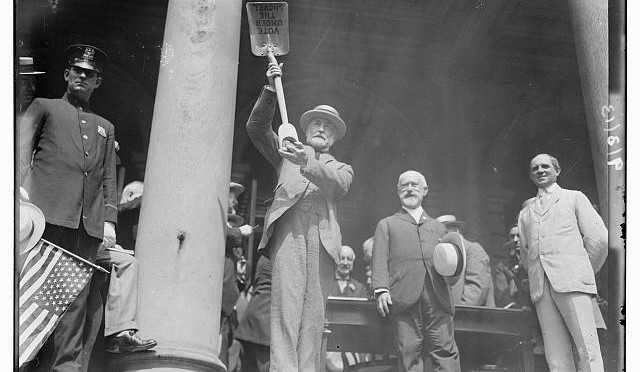
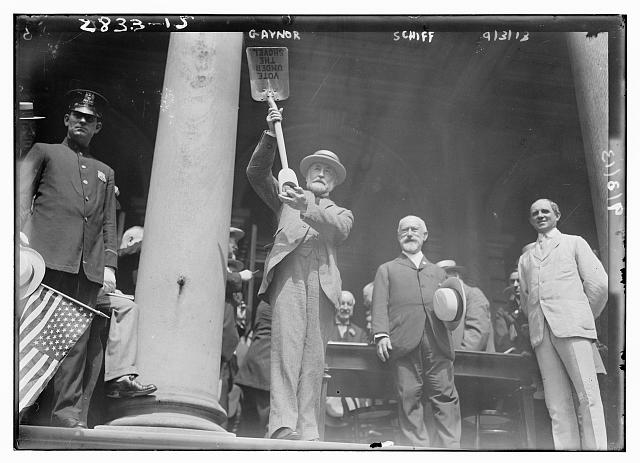
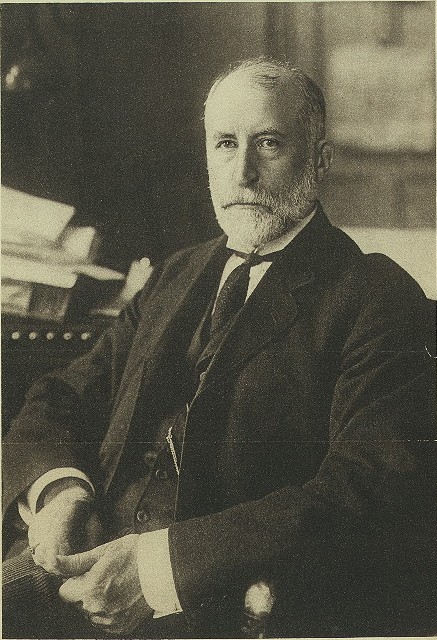
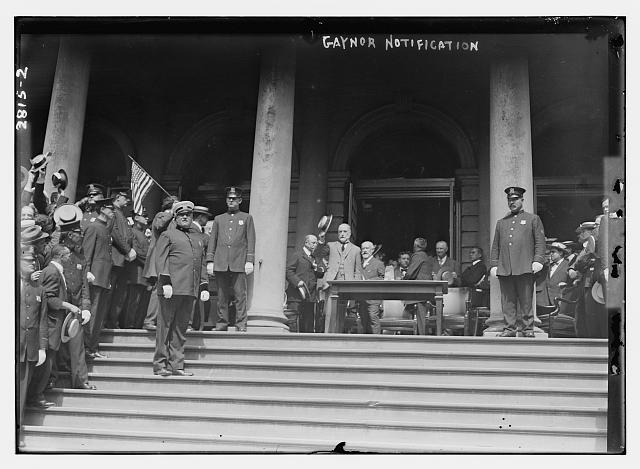
Mayor William Jay Gaynor’s final appearance at City Hall was at a notification rally, declaring his independent candidacy.  He brandishes a shovel as a symbol of a new era of subway construction (the eventual fruits of the so-called ‘dual contracts’ which had finally be agreed to earlier that year.)

Today’s mayoral primary falls on a very grim anniversary in New York City political history.  One hundred years ago today, Mayor William Jay Gaynor collapsed and died while on a voyage to Europe, succumbing to an assassin’s bullet which had been lodged in his throat for over three years.

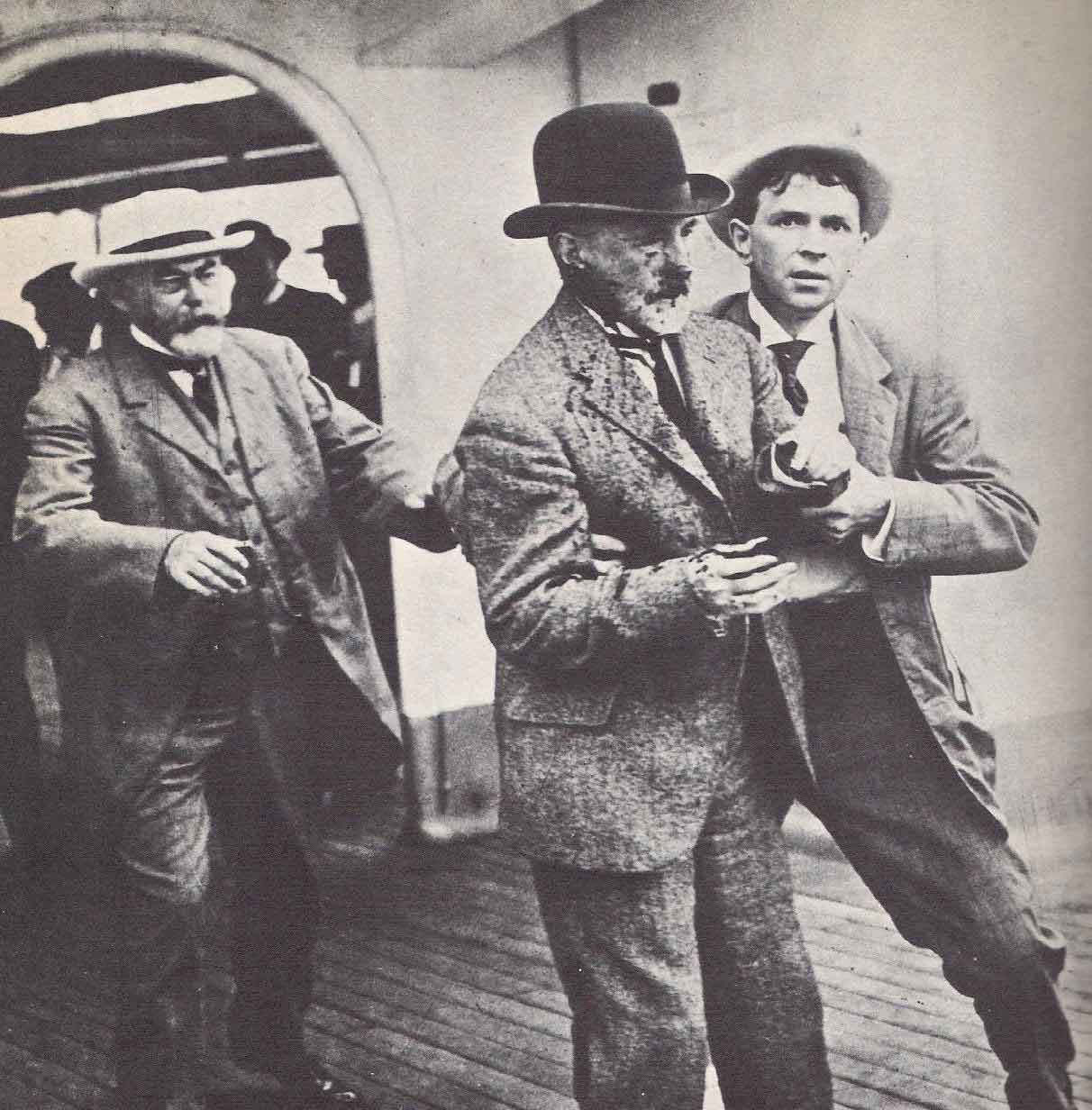
Gaynor was not in New York when he was shot, and he was not in New York when he finally succumbed to its effects years later.  On August 9, 1910, he boarded a German ocean liner in Hoboken, New Jersey, for a planned trip to Europe. A disgruntled dock worker James J. Gallagher approached and shot him through the neck.  The moment was gruesomely captured by a New York World photographer.

Although the injury derailed Gaynor’s presidential ambitions, it did not prevent him from leaving office.  The bullet remained stuck in his neck, slowly weakening his health and eventually deterioriating his ability to speak.

But he remained a feisty opponent of city corruption. So much so that corruption-fueled Democratic machine Tammany Hall refused to support his re-election bid in 1913, throwing their support to judge Edward E. McCall, a more pliant candidate to their whims.  McCall would run against Fusion candidate John Purroy Mitchel, the firebrand reformer and president of New York’s Board of Aldermen (city council).

Gaynor would not be sidelined.  On September 3, he announced an independent run for the mayor from the steps of City Hall.  To a crowd of 5,000 supporters, Gaynor’s secretary had to read his speech for him as he was unable to raise his voice due to his injuries.  At the very end, however, as his secretary declared the mayor’s intention to eradicate graft, Gaynor leaped to his feet and cried, “Yes, that is what we are going to do — shovel all those miserable grafters into the common dump!”

Gaynor at his candidacy announcement, buffered by supporters

The following day, he boarded another ocean liner with his son, intending to convalesce for two or three weeks.  It was unannounced voyage — Gaynor naturally wanted to keep his deteriorating condition quiet —  although the newspapers found out and splashed it upon their front pages.  “It was a feeble figure that went slowly up the gangplank leaning heavily on the arm of his son Rufus,” said the Evening World.

He was intending to return on September 21.  However, six days into his voyage, on September 10, the mayor finally succumbed to his wounds, aggravated by other afflictions in his stomach and lungs.

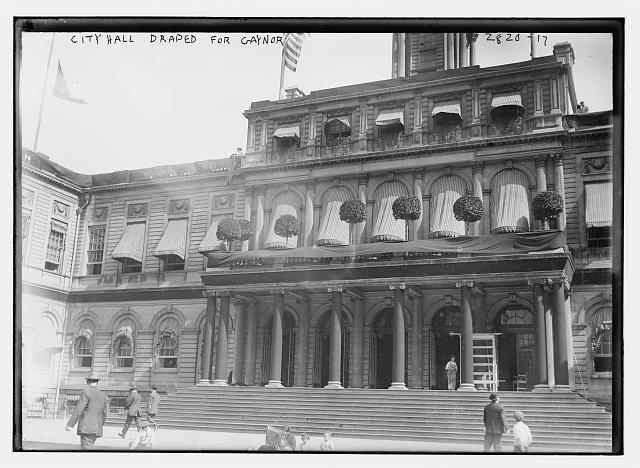
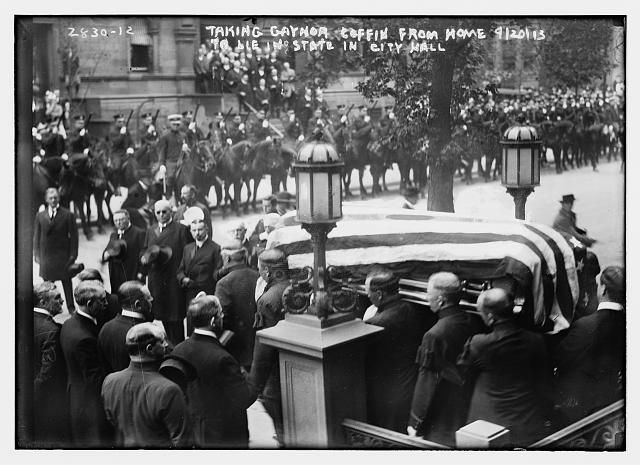
His body was returned to New York on the RMS Lusitania nine days later.  The following day, his body lay in state at City Hall as thousands of mourners paid their last respects.

Gaynor would be the second New York mayor to die in office — William Havemeyer died of a heart attack while in office in 1874 — and the fifth to die in office if you count those from before the Revolutionary War.

Gaynor’s passing turned the coming election into a free-for-all, with the remaining candidates scrambling to appeal to the former mayor’s moderate voting base.  In the end, Mitchel was elected that November, becoming the city’s second youngest mayor in history.

A memorial for Gaynor was placed in Cadman Plaza in Brooklyn in 1926, inscribed with the anti-corruption slogan “Ours is a government of laws not men.”  Gaynor lived in Park Slope at 20 Eighth Avenue.

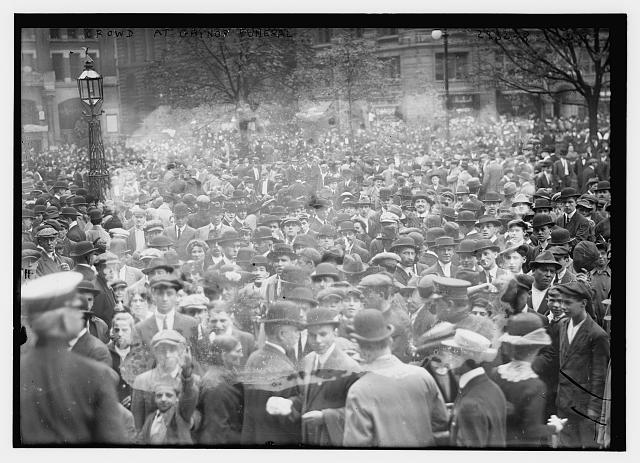
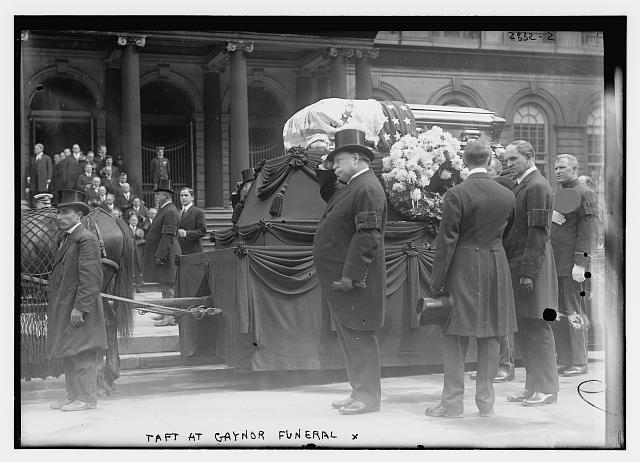
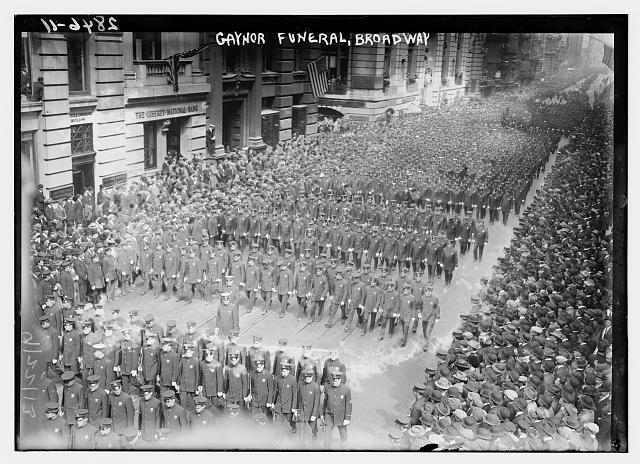
Below are some images from his funeral at City Hall, September 20, 1913

All images courtesy the Library of Congress

Mourners at City Hall (LOC)

Former president William Howard Taft at Gaynor’s funeral (LOC)