Categories
Podcasts The Gilded Gentleman Writers and Artists

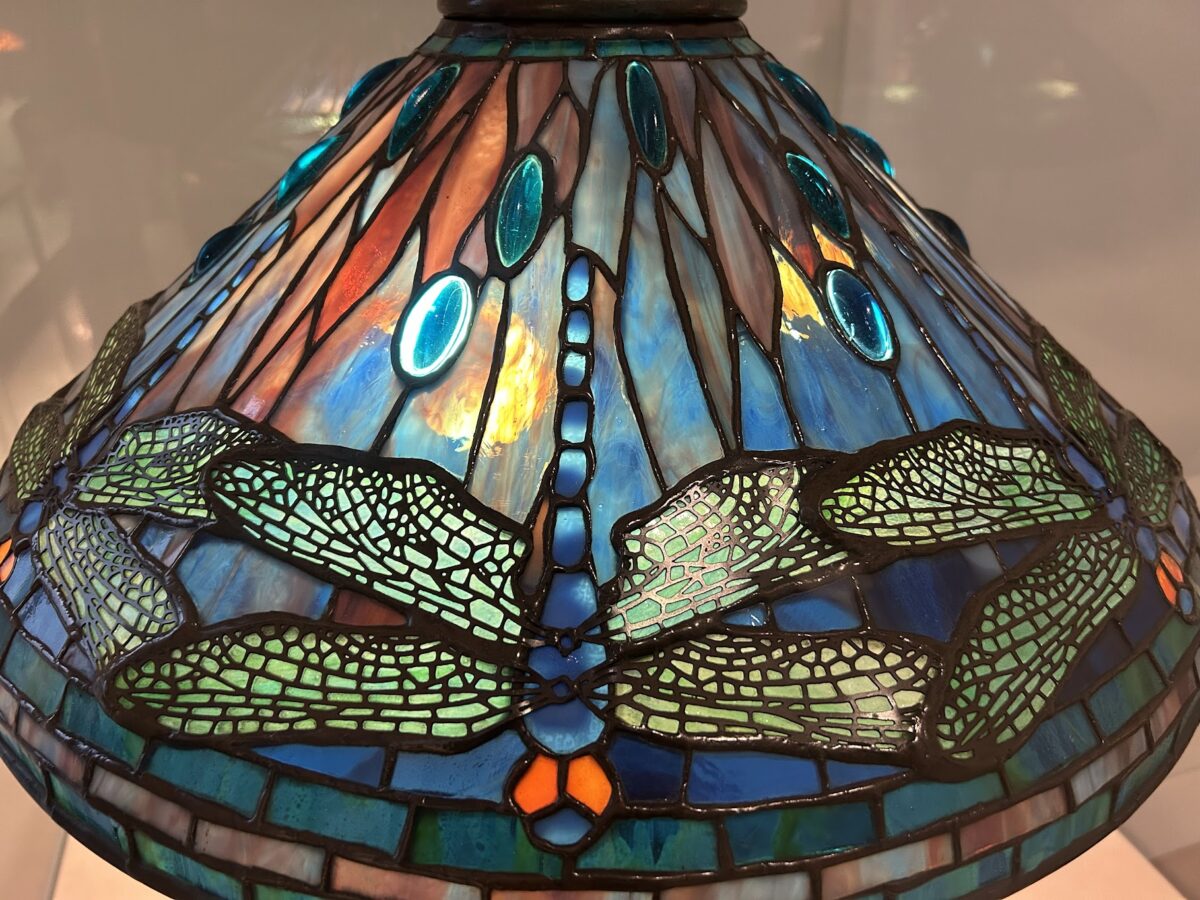
The World of Tiffany Glass: Lighting the Gilded Age

Lets start the new year with something beautiful shall we?

The latest in the Bowery Boys podcast feed — join Carl Raymond, host of The Gilded Gentleman podcast, and Lindsy Parrott of the Neustadt Collection of Tiffany Glass at the Queens Museum, as the luxury and elegant behind the name — Tiffany. 

Just the name “Tiffany” evokes the glamour and elegance of the Gilded Age. But there is much more to the story than just the eponymous retailer who continues to sell fine jewelry and decorative objects today.

In this episode, Carl is joined by Lindsy Parrott, the Executive Director of The Neustadt Collection, one of the country’s most important collections of Tiffany glass and archival materials. 

Lindsy and Cal discuss the two Tiffanys — Charles Lewis Tiffany who began the original retail silver and jewelry and his son Louis Comfort Tiffany who created revolutionary designs in stained glass. 

Bowery Boys Bookshelf: Film history and a morning Danish

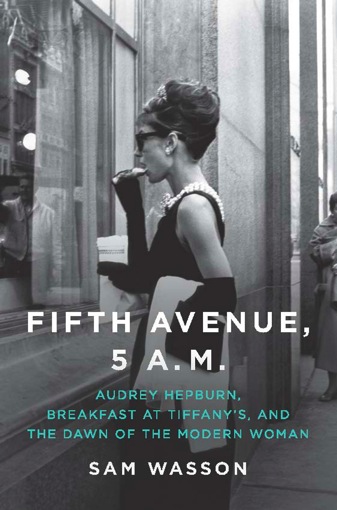
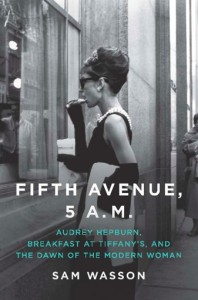
I feel as though I am partly responsible for the death of actress Patricia Neal, who passed away this past Sunday. Last Wednesday I was finishing up Sam Wasson’s indulgent little “Fifth Avenue 5 A.M.: Audrey Hepburn, Breakfast At Tiffany’s, and the Dawn of the Modern Woman” and admired the author’s anecdotes about Neal, who apparently had an awful time with co-star George Peppard.

Then I actually said aloud — in fact, posted on my Facebook page — “Wow, that Patricia Neal, what a lady. I can’t believe she’s still alive!” Next time, I’m keeping it to myself.

However I’m still recommending this book anyway, “Fifth Avenue 5 A.M.,” a morsel of a film bio that is the very definition of a good late-summer beach read, because you can finish it in 2-3 hour (preferably with a summer-y beverage) and it’s as light as a breeze.

‘Breakfast At Tiffany’s’ is one of the greatest films ever shot in New York City and features a heroine, Holly Golightly, that would have the same cultural effect to mid-’60s tastes that Carrie Bradshaw would have to those decades later. However, very little of Wasson’s book truly takes place here in the Big Apply, instead flitting about Europe and Hollywood, tracing the evolution both of the Truman Capote story and Audrey Hepburn’s career.

Capote, of course, was quite unhappy with the adaptation, yet the story as Wasson tells it seems to imply the film, in its finished form, was inevitable. The story of the film’s inception and production are told through snippets concerning the film’s main creators — Audrey’s of course, but also Henry Mancini (composer of ‘Moon River’), costumer Edith Head, and the film’s director Blake Edwards. Capote’s inspirations are also highlighted including the tragic Babe Paley.

Wasson’s retelling of the fateful morning of filming at the corner of Fifth Avenue and 57th Street in front of Tiffany’s, on October 2, 1960, has the feeling of mythology being retold. And yes, I guess that’s a bit much at times — he tends to overwrite a bit — but the wit and subject matter keep it light and frothy.

It’s not completely useless as a New York history tool, thanks to a map up front of key locations (mostly in the Upper East Side and Midtown East) to both the film and its principals that serves as a makeshift self-guided walking tour.

One of the cutest details recalls the ‘cat call’ for aspiring feline actors auditioning for the role of Cat, a sentence all too absurd to retype. You also get to relive some of the most famous legends of film, like the near electrocution within Tiffany’s and the real story about that particular, famous black dress (there were two, one for moving, one for standing).

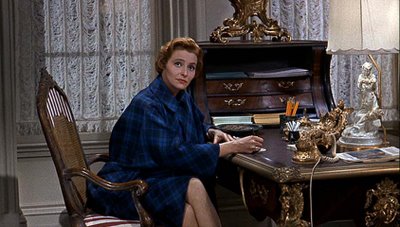
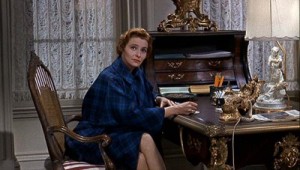
As for Patricia, her appearances are brief but notable. On Peppard: “I always thought he was a piss poor actor.”

Below: Neal in Breakfast At Tiffany’s

A couple years ago, I did a podcast on the history of Tiffany’s & Co., with a definite emphasis on the film. (You can get it here)

Categories
Podcasts

PODCAST: Breakfast at Tiffany & Co.

You’ll be surprised by Tiffany’s 170-year history as a vanguard in New York luxury. See how they went from selling horse whips to world class diamonds.

Listen to it for free on iTunes or other podcasting services. Or you can download or listen to it HERE

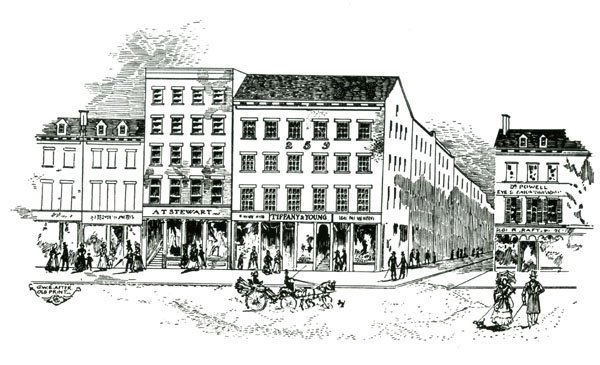
The original Tiffany & Young location on downtown Broadway

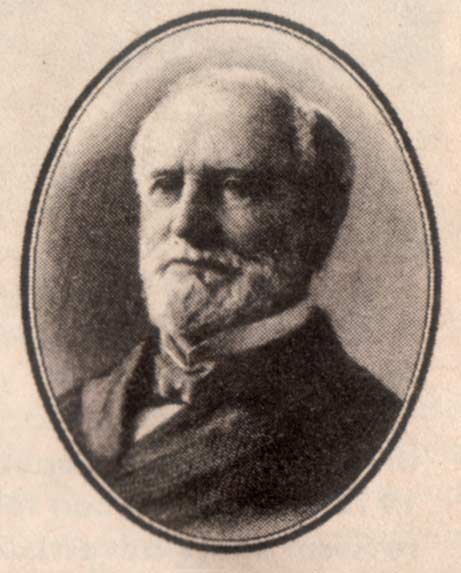
Charles Tiffany, the ‘King of Diamonds’

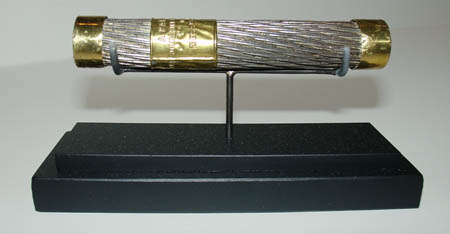
Outside of his gems, the most curious item that Tiffany probably ever sold in his store were leftover bits of the Atlantic cable. This is probably the only instance in history where cable wires became a luxury item.

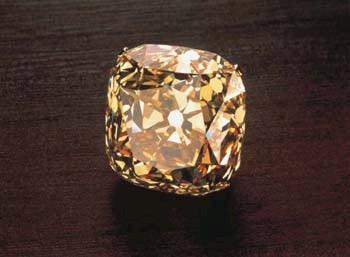
No amount of cable, however, drew the kind of crowds that the Tiffany diamond did:

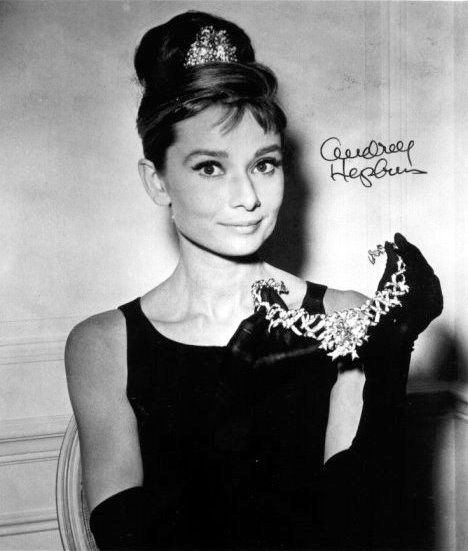
Here’s a promo pic of Audrey Hepburn wearing the Tiffany diamond. After this photoshoot, the necklace was dismantled. The diamond has not been worn since.

Sparkletack has a great podcast on the Great Diamond Hoax that vexed Charles Tiffany and various other wealthy gents.

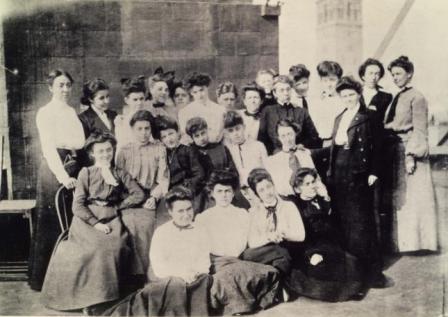
And who are the Tiffany girls?

They’re not counter girls at the jewelry store, but rather workers in the studio of Louis Comfort Tiffany. The studios were on 25th street and (then) Fourth Avenue. This team of largely unmarried women enjoyed a unique privledge in the history of the female workforce — they were paid the same as their male counterparts. More information here.

And finally, onto the end of this weeks blog series:

Meloncholy
1. Breakfast At Tiffany’s
A little windowshopping

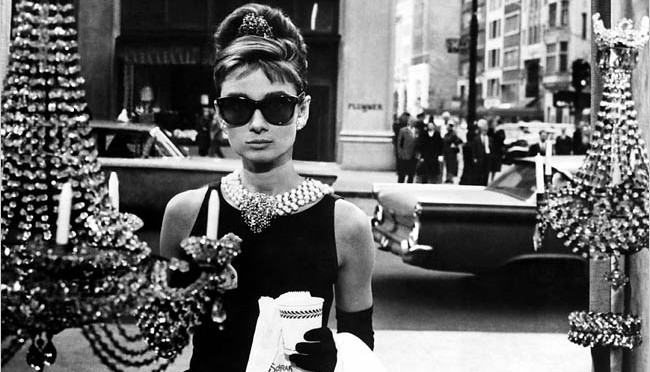
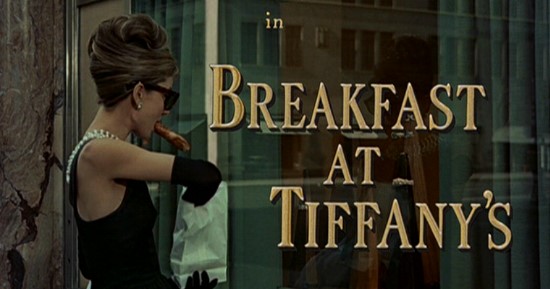
This serene, wistful and deceptively simple scene — Holly gets out of a cab, dreams of Tiffany jewels, walks down 57th street — displays New York at its best. Filmed on an early Sunday morning — the first time in decades Tiffany had ever opened its doors on a Sunday — just off camera were hundreds of Audrey fans and gawkers watching the progress of the filming.

According to director Blake Edwards, traffic was not controlled; they just happened to catch a few moments with NO automobiles on the street. (I find this almost impossible to believe, by the way.)

However, Audrey was often distracted and the scene required several takes. Also, she was not a fan of Danish pastries, making these multiple takes of her nibbling on one especially taxing.

As the legend goes, however, a crew member was almost electrocuted on a piece of equipment off camera. The accident sent a chill through the crew, and Audrey then snapped into focus, completing the scene. I do wonder how close to electrocution that crew member really was, but it is a nice legend attached to the famous scene.

It should be noted that lovely, slinky Audrey had just had a baby three months prior to shooting.

NYC NOIR: “He has his father’s eyes!”


The Film Forum is in the midst of their five week NYC Noir screening series, featuring some of the best thrillers, mysteries and action films set on the streets of the city. In this blog every Thursday of the series, we’ll feature a bit about one of the films, and encourage you to go check out some of these classic flicks. Past entries of this series can be found here. Showtimes and other movies in the series can be found at the Film Forum’s website.

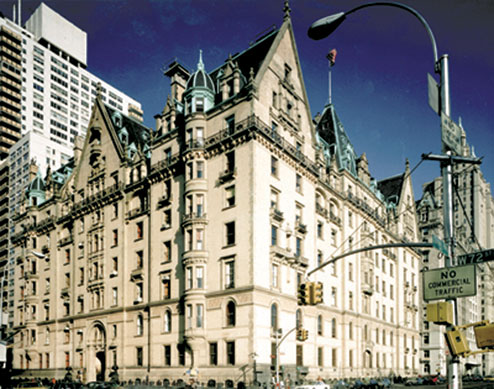
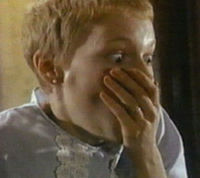
And killing two birds with one stone — as its also the topic of this week’s podcast — this week we feature a disturbing supernatural thriller Rosemary’s Baby and its primary setting, the Dakota Apartments, located at Central Park West and 72nd Street.

First of all, to correct a slip of the tongue from the podcast. No film has ever been shot in the interior of the Dakota. The exterior has been used in several films, most recently in Vanilla Sky, which may have given Tom Cruise and Katie Holmes the idea to buy a place there. The Dakota was first used in the 1949 Joseph Mankiewicz (All About Eve) directed film noir House of Strangers with Edward G Robinson. It’s safe to say that the Dakota is a perfect place for film noir.

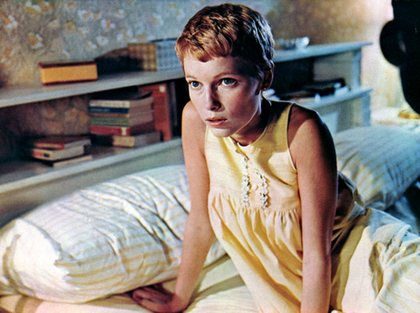
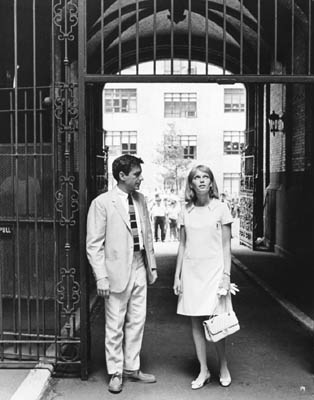
Here are stars Mia Farrow and John Cassavetes just inside the beautiful gated entry of the Dakota. When it was built in the 1880s, horse-drawn carriages rode through the gate to let out their passengers, then parked in the stables nearby. The center of the courtyard features a fountain, which greeted residents before they climbed up one of four seperate staircases to their homes.

By the way, it was while filming at the Dakota that Mia’s husband Frank Sinatra served her divorce papers. Tacky.

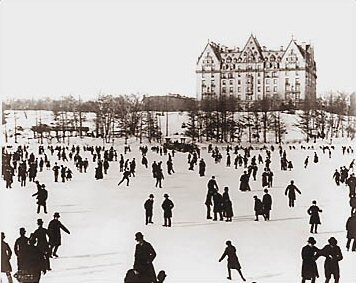
The Dakota is believed to have gotten its name from the preferences of developer Edward Clark’s towards the names of new American states (which represented ‘new money’). Others stories suggest that at the time of its construction, the new building was so far north that it would have been like visiting ‘the Dakota territories’. From this picture, that seems plausible:

The Dakota was host to Manhattan’s artistic elite, the home of famous actors, writers and composers. According to the book “Upper West Side Story, a History and Guide” “The early tenants included the piano manufacturer Theodor Steinway and his friend the music publisher Gustave Schirmer, who liked to fill his salon with such brilliant guests as Mark Twain, William Dean Howells, Herman Melville and Peter Ilyich Tchaikowsky, who came to town in 1891 to donduct the opening night concert at Carnegie Hall.” Latter day tenants included Paul Simon, Connie Chung and Maury Povich, and of course the Dakota’s most famous tenants, John Lennon and Yoko Ono.

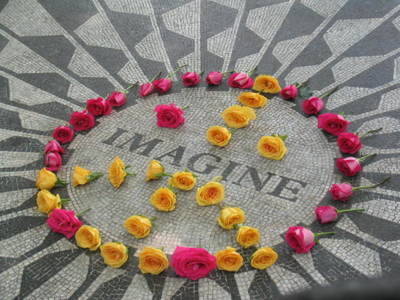
After Lennon’s murder in front of the Dakota — not far really from the grisly fake murder in ‘Rosemary’s Baby’ — the portion of Central Park nearest to the building was christened Strawberry Fields, and mural made of tiles from Pompeii was constructed in honor of the musician. The place has taken on a general purpose of celebrations and mournful gatherings: you’ll find people congregated there for the birthdays of living Beatles, the anniversary of Lennon’s death and even 9/11 memorials.

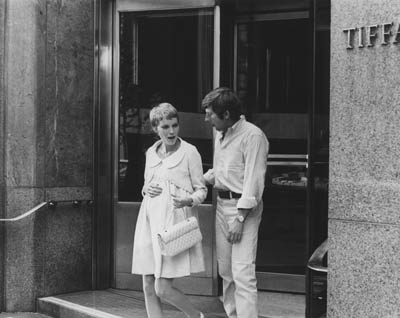
“Rosemary’s Baby” was filmed in other locations throughout the city, including stretches of Park Avenue above 42nd Street, the Time Life Building, and Tiffany’s. Here’s Polanski with Farrow rehearsing a scene: