Categories
Uncategorized

Haunted Brooklyn: Meet the sexy Bushwick ghost

While doing my ghost research this week, I came across an amusing article from an 1894 edition of the New York Times, back when ghost sightings might have merited a serious investigation. (Or, in this case, not so serious.)

The location of the haunting was Brooklyn’s 27th Ward in today’s Bushwick area.

After charting out the notion that Bushwick is an ideal place for ghost hauntings — a “rocky, bleak, lonesome district” loaded with cemeteries and empty houses — the article describes the ghost in strangely sensuous terms:

“The ghost which is at present disturbing the midnight rambles … is that of a woman, who goes about in the scantiest attire, with disheveled hair and bare feet, and falls into a fit of hysterics as soon as anyone approaches.”

The ghostly vixen spooked a set of women who ran home to tell their brothers, who then brandished revolvers and set out to, uh, do what? I’m not sure guns work too well with ghosts.

The cocky search party came upon the apparition which “arose from the ground in front of them and waved its long, lean arms an uttered a weird cry that chilled their blood.” The brothers dropped their guns and ran home.

The next night a bolder party of 200 men reportedly went out to the ghost location, around the cemeteries on the Brooklyn/Queens border (between Knickerbocker and Irving avenues).

Having no luck in locating the spirit with the posse, one man braved it alone the next night. He returned home “with a face white with terror.” He had not only glimpsed the spectre, but was privy to a “serpentine dance” and “moaning wail”.

This time, the locals did what anyone would do when faced with supernatural entities — they called the police. Apparently with nothing better to do, the precinct caption dispatched 300 officers, armed with everything from guns to rusty army swords, all in an effort to confront the spirit and, apparently challenge it to a duel. One officer even donned an ill-fitting suit of armor.

Given the dramatic response, it is no surprise that some officers remained skeptical. The theory of one officer Holliday: “I’ll tell you what I think it is. I think it’s whisky….it will make a man see anything — ghosts, snakes or anything else.”

The entire area was covered by dozens of armed ghost hunters. However, as the New York Times drolly states, “three or four times there were cries that [the ghost] was coming, but it didn’t come.”

It is then decided that police might has not only scared away this ghost, but has rid all of Brooklyn of any spectral activity.

“There used to be ghosts in Brooklyn but since Superintendent Campbell took charge of the police department they have all been driven away.” He fears Brooklyn’s impending consolidation with New York, for “anti-ghost orders would be rescinded and our streets would be haunted day and night.”

But it appears that didn’t happen when the consolidation with New York came in 1898. Really, when’s the last time you’ve seen a ghost in Brookyn? Hmmm?

You can read the entire article in all its glorious tongue-in-cheekness here.

The location of this scantily dressed spirit was right around here:


View Larger Map

Categories
Uncategorized

The history of New York City in video games

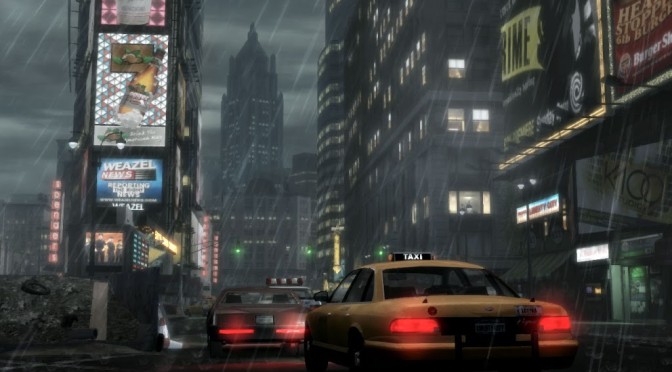
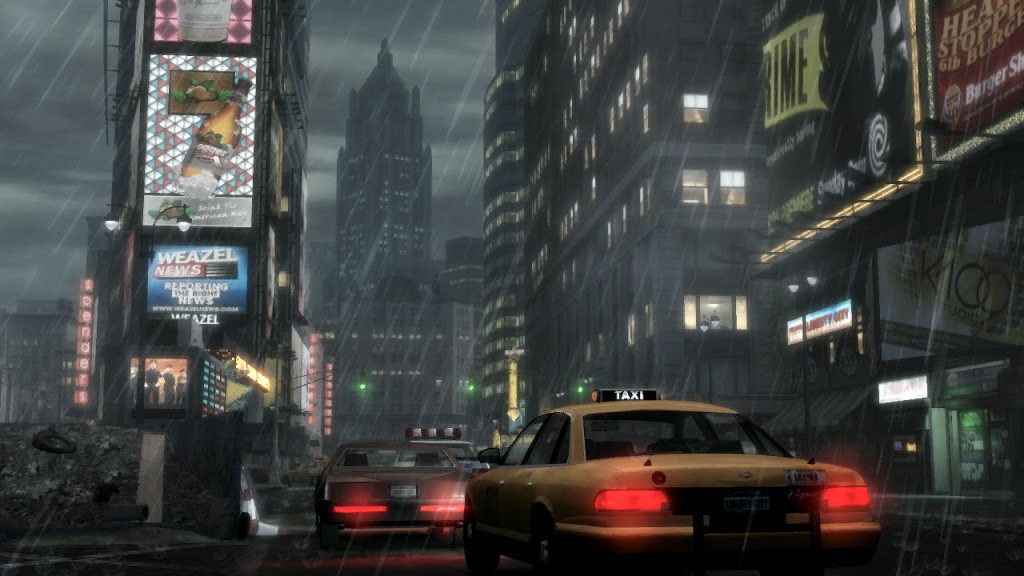
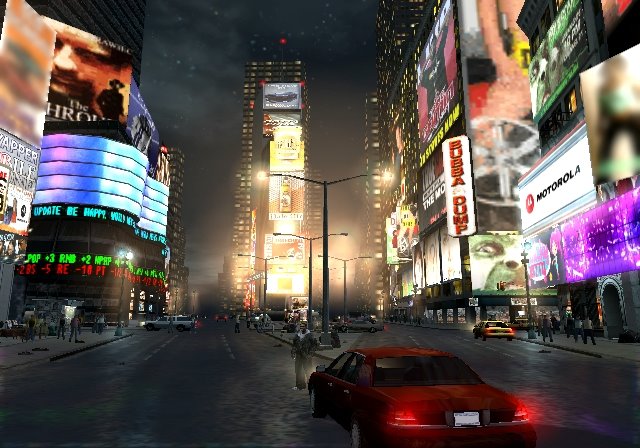
Above: Grand Theft Auto IV’s version of Times Square

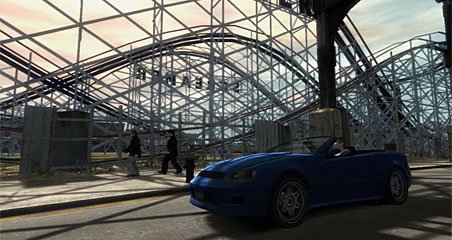
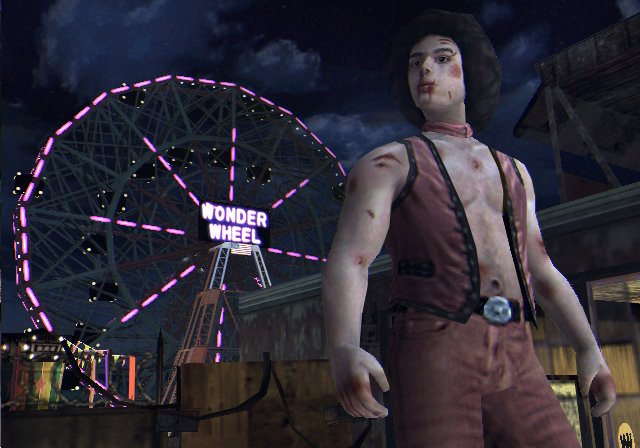
Next Tuesday, the world stops for millions of Americans as they finally clutch copies of the hotly anticipated Grand Theft Auto IV. As in a few other incarnations of this bloody, aggressive adventure, the action takes place in Liberty City, an Earth-2 version of New York City. But forget the rampant crime and streetwalkers that will presumably be haunting every street corner; this one is supposedly the most lifelike New York yet. Manhattan has become Algonquin, Lady Liberty is renamed the Statue of Happiness. Four of the five boroughs are represented (sorry Staten Island). You can even visit Coney Island:

Here’s the complete list of comparisons between Liberty City and the real thing.

While I’m sure the designers of this game were too busy rolling up $100 bills and smoking them like cigars, hopefully they recognized their achievement in a long line of New York City themed video games.

It’s probably futile to do so, but here’s my partial history of New York City in video games. The difficult part is actually figuring out, in fact, if a game takes place in New York. For instance, Frogger could take place in New York, if the West Side Highway straddled a Hudson River full of logs and turtles. Pac-Man is certainly a metaphoric representation of the Financial District. If Donkey Kong is an homage to King Kong, wouldn’t that mean he’s throwing barrels from the Empire State Building?

As far as I can tell, the first video game to be circumstantially set in New York City is the original Mario Brothers game from Nintendo. Not the Super edition, involving Mario and Luigi in an acid-trip world of fire flowers and dragons, but the regular arcade version.

The Mario Brothers are Brooklyn plumbers who clearly take their jobs seriously, scouring the sewers of the city for pesky critters transformed by an unexplained ooze. When the game debuted in 1983, the plump Mario was already a well known barrel hurdler who could wield a mean hammer in Donkey Kong. In that game, Mario was a carpenter (thus the hammer); apparently he decided to change careers after that death-defying adventure.

Their cartoonish and stereotypical Italian flavor was meant to evoke ‘working class Brooklyn men of immigrant descent’, certainly an odd choice for hero during the golden age of video games.

The game was only tepidly received and was soon overshadowed by the greater success of Super Mario Brothers, supplanting the Brooklynites into the ‘Mushroom Kingdom’.

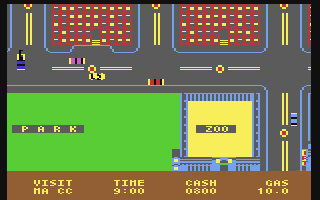
The next year, in 1984, anxious Atari and Commodore 64 owners got their hands on a more literal tribute to the city — The Big Apple. In the simple game, a player maneuvers through a traffic free midtown Manhattan, careening through sizable lanes to achieve such goals as going to the store or to the bank. Simple mazes greeted players within poorly animated bodegas. This game looks a bit like a malfunctioning digital watch and was appropriately forgotten. Take a look here to witness the wonder.

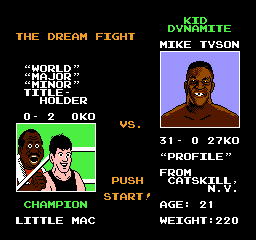
By the late 80s, New York City had yet to really break out as the star of a video game. 1984’s Punch Out!! presumably used Madison Square Garden as the location of its fights, and many combatants were from New York, like Brooklyn’s Kid Quick and 17 year old Little Mac from the Bronx (frequently pummeled by ear-nibbling Mike Tyson in his branded version of Punch Out!! in 1987).

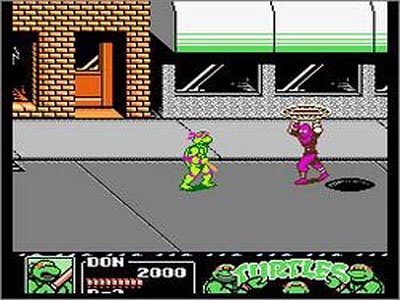
New York is a literal and metaphorical sewer throughout the 1980s. The 1989 Teenage Mutant Ninja Turtles features dramatic swordplay with the quartet through New York’s apparently endless chasms of empty sewers and warehouses. By 1992, in the game Teenage Mutant Ninja Turtles III: The Manhattan Project, the island of Manhattan is actually hoisted into the sky, and the Turtles must interrupt their vacation in Key West to save it.

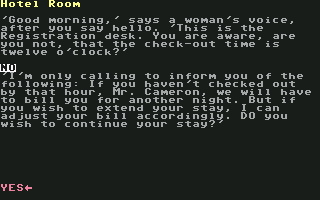
Perhaps the only notable exception — the only game to really use New York’s actual geographical identity in service of a plot — might be 1986’s Amnesia . Like XIII (which I’ll mention later) the story involves the lead character awakening in New York with no memory; in Amnesia, the character fumbles through memory haze in midtown Manhattan. The game even came with a nifty map of Manhattan to guide your character through. Fun, right? The only drawback to Amnesia? Its an all text game. (More amusing screenshots here.)

It was technologically impossible to set early video games in real places like New York City. Partially this had to do with the graphic complexity of presenting a big city with distinguishing features.

Backgrounds were little more than two-dimensional assortments of blips which moveable characters danced over. It wouldn’t be until the technological advances of the mid-90s that backgrounds could flesh out and breathe with the flow of animation — and a recognizable New York could emerge.

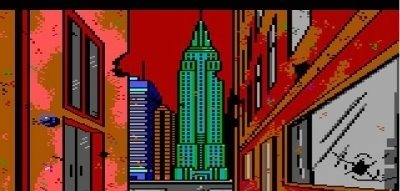
The first to make a real attempt at a identifiable and visual New York landscape was probably 1989’s Manhunter: New York, a clunky and mostly unexciting action game set in the post-apocalyptic future of 2002. However it did manage to depict city landmarks in ways that were at least recognizable, if primitive (see below):

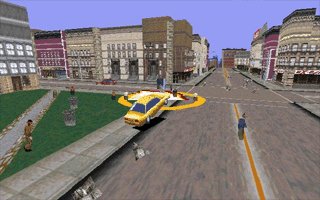
Games based on movies set in New York turn the city into a more realized, if still generic canvas for character adventure. For instance, the 1996 Die Hard Trilogy devotes its third half to a clumsy taxi simulation (below) with a computerized Bruce Willis.

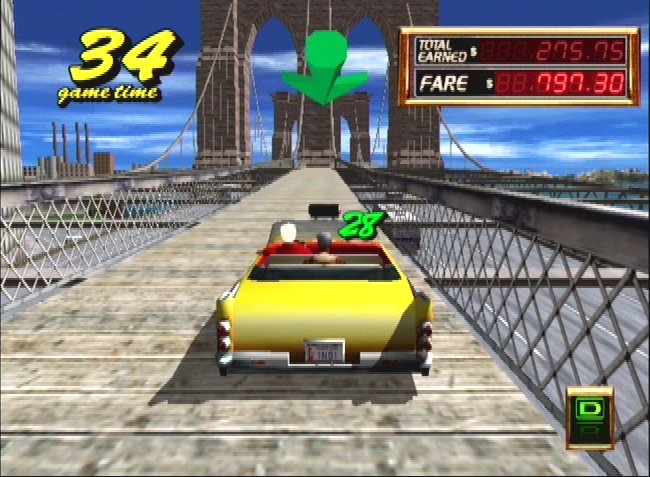
Despite the traffic congestion that most of us are familiar with, New York became a popular setting for driving games. The immensely popular 1989 Turbo Outrun begins in New York City and present a cross-country race across America. However, by 1998, the driving game Driver: You Are The Wheelman, a loosely modeled New York is entirely featured, including some character interaction in Grand Central Terminal. In 2001, a sequel to Crazy Taxi transported a player into the work-a-day life of a clearly frazzled cab driver with the ability to pick up multiple fares:

The shift to New York as a major video-game destination came in 1997, with the original Grand Theft Auto. New York in the GTA series plays the fictional Liberty City, but during the first incarnation, the city had little resemblence to reality and shared the stage with fictional representations of Miami (Vice City) and an amalgam of California cities under the name San Andreas. The geographical make-up of Liberty City would be fleshed out in subsequent GTA sequels.

More importantly, it would be the idea of gritty urban reality, throwbacks to New York City circa the 70s and 80s, with streets choked with guns and gangs, that would be the most influential nature of the series and inspire other game developers to create gaming adventures that used a host of different New Yorks, each more grim and unusual than the next.

Duke Nukem: Zero Hour from 1999 throws the titular ultra-masculine lead character into a New York taken over by time-tripping aliens. The dark techno role-playing adventure Deus Ex, first rolled out in 2000, begins with a Manhattan fifty years in the future, starting at Battery Park before embroiling the player in a shootout in Hell’s Kitchen, then escaping to Laguardia Airport.

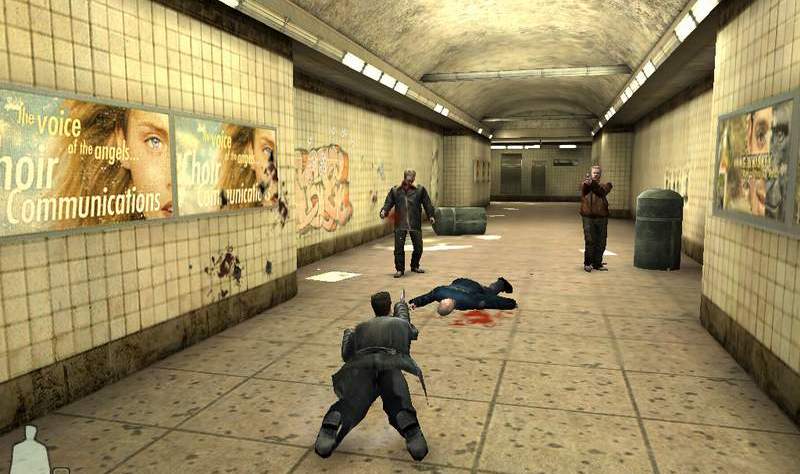
The successful 2001 series Max Payne (pictured above), often compared to the Matrix, often featured New York’s backalleys and underground elements, with one level “New York Minute” a breathless haul to beat the clock. My personal favorite, the beautiful XIII (Thirteen) from 2003, begins with the main character waking up on Brighton Beach with his memory erased.

The tipping point came with True Crime: New York City, released in 2005 by Activision, the most serious attempt yet to create a rich cityscape in service of a gangster style plotline. As critically acclaimed for its visuals as it was denounced for its violence, True Crime gave players a run of fairly accurate Manhattan streets and subways. So accurate, you can even see the Naked Cowboy in daytime scenes of Times Square. Nighttime is below:

Video game film adaptations have followed suit with impressive displays of New York City in game versions of Spiderman, The Warriors and The Godfather.

My expectations are very high with Grand Theft Auto IV. I fully expect to be able to drive by a video-game version of my own apartment building and, given the game’s theme, either rob myself or beat up random people walking by.

Below: Video game ‘Warriors’ come out and play on Coney Island

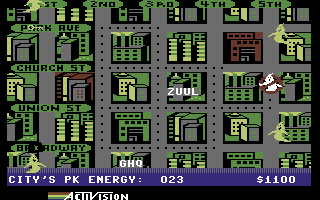
By the way, some commenters have added some notable New York games I couldn’t fit in, including the 80s Activision Ghostbusters game (as opposed to the new one), which I completely blanked on! It even had a cute but entirely inaccurate grid of downtown Manhattan!….

Categories
Uncategorized

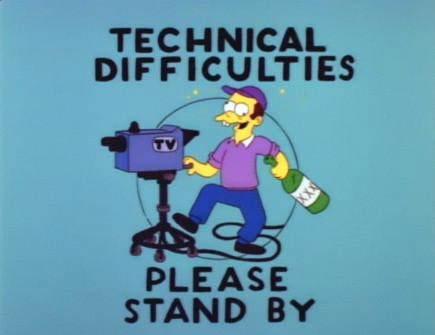
Podcast delay!

Sorry, we’re experiencing some extreme technical difficulty with our podcast this week. We’ll post it here and on iTunes as soon as we get everything to work. Thanks!

Categories
Uncategorized

Young Griffo: New York’s first film, location shoot


The streets are getting particularly clogged these days with film crews in New York. According to the Mayor’s office, expect to see the following on your block: Gossip Girl, 30 Rock, What Happened In Vegas (Cameron Diaz and Ashton Kutcher), Death In Love (Adam Brody and Josh Lucas), Burn After Reading (Brad Pitt and George Clooney, as directed by the Coen Brothers), the Incredible Hulk (Edward Norton and Liv Tyler) and of course, Sex and the City: The Movie. And that’s just a sampling of the better known films and TV shows. The list of lesser knowns is three times as long!

But ever wonder what the very first movie ever shot in New York City was? It also happens to be the first film ever shown to a paying movie audience at all.

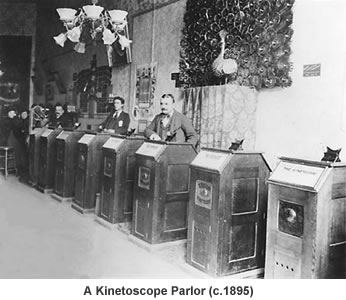
A newfangled invention by Thomas Edison, the Kinetoscope, had been tested in New York, a result of Edison’s studios being in West Orange, New Jersey. In fact, New Jersey very nearly became our modern day Hollywood, as many silent films were being filmed there well into the 20s. But it wasn’t until May that New York saw both its first on-location film shoot AND its first film premiere.

Otway and Gray Latham had invented the Eidoloscope projector (also called the Pantoptikon), running very crudely like a film projector today. However its image size was very small, about the size of a small TV set. The Latham brothers debuts test images to the press. But their real test of this device was to film something live and then display it a short time later.

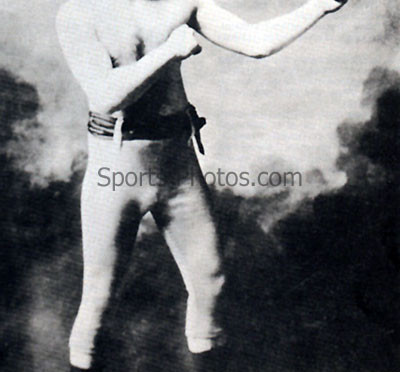
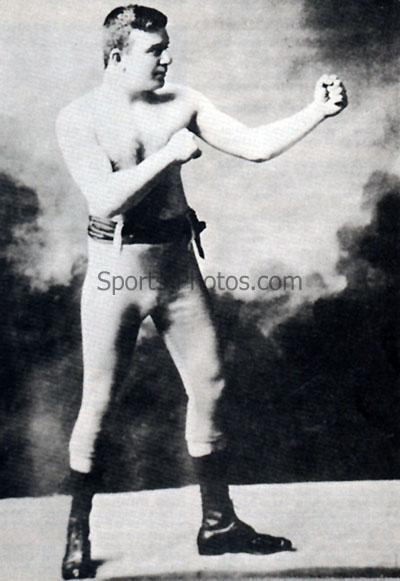
So on May 4, the brothers filmed a boxing match on the rooftop of Madison Square Garden, then on 26rd Street and Madison Ave. The competitors were ‘Battling’ Charles Barnett in the ring with Young Griffo (pictured above), a legendary Australian boxer who was also a raging alcoholic and later ended up in an insane asylum. Boxing was actually a popular topic of Edison’s Kinetoscope machines and was a natural choice for the Lathams.

Sixteen days later, that four-minute film, Young Griffo versus Battling Charles Barnett, was displayed to a paying audience, at a makeshift theater in a storefront at 153 Broadway (a couple blocks up from Wall Street). By doing so, Young Griffo christened New York as a film capital, paving the way for the Scorseses and Woody Allens of the world.

Of course, even then, the critics were torn. “There is considerable room for improvement and many drawbacks have yet to be overcome,” said the Photographic Times. “Even in the present state the results obtained are most interesting and even startling. Quite a crowd of people visit the store … making their exit wondering “How it’s done”

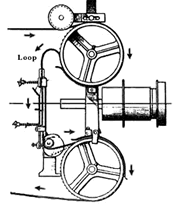
Sadly, the Lathams’ achievement was quickly overshadowed. As some of you cinephiles may know from film class, the Lumiere Brothers delivered the birth of film in Paris later that year with a series of short films projected by Cinématographe . And sadly, no extant copy of Young Griffo has been found. However Latham’s design did influence the design of later projectors, namely in the ‘Latham loop’ (pictured at right), a method of allowing the film that fed into a projector to slacken on either side, lessening the stress to the celluloid.

Categories
Uncategorized

Big, big buildings and little, little kids


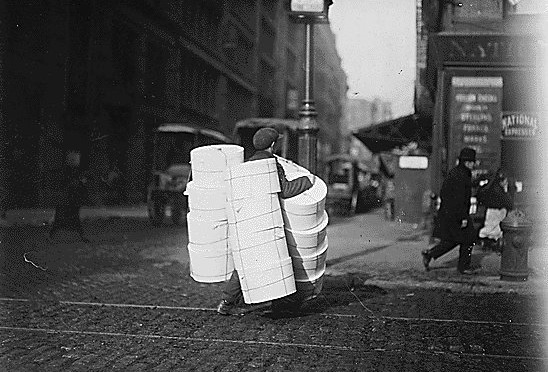
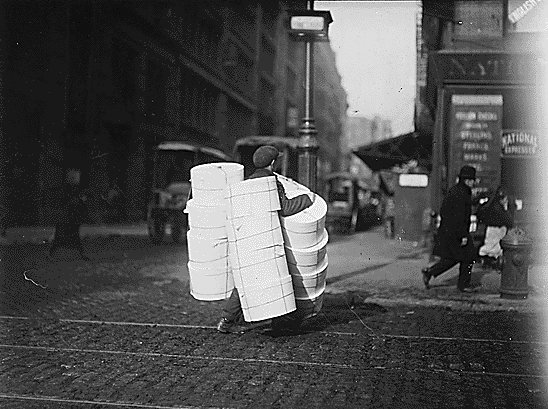
(Above: a boy delivers some very heavy looking hats through the city, circa 1910)

Most photographers document history, but few actually change it. Lewis W. Hine entered the brand new field of photojournalism during the first decade of the new century but quickly found a use for it in social reform, particularly in documenting (and cracking down) the practice of child labor.

Originally from Wisconsin, Hine went to New York University and later got a teaching post here in the city. He took photos with his class on field trips to places such as Ellis Island and soon realized it was his calling.

It was a wide-open field to enter in 1906. George Eastman had literally just invented film in the 1880s. You cant underestimate the impact that photography by and of the masses had on its perceptions; suddenly, imperfections and injustices could be seen, not just read about. And you know what they say about a picture being worth a thousand words.

Hines would become known as a photographer of the working man, setting up complicated and often dangerous shots of workers at Pittsburgh steel mills to illustrate their plight. His photographs for the Red Cross and of the Great Depression in the South are well known.

But he started his career working with the newly formed National Child Labor Committee, which today still works to represent the underage in work abuse situations. The NCLC each year grants the Lewis Hine Award to individuals who work to improve the lives of children in America.

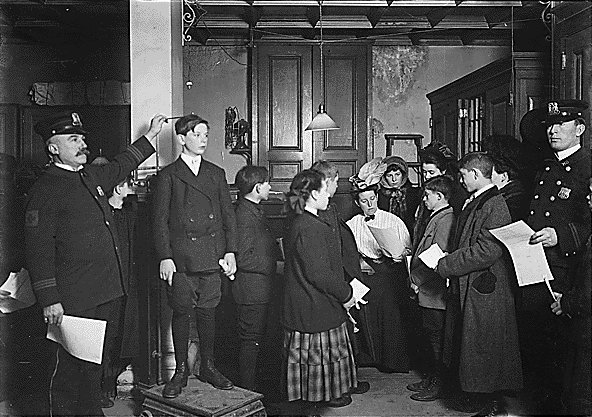
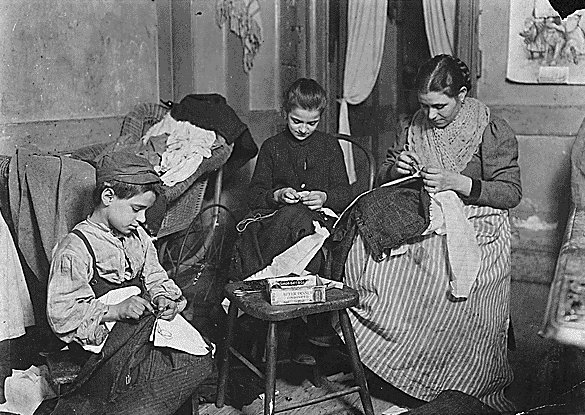
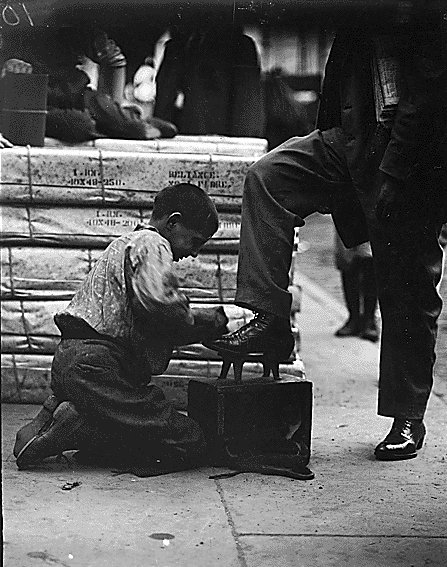
Hines took these pictures of young children laborers in New York City, taken from between 1908 and 1912. The History Place has an extraordinary trove of Hine photographs of children labor abuses from around the country. You’ll be able to quickly tell why his work made such an immediate impact:

Getting sized up for working papers:

Mom and kids at a Lower East Side garment shop:

A young bootblack, making his living on the Bowery:

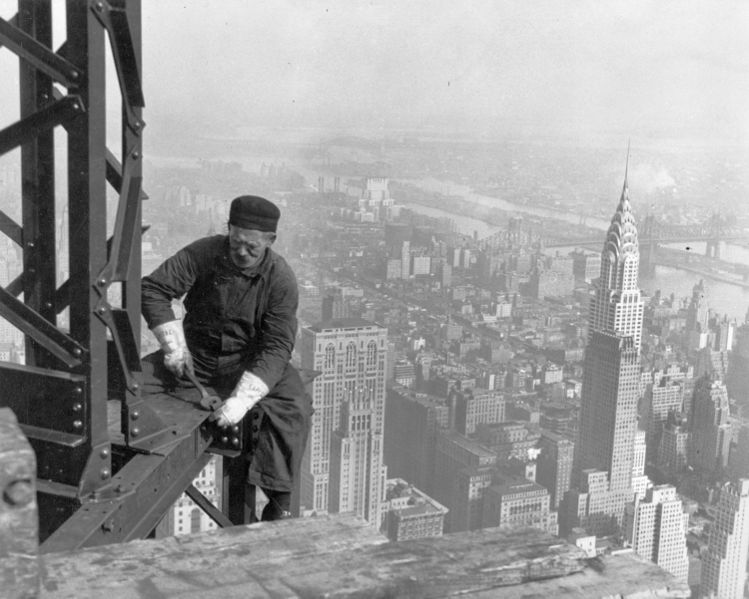
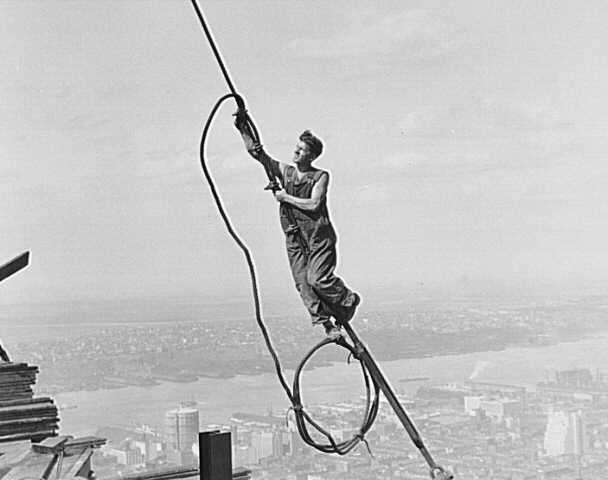
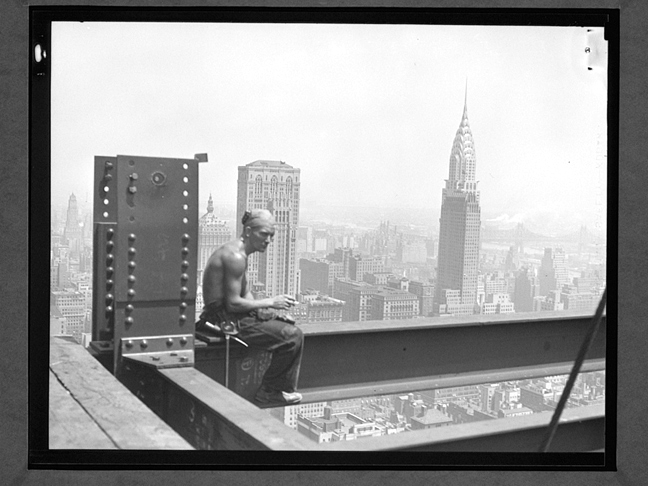
Incidentally, Hine’s most famous photographs weren’t of children but of something far, far loftier — the construction of the Empire State Building. How he actually got some of these photographs is beyond me. Keep in mind, he wasn’t exactly working with a point-and-shoot here….

Categories
Uncategorized

San Gennaro Festival (Part 2) : Most Precious Blood


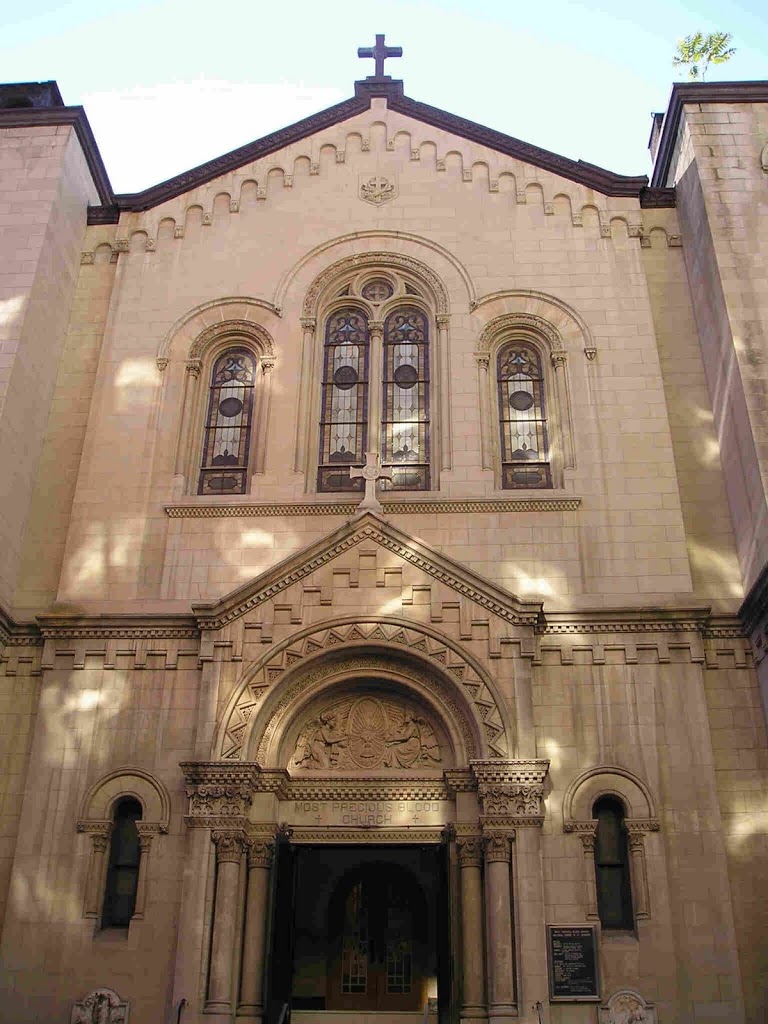
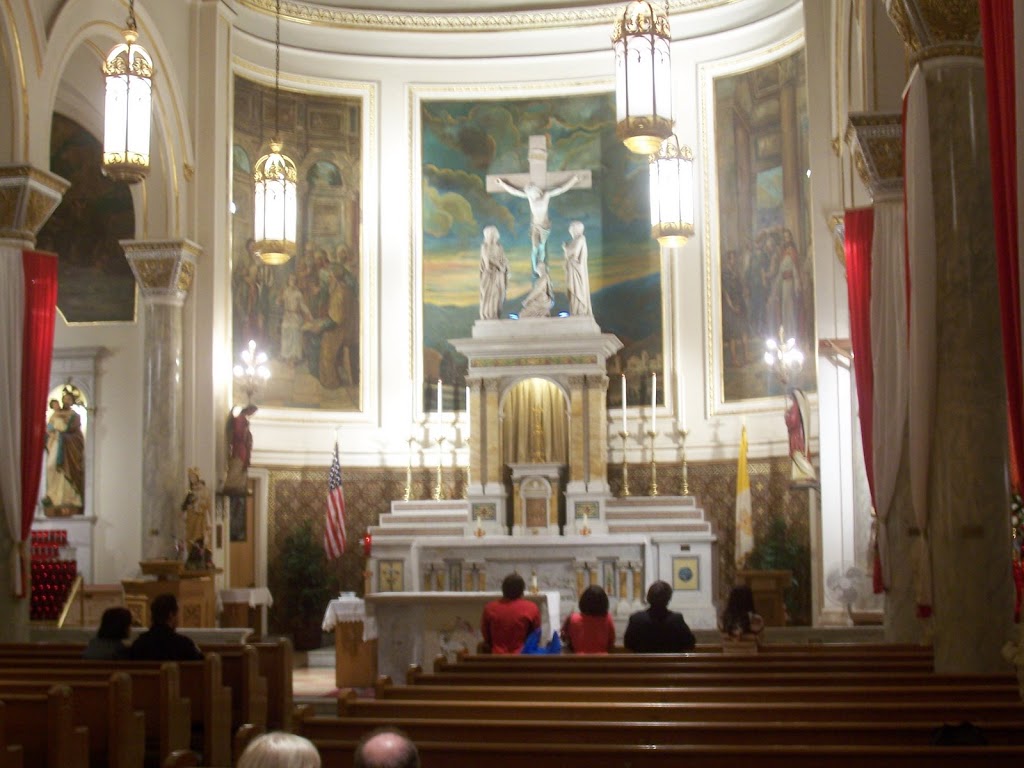
The well from which the San Gennaro Festival draws its zany carnival energy is surprisingly the church which sits its center, the birthplace of the first U.S. San Gennaro feast, at the Church of the Most Precious Blood, between Baxter and Mulberry in Little Italy.

The ‘Most Precious Blood’ in this case refers not only to Christ’s blood, but that of Gennaro, which, as I mentioned yesterday, has the uncanny ability to reliquify itself a couple times every year. This, despite being over 1,700 years old. This actually happens twice a year, like clockwork, on Sept 19, the feast day, as well as on the first Sunday in May, when Gennaro’s relics are formally moved in a procession between sacred locations in Naples, Italy.

The Church of the Most Precious Blood is of far humbler origins, tying its history to the huge influx of Italians immigrating to the United States. Although the peak of the Italian move wouldnt be reached until the 1920s, by the late 19th century there were enough Italians in the lower reaches of the Bowery that they soon began to outnumber the Irish already living there. As we spoke about in our podcast on Ole Saint Patricks (just a few blocks up from Most Precious Blood and abuts the San Gennaro Festival on its Mulberry side) Italians were forced to worship in the basements of pre-existing churchs.

As long as its existed, the Church of the Most Precious Blood has always been about money, or lack thereof. In 1888, the Vatican decreed that a parish be built specifically for the growing number of Italians. The Scalabrini Fathers tasked to construct it couldnt afford to finish it, so it passed to Franciscan Friars, who completed it in 1892.

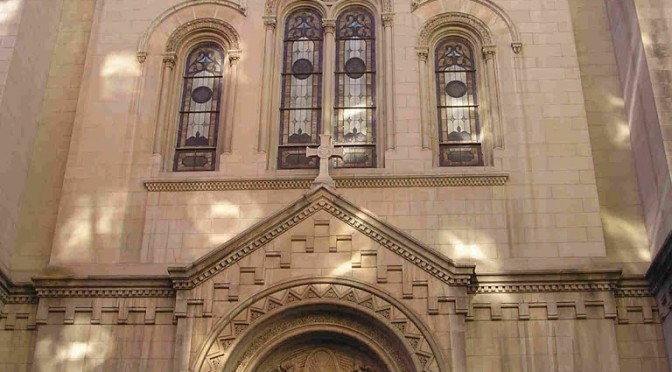
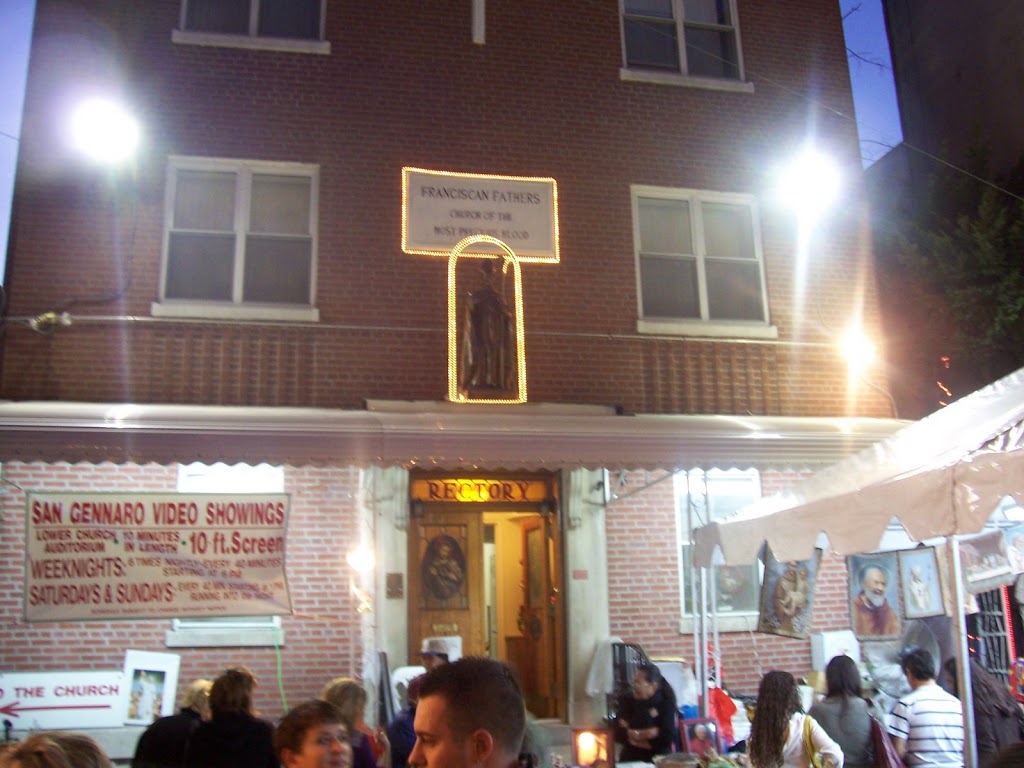
The Church has always been a bit burdened financially. In fact, the proceeds of the religious souvenirs for purchase outside go to the parish. (The pic below is of the back of the church, which faces the festival.)

There used to be another lucrative fund-raising method during San Gennaro — gambling — which took place alongside the quaint, narrow garden. The city cracked down on this activity in the 90s when it was alledged that members of the notorious Genovese crime family were skimming some of the profits.

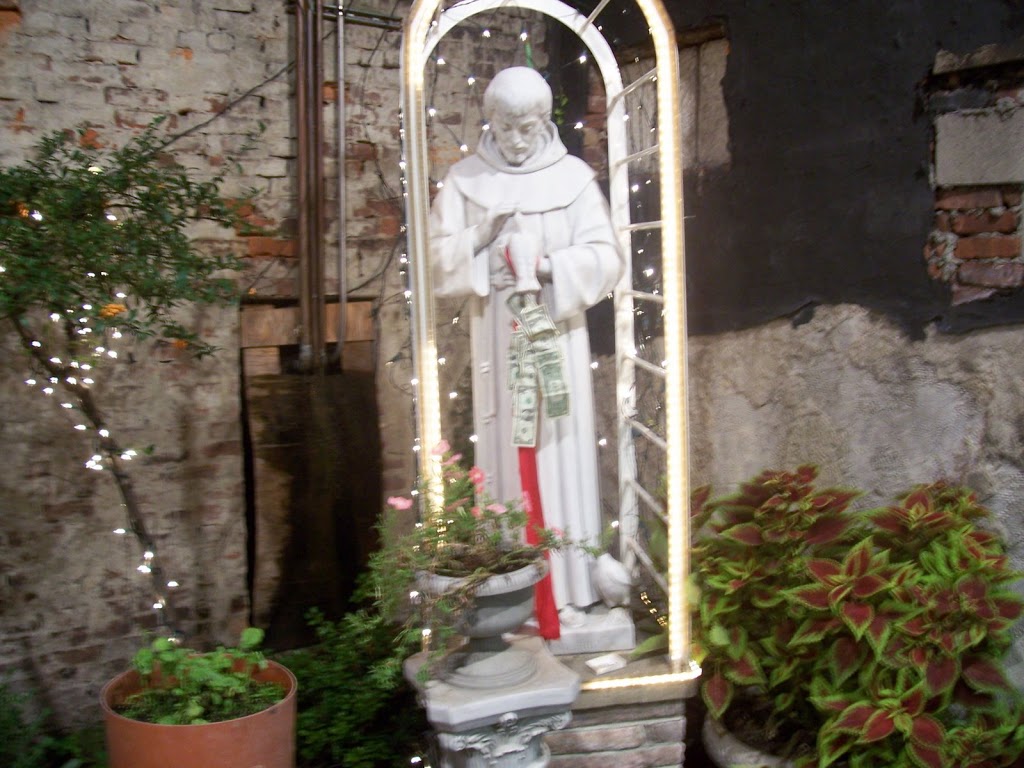
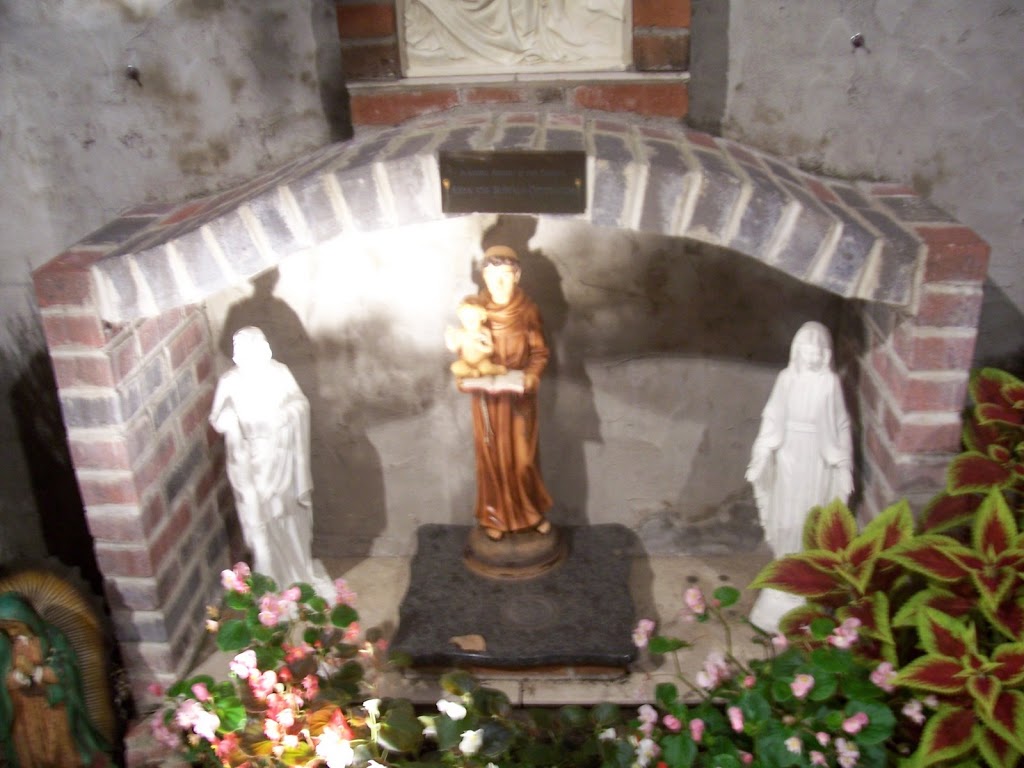
The current garden has as many religious statues growing as plants.

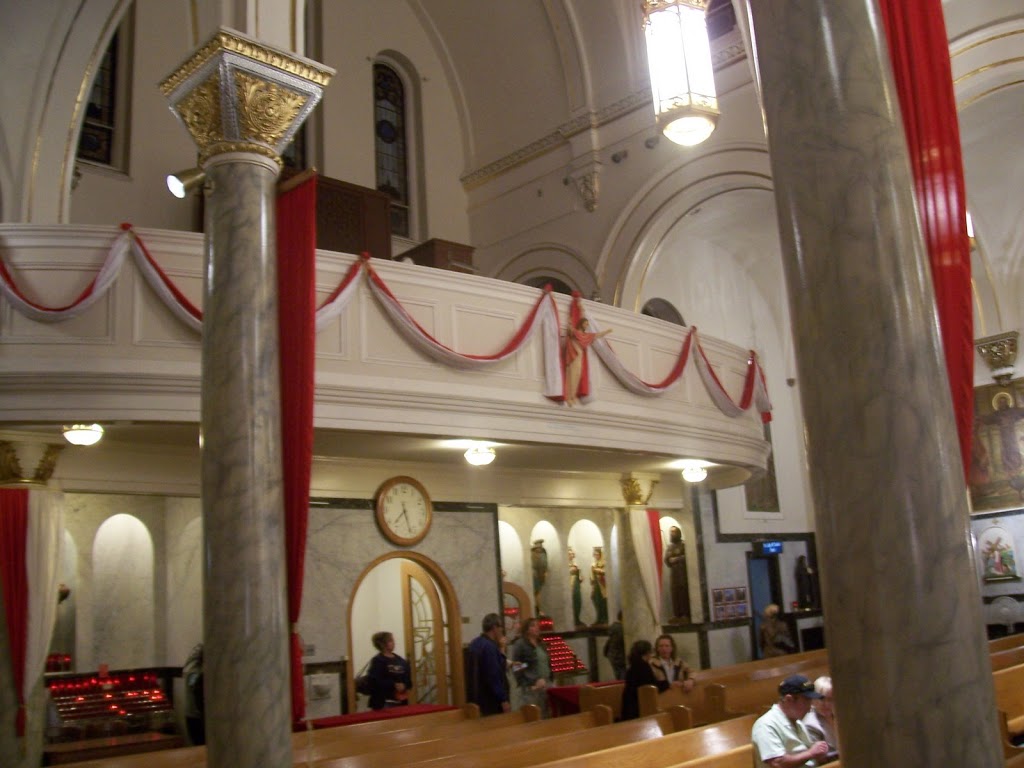
Okay, but why do I like it so much? In 1995 the interior was heavily renovated under the auspices of its leader Father Fabian Grifone. (Controversial cardinal John O’Connor called it a ‘precious jewel’.) What has essentially been done is that the original interior, a rather tasteful and solemn design with white limestone walls and murals above the altarpiece, has been crammed with multi-colored religious artifacts. Its chapels have been turned into glorious dioramas.

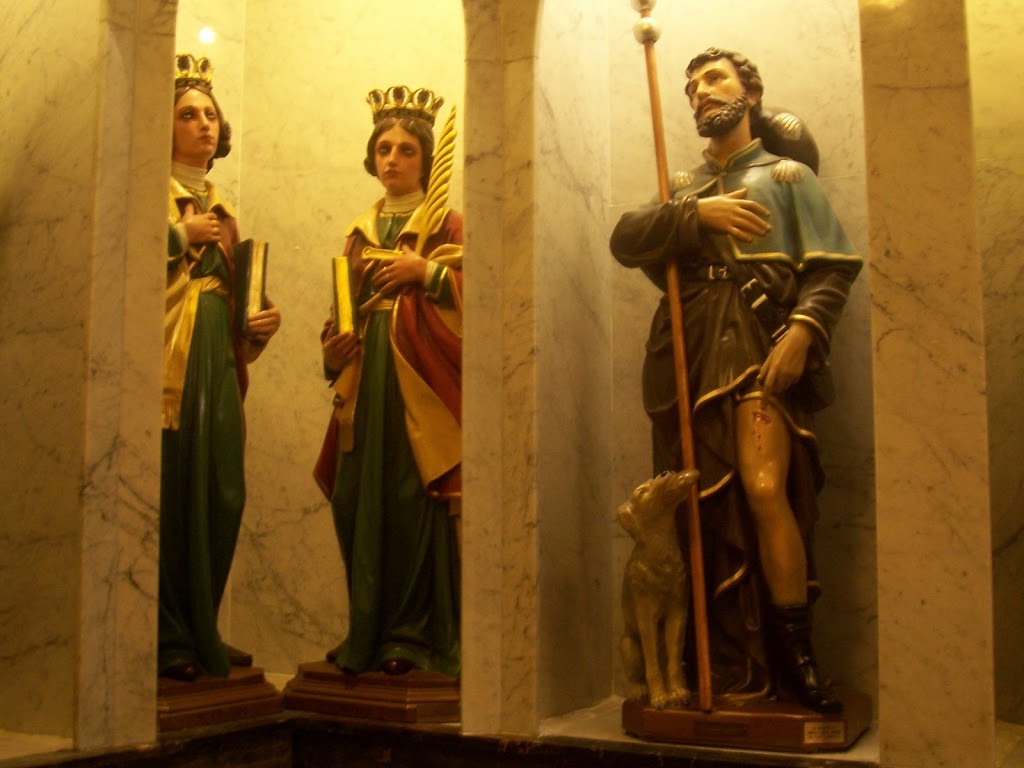
The back wall underneath the balcony is lined with a host of saints colorfully rendered and frozen in odd — some might say, disturbing — poses.

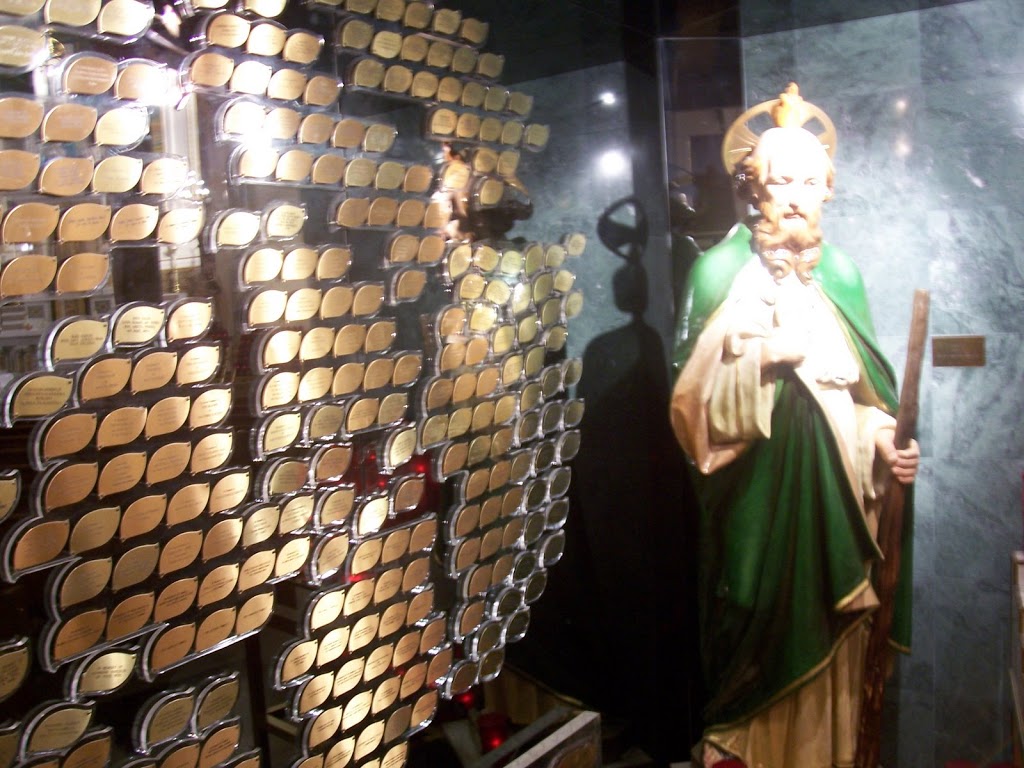
Along the left side of the main room sits the St Jude Shrine, ablaze with ‘leafs’ that parishoners can buy in memory of certain individuals. The leaves were entirely sold out, and I wonder if they’ll just keep down going alongside the wall.

Alongside the right side stands this curious piece, which I believe to be a shrine to St. Pio. To me, he looks a bit like RoboCop.

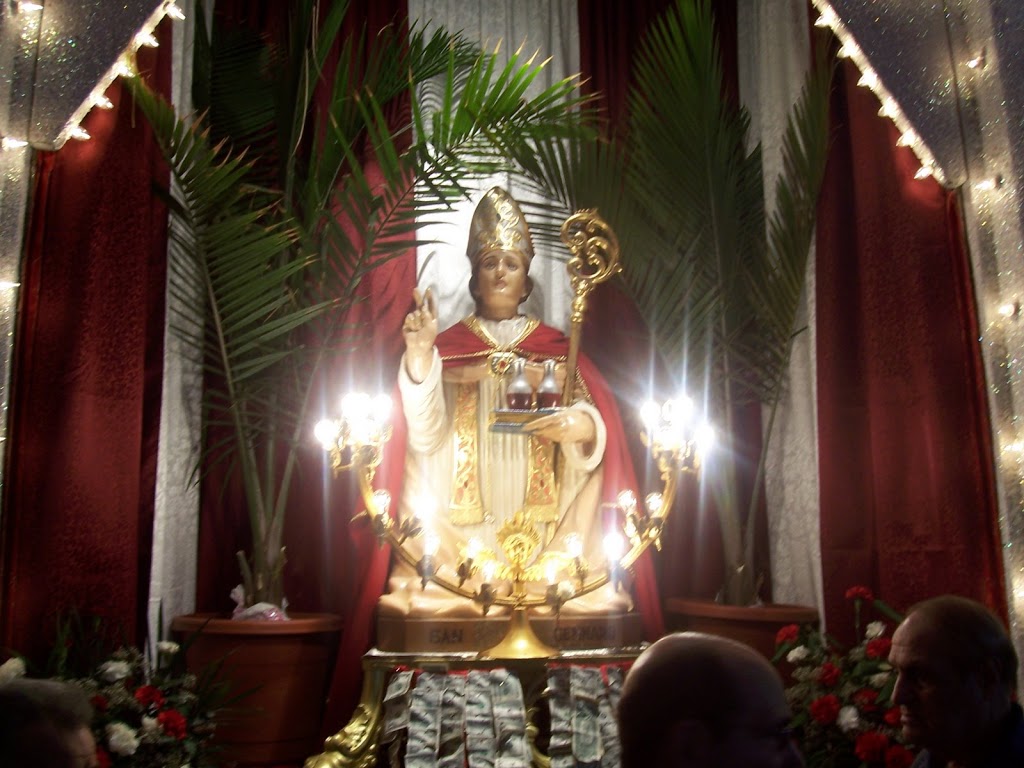
At back are two smaller rooms which contain the shrines to Gennaro and to Mary. In particular, Mary is kept within a wild set piece that would not be out of place in a fantasy film.

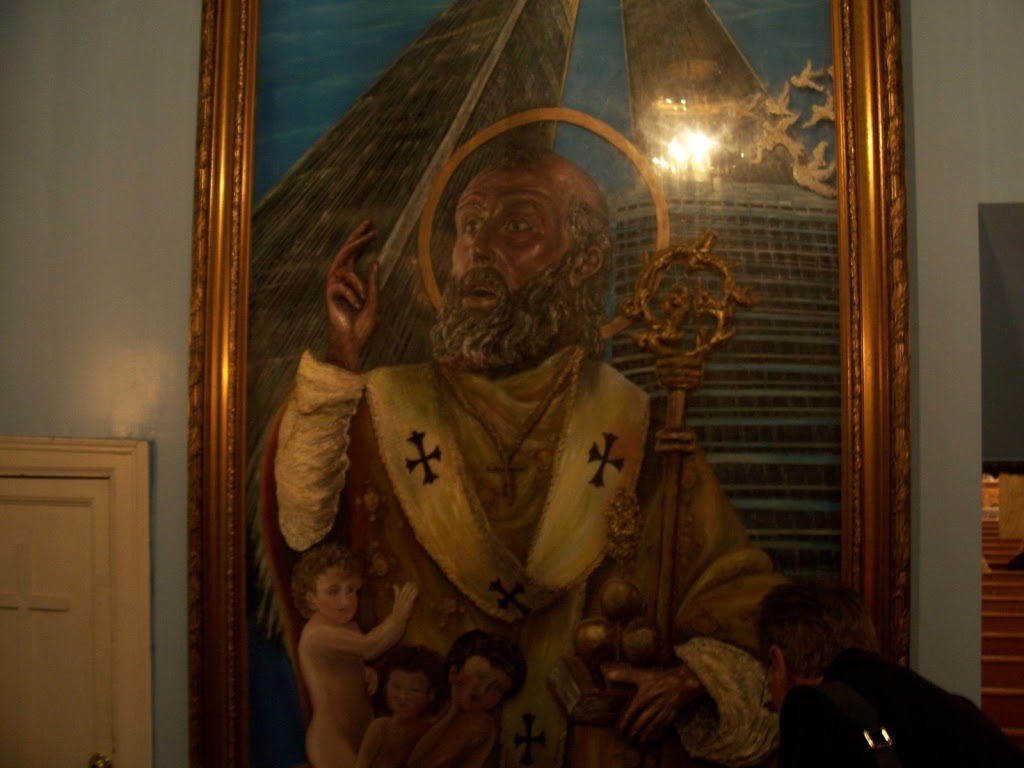
Mary shares the room with this curious painting.

In retrospect, the alterpiece seems a bit barren, the lovely murals surrounding it in bad need of cleaning.

Most Precious Blood and the home of San Gennaro in the United States is by no means a classic standard of American church building, but it’s a heck of a lot of fun to walk throgh.

Categories
Uncategorized

San Gennaro Festival (Part 1) : Blood and Sideshows

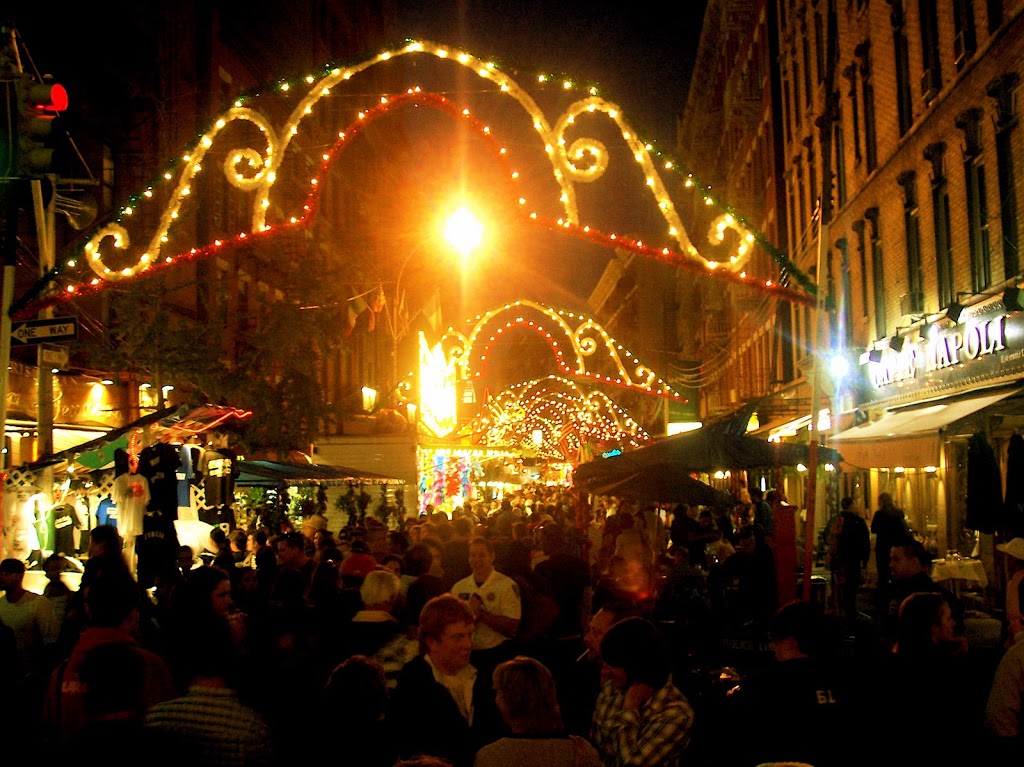
Every year for the past 80 years, Mulberry Street in Little Italy becomes a wacky religious carnival. Why the San Gennaro Festival — with its mixture of saintly reliquary, frozen daquaris, freak shows and clowns — isn’t considered profane and condemned by the Catholic Church is a mystery to me. All I know is that if you can brave the crowds, San Gennaro is one of the most festive and delicious events in New York City.

Many native New Yorkers cringe at the thought of San Gennaro; admittedly, it’s loud, it’s tacky and most of all it’s packed. It can take up to 45 minutes just to traverse those eight blocks of Mulberry, from Houston to Canal. Yet, when I can muster up the patience, I’ve always had a soft spot for the festival, and its my yearly excuse to indulge in fried foods, sugary frozen cocktails and, oh yes, the cannolis.

The festival bills itself as a celebration of Italian-American culture, but it’s clear early on that it’s really about certain perceived notions. What’s practically obscured is the fact that this merry street party has at its heart a solemn religious meaning, which began in an Italian volcano hundreds of years ago.

Saint Januarius, whom the festival celebrates, might have been right at home among the cast of “Heroes”. A Christian bishop in the time of pre-Constantine Rome (305 AD), he risked his life to visit some captured Christians held in Solfatara, a sulfuric volcano crater nearby Naples. Januarius was himself captured, tortured, thrown into a furnace where he survived, and finally beheaded. As the sufferings of Roman Catholic saints go, that’s pretty standard.

What makes him especially notable — and for that matter, the patron saint of Naples — is that his samples of his blood are brought forth during the feast in his honor and the 1,700 year old artifact reportedly re-liquifys in the hands of priests.

Little Italy’s 80-year-old celebration is merely an extension of the Naples event, brought over by Italian immigrants. The festival is centered at the Church of the Most Precious Blood, where the national shrine to Januarius (Gennaro) is housed, in all its gaudy glory. (More about this remarkable church in tomorrow’s blog entry). A statue of San Gennaro is paraded through the streets on Saturday, to mingle with revelers, the zeppole and the carnival rides.

Some of the things the statue of San Gennaro will pass on his way through the streets of wild Little Italy —

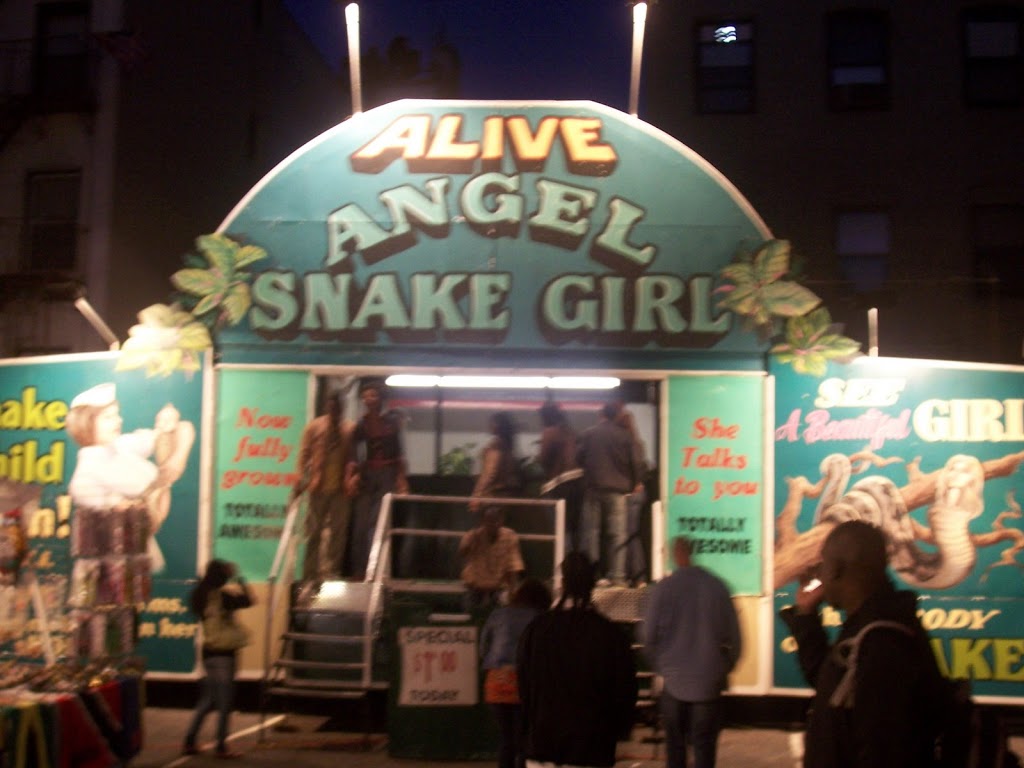
San Gennaro will have the opportunity to deliver religious guidance to the Snake Girl:

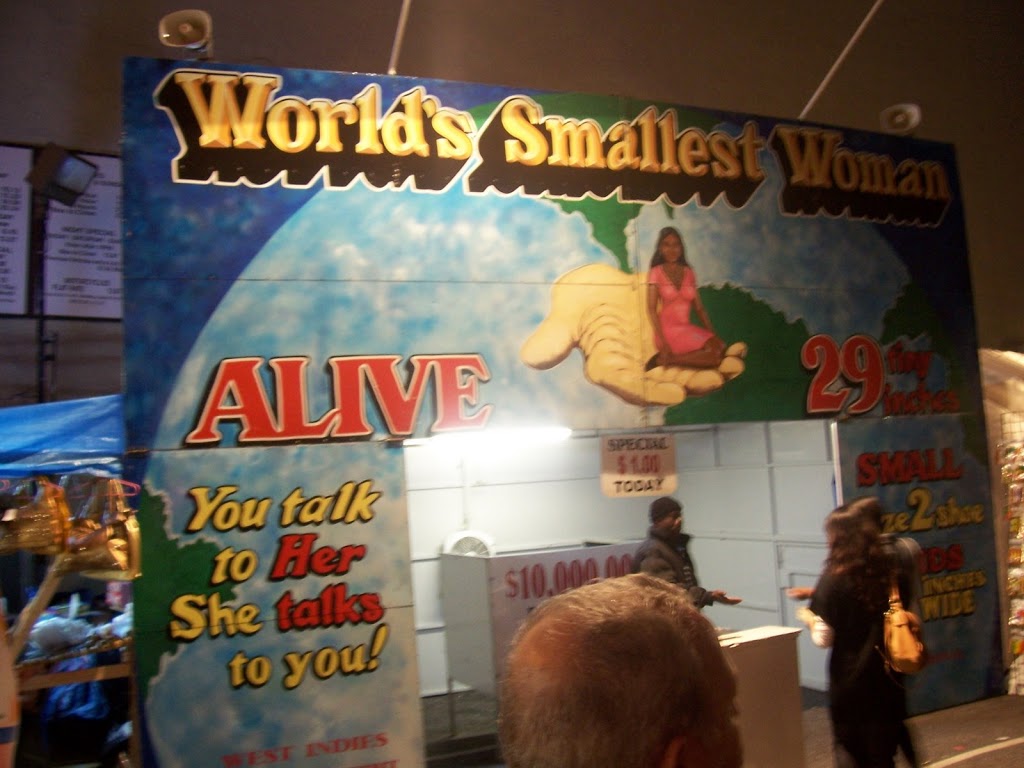
And give hope to the World’s Smallest Woman:

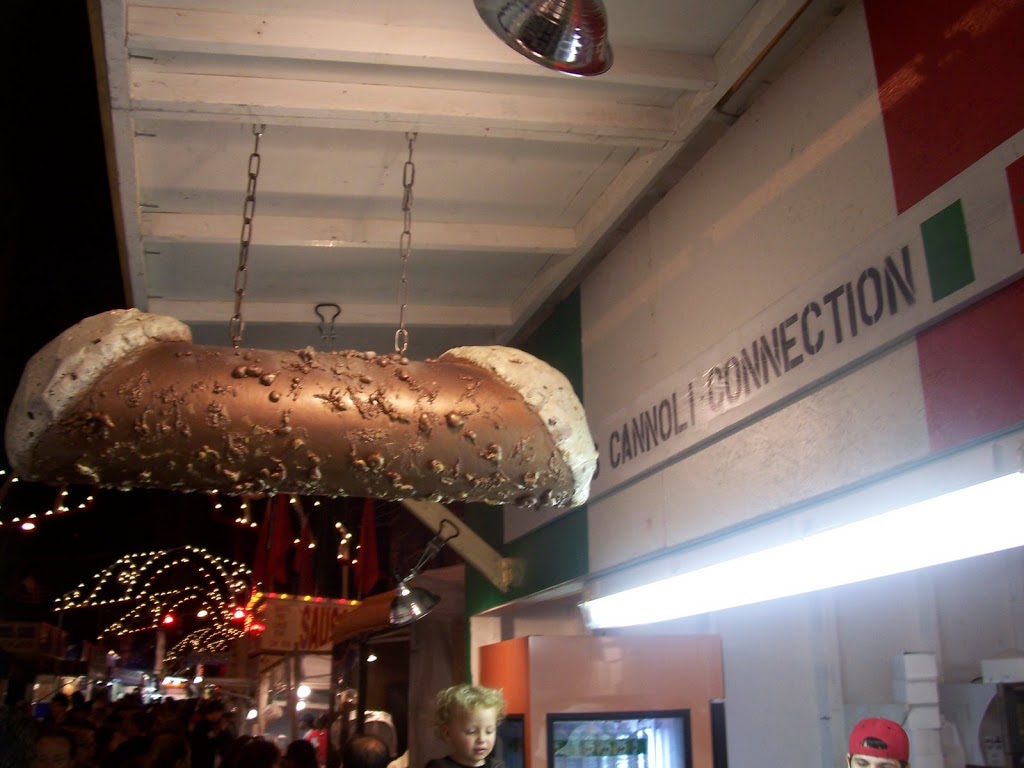
There’s plenty of cannolis to go around, although the cannoli eating contest took place last Saturday.
Check here for pictures if you really want to see what that looked like:

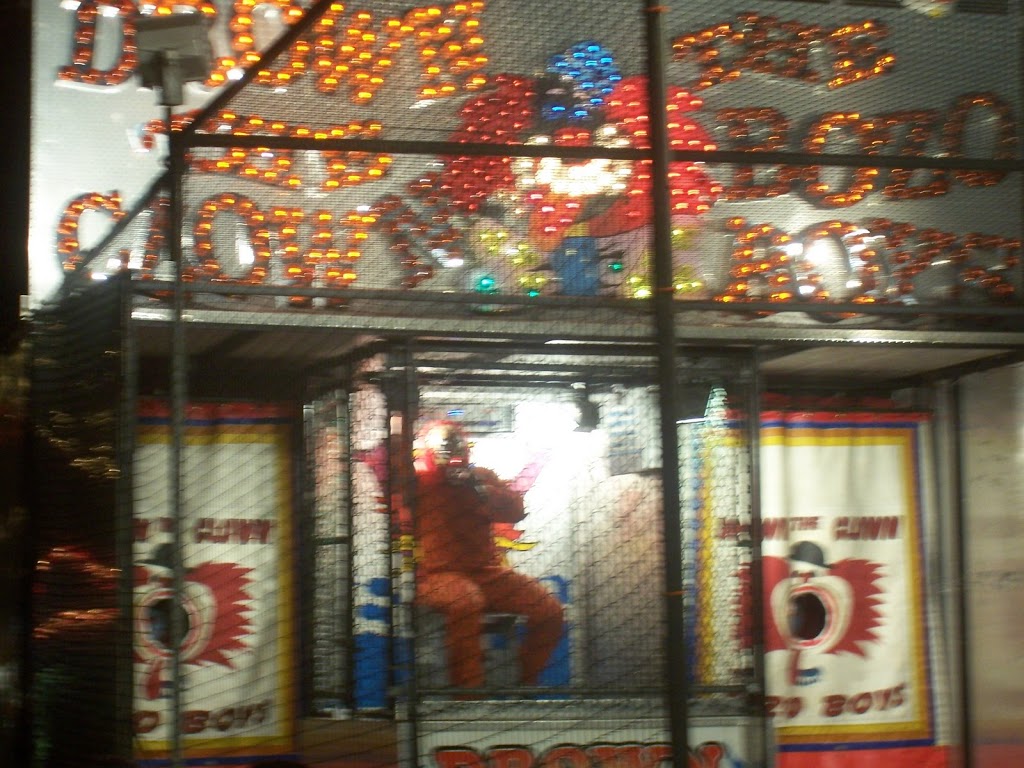
I hope San Gennaro isn’t the jealous type. The most popular event at the festival wasn’t anything going on at Most Precious Blood, but rather four blocks away, at Drown the Clown. A rude, insulting clown sat on a platform mocking the crowd, and for five dollars, you could make him shut up by throwing a ball and sinking him into the pool below. There were at least 150 people standing around and celebrating as this fellow was repeatedly thrown into the water.

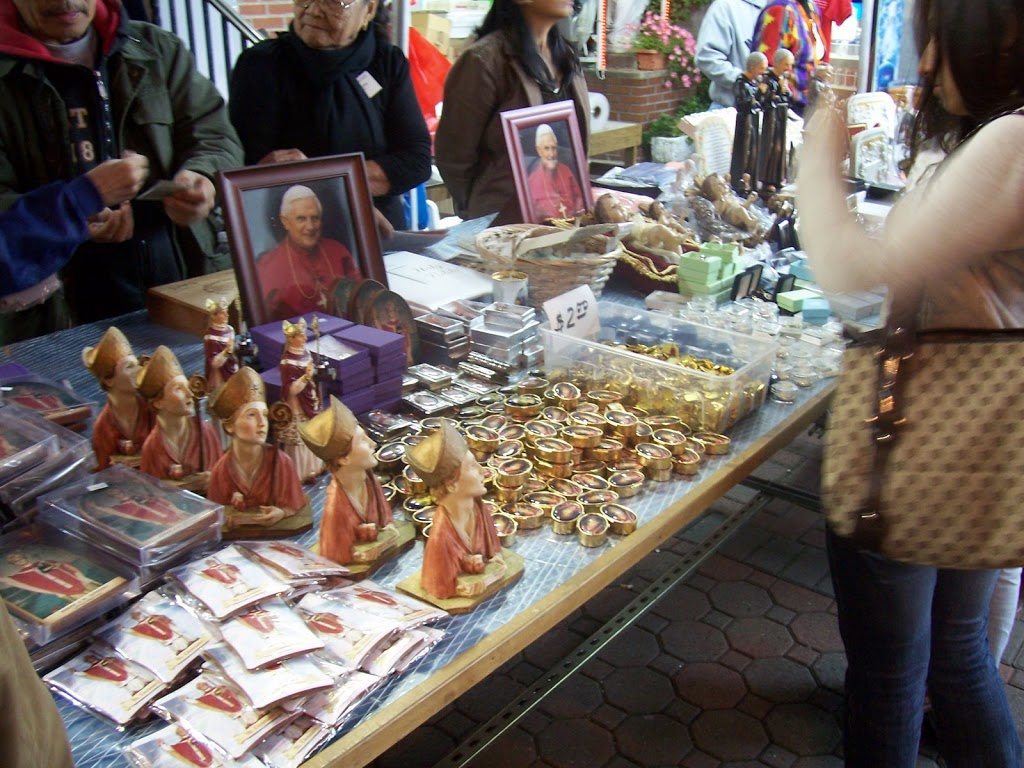
And of course if he prefers to pick up some religious themed souvenirs, there’s plenty along the way:

Or maybe something for baby Jesus:

Tomorrow: I take you inside and through the history of possibly one of the weirdest churches in the United States, the Most Precious Blood. I’ll spoil this now – it has instantly entered my Top Ten Favorite Buildings Of New York City …. though maybe not for reasons you might expect.

FYI, the current organizers of the event, Figli di San Gennaro, clearly spell the name with 2 n’s, although I believe the actual saint’s Italian name is spelled with one n – Genaro – and the two spellings are occasionally used interchangably, especially in festivals outside New York.

Categories
Uncategorized

A few strikes at New York’s bowling palaces


As often happens in the blogosphere, seemingly unimportant events get parceled about with declarations that don’t really mean much. For instance, the announcement yesterday that a new bowling alley was opening in Brooklyn — the first to open there in nearly 50 years! — disguises the fact that there are already a few bowling alleys in Brooklyn already. There just aren’t that many with a ‘hipster’ gloss — vintage equipment and furniture, lots of fancy booze, scrappy environment.

In Manhattan, there are four places to go bowling, each with its own ‘perspective’, if you will, on the sport:

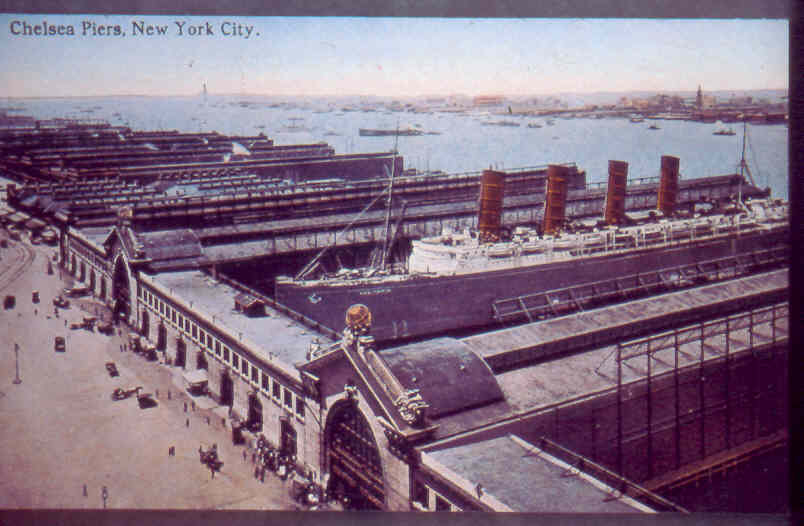
300, flashy bowling alleys, biggest and most expensive in the city, are part of the Chelsea Piers complex. The Piers are far more familiar with ocean liners than bowling balls rolling in. It was a dock for the very first passenger ocean liners all the way back in 1907. The beautiful Pier complex that was constructed in 1910 served the city as a terminal for luxury liners and immigrant transport alike. Here’s a pic of Chelsea Piers’ original lanes:

The Titanic was scheduled to dock there, but didn’t quite make it. The Lusitania left from here in 1915 when it was sunk in Irish waters by a German U-boat, killing almost 1,200 people. A more hopeful docking occurred in 1936 when the vessel containing the victorious US Olympic team from Berlin, including Jesse Owens, landed to a breathtaking reception.

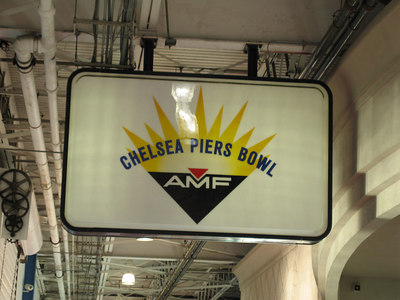
The Piers fell into great disrepair and were scheduled for demolition when they were allotted in 1992 as a sports and recreation hub for the city. The AMF Chelsea Piers Lanes were built in 1995 and have only recently been transformed into the ‘fancier’ 300 New York (think expensive martinis and fabulous bowling shoes). NOTE: It is named after the perfect score in bowling, not a comic book Greek epic.

Here’s some pre-300 signage:

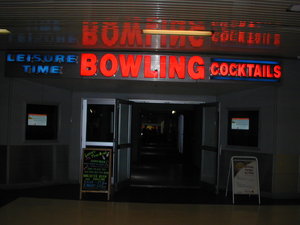
Leisure Time Bowling, at the Port Authority bus terminal, has gone through some enhancement since its opening back in 1991, but it still has that hard, greasy edge that goes well with a pitcher of beer. This is the place you go if you’re serious about bowling, you have a birthday party of children, or you just want to entertain yourself while waiting for your bus.

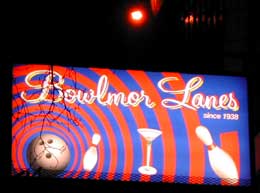
But despite its ‘self-aware’, showy hipster-eque and often campy decor, Bowlmor Lanes still remains my favorite, and for good historical reasons. Opened in 1938, Bowlmor was host to the prime-time televised bowling of the 50s and helped form bowling’s kitsch aesthetic.

Bowlmor was saved — or ruined, depending on your viewpoint — in 1997 by owner Tom Shannon, who transformed it into a temple of bowling glamour, with walls of pins signed by celebrities, sparkling upholstery and a deejay spinning retro tunes. Virtually every celebrity known to man has worked out a lane, from Jodie Foster to Richard Nixon.

It seemed to have worked for him; the website claims that in 2001, Bowlmor was the highest grossing bowling alley in the world. Anybody trying to get a lane there on the weekend these days would not scoff at that factoid.

It was discovered in 2004 that one of Shannon’s investors, through his company Strike Holdings LLC, was none other than Yassar Arafat. As Bowlmor has always been a popular location for bar mitzvah parties, naturally they returned the money.

The recent addition to the Manhattan’s bowling universe is Harlem Lanes, right off 125th Street, opened last year by Sharon Joseph and her aunt Gail Richards (pictured), the first African-American women to ever own a bowling alley in the United States! Who knew there was trailblazing to be done in the world of bowling? The lanes are supposedly the best in town. (Well, they are the newest.) Maybe they can offer some advice to Brooklyn’s newest?

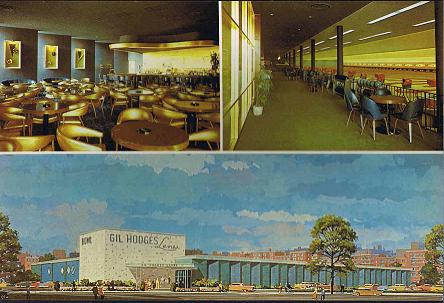
By the way, the picture at the top is of Gil Hodges Lane in Brooklyn, which is still operating and is named after a baseball player. (Hey if a tennis stadium can be named after a jazz musician, why not?)

Categories
Uncategorized

9/11: From the other side of downtown

I wasn’t sure what kind of entry to post today, so I figured it might be interesting for some of you to read an excerpt from the letter I wrote my family and friends back home on Sept 15, 2001. (The day I got back my Internet service, which had been knocked out.) I lived in downtown east and decided to investigate the parts of downtown Manhattan that weren’t being shown on television. Technically, this is now as much “NYC History” as anything else.

This is short on sentimentality on purpose, as I just wanted to report the things I saw that weren’t really being shown. However a little dramatic, even sappy emoting pops through.

Warning: this piece is a little long. If you prefer to skip it to the articles below, just scroll past it or use the bar on the right to navigate to another story. Trust me, I understand; it wasn’t fun to relive this, however sometimes you feel obligated to kick yourself again into remembering. And forgive the occasional dramatics…

“On Thursday, a little more than 40 hours since the towers were destroyed, I made an arguably unwise but curiosity-induced trek down the the Financial District, to within a couple blocks of the former World Trade Center.

I could scarcely grasp that it had happened at all, as we all did.  I journeyed down not because I’m some morbid freak who wanted to look at a few thousand tons of havoc and twisted metal, but because I wanted to see the state of ole New York. The dark, narrow streets lined with the flair and shadow of ornately designed buildings, built by the city’s ancestors in their powdered wigs and uncomfortable shoes, all shoved into a corner of the island with various tall and faceless glass towers.

For those reading this who’ve never been to New York, you should realize that essentially at the foot of the Twin Towers (named David and Nelson, didya know that? after Rockefeller’s sons) are the beginnings of this city and some of the oldest roots to our past in the country.  The Trinity Church. The India House. Delmonico’s.  And naturally, the Stock Exchange and City Hall.

I wasn’t sure what kind of a toll the toppling of the two biggest buildings in the world would have on one of my more cherished sections of New York.  Clearly their fate is secondary to the lives lost, but I felt it was important to me to find out for myself.  Even beyond the more symbolic clarion-call of ‘New York will survive’ I just needed to know for my peace of mind.  Also I happen to live way South in the Lower East Side, only a mile or so from what is called Ground Zero, and my neighborhood was in lock down and my phone and TV were out, so heck, what else was I gonna do?

The first noticeable change to my immediate neighborhood is that my grocery store Pathmark three blocks away has become the central location for the National Guard.  There were about 400-500 men in camouflage garb standing in the parking lot, flanked by military vehicles and police cars.  The Pathmark is right below the Manhattan Bridge, which has no traffic, only emergency vehicles.

I passed along the waterfront and walked down the east side of Manhattan to the South Street Seaport. Along the way were dozens of cops standing around, observing the old Chinese men who fish for God-knows-what off the edge.  They were patrolling what appeared to be the most tranquil area of the Eastern Seaboard. I swear, even the birds were hanging languidly in the air.  All that horrible smoke, dust and debris was blowing down south into Brooklyn, missing this area entirely.

Down at the Seaport were a few aimless tourists — their vacation fans suddenly dashed — and a couple joggers in headphones.  The old pubs and wharf-themed restaurants were shuttered; the tourist plaza, looked upon by vacant J. Crew and Abercrombie stores, looked abandoned.  Along Water Street did I first notice the patches of dust stuck to various pieces of public art — caked to two sides of a giant mirrored cube, or crusted to the highest arms of a tall white sculpture.

Up the street possibly the closest apartment building to the site not evacuated now held court to a dazed assemblage of senior citizens, staring blankly into the west.  An old woman had a mask strapped to her head, yet held her hand to the white puffy fabric.

Nothing was being policed to emphatically.  Again, it was early after the tragedy, and the gravity of the situation was only then settling in. Cops saw me and probably thought I was another journalist. The streets were crawling with amateur photographers finding dramatic angles and continually wiping their lenses.

Moving on, I regretted not bringing a mask to wear.  Almost instantly the streets became slightly clouded and I might have imagined myself getting a headache from it.  A supply truck rushed by, sending up a whirlwind. What actually WAS t hat dust?  I just couldn’t think of it as something pulverized, of sheer mass broken into particles. Soon I noticed that it was covering the ground, the steps, the awnings, everything completely.  The great old India House was frozen in it.  Stone Street, an ‘untouched’ colonial sidestreet, with its ancient storefronts and quaint 18th century streetlamps were locked in a sudden beige winter. And it really was like wintertime, except it was warm.  As is the way with these streets, the sun could only peek in, creating strange, bent shading. One strip of sun in the middle of the street maybe, surrounded in grim shadows.

Very few people were walking around. Somebody was walking their dog and the poor creature was completely coated in dust. A street cleaning truck slowly wedged its way down the street, spraying water into the gutter, turning the dirt into thick gobs of mud. It took me a few minutes to maneuver through the mess.

A trio of college students was cautiously walking toward the destruction. I followed them — I suddenly felt quite alone — until I go the top of the slope down to Wall Street. I saw an elderly couple, seeming undisturbed by the mud, walking slowly past me. Both of them were pasty and bundled up. ‘Why aren’t the stores open?” the old man said. “They’re closed. There’s been a bombing,” said the woman.

Down Wall Street, the haze and shadow were compounded by the relative tightness of the street. The buildings on either side seemed more constricting than ever. The NY Stock Exchange jutting around a corner looked like it was in mothballs. Nearby at Federal Hall, the statue of George Washington, always so tall, was shrouded and unrecognizable. Beyond, towards the disaster, the shadow thrown from the buildings felt dank. Through a crack between two buildings ahead, I could see the tendrils of smoke billowing from the remains of the Trade Center.

I noticed that the mud and dirt was joined on the ground with the paper trail of the WTC. Faxes and case files and memos, many of them intact, many burned around the edges. I picked up some page from what appeared to be a business contract; its edges were dramatically singed, like a pirate treasure map in a movie. There was even a resume, mud-strew, burned, on blue card-stock; I hoped that this person was not qualified and got a job elsewhere from this.

I walked further up Wall Street until I was two blocks away from old Trinity Church. I was not allowed (and in fact did not want) to get any closer, but I could tell that this grand old landmark was completely blanketed in debris, yet looked perfectly solid.

I was directed by an officer to walk back up north, yet at the next cross street, I witnessed that which I didn’t really need to see. Two blocks up was the shadow and haze of the wreckage, the black fingers of the building’s metal casing arched and twisted without detail, like cracks. Around it I could only guess was just a small section of the destruction on all sides of it. From the angle where I stood, it was a dark and solid mas, without the horrific subtleties displayed on TV.

And where I stood, and above it, the World Trade Center was profoundly not-there. It’s not a simple as merely seeing a white dotted line where they used to be, as though they had simply been erased. The devastation is more complete, jagged ruin notwithstanding. There is NOTHING there, nothing civilized. I used to look up and feel a churn in my stomach from my moderate fear of heights. Now I didn’t need to lift my head to get that feeling back. The blue sky and flimsy white clouds which exuded from the newly opened space in my vantage was macabre, as if something pleasant was cluelessly trying to take their place. I don’t know what I preferred — a dark, sinister sky? — but this, the backdrop of an afternoon picnic, seemed absurd.

I quickly passed this and noticed the street around me, trapped within the moment of escape. A little bagel cart was on the corner, its cheap donuts and bagels still stacked up against the windows, all covered in dust. Some cars were completely destroyed, others just in need of a car wash. A woman had come back to her decimated car and was fishing something out of her trunk. And scattered all over the ground were pairs of shoes. Not just women’s shoes, as one would expect — running in heels? no way — but men’s shoes. The sickly story behind them I could not possibly guess.

The thick billowing smoke nearby was creating shadows in this section that were like an instant night, so I was thankful when I worked my way up toward City Hall, where the lowness of the surrounding buildings let in some light. Apparently this is where the many reporters were allowed to stand and talk, yet there were so many of them scattered on the sidewalk. Were they interviewing each other?

A large group of volunteers stood on the steps of Pace University across the street, all relatively dazed and unbelieving, their faces caked with dust like those Depression-Era portrait of farmers from the Dust Bowl. The task they had in store was truly daunting, and still is.

This was about all I could take so I walked up to the Brooklyn Bridge and traced it through the Seaport back to my neighborhood. When I got home to east Chinatown, I looked worn out and noticed my shoes and pant legs were completely covered in mud.  (It was so bad I just threw them away when I got home.)  If not for that, I would have thought the entire thing was a bizarre dream. I and we still do.”

Categories
Uncategorized

Rabid Doors fans and tennis pros


The world has turned its eyes to Flushing Meadows, Queens, for almost 30 years now thanks to the U.S Open, held as the sports complex called the USTA Billie Jean King National Tennis Center. It’s named after the tennis icon who won four women’s Open singles titles, three mixed doubles titles, and two women’s doubles titles (the latter paired with no less than Martina Navratilova).

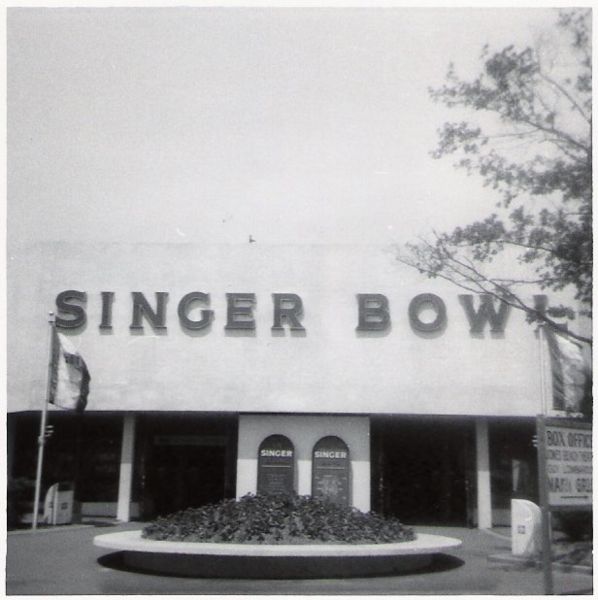
The tennis center is in walking distance to the sci-fi like ruins of the 1964 New York’s World’s Fair because its original structure, called the Singer Bowl after the sewing machine giant, was constructed for the fair. (FYI, Coney Island’s Parachute Jump was also constructed for a New York world’s fair, but the one in 1939).

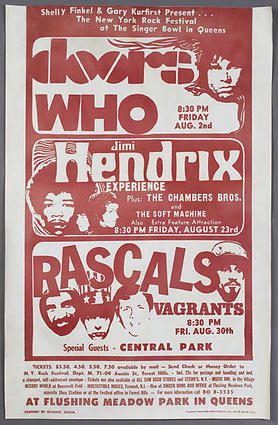
The Singer Bowl has an unsung history as a site of some terrific New York concerts. On August 1968, The Who opened for the Doors, two diva performers whose attention to theatrics nearly sabotaged the show. The Who insisted that the Door’s equipment not mingle with their own and while performing, the rotating stage broke down.

When Jim Morrison of the Doors came on, the crowd thronged the stage and policemen fought to keep them back. According to the Doors website, Jim “spun around and ground the songs out halfheartedly, ad libbing, improvising, doing an ominous dance” but was barely visible to the crowd due to the police. The crowd became incensed, ripping up chairs and throwing them onto the stage. During the chaos, Morrison was typically indifferent and oblivious.

The Singer Bowl fell into some disrepair until W.E. Hester, of the United States Tennis Association, flew over it while landing at Laguardia and suggested it make a new home for the U.S. Open, which had previously been held at the West Side Tennis Club in Forest Hills.

The Singer Bowl lost its name during renovations in 1977, when it was refitted as the Louis Armstrong Stadium, for the musician who lived out his final days virtually down the street.

The stadium was host to a fabulous rivalry between John McEnroe and Jimmy Connors, who batted the U.S. Open men’s singles title between each other for seven straight years.

However the popularity of the Open soon dictated that a bigger stadium be built. Louis Armstrong was upstaged, figuratively anyway, when the Arthur Ashe Stadium was constructed in 1995 and became the main court for the Open. Louis Armstrong Stadium was reduced in size and still hosts smaller matches. Both Arthur Ashe and Louis Armstrong stadiums and the rest of the complex was officially coined as the USTA Billie Jean King National Tennis Center in 2006.

Strictly speaking of the Flushing Meadows era of the the U.S. Open (since 1978), McEnroe is king, with eight wins (4 singles, 4 men’s doubles) but even he’s blown away by the reigning queen Navratilova with 15 wins (4 singles, 8 women’s doubles, 3 mixed doubles, including a win last year.) And she’s still in this year’s contest for women’s singles!

A picture of the old Singer Bowl, back before world class tennis and rock egos:

Can’t afford tickets to the Open? (Hell, I can’t!) You can watch it for free at various ‘tennis centers’ in Madison Square Park on 23rd and in Rockefeller Center, equipped with fancy bleachers, greens to relax on, and other amenities, sponsored by American Express.

Categories
Uncategorized

Sunday In the Park With George (Washington)

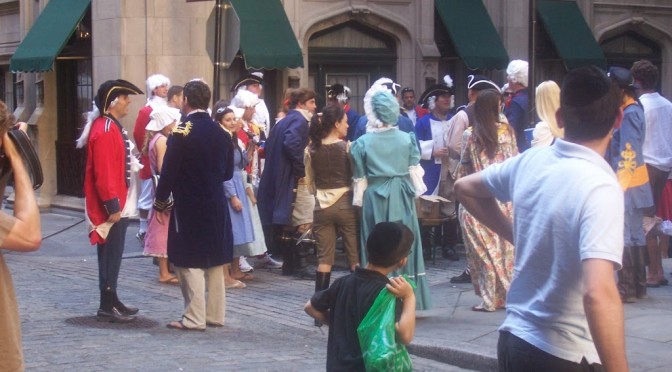
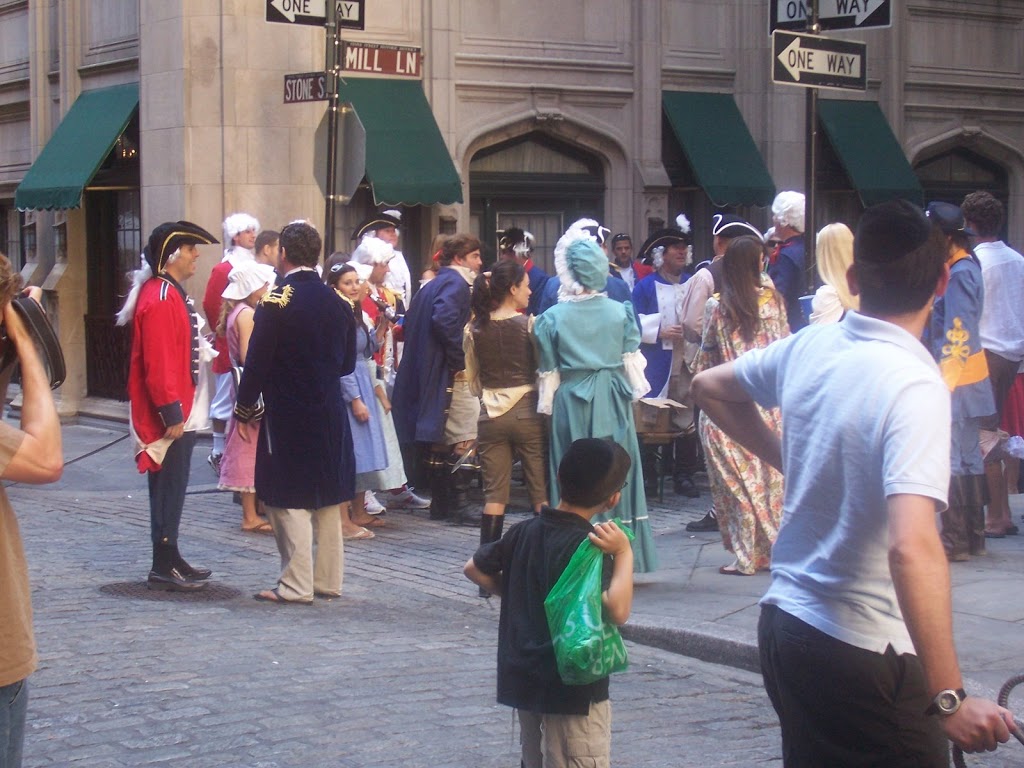
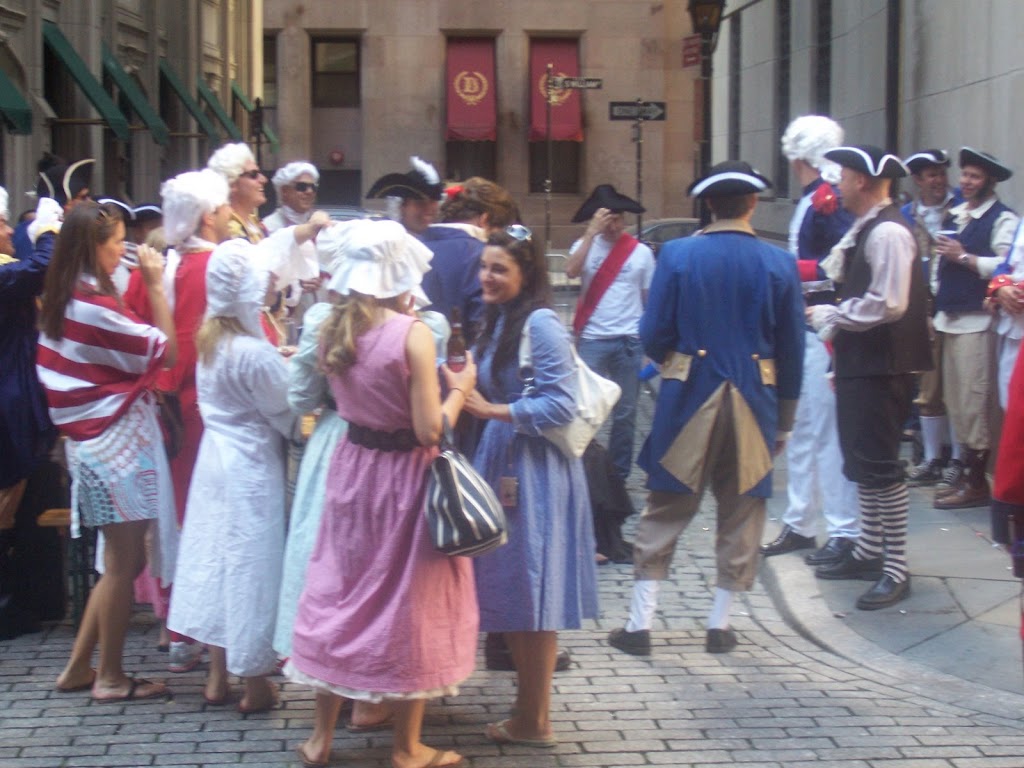
While winding through the financial district in lower Manhattan on Sunday (Sept 2), I made my way down Stone Street (one of the city’s oldest paths) and found this scene outside of Ulysses bar:

About 40 people, in various Colonial and period garments, were carousing in character and loudly carrying on like Revolutionary War heroes. Some of the other buildings on that street have been around since the 18th Century, so at least the location seemed suitable. And the owner of Ulysses also owns the Irish bars Puck Fair (near the Puck Building) and Swifts Hibernian (as in Jonathan Swift), so they’re clearly comfortable with some historical theater.

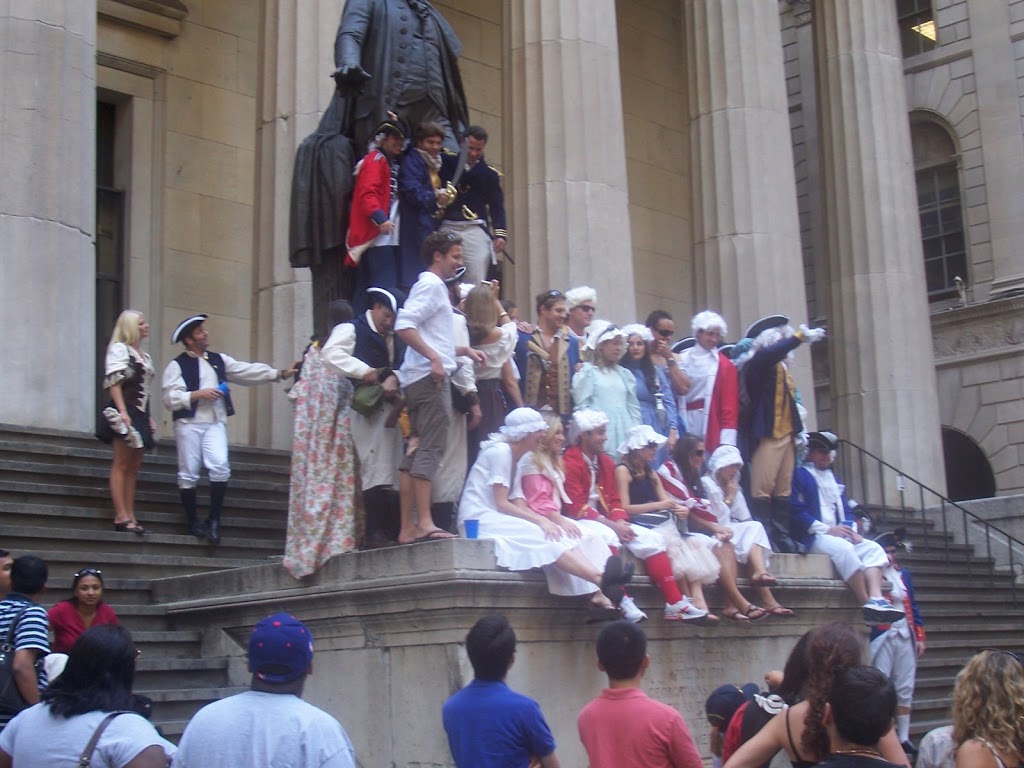
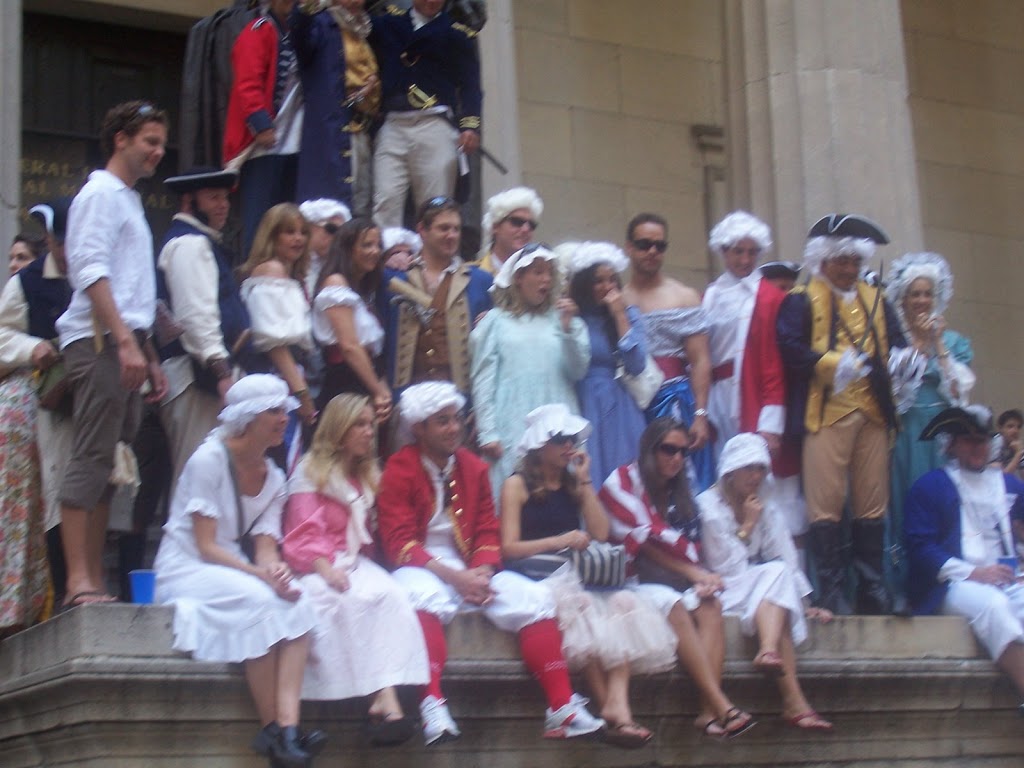
I apparently couldn’t get away from these folks, as shortly afterwards I ran into them at Federal Hall.

By this point, it was clear that our friends had liberally sampled from Ulysses’ many fine Irish ales and stouts. People were shouting ‘Huzzah!’ and starting up ‘USA!’ chants.

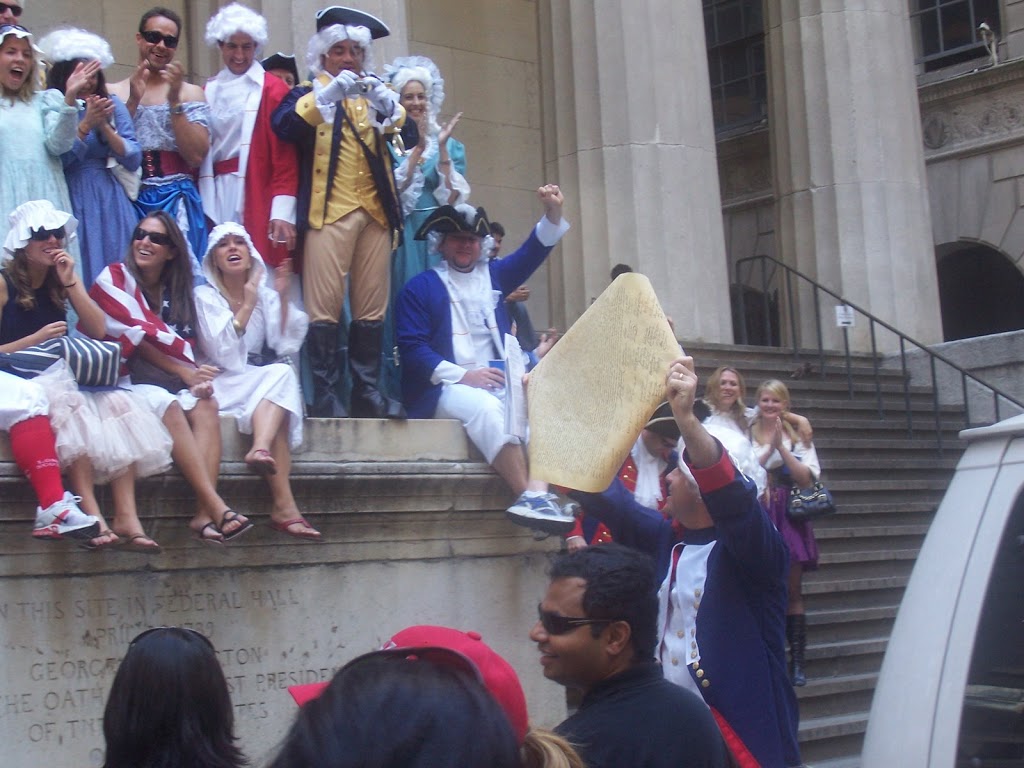
The reason for that soon became evident. A man strode out with a copy of the Declaration of Independence and read it to the crowd as if it were a new document. Which, on these steps, on July 9, 1776, it in fact was, by George Washington, reading from a copy from John Hancock.

It was because of this reading that the empassioned troops stormed down to Bowling Green and tore down the statue of King George and his horse, the pieces of which were scattered to the consternation of future treasure hunters. Our little group of re-enactors, however, stopped quite short of doing anything like that.

Im not exactly sure yet what the significance of the whole affair was (still calling around to ask). However I do know that it was at this building, during the summer of the first government of the United States, on September 2, 218 years previous, that the Department of the Treasury was formed.

Categories
Uncategorized

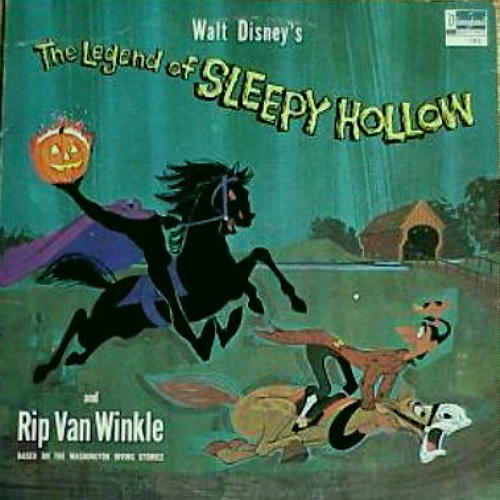
The Headless Horseman and the New York elite


Another colorful New Yorker died earlier this week, the Cruella Deville of real estate, Leona Helmsley, the Queen of Mean. With her passes a dynasty of wealth and power derived from her husband Herman, whose properties included the Empire State Building, the Flatiron building and more than 30 hotels.

Brooke Astor, elder survivor of the powerful Astor family, passed on the week before, and she and Leona have many things in common. Oh sure, Brooke was our fair city’s greatest philanthropist, and later the embodiment of a sick old matron taken advantage of by her progenitors, while Leona was a snarl-lipped, homophobic tax evader who encapsulated the follies of New York greed unlike any other. But you can’t go a few blocks in this city without seeing either of their family influences.

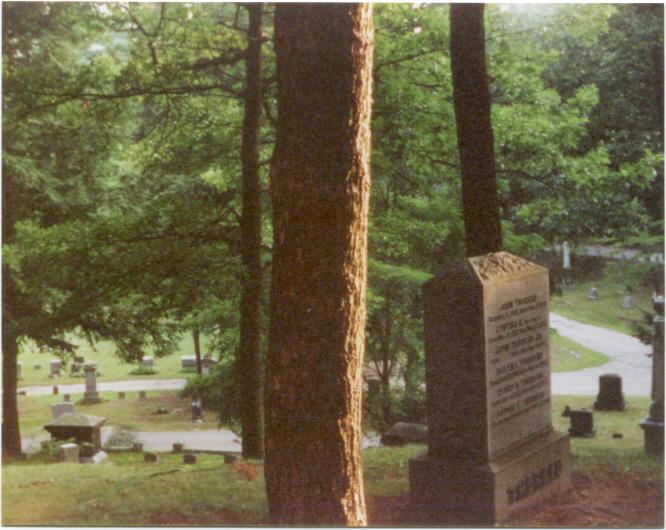
Another thing they have in common is that they’re buried not more than a couple hundred feet from each other. And that’s not even the strange part. Let’s throw in a little Tim Burton twist. They’re both buried at the Sleepy Hollow Cemetery which, despite its creepy legend, has become the ‘hot’ resting place for the richest dead New Yorkers.

To tie this ever further into our week here at the Bowery Boys, they join another well known New Yorker, the man who financed the Chrysler Building, Walter Chrysler.

The village of Sleepy Hollow is just thirty miles north of Manhattan and might seem a strange place for so many of New York’s great power players. Others interred there include moguls (Andrew Carnegie, William Rockefeller, Henry Villard), entrepreneurs (Elizabeth Arden) publishers (Whitelaw Reid), and film producers (Mark Hellinger).

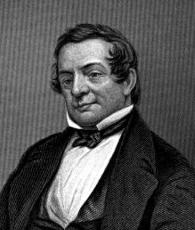
And let’s not forget its most famous resident, Washington Irving. Irving is actually buried next door in the Old Dutch Burying Ground, a far creepier place and the purported final home of many of the people who inspired the tale of Ichabod Crane (not to mention the ground in which the Headless Horseman supposedly appears!) But Sleepy Hollow Cemetery was Irving’s idea, and it’s because of his original plan that the burial ground has attracted so many rich and famous.

I think it best to include here the text of a letter Irving wrote to a newspaper editor in 1849 regarding this particular plot of land, for it encapsulates the cemetery’s appeal:

“I send you herewith a plan of a rural cemetery projected by some of the worthies of Tarrytown, on the woody hills adjacent to the Sleepy Hollow Church. I have no pecuniary interest in it, yet I hope it may succeed, as it will keep that beautiful and umbrageous neighborhood sacred from the anti-poetical and all-leveling axe. Besides, I trust that I shall one day lay my bones there.

The projectors are plain matter-of-fact men, but are already, I believe, aware of the blunder which they have committed in naming it the “Tarrytown,” instead of the “Sleepy Hollow” Cemetery. The latter name would have been enough of itself to secure the patronage of all desirous of sleeping quietly in their graves.”
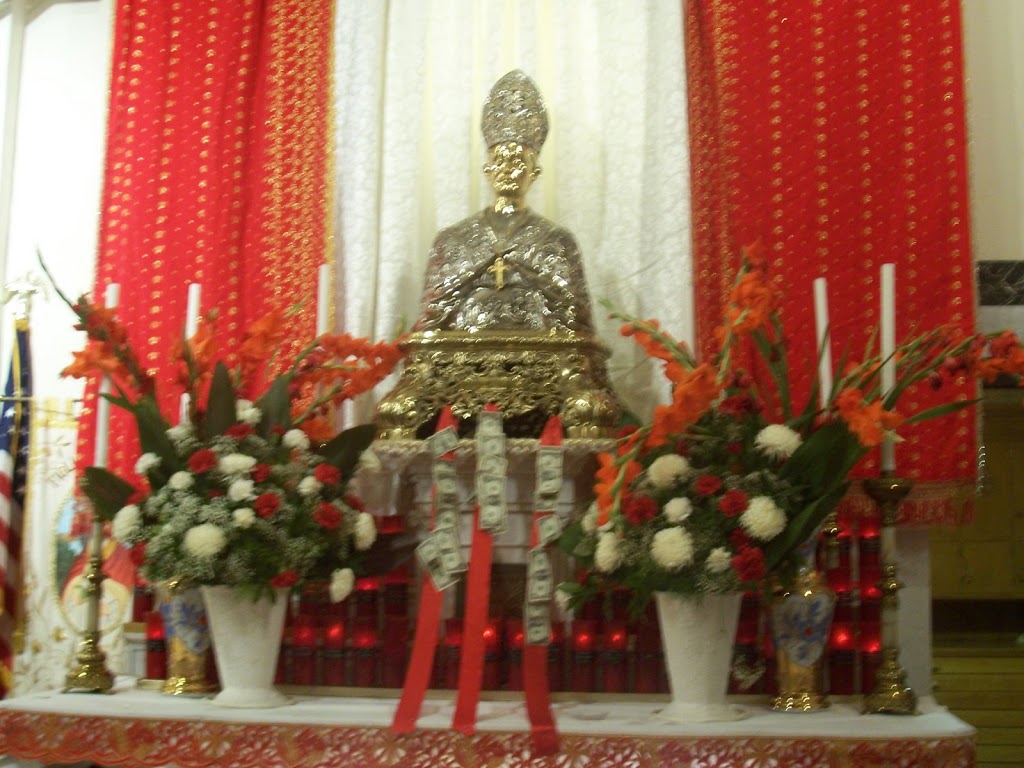
While Irving certainly divined the tranquil beauty here as a sanctuary of peace, he may not have realized that his presence nearby — and the legacy of his tale “The Legend of Sleepy Hollow” — would have upped the value of the real estate, something Leona would have been proud of.
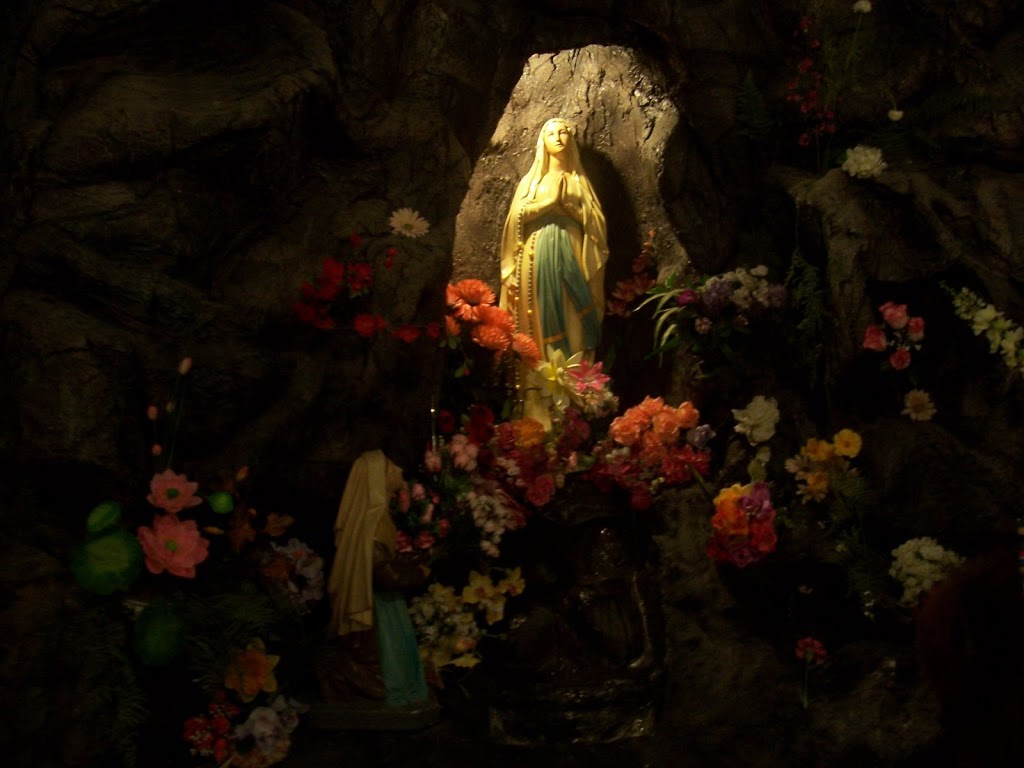
Mrs. Helmsley built a massive 1,300-square-foot mausoleum for herself and her husband, whose remains she moved from the Woodlawn Cemetery in the Bronx.

She needed special permission from the village to build the $1.4 million tomb, which features Manhattan-themed stained glass windows, Japanese maple trees, and 12 Greek columns. It’s almost as if she meant to dwarf the actual Rockefeller estate which is nearby. Some of her fellow multi-millionaires must be rolling in their expensive graves.

By the way, there’s actually another Sleepy Hollow Cemetery in Massachusetts that also has an impressive lists of permanent guests — Nathaniel Hawthorne, Louisa May Alcott, Ralph Waldo Emerson and Henry David Thoreau .

Here’s a peek at Irving’s Sleepy Hollow, which I highly recommend visiting, naturally around fall:

Categories
Uncategorized

UNUSUAL NYC MUSEUMS: History Underground

Our tribute to an off-the-beaten-path museum or landmark that you may not know about. Instead of MoMa, why not try out one of these places? Past entries in this series can be found here.

Okay, I know I’m stretching when I call the NYC Transit Museum ‘off the beaten path’. Its advertised in every available form of transit, and city guides all feature it. However what makes it unusual is the format in which they present their collection.

First of all, its actually in a subway station, the former Court Street station of the Fulton line. Built in 1936, it was in service for all of ten years, closed because many trains are already available in the area; you can catch the 2, 3, A, C, E, F, B, D, N, 4 and 5 trains within just a few blocks. So yeah, they didn’t need it. It remained unused until the museum opened in 1976.

Like all museums I particularly fancy, the Transit Museum has an awkward, slightly out-of-date charm to it. Partially because the newest addition — On the Streets: New York’s Trolleys and Buses, featuring interactive displays — is situated last, you get an immediate assault of nostalgia, both in the things presented and in how things are presented.

This isn’t a complaint. Each exhibit should have its own feel. You go immediately into Steel, Stone & Backbone: Building New York’s Subways 1900-1925, displaying photos and placards in a low-ceilinged display to give you (perhaps too well) that claustrophobic feeling of digging a subway tunnel.

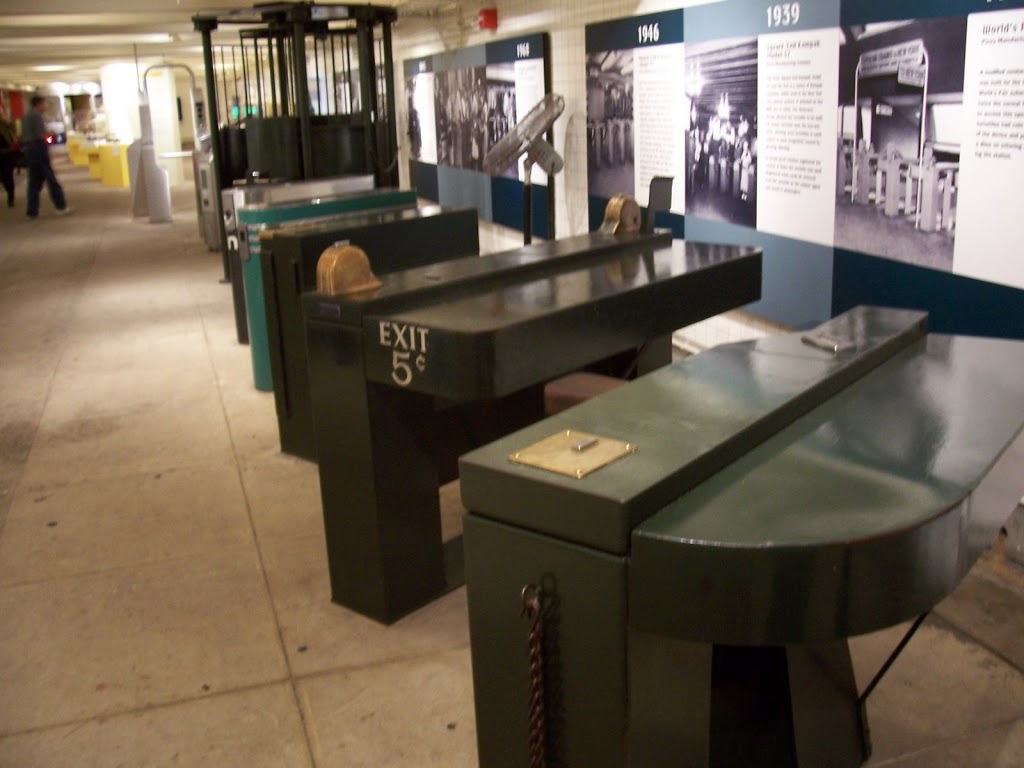
Things open up considerably from there. Waiting outside is a depiction of tokens through history, as well as various styles of turnstiles:

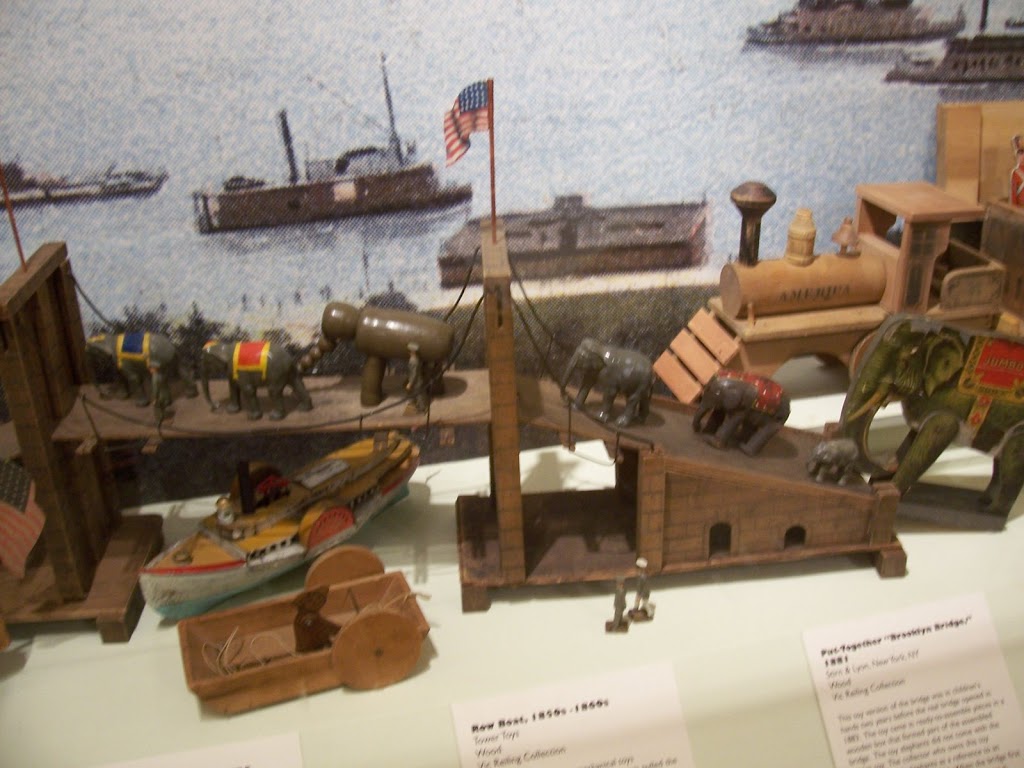
On the lighter side is a fun display of children’s transit-themed toys throughout past two centuries. Here’s one that must have delighted some kid with a penchant for the circus:

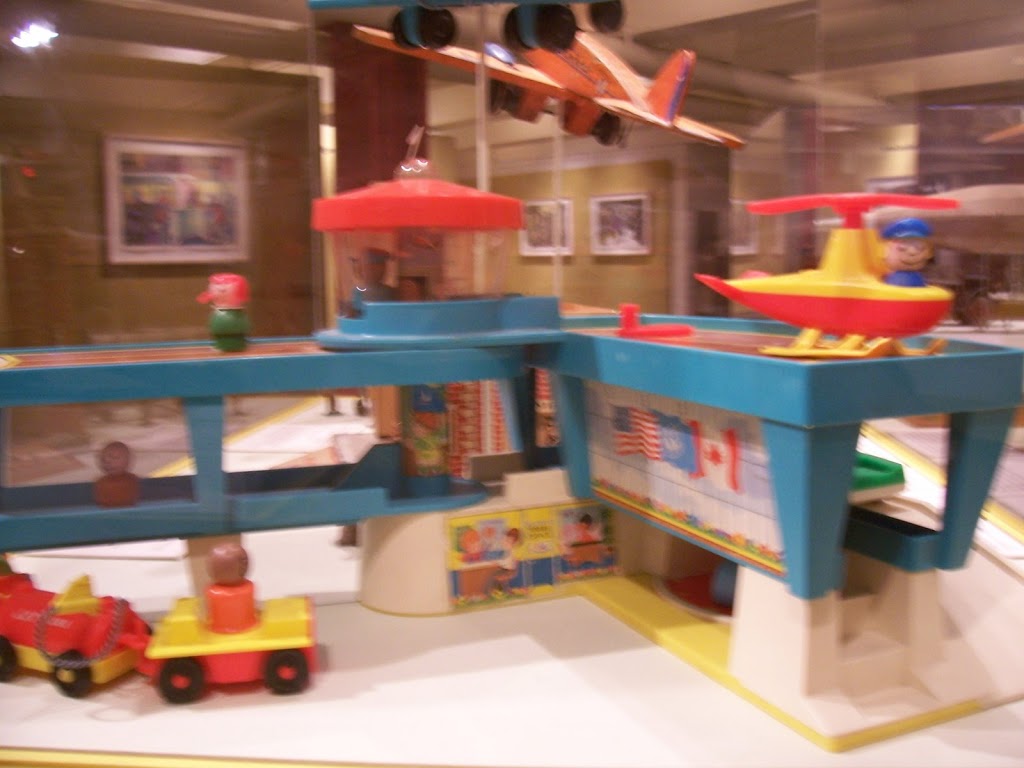
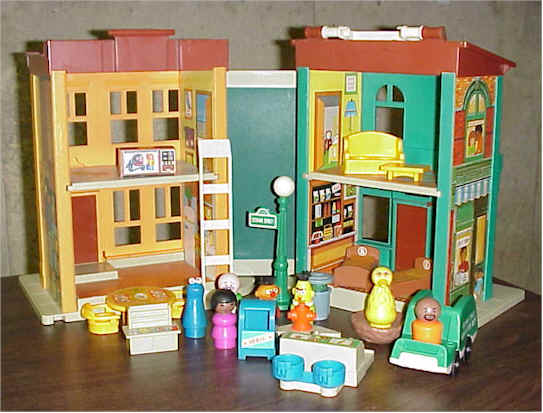
To my surprise, I discovered some artifacts that I could easily have found in my parents garage. (NOTE TO TRANSIT MUSEUM CURATOR: I’m pretty sure my folks still have my Fisher-Price Sesame Street scene if you need it).

After briefly perusing the exhibit on the Triborough Bridge and some transit-themed paintings, I was ready for the really fun stuff. On the Streets is a particularly kid-friendly display, with sections on city smog, a timeline of horse-drawn conveyances, a day in the life of a city bus driver, not to mention a real live city bus without chewing gum on the seats!

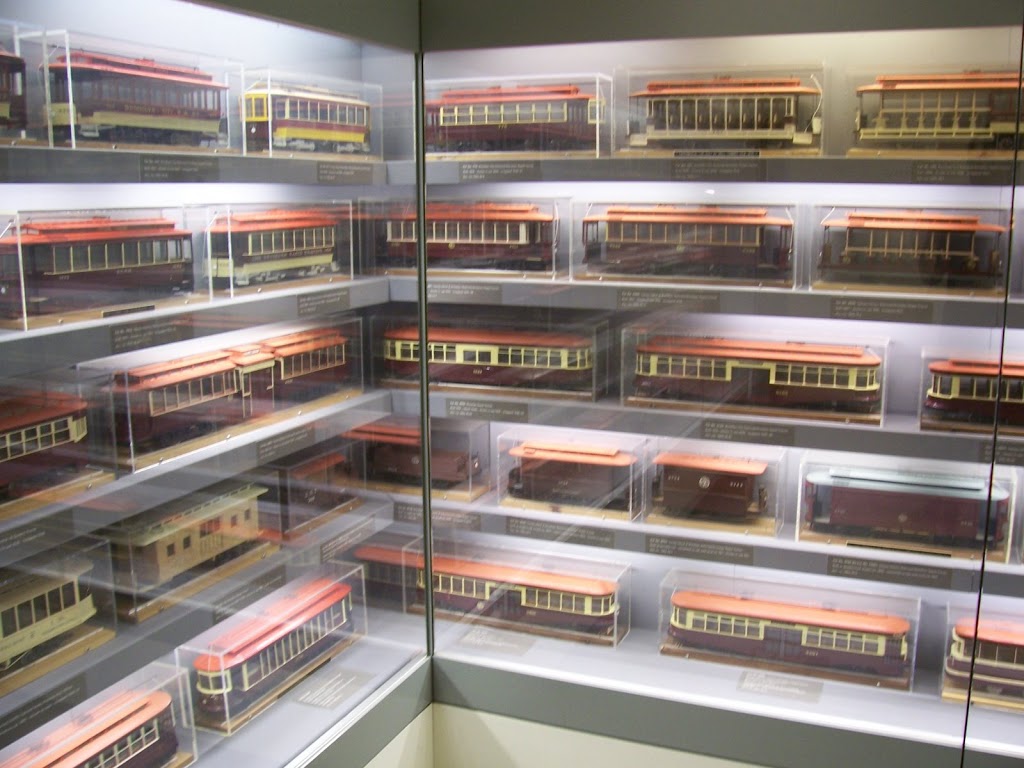
For some reason I was totally transfixed by a display of mini-traincars, which appeared to be more an artistic installation than an actual historical display:

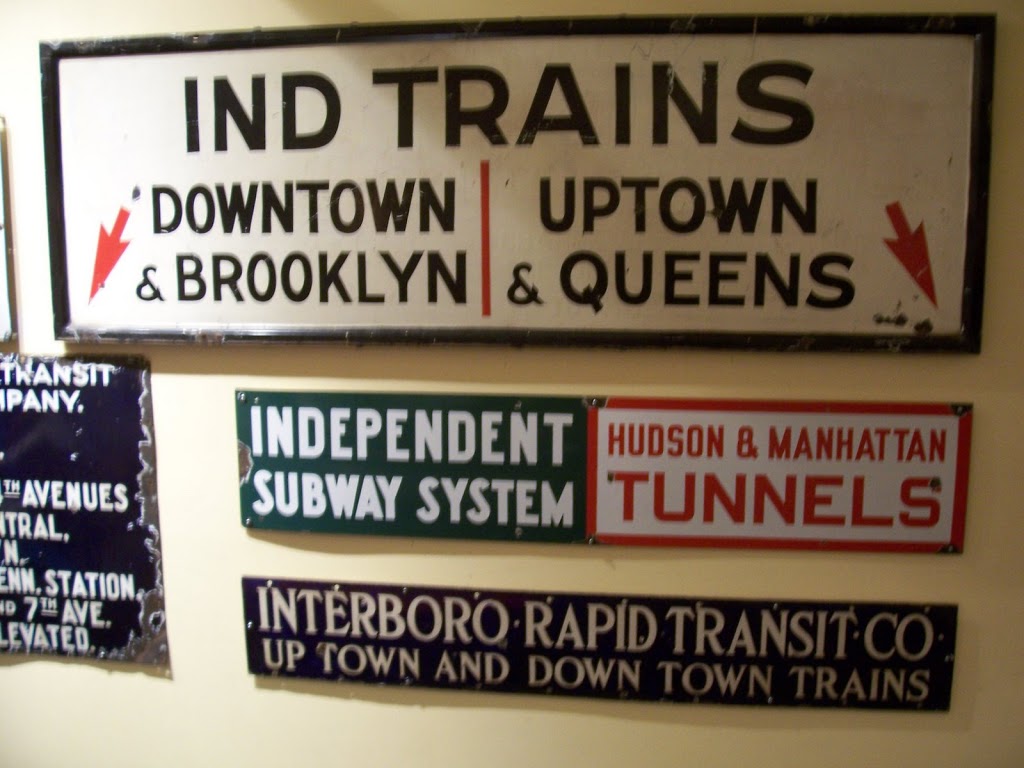
Past the buses and trolleys is a room full of tables (presumably for kids parties) and walls of old signage dating from the first subways. As a geeky lover of fonts and designs, I wanted to snatch some of these off the wall and take them home with me:

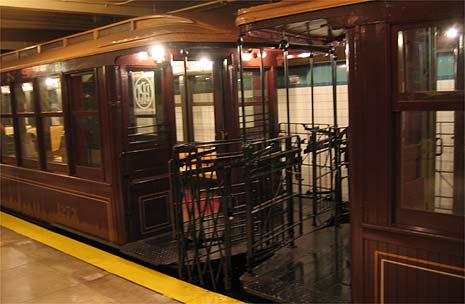
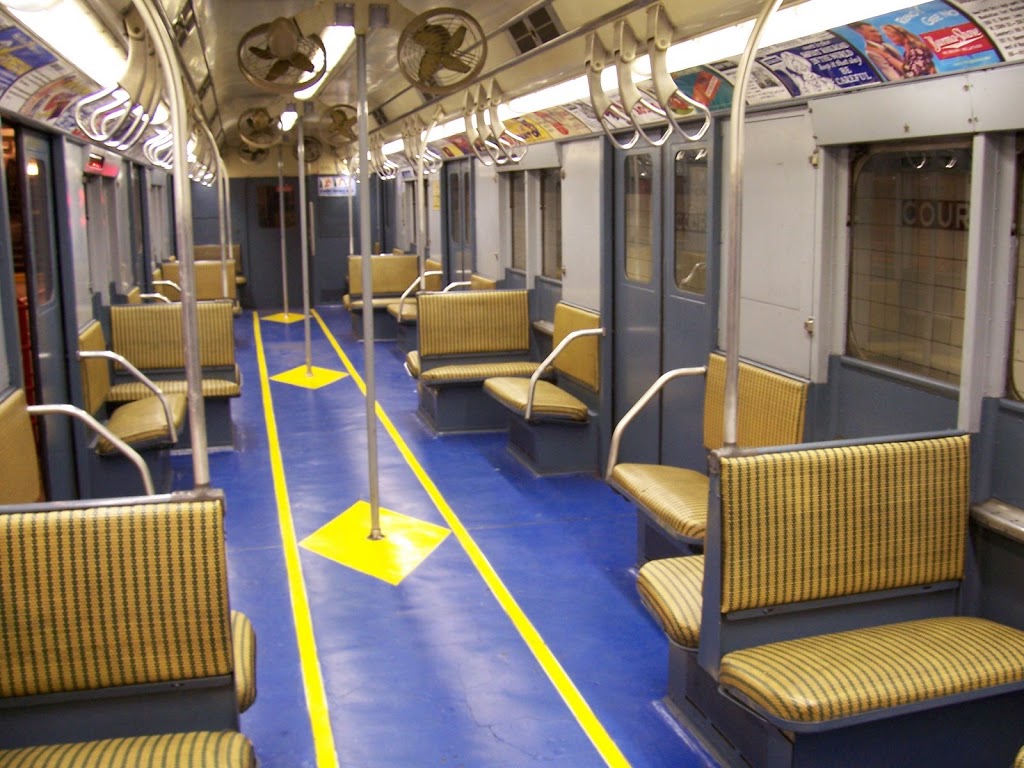
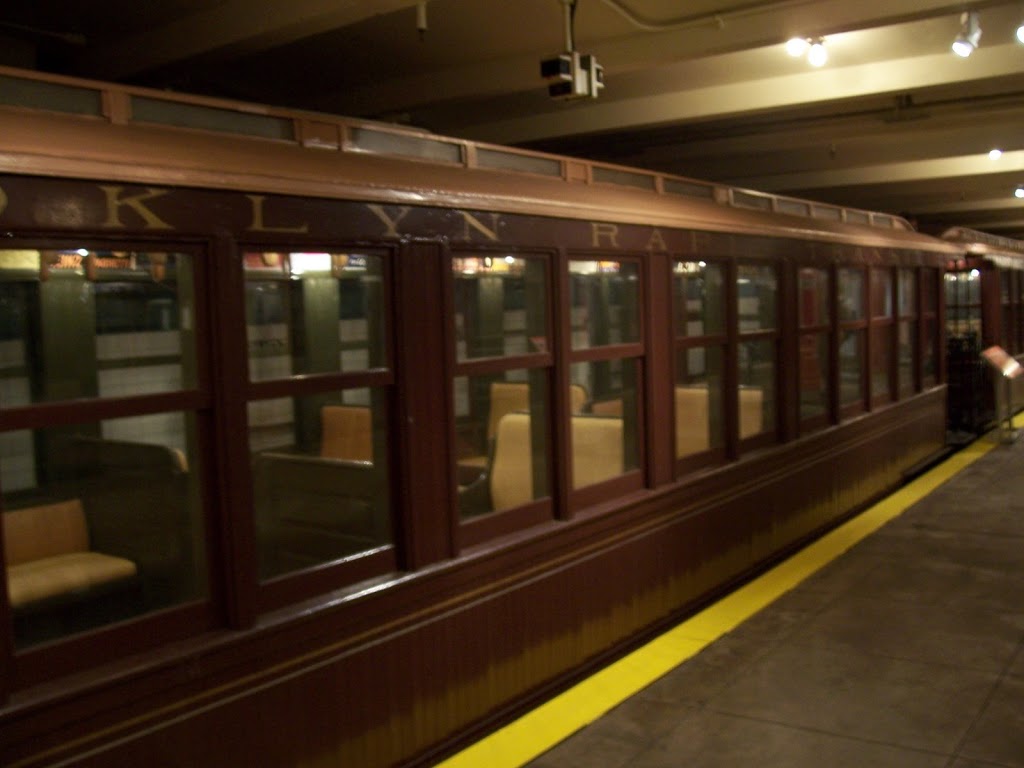
Easily the Transit Museum’s best feature, the ‘sexiest’ part — worth the cost of admission alone (a whopping five bucks!) — are the presentation of 19 original subway cars, from the very first one up to the 1980s. You actually go down into a subway tunnel, and there they are lined up.

You don’t think that going in and out of empty subway cars would be all that fun. But oh, my friends, you would be wrong.

Every decade apparently had a color scheme they thought would be pleasing and natural to the morning commuter. For instance take this car from the 1940s:

Each car is decorated with advertisements from the era and each has been preserved excellently. All they’re really missing is graffiti and a weird smell.

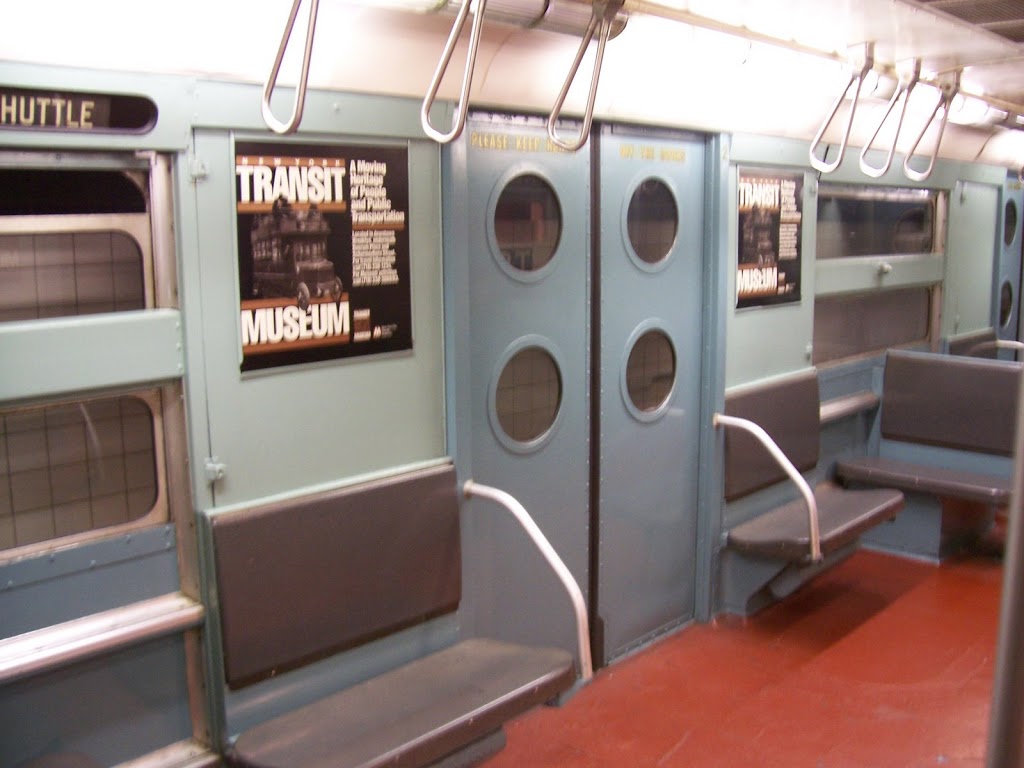
The cars from the 70s were of a particular treat, as with a few alterations, they could have been used on a 70s sci-fi television show like Buck Rogers:

You also realize how perceptions of comfort have had to cave to the necessities of maintenance. Take this view of one of the first train cars ever used, from 1904. The seats inside were comfy and plush, and the entire room had a feel of your grandmother’s parlor.

It’s for this reason that I think life-long, jaded New Yorkers would get a kick out of the Transit Museum, and why it’s a must stop for visitors. Its a fitting tribute to the biggest, and one of the oldest, transportation systems in the world.

Most unintentionally funny part: voice-over announcements of events at the museum are as muffled and unclear as any service change in the regular subway!

Check here for information on hours and direction.They also have an easily accessed annex at Grand Central Station, although it clearly doesnt have all the subway cars.

Categories
Uncategorized

The street of the Ancient Hibernians

In this week’s podcast, we briefly touched on a pivotal moment in the history of the Ancient Order of the Hibernians. They assisted in the defense of St Patrick’s Old Cathedral during a raid by anti-Catholic, anti-Irish rioters.

The Ancient Order of the Hibernians are essentially the Irish-Catholic version of the Freemasons. The Pope had declared the Freemasons off-limits to the practicing Catholics, so the Order might have been formed in reaction.

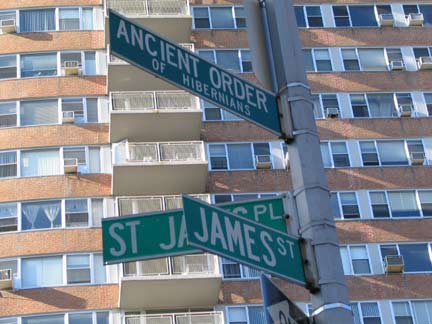
The Order have their own street in Manhattan, James Street, about a mile away from St Patrick’s Old Cathedral, in what is known today as the Two Bridges area in Manhattan — that not-quite-Lower East Side, not-quite South Street Seaport slice of land between the Brooklyn and Manhattan bridges.

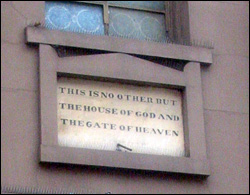
James Street is primarily dominated by St. James Catholic Church, the second oldest Catholic church in Manhattan. Despite its beige, straight-forward Greek architecture, the church has been instrumental to Irish history in the city.

The Hibernians officially formed near here in 1836, not so ‘ancient’ although its members do trace their philosophies of Irish pride and honor to the Defenders, a patriotic 16th century Ireland rebellious unit led by Rory O’Moore. Hibernia is an old, poetic name for the land of Ireland.

The Hibernians were the central line of defense to an America growing ever hostile towards its Irish immigrants. By the 1850s, a political party — the Know-Nothings — would be formed from the very idea of fighting control of the Catholic Church and its most closely associated ethnic group.

The Ancient Order is still very much in existence and serving as a national charity organization and remaining a voice for the Irish community in their native land and around the world. Their public persona in Manhattan is still associated with the annual St Patrick’s Day Parade which they have sponsored since their inception.

The picture below is courtesy of Forgotten NY, who has lots more information on this unique street.

NOTE: The original Bowery Boys from the Five Point slums were virulently anti-Irish and anti-Catholic. We, on the other hand, quite love the Irish!

Categories
Uncategorized

New York’s most maligned public servants?

New York City is a terrible place for horses, or for that matter, any animal bigger than a rat.

However, the animal has been instrumental to New York’s history. Today you can see them trotting through Central Park, looking lobotomized, carting around tourists in frilly carts. Already a rather demeaning usage, the horses are also subjected to a wide variety of accidents and this site documents some of them in an effort to ban them from recreational usages.

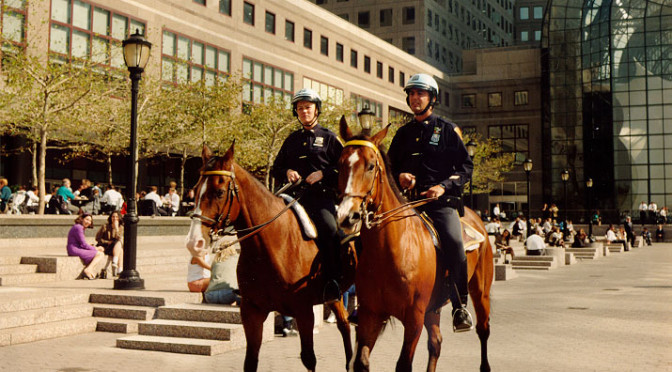
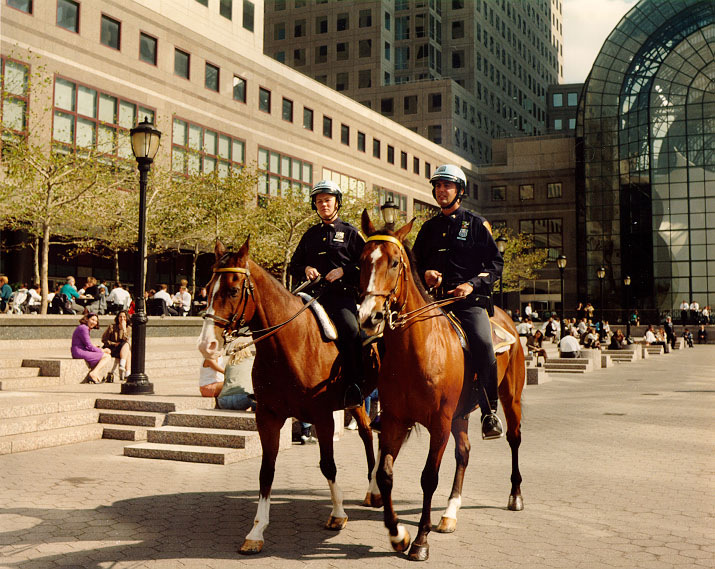
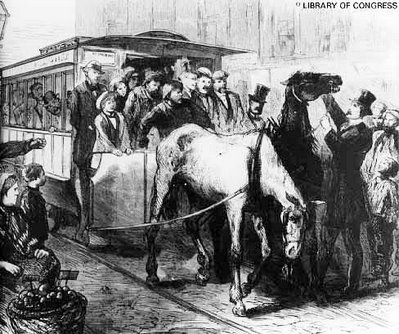
The luckier creatures are those used by the New York City police Mounted Unit. At its peak in 1910, the Mounted Unit was 800 horses strong, mostly in service of traffic, which at the time would have been mostly horse-drawn carriages anyway.

However 100 horses are still in the line of duty today, mostly patrolling city parks and neighborhoods. If you ask your officer about the name of his or her horse, you’ll mostly get the name of an officer killed on the job, or a revered officer retired from duty. However, roaming the streets are a few horses with the curious name of Daily News. The city newspaper donates horses to the force every year.

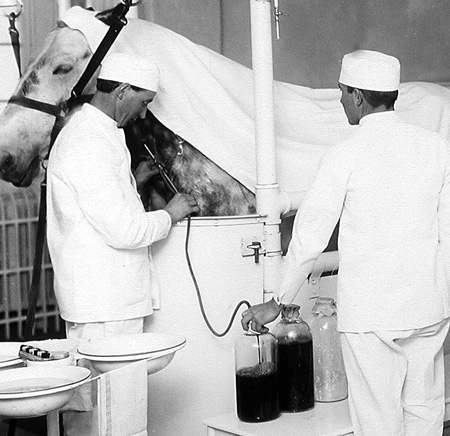
New York City horses played an even greater role in history back in 1894 when some equine members of the Claremont Riding Academy, the city’s oldest stable that just closed several months ago, were used as successful test subjects for a diptheria toxin. The animal’s metabolism was better able to create the antitoxin in their bloodstream, and most survived with little more than a fever.

As a direct result of the tests, a usable antitoxin for humans was available within six months. (More details here.)

By the way, if you’re interested in see the ‘carraige horses’ business banned from t he city, you can start by signing this petition to the mayor.