Categories
Pop Culture

NYC history in pop culture: “Who Lives, Who Dies, Who Tells Your Story”

It was a pretty spectacular year for history lovers in pop culture this year as the year’s best film, television and theater all seemed to take inspiration from the New York City of old.  Here are ten moments that I particularly loved that expressed the unending bounty of ideas from the people, places and events of this big ole city:
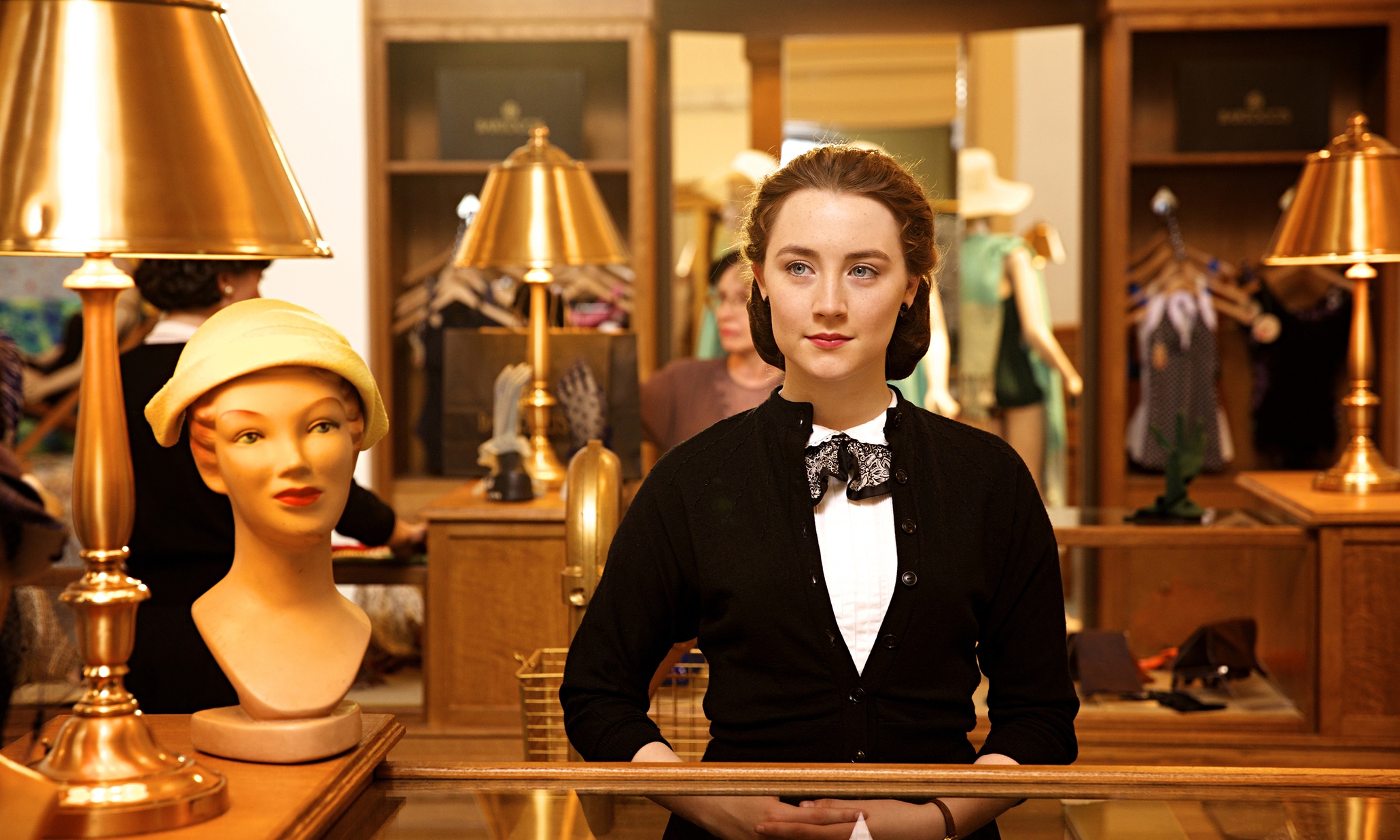
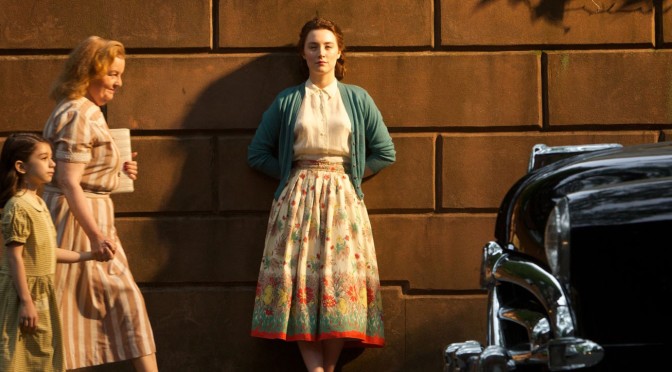
Saoirse Ronan in Brooklyn

“I wish that I could stop feeling that I want to be an Irish girl in Ireland.”

1 BROOKLYN

A rich and appealing look at one of New York’s greatest resources — its immigrants. A young Irish woman (Saoirsie Ronan) leaves behind her family to find work in a Brooklyn department store. She is quickly torn between an engaging Italian boyfriend (Emory Cohen) and obligations back home. This is not a story merely about the struggles of foreign transplants but relates to pretty much anybody who’s ever been stuck between two worlds. My favorite movie of the year.
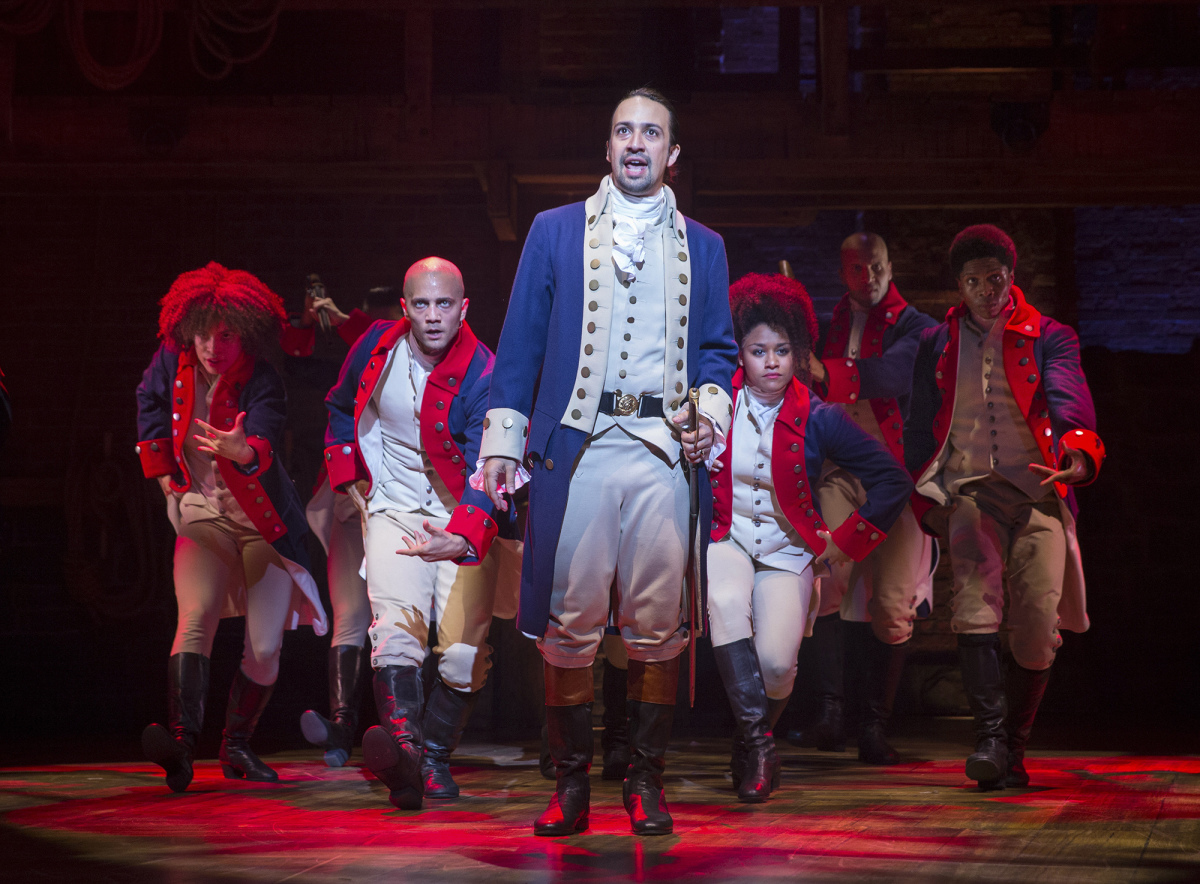
 

Sara Krulwich/The New York Times

“I may not live to see our glory! But I will gladly join the fight! And when our children tell our story, they’ll tell the story of tonight.”

2 HAMILTON

The sound and the fury of the world’s hottest musical, from the genius mind of Lin-Manuel Miranda, changed not only the fate of Broadway, but the perception of the Founding Fathers and even the notion of biography itself. Can you stay true to a person’s memory and core beliefs while making a clear and ambitious statement on his time period with a multi-cultural cast, an innovative music style and pop cultural references? Yes you can.

NOTE: This is not number one on my list because I actually haven’t seen it. (Hey, don’t judge; we were busy writing a book this year!)
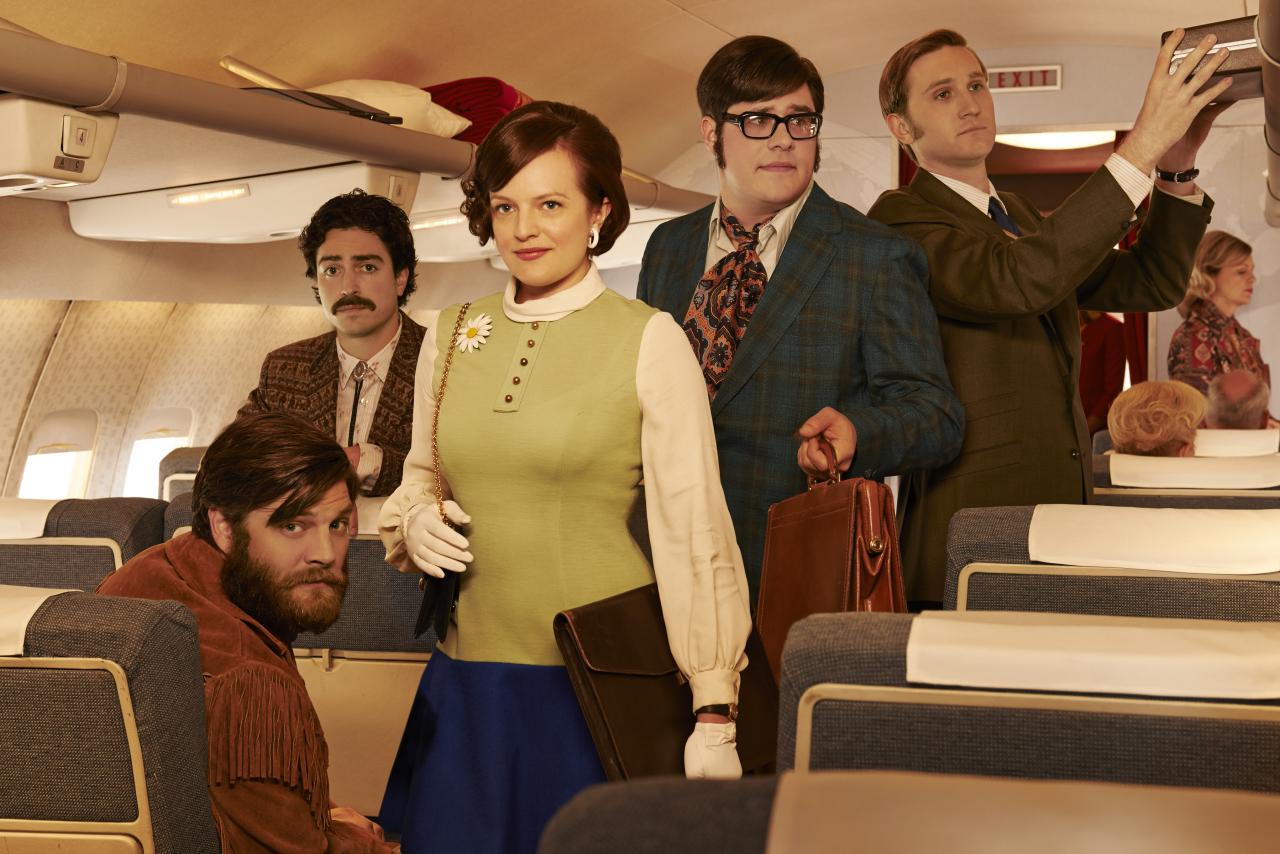
 

Mad-Men-Season-7-Peggy-and-Harry

“I’m jealous of your ability to be sentimental about the past. I’m not able to do that. I remember things as they were.”

3 MAD MEN – FINAL SEASON

By the end, the deck had been reshuffled, but Don Draper was somehow still king. A beautiful ending for the irritable drunks and stiffs we’ve come to love over the years.  And who knew it would be Betty Draper that would get the most beautiful most perfectly heartfelt send off?
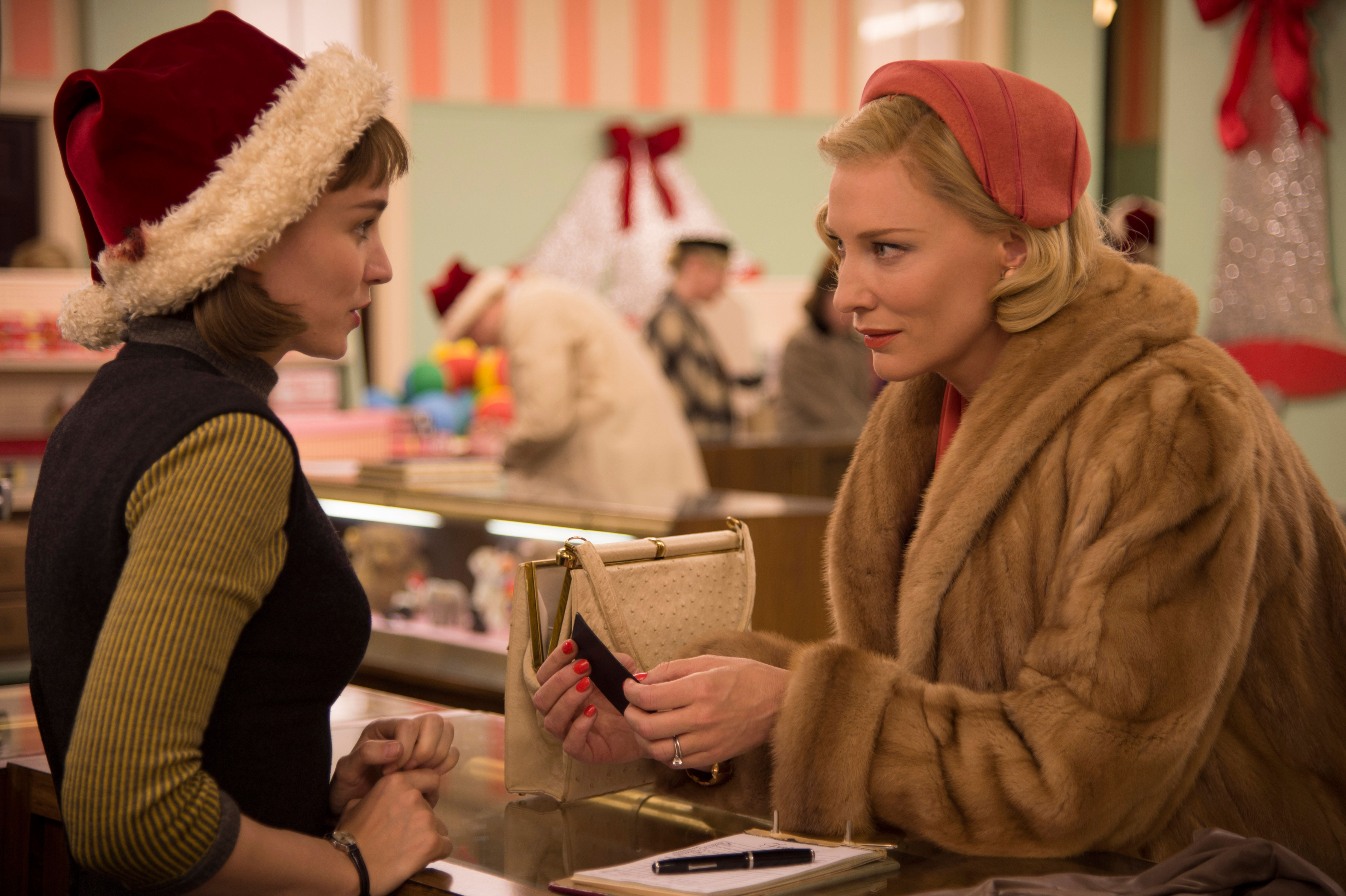
 

carol-image-rooney-mara-cate-blanchett-1

“Just when it can’t get any worse, you run out of cigarettes.”

4 CAROL

This romance between a shop girl (Rooney Mara) and an older woman (Cate Blanchett) in a broken marriage meticulously recreates 1950s Brooklyn.  (I suspect that Ronan’s character from Brooklyn works in another department.) Everything has a graceful, considered touch, less bright than Brooklyn perhaps but perfectly in place. New York in this movie curiously represents the status quo here, middle America being the place for exploration and personal discovery.
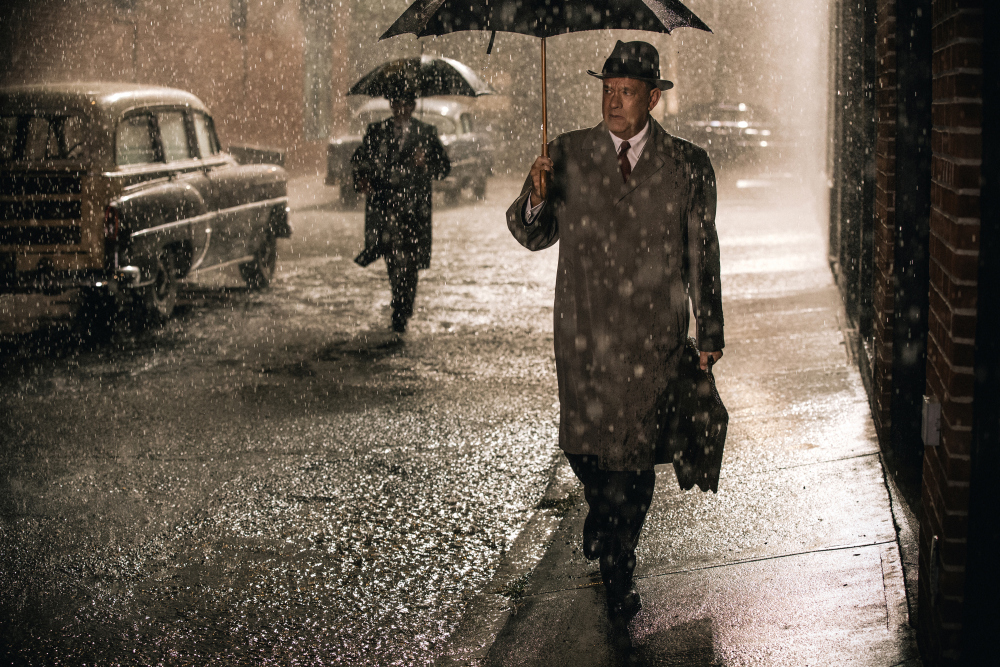
Brooklyn lawyer James Donovan (Tom Hanks) is an ordinary man placed in extraordinary circumstances in DreamWorks Pictures/Fox 2000 PIctures' dramatic thriller BRIDGE OF SPIES, directed by Steven Spielberg.
Brooklyn lawyer James Donovan (Tom Hanks) is an ordinary man placed in extraordinary circumstances in DreamWorks Pictures/Fox 2000 PIctures’ dramatic thriller BRIDGE OF SPIES, directed by Steven Spielberg.


“Standing there like that you reminded me of the man that used to come to our house when I was young. My father used to say: “watch this man”, so I did, every time he came. And never once did he do anything remarkable.”

5 BRIDGE OF SPIES

This is the year for 1950s Brooklyn in amazing films! In this case the year is 1957, and James Donovan, the Brooklyn insurance attorney played by Tom Hanks, is assigned to represent a captured KGB spy in a case that made its way to the U.S. Supreme Court. But the first third of the film uses Brooklyn Heights in some of the best location shooting of the year.  This one of Steven Spielberg’s best films in years.
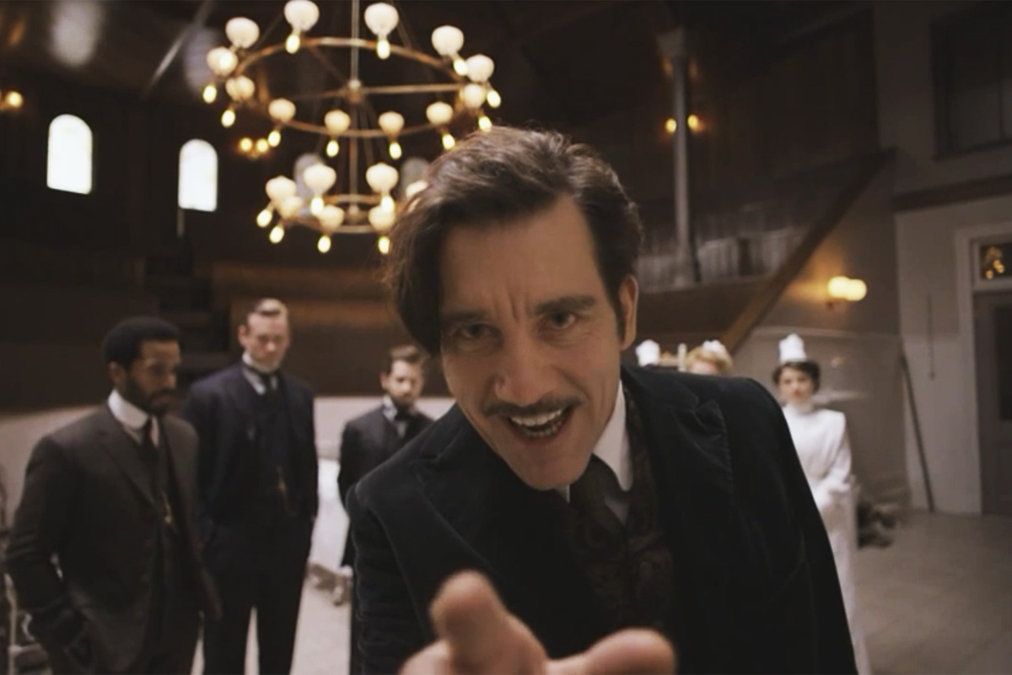
knick-the-season-2-teaser_article_story_large

“There’s no point in going through all my wrongs. Besides, God’s already seen them.”

6 THE KNICK

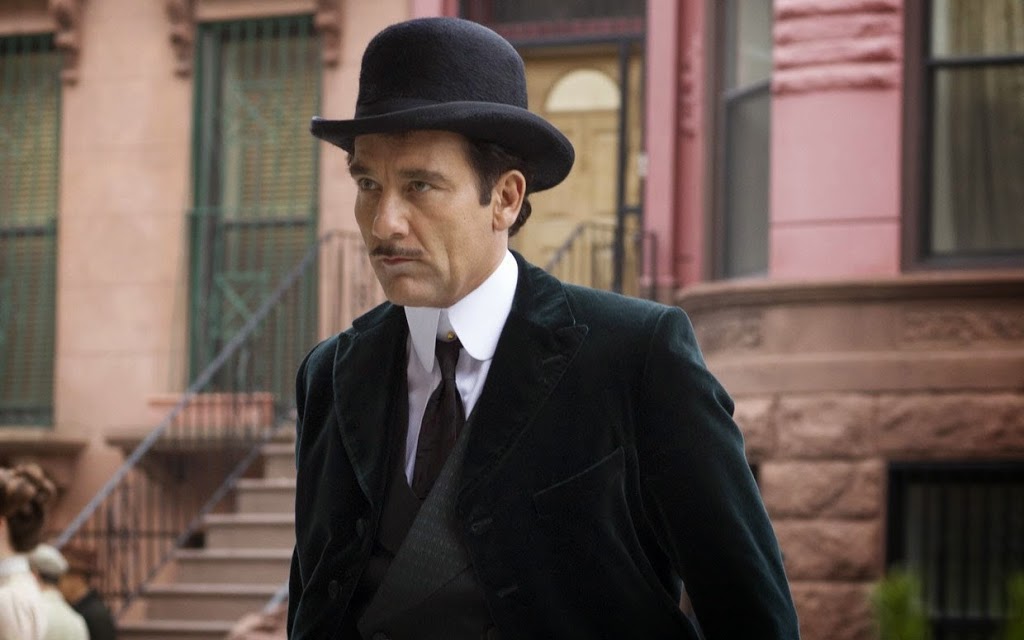
Everything perfectly wicked and bad about 1901 came roaring into the lives of the staff of Knickerbocker Hospital.  Dr William Thackery (Clive Owen) both battled and studied his own addictions, Dr Algernon Edwards (Andre Holland) further attempted to negotiate through the racism inside the hospital rank-and-file, and Cornelia Robinson (Juliet Rylance) does a little detective work and uncovered some political corruption close to home.
CV-AUmeWcAA6tQf

“I wanted to write a whole book about New York that would never appear in the history books.”

7 CAPITAL

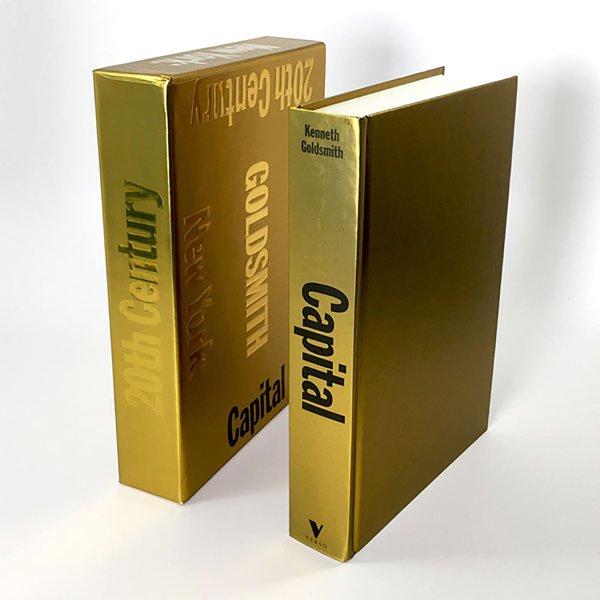
What is Kenneth Goldsmith’s Capital you ask? Almost four pounds, for one.  It’s also a mysterious, rambling look at New York City history from the pauses and discards, bits and pieces of recollections, wisdom and kitsch all tossed together like a salad.  It’s endlessly fascinating and annoying all once. Yet I can’t help love it not as a book, but as a terrific experiment in evaluating history (well, mostly counter-culture 20th century history) through a visual representation of information overload.
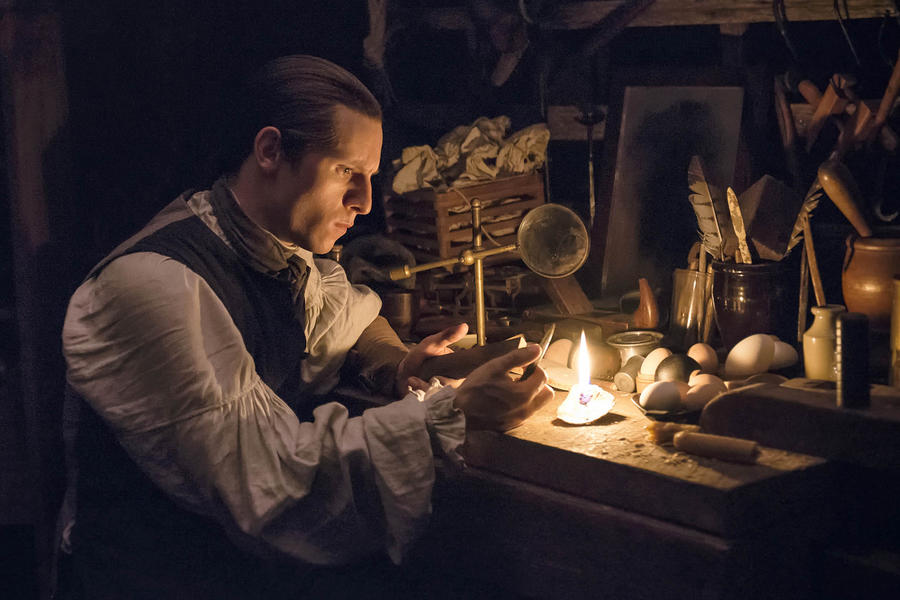
Jamie Bell as Abe Woodhull - TURN: Washington's Spies _ Season 2, Episode 4 - Photo Credit: Antony Platt/AMC
Jamie Bell as Abe Woodhull – TURN: Washington’s Spies _ Season 2, Episode 4 – Photo Credit: Antony Platt/AMC


8 TURN: WASHINGTON’S SPIES

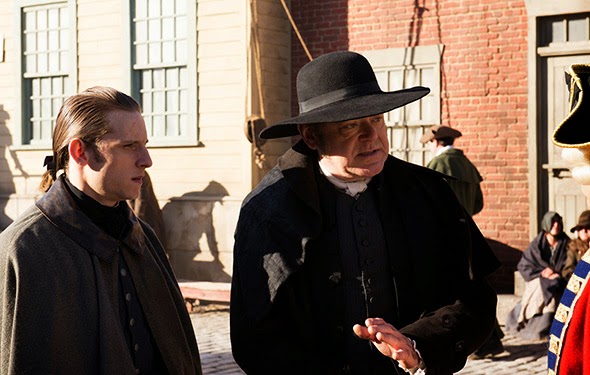
The Revolutionary War as a messy game of cat-and-mouse, cloak-and-dagger intrigue with more bodice ripping sexual intrigue than you were taught in high school. Turn continues to do a great job weaving the actual events of the Revolution into an imagined parallel dramas of Abraham Woodhull (Jamie Bell).  Thankfully it had no problem presenting a real George Washington, situated far from the iconic image later generations would render him.
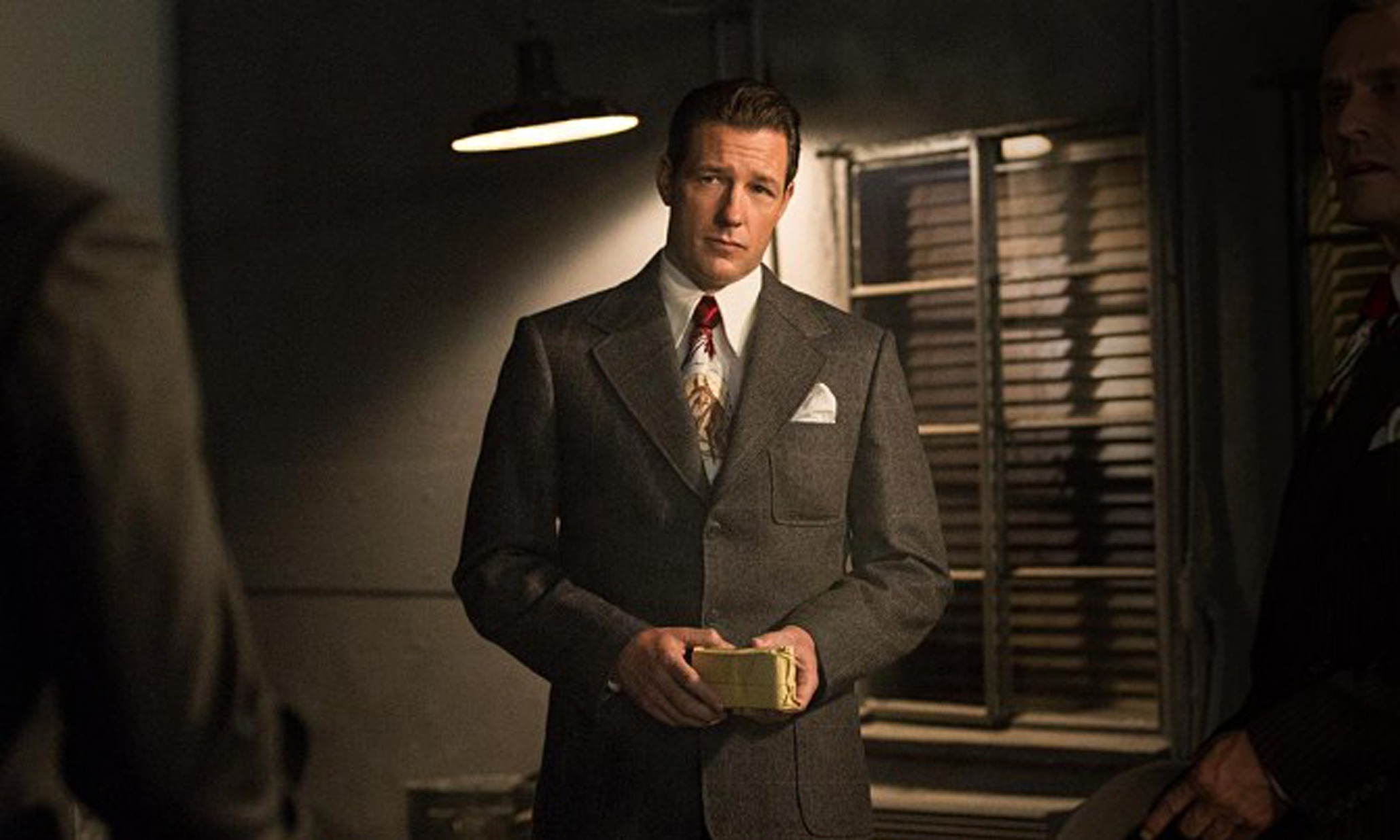
Public Morals

“I don’t want our kids walking home from school and talking about the different street corners where this one was killed and that one was stabbed.”

9 PUBLIC MORALS

Well, it got cancelled so we’ll never see the 1960s New York Public Morals division tackle encroaching Times Square prostitution or the events of Stonewall. But for what it’s worth, Edward Burns’ well-acted look at crime fighting against the ethnic backdrop of Hell’s Kitchen had some of the best looking cars I’ve ever seen in a TV show. And unlike most depictions of old New York City (namely, almost everything on this list) it actually filmed on the streets of New York.
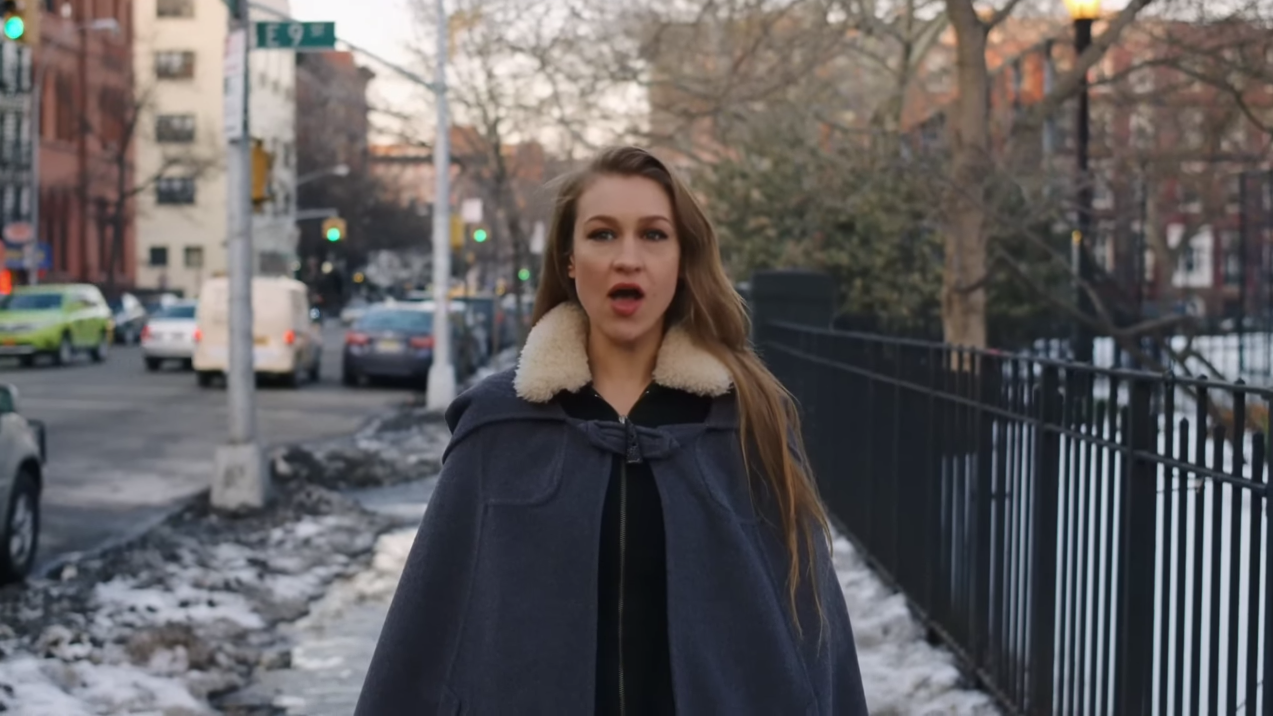
 

431237109

“The map of Sapokanikan is sanded and beveled, the land lone and leveled”

10 SAPOKANIKAN
And finally Joanna Newsom takes inspiration from the Lenape Indians with a song title that named for an old Lenape village, meaning ‘where the tobacco grows’.


Categories
The Knick

The Knick Season 2: A History Recap from the brothel to the freak show

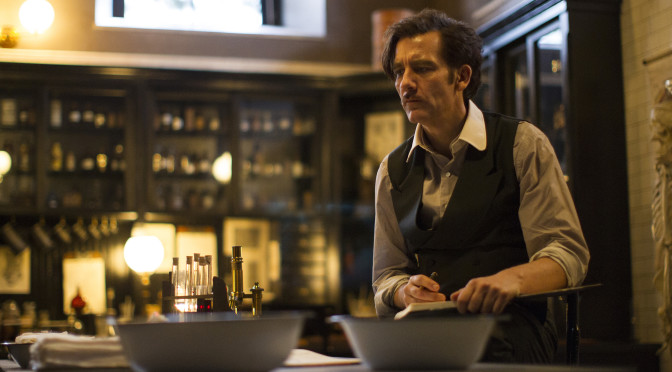
Pictured above: Dr. John Thackery (Clive Owen) explore several experimental procedures in the second season of The Knick, some more successful than others.

This post contains light spoilers of general themes from this season of The Knick although there are no specific plot twists discussed. You can use this as a primer for the second season before you begin, or review this list of historical moments before watching this evening’s finale.

Cinemax’s period hospital drama The Knick, now finishing its second season, spends a serious amount of time hunched over an operating table.

The able and ambitious surgeons of Knickerbocker Hospital cut open flesh, severed body parts, injected experimental serums and performed delicate incisions on brains, faces, throats and abdomens.

The special effects teams should be applauded for making me want to throw up on at least five occasions this year.

But The Knick is more than a procedural about a turn-of-the-century hospital although those watching for medical drama (or horror) will come away satisfied.  

With Season Two (set in 1901) this hospital drama rose to become a detective story about New York City itself.

In Season One historic figures populated a story about a growing hospital. In Season Two the show finally found its footing within the messy patchwork of the Gilded Age.

Below are some historical highlights from the season, taken from some of my Tweets from the show’s original broadcast over the past several weeks.

There are no plot spoilers here — in fact, I’ve chosen to not even mention any characters’ names — and some of you might even find this helpful before you watch.

ELECTRIC AUTOMOBILES

New Yorkers raced to find faster, more efficient solutions to horse-drawn vehicles. In the early years of automotive conveyance, it appeared the electric variety would lead the charge; however the earliest models were expensive and entirely inefficient.

Meanwhile oil refiners like the ones in Lima, Ohio, concerned that Edison’s electric light bulb was killing the kerosene market, began looking for other uses for their product.

THE CENTRAL PARK APARTMENT BOOM

Apartment living was all the rage with the upper middle class in the 1880s and developers around Central Park monopolized on the craze with lavish apartment complexes, bringing the amenities of upper crust life to those who couldn’t afford the upkeep of a mansion.

In particular, the Upper West Side was rapidly developed, becoming one of New York’s trendiest residential neighborhoods by 1900.

FEARS OF THE NEW SUBWAY

The ground was broken on New York’s ambitious new subway system on March 25th, 1900, but not everybody considered it progress. Miles of underground tunnel required unprecedented investment which tore into busy streets, creating nuisance and danger.

Those of the more sheltered class flinched at the idea of immigrant workers ripping into their streets. Most New Yorkers were certainly unsettled at the sound of dynamite explosions and feared that whole city blocks might blow up.

ADDICTION

Medical practice and scientific thought were expanding in the 1900s, but new modes of treating complicated conditions like drug and alcohol addiction were having a difficult time in the morality based institutions of the day.

Most physicians still believed that addictions exposed flaws of the human character and had little connection to the processes of the brain.

EUGENICS

Deteriorated or stunted moral character was also seen as endemic of new arriving immigrants especially those from southern Italy.

The study of eugenics — belief in the improvement of the human race through selective reproduction — rapidly grow in colleges and universities in the 1900s. Naturally the eugenics argument was also used against African-Americans and wielded as a threat against any who attempted to upend the status quo.

“DOING BUSINESS IN NEW YORK”

Although the scandals of Boss Tweed were almost 30 years old by 1901, Tammany Hall still held a viper’s grasp upon New York City infrastructure — from the ports to the construction projects.

A standard building project would often require many layers of ‘greased palms’, and expensive materials were often used because a corrupt middle-man could hide more layers of kickbacks there.

THE WORLD OF DRUGS

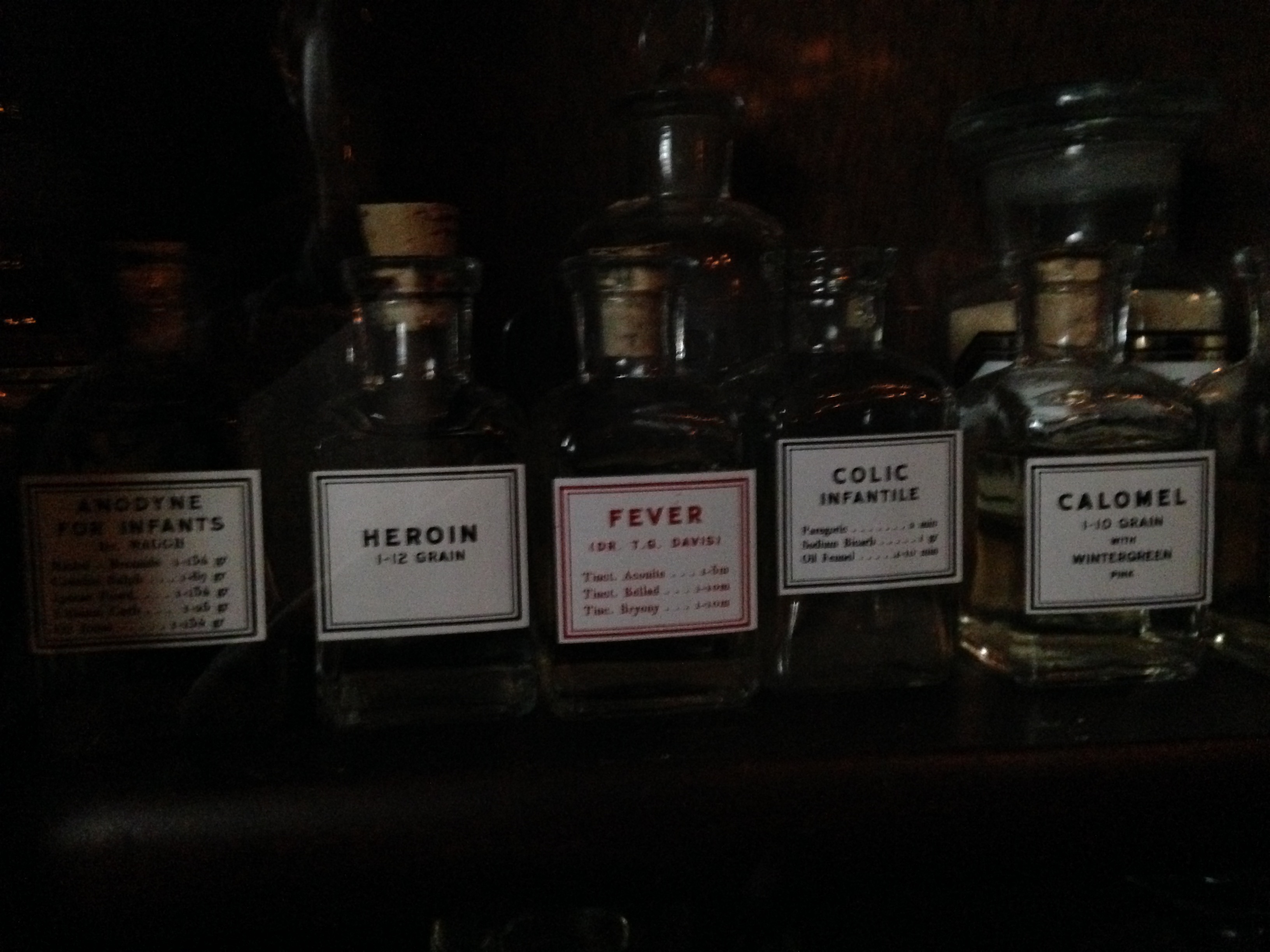
While the dangerous qualities of many common drugs were well known, few were actually banned in 1901. Cocaine and heroin were still used in the operating room, and even substances we consider deadly poisons today were available over the counter.

THE REALITIES OF ‘THE FREAK SHOW’

Inspired by P.T. Barnum’s American Museum and the popular cabinet of curiosities of Europe, ‘dime’ museums became a popular pastime for New Yorkers in the late 19th century. They were a hodgepodges of exhibits, from people with extraordinary abilities to exotic foreigners.

In places like Huber’s Museum in Union Square, some of the most popular attractions were humans with various deformities, the individuals who would make up the freak shows of Coney Island. Few considered these people in need of care, and they were often harshly abused by their handlers.

ABORTION AND SEXUALLY TRANSMITTED DISEASES

In a society so clearly judgmental of non-reproductive sexual behavior, STDs were poorly understood.

Syphilis remained a deadly illness running rampant through hundreds of New York brothels. Some protection, like condoms, did exist at the time, but they were terribly uncomfortable and not consistently made.

Pregnant girls were forced into the treacherous world of back-alley abortions. Many died during procedures — or afterwards due to unregulated and filthy conditions — and their bodies dumped into the river.

THE BIRTH OF HARLEM

Violent racial tensions in neighborhoods like Five Points and the Tenderloin forced many black New Yorkers to move north — to the largely Jewish neighborhood of Harlem.

By the year 1900 thousands of African-American lived here, creating a foundation for the huge wave of new residents who would arrive a couple decades later, turning Harlem into the center of American black culture.

THE SICILIAN BOOM

The greatest waves of immigration into America came in the early 1900s, and the largest group among them were southern Italians. Unlike the earlier wave of Italians, Sicilians were poorer and less educated. Difficulties in understanding led many New Yorkers to consider them a vastly inferior class and even dangerous.

THE GILDED AGE DELIGHTS

While the modern restaurant was essentially invented by Delmonico’s in the early 19th century, it wasn’t until the Gilded Age that the delights of public dining were properly indulged. With the influx of opulent life came the finest hotels and eateries, all equipped with modern conveniences. Most were situated on Broadway, from Union Square to Herald Square. Longacre Square (not yet Times Square) was a few years away from becoming the center of New York nightlife.

For more historical Tweets of The Knick and other television shows, just follow me on Twitter at @boweryboys.
Categories
The Knick

Checked In: On the set of ‘The Knick’

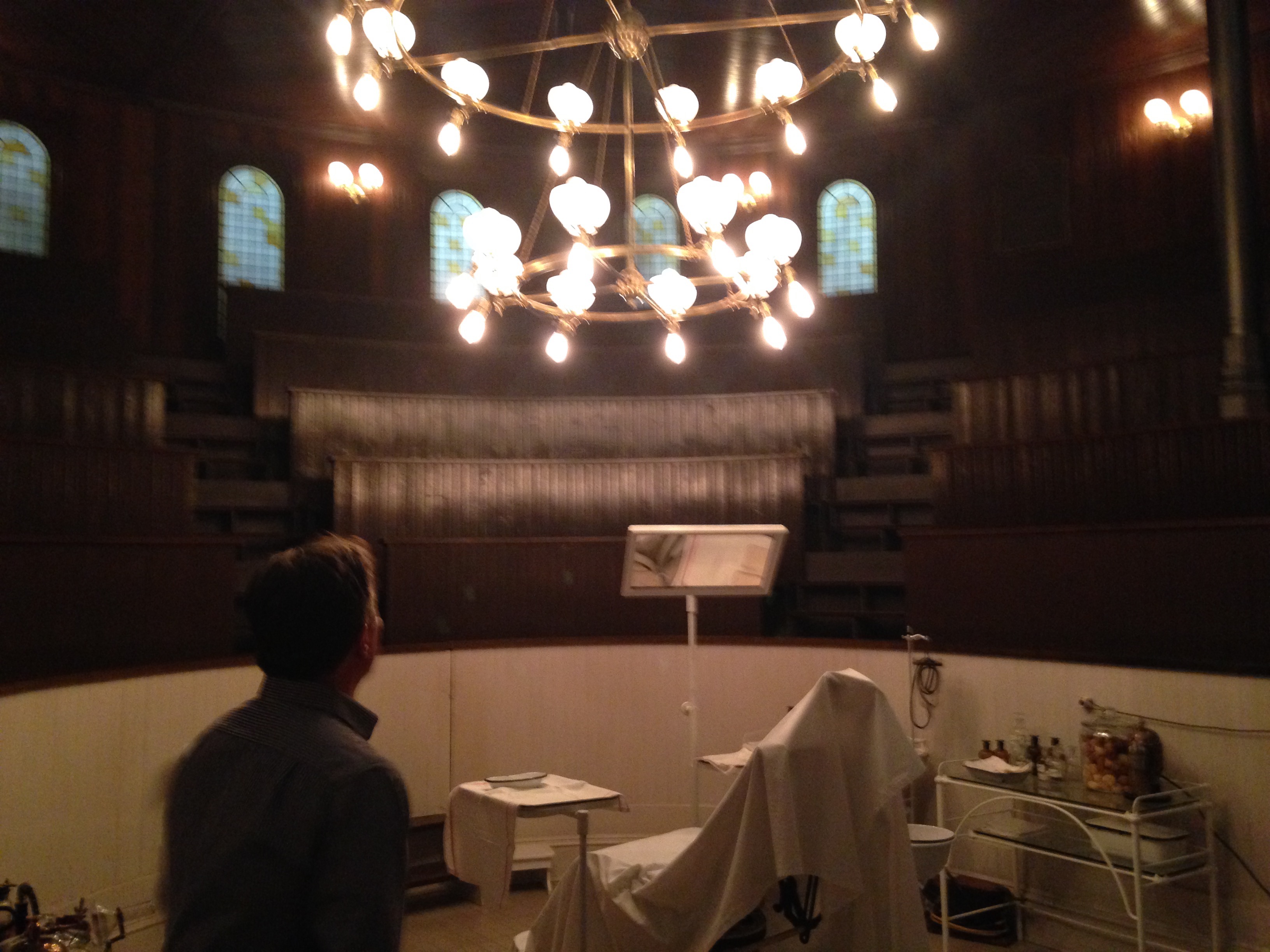
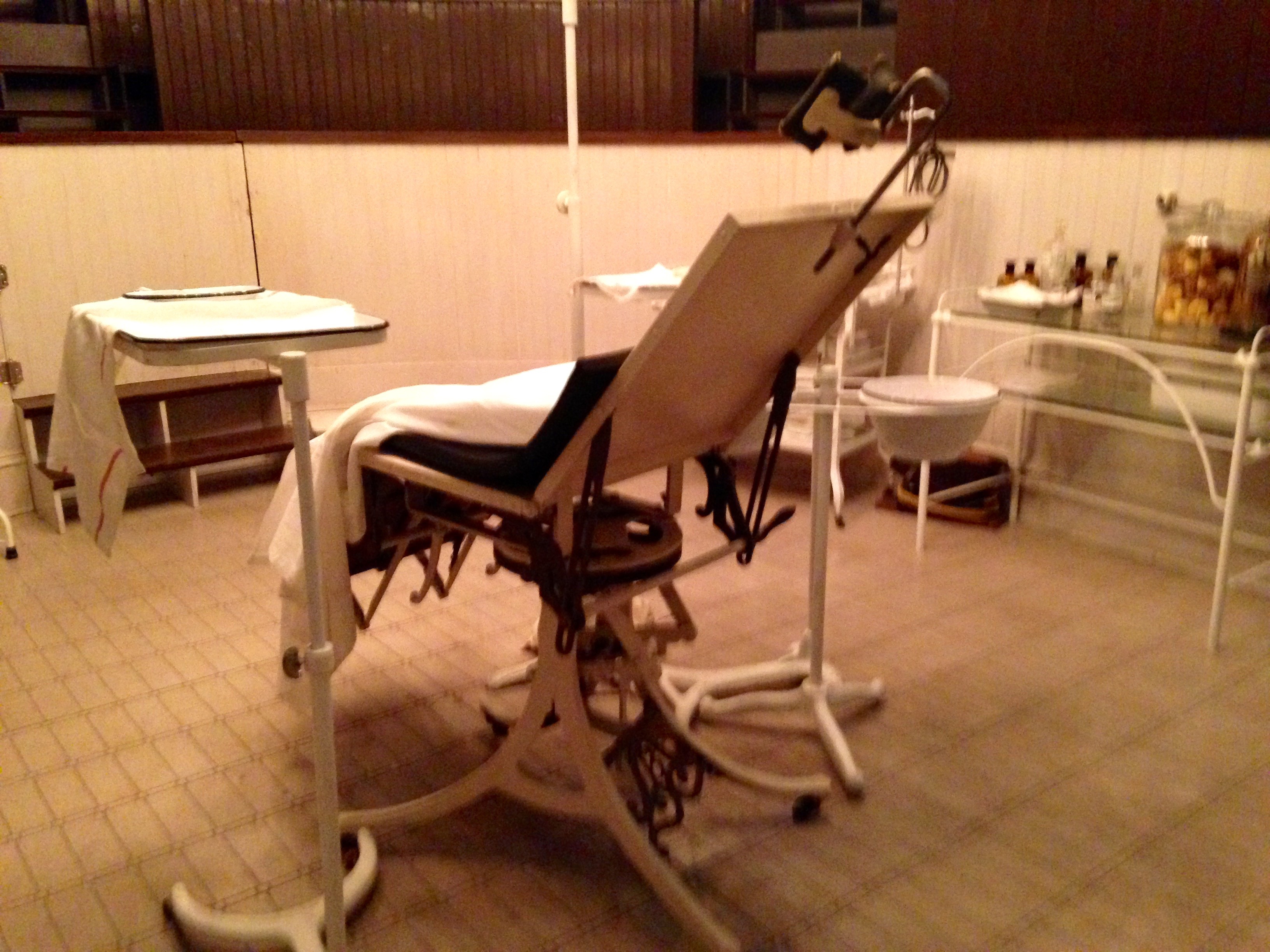
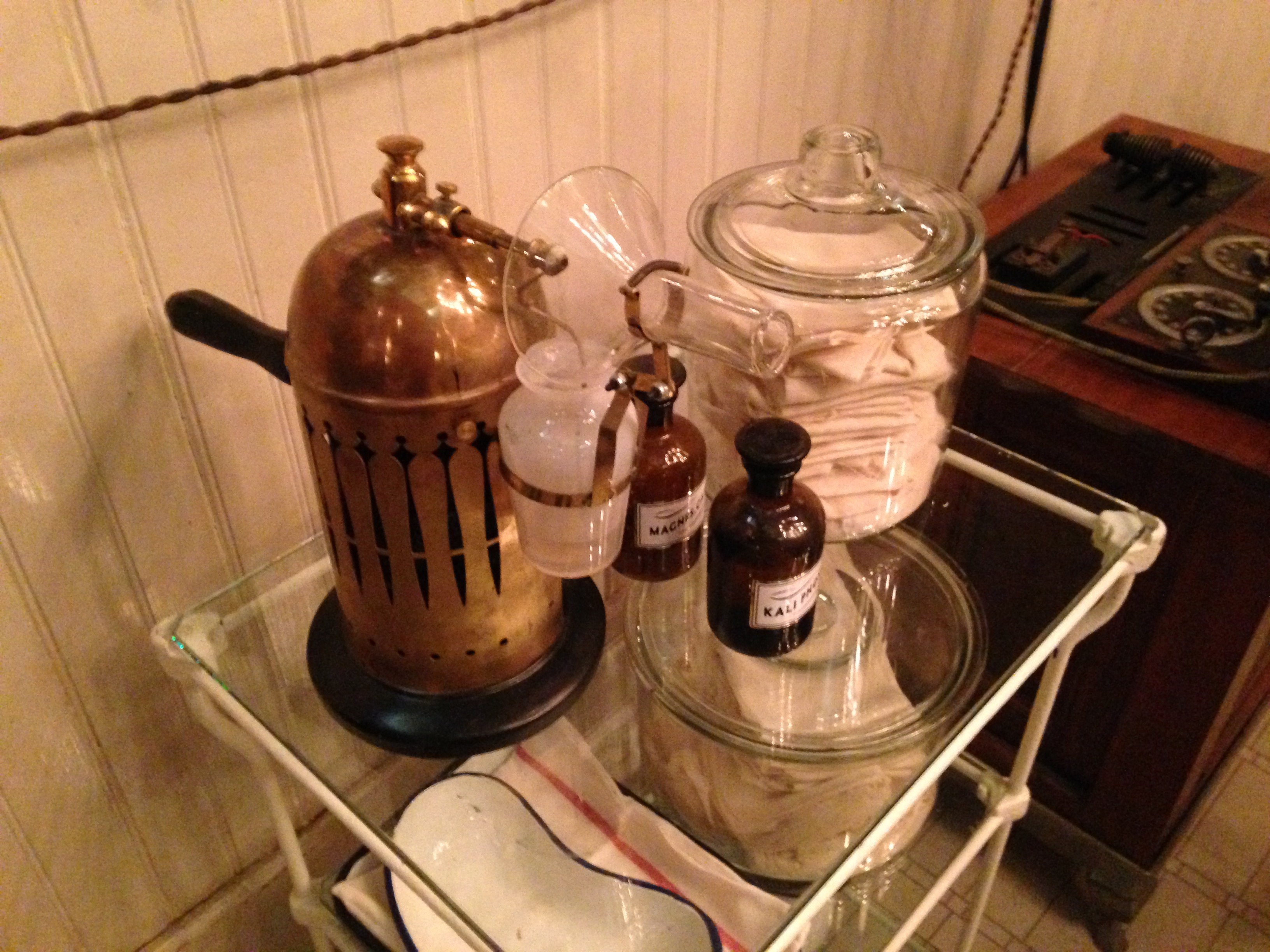
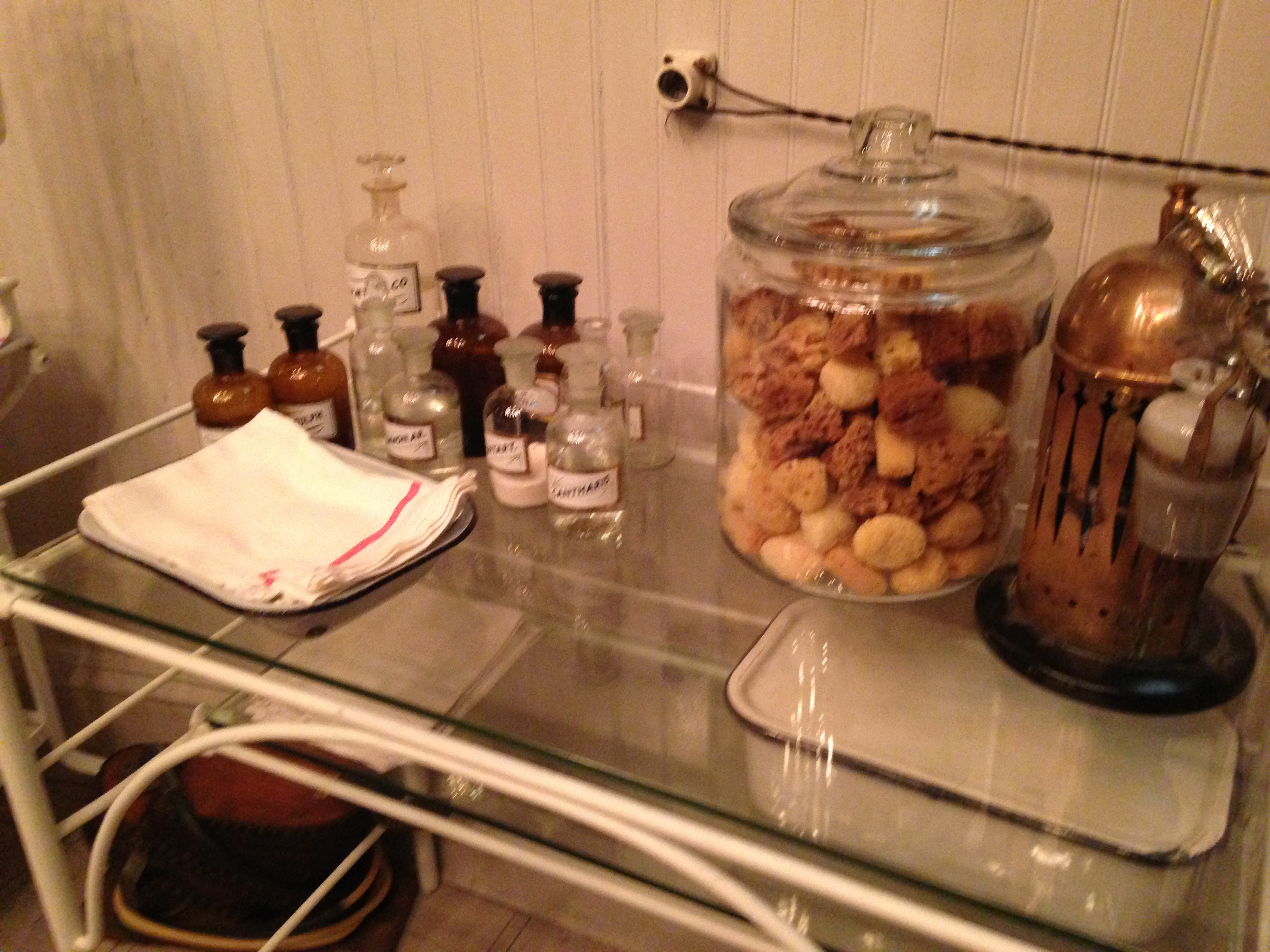
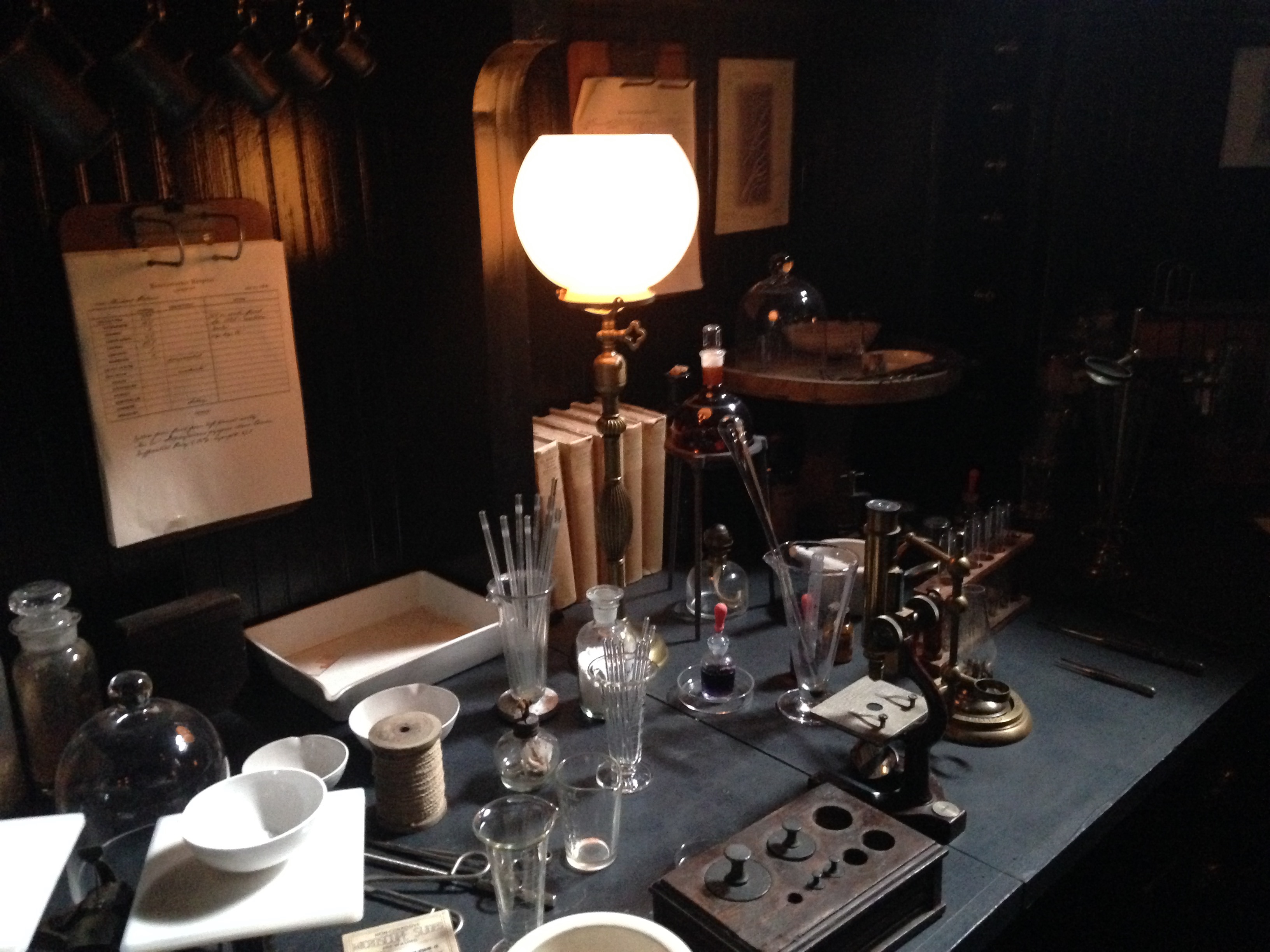
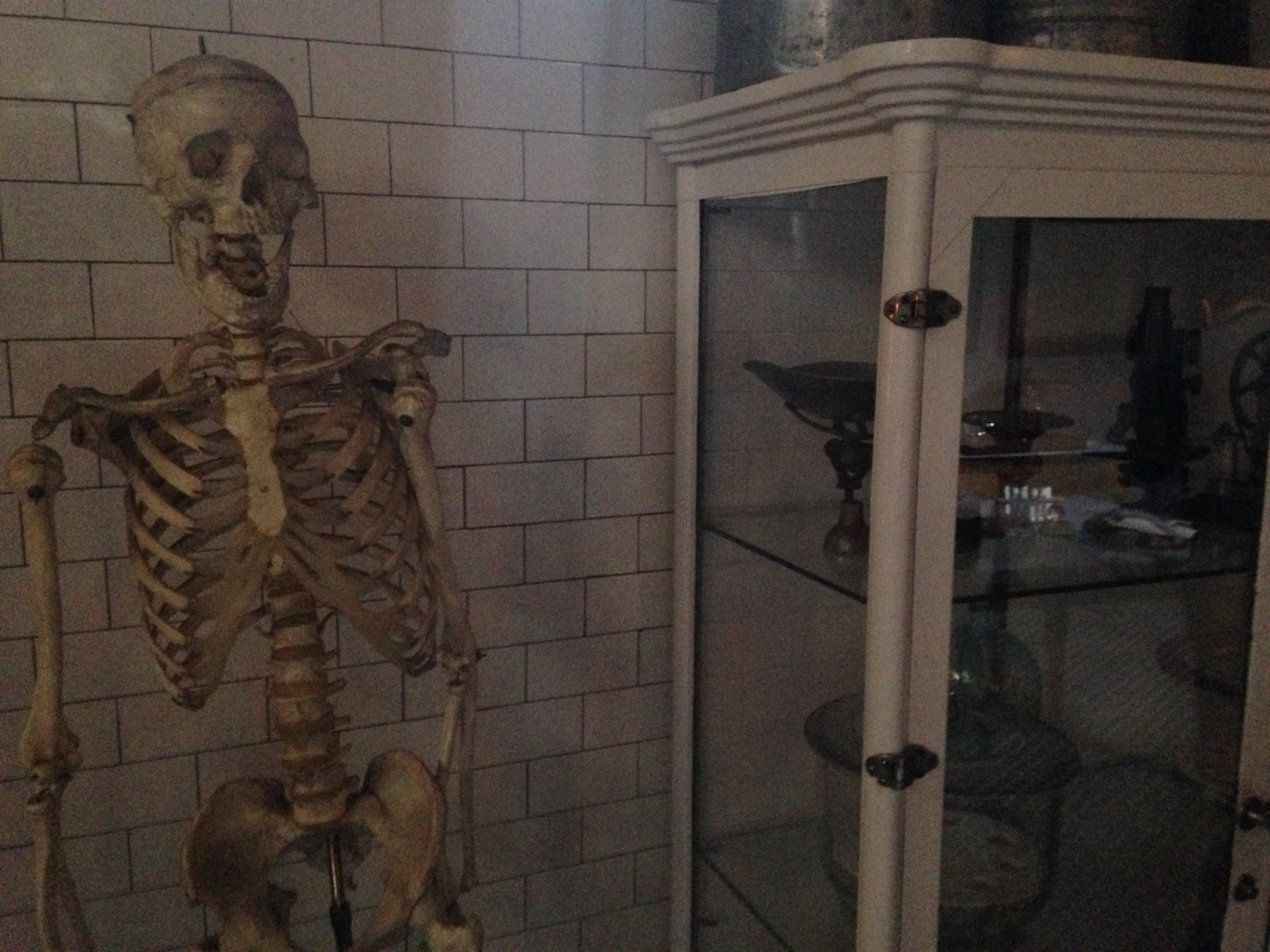
A couple weeks ago I was fortunate to be given a tour of the set of The Knick, the Cinemax’s historical drama set within the fictional Knickerbocker Hospital (which shares some traits with the actual Knickerbocker Hospital). Now, touring a TV or film set is pretty great in a normal situation. But touring a historical set is a bit like drifting through an old photograph.

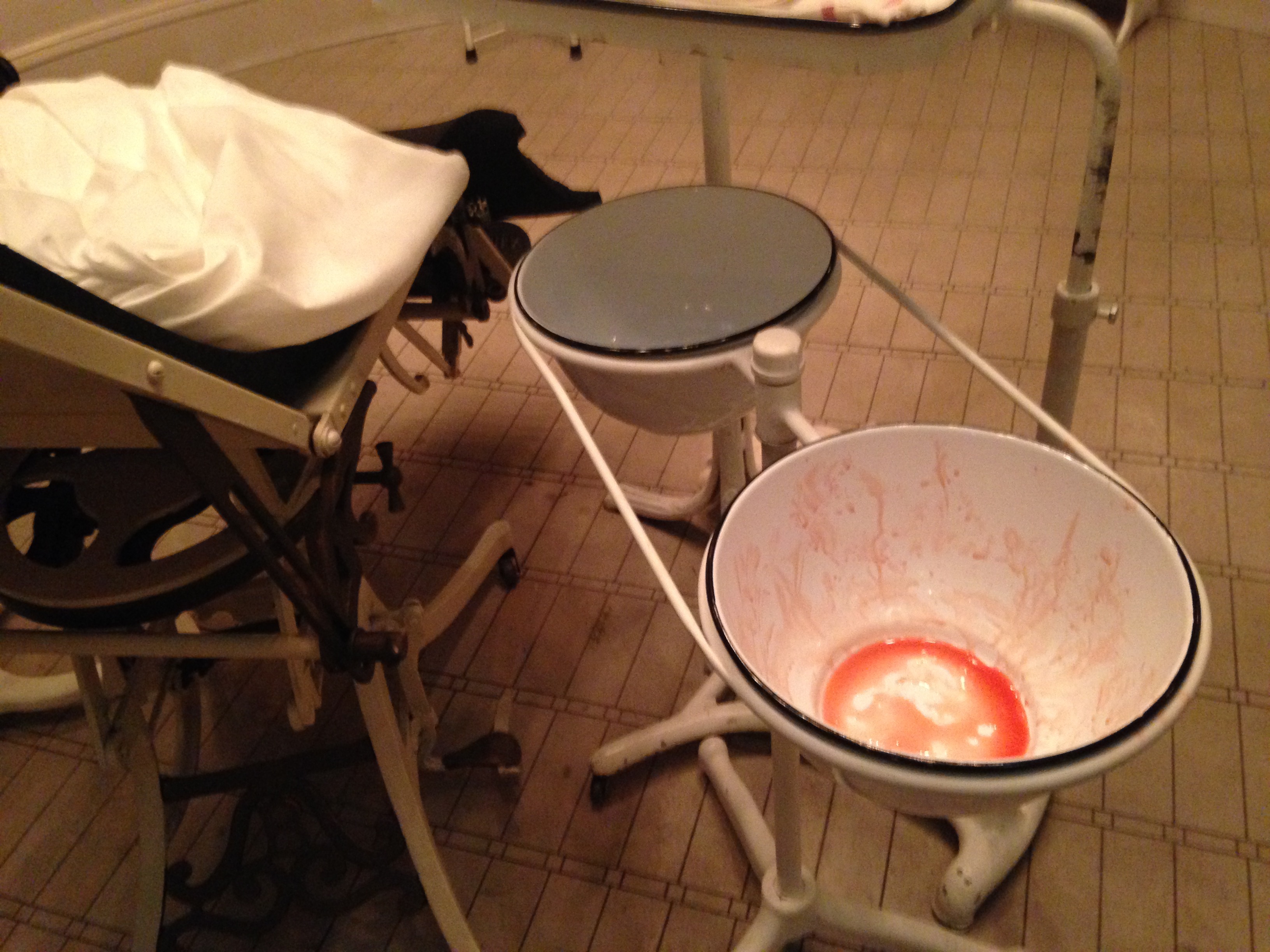
Below: Production designer Howard Cummings introduces us to the room where all the lovely, gory magic happens — the operating theater.

IMG_7492 IMG_7494

The first season of The Knick filmed a few scenes on Broome Street. (Tom took some pictures of that experience which we posted here.) And now I got my turn to wander through a bit of dreamlike historical recreation, passing through ornate hospital and laboratory sets.

A few impressions:

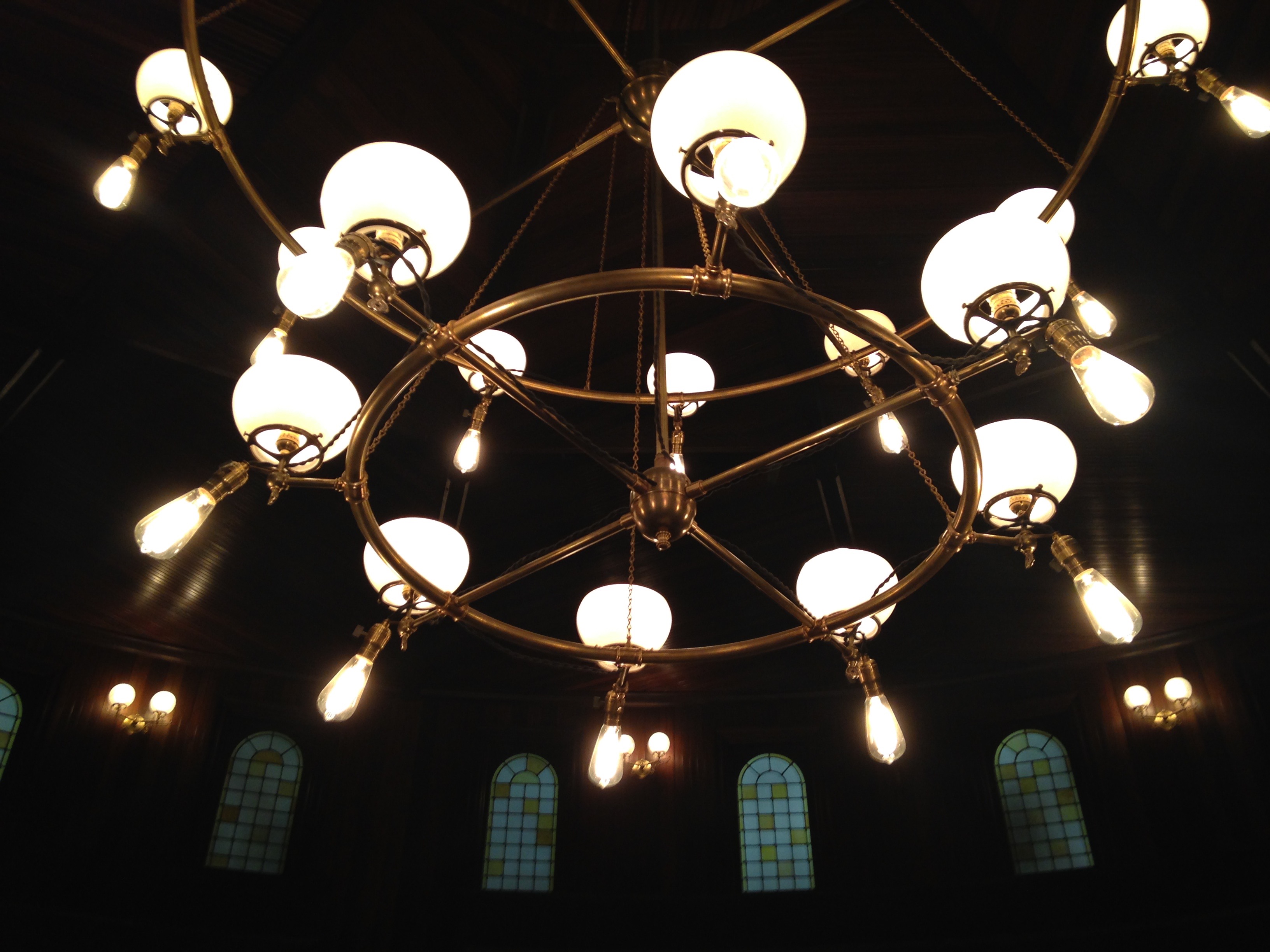
1) My pictures aren’t that good because, well, I’m not really a great photographer. But also because everything is lit with those Edison-style lightbulbs, creating a warm and sometimes ominous glow. The show films using only these light sources. I’m pretty sure I ate at a restaurant on the Bowery last week that had a similar lighting scheme.

IMG_7515 IMG_7518

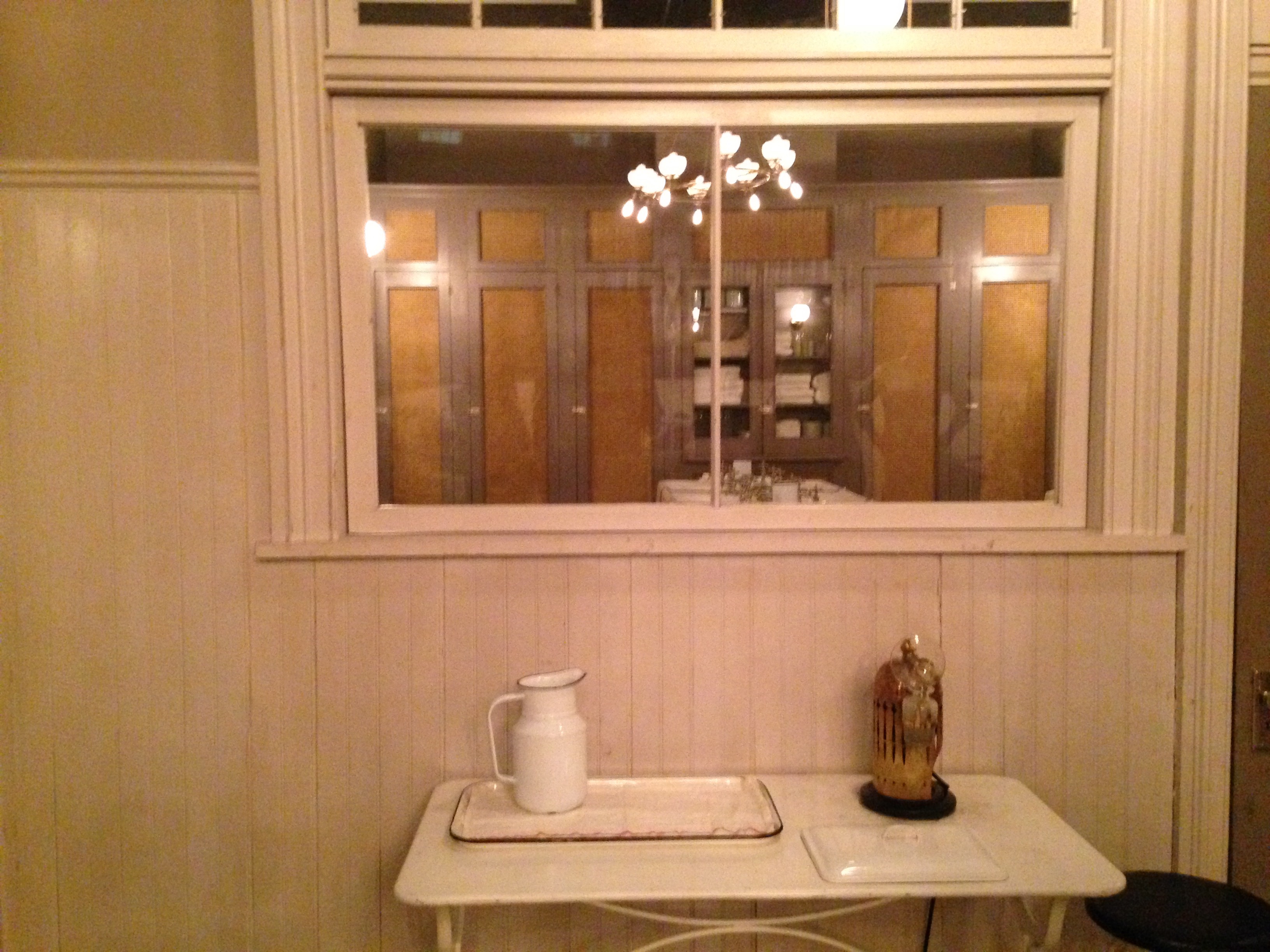
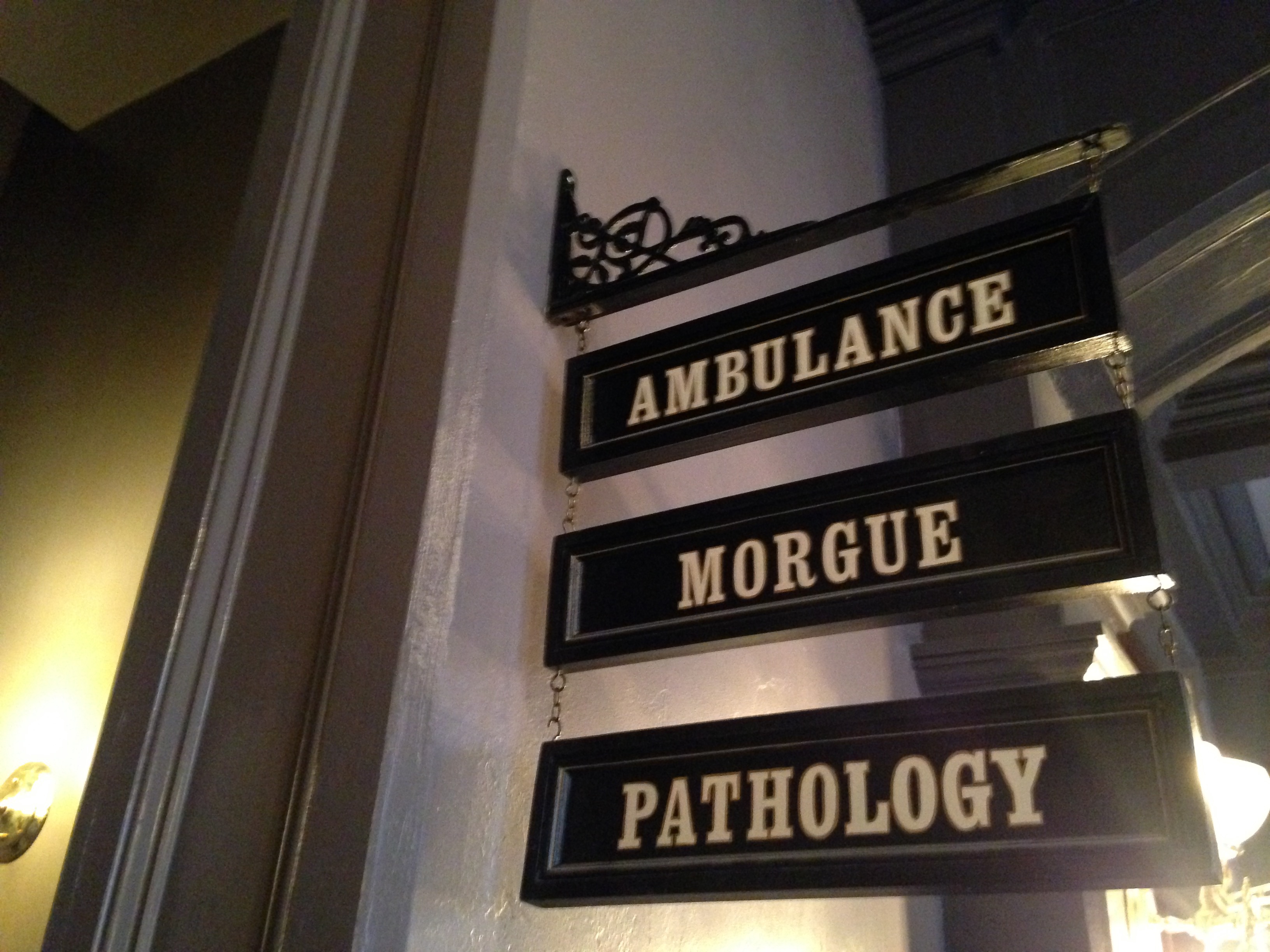
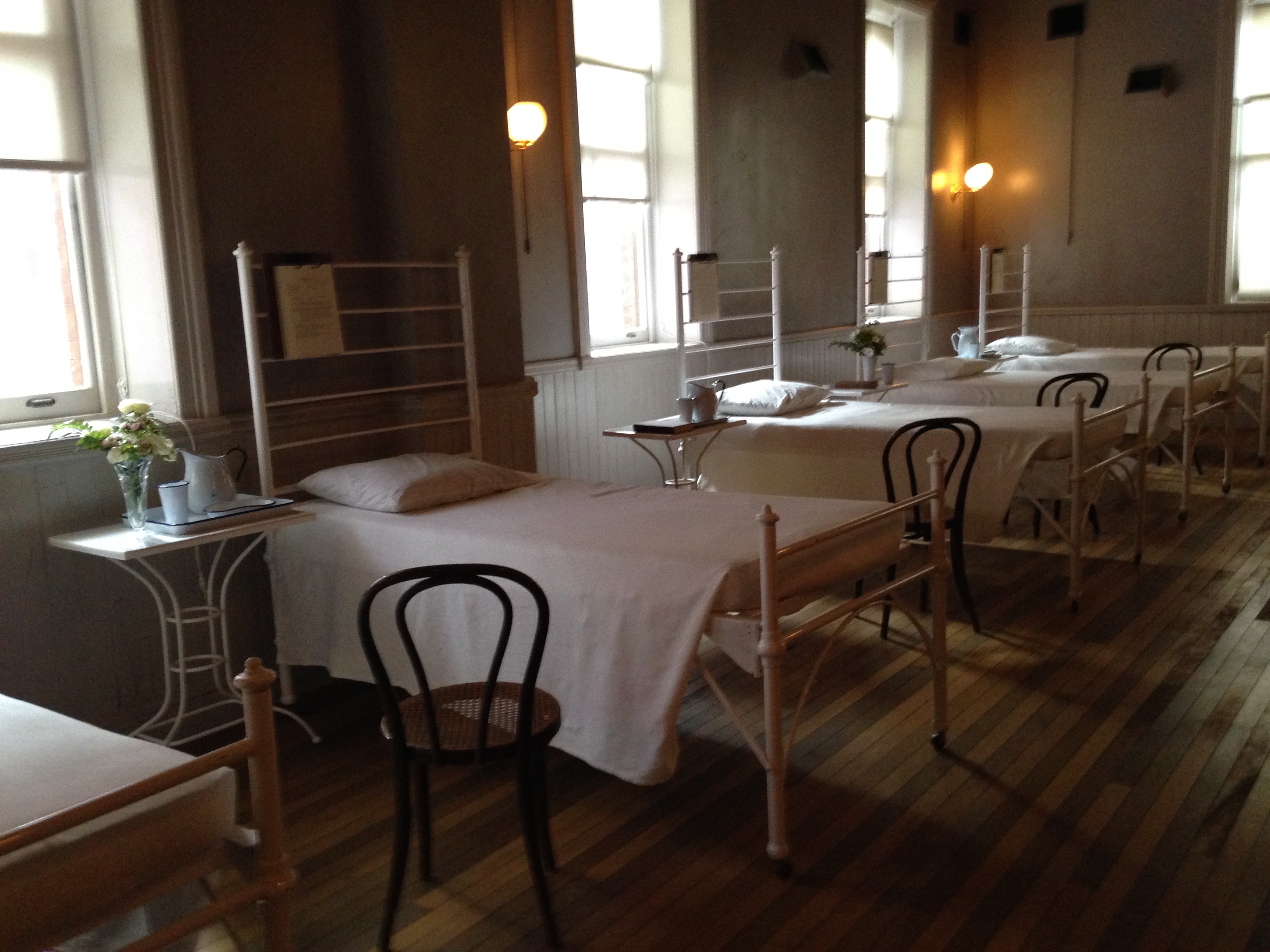
2) As there are no huge pieces of equipment following Steven Soderbergh with his camera around the sets, they’re designed with more realistic dimensions. The production designer Howard Cummings walked us through the labyrinth of darkened set pieces that at times felt like the cleanest haunted house in the world.  The various hospital rooms actually look like they could admit patients.  The notorious operating theater really felt like a small classroom.

IMG_7495 IMG_7496

3) I’m certain that Cinemax could turn the sets into a popular nightclub during the off-season. Since it films in Brooklyn, this might not be a bad investment idea.

IMG_7524 IMG_7526

4) The show’s medical adviser is Dr. Stanley Burns who has an almost frightful depth of knowledge and an amazing trove of materials from  which to draw inspiration.  Check out the Burns Archives (which has some digital assets available) to peer into the plot possibilities.

IMG_7501 IMG_7504


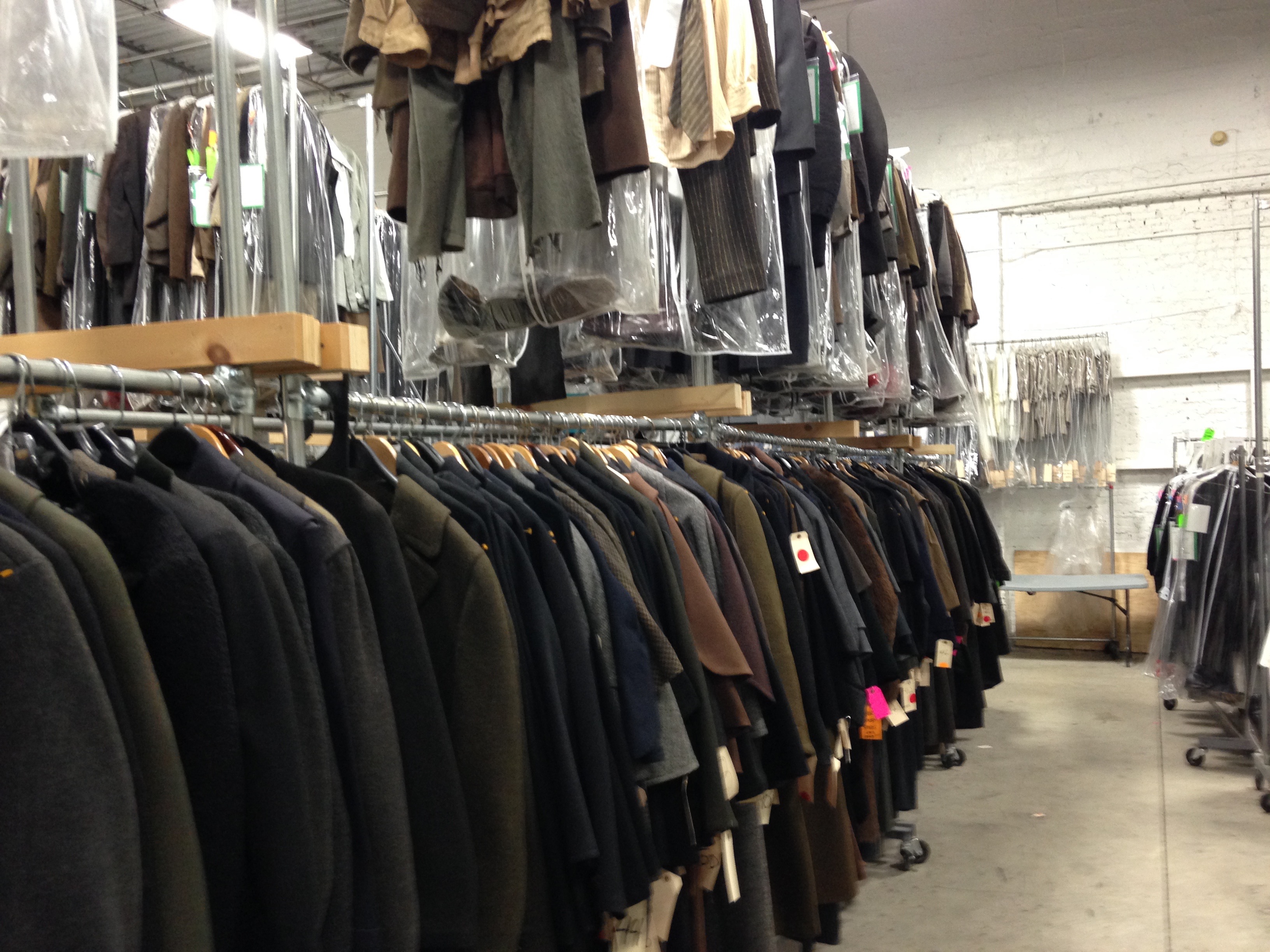
5) When the show returns, be sure to pay extra-special attention to the wardrobe. We met the costume designer Ellen Mirojnick who walked us through a literal warehouse of historical pieces. My first thought was that I want her to design all the outfits for my wedding one day. Her domain was like the world’s best thrift store, occupied only by garments from the Gilded Age. Corsets, boiler hats, ball gowns, medical robes. The show’s unsettling feel (transmitted through music, tone and set color schemes) is subtly interpreted through each character’s dress. Probably an obvious point to make, but again, startling to see in period costumes.

Below: Racks and racks of coats, suits and hats that could literally clothe thousands of hipsters.

IMG_7489


6) Finally I could have talked for hours to the writers who we met at the end of our tour – Jack Amiel, Michael Begler and Steven Katz. The show has a pretty high degree of difficulty (set in the past and in a hospital) so it was interesting to explore how they craft a plot around historical events and unusual medical practices.

And, no, I didn’t get to see Clive Owen, but I did get to see all of his hats!

The show returns to Cinemax later this fall. As usual I’ll be Tweeting along with the show during its initial broadcast, even through those portions of blood-soaked medical surgeries that make me feel like I’m going to vomit.

IMG_7499 IMG_7500


IMG_7520

IMG_7533

Categories
Pop Culture

The history of NYC in eight pop culture moments from 2014

In our 2014 Year In Review podcast, we didn’t have much time to talk about notable pop cultural events that depicted New York City history.  But here’s a recap a few films and television shows which used the city’s history in their narratives. I’ve arranged them in the chronological order in which they’ve been set:

Courtesy AMC

TURN
Year: 1776
This AMC freshman series, revolving around the early years of the Revolutionary War, depicts Long Island, New Jersey and the cramped port city of New York itself in the year 1776. Its first season was so-so, but the performances were good, and the art direction surely excellent, as in the best episode “Of Cabbage And Kings” when Abe Woodhull (Jamie Bell) takes the boat to downtown Manhattan and ostensibly begins his career as George Washington’s newest spy.


Courtesy HBO/Cinemax

THE KNICK
Year: 1900
Cinemax’s vivid medical drama was certainly the most atmospheric show on American television (excluding maybe True Detective), illustrating the medical practices of a financially strapped Manhattan hospital as administered by drug addict and genius surgeon Dr. John Thackery (Clive Owen).  The exteriors of Knickerbocker Hospital were shot at Boys’ High School in Bed-Stuy and were most prominently featured in the episode “Get The Rope” when a racist mob violently attacked black passers-by.

Screen shot from On the Set of New York

WINTER’S TALE
Year: 1916
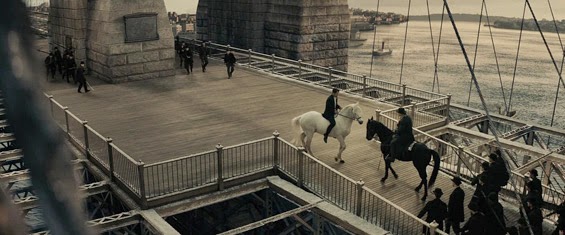
A romantic time-warp fuels this  unsuccessful adaptation of Mark Halperin’s fantasy historical novel.  His writing style is truly enigmatic, proven here when plot is separated from description. However the film is not without its visual charms, including a brief look at the East River waterfront, circa 1916, as Colin Farrell gallops over the Brooklyn Bridge on a white horse.

Courtesy The Weinstein Company

THE IMMIGRANT
Year: 1921
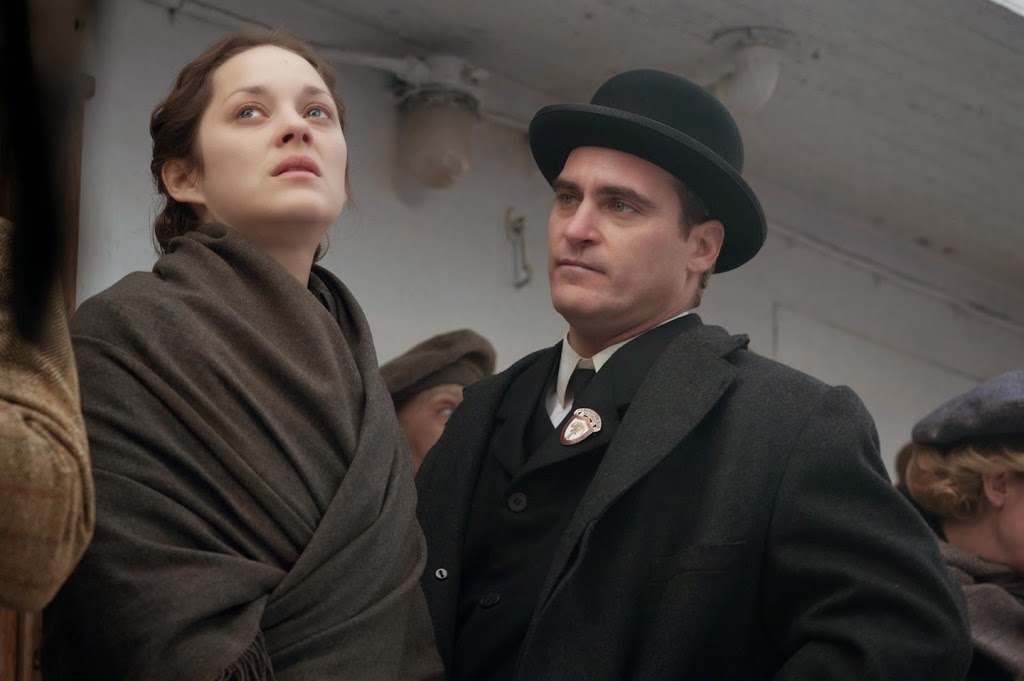
Marion Cotillard, providing an old-school blockbuster performance, is the heart and soul of this film set at the dawn of Prohibition. With her sister Magna is detained at Ellis Island, Ewa (Cotillard) goes to work for a shady impresario (played by Joaquin Phoenix) who then prostitutes her to clients.  The cinematography by Darius Khondji takes inspiration from browned, faded photography, and his views of the Lower East Side in the early scenes are truly breathtaking.

Courtesy HBO
 
BOARDWALK EMPIRE

Year: 1931
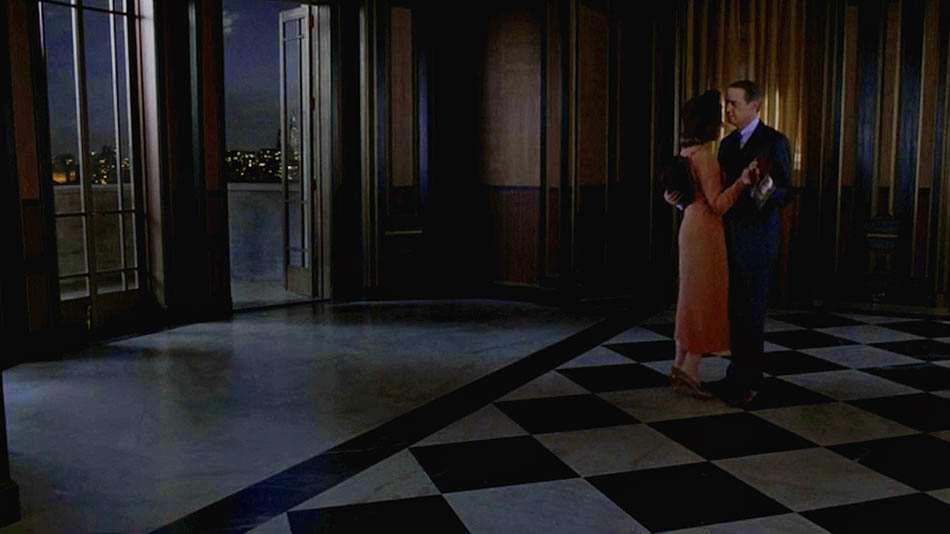
I prefer not to relive the ending of “Eldorado,” the final episode of Martin Scorsese’s Prohibition drama.  So let’s just end it at the lovely scene with Nucky (Steve Buscemi) and Margaret (Kelly MacDonald) dancing in the gorgeous apartment at the Upper West Side apartment complex which gives the episode its bittersweet name.

Courtesy AMC

MAD MEN
Year: 1970
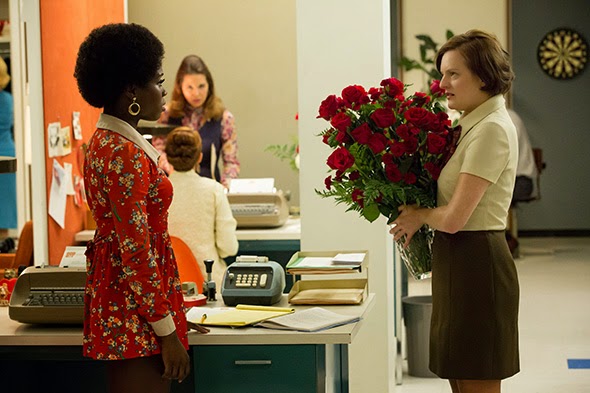
The first half of the final season (can’t believe I’m writing that) saw the beginnings of a redemption arc for Don Draper and general cultural instability for just about everyone else.  The new character Shirley (Sola Bamis) became a bit of a harbinger of the new decade in the episode “A Day’s Work,” bringing out the insane in Peggy (Elizabeth Moss) and the clever side of Joan (Christina Hendricks).

Courtesy A24 FIlms

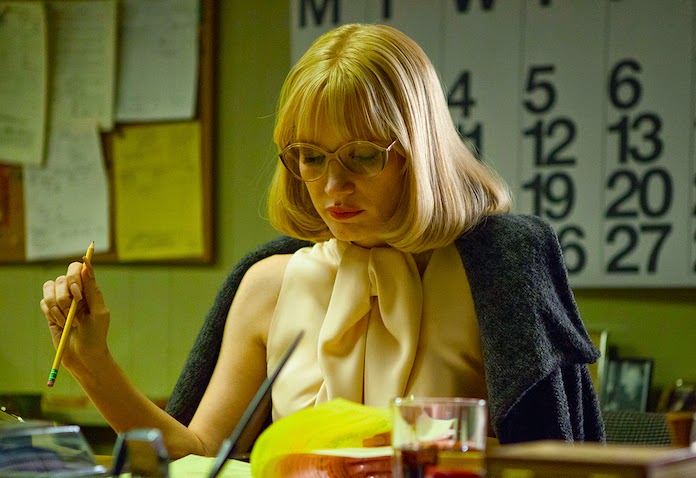
A MOST VIOLENT YEAR**
Year: 1981
This would be a simple story of an ambitious immigrant businessman Abel (played by Oscar Isaac) just wanting to get ahead in the world, expanding his fuel empire into larger digs in Brooklyn. But this is 1981, and nothing is very simple, least of which his wife Anna (Jessica Chastain) with her familial connections to the mob.

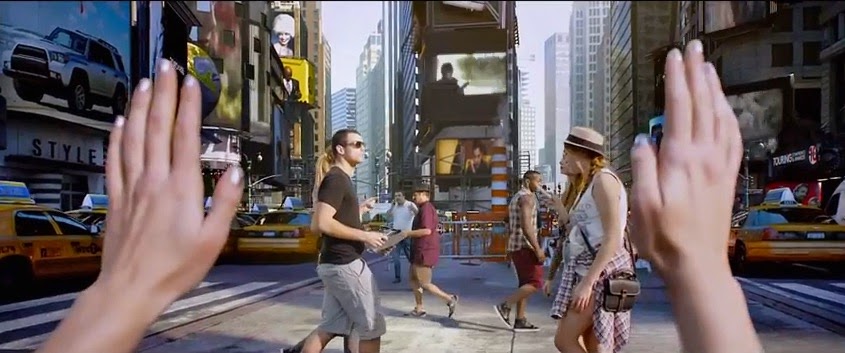
LUCY
Year: Every Year!
Well, I’m not going to explain why, but let’s just say that La Lucy (Scarlett Johansson) has the ability to both travel through and manipulate time via an extreme overdose of an experimental new drug. It doesn’t matter. What does matter is for about one minute, she finds herself in the middle of Times Square, repeating and rewinding time at that very spot, giving us quick doses of the newly built One Times Square, then of the horse and carriages of Longacre Square.

And then she goes back a couple million more years or so. I cannot confirm the historical veracity of these particular scenes but it looks very pretty.

**For transparency: I’m writing each week at the blog NYC.1981 which is a tie-in into the film.

Categories
The Knick Wartime New York

Knickerbocker Hospital: An inspiration for Cinemax’s The Knick

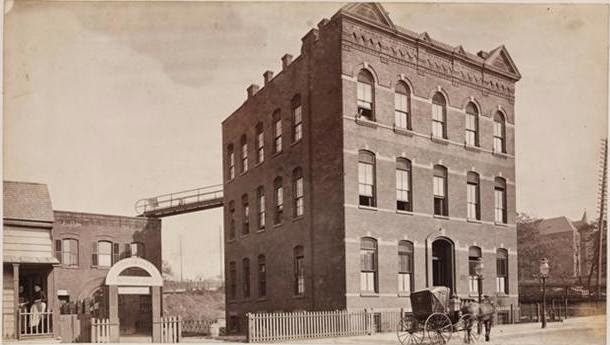
Photographed dated 1886, the institution was called Manhattan Hospital then, changing its name to J. Hood Wright Memorial Hospital, then to Knickerbocker Hospital in 1913 (Picture courtesy the Museum of the City of New York)

On Friday begins The Knick on Cinemax, a historical drama set in the turn-of-the-century Knickerbocker Hospital. . Last year, Tom wandered around the Broome Street set of The Knick. (Check out his pictures here.)  Are you checking this out live this Friday night (August 8, 10pm)?  Follow along with me on Twitter where I’ll try and keep up with historical tidbits about the era and the events that are depicted.

Although the hospital depicted in the show is technically fictional, there was a Knickerbocker Hospital in New York during this time period. It will be interesting to see if the show’s institution bears any resemblance to the real Knickerbocker:

Knickerbocker Hospital
Location: Covent Avenue and 131st Street
The hospital depicted in The Knick is much, much further downtown.  However, with the arrival of elevated trains and, later, the subway, some new immigrants would have settled in upper Manhattan to escape the crowded tenements. So the types of patients treated at these institutions would have been similar.

Purpose:  According to the 1914 Directory of Social and Health Agencies, “Gives free surgical and medical treatment to the worthy sick poor of New York City.  Incurable and contagious diseases and alcoholic, maternity and insane patients not admitted.  Emergency cases received at any hour.”
Statistics:  In 1914, they had 57 beds, 1,096 cases treated in a year
Funding: Care is free to “the worthy poor” and the hospital is supported by charitable contribution

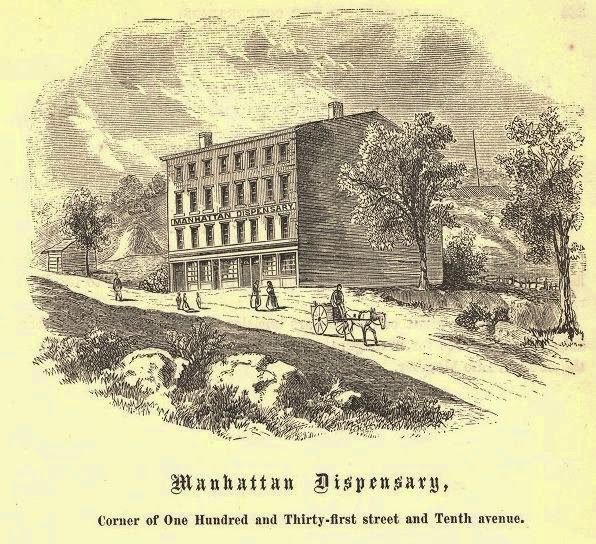
History:  The hospital began its existence as the Manhattan Dispensary in 1862, located in upper Manhattan when it pretty much looked like this:  (Image courtesy the US National Library of Medicine)

The hospital treated injured Civil War soldiers.  It was founded by a Philadelphia railroad man named James Hood Wright who worked for banker J.P. Morgan.  

Mr. Wright died suddenly on November 12, 1894, collapsing at an elevated train station on Rector Street and never regained consciousness.  In honor of his contributions, the hospital was renamed the J. Hood Wright Memorial Hospital, although, from reading the news clipping below, it seems that was not a great idea.

The name change was facilitated by a lack of funding for the hospital.  In 1910, hospital executives blatantly proclaimed “the hospital was inadequate to serve the needs of the west side of Harlem.”

From a notice in the New York Sun, June 23, 1913:

“The J. Hood Wright Memorial Hospital, which was incorporated in 1868 as the Manhattan Dispensary, has got permission from Supreme Court Justice Page to change its name to the Knickerbocker Hospital.

The petition says that since Mr. Wright’s death the population of the district served by the hospital has increased greatly and the necessity of more funds for the hospital has increased proportionately.


The hospital managers and Mr. Wright’s heirs believe that the present name of the hospital leads to the belief that it is so liberally endowed it does not require outside assistance and for this reason, none have been forthcoming.  They say Mr. Wright desired outsiders to contribute.”

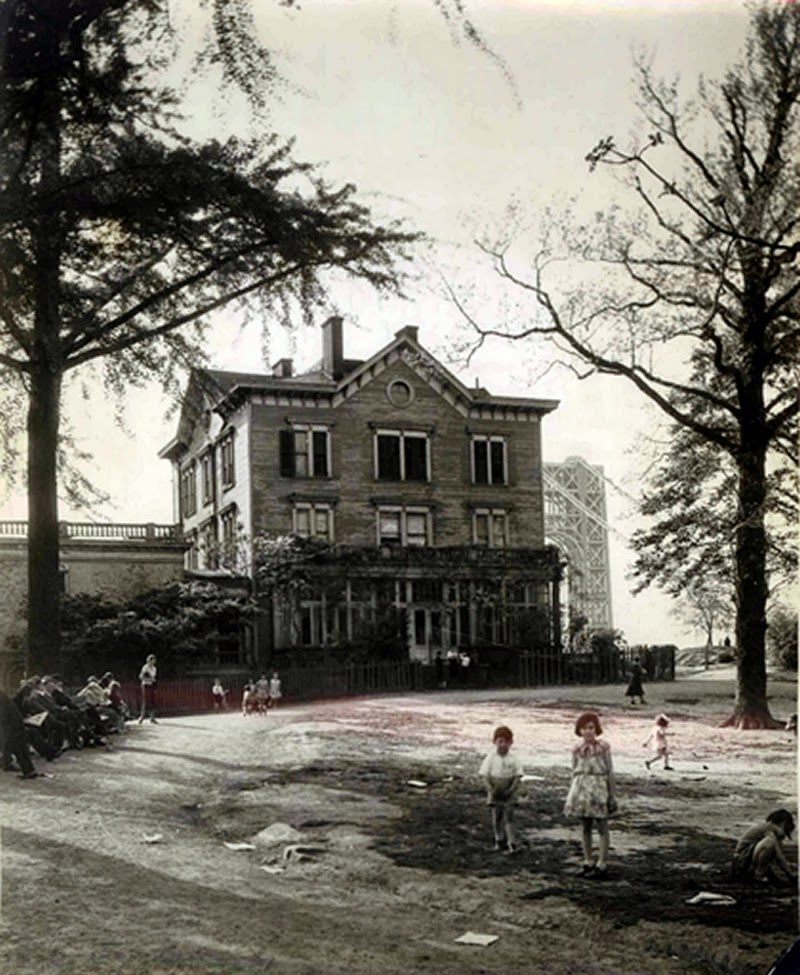
J. Hood Wright is memorialized in a public park just off the Manhattan approach to the George Washington Bridge. located on the land where Mr. Wright’s mansion once stood.

At right: A photo of the old Wright house. You can see the George Washington Bridge in the background. (Courtesy Museum of the City of New York)

The Knickerbocker’s neighborhood of Harlem became the heart of New York’s African-American culture, but hospital staffing did not reflect this change.

There were many reported incidents of black patients being poorly treated here during the 1920s and 30s.  According to author Nat Brandt, the wife of W.C. Handy “lay critically ill in an ambulance for more than an hour while officials of Knickerbocker Hospital discussed whether to admit her.” [source]

In May 1959, Billie Holiday was admitted here after collapsing in her apartment, but her liver and heart disease were so advanced that she was transferred to a hospital better suited for treatment. (She died a few weeks later.)

Knickerbocker Hospital remained open until the early 1970s when mounting debts almost forced it to close.  The state of New York took it over and renamed it Arthur C. Logan Memorial Hospital after a prominent black physician.  That hospital seemed to suffer from the same financial woes as the others and eventually closed for good in 1979.

I’m looking forward to doing more research New York’s medical institutions in the coming weeks, and I hope the show does it justice!

A scene from The Knick. There will be blood, I believe….

(Photograph courtesy Cinemax)